EP0108147B1 - Use of a protoberberine alkaloid and composition containing same - Google Patents
Use of a protoberberine alkaloid and composition containing same Download PDFInfo
- Publication number
- EP0108147B1 EP0108147B1 EP83902149A EP83902149A EP0108147B1 EP 0108147 B1 EP0108147 B1 EP 0108147B1 EP 83902149 A EP83902149 A EP 83902149A EP 83902149 A EP83902149 A EP 83902149A EP 0108147 B1 EP0108147 B1 EP 0108147B1
- Authority
- EP
- European Patent Office
- Prior art keywords
- berberine
- represents hydrogen
- methyl
- protoberberine
- compounds
- Prior art date
- Legal status (The legal status is an assumption and is not a legal conclusion. Google has not performed a legal analysis and makes no representation as to the accuracy of the status listed.)
- Expired
Links
Images






Classifications
-
- A—HUMAN NECESSITIES
- A61—MEDICAL OR VETERINARY SCIENCE; HYGIENE
- A61K—PREPARATIONS FOR MEDICAL, DENTAL OR TOILETRY PURPOSES
- A61K31/00—Medicinal preparations containing organic active ingredients
- A61K31/70—Carbohydrates; Sugars; Derivatives thereof
- A61K31/7028—Compounds having saccharide radicals attached to non-saccharide compounds by glycosidic linkages
- A61K31/7034—Compounds having saccharide radicals attached to non-saccharide compounds by glycosidic linkages attached to a carbocyclic compound, e.g. phloridzin
- A61K31/704—Compounds having saccharide radicals attached to non-saccharide compounds by glycosidic linkages attached to a carbocyclic compound, e.g. phloridzin attached to a condensed carbocyclic ring system, e.g. sennosides, thiocolchicosides, escin, daunorubicin
-
- A—HUMAN NECESSITIES
- A61—MEDICAL OR VETERINARY SCIENCE; HYGIENE
- A61K—PREPARATIONS FOR MEDICAL, DENTAL OR TOILETRY PURPOSES
- A61K31/00—Medicinal preparations containing organic active ingredients
- A61K31/33—Heterocyclic compounds
- A61K31/395—Heterocyclic compounds having nitrogen as a ring hetero atom, e.g. guanethidine or rifamycins
- A61K31/435—Heterocyclic compounds having nitrogen as a ring hetero atom, e.g. guanethidine or rifamycins having six-membered rings with one nitrogen as the only ring hetero atom
- A61K31/47—Quinolines; Isoquinolines
-
- A—HUMAN NECESSITIES
- A61—MEDICAL OR VETERINARY SCIENCE; HYGIENE
- A61K—PREPARATIONS FOR MEDICAL, DENTAL OR TOILETRY PURPOSES
- A61K31/00—Medicinal preparations containing organic active ingredients
- A61K31/70—Carbohydrates; Sugars; Derivatives thereof
- A61K31/7042—Compounds having saccharide radicals and heterocyclic rings
- A61K31/7048—Compounds having saccharide radicals and heterocyclic rings having oxygen as a ring hetero atom, e.g. leucoglucosan, hesperidin, erythromycin, nystatin, digitoxin or digoxin
Definitions
- This invention relates to the use of a protoberberine alkaloid or of a therapeutically acceptable salt thereof for the production of a drug composition for use in a method for increasing the contractility of the mammalian heart.
- the compounds for use in the invention are of special interest in prophylactic, therapeutic and other applications to prevent, minimize, control, alleviate, correct and remedy various disorders or symptoms of circulatory disorders, including cardiovascular origins or types.
- the invention also encompasses compositions for chronic and acute heart failure and other pathologic states that will benefit from an improvement in cardiac performance; for the treatment of shock (cardiogenic and non-cardiogenic shock); for the treatment of arrythmias (whether of natural causes or caused by a drug); for increasing the usefulness of cardiac glycosides (like of the digitalis types) including broadening their usually limited therpeutic index; for controlling or correcting A-V (atrio-ventricular blocks, to be defined later herein) block in mammals.
- the unique, unobvious and remarkable aspects of the invention are quite numerous and will become apparent hereinafter, but at the outset it is most noteworthy that the compounds used in the invention are antiarrhythmogenic, a remarkable utility in and by itself. Another aspect is that the compounds used in the invention have a remarkable combination of beneficial properties, such as, concurrently, having a positive inotropic effect and being antiarrythmogenic. Another unusual aspect is that the compounds for use in the invention are useful both in acute ventricular failure and also in chronic congestive heart failure. These aspects are of course described in greater detail hereinafter.
- cardiovascular field One important, but not the only important field to which the invention relates is the cardiovascular field, both in humans and animals.
- Cardiovascular disease not only is fatal but causes prolonged suffering and disability in even a larger proportion of the population. In the United States alone, cardiovascular disease was responsible for almost one million fatalities in 1979, well over one-half of all reported deaths. Almost 5 million persons afflicted with cardiovascular disease are hospitalized annually. The cost of this disease in terms of human annual costs due to morbidity amount to over 8 billion dollars. Braunwald, Heart Disease, A Textbook of Cardiovascular Medicine, W. B. Saunders Company, Philadelphia, 1980 (“Braunwald”).
- the direct cardiac action of drugs may be divided into four major areas: (1) an effect on contractility (inotropic effect), reflecting alterations in the myocardial force-velocity relation at any given initial muscle length; (2) an effect on heart rate expressed as an alteration in the rhythmicity, i.e., the frequency of discharge of normal pacemaker tissue, generally in the sinoatrial node; (3) effect of conductivity, i.e, on the velocity with which the depolarization wave travels through the myocardium and the atrial ventricular conduction system; (4) an effect on irritability, i.e., the tendency to provoke ectopic pacemaker activity, which is dependent on the rate of diastolic depolarization and the threshold potential.
- an effect on contractility inotropic effect
- heart rate expressed as an alteration in the rhythmicity, i.e., the frequency of discharge of normal pacemaker tissue, generally in the sinoatrial node
- effect of conductivity i.e, on the velocity with which the depolarization wave travels through the
- heart failure is the result of severe primary depression of myocardial contractility or extreme ventricular hemodynamic overload combined with secondary diminution of the contractile state.
- cardiac glycosides are the classical most common positive inotropic agents, a further discussion is presented below.
- the catecholamines like norepinephrine, isoproterenol, dopamine and dobutamine have a limited role in the treatment of patients with chronic congestive heart failure. They are inactive orally and have a short duration of action when given intravenously. Their major use is in the treatment of acute ventricular failure such as a low cardiac output state after cardiac surgery and shock associated with sepsis or acute myocardial infarction.
- beta-adrenergic blocking agents such as propranolol further limit the use of these agents.
- glucagon The positive inotropic activity of glucagon was first demonstrated by Farah and Tuttle more than 15 years ago. Since then there has been interest in the possible role of this agent in the treatment of congestive heart failure. Although the initial clinical studies with glucagon were promising, further evaluation indicated that the clinical role of glucagon as a cardiotonic agent was limited. Glucagon was found to be inactive in patients with chronic congestive heart failure.
- Amrinone a 5-amino-[3,4'-bipyridin]-6(1H)-one, a non-glycoside and non-catechol in nature, has been reported to have positive inotropic effects.
- Recent calcium antagonists like verapamil and nifedipine have been proposed to affect coronary perfusion, primarily by direct action on the coronary vasculature. They too have hemodynamic features which are not desirable. For instance, verapamil is known to reduce contractility and may induce atrio- ventricular block.
- Diuretics are also used for the management of heart failure. Such diuretic therapy is not without complications. Braunwald, page 544 and seq.
- US ⁇ A ⁇ 3,894,027 discloses a process for resolving racemic reticuline which is useful as a precursor of pallidine, sinoacutine, coreximine and the berberine alkaloids.
- US-A-3,884,911 discloses a derivative of berberine formula wherein RCO represents a cinnamoyl group which may be substituted with chloro, acetoxy, methoxy, or methylenedioxy which inhibit transplanted sarcoma strain in mice.
- US-A-3,272,707 discloses quinolizine derivatives having tranquilizing, antidepressant and antiemetic activities.
- US-A-3,420,834 discloses berberine derivatives having tranquilizing and analgesic properties. The compound is obtained as a mixture with analogs.
- US-A-3,426,027 and 3,267,107 disclose berberine derivatives having anticonvulsant, analgesic and tranquilizing activities.
- US-A-4,087,426 discloses berberine and protoberberine analogs for treating uterine hemorrhage.
- US-A-4,200,629 deals with a process for extracting berberine from plants which contain the alkaloid.
- a product results which has activity for inhibiting the growth of fungi.
- US-A-3,943,251 and 3,903,282 disclose the use of berberine for dilating human eye pupils.
- JP-A-39-21529 discloses 9-substituted berberine derivatives which have a stronger enterobacterial action than berberine.
- Japanese disclosure No. 45 ⁇ 4992 discloses 13-alkyl substituted berberine derivatives which have antiulcer activity.
- FR-A-1,568,738 discloses a new process for the preparation oftetracyctic bases including 2, 3, 9, 10, 11- pertomethoxy berberine.
- GB-A-1,265,627 discloses 13-methyl-7,8,13,13a-tetradehydro-2,3,9,10-tetramethoxy berberine as an anti-peptic ulcer ingredient.
- cardiac glycosides follows as an introduction to the compounds of the invention and of a discussion of relevant properties and biological effects.
- Cardiac glycosides of clinical importance vary in structure - and in cardiac effects - depending upon the botanical source from which they are extracted. Indeed, it has been reported that the terminology employed in the literature is confusing and awkward because the names refer to botanical origins rather than to exact chemical structures. Goodman, pages 654, 655. It has been shown that cardiac glycosides exist in plants as precursors called “native”, “natural”, or “genuine” glycosides.
- the three major botanical sources of cardiac glycosides of clinical importance are digitalis, strophanthus and scilla (squill).
- Digitalis purpurea and digitalis lanata are the recognized source for Digitoxin, Gitoxin and Gitalin. Digitalis lanata is the recognized source for Digotoxin, Gitoxin and Digoxin.
- Strophanthus gratus is the recognized source for ouabain.
- alkaloids vary considerably depending upon the origin of the plant. See the Isoquinoline, Alkaloids, Chemistry and Pharmacology, Shamma, Academic Press, New York 1972, Chapter 10 and the Chemistry of Isoquinoline Alkaloids, Tetsuji Kametani, Elsiver Publishing Co. New York, 1996.
- compositions using one or more of the compounds for use in the invention in which event, certain of the properties or effects can be synergistic or otherwise.
- the present invention relates to the use of protoberberine alkaloids and for the production of compositions which contain them, which compositions are for use both in the pharmacological treatment of cardiovascualr disorders and as a diagnostic tool.
- These compounds have a strong positive inotropic effect, increase the aortic blood flow, decrease the calculated total peripheral resistance of vessels and are free of the drawbacks of digitalis, as has been mentioned above.
- the compounds also have a broad therapeutic index; that is a very small amount is effective for the desired effect and very large dosages are not toxic.
- the compounds and biologically active compositions for use in the invention are useful for the treatment of congestive or chronic heart failure and also acute heart failure and/or cardiogenic shock. Moreover, states of systemic arterial hypotension, ow cardiac output and shock of other origins with increased peripheral vascular resistance and/or decreased cardiac output will also benefit from this therapy.
- Another embodiment of the invention relates to the use of the compounds for the production of drug compositions for the control of arrhythmias.
- the compounds and biologically active compositions for use in the invention are useful in the treatment of cardiac arrhythmias.
- the scope (and types) of cardiac arrhythmias in which they are active is very ample, since they are active on arrhythmias provoked by acute coronary artery occlustions as well as pharmacologically produced or stimulated or induced arrhythmias by arrhythmogenic drugs. They may be arrhythmias provoked by "reentry" or of the "automatic” types.
- the compounds are effective both in preventing and in interrupting (including arresting or stopping) arrhythmias.
- glycosides are typically represented by digitalis glycosides since these are the most commonly used, although other glycosides are equallly active such as ouabain which is a stophantic glycoside.
- ouabain which is a stophantic glycoside.
- the generic term used is digitalis. Indeed, despite the value of diuretics and afterload-reducing agents, the glycosides remain the principal positive inotropic agents useful in long-term management of patients with congestive heart failure.
- drugs known to act through stimulation of myocardial beta-adrenergic receptors such as the catecholamines and sympathomimetic agents, are very potent cardiac stimulants but for the most part may have serious adverse effects such as tachycardia, ventricular irritability and intensification of myocardial ischemia. Their use is restricted mainly to in- hospital intravenous treatment of cardiac shock and they are not given orally for chronic congestive heart failure.
- a major therapeutic advance in the medical treatment of congestive heart failure awaits discovery; namely, an effective, non-toxic drug that increases myocardial contractility without adverse effects such as increase in peripheral vascular resistance, decrease in coronary flow arrhythmias and a treatment that is free of the adverse effect of digitalis.
- a group of protoberberine alkaloids and derivatives were found to exert a strong positive inotropic action, decreases peripheral vascular resistance, raises cardiac output, and is virtually free of the drawbacks of digitalis such as arrhythmias. These compounds have a significantly broader therapeutic ratio than digitalis type cardiac glycosides.
- a large number of compounds have as their major pharmacological action the ability to alter cardiovascular function.
- the therapy of cardiac diseases is aimed either to compensate the mechanical dysfunction of the heart which is the deterioration of the function of the heart as a pump (and is called heart failure); or treatment of the abnormal electrical stimuli (i.e. arrhythmias) which may cause a life threatening condition.
- the therapy of the latter is antiarrhythmic treatment.
- the most commonly used drugs are quinidine and procainamide.
- the treatment of cardiac arrhythmias can also be performed by propranolol, a beta-adrenergic blocking agent. Some other new antiarrhythmic agents are being either introduced or tested now.
- To treat the former condition i.e. any form of heart pump failure
- digitalis and certain other structurally closely allied drugs have in common a specific and powerful action on the myocardium that is unrivaled for the treatment of congestive heart failure.
- vasodilators have been proposed (perhaps to overcome or compensate a principal shortcoming of digitalis), to treat heart failure in a different manner, i.e. by reducing the afterload and thus improving performance not through a positive inotropic mechanism. These agents also reduce the preload (generally measured by left ventricular end diastolic pressure or pulmonary wedge pressure) which is generally elevated in patients with congestive heart failure.
- Cardiac glycosides are known to exert their inotropic stimulation by increasing the rate at which tension or force is developed. It is also known that the positive inotropic effect of digitalis is not dependent on catecholamine liberation or potentiation, for this has been demonstrated in chronically reserpinized dogs and in the presence of beta-adrenergic blocking agents.
- the compounds of the invention differ markedly and advantageously in that respect.
- congestive heart failure In contrast to normal subjects, in congestive heart failure, varying degrees of sympathetically mediated peripheral vasoconstriction already exist as part of the compensatory response.
- cardiac output increases, there is a reduction of peripheral resistance, an increase in blood flow, and a reduction of venomotor tone. Frequently there is no increase in arterial pressure.
- the effects of digitalis upon arterial pressure in patients with congestive failure are variable.
- Digitalis is known to exert a negative chronotropic action, which in part is a vagal effect and in part is due to a direct action on the sinus pacemaker.
- the apparent suppression of pacemaker activity which may take place following high doses of digitalis is probably due not to the arrest of the pacemaker but rather to a sinoatrial block related to a depression of conduction. This is the reason why in patients with second degree atrioventricular block, digitalis may be harmful by inducing complete (third degree) block.
- the increase in the A-H interval is a well documented property of this drug which is the cause of these atrioventricular blocks.
- digitalis frequently provokes abnormal rhythms due to its low therapeutic index.
- Digitalis as had been noted above, is of little hemodynamic or clinical benefit in cardiogenic shock but is usually moderately effective in pulmonary edema and milder forms of heart failure secondary to myocardial infarction. Digitalis has variable effects on angina pectoris, reducing this symptom in the presence of cardiomegaly and heart failure but tending to increase it in their absence.
- the choice of the digitalis glycoside is important.
- the two main criteria in selection are speed of on-set and duration of cardiac action.
- all of the digitalis products have approximately the same narrow therapeutic index. That is, the therapeutic dose is approximately 50 ⁇ 60% of the toxic dose.
- prolonged duration of action is often desirable such as afforded by digitoxin; when more rapid elimination is required, then digoxin or lanatoside C are considered. Where emergency therapy and rapid on-set of action may be imperative ouabain, deslanoside and digoxin may also be used for this purpose.
- Digoxin is the most common preparation used in the United States.
- Digitalis is reported to be the fourth most frequently prescribed drug in the United States. But it also has one of lowest margins of safety. A most serious shortcoming of digitalis is its narrow therapeutic range which is about 40 to 50%. It has been reported that there is no "non-toxic" cardiac glycoside.
- Other objects of the invention have been referred to above and others will become apparent from the following disclosure.
- a composition aspect of the invention comprises a therapeutically or pharmaceutically acceptable carrier and as the active component thereof, one or more of the protoberberine alkaloids which are positive inotropes and have one or more of the therapeutic properties described (and the biologically acceptable salts of these compounds).
- the invention discloses also preferred compositions.
- the invention relates to the production of drug compositions for a therapeutic method for increasing cardiac contractility, preferably accompanying this effect by one or more other therapeutic effects improving aortic blood flow, decreasing heart rate, decrease in arterial pressure, decrease in afterload of the left ventricle, decrease in the preload of the left ventricle, decrease in diastolic arterial pressure, decrease in total peripheral resistance and freedom of arrythmias which comprises administering at least one compound of the invention to an animal (e.g., a mammal), preferably a human (male or female) in a dose sufficient to cause a positive iontropic effect.
- an animal e.g., a mammal
- a human male or female
- the invention does encompass several embodiments, particularly the compounds that improve cardiac performance and minimize heart failure while they also are antiarrhythmics. Also the invention encompasses the use of compounds which are antiarrhythmics that improves cardiac performance and minimize heart failure. Generally, drugs that are positive inotropic do not possess antiarrhythmic properties and antiarrhythmic drugs generally do not possess positive inotropic properties.
- a compound which is both a positive inotrope while concurrently being antiarrhythmic is, as far as could be determined, not known.
- the invention encompasses interrupting (also stopping) and preventing digitalis-induced arrhythmias and concurrently improving the contractility of the mammalian heart, another unique aspect of the invention.
- the composition is for administration to a patient having congestive heart failure. In another aspect it is performed on a patient under cardiogenic shock. In another aspect the composition is for a therapy to be given sequentially to a patient under cardiogenic shock and thereafter for cardiac maintenance therapy. In situations where a patient may be under therapy with a compound used in the invention for acute heart failure and then is subjected to congestive heart failure, appropriate therapy with a compound used in the invention may be continued.
- Another embodiment of the invention encompasses the administration of the compounds together with digitalis to have additive action (or synergistic) on the positive inotropic effect and on treatment of heart failure.
- Another embodiment of the invention encompasses the production of drugs for administration of the, compounds together with digitalis to increase further contractility to treat heart failure and to prevent digitalis induced arrhythmias, thus improving the therapeutic ratio of digitalis and allowing a higher dose with less toxic (arrhythmic) effects.
- Another embodiment is the production of drugs for administration of a protoberberine compound with the main objective to treat arrhythmias to prevent their occurrence or to interrupt (or stop) them in the acute or chonic phases, both of supraventricular and ventricular origins in all patients, especially in those patients who will benefit by the hemodynamic effects of the compounds, such as the positive inotropic effect or decrease in peripheral vascular resistance and increase in cardiac output; or in those patients in which the negative inotropic effects of the commonly used antiarrhythmic agents is disadvantageous or contraindicated.
- the versatility of the compounds used in the invention and the unusual aspects of the invention are well illustrated by the above.
- the compounds used in the invention have a combination of beneficial properties generally associated or described as properties or effects on the cardiovascular system of mammals, both humans and animal. These properties may include a positive inotropic effect which can to varying degrees, in accordance with the invention, be associated (or accompanied by) other beneficial effects on the cardiovascular system like decrease in diastolic arterial pressure, decrease in total peripheral resistance and others described above.
- Atrial fibrillation is detrimental to cardiac performance and also increases the risk of embolism.
- the compounds used in the invention are berberines, more specifically protoberberines, as further described herein.
- protoberberine also herein includes the protoberberines known as tetrahydroprotoberbererines and retroprotoberberines, quaternary ammonium protoberberines, dihydroberberines, tetrahydropseudoberbereines and dihydroprotoberberines.
- substituents can be present at C-2 and C-3 and either at C-9 and -10 or at C-10 and -11 positions.
- a hydroxyl or methoxyl may be present at C-1.
- a methyl group can be found at C-13, while in other cases an alcoholic hydroxyl is located at C-13 or at C-5.
- a ⁇ is a therapeutically acceptable anion and wherein said protoberberine is in the form of a specific d- or I- resolved compound or of a corresponding racemate.
- a preferred sub-class of compounds for use in the invention within the above-defined class is characterized by the above-said formula, in which:
- the isomers are considered within the generic formula and the specific embodiment contemplates either the d,1-racemic mixture of the compounds or the specific d- or I-resolved form of the compound. It is contemplated that all forms of these racemates must be always of the same potency in all respects.
- A- in the formula represents a biologically acceptable, especially a therapeutically acceptable anion such as to form salts of the compounds illustrated including the quaternary ammonium salts and the addition salts of organic or inorganic acids.
- Illustrative acids are inorganic strong acids like sulfuric, nitric, ethanedisulfonic, phosphoric, hydrochloric, hydrobromic, mono-, di- or tri-organic acids like citric, acetic, lactic, tartaric, sulfamic, succinic, fumaric, maleic, aliphatic or aromatic acids like benzoic.
- metabolites are responsible for the positive inotropic effect and at least one of the beneficial properties disclosed here.
- the definition of compounds for use in the invention includes such metabolites. These metabolites may include those structures where the N-containing ring is opened, where a compound has added across the ring, such as a Diels-Alder adduct with a substituted vinyl compound, or where the substituents already on the rings are further modified.
- Particularly interesting derivates (or metabolites) of the invention are compounds obtained by the oxidation of the compounds, the derivatives or the metabolites.
- One such compound is berberine phenolbetaine in which -0 is on carbon numbered normally 13 (called Rg on our formula, page 34).
- a second illustrative compound of oxidation is named 13-hydroxy-oxo-berbine in which a hydroxy group ⁇ is on carbon normally numbered 13 (called Rg on our formula, page 34) and an oxygen attached to carbon numbered normally 8 (called R 5 on our formula page 34).
- other compounds can have -0 or -OH attached to any of the other carbons.
- a carbonyl substitutent can be on in the -8 and/or the -13 carbon position(s). Also these compounds and preferentially the two described can be found simultaneously as a mixture. These products of oxidation enhance the effects of the compounds of the invention preferentially the antiarrhymic effects.
- the invention also contemplates adding to the ring(s) or elsewhere or replacing one or more of the above named substituents by one or more halogens, like chlorine or other therapeutically beneficially active substituents which enhance or otherwise potentiate one or more of the desired properties of the compounds used in the invention.
- any of the above substituents can be an ester, an amido, amino, or other functional group which will have a desired therapeutic effect. Such a group may be inert, decrease one of the therapeutic effects (if this is desired) or a side effect (if one is noted which may be less desirable) or increase a particularly desirable one. All such compounds are intended and are contemplated and in the compounds of the invention.
- the berberine or its derivative or metabolite(s)
- the other components are preferably at least 5% of the composition. This is especially unexpected since the components of this mixture other than berberine, do not show an antiarrhythmic effect by themselves.
- compositions used in the invention it is not necessary that there be present two compounds other than berbine; a mixture of one of the protoberberines with berberine is within the scope of the invention, such as (a) and (b) or (a) and (c), or (a) and others, or berberine's derivatives or metabolite(s).
- Another especially useful protoberberine used in the invention is columbamine which is useful alone or in mixture with berberine or with the other protoberberines, (such as (b) or (c) above), in any desired proportion, such as at least 90% or as the minor component, such as less than 90% of the composition.
- a mixture of columbamine and berberine may be especially desirable.
- the compounds (or the composition thereof) are used in an amount which brings about a positive beneficial therapeutic effect. These amounts will vary depending on the effect sought and on the particular species used. It will also depend on whether the compound is used for prophylactic or curative or maintenance therapy purposes; the first reason usually calling for a smaller amount, and the last, intermediate amounts.
- One skilled in the art, usch as a physician or a veterinarian, will readily be able to prescribe the appropriate dosage for the particular purpose. Since the compounds used in the invention have such a remarkably wide therapeutic ratio and low toxicity, the latitude available for appropriate dosage is large.
- Amounts as modest as 0.0001 mg/Kg of body weight of a compound of the invention can give a positive therapeutic effect; generally amounts over 1 g/Kg may be unnecessary, unless the clinician or physician deems it advisable. It is evident that the mode of administration influences also the dosage administered whether it is for instance by injection, oral or infusion, and if by ingestion or whether subscutraneous, intravenous or otherwise. None of these considerations will present an undue experimentation or problem for the physician or veterinarian.
- tetrahydropalmatine methiodide a typical quaternary aminonium salt
- acceptable salts are the sulfate, nitrate, phosphate, citrate, acetate, maleate, lactate, tartrate, succinate, chloride, bromide, iodide, benzoate and the like.
- the salts are prepared by methods known in the art.
- isoquinoline compounds of particular interest are the following classes: the protoberberines and retroprotoberberines, the protopines which are identifiable by Rg representing an oxygen as illustrated in Shamma, chapter 18; the rhoedines and papaverrubines, the homoproto- berberines, as shown in Shamma, chapter 27.
- the term berberine is generic - to proto- and to homoberberines.
- certain chemical functions or structures may be combined with the photoberberine structure of the compound of the invention to give compounds of promising cardiovascular, in particular, positive inotropic propertiesor the other desired effects disclosed herein.
- one or more sugars be linked to the protoberberine structure.
- the resulting compound is capable of having enhanced potency and duration of action whether or not caused by increasing solubility.
- the sugar residue is capable of enhancing the stability of the protoberberine alkaloid in the biological system, e.g. in a patient, when used for treatment of cardiovascular or other disorders.
- a preferred compound for use in the invention is berberine which has the properties described herein.
- the synthetic, non-naturally occurring protoberberine products are preferred.
- the protoberberines which have a purity of at least about 90%, most preferably at least about 99% pure.
- a class of particular interest are the dehydroberberines which are not naturally occurring, i.e. synthetic, especially of a purity of over about 90%, more preferably of at least 99% purity.
- a particularly favored species is the dehydroberberines (synthetic) of at least 90%, preferably at least 99% purity.
- a species used was the hydrate (2.5 H 2 0). The anhydrous form is reported to have a molecular weight of 371.8.
- berberine i.e. berberine, protoberberine, dehydroberberine, etc.
- pharmaceutically or therapeutically acceptable salts of the above i.e. berberine, protoberberine, dehydroberberine, etc.
- Illustrative salts are described elsewhere herein. Salts generally used quite satisfactorily were the hydrochlorides and the sulfates.
- berberrubine(s) (formula III below), berberine (formula IV below), tetrahydropalmatine (formula V, below) and coreximine (formula VI) below.
- the favored isomer of tetrahydropalmatine is d-tetrahydropalmative but the d, I, mixture or I-tetrahydropalmatine is also useful.
- the favored isomer of coreximine is (-)-coreximine but the ( ⁇ )- or (+)-coreximine is likewise useful.
- Typical compounds for use in accordance with the invention are the following: berberrubine, berberine (umbellatine), d-tetrahydropalmatine, discretine, xylopinine (I-norocarlydine), stepharotine, capaurimine, capaurine, ophiocarpine, dehydrothalictrifoline, dehydrocorydaline, thalictricavine, thalictrifoline, base 110, isocorybulbine and alborine, thalifendinre, berbamine, ephiperberine, columbamine, palmatine, lambertine, berlabine (oxyberberine), jatrorrhizine (jatcorhizine, neprotine), de-, di-, I-stylopine, tetrahydro- coptisine, d-, I-canadine, de-, I-sinactine, corydalmine, alkaloid
- the salts are generally a more convenient form for use. In practice the use of the salt form amounts to use of the base form.
- Pharmaceutically or biologically acceptable salts are salts whose anions are relatively innocuous to the animal organism in dosages used so that the cardiotonic or other desirable effect of the free base is not vitiated by the effects of the anions.
- the different salts of the compounds for use in the invention and of berberine may change in solubility.
- Phosphate salt of berberine may be preferable.
- solubility of berberine and other similar compounds of the invention may be altered by changing the pH of the solution having each compound its optimum of pH as far as solubility. Berberine's solubility increases when pH is lowered towards acidity.
- the present invention also deals with the use of aldehyde derivatives of the protoberberines. These compounds are particularly useful in the treatment of cardiovascular conditions by oral administration.
- the aldehyde form is shown by the formula below with its relationship to the ammonium form.
- the aldehyde form differs from the ammonium form of berberine (the quarternary base) in that in the latter the 8-carbon and the nitrogen are linked by a double bond and the berberine is in the base (-OH) form.
- the invention also encompasses berberine (in the ammonium form) and also the carbinol form.
- the aldehyde is particularly well-suited for oral administration in that it is especially readily absorbable by the gastrointestinal system.
- the aldehyde of berberine in particular, is obtained by the addition of barium hydroxide to a berberine sulfate solution which yields a brownish-red, strongly alkaline solution of the free base (the berberine hydroxide in the ammonium form). This, treated with an excess of sodium hydroxide, yields what is reported to be the aldehyde.
- the aldehyde is soluble in either, which is a way of distinguishing it from solid berberine (the ammonium form).
- Corresponding aldehydes are obtainable such as from dehydro- and tetra- hydroberberines which become, respectively, dehydro- and tetrahydroanhydroberberines.
- the carbinol form is converted by the action of strong alkalis to dihydroberberine and oxyberberine. It has also been reported that the ether-soluble form of berberine undergoes disproportionation to dihydroberberine and oxyberberine. Skinner, "The Isomerization of Berberine and Cotarnine Bases in the Presence of Alkali", Journal of the Chemical Society, pp. 823-827, 1950.
- the aldehydes of the protoberberines exhibit and are useful as positive inotropic drugs with the additional advantage of being more readily suited for oral administration.
- the aldehydes are used in biological compositions, in an amount sufficient to cause the desired therapeutic effect, e.g. a positive inotropic effect, with appropriate orally administrable carriers.
- aldehydes are also administrable rectally (by suppositories) and transdermally under circumstances when so prescribed by the physician.
- said compound or salt thereof will normally be administered orally, sublingually, parenterally or transdermally in a wide variety of dosage forms.
- liquid compositions for oral administration include pharmaceutically-acceptable emulsions, solutions, suspensions, syrups and elixirs containing inert diluents commonly used in the art, such as water and liquid paraffin. Besides inert diluents such compositions may also contain adjuvants, such as wetting and suspending agents, and sweetening, flavoring, perfuming and preserving agents.
- the compounds for oral administration also include capsules of absorable material, such as gelatin, containing said active component with or without the addition of diluents or excipients.
- preparations for use according to the ivnention for parenteral administration include sterile aqueous, aqueous-organic, and organic solutions, suspensions and emulsions.
- organic solvents or suspending media are propylene glycol, polyethylene glycol, vegetable oils such as olive oil and injectable organic esters such as ethyl oleate.
- These compositions can also contain adjuvants such as stabilising, preserving, wetting, emulsifying and dispersing agents.
- they can be sterilized, for example by filtration through a bacteria-retaining filter, by incorporation of sterilising agents in the compositions, by irradiation or by heating. They can also be manufactured in the form of sterile solid compositions which can be dissolved in sterile water or some other sterile injectable medium immediately before use.
- the percentages of active components in the said composition and method for increasing cardiac contactility and the other properties can be varied so that a suitable dosage is obtained.
- the dosage administered to a particular patient is variable, depending upon the clinician's judgment using the following as criteria: the route of administration, the duration of treatment, the size and condition of the patient, the potency of the active component and the patient's response thereto.
- An effective dosage amount of active component can thus only be determined by the clinician considering all criteria and utilizing his best judgment on the patient's behalf. Like criteria shall guide the veterinarian.
- protoberberines preferably of the one of the classes described which have a positive inotropic action (both in congestive (or chronic) heart failure and in cardiogenic shock in mammals (human or animals) (female or male), which inotropic action is preferably (but not necessarily), accompanies to at least to some degree, by one or more of the following cardiovascular effects: vasodilation or at least no increase in calculated peripheral vascular resistance, no increase in heart rate, increase in blood flow in the aorta, decrease of aortic pressure caused by peripheral vasodilation, reduction of afterload and freedom of arrhythmias and antiarrythmic effect.
- a preferred class of compounds are those which are antiarrhythmogenic, whether or not that effect is accompanied by other beneficial therapeutic effect like positive inotropic effect.
- Berberine causes mean arterial pressure to decrease because the diastolic pressure is decreased. With digitalis, arterial pressure is increased.
- berberine In further contrast to digitalis, berberine is vertually free of cardiac side effects noted above for digitalis. Berberine does not cause any type of arrhythmia within the dosages administered. There is no premature ventricular beats or atrio-ventricular block.
- Berberine is also different from beta-adrenergic agonists; these increase contractility but also increase heart rate.
- the invention therefore provides an import new class and use of positive inotropic agents.
- the compounds used in the invention also are useful as cardiac imaging agents.
- the compounds of the invention can be used for studies of the heart, anatomically and functionally. This effect of the compounds of the invention will be further discussed below.
- contractility is useful to identify a change in contractility (or inotropic state) of the heart as an alteration in cardiac performance that is independent of changes resulting from variations in preload or afterload.
- an improvement in contractility will augment cardiac performance (a positive inotropic effect) while a depression in contractility will lower cardiac performance (a negative inotropic effect).
- the basal level of contractility is reduced in chronic myocardial failure.
- the dogs were randomly assigned either to the control or to the treated group. Six of the dogs were in the control group and these dogs were infused with a placebo, namely the vehicle used for the drug tested.
- Berberine as the hydrochloride salt
- the dose was 0.7 mg/kg/min. intravenously infused durng 5 minutes. This dose was repeated after 45 minutes.
- Systolic arterial pressure was maintained at a constant rate using a reservoir full of blood under constant pressure connected to the femoral artery. Whenever the arterial pressure was not maintained constant in the work reported (and allowed to drop) appropriate reference is made herein to that fact.
- Table III shows the maximum rate change of aortic flow velocity (i.e. maximum flow acceleration) (maximum dF/dt) measured in ml x min- 2 .
- Table IV shows the heart rate (HR) calculated from the recordings of lead aVF of the electrocardiogram measured in beat x min-.
- Table V shows the mean left atrial pressure (LAP) values measured in mmHg.
- Table VI shows the left ventricular end-diastolic pressure (LVEDP) measured in mmHg.
- Table VII shows the systolic aortic pressure (SAP) measured in mmHg.
- Table VIII shows the diastolic aortic pressure (DAP) measured in mmHg.
- Table IX shows the effect of ouabain on aortic flow and calculated peripheral resistance.
- Table X (Protocl M simile) shows hemodynamic changes in a dog following repetitive infusions (16 successive infusions, over five minutes of 3.5 mm/Kg of berberine) measurements taken at fifteen minute intervals at constant pressure.
- the last two sets of two lines represent the paired t-test values and the derived p values obtained by analyzing the data from before the infusion of the drug (last set of two lines) or the placebo (next to last set of two lines), in the subsequent time interval (i.e. after infusion). Therefore, each dog serves as his own control, thus increasing the statistical value of the tests. In the control group it shows whether the value changes with time. Most importantly it shows whether berberine caused any changes in the treated dogs.
- Table I represents dP/dt maximum of the left ventrical.
- the dP/dt values at constant systolic left ventricular pressure assess cardiac contractility.
- An increase in dP/dt indicates positive inotropic drugs.
- the increase in blood flow is the most sought after effect in patients with heart failure since blood flow indicates an increase in cardiac performance. Indeed, the goal of the treatment is to increase the blood flow which as a consequence of heart failure is reduced.
- Table III shows the rate of aortic blood flow velocity change per unit of time, i.e. acceleration of flow.
- the parameter dF/dt is a measure of the acceleration of blood flow in the aorta and is measured in ml/s 2 . It is a parameter that indirectly indicates ventricular contractility. The heart expels the blood with more vigor since with stronger contractions the acceleration of the blood is faster in the aorta.
- p ⁇ 0.01 The increase in the acceleration of blood flow was in the order of 65% (comparison of first and last columns).
- Table IV shows the data obtained on the heart rate (HR) expressed in beats/minutes. In the control group (next to last set of two lines), no significant change in the heart rate occurred; in the berberine-treated group the change was significant. The data shows a reduction in HR of 9 beats/min. This decrease in HR is important since if the increase in contractility were due to adrenergic stimuli, heart rate would have increased (thus it is neither a compound that acts like a catecholamine nor it acts by releasing catecholamine or increasing their concentration in blood or myocardial tissue by other means). Moreover, heart rate, per se, does influence dP/dt. Increases in HR augment dP/dt while fall in HR reduces dP/dt. Thus, normally a decrease in HR is associated with a decrease in dP/dt/. The marked increase in dP/dt of the compounds tested accompanied with fall (rather than increase) in HR demonstrated again the potency of berberine.
- Table V shows the mean left artrial pressure (LAP).
- the initial blood pressure was low (i.e. normal) averaging 1 or 2 mmHg, which is as expected in good preparations of non-failing hearts. Under these circumstances no significant change can be expected and there was no change in LAP.
- Table VI shows the analysis of the left ventricular end diastolic pressure (LVEDP).
- LVEDP was normal, averaging 3 mmHg, which is as expected in good preparations without heart failure and similarly to mean left atrial pressure (Table V), it was not expected to change. Indeed no change was shown in that parameter.
- Table VII shows an analysis of the aortic systolic pressure. As described above, it was maintained at constant rate. Therefore this paremeter showed no change.
- Table VIII is a record of the diastolic aortic pressure (DAP).
- DAP diastolic aortic pressure
- Drugs that increase contractility generally increase myocardial oxygen consumption.
- tachycardia and increase in afterload increase further oxygen consumption.
- the increase in contractility does not necessarily increase oxygen consumption if heart size is at the same time reduced significantly (Laplace Law). See Maroko, P. R., Braunwald, E., and Ross, J. Jr.: The metabolic costs of positive inotropic agents. Chapter 33, Myocardial Infarction, Corday, E. and Swan, H. J. C., Editors, Baltimore, Williams & Wilkins Publishing Company, 1973, pp. 244-250. Since the increase in contractility due to the compounds used in the invention was found to be accompanied by a decrease in afterload (i.e.
- the effect of the compounds used in the invention on oxygen consumption will be more favorable than that of beta adrenergic agonists that increases heart rate or that do not reduce peripheral resistance (as digitalis).
- This desirable property of the compounds used in the invention assumes added importance in patients with ischemic heart disease and specifically in patients with acute myocardial infarction in whom an increase in myocardial oxygen requirement may be extremely deleterious if not fatal.
- the berberine-treated dogs did not develop any type of arrhythmias during the experimental period. Specifically the dogs did not exhibit premature ventricular beats or any degree of atrio ventricular blocks. Digitalis and other allied cardiac glycosides are known to stimulate arrhythmias of different types, as has been described above.
- berberine increases the classical indices of heart contractility such as dP/dt and dF/dt by at least 50% and increased consideraly aortic flow. Berberine also reduced the heart rate, another desirable result. In addition, berberine decreased the calculated peripheral resistance. These results indicate that berberine is an important and potent positive inotropic agent and increases cardiac performance by both its positive inotropic effect and vasodilation.
- berberine The mechanism of berberine is dissimilar to that of beta-adrenergic agonists, which while increasing contractility, increase heart rate also.
- beta-adrenergic agonists which while increasing contractility, increase heart rate also.
- the intravenous administration of propanolol (1 mg/kg) did not change the effect of berberine on contractility, arterial pressure or heart rate.
- berberine is similar from this point of view to dititalis type cardiac glycosides, it differs from digitalis for instance, since it does not provoke arrhythmias, a most undesirable toxic effect of digitalis.
- Berberine differs also from digitalis because it reduces peripheral resistance in the non-failing heart.
- Table X shows the results of the administration of 0.7 mg/kg/min up to a dose of 56 mg/Kg, in one dog. It is noted that the dP/dt increased by 350% after the eighth dose and dF/dt by 450%. No arrhythmias were observed. This data confirmed by other data, suggests that berberine has an excellent therapeutic index, in contrast to digitalis.
- the compounds for use in the invention have, as has been shown above, positive inotropic effects and an improved performance by increasing aortic blood flow. Furthermore, it was shown that they produce a distinct systemic prolonged and continuous arterial hypotension. This hypotensive effect is due to peripheral vasodilation and obviously not to a negative inotropic effect. Compounds of the invention are therefore of significant utility.
- afterload has been defined, when applied to the intact ventricle, as the tension, force, or stress (force per unit cross-sectional area) in the ventricular wall, after the onset of shortening, and it is a key determinant of the quantity of blood ejected by the ventricle.
- the two main parameters that change afterload in accordance with Laplace's Law are left ventricular wall tension and arterial pressure, the former being a function of its diameter, wall width and shape. See Braunwald, page 438 ⁇ 439.
- Table XI shows systolic presure
- Table XII shows diastolic pressure.
- the protocol was the same as described above except that in these dogs, contrary to the previously reported series, the systolic arterial pressure was not maintained constant. Also, the dogs were instrumented only with an electrocardiogram (with lead aVF being constantly recorded), and polyethylene cannula in aorta introduced through the carotid artery to measure aortic pressures, and another cannula in the jugular vein for drug administration. Average heart rate (measured by continuously monitored electrocardiographic lead aVF) was reduced from 146 ⁇ 4 (mean ⁇ 1 S.E.M.) to 132 ⁇ 7 mmHg (p ⁇ 0.1) after the first 45 minutes. After the second 45 minutes heart beat rate was further reduced to 124 ⁇ 6 mmHg (p ⁇ 0.01 ).
- Tetrahydropalmatine has, like other compounds used in the invention a favorable effect on the contractility of the heart and on aortic blood flow.
- a three week toxicology study in 12 dogs showed that when berberine 0.2 mg/kg/min for 60 minutes was given twice daily for 3 weeks, no side effects were observed as for electrolytes, heptatic function, renal function, proteins, coagulation, red and white blood cells and platelet count. Also, all tissues at post- mortem were normal histologically. Furthermore, the microneucleus test with Ames test on urine for mutagenic potential of berberine were negative.
- Aortic pressures were recorded through a polyethylene cannula introduced through the carotid artery (Statham P23 Db pressure transducer) and electrocardiogram (lead aVF) were recorded throughout the experiment on a polygraph (Gould Instruments). Another polyethylene cannula was placed in the left atrium for measurement of atrial pressure (Statham P23 Db pressure transducer). An electromagnetic flowmeter (Biotonix Laboratories) was placed around the ascending aorta and the aortic flow was recorded on a polygraph. Two catheters were inserted into the left ventricle through a femoral artery.
- the first (“pigtail”) served as a reference, while the second (Millar microtip transducer catheter) was connected through a Millar transducer (Millar Instruments, Houston, Texas) to the polygraph, where both left ventricular pressure curves were recorded simultaneously.
- the left ventricular end diastolic pressure was recorded separately through a Millar catheter.
- the first derivative of the left ventricular pressure (dP/dt) was obtained by electronic differentiation of the left ventricular pulse recorded through the Millar catheter.
- group b, c and d were used to analyze the various effects of continuous infusion of berberine and its dose response and groups e and f and g used to examine the effects of these three other proberberines. Moreover, their effects were compared to the berberine treated dogs with the same dose (i.e. Group c).
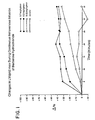
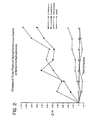
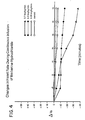
- Figures I, II, III and IV show that left ventricular maximal dP/dt, aortic pulse pressure, aortic blood flow and heart rate did not change significantly in the control dogs (group a).
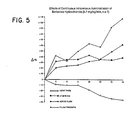
- Figure V summarizes specifically the effects of the infusion of berberine 0.7 mg/Kg/min during the 35 minute period of the experiments.
- the data are presented as a per cent change from before infusion. It shows that berberine infusion resulted in an increase in LV dP/dt of 35% after 5 minutes and that thereafter the increments in LV dP/dt were smaller being the increase at 35 minutes of 43.2 ⁇ 7.0% (P ⁇ 0.001).
- P ⁇ 0.001 the dose in the first 5 minutes is responsible for most of the increase and thereafter it reaches nearly a plateau.
- the plateau may be due to the progressive fall in heart rate; otherwise, it may be expected that dP/dt would have increased further.
- the aortic pulse-pressure i.e. systolic minus diastolic pressures
- widened i.e. increased
- time and to the dose infused.
- P ⁇ 0.001 The aortic pulse-pressure
- This remarkable increase in pulse pressure is due to the fall in the diastolic pressure since the systolic pressure was maintained constant. thus, it shows the intense and progressive effect of the compound as an agent reducing afterload and a peripheral vasodilator.
- Peak aortic blood flow measured in the ascending aorta increases progressively and is linearly proportional to time (and total dose injected). After 35 minutes flow increased significantly by 73%.
- the increase in stroke volume (calculated by planimetry) was of 169 ⁇ 36% (P ⁇ 0.005) over the control and the increase in cardiac output was 75 ⁇ 29% (P ⁇ 0.005) over the control.
- Calculated total peripheral resistance after 35 minutes decreased by 46.8 ⁇ 9.3% (P ⁇ 0.001).
- heart rate was reduced by 32 ⁇ 3% (P ⁇ 0.001). This is, per se, a favorable effect since it renders the heart performance more efficient especially when tachycardia is initially present as in many patients with heart failure.
- the fall in heart rate decreases myocardial oxygen consumption which benefits the balance of oxygen of the myocardium. It shows also that the increase in contractility is probably even greater than reported here since the fall in heart rate, per se, has a negative inotropic effect in the anesthetized dog.
- the fall in heart rate suggests that the effect of berberine is not similar to that of a beta-adrenergic agonist.
- berberine acts very favorably on the measured hemodynamic parameters with the view of its application in patients in whom, heart performance should be improved such as chronic congestive heart failure, acute heart failure in all its types of manifestiations such as cardiogenic shock and pulmonary edema, in low cardiac output syndromes and in non-cardiogenic shock syndromes or diseases in which it is clinically advantageous to augment cardiac output, increase cardiac contractility especially when this property and peripheral vasodilation may be sought after such as in shocks of non-cardiogenic origin.
- the effect of berberine on the different favorable parameters occurs at different doses and is differently dose related.
- the fall in heart rate occurs later (i.e. in the higher dose) than increases in LV dP/dt, increases in aortic flow or fall in aortic diastolic pressure.
- the fall in peripheral resistance, the increase in pulse-pressure and the increase in aortic flow continue to change even in the highest doses that were given in these experiments while LV dP/dt at the higher doses but not in the smaller doses tends to reach a plateau.
- other representative species of the compounds of the invention like "tailoring" is attractive therapeutically.
- Heart rate dropped with all compounds; it fell approximately 16-17% with berberine, berberrubine and coreximine and by 5.5% with tetrahydropalmatine.
- Stroke volume increased significantly with berberine, tetrahydropalmatine and coreximine; just slightly (and not statistically significantly) with berberrubine. With a larger dosage of 0.5 and 0.7 mg/Kg/min., stroke volume increase will be noticeable with berberrubine.
- the compounds of choice are coreximine and berberrubine, whereas berberine and tetrahydropalmatine are the compounds of choice when vasodilation and contractility both are desired concurrently.
- MUGR consists in using red blood cells labelled with stannous radioactive technetium. These red blod cells can be labelled either in vivo or in vitro prior to injection.
- the blood that is now emitting gamma radiation can be detected by an external gamma camera.
- This device can sum many cycles of the heart beat obtaining an average cycle. Then this cycle is divided in time intervals so that, as an example, the end systolic and the end diastolic frames can be identified.
- Ejection fraction is the end distolic minus the end systolic volumes divided by the end diastolic volume. It indicates therefore the pumping effectiveness of the left ventricle since it measures the fraction (or the percent if multiplied by 100) of the volume of blood that is expelled from the left ventricular cavity.
- Table XIV is an example of one such dog.
- the ejection fraction (EF) was 31.5, before any treatment. After the 5,15,30 and 45 minutes of infusion of dextrose (in control) it was 39,34,34 and 28%, respectively. Thus, before the infusion of berberine it averaged 33 ⁇ 2%. After the infusion of 0.7 mg/Kg/min of berberine for 5 minutes, the EF was 46, 47, 44 and 38%, respectively; averaging, therefore, 44 ⁇ 2%. This increase was statistically significant (p ⁇ 0.01). It was an increase by 33% versus the pre-berberine period. A second infusion of the same dose of berberine resulted in EF of 46, 37, 40 and 38%, being on the average 40 ⁇ 2% which is also different from the pre-berberine period (p ⁇ 0.05).
- FIG. VI Another example is shown graphically ( Figure VI).
- This dog received an infusion of 5% dextrose in water for 15 minutes during which time the ejection fraction was stable around 50%. Thereafter, an infusion of berberine 0.7 mg/Kg/min was started and continued for the next 15 minutes.
- the ejection fraction increased continuously from 50 to 54 to 65 and finally to 70% after 15 minutes; i.e. an increase of 40%.
- berberine is an ideal agent fror scanning the heart. This is performed in a known manner by attaching a gamma ray-emitting marker such as iodine, bromine or technitium to berberine. In that respect, berberine has the advantages of such known scanning agents such as thallium (or potassium analogs) commonly used today. See: Cardiovascular Nuclear Medicine, Eds. H. W. Strauss and Pitt, C. C. Mosley, 2nd ed (1979).
- radioisotopes are used for myocardial imaging.
- Typical radioactive substances as 43K (potassium), 81Rb (rubidium) or 201TI (thallium) concentrate in normal myocardium.
- Such myocardial imaging is known and is described for instance in Harrison's, Chapter 234, pages. 1153 and seq.
- Preferential concentration of berberine in the heart rather than in other thoracic organs or the liver is a sine qua non for a good imaging agent.
- Berberine level measurements were done spectrophotometrically. The experiment consisted of injecting 3.5 mg/Kg of berberine (S0 4 ) intravenously and killing the rats after 15 minutes, 90 minutes, 6 hours, 24 hours, 48 hours and 1 week. Each group consisted of 5 ⁇ 6 rats. A control group (no berberine administration) was used to determine the absorbance of the different organs at that wave length.
- a polyethylene cannula was introduced into the aorta through the left carotid artery to record arterial pressure.
- Sttantham P23 ID transducer Stantham Instruments, Inc. Oxnard, California.
- a Millar microtip transducer catheter (Millar Instruments, Inc., Houston, Texas) was introduced into the left ventricular cavity through the femoral artery to measure left ventricular pressures. For adjustment of zero level, left ventricular pressure was also measured through the fluid-filled lumen in the Millar catheter (Statham P23 ID transducer). The maximal rate of rise of left ventricular pressure, LV dP/dt, was recorded by means of a differentiator.
- the left main coronary artery was catheterized with a Judkin coronary artery catheter (7F, ISCI Cardiology and Radiology Products, Billerica, Massachusetts) under fluoroscopic control. It was introduced through a femoral artery, and polystyrene microspheres (3M Company, St. Paul, Minnesota) with a diameter of 52. 5 ⁇ 4.0 ⁇ m (mean ⁇ SD) were injected into the coronary artery. The microspheres were used in a concentration of 1 mg (i.e., 12,000) per ml saline. The first dose of microsphere solution was 0.5 mi/kg body weight, and all subsequent doses were 0.25 ml/kg body weight, administered every 5 minutes.
- a Judkin coronary artery catheter 7F, ISCI Cardiology and Radiology Products, Billerica, Massachusetts
- microspheres were discontinued when LV/dP/dt had been reduced by 30% or more when measured 4 minutes after the last dose. All dogs received prophylactic antiarrhythmic treatment with intravenous lidocaine, 1.5 mg/kg body weight as a bolus 20 min after the end of embolization, followed by a continuous infusion of 45 pg/kg/min.
- the dogs were assigned randomly to three groups: a) Berberine-treated group, 0.2 mg/kg/ min, dissolved in 60 ml of a solution of 5% dextrose in water administered in a constant infusion during 30 minutes; b) ouabain-treated group, 0.03 mg/kg was administered in 60 ml of a 5% solution of dextrose in water during 30 minutes; and c) Control group, administration of 60 ml of a 5% solution of dextrose in water during 30 min.
- microspheres were injections of microspheres into the left main coronary artery caused a gradual reduction in LV dP/dt and increase in left ventricular end diastolic pressure.
- the average number of doses used for induction of actue heart failure was 7.7 ⁇ 0.4 which corresponds to about 6.3 x 10 5 microspheres.
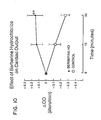
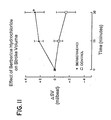
- cardiac output changed from 1.76 ⁇ 0.15 liters/min to 1.93 ⁇ 0.16 liters/min and stroke volume from 14.6 ⁇ 1.9 ml/min to 17.3 ⁇ 2.7 ml/min.
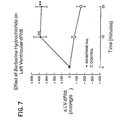
- cardiac output and stroke volume were significantly higher at the end of infusion in the berberine-treated dogs (Figs. X, XI).
- left ventricular function curves (see Abnormalities of Circulatory Function) are shifted downwards to the right, indicating further deterioration of left ventricular function.
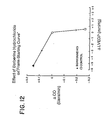
- the relationship between changes in left ventricular end diastolic pressure and changes in cardiac output and stroke volume from before to 30 min after the start of berberine infusion are shown in figures XII and XIII in the form of ventricular function diagrams.
- left ventricular end diastolic pressure is reduced simultaneously with an increase in both cardiac output and stroke volume, shifting the curves upwards and to the left, indicating improvement in ventricular function.
- Protocol HV was performed in accordance with that published in Smiseth, Mjos and Refsum,: Hemodynamic effects of the B-adrenergic Receptor Agonist Pirbuterol during Acute Ischemic Left Ventricular Failure in Dogs. Acta Pharmacol. Toxicol. Scand. (Suppl. IV) pg. 53, 1981.
- Tetrahydropalmatine, coreximine and berberrubine perform in an equivalent manner.
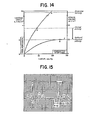
- Figure XIV (from Braunwald fig. 16-2 page 512) above shows the relationship between left ventricular end-diastolic pressure (LVEDP) and cardiac index (left ordinate) or stroke volume (right ordinate) in a normal (N) and a failing heart (F) of a man.
- the upper limit of normal of LVEDP (12 mm Hg) and lower limit of normal of CI (2.2-Clliters/min/m2) are shown, as are the values associated with congestive symptoms (LVEDP 20 mm Hg) and with impaired perfusion (2.2 liters/min/m 2 ).
- a and A' represent the operating points at rest of a hypothetical patient with heart failure and of a normal person, respectively. Reduction of physical activity allows the failing heart to meet the demands of the metabolizing tissues.
- FIG. shows diagrammatically the relationship between LVEDP and cardiac index (left ordinate) or stroke volume (right ordinate) in a normal (N) and a failing heart (F).
- the effect of berberine is to cause curve 0 through A of Fig. XIV (failing heart) to return to normal to the curve shown by OA' (normal). This result with berberine on the LVEDP is particularly significant.
- the P wave of atrial depolarization is normally the initial wave of activity during the cardiac cycle.
- Ventricular muscle depolarization is represented by the QRS complex.
- a Q wave is an initial negative wave; an R wave is an initial positive wave or a positive wave following a Q wave; and an S wave is a negative deflection following an R wave.
- a QRS complex having a Q wave which returns to the base line but does not produce a positive wave is labeled a QS complex, and a second positive wave is labeled R'.
- the T wave represents ventricular muscle repolarization and is sometimes followed by a small wave, the U wave.
- Repolarization of atrial muscle is represented by the T a (or Tp) wave, which occurs during the P-R interval and QRS complex.
- the interval between the end of the QRS complex and the onset of the T wave is the S ⁇ T segment.
- the interval between the P wave and the QRS complex is the P-R (or P-Q) interval, measured from the onset of atrial depolarization (P) to the onset of ventricular depolarization (Q).
- the duration is 0.12 to 0.20 s in the adult. Since AV nodal activation begins before the end of depolarization of artrial muscle, the P-R interval may be used as a rough approximation of AV conduction time.
- the duration of the QRS complex (0.04 to 0.10s) reflects the time required for depolarization of ventricular muscle. Block in a bundle branch prolongs it.
- An approximation of the refractory period of the ventricules may be obtained by measuring the Q-T interval (from the onset of the QRS to the end of the T wave).
- the Q-T interval is rate dependent and may be affected by numerous pathophysiologic influences. See figure XV.
- the waves of the electrocardiogram - P, QRS, T, and U - are indicated.
- the measurement of the P-R interval, QRS complex, S ⁇ T segment, and QT interval are identified on the right.
- Berberine causes an overall increase in QTc interval. This effect is similar to quinidine and procainamide. This indicates an antiarrhythmic effect for berberine. Digitalis is known to shorten the QTc interval.
- the data showed that berberine, while increasing the QTc, does not prolong the QRS interval. It shows also that in the dosage used, the drug is not toxic. In contrast, digitalis is known to increase P-R and to decrease QTc.
- the recordings were obtained before berberine treatment and after five successive five minute infusions of 0.2 mg/Kg/min of berberine in each one of the dogs. At each one of these time intervals recordings were done with the "spontaneous" normal sinus rhythm and with atrial and ventricular extrastimuli were given during the normal sinus as well as during the pacing phases of the experiment to determine the refractory period of the artria, atrio-ventricular node and of the His-Purkinje system and ventricle. Moreover, sinus node recovery time was measured.
- the compounds for use in the invention have the property to reduce, arrest or interrupt arrhythmias. This property was studied in different ways in order to include arrhythmias produced by different causative agents like drugs known to cause arrhythmias. Thus, the antiarrhythmic effect of the compounds used in the invention were studied in models where arrhythmias were produced by digitalis, by aconitine and by coronary artery ligation.
- the cardiac glycosides can be used with the compounds used in the invention in the dosage in which the cardiac glycoside are commonly used with the result that there is a decrease in the risk of arrhythmias attributable to the cardiac glycoside especially when they are administered over a longer period of time; or perhaps more importantly, cardiac glycosides like digitalis can now be used in accordance with the invention in a dosage in which the cardiac glycoside normally is toxic (or likely to cause arrythmia) or has other adverse cardio-vacular effects).
- the compounds used in the invention significantly broaden the therapeutic index of cardiac glycosides. This is a new and unexpected utility which provides a real incentive and removes a serious concern which traditionally existed with the cardiac glycosides.
- an aspect of the invention encompasses a compound for use in the invention as defined above in conjunction with an arrhythmic-causing drug, even in a concentration where such drug would casue arrhythmia were it used alone on the mammal.
- conjunction means not only in a mixture with a compound for use in the invention as defined above, but means any combination which when in the biological system of the mammal permits such compounds and the arrhythmic effect to take place causing the drug to act on and in the same biological environment.
- aconitine is a drug which is considered generally not acceptable any longer because of its pronounced arrhythmic effects.
- a compound used in the invention effectively controlled or negated this objectionable effect is a clear demonstration of the effectiveness of an antiarrhythmogenic effect.
- the amount of the compound used in the invention is the smallest amount necessary to cause a positive inoropic effect and the amount of arrythmia-causing drug can be any concentration (or proportion relative to the composition of the invention) and either in a concentration generally acceptable without causing arrhythmia or in such an amount as normally are considered arrhythmogenic.
- the experiments were conducted in closed-chest anesthetized dogs which were randomized to three groups. All received ouabain 0.03 mg/Kg as a bolus intravenously and thereafter a continuous infusion with a constant rate of 0.0006 mg/Kg/min until death. The first group did not receive any other intervention and served as control. The second group received simultaneously berberine 1 mg/Kg intravenously as a bolus and then 0.2 mg/Kg/min as a continous infusion. The third group received berberine only after the appearance of VEA in a frequency of 50% of more of all systoles.
- Berberine can counteract the vasoconstrictor effect of digitalis on the peripheral vessels. This is shown by the observation that the diastolic pressure in the control group which received only digitalis rose after 10, 20, 30 and 60 minutes respectively by 31 ⁇ 9%, 16 ⁇ 11%, 34 ⁇ 15% and 16 ⁇ 7% while in the dogs that received berberine in addition to digitalis the diastolic pressure fell by -9 ⁇ 5%, -13 ⁇ 9%, -13 ⁇ 10% and -20 ⁇ 11%. All changes were statistically significant.
- Coreximine, tetrahydropafmatine or berberrubine perform in the same manner.
- Moss et al (Circulation 64, No.6, 1981, p. 1150) suggests that digitalis therapy increases the early post hospital mortality of myocardial infarction patients with combined electrical and mechanical dysfunction.
- the antiarrhythmic activity of berberine (and the other compounds for use in the invention) and its synergistic activity with digitalis type cardiacglycoside shows that treatment with berberine (and the other compounds for use in the invention) or the combination of berberine (and the other compounds for use in the invention) and digitalis type cardiacglycoside is beneficial in such cases.
- This experiment demonstrates the effectiveness of berberine in preventing arrhythmic death after coronary artery occlusion when the arrhythmias are caused by the ischemic insult or injury to the myocardium.
- Another embodiment of the invention is the production of drug compositions containing the compounds defined above for the control of mammal shock, such shock having as its clinical symptom or manifestation, a decreased cardiac output.
- shock having as its clinical symptom or manifestation, a decreased cardiac output.
- the most important consequence of shock is decrease of blood flow to the vital organs such as brain, heart and kidneys.
- the vital organs such as brain, heart and kidneys.
- urinary output commonly the most obvious results of treatment of shock are evaluated by urinary output.
- circulatory shock is a condition which has as a manifestation diminished blood flow and insufficient tissue oxygenation resulting therefrom. Shock is related initially to reduced blood volume, decreased cardiac output or change in peripheral resistance.
- the etiology of circulatory shock can be classified into several categories: hypovolemic shock, septicemic, anaphylactic, hermorrhagic, neurogenic vasculogenic shock, and cardiogenic shock and others, all of which are contemplated within the scope of the invention.
- vascularogenic shock results from vascular changes frequently caused by bacterial infection and bacterial toxins associated therewith.
- Endotoxins such as LPS are especially capable of inducing shock.
- Cardiogenic shock results from abnormalities in cardiac pumping capacity.
- the compounds used in the inventions are effective in relieving, preventing or controlling (to varying degrees) and arresting these various forms on non-cardiogenic shocks in addition to their value in the control of cardiogenic shock.
- Intravenous administration of endotoxin 5 mg produced an immediate and precipitous fall in arterial pressure.
- dogs which had been given endotoxin treatment with berberine increased pulse pressure systolic pressure and dP/dt resulted. No cardiac arrhythmias or conduction defect was observed.
- the control dogs showed a gradual decrease of dP/dt, systolic pressure and pulse pressure.
- ECG showed sinus bradycardia followed by idioventricular rhythm.
- the systemic systolic arterial pressure increased to 107 ⁇ 5 mmHg in the controls, but increase more to 127 ⁇ 6 mmHg in the berberine treated dogs (p ⁇ 0.02).
- the final systolic pressure was significantly lower than initial (i.e. before LPS infusion) pressure 140 ⁇ 7 vs 107 ⁇ 5 mmHg (p ⁇ 0.001)
- Peak left ventricular dP/dt was in the treatment group 3742 ⁇ 305 mmHg which is significantly higher (p ⁇ 0.001) by approximately 50% than its dP/dt before shock, 2565 ⁇ 166 mmHg. This shows that when systolic arterial pressure (and systolic LV pressures) were restored the dP/dt was 50% more than in the normal, before shock state, which indicates on the one hand again, the positive inotropic properties of berberine and, on the other hand, that the complete restoration of the systolic pressure that occurred in treated dogs (but not in the controls) should be credited this positive inotropic effect of berberine.
- Urinary output during the second hour of shock (before berberine or placebo treatments) and the third hour of shock (when the dogs were treated with either berberine of placebo) were compared in each dog. This analysis is of crucial importance since it would indicate the restoration of effective organ perfusion which in the case of the kidneys results in urinary output.
- the urinary output continued to decrease and in the third hour urinary output was less by approximately 50 ml than in the second hour, i.e. -51.7 ⁇ 32.9 ml/hour.
- the berberine treated dogs urinary output increased from the second (pre-treatment) to the third (treatment) by 30.5 ⁇ 32.9 ml/hour.
- the berberine treated dogs urinary output increased from the second (pre-treatment) to the third (treatment) by 30.5 ⁇ 14.3 mi. This difference is biologically important and statistically significant (p ⁇ 0.025). When the dosage is increased to twice as much, even faster and more pronounced improvements are observed.
- the embodiment of the invention wherein the compounds used in the invention are useful in the treatment of hypovolemic shock (including endotoxic shock) in a mammal is very noteworthy. That the compounds used in the invention are also capable of restoring systolic arterial pressure after shock underscores the potency and effect even of their positive inotropic effect.
- a compound which is a positive inotrope is not necessarily a compound which corrects or alleviates shock, nor for that matter restores systolic pressure after shock.
- berberine treatment was highly beneficial in treatment of this type of shock syndrome by increasing contractility, imposing (or restoring normal) arterial pressure and ameliorating organ perfusion as reflected by urinary output. There were also no noticeable toxic side effects such as arrhythmias.
- variable doses 200-1000 mg/Kg
- rabbits and cats improvements in systemic arterial pressure and left ventricular dP/dt comparable to those obtained when the compounds used in the invention were given intravenously.
- the effects were observed after approximately thirty minutes.
- the compounds used in the invention are administered in the dosage necessary for the desired effects to dogs.
- Berberine HCI was used in patients with heart failure. It was dissolved in dextrose 5% in a concentration of 1 mg of berberine in 1 ml. It was given 0.002 mg/kg/min for 30 minutes and then 0.02 mg/ kg/min for 30 additional minutes to 3 patients with heart failure without untoward side effects. Berberine was given to one patient 0.2 mg/kg/min also without untoward side effects. In 3 patients with heart failure due to cardiomyopathy, not responsive to common therapy with digitalis and diuretics, berberine was given in doses of 0.02 mg/kg/min for 15 minutes and the 0.2 mg/kg/min for an additional 15 minutes. The observations were done in a catheterization laboratory. None of the patients had side effects.
- Heart rate decreased in two patients and increased in one. On the average it decreased from 82 to 76 beats/min after 0.02 mg/kg/min and to 79 after 0.2 mg/kg/min.
- Left ventricular systolic pressure decreased from 116 mmHg to 106 mmHg and then to 110 mmHg.
- Left ventricular end diastolic pressure decreased from 22 mmHg to 16 mmHg and then 15 mmHg. It is very spectacular that in one patient it fell from 21 to 11 and then to 9 mmHg.
- Aortic systolic pressure fell from 115 mmHg to 104 and then to 108 mmHg.
- Aortic diastolic pressure fell from 78 to 68 and then to 67 mmHg.
- the dose in which the compounds used in the invention are to be administered depends of course as discussed above on the circumstances of the patient, in particular, whether or not it is a situation where cardiac arrest or failing heart is occurring or whether it is in a non-failing heart situation for therapeutical purposes. In either situation, the dose is that minimum dose which shows a beneficial effect. This may be observed by the measurement of the symptoms which are clinically significant:
- the dose may be such as to sustain the beneficial effect on an hourly or daily basis such as follows. Under appropriate circumstances where sustaining therapy is desired, as little as 0.001 mg/kg or even less may be administered. Generally amounts over 5 g/kg are not necessary since they may be uneconomical unless very fast action is necessary in emergency situations. In those cases a therapeutically sufficient amount should be administered. Where severe cardiac decompensation is present and the patient has not yet received any protoberberine alkaloid of the invention it may be given immediately followed by treatment at the appropriate rate. Optimal benefit dosage is maintained and the maintainence dose can be adjusted correspondingly, that is usually from 0.01 to 0.2 mg/kg per day. When an adequate level of improvement is observed the dosage may be reduced.
- intravenous medication When it is desired by the physician that beneficial results be obtained in minutes rather than in hours, intravenous medication is indicated.
- the compound for use in the invention may be dissolved in sterile water or some other sterile medium such as 5 percent dextrose in water or saline.
- the administration may be all at once or alternatively infused gradually over the period of an hour or so. Continuous monitoring is maintained so that the infusion may be stopped when the desired effect is achieved. Thereafter a maintenance dosage is administered or whatever dosage is advisable to maintain an adequate level of improvement which may be administered orally or by injection.
- the compounds used in the inventions have a therapeutic index significantly broader than that of digitalis.
- Digitalis has a therapeutic dose approximately 50 to 60% of the toxic dose.
- the compounds for use in the invention therefore are valuable in animal species treatment. e.g. equine, bovine, pigs and swine, feline, canine and aviano as well as others to replace, or to be used in conjuction with (as described in accordance with the invention), cardiac glycosides commonly used in veterinary therapy, like digitoxin, gitoxin, gitalin and ouabain.
- animal species treatment e.g. equine, bovine, pigs and swine, feline, canine and aviano as well as others to replace, or to be used in conjuction with (as described in accordance with the invention), cardiac glycosides commonly used in veterinary therapy, like digitoxin, gitoxin, gitalin and ouabain.
- the compounds used in the invention are also useful as arryhythmic drugs, as described herein above, to replace or supplement those like quinidine, procainamide or propanolol, lidocaine, and diphehylhydantoin, conventionally used in veterinary sciences.
- arryhythmic drugs as described herein above, to replace or supplement those like quinidine, procainamide or propanolol, lidocaine, and diphehylhydantoin, conventionally used in veterinary sciences.
- arryhythmia see VPCB page 527.
- the compounds used in the invention are therefore useful to replace or in conjuction with such antiarrhythmia compounds like the phenothiazines such as promazine, chlorpromazine and promazine (acetylpromazine) and others which are known to reduce arrthythmias in animals.
- these drugs because of their narrow therapeutic index or low effectiveness or objectionable side effects, have not been adequately satisfactory.
- the dosage administered depends, of course, also on whether or not the patient is suffering of congestive heart failure or acute heart failure or if the compound is given to interrupt or to prevent a certain type of arrhythmia.
- the higher dosages are of course preferred to interrupt or cause the cessation of the arrhythmias.
- An effective dosage amount of active component can thus be determined by the clinician, considering all traditional criteria and using of course, his best judgement on a patient's behalf. It will depend also what species is being treated humans or animals, and what species of animal is being treated.
Landscapes
- Health & Medical Sciences (AREA)
- Life Sciences & Earth Sciences (AREA)
- Epidemiology (AREA)
- Chemical & Material Sciences (AREA)
- Medicinal Chemistry (AREA)
- Pharmacology & Pharmacy (AREA)
- Animal Behavior & Ethology (AREA)
- General Health & Medical Sciences (AREA)
- Public Health (AREA)
- Veterinary Medicine (AREA)
- Molecular Biology (AREA)
- Nitrogen Condensed Heterocyclic Rings (AREA)
- Pharmaceuticals Containing Other Organic And Inorganic Compounds (AREA)
Priority Applications (1)
| Application Number | Priority Date | Filing Date | Title |
|---|---|---|---|
| AT83902149T ATE36454T1 (de) | 1982-05-14 | 1983-05-13 | Verwendung eines protoberberin-alkaloids und dieses enthaltende zusammensetzung. |
Applications Claiming Priority (4)
| Application Number | Priority Date | Filing Date | Title |
|---|---|---|---|
| US37812282A | 1982-05-14 | 1982-05-14 | |
| US378122 | 1982-05-14 | ||
| US40988382A | 1982-08-20 | 1982-08-20 | |
| US409883 | 1982-08-20 |
Publications (3)
| Publication Number | Publication Date |
|---|---|
| EP0108147A1 EP0108147A1 (en) | 1984-05-16 |
| EP0108147A4 EP0108147A4 (en) | 1984-09-13 |
| EP0108147B1 true EP0108147B1 (en) | 1988-08-17 |
Family
ID=27008080
Family Applications (1)
| Application Number | Title | Priority Date | Filing Date |
|---|---|---|---|
| EP83902149A Expired EP0108147B1 (en) | 1982-05-14 | 1983-05-13 | Use of a protoberberine alkaloid and composition containing same |
Country Status (11)
| Country | Link |
|---|---|
| EP (1) | EP0108147B1 (enExample) |
| AU (1) | AU571184B2 (enExample) |
| CA (1) | CA1220139A (enExample) |
| DE (1) | DE3377695D1 (enExample) |
| ES (1) | ES8703871A1 (enExample) |
| GR (1) | GR79223B (enExample) |
| IE (1) | IE55519B1 (enExample) |
| IL (1) | IL68690A0 (enExample) |
| IT (1) | IT1173712B (enExample) |
| PT (1) | PT76690B (enExample) |
| WO (1) | WO1983003970A1 (enExample) |
Cited By (11)
| Publication number | Priority date | Publication date | Assignee | Title |
|---|---|---|---|---|
| US6964964B2 (en) | 2001-11-14 | 2005-11-15 | Rutgers The State University Of New Jersey | Topoisomerase poison agents |
| US6987109B2 (en) | 2001-11-14 | 2006-01-17 | Rutgers, The State University Of New Jersey | Solubilized topoisomerase poison agents |
| US6989387B2 (en) | 2002-08-09 | 2006-01-24 | Rutgers, The State University Of New Jersey | Nitro and amino substituted topoisomerase agents |
| US6992089B2 (en) | 2002-08-09 | 2006-01-31 | Rutgers, The University Of New Jersey | Nitro and amino substituted topoisomerase agents |
| US6992088B2 (en) | 2002-08-09 | 2006-01-31 | Rutgers, The State University Of New Jersey | Nitro and amino substituted heterocycles as topoisomerase I targeting agents |
| US7049315B2 (en) | 2001-11-14 | 2006-05-23 | Rutgers, The State University Of New Jersey | Solubilized topoisomerase poisons |
| US7208492B2 (en) | 2002-11-12 | 2007-04-24 | Rutgers, The State University Of New Jersey | Topoisomerase-targeting agents |
| US7319105B2 (en) | 2001-11-14 | 2008-01-15 | Rutgers, The State University Of New Jersey | Cytotoxic agents |
| US9321781B2 (en) | 2009-05-01 | 2016-04-26 | Rutgers, The State University Of New Jersey | Topoisomerase inhibitors |
| US9562051B2 (en) | 2009-03-06 | 2017-02-07 | Rutgers, The State University Of New Jersey | Methylenedioxybenzo [I] phenanthridine derivatives used to treat cancer |
| US11091498B2 (en) | 2016-04-04 | 2021-08-17 | Rutgers, The State University Of New Jersey | Topoisomerase poisons |
Families Citing this family (4)
| Publication number | Priority date | Publication date | Assignee | Title |
|---|---|---|---|---|
| KR100258849B1 (ko) * | 1998-04-24 | 2000-08-01 | 박원배 | 약학적으로 유용한 프로토베르베린염 유도체 및프로토베르베린유도체와 이의 염 |
| CN100441183C (zh) * | 2005-08-29 | 2008-12-10 | 中国医学科学院皮肤病研究所 | 盐酸13-己基小檗碱和盐酸13-己基巴马汀制备治疗湿疹、皮炎和银屑病的药物用途 |
| EP2405755A4 (en) * | 2009-03-11 | 2012-11-28 | Xintria Pharmaceutical Corp Inc | METHOD AND COMPOSITIONS FOR TREATING METABOLISM AND CARDIOVASCULAR DISEASES |
| US20140107505A1 (en) * | 2012-10-11 | 2014-04-17 | Alon Marmor | Determination of ventricular pressure and related values |
Family Cites Families (9)
| Publication number | Priority date | Publication date | Assignee | Title |
|---|---|---|---|---|
| NL129028C (enExample) * | 1964-02-13 | |||
| US3420834A (en) * | 1964-11-13 | 1969-01-07 | Roussel Uclaf | 2,3-dimethoxy-berbines substituted in the 10 position and process |
| JPS4942700A (enExample) * | 1972-08-25 | 1974-04-22 | ||
| US3920665A (en) * | 1972-10-19 | 1975-11-18 | Kanebo Ltd | Berbine compounds |
| JPS523397B2 (enExample) * | 1972-11-20 | 1977-01-27 | ||
| US3910938A (en) * | 1973-01-27 | 1975-10-07 | Kanebo Ltd | Berbine derivatives |
| US4042592A (en) * | 1974-05-08 | 1977-08-16 | Kanebo, Ltd. | Novel dibenzo[a,g]quinolizinium compounds |
| US4087426A (en) * | 1976-08-16 | 1978-05-02 | Research Corporation | Oxybisberberine and a process for its production |
| SE426548B (sv) * | 1978-12-05 | 1983-01-31 | Haessle Ab | Fast farmaceutisk beredning innehallande en terapeutiskt effektiv hjertglykosid och en polymer |
-
1983
- 1983-05-12 IE IE1098/83A patent/IE55519B1/en not_active IP Right Cessation
- 1983-05-13 IL IL68690A patent/IL68690A0/xx active IP Right Grant
- 1983-05-13 AU AU17063/83A patent/AU571184B2/en not_active Ceased
- 1983-05-13 GR GR71343A patent/GR79223B/el unknown
- 1983-05-13 PT PT76690A patent/PT76690B/pt not_active IP Right Cessation
- 1983-05-13 EP EP83902149A patent/EP0108147B1/en not_active Expired
- 1983-05-13 CA CA000428157A patent/CA1220139A/en not_active Expired
- 1983-05-13 WO PCT/US1983/000729 patent/WO1983003970A1/en not_active Ceased
- 1983-05-13 DE DE8383902149T patent/DE3377695D1/de not_active Expired
- 1983-05-13 IT IT48294/83A patent/IT1173712B/it active
- 1983-05-14 ES ES522754A patent/ES8703871A1/es not_active Expired
Cited By (16)
| Publication number | Priority date | Publication date | Assignee | Title |
|---|---|---|---|---|
| US7468366B2 (en) | 2001-11-14 | 2008-12-23 | Rutgers, The State University Of New Jersey | Cytotoxic agents |
| US6987109B2 (en) | 2001-11-14 | 2006-01-17 | Rutgers, The State University Of New Jersey | Solubilized topoisomerase poison agents |
| US8389721B2 (en) | 2001-11-14 | 2013-03-05 | Rutgers, The State University Of New Jersey | Solubilized topoisomerase poisons |
| US7781587B2 (en) | 2001-11-14 | 2010-08-24 | Rutgers, The State University Of New Jersey | Solubilized topoisomerase poisons |
| US6964964B2 (en) | 2001-11-14 | 2005-11-15 | Rutgers The State University Of New Jersey | Topoisomerase poison agents |
| US7049315B2 (en) | 2001-11-14 | 2006-05-23 | Rutgers, The State University Of New Jersey | Solubilized topoisomerase poisons |
| US7517883B2 (en) | 2001-11-14 | 2009-04-14 | Rutgers, The State University Of New Jersey | Solubilized topoisomerase poisons |
| US7319105B2 (en) | 2001-11-14 | 2008-01-15 | Rutgers, The State University Of New Jersey | Cytotoxic agents |
| US6992088B2 (en) | 2002-08-09 | 2006-01-31 | Rutgers, The State University Of New Jersey | Nitro and amino substituted heterocycles as topoisomerase I targeting agents |
| US6992089B2 (en) | 2002-08-09 | 2006-01-31 | Rutgers, The University Of New Jersey | Nitro and amino substituted topoisomerase agents |
| US6989387B2 (en) | 2002-08-09 | 2006-01-24 | Rutgers, The State University Of New Jersey | Nitro and amino substituted topoisomerase agents |
| US7208492B2 (en) | 2002-11-12 | 2007-04-24 | Rutgers, The State University Of New Jersey | Topoisomerase-targeting agents |
| US9562051B2 (en) | 2009-03-06 | 2017-02-07 | Rutgers, The State University Of New Jersey | Methylenedioxybenzo [I] phenanthridine derivatives used to treat cancer |
| US10179789B2 (en) | 2009-03-06 | 2019-01-15 | Rutgers, The State University Of New Jersey | Methylenedioxybenzo [I] phenanthridine derivatives used to treat cancer |
| US9321781B2 (en) | 2009-05-01 | 2016-04-26 | Rutgers, The State University Of New Jersey | Topoisomerase inhibitors |
| US11091498B2 (en) | 2016-04-04 | 2021-08-17 | Rutgers, The State University Of New Jersey | Topoisomerase poisons |
Also Published As
| Publication number | Publication date |
|---|---|
| IE831098L (en) | 1983-11-14 |
| AU1706383A (en) | 1983-12-02 |
| IT1173712B (it) | 1987-06-24 |
| GR79223B (enExample) | 1984-10-22 |
| EP0108147A4 (en) | 1984-09-13 |
| IT8348294A0 (it) | 1983-05-13 |
| PT76690A (en) | 1983-06-01 |
| IL68690A0 (en) | 1983-09-30 |
| IE55519B1 (en) | 1990-10-10 |
| EP0108147A1 (en) | 1984-05-16 |
| WO1983003970A1 (en) | 1983-11-24 |
| IT8348294A1 (it) | 1984-11-13 |
| ES522754A0 (es) | 1987-03-16 |
| ES8703871A1 (es) | 1987-03-16 |
| PT76690B (en) | 1986-03-19 |
| CA1220139A (en) | 1987-04-07 |
| AU571184B2 (en) | 1988-04-14 |
| DE3377695D1 (en) | 1988-09-22 |
Similar Documents
| Publication | Publication Date | Title |
|---|---|---|
| US5153178A (en) | Compositions and method of treatment for improving circulatory performance | |
| US4761417A (en) | Compounds, compositions and method of treatments for improving circulatory performance | |
| EP0108147B1 (en) | Use of a protoberberine alkaloid and composition containing same | |
| Johnston et al. | A comparative interaction of epinephrine with enflurane, isoflurane, and halothane in man | |
| SUNG et al. | Intravenous verapamil for termination of re-entrant supraventricular tachycardias: intracardiac studies correlated with plasma verapamil concentrations | |
| Hale et al. | Adverse effects of cocaine on cardiovascular dynamics, myocardial blood flow, and coronary artery diameter in an experimental model | |
| KR101653071B1 (ko) | 선별적 s1p₁ 수용체 작동약에 대한 투약 섭생 | |
| JPH09505809A (ja) | ヒドロキシカルバゾール化合物類による平滑筋移動および増殖の阻害 | |
| Kuhn et al. | Effect of cocaine on the coronary circulation and systemic hemodynamics in dogs | |
| Pollick et al. | The cardiac effects of d-and l-disopyramide in normal subjects: a noninvasive study. | |
| Henning et al. | Cocaine plus ethanol is more cardiotoxic than cocaine or ethanol alone | |
| TWI336254B (en) | Pharmaceutical composition for treating abdominal discomfort | |
| US4749708A (en) | Composition for improving circulatory performance | |
| Curry Jr et al. | Hemodynamic and myocardial metabolic effects of ergonovine in patients with chest pain. | |
| Gibson et al. | Effects of ICI 50172 in man during erect exercise | |
| Alexander et al. | A controlled trial of the effects of esmolol on cardiac function | |
| Wolfson et al. | Treatment of cardiac arrhythmias with beta-adrenergic blocking agents: Clinical and experimental studies | |
| van der Giessen et al. | Acute hemodynamic effects of nisoldipine and pimobendan in conscious pigs with chronic heart failure | |
| Warner | Beta-adrenergic blocking agents and anaesthesia: a review | |
| DE69935865T2 (de) | Endothelin-niveau senkende mittel | |
| KR0136787B1 (ko) | 심장질환 치료에 쓰이는 프로파페논과 퀴니딘의 지속성 조성물 | |
| Parratt | The haemodynamic effects of prolonged oral administration of oxyfedrine, a partial agonist at β‐adrenoceptors: comparison with propranolol | |
| DE60217336T2 (de) | Verwendung eines pyridazinon derivates zur behandlung des kongestiven herzversagens | |
| Kerber et al. | Circulatory responses to beta adrenergic blockade with alprenolol: Studies in patients with chronic heart disease | |
| Winkle et al. | Pharmacodynamics of the initiation of antiarrhythmic therapy with lorcainide |
Legal Events
| Date | Code | Title | Description |
|---|---|---|---|
| PUAI | Public reference made under article 153(3) epc to a published international application that has entered the european phase |
Free format text: ORIGINAL CODE: 0009012 |
|
| AK | Designated contracting states |
Designated state(s): AT BE CH DE FR GB LI LU NL SE |
|
| 17P | Request for examination filed |
Effective date: 19840512 |
|
| GRAA | (expected) grant |
Free format text: ORIGINAL CODE: 0009210 |
|
| AK | Designated contracting states |
Kind code of ref document: B1 Designated state(s): AT BE CH DE FR GB LI LU NL SE |
|
| PG25 | Lapsed in a contracting state [announced via postgrant information from national office to epo] |
Ref country code: SE Effective date: 19880817 Ref country code: NL Effective date: 19880817 Ref country code: AT Effective date: 19880817 |
|
| REF | Corresponds to: |
Ref document number: 36454 Country of ref document: AT Date of ref document: 19880915 Kind code of ref document: T |
|
| REF | Corresponds to: |
Ref document number: 3377695 Country of ref document: DE Date of ref document: 19880922 |
|
| ET | Fr: translation filed | ||
| NLV1 | Nl: lapsed or annulled due to failure to fulfill the requirements of art. 29p and 29m of the patents act | ||
| PLBE | No opposition filed within time limit |
Free format text: ORIGINAL CODE: 0009261 |
|
| STAA | Information on the status of an ep patent application or granted ep patent |
Free format text: STATUS: NO OPPOSITION FILED WITHIN TIME LIMIT |
|
| 26N | No opposition filed | ||
| EPTA | Lu: last paid annual fee | ||
| PGFP | Annual fee paid to national office [announced via postgrant information from national office to epo] |
Ref country code: DE Payment date: 20000508 Year of fee payment: 18 |
|
| PGFP | Annual fee paid to national office [announced via postgrant information from national office to epo] |
Ref country code: GB Payment date: 20010509 Year of fee payment: 19 |
|
| PGFP | Annual fee paid to national office [announced via postgrant information from national office to epo] |
Ref country code: LU Payment date: 20010510 Year of fee payment: 19 |
|
| PGFP | Annual fee paid to national office [announced via postgrant information from national office to epo] |
Ref country code: CH Payment date: 20010511 Year of fee payment: 19 |
|
| PGFP | Annual fee paid to national office [announced via postgrant information from national office to epo] |
Ref country code: FR Payment date: 20010518 Year of fee payment: 19 |
|
| PGFP | Annual fee paid to national office [announced via postgrant information from national office to epo] |
Ref country code: BE Payment date: 20010717 Year of fee payment: 19 |
|
| REG | Reference to a national code |
Ref country code: GB Ref legal event code: IF02 |
|
| PG25 | Lapsed in a contracting state [announced via postgrant information from national office to epo] |
Ref country code: DE Free format text: LAPSE BECAUSE OF NON-PAYMENT OF DUE FEES Effective date: 20020301 |
|
| PG25 | Lapsed in a contracting state [announced via postgrant information from national office to epo] |
Ref country code: LU Free format text: LAPSE BECAUSE OF NON-PAYMENT OF DUE FEES Effective date: 20020513 Ref country code: GB Free format text: LAPSE BECAUSE OF NON-PAYMENT OF DUE FEES Effective date: 20020513 |
|
| PG25 | Lapsed in a contracting state [announced via postgrant information from national office to epo] |
Ref country code: LI Free format text: LAPSE BECAUSE OF NON-PAYMENT OF DUE FEES Effective date: 20020531 Ref country code: CH Free format text: LAPSE BECAUSE OF NON-PAYMENT OF DUE FEES Effective date: 20020531 Ref country code: BE Free format text: LAPSE BECAUSE OF NON-PAYMENT OF DUE FEES Effective date: 20020531 |
|
| GBPC | Gb: european patent ceased through non-payment of renewal fee |
Effective date: 20020513 |
|
| REG | Reference to a national code |
Ref country code: CH Ref legal event code: PL |
|
| PG25 | Lapsed in a contracting state [announced via postgrant information from national office to epo] |
Ref country code: FR Free format text: LAPSE BECAUSE OF NON-PAYMENT OF DUE FEES Effective date: 20030131 |
|
| REG | Reference to a national code |
Ref country code: FR Ref legal event code: ST |