WO2025023252A1 - 抗酸化化合物 - Google Patents
抗酸化化合物 Download PDFInfo
- Publication number
- WO2025023252A1 WO2025023252A1 PCT/JP2024/026351 JP2024026351W WO2025023252A1 WO 2025023252 A1 WO2025023252 A1 WO 2025023252A1 JP 2024026351 W JP2024026351 W JP 2024026351W WO 2025023252 A1 WO2025023252 A1 WO 2025023252A1
- Authority
- WO
- WIPO (PCT)
- Prior art keywords
- compound
- radical
- reaction
- solvate
- item
- Prior art date
- Legal status (The legal status is an assumption and is not a legal conclusion. Google has not performed a legal analysis and makes no representation as to the accuracy of the status listed.)
- Pending
Links
Images















Classifications
-
- A—HUMAN NECESSITIES
- A61—MEDICAL OR VETERINARY SCIENCE; HYGIENE
- A61K—PREPARATIONS FOR MEDICAL, DENTAL OR TOILETRY PURPOSES
- A61K31/00—Medicinal preparations containing organic active ingredients
- A61K31/12—Ketones
-
- A—HUMAN NECESSITIES
- A61—MEDICAL OR VETERINARY SCIENCE; HYGIENE
- A61P—SPECIFIC THERAPEUTIC ACTIVITY OF CHEMICAL COMPOUNDS OR MEDICINAL PREPARATIONS
- A61P27/00—Drugs for disorders of the senses
- A61P27/02—Ophthalmic agents
-
- A—HUMAN NECESSITIES
- A61—MEDICAL OR VETERINARY SCIENCE; HYGIENE
- A61P—SPECIFIC THERAPEUTIC ACTIVITY OF CHEMICAL COMPOUNDS OR MEDICINAL PREPARATIONS
- A61P39/00—General protective or antinoxious agents
- A61P39/06—Free radical scavengers or antioxidants
-
- A—HUMAN NECESSITIES
- A61—MEDICAL OR VETERINARY SCIENCE; HYGIENE
- A61P—SPECIFIC THERAPEUTIC ACTIVITY OF CHEMICAL COMPOUNDS OR MEDICINAL PREPARATIONS
- A61P9/00—Drugs for disorders of the cardiovascular system
- A61P9/10—Drugs for disorders of the cardiovascular system for treating ischaemic or atherosclerotic diseases, e.g. antianginal drugs, coronary vasodilators, drugs for myocardial infarction, retinopathy, cerebrovascula insufficiency, renal arteriosclerosis
-
- C—CHEMISTRY; METALLURGY
- C07—ORGANIC CHEMISTRY
- C07C—ACYCLIC OR CARBOCYCLIC COMPOUNDS
- C07C49/00—Ketones; Ketenes; Dimeric ketenes; Ketonic chelates
- C07C49/20—Unsaturated compounds containing keto groups bound to acyclic carbon atoms
- C07C49/24—Unsaturated compounds containing keto groups bound to acyclic carbon atoms containing hydroxy groups
- C07C49/245—Unsaturated compounds containing keto groups bound to acyclic carbon atoms containing hydroxy groups containing six-membered aromatic rings
-
- C—CHEMISTRY; METALLURGY
- C09—DYES; PAINTS; POLISHES; NATURAL RESINS; ADHESIVES; COMPOSITIONS NOT OTHERWISE PROVIDED FOR; APPLICATIONS OF MATERIALS NOT OTHERWISE PROVIDED FOR
- C09K—MATERIALS FOR MISCELLANEOUS APPLICATIONS, NOT PROVIDED FOR ELSEWHERE
- C09K15/00—Anti-oxidant compositions; Compositions inhibiting chemical change
- C09K15/04—Anti-oxidant compositions; Compositions inhibiting chemical change containing organic compounds
- C09K15/06—Anti-oxidant compositions; Compositions inhibiting chemical change containing organic compounds containing oxygen
- C09K15/08—Anti-oxidant compositions; Compositions inhibiting chemical change containing organic compounds containing oxygen containing a phenol or quinone moiety
Definitions
- the present invention relates to antioxidant compounds, etc.
- Oxidative stress disorders include corneal disorders, dry eyes, and ischemic disorders.
- the objective of the present invention is to provide a compound that has antioxidant properties.
- the present inventors have conducted intensive research in light of the above problems, and have found that the above problems can be solved by a compound represented by the general formula (1) described below or a solvate thereof. Based on this finding, the present inventors have conducted further research and have completed the present invention. In other words, the present invention encompasses the following aspects.
- R 1 and R 2 are the same or different and each represents an alkyl group having 1 to 4 carbon atoms.
- Item 2 The compound or solvate thereof according to item 1, wherein R 1 and R 2 are both methyl groups.
- Item 3A Use of the compound or solvate thereof according to item 1 or 2 as an antioxidant.
- Item 3B Use of the compound or solvate thereof according to item 1 or 2 for the manufacture of an antioxidant.
- Item 3C A method for suppressing oxidative stress, comprising applying the compound or solvate thereof according to item 1 or 2 to a subject.
- Item 3D A compound or a solvate thereof according to item 1 or 2 for use as an antioxidant.
- Item 4 An antioxidant according to item 3 for use in radical scavenging.
- Item 5 The antioxidant according to Item 3 for use in preventing or improving oxidative stress disorders.
- Item 6 An agent for preventing or improving oxidative stress-related disorders, comprising the compound or solvate thereof according to item 1 or 2.
- Item 6A Use of the compound or solvate thereof according to item 1 or 2 as an agent for preventing or improving oxidative stress-induced disorders.
- Item 6B Use of the compound or solvate thereof according to item 1 or 2 for the manufacture of an agent for preventing or improving oxidative stress-induced disorders.
- Item 6C A method for preventing or improving an oxidative stress disorder, comprising applying the compound or solvate thereof according to item 1 or 2 to a subject.
- Item 6D The compound or solvate thereof according to item 1 or 2 for use as an agent for preventing or improving oxidative stress-related disorders.
- Item 7 The preventive or ameliorating agent according to Item 6, wherein the oxidative stress disorder is at least one selected from the group consisting of corneal disorder, dry eye, and ischemic disorder.
- Item 8 An external preparation containing the compound or solvate thereof described in Item 1 or 2.
- Item 9 The topical agent according to Item 8, which is an eye drop.
- the present invention provides a compound with antioxidant properties.
- the NMR (in CDCl 3 ) data of 3'5'-dimethoxyacetophenone (2) is shown below.
- the NMR (in CDCl 3 ) data of 3'5'-dimethoxyacetophenone (2) is shown below.
- the NMR (in CDCl 3 ) data of 3'5'-dimethoxyacetophenone (2) is shown below.
- the NMR (in CDCl 3 ) data of compound 5 is shown below.
- the NMR (in CDCl 3 ) data of compound 5 is shown below.
- the NMR (in CDCl 3 ) data of compound 5 is shown below.
- the NMR (in CDCl 3 ) data of compound X is shown below.
- the NMR (in CDCl 3 ) data of compound X is shown below.
- the NMR (in CDCl 3 ) data of compound X is shown below.
- the FD-MS data of compound X is shown. 1 shows the results of measuring the reaction rate constant of the hydroxyl radical scavenging action. The results of measuring the reaction rate constant of the tyrosyl radical scavenging effect are shown below.
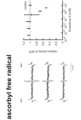
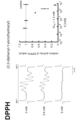
- k edv indicates the reaction rate constant of edaravone. 1 shows the results of measuring the reaction rate constant of the nitric oxide radical scavenging action. The results of measuring the reaction rate constant of the DPPH radical scavenging effect are shown below.
- k edv indicates the reaction rate constant of edaravone.
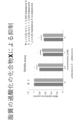
- Each column shows the average value.
- Modified Tarlov's scores (MTS) are shown.
- Each plot shows the data for each sample, and the graph lines show the average values.
- the results of 1H -NMR measurements in a stability test are shown. The number of days since dissolution in heavy water is shown on the left side of the graph. The percentage shown above the graph indicates the ratio of the area under the curve of the peak on Day 5 to the area under the curve of the peak on Day 0.
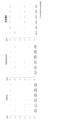
- the measurement results of the reaction rate constant of the hydroxyl radical are shown.
- Substance X stands for compound X.
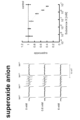
- the measurement results of the reaction rate constant of superoxide anion are shown.
- Substance X stands for compound X.
- the measurement results of the reaction rate constant of the tert-butoxyl radical are shown.
- Substance X stands for compound X.
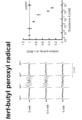
- the measurement results of the reaction rate constant of tert-butylperoxyl radical are shown.
- Substance X stands for compound X.
- the results of measuring the reaction rate constant of the ascorbyl radical are shown.
- Substance X stands for compound X.
- the measurement results of the reaction rate constant of singlet oxygen are shown.
- Substance X stands for compound X.
- the measurement results of the reaction rate constant of nitric oxide radical are shown.
- Substance X stands for compound X.
- the measurement results of the reaction rate constant of DPPH are shown.
- Substance X stands for compound X.
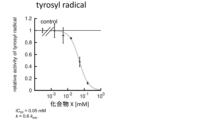
- the results of measuring the reaction rate constant of tyrosyl radical are shown.
- Substance X stands for compound X. 1 shows a comparison of the reaction rate constants of compound X and edaravone.
- Edaravone refers to the edaravone administration group
- Substance X refers to the compound X administration group.
- Substance X stands for compound X.
- the results of measuring cell proliferation are shown.
- the horizontal axis indicates the time elapsed from the start of culture.
- the legend indicates the final concentration of compound X in the medium.
- the present invention relates to a compound represented by the general formula (1):
- R 1 and R 2 are the same or different and each represents an alkyl group having 1 to 4 carbon atoms.] or a solvate thereof (also referred to as the "compound of the present invention” in this specification). This will be explained below.
- the alkyl group represented by R1 or R2 includes any of linear, branched, and cyclic alkyl groups.
- the alkyl group is preferably linear or branched, and is particularly preferably linear.
- the number of carbon atoms in the alkyl group (when linear or branched) is 1 to 4.
- the number of carbon atoms is preferably 1 to 3, more preferably 1 to 2, and particularly preferably 1.
- Specific examples of the alkyl group include a methyl group, an ethyl group, an n-propyl group, an isopropyl group, an n-butyl group, an isobutyl group, a tert-butyl group, and a sec-butyl group.
- the alkyl group represented by R1 and the alkyl group represented by R2 each have a smaller number of carbon atoms.
- the alkyl group represented by R1 and the alkyl group represented by R2 each preferably have 1 to 3 carbon atoms, more preferably 1 to 2 carbon atoms, and particularly preferably 1 carbon atom (methyl group).
- the compound represented by general formula (1) includes stereoisomers and optical isomers, but is not limited thereto.
- solvents that form solvates include water and pharma- ceutically acceptable organic solvents (e.g., ethanol, glycerol, acetic acid, etc.).
- pharma- ceutically acceptable organic solvents e.g., ethanol, glycerol, acetic acid, etc.
- the compounds of the present invention can be synthesized, for example, by a method including the following steps:
- Compound A and compound B may be commercially available, or may be synthesized according to known methods.
- the amount of compound B used is usually preferably 0.5 to 2 moles, more preferably 0.7 to 1.5 moles, per mole of compound A, from the standpoint of yield, ease of synthesis, etc.
- Step I is usually carried out in the presence of a reaction solvent.
- the reaction solvent is not particularly limited, but may be, for example, tetrahydrofuran.
- the solvent may be used alone or in combination.
- Step I is preferably carried out in the presence of titanocene dichloride and zinc powder.
- the amount of titanocene dichloride used is usually preferably 2 to 5 moles per mole of compound A.
- the amount of zinc powder used is usually preferably 5 to 15 moles per mole of compound A.
- the reaction in step I can be carried out under heating, at room temperature, or under cooling, and can usually be carried out at a temperature of 0 to 120°C.
- the reaction temperature is particularly preferably 50 to 70°C.
- Step II is usually carried out in the presence of a reaction solvent.
- the reaction solvent is not particularly limited, but examples thereof include dichloromethane.
- the solvent may be used alone or in combination.
- Step II is preferably carried out in the presence of boron tribromide.
- the amount of boron tribromide used is usually preferably 5 to 15 moles per mole of compound C.
- the reaction in step II can be carried out under heating, at room temperature, or under cooling, and is usually carried out at -50 to 50°C.
- the reaction temperature is particularly preferably -35 to 25°C.
- the reaction time is not particularly limited, and is usually 30 minutes to 60 hours.
- Steps I and II The progress of the reactions in each of Steps I and II can be monitored by a conventional method such as chromatography. After the reaction is completed, the solvent is removed by distillation, and the product can be isolated and purified by a conventional method such as chromatography or recrystallization. The structure of the product can be identified by elemental analysis, MS (ESI-MS) analysis, IR analysis, 1 H-NMR, 13 C-NMR, etc.
- Solvates can be obtained according to or in accordance with known methods.
- the compound of the present invention has a radical scavenging effect, and is therefore useful as an active ingredient of an antioxidant.
- the compound of the present invention has an inhibitory effect on oxidative stress-induced disorders, and is therefore useful as an active ingredient of an agent for preventing or improving oxidative stress-induced disorders.
- the compound of the present invention has a certain level of water solubility and a certain level of lipid solubility, and therefore the antioxidant ability of the compound of the present invention can be more effectively expressed.
- the compound of the present invention is also excellent in ease of formulation, and the compound of the present invention can be suitably used, for example, as an external agent (particularly, an aqueous solution agent), particularly as an eye drop.
- the above-mentioned various agents may be collectively referred to as "the agent of the present invention".
- the compounds of the present invention have the advantage of being highly stable and can be efficiently synthesized. From this perspective, the compounds of the present invention are suitable for use in the above applications.
- 3',4'-Dimethoxyacetophenone the raw material for the isomers of the present compound, is unstable because its OH groups are adjacent to each other, and 2',4'-Dimethoxyacetophenone, the raw material for the isomers of the present compound, has one OH group in the o-position, making it difficult to synthesize the isomers of the present compound using these.
- improvement refers to the improvement or alleviation of a symptom or condition, the prevention or delay of the worsening of a symptom or condition, and the reversal, prevention or delay of the progression of a symptom or condition.
- the target radicals for the radical scavenging action are not particularly limited, but include, for example, nitric oxide radical, hydroxyl radical, tyrosyl radical, peroxide radical, alkyloxy radical, alkylperoxy radical, methyl radical, etc., and preferably include nitric oxide radical, hydroxyl radical, tyrosyl radical, etc.
- the target radical includes nitric oxide radical.
- the target radical may be one type alone or a combination of two or more types.
- oxidative stress disorder there are no particular limitations on the oxidative stress disorder, so long as it is a disorder caused by radicals or oxidative stress in the living body.
- oxidative stress disorders include corneal disorders, dry eyes, ischemic disorders (e.g., spinal cord ischemia, cerebral infarction, myocardial infarction, etc.), age spots, wrinkles, gray hair, cataracts, diabetes, ulcers, stomatitis, periodontal disease, arteriosclerosis, hypertension, poor circulation, numbness, myocardial infarction, cerebral hemorrhage, chronic kidney disease (CKD), gastric ulcers, intestinal ulcers, inflammatory bowel disease (ulcerative colitis, Crohn's disease, etc.), atopic dermatitis, burns, frostbite, rough skin, collagen disease, Alzheimer's dementia, Parkinson's disease, Behcet's disease, Kawasaki disease, rheumatoid arthritis, Raynaud's disease, hay fever, rhinit
- compositions as needed, such as medicines, reagents, food additives, and food compositions (including health foods, health enhancers, and nutritional supplements (supplements, etc.)).
- the agent of the present invention is not particularly limited as long as it contains the compound of the present invention, and may further contain other components as necessary. There is no particular limitation on the other components as long as they are pharma- ceutically acceptable. Other components include components having pharmacological action as well as additives. Examples of additives include bases, carriers, solvents, dispersants, emulsifiers, buffers, stabilizers, excipients, binders, disintegrants, lubricants, thickeners, moisturizers, colorants, fragrances, chelating agents, etc.
- the manner of use of the compound and agent of the present invention is not particularly limited.
- the compound and agent of the present invention can be used, for example, in vitro (e.g., added to a culture medium for cultured cells) or in vivo (e.g., administered to/ingested by an animal).
- mammals include humans, monkeys, mice, rats, dogs, cats, rabbits, pigs, horses, cows, sheep, goats, and deer.
- cells include animal cells.
- types of cells and examples of the cells include blood cells, hematopoietic stem cells and progenitor cells, gametes (sperm, eggs), fibroblasts, epithelial cells, vascular endothelial cells, nerve cells, hepatic cells, keratinocytes, muscle cells, epidermal cells, endocrine cells, ES cells, iPS cells, tissue stem cells, and cancer cells.
- the agent of the present invention may be in any dosage form, for example, oral preparations (tablets (including orally disintegrating tablets, chewable tablets, effervescent tablets, lozenges, jelly drops, etc.), pills, granules, fine granules, powders, hard capsules, soft capsules, dry syrups, liquids (including drinks, suspensions, syrups), jellies), injectable preparations (for example, drip injections (for example, intravenous drip preparations, etc.), intravenous injections, intramuscular injections, subcutaneous injections, intradermal injections), external preparations (for example, ointments, poultices, lotions, suppositories, inhalants, eye preparations, eye ointments, nasal drops, ear drops, etc.).
- oral preparations tablettes (including orally disintegrating tablets, chewable tablets, effervescent tablets, lozenges, jelly drops, etc.), pills, granules, fine granules, powders,
- the route of administration of the agent of the present invention is not particularly limited as long as the desired effect can be obtained, and examples of such route include enteral administration such as oral administration, tube feeding, and enema administration; and parenteral administration such as intravenous administration, intraarterial administration, intramuscular administration, intracardiac administration, subcutaneous administration, intradermal administration, and intraperitoneal administration.
- enteral administration such as oral administration, tube feeding, and enema administration
- parenteral administration such as intravenous administration, intraarterial administration, intramuscular administration, intracardiac administration, subcutaneous administration, intradermal administration, and intraperitoneal administration.
- examples of the agent include liquid, gel or solid foods, such as beverages such as juice, soft drinks, tea, soup and soy milk, salad oil, dressing, yogurt, jelly, pudding, furikake, powdered milk for infants, cake mix, powdered or liquid dairy products, bread, cookies, etc.
- beverages such as juice, soft drinks, tea, soup and soy milk, salad oil, dressing, yogurt, jelly, pudding, furikake, powdered milk for infants, cake mix, powdered or liquid dairy products, bread, cookies, etc.
- the content of the active ingredient in the agent of the present invention depends on the mode of use, the subject to which it is applied, the condition of the subject to which it is applied, etc., and is not limited, but can be, for example, 0.0001 to 100% by weight, preferably 0.001 to 50% by weight.
- the dosage of the compound or drug of the present invention when administered to an animal is not particularly limited as long as it is an effective amount that exerts a medicinal effect, and is usually, in terms of the weight of the active ingredient, generally 0.1-1000 mg/kg body weight per day, preferably 0.5-500 mg/kg body weight per day in the case of oral administration, and 0.01-100 mg/kg body weight per day, preferably 0.05-50 mg/kg body weight per day in the case of parenteral administration.
- the dosage can be increased or decreased as appropriate depending on the age, pathological condition, symptoms, etc.
- Example 1-1 Synthesis of 3'5'-dimethoxyacetophenone (2) 3'5'-Dihydroxyacetophenone (1) (24.15 g, 158.72 mmol, 1.0 eq) and distilled water (120.75 mL) were added to a 1 L three-neck flask equipped with a stirrer and a thermometer, and 10 wt% NaOH aqueous solution (317.44 mL, 793.60 mmol, 3.0 eq) was added while stirring at room temperature until the heat generation subsided (24.3 °C ⁇ 27.0 °C, black liquid).
- Example 1-2 Synthesis of compound 5 Titanocene dichloride (47.47 g, 190.17 mmol, 2.8 eq), zinc powder (39.30 g, 601.10 mmol, 8.9 eq), and THF (262.3 mL) were added to a 1000 mL three-neck flask equipped with a stirrer and a thermometer, and the mixture was stirred at 70 °C after nitrogen replacement (reddish brown solution).
- Example 1-3 Synthesis of Compound X
- Compound 5 (8.12 g, 24.43 mmol, 1.0 eq) and dichloromethane (400 mL) were added to a 1000 mL three-neck flask equipped with a stirrer and a thermometer, and while stirring at - 30 °C under a nitrogen atmosphere, 17% boron tribromide/dichloromethane solution (196.0 mL, 196.0 mmol, 8.0 eq) was added dropwise (transparent liquid ⁇ reddish brown liquid). After the dropwise addition, the mixture was stirred at -30 °C for 30 minutes under a nitrogen atmosphere, and then stirred at room temperature for another 2 hours.
- Example 2 Evaluation of radical scavenging activity 1
- the radical scavenging activity of compound X was evaluated. Specifically, the procedure was as follows.
- ESR electron spin resonance
- Free radicals are highly reactive and unstable, so they were measured as stable spin adducts using a spin trapping agent.
- the following nine types of free radicals were targeted: hydroxyl radical; DPPH, nitric oxide radical; tyrosyl radical; and singlet oxygen radical.
- Free radicals were generated in a test tube, and different concentrations of compound X were added to evaluate the concentration-dependent scavenging activity.
- IC50 was calculated by regression analysis using the Cheng-Prusoff equation, and the reaction rate constant for each free radical ( kX ) or the ratio of the spin trapping agent to that ( kX / ktrap ) was estimated.
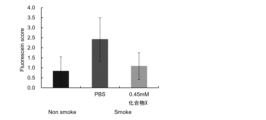
- Example 3 Evaluation of corneal damage suppression effect Corneal damage was induced by exposing the eyes to smoke (mainstream smoke) produced by smoking cigarettes, and the corneal damage suppression effect of compound X was evaluated. Specifically, the procedure was as follows.
- Rats were exposed to cigarette smoke in the eyes and instilled with an aqueous solution of compound X (0.45 mM) or vehicle (PBS) every day for a total of 5 days.
- the treatments for each day were as follows. For cigarette smoke exposure, 50 mL of smoke was exposed to the eyes every 30 minutes, a total of 6 times a day (9:00-11:30). Eye instillation was performed at 5 ⁇ L per eye, 4 times a day (9:00, 12:00, 14:00, and 15:30).
- ⁇ Calculation method of Fluorescein score> A circular stained corneal image is divided into nine grids with two lines vertically and two horizontally. If each divided area is stained by 10% or more, it is scored as 1, and if there is no staining, it is scored as 0. The scores for each area are added together to get the score. The score ranges from 0 to 9 points.
- Example 4 Evaluation of ischemic damage suppression effect The suppression effect of compound X on spinal cord damage and paraplegia associated with ischemia-reperfusion, which may occur during spinal cord ischemia, was evaluated. Specifically, the procedure was as follows.
- the rabbit's femoral artery was exposed, a Fogarty catheter was inserted 15 cm from the inguinal ligament, the balloon was inflated, and the aorta was occluded for 20 minutes to create a spinal cord ischemia model.
- 12 ml (6 mg/kg) of compound X solution, 12 ml (6 mg/kg) of edaravone, and 12 ml of saline were administered intravenously over 3 minutes.
- the compound X solution was dissolved in 2 ml of distilled water, and 10 ml of saline was added to make a total of 12 ml.
- Modified Tarlov's score 0 was defined as complete paraplegia.
- the incidence of complete paraplegia was 5/8 cases (63%) for saline, 4/8 cases (50%) for edaravone, and 0/8 cases (0%) for compound X, indicating that administration of compound X suppressed the incidence of paraplegia after ischemia-reperfusion compared to saline and edaravone.
- Example 5 Evaluation of stability Compound X was dissolved in heavy water (1 mM) and left at room temperature for 5 days. It was exposed to room light without any special light shielding. Every 24 hours, it was measured by 1 H-NMR (AVANCE III-400, BRUKER; water suppression by NOESY pulse sequence; 8 times addition).
- Example 6 Evaluation of radical scavenging activity 2
- the radical scavenging activity of compound X was evaluated. Specifically, the procedure was as follows.
- ESR electron spin resonance
- Free radicals are highly reactive and unstable, so they were measured as stable spin adducts using spin trapping agents.
- the following nine free radicals were targeted: hydroxyl radical, superoxide anion, tert-butoxyl radical, tert-butylperoxyl radical, ascorbyl radical, singlet oxygen, nitric oxide radical, DPPH, and tyrosyl radical.
- Free radicals were generated in a test tube, and different concentrations of compound X were added to evaluate the concentration-dependent scavenging activity.
- IC50 was calculated by regression analysis using the Cheng-Prusoff equation, and the reaction rate constant for each free radical ( kX ) or the ratio of the spin trapping agent to that ( kX / ktrap ) was estimated.
- Example 7 Antioxidant effect on lipids in brain tissue The antioxidant effect on lipids of compound X was evaluated. Specifically, the procedure was as follows.
- Hydrogen peroxide was added to mouse brain tissue homogenized under ice cooling to oxidize the lipids in the brain tissue.
- malondialdehyde was quantified using the thiobarbituric acid reactive substance method. Different concentrations of compound X were added to this, and the concentration-dependent activity of inhibiting oxidation was evaluated.
- Example 8 Cytotoxicity of Compound X The toxicity of Compound X to cultured cells was evaluated. Specifically, the procedure was as follows.
- Human lung fibroblast cells (MRC-5) were cultured with different concentrations of compound X for 24 hours, and cell growth was observed.
Landscapes
- Health & Medical Sciences (AREA)
- Chemical & Material Sciences (AREA)
- Organic Chemistry (AREA)
- Life Sciences & Earth Sciences (AREA)
- Pharmacology & Pharmacy (AREA)
- Public Health (AREA)
- Veterinary Medicine (AREA)
- General Health & Medical Sciences (AREA)
- Animal Behavior & Ethology (AREA)
- Engineering & Computer Science (AREA)
- Medicinal Chemistry (AREA)
- Nuclear Medicine, Radiotherapy & Molecular Imaging (AREA)
- General Chemical & Material Sciences (AREA)
- Chemical Kinetics & Catalysis (AREA)
- Bioinformatics & Cheminformatics (AREA)
- Ophthalmology & Optometry (AREA)
- Materials Engineering (AREA)
- Biochemistry (AREA)
- Toxicology (AREA)
- Urology & Nephrology (AREA)
- Vascular Medicine (AREA)
- Cardiology (AREA)
- Heart & Thoracic Surgery (AREA)
- Epidemiology (AREA)
- Acyclic And Carbocyclic Compounds In Medicinal Compositions (AREA)
Priority Applications (1)
| Application Number | Priority Date | Filing Date | Title |
|---|---|---|---|
| JP2025535840A JP7780235B2 (ja) | 2023-07-24 | 2024-07-23 | 抗酸化化合物 |
Applications Claiming Priority (2)
| Application Number | Priority Date | Filing Date | Title |
|---|---|---|---|
| JP2023-119682 | 2023-07-24 | ||
| JP2023119682 | 2023-07-24 |
Publications (1)
| Publication Number | Publication Date |
|---|---|
| WO2025023252A1 true WO2025023252A1 (ja) | 2025-01-30 |
Family
ID=94375332
Family Applications (1)
| Application Number | Title | Priority Date | Filing Date |
|---|---|---|---|
| PCT/JP2024/026351 Pending WO2025023252A1 (ja) | 2023-07-24 | 2024-07-23 | 抗酸化化合物 |
Country Status (2)
| Country | Link |
|---|---|
| JP (1) | JP7780235B2 (https=) |
| WO (1) | WO2025023252A1 (https=) |
Citations (4)
| Publication number | Priority date | Publication date | Assignee | Title |
|---|---|---|---|---|
| JPS57114509A (en) * | 1981-01-07 | 1982-07-16 | Eisai Co Ltd | Remedy for diabetic cataract |
| JP2000319154A (ja) * | 1999-05-06 | 2000-11-21 | Nippon Menaade Keshohin Kk | 光毒性抑制剤 |
| JP2005510503A (ja) * | 2001-10-25 | 2005-04-21 | ノボゲン リサーチ ピーティーワイ リミテッド | 6−ヒドロキシイソフラボン、誘導体及びそれを含む薬剤 |
| JP2006016343A (ja) * | 2004-07-02 | 2006-01-19 | National Institute Of Advanced Industrial & Technology | 皮膚外用剤 |
-
2024
- 2024-07-23 WO PCT/JP2024/026351 patent/WO2025023252A1/ja active Pending
- 2024-07-23 JP JP2025535840A patent/JP7780235B2/ja active Active
Patent Citations (4)
| Publication number | Priority date | Publication date | Assignee | Title |
|---|---|---|---|---|
| JPS57114509A (en) * | 1981-01-07 | 1982-07-16 | Eisai Co Ltd | Remedy for diabetic cataract |
| JP2000319154A (ja) * | 1999-05-06 | 2000-11-21 | Nippon Menaade Keshohin Kk | 光毒性抑制剤 |
| JP2005510503A (ja) * | 2001-10-25 | 2005-04-21 | ノボゲン リサーチ ピーティーワイ リミテッド | 6−ヒドロキシイソフラボン、誘導体及びそれを含む薬剤 |
| JP2006016343A (ja) * | 2004-07-02 | 2006-01-19 | National Institute Of Advanced Industrial & Technology | 皮膚外用剤 |
Non-Patent Citations (2)
| Title |
|---|
| DAVIDSON IRENE M, MUSGRAVE (IN C, MANSON D L, BARKER L, HOLLINGWORTH N W: "Condensation of Diketones with Aromatic Compounds.", JOURNAL OF CHEMICAL SOCIETY, 10 November 1964 (1964-11-10), pages 3040 - 3044, XP093264797 * |
| SCHUTYSER WOUTER, KOELEWIJN STEVEN-FRISO, DUSSELIER MICHIEL, VAN DE VYVER STIJN, THOMAS JOICE, YU FENG, CARBONE MARIA JOSEFINA, SM: "Regioselective synthesis of renewable bisphenols from 2,3-pentanedione and their application as plasticizers", GREEN CHEMISTRY, ROYAL SOCIETY OF CHEMISTRY, GB, vol. 16, no. 4, 1 January 2014 (2014-01-01), GB , pages 1999 - 2007, XP093264792, ISSN: 1463-9262, DOI: 10.1039/C4GC00250D * |
Also Published As
| Publication number | Publication date |
|---|---|
| JPWO2025023252A1 (https=) | 2025-01-30 |
| JP7780235B2 (ja) | 2025-12-04 |
Similar Documents
| Publication | Publication Date | Title |
|---|---|---|
| WO2023104018A1 (zh) | 取代的双环杂芳基化合物作为kras g12d抑制剂 | |
| JP7444797B2 (ja) | 老化細胞除去組成物及びその使用 | |
| JP2024512459A (ja) | 核磁気共鳴画像法に使用するための新規な造影剤 | |
| JP5008258B2 (ja) | 含硫黄ホスホリピド誘導体 | |
| AU2017254523A1 (en) | Compounds and compositions for treating conditions associated with NLRP activity | |
| CN114746430B (zh) | 治疗线粒体异常疾病的伐替苯醌的醌-、氢醌-和萘醌-类似物 | |
| CN110023311B (zh) | 2-取代的氨基-萘并[1,2-d]咪唑-5-酮类化合物或其药学上可接受的盐 | |
| JP7041673B2 (ja) | N-アシルエタノールアミド誘導体およびその使用 | |
| EP3419959A1 (en) | Combination therapy | |
| CN121085765A (zh) | 用于预防和/或治疗线粒体疾病的组合物和方法 | |
| BR112014030325B1 (pt) | Uso de composição contendo derivado de verbenona para a obtenção de produto destinado ao tratamento ou prevenção de doença cerebral degenerativa, alimento funcional para prevenir ou tratar doença neurodegenerativa e composto | |
| JP2021512060A (ja) | 神経系疾患を治療するための化合物及びその応用 | |
| CN104098584B (zh) | 银杏内酯b衍生物及其在药物中的应用 | |
| CA3165209A1 (en) | 2,5- or 2,6-disubstituted hydroquinone derivatives with at least one carboxy, sulfo or amido group useful as medicaments | |
| JP7780235B2 (ja) | 抗酸化化合物 | |
| KR101975299B1 (ko) | 인돌아세트산의 코어구조를 함유하는 화합물 및 그의 용도 | |
| US20210300859A1 (en) | Rosmarinic acid derivative or salt thereof | |
| CN117986237B (zh) | 川芎嗪衍生物及其制备方法与用途 | |
| US20210346331A1 (en) | Trpv4 activity inhibitor | |
| TW202502306A (zh) | Gpx4抑制劑與抗衰老化合物及其用途 | |
| US20240115589A1 (en) | Pharmaceutical composition for preventing cytokine storm | |
| WO1990012800A1 (en) | Phospholipid derivatives | |
| CN110511201B (zh) | 一类3′-氨烷氧基-木犀草素衍生物及其制备方法和应用 | |
| WO1997048712A1 (fr) | Derives asialotrisaccharide moranoline et medicaments | |
| JP7496123B2 (ja) | ミトコンドリアフェリチン発現誘導剤 |
Legal Events
| Date | Code | Title | Description |
|---|---|---|---|
| 121 | Ep: the epo has been informed by wipo that ep was designated in this application |
Ref document number: 24845627 Country of ref document: EP Kind code of ref document: A1 |
|
| WWE | Wipo information: entry into national phase |
Ref document number: 2025535840 Country of ref document: JP |
|
| NENP | Non-entry into the national phase |
Ref country code: DE |