WO2024181525A1 - 抗がん剤、がん治療用医薬組成物、キット、及び活性化剤 - Google Patents
抗がん剤、がん治療用医薬組成物、キット、及び活性化剤 Download PDFInfo
- Publication number
- WO2024181525A1 WO2024181525A1 PCT/JP2024/007475 JP2024007475W WO2024181525A1 WO 2024181525 A1 WO2024181525 A1 WO 2024181525A1 JP 2024007475 W JP2024007475 W JP 2024007475W WO 2024181525 A1 WO2024181525 A1 WO 2024181525A1
- Authority
- WO
- WIPO (PCT)
- Prior art keywords
- piv
- ccl19
- cancer
- cells
- antibody
- Prior art date
- Legal status (The legal status is an assumption and is not a legal conclusion. Google has not performed a legal analysis and makes no representation as to the accuracy of the status listed.)
- Ceased
Links
Images



Classifications
-
- A—HUMAN NECESSITIES
- A61—MEDICAL OR VETERINARY SCIENCE; HYGIENE
- A61P—SPECIFIC THERAPEUTIC ACTIVITY OF CHEMICAL COMPOUNDS OR MEDICINAL PREPARATIONS
- A61P35/00—Antineoplastic agents
-
- A—HUMAN NECESSITIES
- A61—MEDICAL OR VETERINARY SCIENCE; HYGIENE
- A61K—PREPARATIONS FOR MEDICAL, DENTAL OR TOILETRY PURPOSES
- A61K35/00—Medicinal preparations containing materials or reaction products thereof with undetermined constitution
- A61K35/66—Microorganisms or materials therefrom
- A61K35/76—Viruses; Subviral particles; Bacteriophages
-
- A—HUMAN NECESSITIES
- A61—MEDICAL OR VETERINARY SCIENCE; HYGIENE
- A61K—PREPARATIONS FOR MEDICAL, DENTAL OR TOILETRY PURPOSES
- A61K38/00—Medicinal preparations containing peptides
- A61K38/16—Peptides having more than 20 amino acids; Gastrins; Somatostatins; Melanotropins; Derivatives thereof
- A61K38/17—Peptides having more than 20 amino acids; Gastrins; Somatostatins; Melanotropins; Derivatives thereof from animals; from humans
- A61K38/19—Cytokines; Lymphokines; Interferons
-
- A—HUMAN NECESSITIES
- A61—MEDICAL OR VETERINARY SCIENCE; HYGIENE
- A61K—PREPARATIONS FOR MEDICAL, DENTAL OR TOILETRY PURPOSES
- A61K45/00—Medicinal preparations containing active ingredients not provided for in groups A61K31/00 - A61K41/00
- A61K45/06—Mixtures of active ingredients without chemical characterisation, e.g. antiphlogistics and cardiaca
-
- A—HUMAN NECESSITIES
- A61—MEDICAL OR VETERINARY SCIENCE; HYGIENE
- A61K—PREPARATIONS FOR MEDICAL, DENTAL OR TOILETRY PURPOSES
- A61K48/00—Medicinal preparations containing genetic material which is inserted into cells of the living body to treat genetic diseases; Gene therapy
- A61K48/005—Medicinal preparations containing genetic material which is inserted into cells of the living body to treat genetic diseases; Gene therapy characterised by an aspect of the 'active' part of the composition delivered, i.e. the nucleic acid delivered
-
- C—CHEMISTRY; METALLURGY
- C07—ORGANIC CHEMISTRY
- C07K—PEPTIDES
- C07K16/00—Immunoglobulins [IG], e.g. monoclonal or polyclonal antibodies
- C07K16/18—Immunoglobulins [IG], e.g. monoclonal or polyclonal antibodies against material from animals or humans
- C07K16/28—Immunoglobulins [IG], e.g. monoclonal or polyclonal antibodies against material from animals or humans against receptors, cell surface antigens or cell surface determinants
- C07K16/2803—Immunoglobulins [IG], e.g. monoclonal or polyclonal antibodies against material from animals or humans against receptors, cell surface antigens or cell surface determinants against the immunoglobulin superfamily
- C07K16/2818—Immunoglobulins [IG], e.g. monoclonal or polyclonal antibodies against material from animals or humans against receptors, cell surface antigens or cell surface determinants against the immunoglobulin superfamily against CD28 or CD152
-
- C—CHEMISTRY; METALLURGY
- C12—BIOCHEMISTRY; BEER; SPIRITS; WINE; VINEGAR; MICROBIOLOGY; ENZYMOLOGY; MUTATION OR GENETIC ENGINEERING
- C12N—MICROORGANISMS OR ENZYMES; COMPOSITIONS THEREOF; PROPAGATING, PRESERVING, OR MAINTAINING MICROORGANISMS; MUTATION OR GENETIC ENGINEERING; CULTURE MEDIA
- C12N15/00—Mutation or genetic engineering; DNA or RNA concerning genetic engineering, vectors, e.g. plasmids, or their isolation, preparation or purification; Use of hosts therefor
- C12N15/09—Recombinant DNA-technology
- C12N15/63—Introduction of foreign genetic material using vectors; Vectors; Use of hosts therefor; Regulation of expression
- C12N15/79—Vectors or expression systems specially adapted for eukaryotic hosts
- C12N15/85—Vectors or expression systems specially adapted for eukaryotic hosts for animal cells
- C12N15/86—Viral vectors
-
- A—HUMAN NECESSITIES
- A61—MEDICAL OR VETERINARY SCIENCE; HYGIENE
- A61K—PREPARATIONS FOR MEDICAL, DENTAL OR TOILETRY PURPOSES
- A61K39/00—Medicinal preparations containing antigens or antibodies
- A61K2039/505—Medicinal preparations containing antigens or antibodies comprising antibodies
-
- A—HUMAN NECESSITIES
- A61—MEDICAL OR VETERINARY SCIENCE; HYGIENE
- A61K—PREPARATIONS FOR MEDICAL, DENTAL OR TOILETRY PURPOSES
- A61K39/00—Medicinal preparations containing antigens or antibodies
- A61K39/395—Antibodies; Immunoglobulins; Immune serum, e.g. antilymphocytic serum
- A61K39/39533—Antibodies; Immunoglobulins; Immune serum, e.g. antilymphocytic serum against materials from animals
- A61K39/3955—Antibodies; Immunoglobulins; Immune serum, e.g. antilymphocytic serum against materials from animals against proteinaceous materials, e.g. enzymes, hormones, lymphokines
-
- C—CHEMISTRY; METALLURGY
- C12—BIOCHEMISTRY; BEER; SPIRITS; WINE; VINEGAR; MICROBIOLOGY; ENZYMOLOGY; MUTATION OR GENETIC ENGINEERING
- C12N—MICROORGANISMS OR ENZYMES; COMPOSITIONS THEREOF; PROPAGATING, PRESERVING, OR MAINTAINING MICROORGANISMS; MUTATION OR GENETIC ENGINEERING; CULTURE MEDIA
- C12N2760/00—MICROORGANISMS OR ENZYMES; COMPOSITIONS THEREOF; PROPAGATING, PRESERVING, OR MAINTAINING MICROORGANISMS; MUTATION OR GENETIC ENGINEERING; CULTURE MEDIA ssRNA viruses negative-sense
- C12N2760/00011—Details
- C12N2760/18011—Paramyxoviridae
- C12N2760/18711—Rubulavirus, e.g. mumps virus, parainfluenza 2,4
- C12N2760/18733—Use of viral protein as therapeutic agent other than vaccine, e.g. apoptosis inducing or anti-inflammatory
-
- C—CHEMISTRY; METALLURGY
- C12—BIOCHEMISTRY; BEER; SPIRITS; WINE; VINEGAR; MICROBIOLOGY; ENZYMOLOGY; MUTATION OR GENETIC ENGINEERING
- C12N—MICROORGANISMS OR ENZYMES; COMPOSITIONS THEREOF; PROPAGATING, PRESERVING, OR MAINTAINING MICROORGANISMS; MUTATION OR GENETIC ENGINEERING; CULTURE MEDIA
- C12N2760/00—MICROORGANISMS OR ENZYMES; COMPOSITIONS THEREOF; PROPAGATING, PRESERVING, OR MAINTAINING MICROORGANISMS; MUTATION OR GENETIC ENGINEERING; CULTURE MEDIA ssRNA viruses negative-sense
- C12N2760/00011—Details
- C12N2760/18011—Paramyxoviridae
- C12N2760/18711—Rubulavirus, e.g. mumps virus, parainfluenza 2,4
- C12N2760/18741—Use of virus, viral particle or viral elements as a vector
- C12N2760/18743—Use of virus, viral particle or viral elements as a vector viral genome or elements thereof as genetic vector
Definitions
- the present invention relates to an anticancer agent, a pharmaceutical composition for cancer treatment, a kit, and an activator.
- Cancer cells develop due to various abnormalities in immune suppression mechanisms, cell proliferation suppression mechanisms, gene mutations and translocations, metabolism, etc.
- the success rate of blood cancers such as leukemia has increased due to immune checkpoint inhibitors such as anti-PD1 antibodies and CAR-T therapy (see, for example, Patent Document 1).
- the present invention has been made in consideration of the above circumstances, and aims to provide an anticancer agent, a pharmaceutical composition for cancer treatment, a kit, and an activator that have excellent antitumor effects.
- the present invention includes the following aspects.
- An anticancer agent for solid cancer comprising as an active ingredient at least one cytokine selected from the group consisting of IL-2, IL-7, IL-12, IL-15, and IL-18, or a combination of said cytokine with CCL19 and/or CCL21, or human parainfluenza virus type 2 expressing these mutants having the same function.
- the at least one cytokine is IL-12 that constitutes a heterodimer or a mutant having the same function.
- a pharmaceutical composition for cancer treatment against a solid cancer comprising the anticancer agent according to any one of [1] to [3].
- the immune checkpoint inhibitor comprises at least one antibody selected from the group consisting of an anti-PD1 antibody, an anti-PD-L1 antibody, an anti-CTLA4 antibody, and an anti-TIM3 antibody.
- kits for use in the treatment of a solid cancer comprising at least one cytokine selected from the group consisting of IL-2, IL-7, IL-12, IL-15, and IL-18, or a combination of the cytokine with CCL19 and/or CCL21, or a human parainfluenza virus type 2 expressing a mutant thereof having the same function, and an immune activator and/or an immune checkpoint inhibitor, for simultaneous or sequential use in the treatment.
- the at least one cytokine is IL-12 that constitutes a heterodimer, or a mutant having the same function.
- kits according to [8] wherein the human parainfluenza virus type 2 is a non-replicating type in which the F gene is deleted from the genome.
- the immune checkpoint inhibitor comprises at least one selected from the group consisting of an anti-PD1 antibody, an anti-PD-L1 antibody, an anti-CTLA4 antibody, and an anti-TIM3 antibody.
- An agent for activating tumor-infiltrating T cells and dendritic cells comprising as an active ingredient at least one cytokine selected from the group consisting of IL-2, IL-7, IL-12, IL-15, and IL-18, or a combination of any one of the cytokines with CCL19 and/or CCL21, or human parainfluenza virus type 2 expressing a mutant thereof having the same function.
- the present invention provides an anticancer agent, a pharmaceutical composition for cancer treatment, a kit, and an activator that have excellent antitumor effects.
- FIG. 1 is an explanatory diagram of a plasmid for producing BC-PIV/IL-7 alone, or CCL19 or CCL21. Specifically, it is a construction diagram for introducing a desired gene into the NotI or MluI restriction enzyme sequence site of a plasmid for constructing hPIV2 lacking the F gene.
- 2 to 4 are figures confirming the expression of IL-7, CCL19, and CCL21 in cells infected with BC-PIV transfected with IL-7 alone, or CCL19 or CCL21, by Western blot.
- Fig. 2 is a figure confirming the expression in cells infected with BC-PIV transfected with IL-7.
- FIG. 3 shows the results of confirming expression in BC-PIV-infected cells into which IL-7 and CCL19 had been introduced.
- FIG. 4 shows the results of confirming the expression of IL-7 and CCL21 in BC-PIV-infected cells.
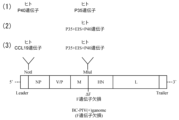
- 5 is an explanatory diagram of a plasmid for producing BC-PIV into which the heterodimer IL-12 gene has been introduced.
- EIS is a sequence that regulates the gene expression of BC-PIV.
- 6 and 7 are figures confirming the expression of IL-12 (P35) and IL-12 (P40) in BC-PIV-infected cells into which the heterodimer IL-12 gene has been introduced, by Western blot.
- FIG. 6 is a figure confirming the expression of P35 and P40 expressed via the EIS sequence of BC-PIV in BC-PIV-infected cells.
- FIG. 7 shows the results of confirming the expression of P35 and P40 by BC-PIV constructed by introducing the P40 and P35 genes into the NotI and MluI restriction enzyme sequence sites in BC-PIV-infected cells.
- FIG. 8 shows the results of confirming IL-12 protein (P70) by ELISA.
- FIG. 9 shows the schedule of animal tests for confirming the antitumor effect of BC-PIV.
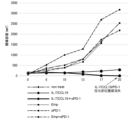
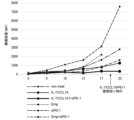
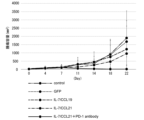
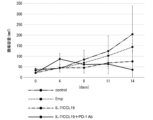
- FIG. 10 shows the antitumor effect of IL-7 and CCL19 expressed by BC-PIV and the synergistic effect with anti-mouse PD1 antibody.
- FIG. 11 shows the antitumor effect of IL-7 and CCL19 expressed by BC-PIV and the synergistic effect with anti-mouse PD1 antibody.
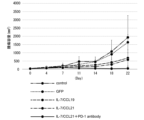
- FIG. 12 shows the antitumor effects of IL-7 and CCL19 or CCL21 expressed by BC-PIV and the synergistic effect with an anti-mouse PD1 antibody.
- FIG. 13 shows the antitumor effects of IL-7 and CCL19 or CCL21 expressed by BC-PIV and the synergistic effect with an anti-mouse PD1 antibody.
- FIG. 14 shows the pathological analysis of treated tumors.
- FIG. 15 shows the pathological analysis of treated tumors.
- FIG. 16 shows the distribution of T cells within and around the tumor evaluated using a T cell-specific antibody.
- FIG. 17 shows the distribution of CD8-positive T cells within and around the tumor, assessed using a CD8-specific antibody.
- FIG. 18 shows the antitumor effect of cytokine (IL-7)- and chemokine (CCL19)-introduced BC-PIV on renal cancer RENCA cells, and the synergistic effect of anti-mouse PD1 antibody.
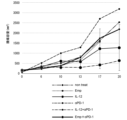
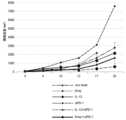
- FIG. 19 shows the antitumor effect of IL-12-introduced BC-PIV and the synergistic effect of anti-mouse PD1 antibody.
- FIG. 20 shows the antitumor effect of IL-12-introduced BC-PIV and the synergistic effect of anti-mouse PD1 antibody.
- Chemokine receptor 7 is a major homing receptor for gathering T cells, B cells, and dendritic cells to form a functional microenvironment in secondary lymphatic vessels, and is an important regulator for initiating antigen-specific immune responses.
- CCR7 There are two types of endogenous ligands for CCR7.
- HEVs high endothelial venules
- CCL19 is produced in the T cell area of lymph nodes and is transcytosed from the basement membrane side to the luminal side of HEVs and presented. It has been reported that these chemokine ligand 21 (CCL21) and chemokine ligand 19 (CCL19) have two apparently opposing roles in cancer (see Patent Document 2). One is that CCR7 plays an important role in promoting cancer metastasis via the lymphatic system, and correlations between CCR7 upregulation and lymph node (LN) metastasis have been reported in pancreatic cancer, breast cancer, esophageal cancer, head and neck cancer, prostate cancer, colorectal cancer, and other cancers.
- LN lymph node
- CCR7 is a G protein-coupled receptor, and such receptors are normally subject to desensitization, i.e., after initial exposure to a ligand, the receptor is not coupled to further G protein activation.
- CCL21 is known not to cause receptor desensitization, despite showing comparable activity to CCL19 in activating G protein signaling via CCR7.
- IL-7 IL-7, secreted by thymic epithelial cells, aids in the proliferation of immature T cells and contributes to the development of T cells, while IL-7, secreted by lymphatic endothelial cells, contributes to the survival and maintenance of numbers of naive and memory T cells.
- BC-PIV Vector expressing two types of cytokines and chemokines
- the inventors have developed a vector that can simultaneously deliver genes and proteins using human parainfluenza virus type 2: BC-PIV (see Patent Document 3).
- BC-PIV can introduce two or more genes and proteins, and has shown efficacy in an antitumor immune agent that has a TNFRSF ligand protein loaded onto BC-PIV (see Patent Document 4).
- two genes introduced into BC-PIV are expressed in infected cells, and this time, genes for cytokines and chemokines are introduced into BC-PIV to examine the above-mentioned effects.
- BC-PIV is human parainfluenza virus type 2, and the host is human.
- BC-PIV has been shown to promote the maturation of dendritic cells (see Non-Patent Document 1).
- antigen-presenting cells such as dendritic cells and present antigens to T cells, making it possible to proliferate and activate T cells and other cells with more effective anti-tumor effects.
- IL-12 introduction into BC-PIV
- IL-12 is a heterodimer consisting of 35 kDa and 40 kDa.
- IL-12 is produced by dendritic cells, macrophages, etc., and has useful activities such as maintaining activated T cells and assisting the expression of killer T cells (CTL), but is also one of the cytokines that induces the strongest inflammation. Therefore, there is great interest in the possibility that it can be used to cause inflammation in tumor tissue and increase the efficacy of immunotherapy.
- CTL killer T cells
- IL-12 is known to be extremely toxic due to systemic immune activation, and its clinical effect is extremely limited even at the maximum tolerated dose (MTD).
- TME tumor microenvironment
- Lymphocytes such as T cells are involved in the formation and homeostasis of the immune system in the body, with their migration and homing to specific tissues regulated by specific chemokines and chemokine receptors. In addition, the expression of different chemokines induces lymphocyte migration under pathological conditions, resulting in various pathological conditions.
- Lymphocytes such as T cells express the chemokine receptor CCR7.
- Interleukin 7 (IL-7) is a cytokine essential for early lymphocyte differentiation, maintenance of mature T cells, and formation of lymphoid organs, and is considered to be a cytokine responsible for maintaining homeostasis of the immune system.
- the present invention provides an anticancer agent for solid cancer, comprising as an active ingredient at least one cytokine selected from the group consisting of IL-2, IL-7, IL-12, IL-15, and IL-18, or a combination of any one of the cytokines with CCL19 and/or CCL21, or human parainfluenza virus type 2 expressing these mutants having the same function.
- cytokine selected from the group consisting of IL-2, IL-7, IL-12, IL-15, and IL-18, or a combination of any one of the cytokines with CCL19 and/or CCL21, or human parainfluenza virus type 2 expressing these mutants having the same function.
- the virus used in this embodiment is human parainfluenza virus type 2 (hPIV2). From the viewpoint of not producing secondary infectious particles, it is preferable that human parainfluenza virus type 2 is non-replicating, lacking the F gene having membrane fusion function.
- the virus used in this embodiment expresses at least one cytokine selected from the group consisting of IL-2, IL-7, IL-12, IL-15, and IL-18, or a combination of any of the cytokines with CCL19 and/or CCL21, or mutants thereof having the same function.
- the combination of ligands expressed by the virus includes one cytokine each of IL-2, IL-7, IL-12, IL-15, and IL-18; two cytokines selected from the group consisting of IL-2, IL-7, IL-12, IL-15, and IL-18; and three or more cytokines selected from the group consisting of IL-2, IL-7, IL-12, IL-15, and IL-18.
- IL-12 is a heterodimer consisting of 35 kDa and 40 kDa.
- examples of combinations of ligands expressed by the virus include combinations of the above cytokines with CCL19 and/or CCL21. Examples of such combinations include IL-7/CCL19, IL-7/CCL21, IL-12/CCL19, IL-12/CCL21, etc.
- BC-PIV into which the human IL-7 gene/human CCL-19 gene has been introduced and BC-PIV into which the human IL-7 gene/human CCL-21 gene has been introduced have an antitumor effect.
- variants having the same function refer to those which have an amino acid sequence in which one or several amino acids have been deleted, substituted, inserted or added in the amino acid sequence constituting the ligand, and have signal transduction ability.
- the number of deleted, substituted, inserted or added amino acids is preferably 1 to 20, more preferably 1 to 10, and particularly preferably 1 to 5.
- the cytokines and/or chemokines used in this embodiment also include their homologues.
- the present invention contains the above-mentioned anticancer agent.
- the pharmaceutical composition for cancer treatment against solid cancer of this embodiment may further contain an immune activator and/or an immune checkpoint inhibitor.
- the immune activator include TNFRSF receptor agonist antibodies, such as anti-Ox40 agonist antibodies, anti-GITR agonist antibodies, anti-CD30 agonist antibodies, anti-4-1BB agonist antibodies, and anti-CD27 agonist antibodies.
- Immune checkpoint inhibitors include anti-PD1 antagonist antibodies, anti-PD-L1 antagonist antibodies, anti-CTLA4 antagonist antibodies, and anti-TIM3 antagonist antibodies.
- the pharmaceutical composition for cancer treatment against solid cancer of this embodiment preferably contains a pharma- ceutical acceptable carrier.
- pharma-ceutical acceptable carrier those usually used in pharmaceutical preparations can be used without particular limitation, and examples thereof include solvents such as sterilized water and saline; binders such as gelatin, corn starch, gum tragacanth, gum arabic, excipients such as crystalline cellulose; and leavening agents such as alginic acid.
- the pharmaceutical composition for treating solid cancers may contain additives.
- additives include lubricants such as magnesium stearate; sweeteners such as sucrose, lactose, and saccharin; flavorings such as peppermint and saffron oil; stabilizers such as benzyl alcohol and phenol; buffers such as phosphates and sodium acetate; solubilizers such as benzyl benzoate and benzyl alcohol; antioxidants; preservatives; surfactants; emulsifiers, etc.
- lubricants such as magnesium stearate
- sweeteners such as sucrose, lactose, and saccharin
- flavorings such as peppermint and saffron oil
- stabilizers such as benzyl alcohol and phenol
- buffers such as phosphates and sodium acetate
- solubilizers such as benzyl benzoate and benzyl alcohol
- antioxidants preservatives
- surfactants such as emul
- the pharmaceutical composition for treating solid cancers of this embodiment can be formulated by appropriately combining the above-mentioned pharma- ceutical acceptable carriers and additives and mixing them in a generally accepted unit dose form.
- the pharmaceutical composition for cancer treatment against solid cancer of this embodiment may be formulated into a dosage form for oral use or a dosage form for parenteral use, and is preferably formulated into a dosage form for parenteral use.
- Dosage forms for oral use include, for example, tablets, capsules, elixirs, microcapsules, etc.
- Dosage forms for parenteral use include, for example, injections, ointments, patches, etc., with injections being preferred.
- Solvents for injections include, for example, isotonic solutions containing adjuvants such as physiological saline, glucose, D-sorbitol, D-mannose, D-mannitol, and sodium chloride.
- Solvents for injections may contain alcohols such as ethanol; polyalcohols such as propylene glycol and polyethylene glycol; nonionic surfactants such as Polysorbate 80 (trademark) and HCO-50; etc.
- Administration to patients can be by, for example, intra-arterial injection, intravenous injection, subcutaneous injection, as well as intranasal, transbronchial, intramuscular, transdermal, or oral methods, with intratumoral administration being preferred.
- the dosage of the pharmaceutical composition for cancer treatment of this embodiment per administration when administered parenterally, will vary depending on the subject, target organ, symptoms, and administration method, but for example, in the form of an injection, it is considered that a typical adult (body weight 60 kg) would be intravenously injected with 1 ⁇ 10 6 to 1 ⁇ 10 11 BC-PIV particles, for example 1 ⁇ 10 7 to 1 ⁇ 10 11 BC-PIV particles, per day, or administered locally, mainly into a tumor.
- the above amount may be administered once or in divided doses per day.
- the application of the pharmaceutical composition for cancer treatment for solid cancer of this embodiment is not limited to solid cancer, and may be used for breast cancer (e.g., invasive ductal carcinoma, non-invasive ductal carcinoma, inflammatory breast cancer, etc.), prostate cancer (e.g., hormone-dependent prostate cancer, hormone-independent prostate cancer, etc.), pancreatic cancer (e.g., pancreatic ductal carcinoma, etc.), gastric cancer (e.g., papillary adenocarcinoma, mucinous adenocarcinoma, adenosquamous carcinoma, etc.), lung cancer (e.g., non-small cell lung cancer, small cell lung cancer, malignant mesothelial cancer, etc.), and other cancers.
- breast cancer e.g., invasive ductal carcinoma, non-invasive ductal carcinoma, inflammatory breast cancer, etc.
- prostate cancer e.g., hormone-dependent prostate cancer, hormone-independent prostate cancer, etc.
- pancreatic cancer e.
- tumors, etc. colon cancer
- rectal cancer e.g., gastrointestinal stromal tumors, etc.
- colorectal cancer e.g., familial colorectal cancer, hereditary nonpolyposis colorectal cancer, gastrointestinal stromal tumors, etc.
- small intestine cancer e.g., non-Hodgkin's lymphoma, gastrointestinal stromal tumors, etc.
- esophageal cancer duodenal cancer
- head and neck cancer salivary gland cancer
- brain tumors e.g., pineal astrocytoma, pilocytic astrocytoma, diffuse astrocytoma, anaplastic astrocytoma, etc.
- neurilemmoma liver cancer
- the present invention provides a kit for use in the treatment of cancer, comprising at least one cytokine selected from the group consisting of IL-2, IL-7, IL-12, IL-15, and IL-18, or a combination of said cytokine with CCL19 and/or CCL21, or a human parainfluenza virus type 2 expressing a mutant thereof having the same function, and an immune activator and/or an immune checkpoint inhibitor, for simultaneous or sequential use in the treatment.
- Other preferred aspects of the kit of this embodiment are the same as those of the pharmaceutical composition for treating cancer. In the case of sequential administration, the order of administration is not particularly limited.
- the present invention provides an agent for activating tumor-infiltrating T cells and dendritic cells, comprising as an active ingredient at least one cytokine selected from the group consisting of IL-2, IL-7, IL-12, IL-15, and IL-18, or a combination of any of the cytokines with CCL19 and/or CCL21, or human parainfluenza virus type 2 expressing these mutants having the same function.
- cytokine selected from the group consisting of IL-2, IL-7, IL-12, IL-15, and IL-18, or a combination of any of the cytokines with CCL19 and/or CCL21, or human parainfluenza virus type 2 expressing these mutants having the same function.
- the present invention provides a method for treating cancer, comprising administering the above-mentioned anticancer agent or pharmaceutical composition for cancer treatment to a patient in need of treatment.
- the present invention provides a method for treating cancer, comprising administering, simultaneously or sequentially, to a patient in need of treatment, a human parainfluenza virus type 2 expressing an effective amount of a desired cytokine or a combination of a desired cytokine and a chemokine, and an effective amount of an immune activator and/or an immune checkpoint inhibitor.
- a human parainfluenza virus type 2 expressing an effective amount of a desired cytokine or a combination of a desired cytokine and a chemokine, and an effective amount of an immune activator and/or an immune checkpoint inhibitor.
- Other preferred aspects of the treatment method of this embodiment are the same as those of the pharmaceutical composition for treating cancer.
- sequential administration the order of administration is not particularly important.
- the present invention provides an anticancer agent, a pharmaceutical composition for cancer treatment, or a kit for treating cancer.
- the anticancer agent, the pharmaceutical composition for cancer treatment, or the kit may be the same as those described above.
- IL-7, IL-12, CCL19, CCL21 and the like are represented as being of human origin.
- the IL-7 gene alone, the CCL19 gene alone, the combination of the IL-7/CCL19 genes, and the IL-7/CCL21 genes were introduced into BC-PIV (see FIG. 1). These gene sequences are derived from humans.
- the IL-7 gene sequence used here is GenBank: BC047698.1 (SEQ ID NO: 1).
- the CCL19 gene sequence is GenBank: BC027968.1 (SEQ ID NO: 2).
- the CCL21 gene sequence is GenBank: BC027918.1 (SEQ ID NO: 3). Based on these genes, a gene with a tag added to be incorporated into BC-PIV was totally synthesized. BC-PIV was recovered from the plasmid by the reverse genetics method previously used by the inventors (see Patent Documents 4 and 5).
- Example 2 Introduction of IL-7, CCL19, and CCL21 genes into BC-PIV and confirmation of desired genes in infected cells Whether or not the BC-PIV recovered in Example 1 expresses a target protein was examined. BC-PIV carrying all of the genes introduced into the NotI restriction enzyme sequence site and/or MluI restriction enzyme sequence site of the virus production plasmid prepared in Example 1 was recovered.
- the recovered BC-PIV was infected into Vero cells expressing the F membrane protein of hPIV2 and cultured for 7 days, and the recovered cells were subjected to Western blotting using commercially available anti-human IL-7 antibody (GenTex, Cat#: GTx131448), anti-human CCL19 antibody (R&D systems, Cat#: AF361), and anti-human CCL21 antibody (company name Abcam, Cat#: ab9851).
- IL-7 antibody GenTex, Cat#: GTx131448
- anti-human CCL19 antibody R&D systems, Cat#: AF361
- anti-human CCL21 antibody company name Abcam, Cat#: ab9851.
- FIG 2 expression of each protein was observed in BC-PIV in which the IL-7 gene was inserted at the NotI restriction enzyme sequence site, or in BC-PIV in which the CCL19 gene was inserted at the MluI restriction enzyme sequence site.
- three bands were observed for IL-7.
- BC-PIV carrying IL-12 gene BC-PIV was constructed by introducing IL-12 gene (see FIG. 5).
- IL-12 cytokine is a heterodimer (P35 and P40).
- p35 gene and/or p40 gene were introduced into NotI restriction enzyme sequence site and MluI restriction enzyme sequence site of BC-PIV, and BC-PIV was recovered.
- the p35 gene and the p40 gene were linked with the EIS sequence of hPIV2 (ctctcataatttaagaaaaaaatcataggcccggacgggttag (SEQ ID NO: 4)) and inserted into the NotI restriction enzyme sequence site, and BC-PIV was recovered.
- the p35 gene sequence of IL-12 used here is GenBank: NM — 000882.4 (SEQ ID NO: 5)
- the p40 gene sequence is GenBank: NM — 002187.3 (SEQ ID NO: 6).
- Example 4 Introduction of IL-12 gene into BC-PIV and confirmation of desired gene in infected cells Whether the BC-PIV recovered in Example 3 expresses a target protein was examined.
- the p35 gene and the p40 gene were introduced into the MluI restriction enzyme sequence site of the BC-PIV carrying the p35 and p40 genes introduced into the NotI restriction enzyme sequence site and/or the MluI restriction enzyme sequence site of the virus production plasmid prepared in Example 3 via the EIS sequence of hPIV2, and the virus was recovered (see FIG. 4).
- the recovered BC-PIV was infected into Vero cells expressing the F membrane protein of hPIV2 and cultured for 7 days, and the recovered cells were subjected to Western blotting using commercially available anti-human P35 antibody (Abcam, Cat#: ab131039) and anti-human P40 antibody (company name Abcam, cat#: ab133752).
- the P40 and P35 proteins expressed via the EIS of hPIV2 were confirmed.
- the expression of P40 and P35 proteins was confirmed in BC-PIV-infected cells recovered after introducing the P40 and P35 genes into the restriction enzyme sequence sites of NotI and MluI shown in FIG. From the above results, it was confirmed that BC-PIV is capable of simultaneously expressing P40 and P35 proteins in one cell using one vector.
- Example 8 Antitumor effect of BC-PIV transfected with cytokine (IL-7) and chemokine (CCL19 or CCL21) and synergistic effect with anti-mouse PD1 antibody (2nd session) The test was carried out in the same manner as in Example 6. The mice were divided into the following six groups:
- the BC-PIV/IL-7/CCL21 + anti-mouse PD1 antibody group (IL-7/CCL21 + ⁇ PD1) showed a high antitumor effect, and an abscopal effect was observed (see Figure 13). Comparing CCL19 and CCL21, CCL21 tended to have a stronger antitumor effect. Although CCL21 shows activity equivalent to CCL19 in activating G protein signaling via CCR7, it has been reported that it does not cause receptor desensitization, and may therefore have a stronger antitumor effect.
- mice were perfused and fixed with 4% paraformaldehyde, and the tumor on the administration side was excised (see Figure 14), and subjected to anti-mouse T cell antibody (company name CST, cat #: 78588) and anti-mouse B cell antibody (company name CST, cat #: 98941). The mice were divided into the following five groups:
- BC-PIV group Emp
- BC-PIV/IL-7/CCL19+anti-mouse PD1 antibody group IL-7/CCL19+ ⁇ PD1
- Non-treatment group BC-PIV/IL-7/CCL19 group (IL-7/CCL19)
- BC-PIV/IL-7/CCL21 group IL-7/CCL21
- the size of the tumors in mice administered IL-7/CCL19, IL-7/CCL21, and IL-7/CCL19 + anti-mouse PD1 antibody was small, and the tumor size and appearance suggested an anti-tumor effect.
- the HE staining of these treated tumors showed that the tumor cells had large necrotic foci inside the tumor, and many of the remaining tumor cells around the necrotic foci had begun to degenerate.
- a particularly notable feature was the accumulation of a large number of lymphocytes around the tumor border and blood vessels outside the tumor.
- Figure 16 shows the state of T cells inside and around the tumor. No positive reaction to anti-mouse B cell antibodies was observed in any of the tumors, suggesting that the treatment did not result in a large accumulation of B cells.
- tumors administered with IL-7/CCL19, IL-7/CCL21, or IL-7/CCL19 + anti-mouse PD1 antibody many T cell-positive cells were observed in and around the tumor.
- the tumors of mice administered IL-7/CCL19, IL-7/CCL21, and IL-7/CCL19 + anti-mouse PD1 antibody were smaller, infiltration of T cell positive cells was observed even in the tumors administered BC-PIV alone (see FIG. 16).
- FIG. 17 shows the state of CD8 positive T cells inside and around the tumor. In all tumors, the positive reaction of anti-mouse B cell antibodies in the area surrounding the tumor for CD4 positive T cells inside the tumor was hardly observed, suggesting that the treatment did not result in a large accumulation of CD4 positive T cells.
- mice Mouse RENCA renal cancer cells (8 x 10⁴ cells) other than CT26 cells were transplanted into the back of BALB/c mice, and when the tumor diameter reached 3-5 mm, the effects of BC-PIV (Emp) without foreign genes and IL-7/CCL19-transfected BC-PIV were examined in the grown unilateral tumor. This time, the synergistic effect of immune checkpoint inhibitors with anti-mouse PD1 antibodies was also examined. In an in vitro test, it was reported that anti-mouse PD1 antibody treatment alone had no inhibitory effect on cell proliferation in RENCA cells (see Non-Patent Document 2). The mice were divided into the following four groups:
- the test was carried out in a similar manner to that described above.
- the antitumor effect of human IL-12 alone was observed in both the administration side (see FIG. 19) and the non-administration side (see FIG. 20).
- the antitumor effect was further enhanced when human IL-12 was administered together with anti-mouse PD1 antibody (see FIG. 19 and FIG. 20).
- the present invention provides an anticancer agent, a pharmaceutical composition for cancer treatment, a kit, and an activator that have excellent antitumor effects.
Landscapes
- Health & Medical Sciences (AREA)
- Life Sciences & Earth Sciences (AREA)
- Chemical & Material Sciences (AREA)
- General Health & Medical Sciences (AREA)
- Medicinal Chemistry (AREA)
- Genetics & Genomics (AREA)
- Animal Behavior & Ethology (AREA)
- Veterinary Medicine (AREA)
- Organic Chemistry (AREA)
- Engineering & Computer Science (AREA)
- Pharmacology & Pharmacy (AREA)
- Public Health (AREA)
- Epidemiology (AREA)
- Immunology (AREA)
- Zoology (AREA)
- Molecular Biology (AREA)
- Bioinformatics & Cheminformatics (AREA)
- Biotechnology (AREA)
- Virology (AREA)
- Microbiology (AREA)
- Biochemistry (AREA)
- Biomedical Technology (AREA)
- General Engineering & Computer Science (AREA)
- Wood Science & Technology (AREA)
- Proteomics, Peptides & Aminoacids (AREA)
- Biophysics (AREA)
- Plant Pathology (AREA)
- Physics & Mathematics (AREA)
- Chemical Kinetics & Catalysis (AREA)
- General Chemical & Material Sciences (AREA)
- Nuclear Medicine, Radiotherapy & Molecular Imaging (AREA)
- Mycology (AREA)
- Gastroenterology & Hepatology (AREA)
- Medicines That Contain Protein Lipid Enzymes And Other Medicines (AREA)
Priority Applications (3)
| Application Number | Priority Date | Filing Date | Title |
|---|---|---|---|
| JP2025503986A JPWO2024181525A1 (cg-RX-API-DMAC7.html) | 2023-03-01 | 2024-02-29 | |
| CN202480015575.2A CN120916775A (zh) | 2023-03-01 | 2024-02-29 | 抗癌剂、癌症治疗用药物组合物、试剂盒以及活化剂 |
| EP24764002.2A EP4674421A1 (en) | 2023-03-01 | 2024-02-29 | Anticancer agent, pharmaceutical composition for cancer treatment, kit, and activator |
Applications Claiming Priority (2)
| Application Number | Priority Date | Filing Date | Title |
|---|---|---|---|
| US202363449055P | 2023-03-01 | 2023-03-01 | |
| US63/449,055 | 2023-03-01 |
Publications (1)
| Publication Number | Publication Date |
|---|---|
| WO2024181525A1 true WO2024181525A1 (ja) | 2024-09-06 |
Family
ID=92589933
Family Applications (1)
| Application Number | Title | Priority Date | Filing Date |
|---|---|---|---|
| PCT/JP2024/007475 Ceased WO2024181525A1 (ja) | 2023-03-01 | 2024-02-29 | 抗がん剤、がん治療用医薬組成物、キット、及び活性化剤 |
Country Status (4)
| Country | Link |
|---|---|
| EP (1) | EP4674421A1 (cg-RX-API-DMAC7.html) |
| JP (1) | JPWO2024181525A1 (cg-RX-API-DMAC7.html) |
| CN (1) | CN120916775A (cg-RX-API-DMAC7.html) |
| WO (1) | WO2024181525A1 (cg-RX-API-DMAC7.html) |
Citations (7)
| Publication number | Priority date | Publication date | Assignee | Title |
|---|---|---|---|---|
| CN1213004A (zh) * | 1997-09-29 | 1999-04-07 | 成都拜奥生物技术研究所 | 重组白细胞介素-2腺病毒载体及产生方法 |
| WO2012108195A1 (ja) * | 2011-02-08 | 2012-08-16 | 国立大学法人三重大学 | 遺伝子導入用ウイルスベクターの製造方法 |
| JP5801202B2 (ja) | 2009-09-29 | 2015-10-28 | 学校法人慶應義塾 | 抗腫瘍剤およびそのスクリーニング方法 |
| WO2017209053A1 (ja) * | 2016-05-30 | 2017-12-07 | アステラス製薬株式会社 | 新規な遺伝子組換えワクシニアウイルス |
| JP6358706B2 (ja) | 2012-12-26 | 2018-07-18 | バイオコモ株式会社 | ヒトパラインフルエンザ2型ウイルスベクターを利用したワクチン |
| WO2019073973A1 (ja) * | 2017-10-10 | 2019-04-18 | 国立大学法人山口大学 | メモリー機能を有するt細胞又はb細胞の増強剤、悪性腫瘍再発抑制剤、及びt細胞又はb細胞にメモリー機能を誘導する誘導剤 |
| WO2020075672A1 (ja) * | 2018-10-09 | 2020-04-16 | バイオコモ株式会社 | 抗がん剤、がん治療用医薬組成物、及びキット |
Family Cites Families (1)
| Publication number | Priority date | Publication date | Assignee | Title |
|---|---|---|---|---|
| KR20230100748A (ko) | 2016-07-28 | 2023-07-05 | 노파르티스 아게 | 키메라 항원 수용체 및 pd-1 억제제의 조합 요법 |
-
2024
- 2024-02-29 JP JP2025503986A patent/JPWO2024181525A1/ja active Pending
- 2024-02-29 CN CN202480015575.2A patent/CN120916775A/zh active Pending
- 2024-02-29 WO PCT/JP2024/007475 patent/WO2024181525A1/ja not_active Ceased
- 2024-02-29 EP EP24764002.2A patent/EP4674421A1/en active Pending
Patent Citations (9)
| Publication number | Priority date | Publication date | Assignee | Title |
|---|---|---|---|---|
| CN1213004A (zh) * | 1997-09-29 | 1999-04-07 | 成都拜奥生物技术研究所 | 重组白细胞介素-2腺病毒载体及产生方法 |
| JP5801202B2 (ja) | 2009-09-29 | 2015-10-28 | 学校法人慶應義塾 | 抗腫瘍剤およびそのスクリーニング方法 |
| WO2012108195A1 (ja) * | 2011-02-08 | 2012-08-16 | 国立大学法人三重大学 | 遺伝子導入用ウイルスベクターの製造方法 |
| JP5807917B2 (ja) | 2011-02-08 | 2015-11-10 | 国立大学法人三重大学 | 遺伝子導入用ウイルスベクターの製造方法 |
| JP6358706B2 (ja) | 2012-12-26 | 2018-07-18 | バイオコモ株式会社 | ヒトパラインフルエンザ2型ウイルスベクターを利用したワクチン |
| WO2017209053A1 (ja) * | 2016-05-30 | 2017-12-07 | アステラス製薬株式会社 | 新規な遺伝子組換えワクシニアウイルス |
| WO2019073973A1 (ja) * | 2017-10-10 | 2019-04-18 | 国立大学法人山口大学 | メモリー機能を有するt細胞又はb細胞の増強剤、悪性腫瘍再発抑制剤、及びt細胞又はb細胞にメモリー機能を誘導する誘導剤 |
| WO2020075672A1 (ja) * | 2018-10-09 | 2020-04-16 | バイオコモ株式会社 | 抗がん剤、がん治療用医薬組成物、及びキット |
| JP7398680B2 (ja) | 2018-10-09 | 2023-12-15 | バイオコモ株式会社 | 抗がん剤、がん治療用医薬組成物、及びキット |
Non-Patent Citations (6)
| Title |
|---|
| CHENG B.: " Adenovirus-mediated combined gene therapy of interleukin-18 and interleukin-12 for prostate cancer: an experimental study", NATL. MED. J. CHINA, vol. 93, no. 20, 1 January 2013 (2013-01-01), pages 1590 - 1593, XP093205717 * |
| HUM GENE THER., vol. 24, no. 7, 2013, pages 683 |
| RASOUL LUBNA M, HE JINJIAO, KHOSO HASSAN, LI DESHAN: "Use of viral vector to deliver IL-15 for cancer therapy: An Overview", INDIAN. J. BIOCHEM. BIOPHYS, vol. 54, no. 3&4, 1 January 2017 (2017-01-01), pages 97 - 108, XP093205697 * |
| SCIENTIFIC REPORTS, vol. 13, 2023, pages 11361 |
| SCIENTIFIC REPORTS, vol. 9, 2019, pages 13999 |
| See also references of EP4674421A1 |
Also Published As
| Publication number | Publication date |
|---|---|
| JPWO2024181525A1 (cg-RX-API-DMAC7.html) | 2024-09-06 |
| EP4674421A1 (en) | 2026-01-07 |
| CN120916775A (zh) | 2025-11-07 |
Similar Documents
| Publication | Publication Date | Title |
|---|---|---|
| Suryadevara et al. | Preventing Lck activation in CAR T cells confers Treg resistance but requires 4-1BB signaling for them to persist and treat solid tumors in nonlymphodepleted hosts | |
| Lo et al. | Anti-GD3 chimeric sFv-CD28/T-cell receptor ζ designer T cells for treatment of metastatic melanoma and other neuroectodermal tumors | |
| US9688740B2 (en) | Mutant CTLA4 gene transfected T cell and composition including same for anticancer immunotherapy | |
| Huang et al. | Resuscitating cancer immunosurveillance: selective stimulation of DLL1-Notch signaling in T cells rescues T-cell function and inhibits tumor growth | |
| Won et al. | Tumorigenicity of mouse thymoma is suppressed by soluble type II transforming growth factor β receptor therapy | |
| Jinushi et al. | Enhancing the clinical activity of granulocyte‐macrophage colony‐stimulating factor‐secreting tumor cell vaccines | |
| EP2364163B1 (en) | Composition comprising in vitro expanded t-lymphocytes and vessel formation inhibitors suitable in the treatment of cancer | |
| PT1503794E (pt) | Métodos de tratamento usando anticorpos contra ctla-4 | |
| KR20160093012A (ko) | 암 치료를 위한 체크포인트 억제제 및 치료제의 배합물 | |
| AU2018228308A1 (en) | Anticancer composition comprising tumor-specific oncolytic adenovirus and immune checkpoint inhibitor | |
| Hu et al. | CD8+ T cell–specific induction of NKG2D receptor by doxorubicin plus interleukin-12 and its contribution to CD8+ T cell accumulation in tumors | |
| BR102019000155A2 (pt) | Uso de uma combinação e combinação farmacêutica | |
| JP7246309B2 (ja) | 免疫応答を調節するためのオキサビシクロヘプタン | |
| EA026228B1 (ru) | СПОСОБЫ И КОМПОЗИЦИИ, ОТНОСЯЩИЕСЯ К p62, ДЛЯ ЛЕЧЕНИЯ И ПРОФИЛАКТИКИ РАКА | |
| JP2022525223A (ja) | sEphB4-HSA融合タンパク質を用いたがんの治療 | |
| Galati et al. | The subtle interplay between gamma delta T lymphocytes and dendritic cells: is there a role for a therapeutic cancer vaccine in the era of combinatorial strategies? | |
| WO2013062365A2 (ko) | 변이 ctla4 유전자 이입 t 세포 및 이를 포함하는 항암 면역치료용 조성물 | |
| Dvorkin et al. | Immune phenomena involved in the in vivo regression of fibrosarcoma cells expressing cell-associated IL-1α | |
| Panahizadeh et al. | A literature review of recent advances in gastric cancer treatment: exploring the cross-talk between targeted therapies | |
| JP2010522239A (ja) | ヒトil−18の組み合わせ投与により癌を治療する方法 | |
| Martinez et al. | 392 Phase 1 study of CI-8993 anti-VISTA antibody in patients with advanced solid tumor malignancies | |
| TW202114647A (zh) | 用於治療具有高間質壓力的腫瘤受試者的癌症的小分子抑制劑 | |
| Apte et al. | Opposing Effects of IL-1α and IL-1β on Malignancy Patterns: Tumor cell-associated IL-Iα potentiates anti-tumor immune responses and tumor regression, whereas IL-1β potentiates invasiveness | |
| CN113663076B (zh) | 一种癌症联合治疗组合物 | |
| AU2020307688B2 (en) | Combination cancer immunotherapy |
Legal Events
| Date | Code | Title | Description |
|---|---|---|---|
| 121 | Ep: the epo has been informed by wipo that ep was designated in this application |
Ref document number: 24764002 Country of ref document: EP Kind code of ref document: A1 |
|
| ENP | Entry into the national phase |
Ref document number: 2025503986 Country of ref document: JP Kind code of ref document: A |
|
| WWE | Wipo information: entry into national phase |
Ref document number: 2025503986 Country of ref document: JP |
|
| WWE | Wipo information: entry into national phase |
Ref document number: 202480015575.2 Country of ref document: CN |
|
| WWE | Wipo information: entry into national phase |
Ref document number: 2024764002 Country of ref document: EP |
|
| NENP | Non-entry into the national phase |
Ref country code: DE |
|
| WWP | Wipo information: published in national office |
Ref document number: 202480015575.2 Country of ref document: CN |
|
| ENP | Entry into the national phase |
Ref document number: 2024764002 Country of ref document: EP Effective date: 20251001 |
|
| ENP | Entry into the national phase |
Ref document number: 2024764002 Country of ref document: EP Effective date: 20251001 |
|
| ENP | Entry into the national phase |
Ref document number: 2024764002 Country of ref document: EP Effective date: 20251001 |
|
| WWP | Wipo information: published in national office |
Ref document number: 2024764002 Country of ref document: EP |