WO2024180872A1 - シアリル糖鎖の分析方法 - Google Patents
シアリル糖鎖の分析方法 Download PDFInfo
- Publication number
- WO2024180872A1 WO2024180872A1 PCT/JP2023/044979 JP2023044979W WO2024180872A1 WO 2024180872 A1 WO2024180872 A1 WO 2024180872A1 JP 2023044979 W JP2023044979 W JP 2023044979W WO 2024180872 A1 WO2024180872 A1 WO 2024180872A1
- Authority
- WO
- WIPO (PCT)
- Prior art keywords
- sialic acid
- sialyl
- analytical data
- glycan
- sample
- Prior art date
- Legal status (The legal status is an assumption and is not a legal conclusion. Google has not performed a legal analysis and makes no representation as to the accuracy of the status listed.)
- Ceased
Links
Images

Classifications
-
- G—PHYSICS
- G01—MEASURING; TESTING
- G01N—INVESTIGATING OR ANALYSING MATERIALS BY DETERMINING THEIR CHEMICAL OR PHYSICAL PROPERTIES
- G01N33/00—Investigating or analysing materials by specific methods not covered by groups G01N1/00 - G01N31/00
- G01N33/48—Biological material, e.g. blood, urine; Haemocytometers
- G01N33/50—Chemical analysis of biological material, e.g. blood, urine; Testing involving biospecific ligand binding methods; Immunological testing
- G01N33/53—Immunoassay; Biospecific binding assay; Materials therefor
- G01N33/5308—Immunoassay; Biospecific binding assay; Materials therefor for analytes not provided for elsewhere, e.g. nucleic acids, uric acid, worms, mites
-
- G—PHYSICS
- G01—MEASURING; TESTING
- G01N—INVESTIGATING OR ANALYSING MATERIALS BY DETERMINING THEIR CHEMICAL OR PHYSICAL PROPERTIES
- G01N30/00—Investigating or analysing materials by separation into components using adsorption, absorption or similar phenomena or using ion-exchange, e.g. chromatography or field flow fractionation
- G01N30/02—Column chromatography
- G01N30/88—Integrated analysis systems specially adapted therefor, not covered by a single one of the groups G01N30/04 - G01N30/86
- G01N2030/8809—Integrated analysis systems specially adapted therefor, not covered by a single one of the groups G01N30/04 - G01N30/86 analysis specially adapted for the sample
- G01N2030/884—Integrated analysis systems specially adapted therefor, not covered by a single one of the groups G01N30/04 - G01N30/86 analysis specially adapted for the sample organic compounds
-
- G—PHYSICS
- G01—MEASURING; TESTING
- G01N—INVESTIGATING OR ANALYSING MATERIALS BY DETERMINING THEIR CHEMICAL OR PHYSICAL PROPERTIES
- G01N2400/00—Assays, e.g. immunoassays or enzyme assays, involving carbohydrates
-
- G—PHYSICS
- G01—MEASURING; TESTING
- G01N—INVESTIGATING OR ANALYSING MATERIALS BY DETERMINING THEIR CHEMICAL OR PHYSICAL PROPERTIES
- G01N2400/00—Assays, e.g. immunoassays or enzyme assays, involving carbohydrates
- G01N2400/10—Polysaccharides, i.e. having more than five saccharide radicals attached to each other by glycosidic linkages; Derivatives thereof, e.g. ethers, esters
-
- G—PHYSICS
- G01—MEASURING; TESTING
- G01N—INVESTIGATING OR ANALYSING MATERIALS BY DETERMINING THEIR CHEMICAL OR PHYSICAL PROPERTIES
- G01N2440/00—Post-translational modifications [PTMs] in chemical analysis of biological material
- G01N2440/38—Post-translational modifications [PTMs] in chemical analysis of biological material addition of carbohydrates, e.g. glycosylation, glycation
-
- G—PHYSICS
- G01—MEASURING; TESTING
- G01N—INVESTIGATING OR ANALYSING MATERIALS BY DETERMINING THEIR CHEMICAL OR PHYSICAL PROPERTIES
- G01N27/00—Investigating or analysing materials by the use of electric, electrochemical, or magnetic means
- G01N27/26—Investigating or analysing materials by the use of electric, electrochemical, or magnetic means by investigating electrochemical variables; by using electrolysis or electrophoresis
- G01N27/416—Systems
- G01N27/447—Systems using electrophoresis
- G01N27/44756—Apparatus specially adapted therefor
Definitions
- the present invention relates to a method for analyzing sialyl glycans.
- Sialic acid is also found in glycoproteins in vivo, where it is mainly present at the end of the glycan. Since sialic acid is likely to be located on the outside of glycoprotein molecules, it is likely to be involved in recognition by other molecules. Sialic acid may have different bond modes between adjacent sugars. For example, in human N-linked glycans, the main bond modes are ⁇ 2,3- and ⁇ 2,6-. In addition, in O-linked glycans and sphingoglycolipids, the bond modes are ⁇ 2,8- and ⁇ 2,9-. Analysis of the bond modes of sialic acid is important because sialic acid may be recognized by different molecules and have different roles depending on the bond mode.
- sialic acid has a negative charge and is easily decomposed, it is not easy to analyze sialic glycans that contain sialic acid.
- mass (molecular weight) of the glycan does not change depending on the bond type of sialic acid, it is not possible to distinguish between bond types and analyze them using mass spectrometry.
- Patent Document 1 discloses a method for preparing an analytical sample for analyzing glycans contained in a sample, which is characterized in that when sialic acid is bonded to the glycan of the analyte, a first reaction is carried out to generate a different modified form depending on the bond type of sialic acid, and in the first reaction, the analyte containing the glycan is reacted with an amine containing two or more carbon atoms and a dehydrating condensing agent.
- Patent Document 2 discloses a method for preparing a sample containing a glycan, the method comprising: performing a lactonization reaction to lactonize at least a portion of the sialic acid contained in the glycan; and adding an amidation reaction solution to the sample, the amidation reaction solution containing at least one selected from the group consisting of ammonia, amines, and salts thereof, which reacts with the lactonized sialic acid, to perform an amidation reaction to amidate the lactone of the lactonized sialic acid.
- Non-Patent Document 1 discloses a method for preparing a sample to be used in mass spectrometry, in which a solution containing isopropylamine and a dehydrating condensing agent is added to a liberated N-linked glycan to lactonize ⁇ 2,3-sialic acid and amidate ⁇ 2,6-sialic acid.
- the present invention has been made in consideration of the above circumstances, and aims to provide a method for analyzing sialyl glycans that can distinguish the binding mode of sialic acid bound to sialyl glycans by chromatography or electrophoresis.
- the present invention relates to A method for analyzing a sialic acid-bound sialic sugar chain, comprising the steps of: Preparing a first sample containing a first modification derived from the sialyl sugar chain and a second sample containing a second modification derived from the sialyl sugar chain; analyzing each of the first sample and the second sample by a chromatography method or an electrophoresis method to obtain first analytical data derived from the first sample and second analytical data derived from the second sample; comparing the first analytical data with the second analytical data; determining that the sialic acid bound to the sialylglycan contains at least one selected from the group consisting of ⁇ 2,3-sialic acid, ⁇ 2,8-sialic acid, and ⁇ 2,9-sialic acid when the mobility attributable to the first modification shown in the first analytical data is different from the mobility attributable to the second modification shown in the second analytical data, the first modification is a compound in which the sialic acid bound to the sialyl
- the present invention makes it possible to provide a method for analyzing sialyl glycans that can distinguish the binding mode of sialic acid bound to the sialyl glycan.
- FIG. 1 is a flow chart showing an analysis method according to one embodiment of the present invention.
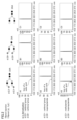
- FIG. 2 is a fluorescence chromatogram showing the results of the HPLC analysis carried out in the examples.
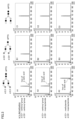
- FIG. 3 is a graph showing the results of the analysis by microchip electrophoresis carried out in the examples.
- the method for analyzing sialyl glycans comprises the steps of: A method for analyzing a sialic acid-bound sialic sugar chain, comprising the steps of: Preparing a first sample containing a first modification derived from the sialyl sugar chain and a second sample containing a second modification derived from the sialyl sugar chain; analyzing each of the first sample and the second sample by a chromatography method or an electrophoresis method to obtain first analytical data derived from the first sample and second analytical data derived from the second sample; comparing the first analytical data with the second analytical data; determining that the sialic acid bound to the sialylglycan contains at least one selected from the group consisting of ⁇ 2,3-sialic acid, ⁇ 2,8-sialic acid, and ⁇ 2,9-sialic acid when the mobility attributable to the first modification shown in the first analytical data is different
- FIG. 1 is a flow chart showing the flow of an analysis method according to one embodiment of the present invention. Each step is explained below.
- a first sample containing a first modification derived from a sialylglycan and a second sample containing a second modification derived from a sialylglycan are prepared.
- sialyl glycan refers to a glycan containing at least one sialic acid as a sugar constituting the glycan.
- the sialyl glycan may be a sialyl glycan constituting a part of a glycoprotein, a sialyl glycan constituting a part of a glycolipid, or a sialyl glycan released therefrom.
- the sialyl glycan may be an O-linked glycan or an N-linked glycan.
- the sialyl glycan may be a labeled glycan in which the reducing end of a released sialyl glycan is modified with a labeling compound to enable fluorescence detection or UV detection.
- a labeling compound examples include 2-aminobenzoic acid (2-AA) and 8-aminopyrene-1,3,6-trisulfonic acid (APTS), which are used in the examples.
- the first sample may be a liquid or a solid. From the viewpoint of facilitating subsequent steps, the first sample is preferably a liquid. In one aspect of this embodiment, the first sample may be derived from a living body or may be derived from a cell.
- the first modification is derived from the sialyl glycan to be analyzed.
- the first modification is a compound produced by esterifying, amidating, or both, the sialic acid bound to the sialyl glycan. That is, the sialic acid that is esterified or amidated in the first modification may be ⁇ 2,3-sialic acid, ⁇ 2,6-sialic acid, ⁇ 2,8-sialic acid, and ⁇ 2,9-sialic acid.
- the first modification can also be understood as a type of glycan.
- the first modification may constitute a part of a glycoprotein or a part of a glycolipid, or may be a compound released therefrom.
- protein refers to a general term for a molecule in which two or more amino acids are bound by peptide bonds.
- proteins may include peptides (including oligopeptides and polypeptides) with a small number of amino acid residues, for example, fewer than 50 amino acid residues, and proteins with a large number of amino acid residues, for example, 50 or more amino acid residues.
- glycoproteins may include glycopeptides.
- the peptide chain constituting the glycoprotein has a large number of amino acid residues
- the peptide chain may be cleaved with a digestive enzyme or the like.
- the number of amino acid residues in the peptide chain is preferably 30 or less, more preferably 20 or less, and even more preferably 15 or less.
- There is no particular lower limit on the number of amino acid residues in the peptide chain but 2 or more is preferable, and 3 or more is more preferable.
- Digestive enzymes used to cleave the peptide chains constituting glycoproteins include, for example, trypsin, Lys-C, arginine endopeptidase, chymotrypsin, pepsin, thermolysin, proteinase K, pronase E, etc. These digestive enzymes may be used alone or in combination of two or more.
- the conditions for cleaving the peptide chains are not particularly limited as long as they do not affect the sialyl glycan to be measured, and an appropriate protocol is adopted depending on the digestive enzyme used.
- the protein in the sample may be denatured or alkylated.
- the conditions for the denaturation or alkylation are not particularly limited.
- the cleavage of the peptide chains may be performed before or after the first reaction or after the second reaction described below.
- the peptide chains may be cleaved by chemical cleavage instead of enzymatic cleavage.
- a treatment for blocking the amino groups in the glycoproteins in the sample may be carried out as appropriate.
- treatments include dimethylamidation and guanidylation of the glycoproteins. This makes it possible to suppress side reactions such as intramolecular dehydration condensation that may occur between the amino group or carboxy group at the end of the protein main chain when the first or second reaction described below is carried out.
- the first modification can be produced by esterification, amidation, or both of the sialic acid bound to the sialyl glycan.
- the first modification may be produced by subjecting the sialic glycan to a binding mode specific modification of sialic acid.
- binding mode specific modification of sialic acid and “binding mode specific modification of sialic acid” refer to a modification reaction acting on sialic acid, in which the chemical structure produced by the modification reaction differs when the sialic acid is ⁇ 2,3-sialic acid (or ⁇ 2,8-sialic acid or ⁇ 2,9-sialic acid) from when the sialic acid is ⁇ 2,6-sialic acid.
- the binding mode specific modification of sialic acid preferably includes a first reaction in which sialic acid is lactonized, and a second reaction in which the lactone structure produced by the first reaction is amidated. The first and second reactions are described below.
- first reaction when sialic acid is bound to a glycoprotein, the sialic acid is selectively lactonized depending on the binding mode.
- first reaction preferably, in addition to ⁇ 2,3-sialic acid in the sugar chain, ⁇ 2,8-sialic acid and ⁇ 2,9-sialic acid are lactonized.
- the first reaction can be carried out by contacting a sample containing the sialyl glycan with a solution for bond-specific lactonization of sialic acid (hereinafter also referred to as "lactonization reaction solution").
- a contact method is to add the lactonization solution to the sample.
- the lactonization reaction solution preferably contains a dehydrating condensation agent.
- ⁇ 2,6-sialic acid is modified in a manner different from lactonization, preferably amidated or esterified.
- the lactonization reaction solution preferably contains a nucleophile including at least one selected from the group consisting of alcohols, amines, and salts thereof, in addition to the dehydrating condensation agent.
- the type and concentration of the dehydration condensation agent and the nucleophile may be adjusted so that a dehydration reaction or a nucleophilic reaction is selectively caused based on the bond mode of the sialic acid.
- the lactone generated by the intramolecular dehydration of the carboxy group of ⁇ 2,3-sialic acid is a six-membered ring
- the lactone that can be generated by the intramolecular dehydration of the carboxy group of ⁇ 2,6-sialic acid is a seven-membered ring.
- ⁇ 2,3-sialic acid which generates a six-membered ring that is more stable than a seven-membered ring, is more easily lactonized than ⁇ 2,6-sialic acid.
- carboxy group of ⁇ 2,3-sialic acid is located in a position where steric hindrance is relatively large compared to the carboxy group of ⁇ 2,6-sialic acid, large molecules are less likely to react with ⁇ 2,3-sialic acid than with ⁇ 2,6-sialic acid.
- the type and concentration of the dehydration condensation agent and the nucleophile are adjusted so that different modifications are performed depending on the bond mode of sialic acid.
- the dehydrating condensation agent contains a carbodiimide. This is because, when a carbodiimide is used, carboxy groups present at sites with large steric hindrance are less likely to be amidated compared to when a phosphonium-based dehydrating condensation agent (so-called BOP reagent) or a uronium-based dehydrating condensation agent is used as the dehydrating condensation agent.
- a carbodiimide carboxy groups present at sites with large steric hindrance are less likely to be amidated compared to when a phosphonium-based dehydrating condensation agent (so-called BOP reagent) or a uronium-based dehydrating condensation agent is used as the dehydrating condensation agent.
- carbodiimides include N,N'-dicyclohexylcarbodiimide (DCC), N-(3-dimethylaminopropyl)-N'-ethylcarbodiimide (EDC), N,N'-diisopropylcarbodiimide (DIC), 1-tert-butyl-3-ethylcarbodiimide (BEC), N,N'-di-tert-butylcarbodiimide, 1,3-di-p-tolylcarbodiimide, bis(2,6-diisopropylphenyl)carbodiimide, bis(trimethylsilyl)carbodiimide, 1,3-bis(2,2-dimethyl-1,3-dioxolan-4-ylmethyl)carbodiimide (BDDC) and salts thereof (such as hydrochlorides).
- DCC N,N'-dicyclohexylcarbodiimide
- EDC N-(3-dimethyl
- the "highly nucleophilic additive” can also be understood as a type of dehydration condensation agent.
- 1-hydroxybenzotriazole HABt
- 1-hydroxy-7-aza-benzotriazole HAt
- 4-(dimethylamino)pyridine DMAP
- 2-cyano-2-(hydroxyimino)ethyl acetate Oxyma
- N-hydroxy-succinimide HSu
- 6-chloro-1-hydroxy-benzotriazole Cl-HoBt
- N-hydroxy-3,4-dihydro-4-oxo-1,2,3-benzotriazine preferably used.
- the amine used as the nucleophile preferably contains a primary and/or secondary alkylamine containing two or more carbon atoms.
- the primary alkylamine is preferably ethylamine, propylamine, isopropylamine, butylamine, sec-butylamine, tert-butylamine, etc.
- the secondary alkylamine is preferably dimethylamine, ethylmethylamine, diethylamine, propylmethylamine, isopropylmethylamine, etc.
- the nucleophile preferably contains an amine compound having a branched alkyl group or a salt thereof.
- the alcohol used as the nucleophile is not particularly limited, and examples include methanol and ethanol.
- the carboxy groups of some sialic acids such as ⁇ 2,6-sialic acid, are esterified based on the bonding mode of the sialic acid.
- the nucleophile may include a salt of the above-mentioned nucleophile.
- the concentration of the dehydrating condensing agent in the lactonization reaction solution is preferably, for example, 1 mM to 5 M, and more preferably 10 mM to 3 M.
- a carbodiimide is used in combination with a highly nucleophilic additive (e.g., Oxyma, HOAt, HOBt, etc.)
- the concentration of each is within the above range.
- the concentration of the nucleophile in the lactonization reaction solution is preferably, for example, 0.01 M to 20 M, and more preferably 0.1 M to 10 M.
- the reaction temperature of the first reaction may be approximately -20°C to 100°C, and is preferably -10°C to 50°C.
- the first reaction can be carried out in either the liquid phase or the solid phase.
- a non-aqueous solvent such as dimethyl sulfoxide (DMSO) or dimethylformamide (DMF).
- DMSO dimethyl sulfoxide
- DMF dimethylformamide
- concentration of each component in the liquid phase reaction is not particularly limited and can be appropriately determined depending on the type of dehydration condensation agent and amine, etc.
- the solid phase carrier is not particularly limited as long as it can immobilize sialyl glycans (including sialyl glycans bound to proteins or lipids).
- sialyl glycans including sialyl glycans bound to proteins or lipids.
- a solid phase carrier having an epoxy group, a tosyl group, a carboxy group, an amino group, or the like as a ligand can be used.
- a glycoprotein containing a glycan can be immobilized using a solid phase carrier having a hydrazide group, an aminooxy group, or the like as a ligand.
- the magnetic beads to which the sialyl glycan is bound can be collected with a magnet, and the excess reagent can be removed, or the beads can be washed with a solvent.
- a resin used as the solid phase carrier, the excess reagent can be removed by passing through a filter, and then the resin can be collected, or the resin can be precipitated by centrifugation to remove the excess reagent in the supernatant.
- the excess reagent can be removed by ultrafiltration.
- the product after the first reaction (hereinafter sometimes referred to as “intermediate”) may be purified, desalted, solubilized, concentrated, dried, or the like by known methods as necessary to remove the lactonization reaction solution or to reduce the concentration of the lactonization reaction solution.
- the second reaction may be carried out by contacting the product (intermediate) after the first reaction with a solution for amidation (hereinafter also referred to as "amidation reaction solution").
- a solution for amidation hereinafter also referred to as "amidation reaction solution”.
- the above-mentioned first reaction can distinguish between ⁇ 2,3-bonds and ⁇ 2,6-bonds of sialic acid and modify them, but the lactone structure generated from ⁇ 2,3-sialic acid may be unstable and tends to return to the original carboxylic acid structure by hydrolysis.
- the second reaction can stabilize the lactone structure by specifically amidating the lactone structure.
- the second reaction can distinguish between ⁇ 2,3-sialic acid and ⁇ 2,6-sialic acid by modifying sialic acid with different masses in a bond-type specific manner.
- sialic acid can be modified in a bond-type specific manner with higher specificity and more quickly.
- An example of the second reaction may be aminolysis. Aminolysis is a reaction based on the interaction between an amino group and a lactone structure. The above-mentioned aminolysis is a reaction different from hydrolysis because it is suitably carried out even under anhydrous conditions.
- aminolysis the ring-opening and amidation of a lactone structure by ammonia, an amine, or a salt thereof, which is possible even under anhydrous conditions.
- stabilization of a lactone structure and “stabilizing a lactone structure” can also be understood as replacing an unstable lactone structure with another stable structure (such as a methylamide group) by performing aminolysis.
- the lactone structure may be amidated using a strong dehydrating condensing agent.
- dehydrating condensing agents used in the second reaction include phosphonium-based condensing agents and uronium-based condensing agents, specifically benzotriazol-1-yloxytris(dimethylamino)phosphonium hexafluorophosphate (BOP), benzotriazol-1-yloxytris(pyrrolidino)phosphonium hexafluorophosphate (PyBOP), 2-(1H-benzotriazol-1-yl)-1,1,3,3-tetramethyluronium hexafluorophosphate (HBTU), 2-(7-aza-1H-benzotriazol-1-yl)-1,1,3,3-tetramethyluronium hexafluorophosphate (HA).
- BOP benzotriazol-1-yloxytris(dimethylamino)phosphonium hexafluorophosphat
- TU (1-[(1-(cyano-2-ethoxy-2-oxoethylideneaminooxy)dimethylaminomorpholino)]uronium hexafluorophosphate (COMU), 2-(1H-benzotriazol-1-yl)-1,1,3,3-tetramethylaminium tetrafluoroborate (TBTU), tetramethylfluoroformamidinium hexafluorophosphate (TFFH), (7-azabenzotriazol-1-yloxy)tripyrrolidinophosphonium hexafluorophosphate (PyAOP), etc.
- a lactone cleavage operation may be performed before amidation with these strong dehydrating condensing agents.
- the amidation reaction solution preferably contains at least one selected from the group consisting of ammonia, amines, and salts thereof.
- an amine When an amine is used, it is preferable to use an amine different from that used in the lactonization reaction solution, or to change the mass by modification with a stable isotope, etc.
- sialic acid By using an amine with a different mass in the first reaction and the second reaction, sialic acid can be amidated so that the mass differs depending on the bond type.
- a dehydrating condensing agent is not required for aminolysis, and the amidation reaction solution does not need to contain a dehydrating condensing agent.
- the amidation reaction solution may contain a dehydrating condensing agent, and for example, the amidation reaction solution may be prepared by adding ammonia, an amine, or a salt thereof without removing the lactonization reaction solution added to the sample in the first reaction.
- the lactone structure can be stabilized by such a simple operation.
- the amine contained in the amidation reaction solution is preferably a primary amine, more preferably a primary amine having a linear hydrocarbon group, and even more preferably a primary amine having a linear alkyl group.
- the amine contained in the amidation reaction solution is preferably a primary amine having 10 or less carbon atoms, more preferably a primary amine having 7 or less carbon atoms, and even more preferably methylamine, ethylamine, propylamine, butylamine or pentylamine, and most preferably methylamine.
- the amine contained in the amidation reaction solution has a linear structure without branches (hereinafter, "branch” refers to a branch of a hydrocarbon chain) or has a small number of carbon atoms.
- the unsaturated chain hydrocarbon group preferably contains a double bond, and more preferably contains an allyl group.
- the amine is preferably allylamine.
- the amine contained in the amidation reaction solution may be a primary amine containing a hydroxyl group or ethanolamine.
- the amine contained in the amidation reaction solution may contain various functional groups other than alkyl groups.
- the amidation reaction solution may contain a salt of the above-mentioned amine.
- the glycan is modified to contain such a functional group, and the modified glycan is more easily separated not only by mass spectrometry but also by chromatography, etc.
- the concentrations of ammonia, amines, and their salts in the amidation reaction solution are preferably 0.1 M or more, more preferably 0.3 M or more, even more preferably 0.5 M or more, even more preferably 1.0 M or more, and most preferably 3.0 M or more.
- the amidation reaction solution contains ammonia or a primary amine, particularly methylamine, and the concentration of the ammonia or primary amine such as methylamine is preferably 0.1 M or more, more preferably 0.3 M or more, even more preferably 0.5 M or more, even more preferably 1.0 M or more, and most preferably 3.0 M or more.
- the upper limit of the concentrations of ammonia, amines, and their salts in the amidation reaction solution is not particularly limited, but may be, for example, 16 M or less.
- the solvent for the amidation reaction solution may be an aqueous solvent or an organic solvent, but is preferably a solvent with a low water content from the viewpoint of preventing hydrolysis of the lactone structure and ensuring rapid amidation.
- the solvent for the amidation reaction solution is preferably a dehydrated solvent that has been subjected to a dehydration operation to reduce the water content, and is more preferably an anhydrous solvent.
- the solvent for the amidation reaction solution preferably contains at least one of methanol and acetonitrile.
- the amidation reaction solution may contain water, and the solvent for the amidation reaction solution may be water.
- the amidation reaction solution preferably has a pH of 7.7 or higher, more preferably a pH of 8.0 or higher, even more preferably a pH of 8.8 or higher, and most preferably a pH of 10.3 or higher.
- the upper limit of the pH of the amidation reaction solution is not particularly limited, but may be, for example, 14 or lower.
- the pH is not particularly limited, and the pH may be adjusted according to the dehydrating condensing agent used.
- the second reaction can be completed within a few seconds to a few minutes.
- the time for contacting the sample with the amidation reaction solution to amidate the lactone structure is preferably less than 1 hour, more preferably less than 30 minutes, even more preferably less than 15 minutes, even more preferably less than 5 minutes, and most preferably less than 1 minute.
- the sample may be washed with the amidation reaction solution, or the amidation reaction solution may be passed temporarily through the sample held on a carrier or the like.
- the lower limit of the time for contacting the sample with the amidation reaction solution to amidate the lactone structure is not particularly limited, but may be, for example, 1 second or more.
- the time from the end of contact between the sample and the lactonization reaction solution to the end of contact between the sample and the amidation reaction solution is preferably less than 1.5 hours, more preferably less than 1 hour, and even more preferably less than 30 minutes. Since the second reaction is completed in a short time, it is possible to prevent the unstable lactone structure from being decomposed, which would impair the quantitativeness of the analysis of glycans. In addition, by setting the reaction time of the second reaction to be short, the analysis of the sample can be performed more efficiently.
- the lower limit of the time from the end of contact between the sample and the lactonization reaction solution to the end of contact between the sample and the amidation reaction solution is not particularly limited, but may be, for example, 1 second or more.
- the second reaction can be carried out in either liquid phase or solid phase.
- the sample can be brought into contact with the amidation reaction solution, there are no particular limitations on the state of the sample when the amidation reaction occurs, but it is preferable to bring the glycoprotein into contact with the amidation reaction solution in a state where it is bound or adsorbed to a solid phase carrier.
- the solid phase carrier used in the second reaction is not particularly limited as long as it is capable of immobilizing glycoprotein, and examples of the solid phase carriers that can be used in the first reaction include the solid phase carriers that can be used in the first reaction.
- the sample after the second reaction may be purified, desalted, solubilized, concentrated, dried, or other treatments by known methods as necessary to remove the amination reaction solution or reduce the concentration of the amination reaction solution. Excess reagents after the second reaction can be removed by the methods described in the first reaction column depending on the solid-phase or liquid-phase reaction method.
- the first modified product can also be understood to be a compound produced by contacting at least one selected from the group consisting of ammonia, amines, and salts thereof with an intermediate produced by contacting the sialyl glycan with a dehydrating condensation agent and a nucleophile.
- the second sample may be a liquid or a solid. From the viewpoint of facilitating subsequent steps, the second sample is preferably a liquid. In one aspect of this embodiment, the second sample may be derived from a living body or may be derived from a cell.
- the second modification is derived from the sialyl glycan to be analyzed.
- the second modification is a compound produced by esterification, amidation, or both of the sialic acid bound to the sialyl glycan other than the ⁇ 2,3-sialic acid, the ⁇ 2,8-sialic acid, and the ⁇ 2,9-sialic acid.
- the second modification can also be understood as a type of glycan.
- the second modification may be a part of a glycoprotein or a part of a glycolipid, or may be a compound released therefrom.
- the sialyl glycan from which the second modification is derived and the sialyl glycan from which the first modification is derived are usually the same.
- the second modification may be the same compound as the first modification.
- the second modified product can be produced by esterification, amidation, or both of "sialic acid bound to a sialyl glycan" other than ⁇ 2,3-sialic acid, ⁇ 2,8-sialic acid, and ⁇ 2,9-sialic acid.
- examples of "sialic acid other than ⁇ 2,3-sialic acid, ⁇ 2,8-sialic acid, and ⁇ 2,9-sialic acid” include ⁇ 2,6-sialic acid.
- the second modified product is preferably a compound produced by a method including the first reaction and a third reaction in which the lactone structure produced by the first reaction is ring-opened.
- the second modified product can also be understood as a compound produced by placing an intermediate produced by contacting the sialyl glycan with a dehydration condensation agent and a nucleophile in a basic environment.
- the reagents and reaction conditions described above are used for the first reaction.
- the third reaction will be described below.
- the third reaction may be carried out by opening the lactone structure generated from ⁇ 2,3-sialic acid by hydrolysis to return it to the original carboxylic acid structure.
- the third reaction is preferably carried out by placing the intermediate generated after the first reaction in a basic environment.
- the basic environment is preferably an environment in which at least one selected from the group consisting of quaternary ammonium cations, tertiary amines, secondary amines, branched primary amines in which two or more carbon atoms are directly bonded to a carbon atom bonded to an amino group, hydroxides of alkali metals, hydroxides of alkaline earth metals, hydroxides of tetraalkylammonium, guanidine, guanidine derivatives, and salts thereof, and alkaline buffer solutions is present.
- the alkaline buffer solution is preferably at least one selected from the group consisting of Tris buffer, Good's buffer, borate buffer, and carbonate buffer.
- the basic environment is more preferably an environment in which t-butylamine, trimethylamine, or both are present.
- the basic environment preferably has a pH of 8 or higher, more preferably a pH of 9 or higher, even more preferably a pH of 9.5 or higher, and most preferably a pH of 10 or higher. As the pH of the basic environment increases, the lactone structure can be opened more efficiently.
- the upper limit of the pH of the basic environment is not particularly limited, but may be, for example, 14 or lower.
- the third reaction can be completed within a few seconds to a few minutes.
- the reaction time of the third reaction is preferably 1 hour or less, more preferably 30 minutes or less, even more preferably 10 minutes or less, even more preferably 5 minutes or less, and most preferably 3 minutes or less.
- the lower limit of the reaction time of the third reaction is not particularly limited, but may be, for example, 1 second or more.
- the third reaction can be carried out in either liquid or solid phase.
- the state of the sample there are no particular limitations on the state of the sample as long as it can be placed in a basic environment, but it is preferable to place the sialyl glycan in a basic environment while it is bound or adsorbed to a solid-phase carrier.
- the solid-phase carrier used in the third reaction there are no particular limitations on the solid-phase carrier used in the third reaction as long as it is capable of immobilizing the sialyl glycan, and examples of the solid-phase carrier that can be used in the first reaction include the solid-phase carriers that can be used in the first reaction.
- the sample after the third reaction may be purified, desalted, solubilized, concentrated, dried, or other treatments by known methods to remove the reagents used in the reaction or to reduce the concentration of the reagents used in the reaction. Excess reagents after the third reaction can be removed by the methods described in the first reaction column depending on the solid-phase or liquid-phase reaction method.
- the sialyl glycan is in the form of a glycoprotein bound to a protein
- the glycoprotein may be purified and the sialyl glycan may be released from the glycoprotein, as described below.
- the purification method and conditions of the glycoprotein can be appropriately selected depending on the type, properties, molecular weight, etc. of the glycoprotein.
- the purification of the glycoprotein may be performed by a protein precipitation method.
- the precipitant may be a salt such as ammonium sulfate (ammonium sulfate); an organic solvent such as acetone, acetonitrile, and chloroform; an alcohol such as methanol, propanol, and ethanol; an acid such as trichloroacetic acid (TCA), hydrochloric acid, and metaphosphoric acid; a water-soluble polymer such as polyethylene glycol and dextran, and a combination thereof.
- a precipitant is added to a sample containing the glycoprotein, and the sample is left to stand at a temperature of -20°C or higher and 30°C or lower for an appropriate time.
- the precipitate generated by centrifuging the left sample may then be collected.
- the purification of the glycoprotein may be performed by immobilizing the glycoprotein on a solid phase carrier, or gel filtration chromatography, ion exchange chromatography, hydrophobic chromatography, affinity chromatography, etc. may be used.
- Methods for liberating sialyl glycans from glycoproteins include enzyme treatments using O-glycosidase, N-glycosidase, endoglycoceramidase, etc., and chemical liberation methods such as hydrazinolysis and ⁇ -elimination. Before the treatment for liberating the glycans, the peptide chains of the glycoproteins may be cleaved.
- Modifications such as labeling of the reducing ends of the glycans with 3-aminoquinoline (3AQ), anthranilic acid (2AA), 1-phenyl-3-methyl-5-pyrazolone (PMP), 8-aminopyrene-1,3,6-trisulfonic acid (APTS), etc. may be performed in conjunction with the liberation of the glycans.
- N-linked glycans When releasing N-linked glycans from the peptide chains of glycoproteins, enzyme treatment with peptide-N-glycosidase F (PNGase F), peptide-N-glycosidase A (PNGase A), endo- ⁇ -N-acetylglucosaminidase (Endo M), etc. is preferably used.
- PNGase F peptide-N-glycosidase F
- PNGase A peptide-N-glycosidase A
- Endo M endo- ⁇ -N-acetylglucosaminidase
- O-linked glycans from the peptide chains of glycoproteins chemical release methods are preferably used.
- the hydrazinolysis method may be performed according to a known method, for example, anhydrous hydrazine or hydrated hydrazine is added to a sample containing glycoproteins and
- the ⁇ -elimination method may be performed according to a known method, for example, ammonium carbamate, saturated ammonia, ammonium carbonate, anhydrous trifluoromethanesulfonic acid (anhydrous TFMS), sodium hydroxide, dimethylamine, etc. is added to a sample containing glycoproteins and heated under alkaline conditions.
- ammonium salt powder such as ammonium carbamate to release O-linked glycans.
- pyrazolone reagents such as PMP may be coexisted to simultaneously release and label O-linked glycans, thereby suppressing side reactions due to peeling.
- the pH of the ⁇ -elimination reaction is preferably pH 11.0 or less, more preferably pH 10.0 or less. From the viewpoint of suppressing decomposition of sialylated glycans and peeling reactions, the pH of the ⁇ -elimination reaction is preferably pH 9.5 or less. The pH when carrying out the ⁇ -elimination reaction is usually pH 7.5 or more.
- the release of glycans may be performed in liquid phase or solid phase.
- the above-mentioned glycan cleavage process may be performed on glycoproteins immobilized on a solid phase carrier, and the glycans may be recovered.
- the glycans may be released and recovered using a weak acidic solution.
- the free glycans may be purified according to known methods, for example, proteins and glycans may be separated by liquid-liquid extraction using an organic solvent such as chloroform.
- the free glycans may also be easily purified using a solid phase carrier (column).
- the free glycans may also be bound to a solid phase carrier having a hydrazide group or an aminooxy group and then recovered.
- An example of a solid phase carrier having a hydrazide group is "BlotGlyco" manufactured by Sumitomo Bakelite Co., Ltd.
- the glycans may be purified by adsorbing them to a carrier for hydrophilic interaction chromatography (hereinafter also referred to as HILIC).
- first sample and the second sample are each analyzed by chromatography or electrophoresis to obtain first analytical data derived from the first sample and second analytical data derived from the second sample.
- first analytical data derived from the first sample means analytical data obtained by analyzing the first sample by chromatography or electrophoresis.
- second analytical data derived from the second sample means analytical data obtained by analyzing the second sample by chromatography or electrophoresis. It goes without saying that the analytical method used to obtain the first analytical data is the same as the analytical method used to obtain the second analytical data.
- the chromatography method used in this step is not particularly limited as long as it is a known method, and any method can be used.
- the chromatography method is preferably at least one selected from the group consisting of liquid chromatography and supercritical fluid chromatography, and more preferably liquid chromatography.
- the analytical equipment and analytical conditions used for the chromatography method are not particularly limited, and examples include the analytical equipment and analytical conditions described in the Examples below.
- the column used for liquid chromatography is not particularly limited, and hydrophobic reverse phase columns such as C30, C18, C8, and C4, carbon columns, and normal phase columns for HILIC can be used as appropriate.
- the analytical data obtained by the chromatography method may be, without particular limitation, a chromatogram chart or the retention time determined from the chromatogram.
- the electrophoresis method used in this step is not particularly limited as long as it is a known method, and any method can be used.
- the electrophoresis method is preferably at least one selected from the group consisting of capillary electrophoresis, SDS-PAGE, microchip electrophoresis, two-dimensional electrophoresis, and isoelectric focusing, and more preferably at least one selected from the group consisting of capillary electrophoresis, SDS-PAGE, and microchip electrophoresis.
- the analytical equipment and analytical conditions used for the electrophoresis method and known analytical equipment and analytical conditions can be used.
- the analytical data obtained by electrophoresis may be, without particular limitation, a chart showing the results of electrophoresis, or the mobility determined from the chart.
- the first analytical data and the second analytical data are compared by a method that is not particularly limited, and examples thereof include a method of superimposing the two chromatograms and examining the presence or absence of peaks at different positions, and a method of calculating and examining the difference in retention time between the two.
- Step of determining whether sialic acid bound to a sialyl sugar chain contains sialic acid of a predetermined binding mode when the mobility assigned to the first modification shown in the first analytical data is different from the mobility assigned to the second modification shown in the second analytical data, it is determined that the sialic acid bound to the sialyl glycan contains at least one selected from the group consisting of ⁇ 2,3-sialic acid, ⁇ 2,8-sialic acid, and ⁇ 2,9-sialic acid.
- the above-mentioned "mobility” is a concept including the position and retention time of a peak in a chromatogram in a chromatography method, and the mobility and migration time in an electrophoresis method.
- the method of attributing the mobility in the first analytical data and the second analytical data is not particularly limited. For example, if the chemical structure of the first modification or the second modification contained in the sample to be analyzed is inferred and the mobility derived from the inferred chemical structure is a known mobility, the mobility corresponding to the known mobility in the first analytical data or the second analytical data, respectively, can be determined to be the mobility attributed to the first modification or the second modification.
- the first analytical data or the second analytical data can be compared with analytical data (corresponding to the "third analytical data" described later) derived from a sample containing sialyl glycans from which the first modification and the second modification are derived (corresponding to the "third sample” described later), and the mobility that has changed can be determined to be the mobility that has changed to the first modification or the second modification. Note that, when no change in mobility is observed in the comparison of the first analytical data, the second analytical data, and the third analytical data (when the mobility of all three analytical data is the same), it can be determined that the sample to be analyzed does not contain sialyl glycans.
- examples of cases where "the mobility assigned to the first modified product shown in the first analysis data is different from the mobility assigned to the second modified product shown in the second analysis data” include the following cases: (1) When analytical data is obtained by a chromatography method, the position of a peak assigned to a first modified product shown in the first analytical data is different from the position of a peak assigned to a second modified product shown in the second analytical data, (2) When analytical data is obtained by a chromatography method, the absolute value of the difference between the retention time of a peak assigned to a first modified product shown in the first analytical data and the retention time of a peak assigned to a second modified product shown in the second analytical data is greater than 0; (3) When analytical data is obtained by electrophoresis, the absolute value of the difference between the mobility assigned to the first modified form shown in the first analytical data and the mobility assigned to the second modified form shown in the second analytical data is greater than zero.
- the sialic acid to be analyzed contains ⁇ 2,3-sialic acid, ⁇ 2,8-sialic acid, or ⁇ 2,9-sialic acid
- the first modification and the second modification differ in chemical structure, molecular weight, and charge state, and when the two are analyzed by chromatography or electrophoresis, this appears as a difference in mobility.
- the sialic acid bound to the sialic acid chain contains at least one selected from the group consisting of ⁇ 2,3-sialic acid, ⁇ 2,8-sialic acid, and ⁇ 2,9-sialic acid.
- the sialic acid to be analyzed contains only sialic acid other than ⁇ 2,3-sialic acid, ⁇ 2,8-sialic acid, and ⁇ 2,9-sialic acid (e.g., ⁇ 2,6-sialic acid)
- the first modification and the second modification have the same chemical structure, molecular weight, and charge state, and when the two are analyzed by chromatography or electrophoresis, no difference in mobility is observed.
- the mobility assigned to the first modification shown in the first analytical data is the same as the mobility assigned to the second modification shown in the second analytical data, it can be determined that the sialic acid bound to the sialic acid chain is ⁇ 2,6-sialic acid.
- the method for analyzing sialyl glycans includes the steps of: preparing a third sample containing the sialyl glycan; analyzing the third sample by a chromatographic or electrophoretic method to obtain third analytical data derived from the third sample; comparing the third analytical data to the first analytical data and the second analytical data; The method may further comprise a step of determining that the sialic acid bound to the sialic glycan includes at least one selected from the group consisting of ⁇ 2,3-sialic acid, ⁇ 2,8-sialic acid, and ⁇ 2,9-sialic acid, and a sialic acid other than the ⁇ 2,3-sialic acid, the ⁇ 2,8-sialic acid, and the ⁇ 2,9-sialic acid, when the mobility assigned to the first modification shown in the first analytical data, the mobility assigned to the second modification shown in the second analytical data, and the mobility assigned to the sialyl
- the third sample according to this embodiment contains a sialyl glycan.
- the sialyl glycan is a sialyl glycan from which the first modification and the second modification are derived.
- the third sample may be a liquid or a solid.
- the third sample is preferably a liquid.
- the third sample may be derived from a living organism or a cell.
- the third sample may be prepared at the same timing as the above-mentioned "step of preparing a first sample and a second sample" or may be prepared at a different timing.
- the analysis is performed using the same analytical method as that used in the analysis of the first sample and the second sample to obtain the third analytical data.
- the third analytical data may be obtained at the same time as the above-mentioned "step of obtaining first analytical data and second analytical data" or at a different time.
- each analytical data can be compared using the same method as described above.
- the sialic acid bound to the sialic glycan contains at least one selected from the group consisting of ⁇ 2,3-sialic acid, ⁇ 2,8-sialic acid, and ⁇ 2,9-sialic acid, and a sialic acid other than ⁇ 2,3-sialic acid, ⁇ 2,8-sialic acid, and ⁇ 2,9-sialic acid (e.g., ⁇ 2,6-sialic acid).
- the mobility attributable to the first modification shown in the first analytical data is different from the mobility attributable to the second modification shown in the second analytical data, and the mobility attributable to the second modification shown in the second analytical data is the same as the mobility attributable to the sialyl glycan shown in the third analytical data (e.g., A1, A2, and A3 in Figures 2 and 3)
- the sialic acid bound to the sialyl glycan contains at least one selected from the group consisting of ⁇ 2,3-sialic acid, ⁇ 2,8-sialic acid, and ⁇ 2,9-sialic acid.
- the mobility attributable to the first modification shown in the first analytical data is the same as the mobility attributable to the second modification shown in the second analytical data, and the mobility attributable to the second modification shown in the second analytical data is different from the mobility attributable to the sialyl glycan shown in the third analytical data (e.g., B1, B2, and B3 in Figures 2 and 3)
- the sialic acid bound to the sialyl glycan contains sialic acid other than ⁇ 2,3-sialic acid, ⁇ 2,8-sialic acid, and ⁇ 2,9-sialic acid (e.g., ⁇ 2,6-sialic acid).
- the above describes the method for analyzing sialyl glycans according to this embodiment.
- a sialic acid-containing sialic acid is directly analyzed by capillary electrophoresis (CE)
- CE capillary electrophoresis
- sialic acid is located at the end of the glycan, where it is easily recognized by other molecules, identifying the binding mode of sialic acid can help elucidate viral infections or interactions between proteins on the cell surface. It is also known that the binding mode of sialic acid in glycoproteins changes with cancer, and it is expected that sialic acid can be used as a biomarker for cancer. Because the effects of biopharmaceuticals vary depending on glycan modification, accurately and quickly identifying the binding mode of sialic acid can also assist in the quality control of biopharmaceuticals.
- Reagent B N-(3-dimethylaminopropyl)-N'-ethylcarbodiimide hydrochloride (>98.0%) (EDC, dehydration condensation agent)
- Reagent C Aqueous solution of methylamine (16%) The above-mentioned Reagents A to C were those contained in SialoCapper TM -ID Kit (manufactured by Shimadzu Corporation).
- the HILIC microtip was washed with water and then equilibrated with 90% acetonitrile and 0.1% trifluoroacetic acid.
- the above glycan sample diluted with acetonitrile was added to the equilibrated HILIC microtip and allowed to pass through by centrifugation. After that, it was washed with 90% acetonitrile and 0.1% trifluoroacetic acid, and finally the glycans were eluted from the HILIC microtip with water.
- the above procedure prepared the first sample containing the first modified product.
- the HILIC microtip was washed with water and then equilibrated with 90% acetonitrile and 0.1% trifluoroacetic acid.
- the above glycan sample diluted with acetonitrile was added to the equilibrated HILIC microtip and allowed to pass through by centrifugation. After that, it was washed with 90% acetonitrile and 0.1% trifluoroacetic acid, and finally the glycans were eluted from the HILIC microtip with water.
- the above procedure prepared the second sample containing the second modified product.
- the first and second samples were analyzed by high performance liquid chromatography (HPLC) to obtain first analytical data derived from the first sample and second analytical data derived from the second sample ( FIG. 2 ).
- the third sample was analyzed by HPLC to obtain third analytical data derived from the third sample ( FIG. 2 ).
- the HPLC analysis conditions are shown in Table 1 below.
- the lower part shows the analysis results of the first modified form (first analysis data)
- the middle part shows the analysis results of the second modified form (second analysis data).
- the glycan of interest has sialic acid by fractionation using an anion exchange chromatography column such as DEAE (diethylaminoethylcellulose), it can also be determined that this glycan has ⁇ 2,3-sialic acid, since there is no shift in retention time when comparing A1 and A2 in Figure 2.
- DEAE diethylaminoethylcellulose
- the retention time does not shift depending on the presence or absence of sialic acid modification, as in the case of C1, C2, and C3 in the right column in Figure 2.
- ⁇ 2,3-sialic acid and ⁇ 2,6-sialic acid there are also other sialic acid bond patterns such as ⁇ 2,8-sialic acid and ⁇ 2,9-sialic acid depending on the sample.
- ⁇ 2,8-sialic acid and ⁇ 2,9-sialic acid can also be modified with sialic acid, and their reactivity under sialic acid modification conditions is equivalent to that of ⁇ 2,3-sialic acid.
- sialic acid it is possible to determine the presence or absence of sialic acid and whether it is ⁇ 2,6-sialic acid or other sialic acids ( ⁇ 2,3-sialic acid, ⁇ 2,8-sialic acid, and ⁇ 2,9-sialic acid).
- the sialic acid bound to the sialic glycan contains at least one selected from the group consisting of ⁇ 2,3-sialic acid, ⁇ 2,8-sialic acid, and ⁇ 2,9-sialic acid.
- the sialic acid bound to the sialic glycan contains at least one selected from the group consisting of ⁇ 2,3-sialic acid, ⁇ 2,8-sialic acid, and ⁇ 2,9-sialic acid, and sialic acid other than ⁇ 2,3-sialic acid, ⁇ 2,8-sialic acid, and ⁇ 2,9-sialic acid ( ⁇ 2,6-sialic acid).
- Each glycan was transferred to a PCR thin-well tube (volume: 0.2 mL) and an aqueous solution (5 ⁇ L) of 50 mM APTS (8-aminopyrene-1,3,6-trisulfonic acid) and 500 mM citric acid was further added to dissolve each glycan.
- a DMSO solution (5 ⁇ L) of 1.0 M sodium cyanoborohydride was added to the tube and reacted at 55°C for 50 minutes to label the reducing end of each glycan with APTS. After the reaction, the reaction was stopped by adding 140 ⁇ L of water to the glycan sample containing the labeled glycan.
- the glycan sample diluted with water was transferred to a 1.5 mL tube, and 20% tetrabutylammonium bromide/0.5% acetic acid-chloroform solution (200 ⁇ L) was added and vigorously stirred. This operation dissolves excess labeling reagent from the aqueous layer into the chloroform layer (liquid-liquid extraction). Next, the tube was centrifuged at 5000 ⁇ g for 30 seconds, and the chloroform layer was removed. This liquid-liquid extraction was performed again, and the recovered aqueous layer was diluted with 300 ⁇ L of water and added to HILIC-SPE (HILIC-SPE: Monospin NH2, GL-Science).
- HILIC-SPE Monospin NH2, GL-Science
- the carrier was washed with 400 ⁇ L of water, and then the labeled glycan was eluted from the carrier with 50 ⁇ L of 0.28% ammonium aqueous solution.
- the labeled glycan was dried in a centrifugal concentrator and stored at -20 °C until the start of analysis. Using the above steps, a first sample containing a first modified substance was prepared.
- a trimethylamine aqueous solution was added to the eluate from the HILIC microtip so that the final concentration of trimethylamine was 14%, and the mixture was mixed with a vortex mixer for several seconds, and the lactone structure was cleaved in a basic environment (pH 12-13) (third reaction). Then, the solvent was removed from the reaction solution with a SpeedVac.
- ⁇ 2,3-sialic acid remains in its original carboxy group, but ⁇ 2,6-sialic acid is isopropylamidated, i.e., secondary modifications derived from each sugar chain are obtained by this procedure.
- Each glycan was transferred to a PCR thin-well tube (volume: 0.2 mL) and an aqueous solution (5 ⁇ L) of 50 mM APTS (8-aminopyrene-1,3,6-trisulfonic acid) and 500 mM citric acid was further added to dissolve each glycan.
- a DMSO solution (5 ⁇ L) of 1.0 M sodium cyanoborohydride was added to the tube and reacted at 55°C for 50 minutes to label the reducing end of each glycan with APTS. After the reaction, the reaction was stopped by adding 140 ⁇ L of water to the glycan sample containing the labeled glycan.
- the glycan sample diluted with water was transferred to a 1.5 mL tube, and 20% tetrabutylammonium bromide/0.5% acetic acid-chloroform solution (200 ⁇ L) was added and vigorously stirred. This operation dissolves excess labeling reagent from the aqueous layer into the chloroform layer (liquid-liquid extraction). Next, the tube was centrifuged at 5000 ⁇ g for 30 seconds, and the chloroform layer was removed. This liquid-liquid extraction was performed again, and the recovered aqueous layer was diluted with 300 ⁇ L of water and added to HILIC-SPE (HILIC-SPE: Monospin NH2, GL-Science).
- HILIC-SPE Monospin NH2, GL-Science
- the carrier was washed with 400 ⁇ L of water, and then the labeled glycan was eluted from the carrier with 50 ⁇ L of 0.28% ammonium aqueous solution.
- the labeled glycan was dried in a centrifugal concentrator and stored at -20 °C until the start of analysis. Using the above steps, a second sample containing the second modified product was prepared.
- a glycan that was only labeled with APTS without carrying out the first, second, and third reactions was prepared as a third sample.
- Analysis was performed by the microchip electrophoresis method using the above method, and the first analysis data derived from the first sample and the second analysis data derived from the second sample were obtained (FIG. 3).
- the third sample was analyzed by the microchip electrophoresis method under the same conditions as above, and the third analysis data derived from the third sample was obtained (FIG. 3).
- FIG. 3 is a graph showing the results of the analysis by the microchip electrophoresis method.
- the horizontal axis indicates the migration time (seconds), and the vertical axis indicates the detected fluorescence intensity (unit: mV).
- the large peak observed around 30 to 40 seconds is considered to be a peak derived from the remaining APTS.
- the top part of FIG. 3 shows a schematic diagram of the molecules to be measured.
- the diamonds represent sialic acid (here, N-acetylneuraminic acid)
- the white circles represent galactose
- the black squares represent N-acetylglucosamine
- the gray circles represent mannose.
- the upper part shows the analysis results of the sugar chain before modification (third analysis data derived from the third sample).
- the lower part shows the analysis results of the first modified product (first analysis data)
- the middle part shows the analysis results of the second modified product (second analysis data).
- the glycan of interest has sialic acid by fractionation using an anion exchange chromatography column such as DEAE (diethylaminoethylcellulose), it can also be determined that this glycan has ⁇ 2,3-sialic acid, since there is no shift in migration time when comparing A1 and A2 in Figure 3.
- DEAE diethylaminoethylcellulose
- the migration time does not shift depending on the presence or absence of sialic acid modification, as in the case of C1, C2, and C3 in the right column in Figure 3.
- the migration time will be shifted for all three glycans: glycan with no sialic acid modification (third sample), glycan with only ⁇ 2,6-sialic acid amidated (second modification, second sample), and glycan with all sialic acids amidated (first modification, first sample), so it is preferable to compare all three graphs to make a judgment.
- ⁇ 2,3-sialic acid and ⁇ 2,6-sialic acid there are also other sialic acid bond patterns such as ⁇ 2,8-sialic acid and ⁇ 2,9-sialic acid depending on the sample.
- ⁇ 2,8-sialic acid and ⁇ 2,9-sialic acid can also be modified with sialic acid, and their reactivity under sialic acid modification conditions is equivalent to that of ⁇ 2,3-sialic acid.
- sialic acid it is possible to determine the presence or absence of sialic acid and whether it is ⁇ 2,6-sialic acid or other sialic acids ( ⁇ 2,3-sialic acid, ⁇ 2,8-sialic acid, and ⁇ 2,9-sialic acid).
- the sialic acid bound to the sialic glycan contains at least one selected from the group consisting of ⁇ 2,3-sialic acid, ⁇ 2,8-sialic acid, and ⁇ 2,9-sialic acid.
- the sialic acid bound to the sialic glycan contains at least one selected from the group consisting of ⁇ 2,3-sialic acid, ⁇ 2,8-sialic acid, and ⁇ 2,9-sialic acid, and sialic acid other than ⁇ 2,3-sialic acid, ⁇ 2,8-sialic acid, and ⁇ 2,9-sialic acid ( ⁇ 2,6-sialic acid).
- a method for analyzing a sialylglycan having a sialic acid bonded thereto includes the steps of preparing a first sample containing a first modification derived from the sialylglycan and a second sample containing a second modification derived from the sialylglycan, analyzing the first sample and the second sample by chromatography or electrophoresis to obtain first analytical data derived from the first sample and second analytical data derived from the second sample, comparing the first analytical data with the second analytical data, and comparing the mobility attributable to the first modification shown in the first analytical data and the mobility attributable to the second modification shown in the second analytical data.
- the sialic acid bound to the sialylglycan contains at least one selected from the group consisting of ⁇ 2,3-sialic acid, ⁇ 2,8-sialic acid, and ⁇ 2,9-sialic acid when the mobility attributable to the first modification is different from that attributable to the second modification, the first modification being a compound in which the sialic acid bound to the sialylglycan is produced by esterification, amidation, or both, and the second modification being a compound in which the sialic acid bound to the sialylglycan other than the ⁇ 2,3-sialic acid, the ⁇ 2,8-sialic acid, and the ⁇ 2,9-sialic acid is produced by esterification, amidation, or both.
- the binding mode of the sialic acid bound to the sialylglycan can be determined by chromatography or electrophoresis.
- the method according to claim 1 further comprises a step of determining that the sialic acid bound to the sialylglycan is ⁇ 2,6-sialic acid when the mobility assigned to the first modification shown in the first analytical data is the same as the mobility assigned to the second modification shown in the second analytical data.
- the binding mode of the sialic acid bound to the sialylglycan can be determined in more detail by chromatography or electrophoresis.
- the method according to claim 1 further comprises the steps of preparing a third sample containing the sialylglycan, analyzing the third sample by chromatography or electrophoresis to obtain third analytical data derived from the third sample, comparing the third analytical data with the first analytical data and the second analytical data, and determining that the sialic acid bound to the sialylglycan contains at least one selected from the group consisting of ⁇ 2,3-sialic acid, ⁇ 2,8-sialic acid, and ⁇ 2,9-sialic acid, and the sialic acid other than the ⁇ 2,3-sialic acid, the ⁇ 2,8-sialic acid, and the ⁇ 2,9-sialic acid, when the mobility attributable to the first modification shown in the first analytical data, the mobility attributable to the second modification shown in the second analytical data, and the mobility attributable to the sialylglycan shown in the third analytical data are different.
- the binding mode the binding mode
- the first modified product is a compound produced by contacting an intermediate produced by contacting the sialyl sugar chain with a dehydration condensation agent and a nucleophilic agent with at least one selected from the group consisting of ammonia, amines and salts thereof. According to the method according to item 4, the first modified product can be produced efficiently.
- the dehydration condensation agent includes a carbodiimide. According to the method according to item 5, it is further possible to efficiently produce the first modified product.
- the nucleophilic agent includes an amine compound having a branched alkyl group or a salt thereof. According to the method according to item 6, it is further possible to efficiently produce the first modified product.
- the second modified product is a compound produced by placing an intermediate produced by contacting the sialyl sugar chain with a dehydration condensation agent and a nucleophilic agent under a basic environment. According to the method according to item 7, the second modified product can be produced efficiently.
- the chromatography method is liquid chromatography. According to the method according to item 9, ⁇ -2,3 sialic acid etc. can be distinguished from ⁇ -2,6 sialic acid based on the retention time in a chromatogram.
- the electrophoretic method is at least one selected from the group consisting of capillary electrophoresis, SDS-PAGE, and microchip electrophoresis.
- ⁇ -2,3 sialic acid etc. can be distinguished from ⁇ -2,6 sialic acid based on the mobility by electrophoresis.
Landscapes
- Health & Medical Sciences (AREA)
- Life Sciences & Earth Sciences (AREA)
- Molecular Biology (AREA)
- Immunology (AREA)
- Engineering & Computer Science (AREA)
- Hematology (AREA)
- Chemical & Material Sciences (AREA)
- Biomedical Technology (AREA)
- Urology & Nephrology (AREA)
- Microbiology (AREA)
- Cell Biology (AREA)
- Biotechnology (AREA)
- Tropical Medicine & Parasitology (AREA)
- Food Science & Technology (AREA)
- Medicinal Chemistry (AREA)
- Physics & Mathematics (AREA)
- Analytical Chemistry (AREA)
- Biochemistry (AREA)
- General Health & Medical Sciences (AREA)
- General Physics & Mathematics (AREA)
- Pathology (AREA)
- Investigating Or Analysing Biological Materials (AREA)
Priority Applications (3)
| Application Number | Priority Date | Filing Date | Title |
|---|---|---|---|
| EP23925423.8A EP4675273A1 (en) | 2023-03-01 | 2023-12-15 | Method for analyzing sialyl sugar chain |
| CN202380097652.9A CN121013980A (zh) | 2023-03-01 | 2023-12-15 | 唾液酸糖链的分析方法 |
| JP2025503596A JPWO2024180872A1 (https=) | 2023-03-01 | 2023-12-15 |
Applications Claiming Priority (2)
| Application Number | Priority Date | Filing Date | Title |
|---|---|---|---|
| JP2023-031067 | 2023-03-01 | ||
| JP2023031067 | 2023-03-01 |
Publications (1)
| Publication Number | Publication Date |
|---|---|
| WO2024180872A1 true WO2024180872A1 (ja) | 2024-09-06 |
Family
ID=92590160
Family Applications (1)
| Application Number | Title | Priority Date | Filing Date |
|---|---|---|---|
| PCT/JP2023/044979 Ceased WO2024180872A1 (ja) | 2023-03-01 | 2023-12-15 | シアリル糖鎖の分析方法 |
Country Status (4)
| Country | Link |
|---|---|
| EP (1) | EP4675273A1 (https=) |
| JP (1) | JPWO2024180872A1 (https=) |
| CN (1) | CN121013980A (https=) |
| WO (1) | WO2024180872A1 (https=) |
Citations (5)
| Publication number | Priority date | Publication date | Assignee | Title |
|---|---|---|---|---|
| JP2016194500A (ja) | 2015-03-31 | 2016-11-17 | 株式会社島津製作所 | 分析用試料の調製方法および分析方法 |
| JP2019152475A (ja) | 2018-03-01 | 2019-09-12 | 株式会社島津製作所 | 試料の調製方法および分析方法 |
| WO2021010221A1 (ja) * | 2019-07-12 | 2021-01-21 | 株式会社島津製作所 | 分析用試料の調製方法、分析方法および分析用試料の調製用キット |
| JP2021067524A (ja) * | 2019-10-21 | 2021-04-30 | 株式会社島津製作所 | 分析用試料の調製方法、分析方法および分析用試料の調製用キット |
| WO2022009095A1 (en) * | 2020-07-08 | 2022-01-13 | Dh Technologies Development Pte. Ltd. | Method to identify the glycosidic linkage of sialic acid in glycopeptides |
-
2023
- 2023-12-15 JP JP2025503596A patent/JPWO2024180872A1/ja active Pending
- 2023-12-15 CN CN202380097652.9A patent/CN121013980A/zh active Pending
- 2023-12-15 WO PCT/JP2023/044979 patent/WO2024180872A1/ja not_active Ceased
- 2023-12-15 EP EP23925423.8A patent/EP4675273A1/en active Pending
Patent Citations (5)
| Publication number | Priority date | Publication date | Assignee | Title |
|---|---|---|---|---|
| JP2016194500A (ja) | 2015-03-31 | 2016-11-17 | 株式会社島津製作所 | 分析用試料の調製方法および分析方法 |
| JP2019152475A (ja) | 2018-03-01 | 2019-09-12 | 株式会社島津製作所 | 試料の調製方法および分析方法 |
| WO2021010221A1 (ja) * | 2019-07-12 | 2021-01-21 | 株式会社島津製作所 | 分析用試料の調製方法、分析方法および分析用試料の調製用キット |
| JP2021067524A (ja) * | 2019-10-21 | 2021-04-30 | 株式会社島津製作所 | 分析用試料の調製方法、分析方法および分析用試料の調製用キット |
| WO2022009095A1 (en) * | 2020-07-08 | 2022-01-13 | Dh Technologies Development Pte. Ltd. | Method to identify the glycosidic linkage of sialic acid in glycopeptides |
Non-Patent Citations (4)
| Title |
|---|
| MORAN ALAN B., GARDNER RICHARD A., WUHRER MANFRED, LAGEVEEN-KAMMEIJER GUINEVERE S. M., SPENCER DANIEL I. R.: "Sialic Acid Derivatization of Fluorescently Labeled N -Glycans Allows Linkage Differentiation by Reversed-Phase Liquid Chromatography–Fluorescence Detection–Mass Spectrometry", ANALYTICAL CHEMISTRY, AMERICAN CHEMICAL SOCIETY, US, vol. 94, no. 18, 10 May 2022 (2022-05-10), US , pages 6639 - 6648, XP093206446, ISSN: 0003-2700, DOI: 10.1021/acs.analchem.1c02610 * |
| NISHIKAZE T.TSUMOTO H.SEKIYA S.IWAMOTO S.MIURA YTANAKA K., ANALYTICAL CHEMISTRY, vol. 89, 2017, pages 2353 - 2360 |
| NISHIKAZE, TAKASHI: " Development and Applications of SialoCapper-ID Kit: Novel Derivatization Tool for Chain Analysis Using Mass Spectrometry.", BUNSEKI [ANALYSIS]., JAPAN SOCIETY FOR ANALYTICAL CHEMISTRY, vol. 10, 1 January 2021 (2021-01-01), pages 570 - 576, XP009557181 * |
| SUZUKI NORIKO; ABE TATSUYA; NATSUKA SHUNJI: "Quantitative LC-MS and MS/MS analysis of sialylated glycans modified by linkage-specific alkylamidation", ANALYTICAL BIOCHEMISTRY, ACADEMIC PRESS, AMSTERDAM, NL, vol. 567, 1 January 1900 (1900-01-01), Amsterdam, NL , pages 117 - 127, XP085574467, ISSN: 0003-2697, DOI: 10.1016/j.ab.2018.11.014 * |
Also Published As
| Publication number | Publication date |
|---|---|
| EP4675273A1 (en) | 2026-01-07 |
| CN121013980A (zh) | 2025-11-25 |
| JPWO2024180872A1 (https=) | 2024-09-06 |
Similar Documents
| Publication | Publication Date | Title |
|---|---|---|
| CN107430113B (zh) | 分析用试样的调制方法和分析方法 | |
| JP5500067B2 (ja) | 糖鎖標識方法 | |
| CN116183323B (zh) | 试样的制备方法以及分析方法 | |
| CN108254231A (zh) | 分析用试样的调制方法以及分析方法 | |
| JP2013068594A (ja) | シアロ糖鎖をアミド化修飾する方法 | |
| CN110857935B (zh) | 分析用试样的制备方法、分析方法和分析用试样的制备用试剂盒 | |
| CN110988203B (zh) | 分析用试样的制备方法、分析方法和分析用试样的制备用试剂盒 | |
| JP5115988B2 (ja) | 分析試料調製方法および分析試料ならびに糖鎖捕捉物質 | |
| US20110045989A1 (en) | Selective enrichment of n-terminally modified peptides from complex samples | |
| WO2024180872A1 (ja) | シアリル糖鎖の分析方法 | |
| Leong et al. | A simplified bioprocess for human alpha‐fetoprotein production from inclusion bodies | |
| CN107848956A (zh) | 用于样品制备尤其是用于质谱分析的方式和方法 | |
| CN119384600A (zh) | 分析用试样的制备方法及分析方法 | |
| CN110857936B (zh) | 分析用试样的制备方法、分析方法和分析用试样的制备用试剂盒 | |
| JP2010148442A (ja) | 硫酸化糖鎖を有する糖ペプチドを濃縮する方法及びそのためのキット | |
| Nika et al. | Phosphopeptide enrichment by covalent chromatography after derivatization of protein digests immobilized on reversed-phase supports | |
| JP2018145151A (ja) | 多機能型ペプチドプローブ及びこれを用いた標的分子の選択的濃縮法 | |
| US7294707B2 (en) | Method for modifying protein or peptide C-terminal | |
| JP2009215273A (ja) | 免疫用抗原、免疫用抗原の作製方法ならびに免疫方法 |
Legal Events
| Date | Code | Title | Description |
|---|---|---|---|
| 121 | Ep: the epo has been informed by wipo that ep was designated in this application |
Ref document number: 23925423 Country of ref document: EP Kind code of ref document: A1 |
|
| ENP | Entry into the national phase |
Ref document number: 2025503596 Country of ref document: JP Kind code of ref document: A |
|
| WWE | Wipo information: entry into national phase |
Ref document number: 2025503596 Country of ref document: JP |
|
| WWE | Wipo information: entry into national phase |
Ref document number: 2023925423 Country of ref document: EP |
|
| NENP | Non-entry into the national phase |
Ref country code: DE |
|
| ENP | Entry into the national phase |
Ref document number: 2023925423 Country of ref document: EP Effective date: 20251001 |
|
| ENP | Entry into the national phase |
Ref document number: 2023925423 Country of ref document: EP Effective date: 20251001 |
|
| ENP | Entry into the national phase |
Ref document number: 2023925423 Country of ref document: EP Effective date: 20251001 |
|
| WWP | Wipo information: published in national office |
Ref document number: 2023925423 Country of ref document: EP |