WO2024166172A1 - カーシェアリングシステム、コンピュータプログラムを記録した記録媒体及び貸出用車両の提案方法 - Google Patents
カーシェアリングシステム、コンピュータプログラムを記録した記録媒体及び貸出用車両の提案方法 Download PDFInfo
- Publication number
- WO2024166172A1 WO2024166172A1 PCT/JP2023/003809 JP2023003809W WO2024166172A1 WO 2024166172 A1 WO2024166172 A1 WO 2024166172A1 JP 2023003809 W JP2023003809 W JP 2023003809W WO 2024166172 A1 WO2024166172 A1 WO 2024166172A1
- Authority
- WO
- WIPO (PCT)
- Prior art keywords
- vehicle
- user
- rental
- information
- satisfaction
- Prior art date
- Legal status (The legal status is an assumption and is not a legal conclusion. Google has not performed a legal analysis and makes no representation as to the accuracy of the status listed.)
- Ceased
Links
Images






Classifications
-
- G—PHYSICS
- G06—COMPUTING OR CALCULATING; COUNTING
- G06Q—INFORMATION AND COMMUNICATION TECHNOLOGY [ICT] SPECIALLY ADAPTED FOR ADMINISTRATIVE, COMMERCIAL, FINANCIAL, MANAGERIAL OR SUPERVISORY PURPOSES; SYSTEMS OR METHODS SPECIALLY ADAPTED FOR ADMINISTRATIVE, COMMERCIAL, FINANCIAL, MANAGERIAL OR SUPERVISORY PURPOSES, NOT OTHERWISE PROVIDED FOR
- G06Q30/00—Commerce
- G06Q30/06—Buying, selling or leasing transactions
- G06Q30/0601—Electronic shopping [e-shopping]
-
- G—PHYSICS
- G06—COMPUTING OR CALCULATING; COUNTING
- G06Q—INFORMATION AND COMMUNICATION TECHNOLOGY [ICT] SPECIALLY ADAPTED FOR ADMINISTRATIVE, COMMERCIAL, FINANCIAL, MANAGERIAL OR SUPERVISORY PURPOSES; SYSTEMS OR METHODS SPECIALLY ADAPTED FOR ADMINISTRATIVE, COMMERCIAL, FINANCIAL, MANAGERIAL OR SUPERVISORY PURPOSES, NOT OTHERWISE PROVIDED FOR
- G06Q50/00—Information and communication technology [ICT] specially adapted for implementation of business processes of specific business sectors, e.g. utilities or tourism
- G06Q50/10—Services
Definitions
- This disclosure relates to a car sharing system, a recording medium having a computer program recorded thereon, and a method for proposing vehicles for rental.
- Patent Document 1 simply suggests vehicles that match the rental conditions and desired usage conditions, and there is room for improvement in suggesting the most suitable vehicle to users who wish to rent a vehicle.
- This disclosure has been made in consideration of the above problems, and the purpose of this disclosure is to provide a car sharing system etc. that suggests the most suitable vehicle based on the purpose of use, personal characteristics, and an evaluation of driving skills, and allows the use of more comfortable and interesting vehicles.
- a car sharing system includes: A car sharing system that proposes a rental vehicle to a user who wishes to rent the rental vehicle, one or more processors; and one or more memories communicatively coupled to the one or more processors; the one or more processors: Manage a user information storage unit that stores, for each of a plurality of rental vehicles, user-related information including usage information indicating information regarding the use of the rental vehicle by the user and personal characteristic information indicating information regarding personal characteristics related to the driving of the vehicle, and usage satisfaction information indicating information regarding the usage satisfaction of the rental vehicle used; execute an acquisition process for acquiring, as desired user related information, usage condition information related to the usage conditions of the vehicle that the desired user wishes to rent and personal characteristic information related to driving the vehicle; The system is configured to execute a proposed vehicle determination process that determines, based on the acquired desired user-related information and the stored user-related information and usage satisfaction information of the user, at least one vehicle to be proposed to the desired user from among the multiple rental vehicles
- a recording medium having a computer program according to a second aspect of the present disclosure recorded thereon comprises: A recording medium having recorded thereon a computer program for a car sharing system that proposes a rental vehicle to a user who wishes to rent the rental vehicle, a computer that manages a user information storage unit that stores, for each of a plurality of rental vehicles, user-related information including usage information indicating information regarding the use of the rental vehicle by the user and personal characteristic information indicating information regarding personal characteristics related to driving the vehicle, and usage satisfaction information indicating information regarding the usage satisfaction of the rental vehicle used; executes an acquisition process for acquiring, as desired user related information, usage condition information related to the usage conditions of the vehicle that the desired user wishes to rent and personal characteristic information related to driving the vehicle;
- the system has a configuration in which a computer program is recorded which executes a proposed vehicle determination process which determines, based on the acquired desired user-related information and the stored user-related information and user satisfaction information of the user, at least one vehicle to be proposed to the desired user from among
- a method for proposing a rental vehicle includes: A method for proposing vehicles for rental in a car sharing system, comprising: Manage a user information storage unit that stores, for each of a plurality of rental vehicles, user-related information including usage information indicating information regarding the use of the rental vehicle by the user and personal characteristic information indicating information regarding personal characteristics related to the driving of the vehicle, and usage satisfaction information indicating information regarding the usage satisfaction of the rental vehicle used; execute an acquisition process for acquiring, as desired user related information, usage condition information related to the usage conditions of the vehicle that the desired user wishes to rent and personal characteristic information related to driving the vehicle;
- the system is configured to execute a proposed vehicle determination process that determines, based on the acquired desired user-related information and the stored user-related information and usage satisfaction information of the user, at least one vehicle to be proposed to the desired user from among the multiple rental vehicles as a proposed vehicle.
- the car sharing system disclosed herein can provide a car sharing system that can suggest and allow users to use more comfortable and interesting vehicles.
- FIG. 1 is an example of a system configuration diagram showing a configuration of a network communication system for a car sharing service according to an embodiment of the present disclosure.
- FIG. 2 is a functional block diagram illustrating a configuration of a management server according to an embodiment. A figure for explaining the rental vehicle proposal process executed by the management server of one embodiment and other processes related to the rental vehicle proposal process.
- FIG. 2 is a diagram showing an example of user-related information and satisfaction level information of a user stored in a first database of one embodiment.
- FIG. 11 is a diagram illustrating an example of aggregated satisfaction level information stored in a first database of one embodiment.
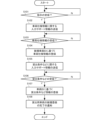
- FIG. 13 is a flowchart showing the operation of a rental vehicle registration process for registering a new rental vehicle, which is executed by the management server of one embodiment.
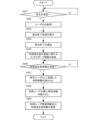
- 11 is a flowchart showing an operation of a user registration process for newly registering a user, which is executed by the management server of one embodiment;
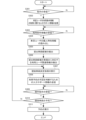
- 13 is a flowchart showing the operation of a reservation process for a rental vehicle, including a rental vehicle proposal process, executed by a management server of one embodiment.
- 13 is a flowchart showing the operation of a rental vehicle rental process executed by the management server of one embodiment.
- 13 is a flowchart showing the operation of a rental vehicle return process executed by the management server of one embodiment.
- the car sharing system of the embodiment of the present disclosure is A car sharing system that proposes a rental vehicle to a user who wishes to rent the rental vehicle, one or more processors; and one or more memories communicatively coupled to the one or more processors; the one or more processors: Manage a user information storage unit that stores, for each of a plurality of rental vehicles, user-related information including usage information indicating information regarding the use of the rental vehicle by the user and personal characteristic information indicating information regarding personal characteristics related to the driving of the vehicle, and usage satisfaction information indicating information regarding the usage satisfaction of the rental vehicle used; execute an acquisition process for acquiring, as desired user related information, usage condition information related to the usage conditions of the vehicle that the desired user wishes to rent and personal characteristic information related to driving the vehicle; The system is configured to execute a proposed vehicle determination process that determines, based on the acquired desired user-related information and the stored user-related information and usage satisfaction information of the user, at least one vehicle to be proposed to the desired user from among the multiple rental vehicles as
- the embodiments of the present disclosure can also be realized by a recording medium having recorded thereon a computer program for executing each of the above processes, or a method for proposing a rental vehicle that executes each of the above processes.
- the car sharing system disclosed herein can, once a desired user inputs desired user-related information, suggest rental vehicles that are expected to provide high satisfaction based on the desired user's purpose of use, personal characteristics, and an evaluation of driving skills, etc., as suggested vehicles.
- the car sharing system disclosed herein can provide a car sharing system that can suggest and allow desired users to use more comfortable and interesting vehicles.
- a "rental vehicle” is a vehicle that has been preregistered for rental to a user, and may be a vehicle provided by a user who personally owns the vehicle (i.e., the owner), or a vehicle provided by a business operator such as the administrator of the system.
- usage information and usage condition information include, for example, the purpose of using the rented vehicle, such as shopping, commuting, leisure, and driving, the destination (including stops), the number of passengers when using the vehicle, and priority items for use.
- the usage information and the usage condition information may be composed of information on the same items, or may specify information on different items.
- “Individual characteristics” refers to the driver's personal characteristics related to driving a vehicle, such as the driver's driving aptitude, including his/her personality, temperament, and ability, the driver's driving style, including the driver's attitude, preferences, and way of thinking, and the mental burden the individual feels in relation to the driving situation.
- personal characteristics may also include an evaluation of driving skills, which indicates whether the driver is operating the vehicle as intended, driving frequency, such as the date and time the vehicle was driven and the number of times it was driven, and driving history, such as the types of vehicles driven in the past and the types of vehicles owned.
- the "personal characteristics” are basically those input by the user or the user using the service in a questionnaire format, etc. However, the “personal characteristics” may also be information provided by other network services, or information detected in a specific application executed by various devices owned by the user.
- Driving aptitude includes, for example, accuracy of movement, speed of movement, mental mobility, impulse control, and emotional stability, which are determined (measured) from psychological factors such as situational judgment, behavior, and mental stability using a K-2 test.
- the driving style includes driving skills, driving tendencies, anxiety tendencies, the driver's attitude toward driving, preferences, and ways of thinking, etc., as determined, for example, using a questionnaire such as the Driving Style Questionnaire (DSQ).
- DSQ Driving Style Questionnaire
- the mental burden felt by each driver in relation to the driving situation can be quantitatively evaluated using a questionnaire such as the Workload Sensitivity Questionnaire (WSQ) to identify the various driving burdens felt by each driver.
- WSQ Workload Sensitivity Questionnaire
- the sense of burden includes quantitative assessments of traffic conditions, road environment, impaired concentration on driving, reduced physical activity, impaired driving pace, physical pain, route comprehension and exploration, in-car environment, control operation, and driving posture.
- the "satisfaction information" may be, for example, information shown on a 5-point scale (11-point scale with 0.5 increments) that indicates the satisfaction level over the entire usage period of the rental vehicle, or may be information showing the satisfaction level for each predetermined item (for example, each item included in the usage information).
- the "acquisition process” may be, for example, a process of acquiring information from a terminal device connected via a network, or from an input device connected to the system, and may be acquired by reading out pre-registered information in addition to direct input by the user.
- the "proposed vehicle determination process” refers to the process of determining a vehicle that meets the desires of the desired user, is suited to the personal characteristics of the desired user, such as driving aptitude, driving style, and evaluation of driving skills, and is expected to provide a high level of satisfaction.
- the one or more processors as the proposed vehicle determination process, estimating a degree of satisfaction of the desired user when the desired user uses each of the plurality of rental vehicles based on the desired user related information and the stored user related information and usage satisfaction information of the user;
- the system is configured to determine, as the proposed vehicle, one or more specific rental vehicles whose estimated satisfaction level satisfies a given satisfaction level condition.
- the car sharing system disclosed herein can suggest vehicles that are expected to provide a high level of satisfaction to the desired user, if the desired user inputs desired user-related information and usage satisfaction information.
- given satisfaction conditions include conditions such as the satisfaction level being the highest or the satisfaction level being a predetermined high level.
- selecting one or more specific rental vehicles as proposed vehicles indicates that one vehicle may be selected from multiple rental vehicles, or multiple vehicles may be selected.
- the one or more processors manage a rental vehicle information storage unit in which rental vehicle registration information including information on the specifications and rental conditions of each of the plurality of rental vehicles is stored;
- the proposed vehicle determination process is configured to estimate the satisfaction level of the desired user when using each of the multiple rental vehicles based on the acquired desired user-related information, the stored user-related information and usage satisfaction information, and the stored rental vehicle registration information.
- the car sharing system disclosed herein can suggest vehicles that are expected to provide high satisfaction to desired users.
- “specifications” include, for example, the vehicle model, color, mileage, year, safety equipment, average fuel economy, passenger capacity, vehicle price, gear shift system, drive system, and special equipment (roof carriers and child seats).
- Vehicle conditions include, for example, rental fee, available time, and any special conditions from the vehicle owner (driving skill conditions, license type, and usage history).
- the proposed vehicle determination process is configured to estimate the satisfaction level of the desired user when using each of the rental vehicles based on the satisfaction level of users who have used the multiple rental vehicles and whose personal driving characteristics belong to the same classification as the desired user.
- the car sharing system disclosed herein can suggest vehicles that are expected to provide high satisfaction to desired users.
- the stored personal characteristic information of the user includes information on the evaluation results of the driving skills of the user who uses the multiple rental vehicles, evaluated based on data on the operation and driving conditions obtained while the user is driving the rental vehicle.
- the car sharing system disclosed herein can use the evaluation results of the driving skills of rental vehicles previously used by the desired user when executing the proposed vehicle determination process.
- the car sharing system disclosed herein can, for example, compare the results of past driving skill evaluations and preferentially determine as the proposed vehicle a rental vehicle that has an improved driving skill evaluation.
- the car sharing system or the like compares the evaluation results of the driving skills of the desired user when the desired user has used the rental vehicles of different models in the past,
- the rental vehicle of a type whose evaluation result of the driving skill satisfies given evaluation conditions is proposed as the proposed vehicle.
- the car sharing system disclosed herein can, for example, compare the results of past driving skill evaluations and preferentially determine as the proposed vehicle a rental vehicle of a type for which the driving skill evaluation has improved.
- FIG. 1 is an example of a system configuration diagram showing the configuration of the communication system S of this embodiment.
- FIG. 1 shows only some of the terminal devices 20 and rental vehicles M. In other words, in an actual communication system S, there are many more terminal devices 20 than are shown in FIG. 1.
- the communication system S of this embodiment is a system for providing a car sharing service in which multiple users share multiple vehicles available for rental (hereinafter referred to as "rental vehicles") M provided by an owner or operator.
- the communication system S is a system for multiple users to jointly use rental vehicles M provided by individual users (owners) or businesses, which are vehicles that have been pre-registered for rental to users (hereinafter referred to as "users").
- the communication system S of this embodiment is configured to suggest to a user (hereinafter referred to as the "desiring user") who wishes to use a rental vehicle M, a vehicle that is expected to provide high satisfaction to the desiring user when the user selects the rental vehicle M.
- the communication system S is composed of a management server 10 that manages the car sharing service, and multiple terminal devices 20 that are connected to the management server 10 via a base station BS and a network N and accept operations from the owner, the operator, and each user.
- the communication system S also has a vehicle management system 30 for executing processes related to the rental and return procedures of rental vehicles M.
- the management server 10 is an information processing device that executes various processes related to the car sharing service using, for example, an API (application programming interface) or a specific platform.
- API application programming interface
- management server 10 may be configured with one device and processor, or may be configured with multiple devices and processors.
- the management server 10 has a database (broadly speaking, a storage device or memory) in which information (hereinafter referred to as "user information") about users (hereinafter referred to as “users”) who have used the rental vehicle M is stored.
- the management server 10 has a database (broadly speaking, a storage device or memory) in which information about pre-registered rental vehicles M is stored.
- the management server 10 of this embodiment may access a database (broadly speaking, a storage device or memory) connected via a network (intranet or Internet) N.
- first database 140 and a second database 150 as examples of the above databases, as described below.
- management server 10 is configured to work in conjunction with each terminal device 20, accept various operational instructions from the desired user or user having each terminal device 20, and execute various processes, such as proposing rental vehicles M, reserving use, and processing related to use and return.
- the terminal device 20 is a communication terminal device that is used by a user and is configured as an information processing device such as a PC (personal computer), a tablet-type information and communication terminal device, a smartphone, a mobile phone, a game device, or an HMD.
- an information processing device such as a PC (personal computer), a tablet-type information and communication terminal device, a smartphone, a mobile phone, a game device, or an HMD.
- the terminal device 20 is a device that can be connected to the management server 10 via a network N such as the Internet (WAN) or a LAN, and is configured to establish a wired or wireless communication line with the management server 10 to send and receive various types of data.
- a network N such as the Internet (WAN) or a LAN
- the terminal device 20 has a configuration including a communication control function for communicating with the management server 10, such as input information input by the owner, business operator, or user, and a display function for controlling display using data received from the management server 10.
- the vehicle management system 30 has a communication function for performing data communication with the management server 10 and the terminal device 20, and various processing functions for carrying out procedures related to the rental and return of the rental vehicle M.
- the vehicle management system 30 also has a data collection function that collects data on the driving skills of users when they use the rental vehicle M.
- the vehicle management system 30 connects to the network N via the base station BS using a wireless communication method and establishes a communication line with the management server 10.
- the vehicle management system 30 performs processing to send and receive specific data with the management server 10 or the terminal device 20 via the communication line.
- the vehicle management system 30 directly connects to each terminal device 20 or an IC card (not shown) by a short-range wireless communication method such as NFC, and performs processing to send and receive predetermined data to and from the terminal device 20 or the IC card.
- a short-range wireless communication method such as NFC
- the vehicle management system 30 performs various processes such as unlocking and locking the vehicle, detecting the mileage, and checking the remaining amount of gasoline or remaining charge capacity.
- the vehicle management system 30 collects data related to the driving skills of the user while the user is driving (hereinafter referred to as “driving skill data”) and transmits the collected driving skill data to the management server 10.
- the vehicle management system 30 detects steering angle, brake operation, accelerator operation, and the like from a vehicle system (not shown), and detects data indicating the detected steering angle, brake operation, and accelerator operation.
- the vehicle management system 30 collects data such as the detected steering angle, braking operation, and accelerator operation as personal characteristic information of the user and registers it in the management server 10.
- Fig. 2 is an example of a functional block diagram showing the configuration of the management server 10 of this embodiment.
- the memory unit 170 serves as a work area for the processing unit 100 and other devices, and its functions can be realized by hardware such as RAM (VRAM).
- VRAM RAM
- the memory unit 170 functions as a work area used when executing various processes, and also functions as a storage means for storing various information used in the car sharing service, such as reservation management information for managing the rental destination and rental time of the rental vehicle M.
- the information storage medium 180 is computer-readable, and stores programs, data, and the like. That is, the information storage medium 180 stores programs for causing a computer to function as each part of this embodiment (programs for causing a computer to execute the processing of each part).
- the processing unit 100 can perform various processes of this embodiment based on data read from the program (data) stored in this information storage medium 180.
- the information storage medium 180 is an optical disk (CD, DVD), a magneto-optical disk (MO), a magnetic disk, a hard disk, a flash memory such as a solid-state drive, a magnetic tape, a memory (ROM), or a memory card.
- the first database 140 is formed by an optical disk (CD, DVD), a magneto-optical disk (MO), a magnetic disk, a hard disk, a flash memory such as a solid-state drive, a magnetic tape, a memory (ROM), or a memory card, etc.
- CD compact disc
- DVD digital versatile disc
- MO magneto-optical disk
- magnetic disk magnetic disk
- hard disk a hard disk
- flash memory such as a solid-state drive, a magnetic tape, a memory (ROM), or a memory card, etc.
- the first database 140 stores, for each rental vehicle M, user-related information about the user and information about the user's satisfaction with the rental vehicle M used (hereinafter referred to as "user satisfaction information") in association with the user.
- the user-related information includes usage information indicating information related to the user's use of the rental vehicle M, and personal characteristic information indicating information on personal characteristics related to the driving of the vehicle.
- the second database 150 is formed by an optical disk (CD, DVD), a magneto-optical disk (MO), a magnetic disk, a hard disk, a flash memory such as a solid-state drive, a magnetic tape, a memory (ROM), or a memory card, etc.
- CD compact disc
- DVD digital versatile disc
- MO magneto-optical disk
- magnetic disk magnetic disk
- hard disk a hard disk
- flash memory such as a solid-state drive, a magnetic tape, a memory (ROM), or a memory card, etc.
- the second database 150 stores rental vehicle registration information for each rental vehicle M, which includes information on the specifications and rental conditions of each rental vehicle M.
- the third database 160 is formed by an optical disk (CD, DVD), a magneto-optical disk (MO), a magnetic disk, a hard disk, a flash memory such as a solid-state drive, a magnetic tape, a memory (ROM), or a memory card, etc.
- the third database 160 also stores information about each user (hereinafter referred to as “user information”) and information about each owner or business operator (hereinafter referred to as “owner, etc.”) (hereinafter referred to as “owner, etc. information").
- the communication unit 190 performs various controls for communicating with the outside (e.g., terminal device 20), and its functions are configured by hardware such as various processors or communication ASICs, or programs, etc.
- the processing unit 100 performs various processes of this embodiment based on the programs (data) stored in the memory unit 170. Note that the processing unit 100 of this embodiment may read out programs and data stored in the information storage medium 180, temporarily store the read out programs and data in the memory unit 170, and perform processing based on the programs and data.
- the processing unit 100 performs various processes using the main memory in the memory unit 170 as a work area.
- the functions of the processing unit 100 can be realized by hardware such as various processors (CPU, DSP, etc.) or programs.
- the processing unit 100 includes a communication control unit 101, a DB management control unit 102, an input reception processing unit 103, a rental management unit 104, a rental vehicle proposal processing unit 105, a personal characteristic information registration control unit 106, a driving skill evaluation processing unit 107, and a timer management unit 110.
- the communication control unit 101 establishes a communication line with the terminal device 20 and the like via the network N, and communicates with them.
- the DB management control unit 102 performs processes such as reading, writing, deleting, and updating data in the first database 140 and the second database 150.
- the input reception processing unit 103 works in conjunction with the terminal device 20 and performs processing to receive instructions from each user or owner, etc. via the communication control unit 101.
- the input reception processing unit 103 performs processing to accept user instructions when performing various processes such as new registration of a rental vehicle M by an owner, new registration of a user, reservation management of a rental vehicle M, and rental and return procedures for a rental vehicle M.
- the input reception processing unit 103 works in conjunction with the DB management control unit 102 to register the user-related information and user satisfaction information in the first database 140 based on the received user instructions, and registers rental vehicle registration information in the second database 150.
- the input reception processing unit 103 also works in conjunction with the DB management control unit 102 to register user information and owner information in the third database 160 based on the received user instructions.
- the rental management unit 104 identifies a vehicle to be used by the desired user from among the multiple rental vehicles M registered in the second database 150 in accordance with the instructions of the desired user, and executes a process (hereinafter also referred to as the "reservation process") to reserve the identified vehicle for use.
- the rental management unit 104 also works in conjunction with the relevant terminal device 20 etc. to carry out various processes related to the rental procedures for the rental vehicle M reserved for use by the desired user, and the return procedures when the use of the rental vehicle M has ended.
- the reservation process for the rental vehicle M and the process for starting or ending use are carried out using general technology, such as the terminal device 20 or a rental procedure terminal device mounted on the rental vehicle M (not shown), and detailed explanations are omitted.
- the rental vehicle proposal processing unit 105 executes a rental vehicle proposal process in which, in the reservation process for a rental vehicle M, a rental vehicle M that is expected to have a high level of satisfaction in accordance with the desired user's purpose of use, personal characteristics, and an evaluation of driving skills is proposed as a proposed vehicle.
- the driving skill evaluation processing unit 107 works in conjunction with each vehicle management system 30 to execute various processes (hereinafter referred to as “driving skill evaluation processes") to evaluate the driving skills of the user while the rental vehicle M is being rented out (i.e., while the rental vehicle M is being driven by the user).
- the driving skill evaluation processing unit 107 acquires data on the operation state of the user and data on the driving state of the rental vehicle M as driving state data from the vehicle management system 30 of each rental vehicle M.
- the driving skill evaluation processing unit 107 executes driving skill evaluation processing from a predetermined start timing to a predetermined evaluation end timing based on the acquired driving condition data.
- the specified start timing may be the first time the ignition switch is turned on after the vehicle is rented.
- the specified evaluation end timing may be the timing when the engine or motor stops immediately before the rental vehicle M is returned.
- the driving skill evaluation processing unit 107 performs an evaluation of the driving skills of the corresponding user based on the acquired data on the operation state and driving state, and registers the evaluation result in the first database 140 in association with the corresponding user as personal characteristic information.
- the driving skill evaluation processing unit 107 compares the driver's driving operations, such as steering, braking, and accelerating while driving, and the vehicle state quantities that change in response to these driving operations, with a predetermined ideal driving model, and evaluates the driving skill using a score or the like.
- vehicle information of rental vehicles M in cases where the driving skill evaluation has improved significantly since the previous use may be identified, and this information may be associated with the corresponding user as personal characteristic information and registered in the first database 140.
- the timer management unit 110 has the function of measuring the current date and time and from a specified timing, and outputs the current time and the measurement result when the specified timing arrives.
- FIG. 3 is a diagram for explaining the rental vehicle proposal process executed by the management server 10 of this embodiment and other processes related to the rental vehicle proposal process (hereinafter also referred to as "other processes").
- the management server 10 of this embodiment is configured to execute various processes for providing a car sharing service to users, such as reserving rental vehicles M, and various processes for procedures related to the rental and return of rental vehicles M.
- the management server 10 of this embodiment performs the following processes for the car sharing service: [a] rental vehicle registration process for registering a rental vehicle M; [b] A rental vehicle rental process when a rental vehicle M is rented out; and [c] A rental vehicle return process when returning a rented rental vehicle M;
- the present invention has a configuration for executing the above.
- the management server 10 performs a rental vehicle registration process by linking with each terminal device 20 and newly registering a rental vehicle M provided by an owner or the like.
- the management server 10 in the rental vehicle rental process, works in conjunction with each terminal device 20 and executes various processes when renting out a rental vehicle M that the desired user has registered as a user by making a reservation for use, etc.
- the management server 10 works in conjunction with each terminal device 20 as shown in FIG. 3 [c] to execute various processes when the user returns the rental vehicle M.
- the management server 10 works in conjunction with each terminal device 20 to execute a process for registering information regarding the rental of the rental vehicle M of the user, user-related information indicating the user's own information, and satisfaction information indicating the user's satisfaction with the usage.
- the management server 10 of this embodiment is configured to execute a rental vehicle proposal process that proposes rental vehicles M to users who wish to use the rental vehicles M, as shown in FIG. 3[d].
- the management server 10 is configured to execute the following process as a rental vehicle proposal process, for example, based on the above car sharing service processes [a], [b], and [c].
- the management server 10 manages a first database 140 that stores, for each of a plurality of rental vehicles M, user-related information including the user's usage information and personal characteristic information, and the user's usage satisfaction information.
- the management server 10 registers the personal characteristics of each user when they use the car sharing service, and also registers the purpose of use and the degree of satisfaction each time a rental vehicle M is rented out, and manages this information.
- the management server 10 executes an acquisition process as shown in FIG. 3 [d2] and [d3] to acquire usage condition information related to the usage conditions of the vehicle that the desired user wishes to rent and personal characteristic information related to driving the vehicle as desired user-related information.
- the management server 10 executes a proposed vehicle determination process to determine a rental vehicle (proposed vehicle) M to be proposed to the desired user based on the acquired desired user-related information and the already stored user-related information and user satisfaction information.
- the management server 10 determines the proposed vehicle, it provides that information to the desired user and is configured to register, for example, the rental time of the rental vehicle M, such as a reservation for use of the rental vehicle M, as reservation management information.
- the management server 10 is configured to execute [b] rental vehicle rental process and [c] rental vehicle return process, as described above.
- the management server 10 of this embodiment can propose as a suggested vehicle a rental vehicle M that is expected to have a high level of satisfaction in accordance with the desired user's purpose of use, personal characteristics, and an evaluation of driving skills.
- the management server 10 of this embodiment can provide a car sharing system that allows users who wish to use it to use a more comfortable and interesting vehicle.
- FIG. 4 is a diagram showing an example of user-related information and satisfaction level information of a user stored in the first database 140 of this embodiment
- FIG. 5 is a diagram showing an example of aggregated satisfaction level information stored in the first database 140 of this embodiment.
- the user-related information and user satisfaction information are information stored in the first database 140 for each rental vehicle M, and are information regarding the usage of the rental vehicle M by the user and information indicating the user's satisfaction with the rental vehicle M, respectively.
- the user-related information includes usage information and personal characteristic information registered for each user for each rental vehicle M.
- the user satisfaction information also includes individual information registered for each user for each rental vehicle M (hereinafter referred to as “individual satisfaction information”), and information that aggregates the satisfaction of each user for each piece of user-related information (hereinafter referred to as “aggregated satisfaction information").
- the individual satisfaction level information is information indicating one satisfaction level for each user (i.e., one satisfaction level for one use), but it may also be information indicating the satisfaction level for each user-related information for each user.
- the user-related information is information that is assigned the user ID of each user after the use of the rental vehicle M has ended, and is registered in the first database 140 in association with the corresponding rental vehicle M.
- the user obtains the usage satisfaction information by a predetermined process such as a questionnaire method executed in conjunction with the management server 10 and the terminal device 20 at a predetermined timing such as after the end of the usage.
- a predetermined process such as a questionnaire method executed in conjunction with the management server 10 and the terminal device 20 at a predetermined timing such as after the end of the usage.
- the user-related information includes, for each vehicle ID of a rental vehicle M, usage information indicating information regarding the rental user's use of the rental vehicle M, and personal characteristic information indicating information regarding personal characteristics related to vehicle driving, in association with the user ID of the rental user.
- the usage information includes the purpose of using the rented vehicle, such as shopping, commuting, leisure, and driving, the destination (including stops along the way), the number of passengers when using the vehicle, and priority items (requests of the user).
- the usage information for example, when a rental vehicle M is used in response to a proposal from the communication system S, uses the usage condition information input by the desired user, as described below.
- the priority items are information that indicates the user's requests when selecting a rental vehicle M, such as early use (excluding the case of rental vehicle proposal processing based on reservation time), low-cost use, vehicles that are not usually used, vehicles for driving pleasure, and vehicles where safety is the first priority.
- personal characteristic information is information that indicates the personal characteristics of the user (i.e., the driver) regarding driving the vehicle, and is information identified based on information entered by the user, for example, by answering a questionnaire when registering as a new user.
- the personal characteristic information includes items of personal characteristics such as the driver's driving aptitude, such as his/her personality, temperament and ability, the driver's driving style, such as his/her attitude, preferences and way of thinking, and the mental burden he/she feels in relation to the driving situation.
- the driver's driving aptitude such as his/her personality, temperament and ability
- the driver's driving style such as his/her attitude, preferences and way of thinking
- driving aptitude includes items such as accuracy of movement, speed of movement, mental mobility, impulse control, and emotional stability, which are identified (measured) using a K-2 test or similar, based on psychological factors such as situational judgment, behavior, and mental stability.
- the driving style includes items such as the driver's attitude, preferences, and way of thinking regarding driving, which are identified from the driving skills, driving tendencies, and anxiety tendencies using a questionnaire such as the Driving Style Questionnaire (DSQ).
- DSQ Driving Style Questionnaire
- the sense of mental strain due to the driving situation includes various driving strains felt by individual drivers that are quantitatively evaluated using a questionnaire such as the Workload Sensitivity Questionnaire (WSQ).
- WSQ Workload Sensitivity Questionnaire
- the mental burden associated with the driving situation includes quantitative assessments (items) such as understanding the traffic conditions, understanding the road environment, interference with concentration while driving, reduced physical activity, interference with driving pace, physical pain, understanding and exploring the route, the in-car environment, control operations, and driving posture.
- quantitative assessments such as understanding the traffic conditions, understanding the road environment, interference with concentration while driving, reduced physical activity, interference with driving pace, physical pain, understanding and exploring the route, the in-car environment, control operations, and driving posture.
- the personal characteristic information may also include items such as an evaluation of driving skills, driving frequency, and driving history.
- the evaluation of driving skills indicates whether or not the driver is operating the vehicle as intended, and is expressed, for example, by a numerical value.
- driving frequency indicates the date and time when the vehicle was driven and the number of times it was driven
- driving history indicates the types of vehicles driven in the past and the types of vehicles owned.
- the personal characteristic information may be information identified based on the information provided in the questionnaire when the user receives a proposal from the communication system S to use the rental vehicle M as a desired user.
- the individual satisfaction level information is information that is registered together with the user-related information, and is associated with the corresponding rental vehicle M and registered in the first database 140 for each user ID of the user.
- the satisfaction level information in this embodiment is registered in the first database 140 in the same manner as the user-related information, and for example, as shown in FIG. 4, for each vehicle ID of the rental vehicle M, in association with the user ID of the user.
- the satisfaction information is information on satisfaction that specifies a 5-point scale (11-point scale in 0.5 increments).
- the satisfaction information may be information indicating the level of satisfaction over the entire usage period of the rental vehicle M, or may be information indicating the level of satisfaction for each predetermined item (each item included in the usage information).
- the aggregated satisfaction information is information that indicates the value obtained by performing a specified calculation such as the average value or standard deviation value of the satisfaction level of each user's usage satisfaction information (individual) for each rental vehicle M and for each item of usage information and personal characteristic information.
- the aggregated satisfaction information is information that indicates the satisfaction level of each user registered after using a rental vehicle M, for each rental vehicle M, for the same or identical conditions of usage information and personal characteristic information items, and for each combination of said items, calculated by applying a predetermined calculation.
- the aggregated satisfaction information is registered in the first database 140 as an average value for each vehicle ID of the rental vehicle M, for each item of usage information with the same or the same conditions, and for each item of personal characteristic information, or for a combination thereof.
- the aggregated satisfaction information is the aggregated satisfaction of each user for each item, such as purpose or number of occupants, or for multiple predetermined items, such as purpose and occupants, or purpose, occupants, and an evaluation of driving skills above a certain score.
- the aggregated satisfaction level for the rental vehicle M when the purpose is “shopping” will be "4.5.”
- the same conditions for each piece of usage information and individual characteristic information refer to conditions for classifying usage information or personal information that includes numerical values such as driving skill evaluation scores or occupants into the same category, and are, for example, conditions that are specified in advance.
- the specified timing may include the timing at which a specified time each day or week arrives, the timing at which the user satisfaction level of a specified number of users is registered, or any timing manually determined by the administrator.
- the aggregated satisfaction information is updated by tallying up the satisfaction level each time new usage satisfaction information is registered for the user of the corresponding rental vehicle M, or at predetermined intervals.
- the desired user-related information is information input by the desired user when selecting a rental vehicle M by making a reservation or the like, and receiving a proposal for a rental vehicle M from the communication system S instead of specifying the vehicle model, etc., of the desired user.
- the desired user-related information includes usage condition information regarding the usage conditions of the vehicle that the desired user wishes to rent, and personal characteristic information regarding the driving of the vehicle by the desired user.
- the usage condition information is, for example, information similar to the usage information, and is information input by the desired user when the desired user requests a proposal for a rental vehicle M from the communication system S.
- the usage condition information includes, for example, the purpose of use of the rented vehicle, such as shopping, commuting, leisure, and driving, the destination (including stops), the number of passengers when using the vehicle, and priority items for use.
- the usage condition information may include information on items different from the usage information, and items specified in the usage information may not be specified.
- FIG. 6 shows an example of rental vehicle registration information stored in the second database 150 in this embodiment.
- the rental vehicle registration information is information regarding all rental vehicles M available for rental, and is used when a user selects the rental vehicle M, and is registered in the second database 150.
- the rental vehicle registration information is information used when a desired user selects (reserves) a rental vehicle M.
- the rental vehicle registration information includes information on the specifications of each rental vehicle M (hereinafter referred to as “vehicle specification information”) and information on rental conditions (hereinafter referred to as “rental condition information").
- specifications include the vehicle model, color, mileage, year, safety equipment, average fuel economy, passenger capacity, vehicle price, transmission type, drive system, and special equipment (car carriers and child seats).
- the "rental conditions” may include the rental fee, rental location, available hours, and any special conditions from the vehicle owner (driving skill conditions, license type, and usage history).
- the management server 10 performs various processes related to the car sharing service, excluding the rental vehicle proposal process, such as: (1) Rental vehicle registration process (2) User registration process (3) Rental vehicle rental process (4) Rental vehicle return process.
- the input reception processing unit 103 under the instruction of the terminal device 20 of the owner or operator (hereinafter referred to as the ⁇ owner, etc.''), works in conjunction with the communication control unit 101 and the DB management control unit 102 to execute a rental vehicle registration process to register a new rental vehicle M for use by the user.
- the input reception processing unit 103 registers new vehicle specification information (i.e., vehicle specification information) and rental condition information in the second database 150 in association with a new vehicle ID based on instructions from the owner, etc.
- the input reception processing unit 103 under the instruction of the terminal device 20 of a new user, works in conjunction with the communication control unit 101 and the DB management control unit 102 to execute a user registration process that registers user information about the new user in the third database 160 in correspondence with a new user ID.
- the input reception processing unit 103 registers user information such as name, nickname, authentication password, attributes such as age and gender, address (payment invoice issuance destination), credit card number, and information related to driver's license.
- the input reception processing unit 103 works in conjunction with the communication control unit 101 and the DB management control unit 102 to register the personal characteristic information of the new user in the third database 160 based on the input information sent from the terminal device 20 of the new user.
- the input reception processing unit 103 receives input information sent from the corresponding terminal device 20 as a response to a questionnaire as personal characteristic information, and registers the personal characteristic information based on the input information.
- the input reception processing unit 103 registers, as personal characteristic information, the driving aptitude of the new user as a driver, the driving style of the new user, and the mental stress felt by the new user in relation to the driving situation.
- the input reception processing unit 103 analyzes the driving aptitude, driving style, and mental stress felt in relation to the driving situation based on the results of each questionnaire entered by the terminal device 20, and registers the analysis results in the third database 160 as personal characteristic information.
- the rental management unit 104 works in conjunction with the terminal device 20 of the relevant user based on a usage reservation, etc., and the vehicle management system 30 installed in the rental vehicle M to be rented out, and executes a rental vehicle rental process to rent out the rental vehicle M to the user.
- the rental management unit 104 determines whether the user who has applied for rental is the rental recipient of the target rental vehicle M based on reservation management information stored in the memory unit 170, etc.
- the rental management unit 104 executes control to permit rental of the rental vehicle M to the user who has the corresponding user ID in the vehicle management system 30 of the rental vehicle M.
- the rental management unit 104 instructs the vehicle management system 30 to execute various processes, such as unlocking the doors, permitting the engine or motor to start, and starting detection of data used to evaluate driving skills.
- the rental management unit 104 works in conjunction with the terminal device 20 of the relevant user and the vehicle management system 30 installed in the rental vehicle M that is the subject of rental, and executes a rental vehicle return process to return the rental vehicle M that is the subject of rental.
- the rental management unit 104 executes control for the vehicle management system 30 of the rental vehicle M to terminate the rental to the user based on a rental termination instruction for the rental vehicle M of the user transmitted from the terminal device 20.
- the rental management unit 104 instructs the vehicle management system 30 to execute various processes such as locking the doors, prohibiting the starting of the engine or motor, and ending detection of data used to evaluate driving skills and sending it to the management server 10.
- the rental management unit 104 registers the satisfaction level information for the rental vehicle M used in the first database 140 along with the user-related information for the user.
- the lending management unit 104 registers the desired user-related information of the user as the desired user in the first database 140 as user-related information.
- the lending management unit 104 reads the personal characteristic information included in the desired user-related information from the third database 160 and registers it in the first database 140 as the user-related information.
- the rental vehicle proposal processing unit 105 for example, when executing a reservation process for a rental vehicle M by a desired user, executes a proposed vehicle determination process to determine a proposed vehicle to be proposed to the desired user when the desired user wishes to propose a rental vehicle M.
- the rental vehicle proposal processing unit 105 executes an acquisition process to acquire the desired user-related information input by the desired user via the input reception processing unit 103.
- the rental vehicle proposal processing unit 105 refers to the user-related information and user satisfaction information of each user that is already stored in the first database 140 and that is stored in association with each rental vehicle M.
- the rental vehicle proposal processing unit 105 executes a proposed vehicle determination process to determine, from among the multiple rental vehicles M, a vehicle to be proposed to the desired user as a proposed vehicle based on the desired user-related information and the user-related information and user satisfaction information of each user.
- Figures 7 and 8 are diagrams for explaining the proposed vehicle determination process included in the rental vehicle proposal process executed by the management server 10 of this embodiment.
- the rental vehicle proposal processing unit 105 executes a proposed vehicle determination process to determine a vehicle that is suited to the desired user's needs, is suitable for the desired user's personal characteristics such as driving aptitude, driving style, and driving skill assessment, and is expected to provide a high level of satisfaction.
- the rental vehicle proposal processing unit 105 acquires the desired user-related information as described above, it executes the proposed vehicle determination process by referencing the user-related information stored in the first database 140.
- the rental vehicle proposal processing unit 105 estimates the degree of satisfaction of each of the desired users when they use each of the multiple rental vehicles M based on the desired user-related information and the stored user-related information and usage satisfaction information of each user.
- the rental vehicle proposal processing unit 105 of this embodiment performs an estimated level of satisfaction, which is the level of satisfaction of each of the desired users when they use multiple rental vehicles M, using, for example, decision tree analysis based on a decision tree generated by machine learning.
- the rental vehicle proposal processing unit 105 estimates the estimated satisfaction level of each rental vehicle M for the desired user, and determines one or more specific rental vehicles M whose estimated satisfaction level meets a given satisfaction condition as proposed vehicles to be proposed to the desired user.
- the rental vehicle proposal processing unit 105 estimates the estimated satisfaction level of the desired user for each rental vehicle M using decision tree analysis based on a decision tree model generated by machine learning with teacher data in order to estimate the estimated satisfaction level of each rental vehicle M.
- the rental vehicle proposal processing unit 105 is configured to generate or update a decision tree as a predictive model through machine learning at each specified timing, thereby improving the estimation accuracy of the estimated satisfaction level of each rental vehicle M for the desired user.
- the rental vehicle proposal processing unit 105 also uses each user-related information as training data, generates a decision tree as a predictive model in which the objective variable is the aggregated satisfaction level and the explanatory variables are each item of the user-related information, and estimates the estimated satisfaction level of each rental vehicle M for the desired user.
- the rental vehicle proposal processing unit 105 generates or updates a decision tree prediction model in advance at a predetermined timing for each rental vehicle M or each rental vehicle M that is available for rental, based on each item of user-related information of each rental vehicle M and aggregated satisfaction information as training data.
- the rental vehicle proposal processing unit 105 generates or updates a decision tree model based on the already stored user-related information and aggregated satisfaction level at a predetermined timing, each time new user-related information is registered or when the proposed vehicle determination process is executed.
- the rental vehicle proposal processing unit 105 generates a decision tree for each rental vehicle M based on each item such as "purpose of use: shopping" and "three or more occupants" and the aggregated satisfaction level corresponding to the suitability of each item such as "purpose: shopping".
- the rental vehicle proposal processing unit 105 inputs the desired user's usage-related information, including the desired user's usage conditions and personal characteristic information, into the decision tree for each rental vehicle M, and as the output result of each decision tree, identifies the identified aggregate satisfaction level as an estimated satisfaction level.
- Figure 7 shows an example in which the objective variable is aggregated satisfaction, and the explanatory variables are the items of user-related information, with the items being “Purpose: Shopping,” “Number of passengers: 3 or more,” “Driving skill: xx points or more,” and “Has experience driving a similar type of vehicle” in that order from the route as nodes.
- FIG. 7 shows an example in which the satisfaction level for vehicle ID "M001" is output as "4.5” and the satisfaction level for vehicle ID "M002" is output as "4.0.”
- the rental vehicle proposal processing unit 105 estimates the estimated satisfaction level of each rental vehicle M for the desired user through decision tree analysis, and then determines one or more specific rental vehicles M whose estimated satisfaction level satisfies a given satisfaction condition as the proposed vehicles to be proposed to the desired user.
- the rental vehicle recommendation processing unit 105 uses, as the given satisfaction condition, a condition such as the satisfaction level being the highest or a predetermined high level.
- the rental vehicle proposal processing unit 105 may simply identify each estimated satisfaction level by comparing the usage condition information or personal identification information of the desired user-related information with the user-related information.
- the rental vehicle proposal processing unit 105 detects items, such as purpose of use or driving aptitude, that match the items of the usage condition information or personal identification information of the desired user-related information from among the user-related information stored in association with each rental vehicle M.
- the rental vehicle proposal processing unit 105 also detects from the user-related information the same condition items that meet the conditions based on each item of the desired user-related information, such as the driving skill evaluation score (xx points or more) or the number of passengers at the time of use (three or more).
- the rental vehicle proposal processing unit 105 identifies the satisfaction level of the aggregated satisfaction information associated with one or more detected identical items or identical condition items, or combinations thereof, as the estimated satisfaction level of each rental vehicle M for the desired user.
- the rental vehicle proposal processing unit 105 identifies user-related information for each rental vehicle M that has the same combination of items and items with the same conditions as the two items in question, as shown in FIG. 8.
- the rental vehicle proposal processing unit 105 identifies the satisfaction level of the aggregated satisfaction information stored in association with the user-related information having the two identified items as the estimated satisfaction level of each rental vehicle M.
- FIG. 8 shows an example in which the sum of the aggregated satisfaction levels of users whose purpose of use is shopping satisfaction and whose driving skill level is 3 or more is determined as the estimated satisfaction level of each rental vehicle M.
- the rental vehicle proposal processing unit 105 determines the estimated satisfaction level of each rental vehicle M based on a combination of the same items of the user-related information and two or more desired user-related information of the user-related information, provided that the aggregated satisfaction information is aggregated and stored for multiple items as described above.
- the rental vehicle proposal processing unit 105 may use rental vehicle registration information including information on the specifications and rental conditions of each of the multiple rental vehicles M.
- the rental vehicle proposal processing unit 105 determines the satisfaction level of the desired user when using each of the multiple rental vehicles M based on the desired user-related information, the stored user-related information and usage satisfaction information, and rental vehicle registration information.
- the rental vehicle proposal processing unit 105 classifies all rental vehicles M or selectable rental vehicles M into several types, such as sports type, wagon, and sedan, based on the rental vehicle registration information (specifications and rental conditions).
- the rental vehicle proposal processing unit 105 classifies rental vehicles M by performing machine learning (without teacher data) based on cluster analysis, which classifies vehicles with similar characteristics based on rental vehicle registration information.
- the rental vehicle proposal processing unit 105 determines the estimated satisfaction level for each classified type (hereinafter referred to as the "classified type") in the same manner as determining the estimated satisfaction level for each rental vehicle M described above.
- the rental vehicle proposal processing unit 105 detects items, such as purpose of use or driving aptitude, that match the items of the usage condition information or personal identification information of the desired user-related information from among the user-related information stored in association with each rental vehicle M of each classification type.
- the rental vehicle proposal processing unit 105 also detects from the user-related information of each classification type the same condition items that meet the conditions based on each item of the desired user-related information, such as the driving skill evaluation score (xx points or more) or the number of passengers at the time of use (three or more).
- the rental vehicle proposal processing unit 105 identifies the satisfaction level of the aggregated satisfaction information associated with one or more detected identical items or identical condition items, or combinations thereof, as the estimated satisfaction level of each classification type for the desired user.
- the rental vehicle proposal processing unit 105 may generate a decision tree as a predictive model in which each user-related information is used as training data, the objective variable is aggregated satisfaction, and the explanatory variables are each item of the user-related information and each item of vehicle-related information.
- the rental vehicle proposal processing unit 105 adds the specified vehicle information to the explanatory variables and updates the decision tree model.
- the rental vehicle proposal processing unit 105 determines the items that affect low-rated and high-rated vehicles as vehicle information related to driving skills based on the past driving skill evaluation of the relevant user and the data used in the evaluation.
- the rental vehicle proposal processing unit 105 separately performs correlation analysis based on the evaluation value and the value of each item, and makes a decision based on the results.
- the rental vehicle proposal processing unit 105 uses vehicle information such as vehicle model, classification type, drive system (AWD or FF, etc.), engine output type (electric, gasoline, or diesel, etc.), and transmission type (automatic or manual).
- vehicle information such as vehicle model, classification type, drive system (AWD or FF, etc.), engine output type (electric, gasoline, or diesel, etc.), and transmission type (automatic or manual).
- the rental vehicle proposal processing unit 105 inputs the desired user's usage-related information, including the desired user's usage conditions and personal characteristic information, into the decision tree for each rental vehicle M, and as the output result of each decision tree, identifies the identified aggregate satisfaction level as an estimated satisfaction level.
- FIG. 9 is a flowchart showing the operation of the rental vehicle registration process for registering a new rental vehicle M, which is executed by the management server 10 in this embodiment.
- This operation is a process that is executed in conjunction with the terminal device 20 of the owner or business operator (hereinafter referred to as the "owner, etc.”).
- the input reception processing unit 103 when the input reception processing unit 103 receives an instruction to register a new rental vehicle M sent from the terminal device 20 (step S101), it transmits input support information to the terminal device 20 for registering the specifications of the new vehicle (vehicle specification information) (step S102).
- input support information is, for example, information for web input that allows only the information required for registration as vehicle specification information to be input.
- the input reception processing unit 103 receives the vehicle specification information sent from the terminal device 20 (step S103), it assigns a new vehicle ID and registers the acquired vehicle specification information in association with the vehicle ID in the second database 150 (step S104).
- the input reception processing unit 103 transmits input support information to the terminal device 20 for registering the rental conditions, rental location, and rental fee of the vehicle registered based on instructions from the owner, etc. (step S105).
- the input reception processing unit 103 receives the vehicle rental conditions, rental location, and rental fee sent from the terminal device 20 (step S106), it registers the acquired vehicle rental conditions, rental location, and rental fee based on the vehicle ID (step S107).
- the input reception processing unit 103 sends a notification that the new registration of the rental vehicle M has been completed to the corresponding terminal device 20 (step S108), and ends this operation.
- FIG. 10 is a flowchart showing the operation of the user registration process for registering a new user, which is executed by the management server 10 of this embodiment.
- This operation is a process that is executed in conjunction with the user's terminal device 20, and is executed before the reservation process for reserving the rental of the rental vehicle M and the rental vehicle rental process for said rental are executed.
- the input reception processing unit 103 when the input reception processing unit 103 receives an instruction to newly register a user transmitted from the terminal device 20 (step S201), it transmits input support information to the terminal device 20 for newly registering user information as the user (step S202).
- the user information includes the name, nickname, authentication password, attributes such as age and gender, address (invoice issuing address), credit card number, and driver's license information.
- the input reception processing unit 103 acquires the user information transmitted from the terminal device 20 (step S203), it assigns a new user ID and registers the acquired user information in association with the user ID in the third database 160 (step S204).
- the personal characteristic information registration control unit 106 transmits input support information to the terminal device 20 to obtain personal characteristic information such as driving aptitude, driving style, and mental stress while driving through a questionnaire (step S205).
- the personal characteristic information registration control unit 106 receives each piece of personal characteristic information sent from the terminal device 20 (step S206), it associates the received personal characteristic information with the user ID and registers it in the third database 160 (step S207).
- the input reception processing unit 103 sends a notification that the new user registration has been completed to the corresponding terminal device 20 (step S208), and ends this operation.
- FIG. 11 is a flowchart showing the operation of the reservation process for a rental vehicle M, including the rental vehicle proposal process executed by the management server 10 in this embodiment.
- the first database 140, the second database 150, and the third database 160 already store the user information of the desired user, multiple pieces of user-related information and user satisfaction information, and multiple pieces of rental vehicle registration information, respectively.
- the input reception processing unit 103 receives a reservation instruction from a desired user of a rental vehicle M transmitted from the terminal device 20 (step S301), it transmits input support information for inputting usage condition information indicating the usage conditions to the terminal device 20 (step S302).
- the input reception processing unit 103 acquires the usage condition information transmitted from the terminal device 20 (step S303), it reads out the personal characteristic information of the desired user from the third database 160 based on the user ID of the desired user (step S304).
- the rental vehicle proposal processing unit 105 searches the second database 150 based on the usage conditions indicated in the acquired usage condition information, and detects rental vehicles M that meet the usage conditions from among the rental vehicles M that are available for rental, as rental vehicle candidates (step S305).
- the rental vehicle proposal processing unit 105 compares the usage conditions with the rental conditions of the rental vehicle registration information stored in the second database 150, and detects rental conditions that meet all of the usage conditions.
- the rental vehicle proposal processing unit 105 detects the rental vehicle M having the detected rental conditions as a rental vehicle candidate, and identifies the vehicle ID of the rental vehicle candidate.
- the rental vehicle proposal processing unit 105 detects user-related information that includes the vehicle ID of the detected rental vehicle candidate from among the user-related information stored in the first database 140 (step S306).
- the rental vehicle proposal processing unit 105 determines a proposed vehicle to be proposed to the desired user from among the rental vehicle candidates based on the read personal characteristic information of the desired user and the user-related information including the vehicle ID of the detected rental vehicle candidate (step S307).
- the rental vehicle proposal processing unit 105 performs decision tree analysis using a decision tree model generated in advance for each rental vehicle candidate to determine the estimated satisfaction level for each rental vehicle candidate (the satisfaction level expected when the desired user uses each of the multiple rental vehicles M).
- the rental vehicle proposal processing unit 105 determines, for example, the rental vehicle M having the highest aggregated satisfaction level from among the identified estimated satisfaction levels as the proposed vehicle.
- the rental vehicle proposal processing unit 105 provides information on the proposed vehicle to the corresponding terminal device 20 and transmits input support information to the terminal device 20 to determine whether or not to accept the reservation (step S308).
- the rental vehicle proposal processing unit 105 receives an operational instruction from the user transmitted from the terminal device 20 (step S309), it determines whether or not the proposed vehicle can be reserved based on the operational instruction (step S310).
- the rental vehicle proposal processing unit 105 determines that the proposed vehicle will not be reserved for use, it excludes the proposed vehicle from the vehicles to be searched for (step S311) and proceeds to the processing of step S307.
- the rental vehicle proposal processing unit 105 determines that a reservation for use of the proposed vehicle is to be made, it executes a reservation execution process to make a reservation for the desired user to use the proposed vehicle at the relevant time (step S312), and then ends this operation.
- the rental vehicle proposal processing unit 105 performs processing such as registering information for renting the relevant rental vehicle M, such as the rental period and the vehicle ID of the rental vehicle M, in the memory unit 170 as rental management information in association with the user ID of the desired user.
- the reservation execution process in this operation is similar to the conventional method, so a detailed explanation will be omitted.
- FIG. 12 is a flowchart showing the operation of the rental vehicle rental process executed by the management server 10 in this embodiment.
- the rental management unit 104 when the rental management unit 104 receives an instruction to start the rental vehicle rental process for the rental user's rental vehicle M sent from the terminal device 20 (step S401), it links with the terminal device 20 and obtains the user ID of the user (step S402).
- the lending management unit 104 works in conjunction with the timer management unit 110 to refer to the reservation management information stored in the memory unit 170 (step S403).
- the rental management unit 104 determines whether the corresponding rental vehicle M is available for rental based on the reservation management information (step S404).
- the rental management unit 104 checks whether the acquired user ID of the user is the user ID of the rental target, and compares it with reservation management information such as whether the current time is a specified time before the rental period, and determines whether the corresponding rental vehicle M is available for rental.
- the rental management unit 104 determines that the corresponding rental vehicle M cannot be rented to the user who obtained the user ID, it executes error processing to notify the terminal device 20 that there is no corresponding reservation, etc. (step S410), and ends this operation.
- the rental management unit 104 executes a rental permission process to permit rental of the corresponding rental vehicle M to the user having the corresponding user ID in the vehicle management system 30 (step S405).
- the rental management unit 104 sends various control instructions to the vehicle management system 30, such as unlocking the doors, allowing the engine or motor to start, and starting detection of data used to evaluate driving skills.
- the vehicle management system 30 When the vehicle management system 30 receives each of the above control instructions, it executes the corresponding control.
- the rental management unit 104 transmits to the corresponding terminal device 20 a notification that rental of the corresponding rental vehicle M has been approved (step S406), and ends this operation.
- FIG. 13 is a flowchart showing the operation of the rental vehicle return process executed by the management server 10 in this embodiment.
- the rental management unit 104 receives a rental end instruction for the rental vehicle M of the user sent from the corresponding terminal device 20 (step S501), it acquires the user ID of the user (step S502).
- the rental management unit 104 executes a rental termination process to terminate the rental of the rental vehicle M to the user having the corresponding user ID in the vehicle management system 30 (step S503).
- the rental management unit 104 sends various control instructions to the vehicle management system 30, such as locking the doors, prohibiting the start of the engine or motor, and ending detection of data used to evaluate driving skills and sending it to the management server 10.
- the vehicle management system 30 When the vehicle management system 30 receives each of the above control instructions, it executes the corresponding control.
- the rental management unit 104 transmits to the corresponding terminal device 20 a notification that the rental of the corresponding rental vehicle M has been completed (step S504).
- the rental management unit 104 transmits input support information to the relevant terminal device 20 to prompt the user to register their satisfaction with the rental vehicle M used (step S505).
- step S506 when the lending management unit 104 receives the satisfaction level information of the user as usage satisfaction information (step S506), it reads out the desired user-related information registered by the user at the time of reservation as usage information (step S507).
- the lending management unit 104 reads out the personal characteristic information registered when the user was newly registered (step S508).
- the rental management unit 104 associates the read usage information, personal characteristic information, and received usage satisfaction information with the corresponding rental vehicle M, and also with the user ID of the user, and registers them in the first database 140 (step S509), and terminates this operation.
- Modification 1 Proposed vehicle determination process using satisfaction levels of similar users
- Modification 1 of this embodiment a proposed vehicle determination process using satisfaction levels of similar users
- This modified example is characterized in that, instead of using the aggregated satisfaction level of users for each rental vehicle M when deciding on a proposed vehicle as in the above embodiment, the user satisfaction level of users who have similar personal characteristics to the desired user (hereinafter referred to as "similar users”) is used.
- the rental vehicle proposal processing unit 105 of this modified example identifies, among multiple users, users whose personal characteristics belong to the same classification as the desired user as similar users, and estimates the desired user's satisfaction with the rental vehicle M based on the usage satisfaction of the similar users.
- the rental vehicle proposal processing unit 105 compares the personal characteristic information of the desired user-related information with the personal characteristic information of the user-related information that has already been stored, and identifies users who have similar driving aptitude, driving style, driving history, or a combination of these as similar users.
- the rental vehicle proposal processing unit 105 detects, from among the items of personal characteristics (driving aptitude, driving style, and driving history) of each user-related information, items that are the same as the items that define the personal characteristics of the desired user-related information (including items that are considered to be the same items).
- the rental vehicle proposal processing unit 105 identifies similar users by the type, number, and combination of items in each item of personal characteristics of each user-related information that are the same as the items that define the personal characteristics of the desired user-related information.
- the rental vehicle proposal processing unit 105 counts the number of identical items for each driving aptitude, driving style, and driving history, and identifies similar users based on the number of items counted (more than half of the items are identical for each driving aptitude, driving style, and driving history).
- the rental vehicle proposal processing unit 105 identifies a similar user, it identifies the usage satisfaction level of each rental vehicle M that the similar user has used in the past, and identifies the usage satisfaction level as the expected estimated satisfaction level of the rental vehicle M that corresponds to the desired user.
- the rental vehicle proposal processing unit 105 identifies the expected estimated satisfaction level of each rental vehicle M for the desired user, and determines the vehicle as a proposed vehicle based on these estimated satisfaction levels, as in this embodiment.
- the rental vehicle proposal processing unit 105 considers items to be the same when the items are indicated by numerical values and the value of the item in the user-related information falls within a range that is predetermined for each item.
- the rental vehicle proposal processing unit 105 may use the aggregated satisfaction of the similar users to determine the expected estimated satisfaction of the rental vehicle M that the desired user is looking for.
- Variation 2 Usage restrictions based on the return status of the rental vehicle
- usage restrictions on the desired user for the rental vehicle M based on the return status of the rental vehicle M will be explained.
- the corresponding user may be restricted from using the rental vehicle M.
- the rental vehicle proposal processing unit 105 identifies the expected estimated satisfaction level of the desired user for each rental vehicle M, it refers to information indicating the desired user's evaluation of the return status.
- the rental vehicle proposal processing unit 105 finds that the evaluation of the return status of the desired user is lower than a predetermined evaluation, it excludes the rental vehicle M that was used when the evaluation was registered and determines the estimated satisfaction level of each rental vehicle M.
- the rental vehicle suggestion processing unit 105 may suspend the use of the rental vehicle M itself if the desired user's evaluation of the return status is lower than a predetermined evaluation.
- Modification 3 Input via Input Device Next, a case where each piece of information is input using an input device directly connected to the management server 10 instead of the terminal device 20 will be described as Modification 3 of this embodiment.
- the management server 10 may have an input device, such as a keyboard or a mouse, as well as a display device, and may accept various information input by the user and the desired user via these input devices.
- an input device such as a keyboard or a mouse
- a display device may accept various information input by the user and the desired user via these input devices.
- Embodiments of the present disclosure include configurations that are substantially the same as the configurations described in the above embodiments (e.g., configurations with the same function, method, and result, or configurations with the same purpose and effect). Furthermore, embodiments of the present disclosure include configurations in which non-essential parts of the configurations described in the above embodiments are replaced. Furthermore, embodiments of the present disclosure include configurations that achieve the same effects or purposes as the configurations described in the above embodiments. Furthermore, embodiments of the present disclosure include configurations in which publicly known technology is added to the configurations described in the above embodiments.
- Communication system 10 Management server 20: Terminal device 30: Vehicle management system 100: Processing unit 101: Communication control unit 102: DB management control unit 103: Input reception processing unit 104: Rental management unit 105: Rental vehicle proposal processing unit 106: Personal characteristic information registration control unit 107: Driving skill evaluation processing unit 110: Timer management unit 140: First database 150: Second database 160: Third database 170: Memory unit 180: Information storage medium 190: Communication unit
Landscapes
- Business, Economics & Management (AREA)
- Engineering & Computer Science (AREA)
- General Physics & Mathematics (AREA)
- Economics (AREA)
- Finance (AREA)
- Accounting & Taxation (AREA)
- Marketing (AREA)
- Theoretical Computer Science (AREA)
- Strategic Management (AREA)
- Tourism & Hospitality (AREA)
- Physics & Mathematics (AREA)
- General Business, Economics & Management (AREA)
- Health & Medical Sciences (AREA)
- Primary Health Care (AREA)
- Human Resources & Organizations (AREA)
- General Health & Medical Sciences (AREA)
- Development Economics (AREA)
- Management, Administration, Business Operations System, And Electronic Commerce (AREA)
- Traffic Control Systems (AREA)
Abstract
カーシェアリングサービス用ネットワーク通信システムは、利用目的、個人特性及び運転技能の評価などに合わせて最適な車両を提案し、より快適で興趣性の高い車両を利用可能なカーシェアリングシステムなどを提供するためのシステムである。特に、カーシェアリングサービス用ネットワーク通信システムは、カーシェアリングサービスを提供する管理サーバを有している。そして、管理サーバは、希望ユーザによって利用目的などを受信すると、他の利用ユーザの各貸出用車両に対する満足度などと当該希望ユーザの利用目的及び個人特性などとに基づいて、希望ユーザの満足度が高いと想定される貸出用車両を提案車両として提案する。
Description
本開示は、カーシェアリングシステム、コンピュータプログラムを記録した記録媒体及び貸出用車両の提案方法に関する。
近年、複数のユーザが1台の車両を共用することが可能なカーシェアリングと呼ばれるサービスが普及している。
特に、このようなサービスシステムは、予め登録された貸出用の車両の中から、貸出を希望するユーザの利用希望条件にマッチした車両を、当該ユーザに提案するものが知られている(例えば、特許文献1)。
しかしながら、特許文献1に記載のシステムであっては、単に貸出条件と利用希望条件とが合致した車両を提案しているだけであり、貸出を希望するユーザに最適な車両を提案するにあたって改良の余地がある。
本開示は、上記問題に鑑みてなされたものであり、本開示の目的とするところは、利用目的、個人特性及び運転技能の評価などに合わせて最適な車両を提案し、より快適で興趣性の高い車両を利用可能なカーシェアリングシステムなどを提供することにある。
上記課題を解決するために、本開示の第1の態様に係るカーシェアリングシステムは、
貸出用車両の貸出を希望する希望ユーザに当該貸出用車両を提案するカーシェアリングシステムにおいて、
一つ又は複数のプロセッサと、前記一つ又は複数のプロセッサと通信可能に接続された一つ又は複数のメモリと、を備え、
前記一つ又は複数のプロセッサが、
複数の貸出用車両のそれぞれについて、前記貸出用車両を利用した利用ユーザの車両の利用に関する情報を示す利用情報及び車両の運転に関する個人特性の情報を示す個人特性情報を含む利用ユーザ関連情報と、利用した前記貸出用車両の利用満足度の情報を示す利用満足度情報と、が記憶された利用ユーザ情報記憶部を管理し、
前記希望ユーザの貸出を希望する車両の利用条件に関する利用条件情報及び車両の運転に関する個人特性情報を希望ユーザ関連情報として取得する取得処理を実行し、
前記取得された希望ユーザ関連情報と、前記記憶されている利用ユーザの利用ユーザ関連情報及び利用満足度情報と、に基づいて、前記複数の貸出用車両の中から、前記希望ユーザに対して提案する少なくとも1の車両を、提案車両として、決定する提案車両決定処理を実行する、構成を有している。
貸出用車両の貸出を希望する希望ユーザに当該貸出用車両を提案するカーシェアリングシステムにおいて、
一つ又は複数のプロセッサと、前記一つ又は複数のプロセッサと通信可能に接続された一つ又は複数のメモリと、を備え、
前記一つ又は複数のプロセッサが、
複数の貸出用車両のそれぞれについて、前記貸出用車両を利用した利用ユーザの車両の利用に関する情報を示す利用情報及び車両の運転に関する個人特性の情報を示す個人特性情報を含む利用ユーザ関連情報と、利用した前記貸出用車両の利用満足度の情報を示す利用満足度情報と、が記憶された利用ユーザ情報記憶部を管理し、
前記希望ユーザの貸出を希望する車両の利用条件に関する利用条件情報及び車両の運転に関する個人特性情報を希望ユーザ関連情報として取得する取得処理を実行し、
前記取得された希望ユーザ関連情報と、前記記憶されている利用ユーザの利用ユーザ関連情報及び利用満足度情報と、に基づいて、前記複数の貸出用車両の中から、前記希望ユーザに対して提案する少なくとも1の車両を、提案車両として、決定する提案車両決定処理を実行する、構成を有している。
また、上記課題を解決するために、本開示の第2の態様に係るコンピュータプログラムを記録した記録媒体は、
貸出用車両の貸出を希望する希望ユーザに当該貸出用車両を提案するカーシェアリングシステム用のコンピュータプログラムを記録した記録媒体であって、
コンピュータに
複数の貸出用車両のそれぞれについて、前記貸出用車両を利用した利用ユーザの車両の利用に関する情報を示す利用情報及び車両の運転に関する個人特性の情報を示す個人特性情報を含む利用ユーザ関連情報と、利用した前記貸出用車両の利用満足度の情報を示す利用満足度情報と、が記憶された利用ユーザ情報記憶部を管理させ、
前記希望ユーザの貸出を希望する車両の利用条件に関する利用条件情報及び車両の運転に関する個人特性情報を希望ユーザ関連情報として取得する取得処理を実行させ、
前記取得された希望ユーザ関連情報と、前記記憶されている利用ユーザの利用ユーザ関連情報及び利用満足度情報と、に基づいて、前記複数の貸出用車両の中から、前記希望ユーザに対して提案する少なくとも1の車両を、提案車両として、決定する提案車両決定処理を実行させる、コンピュータプログラムを記録した構成を有している。
貸出用車両の貸出を希望する希望ユーザに当該貸出用車両を提案するカーシェアリングシステム用のコンピュータプログラムを記録した記録媒体であって、
コンピュータに
複数の貸出用車両のそれぞれについて、前記貸出用車両を利用した利用ユーザの車両の利用に関する情報を示す利用情報及び車両の運転に関する個人特性の情報を示す個人特性情報を含む利用ユーザ関連情報と、利用した前記貸出用車両の利用満足度の情報を示す利用満足度情報と、が記憶された利用ユーザ情報記憶部を管理させ、
前記希望ユーザの貸出を希望する車両の利用条件に関する利用条件情報及び車両の運転に関する個人特性情報を希望ユーザ関連情報として取得する取得処理を実行させ、
前記取得された希望ユーザ関連情報と、前記記憶されている利用ユーザの利用ユーザ関連情報及び利用満足度情報と、に基づいて、前記複数の貸出用車両の中から、前記希望ユーザに対して提案する少なくとも1の車両を、提案車両として、決定する提案車両決定処理を実行させる、コンピュータプログラムを記録した構成を有している。
また、上記課題を解決するために、本開示の第3の態様に係る貸出用車両の提案方法は、
カーシェアリングシステムにおける貸出用車両の提案方法であって、
複数の貸出用車両のそれぞれについて、前記貸出用車両を利用した利用ユーザの車両の利用に関する情報を示す利用情報及び車両の運転に関する個人特性の情報を示す個人特性情報を含む利用ユーザ関連情報と、利用した前記貸出用車両の利用満足度の情報を示す利用満足度情報と、が記憶された利用ユーザ情報記憶部を管理し、
前記希望ユーザの貸出を希望する車両の利用条件に関する利用条件情報及び車両の運転に関する個人特性情報を希望ユーザ関連情報として取得する取得処理を実行し、
前記取得された希望ユーザ関連情報と、前記記憶されている利用ユーザの利用ユーザ関連情報及び利用満足度情報と、に基づいて、前記複数の貸出用車両の中から、前記希望ユーザに対して提案する少なくとも1の車両を、提案車両として、決定する提案車両決定処理を実行する、構成を有している。
カーシェアリングシステムにおける貸出用車両の提案方法であって、
複数の貸出用車両のそれぞれについて、前記貸出用車両を利用した利用ユーザの車両の利用に関する情報を示す利用情報及び車両の運転に関する個人特性の情報を示す個人特性情報を含む利用ユーザ関連情報と、利用した前記貸出用車両の利用満足度の情報を示す利用満足度情報と、が記憶された利用ユーザ情報記憶部を管理し、
前記希望ユーザの貸出を希望する車両の利用条件に関する利用条件情報及び車両の運転に関する個人特性情報を希望ユーザ関連情報として取得する取得処理を実行し、
前記取得された希望ユーザ関連情報と、前記記憶されている利用ユーザの利用ユーザ関連情報及び利用満足度情報と、に基づいて、前記複数の貸出用車両の中から、前記希望ユーザに対して提案する少なくとも1の車両を、提案車両として、決定する提案車両決定処理を実行する、構成を有している。
本開示のカーシェアリングシステムは、希望ユーザにおいて、より快適で興趣性の高い車両を提案し、かつ、利用させることができるカーシェアリング用のシステムを提供することができる。
[A]本開示の実施形態の特徴
(1)本開示の実施の形態のカーシェアリングシステムは、
貸出用車両の貸出を希望する希望ユーザに当該貸出用車両を提案するカーシェアリングシステムにおいて、
一つ又は複数のプロセッサと、前記一つ又は複数のプロセッサと通信可能に接続された一つ又は複数のメモリと、を備え、
前記一つ又は複数のプロセッサが、
複数の貸出用車両のそれぞれについて、前記貸出用車両を利用した利用ユーザの車両の利用に関する情報を示す利用情報及び車両の運転に関する個人特性の情報を示す個人特性情報を含む利用ユーザ関連情報と、利用した前記貸出用車両の利用満足度の情報を示す利用満足度情報と、が記憶された利用ユーザ情報記憶部を管理し、
前記希望ユーザの貸出を希望する車両の利用条件に関する利用条件情報及び車両の運転に関する個人特性情報を希望ユーザ関連情報として取得する取得処理を実行し、
前記取得された希望ユーザ関連情報と、前記記憶されている利用ユーザの利用ユーザ関連情報及び利用満足度情報と、に基づいて、前記複数の貸出用車両の中から、前記希望ユーザに対して提案する少なくとも1の車両を、提案車両として、決定する提案車両決定処理を実行する、構成を有している。
(1)本開示の実施の形態のカーシェアリングシステムは、
貸出用車両の貸出を希望する希望ユーザに当該貸出用車両を提案するカーシェアリングシステムにおいて、
一つ又は複数のプロセッサと、前記一つ又は複数のプロセッサと通信可能に接続された一つ又は複数のメモリと、を備え、
前記一つ又は複数のプロセッサが、
複数の貸出用車両のそれぞれについて、前記貸出用車両を利用した利用ユーザの車両の利用に関する情報を示す利用情報及び車両の運転に関する個人特性の情報を示す個人特性情報を含む利用ユーザ関連情報と、利用した前記貸出用車両の利用満足度の情報を示す利用満足度情報と、が記憶された利用ユーザ情報記憶部を管理し、
前記希望ユーザの貸出を希望する車両の利用条件に関する利用条件情報及び車両の運転に関する個人特性情報を希望ユーザ関連情報として取得する取得処理を実行し、
前記取得された希望ユーザ関連情報と、前記記憶されている利用ユーザの利用ユーザ関連情報及び利用満足度情報と、に基づいて、前記複数の貸出用車両の中から、前記希望ユーザに対して提案する少なくとも1の車両を、提案車両として、決定する提案車両決定処理を実行する、構成を有している。
なお、本開示の実施形態は、上記の各処理を実行するためのコンピュータプログラムを記録した記録媒体、又は、上記の各処理を実行する貸出用車両の提案方法によっても実現可能である。
この構成により、本開示のカーシェアリングシステムは、希望ユーザによって希望ユーザ関連情報が入力されれば、当該希望ユーザの利用目的、個人特性及び運転技能の評価などに沿って満足度が高いと想定される貸出用車両を提案車両として提案することができる。
したがって、本開示のカーシェアリングシステムは、希望ユーザにおいて、より快適で興趣性の高い車両を提案し、利用させることができるカーシェアリング用のシステムを提供することができる。
なお、「貸出用車両」とは、利用ユーザに貸し出しするために予め登録された車両であって、車両を個人所有するユーザ(すなわち、オーナー)によって提供される車両であってもよいし、当該システムの管理者などの事業者によって提供される車両であってもよい。
「利用情報」及び「利用条件情報」には、例えば、ショッピング、通勤、レジャー、及び、ドライブなど貸出される車両の利用目的、目的地(経由地を含む。)、利用した際の乗車人数、及び、利用における優先項目などが含まれる。ただし、利用情報と利用条件情報とは、同じ項目の情報によって構成されていてもよいし、異なる項目の情報が規定されていてもよい。
「個人特性」とは、例えば、ドライバの性格、気質及び能力などの運転適性、ドライバが運転に取り組む態度、嗜好及び考え方などの運転スタイル、及び、個人が感じる運転状況に対する精神的な負担感など、車両の運転に関するドライバの個人的な特性を示す。
また、「個人特性」には、上記の他に、ドライバ自身の意図通りに車両を操縦しているか否かを示す運転技能の評価、車両を運転した日時及び運転回数などの運転頻度、並びに、過去に運転した車種及び所有していた車種などの運転履歴が含まれていてもよい。
そして、「個人特性」は、基本的にはアンケート形式などの希望ユーザ又は利用ユーザによって入力されたものを用いる。ただし、「個人特性」は、他のネットワークサービスによって提供された情報、又は、ユーザが保持する種々のデバイスによって実行された所定のアプリケーションにおいて検出された情報などを用いてもよい。
運転適性には、例えば、K-2型検査などを用いて、状況判断力、行動内容及び精神安定度などの心理的な要素から特定(測定)された、動作の正確さ、動作の速さ、精神的可動性、衝動抑止性及び情緒安静性などが含まれる。
また、運転スタイルには、例えば、DSQ(Driving Style Questionnaire)などのアンケートを用いて、運転スキル、運転傾向、心配性傾向、ドライバが運転に取り組む態度、嗜好及び考え方などが含まれる。
さらに、運転状況に対する精神的な負担感としては、例えば、WSQ(Workload Sensitivity Questionnaire)などのアンケートを用いて、数量的に評価した個々のドライバが感じる各種の運転負担が特定される。
具体的には、当該負担感には、交通状況把握、道路環境把握、運転への集中阻害、身体的活動度の低下、運転ペース阻害、身体的苦痛、経路把握や探索、車内環境、制御操作及び運転姿勢などの数量的な評価が含まれる。
「満足度情報」は、例えば、5段階評価(0.5刻みの11段階評価)で示す情報であって、貸出用車両の利用期間全体における満足度を示す情報であってもよいし、予め定められた項目毎(例えば、利用情報に含まれる各項目)の満足度を示す情報であってもよい。
「取得処理」としては、例えば、ネットワークを介して接続された端末装置から取得する処理でもよいし、システムに接続された入力デバイスから取得する処理でもよく、ユーザによる直接入力の他に予め登録された情報を読み出すことによって取得してもよい。
「提案車両決定処理」とは、例えば、希望ユーザの要望に沿った車両であって、当該希望ユーザの運転適性、運転スタイル、及び、運転技能の評価などの個人特性に適しており、満足度の高いと想定される車両を決定する処理を示す。
(2)また、本開示の実施の形態のカーシェアリングシステムなどは、
前記一つ又は複数のプロセッサが、前記提案車両決定処理として、
前記希望ユーザ関連情報と、前記記憶されている利用ユーザの利用ユーザ関連情報及び利用満足度情報と、に基づいて、当該希望ユーザが前記複数の貸出用車両をそれぞれ利用した場合の満足度を推定し、
当該推定された満足度が所与の満足度条件を具備した1以上の特定の前記貸出用車両を、前記提案車両として、決定する、構成を有している。
前記一つ又は複数のプロセッサが、前記提案車両決定処理として、
前記希望ユーザ関連情報と、前記記憶されている利用ユーザの利用ユーザ関連情報及び利用満足度情報と、に基づいて、当該希望ユーザが前記複数の貸出用車両をそれぞれ利用した場合の満足度を推定し、
当該推定された満足度が所与の満足度条件を具備した1以上の特定の前記貸出用車両を、前記提案車両として、決定する、構成を有している。
この構成により、本開示のカーシェアリングシステムは、希望ユーザによって希望ユーザ関連情報及び利用満足度情報が入力されれば、希望ユーザの満足度が高くなると想定される車両を提案することができる。
なお、「所与の満足度条件」とは、例えば、満足度が最上位であること、満足度が予め定められた上位であることなどの条件を含む。
また、「1以上の特定の前記貸出用車両を、提案車両として、決定する」とは、複数の貸出用車両の中から、1の車両を決定してもよいし、複数の車両を決定してもよいことを示す。
(3)また、本開示の実施の形態のカーシェアリングシステムなどは、
前記一つ又は複数のプロセッサが、
前記複数の貸出用車両のそれぞれの仕様及び貸出条件の情報を含む貸出用車両登録情報が記憶された貸出用車両情報記憶部を管理し、
前記提案車両決定処理として、前記取得された希望ユーザ関連情報と、前記記憶されている利用ユーザ関連情報及び利用満足度情報と、前記記憶されている貸出用車両登録情報と、に基づいて、前記希望ユーザが前記複数の貸出用車両をそれぞれ利用した場合の満足度を推定する、構成を有している。
前記一つ又は複数のプロセッサが、
前記複数の貸出用車両のそれぞれの仕様及び貸出条件の情報を含む貸出用車両登録情報が記憶された貸出用車両情報記憶部を管理し、
前記提案車両決定処理として、前記取得された希望ユーザ関連情報と、前記記憶されている利用ユーザ関連情報及び利用満足度情報と、前記記憶されている貸出用車両登録情報と、に基づいて、前記希望ユーザが前記複数の貸出用車両をそれぞれ利用した場合の満足度を推定する、構成を有している。
この構成により、本開示のカーシェアリングシステムは、希望ユーザの満足度が高くなると想定される車両を提案することができる。
なお、「仕様」には、例えば、車種、色、走行距離、年式、安全装備、平均燃費、乗車定員、車両価格、変速方式、駆動方式、及び、特別装備(ルーフキャリア及びチャイルドシート)などが含まれる。
「貸出条件」には、例えば、貸出料金、利用可能時間、及び、車両所有者からの特別な条件(運転技能的な条件、免許種別及び利用履歴)などが含まれる。
(4)また、本開示の実施の形態のカーシェアリングシステムなどは、
前記一つ又は複数のプロセッサが、
前記提案車両決定処理として、前記複数の貸出用車両を利用した利用ユーザのうち、前記運転に関する個人特性の分類が前記希望ユーザと同一分類に属するユーザの利用満足度に基づいて、当該希望ユーザが貸出用車両をそれぞれ利用した場合の満足度を推定する、構成を有している。
前記一つ又は複数のプロセッサが、
前記提案車両決定処理として、前記複数の貸出用車両を利用した利用ユーザのうち、前記運転に関する個人特性の分類が前記希望ユーザと同一分類に属するユーザの利用満足度に基づいて、当該希望ユーザが貸出用車両をそれぞれ利用した場合の満足度を推定する、構成を有している。
この構成により、本開示のカーシェアリングシステムは、希望ユーザの満足度が高くなると想定される車両を提案することができる。
(5)また、本開示の実施の形態のカーシェアリングシステムなどは、
前記記憶されている利用ユーザの個人特性情報には、前記複数の貸出用車両を利用した前記利用ユーザがそれぞれ前記貸出用車両を運転している間に取得された操作状態及び走行状態のデータに基づいて評価された運転技能の評価結果の情報を含む、構成を有している。
前記記憶されている利用ユーザの個人特性情報には、前記複数の貸出用車両を利用した前記利用ユーザがそれぞれ前記貸出用車両を運転している間に取得された操作状態及び走行状態のデータに基づいて評価された運転技能の評価結果の情報を含む、構成を有している。
この構成により、本開示のカーシェアリングシステムは、提案車両決定処理を実行する際に、希望ユーザが過去に利用した貸出用車両の運転技能の評価結果を用いることができる。
したがって、本開示のカーシェアリングシステムは、例えば、過去の運転技能の評価結果を比較することによって当該運転技能の評価が改善された貸出用車両を優先的に提案車両として決定することができる。
(6)また、本開示の実施の形態のカーシェアリングシステムなどは、前記希望ユーザが過去において異なる車種の前記貸出用車両を利用したときのそれぞれの前記運転技能の評価結果を比較し、
前記運転技能の評価結果が所与の評価条件を具備する車種の前記貸出用車両を、前記提案車両として、提案する、構成を有している。
前記運転技能の評価結果が所与の評価条件を具備する車種の前記貸出用車両を、前記提案車両として、提案する、構成を有している。
この構成により、本開示のカーシェアリングシステムは、例えば、過去の運転技能の評価結果を比較することによって当該運転技能の評価が改善された車種の貸出用車両を優先的に提案車両として決定することができる。
[B]本開示の実施形態の詳細
以下、添付図面を参照しながら、本開示の好適な実施形態の詳細について説明する。
以下、添付図面を参照しながら、本開示の好適な実施形態の詳細について説明する。
なお、本明細書及び図面において、実質的に同一の機能構成を有する構成要素については、同一の符号を付することにより重複説明を省略する。
[B1]カーシェアリングサービス用ネットワーク通信システム
まず、図1を用いて、本開示の実施形態として、カーシェアリングサービス用ネットワーク通信システム(以下、単に「通信システム」という。)Sの概要について説明する。
まず、図1を用いて、本開示の実施形態として、カーシェアリングサービス用ネットワーク通信システム(以下、単に「通信システム」という。)Sの概要について説明する。
なお、図1は、本実施形態の通信システムSの構成を示すシステム構成図の一例である。
また、図が煩雑になることを防止するために、図1においては、一部の端末装置20のみ及び貸出用車両Mを示している。すなわち、実際の通信システムSにおいては、図1に示しているよりも多数の端末装置20が存在している。
本実施形態の通信システムSは、図1に示すように、オーナー又は事業者によって提供された複数の貸出の対象となる車両(以下、「貸出用車両」という。)Mを複数のユーザによって共同で利用するカーシェアリングサービスを提供するためのシステムである。
すなわち、通信システムSは、ユーザ(以下、「利用ユーザ」という。)に貸出するために予め登録された車両であって、個人所有するユーザ(オーナー)又は事業者によって提供される貸出用車両Mを、複数のユーザによって共同で利用するためのシステムである。
特に、本実施形態の通信システムSは、貸出用車両Mの利用を希望する利用ユーザ(以下、「希望ユーザ」という。)が当該貸出用車両Mを選択する際に、当該希望ユーザの満足度が高いと想定される車両を当該希望ユーザに提案する構成を有している。
具体的には、通信システムSは、カーシェアリングサービスに関する管理を行う管理サーバ10と、基地局BS及びネットワークNを介して管理サーバ10に接続され、オーナー、事業者及び各ユーザの操作を受け付ける複数の端末装置20と、から構成される。
また、通信システムSは、貸出用車両Mの貸出及びその返却の手続きに関する処理を実行するための車両管理システム30を有している。
管理サーバ10は、例えば、API(アプリケーションプログラミングインタフェース)や所定のプラットフォーム等を利用してカーシェアリングサービスに関する各種の処理を実行する情報処理装置である。
また、管理サーバ10は、1つの装置及びプロセッサで構成されていてもよいし、複数の装置及びプロセッサで構成されていてもよい。
そして、管理サーバ10は、貸出用車両Mを利用したユーザ(以下、「利用ユーザ」という。)に関する情報(以下、「利用ユーザ情報」という。)が記憶されるデータベース(広義には記憶装置又はメモリ)を有している。
さらに、管理サーバ10は、予め登録された貸出用車両Mに関する情報が記憶されているデータベース(広義には記憶装置又はメモリ)を有している。
なお、本実施形態の管理サーバ10は、ネットワーク(イントラネット又はインターネット)Nを介して接続されたデータベース(広義には記憶装置又はメモリ)にアクセスしてもよい。
また、本実施形態は、上記のデータベースの例として、後述するように、第1データベース140及び第2データベース150を用いて説明する。
さらに、管理サーバ10は、各端末装置20と連動し、各端末装置20を有する希望ユーザ又は利用ユーザからの各種の操作指示を受け付けて、例えば、貸出用車両Mの提案、利用予約、利用及び返却に関する処理などの各種の処理を実行する構成を有している。
端末装置20は、ユーザによって利用されるPC(パーソナルコンピュータ)、タブレット型情報通信端末装置、スマートフォン、携帯型電話機、ゲーム装置、又は、HMDなどの情報処理装置によって構成される通信端末装置である。
また、端末装置20は、インターネット(WAN)又はLANなどのネットワークNを介して管理サーバ10に接続可能な装置であり、当該管理サーバ10と有線又は無線によって通信回線を確立して各種のデータの授受を行う構成を有している。
さらに、端末装置20は、オーナー、事業者又はユーザによって入力された入力情報などの管理サーバ10との通信を行うための通信制御機能、及び、当該管理サーバ10から受信したデータを用いて表示制御を行う表示機能を備える構成を有している。
車両管理システム30は、管理サーバ10及び端末装置20とデータ通信を実行するための通信機能、及び、貸出用車両Mの貸出及び返却に関する手続きを行うための各処理機能を有している。
また、車両管理システム30は、貸出用車両Mの利用時に、利用ユーザに対する運転技能に関するデータを収集するデータ収集機能を有している。
具体的には、車両管理システム30は、通信機能として、無線通信方式によって基地局BSを介してネットワークNに接続し、管理サーバ10と通信回線を確立する。
そして、車両管理システム30は、通信回線を通じて当該管理サーバ10又は端末装置20と所定のデータの送受信を行う処理を行う。
また、車両管理システム30は、通信機能として、NFCなどの近距離無線通信方式によって各端末装置20又は図示しないICカードなどと直接的に通信接続し、端末装置20又はICカードなどと所定のデータの送受信を行う処理を行う。
車両管理システム30は、手続きのための処理機能としては、近距離無線通信方式を用いて、貸出用車両Mのロックの解除及び施錠などの利用ユーザに、当該車両管理システム30が搭載された貸出用車両Mを安全に貸出及び返却させるための各種の処理を実行する。
特に、車両管理システム30は、貸出用車両Mの貸出時及び返却時に、ロックの解除及び施錠の他に、走行距離の検出、及び、ガソリン残量又は充電残容量などの各種の処理を実行する。
また、車両管理システム30は、データ収集機能としては、利用ユーザの運転中に、当該利用ユーザの運転技能に関するデータ(以下、「運転技能データ」という。)を収集し、当該収集した運転技能データを管理サーバ10に送信する。
さらに、車両管理システム30は、ステアリングの操舵角、ブレーキ操作、及び、アクセル操作などの図示しない車両システムから検出し、当該検出したステアリングの操舵角、ブレーキ操作、及び、アクセル操作を示すデータを検出する。
そして、車両管理システム30は、検出したステアリングの操舵角、ブレーキ操作、及び、アクセル操作などのデータを利用ユーザの個人特性情報として収集し、管理サーバ10に登録する。
[B2]管理サーバ
次に、図2を用いて本実施形態の管理サーバ10について説明する。なお、図2は、本実施形態の管理サーバ10の構成を示す機能ブロック図の一例である。
次に、図2を用いて本実施形態の管理サーバ10について説明する。なお、図2は、本実施形態の管理サーバ10の構成を示す機能ブロック図の一例である。
記憶部170は、処理部100などのワーク領域となるもので、その機能はRAM(VRAM)などのハードウェアにより実現できる。
特に、記憶部170は、各種の処理を実行する際に用いるワークエリアとして機能するとともに、貸出用車両Mの貸出先及び貸出時間などを管理する予約管理情報などのカーシェアリングサービスに用いる各種の情報が記憶される記憶手段として機能する。
情報記憶媒体180は、コンピュータにより読み取り可能であり、この情報記憶媒体180にはプログラムやデータなどが格納されている。すなわち、情報記憶媒体180には、本実施形態の各部としてコンピュータを機能させるためのプログラム(各部の処理をコンピュータに実行させるためのプログラム)が記憶される。
なお、処理部100は、この情報記憶媒体180に格納されるプログラム(データ)から読み出されたデータに基づいて本実施形態の種々の処理を行うことができる。
例えば、情報記憶媒体180は、光ディスク(CD、DVD)、光磁気ディスク(MO)、磁気ディスク、ハードディスク、ソリッドステートドライブ等のフラッシュメモリ、磁気テープ、メモリ(ROM)、又は、メモリカード等である。
第1データベース140は、光ディスク(CD、DVD)、光磁気ディスク(MO)、磁気ディスク、ハードディスク、ソリッドステートドライブ等のフラッシュメモリ、磁気テープ、メモリ(ROM)、又は、メモリカード等によって形成される。
また、第1データベース140には、貸出用車両M毎に、利用ユーザに関する利用ユーザ関連情報と、利用した貸出用車両Mの利用満足度の情報(以下、「利用満足度情報」という。)と、利用ユーザに対応付けて記憶される。
特に、利用ユーザ関連情報には、貸出用車両Mを利用した利用ユーザの車両の利用に関する情報を示す利用情報と、車両の運転に関する個人特性の情報を示す個人特性情報と、が含まれる。
第2データベース150は、光ディスク(CD、DVD)、光磁気ディスク(MO)、磁気ディスク、ハードディスク、ソリッドステートドライブ等のフラッシュメモリ、磁気テープ、メモリ(ROM)、又は、メモリカード等によって形成される。
また、第2データベース150には、貸出用車両M毎に、各貸出用車両Mのそれぞれの仕様及び貸出条件の情報を含む貸出用車両登録情報が記憶されている。
第3データベース160は、光ディスク(CD、DVD)、光磁気ディスク(MO)、磁気ディスク、ハードディスク、ソリッドステートドライブ等のフラッシュメモリ、磁気テープ、メモリ(ROM)、又は、メモリカード等によって形成される。
また、第3データベース160には、各利用ユーザの情報(以下、「ユーザ情報」という。)、及び、各オーナー又は事業者(以下、「オーナー等」という。)に関する情報(以下、「オーナー等情報」という。)が記憶される。
通信部190は、外部(例えば、端末装置20)との間で通信を行うための各種制御を行うものであり、その機能は、各種プロセッサ又は通信用ASICなどのハードウェア、又は、プログラムなどによって構成される。
処理部100は、記憶部170に格納されるプログラム(データ)に基づいて本実施形態の種々の処理を行う。なお、本実施形態の処理部100が、情報記憶媒体180に格納されているプログラムやデータを読み出し、読み出したプログラムやデータを一時的に記憶部170に格納し、そのプログラムやデータに基づいて処理を行ってもよい。
また、処理部100(プロセッサ)は、記憶部170内の主記憶部をワーク領域として各種処理を行う。そして、処理部100の機能は各種プロセッサ(CPU、DSP等)などのハードウェアや、プログラムにより実現できる。
具体的には、処理部100は、通信制御部101、DB管理制御部102、入力受付処理部103、貸出管理部104、貸出用車両提案処理部105、個人特性情報登録制御部106と、運転技能評価処理部107、及び、タイマ管理部110を含む。
通信制御部101は、ネットワークNを介して端末装置20などと通信回線を確立し、相互に通信を行う。
DB管理制御部102は、第1データベース140、及び、第2データベース150に対する各データの読み出し、書き込み、削除、及び、更新等の処理を実行する。
入力受付処理部103は、カーシェアリングサービスにおける各種の処理を実行する際に、端末装置20連動し、通信制御部101を介して、各ユーザ又はオーナー等の指示を受け付けるための処理を実行する。
例えば、入力受付処理部103は、オーナー等による貸出用車両Mの新規登録、利用ユーザの新規登録、貸出用車両Mの予約管理、並びに、貸出用車両Mの貸出手続き及び返却手続きなどの各処理を実行する際にユーザの指示などを受け付ける処理を実行する。
そして、入力受付処理部103は、DB管理制御部102と連動し、受け付けたユーザ指示に基づいて、利用ユーザ関連情報及び利用満足度情報を第1データベース140に登録し、貸出用車両登録情報を第2データベース150に登録する。
また、入力受付処理部103は、DB管理制御部102と連動し、受け付けたユーザ指示に基づいて、ユーザ情報、及び、オーナー等情報を第3データベース160に登録する。
貸出管理部104は、希望ユーザの指示に従って第2データベース150に登録されている複数の貸出用車両Mの中から、当該希望ユーザに利用させる車両を特定し、特定した車両を利用予約するための処理(以下、「予約処理」ともいう。)を実行する。
また、貸出管理部104は、該当する端末装置20などと連動し、希望ユーザによって利用予約した貸出用車両Mに対する貸出手続き、及び、当該貸出用車両Mの利用が終了となった場合における利用終了のための返却手続きに関する各種の処理を実行する。
なお、本実施形態において、端末装置20又は図示しない貸出用車両Mに搭載された貸出手続き用端末装置などを用いた貸出用車両Mに対する予約処理及び利用開始又は利用終了に関する処理については、一般的な技術を用いており、その詳細な説明は省略する。
貸出用車両提案処理部105は、貸出用車両Mに対する予約処理において、希望ユーザの利用目的、個人特性及び運転技能の評価などに沿って満足度が高いと想定される貸出用車両Mを提案車両として提案する貸出用車両提案処理を実行する。
運転技能評価処理部107は、各車両管理システム30と連動し、貸出用車両Mの貸出中(すなわち、利用ユーザによる貸出用車両Mの運転中)に、利用ユーザに対する運転技能を評価するための各種の処理(以下、「運転技能評価処理」という。)を実行する。
具体的には、運転技能評価処理部107は、利用ユーザがそれぞれ貸出用車両Mを運転している間に、当該利用ユーザの操作状態のデータ及び当該貸出用車両Mの走行状態のデータを、走行状態データとして、各貸出用車両Mの車両管理システム30から取得する。
そして、運転技能評価処理部107は、取得した走行状態データに基づいて、所定の開始タイミングから、所定の評価終了タイミングまでの運転技能評価処理を実行する。
特に、所定の開始タイミングとしては、貸出後において最初にイグニッションスイッチをオンにしたタイミングなどを用いる。
また、所定の評価終了タイミングとしては、貸出用車両Mの返却時の直前のエンジン又はモータの停止したタイミングなどを用いる。
そして、運転技能評価処理部107は、取得した操作状態及び走行状態のデータに基づいて、該当する利用ユーザの運転技能の評価結果を実行し、当該評価結果を個人特性情報として該当する利用ユーザに対応付けて第1データベース140に登録する。
例えば、運転技能評価処理部107は、運転中のドライバによるステアリング操作、ブレーキ操作、アクセル操作等の運転操作と、当該運転操作に応じて変化する車両の状態量と、を予め定められた理想の運転モデルと比較し、点数などによって運転技能を評価する。
なお、本実施形態における運転技能の評価については、従来の手法を用いるため、その詳細な説明を省略する。
また、本実施形態における運転技能の評価については、前回の利用から運転技能評価が大きく向上した場合の貸出用車両Mの車両情報を特定し、これらの情報を個人特性情報として該当する利用ユーザに対応付けて第1データベース140に登録してもよい。
タイマ管理部110は、現在日時や所定のタイミングからの計測を行う機能を有しており、所定のタイミングが到来した場合に、現在時刻や計測結果を出力する。
[B3]本実施形態の貸出用車両提案処理
[B3.1]概要
次に、図3を用いて、本実施形態の管理サーバ10によって実行されるカーシェアリングサービスをユーザに提供するための処理であって、希望ユーザに利用させる貸出用車両Mの提案を行う貸出用車両提案処理について説明する。
[B3.1]概要
次に、図3を用いて、本実施形態の管理サーバ10によって実行されるカーシェアリングサービスをユーザに提供するための処理であって、希望ユーザに利用させる貸出用車両Mの提案を行う貸出用車両提案処理について説明する。
なお、図3は、本実施形態の管理サーバ10によって実行される貸出用車両提案処理と当該貸出用車両提案処理に関連するその他の処理(以下、「その他の処理」ともいう。)について説明するための図である。
本実施形態の管理サーバ10は、貸出用車両Mの利用予約、並びに、貸出用車両Mの貸出及びその返却に関する手続きに対する各種の処理など、カーシェアリングサービスをユーザに提供するための各種の処理を実行する構成を有している。
特に、本実施形態の管理サーバ10は、図3に示すように、カーシェアリングサービスの処理として
[a]貸出用車両Mを登録する貸出用車両登録処理、
[b]貸出用車両Mを貸出すときの貸出用車両貸出処理、及び、
[c]貸出された貸出用車両Mを返却するときの貸出用車両返却処理、
を実行する構成を有している。
[a]貸出用車両Mを登録する貸出用車両登録処理、
[b]貸出用車両Mを貸出すときの貸出用車両貸出処理、及び、
[c]貸出された貸出用車両Mを返却するときの貸出用車両返却処理、
を実行する構成を有している。
例えば、管理サーバ10は、貸出用車両登録処理としては、図3[a]に示すように、各端末装置20と連動し、オーナー等によって提供された貸出用車両Mを新規に登録する。
また、例えば、管理サーバ10は、貸出用車両貸出処理としては、図3[b]に示すように、各端末装置20と連動し、希望ユーザが利用ユーザとして利用予約などによって登録した貸出用車両Mを貸出す際の各種の処理を実行する。
さらに、例えば、管理サーバ10は、貸出用車両返却処理としては、図3[c]に示すように、各端末装置20と連動し、利用ユーザが貸出用車両Mを返却する際の各種の処理を実行する。
このとき、管理サーバ10は、各端末装置20と連動し、利用ユーザの貸出用車両Mの貸出に関する情報、及び、利用ユーザ自身の情報を示す利用ユーザ関連情報及び当該利用の満足度を示す満足度情報を登録するための処理を実行する。
一方、本実施形態の管理サーバ10は、カーシェアリングサービスの処理に加えて、図3[d]に示すように、貸出用車両Mの利用予約などにおいて、希望ユーザに貸出用車両Mの提案を行う貸出用車両提案処理を実行する構成を有している。
具体的には、管理サーバ10は、例えば、上記のカーシェアリングサービス処理[a]、[b]及び[c]を前提に、以下のような処理を貸出用車両提案処理として実行する構成を有している。
まず、管理サーバ10は、図3[d1]に示すように、複数の貸出用車両Mのそれぞれについて、利用ユーザの利用情報及び個人特性情報を含む利用ユーザ関連情報と、当該利用ユーザの利用満足度情報と、が記憶された第1データベース140を管理する。
例えば、管理サーバ10は、各利用ユーザがカーシェアリングサービスを利用する際に利用ユーザの個人特性を登録し、かつ、貸出用車両Mが貸出される毎に利用目的等及びその満足度を登録し、これらの情報を管理する。
次に、管理サーバ10は、図3[d2]及び[d3]の処理として、希望ユーザの貸出を希望する車両の利用条件に関する利用条件情報及び車両の運転に関する個人特性情報を希望ユーザ関連情報として取得する取得処理を実行する。
そして、管理サーバ10は、図3[d4]に示すように、取得した希望ユーザ関連情報と、既に記憶されている利用ユーザ関連情報及び利用満足度情報と、に基づいて希望ユーザに提案するための貸出用車両(提案車両)Mを決定する提案車両決定処理を実行する。
なお、管理サーバ10は、図3[d5]に示すように、提案車両を決定すると、その旨を希望ユーザに提供し、例えば、貸出用車両Mの利用予約などの当該貸出用車両Mの貸出時期などを予約管理情報として登録する構成を有している。
そして、希望ユーザとしての利用ユーザによって貸出開始処理に対する開始要求が通知されると、管理サーバ10は、上述したように、[b]貸出用車両貸出処理及び[c]貸出用車両返却処理を実行する構成を有している。
この構成により、本実施形態の管理サーバ10は、希望ユーザによって希望ユーザ関連情報が入力されれば、当該希望ユーザの利用目的、個人特性及び運転技能の評価などに沿って満足度が高いと想定される貸出用車両Mを提案車両として提案することができる。
そして、本実施形態の管理サーバ10は、希望ユーザにおいて、より快適で興趣性の高い車両を利用させることができるカーシェアリング用のシステムを提供することができる。
[B3.2]各種の情報
[B3.2.1]利用ユーザ関連情報及び利用満足度情報
次に、図4及び図5を用いて本実施形態の利用ユーザの利用ユーザ関連情報及び利用満足度情報について説明する。
[B3.2.1]利用ユーザ関連情報及び利用満足度情報
次に、図4及び図5を用いて本実施形態の利用ユーザの利用ユーザ関連情報及び利用満足度情報について説明する。
なお、図4は、本実施形態の第1データベース140に記憶される利用ユーザの利用ユーザ関連情報及び満足度情報の一例を示す図であり、図5は、本実施形態の第1データベース140に記憶される集計満足度情報の一例を示す図である。
(利用ユーザ関連情報及び利用満足度情報の概要)
利用ユーザ関連情報及び利用満足度情報は、貸出用車両M毎に、第1データベース140に記憶される情報であって、それぞれ、利用ユーザが貸出用車両Mを利用した際の利用に関する情報と、貸出用車両Mに対する利用ユーザの満足度を示す情報である。
利用ユーザ関連情報及び利用満足度情報は、貸出用車両M毎に、第1データベース140に記憶される情報であって、それぞれ、利用ユーザが貸出用車両Mを利用した際の利用に関する情報と、貸出用車両Mに対する利用ユーザの満足度を示す情報である。
特に、利用ユーザ関連情報には、貸出用車両M毎に、利用ユーザ毎に登録される利用情報及び個人特性情報が含まれる。
また、利用満足度情報には、貸出用車両M毎に、利用ユーザ毎に登録される個別情報(以下、「個別満足度情報」という。)と、利用ユーザ関連情報のそれぞれについて各利用ユーザの満足度を集計した情報(以下、「集計満足度情報」情報という。)と、が含まれる。
なお、個別満足度情報は、利用ユーザ毎に1の満足度(すなわち、1の利用について1の満足度)を示す情報であるが、各利用ユーザにおける利用ユーザ関連情報毎の満足度を示す情報であってもよい。
(利用ユーザ関連情報)
利用ユーザ関連情報は、貸出用車両Mの利用が終了した後に、各利用ユーザのユーザIDが付され、該当する貸出用車両Mに対応付けて第1データベース140に登録される情報である。
利用ユーザ関連情報は、貸出用車両Mの利用が終了した後に、各利用ユーザのユーザIDが付され、該当する貸出用車両Mに対応付けて第1データベース140に登録される情報である。
特に、利用満足度情報は、各利用ユーザによって該当する貸出用車両Mを利用した場合であって、利用終了後などの所定のタイミングに、管理サーバ10及び端末装置20を連動されて実行されたアンケート方式などの所定の処理によって取得される。
具体的には、利用ユーザ関連情報は、図4に示すように、貸出用車両Mの車両ID毎に、利用ユーザのユーザIDに対応付けて、当該利用ユーザの貸出用車両Mの利用に関する情報を示す利用情報と、車両の運転に関する個人特性の情報を示す個人特性情報と、を含む。
例えば、利用情報には、ショッピング、通勤、レジャー、及び、ドライブなど貸出される車両の利用目的、目的地(経由地を含む。)、利用した際の乗車人数、及び、優先項目(利用ユーザのリクエスト)などの各項目が含まれる。
そして、利用情報は、例えば、貸出用車両Mを通信システムSから提案を受けて利用した場合には、後述のように、希望ユーザとして入力した利用条件情報を利用する。
なお、優先項目とは、例えば、早期利用(予約時間に基づく貸出用車両提案処理の場合を除く)、低額利用、普段乗らない車両、運転を楽しむための車両、及び、安全第一となる車両などの利用ユーザの貸出用車両Mを選択する際のリクエストを示す情報が記憶される。
一方、個人特性情報は、車両の運転に関する利用ユーザ(すなわち、ドライバ)の個人的な特性を示す情報であり、利用ユーザが新規ユーザとして登録される際にアンケートに回答するなどによって入力された情報に基づいて特定された情報である。
具体的には、個人特性情報には、ドライバの性格、気質及び能力などの運転適性、ドライバが運転に取り組む態度、嗜好及び考え方などの運転スタイル、及び、個人が感じる運転状況に対する精神的な負担感などの個人特性の各項目が含まれる。
例えば、運転適性には、K-2型検査などを用いて、状況判断力、行動内容及び精神安定度などの心理的な要素から特定(測定)された、動作の正確さ、動作の速さ、精神的可動性、衝動抑止性及び情緒安静性などの項目が含まれる。
また、例えば、運転スタイルには、例えば、DSQ(Driving Style Questionnaire)などのアンケートを用いて、運転スキル、運転傾向及び心配性傾向から特定されるドライバが運転に取り組む態度、嗜好及び考え方などの項目が含まれる。
さらに、例えば、運転状況に対する精神的な負担感(以下、単に「負担感」という。)としては、例えば、WSQ(Workload Sensitivity Questionnaire)などのアンケートを用いて、数量的に評価した個々のドライバが感じる各種の運転負担が含まれる。
そして、当該運転状況に対する精神的な負担感には、例えば、交通状況把握、道路環境把握、運転への集中阻害、身体的活動度の低下、運転ペース阻害、身体的苦痛、経路把握や探索、車内環境、制御操作及び運転姿勢などの数量的な評価(項目)が含まれる。
上記に加えて、個人特性情報には、上記の他に、運転技能の評価、運転頻度及び運転履歴の各項目が含まれていてもよい。
特に、運転技能の評価は、ドライバ自身の意図通りに車両を操縦しているか否かを示し、例えば、数値などによって示される。
また、運転頻度は、車両を運転した日時及び運転回数など示し、運転履歴は、過去に運転した車種及び所有していた車種を示す。
なお、個人特性情報は、利用ユーザが希望ユーザとして貸出用車両Mを通信システムSから提案を受けて利用した場合に、上記のアンケート方式によって回答した情報に基づいて特定された情報であってもよい。
(個別満足度情報)
個別満足度情報は、利用ユーザ関連情報とともに登録される情報であって、該当する貸出用車両Mに対応付けて、利用ユーザのユーザID毎に第1データベース140に登録される情報である。
個別満足度情報は、利用ユーザ関連情報とともに登録される情報であって、該当する貸出用車両Mに対応付けて、利用ユーザのユーザID毎に第1データベース140に登録される情報である。
具体的には、本実施形態の満足度情報は、利用ユーザ関連情報と同様に、かつ、例えば、図4に示すように、貸出用車両Mの車両ID毎に、利用ユーザのユーザIDに対応付けて第1データベース140に登録される。
例えば、満足度情報は、5段階評価(0.5刻みの11段階評価)を規定する満足度の情報である。
なお、満足度情報は、あって、貸出用車両Mの利用期間全体における満足度を示す情報であってもよいし、予め定められた項目毎(利用情報に含まれる各項目)の満足度を示す情報であってもよい。
(集計満足度情報)
集計満足度情報は、貸出用車両M毎に、かつ、利用情報及び個人特性情報のそれぞれの項目に対して、各利用ユーザの利用満足度情報(個別)の満足度が平均値又は偏差値などの所定の演算を実行することによって集計された値を示す情報である。
集計満足度情報は、貸出用車両M毎に、かつ、利用情報及び個人特性情報のそれぞれの項目に対して、各利用ユーザの利用満足度情報(個別)の満足度が平均値又は偏差値などの所定の演算を実行することによって集計された値を示す情報である。
特に、集計満足度情報は、貸出用車両Mの利用後に登録された各利用ユーザの満足度を、貸出用車両M毎であって、同一若しくは同一条件の利用情報及び個人特性情報の項目に、及び、当該項目の組み合わせ毎に、所定の演算をして集計した値を示す情報である。
具体的には、集計満足度情報は、図5に示すように、貸出用車両Mの車両ID毎に、同一若しくは同一条件の利用情報毎及び個人特性情報の項目毎に、又は、その組み合わせに、対応付けて、平均値として第1データベース140に登録される。
例えば、集計満足度情報は、目的若しくは乗員数などの1の項目毎に、又は、例えば、目的及び乗員若しくは目的、乗員及び所定の点数以上の運転技能の評価であることなど予め定められた複数の項目毎に、各利用ユーザの満足度がそれぞれ集計されたものである。
すなわち、特定の貸出用車両Mにおいて、目的「買い物」のときの利用ユーザの個別満足度が「4」と「5」の場合であって、集計満足度が平均値の場合は、当該貸出用車両Mにおける目的「買い物」のときの集計満足度は、「4.5」となる。
その一方、同一の特定の貸出用車両Mにおいて、目的「レジャー」のときの利用ユーザの個別満足度が「3」と「2」の場合であって、集計満足度が平均値の場合は、当該貸出用車両Mにおける目的「レジャー」のときの集計満足度は、「2.5」となる。
また、同一条件の利用情報毎及び個人特性情報とは、例えば、運転技能の評価の点数又は乗員などの数値が含まれる利用情報又は個人情報について、同一のカテゴリに分類するための条件を示し、例えば、予め規定されている条件である。
そして、所定のタイミングとしては、毎日若しくは毎週の所定の時刻が到来するタイミング、所定数の各利用ユーザの利用満足度が登録されるタイミング、又は、管理者の手動による任意のタイミングが含まれる。
さらに、集計満足度情報は、該当する貸出用車両Mにおいて、利用ユーザにおける新たな利用満足度情報が登録される毎に、又は、所定のタイミング毎に、満足度が集計されて更新される。
[B3.2.2]希望ユーザ関連情報
次に、本実施形態の希望ユーザ関連情報について説明する。
次に、本実施形態の希望ユーザ関連情報について説明する。
希望ユーザ関連情報は、利用予約などによって貸出用車両Mを選択する場合であって、希望ユーザの車種などの指定に代えて、通信システムSからの貸出用車両Mの提案を受ける場合に、希望ユーザによって入力される情報である。
具体的には、希望ユーザ関連情報には、希望ユーザの貸出を希望する車両の利用条件に関する利用条件情報と、当該希望ユーザにおける車両の運転に関する個人特性情報と、が含まれる。
利用条件情報は、例えば、利用情報と同様な情報であり、希望ユーザによって通信システムSからの貸出用車両Mの提案を要求される際に、当該希望ユーザによって入力される情報である。
すなわち、利用条件情報には、例えば、ショッピング、通勤、レジャー、及び、ドライブなど貸出される車両の利用目的、目的地(経由地を含む。)、利用した際の乗車人数、及び、利用における優先項目などが含まれる。ただし、利用条件情報は、利用情報とは異なる項目の情報を有していてもよいし、当該利用情報に規定される項目が規定されていなくてもよい。
[B3.2.3]貸出用車両登録情報
次に、図6を用いて本実施形態の貸出用車両登録情報について説明する。
次に、図6を用いて本実施形態の貸出用車両登録情報について説明する。
なお、図6は、本実施形態の第2データベース150に記憶される貸出用車両登録情報の一例を示す図である。
貸出用車両登録情報は、貸出可能なすべての貸出用車両Mに関する情報であって、希望ユーザによって当該貸出用車両Mを選択する際に用いられる情報であり、第2データベース150に登録される。
そして、貸出用車両登録情報は、希望ユーザによる貸出用車両Mの選択時(利用予約時)に利用される情報である。
具体的には、貸出用車両登録情報は、図6に示すように、各貸出用車両Mのそれぞれの仕様の情報(以下、「車両仕様情報」という、)及び貸出条件の情報(以下、「貸出条件情報」という。)を有している。
例えば、仕様には、車種、色、走行距離、年式、安全装備、平均燃費、乗車定員、車両価格、変速方式、駆動方式、及び、特別装備(キャリア及びチャイルドシート)などが含まれる。
また、例えば、「貸出条件」には、貸出料金、貸出場所、利用可能時間、及び、車両所有者からの特別な条件(運転技能的な条件、免許種別及び利用履歴)などが含まれる。
[B3.3]カーシェアリングサービスに関する各種の処理
次に、本実施形態の貸出用車両提案処理を除くカーシェアリングサービスに関する各種理を説明する。
次に、本実施形態の貸出用車両提案処理を除くカーシェアリングサービスに関する各種理を説明する。
管理サーバ10は、貸出用車両提案処理を除くカーシェアリングサービスに関する各種理として、
(1)貸出用車両登録処理
(2)利用ユーザ登録処理
(3)貸出用車両貸出処理
(4)貸出用車両返却処理
を実行する。
(1)貸出用車両登録処理
(2)利用ユーザ登録処理
(3)貸出用車両貸出処理
(4)貸出用車両返却処理
を実行する。
(貸出用車両登録処理)
入力受付処理部103は、オーナー又は事業者(以下、「オーナー等」という。)の端末装置20の指示の下、通信制御部101及びDB管理制御部102と連動して、利用ユーザに利用させるための貸出用車両Mを新規に登録する貸出用車両登録処理を実行する。
入力受付処理部103は、オーナー又は事業者(以下、「オーナー等」という。)の端末装置20の指示の下、通信制御部101及びDB管理制御部102と連動して、利用ユーザに利用させるための貸出用車両Mを新規に登録する貸出用車両登録処理を実行する。
特に、入力受付処理部103は、オーナー等の指示に基づいて、新規な車両IDに対応付けて、新規の車両の仕様の情報(すなわち、車両仕様情報)と、貸出条件情報を第2データベース150に登録する。
(利用ユーザ登録処理)
入力受付処理部103は、新規の利用ユーザの端末装置20の指示の下、通信制御部101及びDB管理制御部102と連動し、新規ユーザに関するユーザ情報を、新規のユーザIDに対応づけて第3データベース160に登録する利用ユーザ登録処理を実行する。
入力受付処理部103は、新規の利用ユーザの端末装置20の指示の下、通信制御部101及びDB管理制御部102と連動し、新規ユーザに関するユーザ情報を、新規のユーザIDに対応づけて第3データベース160に登録する利用ユーザ登録処理を実行する。
特に、入力受付処理部103は、ユーザ情報として、氏名、ニックネーム、認証用のパスワード、年齢及び性別などの属性、住所(支払い請求書発行先)、クレジットカード番号、及び、運転免許証に関する情報などを登録する。
また、入力受付処理部103は、利用ユーザ登録処理として、通信制御部101及びDB管理制御部102と連動し、新規の利用ユーザの端末装置20から送信された入力情報に基づいて、新規ユーザにおける個人特性情報を第3データベース160に登録する。
特に、入力受付処理部103は、個人特性情報として、アンケート形式に対する回答として該当する端末装置20から送信された入力情報を受け付け、当該入力情報に基づいて、個人特性情報を登録する。
具体的には、入力受付処理部103は、個人特性情報として、ドライバとしての運転適性、当該新規ユーザの運転スタイル、及び、当該新規ユーザの運転状況に対する精神的な負担感などを登録する。
このとき、入力受付処理部103は、端末装置20によって入力された各アンケートの結果に基づいて、運転適性、運転スタイル、及び、運転状況に対する精神的な負担感を解析し、解析結果を、個人特性情報として第3データベース160に登録する。
なお、各アンケートの結果に基づく、運転適性、運転スタイル、及び、運転状況に対する精神的な負担感の解析については、従来の手法を用いるため、その詳細な説明は省略する。
(貸出用車両貸出処理)
貸出管理部104は、利用予約などによって該当する利用ユーザの端末装置20、及び、貸出の対象となる貸出用車両Mに搭載された車両管理システム30と連動し、当該貸出の対象となる貸出用車両Mを利用ユーザに貸出する貸出用車両貸出処理を実行する。
貸出管理部104は、利用予約などによって該当する利用ユーザの端末装置20、及び、貸出の対象となる貸出用車両Mに搭載された車両管理システム30と連動し、当該貸出の対象となる貸出用車両Mを利用ユーザに貸出する貸出用車両貸出処理を実行する。
具体的には、貸出管理部104は、記憶部170に記憶された予約管理情報などに基づいて、貸出の申請をした利用ユーザが対象となる貸出用車両Mの貸出先であるか否かを判定する。
そして、貸出管理部104は、貸出の申請をした利用ユーザが対象となる貸出用車両Mの貸出先である場合に、該当する貸出用車両Mの車両管理システム30に対して該当するユーザIDを有する利用ユーザに対する貸出を許可するための制御を実行する。
例えば、貸出管理部104は、貸出を許可するための制御として、車両管理システム30に対してドアロックの解除、エンジン又はモータの始動の許可、及び、運転技能の評価に用いるデータの検出開始などを各種の処理の実行を指示する。
(貸出用車両返却処理)
貸出管理部104は、該当する利用ユーザの端末装置20、及び、貸出の対象となる貸出用車両Mに搭載された車両管理システム30と連動し、当該貸出の対象となる貸出用車両Mの返却を行うための貸出用車両返却処理を実行する。
貸出管理部104は、該当する利用ユーザの端末装置20、及び、貸出の対象となる貸出用車両Mに搭載された車両管理システム30と連動し、当該貸出の対象となる貸出用車両Mの返却を行うための貸出用車両返却処理を実行する。
具体的には、貸出管理部104は、端末装置20から送信された利用ユーザの貸出用車両Mに対する貸出終了指示に基づいて、該当する貸出用車両Mの車両管理システム30に対して利用ユーザに対する貸出を終了するための制御を実行する。
例えば、貸出管理部104は、貸出を終了するための制御として、車両管理システム30に対してドアロックの施錠、エンジン又はモータの始動の禁止、及び、運転技能の評価に用いるデータの検出終了と管理サーバ10への送信などの各種の処理の実行を指示する。
一方、貸出管理部104は、貸出用車両返却処理を実行する際に、利用ユーザに対する利用ユーザ関連情報とともに、利用した貸出用車両Mに対する満足度情報を第1データベース140に登録する。
特に、貸出管理部104は、当該利用ユーザの希望ユーザとしての希望ユーザ関連情報を利用ユーザ関連情報として第1データベース140に登録する。
このとき、貸出管理部104は、希望ユーザ関連情報に含まれる個人特性情報については、第3データベース160から読み出して利用ユーザ関連情報として第1データベース140に登録する。
[B3.4]貸出用車両提案処理
[B3.4.1]概要
次に、本実施形態の管理サーバ10によって実行される貸出用車両提案処理の概要について説明する。
[B3.4.1]概要
次に、本実施形態の管理サーバ10によって実行される貸出用車両提案処理の概要について説明する。
貸出用車両提案処理部105、例えば、希望ユーザによる貸出用車両Mの予約処理を実行する場合であって、当該希望ユーザが貸出用車両Mの提案を希望する場合に、当該希望ユーザに提案すべき提案車両を決定する提案車両決定処理を実行する。
特に、このとき、貸出用車両提案処理部105は、入力受付処理部103を介して希望ユーザによって入力された希望ユーザ関連情報を取得する取得処理を実行する。
また、このとき、貸出用車両提案処理部105は、第1データベース140から既に記憶されている情報であって、各貸出用車両Mに対応付けて記憶されている各利用ユーザの利用ユーザ関連情報及び利用満足度情報を参照する。
そして、貸出用車両提案処理部105、希望ユーザ関連情報と各利用ユーザの利用ユーザ関連情報及び利用満足度情報とに基づいて、複数の貸出用車両Mの中から、希望ユーザに対して提案する車両を、提案車両として、決定する提案車両決定処理を実行する。
[B3.4.2]提案車両決定処理
次に、図7及び図8を用いて本実施形態の管理サーバ10によって実行される貸出用車両提案処理に含まれる提案車両決定処理について説明する。
次に、図7及び図8を用いて本実施形態の管理サーバ10によって実行される貸出用車両提案処理に含まれる提案車両決定処理について説明する。
なお、図7及び図8は、本実施形態の管理サーバ10によって実行される貸出用車両提案処理に含まれる提案車両決定処理について説明するための図である。
(提案車両決定処理の基本原理)
貸出用車両提案処理部105は、希望ユーザの利用に沿った車両であって、当該希望ユーザの運転適性、運転スタイル、及び、運転技能の評価などの個人特性に適しており、満足度が高いと想定される車両を決定する提案車両決定処理を実行する。
貸出用車両提案処理部105は、希望ユーザの利用に沿った車両であって、当該希望ユーザの運転適性、運転スタイル、及び、運転技能の評価などの個人特性に適しており、満足度が高いと想定される車両を決定する提案車両決定処理を実行する。
具体的には、貸出用車両提案処理部105は、上述のように希望ユーザ関連情報が取得されると、第1データベース140に記憶されている利用ユーザ関連情報を参照することによって、提案車両決定処理を実行する。
また、貸出用車両提案処理部105は、希望ユーザ関連情報と、記憶されている各利用ユーザの利用ユーザ関連情報及び利用満足度情報と、に基づいて、当該希望ユーザが複数の貸出用車両Mのそれぞれを利用した場合の各満足度を、推定満足度として、推定する。
特に、本実施形態の貸出用車両提案処理部105は、当該希望ユーザが複数の貸出用車両Mをそれぞれ利用した場合の各満足度である推定満足度を、例えば、機械学習によって生成された決定木に基づく決定木分析を用いて実行する。
そして、貸出用車両提案処理部105は、希望ユーザに対する各貸出用車両Mの推定満足度を推定すると、当該推定した推定満足度が所与の満足度条件を具備した1以上の特定の貸出用車両Mを、希望ユーザに提案する提案車両として、決定する。
(決定木分析を用いた各推定満足度の推定及びそれに伴う提案車両の決定)
本実施形態の貸出用車両提案処理部105は、各貸出用車両Mの推定満足度を推定するために、教師データありの機械学習によって生成された決定木モデルに基づく決定木分析を用いて、各貸出用車両Mに対する希望ユーザの推定満足度を推定する。
本実施形態の貸出用車両提案処理部105は、各貸出用車両Mの推定満足度を推定するために、教師データありの機械学習によって生成された決定木モデルに基づく決定木分析を用いて、各貸出用車両Mに対する希望ユーザの推定満足度を推定する。
すなわち、貸出用車両提案処理部105は、所定のタイミング毎に、機械学習によって予測モデルとしての決定木を生成又は更新し、希望ユーザにおける各貸出用車両Mの推定満足度の推定精度を向上させることが可能な構成を有している。
また、貸出用車両提案処理部105は、各利用ユーザ関連情報を教師データとし、目的変数が集計満足度、及び、説明変数が利用ユーザ関連情報の各項目とする予測モデルとしての決定木を生成して希望ユーザにおける各貸出用車両Mの推定満足度の推定を行う。
具体的には、貸出用車両提案処理部105は、全貸出用車両M又は貸出可能な貸出用車両M毎に、教師データとして各貸出用車両Mの利用ユーザ関連情報の各項目と集計満足度情報とに基づいて、所定のタイミングに決定木の予測モデルを予め生成又は更新しておく。
特に、貸出用車両提案処理部105は、所定のタイミングとして、利用ユーザ関連情報が新たに登録される毎に、又は、提案車両決定処理を実行する際に、既に記憶されている利用ユーザ関連情報と集計満足度に基づいて決定木モデルを生成し、又は、更新する。
例えば、貸出用車両提案処理部105は、図7に示すように、貸出用車両M毎に、「利用目的:買い物」及び「乗員が3人以上」などの各項目と、「目的:買い物」などの各項目の適否に対応する集計満足度と、に基づいて、決定木を生成する。
そして、貸出用車両提案処理部105は、貸出用車両M毎の決定木に対して希望ユーザの利用条件及び個人特性情報を含む希望ユーザ利用関連情報を入力し、各決定木の出力結果として、それぞれ特定された集計満足度を推定満足度として特定する。
なお、図7は、目的変数が集計満足度、及び、説明変数が利用ユーザ関連情報の各項目であって、当該項目としてルートから順に「目的:買い物」、「乗員数:3人以上」、「運転技能:xx点以上」及び「同種の車種の運転経験がある」をノードとして用いた例である。
また、図7には、車両ID「M001」の満足度が「4.5」及び車両ID「M002」の満足度が「4.0」と出力される場合の例が示されている。
一方、貸出用車両提案処理部105は、決定木分析によって希望ユーザに対する各貸出用車両Mの推定満足度を推定すると、当該推定した推定満足度が所与の満足度条件を具備した1以上の特定の貸出用車両Mを、希望ユーザに提案する提案車両として、決定する。
このとき、貸出用車両提案処理部105は、所与の満足度条件として、例えば、満足度が最上位であること、又は、満足度が予め定められた上位であることなどの条件を用いる。
(各貸出用車両の推定満足度の特定)
貸出用車両提案処理部105は、上記の決的分析に基づく機械学習によって各推定満足度を特定する点に代えて、単に、希望ユーザ関連情報の利用条件情報又は個人特定情報と利用ユーザ関連情報とを比較することによって、各推定満足度を特定してもよい。
貸出用車両提案処理部105は、上記の決的分析に基づく機械学習によって各推定満足度を特定する点に代えて、単に、希望ユーザ関連情報の利用条件情報又は個人特定情報と利用ユーザ関連情報とを比較することによって、各推定満足度を特定してもよい。
具体的には、貸出用車両提案処理部105は、各貸出用車両Mに対応付けて記憶されている利用ユーザ関連情報の中から、利用目的又は運転適性など、希望ユーザ関連情報の利用条件情報又は個人特定情報の各項目と一致する同一項目を検出する。
また、貸出用車両提案処理部105は、当該利用ユーザ関連情報の中から、運転技能の評価スコア(xx点以上)又は利用時の乗員数(3人以上)などの希望ユーザ関連情報の各項目に基づく条件を具備する同一条件項目を検出する。
そして、貸出用車両提案処理部105は、検出した1以上の同一項目若しくは同一条件項目、又は、これらの組み合わせに対してそれぞれ対応付けられている集計満足度情報の満足度を、希望ユーザにおける各貸出用車両Mの推定満足度として、特定する。
例えば、図8に示すように、各貸出用車両Mの推定満足度を推定するための特定の希望ユーザ関連情報の項目について、利用条件としての利用目的「買い物」及び個人特性としての運転技能「3点以上」の2つが存在する場合を想定する。
この場合には、貸出用車両提案処理部105は、図8に示すように、当該2つの項目と同一の項目及び同一条件の項目の組み合わせを有する各貸出用車両Mの利用ユーザ関連情報を特定する。
そして、貸出用車両提案処理部105は、図8に示すように、当該特定した2つの項目を有する利用ユーザ関連情報に対応付けて記憶されている集計満足度情報の満足度を、各貸出用車両Mの推定満足度として特定する。
なお、図8には、利用目的として買い物の満足度及び運転技能が3点以上の利用ユーザにおける集計満足度に対してその合計を各貸出用車両Mの推定満足度として特定した場合の例が示されている。
また、貸出用車両提案処理部105は、上述のように、集計満足度情報が複数の項目毎に集計されて記憶されていることを条件に、利用ユーザ関連情報の2以上の希望ユーザ関連情報との同一項目の組み合わせに基づいて、各貸出用車両Mの推定満足度を特定する。
(貸出用車両の仕様及び貸出条件を用いた場合)
貸出用車両提案処理部105は、提案車両決定処理を実行する際に、複数の貸出用車両Mのそれぞれの仕様及び貸出条件の情報を含む貸出用車両登録情報を利用してもよい。
貸出用車両提案処理部105は、提案車両決定処理を実行する際に、複数の貸出用車両Mのそれぞれの仕様及び貸出条件の情報を含む貸出用車両登録情報を利用してもよい。
すなわち、この場合には、貸出用車両提案処理部105は、希望ユーザ関連情報と、前記記憶されている利用ユーザ関連情報及び利用満足度情報と、貸出用車両登録情報と、に基づいて、希望ユーザが複数の貸出用車両Mをそれぞれ利用した場合の満足度を特定する。
具体的には、貸出用車両提案処理部105は、貸出用車両提案処理部105は、全貸出用車両M又は選択可能な貸出用車両Mを、貸出用車両登録情報(仕様及び貸出条件)に基づいて、スポーツタイプ、ワゴン及びセダンなどの予めいくつかのタイプに分類する。
例えば、貸出用車両提案処理部105は、例えば、貸出用車両登録情報を元に特徴が近い車両を分類するクラスター分析に基づく機械学習(教師データなし)を行うことによって貸出用車両Mを分類する。
そして、貸出用車両提案処理部105は、上述の各貸出用車両Mの推定満足度の特定と同様に、各分類されたタイプ(以下、「分類タイプ」という。)について、推定満足度を特定する。
すなわち、貸出用車両提案処理部105は、各分類タイプの各貸出用車両Mに対応付けて記憶されている利用ユーザ関連情報の中から、利用目的又は運転適性など、希望ユーザ関連情報の利用条件情報又は個人特定情報の各項目と一致する同一項目を検出する。
また、貸出用車両提案処理部105は、当該各分類タイプの利用ユーザ関連情報の中から、運転技能の評価スコア(xx点以上)又は利用時の乗員数(3人以上)などの希望ユーザ関連情報の各項目に基づく条件を具備する同一条件項目を検出する。
そして、貸出用車両提案処理部105は、検出した1以上の同一項目若しくは同一条件項目、又は、これらの組み合わせに対してそれぞれ対応付けられている集計満足度情報の満足度を、希望ユーザにおける各分類タイプの推定満足度として、特定する。
なお、この場合においても、上述と同様に、機械学習を実行させた、予測モデルとしての決定木を用いることによって、各分類タイプの推定満足度を特定することが好ましい。
一方、貸出用車両提案処理部105は、各利用ユーザ関連情報を教師データとし、目的変数が集計満足度、及び、説明変数が利用ユーザ関連情報の各項目と車両に関する情報の各項目とする予測モデルとしての決定木を生成してもよい。
この場合には、貸出用車両提案処理部105は、運転技能の評価スコアが大きく向上した場合(例えば、評価スコアが前回のスコアよりも50%増など)に、所定の車両情報を説明変数に追加して決定木モデルを更新する。
具体的には、貸出用車両提案処理部105は、該当する利用ユーザの過去の運転技能の評価及び当該評価に用いるデータなどに基づいて、評価が低い車両と評価の高い車両で影響する項目を運転技能に関連する車両情報として決定する。
特に、貸出用車両提案処理部105は、評価が低い車両と評価の高い車両で影響する項目については、当該評価値と各項目の値とに基づく相関分析を別途実行し、その結果にもとづいて決定する。
また、例えば、貸出用車両提案処理部105は、車両情報として、車種、分類タイプ、駆動方式(AWD又はFF方式など)、エンジンの出力形式(電気、ガソリン又はディーゼルなど)、及び、トランスミッションの形式(オートマチック又はマニュアル)などを用いる。
そして、貸出用車両提案処理部105は、上述したように、貸出用車両M毎の決定木に対して希望ユーザの利用条件及び個人特性情報を含む希望ユーザ利用関連情報を入力し、各決定木の出力結果として、それぞれ特定された集計満足度を推定満足度として特定する。
[B4]本実施形態の動作
[B4.1]貸出用車両登録処理
次に、図9を用いて本実施形態のカーシェアリングサービスに関する動作であって、管理サーバ10によって実行される新規な貸出用車両Mを登録する貸出用車両登録処理について説明する。
[B4.1]貸出用車両登録処理
次に、図9を用いて本実施形態のカーシェアリングサービスに関する動作であって、管理サーバ10によって実行される新規な貸出用車両Mを登録する貸出用車両登録処理について説明する。
なお、図9は、本実施形態の管理サーバ10によって実行される新規な貸出用車両Mを登録する貸出用車両登録処理の動作を示すフローチャートである。
本動作においては、オーナー又は事業者(以下、「オーナー等」という。)の端末装置20と連動して実行される処理である。
また、本動作においては、オーナー等の氏名又は貸出料金の受け取り方法など初期に設定すべき各種の情報は既に登録されているものとする。
まず、入力受付処理部103は、端末装置20から送信された貸出用車両Mの新規登録の指示を受け付けると(ステップS101)、新規の車両の仕様(車両仕様情報)を登録させるための入力サポート情報を端末装置20に送信する(ステップS102)。
なお、入力サポート情報とは、例えば、車両仕様情報として登録に必要な情報のみ入力可能となっているWEB入力用の情報などである。
次いで、入力受付処理部103は、端末装置20から送信された車両仕様情報を受信すると(ステップS103)、新規な車両IDを付し、当該車両IDに対応付けて取得した車両仕様情報を第2データベース150に登録する(ステップS104)。
次いで、入力受付処理部103は、オーナー等の指示に基づいて登録した車両の貸出条件、貸出場所及び貸出料金を登録させるための入力サポート情報を端末装置20に送信する(ステップS105)。
次いで、入力受付処理部103は、端末装置20から送信された車両の貸出条件、貸出場所及び貸出料金を受信すると(ステップS106)、車両IDに基づいて、取得した車両の貸出条件、貸出場所及び貸出料金を登録する(ステップS107)。
最後に、入力受付処理部103は、貸出用車両Mの新規登録が完了した通知を該当する端末装置20に送信して(ステップS108)、本動作を終了させる。
[B4.2]利用ユーザ登録処理
次に、図10を用いて本実施形態のカーシェアリングサービスに関する動作であって、管理サーバ10によって実行される利用ユーザを新規に登録する処理(以下、「利用ユーザ登録処理」という。)について説明する。
次に、図10を用いて本実施形態のカーシェアリングサービスに関する動作であって、管理サーバ10によって実行される利用ユーザを新規に登録する処理(以下、「利用ユーザ登録処理」という。)について説明する。
なお、図10は、本実施形態の管理サーバ10によって実行される利用ユーザを新規に登録する利用ユーザ登録処理の動作を示すフローチャートである。
本動作においては、利用ユーザの端末装置20と連動して実行される処理であって、貸出用車両Mの貸出を利用予約する予約処理及び当該貸出のための貸出用車両貸出処理が実行される前に実行される処理である。
また、本動作においては、個人特性情報は、上述のように、アンケートを用いて登録するものとする。
まず、入力受付処理部103は、端末装置20から送信された利用ユーザの新規登録の指示を受け付けると(ステップS201)、利用ユーザとしてユーザ情報を新規登録させるための入力サポート情報を端末装置20に送信する(ステップS202)。
なお、本実施形態のユーザ情報としては、氏名、ニックネーム、認証用のパスワード、年齢及び性別などの属性、住所(支払い請求書発行先)、クレジットカード番号、及び、運転免許証に関する情報などが含まれる。
次いで、入力受付処理部103は、端末装置20から送信されたユーザ情報を取得すると(ステップS203)、新規なユーザIDを付し、当該ユーザIDに対応付けて取得したユーザ情報を第3データベース160に登録する(ステップS204)。
次いで、個人特性情報登録制御部106は、運転適性、運転スタイル及び運転時の精神的な負担感などの個人特性情報をアンケートによって取得するための入力サポート情報を端末装置20に送信する(ステップS205)。
次いで、個人特性情報登録制御部106は、端末装置20から送信された各個人特性情報を受信すると(ステップS206)、受信した個人特性情報をユーザIDに対応付けて第3データベース160に登録する(ステップS207)。
最後に、入力受付処理部103は、利用ユーザの新規登録が完了した通知を該当する端末装置20に送信して(ステップS208)、本動作を終了させる。
[B4.3]貸出用車両提案処理を含む貸出用車両に対する予約処理
次に、図11を用いて本実施形態のカーシェアリングサービスに関する動作であって、管理サーバ10によって実行される貸出用車両提案処理を含む貸出用車両Mに対する予約処理について説明する。
次に、図11を用いて本実施形態のカーシェアリングサービスに関する動作であって、管理サーバ10によって実行される貸出用車両提案処理を含む貸出用車両Mに対する予約処理について説明する。
なお、図11は、本実施形態の管理サーバ10によって実行される利貸出用車両提案処理を含む貸出用車両Mに対する予約処理の動作を示すフローチャートである。
本動作においては、第1データベース140、第2データベース150及び第3データベース160には、それぞれ、希望ユーザのユーザ情報、複数の利用ユーザ関連情報及び利用満足情報、及び、複数の貸出用車両登録情報が既に記憶されているものとする。
まず、入力受付処理部103は、端末装置20から送信された貸出用車両Mの希望ユーザの予約指示を受け付けると(ステップS301)、利用条件を示す利用条件情報を入力するための入力サポート情報を端末装置20に送信する(ステップS302)。
次いで、入力受付処理部103は、端末装置20から送信された利用条件情報を取得すると(ステップS303)、該当する希望ユーザのユーザIDに基づいて、第3データベース160から当該希望ユーザの個人特性情報を読み出す(ステップS304)。
次いで、貸出用車両提案処理部105は、取得された利用条件情報に示される利用条件に基づいて第2データベース150を検索し、貸出可能な貸出用車両Mの中から、利用条件を具備する貸出用車両Mを、貸出用車両候補として、検出する(ステップS305)。
具体的には、貸出用車両提案処理部105は、利用条件と、第2データベース150に記憶されている貸出用車両登録情報の貸出条件と、を比較し、利用条件のすべてを具備する貸出条件を検出する。
そして、貸出用車両提案処理部105は、検出した貸出条件を有する貸出用車両Mを貸出用車両候補として検出し、当該貸出用車両候補の車両IDを特定する。
次いで、貸出用車両提案処理部105は、第1データベース140に記憶された利用ユーザ関連情報の中から、検出した貸出用車両候補の車両IDが含まれる利用ユーザ関連情報を検出する(ステップS306)。
次いで、貸出用車両提案処理部105は、読み出された希望ユーザの個人特性情報と、検出した貸出用車両候補の車両IDが含まれる利用ユーザ関連情報と、に基づいて、貸出用車両候補の中から、希望ユーザに提案する提案車両を決定する(ステップS307)。
具体的には、貸出用車両提案処理部105は、貸出用車両候補毎に予め生成した決定木モデルを用いた決定木分析を実行して貸出用車両候補毎の推定満足度(希望ユーザが複数の貸出用車両Mのそれぞれを利用した場合に想定される満足度)を特定する。
そして、貸出用車両提案処理部105は、特定した推定満足度の中から、例えば、最高値の集計満足度を有する貸出用車両Mを提案車両として決定する。
次いで、貸出用車両提案処理部105は、決定した提案車両の情報を該当する端末装置20に提供して利用予約の可否を判断するための入力サポート情報を端末装置20に送信する(ステップS308)。
次いで、貸出用車両提案処理部105は、端末装置20から送信された利用ユーザの操作指示を受信すると(ステップS309)、当該操作指示に基づいて、提案車両の利用予約の可否を判定する(ステップS310)。
このとき、貸出用車両提案処理部105は、提案車両の利用予約を行わないと判定した場合には、当該提案車両を検索対象の車両から除外して(ステップS311)、ステップS307の処理に移行する。
一方、貸出用車両提案処理部105は、提案車両の利用予約を行うと判定した場合には、希望ユーザが提案車両を該当する時間に利用をするための予約のための予約実行処理を実行して(ステップS312)本動作を終了させる。
なお、貸出用車両提案処理部105は、予約実行処理としては、希望ユーザのユーザIDに対応付けて、貸出期間及び貸出用車両Mの車両IDなどの該当する貸出用車両Mを貸出するための情報を貸出管理情報として記憶部170に登録するなどの処理を実行する。
また、本動作における予約実行処理は、従来の手法と同様の手法であるため、その詳細の説明は省略する。
[B4.4]貸出用車両貸出処理
次に、図12を用いて本実施形態のカーシェアリングサービスに関する動作であって、管理サーバ10によって実行される貸出用車両貸出処理について説明する。
次に、図12を用いて本実施形態のカーシェアリングサービスに関する動作であって、管理サーバ10によって実行される貸出用車両貸出処理について説明する。
なお、図12は、本実施形態の管理サーバ10によって実行される貸出用車両貸出処理の動作を示すフローチャートである。
本動作においては、該当する利用ユーザによって上記の予約処理が既に実行されているものとする。
まず、貸出管理部104は、端末装置20から送信された利用ユーザの貸出用車両Mに対する貸出用車両貸出処理の開始指示を受信すると(ステップS401)、当該端末装置20と連動し、当該利用ユーザのユーザIDを取得する(ステップS402)。
次いで、貸出管理部104は、タイマ管理部110と連動し、記憶部170に記憶された予約管理情報を参照する(ステップS403)。
次いで、貸出管理部104は、予約管理情報に基づいて、該当する貸出用車両Mが貸出可能か否かを判定する(ステップS404)。
具体的には、貸出管理部104は、取得した利用ユーザのユーザIDが貸出対象のユーザIDであるか、及び、現在時刻が貸出期間に対して所定の時間前など予約管理情報と照合し、該当する貸出用車両Mが貸出可能か否かを判定する。
また、このとき、貸出管理部104は、該当する貸出用車両MがユーザIDを取得した利用ユーザに貸出可能であると判定した場合には、ステップS405の処理に移行させる。
さらに、貸出管理部104は、該当する貸出用車両MがユーザIDを取得した利用ユーザに貸出可能でないと判定した場合には、該当する予約が無いことなどを端末装置20に通知するエラー処理を実行して(ステップS410)本動作を終了させる。
次いで、貸出管理部104は、該当する貸出用車両Mの車両管理システム30に対して該当するユーザIDを有する利用ユーザに対する貸出を許可するための貸出許可処理を実行する(ステップS405)。
例えば、貸出管理部104は、貸出を許可するための制御としては、車両管理システム30に対してドアロックの解除、エンジン又はモータの始動の許可、及び、運転技能の評価に用いるデータの検出開始などを各種の制御指示を送信する。
なお、車両管理システム30は、上記の各制御指示を受信すると、該当する制御を実行する。
最後に、貸出管理部104は、該当する貸出用車両Mの貸出が許可になったことを該当する端末装置20に送信し(ステップS406)、本動作を終了させる。
[B4.5]貸出用車両返却処理
次に、図13を用いて本実施形態のカーシェアリングサービスに関する動作であって、管理サーバ10によって実行される貸出用車両返却処理について説明する。
次に、図13を用いて本実施形態のカーシェアリングサービスに関する動作であって、管理サーバ10によって実行される貸出用車両返却処理について説明する。
なお、図13は、本実施形態の管理サーバ10によって実行される貸出用車両返却処理の動作を示すフローチャートである。
本動作においては、該当する利用ユーザによって上記の貸出用車両貸出処理が既に実行されているものとする。
まず、貸出管理部104は、該当する端末装置20から送信された利用ユーザの貸出用車両Mに対する貸出終了指示を受信すると(ステップS501)、当該利用ユーザのユーザIDを取得する(ステップS502)。
次いで、貸出管理部104は、該当する貸出用車両Mの車両管理システム30に対して該当するユーザIDを有する利用ユーザに対する貸出を終了するための貸出終了処理を実行する(ステップS503)。
例えば、貸出管理部104は、貸出終了処理としては、車両管理システム30に対してドアロックの施錠、エンジン又はモータの始動の禁止、及び、運転技能の評価に用いるデータの検出終了と管理サーバ10への送信などの各種の制御指示を送信する。
なお、車両管理システム30は、上記の各制御指示を受信すると、該当する制御を実行する。
次いで、貸出管理部104は、該当する貸出用車両Mの貸出が終了したことを該当する端末装置20に送信する(ステップS504)。
次いで、貸出管理部104は、利用ユーザに対して利用した貸出用車両Mに対する満足度の登録を促すための入力サポート情報を該当する端末装置20に送信する(ステップS505)。
次いで、貸出管理部104は、利用ユーザにおける満足度の情報を利用満足度情報として受信すると(ステップS506)、当該利用ユーザが予約時に登録した希望ユーザ関連情報を利用情報として読み出す(ステップS507)。
次いで、貸出管理部104は、利用ユーザの新規登録時に登録された個人特性情報を読み出す(ステップS508)。
最後に、貸出管理部104は、読み出した利用情報及び個人特性情報及び受信した利用満足度情報を該当する貸出用車両Mに対応付け、かつ、利用ユーザのユーザIDに対応付けて、第1データベース140に登録し(ステップS509)、本動作を終了させる。
[B5]変形例
[B5.1]変形例1:類似ユーザの満足度を用いた提案車両決定処理
次に、本実施形態の変形例1として類似ユーザの満足度を用いた提案車両決定処理について説明する。
[B5.1]変形例1:類似ユーザの満足度を用いた提案車両決定処理
次に、本実施形態の変形例1として類似ユーザの満足度を用いた提案車両決定処理について説明する。
本変形例は、上記の実施形態において提案車両を決定する際に、利用ユーザにおける各貸出用車両Mの集計満足度を用いている点に代えて、希望ユーザと個人特性が類似する利用ユーザ(以下、「類似ユーザ」という。)の利用満足度を用いる点に特徴がある。
すなわち、本変形例の貸出用車両提案処理部105は、複数の利用ユーザのうち、個人特性の分類が希望ユーザと同一分類に属する利用ユーザを類似ユーザとして特定し、当該類似ユーザの利用満足度に基づいて、希望ユーザの貸出用車両Mに対する満足度を推定する。
具体的には、貸出用車両提案処理部105は、希望ユーザ関連情報の個人特性情報と既に記憶されている利用ユーザ関連情報の個人特性情報とを比較し、運転適性、運転スタイル、運転履歴又はこれらの組み合わせが類似する利用ユーザを類似ユーザとして特定する。
特に、貸出用車両提案処理部105は、各利用ユーザ関連情報の個人特性(運転適性、運転スタイル及び運転履歴)の各項目の中から、希望ユーザ関連情報の個人特性を規定する項目と同一の項目(同一の項目とみなされる項目を含む。)検出する。
そして、貸出用車両提案処理部105は、各利用ユーザ関連情報の個人特性の各項目において、希望ユーザ関連情報の個人特性を規定する項目と同一の項目の種類、数及び組み合わせによって類似ユーザを特定する。
例えば、貸出用車両提案処理部105は、運転適性、運転スタイル及び運転履歴毎に、同一となる項目の数をカウントし、当該カウントした項目の数(運転適性、運転スタイル及び運転履歴毎に同一の項目が半分以上)に応じて類似ユーザを特定する。
また、貸出用車両提案処理部105は、類似ユーザを特定すると、当該類似ユーザが過去に利用した各貸出用車両Mにおける利用満足度を特定し、当該利用満足度を希望ユーザが該当する貸出用車両Mの想定される推定満足度として特定する。
そして、貸出用車両提案処理部105は、希望ユーザにおける各貸出用車両Mの想定される推定満足度を特定すると、本実施形態と同様に、これらの推定満足度に基づいて、提案車両として決定する。
なお、貸出用車両提案処理部105は、同一の項目とみなされる項目とは、項目が数値で示されている場合においては、項目毎に予め定められた範囲内に利用ユーザ関連情報の項目の値が含まれる場合には、同一の項目と特定する。
また、貸出用車両提案処理部105は、複数の類似ユーザが特定された場合には、類似ユーザにおける集計満足度を用いて希望ユーザが該当する貸出用車両Mの想定される推定満足度を特定してもよい。
[B5.2]変形例2:貸出用車両の返却状態における利用制限
次に、本実施形態の変形例2として貸出用車両Mの返却状態に基づいて希望ユーザの当該貸出用車両Mに対する利用制限について説明する。
次に、本実施形態の変形例2として貸出用車両Mの返却状態に基づいて希望ユーザの当該貸出用車両Mに対する利用制限について説明する。
上記実施形態において、貸出用車両Mの返却時に当該貸出用車両Mの返却状態(室内状況など)が利用ユーザ関連情報として収集された場合であって、当該返却状態の評価が低い場合には、該当する利用ユーザの当該貸出用車両Mの利用を制限させてもよい。
この場合には、貸出用車両提案処理部105は、希望ユーザが各貸出用車両Mに対して想定される推定満足度を特定する際に、当該希望ユーザの返却状態の評価を示す情報を参照する。
そして、貸出用車両提案処理部105は、参照した希望ユーザの返却状態の評価が予め定められた評価よりも低い場合には、その評価が登録された際に利用した貸出用車両Mを除外して各貸出用車両Mの推定満足度を特定する。
なお、この場合において、貸出用車両提案処理部105は、希望ユーザの返却状態の評価が予め定められた評価よりも低い場合には、貸出用車両Mの利用自体を中止してもよい。
[B5.3]変形例3:入力デバイスによる入力
次に、本実施形態の変形例3として端末装置20に代えて管理サーバ10に直接接続された入力デバイスを用いて各情報が入力される場合について説明する。
次に、本実施形態の変形例3として端末装置20に代えて管理サーバ10に直接接続された入力デバイスを用いて各情報が入力される場合について説明する。
上記実施形態において、管理サーバ10は、キーボード又はマウスなど、表示デバイスとともに入力デバイスを有し、これらの入力デバイスを介して利用ユーザ及び希望ユーザによって入力された各種の情報を受け付けてもよい。
[C]その他
本開示の実施形態は、上記実施形態で説明したものに限らず、種々の変形実施が可能である。例えば、明細書又は図面中の記載において広義や同義な用語として引用された用語は、明細書又は図面中の他の記載においても広義や同義な用語に置き換えることができる。
本開示の実施形態は、上記実施形態で説明したものに限らず、種々の変形実施が可能である。例えば、明細書又は図面中の記載において広義や同義な用語として引用された用語は、明細書又は図面中の他の記載においても広義や同義な用語に置き換えることができる。
本開示の実施形態は、上記の実施形態で説明した構成と実質的に同一の構成(例えば、機能、方法及び結果が同一の構成、あるいは目的及び効果が同一の構成)を含む。また、本開示の実施形態は、上記の実施形態で説明した構成の本質的でない部分を置き換えた構成を含む。また、本開示の実施形態は、上記の実施形態で説明した構成と同一の作用効果を奏する構成又は同一の目的を達成することができる構成を含む。また、本開示の実施形態は、上記の実施形態で説明した構成に公知技術を付加した構成を含む。
上記のように、本開示の実施形態について詳細に説明したが、本発明の新規事項及び効果から実体的に逸脱しない多くの変形が可能であることは当業者には容易に理解できるであろう。したがって、このような変形例はすべて本開示の実施形態の範囲に含まれるものとする。
S :通信システム
10 :管理サーバ
20 :端末装置
30 :車両管理システム
100 :処理部
101 :通信制御部
102 :DB管理制御部
103 :入力受付処理部
104 :貸出管理部
105 :貸出用車両提案処理部
106 :個人特性情報登録制御部
107 :運転技能評価処理部
110 :タイマ管理部
140 :第1データベース
150 :第2データベース
160 :第3データベース
170 :記憶部
180 :情報記憶媒体
190 :通信部
10 :管理サーバ
20 :端末装置
30 :車両管理システム
100 :処理部
101 :通信制御部
102 :DB管理制御部
103 :入力受付処理部
104 :貸出管理部
105 :貸出用車両提案処理部
106 :個人特性情報登録制御部
107 :運転技能評価処理部
110 :タイマ管理部
140 :第1データベース
150 :第2データベース
160 :第3データベース
170 :記憶部
180 :情報記憶媒体
190 :通信部
Claims (8)
- 貸出用車両の貸出を希望する希望ユーザに当該貸出用車両を提案するカーシェアリングシステムにおいて、
一つ又は複数のプロセッサと、前記一つ又は複数のプロセッサと通信可能に接続された一つ又は複数のメモリと、を備え、
前記一つ又は複数のプロセッサが、
複数の貸出用車両のそれぞれについて、前記貸出用車両を利用した利用ユーザの車両の利用に関する情報を示す利用情報及び車両の運転に関する個人特性の情報を示す個人特性情報を含む利用ユーザ関連情報と、利用した前記貸出用車両の利用満足度の情報を示す利用満足度情報と、が記憶された利用ユーザ情報記憶部を管理し、
前記希望ユーザの貸出を希望する車両の利用条件に関する利用条件情報及び車両の運転に関する個人特性情報を希望ユーザ関連情報として取得する取得処理を実行し、
前記取得された希望ユーザ関連情報と、前記記憶されている利用ユーザの利用ユーザ関連情報及び利用満足度情報と、に基づいて、前記複数の貸出用車両の中から、前記希望ユーザに対して提案する少なくとも1の車両を、提案車両として、決定する提案車両決定処理を実行する、カーシェアリングシステム。 - 前記一つ又は複数のプロセッサが、前記提案車両決定処理として、
前記希望ユーザ関連情報と、前記記憶されている利用ユーザの利用ユーザ関連情報及び利用満足度情報と、に基づいて、当該希望ユーザが前記複数の貸出用車両をそれぞれ利用した場合の満足度を推定し、
当該推定された満足度が所与の満足度条件を具備した1以上の特定の前記貸出用車両を、前記提案車両として、決定する、請求項1に記載のカーシェアリングシステム。 - 前記一つ又は複数のプロセッサが、
前記複数の貸出用車両のそれぞれの仕様及び貸出条件の情報を含む貸出用車両登録情報が記憶された貸出用車両情報記憶部を管理し、
前記提案車両決定処理として、前記取得された希望ユーザ関連情報と、前記記憶されている利用ユーザ関連情報及び利用満足度情報と、前記記憶されている貸出用車両登録情報と、に基づいて、前記希望ユーザが前記複数の貸出用車両をそれぞれ利用した場合の満足度を推定する、請求項2に記載のカーシェアリングシステム。 - 前記一つ又は複数のプロセッサが、
前記提案車両決定処理として、前記複数の貸出用車両を利用した利用ユーザのうち、前記運転に関する個人特性の分類が前記希望ユーザと同一分類に属するユーザの利用満足度に基づいて、当該希望ユーザが貸出用車両をそれぞれ利用した場合の満足度を推定する、請求項2に記載のカーシェアリングシステム。 - 前記記憶されている利用ユーザの個人特性情報には、前記複数の貸出用車両を利用した前記利用ユーザがそれぞれ前記貸出用車両を運転している間に取得された操作状態及び走行状態のデータに基づいて評価された運転技能の評価結果の情報を含む、請求項1に記載のカーシェアリングシステム。
- 前記一つ又は複数のプロセッサが、前記提案車両決定処理として、
前記希望ユーザが過去において異なる車種の前記貸出用車両を利用したときのそれぞれの前記運転技能の評価結果を比較し、
前記運転技能の評価結果が所与の評価条件を具備する車種の前記貸出用車両を、前記提案車両として、提案する、請求項5に記載のカーシェアリングシステム。 - 貸出用車両の貸出を希望する希望ユーザに当該貸出用車両を提案するカーシェアリングシステム用のコンピュータプログラムを記録した記録媒体であって、
コンピュータに
複数の貸出用車両のそれぞれについて、前記貸出用車両を利用した利用ユーザの車両の利用に関する情報を示す利用情報及び車両の運転に関する個人特性の情報を示す個人特性情報を含む利用ユーザ関連情報と、利用した前記貸出用車両の利用満足度の情報を示す利用満足度情報と、が記憶された利用ユーザ情報記憶部を管理させ、
前記希望ユーザの貸出を希望する車両の利用条件に関する利用条件情報及び車両の運転に関する個人特性情報を希望ユーザ関連情報として取得する取得処理を実行させ、
前記取得された希望ユーザ関連情報と、前記記憶されている利用ユーザの利用ユーザ関連情報及び利用満足度情報と、に基づいて、前記複数の貸出用車両の中から、前記希望ユーザに対して提案する少なくとも1の車両を、提案車両として、決定する提案車両決定処理を実行させる、コンピュータプログラムを記録した記録媒体。 - カーシェアリングシステムにおける貸出用車両の提案方法であって、
複数の貸出用車両のそれぞれについて、前記貸出用車両を利用した利用ユーザの車両の利用に関する情報を示す利用情報及び車両の運転に関する個人特性の情報を示す個人特性情報を含む利用ユーザ関連情報と、利用した前記貸出用車両の利用満足度の情報を示す利用満足度情報と、が記憶された利用ユーザ情報記憶部を管理し、
希望ユーザの貸出を希望する車両の利用条件に関する利用条件情報及び車両の運転に関する個人特性情報を希望ユーザ関連情報として取得する取得処理を実行し、
前記取得された希望ユーザ関連情報と、前記記憶されている利用ユーザの利用ユーザ関連情報及び利用満足度情報と、に基づいて、前記複数の貸出用車両の中から、前記希望ユーザに対して提案する少なくとも1の車両を、提案車両として、決定する提案車両決定処理を実行する、カーシェアリングシステムにおける貸出用車両の提案方法。
Priority Applications (1)
| Application Number | Priority Date | Filing Date | Title |
|---|---|---|---|
| PCT/JP2023/003809 WO2024166172A1 (ja) | 2023-02-06 | 2023-02-06 | カーシェアリングシステム、コンピュータプログラムを記録した記録媒体及び貸出用車両の提案方法 |
Applications Claiming Priority (1)
| Application Number | Priority Date | Filing Date | Title |
|---|---|---|---|
| PCT/JP2023/003809 WO2024166172A1 (ja) | 2023-02-06 | 2023-02-06 | カーシェアリングシステム、コンピュータプログラムを記録した記録媒体及び貸出用車両の提案方法 |
Publications (1)
| Publication Number | Publication Date |
|---|---|
| WO2024166172A1 true WO2024166172A1 (ja) | 2024-08-15 |
Family
ID=92262648
Family Applications (1)
| Application Number | Title | Priority Date | Filing Date |
|---|---|---|---|
| PCT/JP2023/003809 Ceased WO2024166172A1 (ja) | 2023-02-06 | 2023-02-06 | カーシェアリングシステム、コンピュータプログラムを記録した記録媒体及び貸出用車両の提案方法 |
Country Status (1)
| Country | Link |
|---|---|
| WO (1) | WO2024166172A1 (ja) |
Citations (3)
| Publication number | Priority date | Publication date | Assignee | Title |
|---|---|---|---|---|
| JP2019207620A (ja) * | 2018-05-30 | 2019-12-05 | 株式会社デンソー | 車両提案システム、運転特徴生成装置、車両提案装置 |
| JP2020077085A (ja) * | 2018-11-06 | 2020-05-21 | トヨタ自動車株式会社 | 情報処理装置、情報処理システム、情報処理方法及びプログラム |
| JP2022113455A (ja) * | 2021-01-25 | 2022-08-04 | トヨタ自動車株式会社 | 配車支援システム及び配車支援方法 |
-
2023
- 2023-02-06 WO PCT/JP2023/003809 patent/WO2024166172A1/ja not_active Ceased
Patent Citations (3)
| Publication number | Priority date | Publication date | Assignee | Title |
|---|---|---|---|---|
| JP2019207620A (ja) * | 2018-05-30 | 2019-12-05 | 株式会社デンソー | 車両提案システム、運転特徴生成装置、車両提案装置 |
| JP2020077085A (ja) * | 2018-11-06 | 2020-05-21 | トヨタ自動車株式会社 | 情報処理装置、情報処理システム、情報処理方法及びプログラム |
| JP2022113455A (ja) * | 2021-01-25 | 2022-08-04 | トヨタ自動車株式会社 | 配車支援システム及び配車支援方法 |
Similar Documents
| Publication | Publication Date | Title |
|---|---|---|
| US20220222722A1 (en) | Vehicle customization and personalization activities | |
| US11227452B2 (en) | Method for determining driving characteristics of a vehicle | |
| TWI626615B (zh) | 資訊提供裝置及儲存提供程式的資訊之非暫態電腦可讀媒體 | |
| CN110503590B (zh) | 同乘支援装置、同乘支援系统及同乘支援方法 | |
| US10584976B2 (en) | Method and system to control vehicle based on predicting destination | |
| US10337880B2 (en) | Burden estimation device and burden estimation method | |
| JP5027713B2 (ja) | 行動履歴管理システム | |
| CN111932341B (zh) | 一种确定拼车订单的方法和系统 | |
| CN110942363A (zh) | 车辆管理系统 | |
| US20240013264A1 (en) | Dynamic rideshare service behavior based on past passenger experience data | |
| JP2016206715A (ja) | レコメンド情報管理サーバおよびコンピュータプログラム | |
| US10997801B2 (en) | Information processing apparatus and information processing method | |
| JP4238661B2 (ja) | 購入対象車の走行情報提供支援装置、及び購入対象車の走行情報提供支援プログラム | |
| CN114763148A (zh) | 减轻乘车相关恐惧症的共乘和自主车辆系统 | |
| JP7445477B2 (ja) | 車両管理装置およびプログラム | |
| JP6736526B2 (ja) | 運転制御装置、運転制御方法、運転制御プログラム | |
| JP2020160674A (ja) | 情報処理装置及び車両の走行状況データ収集システム | |
| JP2024071101A (ja) | 電力需給の管理方法およびサーバ | |
| JP7409397B2 (ja) | 情報処理装置及び情報処理方法 | |
| JP7331767B2 (ja) | 情報処理装置、プログラム、及び情報処理方法 | |
| JP2021149317A (ja) | 情報処理装置、情報処理装置の制御方法及びプログラム | |
| JP7413944B2 (ja) | 判定システム | |
| JP2023060645A (ja) | 車両の貸出条件設定装置 | |
| JP2024038881A (ja) | 情報処理方法 | |
| CN122047780A (zh) | 用于车辆司乘协作驾驶的数据处理方法及装置 |
Legal Events
| Date | Code | Title | Description |
|---|---|---|---|
| 121 | Ep: the epo has been informed by wipo that ep was designated in this application |
Ref document number: 23921009 Country of ref document: EP Kind code of ref document: A1 |
|
| NENP | Non-entry into the national phase |
Ref country code: DE |
|
| 122 | Ep: pct application non-entry in european phase |
Ref document number: 23921009 Country of ref document: EP Kind code of ref document: A1 |
|
| NENP | Non-entry into the national phase |
Ref country code: JP |