WO2023243053A1 - 管理装置および設備機器の管理方法 - Google Patents
管理装置および設備機器の管理方法 Download PDFInfo
- Publication number
- WO2023243053A1 WO2023243053A1 PCT/JP2022/024181 JP2022024181W WO2023243053A1 WO 2023243053 A1 WO2023243053 A1 WO 2023243053A1 JP 2022024181 W JP2022024181 W JP 2022024181W WO 2023243053 A1 WO2023243053 A1 WO 2023243053A1
- Authority
- WO
- WIPO (PCT)
- Prior art keywords
- program
- equipment
- management device
- update
- management
- Prior art date
- Legal status (The legal status is an assumption and is not a legal conclusion. Google has not performed a legal analysis and makes no representation as to the accuracy of the status listed.)
- Ceased
Links
Images






Classifications
-
- G—PHYSICS
- G06—COMPUTING OR CALCULATING; COUNTING
- G06F—ELECTRIC DIGITAL DATA PROCESSING
- G06F8/00—Arrangements for software engineering
- G06F8/60—Software deployment
- G06F8/65—Updates
Definitions
- the present disclosure relates to management of equipment.
- equipment that is installed on the ceiling or rooftop of each room in a building, such as indoor units and outdoor units of air conditioners. Think about the work procedure when it becomes necessary to update a program.
- program update information (target model name, target version, update destination version, update reason, etc.) is published on the homepage of the equipment manufacturer.
- the facility management department in the building obtains program update information for the facility equipment, checks the model names of the equipment installed in the building and the versions of the programs that are running, and checks that the relevant version is available on the homepage of the equipment manufacturer. Check whether the program is subject to update and determine whether it is necessary to update the program. If a program update is necessary, the equipment management department in the building contacts the equipment service company and adjusts the schedule. The dispatched service personnel go to the location where the equipment is installed (rooftop, attic, etc.) and perform program update work. Updating the programs of equipment requires a series of such operations, which often takes a lot of time and money.
- Patent Document 1 Japanese Unexamined Patent Application Publication No. 2010-205152 (Patent Document 1) makes it easy to confirm information regarding version upgrades of software (sub software) executed by a sub processing unit of a network adapter, and to determine whether the version upgrade is necessary.
- Patent Document 1 Japanese Unexamined Patent Application Publication No. 2010-205152 (Patent Document 1) makes it easy to confirm information regarding version upgrades of software (sub software) executed by a sub processing unit of a network adapter, and to determine whether the version upgrade is necessary.
- a network system and network adapter are disclosed that facilitate convenience.
- a version upgrade confirmation request is sent to the center server.
- the center server receives the version information of the secondary software, determines whether or not the secondary software needs to be upgraded, and if it determines that it is necessary to upgrade, the center server receives information regarding the version upgrade. to the network.
- the web page included in the version upgrade confirmation response is displayed.
- a version upgrade start request is sent to the center server.
- the center server receives the version upgrade start request.
- the center server transmits version upgrade information to the network adapter for upgrading the sub software to which version information is newer than the version information received from the network adapter.
- the sub processing section rewrites the sub software stored in the sub storage section based on the version up information.
- the software version of equipment such as a network adapter can be easily confirmed, and the necessity of upgrading can be easily determined. Furthermore, when it is notified that there is a need to upgrade the software, software upgrade information is downloaded from the server, thereby easily rewriting the equipment to the latest version.
- Patent Document 1 Even if the technology of Patent Document 1 is applied, user operations are required to update the software of equipment. That is, as described above, in the system described in Patent Document 1, the process of determining whether an update is necessary is started for the first time at the timing when the user presses the program version confirmation button on the operating terminal. Therefore, even if the latest version of a program that fixes a problem or improves the functionality of equipment is released, unless the user of the latest version performs a version check operation on the operating terminal, there is no need to update the program on equipment. Not recognized. Under these circumstances, there is a need for a technology that not only allows software updates of equipment to be performed simply and easily, but also in a manner that reliably ensures user comfort and security.
- This invention was made in order to solve the above problems, and its purpose is to not only update the software of equipment easily and easily, but also to ensure user comfort and security.
- the aim is to provide the technology to implement this.
- the present disclosure relates to a management device that manages one or more equipment that constitutes a equipment group.
- the management device includes a storage device that stores a version of a control program stored in each of one or more pieces of equipment, a communication interface for communicating with a server that stores a control program for the equipment, and a predetermined timing.
- the version of the control program stored in the storage device is compared with the version specified by the version information of the control program stored in the server for each of the one or more pieces of equipment.
- the controller includes a controller that determines whether or not it is necessary to update the control program. The controller downloads the control program from the server for the equipment for which it is determined that the control program needs to be updated.
- a method in which one or more pieces of equipment constituting a group of pieces of equipment are managed by a management device.
- the equipment management method includes, in response to the arrival of a predetermined timing, the version of the control program stored in the storage device of the management device and the version of the control program stored in the server for each of one or more equipment.
- the method further includes the step of determining whether or not the control program needs to be updated by comparing the version specified by the version information of the control program currently in use.
- the equipment management method also includes the step of downloading a control program from the server for equipment for which it is determined that the control program needs to be updated.
- the management device determines whether it is necessary to update the control program of the equipment in response to the arrival of a predetermined timing, and when it is determined that the update is necessary, Download the control program from the server. Thereby, the management device downloads the latest control program from the server without requiring any user operation. Therefore, it is possible to avoid a situation in which downloading of the latest control program is delayed due to the user not performing the confirmation operation, and thereby the user's comfort and security are not guaranteed.
- FIG. 1 is a diagram showing a configuration of an equipment management system 1 according to an embodiment of the present disclosure.
- FIG. 3 is a block diagram showing the configuration of the management device 3 in the first embodiment.
- 2 is a block diagram showing the configuration of cloud server 4 in Embodiment 1.
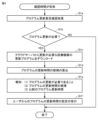
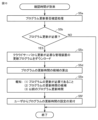
- FIG. 3 is a diagram showing the flow of update program check processing executed by the management device 3 and the cloud server 4.
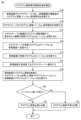
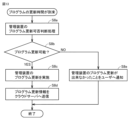
- FIG. 3 is a diagram showing the flow of a program update necessity confirmation process executed by the management device 3 and the cloud server 4.
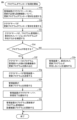
- FIG. 3 is a diagram showing the flow of update program download processing executed by the management device 3 and the cloud server 4.
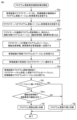
- FIG. 3 is a diagram showing the flow of program update processing executed by the management device 3.
- FIG. 6 is a flowchart of a modification of the program update necessity confirmation process of FIG. 5.
- FIG. 5 is a flowchart of a modification of the program update necessity confirmation process of FIG. 5.
- FIG. 3 is a block diagram showing the configuration of a management device 3 in Embodiment 2.
- FIG. 3 is a diagram showing the flow of update program check processing executed by the management device 3 and the cloud server 4.
- FIG. 3 is a diagram showing the flow of a program update necessity confirmation process executed by the management device 3 and the cloud server 4.
- FIG. 3 is a diagram showing the flow of program download processing executed by the management device 3 and the cloud server 4.
- FIG. 3 is a diagram showing the flow of program update processing executed by the management device 3.
- FIG. 3 is a block diagram showing the configuration of a management device 3 in Embodiment 2.
- FIG. 3 is a diagram showing the flow of update program check processing executed by the management device 3 and the cloud server 4.
- FIG. 3 is a diagram showing the flow of a program update necessity confirmation process executed by the management device 3 and the cloud server 4.
- FIG. 3 is a diagram showing the flow of program download processing executed by the management device 3 and the cloud server 4.
- FIG. 3 is a diagram showing the flow
- FIG. 1 is a diagram showing the configuration of an equipment management system 1 according to an embodiment of the present disclosure.
- the equipment management system 1 includes equipment 2, a management device 3, and a cloud server 4.
- the equipment management system 1 a plurality of equipment 2 and a plurality of management devices 3 are provided.
- the equipment 2 and the management device 3 are connected via a dedicated communication line 5. Thereby, the equipment 2 and the management device 3 can communicate with each other.
- a plurality of management devices 3 may be communicably connected to each other via a dedicated communication line 5.
- the management device 3 and cloud server 4 are connected via a communication line 6. Thereby, the management device 3 can communicate with the cloud server 4.
- the communication line 6 may be, for example, an Internet line that connects the cloud server 4 and the management device 3 via a broadband router.
- the communication line 6 may also be configured as a LAN (Local Area Network) connected to the management device 3 and the cloud server 4 within the same base.
- LAN Local Area Network
- An example of the equipment 2 is various equipment installed in a building. More specifically, the equipment 2 is, for example, an air conditioner, a lighting device, or a hot water supply device.
- the plurality of equipment 2 are each installed at designated locations within the building. Each equipment 2 operates under the management of a management device 3. The operating state of the equipment 2 is notified to the management device 3 via the dedicated communication line 5. A plurality of equipment devices 2 connected to the same management device 3 are also referred to as an “equipment group 7” below.
- the management device 3 comprehensively manages the equipment group 7 including the plurality of equipment 2.
- the cloud server 4 is a general-purpose computer that is connected to the Internet and operates.
- the cloud server 4 stores program update information for each piece of equipment (information that is referenced for program updates and includes information that identifies the latest version) and registration information for the management device 3. ing.
- program update information for each piece of equipment information that is referenced for program updates and includes information that identifies the latest version
- registration information for the management device 3. ing e.g., the configuration of the management device 3 will be explained with reference to FIG. 2, and the configuration of the cloud server 4 will be explained with reference to FIG. 3.
- FIG. 2 is a block diagram showing the configuration of the management device 3 in the first embodiment.
- the management device 3 includes a display device 10, an input device 20, a control section 30, a data management section 40, a program management section 50, an equipment communication management section 60, and a cloud communication management section 70. include.
- the display device 10 displays various screens for managing (monitoring, controlling) the equipment group 7 and notifying the user.
- the input device 20 is an input device such as a mouse, a keyboard, and/or a touch panel.
- the input device 20 is installed on the display device 10.
- the administrator can perform various controls such as switching screens or operating equipment.
- the control unit 30 is a computer including a CPU (Central Processing Unit), a memory, and the like. In one implementation example, the functions of the control unit 30 are realized by the CPU executing a program stored in memory.
- the control unit 30 is an example of a controller that controls the management device 3.
- the control unit 30 maintains (manages) the operating state of the equipment 2 and performs processing to transmit and receive data necessary for the monitoring screen displayed on the cloud server 4.
- the control unit 30 includes, as its functions, an equipment management unit 31, a cloud connection management unit 32, a program update determination unit 33, a program update unit 34, and a time management unit 35.
- the equipment management unit 31 manages (monitors and controls) the operating state of the equipment 2.
- the equipment management unit 31 receives the operating status of each equipment 2 from each equipment 2 and the control program stored (installed) in the equipment 2 at regular intervals. Collect version information.
- the operating state is, for example, an operating/stopping state, an operating mode such as cooling or heating, a set temperature, an indoor temperature, and/or an operating schedule.
- a "control program" may also be simply referred to as a "program.”
- the cloud connection management unit 32 communicates with the cloud server 4. Specifically, the cloud connection management unit 32 predetermines program update information for the equipment 2 managed by the management device 3 (the management device 3 including the cloud connection management unit 32) from the cloud server 4. Obtain it at the specified timing.
- the predetermined timing may be at regular intervals, or may be one or more timings scheduled in advance by an administrator or the like (for example, 5:00 a.m. and 11:30 a.m. each day). good.
- the cloud connection management unit 32 receives an update program for the equipment 2 from the cloud server 4, and stores the received update program in the program management unit 50 as the equipment program 51.
- the program update determination unit 33 determines whether it is necessary to update the program in the equipment 2 managed by the management device 3 from the program update information received from the cloud server 4. Specifically, by comparing the version of the control program stored in the equipment 2 and the version of the control program of the equipment 2 specified in the program update information downloaded from the cloud server 4, the version of the control program stored in the equipment 2 is compared. In step 2, it is determined whether the program needs to be updated.
- the control program for the equipment 2 is a program that is executed to control the equipment 2.
- the program update information may include information representing defects that have been corrected in the latest program for each equipment and/or information about added functions.
- the program update determination unit 33 determines that the program in the equipment 2 needs to be updated on the condition that the information included in the program update information includes a corrected defect or an added function. You may.
- the program update determination unit 33 determines that the program in the equipment 2 needs to be updated. If it is determined that the version of the program stored in the equipment 2 is the same as the version of the program downloaded from the cloud server 4 or newer than the version of the program downloaded from the cloud server 4, the version of the program stored in the equipment 2 is Determine that the program does not need to be updated. Note that even if it is determined that a program update is necessary based on the version etc., the program update determination unit 33 determines that the program downloaded from the cloud server 4 is not suitable for the preset program update settings. In this case, it may be determined that the program does not need to be updated.
- confirmation time is a component of time information 44, which will be described later.
- the confirmation time may be set by the user or by the administrator of the facility management system 1. Further, in the equipment group 7, the confirmation time may be set for each equipment 2, or may be common to all equipment 2.
- program update determination unit 33 determines that the program needs to be updated, it downloads the update program for the equipment 2 from the cloud server 4.
- the program update unit 34 updates the program. Specifically, the program update unit 34 updates the program of the equipment 2 via the dedicated communication line 5.
- the program updater 34 may update the program in the equipment 2 without requiring any operation from the user.
- the program update determination unit 33 also displays a program update time setting screen on the display device 10 when it is determined that the program needs to be updated in the equipment 2, and allows the user to perform an operation on the input device 20.
- the program of the equipment 2 may be updated according to the timing set by the user.
- the program update determination unit 33 may display a screen for setting the time to update the program on the display device 10.
- the program update determining unit 33 calculates program update time candidates based on equipment model information 41 and/or operating state information 45, and presents the candidates on the setting screen. You may. There may be one or more candidates.
- the program update information includes information indicating a defect corrected in the latest program of each equipment and/or information about an added function
- the program update determination unit 33 displays the defect and/or the function added on the setting screen. Information representing the added functionality may also be displayed.
- An example of a candidate to be calculated is a time included in a time period in which the equipment 2 is scheduled not to be operating (stopped) in the operating schedule included in the operating state information 45.
- the operation schedule stipulates that equipment 2 is to be stopped from 1 a.m. to 4 a.m.
- an example of the candidates to be calculated is one that is included in the time period (1 a.m. to 4 a.m.). It may also be the time you spend.
- the program update determination unit 33 may calculate a certain period of time (for example, 5 minutes) after the start of the time period as a candidate for the program update time.
- candidates to be calculated is one that takes into consideration the time required for updating the target update program identified from the model name, model name, and/or serial number included in the equipment model information 41. It's okay. For example, a time period in which it is assumed that the update will not be completed by the time when the equipment 2 starts operating in the operation schedule may be excluded from the candidates. For example, if the operation schedule stipulates that equipment 2 should stop from 1 a.m. to 4 a.m. and resume operation from 4 a.m., the program will be updated based on the data size of the update program. If 20 minutes is calculated as the time required for 4:00 a.m., the time period after 3:40 a.m. (20 minutes before 4:00 a.m.) may be excluded from the candidates.
- “3:00 a.m.,” “3:15 a.m.,” “3:30 a.m.” and “3:45 a.m.” are initially calculated as program update time candidates. Even if “3:45 a.m.” is excluded, "3:00 a.m.,” “3:15 a.m.” and "3:30 a.m.” are eventually presented as candidates. Good too. Further, the candidate may represent the update start time, or may represent a time period that can be designated as the start time.
- a candidate may represent one or more times (for example, “3:00 a.m.,” “3:15 a.m.” and “3:30 a.m.”), or one or more time zones (for example, It may also represent "3:00 a.m. to 3:30 a.m.”).
- the program update determination unit 33 may display the previous program update time of the equipment 2 based on the equipment program information 43. . However, if there is no information to be displayed, the program update determination unit 33 may display a message that such information cannot be displayed.
- the time management unit 35 manages time information (confirmation time, program update time, etc.). Specifically, the time management unit 35 updates the time information, displays a screen for updating the time information on the display device 10, and receives time information (confirmation time and/or program update time) from the user. Accepts settings. The time management unit 35 also detects that the confirmation time or program update time has arrived.
- the data management unit 40 and the program management unit 50 are realized by a non-volatile storage device.
- the data management unit 40 stores equipment model information 41, system configuration information 42, equipment program information 43, time information 44, and operating state information 45.
- the equipment model information 41 includes information about each equipment 2 (model name, model name, serial number, etc.).
- the system configuration information 42 represents the system configuration information of the equipment group 7.
- the system configuration information includes, for example, the installation location, address, program update setting, and connection mode with other management devices 3 of each equipment 2.
- the program update settings may define conditions for updating the program of each equipment 2. For example, a program update setting specifies that a program update is required only if the updated program improves a defect or adds new functionality. You can leave it there.
- the equipment program information 43 represents program information of the equipment 2.
- the program information includes, for example, the latest program version of each equipment 2 and the update time of the previous program.
- the time information 44 includes, for example, a confirmation time and a program update time for the equipment 2.
- the operating state information 45 includes various data necessary for the control unit 30 to monitor the equipment group 7 and various data for displaying a monitoring screen to the user.
- the operating state information 45 includes, for example, setting data and operating information of each equipment 2.
- the setting data includes, for example, a driving schedule, a program update time, and an information transmission time to the cloud server 4.
- the operating information includes, for example, operating/stopping states, operating modes such as cooling and heating, set temperature, indoor temperature, and abnormality information.
- the program management section 50 includes a plurality of equipment programs 51.
- the equipment program 51 is, for example, a control program for the equipment 2.
- the equipment program 51 includes a program downloaded from the cloud server 4 and written to each equipment 2 of the equipment group 7 .
- the equipment communication management unit 60 is a communication interface for communication via the dedicated communication line 5.
- the management device 3 transmits and receives data to and from the equipment 2 via the equipment communication management section 60 .
- the dedicated communication line 5 does not necessarily have to be a dedicated communication line, and may be a general-purpose communication line such as a LAN or an RS-485 interface.
- the cloud communication management unit 70 is a communication interface for communication via the communication line 6.
- the management device 3 transmits and receives data to and from the cloud server 4 via the cloud communication management section 70.
- the communication line 6 may be a wired LAN or a wireless LAN.
- the communication line 6 may also use an Internet line or the like that connects the cloud server 4 and the management device 3 via a broadband router.
- FIG. 3 is a block diagram showing the configuration of cloud server 4 in the first embodiment.
- the cloud server 4 includes a control section 80, a data management section 90, a program management section 100, and an Internet communication management section 110.
- control unit 80 is realized by a processor such as a CPU executing a given program.
- the control unit 80 includes a management device management unit 81, an Internet connection management unit 82, and a program information management unit 83 as its functions.
- the management device management section 81 manages the management device 3. Specifically, the management device management unit 81 manages, for example, connection authentication of the management device 3 and communication response processing.
- the Internet connection management unit 82 transmits model-specific program update information 92 and each version of the program for the equipment 2 to the management device 3 by communicating with the management device 3 registered in the management device registration information 91.
- the program information management unit 83 manages program information in the management device 3. Specifically, the program information management unit 83 instructs each management device 3 to add or delete a program stored in the program management unit 50, for example. Further, the program information management unit 83 updates program update information for each model.
- the program update information by model (information that specifies the program to be stored by update for each model corresponding to each equipment 2) is the equipment program stored in the program management unit 100, which will be described later. 101 represents the latest version.
- the data management unit 90 and the program management unit 100 are realized by a non-volatile storage device.
- the data management unit 90 stores management device registration information 91, model-specific program update information 92, and model-specific frequent abnormality information 93.
- the management device registration information 91 includes information about the management device 3 registered in the cloud server 4 (for example, client ID that allows connection, client certificate information, etc.). Registration of the management device 3 to the cloud server 4 may be performed when the management device 3 is manufactured, or may be performed after the management device 3 is shipped.
- the model-specific program update information 92 includes model-specific program update information.
- the program update information for each model includes program information for each model (latest version, function improvement information (whether or not defects have been fixed, functions for which the defects have been corrected, details of the fixed defects) for equipment 2. , presence or absence of additional functions, content of added functions, etc.), device number of equipment 2 to be updated (program update target, etc.), and/or defect information for each version.
- the model-specific program update information also includes information specifying the version of the program stored in the program management unit 100.
- the model-specific program update information further includes information specifying the latest program version for the management device 3.
- the model-specific frequent abnormality information 93 includes information about functions that should be improved, extracted from the management device registration information.
- the program management section 100 includes an equipment program 101 and a management device program 102.
- the equipment program 101 is a control program for the equipment 2.
- the program management unit 100 may store all versions of the program for each model as the equipment program 101, or store the version of the program that should be installed in the equipment 2 at the present time. Also good.
- the management device program 102 is a control program for the management device 3.
- the program management unit 100 may store all versions of the program as the management device program 102, or may store only the version of the program that should be installed in the management device 3 at the present time.
- the Internet communication management unit 110 is an interface for the communication line 6.
- the cloud server 4 sends and receives data to and from the management device 3 via the Internet communication management section 110.
- FIG. 4 is a diagram showing the flow of update program check processing executed by the management device 3 and the cloud server 4.
- step S1a the cloud connection management unit 32 performs a program update necessity confirmation process.
- the cloud connection management unit 32 sends equipment model information 41, system configuration information 42, equipment program information 43, operating state information to the cloud server 4 via the cloud communication management unit 70. Send 45. More specific details of the program update necessity confirmation process will be described later with reference to FIG.
- step S1b the program update determination unit 33 ends the process of FIG. 4.
- step S1b If it is determined that it is necessary to update the program in the equipment 2 (step S1b: Yes), the management device 3 updates the update program for the equipment 2 that is determined to require updating from the cloud server 4. Download (step S1c). In the program update necessity confirmation process, it is determined whether update is necessary for each of the one or more equipment 2. In step S1c, update programs are downloaded for all equipment 2 that requires updating. The details of the process for downloading the program in step S1c will be described later with reference to FIG.
- the program update determination unit 33 calculates program update time candidates (step S1d).
- the calculation of update time candidates is based on equipment model information 41 and/or operating state information 45. If there are a plurality of equipment 2 for which it has been determined that the program needs to be updated, in step S1d, update time candidates are calculated for each equipment 2.
- the program update determination unit 33 notifies the user of the following three points (step S1e). If there are a plurality of equipment 2 for which it is determined that the program needs to be updated, notification is performed for each equipment 2 in step S1e.
- the notification may be realized by displaying the above information on the display device 10, or by notifying the user. It may be realized by both of these.
- the notification to the user is realized, for example, by the program update determining unit 33 transmitting the above information to a destination associated with the user (for example, the user's email address).
- the storage device of the management device 3 stores, for each equipment 2, a destination (for example, a user's e-mail address) associated with the user.
- the program update determination unit 33 displays a setting screen for the program update time in the equipment 2 on the display device 10, and receives the setting of the program update time from the user (step S1f). Thereafter, the program update determination unit 33 ends the process of FIG. 4. In step S1f, the program update determination unit 33 may display information on corrected defects and/or information on added functions included in the program update information on the setting screen.
- the management device 3 updates the control program for each of the equipment 2 constituting the equipment group 7. Determine whether or not it is necessary. If it is determined that the control program for the equipment 2 needs to be updated, the management device 3 notifies the update time candidates and accepts the update time setting from the user. Note that the management device 3 may set the update time without requiring any settings from the user. In one implementation example, the management device 3 sets the time calculated as the update time candidate as the update time.
- FIG. 5 is a diagram showing the flow of the program update necessity confirmation process executed by the management device 3 and the cloud server 4.
- step S1a in FIG. 4 When the program update necessity confirmation process (step S1a in FIG. 4) is started, the cloud connection management unit 32 of the management device 3 sends information to the cloud server 4 via the cloud communication management unit 70 for each model of the equipment 2. Send a request to obtain the program update version. (Step S2a).
- the internet connection management unit 82 of the cloud server 4 receives the program update version acquisition request (step S2b).
- the program information management unit 83 reads the update program version and function improvement information for the model requested in the program update version acquisition request from the model-specific program update information 92 (step S2c).
- the update program version is stored as the latest program version for each model.
- the cloud server 4 transmits the version of the update program for the requested model to the management device 3 via the Internet connection management section 82 and the Internet communication management section 110 (step S2d).
- the update program that the cloud server 4 sends to the management device 3 includes information held by the cloud server 4 (information such as the model and program version of the equipment 2 managed by the management device 3) and the management device 3.
- This update program is determined to be appropriate to send to the management device 3 based on the information sent from the device 3 (equipment device model information 41, system configuration information 42, facility device program information 43). At that time, depending on the situation (the type of equipment 2 managed by the management device 3, the type of other equipment installed at the installation location of the equipment 2 managed by the management device 3, etc.), the information is sent.
- the updates you receive may not be the latest version.
- the management device 3 transmits a reception completion notification to the cloud server (step S2f).
- the program update determination unit 33 compares the version received from the cloud server 4 and the version of the program collected from the equipment 2 for each model (step S2g).
- step S2g the program update determination unit 33 determines that it is necessary to update the program in the equipment 2 (step S2h: Yes, step S2i ). Note that even if there is a difference between the two versions, the program update determination unit 33 may determine that the program does not need to be updated if the program update settings are not suitable. On the other hand, if there is no difference in the program versions, the program update determination unit 33 determines that the program in the equipment 2 does not need to be updated (step S2h: No, step S2j), and ends the process of FIG. .
- step S2a If the equipment group 7 includes multiple models of equipment 2, a program update version acquisition request is transmitted for each of the multiple models in step S2a.
- step S2d versions are transmitted for each of the plurality of model types.
- step S2g the program update determination unit 33 compares the version of the program collected from the equipment 2 and the version received from the cloud server 4 for each model, and in step S2h, updates the program for each model. Determine whether or not it is necessary.
- FIG. 6 is a diagram showing the flow of update program download processing executed by the management device 3 and the cloud server 4.
- step S1c in FIG. 4 When the program download process (step S1c in FIG. 4) is started, the cloud connection management unit 32 of the management device 3 sends a message to the equipment 2 whose program needs to be updated to the cloud server 4 via the cloud communication management unit 70. , an update program download request is sent (step S3a).
- the internet connection management unit 82 of the cloud server 4 receives the update program download request (step S3b).
- the cloud server 4 checks whether the requested version of the equipment program 101 exists in the program management unit 100 based on the model-specific program update information 92 (step S3c).
- step S3d if the requested version of the equipment program 101 does not exist (step S3d: No), the cloud server 4 sends a request to the management device 3 via the Internet connection management section 82 and the Internet communication management section 110. It is notified that the version of the program does not exist (step S3e), and the process of FIG. 6 is ended.
- step S3d if the requested version of the equipment program 101 exists in the program management unit 100 (step S3d: Yes), the program information management unit 83 updates the requested equipment program 101 as an update program. It is read from the program management unit 100 (step S3f).
- the cloud server 4 transmits the program (update program) read in step S3f to the management device 3 via the Internet connection management section 82 and the Internet communication management section 110 (Step S3g).
- the management device 3 transmits a reception completion notification to the cloud server 4 (step S3i).
- the program update unit 34 updates the equipment program 51 of the program management unit 50 using the program received in step S3h (step S3j), and ends the process of FIG. 6.
- FIG. 7 is a diagram showing the flow of program update processing executed by the management device 3. As shown in FIG.
- the program update determination unit 33 determines the operating status of the equipment 2 collected by the equipment management unit 31 for each of the equipment 2 that requires a program update. From this, it is determined whether the program can be updated (step S4a).
- the equipment 2 is an air conditioner
- the operating state is, for example, an operating/stopping state, an operating mode such as cooling or heating, a set temperature, an indoor temperature, and/or an operating schedule.
- the criteria for determination in step S4a may be stored in the storage device of the management device 3 as setting data of a program for implementing the program update determination section 33.
- An example of the standard stipulates that if the equipment is in operation, or if the start time of the operation schedule for the equipment is within 5 minutes, it is determined that the program cannot be updated for the equipment.
- the equipment is an air conditioner
- the program stipulates that it is determined that it is renewable.
- the operating mode is cooling and the set temperature is 28°C
- the operation mode is heating and the set temperature is 18°C
- the indoor temperature is 18°C or higher, it is determined that the set temperature has been reached.
- the program update determining unit 33 determines whether all of the equipment 2 that requires program updates can be updated (step S4b).
- step S4b If all of the equipment 2 that requires a program update can be updated (step S4b: Yes), the program update unit 34 provides an update program corresponding to each model for all the equipment 2 that requires a program update. The program is updated using (step S4c).
- the program update unit 34 transmits the updated version information to the cloud server 4 (step S4d).
- the updated version information represents the version of the program installed after the update for the equipment 2 that has undergone the program update.
- the cloud server 4 manages, as the model-specific program update information 92, the version of the latest control program for each model as well as which version of the program is installed in each of the equipment 2.
- the program update unit 34 ends the process of FIG. 7.
- step S4b if not all of the equipment 2 that requires a program update are program-updatable (step S4b: No), the program update unit 34 confirms that there is a program-updatable equipment 2 (step S4e). .
- step S4e If there is a program-updatable equipment 2 (step S4e: Yes), the program update unit 34 updates the program for the program-updatable target among the equipment 2 that requires a program update. (Step S4f).
- the program update unit 34 transmits the updated version information about the equipment 2 whose program has been updated to the cloud server 4 (step S4g).
- the program update unit 34 notifies the user about the equipment 2 that could not be updated (step S4h), and ends the process in FIG. 7.
- the program updater 34 may prompt the user to set the update time of the control program again.
- the program update unit 34 updates the control program according to the newly accepted update time.
- step S4e If there is no equipment 2 whose program can be updated (step S4e: No), the program update unit 34 notifies the user about the equipment 2 that could not be updated (step S4h), and ends the process of FIG. 7.
- the notification is realized, for example, by displaying on the display device 10 and/or notifying the user.
- the program update unit 34 may prompt the user to set the program update time again.
- the program update unit 34 starts the process shown in FIG. 7 in response to the arrival of the newly accepted update time.
- the equipment management unit 31 updates the equipment 2 to be updated with " The time at which the update was performed may be registered in the equipment program information 43 as the "previous program update time.”
- the management device 3 has determined whether or not the control program of the equipment 2 needs to be updated.
- the cloud server 4 may determine whether or not the control program for the equipment 2 needs to be updated. That is, the cloud server 4 may determine whether an update is necessary, and the management device 3 may perform the update.
- the management device 3 downloaded only the control programs that needed to be updated. Note that the management device 3 may download in advance one or more programs other than the programs that need to be updated among the control programs stored in the cloud server 4.
- the management device 3 sent a reception completion notification to the cloud server 4 upon completion of receiving the program. Note that the management device 3 may continue the process without transmitting the reception completion notification.
- the program update time was set by the user in step S1f and the like.
- the program update time does not necessarily have to be set by the user; for example, a time preset by the administrator may be used as the program update time.
- the management device 3 may receive the setting of the update time of the control program for the equipment 2 from the user at any timing other than the confirmation time.
- the management device 3 when downloading a program, downloads the program for each model of the equipment 2, and multiple identical programs are not downloaded in one download process. Note that the management device 3 may download a program for each equipment 2, and thereby the same program may be downloaded multiple times.
- the management device 3 downloaded the update program from the cloud server 4. Note that if a version of the program to be downloaded is already stored in another management device 3 connected to the dedicated communication line 5, the management device 3 can download the program from the other management device 3 via the dedicated communication line 5. It is also possible to use a method of sharing programs. More specifically, the management device 3 may download the update program from another management device 3 instead of downloading the update program from the cloud server 4 in step S1c. At this time, the management device 3 may send an inquiry to another management device 3 in the facility management system 1 as to whether the update program is stored therein. The management device 3 may download the update program from another management device 3 in response to receiving a response from the other management device 3 that the update program is stored.
- the management device 3 downloads an update program not from the cloud server 4 but from another management device 3, the following effects are expected, for example. That is, in the equipment management system 1, communication between the management device 3 and the cloud server 4 is charged according to the amount of communication, but communication between the management devices 3 is not charged according to the amount of communication. In this case, the costs incurred can be reduced by downloading from another management device 3. In this sense, another management device 3 is an example of "an information processing device other than a server.”
- the display device 10 and input device 20 included in the management device 3 were used for notification to the user and input from the user.
- the management device 3 does not include a liquid crystal screen (display device 10, input device 20) and is monitored and operated using a web browser of a general-purpose computer connected to the management device 3 via LAN.
- the display device and input device of the general-purpose computer are intended to be used for notification to the user and input from the user.
- control unit 30 of the management device 3 includes an application for monitoring and operating using a web browser.
- the program may be installed.
- the management device 3 automatically acquires the update program for the equipment 2 from the cloud server 4 (without requiring instructions from the user). As a result, acquiring an update program does not require regular operations by the user to check the update information. Furthermore, since the management device 3 determines whether or not it is necessary to update the program in the equipment 2, the latest program can always be applied to the equipment without requiring service at a service company.
- the user is notified that the program in the equipment 2 needs to be updated, so there is a situation where the user continues to use the equipment 2 without knowing the existence of the update program. occurrence is avoided.
- the facility management system 1 in the above description, it is possible to avoid the occurrence of a functional stoppage of the facility device 2 due to the start of a program update while the facility device 2 is in operation.
- information notification is realized by display, but may be realized by other modes such as audio output. Further, although information input is realized by operating the keyboard of the input device or touching the screen, other methods such as voice input may also be used.
- FIG. 8 is a flowchart of a modification of the program update necessity confirmation process shown in FIG.
- the model-specific frequent abnormality information 93 may be updated.
- the abnormality information includes the type and number of abnormalities that have occurred in each equipment 2.
- the cloud server 4 may use the abnormality information transmitted from the management device 3 (and the abnormality information transmitted from the management device 3 in the past) to calculate the cumulative number of occurrences for each type of abnormality. Then, the cloud server 4 may update the calculated cumulative number of occurrences of each type of abnormality in the frequently occurring abnormality information 93 by equipment type. Each type of abnormality is related to the function of the equipment 2.
- An example of the type of abnormality is an abnormality related to the function "communication" of the equipment 2, which is "no destination". "No destination” means that when the equipment 2 sent a message to another device, it received an error indicating that the destination of the message does not exist.
- Another example is an abnormality related to the "communication" function of the equipment 2, which is "reception of content that cannot be analyzed.” "Receiving content that cannot be analyzed” means that the equipment 2 cannot analyze the content of a message received from another device.
- Still another example of the type of abnormality is an abnormality related to the function "sensor cooperation" of the equipment 2, which is "abnormal value acquisition”. “Abnormal value acquisition” means that the equipment 2 has acquired an abnormal value from the sensor.
- Still another example of the type of abnormality is an abnormality related to the function "sensor cooperation" of the equipment 2, which is "unable to obtain sensor value.”
- Sensor value cannot be obtained means that when the equipment 2 requests a detected value from the sensor, the detected value cannot be obtained from the sensor even after a certain period of time has passed since the request.
- the cloud server 4 may store, among one or more types of anomalies, those that have occurred a certain number of times or more as "frequent anomalies" in the model-specific frequent anomaly information 93 separately from the cumulative total. Further, the cloud server 4 may store the cumulative number of occurrences of each type of abnormality (and frequently occurring abnormalities) for each type of equipment in the frequent abnormality information 93 by equipment type.
- the process shown in FIG. 8 includes steps S2cx and S2dx instead of steps S2c and S2d, and further includes step S2hx.
- step S2cx in FIG. 8 the program information management unit 83 reads the update program version, function improvement information, and program update information for each model 92 for the model requested in the program update version acquisition request, and also detects frequent abnormalities in the equipment. Read from the frequent abnormality information 93 by model.
- step S2dx in FIG. 8 the cloud server 4 sends information to the management device 3 via the Internet connection management section 82 and the Internet communication management section 110 about the update program version, function improvement information, and frequency of update programs for the requested model. Send an anomaly.
- step S2h of FIG. 8 if the program update determination unit 33 determines that there is a difference between the two versions compared in step S2g (step S2h: Yes), the program proceeds to step S2hx.
- step S2hx the program update determination unit 33 reads the function improvement information transmitted from the cloud server 4 in step S2dx, and specifies the function included in the function improvement information.
- the program update determination unit 33 also reads the abnormality information transmitted from the cloud server 4 in step S2dx, and specifies the function included in the abnormality information. Then, the program update determination unit 33 determines whether the functions included in the function improvement information include the functions included in the abnormality information.
- step S2hx: Yes If the program update determination unit 33 determines that the functions included in the function improvement information include the functions included in the abnormality information (step S2hx: Yes), the program proceeds to step S2i. On the other hand, if the program update determining unit 33 determines that the functions included in the function improvement information do not include the functions included in the abnormality information (step S2hx: No), the program proceeds to step S2j.
- step S2i it is determined that the program in the equipment 2 needs to be updated.
- step S2j it is determined that the program in the equipment 2 does not need to be updated.
- the function improvement information of the update program includes information specifying a function whose defect has been corrected in the update program. If the function improvement information of the update program does not include a function that frequently causes an abnormality in the equipment 2 as a function whose defect has been corrected, it is determined that the update of the program in the equipment 2 is not necessary. Ru. In other words, even if the version of the update program downloaded from the cloud server 4 is newer than the control program currently installed in the equipment 2, the update program corrects a malfunction in the function that frequently causes abnormalities in the equipment 2. Otherwise, it is determined that there is no need to update the program in the equipment 2.
- Embodiment 2 of the present invention will be described in detail below with reference to the drawings.
- Equipment management system The configuration of the equipment management system in the second embodiment is equivalent to the configuration of the equipment management system 1 shown in FIG. 1 of the first embodiment.
- FIG. 9 is a block diagram showing the configuration of the management device 3 in the second embodiment.
- main body version information 46 is stored in the data management section 40
- main body version information 46 is stored in the program management section 50, compared to the management device 3 of the first embodiment.
- a management device program 52 is stored therein.
- updating of a program in the management device 3 will be explained.
- the program for the management device 3 (program for controlling the management device 3) may be referred to as a "management program” or simply as a "program.”
- the main body version information 46 has program information of the management device 3. Specifically, the main body version information 46 represents information such as the version of the program of the management device 3 and/or the update time of the previous program in the management device 3.
- the management device program 52 includes a program for the management device 3 downloaded from the cloud server 4.
- FIG. 10 is a diagram showing the flow of update program check processing executed by the management device 3 and the cloud server 4.
- step S5a a program update necessity confirmation process is executed (step S5a).
- the details of the program update necessity confirmation process will be described later with reference to FIG. 11. Note that, in step S5a, transmission of the equipment model information 41, system configuration information 42, and operating state information 45 may be omitted.
- the process in FIG. 10 branches according to the result of the determination of whether the program update is necessary in the management device 3 in the program update necessity confirmation process (step S5b). If it is determined that the program in the management device 3 does not need to be updated (step S5b: No), the program update determination unit 33 ends the process of FIG. 10.
- step S5b If it is determined that it is necessary to update the program in the management device 3 (step S5b: Yes), the management device 3 downloads one or more update programs for the management device 3 from the cloud server 4 (step S5c), Perform the following steps.
- the program download process is described in FIG.
- the program update determination unit 33 updates the operating status (including operating schedule, etc.) of the equipment 2 collected by the equipment management unit 31, the operating status information 45, and the information held by the operating status information 45 (including operating schedule information, etc.). (including) to calculate program update time candidates (step S5d).
- step S5d based on the operation schedule information of all the equipment 2 managed by the management device 3, a time period in which all the equipment 2 is specified not to operate, or , a time period in which it is assumed that management of all the equipment 2 is not required is set as a candidate for the program update time.
- time period in which management is assumed to be unnecessary is the same day of the week and the same day when all equipment 2 to be managed was stopped in the information stored in the operating status information 45 for the past week. It's the time of day.
- Other examples may be identified based on time information 44. More specifically, a time period during which a program update is scheduled for all equipment 2 to be managed may be set as a candidate for the program update time. Still another example is a time period in which all the equipment 2 is scheduled to be not operating, which is specified based on the operation schedule of all the equipment 2 to be managed.
- Still another example is an environment in which all equipment 2 does not need to operate (air conditioning equipment For example, it is the time period from the time when the room temperature meets the set temperature to the nearest operation start time specified in the operation schedule.
- the candidate includes a certain time zone (time zone A), and the length of time specified by the time zone A is shorter than the length of time expected to be required to update the program, The time period A may be excluded from the candidates.
- the program update determination unit 33 notifies the user of the following three points (step S5e).
- the program update determination unit 33 displays a program update time setting screen in the management device 3 on the display device 10. The program is displayed, and the program update time setting is accepted from the user (step S5f). Thereafter, the program update determination unit 33 ends the process of FIG. 10.
- the management device 3 determines whether or not it is necessary to update the management program for the management device 3. When it is determined that the management program of the management device 3 needs to be updated, the management device 3 notifies the update time candidates and accepts the update time setting from the user. Note that the management device 3 may set the update time without requiring any settings from the user. In one implementation example, the management device 3 may set the time calculated as the update time candidate as the update time without requiring input from the user.
- the cloud server 4 uses the abnormality information included in the operating state information 45 to The abnormality information 93 may be updated.
- the abnormality information includes the type and number of abnormalities that have occurred in each equipment 2.
- the cloud server 4 may use the abnormality information transmitted from the management device 3 (and the abnormality information transmitted from the management device 3 in the past) to calculate the cumulative number of occurrences for each type of abnormality. Then, the cloud server 4 may update the calculated cumulative number of occurrences of each type of abnormality in the frequently occurring abnormality information 93 by equipment type.
- the cloud server 4 may store, among one or more types of anomalies, those that have occurred a certain number of times or more as "frequent anomalies" in the model-specific frequent anomaly information 93 separately from the cumulative total. Further, the cloud server 4 may store the cumulative number of occurrences of each type of abnormality (and frequently occurring abnormalities) for each type of equipment in the frequent abnormality information 93 by equipment type.
- FIG. 11 is a diagram showing the flow of the program update necessity confirmation process executed by the management device 3 and the cloud server 4.
- the cloud connection management unit 32 of the management device 3 requests the cloud server 4 via the cloud communication management unit 70 to update the program for the management device 3. Send an update version acquisition request. (Step S6a).
- the Internet connection management unit 82 of the cloud server 4 receives the program update version acquisition request (step S6b).
- the program information management unit 83 reads the latest program version of the management device 3 from the model-specific program update information 92 (step S6c).
- the cloud server 4 transmits the latest program version of the management device 3 to the management device 3 via the Internet connection management section 82 and the Internet communication management section 110 (step S6d).
- the management device 3 receives the latest program version of the management device 3 (step S6e), and transmits a reception completion notification to the cloud server 4 (step S6f).
- the program update determination unit 33 compares the version received in step S6e with the version of the program stored (installed) in the management device 3 (step S6g).
- step S6g If there is a difference between the two versions compared in step S6g, the program update determination unit 33 determines that the program needs to be updated (step S6h: Yes, step S6i). On the other hand, if there is no difference between the two versions, the program update determination unit 33 determines that the program does not need to be updated (step S6h: No, step S6j), and ends the process of FIG. 11.
- FIG. 12 is a diagram showing the flow of program download processing executed by the management device 3 and the cloud server 4.
- step S5c in FIG. 10 When the program download process (step S5c in FIG. 10) is started, the cloud connection management unit 32 of the management device 3 requests the cloud server 4 via the cloud communication management unit 70 to download an update program for the management device 3. (step S7a).
- the Internet connection management unit 82 of the cloud server 4 receives the update program download request (step S7b).
- the cloud server 4 checks whether the requested version of the management device program 102 exists in the program management unit 100 based on the model-specific program update information 92 (step S7c).
- step S7d If the requested version of the management device program 102 does not exist in the program management section 100 (step S7d: No), the cloud server 4 sends the request to the management device 3 via the Internet connection management section 82 and the Internet communication management section 110. , notifies that the requested program version does not exist (step S7e), and ends the process of FIG.
- step S7d If the requested version of the management device program 102 exists in the program management unit 100 (step S7d: Yes), the program information management unit 83 stores the requested version of the program (management device program 102) as an update program. It is read from the program management section 100 (step S7f).
- the cloud server 4 transmits the update program read in step S7f to the management device 3 via the Internet connection management section 82 and the Internet communication management section 110 (Step S7g).
- step S7h When the management device 3 receives the update program (step S7h), it transmits a reception completion notification to the cloud server (step S7i).
- the program update unit 34 updates the equipment program 51 of the program management unit 50 using the update program received in step S7h (step S7j), and ends the process of FIG. 12.
- FIG. 13 is a diagram showing the flow of program update processing executed by the management device 3. As shown in FIG.
- the program update determination unit 33 determines whether the program in the management device 3 can be updated (step S8a). In one implementation example, the program update determination unit 33 determines whether the program in the management device 3 can be updated based on the operating status of each of the equipment 2 to be managed, collected by the equipment management unit 31. .
- the operating state includes, for example, an operating/stopping state, an operating mode (cooling/heating), a set temperature, an indoor temperature, and/or an operating schedule.
- the program can be updated even while the air conditioning equipment is in operation, as long as all indoor temperatures to be adjusted in the operating air conditioning equipment have reached the set temperature.
- Various standards may be set, such as .
- the process in FIG. 13 branches according to the result of the determination in step S8a. If it is determined that the program in the management device 3 can be updated (step S8b: Yes), the program update unit 34 updates the program in the management device 3 (step S8c). In one implementation example, in the program update, the management device program 52 stored in the program management unit 50 is installed on the management device 3. Thereafter, the program update unit 34 notifies the cloud server 4 that the program update has been completed (step S8d), and ends the process of FIG. 13. As a result, the version of the updated program in the management device 3 is stored in the cloud server 4 as the management device registration information 91.
- step S8b If it is not possible to update the program in the management device 3 (step S8b: No), the program updater 34 notifies the user that the program could not be updated (step S8e), and ends the process of FIG. 13. .
- the program update unit 34 may prompt the user to set a program update time. The set new update time is stored in the time management section 35. When the newly stored update time arrives, the program updater 34 starts the process of FIG. 13 again.
- the management device 3 determines whether or not the program of the management device 3 needs to be updated, but the determination does not necessarily need to be made by the management device 3.
- the cloud server 4 may manage the version information of the program in the management device 3 and determine whether the program in the management device 3 needs to be updated.
- the management device 3 may download in advance a program that requires updating and one or more programs other than the program that requires updating.
- the management device 3 transmits a reception completion notification to the cloud server 4 upon completion of reception, but the reception completion notification does not necessarily have to be sent.
- the program update time is set by the user, but it does not necessarily have to be set by the user.
- the predetermined time may also be used as the program update time.
- the program update time may be set at a timing other than the confirmation time.
- an update program is downloaded from the cloud server 4.
- the update program is downloaded from the cloud server 4.
- the program may also be shared from another management device 3 via.
- the management device program 52 stored in the program management unit 50 may be only the latest program, or may be the latest program and the program before update. Since the program before the update is stored in the program management unit 50, the control unit 30 of the management device 3 installs the program before the update in the management device 3 when an unauthorized operation is detected after the program is updated. By doing so, the state of the management device 3 can be returned to the state before the update.
- Embodiment 1 updating of a program in equipment 2 was explained, and in Embodiment 2, updating of a program in management device 3 was explained.
- the management device 3 may be configured to update the programs of both the management device 3 and the equipment 2 at the same time. In one implementation, when the confirmation time arrives, the management device 3 starts the processes of FIG. 4 and FIG. 10 in parallel.
- the management device 3 automatically acquires program update information for the management device 3 from the cloud server 4. This eliminates the need for the user to periodically check updated information. Furthermore, the management device 3 determines whether a program update is necessary or not, and updates the program of the management device 3 at an appropriate time. This makes it possible to always apply the latest program to the management device 3 without requesting a service company.
- the user can be notified that the program of the management device 3 needs to be updated. This can prevent a situation in which the user continues to use the management device 3 without knowing the existence of an update program for the management device 3.
- the equipment management system 1 it is possible to update the program in the management device 3 at a timing that does not impair user comfort.
- the equipment management system 1 According to the equipment management system 1 according to the second embodiment, there is no need for the user (worker) to go to the site when updating the program in the management device 3, and the load on updating the program can be reduced.
- candidates regarding the program update time are presented, thereby reducing the burden on the user in determining the program update time in the management device 3.
- the timing of updating the program in the management device 3 is set based on the operation schedule of the equipment 2, thereby making it easy to stop the operation of the equipment 2. Even in environments where this is not possible, countermeasures against malfunctions of equipment 2 can be implemented more reliably. That is, it becomes possible to always install the latest program in the management device 3, thereby more reliably preventing the facility equipment 2 from stopping functioning (due to the program in the management device 3 becoming outdated).
- Equipment management system 2. Equipment, 3. Management device, 4. Cloud server.
Landscapes
- Engineering & Computer Science (AREA)
- Software Systems (AREA)
- General Engineering & Computer Science (AREA)
- Theoretical Computer Science (AREA)
- Computer Security & Cryptography (AREA)
- Physics & Mathematics (AREA)
- General Physics & Mathematics (AREA)
- Stored Programmes (AREA)
- Information Transfer Between Computers (AREA)
Priority Applications (4)
| Application Number | Priority Date | Filing Date | Title |
|---|---|---|---|
| PCT/JP2022/024181 WO2023243053A1 (ja) | 2022-06-16 | 2022-06-16 | 管理装置および設備機器の管理方法 |
| US18/867,852 US20250298604A1 (en) | 2022-06-16 | 2022-06-16 | Management apparatus and method of managing facility device |
| JP2024528038A JP7785171B2 (ja) | 2022-06-16 | 2022-06-16 | 管理装置および設備機器の管理方法 |
| GB2417766.9A GB2635975A (en) | 2022-06-16 | 2022-06-16 | Management device and facility equipment management method |
Applications Claiming Priority (1)
| Application Number | Priority Date | Filing Date | Title |
|---|---|---|---|
| PCT/JP2022/024181 WO2023243053A1 (ja) | 2022-06-16 | 2022-06-16 | 管理装置および設備機器の管理方法 |
Publications (1)
| Publication Number | Publication Date |
|---|---|
| WO2023243053A1 true WO2023243053A1 (ja) | 2023-12-21 |
Family
ID=89192656
Family Applications (1)
| Application Number | Title | Priority Date | Filing Date |
|---|---|---|---|
| PCT/JP2022/024181 Ceased WO2023243053A1 (ja) | 2022-06-16 | 2022-06-16 | 管理装置および設備機器の管理方法 |
Country Status (4)
| Country | Link |
|---|---|
| US (1) | US20250298604A1 (https=) |
| JP (1) | JP7785171B2 (https=) |
| GB (1) | GB2635975A (https=) |
| WO (1) | WO2023243053A1 (https=) |
Citations (4)
| Publication number | Priority date | Publication date | Assignee | Title |
|---|---|---|---|---|
| JPH07248913A (ja) * | 1994-03-09 | 1995-09-26 | Nippon Telegr & Teleph Corp <Ntt> | ファームウェアファイル更新制御方法及び保守システム |
| JP2009169524A (ja) * | 2008-01-11 | 2009-07-30 | Panasonic Electric Works Co Ltd | 宅内設備機器用のネットワークシステム |
| JP2019128653A (ja) * | 2018-01-22 | 2019-08-01 | 株式会社ノーリツ | 中継装置及び温水供給装置 |
| JP7028361B1 (ja) * | 2020-07-31 | 2022-03-02 | 三菱電機株式会社 | 更新管理プログラム、情報処理装置、および、更新管理方法 |
Family Cites Families (1)
| Publication number | Priority date | Publication date | Assignee | Title |
|---|---|---|---|---|
| JP7248913B2 (ja) * | 2020-08-17 | 2023-03-30 | 株式会社カプコン | 音声情報生成プログラム、音声再生プログラム、および音声再生装置 |
-
2022
- 2022-06-16 WO PCT/JP2022/024181 patent/WO2023243053A1/ja not_active Ceased
- 2022-06-16 JP JP2024528038A patent/JP7785171B2/ja active Active
- 2022-06-16 US US18/867,852 patent/US20250298604A1/en active Pending
- 2022-06-16 GB GB2417766.9A patent/GB2635975A/en active Pending
Patent Citations (4)
| Publication number | Priority date | Publication date | Assignee | Title |
|---|---|---|---|---|
| JPH07248913A (ja) * | 1994-03-09 | 1995-09-26 | Nippon Telegr & Teleph Corp <Ntt> | ファームウェアファイル更新制御方法及び保守システム |
| JP2009169524A (ja) * | 2008-01-11 | 2009-07-30 | Panasonic Electric Works Co Ltd | 宅内設備機器用のネットワークシステム |
| JP2019128653A (ja) * | 2018-01-22 | 2019-08-01 | 株式会社ノーリツ | 中継装置及び温水供給装置 |
| JP7028361B1 (ja) * | 2020-07-31 | 2022-03-02 | 三菱電機株式会社 | 更新管理プログラム、情報処理装置、および、更新管理方法 |
Also Published As
| Publication number | Publication date |
|---|---|
| JP7785171B2 (ja) | 2025-12-12 |
| JPWO2023243053A1 (https=) | 2023-12-21 |
| US20250298604A1 (en) | 2025-09-25 |
| GB202417766D0 (en) | 2025-01-15 |
| GB2635975A (en) | 2025-06-04 |
Similar Documents
| Publication | Publication Date | Title |
|---|---|---|
| CN104412043B (zh) | 空调管理系统 | |
| JP6663727B2 (ja) | メンテナンス支援システムおよび方法 | |
| CN108700324B (zh) | 远程管理系统 | |
| KR101217121B1 (ko) | 혼합 공조 시스템 및 그 제어 방법 | |
| JP7244744B2 (ja) | 機器管理システム | |
| KR20080073574A (ko) | 멀티에어컨의 통합관리 시스템 및 방법 | |
| CN113383323B (zh) | 管理装置或设备信息发送装置 | |
| CN103032920A (zh) | 空调、包括该空调的空气调节系统以及该系统的室外单元的控制方法 | |
| JPWO2014115317A1 (ja) | 空気調和システム | |
| AU2022226894B2 (en) | System for preventive maintenance of hvac units | |
| JP2006279685A (ja) | 遠隔監視システム及び遠隔監視装置 | |
| JP7785171B2 (ja) | 管理装置および設備機器の管理方法 | |
| US10237131B2 (en) | Communication adapter and program update method for communication adapter | |
| KR20090058988A (ko) | 스탠드 얼론형 에어컨 제어기를 이용한 멀티에어컨 제어방법 및 장치 | |
| JP2007207258A (ja) | 分散制御システム | |
| JP5721762B2 (ja) | 設備管理システム、監視装置および監視プログラム | |
| JP2010112678A (ja) | 設備機器管理装置および設備機器管理システム | |
| JP3949873B2 (ja) | 分散制御システム | |
| EP3974929B1 (en) | Device management system | |
| JP2021135915A (ja) | 空気調和機用の遠隔通信システム | |
| WO2021152654A1 (ja) | 空調サービスシステムおよび空調サービス方法 | |
| WO2020040125A1 (ja) | 空気調和機システム、空気調和機システムの制御方法、及び、空気調和機システム制御プログラム | |
| EP2354868A2 (en) | Customer equipment profile system for HVAC controls | |
| EP4557085A1 (en) | Techniques for firmware updates in building and equipment controllers | |
| CN115098132A (zh) | 一种设备升级方法、装置及系统 |
Legal Events
| Date | Code | Title | Description |
|---|---|---|---|
| 121 | Ep: the epo has been informed by wipo that ep was designated in this application |
Ref document number: 22946870 Country of ref document: EP Kind code of ref document: A1 |
|
| WWE | Wipo information: entry into national phase |
Ref document number: 2024528038 Country of ref document: JP |
|
| WWE | Wipo information: entry into national phase |
Ref document number: 18867852 Country of ref document: US |
|
| ENP | Entry into the national phase |
Ref document number: 202417766 Country of ref document: GB Kind code of ref document: A Free format text: PCT FILING DATE = 20220616 |
|
| WWE | Wipo information: entry into national phase |
Ref document number: 2417766.9 Country of ref document: GB |
|
| NENP | Non-entry into the national phase |
Ref country code: DE |
|
| WWP | Wipo information: published in national office |
Ref document number: 2417766.9 Country of ref document: GB |
|
| 122 | Ep: pct application non-entry in european phase |
Ref document number: 22946870 Country of ref document: EP Kind code of ref document: A1 |
|
| WWP | Wipo information: published in national office |
Ref document number: 18867852 Country of ref document: US |