WO2022168962A1 - Il-31産生抑制剤、及びそれを含有する医薬組成物 - Google Patents
Il-31産生抑制剤、及びそれを含有する医薬組成物 Download PDFInfo
- Publication number
- WO2022168962A1 WO2022168962A1 PCT/JP2022/004558 JP2022004558W WO2022168962A1 WO 2022168962 A1 WO2022168962 A1 WO 2022168962A1 JP 2022004558 W JP2022004558 W JP 2022004558W WO 2022168962 A1 WO2022168962 A1 WO 2022168962A1
- Authority
- WO
- WIPO (PCT)
- Prior art keywords
- group
- compound
- mmol
- alkyl
- production
- Prior art date
- Legal status (The legal status is an assumption and is not a legal conclusion. Google has not performed a legal analysis and makes no representation as to the accuracy of the status listed.)
- Ceased
Links
Images



Classifications
-
- A—HUMAN NECESSITIES
- A61—MEDICAL OR VETERINARY SCIENCE; HYGIENE
- A61K—PREPARATIONS FOR MEDICAL, DENTAL OR TOILETRY PURPOSES
- A61K31/00—Medicinal preparations containing organic active ingredients
- A61K31/33—Heterocyclic compounds
- A61K31/395—Heterocyclic compounds having nitrogen as a ring hetero atom, e.g. guanethidine or rifamycins
- A61K31/41—Heterocyclic compounds having nitrogen as a ring hetero atom, e.g. guanethidine or rifamycins having five-membered rings with two or more ring hetero atoms, at least one of which being nitrogen, e.g. tetrazole
- A61K31/415—1,2-Diazoles
-
- A—HUMAN NECESSITIES
- A61—MEDICAL OR VETERINARY SCIENCE; HYGIENE
- A61K—PREPARATIONS FOR MEDICAL, DENTAL OR TOILETRY PURPOSES
- A61K31/00—Medicinal preparations containing organic active ingredients
- A61K31/655—Azo (—N=N—), diazo (=N2), azoxy (>N—O—N< or N(=O)—N<), azido (—N3) or diazoamino (—N=N—N<) compounds
-
- A—HUMAN NECESSITIES
- A61—MEDICAL OR VETERINARY SCIENCE; HYGIENE
- A61K—PREPARATIONS FOR MEDICAL, DENTAL OR TOILETRY PURPOSES
- A61K31/00—Medicinal preparations containing organic active ingredients
- A61K31/16—Amides, e.g. hydroxamic acids
- A61K31/165—Amides, e.g. hydroxamic acids having aromatic rings, e.g. colchicine, atenolol, progabide
- A61K31/167—Amides, e.g. hydroxamic acids having aromatic rings, e.g. colchicine, atenolol, progabide having the nitrogen of a carboxamide group directly attached to the aromatic ring, e.g. lidocaine, paracetamol
-
- A—HUMAN NECESSITIES
- A61—MEDICAL OR VETERINARY SCIENCE; HYGIENE
- A61K—PREPARATIONS FOR MEDICAL, DENTAL OR TOILETRY PURPOSES
- A61K31/00—Medicinal preparations containing organic active ingredients
- A61K31/185—Acids; Anhydrides, halides or salts thereof, e.g. sulfur acids, imidic, hydrazonic or hydroximic acids
- A61K31/19—Carboxylic acids, e.g. valproic acid
- A61K31/192—Carboxylic acids, e.g. valproic acid having aromatic groups, e.g. sulindac, 2-aryl-propionic acids, ethacrynic acid
-
- A—HUMAN NECESSITIES
- A61—MEDICAL OR VETERINARY SCIENCE; HYGIENE
- A61K—PREPARATIONS FOR MEDICAL, DENTAL OR TOILETRY PURPOSES
- A61K31/00—Medicinal preparations containing organic active ingredients
- A61K31/185—Acids; Anhydrides, halides or salts thereof, e.g. sulfur acids, imidic, hydrazonic or hydroximic acids
- A61K31/19—Carboxylic acids, e.g. valproic acid
- A61K31/194—Carboxylic acids, e.g. valproic acid having two or more carboxyl groups, e.g. succinic, maleic or phthalic acid
-
- A—HUMAN NECESSITIES
- A61—MEDICAL OR VETERINARY SCIENCE; HYGIENE
- A61K—PREPARATIONS FOR MEDICAL, DENTAL OR TOILETRY PURPOSES
- A61K31/00—Medicinal preparations containing organic active ingredients
- A61K31/185—Acids; Anhydrides, halides or salts thereof, e.g. sulfur acids, imidic, hydrazonic or hydroximic acids
- A61K31/19—Carboxylic acids, e.g. valproic acid
- A61K31/195—Carboxylic acids, e.g. valproic acid having an amino group
- A61K31/196—Carboxylic acids, e.g. valproic acid having an amino group the amino group being directly attached to a ring, e.g. anthranilic acid, mefenamic acid, diclofenac, chlorambucil
-
- A—HUMAN NECESSITIES
- A61—MEDICAL OR VETERINARY SCIENCE; HYGIENE
- A61K—PREPARATIONS FOR MEDICAL, DENTAL OR TOILETRY PURPOSES
- A61K31/00—Medicinal preparations containing organic active ingredients
- A61K31/33—Heterocyclic compounds
- A61K31/395—Heterocyclic compounds having nitrogen as a ring hetero atom, e.g. guanethidine or rifamycins
- A61K31/41—Heterocyclic compounds having nitrogen as a ring hetero atom, e.g. guanethidine or rifamycins having five-membered rings with two or more ring hetero atoms, at least one of which being nitrogen, e.g. tetrazole
- A61K31/4164—1,3-Diazoles
-
- A—HUMAN NECESSITIES
- A61—MEDICAL OR VETERINARY SCIENCE; HYGIENE
- A61K—PREPARATIONS FOR MEDICAL, DENTAL OR TOILETRY PURPOSES
- A61K31/00—Medicinal preparations containing organic active ingredients
- A61K31/33—Heterocyclic compounds
- A61K31/395—Heterocyclic compounds having nitrogen as a ring hetero atom, e.g. guanethidine or rifamycins
- A61K31/41—Heterocyclic compounds having nitrogen as a ring hetero atom, e.g. guanethidine or rifamycins having five-membered rings with two or more ring hetero atoms, at least one of which being nitrogen, e.g. tetrazole
- A61K31/4192—1,2,3-Triazoles
-
- A—HUMAN NECESSITIES
- A61—MEDICAL OR VETERINARY SCIENCE; HYGIENE
- A61K—PREPARATIONS FOR MEDICAL, DENTAL OR TOILETRY PURPOSES
- A61K31/00—Medicinal preparations containing organic active ingredients
- A61K31/33—Heterocyclic compounds
- A61K31/395—Heterocyclic compounds having nitrogen as a ring hetero atom, e.g. guanethidine or rifamycins
- A61K31/41—Heterocyclic compounds having nitrogen as a ring hetero atom, e.g. guanethidine or rifamycins having five-membered rings with two or more ring hetero atoms, at least one of which being nitrogen, e.g. tetrazole
- A61K31/4196—1,2,4-Triazoles
-
- A—HUMAN NECESSITIES
- A61—MEDICAL OR VETERINARY SCIENCE; HYGIENE
- A61K—PREPARATIONS FOR MEDICAL, DENTAL OR TOILETRY PURPOSES
- A61K31/00—Medicinal preparations containing organic active ingredients
- A61K31/33—Heterocyclic compounds
- A61K31/395—Heterocyclic compounds having nitrogen as a ring hetero atom, e.g. guanethidine or rifamycins
- A61K31/41—Heterocyclic compounds having nitrogen as a ring hetero atom, e.g. guanethidine or rifamycins having five-membered rings with two or more ring hetero atoms, at least one of which being nitrogen, e.g. tetrazole
- A61K31/42—Oxazoles
-
- A—HUMAN NECESSITIES
- A61—MEDICAL OR VETERINARY SCIENCE; HYGIENE
- A61K—PREPARATIONS FOR MEDICAL, DENTAL OR TOILETRY PURPOSES
- A61K31/00—Medicinal preparations containing organic active ingredients
- A61K31/33—Heterocyclic compounds
- A61K31/395—Heterocyclic compounds having nitrogen as a ring hetero atom, e.g. guanethidine or rifamycins
- A61K31/41—Heterocyclic compounds having nitrogen as a ring hetero atom, e.g. guanethidine or rifamycins having five-membered rings with two or more ring hetero atoms, at least one of which being nitrogen, e.g. tetrazole
- A61K31/42—Oxazoles
- A61K31/421—1,3-Oxazoles, e.g. pemoline, trimethadione
-
- A—HUMAN NECESSITIES
- A61—MEDICAL OR VETERINARY SCIENCE; HYGIENE
- A61K—PREPARATIONS FOR MEDICAL, DENTAL OR TOILETRY PURPOSES
- A61K31/00—Medicinal preparations containing organic active ingredients
- A61K31/33—Heterocyclic compounds
- A61K31/395—Heterocyclic compounds having nitrogen as a ring hetero atom, e.g. guanethidine or rifamycins
- A61K31/41—Heterocyclic compounds having nitrogen as a ring hetero atom, e.g. guanethidine or rifamycins having five-membered rings with two or more ring hetero atoms, at least one of which being nitrogen, e.g. tetrazole
- A61K31/4245—Oxadiazoles
-
- A—HUMAN NECESSITIES
- A61—MEDICAL OR VETERINARY SCIENCE; HYGIENE
- A61K—PREPARATIONS FOR MEDICAL, DENTAL OR TOILETRY PURPOSES
- A61K31/00—Medicinal preparations containing organic active ingredients
- A61K31/33—Heterocyclic compounds
- A61K31/395—Heterocyclic compounds having nitrogen as a ring hetero atom, e.g. guanethidine or rifamycins
- A61K31/41—Heterocyclic compounds having nitrogen as a ring hetero atom, e.g. guanethidine or rifamycins having five-membered rings with two or more ring hetero atoms, at least one of which being nitrogen, e.g. tetrazole
- A61K31/433—Thidiazoles
-
- A—HUMAN NECESSITIES
- A61—MEDICAL OR VETERINARY SCIENCE; HYGIENE
- A61K—PREPARATIONS FOR MEDICAL, DENTAL OR TOILETRY PURPOSES
- A61K31/00—Medicinal preparations containing organic active ingredients
- A61K31/33—Heterocyclic compounds
- A61K31/395—Heterocyclic compounds having nitrogen as a ring hetero atom, e.g. guanethidine or rifamycins
- A61K31/435—Heterocyclic compounds having nitrogen as a ring hetero atom, e.g. guanethidine or rifamycins having six-membered rings with one nitrogen as the only ring hetero atom
- A61K31/47—Quinolines; Isoquinolines
- A61K31/4738—Quinolines; Isoquinolines ortho- or peri-condensed with heterocyclic ring systems
- A61K31/4745—Quinolines; Isoquinolines ortho- or peri-condensed with heterocyclic ring systems condensed with ring systems having nitrogen as a ring hetero atom, e.g. phenantrolines
-
- A—HUMAN NECESSITIES
- A61—MEDICAL OR VETERINARY SCIENCE; HYGIENE
- A61P—SPECIFIC THERAPEUTIC ACTIVITY OF CHEMICAL COMPOUNDS OR MEDICINAL PREPARATIONS
- A61P17/00—Drugs for dermatological disorders
- A61P17/04—Antipruritics
-
- G—PHYSICS
- G01—MEASURING; TESTING
- G01N—INVESTIGATING OR ANALYSING MATERIALS BY DETERMINING THEIR CHEMICAL OR PHYSICAL PROPERTIES
- G01N33/00—Investigating or analysing materials by specific methods not covered by groups G01N1/00 - G01N31/00
- G01N33/48—Biological material, e.g. blood, urine; Haemocytometers
- G01N33/50—Chemical analysis of biological material, e.g. blood, urine; Testing involving biospecific ligand binding methods; Immunological testing
- G01N33/5005—Chemical analysis of biological material, e.g. blood, urine; Testing involving biospecific ligand binding methods; Immunological testing involving human or animal cells
- G01N33/5008—Chemical analysis of biological material, e.g. blood, urine; Testing involving biospecific ligand binding methods; Immunological testing involving human or animal cells for testing or evaluating the effect of chemical or biological compounds, e.g. drugs, cosmetics
- G01N33/502—Chemical analysis of biological material, e.g. blood, urine; Testing involving biospecific ligand binding methods; Immunological testing involving human or animal cells for testing or evaluating the effect of chemical or biological compounds, e.g. drugs, cosmetics for testing non-proliferative effects
- G01N33/5023—Chemical analysis of biological material, e.g. blood, urine; Testing involving biospecific ligand binding methods; Immunological testing involving human or animal cells for testing or evaluating the effect of chemical or biological compounds, e.g. drugs, cosmetics for testing non-proliferative effects on expression patterns
-
- G—PHYSICS
- G01—MEASURING; TESTING
- G01N—INVESTIGATING OR ANALYSING MATERIALS BY DETERMINING THEIR CHEMICAL OR PHYSICAL PROPERTIES
- G01N33/00—Investigating or analysing materials by specific methods not covered by groups G01N1/00 - G01N31/00
- G01N33/48—Biological material, e.g. blood, urine; Haemocytometers
- G01N33/50—Chemical analysis of biological material, e.g. blood, urine; Testing involving biospecific ligand binding methods; Immunological testing
- G01N33/5005—Chemical analysis of biological material, e.g. blood, urine; Testing involving biospecific ligand binding methods; Immunological testing involving human or animal cells
- G01N33/5008—Chemical analysis of biological material, e.g. blood, urine; Testing involving biospecific ligand binding methods; Immunological testing involving human or animal cells for testing or evaluating the effect of chemical or biological compounds, e.g. drugs, cosmetics
- G01N33/5044—Chemical analysis of biological material, e.g. blood, urine; Testing involving biospecific ligand binding methods; Immunological testing involving human or animal cells for testing or evaluating the effect of chemical or biological compounds, e.g. drugs, cosmetics involving specific cell types
Definitions
- the present invention relates to interleukin-31 (hereinafter abbreviated as "IL-31”) production inhibitors and pharmaceutical compositions containing the same.
- IL-31 interleukin-31
- the present invention also relates to novel compounds useful as active ingredients of IL-31 production inhibitors.
- Atopic dermatitis (hereinafter sometimes abbreviated as "AD") is a chronic inflammatory skin disease characterized by recurrent eczema and severe itching. Pruritus is a typical symptom observed in many diseases including AD, and since it significantly impairs QOL, its countermeasures are important. Conventionally, research on pruritus has focused on histamine, but it has been found that most pruritus in AD cannot be suppressed by H1 histamine receptor blockers.
- IL-31 is known to be a major prulithogen associated with AD (see Non-Patent Document 1).
- IL-31 is produced primarily by CD4 + helper T cells and signals through a heterodimeric receptor composed of IL-31 receptor A (IL-31 RA) and the oncostatin M receptor (See Non-Patent Document 1).
- IL-31 RA IL-31 receptor A
- a recent clinical study found that blocking IL-31 signaling with a specific antibody against IL-31 RA alleviates pruritus in AD patients (see Non-Patent Document 2).
- a method for treating AD by inhibiting IL-31 production by helper T cells has not yet been established.
- DOCK8 deficiency causes combined immunodeficiency disease characterized by AD in humans (see Non-Patent Document 3).
- DOCK8 DOCK8 ⁇ / ⁇
- AND Tg mice DOCK8-deficient AND Tg mice (DOCK8-deficient mice expressing AND TCR, hereinafter also referred to as "Dock8 -/- AND Tg mice") produced by crossing with ) have AD-like skin with elevated serum IL-31. It has been found and reported that the disease spontaneously develops (Non-Patent Document 4).
- CD4 + helper T cells from Dock8 ⁇ / ⁇ AND Tg mice are dependent on the transcription factor EPAS1 (Endothelial PAS domain-containing protein 1) upon antigen (moth cytochrome C peptide: MCC88-103) stimulation. and produce a large amount of IL-31 (Non-Patent Document 4).
- EPAS1 cooperates with ARNT (aryl hydrocarbon receptor nuclear translocator) to control hypoxia response, but ARNT is irrelevant to IL-31 production, and it functions cooperatively with SP1 to produce IL-31.
- ARNT aryl hydrocarbon receptor nuclear translocator
- Endothelial PAS domain protein 1 (EPAS1), a transcription factor selectively expressed in endothelial cells. Genes Dev 1997;11:72-82 Moreno-Manzano V, Rodri'guez-Jime'nez FJ, Acen ⁇ a-Bonilla JL, Fustero-Lardi'es S, Erceg S, Dopazo J, et al. FM19G11, a New Hypoxia-inducible Factor (HIF) Modulator, Affects Stem Cell Differentiation Status. J Biol Chem 2010;285:1333-42. Peng T, Qi B, He J, Ke H, Shi J. Advances in the Development of Phosphodiesterase-4 Inhibitors. J Med Chem 2020;63:10594-10617
- An object of the present invention is to provide an IL-31 production inhibitor.
- Another object of the present invention is to provide a pharmaceutical composition effective as a therapeutic drug for pruritic diseases, particularly atopic dermatitis, which is an inflammatory disease accompanied by itching, targeting IL-31, a pruritus-inducing substance.
- the present invention provides a pharmaceutical composition that has an effect of suppressing IL-31 production by helper T cells and, based on this effect, exerts an effect of reducing itching, which is a characteristic symptom of pruritic diseases.
- a further object of the present invention is to provide a novel compound useful as an active ingredient of the pharmaceutical composition, and its medical use.
- EPAS1 is useful as a drug discovery target for controlling IL-31 production. Therefore, in order to develop a low-molecular-weight compound that can be an active ingredient of a therapeutic agent for atopic dermatitis, the present inventors focused on EPAS1-mediated activation of the IL-31 gene promoter.
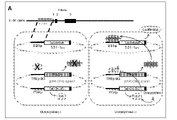
- a reporter cell that reflects the transcriptional activation of the IL-31 gene was prepared, and an assay system (luciferase reporter assay) using the cell was constructed.
- a construct in which the approximately 1.3 kb promoter region upstream of Exon 1 of the mouse IL-31 gene was ligated to the photoprotein luciferase gene, and Epas1 under the induction of an antibiotic (Doxycycline).
- Mouse embryonic fibroblasts MEFs incorporating the pTet-one system (pTet-ONE-Epas1) capable of expressing .
- 3G is a transcription factor activated by binding to Doxycycline.
- Doxycycline(-) 3G cannot bind to the Epas1-expressing promoter region (TREp-3G) and Epas1 is not expressed.
- Doxycycline Doxycycline(+)
- Doxycycline binds to 3G, which binds to TREp-3G, thereby inducing Epas1 expression and activating the IL-31 gene promoter.
- the present invention conducted further studies to discover compounds that preferably selectively suppress IL-31 production based on the IL-31 gene expression-suppressing action similar to compound 1. As a result, it was completed and has the following embodiments.
- the compound (1) is a compound in which the octanol/water partition coefficient (KLogP) of the phenyl group having a substituent represented by B in the formula (1) is 1.5 or more, (I- The IL-31 production inhibitor described in 1).
- the compound (1) is, in the formula (1), A is a divalent N-containing 5-membered heterocyclic group, B is the same or different and is a C 1-6 alkyl group, a di(C 1-6 alkyl)amino group, a halogen atom, or a haloC 1-6 alkyl group; n is an integer from 1 to 5;
- a pharmaceutical composition having a pharmacological action based on an IL-31 production inhibitory action (II-1) The IL-31 production inhibitor according to any one of (I-1) to (I-4), and A pharmaceutical composition comprising a pharmaceutically acceptable carrier or excipient.
- R 1 is a hydrogen atom or a C 1-4 alkyl group
- B is the same or different, a C 1-6 alkyl group which may have one hydroxyl group, a mono- or di(C 1-6 alkyl)amino group which may have one hydroxyl group, a halogen atom, haloC 1 -6 alkyl group, C 2-6 alkynylene group, or carboxy group
- the C 1-6 alkyl group of the mono- or di(C 1-6 alkyl)amino group may be bonded to the carbon atom adjacent to
- R 1 is a hydrogen atom
- B is the same or different and is a C 1-6 alkyl group, a di(C 1-6 alkyl)amino group which may have one hydroxyl group, a halogen atom, or a haloC 1-6 alkyl group
- At least one of the C 1-6 alkyl groups of the di(C 1-6 alkyl)amino group may be bonded to the carbon atom adjacent to the carbon atom of the phenyl group to which it is bonded to form a 6-membered ring.
- A is a divalent N-containing 5-membered heterocyclic group
- B is the same or different and is a C 1-6 alkyl group, a di(C 1-6 alkyl)amino group, a halogen atom, or a haloC 1-6 alkyl group
- IL-31 gene expression is selectively inhibited and IL-31 production is specifically suppressed without affecting gene expression or production of cytokines such as IL-2 and IL-4. It is possible to provide an IL-31 production inhibitor that has the effect of Since the IL-31 production inhibitor of the present invention has low cytotoxicity, it can be effectively used as an active ingredient of pharmaceutical compositions applied to mammals including humans. Specifically, the IL-31 production inhibitor of the present invention is useful as an active ingredient of a therapeutic agent for IL-31-mediated pruritic diseases, particularly a therapeutic agent having an effect of alleviating or reducing itching.
- the pharmaceutical composition containing the IL-31 production inhibitor of the present invention as an active ingredient can be used as a highly safe therapeutic agent for IL-31-mediated pruritic diseases, and is particularly effective in relieving or reducing itching. It is useful as a therapeutic agent having
- novel compounds provided by the present invention have the effect of selectively inhibiting IL-31 gene expression and specifically suppressing IL-31 production.
- it since it is highly safe for mammals such as humans, it is useful as the IL-31 production inhibitor and active ingredient of the pharmaceutical composition.
- a schematic diagram of the reporter cell (MEF) system used for primary screening of chemical libraries is shown (Experimental Example 1).
- Doxycycline(+) doxycycline
- EPAS1 expression is induced in MEFs and the IL-31 gene promoter (Il31 p) is activated.
- CD4 + T cells (3 x 10 5 cells) from Dock8 -/- AND Tg mice were treated with test compound (compound 1 [4-(2-(4-isopropylbenzylidene ) hydrazinyl)benzoic acid], negative control compound 1 (referred to as “nega-contl.compound 1” in the figure; )benzylidene)hydrazinyl)benzoic acid], 2.5 ⁇ M) or vehicle alone (0.1% DMSO) after 24 hours of culture with T cell-depleted irradiated splenocytes (5 x 10 cells), IL-31 gene expression ( Il31 expression) (Fig.
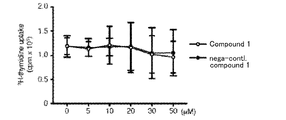
- the horizontal axis indicates the amount ( ⁇ M) of each compound (compound 1, negative control compound 1) added, and the vertical axis indicates the amount of radioactivity (cpm ⁇ 10 5 ) resulting from 3 H-thymidine taken up by CD4 + T cells.
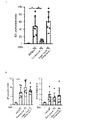
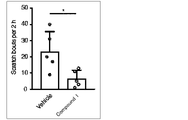
- Compound 1 was orally administered to mice, and the concentration ( ⁇ M) of compound 1 in blood was measured over 24 hours. The results are shown (Experimental Example 2 (1)). The results of scratching behavior measurement are shown (Experimental Example 2 (2)). The vertical axis indicates the number of scratching behaviors during 2 hours.
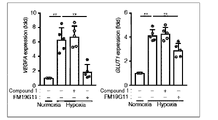
- Human cancer cell line HT1080 is treated with FM19G11 or Compound 1 to evaluate the effects on hypoxia-induced VEGFA and GLUT1 expression.
- the IL-31 production inhibitor of the present invention is characterized by containing a compound represented by the following general formula (1) or a salt thereof as an active ingredient.
- R 1 can be a hydrogen atom or an alkyl group.
- alkyl group include, but are not limited to, preferably a linear or branched C 1-6 alkyl group, more preferably a C 1-3 alkyl group, and particularly preferably a methyl group.
- R 1 is preferably a hydrogen atom.
- the divalent N-containing 5-membered heterocyclic group may be a divalent 5-membered heterocyclic group having at least one nitrogen atom in the ring, preferably an N-containing 5-membered unsaturated heterocyclic group.
- the N-containing 5-membered heterocyclic group may have a heteroatom such as an oxygen atom or a sulfur atom in addition to the nitrogen atom.
- oxazole, isoxazole, pyrrole, and thiazole as five-membered unsaturated heterocycles with one nitrogen atom
- imidazole, pyrazole, oxadiazole as five-membered unsaturated heterocycles with two nitrogen atoms.
- N-containing 5-membered heterocyclic groups are those having only nitrogen atoms or nitrogen and oxygen atoms as heteroatoms. More preferably, oxazole and isoxazole having one nitrogen atom and one oxygen atom; imidazole and pyrazole having two nitrogen atoms; triazole having three nitrogen atoms; two nitrogen atoms and one oxygen atom. can be exemplified by oxadiazoles having
- the two bonds of the divalent N-containing 5-membered heterocyclic group are preferably located at the most distant positions.
- the position of one bond of the N-containing 5-membered heterocyclic group bonded to the p-carboxyphenyl group that is part of the main skeleton of compound (1) is the 1-position
- the other bond is preferably at the 3- or 4-position.
- B in formula (1) is the same or different, an alkyl group which may have one hydroxyl group, a mono- or di(alkyl)amino group which may have one hydroxyl group, a halogen atom, a haloalkyl group, an alkynylene group , or a carboxy group.
- substituents are preferably set so that the octanol/water partition coefficient (CLogP) of the phenyl group having the substituent is 1.5 or more.
- the phenyl group having a substituent represented by B has a KLogP of preferably 2 or more, more preferably 2.5 or more, and still more preferably 3 or more. , particularly preferably 3.5 or more.
- the alkyl group represented by B is not limited, but preferably includes a linear or branched alkyl group having 1 to 6 carbon atoms (C 1-6 alkyl group). More preferably, it is a C 1-4 alkyl group.
- These alkyl groups include methyl, ethyl, n-propyl, isopropyl, n-butyl, isobutyl, tert-butyl, n-pentyl, and n-hexyl groups.
- Preferred examples include, but are not limited to, a methyl group, an isopropyl group, a tert-butyl group, and the like.
- the alkyl group may also have a hydroxyl group, provided that the KLogP of the phenyl group having an alkyl group as a substituent is 1.5 or more. The number of hydroxyl groups is one or less, preferably zero.
- the alkyl group contained in the mono- or di(alkyl)amino group represented by B is also the same as described above.
- a linear C 1-4 alkyl group is preferred.
- Two alkyl groups contained in the dialkylamino group may be the same or different.
- one or two alkyl groups contained in the mono- or di(alkyl)amino group are each bonded to the carbon atom adjacent to the carbon atom of the phenyl group to which the amino group is bonded to form a 5- to 6-membered ring.
- the alkylamino group may also have a hydroxyl group, provided that the KLogP of the phenyl group having a mono- or di(alkyl)amino group as a substituent is 1.5 or more.
- the number of hydroxyl groups is one or less, preferably zero.
- Dialkylamino groups which may have a hydroxyl group include hydroxyethyl(methyl)amino group, hydroxypropyl(methyl)amino group, hydroxybutyl(ethyl)amino group, dimethylamino group, diethylamino group, methyl(ethyl)amino group and the like. are exemplified without limitation.
- the halogen atoms represented by B include, for example, fluorine atoms, chlorine atoms, bromine atoms and iodine atoms.
- a fluorine atom and a chlorine atom are preferred.
- Haloalkyl groups represented by B include linear or branched alkyl groups having 1 to 6 carbon atoms and 1 to 3 halogen atoms.
- a trihalo C 1-6 alkyl group having 3 halogen atoms is preferred.
- Trihalo C 1-6 alkyl groups include, for example, trifluoromethyl group, trichloromethyl group, 2,2,2-trifluoroethyl group, 2,2,2-trichloroethyl group, 3,3,3-trifluoro
- a propyl group, a 4,4,4-trichlorobutyl group and the like are exemplified without limitation.
- the alkynylene group represented by B includes, but is not limited to, a linear or branched alkynylene group having 2 to 6 carbon atoms, preferably having one triple bond, preferably a C 2-3 alkynylene group.
- alkynylene groups include, without limitation, ethynyl, 1-propynyl, and 2-propynyl groups.
- n is an integer of 1-5. That is, the compound (1) is obtained by substituting at least one of the five hydrogen atoms of the phenyl group with the substituent B, which may be the same or different.
- Substituent B on the phenyl group is ortho-position, meta-position, or or para-position, and is not particularly limited. Without limitation, for example, when n is 1, it is preferably in the para position, and when n is 2, it is preferably in the meta and ortho positions.
- Preferred examples of the substituent B when n is 2 include a halogen atom on one side and a trihaloC 1-6 alkyl group on the other side.
- R 1 is a hydrogen atom
- B is the same or different and is a C 1-4 alkyl group, a di(C 1-3 alkyl)amino group which may have one hydroxyl group, a halogen atom, or a trihaloC 1-3 alkyl group;
- At least one of the C 1-3 alkyl groups of the di(C 1-3 alkyl)amino group may be bonded to the carbon atom adjacent to the carbon atom of the phenyl group to which it is bonded to form a 6-membered ring.
- a compound wherein n is an integer from 1 to 5.
- the compounds belonging to groups (i) and (ii) may be hereinafter collectively referred to as "compound A".
- compounds belonging to group (ii) are preferred.
- A is a divalent N-containing 5-membered unsaturated heterocyclic group
- B is the same or different and is a C 1-6 alkyl group, a di(C 1-6 alkyl)amino group, a halogen atom, or a haloC 1-6 alkyl group
- A is a divalent N-containing 5-membered unsaturated heterocyclic group, preferably oxazole, isoxazole, triazole, imidazole, pyrazole, or oxadiazole;
- B is the same or different and is a C 1-4 alkyl group, a di(C 1-3 alkyl)amino group, a halogen atom or a haloC 1-3 alkyl group;
- a compound wherein n is an integer from 1 to 5.
- the compounds belonging to groups (iii) and (iv) may be hereinafter collectively referred to as "compound B".
- A is a -NH-CO- group
- B is the same or different and is a C 1-6 alkyl group, a di(C 1-6 alkyl)amino group, a halogen atom, or a haloC 1-6 alkyl group
- At least one of the C 1-6 alkyl groups of the di(C 1-6 alkyl)amino group may be bonded to the carbon atom adjacent to the carbon atom of the phenyl group to which it is bonded to form a 6-membered ring.
- a compound wherein n is an integer from 1 to 5.
- A is a -NH-CO- group
- B is the same or different and is a C 1-4 alkyl group, a di(C 1-3 alkyl)amino group, a halogen atom or a haloC 1-3 alkyl group
- the compounds belonging to groups (v) and (vi) may be hereinafter collectively referred to as "compound C”.
- A is a group formed by connecting a divalent N-containing 5-membered unsaturated heterocyclic group and a -NH-CO- group
- B is the same or different and is a C 1-6 alkyl group, a di(C 1-6 alkyl)amino group, a halogen atom, or a haloC 1-6 alkyl group
- a compound wherein n is an integer from 1 to 5.
- A is a -NH-CO- group
- B is a C 1-4 alkyl group
- a compound wherein n is 1.
- the compounds belonging to groups (vii) and (viii) may be collectively referred to as "compound D" hereinafter.
- Compound (1) includes the following compounds as particularly preferred compounds: [Compound A] Compound 1: 4-(2-(4-isopropylbenzylidene)hydrazinyl)benzoic acid, Compound 2: 4-(2-(4-(tert-butyl)benzylidene)hydrazinyl)benzoic acid, Compound 3: 4-(2-(4-(dimethylamino)benzylidene)hydrazinyl)benzoic acid, Compound 4: 4-(2-(4-((2-hydroxyethyl)(methyl)amino)benzylidene)hydrazinyl)benzoic acid, Compound 5: 4-(2-(4-((3-hydroxypropyl)(methyl)amino)benzylidene)hydrazinyl)benzoic acid, Compound 6: 4-(2-(4-(ethyl(4-hydroxybutyl)amino)benzylidene)hydrazinyl)benzoic acid, Compound 7: 4-
- the aforementioned compound (1) can take the form of a pharmaceutically acceptable salt, and the salt can be used in the same manner as the free form of compound (1).
- Pharmaceutically acceptable salts include, but are not limited to, alkali metal salts such as sodium and potassium; alkaline earth metal salts such as calcium and magnesium; ammonium, tetramethylammonium, tetraethylammonium, methylamine, dimethylamine, trimethylamine. , triethylamine, ethylamine, and the like, non-toxic ammonium, quaternary ammonium and amine cations.
- compound (1) contains isomers such as stereoisomers and optical isomers, these isomers are also included as one aspect of the compound (1) of the present invention.
- Compound (1) can also have a solvate form, and the solvate is also included as one embodiment of compound (1) of the present invention.
- Production Example 14 which is a method for producing compound 14, is a general method for synthesizing a compound having an N-containing heterocyclic group represented by compound 14.
- the compounds belonging to the compound group B in which A represented by formula (1) is a divalent N-containing heterocyclic group like compound 14 can be produced with reference to the production method. Furthermore, the compound belonging to the compound C group, wherein A represented by formula (1) is a -NH-CO- group as in compound 17, is produced by referring to production example 17, which is a production method of compound 17. be able to. Further, the compound belonging to the compound group D, wherein A represented by formula (1) is a group formed by connecting a divalent N-containing heterocyclic group and a -NH-CO- group in the same manner as in compound 34, It can be produced by referring to Production Example 41, which is a production method of Compound 34.
- Compound (1) obtained by these production methods is isolated and purified from the reaction mixture by applying known isolation and/or purification means.
- separation and purification means include distillation, recrystallization, solvent extraction, column chromatography, ion exchange chromatography, gel chromatography, affinity chromatography, and preparative thin layer chromatography. .
- Compound (1) or a salt thereof has the effect of selectively suppressing EPAS1-induced IL-31 gene expression and IL-31 production.
- compound (1) or a salt thereof does not suppress the gene expression or production of other cytokines such as IL-2 and IL-4. Accordingly, compound (1) or a salt thereof is useful as a selective IL-31 production inhibitor.
- the term "IL-31 production inhibitor" as used in the present invention includes the meaning of suppressing IL-31 gene expression and the meaning of suppressing IL-31 production.
- the IL-31 production inhibitor targeted by the present invention preferably has an effect of suppressing IL-31 gene expression, and as a result exhibits an effect of suppressing IL-31 production.
- the IL-31 production inhibitor according to the present invention may consist of the above-described compound (1) or a salt thereof itself, and is commonly used in the relevant field (biochemical field, pharmaceutical field, etc.). Other ingredients such as additives may be included.
- the specific additives and the content ratio in the IL-31 production inhibitor are limited to the IL-31 production inhibitor exerting an IL-31 production inhibitory action based on compound (1) or a salt thereof. It is not particularly limited. For example, they can be appropriately selected with reference to the additives and content ratios shown in the pharmaceutical composition described below.
- compositions according to the present invention contains compound (1) or a pharmaceutically acceptable salt thereof.
- a pharmaceutically acceptable salt can be appropriately selected with reference to those described in detail for compound (1) above.
- the pharmaceutical composition according to the present invention may consist of compound (1) or a pharmaceutically acceptable salt thereof alone, or may be combined with any carrier or additive and administered by a known method. It may be a pharmaceutical composition prepared in a form suitable for the desired use such as route, administration method, and the like. It is preferably a pharmaceutical composition having a form suitable for intravenous administration or oral administration, more preferably oral administration.
- Specific dosage forms include tablets, pills, powders, liquids, suspensions, emulsions, granules, capsules, suppositories, injections (solutions, suspensions, etc.), and drips.
- dosage forms suitable for oral administration such as tablets, pills, powders, liquids, suspensions, emulsions, granules, or capsules.
- the amount of compound (1) or a pharmaceutically acceptable salt thereof incorporated in the pharmaceutical composition according to the present invention is such that compound (1) or a salt thereof exerts an inhibitory effect on IL-31 production.
- the limit is not particularly limited.
- it can be appropriately prepared in the range of about 0.001 to 99% by mass, preferably about 0.01 to 50% by mass, more preferably about 0.05 to 10% by mass. .
- Diseases to be treated with the pharmaceutical composition according to the present invention are IL-31-mediated pruritic diseases.
- itchy inflammatory diseases particularly itchy skin diseases, specifically atopic dermatitis, dermatomyositis, chronic dermatitis, allergic contact dermatitis, dermatitis herpetiformis, skin T cells pruritus in sexually transmitted lymphoma, prurigo nodularis, chronic prurigo polymorphism, urticaria pigmentosa, bullous pemphigoid, and the like.
- itchy inflammatory diseases particularly itchy skin diseases, specifically atopic dermatitis, dermatomyositis, chronic dermatitis, allergic contact dermatitis, dermatitis herpetiformis, skin T cells pruritus in sexually transmitted lymphoma, prurigo nodularis, chronic prurigo polymorphism, urticaria pigmentosa, bullous pemphigoid, and the like.
- Atopic dermatitis is preferred
- Atopic dermatitis is usually classified into infantile atopic dermatitis, pediatric atopic dermatitis, adult atopic dermatitis, and maternal atopic dermatitis according to the time of onset or target of onset.
- Atopic dermatitis targeted by the present invention includes all these types of atopic dermatitis.
- the pharmaceutical composition of the present invention can be suitably used for treating such diseases.
- treatment means alleviating itching among the symptoms of the above-mentioned diseases and curing them. Not only complete elimination of itching but also partial elimination (relief, alleviation, etc.) is included.
- Subjects to be treated with the pharmaceutical composition of the present invention are humans with the aforementioned diseases. As mentioned above, it does not matter whether it is an infant, a child, an adult, or a pregnant woman.
- the daily dosage, timing of administration, and number of administrations of the pharmaceutical composition according to the present invention are not particularly limited as long as they are the amount, timing, and number of administrations effective for the treatment of the aforementioned diseases.
- the amount is usually in the range of 0.1 mg to 1 mg/person per day, and is administered once to multiple times per day. be able to.
- IR Infrared
- JASCO JASCO FT/IR410 Fourier transform infrared spectrophotometer.
- Column chromatography was performed using a Biotage® IsoleraTM One 3.0 with pre-packed columns of Biotage® SNAP Ultra (Uppsala, Sweden).
- DMSO dimethyl sulfoxide
- This manufacturing method is a general method for synthesizing hydrazone compounds.
- the following hydrazone compounds were produced according to the procedure described in Production Example 1.
- the said method is a general method for synthesize
- the aminobenzaldehyde compound was produced according to the procedure described in Production Example 4(1).
- Production Example 7 4-(2-((2,3,6,7-tetrahydro-1H,5H-pyrido[3,2,1-ij]quinolin-9-yl)methylene)hydrazinyl)benzoic acid (Compound 7) 2,3,6,7-Tetrahydro-1H,5H-pyrido[3,2,1-ij]quinoline-9-carbaldehyde (37.4 mg, 0.186 mmol) was used in place of 4-isopropylbenzaldehyde in Production Example 1.
- the said method is a general method for synthesize
- the aryloxazole compound was produced according to the procedure described in Production Example 14(1).
- reaction vessel was removed from the ice bath, stirred for 1 minute, and acetic acid (0.1 mL), ethanol (0.5 mL), THF (0.25 mL) and hydrazine monohydrate (0.3 mL) were added. After that, the reaction solution was stirred under reflux for 1 hour and a half, and then 1 M aqueous sodium hydroxide solution was added. This was extracted with ethyl acetate, the organic layer was washed with saturated aqueous sodium chloride, dried over sodium sulfate, filtered, and the filtrate was concentrated to dryness.
- Production Example 36 4-(5-(2-chloro-5-(trifluoromethyl)phenyl)-1H-pyrazol-3-yl)benzoic acid (Compound 29) (1) Production of methyl 4-(5-(2-chloro-5-(trifluoromethyl)phenyl)-1H-pyrazol-3-yl)benzoate 2-Chloro-5-trifluoromethylbenzoic acid (529.9 mg, 2.35 mmol, 1.0 equivalents) prepared in Production Example 27 was dissolved in dichloromethane (8.5 mL) and DMF (2.8 mL), and stirred at 0°C to give a Ogizalyl chloride (242 ⁇ L, 2.82 mmol, 1.2 eq) was added dropwise.
- the resulting reaction solution was allowed to stand and cooled to room temperature, 1 M hydrochloric acid aqueous solution (120 mL) was added, and the mixture was filtered through a glass filter. The filtrate was removed, ethyl acetate was passed through the solid on the glass filter, and the obtained filtrate was concentrated under reduced pressure.
- Production Example 39 4-(5-(2-chloro-5-(trifluoromethyl)phenyl)-1,3,4-oxadiazol-2-yl)benzoic acid (Compound 32) (1) Production of methyl 4-((2-(4-isopropylbenzoyl)hydrazinylidene)methyl)benzoate Using 2-chloro-5-(trifluoromethyl)benzohydrazide (156.5 mg, 0.65 mmol) produced in Production Example 32 (1) instead of 4-isopropylbenzohydrazide in Production Example 38 (2), Methyl 4-((2-(4-isopropylbenzoyl)hydrazinylidene)methyl)benzoate (methyl 4-((2-(2-chloro-5-(trifluoromethyl)benzoyl )hydrazineylidene)methyl)benzoate) (219.3 mg, 0.56 mmol, 85% yield).
- Experimental example I Experimental materials and preparation methods thereof ( 1 ) Animals used the one described in B10.BR and C57BL/6J mice were purchased from Japan SLC (Japan) and Japan Clea (Japan), respectively. All mice were housed under specific pathogen-free conditions in the animal facility of Kyushu University. All animal experiments were conducted in accordance with relevant national and international guidelines contained in the "Act on Welfare and Management of Animals” (Ministry of the Environment) and "Regulations on Laboratory Animals” (Kyushu University). Animal experiment protocols were pre-approved by the Animal Experiment Ethics Committee of Kyushu University.
- Clones were isolated by limiting dilution after selection with hygromycin (600 ⁇ g/ml) and puromycin (3 ⁇ g/ml). After treatment with doxycycline (100 ng/ml) for 24 hours, they were cultured on 96-well plates in the presence or absence of test compounds (10 ⁇ M) for 4 hours. Luciferase activity was measured using the One-Glo luciferase assay system (Promega).
- human sarcoma cell line HT1080 The human sarcoma cell line HT1080 was developed by Y. et al. The one provided by Matsumoto (Kyushu University) was used. For hypoxia induction, HT1080 (3 ⁇ 10 5 cells) were cultured at 1% O 2 for 12 hours prior to assay.
- Mouse CD4 + T cells were isolated from the spleen and peripheral lymph nodes (PLNs) using Dynabeads TM FlowComp TM Mouse CD4 Kit (TFS), and 10% heat-inactivated fetuses were isolated.
- CD4 + T cells (1 x 10 5 cells) were suspended in complete RPMI 1640 medium, followed by staphylococcal enterotoxin B (SEB: 100 ng/ml; Sigma-Aldrich ) in the presence of T cell-depleted irradiated PBMC (1 x 10 6 cells) for 72 hours in 96-well plates.
- SEB staphylococcal enterotoxin B
- RNA samples treated with RNase-free DNase I were reverse transcribed with oligo(dT) primer (TFS) and SuperScript III reverse transcriptase (TFS).
- Real-time PCR was performed on a CFX Connect TM thermal cycler (BIO-RAD) using SYBR Green PCR master mix (Thermo Fisher Scientific). Mouse or human target gene expression was normalized to Hprt or PPIB gene expression, respectively.
- CFX Manager software (ver.3.1) attached to the instrument was used.
- the following primers were used for real-time PCR.
- Hprt gene amplification (1) 5'-CTGGTGAAAAGGA CCTCTCG-3' (SEQ ID NO: 9) (2) 5'-TGAAGTACTCATTATAGTCAAGGGCA-3' (SEQ ID NO: 10);
- PPIB CYCLOPHILIN B for gene amplification
- 5'-ATGTGGTTTTCGGCAAAG TTCTA-3' SEQ ID NO: 15
- 5'-GGCTTGTCCCGGCTGTCT-3' SEQ ID NO: 16
- the human IL-31 gene promoter reporter plasmid (human pGL4.10 IL-31) was obtained by amplifying the promoter region of the human IL-31 gene from positions -1,308 to -1 by PCR, which was transferred to the pGL4.10 [luc2] vector. (Promega). Mouse and human IL-31 gene promoter region deletions and/or mutations were generated by PCR.
- Non-Patent Document 4 immortalized MEFs (Non-Patent Document 4) were transfected with pRL-SV40-Renilla luciferase plasmid (0.1 ⁇ g; Promega), and pGL4.10 IL31 or human pGL4.10 IL-31 (2 ⁇ g). , were co-transfected in the presence of pcDNA vectors (2 ⁇ g) encoding mouse or human EPAS1. Briefly, these plasmid DNAs were mixed in Lipofectamine 2000 transfection reagent (5 ⁇ l: TFS) and Opti-MEM medium (500 ⁇ l: TFS) for 20 minutes at room temperature, and the mixture was added with 1% FCS.
- TFS Lipofectamine 2000 transfection reagent
- Opti-MEM medium 500 ⁇ l: TFS
- MEFs (3 x 10 5 cells) cultured in 1.5 ml of DMEM medium containing Six hours after transfection, cells were suspended in DMEM containing 10% FCS containing test compound (2.5 ⁇ M) or vehicle alone (0.1% DMSO) for an additional 24 hours. Luciferase activity was measured with the Dual Luciferase Reporter Assay System (Promega) according to the manufacturer's protocol.
- test compounds Approximately 10,000 test compounds were subjected to the screening, and test compounds that showed 50% or more inhibition of luciferase activity (control) (100%) in the absence of the test compound were selected.
- T cells (3 x 10 5 cells) from Dock8 -/- AND Tg mice were treated with test compound (2.5 ⁇ M) or vehicle alone (3 ⁇ g/ml) in the presence of MCC88-103 (3 ⁇ g/ml). T cells were cultured with depleted irradiated splenocytes (5 ⁇ 10 6 cells) containing 0.1% DMSO) for 24 hours. The expression level of the IL-31 gene was measured by real-time PCR as described above, and test compounds that showed inhibition of 60% or more relative to the expression level (control) (100%) in the absence of the test compound were selected.
- the human CD4 + T cells (1 x 10 5 cells) isolated above were treated with complete RPMI. After suspension in 1640 medium, they were cultured for 72 h in 96-well plates with irradiated PBMCs (1 ⁇ 10 6 cells) depleted of T cells in the presence of SEB (100 ng/ml; Sigma-Aldrich). Human cytokine concentrations in culture supernatants were measured using the AlphaLISA Detection kit (PerkinElmer) according to the manufacturer's instructions.
- T cell proliferation assay T cell proliferation assay CD4 + T cells (5 x 10 4 cells) were treated with phorbol 12-myristate 13-acetate (PMA: 100 ng/ml; Sigma-Aldrich) and ionomycin (1 ⁇ g This was performed by culturing for 66 h with T cell-depleted irradiated splenocytes (1 ⁇ 10 cells) in the presence of T-cells/ml; Sigma-Aldrich). For the last 18 hours of culture, 3 H-thymidine (0.037 MBq) was added and incorporated radioactivity was measured with a MicroBeta2 (PerkinElmer, Inc., Waltham, MS).
- mice were placed in acrylic cages (11 x 14 x 20 cm) for at least 1 hour to acclimatize, and the behavior was recorded on video. The videos were played to determine the total number of scratching attacks per 2 hours. The mouse's scratching behavior is to extend its hind paw toward the itchy site, tilt its head toward the hind paw, move the paw several times quickly, and then return it to the floor. These series of movements were counted as one scratching behavior.
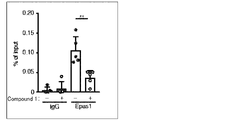
- ChIP assays were performed using activated mouse CD4 + T cells and immortalized MEFs. Briefly, CD4 + T cells from Dock8 ⁇ / ⁇ AND Tg mice were stimulated with MCC88-103 for 24 hours in the presence of test compound (2.5 ⁇ M) or vehicle alone (0.1% DMSO). Immortalized MEFs were co-transfected with pcDNA-human EPAS1 (2 ⁇ g) in the presence of pGL4.10 IL31 (2 ⁇ g). Six hours after transfection, MEFs were suspended in DMEM containing 10% FCS containing test compound (10 ⁇ M) or vehicle alone (0.1% DMSO) for an additional 24 hours.
- Activated mouse CD4 + cells and transfected MEFs were treated with 0.5% formaldehyde for 5 minutes at room temperature and then neutralized with glycine for 5 minutes at room temperature. After washing the resulting cells twice with PBS containing protease inhibitors, nuclei were isolated using the Magna ChIP TM HiSens kit (Millipore, Burlington, MS) according to the manufacturer's protocol. Isolated nuclei were resuspended in sonication buffer and sonicated at an amplitude setting of 30% for 90 x 10 seconds on ice using an ultrasonic processor (VCX-130; Sonics & Materials Inc., Newtown, CN). Chromatin DNA was sheared by sonication.
- chromatin DNA was obtained after centrifugation at 10,000 g for 10 min at 4° C. and treated with RNase and proteinase K to quantify the DNA content.
- 5-10 ⁇ g of chromatin DNA was treated with rabbit polyclonal anti-EPAS1 antibody (ab199; Abcam, Cambridge, UK) or rabbit polyclonal anti-FLAG® M2 antibody (#14793; CST, Danvers, MS). Mixed with pre-incubated magnetic protein A/G beads and incubated overnight at 4 °C.
- mouse IL-31 gene (-1336/-1042) for amplification (1) 5'-TCAGTGATCAATTAGCCC AGCC-3' (SEQ ID NO: 17) (2) 5'-ATCTGACACTCTCGAGCCTCT-3' (SEQ ID NO: 18)
- Human IL-31 gene (-280/-4) for amplification (1) 5'-TGCATTCATGTGCCTTCTTGTG-3' (SEQ ID NO: 19) (2) 5'-AGAGAGAGCAAGGCCAGCTTC-3' (SEQ ID NO: 20).
- compound 1 selectively inhibits TCR (T cell receptor)-mediated IL-31 gene expression induction in CD4 + T cells of Dock8 -/- AND Tg mice, leading to IL-31 production. It was suggested that the p-isopropyl substituent attached to the aromatic ring on the right side of compound 1 is closely related to the expression of the action. Compound 1 did not affect in vitro non-specific T cell proliferative responses even when used at 50 ⁇ M. No biochemical abnormality was observed, and there was no difference in weight gain from the non-administration group. From this, compound 1 is judged to be a highly safe compound with low cytotoxicity.
- TCR T cell receptor
- OVA ovalbumin
- CAG-OVA mouse Activated CD4 + T cells from Dock8 ⁇ / ⁇ OTII Tg mice (8.0 ⁇ 10 6 per mouse) were stimulated with OVA323-339 (ISQAVHAAHAEINEAGR [SEQ ID NO: 2], 1 ⁇ g/ml) for 72 h followed by CAG-OVA. Mice were injected intravenously and their scratching behavior was measured 1 hour later.
- EPAS1 regulates hypoxia response through complex formation with aryl hydrocarbon receptor nuclear translocator (ARNT) is known (Non-Patent Document 6), but EPAS1-mediated activation of the Il31 promoter occurs independently of ARNT (Non-Patent Document 4).
- FM19G11 is not a direct EPAS1 inhibitor, it is known to suppress the expression of the EPAS1 gene (Epas1) by acting on an unidentified target (Non-Patent Document 7).
- compound 1 did not exhibit such an effect of suppressing expression (Fig. 7). This suggests that the ARNT-dependent EPAS1 function is not affected by Compound 1.
- Experimental Example 4 IL-31 Production Induction Suppressive Effect on Humans As shown in Experimental Example 1, it was confirmed that compound 1 selectively inhibits IL-31 gene expression induction in mouse CD4 + T cells. , investigated whether compound 1 acts similarly on human CD4 + T cells.
- CD4 + T cells from AD patients Upon stimulation with staphylococcal enterotoxin B (SEB), CD4 + T cells from AD patients produced more IL-31 than did CD4 + T cells from healthy controls. In contrast, treatment of AD patient CD4 + T cells with compound 1 reduced IL-31 production in a dose-dependent manner (FIG. 9A). On the other hand, there was no effect on IL-2 production (Fig. 9B).
- SEB staphylococcal enterotoxin B
- a reporter construct containing the human IL-31 gene promoter sequence (-1,308 to -1) was generated to understand the effect of Compound 1 on IL-31 gene promoter activation. Expression of this reporter construct in MEFs induced activation of the IL-31 gene promoter in the presence of human EPAS1, which was significantly suppressed by Compound 1. From this, it is considered that compound 1 inhibits the recruitment of EPAS1 to the IL-31 gene promoter region, thereby suppressing the induction of IL-31 production even in human CD4 + T cells.
- Compound 1 is useful as a low-molecular-weight inhibitor targeting EPAS1-mediated IL-31 production induction in mouse and human CD4 + T cells.
- Small-molecule inhibitors of Janus kinase (JAK) and phosphodiesterase 4 (PDE4) are under development as orally administered AD therapeutic agents (Non-Patent Document 8). Although these inhibitors are effective in treating AD, they all act on multiple cytokine pathways and their effects are non-specific. In contrast to these, compound 1 selectively inhibits the induction of IL-31 production without affecting other cytokine production or hypoxia response. Therefore, Compound 1 is useful as an active ingredient of an AD therapeutic agent with a low risk of side effects, particularly an AD therapeutic agent with excellent itching-reducing effect.
- T-cell proliferation assays were performed on CD4 + T cells (5 x 10 4 cells) treated with phorbol 12-myristate 13-acetate (PMA: 100 ng/ml; Sigma-Aldrich) and ionomycin (1 ⁇ g/ml; Sigma-Aldrich). It was performed by culturing for 66 hours with T-cell depleted irradiated splenocytes (1 x 10 6 cells) in the presence of. Test compounds were added at various final concentrations at the start of culture. For the last 18 hours of culture, 3 H-thymidine (0.037 MBq) was added and incorporated radioactivity was measured with a MicroBeta2 (PerkinElmer, Inc., Waltham, MS).
- IL-31 gene expression and proliferative response of CD4 + T cells in CD4 + T cells from Dock8 ⁇ / ⁇ AND Tg mice upon treatment with solvent alone (vehicle only; 0.1% DMSO) were each reduced by 100 Inhibitory activity of test compounds was calculated as %.
- the methyl group in the dimethylamino group may be an alkyl group having about 1 to 6 carbon atoms (that is, a di-C 1-6 alkylamino group), and each alkyl group may bind to other carbon atoms of the aromatic ring to which it coordinates to form a condensed ring (compound 7), and the alkyl group tends to slightly reduce the IL-31 production inhibitory action Although observed, it was confirmed that up to one hydroxyl group may be present (compounds 4-6, negative control compound 3).
- At least one of the five hydrogen atoms of the aromatic ring is, in addition to the above substituents, the same or different, halogen atom (eg, chlorine atom, fluorine atom), halo C 1-6 alkyl group (eg, fluorine carbon), C 1-6 alkyl group (eg, methyl group), C 2-6 alkynylene group (eg, ethylene group), and carboxy group.
- halogen atom eg, chlorine atom, fluorine atom
- halo C 1-6 alkyl group eg, fluorine carbon
- C 1-6 alkyl group eg, methyl group
- C 2-6 alkynylene group eg, ethylene group
- SEQ ID NO: 1 is the amino acid sequence of MCC88-103;
- SEQ ID NO: 2 is the amino acid sequence of OVA323-339;
- SEQ ID NOS: 3 and 4 are the base sequences of the forward and reverse primers, respectively, for amplifying the IL-31 gene;
- SEQ ID NOS: 5 and 6 are forward and reverse primer sequences for IL-2 gene amplification, respectively;
- SEQ ID NOs: 7 and 8 are forward and reverse primer sequences for IL-4 gene amplification, respectively;
- SEQ ID NOs: 9 and 10 are Hert gene, respectively Nucleotide sequences of forward and reverse primers for amplification;
- SEQ ID NOS: 11 and 12 are the base sequences of forward and reverse primers for VEGFA gene amplification, respectively;
- SEQ ID NOS: 13 and 14 are forward and reverse primers for GLUT1 gene amplification, respectively
- SEQ ID NOS: 15 and 16 are the forward and reverse primer sequences for amplifying the
Landscapes
- Health & Medical Sciences (AREA)
- Life Sciences & Earth Sciences (AREA)
- Chemical & Material Sciences (AREA)
- Medicinal Chemistry (AREA)
- General Health & Medical Sciences (AREA)
- Veterinary Medicine (AREA)
- Pharmacology & Pharmacy (AREA)
- Animal Behavior & Ethology (AREA)
- Public Health (AREA)
- Epidemiology (AREA)
- Engineering & Computer Science (AREA)
- Biomedical Technology (AREA)
- Immunology (AREA)
- Urology & Nephrology (AREA)
- Molecular Biology (AREA)
- Hematology (AREA)
- Bioinformatics & Cheminformatics (AREA)
- Cell Biology (AREA)
- Biotechnology (AREA)
- Microbiology (AREA)
- Tropical Medicine & Parasitology (AREA)
- Toxicology (AREA)
- Food Science & Technology (AREA)
- Physics & Mathematics (AREA)
- Analytical Chemistry (AREA)
- Biochemistry (AREA)
- General Physics & Mathematics (AREA)
- Pathology (AREA)
- Dermatology (AREA)
- Chemical Kinetics & Catalysis (AREA)
- General Chemical & Material Sciences (AREA)
- Nuclear Medicine, Radiotherapy & Molecular Imaging (AREA)
- Organic Chemistry (AREA)
- Pain & Pain Management (AREA)
- Pharmaceuticals Containing Other Organic And Inorganic Compounds (AREA)
Priority Applications (4)
| Application Number | Priority Date | Filing Date | Title |
|---|---|---|---|
| CN202280021469.6A CN117042759A (zh) | 2021-02-04 | 2022-02-04 | Il-31产生抑制剂和含有它的药物组合物 |
| JP2022579632A JPWO2022168962A1 (https=) | 2021-02-04 | 2022-02-04 | |
| EP22749833.4A EP4289422A4 (en) | 2021-02-04 | 2022-02-04 | Agent for suppressing IL-31 production and pharmaceutical composition containing it |
| US18/275,445 US20240139214A1 (en) | 2021-02-04 | 2022-02-04 | Agent for suppressing il-31 production and pharmaceutical composition containing the same |
Applications Claiming Priority (2)
| Application Number | Priority Date | Filing Date | Title |
|---|---|---|---|
| JP2021016917 | 2021-02-04 | ||
| JP2021-016917 | 2021-02-04 |
Publications (1)
| Publication Number | Publication Date |
|---|---|
| WO2022168962A1 true WO2022168962A1 (ja) | 2022-08-11 |
Family
ID=82741608
Family Applications (1)
| Application Number | Title | Priority Date | Filing Date |
|---|---|---|---|
| PCT/JP2022/004558 Ceased WO2022168962A1 (ja) | 2021-02-04 | 2022-02-04 | Il-31産生抑制剤、及びそれを含有する医薬組成物 |
Country Status (5)
| Country | Link |
|---|---|
| US (1) | US20240139214A1 (https=) |
| EP (1) | EP4289422A4 (https=) |
| JP (1) | JPWO2022168962A1 (https=) |
| CN (1) | CN117042759A (https=) |
| WO (1) | WO2022168962A1 (https=) |
Citations (6)
| Publication number | Priority date | Publication date | Assignee | Title |
|---|---|---|---|---|
| JPH02250856A (ja) * | 1989-02-10 | 1990-10-08 | Basf Ag | フエニルヒドラゾン |
| WO2007043400A1 (ja) * | 2005-10-07 | 2007-04-19 | Kissei Pharmaceutical Co., Ltd. | 含窒素芳香族複素環化合物およびそれを含有する医薬組成物 |
| JP2008515985A (ja) * | 2004-10-13 | 2008-05-15 | ピーティーシー セラピューティクス,インコーポレーテッド | ナンセンス抑制の化合物とその使用方法 |
| JP2008530104A (ja) * | 2005-02-08 | 2008-08-07 | ザ スクリプス リサーチ インスティテュート | トランスサイレチンアミロイド線維形成の阻害剤 |
| WO2010053606A2 (en) * | 2008-07-25 | 2010-05-14 | Mayo Foundation For Medical Education And Research | Small-molecule inhibitors of protein synthesis inactivating toxins |
| JP2018505860A (ja) * | 2014-12-19 | 2018-03-01 | ガルデルマ・リサーチ・アンド・デヴェロップメント | 新規化合物、その合成方法、並びに医薬品及び化粧品におけるその使用 |
Family Cites Families (2)
| Publication number | Priority date | Publication date | Assignee | Title |
|---|---|---|---|---|
| WO2009086303A2 (en) * | 2007-12-21 | 2009-07-09 | University Of Rochester | Method for altering the lifespan of eukaryotic organisms |
| CN102076670B (zh) * | 2008-06-24 | 2013-05-22 | Irm责任有限公司 | 调节g蛋白偶联受体的化合物和方法 |
-
2022
- 2022-02-04 JP JP2022579632A patent/JPWO2022168962A1/ja active Pending
- 2022-02-04 WO PCT/JP2022/004558 patent/WO2022168962A1/ja not_active Ceased
- 2022-02-04 CN CN202280021469.6A patent/CN117042759A/zh active Pending
- 2022-02-04 EP EP22749833.4A patent/EP4289422A4/en not_active Withdrawn
- 2022-02-04 US US18/275,445 patent/US20240139214A1/en active Pending
Patent Citations (6)
| Publication number | Priority date | Publication date | Assignee | Title |
|---|---|---|---|---|
| JPH02250856A (ja) * | 1989-02-10 | 1990-10-08 | Basf Ag | フエニルヒドラゾン |
| JP2008515985A (ja) * | 2004-10-13 | 2008-05-15 | ピーティーシー セラピューティクス,インコーポレーテッド | ナンセンス抑制の化合物とその使用方法 |
| JP2008530104A (ja) * | 2005-02-08 | 2008-08-07 | ザ スクリプス リサーチ インスティテュート | トランスサイレチンアミロイド線維形成の阻害剤 |
| WO2007043400A1 (ja) * | 2005-10-07 | 2007-04-19 | Kissei Pharmaceutical Co., Ltd. | 含窒素芳香族複素環化合物およびそれを含有する医薬組成物 |
| WO2010053606A2 (en) * | 2008-07-25 | 2010-05-14 | Mayo Foundation For Medical Education And Research | Small-molecule inhibitors of protein synthesis inactivating toxins |
| JP2018505860A (ja) * | 2014-12-19 | 2018-03-01 | ガルデルマ・リサーチ・アンド・デヴェロップメント | 新規化合物、その合成方法、並びに医薬品及び化粧品におけるその使用 |
Non-Patent Citations (13)
| Title |
|---|
| CHE DENIS NCHANG, CHO BYOUNG OK, SHIN JAE YOUNG, KANG HYUN JU, KIM YOUNG-SOO, JANG SEON IL: "Fisetin inhibits IL-31 production in stimulated human mast cells: Possibilities of fisetin being exploited to treat histamine-independent pruritus", LIFE SCIENCE, vol. 201, 1 May 2018 (2018-05-01), GB , pages 121 - 129, XP055959067, ISSN: 0024-3205, DOI: 10.1016/j.lfs.2018.03.056 * |
| CHE DENIS NCHANG; CHO BYOUNG OK; KIM JI-SU; SHIN JAE YOUNG; KANG HYUN JU; JANG SEON IL: "Luteolin and Apigenin Attenuate LPS-Induced Astrocyte Activation and Cytokine Production by Targeting MAPK, STAT3, and NF-κB Signaling Pathways", INFLAMMATION, vol. 43, no. 5, 27 May 2020 (2020-05-27), US , pages 1716 - 1728, XP037239214, ISSN: 0360-3997, DOI: 10.1007/s10753-020-01245-6 * |
| FURUE MYAMAMURA KKIDO-NAKAHARA MNAKAHARA TFUKUI Y. EMERGING: "role of interleukin - 31 and interleukin - 31 receptor in pruritus in atopic dermatitis", ALLERGY, vol. 73, 2018, pages 29 - 36, XP055588801, DOI: 10.1111/all.13239 |
| KABASHIMA KFURUE MHANIFIN JMPULKA GWOLLENBERG AGALUS R ET AL.: "Nemolizumab in patients with moderate-to-severe atopic dermatitis", RANDOMIZED, PHASE II, LONG-TERM EXTENSION STUDY. J ALLERGY CLIN IMMUNOL, vol. 142, 2018, pages 1121 - 1130 |
| KAMIKASEDA YASUHISA; URUNO TAKEHITO; KUNIMURA KAZUFUMI; HARADA AKIHITO; SAIKI KUNIKO; OISAKI KOUNOSUKE; SAKATA DAIJI; NAKAHARA TAK: "Targeted inhibition of EPAS1-driven IL-31 production by a small-molecule compound", JOURNAL OF ALLERGY AND CLINICAL IMMUNOLOGY, vol. 148, no. 2, 2 April 2021 (2021-04-02), AMSTERDAM, NL , pages 633 - 638, XP086720550, ISSN: 0091-6749, DOI: 10.1016/j.jaci.2021.03.029 * |
| KOK-FUI LKIT-LAM CCHONG-YEW L. EUR., J. MED. CHEM., vol. 94, 2015, pages 195 |
| KUNIMURA KAZUFUMI, FUKUI YOSHINORI: "The molecular basis for IL-31 production and IL-31-mediated itch transmission: from biology to drug development", INTERNATIONAL IMMUNOLOGY, vol. 33, no. 12, 25 November 2021 (2021-11-25), pages 731 - 736, XP055933629, DOI: 10.1093/intimm/dxab065 * |
| MORENO-MANZANO VRODRIGUEZ-JIMENEZ FJACENA-BONILLA JLFUSTERO-LARDIES SERCEG SDOPAZO J ET AL.: "FM19G11, a New Hypoxia-inducible Factor (HIF) Modulator, Affects Stem Cell Differentiation Status", J BIOL CHEM, vol. 285, 2010, pages 1333 - 42, XP055061864, DOI: 10.1074/jbc.M109.008326 |
| PENG TQI BHE JKE HSHI J.: "Advances in the Development of Phosphodiesterase-4 Inhibitors", J MED CHEM, vol. 63, 2020, pages 10594 - 10617 |
| See also references of EP4289422A4 |
| TIAN HMCKNIGHT SLRUSSELL DW.: "Endothelial PAS domain protein 1 (EPAS1), a transcription factor selectively expressed in endothelial cells", GENES DEV, vol. 11, 1997, pages 72 - 82 |
| YAMAMURA KURUNO TSHIRAISHI ATANAKA YUSHIJIMA MNAKAHARA T ET AL.: "The transcription factor EPAS1 links DOCK8 deficiency to atopic skin inflammation via IL-31 induction", NAT COMMUN, vol. 8, 2017, pages 13946 |
| ZHANG QDAVIS JCDOVE CG: "Su HC. Genetic, clinical, and laboratory markers for DOCK8 immunodeficiency syndrome", DIS MARKERS, vol. 29, 2010, pages 131 - 9 |
Also Published As
| Publication number | Publication date |
|---|---|
| US20240139214A1 (en) | 2024-05-02 |
| JPWO2022168962A1 (https=) | 2022-08-11 |
| EP4289422A1 (en) | 2023-12-13 |
| CN117042759A (zh) | 2023-11-10 |
| EP4289422A4 (en) | 2025-04-16 |
Similar Documents
| Publication | Publication Date | Title |
|---|---|---|
| El‐Helby et al. | Design, synthesis, molecular docking, and anticancer activity of benzoxazole derivatives as VEGFR‐2 inhibitors | |
| JP6266568B2 (ja) | カルシウム放出依存性カルシウムチャネルのピラゾール誘導体モジュレータおよび非小細胞肺癌の治療方法 | |
| TWI287004B (en) | A pyridone derivative having an affinity effect for cannabinoid 2 type receptor | |
| Genin et al. | Substituent effects on the antibacterial activity of nitrogen− carbon-linked (Azolylphenyl) oxazolidinones with expanded activity against the fastidious gram-negative organisms haemophilus i nfluenzae and moraxella c atarrhalis | |
| Tageldin et al. | Design, synthesis and evaluation of some pyrazolo [3, 4-d] pyrimidines as anti-inflammatory agents | |
| CA2871007C (en) | Triazolone compounds as mpges-1 inhibitors | |
| KR101825754B1 (ko) | 피라졸로피리미딘 jak 억제제 화합물 및 방법 | |
| JP4357004B2 (ja) | ピラゾール誘導体およびそれを含有するcox阻害剤 | |
| JP2011510058A (ja) | C−metの阻害剤として活性な縮合ピリジン | |
| CA2836240A1 (en) | Novel imidazole derivatives useful for the treatment of arthritis | |
| Spicer et al. | Exploration of a series of 5-arylidene-2-thioxoimidazolidin-4-ones as inhibitors of the cytolytic protein perforin | |
| JPWO1998046594A1 (ja) | ピラゾール誘導体およびそれを含有するcox阻害剤 | |
| JP2021533186A (ja) | ブロモドメインタンパク質阻害薬としてのイミノスルホン化合物、医薬組成物及びその医薬用途 | |
| EP3423452A1 (en) | Wnt signaling pathway inhibitors for treatments of disease | |
| CA2931189C (en) | Inhibitors of bruton's tyrosine kinase | |
| CN108929281B (zh) | 三氮唑类化合物及其合成方法和应用 | |
| JP2020522465A (ja) | Plk1阻害剤としてのピロール誘導体 | |
| KR20180094880A (ko) | 5원 헤테로시클릭 아미드계 wnt 경로 억제제 | |
| JP5153621B2 (ja) | Shp−2阻害剤、それらを含む薬剤組成物及びホスファターゼ媒介性疾患を治療するためのその使用 | |
| Vidya | Synthesis and biological evaluation of chromene-1, 3, 4-oxadiazole based 1, 2, 3-triazoles: EGFR-targeting anticancer agents | |
| BR112016013541B1 (pt) | inibidores de quinase tirosina de bruton | |
| Yang et al. | Synthesis, biological evaluation and molecular docking studies of novel 1-(4, 5-dihydro-1 H-pyrazol-1-yl) ethanone-containing 1-methylindol derivatives as potential tubulin assembling inhibitors | |
| CN101478989A (zh) | 炎性肠病的处置剂 | |
| WO2022168962A1 (ja) | Il-31産生抑制剤、及びそれを含有する医薬組成物 | |
| CN110734391A (zh) | 2,3-二酮吲哚类化合物及其制备方法与应用 |
Legal Events
| Date | Code | Title | Description |
|---|---|---|---|
| 121 | Ep: the epo has been informed by wipo that ep was designated in this application |
Ref document number: 22749833 Country of ref document: EP Kind code of ref document: A1 |
|
| ENP | Entry into the national phase |
Ref document number: 2022579632 Country of ref document: JP Kind code of ref document: A |
|
| NENP | Non-entry into the national phase |
Ref country code: DE |
|
| ENP | Entry into the national phase |
Ref document number: 2022749833 Country of ref document: EP Effective date: 20230904 |
|
| WWE | Wipo information: entry into national phase |
Ref document number: 18275445 Country of ref document: US |
|
| WWE | Wipo information: entry into national phase |
Ref document number: 202280021469.6 Country of ref document: CN |
|
| WWW | Wipo information: withdrawn in national office |
Ref document number: 2022749833 Country of ref document: EP |