WO2022158353A1 - 情報処理装置、情報処理方法及び情報処理プログラム - Google Patents
情報処理装置、情報処理方法及び情報処理プログラム Download PDFInfo
- Publication number
- WO2022158353A1 WO2022158353A1 PCT/JP2022/000752 JP2022000752W WO2022158353A1 WO 2022158353 A1 WO2022158353 A1 WO 2022158353A1 JP 2022000752 W JP2022000752 W JP 2022000752W WO 2022158353 A1 WO2022158353 A1 WO 2022158353A1
- Authority
- WO
- WIPO (PCT)
- Prior art keywords
- information
- pet
- user
- information processing
- value
- Prior art date
- Legal status (The legal status is an assumption and is not a legal conclusion. Google has not performed a legal analysis and makes no representation as to the accuracy of the status listed.)
- Ceased
Links
Images

Classifications
-
- G—PHYSICS
- G06—COMPUTING OR CALCULATING; COUNTING
- G06Q—INFORMATION AND COMMUNICATION TECHNOLOGY [ICT] SPECIALLY ADAPTED FOR ADMINISTRATIVE, COMMERCIAL, FINANCIAL, MANAGERIAL OR SUPERVISORY PURPOSES; SYSTEMS OR METHODS SPECIALLY ADAPTED FOR ADMINISTRATIVE, COMMERCIAL, FINANCIAL, MANAGERIAL OR SUPERVISORY PURPOSES, NOT OTHERWISE PROVIDED FOR
- G06Q30/00—Commerce
- G06Q30/02—Marketing; Price estimation or determination; Fundraising
Definitions
- the present invention relates to an information processing device, an information processing method, and an information processing program.
- This application was made in view of the above, and aims to propose products suitable for pets to users.
- An information processing apparatus includes a calculation unit that calculates a calorie value of food ingested by a pet based on pet information about a pet raised by a user; and a providing unit for providing the user with product information on the product.
- products suitable for pets can be proposed to the user.
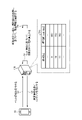
- FIG. 1 is a diagram illustrating an example of provision processing executed by an information processing apparatus according to an embodiment
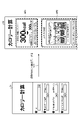
- FIG. 2 is a diagram illustrating a display example of content according to the embodiment.
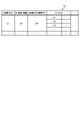
- FIG. 5 is a diagram illustrating an example of a pet information storage unit according to the embodiment;
- FIG. 6 is a diagram illustrating an example of a theoretical value information storage unit according to the embodiment;
- FIG. 7 is a diagram illustrating an example of a product information storage unit according to the embodiment;
- FIG. 8 is a flowchart illustrating an example of the flow of provision processing executed by the information processing apparatus according to the embodiment;
- FIG. 9 is a diagram illustrating an example of a hardware configuration;
- An information processing apparatus comprising: a providing unit for providing information to a person.
- the calorie intake value of food ingested by the dog or cat per day is calculated.
- the information processing device provides the user with product information on side dishes for dogs and cats.
- the information processing device compares the calorie intake value with the theoretical value of the calorie intake that needs to be taken in a day (hereinafter, sometimes simply referred to as the theoretical value), and compares the calorie intake of dogs and cats.
- the information processing device selects a side dish showing a calorie value corresponding to the difference between the intake calorie value and the theoretical value. The information processing device then provides the user with product information regarding the selected side dish.
- the information processing device can propose products suitable for the pet to the user. For example, it is assumed that the user's pet is overweight. In this case, the information processing device sets the daily calorie intake to a calorie intake value lower than the theoretical value by a predetermined amount of calories. As a result, the information processing apparatus can propose products suitable for the pet to the user while managing the calorie of the pet.
- the information processing device provides the user with product information based on the calorie intake and the pet information, so it is possible to propose to the user appropriate products that take into account the pet's health.
- the information processing device provides the user with product information corresponding to the time at which the pet information is received from the user.
- product information corresponding to the time pet information is received from the user is provided to the user, so it is possible to propose products suitable for pets to the user.
- the information processing device provides the user with product information corresponding to the time at which the pet ingested the food indicated by the pet information.
- the information processing device provides the product information to the user based on the comparison between the calorie value and the theoretical total calorie value of the food ingested within a predetermined period, and the pet information.
- an information processing device in order to provide product information to the user based on a comparison between the calorie value and the theoretical total calorie value of the food ingested within a predetermined period and pet information, It is possible to propose a product suitable for a pet to a user.
- the information processing device determines whether or not it is necessary to feed the pet based on the comparison between the calorie value and the theoretical value of the total calorie of the food ingested in one day, and based on the determination result, The product information is provided to the user.
- the information processing device further provides the user with suggested information regarding the pet based on the comparison between the calorie value and the theoretical value.
- the information processing device provides the proposed information to the user when the calorie value is equal to or greater than the theoretical value.
- the proposal information is provided to the user, so it is possible to propose products suitable for the pet to the user.
- the information processing device provides the user with a proposal regarding a pet walk as the proposal information.
- proposals regarding pet walks are provided to the user, so it is possible to propose products suitable for pets to the user.
- the information processing device calculates feeding information indicating a feeding amount, which is an amount to be fed to the pet, based on the pet information, and provides the user with the product information selected based on the feeding information. .
- the feeding information indicating the amount of food to be fed to the pet is calculated, and product information selected based on the feeding information is provided to the user. , the product suitable for the pet can be proposed to the user.
- the information processing device provides the pet information to the user based on posted information posted by the user through a predetermined service, the posted information including the feeding information.
- the product information is provided.
- the privilege provided to the user is based on the pet information posted by the user through a predetermined service and including the feeding information. , it is possible to propose to the user a suitable product for the pet in order to provide the product information.
- the information processing device provides the user with product information related to a product of higher quality than the product indicated by the product information as the privilege. .
- the information processing device calculates the calorie value based on the attribute information regarding pet attributes and the contact information regarding pet feeding as the pet information.
- the calorie value is calculated based on the attribute information regarding the attributes of the pet and the intake information regarding the feeding of the pet as the pet information, products suitable for the pet are provided to the user. can be proposed.
- the information processing device determines whether a side dish is necessary based on the comparison between the calorie value and the theoretical value of the total calorie value of the food ingested in one day, and based on the determination result, displays the product information. provided to the user.
- the necessity of side dishes is determined based on the comparison between the calorie value and the theoretical value of the total calorie value of the food ingested in one day, and the product information is displayed based on the determination result.
- the product information is displayed based on the determination result.
- the information processing device provides a notification regarding the reduction of side dishes when the calorie value is equal to or greater than the theoretical value.
- the information processing device provides the user with information on the combination of the staple food and the side dish when the calorie value is equal to or greater than the theoretical value.
- the calorific value when the calorific value is equal to or greater than the theoretical value, the information on the combination of the staple food and the side food is provided to the user, so that the product suitable for the pet can be proposed to the user. can be done.
- FIG. 1 is a diagram illustrating an example of provision processing executed by an information processing apparatus 100 according to an embodiment.
- the pet is a dog, and it is assumed that the pet is overweight.
- the information processing apparatus 100 refers to the table TA1 and provides product information regarding side dishes based on the comparison between the calorie intake value and the theoretical value.
- a pet may be any animal that can be raised, for example, a pet may be a cat other than a dog.
- the information processing device 100 receives pet information from the terminal device 10 used by the user (step S1).
- the information processing apparatus 100 receives, as pet information, attribute information about pet attributes and intake information about what the pet has ingested.
- attribute information includes pet name, pet type, age, gender, weight, and body conditioning score.
- the ingestion information includes the date and time when the pet ingested food or drink, what the pet ate or drank, the amount of food eaten or drink, and the like.
- the information processing device 100 receives pet information from the terminal device 10 by providing content for inputting pet information to the terminal device 10 .
- the information processing apparatus 100 reads the pet name, pet type, age, gender, weight, and body conditioning score included in the content for inputting pet information. Attribute information of the pet information is received from the terminal device 10 by receiving an operation such as a user's input or selection with respect to such items.
- the information processing device 100 determines whether the dog is lean or obese based on the type, age, sex, weight, and body conditioning score of the pet. For example, the body type of a dog is classified and determined according to a 5-grade evaluation. For example, evaluation 1 is "thin”. Evaluation 2 is “slightly thin”. A rating of 3 is “standard”. A rating of 4 is “slightly obese”. Rating 5 is "obesity”. Here, it is assumed that the information processing apparatus 100 determines that the dog is "slightly obese”.
- the information processing apparatus 100 accepts a user's operation on items such as the date and time the pet ingested food, the food eaten, and the amount eaten, which are included in the content for inputting pet information. Ingestion information of pet information is received from the terminal device 10 .
- the information processing device 100 calculates the calorie intake value based on the pet information (step S2). For example, the information processing device 100 calculates the calorie intake value based on the intake information indicated by the pet information. To explain with a more specific example, the information processing apparatus 100 calculates the daily calorie intake based on the food and the amount of food that are associated with the date and time. Here, it is assumed that the information processing apparatus 100 calculates the daily calorie intake value as "630 [kcal/day]".
- the information processing device 100 selects product information based on the comparison between the calorie intake value and the theoretical value (step S3). For example, it is assumed that a theoretical value calculated based on the weight of the pet is calculated in advance for each of a plurality of weights. In this case, the information processing device 100 has a storage unit in which the body weight and the theoretical value are associated with each other. Here, the theoretical value is calculated using a predetermined calculation method based on the weight of the pet.
- the dog raised by the user is "slightly obese"
- a value lower than the above theoretical value by a predetermined value is suitable.
- the theoretical value of overweight is “630 [kcal/day]”.
- the theoretical value of overweight is “680 [kcal/day]”.
- the weight is "11 [kg]”
- the theoretical value of being overweight is “730 [kcal/day]”.
- the information processing apparatus 100 calculates the difference between the calorie intake value and the theoretical value of overweight. A side dish showing a calorie value of "50 [kcal/day]" corresponding to the difference is selected.
- the information processing device 100 provides content including product information to the terminal device 10 (step S4).
- the information processing device 100 provides the terminal device 10 with content including product information related to a side dish having a calorie value of “50 [kcal/day]”.
- the information processing apparatus 100 calculates the calorie value of the food ingested by the pet based on the pet information. Then, the information processing device 100 provides product information to the user based on the calorific value and the pet information. Thereby, the information processing apparatus 100 solves the conventional problem. In this way, the information processing apparatus 100 can propose products suitable for pets to the user.
- FIG. 2 is a diagram illustrating a display example of content according to the embodiment.
- Content C1 shown in FIG. 2 is content displayed on the terminal device 10 in step S1 shown in FIG.
- Content C2 shown in FIG. 2 is content displayed on the terminal device 10 in step S4 shown in FIG.
- the terminal device 10 displays the content C1.
- the content C1 has a title such as "calorie calculation”, “date”, “select breakfast items” and “input intake”, “select dinner items” and “input intake”. ”, “select snack product”, and “input intake amount”.
- the terminal device 10 accepts from the user that the date is "September 13, 2020", the breakfast product is “Delicious X”, and the intake is “50 [g]”.
- the terminal device 10 receives from the user that the item for dinner is “Balance Y” and the intake is “60 [g]”.
- the terminal device 10 accepts from the user that the snack product is "One-One Z" and the intake is "30 [g]”.
- each item may be entered by the user as a character string or the like. Also, each item may be selected by the user from a pull-down menu.
- step S21 corresponds to step S2 shown in FIG.
- the information processing device 100 provides the terminal device 10 with content including product information.
- the terminal device 10 displays content C2.
- the content C2 includes a title such as "calorie calculation", an area AR1 showing the calculated calorie intake value, and an area AR2 where product information is arranged.
- area AR1 For example, in area AR1, "Today's calorie intake is 300 kcal”, “XXX-chan's recommended calorie intake is 300 kcal”, and "Try reducing the amount of snacks, or choose low-calorie snacks.” .” includes information such as In this way, the area AR1 contains information on the calculated calorie intake and the remaining calorie intake that can be taken in a day. Also, the area AR1 includes a comment or the like according to the remaining intake calorie value that can be taken in a day.
- a button such as “Additional one-point advice!”.
- link information such as "view product details of series” is information for transitioning to content including detailed product descriptions when pressed by the user.
- a button such as "Further one-point advice! is a button for transitioning to content including advice information for selecting a product when pressed by the user.
- the content including advice information for selecting a product may include other product information such as product information with a low calorie intake value, in addition to the advice information for selecting a product.
- the terminal device 10 can display appropriate product information according to the calorie intake value. Thereby, the terminal device 10 can propose to the user products suitable for pets.
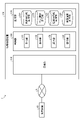
- FIG. 3 is a diagram showing a configuration example of the information processing system 1 according to the embodiment.
- the information processing system 1 includes a terminal device 10 and an information processing device 100 .
- the terminal device 10 and the information processing device 100 are communicably connected via a network N by wire or wirelessly.
- the information processing system 1 shown in FIG. 3 may include a plurality of terminal devices 10 and a plurality of information processing apparatuses 100 .
- the terminal device 10 is an information processing device used by a user who accesses content such as web content displayed on a browser and content for applications.
- the terminal device 10 is a desktop PC (Personal Computer), a notebook PC, a tablet terminal, a mobile phone, a PDA (Personal Digital Assistant), or a wearable device such as a smartwatch.
- the information processing device 100 is an information processing device that can communicate with various devices via a predetermined network N such as the Internet, and is realized by, for example, a server device or a cloud system.
- the information processing device 100 is communicably connected to various other devices via a network N.
- FIG. 3 is a diagram illustrating a configuration example of the information processing apparatus 100 according to the embodiment.
- the information processing apparatus 100 has a communication section 110, a storage section 120, and a control section .
- the communication unit 110 is realized by, for example, a NIC (Network Interface Card) or the like.
- the communication unit 110 is connected to the network N by wire or wirelessly, and transmits and receives information to and from the terminal device 10 .
- the storage unit 120 is realized by, for example, a semiconductor memory device such as a RAM (Random Access Memory) or a flash memory, or a storage device such as a hard disk or an optical disk.
- Storage unit 120 has user information storage unit 121 , pet information storage unit 122 , theoretical value information storage unit 123 , and product information storage unit 124 .
- the user information storage unit 121 stores various information about users.
- FIG. 4 shows an example of the user information storage unit 121 according to the embodiment.
- the user information storage unit 121 includes items such as "user ID (Identifier)", “user information”, “user contact information”, and "pet ID”.
- User ID is an identifier that identifies a user.
- User information is user information about the user associated with the “user ID”. For example, the user information includes attribute information about user attributes, the number of pets raised by the user, purchase history of pet supplies, and the like. Attribute information is information about the user's gender, age, and the like.
- “User's contact information” is information related to the user's contact information associated with the "user ID".
- the contact information is information about the user's address or whereabouts, a telephone number used by the user, an e-mail address used by the user, and the like.
- “Pet ID” is an identifier for identifying a pet raised by the user associated with the "user ID”.
- the pet information storage unit 122 stores various kinds of information about pets.
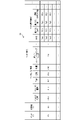
- FIG. 5 shows an example of the pet information storage unit 122 according to the embodiment.
- the pet information storage unit 122 includes items such as "pet ID”, "user ID”, and "pet information”.
- pet information includes “pet attribute information” and “pet intake information”.
- “pet attribute information” includes “pet name”, “pet type”, “age”, “sex”, “weight”, and “body conditioning score”.
- “pet intake information” includes “date and time”, “food”, “amount eaten”, and "calorie intake”.
- Pet ID is an identifier that identifies a pet.
- User ID is an identifier that identifies the user associated with the "pet ID”.
- Pet name is information related to the name of the pet associated with the “pet ID”.
- Pet type is information about the type of pet associated with the “pet ID”.
- Age is information about the age of the pet associated with the "pet ID”.
- “Gender” is information about the gender of the pet associated with the "pet ID”.
- “Weight” is information about the weight of the pet associated with the "pet ID”.
- Body conditioning score is information related to the body conditioning score associated with the "pet ID”.
- the body conditioning score is an index in which the pet's body shape is classified into five grades from BCS1 to BCS5.
- BCS1 is "thin”.
- BCS2 is “slightly lean”.
- BCS3 is “ideal”.
- BCS4 is "slightly obese”.
- BCS5 is "obese”.
- “Date and time” is information about the date and time when the pet associated with the “pet ID” ingested food.
- Food is information about food ingested by the pet associated with the “pet ID”.
- the “amount eaten” is information about the amount of food ingested by the pet associated with the “pet ID”.
- intake calorie value is information regarding the value of calories taken in a day by the pet associated with the “pet ID”.
- P1 identified by the pet ID has a user ID of "UI1”, a pet name of "PN1”, a pet type of "PT1”, and a pet type of "PT1". is “PT1”, age is “PG1”, and sex is "PS1".
- P1 has a body weight of "PW1", a body conditioning score of "PB1”, a date and time of "DA1", a food item of "FO1", and an amount of food eaten of "FA1".
- the calorie intake value is "FC1".
- the pet name and the like are represented by abstract codes such as "PN1". good.
- the date and time or the calorie intake value may be numerical values other than the above examples.
- the pet intake information may also include information regarding beverages consumed by the pet. In this case, the pet intake information may further include "date and time of drink", “drink", and "drink amount”.
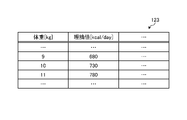
- the theoretical value information storage unit 123 stores the theoretical value of calorie intake according to the weight of the pet.
- FIG. 6 shows an example of the theoretical value information storage unit 123 according to the embodiment.
- the theoretical value information storage unit 123 includes items such as "body weight [kg]” and "theoretical value [kcal/day]".
- Weight is information about the pet's weight.
- the “theoretical value [kcal/day]” is information on calories that the pet associated with the “weight” needs to take in a day.
- the theoretical value is calculated using a predetermined calculation method based on the weight of the pet. As the calculation method here, various conventional techniques for calculating the calorie required to be ingested per day can be adopted. For example, in FIG. 6, the weight is “9" and the theoretical value is "680".
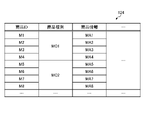
- the product information storage unit 124 stores various information regarding products.
- FIG. 7 shows an example of the product information storage unit 124 according to the embodiment.
- the product information storage unit 124 has items such as "product ID”, "product type”, and "product information”.
- Process ID is an identifier that identifies the product.
- Product type is information about the type of product associated with the “product ID”.
- Product information is information about the product associated with the "product ID”.
- M1 identified by the product ID has a product type of "MC1" and product information of "MA1".
- the product type and the like are represented by abstract codes such as "MC1”, but the product type and the like may be a file format of a file including the product type.
- the control unit 130 is a controller, and for example, various programs (information processing programs) stored in a storage device inside the information processing apparatus 100 are controlled by a CPU (Central Processing Unit), an MPU (Micro Processing Unit), or the like. (equivalent to one example) is implemented by executing the RAM as a work area. Also, the control unit 130 is a controller, and is implemented by an integrated circuit such as an ASIC (Application Specific Integrated Circuit) or an FPGA (Field Programmable Gate Array).
- ASIC Application Specific Integrated Circuit
- FPGA Field Programmable Gate Array
- the control unit 130 includes a reception unit 131, a calculation unit 132, a selection unit 133, and a provision unit 134, and implements or executes the information processing functions and actions described below.
- the internal configuration of the control unit 130 is not limited to the configuration shown in FIG. 3, and may be another configuration as long as it performs information processing described later.
- the connection relationship between the processing units of the control unit 130 is not limited to the connection relationship shown in FIG. 3, and may be another connection relationship.
- the reception unit 131 receives various information. For example, the reception unit 131 receives user information about the user from the terminal device 10 . More specifically, the reception unit 131 receives, as user information, the user's sex, age, number of pets raised by the user, purchase history of pet supplies, and the like. The reception unit 131 then stores this user information in the user information storage unit 121 .
- the reception unit 131 receives pet information from the terminal device 10 .
- the accepting unit 131 then stores the accepted pet information in the pet information storage unit 122 .
- the reception unit 131 receives attribute information and intake information as pet information.
- the reception unit 131 receives the pet name, pet type, age, sex, weight, body conditioning score, and the like as the attribute information.
- the reception unit 131 determines whether the pet is lean or obese based on the type, age, sex, weight, and body conditioning score of the pet. For example, the reception unit 131 determines that the pet is "slightly obese".
- the reception unit 131 receives, as the intake information, the date and time the pet ingested the food, the food eaten, the amount eaten, and the like. Then, the reception unit 131 stores the received attribute information and intake information in the pet information storage unit 122 .
- the calculator 132 calculates the calorie value of the food ingested by the pet based on the pet information about the pet raised by the user. For example, the calculator 132 calculates the calorie intake value based on the pet information. Then, the calculation unit 132 stores the calculated calorie intake value in the pet information storage unit 122 .
- the calculation unit 132 calculates the intake calorie value based on the intake information stored in the pet information storage unit 122. To explain with a more specific example, the calculation unit 132 calculates the amount based on the food item “FO1” eaten and the amount eaten “FA1” associated with the date and time “DA1” stored in the pet information storage unit 122. , the calorie intake value “FC1” taken on date and time “DA1” is calculated.
- the selection unit 133 selects various types of information. For example, the selection unit 133 selects the product stored in the product information storage unit 124 based on the comparison between the calorie intake value stored in the pet information storage unit 122 and the theoretical value stored in the theoretical value information storage unit 123 . One product information is selected from the information.
- a value that is lower than the theoretical value stored in the theoretical value information storage unit 123 by a predetermined value is suitable because the dog bred by the user tends to be overweight.
- the theoretical value of overweight is “630 [kcal/day]”.
- the theoretical value of overweight is “680 [kcal/day]”.
- the weight is "11 [kg]”
- the theoretical value of being overweight is "730 [kcal/day]”.
- the theoretical value of being overweight is a value lower than the theoretical value stored in the theoretical value information storage unit 123 by “50 [kcal/day]”.
- the difference between the theoretical value of fatness and the theoretical value may be a preset value.
- the difference between the theoretical value of fatness and the theoretical value may be set by the user.
- the selection unit 133 determines the difference between the calorie intake value and the theoretical value of overweight.
- a side dish showing a calorie value of "50 [kcal/day]” corresponding to .
- the providing unit 134 provides various information. Specifically, the providing unit 134 provides product information to the user based on the calorific value and the pet information. For example, the providing unit 134 provides the terminal device 10 with content including product information related to the side dish having the calorie value of “50 [kcal/day]” selected by the selecting unit 133 .
- FIG. 8 is a flowchart showing an example of the flow of provision processing executed by the information processing apparatus 100 according to the embodiment.
- the reception unit 131 receives pet information (step S101). Specifically, when the pet information is not received (step S101; No), the receiving unit 131 waits until the pet information is received.
- the calculation unit 132 calculates the calorie intake value based on the pet information (step S102). Then, the selection unit 133 selects product information based on the comparison between the calorie intake value and the theoretical value (step S103). Then, the providing unit 134 provides content including product information (step S104).
- the information processing apparatus 100 described above may be embodied in various forms other than the above embodiment. Therefore, other embodiments of the information processing apparatus 100 will be described below.
- product information about side dishes has been described as an example, but the present invention is not limited to this.
- the product indicated by the product information is a staple food, a staple food and side dish created according to the age of the pet, a staple food and side dish created for the type of pet, and a combination of the age of the pet and the type of pet. It is a staple food and a side dish, etc. created according to.
- products may be low-fat or low-calorie products, nutritionally balanced products, dry or soft products, and the like.
- the product information may be information relating to a combination of a staple food and a side dish.
- the providing unit 134 of the information processing device 100 provides the product information to the user based on the calorie value and the pet information, but the present invention is not limited to this.
- the providing unit 134 determines whether or not it is necessary to feed the pet based on the comparison between the calorie value and the theoretical value of the total calorie of the food ingested in one day, and based on the determination result, provides product information. may be provided to the user.
- the providing unit 134 determines that the difference between the calorie intake value and the theoretical value is Since there is "50 [kcal/day]", it is determined that the pet needs to be fed with a side dish. Then, the providing unit 134 may provide, as product information, a side dish indicating a calorie value of "50 [kcal/day]” corresponding to the difference between the calorie intake value and the theoretical value.
- the providing unit 134 may provide product information regarding a product with a low calorie value when the difference between the calorie intake value and the theoretical value is less than a predetermined threshold. For example, the providing unit 134 determines that the weight of the pet is "10 [kg]", the calorie intake value is "700 [kcal/day]", and the difference between the calorie intake value and the theoretical value is a predetermined value. If it is less than the threshold, it is determined that the pet needs to be fed with the side dish. At this time, the providing unit 134 may provide a side dish having a low calorie value as product information.
- the providing unit 134 determines that there is no difference between the calorie intake value and the theoretical value. , it is determined that feeding of the side dish to the pet is unnecessary. At this time, the providing unit 134 does not provide product information regarding side dishes.
- the providing unit 134 determines that the calorie intake value is "50 [kcal/day]” lower than the theoretical value. day]”, it is determined that it is unnecessary to feed the pet with the side dish. At this time, the providing unit 134 does not provide product information regarding side dishes.
- the provision unit 134 of the information processing apparatus 100 determines whether or not it is necessary to feed the pet based on the comparison between the calorie value and the theoretical total calorie value of the food ingested in one day. Since product information is provided to the user based on the determination result, it is possible to propose products appropriate for the pet to the user.
- the provision unit 134 of the information processing device 100 provides the user with product information corresponding to the remaining calories that can be ingested every other day. good.
- the providing unit 134 provides product information to be used on the next day and thereafter based on a comparison between the value of the total calorie of the food ingested in one day and the theoretical value of the total calorie of the food ingested in one day. may be provided to
- the providing unit 134 may provide the user with a side dish having a low calorie value as product information to be used on the next day and thereafter.
- the providing unit 134 determines that the theoretical value is higher than the intake. It is judged to be larger than the total number of calories by "50 [kcal/day]". Then, the providing unit 134 provides the user with a side dish indicating a calorie value of "50 [kcal/day]” corresponding to the difference between the total number of calorie intake and the theoretical value, as product information to be used on the next day and thereafter.
- the providing unit 134 of the information processing apparatus 100 compares the value of the total calorie of the food ingested in one day with the theoretical value of the total calorie of the food ingested in one day, Since product information that will be used from the next day onwards is provided to the user, it is possible to propose products suitable for pets to the user.
- the providing unit 134 of the information processing device 100 provides the product information to the user based on the calorie value and the pet information, but the present invention is not limited to this.
- the calculation unit 132 calculates feeding information indicating the feeding amount, which is the amount to be fed to the pet, based on the pet information. Then, the providing unit 134 may provide the product information selected based on the feeding information to the user.
- the calculation unit 132 calculates an appropriate feeding amount for the pet to ingest based on the pet information. Then, the providing unit 134 may provide the user with product information related to the product selected based on the feeding amount.
- the provision unit 134 of the information processing apparatus 100 provides the user with product information selected based on the calculated feeding information, and thus proposes products suitable for the pet to the user. be able to.
- the providing unit 134 of the information processing device 100 provides product information to the user based on the comparison between the calorie intake value and the theoretical value. good.
- the providing unit 134 may further provide the user with suggested information regarding the pet based on the comparison between the calorie intake value and the theoretical value.
- the proposal information mentioned here includes comments, recommended information, notification information, and the like.
- the providing unit 134 may provide a comment such as "The calorie intake is insufficient, so you can eat a little more!” as suggested information.
- the providing unit 134 may provide suggested information regarding pet walking when the calorie intake value is equal to or greater than the theoretical value.
- the providing unit 134 may provide suggested information about pet walks after providing product information of side dishes for which the calorie intake value is equal to or greater than the theoretical value.
- the providing unit 134 may provide suggestion information regarding pet walking such as shopping at a store that sells side dishes when the calorie intake value is less than the theoretical value and side dishes are not in stock. .
- the providing unit 134 may provide, as suggestion information, a notification regarding reduction of staple food or side dish when the calorie intake value is equal to or higher than the theoretical value.
- the providing unit 134 provides, as proposal information, a notification about reducing side dishes when the calorie intake indicated by side dishes is equal to or greater than a predetermined ratio (for example, 20%) to the daily calorie intake. good too.
- the providing unit 134 of the information processing apparatus 100 further provides the user with suggested information regarding the pet based on the comparison between the calorie value and the theoretical value, so that the product suitable for the pet can be selected. It can be proposed to users.
- the providing unit 134 of the information processing device 100 provides the product information to the user based on the calorie value and the pet information, but the present invention is not limited to this.
- the providing unit 134 provides pet information to the user based on posted information including feeding information, which is posted by the user on an SNS (Social Networking Service) service.
- Product information may be provided as a privilege. For example, it is assumed that the user has posted a comment, an image, a video of feeding the pet on the SNS service, etc. about the side dish fed to the pet.
- the providing unit 134 may provide product information to the user who posted the information as a benefit provided to the user.
- the providing unit 134 uses product information regarding products with higher quality than products indicated by the product information as a benefit provided to the user. may be provided to anyone. As another example, the providing unit 134 may provide coupons that can be used when purchasing products, electronic money, points that can be used instead of cash, etc., as benefits.
- the provision unit 134 of the information processing apparatus 100 uses, as pet information, based on posted information including feeding information posted by a user through a predetermined service. Since product information is provided as a privilege provided to pet owners, it is possible to propose products suitable for pets to users.
- the providing unit 134 may provide product information at various timings.
- the providing unit 134 may provide the user with product information according to the time when the pet information is received from the user.
- the providing unit 134 may provide product information related to side dishes when the pet information is received at "13:00" (corresponding to the access time from the terminal device 10).
- the providing unit 134 may provide product information related to side dishes and dinner when the pet information is received at "13:00". As a more specific example, when the pet information is received at "13:00", providing unit 134 selects "50 [kcal/day]” side dishes and "250 [kcal/day]”. day]” with dinner may be provided.
- the providing unit 134 does not provide product information on side dishes when the pet information is received at "20:00" and the pet has already taken in the required calorie intake for the day.
- the providing unit 134 of the information processing apparatus 100 provides the user with product information corresponding to the time at which the pet information is received from the user, and therefore proposes products suitable for pets to the user. can do.
- the pet information may include information other than the information shown in the above embodiments.
- the pet information may include the pet's disease history and disease information such as past cases.
- the providing unit 134 may provide product information based on disease information.
- the providing unit 134 may provide staple foods and side dishes for diabetes when the pet is diabetic. In this way, the provision unit 134 of the information processing apparatus 100 according to the embodiment can propose appropriate products based on pet disease information.
- the reception unit 131 receives pet information input by the user
- the invention need not be limited to this.
- the type of product is input by reading a predetermined code given to the staple food or side dish product fed by the user with the camera function of the terminal device 10.
- the predetermined code is a one-dimensional code such as a bar code, a two-dimensional code such as a QR (Quick Response) code (registered trademark), or the like.
- each component of each device illustrated is functionally conceptual and does not necessarily have to be physically configured as illustrated. That is, the specific form of distribution/integration of each device is not limited to the illustrated one. Further, all or part of each component may be functionally or physically distributed and integrated in arbitrary units according to various loads and usage conditions.
- the above “section, module, unit” can be read as “means” or “circuit”.
- the calculation unit can be read as calculation means or a calculation circuit.
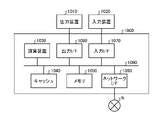
- FIG. 9 is a diagram illustrating an example of a hardware configuration
- the computer 1000 is connected to an output device 1010 and an input device 1020 , and a bus 1090 connects an arithmetic device 1030 , a cache 1040 , a memory 1050 , an output IF (Interface) 1060 , an input IF 1070 and a network IF 1080 .
- a bus 1090 connects an arithmetic device 1030 , a cache 1040 , a memory 1050 , an output IF (Interface) 1060 , an input IF 1070 and a network IF 1080 .
- the arithmetic device 1030 operates based on programs stored in the cache 1040 and memory 1050, programs read from the input device 1020, and the like, and executes various processes.
- the cache 1040 is a cache such as a RAM that temporarily stores data used by the arithmetic device 1030 for various arithmetic operations.
- the memory 1050 is a storage device in which data used for various calculations by the arithmetic unit 1030 and various databases are registered, and is realized by ROM (Read Only Memory), HDD (Hard Disk Drive), flash memory, etc. memory.
- the output IF 1060 is an interface for transmitting information to be output to the output device 1010 that outputs various information such as a monitor and a printer. It may be realized by a standard connector such as HDMI (registered trademark) (High Definition Multimedia Interface).
- the input IF 1070 is an interface for receiving information from various input devices 1020 such as a mouse, keyboard, scanner, etc., and is realized by, for example, USB.
- the input device 1020 includes optical recording media such as CD (Compact Disc), DVD (Digital Versatile Disc), PD (Phase change rewritable disk), magneto-optical recording media such as MO (Magneto-Optical disk), tape media, It may be implemented by a device that reads information from a magnetic recording medium, a semiconductor memory, or the like. Also, the input device 1020 may be realized by an external storage medium such as a USB memory.
- the network IF 1080 has a function of receiving data from another device via the network N and sending it to the arithmetic device 1030, and transmitting data generated by the arithmetic device 1030 via the network N to other devices.
- the arithmetic device 1030 controls the output device 1010 and the input device 1020 via the output IF 1060 and the input IF 1070.
- arithmetic device 1030 loads a program from input device 1020 or memory 1050 onto cache 1040 and executes the loaded program.
- the arithmetic device 1030 of the computer 1000 implements the functions of the control unit 130 by executing the program loaded on the cache 1040 .
Landscapes
- Business, Economics & Management (AREA)
- Strategic Management (AREA)
- Engineering & Computer Science (AREA)
- Accounting & Taxation (AREA)
- Development Economics (AREA)
- Finance (AREA)
- Economics (AREA)
- Game Theory and Decision Science (AREA)
- Entrepreneurship & Innovation (AREA)
- Marketing (AREA)
- Physics & Mathematics (AREA)
- General Business, Economics & Management (AREA)
- General Physics & Mathematics (AREA)
- Theoretical Computer Science (AREA)
- Management, Administration, Business Operations System, And Electronic Commerce (AREA)
- Medical Treatment And Welfare Office Work (AREA)
Priority Applications (1)
| Application Number | Priority Date | Filing Date | Title |
|---|---|---|---|
| CN202280010709.2A CN116724325A (zh) | 2021-01-21 | 2022-01-12 | 信息处理装置、信息处理方法以及信息处理程序 |
Applications Claiming Priority (2)
| Application Number | Priority Date | Filing Date | Title |
|---|---|---|---|
| JP2021-008312 | 2021-01-21 | ||
| JP2021008312A JP2022112437A (ja) | 2021-01-21 | 2021-01-21 | 情報処理装置、情報処理方法及び情報処理プログラム |
Publications (1)
| Publication Number | Publication Date |
|---|---|
| WO2022158353A1 true WO2022158353A1 (ja) | 2022-07-28 |
Family
ID=82548919
Family Applications (1)
| Application Number | Title | Priority Date | Filing Date |
|---|---|---|---|
| PCT/JP2022/000752 Ceased WO2022158353A1 (ja) | 2021-01-21 | 2022-01-12 | 情報処理装置、情報処理方法及び情報処理プログラム |
Country Status (4)
| Country | Link |
|---|---|
| JP (2) | JP2022112437A (enExample) |
| CN (1) | CN116724325A (enExample) |
| TW (1) | TW202242761A (enExample) |
| WO (1) | WO2022158353A1 (enExample) |
Cited By (1)
| Publication number | Priority date | Publication date | Assignee | Title |
|---|---|---|---|---|
| CN115589956A (zh) * | 2022-09-30 | 2023-01-13 | 深圳市云鼠科技开发有限公司(Cn) | 一种自动喂食方法和自动喂食装置 |
Families Citing this family (1)
| Publication number | Priority date | Publication date | Assignee | Title |
|---|---|---|---|---|
| KR20240175582A (ko) * | 2023-06-13 | 2024-12-20 | 쿠팡 주식회사 | 정보를 제공하는 전자 장치의 동작 방법 및 이를 지원하는 전자 장치 |
Citations (8)
| Publication number | Priority date | Publication date | Assignee | Title |
|---|---|---|---|---|
| JP2006025605A (ja) * | 2004-07-12 | 2006-02-02 | Hill's-Colgate (Japan) Ltd | ペットフード処方箋作成システム |
| JP2009118758A (ja) * | 2007-11-13 | 2009-06-04 | Kao Corp | ペットの体重管理方法 |
| JP2010514414A (ja) * | 2006-12-20 | 2010-05-06 | マース インコーポレーテッド | ペットの寿命および健康活力を増進する方法およびシステム |
| WO2016185742A1 (ja) * | 2015-05-20 | 2016-11-24 | ソニー株式会社 | 情報処理装置、情報処理方法および情報処理システム |
| JP2017527264A (ja) * | 2014-07-08 | 2017-09-21 | ネステク ソシエテ アノニム | 動物の健康、栄養、及び/又はウェルネスの助言を提供するためのシステム及び方法 |
| JP2019000102A (ja) * | 2017-06-19 | 2019-01-10 | 千波 浜谷 | ペット用食事管理システム |
| KR20200090537A (ko) * | 2019-01-21 | 2020-07-29 | 주식회사 에이엔드 | 반려동물의 맞춤형 식품 큐레이션 서비스 제공 장치 및 방법 |
| KR102188099B1 (ko) * | 2020-06-29 | 2020-12-07 | 주식회사 아큐랩 | 반려동물의 성장 관리 시스템 |
Family Cites Families (1)
| Publication number | Priority date | Publication date | Assignee | Title |
|---|---|---|---|---|
| JP2006318325A (ja) * | 2005-05-16 | 2006-11-24 | Mitsubishi Electric Corp | ペット用健康分析装置 |
-
2021
- 2021-01-21 JP JP2021008312A patent/JP2022112437A/ja active Pending
-
2022
- 2022-01-12 CN CN202280010709.2A patent/CN116724325A/zh active Pending
- 2022-01-12 WO PCT/JP2022/000752 patent/WO2022158353A1/ja not_active Ceased
- 2022-01-19 TW TW111102132A patent/TW202242761A/zh unknown
-
2024
- 2024-06-14 JP JP2024096471A patent/JP7719247B2/ja active Active
Patent Citations (8)
| Publication number | Priority date | Publication date | Assignee | Title |
|---|---|---|---|---|
| JP2006025605A (ja) * | 2004-07-12 | 2006-02-02 | Hill's-Colgate (Japan) Ltd | ペットフード処方箋作成システム |
| JP2010514414A (ja) * | 2006-12-20 | 2010-05-06 | マース インコーポレーテッド | ペットの寿命および健康活力を増進する方法およびシステム |
| JP2009118758A (ja) * | 2007-11-13 | 2009-06-04 | Kao Corp | ペットの体重管理方法 |
| JP2017527264A (ja) * | 2014-07-08 | 2017-09-21 | ネステク ソシエテ アノニム | 動物の健康、栄養、及び/又はウェルネスの助言を提供するためのシステム及び方法 |
| WO2016185742A1 (ja) * | 2015-05-20 | 2016-11-24 | ソニー株式会社 | 情報処理装置、情報処理方法および情報処理システム |
| JP2019000102A (ja) * | 2017-06-19 | 2019-01-10 | 千波 浜谷 | ペット用食事管理システム |
| KR20200090537A (ko) * | 2019-01-21 | 2020-07-29 | 주식회사 에이엔드 | 반려동물의 맞춤형 식품 큐레이션 서비스 제공 장치 및 방법 |
| KR102188099B1 (ko) * | 2020-06-29 | 2020-12-07 | 주식회사 아큐랩 | 반려동물의 성장 관리 시스템 |
Cited By (2)
| Publication number | Priority date | Publication date | Assignee | Title |
|---|---|---|---|---|
| CN115589956A (zh) * | 2022-09-30 | 2023-01-13 | 深圳市云鼠科技开发有限公司(Cn) | 一种自动喂食方法和自动喂食装置 |
| CN115589956B (zh) * | 2022-09-30 | 2025-12-12 | 深圳市云鼠科技开发有限公司 | 一种自动喂食方法和自动喂食装置 |
Also Published As
| Publication number | Publication date |
|---|---|
| TW202242761A (zh) | 2022-11-01 |
| JP2022112437A (ja) | 2022-08-02 |
| CN116724325A (zh) | 2023-09-08 |
| JP7719247B2 (ja) | 2025-08-05 |
| JP2024107438A (ja) | 2024-08-08 |
Similar Documents
| Publication | Publication Date | Title |
|---|---|---|
| Yang et al. | Yum-me: a personalized nutrient-based meal recommender system | |
| JP7719247B2 (ja) | 情報処理装置、情報処理方法及び情報処理プログラム | |
| US8078492B2 (en) | Providing consumers with incentives for healthy eating habits | |
| US20200335196A1 (en) | System and method for automated personalized and community-specific eating and activity planning, linked to tracking system with automated multimodal item identification and size estimation system | |
| US7882150B2 (en) | Health advisor | |
| EP2945114A1 (en) | Method for selling customized pet food online | |
| JP6903523B2 (ja) | 情報処理装置、情報処理方法、及びプログラム | |
| KR20200098155A (ko) | 식습관 관리 시스템 및 그 동작 방법 | |
| US20080296380A1 (en) | Nutritional intake tracker | |
| Wayman et al. | Nudging grocery shoppers to make healthier choices | |
| JP7447800B2 (ja) | レシート処理装置、制御方法、及びプログラム | |
| JP7724644B2 (ja) | 情報処理装置、情報処理方法及び情報処理プログラム | |
| US20210391054A1 (en) | System and method of managing grocery cart based on health information | |
| JP6664604B1 (ja) | 情報処理装置、情報処理方法及び情報処理プログラム | |
| CN119547097A (zh) | 信息处理装置、信息处理方法及信息处理程序 | |
| KR102567850B1 (ko) | 문진 데이터에 기초한 개인별 맞춤형 추천 정보 제공 장치 및 방법 | |
| JP2004038320A (ja) | 栄養成分算出方法、食生活管理方法、栄養成分算出システム、栄養成分算出装置、食生活管理装置、コンピュータプログラム及び記録媒体 | |
| JP7345810B1 (ja) | 情報処理装置、情報処理方法、及びプログラム | |
| Mozes | Besides Boosting Health, a Vegan Diet Might Save You Money. | |
| Beach et al. | Health view: a simple and subtle approach to monitoring nutrition | |
| JP2025052724A (ja) | 情報処理装置、情報処理方法及び情報処理プログラム | |
| KR20230108228A (ko) | 개인별 맞춤형 식단 추천 장치, 방법 및 컴퓨터로 판독 가능한 저장 매체 | |
| JP2022131738A (ja) | 提供装置、提供方法及び提供プログラム | |
| TW202147198A (zh) | 飲食習慣管理系統、其運行方法及包含其的電腦程式產品 | |
| JP2023003341A (ja) | 評価装置、評価システム、評価プログラム、及び評価方法 |
Legal Events
| Date | Code | Title | Description |
|---|---|---|---|
| 121 | Ep: the epo has been informed by wipo that ep was designated in this application |
Ref document number: 22742475 Country of ref document: EP Kind code of ref document: A1 |
|
| WWE | Wipo information: entry into national phase |
Ref document number: 202280010709.2 Country of ref document: CN |
|
| NENP | Non-entry into the national phase |
Ref country code: DE |
|
| 122 | Ep: pct application non-entry in european phase |
Ref document number: 22742475 Country of ref document: EP Kind code of ref document: A1 |