WO2022113496A1 - SARS-CoV-2スパイク糖タンパク質結合核酸分子、SARS-CoV-2検出用センサ、SARS-CoV-2検出試薬、SARS-CoV-2の検出方法、およびSARS-CoV-2ウイルスの不活性化剤 - Google Patents
SARS-CoV-2スパイク糖タンパク質結合核酸分子、SARS-CoV-2検出用センサ、SARS-CoV-2検出試薬、SARS-CoV-2の検出方法、およびSARS-CoV-2ウイルスの不活性化剤 Download PDFInfo
- Publication number
- WO2022113496A1 WO2022113496A1 PCT/JP2021/034667 JP2021034667W WO2022113496A1 WO 2022113496 A1 WO2022113496 A1 WO 2022113496A1 JP 2021034667 W JP2021034667 W JP 2021034667W WO 2022113496 A1 WO2022113496 A1 WO 2022113496A1
- Authority
- WO
- WIPO (PCT)
- Prior art keywords
- cov
- sars
- seq
- nucleic acid
- acid molecule
- Prior art date
- Legal status (The legal status is an assumption and is not a legal conclusion. Google has not performed a legal analysis and makes no representation as to the accuracy of the status listed.)
- Ceased
Links
Images




Classifications
-
- C—CHEMISTRY; METALLURGY
- C12—BIOCHEMISTRY; BEER; SPIRITS; WINE; VINEGAR; MICROBIOLOGY; ENZYMOLOGY; MUTATION OR GENETIC ENGINEERING
- C12N—MICROORGANISMS OR ENZYMES; COMPOSITIONS THEREOF; PROPAGATING, PRESERVING, OR MAINTAINING MICROORGANISMS; MUTATION OR GENETIC ENGINEERING; CULTURE MEDIA
- C12N15/00—Mutation or genetic engineering; DNA or RNA concerning genetic engineering, vectors, e.g. plasmids, or their isolation, preparation or purification; Use of hosts therefor
- C12N15/09—Recombinant DNA-technology
- C12N15/11—DNA or RNA fragments; Modified forms thereof; Non-coding nucleic acids having a biological activity
- C12N15/115—Aptamers, i.e. nucleic acids binding a target molecule specifically and with high affinity without hybridising therewith ; Nucleic acids binding to non-nucleic acids, e.g. aptamers
-
- C—CHEMISTRY; METALLURGY
- C12—BIOCHEMISTRY; BEER; SPIRITS; WINE; VINEGAR; MICROBIOLOGY; ENZYMOLOGY; MUTATION OR GENETIC ENGINEERING
- C12Q—MEASURING OR TESTING PROCESSES INVOLVING ENZYMES, NUCLEIC ACIDS OR MICROORGANISMS; COMPOSITIONS OR TEST PAPERS THEREFOR; PROCESSES OF PREPARING SUCH COMPOSITIONS; CONDITION-RESPONSIVE CONTROL IN MICROBIOLOGICAL OR ENZYMOLOGICAL PROCESSES
- C12Q1/00—Measuring or testing processes involving enzymes, nucleic acids or microorganisms; Compositions therefor; Processes of preparing such compositions
- C12Q1/70—Measuring or testing processes involving enzymes, nucleic acids or microorganisms; Compositions therefor; Processes of preparing such compositions involving virus or bacteriophage
-
- C—CHEMISTRY; METALLURGY
- C12—BIOCHEMISTRY; BEER; SPIRITS; WINE; VINEGAR; MICROBIOLOGY; ENZYMOLOGY; MUTATION OR GENETIC ENGINEERING
- C12N—MICROORGANISMS OR ENZYMES; COMPOSITIONS THEREOF; PROPAGATING, PRESERVING, OR MAINTAINING MICROORGANISMS; MUTATION OR GENETIC ENGINEERING; CULTURE MEDIA
- C12N2310/00—Structure or type of the nucleic acid
- C12N2310/10—Type of nucleic acid
- C12N2310/16—Aptamers
-
- C—CHEMISTRY; METALLURGY
- C12—BIOCHEMISTRY; BEER; SPIRITS; WINE; VINEGAR; MICROBIOLOGY; ENZYMOLOGY; MUTATION OR GENETIC ENGINEERING
- C12N—MICROORGANISMS OR ENZYMES; COMPOSITIONS THEREOF; PROPAGATING, PRESERVING, OR MAINTAINING MICROORGANISMS; MUTATION OR GENETIC ENGINEERING; CULTURE MEDIA
- C12N2310/00—Structure or type of the nucleic acid
- C12N2310/30—Chemical structure
- C12N2310/33—Chemical structure of the base
- C12N2310/335—Modified T or U
-
- G—PHYSICS
- G01—MEASURING; TESTING
- G01N—INVESTIGATING OR ANALYSING MATERIALS BY DETERMINING THEIR CHEMICAL OR PHYSICAL PROPERTIES
- G01N2333/00—Assays involving biological materials from specific organisms or of a specific nature
- G01N2333/005—Assays involving biological materials from specific organisms or of a specific nature from viruses
- G01N2333/08—RNA viruses
- G01N2333/165—Coronaviridae, e.g. avian infectious bronchitis virus
-
- G—PHYSICS
- G01—MEASURING; TESTING
- G01N—INVESTIGATING OR ANALYSING MATERIALS BY DETERMINING THEIR CHEMICAL OR PHYSICAL PROPERTIES
- G01N2469/00—Immunoassays for the detection of microorganisms
- G01N2469/10—Detection of antigens from microorganism in sample from host
-
- G—PHYSICS
- G01—MEASURING; TESTING
- G01N—INVESTIGATING OR ANALYSING MATERIALS BY DETERMINING THEIR CHEMICAL OR PHYSICAL PROPERTIES
- G01N33/00—Investigating or analysing materials by specific methods not covered by groups G01N1/00 - G01N31/00
- G01N33/48—Biological material, e.g. blood, urine; Haemocytometers
- G01N33/50—Chemical analysis of biological material, e.g. blood, urine; Testing involving biospecific ligand binding methods; Immunological testing
- G01N33/53—Immunoassay; Biospecific binding assay; Materials therefor
- G01N33/569—Immunoassay; Biospecific binding assay; Materials therefor for microorganisms, e.g. protozoa, bacteria, viruses
- G01N33/56983—Viruses
-
- Y—GENERAL TAGGING OF NEW TECHNOLOGICAL DEVELOPMENTS; GENERAL TAGGING OF CROSS-SECTIONAL TECHNOLOGIES SPANNING OVER SEVERAL SECTIONS OF THE IPC; TECHNICAL SUBJECTS COVERED BY FORMER USPC CROSS-REFERENCE ART COLLECTIONS [XRACs] AND DIGESTS
- Y02—TECHNOLOGIES OR APPLICATIONS FOR MITIGATION OR ADAPTATION AGAINST CLIMATE CHANGE
- Y02A—TECHNOLOGIES FOR ADAPTATION TO CLIMATE CHANGE
- Y02A50/00—TECHNOLOGIES FOR ADAPTATION TO CLIMATE CHANGE in human health protection, e.g. against extreme weather
- Y02A50/30—Against vector-borne diseases, e.g. mosquito-borne, fly-borne, tick-borne or waterborne diseases whose impact is exacerbated by climate change
Definitions
- the present invention relates to a SARS-CoV-2 spike glycoprotein-binding nucleic acid molecule, a sensor for detecting SARS-CoV-2, a reagent for detecting SARS-CoV-2, a method for detecting SARS-CoV-2, and a SARS-CoV-2 virus. Regarding inactivating agents.
- SARS-CoV-2 also called “2019-nCoV”
- 2019-nCoV SARS-CoV-2
- Non-Patent Document 1 In order to detect SARS-CoV-2, an attempt is being made to obtain an aptamer targeting the proteins constituting SARS-CoV-2 (Non-Patent Document 1).
- the present invention can specifically bind to the SARS-CoV-2 spike glycoprotein involved in the binding to the angiotensin converting enzyme 2 (ACE2), which is the target of SARS-CoV-2, and has a binding force. It is an object of the present invention to provide a bound nucleic acid molecule having a high protein content and a slow dissociation rate.
- ACE2 angiotensin converting enzyme 2
- the SARS-CoV-2 spike glycoprotein-binding nucleic acid molecule (hereinafter, also referred to as “nucleic acid molecule”) of the present invention contains any of the following polynucleotides (a), (b), (c) and (d).
- B A polynucleotide consisting of a base sequence having 80% or more identity with respect to the base sequence of (a) above and binding to a SARS-CoV-2 spike glycoprotein;
- C A poly having a base sequence complementary to a polynucleotide that hybridizes under stringent conditions to the polynucleotide having the base sequence of (a) above, and binding to a SARS-CoV-2 spike glycoprotein.
- nucleotide (D) A polynucleotide consisting of a base sequence in which one or several bases are deleted, substituted, inserted and / or added in the base sequence of (a) above and binds to the SARS-CoV-2 spike glycoprotein.
- SEQ ID NO: 1 GGTATGTCTCCGCCACTGAAATCCG T GCC T AA T C T CACCCCACGGAA TT CA T GGCAAAGCCGAGG T G T C TT G T A TT C
- SEQ ID NO: 2 GGTATGTCTCCGCCACTGAAATC T AA T C T CACA TT G T AAGCAAAGGAGAA T AAGCAAAGCCGAGG T G T C TT G T A TT C
- SEQ ID NO: 3 GGTATGTCTCCGCCACTGAAATCCC T GACCGC T GACCAAA T C T CAG T GCAGA T GCAAAGCCGAGG T G T C TT G T A TT C
- SEQ ID NO: 4 GGTATGTCTCCGCCACTGAAATC TT G T CCCC T AA T AGG TT CCGAC T GACAAG T GCAAAGCCGAGG T G T C TT G T A TT C
- SEQ ID NO: 5 GGTTTAGCCCT
- the SARS-CoV-2 detection sensor of the present invention is characterized by containing the SARS-CoV-2 spike glycoprotein-binding nucleic acid molecule of the present invention.
- the SARS-CoV-2 detection reagent of the present invention is characterized by containing the SARS-CoV-2 spike glycoprotein-binding nucleic acid molecule of the present invention.
- the method for detecting SARS-CoV-2 of the present invention comprises a step of contacting a sample with a nucleic acid molecule to detect SARS-CoV-2 spiked glycoprotein in the sample.
- the nucleic acid molecule is the SARS-CoV-2 spike glycoprotein-binding nucleic acid molecule of the present invention.
- the detection step is characterized in that the SARS-CoV-2 spike glycoprotein in the sample is bound to the nucleic acid molecule, and the SARS-CoV-2 in the sample is detected by the binding.
- the SARS-CoV-2 spike glycoprotein-binding nucleic acid molecule of the present invention can specifically bind to the SARS-CoV-2 spike glycoprotein, has a high binding force, and has a slow dissociation. Therefore, according to the SARS-CoV-2 spiked glycoprotein-binding nucleic acid molecule of the present invention, for example, depending on the presence or absence of binding to the SARS-CoV-2 spiked glycoprotein in the sample, SARS-CoV- 2 can be detected.
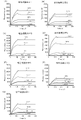
- FIG. 1 is a graph showing the binding ability of aptamers to SARS-CoV-2 spike glycoprotein in Example 1.
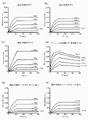
- FIG. 2 is a graph showing the binding ability of the aptamer to the SARS-CoV-2 spiked glycoprotein in Example 2.
- FIG. 3 is a graph showing the binding ability of the aptamer to the SARS-CoV-2 spike glycoprotein in Example 2.
- FIG. 4 is a graph showing the binding ability of the aptamer to the SARS-CoV-2 spike glycoprotein in Example 2.
- FIG. 5 is a graph showing the binding ability of the aptamer to the SARS-CoV-2 spike glycoprotein in Example 2.
- FIG. 6 is a graph showing the binding ability of the aptamer to the SARS-CoV-2 spike glycoprotein in Example 2.
- FIG. 7 is a schematic diagram showing the sequence of SARS-CoV-2 spike glycoprotein.
- FIG. 8 is a graph showing the binding ability of the aptamer to the SARS-CoV-2 spiked glycoprotein in Example 3.
- SARS-CoV-2 spike glycoprotein-binding nucleic acid molecule is any one of the following (a), (b), (c) and (d). Characterized by containing a polynucleotide: (A) A polynucleotide consisting of a base sequence of SEQ ID NOs: 1 to 7 or a partial sequence of the base sequences of SEQ ID NOs: 1 to 7; (B) A polynucleotide consisting of a base sequence having 80% or more identity with respect to the base sequence of (a) above and binding to a SARS-CoV-2 spike glycoprotein; (C) A poly having a base sequence complementary to a polynucleotide that hybridizes under stringent conditions to the polynucleotide having the base sequence of (a) above, and binding to a SARS-CoV-2 spike glycoprotein.
- nucleotide (D) A polynucleotide consisting of a base sequence in which one or several bases are deleted, substituted, inserted and / or added in the base sequence of (a) above and binds to the SARS-CoV-2 spike glycoprotein. ;
- SARS-CoV-2 means severe acute respiratory syndrome coronavirus 2. Infections caused by SARS-CoV-2 are also called COVID-19.
- SARS-Cov-2 is a virus classified in the genus Betacoronavirus.
- the coronavirus containing SARS-CoV-2 contains an envelope composed of an envelope protein, a membrane protein, a spike sugar protein and the like, and a single-stranded RNA which is a genomic RNA is covered with the envelope.
- the surface amino acid of the spiked glycoprotein may or may not be sugar-chain-modified.
- the nucleic acid molecule of the present invention can bind to the SARS-CoV-2 spike glycoprotein, which is a protein constituting SARS-CoV-2.
- the SARS-CoV-2 spike glycoprotein is involved in binding to the target of SARS-CoV-2, angiotensin converting enzyme 2 (ACE2).
- ACE2 angiotensin converting enzyme 2
- a schematic diagram of the sequence of the SARS-CoV-2 spiked glycoprotein is shown in FIG.
- the nucleic acid molecule of the present invention is, for example, a trimer of the RBD domain, the S1 + S2 domain, the S1 domain, and the S1 + S2 domain (also referred to as S-trimer) constituting the SARS-CoV-2 spike glycoprotein. It may be combined with at least one of.
- the binding properties of the nucleic acid molecule of the present invention to the RBD domain, S1 + S2 domain, S1 domain, and trimer are, for example, four types of commercially available reagents shown in Table 1 described in Example 1 described later, respectively. Can be confirmed by using as a target.
- the nucleic acid molecule of the present invention is also referred to as, for example, an aptamer below.
- amino acid sequence of the SARS-CoV-2 spike glycoprotein for example, the following amino acid sequence (SEQ ID NO: 15) registered in accession number P0DTC2 of UniProt (http://www.uniprot.org/) can be used. can give.
- each of the domains of the SARS-CoV-2 spike glycoprotein has RBD domain: 319-541 (SEQ ID NO: 16) and S1 + S2 domain: 13-1273 (SEQ ID NO:) in the amino acid sequence number of accession number P0DTC2. 17), S1 domain: 13-685 (SEQ ID NO: 18).
- One or more mutations eg, deletion, substitution, insertion and /
- each amino acid sequence eg, deletion, substitution, insertion and /
- SARS-CoV-2 spike glycoprotein and each domain thereof for example, to the extent to which the nucleic acid molecule of the present invention binds. Or addition
- SARS-CoV-2 Spike Glycoprotein SEQ ID NO: 15
- RBD domain of SARS-CoV-2 spike glycoprotein (SEQ ID NO: 16) RVQPTESIVRFPNITNLCPFGEVFNATRFASVYAWNRKRISNCVADYSVLYNSASFSTFKCYGVSPTKLNDLCFTNVYADSFVIRGDEVRQIAPGQTGKIADYNYKLPDDFTGCVIAWNSNNLDSKVGGNYLYRLFRKSNLKPFERDISTEIYQAG
- S1 + S2 domain of SARS-CoV-2 spike glycoprotein SEQ ID NO: 17
- S1 domain of SARS-CoV-2 spike glycoprotein SEQ ID NO: 18
- binding to SARS-CoV-2 spike glycoprotein means, for example, “having a binding ability to SARS-CoV-2 spike glycoprotein” or "SARS-CoV-2 spike”. It also has a binding activity to glycoproteins.
- the binding between the nucleic acid molecule of the present invention and the SARS-CoV-2 spike glycoprotein can be determined, for example, by surface plasmon resonance molecule interaction (SPR: Surface Plasma resonance) analysis or the like. For the analysis, for example, ProteON (trade name, BioRad) can be used. Since the nucleic acid molecule of the present invention binds to the SARS-CoV-2 spike glycoprotein, it can be used, for example, for the detection of SARS-CoV-2.
- the nucleic acid molecule of the present invention may be, for example, a molecule composed of the polynucleotide of (a) or (b) above, or a molecule containing the polynucleotide. Further, the nucleic acid molecule of the present invention may be composed of, for example, DNA, RNA or DNA and RNA. When the nucleic acid molecule of the present invention is composed of DNA, the nucleic acid molecule of the present invention can be referred to as, for example, a DNA molecule or a DNA aptamer.
- the polynucleotide (a) may be, for example, a polynucleotide containing the nucleotide sequences of SEQ ID NOs: 1 to 7, or a polynucleotide consisting of the nucleotide sequences of SEQ ID NOs: 1 to 7. Further, the polynucleotide (a) may be a nucleotide containing a partial sequence of the base sequences of SEQ ID NOs: 1 to 7, or may be a polynucleotide composed of the partial sequences.
- the partial sequence is not particularly limited, and may be, for example, a sequence in which at least one of the 5'end and 3'end sequences is deleted from the base sequences of SEQ ID NOs: 1 to 7, or a sequence in the intermediate region is missing. It may be a lost sequence.
- the polynucleotides of SEQ ID NOs: 1 to 7 are shown below. In the base sequences of SEQ ID NOs: 1 to 7 and SEQ ID NOs: 8 to 13, which will be described later, the modified bases are underlined. The modified base will be described later.
- SARS-CoV-2 Spike Glycoprotein-Binding Nucleic Acid Molecular 1 (SEQ ID NO: 1) GGTATGTCTCCGCCACTGAAATCCG T GCC T AA T C T CACCCCACGGAA TT CA T GGCAAAGCCGAGG T G T C TT G T A TT C SARS-CoV-2 spike glycoprotein binding nucleic acid molecule 2 (SEQ ID NO: 2) GGTATGTCTCCGCCACTGAAATC T AA T C T CACA TT G T AAGCAAAGGAGAA T AAGCAAAGCCGAGG T G T C TT G T A TT C SARS-CoV-2 Spike Glycoprotein-Binding Nucleic Acid Molecular 3 (SEQ ID NO: 3) GGTATGTCTCCGCCACTGAAATCCC T GACCGC T GACCAAA T C T CAG T GCAGA T GCAAAGCCGAGG T G T C TT G T A TT C SARS-CoV-2 Spike Glycoprotein-
- the partial sequence is not particularly limited, and for example, the partial sequence of the base sequence of SEQ ID NO: 1 is the base sequence of SEQ ID NO: 8, and the partial sequence of the base sequence of SEQ ID NO: 2 is the base of SEQ ID NO: 9.
- the partial sequence of the base sequence of SEQ ID NO: 3, which is a sequence, is the base sequence of SEQ ID NO: 10, and the partial sequence of the base sequence of SEQ ID NO: 5 is the base sequence of SEQ ID NO: 11.
- the partial sequence of the base sequence of SEQ ID NO: 12 is the base sequence of SEQ ID NO: 12, or the partial sequence of the base sequence of SEQ ID NO: 7 is the base sequence of SEQ ID NO: 13.
- the "identity” is not particularly limited, and may be, for example, as long as the polynucleotide of the above (b) binds to the SARS-CoV-2 spike glycoprotein.
- the identity is, for example, 80% or more, preferably 85% or more, more preferably 90% or more, still more preferably 95% or more, 96% or more, 97% or more, particularly preferably 98% or more, most preferably 99. % Or more.
- the identity can be calculated from the default parameters using, for example, analysis software such as BLAST or FASTA (hereinafter, the same applies).
- the polynucleotide (b) may be, for example, the polynucleotide (b1) below.
- the nucleic acid molecule of the present invention may be, for example, a molecule composed of the polynucleotide of (b1) above or a molecule containing the polynucleotide.
- "including the base sequence of any of SEQ ID NOs: 8 to 13” can also be said to be, for example, "the base sequence of any of SEQ ID NOs: 8 to 13 is conserved".
- the SARS-CoV-2 spike sugar protein comprises a base sequence having 80% or more identity with respect to the base sequence of (a) above, and contains any of the base sequences of SEQ ID NOs: 8 to 13. Polynucleotide to bind
- the polynucleotide in the nucleic acid molecule of the present invention may be, for example, the polynucleotide of (b2) below.
- the nucleic acid molecule of the present invention may be, for example, a molecule composed of the polynucleotide of (b2) above, or a molecule containing the polynucleotide.
- B2 It consists of a base sequence having 80% or more identity with respect to the base sequence of the above (a), and can form a secondary structure represented by the following formulas (2) to (14), and SARS. -CoV-2 Spike Polynucleotide that binds to glycoprotein
- the polynucleotide of (b2) is composed of, for example, a base sequence having 80% or more identity with respect to the base sequences of SEQ ID NOs: 1 to 13, and the above-mentioned formulas (2) to (14), respectively.
- the identity can be referred to, for example, the description of the identity in the polynucleotide of (b).
- the correspondence between the base sequences of SEQ ID NOs: 1 to 13 and the secondary structures represented by the formulas (2) to (14) is shown below.
- the polynucleotide consisting of the base sequence of SEQ ID NO: 1 can form, for example, a secondary structure represented by the above formula (2).
- the polynucleotide consisting of the base sequence of SEQ ID NO: 2 can form, for example, a secondary structure represented by the above formula (3).
- the polynucleotide consisting of the base sequence of SEQ ID NO: 3 can form, for example, a secondary structure represented by the above formula (4).
- the polynucleotide consisting of the base sequence of SEQ ID NO: 4 can form, for example, a secondary structure represented by the above formula (5).
- the polynucleotide consisting of the base sequence of SEQ ID NO: 5 can form, for example, a secondary structure represented by the above formula (6).
- the polynucleotide consisting of the base sequence of SEQ ID NO: 6 can form, for example, a secondary structure represented by the above formula (7).
- the polynucleotide consisting of the base sequence of SEQ ID NO: 7 can form, for example, a secondary structure represented by the above formula (8).
- the polynucleotide consisting of the base sequence of SEQ ID NO: 8 can form, for example, a secondary structure represented by the above formula (9).
- the polynucleotide consisting of the base sequence of SEQ ID NO: 9 can form, for example, a secondary structure represented by the above formula (10).
- the polynucleotide consisting of the base sequence of SEQ ID NO: 10 can form, for example, a secondary structure represented by the above formula (11).
- the polynucleotide consisting of the base sequence of SEQ ID NO: 11 can form, for example, a secondary structure represented by the above formula (12).
- the polynucleotide consisting of the base sequence of SEQ ID NO: 12 can form, for example, a secondary structure represented by the above formula (13).
- the polynucleotide consisting of the base sequence of SEQ ID NO: 13 can form, for example, a secondary structure represented by the above formula (14).
- the polynucleotide of (b2) is specifically composed of, for example, a base sequence having 80% or more identity with respect to the base sequences of SEQ ID NOs: 1 to 3 and 5 to 7, respectively. It is possible to form a secondary structure represented by the above formulas (9) to (14) corresponding to SEQ ID NOs: 8 to 13, which is a partial sequence of the base sequences of SEQ ID NOs: 1 to 3 and 5 to 7, and SARS.
- -CoV-2 Spike A polynucleotide that binds to a glycoprotein.
- the secondary structure can be formed means that, for example, the polynucleotide of the above (b2) can form the stem structure and the loop structure in the above formula.
- the stem structure and loop structure will be described later.
- the base pairs facing each other may be a combination of bases capable of forming a hydrogen bond. Examples of the combination of bases capable of forming a hydrogen bond include AT, TA, AU, UA, GC, and CG.
- the "secondary structure" may be, for example, a secondary structure actually formed or a secondary structure when a simulation is performed by a known means.
- the polynucleotide in the nucleic acid molecule of the present invention may be, for example, the polynucleotide of (c) below.
- the nucleic acid molecule of the present invention may be, for example, a molecule composed of the polynucleotide of the following (c) or a molecule containing the polynucleotide of the following (c).
- C A poly having a base sequence complementary to a polynucleotide that hybridizes under stringent conditions to the polynucleotide having the base sequence of (a) above, and binding to a SARS-CoV-2 spike glycoprotein. nucleotide
- the "hybridizable polynucleotide” is, for example, a polynucleotide completely or partially complementary to the polynucleotide of the above (a), and the SARS-CoV-2 spike sugar. Any range may be used as long as it binds to the protein.
- the hybridization can be detected, for example, by various hybridization assays.
- the hybridization assay is not particularly limited, and is, for example, "Molecular Cloning: A Laboratory Manual 2nd Ed .” Edited by Sambrook et al. [Cold Spring Harbor Laboratory Press]. (1989)] etc. can also be adopted.
- the "stringent condition” may be, for example, any of a low stringent condition, a medium stringent condition, and a high stringent condition.
- Low stringent conditions are, for example, 5 ⁇ SSC, 5 ⁇ Denhardt solution, 0.5% SDS, 50% formamide, 32 ° C. conditions.
- the "medium stringent condition” is, for example, a condition of 5 ⁇ SSC, 5 ⁇ Denhardt solution, 0.5% SDS, 50% formamide, 42 ° C.
- “High stringent conditions” are, for example, 5 ⁇ SSC, 5 ⁇ Denhardt solution, 0.5% SDS, 50% formamide, 50 ° C. conditions.
- the degree of stringency can be set by those skilled in the art by appropriately selecting conditions such as temperature, salt concentration, probe concentration and length, ionic strength, and time.
- the "stringent conditions” are, for example, "Molecular Cloning: A Laboratory Manual 2nd Ed .” Edited by Sambrook et al. [Cold Spring Harbor Laboratory Press (Cold Spring Harbor Laboratory Press). 1989)] etc. can also be adopted.
- the polynucleotide in the nucleic acid molecule of the present invention may be, for example, the polynucleotide of (d) below.
- the nucleic acid molecule of the present invention may be, for example, a molecule composed of the polynucleotide of the following (d) or a molecule containing the polynucleotide of the following (d).
- D A polynucleotide consisting of a base sequence in which one or several bases are deleted, substituted, inserted and / or added in the base sequence of (a) above and binds to the SARS-CoV-2 spike glycoprotein.
- “1 or several” may be, for example, a range in which the polynucleotide of the above (d) binds to the SARS-CoV-2 spike glycoprotein.
- the “1 or several” is, for example, 1 to 16 pieces, 1 to 12 pieces, 1 to 10 pieces, 1 to 8 pieces, 1 to 7 pieces, 1 to 5 pieces, in the base sequence of the above (a). 1 to 3 pieces, 1 to 2 pieces, 1 piece.
- the numerical range of the number of bases, the number of sequences, etc. discloses, for example, all positive integers belonging to the range. That is, for example, the description of "1 to 5 bases” means all disclosures of "1, 2, 3, 4, 5 bases” (hereinafter, the same applies).
- the polynucleotide (d) may be, for example, the polynucleotide (d1) below.
- the nucleic acid molecule of the present invention may be, for example, a molecule composed of the polynucleotide of (d1) or a molecule containing the polynucleotide.
- (d1) "including the base sequence of any of SEQ ID NOs: 8 to 13” can also be said to be “conserving the base sequence of any of SEQ ID NOs: 8 to 13.”
- D1 In the base sequence of (a) above, one or several bases are deleted, substituted, inserted and / or added, and include any of the base sequences of SEQ ID NOs: 8 to 13.
- SARS-CoV-2 Spike A polynucleotide that binds to a glycoprotein
- the polynucleotide (d) may be, for example, the polynucleotide (d2) below.
- the nucleic acid molecule of the present invention may be, for example, a molecule composed of the polynucleotide of (d2) or a molecule containing the polynucleotide.
- D2 In the base sequence of the above (a), one or several bases are deleted, substituted, inserted and / or added, and are represented by the above formulas (2) to (14).
- the constituent unit of the polynucleotide is, for example, a nucleotide residue, and examples thereof include a deoxyribonucleotide residue and a ribonucleotide residue.
- the polynucleotide is, for example, a DNA consisting of a deoxyribonucleotide residue, a DNA containing a deoxyribonucleotide residue and a ribonucleotide residue, and may further contain a non-nucleotide residue.
- the nucleic acid molecule of the present invention may be, for example, a molecule composed of any of the polynucleotides (a) to (d), or a molecule containing any of the polynucleotides (a) to (d).
- the nucleic acid molecule of the present invention may contain, for example, two or more polynucleotides of any one of (a) to (d) above, as will be described later.
- the two or more polynucleotides (a) to (d) may have the same sequence or different sequences.
- the nucleic acid molecule of the present invention may further have, for example, a linker and / or an additional sequence.
- the linker is, for example, a sequence between polynucleotides
- the additional sequence is, for example, a sequence added to the terminal.
- the sequences of the plurality of polynucleotides are linked to form a single-stranded polynucleotide.
- the sequences of the plurality of polynucleotides may be directly linked to each other, for example, or may be indirectly linked to each other via a linker.
- the sequences of the polynucleotides are preferably directly or indirectly linked at their respective ends.
- the number of the sequences is not particularly limited, and is, for example, 2 or more, 2 to 20, 2 to 10, 2 or 3.
- the length of the linker is not particularly limited, and is, for example, 1 to 200 base length, 1 to 24 base length, 1 to 20 base length, 3 to 12 base length, and 5 to 9 base length.
- the constituent unit of the linker is, for example, a nucleotide residue, and examples thereof include a deoxyribonucleotide residue and a ribonucleotide residue.
- the linker is not particularly limited, and examples thereof include polynucleotides such as DNA consisting of deoxyribonucleotide residues and DNA containing ribonucleotide residues.
- linker examples include polydeoxythymine (poly dT), polydeoxyadenine (poly dA), poly dAdT which is a repeating sequence of A and T, and the like, and poly dT and poly dAdT are preferable.
- the polynucleotide is preferably a single-stranded polynucleotide. It is preferred that the single-stranded polynucleotide be capable of forming a stem structure and a loop structure, for example, by self-annealing. It is preferable that the polynucleotide can form, for example, a stem loop structure, an internal loop structure and / or a bulge structure.
- the nucleic acid molecule of the present invention may be, for example, double-stranded.
- one single-stranded polynucleotide comprises any of the polynucleotides (a)-(d) above, and the other single-stranded polynucleotide is not limited.
- the other single-stranded polynucleotide include a polynucleotide containing a base sequence complementary to any of the polynucleotides (a) to (d).
- the nucleic acid molecule of the present invention is double-stranded, for example, it is preferable to dissociate it into a single-stranded polynucleotide by denaturation or the like prior to use. Further, it is preferable that the dissociated single-stranded polynucleotide according to any one of (a) to (d) forms, for example, a stem structure and a loop structure as described above.
- the stem structure and the loop structure can be formed means, for example, that the stem structure and the loop structure are actually formed, and even if the stem structure and the loop structure are not formed, the stem structure is conditionally formed. And the ability to form loop structures.
- stem structure and loop structure can be formed includes, for example, both the case of experimental confirmation and the case of prediction by simulation of a computer or the like.
- the constituent unit of the nucleic acid molecule of the present invention is, for example, a nucleotide residue.
- the length of the nucleic acid molecule is not particularly limited.
- the lower limit of the length of the nucleic acid molecule is, for example, 15 base length, 35 base length, 55 base length, and 75 base length.
- the upper limit of the length of the nucleic acid molecule is, for example, 1000 base length, 200 base length, 100 base length, 90 base length, and 80 base length.
- the range of lengths of the nucleic acid molecules is, for example, 15 to 1000 bases, 35 to 200 bases, 55 to 90 bases, and 75 to 80 bases.
- nucleotide residue examples include a deoxyribonucleotide residue and a ribonucleotide residue.
- nucleic acid molecule of the present invention examples include DNA composed only of deoxyribonucleotide residues, and DNA containing one or several ribonucleotide residues. In the latter case, "1 or several" is not particularly limited, and for example, in the polynucleotide, for example, 1 to 91, 1 to 30, 1 to 15, 1 to 7, 1 to 3 in the polynucleotide. One or two.
- the polynucleotide may contain a natural base or a modified base as a base in a nucleotide residue.
- the natural base non-artificial base
- examples thereof include a purine base having a purine skeleton, a pyrimidine base having a pyrimidine skeleton, and the like.
- the purine base is not particularly limited, and examples thereof include adenine (a) and guanine (g).
- the pyrimidine base is not particularly limited, and examples thereof include cytosine (c), thymine (t), and uracil (u).
- the site and number thereof are not particularly limited.
- the nucleic acid molecule of the present invention has the modified base, in the polynucleotides of SEQ ID NOs: 1 to 13, for example, a part or all of the underlined thymine is the modified base.
- the underlined thymine is a modified base
- the modified base is preferably a modified thymine modified with a thymine base.
- the modified base is, for example, a base modified with a modifying group.
- the base modified by the modifying group is, for example, the natural base.
- Examples of the natural base include purine bases and pyrimidine bases.
- the modified base is not particularly limited, and examples thereof include modified adenine, modified guanine, modified cytosine, modified thymine, and modified uracil.
- the modified base may be directly modified with the modifying group, or the modified base may be indirectly modified with the modifying group. In the latter case, for example, the modified base may be modified with the modifying group via a linker.
- the linker is not particularly limited.
- the modification site of the modified base with the modifying group is not particularly limited.
- the modification site of the pyrimidine base includes, for example, the 5-position and the 6-position of the pyrimidine skeleton, and the 5-position is preferable.
- timine has a methyl group on the carbon at the 5-position, so that the modifying group may be directly or indirectly bonded to the carbon at the 5-position, for example.
- the modifying group may be directly or indirectly bonded to the carbon of the methyl group bonded to the carbon at the 5-position.
- modified thymine base examples include nucleotide residues represented by the following formula (1) (hereinafter, also referred to as “NG7”).
- the nucleotide triphosphate represented by the above formula (1) can be used as a monomer molecule.
- the monomer molecule binds to another nucleotide triphosphate by a phosphodiester bond.
- the method for producing the monomer can be produced by a known method, and for example, International Publication No. 2018/052063 can be referred to.
- the nucleotide residue containing the modified thymine base in the polynucleotide is represented by, for example, the following formula (1A).
- the underlined thymine base in the base sequences of SEQ ID NOs: 1 to 13 is preferably a modified thymine base represented by the above formula (1).
- the underlined nucleotide residue in the polynucleotide consisting of the nucleotide sequences of SEQ ID NOs: 1 to 13 is the nucleotide residue represented by the above formula (1A).
- the polynucleotide may contain, for example, only one type of modified base, or may contain two or more types of modified bases.
- the nucleic acid molecule of the present invention may contain, for example, a modified nucleotide.
- the modified nucleotide may be a nucleotide having the above-mentioned modified base, a nucleotide having a modified sugar modified with a sugar residue, or a nucleotide having the modified base and the modified sugar.
- the sugar residue is not particularly limited, and examples thereof include a deoxyribose residue and a ribose residue.
- the modification site in the sugar residue is not particularly limited, and examples thereof include the 2'-position and the 4'-position of the sugar residue, and both of them may be modified.
- Examples of the modifying group of the modified sugar include a methyl group, a fluoro group, an amino group, a thio group and the like.
- the base is a pyrimidine base in the modified nucleotide residue
- the 2'position and / or the 4'position of the sugar residue is modified.
- the modified nucleotide residue include, for example, a deoxyribose residue or a 2'-methylated-urasyl nucleotide residue modified at the 2'position of the ribose residue, and a 2'-methylated-cytosine nucleotide residue.
- the number of the modified bases is not particularly limited. In the polynucleotide, the number of the modified bases is, for example, one or more.
- the modified base is, for example, 1 to 80, 1 to 70, 1 to 50, 1 to 40, 1 to 30, 1 to 20, 1 to 10 in the polynucleotide, and also.
- All bases may be the modified bases.
- the number of the modified bases may be, for example, the number of any one type of the modified bases, or the total number of the two or more types of the modified bases.
- the modified base in the total length of the nucleic acid molecule containing the polynucleotide is also not particularly limited, and is, for example, 1 to 80, 1 to 50, and 1 to 20, preferably the same as the above range. Is.
- the ratio of the modified base is not particularly limited.
- the ratio of the modified base is, for example, 1/100 or more, 1/40 or more, 1/20 or more, 1/10 or more, 1/4 or more, and 1/3 or more of the total number of bases of the polynucleotide. ..
- the ratio of the modified base to the total length of the nucleic acid molecule containing the polynucleotide is not particularly limited and is the same as the above range.
- the total number of bases is, for example, the total number of natural bases and the number of modified bases in the polynucleotide.
- the ratio of the modified base is shown as a fraction, and the total number of bases and the number of modified bases satisfying this are positive integers, respectively.
- the number of the modified thymine is not particularly limited.
- natural thymine can be replaced with the modified thymine.
- the number of the modified thymines is, for example, one or more.
- the modified thymine is, for example, 1 to 80, 1 to 70, 1 to 50, 1 to 40, 1 to 30, 1 to 20, 1 to 10 in the polynucleotide, and also. , All thymines may be the modified thymines.
- the proportion of the modified thymine in the polynucleotide is not particularly limited.
- the ratio of the modified thymine is, for example, 1/100 or more, 1/40 or more, 1/20 or more, 1/10 or more, 1/4 or more in the total of the number of the natural thymine and the number of the modified thymine. , 1/3 or more.
- the nucleic acid molecule of the present invention may contain, for example, one or several artificial nucleic acid monomer residues.
- the "1 or several" is not particularly limited, and is, for example, 1 to 100, 1 to 50, 1 to 30, 1 to 10 in the polynucleotide.
- Examples of the artificial nucleic acid monomer residue include PNA (peptide nucleic acid), LNA (Locked Nucleic Acid), ENA (2'-O, 4'-C-Ethylene-bridged Nucleic Acids) and the like.
- the nucleic acid at the monomer residue is, for example, the same as described above.
- the nucleic acid molecule of the present invention is preferably nuclease resistant, for example.
- the nucleic acid molecule of the present invention preferably has, for example, the modified nucleotide residue and / or the artificial nucleic acid monomer residue because of nuclease resistance. Since the nucleic acid molecule of the present invention is nuclease resistant, for example, PEG (polyethylene glycol) of several tens of kDa, deoxythymidine, or the like may be bound to the 5'end or 3'end.
- PEG polyethylene glycol
- the nucleic acid molecule of the present invention may further have, for example, an additional sequence.
- the additional sequence is preferably attached to at least one of the 5'end and the 3'end of the nucleic acid molecule, more preferably the 3'end.
- the additional sequence is not particularly limited.
- the length of the additional sequence is not particularly limited, and is, for example, 1 to 200 base lengths, 1 to 50 base base lengths, 1 to 25 base base lengths, and 18 to 24 base base lengths.
- the constituent unit of the additional sequence is, for example, a nucleotide residue, and examples thereof include a deoxyribonucleotide residue and a ribonucleotide residue.
- the additional sequence is not particularly limited, and examples thereof include polynucleotides such as DNA consisting of deoxyribonucleotide residues and DNA containing ribonucleotide residues. Specific examples of the additional sequence include poly dT, poly dA and the like.
- the nucleic acid molecule of the present invention can be used, for example, by immobilizing it on a carrier.
- the nucleic acid molecule of the present invention preferably has, for example, either the 5'end or the 3'end immobilized, more preferably the 3'end.
- the nucleic acid molecule of the present invention may be immobilized directly on the carrier or indirectly. In the latter case, for example, it is preferable to immobilize via the additional sequence.
- the nucleic acid molecule of the present invention may further have, for example, a labeling substance, and specifically, the labeling substance may be bound to the nucleic acid molecule.
- the nucleic acid molecule to which the labeling substance is bound can also be referred to as, for example, the nucleic acid sensor of the present invention.
- the labeling substance may be attached to at least one of the 5'end and the 3'end of the nucleic acid molecule, for example. Labeling with the labeling substance may be, for example, binding or chemical modification.
- the labeling substance is not particularly limited, and examples thereof include enzymes, fluorescent substances, dyes, isotopes, drugs, toxins, and antibiotics. Examples of the enzyme include luciferase and NanoLuc luciferase.
- fluorescent substance examples include fluorescent groups such as pyrene, TAMRA, fluorescein, Cy3 dye, Cy5 dye, FAM dye, rhodamine dye, Texas red dye, JOE, MAX, HEX, and TYE.
- fluorescent groups such as pyrene, TAMRA, fluorescein, Cy3 dye, Cy5 dye, FAM dye, rhodamine dye, Texas red dye, JOE, MAX, HEX, and TYE.
- Alexa dyes such as Alexa488 and Alexa647.
- the labeling substance may be directly linked to the nucleic acid molecule, for example, or may be indirectly linked via a linker.
- the linker is not particularly limited, and is, for example, a polynucleotide linker and the like.
- the method for producing a nucleic acid molecule of the present invention is not particularly limited, and can be synthesized by a genetic engineering method or a known method, for example, a nucleic acid synthesis method using chemical synthesis.
- the nucleic acid molecule of the present invention exhibits binding properties to the SARS-CoV-2 spike glycoprotein. Therefore, the use of the nucleic acid molecule of the present invention is not particularly limited as long as it is used for utilizing the binding property to the SARS-CoV-2 spike glycoprotein.
- the nucleic acid molecule of the present invention can be used in various methods, for example, in place of the antibody against the SARS-CoV-2 spike glycoprotein.
- SARS-CoV-2 spike glycoprotein can be detected. This makes it possible to detect SARS-CoV-2.
- the method for detecting SARS-CoV-2 spiked glycoprotein and SARS-CoV-2 is not particularly limited, and for example, referring to the detection method described later, binding of SARS-CoV-2 spiked glycoprotein to the nucleic acid molecule. Can be done by detecting.
- the detection sensor of the present invention is a SARS-CoV-2 detection sensor and is characterized by containing the nucleic acid molecule of the present invention. ..
- the detection sensor of the present invention may contain the nucleic acid molecule of the present invention, and other configurations are not particularly limited.
- the detection sensor of the present invention for example, by binding the nucleic acid molecule and the SARS-CoV-2 spike glycoprotein, the SARS-CoV-2 can be detected as described above.
- the detection sensor of the present invention has, for example, a carrier, and the nucleic acid molecule is arranged on the carrier.
- the nucleic acid molecule is preferably immobilized on the carrier. Immobilization of the nucleic acid molecule on the carrier is, for example, as described above.
- the method of using the detection sensor of the present invention is not particularly limited, and the nucleic acid molecule of the present invention and the detection method of the present invention can be incorporated.
- the detection reagent of the present invention is characterized by containing the SARS-CoV-2 spike glycoprotein-binding nucleic acid molecule of the present invention.
- the detection reagent of the present invention may contain the nucleic acid molecule of the present invention, and other configurations are not limited.
- the SARS-CoV-2 can be detected as described above.
- the detection reagent of the present invention may include, for example, the sensor of the present invention as the nucleic acid molecule of the present invention.
- the detection reagent of the present invention may further have, for example, a labeling substance, and the labeling substance may be bound to the nucleic acid molecule.
- the labeling substance for example, the description in the nucleic acid molecule of the present invention can be incorporated.
- the detection reagent of the present invention may have, for example, a carrier, and the nucleic acid molecule may be immobilized on the carrier.
- the carrier for example, the description in the nucleic acid molecule of the present invention can be incorporated.
- the detection reagent of the present invention may contain other components in addition to the nucleic acid molecule of the present invention, for example.
- the component include a non-specific adsorbent, the carrier, a buffer solution, an instruction manual, and the like.
- the non-specific adsorbent include dextran, tRNA (transfer RNA), salmon sperm DNA and the like.
- tRNA for example, tRNA from E. coli MRE 600 (Merck Life Science Co., Ltd., Cat No.: 10109541001) or the like can be used.
- As the salmon sperm DNA for example, deoxyribonucleic acid, low molecular weight from salmon sperm (manufactured by Sigma-Aldrich, Cat No .: 31149-10G-F) and the like can be used.
- the nucleic acid molecule and other components such as the buffer solution may be contained in separate containers, or may be mixed or unconfused in the same container.
- the detection reagent of the present invention can also be referred to as a detection kit.
- the detection method of the present invention comprises contacting a sample with a nucleic acid molecule to detect the SARS-CoV-2 spiked glycoprotein in the sample, and the nucleic acid molecule comprises a step of detecting the SARS-CoV-2 spiked glycoprotein.
- the SARS-CoV-2 spiked glycoprotein-binding nucleic acid molecule of the present invention In the detection step, the SARS-CoV-2 spiked glycoprotein in the sample and the nucleic acid molecule are bound to each other, and the binding results in the binding. It is characterized by detecting SARS-CoV-2 in a sample.
- the detection method of the present invention is characterized by using the nucleic acid molecule of the present invention, and other steps, conditions and the like are not particularly limited. Further, in the detection method of the present invention, the SARS-CoV-2 detection sensor of the present invention or the detection reagent or detection kit of the present invention may be used as the nucleic acid molecule of the present invention.
- the nucleic acid molecule of the present invention specifically binds to the SARS-CoV-2 spiked glycoprotein, for example, the binding between the SARS-CoV-2 spiked glycoprotein and the nucleic acid molecule is detected.
- the detection method of the present invention can detect the presence or absence of SARS-CoV-2 spiked glycoprotein or the amount of SARS-CoV-2 spiked glycoprotein in a sample, and thus can be qualitative or quantitative. It can be said that it is possible.
- the detection method of the present invention can be referred to as an analysis method because it can be used for qualitative analysis or quantitative analysis, for example.
- the sample is not particularly limited.
- the sample include aerosols, saliva, urine, plasma and serum.
- the aerosol refers to, for example, a mixture of fine liquid or solid particles suspended in a gas and surrounding gas.
- a gas that may contain the minute liquid, solid particles, or the like can be used as the sample.
- the sample may be, for example, a gas sample (including the aerosol), a liquid sample, or a solid sample.
- the sample is preferably a liquid sample, for example, because it is easy to come into contact with the nucleic acid molecule and is easy to handle.
- a mixture, an extract, a solution, or the like may be prepared using a solvent and used.
- the solvent is not particularly limited, and examples thereof include water, physiological saline, and a buffer solution.
- the detection step includes, for example, a contact step of bringing the sample into contact with the nucleic acid molecule to bind the SARS-CoV-2 spike glycoprotein in the sample to the nucleic acid molecule, and the SARS-CoV-2 spike. It includes a binding detection step of detecting a binding between a glycoprotein and the nucleic acid molecule. Further, the detection step further includes, for example, a step of detecting the presence or absence or amount of SARS-CoV-2 spike glycoprotein in the sample based on the result of the binding detection step.
- the contact method between the sample and the nucleic acid molecule is not particularly limited.
- the contact between the sample and the nucleic acid molecule is preferably carried out, for example, in a liquid.
- the liquid is not particularly limited, and examples thereof include water, physiological saline, and a buffer solution.
- the contact conditions between the sample and the nucleic acid molecule are not particularly limited.
- the contact temperature is, for example, 4 to 37 ° C. and 18 to 25 ° C.
- the contact time is, for example, 10 to 120 minutes and 30 to 60 minutes.
- the nucleic acid molecule may be, for example, an immobilized nucleic acid molecule immobilized on a carrier or an unfixed free nucleic acid molecule.
- a carrier for example, the sample is brought into contact with the sample.
- the immobilized nucleic acid molecule is preferable because it is excellent in handleability.
- the carrier is not particularly limited, and examples thereof include a substrate, beads, a container, and the like, and examples of the container include a microplate, a tube, and the like.
- the immobilization of the nucleic acid molecule is, for example, as described above.
- the binding detection step is a step of detecting the binding between the SARS-CoV-2 spike glycoprotein and the nucleic acid molecule in the sample.
- the binding detection step is a step of detecting the binding between the SARS-CoV-2 spike glycoprotein and the nucleic acid molecule in the sample.
- the binding between the SARS-CoV-2 spiked glycoprotein and the nucleic acid molecule cannot be detected, it can be determined that the SARS-CoV-2 spiked glycoprotein and SARS-CoV-2 are not present in the sample. When the binding is detected, it can be determined that SARS-CoV-2 spike glycoprotein and SARS-CoV-2 are present in the sample.
- the method for detecting the binding between the SARS-CoV-2 spike glycoprotein and the nucleic acid molecule is not particularly limited.
- a conventionally known method for detecting a bond between substances can be adopted, and specific examples thereof include the above-mentioned SPR and the like.
- the binding may be, for example, detection of a complex of the SARS-CoV-2 spike glycoprotein and the nucleic acid molecule.
- SARS-CoV-2 virus inactivating agent of the present invention is, as described above, the SARS-CoV-2 spiked glycoprotein-binding nucleic acid molecule of the present invention. It is characterized by including.
- the inactivating agent of the present invention is characterized by using the nucleic acid molecule of the present invention, and other configurations are not particularly limited.
- Activity is, for example, the function of SARS-CoV-2 spike glycoprotein and SARS-CoV-2, specifically, for example, the function of binding to a target (eg, angiotensin converting enzyme 2 (ACE2)). Can be given. It may also be, for example, infectious and virulent of SARS-CoV-2.
- ACE2 angiotensin converting enzyme 2
- Inactivation refers to, for example, inhibiting the functions of SARS-CoV-2 spike glycoprotein and SARS-CoV-2. The “inactivation” may completely suppress or partially suppress the activity.
- the nucleic acid molecule of the present invention specifically binds to the SARS-CoV-2 spiked glycoprotein. Therefore, for example, by binding the SARS-CoV-2 spiked glycoprotein to the nucleic acid molecule. It is possible to inactivate SARS-CoV-2 spiked glycoproteins and SARS-CoV-2.
- the inactivation or inactivation can also be referred to as, for example, "neutralization”. Therefore, the inactivating agent of the present invention can also be called a neutralizing agent.
- Example 1 The binding ability of the SARS-CoV-2 spiked glycoprotein-binding nucleic acid molecule of the present invention to the SARS-CoV-2 spiked glycoprotein was confirmed by SPR.
- SARS-CoV-2 spike glycoprotein-binding nucleic acid molecules 1 to 7 (hereinafter, also referred to as "binding nucleic acid molecules 1 to 7, respectively))). It was synthesized and used as the DNA aptamer of the example.
- SARS-CoV-2 spike glycoprotein-binding nucleic acid molecules 1 to 7 the underlined thymine nucleotide residue in the base sequence of SEQ ID NOs: 1 to 7 was designated as NG7 represented by the above formula (1).
- the SARS-CoV-2 spike glycoprotein-binding nucleic acid molecules 1 to 7 were added with 20-base-long polydeoxyadenine (poly dA) at the 3'end and used as a poly dA-added aptamer in SPR described later. ..
- the "RBD domain” is the RBD domain (hereinafter, also referred to as RBD) that constitutes the SARS-CoV-2 spike glycoprotein
- the "S1 + S2 domain” is the SARS-CoV-, respectively.
- S1 domain is the S1 domain (hereinafter also referred to as S1) constituting the SARS-CoV-2 spiked glycoprotein
- “3 "Protein” indicates the trimer of the S1 + S2 domain (hereinafter, also referred to as a trimer).
- the amino acid sequence of each target is prepared based on the amino acid sequence registered in the following NCBI accession numbers, and has the amino acid sequences of the above-mentioned SEQ ID NOs: 15 to 18.
- RBD domain YP_009724390.1 S1 + S2 domain: YP_009724390.1 S1 domain: QHD43416.1 Trimer: QHD43416.1
- each of the reagents was dissolved in sterilized distilled water to a concentration of 1 mg / mL, and the solution was used as a sample.
- SB1T buffer was used for diluting each of the samples.
- the composition of the SB1T buffer was 40 mmol / L HEPES (pH is 7.4), 125 mmol / L NaCl, 1 mmol / L MgCl 2, 5 mmol / L KCl and 0.01% Tween® 20.
- a chip with streptavidin immobilized (trade name: ProteOnNLC SensorChip, BioRad) was set in ProteON XPR36.
- DW ultrapure water
- 2.5 ⁇ mol / L biotinylated poly dT was injected into the flow cell of the sensor chip and bound until the signal intensity (RU: Resonance Unit) was saturated.
- the biotinylated poly dT was prepared by biotinylated the 5'end of 20 base length deoxythymidine.
- the bound nucleic acid molecules 1 to 7 to which the poly dA of 200 nmol / L is added are injected into the flow cell of the chip at a flow rate of 25 ⁇ L / min for 80 seconds to saturate the signal intensity. Combined up to.
- each of the 400 nmol / L samples was injected with SB1T buffer at a flow rate of 50 ⁇ L / min for 120 seconds, and subsequently, under the same conditions, the SB1T buffer was flowed and washing was performed for 300 seconds.
- the signal intensity after the injection of the sample was measured with the injection start of the sample as 0 second.
- the SPR was performed under the condition of 25 ° C.
- the signal intensity was measured in the same manner except that a sample containing BSA (manufactured by Sigma, catalog number: # A7906) was used instead of each sample shown in Table 1 above.
- FIGS. 1 (A) to 1 (G) are graphs showing the binding properties of the binding nucleic acid molecules 1 to 7 to each of the 400 nmol / L samples.
- the horizontal axis shows the elapsed time (seconds) after the start of injection of the sample, and the vertical axis shows the signal intensity (RU).
- the bound nucleic acid molecules 1, 2, 5 to 7 are particularly RBD, S1S2, S1 and among the above samples. And to the trimer, it showed binding. Further, as shown in FIGS.
- the bound nucleic acid molecules 3 and 4 show binding property to each of the above samples, particularly S1S2, S1 and trimer. rice field.
- the control BSA
- all of the binding nucleic acid molecules 1 to 7 had a signal intensity of almost 0 and did not show binding property. From this result, it was found that the bound nucleic acid molecules 1 to 7 bind to each of the samples with excellent specificity, and the binding can be detected by measuring the signal intensity.
- the binding ability of the bound nucleic acid molecule of the present invention to SARS-CoV-2 spike glycoprotein was confirmed by SPR.
- SARS-CoV-2 spiked glycoprotein-binding nucleic acid molecule of the present invention can be subjected to the binding ability to the SARS-CoV-2 spiked glycoprotein by SPR under the solution condition to which dextran having an effect of preventing non-specific binding of nucleic acid is added. confirmed. In addition, dynamic parameters were obtained.
- control nucleic acid molecule the control nucleic acid molecule (SEQ ID NO: 14) consisting of the base sequence of the following SEQ ID NO: 14 was used instead of the binding nucleic acid molecules 1 to 13, and the experiment was conducted in the same manner.
- the base sequence of SEQ ID NO: 14 below is the base sequence described in Non-Patent Document 1 (Song Y et al, Anal. Chem. (2020), 92, 9895-9900.).
- Control nucleic acid molecule (SEQ ID NO: 14) CAGCACCGACCTTGTGCTTTGGGAGTGCTGGTCCAAGGGCGTTAATGGACA
- SB1T buffer containing dextran a buffer to which dextran was added
- the composition of the SB1T buffer containing dextran is 40 mmol / L HEPES (pH is 7.4), 125 mmol / L NaCl, 1 mmol / L MgCl 2, 5 mmol / L KCl, 0.01% Tween® 20, and It was set to 0.1 mmol / L dextran.
- FIGS. 2 to 6 are graphs showing the binding properties of the binding nucleic acid molecules 1, 2, 5 to 9, 11 to 13 to the RBD, and FIGS. 2 to 5K are the results without dextran, (L).
- ⁇ (V) shows the result with dextran.
- the horizontal axis represents the elapsed time (seconds) after the start of injection of the sample
- the vertical axis represents the signal intensity (RU).
- the black dotted line indicates the actually measured value
- the gray solid line indicates the fitting curve calculated based on the actually measured value.
- the bound nucleic acid molecules 1, 2, 5 to 9, 11 to 13 are in the condition without dextran and with dextran. It showed high binding to the RBD.
- the control nucleic acid molecule (SEQ ID NO: 14) showed binding to the RBD in the buffer without dextran, but in the buffer containing dextran. Lost its binding to the RBD. From this result, the binding nucleic acid molecules 1, 2, 5 to 9, 11 to 13 can bind to the RBD with better specificity as compared with the control nucleic acid molecule (SEQ ID NO: 14). all right.
- FIG. 6 is a graph showing the binding properties of the binding nucleic acid molecules 3, 4, and 10 to the trimer, (A) to (D) are the results without dextran, and (E) and (F) are. The result with dextran is shown.
- the horizontal axis shows the elapsed time (seconds) after the start of injection of the sample, and the vertical axis shows the signal intensity (RU).
- the bound nucleic acid molecules 3, 4, and 10 have signal intensities after the start of injection under the conditions of no dextran and with dextran. RU) was constant.
- FIG. 6 was constant.
- the signal intensity (RU) of the control nucleic acid molecule (SEQ ID NO: 14) decreased with the lapse of time after the start of injection. From this result, the bound nucleic acid molecules 3, 4, and 10 are slower (slow off rate) and higher than the control nucleic acid molecule (SEQ ID NO: 14) with respect to the trimer. It was found to have a binding force.
- Tables 2 and 3 show the dissociation constants (KD) of the bound nucleic acid molecules 1 to 13 for the RBD and the trimer, respectively.
- KD dissociation constant
- Table 2 "*" indicates that the dissociation constant (KD) was below the detection limit that can be measured by SPR. It is considered that this is because the divergence of the bound nucleic acid molecule was slow and the off rate was a very small value.
- the bound nucleic acid molecules 1 to 13 have very low dissociation constants (KD) for the RBD and the trimer as compared to the control nucleic acid molecule (SEQ ID NO: 14). It was a value and was found to have excellent binding properties.
- the binding ability of the bound nucleic acid molecule of the present invention to SARS-CoV-2 spike glycoprotein could be confirmed by SPR under the solution condition to which dextran having an effect of preventing non-specific binding of nucleic acid was added. ..
- the dynamic parameters could be obtained.
- Example 3 The ability of the SARS-CoV-2 spiked glycoprotein-binding nucleic acid molecule of the present invention to bind to the SARS-CoV-2 spiked glycoprotein was evaluated by ELAA (Enzyme Linked Aptamer Assay).
- the wells are washed once with 200 ⁇ l SB1T buffer (40 mmol / l HEPES (pH 7.4), 125 mmol / l NaCl, 1 mmol / l MgCl 2 , 5 mmol / l KCl, 0.01% Tween 20).
- SB1T buffer 40 mmol / l HEPES (pH 7.4), 125 mmol / l NaCl, 1 mmol / l MgCl 2 , 5 mmol / l KCl, 0.01% Tween 20.
- TBS blocking buffer Cat No .: 37570, manufactured by Pierce Biotechnology
- the aptamer was adjusted to 1 ⁇ mol / l with SB1T buffer and heat-denatured under the conditions of 95 ° C. for 5 minutes. After the denaturation, the mixture was rapidly cooled to 4 ° C. and folded. The aptamer was added to the well on which RBD was immobilized at 50 ⁇ l / well and incubated at 25 ° C. for 1 hour. After the incubation, the wells were washed 3 times with 200 ⁇ l SB1T buffer.
- SA-HRP streptavidin-horseradish peroxidase
- FIG. 8 is a graph showing the binding ability of bound nucleic acid molecules 1 and 8 to the RBD.
- the vertical axis shows the average of the difference in absorbance for the same 3 wells of the sample
- the error bar shows the standard deviation
- the horizontal axis shows the type of bound nucleic acid molecule and the presence or absence of addition of RBD.
- the difference in absorbance did not change with or without the addition of RBD.
- the bound nucleic acid molecules 1 and 8 the difference in absorbance increased in the presence of RBD.
- SARS-CoV-2 spike glycoprotein binding nucleic acid molecule comprising any of the following polynucleotides (a), (b), (c) and (d):
- A A polynucleotide consisting of a base sequence of SEQ ID NOs: 1 to 7 or a partial sequence of the base sequences of SEQ ID NOs: 1 to 7;
- B A polynucleotide consisting of a base sequence having 80% or more identity with respect to the base sequence of (a) above and binding to a SARS-CoV-2 spike glycoprotein;
- C A poly having a base sequence complementary to a polynucleotide that hybridizes under stringent conditions to the polynucleotide having the base sequence of (a) above, and binding to a SARS-CoV-2 spike glycoprotein.
- nucleotide (D) A polynucleotide consisting of a base sequence in which one or several bases are deleted, substituted, inserted and / or added in the base sequence of (a) above and binds to the SARS-CoV-2 spike glycoprotein.
- SEQ ID NO: 1 GGTATGTCTCCGCCACTGAAATCCG T GCC T AA T C T CACCCCACGGAA TT CA T GGCAAAGCCGAGG T G T C TT G T A TT C
- SEQ ID NO: 2 GGTATGTCTCCGCCACTGAAATC T AA T C T CACA TT G T AAGCAAAGGAGAA T AAGCAAAGCCGAGG T G T C TT G T A TT C
- SEQ ID NO: 3 GGTATGTCTCCGCCACTGAAATCCC T GACCGC T GACCAAA T C T CAG T GCAGA T GCAAAGCCGAGG T G T C TT G T A TT C
- SEQ ID NO: 4 GGTATGTCTCCGCCACTGAAATC TT G T CCCC T AA T AGG TT CCGAC T GACAAG T GCAAAGCCGAGG T G T C TT G T A TT C
- SEQ ID NO: 5 GGTTTAGCCCT
- the partial sequence of the base sequence of SEQ ID NO: 1 is the base sequence of SEQ ID NO: 8.
- the partial sequence of the base sequence of SEQ ID NO: 2 is the base sequence of SEQ ID NO: 9.
- the partial sequence of the base sequence of SEQ ID NO: 3 is the base sequence of SEQ ID NO: 10.
- the partial sequence of the base sequence of SEQ ID NO: 5 is the base sequence of SEQ ID NO: 11.
- the partial sequence of the base sequence of SEQ ID NO: 6 is the base sequence of SEQ ID NO: 12, or
- the nucleic acid molecule according to Appendix 1, wherein the partial sequence of the base sequence of SEQ ID NO: 7 is the base sequence of SEQ ID NO: 13.
- SEQ ID NO: 8 CCACTGAAATCCG T GCC T AA T C T CACCCCACGGAA TT CA T GG;
- SEQ ID NO: 9 TCCGCCACTGAAATC T AA T C T CACA TT G T AAGCAAAGGAGAA T AA;
- SEQ ID NO: 10 CCACTGAAATCCC T GACCGC T GACCAAA T C T CAG T GCAGA T;
- SEQ ID NO: 11 TGTGCACTCTCCCGG T A T CCC T AA T C T CACCCGA T ACC;
- SEQ ID NO: 12 TGACATGAGCCAGG T GCA T C TT GAACG T CA T AGA T ACCG TT GA T G T GC T G;
- SEQ ID NO: 13 GCTGATACTCGG T A T CCC T AA T C T CACCCGA T ACCG.
- B1 The SARS-CoV-2 spike sugar protein comprises a base sequence having 80% or more identity with respect to the base sequence of (a) above, and contains any of the base sequences of SEQ ID NOs: 8 to 13. The polynucleotide to which it binds.
- (D1) In the base sequence of (a) above, one or several bases are deleted, substituted, inserted and / or added, and include any of the base sequences of SEQ ID NOs: 8 to 13.
- SARS-CoV-2 Spike A polynucleotide that binds to a glycoprotein.
- (Appendix 5) The SARS-CoV-2 spike glycoprotein-binding nucleic acid molecule according to any one of Supplementary note 1 to 4, wherein the binding nucleic acid molecule contains a modified base in which the base is modified with a modifying group.
- a SARS-CoV-2 detection reagent comprising the SARS-CoV-2 spike glycoprotein-binding nucleic acid molecule according to any one of Supplementary Notes 1 to 9.
- (Appendix 12) It comprises a step of contacting a sample with a nucleic acid molecule to detect the SARS-CoV-2 spiked glycoprotein in the sample.
- the nucleic acid molecule is the SARS-CoV-2 spike glycoprotein-binding nucleic acid molecule according to any one of Supplementary note 1 to 9.
- the SARS-CoV-2 spike glycoprotein in the sample is bound to the nucleic acid molecule, and the SARS-CoV-2 spike glycoprotein in the sample is detected by the binding. How to detect SARS-CoV-2.
- Appendix 13 The method for detecting SARS-CoV-2 according to Appendix 12, wherein the sample is at least one selected from the group consisting of aerosol, saliva, urine, plasma, and serum.
- Appendix 14 A SARS-CoV-2 virus inactivating agent or neutralizing agent comprising the SARS-CoV-2 spike glycoprotein-binding nucleic acid molecule according to any one of Supplementary Notes 1 to 9.
- the SARS-CoV-2 spike glycoprotein-binding nucleic acid molecule of the present invention can specifically bind to the SARS-CoV-2 spike glycoprotein, has a high binding force, and has a slow dissociation. Therefore, according to the SARS-CoV-2 spiked glycoprotein-binding nucleic acid molecule of the present invention, for example, depending on the presence or absence of binding to the SARS-CoV-2 spiked glycoprotein in the sample, SARS-CoV- 2 Spike glycoproteins can be detected.
- the SARS-CoV-2 spiked glycoprotein-binding nucleic acid molecule of the present invention is an extremely useful tool for detecting SARS-CoV-2 in the fields of preventive medicine, health care, diagnosis of infectious diseases, etc., for example. I can say.
- the SARS-CoV-2 spike glycoprotein-binding nucleic acid molecule of the present invention can be used, for example, for virus detection in biological samples and aerosols, virus inactivation, and the like.
Landscapes
- Health & Medical Sciences (AREA)
- Life Sciences & Earth Sciences (AREA)
- Engineering & Computer Science (AREA)
- Chemical & Material Sciences (AREA)
- Genetics & Genomics (AREA)
- Biomedical Technology (AREA)
- Molecular Biology (AREA)
- Organic Chemistry (AREA)
- Biotechnology (AREA)
- Zoology (AREA)
- Wood Science & Technology (AREA)
- Immunology (AREA)
- Bioinformatics & Cheminformatics (AREA)
- General Engineering & Computer Science (AREA)
- Biochemistry (AREA)
- General Health & Medical Sciences (AREA)
- Physics & Mathematics (AREA)
- Microbiology (AREA)
- Virology (AREA)
- Biophysics (AREA)
- Hematology (AREA)
- Urology & Nephrology (AREA)
- Plant Pathology (AREA)
- Analytical Chemistry (AREA)
- Proteomics, Peptides & Aminoacids (AREA)
- Tropical Medicine & Parasitology (AREA)
- Cell Biology (AREA)
- Food Science & Technology (AREA)
- Medicinal Chemistry (AREA)
- General Physics & Mathematics (AREA)
- Pathology (AREA)
- Measuring Or Testing Involving Enzymes Or Micro-Organisms (AREA)
- Peptides Or Proteins (AREA)
Priority Applications (4)
| Application Number | Priority Date | Filing Date | Title |
|---|---|---|---|
| EP21897474.9A EP4253545A4 (en) | 2020-11-30 | 2021-09-22 | SARS-COV-2 SPIKE GLYCOPROTEIN BINDING NUCLEIC MOLECULE, SARS-COV-2 DETECTION SENSOR, SARS-COV-2 DETECTION REAGENT, SARS-COV-2 DETECTION METHOD, AND SARS-COV-2 DEACTIVATOR SARS-COV-2 VIRUS |
| JP2022565082A JP7609468B2 (ja) | 2020-11-30 | 2021-09-22 | SARS-CoV-2スパイク糖タンパク質結合核酸分子、SARS-CoV-2検出用センサ、SARS-CoV-2検出試薬、SARS-CoV-2の検出方法、およびSARS-CoV-2ウイルスの不活性化剤 |
| CN202180077368.6A CN116710553A (zh) | 2020-11-30 | 2021-09-22 | SARS-CoV-2刺突糖蛋白结合核酸分子、SARS-CoV-2检测用传感器、SARS-CoV-2检测试剂、SARS-CoV-2的检测方法和SARS-CoV-2病毒的灭活剂 |
| US18/038,955 US20240002860A1 (en) | 2020-11-30 | 2021-09-22 | SARS-CoV-2 SPIKE GLYCOPROTEIN-BINDING NUCLEIC ACID MOLECULE, SARS-CoV-2 DETECTION SENSOR, SARS-CoV-2 DETECTION REAGENT, SARS-CoV-2 DETECTION METHOD, AND SARS-CoV-2 VIRUS DEACTIVATOR |
Applications Claiming Priority (2)
| Application Number | Priority Date | Filing Date | Title |
|---|---|---|---|
| JP2020198556 | 2020-11-30 | ||
| JP2020-198556 | 2020-11-30 |
Publications (1)
| Publication Number | Publication Date |
|---|---|
| WO2022113496A1 true WO2022113496A1 (ja) | 2022-06-02 |
Family
ID=81755498
Family Applications (1)
| Application Number | Title | Priority Date | Filing Date |
|---|---|---|---|
| PCT/JP2021/034667 Ceased WO2022113496A1 (ja) | 2020-11-30 | 2021-09-22 | SARS-CoV-2スパイク糖タンパク質結合核酸分子、SARS-CoV-2検出用センサ、SARS-CoV-2検出試薬、SARS-CoV-2の検出方法、およびSARS-CoV-2ウイルスの不活性化剤 |
Country Status (5)
| Country | Link |
|---|---|
| US (1) | US20240002860A1 (https=) |
| EP (1) | EP4253545A4 (https=) |
| JP (1) | JP7609468B2 (https=) |
| CN (1) | CN116710553A (https=) |
| WO (1) | WO2022113496A1 (https=) |
Citations (3)
| Publication number | Priority date | Publication date | Assignee | Title |
|---|---|---|---|---|
| WO2018052063A1 (ja) | 2016-09-15 | 2018-03-22 | Necソリューションイノベータ株式会社 | ヌクレオシド誘導体またはその塩、ポリヌクレオチドの合成試薬、ポリヌクレオチドの製造方法、ポリヌクレオチド、および結合核酸分子の製造方法 |
| CN111849994A (zh) * | 2020-03-31 | 2020-10-30 | 厦门大学 | SARS-CoV-2 S蛋白或RBD蛋白的核酸适配体及其应用 |
| JP2020198556A (ja) | 2019-06-03 | 2020-12-10 | キヤノン株式会社 | 画像処理装置及びその制御方法、プログラム、記憶媒体 |
-
2021
- 2021-09-22 CN CN202180077368.6A patent/CN116710553A/zh active Pending
- 2021-09-22 US US18/038,955 patent/US20240002860A1/en active Pending
- 2021-09-22 WO PCT/JP2021/034667 patent/WO2022113496A1/ja not_active Ceased
- 2021-09-22 JP JP2022565082A patent/JP7609468B2/ja active Active
- 2021-09-22 EP EP21897474.9A patent/EP4253545A4/en active Pending
Patent Citations (3)
| Publication number | Priority date | Publication date | Assignee | Title |
|---|---|---|---|---|
| WO2018052063A1 (ja) | 2016-09-15 | 2018-03-22 | Necソリューションイノベータ株式会社 | ヌクレオシド誘導体またはその塩、ポリヌクレオチドの合成試薬、ポリヌクレオチドの製造方法、ポリヌクレオチド、および結合核酸分子の製造方法 |
| JP2020198556A (ja) | 2019-06-03 | 2020-12-10 | キヤノン株式会社 | 画像処理装置及びその制御方法、プログラム、記憶媒体 |
| CN111849994A (zh) * | 2020-03-31 | 2020-10-30 | 厦门大学 | SARS-CoV-2 S蛋白或RBD蛋白的核酸适配体及其应用 |
Non-Patent Citations (7)
| Title |
|---|
| HARDY WEISSHOFF, OXANA KRYLOVA, HEIKE NIKOLENKO, HANS-DIRK DüNGEN, ANDRE DALLMANN, SUSANNE BECKER, PETER GöTTEL, JOHANNE: "Aptamer BC 007 - Efficient binder of spreading-crucial SARS-CoV-2 proteins", HELIYON, vol. 6, no. 11, 1 November 2020 (2020-11-01), GB , pages e05421, XP055761899, ISSN: 2405-8440, DOI: 10.1016/j.heliyon.2020.e05421 * |
| I. SHIRATORI ET AL., BIOCHEM BIOPHYS RES COMMUN, vol. 443, 2014, pages 37 - 41 |
| LIU RAN, HE LEI, HU YUANSHENG, LUO ZHAOFENG, ZHANG JINGJING: "A serological aptamer-assisted proximity ligation assay for COVID-19 diagnosis and seeking neutralizing aptamers", CHEMICAL SCIENCE, vol. 11, no. 44, 18 November 2020 (2020-11-18), United Kingdom , pages 12157 - 12164, XP055935172, ISSN: 2041-6520, DOI: 10.1039/D0SC03920A * |
| SAMBROOK ET AL.: "Molecular Cloning: A Laboratory Manual", 1989, COLD SPRING HARBOR LABORATORY PRESS |
| See also references of EP4253545A4 |
| SONG Y ET AL., ANAL. CHEM., vol. 92, 2020, pages 9895 - 9900 |
| YANLING SONG, JIA SONG, XINYU WEI, MENGJIAO HUANG, MIAO SUN, LIN ZHU, BINGQIAN LIN, HAICONG SHEN, ZHI ZHU, CHAOYONG YANG: "Discovery of Aptamers Targeting the Receptor-Binding Domain of the SARS-CoV-2 Spike Glycoprotein", ANALYTICAL CHEMISTRY, vol. 92, no. 14, 21 July 2020 (2020-07-21), US , pages 9895 - 9900, XP055759814, ISSN: 0003-2700, DOI: 10.1021/acs.analchem.0c01394 * |
Also Published As
| Publication number | Publication date |
|---|---|
| US20240002860A1 (en) | 2024-01-04 |
| JP7609468B2 (ja) | 2025-01-07 |
| CN116710553A (zh) | 2023-09-05 |
| EP4253545A1 (en) | 2023-10-04 |
| JPWO2022113496A1 (https=) | 2022-06-02 |
| EP4253545A4 (en) | 2024-06-19 |
Similar Documents
| Publication | Publication Date | Title |
|---|---|---|
| JP6491610B2 (ja) | 試験試料の多重化分析 | |
| Kawakami et al. | In vitro selection of aptamers that act with Zn2+ | |
| US9404919B2 (en) | Multiplexed analyses of test samples | |
| US7855054B2 (en) | Multiplexed analyses of test samples | |
| EP3108045B1 (en) | Compositions and methods for detecting microorganisms | |
| US20200340042A1 (en) | In vitro selection for nucleic acid aptamers | |
| EP3995575A1 (en) | Aptamer selection method and immunity analysis method using aptamer | |
| US10760084B2 (en) | α-amylase-binding nucleic acid molecule and use thereof | |
| JP7609468B2 (ja) | SARS-CoV-2スパイク糖タンパク質結合核酸分子、SARS-CoV-2検出用センサ、SARS-CoV-2検出試薬、SARS-CoV-2の検出方法、およびSARS-CoV-2ウイルスの不活性化剤 | |
| JP7601376B2 (ja) | Crp結合核酸分子、crp検出用センサ、crp検出試薬、crpの検出方法、およびcrp結合領域 | |
| KR20240133744A (ko) | 표적 분석물의 변이체를 검출하기 위한 앱타머, 이의 제조 방법 및 용도 | |
| CN117487813A (zh) | 特异性识别阿奇霉素的单链dna适配体序列及其应用 | |
| JP6399611B2 (ja) | エビアレルゲンに結合する核酸分子およびその用途 | |
| JP6347498B2 (ja) | 卵アレルゲンに結合する核酸分子およびその用途 | |
| AU2017202493B2 (en) | Multiplexed analyses of test samples | |
| US10934548B2 (en) | Wheat allergen-binding nucleic acid molecule and use thereof | |
| JP7405400B2 (ja) | 核酸分子およびその用途 | |
| JP2025139907A (ja) | SARS-CoV-2に対する結合能を有する核酸アプタマー | |
| Tran | Computational Techniques Applied to RNA Structures and Bacterial Genomes | |
| JP2019149979A (ja) | 分泌型免疫グロブリンA(sIgA)結合核酸分子、sIgA検出用センサ、sIgA検出試薬、およびsIgAの分析方法 | |
| JP2019041672A (ja) | 核酸分子およびその用途 |
Legal Events
| Date | Code | Title | Description |
|---|---|---|---|
| 121 | Ep: the epo has been informed by wipo that ep was designated in this application |
Ref document number: 21897474 Country of ref document: EP Kind code of ref document: A1 |
|
| ENP | Entry into the national phase |
Ref document number: 2022565082 Country of ref document: JP Kind code of ref document: A |
|
| WWE | Wipo information: entry into national phase |
Ref document number: 202180077368.6 Country of ref document: CN |
|
| WWE | Wipo information: entry into national phase |
Ref document number: 18038955 Country of ref document: US |
|
| NENP | Non-entry into the national phase |
Ref country code: DE |
|
| ENP | Entry into the national phase |
Ref document number: 2021897474 Country of ref document: EP Effective date: 20230630 |