WO2021027762A1 - 口服降糖肽、其脂肪酸衍生物及用途 - Google Patents
口服降糖肽、其脂肪酸衍生物及用途 Download PDFInfo
- Publication number
- WO2021027762A1 WO2021027762A1 PCT/CN2020/108127 CN2020108127W WO2021027762A1 WO 2021027762 A1 WO2021027762 A1 WO 2021027762A1 CN 2020108127 W CN2020108127 W CN 2020108127W WO 2021027762 A1 WO2021027762 A1 WO 2021027762A1
- Authority
- WO
- WIPO (PCT)
- Prior art keywords
- xaa3
- xaa2
- xaa1
- lys
- val
- Prior art date
- Legal status (The legal status is an assumption and is not a legal conclusion. Google has not performed a legal analysis and makes no representation as to the accuracy of the status listed.)
- Ceased
Links
Images



Classifications
-
- A—HUMAN NECESSITIES
- A61—MEDICAL OR VETERINARY SCIENCE; HYGIENE
- A61P—SPECIFIC THERAPEUTIC ACTIVITY OF CHEMICAL COMPOUNDS OR MEDICINAL PREPARATIONS
- A61P3/00—Drugs for disorders of the metabolism
- A61P3/08—Drugs for disorders of the metabolism for glucose homeostasis
- A61P3/10—Drugs for disorders of the metabolism for glucose homeostasis for hyperglycaemia, e.g. antidiabetics
-
- C—CHEMISTRY; METALLURGY
- C07—ORGANIC CHEMISTRY
- C07K—PEPTIDES
- C07K14/00—Peptides having more than 20 amino acids; Gastrins; Somatostatins; Melanotropins; Derivatives thereof
- C07K14/435—Peptides having more than 20 amino acids; Gastrins; Somatostatins; Melanotropins; Derivatives thereof from animals; from humans
- C07K14/575—Hormones
- C07K14/57563—Vasoactive intestinal peptide [VIP]; Related peptides
-
- A—HUMAN NECESSITIES
- A61—MEDICAL OR VETERINARY SCIENCE; HYGIENE
- A61K—PREPARATIONS FOR MEDICAL, DENTAL OR TOILETRY PURPOSES
- A61K38/00—Medicinal preparations containing peptides
Definitions
- the invention relates to an oral hypoglycemic peptide, its fatty acid derivatives and uses, and belongs to the technical field of medical biology.
- Diabetes mellitus is a metabolic disease characterized by persistent hyperglycemia caused by multiple etiologies. Its complications involve cardiovascular and cerebrovascular tissue, kidney tissue, eyes, feet and other tissues and organs, and once it occurs, it is difficult to reverse . With the improvement of living standards and the aggravation of aging, the incidence rate tends to increase year by year. According to WHO statistics, the current incidence of diabetes is 2.8%, and it is expected to increase to 4.8% by 2030. Nearly 10% of adults in my country suffer from diabetes. Authoritative data predicts that by 2030, the number of diabetes patients in my country will rank first in the world, and the annual consumption of diabetes and its complications will reach 43.2 billion US dollars. Not only does it bring a physical and psychological burden to the patient, it may even cause serious social problems.
- Exenatide Hypoglycemic peptide drugs represented by Exenatide have been a hot spot in the development of hypoglycemic drugs in recent years.
- Exenatide has 53% homology with glucagon-like peptide 1 secreted by mammals, and can activate a variety of physiological functions by activating the glucagon-like peptide receptor: (1) Glucose-dependent insulinotropic Release effect; (2) Stimulate the release of somatostatin to inhibit the secretion of glucagon; (3) Inhibit gastric acid secretion by parietal cells, prolong gastric emptying; (4) Increase satiety, suppress appetite, and reduce energy intake ; (5) Enhance the function of islet ⁇ cells and promote their proliferation.
- Exenatide's injectable drug Bimita was approved by the US FDA in 2005, and its long-acting injection was launched in the US in 2012.
- Exenatide has a blood sugar-dependent hypoglycemic effect, the risk of inducing hypoglycemia is extremely low, and it has a protective effect on pancreatic islet ⁇ cells. It is an ideal class of hypoglycemic drugs.
- Exenatide needs to be injected twice a day, and even liraglutide, a long-acting preparation of hypoglycemic peptides, still needs to be injected once a day. Long-term repeated injections have brought many inconveniences and pains to patients, and reduced the patients' compliance with long-term medication. Therefore, the development of hypoglycemic polypeptides administered by non-injection routes has important clinical significance.
- the main purpose of the present invention is to overcome the problems existing in the prior art and provide an oral hypoglycemic peptide with good anti-enzymatic properties; meanwhile, it also provides fatty acid derivatives of the polypeptide and corresponding uses.
- Xaa1 is Met, Val, Ile, Ser or Lys
- Xaa2 is Leu, Arg, Tyr, Val or Lys
- Xaa3 is Met, Ile, Val or Lys.
- Xaa1 is Met, Xaa2 is Arg, and Xaa3 is Met; or, Xaa1 is Ser, Xaa2 is Lys, and Xaa3 is Val; or, Xaa1 is Val, Xaa2 is Tyr, and Xaa3 is Lys; or, Xaa1 is Ser, Xaa2 is Arg, and Xaa3 is Ile; or, Xaa1 is Ile, Xaa2 is Leu, and Xaa3 is Val; or, Xaa1 is Lys, Xaa2 is Val, and Xaa3 is Met; or, Xaa1 is Met, Xaa2 is Leu , And Xaa3 is Met; or, Xaa1 is Val, Xaa2 is Arg, and Xaa3 is Met; or, Xaa1 is Ile, Xaa2 is Leu, and Xaa3 is Met;
- the invention also provides:
- An oral hypoglycemic peptide fatty acid modified derivative characterized in that the polypeptide is the aforementioned oral hypoglycemic peptide; the modification site of the fatty acid is one of Xaa1, Xaa2, Xaa3 or any combination thereof; when Xaa1 Xaa1 is Lys when it is a modification site, Xaa2 is Lys when Xaa2 is a modification site, and Xaa3 is Lys when Xaa3 is a modification site.
- the fatty acid is 10-(4-carboxyphenoxy)decanoic acid or 17-carboxyheptadecanoic acid; the fatty acid is subjected to [2-(2- ⁇ 2-[2-(2- ⁇ 2- [-4-carboxy-4-(amino)butyrylamino]ethoxy ⁇ ethoxy)acetylamino]ethoxy ⁇ ethoxy)acetyl] is connected to the amino nitrogen atom of the amino acid at the modification site.
- the invention also provides:
- the use of the aforementioned oral hypoglycemic peptide or the aforementioned oral hypoglycemic peptide fatty acid modified derivative is characterized in that the use is for the preparation of drugs or pharmaceutical compositions for the prevention or treatment of diabetes, or for the preparation of hypoglycemia Medicine or pharmaceutical composition.
- the diabetes is type I or type II diabetes.
- the invention also provides:
- a pharmaceutical composition which is characterized in that it contains the aforementioned oral hypoglycemic peptide or the aforementioned oral hypoglycemic peptide fatty acid modified derivative.
- the pharmaceutical composition further contains an absorption enhancer.
- the absorption promoter is low molecular weight chitosan or SNAC.
- the invention also provides:
- the use of the pharmaceutical composition described above is characterized in that the use is for preparing a medicament for preventing or treating diabetes, or for preparing a medicament for lowering blood sugar.
- the dosage form of the agent is a dosage form for gastrointestinal administration or a dosage form for parenteral administration.
- the diabetes is type I or type II diabetes.
- the inventors discovered through research that based on the CN103665148B polypeptide, after mutating its 21st amino acid to Glu, supplemented with selective amino acid mutations at 12th, 20th, and 27th positions, a series of oral administration can be obtained.
- the drug s hypoglycemic activity polypeptide (Oral hypoglycemic polypeptide OHP).
- the polypeptide of the present invention has enzymolysis resistance against a variety of proteases, and can well avoid failure of enzymolysis in the gastrointestinal tract. More importantly, the polypeptide provided by the present invention has a variety of transmembrane transport pathways, including caveolin-mediated transcytosis pathway involving tyrosine kinase, energy metabolism-related transcytosis pathway, etc., and is more suitable for oral hypoglycemia drug.
- Figure 1 is a graph showing the results of determination of cAMP content activated by OHP1 and OHP2 in Example 3 of the present invention.
- Figure 2 is a graph showing the detection results of OHP1 and OHP2 in the intraperitoneal injection glucose tolerance test on the blood sugar control ability of Example 4 of the present invention.
- Figure 3 is a diagram showing the detection results of OHP1 and OHP2 in db/db mice on the level of glycosylated hemoglobin in Example 5 of the present invention.
- Figure 4 is a graph showing the detection results of OHP1 and OHP2 in db/db mice on the improvement level of insulin resistance in Example 6 of the present invention.
- Figure 5 is a graph showing the detection results of the effect of OHP1 and OHP2 on serum insulin levels in db/db mice in Example 7 of the present invention.
- Fig. 6 is an observation diagram of pancreas, kidney, and liver slices of OHP1 and OHP2 in db/db mice after treatment in Example 8 of the present invention.
- Fig. 7 is a monitoring diagram of body weight changes of OHP1 and OHP2 during treatment of db/db mice in Example 9 of the present invention.
- Figure 8 is a monitoring diagram of changes in food intake of OHP1 and OHP2 during the treatment of db/db mice in Example 9 of the present invention.
- Fig. 9 is a diagram showing the monitoring results of serum lipid-related metabolic indicators of OHP1 and OHP2 in db/db mice after treatment in Example 10 of the present invention.
- Fig. 10 is a graph showing the monitoring results of related indexes of energy metabolism of OHP1 and OHP2 after the treatment of db/db mice in Example 11 of the present invention.
- Fig. 11 is a graph showing the detection result of the endocytosis inhibitor on the endocytosis of OHP1 and OHP2 detected by a fluorescence microplate reader in Example 12 of the present invention.
- Fig. 12 is a graph showing the result of detecting the inhibitory effect of endocytosis on the endocytosis of OHP1 and OHP2 by flow cytometry in Example 13 of the present invention.
- Xaa1 is Met, Val, Ile, Ser or Lys
- Xaa2 is Leu, Arg, Tyr, Val or Lys
- Xaa3 is Met, Ile, Val or Lys.
- OHP1, OHP2, OHP3, OHP4, OHP5, and OHP6 are used as representative illustrations.
- Xaa1 is Met
- Xaa2 is Arg
- Xaa3 is Met, that is, SEQ ID NO. 2:
- Xaa1 is Ser
- Xaa2 is Lys
- Xaa3 is Val, that is, SEQ ID NO. 3:
- Xaa1 is Val
- Xaa2 is Tyr
- Xaa3 is Lys, which is SEQ ID NO. 4:
- Xaa1 is Ser
- Xaa2 is Arg
- Xaa3 is Ile, which is SEQ ID NO.5:
- Xaa1 is Ile
- Xaa2 is Leu
- Xaa3 is Val, which is SEQ ID NO.6:
- Xaa1 is Lys
- Xaa2 is Val
- Xaa3 is Met, which is SEQ ID NO.7:
- control peptides used are TSME1, TSME2, and IPCM1, which are explained here:
- TSME1 is a polypeptide in CN103665148B, and its sequence is:
- TSME2 is a polypeptide in CN103665148B, and its sequence is:
- IPCM1 is a polypeptide in CN109485720A, and its sequence is:
- the first step configure trypsin, elastase, and elastase solutions with a concentration of 0.005 mg/mL, and incubate each protease solution at 37°C for 15 minutes.
- OHPX is one of OHP1-OHP6, the same below
- Step 3 Detect by RP-HPLC: the column is Zorbax Eclipse Plus C18 reversed phase chromatography column; the mobile phase A phase is double distilled water containing 0.05% TFA, and phase B is acetonitrile solution containing 0.05% TFA; sample volume 100 ⁇ L; pump flow rate is 1mL/min; detection wavelength is 215nm, the detection procedure is as follows:
- OHP1-OHP6 has improved resistance to the three key proteases mentioned above to varying degrees, among which the resistance to trypsin is the most significant, and the resistance of OHP1, OHP2, OHP4, OHP6 The residual rate is above 80%.
- the resistance of OHP1-OHP6 to elastase and episease has been improved to varying degrees.
- OHP1, OHP3, and OHP5 are more significantly improved for elastase resistance
- OHP1, OHP2, OHP3 are more significantly improved for elastase resistance.
- Step 1 Use the CHO cell line constructed in the early stage of our laboratory that can stably express the glucagon-like peptide-1 receptor on the cell membrane surface and link the luciferase reporter gene, and culture it at 37°C and 5% CO 2 After cultured in the box to the third generation, the luciferase reporter gene method was used for in vitro activity determination.
- the second step In the experimental determination, the cells are first digested with 0.25% trypsin, and then a complete medium containing 0.25% fetal bovine serum is added. The cell liquid was seeded in a 96-well plate at a concentration of 2 ⁇ 10 5 cells/mL, 100 ⁇ L per well was seeded, and cultured in a cell incubator at 37° C. and 5% CO 2 for 4 hours.
- Step 3 Take out the 96-well plate and add 20 ⁇ L of OHPX solution, TSME1 solution, TSME2 solution, or Exendin-4 positive control to each well.
- Exendin-4 uses an initial concentration of 280nmol/L, a 4-fold dilution, a total of 10 gradients;
- OHPX, TSME1, and TSME2 use an initial concentration of 1750nmol/L, a 7-fold dilution, a total of 10 gradients.
- Set 3 multiple holes for each concentration of drug. Gently shake and mix well and continue to culture for 4 hours in a 37°C, 5% CO 2 cell incubator.
- Step 4 Take out the 96-well plate, add 100 ⁇ L of chemiluminescence substrate (Steady-Glo) reagent to each well, and shake at 350 rpm for 15 minutes at room temperature.
- chemiluminescence substrate Step 4
- Step 5 Determine the relevant chemiluminescence unit (RLU) of each well in a chemiluminescence microplate reader.
- Step 6 Use the common logarithm of the sample concentration as the abscissa and the average RLU of the corresponding concentration as the ordinate to draw a dose-effect curve.
- the EC 50 value of each sample was calculated by a non-linear fitting method, and the relative titers of each candidate molecule and Exendin-4 positive control were calculated accordingly. The results are shown in Table 2.
- the EC 50 of OHP1 and OHP2 are 0.28nmol/L and 1.04nmol/L, which are within the same order of magnitude as Exendin-4, and the maximum response values are 98.77 ⁇ 6.35% and 102.71 ⁇ 6.89%, respectively.
- Exendin-4 is similar, indicating that OHP1 and OHP2 can improve the resistance of key proteases while retaining the biological activity of the prototype molecule to the greatest extent.
- Example 3 Determination of cAMP content of the second messenger downstream of the glucagon-like peptide-1 receptor activated by OHP1 and OHP2
- Step 1 Use the CHO cell line constructed in the early stage of our laboratory that can stably express the GLP-1 receptor on the cell membrane surface and connect the luciferase reporter gene to carry out the second messenger molecule cAMP downstream of the glucagon-like peptide-1 receptor The activation content was determined, and the cell culture conditions were as described above.
- Step 2 In the experimental determination, the cells were first digested with 0.25% trypsin, and then a complete medium containing 0.25% fetal bovine serum and 0.5 mmol/L IBMX was added. The cell liquid was seeded in a 96-well plate at a concentration of 2 ⁇ 10 5 cells/mL, 100 ⁇ L per well was seeded, and cultured in a cell incubator at 37° C. and 5% CO 2 for 4 hours.
- Step 3 Take out the 96-well plate and add a certain amount of OHP1/OHP2 solution or Exendin-4 positive control to each well.
- Exendin-4 uses an initial concentration of 1 ⁇ mol/L, a 10-fold dilution, a total of 8 gradients;
- OHP1/OHP2 uses an initial concentration of 10 ⁇ mol/L, a 10-fold dilution, a total of 8 gradients.
- Set 3 multiple holes for each concentration of drug. Gently shake and mix well and continue to culture for 4 hours in a 37°C, 5% CO 2 cell incubator.
- Step 4 Take out the 96-well plate, freeze and thaw repeatedly in the refrigerator at -80°C and incubator at 37°C to break the cells. After centrifugation, the supernatant was collected, and the cAMP content was detected according to the operating requirements in the ELISA kit, and the results were subjected to linear regression analysis.
- Exendin-4 prototype molecule activates cAMP EC 50 of 4.50nmol / L, and while OHP1 OHP2 downstream activation of cAMP EC 50 values of 8.92nmol / L and 6.02nmol / L, three caught in the same Within an order of magnitude.
- Step 1 Select 40 male C57BL/6J mice aged 6-8 weeks and randomly divide them into 5 groups, Vehicle control group, Exendin-4 (0.10mg/kg) subcutaneous injection administration group, OHP1 (2.12mg/ kg) intragastric administration group, OHP2 (2.12mg/kg) intragastric administration group, 8 mice in each group.
- the second step The mice were fasted 18 hours in advance of the experiment. At the beginning of the experiment, the fasting blood glucose of each group of mice was measured, and after the completion of the experiment, the mice were administered in groups.
- the third step 30 minutes later, the mice were injected with glucose solution (2g/kg) into the abdominal cavity. This time was recorded as time 0, and the blood glucose level of each group of mice was measured through the tail vein, and then at 15 minutes, 30 minutes, 60 minutes The blood glucose levels of mice were monitored at minutes, 90 minutes, and 120 minutes.
- the fourth step draw the blood glucose-time curve and calculate the area under the curve (Area Under Curve, AUC) and perform statistical analysis on the AUC results.
- the first step animal grouping and dosing schedule.
- db/db spontaneously diabetic mice 6-7 weeks old, male, 40 mice, adapted to the environment and reared for 1 week, the fasting blood glucose was measured, and divided into 5 groups: Vehicle control group, Exendin-4 (0.10mg/kg) subcutaneously The drug group, Liraglutide (0.20mg/kg) subcutaneous administration group, OHP1 (2.12mg/kg) intragastric administration group, OHP2 (2.12mg/kg) intragastric administration group, each group had 8 rats. In addition, 8 db/m non-diabetic control mice were used as normal controls. Mice in each administration group were administered once every morning and evening.
- Step 2 After 8 weeks of continuous administration, blood was taken from the orbital venous plexus of each group of mice, placed in a pre-treated anticoagulant tube, and then quickly centrifuged at low temperature after sampling, and the supernatant was taken according to the steps in the glycosylated hemoglobin kit Determine the level of glycosylated hemoglobin in each group of animals. Note: The glycosylated hemoglobin kit is used in this example.
- the analysis results show that OHP1 and OHP2 have a significant therapeutic effect on the level of glycosylated hemoglobin in db/db mice, and the therapeutic effect is equivalent to that of the positive drug group, and there is no significant difference between the two.
- the first step animal grouping and dosing schedule are shown in Example 5. After eight consecutive weeks of administration, the mice were fasted for 6 hours, and each animal was injected with 1.0 IU/kg insulin into the abdominal cavity and started timing.
- the second step Immediately after the administration of insulin, blood was taken from the tail vein to determine the blood glucose levels of the mice in each group, and then the blood glucose levels of the mice were monitored at 15 minutes, 30 minutes, 60 minutes, 90 minutes, and 120 minutes.
- Step 3 Using time as the abscissa and the percentage of blood glucose at time 0 as the ordinate, draw the time-percent blood glucose curve, and calculate the area under the curve (AUC) of each animal, and further compare the AUC results for each group Perform a significance analysis.
- AUC area under the curve
- the results of the insulin tolerance test are shown in Fig. 4.
- the blood glucose level of each group of mice in a normal state is taken as 100%.
- the first step animal grouping and dosing schedule are shown in Example 5. After eight consecutive weeks of administration, blood was taken from the orbital venous plexus of each group of mice, and added to the pre-treated anticoagulation tube, mixed thoroughly, and centrifuged at low temperature to obtain plasma samples.
- Step 2 Determine the serum insulin concentration of each sample according to the requirements in the instructions of the insulin detection kit. Note: This example uses a commercially available insulin detection kit.
- the results of the serum insulin level detection experiment are shown in Figure 5.
- Example 8 Results of chemical staining of pancreas, kidney, and liver of OHP1 and OHP2 in db/db mice after treatment
- Example 5 The grouping of animals and the dosage regimen are shown in Example 5. After eight weeks of continuous administration, the mice were sacrificed, and the pancreas, kidney, and liver were separated and stored in 4% neutral formaldehyde. After being embedded and fixed in paraffin, each tissue was sliced into slices with a thickness of 6 ⁇ m using a tissue slicer, stained with hematoxylin-eosin and oil red staining methods, and the slices were observed with an optical microscope.
- pancreatic islets in the db/m group were normal in size, morphologically complete, and pancreatic ⁇ -cells were normal; in the db/db mice, the islets of the Vehicle control group increased compensatoryly, and most pancreatic ⁇ -cells disappeared.
- the mouse pancreatic islets in the Liraglutide and Exendin-4 positive drug groups all showed a certain degree of recovery.
- the OHP1 and OHP2 administration group compared with the Vehicle control group, the islet tissue structure and the islet ⁇ -cell pathological changes were all reduced, and the islets The tissue area also returned to normal, indicating that OHP1 and OHP2 can protect pancreatic islet ⁇ cells in diabetic mice and improve islet function.
- mice in the db/m group were normal in shape and the renal capsule cavity was clear; in the db/db mice, the glomeruli of the mice in the vehicle control group showed obvious enlargement, and the number of podocytes decreased, accompanied by a certain degree The inflammatory infiltration of mice; Liraglutide and Exendin-4 positive drug groups showed a certain recovery of glomerular morphology.
- OHP1 and OHP2 administration groups significantly improved the glomerular enlargement compared with the Vehicle control group. Phenomenon, the number of podocytes increased significantly, indicating that OHP1 and OHP2 can protect diabetic mice from kidney disease and improve renal function.
- the liver morphology and size of the mice in the db/m group were normal, and the number and size of lipid droplets in the liver were small; in the db/db mice, the fat area in the liver of the vehicle control mice was significantly enlarged, and some cells were damaged; Liraglutide The liver cell morphology of mice in the Exendin-4 positive drug group and the Exendin-4 positive drug group showed a certain recovery. Similarly, the OHP1 and OHP2 administration group significantly improved liver fat accumulation compared with the Vehicle control group, and almost no damaged cells were observed. It shows that OHP1 and OHP2 can protect liver lesions in diabetic mice and improve kidney function.
- Example 9 The effect of OHP1 and OHP2 on the body weight and food intake of db/db mice
- mice Animal grouping and dosing schedule are shown in Example 5, and the TSME1 (2.12mg/kg) intragastric administration group and IPCM1 (2.12mg/kg) intragastric administration group were added. During the eight consecutive weeks of administration, the mice's body weight and food intake changes were continuously monitored, and statistical analysis was performed.
- the results of body weight changes are shown in Figure 7.
- the db/m group mice have significantly lower body weights than db/db mice during the entire administration period. After 8 weeks of treatment, the vehicle control group mice have significantly higher body weights than the others.
- Administration group The weight loss of mice in the Liraglutide and Exendin-4 positive drug group decreased significantly.
- the OHP1 and OHP2 administration group significantly inhibited the weight gain trend compared with the Vehicle control group, indicating that OHP1 and OHP2 can be effective Reduce weight gain in diabetic mice and relieve obesity.
- the above results have a better weight control effect compared with TSME1 and IPCM1.
- the results of the changes in food intake are shown in Figure 8.
- the food intake of the db/m group mice was significantly lower than that of the db/db mice during the entire dosing cycle.
- the vehicle control group mice had a higher food intake
- the rest of the administration groups the food intake of mice in the Liraglutide-positive drug group decreased significantly, while the food intake of the Exendin-4 positive drug group did not change significantly.
- the food intake of the OHP1 and OHP2 administration groups was significant compared with the Vehicle control group Decrease, indicating that OHP1 and OHP2 can effectively reduce the food intake of diabetic mice, which may be one of the reasons for weight control. Compared with TSME1 and IPCM1, the above results have better food intake control effect.
- Example 10 The effect of OHP1 and OHP2 on related indexes of lipid metabolism in db/db mice
- the grouping of animals and the dosage regimen are the same as in Example 9. After eight weeks of continuous administration, the mice were sacrificed, the eyeballs were removed and the whole blood was collected. The serum was separated by centrifugation. The total cholesterol, high-density lipoprotein, low-density lipoprotein, triglycerides and triglycerides in the serum were determined according to the instructions in the kit. Free fatty acid content. Note: This example uses the corresponding commercially available kit.
- the results of serum total cholesterol are shown in Figure 9A.
- the serum total cholesterol content of mice in the db/m group after 8 weeks of continuous treatment was significantly lower than that of db/db mice, while the serum total cholesterol content of mice in the Vehicle control group was significantly higher than that in the vehicle control group.
- the rest of the administration groups the total serum cholesterol content of mice in the Liraglutide and Exendin-4 positive drug group decreased, but there was no significant difference between the Vehicle group, and the OHP1 and OHP2 administration group significantly decreased compared with the Vehicle control group.
- Serum total cholesterol content indicates that OHP1 and OHP2 can effectively reduce serum total cholesterol in diabetic mice. Compared with TSME1 and IPCM1, the above results have a better effect of lowering serum total cholesterol.
- the results of serum low-density lipoprotein are shown in Figure 9B.
- the serum low-density lipoprotein content of mice in the db/m group was significantly lower than that of the db/db mice after 8 weeks of continuous treatment, while the serum low-density lipoprotein of the vehicle control group mice.
- the protein content was significantly higher than that of the other treatment groups; the serum low-density lipoprotein content of mice in the Liraglutide and Exendin-4 positive drug group decreased, but there was no significant difference between the Exendin-4 treatment group and the Vehicle group.
- the OHP1 and OHP2 administration group significantly reduced the serum low-density lipoprotein content, indicating that OHP1 and OHP2 can effectively reduce the serum low-density lipoprotein of diabetic mice.
- the above results have better lowering effect of serum low-density lipoprotein.
- the results of serum high-density lipoprotein are shown in Figure 9C.
- the serum high-density lipoprotein content of mice in the db/m group is higher than that of the db/db mice after 8 weeks of continuous treatment, while the serum high-density lipoprotein of the vehicle control group mice
- the content was lower than that of the other administration groups; the serum high-density lipoprotein content of mice in the Liraglutide and Exendin-4 positive drug group increased, but there was no significant difference between the vehicle group and the OHP1 and OHP2 administration group.
- the density lipoprotein content was also higher than that of the Vehicle control group but there was no significant difference, indicating that OHP1 and OHP2 had no significant effect on serum high density lipoprotein in diabetic mice.
- the above results are equivalent to TSME1 and IPCM1.
- the results of serum triglycerides are shown in Figure 9D.
- the serum triglyceride levels of mice in the db/m group were lower than those in the db/db mice, while the vehicle control group mice had higher serum triglyceride levels.
- the serum triglyceride levels of mice in the Liraglutide and Exendin-4 positive drug groups were reduced but there was no significant difference between the vehicle group and the OHP1 and OHP2 administration groups.
- the vehicle control group is low but has no significant difference, indicating that OHP1 and OHP2 have no significant effect on serum triglycerides in diabetic mice.
- the above results are equivalent to TSME1 and IPCM1.
- the results of serum free fatty acids are shown in Figure 9E.
- the serum free fatty acid content of mice in the db/m group after 8 weeks of continuous treatment was significantly lower than that of the db/db mice, while the serum free fatty acid content of mice in the Vehicle control group was significantly higher than that in the vehicle control group.
- the serum free fatty acid content of mice in the Liraglutide and Exendin-4 positive drug group was significantly lower than that of the Vehicle group.
- the OHP1 and OHP2 administration groups also significantly reduced the serum free fatty acid content compared with the Vehicle control group, indicating OHP1 And OHP2 can effectively reduce serum free fatty acids in diabetic mice. Compared with TSME1 and IPCM1, the above results have a better serum free fatty acid reduction effect.
- Example 11 The effect of OHP1 and OHP2 on related indexes of energy metabolism in db/db mice
- mice were transferred to the metabolic analysis system. After 3 days of adapting to the environment, the metabolic levels of the mice were measured for 3 consecutive days, including oxygen consumption, carbon dioxide production, respiratory exchange rate and caloric production.
- the results of oxygen consumption are shown in Figure 10A.
- the oxygen consumption of the mice in the db/m group after 8 weeks of continuous treatment was significantly higher than that of the db/db mice, while the oxygen consumption of the mice in the Vehicle control group was significantly lower than the others.
- Administration group The oxygen consumption of mice in the Liraglutide and Exendin-4 positive drug group was significantly higher than that of the Vehicle group.
- the OHP1 and OHP2 administration group also significantly increased oxygen consumption compared with the Vehicle control group, indicating that OHP1 and OHP2 can be effective
- Increasing oxygen consumption in diabetic mice may be related to the repair of mitochondria in adipose tissue, thereby explaining the possible mechanism of weight loss. Compared with TSME1 and IPCM1, the above results have a better effect of improving oxygen consumption.
- the results of carbon dioxide production are shown in Figure 10B.
- the carbon dioxide production of mice in the db/m group after 8 weeks of continuous treatment was significantly higher than that of db/db mice, while the carbon dioxide production of mice in the Vehicle control group was significantly lower than the others.
- Administration group The amount of carbon dioxide produced by mice in the Liraglutide and Exendin-4 positive drug group was significantly higher than that of the Vehicle group.
- the OHP1 and OHP2 administration group also significantly increased the amount of carbon dioxide produced compared with the Vehicle control group, indicating that OHP1 and OHP2 can be effective Increase the amount of carbon dioxide produced in diabetic mice, consistent with the above-mentioned oxygen consumption. Compared with TSME1 and IPCM1, the above results have a better effect of improving carbon dioxide production.
- the heat production results are shown in Figure 10D.
- the heat production of mice in the db/m group after 8 weeks of continuous treatment was significantly higher than that of the db/db mice, while the heat production of mice in the Vehicle control group was significantly lower than that of the other administration groups
- the heat production of mice in the Liraglutide and Exendin-4 positive drug group was significantly higher than that of the Vehicle group.
- the OHP1 and OHP2 administration group also significantly increased the heat production compared with the Vehicle control group, indicating that OHP1 and OHP2 can effectively increase the production of diabetic mice
- the heat which is consistent with the above-mentioned oxygen consumption and carbon dioxide production, indirectly explains the weight reduction effect of OHP1 and OHP2. Compared with TSME1 and IPCM1, the above results have a better effect of improving heat production.
- Example 12 Fluorescence microplate reader detects the effect of endocytosis inhibitors on the absorption of OHP1, OHP2, TSME1, and IPCM1 at the level of intestinal epithelial cells
- the first step Colorectal cancer epithelial cells (Caco-2 cells) were resuscitated and cultured in a 37°C, 5% CO 2 cell incubator to the third generation, and then plated to determine the effects of endocytosis inhibitors on OHP1, OHP2, TSME1 , The impact of IPCM1 absorption.
- the second step first digest the cells with 0.25% trypsin, and then add a complete medium containing 10% fetal bovine serum to prepare a single cell suspension.
- the cell liquid was seeded in a 96-well plate at a concentration of 2 ⁇ 10 5 cells/mL, 100 ⁇ L was seeded per well, and cultured in a cell incubator at 37° C. and 5% CO 2 for 2 days.
- Step 3 Discard the medium in the wells before starting the experiment, add a certain concentration of endocytosis inhibitor to each well and make up the volume to 100 ⁇ L with HBSS buffer, and incubate in a 37°C, 5% CO 2 cell incubator After 30 minutes, add 5 ⁇ g FITC-labeled OHP1 or OHP2 to each well, and continue to incubate in a 37°C, 5% CO 2 cell incubator for 2 hours.
- Step 4 Take out the 96-well plate from the incubator, discard the buffer in the well, add 30 ⁇ L RAPI lysate to each well, incubate at room temperature for 5 minutes, draw 10 ⁇ L of the cell lysate into the 96-well blackboard, and add 90 ⁇ L HBSS
- the buffer solution was diluted 10 times and the response fluorescence intensity was measured by a fluorescence microplate reader. At the same time, the total protein content in the cell lysate of each well was measured according to the BCA method.
- Step 5 Calculate the OHP1 or OHP2 polypeptide content in each well according to the known concentration of polypeptide, and calculate the inhibition rate of each endocytosis inhibitor on OHP1 or OHP2 endocytosis based on the total protein content.
- TSME1 For TSME1, only Nystain and methly- ⁇ -cyclodextrin inhibitors show significant inhibitory effects on it.
- the targets of these two inhibitors are both caveolin-mediated transcytosis, suggesting that TSME1 may only Through caveolin mediated transport into the cell.
- IPCM1 For IPCM1, only 2-deoxy-D-glucose inhibitor showed significant inhibitory effect on it.
- the target of this inhibitor is the energy metabolism-related transcytosis pathway, suggesting that IPCM1 may only pass energy metabolism-related pathways Transported into the cell.
- OHP1 and OHP2 have more absorption pathways than TSME1 or IPCM1, and are more suitable for oral drug development.
- Example 13 Flow cytometry detection of the effect of endocytosis inhibitors on the absorption of OHP1, OHP2, TSME1, and IPCM1 at the level of intestinal epithelial cells
- the first step Colorectal cancer epithelial cells (Caco-2 cells) were resuscitated and cultured in a 37°C, 5% CO 2 cell incubator to the third generation, and then plated.
- the second step first digest the cells with 0.25% trypsin, and then add a complete medium containing 10% fetal bovine serum to prepare a single cell suspension.
- the cell liquid was seeded in a 24-well plate at a concentration of 1 ⁇ 10 5 cells/mL, 1.0 mL was seeded per well, and cultured in a cell incubator at 37° C. and 5% CO 2 for 3 days.
- Step 3 Discard the medium in the wells before starting the experiment, add a certain concentration of endocytosis inhibitor to each well and make up the volume to 1.0 mL with HBSS buffer, in a cell incubator at 37°C and 5% CO 2 After incubating for 30 minutes, add 5 ⁇ g FITC-labeled OHP1, OHP2, TSME1, or IPCM1 to each well, and continue to incubate in a 37°C, 5% CO 2 cell incubator for 2 hours.
- Step 4 Take out the 24-well plate from the incubator, discard the buffer in the well, add 500 ⁇ L of pancreatin to each well, digest for 2 minutes at 37°C, discard the pancreatin in the well, and then add 1.0mL HBSS to each well The buffer solution washes the cells into the EP tube, and the sample is washed three times and then tested by flow cytometry.
- OHP1 and OHP2 have more absorption pathways than TSME1 or IPCM1, and are more suitable as oral drugs, which is consistent with the conclusion in Example 12.
- Example 14 Determination of the ability of OHP1 and OHP2 and their pharmaceutical composition to promote polypeptide absorption in an in vitro monolayer model
- the first step Colorectal cancer epithelial cells (Caco-2 cells) are resuscitated and cultured in a 37°C, 5% CO 2 cell incubator to the third generation, and then start to plate to construct a cell model.
- Caco-2 cells Colorectal cancer epithelial cells
- the second step first digest the cells with 0.25% trypsin, and then add a complete medium containing 10% fetal bovine serum to prepare a single cell suspension.
- the cell liquid was inoculated into a Transwell chamber at a concentration of 2 ⁇ 10 5 cells/mL, 250 ⁇ L was inoculated in each chamber, and cultured in a cell incubator at 37° C. and 5% CO 2 for 21 days. The medium was changed every 2 days.
- Step 3 After the Transwell model is successfully established, add 200 ⁇ L of HBSS solution and 40 ⁇ g of OHP1 or OHP2 or a drug complex to the upper chamber of each Transwell chamber, add 1.3mL of HBSS solution to the lower chamber, and place it at 37°C, 5 Cultivate in a %CO 2 cell incubator and record it as time 0. At 1h, 2h, 3h, 4h, and 8h, 100 ⁇ L of samples from the lower chamber are stored on the blackboard.
- Step 4 Measure the fluorescence luminescence intensity of each well with a fluorescent microplate reader, and calculate the peptide concentration of each lower compartment based on the peptides of known concentration.
- the lower compartment peptides at 8h are based on OHP1, OHP2 and their pharmaceutical composition
- the difference in transport amount is calculated as the absorption promotion efficiency of the pharmaceutical composition.
- Example 15 Determination of the ability of other polypeptides to resist enzymolysis and the ability to activate the glucagon-like peptide-1 receptor
- the amino nitrogen atom of the fatty acid and the amino acid at the modification site passes through [2-(2- ⁇ 2-[2-(2- ⁇ 2-[-4-carboxy-4 -(Amino)butyrylamino]ethoxy ⁇ ethoxy)acetylamino]ethoxy ⁇ ethoxy)acetyl] are connected, and the specific fatty acids and modification sites in each fatty acid derivative obtained are shown in the following table.
- the present invention may also have other embodiments. All technical solutions formed by equivalent replacements or equivalent transformations fall within the protection scope of the present invention.
Landscapes
- Health & Medical Sciences (AREA)
- Chemical & Material Sciences (AREA)
- Diabetes (AREA)
- Life Sciences & Earth Sciences (AREA)
- Organic Chemistry (AREA)
- General Health & Medical Sciences (AREA)
- Endocrinology (AREA)
- Medicinal Chemistry (AREA)
- Pharmacology & Pharmacy (AREA)
- Veterinary Medicine (AREA)
- General Chemical & Material Sciences (AREA)
- Obesity (AREA)
- Nuclear Medicine, Radiotherapy & Molecular Imaging (AREA)
- Hematology (AREA)
- Bioinformatics & Cheminformatics (AREA)
- Engineering & Computer Science (AREA)
- Animal Behavior & Ethology (AREA)
- Emergency Medicine (AREA)
- Public Health (AREA)
- Chemical Kinetics & Catalysis (AREA)
- Vascular Medicine (AREA)
- Toxicology (AREA)
- Zoology (AREA)
- Gastroenterology & Hepatology (AREA)
- Biochemistry (AREA)
- Biophysics (AREA)
- Genetics & Genomics (AREA)
- Molecular Biology (AREA)
- Proteomics, Peptides & Aminoacids (AREA)
- Medicines That Contain Protein Lipid Enzymes And Other Medicines (AREA)
- Peptides Or Proteins (AREA)
Abstract
提供了一种口服降糖肽、其脂肪酸衍生物及用途。该多肽的序列如SEQ ID NO.1所示。该多肽或其脂肪酸衍生物可用于制备预防或治疗糖尿病的药物或药物组合物,或用于制备降血糖的药物或药物组合物。所述多肽具有针对种多蛋白酶的酶解抗性,能避免在胃肠道中被酶解失效,适宜作为口服降血糖药物。
Description
本发明涉及一种口服降糖肽、其脂肪酸衍生物及用途,属于医药生物技术领域。
糖尿病是一种多病因导致的以持续性高血糖为特征的代谢性疾病,其并发症涉及心脑血管组织、肾脏组织、眼部、足部等多种组织器官,且一旦发生,很难逆转。随着生活水平的提高和老龄化的加重,其发病率有逐年升高的趋势。据WHO统计目前糖尿病的发病率为2.8%,预计到2030年将会增加至4.8%。我国有近10%的成年人患有糖尿病,有权威数据预测,到2030年我国糖尿病患者的数量将位居全球第一位,每年在糖尿病及其并发症上的消费将达到432亿美元,这不仅为患者本人带来生理和心理的双重负担,甚至有可能引发严重的社会问题。
目前糖尿病的治疗药物除胰岛素外,还有胰岛素分泌促进剂、胰岛素增敏剂、葡萄糖苷酶抑制剂等十几种药物广泛应用于临床,但仍有大量糖尿病病人无法通过现有降糖药物将血糖值控制在安全范围之内,常常发生低血糖等不良反应。这主要是由于血糖代谢受多因素调节,目前的治疗方法尚不能涵盖该疾病所涉及的所有代谢性缺陷,开发更加安全有效的新型降糖药物是糖尿病临床治疗的迫切需求。
以艾塞那肽为代表的降糖多肽类药物一直是近年来降糖药物开发的热点。艾塞那肽与哺乳动物分泌的胰高血糖素样肽1具有53%的同源性,可以通过激活胰高血糖素样肽受体进而激活多种生理学功能:(1)葡萄糖依赖性促胰岛素释放作用;(2)刺激生长抑素释放来抑制胰高血糖素的分泌;(3)抑制胃壁细胞分泌胃酸,延长胃的排空;(4)增加饱足感,抑制食欲,降低能量的摄取;(5)增强胰岛β细胞功能并促进其增殖。艾塞那肽的注射型药物百泌达已于2005年经美国FDA批准上市,长效型注射液已于2012年在美国上市。
由于艾塞纳肽具有血糖依赖性降糖作用,诱发低血糖风险极低,同时对胰岛β细胞具有保护作用,是极为理想的一类降糖药物。但由于多肽类药物体内稳定性较差且不能口服,需要频繁注射给药。艾塞那肽需要每天注射两次,即使是降糖多肽的长效制剂——利拉鲁肽,也依然需要每天注射一次。长期重复注射,给病人带来了诸多不便和痛苦,降低了病人长期用药的依从性。因此,开发非注射途径给药的降糖多肽具有重要的临床意义。
口服给药作为目前应用最广,使用最方便的给药方式,已成为多肽、蛋白质类药物的持续努力方向。但由于多肽、蛋白质类药物口服利用度低,一直以来并未获得实用化的成果,目前仍未有可口服给药的相关多肽、蛋白质类药物上市,其主要原因在于两方面:1.多肽、蛋白质类药物多为大分子,其分子量大,脂溶性较差,在肠道内难以吸收;2.肠道内存在大量蛋白酶,会迅速降解进入肠道的生物大分子,以至于肠道内的药物无法维持在治疗需要的浓度。亟待研发出既具有抗酶解特性,又具有良好肠道通透性的艾塞那肽类似物。
发明人在该领域已经获得了一些研究成果,先于2013年12月17日申请了专利号 CN201310694475.0、授权公告号CN103665148B的中国发明专利,之后在此基础上,再于2017年09月11日申请了申请号CN201710810530.6、申请公布号CN 109485720A的中国发明专利申请。目前发明人在进一步研究中已获得了新的成果。
发明内容
本发明的主要目的是:克服现有技术存在的问题,提供一种口服降糖肽,具有良好的抗酶解特性;同时还提供该多肽的脂肪酸衍生物,以及相应的用途。
本发明解决其技术问题的技术方案如下:
一种口服降糖肽,其特征是,具有如下氨基酸序列:
His-Gly-Glu-Gly-Thr-Phe-Thr-Ser-Asp-Leu-Ser-
Xaa1-Gln-Met-Glu-Glu-Glu-Ala-Val-
Xaa2-Glu-Phe-Ile-Glu-Trp-Leu-
Xaa3-Asn-Gly-Gly-Pro-Ser-Ser-Gly-Ala-Pro-Pro-Pro-Ser-Cys,其中,
Xaa1为Met、Val、Ile、Ser或Lys;
Xaa2为Leu、Arg、Tyr、Val或Lys;
Xaa3为Met、Ile、Val或Lys。
优选地,Xaa1为Met,Xaa2为Arg,且Xaa3为Met;或者,Xaa1为Ser,Xaa2为Lys,且Xaa3为Val;或者,Xaa1为Val,Xaa2为Tyr,且Xaa3为Lys;或者,Xaa1为Ser,Xaa2为Arg,且Xaa3为Ile;或者,Xaa1为Ile,Xaa2为Leu,且Xaa3为Val;或者,Xaa1为Lys,Xaa2为Val,且Xaa3为Met;或者,Xaa1为Met,Xaa2为Leu,且Xaa3为Met;或者,Xaa1为Val,Xaa2为Arg,且Xaa3为Met;或者,Xaa1为Ile,Xaa2为Leu,且Xaa3为Ile;或者,Xaa1为Ser,Xaa2为Tyr,且Xaa3为Lys;或者,Xaa1为Met,Xaa2为Arg,且Xaa3为Lys;或者,Xaa1为Lys,Xaa2为Arg,且Xaa3为Val。
本发明还提供:
一种口服降糖肽脂肪酸修饰衍生物,其特征是,所述多肽为前文所述的口服降糖肽;所述脂肪酸的修饰位点为Xaa1、Xaa2、Xaa3之一或其任意组合;当Xaa1为修饰位点时Xaa1为Lys,当Xaa2为修饰位点时Xaa2为Lys,当Xaa3为修饰位点时Xaa3为Lys。
优选地,所述脂肪酸为10-(4-羧基苯氧基)癸酸或17-羧基十七烷酸;所述脂肪酸经[2-(2-{2-[2-(2-{2-[-4-羧基-4-(氨基)丁酰基氨基]乙氧基}乙氧基)乙酰基氨基]乙氧基}乙氧基)乙酰基]与修饰位点氨基酸的氨基氮原子相连。
本发明还提供:
前文所述口服降糖肽或前文所述口服降糖肽脂肪酸修饰衍生物的用途,其特征是,所述用途为用于制备预防或治疗糖尿病的药物或药物组合物、或用于制备降血糖的药物或药物组合物。
优选地,所述糖尿病为Ⅰ型或Ⅱ型糖尿病。
本发明还提供:
一种药物组合物,其特征是,含有前文所述口服降糖肽或前文所述口服降糖肽脂肪酸修饰衍生物。
优选地,所述药物组合物还含有促吸收剂。所述促吸收剂为低分子量壳聚糖或SNAC。
本发明还提供:
前文所述的药物组合物的用途,其特征是,所述用途为用于制备预防或治疗糖尿病的药剂、或用于制备降血糖的药剂。
优选地,所述药剂的剂型为经胃肠道给药剂型或非经胃肠道给药剂型。
优选地,所述糖尿病为Ⅰ型或Ⅱ型糖尿病。
发明人经研究发现,以CN103665148B多肽为基础,将其第21位氨基酸突变为Glu后,辅以第12、20、27位三个位点进行有选择地氨基酸突变,可以获得一系列可以口服给药的降血糖活性多肽(Oral hypoglycemic polypeptide OHP)。
与现有技术相比,本发明的多肽具有针对多种蛋白酶的酶解抗性,能很好地避免在胃肠道中被酶解失效。更重要的是,本发明提供的多肽具有多种跨膜转运途径,包括酪氨酸激酶参与的小窝蛋白介导转胞吞途径、能量代谢相关转胞吞途径等,更加适宜作为口服降血糖药物。
图1为本发明实施例3中OHP1与OHP2激活cAMP含量的测定结果图。
图2为本发明实施例4中OHP1与OHP2在腹腔注射糖耐量实验中对血糖控制能力的检测结果图。
图3为本发明实施例5中OHP1与OHP2在db/db小鼠中对糖化血红蛋白水平的检测结果图。
图4为本发明实施例6中OHP1与OHP2在db/db小鼠中对胰岛素抵抗改善水平的检测结果图。
图5为本发明实施例7中OHP1与OHP2在db/db小鼠中对血清胰岛素水平影响检测结果图。
图6为本发明实施例8中OHP1与OHP2在db/db小鼠治疗结束后的胰脏、肾脏、肝脏切片观察图。
图7为本发明实施例9中OHP1与OHP2在db/db小鼠治疗过程中体重变化监测图。
图8为本发明实施例9中OHP1与OHP2在db/db小鼠治疗过程中进食量变化监测图。
图9为本发明实施例10中OHP1与OHP2在db/db小鼠治疗结束后血清脂类相关代谢指标监测结果图。
图10为本发明实施例11中OHP1与OHP2在db/db小鼠治疗结束后能量代谢相关指标监测结果图。
图11为本发明实施例12中通过荧光酶标仪检测内吞抑制剂对OHP1和OHP2内吞的抑制作用检测结果图。
图12为本发明实施例13中通过流式细胞术检测内吞抑制剂对OHP1和OHP2内吞的抑制作用检测结果图。
下面参照附图并结合实施例对本发明作进一步详细描述。但是本发明不限于所给出的例子。
本发明多肽的通式如SEQ ID NO.1所示,即
His-Gly-Glu-Gly-Thr-Phe-Thr-Ser-Asp-Leu-Ser-
Xaa1-Gln-Met-Glu-Glu-Glu-Ala-Val-
Xaa2-Glu-Phe-Ile-Glu-Trp-Leu-
Xaa3-Asn-Gly-Gly-Pro-Ser-Ser-Gly-Ala-Pro-Pro-Pro-Ser-Cys,其中,
Xaa1为Met、Val、Ile、Ser或Lys;
Xaa2为Leu、Arg、Tyr、Val或Lys;
Xaa3为Met、Ile、Val或Lys。
在本发明具体实施的说明中,首先采用OHP1、OHP2、OHP3、OHP4、OHP5、OHP6作代表性阐述。
OHP1,Xaa1为Met,Xaa2为Arg,且Xaa3为Met,即SEQ ID NO.2:
His-Gly-Glu-Gly-Thr-Phe-Thr-Ser-Asp-Leu-Ser-
Met-Gln-Met-Glu-Glu-Glu-Ala-Val-
Arg-Glu-Phe-Ile-Glu-Trp-Leu-
Met-Asn-Gly-Gly-Pro-Ser-Ser-Gly-Ala-Pro-Pro-Pro-Ser-Cys;
OHP2,Xaa1为Ser,Xaa2为Lys,且Xaa3为Val,即SEQ ID NO.3:
His-Gly-Glu-Gly-Thr-Phe-Thr-Ser-Asp-Leu-Ser-
Ser-Gln-Met-Glu-Glu-Glu-Ala-Val-
Lys-Glu-Phe-Ile-Glu-Trp-Leu-
Val-Asn-Gly-Gly-Pro-Ser-Ser-Gly-Ala-Pro-Pro-Pro-Ser-Cys;
OHP3,Xaa1为Val,Xaa2为Tyr,且Xaa3为Lys,即SEQ ID NO.4:
His-Gly-Glu-Gly-Thr-Phe-Thr-Ser-Asp-Leu-Ser-
Val-Gln-Met-Glu-Glu-Glu-Ala-Val-
Tyr-Glu-Phe-Ile-Glu-Trp-Leu-
Lys-Asn-Gly-Gly-Pro-Ser-Ser-Gly-Ala-Pro-Pro-Pro-Ser-Cys;
OHP4,Xaa1为Ser,Xaa2为Arg,且Xaa3为Ile,即SEQ ID NO.5:
His-Gly-Glu-Gly-Thr-Phe-Thr-Ser-Asp-Leu-Ser-
Ser-Gln-Met-Glu-Glu-Glu-Ala-Val-
Arg-Glu-Phe-Ile-Glu-Trp-Leu-
Ile-Asn-Gly-Gly-Pro-Ser-Ser-Gly-Ala-Pro-Pro-Pro-Ser-Cys;
OHP5,Xaa1为Ile,Xaa2为Leu,且Xaa3为Val,即SEQ ID NO.6:
His-Gly-Glu-Gly-Thr-Phe-Thr-Ser-Asp-Leu-Ser-
Ile-Gln-Met-Glu-Glu-Glu-Ala-Val-
Leu-Glu-Phe-Ile-Glu-Trp-Leu-
Val-Asn-Gly-Gly-Pro-Ser-Ser-Gly-Ala-Pro-Pro-Pro-Ser-Cys;
OHP6,Xaa1为Lys,Xaa2为Val,且Xaa3为Met,即SEQ ID NO.7:
His-Gly-Glu-Gly-Thr-Phe-Thr-Ser-Asp-Leu-Ser-
Lys-Gln-Met-Glu-Glu-Glu-Ala-Val-
Val-Glu-Phe-Ile-Glu-Trp-Leu-
Met-Asn-Gly-Gly-Pro-Ser-Ser-Gly-Ala-Pro-Pro-Pro-Ser-Cys。
采用的对照肽有TSME1、TSME2、IPCM1,在此做统一说明:
TSME1为CN103665148B中的多肽,其序列为:
His-Gly-Glu-Gly-Thr-Phe-Thr-Ser-Asp-Leu-Ser-Met-Gln-Met-Glu-Glu-Glu-Ala-Val-Leu-Leu-Phe-Ile-Glu-Trp-Leu-Met-Asn-Gly-Gly-Pro-Ser-Ser-Gly-Ala-Pro-Pro-Pro-Ser-Cys。
TSME2为CN103665148B中的多肽,其序列为:
His-Gly-Glu-Gly-Thr-Phe-Thr-Ser-Asp-Leu-Ser-Ser-Gln-Met-Glu-Glu-Glu-Ala-Val-Gln-Leu-Phe-Ile-Glu-Trp-Leu-Val-Asn-Gly-Gly-Pro-Ser-Ser-Gly-Ala-Pro-Pro-Pro-Ser-Cys。
IPCM1为CN109485720A中的多肽,其序列为:
His-Gly-Glu-Gly-Thr-Phe-Thr-Ser-Asp-Leu-Ser-Met-Gln-Met-Glu-Glu-Glu-Ala-Val-Leu-Leu-Leu-Ile-Glu-Trp-Leu-Met-Asn-Gly-Gly-Pro-Ser-Ser-Gly-Ala-Pro-Pro-Pro-Ser-Cys。
实施例1 OHP1-OHP6的抗酶解能力测定
第一步:配置浓度分别为0.005mg/mL的胰蛋白酶、靡蛋白酶、弹性蛋白酶溶液,将各蛋白酶溶液分别于37℃孵育15min。
第二步:将500μL 0.5mg/mL的OHPX溶液(OHPX为OHP1-OHP6之一,下同)与等体积蛋白酶溶液分别进行混合,即每种蛋白酶:OHPX=1:100(w/w),于37℃孵育60min,反应完之后取出50μL反应液,向其中加入50μL 1%(v/v)TFA溶液终止反应,室温12000rpm离心5min后,收集上清液,利用RP-HPLC对上清液进行检测。同时,采用Exendin-4(即艾塞那肽)、TSME1、TSME2作为对照样品,以相同体积和浓度进行处理并检测。
第三步:利用RP-HPLC检测:色谱柱为Zorbax Eclipse Plus C18反相色谱柱;流动相A相为含0.05%TFA的双蒸水,B相为含0.05%TFA的乙腈溶液;进样量为100μL;泵流速为1mL/min;检测波长为215nm,检测程序如下:

检测结果如表1所示。
表1 OHP1-OHP6抗酶解能力检测结果


由该结果可知,与Exendin-4相比,OHP1-OHP6针对上述三种关键蛋白酶的抗性均有不同程度的提高,其中针对胰蛋白酶抗性的提高最为显著,OHP1、OHP2、OHP4、OHP6的残余率均达80%以上。同时OHP1-OHP6针对弹性蛋白酶和靡蛋白酶的抗性也有不同程度的提高,其中针对靡蛋白酶抗性提高较为显著的为OHP1、OHP3、OHP5;弹性蛋白酶抗性提高较为显著的为OHP1、OHP2、OHP3和OHP5。
实施例2 OHP1-OHP6激活胰高血糖素样肽-1受体能力的测定
第一步:利用本实验室前期构建的可于细胞膜表面稳定表达胰高血糖素样肽-1受体并连接荧光素酶报告基因的CHO细胞株,在37℃、5%CO
2的细胞培养箱中培养至第三代后使用荧光素酶报告基因法进行体外活性测定。
第二步:实验测定时,先用0.25%胰蛋白酶消化细胞,再加入含0.25%胎牛血清的完全培养基。以2×10
5个细胞/mL的浓度将细胞液接种于96孔板中,每孔接种100μL,于37℃、5%CO
2的细胞培养箱中培养4h。
第三步:取出96孔板,每孔加入20μL的OHPX溶液、TSME1溶液、TSME2溶液、或Exendin-4阳性对照。Exendin-4采用280nmol/L的初始浓度,4倍倍比稀释,一共稀释10个梯度;OHPX、TSME1、TSME2则分别采用1750nmol/L的初始浓度,7倍倍比稀释,一共稀释10个梯度。每种浓度的药物设置3个复孔。轻轻振荡混匀后于37℃、5%CO
2的细胞培养箱中继续培养4h。
第四步:取出96孔板,向每孔中各加入100μL化学发光底物(Steady-Glo)试剂,室温下350rpm振荡15分钟。
第五步:于化学发光酶标仪测定每孔的相关化学发光单位(RLU)。
第六步:以样品浓度的常用对数值为横坐标,对应浓度的平均RLU为纵坐标,绘制量效曲线。通过非线性拟合方法计算各样品的EC
50值,据此计算各候选分子及Exendin-4阳性对照的相对效价。结果如表2所示。
表2 OHP1-OHP6激活胰高血糖素样肽-1受体能力测定结果


实验结果从半数有效浓度EC
50和相对效价Max Response两方面衡量,表明与原型分子Exendin-4相比,OHP1-OHP6均可以激活胰高血糖素样肽-1受体,可以认为这些候选分子均具有降低血糖、预防或治疗糖尿病的药用前景。
其中,OHP1和OHP2的EC
50分别为0.28nmol/L和1.04nmol/L,与Exendin-4处于同一数量级范围内,最大反应值则分别为98.77±6.35%和102.71±6.89%,两者结果与Exendin-4相似,说明OHP1和OHP2在提高关键蛋白酶抗性的同时最大程度地保留了原型分子的生物学活性。
实施例3 OHP1与OHP2激活胰高血糖素样肽-1受体下游第二信使cAMP含量的测定
第一步:利用本实验室前期构建的可于细胞膜表面稳定表达GLP-1受体并连接荧光素酶报告基因的CHO细胞株进行胰高血糖素样肽-1受体下游第二信使分子cAMP激活含量的测定,细胞培养条件如前所述。
第二步:实验测定时,先用0.25%胰蛋白酶消化细胞,再加入含0.25%胎牛血清和0.5mmol/L IBMX的完全培养基。以2×10
5个细胞/mL的浓度将细胞液接种于96孔板中,每孔接种100μL,于37℃、5%CO
2的细胞培养箱中培养4h。
第三步:取出96孔板,每孔加入一定量的OHP1/OHP2溶液或Exendin-4阳性对照。Exendin-4采用1μmol/L的初始浓度,10倍倍比稀释,一共稀释8个梯度;OHP1/OHP2则采用10μmol/L的初始浓度,10倍倍比稀释,一共稀释8个梯度。每种浓度的药物设置3个复孔。轻轻振荡混匀后于37℃、5%CO
2的细胞培养箱中继续培养4h。
第四步:取出96孔板,于-80℃冰箱和37℃培养箱中反复冻融,破碎细胞。离心后收集上清液,按照ELISA试剂盒中的操作要求检测cAMP含量,并对结果进行线性回归分析。
结果如图1所示,原型分子Exendin-4激活cAMP的EC
50为4.50nmol/L,而OHP1和OHP2激活下游cAMP的EC
50分别为8.92nmol/L和6.02nmol/L,三者均处于同一数量级内。这三种分子在刺激cAMP产生时的最大反应值分别为Exendin-4:0.79±0.02mmol/L(n=3);OHP1:0.85±0.06mmol/L(n=3);OHP2:0.73±0.02mmol/L(n=3)。这说明OHP1和OHP2与对照组Exendin-4之间无显著性差异。
实施例4 OHP1与OHP2在腹腔注射糖耐量实验中对正常小鼠血糖控制能力的检测
第一步:选取6-8周龄、雄性C57BL/6J小鼠40只,随机分为5组,Vehicle对照组、Exendin-4(0.10mg/kg)皮下注射给药组、OHP1(2.12mg/kg)灌胃给药组、OHP2(2.12mg/kg)灌胃给药组,每组8只小鼠。
第二步:实验提前18小时对小鼠禁食不禁水操作。实验开始时测定各小组小鼠空腹血糖,完成后开始按分组给药。
第三步:30分钟后对小鼠腹腔注射葡萄糖溶液(2g/kg),此时记为0时刻,并通过 尾静脉取血测定各组小鼠血糖水平,然后于15分钟、30分钟、60分钟、90分钟、120分钟处监测小鼠血糖水平。
第四步:绘制血糖-时间曲线并计算曲线下面积(Area Under Curve,AUC)并对AUC结果进行统计学分析。
实验结果如图2中A所示,各组小鼠的血糖水平均于15分钟时达到峰值,其中Vehicle对照组峰值显著高于其余各组小鼠,表明溶剂经灌胃给药不具有血糖控制的效果,而给予OHP1和OHP2灌胃给药的小鼠其血糖峰值显著低于Vehicle对照组,并在给予葡萄糖后120分钟内维持了显著的血糖控制效果。图B为AUC统计结果,结果表明口服给予OHP1和OHP2可以显著控制健康小鼠对于葡萄糖的耐受,血糖上升程度远低于Vehicle对照组,仅略高于Exendin-4阳性药治疗组小鼠。
实施例5 OHP1与OHP2在db/db小鼠体内对糖化血红蛋白水平控制的检测
第一步:动物分组及给药方案。db/db自发糖尿病小鼠,6-7周龄,雄性,40只,适应环境饲养1周后测定空腹血糖,平均分至5组:Vehicle对照组、Exendin-4(0.10mg/kg)皮下给药组、Liraglutide(0.20mg/kg)皮下给药组、OHP1(2.12mg/kg)灌胃给药组、OHP2(2.12mg/kg)灌胃给药组,每组8只。另设db/m非糖尿病对照组小鼠8只作为正常对照。各给药组小鼠每天早晚各给药一次。
第二步:连续给药8周结束后对各组小鼠进行眼眶静脉丛取血,置于预先处理的抗凝管中,取样后迅速低温离心,取上清按糖化血红蛋白试剂盒中的步骤测定各组动物的糖化血红蛋白水平。注:本实施例中采用糖化血红蛋白试剂盒。
实验结果如图3所示,至八周治疗结束时,db/m组小鼠的糖化血红蛋白水平为3.45±0.38%(n=8),仍处于正常范围内。db/db各组动物中,Vehicle对照组小鼠的糖化血红蛋白水平达到10.96±1.65%(n=8),阳性药Liraglutide和Exendin-4皮下注射给药组小鼠的糖化血红蛋白水平则维持在7.54±1.18%(n=8)和8.01±1.61%(n=8),具有显著的治疗效果,OHP1和OHP2灌胃给药组小鼠的糖化血红蛋白水平分别为8.90±0.71%(n=8)和8.95±1.33%(n=8)。通过分析结果可知,OHP1和OHP2对db/db小鼠的糖化血红蛋白水平具有显著的治疗效果,且治疗效果与阳性药组相当,二者间无显著性差异。
实施例6 OHP1与OHP2在db/db小鼠体内对胰岛素抵抗改善水平的检测
第一步:动物分组及给药方案如实施例5所示。连续八周给药结束后,小鼠禁食6小时,每只动物腹腔注射1.0IU/kg胰岛素,并开始计时。
第二步:给予胰岛素之后立刻通过尾静脉取血测定各组小鼠血糖水平,然并于15分钟、30分钟、60分钟、90分钟、120分钟处监测小鼠血糖水平。
第三步:以时间为横坐标,相比0时刻血糖的百分值为纵坐标,绘制时间-百分血糖曲线,并计算各只动物的曲线下面积(AUC),进一步对各组AUC结果进行显著性分析。
胰岛素耐量实验结果如图4所示,至八周治疗结束时,以各组小鼠正常状态下血糖水平为100%。胰岛素注射30分钟后,各组小鼠血糖水平迅速下降;至60分钟时各组小鼠血糖水平达到最低值,其中db/m组小鼠为25.03±7.91%(n=8),各db/db组动物中,Vehicle 对照组为101.7±11.94%(N=8),阳性药Liraglutide和Exendin-4皮下注射组分别为76.08±16.4%(n=8)和75.08±18.71%(N=8),结果表明二者均获得了较好的治疗效果。OHP1与OHP2治疗组小鼠对胰岛素的响应与Vehicle组间均产生了显著性差异,分别为66.65±12.83%(n=8)和74.98±9.43%(n=8),通过分析结果可知,OHP1和OHP2对db/db小鼠的胰岛素抵抗情况具有显著的改善效果,且与阳性药组无显著性差异。60分钟到120分钟时,各组小鼠血糖水平逐步恢复至胰岛素注射前水平。
实施例7 OHP1与OHP2在db/db小鼠体内对血清胰岛素水平影响的检测
第一步:动物分组及给药方案如实施例5所示。连续八周给药结束后对各组小鼠进行眼眶静脉丛取血,并加入预先处理的抗凝管中,充分混匀后低温离心获取血浆样本。
第二步:按照胰岛素检测试剂盒说明书中的要求测定各样本血清胰岛素浓度。注:本实施例采用市售胰岛素检测试剂盒。
血清胰岛素水平检测实验结果如图5所示,至八周治疗结束时,db/m小鼠血清中胰岛素水平为0.283±0.101ng/mL(n=8),处于正常范围内。各组db/db小鼠中,Vehicle对照组小鼠为6.91±2.81ng/mL(n=8),其余各组均低于或显著低于这一水平:阳性药Liraglutide和Exendin-4皮下注射组分别为2.20±1.52ng/mL(n=8)和2.61±1.60ng/mL(n=8),表明二者均获得了较好的治疗效果;OHP1与OHP2治疗组小鼠对血清胰岛素水平分别为2.92±1.12ng/mL(n=8)和2.72±1.36ng/mL(n=8),二者均接近阳性药结果且与阳性药治疗组无显著性差异。
实施例8 OHP1与OHP2在db/db小鼠治疗结束后的胰脏、肾脏、肝脏化学染色结果
动物分组及给药方案如实施例5所示。连续给药八周后将小鼠处死,分离胰腺、肾脏、肝脏,分别储存于4%的中性甲醛中。经石蜡包埋固定后,利用组织切片机将各组织切成厚度为6μm的薄片,利用苏木精-伊红和油红染色方法染色后,用光学显微镜观察切片。
胰脏、肾脏和肝脏化学染色结果如图6所示。
结果表明db/m组小鼠胰岛大小正常,形态完整,胰岛β细胞均正常;db/db小鼠中,Vehicle对照组小鼠胰岛出现代偿性增大,多数胰岛β细胞消失。而Liraglutide和Exendin-4阳性药组的小鼠胰岛均表现出一定的恢复,同样地OHP1和OHP2给药组与Vehicle对照组相比,胰岛组织结构、胰岛β细胞病变均有所减轻,并且胰岛组织面积也恢复正常,说明OHP1和OHP2能够保护糖尿病模型小鼠胰岛β细胞,改善胰岛功能。
db/m组小鼠的肾小球形态正常,肾小囊腔清晰;db/db小鼠中,Vehicle对照组小鼠肾小球出现明显增大现象,足细胞数量减少,并伴有一定程度的炎性浸润;Liraglutide和Exendin-4阳性药组的小鼠肾小球形态均表现出一定的恢复,同样地OHP1和OHP2给药组与Vehicle对照组相比,明显改善肾小球增大的现象,足细胞数量显著增多,说明OHP1和OHP2能够保护糖尿病小鼠肾脏病变,改善肾功能。
db/m组小鼠的肝脏形态大小正常,肝脏中脂滴数量及大小均较小;db/db小鼠中,Vehicle对照组小鼠肝脏中脂肪区域显著增大,部分细胞形态受损;Liraglutide和Exendin-4阳性药组的小鼠肝细胞形态均表现出一定的恢复,同样地OHP1和OHP2给药组 与Vehicle对照组相比,明显改善了肝脏脂肪堆积,几乎未观察到受损细胞,说明OHP1和OHP2能够保护糖尿病小鼠肝脏病变,改善肾功能。
实施例9 OHP1和OHP2对db/db小鼠体重和进食量的影响结果
动物分组及给药方案如实施例5所示,并增加TSME1(2.12mg/kg)灌胃给药组、IPCM1(2.12mg/kg)灌胃给药组。连续八周给药过程中持续监测小鼠体重和进食量变化,并进行统计学分析。
体重变化结果如图7所示,其中db/m组小鼠在整个给药周期中体重都显著低于db/db小鼠,8周治疗结束后,Vehicle对照组小鼠体重显著高于其余各给药组;Liraglutide和Exendin-4阳性药组的小鼠体重降低较为明显的降低,同样地OHP1和OHP2给药组与Vehicle对照组相比明显抑制了体重增加的趋势,说明OHP1和OHP2能够有效降低糖尿病小鼠体重增加,缓解肥胖。上述结果同TSME1、IPCM1相比,具有更好的体重控制效果。
进食量变化结果如图8所示,其中db/m组小鼠在整个给药周期中进食量都显著低于db/db小鼠,8周治疗结束后,Vehicle对照组小鼠进食量高于其余各给药组;Liraglutide阳性药组的小鼠进食量出现了较为明显的降低而Exendin-4阳性药组进食量则无明显变化,OHP1和OHP2给药组与Vehicle对照组相比进食量显著降低,说明OHP1和OHP2能够有效降低糖尿病小鼠进食量,可能是体重控制的原因之一。上述结果同TSME1、IPCM1相比,具有更好的进食量控制效果。
实施例10 OHP1和OHP2对db/db小鼠脂代谢相关指标的影响结果
动物分组及给药方案与实施例9相同。连续给药八周后将小鼠处死,摘除眼球取全血,经离心分离取血清,根据试剂盒中的说明分别测定血清中总胆固醇、高密度脂蛋白、低密度脂蛋白、甘油三酯和游离脂肪酸含量。注:本实施例采用相应的市售试剂盒。
血清总胆固醇结果如图9A所示,其中db/m组小鼠8周连续治疗结束后血清总胆固醇含量显著低于db/db小鼠,而Vehicle对照组小鼠血清总胆固醇含量则显著高于其余各给药组;Liraglutide和Exendin-4阳性药组的小鼠血清总胆固醇含量有所降低但与Vehicle组之间无显著性差异,OHP1和OHP2给药组与Vehicle对照组相比明显降低了血清总胆固醇含量,说明OHP1和OHP2能够有效降低糖尿病小鼠血清总胆固醇。上述结果同TSME1、IPCM1相比,具有更好的血清总胆固醇降低效果。
血清低密度脂蛋白结果如图9B所示,其中db/m组小鼠8周连续治疗结束后血清低密度脂蛋白含量显著低于db/db小鼠,而Vehicle对照组小鼠血清低密度脂蛋白含量则显著高于其余各给药组;Liraglutide和Exendin-4阳性药组的小鼠血清低密度脂蛋白含量有所降低但与Exendin-4给药组与Vehicle组之间无显著性差异,OHP1和OHP2给药组与Vehicle对照组相比显著降低了血清低密度脂蛋白含量,说明OHP1和OHP2能够有效降低糖尿病小鼠血清低密度脂蛋白。上述结果同TSME1、IPCM1相比,具有更好的血清低密度脂蛋白降低效果。
血清高密度脂蛋白结果如图9C所示,其中db/m组小鼠8周连续治疗结束后血清高密度脂蛋白含量高于db/db小鼠,而Vehicle对照组小鼠血清高密度脂蛋白含量则低于其余 各给药组;Liraglutide和Exendin-4阳性药组的小鼠血清高密度脂蛋白含量有所升高但与Vehicle组之间无显著性差异,OHP1和OHP2给药组血清高密度脂蛋白含量同样较Vehicle对照组高但无显著性差异,说明OHP1和OHP2对糖尿病小鼠血清高密度脂蛋白无显著影响。上述结果同TSME1、IPCM1相当。
血清甘油三酯结果如图9D所示,其中db/m组小鼠8周连续治疗结束后血清甘油三酯含量低于db/db小鼠,而Vehicle对照组小鼠血清甘油三酯含量则高于其余各给药组;Liraglutide和Exendin-4阳性药组的小鼠血清甘油三酯含量有所降低但与Vehicle组之间无显著性差异,OHP1和OHP2给药组血清甘油三酯含量同样较Vehicle对照组低但无显著性差异,说明OHP1和OHP2对糖尿病小鼠血清甘油三酯无显著影响。上述结果同TSME1、IPCM1相当。
血清游离脂肪酸结果如图9E所示,其中db/m组小鼠8周连续治疗结束后血清游离脂肪酸含量显著低于db/db小鼠,而Vehicle对照组小鼠血清游离脂肪酸含量则显著高于其余各给药组;Liraglutide和Exendin-4阳性药组的小鼠血清游离脂肪酸含量显著低于Vehicle组,OHP1和OHP2给药组与Vehicle对照组相比同样显著降低了血清游离脂肪酸含量,说明OHP1和OHP2能够有效降低糖尿病小鼠血清游离脂肪酸。上述结果同TSME1、IPCM1相比,具有更好的血清游离脂肪酸降低效果。
实施例11 OHP1和OHP2对db/db小鼠能量代谢相关指标的影响结果
动物分组及给药方案与实施例9相同。连续给药八周后将小鼠转移至代谢分析系统中,适应环境3天后,连续测定3天内小鼠的代谢水平变化,包括氧气消耗量、二氧化碳生成量、呼吸交换率和产热量。
氧气消耗量结果如图10A所示,其中db/m组小鼠8周连续治疗结束后氧气消耗量显著高于db/db小鼠,而Vehicle对照组小鼠氧气消耗量则显著低于其余各给药组;Liraglutide和Exendin-4阳性药组的小鼠氧气消耗量显著高于Vehicle组,OHP1和OHP2给药组与Vehicle对照组相比同样显著提高了氧气消耗量,说明OHP1和OHP2能够有效增加糖尿病小鼠氧气消耗量,可能与脂肪组织中线粒体修复有关,从而解释减重的可能机制。上述结果同TSME1、IPCM1相比,具有更好的氧气消耗量改善效果。
二氧化碳生成量结果如图10B所示,其中db/m组小鼠8周连续治疗结束后二氧化碳生成量显著高于db/db小鼠,而Vehicle对照组小鼠二氧化碳生成量则显著低于其余各给药组;Liraglutide和Exendin-4阳性药组的小鼠二氧化碳生成量显著高于Vehicle组,OHP1和OHP2给药组与Vehicle对照组相比同样显著提高了二氧化碳生成量,说明OHP1和OHP2能够有效增加糖尿病小鼠二氧化碳生成量,与上述氧气消耗量一致。上述结果同TSME1、IPCM1相比,具有更好的二氧化碳生成量改善效果。
呼吸交换率结果如图10C所示,其中db/m组小鼠8周连续治疗结束后呼吸交换率显著高于db/db小鼠,而所有db/db之间呼吸交换率均无显著差异,说明OHP1和OHP2对糖尿病小鼠呼吸交换率无显著影响。上述结果同TSME1、IPCM1相当。
产热量结果如图10D所示,其中db/m组小鼠8周连续治疗结束后产热量显著高于 db/db小鼠,而Vehicle对照组小鼠产热量则显著低于其余各给药组;Liraglutide和Exendin-4阳性药组的小鼠产热量显著高于Vehicle组,OHP1和OHP2给药组与Vehicle对照组相比同样显著提高了产热量,说明OHP1和OHP2能够有效增加糖尿病小鼠产热量,与上述氧气消耗量及二氧化碳生成量一致,间接说明了OHP1和OHP2的减重作用。上述结果同TSME1、IPCM1相比,具有更好的产热量改善效果。
实施例12 荧光酶标仪检测细胞内吞抑制剂对OHP1、OHP2、TSME1、IPCM1在肠道上皮细胞水平上吸收的影响
第一步:结直肠癌上皮细胞(Caco-2细胞)经复苏并在37℃、5%CO
2的细胞培养箱中培养至第三代后开始铺板测定内吞抑制剂对OHP1、OHP2、TSME1、IPCM1吸收的影响。
第二步:先用0.25%胰蛋白酶消化细胞,再加入含10%胎牛血清的完全培养基制备单细胞悬液。以2×10
5个细胞/mL的浓度将细胞液接种于96孔板中,每孔接种100μL,于37℃、5%CO
2的细胞培养箱中培养2天。
第三步:实验开始前先弃去孔中培养基,向每孔加入和一定浓度的内吞抑制剂并用HBSS缓冲液补足体积至100μL,于37℃、5%CO
2的细胞培养箱中孵育30min后,再向每孔中加入5μg FITC标记的OHP1或OHP2,继续置于37℃、5%CO
2的细胞培养箱中孵育2h。
第四步:从培养箱取出96孔板,弃去孔内缓冲液,向每孔中加入30μL RAPI裂解液,室温孵育5min后,吸取10μL细胞裂解液置于96孔黑板中,再加入90μL HBSS缓冲液将其稀释10倍后经荧光酶标仪测定响应的荧光强度,同时再据BCA法测定各孔细胞裂解液中的总蛋白含量。
第五步:根据已知浓度的多肽计算各孔中OHP1或OHP2多肽含量,并根据总蛋白含量计算各内吞抑制剂对OHP1或OHP2内吞的抑制率。
内吞抑制剂对OHP1、OHP2、TSME1、IPCM1内吞的抑制作用检测实验结果如图11所示。
对于OHP1和OHP2而言,在Amiloride、Chlorpromazine、Dynasore、Choroquine、Genisten存在的条件下,OHP1和OHP2均未表现出明显的内吞抑制,而2-deoxy-D-glucose、Nystain、methly-β-cyclodextrin抑制剂均对OHP1和OHP2表现出显著的抑制作用,前者作用靶点为能量代谢相关转胞吞途径,而后两种抑制剂的作用靶点均为小窝蛋白介导的转胞吞作用,提示OHP1和OHP2均可通过能量代谢相关途径和小窝蛋白介导转运入胞内。
对于TSME1而言,只有Nystain和methly-β-cyclodextrin抑制剂对其表现出显著的抑制作用,这两种抑制剂的作用靶点均为小窝蛋白介导的转胞吞作用,提示TSME1可能仅通过小窝蛋白介导转运入胞内。
对于IPCM1而言,只有2-deoxy-D-glucose抑制剂对其表现出显著的抑制作用,这种抑制剂的作用靶点为能量代谢相关转胞吞途径,提示IPCM1可能仅通过能量代谢相关途径转运入胞内。
综合上述结果可以看出,OHP1和OHP2不论相较于TSME1还是IPCM1都具有更多的吸收途径,更加适合用于口服药物开发。
实施例13 流式细胞术检测细胞内吞抑制剂对OHP1、OHP2、TSME1、IPCM1在肠道上皮细胞水平上吸收的影响
第一步:结直肠癌上皮细胞(Caco-2细胞)经复苏并在37℃、5%CO
2的细胞培养箱中培养至第三代后开始铺板。
第二步:先用0.25%胰蛋白酶消化细胞,再加入含10%胎牛血清的完全培养基制备单细胞悬液。以1×10
5个细胞/mL的浓度将细胞液接种于24孔板中,每孔接种1.0mL,于37℃、5%CO
2的细胞培养箱中培养3天。
第三步:实验开始前先弃去孔中培养基,向每孔加入和一定浓度的内吞抑制剂并用HBSS缓冲液补足体积至1.0mL,于37℃、5%CO
2的细胞培养箱中孵育30min后,再向每孔中加入5μg FITC标记的OHP1、OHP2、TSME1、或IPCM1,继续置于37℃、5%CO
2的细胞培养箱中孵育2h。
第四步:从培养箱取出24孔板,弃去孔内缓冲液,向每孔中加入500μL胰酶,37℃消化2min后,弃去孔内胰酶,再向每孔中加入1.0mL HBSS缓冲液将细胞吹洗至EP管中,样品洗涤三次后经流式细胞术检测。
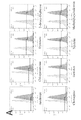
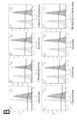
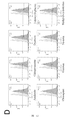
内吞抑制剂对OHP1和OHP2内吞的抑制作用检测实验结果分别如图12A&B所示,在Amiloride、Chlorpromazine、Dynasore、Choroquine存在的条件下,OHP1和OHP2均未表现出明显的内吞抑制,而2-deoxy-D-glucose、Genisten Nystain、methly-β-cyclodextrin抑制剂均对OHP1和OHP2表现出显著的抑制作用,结果与实施例12中一致,OHP1和OHP2均可通过能量代谢相关途径和小窝蛋白介导转运入胞内。
内吞抑制剂对TSME1内吞的抑制作用检测实验结果如图12C所示,Nystain和methly-β-cyclodextrin这两种抑制剂均对TSME1表现出显著的抑制作用,结果与实施例12中一致,TSME1可能仅通过小窝蛋白介导转运入胞内。
内吞抑制剂对IPCM1内吞的抑制作用检测实验结果如图12D所示,2-deoxy-D-glucose、这种抑制剂对IPCM1表现出显著的抑制作用,结果与实施例12中一致,IPCM1可能仅通过能量代谢相关途径转运入胞内。
综合上述结果同样可以看出,OHP1和OHP2不论相较于TSME1还是IPCM1都具有更多的吸收途径,更加适合于作为口服药物,与实施例12中结论一致。
实施例14 OHP1与OHP2其药物组合物在体外单细胞层模型中促进多肽吸收能力的测定
第一步:结直肠癌上皮细胞(Caco-2细胞)经复苏并在37℃、5%CO
2的细胞培养箱中培养至第三代后开始铺板构建细胞模型。
第二步:先用0.25%胰蛋白酶消化细胞,再加入含10%胎牛血清的完全培养基制备单细胞悬液。以2×10
5个细胞/mL的浓度将细胞液接种于Transwell小室中,每室接种250μL,于37℃、5%CO
2的细胞培养箱中培养21天,每隔2天换液一次。
第三步:Transwell模型建立成功后,向每个Transwell小室上室中加入200μL HBSS溶液和40μg OHP1或OHP2或二者的药物复合物,向下室加入1.3mL HBSS溶液,置于37℃、5%CO
2的细胞培养箱中培养,并记为0时刻,在第1h、2h、3h、4h和8h时间点从下室取 样100μL保存于黑板中。
第四步:于荧光酶标仪测定每孔的荧光发光强度,并根据已知浓度的多肽计算各下室的多肽浓度,在此基础上根据OHP1与OHP2及其药物组合物在8h时下室多肽转运量的差异计算药物组合物的促吸收效率。
结果如下所示。


由上述结果可知,OHP1与OHP2在形成药物组合物后,在体外Transwell模型上的吸收会存在一定的增加,具体表现为当OHP1和OHP2与低分子量壳聚糖(sigma)或SNAC构成药物组合物时,二者的吸收均有明显的提高,而与EDTA、脱氧胆酸钠、SDS、十六烷基-β-D-麦芽糖苷构成药物组合物时,二者的吸收则无明显的增强,提示OHP1和OHP2与低分子量壳聚糖(sigma)或SNAC组成的药物组合物具有较高的吸收效率。
实施例15 其他多肽的抗酶解能力测定和激活胰高血糖素样肽-1受体能力测定
发明人在研究中涉及的多肽如下表所示:
| 编号 | Xaa1 | Xaa2 | Xaa3 |
| OHP1 | Met | Arg | Met |
| OHP2 | Ser | Lys | Val |
| OHP3 | Val | Tyr | Lys |
| OHP4 | Ser | Arg | Ile |
| OHP5 | Ile | Leu | Val |
| OHP6 | Lys | Val | Met |
| OHP7 | Met | Leu | Met |
| OHP8 | Val | Arg | Met |
| OHP9 | Ile | Leu | Ile |
| OHP10 | Ser | Tyr | Lys |
| OHP11 | Met | Arg | Lys |
| OHP12 | Lys | Arg | Val |
| OHP13 | Met | Tyr | Met |
| OHP14 | Met | Tyr | Ile |
| OHP15 | Met | Tyr | Val |
| OHP16 | Met | Val | Met |
| OHP17 | Met | Val | Ile |
| OHP18 | Met | Val | Val |
| OHP19 | Met | Val | Lys |
| 编号 | Xaa1 | Xaa2 | Xaa3 |
| OHP20 | Met | Lys | Met |
| OHP21 | Met | Lys | Ile |
| OHP22 | Met | Lys | Val |
| OHP23 | Met | Lys | Lys |
| OHP24 | Met | Leu | Ile |
| OHP25 | Val | Leu | Ile |
| OHP26 | Val | Leu | Val |
| OHP27 | Val | Leu | Lys |
| OHP28 | Val | Leu | Met |
| OHP29 | Val | Arg | Ile |
| OHP30 | Val | Arg | Val |
| OHP31 | Val | Arg | Lys |
| OHP32 | Val | Tyr | Met |
| OHP33 | Val | Tyr | Ile |
| OHP34 | Val | Tyr | Val |
| OHP35 | Lys | Lys | Val |
| OHP36 | Val | Val | Met |
| OHP37 | Val | Val | Ile |
| OHP38 | Val | Val | Val |
| OHP39 | Val | Val | Lys |
| OHP40 | Val | Lys | Met |
| OHP41 | Val | Lys | Ile |
| OHP42 | Val | Lys | Val |
| OHP43 | Val | Lys | Lys |
| OHP44 | Ile | Leu | Met |
| OHP45 | Met | Leu | Lys |
| OHP46 | Met | Leu | Val |
| OHP47 | Ile | Leu | Lys |
| OHP48 | Ile | Arg | Met |
| OHP49 | Ile | Arg | Ile |
| OHP50 | Ile | Arg | Val |
| OHP51 | Ile | Arg | Lys |
| OHP52 | Ile | Tyr | Met |
| OHP53 | Ile | Tyr | Ile |
| OHP54 | Ile | Tyr | Val |
| OHP55 | Ile | Tyr | Lys |
| OHP56 | Ile | Val | Met |
| OHP57 | Ile | Val | Ile |
| OHP58 | Ile | Val | Val |
| OHP59 | Ile | Val | Lys |
| OHP60 | Ile | Lys | Met |
| OHP61 | Ile | Lys | Ile |
| OHP62 | Ile | Lys | Val |
| OHP63 | Ile | Lys | Lys |
| OHP64 | Met | Arg | Ile |
| OHP65 | Ser | Leu | Ile |
| OHP66 | Ser | Leu | Val |
| OHP67 | Ser | Leu | Lys |
| OHP68 | Ser | Arg | Met |
| OHP69 | Ser | Lys | Met |
| OHP70 | Ser | Arg | Val |
| OHP71 | Ser | Arg | Lys |
| OHP72 | Ser | Tyr | Met |
| OHP73 | Ser | Tyr | Ile |
| OHP74 | Ser | Tyr | Val |
| OHP75 | Ser | Leu | Met |
| 编号 | Xaa1 | Xaa2 | Xaa3 |
| OHP76 | Ser | Val | Met |
| OHP77 | Ser | Val | Ile |
| OHP78 | Ser | Val | Val |
| OHP79 | Ser | Val | Lys |
| OHP80 | Ser | Lys | Ile |
| OHP81 | Ser | Lys | Lys |
| OHP82 | Met | Arg | Val |
| OHP83 | Lys | Leu | Ile |
| OHP84 | Lys | Leu | Val |
| OHP85 | Lys | Leu | Lys |
| OHP86 | Lys | Arg | Met |
| OHP87 | Lys | Arg | Ile |
| OHP88 | Lys | Leu | Met |
| OHP89 | Lys | Arg | Lys |
| OHP90 | Lys | Tyr | Met |
| OHP91 | Lys | Tyr | Ile |
| OHP92 | Lys | Tyr | Val |
| OHP93 | Lys | Tyr | Lys |
| OHP94 | Met | Tyr | Lys |
| OHP95 | Lys | Val | Ile |
| OHP96 | Lys | Val | Val |
| OHP97 | Lys | Val | Lys |
| OHP98 | Lys | Lys | Met |
| OHP99 | Lys | Lys | Ile |
| OHP100 | Lys | Lys | Lys |

上表序列除OHP1-OHP6外,分别按实施例1方法测定抗酶解能力,部分结果如下所示。
上表序列除OHP1-OHP6外,分别按实施例2方法测定激活胰高血糖素样肽-1受体能力,部分结果如下所示。

受篇幅所限,此处不再一一列出其余化合物的具体实验数据。总而言之,实验结果表明:与Exendin-4相比,OHP7至OHP100针对三种蛋白酶的抗性均有不同程度的提高;同时,OHP7至OHP100均具有激活胰高血糖素样肽-1受体的能力,可以认为这些候选分子均具有预防或治疗糖尿病、降血糖的药用前景。
实施例16 脂肪酸修饰衍生物的抗酶解能力和激活胰高血糖素样肽-1受体能力
从OHP1至OHP100中选取符合条件的多肽(即Xaa1、Xaa2、Xaa3中至少一个为Lys),对这些多肽分别进行脂肪酸修饰(采用的脂肪酸为:10-(4-羧基苯氧基)癸酸、或17-羧基十七烷酸),修饰过程中,脂肪酸与修饰位点氨基酸的氨基氮原子通过[2-(2-{2-[2-(2-{2-[-4-羧基-4-(氨基)丁酰基氨基]乙氧基}乙氧基)乙酰基氨基]乙氧基}乙氧基)乙酰基]相连,所得各脂肪酸衍生物中具体脂肪酸和修饰位点如下表所示。
| 衍生物编号 | 多肽序号 | 具体脂肪酸 | 修饰位点 |
| FAD1 | OHP2 | 10-(4-羧基苯氧基)癸酸 | Xaa2 |
| FAD2 | OHP2 | 17-羧基十七烷酸 | Xaa2 |
| FAD3 | OHP3 | 10-(4-羧基苯氧基)癸酸 | Xaa3 |
| FAD4 | OHP3 | 17-羧基十七烷酸 | Xaa3 |
| FAD5 | OHP6 | 10-(4-羧基苯氧基)癸酸 | Xaa1 |
| FAD6 | OHP6 | 17-羧基十七烷酸 | Xaa1 |
| FAD7 | OHP9 | 10-(4-羧基苯氧基)癸酸 | Xaa3 |
| FAD8 | OHP9 | 17-羧基十七烷酸 | Xaa3 |
| FAD9 | OHP12 | 10-(4-羧基苯氧基)癸酸 | Xaa3 |
| FAD10 | OHP19 | 10-(4-羧基苯氧基)癸酸 | Xaa3 |
| FAD11 | OHP20 | 17-羧基十七烷酸 | Xaa2 |
| FAD12 | OHP21 | 17-羧基十七烷酸 | Xaa2 |
| FAD13 | OHP22 | 10-(4-羧基苯氧基)癸酸 | Xaa2 |
| FAD14 | OHP23 | 10-(4-羧基苯氧基)癸酸 | Xaa2 |
| FAD15 | OHP23 | 17-羧基十七烷酸 | Xaa3 |
| FAD16 | OHP23 | 10-(4-羧基苯氧基)癸酸 | Xaa2和Xaa3 |
| FAD17 | OHP27 | 17-羧基十七烷酸 | Xaa3 |
| FAD18 | OHP31 | 17-羧基十七烷酸 | Xaa3 |
| FAD19 | OHP35 | 17-羧基十七烷酸 | Xaa1和Xaa2 |
| FAD20 | OHP39 | 10-(4-羧基苯氧基)癸酸 | Xaa3 |
| FAD21 | OHP40 | 17-羧基十七烷酸 | Xaa2 |
| FAD22 | OHP41 | 17-羧基十七烷酸 | Xaa2 |
| FAD23 | OHP42 | 17-羧基十七烷酸 | Xaa2 |
| FAD24 | OHP43 | 17-羧基十七烷酸 | Xaa2和Xaa3 |
| FAD25 | OHP47 | 17-羧基十七烷酸 | Xaa3 |
| FAD26 | OHP51 | 17-羧基十七烷酸 | Xaa3 |
| FAD27 | OHP55 | 10-(4-羧基苯氧基)癸酸 | Xaa3 |
| FAD28 | OHP59 | 17-羧基十七烷酸 | Xaa3 |
| FAD29 | OHP60 | 17-羧基十七烷酸 | Xaa2 |
| FAD30 | OHP61 | 17-羧基十七烷酸 | Xaa2 |
| FAD31 | OHP62 | 10-(4-羧基苯氧基)癸酸 | Xaa2 |
| FAD32 | OHP63 | 10-(4-羧基苯氧基)癸酸 | Xaa2和Xaa3 |
| FAD33 | OHP67 | 10-(4-羧基苯氧基)癸酸 | Xaa3 |
| FAD34 | OHP69 | 10-(4-羧基苯氧基)癸酸 | Xaa2 |
| FAD35 | OHP71 | 10-(4-羧基苯氧基)癸酸 | Xaa3 |
| FAD36 | OHP75 | 10-(4-羧基苯氧基)癸酸 | Xaa3 |
| FAD37 | OHP79 | 17-羧基十七烷酸 | Xaa3 |
| FAD38 | OHP80 | 10-(4-羧基苯氧基)癸酸 | Xaa2 |
| FAD39 | OHP81 | 17-羧基十七烷酸 | Xaa2和Xaa3 |
| FAD40 | OHP82 | 17-羧基十七烷酸 | Xaa1 |
| FAD41 | OHP83 | 10-(4-羧基苯氧基)癸酸 | Xaa1 |
| 衍生物编号 | 多肽序号 | 具体脂肪酸 | 修饰位点 |
| FAD42 | OHP84 | 17-羧基十七烷酸 | Xaa1 |
| FAD43 | OHP85 | 10-(4-羧基苯氧基)癸酸 | Xaa1和Xaa3 |
| FAD44 | OHP86 | 10-(4-羧基苯氧基)癸酸 | Xaa1 |
| FAD45 | OHP87 | 10-(4-羧基苯氧基)癸酸 | Xaa1 |
| FAD46 | OHP88 | 10-(4-羧基苯氧基)癸酸 | Xaa1 |
| FAD47 | OHP89 | 17-羧基十七烷酸 | Xaa1和Xaa3 |
| FAD48 | OHP90 | 10-(4-羧基苯氧基)癸酸 | Xaa1 |
| FAD49 | OHP91 | 17-羧基十七烷酸 | Xaa1 |
| FAD50 | OHP92 | 10-(4-羧基苯氧基)癸酸 | Xaa1 |
| FAD51 | OHP93 | 10-(4-羧基苯氧基)癸酸 | Xaa1和Xaa3 |
| FAD52 | OHP94 | 10-(4-羧基苯氧基)癸酸 | Xaa3 |
| FAD53 | OHP95 | 17-羧基十七烷酸 | Xaa1 |
| FAD54 | OHP96 | 17-羧基十七烷酸 | Xaa1 |
| FAD55 | OHP97 | 10-(4-羧基苯氧基)癸酸 | Xaa1和Xaa3 |
| FAD56 | OHP98 | 17-羧基十七烷酸 | Xaa1和Xaa2 |
| FAD57 | OHP99 | 10-(4-羧基苯氧基)癸酸 | Xaa1和Xaa2 |
| FAD58 | OHP100 | 17-羧基十七烷酸 | Xaa1 |
| FAD59 | OHP100 | 10-(4-羧基苯氧基)癸酸 | Xaa2 |
| FAD60 | OHP100 | 17-羧基十七烷酸 | Xaa3 |
| FAD61 | OHP100 | 10-(4-羧基苯氧基)癸酸 | Xaa1和Xaa2 |
| FAD62 | OHP100 | 17-羧基十七烷酸 | Xaa1和Xaa3 |
| FAD63 | OHP100 | 10-(4-羧基苯氧基)癸酸 | Xaa2和Xaa3 |
| FAD64 | OHP100 | 17-羧基十七烷酸 | Xaa1、Xaa2和Xaa3 |
上表序列分别按实施例1方法测定抗酶解能力,并分别按实施例2方法测定激活胰高血糖素样肽-1受体能力。
受篇幅所限,此处不再一一列出具体实验数据。总而言之,实验结果表明:与Exendin-4相比,FAD1至FAD64针对三种蛋白酶的抗性均有不同程度的提高;同时,FAD1至FAD64均具有激活胰高血糖素样肽-1受体的能力,可以认为这些候选分子均具有预防或治疗糖尿病、降血糖的药用前景。
由此可见,对于如SEQ ID NO.1所示通式,当Xaa1、Xaa2、Xaa3之一或其任意组合为Lys时,以10-(4-羧基苯氧基)癸酸或17-羧基十七烷酸对其进行修饰,所得脂肪酸修饰衍生物仍然具备蛋白酶抗性和激活胰高血糖素样肽-1受体的能力。
除上述实施例外,本发明还可以有其他实施方式。凡采用等同替换或等效变换形成的技术方案,均落在本发明要求的保护范围。


Claims (11)
- 一种口服降糖肽,其特征是,具有如下氨基酸序列:His-Gly-Glu-Gly-Thr-Phe-Thr-Ser-Asp-Leu-Ser- Xaa1-Gln-Met-Glu-Glu-Glu-Ala-Val- Xaa2-Glu-Phe-Ile-Glu-Trp-Leu- Xaa3-Asn-Gly-Gly-Pro-Ser-Ser-Gly-Ala-Pro-Pro-Pro-Ser-Cys,其中,Xaa1为Met、Val、Ile、Ser或Lys;Xaa2为Leu、Arg、Tyr、Val或Lys;Xaa3为Met、Ile、Val或Lys。
- 根据权利要求1所述的口服降糖肽,其特征是,Xaa1为Met,Xaa2为Arg,且Xaa3为Met;或者,Xaa1为Ser,Xaa2为Lys,且Xaa3为Val;或者,Xaa1为Val,Xaa2为Tyr,且Xaa3为Lys;或者,Xaa1为Ser,Xaa2为Arg,且Xaa3为Ile;或者,Xaa1为Ile,Xaa2为Leu,且Xaa3为Val;或者,Xaa1为Lys,Xaa2为Val,且Xaa3为Met;或者,Xaa1为Met,Xaa2为Leu,且Xaa3为Met;或者,Xaa1为Val,Xaa2为Arg,且Xaa3为Met;或者,Xaa1为Ile,Xaa2为Leu,且Xaa3为Ile;或者,Xaa1为Ser,Xaa2为Tyr,且Xaa3为Lys;或者,Xaa1为Met,Xaa2为Arg,且Xaa3为Lys;或者,Xaa1为Lys,Xaa2为Arg,且Xaa3为Val。
- 一种口服降糖肽脂肪酸修饰衍生物,其特征是,所述多肽为权利要求1或2所述的口服降糖肽;所述脂肪酸的修饰位点为Xaa1、Xaa2、Xaa3之一或其任意组合;当Xaa1为修饰位点时Xaa1为Lys,当Xaa2为修饰位点时Xaa2为Lys,当Xaa3为修饰位点时Xaa3为Lys。
- 根据权利要求3所述的口服降糖肽脂肪酸修饰衍生物,其特征是,所述脂肪酸为10-(4-羧基苯氧基)癸酸或17-羧基十七烷酸;所述脂肪酸经[2-(2-{2-[2-(2-{2-[-4-羧基-4-(氨基)丁酰基氨基]乙氧基}乙氧基)乙酰基氨基]乙氧基}乙氧基)乙酰基]与修饰位点氨基酸的氨基氮原子相连。
- 权利要求1或2所述口服降糖肽、或者权利要求3或4所述口服降糖肽脂肪酸修饰衍生物的用途,其特征是,所述用途为用于制备预防或治疗糖尿病的药物或药物组合物、或用于制备降血糖的药物或药物组合物。
- 一种药物组合物,其特征是,含有权利要求1或2所述口服降糖肽、或者权利要求3或4所述口服降糖肽脂肪酸修饰衍生物。
- 根据权利要求6所述的药物组合物,其特征是,所述药物组合物还含有促吸收剂。
- 根据权利要求7所述的药物组合物,其特征是,所述促吸收剂为低分子量壳聚糖或SNAC。
- 权利要求6或7或8所述的药物组合物的用途,其特征是,所述用途为用于制备预防或治疗糖尿病的药剂、或用于制备降血糖的药剂。
- 根据权利要求9所述的用途,其特征是,所述药剂的剂型为经胃肠道给药剂型或非经胃肠道给药剂型。
- 根据权利要求5或9或10所述的用途,其特征是,所述糖尿病为Ⅰ型或Ⅱ型糖尿病。
Applications Claiming Priority (2)
| Application Number | Priority Date | Filing Date | Title |
|---|---|---|---|
| CN201910747519.9 | 2019-08-14 | ||
| CN201910747519.9A CN110437329B (zh) | 2019-08-14 | 2019-08-14 | 口服降糖肽、其脂肪酸衍生物及用途 |
Publications (1)
| Publication Number | Publication Date |
|---|---|
| WO2021027762A1 true WO2021027762A1 (zh) | 2021-02-18 |
Family
ID=68435334
Family Applications (1)
| Application Number | Title | Priority Date | Filing Date |
|---|---|---|---|
| PCT/CN2020/108127 Ceased WO2021027762A1 (zh) | 2019-08-14 | 2020-08-10 | 口服降糖肽、其脂肪酸衍生物及用途 |
Country Status (2)
| Country | Link |
|---|---|
| CN (1) | CN110437329B (zh) |
| WO (1) | WO2021027762A1 (zh) |
Families Citing this family (7)
| Publication number | Priority date | Publication date | Assignee | Title |
|---|---|---|---|---|
| CN110437329B (zh) * | 2019-08-14 | 2021-03-30 | 中国药科大学 | 口服降糖肽、其脂肪酸衍生物及用途 |
| CN111575310B (zh) * | 2020-05-14 | 2022-12-13 | 江南大学 | 表达小窝蛋白的重组酿酒酵母及其应用 |
| CN111905097B (zh) * | 2020-08-23 | 2022-06-28 | 中国药科大学 | 一种口服降糖肽在制备治疗或预防糖尿病并发心血管疾病药物中的应用 |
| CN115590948A (zh) * | 2021-06-28 | 2023-01-13 | 中国药科大学(Cn) | 一种口服降糖复方药物组合物及其应用 |
| CN113350488B (zh) * | 2021-07-16 | 2023-07-14 | 中国药科大学 | 口服降糖肽ohp在制备抗神经退行性疾病药物方面的应用 |
| CN113425834B (zh) * | 2021-07-16 | 2024-05-10 | 中国药科大学 | 口服降糖肽tsme在制备抗神经退行性疾病药物方面的应用 |
| CN115232200B (zh) * | 2022-04-14 | 2023-06-27 | 北京博康健基因科技有限公司 | 长效化Exendin-4类似物及其应用 |
Citations (4)
| Publication number | Priority date | Publication date | Assignee | Title |
|---|---|---|---|---|
| CN103665148B (zh) * | 2013-12-17 | 2016-05-11 | 中国药科大学 | 一种可口服给药的降糖多肽及其制法和用途 |
| CN106117370A (zh) * | 2016-08-19 | 2016-11-16 | 安源医药科技(上海)有限公司 | 高糖基化Exendin‑4及其类似物的融合蛋白、其制备方法和用途 |
| CN109485720A (zh) * | 2017-09-11 | 2019-03-19 | 中国药科大学 | 口服降血糖多肽、其脂肪酸修饰衍生物以及用途 |
| CN110437329A (zh) * | 2019-08-14 | 2019-11-12 | 中国药科大学 | 口服降糖肽、其脂肪酸衍生物及用途 |
Family Cites Families (4)
| Publication number | Priority date | Publication date | Assignee | Title |
|---|---|---|---|---|
| CN100392070C (zh) * | 2004-09-08 | 2008-06-04 | 华东师范大学 | 表达人胰高血糖素样肽-1的基因工程菌及其构建方法和应用 |
| CN101328221B (zh) * | 2008-04-14 | 2011-03-23 | 中国药科大学 | 一种降糖多肽融合蛋白及其衍生物的结构及用途 |
| CN105753963B (zh) * | 2016-04-13 | 2019-08-30 | 中国药科大学 | 高活性艾塞那肽类似物及其医药应用 |
| CN107141348B (zh) * | 2017-06-23 | 2021-01-15 | 中国药科大学 | 一类长效化艾塞那肽(Exendin-4)类似物及其应用 |
-
2019
- 2019-08-14 CN CN201910747519.9A patent/CN110437329B/zh active Active
-
2020
- 2020-08-10 WO PCT/CN2020/108127 patent/WO2021027762A1/zh not_active Ceased
Patent Citations (4)
| Publication number | Priority date | Publication date | Assignee | Title |
|---|---|---|---|---|
| CN103665148B (zh) * | 2013-12-17 | 2016-05-11 | 中国药科大学 | 一种可口服给药的降糖多肽及其制法和用途 |
| CN106117370A (zh) * | 2016-08-19 | 2016-11-16 | 安源医药科技(上海)有限公司 | 高糖基化Exendin‑4及其类似物的融合蛋白、其制备方法和用途 |
| CN109485720A (zh) * | 2017-09-11 | 2019-03-19 | 中国药科大学 | 口服降血糖多肽、其脂肪酸修饰衍生物以及用途 |
| CN110437329A (zh) * | 2019-08-14 | 2019-11-12 | 中国药科大学 | 口服降糖肽、其脂肪酸衍生物及用途 |
Non-Patent Citations (3)
| Title |
|---|
| BIKASH MANANDHAR, JUNG-MO AHN: "Glucagon-like Peptide-1 (GLP-1) Analogs: Recent Advances, New Possibilities, and Therapeutic Implications", JOURNAL OF MEDICINAL CHEMISTRY, AMERICAN CHEMICAL SOCIETY, US, vol. 58, no. 3, 12 February 2015 (2015-02-12), US, pages 1020 - 1037, XP055402142, ISSN: 0022-2623, DOI: 10.1021/jm500810s * |
| PETRA ROVO, VIKTOR FARKAS, PAL STRANER, MARIA SZABO, AGNES JERMENDY, ORSOLYA HEGYI, GABOR K. TOTH, ANDRAS PERCZEL: "Rational Design of α-Helix-Stabilized Exendin-4 Analogues", BIOCHEMISTRY, AMERICAN CHEMICAL SOCIETY, vol. 53, no. 22, 10 June 2014 (2014-06-10), pages 3540 - 3552, XP055148240, ISSN: 00062960, DOI: 10.1021/bi500033c * |
| YUE XUYI, KIESEWETTER DALE O., GUO JINXIA, SUN ZHONGCHAN, ZHANG XIAOXIANG, ZHU LEI, NIU GANG, MA YING, LANG LIXIN, CHEN XIAOYUAN: "Development of a New Thiol Site-Specific Prosthetic Group and Its Conjugation with [Cys 40 ]-exendin-4 for in Vivo Targeting of Insulinomas", BIOCONJUGATE CHEMISTRY, AMERICAN CHEMICAL SOCIETY, vol. 24, no. 7, 17 July 2013 (2013-07-17), pages 1191 - 1200, XP055779650, ISSN: 1043-1802, DOI: 10.1021/bc400084u * |
Also Published As
| Publication number | Publication date |
|---|---|
| CN110437329A (zh) | 2019-11-12 |
| CN110437329B (zh) | 2021-03-30 |
Similar Documents
| Publication | Publication Date | Title |
|---|---|---|
| WO2021027762A1 (zh) | 口服降糖肽、其脂肪酸衍生物及用途 | |
| CN114349828B (zh) | Glp-1/胰高血糖素受体双重激动剂及其应用 | |
| JP6606192B2 (ja) | 抗肥満及び抗糖尿作用を有するペプチド及びその用途 | |
| CN106046145B (zh) | Glp-1r/gcgr双靶点激动剂多肽治疗脂肪肝病、高脂血症和动脉硬化 | |
| CN109836488B (zh) | 一种治疗代谢疾病的胰高血糖素类似物 | |
| SG185066A1 (en) | Glucagon-like peptide-1 analogue and use thereof | |
| CN117417411B (zh) | Glp-1/gcg/gip三受体激动剂及其用途 | |
| CN117603337A (zh) | 酰化胃泌酸调节素肽类似物 | |
| WO2019105060A1 (zh) | 锰型高稳定性超氧化物歧化酶的应用 | |
| Li et al. | Effect of polyethylene Glycol Loxenatide (long-acting GLP-1RA) on lipid, glucose levels and weight in type 2 diabetes mellitus patients with obesity. | |
| JP4548335B2 (ja) | 腸管細胞のインスリン産生細胞への変換誘導剤、及び糖尿病治療剤 | |
| US20200038478A1 (en) | Polypeptide and composition thereof for treating diseases of metabolic system | |
| CN110759991B (zh) | 吉非罗齐-非洲爪蟾胰高血糖素样肽-1衍生物及其应用 | |
| CN110305206A (zh) | 一类双靶点多肽化合物及其在制备治疗糖尿病和以其为特征的病症的药物中的应用 | |
| WO2019047904A1 (zh) | 口服降血糖多肽、其脂肪酸修饰衍生物以及用途 | |
| CN119661641A (zh) | 一种dr8环肽类似物及其应用 | |
| WO2023246928A1 (zh) | 一种改进的glp-1受体激动剂的融合蛋白和应用 | |
| CN117653709A (zh) | 一种新型肽upcp在器官纤维化治疗中的作用 | |
| CN113476591B (zh) | 一种乳源多肽衍生物在制备糖尿病防治药物、保健品以及食品添加物中的应用 | |
| Chawla et al. | Role of glucagon-like peptide 1 (GLP-1) and its association with inflammatory markers in the pathogenesis of type 2 diabetes mellitus | |
| CN113855812B (zh) | 聚乙二醇洛塞那肽或其药物组合物的新医药用途 | |
| CN104262468B (zh) | 一种葡萄糖转运蛋白抑制多肽及其制备方法、应用 | |
| WO2018045872A1 (zh) | 一种多肽及其用途 | |
| CN115785249A (zh) | 一类glp-1类似物及其应用 | |
| CN117586347A (zh) | 一种具有抗糖尿病活性的水蛭肽及其用途 |
Legal Events
| Date | Code | Title | Description |
|---|---|---|---|
| 121 | Ep: the epo has been informed by wipo that ep was designated in this application |
Ref document number: 20853504 Country of ref document: EP Kind code of ref document: A1 |
|
| NENP | Non-entry into the national phase |
Ref country code: DE |
|
| 122 | Ep: pct application non-entry in european phase |
Ref document number: 20853504 Country of ref document: EP Kind code of ref document: A1 |