WO2020175105A1 - ポリアルキレングリコール共重合体、その製造方法およびポリアルキレングリコール共重合体を配合した樹脂組成物 - Google Patents
ポリアルキレングリコール共重合体、その製造方法およびポリアルキレングリコール共重合体を配合した樹脂組成物 Download PDFInfo
- Publication number
- WO2020175105A1 WO2020175105A1 PCT/JP2020/004812 JP2020004812W WO2020175105A1 WO 2020175105 A1 WO2020175105 A1 WO 2020175105A1 JP 2020004812 W JP2020004812 W JP 2020004812W WO 2020175105 A1 WO2020175105 A1 WO 2020175105A1
- Authority
- WO
- WIPO (PCT)
- Prior art keywords
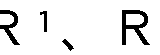
- group
- polyalkylene glycol
- glycol copolymer
- copolymer
- epoxy
- Prior art date
- Legal status (The legal status is an assumption and is not a legal conclusion. Google has not performed a legal analysis and makes no representation as to the accuracy of the status listed.)
- Ceased
Links
Classifications
-
- C—CHEMISTRY; METALLURGY
- C08—ORGANIC MACROMOLECULAR COMPOUNDS; THEIR PREPARATION OR CHEMICAL WORKING-UP; COMPOSITIONS BASED THEREON
- C08G—MACROMOLECULAR COMPOUNDS OBTAINED OTHERWISE THAN BY REACTIONS ONLY INVOLVING UNSATURATED CARBON-TO-CARBON BONDS
- C08G59/00—Polycondensates containing more than one epoxy group per molecule; Macromolecules obtained by polymerising compounds containing more than one epoxy group per molecule using curing agents or catalysts which react with the epoxy groups
- C08G59/18—Macromolecules obtained by polymerising compounds containing more than one epoxy group per molecule using curing agents or catalysts which react with the epoxy groups ; e.g. general methods of curing
- C08G59/20—Macromolecules obtained by polymerising compounds containing more than one epoxy group per molecule using curing agents or catalysts which react with the epoxy groups ; e.g. general methods of curing characterised by the epoxy compounds used
- C08G59/22—Di-epoxy compounds
-
- C—CHEMISTRY; METALLURGY
- C08—ORGANIC MACROMOLECULAR COMPOUNDS; THEIR PREPARATION OR CHEMICAL WORKING-UP; COMPOSITIONS BASED THEREON
- C08G—MACROMOLECULAR COMPOUNDS OBTAINED OTHERWISE THAN BY REACTIONS ONLY INVOLVING UNSATURATED CARBON-TO-CARBON BONDS
- C08G63/00—Macromolecular compounds obtained by reactions forming a carboxylic ester link in the main chain of the macromolecule
- C08G63/66—Polyesters containing oxygen in the form of ether groups
- C08G63/668—Polyesters containing oxygen in the form of ether groups derived from polycarboxylic acids and polyhydroxy compounds
-
- C—CHEMISTRY; METALLURGY
- C08—ORGANIC MACROMOLECULAR COMPOUNDS; THEIR PREPARATION OR CHEMICAL WORKING-UP; COMPOSITIONS BASED THEREON
- C08G—MACROMOLECULAR COMPOUNDS OBTAINED OTHERWISE THAN BY REACTIONS ONLY INVOLVING UNSATURATED CARBON-TO-CARBON BONDS
- C08G65/00—Macromolecular compounds obtained by reactions forming an ether link in the main chain of the macromolecule
- C08G65/02—Macromolecular compounds obtained by reactions forming an ether link in the main chain of the macromolecule from cyclic ethers by opening of the heterocyclic ring
- C08G65/32—Polymers modified by chemical after-treatment
- C08G65/329—Polymers modified by chemical after-treatment with organic compounds
-
- C—CHEMISTRY; METALLURGY
- C08—ORGANIC MACROMOLECULAR COMPOUNDS; THEIR PREPARATION OR CHEMICAL WORKING-UP; COMPOSITIONS BASED THEREON
- C08G—MACROMOLECULAR COMPOUNDS OBTAINED OTHERWISE THAN BY REACTIONS ONLY INVOLVING UNSATURATED CARBON-TO-CARBON BONDS
- C08G69/00—Macromolecular compounds obtained by reactions forming a carboxylic amide link in the main chain of the macromolecule
- C08G69/40—Polyamides containing oxygen in the form of ether groups
-
- C—CHEMISTRY; METALLURGY
- C08—ORGANIC MACROMOLECULAR COMPOUNDS; THEIR PREPARATION OR CHEMICAL WORKING-UP; COMPOSITIONS BASED THEREON
- C08L—COMPOSITIONS OF MACROMOLECULAR COMPOUNDS
- C08L101/00—Compositions of unspecified macromolecular compounds
- C08L101/12—Compositions of unspecified macromolecular compounds characterised by physical features, e.g. anisotropy, viscosity or electrical conductivity
-
- C—CHEMISTRY; METALLURGY
- C08—ORGANIC MACROMOLECULAR COMPOUNDS; THEIR PREPARATION OR CHEMICAL WORKING-UP; COMPOSITIONS BASED THEREON
- C08L—COMPOSITIONS OF MACROMOLECULAR COMPOUNDS
- C08L67/00—Compositions of polyesters obtained by reactions forming a carboxylic ester link in the main chain; Compositions of derivatives of such polymers
-
- C—CHEMISTRY; METALLURGY
- C08—ORGANIC MACROMOLECULAR COMPOUNDS; THEIR PREPARATION OR CHEMICAL WORKING-UP; COMPOSITIONS BASED THEREON
- C08L—COMPOSITIONS OF MACROMOLECULAR COMPOUNDS
- C08L71/00—Compositions of polyethers obtained by reactions forming an ether link in the main chain; Compositions of derivatives of such polymers
-
- C—CHEMISTRY; METALLURGY
- C08—ORGANIC MACROMOLECULAR COMPOUNDS; THEIR PREPARATION OR CHEMICAL WORKING-UP; COMPOSITIONS BASED THEREON
- C08L—COMPOSITIONS OF MACROMOLECULAR COMPOUNDS
- C08L77/00—Compositions of polyamides obtained by reactions forming a carboxylic amide link in the main chain; Compositions of derivatives of such polymers
-
- Y—GENERAL TAGGING OF NEW TECHNOLOGICAL DEVELOPMENTS; GENERAL TAGGING OF CROSS-SECTIONAL TECHNOLOGIES SPANNING OVER SEVERAL SECTIONS OF THE IPC; TECHNICAL SUBJECTS COVERED BY FORMER USPC CROSS-REFERENCE ART COLLECTIONS [XRACs] AND DIGESTS
- Y02—TECHNOLOGIES OR APPLICATIONS FOR MITIGATION OR ADAPTATION AGAINST CLIMATE CHANGE
- Y02P—CLIMATE CHANGE MITIGATION TECHNOLOGIES IN THE PRODUCTION OR PROCESSING OF GOODS
- Y02P20/00—Technologies relating to chemical industry
- Y02P20/141—Feedstock
Definitions
- the present invention relates to a polyalkylene glycol copolymer and a resin composition containing the polyalkylene glycol copolymer.
- Polyalkylene glycol has appropriate flexibility and crystallinity, and shows good affinity with thermoplastic resins and thermosetting resins, and is therefore widely used as a modifier capable of imparting flexibility.
- a method of using polyalkylene glycol as an elastomer by copolymerizing polyalkylene glycol with a thermoplastic resin such as polyamide or polyester, or a method of reacting with a thermosetting resin of polyurethane to improve flexibility is known.
- Patent Documents 1 and 2 Patent Documents 1 and 2
- the scope of application is limited to polymers that can be copolymerized with polyalkylene glycol, and there has been a demand for a technique that can be more easily applied to many resins.
- Patent Document 1 Japanese Patent Laid-Open No. 20 1 8 _ 150 5 25
- Patent Document 2 Japanese Unexamined Patent Publication No. 20 18 _ 0 3 098 0
- the present invention can be satisfactorily dispersed in a matrix resin such as a thermoplastic resin or a thermosetting resin, can impart flexibility to the obtained resin composition, and can prevent bleed-out from the resin composition.
- a polyalkylene glycol copolymer ⁇ 02020/175105 2 ⁇ (:171?2020/004812 Means to solve the problem
- the present invention is as follows.
- the bond is any bond selected from an ester bond, an ether bond, an amide bond and a thioester bond.
- the following groups are shown, which may include an atom selected from an oxygen atom, a nitrogen atom, and a sulfur atom. plural And ⁇ may be the same or different.
- a polyalkylene glycol copolymer is obtained by reacting a copolymerization component (M) having a functional group selected from a hydroxyl group, an amino group, a thiol group and a carboxyl group to obtain the above polyalkylene glycol copolymer. Production method. ⁇ 02020/175 105 3 ((171?2020/004812
- a resin composition in which the above polyalkylene glycol copolymer is blended with a thermoplastic resin or a thermosetting resin is blended with a thermoplastic resin or a thermosetting resin.
- the polyalkylene glycol copolymer of the present invention (hereinafter sometimes simply referred to as a copolymer) has a large molecular weight, so that the flexibility-imparting effect is improved, and the thermoplastic resin or thermosetting resin is improved. When it is mixed with various matrix resins such as organic resin to form a resin composition, it can be well dispersed in the composition. Furthermore, since the polyalkylene glycol copolymer of the present invention contains a functional group capable of firmly binding to the matrix resin, bleed out from the resin composition can also be suppressed.
- the resin composition containing the polyalkylene glycol copolymer of the present invention has an improved stress-reducing effect capable of relaxing stress from the outside.
- the copolymer of the present invention is also useful as various additives such as surfactants and dispersants.
- the polyalkylene glycol copolymer of the present invention is a polyalkylene glycol copolymer represented by the following formula (1).
- Gate and 01 indicate the number of repeating units of 3 to 300, respectively.
- the bond is any bond selected from an ester bond, an ether bond, an amide bond and a thioester bond.
- the plurality of [3 ⁇ 4 2] and the ⁇ may be the same or different.
- a bond selected from an ester bond, an amide bond and an ether bond is preferable, and an ester bond is particularly preferable.
- the number of carbon atoms is preferably 30 or less, more preferably 20 or less, and particularly preferably 10 or less.
- 2 contains an arylene group.
- the number of arylene groups contained in the 2 preferably 2 or less, particularly preferably below 1 or less.
- the substituent contained in is preferably a group selected from a carboxyl group, an amino group and an epoxy group, from the viewpoint of improving dispersibility with the matrix resin and easily binding, and from the viewpoint of suppressing thickening and the like.
- a carboxyl group or an epoxy group is particularly preferable, and a carboxyl group is most preferable because flexibility can be imparted.
- a modified product obtained by modifying a group selected from a carboxyl group, an epoxy group, a hydroxyl group, and an amino group may be included as long as it does not impair the present invention.
- Variants include ester groups, ether groups, amide groups, and the like.
- the number of repeating units of the polyalkylene glycol copolymer of the present invention is 3 or more, and preferably 5 or more. Both ⁇ 02020/175 105 5 ((171?2020/004812
- the polymer and the Hachimihachi type triblock copolymer do not correspond to the polyalkylene glycol copolymer of the present invention.
- the weight average molecular weight (1 ⁇ /o of the copolymer of the present invention is 5,000 to 100,000 from the viewpoint of imparting flexibility.
- the lower limit of the weight average molecular weight is 15,000/100,000. From the viewpoint of imparting flexibility in combination, it is preferably 7,000 or more, more preferably 10000 or more, particularly preferably 15,000 or more, and further preferably 20,000. Or more, and most preferably 30,000 or more, and the upper limit is preferably 100,000 or less, more preferably 80,000 or less, and further preferably 60,000 or less. It is particularly preferably 50,000 or less, and most preferably 40,000 or less. If the weight average molecular weight is higher than this range, the content of the functional group described below is remarkably reduced, and thus the copolymer.
- the weight average molecular weight of the copolymer referred to here is the value obtained by gel permeation chromatography using tetrahydrofuran (D1 to 1) as a solvent, and polymethacrylic acid is measured. It refers to the weight average molecular weight converted using methyl as a standard sample.
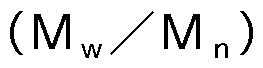
- the molecular weight distribution of the copolymer of the present invention Is preferably 5 or less, more preferably 3 or less, and further preferably 2 or less.
- the lower limit is 1.
- the molecular weight distribution Is the weight average molecular weight (IV! 3 ⁇ 4 ) and number average molecular weight measured as above using gel permeation chromatography. Calculate from
- the copolymer of the present invention contains at least one functional group selected from a carboxyl group, an epoxy group, a hydroxyl group, and an amino group.
- a group selected from a carboxyl group, an epoxy group, and an amino group is preferable because it can be firmly bonded to a matrix resin composed of a thermoplastic resin or a thermosetting resin and can be well dispersed.
- a carboxyl group and an epoxy group are particularly preferable from the viewpoint of suppressing water absorption when blended with a resin or the like, and a carboxyl group is most preferable because flexibility can be imparted. ⁇ 02020/175 105 6 ⁇ (: 171?2020/004812
- the total content of the functional groups in the copolymer is ⁇ . 0 011110 ⁇ /9
- the range is below.
- the lower limit value is more preferably ⁇ 2111111 ⁇ /9 or more, further preferably ⁇ . It should be at least 9 / 9, more preferably at least 0.5 11 11 0 1 /, and most preferably at 0 61 1111 110 1 /.
- the upper limit is more preferably 2. Less than 9 /
- the total content of the functional groups in the copolymer can be determined by a known titration method. For example, when quantifying carboxyl groups, dissolve the copolymer in toluene or tetrahydrofuran, and
- Titrate with phenolphthalein using phenolphthalein as an indicator When quantifying the epoxy group, it can be quantified by the method according to “3 ⁇ 7236. When quantifying the hydroxyl group, it can be quantified by a method according to “3 ⁇ 0070”. When quantifying amino groups, dissolve the copolymer in tetrahydrofuran and titrate with thymol blue as an indicator with 0.10 I/!_ hydrochloric acid aqueous solution.
- the polyalkylene glycol copolymer of the present invention is a polyalkylene glycol (8) having a functional group selected from a carboxylic acid anhydride group, an epoxy group, a hydroxyl group, an amino group, a thiol group and a carboxyl group.
- a copolymerization component (M) having any functional group selected from a carboxylic acid anhydride group, an epoxy group, a hydroxyl group, an amino group, a thiol group and a carboxyl group.
- the method of reacting can be appropriately selected as long as it is a known method.
- a polyalkylene glycol (8) having a functional group and a copolymerization component (having a functional group) ( ⁇ 02020/175 105 7 ⁇ (: 171-12020/004812
- reaction may be carried out in an organic solvent, and a catalyst or an additive that accelerates the reaction may be used.
- the reaction may be carried out under a nitrogen atmosphere, or may be carried out under reduced pressure to accelerate the reaction.
- Reacting the polyalkylene glycol (8) having a functional group with the copolymer component (M) having a functional group means that the polyalkylene glycol (8) having a functional group and the copolymer component (M) having a functional group (M) ) Is directly reacted to form a bond selected from an ester bond, an ether bond, an amide bond and a thioester bond to obtain a polyalkylene glycol copolymer.
- at least one of the polyalkylene glycol (8) and the copolymerization component (M) is a carboxylic acid anhydride.
- It preferably contains a group selected from a group and an epoxy group.
- the functional group is a carboxylic acid anhydride group, it reacts with a hydroxyl group, an epoxy group, an amino group, a thiol group, or the like to generate a carboxyl group as a new functional group.
- the functional group is an epoxy group, it reacts with a hydroxyl group, a carboxyl group, an amino group or the like to form a hydroxyl group as a new functional group.
- one of the functional groups of the polyalkylene glycol (8) and the copolymerization component (M) is a carboxylic acid anhydride group
- the other functional group is selected from a hydroxyl group, an epoxy group and an amino group. It is preferably a group.
- the other functional group may be a group selected from a hydroxyl group, a carboxyl group and an amino group. preferable.
- a plurality of polyalkylene glycols (8) having different functional groups and/or a copolymerization component (M) may be reacted as long as the effects of the present invention are not impaired.
- the polyalkylene glycol represented by 2) is exemplified.
- the number of functional groups possessed by polyalkylene glycol () is limited as long as the copolymerization proceeds. ⁇ 02020/175 105 8 ((171?2020/004812
- the number is preferably 2 from the viewpoint that a flexible linear compound can be obtained without a crosslinking reaction. It is particularly preferable that the polyalkylene glycol (8) has two functional groups at both ends.
- n represents the number of repeating units of 3 to 300.
- X is any functional group selected from a carboxylic acid anhydride group, an epoxy group, a hydroxyl group, an amino group, a thiol group and a carboxyl group.
- the carboxylic acid anhydride group also includes cyclic groups such as maleic anhydride, phthalic anhydride, and succinic anhydride.
- 8 1 is an alkylene group from 2 to 1 0 carbon atoms having a straight-chain or branched. When the number of carbon atoms is higher than 10, the dispersibility when blended in the matrix resin is deteriorated and the polymer bleeds out, which is not preferable. Also, when the carbon number of 1 is small, flexibility is lowered, which is not preferable. Furthermore, since the crystallinity decreases and the flexibility improves,
- a plurality of 8 1 and X may be each be the same or different.
- polyalkylene glycol (eight) having a functional group X is a hydroxyl group
- polyethylene glycol or polytetramethylene glycol 8 1 is a methylene group or heptylene linear
- Examples include bases such as polypropylene glycol and polyneopentyl glycol. It should be noted that a plurality of polyalkylene glycols, for example, polyethylene glycol and polypropylene glycol may be used in combination as long as the present invention is not impaired. From the viewpoint of flexibility and heat resistance, polypropylene glycol or polytetramethylene glycol is preferable. ⁇ 02020/175 105 9 ((171?2020/004812
- the weight average molecular weight of the polyalkylene glycol (8) having a functional group is not particularly limited, but the lower limit thereof is preferably 300 or more, more preferably 500 or more, More preferably, it is 100 or more. Further, the upper limit of the weight average molecular weight is preferably 20 or 00 or less, more preferably 10 or 00 or less, further preferably 5 or 00 or less, and most preferably 3 or less. , 0 0 0 or less. When the weight average molecular weight of the polyalkylene glycol () having a functional group is small, the effect of improving flexibility when the resulting copolymer is added to the matrix resin is low.
- the weight average molecular weight of the polyalkylene glycol (8) having a functional group is large, the functional group content of the obtained copolymer is low, so that the dispersibility is lowered and bleed out easily occurs.
- the weight average molecular weight of polyalkylene glycol (8) having a functional group is measured by gel permeation chromatography using tetrahydrofuran (D1 to 1) as a solvent, and polymethyl methacrylate is converted to a standard sample. Refers to the weight average molecular weight.
- the content of the structure derived from polyalkylene glycol (8) contained in 100% by mass of the obtained copolymer is preferably 20% by mass or more and 98% by mass or less.
- the content of the structure derived from polyalkylene glycol (8) in the copolymer is 20% by mass or more, the flexibility when blended in a resin or the like can be improved.
- the content of the structure derived from polyalkylene glycol (8) in the copolymer is 98% by mass or less, since the molecular weight of the polyalkylene glycol copolymer will not be unnecessarily increased. .. It is also preferable because the flexibility when blended with a resin or the like can be maintained.
- the lower limit of the content of the structure derived from polyalkylene glycol (8) is preferably 20% by mass or more, more preferably 30% by mass or more, further preferably 40% by mass or more, and particularly preferably 50% by mass or more. It is preferably 60% by mass or more and most preferably.
- the upper limit of the content is preferably 98% by mass or less, more preferably 96% by mass or less, further preferably 95% by mass or less, and particularly preferably 90% by mass or less.
- the copolymerization component (M) is a polyalkylene glycol (8) having a functional group. ⁇ 02020/175 105 10 (:171?2020/004812
- the structure and the number of functional groups are not particularly limited as long as they can be reacted.
- the number of functional groups of the copolymerization component (Mi) is preferably 2.
- the copolymerization component (M) be compatible with the polyalkylene glycol (8) because a high molecular weight copolymer can be obtained, and in the relatively flexible polyalkylene glycol () copolymer.
- the copolymerization component (M) is preferably a group having a carbon number of 40 or less, which is composed of a linear or branched alkylene group, a cycloalkylene group, and an arylene group.
- the carbon number of the co-synthesized component (Mi) is more preferably 30 or less, particularly preferably 20 or less, and further preferably 10 or less.
- the molecular weight of the copolymerization component (Mi) is preferably 1,000 or less, more preferably 900 or less, particularly preferably 800 or less, further preferably 700 or less, most preferably 500 or less.
- Examples of the copolymerization component having an acid anhydride group as a functional group include pyromellitic dianhydride, 4,4'-oxydiphthalic anhydride, 3,3', 4,4'- Biphenyl tetracarboxylic dianhydride, 2, 2, -dimethyl-3, 3,
- Ropylene glycol 1,3-propylene glycol, 1,2-butanediol, 1,3-butanediol, 1,4-butanediol, 1,5-pentanediol, 3-methyl-1,5-pentanediol, 1 , 6-Hexanediol, Neopentylglycol, 1, 8-octanediol, 1, 9-Nonanediol, 1, 4-Cyclohexanediol, Diethylene glycol, Bisphenol 8, Bisphenol 8, Bisphenol 8, Bispheno — Examples include Rumi and Bisphenol.
- Examples of the copolymerization component having an epoxy group as a functional group include bisphenol octadiglycidyl ether, bisphenol diglycidyl ether, biphenyl diglycidyl ether, and naphthalene diglycidyl ether.
- Examples of the copolymerization component having an amino group as a functional group include hexamethylenediamine and diaminobenzene.
- Examples of the copolymerization component having a carboxyl group as a functional group include adipic acid, terephthalic acid, and isophthalic acid.
- the copolymerization component (M) is a carboxylic acid dihydrate.
- the copolymerization component (Mitsumi) includes pyromellitic acid and bisphenol. Any one selected from eight is preferable, and pyromellitic acid is particularly preferable.
- the copolymer of the present invention may be copolymerized with other copolymerization components as long as the effects of the present invention are not impaired.
- other copolymerization components include compounds having only one functional group such as alcohols, carboxylic acids, and acid anhydrides for the purpose of adjusting the molecular weight, and polyester groups having hydroxyl groups at the ends for adjusting the compatibility with the matrix resin. Examples include liol, polycarbonate polyol, and phenoxy resin. ⁇ 02020/175 105 12 (:171?2020/004812
- the functional groups such as hydroxyl group and carboxyl group contained in the copolymer of the present invention may be modified after the copolymer is produced.
- a known method can be used as the denaturing method.
- the functional group is a carboxyl group
- the hydroxyl group is reacted with epichlorohydrin in the presence of an alkali metal such as sodium hydroxide or potassium hydroxide to modify it into an epoxy group.
- an alkali metal such as sodium hydroxide or potassium hydroxide
- a hydrogenation reaction is performed.
- a method of modifying with an amino group is possible to obtain a copolymer containing an amino group or an epoxy group as a functional group.
- the copolymer of the present invention It is important for the copolymer of the present invention to have a high molecular weight in order to exhibit flexibility.
- Known production methods can be applied as long as a high molecular weight product can be obtained.
- the composition ratio of the polyalkylene glycol (8) and the copolymerization component (M) at the time of producing the copolymer is adjusted so that the stoichiometric ratio of the functional groups is between 0.1 and 10 It is preferable to adjust so that
- the stoichiometric ratio means the ratio of the number of moles of the functional group contained in the copolymerization component (M) to the number of moles of the functional group contained in the polyalkylene glycol ().
- the stoichiometric ratio is more preferably from 0.2 to 5 and from 0.5 to 3 in that the weight average molecular weight of the obtained copolymer is increased and no unreacted raw material remains. More preferably, 0.7-1.5 is particularly preferable, 0.8-1.2 is extremely preferable, and 1 is most preferable.
- the functional group content in the copolymer can be adjusted by the compounding ratio of the polyalkylene glycol (8) and the copolymerization component (M) used in the reaction, the molecular weight, and the like. It can also be adjusted by modifying the functional group after obtaining the polyalkylene glycol copolymer.
- the organic solvent is preferably a good solvent for the functional group-containing polyalkylene glycol () and the functional group-containing copolymerization component (M).
- examples of such an organic solvent include toluene, ⁇ 02020/175 105 13 ((171?2020/004812
- Hydroxyl solvents such as xylene, benzene and 2-methylnaphthalene, and ester solvents such as ethyl acetate, methyl acetate, butyl acetate, butyl propionate, butyl butyrate and ethyl acetoacetate; chloroform, bromoform, methylene chloride, tetra.
- Halogenated hydrocarbon solvents such as carbon chloride, 1,2-dichloroethane, 1,1,1-trichloroethane, chlorobenzene, 2,6-dichlorotoluene, 1,1,1,1,3,3,3-hexafluoroisopropanol
- Ketone solvents such as acetone, methyl ethyl ketone, methyl isoptyl ketone, and methyl putyl ketone
- alcohol solvents such as methanol, ethanol, 1-propanol, 2-propanol;
- Aprotic polar solvents such as propylene carbonate, trimethylphosphoric acid, 1,3-dimethyl-2-imidazolidinone and sulfolane
- Carbonic acid solvents
- toluene, xylene, or ethyl acetate is preferable from the viewpoint of the reaction rate and the balance of solvent removal after the reaction.
- organic solvents may be used alone or in combination of two or more.
- the organic solvent can be removed by a known method such as heating, reduced pressure, reprecipitation, etc. to purify the copolymer. You may combine several processes in order to remove an organic solvent.
- the temperature at which the polyalkylene glycol (8) having a functional group and the copolymerization component (M) having a functional group are reacted is not particularly limited because it depends on the combination of the functional groups possessed by each, but there is no side reaction or polymer. In order to suppress the decomposition of the above, it is preferably 220°C or less, more preferably 200°C or less, further preferably 180°C or less, and particularly preferably 150°C or less. Is. If the reaction proceeds at room temperature or lower, it is difficult to store the polyalkylene glycol (8) and the copolymerization component (M) having a functional group stably at room temperature. Therefore, the reaction does not proceed at room temperature. It is preferable. Is the lower limit value of the temperature to be reacted, preferably 5 0 ° ⁇ As, more preferably 7 is a 0 ° ⁇ As, preferably in the al is 1 0 0 ° ⁇ As.
- a catalyst may be added during the reaction.
- the functional group of the copolymerization component (Mitsumi) is an epoxy group and the functional group of the polyalkylene glycol (8) is a hydroxyl group, sodium or sodium hydroxide, sodium methoxide, sodium is used as a catalyst.
- Alkali metals such as ethoxide and potassium hydroxide; ammonium salts such as triethylamine, tetramethylammonium chloride and tetrabutylammonium chloride; triphenylphosphine, tricyclohexylphosphine, triphenylphosphine and triphenyl Examples thereof include phosphorus catalysts such as ruborate, tetraphenylphosphine-tetraphenylborate, and tetraphenylphosphine tetratolylborate.
- phosphorus catalysts such as ruborate, tetraphenylphosphine-tetraphenylborate, and tetraphenylphosphine tetratolylborate.
- the reaction time depends on the combination of the functional group of the polyalkylene glycol () and the functional group of the copolymerization component (B), but it is preferably 20 hours or less from the viewpoint of productivity, and more preferably 1 It is within 5 hours, more preferably within 10 hours.
- the polyalkylene glycol copolymer of the present invention is blended with a thermoplastic resin or a thermosetting resin to be a matrix resin to obtain a resin composition, which is well dispersed in a matrix resin and imparts flexibility. can do. Further copolymer officer ⁇ 02020/175 105 15 ⁇ (: 171-12020/004812
- thermoplastic resins include polyamide, polyester, polycarbonate, polystyrene, polymethylmethacrylate, polyacrylonitrile, polyphenylene ether, polyphenylene sulfide, polyimide, polyetherimide, polyethersulfone, and polysulfone. Examples thereof include sulfone, polyarylate, polyethylene, polypropylene, polyether imide, and polyether ether ketone.
- thermosetting resins include epoxy resins, urethane resins, urea resins, unsaturated polyester resins and silicones.
- the amount of the polyalkylene glycol copolymer is preferably 40 parts by mass or less, more preferably 30 parts by mass or less, and particularly preferably 20 parts by mass or less. preferable.
- the lower limit of the blending amount is 5 parts by mass or more, and preferably 10 parts by mass or more. When the compounding amount is within this range, the dispersion of the copolymer in the matrix resin is good, and the pre-out of the copolymer from the resin composition can be suppressed.
- the polyalkylene glycol copolymer is homogeneously dissolved or finely dispersed therein. Whether the copolymer is dissolved or finely dispersed can be determined by staining the resin composition with ruthenium tetroxide and confirming the cross section with an image obtained with a transmission electron microscope. Staining with ruthenium tetroxide stains the polyalkylene glycol copolymer domains. The more uniform or finer the average domain diameter is, the more the toughness improving effect is expressed, which is preferable. The average domain diameter can be calculated by identifying the diameter of any 100 domains from the above transmission electron microscope (Cho IV! image and calculating the arithmetic mean. If the domain is visible throughout the image, it is a homogeneous solution. If the domain is not spherical, the maximum diameter of the domain is its diameter. ⁇ 02020/175 105 16 ⁇ (: 171-12020/004812
- the average domain diameter of the polyalkylene glycol copolymer domain obtained by this method is preferably 20 or less, more preferably 5 or less, still more preferably 1 or less, and particularly preferably. Is Or less, remarkably preferably not more than 200 n, and most preferably not more than 100!
- the copolymer of the present invention has an effect that it is difficult to bleed out from the resin composition as described above.
- a simple method for confirming the occurrence of bleed-out make an ultrathin section of the resin composition, soak the ultrathin section in hexane for 15 minutes, and then observe with a scanning electron microscope.
- bleed out occurs, the portion where the copolymer was present is extracted with hexane to form cavities, and irregularities are observed on the surface of the ultrathin section. If unevenness is observed, it is judged that there is pleated out, and if it is not observed, it is judged that there is no pleed out.
- the resin composition containing the copolymer was immersed for 1 day in a solvent that does not dissolve the matrix resin but only the copolymer, and then the dissolved copolymer is The mass is measured, and it is judged that there is bleed-out when the mass of the copolymer dissolved with respect to the blended copolymer is 15% by mass or more, and there is no bleed-out when it is less than 15% by mass.
- the bleed-out amount is preferably less than 10% by mass, particularly preferably less than 7% by mass, and 5% by mass. % Is even more preferred and less than 3% by weight is most preferred.
- the polyalkylene glycol copolymer of the present invention has a large molecular weight, so that the effect of imparting flexibility is improved, and when it is blended with various matrix resins to form a resin composition, it is well dispersed in the composition. .. Furthermore, since the polyalkylene glycol copolymer of the present invention contains a functional group capable of firmly binding to the matrix resin, it is possible to suppress bleed out from the resin composition.
- the resin composition obtained by blending the copolymer of the present invention with a matrix resin has an improved effect of reducing stress that can relax external stress and the like, and is also excellent in chemical resistance and the like.
- the copolymer of the present invention is also useful as various additives such as surfactants and dispersants. ⁇ 02020/175 105 17 (: 17 2020/004812
- the average molecular weight and the molecular weight distribution are: _ 0 _ 200 0 series (Shimadzu Corporation, column is Showa Denko KK ⁇ -8 0 6 [- X 2, detector is differential refractometer), column temperature 40 ° ⁇ , flow velocity 1. ⁇ ⁇ / ⁇ n , measured using tetrahydrofuran as the eluent.
- a calibration curve was prepared using polymethylmethacrylate as a standard sample, and the calibration curve was compared with the calibration curve to determine the weight average molecular weight and the number average molecular weight. The molecular weight distribution was calculated by dividing the weight average molecular weight by the number average molecular weight.
- the copolymer 0.59 is dissolved in tetrahydrofuran 109, and
- the content of carboxyl group was determined by titration with phenolphthalein as an indicator.
- the copolymer 0.59 was dissolved in tetrahydrofuran and titrated with 0.10 I/!_ hydrochloric acid aqueous solution using thymol blue as an indicator. ..
- the resin composition was dyed with ruthenium tetroxide to dye the polyalkylene glycol copolymer domain.
- the cross section of the dyed resin composition was observed with a transmission electron microscope 1 to 1_7 100 made by Nitto High Technologies Co., Ltd. at an observation magnification of 1 000 times.
- the diameter of the domain was measured.
- the average domain diameter of the copolymer domains was calculated by calculating the arithmetic mean of 100 domain diameters. If the domain was observed in the entire image, it was judged as homogeneous dissolution, and if the domain was not spherical, the maximum diameter of the domain was taken as the diameter.
- Polypropylene glycol (manufactured by Wako Pure Chemical Industries, Ltd., polypropylene glycol 2000, weight average molecular weight 3350) 1009 and pyromellitic anhydride 1109 were added to two 300 1_ flasks, and nitrogen substitution was carried out. It was Then, the mixture was heated at 160 ° C for 6 hours, reacted, cooled to room temperature, and dried to obtain a liquid substance.
- the obtained substance was a polyalkylene glycol copolymer having a weight-average molecular weight of 20,000, a molecular weight distribution of 1.8, and a functional group (carboxyl group) content of 0.989 ⁇ 101 10 1/9. ..
- a weight average molecular weight of 35, 0 was obtained in the same manner as in Production Example 1 except that polypropylene glycol was changed to polytetramethylene glycol (manufactured by Wako Pure Chemical Industries, Ltd., polytetramethylene oxide 2,000, weight average molecular weight 4 500).
- ⁇ ⁇ molecular weight distribution 1.9, functional group (carboxyl group) content ⁇ .820 ⁇ 0 ⁇ 0
- a alkylene glycol copolymer was obtained.
- Polypropylene glycol is polypropylene glycol (Wako Pure Chemical Industries, Ltd., polypropylene glycol 4000, weight average molecular weight 5250)
- a polyalkylene glycol copolymer of I was obtained.
- Polypropylene glycol is polypropylene glycol (Wako Pure Chemical Industries, Ltd., polypropylene glycol 1 000, weight average molecular weight 1 590)
- Polypropylene glycol diglycidyl ether (manufactured by Wako Pure Chemical Industries, Ltd., weight average molecular weight of 1,000) is added to two 300 1_ flasks, and the bisphenol 8 is 239 and sodium hydroxide is 0.039. In addition, nitrogen replacement was performed. Then, the mixture was heated at 160 ° C. for 6 hours to carry out a reaction, cooled to room temperature, and dried to obtain a liquid substance.
- the obtained substance was a polyalkylene glycol copolymer having a weight average molecular weight of 35, 000, a molecular weight distribution of 1.9, and a functional group (hydroxyl group) content of 1.83 ⁇ ! ⁇ ! ⁇ I/9.
- the polyalkylene glycol copolymer 1009 obtained in Production Example 5 was mixed with epichlorohydride 109 and sodium hydroxide ⁇ .039, and the mixture was heated to 120 ° ⁇ ⁇ 02020/175 105 20 units (: 171?2020/004812
- the polyalkylene glycol copolymer 1009 obtained in Production Example 5 and anhydrous maleic acid 209 were mixed, and reacted at 120°C for 1 hour. By returning to room temperature and drying, the weight average molecular weight is 36,000, the molecular weight distribution is 1.9, and the hydroxyl groups of the functional groups are carboxyl groups 1. To obtain a polyalkylene glycol copolymer.
- Triethyl acetate triacetate 109 was added to the polyalkylene glycol copolymer 1009 obtained in Production Example 3 and the mixture was reacted at 70° for 4 hours. By returning to room temperature and drying, the weight average molecular weight is 18,000, the molecular weight distribution is 1.7, and the functional group (carboxyl group) is 0.25 25 10 10 ⁇ A polyalkylene glycol copolymer of was obtained.
- a weight average molecular weight of 25 was obtained in the same manner as in Production Example 1 except that the pyromellitic acid was changed to bis(1,3-dioxo-1,3-dihydroisobenzozofuran-5-carboxylic acid)1,4-phenylene 239.
- a polyalkylene glycol copolymer was obtained in the same manner as in Production Example 1 except that the pyromellitic acid was changed to bis(1,3-dioxo-1,3-dihydroisobenzozofuran-5-carboxylic acid)1,4-phenylene 239.
- 000 molecular weight distribution 1.8, content of functional group (carboxyl group) ⁇ .87 ⁇ 1 ⁇ 10 ⁇
- Potassium hydroxide 19 and propylene oxide 509 were added to a 1 I-year-old autoclave at room temperature. Then, it was heated to 1100 ° and propylene oxide 1309 was added. After returning to room temperature, hydrochloric acid (0.79) and water (1001_) were added to neutralize the mixture, which was washed and dried to obtain polypropylene glycol having a weight average molecular weight of 10,000. Subsequently, pyromellitic anhydride 2.49 was added and reacted at 1 60 for 1 hour to obtain a weight average molecular weight of 70,000, a molecular weight distribution of 1.8, and a functional group (carboxyl group) content of 0. To obtain a polyalkylene glycol copolymer.
- Quality is weight average molecular weight 4,000, molecular weight distribution 1.8, functional group (hydroxyl group) content 2.48 ⁇ 101 ⁇ ⁇ was a polyalkylene glycol copolymer.
- Copolymer 9.0 9 obtained in Production Example 1, biphenyl type epoxy resin as the epoxy resin (Mitsubishi Chemical Co., " (Registered trademark) 40 001 ⁇ 1) 38. 25 9 , and a phenol novolac type curing agent (made by Meiwa Kasei Co., Ltd. 2 1.759 weighed into a stainless steel beaker 1 50_Rei_rei, and dissolved at 1 20 ° ⁇ of old Bun and homogenized.
- biphenyl type epoxy resin as the epoxy resin Mitsubishi Chemical Co., " (Registered trademark) 40 001 ⁇ 1
- a phenol novolac type curing agent made by Meiwa Kasei Co., Ltd. 2 1.759 weighed into a stainless steel beaker 1 50_Rei_rei, and dissolved at 1 20 ° ⁇ of old Bun and homogenized.
- the resin composition thus obtained was cast into an aluminum mold having a four-thickness Teflon (registered trademark) spacer and a release film set therein, and then put into a mold. After setting the oven temperature to 80° and holding it for 5 minutes, raise the temperature to 1 75 ° at a heating rate of 1.5 °/min and cure at 1 75 ° for 4 hours. A cured product of 40! epoxy resin was obtained.
- Example 1 except that the copolymer was changed to the copolymer obtained in Production Example 14 ⁇ 02020/175 105 23 ⁇ (: 171?2020/004812
- Example 1 The procedure of Example 1 was repeated except that the copolymer was changed to polypropylene glycol (manufactured by Wako Pure Chemical Industries, Ltd., polypropylene glycol 2000, weight average molecular weight 3350). Preparation, cured resin, and evaluation. The results obtained are shown in Table 1.
- a resin composition was prepared, a resin cured product was prepared and evaluated in the same manner as in Example 1 except that the copolymer was not used. The results obtained are shown in Table 1.
- a copolymer having an functional group selected from a carboxyl group and an epoxy group is preferable.
Landscapes
- Chemical & Material Sciences (AREA)
- Health & Medical Sciences (AREA)
- Chemical Kinetics & Catalysis (AREA)
- Medicinal Chemistry (AREA)
- Polymers & Plastics (AREA)
- Organic Chemistry (AREA)
- General Chemical & Material Sciences (AREA)
- Polyesters Or Polycarbonates (AREA)
- Compositions Of Macromolecular Compounds (AREA)
- Polyethers (AREA)
- Other Resins Obtained By Reactions Not Involving Carbon-To-Carbon Unsaturated Bonds (AREA)
Abstract
ポリアルキレングリコール共重合体であり、重量平均分子量が5,000~100,000、かつカルボキシル基、エポキシ基、水酸基、およびアミノ基から選ばれる官能基の合計含有量が0.1mmol/g~3.0mmol/gであるポリアルキレングリコール共重合体。熱可塑性樹脂や熱硬化性樹脂に良分散し、柔軟性の付与と樹脂からの漏洩を抑制できるポリアルキレングリコール共重合体を提供する。
Description
\¥02020/175105 1 ?<:17 2020/004812
明 細 書
発明の名称 :
ポリアルキレングリコール共重合体、 その製造方法およびポリアルキレン グリコール共重合体を配合した樹脂組成物
技術分野
[0001 ] 本発明は、 ポリアルキレングリコール共重合体、 およびポリアルキレング リコール共重合体を含む樹脂組成物に関する。
背景技術
[0002] ポリアルキレングリコールは、 適度な柔軟性と結晶性を有し、 熱可塑性樹 脂や熱硬化性樹脂と良好な親和性を示すことから、 柔軟性を付与できる改質 剤として幅広く使用されている。 例えば、 ポリアルキレングリコールを熱可 塑性樹脂であるポリアミ ドやポリエステルと共重合させてエラストマーとし て用いる方法や、 熱硬化性樹脂であるポリウレタンと反応させて柔軟性を改 善する方法などが知られている (特許文献 1、 2) 。 しかしながら、 適用範 囲がポリアルキレングリコールと共重合可能なポリマーに限定されてしまい 、 より簡便に多くの樹脂に応用できる技術が求められていた。
先行技術文献
特許文献
[0003] 特許文献 1 :特開 2 0 1 8 _ 1 5 0 5 2 5号公報
特許文献 2 :特開 2 0 1 8 _ 0 3 0 9 8 0号公報
発明の概要
発明が解決しようとする課題
[0004] 本発明は、 熱可塑性樹脂や熱硬化性樹脂のマトリックス樹脂に良好に分散 でき、 得られた樹脂組成物に柔軟性を付与することができ、 樹脂組成物から のプリードアウトを抑制できるポリアルキレングリコール共重合体を提供す る。
\¥02020/175105 2 卩(:171?2020/004812 課題を解決するための手段
[0005] 上記課題を解決するために、 本発明者らが鋭意検討をした結果、 下記の発 明に到達した。 すなわち本発明は、 以下のとおりである。
[0006] 下記の式 (1) で表されるポリアルキレングリコール共重合体であり、 重 量平均分子量が 5 , 0 0 0〜 1 0 0 , 0 0 0、 かつカルボキシル基、 エポキ シ基、 水酸基、 およびアミノ基から選ばれる官能基の合計含有量が 0 . 1
 〇1〇 丨 / 9 ~ 3 . 〇 〇 丨 / 9であるポリアルキレングリコール共重合体
[0007] [化 1 ]

[0008] 式中 は直鎖または分岐を有する炭素数 2〜 1 0のアルキレン基であり、 と はそれぞれ 3〜 3 0 0の繰り返し単位数を示す。 丫は、 エステル結合、 エーテル結合、 アミ ド結合およびチオエステル結合から選ばれるいずれかの 結合である。
 は、 カルボキシル基、 エポキシ基、 水酸基、 およびアミノ基 から選ばれるいずれかの基で置換された、 直鎖または分岐を有するアルキレ ン基、 シクロアルキレン基、 およびアリーレン基から構成される炭素数 4 0 以下の基を示し、 酸素原子、 窒素原子、 および硫黄原子から選ばれる原子を 含んでいても良い。 複数の
 および丫は、 それぞれ同一でも異なって いても良い。
[0009] カルボン酸無水物基、 エポキシ基、 水酸基、 アミノ基、 チオール基および カルボキシル基から選ばれるいずれかの官能基を有するポリアルキレングリ コール (八) 、 ならびにカルボン酸無水物基、 エポキシ基、 水酸基、 アミノ 基、 チオール基およびカルボキシル基から選ばれるいずれかの官能基を有す る共重合成分 (巳) を反応させ、 上記のポリアルキレングリコール共重合体 を得る、 ポリアルキレングリコール共重合体の製造方法。
\¥02020/175105 3 卩(:171?2020/004812
[0010] 上記のポリアルキレングリコール共重合体を熱可塑性樹脂または熱硬化性 樹脂に配合した樹脂組成物。
発明の効果
[001 1 ] 本発明のポリアルキレングリコール共重合体 (以後、 単に共重合体と称す ることもある) は、 分子量が大きいことで、 柔軟性付与効果が向上し、 熱可 塑性樹脂や熱硬化性樹脂などの各種マトリックス樹脂に配合して樹脂組成物 とした際に、 組成物中に良分散できる。 さらに、 本発明のポリアルキレング リコール共重合体は、 マトリックス樹脂と強固に結合できる官能基を含むた め、 樹脂組成物からのプリードアウトも抑制できる。
[0012] 本発明のポリアルキレングリコール共重合体を配合した樹脂組成物は、 外 部からの応力などを緩和できる低応力化効果が向上する。
[0013] 本発明の共重合体は、 界面活性剤などの各種添加剤や分散剤としても有用 である。
発明を実施するための形態
[0014] 本発明のポリアルキレングリコール共重合体は、 下記の式 (1) で表され るポリアルキレングリコール共重合体である。
[0015] [化 2]

[0016] 式中 は直鎖または分岐を有する炭素数 2〜 1 0のアルキレン基である。
门と 01はそれぞれ 3〜 3 0 0の繰り返し単位数を示す。 丫は、 エステル結合 、 エーテル結合、 アミ ド結合およびチオエステル結合から選ばれるいずれか の結合である。
 は、 カルボキシル基、 エポキシ基、 水酸基、 およびアミノ 基から選ばれるいずれかの基で置換された、 直鎖または分岐を有するアルキ レン基、 シクロアルキレン基、 およびアリーレン基から構成される炭素数 4 0以下の基を示し、 酸素原子、 窒素原子、 および硫黄原子から選ばれる原子
\¥02020/175105 4 卩(:171?2020/004812
は、 カルボキシル基、 エポキシ基、 水酸基、 およびアミノ 基から選ばれるいずれかの基で置換された、 直鎖または分岐を有するアルキ レン基、 シクロアルキレン基、 およびアリーレン基から構成される炭素数 4 0以下の基を示し、 酸素原子、 窒素原子、 および硫黄原子から選ばれる原子
\¥02020/175105 4 卩(:171?2020/004812
を含んでいても良い。 複数の [¾ 2、 および丫は、 それぞれ同一でも異な つていても良い。
[0017] の炭素数が 1 0より大きい場合は、 本発明の共重合体をマトリックス樹 脂に配合した際の分散性が悪化するため好ましくない。 また 1の炭素数が小 さい場合は、 柔軟性が低下するため好ましくない。 さらに結晶性が低下し柔 軟性が向上する点から、


[0018] 丫としては、 マトリックス樹脂中での分散性が向上する点から、 エステル 結合、 アミ ド結合およびエーテル結合から選ばれた結合が好ましく、 特にエ ステル結合が好ましい。 また、 加水分解に対する耐性が要求される用途では 、 アミ ド結合またはエーテル結合を選択し、 低い吸湿性が要求される用途で は、 エステル結合を選択するなど適宜選択することも可能である。
[0019] は、 炭素数が多いとマトリックス樹脂中での分散性が低下するため、 炭 素数は 3 0以下が好ましく、 2 0以下がより好ましく、 1 0以下が特に好ま しい。 分散性の向上に寄与する点から、
 2はアリーレン基を含むことが好ま しい。 一方、 8 2に含まれるアリーレン基が少ない方が柔軟性が向上するため 、 2に含まれるアリーレン基の数は好ましくは 2以下、 特に好ましくは 1以 下である。
[0020] に含まれる置換基は、 マトリックス樹脂との分散性向上や簡便に結合で きる点から、 カルボキシル基、 アミノ基およびエポキシ基から選ばれた基が 好ましく、 増粘の抑制などの観点から、 カルボキシル基またはエポキシ基が 特に好ましく、 柔軟性が付与できることからカルボキシル基が最も好ましい 。 また本発明を損なわない範囲であれば、 カルボキシル基、 エポキシ基、 水 酸基、 およびアミノ基から選ばれた基を改質した変性体を含んでも良い。 変 性体としては、 エステル基、 エーテル基、 アミ ド基などを含む。
[0021 ] 本発明のポリアルキレングリコール共重合体の繰り返し単位数である は 、 3以上であり、 好ましくは が 5以上である。
 ック共
\¥02020/175105 5 卩(:171?2020/004812
ック共
\¥02020/175105 5 卩(:171?2020/004812
重合体や八巳八型トリブロック共重合体は、 本発明のポリアルキレングリコ —ル共重合体には該当しない。
[0022] 本発明の共重合体の重量平均分子量 (1\/〇 は、 柔軟性を付与する観点から 、 5, 000〜 1 00, 000である。 その下限値は、 樹脂等に配合した場 合の柔軟性付与の観点から、 好ましくは 7, 000以上であり、 より好まし くは 1 0, 000以上であり、 特に好ましくは 1 5, 000以上であり、 さ らに好ましくは 20, 000以上であり、 最も好ましくは 30, 000以上 である。 また、 その上限は、 好ましくは 1 00, 000以下であり、 より好 ましくは 80, 000以下であり、 さらに好ましくは 60, 000以下であ り、 特に好ましくは 50, 000以下であり、 最も好ましくは 40, 000 以下である。 この範囲よりも重量平均分子量が大きい場合は、 後述する官能 基含有量が著しく低減するため、 共重合体がマトリックス樹脂からプリード アウトしてしまい好ましくない。 なお、 ここで言う共重合体の重量平均分子 量とは、 溶媒としてテトラヒドロフラン (丁 1~1 ) を用いたゲルパーミエー シヨンクロマトグラフィで測定し、 ポリメタクリル酸メチルを標準試料とし て換算した重量平均分子量を指す。
[0023] また、 本発明の共重合体の分子量分布
 は、 5以下であること が好ましく、 より好ましくは 3以下、 さらに好ましくは 2以下である。 また その下限値は 1である。 なお、 分子量分布
 は、 ゲルパーミエー シヨンクロマトグラフィを用いて上記のとおり測定した重量平均分子量 (IV! ¾ ) および数平均分子量
 から算出する。
[0024] 本発明の共重合体は、 カルボキシル基、 エポキシ基、 水酸基、 およびアミ ノ基から選ばれる少なくとも 1種の官能基を含有する。 特に熱可塑性樹脂や 熱硬化性樹脂からなるマトリックス樹脂と強固に結合させ良分散化できるこ とから、 カルボキシル基、 エポキシ基およびアミノ基から選ばれる基が好ま しい。 樹脂等に配合したときの吸水性を抑制できる点から、 カルボキシル基 とエポキシ基が特に好ましく、 柔軟性が付与できることからカルボキシル基 が最も好ましい。
\¥02020/175105 6 卩(:171?2020/004812
[0025] 共重合体中の前記官能基の合計含有量は、 〇.
 0 011110 丨 /9以下の範囲である。 その下限値は、 より好ましくは〇. 2111111 〇 丨 /9以上であり、 さらに好ましくは〇.
 丨 /9以上、 特に好ま しくは〇. 5〇1111〇 1 / 以上、 著しく好ましくは〇. 61111110 1 / 以上 である。 またその上限値は、 より好ましくは 2.
 丨 /9以下であり
、 さらに好ましくは 2. 2
 〇 丨 /9以下であり、 特に好ましくは 2. 0 1X11110 丨 /9以下である。
[0026] 官能基の合計含有量がこの範囲より高い場合は、 マトリックス樹脂との結 合が強固になりすぎるため、 柔軟性を付与できないため好ましくない。 官能 基の合計含有量がこの範囲より低い場合は、 マトリックス樹脂に配合したと きに、 共重合体のプリードアウトが発生するため好ましくない。
[0027] 共重合体中の前記官能基の合計含有量は、 公知の滴定法により求めること ができる。 例えば、 カルボキシル基を定量する場合は、 共重合体をトルエン またはテトラヒドロフランに溶解し、 〇.

化カリウムでフエノールフタレインを指示薬として滴定する。 エポキシ基を 定量する場合は、 」 丨 3 < 7236に準ずる方法にて定量することができる 。 水酸基を定量する場合は、 」 丨 3 < 0070に準ずる方法にて定量するこ とができる。 アミノ基を定量する場合は、 共重合体をテトラヒドロフランに 溶解し、 〇. 1 〇 I /!_の塩酸水溶液でチモールブルーを指示薬として滴 定する。
[0028] 本発明のポリアルキレングリコール共重合体は、 カルボン酸無水物基、 エ ポキシ基、 水酸基、 アミノ基、 チオール基およびカルボキシル基から選ばれ るいずれかの官能基を有するポリアルキレングリコール (八) と、 カルボン 酸無水物基、 エポキシ基、 水酸基、 アミノ基、 チオール基およびカルボキシ ル基から選ばれるいずれかの官能基を有する共重合成分 (巳) とを反応させ ることで製造できる。
反応させる方法は公知の方法であれば適宜選択できるが、 具体的には、 官能 基を有するポリアルキレングリコール (八) と官能基を有する共重合成分 (
\¥02020/175105 7 卩(:171?2020/004812
巳) を混合し、 加熱することで反応させる方法などを挙げることができる。 また、 必要に応じて有機溶媒中で行っても良く、 反応を促進する触媒や添加 剤を使用しても構わない。 窒素雰囲気下で反応させても良く、 反応を促進さ せるために減圧下で行っても良い。
[0029] 官能基を有するポリアルキレングリコール (八) と官能基を有する共重合 成分 (巳) を反応させるとは、 官能基を有するポリアルキレングリコール ( 八) および官能基を有する共重合成分 (巳) の官能基を直接反応させて、 エ ステル結合、 エーテル結合、 アミ ド結合およびチオエステル結合から選ばれ る結合を形成させ、 ポリアルキレングリコール共重合体を得ることである。 特に反応によって生成した新たな官能基を共重合体に含むことができる観点 から、 ポリアルキレングリコール (八) および共重合成分 (巳) の少なくと もいずれか一方の官能基が、 カルボン酸無水物基およびエポキシ基から選ば れた基を含むことが好ましい。 前記官能基がカルボン酸無水物基である場合 は、 水酸基、 エポキシ基、 アミノ基、 チオール基などと反応した場合、 カル ボキシル基を新たな官能基として生成する。 前記官能基がエポキシ基である 場合は、 水酸基、 カルボキシル基、 アミノ基などと反応した場合、 水酸基を 新たな官能基として生成する。
[0030] ポリアルキレングリコール (八) および共重合成分 (巳) のいずれか一方 の官能基がカルボン酸無水物基の場合、 もう一方の官能基が水酸基、 エポキ シ基およびアミノ基から選ばれた基であることが好ましい。 ポリアルキレン グリコール (八) および共重合成分 (巳) のいずれか一方の官能基がエポキ シ基の場合、 もう一方の官能基が水酸基、 カルボキシル基およびアミノ基か ら選ばれた基であることが好ましい。 なお本発明の効果を損なわない範囲で あれば、 異なる官能基を有する複数のポリアルキレングリコール (八) およ び/または共重合成分 (巳) を反応させてもよい。
[0031 ] 前記官能基を有するポリアルキレングリコール (八) としては、 一般式 (
2) で表されるポリアルキレングリコールが例示される。 ポリアルキレング リコール ( ) が有する官能基の数は、 共重合が進行するのであれば制限さ
\¥02020/175105 8 卩(:171?2020/004812
れないが、 架橋反応せず柔軟な直鎖の化合物を得られる点から、 好ましくは 2つである。 ポリアルキレングリコール (八) が 2つの官能基を両末端に有 していることが特に好ましい。
[0032] [化 3]

[0033] なお、 nは 3〜 3 0 0の繰り返し単位数を表す。 Xはカルボン酸無水物基 、 エポキシ基、 水酸基、 アミノ基、 チオール基およびカルボキシル基から選 ばれるいずれかの官能基である。 ここでカルボン酸無水物基とは、 無水マレ イン酸や無水フタル酸や無水コハク酸などの環状であるものも含む。 8 1は直 鎖または分岐を有する炭素数 2〜 1 0のアルキレン基である。
 の炭素数が 1 0より大きい場合は、 マトリックス樹脂に配合した際の分散性が悪化し、 重合体のブリードアウトが発生するため好ましくない。 また 1の炭素数が小 さい場合は、 柔軟性が低下するため好ましくない。 さらに結晶性が低下し柔 軟性が向上する点から、


[0034] 官能基を有するポリアルキレングリコール (八) の具体例としては、 Xが 水酸基であり、 8 1が直鎖のメチレン基やプチレン基であるポリエチレングリ コールやポリテトラメチレングリコール、

基であるポリプロピレングリコールやポリネオペンチルグリコールなどが挙 げられる。 なお、 本発明を損なわない範囲であれば、 複数のポリアルキレン グリコール、 例えばポリエチレングリコールとポリプロピレングリコールを 併用しても構わない。 柔軟性と耐熱性の点からポリプロピレングリコールま たはポリテトラメチレングリコールが好ましい。
\¥02020/175105 9 卩(:171?2020/004812
[0035] 官能基を有するポリアルキレングリコール (八) の重量平均分子量は、 特 に制限はしないが、 その下限値としては好ましくは 3 0 0以上であり、 より 好ましくは 5 0 0以上であり、 さらに好ましくは 1 , 0 0 0以上である。 ま た重量平均分子量の上限値としては 2 0 , 0 0 0以下が好ましく、 より好ま しくは 1 0 , 0 0 0以下であり、 さらに好ましくは 5 , 0 0 0以下であり、 最も好ましくは 3 , 0 0 0以下である。 官能基を有するポリアルキレングリ コール ( ) の重量平均分子量が小さい場合は、 得られる共重合体をマトリ ックス樹脂に添加した際の柔軟性向上効果が低い。 また官能基を有するポリ アルキレングリコール (八) の重量平均分子量が大きい場合は、 得られる共 重合体の官能基含有量が低くなるため、 分散性が低下し、 プリードアウトが 発生し易くなる。 なお、 官能基を有するポリアルキレングリコール (八) の 重量平均分子量とは、 溶媒としてテトラヒドロフラン (丁 1~1 ) を用いたゲ ルパーミエーシヨンクロマトグラフィで測定し、 ポリメタクリル酸メチルを 標準試料として換算した重量平均分子量を指す。
[0036] 得られる共重合体 1 0 0質量%中に含まれる、 ポリアルキレングリコール (八) 由来の構造の含有量は、 2 0質量%以上 9 8質量%以下であることが 好ましい。 共重合体中のポリアルキレングリコール (八) 由来の構造の含有 量を 2 0質量%以上とすることで、 樹脂等に配合したときの柔軟性を向上さ せることができる。 また、 共重合体中のポリアルキレングリコール (八) 由 来の構造の含有量を 9 8質量%以下とすることで、 ポリアルキレングリコー ル共重合体の分子量を必要以上に大きくすることないので好ましい。 また、 樹脂等に配合したときの柔軟性を維持することができるので好ましい。 ポリ アルキレングリコール (八) 由来の構造の含有量の下限は、 2 0質量%以上 が好ましく、 3 0質量%以上がより好ましく、 4 0質量%以上がさらに好ま しく、 5 0質量%以上が特に好ましく、 6 0質量%以上が最も好ましい。 含 有量の上限は、 9 8質量%以下が好ましく、 9 6質量%以下がより好ましく 、 9 5質量%以下がさらに好ましく、 9 0質量%以下が特に好ましい。
[0037] 共重合成分 (巳) は、 官能基を有するポリアルキレングリコール (八) と
\¥02020/175105 10 卩(:171?2020/004812
反応させることが可能であれば、 その構造、 官能基の数などは特に制限され ない。 ポリアルキレングリコール (八) と架橋せずに反応し、 共重合できる 観点から、 共重合成分 (巳) の好ましい官能基数は 2つである。 また共重合 成分 (巳) がポリアルキレングリコール (八) と相溶する方が、 高分子量の 共重合体を得られることから好ましく、 さらに相対的に柔軟なポリアルキレ ングリコール ( ) の共重合体中の含有量が増加することから、 共重合成分 (巳) は、 直鎖または分岐を有するアルキレン基、 シクロアルキレン基、 お よびアリーレン基から構成される炭素数 40以下の基が好ましい。 共重合成 分 (巳) の炭素数は 30以下がより好ましく、 20以下が特に好ましく、 1 0以下がさらに好ましい。 共重合成分 (巳) の分子量は 1 , 000以下が好 ましく、 より好ましくは 900以下、 特に好ましくは 800以下、 さらに好 ましくは 700以下、 最も好ましくは 500以下である。
[0038] 官能基として酸無水物基を有する共重合成分 (巳) の例としては、 ピロメ リッ ト酸二無水物、 4, 4’ ーオキシジフタル酸無水物、 3, 3’ , 4, 4 ’ -ビフエニルテトラカルボン酸二無水物、 2, 2, ージメチルー 3, 3,
, 4, 4, ービフエニルテトラカルボン酸二無水物、 5, 5, ージメチルー 3, 3, , 4, 4, ービフエニルテトラカルボン酸二無水物、 2, 3, 3, , 4, ービフエニルテトラカルボン酸二無水物、 2, 2, , 3, 3, ービフ エニルテトラカルボン酸二無水物、 3, 3, , 4, 4, ージフエニルエーテ ルテトラカルボン酸二無水物、 1 , 2, 3, 4 -ブタンテトラカルボン酸、 2, 3, 5 -トリカルボキシシクロペンチル酢酸二無水物、 1 , 2, 3, 4 -シクロブタンテトラカルボン酸二無水物、 1 , 2, 3, 4 -シクロペンタ ンテトラカルボン酸二無水物、 1 , 2, 3, 5 -シクロペンタンテトラカル ボン酸二無水物、 1 , 2, 4, 5 -シクロヘキサンテトラカルボン酸二無水 物、 1 , 3, 33, 4, 5, 9匕ーヘキサヒドロー 5 (テトラヒドロー 2,
5—ジオキソー 3—フラニル) ナフト [1 , 2 -〇] フランー 1 , 3—ジオ ンなどの脂肪族鎖を含むカルボン酸二無水物などが挙げられる。
[0039] 官能基として水酸基を有する共重合成分 (巳) の例としては、 1 , 2 -プ
\¥0 2020/175105 1 1 卩(:17 2020 /004812
ロピレングリコール、 1 , 3—プロピレングリコール、 1 , 2—ブタンジオ —ル、 1 , 3—ブタンジオール、 1 , 4—ブタンジオール、 1 , 5—ペンタ ンジオール、 3—メチルー 1 , 5—ペンタンジオール、 1 , 6—ヘキサンジ 才 _ル、 ネオペンチルグリコ _ル、 1 , 8—オクタンジオール、 1 , 9—ノ ナンジオール、 1 , 4—シクロヘキサンジオール、 ジエチレングリコール、 ビスフエノール八、 ビスフエノール八 、 ビスフエノール八 、 ビスフエノ —ル巳、 ビスフエノール巳 などが挙げられる。
[0040] 官能基としてエポキシ基を有する共重合成分 (巳) の例としては、 ビスフ エノール八ジグリシジルエーテル、 ビスフエノール ジグリシジルエーテル 、 ビフエニルジグリシジルエーテル、 ナフタレンジグリシジルエーテルなど が挙げられる。
[0041 ] 官能基としてアミノ基を有する共重合成分 (巳) の例としては、 ヘキサメ チレンジアミン、 ジアミノベンゼンなどが挙げられる。
[0042] 官能基としてカルボキシル基を有する共重合成分 (巳) の例としては、 ア ジピン酸、 テレフタル酸、 イソフタル酸などが挙げられる。
[0043] これらの中でも、 ポリアルキレングリコール共重合体にカルボキシル基を 含有させることができる観点から、 前記共重合成分 (巳) がカルボン酸二無 水物であることが好ましい。
[0044] ポリアルキレングリコールと共重合成分 (巳) の反応が進行し易く、 得ら れる共重合体が柔軟性を付与できることから、 共重合体成分 (巳) としては 、 ピロメリッ ト酸およびビスフエノール八から選ばれるいずれかが好ましく 、 ピロメリッ ト酸が特に好ましい。
[0045] 本発明の共重合体は、 本発明の効果を損なわない範囲で他の共重合成分を 共重合させても構わない。 他の共重合成分の例としては、 分子量調整のため 、 官能基を 1つだけ有するアルコールやカルボン酸、 酸無水物などの化合物 、 マトリックス樹脂との相溶性調整のために末端が水酸基のポリエステルポ リオール、 ポリカーボネートポリオールやフエノキシ樹脂などが挙げられる
\¥02020/175105 12 卩(:171?2020/004812
[0046] さらに本発明の共重合体に含まれる水酸基やカルボキシル基の官能基を、 共重合体を作製した後に変性しても構わない。 変性方法は、 公知の方法を使 用することができる。 例えば、 官能基がカルボキシル基の場合は、 カルボキ シル基を酸クロライ ドに変性後、 アリルアルコールと反応させ、 さらに過酸 化水素などで酸化させてエポキシ基に変性する方法などが挙げられる。 官能 基が水酸基の場合は、 水酸基を水酸化ナトリウムや水酸化カリウムなどのア ルカリ金属下、 エピクロロヒドリンと反応させてエポキシ基に変性する方法 、 水酸基をアクリロニトリルとシアノエチル化後に、 水素添加反応でアミノ 基に変性する方法などが挙げられる。 このようにして、 アミノ基やエポキシ 基を官能基として含んだ共重合体を得ることが可能である。
[0047] 本発明の共重合体は、 高分子量であることが柔軟性を発現する上で重要で ある。 高分子量体が得られるのであれば公知の製法を適用できる。 具体的に は、 共重合体を製造する際のポリアルキレングリコール (八) と共重合成分 (巳) の組成比率を、 その官能基の化学量論比が、 〇. 1〜 1 0の間になる よう調整することが好ましい。 ここで、 化学量論比とは、 ポリアルキレング リコール ( ) に含まれる官能基のモル数に対する共重合成分 (巳) に含ま れる官能基のモル数の比率を指す。 特に、 得られる共重合体の重量平均分子 量が増大し、 未反応の原料が残らない点で、 化学量論比は〇. 2〜 5である ことがより好ましく、 〇. 5〜 3であることがさらに好ましく、 〇. 7〜 1 . 5であることが特に好ましく、 〇. 8〜 1 . 2であることが著しく好まし く、 最も好ましくは 1である。
[0048] 共重合体中の官能基含有量は、 反応時に使用するポリアルキレングリコー ル (八) と共重合成分 (巳) の配合比率や分子量などで調整することができ る。 またポリアルキレングリコール共重合体を得た後に官能基を変性するこ とで調整することもできる。
[0049] 反応に有機溶媒を用いる場合、 有機溶媒としては、 官能基を有するポリア ルキレングリコール ( ) および官能基を有する共重合成分 (巳) の良溶媒 であることが好ましい。 このような有機溶媒としては、 例えば、 トルエン、
\¥02020/175105 13 卩(:171?2020/004812
キシレン、 ベンゼン、 2 -メチルナフタレン等の炭化水素系溶媒や酢酸エチ ル、 酢酸メチル、 酢酸プチル、 プロピオン酸ブチル、 酪酸プチル、 アセト酢 酸エチル等のエステル系溶媒; クロロホルム、 ブロモホルム、 塩化メチレン 、 四塩化炭素、 1 , 2 -ジクロロエタン、 1 , 1 , 1 -トリクロロエタン、 クロロベンゼン、 2 , 6—ジクロロトルエン、 1 , 1 , 1 , 3 , 3 , 3—へ キサフルオロイソプロパノール等のハロゲン化炭化水素系溶媒; アセトン、 メチルエチルケトン、 メチルイソプチルケトン、 メチルプチルケトン等のケ トン系溶媒; メタノール、 エタノール、 1 —プロパノール、 2—プロパノー ル等のアルコール系溶媒; |\] -メチルー 2 -ピロリ ドン ( 1\/1 ?) 、 ジメチ ルスルホキシド (口1\/1 3〇) 、 1\1 , 1\1 _ジメチルホルムアミ ド (0 1\/1 ) 、 1\1 , 1\1—ジメチルアセトアミ ド
 プロピレンカーボネート、 トリ メチルリン酸、 1 , 3 -ジメチルー 2 -イミダゾリジノン、 スルホラン等の 非プロトン性極性溶媒;ギ酸、 酢酸、 プロピオン酸、 酪酸、 乳酸等のカルボ ン酸溶媒; アニソール、 ジエチルエーテル、 テトラヒドロフラン、 ジイソプ ロピルエーテル、 ジオキサン、 ジグライム、 ジメ トキシエタン等のエーテル 系溶媒; 1 —ブチルー 3—メチルイミダゾリウム アセテート、 1 —ブチル _ 3—メチルイミダゾリウム ハイ ドロゲンスルフエート、 1 —エチルー 3 —イミダゾリウム アセテート、 1 —エチルー 3—メチルイミダゾリウム チオシアネートなどのイオン性液体;あるいはこれらの混合物が挙げられる
[0050] 中でも反応速度および反応後の溶媒除去のバランスから、 トルエン、 キシ レンまたは酢酸エチルが好ましい。 また、 これら有機溶媒は、 1種のみ用い ても、 2種以上を混合して用いても良い。
[0051 ] なお、 有機溶媒中で反応させた際は、 加熱、 減圧、 再沈殿等、 公知の方法 で有機溶媒を除去し、 共重合体を精製することができる。 有機溶媒を除去す るために複数の工程を組み合わせても良い。
[0052] ただし、 反応に有機溶媒を使用しない方が、 上記有機溶媒を除去するため の精製工程を必要とせず、 製造工程が簡略である点、 および、 反応温度の高
\¥02020/175105 14 卩(:171?2020/004812
温化が可能であり、 反応促進剤の金属触媒を使用しない系においても反応速 度を高速化することができる点から、 生産性が向上するため好ましい。
[0053] 官能基を有するポリアルキレングリコール (八) および官能基を有する共 重合成分 (巳) を反応させる温度は、 それぞれが有する官能基の組み合わせ に依るため特に制限はないが、 副反応やポリマーの分解を抑制するために 2 2 0 °〇以下であることが好ましく、 より好ましくは 2 0 0 °〇以下、 さらに好 ましくは 1 8 0 °〇以下、 特に好ましくは 1 5 0 °〇以下である。 また室温以下 で反応が進行する場合は、 室温で安定にポリアルキレングリコール (八) お よび官能基を有する共重合成分 (巳) を保存することが困難であることから 、 室温では反応が進行しないことが好ましい。 反応させる温度の下限値とし ては、 好ましくは 5 0 °〇以上であり、 より好ましくは 7 0 °〇以上であり、 さ らに好ましくは 1 0 0 °〇以上である。
[0054] また、 反応時に触媒を添加しても良い。 例示するならば、 共重合成分 (巳 ) の官能基がエポキシ基であって、 ポリアルキレングリコール (八) の官能 基が水酸基の場合は、 触媒として、 ナトリウムや水酸化ナトリウム、 ナトリ ウムメ トキシド、 ナトリウムエトキシド、 水酸化カリウムなどのアルカリ金 属類; トリエチルアミン、 テトラメチルアンモニウムクロライ ドやテトラブ チルアンモニウムクロライ ドなどのアンモニウム塩; トリフエニルホスフイ ン、 トリシクロヘキシルホスフイン、 トリフエニルホスフイン · トリフエニ ルボレート、 テトラフエニルホスフイン · テトラフエニルボレート、 テトラ フエニルホスフィン テトラトリルボレート等のリン触媒類が挙げられる。
[0055] 反応時間は、 ポリアルキレングリコール ( ) の官能基および共重合成分 (B) の官能基の組み合わせによるが、 生産性の観点から 2 0時間以内であ ることが好ましく、 より好ましくは 1 5時間以内であり、 さらに好ましくは 1 0時間以内である。
[0056] 本発明のポリアルキレングリコール共重合体は、 マトリックス樹脂となる 熱可塑性樹脂や熱硬化性樹脂に配合し、 樹脂組成物とすることで、 マトリッ クス樹脂に良分散し、 柔軟性を付与することができる。 さらに共重合体の官
\¥02020/175105 15 卩(:171?2020/004812
能基がマトリックス樹脂と反応することで、 配合後の組成物からのプリード アウトなどを抑制することも可能となる。
[0057] マトリックス樹脂としては、 公知の熱可塑性樹脂や熱硬化性樹脂であれば 適宜用いることが可能である。 熱可塑性樹脂を例示するならば、 ポリアミ ド 、 ポリエステル、 ポリカーボネート、 ポリスチレン、 ポリメチルメタクリレ —卜、 ポリアクリロニトリル、 ポリフエニレンエーテル、 ポリフエニレンス ルフィ ド、 ポリイミ ド、 ポリエーテルイミ ド、 ポリエーテルスルホン、 ポリ スルホン、 ポリアリレート、 ポリエチレン、 ポリプロピレン、 ポリエーテル イミ ド、 ポリエーテルエーテルケトンなどが挙げられる。 熱硬化性樹脂を例 示するならば、 エポキシ樹脂、 ウレタン樹脂、 尿素樹脂、 不飽和ポリエステ ル樹脂、 シリコーンなどが挙げられる。
[0058] ポリアルキレングリコール共重合体の配合量は、 マトリックス樹脂を 1 0 〇質量部とすると、 4 0質量部以下が好ましく、 3 0質量部以下がより好ま しく、 2 0質量部以下が特に好ましい。 配合量の下限値は、 5質量部以上で あり、 1 〇質量部以上が好ましい。 配合量がこの範囲であれば、 マトリック ス樹脂中の共重合体の分散が良好であり、 共重合体の樹脂組成物からのプリ —ドアウトを抑制できる。
[0059] 本発明の樹脂組成物は、 内部でポリアルキレングリコール共重合体が均質 に溶解または微分散している。 共重合体が溶解または微分散しているかどう かは、 樹脂組成物を四酸化ルテニウムを用いて染色し、 その断面を透過型電 子顕微鏡で得た画像で確認することにより、 判断できる。 四酸化ルテニウム による染色により、 ポリアルキレングリコール共重合体ドメインが染色され る。 その平均ドメイン径は、 均質や微細であるほど靭性向上効果が発現する ために好ましい。 平均ドメイン径は、 上述の透過型電子顕微鏡 (丁巳 IV!) 画 像から任意 1 〇〇個のドメインの直径を特定し、 算術平均を求めることによ り算出することができる。 ドメインが画像全体で観察される場合は、 均質溶 解している。 ドメインが真球状でない場合は、 ドメインの最大径をその直径 とする。
\¥02020/175105 16 卩(:171?2020/004812
[0060] 本手法により求められたポリアルキレングリコール共重合体ドメインの平 均ドメイン径は、 好ましくは 2〇 以下であり、 より好ましくは 5 以 下であり、 さらに好ましくは 1 以下であり、 特に好ましくは
 以下であり、 著しく好ましくは 2 0 0 n 以下であり、 最も好ましくは 1 0 0 〇!以下である。
[0061 ] 本発明の共重合体は、 上述のとおり樹脂組成物からプリードアウトしにく いという効果を有する。 プリードアウト発生の有無の簡易的な確認方法とし ては、 樹脂組成物の超薄切片を作製し、 超薄切片をヘキサン中に 1 5分間含 浸させた後、 走査型電子顕微鏡で観察する。 プリードアウトが発生している 場合は、 共重合体が存在していた部分がヘキサンにより抽出されて空洞とな り、 超薄切片の表面に凹凸が観察される。 凹凸が観察された場合は、 プリー ドアウト有り、 観察されない場合は、 プリードアウト無し、 と判断する。 定 量的な確認方法としては、 共重合体を配合した樹脂組成物を、 マトリックス 樹脂を溶解せず、 共重合体のみを溶解する溶媒に 1 日浸潰した後に、 溶解し た共重合体の質量を測定し、 配合した共重合体に対して溶解した共重合体の 質量が 1 5質量%以上の場合はプリードアウト有り、 1 5質量%未満の場合 はプリードアウト無し、 と判断する。 耐薬品性の向上、 柔軟性付与やマトリ ックス樹脂中での良分散化の長期維持などの点で、 プリードアウト量は、 1 〇質量%未満が好ましく、 7質量%未満が特に好ましく、 5質量%未満がさ らに好ましく、 3質量%未満が最も好ましい。
[0062] 本発明のポリアルキレングリコール共重合体は、 分子量が大きいことで柔 軟性付与効果が向上し、 各種マトリックス樹脂に配合して樹脂組成物とした 際に、 組成物中で良分散化する。 さらに、 本発明のポリアルキレングリコー ル共重合体は、 マトリックス樹脂と強固に結合できる官能基を含むため、 樹 脂組成物からのプリードアウトを抑制できる。 本発明の共重合体をマトリッ クス樹脂に配合して得られた樹脂組成物は、 外部からの応力などを緩和でき る低応力化効果が向上し、 耐薬品性などにも優れる。 また本発明の共重合体 は、 界面活性剤などの各種添加剤や分散剤としても有用である。
\¥02020/175105 17 卩(:17 2020/004812
実施例
[0063] 次に、 本発明を実施例に基づき、 さらに詳細に説明する。 本発明はこれら の実施例に限定されるものではない。 実施例中、 用いる測定方法は下記のと おりである。
[0064] ( 1 ) 重量平均分子量および分子量分布の測定
重童平均分子童および分子童分布は、 !_ 0 _ 2 0 0シリーズ (株式会社 島津製作所、 カラムは昭和電工株式会社 < ー8 0 6 [- X 2、 検出器は示差 屈折率計) を用い、 カラム温度 4 0 °〇、 流速 1 . 〇 し/ 丨 n、 溶離液に テトラヒドロフランを用いて測定した。 標準試料としてポリメタクリル酸メ チルを用いて較正曲線を作成し、 それと対比させて重量平均分子量および数 平均分子量を求めた。 分子量分布は重量平均分子量を数平均分子量で除して 算出した。
[0065] ( 2 ) 官能基含有量の定量
共重合体が水酸基を含有する場合は、 」 丨 3 < 0 0 7 0に準ずる方法にて 定量した。
[0066] 共重合体がカルボキシル基を有する場合は、 共重合体〇. 5 9をテトラヒ ドロフラン 1 0 9に溶解し、 〇.

ムでフエノールフタレインを指示薬として滴定し、 カルボキシル基含有量を 定量した。
[0067] 共重合体がエポキシ基を有する場合は、 」 1 3 X 7 2 3 6に準ずる方法に て定量した。
[0068] 共重合体がアミノ基を有する場合は、 共重合体〇. 5 9をテトラヒ ドロフ ランに溶解し、 〇. 1 〇 I / !_の塩酸水溶液でチモールブルーを指示薬と して滴定した。
[0069] ( 3 ) プリードアウト試験
共重合体が分散したエポキシ樹脂硬化物 3 9をクロロホルム 5 9に 1 日浸 潰した後に、 クロロホルムに溶解しなかった物 (エポキシ樹脂硬化など) を 除去し、 クロロホルムを蒸発除去することで、 クロロホルムに溶出した共重
\¥02020/175105 18 卩(:171?2020/004812
合体を得て、 その質量を測定した。 エポキシ樹脂硬化物中の共重合体の質量 に対して、 クロロホルムに溶出した共重合体の質量が 1 5質量%以上の場合 はプリードアウト有り、 1 5質量%未満の場合はプリードアウト無し、 と評 価した。
[0070] (4) 樹脂組成物の分散性評価
樹脂組成物を四酸化ルテニウムを用いて染色し、 ポリアルキレングリコー ル共重合体ドメインを染色した。 染色された樹脂組成物の断面を株式会社日 立ハイテクノロジーズ製 透過型電子顕微鏡 1~1_7 1 00を用いて観察倍率 1 000倍で観察し、 得られた画像複数枚から任意の 1 00個のドメインの 直径を測定した。 1 00個のドメイン径の算術平均を求めることにより、 共 重合体ドメインの平均ドメイン径を算出した。 なお、 ドメインが画像全体で 観察される場合は、 均質溶解と判断し、 ドメインが真球状でない場合は、 ド メインの最大径をその直径とした。
[0071] (5) 総合評価
(1 ) 弾性率が共重合体を配合しない時 (比較例 3) に比べて低いこと、
(2) 破断歪みが共重合体を配合しない時 (比較例 3) に比べて高いこと、
(3) プリードアウトが 7質量%未満であること、 の 3項目のうち、 3項目 を全て満たす場合は八、 2項目を満たす場合は巳、 満たすのが 1項目以下の 場合は〇とした。
[0072] [製造例 1 ]
300 1_の 2つロフラスコ中に、 ポリプロピレングリコール (和光純薬 工業株式会社製、 ポリプロピレングリコール 2000、 重量平均分子量 33 50) を 1 009、 ピロメリッ ト酸無水物を 1 1 9加え、 窒素置換を行った 。 その後、 1 60°〇で 6時間加熱させ、 反応を行った後に室温に冷却し、 乾 燥して液状物質を得た。 得られた物質は、 重量平均分子量 20, 000、 分 子量分布 1. 8、 官能基 (カルボキシル基) 含有量〇. 89〇1〇1〇 1 /9の ポリアルキレングリコール共重合体であった。
[0073] [製造例 2 ]
\¥02020/175105 19 卩(:171?2020/004812
ポリプロピレングリコールをポリテトラメチレングリコール (和光純薬エ 業株式会社製、 ポリテトラメチレンオキシド 2, 000、 重量平均分子量 4 500) に変更した以外は製造例 1 と同様にして、 重量平均分子量 35, 0 〇〇、 分子量分布 1. 9、 官能基 (カルボキシル基) 含有量〇. 820^0^0
 リアルキレングリコール共重合体を得た。
[0074] [製造例 3]
ポリプロピレングリコールをポリプロピレングリコール (和光純薬工業株 式会社製、 ポリプロピレングリコール 4000、 重量平均分子量 5250)
2009に変更した以外は、 製造例 1 と同様にして、 重量平均分子量 1 6, 〇〇〇、 分子量分布 1. 5、 官能基 (カルボキシル基) 含有量〇.

〇 I のポリアルキレングリコール共重合体を得た。
[0075] [製造例 4]
ポリプロピレングリコールをポリプロピレングリコール (和光純薬工業株 式会社製、 ポリプロピレングリコール 1 000、 重量平均分子量 1 590)
509に変更した以外は、 製造例 1 と同様にして、 重量平均分子量 1 7, 0 〇〇、 分子量分布 1. 7、 官能基 (カルボキシル基) 含有量 1. 720^0^0 I のポリアルキレングリコール共重合体を得た。
[0076] [製造例 5 ]
300 1_の 2つロフラスコ中に、 ポリプロピレングリコールジグリシジ ルエーテル (和光純薬工業株式会社製、 重量平均分子量 1 , 000) を 1 0 〇 9、 ビスフエノール八を 239、 水酸化ナトリウム〇. 039を加え、 窒 素置換を行った。 その後、 1 60°〇で 6時間加熱させ反応を行った後に室温 に冷却し、 乾燥して液状物質を得た。 得られた物質は、 重量平均分子量 35 , 〇〇〇、 分子量分布 1. 9、 官能基 (水酸基) 含有量 1. 83〇!〇!〇 I / 9のポリアルキレングリコール共重合体であった。
[0077] [製造例 6 ]
製造例 5により得られたポリアルキレングリコール共重合体 1 009とエ ピクロルヒドリ ド 1 09、 水酸化ナトリウム〇. 039を混合し、 1 20°〇
\¥02020/175105 20 卩(:171?2020/004812
で 4時間反応させた。 室温に戻した後に乾燥することで、 重量平均分子量 3 7, 000、 分子量分布 1. 9、 官能基の水酸基を〇. 85 〇 1 /9、 エポキシ基を〇. 9
 含有するポリアルキレングリコール共重 合体を得た。
[0078] [製造例 7 ]
製造例 5により得られたポリアルキレングリコール共重合体 1 009と無 水マレイン酸 209を混合し、 1 20°〇で 1時間反応させた。 室温に戻した 後に乾燥することで、 重量平均分子量 36, 000、 分子量分布 1. 9、 官 能基の水酸基をカルボキシル基 1.
 に変換したポリアルキ レングリコール共重合体を得た。
[0079] [製造例 8]
製造例 3により得られたポリアルキレングリコール共重合体 1 009に才 ルト酢酸トリエチル 1 09を加え 70°〇で 4時間反応させた。 室温に戻した 後に乾燥することで、 重量平均分子量 1 8, 000、 分子量分布 1. 7、 官 能基 (カルボキシル基) を〇. 25〇1〇1〇 丨
 のポリアルキレングリコー ル共重合体を得た。
[0080] [製造例 9 ]
メ トキシポリプロピレングリコールを 1 09をさらに加えた以外は、 製造 例 1 と同様にして、 重量平均分子量 6, 000、 分子量分布 1. 7、 官能基 (カルボキシル基) 含有量〇. 89〇1〇1〇 丨
 のポリアルキレングリコー ル共重合体を得た。
[0081] [製造例 1 0]
ピロメリッ ト酸をビス ( 1 , 3 -ジオキソー 1 , 3 -ジヒドロイソべンゾ フランー 5 -カルボン酸) 1 , 4 -フエニレン 239に変更した以外は、 製 造例 1 と同様にして、 重量平均分子量 25, 000、 分子量分布 1. 8、 官 能基 (カルボキシル基) 含有量〇. 87〇1〇1〇 丨
 のポリアルキレングリ コール共重合体を得た。
[0082] [製造例 1 1 ]
\¥02020/175105 21 卩(:171?2020/004812
300〇11_の 2つロフラスコ中に、 両末端アミノ基のポリプロピレングリ コール (和光純薬工業株式会社製、 ポリプロピレングリコール 2000、 重 量平均分子量 3350) を 1 009、 ピロメリッ ト酸無水物を 1 29加え、
1 60°◦で 1時間加熱し、 重量平均分子量 25, 000、 分子量分布 1. 6 、 官能基 (カルボキシル基) 含有量〇. 87〇1〇1〇 1 /9のポリアルキレン グリコール共重合体を得た。
[0083] [製造例 1 2 ]
製造例 5により得られたポリアルキレングリコール共重合体 1 09にアク リロニトリル 1 9、 ラネーニッケル〇. 39、 水素化リチウム水溶液 0. 1 9を加え、 80°〇で 1時間反応させた。 室温に冷やした後、 水素を圧力が 3 IV! 3となるまで加え、 その後 1 20°〇で 1時間反応させた後、 減圧乾燥で 揮発分を除去した。 重量平均分子量 28, 000、 分子量分布 1. 9、 官能 基 (アミノ基) 含有量〇. 89〇1〇1〇 I
 のポリアルキレングリコール共 重合体を得た。
[0084] [製造例 1 3 ]
1 I -才ートクレーブに水酸化カリウム 1 9とプロピレンオキサイ ド 509 を室温で加えた。 その後、 1 1 〇°〇に加温し、 プロピレンオキサイ ド 1 30 9を追加した。 室温に戻し、 塩酸〇. 79と水 1 00 1_を加えて中和し、 洗浄した後、 乾燥することで重量平均分子量 1 〇, 000のポリプロピレン グリコールを得た。 続いて、 ピロメリッ ト酸無水物 2. 49を加え、 1 60 で 1時間反応させ、 重量平均分子量 70, 000、 分子量分布 1. 8、 官 能基 (カルボキシル基) 含有量〇. 1 801010 丨
 のポリアルキレングリ コール共重合体を得た。
[0085] [製造例 1 4 ]
ポリプロピレングリコールジグリシジルエーテル (和光純薬工業株式会社 製、 重量平均分子量 500) を 1 00 、 ビスフエノ _ル を 469、 水酸 化ナトリウム 0. 01 9を加え、 窒素置換を行った。 その後、 1 00°〇で 6 時間反応を行った後に室温に冷却し、 乾燥して液状物質を得た。 得られた物
\¥02020/175105 22 卩(:171?2020/004812
質は、 重量平均分子量 4, 000、 分子量分布 1. 8、 官能基 (水酸基) 含 有量 2. 48〇1〇1〇 丨
 のポリアルキレングリコール共重合体であった。
[0086] [実施例 1 ]
製造例 1で得られた共重合体 9. 09、 エポキシ樹脂としてビフエニル型 エポキシ樹脂 (三菱ケミカル株式会社製、 “
 ” (登録商標) 丫乂40 001 ~1) 38. 259、 および硬化剤としてフエノールノボラック型硬化剤 (明和化成株式会社製、
 2 1. 759を 1 50〇〇のステンレス製 ビーカーに秤量し、 1 20°〇の才ーブンにて溶解し、 均一にした。 その後、 硬化促進剤としてテトラフエニルホスホニウムテトラー 一トリルボレート 〇. 39を加え、 撹拌棒により簡単に混ぜた後、 自公転ミキサー 「あわとり 練太郎」 (株式会社シンキー製) を用いて、 2000 「
 801< 3、
2分間の混合を 1回、 同回転数で〇. 2 !< 3、 2分間の撹拌を 2回行った 。 得られた樹脂組成物を、 4 厚みの “テフロン” (登録商標) 製スぺ一 サーおよび離型フイルムをセッ トしたアルミ製モールドに注型し、 才ーブン に入れた。 オーブンの温度を 80°〇にセッ トし、 5分間保持後、 1. 5°〇/ 分の昇温速度で 1 75 °〇まで昇温し、 1 75 °〇で 4時間硬化させ、 厚さ 4 0!のエポキシ樹脂硬化物を得た。 得られたエポキシ樹脂硬化物を、 幅 1 〇
 トし、 テンシロン万能試験機 (丁巳 3 丨 1_〇 丁 [¾〇- 1 250、 エー アンド ·デイ社製) を用いて、 」 I 3< 7 1 7 1 (2008) に従い、 3点曲げ試験を行い、 曲げ弾性率と破断歪みを測定し た。 また前記のようにしてプリードアウト試験も実施した。 得られた結果を 表 1 に示す。
[0087] [実施例 2〜 1 2 ]
共重合体を、 それぞれ製造例 2〜 1 2で得られた共重合体に変更した以外 は、 実施例 1 と同様にして、 樹脂組成物の作成、 樹脂硬化物の作成および評 価を行った。 得られた結果を表 1 に示す。
[0088] [比較例 1 ]
共重合体を、 製造例 1 4で得られた共重合体に変更した以外は、 実施例 1
\¥02020/175105 23 卩(:171?2020/004812
と同様にして、 樹脂組成物の作成、 樹脂硬化物の作成および評価を行った。 得られた結果を表 1 に示す。
[0089] [比較例 2 ]
共重合体を、 ポリプロピレングリコール (和光純薬工業株式会社製、 ポリ プロピレングリコール 2 0 0 0、 重量平均分子量 3 3 5 0) に変更した以外 は、 実施例 1 と同様にして、 樹脂組成物の作成、 樹脂硬化物の作成および評 価を行った。 得られた結果を表 1 に示す。
[0090] [比較例 3 ]
共重合体を用いなかった以外は、 実施例 1 と同様にして、 樹脂組成物の作 成、 樹脂硬化物の作成および評価を行った。 得られた結果を表 1 に示す。
[0091 ]
4 :? 4 — し4 =?专 0 銮 'つ磲 麒
导重 中呦 郢擲 ェ :? :? 4· 革} ¾ 导重 0) ¾1留车 [2600]
【】¾ 1辇

ZlStOO/OZOZd£/l^d ^01^11/0101〇丛
\¥02020/175105 25 卩(:17 2020/004812
る。
[0093] 特に実施例 1〜 4、 6〜 1 3のように、 カルボキシル基、 エポキシ基およ びアミノ基から選ばれた官能基を有する共重合体を使用した場合は、 プリー ドアウトを大幅に抑えることができた。
[0094] 柔軟性付与の点からは、 カルボキシル基およびエポキシ基から選ばれた官 能基を有する共重合体が好ましいとわかる。
[0095] また、 実施例 1 と実施例 9の比較から、 共重合体の分子量が高い方が、 よ り高い柔軟性を付与できることがわかる。
[0096] 実施例 1、 3、 4、 8の比較から、 プリードアウトを抑えられる範囲では 、 低い官能基含有量の方がより高い柔軟性を付与できることがわかる。
[0097] _方、 比較例 1のように共重合体の官能基含有量が多い場合は、 共重合体 がマトリックス樹脂と架橋することで弾性率の低減効果が十分で無い。 また 比較例 2のように、 共重合体の分子量が低く官能基含有量が少ない場合は、 共重合体がマトリックス樹脂と反応できないため、 プリードアウトが発生す ることがわかる。
Claims
[化 1]


[請求項 2]
 はカルボキシル基、 エポキシ基、 およびアミノ基から選ばれるい ずれかの基で置換された、 直鎖または分岐を有するアルキレン基、 シ クロアルキレン基、 およびアリーレン基から構成される炭素数 4〇以 下の基であり、 酸素原子、 窒素原子、 および硫黄原子から選ばれる原 子を含んでいても良い請求項 1記載のポリアルキレングリコール共重 合体。
[請求項 3] 丫がエステル結合である請求項 1 または 2記載のポリアルキレングリ
\¥02020/175105 27 卩(:171?2020/004812
コール共重合体。
[請求項 4]
 直鎖または分岐を有するアルキ レン基、 シクロアルキレン基、 およびアリーレン基から構成される炭 素数 4 0以下の基であり、 酸素原子、 窒素原子、 および硫黄原子から 選ばれる原子を含んでいても良い請求項 1〜 3記載のポリアルキレン グリコール共重合体。
[請求項 5] カルボン酸無水物基、 エポキシ基、 水酸基、 アミノ基、 チオール基お よびカルボキシル基から選ばれるいずれかの官能基を有するポリアル キレングリコール (八) 、 ならびにカルボン酸無水物基、 エポキシ基 、 水酸基、 アミノ基、 チオール基およびカルボキシル基から選ばれる いずれかの官能基を有する共重合成分 (巳) を反応させ、 請求項 1 ま たは 2に記載のポリアルキレングリコール共重合体を得る、 ポリアル キレングリコール共重合体の製造方法。
[請求項 6] 前記ポリアルキレングリコール (八) が一般式 (2) で表される請求 項 5に記載のポリアルキレングリコール共重合体の製造方法:
[化 2]


[請求項 7] 前記ポリアルキレングリコール (八) および前記共重合成分 (巳) の 少なくともいずれか一方の官能基が、 カルボン酸無水物基およびエポ キシ基から選ばれた基を含む請求項 5〜 6のいずれかに記載のポリア
\¥02020/175105 28 卩(:171?2020/004812
ルキレングリコール共重合体の製造方法。
[請求項 8] 前記ポリアルキレングリコール (八) および前記共重合成分 (巳) の いずれか一方の官能基がカルボン酸無水物基の場合、 もう一方の官能 基が水酸基、 エポキシ基およびアミノ基から選ばれた基であり、 前記 ポリアルキレングリコール (八) および前記共重合成分 (巳) のいず れか一方の官能基が水酸基の場合、 もう一方の官能基が水酸基、 カル ボキシル基およびアミノ基から選ばれた基である請求項 5〜 7のいず れかに記載のポリアルキレングリコール共重合体の製造方法。
[請求項 9] 前記ポリアルキレングリコール (八) がポリプロピレングリコールま たはポリテトラメチレングリコールである請求項 5〜 8のいずれかに 記載のポリアルキレングリコール共重合体の製造方法。
[請求項 10] 前記共重合成分 (巳) がカルボン酸二無水物である請求項 5〜 9のい ずれかに記載のポリアルキレングリコール共重合体の製造方法。
[請求項 1 1 ] 前記共重合成分 (巳) がピロメリッ ト酸およびビスフエノール八から 選ばれるいずれかである請求項 5〜 9のいずれかに記載のポリアルキ レングリコール共重合体の製造方法。
[請求項 12] 請求項 1〜 4記載のいずれかに記載のポリアルキレングリコール共重 合体を熱可塑性樹脂または熱硬化性樹脂に配合した樹脂組成物。
Priority Applications (1)
| Application Number | Priority Date | Filing Date | Title |
|---|---|---|---|
| JP2020508423A JP6888735B2 (ja) | 2019-02-26 | 2020-02-07 | ポリアルキレングリコール共重合体を配合した樹脂組成物 |
Applications Claiming Priority (2)
| Application Number | Priority Date | Filing Date | Title |
|---|---|---|---|
| JP2019032295 | 2019-02-26 | ||
| JP2019-032295 | 2019-02-26 |
Publications (1)
| Publication Number | Publication Date |
|---|---|
| WO2020175105A1 true WO2020175105A1 (ja) | 2020-09-03 |
Family
ID=72239845
Family Applications (1)
| Application Number | Title | Priority Date | Filing Date |
|---|---|---|---|
| PCT/JP2020/004812 Ceased WO2020175105A1 (ja) | 2019-02-26 | 2020-02-07 | ポリアルキレングリコール共重合体、その製造方法およびポリアルキレングリコール共重合体を配合した樹脂組成物 |
Country Status (3)
| Country | Link |
|---|---|
| JP (1) | JP6888735B2 (ja) |
| TW (1) | TW202104332A (ja) |
| WO (1) | WO2020175105A1 (ja) |
Citations (6)
| Publication number | Priority date | Publication date | Assignee | Title |
|---|---|---|---|---|
| JPH10330479A (ja) * | 1997-05-27 | 1998-12-15 | Hitachi Chem Co Ltd | 親水性ポリアミド酸樹脂及びその製造法 |
| JP2000273143A (ja) * | 1999-03-25 | 2000-10-03 | Sumitomo Bakelite Co Ltd | 半導体装置 |
| JP2003055546A (ja) * | 2001-08-09 | 2003-02-26 | Nippon Shokubai Co Ltd | 帯電防止性と表面親水性に優れた熱可塑性樹脂組成物 |
| JP2014159508A (ja) * | 2013-02-19 | 2014-09-04 | Dai Ichi Kogyo Seiyaku Co Ltd | ポリウレタン樹脂水分散体、該組成物を用いた硬化物 |
| JP2014208814A (ja) * | 2013-03-28 | 2014-11-06 | 三菱化学株式会社 | エポキシ樹脂、エポキシ樹脂組成物及び硬化物 |
| JP2015506383A (ja) * | 2011-12-20 | 2015-03-02 | バイエル・インテレクチュアル・プロパティ・ゲゼルシャフト・ミット・ベシュレンクテル・ハフツングBayer Intellectual Property GmbH | ヒドロキシ−アミノポリマーおよびその製造方法 |
-
2020
- 2020-02-07 JP JP2020508423A patent/JP6888735B2/ja not_active Expired - Fee Related
- 2020-02-07 WO PCT/JP2020/004812 patent/WO2020175105A1/ja not_active Ceased
- 2020-02-17 TW TW109104945A patent/TW202104332A/zh unknown
Patent Citations (6)
| Publication number | Priority date | Publication date | Assignee | Title |
|---|---|---|---|---|
| JPH10330479A (ja) * | 1997-05-27 | 1998-12-15 | Hitachi Chem Co Ltd | 親水性ポリアミド酸樹脂及びその製造法 |
| JP2000273143A (ja) * | 1999-03-25 | 2000-10-03 | Sumitomo Bakelite Co Ltd | 半導体装置 |
| JP2003055546A (ja) * | 2001-08-09 | 2003-02-26 | Nippon Shokubai Co Ltd | 帯電防止性と表面親水性に優れた熱可塑性樹脂組成物 |
| JP2015506383A (ja) * | 2011-12-20 | 2015-03-02 | バイエル・インテレクチュアル・プロパティ・ゲゼルシャフト・ミット・ベシュレンクテル・ハフツングBayer Intellectual Property GmbH | ヒドロキシ−アミノポリマーおよびその製造方法 |
| JP2014159508A (ja) * | 2013-02-19 | 2014-09-04 | Dai Ichi Kogyo Seiyaku Co Ltd | ポリウレタン樹脂水分散体、該組成物を用いた硬化物 |
| JP2014208814A (ja) * | 2013-03-28 | 2014-11-06 | 三菱化学株式会社 | エポキシ樹脂、エポキシ樹脂組成物及び硬化物 |
Also Published As
| Publication number | Publication date |
|---|---|
| JP6888735B2 (ja) | 2021-06-16 |
| JPWO2020175105A1 (ja) | 2021-03-18 |
| TW202104332A (zh) | 2021-02-01 |
Similar Documents
| Publication | Publication Date | Title |
|---|---|---|
| Ignatenko et al. | Acceleration of epoxy resin curing by using a combination of aliphatic and aromatic amines | |
| Zhang et al. | Hydroxyl-functionalized block co-polyimide enables simultaneously improved toughness and strength of tetrafunctional epoxy resin | |
| Son et al. | Improvements in thermal, mechanical, and dielectric properties of epoxy resin by chemical modification with a novel amino-terminated liquid-crystalline copoly (ester amide) | |
| CN101062993B (zh) | 碳纤维复合树脂材料及其制造方法 | |
| JP6056517B2 (ja) | サイジング剤塗布炭素繊維、サイジング剤塗布炭素繊維の製造方法、およびプリプレグならびに炭素繊維強化熱可塑性樹脂組成物 | |
| JP2019006875A (ja) | 化学修飾されたセルロース微細繊維を含有する高耐熱性樹脂複合体 | |
| Yang et al. | Low dielectric constant and high thermal stability of liquid crystal epoxy polymers based on functionalized poly (phenylene oxide) | |
| JP6579271B2 (ja) | ブロック共重合体とその製造方法、エポキシ樹脂組成物、およびその硬化物ならびに半導体封止材 | |
| Gao et al. | Preparation and properties of reinforced SEBS‐based thermoplastic elastomers modified by PA6 | |
| Xu et al. | Modification of epoxy resins with different molecular weight poly (aryl ether sulfone) as effective toughening agents | |
| JP4618662B2 (ja) | エポキシ樹脂組成物、その予備硬化物及び硬化物 | |
| Nayak et al. | Sisal fiber (SF) reinforced recycled polypropylene (RPP) composites | |
| WO2020175105A1 (ja) | ポリアルキレングリコール共重合体、その製造方法およびポリアルキレングリコール共重合体を配合した樹脂組成物 | |
| Panda et al. | ESOA modified unsaturated polyester hybrid networks: A new perspective | |
| CN116612917A (zh) | 一种复合绝缘子材料及其制备方法 | |
| CN117924220B (zh) | 一种生物基相容剂改性的pla/p34hb全生物基高阻隔膜材料的制备方法 | |
| JP2010275411A (ja) | エポキシ樹脂組成物 | |
| CN114702672B (zh) | 可溶性uv固化聚酰亚胺丙烯酸树脂的制备方法及应用 | |
| WO2022124191A1 (ja) | 熱硬化性エポキシ樹脂組成物、熱硬化性エポキシ樹脂成形品、繊維強化複合材料用成形材料、繊維強化複合材料、および繊維強化複合材料の製造方法 | |
| JPH04159364A (ja) | ポリフェニレンスルフィド樹脂組成物 | |
| Zhang et al. | Surface modification of multi-walled carbon nanotubes using acetic anhydride and its effects on poly (butylenesadipate-co-terephthalate) based composite | |
| JP2019199587A (ja) | 熱硬化性エポキシ樹脂組成物、繊維強化熱硬化性エポキシ樹脂組成物、及び硬化物 | |
| Su et al. | A cost-effective, high-efficiency, and environmentally friendly laccase-catalyzed catechol/polyethyleneimine-modified bamboo fiber/poly (butylene succinate-co-butylene adipate) composite | |
| Wang et al. | Reactive compatibilization of polyetherimide with polyamide 6, 6: part 1. Effect of functionalizing polyetherimide | |
| JP5244546B2 (ja) | エポキシ樹脂組成物及びエポキシ樹脂硬化物 |
Legal Events
| Date | Code | Title | Description |
|---|---|---|---|
| ENP | Entry into the national phase |
Ref document number: 2020508423 Country of ref document: JP Kind code of ref document: A |
|
| 121 | Ep: the epo has been informed by wipo that ep was designated in this application |
Ref document number: 20762288 Country of ref document: EP Kind code of ref document: A1 |
|
| NENP | Non-entry into the national phase |
Ref country code: DE |
|
| 122 | Ep: pct application non-entry in european phase |
Ref document number: 20762288 Country of ref document: EP Kind code of ref document: A1 |