WO2020152770A1 - ニッケルコバルトアルミニウム複合水酸化物、ニッケルコバルトアルミニウム複合水酸化物の製造方法及び、リチウムニッケルコバルトアルミニウム複合酸化物 - Google Patents
ニッケルコバルトアルミニウム複合水酸化物、ニッケルコバルトアルミニウム複合水酸化物の製造方法及び、リチウムニッケルコバルトアルミニウム複合酸化物 Download PDFInfo
- Publication number
- WO2020152770A1 WO2020152770A1 PCT/JP2019/001796 JP2019001796W WO2020152770A1 WO 2020152770 A1 WO2020152770 A1 WO 2020152770A1 JP 2019001796 W JP2019001796 W JP 2019001796W WO 2020152770 A1 WO2020152770 A1 WO 2020152770A1
- Authority
- WO
- WIPO (PCT)
- Prior art keywords
- cobalt
- nickel
- aluminum composite
- aluminum
- composite hydroxide
- Prior art date
- Legal status (The legal status is an assumption and is not a legal conclusion. Google has not performed a legal analysis and makes no representation as to the accuracy of the status listed.)
- Ceased
Links
Images
Classifications
-
- H—ELECTRICITY
- H01—ELECTRIC ELEMENTS
- H01M—PROCESSES OR MEANS, e.g. BATTERIES, FOR THE DIRECT CONVERSION OF CHEMICAL ENERGY INTO ELECTRICAL ENERGY
- H01M10/00—Secondary cells; Manufacture thereof
- H01M10/05—Accumulators with non-aqueous electrolyte
- H01M10/052—Li-accumulators
- H01M10/0525—Rocking-chair batteries, i.e. batteries with lithium insertion or intercalation in both electrodes; Lithium-ion batteries
-
- C—CHEMISTRY; METALLURGY
- C01—INORGANIC CHEMISTRY
- C01G—COMPOUNDS CONTAINING METALS NOT COVERED BY SUBCLASSES C01D OR C01F
- C01G53/00—Compounds of nickel
- C01G53/80—Compounds containing nickel, with or without oxygen or hydrogen, and containing one or more other elements
- C01G53/84—Hydroxides
-
- C—CHEMISTRY; METALLURGY
- C01—INORGANIC CHEMISTRY
- C01G—COMPOUNDS CONTAINING METALS NOT COVERED BY SUBCLASSES C01D OR C01F
- C01G53/00—Compounds of nickel
- C01G53/40—Complex oxides containing nickel and at least one other metal element
- C01G53/42—Complex oxides containing nickel and at least one other metal element containing alkali metals, e.g. LiNiO2
-
- C—CHEMISTRY; METALLURGY
- C01—INORGANIC CHEMISTRY
- C01G—COMPOUNDS CONTAINING METALS NOT COVERED BY SUBCLASSES C01D OR C01F
- C01G53/00—Compounds of nickel
- C01G53/80—Compounds containing nickel, with or without oxygen or hydrogen, and containing one or more other elements
- C01G53/82—Compounds containing nickel, with or without oxygen or hydrogen, and containing two or more other elements
-
- H—ELECTRICITY
- H01—ELECTRIC ELEMENTS
- H01M—PROCESSES OR MEANS, e.g. BATTERIES, FOR THE DIRECT CONVERSION OF CHEMICAL ENERGY INTO ELECTRICAL ENERGY
- H01M4/00—Electrodes
- H01M4/02—Electrodes composed of, or comprising, active material
- H01M4/13—Electrodes for accumulators with non-aqueous electrolyte, e.g. for lithium-accumulators; Processes of manufacture thereof
- H01M4/131—Electrodes based on mixed oxides or hydroxides, or on mixtures of oxides or hydroxides, e.g. LiCoOx
-
- H—ELECTRICITY
- H01—ELECTRIC ELEMENTS
- H01M—PROCESSES OR MEANS, e.g. BATTERIES, FOR THE DIRECT CONVERSION OF CHEMICAL ENERGY INTO ELECTRICAL ENERGY
- H01M4/00—Electrodes
- H01M4/02—Electrodes composed of, or comprising, active material
- H01M4/13—Electrodes for accumulators with non-aqueous electrolyte, e.g. for lithium-accumulators; Processes of manufacture thereof
- H01M4/139—Processes of manufacture
- H01M4/1391—Processes of manufacture of electrodes based on mixed oxides or hydroxides, or on mixtures of oxides or hydroxides, e.g. LiCoOx
-
- H—ELECTRICITY
- H01—ELECTRIC ELEMENTS
- H01M—PROCESSES OR MEANS, e.g. BATTERIES, FOR THE DIRECT CONVERSION OF CHEMICAL ENERGY INTO ELECTRICAL ENERGY
- H01M4/00—Electrodes
- H01M4/02—Electrodes composed of, or comprising, active material
- H01M4/36—Selection of substances as active materials, active masses, active liquids
- H01M4/48—Selection of substances as active materials, active masses, active liquids of inorganic oxides or hydroxides
- H01M4/50—Selection of substances as active materials, active masses, active liquids of inorganic oxides or hydroxides of manganese
- H01M4/505—Selection of substances as active materials, active masses, active liquids of inorganic oxides or hydroxides of manganese of mixed oxides or hydroxides containing manganese for inserting or intercalating light metals, e.g. LiMn2O4 or LiMn2OxFy
-
- H—ELECTRICITY
- H01—ELECTRIC ELEMENTS
- H01M—PROCESSES OR MEANS, e.g. BATTERIES, FOR THE DIRECT CONVERSION OF CHEMICAL ENERGY INTO ELECTRICAL ENERGY
- H01M4/00—Electrodes
- H01M4/02—Electrodes composed of, or comprising, active material
- H01M4/36—Selection of substances as active materials, active masses, active liquids
- H01M4/48—Selection of substances as active materials, active masses, active liquids of inorganic oxides or hydroxides
- H01M4/52—Selection of substances as active materials, active masses, active liquids of inorganic oxides or hydroxides of nickel, cobalt or iron
- H01M4/525—Selection of substances as active materials, active masses, active liquids of inorganic oxides or hydroxides of nickel, cobalt or iron of mixed oxides or hydroxides containing iron, cobalt or nickel for inserting or intercalating light metals, e.g. LiNiO2, LiCoO2 or LiCoOxFy
-
- C—CHEMISTRY; METALLURGY
- C01—INORGANIC CHEMISTRY
- C01P—INDEXING SCHEME RELATING TO STRUCTURAL AND PHYSICAL ASPECTS OF SOLID INORGANIC COMPOUNDS
- C01P2004/00—Particle morphology
- C01P2004/01—Particle morphology depicted by an image
- C01P2004/03—Particle morphology depicted by an image obtained by SEM
-
- C—CHEMISTRY; METALLURGY
- C01—INORGANIC CHEMISTRY
- C01P—INDEXING SCHEME RELATING TO STRUCTURAL AND PHYSICAL ASPECTS OF SOLID INORGANIC COMPOUNDS
- C01P2004/00—Particle morphology
- C01P2004/30—Particle morphology extending in three dimensions
- C01P2004/32—Spheres
-
- C—CHEMISTRY; METALLURGY
- C01—INORGANIC CHEMISTRY
- C01P—INDEXING SCHEME RELATING TO STRUCTURAL AND PHYSICAL ASPECTS OF SOLID INORGANIC COMPOUNDS
- C01P2004/00—Particle morphology
- C01P2004/30—Particle morphology extending in three dimensions
- C01P2004/45—Aggregated particles or particles with an intergrown morphology
-
- C—CHEMISTRY; METALLURGY
- C01—INORGANIC CHEMISTRY
- C01P—INDEXING SCHEME RELATING TO STRUCTURAL AND PHYSICAL ASPECTS OF SOLID INORGANIC COMPOUNDS
- C01P2004/00—Particle morphology
- C01P2004/50—Agglomerated particles
-
- C—CHEMISTRY; METALLURGY
- C01—INORGANIC CHEMISTRY
- C01P—INDEXING SCHEME RELATING TO STRUCTURAL AND PHYSICAL ASPECTS OF SOLID INORGANIC COMPOUNDS
- C01P2004/00—Particle morphology
- C01P2004/51—Particles with a specific particle size distribution
-
- C—CHEMISTRY; METALLURGY
- C01—INORGANIC CHEMISTRY
- C01P—INDEXING SCHEME RELATING TO STRUCTURAL AND PHYSICAL ASPECTS OF SOLID INORGANIC COMPOUNDS
- C01P2004/00—Particle morphology
- C01P2004/60—Particles characterised by their size
- C01P2004/61—Micrometer sized, i.e. from 1-100 micrometer
-
- C—CHEMISTRY; METALLURGY
- C01—INORGANIC CHEMISTRY
- C01P—INDEXING SCHEME RELATING TO STRUCTURAL AND PHYSICAL ASPECTS OF SOLID INORGANIC COMPOUNDS
- C01P2006/00—Physical properties of inorganic compounds
- C01P2006/12—Surface area
-
- C—CHEMISTRY; METALLURGY
- C01—INORGANIC CHEMISTRY
- C01P—INDEXING SCHEME RELATING TO STRUCTURAL AND PHYSICAL ASPECTS OF SOLID INORGANIC COMPOUNDS
- C01P2006/00—Physical properties of inorganic compounds
- C01P2006/80—Compositional purity
-
- H—ELECTRICITY
- H01—ELECTRIC ELEMENTS
- H01M—PROCESSES OR MEANS, e.g. BATTERIES, FOR THE DIRECT CONVERSION OF CHEMICAL ENERGY INTO ELECTRICAL ENERGY
- H01M4/00—Electrodes
- H01M4/02—Electrodes composed of, or comprising, active material
- H01M2004/026—Electrodes composed of, or comprising, active material characterised by the polarity
- H01M2004/028—Positive electrodes
-
- Y—GENERAL TAGGING OF NEW TECHNOLOGICAL DEVELOPMENTS; GENERAL TAGGING OF CROSS-SECTIONAL TECHNOLOGIES SPANNING OVER SEVERAL SECTIONS OF THE IPC; TECHNICAL SUBJECTS COVERED BY FORMER USPC CROSS-REFERENCE ART COLLECTIONS [XRACs] AND DIGESTS
- Y02—TECHNOLOGIES OR APPLICATIONS FOR MITIGATION OR ADAPTATION AGAINST CLIMATE CHANGE
- Y02E—REDUCTION OF GREENHOUSE GAS [GHG] EMISSIONS, RELATED TO ENERGY GENERATION, TRANSMISSION OR DISTRIBUTION
- Y02E60/00—Enabling technologies; Technologies with a potential or indirect contribution to GHG emissions mitigation
- Y02E60/10—Energy storage using batteries
Definitions
- the present invention is a nickel-cobalt-aluminum composite hydroxide, which is a precursor of a positive electrode active material, composed of secondary particles obtained by aggregating primary particles containing nickel, cobalt, and aluminum, or primary particles and secondary particles, nickel cobalt.
- the present invention relates to a method for producing an aluminum composite hydroxide and a lithium nickel cobalt aluminum composite oxide.
- a lithium-ion secondary battery is a secondary battery that can meet these needs.
- the lithium ion secondary battery is composed of a positive electrode, a negative electrode, an electrolytic solution, and the like, and a material capable of desorbing and inserting lithium is used as an active material of the positive electrode and the negative electrode.
- Lithium ion secondary batteries are still being actively researched and developed. Among them, a lithium ion secondary battery using a layered or spinel type lithium metal composite oxide as a positive electrode active material is 4 V. Since a high voltage of high class can be obtained, it is being put to practical use as a battery having a high energy density.
- lithium-nickel-cobalt composite oxide has attracted attention as a material that has good cycle characteristics of battery capacity, low resistance, and high output. In recent years, it has been limited in the mounting space. It is also suitable as a power source for automobiles and is regarded as important as an on-vehicle power source.
- the lithium nickel cobalt composite oxide is manufactured by a step of mixing a nickel cobalt composite hydroxide as a precursor with a lithium compound and firing the mixture.
- This nickel-cobalt complex hydroxide contains impurities such as sulfate radicals, chlorine radicals, and sodium derived from raw materials and chemicals used in the manufacturing process.
- impurities such as sulfate radicals, chlorine radicals, and sodium derived from raw materials and chemicals used in the manufacturing process.
- these impurities induce a side reaction or the like and deteriorate the reaction with lithium, so that the lithium-nickel-cobalt composite oxide having a layered structure is used. It reduces the crystallinity of the product.
- the lithium nickel cobalt composite oxide which has low crystallinity due to the influence of impurities, hinders the diffusion of lithium in the solid phase and reduces the battery capacity when the battery is configured as a positive electrode active material. Further, since these impurities hardly contribute to the charge/discharge reaction, in the structure of the battery, the negative electrode material has to be additionally used in the battery by an amount corresponding to the irreversible capacity of the positive electrode material. As a result, the capacity per weight or volume of the battery as a whole becomes small, and extra lithium is accumulated in the negative electrode as an irreversible capacity, which is also a problem from the viewpoint of safety.
- impurities include sulfate radicals, chlorine radicals, and sodium, and techniques for removing these impurities have been disclosed.
- Patent Document 1 a crystallization step for obtaining a niobium-containing transition metal composite hydroxide is performed, and the obtained niobium-containing transition metal composite hydroxide is treated with an aqueous solution of a carbonate such as potassium carbonate, sodium carbonate or ammonium carbonate. It is disclosed that the sulfate radicals and chlorine radicals are reduced by washing with.
- a carbonate such as potassium carbonate, sodium carbonate or ammonium carbonate.
- the alkali solution used for pH adjustment is a mixed solution of an alkali metal hydroxide and a carbonate, thereby producing impurities. It is disclosed to reduce sulfate radicals, chlorine radicals, and carbonate radicals.
- Patent Documents 3 to 4 nickel manganese composite hydroxide particles or nickel composite hydroxide particles having a void structure inside the particles obtained in the crystallization step are described as potassium carbonate, sodium carbonate, potassium hydrogen carbonate and It is disclosed that sulfate, chlorine, and sodium are reduced by washing with an aqueous carbonate solution such as sodium hydrogen carbonate.
- Patent Document 5 a nickel-ammine complex, a cobalt-ammine complex, and a nickel-cobalt-M element-containing aqueous solution or aqueous dispersion obtained by mixing an M-element source are heated to form a nickel-ammine complex and a cobalt-ammine complex. It is disclosed to use a nickel-cobalt-M element-containing composite compound that is thermally decomposed and has a low content of impurities such as sulfate, chlorine, sodium and iron.
- Patent Documents 1 and 2 make no mention of removal of sodium. Further, in Patent Documents 3 to 4, even in a solid level precursor having a porosity of about 3%, 0.001 to 0.015% by mass of sodium still remains, and sodium reduction is insufficient. is there. Further, in Patent Document 5, since a nickel-cobalt-M element-containing composite compound is obtained by thermal decomposition, sufficient battery characteristics are obtained when used as a positive electrode active material from the viewpoint of spherical shape of particles, particle size distribution, and specific surface area. It is questioned whether or not In particular, the present invention does not focus on nickel-cobalt-aluminum composite hydroxide containing aluminum.
- an object of the present invention is a precursor of a positive electrode active material of a lithium ion secondary battery, which can surely reduce the content of sodium among impurities that hardly contribute to a charge/discharge reaction and can achieve a high capacity.
- An object of the present invention is to provide a nickel-cobalt-aluminum composite hydroxide containing nickel, cobalt, and aluminum, a method for producing a nickel-cobalt-aluminum composite hydroxide, and a lithium-nickel-cobalt-aluminum composite oxide.
- the nickel-cobalt-aluminum composite hydroxide according to one embodiment of the present invention is nickel, cobalt, secondary particles in which primary particles containing aluminum are aggregated, or composed of the primary particles and the secondary particles, of a positive electrode active material.
- the nickel-cobalt-aluminum composite hydroxide containing nickel, cobalt, and aluminum which is a precursor of the positive electrode active material of the lithium ion secondary battery capable of reliably reducing the sodium content and increasing the capacity, can be obtained.
- the specific surface area of the nickel-cobalt-aluminum composite hydroxide may be 30 to 50 m 2 /g.
- a nickel-cobalt-aluminum composite hydroxide which is a precursor of a positive electrode active material capable of obtaining a lithium ion secondary battery capable of higher capacity by increasing the specific surface area, is provided. can do.
- the sulfate content in the nickel-cobalt-aluminum composite hydroxide may be 0.2 mass% or less, and the chloride content may be 0.01 mass% or less.
- nickel which is a precursor of the positive electrode active material capable of reliably reducing the contents of sulfate radicals, chlorine radicals and sodium, and obtaining a lithium ion secondary battery capable of higher capacity, nickel.
- a cobalt aluminum composite hydroxide can be provided.
- [(d90-d10)/average particle size] which is an index showing the spread of the particle size distribution of the nickel-cobalt-aluminum composite hydroxide, may be 0.55 or less.
- the nickel-cobalt-aluminum composite hydroxide has the general formula: Ni 1-x-y Co x Al y (OH) 2 + a (where, 0.05 ⁇ x ⁇ 0.35, 0.01 ⁇ y ⁇ 0.20, x+y ⁇ 0.40, 0 ⁇ a ⁇ 0.5).
- a nickel-cobalt-aluminum composite hydroxide can be provided.
- nickel, cobalt, aluminum-composite water which is a precursor of a positive electrode active material, composed of secondary particles formed by aggregating primary particles containing nickel, cobalt, and aluminum, or composed of the primary particles and the secondary particles.
- a method for producing an oxide which comprises crystallizing in a reaction solution obtained by adding a raw material solution containing nickel, cobalt, and aluminum, a solution containing an ammonium ion supplier, and an alkali solution to obtain a transition metal composite.
- a crystallization step of obtaining a hydroxide, and a transition step of washing the transition metal composite hydroxide obtained in the crystallization step with a washing liquid wherein the alkali solution in the crystallization step is an alkali metal [CO 3 2 ⁇ ]/[OH ⁇ ], which is a mixed solution of hydroxide and carbonate and the ratio of the carbonate to the alkali metal hydroxide in the mixed solution is 0.002 to 0. 050, and crystallization is performed in a non-oxidizing atmosphere in the crystallization step, and the cleaning liquid in the cleaning step is an ammonium hydrogen carbonate solution having a concentration of 0.05 mol/L or more.
- the nickel-cobalt-aluminum composite hydroxide containing nickel, cobalt, and aluminum which is a precursor of the positive electrode active material of the lithium ion secondary battery capable of reliably reducing the sodium content and increasing the capacity, can be obtained.
- a method for manufacturing a product can be provided.
- a solution containing sodium aluminate and sodium hydroxide as an aluminum supplier may be added to the raw material solution containing aluminum.
- the aluminum supplier may have a molar ratio of sodium to aluminum of 1.0 to 3.0.
- nickel-cobalt-aluminum composite hydroxide having a narrow particle size distribution, a uniform particle size, and uniform aluminum dispersion.
- the ammonia concentration of the reaction solution may be maintained within a range of 10 to 20 g/L.
- solubility of metal ions is increased, the growth of primary particles is promoted, dense composite hydroxide particles are obtained, and the solubility of metal ions is stabilized, so that the composite particles with a uniform shape and particle size are prepared. Hydroxide particles can be obtained.
- the crystallization step further includes a nucleation step and a particle growth step, and in the nucleation step, the pH measured at a liquid temperature of 25° C. is 12.0.
- the alkali solution is added to the reaction solution so as to obtain nuclei such that the reaction solution containing the nuclei formed in the nucleation step has a liquid temperature of 25°C.
- An alkaline solution may be added so that the pH measured on the basis of °C is 10.5-12.0.
- nickel-cobalt-aluminum composite hydroxide with a narrow particle size distribution can be obtained.
- the nickel-cobalt-aluminum composite hydroxide obtained through the washing step is nickel, cobalt, secondary particles obtained by aggregating primary particles containing aluminum, or the primary particles and the above-mentioned particles.
- the content of sodium contained in the nickel-cobalt-aluminum composite hydroxide, which is a precursor of the positive electrode active material composed of secondary particles, may be less than 0.0005 mass %.
- the nickel-cobalt-aluminum composite hydroxide containing nickel, cobalt, and aluminum which is a precursor of the positive electrode active material of the lithium ion secondary battery capable of reliably reducing the sodium content and increasing the capacity, can be obtained.
- lithium, nickel, cobalt, secondary particles obtained by aggregating primary particles containing aluminum, or a lithium nickel cobalt aluminum composite oxide composed of the primary particles and the secondary particles,
- the content of sodium contained in the lithium nickel cobalt aluminum composite oxide is less than 0.0005 mass %.
- lithium nickel cobalt aluminum composite oxide which is a positive electrode active material of a lithium ion secondary battery capable of reliably reducing the sodium content and increasing the capacity.
- the sulfate group content in the lithium nickel cobalt aluminum composite oxide is 0.15 mass% or less, the chlorine group content is 0.005 mass% or less, and the Li seat occupancy rate is May be 99.0% or more.
- a lithium nickel cobalt aluminum composite oxide which is a positive electrode active material of a lithium ion secondary battery capable of reliably reducing the contents of sulfate radicals, chlorine radicals, and sodium, and capable of increasing the capacity is provided. be able to.
- nickel-cobalt-aluminum composite water containing nickel, cobalt, and aluminum which is a precursor of a positive electrode active material of a lithium ion secondary battery capable of reliably reducing the content of sodium and increasing the capacity.
- a method for producing an oxide, a nickel-cobalt-aluminum composite hydroxide, and a lithium-nickel-cobalt-aluminum composite oxide can be provided.
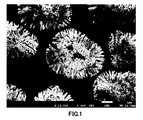
- FIG. 1 is a cross-sectional SEM photograph of a nickel-cobalt-aluminum composite hydroxide according to an embodiment of the present invention, showing that the internal structure is a solid structure.
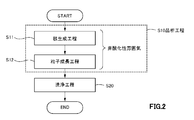
- FIG. 2 is a process diagram showing the outline of the method for producing the nickel-cobalt-aluminum composite hydroxide according to the embodiment of the present invention.
- the present inventor has made extensive studies to solve the above problems, and particularly in the production of nickel-cobalt-aluminum composite hydroxide containing aluminum, the reaction atmosphere in the crystallization step is controlled, and an alkaline solution used in the crystallization step is used.
- the transition metal composite hydroxide obtained in the crystallization step is a cleaning solution containing hydrogen carbonate (bicarbonate) in the cleaning step.
- the present invention has been completed based on the finding that impurities such as sulfate radicals, chlorine radicals and sodium can be efficiently reduced to a lower concentration by washing with an ammonium hydrogen carbonate solution.
- impurities such as sulfate radicals, chlorine radicals and sodium can be efficiently reduced to a lower concentration by washing with an ammonium hydrogen carbonate solution.
- a nickel-cobalt-aluminum composite hydroxide, a method for producing a nickel-cobalt-aluminum composite hydroxide, and a lithium-nickel-cobalt-aluminum composite oxide according to an embodiment of the present invention will be described in the following order.
- Nickel-cobalt-aluminum composite hydroxide 2.
- Lithium nickel cobalt aluminum composite oxide 3.
- the nickel-cobalt-aluminum composite hydroxide according to one embodiment of the present invention is a positive electrode active material in which secondary particles formed by aggregating primary particles containing nickel, cobalt, and aluminum, or composed of the primary particles and the secondary particles. Is a precursor of.
- the sodium content in the nickel-cobalt-aluminum composite hydroxide is less than 0.0005% by mass.
- the nickel-cobalt-aluminum composite hydroxide according to one embodiment of the present invention will be specifically described.
- the nickel-cobalt-aluminum composite hydroxide has a composition represented by the general formula: Ni 1-xy Co x Al y (OH) 2+a (where 0.05 ⁇ x ⁇ 0.35 and 0.01 ⁇ y ⁇ 0 .20, x+y ⁇ 0.40, 0 ⁇ a ⁇ 0.5).
- x indicating the cobalt content is preferably 0.05 ⁇ x ⁇ 0.35.
- x indicating the cobalt content is preferably 0.05 ⁇ x ⁇ 0.35, and considering the battery characteristics and the cost, 0.07 ⁇ x ⁇ 0.25 is preferable, and substantially 0. More preferably, 10 ⁇ x ⁇ 0.20.
- y indicating the aluminum content is preferably 0.01 ⁇ y ⁇ 0.2.
- durability characteristics and safety can be further improved when the battery is used as a positive electrode active material.
- the above effect can be obtained for the entire particles, and therefore, the same effect can be exerted to a greater effect and the capacity decrease can be suppressed. .. If the amount of aluminum added is too small and y is less than 0.01, it is difficult to obtain the expected effect, which is not preferable. On the other hand, if it exceeds 0.2, the amount of aluminum added is too large, the metal elements contributing to the Redox reaction may decrease, and the battery capacity may decrease, which is not preferable.
- composition of the particles are not particularly limited, but can be determined by a chemical analysis method such as acid decomposition-ICP emission spectroscopy.
- the nickel-cobalt-aluminum composite hydroxide is composed of spherical secondary particles formed by aggregating a plurality of primary particles.
- the shape of the primary particles forming the secondary particles can be various shapes such as a plate shape, a needle shape, a rectangular parallelepiped shape, an ellipse shape, and a rhombohedral shape.
- the agglomeration state of a plurality of primary particles can be applied to the present invention not only in the case of agglomeration in a random direction but also in the case of agglomeration in the major axis direction of the particles radially from the center.
- plate-shaped or needle-shaped primary particles are aggregated in random directions to form secondary particles.
- substantially uniform voids are formed between the primary particles, and when the lithium compound is mixed with the lithium compound and baked, the molten lithium compound spreads into the secondary particles, and lithium diffusion is sufficiently performed. Because it will be seen.
- the method for observing the shape of the primary particles and the secondary particles is not particularly limited, but it can be measured by observing the cross section of the nickel-cobalt-aluminum composite hydroxide using a scanning electron microscope (SEM) or the like.
- the nickel-cobalt-aluminum composite hydroxide according to one embodiment of the present invention has a solid structure and does not have a hollow structure or a porous structure inside the secondary particles. Since there are no voids inside the secondary particles, it has the best particle strength. Therefore, the life of the positive electrode active material is extended.
- this solid structure can be confirmed by observing the cross section of the nickel-cobalt-aluminum composite hydroxide particles with a scanning electron microscope (SEM).
- the nickel-cobalt-aluminum composite hydroxide preferably has an average particle size adjusted to 3 to 20 ⁇ m. If the average particle size is less than 3 ⁇ m, the packing density of the particles may decrease when the positive electrode is formed, and the battery capacity per volume of the positive electrode may decrease, which is not preferable. On the other hand, when the average particle size exceeds 20 ⁇ m, the specific surface area of the positive electrode active material decreases, and the interface with the electrolytic solution of the battery decreases, so that the resistance of the positive electrode increases and the output characteristics of the battery may deteriorate. It is not preferable because it exists.
- the nickel-cobalt-aluminum composite hydroxide can be used as a positive electrode material by adjusting the average particle size of the particles to 3 to 20 ⁇ m, preferably 3 to 15 ⁇ m, and more preferably 4 to 12 ⁇ m.
- the battery capacity per volume can be increased, the safety is high, and the cycle characteristics are good.
- the method for measuring the average particle size is not particularly limited, but it can be obtained, for example, from the volume standard distribution measured using the laser diffraction/scattering method.
- nickel-cobalt composite hydroxide and nickel-cobalt-aluminum composite hydroxide contain sulfate radicals, chlorine radicals, and sodium as impurities. These impurities cause deterioration of the reaction with lithium and hardly contribute to the charge/discharge reaction, so it is preferable to remove them as much as possible and reduce the content thereof. Further, as will be described later in detail, when producing a nickel-cobalt-aluminum composite hydroxide containing aluminum, it is preferable to use sodium aluminate and sodium hydroxide instead of sulfate, and nickel-cobalt composite hydroxide containing no aluminum. The sodium concentration during crystallization is higher than in the case of producing a product, and it becomes difficult to remove sodium by washing. Conventionally, techniques for removing such impurities have been disclosed, but they are still insufficient.
- the sodium content in the nickel-cobalt-aluminum composite hydroxide according to one embodiment of the present invention is characterized by being less than 0.0005 mass %.
- the nickel-cobalt-aluminum composite hydroxide containing nickel, cobalt, and aluminum which is a precursor of the positive electrode active material of the lithium ion secondary battery capable of reliably reducing the sodium content and increasing the capacity, can be obtained. You can provide things.
- the content of sulfate radicals contained in the nickel-cobalt-aluminum composite hydroxide is 0.2 mass% or less and the content of chlorine radicals is 0.01 mass% or less.
- the nickel-cobalt-aluminum composite hydroxide which is a precursor of the positive electrode active material of the lithium-ion secondary battery, which can surely reduce the contents of sulfate group, chlorine group and sodium, and improve the battery characteristics. You can provide things.
- the content of each impurity can be obtained, for example, by using the following analysis method.
- Sodium can be determined by acid decomposition-atomic absorption spectrometry, acid decomposition-ICP emission spectroscopy, or the like.
- the total sulfur content of the nickel-cobalt-aluminum composite hydroxide is analyzed by a combustion infrared absorption method, acid decomposition-ICP emission spectroscopy, etc. It can be obtained by converting to 4 2 - ).
- the chlorine root can be obtained by separating nickel-cobalt-aluminum composite hydroxide directly or by separating chlorine root contained in the distillation operation in the form of silver chloride or the like, and analyzing by a fluorescent X-ray (XRF) analysis method.
- XRF fluorescent X-ray
- the nickel-cobalt-aluminum composite hydroxide is preferably adjusted so that [(d90-d10)/average particle size], which is an index showing the spread of the particle size distribution of the particles, is 0.55 or less.
- the particle size distribution is wide and the index indicating the spread of the particle size distribution [(d90-d10)/average particle size] exceeds 0.55, the particle size is smaller than the average particle size. Very small fine particles and particles having a very large particle diameter with respect to the average particle diameter (large diameter particles) are likely to exist.
- the characteristics of the particle size distribution at the precursor stage have a great influence on the positive electrode active material obtained after the firing process.
- heat may be generated due to a local reaction of the fine particles, which may not only reduce safety but also the fine particles having a large specific surface area. Is selectively deteriorated, which may deteriorate the cycle characteristics, which is not preferable.
- the positive electrode is formed by using the positive electrode active material in which a large number of large-sized particles are present, the reaction area between the electrolytic solution and the positive electrode active material cannot be sufficiently obtained, and the battery output decreases due to an increase in reaction resistance. There is a case where it is not preferable.
- [(d90-d10)/average particle size] is preferably 0.55 or less. Since the proportion of large-diameter particles is reduced, a lithium ion secondary battery using this positive electrode active material as a positive electrode is more excellent in safety and can obtain good cycle characteristics and battery output.
- d10 is the cumulative volume of all particles when the number of particles in each particle size is accumulated from the smaller particle size. It means a particle size of 10% of the above.
- d90 means a particle size such that when the number of particles in each particle size is accumulated from the smaller particle size, the cumulative volume is 90% of the total volume of all particles.
- the method for obtaining the average particle diameter and d90, d10 is not particularly limited, but it can be obtained, for example, from the volume-based distribution measured using the laser diffraction/scattering method.
- the nickel-cobalt-aluminum composite hydroxide is preferably adjusted to have a specific surface area of 15 to 60 m 2 /g. This is because when the specific surface area is in the range of 15 to 60 m 2 /g, a sufficient particle surface area that can contact the molten lithium compound when obtained by mixing with a lithium compound and firing is obtained.
- the specific surface area is less than 15 m 2 /g, contact with the molten lithium compound when mixed with the lithium compound and baked becomes insufficient, and the crystallinity of the obtained lithium nickel cobalt aluminum composite oxide decreases.
- the specific surface area exceeds 60 m 2 /g, the crystal growth proceeds too much when mixed with a lithium compound and fired, and nickel is mixed into the lithium layer of the lithium-transition metal composite oxide that is a layered compound. May occur and the charge/discharge capacity may decrease, which is not preferable.
- the specific surface area is adjusted to 30 to 50 m 2 /g.
- nickel-cobalt-aluminum composite hydroxide containing aluminum is different from the case of not containing aluminum in terms of the unevenness of the particle surface, the size of primary particles, and the degree of aggregation. Therefore, the specific surface area of the nickel-cobalt-aluminum composite hydroxide according to the embodiment of the present invention is preferably 30 to 50 m 2 /g as described above.
- the method for measuring the specific surface area is not particularly limited, but it can be determined by, for example, the BET multipoint method or the nitrogen gas adsorption/desorption method based on the BET one-point method.
- FIG. 1 shows a cross-sectional SEM photograph of a nickel-cobalt-aluminum composite hydroxide according to an embodiment of the present invention.
- the nickel-cobalt-aluminum composite hydroxide according to the embodiment of the present invention has a solid internal structure as shown in FIG.
- the nickel-cobalt-aluminum composite hydroxide according to one embodiment of the present invention is a precursor of a positive electrode active material of a lithium-ion secondary battery that can reliably reduce the content of sodium and increase the capacity.
- a nickel-cobalt-aluminum composite hydroxide containing nickel, cobalt, and aluminum can be provided.
- the lithium-nickel-cobalt-aluminum composite oxide according to one embodiment of the present invention is composed of secondary particles obtained by aggregating primary particles containing lithium, nickel, cobalt, and aluminum, or the primary particles and the secondary particles.
- the sodium content of the lithium nickel cobalt aluminum composite oxide is less than 0.0005% by mass.
- the content of sulfate radicals contained in the lithium nickel cobalt aluminum composite oxide is 0.15 mass% or less, the content of chlorine radicals is 0.005 mass% or less, and the Li seat occupancy rate is 99.0% or more. It is preferable.
- the amount of lithium nickel cobalt aluminum composite oxide may be washed away by the washing treatment described below, although the amount is a little.
- the more impurities in the lithium nickel cobalt aluminum composite oxide the more adverse effect is exerted during the firing reaction with the lithium raw material, the crystallinity is deteriorated, and lithium is likely to be lost during the water washing treatment. Therefore, the lithium-nickel-cobalt-aluminum composite oxide containing aluminum exhibits a seat occupancy in Li. Therefore, the Li seat occupancy of the lithium nickel cobalt aluminum composite oxide according to the embodiment of the present invention is preferably 99.0% or more. By doing so, the battery characteristics are further improved.
- the above nickel-cobalt-aluminum composite hydroxide can be mixed with a lithium compound and fired to form a lithium-nickel-cobalt-aluminum composite oxide.
- the lithium nickel cobalt aluminum composite oxide can be used as a raw material of a positive electrode active material for a lithium ion secondary battery.
- the lithium nickel cobalt aluminum composite oxide used as the positive electrode active material includes nickel cobalt aluminum composite hydroxide that is a precursor, lithium carbonate (Li 2 CO 3 : melting point 723° C.), and lithium hydroxide (LiOH: melting point 462). C.) and lithium compounds such as lithium nitrate (LiNO 3 : melting point 261° C.), lithium chloride (LiCl: melting point 613° C.), lithium sulfate (Li 2 SO 4 : melting point 859° C.) and the like, followed by a firing step. Obtained by passing.
- lithium compound it is particularly preferable to use lithium carbonate or lithium hydroxide in consideration of the ease of handling and the stability of quality.
- the lithium nickel cobalt aluminum composite oxide containing aluminum is washed with water.
- the lithium-nickel-cobalt-aluminum composite oxide according to one embodiment of the present invention, it is possible to provide a positive electrode active material for a lithium-ion secondary battery that can reliably reduce the sodium content and increase the capacity. it can.
- the method for producing a nickel-cobalt-aluminum composite hydroxide according to one embodiment of the present invention nickel, cobalt, secondary particles aggregated primary particles containing aluminum, or composed of the primary particles and the secondary particles, It is a method for producing a precursor of a positive electrode active material. Then, as shown in FIG. 2, it has a crystallization step S10 and a cleaning step S20.
- a transition metal composite hydroxide is crystallized in a reaction solution obtained by adding a raw material solution containing nickel, cobalt, and aluminum, a solution containing an ammonium ion supplier, and an alkaline solution.
- the washing step S20 the transition metal composite hydroxide obtained in the crystallization step S10 is washed with a washing liquid.
- the alkali solution in the crystallization step S10 is a mixed solution of an alkali metal hydroxide and a carbonate, and has a molar ratio of the carbonate to the alkali metal hydroxide of the mixed solution [CO 3 2- ]/[OH ⁇ ] is 0.002 to 0.050, crystallization is performed in a non-oxidizing atmosphere in the crystallization step S10, and the concentration of the cleaning liquid in the cleaning step S20 is 0. It is characterized in that it is an ammonium hydrogen carbonate solution at a concentration of 05 mol/L or more.
- each step will be described in detail.
- Crystallization process> a transition metal composite hydroxide is crystallized in a reaction solution obtained by adding a raw material solution containing nickel, cobalt, and aluminum, a solution containing an ammonium ion supplier, and an alkaline solution.
- the crystallization step S10 further includes a nucleation step S11 and a particle growth step S12.
- a nucleation step S11 an alkali solution is added to perform nucleation in the reaction solution so that the pH measured based on the liquid temperature of 25° C. becomes 12.0 to 14.0.
- the particle growth step S12 nucleation is performed. It is preferable to add an alkaline solution to the reaction solution containing the nuclei formed in step S11 so that the pH measured at a liquid temperature of 25° C. becomes 10.5 to 12.0. Details will be described later.
- the nucleation reaction and the nucleation growth reaction proceed simultaneously in the same reaction tank, so that the particle size distribution of the obtained precursor is wide.
- the time during which the nucleation reaction mainly occurs (nucleation step) and the time during which the particle growth reaction mainly occurs (particle growth step) are clearly defined.
- an alkaline solution as a mixed solution of an alkali metal hydroxide and a carbonate, impurities such as sulfate radicals can be reduced.
- the metal salt used in the raw material solution containing nickel, cobalt, and aluminum is not particularly limited as long as it is a water-soluble compound, as the metal salt such as nickel salt and cobalt salt, but sulfate, nitrate, chloride, etc. Can be used. For example, it is preferable to use nickel sulfate or cobalt sulfate.
- the total concentration of the raw material solution is preferably 1.0 to 2.6 mol/L, and more preferably 1.0 to 2.2 mol/L. If it is less than 1.0 mol/L, the resulting hydroxide slurry concentration is low and the productivity is poor. On the other hand, if it exceeds 2.6 mol/L, crystal precipitation or freezing may occur at ⁇ 5° C. or lower, and the piping of the equipment may be clogged, so that heat retention or heating of the piping must be performed, resulting in cost increase.
- the amount of the raw material solution supplied to the reaction vessel is preferably such that the concentration of the crystallized product at the time of completing the crystallization reaction is approximately 30 to 250 g/L, preferably 80 to 150 g/L. ..
- concentration of the crystallization product is less than 30 g/L, the aggregation of the primary particles may be insufficient, and when it exceeds 250 g/L, the diffusion of the mixed aqueous solution to be added is insufficient in the reaction tank.
- the grain growth may be biased.
- a solution containing sodium aluminate and sodium hydroxide is preferably used for the aluminum supplier used in the crystallization step.
- aluminum hydroxide precipitates at a lower pH than nickel hydroxide or cobalt hydroxide, so aluminum hydroxide tends to precipitate alone, and the particle size is It is not possible to obtain a nickel-cobalt-aluminum composite hydroxide with a narrow distribution and a uniform particle size.
- the aluminum supplier can be obtained, for example, by dissolving a predetermined amount of sodium aluminate in water to form an aqueous solution and adding a predetermined amount of sodium hydroxide.
- the molar ratio of sodium in the aluminum supplier to aluminum is more preferably 1.0 to 3.0.
- the amount of sodium that is, the amount of sodium hydroxide is out of the range of 1.0 to 3.0 in terms of molar ratio, the stability of the aluminum supplier is lowered and immediately after addition to the reaction tank, or Before being treated, aluminum hydroxide easily precipitates as fine particles.
- the raw material solution containing nickel and cobalt and the aluminum supplier may be added to the reaction tank at the same time.
- the metal concentrations of nickel, cobalt, and aluminum, and the addition flow rates of the raw material solution and the aluminum supplier are adjusted so that the nickel-cobalt-aluminum composite hydroxide has a target composition ratio.
- ammonium ion supplier in the reaction solution is not particularly limited as long as it is a water-soluble compound, and ammonia water, ammonium sulfate, ammonium chloride, ammonium carbonate, ammonium fluoride or the like can be used, for example, ammonia water, Preference is given to using ammonium sulphate.
- the ammonium ion concentration in the reaction solution is preferably adjusted to 3 to 25 g/L, more preferably 10 to 20 g/L, and further preferably 5 to 15 g/L. Due to the presence of ammonium ions in the reaction solution, metal ions, especially nickel ions, form ammine complexes, the solubility of metal ions increases, the growth of primary particles is promoted, and a dense nickel-cobalt-aluminum composite hydroxide is formed. Particles are easily obtained. Furthermore, since the solubility of metal ions is stable, nickel-cobalt-aluminum composite hydroxide particles having a uniform shape and particle size are easily obtained. Then, by setting the ammonium ion concentration in the reaction solution to 3 to 25 g/L, it is easy to obtain more complex composite hydroxide particles having a uniform shape and particle size.
- the solubility of metal ions in the reaction solution is less than 3 g/L, the solubility of metal ions may become unstable, and primary particles having a uniform shape and particle size are not formed, and gel-like nuclei are formed. The particle size distribution may widen.
- the concentration of ammonium ions exceeds 25 g/L, the solubility of metal ions becomes too large, and the amount of metal ions remaining in the reaction solution increases, which may cause compositional shift.
- the ammonium ion concentration can be measured by an ion electrode method (ion meter).
- the alkaline solution is prepared as a mixed solution of an alkali metal hydroxide and a carbonate.
- [CO 3 2 ⁇ ]/[OH ⁇ ] representing the molar ratio of the alkali metal hydroxide and the carbonate is 0.002 to 0.050. Further, it is more preferably 0.005 to 0.030, further preferably 0.010 to 0.025.
- an alkaline solution as a mixed solution of an alkali metal hydroxide and a carbonate, nickel-cobalt-aluminum composite hydroxide obtained in the crystallization step, anions such as sulfate radicals and chlorine radicals remaining as impurities, It can be replaced with carbonate radicals.
- Carbonate radicals are more likely to be volatilized by igniting heat than sulfate radicals, chlorine radicals, etc., and are preferentially volatilized in the step of mixing the nickel-cobalt-aluminum composite hydroxide and the lithium compound and firing, Almost no residue remains in the lithium nickel cobalt aluminum composite oxide that is the positive electrode material.
- the alkali metal hydroxide is preferably at least one selected from lithium hydroxide, sodium hydroxide and potassium hydroxide, and a compound that is easily soluble in water is preferable because the addition amount can be easily controlled.
- the carbonate is preferably one or more selected from sodium carbonate, potassium carbonate and ammonium carbonate, and a compound that is easily soluble in water is preferable because the addition amount can be easily controlled.
- the method of adding the alkaline solution to the reaction tank is not particularly limited, and a pump capable of controlling the flow rate such as a metering pump is used so that the pH of the reaction solution is maintained in the range described below. do it.
- a nucleation step S11 in which an alkali solution is added to perform nucleation by adding an alkaline solution so that the pH of the reaction solution measured based on the liquid temperature of 25° C. becomes 12.0 to 14.0.
- the particle growth solution containing the nuclei formed in the nucleation step S11 is added with an alkaline solution so that the pH measured from the liquid temperature of 25° C. becomes 10.5 to 12.0, and the nuclei are formed.
- the process comprises a particle growth step S12 of growing.
- nucleation step S11 the time during which the nucleation reaction (nucleation step S11) mainly occurs and the particle growth reaction (particle growth step S12) mainly occur. It is characterized in that it is clearly separated from the time when the occurrence of.
- the nucleation step S11 and the particle growth step S12 will be described in detail below.
- nucleation process In the nucleation step S11, it is preferable to control the pH of the reaction solution to be in the range of 12.0 to 14.0 on the basis of the liquid temperature of 25°C. If the pH exceeds 14.0, the nuclei formed may become too fine and the reaction solution may gel. When the pH is less than 12.0, the growth reaction of the nuclei occurs together with the nucleation, so that the range of the particle size distribution of the nuclei formed becomes wider and the nuclei may become inhomogeneous.
- the nucleation step S11 by controlling the pH of the reaction solution in the range of 12.0 to 14.0, it is possible to suppress the growth of nuclei and cause almost only nucleation, and the nuclei formed Can be uniform and have a narrower particle size distribution range.
- the pH of the reaction solution is preferably 10.5 to 12.0 based on the liquid temperature of 25° C., more preferably 11.0 to 12.0. If the pH exceeds 12.0, the number of newly formed nuclei increases and fine secondary particles are generated, so that a hydroxide having a good particle size distribution may not be obtained. On the other hand, if the pH is less than 10.5, the solubility due to ammonium ions is high, and the number of metal ions remaining in the liquid without being precipitated increases, which may deteriorate the production efficiency.
- the grain growth step S12 by controlling the pH of the reaction solution in the range of 10.5 to 12.0, only the growth of the nuclei generated in the nucleation step S11 is preferentially caused to form new nuclei. Can be suppressed, and the obtained nickel-cobalt-aluminum composite hydroxide can be made homogeneous and have a narrower particle size distribution range.
- the pH is 12.0, it is a boundary condition between nucleation and nuclei growth. Therefore, depending on the presence or absence of nuclei in the reaction solution, either the nucleation process or the particle growth process should be used. Can be done. That is, if the pH of the nucleation step S11 is made higher than 12.0 to generate a large amount of nuclei, and then the pH is set to 12.0 in the particle growth step S12, a large amount of nuclei exist in the reaction aqueous solution. Growth occurs preferentially, and the hydroxide having a relatively narrow particle size distribution and a relatively large particle size is obtained.
- the pH of the particle growth step S12 may be controlled to a value lower than the pH of the nucleation step S11. In order to clearly separate the nucleation and the particle growth, the pH of the particle growth step S12 should be controlled.
- the pH of the nucleation step S11 is preferably 0.5 or more, more preferably 1.0 or more.
- nucleation step S11 As described above, by clearly separating the nucleation step S11 and the particle growth step S12 according to the pH, nucleation occurs preferentially in the nucleation step S11, and nucleus growth hardly occurs. In step S12, only nucleus growth occurs and almost no new nuclei are generated. As a result, in the nucleation step S11, it is possible to form homogeneous nuclei with a narrow particle size distribution range, and in the grain growth step S12, it is possible to uniformly grow nuclei. Therefore, according to the method for producing a nickel-cobalt-aluminum composite hydroxide, it is possible to obtain homogeneous nickel-cobalt-aluminum composite hydroxide particles having a narrower particle size distribution range.
- the temperature of the reaction solution is preferably set to 20 to 80°C, more preferably 30 to 70°C, and further preferably 35 to 60°C.
- the solubility of metal ions is low, so that nucleation is likely to occur and control becomes difficult.
- the temperature exceeds 80° C. the volatilization of ammonia is promoted, and therefore an excess ammonium ion supplier must be added in order to maintain a predetermined ammonia concentration, resulting in high cost.
- the particle size and particle structure of the nickel-cobalt-aluminum composite hydroxide are also controlled by the reaction atmosphere in the crystallization step S10. Therefore, in the crystallization step S10, crystallization is performed in a non-oxidizing atmosphere.
- the atmosphere in the reaction tank during the crystallization step S10 is controlled to be a non-oxidizing atmosphere, the growth of the primary particles forming the nickel-cobalt-aluminum composite hydroxide is promoted, the primary particles are large and dense, and the particle size is Moderately large secondary particles are formed.
- the oxygen concentration is 5.0% by volume or less, preferably 2.5% by volume or less, and more preferably 1.0% by volume or less, so that a relatively large primary Along with the nucleation of particles, the particle growth is promoted by the aggregation of the primary particles, and secondary particles having an appropriate size can be obtained. Therefore, a solid nickel cobalt aluminum composite hydroxide as shown in FIG. 1 is obtained.
- the atmosphere in the reaction tank during the crystallization process is controlled to be an oxidizing atmosphere, the growth of primary particles forming nickel-cobalt-aluminum composite hydroxide is suppressed, the primary particles are composed of fine primary particles, and there is a space in the center of the particles. Or, secondary particles in which a large number of fine voids are dispersed are formed.
- the non-oxidizing atmosphere refers to a mixed atmosphere of oxygen and an inert gas having an oxygen concentration of 5.0% by volume or less, preferably 2.5% by volume or less, and more preferably 1.0% by volume or less.
- an inert gas such as nitrogen is passed through the space inside the reaction tank, and further, the inert gas is bubbled in the reaction solution. It can be mentioned.
- the preferable flow rate of bubbling in the crystallization step S10 is 3 to 7 L/min, more preferably about 5 L/min.
- the oxidizing atmosphere means an atmosphere having an oxygen concentration of more than 5.0% by volume, preferably 10.0% by volume or more, and more preferably 15.0% by volume or more.
- the atmosphere in the reaction vessel is an inert atmosphere or an oxygen concentration of 0.
- a non-oxidizing atmosphere controlled to 2% by volume or less is preferable.
- the reaction atmosphere is controlled simultaneously while nucleation and particle growth are performed.
- the washing step S20 the transition metal composite hydroxide obtained in the crystallization step S10 is washed with a washing liquid.
- cleaning is performed with a cleaning liquid based on a carbonate, a hydrogen carbonate (bicarbonate), an alkali metal salt of a hydroxide, or an ammonium salt.
- the transition metal complex hydroxide is washed with a washing solution in which a carbonate, a hydrogen carbonate (bicarbonate), or a mixture thereof is dissolved in water.
- anions such as sulfate and chlorine as impurities can be efficiently removed by utilizing the substitution reaction with carbonate ions and bicarbonate ions (bicarbonate ions) in the cleaning liquid.
- a carbonate or a hydrogen carbonate (bicarbonate) it is possible to suppress the mixing of an alkali metal such as sodium as compared with the case of using a hydroxide.
- a carbonate or a hydrogen carbonate (bicarbonate) is used. ) Is more effective.
- the carbonate it is preferable to select sodium carbonate, potassium carbonate, or ammonium carbonate
- the hydrogen carbonate (bicarbonate) it is preferable to select sodium hydrogen carbonate, potassium hydrogen carbonate, or ammonium hydrogen carbonate.
- an ammonium salt among carbonates and hydrogen carbonates (bicarbonates) the cations such as sodium, which is an impurity, can be efficiently used by utilizing the substitution reaction with the ammonium ion in the cleaning liquid. It can be removed.
- ammonium hydrogen carbonate (ammonium bicarbonate) among ammonium salts cations such as sodium can be most efficiently removed.
- the concentration of the ammonium hydrogen carbonate solution which is the cleaning liquid, is 0.05 mol/L or more. If the concentration is less than 0.05 mol/L, the effect of removing impurities such as sulfate radicals, chlorine radicals, and sodium may decrease. Further, if the concentration is 0.05 mol/L or more, the effect of removing these impurities does not change. Therefore, excessive addition of ammonium hydrogencarbonate (ammonium bicarbonate) affects cost increase and environmental load such as drainage standards. Therefore, it is preferable to set the upper limit concentration to about 1.0 mol/L.
- the pH of the ammonium hydrogencarbonate solution does not need to be adjusted as long as the concentration is 0.05 mol/L or more, and a natural pH may be used. If the concentration is 0.05 to 1.0 mol/L, the pH is within the range of about 8.0 to 9.0.
- the liquid temperature of the ammonium hydrogen carbonate solution as a cleaning liquid is not particularly limited, but is preferably 15 to 50°C. When the liquid temperature is in the above range, the substitution reaction with impurities and the foaming effect of carbon dioxide gas generated from ammonium hydrogencarbonate are better, and the removal of impurities proceeds efficiently.
- the amount of the ammonium hydrogencarbonate solution as a cleaning liquid is preferably 1 to 20 L per 1 kg of nickel-cobalt-aluminum composite hydroxide (slurry concentration is 50 to 1000 g/L). If it is less than 1 L, a sufficient effect of removing impurities may not be obtained. Further, even if a liquid amount of more than 20 L is used, the effect of removing impurities does not change, and an excessive amount of liquid affects cost increase and environmental load such as drainage standards, and causes a load increase of wastewater amount in wastewater treatment. Will also be.
- the washing time with the ammonium hydrogen carbonate solution is not particularly limited as long as impurities can be sufficiently removed, but is usually 0.5 to 2 hours.
- [Washing method] As a cleaning method, 1) a general cleaning method of adding nickel-cobalt-aluminum composite hydroxide to an ammonium hydrogencarbonate solution, slurrying and stirring and washing, and then filtering, or 2) neutralization crystallization
- the slurry containing the nickel-cobalt-aluminum composite hydroxide generated by the above can be supplied to a filter such as a filter press to pass the ammonium hydrogencarbonate solution, and liquid washing can be performed.
- the passing-through washing is more preferable because it has a high effect of removing impurities, filtration and washing can be continuously performed in the same equipment, and productivity is high.
- the washing liquid containing impurities washed out by the substitution reaction may adhere to the nickel-cobalt-aluminum composite hydroxide, so it is preferable to wash with water last. Furthermore, after washing with water, it is preferable to perform a drying step (not shown) of drying the water adhered to the filtered nickel-cobalt-aluminum composite hydroxide.
- the nickel-cobalt-aluminum composite hydroxide obtained through the washing step S20 is a positive electrode composed of secondary particles obtained by aggregating primary particles containing nickel, cobalt, and aluminum, or composed of the primary particles and the secondary particles. It is a precursor of an active material, and the sodium content contained in the nickel-cobalt-aluminum composite hydroxide is less than 0.0005 mass %.
- the precursor of the positive electrode active material of the lithium ion secondary battery which can surely reduce the content of sodium and can achieve high capacity.
- a method for producing a nickel-cobalt-aluminum composite hydroxide containing nickel, cobalt, and aluminum, which is a body, can be provided.
- transition metal composite hydroxides obtained in the crystallization step were washed, filtered and dried to be recovered as precursor nickel cobalt aluminum composite hydroxides. After that, various analyzes were performed by the following methods.
- composition The composition was analyzed by acid decomposition-ICP emission spectrometry, and a multi-type ICP emission spectrometer, ICPE-9000 (manufactured by Shimadzu Corporation) was used for measurement.
- the sodium content was analyzed by acid decomposition-atomic absorption spectrometry, and for the measurement, an atomic absorption spectrophotometer, atomic absorption spectrophotometer 240AA (manufactured by Agilent Technology Co., Ltd.) was used.
- the sulfate content was determined by analyzing the total sulfur content by acid decomposition-ICP emission spectroscopy and converting the total sulfur content into sulfate (SO 4 2 ⁇ ).
- ICPE-9000 manufactured by Shimadzu Corporation, which is a multi-type ICP emission spectroscopic analyzer, was used.
- the chlorine root content was analyzed by fluorescent X-ray analysis (XRF), either directly from the sample or by separating the chlorine root contained in the distillation operation in the form of silver chloride.
- XRF fluorescent X-ray analysis
- Axios made by Spectris Co., Ltd. which is a fluorescent X-ray analyzer was used for the measurement.
- the average particle size (MV) and the particle size distribution [(d90-d10)/average particle size] were determined from the volume-based distribution measured by the laser diffraction/scattering method.
- Microtrac MT3300EXII manufactured by Microtrac Bell Co., Ltd.
- Microtrac Bell Co., Ltd. which is a laser diffraction/scattering type particle size distribution measuring apparatus, was used.
- the specific surface area was analyzed by a nitrogen gas adsorption/desorption method according to the BET 1-point method, and the measurement was performed using a MacSorb 1200 series (manufactured by Mountech Co., Ltd.), which is a gas flow type specific surface area measuring device.
- the produced lithium mixture was calcined in an air stream of oxygen (oxygen: 100% by volume) at 500° C. for 4 hours, further calcined at 730° C. for 24 hours, crushed after cooling, and lithium nickel cobalt aluminum. A complex oxide was obtained.
- the Li seat occupancy indicating the crystallinity of the lithium nickel cobalt aluminum composite oxide was calculated by performing Rietveld analysis from a diffraction pattern measured using an X-ray diffraction analyzer (XRD).
- XRD X-ray diffraction analyzer
- X'Pert-PRO manufactured by Spectris Co., Ltd.
- the Li seat occupancy ratio indicates the proportion of the lithium element present in the lithium nickel cobalt aluminum composite oxide in the layered structure lithium layer (Li seat).
- the Li seat occupancy rate has a correlation with the battery characteristics, and the higher the Li seat occupancy rate, the better the battery characteristics.
- Example 1 In Example 1, 0.9 L of water was put in a reaction tank (5 L) for crystallization in the crystallization step, the temperature inside the tank was set to 50° C. with stirring, and nitrogen gas was passed through the reaction tank. A nitrogen atmosphere was used. At this time, the oxygen concentration in the space inside the reaction tank was 2.0% by volume.
- nickel sulfate and cobalt chloride were dissolved in water to prepare a 2.0 mol/L raw material solution.
- a predetermined amount of sodium aluminate was dissolved in water, and a 25% sodium hydroxide solution was added to the solution so that the molar ratio of sodium to aluminum was 1.7, to prepare an aluminum supplier.
- sodium hydroxide, which is an alkali metal hydroxide, and sodium carbonate, which is a carbonate are dissolved in water so that [CO 3 2 ⁇ ]/[OH ⁇ ] is 0.025 to prepare an alkaline solution. did.
- the raw material solution was added to the reaction solution in the reaction tank at 12.9 ml/min, and the ammonium ion supplier and the alkaline solution were also added to the reaction solution at a constant rate, and the ammonium ion concentration in the reaction solution was 10 g/min.
- pH was controlled to 12.8 (nucleation step pH), and crystallization was performed for 2 minutes and 30 seconds to perform nucleation.
- the obtained transition metal composite hydroxide was subjected to solid-liquid separation with a filter press filter, and then an ammonium hydrogen carbonate solution having a concentration of 0.05 mol/L was used as a cleaning liquid, and 1 kg of the transition metal composite hydroxide was washed with the cleaning liquid.
- Example 5 nickel-cobalt-aluminum composite water was prepared in the same manner as in Example 1 except that [CO 3 2 ⁇ ]/[OH ⁇ ] was adjusted to 0.003 when the alkaline solution was prepared. An oxide was obtained.
- Example 6 the nickel-cobalt-aluminum composite water was prepared in the same manner as in Example 1 except that when the alkaline solution was prepared, [CO 3 2 ⁇ ]/[OH ⁇ ] was adjusted to 0.048. An oxide was obtained.
- Example 7 In Example 7, except that 25% sodium hydroxide solution was added to a solution of sodium aluminate in water so that the ratio of sodium to aluminum was 1.0 in the production of the aluminum supplier. A nickel-cobalt-aluminum composite hydroxide was obtained in the same manner as in 1.
- Example 8 is the same as Example 8, except that 25% sodium hydroxide aqueous solution was added to a solution of sodium aluminate in water so that the ratio of sodium to aluminum was 3.0.
- a nickel-cobalt-aluminum composite hydroxide was obtained in the same manner as in 1.
- Example 9 a nickel-cobalt-aluminum composite hydroxide was obtained in the same manner as in Example 1 except that the pH of the nucleation step was 13.6.
- Example 10 a nickel-cobalt-aluminum composite hydroxide was obtained in the same manner as in Example 1 except that the pH in the nucleation step was 12.3.
- Example 11 In Example 11, a nickel-cobalt-aluminum composite hydroxide was obtained in the same manner as in Example 1 except that the pH in the particle growth step was 11.8.
- Example 12 In Example 12, a nickel-cobalt-aluminum composite hydroxide was obtained in the same manner as in Example 1 except that the pH in the particle growth step was 10.6.
- Example 13 a nickel-cobalt-aluminum composite hydroxide was prepared in the same manner as in Example 1 except that when the alkaline solution was prepared, the alkali metal hydroxide was potassium hydroxide and the carbonate was potassium carbonate. Obtained.
- Example 14 a nickel-cobalt-aluminum composite hydroxide was obtained in the same manner as in Example 1, except that when the alkaline solution was adjusted, the carbonate was ammonium carbonate and the ammonium ion concentration was adjusted to 20 g/L. It was
- Example 15 In Example 15, a nickel-cobalt-aluminum composite hydroxide was obtained in the same manner as in Example 1 except that the temperature inside the tank was set to 35°C.
- Example 16 a nickel-cobalt-aluminum composite hydroxide was obtained in the same manner as in Example 1 except that the ammonium hydrogen carbonate solution having a concentration of 1.00 mol/L was used as the cleaning liquid.
- Comparative Example 1 the nickel-cobalt-aluminum composite water was prepared in the same manner as in Example 1 except that only sodium hydroxide was used for the adjustment of the alkaline solution, and [CO 3 2 ⁇ ]/[OH ⁇ ] was not taken into consideration. An oxide was obtained.
- Comparative example 2 the nickel-cobalt-aluminum composite water was prepared in the same manner as in Example 1 except that when the alkaline solution was prepared, [CO 3 2 ⁇ ]/[OH ⁇ ] was adjusted to 0.001. An oxide was obtained.
- Comparative example 3 the nickel-cobalt-aluminum composite water was prepared in the same manner as in Example 1 except that when the alkaline solution was adjusted, [CO 3 2 ⁇ ]/[OH ⁇ ] was adjusted to 0.055. An oxide was obtained.
- Comparative Example 4 a nickel-cobalt-aluminum composite hydroxide was obtained in the same manner as in Example 1 except that the washing step was omitted and the washing with the ammonium hydrogen carbonate solution was not performed.
- Comparative example 5 a nickel-cobalt-aluminum composite hydroxide was obtained in the same manner as in Example 1 except that an ammonium hydrogen carbonate solution having a concentration of 0.02 mol/L was used as the cleaning liquid.
- Comparative example 6 a nickel-cobalt-aluminum composite hydroxide was obtained in the same manner as in Example 1 except that the ammonium carbonate solution was used as the cleaning liquid.
- Comparative Example 7 a nickel-cobalt-aluminum composite hydroxide was obtained in the same manner as in Example 1 except that the sodium hydrogen carbonate solution was used as the cleaning liquid.
- Comparative Example 8 a nickel-cobalt-aluminum composite hydroxide was obtained in the same manner as in Example 1 except that the sodium carbonate solution was used as the cleaning liquid.
- the lower limit of quantification means the minimum amount or the minimum concentration at which the target component can be analyzed (quantified) by a certain analysis method. Further, the minimum amount (value) at which the signal of the target component in the measurement can be detected is the detection limit, and the minimum amount (value) of the signal of the target component obtained by the measurement that ensures reliability is called the measurement lower limit. Further, in the process of preparing the analysis sample into the measurement sample solution, the lower limit of quantification is obtained by multiplying the lower limit of measurement by the dilution ratio showing how much the sample was concentrated or diluted from the original analysis sample.
- the sodium content in the present invention was prepared by acid-decomposing 1 g of the analytical sample to 100 mL of the measurement sample solution (dilution ratio is 100 times) against the measurement lower limit of 0.05 ⁇ g/mL of the atomic absorption spectrometer.
- the lower limit of quantification is 5 ppm ( ⁇ g/g), that is, 0.0005 mass %.
- the content of sodium is reliably reduced, which is a precursor of the positive electrode active material of the lithium ion secondary battery capable of high capacity, nickel, cobalt, nickel-cobalt-aluminum composite hydroxide containing aluminum, It was possible to provide a method for producing a nickel-cobalt-aluminum composite hydroxide and a lithium-nickel-cobalt-aluminum composite oxide. Furthermore, it is expected to lead to the provision of a lithium ion secondary battery having excellent characteristics.
- nickel-cobalt-aluminum composite hydroxide the method for producing the nickel-cobalt-aluminum composite hydroxide, and the configuration and operation of the lithium-nickel-cobalt-aluminum composite oxide are also limited to those described in each embodiment and each example of the present invention. Instead, various modifications can be made.
Landscapes
- Chemical & Material Sciences (AREA)
- Organic Chemistry (AREA)
- Engineering & Computer Science (AREA)
- Inorganic Chemistry (AREA)
- Chemical Kinetics & Catalysis (AREA)
- Electrochemistry (AREA)
- General Chemical & Material Sciences (AREA)
- Materials Engineering (AREA)
- Manufacturing & Machinery (AREA)
- Battery Electrode And Active Subsutance (AREA)
- Inorganic Compounds Of Heavy Metals (AREA)
Abstract
特にナトリウムの含有量を確実に低減させ、高容量化が可能なリチウムイオン二次電池の正極活物質の前駆体を提供することを目的とする。 ニッケル、コバルト、アルミニウムを含む一次粒子が凝集した二次粒子、又 は前記一次粒子と前記二次粒子で構成された、正極活物質の前駆体であるニッケルコバルトアルミニウム複合水酸化物であって、前記ニッケルコバルトアルミニウム複合水酸化物に含まれるナトリウム含有量が、0.0005質量%未満であることを特徴とする。
Description
本発明は、ニッケル、コバルト、アルミニウムを含む一次粒子が凝集した二次粒子、又は一次粒子と二次粒子で構成された、正極活物質の前駆体であるニッケルコバルトアルミニウム複合水酸化物、ニッケルコバルトアルミニウム複合水酸化物の製造方法及び、リチウムニッケルコバルトアルミニウム複合酸化物に関する。
近年、スマートフォンやタブレット端末及びノート型パソコンなどの携帯電子機器の普及に伴い、高いエネルギー密度を有する、小型で軽量な非水系電解質二次電池をはじめ、ハイブリット自動車や電気自動車用の電池として、高出力の二次電池の開発ニーズが拡大している。
この様なニーズに対応出来る二次電池として、リチウムイオン二次電池が挙げられる。リチウムイオン二次電池は、正極及び負極のほか、電解液などで構成され、正極及び負極の活物質は、リチウムを脱離や挿入することの可能な材料が用いられている。リチウムイオン二次電池は、現在も、研究・開発が盛んに行われているが、このうち、層状又はスピネル型のリチウム金属複合酸化物を正極活物質に用いたリチウムイオン二次電池では、4V級の高い電圧が得られるため、高いエネルギー密度を有する電池として実用化が進んでいる。
この中でも、リチウムニッケルコバルト複合酸化物は、電池容量のサイクル特性が良く、低抵抗で高出力が得られる材料として注目されており、近年では、搭載スペースに制約を受ける電気自動車用電源やハイブリッド車用電源にも好適であり、車載用電源として重要視されている。一般的に、リチウムニッケルコバルト複合酸化物は、前駆体となるニッケルコバルト複合水酸化物をリチウム化合物と混合し、焼成する工程によって製造する。
このニッケルコバルト複合水酸化物には、製造工程で用いる原料や薬剤由来の硫酸根、塩素根、ナトリウムなど不純物が含まれる。これらの不純物は、ニッケルコバルト複合水酸化物とリチウム化合物とを混合し、焼成する工程において、副反応などを誘発してリチウムとの反応を悪化させるために、層状構造であるリチウムニッケルコバルト複合酸化物の結晶性を低下させる。
不純物の影響で、結晶性が低くなったリチウムニッケルコバルト複合酸化物は、正極活物質として電池を構成する際、固相内でのリチウムの拡散を阻害して電池容量が低下する。また、これらの不純物は、充放電反応には殆ど寄与しないため、電池の構成において、正極材料の不可逆容量に相当する分は、負極材料を余計に電池に使用せざるを得ない。その結果、電池全体としての重量当り、若しくは体積当りの容量が小さくなり、不可逆容量として負極に余分なリチウムが蓄積されることから、安全性の面からも問題となっている。
不純物としては、硫酸根や塩素根、ナトリウムなどが挙げられ、従来よりそれらの不純物を除去する技術が開示されている。
例えば、特許文献1には、ニオブ含有遷移金属複合水酸化物を得る晶析工程を行い、得られたニオブ含有遷移金属複合水酸化物を、炭酸カリウム、炭酸ナトリウム、炭酸アンモニウムなどの炭酸塩水溶液で洗浄することにより、硫酸根や塩素根を低減させることが開示されている。
また、特許文献2には、晶析反応からニッケルマンガンコバルト複合水酸化物を製造する工程において、pH調整に用いるアルカリ溶液を、アルカリ金属水酸化物と炭酸塩の混合溶液とすることで、不純物である硫酸根、塩素根、炭酸根を低減させることが開示されている。
また、特許文献3~4には、晶析工程で得られた粒子内部に空隙構造を有するニッケルマンガン複合水酸化物粒子又はニッケル複合水酸化物粒子を、炭酸カリウム、炭酸ナトリウム、炭酸水素カリウム及び炭酸水素ナトリウムなどの炭酸塩水溶液で洗浄することにより、硫酸根や塩素根、ナトリウムを低減させることが開示されている。
また、特許文献5には、ニッケルアンミン錯体、コバルトアンミン錯体及びM元素源を混合して得たニッケル-コバルト-M元素含有水溶液又は水性分散液を加熱して、ニッケルアンミン錯体及びコバルトアンミン錯体を熱分解させ、硫酸根、塩素根、ナトリウム、鉄などの不純物含有量が少ないニッケル-コバルト-M元素含有複合化合物を用いることが開示されている。
しかしながら、特許文献1~2については、ナトリウムの除去について全く触れられていない。また、特許文献3~4については、空隙率が3%程度の中実レベルの前駆体においても、依然として、ナトリウムが0.001~0.015質量%残存しており、ナトリウム低減が不十分である。さらに特許文献5については、熱分解によってニッケル-コバルト-M元素含有複合化合物を得ているため、粒子の球状や粒度分布、比表面積の観点から、正極活物質とした際に、十分な電池特性となるかが疑問視される。特にアルミニウムを含むニッケルコバルトアルミニウム複合水酸化物に着眼したものではない。
そこで本発明の目的は、充放電反応にも殆ど寄与しない不純物のうち、特にナトリウムの含有量を確実に低減させ、高容量化が可能なリチウムイオン二次電池の正極活物質の前駆体である、ニッケル、コバルト、アルミニウムを含むニッケルコバルトアルミニウム複合水酸化物、ニッケルコバルトアルミニウム複合水酸化物の製造方法及び、リチウムニッケルコバルトアルミニウム複合酸化物を提供することを目的とする。
本発明の一態様に係るニッケルコバルトアルミニウム複合水酸化物は、ニッケル、コバルト、アルミニウムを含む一次粒子が凝集した二次粒子、又は前記一次粒子と前記二次粒子で構成された、正極活物質の前駆体であるニッケルコバルトアルミニウム複合水酸化物であって、前記ニッケルコバルトアルミニウム複合水酸化物に含まれるナトリウム含有量が、0.0005質量%未満であることを特徴とする。
このようにすれば、ナトリウムの含有量を確実に低減させ、高容量化が可能なリチウムイオン二次電池の正極活物質の前駆体である、ニッケル、コバルト、アルミニウムを含むニッケルコバルトアルミニウム複合水酸化物を提供することができる。
このとき、本発明の一態様では、前記ニッケルコバルトアルミニウム複合水酸化物の比表面積が、30~50m2/gとしてもよい。
このようにすれば、比表面積を大きくすることで、より高容量化が可能なリチウムイオン二次電池を得ることが可能な正極活物質の前駆体である、ニッケルコバルトアルミニウム複合水酸化物を提供することができる。
このとき、本発明の一態様では、前記ニッケルコバルトアルミニウム複合水酸化物に含まれる硫酸根含有量が、0.2質量%以下、かつ塩素根含有量が0.01質量%以下としてもよい。
このようにすれば、硫酸根、塩素根及びナトリウムの含有量を確実に低減させ、より高容量化が可能なリチウムイオン二次電池を得ることが可能な正極活物質の前駆体である、ニッケルコバルトアルミニウム複合水酸化物を提供することができる。
このとき、本発明の一態様では、前記ニッケルコバルトアルミニウム複合水酸化物の粒度分布の広がりを示す指標である〔(d90-d10)/平均粒径〕が、0.55以下としてもよい。
このようにすれば、正極活物質とした際の微粒子や大径粒子の割合が少なくなるので、この正極活物質を正極に用いたリチウムイオン二次電池では、安全性に優れ、良好なサイクル特性及び電池出力を得ることが出来る。
このとき、本発明の一態様では、前記ニッケルコバルトアルミニウム複合水酸化物が、一般式:Ni1-x-yCoxAly(OH)2+a(但し、0.05≦x≦0.35、0.01≦y≦0.20、x+y<0.40、0≦a≦0.5)で表されることとしてもよい。
このようにすれば、上記ニッケルコバルトアルミニウム複合水酸化物のナトリウムの含有量を確実に低減させ、高容量化が可能なリチウムイオン二次電池を得ることが可能な正極活物質の前駆体である、ニッケルコバルトアルミニウム複合水酸化物を提供することができる。
本発明の一態様では、ニッケル、コバルト、アルミニウムを含む一次粒子が凝集した二次粒子、又は前記一次粒子と前記二次粒子で構成された、正極活物質の前駆体であるニッケルコバルトアルミニウム複合水酸化物の製造方法であって、ニッケル、コバルト、アルミニウムを含む原料溶液と、アンモニウムイオン供給体を含む溶液と、アルカリ溶液とを添加して得られた反応溶液中で晶析し、遷移金属複合水酸化物を得る晶析工程と、前記晶析工程で得られた前記遷移金属複合水酸化物を、洗浄液で洗浄する洗浄工程とを有し、前記晶析工程における前記アルカリ溶液は、アルカリ金属水酸化物と炭酸塩との混合溶液であり、前記混合溶液の前記アルカリ金属水酸化物に対する前記炭酸塩の比である[CO3
2-]/[OH-]が、0.002~0.050であり、前記晶析工程では、非酸化性雰囲気で晶析を行い、前記洗浄工程における前記洗浄液は、濃度が0.05mol/L以上の炭酸水素アンモニウム溶液であることを特徴とする。
このようにすれば、ナトリウムの含有量を確実に低減させ、高容量化が可能なリチウムイオン二次電池の正極活物質の前駆体である、ニッケル、コバルト、アルミニウムを含むニッケルコバルトアルミニウム複合水酸化物の製造方法を提供することができる。
このとき、本発明の一態様では、前記晶析工程において、前記アルミニウムを含む原料溶液に、アルミニウム供給体であるアルミン酸ナトリウムと水酸化ナトリウムを含む溶液を添加してもよい。
このようにすれば、粒度分布が狭く粒径が整ったニッケルコバルトアルミニウム複合水酸化物を得ることができる。
このとき、本発明の一態様では、前記アルミニウム供給体は、アルミニウムに対するナトリウムのモル比が1.0~3.0としてもよい。
このようにすれば、粒度分布が狭く粒径が整った粒子かつ、アルミニウムの分散が均一化したニッケルコバルトアルミニウム複合水酸化物を得ることができる。
このとき、本発明の一態様では、前記晶析工程では、前記反応溶液のアンモニア濃度を、10~20g/Lの範囲内に維持してもよい。
このようにすれば、金属イオンの溶解度が大きくなり、一次粒子の成長が促進され、緻密な複合水酸化物粒子が得られ、また金属イオンの溶解度が安定するため形状及び粒径が整った複合水酸化物粒子を得ることができる。
このとき、本発明の一態様では、前記晶析工程は、さらに核生成工程と粒子成長工程とを有し、前記核生成工程では、液温25℃を基準に測定するpHが、12.0~14.0となる様に、前記アルカリ溶液を前記反応溶液に添加して核生成を行い、前記粒子成長工程では、前記核生成工程で形成された核を含む前記反応溶液を、液温25℃を基準に測定するpHが、10.5~12.0となる様にアルカリ溶液を添加してもよい。
このようにすれば、狭い粒度分布を持つニッケルコバルトアルミニウム複合水酸化物が得られる。
このとき、本発明の一態様では、前記洗浄工程を経て得られた前記ニッケルコバルトアルミニウム複合水酸化物は、ニッケル、コバルト、アルミニウムを含む一次粒子が凝集した二次粒子、又は前記一次粒子と前記二次粒子で構成された、正極活物質の前駆体であり、前記ニッケルコバルトアルミニウム複合水酸化物に含まれるナトリウム含有量が、0.0005質量%未満としてもよい。
このようにすれば、ナトリウムの含有量を確実に低減させ、高容量化が可能なリチウムイオン二次電池の正極活物質の前駆体である、ニッケル、コバルト、アルミニウムを含むニッケルコバルトアルミニウム複合水酸化物を提供することができる。
本発明の一態様では、リチウム、ニッケル、コバルト、アルミニウムを含む一次粒子が凝集した二次粒子、又は前記一次粒子と前記二次粒子で構成されたリチウムニッケルコバルトアルミニウム複合酸化物であって、前記リチウムニッケルコバルトアルミニウム複合酸化物に含まれるナトリウム含有量が、0.0005質量%未満であることを特徴とする。
このようにすれば、ナトリウムの含有量を確実に低減させ、高容量化が可能なリチウムイオン二次電池の正極活物質である、リチウムニッケルコバルトアルミニウム複合酸化物を提供することができる。
このとき、本発明の一態様では、前記リチウムニッケルコバルトアルミニウム複合酸化物に含まれる硫酸根含有量が0.15質量%以下、塩素根含有量が0.005質量%以下、かつLi席占有率が99.0%以上としてもよい。
このようにすれば、硫酸根、塩素根及びナトリウムの含有量を確実に低減させ、高容量化が可能なリチウムイオン二次電池の正極活物質である、リチウムニッケルコバルトアルミニウム複合酸化物を提供することができる。
本発明によれば、特にナトリウムの含有量を確実に低減させ、高容量化が可能なリチウムイオン二次電池の正極活物質の前駆体である、ニッケル、コバルト、アルミニウムを含むニッケルコバルトアルミニウム複合水酸化物、ニッケルコバルトアルミニウム複合水酸化物の製造方法及び、リチウムニッケルコバルトアルミニウム複合酸化物を提供することができる。
本発明者は、上記課題を解決するために鋭意検討したところ、特にアルミニウムを含むニッケルコバルトアルミニウム複合水酸化物の製造において、晶析工程における反応雰囲気を制御し、晶析工程で用いるアルカリ溶液をアルカリ金属水酸化物と炭酸塩との混合溶液とすることに加えて、晶析工程で得られた遷移金属複合水酸化物を、洗浄工程で炭酸水素塩(重炭酸塩)含有の洗浄液である炭酸水素アンモニウム溶液を用いて洗浄することによって、不純物である硫酸根、塩素根及びナトリウムを、より効率良く、より低濃度に低減出来るとの知見を得て、本発明を完成したものである。以下、本発明の好適な実施の形態について説明する。
なお、以下に説明する本実施形態は、特許請求の範囲に記載された本発明の内容を不当に限定するものではなく、本発明の要旨を逸脱しない範囲で変更が可能である。また、本実施形態で説明される構成の全てが本発明の解決手段として必須であるとは限らない。本発明の一実施形態に係るニッケルコバルトアルミニウム複合水酸化物、ニッケルコバルトアルミニウム複合水酸化物の製造方法及び、リチウムニッケルコバルトアルミニウム複合酸化物について、下記の順に説明する。
1.ニッケルコバルトアルミニウム複合水酸化物
2.リチウムニッケルコバルトアルミニウム複合酸化物
3.ニッケルコバルトアルミニウム複合水酸化物の製造方法
3-1.晶析工程
3-1-1.核生成工程
3-1-2.粒子成長工程
3-2.洗浄工程
1.ニッケルコバルトアルミニウム複合水酸化物
2.リチウムニッケルコバルトアルミニウム複合酸化物
3.ニッケルコバルトアルミニウム複合水酸化物の製造方法
3-1.晶析工程
3-1-1.核生成工程
3-1-2.粒子成長工程
3-2.洗浄工程
<1.ニッケルコバルトアルミニウム複合水酸化物>
本発明の一実施形態に係るニッケルコバルトアルミニウム複合水酸化物は、ニッケル、コバルト、アルミニウムを含む一次粒子が凝集した二次粒子、又は前記一次粒子と前記二次粒子で構成された、正極活物質の前駆体である。
本発明の一実施形態に係るニッケルコバルトアルミニウム複合水酸化物は、ニッケル、コバルト、アルミニウムを含む一次粒子が凝集した二次粒子、又は前記一次粒子と前記二次粒子で構成された、正極活物質の前駆体である。
そして、上記ニッケルコバルトアルミニウム複合水酸化物に含まれるナトリウム含有量が、0.0005質量%未満であることを特徴とする。以下、本発明の一実施形態に係るニッケルコバルトアルミニウム複合水酸化物について具体的に説明する。
[粒子の組成]
ニッケルコバルトアルミニウム複合水酸化物は、その組成が、一般式:Ni1-x-yCoxAly(OH)2+a(但し、0.05≦x≦0.35、0.01≦y≦0.20、x+y<0.40、0≦a≦0.5)で表される様に、調整されることが好ましい。
ニッケルコバルトアルミニウム複合水酸化物は、その組成が、一般式:Ni1-x-yCoxAly(OH)2+a(但し、0.05≦x≦0.35、0.01≦y≦0.20、x+y<0.40、0≦a≦0.5)で表される様に、調整されることが好ましい。
上記一般式において、コバルト含有量を示すxは、0.05≦x≦0.35が好ましい。コバルトを適度に添加することで、サイクル特性の向上や充放電に伴うリチウムの脱離挿入による結晶格子の膨張収縮挙動をより低減出来る。コバルト含有量が少な過ぎてxが0.05未満であると、期待する効果を得ることが出来にくいため好ましくない。一方、コバルト含有量が多過ぎてxが0.35を超えると、初期放電容量の低下が大きくなる可能性があり、更に、コスト面で不利となる問題もあるため好ましくない。従って、コバルト含有量を示すxは、0.05≦x≦0.35が好ましく、電池特性やコストをより考慮すると、0.07≦x≦0.25が好ましく、実質的には、0.10≦x≦0.20とすることがより好ましい。
また、アルミニウム含有量を示すyは、0.01≦y≦0.2が好ましい。この範囲内で、アルミニウムを添加すると、電池が正極活物質として用いられた際に、耐久特性や安全性をより向上させることが出来る。特に、アルミニウムは、粒子内部へ均一に分布する様に調整されていれば、粒子全体で上記効果を得られるため、同じ添加量でより大きな効果が発揮され、容量低下を抑制出来るという利点がある。アルミニウム添加量が少な過ぎて、yが0.01未満になると、期待する効果を得にくいため好ましくない。一方、0.2を超えると、アルミニウム添加量が多過ぎて、Redox反応に貢献する金属元素が減少し、電池容量が低下する場合があるため好ましくない。
その他、粒子の組成に関する分析方法は、特に限定されないが、例えば、酸分解-ICP発光分光分析法などによる、化学分析手法から求めることが出来る。
[粒子構造]
ニッケルコバルトアルミニウム複合水酸化物は、複数の一次粒子が凝集して形成された、球状の二次粒子により構成される。二次粒子を構成する一次粒子の形状としては、板状、針状、直方体状、楕円状、菱面体状などの様々な形状を採り得る。また、複数の一次粒子の凝集状態も、ランダムな方向に凝集する場合のほか、中心から放射状に粒子の長径方向が凝集する場合も本発明に適用することは可能である。
ニッケルコバルトアルミニウム複合水酸化物は、複数の一次粒子が凝集して形成された、球状の二次粒子により構成される。二次粒子を構成する一次粒子の形状としては、板状、針状、直方体状、楕円状、菱面体状などの様々な形状を採り得る。また、複数の一次粒子の凝集状態も、ランダムな方向に凝集する場合のほか、中心から放射状に粒子の長径方向が凝集する場合も本発明に適用することは可能である。
凝集状態としては、板状や針状の一次粒子が、ランダムな方向に凝集して二次粒子を形成していることが好ましい。この様な構造の場合は、一次粒子間にほぼ均一な空隙が生じて、リチウム化合物と混合して焼成する際に、溶融したリチウム化合物が二次粒子内へ行き渡り、リチウムの拡散が十分に行われるからである。
なお、一次粒子及び二次粒子の形状観察方法は、特に限定されないが、ニッケルコバルトアルミニウム複合水酸化物の断面を、走査型電子顕微鏡(SEM)などを用いて観察することにより測定出来る。
[粒子内部構造]
本発明の一実施形態に係るニッケルコバルトアルミニウム複合水酸化物は、中実構造を有しており、二次粒子内部に中空構造や多孔構造を持たない。二次粒子内部に空隙が無いため、最も粒子強度に優れる。よって、正極活物質の長寿命化となる。
本発明の一実施形態に係るニッケルコバルトアルミニウム複合水酸化物は、中実構造を有しており、二次粒子内部に中空構造や多孔構造を持たない。二次粒子内部に空隙が無いため、最も粒子強度に優れる。よって、正極活物質の長寿命化となる。
また、この中実構造は、ニッケルコバルトアルミニウム複合水酸化物粒子を、走査型電子顕微鏡(SEM)で断面を観察することによって確認出来る。
[平均粒径(MV)]
ニッケルコバルトアルミニウム複合水酸化物は、粒子の平均粒径が3~20μmに調整されていることが好ましい。平均粒径が3μm未満の場合には、正極を形成した時に、粒子の充填密度が低下して正極の容積当りの電池容量が低下する場合があるため好ましくない。その一方、平均粒径が20μmを超えると、正極活物質の比表面積が低下し、電池の電解液との界面が減少することにより正極の抵抗が上昇して電池の出力特性が低下する場合があるため好ましくない。従って、ニッケルコバルトアルミニウム複合水酸化物は、粒子の平均粒径を3~20μm、好ましくは3~15μm、より好ましくは4~12μmとなる様に調整すれば、この正極活物質を正極材料に用いたリチウムイオン二次電池において、容積当りの電池容量を大きくすることができ、安全性が高く、サイクル特性が良好である。
ニッケルコバルトアルミニウム複合水酸化物は、粒子の平均粒径が3~20μmに調整されていることが好ましい。平均粒径が3μm未満の場合には、正極を形成した時に、粒子の充填密度が低下して正極の容積当りの電池容量が低下する場合があるため好ましくない。その一方、平均粒径が20μmを超えると、正極活物質の比表面積が低下し、電池の電解液との界面が減少することにより正極の抵抗が上昇して電池の出力特性が低下する場合があるため好ましくない。従って、ニッケルコバルトアルミニウム複合水酸化物は、粒子の平均粒径を3~20μm、好ましくは3~15μm、より好ましくは4~12μmとなる様に調整すれば、この正極活物質を正極材料に用いたリチウムイオン二次電池において、容積当りの電池容量を大きくすることができ、安全性が高く、サイクル特性が良好である。
また、平均粒径の測定方法は、特に限定されないが、例えば、レーザー回折・散乱法を用いて測定した体積基準分布から求めることが出来る。
[不純物含有量]
一般的に、ニッケルコバルト複合水酸化物やニッケルコバルトアルミニウム複合水酸化物は、不純物として硫酸根、塩素根、ナトリウムを含有する。これらの不純物は、リチウムとの反応を悪化させる原因となり、充放電反応にも殆ど寄与しないため、可能な限り除去し、その含有量を低減することが好ましい。また、詳細は後述するが、アルミニウムを含むニッケルコバルトアルミニウム複合水酸化物を製造する際、硫酸塩ではなくアルミン酸ナトリウムと水酸化ナトリウムを使用することが好ましく、アルミニウムを含まないニッケルコバルト複合水酸化物を製造する場合よりも、晶析時のナトリウム濃度が高くなり、洗浄によるナトリウムの除去が困難となる。従来から、それらの不純物を除去する技術が開示されているが、それらでは未だ不十分である。
一般的に、ニッケルコバルト複合水酸化物やニッケルコバルトアルミニウム複合水酸化物は、不純物として硫酸根、塩素根、ナトリウムを含有する。これらの不純物は、リチウムとの反応を悪化させる原因となり、充放電反応にも殆ど寄与しないため、可能な限り除去し、その含有量を低減することが好ましい。また、詳細は後述するが、アルミニウムを含むニッケルコバルトアルミニウム複合水酸化物を製造する際、硫酸塩ではなくアルミン酸ナトリウムと水酸化ナトリウムを使用することが好ましく、アルミニウムを含まないニッケルコバルト複合水酸化物を製造する場合よりも、晶析時のナトリウム濃度が高くなり、洗浄によるナトリウムの除去が困難となる。従来から、それらの不純物を除去する技術が開示されているが、それらでは未だ不十分である。
そこで本発明の一実施形態に係るニッケルコバルトアルミニウム複合水酸化物に含まれるナトリウム含有量が、0.0005質量%未満であることを特徴とする。このようにすれば、ナトリウムの含有量を確実に低減させ、高容量化が可能なリチウムイオン二次電池の正極活物質の前駆体である、ニッケル、コバルト、アルミニウムを含むニッケルコバルトアルミニウム複合水酸化物を提供することができる。
また、上記ニッケルコバルトアルミニウム複合水酸化物に含まれる硫酸根含有量が、0.2質量%以下、かつ塩素根含有量が0.01質量%以下であることが好ましい。このようにすれば、硫酸根、塩素根及びナトリウムの含有量を確実に低減させ、電池特性の向上が可能なリチウムイオン二次電池の正極活物質の前駆体である、ニッケルコバルトアルミニウム複合水酸化物を提供することができる。
各不純物の含有量については、例えば、以下に示す分析方法を用いて求めることが出来る。ナトリウムは、酸分解-原子吸光分析法や、酸分解-ICP発光分光分析法などにより求めることが出来る。また、硫酸根は、ニッケルコバルトアルミニウム複合水酸化物の全硫黄含有量を、燃焼赤外線吸収法や、酸分解-ICP発光分光分析法などで分析して、この全硫黄含有量を硫酸根(SO4
2-)に換算することにより求めることが出来る。また、塩素根は、ニッケルコバルトアルミニウム複合水酸化物を直接、又は蒸留操作で含まれる塩素根を塩化銀などの形で分離し、蛍光X線(XRF)分析法で分析することにより求めることが出来る。
[粒度分布]
ニッケルコバルトアルミニウム複合水酸化物は、その粒子の粒度分布の広がりを示す指標である〔(d90-d10)/平均粒径〕が、0.55以下となる様に調整されていることが好ましい。
ニッケルコバルトアルミニウム複合水酸化物は、その粒子の粒度分布の広がりを示す指標である〔(d90-d10)/平均粒径〕が、0.55以下となる様に調整されていることが好ましい。
仮に、粒度分布が広範囲になっており、その粒度分布の広がりを示す指標である〔(d90-d10)/平均粒径〕が0.55を超える場合は、平均粒径に対して粒径が非常に小さい微粒子や、平均粒径に対して非常に粒径の大きい粒子(大径粒子)が、多く存在し易くなる。
この様な、前駆体の段階における粒度分布の特徴は、焼成工程後に得られる正極活物質にも、大きな影響を及ぼす。微粒子が多く存在する正極活物質を用いて正極を形成した場合は、微粒子の局所的反応に起因して発熱する恐れがあり、安全性が低下する場合があるだけでなく、比表面積が大きい微粒子が選択的に劣化するので、サイクル特性が悪化する場合があるため好ましくない。その一方、大径粒子が多く存在する正極活物質を用いて正極を形成した場合には、電解液と正極活物質との反応面積が十分に取れず、反応抵抗の増加による電池出力が低下する場合があるため好ましくない。
故に、前駆体であるニッケルコバルトアルミニウム複合水酸化物の粒度分布において、〔(d90-d10)/平均粒径〕が、0.55以下であることが好ましく、正極活物質とした際の微粒子や大径粒子の割合が少なくなるので、この正極活物質を正極に用いたリチウムイオン二次電池では、より安全性に優れ、良好なサイクル特性及び電池出力を得ることが出来る。
なお、粒度分布の広がりを示す指標〔(d90-d10)/平均粒径〕では、d10は各粒径における粒子数を粒径が小さいほうから累積した時、その累積体積が全粒子の合計体積の10%となる粒径を意味している。これに対して、d90は各粒径における粒子数を粒径が小さいほうから累積した時、その累積体積が全粒子の合計体積の90%となる粒径を意味している。平均粒径や、d90、d10を求める方法は、特に限定されないが、例えば、レーザー回折・散乱法を用いて測定した体積基準分布から求めることが出来る。
[比表面積]
ニッケルコバルトアルミニウム複合水酸化物は、比表面積が15~60m2/gとなる様に調整されていることが好ましい。比表面積が15~60m2/gの範囲であれば、リチウム化合物と混合して焼成する際に、溶融したリチウム化合物と接触出来る粒子表面積がより十分に得られるからである。
ニッケルコバルトアルミニウム複合水酸化物は、比表面積が15~60m2/gとなる様に調整されていることが好ましい。比表面積が15~60m2/gの範囲であれば、リチウム化合物と混合して焼成する際に、溶融したリチウム化合物と接触出来る粒子表面積がより十分に得られるからである。
一方、比表面積が15m2/gを下回ると、リチウム化合物と混合し焼成する際に溶融したリチウム化合物との接触が不十分となり、得られるリチウムニッケルコバルトアルミニウム複合酸化物の結晶性が低下し、正極材料としてリチウムイオン二次電池を構成する際に、固相内でのリチウム拡散を阻害して容量が低下する懸念性がある。また、比表面積が60m2/gを超えると、リチウム化合物と混合し焼成する際に、結晶成長が進み過ぎて、層状化合物であるリチウム遷移金属複合酸化物のリチウム層にニッケルが混入するカチオンミキシングが起こり、充放電容量が減少する場合があるため好ましくない。なお、もっと詳細に言うなら、上述した電池特性を更に安定させるため、比表面積が30~50m2/gとなる様に、調整されていることがより好ましい。
特にアルミニウムを含むニッケルコバルトアルミニウム複合水酸化物は、アルミニウムを含まない場合と比べ、粒子表面の凹凸状態の他、一次粒子の大きさや凝集具合が異なる。よって、本発明の一実施形態に係るニッケルコバルトアルミニウム複合水酸化物の比表面積は、上記のように30~50m2/gとすることが好ましい。
比表面積の測定方法は、特に限定されないが、例えば、BET多点法や、BET1点法による、窒素ガス吸着・脱離法などにより求めることが出来る。
図1に、本発明の一実施形態に係るニッケルコバルトアルミニウム複合水酸化物の断面SEM写真を示す。このように、本発明の一実施形態に係るニッケルコバルトアルミニウム複合水酸化物は、図1に示すように内部構造が中実構造となっている。
本発明の一実施形態に係るニッケルコバルトアルミニウム複合水酸化物によれば、特にナトリウムの含有量を確実に低減させ、高容量化が可能なリチウムイオン二次電池の正極活物質の前駆体である、ニッケル、コバルト、アルミニウムを含むニッケルコバルトアルミニウム複合水酸化物を提供することができる。
<2.リチウムニッケルコバルトアルミニウム複合酸化物>
本発明の一実施形態に係るリチウムニッケルコバルトアルミニウム複合酸化物は、リチウム、ニッケル、コバルト、アルミニウムを含む一次粒子が凝集した二次粒子、又は前記一次粒子と前記二次粒子で構成される。そして、上記リチウムニッケルコバルトアルミニウム複合酸化物に含まれるナトリウム含有量が、0.0005質量%未満であることを特徴とする。
本発明の一実施形態に係るリチウムニッケルコバルトアルミニウム複合酸化物は、リチウム、ニッケル、コバルト、アルミニウムを含む一次粒子が凝集した二次粒子、又は前記一次粒子と前記二次粒子で構成される。そして、上記リチウムニッケルコバルトアルミニウム複合酸化物に含まれるナトリウム含有量が、0.0005質量%未満であることを特徴とする。
また、上記リチウムニッケルコバルトアルミニウム複合酸化物に含まれる硫酸根含有量が0.15質量%以下、塩素根含有量が0.005質量%以下、かつLi席占有率が99.0%以上であることが好ましい。
ここでリチウムニッケルコバルトアルミニウム複合酸化物は、後述する水洗処理により、若干量であるが、リチウムが洗い流される場合がある。また、リチウムニッケルコバルトアルミニウム複合酸化物に不純物が多いほど、リチウム原料との焼成反応のときに悪影響を及ぼし、結晶性が悪化すると共に、上記水洗処理時にリチウムがロスしやすくなる。従って、アルミニウムを含むリチウムニッケルコバルトアルミニウム複合酸化物は、Liで席占有率を示す。ゆえに本発明の一実施形態に係るリチウムニッケルコバルトアルミニウム複合酸化物のLi席占有率は、99.0%以上であることが好ましい。このようにすれば電池特性がより向上する。
上記のニッケルコバルトアルミニウム複合水酸化物は、リチウム化合物と混合し焼成することでリチウムニッケルコバルトアルミニウム複合酸化物を生成することが出来る。そして、リチウムニッケルコバルトアルミニウム複合酸化物は、リチウムイオン二次電池用の正極活物質の原料として用いることが出来る。
正極活物質として用いられるリチウムニッケルコバルトアルミニウム複合酸化物は、前駆体であるニッケルコバルトアルミニウム複合水酸化物と、炭酸リチウム(Li2CO3:融点723℃)や、水酸化リチウム(LiOH:融点462℃)のほか、硝酸リチウム(LiNO3:融点261℃)、塩化リチウム(LiCl:融点613℃)、硫酸リチウム(Li2SO4:融点859℃)などのリチウム化合物との混合後、焼成工程を経ることで得られる。
リチウム化合物に関しては、取り扱いの容易さや品質の安定性を考慮すると、炭酸リチウム、又は水酸化リチウムを用いることが特に好ましい。
この焼成工程では、リチウム化合物の構成成分ともなる、炭酸根、水酸基、硝酸根、塩素根、硫酸根は揮発するが、ごく一部は正極活物質に残存する。その他、ナトリウムなどの不揮発成分や、粒度分布や、比表面積については、前駆体であるニッケルコバルトアルミニウム複合水酸化物の特徴を、ほぼ引き継ぐこととなる。
また、上記の焼成工程後に、アルミニウムを含むリチウムニッケルコバルトアルミニウム複合酸化物を水洗処理する。
本発明の一実施形態に係るリチウムニッケルコバルトアルミニウム複合酸化物によれば、特にナトリウムの含有量を確実に低減させ、高容量化が可能なリチウムイオン二次電池の正極活物質を提供することができる。
<3.ニッケルコバルトアルミニウム複合水酸化物の製造方法>
次に本発明の一実施形態に係るニッケルコバルトアルミニウム複合水酸化物の製造方法について、図2を用いて説明する。本発明の一実施形態に係るニッケルコバルトアルミニウム複合水酸化物の製造方法は、ニッケル、コバルト、アルミニウムを含む一次粒子が凝集した二次粒子、又は前記一次粒子と前記二次粒子で構成された、正極活物質の前駆体の製造方法である。そして、図2に示すように、晶析工程S10と洗浄工程S20とを有する。
次に本発明の一実施形態に係るニッケルコバルトアルミニウム複合水酸化物の製造方法について、図2を用いて説明する。本発明の一実施形態に係るニッケルコバルトアルミニウム複合水酸化物の製造方法は、ニッケル、コバルト、アルミニウムを含む一次粒子が凝集した二次粒子、又は前記一次粒子と前記二次粒子で構成された、正極活物質の前駆体の製造方法である。そして、図2に示すように、晶析工程S10と洗浄工程S20とを有する。
晶析工程S10では、ニッケル、コバルト、アルミニウムを含む原料溶液と、アンモニウムイオン供給体を含む溶液と、アルカリ溶液とを添加して得られた反応溶液中で晶析し、遷移金属複合水酸化物を得る。そして、洗浄工程S20では、上記晶析工程S10で得られた上記遷移金属複合水酸化物を、洗浄液で洗浄する。
また、上記晶析工程S10における上記アルカリ溶液は、アルカリ金属水酸化物と炭酸塩との混合溶液であり、上記混合溶液の上記アルカリ金属水酸化物に対する上記炭酸塩のモル比である[CO3
2-]/[OH-]が、0.002~0.050であり、上記晶析工程S10では、非酸化性雰囲気で晶析を行い、上記洗浄工程S20における上記洗浄液は、濃度が0.05mol/L以上の炭酸水素アンモニウム溶液であることを特徴とする。以下、工程ごとに詳細に説明する。
<3-1.晶析工程>
晶析工程S10では、ニッケル、コバルト、アルミニウムを含む原料溶液と、アンモニウムイオン供給体を含む溶液と、アルカリ溶液とを添加して得られた反応溶液中で晶析し、遷移金属複合水酸化物を得る。
晶析工程S10では、ニッケル、コバルト、アルミニウムを含む原料溶液と、アンモニウムイオン供給体を含む溶液と、アルカリ溶液とを添加して得られた反応溶液中で晶析し、遷移金属複合水酸化物を得る。
また、晶析工程S10は、さらに核生成工程S11と、粒子成長工程S12とを有することが好ましい。核生成工程S11では、液温25℃を基準に測定するpHが12.0~14.0となる様、アルカリ溶液を添加し反応溶液中で核生成を行い、粒子成長工程S12では、核生成工程S11で形成された核を含有する反応溶液中に、液温25℃を基準に測定するpHが10.5~12.0となる様、アルカリ溶液を添加することが好ましい。
詳細は後述する。
詳細は後述する。
従来の連続晶析法では、核生成反応と核成長反応とが、同じ反応槽内で同時に進行するため、得られる前駆体の粒度分布が広範囲となっていた。これに対して、本発明におけるニッケルコバルトアルミニウム複合水酸化物の製造方法は、主として核生成反応が生じる時間(核生成工程)と、主として粒子成長反応が生じる時間(粒子成長工程)とを明確に分離することで、両工程を同じ反応槽内で行ったとしても、狭い粒度分布を持つ遷移金属複合水酸化物が得られる。また、アルカリ溶液を、アルカリ金属水酸化物と炭酸塩の混合溶液とすることで、不純物である硫酸根などを低減することが出来る。
以下に、本発明におけるニッケルコバルトアルミニウム複合水酸化物の製造方法で用いる材料や、条件について詳細に説明する。
[ニッケル、コバルト、アルミニウムを含む原料溶液]
ニッケル、コバルト、アルミニウムを含む原料溶液に用いられる、ニッケル塩、コバルト塩などの金属塩としては、水溶性の化合物であれば、特に限定するものではないが、硫酸塩、硝酸塩、塩化物などを使用することが出来る。例えば、硫酸ニッケル、硫酸コバルトを用いるのが好ましい。
ニッケル、コバルト、アルミニウムを含む原料溶液に用いられる、ニッケル塩、コバルト塩などの金属塩としては、水溶性の化合物であれば、特に限定するものではないが、硫酸塩、硝酸塩、塩化物などを使用することが出来る。例えば、硫酸ニッケル、硫酸コバルトを用いるのが好ましい。
原料溶液の濃度は、金属塩の合計で1.0~2.6mol/Lとすることが好ましく、1.0~2.2mol/Lとすることがより好ましい。1.0mol/L未満であると、得られる水酸化物スラリー濃度が低く、生産性に劣る。一方、2.6mol/Lを超えると、-5℃以下で結晶析出や凍結が起こり、設備の配管を詰まらせる恐れがあり、配管の保温若しくは加温を行わなければならず、コストが掛かる。
更に、原料溶液を反応槽に供給する量は、晶析反応を終えた時点での晶析物濃度が、概ね30~250g/L、好ましくは80~150g/Lになる様にすることが好ましい。晶析物濃度が30g/L未満の場合には、一次粒子の凝集が不十分になることがあり、250g/Lを超える場合には、添加する混合水溶液の反応槽内での拡散が十分でなく、粒子成長に偏りが生じることがある。
[アルミニウム供給体]
晶析工程で用いるアルミニウム供給体には、アルミン酸ナトリウムと水酸化ナトリウムを含む溶液を使用することが好ましい。それ以外の化合物、例えば、硫酸アルミニウムを用いた場合には、水酸化ニッケルや水酸化コバルトに比べて、水酸化アルミニウムがより低いpHで析出するため、水酸化アルミニウムが単独で析出し易く、粒度分布が狭く粒径が整ったニッケルコバルトアルミニウム複合水酸化物を得ることは出来ない。
晶析工程で用いるアルミニウム供給体には、アルミン酸ナトリウムと水酸化ナトリウムを含む溶液を使用することが好ましい。それ以外の化合物、例えば、硫酸アルミニウムを用いた場合には、水酸化ニッケルや水酸化コバルトに比べて、水酸化アルミニウムがより低いpHで析出するため、水酸化アルミニウムが単独で析出し易く、粒度分布が狭く粒径が整ったニッケルコバルトアルミニウム複合水酸化物を得ることは出来ない。
アルミニウム供給体は、例えば、所定量のアルミン酸ナトリウムを水に溶解して水溶液とし、水酸化ナトリウムを所定量添加することで得られる。この時、アルミニウム供給体のナトリウムは、アルミニウムに対するモル比で、1.0~3.0であることがより好ましい。ナトリウム量、つまり水酸化ナトリウム量が、モル比で1.0~3.0の範囲を外れた場合には、アルミニウム供給体の安定性が低下し、反応槽に添加された直後、或いは、添加される前に、水酸化アルミニウムが微細粒子として析出し易くなる。その結果、水酸化ニッケル及び水酸化コバルトとの共沈反応が起こり難くなり、粒度分布が広く粒径がばらついたニッケルコバルトアルミニウム複合水酸化物が生成すると共に、粒子のアルミニウムの分散が不均一になるなどの問題が生じる可能性があるため好ましくない。
アルミニウムを、ニッケルコバルトアルミニウム複合水酸化物に、均一に分散させるためには、ニッケル及びコバルトを含む原料溶液と、アルミニウム供給体を反応槽に同時に添加すればよい。この際、ニッケルコバルトアルミニウム複合水酸化物を、目標とする組成比にするべく、ニッケル、コバルト、アルミニウムの金属濃度と、原料溶液及びアルミニウム供給体の添加流量を調整する。
[アンモニウムイオン供給体]
反応溶液中のアンモニウムイオン供給体は、水溶性化合物ならば、特に限定するものではなく、アンモニア水、硫酸アンモニウム、塩化アンモニウム、炭酸アンモニウム、フッ化アンモニウムなどを使用することができ、例えば、アンモニア水、硫酸アンモニウムを用いるのが好ましい。
反応溶液中のアンモニウムイオン供給体は、水溶性化合物ならば、特に限定するものではなく、アンモニア水、硫酸アンモニウム、塩化アンモニウム、炭酸アンモニウム、フッ化アンモニウムなどを使用することができ、例えば、アンモニア水、硫酸アンモニウムを用いるのが好ましい。
反応溶液中のアンモニウムイオン濃度は、好ましくは3~25g/L、より好ましくは10~20g/L、更に好ましくは5~15g/Lとなる様に調節する。反応溶液中にアンモニウムイオンが存在することにより、金属イオン、特にニッケルイオンはアンミン錯体を形成し、金属イオンの溶解度が大きくなり、一次粒子の成長が促進され、緻密なニッケルコバルトアルミニウム複合水酸化物粒子が得られ易い。更には、金属イオンの溶解度が安定するため、形状及び粒径が整ったニッケルコバルトアルミニウム複合水酸化物粒子が得られ易い。そして、反応溶液中のアンモニウムイオン濃度を3~25g/Lとすることで、より緻密で形状及び粒径が整った複合水酸化物粒子が得られ易い。
反応溶中のアンモニウムイオン濃度が3g/L未満であると、金属イオンの溶解度が不安定になる場合があり、形状及び粒径が整った一次粒子が形成されず、ゲル状の核が生成して粒度分布が広くなることがある。これに対して、アンモニウムイオン濃度が25g/Lを超える濃度では、金属イオンの溶解度が大きくなり過ぎ、反応溶液中に残存する金属イオン量が増えることにより、組成のずれが起きる場合がある。なお、アンモニウムイオンの濃度は、イオン電極法(イオンメータ)によって測定することが出来る。
[アルカリ溶液]
アルカリ溶液は、アルカリ金属水酸化物と炭酸塩の混合溶液で調整される。アルカリ溶液は、アルカリ金属水酸化物と炭酸塩のモル比を表す[CO3 2-]/[OH-]が、0.002~0.050である。また、0.005~0.030であることがより好ましく、0.010~0.025であることが更に好ましい。
アルカリ溶液は、アルカリ金属水酸化物と炭酸塩の混合溶液で調整される。アルカリ溶液は、アルカリ金属水酸化物と炭酸塩のモル比を表す[CO3 2-]/[OH-]が、0.002~0.050である。また、0.005~0.030であることがより好ましく、0.010~0.025であることが更に好ましい。
アルカリ溶液を、アルカリ金属水酸化物と炭酸塩の混合溶液とすることで、晶析工程において得られるニッケルコバルトアルミニウム複合水酸化物に、不純物として残留する硫酸根や塩素根などの陰イオンを、炭酸根と置換除去することが出来る。炭酸根は、硫酸根や塩素根などに比べて、強熱することで、より揮発し易く、ニッケルコバルトアルミニウム複合水酸化物とリチウム化合物を混合し、焼成する工程で優先的に揮発するため、正極材料であるリチウムニッケルコバルトアルミニウム複合酸化物には、殆ど残留しない。
[CO3
2-]/[OH-]が0.002未満であると、晶析工程において、原料由来の不純物である硫酸根や塩素と炭酸イオンの置換が不十分となり、これらの不純物をニッケルコバルトアルミニウム複合水酸化物中に取り込み易くなる。一方、[CO3
2-]/[OH-]が0.050を超えても、原料由来の不純物である硫酸根や塩素の低減は変わらず、過剰に加えた炭酸塩は、コストを増加させる。
アルカリ金属水酸化物は、水酸化リチウム、水酸化ナトリウム、水酸化カリウムの中の1種以上であることが好ましく、水に溶解し易い化合物は添加量を制御し易く好ましい。
炭酸塩は、炭酸ナトリウム、炭酸カリウム、炭酸アンモニウムの中の1種以上であることが好ましく、水に溶解し易い化合物は添加量を制御し易く好ましい。
また、アルカリ溶液を反応槽に添加する方法については、特に限定されるものではなく、定量ポンプなど、流量制御が可能なポンプで、反応溶液のpHが後述する範囲に保持される様に、添加すればよい。
[pH制御]
晶析工程S10では、液温25℃を基準に測定する反応溶液のpHが12.0~14.0になる様に、アルカリ溶液を添加して、核生成を行う核生成工程S11と、この核生成工程S11において形成された核を含有する粒子成長用溶液を、液温25℃を基準に測定するpHが10.5~12.0となる様に、アルカリ溶液を添加して、核を成長させる粒子成長工程S12とからなることがより好ましい。
晶析工程S10では、液温25℃を基準に測定する反応溶液のpHが12.0~14.0になる様に、アルカリ溶液を添加して、核生成を行う核生成工程S11と、この核生成工程S11において形成された核を含有する粒子成長用溶液を、液温25℃を基準に測定するpHが10.5~12.0となる様に、アルカリ溶液を添加して、核を成長させる粒子成長工程S12とからなることがより好ましい。
つまり、核生成反応と粒子成長反応とが、同じ槽内において同じ時期に進行するのではなく、主として核生成反応(核生成工程S11)が生じる時間と、主として粒子成長反応(粒子成長工程S12)が生じる時間とを明確に分離したことを特徴としている。以下に核生成工程S11及び粒子成長工程S12を詳細に説明する。
<3-1-1.核生成工程>
核生成工程S11では、反応溶液のpHが、液温25℃基準で12.0~14.0の範囲となる様に制御することが好ましい。pHが14.0を超える場合、生成する核が微細になり過ぎ、反応溶液がゲル化する場合がある。また、pHが12.0未満では、核形成と共に、核の成長反応が生じるので、形成される核の粒度分布の範囲が広くなり、不均質なものとなってしまう場合がある。
核生成工程S11では、反応溶液のpHが、液温25℃基準で12.0~14.0の範囲となる様に制御することが好ましい。pHが14.0を超える場合、生成する核が微細になり過ぎ、反応溶液がゲル化する場合がある。また、pHが12.0未満では、核形成と共に、核の成長反応が生じるので、形成される核の粒度分布の範囲が広くなり、不均質なものとなってしまう場合がある。
即ち、核生成工程S11において、12.0~14.0の範囲に反応溶液のpHを制御することで、核の成長を抑制して、ほぼ核生成のみを起こすことができ、形成される核も均質かつ粒度分布の範囲がより狭いものとすることが出来る。
<3-1-2.粒子成長工程>
粒子成長工程S12においては、反応溶液のpHが、液温25℃基準で10.5~12.0とすることが好ましく、より好ましくは11.0~12.0の範囲である。pHが12.0を超える場合は、新たに生成される核が多くなり、微細二次粒子が生成するため、粒度分布が良好な水酸化物が得られない場合がある。また、pHが10.5未満では、アンモニウムイオンによる溶解度が高く、析出せずに液中に残る金属イオンが増えるため、生産効率が悪化する場合がある。
粒子成長工程S12においては、反応溶液のpHが、液温25℃基準で10.5~12.0とすることが好ましく、より好ましくは11.0~12.0の範囲である。pHが12.0を超える場合は、新たに生成される核が多くなり、微細二次粒子が生成するため、粒度分布が良好な水酸化物が得られない場合がある。また、pHが10.5未満では、アンモニウムイオンによる溶解度が高く、析出せずに液中に残る金属イオンが増えるため、生産効率が悪化する場合がある。
つまり、粒子成長工程S12において、10.5~12.0の範囲に反応溶液のpHを制御することで、核生成工程S11で生成した核の成長のみを優先的に起こさせ、新たな核形成を抑制することができ、得られるニッケルコバルトアルミニウム複合水酸化物を、均質かつ粒度分布の範囲をより狭いものとすることが出来る。
なお、pHが12.0の場合には、核生成と核成長の境界条件であるため、反応溶液中に存在する核の有無により、核生成工程若しくは粒子成長工程のいずれかの条件とすることが出来る。即ち、核生成工程S11のpHを12.0より高くして多量に核生成させた後、粒子成長工程S12でpHを12.0とすると、反応水溶液中に多量の核が存在するため、核の成長が優先して起こり、より粒度分布が狭く比較的大きな粒径の上記水酸化物が得られる。
その一方、反応溶液中に核が存在しない状態、つまり、核生成工程S11においてpHを12.0とした場合には、成長する核が存在しないため、核生成が優先して起こり、粒子成長工程S12のpHを12.0より小さくすることで、生成した核が成長してより良好な水酸化物が得られる。
いずれの場合においても、粒子成長工程S12のpHを、核生成工程S11のpHより低い値で制御すればよく、核生成と粒子成長を明確に分離するためには、粒子成長工程S12のpHを、核生成工程S11のpHより0.5以上低くすることが好ましく、1.0以上低くすることがより好ましい。
以上の様に、核生成工程S11と粒子成長工程S12をpHにより明確に分離することで、核生成工程S11では核生成が優先して起こり、核の成長は殆ど生じず、逆に、粒子成長工程S12では核成長のみが生じ、殆ど新しい核は生成されない。これにより、核生成工程S11では、粒度分布の範囲が狭く均質な核を形成させることができ、また、粒子成長工程S12では、均質に核を成長させることが出来る。従って、ニッケルコバルトアルミニウム複合水酸化物の製造方法では、粒度分布の範囲がより狭く均質なニッケルコバルトアルミニウム複合水酸化物粒子を得ることが出来る。
[反応溶液温度]
反応槽内において、反応溶液の温度は、好ましくは20~80℃、より好ましくは30~70℃、更に好ましくは35~60℃に設定する。反応溶液の温度が20℃未満の場合には、金属イオンの溶解度が低いため、核発生が起こり易く制御が難しくなる。その一方、80℃を超える場合は、アンモニアの揮発が促進されるので、所定のアンモニア濃度を保つために、過剰のアンモニウムイオン供給体を添加しなければならならず、コスト高となる。
反応槽内において、反応溶液の温度は、好ましくは20~80℃、より好ましくは30~70℃、更に好ましくは35~60℃に設定する。反応溶液の温度が20℃未満の場合には、金属イオンの溶解度が低いため、核発生が起こり易く制御が難しくなる。その一方、80℃を超える場合は、アンモニアの揮発が促進されるので、所定のアンモニア濃度を保つために、過剰のアンモニウムイオン供給体を添加しなければならならず、コスト高となる。
[反応雰囲気]
ニッケルコバルトアルミニウム複合水酸化物の粒径及び粒子構造は、晶析工程S10における反応雰囲気によっても制御される。従って、晶析工程S10では、非酸化性雰囲気で晶析を行う。晶析工程S10中の反応槽内の雰囲気を非酸化性雰囲気に制御した場合、ニッケルコバルトアルミニウム複合水酸化物を形成する一次粒子の成長が促進されて、一次粒子が大きく緻密で、粒径が適度に大きな二次粒子が形成される。特に、晶析工程S10において、酸素濃度が5.0容量%以下、好ましくは2.5容量%以下、より好ましくは1.0容量%以下の非酸化性雰囲気とすることで、比較的大きな一次粒子からなる核生成されると共に、一次粒子の凝集により粒子成長が促進され、適度な大きさの二次粒子を得ることが出来る。よって、図1に示すような中実型のニッケルコバルトアルミニウム複合水酸化物となる。一方、晶析工程中の反応槽内の雰囲気を酸化性雰囲気に制御した場合、ニッケルコバルトアルミニウム複合水酸化物を形成する一次粒子の成長が抑制され、微細一次粒子からなり、粒子中心部に空間、若しくは微細な空隙が多数分散する二次粒子が形成される。
ニッケルコバルトアルミニウム複合水酸化物の粒径及び粒子構造は、晶析工程S10における反応雰囲気によっても制御される。従って、晶析工程S10では、非酸化性雰囲気で晶析を行う。晶析工程S10中の反応槽内の雰囲気を非酸化性雰囲気に制御した場合、ニッケルコバルトアルミニウム複合水酸化物を形成する一次粒子の成長が促進されて、一次粒子が大きく緻密で、粒径が適度に大きな二次粒子が形成される。特に、晶析工程S10において、酸素濃度が5.0容量%以下、好ましくは2.5容量%以下、より好ましくは1.0容量%以下の非酸化性雰囲気とすることで、比較的大きな一次粒子からなる核生成されると共に、一次粒子の凝集により粒子成長が促進され、適度な大きさの二次粒子を得ることが出来る。よって、図1に示すような中実型のニッケルコバルトアルミニウム複合水酸化物となる。一方、晶析工程中の反応槽内の雰囲気を酸化性雰囲気に制御した場合、ニッケルコバルトアルミニウム複合水酸化物を形成する一次粒子の成長が抑制され、微細一次粒子からなり、粒子中心部に空間、若しくは微細な空隙が多数分散する二次粒子が形成される。
ところで、非酸化性雰囲気とは、酸素濃度が5.0容量%以下、好ましくは2.5容量%以下、より好ましくは1.0容量%以下の酸素と、不活性ガスの混合雰囲気を示す。この様な非酸化性雰囲気に、反応槽内空間を保つための手段としては、窒素などの不活性ガスを、反応槽内空間部へ流通させること、更には反応溶液中に不活性ガスをバブリングさせることが挙げられる。なお晶析工程S10における、バブリングの好ましい流量は、3~7L/分であり、より好ましくは5L/分程度である。
一方、酸化性雰囲気とは、酸素濃度が5.0容量%を超える、好ましくは10.0容量%以上、より好ましくは15.0容量%以上の雰囲気を示す。
本発明の一実施形態に係るニッケルコバルトアルミニウム複合水酸化物のような中実構造を造り込む場合には、晶析工程S10の間、反応槽内の雰囲気を不活性雰囲気又は酸素濃度を0.2容量%以下に制御した非酸化性雰囲気とすることが好ましい。
なお、上記に核生成工程S11及び粒子成長工程S12を説明したが、核生成及び粒子成長をさせながら、反応雰囲気の制御を同時進行で行う。
<2-2.洗浄工程>
洗浄工程S20では、上記晶析工程S10で得られた遷移金属複合水酸化物を、洗浄液で洗浄する。
洗浄工程S20では、上記晶析工程S10で得られた遷移金属複合水酸化物を、洗浄液で洗浄する。
[洗浄液種類]
洗浄工程S20では、炭酸塩、炭酸水素塩(重炭酸塩)、水酸化物のアルカリ金属塩やアンモニウム塩を基とした洗浄液で洗浄する。好ましくは、炭酸塩、炭酸水素塩(重炭酸塩)、若しくは、それらの混合物を、水で溶解した洗浄液を用いて、遷移金属複合水酸化物を洗浄する。
洗浄工程S20では、炭酸塩、炭酸水素塩(重炭酸塩)、水酸化物のアルカリ金属塩やアンモニウム塩を基とした洗浄液で洗浄する。好ましくは、炭酸塩、炭酸水素塩(重炭酸塩)、若しくは、それらの混合物を、水で溶解した洗浄液を用いて、遷移金属複合水酸化物を洗浄する。
そのようにすることで、不純物である硫酸根や塩素根などの陰イオンを、洗浄液中の炭酸イオンや炭酸水素イオン(重炭酸イオン)との置換反応を利用して、効率良く除去することが出来る。また、炭酸塩や炭酸水素塩(重炭酸塩)を用いることで、水酸化物を用いた場合に比べて、ナトリウムなどのアルカリ金属の混入も抑制することが出来る。その他、空隙構造を有する遷移金属複合水酸化物において、水酸化物を用いた場合は、粒子内部の不純物を除去することが困難であり、この点でも、炭酸塩や炭酸水素塩(重炭酸塩)を用いたほうが効果的である。
炭酸塩としては、炭酸ナトリウム、炭酸カリウム、炭酸アンモニウムを選択するのが好ましく、炭酸水素塩(重炭酸塩)としては、炭酸水素ナトリウム、炭酸水素カリウム、炭酸水素アンモニウムを選択するのが好ましい。また、炭酸塩や炭酸水素塩(重炭酸塩)のうち、アンモニウム塩を選択することによって、不純物であるナトリウムなどの陽イオンを、洗浄液中のアンモニウムイオンとの置換反応を利用して、効率良く除去することが出来る。更に、アンモニウム塩のうち、炭酸水素アンモニウム(重炭安)を選択することによって、ナトリウムなどの陽イオンを、最も効率良く除去することが出来る。
何故なら、ナトリウムなどの陽イオンとアンモニウムイオンとの置換反応のみならず、これに加えて、炭酸水素アンモニウム(重炭安)が持つ、他の塩よりも優れた性質、即ち、洗浄液とした際の炭酸ガスの発泡効率の高さが、ナトリウムなどの陽イオンを除去するのに、大きく寄与しているものと考えられる。
[濃度及びpH]
洗浄液である炭酸水素アンモニウム溶液の濃度は、0.05mol/L以上とする。濃度が0.05mol/L未満の場合、不純物である硫酸根、塩素根、ナトリウムの除去効果が低下する恐れがある。また、濃度が0.05mol/L以上なら、これらの不純物の除去効果は変わらない。それ故に、炭酸水素アンモニウム(重炭安)を過剰に加えると、コスト増加や排水基準などの環境負荷にも影響を及ぼすので、上限濃度を1.0mol/L程度に設定することが好ましい。
洗浄液である炭酸水素アンモニウム溶液の濃度は、0.05mol/L以上とする。濃度が0.05mol/L未満の場合、不純物である硫酸根、塩素根、ナトリウムの除去効果が低下する恐れがある。また、濃度が0.05mol/L以上なら、これらの不純物の除去効果は変わらない。それ故に、炭酸水素アンモニウム(重炭安)を過剰に加えると、コスト増加や排水基準などの環境負荷にも影響を及ぼすので、上限濃度を1.0mol/L程度に設定することが好ましい。
なお、炭酸水素アンモニウム溶液のpHは、濃度が0.05mol/L以上ならば、特に調整する必要は無く、成り行きのpHで構わない。仮に、濃度が0.05~1.0mol/Lであるなら、そのpHは、おおよそ8.0~9.0の範囲内となる。
[液温]
洗浄液である炭酸水素アンモニウム溶液の液温は、特に限定されないが、15~50℃が好ましい。液温が上記範囲であれば、不純物との置換反応や、炭酸水素アンモニウムから発生する炭酸ガスの発泡効果がより良好であり、不純物の除去が効率的に進む。
洗浄液である炭酸水素アンモニウム溶液の液温は、特に限定されないが、15~50℃が好ましい。液温が上記範囲であれば、不純物との置換反応や、炭酸水素アンモニウムから発生する炭酸ガスの発泡効果がより良好であり、不純物の除去が効率的に進む。
[液量]
洗浄液である炭酸水素アンモニウム溶液の液量は、ニッケルコバルトアルミニウム複合水酸化物が1kgに対し、1~20Lである (スラリー濃度としては、50~1000g/Lである)ことが好ましい。1L未満では 、十分な不純物の除去効果が得られない場合がある。また、20Lを超える液量を用いても、不純物の除去効果は変わらず、過剰な液量では、コスト増加や排水基準などの環境負荷にも影響を及ぼし、排水処理における排水量の負荷増加の要因ともなる。
洗浄液である炭酸水素アンモニウム溶液の液量は、ニッケルコバルトアルミニウム複合水酸化物が1kgに対し、1~20Lである (スラリー濃度としては、50~1000g/Lである)ことが好ましい。1L未満では 、十分な不純物の除去効果が得られない場合がある。また、20Lを超える液量を用いても、不純物の除去効果は変わらず、過剰な液量では、コスト増加や排水基準などの環境負荷にも影響を及ぼし、排水処理における排水量の負荷増加の要因ともなる。
[洗浄時間]
炭酸水素アンモニウム溶液による洗浄時間は、不純物を十分除去出来れば、特に限定されないが、通常は0.5~2時間である。
炭酸水素アンモニウム溶液による洗浄時間は、不純物を十分除去出来れば、特に限定されないが、通常は0.5~2時間である。
[洗浄方法]
洗浄方法としては、1)炭酸水素アンモニウム溶液にニッケルコバルトアルミニウム複合水酸化物を添加し、スラリー化して撹拌洗浄を行った後、濾過する一般的な洗浄方法や、若しくは、2)中和晶析により生成したニッケルコバルトアルミニウム複合水酸化物を含むスラリーを、フィルタープレスなどの濾過機に供給して、炭酸水素アンモニウム溶液を通液する、通液洗浄を行うことが出来る。通液洗浄は、不純物の除去効果が高く、濾過と洗浄を同一の設備で連続的に行うことが可能で、生産性が高いため、より好ましい。
洗浄方法としては、1)炭酸水素アンモニウム溶液にニッケルコバルトアルミニウム複合水酸化物を添加し、スラリー化して撹拌洗浄を行った後、濾過する一般的な洗浄方法や、若しくは、2)中和晶析により生成したニッケルコバルトアルミニウム複合水酸化物を含むスラリーを、フィルタープレスなどの濾過機に供給して、炭酸水素アンモニウム溶液を通液する、通液洗浄を行うことが出来る。通液洗浄は、不純物の除去効果が高く、濾過と洗浄を同一の設備で連続的に行うことが可能で、生産性が高いため、より好ましい。
また、炭酸水素アンモニウム溶液での洗浄後は、置換反応によって洗い出された不純物を含む洗浄液が、ニッケルコバルトアルミニウム複合水酸化物に付着している場合があるため、最後に水洗することが好ましい。更に、水洗した後は、濾過したニッケルコバルトアルミニウム複合水酸化物の付着水を乾燥する、乾燥工程(不図示)を行うことが好ましい。
上記洗浄工程S20を経て得られた上記ニッケルコバルトアルミニウム複合水酸化物は、ニッケル、コバルト、アルミニウムを含む一次粒子が凝集した二次粒子、又は上記一次粒子と上記二次粒子で構成された、正極活物質の前駆体であり、上記ニッケルコバルトアルミニウム複合水酸化物に含まれるナトリウム含有量が、0.0005質量%未満であることを特徴とする。
本発明の一実施形態に係るニッケルコバルトアルミニウム複合水酸化物の製造方法によれば、特にナトリウムの含有量を確実に低減させ、高容量化が可能なリチウムイオン二次電池の正極活物質の前駆体である、ニッケル、コバルト、アルミニウムを含むニッケルコバルトアルミニウム複合水酸化物の製造方法を提供することができる。
次に、本発明の一実施形態に係るニッケルコバルトアルミニウム複合水酸化物、ニッケルコバルトアルミニウム複合水酸化物の製造方法及びリチウムニッケルコバルトアルミニウム複合酸化物について、実施例により詳しく説明する。なお、本発明は、これらの実施例に限定されるものではない。
実施例1~16、比較例1~8について、晶析工程で得られた遷移金属複合水酸化物を、洗浄、濾過、乾燥操作を経て、前駆体であるニッケルコバルトアルミニウム複合水酸化物として回収した後、以下の方法で各種分析を行った。
[組成]
組成は、酸分解-ICP発光分光分析法で分析し、測定にはマルチ型ICP発光分光分析装置である、ICPE-9000(島津製作所社製)を用いた。
組成は、酸分解-ICP発光分光分析法で分析し、測定にはマルチ型ICP発光分光分析装置である、ICPE-9000(島津製作所社製)を用いた。
[ナトリウム含有量]
ナトリウム含有量は、酸分解-原子吸光分析法で分析し、測定には原子吸光分析装置である、原子吸光分光光度計240AA(アジレント・テクノロジー株式会社製)を用いた。
ナトリウム含有量は、酸分解-原子吸光分析法で分析し、測定には原子吸光分析装置である、原子吸光分光光度計240AA(アジレント・テクノロジー株式会社製)を用いた。
[硫酸根含有量]
硫酸根含有量は、酸分解-ICP発光分光分析法で全硫黄含有量を分析し、この全硫黄含有量を、硫酸根(SO4 2-)に換算することにより求めた。なお、測定にはマルチ型ICP発光分光分析装置である、ICPE-9000(島津製作所社製)を用いた。
硫酸根含有量は、酸分解-ICP発光分光分析法で全硫黄含有量を分析し、この全硫黄含有量を、硫酸根(SO4 2-)に換算することにより求めた。なお、測定にはマルチ型ICP発光分光分析装置である、ICPE-9000(島津製作所社製)を用いた。
[塩素根含有量]
塩素根含有量は、試料を直接、又は蒸留操作で含まれる塩素根を塩化銀の形で分離して、蛍光X線分析法(XRF)で分析した。なお、測定には蛍光X線分析装置である、Axios(スペクトリス株式会社製)を用いた。
塩素根含有量は、試料を直接、又は蒸留操作で含まれる塩素根を塩化銀の形で分離して、蛍光X線分析法(XRF)で分析した。なお、測定には蛍光X線分析装置である、Axios(スペクトリス株式会社製)を用いた。
[平均粒径及び粒度分布]
平均粒径(MV)及び粒度分布〔(d90-d10)/平均粒径〕は、レーザー回折・散乱法を用いて測定した体積基準分布から求めた。なお、測定にはレーザー回折・散乱方式の粒度分布測定装置である、マイクロトラックMT3300EXII(マイクロトラック・ベル株式会社製)を用いた。
平均粒径(MV)及び粒度分布〔(d90-d10)/平均粒径〕は、レーザー回折・散乱法を用いて測定した体積基準分布から求めた。なお、測定にはレーザー回折・散乱方式の粒度分布測定装置である、マイクロトラックMT3300EXII(マイクロトラック・ベル株式会社製)を用いた。
[比表面積]
比表面積は、BET1点法による、窒素ガス吸着・脱離法で分析し、測定にはガス流動方式の比表面積測定装置である、マックソーブ1200シリーズ(株式会社マウンテック製)を用いた。
比表面積は、BET1点法による、窒素ガス吸着・脱離法で分析し、測定にはガス流動方式の比表面積測定装置である、マックソーブ1200シリーズ(株式会社マウンテック製)を用いた。
[正極活物質の製造及び評価]
また、本発明のニッケルコバルトアルミニウム複合水酸化物を原料とした正極活物質である、リチウム金属複合酸化物、もっと詳しく言えば、リチウムニッケルコバルトアルミニウム複合酸化物は、以下の方法で製造及び評価を行った。
また、本発明のニッケルコバルトアルミニウム複合水酸化物を原料とした正極活物質である、リチウム金属複合酸化物、もっと詳しく言えば、リチウムニッケルコバルトアルミニウム複合酸化物は、以下の方法で製造及び評価を行った。
[A、正極活物質の製造]
前駆体であるニッケルコバルトアルミニウム複合水酸化物を、空気(酸素:21容量%)気流中において、700℃で6時間の熱処理を行い、金属複合酸化物を回収した。更に、Li /Me=1.025となる様に、リチウム化合物である水酸化リチウムを秤量し、回収した金属複合酸化物と混合して、リチウム混合物を作製した。なお、混合操作にはシェーカーミキサー装置(ウィリー・エ・バッコーフェン(WAB)社製TURBULA-TypeT2C)を用いた。
前駆体であるニッケルコバルトアルミニウム複合水酸化物を、空気(酸素:21容量%)気流中において、700℃で6時間の熱処理を行い、金属複合酸化物を回収した。更に、Li /Me=1.025となる様に、リチウム化合物である水酸化リチウムを秤量し、回収した金属複合酸化物と混合して、リチウム混合物を作製した。なお、混合操作にはシェーカーミキサー装置(ウィリー・エ・バッコーフェン(WAB)社製TURBULA-TypeT2C)を用いた。
次に、作製したリチウム混合物を、酸素(酸素:100容量%)気流中において、500℃で4時間仮焼し、更に730℃で24時間焼成し、冷却後に解砕して、リチウムニッケルコバルトアルミニウム複合酸化物を得た。
[B、正極活物質の評価]
得られたリチウムニッケルコバルトアルミニウム複合酸化物において、ナトリウム含有量、硫酸根含有量、塩素根含有量の分析には、上述の分析方法及び分析機器を用いた。また、リチウムニッケルコバルトアルミニウム複合酸化物の結晶性を示すLi席占有率は、 X線回折分析装置(XRD)を用いて測定した回折パターンから、リートベルト解析を行うことで算出した。なお、測定にはX線回折分析装置X‘Pert-PRO(スペクトリス株式会社製)を用いた。Li席占有率は、リチウムニッケルコバルトアルミニウム複合酸化物のリチウム元素が、層状構造のリチウム層(Li席)中に占めるリチウム元素の存在割合を示す。Li席占有率は、電池特性と相関があり、Li席占有率が高い程、良好な電池特性を示す。
得られたリチウムニッケルコバルトアルミニウム複合酸化物において、ナトリウム含有量、硫酸根含有量、塩素根含有量の分析には、上述の分析方法及び分析機器を用いた。また、リチウムニッケルコバルトアルミニウム複合酸化物の結晶性を示すLi席占有率は、 X線回折分析装置(XRD)を用いて測定した回折パターンから、リートベルト解析を行うことで算出した。なお、測定にはX線回折分析装置X‘Pert-PRO(スペクトリス株式会社製)を用いた。Li席占有率は、リチウムニッケルコバルトアルミニウム複合酸化物のリチウム元素が、層状構造のリチウム層(Li席)中に占めるリチウム元素の存在割合を示す。Li席占有率は、電池特性と相関があり、Li席占有率が高い程、良好な電池特性を示す。
以下、実施例及び比較例の各条件について、説明する。
(実施例1)
実施例1では、晶析工程における晶析の反応槽(5L)内に、水を0.9L入れて撹拌しながら、槽内温度を50℃に設定し、反応槽に窒素ガスを流通させて窒素雰囲気とした。この時の反応槽内空間の酸素濃度は2.0容量%であった。
実施例1では、晶析工程における晶析の反応槽(5L)内に、水を0.9L入れて撹拌しながら、槽内温度を50℃に設定し、反応槽に窒素ガスを流通させて窒素雰囲気とした。この時の反応槽内空間の酸素濃度は2.0容量%であった。
反応槽内の水中に、25%水酸化ナトリウム水溶液と、アンモニウムイオン供給体である25%アンモニア水を適量加えて、液温25℃を基準に測定するpHとして、槽内の反応溶液のpHが12.8となる様に調整した。また、反応溶液のアンモニウムイオン濃度は、10g/Lに調整した。
次に、硫酸ニッケル、塩化コバルトを水に溶かして、2.0mol/Lの原料溶液を作製した。この原料溶液では、各金属の元素モル比が、Ni:Co =0.84:0.16となる様に調整した。別途、アルミン酸ナトリウムの所定量を水に溶かして、その溶液に25%水酸化ナトリウム溶液を、アルミニウムに対するナトリウムのモル比が1.7となる様に添加し、アルミニウム供給体を作製した。更に、アルカリ金属水酸化物である水酸化ナトリウムと、炭酸塩である炭酸ナトリウムを、[CO3
2-]/[OH-]が0.025となる様、水に溶解してアルカリ溶液を作製した。
原料溶液を、反応槽内の反応溶液に12.9ml/分で加え、それと共にアンモニウムイオン供給体やアルカリ溶液も、反応溶液に一定速度で加えていき、反応溶液中のアンモニウムイオン濃度を10g/Lに保持した状態において、pHを12.8(核生成工程pH)に制御し、晶析を2分30秒間実施することで、核生成を行った。アルミニウム供給体の添加速度は、スラリーの金属元素モル比が、Ni:Co:Al=81:16:3となる様に調整した。
その後、反応溶液のpHが、液温25℃を基準に測定するpHとして11.6(粒子成長工程pH)になるまで、64%硫酸を添加した。液温25℃を基準に測定するpHとして、反応溶液のpHが11.6に到達した後に、原料溶液、アルミニウム供給体、アンモニウムイオン供給体、アルカリ溶液の供給を再開し、pHを11.6に制御したまま、晶析を4時間継続し粒子成長を行うことにより、遷移金属複合水酸化物を得た。
得られた遷移金属複合水酸化物を、フィルタープレス濾過機によって固液分離した後、濃度が0.05mol/Lの炭酸水素アンモニウム溶液を洗浄液に用い、遷移金属複合水酸化物1kgに対し、洗浄液を5Lの割合で、フィルタープレス濾過機に通液することにより不純物を除去し、その後、更に水を通液して水洗した。そして、水洗した遷移金属複合水酸化物の付着水を乾燥し、前駆体となるニッケルコバルトアルミニウム複合水酸化物を得た。
(実施例2)
実施例2では、アルミニウム供給体の添加速度を、スラリーの金属元素モル比が、Ni:Co:Al=78:15:7となる様に調整した以外は、実施例1と同様にしてニッケルコバルトアルミニウム複合水酸化物を得た。
実施例2では、アルミニウム供給体の添加速度を、スラリーの金属元素モル比が、Ni:Co:Al=78:15:7となる様に調整した以外は、実施例1と同様にしてニッケルコバルトアルミニウム複合水酸化物を得た。
(実施例3)
実施例3では、アルミニウム供給体の添加速度を、スラリーの金属元素モル比が、Ni:Co:Al=74:14:12となる様に調整した以外は、実施例1と同様にしてニッケルコバルトアルミニウム複合水酸化物を得た。
実施例3では、アルミニウム供給体の添加速度を、スラリーの金属元素モル比が、Ni:Co:Al=74:14:12となる様に調整した以外は、実施例1と同様にしてニッケルコバルトアルミニウム複合水酸化物を得た。
(実施例4)
実施例4では、アルミニウム供給体の添加速度を、スラリーの金属元素モル比が、Ni:Co:Al=69:13:18となる様に調整した以外は、実施例1と同様にしてニッケルコバルトアルミニウム複合水酸化物を得た。
実施例4では、アルミニウム供給体の添加速度を、スラリーの金属元素モル比が、Ni:Co:Al=69:13:18となる様に調整した以外は、実施例1と同様にしてニッケルコバルトアルミニウム複合水酸化物を得た。
(実施例5)
実施例5では、アルカリ溶液を作製する際に、[CO3 2-]/[OH-]が0.003となる様に調整した以外は、実施例1と同様にして、ニッケルコバルトアルミニウム複合水酸化物を得た。
実施例5では、アルカリ溶液を作製する際に、[CO3 2-]/[OH-]が0.003となる様に調整した以外は、実施例1と同様にして、ニッケルコバルトアルミニウム複合水酸化物を得た。
(実施例6)
実施例6では、アルカリ溶液を調整する際に、[CO3 2-]/[OH-]が0.048となる様に調整した以外は、実施例1と同様にして、ニッケルコバルトアルミニウム複合水酸化物を得た。
実施例6では、アルカリ溶液を調整する際に、[CO3 2-]/[OH-]が0.048となる様に調整した以外は、実施例1と同様にして、ニッケルコバルトアルミニウム複合水酸化物を得た。
(実施例7)
実施例7では、アルミニウム供給体作製において、アルミン酸ナトリウムを水に溶かした溶液に、25%水酸化ナトリウム溶液を、アルミニウムに対するナトリウムの比が1.0となる様に添加した以外は、実施例1と同様にしてニッケルコバルトアルミニウム複合水酸化物を得た。
実施例7では、アルミニウム供給体作製において、アルミン酸ナトリウムを水に溶かした溶液に、25%水酸化ナトリウム溶液を、アルミニウムに対するナトリウムの比が1.0となる様に添加した以外は、実施例1と同様にしてニッケルコバルトアルミニウム複合水酸化物を得た。
(実施例8)
実施例8では、アルミニウム供給体作製において、アルミン酸ナトリウムを水に溶かした溶液に、25%水酸化ナトリウム水溶液を、アルミニウムに対するナトリウムの比が3.0となる様に添加した以外は、実施例1と同様にしてニッケルコバルトアルミニウム複合水酸化物を得た。
実施例8では、アルミニウム供給体作製において、アルミン酸ナトリウムを水に溶かした溶液に、25%水酸化ナトリウム水溶液を、アルミニウムに対するナトリウムの比が3.0となる様に添加した以外は、実施例1と同様にしてニッケルコバルトアルミニウム複合水酸化物を得た。
(実施例9)
実施例9では、核生成工程のpHを13.6とした以外は、実施例1と同様にして、ニッケルコバルトアルミニウム複合水酸化物を得た。
実施例9では、核生成工程のpHを13.6とした以外は、実施例1と同様にして、ニッケルコバルトアルミニウム複合水酸化物を得た。
(実施例10)
実施例10では、核生成工程のpHを12.3とした以外は、実施例1と同様にして、ニッケルコバルトアルミニウム複合水酸化物を得た。
実施例10では、核生成工程のpHを12.3とした以外は、実施例1と同様にして、ニッケルコバルトアルミニウム複合水酸化物を得た。
(実施例11)
実施例11では、粒子成長工程のpHを11.8とした以外は、実施例1と同様にして、ニッケルコバルトアルミニウム複合水酸化物を得た。
実施例11では、粒子成長工程のpHを11.8とした以外は、実施例1と同様にして、ニッケルコバルトアルミニウム複合水酸化物を得た。
(実施例12)
実施例12では、粒子成長工程のpHを10.6とした以外は、実施例1と同様にして、ニッケルコバルトアルミニウム複合水酸化物を得た。
実施例12では、粒子成長工程のpHを10.6とした以外は、実施例1と同様にして、ニッケルコバルトアルミニウム複合水酸化物を得た。
(実施例13)
実施例13では、アルカリ溶液を調整する際に、アルカリ金属水酸化物を水酸化カリウムとし、炭酸塩を炭酸カリウムとした以外は、実施例1と同様にして、ニッケルコバルトアルミニウム複合水酸化物を得た。
実施例13では、アルカリ溶液を調整する際に、アルカリ金属水酸化物を水酸化カリウムとし、炭酸塩を炭酸カリウムとした以外は、実施例1と同様にして、ニッケルコバルトアルミニウム複合水酸化物を得た。
(実施例14)
実施例14では、アルカリ溶液を調整する際に、炭酸塩を炭酸アンモニウムとし、アンモニウムイオン濃度を20g/Lに調整した以外は、実施例1と同様にして、ニッケルコバルトアルミニウム複合水酸化物を得た。
実施例14では、アルカリ溶液を調整する際に、炭酸塩を炭酸アンモニウムとし、アンモニウムイオン濃度を20g/Lに調整した以外は、実施例1と同様にして、ニッケルコバルトアルミニウム複合水酸化物を得た。
(実施例15)
実施例15では、槽内温度を35℃に設定した以外は、実施例1と同様にして、ニッケルコバルトアルミニウム複合水酸化物を得た。
実施例15では、槽内温度を35℃に設定した以外は、実施例1と同様にして、ニッケルコバルトアルミニウム複合水酸化物を得た。
(実施例16)
実施例16では、濃度が1.00mol/Lの炭酸水素アンモニウム溶液を洗浄液とした以外は、実施例1と同様にして、ニッケルコバルトアルミニウム複合水酸化物を得た。
実施例16では、濃度が1.00mol/Lの炭酸水素アンモニウム溶液を洗浄液とした以外は、実施例1と同様にして、ニッケルコバルトアルミニウム複合水酸化物を得た。
(比較例1)
比較例1では、アルカリ溶液の調整に水酸化ナトリウムのみを用い、[CO3 2-]/[OH-]を考慮しない様にした以外は、実施例1と同様にして、ニッケルコバルトアルミニウム複合水酸化物を得た。
比較例1では、アルカリ溶液の調整に水酸化ナトリウムのみを用い、[CO3 2-]/[OH-]を考慮しない様にした以外は、実施例1と同様にして、ニッケルコバルトアルミニウム複合水酸化物を得た。
(比較例2)
比較例2では、アルカリ溶液を調整する際に、[CO3 2-]/[OH-]が0.001となる様に調整した以外は、実施例1と同様にして、ニッケルコバルトアルミニウム複合水酸化物を得た。
比較例2では、アルカリ溶液を調整する際に、[CO3 2-]/[OH-]が0.001となる様に調整した以外は、実施例1と同様にして、ニッケルコバルトアルミニウム複合水酸化物を得た。
(比較例3)
比較例3では、アルカリ溶液を調整する際に、[CO3 2-]/[OH-]が0.055となる様に調整した以外は、実施例1と同様にして、ニッケルコバルトアルミニウム複合水酸化物を得た。
比較例3では、アルカリ溶液を調整する際に、[CO3 2-]/[OH-]が0.055となる様に調整した以外は、実施例1と同様にして、ニッケルコバルトアルミニウム複合水酸化物を得た。
(比較例4)
比較例4では、洗浄工程を省いて、炭酸水素アンモニウム溶液による洗浄を行わない様にした以外は、実施例1と同様にして、ニッケルコバルトアルミニウム複合水酸化物を得た。
比較例4では、洗浄工程を省いて、炭酸水素アンモニウム溶液による洗浄を行わない様にした以外は、実施例1と同様にして、ニッケルコバルトアルミニウム複合水酸化物を得た。
(比較例5)
比較例5では、濃度が0.02mol/Lの炭酸水素アンモニウム溶液を洗浄液とした以外は、実施例1と同様にして、ニッケルコバルトアルミニウム複合水酸化物を得た。
比較例5では、濃度が0.02mol/Lの炭酸水素アンモニウム溶液を洗浄液とした以外は、実施例1と同様にして、ニッケルコバルトアルミニウム複合水酸化物を得た。
(比較例6)
比較例6では、炭酸アンモニウム溶液を洗浄液とした以外は、実施例1と同様にして、ニッケルコバルトアルミニウム複合水酸化物を得た。
比較例6では、炭酸アンモニウム溶液を洗浄液とした以外は、実施例1と同様にして、ニッケルコバルトアルミニウム複合水酸化物を得た。
(比較例7)
比較例7では、炭酸水素ナトリウム溶液を洗浄液とした以外は、実施例1と同様にして、ニッケルコバルトアルミニウム複合水酸化物を得た。
比較例7では、炭酸水素ナトリウム溶液を洗浄液とした以外は、実施例1と同様にして、ニッケルコバルトアルミニウム複合水酸化物を得た。
(比較例8)
比較例8では、炭酸ナトリウム溶液を洗浄液とした以外は、実施例1と同様にして、ニッケルコバルトアルミニウム複合水酸化物を得た。
比較例8では、炭酸ナトリウム溶液を洗浄液とした以外は、実施例1と同様にして、ニッケルコバルトアルミニウム複合水酸化物を得た。
以上の条件及び結果を表1及び表2に示す。
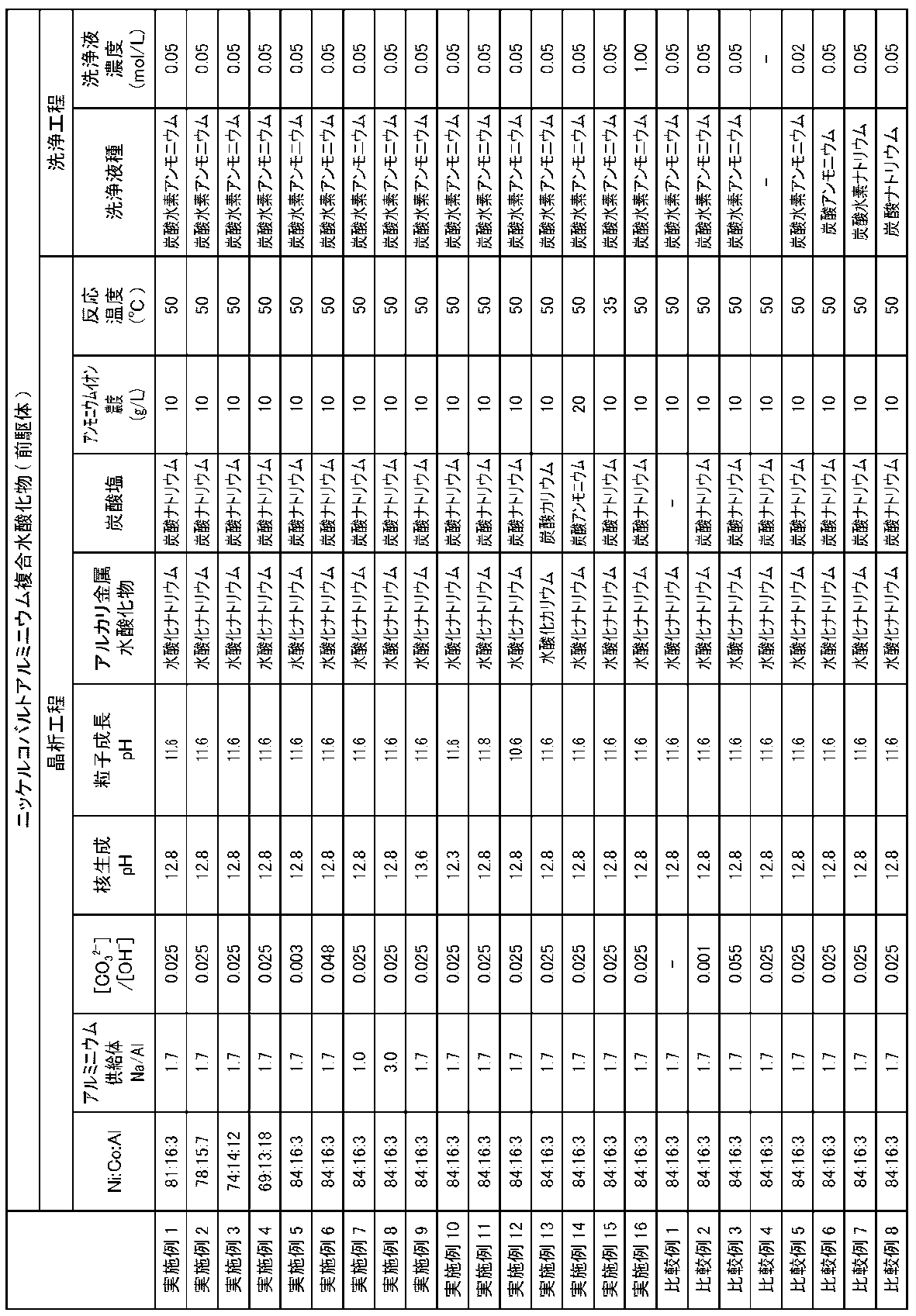
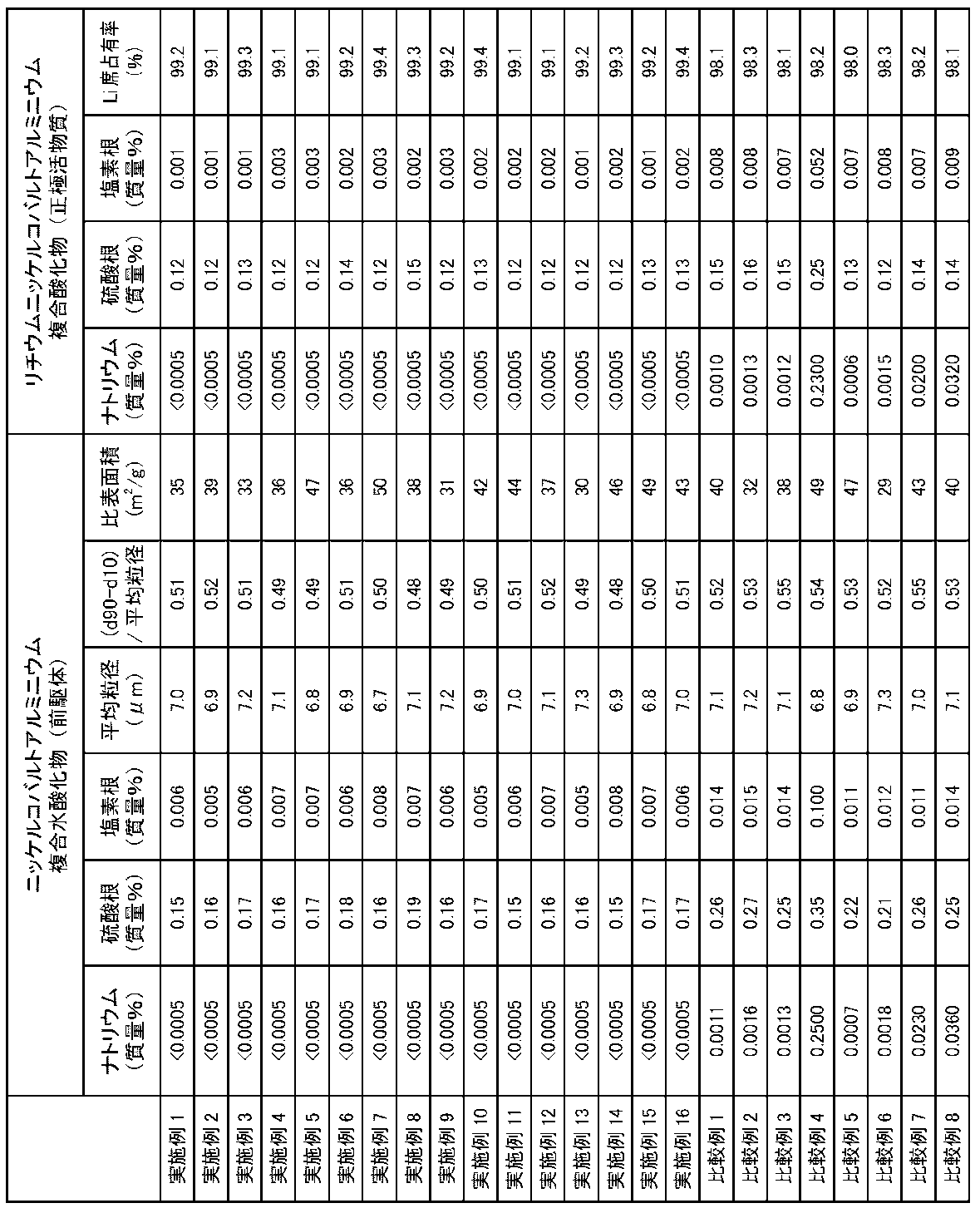
(総合評価)
表1及び表2に示す通り、実施例1~16では、前駆体であるニッケルコバルトアルミニウム複合水酸化物において、晶析工程及び洗浄工程の各条件が、全て好ましい範囲内であった。それ故、ニッケルコバルトアルミニウム複合水酸化物だけに限らず、正極活物質であるリチウムニッケルコバルトアルミニウム複合酸化物に関しても、不純物除去において、ナトリウム含有量をはじめ、硫酸根含有量や塩素根含有量が、十分に低減されていた。更に、リチウムニッケルコバルトアルミニウム複合酸化物では、Li席占有率が99.0%を超えており、結晶性にも優れた結果となり、電池特性が向上した。
表1及び表2に示す通り、実施例1~16では、前駆体であるニッケルコバルトアルミニウム複合水酸化物において、晶析工程及び洗浄工程の各条件が、全て好ましい範囲内であった。それ故、ニッケルコバルトアルミニウム複合水酸化物だけに限らず、正極活物質であるリチウムニッケルコバルトアルミニウム複合酸化物に関しても、不純物除去において、ナトリウム含有量をはじめ、硫酸根含有量や塩素根含有量が、十分に低減されていた。更に、リチウムニッケルコバルトアルミニウム複合酸化物では、Li席占有率が99.0%を超えており、結晶性にも優れた結果となり、電池特性が向上した。
特に、ナトリウム含有量については、前駆体及び正極活物質のどちらも、全ての実施例データが、定量(分析)(0.0005質量%)未満という、非常に良好な結果を示した。
ここで、定量下限とは、ある分析方法による、目的成分の分析(定量)が可能な最小量、又は最小濃度を意味する。また、測定における目的成分の信号検出が可能な最小量(値)を検出限界、測定で得られる目的成分の信号において、信頼性が担保される最小量(値)を測定下限と言う。更に、分析試料を測定検体液に調製する過程で、元の分析試料から、どれだけ濃縮若しくは希釈されたかを示す希釈倍率を、測定下限に乗ずることにより、定量下限が求められる。
つまり、本発明でのナトリウム含有量は、原子吸光分析装置の測定下限0.05μg/mLに対し、分析試料1gを酸分解して測定検体液100mLに調製(希釈倍率は100倍)したことから、定量下限は5ppm(μg/g)であり、即ち、0.0005質量%となる。
これに対して、比較例1~8では、アルカリ溶液を作製する際の[CO3
2-]/[OH-]や、洗浄液である炭酸水素アンモニウム溶液の濃度が、好ましい範囲で無かったり、炭酸水素アンモニウム溶液以外の洗浄液を用いたり、最適条件から逸脱していたことから、実施例の様な優れた効果は得られなかった。
以上より、特にナトリウムの含有量を確実に低減させ、高容量化が可能なリチウムイオン二次電池の正極活物質の前駆体である、ニッケル、コバルト、アルミニウムを含むニッケルコバルトアルミニウム複合水酸化物、ニッケルコバルトアルミニウム複合水酸化物の製造方法及び、リチウムニッケルコバルトアルミニウム複合酸化物を提供することができた。更には、優れた特性を有するリチウムイオン二次電池を提供することにも繋がると期待される。
なお、上記のように本発明の各実施形態及び各実施例について詳細に説明したが、本発明の新規事項及び効果から実体的に逸脱しない多くの変形が可能であることは、当業者には、容易に理解できるであろう。従って、このような変形例は、全て本発明の範囲に含まれるものとする。
例えば、明細書又は図面において、少なくとも一度、より広義又は同義な異なる用語と共に記載された用語は、明細書又は図面のいかなる箇所においても、その異なる用語に置き換えることができる。またニッケルコバルトアルミニウム複合水酸化物、ニッケルコバルトアルミニウム複合水酸化物の製造方法及び、リチウムニッケルコバルトアルミニウム複合酸化物の構成、動作も本発明の各実施形態及び各実施例で説明したものに限定されず、種々の変形実施が可能である。
S10 晶析工程、S11 核生成工程、S12 粒子成長工程、S20 洗浄工程
Claims (13)
- ニッケル、コバルト、アルミニウムを含む一次粒子が凝集した二次粒子、又は前記一次粒子と前記二次粒子で構成された、正極活物質の前駆体であるニッケルコバルトアルミニウム複合水酸化物であって、
前記ニッケルコバルトアルミニウム複合水酸化物に含まれるナトリウム含有量が、0.0005質量%未満であることを特徴とするニッケルコバルトアルミニウム複合水酸化物。 - 前記ニッケルコバルトアルミニウム複合水酸化物の比表面積が、30~50m2/gであることを特徴とする請求項1に記載のニッケルコバルトアルミニウム複合水酸化物。
- 前記ニッケルコバルトアルミニウム複合水酸化物に含まれる硫酸根含有量が、0.2質量%以下、かつ塩素根含有量が0.01質量%以下であることを特徴とする請求項1又は2に記載のニッケルコバルトアルミニウム複合水酸化物。
- 前記ニッケルコバルトアルミニウム複合水酸化物の粒度分布の広がりを示す指標である〔(d90-d10)/平均粒径〕が、0.55以下であることを特徴とする請求項1又は2に記載のニッケルコバルトアルミニウム複合水酸化物。
- 前記ニッケルコバルトアルミニウム複合水酸化物が、一般式:Ni1-x-yCoxAly(OH)2+a(但し、0.05≦x≦0.35、0.01≦y≦0.20、x+y<0.40、0≦a≦0.5)で表されることを特徴とする請求項1又は2に記載のニッケルコバルトアルミニウム複合水酸化物。
- ニッケル、コバルト、アルミニウムを含む一次粒子が凝集した二次粒子、又は前記一次粒子と前記二次粒子で構成された、正極活物質の前駆体であるニッケルコバルトアルミニウム複合水酸化物の製造方法であって、
ニッケル、コバルト、アルミニウムを含む原料溶液と、アンモニウムイオン供給体を含む溶液と、アルカリ溶液とを添加して得られた反応溶液中で晶析し、遷移金属複合水酸化物を得る晶析工程と、
前記晶析工程で得られた前記遷移金属複合水酸化物を、洗浄液で洗浄する洗浄工程とを有し、
前記晶析工程における前記アルカリ溶液は、アルカリ金属水酸化物と炭酸塩との混合溶液であり、
前記混合溶液の前記アルカリ金属水酸化物に対する前記炭酸塩の比である[CO3 2-]/[OH-]が、0.002~0.050であり、
前記晶析工程では、非酸化性雰囲気で晶析を行い、
前記洗浄工程における前記洗浄液は、濃度が0.05mol/L以上の炭酸水素アンモニウム溶液であることを特徴とするニッケルコバルトアルミニウム複合水酸化物の製造方法。 - 前記晶析工程において、前記アルミニウムを含む原料溶液に、アルミニウム供給体であるアルミン酸ナトリウムと水酸化ナトリウムを含む溶液を添加することを特徴とする請求項6に記載のニッケルコバルトアルミニウム複合水酸化物の製造方法。
- 前記アルミニウム供給体は、アルミニウムに対するナトリウムのモル比が1.0~3.0であることを特徴とする請求項7に記載のニッケルコバルトアルミニウム複合水酸化物
の製造方法。 - 前記晶析工程では、前記反応溶液のアンモニア濃度を、10~20g/Lの範囲内に維持することを特徴とする請求項6に記載に記載のニッケルコバルトアルミニウム複合水酸化物の製造方法。
- 前記晶析工程は、さらに核生成工程と粒子成長工程とを有し、
前記核生成工程では、液温25℃を基準に測定するpHが、12.0~14.0となる様に、前記アルカリ溶液を前記反応溶液に添加して核生成を行い、
前記粒子成長工程では、前記核生成工程で形成された核を含む前記反応溶液を、液温25℃を基準に測定するpHが、10.5~12.0となる様にアルカリ溶液を添加することを特徴とする請求項6に記載のニッケルコバルトアルミニウム複合水酸化物の製造方法。 - 前記洗浄工程を経て得られた前記ニッケルコバルトアルミニウム複合水酸化物は、ニッケル、コバルト、アルミニウムを含む一次粒子が凝集した二次粒子、又は前記一次粒子と前記二次粒子で構成された、正極活物質の前駆体であり、
前記ニッケルコバルトアルミニウム複合水酸化物に含まれるナトリウム含有量が、0.0005質量%未満であることを特徴とする請求項6に記載のニッケルコバルトアルミニウム複合水酸化物の製造方法。 - リチウム、ニッケル、コバルト、アルミニウムを含む一次粒子が凝集した二次粒子、又は前記一次粒子と前記二次粒子で構成されたリチウムニッケルコバルトアルミニウム複合酸化物であって、
前記リチウムニッケルコバルトアルミニウム複合酸化物に含まれるナトリウム含有量が、0.0005質量%未満であることを特徴とするリチウムニッケルコバルトアルミニウム複合酸化物。 - 前記リチウムニッケルコバルトアルミニウム複合酸化物に含まれる硫酸根含有量が0.15質量%以下、塩素根含有量が0.005質量%以下、かつLi席占有率が99.0%以上であることを特徴とする請求項12に記載のリチウムニッケルコバルトアルミニウム複合酸化物。
Priority Applications (6)
| Application Number | Priority Date | Filing Date | Title |
|---|---|---|---|
| PCT/JP2019/001796 WO2020152770A1 (ja) | 2019-01-22 | 2019-01-22 | ニッケルコバルトアルミニウム複合水酸化物、ニッケルコバルトアルミニウム複合水酸化物の製造方法及び、リチウムニッケルコバルトアルミニウム複合酸化物 |
| PCT/JP2019/016268 WO2020152882A1 (ja) | 2019-01-22 | 2019-04-16 | ニッケルコバルトアルミニウム複合水酸化物、ニッケルコバルトアルミニウム複合水酸化物の製造方法、リチウムニッケルコバルトアルミニウム複合酸化物及び、リチウムイオン二次電池 |
| CN201980089971.9A CN113330606A (zh) | 2019-01-22 | 2019-12-26 | 镍钴铝复合氢氧化物、镍钴铝复合氢氧化物的制造方法、锂镍钴铝复合氧化物和锂离子二次电池 |
| PCT/JP2019/051177 WO2020153095A1 (ja) | 2019-01-22 | 2019-12-26 | ニッケルコバルトアルミニウム複合水酸化物、ニッケルコバルトアルミニウム複合水酸化物の製造方法、リチウムニッケルコバルトアルミニウム複合酸化物及び、リチウムイオン二次電池 |
| US17/425,102 US20220106198A1 (en) | 2019-01-22 | 2019-12-26 | Nickel cobalt aluminum composite hydroxide, method for producing nickel cobalt aluminum composite hydroxide, lithium nickel cobalt aluminum composite oxide, and lithium ion secondary battery |
| EP19911888.6A EP3916857A4 (en) | 2019-01-22 | 2019-12-26 | NICKEL-COBALT-ALUMINUM COMPOUND HYDROXIDE, MANUFACTURING PROCESS FOR NICKEL-COBALT-ALUMINUM COMPOUND HYDROXIDE, LITHIUM-NICKEL-COBALT-ALUMINUM COMPOUND OXIDE AND LITHIUM-ION SECONDARY BATTERY |
Applications Claiming Priority (1)
| Application Number | Priority Date | Filing Date | Title |
|---|---|---|---|
| PCT/JP2019/001796 WO2020152770A1 (ja) | 2019-01-22 | 2019-01-22 | ニッケルコバルトアルミニウム複合水酸化物、ニッケルコバルトアルミニウム複合水酸化物の製造方法及び、リチウムニッケルコバルトアルミニウム複合酸化物 |
Publications (1)
| Publication Number | Publication Date |
|---|---|
| WO2020152770A1 true WO2020152770A1 (ja) | 2020-07-30 |
Family
ID=71736303
Family Applications (3)
| Application Number | Title | Priority Date | Filing Date |
|---|---|---|---|
| PCT/JP2019/001796 Ceased WO2020152770A1 (ja) | 2019-01-22 | 2019-01-22 | ニッケルコバルトアルミニウム複合水酸化物、ニッケルコバルトアルミニウム複合水酸化物の製造方法及び、リチウムニッケルコバルトアルミニウム複合酸化物 |
| PCT/JP2019/016268 Ceased WO2020152882A1 (ja) | 2019-01-22 | 2019-04-16 | ニッケルコバルトアルミニウム複合水酸化物、ニッケルコバルトアルミニウム複合水酸化物の製造方法、リチウムニッケルコバルトアルミニウム複合酸化物及び、リチウムイオン二次電池 |
| PCT/JP2019/051177 Ceased WO2020153095A1 (ja) | 2019-01-22 | 2019-12-26 | ニッケルコバルトアルミニウム複合水酸化物、ニッケルコバルトアルミニウム複合水酸化物の製造方法、リチウムニッケルコバルトアルミニウム複合酸化物及び、リチウムイオン二次電池 |
Family Applications After (2)
| Application Number | Title | Priority Date | Filing Date |
|---|---|---|---|
| PCT/JP2019/016268 Ceased WO2020152882A1 (ja) | 2019-01-22 | 2019-04-16 | ニッケルコバルトアルミニウム複合水酸化物、ニッケルコバルトアルミニウム複合水酸化物の製造方法、リチウムニッケルコバルトアルミニウム複合酸化物及び、リチウムイオン二次電池 |
| PCT/JP2019/051177 Ceased WO2020153095A1 (ja) | 2019-01-22 | 2019-12-26 | ニッケルコバルトアルミニウム複合水酸化物、ニッケルコバルトアルミニウム複合水酸化物の製造方法、リチウムニッケルコバルトアルミニウム複合酸化物及び、リチウムイオン二次電池 |
Country Status (4)
| Country | Link |
|---|---|
| US (1) | US20220106198A1 (ja) |
| EP (1) | EP3916857A4 (ja) |
| CN (1) | CN113330606A (ja) |
| WO (3) | WO2020152770A1 (ja) |
Families Citing this family (3)
| Publication number | Priority date | Publication date | Assignee | Title |
|---|---|---|---|---|
| CN114933338B (zh) * | 2022-07-04 | 2024-03-01 | 宁波容百新能源科技股份有限公司 | 一种镍钴铝正极材料前驱体及其制备方法 |
| CN116282211B (zh) * | 2023-02-01 | 2025-05-16 | 湖南中伟新能源科技有限公司 | 正极材料前驱体及其制备方法、正极材料 |
| EP4506308A1 (de) * | 2023-08-07 | 2025-02-12 | H.C. Starck Tungsten GmbH | Sphärische metallmischhydroxide und verfahren zu deren herstellung |
Citations (4)
| Publication number | Priority date | Publication date | Assignee | Title |
|---|---|---|---|---|
| JP2015128004A (ja) * | 2013-12-27 | 2015-07-09 | 住友金属鉱山株式会社 | 非水電解質二次電池用正極活物質の前駆体とその製造方法及び非水電解質二次電池用正極活物質とその製造方法 |
| JP2015191848A (ja) * | 2014-03-28 | 2015-11-02 | 住友金属鉱山株式会社 | 非水電解質二次電池用正極活物質の前駆体とその製造方法、及び非水電解質二次電池用正極活物質とその製造方法 |
| JP2016088834A (ja) * | 2014-10-30 | 2016-05-23 | 住友金属鉱山株式会社 | ニッケル複合水酸化物とその製造方法 |
| JP2016162601A (ja) * | 2015-03-02 | 2016-09-05 | Jx金属株式会社 | リチウムイオン電池用正極活物質の製造方法、リチウムイオン電池用正極活物質、リチウムイオン電池用正極及びリチウムイオン電池 |
Family Cites Families (13)
| Publication number | Priority date | Publication date | Assignee | Title |
|---|---|---|---|---|
| JPWO2012020768A1 (ja) * | 2010-08-10 | 2013-10-28 | Agcセイミケミカル株式会社 | ニッケル−コバルト含有複合化合物の製造方法 |
| EP2698351B1 (en) * | 2011-04-14 | 2017-12-27 | Toda Kogyo Corp. | Li-Ni COMPOSITE OXIDE PARTICLE POWDER AND PROCESS FOR PRODUCING SAME, AND NON-AQUEOUS ELECTROLYTE SECONDARY BATTERY |
| US8709279B2 (en) * | 2011-05-03 | 2014-04-29 | Uchicago Argonne, Llc | Production of battery grade materials via an oxalate method |
| WO2014103166A1 (ja) * | 2012-12-27 | 2014-07-03 | 三洋電機株式会社 | 非水電解質二次電池用正極活物質及び非水電解質二次電池 |
| JP6340791B2 (ja) | 2013-12-25 | 2018-06-13 | 住友金属鉱山株式会社 | 非水系電解質二次電池用正極活物質の製造方法 |
| JP6344007B2 (ja) * | 2014-03-28 | 2018-06-20 | 住友金属鉱山株式会社 | 非水電解質二次電池用正極活物質の前駆体の製造方法、及び非水電解質二次電池用正極活物質の製造方法 |
| JP6241349B2 (ja) | 2014-03-28 | 2017-12-06 | 住友金属鉱山株式会社 | 非水電解質二次電池用正極活物質の前駆体とその製造方法、及び非水電解質二次電池用正極活物質とその製造方法 |
| JP6252384B2 (ja) * | 2014-06-27 | 2017-12-27 | 住友金属鉱山株式会社 | ニッケル複合水酸化物及びその製造方法、正極活物質及びその製造方法、並びに非水系電解質二次電池 |
| JP6747291B2 (ja) * | 2014-07-25 | 2020-08-26 | 住友金属鉱山株式会社 | ニッケルマンガン複合水酸化物粒子およびその製造方法 |
| US10312508B2 (en) * | 2014-09-03 | 2019-06-04 | Mitsui Mining & Smelting Co., Ltd. | Lithium metal composite oxide powder |
| JP6492543B2 (ja) * | 2014-10-30 | 2019-04-03 | 住友金属鉱山株式会社 | ニッケルコバルトアルミニウム複合水酸化物の製造方法及び非水系電解質二次電池用正極活物質の製造方法 |
| JP6265117B2 (ja) | 2014-12-22 | 2018-01-24 | 住友金属鉱山株式会社 | ニッケルコバルトマンガン複合水酸化物とその製造方法 |
| JP7124307B2 (ja) * | 2017-12-08 | 2022-08-24 | 住友金属鉱山株式会社 | ニッケルコバルトアルミニウム複合水酸化物の製造方法 |
-
2019
- 2019-01-22 WO PCT/JP2019/001796 patent/WO2020152770A1/ja not_active Ceased
- 2019-04-16 WO PCT/JP2019/016268 patent/WO2020152882A1/ja not_active Ceased
- 2019-12-26 US US17/425,102 patent/US20220106198A1/en active Pending
- 2019-12-26 EP EP19911888.6A patent/EP3916857A4/en active Pending
- 2019-12-26 WO PCT/JP2019/051177 patent/WO2020153095A1/ja not_active Ceased
- 2019-12-26 CN CN201980089971.9A patent/CN113330606A/zh active Pending
Patent Citations (4)
| Publication number | Priority date | Publication date | Assignee | Title |
|---|---|---|---|---|
| JP2015128004A (ja) * | 2013-12-27 | 2015-07-09 | 住友金属鉱山株式会社 | 非水電解質二次電池用正極活物質の前駆体とその製造方法及び非水電解質二次電池用正極活物質とその製造方法 |
| JP2015191848A (ja) * | 2014-03-28 | 2015-11-02 | 住友金属鉱山株式会社 | 非水電解質二次電池用正極活物質の前駆体とその製造方法、及び非水電解質二次電池用正極活物質とその製造方法 |
| JP2016088834A (ja) * | 2014-10-30 | 2016-05-23 | 住友金属鉱山株式会社 | ニッケル複合水酸化物とその製造方法 |
| JP2016162601A (ja) * | 2015-03-02 | 2016-09-05 | Jx金属株式会社 | リチウムイオン電池用正極活物質の製造方法、リチウムイオン電池用正極活物質、リチウムイオン電池用正極及びリチウムイオン電池 |
Also Published As
| Publication number | Publication date |
|---|---|
| EP3916857A1 (en) | 2021-12-01 |
| WO2020152882A1 (ja) | 2020-07-30 |
| WO2020153095A1 (ja) | 2020-07-30 |
| EP3916857A4 (en) | 2023-03-15 |
| US20220106198A1 (en) | 2022-04-07 |
| CN113330606A (zh) | 2021-08-31 |
Similar Documents
| Publication | Publication Date | Title |
|---|---|---|
| JP7588619B2 (ja) | ニッケルマンガンコバルト複合水酸化物及び、リチウムニッケルマンガンコバルト複合酸化物 | |
| JP6287970B2 (ja) | ニッケル複合水酸化物とその製造方法 | |
| US9685656B2 (en) | Nickel composite hydroxide and production method thereof, cathode active material for a non-aqueous electrolyte secondary battery and production method thereof, and a nonaqueous electrolyte secondary battery | |
| JP7619978B2 (ja) | ニッケルコバルトアルミニウム複合水酸化物 | |
| WO2020152771A1 (ja) | ニッケルマンガンコバルト複合水酸化物、ニッケルマンガンコバルト複合水酸化物の製造方法及び、リチウムニッケルマンガンコバルト複合酸化物 | |
| JP6492543B2 (ja) | ニッケルコバルトアルミニウム複合水酸化物の製造方法及び非水系電解質二次電池用正極活物質の製造方法 | |
| WO2020152768A1 (ja) | ニッケルマンガンコバルト複合水酸化物、ニッケルマンガンコバルト複合水酸化物の製造方法及び、リチウムニッケルマンガンコバルト複合酸化物 | |
| WO2016103975A1 (ja) | ニッケルコバルトマンガン複合水酸化物とその製造方法 | |
| JP7619979B2 (ja) | ニッケルマンガンコバルト複合水酸化物 | |
| JP7588620B2 (ja) | ニッケルマンガンコバルト複合水酸化物及び、リチウムニッケルマンガンコバルト複合酸化物 | |
| JP7547767B2 (ja) | リチウムニッケルマンガンコバルト複合酸化物及び、リチウムイオン二次電池並びにこれらの製造方法 | |
| JP6988370B2 (ja) | ニッケル複合水酸化物、ニッケル複合水酸化物の製造方法 | |
| WO2020153095A1 (ja) | ニッケルコバルトアルミニウム複合水酸化物、ニッケルコバルトアルミニウム複合水酸化物の製造方法、リチウムニッケルコバルトアルミニウム複合酸化物及び、リチウムイオン二次電池 | |
| WO2020152769A1 (ja) | ニッケルマンガンコバルト複合水酸化物、ニッケルマンガンコバルト複合水酸化物の製造方法及び、リチウムニッケルマンガンコバルト複合酸化物 | |
| JP7547764B2 (ja) | リチウムニッケルマンガンコバルト複合酸化物及び、リチウムイオン二次電池並びにこれらの製造方法 | |
| JP2020176049A (ja) | リチウムニッケルマンガンコバルト複合酸化物及び、リチウムイオン二次電池 | |
| JP7547766B2 (ja) | リチウムニッケルコバルトアルミニウム複合酸化物及び、リチウムイオン二次電池並びにこれらの製造方法 | |
| WO2016067960A1 (ja) | ニッケル複合水酸化物とその製造方法 |
Legal Events
| Date | Code | Title | Description |
|---|---|---|---|
| 121 | Ep: the epo has been informed by wipo that ep was designated in this application |
Ref document number: 19911943 Country of ref document: EP Kind code of ref document: A1 |
|
| NENP | Non-entry into the national phase |
Ref country code: DE |
|
| 122 | Ep: pct application non-entry in european phase |
Ref document number: 19911943 Country of ref document: EP Kind code of ref document: A1 |
|
| NENP | Non-entry into the national phase |
Ref country code: JP |