WO2020116266A1 - 車両制御システム - Google Patents
車両制御システム Download PDFInfo
- Publication number
- WO2020116266A1 WO2020116266A1 PCT/JP2019/046277 JP2019046277W WO2020116266A1 WO 2020116266 A1 WO2020116266 A1 WO 2020116266A1 JP 2019046277 W JP2019046277 W JP 2019046277W WO 2020116266 A1 WO2020116266 A1 WO 2020116266A1
- Authority
- WO
- WIPO (PCT)
- Prior art keywords
- group
- vehicle
- vehicle control
- control system
- unit
- Prior art date
- Legal status (The legal status is an assumption and is not a legal conclusion. Google has not performed a legal analysis and makes no representation as to the accuracy of the status listed.)
- Ceased
Links
Images


Classifications
-
- B—PERFORMING OPERATIONS; TRANSPORTING
- B60—VEHICLES IN GENERAL
- B60W—CONJOINT CONTROL OF VEHICLE SUB-UNITS OF DIFFERENT TYPE OR DIFFERENT FUNCTION; CONTROL SYSTEMS SPECIALLY ADAPTED FOR HYBRID VEHICLES; ROAD VEHICLE DRIVE CONTROL SYSTEMS FOR PURPOSES NOT RELATED TO THE CONTROL OF A PARTICULAR SUB-UNIT
- B60W40/00—Estimation or calculation of non-directly measurable driving parameters for road vehicle drive control systems not related to the control of a particular sub unit, e.g. by using mathematical models
- B60W40/02—Estimation or calculation of non-directly measurable driving parameters for road vehicle drive control systems not related to the control of a particular sub unit, e.g. by using mathematical models related to ambient conditions
-
- B—PERFORMING OPERATIONS; TRANSPORTING
- B60—VEHICLES IN GENERAL
- B60W—CONJOINT CONTROL OF VEHICLE SUB-UNITS OF DIFFERENT TYPE OR DIFFERENT FUNCTION; CONTROL SYSTEMS SPECIALLY ADAPTED FOR HYBRID VEHICLES; ROAD VEHICLE DRIVE CONTROL SYSTEMS FOR PURPOSES NOT RELATED TO THE CONTROL OF A PARTICULAR SUB-UNIT
- B60W30/00—Purposes of road vehicle drive control systems not related to the control of a particular sub-unit, e.g. of systems using conjoint control of vehicle sub-units
- B60W30/08—Active safety systems predicting or avoiding probable or impending collision or attempting to minimise its consequences
- B60W30/09—Taking automatic action to avoid collision, e.g. braking and steering
-
- B—PERFORMING OPERATIONS; TRANSPORTING
- B60—VEHICLES IN GENERAL
- B60R—VEHICLES, VEHICLE FITTINGS, OR VEHICLE PARTS, NOT OTHERWISE PROVIDED FOR
- B60R21/00—Arrangements or fittings on vehicles for protecting or preventing injuries to occupants or pedestrians in case of accidents or other traffic risks
-
- B—PERFORMING OPERATIONS; TRANSPORTING
- B60—VEHICLES IN GENERAL
- B60T—VEHICLE BRAKE CONTROL SYSTEMS OR PARTS THEREOF; BRAKE CONTROL SYSTEMS OR PARTS THEREOF, IN GENERAL; ARRANGEMENT OF BRAKING ELEMENTS ON VEHICLES IN GENERAL; PORTABLE DEVICES FOR PREVENTING UNWANTED MOVEMENT OF VEHICLES; VEHICLE MODIFICATIONS TO FACILITATE COOLING OF BRAKES
- B60T7/00—Brake-action initiating means
- B60T7/12—Brake-action initiating means for automatic initiation; for initiation not subject to will of driver or passenger
-
- B—PERFORMING OPERATIONS; TRANSPORTING
- B60—VEHICLES IN GENERAL
- B60W—CONJOINT CONTROL OF VEHICLE SUB-UNITS OF DIFFERENT TYPE OR DIFFERENT FUNCTION; CONTROL SYSTEMS SPECIALLY ADAPTED FOR HYBRID VEHICLES; ROAD VEHICLE DRIVE CONTROL SYSTEMS FOR PURPOSES NOT RELATED TO THE CONTROL OF A PARTICULAR SUB-UNIT
- B60W10/00—Conjoint control of vehicle sub-units of different type or different function
- B60W10/18—Conjoint control of vehicle sub-units of different type or different function including control of braking systems
-
- B—PERFORMING OPERATIONS; TRANSPORTING
- B60—VEHICLES IN GENERAL
- B60W—CONJOINT CONTROL OF VEHICLE SUB-UNITS OF DIFFERENT TYPE OR DIFFERENT FUNCTION; CONTROL SYSTEMS SPECIALLY ADAPTED FOR HYBRID VEHICLES; ROAD VEHICLE DRIVE CONTROL SYSTEMS FOR PURPOSES NOT RELATED TO THE CONTROL OF A PARTICULAR SUB-UNIT
- B60W10/00—Conjoint control of vehicle sub-units of different type or different function
- B60W10/20—Conjoint control of vehicle sub-units of different type or different function including control of steering systems
-
- B—PERFORMING OPERATIONS; TRANSPORTING
- B60—VEHICLES IN GENERAL
- B60W—CONJOINT CONTROL OF VEHICLE SUB-UNITS OF DIFFERENT TYPE OR DIFFERENT FUNCTION; CONTROL SYSTEMS SPECIALLY ADAPTED FOR HYBRID VEHICLES; ROAD VEHICLE DRIVE CONTROL SYSTEMS FOR PURPOSES NOT RELATED TO THE CONTROL OF A PARTICULAR SUB-UNIT
- B60W30/00—Purposes of road vehicle drive control systems not related to the control of a particular sub-unit, e.g. of systems using conjoint control of vehicle sub-units
- B60W30/08—Active safety systems predicting or avoiding probable or impending collision or attempting to minimise its consequences
- B60W30/095—Predicting travel path or likelihood of collision
- B60W30/0956—Predicting travel path or likelihood of collision the prediction being responsive to traffic or environmental parameters
-
- B—PERFORMING OPERATIONS; TRANSPORTING
- B60—VEHICLES IN GENERAL
- B60W—CONJOINT CONTROL OF VEHICLE SUB-UNITS OF DIFFERENT TYPE OR DIFFERENT FUNCTION; CONTROL SYSTEMS SPECIALLY ADAPTED FOR HYBRID VEHICLES; ROAD VEHICLE DRIVE CONTROL SYSTEMS FOR PURPOSES NOT RELATED TO THE CONTROL OF A PARTICULAR SUB-UNIT
- B60W50/00—Details of control systems for road vehicle drive control not related to the control of a particular sub-unit, e.g. process diagnostic or vehicle driver interfaces
- B60W50/08—Interaction between the driver and the control system
- B60W50/14—Means for informing the driver, warning the driver or prompting a driver intervention
- B60W50/16—Tactile feedback to the driver, e.g. vibration or force feedback to the driver on the steering wheel or the accelerator pedal
-
- G—PHYSICS
- G08—SIGNALLING
- G08G—TRAFFIC CONTROL SYSTEMS
- G08G1/00—Traffic control systems for road vehicles
- G08G1/09—Arrangements for giving variable traffic instructions
-
- G—PHYSICS
- G08—SIGNALLING
- G08G—TRAFFIC CONTROL SYSTEMS
- G08G1/00—Traffic control systems for road vehicles
- G08G1/16—Anti-collision systems
-
- B—PERFORMING OPERATIONS; TRANSPORTING
- B60—VEHICLES IN GENERAL
- B60W—CONJOINT CONTROL OF VEHICLE SUB-UNITS OF DIFFERENT TYPE OR DIFFERENT FUNCTION; CONTROL SYSTEMS SPECIALLY ADAPTED FOR HYBRID VEHICLES; ROAD VEHICLE DRIVE CONTROL SYSTEMS FOR PURPOSES NOT RELATED TO THE CONTROL OF A PARTICULAR SUB-UNIT
- B60W50/00—Details of control systems for road vehicle drive control not related to the control of a particular sub-unit, e.g. process diagnostic or vehicle driver interfaces
- B60W50/08—Interaction between the driver and the control system
- B60W50/14—Means for informing the driver, warning the driver or prompting a driver intervention
- B60W2050/143—Alarm means
-
- B—PERFORMING OPERATIONS; TRANSPORTING
- B60—VEHICLES IN GENERAL
- B60W—CONJOINT CONTROL OF VEHICLE SUB-UNITS OF DIFFERENT TYPE OR DIFFERENT FUNCTION; CONTROL SYSTEMS SPECIALLY ADAPTED FOR HYBRID VEHICLES; ROAD VEHICLE DRIVE CONTROL SYSTEMS FOR PURPOSES NOT RELATED TO THE CONTROL OF A PARTICULAR SUB-UNIT
- B60W50/00—Details of control systems for road vehicle drive control not related to the control of a particular sub-unit, e.g. process diagnostic or vehicle driver interfaces
- B60W50/08—Interaction between the driver and the control system
- B60W50/14—Means for informing the driver, warning the driver or prompting a driver intervention
- B60W2050/146—Display means
-
- B—PERFORMING OPERATIONS; TRANSPORTING
- B60—VEHICLES IN GENERAL
- B60W—CONJOINT CONTROL OF VEHICLE SUB-UNITS OF DIFFERENT TYPE OR DIFFERENT FUNCTION; CONTROL SYSTEMS SPECIALLY ADAPTED FOR HYBRID VEHICLES; ROAD VEHICLE DRIVE CONTROL SYSTEMS FOR PURPOSES NOT RELATED TO THE CONTROL OF A PARTICULAR SUB-UNIT
- B60W2420/00—Indexing codes relating to the type of sensors based on the principle of their operation
- B60W2420/40—Photo, light or radio wave sensitive means, e.g. infrared sensors
- B60W2420/403—Image sensing, e.g. optical camera
-
- B—PERFORMING OPERATIONS; TRANSPORTING
- B60—VEHICLES IN GENERAL
- B60W—CONJOINT CONTROL OF VEHICLE SUB-UNITS OF DIFFERENT TYPE OR DIFFERENT FUNCTION; CONTROL SYSTEMS SPECIALLY ADAPTED FOR HYBRID VEHICLES; ROAD VEHICLE DRIVE CONTROL SYSTEMS FOR PURPOSES NOT RELATED TO THE CONTROL OF A PARTICULAR SUB-UNIT
- B60W2420/00—Indexing codes relating to the type of sensors based on the principle of their operation
- B60W2420/40—Photo, light or radio wave sensitive means, e.g. infrared sensors
- B60W2420/408—Radar; Laser, e.g. lidar
-
- B—PERFORMING OPERATIONS; TRANSPORTING
- B60—VEHICLES IN GENERAL
- B60W—CONJOINT CONTROL OF VEHICLE SUB-UNITS OF DIFFERENT TYPE OR DIFFERENT FUNCTION; CONTROL SYSTEMS SPECIALLY ADAPTED FOR HYBRID VEHICLES; ROAD VEHICLE DRIVE CONTROL SYSTEMS FOR PURPOSES NOT RELATED TO THE CONTROL OF A PARTICULAR SUB-UNIT
- B60W2554/00—Input parameters relating to objects
- B60W2554/40—Dynamic objects, e.g. animals, windblown objects
- B60W2554/402—Type
- B60W2554/4026—Cycles
-
- B—PERFORMING OPERATIONS; TRANSPORTING
- B60—VEHICLES IN GENERAL
- B60W—CONJOINT CONTROL OF VEHICLE SUB-UNITS OF DIFFERENT TYPE OR DIFFERENT FUNCTION; CONTROL SYSTEMS SPECIALLY ADAPTED FOR HYBRID VEHICLES; ROAD VEHICLE DRIVE CONTROL SYSTEMS FOR PURPOSES NOT RELATED TO THE CONTROL OF A PARTICULAR SUB-UNIT
- B60W2554/00—Input parameters relating to objects
- B60W2554/40—Dynamic objects, e.g. animals, windblown objects
- B60W2554/402—Type
- B60W2554/4029—Pedestrians
-
- B—PERFORMING OPERATIONS; TRANSPORTING
- B60—VEHICLES IN GENERAL
- B60W—CONJOINT CONTROL OF VEHICLE SUB-UNITS OF DIFFERENT TYPE OR DIFFERENT FUNCTION; CONTROL SYSTEMS SPECIALLY ADAPTED FOR HYBRID VEHICLES; ROAD VEHICLE DRIVE CONTROL SYSTEMS FOR PURPOSES NOT RELATED TO THE CONTROL OF A PARTICULAR SUB-UNIT
- B60W2554/00—Input parameters relating to objects
- B60W2554/40—Dynamic objects, e.g. animals, windblown objects
- B60W2554/404—Characteristics
- B60W2554/4042—Longitudinal speed
-
- B—PERFORMING OPERATIONS; TRANSPORTING
- B60—VEHICLES IN GENERAL
- B60W—CONJOINT CONTROL OF VEHICLE SUB-UNITS OF DIFFERENT TYPE OR DIFFERENT FUNCTION; CONTROL SYSTEMS SPECIALLY ADAPTED FOR HYBRID VEHICLES; ROAD VEHICLE DRIVE CONTROL SYSTEMS FOR PURPOSES NOT RELATED TO THE CONTROL OF A PARTICULAR SUB-UNIT
- B60W2554/00—Input parameters relating to objects
- B60W2554/40—Dynamic objects, e.g. animals, windblown objects
- B60W2554/404—Characteristics
- B60W2554/4044—Direction of movement, e.g. backwards
-
- B—PERFORMING OPERATIONS; TRANSPORTING
- B60—VEHICLES IN GENERAL
- B60W—CONJOINT CONTROL OF VEHICLE SUB-UNITS OF DIFFERENT TYPE OR DIFFERENT FUNCTION; CONTROL SYSTEMS SPECIALLY ADAPTED FOR HYBRID VEHICLES; ROAD VEHICLE DRIVE CONTROL SYSTEMS FOR PURPOSES NOT RELATED TO THE CONTROL OF A PARTICULAR SUB-UNIT
- B60W2554/00—Input parameters relating to objects
- B60W2554/40—Dynamic objects, e.g. animals, windblown objects
- B60W2554/404—Characteristics
- B60W2554/4045—Intention, e.g. lane change or imminent movement
-
- B—PERFORMING OPERATIONS; TRANSPORTING
- B60—VEHICLES IN GENERAL
- B60W—CONJOINT CONTROL OF VEHICLE SUB-UNITS OF DIFFERENT TYPE OR DIFFERENT FUNCTION; CONTROL SYSTEMS SPECIALLY ADAPTED FOR HYBRID VEHICLES; ROAD VEHICLE DRIVE CONTROL SYSTEMS FOR PURPOSES NOT RELATED TO THE CONTROL OF A PARTICULAR SUB-UNIT
- B60W2554/00—Input parameters relating to objects
- B60W2554/80—Spatial relation or speed relative to objects
- B60W2554/802—Longitudinal distance
-
- B—PERFORMING OPERATIONS; TRANSPORTING
- B60—VEHICLES IN GENERAL
- B60W—CONJOINT CONTROL OF VEHICLE SUB-UNITS OF DIFFERENT TYPE OR DIFFERENT FUNCTION; CONTROL SYSTEMS SPECIALLY ADAPTED FOR HYBRID VEHICLES; ROAD VEHICLE DRIVE CONTROL SYSTEMS FOR PURPOSES NOT RELATED TO THE CONTROL OF A PARTICULAR SUB-UNIT
- B60W2555/00—Input parameters relating to exterior conditions, not covered by groups B60W2552/00, B60W2554/00
- B60W2555/60—Traffic rules, e.g. speed limits or right of way
-
- B—PERFORMING OPERATIONS; TRANSPORTING
- B60—VEHICLES IN GENERAL
- B60W—CONJOINT CONTROL OF VEHICLE SUB-UNITS OF DIFFERENT TYPE OR DIFFERENT FUNCTION; CONTROL SYSTEMS SPECIALLY ADAPTED FOR HYBRID VEHICLES; ROAD VEHICLE DRIVE CONTROL SYSTEMS FOR PURPOSES NOT RELATED TO THE CONTROL OF A PARTICULAR SUB-UNIT
- B60W2556/00—Input parameters relating to data
- B60W2556/45—External transmission of data to or from the vehicle
Definitions
- the present invention relates to a vehicle control system that controls traveling of an automobile.
- the present invention is a vehicle control system that controls a vehicle based on signals from sensors, and a group detection unit that detects a group based on signals from sensors, and a host vehicle.
- An environmental information collecting unit that collects ambient environment information
- a group type judging unit that judges a group type based on the characteristics of the group detected by the group detecting unit, and the environmental information collected by the environmental information collecting unit.
- the warning or vehicle control is performed based on the group type judged by the group type judgment unit, the speed of the own vehicle, and the distance to the group moving body.
- a vehicle control system capable of determining the type of a group from the characteristics of a group moving body and the surrounding environment of the own vehicle and controlling the vehicle according to the situation.
- FIG. 1 is a block diagram of a vehicle control system according to a first embodiment of the present invention. It is an image figure explaining an example using a stereo camera concerning a 1st example of the present invention.
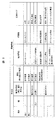
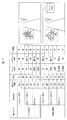
- FIG. 3 is a matrix diagram of group types corresponding to characteristic points and environmental information according to the first example of the present invention. It is a matrix diagram which shows the control of the vehicle corresponding to the group type, the own vehicle speed, and the distance to the group according to the first embodiment of the present invention.
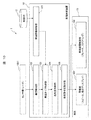
- FIG. 1 is a block diagram of a vehicle control system for a vehicle according to an embodiment of the present invention.
- the vehicle control system 1 includes a ROM (Read Only Memory) for storing a traveling control algorithm, a CPU (Central Processing Unit) for executing various arithmetic processes, a RAM (Random Access Memory) for storing arithmetic results, and the like. Composed of.
- ROM Read Only Memory
- CPU Central Processing Unit
- RAM Random Access Memory
- the sensor 101 is a mechanism that is configured by sensing such as a camera and a radar, and sends information detected by the sensor to the group detection unit 102 and the environmental information collection unit 105.
- the sensors for example, an optical camera such as a single camera, a stereo camera, an infrared laser, and a millimeter wave radar are used.
- the vehicle control device 10 includes a group detection unit 102, a group type determination unit 103, a risk degree determination unit 104, an environment information collection unit 105, and a vehicle command value setting unit 106. These components are programs executed by the CPU. The operation of each component is as follows.
- the group detection unit 102 detects the target group mobile body from the detection information of the moving object transmitted from the sensors 101, and transmits the detected target group mobile body information to the group type determination unit 103.
- the group referred to in the present embodiment means a plurality of two or more persons.
- the environmental information collecting unit 105 collects and integrates information on signs/signals detected by the sensors 101 and information on the position of the vehicle and surrounding buildings obtained from the map database (map DB 12) to obtain the current state of the vehicle.
- the environmental information at the position is transmitted to the group type determination unit 103.
- the position information of the own vehicle is acquired by receiving a GPS (Global Positioning System) signal, for example.
- GPS Global Positioning System
- the group type determining unit 103 determines how to perform the target group moving body. It is determined whether the group type is a proper group type, and the group type information is transmitted to the risk degree determination unit 104.
- the risk determination unit 104 determines the risk of collision between the collective vehicle and the own vehicle, based on the group type determined by the group type determination unit 103 and the situation between the own vehicle and the target collective vehicle. Then, the vehicle control policy is set, and the information is transmitted to the vehicle command value setting unit 106.
- the vehicle device control unit 108 controls a brake device that applies a braking force to the vehicle 13 and a steering operation for avoiding danger, according to the control signal transmitted from the vehicle command value setting unit 106.
- signals are sent and received using CAN (Controller Area Network), Ethernet (registered trademark), etc., which are generally used as in-vehicle networks.
- CAN Controller Area Network
- Ethernet registered trademark
- the environment information 202 has map information and sign information obtained by the environment information collecting unit 105.
- the vehicle control 205 controls the alarm, brake, and steering of the own vehicle.
- FIG. 3 is a flowchart of the vehicle control system according to the embodiment of the present invention.
- the risk of the target group moving body is determined from the information from the group type determination unit 103, the group type, the vehicle speed, and the distance to the group (step S306).
- Information regarding the group type, the vehicle speed, and the distance to the group is stored in the ROM in advance, and the risk is determined based on the information stored in the ROM. Further, since the own vehicle speed and the distance to the group change with the passage of time, the information is updated at any time to judge the degree of danger. Then, the vehicle equipment control unit 108 performs warning, brake control, and steering control according to the determined risk level (step S306).
- the present embodiment it is possible to determine the type of group from the characteristics of the group moving body and the surrounding environment of the own vehicle, and to control the vehicle suitable for the situation. Depending on the type of the group, it is possible to determine that the group has a high risk of jumping out of the moving body, and it is possible to control the vehicle by predicting the action of the moving body to suddenly jump out.
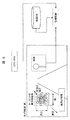
- FIG. 4 is a block diagram of the vehicle control system according to the first embodiment of the present invention.
- the stereo camera device 40 is configured by a sensor (camera) 401, a group detection unit 102, a group type determination unit 103, and a risk degree determination unit 104.
- the contents of each mechanism are as follows.
- a sensor (camera) 401 detects a moving object and a sign/signal from a video signal of the sensor (camera), transmits information of the moving object detected by the camera to the group detection unit 102, and the environmental information collection unit 105. The information of the detected sign is transmitted to.
- the collective detection unit 102 recognizes the presence or absence of the collective moving body based on the detection information of the moving body from the sensors (camera) 401, and when detecting the collective moving body, extracts the characteristics of the collective moving body, As the information on the recognized group moving body, information on the characteristics of the group (width, height, group movement, speed) is transmitted to the group type determination unit 103.
- the group type determining unit 103 determines the group type of the targeted group moving body from the characteristics of the group moving body obtained from the group detecting unit 102 and the environmental information obtained from the environment information collecting unit 105, and the group The type information is transmitted to the risk determination unit 104.
- the risk determination section 104 determines the risk of collision between the targeted group moving body and the own vehicle.
- the vehicle control policy is set, the vehicle control policy is set, and the information is transmitted to the vehicle command value setting unit 106.
- the environment information collection unit 105 sets environment information at the current position of the vehicle from the information in the map DB 12 and the information on the signs/signals detected by the sensors 101, and transmits the environment information to the group type determination unit 103. ..
- the vehicle command value setting unit 106 determines an actual control command value corresponding to the vehicle 13 from the control policy obtained from the risk determination unit 104, and sends a control signal to the alarm unit 107 of the vehicle 13 and the vehicle device control unit 108. To send.
- a control mechanism for controlling the vehicle of the vehicle 13 there are an alarm unit 107 and a vehicle device control unit 108, and the respective mechanisms are as follows.
- the warning by the warning unit 107 or the vehicle control (brake control, steering control) by the vehicle equipment control unit 108 is performed based on the control policy obtained from the risk determination unit 104.
- the alarm unit 107 includes at least one of a speaker that emits a voice and a warning sound, a display that displays a warning, and a vibrator that gives a vibration that gives a vibration to the steering wheel in accordance with the control signal transmitted from the vehicle command value setting unit 106.
- the warning is given to the driver by one means.
- the vehicle control device 41 includes the group detection unit 102 and the group detection unit 102.
- the type determination unit 103 and the risk determination unit 104 may be mounted, and the stereo camera device 40 may be configured to transmit only the information detected by the sensing information to the vehicle control device 41.
- FIG. 5 is an image diagram illustrating an example using the stereo camera according to the first embodiment of the present invention.
- the stereo camera device 40 determines the group type of the target group moving body from the group feature information and the environment information transmitted from the vehicle control device 41, as shown in FIG.
- FIG. 6 is a matrix diagram of group types corresponding to characteristic points and environment information according to the first embodiment of the present invention. This matrix diagram is stored in advance in the ROM of the vehicle control device 41, and the information stored in the ROM by the group type determination unit 103 and the information obtained from the sensors 101 and the environment information collection unit 105 (feature points and environment Information) and to determine the population type.
- the group has a high probability of being “school zone”. It can be judged as "a group of children”, and it can be judged as a group that requires attention.
- the width is “wide”
- the movement of the group is “moving well”
- the speed is “walking speed”
- “there is an event venue nearby” from the map information of the environmental information it is a “complex group”. Can be judged.
- the vehicle control device 41 uses, for example, as shown in FIG. Controls the preparation of emergency braking (AEB: Autonomous Emergency Braking) by increasing the brake pressure by ensuring the driver's warning, decelerating by brake control, ensuring safe distance by steering control.
- FIG. 7 is a matrix diagram showing the control of the vehicle corresponding to the group type, the vehicle speed, and the distance between the group according to the first embodiment of the present invention.
- This matrix diagram is stored in advance in the ROM of the vehicle control device 41, and the risk determination unit 104 stores the information stored in the ROM, the “group type”, the “vehicle speed”, and the “vehicle and group”. Refer to "distance” and control the brake and steering according to the degree of danger.
- Fig. 7 shows an example of an adult group and a complicated group as an example.
- Group mobiles that are judged to be a group of adults have a low probability of popping out and there is no line disturbance, so if the distance between them and the vehicle is 10km/h to 60km/h Do not warn people, decelerate, or secure a safe distance.
- a complicated group there is a high possibility of jumping out on the road on which the vehicle is traveling, so even if the vehicle speed is 10 km/h to 60 km/h, preparation for emergency braking and warning to the driver are required.
- control is performed to decelerate or secure a safe distance. In this way, the vehicle is controlled according to the group type.
- FIG. 8 is an image diagram of vehicle control according to the first embodiment of the present invention.
- sensors (cameras) 401 detect a collective moving body in front of the vehicle, and a collective detection unit 102 acquires information on the characteristic points of the collective.
- the environmental information collection unit 105 acquires the map information and the environmental information of the sign, and the group type determination unit 103 determines the group type of the group moving body.
- the risk determination unit 104 determines the risk from the vehicle speed and the distance from the target collective moving body, receives a command from the vehicle command value setting unit 106, and the vehicle device control unit 108 performs steering control and brake control. Avoid danger. As a result, safe driving can be performed.
- the first embodiment it is possible to judge the type of group from the characteristics of the group moving body and the surrounding environment of the own vehicle, and to control the vehicle that matches the situation. Depending on the type of the group, it can be determined that the group has a high risk of jumping out of the moving body, and it is possible to control the vehicle by predicting the action of the moving body in the sudden jumping out.
- both a camera and a radar may be mounted.
- the millimeter wave radar irradiates the millimeter wave forward and measures the reflected electric wave to detect an obstacle. Since the millimeter-wave radar is not easily affected by bad weather or the like, the detection accuracy of the group can be further improved by using it together with the camera.
- the vehicle control system 1 As the environmental information of the vehicle control system 1, a vehicle communication system (C2X, V2X) that communicates between a collective moving body and a vehicle (own vehicle) in addition to a map DB, signals, signs, and the like. Information is used.
- the vehicle control system 1 includes a vehicle communication system (C2X or V2X). For example, it is possible to grasp the accurate position of the moving body with a communication terminal that knows the position information of the moving body, judge it as a collective moving body, acquire it as environmental information, and control the vehicle in the same manner as in the first embodiment. Is.
- C2X or V2X When C2X or V2X is used, for example, when an event is held on a specific day and the host vehicle approaches at the date and time when the event is performed, the same vehicle control as in the first embodiment is performed. It is also possible to perform control according to the school arrival and departure times.
- C2X and V2X are incorporated as environmental information, vehicle control can be performed according to the holding of an event or the like, and safety can be improved.
- FIG. 10 is a block diagram of a vehicle control system for a vehicle according to a third embodiment of the present invention.
- the third embodiment is an example in which a radar is used as the sensors (radar) 1001.
- the sensors (radar) 1001 detect a moving body by radar sensing and transmit the moving body information to the group detection unit 102.
- the environment information collection unit 105 sets the environment at the current position of the vehicle based only on the information in the map DB 12, and sends the environment information to the group type determination unit 103.
- the radar is used as the sensor, but it is also possible to have a configuration in which both the camera and the radar are mounted.
- SYMBOLS 1 Vehicle control system, 10... Vehicle control device, 12... Map DB, 13... Vehicle, 40... Stereo camera device, 41... Vehicle control device, 101... Sensors (camera, radar, etc.), 102... Collective detection part, Reference numeral 103... Group type determination unit, 104... Danger degree determination unit, 105... Environmental information collection unit, 106... Vehicle command value setting unit, 107... Warning unit, 108... Vehicle equipment control unit, 401... Sensors (camera), 1001 ... Sensors (radar)
Landscapes
- Engineering & Computer Science (AREA)
- Mechanical Engineering (AREA)
- Transportation (AREA)
- Automation & Control Theory (AREA)
- Physics & Mathematics (AREA)
- Chemical & Material Sciences (AREA)
- Combustion & Propulsion (AREA)
- Human Computer Interaction (AREA)
- General Physics & Mathematics (AREA)
- Mathematical Physics (AREA)
- Traffic Control Systems (AREA)
Abstract
ターゲットとなる集団移動体に対して、集団タイプに応じた車両制御を行う技術を提供する。センサ類101からの信号に基づいて集団を検知する集団検知部102と、自車両の周囲環境情報を収集する環境情報収集部105と、集団検知部102で検知した集団の特徴と、環境情報収集部105で取集した環境情報に基づいて集団タイプを判断する集団タイプ判断部103と、集団タイプ判断部103で判断した集団タイプと、前記自車両の速度と、集団移動体との距離に基づいて危険度を判断する危険度判断部104とを備える。危険度判断部104で判断した危険度に基づいて警報又は車両制御を行う。
Description
本発明は、自動車の走行を制御する車両制御システムに関する。
従来、車両に搭載されたカメラやレーダで、歩行者や自転車などの移動体を検知し、移動体の速度や向きから、移動体の行動を予測し、危険がある場合、車両のブレーキ、ステアリングを制御し、歩行者の飛び出しなどの危険を回避する技術がある。
また、地図情報から自車位置の周囲環境の情報を用いて、センサの死角に歩行者や自転車が存在することを予測し、運転者に警告を行う技術がある。このような技術として、例えば特許文献1に記載の技術が提案されている。
しかしながら、特許文献1に記載の技術においては、周囲環境の情報から、ある1つの移動体に対してのみ、行動を予測しているが、複数の移動体で構成される集団移動体の行動予測に対しては考慮されていない。
遠距離に存在する複数の移動体をカメラやレーダで検知する際、移動体同士の重なりや解像度の限界により、それぞれの移動体を検知することが困難である。そこで、まずは移動体のかたまり(集団移動体)として、早期に検知することで、車両への制御を早期に実施可能にする必要がある。また、検知した集団移動体は、注意すべき集団移動体か不明であるため、その集団移動体がどのような集団移動体であるかを識別することが必要である。
本発明の目的は、集団移動体の特徴と自車両の周囲環境から、集団のタイプを判断し、その状況にあった車両の制御を行うことのできる車両制御システムを提供することにある。
上記目的を達成するために本発明は、センサ類からの信号に基づいて車両の制御を行う車両制御システムであって、センサ類からの信号に基づいて集団を検知する集団検知部と、自車両の周囲環境情報を収集する環境情報収集部と、前記集団検知部で検知した集団の特徴と、前記環境情報収集部で取集した環境情報とに基づいて集団タイプを判断する集団タイプ判断部と、前記集団タイプ判断部で判断した集団タイプと、前記自車両の速度と、集団移動体との距離に基づいて警報又は車両制御を行うことを特徴とするものである。
本発明によれば、集団移動体の特徴と自車両の周囲環境から、集団のタイプを判断し、その状況にあった車両の制御を行うことのできる車両制御システムを提供することができる。
以下、本発明に係る車両制御システムの実施形態及び実施例を図面に基づいて説明する。本発明は以下の実施形態及び実施例に限定されることなく、本発明の技術的な概念の中で種々の変形例や応用例もその範囲に含むものである。
図1は、本発明の実施形態に係る車両の車両制御システムのブロック図である。本実施形態における車両制御システム1は、走行制御アルゴリズムを格納するためのROM(Read Only Memory)や各種演算処理を実行するCPU(Central Processing Unit)、演算結果を格納するRAM(Random Access Memory)等から構成される。
センサ類101は、カメラやレーダ等のセンシングで構成され、センサで検知された情報を集団検知部102および環境情報収集部105へ送付する機構である。センサ類としては、例えば光学カメラであるシングルカメラ、ステレオカメラ、赤外線レーザ、ミリ波レーダなどが用いられる。
本実施形態における車両制御装置10は、集団検知部102、集団タイプ判断部103、危険度判断部104、環境情報収集部105、車両指令値設定部106を備えている。これらの構成は、CPUで実行されるプログラムである。各構成の動作は以下の通りである。
集団検知部102は、センサ類101から送信された移動物体の検知情報から、ターゲットとなる集団移動体を検知し、検知したターゲットとなる集団移動体の情報を集団タイプ判断部103へ送信する。本実施形態でいう集団とは、二人以上の複数人を意味するものである。
環境情報収集部105は、センサ類101から検知された標識・信号の情報と、地図データベース(地図DB12)から得られる自車の位置と周囲の建物の情報を、収集統合し、自車両の現在位置における環境情報を集団タイプ判断部103に送信する。自車の位置情報は例えばGPS(Global Positioning System)信号を受信して取得する。
集団タイプ判断部103は、集団検知部102から送信されたターゲットとなる集団移動体の特徴と、環境情報収集部105から送信された環境情報から、ターゲットとなる集団移動体に対して、どのような集団タイプであるかを判断し、集団タイプの情報を危険度判断部104に送信する。
危険度判断部104は、集団タイプ判断部103で判断された集団タイプと、自車とターゲットとなる集団移動体との状況を基にして、集団移動体と自車が衝突する危険度を判断し、車両制御の方針を設定し、その情報を車両指令値設定部106に送信する。
車両指令値設定部106は、危険度判断部104から得られた制御方針から、実際の車両に応じた制御指令値を設定し、制御信号を車両13の警報部107と車両機器制御部108に送信する。
警報部107は、車両指令値設定部106から送信された制御信号に応じて、音声や警告音を発生するスピーカ、警報を表示する表示ディスプレイ、ステアリングに振動を与える振動を与えるバイブレータなどにより運転者への警告を行う。本実施形態においては、警報部107による警報も車両制御の一部とする。
車両機器制御部108は、車両指令値設定部106から送信された制御信号に応じて、車両13に制動力を与えるブレーキ装置や、危険回避のためのステアリング操作の制御を行う。
また、信号の送受信は、車載用ネットワークとして一般的に利用されているCAN(Controller Area Network)、イーサネット(登録商標)などを利用して行う。
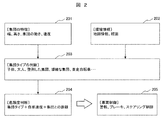
次に図2を用いて集団タイプ判断部103の処理について説明する。図2は本発明の実施形態に係る集団タイプ判断部103の処理フロー図である。
集団の特徴201は、集団検知部102で検知された集団移動体に対する特徴として、幅、高さ、集団の動き、速度といった要素を持っている。
環境情報202は、環境情報収集部105で得られた地図情報、標識の情報を持っている。
集団タイプの判断203では、前述した集団の特徴201と環境情報202の情報からターゲットの集団移動体がどの集団タイプに含まれるかを判断する。集団タイプは、一例として、子供、大人、整列した集団、煩雑な集団、並走する自転車などがある。集団タイプは、その特徴に関する情報が予めROMに記憶されており、このROMに記憶された情報と集団検知部102で検知された集団移動体の特徴とを比較し、検知された集団移動体がどの集団タイプかを判断する。集団タイプとして前述したものは一例であり、それ以外の集団移動体タイプも本発明として含まれる。
集団タイプの判断203にてターゲットの集団移動体のタイプを判断した後、危険度判断204では、集団タイプ、自車速度、集団との距離からターゲットの集団移動体の危険度を判断する。集団タイプ、自車速度、集団との距離に関する情報は予めROMに記憶されており、このROMに記憶された情報に基づいて危険度を判断する。また、自車速度、集団との距離は時間の経過と共に変化するので、これらの情報を随時更新し危険度の判断を行う。
危険度判断204から得られた危険度から、車両制御205で自車両の警報、ブレーキ、ステアリングの制御を行う。
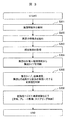
次に本実施形態の動作について説明する。図3は本発明の実施形態に係る車両制御システムのフローチャート図である。
図3において、集団検知部102は、センサ類101で検出した移動体の中から集団の移動体を検知する(ステップS301)。集団タイプ判断部103は、ターゲットとなる集団の特徴点を抽出する(ステップS302)。環境情報収集部105は、センサ類101で検出された標識・信号等と、地図DB12とに基づいて環境情報を取得する(ステップS303)。また、集団タイプ判断部103は、予めROMに記憶された集団の特徴に関する情報を参照し集団の特徴と、環境情報収集部105で得た環境情報から集団タイプを判断する(ステップS304)。
危険度判断204では、集団タイプ判断部103からの情報と、集団タイプ、自車速度、集団との距離からターゲットの集団移動体の危険度を判断する(ステップS306)。集団タイプ、自車速度、集団との距離に関する情報は予めROMに記憶されており、このROMに記憶された情報に基づいて危険度を判断する。また、自車速度、集団との距離は時間の経過と共に変化するので、これらの情報を随時更新し危険度の判断を行う。そして、車両機器制御部108は、判断された危険度に応じて、警報、ブレーキ制御、ステアリング制御を行う(ステップS306)。
車両制御では、運転者への警報、ブレーキ制御による自車速度の低下、また、集団の移動体からの飛び出しを警戒しブレーキ圧を高める制御、さらに、ステアリング制御によるターゲット集団から安全な距離を取る制御である。
本実施形態によれば、集団移動体の特徴と自車両の周囲環境から、集団のタイプを判断し、その状況にあった車両の制御を行うことが可能である。その集団のタイプによっては、移動体の飛び出しの危険性が高い集団であることを判別でき、移動体の急な飛び出しへの行動を予測した車両の制御が可能になる。
また、本実施形態によれば、ターゲットとなる集団移動体に対して、運転者への事前の警報や、車両制御を行うことで、運転者に安全な走行を提供可能である。
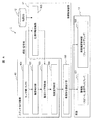
次に図4から図8を用いて本発明の第1実施例について説明する。第1実施例の車両制御システム1では、センサ類としてステレオカメラと車両制御装置を用いた例を説明する。図4は、本発明の第1実施例に係る車両制御システムのブロック図である。
ステレオカメラ装置40は、センサ類(カメラ)401と集団検知部102と集団タイプ判断部103と危険度判断部104の機構で構成される。各機構の内容は下記の通りである。
センサ類(カメラ)401は、センサ(カメラ)の映像信号から、移動物体および標識・信号の検知を行い、集団検知部102にカメラから検知した移動物体の情報を送信し、環境情報収集部105に検知した標識の情報を送信する。
集団検知部102は、センサ類(カメラ)401からの移動物体の検知情報に基づいて、集団移動体の有無を認識し、集団移動体を検知した場合、その集団移動体の特徴を抽出し、認識した集団移動体の情報として、集団の特徴(幅、高さ、集団の動き、速度)の情報を集団タイプ判断部103に送信する。
集団タイプ判断部103は、集団検知部102から得られた集団移動体の特徴と、環境情報収集部105から得られた環境情報から、ターゲットされた集団移動体の集団タイプを決定し、その集団タイプの情報を危険度判断部104に送信する。
危険度判断部104は、集団タイプ判断部103から得られた集団タイプと、自車速度、ターゲットされた集団と自車両との距離から、ターゲットされた集団移動体と自車との衝突の危険度を判断し、車両制御の方針を設定し、その情報を車両指令値設定部106へ送信する。
車両制御装置41には、環境情報収集部105と車両指令値設定部106の機構から構成される。各機構の内容は下記の通りである。
環境情報収集部105は、地図DB12の情報と、センサ類101で検知した標識・信号の情報から、自車両の現在位置における環境情報を設定し、その環境情報を集団タイプ判断部103に送信する。
車両指令値設定部106は、危険度判断部104から得られた制御方針から、車両13に対応する実際の制御指令値を決定し、車両13の警報部107と車両機器制御部108へ制御信号を送信する。
車両13の車両への制御機構として、警報部107と車両機器制御部108があり、各々の機構は下記の通りである。車両13では、危険度判断部104から得られた制御方針から、警報部107による警報、又は車両機器制御部108による車両制御(ブレーキ制御、ステアリング制御)を行う。
警報部107は、車両指令値設定部106から送信された制御信号に応じて、音声や警告音を発生するスピーカ、警告を表示する表示ディスプレイ、ステアリングに振動を与える振動を与えるバイブレータ等の少なくとも1つの手段により運転者への警告を行うものである。
車両機器制御部108は、車両指令値設定部106から送信された制御信号に応じて、車両13に制動力を与えるブレーキ装置や、衝突回避のためのステアリング操作の少なくとも1つの制御を行うものである。
なお、第1実施例では、ステレオカメラ装置40内に集団検知部102、集団タイプ判断部103、危険度判断部104が搭載された構成としているが、車両制御装置41に集団検知部102、集団タイプ判断部103、危険度判断部104を搭載した構成とし、ステレオカメラ装置40には、センシング情報で検知された情報のみを車両制御装置41に送信するように構成することも可能である。
次にステレオカメラを用いた動作について図5を用いて説明する。図5は、本発明の第1実施例に係るステレオカメラを用いた一例を説明するイメージ図である。
ステレオカメラ装置40では、ターゲットの集団移動体を検知し、集団の特徴となる幅、高さ、集団の動き、速度を取得する。車両制御装置41の環境情報収集部105では、地図DBの情報とステレオカメラで得られた標識の情報を環境情報として取得する。
第1実施例では、ステレオカメラ装置40にて、集団の特徴の情報と車両制御装置41から送信される環境情報から、図6のように、ターゲットとなる集団移動体の集団タイプを決定する。図6は、本発明の第1実施例に係る特徴点と環境情報に対応する集団タイプのマトリクス図である。このマトリックス図は、車両制御装置41のROMに予め記憶されており、集団タイプ判断部103がROMに記憶された情報と、センサ類101,環境情報収集部105から得た情報(特徴点と環境情報)とを参照し集団タイプを決定する。
図6において、例えば、集団の特徴として、高さが“低い”、速度が“歩行速度”であり、環境情報の地図情報、標識から“スクールゾーン”である場合、高確率でその集団は“子供の集団”と判断でき、注意すべき集団であると判断できる。
また、幅が“広い”、集団の動きが“よく動く”、速度が“歩行速度”であり、環境情報の地図情報から“近くにイベント会場有”である場合、“煩雑な集団”であると判断できる。
ステレオカメラ装置40で得られたターゲットの集団移動体の“集団タイプ”と“自車速度”と“自車と集団との距離”から、車両制御装置41にて、例えば、図7のように、運転者への警報、ブレーキ制御による減速、ステアリング制御による安全な距離の確保、ブレーキ圧を高めることによる緊急ブレーキ(AEB:Autonomous Emergency Braking)の準備の制御を行う。図7は、本発明の第1実施例に係る集団タイプと自車速度と集団との距離に対応する車両の制御を示すマトリクス図である。このマトリックス図は、車両制御装置41のROMに予め記憶されており、危険度判断部104がROMに記憶された情報と、“集団タイプ”,“自車速度”,“自車と集団との距離”とを参照し、危険度に応じたブレーキ、ステアリングの制御を行う。
図7では、一例として、大人の集団と煩雑な集団の例を挙げている。大人の集団と判断された集団移動体は、飛び出しの可能性は低く、列の乱れも無いため、自車との距離が遠く、自車速度が10km/h~60km/hであれば、運転者への警報や、減速、安全な距離の確保は行わない。一方、煩雑な集団である場合、自車進行路上に、飛び出してくる可能性が高いため、自車速度が10km/h~60km/hであっても緊急ブレーキの準備、運転者への警報を行い、自車との距離が近い場合や自車速度が10km/hを超えている場合、減速や安全な距離の確保する制御を行う。このように集団タイプに応じて、車両の制御を行う。
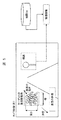
以上の説明した第1実施例による車両の動作は、図8のようになる。図8は、本発明の第1実施例に係る車両制御のイメージ図である。図8において、センサ類(カメラ)401が車両前方にある集団移動体を検知し、集団検知部102が集団の特徴点の情報を取得する。環境情報収集部105が地図情報や標識の環境情報を取得し、集団タイプ判断部103が集団移動体の集団タイプを判断する。危険度判断部104が自車速度、ターゲットの集団移動体との距離から危険度を判断し、車両指令値設定部106の指令を受け、車両機器制御部108がステアリング制御、ブレーキ制御を行い、危険を回避する。これにより、安全な走行を行うことができる。
第1実施例によれば、集団移動体の特徴と自車両の周囲環境から、集団のタイプを判断し、その状況にあった車両の制御を行うことが可能である。その集団のタイプによっては、移動体の飛び出しの危険性が高い集団であることを判別でき、移動体の急な飛び出しへの行動を予測した車両の制御が可能になる。
また、第1実施例では、ステレオカメラ装置のみを用いているが、例えばカメラとレーダ(ミリ波レーダ)の両方を搭載するようにしても良い。ミリ波レーダはミリ波を前方に照射し、反射してきた電波を測定して障害物を検知する。ミリ波レーダは悪天候などにも左右され難いため、カメラと併用することにより、集団の検知精度をより向上することができる。
次に本発明の第2実施例について、図9を用いて説明する。図9は、本発明の第2実施例に係るC2X、V2Xを用いた場合のイメージ図である。第2実施例は、歩行者などの移動体と車両間で通信を行う車両通信システムであるC2X(Car to X)やV2X(Vehicle to X) を用いた場合の例である。
図9において、第2実施例では車両制御システム1の環境情報として、地図DB、信号・標識等に加え、集団移動体と車両(自車両)間で通信を行う車両通信システム(C2X,V2X)の情報を用いている。第2実施例では、車両制御システム1に車両通信システム(C2XやV2X)を備えている。例えば、移動体の位置情報が分かる通信端末で移動体の正確な位置を把握し、集団移動体と判断し、環境情報として取得し、第1実施例と同様の車両の制御を行うことが可能である。C2XやV2Xを用いた場合、例えばある特定の日にイベントが開催され、そのイベントが行われている日時に自車両が近づいた時に第1実施例と同様な車両制御を行う。また、学校の登下校時刻に応じた制御を行うことも可能である。
第2実施例によれば、C2XやV2Xを環境情報として取り入れているので、イベント等の開催に応じた車両制御を行うことができ、安全性を高めることができる。
次に本発明の第3実施例について、図10を用いて説明する。図10は、本発明の第3実施例に係る車両の車両制御システムのブロック図である。第3実施例は、センサ類(レーダ)1001としてレーダを用いた場合の例である。
図10において、車両制御システム1のセンサ類(レーダ)1001として、第3実施例ではカメラの代わりに、ミリ波レーダ等のレーダを用いている。レーダを用いた場合、標識・信号を検知する機能がないため、環境情報として、地図DBのみを用いることになり、一部構成が異なる。図10は本発明の第3実施例に係るレーダを用いた場合の車両制御システムのブロック図である。
センサ類(レーダ)1001は、レーダのセンシングにて移動体の検知を行い、その移動体情報を集団検知部102に送信する。
環境情報収集部105は、地図DB12の情報のみから、自車両の現在位置における環境を設定し、その環境情報を集団タイプ判断部103に送信する。
それ以外の機構および処理については、第1実施例と同様のため、詳細な説明は省略する。
また、第3実施例では、センサにレーダのみを用いているが、カメラとレーダ、両方のセンサを搭載した構成としてもよい。
第3実施例によれば、集団移動体の特徴と自車両の周囲環境から、集団のタイプを判断し、その状況にあった車両の制御を行うことが可能である。その集団のタイプによっては、移動体の飛び出しの危険性が高い集団であることを判別でき、移動体の急な飛び出しへの行動を予測した車両の制御が可能になる。
また、本実施形態によれば、ターゲットとなる集団移動体に対して、運転者への事前の警報や、車両制御を行うことで、運転者に安全な走行を提供可能である。
さらに第3実施例によれば、センサにレーダのみを用いているので、システムのコストを低減できる。
以上、本発明の実施例を、図面を用いて記述してきたが、具体的な構成は上記した実施例に限定されるものではなく、本発明の要旨を逸脱しない範囲における設計変更等があっても、それらは本発明に含まれるものである。例えば、上記した実施例は本発明を分かり易く説明するために詳細に説明したものであり、必ずしも説明した全ての構成を備えるものに限定されるものではない。また、ある実施例の構成の一部を他の実施例の構成に置きかえることが可能であり、また、ある実施例の構成に他の実施例の構成を加えることも可能である。また、各実施例の構成の一部について、他の構成の追加・削除・置換をすることが可能である。
1…車両制御システム、10…車両制御装置、12…地図DB、13‥車両、40…ステレオカメラ装置、41…車両制御装置、101…センサ類(カメラ、レーダ等)、102…集団検知部、103…集団タイプ判断部、104…危険度判断部、105…環境情報収集部、106…車両指令値設定部、107…警報部、108…車両機器制御部、401…センサ類(カメラ)、1001…センサ類(レーダ)
Claims (9)
- センサ類からの信号に基づいて車両の制御を行う車両制御システムであって、
センサ類からの信号に基づいて集団を検知する集団検知部と、
自車両の周囲環境情報を収集する環境情報収集部と、
前記集団検知部で検知した集団の特徴と、前記環境情報収集部で取集した環境情報とに基づいて集団タイプを判断する集団タイプ判断部と、
前記集団タイプ判断部で判断した集団タイプと、前記自車両の速度と、集団移動体との距離に基づいて警報又は車両制御を行うことを特徴とした車両制御システム。 - 請求項1において、
前記集団タイプと、前記自車両の速度と、前記集団移動体との距離に基づいて危険度を判断する危険度判断部とを備え、
前記集団タイプ判断部は、前記集団の幅、高さ、動き、速度に応じて前記集団タイプを判断することを特徴とする車両制御システム。 - 請求項1において、
前記センサ類は、カメラ、若しくはレーダであることを特徴とする車両制御システム。 - 請求項2において、
ステレオカメラ装置を備え、
前記ステレオカメラ装置は、前記センサ類、前記集団検知部、前記集団タイプ判断部、前記危険度判断部を備えていることを特徴とする車両制御システム。 - 請求項1において、
前記警報は音声、警告音、警告表示、ステアリングへの振動の少なくとも一つを行うことを特徴とする車両制御システム。 - 請求項1において、
前記車両制御は、ブレーキ、ステアリング制御の少なくとも一つを行うことを特徴とする車両制御システム。 - 請求項1において、
前記センサ類はカメラであって、
前記環境情報収集部は、前記カメラからの情報に基づいて、標識の情報を取得することを特徴とする車両制御システム。 - 請求項1において、
前記センサ類は、カメラとレーダを併用したことを特徴とする車両制御システム。 - 請求項1において、
前記集団移動体と前記自車両との間で通信を行う車両通信システムを備え、
前記環境情報収集部は、前記車両通信システムの情報を取得することを特徴とする車両制御システム。
Priority Applications (2)
| Application Number | Priority Date | Filing Date | Title |
|---|---|---|---|
| JP2020559095A JP7213265B2 (ja) | 2018-12-07 | 2019-11-27 | 車両制御システム |
| US17/293,385 US12060065B2 (en) | 2018-12-07 | 2019-11-27 | Vehicle control system |
Applications Claiming Priority (2)
| Application Number | Priority Date | Filing Date | Title |
|---|---|---|---|
| JP2018-229590 | 2018-12-07 | ||
| JP2018229590 | 2018-12-07 |
Publications (1)
| Publication Number | Publication Date |
|---|---|
| WO2020116266A1 true WO2020116266A1 (ja) | 2020-06-11 |
Family
ID=70975066
Family Applications (1)
| Application Number | Title | Priority Date | Filing Date |
|---|---|---|---|
| PCT/JP2019/046277 Ceased WO2020116266A1 (ja) | 2018-12-07 | 2019-11-27 | 車両制御システム |
Country Status (3)
| Country | Link |
|---|---|
| US (1) | US12060065B2 (ja) |
| JP (1) | JP7213265B2 (ja) |
| WO (1) | WO2020116266A1 (ja) |
Cited By (1)
| Publication number | Priority date | Publication date | Assignee | Title |
|---|---|---|---|---|
| CN115188217A (zh) * | 2021-04-06 | 2022-10-14 | 博泰车联网科技(上海)股份有限公司 | 提醒方法、装置及计算机存储介质 |
Families Citing this family (3)
| Publication number | Priority date | Publication date | Assignee | Title |
|---|---|---|---|---|
| US20220155092A1 (en) * | 2020-11-17 | 2022-05-19 | Logistics and Supply Chain MultiTech R&D Centre Limited | Method of navigating a visually impaired user, a navigation system for the same, and a guiding robot |
| KR20240104130A (ko) * | 2021-11-04 | 2024-07-04 | 오피 솔루션즈, 엘엘씨 | 객체 및 이벤트 검출 및 비디오 코딩을 위한 특징-기반 레이트-왜곡 최적화를 위한 시스템 및 방법 |
| CN115148051A (zh) * | 2022-06-29 | 2022-10-04 | 上海集度汽车有限公司 | 交通危险提示方法、设备、装置、车辆及存储介质 |
Citations (5)
| Publication number | Priority date | Publication date | Assignee | Title |
|---|---|---|---|---|
| JPH10100820A (ja) * | 1996-09-30 | 1998-04-21 | Mazda Motor Corp | 車両用の動体認識装置 |
| JPH10105891A (ja) * | 1996-09-30 | 1998-04-24 | Mazda Motor Corp | 車両用の動体認識装置 |
| JP2011123636A (ja) * | 2009-12-10 | 2011-06-23 | Hitachi Ltd | 人横断支援車両システム及び人横断支援方法 |
| JP2016177722A (ja) * | 2015-03-23 | 2016-10-06 | 株式会社ゼンリンデータコム | 安全運転支援装置及び自動運転車 |
| JP2018154216A (ja) * | 2017-03-17 | 2018-10-04 | マツダ株式会社 | 運転支援制御装置 |
Family Cites Families (4)
| Publication number | Priority date | Publication date | Assignee | Title |
|---|---|---|---|---|
| US9424468B2 (en) | 2010-09-08 | 2016-08-23 | Toyota Jidosha Kabushiki Kaisha | Moving object prediction device, hypothetical movable object prediction device, program, moving object prediction method and hypothetical movable object prediction method |
| KR101843774B1 (ko) * | 2016-05-18 | 2018-03-30 | 엘지전자 주식회사 | 차량 운전 보조 장치 및 차량 |
| JP6852632B2 (ja) * | 2017-09-19 | 2021-03-31 | トヨタ自動車株式会社 | 車両制御装置 |
| US10401862B2 (en) * | 2017-10-31 | 2019-09-03 | Waymo Llc | Semantic object clustering for autonomous vehicle decision making |
-
2019
- 2019-11-27 JP JP2020559095A patent/JP7213265B2/ja active Active
- 2019-11-27 WO PCT/JP2019/046277 patent/WO2020116266A1/ja not_active Ceased
- 2019-11-27 US US17/293,385 patent/US12060065B2/en active Active
Patent Citations (5)
| Publication number | Priority date | Publication date | Assignee | Title |
|---|---|---|---|---|
| JPH10100820A (ja) * | 1996-09-30 | 1998-04-21 | Mazda Motor Corp | 車両用の動体認識装置 |
| JPH10105891A (ja) * | 1996-09-30 | 1998-04-24 | Mazda Motor Corp | 車両用の動体認識装置 |
| JP2011123636A (ja) * | 2009-12-10 | 2011-06-23 | Hitachi Ltd | 人横断支援車両システム及び人横断支援方法 |
| JP2016177722A (ja) * | 2015-03-23 | 2016-10-06 | 株式会社ゼンリンデータコム | 安全運転支援装置及び自動運転車 |
| JP2018154216A (ja) * | 2017-03-17 | 2018-10-04 | マツダ株式会社 | 運転支援制御装置 |
Cited By (1)
| Publication number | Priority date | Publication date | Assignee | Title |
|---|---|---|---|---|
| CN115188217A (zh) * | 2021-04-06 | 2022-10-14 | 博泰车联网科技(上海)股份有限公司 | 提醒方法、装置及计算机存储介质 |
Also Published As
| Publication number | Publication date |
|---|---|
| JPWO2020116266A1 (ja) | 2021-10-07 |
| JP7213265B2 (ja) | 2023-01-26 |
| US20220009499A1 (en) | 2022-01-13 |
| US12060065B2 (en) | 2024-08-13 |
Similar Documents
| Publication | Publication Date | Title |
|---|---|---|
| US11358608B2 (en) | Method and system for vehicular communication and safety monitoring of driving environment to provide early warnings in real-time | |
| US11173898B2 (en) | Driver assistance system for a motor vehicle | |
| US10625742B2 (en) | System and method for vehicle control in tailgating situations | |
| JP4309843B2 (ja) | 車両の衝突を阻止する方法および装置 | |
| CN109841088B (zh) | 车辆驾驶辅助系统及方法 | |
| KR101860966B1 (ko) | 가속 물체 인식 및/또는 가속 물체 속성 인식을 위한 방법 및 시스템 그리고 그 방법의 이용 | |
| JP4939564B2 (ja) | 車両用情報提供装置 | |
| CN108340866B (zh) | 防撞系统和方法 | |
| CN109720343B (zh) | 车辆控制设备 | |
| JP7213265B2 (ja) | 車両制御システム | |
| CN113548043B (zh) | 用于自主车辆的安全操作员的碰撞告警系统和方法 | |
| KR101984520B1 (ko) | 차량 충돌 방지 장치 및 방법 | |
| US20240182052A1 (en) | Driver assistance apparatus and driver assistance method | |
| CN111186433A (zh) | 用于选择和加速实施动作响应的方法 | |
| US11352026B2 (en) | Vehicle, vehicle monitoring server, vehicle monitoring system, and vehicle monitoring method | |
| JP2009048564A (ja) | 車両位置予測装置 | |
| JP6634961B2 (ja) | 運転支援装置 | |
| KR20160131196A (ko) | 장애물 감지 장치 | |
| KR20230172054A (ko) | 차량 충돌 방지 시스템 및 이를 구비한 차량 및 충돌 방지 방법 | |
| KR20230155147A (ko) | 사각지대 위험 물체에 대응하는 운전자 알림 방법 및 시스템 | |
| US20250091594A1 (en) | Computer-implemented method, processing device and vehicle control device | |
| KR20240124570A (ko) | 충돌 방지 또는 충격량 저감을 위한 방법 또는 장치 | |
| KR20240059809A (ko) | 후방 위험 주행 차량 회피 방법 및 장치 | |
| JP2011103078A (ja) | 運転支援装置 | |
| KR20230000655A (ko) | 차량 및 그 제어 방법 |
Legal Events
| Date | Code | Title | Description |
|---|---|---|---|
| 121 | Ep: the epo has been informed by wipo that ep was designated in this application |
Ref document number: 19893215 Country of ref document: EP Kind code of ref document: A1 |
|
| ENP | Entry into the national phase |
Ref document number: 2020559095 Country of ref document: JP Kind code of ref document: A |
|
| NENP | Non-entry into the national phase |
Ref country code: DE |
|
| 122 | Ep: pct application non-entry in european phase |
Ref document number: 19893215 Country of ref document: EP Kind code of ref document: A1 |