WO2020009167A1 - 評価システム及びプログラム - Google Patents
評価システム及びプログラム Download PDFInfo
- Publication number
- WO2020009167A1 WO2020009167A1 PCT/JP2019/026523 JP2019026523W WO2020009167A1 WO 2020009167 A1 WO2020009167 A1 WO 2020009167A1 JP 2019026523 W JP2019026523 W JP 2019026523W WO 2020009167 A1 WO2020009167 A1 WO 2020009167A1
- Authority
- WO
- WIPO (PCT)
- Prior art keywords
- battery
- vehicle
- amount
- unit
- deterioration
- Prior art date
- Legal status (The legal status is an assumption and is not a legal conclusion. Google has not performed a legal analysis and makes no representation as to the accuracy of the status listed.)
- Ceased
Links
Images



Classifications
-
- G—PHYSICS
- G06—COMPUTING OR CALCULATING; COUNTING
- G06Q—INFORMATION AND COMMUNICATION TECHNOLOGY [ICT] SPECIALLY ADAPTED FOR ADMINISTRATIVE, COMMERCIAL, FINANCIAL, MANAGERIAL OR SUPERVISORY PURPOSES; SYSTEMS OR METHODS SPECIALLY ADAPTED FOR ADMINISTRATIVE, COMMERCIAL, FINANCIAL, MANAGERIAL OR SUPERVISORY PURPOSES, NOT OTHERWISE PROVIDED FOR
- G06Q30/00—Commerce
- G06Q30/02—Marketing; Price estimation or determination; Fundraising
- G06Q30/0278—Product appraisal
-
- B—PERFORMING OPERATIONS; TRANSPORTING
- B60—VEHICLES IN GENERAL
- B60L—PROPULSION OF ELECTRICALLY-PROPELLED VEHICLES; SUPPLYING ELECTRIC POWER FOR AUXILIARY EQUIPMENT OF ELECTRICALLY-PROPELLED VEHICLES; ELECTRODYNAMIC BRAKE SYSTEMS FOR VEHICLES IN GENERAL; MAGNETIC SUSPENSION OR LEVITATION FOR VEHICLES; MONITORING OPERATING VARIABLES OF ELECTRICALLY-PROPELLED VEHICLES; ELECTRIC SAFETY DEVICES FOR ELECTRICALLY-PROPELLED VEHICLES
- B60L58/00—Methods or circuit arrangements for monitoring or controlling batteries or fuel cells, specially adapted for electric vehicles
- B60L58/10—Methods or circuit arrangements for monitoring or controlling batteries or fuel cells, specially adapted for electric vehicles for monitoring or controlling batteries
- B60L58/12—Methods or circuit arrangements for monitoring or controlling batteries or fuel cells, specially adapted for electric vehicles for monitoring or controlling batteries responding to state of charge [SoC]
-
- B—PERFORMING OPERATIONS; TRANSPORTING
- B60—VEHICLES IN GENERAL
- B60L—PROPULSION OF ELECTRICALLY-PROPELLED VEHICLES; SUPPLYING ELECTRIC POWER FOR AUXILIARY EQUIPMENT OF ELECTRICALLY-PROPELLED VEHICLES; ELECTRODYNAMIC BRAKE SYSTEMS FOR VEHICLES IN GENERAL; MAGNETIC SUSPENSION OR LEVITATION FOR VEHICLES; MONITORING OPERATING VARIABLES OF ELECTRICALLY-PROPELLED VEHICLES; ELECTRIC SAFETY DEVICES FOR ELECTRICALLY-PROPELLED VEHICLES
- B60L58/00—Methods or circuit arrangements for monitoring or controlling batteries or fuel cells, specially adapted for electric vehicles
- B60L58/10—Methods or circuit arrangements for monitoring or controlling batteries or fuel cells, specially adapted for electric vehicles for monitoring or controlling batteries
- B60L58/16—Methods or circuit arrangements for monitoring or controlling batteries or fuel cells, specially adapted for electric vehicles for monitoring or controlling batteries responding to battery ageing, e.g. to the number of charging cycles or the state of health [SoH]
-
- G—PHYSICS
- G06—COMPUTING OR CALCULATING; COUNTING
- G06Q—INFORMATION AND COMMUNICATION TECHNOLOGY [ICT] SPECIALLY ADAPTED FOR ADMINISTRATIVE, COMMERCIAL, FINANCIAL, MANAGERIAL OR SUPERVISORY PURPOSES; SYSTEMS OR METHODS SPECIALLY ADAPTED FOR ADMINISTRATIVE, COMMERCIAL, FINANCIAL, MANAGERIAL OR SUPERVISORY PURPOSES, NOT OTHERWISE PROVIDED FOR
- G06Q20/00—Payment architectures, schemes or protocols
- G06Q20/08—Payment architectures
- G06Q20/14—Payment architectures specially adapted for billing systems
- G06Q20/145—Payments according to the detected use or quantity
-
- G—PHYSICS
- G06—COMPUTING OR CALCULATING; COUNTING
- G06Q—INFORMATION AND COMMUNICATION TECHNOLOGY [ICT] SPECIALLY ADAPTED FOR ADMINISTRATIVE, COMMERCIAL, FINANCIAL, MANAGERIAL OR SUPERVISORY PURPOSES; SYSTEMS OR METHODS SPECIALLY ADAPTED FOR ADMINISTRATIVE, COMMERCIAL, FINANCIAL, MANAGERIAL OR SUPERVISORY PURPOSES, NOT OTHERWISE PROVIDED FOR
- G06Q30/00—Commerce
- G06Q30/02—Marketing; Price estimation or determination; Fundraising
- G06Q30/0201—Market modelling; Market analysis; Collecting market data
- G06Q30/0206—Price or cost determination based on market factors
-
- G—PHYSICS
- G06—COMPUTING OR CALCULATING; COUNTING
- G06Q—INFORMATION AND COMMUNICATION TECHNOLOGY [ICT] SPECIALLY ADAPTED FOR ADMINISTRATIVE, COMMERCIAL, FINANCIAL, MANAGERIAL OR SUPERVISORY PURPOSES; SYSTEMS OR METHODS SPECIALLY ADAPTED FOR ADMINISTRATIVE, COMMERCIAL, FINANCIAL, MANAGERIAL OR SUPERVISORY PURPOSES, NOT OTHERWISE PROVIDED FOR
- G06Q30/00—Commerce
- G06Q30/04—Billing or invoicing
-
- G—PHYSICS
- G06—COMPUTING OR CALCULATING; COUNTING
- G06Q—INFORMATION AND COMMUNICATION TECHNOLOGY [ICT] SPECIALLY ADAPTED FOR ADMINISTRATIVE, COMMERCIAL, FINANCIAL, MANAGERIAL OR SUPERVISORY PURPOSES; SYSTEMS OR METHODS SPECIALLY ADAPTED FOR ADMINISTRATIVE, COMMERCIAL, FINANCIAL, MANAGERIAL OR SUPERVISORY PURPOSES, NOT OTHERWISE PROVIDED FOR
- G06Q50/00—Information and communication technology [ICT] specially adapted for implementation of business processes of specific business sectors, e.g. utilities or tourism
- G06Q50/06—Energy or water supply
-
- G—PHYSICS
- G07—CHECKING-DEVICES
- G07C—TIME OR ATTENDANCE REGISTERS; REGISTERING OR INDICATING THE WORKING OF MACHINES; GENERATING RANDOM NUMBERS; VOTING OR LOTTERY APPARATUS; ARRANGEMENTS, SYSTEMS OR APPARATUS FOR CHECKING NOT PROVIDED FOR ELSEWHERE
- G07C5/00—Registering or indicating the working of vehicles
- G07C5/02—Registering or indicating driving, working, idle, or waiting time only
-
- G—PHYSICS
- G07—CHECKING-DEVICES
- G07F—COIN-FREED OR LIKE APPARATUS
- G07F15/00—Coin-freed apparatus with meter-controlled dispensing of liquid, gas or electricity
- G07F15/003—Coin-freed apparatus with meter-controlled dispensing of liquid, gas or electricity for electricity
- G07F15/005—Coin-freed apparatus with meter-controlled dispensing of liquid, gas or electricity for electricity dispensed for the electrical charging of vehicles
-
- G—PHYSICS
- G07—CHECKING-DEVICES
- G07F—COIN-FREED OR LIKE APPARATUS
- G07F17/00—Coin-freed apparatus for hiring articles; Coin-freed facilities or services
- G07F17/0042—Coin-freed apparatus for hiring articles; Coin-freed facilities or services for hiring of objects
- G07F17/0057—Coin-freed apparatus for hiring articles; Coin-freed facilities or services for hiring of objects for the hiring or rent of vehicles, e.g. cars, bicycles or wheelchairs
-
- H—ELECTRICITY
- H02—GENERATION; CONVERSION OR DISTRIBUTION OF ELECTRIC POWER
- H02J—ELECTRIC POWER NETWORKS; CIRCUIT ARRANGEMENTS OR SYSTEMS FOR SUPPLYING OR DISTRIBUTING ELECTRIC POWER; SYSTEMS FOR STORING ELECTRIC ENERGY
- H02J7/00—Circuit arrangements for charging or discharging batteries or for supplying loads from batteries
-
- B—PERFORMING OPERATIONS; TRANSPORTING
- B60—VEHICLES IN GENERAL
- B60L—PROPULSION OF ELECTRICALLY-PROPELLED VEHICLES; SUPPLYING ELECTRIC POWER FOR AUXILIARY EQUIPMENT OF ELECTRICALLY-PROPELLED VEHICLES; ELECTRODYNAMIC BRAKE SYSTEMS FOR VEHICLES IN GENERAL; MAGNETIC SUSPENSION OR LEVITATION FOR VEHICLES; MONITORING OPERATING VARIABLES OF ELECTRICALLY-PROPELLED VEHICLES; ELECTRIC SAFETY DEVICES FOR ELECTRICALLY-PROPELLED VEHICLES
- B60L2240/00—Control parameters of input or output; Target parameters
- B60L2240/40—Drive Train control parameters
- B60L2240/54—Drive Train control parameters related to batteries
- B60L2240/549—Current
-
- B—PERFORMING OPERATIONS; TRANSPORTING
- B60—VEHICLES IN GENERAL
- B60L—PROPULSION OF ELECTRICALLY-PROPELLED VEHICLES; SUPPLYING ELECTRIC POWER FOR AUXILIARY EQUIPMENT OF ELECTRICALLY-PROPELLED VEHICLES; ELECTRODYNAMIC BRAKE SYSTEMS FOR VEHICLES IN GENERAL; MAGNETIC SUSPENSION OR LEVITATION FOR VEHICLES; MONITORING OPERATING VARIABLES OF ELECTRICALLY-PROPELLED VEHICLES; ELECTRIC SAFETY DEVICES FOR ELECTRICALLY-PROPELLED VEHICLES
- B60L2250/00—Driver interactions
- B60L2250/26—Driver interactions by pedal actuation
-
- G—PHYSICS
- G06—COMPUTING OR CALCULATING; COUNTING
- G06Q—INFORMATION AND COMMUNICATION TECHNOLOGY [ICT] SPECIALLY ADAPTED FOR ADMINISTRATIVE, COMMERCIAL, FINANCIAL, MANAGERIAL OR SUPERVISORY PURPOSES; SYSTEMS OR METHODS SPECIALLY ADAPTED FOR ADMINISTRATIVE, COMMERCIAL, FINANCIAL, MANAGERIAL OR SUPERVISORY PURPOSES, NOT OTHERWISE PROVIDED FOR
- G06Q40/00—Finance; Insurance; Tax strategies; Processing of corporate or income taxes
- G06Q40/02—Banking, e.g. interest calculation or account maintenance
-
- G—PHYSICS
- G06—COMPUTING OR CALCULATING; COUNTING
- G06Q—INFORMATION AND COMMUNICATION TECHNOLOGY [ICT] SPECIALLY ADAPTED FOR ADMINISTRATIVE, COMMERCIAL, FINANCIAL, MANAGERIAL OR SUPERVISORY PURPOSES; SYSTEMS OR METHODS SPECIALLY ADAPTED FOR ADMINISTRATIVE, COMMERCIAL, FINANCIAL, MANAGERIAL OR SUPERVISORY PURPOSES, NOT OTHERWISE PROVIDED FOR
- G06Q50/00—Information and communication technology [ICT] specially adapted for implementation of business processes of specific business sectors, e.g. utilities or tourism
- G06Q50/40—Business processes related to the transportation industry
-
- Y—GENERAL TAGGING OF NEW TECHNOLOGICAL DEVELOPMENTS; GENERAL TAGGING OF CROSS-SECTIONAL TECHNOLOGIES SPANNING OVER SEVERAL SECTIONS OF THE IPC; TECHNICAL SUBJECTS COVERED BY FORMER USPC CROSS-REFERENCE ART COLLECTIONS [XRACs] AND DIGESTS
- Y02—TECHNOLOGIES OR APPLICATIONS FOR MITIGATION OR ADAPTATION AGAINST CLIMATE CHANGE
- Y02T—CLIMATE CHANGE MITIGATION TECHNOLOGIES RELATED TO TRANSPORTATION
- Y02T10/00—Road transport of goods or passengers
- Y02T10/60—Other road transportation technologies with climate change mitigation effect
- Y02T10/70—Energy storage systems for electromobility, e.g. batteries
-
- Y—GENERAL TAGGING OF NEW TECHNOLOGICAL DEVELOPMENTS; GENERAL TAGGING OF CROSS-SECTIONAL TECHNOLOGIES SPANNING OVER SEVERAL SECTIONS OF THE IPC; TECHNICAL SUBJECTS COVERED BY FORMER USPC CROSS-REFERENCE ART COLLECTIONS [XRACs] AND DIGESTS
- Y02—TECHNOLOGIES OR APPLICATIONS FOR MITIGATION OR ADAPTATION AGAINST CLIMATE CHANGE
- Y02T—CLIMATE CHANGE MITIGATION TECHNOLOGIES RELATED TO TRANSPORTATION
- Y02T90/00—Enabling technologies or technologies with a potential or indirect contribution to GHG emissions mitigation
- Y02T90/10—Technologies relating to charging of electric vehicles
- Y02T90/12—Electric charging stations
-
- Y—GENERAL TAGGING OF NEW TECHNOLOGICAL DEVELOPMENTS; GENERAL TAGGING OF CROSS-SECTIONAL TECHNOLOGIES SPANNING OVER SEVERAL SECTIONS OF THE IPC; TECHNICAL SUBJECTS COVERED BY FORMER USPC CROSS-REFERENCE ART COLLECTIONS [XRACs] AND DIGESTS
- Y02—TECHNOLOGIES OR APPLICATIONS FOR MITIGATION OR ADAPTATION AGAINST CLIMATE CHANGE
- Y02T—CLIMATE CHANGE MITIGATION TECHNOLOGIES RELATED TO TRANSPORTATION
- Y02T90/00—Enabling technologies or technologies with a potential or indirect contribution to GHG emissions mitigation
- Y02T90/10—Technologies relating to charging of electric vehicles
- Y02T90/16—Information or communication technologies improving the operation of electric vehicles
- Y02T90/167—Systems integrating technologies related to power network operation and communication or information technologies for supporting the interoperability of electric or hybrid vehicles, i.e. smartgrids as interface for battery charging of electric vehicles [EV] or hybrid vehicles [HEV]
Definitions
- the present invention relates to an evaluation system and a program.
- Patent Document 1 Japanese Patent Application Laid-Open No. 2007-108922
- a system for calculating a charge for a battery for supplying electric energy to a vehicle may include an acquisition unit that acquires the amount of power input to the battery and the amount of power output from the battery.
- the system may include an integrating unit that integrates the amount of power input to the battery and the amount of power output from the battery.
- the system may include a calculating unit that calculates a value for the battery based on an integrated value of the amount of power input to the battery and the amount of power output from the battery.
- the calculation unit may calculate the charge charged to the user who uses the battery based on the integrated value.
- the system may include a determination unit that determines the degree of deterioration of the battery.
- the calculation unit may calculate a charge for using the battery based on the degree of deterioration and the integrated value of the battery determined by the determination unit.
- the calculation unit may calculate the fee such that the higher the deterioration degree of the battery determined by the determination unit, the higher the ratio of the fee to the integrated value.
- the calculation unit may calculate the purchase price of the battery when purchasing the vehicle from the user who owns the vehicle based on the integrated value.
- the system may include a determination unit that determines the degree of deterioration of the battery.
- the calculation unit may calculate the purchase price of the battery based on the deterioration degree and the integrated value of the battery determined by the determination unit.
- the determining unit may determine that the degree of deterioration of the battery is higher as the temperature of the battery is higher than a predetermined reference value and the period during which the vehicle is not driven is longer.
- the determination unit may determine that the degree of deterioration of the battery is higher as the acceleration operation amount of the vehicle by the driver of the vehicle is larger.
- the integrating unit does not need to integrate the electric energy input to the battery when the vehicle is running.
- the system may further include the vehicle described above.
- a program for calculating a value for a battery that supplies electric energy to a vehicle.
- the program may cause the computer to function as an acquisition unit that acquires the amount of power input to the battery and the amount of power output from the battery.
- the program may cause the computer to function as an integrating unit that integrates the amount of power input to the battery and the amount of power output from the battery.
- the program may cause the computer to function as a calculation unit that calculates a value for the battery based on an integrated value of the amount of power input to the battery and the amount of power output from the battery.
- FIG. 1 schematically illustrates a usage environment of a system 10 according to an embodiment.
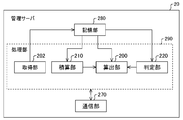
- 1 schematically shows the functional configuration of a management server 20.
- the battery usage information stored in the storage unit 280 is shown in a table format.
- FIG. 3 is a conceptual diagram for explaining a relationship between a usage fee of a battery 32 and prices of a vehicle body of a vehicle 30 and a battery 32. It is a conceptual diagram for demonstrating a user's burden at the time of replacement of a vehicle.
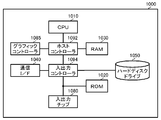
- An example of a computer 1000 functioning as the management server 20 is schematically shown.
- FIG. 1 schematically shows a usage environment of the system 10 according to the embodiment.
- the system 10 is a system for calculating the price of the battery 32 provided in the vehicle 30.
- the power supply vehicle deployment system 10 includes a management server 20, a plurality of vehicles 30, a car share server 40, a dealer server 50, and a plurality of charging facilities including a financial institution server 60.
- the management server 20 is connected to the vehicle 30 via the network 90.
- Network 90 may be any network.
- the network 90 includes the Internet, a so-called 3G (3rd Generation), LTE (Long Term Evolution), 4G (4th Generation), 5G (5th Generation), etc., and a public wireless LAN (Local Area Network). , Or a dedicated network.
- the vehicle 30 and the network 90 may be wirelessly connected.
- the management server 20 is connected to the car share server 40, the dealer server 50, and the financial institution server 60 via a network 90.
- the vehicle 30 is an electric vehicle.
- the vehicle 30 stores electric energy supplied from the outside in the battery 32, and drives the wheels using the electric energy stored in the battery 32 to travel.
- Electric vehicles include electric vehicles such as battery-powered electric vehicles (BEV) and plug-in hybrid electric vehicles (PHEV).
- Electric vehicles include various vehicles that run using electric energy, in addition to electric vehicles.
- the electric vehicle may be an electric straddle-type vehicle such as an electric motorcycle.
- the vehicle 30 transmits to the management server 20 information indicating the voltage and current of the battery 32, the temperature of the battery 32, and the like.
- the management server 20 calculates and stores, based on the information received from the vehicle 30, an output power amount that is the power amount output from the battery 32 and an input power amount that is the power amount input to the battery 32.
- the management server 20 integrates the output power and the input power to calculate an integrated value of the input and output power. For example, when the electric energy of 10 kWh is input to the battery 32 by charging the battery 32 and the electric energy of 10 kWh is output from the battery 32 when the vehicle 30 runs, the management server 20 20 kWh is calculated as the integrated value. The management server 20 calculates a price for the battery 32 based on the integrated value of the input / output power of the battery 32.
- the car sharing server 40 inquires of the management server 20 about the usage fee of the battery 32.
- the management server 20 calculates the usage fee of the battery 32 based on the integrated value of the input / output power of the battery 32, and transmits the usage fee to the car sharing server 40.
- the management server 20 transmits, to the car share server 40, an amount obtained by multiplying the integrated value of the input / output electric energy by a unit price of the usage fee per unit of predetermined electric energy.
- the car share server 40 charges the user of the vehicle 30 the amount of money received from the management server 20 as a charge for using the battery 32. This allows the user to be charged based on the input / output power of the battery 32, so that the user can be charged an appropriate fee for the degree of deterioration of the battery 32 according to the amount of charge / discharge of the battery 32.
- the management server 20 changes the purchase price of the battery 32 based on the integrated value of the input / output power of the battery 32 in response to an inquiry from the dealer server 50.
- the calculated value is transmitted to the dealer server 50.
- the dealer purchases the battery 32 at the purchase price received from the management server 20.
- the battery 32 degraded according to the charge / discharge amount of the battery 32 can be purchased at an appropriate price.
- the usage fee based on the integrated value of the input / output electric energy of the battery 32 may be charged in addition to the installment of the vehicle 30 or the like.
- the financial institution server 60 may acquire the usage fee of the battery 32 based on the integrated value of the monthly input / output power amount of the battery 32, add the acquired usage fee to the installment, and charge the user.
- the price of the battery 32 is calculated based on the input / output power of the battery 32, and thus the degree of deterioration that changes according to the amount of charge to the battery 32 and the amount of discharge from the battery 32. , An appropriate consideration can be calculated. This allows the user to be charged fairly.
- FIG. 2 schematically shows the functional configuration of the management server 20.
- the management server 20 includes a processing unit 290, a storage unit 280, and a communication unit 270.
- the processing unit 290 includes an acquisition unit 202, an accumulation unit 210, a determination unit 220, and a calculation unit 200.
- the management server 20 is a kind of computer.
- the processing unit 290 is a processing device such as a microprocessor.
- the communication unit 270 communicates with the vehicle 30, the car share server 40, the dealer server 50, and the financial institution server 60 via the network 90.
- the information received by the communication unit 270 is supplied to the processing unit 290.
- the storage unit 280 stores information necessary for the operation of the management server 20.
- the storage unit 280 stores a control program for the processing unit 290 and the communication unit 270, constants and variables used by the control program, and temporary information necessary for calculation of the control program.
- the storage unit 280 is an example of a storage medium that can be read by a computer.
- the acquisition unit 202 acquires information indicating the input power amount, which is the power amount input to the battery 32, and the output power amount, which is the power amount output from the battery 32. Specifically, the obtaining unit 202 obtains information indicating the voltage and current of the battery 32 obtained through the communication unit 270. The acquisition unit 202 stores the input power amount and the output power amount calculated from the voltage and the current of the battery 32 in the storage unit 280.
- the integration unit 210 integrates the amount of power input to the battery 32 and the amount of power output from the battery 32.
- the calculation unit 200 calculates a price for the battery 32 based on the power input to the battery 32 and the integrated value of the power output from the battery 32.
- the calculation unit 200 calculates a charge charged to the user who uses the battery 32 based on the integrated value of the input / output electric energy.
- the charge charged to the user may be, for example, a charge charged to a user who uses the vehicle 30 in the car sharing system.
- the charge charged to the user may be, for example, a charge charged to the user who purchased the vehicle 30 at the vehicle price.
- the determination unit 220 determines the degree of deterioration of the battery 32. For example, the determination unit 220 may determine the degree of deterioration of the battery 32 based on the temperature and SOC of the battery 32 acquired from the vehicle 30 and the history of the accelerator opening of the vehicle 30.
- the calculation unit 200 may calculate a charge for using the battery 32 based on the degree of deterioration and the integrated value of the battery 32 determined by the determination unit 220.
- the calculation unit 200 may calculate the fee such that the higher the degree of deterioration of the battery 32 determined by the determination unit, the higher the ratio of the fee to the integrated value. As described above, the usage fee of the battery 32 having a lower degree of deterioration may be calculated lower.
- the calculation unit 200 may calculate the purchase price of the battery 32 when purchasing the vehicle 30 from the user who owns the vehicle 30, based on the integrated value of the input and output electric energy.
- the calculation unit 200 may calculate the purchase price of the battery 32 based on the degree of deterioration and the integrated value of the battery 32 determined by the determination unit 220.
- FIG. 3 shows the battery usage information stored in the storage unit 280 in a table format.
- the storage unit 280 stores the user ID, the vehicle ID, the period, the input / output power amount of the battery 32, the input / output type, the accelerator opening of the vehicle 30, the battery ID, the temperature of the battery 32, the battery 32, SOC.
- “User ID” is information for identifying a user who uses the vehicle 30.
- the car sharing server 40 transmits the identification information of the user who uses the vehicle 30 and the identification information of the vehicle 30 to the management server 20 in association with each other.
- Vehicle ID is information for identifying the vehicle 30.
- the vehicle ID is assigned to the vehicle 30.
- Battery ID is information for identifying the battery 32.
- the battery ID is assigned to the battery 32.
- the vehicle 30 transmits information such as the voltage, current, SOC and temperature of the battery 32, the accelerator opening of the vehicle 30, and the time to the management server 20 in association with the vehicle ID and the battery ID.
- Period is information indicating a period associated with various data stored as battery usage information.
- the period may be a variable period having an arbitrary length such as a unit of seconds, a unit of minutes, or the like.
- the “input / output power amount” is information indicating the power amount input to the battery 32 or the power amount output from the battery 32 during the period represented by the “period”.
- the input / output electric energy may be calculated based on the battery voltage and the battery current received from the vehicle 30. Whether the power amount is the power amount input to the battery 32 or the power amount output from the battery 32 may be distinguished by attaching a positive or negative sign of the battery current.
- Type is information indicating the type of input / output of the power of the battery 32.
- the input / output type includes “rapid charging”, “normal charging”, “running”, and the like.
- the amount of power input to the battery 32 during the period when the type is “running” indicates the amount of power stored in the battery 32 due to regenerative energy.
- the amount of power output from the battery 32 during the period in which the type is “running” indicates the amount of power used for running the vehicle 30.
- Accelerator opening is information indicating the amount of accelerator operation by the driver.
- the accelerator opening is, for example, information corresponding to the acceleration operation amount.
- the “accelerator opening” may be information indicating an average value or a maximum value of the accelerator opening during a period represented by the “period”.
- “Temperature” is information indicating the temperature of the battery 32 measured in the vehicle 30. “Temperature” may be information indicating an average value of the temperature of the battery 32 during a period represented by “period”.
- SOC is information indicating the SOC of the battery 32 calculated in the vehicle 30. “SOC” may be information indicating an average value of SOC during a period represented by “period”.
- the integration unit 210 calculates the integrated value of the input / output power of the battery 32 by integrating the input / output power corresponding to the vehicle ID of the vehicle 30 in the battery usage information.
- Calculation unit 200 calculates the price of battery 32 based on the integrated value. For example, the calculation unit 200 calculates the usage fee of the battery 32 in the car sharing system. The calculating unit 200 calculates a purchase price of the battery 32 when the vehicle 30 is replaced. The usage fee of the battery 32 and the purchase price of the battery 32 are examples of consideration for the battery 32.
- the integrating unit 210 may include the electric energy input to the battery 32 by the regenerative energy in the integrated value of the input / output electric energy for calculating the price for the battery 32. However, the integrating unit 210 need not include the electric energy input to the battery 32 by the regenerative energy in the integrated value of the input and output electric energy. For example, the integrating unit 210 includes the input electric energy when the battery 32 is charged and the output electric energy when the vehicle 30 is traveling in the integrated value of the input / output electric energy, and calculates the input electric energy when the vehicle 30 is traveling. Need not be included.
- the determination unit 220 determines the degree of deterioration of the battery 32 based on the battery usage information stored in the storage unit 280. For example, the determination unit 220 may calculate the degree of deterioration to be larger when the battery 32 is charged by the quick charge than when the battery 32 is charged by the normal charge. In addition, the determination unit 220 may calculate the degree of deterioration as the amount of power input to the battery 32 by the rapid charging increases. As described above, the determination unit 220 may determine the degree of deterioration based on the charging type indicating whether or not the charging is fast and the amount of power input to the battery 32. Further, the determination unit 220 may determine the degree of deterioration based on the SOC at the time of charging.
- the determination unit 220 may calculate the degree of deterioration to be larger as the charging time in the SOC region higher than a predetermined reference value is longer.
- the determination unit 220 can appropriately reflect the load on the battery 32 due to the rapid charging or the like in the degree of deterioration of the battery 32.
- the determination unit 220 may calculate the degree of deterioration as the period during which the temperature of the battery 32 is higher than a predetermined reference value is longer. For example, the determination unit 220 may calculate the degree of deterioration larger as the temperature of the battery 32 is higher than a predetermined reference value and the period during which the vehicle 30 is not driven is longer. Thus, for example, when the vehicle 30 is left in a place where the vehicle 30 is exposed to strong sunlight or when the battery 32 is left in a high temperature state, the load applied to the battery 32 can be appropriately reflected in the degree of deterioration. it can.
- the determining unit 220 may calculate the degree of deterioration as the accelerator opening increases.
- the determining unit 220 may calculate the degree of deterioration as the value obtained by multiplying the accelerator opening and the period is larger.
- the determination unit 220 may determine the degree of deterioration based on the accelerator opening and the period.
- the determination unit 220 may calculate the degree of deterioration as the value obtained by multiplying the accelerator opening and the output electric energy is larger. In this manner, the determination unit 220 may determine the degree of deterioration based on the accelerator opening and the amount of power output from the battery 32. This makes it possible to appropriately reflect the load on the battery 32 due to the rapid acceleration in the degree of deterioration.
- FIG. 4 is a conceptual diagram for explaining the relationship between the usage fee of the battery 32 and the prices of the vehicle body of the vehicle 30 and the price of the battery 32.
- the price of the vehicle 30 includes the price of the battery 32 and the price of the vehicle body other than the battery 32. According to the system 10, for example, of the price of the vehicle 30 used as a car share, a price corresponding to the price of the battery 32 can be obtained by charging a plurality of users who use the vehicle 30.
- the price of the battery 32 is paid by the users A, B, and C who use the specific vehicle 30.
- Each user is charged according to the integrated value of the input / output electric energy of the battery 32.
- the car sharing server 40 transmits information indicating a period during which the user A has used the vehicle 30 to the management server 20 together with the identification information of the user A,
- the management server 20 is inquired about the usage fee of A.
- the management server 20 calculates the usage fee charged to the user A based on the battery usage information stored in the storage unit 280 in response to the request from the car sharing server 40.
- the accumulating unit 210 refers to the battery usage information stored in the storage unit 280 and refers to the input information associated with the identification information of the user A in the period corresponding to the period information received from the car share server 40.
- the output power amount is extracted, and the integrated value of the extracted input / output power amount is calculated.
- the calculation unit 200 calculates the usage fee charged to the user A by multiplying the integrated value of the input / output power amount by the unit price of the usage fee per unit input / output power amount.
- the calculation unit 200 calculates the usage fee in accordance with the integrated value of the input / output power amount, and also sets the usage fee to a fixed amount for a certain time or a certain amount of power, and for a portion exceeding the certain time or the certain amount of power.
- the usage fee may be calculated according to the integrated value of the input / output power amount.
- the calculation unit 200 may reduce the usage fee according to the degree of deterioration of the battery 32.
- the determination unit 220 determines the degree of deterioration of the battery 32 when the user A starts using the vehicle 30. Then, the calculation unit 200 determines the usage fee based on the integrated value of the input / output power amount during the period when the user A uses the vehicle 30 and the unit price of the usage fee per unit input / output power amount by the determination unit 220.
- the user A's usage fee may be calculated by discounting at a discount rate corresponding to the deterioration degree.
- the calculating unit 200 may calculate the usage fee of the user A by applying a larger discount rate as the degree of deterioration is lower.
- the management server 20 can charge each user according to the degree of deterioration of the battery 32 caused by each user using the vehicle 30. Therefore, each user can be charged fairly. For example, in general, when the battery 32 deteriorates, the battery capacity decreases or the maximum output decreases. However, according to the management server 20, the more the battery 32 of the vehicle 30 used by each user deteriorates, the more the usage fee increases. Can be increased, so that the user can be charged only for the value that the user can obtain from the battery 32.
- the usage fee of the battery 32 can be appropriately determined based on the integrated value of the input / output electric energy. Therefore, when the total value of the usage fees obtained from all the users who use the vehicle 30 is lower than the price of the battery 32, it is considered that the value of reusing the battery 32 remains. Therefore, by collecting the battery 32, it is possible to appropriately collect the value of the battery 32 at the time of purchasing the vehicle.
- the operator of the car share purchases the vehicle 30 only at the vehicle body price of the vehicle 30 and the purchaser of the vehicle 30 obtains the usage fee of the battery 32 from each user.
- the car share operator purchases the vehicle 30 including the price of the battery 32 and the vehicle body price
- the car share operator issues a charge for the use of the battery 32 and a re-use fee when the vehicle 30 is sold from the user.
- a system for gaining money can be constructed. In any of the systems, by having the vehicle 30 purchased, the difference between the purchase price of the vehicle body and the purchase price may be mainly paid.
- the charging method of the usage fee of the battery 32 in the car sharing system can be applied to the vehicle 30 owned by the user.
- the user who purchased the vehicle 30 at the vehicle price may be charged a usage fee according to the integrated value of the input / output power of the battery 32.
- the financial institution server 60 acquires a usage fee corresponding to the integrated value of the monthly input / output power amount from the management server 20, adds the usage fee to the installment, and charges the user who owns the vehicle 30 You may. Thereby, the billing amount for the user who does not use the battery 32 much is reduced. Therefore, the user can be charged fairly according to the usage amount of the battery 32.
- the charge to the user is not limited to the addition to the installment, and may be charged independently every month or every year.
- FIG. 5 is a conceptual diagram for explaining the burden on the user when replacing a vehicle.
- the purchase price of the vehicle 30 includes the price of the battery 32 and the vehicle body price.
- the value of the vehicle body of the vehicle 30 decreases, and the value of the battery 32 also decreases due to deterioration of the battery 32 such as capacity reduction.
- the user When the user purchases a new car, the user bears only the difference between the body price of the new car and the purchase price of the body of the vehicle 30, the price of the battery 32 of the new car, and the purchase price of the battery 32 of the vehicle 30. .
- the purchase price of the battery 32 may be determined according to the degree of deterioration of the battery 32.
- the dealer server 50 transmits the vehicle ID of the vehicle 30 to the management server 20, and inquires of the management server 20 about the purchase price of the battery 32.
- the dealer server 50 may transmit the battery ID stored in the battery 32 to the management server 20 and inquire the management server 20 about the purchase price of the battery 32.
- the purchase price is an example of consideration for the battery 32.
- the determination unit 220 determines the battery based on the battery usage information stored in the storage unit 280 in association with the vehicle ID or the battery ID of the vehicle 30 as described with reference to FIG. 32 is determined.
- the calculation unit 200 calculates a purchase price according to the degree of deterioration. For example, when 40% is calculated as the degree of deterioration, 60% of the price of the battery 32 when the vehicle 30 is purchased is calculated as the purchase price of the battery 32.
- the purchase price calculated by calculation unit 200 is transmitted to dealer server 50 through communication unit 270.
- the battery 32 can be purchased at an appropriate amount according to the remaining performance of the battery 32, so that the burden on the user when the user replaces with a new car can be reduced. It is needless to say that the system 10 is not limited to replacement of a new car, but can be applied to transfer to a used car or the like.
- the battery price of the used car may be determined based on the degree of deterioration of the battery, similarly to the case where the purchase price of the battery 32 is determined.
- an appropriate usage fee can be imposed on a user who uses the battery 32 according to the integrated value of the input / output power of the battery 32 and the like. Further, an appropriate purchase price of the battery 32 can be determined in accordance with the degree of deterioration in consideration of the input / output power of the battery 32. As a result, it is possible to construct a system capable of providing a so-called pay-as-you-go service, in which the user is charged according to the value obtained from the battery 32.
- the charging method according to the integrated value of the input and output electric energy can be applied to the rental car system.
- a similar billing method can be applied to various other types of shared vehicle systems using shared vehicles.
- FIG. 6 schematically shows an example of a computer 1000 functioning as the management server 20.
- the computer 1000 includes a CPU peripheral unit including a CPU 1010, a RAM 1030, and a graphic controller 1085 interconnected by a host controller 1092, a ROM 1020 connected to the host controller 1092 by an input / output controller 1094, and a communication I / O. F1040, a hard disk drive 1050, and an input / output unit having an input / output chip 1080.
- the CPU 1010 operates based on programs stored in the ROM 1020 and the RAM 1030, and controls each unit.
- the graphic controller 1085 acquires image data generated by the CPU 1010 or the like on a frame buffer provided in the RAM 1030 and displays the image data on a display.
- the graphic controller 1085 may include a frame buffer for storing image data generated by the CPU 1010 or the like.
- the communication I / F 1040 communicates with other devices via a network by wire or wirelessly.
- the communication I / F 1040 functions as hardware for performing communication.
- the hard disk drive 1050 stores programs and data used by the CPU 1010.
- the ROM 1020 stores a boot program to be executed when the computer 1000 starts up, a program depending on hardware of the computer 1000, and the like.
- the input / output chip 1080 connects various input / output devices to the input / output controller 1094 through, for example, a parallel port, a serial port, a keyboard port, a mouse port, and the like.
- the program provided to the hard disk drive 1050 via the RAM 1030 is stored in a recording medium such as an IC card and provided by the user.
- the program is read from the recording medium, installed on the hard disk drive 1050 via the RAM 1030, and executed by the CPU 1010.
- a program that is installed in the computer 1000 and causes the computer 1000 to function as the management server 20 works on the CPU 1010 and the like to cause the computer 1000 to acquire the acquisition unit 202, the accumulation unit 210, the calculation unit 200, the determination unit 220, the storage unit 280. , And may function as each unit of the management server 20 including the communication unit 270.
- the information processing described in these programs is read into the computer 1000 to function as a specific means in which the software and the various hardware resources described above cooperate.
- a specific management server 20 corresponding to the purpose of use is constructed.
- System Reference Signs List 20 server 30 vehicle 32 battery 40 car share server 50 dealer server 60 financial institution server 90 network 202 acquisition unit 210 integration unit 200 calculation unit 220 determination unit 270 communication unit 280 storage unit 290 processing unit 1000 computer 1010 CPU 1020 ROM 1030 RAM 1040 Communication I / F 1050 Hard disk drive 1080 I / O chip 1085 Graphic controller 1092 Host controller 1094 I / O controller
Landscapes
- Business, Economics & Management (AREA)
- Engineering & Computer Science (AREA)
- Accounting & Taxation (AREA)
- Finance (AREA)
- Strategic Management (AREA)
- Development Economics (AREA)
- General Physics & Mathematics (AREA)
- Physics & Mathematics (AREA)
- Economics (AREA)
- Theoretical Computer Science (AREA)
- General Business, Economics & Management (AREA)
- Marketing (AREA)
- Entrepreneurship & Innovation (AREA)
- Game Theory and Decision Science (AREA)
- Health & Medical Sciences (AREA)
- Power Engineering (AREA)
- Mechanical Engineering (AREA)
- Water Supply & Treatment (AREA)
- Sustainable Development (AREA)
- Transportation (AREA)
- Life Sciences & Earth Sciences (AREA)
- Data Mining & Analysis (AREA)
- Public Health (AREA)
- Sustainable Energy (AREA)
- General Health & Medical Sciences (AREA)
- Human Resources & Organizations (AREA)
- Primary Health Care (AREA)
- Tourism & Hospitality (AREA)
- Electric Propulsion And Braking For Vehicles (AREA)
- Charge And Discharge Circuits For Batteries Or The Like (AREA)
Abstract
車両に電気エネルギーを供給するバッテリに関する対価を算出するシステムであって、バッテリに入力された電力量及びバッテリから出力された電力量を取得する取得部と、バッテリに入力された電力量及びバッテリから出力された電力量を積算する積算部と、バッテリに入力された電力量及びバッテリから出力された電力量の積算値に基づいて、バッテリに関する対価を算出する算出部とを備える。
Description
本発明は、評価システム及びプログラムに関する。
バッテリの初期費用の一部又は全額を所定数で分割した値とバッテリの充電回数とに基づいて課金情報を算出する課金システムが知られている(例えば、下記特許文献1を参照。)。
[先行技術文献]
[特許文献]
[特許文献1]特開2007-108922号公報
[先行技術文献]
[特許文献]
[特許文献1]特開2007-108922号公報
バッテリの劣化度合いは充放電方法や充放電量にも依存するため、充電回数で課金すると、バッテリの使用者に不利な課金がなされてしまう場合がある。バッテリに関する適正な対価を得ることが望まれている。
本発明の第1の態様によれば、車両に電気エネルギーを供給するバッテリに関する対価を算出するシステムが提供される。システムは、バッテリに入力された電力量及びバッテリから出力された電力量を取得する取得部を備えてよい。システムは、バッテリに入力された電力量及びバッテリから出力された電力量を積算する積算部を備えてよい。システムは、バッテリに入力された電力量及びバッテリから出力された電力量の積算値に基づいて、バッテリに関する対価を算出する算出部を備えてよい。
算出部は、積算値に基づいて、バッテリを使用するユーザに課される料金を算出してよい。
システムは、バッテリの劣化度を判定する判定部を備えてよい。算出部は、判定部により判定されたバッテリの劣化度及び積算値に基づいて、バッテリを使用する料金を算出してよい。
算出部は、判定部により判定されたバッテリの劣化度が高いほど、積算値に対する料金の比率が高くなるように、料金を算出してよい。
算出部は、積算値に基づいて、車両を所有するユーザから車両を買い取る場合のバッテリの買い取り価格を算出してよい。
システムは、バッテリの劣化度を判定する判定部を備えてよい。算出部は、判定部により判定されたバッテリの劣化度及び積算値に基づいて、バッテリの買い取り価格を算出してよい。
判定部は、バッテリの温度が予め定められた基準値より高く、かつ、車両が運転されていない状態が継続した期間が長いほど、バッテリの劣化度を高く判定してよい。
判定部は、車両の運転者による車両の加速度操作量が大きいほど、バッテリの劣化度を高く判定してよい。
積算部は、車両の走行時にバッテリに入力された電力量を積算しなくてよい。
システムは、上記の車両をさらに備えてよい。
第2の態様によれば、車両に電気エネルギーを供給するバッテリに関する対価を算出するためのプログラムが提供される。プログラムは、コンピュータに、バッテリに入力された電力量及びバッテリから出力された電力量を取得する取得部として機能させてよい。プログラムは、コンピュータに、バッテリに入力された電力量及びバッテリから出力された電力量を積算する積算部として機能させてよい。プログラムは、コンピュータに、バッテリに入力された電力量及びバッテリから出力された電力量の積算値に基づいて、バッテリに関する対価を算出する算出部として機能させてよい。
なお、上記の発明の概要は、本発明の必要な特徴の全てを列挙したものではない。また、これらの特徴群のサブコンビネーションもまた、発明となりうる。
以下、発明の実施の形態を通じて本発明を説明するが、以下の実施形態は請求の範囲にかかる発明を限定するものではない。また、実施形態の中で説明されている特徴の組み合わせの全てが発明の解決手段に必須であるとは限らない。
図1は、一実施形態のシステム10の利用環境を概略的に示す。システム10は、車両30が備えるバッテリ32の対価を算出するためのシステムである。
給電車配備システム10は、管理サーバ20と、複数の車両30と、カーシェアサーバ40と、ディーラサーバ50と、金融機関サーバ60とを含む複数の充電設備とを備える。
管理サーバ20は、車両30とネットワーク90を介して接続される。ネットワーク90は、任意のネットワークであってよい。例えば、ネットワーク90は、インターネットと、いわゆる3G(3rd Generation)、LTE(Long Term Evolution)、4G(4th Generation)及び5G(5th Generation)等の携帯電話網と、公衆無線LAN(Local Area Network)と、専用網との少なくともいずれかを含んでよい。車両30とネットワーク90とは無線接続されてよい。管理サーバ20は、カーシェアサーバ40、ディーラサーバ50、及び金融機関サーバ60とネットワーク90を介して接続される。
車両30は、電動車両である。車両30は、外部から供給される電気エネルギーをバッテリ32に蓄積し、バッテリ32に蓄積されている電気エネルギーを用いて車輪を駆動して走行する。電動車両とは、バッテリ式電動輸送機器(BEV)、プラグインハイブリッド電気自動車(PHEV)等の電気自動車を含む。電動車両は、電気自動車の他、電気エネルギーを用いて走行する様々な車両を含む。例えば、電動車両は、電動バイク等、電動式の鞍乗型車両であってよい。
車両30はそれぞれ、バッテリ32の電圧、電流、バッテリ32の温度等を示す情報を管理サーバ20に送信する。管理サーバ20は、車両30から受信した情報に基づいて、バッテリ32から出力された電力量である出力電力量、バッテリ32に入力された電力量である入力電力量を算出して、記憶する。
管理サーバ20は、出力電力量と入力電力量とを積算して、入出電力量の積算値を算出する。例えば、バッテリ32を充電することでバッテリ32に10kWhの電力量が入力され、車両30が走行することでバッテリ32から10kWhの電力量が出力された場合、管理サーバ20は、入出力電力量の積算値として20kWhを算出する。管理サーバ20は、バッテリ32の入出力電力量の積算値に基づいて、バッテリ32に関する対価を算出する。
例えば、車両30がカーシェアシステムで使用される場合、車両30が返却された場合にカーシェアサーバ40は、バッテリ32の使用料金を管理サーバ20に問い合わせる。管理サーバ20は、バッテリ32の入出力電力量の積算値に基づいてバッテリ32の使用料を算出して、カーシェアサーバ40に送信する。例えば、管理サーバ20は、入出力電力量の積算値に、予め定められた単位電力量当たりの使用料の単価を乗算することにより得られた金額を、カーシェアサーバ40に送信する。カーシェアサーバ40は、管理サーバ20から受信した金額を、バッテリ32の使用料金として車両30のユーザに課金する。これにより、バッテリ32の入出力電力量に基づいてユーザに課金するので、バッテリ32への充放電量に応じたバッテリ32の劣化度合いに対して適正な使用料を、ユーザに課すことができる。
また、車両30を所有するユーザが別の車両に買い換える場合、管理サーバ20は、ディーラサーバ50からの問い合せに応じて、バッテリ32の入出電力量の積算値等に基づいてバッテリ32の買い取り価格を算出して、ディーラサーバ50に送信する。ディーラは、管理サーバ20から受信した買い取り価格でバッテリ32を買い取る。これにより、バッテリ32の充放電量に応じて劣化したバッテリ32に対して適正な対価でバッテリ32を買い取ることができる。
また、車両30を所有するユーザが車両30を車体価格で購入している場合、バッテリ32の入出力電力量の積算値に基づく使用料を車両30の割賦金等に加えて課金してよい。例えば、金融機関サーバ60は、バッテリ32における毎月の入出力電力量の積算値に基づくバッテリ32の使用料を取得して、取得した使用料を割賦金に上乗せしてユーザに課金してよい。
このように、管理システム10によれば、バッテリ32の入出力電力量に基づいてバッテリ32の対価を算出するので、バッテリ32への充電量やバッテリ32からの放電量に応じて変化する劣化度合いに応じて、適正な対価を算出することができる。これにより、ユーザに対して公正に課金することができる。
図2は、管理サーバ20の機能構成を概略的に示す。管理サーバ20は、処理部290と、記憶部280と、通信部270とを備える。処理部290は、取得部202、積算部210、判定部220、及び算出部200を備える。
管理サーバ20は、一種のコンピュータである。例えば、処理部290は、マイクロプロセッサ等の処理装置である。通信部270は、ネットワーク90を通じて、車両30、カーシェアサーバ40、ディーラサーバ50、及び金融機関サーバ60と通信する。通信部270が受信した情報は、処理部290に供給される。記憶部280は、管理サーバ20の動作に必要な情報を記憶する。例えば、記憶部280は、処理部290及び通信部270用の制御プログラム、制御プログラムが使用する定数及び変数、及び、制御プログラムの演算に必要な一時的な情報を記憶する。記憶部280は、コンピュータが読み取ることが可能な記憶媒体の一例である。
取得部202は、バッテリ32に入力された電力量である入力電力量及びバッテリ32から出力された電力量である出力電力量を示す情報を取得する。具体的には、取得部202は、通信部270を通じて取得したバッテリ32の電圧及び電流を示す情報を取得する。取得部202は、バッテリ32の電圧及び電流から算出された入力電力量及び出力電力量を、記憶部280に記憶する。
積算部210は、バッテリ32に入力された電力量及びバッテリ32から出力された電力量を積算する。算出部200は、バッテリ32に入力された電力量及びバッテリ32から出力された電力量の積算値に基づいて、バッテリ32に関する対価を算出する。
例えば、算出部200は、入出力電力量の積算値に基づいて、バッテリ32を使用するユーザに課される料金を算出する。ユーザに課される料金は、例えば、カーシェアシステムにおける車両30を利用するユーザに課す料金であってよい。ユーザに課される料金は、例えば、車両30を車体価格で購入したユーザに課す料金であってよい。
判定部220は、バッテリ32の劣化度を判定する。例えば、判定部220は、車両30から取得したバッテリ32の温度、SOC、車両30のアクセル開度の履歴に基づいて、バッテリ32の劣化度を判定してよい。
算出部200は、判定部220により判定されたバッテリ32の劣化度及び積算値に基づいて、バッテリ32を使用する料金を算出してよい。算出部200は、判定部により判定されたバッテリ32の劣化度が高いほど、積算値に対する料金の比率が高くなるように、料金を算出してよい。このように、劣化度がより低いバッテリ32の使用料をより低く算出してよい。
なお、算出部200は、入出力電力量の積算値に基づいて、車両30を所有するユーザから車両30を買い取る場合のバッテリ32の買い取り価格を算出してよい。算出部200は、判定部220により判定されたバッテリ32の劣化度及び積算値に基づいて、バッテリ32の買い取り価格を算出してよい。
図3は、記憶部280に記憶されるバッテリ使用情報をテーブル形式で示す。記憶部280は、ユーザIDと、車両IDと、期間と、バッテリ32の入出力電力量と、入出力種別と、車両30のアクセル開度と、バッテリIDと、バッテリ32の温度と、バッテリ32のSOCとを含む。
「ユーザID」は、車両30を使用するユーザを識別する情報である。カーシェアシステムで使用される車両30の場合、カーシェアサーバ40は、車両30を使用するユーザの識別情報及び車両30の識別情報を対応づけて、管理サーバ20に送信する。
「車両ID」は、車両30を識別する情報である。車両IDは、車両30に割り当てられる。「バッテリID」は、バッテリ32を識別する情報である。バッテリIDは、バッテリ32に割り当てられる。車両30は、バッテリ32の電圧、電流、SOC及び温度、車両30のアクセル開度、並びに時刻等の情報を、車両ID及びバッテリIDに対応づけて管理サーバ20に送信する。
「期間」は、バッテリ使用情報として格納される各種のデータに関連づけられた期間を示す情報である。期間は、秒単位、分単位等、任意の長さを持つ可変の期間であってよい。
「入出力電力量」は、「期間」で表される期間中にバッテリ32に入力された電力量又はバッテリ32から出力された電力量を示す情報である。入出力電力量は、車両30から受信したバッテリ電圧とバッテリ電流とに基づいて算出されてよい。バッテリ32に入力された電力量であるか、バッテリ32から出力された電力量であるか否かは、バッテリ電流の正負の符号を付すことにより区別されてよい。
「種別」は、バッテリ32の電力の入出力に関する種別を示す情報である。例えば、入出力種別としては、「急速充電」、「通常充電」、「走行」等を含む。種別が「走行」である期間にバッテリ32に入力された電力量は、回生エネルギーによりバッテリ32に蓄積された電力量を示す。種別が「走行」である期間にバッテリ32から出力された電力量は、車両30の走行に用いられた電力量を示す。
「アクセル開度」は、運転者によるアクセルの操作量を示す情報である。アクセル開度は、例えば、加速度操作量に対応する情報である。「アクセル開度」は、「期間」で表される期間中におけるアクセル開度の平均値又は最大値を示す情報であってよい。
「温度」は、車両30において測定されたバッテリ32の温度を示す情報である。「温度」は、「期間」で表される期間中におけるバッテリ32の温度の平均値を示す情報であってよい。
「SOC」は、車両30において算出されたバッテリ32のSOCを示す情報である。「SOC」は、「期間」で表される期間中におけるSOCの平均値を示す情報であってよい。
積算部210は、バッテリ使用情報において車両30の車両IDに対応づけられた入出力電力量を積算することにより、バッテリ32の入出力電力量の積算値を算出する。算出部200は、積算値に基づいて、バッテリ32の価格を算出する。例えば、算出部200は、カーシェアシステムにおけるバッテリ32の使用料を算出する。また、算出部200は、車両30の買い換え時におけるバッテリ32の買い取り価格を算出する。バッテリ32の使用料及びバッテリ32の買い取り価格は、バッテリ32に関する対価の一例である。
なお、積算部210は、回生エネルギーによりバッテリ32に入力された電力量を、バッテリ32に関する対価を算出するための入出力電力量の積算値に含めてよい。しかし、積算部210は、回生エネルギーによりバッテリ32に入力された電力量を、入出力電力量の積算値に含めなくてもよい。例えば、積算部210は、バッテリ32の充電時の入力電力量と車両30の走行時の出力電力量とを入出力電力量の積算値に含め、車両30の走行時の入力電力量を積算値に含めなくてよい。
判定部220は、記憶部280に記憶されているバッテリ使用情報に基づいて、バッテリ32の劣化度を判定する。例えば、判定部220は、急速充電によりバッテリ32が充電された場合に、通常充電によりバッテリ32が充電された場合に比べて、劣化度を大きく算出してよい。また、判定部220は、急速充電によりバッテリ32に入力された電力量が大きいほど、劣化度を大きく算出してよい。このように、判定部220は、急速充電であるか否かを示す充電種別及びバッテリ32に入力された電力量に基づいて、劣化度を判定してよい。また、判定部220は、充電時のSOCに更に基づいて劣化度を判定してよい。例えば、判定部220は、予め定められた基準値より高いSOC領域で充電した時間が長いほど、劣化度を大きく算出してよい。判定部220により、急速充電等によるバッテリ32にかかる負荷を、バッテリ32の劣化度に適切に反映することができる。
また、判定部220は、バッテリ32の温度が予め定められた基準値より高い状態が続いた期間が長いほど、劣化度を大きく算出してよい。例えば、判定部220は、バッテリ32の温度が予め定められた基準値より高く、かつ、車両30が運転されていない状態が継続した期間が長いほど、劣化度を大きく算出してよい。これにより、例えば、車両30に日光が強く当たる場所で車両30を放置したり、バッテリ32が高温の状態で放置したりした場合にバッテリ32にかかる負荷を、劣化度に適切に反映することができる。
また、判定部220は、アクセル開度が大きいほど、劣化度を大きく算出してよい。判定部220は、アクセル開度と期間とを乗じた値が大きいほど、劣化度を大きく算出してよい。このように、判定部220は、アクセル開度及び期間に基づいて劣化度を判定してよい。また、判定部220は、アクセル開度と出力電力量とを乗じた値が大きいほど、劣化度を大きく算出してよい。このように、判定部220は、アクセル開度及びバッテリ32から出力された電力量に基づいて、劣化度を判定してよい。これにより、急加速を行うことでバッテリ32にかかる負荷を、劣化度に適切に反映することができる。
図4は、バッテリ32の使用料と車両30の車体及びバッテリ32の価格との関係性を説明するための概念図である。車両30の価格には、バッテリ32の価格と、バッテリ32以外の車体価格とが含まれる。システム10によれば、例えばカーシェアとして利用される車両30の価格のうち、バッテリ32の価格に対応する対価を、車両30を利用する複数のユーザに課金することにより、得ることができる。
図4に示されるように、システム10によれば、バッテリ32の価格を、特定の車両30を利用したユーザA、ユーザB、及びユーザCが負担する。各ユーザには、バッテリ32の入出力電力量の積算値に応じて課金される。例えば、ユーザAが車両30を返却した場合に、カーシェアサーバ40は、ユーザAが車両30を利用していた期間を示す情報を、ユーザAの識別情報とともに管理サーバ20に送信して、ユーザAの使用料を管理サーバ20に問い合わせる。
管理サーバ20は、カーシェアサーバ40からの依頼に応じて、記憶部280に記憶しているバッテリ使用情報に基づいてユーザAに課す使用料を算出する。例えば、積算部210は、記憶部280に記憶されているバッテリ使用情報を参照して、カーシェアサーバ40から受信した期間情報に対応する期間において、ユーザAの識別情報に対応づけられている入出力電力量を抽出して、抽出した入出力電力量の積算値を算出する。そして、算出部200は、入出力電力量の積算値に、単位入出力電力量あたりの使用料の単価を乗じることにより、ユーザAに課される使用料を算出する。
勿論、算出部200は、入出力電力量の積算値に応じて使用料を算出することの他、一定時間又は一定電力量までは使用料を定額とし、一定時間又は一定電力量を超える分について、入出力電力量の積算値に応じて使用料を算出してもよい。
なお、算出部200は、バッテリ32の劣化度に応じて、使用料を減額してよい。例えば、判定部220は、ユーザAが車両30の利用を開始したときのバッテリ32の劣化度を判定する。そして、算出部200は、ユーザAが車両30を利用した期間の入出力電力量の積算値と、単位入出力電力量あたりの使用料の単価とに基づく使用料を、判定部220により判定された劣化度に応じた割引率で割り引きすることにより、ユーザAの使用料を算出してもよい。算出部200は、劣化度が低いほど、大きい割引率を適用して、ユーザAの使用料を算出してよい。
以上のように、管理サーバ20により、各ユーザが車両30を使用することで生じるバッテリ32の劣化度合いに応じて、各ユーザに課金することができる。そのため、各ユーザに公正に課金することができる。例えば、一般に、バッテリ32が劣化すると電池容量が低下したり、最大出力が低下したりするが、管理サーバ20によれば、各ユーザが使用する車両30のバッテリ32が劣化しているほど使用料を高くすることができるので、ユーザがバッテリ32から得ることができる価値に見合う分だけユーザに課金することができる。
また、カーシェアシステムで使用料を課すことで、ユーザから得られる使用料から、車両購入時のバッテリ32の価格に見合う収入を得ることができる。システム10によれば、バッテリ32の使用料が入出力電力量の積算値に基づいて適切に決定することができる。そのため、車両30を使用した全ユーザから得られた使用料の合計値がバッテリ32の価格より低い場合には、バッテリ32を再利用する価値が残っていると考えられる。そのため、バッテリ32を回収することで、車両購入時のバッテリ32の価値を適切に回収することができる。
したがって、例えば、カーシェアの運営者が車両30の車体価格のみで車両30を購入し、車両30の購入先がバッテリ32の使用料を各ユーザから得るシステムを構築することができる。また、カーシェアの運営者がバッテリ32の価格及び車体価格を含んで車両30を購入した場合、カーシェアの運営者がユーザからバッテリ32の使用料と、車両30の売却時の再利用料を得るシステムを構築することができる。いずれのシステムにおいても、車両30を買い取ってもらうことで、主として、車体の購入価格と買い取り価格との差額を負担すればよいことになる。
なお、カーシェアシステムにおけるバッテリ32の使用料の課金方式は、ユーザが所有する車両30にも適用できる。例えば、車両30を車体価格で購入したユーザに対して、バッテリ32の入出力電力量の積算値に応じた使用料を課金してよい。例えば、金融機関サーバ60は、管理サーバ20から毎月の入出力電力量の積算値に応じた使用料を取得して、当該使用料を割賦金に上乗せして、車両30を所有するユーザに課金してよい。これにより、バッテリ32をあまり使用しなかったユーザに対する課金額が低くなる。したがって、ユーザがバッテリ32を使用した使用量に応じて公正に課金することができる。
なお、ユーザへの課金は、割賦金への上乗せに限らず、毎月又は毎年毎に単独で課金してもよい。
図5は、車両の買い換え時におけるユーザの負担を説明するための概念図である。ここでは、車両30の購入価格に、バッテリ32の価格及び車体価格が含まれるものとする。ユーザが車両30を使用することで、車両30の車体の価値が低下すると共に、バッテリ32においても容量低下等の劣化によって、バッテリ32の価値も低下する。
ユーザが新車に買い換える場合、ユーザは、新車の車体価格と車両30の車体の買い取り価格との差と、新車のバッテリ32の価格と、車両30のバッテリ32の買い取り価格との差のみを負担する。
バッテリ32の買い取り価格は、バッテリ32の劣化度に応じて決定されてよい。例えば、ディーラサーバ50は、車両30の車両IDを管理サーバ20に送信して、管理サーバ20にバッテリ32の買い取り価格を問い合わせる。なお、ディーラサーバ50は、バッテリ32に記憶されているバッテリIDを管理サーバ20に送信して、管理サーバ20にバッテリ32の買い取り価格を問い合わせてもよい。買い取り価格は、バッテリ32に関する対価の一例である。
管理サーバ20において、判定部220は、図3等に関連して説明したように、記憶部280において車両30の車両ID又はバッテリIDに対応づけて記憶されているバッテリ使用情報に基づいて、バッテリ32の劣化度を判定する。算出部200は、劣化度に応じて、買い取り価格を算出する。例えば、劣化度として40%が算出された場合、車両30の購入時のバッテリ32の価格の60%を、バッテリ32の買い取り価格として算出する。算出部200により算出された買い取り価格は、通信部270を通じてディーラサーバ50に送信される。
このように、システム10によれば、バッテリ32の残性能に応じてバッテリ32を適正額で買い取ることができるので、ユーザが新車に買い換える際のユーザの負担を軽減することができる。なお、システム10は、新車の買い換えに限定されず、中古車等への乗り換えにも適用できることは言うまでもない。なお、中古車のバッテリ価格は、バッテリ32の買い取り価格を決定する場合と同様に、バッテリの劣化度に基づいて決定されてよい。
以上に説明したように、システム10によれば、バッテリ32の入出力電力量の積算値等に応じてバッテリ32を使用するユーザに適正な使用料を課すことができる。また、バッテリ32の入出力電力量も考慮した劣化度に応じて、バッテリ32の適正な買い取り価格を決定することができる。これにより、ユーザがバッテリ32から得た価値に応じて課金される、いわば従量課金的なサービスを提供可能なシステムを構築することができる。
なお、カーシェアシステムにおいて入出力電力量の積算値に応じた課金方式は、レンタカーシステムに適用できる。同様の課金方式は、共用車両を用いる他の様々な形態の共用車両システムに適用できる。
図6は、管理サーバ20として機能するコンピュータ1000の一例を概略的に示す。本実施形態に係るコンピュータ1000は、ホストコントローラ1092により相互に接続されるCPU1010、RAM1030、及びグラフィックコントローラ1085を有するCPU周辺部と、入出力コントローラ1094によりホストコントローラ1092に接続されるROM1020、通信I/F1040、ハードディスクドライブ1050、及び入出力チップ1080を有する入出力部を備える。
CPU1010は、ROM1020及びRAM1030に格納されたプログラムに基づいて動作し、各部の制御を行う。グラフィックコントローラ1085は、CPU1010などがRAM1030内に設けたフレーム・バッファ上に生成する画像データを取得し、ディスプレイ上に表示させる。これに代えて、グラフィックコントローラ1085は、CPU1010などが生成する画像データを格納するフレーム・バッファを、内部に含んでもよい。
通信I/F1040は、有線又は無線によりネットワークを介して他の装置と通信する。また、通信I/F1040は、通信を行うハードウエアとして機能する。ハードディスクドライブ1050は、CPU1010が使用するプログラム及びデータを格納する。
ROM1020は、コンピュータ1000が起動時に実行するブート・プログラム及びコンピュータ1000のハードウエアに依存するプログラムなどを格納する。入出力チップ1080は、例えばパラレル・ポート、シリアル・ポート、キーボード・ポート、マウス・ポートなどを介して各種の入出力装置を入出力コントローラ1094へと接続する。
RAM1030を介してハードディスクドライブ1050に提供されるプログラムは、ICカードなどの記録媒体に格納されて利用者によって提供される。プログラムは、記録媒体から読み出され、RAM1030を介してハードディスクドライブ1050にインストールされ、CPU1010において実行される。
同様に、コンピュータ1000にインストールされ、コンピュータ1000を管理サーバ20として機能させるプログラムは、CPU1010などに働きかけて、コンピュータ1000を、取得部202、積算部210、算出部200、判定部220、記憶部280、及び通信部270を含む管理サーバ20の各部としてそれぞれ機能させてよい。これらのプログラムに記述された情報処理は、コンピュータ1000に読込まれることにより、ソフトウエアと上述した各種のハードウエア資源とが協働した具体的手段であるとして機能させる。これらの具体的手段によって、本実施形態におけるコンピュータ1000の使用目的に応じた情報の演算又は加工を実現することにより、使用目的に応じた特有の管理サーバ20が構築される。
以上、本発明を実施の形態を用いて説明したが、本発明の技術的範囲は上記実施の形態に記載の範囲には限定されない。上記実施の形態に、多様な変更または改良を加えることが可能であることが当業者に明らかである。その様な変更または改良を加えた形態も本発明の技術的範囲に含まれ得ることが、請求の範囲の記載から明らかである。
請求の範囲、明細書、および図面中において示した装置、システム、プログラム、および方法における動作、手順、ステップ、および段階などの各処理の実行順序は、特段「より前に」、「先立って」などと明示しておらず、また、前の処理の出力を後の処理で用いるのでない限り、任意の順序で実現しうることに留意すべきである。請求の範囲、明細書、および図面中の動作フローに関して、便宜上「まず、」、「次に、」などを用いて説明したとしても、この順で実施することが必須であることを意味するものではない。
10 システム
20 サーバ
30 車両
32 バッテリ
40 カーシェアサーバ
50 ディーラサーバ
60 金融機関サーバ
90 ネットワーク
202 取得部
210 積算部
200 算出部
220 判定部
270 通信部
280 記憶部
290 処理部
1000 コンピュータ
1010 CPU
1020 ROM
1030 RAM
1040 通信I/F
1050 ハードディスクドライブ
1080 入出力チップ
1085 グラフィックコントローラ
1092 ホストコントローラ
1094 入出力コントローラ
20 サーバ
30 車両
32 バッテリ
40 カーシェアサーバ
50 ディーラサーバ
60 金融機関サーバ
90 ネットワーク
202 取得部
210 積算部
200 算出部
220 判定部
270 通信部
280 記憶部
290 処理部
1000 コンピュータ
1010 CPU
1020 ROM
1030 RAM
1040 通信I/F
1050 ハードディスクドライブ
1080 入出力チップ
1085 グラフィックコントローラ
1092 ホストコントローラ
1094 入出力コントローラ
Claims (11)
- 車両に電気エネルギーを供給するバッテリに関する対価を算出するシステムであって、
前記バッテリに入力された電力量及び前記バッテリから出力された電力量を取得する取得部と、
前記バッテリに入力された電力量及び前記バッテリから出力された電力量を積算する積算部と、
前記バッテリに入力された電力量及び前記バッテリから出力された電力量の積算値に基づいて、前記バッテリに関する対価を算出する算出部と
を備えるシステム。 - 前記算出部は、前記積算値に基づいて、前記バッテリを使用するユーザに課される料金を算出する
請求項1に記載のシステム。 - 前記バッテリの劣化度を判定する判定部
をさらに備え、
前記算出部は、前記判定部により判定された前記バッテリの劣化度及び前記積算値に基づいて、前記バッテリを使用する料金を算出する
請求項2に記載のシステム。 - 前記算出部は、前記判定部により判定された前記バッテリの劣化度が高いほど、前記積算値に対する前記料金の比率が高くなるように、前記料金を算出する
請求項3に記載のシステム。 - 前記算出部は、前記積算値に基づいて、前記車両を所有するユーザから前記車両を買い取る場合の前記バッテリの買い取り価格を算出する
請求項1に記載のシステム。 - 前記バッテリの劣化度を判定する判定部
をさらに備え、
前記算出部は、前記判定部により判定された前記バッテリの劣化度及び前記積算値に基づいて、前記バッテリの買い取り価格を算出する
請求項5に記載のシステム。 - 前記判定部は、前記バッテリの温度が予め定められた基準値より高く、かつ、前記車両が運転されていない状態が継続した期間が長いほど、前記バッテリの劣化度を高く判定する
請求項3、4及び6のいずれか一項に記載のシステム。 - 前記判定部は、前記車両の運転者による前記車両の加速度操作量が大きいほど、前記バッテリの劣化度を高く判定する
請求項3、4、6及び7のいずれか一項に記載のシステム。 - 前記積算部は、前記車両の走行時に前記バッテリに入力された電力量を積算しない
請求項1から8のいずれか一項に記載のシステム。 - 前記車両
をさらに備える請求項1から9のいずれか一項に記載のシステム。 - 車両に電気エネルギーを供給するバッテリに関する対価を算出するためのプログラムであって、コンピュータに、
前記バッテリに入力された電力量及び前記バッテリから出力された電力量を取得する取得部、
前記バッテリに入力された電力量及び前記バッテリから出力された電力量を積算する積算部、及び
前記バッテリに入力された電力量及び前記バッテリから出力された電力量の積算値に基づいて、前記バッテリに関する対価を算出する算出部
として機能させるためのプログラム。
Priority Applications (3)
| Application Number | Priority Date | Filing Date | Title |
|---|---|---|---|
| JP2020529039A JP6956876B2 (ja) | 2018-07-04 | 2019-07-03 | 評価システム及びプログラム |
| CN201980042721.XA CN112334936A (zh) | 2018-07-04 | 2019-07-03 | 评价系统以及程序 |
| US17/134,550 US20210118018A1 (en) | 2018-07-04 | 2020-12-28 | Evaluation system and computer readable storage medium |
Applications Claiming Priority (2)
| Application Number | Priority Date | Filing Date | Title |
|---|---|---|---|
| JP2018127320 | 2018-07-04 | ||
| JP2018-127320 | 2018-07-04 |
Related Child Applications (1)
| Application Number | Title | Priority Date | Filing Date |
|---|---|---|---|
| US17/134,550 Continuation US20210118018A1 (en) | 2018-07-04 | 2020-12-28 | Evaluation system and computer readable storage medium |
Publications (1)
| Publication Number | Publication Date |
|---|---|
| WO2020009167A1 true WO2020009167A1 (ja) | 2020-01-09 |
Family
ID=69059206
Family Applications (1)
| Application Number | Title | Priority Date | Filing Date |
|---|---|---|---|
| PCT/JP2019/026523 Ceased WO2020009167A1 (ja) | 2018-07-04 | 2019-07-03 | 評価システム及びプログラム |
Country Status (4)
| Country | Link |
|---|---|
| US (1) | US20210118018A1 (ja) |
| JP (1) | JP6956876B2 (ja) |
| CN (1) | CN112334936A (ja) |
| WO (1) | WO2020009167A1 (ja) |
Cited By (6)
| Publication number | Priority date | Publication date | Assignee | Title |
|---|---|---|---|---|
| CN111762053A (zh) * | 2020-03-18 | 2020-10-13 | 杭州协能科技股份有限公司 | 一种电池换电计费的控制方法及控制系统 |
| CN112102566A (zh) * | 2020-09-22 | 2020-12-18 | 上海玖行能源科技有限公司 | 一种电动车用租赁电池计费方法、系统、终端及介质 |
| JP2022107945A (ja) * | 2021-01-12 | 2022-07-25 | 本田技研工業株式会社 | 情報処理装置、プログラム及び情報処理方法 |
| JP2023061158A (ja) * | 2021-10-19 | 2023-05-01 | トヨタ自動車株式会社 | 車両評価システム |
| CN116409192A (zh) * | 2021-12-31 | 2023-07-11 | 奥动新能源汽车科技有限公司 | 换电汽车的充电方法、装置、电子设备、存储介质 |
| JP2024074015A (ja) * | 2022-11-18 | 2024-05-30 | トヨタ自動車株式会社 | サーバ、システム、および、電池情報取得方法 |
Families Citing this family (3)
| Publication number | Priority date | Publication date | Assignee | Title |
|---|---|---|---|---|
| JP7367650B2 (ja) * | 2020-09-30 | 2023-10-24 | トヨタ自動車株式会社 | 方法、サーバ、及びプログラム |
| KR20220112043A (ko) * | 2021-02-03 | 2022-08-10 | 현대자동차주식회사 | 모빌리티 공유서비스 시스템 및 방법 |
| JP2022147330A (ja) * | 2021-03-23 | 2022-10-06 | 本田技研工業株式会社 | サーバ、マッチングシステム、及びマッチング方法 |
Citations (5)
| Publication number | Priority date | Publication date | Assignee | Title |
|---|---|---|---|---|
| JP2002140398A (ja) * | 2000-11-01 | 2002-05-17 | Nec Corp | 自動車の給電サービスシステム |
| JP2006197765A (ja) * | 2005-01-17 | 2006-07-27 | Toyota Motor Corp | 移動体の価格設定システムおよび価格設定方法 |
| JP2013084199A (ja) * | 2011-10-12 | 2013-05-09 | Nissan Motor Co Ltd | 賃貸料金設定装置および賃貸料金設定方法 |
| US20130231826A1 (en) * | 2012-03-01 | 2013-09-05 | GM Global Technology Operations LLC | Vehicle health prognosis |
| JP2015069335A (ja) * | 2013-09-27 | 2015-04-13 | 株式会社東芝 | 設備管理システム及び設備管理方法 |
Family Cites Families (8)
| Publication number | Priority date | Publication date | Assignee | Title |
|---|---|---|---|---|
| JP4784566B2 (ja) * | 2006-07-12 | 2011-10-05 | 日産自動車株式会社 | 二次電池の入出力電力制御装置及び入出力電力制御方法 |
| EP2290387B1 (en) * | 2009-08-31 | 2025-04-23 | Kabushiki Kaisha Toshiba | Apparatus and method for establishing battery value index |
| US20160084889A1 (en) * | 2010-08-06 | 2016-03-24 | The Regents Of The University Of California | System and method for stability monitoring, analysis and control of electric power systems |
| JP5653701B2 (ja) * | 2010-09-28 | 2015-01-14 | 三菱電機株式会社 | 充電表示装置 |
| JP2013051839A (ja) * | 2011-08-31 | 2013-03-14 | Sekisui Chem Co Ltd | 運用方法選択装置、電池運用システム、運用方法選択方法、電池運用方法及びコンピュータプログラム |
| JP6090143B2 (ja) * | 2013-12-13 | 2017-03-08 | トヨタ自動車株式会社 | 余寿命判定方法及びコスト算出方法 |
| CN103985199B (zh) * | 2014-05-20 | 2016-08-24 | 国家电网公司 | 插电换电混合模式电动汽车的电能计量及收费系统 |
| JP6572567B2 (ja) * | 2015-03-12 | 2019-09-11 | オムロン株式会社 | 交換価格設定装置、交換価格設定方法、プログラム、および記録媒体 |
-
2019
- 2019-07-03 JP JP2020529039A patent/JP6956876B2/ja active Active
- 2019-07-03 WO PCT/JP2019/026523 patent/WO2020009167A1/ja not_active Ceased
- 2019-07-03 CN CN201980042721.XA patent/CN112334936A/zh active Pending
-
2020
- 2020-12-28 US US17/134,550 patent/US20210118018A1/en not_active Abandoned
Patent Citations (5)
| Publication number | Priority date | Publication date | Assignee | Title |
|---|---|---|---|---|
| JP2002140398A (ja) * | 2000-11-01 | 2002-05-17 | Nec Corp | 自動車の給電サービスシステム |
| JP2006197765A (ja) * | 2005-01-17 | 2006-07-27 | Toyota Motor Corp | 移動体の価格設定システムおよび価格設定方法 |
| JP2013084199A (ja) * | 2011-10-12 | 2013-05-09 | Nissan Motor Co Ltd | 賃貸料金設定装置および賃貸料金設定方法 |
| US20130231826A1 (en) * | 2012-03-01 | 2013-09-05 | GM Global Technology Operations LLC | Vehicle health prognosis |
| JP2015069335A (ja) * | 2013-09-27 | 2015-04-13 | 株式会社東芝 | 設備管理システム及び設備管理方法 |
Cited By (9)
| Publication number | Priority date | Publication date | Assignee | Title |
|---|---|---|---|---|
| CN111762053A (zh) * | 2020-03-18 | 2020-10-13 | 杭州协能科技股份有限公司 | 一种电池换电计费的控制方法及控制系统 |
| CN111762053B (zh) * | 2020-03-18 | 2023-10-27 | 杭州协能科技股份有限公司 | 一种电池换电计费的控制方法及控制系统 |
| CN112102566A (zh) * | 2020-09-22 | 2020-12-18 | 上海玖行能源科技有限公司 | 一种电动车用租赁电池计费方法、系统、终端及介质 |
| JP2022107945A (ja) * | 2021-01-12 | 2022-07-25 | 本田技研工業株式会社 | 情報処理装置、プログラム及び情報処理方法 |
| JP7317874B2 (ja) | 2021-01-12 | 2023-07-31 | 本田技研工業株式会社 | 情報処理装置、プログラム及び情報処理方法 |
| US12283141B2 (en) | 2021-01-12 | 2025-04-22 | Honda Motor Co., Ltd. | Information processing apparatus and method for estimating a degradation degree based on obtained history information |
| JP2023061158A (ja) * | 2021-10-19 | 2023-05-01 | トヨタ自動車株式会社 | 車両評価システム |
| CN116409192A (zh) * | 2021-12-31 | 2023-07-11 | 奥动新能源汽车科技有限公司 | 换电汽车的充电方法、装置、电子设备、存储介质 |
| JP2024074015A (ja) * | 2022-11-18 | 2024-05-30 | トヨタ自動車株式会社 | サーバ、システム、および、電池情報取得方法 |
Also Published As
| Publication number | Publication date |
|---|---|
| JP6956876B2 (ja) | 2021-11-02 |
| JPWO2020009167A1 (ja) | 2021-07-01 |
| US20210118018A1 (en) | 2021-04-22 |
| CN112334936A (zh) | 2021-02-05 |
Similar Documents
| Publication | Publication Date | Title |
|---|---|---|
| WO2020009167A1 (ja) | 評価システム及びプログラム | |
| US8918336B2 (en) | Energy transaction broker for brokering electric vehicle charging transactions | |
| US20100049610A1 (en) | Smart Electric Vehicle Interface for Managing Post-Charge Information Exchange and Analysis | |
| JP6936121B2 (ja) | 賃貸料金設定装置、賃貸料金設定方法および賃貸料金設定システム | |
| JP5948674B2 (ja) | 自動車勧誘装置、車載端末装置、自動車勧誘方法及びそのプログラム | |
| EP3856560B1 (en) | Providing on-demand power charging for electric vehicles | |
| JP6918032B2 (ja) | 送受電管理装置及びプログラム | |
| CN111833140B (zh) | 服务器以及电池出借方法 | |
| JP7354931B2 (ja) | 車両販売システム | |
| CN111681367A (zh) | 电池出借系统、车辆、服务器以及电池出借方法 | |
| JPWO2020148856A1 (ja) | システム及びプログラム | |
| JP6885300B2 (ja) | 料金設定装置、料金設定方法、料金設定システム、料金設定プログラム | |
| WO2022024847A1 (ja) | 演算システム、電池の劣化予測方法、及び電池の劣化予測プログラム | |
| JP7567760B2 (ja) | 車両保険システム、及び車両ディーラ端末 | |
| WO2020250435A1 (ja) | 情報処理装置、情報処理方法、およびプログラム | |
| US20220051153A1 (en) | Arrangement planning device | |
| CN116894704A (zh) | 电动化车辆和用于该电动化车辆的v2v电力交易管理控制的方法 | |
| JP2016033733A (ja) | 充電課金管理サーバ、充電課金管理システム、充電課金管理方法、充電課金管理プログラム、及び車両 | |
| KR20120076524A (ko) | 전기차 충전 관리 시스템 및 방법 | |
| CN115995129A (zh) | 基于车辆电池的可用容量的计费系统和方法 | |
| US20210190522A1 (en) | Vehicle efficiency evaluation system, in-vehicle device, management execution device, and application program | |
| CN110084897B (zh) | 收费方法、系统、设备及计算机可读存储介质 | |
| US20190139106A1 (en) | Car sharing fee setting device, method and system | |
| CN118238672A (zh) | 车辆管理方法、车辆管理系统以及计算机系统 | |
| JP6901320B2 (ja) | 電気料金演算装置、電気自動車、電気料金演算方法及びプログラム |
Legal Events
| Date | Code | Title | Description |
|---|---|---|---|
| 121 | Ep: the epo has been informed by wipo that ep was designated in this application |
Ref document number: 19829858 Country of ref document: EP Kind code of ref document: A1 |
|
| ENP | Entry into the national phase |
Ref document number: 2020529039 Country of ref document: JP Kind code of ref document: A |
|
| NENP | Non-entry into the national phase |
Ref country code: DE |
|
| 122 | Ep: pct application non-entry in european phase |
Ref document number: 19829858 Country of ref document: EP Kind code of ref document: A1 |