WO2020008925A1 - アップグレード評価方法、アップグレード評価装置 - Google Patents
アップグレード評価方法、アップグレード評価装置 Download PDFInfo
- Publication number
- WO2020008925A1 WO2020008925A1 PCT/JP2019/024861 JP2019024861W WO2020008925A1 WO 2020008925 A1 WO2020008925 A1 WO 2020008925A1 JP 2019024861 W JP2019024861 W JP 2019024861W WO 2020008925 A1 WO2020008925 A1 WO 2020008925A1
- Authority
- WO
- WIPO (PCT)
- Prior art keywords
- effect
- introduction
- performance
- introduction effect
- price
- Prior art date
- Legal status (The legal status is an assumption and is not a legal conclusion. Google has not performed a legal analysis and makes no representation as to the accuracy of the status listed.)
- Ceased
Links
Images




Classifications
-
- G—PHYSICS
- G06—COMPUTING OR CALCULATING; COUNTING
- G06Q—INFORMATION AND COMMUNICATION TECHNOLOGY [ICT] SPECIALLY ADAPTED FOR ADMINISTRATIVE, COMMERCIAL, FINANCIAL, MANAGERIAL OR SUPERVISORY PURPOSES; SYSTEMS OR METHODS SPECIALLY ADAPTED FOR ADMINISTRATIVE, COMMERCIAL, FINANCIAL, MANAGERIAL OR SUPERVISORY PURPOSES, NOT OTHERWISE PROVIDED FOR
- G06Q50/00—Information and communication technology [ICT] specially adapted for implementation of business processes of specific business sectors, e.g. utilities or tourism
- G06Q50/04—Manufacturing
-
- F—MECHANICAL ENGINEERING; LIGHTING; HEATING; WEAPONS; BLASTING
- F01—MACHINES OR ENGINES IN GENERAL; ENGINE PLANTS IN GENERAL; STEAM ENGINES
- F01D—NON-POSITIVE DISPLACEMENT MACHINES OR ENGINES, e.g. STEAM TURBINES
- F01D21/00—Shutting-down of machines or engines, e.g. in emergency; Regulating, controlling, or safety means not otherwise provided for
- F01D21/003—Arrangements for testing or measuring
-
- F—MECHANICAL ENGINEERING; LIGHTING; HEATING; WEAPONS; BLASTING
- F01—MACHINES OR ENGINES IN GENERAL; ENGINE PLANTS IN GENERAL; STEAM ENGINES
- F01D—NON-POSITIVE DISPLACEMENT MACHINES OR ENGINES, e.g. STEAM TURBINES
- F01D25/00—Component parts, details, or accessories, not provided for in, or of interest apart from, other groups
-
- F—MECHANICAL ENGINEERING; LIGHTING; HEATING; WEAPONS; BLASTING
- F02—COMBUSTION ENGINES; HOT-GAS OR COMBUSTION-PRODUCT ENGINE PLANTS
- F02C—GAS-TURBINE PLANTS; AIR INTAKES FOR JET-PROPULSION PLANTS; CONTROLLING FUEL SUPPLY IN AIR-BREATHING JET-PROPULSION PLANTS
- F02C9/00—Controlling gas-turbine plants; Controlling fuel supply in air- breathing jet-propulsion plants
-
- G—PHYSICS
- G05—CONTROLLING; REGULATING
- G05B—CONTROL OR REGULATING SYSTEMS IN GENERAL; FUNCTIONAL ELEMENTS OF SUCH SYSTEMS; MONITORING OR TESTING ARRANGEMENTS FOR SUCH SYSTEMS OR ELEMENTS
- G05B23/00—Testing or monitoring of control systems or parts thereof
- G05B23/02—Electric testing or monitoring
-
- G—PHYSICS
- G05—CONTROLLING; REGULATING
- G05B—CONTROL OR REGULATING SYSTEMS IN GENERAL; FUNCTIONAL ELEMENTS OF SUCH SYSTEMS; MONITORING OR TESTING ARRANGEMENTS FOR SUCH SYSTEMS OR ELEMENTS
- G05B23/00—Testing or monitoring of control systems or parts thereof
- G05B23/02—Electric testing or monitoring
- G05B23/0205—Electric testing or monitoring by means of a monitoring system capable of detecting and responding to faults
- G05B23/0259—Electric testing or monitoring by means of a monitoring system capable of detecting and responding to faults characterized by the response to fault detection
- G05B23/0286—Modifications to the monitored process, e.g. stopping operation or adapting control
- G05B23/0294—Optimizing process, e.g. process efficiency, product quality
-
- G—PHYSICS
- G06—COMPUTING OR CALCULATING; COUNTING
- G06Q—INFORMATION AND COMMUNICATION TECHNOLOGY [ICT] SPECIALLY ADAPTED FOR ADMINISTRATIVE, COMMERCIAL, FINANCIAL, MANAGERIAL OR SUPERVISORY PURPOSES; SYSTEMS OR METHODS SPECIALLY ADAPTED FOR ADMINISTRATIVE, COMMERCIAL, FINANCIAL, MANAGERIAL OR SUPERVISORY PURPOSES, NOT OTHERWISE PROVIDED FOR
- G06Q10/00—Administration; Management
- G06Q10/04—Forecasting or optimisation specially adapted for administrative or management purposes, e.g. linear programming or "cutting stock problem"
-
- G—PHYSICS
- G06—COMPUTING OR CALCULATING; COUNTING
- G06Q—INFORMATION AND COMMUNICATION TECHNOLOGY [ICT] SPECIALLY ADAPTED FOR ADMINISTRATIVE, COMMERCIAL, FINANCIAL, MANAGERIAL OR SUPERVISORY PURPOSES; SYSTEMS OR METHODS SPECIALLY ADAPTED FOR ADMINISTRATIVE, COMMERCIAL, FINANCIAL, MANAGERIAL OR SUPERVISORY PURPOSES, NOT OTHERWISE PROVIDED FOR
- G06Q30/00—Commerce
- G06Q30/02—Marketing; Price estimation or determination; Fundraising
- G06Q30/0283—Price estimation or determination
-
- G—PHYSICS
- G06—COMPUTING OR CALCULATING; COUNTING
- G06Q—INFORMATION AND COMMUNICATION TECHNOLOGY [ICT] SPECIALLY ADAPTED FOR ADMINISTRATIVE, COMMERCIAL, FINANCIAL, MANAGERIAL OR SUPERVISORY PURPOSES; SYSTEMS OR METHODS SPECIALLY ADAPTED FOR ADMINISTRATIVE, COMMERCIAL, FINANCIAL, MANAGERIAL OR SUPERVISORY PURPOSES, NOT OTHERWISE PROVIDED FOR
- G06Q50/00—Information and communication technology [ICT] specially adapted for implementation of business processes of specific business sectors, e.g. utilities or tourism
- G06Q50/06—Energy or water supply
-
- F—MECHANICAL ENGINEERING; LIGHTING; HEATING; WEAPONS; BLASTING
- F05—INDEXING SCHEMES RELATING TO ENGINES OR PUMPS IN VARIOUS SUBCLASSES OF CLASSES F01-F04
- F05D—INDEXING SCHEME FOR ASPECTS RELATING TO NON-POSITIVE-DISPLACEMENT MACHINES OR ENGINES, GAS-TURBINES OR JET-PROPULSION PLANTS
- F05D2260/00—Function
- F05D2260/80—Diagnostics
Definitions
- the present invention relates to an upgrade evaluation method and an upgrade evaluation device.
- Priority is claimed on Japanese Patent Application No. 2018-127079 filed on July 3, 2018, the content of which is incorporated herein by reference.
- an upgrade menu (parts, control logic, and the like) for improving performance is provided.
- a guaranteed value for the effect is set, and when the performance improvement after the introduction achieves the guaranteed value, a predetermined amount is paid from the user to the manufacturer. Conversely, if the performance improvement is less than the guaranteed value, the manufacturer may pay a predetermined amount as a penalty to the user.
- the guaranteed value may not be presented to the user from the manufacturer. In such a case, the user often hesitates to introduce an upgrade menu because no guarantee can be obtained.
- Patent Literature 1 discloses a plant diagnostic service for a power plant, which measures gains such as a saving amount of fuel and the like and an increase amount of generated electric power due to an improvement in energy efficiency resulting from the diagnosis, It is described that an amount corresponding to the gain actually obtained is paid to the diagnostic service provider.
- the manufacturer's risk is, for example, the risk of setting a guarantee value for which it is difficult to secure profits.
- the risk of the user is, for example, a risk that an effect corresponding to the introduction cost cannot be obtained.
- the introduction of the upgrade menu it is desired to establish an agreement that reduces risks for both manufacturers and users.
- the present invention provides an upgrade evaluation method and an upgrade evaluation device that can solve the above-described problems.
- the upgrade evaluation method includes: a performance data acquisition step of acquiring performance data of a device; and an introduction and non-introduction of an improvement function for improving the performance of the device based on the performance data. And calculating an introduction effect based on a performance difference from the above.
- the effect calculation step the introduction effect is calculated at each of a plurality of time points in a predetermined period.
- the upgrade evaluation method is a price for the introduction effect exchanged between the providing side and the provided side of the improvement function, and is determined according to a degree of the introduction effect.
- the consideration paid from the provided side to the providing side is calculated.
- the consideration paid from the provider to the receiver is calculated.
- the upgrade evaluation method further includes an external factor evaluation step of removing, from the performance data, the influence of the operating environment and operating conditions of the device on the performance of the device, In the calculation step, the introduction effect is calculated based on the performance data after removing the influence of the driving environment in the external factor evaluation step.
- the improvement function in the upgrade evaluation method is control logic of the device, and introduction and non-introduction of the improvement function are switched by execution and non-execution of the control logic.
- the introduction effect is calculated based on a performance difference between when the control logic is executed and when it is not executed.
- the introduction effect at the time of execution of the control logic is determined by a non-execution immediately before the execution or a non-execution immediately after the execution. It is calculated based on the performance difference between the performance at the time and the performance at the time of execution.
- the improvement function in the upgrade evaluation method is a component to be introduced into the device, and in the effect calculation step, based on a performance difference between before and after the introduction of the component. Calculate the effect of introduction.
- the upgrade evaluation method further includes a setting receiving step of receiving an input of setting of the calculation timing of the introduction effect in the predetermined period.
- the predetermined period is one year
- the setting receiving step input of a setting indicating that the calculation of the introduction effect is performed in units of one month or less. Accept.
- the predetermined period is one year
- the setting receiving step input of a setting indicating that the calculation of the introduction effect is performed in units of one day or less is performed. Accept.
- the upgrade evaluation device includes a performance data acquisition unit that acquires performance data of a device, and an upgrade function that improves the performance of the device, based on the performance data, when the upgrade function is introduced and when the improvement function is not introduced. And an effect calculation unit that calculates an introduction effect based on a performance difference from the above, wherein the effect calculation unit calculates the introduction effect at each of a plurality of time points in a predetermined period.
- the upgrade evaluation device is a price for the introduction effect exchanged between the providing side and the provided side of the improvement function, and is determined according to a degree of the introduction effect.
- a price calculation unit that determines the magnitude of the price that is calculated, wherein the price calculation unit calculates the price based on the introduction effect at each of the plurality of time points.
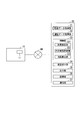
- FIG. 1 is a block diagram of a plant and a price calculation device according to the first embodiment of the present invention.
- the plant 10 shown in FIG. 1 is, for example, a power plant, a chemical plant, a refuse incineration plant, or the like.
- the plant 10 includes devices such as a gas turbine, a steam turbine, and a generator.
- the plant 10 includes a control device 11 that controls these devices.
- the control device 11 acquires operation data indicating an operation state and an operation environment of the device from each device and a sensor, and monitors the acquired operation data, while monitoring a device such as a gas turbine so that the plant 10 generates desired power. Control.
- the control device 11 uses the operation data to calculate performance data of the plant 10 such as the output efficiency of the gas turbine.
- the output efficiency of the gas turbine can be calculated, for example, based on the output of the gas turbine with respect to the amount of fuel input to the gas turbine.
- a maker that manufactures the equipment of the plant 10 provides an upgrade menu for improving the performance of the equipment included in the plant 10.
- the upgrade menu contains components (hardware) and control logic (software) that improve the performance of the device.
- components of the upgrade menu are introduced, the performance of the equipment is improved after the introduction, and for example, the output efficiency of the gas turbine is improved.
- control logic is introduced, the performance of the device is improved when the control logic is operated, and the performance before the introduction is maintained when the control logic is not operated. That is, in the case of the control logic, the performance improvement effect can be enabled or disabled by software switching.
- the upgrade menu is introduced, if the performance improvement effect is remarkable, the user can decide on the introduction without losing initial investment. However, if the effect is not remarkable, the user carefully considers the effect of the introduction and determines the introduction.
- the maker provides an upgrade menu at a low price (for example, free of charge) and makes an arrangement such that if a certain performance improvement effect is obtained, the user receives the price. Sometimes. In such a case, it is required to accurately evaluate the effect of the introduction.
- the performance may fluctuate due to fluctuations in the driving environment and driving conditions, or if the external factors have a large effect on the performance, the upgrade menu may hide the performance improvement, or the performance measurement accuracy of the performance data
- the performance improvement effect cannot be confirmed due to the limitations of the above, or a performance improvement effect higher than expected may be obtained.
- the price calculation device 20 determines the price by a method that is easy for both the user and the manufacturer to understand, and reduces the risk of introducing the upgrade menu.
- a description will be given of a calculation of a price when an upgrade menu for a component having an improvement function is introduced. The calculation of the price when the control logic is introduced will be described in a second embodiment.
- the price calculation device 20 is communicably connected to the control device 11 via a network (NW).
- the price calculation device 20 acquires performance data of devices provided in the plant 10, operation data indicating the state of the operating environment, and the like from the control device 11, and evaluates a performance difference (introduction effect) before and after the introduction of the upgrade menu. Then, the price calculation device 20 calculates a price appropriate for the performance improvement.
- the price calculation device 20 (1) provides as many opportunities for evaluating the introduction effect as possible, and (2) calculates the price according to the degree of the introduction effect indicated by the evaluation result each time. According to (1), the variation in the evaluation result can be averaged, and the profit can be prevented from being biased to either the user or the manufacturer.
- the exchange of consideration means that when the introduction effect is obtained by introducing the upgrade menu, the user pays the compensation as a reward to the manufacturer and conversely, the effect is not obtained by introduction, or a negative effect due to some circumstances In the case where is displayed, this includes paying compensation from the manufacturer to the user as compensation for the performance degradation.
- the consideration calculation device 20 includes a performance data acquisition unit 21, an operation data acquisition unit 22, a control unit 23, a setting reception unit 24, an output unit 25, a storage unit 26, and a communication unit 27.
- the performance data acquisition unit 21 acquires performance data including various performance values related to the plant 10.
- the performance data acquisition unit 21 records the acquired performance data in the storage unit 26.
- the operation data acquisition unit 22 acquires operation data including information on the operation environment (temperature, humidity, and the like) and operation conditions (load size, operation time, and the like) of the plant 10.
- the operation data acquisition unit 22 records the acquired operation data in the storage unit 26.
- the control unit 23 controls a process of calculating a price according to the magnitude of the effect of introducing the upgrade menu.
- the control unit 23 calculates a price according to the introduction effect at a preset timing (every month, every day, every hour, every minute, etc.).
- the control unit 23 includes an effect calculation unit 231, an external factor evaluation unit 232, and a consideration calculation unit 233.
- the effect calculation unit 231 calculates the introduction effect of the upgrade menu.
- the effect calculation unit 231 calculates a difference between the performance of the equipment of the plant 10 (output power amount, power generation efficiency, reduction of gas emission such as Nox, etc.) achieved when the upgrade menu is not introduced, and the performance at the time of introduction. Then, the introduction effect is calculated based on the performance difference.
- the external factor evaluation unit 232 removes the influence of external factors such as the driving environment and driving conditions from the performance data.
- the performance achieved in a high-temperature environment includes the effect of the temperature in addition to the effect of introducing the upgrade menu. If this performance can be compared with the performance before introduction achieved at the same temperature, the introduction effect of the upgrade menu can be calculated.However, the effect of temperature is removed from the performance data before and after introduction, and removal is performed. If the performance difference is calculated using the later performance data, the introduction effect can be calculated more accurately.
- the effect of introduction may not be able to be confirmed due to the effect of temperature (for example, a condition in which the temperature after introduction has a bad effect on performance). In this case, the effect of introduction will be hidden by the effect of temperature.)
- the external factor evaluation unit 232 removes influences such as environmental factors from the performance data in order to extract an accurate introduction effect.
- the price calculation unit 233 calculates the price exchanged between the upgrade menu providing side (maker) and the provided side (user) based on the introduction effect calculated by the effect calculating unit 231. For example, when the introduction effect is positive, the price paid by the user to the manufacturer is calculated. In this case, the larger the introduction effect, the larger the calculated value. On the other hand, if the introduction effect is negative, the price paid by the manufacturer to the user may be calculated according to the initial cost for introducing the upgrade menu and the like. For example, when the initial cost is 0, even if the introduction effect is 0 or negative, it is not necessary to calculate the consideration. Conversely, when the user is requested for the initial cost, if the introduction effect is 0 or negative, the price corresponding to the initial cost is calculated. A guaranteed value of performance improvement, which is a basis for payment of the consideration, may be set, and the consideration may be calculated according to the degree of exceeding (or falling below) the guaranteed value.
- the setting accepting unit 24 accepts setting of information necessary for price calculation.
- the setting receiving unit 24 receives the setting of the timing of calculating the introduction effect and the price (every hour, etc.), the setting of a price calculation table that determines the price according to the degree of the introduction effect, and the like.
- the output unit 25 outputs the price calculated by the price calculation unit 233.
- the storage unit 26 stores performance data, operation data, and setting information received by the setting receiving unit 24.
- the storage unit 26 stores a representative value of the performance data before the introduction of the upgrade menu.
- the communication unit 27 performs data communication with the control device 11. Since the performance data can be acquired from the plant 10 in real time by the communication unit 27, the price calculation device 20 calculates the introduction effect of the upgrade menu in the current plant 10 as appropriate based on the latest performance data, Compensation can be calculated according to the introduction effect.
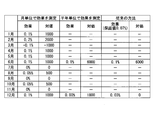
- FIG. 2 is a diagram illustrating an example of a price calculation table according to the first embodiment of the present invention.
- the price according to the introduction effect is set in the price calculation table.
- the consideration calculation unit 233 reads the value in the “price (monthly)” column of the row corresponding to the introduction effect from the consideration calculation table, and uses this value as the consideration.
- the consideration calculation unit 233 reads the value in the “price (half-year unit)” column of the row corresponding to the introduction effect from the consideration calculation table, and uses this value as the consideration.
- FIG. 3 is a diagram showing a calculation example of the introduction effect and the price in the first embodiment of the present invention.
- the effect calculation unit 231 reads out the performance data (for example, the output efficiency of the gas turbine) acquired in January stored in the storage unit 26 at the end of January.
- the effect calculating unit 231 calculates a representative value of the output efficiency in January, for example, by calculating the average value of the output efficiency in January.
- the effect calculation unit 231 reads and acquires the representative value of the output efficiency before the introduction of the upgrade menu stored in the storage unit 26.
- the effect calculation unit 231 calculates the introduction effect “0.1” by subtracting the representative value of the output efficiency before introduction from the output efficiency for January.
- the consideration calculation unit 233 calculates the consideration for January based on the introduction effect “0.1” in January and the consideration calculation table illustrated in FIG. Specifically, the value “1000” in the “Consideration (monthly)” column of the row in which the value of the “introduction effect” column of the consideration calculation table in FIG. 2 is “0.1” is acquired, and “1000” is set. Calculated as the consideration for January.
- the price calculation unit 233 calculates the price “500” at that time by interpolation from the set value in the price calculation table. May (August, October).
- the effect calculation unit 231 calculates the introduction effect after February, and the price calculation unit 233 calculates the price after February.
- the performance decreased by "0.1"% (-0.1).
- the consideration “ ⁇ 1000” means that the consideration is paid to the user from the manufacturer “1000”.
- the user can be compensated by the manufacturer for the reduced amount, so that the upgrade menu can be introduced with confidence.
- Such compensation eliminates the need for the manufacturer to provide a guaranteed value of the introduction effect, and releases the risk when the guaranteed value cannot be achieved.
- even for an upgrade menu in which the introduction effect is small and the setting of the guaranteed value is difficult it is possible to propose to the user with confidence without setting the guaranteed value.
- the performance improvement was 0%, so the exchange of price between the user and the manufacturer is not performed.
- the introduction effect may not be confirmed due to various factors, but if such an arrangement can be made, the manufacturer does not need to pay compensation even if the introduction effect cannot be confirmed. In addition, it is not necessary to take measures for the compensation risk when the introduction effect cannot be measured.
- the condition is such that the price is determined according to the actually obtained introduction effect, and the introduction effect and the opportunity for the price calculation are provided as many as possible, The user and the maker can be convinced and can agree on such an agreement because there is an expectation that an appropriate price will be obtained at the opportunity.
- the effect calculator 231 reads the performance data (output efficiency) stored in the storage unit 26 from January to June when June ends.
- the effect calculator 231 calculates the average value of the output efficiency for six months and sets it as the representative value of the output efficiency after introduction.
- the effect calculating unit 231 calculates the introduction effect “0.1”% by subtracting the representative value of the output efficiency before introduction stored in the storage unit 26 from the representative value of the output efficiency for six months.
- the price calculation unit 233 calculates the price “1000” corresponding to the performance improvement for six months based on the introduction effect “0.1”% and the price calculation table.
- the effect calculation unit 231 calculates the introduction effect “0.03”%
- the price calculation unit 233 calculates the price “1800”.
- the price corresponding to the magnitude of the introduction effect is not calculated.
- the manufacturer cannot gain profit even if the efficiency increases. Therefore, it is important for the manufacturer to set a guarantee value that can secure profits, and even if the effect is expected to be improved by, for example, “0.1”% in a desk calculation, a low guarantee value ( 0.07%). The user would then have to pay for smaller performance improvements, which could be unprofitable.
- the introduction of the upgrade menu is free instead of the presentation of the guaranteed value, so that the manufacturer can improve the efficiency even if the efficiency is slightly improved. , You can get the profit that is worth it. Since there is no need to pay for the user if there is no effect, the user does not need to invest in introducing an upgrade menu that is not guaranteed.
- the introduction effect such as calculating the price every month
- the user can perform the performance of the plant 10 by introducing the upgrade menu without being largely influenced by the evaluation result only once. The benefits of the improvement can be enjoyed and the manufacturer can get paid for the performance improvement.
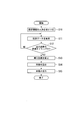
- FIG. 4 is a first flowchart illustrating an example of the introduction effect calculation process and the price calculation process according to the first embodiment of the present invention.
- the flow of the introduction effect calculation process and the price calculation process will be described with reference to FIG. It is assumed that an upgrade menu (parts) has been introduced.
- the setting receiving unit 24 receives an input of setting information necessary for the price calculation process (Step S10).
- the setting receiving unit 24 receives an input of a price calculation table set so that both the manufacturer and the user can secure profits.
- the setting receiving unit 24 receives a setting for an appropriate timing for performing the price calculation process.
- the setting may be made such that the evaluation of the introduction effect and the calculation of the price are performed on a daily basis.
- the setting may be made such that the evaluation of the introduction effect and the calculation of the price are performed every half day.
- the load or the operation mode of the gas turbine changes in units of one week, it may be set so that the calculation of the consideration or the like is performed in units of weeks.
- the timing for calculating the consideration may be set in accordance with that period.
- the timing of evaluating the introduction effect and calculating the price is not limited to a regular time interval such as a day unit or an hour unit. For example, a period from one start to stop of the gas turbine may be set as a unit of one evaluation period.
- the operation period at the rated load is one evaluation period
- the operation period at the partial load is one evaluation period.
- the period may be set, and the consideration may be calculated each time the load zone changes.
- step S10 a representative value of performance measured when the plant 10 is operated under the same operating environment and operating conditions as the evaluation target before the introduction of the upgrade menu is set.
- the setting receiving unit 24 records various setting information in the storage unit 26.
- Step S11 the performance data acquisition unit 21 periodically acquires performance data
- Step S12 determines whether or not it is time to evaluate the introduction effect. For example, if it is set in step S10 that the consideration is to be calculated on a daily basis, the control unit 23 determines that it is time to evaluate the introduction effect after 24 hours have elapsed since the previous calculation of the consideration. If it is not the evaluation timing (Step S12; No), the control unit 23 waits until the evaluation timing comes.
- the control unit 23 calculates the introduction effect and calculates the price according to the introduction effect.
- the effect calculator 231 calculates the introduction effect (step S13). For example, the effect calculation unit 231 reads out the performance data acquired after the previous evaluation from the storage unit 26 and calculates an average value. The effect calculation unit 231 calculates the degree (effect) of the performance improvement by subtracting the performance data before the introduction of the upgrade menu stored in the storage unit 26 from the calculated average value.
- the price calculation unit 233 calculates a price corresponding to the introduction effect based on the effect calculated in step S13 and the price calculation table (step S14).
- the output unit 25 outputs the consideration calculated in step S14. The maker and the user exchange the output value.
- the effect of introducing the upgrade menu is calculated only once in a predetermined period (for example, one year), and the price is determined based on whether the effect of the upgrade menu exceeds the guaranteed value.
- the consideration calculation device 20 of the present embodiment (1) calculates the introduction effect of the upgrade menu at each of a plurality of time points (for example, every month, every day, etc.) in a predetermined period (for example, one year), and (2) A price corresponding to the magnitude of the introduction effect is calculated for each of the plurality of time points.
- FIG. 5 is a diagram illustrating a process of removing environmental factors according to the first embodiment of the present invention.
- the external factor evaluation unit 232 generates a function indicating the relationship between the performance data and the operation data when the performance indicated by the performance data is achieved.
- FIG. 5A is a graph showing the relationship between the output efficiency of the gas turbine (vertical axis) and the temperature of the air sucked by the gas turbine (compressor) (horizontal axis).
- the square points plot the relationship between the temperature included in the operation data acquired at different points in time and the output efficiency of the gas turbine included in the performance data.
- a curve L1 indicates a function generated by the external factor evaluation unit 232 from a point indicated by a square by simple regression analysis or the like.
- a function can be generated by multiple regression analysis.
- gas turbines can operate with higher efficiency as the temperature is lower, and the output efficiency decreases as the temperature increases.
- the curve L1 includes such a relationship between the temperature and the output efficiency of the gas turbine, and does not necessarily indicate the performance of the gas turbine alone. For example, comparing point P1 and point P3, the output efficiency is higher at point P1.
- the performance of the gas turbine at the point P1 is not always higher than the performance of the gas turbine at the point P3.
- the output efficiency of the gas turbine at the point P1 may be higher due to a good operating environment (lower temperature). There is.
- the external factor evaluation unit 232 performs a process of removing the influence of an external factor (temperature). For example, using the temperature T1 as a reference value, the output efficiency calculated under various temperatures is converted into the output efficiency under the temperature T1. In this case, the external factor evaluation unit 232 moves each of the points indicated by the square marks along the curve L1 such that the temperature value corresponding to each point is T1. For example, in the case of the point P1, the point P1 is moved as indicated by a dashed arrow. As a result, the point P1 moves to the point P1 'of the star. The value of the output efficiency at the point P1 'is the output efficiency after removing the influence of the temperature.
- an external factor temperature
- the points P2 and P3 are moved to the star points P2 'and P3', respectively, according to the dashed arrows extending from each point along the curve L1.
- the value of the output efficiency at the point P2 'after the movement is the output efficiency after the removal of the external factor at the point P2.
- the value of the output efficiency at the point P3 'after the movement is the output efficiency after the removal of the external factor at the point P3.
- FIG. 5B is a graph showing the relationship between the output efficiency (vertical axis) and the time at which the output efficiency was obtained (horizontal axis).
- the curve L2 is an approximate curve generated by the external factor evaluation unit 232 from a point indicated by an asterisk by regression analysis or the like.
- a curve L2 indicates that the output efficiency gradually decreases as time passes. That is, the curve L2 indicates that the output efficiency of the gas turbine has deteriorated over time irrespective of the fluctuation of the air temperature during this period.
- the process of removing the external factors enables the performance of the plant 10 itself to be evaluated without being affected by environmental factors and the like. For example, as shown in FIG. 5B, by calculating a change with time of the output efficiency, it is possible to catch the aging of the performance.
- the external factor evaluation unit 232 performs a process of removing the influence of the external factor from each of the performance data before the introduction of the upgrade menu and the performance data after the application.
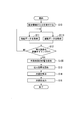
- FIG. 6 is a second flowchart illustrating an example of the introduction effect calculation process and the consideration calculation process according to the first embodiment of the present invention.
- the storage unit 26 records performance data before the introduction of the upgrade menu and operation data when the performance indicated by the performance data is achieved.
- the setting receiving unit 24 receives input of setting information necessary for the introduction effect and the price calculation process (Step S10).
- the performance data acquisition unit 21 periodically acquires performance data (Step S11).
- the operation data acquisition unit 22 periodically acquires operation data (Step S111).
- the performance data and the operation data include time information, and the performance information includes, for example, the output efficiency of the gas turbine and the time at which the output efficiency is achieved.
- the operation data includes information on the temperature, humidity, load, and the like, as well as information on the time at which the temperature, humidity, and load were measured.
- the control unit 23 determines whether or not it is time to evaluate the introduction effect (Step S12). When it is determined that the timing is the evaluation timing (Step S12; Yes), the control unit 23 performs the external factor removing process, the evaluation of the introduction effect, and the calculation process of the price according to the introduction effect.
- the external factor evaluation unit 232 performs a process of removing the influence of an external factor from each of the performance data after the introduction of the upgrade menu and the performance data before the introduction (step S125). In the case of the performance data after the introduction of the upgrade menu, the external factor evaluation unit 232 performs the performance for the evaluation target period (for example, when evaluating the introduction effect and calculating the price in units of one day, from 24 hours before to the present).
- the data and the driving data are associated with each other based on the time information, and, for example, a function indicating the relationship between each value of the driving data, such as temperature, humidity, and load, and the output efficiency achieved at the same time is subjected to multiple regression analysis or the like.
- the external factor evaluation unit 232 removes the external factor by aligning the values of the parameters such as the temperature, the humidity, and the load with predetermined reference values determined for each parameter, as described with reference to FIG. .
- the external factor evaluation unit 232 performs an external factor elimination process using the performance data and the operation data before the introduction of the upgrade menu to prepare the values of the parameters of the external factors to the same reference values as after the introduction.
- the external factor evaluation unit 232 records in the storage unit 26 data obtained by removing the influence of the external factor from the performance data before and after the introduction of the upgrade menu.
- the effect calculation unit 231 calculates the introduction effect using the performance data after removing the influence of the external factor (step S13).
- the price calculation unit 233 calculates the price (step S14), and the output unit 25 outputs the calculated price.
- FIG. 7 is a block diagram of a plant and a price calculation device according to the second embodiment of the present invention.
- control logic ⁇ An upgrade menu of control logic is introduced into the plant 10A according to the second embodiment (referred to as control logic ⁇ ).
- control logic ⁇ is incorporated in the control program executed by the control device 11A, and the execution and non-execution of the control logic ⁇ are switched by a user's instruction or the like.
- the control device 11A transmits the performance data and the operation data to the price calculation device 20A.
- the performance data includes, for example, flag information indicating whether the control logic ⁇ is being executed (eg, ON if executed, OFF if not executed), in addition to output efficiency and time.
- the performance data acquisition unit 21 acquires performance data including flag information and records the performance data in the storage unit 26.
- the control unit 23 includes an effect calculation unit 231A instead of the effect calculation unit 231.
- the effect calculating unit 231A uses the flag information included in the performance data to distinguish between the performance when the upgrade menu is introduced (when the control logic ⁇ is executed) and the performance when the upgrade menu is not introduced (when the control logic ⁇ is not executed). The effect is calculated by comparing the two. When the control logic ⁇ switches from the non-execution state to the execution state, the effect calculation unit 231A may compare the performance in the execution state with the performance in the immediately preceding non-execution state or the performance in the immediately subsequent non-execution state. By comparing the performance with the immediately preceding non-execution performance, it is possible to compare the performances measured in a similar operating environment while the aging of the plant 10A is substantially the same.
- the setting receiving unit 24 receives input of setting information necessary for the introduction effect and the price calculation process (Step S10).
- a setting for the price calculation table and the timing of performing the introduction effect and the price calculation process is received.
- the timing of the price calculation process may be the same as that in the first embodiment (for example, on a daily basis) or may be such that the price is calculated at the timing when the control logic ⁇ switches between execution and non-execution.
- the control unit 23 determines whether or not it is time to evaluate the introduction effect (Step S12).
- the effect calculating unit 231A calculates the introduction effect (Step S13). For example, in the case of setting to calculate the introduction effect in units of one day, the effect calculation unit 231A compares the performance data during execution of the control logic ⁇ and the performance data during non-execution among the performance data acquired within 24 hours. It is obtained from the storage unit 26 in a distinguished manner. Then, the effect calculator 231A calculates a representative value of the performance when the control logic ⁇ is executed and a representative value of the performance when the control logic ⁇ is not executed. Next, the effect calculating unit 231A calculates the difference (effect) between the performance when the control logic ⁇ is executed and the performance when it is not executed.
- the effect calculation unit 231A determines the representative value of the performance at the time of execution at the timing at which the control logic ⁇ switches from execution to non-execution, The effect is calculated by comparing with the non-executing performance representative value immediately before the time.
- the representative value of the performance at the time of execution and the representative value of the performance at the time of non-execution immediately after the execution for example, The effect may be calculated by comparing the average value of the performance from after the switching to the execution state to the present.
- the price calculation unit 233 calculates the price (step S14), and the output unit 25 outputs the calculated price.
- the external factor evaluation unit 232 may perform the external factor removal processing. For example, as in the case where the effect of the control logic ⁇ is smaller than the influence on the performance of the external factor, or the case where the operation is performed in the execution state without switching between execution and non-execution of the control logic ⁇ . This is effective when changes such as environmental factors cannot be ignored.
- FIG. 8 is a diagram illustrating an example of a hardware configuration of the price calculation device according to each embodiment of the present invention.
- the computer 900 is, for example, a PC (Personal Computer) or a server terminal device including a CPU 901, a main storage device 902, an auxiliary storage device 903, an input / output interface 904, and a communication interface 905.
- the above-described price calculation device 20 is implemented in a computer 900.
- the operation of each processing unit described above is stored in the auxiliary storage device 903 in the form of a program.
- the CPU 901 reads out the program from the auxiliary storage device 903, expands the program in the main storage device 902, and executes the above processing according to the program.
- the CPU 901 secures a storage area corresponding to the storage unit 26 in the main storage device 902 according to the program. In addition, the CPU 901 secures a storage area for storing data being processed in the auxiliary storage device 903 according to a program.
- the auxiliary storage device 903 is an example of a non-transitory tangible medium.
- Other examples of non-transitory tangible media include a magnetic disk, a magneto-optical disk, a CD-ROM, a DVD-ROM, and a semiconductor memory connected via the input / output interface 904.
- the program When the program is distributed to the computer 900 via a communication line, the computer 900 that has received the program may load the program into the main storage device 902 and execute the above processing. Further, the program may be for realizing a part of the functions described above. Further, the program may be a so-called difference file (difference program) that realizes the above-described functions in combination with another program already stored in the auxiliary storage device 903.
- the upgrade menu is an example of an improvement function.
- the price calculation device 20 is an example of an upgrade evaluation device.
- the introduction effect and consideration calculation processing shown in FIGS. 4 and 6 are examples of the upgrade evaluation method.
Landscapes
- Engineering & Computer Science (AREA)
- Business, Economics & Management (AREA)
- General Physics & Mathematics (AREA)
- Physics & Mathematics (AREA)
- Economics (AREA)
- Strategic Management (AREA)
- Development Economics (AREA)
- Theoretical Computer Science (AREA)
- Marketing (AREA)
- General Business, Economics & Management (AREA)
- Chemical & Material Sciences (AREA)
- Combustion & Propulsion (AREA)
- Human Resources & Organizations (AREA)
- Health & Medical Sciences (AREA)
- General Engineering & Computer Science (AREA)
- Mechanical Engineering (AREA)
- Tourism & Hospitality (AREA)
- Automation & Control Theory (AREA)
- Accounting & Taxation (AREA)
- Finance (AREA)
- General Health & Medical Sciences (AREA)
- Primary Health Care (AREA)
- Quality & Reliability (AREA)
- Entrepreneurship & Innovation (AREA)
- Game Theory and Decision Science (AREA)
- Water Supply & Treatment (AREA)
- Public Health (AREA)
- Manufacturing & Machinery (AREA)
- Operations Research (AREA)
- Management, Administration, Business Operations System, And Electronic Commerce (AREA)
- Testing And Monitoring For Control Systems (AREA)
- Computer Hardware Design (AREA)
Abstract
アップグレードメニューの導入効果に対する対価を算出する対価算出装置を提供する。機器の性能データを取得する性能データ取得ステップと、性能データに基づいて、機器の性能を改善する改善機能の導入時と非導入時との性能差に基づく導入効果を算出する効果算出ステップと、を有し、効果算出ステップでは、所定期間における複数の時点ごとに前記導入効果を算出する。効果算出ステップで算出した導入効果に基づく、改善機能の提供側と被提供側の間で交換される対価を算出してもよい。
Description
本発明は、アップグレード評価方法、アップグレード評価装置に関する。
本願は、2018年7月3日に、日本に出願された特願2018-127079号に基づき優先権を主張し、その内容をここに援用する。
本願は、2018年7月3日に、日本に出願された特願2018-127079号に基づき優先権を主張し、その内容をここに援用する。
ガスタービンなどの発電プラントにおいて、性能の向上を目的とするアップグレードメニュー(部品や制御ロジックなど)が提供されている。アップグレードメニューを導入する際には、その効果に対する保証値を設定し、導入後の性能の向上が保証値を達成するとユーザからメーカへ所定の金額が支払われる。反対に性能の向上が保証値に満たない場合、メーカはペナルティとして所定の金額をユーザに支払う場合がある。
また、例えば、導入の効果が小さいアップグレードメニューを導入する場合、保証値を達成したか否かの検証が難しいため、メーカからユーザへ保証値が提示されないことがある。そのような場合、ユーザは、保証を得られないためアップグレードメニューの導入をためらうことが多くなる。
また、例えば、導入の効果が小さいアップグレードメニューを導入する場合、保証値を達成したか否かの検証が難しいため、メーカからユーザへ保証値が提示されないことがある。そのような場合、ユーザは、保証を得られないためアップグレードメニューの導入をためらうことが多くなる。
関連する技術として、特許文献1には、発電プラントのプラント診断サービスにおいて、診断に従った結果生じたエネルギー効率の改善による燃料等の節約分や発生電力量の増加分などの利得を計測し、実際に得られた利得に応じた金額を診断サービス提供者に支払うことが記載されている。
アップグレードメニューの導入には、メーカとユーザの双方にリスクが存在する。メーカのリスクは、例えば、利益の確保が難しい保証値を設定しなければならないリスクである。ユーザのリスクは、例えば、導入コストに見合った効果が得られないリスクである。アップグレードメニューの導入にあたり、メーカとユーザ双方のリスクを低減する取り決めの確立が望まれている。
本発明は、上述の課題を解決することのできるアップグレード評価方法、アップグレード評価装置を提供する。
本発明の一態様によれば、アップグレード評価方法は、機器の性能データを取得する性能データ取得ステップと、前記性能データに基づいて、前記機器の性能を改善する改善機能の導入時と非導入時との性能差に基づく導入効果を算出する効果算出ステップと、を有し、前記効果算出ステップでは、所定期間における複数の時点ごとに前記導入効果を算出する。
本発明の一態様によれば、前記アップグレード評価方法は、前記改善機能の提供側と被提供側の間で交換される前記導入効果に対する対価であって前記導入効果の程度に応じて決定される前記対価の大きさを決定する対価算出ステップ、をさらに有し、前記対価算出ステップでは、前記複数の時点ごとに、前記効果算出ステップで算出した前記導入効果に基づく前記対価を算出する。
本発明の一態様によれば、前記アップグレード評価方法における前記対価算出ステップでは、前記導入効果が正の場合、前記被提供側から前記提供側へ支払われる前記対価を算出する。
本発明の一態様によれば、前記アップグレード評価方法における前記対価算出ステップでは、前記導入効果が負の場合、前記提供側から前記被提供側へ支払われる前記対価を算出する。
本発明の一態様によれば、前記アップグレード評価方法は、前記機器の性能に対する前記機器の運転環境や運転条件の影響を、前記性能データから除去する外的要因評価ステップ、をさらに備え、前記効果算出ステップでは、前記外的要因評価ステップで前記運転環境の影響を除去した後の前記性能データに基づいて、前記導入効果を算出する。
本発明の一態様によれば、前記アップグレード評価方法における前記改善機能は、前記機器の制御ロジックであって、前記改善機能の導入と非導入とが、前記制御ロジックの実行と非実行によって切り替えられ、前記効果算出ステップでは、前記制御ロジックの実行時と非実行時の性能差に基づいて前記導入効果を算出する。
本発明の一態様によれば、前記アップグレード評価方法における前記効果算出ステップでは、前記制御ロジックの実行時の前記導入効果を、当該実行時の直前の非実行時または当該実行時の直後の非実行時における性能と当該実行時の性能との性能差に基づいて算出する。
本発明の一態様によれば、前記アップグレード評価方法における前記改善機能は、前記機器に導入する部品であって、前記効果算出ステップでは、前記部品の導入前と導入後の性能差に基づいて前記導入効果を算出する。
本発明の一態様によれば、前記アップグレード評価方法は、前記所定期間における前記導入効果の算出タイミングの設定の入力を受け付ける設定受付ステップ、をさらに有する。
本発明の一態様によれば、前記アップグレード評価方法において前記所定期間は1年間であって、前記設定受付ステップでは、前記導入効果の算出を1か月以下の単位で行うことを示す設定の入力を受け付ける。
本発明の一態様によれば、前記アップグレード評価方法において前記所定期間は1年間であって、前記設定受付ステップでは、前記導入効果の算出を1日以下の単位で行うことを示す設定の入力を受け付ける。
本発明の一態様によれば、アップグレード評価装置は、機器の性能データを取得する性能データ取得部と、前記性能データに基づいて、前記機器の性能を改善する改善機能の導入時と非導入時との性能差に基づく導入効果を算出する効果算出部と、を備え、前記効果算出部は、所定期間における複数の時点ごとに前記導入効果を算出する。
本発明の一態様によれば、前記アップグレード評価装置は、前記改善機能の提供側と被提供側の間で交換される前記導入効果に対する対価であって、前記導入効果の程度に応じて決定される前記対価の大きさを決定する対価算出部、をさらに備え、前記対価算出部は、前記複数の時点ごとに、前記導入効果に基づく前記対価を算出する。
上記したアップグレード評価方法、アップグレード評価装置によれば、アップグレードメニューの導入効果に対する対価を適切に算出することで、アップグレードメニューの導入にあたって、ユーザとメーカ双方のリスクを低減することができる。
<第一実施形態>
以下、本発明の第一実施形態によるアップグレードメニューの導入効果に対する対価算出方法について図1~図6を参照して説明する。
図1は、本発明の第一実施形態におけるプラントと対価算出装置のブロック図である。
図1に示すプラント10は、例えば、発電プラント、化学プラント、ごみ焼却プラント等である。プラント10が発電プラントの場合、プラント10は、ガスタービンや蒸気タービン、発電機などの機器を備える。プラント10は、これらの機器を制御する制御装置11を備えている。制御装置11は、機器の運転状態や運転環境を示す運転データを、各機器やセンサから取得し、取得した運転データを監視しつつ、プラント10が所望の電力を発電するようガスタービンなどの機器を制御する。制御装置11は、運転データを用いて、ガスタービンの出力効率などのプラント10の性能データを算出する。ガスタービンの出力効率は、例えば、ガスタービンへの燃料投入量に対するガスタービンの出力によって算出することができる。プラント10の機器を製造するメーカは、プラント10が備える機器の性能を向上させるアップグレードメニューを提供している。
以下、本発明の第一実施形態によるアップグレードメニューの導入効果に対する対価算出方法について図1~図6を参照して説明する。
図1は、本発明の第一実施形態におけるプラントと対価算出装置のブロック図である。
図1に示すプラント10は、例えば、発電プラント、化学プラント、ごみ焼却プラント等である。プラント10が発電プラントの場合、プラント10は、ガスタービンや蒸気タービン、発電機などの機器を備える。プラント10は、これらの機器を制御する制御装置11を備えている。制御装置11は、機器の運転状態や運転環境を示す運転データを、各機器やセンサから取得し、取得した運転データを監視しつつ、プラント10が所望の電力を発電するようガスタービンなどの機器を制御する。制御装置11は、運転データを用いて、ガスタービンの出力効率などのプラント10の性能データを算出する。ガスタービンの出力効率は、例えば、ガスタービンへの燃料投入量に対するガスタービンの出力によって算出することができる。プラント10の機器を製造するメーカは、プラント10が備える機器の性能を向上させるアップグレードメニューを提供している。
アップグレードメニューには、機器の性能を向上する部品(ハードウェア)、制御ロジック(ソフトウェア)が存在する。アップグレードメニューの部品を導入すると、導入後に機器の性能が向上し、例えば、ガスタービンの出力効率が向上する。制御ロジックを導入すると、その制御ロジックを動作させたときには機器の性能が向上し、制御ロジックを動作させない場合には、導入前の性能が維持される。つまり、制御ロジックの場合には、ソフトウェア的な切り替えによって、性能改善効果を有効にしたり無効にしたりすることができる。
アップグレードメニューを導入する場合、性能改善効果が顕著であれば、ユーザは、初期投資を惜しまず導入を決定することができる。しかし、効果が顕著ではない場合、ユーザは導入の効果を慎重に見極めて導入を決定する。これに対し、メーカは、アップグレードメニューの導入を推進するために、安価な金額(例えば無料)でアップグレードメニューを提供し、一定の性能改善効果が得られたらユーザからその対価を得るといった取り決めを行うことがある。このような場合、導入の効果を正確に評価することが求められる。しかし、実際には、運転環境や運転条件の変動によって性能がばらついたり、外的要因の性能への影響が大きい場合にはアップグレードメニューによる性能の向上が隠れてしまったり、性能に関するデータの計測精度の限界等により性能改善効果が確認できなかったり、反対に予想よりも高い性能改善効果が得られたりする場合がある。例えば、1年に1回、このような性能評価の結果に基づいて対価の支払いを決定すると、その1回の改善効果の評価結果がユーザ又はメーカにとって不利な方へ偏る可能性があるため、ユーザとメーカの双方にとって高いリスクとなる。そこで、本実施形態では、対価算出装置20が、ユーザとメーカの双方が納得しやすい方法で対価を決定し、アップグレードメニュー導入のリスクを低減する。第一実施形態では、改善機能を有する部品のアップグレードメニューを導入した場合の対価の算出について説明する。制御ロジックを導入した場合の対価の算出については、第二実施形態で説明する。
対価算出装置20は、制御装置11とネットワーク(NW)を介して通信可能に接続されている。対価算出装置20は、制御装置11からプラント10が備える機器の性能データ、運転環境の状態を示す運転データなどを取得し、アップグレードメニュー導入前後の性能差(導入効果)を評価する。そして、対価算出装置20は、性能改善に見合った対価を算出する。対価算出装置20は、(1)なるべく数多くの導入効果の評価機会を設け、(2)その都度、評価結果が示す導入効果の程度に応じた対価を算出する。(1)により評価結果のばらつきを平均化することができ、ユーザとメーカのどちらか一方に利益が偏ることを防ぐことができる。(2)により、実際の導入効果に見合わない対価の交換を防ぐことができる。なお、対価の交換とは、アップグレードメニュー導入によって導入効果が得られた場合は、ユーザからメーカへ報酬としての対価を支払い、反対に導入によって効果が得られない、あるいは、何らかの事情でマイナスの効果が出た場合には、メーカからユーザへ性能劣化への補償としての対価を支払うことを含んでいる。
対価算出装置20は、性能データ取得部21と、運転データ取得部22と、制御部23と、設定受付部24と、出力部25と、記憶部26と、通信部27と、を備える。
性能データ取得部21は、プラント10に関する種々の性能値を含む性能データを取得する。性能データ取得部21は、取得した性能データを記憶部26に記録する。
運転データ取得部22は、プラント10の運転環境(気温、湿度など)や運転条件(負荷の大きさ、運転時間など)の情報を含んだ運転データを取得する。運転データ取得部22は、取得した運転データを記憶部26に記録する。
制御部23は、アップグレードメニューの導入効果の大きさに応じた対価を算出する処理を制御する。例えば、制御部23は、予め設定されたタイミング(1月毎、1日毎、1時間毎、1分毎など)で導入効果に応じた対価を算出する。制御部23は、効果算出部231と、外的要因評価部232と、対価算出部233と、を備える。
効果算出部231は、アップグレードメニューの導入効果を算出する。例えば、効果算出部231は、アップグレードメニューの非導入時に達成されたプラント10の機器の性能(出力電力量、発電効率、Noxなどの気体排出の低減など)と導入時の性能との差を算出し、性能差に基づいて導入効果を算出する。
性能データ取得部21は、プラント10に関する種々の性能値を含む性能データを取得する。性能データ取得部21は、取得した性能データを記憶部26に記録する。
運転データ取得部22は、プラント10の運転環境(気温、湿度など)や運転条件(負荷の大きさ、運転時間など)の情報を含んだ運転データを取得する。運転データ取得部22は、取得した運転データを記憶部26に記録する。
制御部23は、アップグレードメニューの導入効果の大きさに応じた対価を算出する処理を制御する。例えば、制御部23は、予め設定されたタイミング(1月毎、1日毎、1時間毎、1分毎など)で導入効果に応じた対価を算出する。制御部23は、効果算出部231と、外的要因評価部232と、対価算出部233と、を備える。
効果算出部231は、アップグレードメニューの導入効果を算出する。例えば、効果算出部231は、アップグレードメニューの非導入時に達成されたプラント10の機器の性能(出力電力量、発電効率、Noxなどの気体排出の低減など)と導入時の性能との差を算出し、性能差に基づいて導入効果を算出する。
外的要因評価部232は、性能データから運転環境や運転条件などの外的要因の影響を除去する。例えば、気温が高い環境で達成された性能には、アップグレードメニューの導入効果の他、気温の影響が含まれている。この性能を、同程度の気温で達成された導入前の性能と比較することができれば、アップグレードメニューの導入効果を算出することができるが、導入前後の性能データから気温の影響を除去し、除去後の性能データを用いて性能差を算出した方が、導入効果がより正確に算出できる。特に気温差が性能に与える影響が、導入効果よりも大きいような場合、気温の影響によって導入効果が確認できなくなることがある(例えば、導入後の気温が性能に対して悪影響を及ぼす条件であった場合、気温の影響によって導入効果が隠れてしまう)。外的要因評価部232は、正確な導入効果を抽出するために性能データから環境要因などの影響を除去する。
対価算出部233は、効果算出部231が算出した導入効果に基づいて、アップグレードメニューの提供側(メーカ)と被提供側(ユーザ)の間で交換される対価を算出する。例えば、導入効果が正の場合、ユーザからメーカへ支払われる対価を算出する。この場合、導入効果が大きい程、算出される対価は大きな値となる。一方、導入効果が負の場合、アップグレードメニューを導入するための初期費用などに応じて、メーカからユーザへ支払われる対価を算出してもよい。例えば、初期費用が0の場合、導入効果が0や負であっても対価の算出を行わなくてもよい。反対に初期費用をユーザに要求した場合は、導入効果が0や負であれば、初期費用に見合った対価の算出を行う。対価の支払いの基準となる性能向上の保証値が設定され、この保証値を上回った(あるいは下回った)程度に応じて対価が算出されてもよい。
設定受付部24は、対価算出に必要な情報の設定を受け付ける。例えば、設定受付部24は、導入効果および対価を算出するタイミング(1時間毎など)の設定、導入効果の程度に応じた対価を定めた対価算出テーブル設定などを受け付ける。
出力部25は、対価算出部233が算出した対価を出力する。
記憶部26は、性能データ、運転データ、設定受付部24が受け付けた設定情報を記憶する。記憶部26は、アップグレードメニュー導入前の性能データの代表値を記憶する。
通信部27は、制御装置11とのデータ通信を行う。通信部27によって、リアルタイムにプラント10から性能データを取得することができるので、対価算出装置20は、最新の性能データに基づいて、適宜、現在のプラント10におけるアップグレードメニューの導入効果の算出や、導入効果に応じた対価の算出を行うことができる。
出力部25は、対価算出部233が算出した対価を出力する。
記憶部26は、性能データ、運転データ、設定受付部24が受け付けた設定情報を記憶する。記憶部26は、アップグレードメニュー導入前の性能データの代表値を記憶する。
通信部27は、制御装置11とのデータ通信を行う。通信部27によって、リアルタイムにプラント10から性能データを取得することができるので、対価算出装置20は、最新の性能データに基づいて、適宜、現在のプラント10におけるアップグレードメニューの導入効果の算出や、導入効果に応じた対価の算出を行うことができる。
図2は、本発明の第一実施形態における対価算出テーブルの一例を示す図である。
対価算出テーブルには、導入効果に応じた対価が設定されている。例えば、対価の算出を月ごとに行う場合、対価算出部233は、導入効果に応じた行の「対価(月単位)」欄の値を対価算出テーブルから読み出して、この値を対価とする。例えば、対価の算出を半年ごとに行う場合、対価算出部233は、導入効果に応じた行の「対価(半年単位)」欄の値を対価算出テーブルから読み出して、この値を対価とする。次に対価の算出例について説明する。
対価算出テーブルには、導入効果に応じた対価が設定されている。例えば、対価の算出を月ごとに行う場合、対価算出部233は、導入効果に応じた行の「対価(月単位)」欄の値を対価算出テーブルから読み出して、この値を対価とする。例えば、対価の算出を半年ごとに行う場合、対価算出部233は、導入効果に応じた行の「対価(半年単位)」欄の値を対価算出テーブルから読み出して、この値を対価とする。次に対価の算出例について説明する。
(月ごとの導入効果および対価算出)
図3は、本発明の第一実施形態における導入効果と対価の算出例を示す図である。
まず、月単位で導入効果を評価する場合について説明する。プラント10では、アップグレードメニュー(部品)が導入されているとする。
効果算出部231は、1月が終わった段階で、記憶部26が記憶する1月に取得された性能データ(例えば、ガスタービンの出力効率)を読み出す。効果算出部231は、1月分の出力効率の平均値を算出する等して1月の出力効率の代表値を算出する。効果算出部231は、記憶部26が記憶するアップグレードメニュー導入前の出力効率の代表値を読み出して取得する。効果算出部231は、1月分の出力効率のから導入前の出力効率の代表値を減算して、導入効果「0.1」を算出する。次に対価算出部233が、1月の導入効果「0.1」と図2で例示する対価算出テーブルとに基づいて、1月分の対価を算出する。具体的には、図2の対価算出テーブルの「導入効果」欄の値が「0.1」の行の「対価(月単位)」欄の値「1000」を取得して、「1000」を1月分の対価として算出する。例えば、導入効果が「0.05」%などテーブルに設定されていない値の場合、対価算出部233は、対価算出テーブルの設定値から、そのときの対価「500」を補間計算により算出してもよい(8月、10月)。同様に効果算出部231は2月以降の導入効果を算出し、対価算出部233は2月以降の対価を算出する。
図3は、本発明の第一実施形態における導入効果と対価の算出例を示す図である。
まず、月単位で導入効果を評価する場合について説明する。プラント10では、アップグレードメニュー(部品)が導入されているとする。
効果算出部231は、1月が終わった段階で、記憶部26が記憶する1月に取得された性能データ(例えば、ガスタービンの出力効率)を読み出す。効果算出部231は、1月分の出力効率の平均値を算出する等して1月の出力効率の代表値を算出する。効果算出部231は、記憶部26が記憶するアップグレードメニュー導入前の出力効率の代表値を読み出して取得する。効果算出部231は、1月分の出力効率のから導入前の出力効率の代表値を減算して、導入効果「0.1」を算出する。次に対価算出部233が、1月の導入効果「0.1」と図2で例示する対価算出テーブルとに基づいて、1月分の対価を算出する。具体的には、図2の対価算出テーブルの「導入効果」欄の値が「0.1」の行の「対価(月単位)」欄の値「1000」を取得して、「1000」を1月分の対価として算出する。例えば、導入効果が「0.05」%などテーブルに設定されていない値の場合、対価算出部233は、対価算出テーブルの設定値から、そのときの対価「500」を補間計算により算出してもよい(8月、10月)。同様に効果算出部231は2月以降の導入効果を算出し、対価算出部233は2月以降の対価を算出する。
例えば、1月には「0.1」%の性能改善が得られたので対価「1000」は、ユーザからメーカへ支払われる。2月には、「0.2」%の性能改善が得られたのでメーカは対価「2000」をユーザから得る。このように性能改善の程度に応じた対価が得られるので、メーカは、例えばアップグレードメニューを安価に提供し、導入後の性能改善効果により利益を得ることができる。ユーザは、安価にアップグレードメニューを導入することができ、実際に効果が得られた分だけ対価を支払えばよいので、導入のリスクが低下し、性能改善効果による出力効率上昇による燃料コスト削減などの利益を得ることができる。
反対に3月は、性能が「0.1」%低下(-0.1)している。このときの対価「-1000」は、メーカからユーザへ対価「1000」が支払われることを意味する。ユーザは、性能が低下したときには、メーカから低下分の対価を補償してもらえるので安心してアップグレードメニューを導入することができる。このような補償により、メーカは導入効果の保証値を提示する必要がなくなり、保証値が達成できないときのリスクから解放される。特に導入効果が小さく、保証値の設定が難しいアップグレードメニューでも、保証値の設定を行うことなく、安心してユーザへ提案することができる。
7月には、性能の改善度が0%だったため、ユーザとメーカの間で対価の交換は行わない。プラントの運転中は、様々な要因により導入効果が確認できない場合があるが、このような取り決めを行うことができれば、メーカは、導入効果が確認できなかった場合でも補償対価を支払わなくてよいので、導入効果が計測できなかったときの補償リスクに関する対策等を行わなくてよい。本実施形態の導入効果および対価算出処理のように、実際に得られた導入効果に応じて対価を決定し、且つ、なるべく導入効果および対価算出の機会を多く設けるような条件であれば、他の機会に適切な対価が得られるとの期待が持てるので、ユーザ、メーカ双方が納得して、このような取り決めに合意することができる。
(半年ごとの導入効果および対価算出)
次に導入効果および対価算出の頻度を半年ごとに低下させた場合について説明する。
効果算出部231は、6月が終わった段階で、記憶部26が記憶する1月~6月に取得された性能データ(出力効率)を読み出す。効果算出部231は、半年分の出力効率の平均値を算出して導入後の出力効率の代表値とする。効果算出部231は、半年分の出力効率の代表値から記憶部26が記憶する導入前の出力効率の代表値を減算して、導入効果「0.1」%を算出する。次に対価算出部233が、導入効果「0.1」%と対価算出テーブルとに基づいて、半年分の性能改善に対応する対価「1000」を算出する。7月~12月についても同様に、効果算出部231は導入効果「0.03」%を算出し、対価算出部233は対価「1800」を算出する。
次に導入効果および対価算出の頻度を半年ごとに低下させた場合について説明する。
効果算出部231は、6月が終わった段階で、記憶部26が記憶する1月~6月に取得された性能データ(出力効率)を読み出す。効果算出部231は、半年分の出力効率の平均値を算出して導入後の出力効率の代表値とする。効果算出部231は、半年分の出力効率の代表値から記憶部26が記憶する導入前の出力効率の代表値を減算して、導入効果「0.1」%を算出する。次に対価算出部233が、導入効果「0.1」%と対価算出テーブルとに基づいて、半年分の性能改善に対応する対価「1000」を算出する。7月~12月についても同様に、効果算出部231は導入効果「0.03」%を算出し、対価算出部233は対価「1800」を算出する。
半年ごとに算出された対価を、月ごとの対価算出の場合と比較すると、6月の対価「6000」は、月ごとに算出された1月~6月の対価の合計と等しい。しかし、実際には、2月には0.2%の導入効果が得られ、3月には「0.1」%導入効果が低下している。月ごとに対価を算出すると、これらの性能の変動を把握することができる。その都度、その変動に見合った対価の交換が行われるため導入効果と対価交換との関係性に対する透明性が確保される。数多く効果の評価を繰り返すことで、評価結果の偏りが抑えられ、ユーザとメーカの双方にとって公平性が確保される。
次に7月~12月について検討する。半年ごとに対価を算出する場合の12月の対価は「1800」、一方、月ごとに算出した場合の7月~12月の対価の合計は「2000」である。半年の間で月ごとの導入効果にばらつきがある場合、半年に1度の評価では、そのばらつきが平均化されるため、各月の変動に対して対価を算出し、それらを合計した値との差が生じたと考えられる。導入効果が平均化されない程度の間隔で対価の算出を行うことにより、メーカ、ユーザの双方にとって、アップグレードメニューの導入効果を明確に確認する機会を得ることができる。特に導入効果にばらつきが生じやすいアップグレードメニューの場合には、短い期間ごとに対価の算出を行うことで、メーカは、確実に利益を得ることができる。
(従来の対価算出)
比較のために従来の対価算出について説明する。一例として、半年に1回対価の算出を行うものとする。従来の方法では、保証値を決めて、性能の改善がこの保証値に達すれば、ユーザがメーカに対価を支払い、保証値に達しない場合、ユーザからメーカへの対価の支払いは行われない。契約によっては、メーカからユーザにペナルティの対価を支払う。図3の例では、保証値が「0.07」%に設定され、6月には「0.1」%の効率改善を達成している為、ユーザが、予め定められた対価「6000」をメーカへ支払う。12月の場合、「0.03」%の効率改善は保証値に達していないため、ユーザからメーカへの支払いは行われない。
比較のために従来の対価算出について説明する。一例として、半年に1回対価の算出を行うものとする。従来の方法では、保証値を決めて、性能の改善がこの保証値に達すれば、ユーザがメーカに対価を支払い、保証値に達しない場合、ユーザからメーカへの対価の支払いは行われない。契約によっては、メーカからユーザにペナルティの対価を支払う。図3の例では、保証値が「0.07」%に設定され、6月には「0.1」%の効率改善を達成している為、ユーザが、予め定められた対価「6000」をメーカへ支払う。12月の場合、「0.03」%の効率改善は保証値に達していないため、ユーザからメーカへの支払いは行われない。
このように従来の対価算出では、導入効果の大きさに応じた対価が算出されない。また、保証値を達成しなければ、効率が上昇してもメーカは利益を得ることができない。従ってメーカにとっては、利益を確保できる保証値を設定することが重要となり、机上の計算で例えば「0.1」%の効果改善が見込まれていても、性能のばらつきを見込んで低い保証値(0.07%)を設定する。すると、ユーザは、より小さな性能改善に対して対価を支払わなくてはならなくなり、採算が合わなくなることがある。
これに対し、本実施形態の導入効果および対価算出方法であれば、保証値の提示を行わない代わりに例えばアップグレードメニューの導入を無料にすることで、メーカは、わずかな効率改善であっても、それに見合った利益を得ることができる。ユーザは、効果が無ければ対価を支払う必要が無いため、効果の保証が無いアップグレードメニューの導入に投資する必要がなくなる。また、例えば、月ごとに対価の算出を行うなど、導入効果を評価する機会を多く設けることで、1度だけの評価結果に大きく左右されること無く、ユーザはアップグレードメニュー導入によるプラント10の性能向上の利益を享受することができ、メーカは、性能向上に対する対価を得ることができる。
図4は、本発明の第一実施形態における導入効果算出処理および対価算出処理の一例を示す第1のフローチャートである。図4を用いて、導入効果算出処理および対価算出処理の流れについて説明する。
前提としてアップグレードメニュー(部品)が導入されているとする。まず、設定受付部24が、対価算出処理に必要な設定情報の入力を受け付ける(ステップS10)。例えば、設定受付部24は、メーカとユーザの双方が利益を確保できるよう設定された対価算出テーブルの入力を受け付ける。設定受付部24は、対価算出処理を行う適切なタイミングについての設定を受け付ける。対価交換の管理上の便宜やアップグレードメニュー導入前後の比較のしやすさを考えて、運転状態が変化する周期を一つの区切りとして、その間に得られた導入効果に基づく対価を算出するように設定してもよい。例えば、日々ガスタービンを起動、停止する運用を行うような場合には、1日単位で導入効果の評価、対価の算出を行うように設定してもよい。あるいは、プラント10に対して要求される負荷が半日単位で変化する場合、半日ごとに導入効果の評価、対価の算出を行うように設定してもよい。同様に1週間単位で負荷やガスタービンの運転形態が変化するような場合、週単位で対価の算出等を行うように設定してもよい。あるいは、ガスタービンが1年中、一定の負荷で運転する場合、評価の機会を増やして偏りをなくすために、例えば、1時間毎や1分毎等なるべく小さな単位で導入効果の評価、対価の算出を行うように設定してもよい。あるいは、アップグレードメニューの性質に応じて、一定の期間、プラント10を運転しないと導入効果が計測できないような場合には、その期間に合わせて対価の算出タイミングを設定してもよい。導入効果の評価および対価の算出タイミングは、1日単位、1時間単位など定期的な時間間隔に限定されない。例えば、ガスタービンの1回の起動から停止までを1つの評価期間の単位として設定してもよい。あるいは、ガスタービンが定格負荷と50%の部分負荷での運転を繰り返すような場合、定格負荷で運転を行っている期間を1つの評価期間、部分負荷で運転を行っている期間を1つの評価期間とし、負荷帯が変わるごとに対価の算出を行うようにしてもよい。
また、ステップS10では、アップグレードメニューの導入前であって、評価対象と同様の運転環境、運転条件でプラント10を運転したときに計測した性能の代表値を設定する。設定受付部24は、各種設定情報を記憶部26に記録する。
前提としてアップグレードメニュー(部品)が導入されているとする。まず、設定受付部24が、対価算出処理に必要な設定情報の入力を受け付ける(ステップS10)。例えば、設定受付部24は、メーカとユーザの双方が利益を確保できるよう設定された対価算出テーブルの入力を受け付ける。設定受付部24は、対価算出処理を行う適切なタイミングについての設定を受け付ける。対価交換の管理上の便宜やアップグレードメニュー導入前後の比較のしやすさを考えて、運転状態が変化する周期を一つの区切りとして、その間に得られた導入効果に基づく対価を算出するように設定してもよい。例えば、日々ガスタービンを起動、停止する運用を行うような場合には、1日単位で導入効果の評価、対価の算出を行うように設定してもよい。あるいは、プラント10に対して要求される負荷が半日単位で変化する場合、半日ごとに導入効果の評価、対価の算出を行うように設定してもよい。同様に1週間単位で負荷やガスタービンの運転形態が変化するような場合、週単位で対価の算出等を行うように設定してもよい。あるいは、ガスタービンが1年中、一定の負荷で運転する場合、評価の機会を増やして偏りをなくすために、例えば、1時間毎や1分毎等なるべく小さな単位で導入効果の評価、対価の算出を行うように設定してもよい。あるいは、アップグレードメニューの性質に応じて、一定の期間、プラント10を運転しないと導入効果が計測できないような場合には、その期間に合わせて対価の算出タイミングを設定してもよい。導入効果の評価および対価の算出タイミングは、1日単位、1時間単位など定期的な時間間隔に限定されない。例えば、ガスタービンの1回の起動から停止までを1つの評価期間の単位として設定してもよい。あるいは、ガスタービンが定格負荷と50%の部分負荷での運転を繰り返すような場合、定格負荷で運転を行っている期間を1つの評価期間、部分負荷で運転を行っている期間を1つの評価期間とし、負荷帯が変わるごとに対価の算出を行うようにしてもよい。
また、ステップS10では、アップグレードメニューの導入前であって、評価対象と同様の運転環境、運転条件でプラント10を運転したときに計測した性能の代表値を設定する。設定受付部24は、各種設定情報を記憶部26に記録する。
次にプラント10の運転中に性能データ取得部21が、定期的に性能データを取得する(ステップS11)。次に制御部23が、導入効果の評価タイミングかどうかを判定する(ステップS12)。例えば、ステップS10において1日単位で対価を算出すると設定された場合、制御部23は、前回の対価の算出から24時間が経過すると、導入効果の評価タイミングであると判定する。評価タイミングではない場合(ステップS12;No)、制御部23は、評価タイミングが到来するまで待機する。
評価タイミングと判定した場合(ステップS12;Yes)、制御部23は、導入効果の算出と、導入効果に応じた対価の算出を行う。まず、効果算出部231が、導入効果を算出する(ステップS13)。例えば、効果算出部231は、前回の評価後に取得した性能データを記憶部26から読み出して平均値を算出する。効果算出部231は、算出した平均値から、記憶部26が記憶するアップグレードメニュー導入前の性能データを減算して、性能の向上の程度(効果)を算出する。次に対価算出部233が、ステップS13で算出された効果と対価算出テーブルに基づいて、導入効果に見合う対価を算出する(ステップS14)。次に出力部25が、ステップS14にて算出された対価を出力する。メーカとユーザは出力された対価の交換を行う。
図4を用いて説明したように、従来の対価算出方法では所定期間(例えば1年)に1回だけ、アップグレードメニューの導入効果を算出し、導入効果が保証値を上回っているかどうかで対価を決定していた。本実施形態の対価算出装置20は、(1)所定期間(例えば1年)における複数の時点ごとに(例えば、1か月毎、1日毎など)アップグレードメニューの導入効果を算出し、(2)当該複数の時点ごとに導入効果の大きさに応じた対価を算出する。これにより、アップグレードメニューの導入におけるユーザとメーカ双方のリスクを低減することができる。
次に外的要因の影響を性能データから除去する処理について説明する。図4の説明では、アップグレードメニューの導入前と導入後で同じような運転環境で計測された性能データを比較するようにした。しかし、アップグレードメニューが性能に与える影響よりも、運転環境などが性能に与える影響が大きい場合は、性能データから外的要因の影響を除去しなければ、アップグレードメニューの導入前後の性能比較が正確にできない場合がある。
図5は、本発明の第一実施形態における環境要因の除去処理を説明する図である。
外的要因評価部232は、性能データと、その性能データが示す性能が達成されたときの運転データの関係を示す関数を生成する。図5(a)は、ガスタービンの出力効率(縦軸)とガスタービン(圧縮機)が吸入する空気の温度(横軸)の関係を示すグラフである。図中、四角印の点は、異なる時点に取得された運転データに含まれる気温と、性能データに含まれるガスタービンの出力効率との関係をプロットしたものである。曲線L1は、外的要因評価部232が、四角印の点から単回帰分析などにより生成した関数を示す。なお、外的要因が複数存在する場合には、重回帰分析により関数を生成することができる。一般にガスタービンは、気温が低い程、高効率の運転が可能となり、気温が上昇すると出力効率が低下する。曲線L1は、このような気温とガスタービンの出力効率の関係を含んでおり、ガスタービン単体での性能を必ずしも示していない。例えば、点P1と点P3を比較すると、点P1の時点の方が、出力効率が高い。しかし、点P1の時点のガスタービンの性能が、点P3の時点のガスタービンの性能よりも高いとは限らない。例えば、点P1の時点のガスタービンの出力効率は点P3時点の出力効率に比べ劣化しているが、運転環境が良い(気温が低い)ために点P1の出力効率が高くなっている可能性がある。外的要因評価部232は、外的要因(気温)の影響を除去する処理を行う。例えば、気温T1を基準値として、様々な気温下で演算された出力効率を、気温T1の下での出力効率に換算する。この場合、外的要因評価部232は、全ての四角印の点のそれぞれを、各点に対応する気温の値がT1となるように、曲線L1に沿って移動させる。例えば、点P1の場合、破線矢印のように点P1を移動させる。その結果、点P1は星印の点P1´へ移動する。点P1´における出力効率の値が、気温の影響を除去した後の出力効率である。点P2、点P3の場合も同様に、各点から曲線L1に沿って伸びる破線矢印に従って、それぞれ星印の点P2´、点P3´まで移動させる。移動後の点P2´における出力効率の値が、点P2時点における外的要因除去後の出力効率である。移動後の点P3´における出力効率の値が、点P3時点における外的要因除去後の出力効率である。このように同じ気温下での出力効率に揃えることで、気温の影響を受けずに出力効率の比較が可能になる。これを外的要因の除去処理と呼ぶ。
外的要因評価部232は、性能データと、その性能データが示す性能が達成されたときの運転データの関係を示す関数を生成する。図5(a)は、ガスタービンの出力効率(縦軸)とガスタービン(圧縮機)が吸入する空気の温度(横軸)の関係を示すグラフである。図中、四角印の点は、異なる時点に取得された運転データに含まれる気温と、性能データに含まれるガスタービンの出力効率との関係をプロットしたものである。曲線L1は、外的要因評価部232が、四角印の点から単回帰分析などにより生成した関数を示す。なお、外的要因が複数存在する場合には、重回帰分析により関数を生成することができる。一般にガスタービンは、気温が低い程、高効率の運転が可能となり、気温が上昇すると出力効率が低下する。曲線L1は、このような気温とガスタービンの出力効率の関係を含んでおり、ガスタービン単体での性能を必ずしも示していない。例えば、点P1と点P3を比較すると、点P1の時点の方が、出力効率が高い。しかし、点P1の時点のガスタービンの性能が、点P3の時点のガスタービンの性能よりも高いとは限らない。例えば、点P1の時点のガスタービンの出力効率は点P3時点の出力効率に比べ劣化しているが、運転環境が良い(気温が低い)ために点P1の出力効率が高くなっている可能性がある。外的要因評価部232は、外的要因(気温)の影響を除去する処理を行う。例えば、気温T1を基準値として、様々な気温下で演算された出力効率を、気温T1の下での出力効率に換算する。この場合、外的要因評価部232は、全ての四角印の点のそれぞれを、各点に対応する気温の値がT1となるように、曲線L1に沿って移動させる。例えば、点P1の場合、破線矢印のように点P1を移動させる。その結果、点P1は星印の点P1´へ移動する。点P1´における出力効率の値が、気温の影響を除去した後の出力効率である。点P2、点P3の場合も同様に、各点から曲線L1に沿って伸びる破線矢印に従って、それぞれ星印の点P2´、点P3´まで移動させる。移動後の点P2´における出力効率の値が、点P2時点における外的要因除去後の出力効率である。移動後の点P3´における出力効率の値が、点P3時点における外的要因除去後の出力効率である。このように同じ気温下での出力効率に揃えることで、気温の影響を受けずに出力効率の比較が可能になる。これを外的要因の除去処理と呼ぶ。
図5(b)は、出力効率(縦軸)とその出力効率が得られた時間(横軸)の関係を示すグラフである。図5(b)のグラフは、上記処理により得られた外的要因除去処理後の各時点における出力効率を、その出力効率を達成した時間と出力効率の関係を示すグラフ上にプロットしなおしたものである。曲線L2は、外的要因評価部232が、星印の点から回帰分析などにより生成した近似曲線である。曲線L2は、時間の経過に従って出力効率が徐々に低下していることを示している。つまり、曲線L2は、この間の気温の変動に関係なくガスタービンの出力効率が、時間の経過とともに劣化していることを示している。
このように外的要因の除去処理によって、環境要因などに影響されないプラント10自体の性能の評価が可能になる。例えば、図5(b)に示すように出力効率の経時的な変化を算出することで、性能の経年変化をとらえることが可能になる。
外的要因評価部232は、アップグレードメニューの導入前の性能データと適用後の性能データのそれぞれから外的要因の影響を除去する処理を行う。
このように外的要因の除去処理によって、環境要因などに影響されないプラント10自体の性能の評価が可能になる。例えば、図5(b)に示すように出力効率の経時的な変化を算出することで、性能の経年変化をとらえることが可能になる。
外的要因評価部232は、アップグレードメニューの導入前の性能データと適用後の性能データのそれぞれから外的要因の影響を除去する処理を行う。
図6は、本発明の第一実施形態における導入効果算出処理および対価算出処理の一例を示す第2のフローチャートである。図6を用いて、外的要因の除去処理を行う場合の導入効果算出処理および対価算出処理の流れについて説明する。図4と同様の処理については簡単に説明する。記憶部26には、アップグレードメニュー導入前の性能データと、その性能データが示す性能を達成したときの運転データが記録されている。
まず、設定受付部24が、導入効果および対価算出処理に必要な設定情報の入力を受け付ける(ステップS10)。次に性能データ取得部21が、定期的に性能データを取得する(ステップS11)。それと並行して、運転データ取得部22が、定期的に運転データを取得する(ステップS111)。性能データと運転データには時刻情報が含まれており、性能情報には、例えば、ガスタービンの出力効率とその出力効率が達成されている時刻が含まれる。運転データには、気温、湿度、負荷などの情報とともに、その気温、湿度、負荷が計測された時刻の情報が含まれている。
まず、設定受付部24が、導入効果および対価算出処理に必要な設定情報の入力を受け付ける(ステップS10)。次に性能データ取得部21が、定期的に性能データを取得する(ステップS11)。それと並行して、運転データ取得部22が、定期的に運転データを取得する(ステップS111)。性能データと運転データには時刻情報が含まれており、性能情報には、例えば、ガスタービンの出力効率とその出力効率が達成されている時刻が含まれる。運転データには、気温、湿度、負荷などの情報とともに、その気温、湿度、負荷が計測された時刻の情報が含まれている。
次に制御部23が、導入効果の評価タイミングかどうかを判定する(ステップS12)。評価タイミングと判定した場合(ステップS12;Yes)、制御部23は、外的要因除去処理と、導入効果の評価と、導入効果に応じた対価の算出処理を行う。
まず、外的要因評価部232が、アップグレードメニュー導入後の性能データと導入前の性能データのそれぞれから、外的要因の影響を除去する処理を行う(ステップS125)。アップグレードメニュー導入後の性能データの場合、外的要因評価部232は、評価対象期間(例えば、1日単位で導入効果の評価と対価の算出を行う場合、24時間前から現在までの)の性能データと運転データとを時刻情報に基づいて対応付けて、例えば、運転データの気温、湿度、負荷などの各値と、同時刻に達成された出力効率の関係を示す関数を重回帰分析などにより生成する。そして、外的要因評価部232が、図5で説明したように気温、湿度、負荷などの各パラメータの値をパラメータごとに定められた所定の基準値に揃えることで、外的要因を除去する。外的要因評価部232は、同様にアップグレードメニュー導入前の性能データおよび運転データを用いて、外的要因の各パラメータの値を導入後と同じ基準値に備える外的要因除去処理を行う。
外的要因評価部232は、アップグレードメニュー導入前後の性能データから外的要因の影響を除去したデータを記憶部26に記録する。
まず、外的要因評価部232が、アップグレードメニュー導入後の性能データと導入前の性能データのそれぞれから、外的要因の影響を除去する処理を行う(ステップS125)。アップグレードメニュー導入後の性能データの場合、外的要因評価部232は、評価対象期間(例えば、1日単位で導入効果の評価と対価の算出を行う場合、24時間前から現在までの)の性能データと運転データとを時刻情報に基づいて対応付けて、例えば、運転データの気温、湿度、負荷などの各値と、同時刻に達成された出力効率の関係を示す関数を重回帰分析などにより生成する。そして、外的要因評価部232が、図5で説明したように気温、湿度、負荷などの各パラメータの値をパラメータごとに定められた所定の基準値に揃えることで、外的要因を除去する。外的要因評価部232は、同様にアップグレードメニュー導入前の性能データおよび運転データを用いて、外的要因の各パラメータの値を導入後と同じ基準値に備える外的要因除去処理を行う。
外的要因評価部232は、アップグレードメニュー導入前後の性能データから外的要因の影響を除去したデータを記憶部26に記録する。
次に効果算出部231が、外的要因の影響を除去した後の性能データを用いて、導入効果を算出する(ステップS13)。次に対価算出部233が、対価を算出し(ステップS14)、出力部25が、算出された対価を出力する。外的要因の影響を除去することで、アップグレードメニューの導入効果がより正確に算出できる。正確な導入効果に基づいて対価を算出することができる。
<第二実施形態>
以下、本発明の第二実施形態による導入効果算出処理および対価算出方法を、図7を参照して説明する。
図7は、本発明の第二実施形態におけるプラントと対価算出装置のブロック図である。
本発明の第二実施形態に係る構成のうち、本発明の第一実施形態に係る構成と同じものには同じ符号を付し、それらの説明を省略する。第二実施形態に係るプラント10Aには、制御ロジックのアップグレードメニューが導入されている(制御ロジックαとする)。例えば、制御装置11Aが実行する制御用プログラムに制御ロジックαが組み込まれており、ユーザの指示等により、制御ロジックαの実行、非実行が切り替えられる。制御装置11Aは、性能データ、運転データを、対価算出装置20Aへ送信する。性能データには、例えば出力効率、時刻の他に制御ロジックαが実行されているかどうかを示すフラグ情報(例えば、実行されていればON、実行されていなければOFF)が含まれている。
対価算出装置20Aでは、性能データ取得部21が、フラグ情報を含む性能データを取得し、記憶部26に記録する。制御部23は、効果算出部231に代わって効果算出部231Aを備えている。効果算出部231Aは、性能データに含まれるフラグ情報を用いて、アップグレードメニューの導入時(制御ロジックαの実行時)の性能と非導入時(制御ロジックαの非実行時)の性能を区別し、両者を比較することで効果を算出する。効果算出部231Aは、制御ロジックαが非実行状態から実行状態に切り替わると、実行状態における性能を、直前の非実行状態における性能、または直後の非実行状態における性能と比較してもよい。直前の非実行時の性能と比較することで、プラント10Aの経年劣化が同程度の状態で、且つ、類似した運転環境で計測された性能同士を比較することができる。
以下、本発明の第二実施形態による導入効果算出処理および対価算出方法を、図7を参照して説明する。
図7は、本発明の第二実施形態におけるプラントと対価算出装置のブロック図である。
本発明の第二実施形態に係る構成のうち、本発明の第一実施形態に係る構成と同じものには同じ符号を付し、それらの説明を省略する。第二実施形態に係るプラント10Aには、制御ロジックのアップグレードメニューが導入されている(制御ロジックαとする)。例えば、制御装置11Aが実行する制御用プログラムに制御ロジックαが組み込まれており、ユーザの指示等により、制御ロジックαの実行、非実行が切り替えられる。制御装置11Aは、性能データ、運転データを、対価算出装置20Aへ送信する。性能データには、例えば出力効率、時刻の他に制御ロジックαが実行されているかどうかを示すフラグ情報(例えば、実行されていればON、実行されていなければOFF)が含まれている。
対価算出装置20Aでは、性能データ取得部21が、フラグ情報を含む性能データを取得し、記憶部26に記録する。制御部23は、効果算出部231に代わって効果算出部231Aを備えている。効果算出部231Aは、性能データに含まれるフラグ情報を用いて、アップグレードメニューの導入時(制御ロジックαの実行時)の性能と非導入時(制御ロジックαの非実行時)の性能を区別し、両者を比較することで効果を算出する。効果算出部231Aは、制御ロジックαが非実行状態から実行状態に切り替わると、実行状態における性能を、直前の非実行状態における性能、または直後の非実行状態における性能と比較してもよい。直前の非実行時の性能と比較することで、プラント10Aの経年劣化が同程度の状態で、且つ、類似した運転環境で計測された性能同士を比較することができる。
次に第一実施形態で説明した図4を参照して第二実施形態の導入効果算出処理および対価算出処理の流れについて説明する。
まず、設定受付部24が、導入効果および対価算出処理に必要な設定情報の入力を受け付ける(ステップS10)。第一実施形態と同様に対価算出テーブルや、導入効果および対価算出処理を行うタイミングについての設定を受け付ける。対価算出処理のタイミングについては、第一実施形態と同様の設定(例えば、1日単位など)でもよいし、制御ロジックαの実行と非実行が切り替わるタイミングで対価算出を行うような設定でもよい。
次に制御部23が、導入効果の評価タイミングかどうかを判定する(ステップS12)。評価タイミングと判定した場合(ステップS12;Yes)、まず、効果算出部231Aが、導入効果を算出する(ステップS13)。例えば、1日単位で導入効果を算出する設定の場合、効果算出部231Aは、24時間以内に取得した性能データのうち制御ロジックαの実行時における性能データと、非実行時における性能データとを区別して記憶部26から取得する。そして、効果算出部231Aは、制御ロジックαの実行時の性能の代表値と、非実行時の性能の代表値を算出する。次に効果算出部231Aは、制御ロジックαの実行時の性能と非実行時の性能の差(効果)を算出する。
例えば、実行と非実行が切り替わるタイミングで導入効果を算出する設定の場合、効果算出部231Aは、制御ロジックαが実行から非実行に切り替わったタイミングで、実行時の性能の代表値と、その実行時の直前の非実行時の性能の代表値とを比較して効果を算出する。あるいは、制御ロジックαが実行から非実行に切り替わったタイミングで、実行時の性能の代表値と、その実行時の直後の非実行時の性能の代表値(例えば、現在の非実行状態における、非実行状態への切り替え後から現在までの性能の平均値)とを比較して効果を算出してもよい。
次に対価算出部233が、対価を算出し(ステップS14)、出力部25が、算出された対価を出力する。
まず、設定受付部24が、導入効果および対価算出処理に必要な設定情報の入力を受け付ける(ステップS10)。第一実施形態と同様に対価算出テーブルや、導入効果および対価算出処理を行うタイミングについての設定を受け付ける。対価算出処理のタイミングについては、第一実施形態と同様の設定(例えば、1日単位など)でもよいし、制御ロジックαの実行と非実行が切り替わるタイミングで対価算出を行うような設定でもよい。
次に制御部23が、導入効果の評価タイミングかどうかを判定する(ステップS12)。評価タイミングと判定した場合(ステップS12;Yes)、まず、効果算出部231Aが、導入効果を算出する(ステップS13)。例えば、1日単位で導入効果を算出する設定の場合、効果算出部231Aは、24時間以内に取得した性能データのうち制御ロジックαの実行時における性能データと、非実行時における性能データとを区別して記憶部26から取得する。そして、効果算出部231Aは、制御ロジックαの実行時の性能の代表値と、非実行時の性能の代表値を算出する。次に効果算出部231Aは、制御ロジックαの実行時の性能と非実行時の性能の差(効果)を算出する。
例えば、実行と非実行が切り替わるタイミングで導入効果を算出する設定の場合、効果算出部231Aは、制御ロジックαが実行から非実行に切り替わったタイミングで、実行時の性能の代表値と、その実行時の直前の非実行時の性能の代表値とを比較して効果を算出する。あるいは、制御ロジックαが実行から非実行に切り替わったタイミングで、実行時の性能の代表値と、その実行時の直後の非実行時の性能の代表値(例えば、現在の非実行状態における、非実行状態への切り替え後から現在までの性能の平均値)とを比較して効果を算出してもよい。
次に対価算出部233が、対価を算出し(ステップS14)、出力部25が、算出された対価を出力する。
本実施形態においても外的要因評価部232による外的要因の除去処理を行ってもよい。例えば、制御ロジックαの効果が、外的要因の性能に及ぼす影響よりも小さい場合や、制御ロジックαの実行と非実行の切り替えを行わず、実行状態にしたまま運転している場合のように環境要因などの変化が無視できない場合などに有効である。
図8は、本発明の各実施形態における対価算出装置のハードウェア構成の一例を示す図である。
コンピュータ900は、CPU901、主記憶装置902、補助記憶装置903、入出力インタフェース904、通信インタフェース905を備える例えばPC(Personal Computer)やサーバ端末装置である。上述の対価算出装置20は、コンピュータ900に実装される。そして、上述した各処理部の動作は、プログラムの形式で補助記憶装置903に記憶されている。CPU901は、プログラムを補助記憶装置903から読み出して主記憶装置902に展開し、当該プログラムに従って上記処理を実行する。また、CPU901は、プログラムに従って、記憶部26に対応する記憶領域を主記憶装置902に確保する。また、CPU901は、プログラムに従って、処理中のデータを記憶する記憶領域を補助記憶装置903に確保する。
コンピュータ900は、CPU901、主記憶装置902、補助記憶装置903、入出力インタフェース904、通信インタフェース905を備える例えばPC(Personal Computer)やサーバ端末装置である。上述の対価算出装置20は、コンピュータ900に実装される。そして、上述した各処理部の動作は、プログラムの形式で補助記憶装置903に記憶されている。CPU901は、プログラムを補助記憶装置903から読み出して主記憶装置902に展開し、当該プログラムに従って上記処理を実行する。また、CPU901は、プログラムに従って、記憶部26に対応する記憶領域を主記憶装置902に確保する。また、CPU901は、プログラムに従って、処理中のデータを記憶する記憶領域を補助記憶装置903に確保する。
少なくとも1つの実施形態において、補助記憶装置903は、一時的でない有形の媒体の一例である。一時的でない有形の媒体の他の例としては、入出力インタフェース904を介して接続される磁気ディスク、光磁気ディスク、CD-ROM、DVD-ROM、半導体メモリ等が挙げられる。また、このプログラムが通信回線によってコンピュータ900に配信される場合、配信を受けたコンピュータ900が当該プログラムを主記憶装置902に展開し、上記処理を実行しても良い。また、当該プログラムは、前述した機能の一部を実現するためのものであっても良い。さらに、当該プログラムは、前述した機能を補助記憶装置903に既に記憶されている他のプログラムとの組み合わせで実現するもの、いわゆる差分ファイル(差分プログラム)であっても良い。
その他、本発明の趣旨を逸脱しない範囲で、上記した実施の形態における構成要素を周知の構成要素に置き換えることは適宜可能である。また、この発明の技術範囲は上記の実施形態に限られるものではなく、本発明の趣旨を逸脱しない範囲において種々の変更を加えることが可能である。
アップグレードメニューは改善機能の一例である。対価算出装置20は、アップグレード評価装置の一例である。図4、図6等に示す導入効果および対価算出処理は、アップグレード評価方法の一例である。
アップグレードメニューは改善機能の一例である。対価算出装置20は、アップグレード評価装置の一例である。図4、図6等に示す導入効果および対価算出処理は、アップグレード評価方法の一例である。
上記したアップグレード評価方法、アップグレード評価装置によれば、アップグレードメニューの導入効果に対する対価を適切に算出することで、アップグレードメニューの導入にあたって、ユーザとメーカ双方のリスクを低減することができる。
10 プラント
11 制御装置
20 対価算出装置
21 性能データ取得部
22 運転データ取得部
23 制御部
24 設定受付部
25 出力部
26 記憶部
27 通信部
23 制御部
231 効果算出部
232 外的要因評価部
233 対価算出部
900 コンピュータ
901 CPU
902 主記憶装置
903 補助記憶装置
904 入出力インタフェース
905 通信インタフェース
11 制御装置
20 対価算出装置
21 性能データ取得部
22 運転データ取得部
23 制御部
24 設定受付部
25 出力部
26 記憶部
27 通信部
23 制御部
231 効果算出部
232 外的要因評価部
233 対価算出部
900 コンピュータ
901 CPU
902 主記憶装置
903 補助記憶装置
904 入出力インタフェース
905 通信インタフェース
Claims (13)
- 機器の性能データを取得する性能データ取得ステップと、
前記性能データに基づいて、前記機器の性能を改善する改善機能の導入時と非導入時との性能差に基づく導入効果を算出する効果算出ステップと、
を有し、
前記効果算出ステップでは、所定期間における複数の時点ごとに前記導入効果を算出する、アップグレード評価方法。 - 前記改善機能の提供側と被提供側の間で交換される前記導入効果に対する対価であって、前記導入効果の程度に応じて決定される前記対価の大きさを決定する対価算出ステップ、
をさらに有し、
前記対価算出ステップでは、前記複数の時点ごとに、前記効果算出ステップで算出した前記導入効果に基づく前記対価を算出する、請求項1に記載のアップグレード評価方法。 - 前記対価算出ステップでは、前記導入効果が正の場合、前記被提供側から前記提供側へ支払われる前記対価を算出する、
請求項2に記載のアップグレード評価方法。 - 前記対価算出ステップでは、前記導入効果が負の場合、前記提供側から前記被提供側へ支払われる前記対価を算出する、
請求項2または請求項3に記載のアップグレード評価方法。 - 前記機器の性能に対する前記機器の運転環境や運転条件の影響を、前記性能データから除去する外的要因評価ステップ、をさらに備え、
前記効果算出ステップでは、前記外的要因評価ステップで前記運転環境の影響を除去した後の前記性能データに基づいて、前記導入効果を算出する、
請求項1から請求項4の何れか1項に記載のアップグレード評価方法。 - 前記改善機能は、前記機器の制御ロジックであって、前記改善機能の導入と非導入とが、前記制御ロジックの実行と非実行によって切り替えられ、
前記効果算出ステップでは、前記制御ロジックの実行時と非実行時の性能差に基づいて前記導入効果を算出する、
請求項1から請求項5の何れか1項に記載のアップグレード評価方法。 - 前記効果算出ステップでは、前記制御ロジックの実行時の前記導入効果を、当該実行時の直前の非実行時または当該実行時の直後の非実行時における性能と当該実行時の性能との性能差に基づいて算出する、
請求項6に記載のアップグレード評価方法。 - 前記改善機能は、前記機器に導入する部品であって、
前記効果算出ステップでは、前記部品の導入前と導入後の性能差に基づいて前記導入効果を算出する、
請求項1から請求項5の何れか1項に記載のアップグレード評価方法。 - 前記所定期間における前記導入効果の算出タイミングの設定の入力を受け付ける設定受付ステップ、
をさらに備える請求項1から請求項8の何れか1項に記載のアップグレード評価方法。 - 前記所定期間は、1年間であって、前記設定受付ステップでは、前記導入効果の算出を1か月以下の単位で行うことを示す設定の入力を受け付ける、
請求項9に記載のアップグレード評価方法。 - 前記所定期間は、1年間であって、前記設定受付ステップでは、前記導入効果の算出を1日以下の単位で行うことを示す設定の入力を受け付ける、
請求項9に記載のアップグレード評価方法。 - 機器の性能データを取得する性能データ取得部と、
前記性能データに基づいて、前記機器の性能を改善する改善機能の導入時と非導入時との性能差に基づく導入効果を算出する効果算出部と、
を備え、
前記効果算出部は、所定期間における複数の時点ごとに前記導入効果を算出する、
アップグレード評価装置。 - 前記改善機能の提供側と被提供側の間で交換される前記導入効果に対する対価であって、前記導入効果の程度に応じて決定される前記対価の大きさを決定する対価算出部、
をさらに備え、
前記対価算出部は、前記複数の時点ごとに、前記導入効果に基づく前記対価を算出する、
請求項12に記載のアップグレード評価装置。
Priority Applications (4)
| Application Number | Priority Date | Filing Date | Title |
|---|---|---|---|
| CN201980032266.5A CN112119421B (zh) | 2018-07-03 | 2019-06-24 | 升级评价方法、升级评价装置 |
| DE112019003370.0T DE112019003370T5 (de) | 2018-07-03 | 2019-06-24 | Upgrade-Bewertungsverfahren und Upgrade-Bewertungsvorrichtung |
| US17/056,240 US11835944B2 (en) | 2018-07-03 | 2019-06-24 | Upgrade evaluation method and upgrade evaluation device |
| KR1020207033059A KR102545859B1 (ko) | 2018-07-03 | 2019-06-24 | 업그레이드 평가 방법, 업그레이드 평가 장치 |
Applications Claiming Priority (2)
| Application Number | Priority Date | Filing Date | Title |
|---|---|---|---|
| JP2018-127079 | 2018-07-03 | ||
| JP2018127079A JP7195072B2 (ja) | 2018-07-03 | 2018-07-03 | アップグレード評価方法、アップグレード評価装置 |
Publications (1)
| Publication Number | Publication Date |
|---|---|
| WO2020008925A1 true WO2020008925A1 (ja) | 2020-01-09 |
Family
ID=69059615
Family Applications (1)
| Application Number | Title | Priority Date | Filing Date |
|---|---|---|---|
| PCT/JP2019/024861 Ceased WO2020008925A1 (ja) | 2018-07-03 | 2019-06-24 | アップグレード評価方法、アップグレード評価装置 |
Country Status (6)
| Country | Link |
|---|---|
| US (1) | US11835944B2 (ja) |
| JP (1) | JP7195072B2 (ja) |
| KR (1) | KR102545859B1 (ja) |
| CN (1) | CN112119421B (ja) |
| DE (1) | DE112019003370T5 (ja) |
| WO (1) | WO2020008925A1 (ja) |
Families Citing this family (2)
| Publication number | Priority date | Publication date | Assignee | Title |
|---|---|---|---|---|
| CN115526473B (zh) * | 2022-09-20 | 2025-11-07 | 国家电投集团数字科技有限公司 | 一种厂房智能化功能评估方法及系统 |
| JP7538925B1 (ja) | 2023-09-01 | 2024-08-22 | 日鉄エンジニアリング株式会社 | 算出装置、算出方法及びプログラム |
Citations (6)
| Publication number | Priority date | Publication date | Assignee | Title |
|---|---|---|---|---|
| JP2001155090A (ja) * | 1999-09-13 | 2001-06-08 | Hitachi Ltd | 省エネルギーサービス提供方法およびその装置 |
| JP2002032438A (ja) * | 2000-07-14 | 2002-01-31 | Hitachi Ltd | エネルギサービス事業方法及びシステム |
| JP2002092075A (ja) * | 2000-09-13 | 2002-03-29 | Omron Corp | 建築設備再投資方法、その保証方法、建築設備再投資システム及び出力媒体 |
| JP2004030565A (ja) * | 2002-05-10 | 2004-01-29 | Yokogawa Electric Corp | 省エネサービスシステム |
| JP2006146554A (ja) * | 2004-11-19 | 2006-06-08 | Daikin Ind Ltd | 料金演算装置、料金演算システム、料金演算プログラム |
| JP2010179294A (ja) * | 2009-02-05 | 2010-08-19 | Shoei:Kk | 濾過装置ユニット、入浴アトラクション付の浴槽又はプール及び水景施設の省エネルギー機器のデータ管理・遠隔データ管理システム・方法・管理プログラム、並びにそのプログラムを記録したコンピュータ読み取り可能な記録媒体 |
Family Cites Families (15)
| Publication number | Priority date | Publication date | Assignee | Title |
|---|---|---|---|---|
| EP1085636A3 (en) * | 1999-09-13 | 2002-12-18 | Hitachi, Ltd. | Energy saving service offering method and apparatus therefor |
| JP2002092098A (ja) * | 2000-09-20 | 2002-03-29 | Hitachi Ltd | 省エネルギー設備費用の回収方法及び回収システム |
| JP3877955B2 (ja) * | 2000-11-17 | 2007-02-07 | ダイダン株式会社 | 可変制御システムの運用評価装置 |
| JP2003016167A (ja) | 2001-07-03 | 2003-01-17 | Nigatec:Kk | 課金方法および課金システム |
| JP3783929B2 (ja) * | 2001-08-21 | 2006-06-07 | ダイキン工業株式会社 | 省エネルギー効果推定方法およびその装置 |
| CN100397779C (zh) * | 2003-05-08 | 2008-06-25 | 三菱电机株式会社 | 电动机的节能服务的提供方法及冷冻空调装置 |
| JP4124035B2 (ja) * | 2003-06-26 | 2008-07-23 | ヤマハ株式会社 | 省エネ評価システム |
| US8626643B2 (en) * | 2007-05-03 | 2014-01-07 | Orion Energy Systems, Inc. | System and method for a utility financial model |
| JP5351841B2 (ja) * | 2010-06-29 | 2013-11-27 | 三菱重工業株式会社 | 交換効果評価装置、交換効果評価方法および交換効果評価プログラム |
| JP5580436B2 (ja) * | 2011-02-17 | 2014-08-27 | 株式会社コナミデジタルエンタテインメント | 対価計算システム及び対価計算用のコンピュータプログラム |
| US20130018821A1 (en) * | 2011-07-15 | 2013-01-17 | Green Charge Networks Llc | Real-time peak utility usage charge assessment methods |
| JP6071471B2 (ja) * | 2012-11-26 | 2017-02-01 | 三菱日立パワーシステムズ株式会社 | アップグレード計画支援装置 |
| JP6021088B2 (ja) * | 2013-03-29 | 2016-11-02 | パナソニックIpマネジメント株式会社 | 負荷制御方法、負荷制御装置、及び、電気負荷装置 |
| JP6342131B2 (ja) * | 2013-09-13 | 2018-06-13 | 株式会社東芝 | 受給エネルギー削減情報算出装置、受給エネルギー削減情報算出方法およびプログラム |
| JP5930225B2 (ja) * | 2014-01-27 | 2016-06-08 | 横河電機株式会社 | エネルギー効率評価支援装置、コンピュータプログラムおよびエネルギー効率評価支援方法 |
-
2018
- 2018-07-03 JP JP2018127079A patent/JP7195072B2/ja active Active
-
2019
- 2019-06-24 DE DE112019003370.0T patent/DE112019003370T5/de active Pending
- 2019-06-24 WO PCT/JP2019/024861 patent/WO2020008925A1/ja not_active Ceased
- 2019-06-24 CN CN201980032266.5A patent/CN112119421B/zh active Active
- 2019-06-24 US US17/056,240 patent/US11835944B2/en active Active
- 2019-06-24 KR KR1020207033059A patent/KR102545859B1/ko active Active
Patent Citations (6)
| Publication number | Priority date | Publication date | Assignee | Title |
|---|---|---|---|---|
| JP2001155090A (ja) * | 1999-09-13 | 2001-06-08 | Hitachi Ltd | 省エネルギーサービス提供方法およびその装置 |
| JP2002032438A (ja) * | 2000-07-14 | 2002-01-31 | Hitachi Ltd | エネルギサービス事業方法及びシステム |
| JP2002092075A (ja) * | 2000-09-13 | 2002-03-29 | Omron Corp | 建築設備再投資方法、その保証方法、建築設備再投資システム及び出力媒体 |
| JP2004030565A (ja) * | 2002-05-10 | 2004-01-29 | Yokogawa Electric Corp | 省エネサービスシステム |
| JP2006146554A (ja) * | 2004-11-19 | 2006-06-08 | Daikin Ind Ltd | 料金演算装置、料金演算システム、料金演算プログラム |
| JP2010179294A (ja) * | 2009-02-05 | 2010-08-19 | Shoei:Kk | 濾過装置ユニット、入浴アトラクション付の浴槽又はプール及び水景施設の省エネルギー機器のデータ管理・遠隔データ管理システム・方法・管理プログラム、並びにそのプログラムを記録したコンピュータ読み取り可能な記録媒体 |
Also Published As
| Publication number | Publication date |
|---|---|
| US11835944B2 (en) | 2023-12-05 |
| CN112119421A (zh) | 2020-12-22 |
| KR102545859B1 (ko) | 2023-06-21 |
| US20210216431A1 (en) | 2021-07-15 |
| KR20200143733A (ko) | 2020-12-24 |
| DE112019003370T5 (de) | 2021-03-25 |
| CN112119421B (zh) | 2024-11-15 |
| JP7195072B2 (ja) | 2022-12-23 |
| JP2020008956A (ja) | 2020-01-16 |
Similar Documents
| Publication | Publication Date | Title |
|---|---|---|
| JP5642156B2 (ja) | プラント運転支援システム、プラント運転支援プログラム及びプラント運転支援方法 | |
| JP5906534B2 (ja) | デマンドレスポンス方法、及びデマンドレスポンス制御装置 | |
| US12407173B2 (en) | Electrical power system and a multi-timescale coordinated optimization scheduling method therefor | |
| EP2933896A1 (en) | Charging and discharging control method, charging and discharging control system and charging and discharging control device | |
| US8768529B2 (en) | Grid frequency rate limiting system | |
| JP2007228676A (ja) | 発電所運用計画作成装置およびその方法 | |
| JP2013516671A (ja) | 発電プラントの負荷をスケジューリングするための方法および制御システム | |
| US11835944B2 (en) | Upgrade evaluation method and upgrade evaluation device | |
| US20130054038A1 (en) | Systems and Methods for Performing Islanding Operations | |
| EP3872742A1 (en) | Computing device, system, notifying device, computing method, and program | |
| US20150277437A1 (en) | Storage Cell System and Power Plant Control System | |
| Vasylyev et al. | Best Practices for Electricity Generators and Energy Storage Optimal Dispatch Problems | |
| CN110036186A (zh) | 燃气轮机控制装置、燃气轮机控制方法 | |
| CN104484772B (zh) | 电量计划的可行性校验方法和系统 | |
| Vasylyev et al. | Best practices for electricity generators and energy storage optimal dispatch problems | |
| JP2006238537A (ja) | 発電機運用計画作成装置及び発電機運用計画作成プログラム | |
| CN119027138A (zh) | 基于碳排放清单的碳排放目标制定方法和装置 | |
| Hübel et al. | Evaluation of Flexibility Optimization for Thermal Power Plants | |
| JP2007138856A (ja) | 蒸気タービンプラントの起動スケジュール予測システムおよび予測方法、ならびに予測用プログラムおよび該プログラムを格納した記録媒体 | |
| EP3942176B1 (en) | Method for determining performance parameters in real time | |
| AU2017248562A1 (en) | Operation plan creating apparatus, operation plan creating method, and program | |
| WO2013047684A1 (ja) | 発電設備情報管理システムおよび発電設備情報管理方法 | |
| JP2017033665A (ja) | 制御機器の制御方法、制御システム、及び制御機器 | |
| CN119853110B (zh) | 一种连续化的风电超容储能调控预测方法及系统 | |
| CN115574310B (zh) | 燃气锅炉的诊断方法及装置 |
Legal Events
| Date | Code | Title | Description |
|---|---|---|---|
| 121 | Ep: the epo has been informed by wipo that ep was designated in this application |
Ref document number: 19829998 Country of ref document: EP Kind code of ref document: A1 |
|
| ENP | Entry into the national phase |
Ref document number: 20207033059 Country of ref document: KR Kind code of ref document: A |
|
| 122 | Ep: pct application non-entry in european phase |
Ref document number: 19829998 Country of ref document: EP Kind code of ref document: A1 |