WO2018230183A1 - 医療情報処理システム - Google Patents
医療情報処理システム Download PDFInfo
- Publication number
- WO2018230183A1 WO2018230183A1 PCT/JP2018/017247 JP2018017247W WO2018230183A1 WO 2018230183 A1 WO2018230183 A1 WO 2018230183A1 JP 2018017247 W JP2018017247 W JP 2018017247W WO 2018230183 A1 WO2018230183 A1 WO 2018230183A1
- Authority
- WO
- WIPO (PCT)
- Prior art keywords
- examination
- information
- notification
- input
- past
- Prior art date
- Legal status (The legal status is an assumption and is not a legal conclusion. Google has not performed a legal analysis and makes no representation as to the accuracy of the status listed.)
- Ceased
Links
Images



Classifications
-
- G—PHYSICS
- G16—INFORMATION AND COMMUNICATION TECHNOLOGY [ICT] SPECIALLY ADAPTED FOR SPECIFIC APPLICATION FIELDS
- G16H—HEALTHCARE INFORMATICS, i.e. INFORMATION AND COMMUNICATION TECHNOLOGY [ICT] SPECIALLY ADAPTED FOR THE HANDLING OR PROCESSING OF MEDICAL OR HEALTHCARE DATA
- G16H10/00—ICT specially adapted for the handling or processing of patient-related medical or healthcare data
- G16H10/60—ICT specially adapted for the handling or processing of patient-related medical or healthcare data for patient-specific data, e.g. for electronic patient records
-
- G—PHYSICS
- G16—INFORMATION AND COMMUNICATION TECHNOLOGY [ICT] SPECIALLY ADAPTED FOR SPECIFIC APPLICATION FIELDS
- G16H—HEALTHCARE INFORMATICS, i.e. INFORMATION AND COMMUNICATION TECHNOLOGY [ICT] SPECIALLY ADAPTED FOR THE HANDLING OR PROCESSING OF MEDICAL OR HEALTHCARE DATA
- G16H15/00—ICT specially adapted for medical reports, e.g. generation or transmission thereof
-
- G—PHYSICS
- G16—INFORMATION AND COMMUNICATION TECHNOLOGY [ICT] SPECIALLY ADAPTED FOR SPECIFIC APPLICATION FIELDS
- G16H—HEALTHCARE INFORMATICS, i.e. INFORMATION AND COMMUNICATION TECHNOLOGY [ICT] SPECIALLY ADAPTED FOR THE HANDLING OR PROCESSING OF MEDICAL OR HEALTHCARE DATA
- G16H30/00—ICT specially adapted for the handling or processing of medical images
- G16H30/20—ICT specially adapted for the handling or processing of medical images for handling medical images, e.g. DICOM, HL7 or PACS
-
- G—PHYSICS
- G16—INFORMATION AND COMMUNICATION TECHNOLOGY [ICT] SPECIALLY ADAPTED FOR SPECIFIC APPLICATION FIELDS
- G16H—HEALTHCARE INFORMATICS, i.e. INFORMATION AND COMMUNICATION TECHNOLOGY [ICT] SPECIALLY ADAPTED FOR THE HANDLING OR PROCESSING OF MEDICAL OR HEALTHCARE DATA
- G16H40/00—ICT specially adapted for the management or administration of healthcare resources or facilities; ICT specially adapted for the management or operation of medical equipment or devices
- G16H40/20—ICT specially adapted for the management or administration of healthcare resources or facilities; ICT specially adapted for the management or operation of medical equipment or devices for the management or administration of healthcare resources or facilities, e.g. managing hospital staff or surgery rooms
Definitions
- the present invention relates to a medical information processing system that records examination information for each examination and assists in the additional recording work of examination information of past examinations.
- Patent Document 1 when the patient is a revisited patient and the disease name acquired from the past medical record information is a chronic disease, among the past medical record information, the latest medical record information including the same disease name is input.
- An electronic medical record creation system that displays an information input screen is disclosed.
- a doctor inserts an endoscope into a patient's body, and displays the patient's in-vivo image on the display device in real time.
- the doctor observes the image displayed on the display device and finds an area of concern such as a lesion or bleeding, the doctor operates the release switch of the endoscope to capture a still image inside the body.
- the doctor inputs the diagnostic content including the findings information on the report input screen, attaches a necessary examination image, and creates an examination report.
- JED Joint Endoscopy Database
- the present invention has been made in view of such a situation, and an object thereof is to provide a technique for assisting a doctor in inputting a report.
- a medical information processing system generates a request receiving unit that receives a display request for an input screen for inputting examination information of a current examination performed on a patient, and an input screen Screen generating unit, input receiving unit that receives input of examination information on the input screen, examination information storage unit that stores examination information of past examinations, and a request accepting unit that accepts a display request, and a past examination of the same patient
- a notification determination unit that determines whether or not to perform notification
- a notification execution unit that performs a predetermined notification when it is determined by the notification determination unit to perform notification.
- FIG. 1 shows a configuration of a medical information processing system 1 according to an embodiment of the present invention.
- the medical information processing system 1 is a system for assisting an endoscopy report creation job in a medical facility.
- the medical information processing system 1 includes an endoscope system 10, a management system 20, and an information processing device 40, which are interconnected by a network 2 such as a LAN (local area network).
- the information processing device 40 is a terminal device such as a personal computer and is connected to the display device 80 so as to be able to output a screen.
- the information processing device 40 may be a laptop computer integrated with the display device, It may be a portable tablet. Further, the information processing apparatus 40 may be composed of a combination of a terminal device and a server.
- the endoscope system 10 is provided in an endoscope examination room and includes an endoscope 12, an endoscope processing device 14, and a display device 16.
- the endoscope 12 is inserted into the patient's body, and a still image inside the body is taken at the timing when the doctor presses the release switch of the endoscope 12.
- the endoscope 12 includes a solid-state imaging device (for example, a CCD image sensor or a CMOS image sensor) and a signal processing circuit.
- the solid-state image sensor converts incident light into an electrical signal
- the signal processing circuit performs signal processing such as A / D conversion and noise removal on the image data photoelectrically converted by the solid-state image sensor, and the endoscope.
- the data is output to the processing device 14.
- the endoscope processing device 14 controls the entire endoscope system 10 in an integrated manner.
- One important role of the endoscope processing device 14 is to transmit the inspection image photographed by the endoscope 12 to the management system 20 and store it in the inspection image storage unit 28, and another important role.
- the role is to display the video acquired by the endoscope 12 on the display device 16 in real time.
- the endoscope processing device 14 when the release switch of the endoscope 12 is pressed, the endoscope processing device 14 indicates information (inspection ID) for identifying the examination and imaging time on the captured image of the endoscope 12. Inspection image data is generated by adding imaging time information as at least metadata.
- the endoscope processing apparatus 14 transmits the inspection image data to the inspection image storage unit 28 of the management system 20, and the inspection image storage unit 28 stores the captured image data.
- the management system 20 includes a registration unit 22, an order information storage unit 24, an examination information storage unit 26, an examination image storage unit 28, and a postoperative accident episode master table 30.
- the order information storage unit 24 stores order information for endoscopy. For example, for a patient who has undergone endoscopy within a few days and who complains of pain after the test, the test order information includes information about incidents that may have occurred in previous tests. Sometimes.
- the examination information storage unit 26 stores examination information of an endoscopic examination. Specifically, examination information input by the information processing apparatus 40 is associated with examination order information such as patient information and examination type information.
- the examination information includes a diagnosis result such as a diagnosis content inputted by a doctor, a report attached image selected from the taken examination images, information inputted regarding accidental onset, and the like.
- the information on accidental incidents input as examination information includes the type of incidental incidents that occurred and the content of correspondence to incidental incidents.
- the inspection image storage unit 28 stores the inspection image photographed by the endoscope system 10.
- the inspection image storage unit 28 may be configured by a large-capacity HDD (hard disk drive) or may be configured by a flash memory.
- the information processing apparatus 40 has a function of assisting doctors in creating reports in cooperation with the management system 20.
- a user interface such as a keyboard and a mouse is connected to the information processing apparatus 40.
- the information processing apparatus 40 causes the display device 80 to display a screen relating to the examination image and report creation, and the doctor completes the examination report by operating the user interface while viewing the display screen.
- the information processing apparatus 40 accesses the management system 20 and displays the inspection image stored in the inspection image storage unit 28 on the display device 80.
- thumbnails of all examination images linked to the examination ID and stored in the examination image storage unit 28 are read out to the information processing apparatus 40, and the doctor reports A thumbnail list is displayed on the display device 80 so that an inspection image to be attached to can be selected.
- the information processing apparatus 40 includes a reception unit 50, a screen generation unit 60, an image acquisition unit 70, a registration processing unit 72, a notification determination unit 74, a notification execution unit 76, and a memory 78.
- the receiving unit 50 receives a user interface operation input by a doctor, for example, a mouse and keyboard operation input, and includes a display request receiving unit 52, a diagnostic content receiving unit 54, and an accidental event information receiving unit 56.
- the screen generation unit 60 generates a screen to be displayed on the display device 80, a report input screen generation unit 62 that generates a report input screen for inputting inspection information, and a selection to generate a list screen of inspection images taken in the inspection
- the screen generation unit 64 includes an accidental onset information input screen generation unit 66 that generates an input screen for inputting information related to accidental onset.
- the information processing apparatus 40 may be a terminal apparatus, but may be configured by a combination of a terminal apparatus and a server. Therefore, each function shown as the configuration of the information processing apparatus 40 in FIG. It may be realized by the apparatus.
- the doctor After completion of the endoscopy, the doctor inputs the user ID and password to the information processing apparatus 40 and logs in.
- an application for creating an examination report is automatically activated, and the display device 80 displays a list of examinations that have been performed and for which no report has been entered.
- This completed examination list displays a list of examination order information such as patient name, patient ID, examination date and time, examination type, and the doctor selects an examination for which a report is to be created.
- the display request accepting unit 52 accepts a display request for a report input screen for inputting examination information of the current examination performed on the patient.
- the image acquisition unit 70 acquires the thumbnail of the inspection image associated with the inspection ID of the selected inspection from the inspection image storage unit 28.
- Fig. 2 shows an example of a report input screen.
- the report input screen generating unit 62 When the display request receiving unit 52 receives a report input screen display request for inputting the examination information of the current examination, the report input screen generating unit 62 generates a report input screen and displays it on the display device 80. While the report input screen is being displayed, the report tab 100b is selected. In the upper part of the report input screen, the patient name, patient ID, date of birth, examination type, examination date, and information on the performing physician obtained from the order information storage unit 24 are displayed.
- the report input screen is composed of two areas, an examination image display area 102 for displaying thumbnails of examination images on the left side, and an examination result input area 110 for a doctor to input examination results such as diagnostic contents on the right side. Is provided.
- the report input screen generation unit 62 displays the thumbnails 104a to 104l of the inspection images acquired by the image acquisition unit 70 from the inspection image storage unit 28 side by side in the inspection image display area 102.
- a scroll bar is provided on the right side of the examination image display area 102, and the doctor can scroll the scroll bar to observe all thumbnails of the examination image. The doctor selects an inspection image to be attached to the report while observing the inspection image.
- the examination result input area 110 is an area for a doctor to input examination results.
- diagnosis contents of “esophagus”, “stomach”, and “duodenum” that are observation ranges in the upper endoscopy are displayed.
- An area for input is provided.
- the edit button 108 When the edit button 108 is operated, the selection of the observation range is displayed in a menu window so that the doctor can select the observation range to be diagnosed.
- the test result input area 110 may have a format for displaying a plurality of options of test information and inputting diagnosis contents by a doctor selecting a check box, but has a free format for freely inputting text. May be.
- the doctor selects an examination image to be attached to the report from the examination image display area 102, and inputs the examination result including the diagnosis contents in the examination result input area 110.
- the diagnostic content receiving unit 54 receives examination information including diagnostic content input by the doctor on the report input screen.
- FIG. 3 shows an example of a menu window for selecting an image to be attached to a report on the report input screen.
- a region selection window 112 is displayed.
- the region selection window 112 displays an observation range to which an image is attached.
- the three options in the region selection window 112 are attached in order from the top to an item to be attached to the diagnosis result of the observation range “esophagus”, an item to be attached to the diagnosis result of “stomach”, and a diagnosis result of “duodenum”. It is an item for.
- a detailed part window 114 in which the detailed parts included in the observation range are arranged is displayed.
- the detailed part window 114 displays the detailed part included in the observation range, and the doctor selects one of the detailed parts with the mouse pointer.
- the detailed parts of the stomach include “His angle”, “cardia”, “gastric corner”, “gastric body”, “gastric floor”, “gastric fistula”, “pylorus”, “ The item “Pylor” is set.
- FIG. 3 shows that the doctor selects the thumbnail 104h, selects “attach to report (stomach)” in the region selection window 112, and “gastric floor” in the detailed region window 114.
- the diagnosis content receiving unit 54 receives an operation for selecting an inspection image to be attached to the endoscopic inspection report.
- the diagnostic content accepting unit 54 accepts the operation for selecting the examination image
- the examination image of the thumbnail 104h is set as an attached image of the stomach diagnosis result, and this image is taken of the "gastric floor" of the "stomach"
- the fact that it is an image is stored in the memory 78.
- the doctor selects the examination image to be attached to the report.
- FIG. 4 shows an example of an inspection image selection screen.
- the selection screen generation unit 64 generates an inspection image selection screen. While the selection screen is displayed, the recorded image tab 100a is selected. The upper part of the selection screen displays the patient name, patient ID, date of birth, examination type, examination date, and performing physician information acquired from the order information storage unit 24. Below the order information, an inspection image display area 120 for displaying a thumbnail of the inspection image is provided.
- the selection screen generation unit 64 displays the thumbnails of the inspection images acquired by the image acquisition unit 70 from the inspection image storage unit 28 side by side in the inspection image display area 120.
- a scroll bar is provided below the examination image display area 120, and the doctor can scroll the scroll bar to observe all thumbnails of the examination image.
- the doctor can select the image attached to the report from either the report input screen or the selection screen. Also on the selection screen, the part selection window 112 and the detailed part window 114 shown in FIG. 3 are displayed according to the mouse operation of the doctor. You can register.
- An advantage of the selection screen shown in FIG. 4 is that an enlarged display area 122 for enlarging and displaying the thumbnail 104 is provided. When the doctor selects the thumbnail 104 in the examination image display area 120, the selection screen is selected. The thumbnail 104 is enlarged and displayed in the enlarged display area 122.
- the doctor can input a comment related to the image displayed in the enlarged display area 122 in the comment input field 124. For example, when the display image is reddish, a comment “bleeding is recognized” may be input in the comment input field 124. If the bleeding is caused by a treatment or the like in the past examination, a comment “Bleeding caused by the treatment in the previous examination” may be entered in the comment input field 124.
- the comment input in the comment input field 124 is stored in the memory 78 in association with the image.
- the comment stored in the memory 78 is stored in the examination information storage unit 26 as the examination result together with the diagnostic contents and the report attached image, etc., when the registration button 90 is operated later.
- FIG. 5 shows an example of an information input screen regarding accidental onset.
- the incidental episode information input screen generation unit 66 When the accidental episode tab 100c is selected, the incidental episode information input screen generation unit 66 generates an input screen for information regarding accidental episodes.
- the patient name, patient ID, date of birth, examination type, examination date, and practicing doctor information acquired from the order information storage unit 24 are displayed on the upper stage of the accidental episode information input screen.
- an intraoperative accident onset input area 130 for inputting information on intraoperative accidents and a postoperative accident onset input area 132 for inputting information on postoperative accidents are provided below the order information.
- the intraoperative accident onset input area 130 is an area for inputting information related to the incident occurring during the examination. Incidents found during the examination are called “intraoperative accidents”. As information on the onset, the doctor inputs the type of the onset and the response to the onset, and the onset information receiving unit 56 receives it. Types of accidents include perforation and bleeding.
- the intraoperative accident onset input area 130 may display a plurality of options for the type and correspondence of the onset and may have a format for inputting the type and the correspondence by selecting a check box by the doctor. You may have a free format.
- the registration processing unit 72 transmits the information stored in the memory 78 to the management system 20.
- the diagnosis result inputted on the report input screen, the examination image selected as the report attached image, the comment inputted to the examination image, and the information on the intraoperative accident onset inputted in the intraoperative accident onset input area 130 In addition to the examination information including, order information such as patient name, patient ID, date of birth, examination type, examination date, performing physician, and the like is stored.
- the registration processing unit 72 instructs the management system 20 to register the inspection information and the order information in the inspection information storage unit 26.
- the registration unit 22 stores the examination information as report information in the examination information storage unit 26 in association with the doctor ID that identifies the inputted doctor based on an instruction from the registration processing unit 72.
- the report information stored in the inspection information storage unit 26 is printed in a predetermined format and can be used as an inspection report.
- Gastrointestinal perforation in tests for diagnostic purposes is often caused by mucosal damage by an endoscope. Usually, a strong abdominal pain appears when perforation occurs. When a doctor recognizes that a perforation has occurred during an examination, the doctor responds by sewing the perforated site with, for example, a clip. However, if the perforation is large, an emergency surgical operation may be required.
- Gastrointestinal perforation due to treatment may occur during treatment or after a certain amount of time after treatment.
- the perforation that occurs after a certain period of time is considered to be caused by the fragile tissue falling off due to the heat generated by the endoscope treatment instrument. Therefore, even if no perforation is found during the examination, a situation may occur in which the patient complains of abdominal pain and undergoes a reexamination after the examination.
- a doctor responds to an onset occurring during a test, information regarding the onset is input to the intraoperative accident onset input area 130 when inputting test information.
- postoperative accident Since postoperative accidents discovered in this examination were caused by the previous examination, they are not recorded as examination information for this examination, but are recorded as examination information for the previous examination in which an accident occurred. It is necessary to
- the postoperative accident onset input area 132 in FIG. 5 is an area for inputting information on the incident occurring after the end of the examination. Therefore, the postoperative accident onset input area 132 is not used for inputting examination information of the examination this time, and examination information already registered in the examination information storage unit 26 is displayed again on the display device 80, and a past examination ( It is used to additionally input information related to postoperative accidents in the examination information of the previous examination).
- the doctor erroneously inputs the information related to the accident occurring in the previous examination as the examination information of the current examination, that is, in the intraoperative accident onset input area 130 (or the postoperative accident onset input area 132) at the time of creating the report of the current examination. May end up. Therefore, in the medical information processing system 1 according to the embodiment, for the purpose of recording information related to accidents in association with the correct examination, a predetermined notification regarding the past examination is sent to a doctor who intends to create a report of this examination. Provide a mechanism to implement.
- the inspection information storage unit 26 stores inspection information of past inspections.
- the display request accepting unit 52 accepts a display request for a report input screen
- the notification determining unit 74 is the timing after the display request accepting unit 52 accepts a display request. It is determined whether or not notification regarding the past examination of the same patient as the examination is performed.
- the timing after receiving the display request may be immediately after receiving the display request, or may be the timing input by the doctor on the input screen of the current examination, and the report preparation of the current examination is completed. It may be the timing.
- the notification execution unit 76 executes a predetermined notification related to the past examination when it is determined by the notification determination unit 74 that the notification is performed.
- the notification determination unit 74 determines that notification regarding the past examination is performed when there is a possibility that the examination information to be added to the examination information of the same patient in the past examination exists. That is, the notification determination unit 74 determines that notification regarding the past examination is performed when it is determined that there is a possibility that a postoperative accident has been found in the current examination.
- the notification mode by the notification execution unit 76 will be described together with the notification timing variations.
- the notification determination unit 74 determines that a notification regarding a past test is to be performed when information regarding accidental onset is included in the order information of the test performed on the patient. For example, if a patient who is undergoing endoscopy within a few days complains of a physical condition, when creating a test order, the doctor will indicate in the order information that there is a suspected incident. You may register. For example, when EMR (endoscopic mucosal resection) is performed in the previous examination, the doctor inputs “suspected bleeding after EMR” as the examination reason for this examination.
- EMR endoscopic mucosal resection
- the notification determining unit 74 refers to the inspection reason included in the order information of the inspection, and performs the inspection. Determine whether the reason contains information about postoperative accidents. At this time, if the information about the postoperative accident is included in the reason for the examination, the notification determination unit 74 determines that there is a possibility that the postoperative accident has been found by the current examination, and notifies the past examination. Judge that.
- FIG. 6 shows an example of notification by the notification execution unit 76.
- the notification determination unit 74 determines that the notification regarding the past examination of the same patient is to be performed
- the notification execution unit 76 generates a notification screen 140 for notifying the examination performed in the past rather than the current examination as information regarding the past examination. Is displayed on the display device 80.
- the notification screen 140 information related to the examination of the same patient A that was performed in the past than the current examination is displayed in a selectable manner.
- the doctor finds an accidental episode that has occurred in the past examination during the current examination, the doctor selects the past examination notified on the notification screen 140.
- information (examination date and examination type) specifying past examinations of the same patient is displayed in a list, and a check box for selecting a past examination is provided. The doctor can select the past examination that caused the accident by selecting the check box.
- the upper endoscopy with 2017/5/14 as the examination date is selected.
- doctor B performs this examination for patient A.
- the report input screen generation unit 62 reads from the examination information storage unit 26 the patient A whose examination date is 2017/5/14.
- the inspection information of the upper endoscopy is read out, and a report input screen in which the read out inspection information is input is displayed on the display device 80.
- the doctor B selects the accidental episode tab 100 c and inputs information related to the postoperative accidental episode in the postoperative accidental episode input area 132.
- the notification determining unit 74 determines that notification regarding the past examination is performed, and the notification performing unit 76 By performing the notification regarding the past examination, the doctor B can easily grasp the past examination to which information regarding the postoperative accident is to be input.
- the doctor B simply selects the past examination on the notification screen 140, and the examination information of the past examination is automatically read out and displayed on the report input screen. Information about postoperative accidents can be easily entered.
- the notification execution unit 76 notifies the information related to the past examination, so that the doctor can appropriately additionally record the information related to the postoperative accident as the examination information of the past examination.
- the notification execution unit 76 performs an examination of the upper endoscopy of patient A whose examination date is 2017/5/14. Inform information that additional information about postoperative accidents should be entered. For example, in the medical information processing system 1, when a mechanism for notifying each doctor of the work list is constructed, the notification execution unit 76 additionally inputs information regarding postoperative accidents to the corresponding doctor's work list. May include things to do.
- the notification determination unit 74 determines that notification regarding the past examination is performed, and the notification execution unit 76 notifies information regarding the past examination.
- the notification determination unit 74 can determine from the information other than the order information that the notification regarding the past examination to which postoperative accident information should be added is performed.
- the doctor B who is the current examination doctor inputs examination information including diagnostic contents in the examination result input area 110 while selecting an examination image to be attached to the report on the report input screen. .
- the treatment performed in the examination and the equipment used in the treatment are also input in the examination result input area 110.
- a doctor when a doctor discovers bleeding that is an accident after surgery, he / she performs treatment such as application of a hemostatic agent such as thrombin and endoscopic clipping.
- the doctor inputs “hemostatic” as the treatment and “hemostatic” or “clip” as the equipment into the test result input area 110.
- FIG. 7 shows an example of the postoperative accident episode master table 30.
- the postoperative accident onset master table 30 defines an input type and an input item indicating the possibility of performing a treatment for postoperative accident in the current examination.
- the diagnosis content receiving unit 54 receives examination information including the diagnosis content input by the doctor on the report input screen. For example, when “hemostasis” is input as “treatment”, or “equipment” is “ When any one of “clip”, “hemostatic forceps”, and “hemostatic agent” is input, the notification determination unit 74 determines that there is a possibility of performing a postoperative accident.
- the notification determination unit 74 of the embodiment when the diagnosis content reception unit 54 has received the input of the examination information recorded in the postoperative accident onset master table 30, has performed treatment for the postoperative accident on this examination? Whether or not is determined using temporal conditions.
- the diagnosis content accepting unit 54 accepts the input of the examination information recorded in the postoperative accident episode master table 30, the past conducted in the examination information storage unit 26 within a predetermined number of days from the implementation date of the current examination.
- the notification determination unit 74 may determine that notification regarding the past inspection is performed. For example, the predetermined number of days may be “3 days”.
- the notification determination unit 74 performs an operation on the current examination. It is determined that there is a possibility that treatment has been performed for the post-incident onset, and it is determined that notification regarding the past examination is performed. Thereby, the notification execution unit 76 notifies the doctor of information related to the past examination. This notification may be performed on the notification screen 140 shown in FIG.
- the notification determination unit 74 performs notification regarding the past examination on condition that the examination information of the past examination performed within a predetermined number of days from the implementation date of the current examination includes the same examination type information as the current examination. May be determined. For example, if the current examination is an upper endoscopy, while the previous examination is a lower endoscopy, even if the endoscopy was received within 3 days of the current examination date, the previous examination There is no possibility that postoperative accident occurred. Therefore, it is preferable that the notification determination unit 74 determines whether or not to make a notification regarding the past inspection on the condition that the inspection type of the past inspection is the same as the inspection type of the current inspection.
- the notification determination unit 74 may determine that notification regarding the past inspection is performed on the condition that a treatment or the like is performed in the previous inspection.
- the treatment includes EMR, ESD, polypectomy and the like. It is known that the probability of occurrence of accidents is higher when treatment is performed by inspection than when it is not performed. Therefore, the notification determination unit 74 is a case where the inspection information of the past examination performed within a predetermined number of days from the implementation date of the current examination includes the same examination type information as the current examination, and performs a treatment or the like in the past examination. It may be determined that notification regarding the past examination is performed on the condition that it is present.
- the conditions for the number of days and the input items defined in the postoperative accident onset master table 30 may be appropriately changed in the medical facility. That is, depending on the medical facility, the number of days used as the search range of the past examination may be two days, and more input items may be registered in the postoperative accident onset master table 30 than shown in FIG. .
- FIG. 6 shows a list of past examinations performed within 3 days from the current examination date. However, when the predetermined number of days is set to “2 days”, the past with 2017/5/12 as the implementation date. The inspection is not displayed on the notification screen 140.
- Notification mode 3 In the notification mode 2, the notification determination unit 74 determines that notification regarding the past examination is performed on the condition that the input items defined in the postoperative accident episode master table 30 are input to the report input screen. In the notification mode 3, it will be described that the notification determination unit 74 determines whether or not to make a notification regarding the past examination when the doctor inputs information on the incidental episode shown in FIG.
- the postoperative accident onset input area 132 is an input field used when additionally registering information on postoperative accident onset in the examination information of the previous examination in which the examination information has already been inputted. This is because it is not used as a column. Therefore, when inputting the examination information for the current examination, if the incidental incident information receiving unit 56 receives an input in the postoperative accidental incident input area 132, the notification determining unit 74 determines that notification regarding the past examination is performed, and the notification is performed. The unit 76 performs a predetermined notification regarding the past examination. As described in the notification mode 2, the past inspection to be notified may be within a predetermined number of days from the current inspection date and / or may be on condition that it is the same inspection type as the current inspection.
- the notification execution unit 76 presents the notification screen 140 (see FIG. 6) to the doctor, so that the doctor notices the misunderstanding, and additionally records information related to postoperative accidents in the examination information of the past examination. Will be able to.
- the notification determination unit 74 notifies the past examination when the condition described in the notification mode 2, that is, the condition that the past examination of the same examination type is performed within the predetermined number of days from the current examination is established. You may determine that.
- the notification execution unit 76 superimposes the notification screen 140 on the input screen shown in FIG. 5, but the doctor operates the cancel button on the notification screen 140 if there is no problem with the input to the intraoperative accident onset input area 130. Then, the notification screen 140 may be hidden. If the doctor sees the notification screen 140 and realizes that the information should be input as information related to postoperative accidents in the past examination, the information entered in the intraoperative accident onset input area 130 of the current examination is deleted, and the examination of the past examination is performed. In the information, add information related to postoperative accidents.
- the conditions for determining to perform notification regarding the past examination are shown.
- the conditions shown in each notification mode may be used not only in each notification mode but also in other notification modes. That is, in the modified example, it may be determined that notification regarding the past examination is performed by variously combining the conditions shown in the notification modes 1 to 3.
- FIG. 5 shows an example of an input screen for information on accidental onset, but the incident onset information input screen is not limited to this.
- the incident information input screen includes not only an intraoperative accident onset input area 130 for inputting information on intraoperative accident onset but also a postoperative accident onset input area 132 for inputting information on postoperative accident onset.
- An area for inputting information may be included.
- an area for inputting the degree of atrophy according to the Kimura Takemoto classification may be included, and an area for inputting other information may be included.
- the accidental episode information input screen is displayed by selecting the accidental episode tab 100c, but the incidental incident information input screen is not displayed by tab selection, but another example such as a link button. It may be configured to be displayed from a user interface.
- SYMBOLS 1 Medical information processing system, 20 ... Management system, 30 ... Postoperative accident onset master table, 40 ... Information processing apparatus, 50 ... Reception part, 52 ... Display request reception part 54 ... Diagnosis content acceptance unit, 56 ... Coincidence information acceptance unit, 60 ... Screen generation unit, 62 ... Report input screen generation unit, 64 ... Selection screen generation unit, 66 ... -Incident information input screen generation unit, 70 ... image acquisition unit, 72 ... registration processing unit, 74 ... notification determination unit, 76 ... notification execution unit, 130 ... intraoperative accident episode input area 132 ... Postoperative accident onset input area, 140 ... Notification screen.
- the present invention can be used in the field of medical information processing.
Landscapes
- Health & Medical Sciences (AREA)
- Engineering & Computer Science (AREA)
- Public Health (AREA)
- General Health & Medical Sciences (AREA)
- Medical Informatics (AREA)
- Primary Health Care (AREA)
- Epidemiology (AREA)
- Business, Economics & Management (AREA)
- General Business, Economics & Management (AREA)
- Nuclear Medicine, Radiotherapy & Molecular Imaging (AREA)
- Radiology & Medical Imaging (AREA)
- Biomedical Technology (AREA)
- Measuring And Recording Apparatus For Diagnosis (AREA)
- Endoscopes (AREA)
- Medical Treatment And Welfare Office Work (AREA)
Abstract
表示要求受付部52は、患者に実施した今回検査の検査情報を入力するための入力画面の表示要求を受け付け、画面生成部60は入力画面を生成する。診断内容受付部54は、入力画面における検査情報の入力を受け付ける。検査情報記憶部26は、過去検査の検査情報を記憶する。通知判定部74は、表示要求受付部52が表示要求を受け付けた後に、同一患者の過去検査に関する通知を行うか否かを判定する。通知実施部76は、通知判定部74により通知を行うことを判定された場合に、過去検査に関する所定の通知を実施する。
Description
本発明は、検査毎に検査情報を記録するシステムであって、過去検査の検査情報の追加記録作業を補助する医療情報処理システムに関する。
特許文献1は、患者が再診の患者である場合、過去のカルテ情報から取得される病名が慢性病であれば、過去のカルテ情報のうち、同じ病名を含む最新のカルテ情報が入力されたカルテ情報入力画面を表示する電子カルテ作成システムを開示する。
内視鏡検査では、医師が内視鏡を患者の体内に挿入し、患者の体内画像を表示装置にリアルタイムで表示させる。医師は表示装置に表示される画像を観察し、病変や出血などの気になる箇所を見つけると、内視鏡のレリーズスイッチを操作して体内の静止画像を撮影する。医師は、検査終了後、所見情報を含む診断内容をレポート入力画面に入力し、必要な検査画像を添付して、検査レポートを作成する。
内視鏡検査では、処置や手技などの医療行為に際して一定の確率で偶発症が発生する。過去の調査によれば、内視鏡検査・治療に起因する偶発症は、0.050%の検査で発生することが確認されている。医師は検査中に、穿孔、出血などの偶発症を見つけると、その対応(処置)を行い、検査終了後にレポート入力画面に、偶発症に関する検査情報を入力して記録する。
近年、日本消化器内視鏡学会は、JED(Japan Endoscopy Database)プロジェクトを立ち上げ、日本全国の内視鏡関連手技・治療情報を登録し、集計・分析することを進めている。そのため医療施設に設置される医療情報処理システムは、JEDプロジェクトに対応するべく、検査情報を検査毎に正確に記録できるようにする必要がある。
医師が検査中に偶発症の発生を見つけると、その対応を行った上で、検査レポートに偶発症に関する情報を入力するが、当該検査中に発生した偶発症を見落とし、後日、別の検査で偶発症が発生していたことを見つけることがある。このとき偶発症に関する情報は、偶発症が見つかった検査(今回検査)の検査レポートではなく、偶発症を発生させた検査(前回検査)の検査レポートに登録する必要があるが、医師によっては間違えて、今回検査の検査レポートに登録することがある。そのため前回検査で発生した偶発症に関する情報を、前回検査の検査レポートに正しく登録させる仕組みの構築が望まれている。
本発明はこうした状況に鑑みなされたものであり、その目的は、医師によるレポート入力などの作業を補助する技術を提供することにある。
上記課題を解決するために、本発明のある態様の医療情報処理システムは、患者に実施した今回検査の検査情報を入力するための入力画面の表示要求を受け付ける要求受付部と、入力画面を生成する画面生成部と、入力画面における検査情報の入力を受け付ける入力受付部と、過去検査の検査情報を記憶する検査情報記憶部と、要求受付部が表示要求を受け付けた後に、同一患者の過去検査に関する通知を行うか否かを判定する通知判定部と、通知判定部により通知を行うことを判定された場合に、所定の通知を実施する通知実施部と、を備える。
なお、以上の構成要素の任意の組み合わせ、本発明の表現を方法、装置、システム、記録媒体、コンピュータプログラムなどの間で変換したものもまた、本発明の態様として有効である。
図1は、本発明の実施例にかかる医療情報処理システム1の構成を示す。実施例の医療情報処理システム1は、医療施設における内視鏡検査のレポート作成業務を補助するためのシステムである。医療情報処理システム1は、内視鏡システム10、管理システム20および情報処理装置40を備え、それらはLAN(ローカルエリアネットワーク)などのネットワーク2によって相互接続されている。情報処理装置40はパーソナルコンピュータなどの端末装置であって、画面出力可能に表示装置80と接続されるが、情報処理装置40は表示装置と一体となったラップトップコンピュータであってもよく、また携帯型タブレットであってもよい。また情報処理装置40は、端末装置およびサーバの組合せから構成されてもよい。
内視鏡システム10は、内視鏡検査室に設けられ、内視鏡12、内視鏡処理装置14および表示装置16を備える。内視鏡12は患者の体内に挿入され、医師が内視鏡12のレリーズスイッチを押したタイミングで体内の静止画像が撮影される。内視鏡12は、固体撮像素子(たとえばCCDイメージセンサまたはCMOSイメージセンサ)および信号処理回路を備える。固体撮像素子は入射光を電気信号に変換し、信号処理回路は、固体撮像素子により光電変換された画像データに対して、A/D変換、ノイズ除去などの信号処理を施して、内視鏡処理装置14に出力する。
内視鏡処理装置14は、内視鏡システム10全体を統括的に制御する。内視鏡処理装置14の一つの重要な役割は、内視鏡12により撮影された検査画像を管理システム20に送信して、検査画像記憶部28に記憶させることであり、もう一つの重要な役割は、内視鏡12により取得されている映像を表示装置16にリアルタイムで表示させることにある。
前者の役割において、内視鏡処理装置14は、内視鏡12のレリーズスイッチが押されると、内視鏡12の撮影画像に、検査を識別するための情報(検査ID)、撮影時刻を示す撮影時刻情報とを少なくともメタデータとして付加して、検査画像データを生成する。内視鏡処理装置14は、管理システム20の検査画像記憶部28に検査画像データを送信し、検査画像記憶部28は、撮影画像データを記憶する。
管理システム20は、登録部22、オーダ情報記憶部24、検査情報記憶部26、検査画像記憶部28および術後偶発症マスタテーブル30を備える。オーダ情報記憶部24は、内視鏡検査のオーダ情報を記憶する。たとえば数日以内に内視鏡検査を受けた患者であって、検査後に痛みを訴えている患者の検査オーダ情報には、過去の検査で発生した可能性のある偶発症に関する情報が含まれていることもある。
検査情報記憶部26は、内視鏡検査の検査情報を記憶し、具体的には、患者情報や検査種別情報などの検査オーダ情報に紐づけて、情報処理装置40で入力された検査情報を記憶する。検査情報には、医師が入力した診断内容などの診断結果、撮影された検査画像の中から選択されたレポート添付画像、および偶発症に関して入力された情報などが含まれる。検査情報として入力される偶発症に関する情報は、発生した偶発症の種類や、偶発症への対応内容を含む。
検査画像記憶部28は、内視鏡システム10により撮影された検査画像を記憶する。検査画像記憶部28は、大容量のHDD(ハードディスクドライブ)で構成されてもよく、またフラッシュメモリで構成されてもよい。
情報処理装置40は、管理システム20と協働して、医師によるレポート作成を補助する機能をもつ。情報処理装置40には、キーボードやマウスなどのユーザインタフェースが接続されている。情報処理装置40は、表示装置80に検査画像やレポート作成に関する画面を表示させ、医師は表示画面を見ながら、ユーザインタフェースを操作して検査レポートを完成させる。
情報処理装置40は、管理システム20にアクセスして、検査画像記憶部28に記憶された検査画像を表示装置80に表示する。医師が内視鏡検査レポートを作成する際には、検査IDに紐づけられて検査画像記憶部28に記憶されている全ての検査画像のサムネイルが情報処理装置40に読み出され、医師がレポートに添付する検査画像を選択できるように、サムネイル一覧が表示装置80に表示される。
情報処理装置40は、受付部50、画面生成部60、画像取得部70、登録処理部72、通知判定部74、通知実施部76およびメモリ78を備えて構成される。受付部50は、医師によるユーザインタフェースの操作入力、たとえばマウスおよびキーボードの操作入力を受け付け、表示要求受付部52、診断内容受付部54および偶発症情報受付部56を有する。画面生成部60は、表示装置80に表示する画面を生成し、検査情報を入力するためのレポート入力画面を生成するレポート入力画面生成部62、検査で撮影した検査画像の一覧画面を生成する選択画面生成部64、偶発症に関する情報を入力するための入力画面を生成する偶発症情報入力画面生成部66を備える。
これらの構成はハードウエア的には、任意のプロセッサ、メモリ、その他のLSIで実現でき、ソフトウエア的にはメモリにロードされたプログラムなどによって実現されるが、ここではそれらの連携によって実現される機能ブロックを描いている。したがって、これらの機能ブロックがハードウエアのみ、ソフトウエアのみ、またはそれらの組合せによっていろいろな形で実現できることは、当業者には理解されるところである。また上記したように情報処理装置40は端末装置であってよいが、端末装置およびサーバの組合せから構成されてもよく、したがって図1において情報処理装置40の構成として示す各機能は、端末装置以外の装置によって実現されてよい。
内視鏡検査の終了後、医師は情報処理装置40にユーザIDおよびパスワードを入力して、ログインする。医師がログインすると、検査レポートを作成するアプリケーションが自動起動して、表示装置80には、実施済み検査であって、レポート未入力の検査一覧が表示される。この実施済み検査一覧には、患者名、患者ID、検査日時、検査種別などの検査オーダ情報がリスト表示され、医師は、レポート作成の対象となる検査を選択する。
医師が実施済みの検査一覧のなかから、検査レポートを作成する検査を選択すると、表示要求受付部52が、患者に実施した今回検査の検査情報を入力するためのレポート入力画面の表示要求を受け付け、画像取得部70が、検査画像記憶部28から、選択された検査の検査IDに紐付けられている検査画像のサムネイルを取得する。
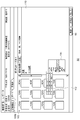
図2は、レポート入力画面の一例を示す。表示要求受付部52が、今回検査の検査情報を入力するためのレポート入力画面の表示要求を受け付けると、レポート入力画面生成部62がレポート入力画面を生成して、表示装置80に表示させる。レポート入力画面の表示中、レポートタブ100bが選択された状態となる。レポート入力画面の上段には、オーダ情報記憶部24から取得した患者氏名、患者ID、生年月日、検査種別、検査日、実施医の情報が表示される。レポート入力画面は、2つの領域で構成され、左側には検査画像のサムネイルを表示する検査画像表示領域102が、右側には医師が診断内容等の検査結果を入力するための検査結果入力領域110が設けられる。
レポート入力画面生成部62は、画像取得部70が検査画像記憶部28から取得した検査画像のサムネイル104a~104lを、検査画像表示領域102に並べて表示する。検査画像表示領域102の右側にはスクロールバーが設けられ、医師はスクロールバーをスクロールして、検査画像の全てのサムネイルを観察できる。医師は、検査画像を観察しながら、レポートに添付する検査画像を選択する。
検査結果入力領域110は、医師が検査結果を入力するための領域であり、図示の例では、上部内視鏡検査における観察範囲である「食道」、「胃」、「十二指腸」の診断内容を入力するための領域が設けられている。なお編集ボタン108を操作すると、観察範囲の選択肢がメニューウィンドウ表示されて、医師が、診断対象となる観察範囲を選択できるようになっている。検査結果入力領域110は、検査情報の複数の選択肢を表示して、医師がチェックボックスを選択することで診断内容を入力するフォーマットを有してよいが、自由にテキスト入力するフリーフォーマットを有してもよい。
レポート入力画面において、医師は、検査画像表示領域102からレポートに添付する検査画像を選択し、検査結果入力領域110に診断内容を含む検査結果を入力する。診断内容受付部54は、医師がレポート入力画面に入力した診断内容を含む検査情報を受け付ける。
図3は、レポート入力画面において、レポートに添付する画像を選択するメニューウィンドウの例を示す。医師が、検査画像表示領域102においてレポートに添付するサムネイル104を選択し、マウスを右クリックすると、部位選択ウィンドウ112が表示される。部位選択ウィンドウ112には、画像を添付する観察範囲が表示される。部位選択ウィンドウ112における3つの選択肢は、上から順に観察範囲「食道」の診断結果に添付するための項目、「胃」の診断結果に添付するための項目、「十二指腸」の診断結果に添付するための項目である。
部位選択ウィンドウ112において、医師がマウスポインタでいずれかの項目を選択すると、観察範囲に含まれる詳細部位を並べた詳細部位ウィンドウ114が表示される。詳細部位ウィンドウ114には、観察範囲に含まれる詳細部位が表示され、医師はマウスポインタで、いずれかの詳細部位を選択する。この例では、胃の詳細部位として、「ヒス角」、「噴門部」、「胃角部」、「胃体部」、「胃底部」、「胃穹窿部」、「幽門部」、「幽門」の項目が設定されている。図3には、医師がサムネイル104hを選択し、部位選択ウィンドウ112において「レポートに添付(胃)」を、詳細部位ウィンドウ114において「胃底部」を選択している様子が示される。
診断内容受付部54は、内視鏡検査レポートに添付する検査画像の選択操作を受け付ける。診断内容受付部54が検査画像の選択操作を受け付けると、サムネイル104hの検査画像が胃の診断結果の添付画像として設定されたこと、およびこの画像が「胃」の「胃底部」を撮影した画像であることが、メモリ78に記憶される。以上のように医師は、レポートに添付する検査画像を選択する。
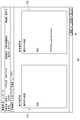
図4は、検査画像の選択画面の一例を示す。選択画面生成部64は、検査画像の選択画面を生成する。選択画面の表示中、記録画像タブ100aが選択された状態となる。選択画面の上段には、オーダ情報記憶部24から取得した患者氏名、患者ID、生年月日、検査種別、検査日、実施医の情報が表示される。オーダ情報の下方には、検査画像のサムネイルを表示する検査画像表示領域120が設けられる。選択画面生成部64は、画像取得部70が検査画像記憶部28から取得した検査画像のサムネイルを、検査画像表示領域120に並べて表示する。検査画像表示領域120の下側にはスクロールバーが設けられ、医師はスクロールバーをスクロールして、検査画像の全てのサムネイルを観察できる。
医師は、レポート入力画面または選択画面のいずれからでもレポート添付画像を選択できる。選択画面においても、医師のマウス操作に応じて図3に示す部位選択ウィンドウ112および詳細部位ウィンドウ114が表示され、医師は、レポート添付画像を、診断内容などの検査結果とともに検査情報記憶部26に登録できる。なお図4に示す選択画面の優位な点は、サムネイル104を拡大表示するための拡大表示領域122が設けられていることであり、医師が検査画像表示領域120においてサムネイル104を選択すると、選択されたサムネイル104が、拡大表示領域122において拡大表示される。
医師は拡大表示された検査画像により病変の存在を正確に観察でき、レポートに添付するか否かを効果的に判断できる。医師は、コメント入力欄124に、拡大表示領域122に拡大表示させた画像に関するコメントを入力できる。たとえば表示画像に赤みがかっている場合には、「出血が認められる」とのコメントをコメント入力欄124に入力してもよい。なお出血が、過去の検査における処置等が原因である場合には、「前回検査における処置が原因となる出血が認められる」とのコメントをコメント入力欄124に入力してもよい。コメント入力欄124に入力されたコメントは、画像に関連づけられて、メモリ78に記憶される。メモリ78に記憶されたコメントは、後に登録ボタン90が操作されることで、診断内容およびレポート添付画像等とともに、検査結果として検査情報記憶部26に記憶される。
図5は、偶発症に関する情報の入力画面の一例を示す。偶発症タブ100cが選択されると、偶発症情報入力画面生成部66は、偶発症に関する情報の入力画面を生成する。偶発症情報入力画面の上段には、オーダ情報記憶部24から取得した患者氏名、患者ID、生年月日、検査種別、検査日、実施医の情報が表示される。オーダ情報の下方には、術中偶発症に関する情報を入力するための術中偶発症入力領域130と、術後偶発症に関する情報を入力するための術後偶発症入力領域132とが設けられる。
術中偶発症入力領域130は、検査中に発生して対応した偶発症に関する情報を入力するための領域である。検査中に見つけた偶発症は「術中偶発症」と呼ばれる。偶発症に関する情報として、医師は、偶発症の種類と、偶発症への対応を入力し、偶発症情報受付部56が受け付ける。偶発症の種類には、穿孔、出血などがある。術中偶発症入力領域130は、偶発症の種類および対応について複数の選択肢を表示し、医師がチェックボックスを選択することで種類および対応を入力するフォーマットを有してよいが、自由にテキスト入力するフリーフォーマットを有してもよい。
医師が検査情報を入力後、登録ボタン90を操作すると、登録処理部72が、メモリ78に記憶された情報を、管理システム20に送信する。メモリ78には、レポート入力画面に入力された診断結果、レポート添付画像として選択された検査画像、検査画像に対して入力されたコメント、術中偶発症入力領域130に入力された術中偶発症に関する情報を含む検査情報に加え、患者氏名、患者ID、生年月日、検査種別、検査日、実施医などのオーダ情報が記憶されている。登録処理部72は、検査情報およびオーダ情報を、検査情報記憶部26に登録するように、管理システム20に指示する。
管理システム20において、登録部22は、登録処理部72からの指示にもとづいて、検査情報を、入力した医師を識別する医師IDに関連づけて、検査情報記憶部26にレポート情報として記憶する。検査情報記憶部26に記憶されたレポート情報は、所定のフォーマットで印刷されて、検査レポートとして利用可能である。
診断を目的とした検査での消化管穿孔は、内視鏡による粘膜の損傷が原因で起きることが多い。通常、穿孔が起きると強い腹痛が出現する。医師は検査中に穿孔が起きたことを認識すると、たとえばクリップなどで穿孔部位を縫縮することで対応するが、穿孔が大きければ緊急の外科手術が必要となることもある。
治療による消化管穿孔は、治療中に発生する場合と治療後一定の時間を経てから発生するものがある。一定時間後に起こる穿孔は、内視鏡治療器具が発する熱のため、脆弱となった組織が脱落することが原因と考えられている。そのため検査中には穿孔が発見されなくても、検査後に、患者が腹痛を訴えて、再検査するような事態も生じうる。上記したように、医師が検査中に生じた偶発症に対応すると、検査情報の入力時に、偶発症に関する情報を術中偶発症入力領域130に入力することになる。
一方で、検査後に穿孔が発生するケースや、検査中に出血したが医師がそれに気付かずに内視鏡検査を終了するケースがある。このとき医師は、当該検査が偶発症の要因であるにもかかわらず、偶発症が未発生または偶発症の発生に気付いていないため、検査レポートに偶発症に関する情報を入力できない。
このようなケースでは、患者が検査終了後に体の不調を訴え、あらためて内視鏡検査を受けたときに、前回の検査が原因で穿孔や出血などの偶発症が発生していたことが判明する。このように検査終了後に発見された偶発症は「術後偶発症」と呼ばれる。今回検査で発見された術後偶発症は、前回検査が原因で発生したものであるため、今回検査の検査情報として記録されるのではなく、偶発症が発生した前回検査の検査情報として記録される必要がある。
図5における術後偶発症入力領域132は、検査終了後に発見された偶発症に関する情報を入力するための領域である。そのため術後偶発症入力領域132は、今回検査の検査情報の入力に利用されることはなく、既に検査情報記憶部26に登録された検査情報をあらためて表示装置80に表示させて、過去検査(前回検査)の検査情報に、術後偶発症に関する情報を追加入力するために利用される。
偶発症に関する情報を集計して統計処理することを想定した場合、偶発症に関する情報を、偶発症を発生させた検査に正しく紐付けて記録することは、非常に重要である。しかしながら医師は、前回検査により発生した偶発症に関する情報を、今回検査の検査情報として、つまり今回検査のレポート作成時に術中偶発症入力領域130(ないしは術後偶発症入力領域132)に誤入力してしまうことがある。そこで実施例の医療情報処理システム1では、偶発症に関する情報を正しい検査に紐付けて記録させることを目的として、今回検査のレポートを作成しようとする医師に対して、過去検査に関する所定の通知を実施する仕組みを提供する。
まず前提として検査情報記憶部26は、過去の検査の検査情報を記憶している。今回検査のレポートを作成する際に、表示要求受付部52は、レポート入力画面の表示要求を受け付けるが、通知判定部74は、表示要求受付部52が表示要求を受け付けた後のタイミングで、今回検査と同一患者の過去検査に関する通知を行うか否かを判定する。ここで表示要求を受け付けた後のタイミングは、表示要求を受け付けた直後であってもよいが、今回検査の入力画面に医師が入力したタイミングであってもよく、また今回検査のレポート作成を終了するタイミングであってもよい。通知実施部76は、通知判定部74により通知を行うことを判定された場合に、過去検査に関する所定の通知を実施する。
通知判定部74は、同一患者の過去検査の検査情報に追加するべき検査情報が存在する可能性がある場合に、過去検査に関する通知を行うことを判定する。つまり通知判定部74は今回検査において、術後偶発症が発見された可能性があることを判定した場合に、過去検査に関する通知を行うことを判定する。以下、通知タイミングのバリエーションと合わせて、通知実施部76による通知態様について説明する。
(通知態様1)
通知判定部74は、患者に実施した検査のオーダ情報に偶発症に関する情報が含まれている場合に、過去検査に関する通知を行うことを判定する。たとえば数日以内に内視鏡検査を受けている患者が体の不調を訴えている場合、医師は、検査オーダを作成する際、オーダ情報に、偶発症の疑いがあることを示す検査理由を登録してよい。たとえば前回検査でEMR(内視鏡的粘膜切除術)を実施している場合、医師は、今回検査の検査理由として「EMR後出血疑い」と入力する。表示要求受付部52が、今回検査の検査情報を入力するためのレポート入力画面の表示要求を受け付けた後、通知判定部74は、当該検査のオーダ情報に含まれる検査理由を参照して、検査理由に術後偶発症に関する情報が含まれているか否かを判断する。このとき検査理由に術後偶発症に関する情報が含まれていれば、通知判定部74は、今回検査により術後偶発症が発見された可能性があることを判断し、過去検査に関する通知を行うことを判定する。
通知判定部74は、患者に実施した検査のオーダ情報に偶発症に関する情報が含まれている場合に、過去検査に関する通知を行うことを判定する。たとえば数日以内に内視鏡検査を受けている患者が体の不調を訴えている場合、医師は、検査オーダを作成する際、オーダ情報に、偶発症の疑いがあることを示す検査理由を登録してよい。たとえば前回検査でEMR(内視鏡的粘膜切除術)を実施している場合、医師は、今回検査の検査理由として「EMR後出血疑い」と入力する。表示要求受付部52が、今回検査の検査情報を入力するためのレポート入力画面の表示要求を受け付けた後、通知判定部74は、当該検査のオーダ情報に含まれる検査理由を参照して、検査理由に術後偶発症に関する情報が含まれているか否かを判断する。このとき検査理由に術後偶発症に関する情報が含まれていれば、通知判定部74は、今回検査により術後偶発症が発見された可能性があることを判断し、過去検査に関する通知を行うことを判定する。
図6は、通知実施部76による通知例を示す。通知判定部74が同一患者の過去検査に関する通知を行うことを判定すると、通知実施部76が、過去検査に関する情報として、今回検査よりも過去に実施された検査を通知する通知画面140を生成し、表示装置80に表示する。
通知画面140には、今回検査よりも過去に実施された同一患者Aの検査に関する情報が、選択可能に表示される。医師は、今回の検査中に、過去の検査で発生した偶発症を見つけた場合には、通知画面140において通知された過去の検査を選択する。通知画面140には、同一患者の過去検査を特定する情報(検査日と検査種別)がリスト表示されるとともに、過去検査を選択するためのチェックボックスが設けられる。医師はチェックボックスを選択することで、偶発症を発生させた過去検査を選択できる。図6に示す通知画面140では、2017/5/14を検査日とする上部内視鏡検査が選択されている。
実施例において、患者Aに対する今回検査は、医師Bが実施している。こで通知画面140で選択した上部内視鏡検査も医師Bによって実施されていた場合、レポート入力画面生成部62は、検査情報記憶部26から、2017/5/14を検査日とする患者Aの上部内視鏡検査の検査情報を読み出し、読み出した検査情報を入力したレポート入力画面を表示装置80に表示させる。医師Bは、偶発症タブ100cを選択して、術後偶発症入力領域132に、術後偶発症に関する情報を入力する。
このように同一患者Aの過去の検査情報に追加するべき検査情報が存在する可能性がある場合に、通知判定部74が、過去検査に関する通知を行うことを判定し、通知実施部76が、過去検査に関する通知を実施することで、医師Bは、術後偶発症に関する情報を入力するべき過去検査を容易に把握できる。特に実施例では、医師Bは、通知画面140において過去検査を選択するだけで、自動的に過去検査の検査情報が読み出され、レポート入力画面に表示されるため、術後偶発症入力領域132に術後偶発症に関する情報を容易に入力できる。このように通知実施部76が過去検査に関する情報を通知することで、医師は、過去検査の検査情報として、術後偶発症に関する情報を適切に追加記録することが可能となる。
なお通知画面140で選択した上部内視鏡検査が医師B以外の医師によって実施されていた場合、術後偶発症に関する情報は、偶発症を発生させた過去検査を実施した医師により記録させることが好ましい。そこで別の医師が過去検査を実施していた場合には、通知実施部76が、当該別の医師に対して、2017/5/14を検査日とする患者Aの上部内視鏡検査の検査情報に、術後偶発症に関する情報を追加入力するべきことを通知する。たとえば医療情報処理システム1において、各医師に対して作業リストを通知する仕組みが構築されている場合、通知実施部76は、該当する医師の作業リストに、術後偶発症に関する情報を追加入力するべきことを含めてよい。
このように、今回検査のオーダ情報に偶発症に関する情報が含まれている場合、通知判定部74は、同一患者の過去検査の検査情報に追加するべき偶発症に関する情報が存在する可能性があることを判断する。そこで通知判定部74は、過去検査に関する通知を行うことを判定し、通知実施部76は、過去検査に関する情報を通知する。
しかしながら今回検査のオーダ情報を作成する際に、医師が偶発症の疑いがあることを示す検査理由を登録しないこともある。そこで通知判定部74は、オーダ情報以外の情報からも、術後偶発症の情報を追加するべき過去検査に関する通知を行うことを判定できることが好ましい。
(通知態様2)
図3に示すように、今回検査の実施医である医師Bは、レポート入力画面において、レポートに添付する検査画像を選択しつつ、検査結果入力領域110に、診断内容を含む検査情報を入力する。医師は処置を行った場合には、検査結果入力領域110に、検査で行った処置、および処置で使用した器材も入力する。今回検査において、医師は、術後偶発症である出血を発見すると、トロンビンなどの止血薬散布や、内視鏡的クリッピングなどの処置を実施する。レポート入力時、医師は処置として「止血」、器材として「止血薬」または「クリップ」と検査結果入力領域110に入力する。
図3に示すように、今回検査の実施医である医師Bは、レポート入力画面において、レポートに添付する検査画像を選択しつつ、検査結果入力領域110に、診断内容を含む検査情報を入力する。医師は処置を行った場合には、検査結果入力領域110に、検査で行った処置、および処置で使用した器材も入力する。今回検査において、医師は、術後偶発症である出血を発見すると、トロンビンなどの止血薬散布や、内視鏡的クリッピングなどの処置を実施する。レポート入力時、医師は処置として「止血」、器材として「止血薬」または「クリップ」と検査結果入力領域110に入力する。
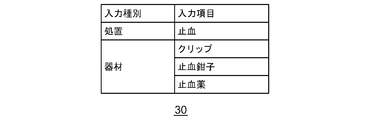
図7は、術後偶発症マスタテーブル30の例を示す。術後偶発症マスタテーブル30は、今回検査において術後偶発症に対する処置を行った可能性を示す入力種別と入力項目を定義する。レポート入力画面において、診断内容受付部54は、医師がレポート入力画面に入力した診断内容を含む検査情報を受け付けるが、たとえば「処置」として「止血」が入力された場合、または「器材」として「クリップ」、「止血鉗子」、「止血薬」のいずれかが入力された場合、通知判定部74は、術後偶発症に対する処置を行った可能性があることを判定する。
しかしながら、術後偶発症に対する処置を行った可能性はあるものの、検査中に止血を行ったり、また止血のためにクリップ等の器材を使用することは一般的である。そこで実施例の通知判定部74は、診断内容受付部54が術後偶発症マスタテーブル30に記録されている検査情報の入力を受け付けた場合に、今回検査において術後偶発症に対する処置を行ったか否かを、時間的な条件を利用して判定する。
術後偶発症が生じている場合、患者は検査終了後に痛みが引かない状態が続くため、数日以内に内視鏡検査を受けることが多い。逆に言えば、前回検査から数日以上経過して再検査を受けるようなケースは、術後偶発症に起因しない再検査であると言える。そこで診断内容受付部54が術後偶発症マスタテーブル30に記録されている検査情報の入力を受け付けた場合に、検査情報記憶部26に、今回検査の実施日から所定日数以内に実施された過去検査の検査情報が記憶されていることを条件として、通知判定部74は、当該過去検査に関する通知を行うことを判定してよい。たとえば所定日数は「3日」であってよい。この場合、今回検査の3日以内に患者が内視鏡検査を受けており、且つ今回検査で止血を行った、または止血用の器材を使用した場合、通知判定部74は、今回検査で術後偶発症に対する処置を行った可能性があることを判定し、過去検査に関する通知を行うことを決定する。これにより通知実施部76は、過去検査に関する情報を医師に通知する。この通知は、図6に示す通知画面140によって行われてよい。
なお通知判定部74は、今回検査の実施日から所定日数以内に実施された過去検査の検査情報が、今回検査と同一の検査種別情報を含むことを条件として、当該過去検査に関する通知を行うことを判定してもよい。たとえば今回検査の実施日の3日以内に内視鏡検査を受けていても、今回検査が上部内視鏡検査であり、一方で前回検査が下部内視鏡検査である場合には、前回検査で術後偶発症が生じた可能性はない。そこで通知判定部74は、過去検査の検査種別が今回検査の検査種別と同一であることを条件として、過去検査に関する通知を行うか否かを判定することが好ましい。
なお通知判定部74は、前回検査において、処置等を行っていることを条件として、当該過去検査に関する通知を行うことを判定してもよい。ここで処置等には、EMR、ESD、ポリペクトミーなどが含まれる。検査で処置を行っている場合には、行っていない場合と比べて偶発症の発生確率が高いことが知られている。そこで通知判定部74は、今回検査の実施日から所定日数以内に実施された過去検査の検査情報が今回検査と同一の検査種別情報を含む場合であって、且つ過去検査において処置等を行っていることを条件として、当該過去検査に関する通知を行うことを判定してもよい。
なお通知態様2において、日数の条件や、術後偶発症マスタテーブル30に定義した入力項目については、医療施設において適宜変更可能とされてよい。つまり医療施設によっては過去検査のサーチ範囲となる日数は2日であってもよく、また術後偶発症マスタテーブル30には、図7に示すよりも多くの入力項目が登録されていてもよい。たとえば図6では、今回検査日から3日以内に実施された過去検査がリスト表示されているが、所定日数が「2日」に設定されると、2017/5/12を実施日とする過去検査は通知画面140には表示されないことになる。
(通知態様3)
通知態様2では、術後偶発症マスタテーブル30に定義した入力項目がレポート入力画面に入力されたことを条件として、通知判定部74が、過去検査に関する通知を行うことを判定した。通知態様3では、医師が、図5に示す偶発症に関する情報を入力する入力画面への入力に際して、通知判定部74が、過去検査に関する通知を行うか否かを判定することについて説明する。
通知態様2では、術後偶発症マスタテーブル30に定義した入力項目がレポート入力画面に入力されたことを条件として、通知判定部74が、過去検査に関する通知を行うことを判定した。通知態様3では、医師が、図5に示す偶発症に関する情報を入力する入力画面への入力に際して、通知判定部74が、過去検査に関する通知を行うか否かを判定することについて説明する。
まず今回検査の検査情報の入力に際して、医師が、術後偶発症入力領域132に偶発症に関する情報を入力する機会は、基本的にない。術後偶発症入力領域132は、既に検査情報を入力された過去検査の検査情報に、術後偶発症に関する情報を追加登録する際に利用される入力欄であり、今回検査の検査情報の入力欄として使用されるものではないためである。そこで今回検査の検査情報の入力に際して、偶発症情報受付部56が、術後偶発症入力領域132における入力を受け付けると、通知判定部74が、過去検査に関する通知を行うことを判定し、通知実施部76が、過去検査に関する所定の通知を実施する。通知態様2で説明したように、通知対象となる過去検査は、今回検査日から所定日数以内であり、および/または、今回検査と同一の検査種別であることを条件としてよい。
今回検査の検査情報の入力に際し、医師が術後偶発症入力領域132に偶発症に関する情報を入力するケースは、過去検査の術後偶発症入力領域132に入力するべきところを勘違いしていることが想定される。そこで医師に対して、通知実施部76が、通知画面140(図6参照)を提示することで、医師は勘違いに気付き、過去検査の検査情報に、術後偶発症に関する情報を追加記録することができるようになる。
また今回検査の検査情報の入力に際して、医師が術中偶発症入力領域130に偶発症に関する情報を入力することは、基本的に問題ない。まさに術中偶発症が生じたケースでは、術中偶発症入力領域130に術中偶発症に関する情報を入力しなければならないためである。しかしながら医師は、過去検査の術後偶発症に関する情報を、間違えて今回検査の術中偶発症入力領域130に入力する事態も、一応可能性としては存在する。
そこで通知判定部74は、通知態様2で説明した条件、つまり今回検査から所定日数以内に同一検査種別の過去検査が実施されている条件が成立している場合には、過去検査に関する通知を行うことを判定してもよい。このとき通知実施部76は、通知画面140を図5に示す入力画面に重畳表示するが、医師は、術中偶発症入力領域130への入力に問題がなければ、通知画面140におけるキャンセルボタンを操作して、通知画面140を非表示とすればよい。なお医師は通知画面140を見て、過去検査の術後偶発症に関する情報として入力するべきことに気付けば、今回検査の術中偶発症入力領域130に入力した情報を削除して、過去検査の検査情報に、術後偶発症に関する情報を追加登録する。
以上、本発明を実施例をもとに説明した。この実施例は例示であり、それらの各構成要素や各処理プロセスの組合せにいろいろな変形例が可能なこと、またそうした変形例も本発明の範囲にあることは当業者に理解されるところである。
実施例では、通知態様1~3において、過去検査に関する通知を行うことを判定するための条件を示した。各通知態様で示した条件は、各通知態様で利用されるだけでなく、他の通知態様においても利用されてよい。つまり変形例では、通知態様1~3で示した各条件を様々に組み合わせて、過去検査に関する通知を行うことが判定されてよい。
また実施例では、図5に、偶発症に関する情報の入力画面の一例を示したが、偶発症情報入力画面は、これに限らない。偶発症情報入力画面は、術中偶発症に関する情報を入力するための術中偶発症入力領域130、術後偶発症に関する情報を入力するための術後偶発症入力領域132だけでなく、他の種類の情報を入力するための領域を含んでよい。たとえば木村竹本分類による萎縮度を入力する領域が含まれていてもよく、その他の情報を入力する領域が含まれてもよい。また実施例では、偶発症タブ100cが選択されることで偶発症情報入力画面が表示されたが、偶発症情報入力画面は、タブ選択により表示されるのではなく、たとえばリンクボタンなどの別のユーザインタフェースから表示されるように構成されてもよい。
1・・・医療情報処理システム、20・・・管理システム、30・・・術後偶発症マスタテーブル、40・・・情報処理装置、50・・・受付部、52・・・表示要求受付部、54・・・診断内容受付部、56・・・偶発症情報受付部、60・・・画面生成部、62・・・レポート入力画面生成部、64・・・選択画面生成部、66・・・偶発症情報入力画面生成部、70・・・画像取得部、72・・・登録処理部、74・・・通知判定部、76・・・通知実施部、130・・・術中偶発症入力領域、132・・・術後偶発症入力領域、140・・・通知画面。
本発明は、医療情報処理の分野において利用できる。
Claims (6)
- 患者に実施した今回検査の検査情報を入力するための入力画面の表示要求を受け付ける要求受付部と、
入力画面を生成する画面生成部と、
入力画面における検査情報の入力を受け付ける入力受付部と、
過去検査の検査情報を記憶する検査情報記憶部と、
前記要求受付部が表示要求を受け付けた後に、同一患者の過去検査に関する通知を行うか否かを判定する通知判定部と、
前記通知判定部により通知を行うことを判定された場合に、所定の通知を実施する通知実施部と、
を備えることを特徴とする医療情報処理システム。 - 前記通知判定部は、同一患者の過去検査の検査情報に追加するべき検査情報が存在する可能性がある場合に、過去検査に関する通知を行うことを判定する、
ことを特徴とする請求項1に記載の医療情報処理システム。 - 前記通知判定部は、患者に実施した検査のオーダ情報に偶発症に関する情報が含まれている場合に、過去検査に関する通知を行うことを判定する、
ことを特徴とする請求項1に記載の医療情報処理システム。 - 前記入力受付部が所定の検査情報の入力を受け付けた場合に、前記検査情報記憶部に、今回検査の実施日から所定日数以内に実施された過去検査の検査情報が記憶されていれば、前記通知判定部は、当該過去検査に関する通知を行うことを判定する、
ことを特徴とする請求項1に記載の医療情報処理システム。 - 今回検査の実施日から所定日数以内に実施された過去検査の検査情報が、今回検査と同一の検査種別情報を含む場合に、前記通知判定部は、当該過去検査に関する通知を行うことを判定する、
ことを特徴とする請求項4に記載の医療情報処理システム。 - 前記画面生成部は、偶発症に関する情報の入力画面を生成する機能を有しており、
前記入力受付部が、偶発症に関する情報の入力画面において情報入力を受け付けると、前記通知判定部が、過去検査に関する通知を行うことを判定する、
ことを特徴とする請求項1に記載の医療情報処理システム。
Priority Applications (2)
| Application Number | Priority Date | Filing Date | Title |
|---|---|---|---|
| CN201880036839.7A CN110709937B (zh) | 2017-06-12 | 2018-04-27 | 医疗信息处理系统和医疗信息通知方法 |
| US16/701,689 US20200185082A1 (en) | 2017-06-12 | 2019-12-03 | Medical information processing system and medical information notifying method |
Applications Claiming Priority (2)
| Application Number | Priority Date | Filing Date | Title |
|---|---|---|---|
| JP2017115458A JP2020154340A (ja) | 2017-06-12 | 2017-06-12 | 医療情報処理システム |
| JP2017-115458 | 2017-06-12 |
Related Child Applications (1)
| Application Number | Title | Priority Date | Filing Date |
|---|---|---|---|
| US16/701,689 Continuation US20200185082A1 (en) | 2017-06-12 | 2019-12-03 | Medical information processing system and medical information notifying method |
Publications (1)
| Publication Number | Publication Date |
|---|---|
| WO2018230183A1 true WO2018230183A1 (ja) | 2018-12-20 |
Family
ID=64660364
Family Applications (1)
| Application Number | Title | Priority Date | Filing Date |
|---|---|---|---|
| PCT/JP2018/017247 Ceased WO2018230183A1 (ja) | 2017-06-12 | 2018-04-27 | 医療情報処理システム |
Country Status (4)
| Country | Link |
|---|---|
| US (1) | US20200185082A1 (ja) |
| JP (1) | JP2020154340A (ja) |
| CN (1) | CN110709937B (ja) |
| WO (1) | WO2018230183A1 (ja) |
Families Citing this family (1)
| Publication number | Priority date | Publication date | Assignee | Title |
|---|---|---|---|---|
| US11954850B2 (en) * | 2020-02-28 | 2024-04-09 | Canon Medical Systems Corporation | Medical information processing system and medical information processing method |
Citations (3)
| Publication number | Priority date | Publication date | Assignee | Title |
|---|---|---|---|---|
| JP2015103243A (ja) * | 2013-11-20 | 2015-06-04 | 株式会社東芝 | 医用情報処理装置、医用情報処理方法、画像診断システム、コンピュータ可読記憶媒体および情報処理装置 |
| JP2016002206A (ja) * | 2014-06-16 | 2016-01-12 | オリンパス株式会社 | 医療情報処理システム |
| JP2016158752A (ja) * | 2015-02-27 | 2016-09-05 | オリンパス株式会社 | 内視鏡業務支援システム |
Family Cites Families (8)
| Publication number | Priority date | Publication date | Assignee | Title |
|---|---|---|---|---|
| JP2004021869A (ja) * | 2002-06-20 | 2004-01-22 | Moss Institute Co Ltd | リモートエントリーシステム、情報処理装置、リモートエントリー方法及びプログラム |
| JP5233524B2 (ja) * | 2008-09-01 | 2013-07-10 | 富士ゼロックス株式会社 | 医療情報管理システム及び医療情報管理プログラム |
| WO2010051036A1 (en) * | 2008-11-03 | 2010-05-06 | Bruce Reiner | Automated method for medical quality assurance |
| JP2010122780A (ja) * | 2008-11-18 | 2010-06-03 | Konica Minolta Medical & Graphic Inc | 小規模診断システム |
| WO2012165381A1 (ja) * | 2011-05-30 | 2012-12-06 | オリンパスメディカルシステムズ株式会社 | 医療情報記録装置 |
| US10034632B2 (en) * | 2013-02-20 | 2018-07-31 | Isotechnology Pty Ltd | Collection of medical data |
| WO2015126457A1 (en) * | 2014-02-19 | 2015-08-27 | Indiana University Research And Technology Corporation | Tracking real-time assessment of quality monitoring in endoscopy |
| US10607728B2 (en) * | 2015-10-06 | 2020-03-31 | Cerner Innovation, Inc. | Alert optimizer |
-
2017
- 2017-06-12 JP JP2017115458A patent/JP2020154340A/ja active Pending
-
2018
- 2018-04-27 WO PCT/JP2018/017247 patent/WO2018230183A1/ja not_active Ceased
- 2018-04-27 CN CN201880036839.7A patent/CN110709937B/zh active Active
-
2019
- 2019-12-03 US US16/701,689 patent/US20200185082A1/en not_active Abandoned
Patent Citations (3)
| Publication number | Priority date | Publication date | Assignee | Title |
|---|---|---|---|---|
| JP2015103243A (ja) * | 2013-11-20 | 2015-06-04 | 株式会社東芝 | 医用情報処理装置、医用情報処理方法、画像診断システム、コンピュータ可読記憶媒体および情報処理装置 |
| JP2016002206A (ja) * | 2014-06-16 | 2016-01-12 | オリンパス株式会社 | 医療情報処理システム |
| JP2016158752A (ja) * | 2015-02-27 | 2016-09-05 | オリンパス株式会社 | 内視鏡業務支援システム |
Also Published As
| Publication number | Publication date |
|---|---|
| CN110709937B (zh) | 2023-06-30 |
| US20200185082A1 (en) | 2020-06-11 |
| JP2020154340A (ja) | 2020-09-24 |
| CN110709937A (zh) | 2020-01-17 |
Similar Documents
| Publication | Publication Date | Title |
|---|---|---|
| JP5487157B2 (ja) | 画像処理装置および画像処理装置の作動方法並びに画像処理プログラム | |
| CN110770842B (zh) | 医疗信息处理系统和医疗信息处理方法 | |
| JP6284439B2 (ja) | 医療情報処理システム | |
| JP2017108792A (ja) | 内視鏡業務支援システム | |
| CN105142493A (zh) | 图像管理装置 | |
| JP6313913B2 (ja) | 内視鏡画像観察支援システム | |
| JP2017099509A (ja) | 内視鏡業務支援システム | |
| JP6532371B2 (ja) | 医療レポート作成支援システム | |
| CN111863201A (zh) | 医用信息处理装置及医用信息处理方法 | |
| US20160199015A1 (en) | Image display control device, operating method for same, and image display control program | |
| JP7013317B2 (ja) | 医療情報処理システム | |
| WO2018142664A1 (ja) | 内視鏡画像観察支援システム | |
| CN113925608B (zh) | 手术辅助系统以及手术辅助方法 | |
| WO2018230183A1 (ja) | 医療情報処理システム | |
| JP2010282355A (ja) | 医療検査情報管理システム | |
| JP6711675B2 (ja) | 読影支援装置 | |
| US20240382067A1 (en) | Medical assistance system and medical assistance method | |
| JP2017130137A (ja) | 内視鏡レポート作成支援システム | |
| JP5872976B2 (ja) | 医療画像管理装置 | |
| JP6335412B1 (ja) | 内視鏡画像観察支援システム | |
| JP4027842B2 (ja) | 医療用画像記録装置 | |
| US20240339187A1 (en) | Medical support system, report creation support method, and information processing apparatus | |
| JP6033513B1 (ja) | 検査業務支援システム | |
| JP6635645B2 (ja) | 医用画像処理装置及び医用画像管理プログラム | |
| TWI509559B (zh) | Capture brain waves to the clinical medical imaging system method |
Legal Events
| Date | Code | Title | Description |
|---|---|---|---|
| 121 | Ep: the epo has been informed by wipo that ep was designated in this application |
Ref document number: 18817330 Country of ref document: EP Kind code of ref document: A1 |
|
| NENP | Non-entry into the national phase |
Ref country code: DE |
|
| 122 | Ep: pct application non-entry in european phase |
Ref document number: 18817330 Country of ref document: EP Kind code of ref document: A1 |
|
| NENP | Non-entry into the national phase |
Ref country code: JP |