WO2018181970A1 - ユーザがアクションを継続的に行うことを支援するコンピュータシステム、そのコンピュータシステムにおいて実行される方法およびプログラム、ならびにユーザ機器 - Google Patents
ユーザがアクションを継続的に行うことを支援するコンピュータシステム、そのコンピュータシステムにおいて実行される方法およびプログラム、ならびにユーザ機器 Download PDFInfo
- Publication number
- WO2018181970A1 WO2018181970A1 PCT/JP2018/013801 JP2018013801W WO2018181970A1 WO 2018181970 A1 WO2018181970 A1 WO 2018181970A1 JP 2018013801 W JP2018013801 W JP 2018013801W WO 2018181970 A1 WO2018181970 A1 WO 2018181970A1
- Authority
- WO
- WIPO (PCT)
- Prior art keywords
- user
- computer system
- points
- action
- given
- Prior art date
- Legal status (The legal status is an assumption and is not a legal conclusion. Google has not performed a legal analysis and makes no representation as to the accuracy of the status listed.)
- Ceased
Links
Images






Classifications
-
- G—PHYSICS
- G16—INFORMATION AND COMMUNICATION TECHNOLOGY [ICT] SPECIALLY ADAPTED FOR SPECIFIC APPLICATION FIELDS
- G16H—HEALTHCARE INFORMATICS, i.e. INFORMATION AND COMMUNICATION TECHNOLOGY [ICT] SPECIALLY ADAPTED FOR THE HANDLING OR PROCESSING OF MEDICAL OR HEALTHCARE DATA
- G16H20/00—ICT specially adapted for therapies or health-improving plans, e.g. for handling prescriptions, for steering therapy or for monitoring patient compliance
-
- A—HUMAN NECESSITIES
- A61—MEDICAL OR VETERINARY SCIENCE; HYGIENE
- A61H—PHYSICAL THERAPY APPARATUS, e.g. DEVICES FOR LOCATING OR STIMULATING REFLEX POINTS IN THE BODY; ARTIFICIAL RESPIRATION; MASSAGE; BATHING DEVICES FOR SPECIAL THERAPEUTIC OR HYGIENIC PURPOSES OR SPECIFIC PARTS OF THE BODY
- A61H1/00—Apparatus for passive exercising; Vibrating apparatus; Chiropractic devices, e.g. body impacting devices, external devices for briefly extending or aligning unbroken bones
-
- G—PHYSICS
- G06—COMPUTING OR CALCULATING; COUNTING
- G06Q—INFORMATION AND COMMUNICATION TECHNOLOGY [ICT] SPECIALLY ADAPTED FOR ADMINISTRATIVE, COMMERCIAL, FINANCIAL, MANAGERIAL OR SUPERVISORY PURPOSES; SYSTEMS OR METHODS SPECIALLY ADAPTED FOR ADMINISTRATIVE, COMMERCIAL, FINANCIAL, MANAGERIAL OR SUPERVISORY PURPOSES, NOT OTHERWISE PROVIDED FOR
- G06Q10/00—Administration; Management
- G06Q10/06—Resources, workflows, human or project management; Enterprise or organisation planning; Enterprise or organisation modelling
-
- A—HUMAN NECESSITIES
- A61—MEDICAL OR VETERINARY SCIENCE; HYGIENE
- A61B—DIAGNOSIS; SURGERY; IDENTIFICATION
- A61B2505/00—Evaluating, monitoring or diagnosing in the context of a particular type of medical care
- A61B2505/09—Rehabilitation or training
-
- A—HUMAN NECESSITIES
- A61—MEDICAL OR VETERINARY SCIENCE; HYGIENE
- A61B—DIAGNOSIS; SURGERY; IDENTIFICATION
- A61B5/00—Measuring for diagnostic purposes; Identification of persons
- A61B5/0002—Remote monitoring of patients using telemetry, e.g. transmission of vital signals via a communication network
- A61B5/0004—Remote monitoring of patients using telemetry, e.g. transmission of vital signals via a communication network characterised by the type of physiological signal transmitted
- A61B5/0006—ECG or EEG signals
-
- A—HUMAN NECESSITIES
- A61—MEDICAL OR VETERINARY SCIENCE; HYGIENE
- A61B—DIAGNOSIS; SURGERY; IDENTIFICATION
- A61B5/00—Measuring for diagnostic purposes; Identification of persons
- A61B5/02—Detecting, measuring or recording for evaluating the cardiovascular system, e.g. pulse, heart rate, blood pressure or blood flow
- A61B5/0205—Simultaneously evaluating both cardiovascular conditions and different types of body conditions, e.g. heart and respiratory condition
- A61B5/02055—Simultaneously evaluating both cardiovascular condition and temperature
-
- A—HUMAN NECESSITIES
- A61—MEDICAL OR VETERINARY SCIENCE; HYGIENE
- A61B—DIAGNOSIS; SURGERY; IDENTIFICATION
- A61B5/00—Measuring for diagnostic purposes; Identification of persons
- A61B5/22—Ergometry; Measuring muscular strength or the force of a muscular blow
- A61B5/221—Ergometry, e.g. by using bicycle type apparatus
- A61B5/222—Ergometry, e.g. by using bicycle type apparatus combined with detection or measurement of physiological parameters, e.g. heart rate
Definitions
- the present invention relates to a computer system that supports a user to perform actions continuously, a method and a program executed in the computer system, and a user device.
- the present invention has been made to solve the above-mentioned problems, but the problems to be solved by the present invention are not limited to supporting continuous cardiac rehabilitation.
- the present invention broadly and generally aims to provide a computer system that assists a user in performing actions continuously, a method and program executed in the computer system, and user equipment.
- a computer system of the present invention is a computer system that supports a user to perform actions continuously, the computer system including a processor unit, and the computer system includes a database unit. And the processor unit stores the points given to the user in accordance with an action performed by the user in the database unit, and a part of the points stored in the database unit or Performing at least the process of using all, wherein the user is not authorized to determine how to use some or all of the points It is configured.
- the point given to the user may be usable by a person other than the user.
- the processor unit may be further configured to report to the user that the point given to the user has been used.
- the processor unit is configured to further execute giving the point to the user according to an action performed by the user, and the point is given to the user. Doing may be done in a manner that motivates the user to perform the action continuously.
- the processor unit determines whether or not the user is continuously performing an action, and when it is determined that the user is continuously performing an action. May give the user the point by giving the user more points than if not.
- the processor unit determines whether the amount of the user's action exceeds a predetermined threshold, and the amount of the user's action is the predetermined threshold. If it is determined that the value is exceeded, the user may be given the points by giving the user fewer points than if not.
- the processor unit is further configured to collect data indicating actions performed by each of a plurality of users and to analyze the collected data. It may be.
- the user may be a patient who needs rehabilitation of a specific organ, and the action may be rehabilitation of the specific organ.
- the patient may be a patient with heart failure
- the rehabilitation of the specific organ may be a heart rehabilitation.
- a computer system of the present invention is a computer system that supports a plurality of users to perform actions continuously, and includes a processor unit, and the computer system is connected to a database unit.
- the processor unit accumulates the points given to the plurality of users in accordance with actions performed by the plurality of users in the database unit, and the plurality of units accumulated in the database unit. It is configured to execute at least a process for using a part or all of the total points obtained by summing up the respective points given to the user.
- the method of the present invention is a method executed in a computer system that supports a user to continuously perform an action, the computer system including a processor unit, and the computer system Is connected to a database unit, and the method is such that the processor unit accumulates in the database unit the points granted to the user in accordance with an action performed by the user, and the processor unit Executing a process for using a part or all of the points stored in the database unit, wherein the user has authority to determine how to use a part or all of the points Does not have.
- the program of the present invention is a program executed in a computer system that supports a user to continuously perform an action
- the computer system includes a processor unit, and the computer system Is connected to the database unit, and the program stores the points given to the user in accordance with the action performed by the user in the database unit, and the points stored in the database unit.
- the processor unit is made to execute.
- the user device of the present invention is a user device used when a user performs an action
- the user device includes a display unit
- the display unit is an action performed by the user.
- the points given to the user are displayed in accordance with the points, and the points given to the user can be used by a person other than the user.
- the display unit may be configured to display a report that the points given to the user have been used.
- the user may be a patient who needs rehabilitation of a specific organ, and the action may be rehabilitation of the specific organ.
- the patient may be a patient with heart failure
- the rehabilitation of the specific organ may be a heart rehabilitation.
- a computer system that supports a user to perform actions continuously, a method and a program executed in the computer system, and a user device.
- FIG. 1A is a diagram illustrating an example of a new business model for supporting a user to perform actions continuously.
- FIG. 1B is a diagram illustrating an example of a new business model for supporting a patient to continuously perform organ rehabilitation.
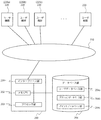
- FIG. 2 is a diagram illustrating an example of the configuration of a computer system 200 for realizing a new business model.
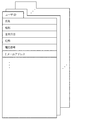
- FIG. 3A is a diagram illustrating an example of a configuration of information stored in the user database unit 204a.
- FIG. 3B is a diagram illustrating an example of a configuration of information stored in the action database unit 204b.
- FIG. 3C is a diagram illustrating an example of a configuration of information stored in the point database unit 204c.
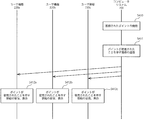
- FIG. 4A is a diagram illustrating an example of a flow of processing executed in the computer system 200 in the phase in which the computer system 200 accumulates points.
- FIG. 4B is a diagram illustrating an example of a flow of processing executed in the computer system 200 in a phase in which the computer system 200 uses accumulated points.
- FIG. 5A is a diagram illustrating an example of the user device 220a.
- FIG. 5B is a diagram illustrating an example of a screen 511 displayed on the display unit 510 of the motorcycle for cardiac rehabilitation illustrated in FIG. 5A.
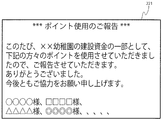
- FIG. 5C is a diagram illustrating an example of a screen 221 displayed on the display unit of the user device 220a.
- FIG. 5D is a diagram illustrating another example of the screen 221 displayed on the display unit of the user device 220a.
- FIG. 1A shows an example of a new business model for supporting users to perform actions continuously.
- the business model shown in FIG. 1A can be applied to various aspects for the purpose of assisting a user to perform actions continuously.
- the business model shown in FIG. 1A for example, helps a patient to continue rehabilitation of a particular organ (eg, heart), healthy for adults or children to be a common health care target.
- the purpose is to support continuous eating, exercise, sleep, etc., and to support people who need to take medicines continuously taking medicines that are subject to general medication management.
- the present invention is not limited to these.
- action refers to any action that can be performed by the user.
- examples of actions include acts of rehabilitation of specific organs (eg, the heart), actions such as healthy eating, exercise, and sleep that are subject to general health care, and taking medicine that is subject to medication management However, it is not limited to these.
- Step S101 Each of the plurality of users A, B, and C reports the actions performed by each of them to the company. That is, the user A reports the action performed by the user A to the company, the user B reports the action performed by the user B to the company, and the user C reports the action performed by the user C to the company.
- step S101 the mode in which each user reports the action performed by himself / herself to the company does not matter.
- Each user can report actions taken by the user to the company in an arbitrary manner. For example, data indicating an action performed by the user A is stored in the user device, and data indicating the action stored in the user device is transmitted to the company system via the network, whereby the action performed by the user A is performed. May be reported to the company.
- the user A may report the action performed by the user A to the company by operating the user device according to a predetermined procedure after logging in to the company system using the user device (for example, a smartphone). Good. Or you may make it report the action which the user A performed to the company by submitting the report which described the action which the user A performed to the window of a company (or mailing to a company).
- the company gives points to each user according to actions reported from a plurality of users A, B, and C, and manages the points given to each user. Such management is achieved, for example, by accumulating points for each user in the database unit.
- the “point” means an item that can be exchanged for at least one of goods, services, and money.
- a company gives points to a user in the aspect that a user is motivated to perform action continuously. For example, the company determines whether or not the user is continuously performing an action, and if it is determined that the user is continuously performing an action, the company gives more points than if not. You may make it give to a user. For example, when it is determined that the user is continuously performing an action, +100 points may be given to the user as bonus points in addition to the points that should be normally given.
- the company determines whether the amount of user action exceeds a predetermined threshold, and if it is determined that the amount of user action exceeds a predetermined threshold, so You may make it give a user a few points compared with the case where it is not. For example, when it is determined that the amount of the user's action exceeds a predetermined threshold value, in addition to the points that should be normally given, or as penalty points instead of the points that should be usually given— You may make it give 50 points to a user.
- Step S102 The company reports the points given to each of the plurality of users A, B, and C to each of the plurality of users A, B, and C. However, step S102 can be omitted.
- the aspect in which the company reports points given to each user to each user is not limited.
- the company can report points given to each user to each user in an arbitrary manner.
- the company reports the points given to the user A to the user A by displaying the points given to the user A on the user device (for example, a smartphone) used by the user A.
- the company may report the points given to the user A to the user A by posting the points given to the user A on the company homepage.
- the company reports the points granted to the user A to the user A by handing the notification describing the points granted to the user A to the user A (or mailing to the user A). May be.
- Step S103 The company uses a part or all of the points managed by the company.
- the company may use a part or all of points given to individual users managed by the company (for example, the user A), or a plurality of users managed by the company (for example, the user A). You may make it use a part or all of the total point obtained by totaling each point provided to user A, B, C).
- the company has the authority to decide how and how many of the points managed by the company are used. None of the multiple users (eg, users A, B, C) have the authority to participate in such a determination. Therefore, the company can use a part or all of the points managed by the company with its own authority without contacting a plurality of users (for example, users A, B, and C). is there.
- points managed by the company cannot be used by the user to whom the points are granted. That is, a person other than the user to whom the point is given (for example, a company) has the authority to use the point, not the user to which the point is given.
- use points means to exchange points for at least one of goods, services, and money.
- the points can be used for various purposes.
- the points may be used for purposes other than the private interest of the user to whom the points are given.
- points may be used for the purpose of social contribution or points may be used for the purpose of contributing to the public interest.
- “use points for the purpose of social contribution” means that points are exchanged for at least one of goods, services and money, and then the goods, services and money exchanged for points are used.
- An example of using points for the purpose of social contribution is to exchange points for at least one of goods, services, and money, and at least one of goods, services, and money exchanged for points to facilities. (For example, child welfare facilities) or donation to public institutions (for example, UNICEF), but is not limited to this.
- Step S104 The company reports to each of a plurality of users A, B, and C that part or all of the points managed by the company have been used. However, step S104 can be omitted.
- the company may report to each user that a part or all of the points managed by the company have been used.
- the company can report to each user in any manner that some or all of the points managed by the company have been used.
- the company gives the point given to the user A by displaying that the point given to the user A is used on the user device (for example, a smartphone) used by the user A. This may be reported to the user A.
- the company may report to the user A that the points granted to the user A have been used by posting on the company home page that the points granted to the user A have been used. .
- the company gives the user A a report stating that the points given to the user A have been used (or mails them to the user A) so that the points given to the user A are used. This may be reported to the user A.
- the points given to the user according to the actions performed by the user are managed by the company, and some or all of the points managed by the company are used. Is done. Points given to a user can be used by a person other than the user. As a result, the user is motivated to perform the action continuously. This is because the point given to the user can be continuously used by a person other than the user by the user performing the action continuously, thereby being useful for a person other than the user. Some or all of the points managed by the company can be used for the purpose of social contribution, for example. In particular, when the user is an elderly person, it is useful to give social significance to the user performing actions continuously.
- the new business model shown in FIG. 1A can be said to be a business model that contributes to responding to the will of the elderly who want to contribute to society.
- the number of users reporting the actions performed to the company is three has been described, but the number of users is not limited to three.
- the number of users can be any number greater than or equal to one.
- the point managed by the company cannot be used by the user to whom the point is granted, but the present invention is not limited to this.
- at least some of the points managed by the company can be used by the user to whom the points were granted, and the remaining points of the points were given the points It may not be possible to be used by the user.
- FIG. 1B shows an example of a new business model for supporting a patient to continuously perform rehabilitation of an organ based on the business model shown in FIG. 1A.
- a new business model will be described taking the case where the patient is a heart failure patient and the heart failure patient performs cardiac rehabilitation as an example, but the present invention is not limited to this.
- the business model shown in FIG. 1B can be applied when a patient performs rehabilitation of any organ.
- Step S101 ' Each of the plurality of patients A, B, and C reports the result of the cardiac rehabilitation performed by each patient to the company. That is, patient A reports the result of cardiac rehabilitation performed by patient A to the company, patient B reports the result of cardiac rehabilitation performed by patient B to the company, and patient C reports the heart performed by patient C. Report the results of rehabilitation to the company.
- Such reports include, for example, data indicating the results of cardiac rehabilitation performed by the patient A in a user device for cardiac rehabilitation (for example, a heart rehabilitation bike) and accumulated by the user device for cardiac rehabilitation. This is done by sending data indicating the result of cardiac rehabilitation to the company system via the network.
- the data indicating the result of cardiac rehabilitation includes, for example, data indicating an electrocardiogram from one time to another time, data indicating an amount of exercise (travel distance) from one time to another time, and data from one time to another time Includes data indicating the load up to.
- the user device for cardiac rehabilitation (for example, a heart rehabilitation motorcycle) may be purchased by the patient, or may be rented or leased by the patient from a company or hospital.
- a user device for cardiac rehabilitation (for example, a heart rehabilitation bike) is preferably installed at the patient's home.
- the company gives points to each patient according to cardiac rehabilitation reported from multiple patients A, B, C, and manages the points given to each patient. Such management is achieved, for example, by accumulating points for each patient in the database unit.
- a company gives points to a patient in the aspect that a patient is motivated to perform cardiac rehabilitation continuously. For example, if a company determines whether a patient is undergoing cardiac rehabilitation and determines that the patient is undergoing cardiac rehabilitation, the company Points may be given to patients.
- +100 points may be given to the patient as bonus points in addition to the points that should be normally given.
- the company determines whether the patient's cardiac rehabilitation amount exceeds a predetermined threshold and if it is determined that the patient's cardiac rehabilitation amount exceeds a predetermined threshold , You may make it give a patient a few points compared with the case where it is not so. For example, if it is determined that the amount of cardiac rehabilitation of a patient exceeds a predetermined threshold, in addition to the points that should be given normally, or as a penalty point instead of the points that should be given normally -50 points may be given to the patient.
- Step S102 ' The company reports the points given to each of the plurality of patients A, B, and C to each of the plurality of patients A, B, and C. However, step S102 'can be omitted.
- Such a report is performed, for example, by displaying a point given to the patient A on a display unit of a user device for cardiac rehabilitation (for example, a motorcycle for cardiac rehabilitation) used by the patient A.
- a user device for cardiac rehabilitation for example, a motorcycle for cardiac rehabilitation
- Step S103 ' The company uses a part or all of the points managed by the company.
- the company may use some or all of the points given to individual patients managed by the company (eg, patient A), or multiple patients managed by the company (eg, You may make it use the one part or all part of the total point obtained by totaling each point provided to patient A, B, C).
- the company has the authority to decide how and how many of the points managed by the company are used. None of the patients (eg, patients A, B, C) have the authority to participate in such a determination. Thus, the company can use some or all of the points managed by the company with its own authority without contacting multiple patients (eg, patients A, B, C). is there.
- the points managed by the company cannot be used by the patient to whom the points are granted. That is, a person other than the patient to whom the point is given (for example, a company) has the authority to use the point, not the patient to which the point is given.
- Step S104 ' The company reports to each of a plurality of patients A, B, and C that part or all of the points managed by the company have been used. However, step S104 'can be omitted.
- Such a report indicates, for example, that the point given to the patient A is used on the display unit of the user device for cardiac rehabilitation used by the patient A (for example, a motorcycle for cardiac rehabilitation). Is done by.
- the points given to the patient according to the cardiac rehabilitation performed by the patient are managed by the company, and some or all of the points managed by the company are used.
- Points awarded to a patient can be used by someone other than the patient. This will motivate the patient to continue cardiac rehabilitation. This is because when a patient continuously performs cardiac rehabilitation, the points given to the patient can be continuously used by a person other than the patient, thereby helping the person other than the patient. .
- Some or all of the points managed by the company can be used for the purpose of social contribution, for example. In particular, when the patient is an elderly person, it is useful for the patient to have social significance in performing cardiac rehabilitation continuously.
- the new business model shown in FIG. 1B is a business model that contributes to responding to the elderly people's desire to contribute to society.
- Step S105 ' The hospital provides guidance for cardiac rehabilitation to a plurality of patients A, B, and C. Such guidance is achieved, for example, by a physical therapist in a hospital having real-time two-way communication with a plurality of patients A, B, and C.
- Such real-time interactive communication includes the user equipment for cardiac rehabilitation used by the patient A, the user equipment for cardiac rehabilitation used by the patient B, the user equipment for cardiac rehabilitation used by the patient C, and the physical science of the hospital. This is achieved by communicating with a hospital system used by the therapist via a network.
- Step S106 ' Each of the plurality of patients A, B, and C provides data indicating the status of cardiac rehabilitation performed by the patient to the hospital in real time.
- the provision of such data is, for example, monitored by a cardiac rehabilitation user device (for example, a cardiac rehabilitation bike) and the heart rehabilitation user device performing the status of cardiac rehabilitation performed by the patient A. This is done by sending data indicating the status of cardiac rehabilitation to the hospital system via the network.
- the data indicating the state of cardiac rehabilitation includes, for example, data indicating an electrocardiogram at a certain time, data indicating an amount of exercise (travel distance) at a certain time, and data indicating a load at a certain time.
- Step S107 ' The company analyzes data indicating the results of cardiac rehabilitation collected from a plurality of patients A, B, and C, and provides the analysis results to the hospital.
- the analysis result includes, for example, a statistical analysis result of big data.
- Such a service is one of the new services that a company provides to hospitals. Thereby, the hospital can know the latest analysis result of rehabilitation, and can make a policy of future rehabilitation based on the latest analysis result.
- the company collects system usage fees from one or both of patients and hospitals.
- the hospital may collect a system usage fee for the personal burden from the patient instead of the company, and the company may collect a system usage fee including the system usage fee for the personal burden from the hospital.
- the source of points that can be exchanged for at least one of goods, services, and money is, for example, part of the company's sales.
- the point resource is preferably 5% or less of the company's sales, but more preferably 3% or less of the company's sales.
- the number of patients reporting cardiac rehabilitation performed by himself to the company is three is described.
- the number of patients is not limited to three.
- the number of patients can be any number greater than or equal to one.
- the point managed by the company cannot be used by the patient to whom the point is given, but the present invention is not limited to this.
- at least some of the points managed by the company can be used by the patient to whom the points were awarded, and the remaining points of the points were given the points It may not be possible to be used by the patient.
- FIG. 2 shows an example of the configuration of a computer system 200 for realizing a new business model.
- the computer system 200 is configured to be connected to at least one user device 220 via the Internet 210.
- Each of the at least one user equipment 220 may be any device capable of communicating with the computer system 200 via the Internet 210.
- the user device 220 may be a smartphone, a tablet-type terminal, or a personal computer (PC).
- the user equipment 220 may be a user equipment for cardiac rehabilitation used by the patient (eg, for cardiac rehabilitation).
- motorcycle a user equipment for cardiac rehabilitation used by the patient (eg, for cardiac rehabilitation).
- the computer system 200 includes an interface unit 201, a memory unit 202, and a processor unit 203.
- the interface unit 201 controls communication with at least one user device 220.
- the memory unit 202 stores a program required for execution of processing, data required for execution of the program, and the like.
- the memory unit 202 stores a program for realizing processing executed in the computer system 200 shown in FIGS. 4A and 4B (that is, the processor unit 203 in the computer system 200).
- the program it does not matter how the program is stored in the memory unit 202.
- the program may be preinstalled in the memory unit 202.
- the program may be installed in the memory unit 202 by being downloaded via a network such as the Internet 210 or installed in the memory unit 202 via a storage medium such as an optical disk or USB. You may do it.
- the processor unit 203 controls the overall operation of the computer system 200.
- the processor unit 203 reads a program stored in the memory unit 202 and executes the program. Thereby, it is possible to make the computer system 200 function as an apparatus that executes a desired step.
- the computer system 200 is connected to the database unit 204.
- the database unit 204 includes a user database unit 204a, an action database unit 204b, and a point database unit 204c.
- Each component of the interface unit 201, the memory unit 202, and the processor unit 203 illustrated in FIG. 2 may be configured by a single hardware component or may be configured by a plurality of hardware components. Also good.
- the configuration of the computer system 200 is not limited to a specific hardware configuration.
- the computer system 200 and the at least one user device 220 can be connected via the Internet 210, but the present invention is not limited to this. Any type of network can be used in place of the Internet 210. It should be noted that a configuration in which at least one user device 220 is electrically coupled to the computer system 200 without going through the Internet 210 and any network instead is also within the scope of the present invention. Furthermore, a system that integrates both the functions of the user equipment 220 and the computer system 200 (ie, a stand-alone system) may be constructed as the computer system 200. Such a stand-alone computer system 200 is also within the scope of the present invention.
- the database unit 204 is provided outside the computer system 200, but the present invention is not limited to this. It is also possible to provide the database unit 204 inside the computer system 200.
- the configuration of the database unit 204 is not limited to a specific hardware configuration.
- the database unit 204 may be configured with a single hardware component or may be configured with a plurality of hardware components.
- the database unit 204 may be configured as a single external hard disk device of the computer system 200 or may be configured as storage on a cloud connected via a network.
- the configurations of the user database unit 204a, the action database unit 204b, and the point database unit 204c are not limited to a specific hardware configuration.
- each of the user database unit 204a, the action database unit 204b, and the point database unit 204c may be configured by a single hardware component or may be configured by a plurality of hardware components.
- FIG. 3A shows an example of the configuration of information stored in the user database unit 204a.
- the user database section 204a stores information about users.
- Information about the user can be identified by information for identifying the user (for example, a user ID).
- Information about the user includes, for example, at least one of name, gender, date of birth, address, telephone number, e-mail address, educational background, work history, and assets.
- the information regarding the user is, for example, at least one of a medical history, a smoking history, a name of a doctor in charge, the presence of a living person, a diet, a sleeping time, a family structure, and a my number. May further be included.
- FIG. 3B shows an example of the configuration of information stored in the action database unit 204b.
- the action database unit 204b stores information related to user actions.
- Information relating to the user's action can be identified by information for identifying the user (for example, a user ID).
- the information regarding the user's action includes, for example, a record of the action performed by the user (for example, recording of various parameters measured while the user is performing the action), a schedule of the user next performing the action, and the like.
- a record of actions performed by the user for example, recording of various parameters measured while the user is performing the action
- a schedule of the user next performing the action and the like.
- an example of a record of actions performed by the user is a heart performed by the heart failure patient.
- Rehabilitation records eg, ECG, momentum, load, heart rate, blood pressure, body weight, impedance, SpO 2 , body temperature, from one time to another time measured when a heart failure patient performs cardiac rehabilitation.
- An example of a user's next scheduled action is a heart failure patient who is scheduled to perform a cardiac rehabilitation next. Date and time.
- the amount of exercise of the heart failure patient from one time to another time measured when the heart failure patient performs the heart rehabilitation is, for example, the heart It may be the distance that the heart failure patient travels virtually by pedaling the pedal provided on the rehabilitation bike, or the number of times the pedal rotates by the heart failure patient There may be.
- FIG. 3C shows an example of the configuration of information stored in the point database unit 204c.
- the point database unit 204c stores information related to user points.
- Information relating to the user's points can be identified by information for identifying the user (for example, a user ID).
- the information related to the user's point includes, for example, the date when the point was given by the computer system 200 and the point given at that date, the date when the point was used by the computer system 200 and the point used at that date, At least one of the points owned by.
- FIG. 4A shows an example of the flow of processing executed in the computer system 200 in the phase in which the computer system 200 accumulates points. Hereinafter, each step shown in FIG. 4A will be described.
- Step S401a The user device 220a transmits information regarding the action of the user A to the computer system 200 via the Internet 210.
- the information regarding the action of the user A includes, for example, a record of the action performed by the user A (for example, a record of various parameters measured while the user A is performing the action).
- Step S401b The user device 220b transmits information regarding the action of the user B to the computer system 200 via the Internet 210.
- the information regarding the action of the user B includes, for example, a record of the action performed by the user B (for example, a record of various parameters measured while the user B is performing the action).
- Step S401c The user device 220c transmits information regarding the action of the user C to the computer system 200 via the Internet 210.
- the information regarding the action of the user C includes, for example, a record of the action performed by the user C (for example, a record of various parameters measured while the user C is performing the action).
- Step S402 The computer system 200 receives information regarding the action of the user A from the user device 220a via the Internet 210, receives information regarding the action of the user B from the user device 220b, and performs an action of the user C from the user device 220c. Receive information about. However, it is not essential for the computer system 200 to receive such information via the Internet 210. For example, by inputting these information into the computer system 200 using an input device (not shown) connected to the computer system 200, the computer system 200 receives these information without going through the Internet 210. It is also possible to do so.
- the computer system 200 receives these pieces of information, it is also within the scope of the present invention for the computer system 200 to receive these pieces of information in an arbitrary manner.
- Step S403 The computer system 200 stores the information related to the action of the user A, the information related to the action of the user B, and the information related to the action of the user C in the database unit 204 (more specifically, the action database unit 204b in the database unit 204). accumulate.
- the computer system 200 analyzes the information related to the action of the user A, the information related to the action of the user B, and the information related to the action of the user C stored in the database unit 204, and the analysis result is analyzed by another system (for example, hospital System).
- another system for example, hospital System
- Step S404 The computer system 200 calculates points to be given to the user A according to information on the action of the user A (particularly, a record of the action performed by the user A), and information about the action of the user B (particularly, The points to be given to the user B are calculated according to the action recorded by the user B), and given to the user C according to the information related to the action of the user C (particularly, the action recorded by the user C). Calculate points to be used. For example, the computer system 200 can calculate that 30 points should be given to the user A in response to the action performed by the user A on April 3, XX. It is possible to calculate that 50 points are to be given to the user B in response to the action performed by the user B on April 2, and the user C performed on April 7, XX.
- the computer system 200 preferably calculates points to be given to the user in such a manner that the user is motivated to perform actions continuously. For example, the computer system 200 determines whether or not the user is continuously performing an action, and when it is determined that the user is continuously performing an action, the computer system 200 has more You may make it calculate a point as a point which should be provided to a user. For example, the computer system 200 determines whether the amount of user action exceeds a predetermined threshold, and when it is determined that the amount of user action exceeds a predetermined threshold The points may be calculated as points that should be given to the user as compared to the case where this is not the case.
- Step S405 The computer system 200 stores each point calculated in step S404 in the database unit 204 (more specifically, the point database unit 204c in the database unit 204) for each user. Thereby, each point calculated in step S404 is given to each user.
- Step S406 The computer system 200 transmits information indicating the points given to the user A to the user device 220a via the Internet 210, and transmits information indicating the points given to the user B to the user device 220b. Information indicating the points given to the user C is transmitted to the user device 220c.
- Step S407a The user device 220a receives the information indicating the point given to the user A via the Internet 210, and displays the information on the display unit of the user device 220a.
- Step S407b The user device 220b receives the information indicating the point given to the user B via the Internet 210, and displays the information on the display unit of the user device 220b.
- Step S407c The user device 220c receives information indicating the points given to the user C via the Internet 210, and displays the information on the display unit of the user device 220c.
- steps S406, S407a, S407b, and S407c may be executed after step S405, but may be executed before step S405. Furthermore, steps S406, S407a, S407b, and S407c can be omitted.
- FIG. 5A shows an example of the user device 220a.
- the user equipment 220a shown in FIG. 5A is a motorcycle for cardiac rehabilitation.
- a heart failure patient can perform cardiac rehabilitation using the heart rehabilitation bike.
- This cardiac rehabilitation bike has a display unit 510.
- FIG. 5B shows an example of a screen 511 displayed on the display unit 510 of the motorcycle for cardiac rehabilitation shown in FIG. 5A.
- a screen 511 shown in FIG. 5B is displayed on the display unit 510 when, for example, a heart failure patient finishes cardiac rehabilitation.
- the screen 511 shown in FIG. 5B includes a distance display area 520, a time display area 530, a point display area 540, a face display area 550, and a message display area 560.
- the distance display area 520 displays the distance that the heart failure patient travels virtually by riding a heart rehabilitation bike (for example, OO km).
- the time display area 530 displays the time of cardiac rehabilitation performed by the heart failure patient (for example, ⁇ minutes).
- points given to the heart failure patient according to the heart rehabilitation performed by the heart failure patient are displayed (for example, xx points). As described with reference to steps S404 and S405 of FIG. 4A, this point is calculated by the computer system 200 according to the heart rehabilitation performed by the heart failure patient, and is given to the heart failure patient. .
- the point displayed on the display unit 510 cannot be used by the heart failure patient to whom the point is given. That is, a person other than the heart failure patient to whom the point is given (for example, the computer system 200) has the authority to use the point, not the heart failure patient to which the point is given.
- the point displayed on the display part 510 cannot be used by the heart failure patient to whom the point was given, this invention is not limited to this.
- at least some of the points displayed on the display unit 510 can be used by a heart failure patient to whom the points are given, and the remaining points among the points are given by the points. It may not be possible to be used by a patient with impaired heart failure.
- the face display area 550 shown in FIG. 5B the face of a hospital staff member (for example, a physical therapist) who is communicating in real time with a heart failure patient who is performing heart rehabilitation is displayed.
- a message display area 560 shown in FIG. 5B a message from a hospital staff member (eg, a physical therapist) to a patient is displayed.
- the message display area 560 displays the date on which the next cardiac rehabilitation is scheduled, but is not limited thereto.
- An arbitrary message can be displayed in the message display area 560.
- a distance display area 520 is displayed on the screen 511 displayed on the display unit 510.
- the invention is not limited to this.
- the screen 511 displayed on the display unit 510 displays the distance
- a frequency display area in which the number of times the leg is raised may be displayed.
- FIG. 4B shows an example of a flow of processing executed in the computer system 200 in the phase in which the computer system 200 uses the accumulated points. Hereinafter, each step shown in FIG. 4B will be described.
- Step S410 The computer system 200 executes a process for using a part or all of the points stored in the database unit 204 (more specifically, the point database unit 204c in the database unit 204). Specifically, the computer system 200 exchanges points for at least one of goods, services, and money, and then uses a process for making use of at least one of goods, services, and money exchanged for points ( For example, a process for donating money or goods to the facility is executed. For example, the computer system 200 can transmit a transfer request form (data indicating the transfer request form) for requesting the bank to transfer money to the bank system (not shown) via the Internet 210. .
- a transfer request form data indicating the transfer request form
- the transfer request form includes at least the account number of the company operating the computer system 200, the account number of the facility, and the amount of money to be transferred.
- the bank system can transfer money from the account of the company that operates the computer system 200 to the facility account.
- the computer system 200 can transmit a purchase order for the product (data indicating the order) to the shopping site via the Internet 210.
- the order form includes at least the product number, the price and quantity of the product, and the address of the product delivery destination.
- the shopping site can deliver the ordered product to the facility.
- the use of the points accumulated in the database unit 204 by the computer system 200 can be executed at an arbitrary timing.
- the computer system 200 may periodically use the points accumulated in the database unit 204, or in response to the sum of the points accumulated in the database unit 204 exceeding a predetermined value.
- Points stored in the database unit 204 may be used, or points stored in the database unit 204 in response to receiving a request from a facility or the like may be used.
- Step S411 The computer system 200 transmits information indicating that the points stored in the database unit 204 have been used to the user devices 220a, 220b, and 220c via the Internet 210.
- Step S412a The user device 220a receives information indicating that the points stored in the database unit 204 have been used via the Internet 210, and displays the information on the display unit of the user device 220a. Alternatively, the user device 220a receives information indicating that the points given to the user A are used via the Internet 210, and displays the information on the display unit of the user device 220a.
- FIG. 5C shows an example of a screen 221 displayed on the display unit of the user device 220a.
- FIG. 5D shows another example of the screen 221 displayed on the display unit of the user device 220a.
- Step S412b The user device 220b receives information indicating that the points stored in the database unit 204 have been used via the Internet 210, and displays the information on the display unit of the user device 220b. Alternatively, the user device 220b receives information indicating that the point given to the user B has been used via the Internet 210, and displays the information on the display unit of the user device 220b.
- the example of the screen displayed on the display unit of the user device 220b is the same as the example shown in FIGS. 5C and 5D.
- Step S412c The user device 220c receives information indicating that the points stored in the database unit 204 have been used via the Internet 210, and displays the information on the display unit of the user device 220c. Alternatively, the user device 220c receives information indicating that the points given to the user C have been used via the Internet 210, and displays the information on the display unit of the user device 220c.
- the example of the screen displayed on the display unit of the user device 220c is the same as the example shown in FIGS. 5C and 5D.
- steps S411, S412a, S412b, and S412c can be omitted.
- the computer system 200 can be used to indicate that the points accumulated in the database unit 204 have been used. You may make it notify the user A, the user B, and the user C that the point accumulate
- the name of the user B is posted on the homepage, and only when the points given to the user C are included in the points used, the name of the user C is You may make it post on a homepage.
- the company that operates the computer system 200 hands over a report describing that the points accumulated in the database unit 204 have been used to the user A, the user B, and the user C (or the user A, the user B, and the user The user A, the user B, and the user C may be notified that the points accumulated in the database unit 204 have been used.
- the report is handed over to user A (or mailed to user A) only if the points given to user A are included in the points used, and the points used
- the report was handed over to User B (or mailed to User B) only if the points granted to User B were included in it, and were given to User C among the points used Only when the points are included, the report may be handed to the user C (or mailed to the user C).
- the number of user devices 220 communicating with the computer system 200 is three has been described.
- the number of user devices 220 communicating with the computer system 200 is three. It is not limited.
- the number of user equipments 220 that communicate with the computer system 200 can be any number greater than or equal to one.
- the present invention is useful as a computer system that supports a user to perform actions continuously, a method and a program executed in the computer system, a user device, and the like.
- Computer System 201 Interface Unit 202 Memory Unit 203 Processor Unit 204 Database Unit 204a User Database Unit 204b Action Database Unit 204c Point Database Unit 210 Internet 220 (220a, 220b, 220c) User Equipment
Landscapes
- Engineering & Computer Science (AREA)
- Health & Medical Sciences (AREA)
- Business, Economics & Management (AREA)
- General Health & Medical Sciences (AREA)
- Economics (AREA)
- Entrepreneurship & Innovation (AREA)
- Epidemiology (AREA)
- Human Resources & Organizations (AREA)
- Strategic Management (AREA)
- Public Health (AREA)
- Animal Behavior & Ethology (AREA)
- Rehabilitation Therapy (AREA)
- Tourism & Hospitality (AREA)
- Physics & Mathematics (AREA)
- General Business, Economics & Management (AREA)
- General Physics & Mathematics (AREA)
- Theoretical Computer Science (AREA)
- Educational Administration (AREA)
- Operations Research (AREA)
- Marketing (AREA)
- Physical Education & Sports Medicine (AREA)
- Quality & Reliability (AREA)
- Life Sciences & Earth Sciences (AREA)
- Game Theory and Decision Science (AREA)
- Development Economics (AREA)
- Pain & Pain Management (AREA)
- Veterinary Medicine (AREA)
- Medical Informatics (AREA)
- Primary Health Care (AREA)
- Medical Treatment And Welfare Office Work (AREA)
- Rehabilitation Tools (AREA)
- Medical Preparation Storing Or Oral Administration Devices (AREA)
- Measurement And Recording Of Electrical Phenomena And Electrical Characteristics Of The Living Body (AREA)
Abstract
コンピュータシステム(200)は、プロセッサ部(203)を含む。コンピュータシステム(200)は、データベース部(204)に接続されている。プロセッサ部(203)は、ユーザが行ったアクションに応じてユーザに付与されたポイントをデータベース部(204)に蓄積することと、データベース部(204)に蓄積されているポイントの一部または全部を使用することとを少なくとも実行するように構成されている。ユーザは、データベース部(204)に蓄積されているポイントの一部または全部をどのように使用するかを決定する権限を有していない。
Description
本発明は、ユーザがアクションを継続的に行うことを支援するコンピュータシステム、そのコンピュータシステムにおいて実行される方法およびプログラム、ならびにユーザ機器に関する。
従来から、リハビリテーション用の装置が多く開発されてきた(例えば、特許文献1を参照)。さらに、平成27年度の統計によれば、我が国の高齢化率(総人口に占める65歳以上人口の割合)は、26.7%であり、先進諸国の高齢化率と比較しても、我が国の高齢化率は、平成17年(2005年)以降、最も高い水準となっている。今後も総人口が減少するなかで高齢化率は上昇し、平成72年(2060年)には高齢化率は39.9%に達するものと予測されている(例えば、非特許文献1を参照)。今後、高齢者対策を講じることが必要であり、特に、高齢者に生きがいを与えることが求められている。
内閣府、"平成28年版高齢社会白書(概要版)"、[online]、平成28年5月20日、内閣府、[平成28年6月16日検索]、インターネット<URL:http://www8.cao.go.jp/kourei/whitepaper/w-2016/gaiyou/28pdf_indexg.html>
しかしながら、リハビリテーション用の装置が開発されただけではリハビリテーションが普及しないというのが実情である。例えば、日本の心不全患者は120万人以上と推定されており、現在も増加傾向である。また、日本の心不全患者の1年以内の再入院率は、37.8%であるという統計もある。再入院率を下げるためには、心臓リハビリテーションを継続的に行うことが有効であることが分かってきているが、心臓リハビリテーションを継続的に行うことを支援する(特に、高齢者に多いとされる心不全患者の自宅で心臓リハビリテーションを継続的に行うことを支援する)ための施策や組織やシステムがいずれも存在していないという課題があった。
本発明は、上述した課題を解決するためになされたものであるが、本発明が解決すべき課題は、心臓リハビリテーションを継続的に行うことを支援することに限定されない。本発明は、広く一般に、ユーザがアクションを継続的に行うことを支援するコンピュータシステム、そのコンピュータシステムにおいて実行される方法およびプログラム、ならびにユーザ機器を提供することを目的とする。
本発明の1つの局面において、本発明のコンピュータシステムは、ユーザがアクションを継続的に行うことを支援するコンピュータシステムであって、前記コンピュータシステムは、プロセッサ部を含み、前記コンピュータシステムは、データベース部に接続されており、前記プロセッサ部は、ユーザが行ったアクションに応じて前記ユーザに付与されたポイントを前記データベース部に蓄積することと、前記データベース部に蓄積されている前記ポイントの一部または全部を使用するための処理を実行することであって、前記ユーザは、前記ポイントの一部または全部をどのように使用するかを決定する権限を有していない、こととを少なくとも実行するように構成されている。
本発明の1つの実施形態では、前記ユーザに付与された前記ポイントは、前記ユーザ以外の者によって使用されることが可能であってもよい。
本発明の1つの実施形態では、前記プロセッサ部は、前記ユーザに付与された前記ポイントが使用されたことを前記ユーザに報告することをさらに実行するように構成されていてもよい。
本発明の1つの実施形態では、前記プロセッサ部は、前記ユーザが行ったアクションに応じて前記ポイントを前記ユーザに付与することをさらに実行するように構成されており、前記ポイントを前記ユーザに付与することは、前記アクションを継続的に行うことを前記ユーザが動機付けられるような態様で行われてもよい。
本発明の1つの実施形態では、前記プロセッサ部は、前記ユーザがアクションを継続的に行っているか否かを判定することと、前記ユーザがアクションを継続的に行っていると判定された場合には、そうでない場合と比較して多くのポイントをユーザに付与することとによって、前記ポイントを前記ユーザに付与してもよい。
本発明の1つの実施形態では、前記プロセッサ部は、前記ユーザのアクションの量が所定のしきい値を超えているか否かを判定することと、前記ユーザのアクションの量が前記所定のしきい値を超えていると判定された場合には、そうでない場合と比較して少ないポイントをユーザに付与することとによって、前記ポイントを前記ユーザに付与してもよい。
本発明の1つの実施形態では、前記プロセッサ部は、複数のユーザからそれぞれが行ったアクションを示すデータを収集することと、前記収集されたデータを分析することとをさらに実行するように構成されていてもよい。
本発明の1つの実施形態では、前記ユーザは、特定の器官のリハビリテーションを必要とする患者であり、前記アクションは、前記特定の器官のリハビリテーションであってもよい。
本発明の1つの実施形態では、前記患者は、心不全の患者であり、前記特定の器官のリハビリテーションは、心臓のリハビリテーションであってもよい。
本発明の1つの局面において、本発明のコンピュータシステムは、複数のユーザがアクションを継続的に行うことを支援するコンピュータシステムであって、プロセッサ部を含み、前記コンピュータシステムは、データベース部に接続されており、前記プロセッサ部は、複数のユーザが行ったアクションに応じて前記複数のユーザに付与されたそれぞれのポイントを前記データベース部に蓄積することと、前記データベース部に蓄積されている前記複数のユーザに付与されたそれぞれのポイントを合計することによって得られる合計ポイントの一部または全部を使用するための処理を実行することとを少なくとも実行するように構成されている。
本発明の1つの局面において、本発明の方法は、ユーザがアクションを継続的に行うことを支援するコンピュータシステムにおいて実行される方法であって、前記コンピュータシステムは、プロセッサ部を含み、前記コンピュータシステムは、データベース部に接続されており、前記方法は、前記プロセッサ部が、ユーザが行ったアクションに応じて前記ユーザに付与されたポイントを前記データベース部に蓄積することと、前記プロセッサ部が、前記データベース部に蓄積されている前記ポイントの一部または全部を使用するための処理を実行することであって、前記ユーザは、前記ポイントの一部または全部をどのように使用するかを決定する権限を有していない、こととを含む。
本発明の1つの局面において、本発明のプログラムは、ユーザがアクションを継続的に行うことを支援するコンピュータシステムにおいて実行されるプログラムであって、前記コンピュータシステムは、プロセッサ部を含み、前記コンピュータシステムは、データベース部に接続されており、前記プログラムは、ユーザが行ったアクションに応じて前記ユーザに付与されたポイントを前記データベース部に蓄積することと、前記データベース部に蓄積されている前記ポイントの一部または全部を使用するための処理を実行することであって、前記ユーザは、前記ポイントの一部または全部をどのように使用するかを決定する権限を有していない、こととを少なくとも実行することを前記プロセッサ部に行わせる。
本発明の1つの局面において、本発明のユーザ機器は、ユーザがアクションを行う際に用いられるユーザ機器であって、前記ユーザ機器は、表示部を備え、前記表示部は、ユーザが行ったアクションに応じて前記ユーザに付与されたポイントを表示するように構成されており、前記ユーザに付与された前記ポイントは、前記ユーザ以外の者によって使用されることが可能である。
本発明の1つの実施形態では、前記表示部は、前記ユーザに付与された前記ポイントが使用されたという報告を表示するように構成されていてもよい。
本発明の1つの実施形態では、前記ユーザは、特定の器官のリハビリテーションを必要とする患者であり、前記アクションは、前記特定の器官のリハビリテーションであってもよい。
本発明の1つの実施形態では、前記患者は、心不全の患者であり、前記特定の器官のリハビリテーションは、心臓のリハビリテーションであってもよい。
本発明によれば、ユーザがアクションを継続的に行うことを支援するコンピュータシステム、そのコンピュータシステムにおいて実行される方法およびプログラム、ならびにユーザ機器を提供することが可能である。
以下、図面を参照しながら、本発明の実施形態を説明する。
1.ユーザがアクションを継続的に行うことを支援するための新しいビジネスモデル
図1Aは、ユーザがアクションを継続的に行うことを支援するための新しいビジネスモデルの一例を示す。図1Aに示されるビジネスモデルは、ユーザがアクションを継続的に行うことを支援することを目的として様々な局面に適用されることが可能である。図1Aに示されるビジネスモデルは、例えば、患者が特定の器官(例えば、心臓)のリハビリテーションを継続的に行うことを支援すること、大人または子供が一般的な健康管理の対象となる健康的な食事、運動、睡眠などを継続的に行うことを支援すること、薬の服用を必要とする人が一般的な服薬管理の対象となる薬の服用を継続的に行うことを支援することを目的としてこれらの局面に適用されることが可能であるが、これらに限定されない。
図1Aは、ユーザがアクションを継続的に行うことを支援するための新しいビジネスモデルの一例を示す。図1Aに示されるビジネスモデルは、ユーザがアクションを継続的に行うことを支援することを目的として様々な局面に適用されることが可能である。図1Aに示されるビジネスモデルは、例えば、患者が特定の器官(例えば、心臓)のリハビリテーションを継続的に行うことを支援すること、大人または子供が一般的な健康管理の対象となる健康的な食事、運動、睡眠などを継続的に行うことを支援すること、薬の服用を必要とする人が一般的な服薬管理の対象となる薬の服用を継続的に行うことを支援することを目的としてこれらの局面に適用されることが可能であるが、これらに限定されない。
ここで、本願明細書では、「アクション」とは、ユーザが実行することが可能な任意の行為をいう。アクションの一例は、特定の器官(例えば、心臓)のリハビリテーションという行為、一般的な健康管理の対象となる健康的な食事、運動、睡眠などの行為、服薬管理の対象となる薬の服用という行為などであるが、これらに限定されない。
以下、図1Aに示される各ステップを説明する。
ステップS101:複数のユーザA、B、Cのそれぞれは、それぞれが行ったアクションを会社に報告する。すなわち、ユーザAは、ユーザAが行ったアクションを会社に報告し、ユーザBは、ユーザBが行ったアクションを会社に報告し、ユーザCは、ユーザCが行ったアクションを会社に報告する。
なお、ステップS101において、各ユーザが自身が行ったアクションを会社に報告する態様は問わない。各ユーザは、自身が行ったアクションを任意の態様で会社に報告することが可能である。例えば、ユーザAが行ったアクションを示すデータをユーザ機器内に格納し、ユーザ機器内に格納されたアクションを示すデータをネットワークを介して会社のシステムに送信することによって、ユーザAが行ったアクションを会社に報告するようにしてもよい。あるいは、ユーザAは、ユーザ機器(例えば、スマートフォン)を用いて会社のシステムにログインした後に所定の手順に従ってユーザ機器を操作することによって、ユーザAが行ったアクションを会社に報告するようにしてもよい。あるいは、ユーザAが行ったアクションを記載した報告書を会社の窓口に提出する(または、会社宛てに郵送する)ことによって、ユーザAが行ったアクションを会社に報告するようにしてもよい。
会社は、複数のユーザA、B、Cから報告されたアクションに応じてそれぞれのユーザにポイントを付与し、それぞれのユーザに付与されたポイントを管理する。このような管理は、例えば、ユーザごとにポイントをデータベース部に蓄積することによって達成される。
ここで、本願明細書では、「ポイント」とは、物品、サービス、貨幣のうちの少なくとも1つと交換することが可能なものをいう。
なお、会社がユーザにポイントを付与する態様は問わないが、会社は、アクションを継続的に行うことをユーザが動機付けられるような態様でユーザにポイントを付与することが好ましい。例えば、会社は、ユーザがアクションを継続的に行っているか否かを判定し、ユーザがアクションを継続的に行っていると判定された場合には、そうでない場合と比較して多くのポイントをユーザに付与するようにしてもよい。例えば、ユーザがアクションを継続的に行っていると判定された場合には、通常付与されるべきポイントに加えてボーナスポイントとして+100ポイントをユーザに付与するようにしてもよい。例えば、会社は、ユーザのアクションの量が所定のしきい値を超えているか否かを判定し、ユーザのアクションの量が所定のしきい値を超えていると判定された場合には、そうでない場合と比較して少ないポイントをユーザに付与するようにしてもよい。例えば、ユーザのアクションの量が所定のしきい値を超えていると判定された場合には、通常付与されるべきポイントに加えて、または、通常付与されるべきポイントに代えてペナルティポイントとして-50ポイントをユーザに付与するようにしてもよい。
ステップS102:会社は、複数のユーザA、B、Cのそれぞれに付与されたポイントを複数のユーザA、B、Cのそれぞれに報告する。ただし、ステップS102は、省略されることが可能である。
なお、ステップS102において、会社が、各ユーザに付与されたポイントを各ユーザに報告する態様は問わない。会社は、各ユーザに付与されたポイントを任意の態様で各ユーザに報告することが可能である。例えば、会社は、ユーザAが使用しているユーザ機器(例えば、スマートフォン)上にユーザAに付与されたポイントを表示することによって、ユーザAに付与されたポイントをユーザAに報告するようにしてもよい。あるいは、会社は、ユーザAに付与されたポイントを会社のホームページに掲示することによって、ユーザAに付与されたポイントをユーザAに報告するようにしてもよい。あるいは、会社は、ユーザAに付与されたポイントを記載した通知書をユーザAに手渡す(または、ユーザA宛てに郵送する)ことによって、ユーザAに付与されたポイントをユーザAに報告するようにしてもよい。
ステップS103:会社は、会社によって管理されているポイントの一部または全部を使用する。会社は、会社によって管理されている個々のユーザ(例えば、ユーザA)に付与されたポイントの一部または全部を使用するようにしてもよいし、会社によって管理されている複数のユーザ(例えば、ユーザA、B、C)に付与されたそれぞれのポイントを合計することによって得られる合計ポイントの一部または全部を使用するようにしてもよい。
会社は、会社によって管理されているポイントのうちのいくつのポイントをどのように使用するかを決定する権限を有している。複数のユーザ(例えば、ユーザA、B、C)のいずれも、このような決定に関与する権限を有していない。従って、会社は、複数のユーザ(例えば、ユーザA、B、C)に連絡をすることなく、会社自身の権限で、会社によって管理されているポイントの一部または全部を使用することが可能である。
なお、会社によって管理されているポイントは、そのポイントが付与されたユーザによって使用されることが可能でない。すなわち、そのポイントが付与されたユーザではなく、そのポイントが付与されたユーザ以外の者(例えば、会社)が、そのポイントを使用する権限を有している。
ここで、本願明細書では、「ポイントを使用する」とは、ポイントを物品、サービス、貨幣のうちの少なくとも1つと交換することをいう。
ポイントは、様々な目的で使用されることが可能である。例えば、ポイントが付与されたユーザの私益以外の目的でポイントを使用するようにしてもよい。あるいは、社会貢献の目的でポイントを使用するようにしてもよいし、公益に資する目的でポイントを使用するようにしてもよい。本願明細書では、「社会貢献の目的でポイントを使用する」とは、ポイントを物品、サービス、貨幣のうちの少なくとも1つと交換した上で、ポイントと交換された物品、サービス、貨幣のうちの少なくとも1つを社会貢献に役立てることをいう。社会貢献の目的でポイントを使用することの一例は、ポイントを物品、サービス、貨幣のうちの少なくとも1つと交換した上で、ポイントと交換された物品、サービス、貨幣のうちの少なくとも1つを施設(例えば、児童福祉施設など)または公的機関(例えば、ユニセフなど)に寄付することであるが、これに限定されない。
ステップS104:会社は、会社によって管理されているポイントの一部または全部が使用されたことを複数のユーザA、B、Cのそれぞれに報告する。ただし、ステップS104は、省略されることが可能である。
なお、ステップS104において、会社が、会社によって管理されているポイントの一部または全部が使用されたことを各ユーザに報告する態様は問わない。会社は、会社によって管理されているポイントの一部または全部が使用されたことを任意の態様で各ユーザに報告することが可能である。例えば、会社は、ユーザAが使用しているユーザ機器(例えば、スマートフォン)上にユーザAに付与されたポイントが使用されたことを表示することによって、ユーザAに付与されたポイントが使用されたことをユーザAに報告するようにしてもよい。あるいは、会社は、ユーザAに付与されたポイントが使用されたことを会社のホームページに掲示することによって、ユーザAに付与されたポイントが使用されたことをユーザAに報告するようにしてもよい。あるいは、会社は、ユーザAに付与されたポイントが使用されたことを記載した報告書をユーザAに手渡す(または、ユーザA宛てに郵送する)ことによって、ユーザAに付与されたポイントが使用されたことをユーザAに報告するようにしてもよい。
このように、図1Aに示される新しいビジネスモデルによれば、ユーザが行ったアクションに応じてユーザに付与されたポイントが会社によって管理され、会社によって管理されているポイントの一部または全部が使用される。ユーザに付与されたポイントは、ユーザ以外の者によって使用されることが可能である。これにより、ユーザは、アクションを継続的に行うように動機付けられることになる。なぜなら、ユーザがアクションを継続的に行うことによって、ユーザに付与されたポイントがユーザ以外の者によって継続的に使用されることが可能であり、それにより、ユーザ以外の者の役に立つからである。会社によって管理されているポイントの一部または全部は、例えば、社会貢献の目的で使用されることも可能である。特に、ユーザが高齢者である場合には、ユーザがアクションを継続的に行うことに社会的な意義を持たせることが有用である。社会に貢献していることを高齢者に実感してもらうことが高齢者のやる気や生きがいにつながるからである。この意味で、図1Aに示される新しいビジネスモデルは、社会に貢献したいという高齢者の意欲に応えることに資するビジネスモデルであるといえる。
なお、図1Aに示される例では、自分が行ったアクションを会社に報告するユーザの数が3人である場合を説明したが、ユーザの数は3人に限定されない。ユーザの数は、1以上の任意の数であり得る。
また、図1Aに示される例では、会社によって管理されているポイントは、そのポイントが付与されたユーザによって使用されることが可能でないとしたが、本発明はこれに限定されない。例えば、会社によって管理されているポイントのうちの少なくとも一部は、そのポイントが付与されたユーザによって使用されることが可能であり、そのポイントのうちの残りのポイントは、そのポイントが付与されたユーザによって使用されることが可能でないようにしてもよい。
図1Bは、図1Aに示されるビジネスモデルをベースにして、患者が器官のリハビリテーションを継続的に行うことを支援するための新しいビジネスモデルの一例を示す。以下、患者が心不全患者であり、心不全患者が心臓リハビリテーションを行う場合を例にとり、新しいビジネスモデルの一例を説明するが、本発明はこれに限定されない。図1Bに示されるビジネスモデルは、患者が任意の器官のリハビリテーションを行う際に適用されることが可能である。
以下、図1Bに示される各ステップを説明する。
ステップS101’:複数の患者A、B、Cのそれぞれは、それぞれが行った心臓リハビリテーションの結果を会社に報告する。すなわち、患者Aは、患者Aが行った心臓リハビリテーションの結果を会社に報告し、患者Bは、患者Bが行った心臓リハビリテーションの結果を会社に報告し、患者Cは、患者Cが行った心臓リハビリテーションの結果を会社に報告する。
このような報告は、例えば、患者Aが行った心臓リハビリテーションの結果を示すデータを心臓リハビリテーション用のユーザ機器(例えば、心臓リハビリテーション用のバイク)が蓄積し、その心臓リハビリテーション用のユーザ機器によって蓄積された心臓リハビリテーションの結果を示すデータをネットワークを介して会社のシステムに送信することによって行われる。ここで、心臓リハビリテーションの結果を示すデータは、例えば、ある時刻から別の時刻までの心電図を示すデータ、ある時刻から別の時刻までの運動量(走行距離)を示すデータ、ある時刻から別の時刻までの負荷を示すデータを含む。
なお、心臓リハビリテーション用のユーザ機器(例えば、心臓リハビリテーション用のバイク)は、患者が購入したものであってもよいが、患者が会社または病院からレンタルまたはリースしたものであってもよい。心臓リハビリテーション用のユーザ機器(例えば、心臓リハビリテーション用のバイク)は、患者の自宅に設置されることが好ましい。
会社は、複数の患者A、B、Cから報告された心臓リハビリテーションに応じてそれぞれの患者にポイントを付与し、それぞれの患者に付与されたポイントを管理する。このような管理は、例えば、患者ごとにポイントをデータベース部に蓄積することによって達成される。
なお、会社が患者にポイントを付与する態様は問わないが、会社は、心臓リハビリテーションを継続的に行うことを患者が動機付けられるような態様で患者にポイントを付与することが好ましい。例えば、会社は、患者が心臓リハビリテーションを継続的に行っているか否かを判定し、患者が心臓リハビリテーションを継続的に行っていると判定された場合には、そうでない場合と比較して多くのポイントを患者に付与するようにしてもよい。
例えば、患者が心臓リハビリテーションを継続的に行っていると判定された場合には、通常付与されるべきポイントに加えてボーナスポイントとして+100ポイントを患者に付与するようにしてもよい。例えば、会社は、患者の心臓リハビリテーションの量が所定のしきい値を超えているか否かを判定し、患者の心臓リハビリテーションの量が所定のしきい値を超えていると判定された場合には、そうでない場合と比較して少ないポイントを患者に付与するようにしてもよい。例えば、患者の心臓リハビリテーションの量が所定のしきい値を超えていると判定された場合には、通常付与されるべきポイントに加えて、または、通常付与されるべきポイントに代えてペナルティポイントとして-50ポイントを患者に付与するようにしてもよい。
ステップS102’:会社は、複数の患者A、B、Cのそれぞれに付与されたポイントを複数の患者A、B、Cのそれぞれに報告する。ただし、ステップS102’は、省略されることが可能である。
このような報告は、例えば、患者Aが使用している心臓リハビリテーション用のユーザ機器(例えば、心臓リハビリテーション用のバイク)の表示部に患者Aに付与されたポイントを表示することによって行われる。
ステップS103’:会社は、会社によって管理されているポイントの一部または全部を使用する。会社は、会社によって管理されている個々の患者(例えば、患者A)に付与されたポイントの一部または全部を使用するようにしてもよいし、会社によって管理されている複数の患者(例えば、患者A、B、C)に付与されたそれぞれのポイントを合計することによって得られる合計ポイントの一部または全部を使用するようにしてもよい。
会社は、会社によって管理されているポイントのうちのいくつのポイントをどのように使用するかを決定する権限を有している。複数の患者(例えば、患者A、B、C)のいずれも、このような決定に関与する権限を有していない。従って、会社は、複数の患者(例えば、患者A、B、C)に連絡をすることなく、会社自身の権限で、会社によって管理されているポイントの一部または全部を使用することが可能である。
なお、会社によって管理されているポイントは、そのポイントが付与された患者によって使用されることが可能でない。すなわち、そのポイントが付与された患者ではなく、そのポイントが付与された患者以外の者(例えば、会社)が、そのポイントを使用する権限を有している。
ステップS104’:会社は、会社によって管理されているポイントの一部または全部が使用されたことを複数の患者A、B、Cのそれぞれに報告する。ただし、ステップS104’は、省略されることが可能である。
このような報告は、例えば、患者Aが使用している心臓リハビリテーション用のユーザ機器(例えば、心臓リハビリテーション用のバイク)の表示部に患者Aに付与されたポイントが使用されたことを表示することによって行われる。
このように、図1Bに示される新しいビジネスモデルによれば、患者が行った心臓リハビリテーションに応じて患者に付与されたポイントが会社によって管理され、会社によって管理されているポイントの一部または全部が使用される。患者に付与されたポイントは、患者以外の者によって使用されることが可能である。これにより、患者は、心臓リハビリテーションを継続的に行うように動機付けられることになる。なぜなら、患者が心臓リハビリテーションを継続的に行うことによって、患者に付与されたポイントが患者以外の者によって継続的に使用されることが可能であり、それにより、患者以外の者の役に立つからである。会社によって管理されているポイントの一部または全部は、例えば、社会貢献の目的で使用されることも可能である。特に、患者が高齢者である場合には、患者が心臓リハビリテーションを継続的に行うことに社会的な意義を持たせることが有用である。社会に貢献していることを高齢者に実感してもらうことが高齢者のやる気や生きがいにつながるからである。この意味で、図1Bに示される新しいビジネスモデルは、社会に貢献したいという高齢者の意欲に応えることに資するビジネスモデルであるといえる。
ステップS105’:病院は、複数の患者A、患者B、患者Cに対して心臓リハビリテーションの指導を提供する。このような指導は、例えば、病院の理学療法士が複数の患者A、患者B、患者Cとリアルタイムの双方向コミュニケーションをとることによって達成される。このようなリアルタイムの双方向コミュニケーションは、患者Aが使用する心臓リハビリテーション用のユーザ機器、患者Bが使用する心臓リハビリテーション用のユーザ機器、患者Cが使用する心臓リハビリテーション用のユーザ機器と、病院の理学療法士が使用する病院のシステムとがネットワークを介して通信することによって達成される。
ステップS106’:複数の患者A、B、Cのそれぞれは、それぞれが行っている心臓リハビリテーションの状況を示すデータをリアルタイムで病院に提供する。このようなデータの提供は、例えば、患者Aが行っている心臓リハビリテーションの状況を心臓リハビリテーション用のユーザ機器(例えば、心臓リハビリテーション用のバイク)がモニタし、その心臓リハビリテーション用のユーザ機器によってモニタされた心臓リハビリテーションの状況を示すデータをネットワークを介して病院のシステムに送信することによって行われる。ここで、心臓リハビリテーションの状況を示すデータは、例えば、ある時刻における心電図を示すデータ、ある時刻における運動量(走行距離)を示すデータ、ある時刻における負荷を示すデータを含む。
ステップS107’:会社は、複数の患者A、患者B、患者Cから収集された心臓リハビリテーションの結果を示すデータを分析し、その分析結果を病院に提供する。その分析結果は、例えば、ビッグデータの統計的な分析結果を含む。このようなサービスは、会社が病院に提供する新しいサービスのうちの1つである。これにより、病院は、リハビリテーションの最新の分析結果を知ることが可能であり、この最新の分析結果に基づいて今後のリハビリテーションの方針を立てることも可能である。
会社は、患者および病院の一方または両方からシステム利用料を徴収する。あるいは、病院が会社の代わりに個人負担分のシステム利用料を患者から徴収し、会社が個人負担分のシステム利用料を含むシステム利用料を病院から徴収するようにしてもよい。
物品、サービス、貨幣のうちの少なくとも1つと交換することが可能なポイントの原資は、例えば、会社の売り上げの一部である。ポイントの原資は、例えば、会社の売り上げの5%以下であることが好ましいが、会社の売り上げの3%以下であることがより好ましい。
さらに、病院と政府との間で、病院が政府に対して診療報酬請求を行い、これに応答して政府が病院に支払い(審査)を行うというやりとりがあってもよい。
なお、図1Bに示される例では、自分が行った心臓リハビリテーションを会社に報告する患者の数が3人である場合を説明したが、患者の数は3人に限定されない。患者の数は、1以上の任意の数であり得る。
また、図1Bに示される例では、会社によって管理されているポイントは、そのポイントが付与された患者によって使用されることが可能でないとしたが、本発明はこれに限定されない。例えば、会社によって管理されているポイントのうちの少なくとも一部は、そのポイントが付与された患者によって使用されることが可能であり、そのポイントのうちの残りのポイントは、そのポイントが付与された患者によって使用されることが可能でないようにしてもよい。
2.新しいビジネスモデルを実現するためのコンピュータシステムの構成
図2は、新しいビジネスモデルを実現するためのコンピュータシステム200の構成の一例を示す。
図2は、新しいビジネスモデルを実現するためのコンピュータシステム200の構成の一例を示す。
コンピュータシステム200は、インターネット210を介して、少なくとも1つのユーザ機器220と接続されることが可能なように構成されている。
少なくとも1つのユーザ機器220のそれぞれは、インターネット210を介してコンピュータシステム200と通信することが可能な任意の装置であり得る。例えば、ユーザ機器220は、スマートフォンであってもよいし、タブレット型の端末であってもよいし、パーソナルコンピュータ(PC)であってもよい。あるいは、コンピュータシステム200が心不全患者が心臓リハビリテーションを継続的に行うことを支援することを目的とする場合には、ユーザ機器220は、患者が使用する心臓リハビリテーション用のユーザ機器(例えば、心臓リハビリテーション用のバイク)であってもよい。
コンピュータシステム200は、インターフェース部201と、メモリ部202と、プロセッサ部203とを含む。
インターフェース部201は、少なくとも1つのユーザ機器220との通信を制御する。
メモリ部202には、処理の実行に必要とされるプログラムやそのプログラムの実行に必要とされるデータ等が格納されている。例えば、メモリ部202には、図4Aおよび図4Bに示されるコンピュータシステム200(すなわち、コンピュータシステム200内のプロセッサ部203)において実行される処理を実現するためのプログラムが格納されている。ここで、プログラムをどのようにしてメモリ部202に格納するかは問わない。
例えば、プログラムは、メモリ部202にプリインストールされていてもよい。あるいは、プログラムは、インターネット210などのネットワークを経由してダウンロードされることによってメモリ部202にインストールされるようにしてもよいし、光ディスクやUSB等の記憶媒体を介してメモリ部202にインストールされるようにしてもよい。
プロセッサ部203は、コンピュータシステム200全体の動作を制御する。プロセッサ部203は、メモリ部202に格納されているプログラムを読み出し、そのプログラムを実行する。これにより、コンピュータシステム200を所望のステップを実行する装置として機能させることが可能である。
コンピュータシステム200は、データベース部204に接続されている。データベース部204は、ユーザデータベース部204aと、アクションデータベース部204bと、ポイントデータベース部204cとを含む。
なお、図2に示されるインターフェース部201、メモリ部202、プロセッサ部203のそれぞれの構成要素は、単一のハードウェア部品で構成されていてもよいし、複数のハードウェア部品で構成されていてもよい。コンピュータシステム200の構成は、特定のハードウェア構成には限定されない。
また、図2に示される実施形態では、コンピュータシステム200と少なくとも1つのユーザ機器220とは、インターネット210を介して接続されることが可能であるとしたが、本発明はこれに限定されない。インターネット210の代わりに任意のタイプのネットワークを用いることも可能である。なお、インターネット210およびその代わりの任意のネットワークを介することなく、少なくとも1つのユーザ機器220をコンピュータシステム200に電気的に結合した構成もまた本発明の範囲内である。さらに、ユーザ機器220の機能およびコンピュータシステム200の機能の両方を一体的に組み込んだシステム(すなわち、スタンドアロン型のシステム)をコンピュータシステム200として構築してもよい。このようなスタンドアロン型のコンピュータシステム200もまた本発明の範囲内である。
また、図2に示される実施形態では、データベース部204は、コンピュータシステム200の外部に設けられているが、本発明はこれに限定されない。データベース部204をコンピュータシステム200の内部に設けることも可能である。データベース部204の構成は、特定のハードウェア構成には限定されない。例えば、データベース部204は、単一のハードウェア部品で構成されてもよいし、複数のハードウェア部品で構成されてもよい。例えば、データベース部204は、コンピュータシステム200の単一の外付けハードディスク装置として構成されてもよいし、ネットワークを介して接続されるクラウド上のストレージとして構成されてもよい。さらに、ユーザデータベース部204a、アクションデータベース部204b、ポイントデータベース部204cのそれぞれの構成もまた特定のハードウェア構成には限定されない。例えば、ユーザデータベース部204a、アクションデータベース部204b、ポイントデータベース部204cのそれぞれもまた、単一のハードウェア部品で構成されてもよいし、複数のハードウェア部品で構成されてもよい。
図3Aは、ユーザデータベース部204aに格納されている情報の構成の一例を示す。
ユーザデータベース部204aには、ユーザに関する情報が格納されている。ユーザに関する情報は、ユーザを識別するための情報(例えば、ユーザID)によって識別されることが可能である。ユーザに関する情報は、例えば、氏名、性別、生年月日、住所、電話番号、Eメールアドレス、学歴、職歴、資産のうちの少なくとも1つを含む。特に、ユーザが患者である場合には、ユーザに関する情報は、例えば、病歴、喫煙歴、担当医の氏名、同居人の有無、食生活、睡眠時間、家族構成、マイナンバーのうちの少なくとも1つをさらに含んでいてもよい。
図3Bは、アクションデータベース部204bに格納されている情報の構成の一例を示す。
アクションデータベース部204bには、ユーザのアクションに関する情報が格納されている。ユーザのアクションに関する情報は、ユーザを識別するための情報(例えば、ユーザID)によって識別されることが可能である。ユーザのアクションに関する情報は、例えば、ユーザが行ったアクションの記録(例えば、ユーザがアクションを行っている間に測定された各種のパラメータの記録)、ユーザがアクションを次に行う予定などを含む。例えば、コンピュータシステム200が、心不全患者が心臓リハビリテーションを継続的に行うことを支援することを目的とするシステムである場合には、ユーザが行ったアクションの記録の一例は、心不全患者が実施した心臓リハビリテーションの記録(例えば、心不全患者が心臓リハビリテーションを実施した際に測定されたある時刻から別の時刻までの心不全患者の心電図、運動量、負荷、心拍数、血圧、体重、インピーダンス、SpO2、体温、呼吸数、浮腫の程度、ヴォルグ指数、運動時間、消費カロリーのうちの少なくとも1つの記録)であり、ユーザがアクションを次に行う予定の一例は、心不全患者が心臓リハビリテーションを次に実施する予定の日時である。例えば、その心臓リハビリテーションが心臓リハビリテーション用のバイクを用いて行われる場合には、心不全患者が心臓リハビリテーションを実施した際に測定されたある時刻から別の時刻までの心不全患者の運動量は、例えば、心臓リハビリテーション用のバイクに備え付けられているペダルを心不全患者がこぐことにより心不全患者が仮想的に走行した距離であってもよいし、そのペダルを心不全患者がこぐことによりそのペダルを回転させた回数であってもよい。
図3Cは、ポイントデータベース部204cに格納されている情報の構成の一例を示す。
ポイントデータベース部204cには、ユーザのポイントに関する情報が格納されている。ユーザのポイントに関する情報は、ユーザを識別するための情報(例えば、ユーザID)によって識別されることが可能である。ユーザのポイントに関する情報は、例えば、コンピュータシステム200によってポイントが付与された日付およびその日付で付与されたポイント、コンピュータシステム200によってポイントが使用された日付およびその日付で使用されたポイント、ユーザが現時点で所有しているポイントのうちの少なくとも1つを含む。
3.コンピュータシステムの処理
図4Aは、コンピュータシステム200がポイントを蓄積するフェーズにおいて、コンピュータシステム200において実行される処理のフローの一例を示す。以下、図4Aに示される各ステップを説明する。
図4Aは、コンピュータシステム200がポイントを蓄積するフェーズにおいて、コンピュータシステム200において実行される処理のフローの一例を示す。以下、図4Aに示される各ステップを説明する。
ステップS401a:ユーザ機器220aは、インターネット210を介して、ユーザAのアクションに関する情報をコンピュータシステム200に送信する。ここで、ユーザAのアクションに関する情報は、例えば、ユーザAが行ったアクションの記録(例えば、ユーザAがアクションを行っている間に測定された各種のパラメータの記録)などを含む。
ステップS401b:ユーザ機器220bは、インターネット210を介して、ユーザBのアクションに関する情報をコンピュータシステム200に送信する。ここで、ユーザBのアクションに関する情報は、例えば、ユーザBが行ったアクションの記録(例えば、ユーザBがアクションを行っている間に測定された各種のパラメータの記録)などを含む。
ステップS401c:ユーザ機器220cは、インターネット210を介して、ユーザCのアクションに関する情報をコンピュータシステム200に送信する。ここで、ユーザCのアクションに関する情報は、例えば、ユーザCが行ったアクションの記録(例えば、ユーザCがアクションを行っている間に測定された各種のパラメータの記録)などを含む。
ステップS402:コンピュータシステム200は、インターネット210を介して、ユーザ機器220aからユーザAのアクションに関する情報を受信し、ユーザ機器220bからユーザBのアクションに関する情報を受信し、ユーザ機器220cからユーザCのアクションに関する情報を受信する。ただし、コンピュータシステム200は、これらの情報をインターネット210を介して受信することは必須ではない。例えば、コンピュータシステム200に接続されている入力装置(図示せず)を用いてこれらの情報をコンピュータシステム200に入力することによって、インターネット210を介することなく、コンピュータシステム200がこれらの情報を受信するようにすることも可能である。
コンピュータシステム200がこれらの情報を受信する限り、コンピュータシステム200は、任意の態様でこれらの情報を受信することもまた本発明の範囲内である。
ステップS403:コンピュータシステム200は、ユーザAのアクションに関する情報とユーザBのアクションに関する情報とユーザCのアクションに関する情報とをデータベース部204(より詳細には、データベース部204内のアクションデータベース部204b)に蓄積する。
なお、コンピュータシステム200は、データベース部204に蓄積されたユーザAのアクションに関する情報とユーザBのアクションに関する情報とユーザCのアクションに関する情報を分析し、その分析結果を他のシステム(例えば、病院のシステム)に提供するようにしてもよい。
ステップS404:コンピュータシステム200は、ユーザAのアクションに関する情報(特に、ユーザAが行ったアクションの記録)に応じてユーザAに付与されるべきポイントを算出し、ユーザBのアクションに関する情報(特に、ユーザBが行ったアクションの記録)に応じてユーザBに付与されるべきポイントを算出し、ユーザCのアクションに関する情報(特に、ユーザCが行ったアクションの記録)に応じてユーザCに付与されるべきポイントを算出する。例えば、コンピュータシステム200は、○○年4月3日にユーザAが行ったアクションに応答してユーザAに付与されるべきポイントが30ポイントであると算出することが可能であり、○○年4月2日にユーザBが行ったアクションに応答してユーザBに付与されるべきポイントが50ポイントであると算出することが可能であり、○○年4月7日にユーザCが行ったアクションに応答してユーザCに付与されるべきポイントが10ポイントであると算出することが可能である。ここで、コンピュータシステム200は、アクションを継続的に行うことをユーザが動機付けられるような態様でユーザに付与されるべきポイントを算出することが好ましい。例えば、コンピュータシステム200は、ユーザがアクションを継続的に行っているか否かを判定し、ユーザがアクションを継続的に行っていると判定された場合には、そうでない場合と比較して多くのポイントをユーザに付与されるべきポイントとして算出するようにしてもよい。例えば、コンピュータシステム200は、ユーザのアクションの量が所定のしきい値を超えているか否かを判定し、ユーザのアクションの量が所定のしきい値を超えていると判定された場合には、そうでない場合と比較して少ないポイントをユーザに付与されるべきポイントとして算出するようにしてもよい。
ステップS405:コンピュータシステム200は、ステップS404において算出されたそれぞれのポイントをユーザごとにデータベース部204(より詳細には、データベース部204内のポイントデータベース部204c)に蓄積する。これにより、ステップS404において算出されたそれぞれのポイントがそれぞれのユーザに付与されたことになる。
ステップS406:コンピュータシステム200は、インターネット210を介して、ユーザAに付与されたポイントを示す情報をユーザ機器220aに送信し、ユーザBに付与されたポイントを示す情報をユーザ機器220bに送信し、ユーザCに付与されたポイントを示す情報をユーザ機器220cに送信する。
ステップS407a:ユーザ機器220aは、インターネット210を介して、ユーザAに付与されたポイントを示す情報を受信し、その情報をユーザ機器220aの表示部に表示する。
ステップS407b:ユーザ機器220bは、インターネット210を介して、ユーザBに付与されたポイントを示す情報を受信し、その情報をユーザ機器220bの表示部に表示する。
ステップS407c:ユーザ機器220cは、インターネット210を介して、ユーザCに付与されたポイントを示す情報を受信し、その情報をユーザ機器220cの表示部に表示する。
なお、ステップS406、S407a、S407b、S407cは、ステップS405よりも後に実行されるようにしてもよいが、ステップS405よりも前に実行されるようにしてもよい。さらに、ステップS406、S407a、S407b、S407cは、省略されることが可能である。
図5Aは、ユーザ機器220aの一例を示す。図5Aに示されるユーザ機器220aは、心臓リハビリテーション用のバイクである。例えば、心不全患者は、この心臓リハビリテーション用のバイクを用いて、心臓リハビリテーションを行うことが可能である。この心臓リハビリテーション用のバイクは、表示部510を有している。
図5Bは、図5Aに示される心臓リハビリテーション用のバイクの表示部510に表示される画面511の一例を示す。図5Bに示される画面511は、例えば、心不全患者が心臓リハビリテーションを終了した際に、表示部510に表示される。
図5Bに示される画面511は、距離表示領域520と、時間表示領域530と、ポイント表示領域540と、顔表示領域550と、メッセージ表示領域560とを含む。距離表示領域520には、心不全患者が心臓リハビリテーション用のバイクをこいで仮想的に走行した距離が表示される(例えば、○○km)。時間表示領域530には、心不全患者が行った心臓リハビリテーションの時間が表示される(例えば、△△分)。ポイント表示領域540には、心不全患者が行った心臓リハビリテーションに応じてその心不全患者に付与されたポイントが表示される(例えば、××ポイント)。このポイントは、図4AのステップS404、S405を参照して説明したように、心不全患者が行った心臓リハビリテーションに応じてコンピュータシステム200によって算出されたものであり、心不全患者に付与されたものである。
ここで、表示部510に表示されるポイントは、そのポイントが付与された心不全患者によって使用されることが可能でない。すなわち、そのポイントが付与された心不全患者ではなく、そのポイントが付与された心不全患者以外の者(例えば、コンピュータシステム200)が、そのポイントを使用する権限を有している。
なお、表示部510に表示されるポイントは、そのポイントが付与された心不全患者によって使用されることが可能でないとしたが、本発明はこれに限定されない。例えば、表示部510に表示されるポイントのうちの少なくとも一部は、そのポイントが付与された心不全患者によって使用されることが可能であり、そのポイントのうちの残りのポイントは、そのポイントが付与された心不全患者によって使用されることが可能でないようにしてもよい。
なお、図5Bに示される顔表示領域550には、心臓リハビリテーションを行っている心不全患者とリアルタイムで双方向コミュニケーションをとっている病院の職員(例えば、理学療法士)の顔が表示される。図5Bに示されるメッセージ表示領域560には、病院の職員(例えば、理学療法士)から患者へのメッセージが表示される。図5Bに示される例では、メッセージ表示領域560には、次回の心臓リハビリテーションが予定されている日付が表示されているが、これに限定されない。メッセージ表示領域560には、任意のメッセージが表示されることが可能である。
なお、図5Aに示される実施形態のようにユーザ機器220aが心臓リハビリテーション用のバイクである場合には、表示部510に表示される画面511には、距離表示領域520が表示されるが、本発明はこれに限定されない。例えば、ユーザ機器220aが、患者が着座した体勢で脚を上げることにより脚の筋力を強化するためのリハビリテーション用のトレーニングマシンである場合には、表示部510に表示される画面511には、距離表示領域520の代わりに、脚を上げた回数が表示される回数表示領域が表示されてもよい。
図4Bは、コンピュータシステム200が蓄積されたポイントを使用するフェーズにおいて、コンピュータシステム200において実行される処理のフローの一例を示す。以下、図4Bに示される各ステップを説明する。
ステップS410:コンピュータシステム200は、データベース部204(より詳細には、データベース部204内のポイントデータベース部204c)に蓄積されたポイントの一部または全部を使用するための処理を実行する。具体的には、コンピュータシステム200は、ポイントを物品、サービス、貨幣のうちの少なくとも1つと交換した上で、ポイントと交換された物品、サービス、貨幣のうちの少なくとも1つを役立てるための処理(例えば、お金や商品を施設に寄付するための処理)を実行する。例えば、コンピュータシステム200は、お金を振り込むことを銀行に依頼するための振込依頼書(振込依頼書を示すデータ)をインターネット210を介して銀行システム(図示せず)に送信することが可能である。ここで、振込依頼書には、コンピュータシステム200を運営する会社の口座番号と、施設の口座番号と、振り込まれるべきお金の金額とが少なくとも記載されている。これにより、銀行システムは、コンピュータシステム200を運営する会社の口座から施設の口座にお金を振り込むことが可能である。あるいは、コンピュータシステム200は、商品の注文書(注文書を示すデータ)をインターネット210を介してショッピングサイトに送信することが可能である。ここで、注文書には、商品の品番と商品の価格と個数と商品のお届け先の住所とが少なくとも記載されている。これにより、ショッピングサイトは、注文された商品を施設に届けることが可能である。その結果、ポイントと交換された物品、サービス、貨幣のうちの少なくとも1つを施設(例えば、児童福祉施設など)または公的機関(例えば、ユニセフなど)に寄付することが可能である。
なお、データベース部204に蓄積されたポイントのコンピュータシステム200による使用は、任意のタイミングで実行されることが可能である。例えば、コンピュータシステム200は、データベース部204に蓄積されたポイントを定期的に使用するようにしてもよいし、データベース部204に蓄積されたポイントの合計が所定の値を超えたことに応答してデータベース部204に蓄積されたポイントを使用するようにしてもよいし、施設等から要請を受けたことに応答してデータベース部204に蓄積されたポイントを使用するようにしてもよい。
ステップS411:コンピュータシステム200は、インターネット210を介して、データベース部204に蓄積されたポイントが使用されたことを示す情報をユーザ機器220a、220b、220cに送信する。
ここで、使用されたポイントにユーザAに付与されたポイントが含まれていた場合にのみ、ユーザAが使用するユーザ機器220aにユーザAに付与されたポイントが使用されたことを示す情報を送信するようにしてもよい。ユーザBが使用するユーザ機器220b、ユーザCが使用するユーザ機器220cについても同様である。
ステップS412a:ユーザ機器220aは、インターネット210を介して、データベース部204に蓄積されたポイントが使用されたことを示す情報を受信し、その情報をユーザ機器220aの表示部に表示する。あるいは、ユーザ機器220aは、インターネット210を介して、ユーザAに付与されたポイントが使用されたことを示す情報を受信し、その情報をユーザ機器220aの表示部に表示する。
図5Cは、ユーザ機器220aの表示部に表示される画面221の一例を示す。
図5Dは、ユーザ機器220aの表示部に表示される画面221の他の一例を示す。
ステップS412b:ユーザ機器220bは、インターネット210を介して、データベース部204に蓄積されたポイントが使用されたことを示す情報を受信し、その情報をユーザ機器220bの表示部に表示する。あるいは、ユーザ機器220bは、インターネット210を介して、ユーザBに付与されたポイントが使用されたことを示す情報を受信し、その情報をユーザ機器220bの表示部に表示する。
ユーザ機器220bの表示部に表示される画面の例は、図5C、図5Dに示される例と同様である。
ステップS412c:ユーザ機器220cは、インターネット210を介して、データベース部204に蓄積されたポイントが使用されたことを示す情報を受信し、その情報をユーザ機器220cの表示部に表示する。あるいは、ユーザ機器220cは、インターネット210を介して、ユーザCに付与されたポイントが使用されたことを示す情報を受信し、その情報をユーザ機器220cの表示部に表示する。
ユーザ機器220cの表示部に表示される画面の例は、図5C、図5Dに示される例と同様である。
なお、ステップS411、S412a、S412b、S412cは、省略されることが可能である。あるいは、ステップS411、S412a、S412b、S412cを省略することなく、または、ステップS411、S412a、S412b、S412cを省略した上で、データベース部204に蓄積されたポイントが使用されたことをコンピュータシステム200を運営する会社のホームページに掲示することによって、データベース部204に蓄積されたポイントが使用されたことをユーザA、ユーザB、ユーザCに知らせるようにしてもよい。この場合、使用されたポイントの中にユーザAに付与されたポイントが含まれていた場合にのみ、ユーザAの氏名をそのホームページに掲示し、使用されたポイントの中にユーザBに付与されたポイントが含まれていた場合にのみ、ユーザBの氏名をそのホームページに掲示し、使用されたポイントの中にユーザCに付与されたポイントが含まれていた場合にのみ、ユーザCの氏名をそのホームページに掲示するようにしてもよい。あるいは、コンピュータシステム200を運営する会社が、データベース部204に蓄積されたポイントが使用されたことを記載した報告書をユーザA、ユーザB、ユーザCに手渡す(または、ユーザA、ユーザB、ユーザC宛てに郵送する)ことによって、データベース部204に蓄積されたポイントが使用されたことをユーザA、ユーザB、ユーザCに知らせるようにしてもよい。この場合、使用されたポイントの中にユーザAに付与されたポイントが含まれていた場合にのみ、その報告書をユーザAに手渡し(または、ユーザA宛てに郵送し)、使用されたポイントの中にユーザBに付与されたポイントが含まれていた場合にのみ、その報告書をユーザBに手渡し(または、ユーザB宛てに郵送し)、使用されたポイントの中にユーザCに付与されたポイントが含まれていた場合にのみ、その報告書をユーザCに手渡す(または、ユーザC宛てに郵送する)ようにしてもよい。
なお、図4A、図4Bに示される例では、コンピュータシステム200と通信するユーザ機器220の数が3個である場合を説明したが、コンピュータシステム200と通信するユーザ機器220の数は3個に限定されない。コンピュータシステム200と通信するユーザ機器220の数は、1以上の任意の数であり得る。
以上のように、本発明の好ましい実施形態を用いて本発明を例示してきたが、本発明は、この実施形態に限定して解釈されるべきものではない。本発明は、請求の範囲によってのみその範囲が解釈されるべきであることが理解される。当業者は、本発明の具体的な好ましい実施形態の記載から、本発明の記載および技術常識に基づいて等価な範囲を実施することができることが理解される。
本発明は、ユーザがアクションを継続的に行うことを支援するコンピュータシステム、そのコンピュータシステムにおいて実行される方法およびプログラム、ならびにユーザ機器等を提供するものとして有用である。
200 コンピュータシステム
201 インターフェース部
202 メモリ部
203 プロセッサ部
204 データベース部
204a ユーザデータベース部
204b アクションデータベース部
204c ポイントデータベース部
210 インターネット
220(220a、220b、220c) ユーザ機器
201 インターフェース部
202 メモリ部
203 プロセッサ部
204 データベース部
204a ユーザデータベース部
204b アクションデータベース部
204c ポイントデータベース部
210 インターネット
220(220a、220b、220c) ユーザ機器
Claims (16)
- ユーザがアクションを継続的に行うことを支援するコンピュータシステムであって、前記コンピュータシステムは、プロセッサ部を含み、前記コンピュータシステムは、データベース部に接続されており、
前記プロセッサ部は、
ユーザが行ったアクションに応じて前記ユーザに付与されたポイントを前記データベース部に蓄積することと、
前記データベース部に蓄積されている前記ポイントの一部または全部を使用するための処理を実行することであって、前記ユーザは、前記ポイントの一部または全部をどのように使用するかを決定する権限を有していない、ことと
を少なくとも実行するように構成されている、コンピュータシステム。 - 前記ユーザに付与された前記ポイントは、前記ユーザ以外の者によって使用されることが可能である、請求項1に記載のコンピュータシステム。
- 前記プロセッサ部は、前記ユーザに付与された前記ポイントが使用されたことを前記ユーザに報告することをさらに実行するように構成されている、請求項1または請求項2に記載のコンピュータシステム。
- 前記プロセッサ部は、
前記ユーザが行ったアクションに応じて前記ポイントを前記ユーザに付与すること
をさらに実行するように構成されており、
前記ポイントを前記ユーザに付与することは、前記アクションを継続的に行うことを前記ユーザが動機付けられるような態様で行われる、請求項1~3のいずれか一項に記載のコンピュータシステム。 - 前記プロセッサ部は、
前記ユーザがアクションを継続的に行っているか否かを判定することと、
前記ユーザがアクションを継続的に行っていると判定された場合には、そうでない場合と比較して多くのポイントをユーザに付与することと
によって、前記ポイントを前記ユーザに付与する、請求項4に記載のコンピュータシステム。 - 前記プロセッサ部は、
前記ユーザのアクションの量が所定のしきい値を超えているか否かを判定することと、
前記ユーザのアクションの量が前記所定のしきい値を超えていると判定された場合には、そうでない場合と比較して少ないポイントをユーザに付与することと
によって、前記ポイントを前記ユーザに付与する、請求項4に記載のコンピュータシステム。 - 前記プロセッサ部は、
複数のユーザからそれぞれが行ったアクションを示すデータを収集することと、
前記収集されたデータを分析することと
をさらに実行するように構成されている、請求項1~6のいずれか一項に記載のコンピュータシステム。 - 前記ユーザは、特定の器官のリハビリテーションを必要とする患者であり、
前記アクションは、前記特定の器官のリハビリテーションである、請求項1~7のいずれか一項に記載のコンピュータシステム。 - 前記患者は、心不全の患者であり、
前記特定の器官のリハビリテーションは、心臓のリハビリテーションである、請求項8に記載のコンピュータシステム。 - 複数のユーザがアクションを継続的に行うことを支援するコンピュータシステムであって、前記コンピュータシステムは、プロセッサ部を含み、前記コンピュータシステムは、データベース部に接続されており、
前記プロセッサ部は、
複数のユーザが行ったアクションに応じて前記複数のユーザに付与されたそれぞれのポイントを前記データベース部に蓄積することと、
前記データベース部に蓄積されている前記複数のユーザに付与されたそれぞれのポイントを合計することによって得られる合計ポイントの一部または全部を使用するための処理を実行することと
を少なくとも実行するように構成されている、コンピュータシステム。 - ユーザがアクションを継続的に行うことを支援するコンピュータシステムにおいて実行される方法であって、
前記コンピュータシステムは、プロセッサ部を含み、前記コンピュータシステムは、データベース部に接続されており、
前記方法は、
前記プロセッサ部が、ユーザが行ったアクションに応じて前記ユーザに付与されたポイントを前記データベース部に蓄積することと、
前記プロセッサ部が、前記データベース部に蓄積されている前記ポイントの一部または全部を使用するための処理を実行することであって、前記ユーザは、前記ポイントの一部または全部をどのように使用するかを決定する権限を有していない、ことと
を含む、方法。 - ユーザがアクションを継続的に行うことを支援するコンピュータシステムにおいて実行されるプログラムであって、
前記コンピュータシステムは、プロセッサ部を含み、前記コンピュータシステムは、データベース部に接続されており、
前記プログラムは、
ユーザが行ったアクションに応じて前記ユーザに付与されたポイントを前記データベース部に蓄積することと、
前記データベース部に蓄積されている前記ポイントの一部または全部を使用するための処理を実行することであって、前記ユーザは、前記ポイントの一部または全部をどのように使用するかを決定する権限を有していない、ことと
を少なくとも実行することを前記プロセッサ部に行わせる、プログラム。 - ユーザがアクションを行う際に用いられるユーザ機器であって、
前記ユーザ機器は、表示部を備え、
前記表示部は、ユーザが行ったアクションに応じて前記ユーザに付与されたポイントを表示するように構成されており、
前記ユーザに付与された前記ポイントは、前記ユーザ以外の者によって使用されることが可能である、ユーザ機器。 - 前記表示部は、前記ユーザに付与された前記ポイントが使用されたという報告を表示するように構成されている、請求項13に記載のユーザ機器。
- 前記ユーザは、特定の器官のリハビリテーションを必要とする患者であり、
前記アクションは、前記特定の器官のリハビリテーションである、請求項13または請求項14に記載のユーザ機器。 - 前記患者は、心不全の患者であり、
前記特定の器官のリハビリテーションは、心臓のリハビリテーションである、請求項15に記載のユーザ機器。
Applications Claiming Priority (2)
| Application Number | Priority Date | Filing Date | Title |
|---|---|---|---|
| JP2017068254A JP2018169921A (ja) | 2017-03-30 | 2017-03-30 | ユーザがアクションを継続的に行うことを支援するコンピュータシステム、そのコンピュータシステムにおいて実行される方法およびプログラム、ならびにユーザ機器 |
| JP2017-068254 | 2017-03-30 |
Publications (1)
| Publication Number | Publication Date |
|---|---|
| WO2018181970A1 true WO2018181970A1 (ja) | 2018-10-04 |
Family
ID=63676284
Family Applications (1)
| Application Number | Title | Priority Date | Filing Date |
|---|---|---|---|
| PCT/JP2018/013801 Ceased WO2018181970A1 (ja) | 2017-03-30 | 2018-03-30 | ユーザがアクションを継続的に行うことを支援するコンピュータシステム、そのコンピュータシステムにおいて実行される方法およびプログラム、ならびにユーザ機器 |
Country Status (2)
| Country | Link |
|---|---|
| JP (1) | JP2018169921A (ja) |
| WO (1) | WO2018181970A1 (ja) |
Families Citing this family (1)
| Publication number | Priority date | Publication date | Assignee | Title |
|---|---|---|---|---|
| JP2021117553A (ja) * | 2020-01-22 | 2021-08-10 | 株式会社ジェイテクト | 運動評価システム及びサーバシステム |
Citations (6)
| Publication number | Priority date | Publication date | Assignee | Title |
|---|---|---|---|---|
| JP2003316905A (ja) * | 2002-04-19 | 2003-11-07 | Sega Corp | ポイントシステム |
| WO2006098298A1 (ja) * | 2005-03-17 | 2006-09-21 | Matsushita Electric Industrial Co., Ltd. | 生活習慣改善支援システム及び生活習慣改善支援方法 |
| JP2008197782A (ja) * | 2007-02-09 | 2008-08-28 | Fujitsu Ltd | レジスタ端末装置、レジスタ端末処理方法、およびレジスタ端末処理プログラム |
| JP2013092832A (ja) * | 2011-10-24 | 2013-05-16 | Cro-Magnon Corp | 寄付情報処理システム、方法及びコンピュータプログラム |
| JP2015219881A (ja) * | 2014-05-21 | 2015-12-07 | アルカディア・システムズ株式会社 | 運動支援システム、運動者側装置及びクラウドサーバ |
| WO2016047258A1 (ja) * | 2014-09-26 | 2016-03-31 | 日本電気株式会社 | 情報処理装置、情報処理システム、情報処理方法、及びプログラム |
-
2017
- 2017-03-30 JP JP2017068254A patent/JP2018169921A/ja active Pending
-
2018
- 2018-03-30 WO PCT/JP2018/013801 patent/WO2018181970A1/ja not_active Ceased
Patent Citations (6)
| Publication number | Priority date | Publication date | Assignee | Title |
|---|---|---|---|---|
| JP2003316905A (ja) * | 2002-04-19 | 2003-11-07 | Sega Corp | ポイントシステム |
| WO2006098298A1 (ja) * | 2005-03-17 | 2006-09-21 | Matsushita Electric Industrial Co., Ltd. | 生活習慣改善支援システム及び生活習慣改善支援方法 |
| JP2008197782A (ja) * | 2007-02-09 | 2008-08-28 | Fujitsu Ltd | レジスタ端末装置、レジスタ端末処理方法、およびレジスタ端末処理プログラム |
| JP2013092832A (ja) * | 2011-10-24 | 2013-05-16 | Cro-Magnon Corp | 寄付情報処理システム、方法及びコンピュータプログラム |
| JP2015219881A (ja) * | 2014-05-21 | 2015-12-07 | アルカディア・システムズ株式会社 | 運動支援システム、運動者側装置及びクラウドサーバ |
| WO2016047258A1 (ja) * | 2014-09-26 | 2016-03-31 | 日本電気株式会社 | 情報処理装置、情報処理システム、情報処理方法、及びプログラム |
Also Published As
| Publication number | Publication date |
|---|---|
| JP2018169921A (ja) | 2018-11-01 |
Similar Documents
| Publication | Publication Date | Title |
|---|---|---|
| Su et al. | Effect of eHealth cardiac rehabilitation on health outcomes of coronary heart disease patients: A systematic review and meta‐analysis | |
| Kolt et al. | Effect of telephone counseling on physical activity for low‐active older people in primary care: a randomized, controlled trial | |
| Simonik et al. | Are you ready? Exploring readiness to engage in exercise among people living with HIV and multimorbidity in Toronto, Canada: a qualitative study | |
| US20180350451A1 (en) | Automated health data acquisition, processing and communication system and method | |
| Merolli et al. | Use, and acceptability, of digital health technologies in musculoskeletal physical therapy: A survey of physical therapists and patients | |
| Boyne et al. | Implementing telemonitoring in heart failure care: barriers from the perspectives of patients, healthcare professionals and healthcare organizations | |
| Leijon et al. | Factors associated with patients self-reported adherence to prescribed physical activity in routine primary health care | |
| Khan et al. | The use of telemedicine in Bangladesh during COVID-19 pandemic | |
| JP2018514026A (ja) | 患者ケアシステム | |
| Finley et al. | A feasibility study of an unsupervised, pre‐operative exercise program for adults with lung cancer | |
| Schaub et al. | Efficacy of an internet-based self-help intervention to reduce co-occurring alcohol misuse and depression symptoms in adults: study protocol of a three-arm randomised controlled trial | |
| Myers et al. | Preexposure prophylaxis monitoring in New York City: a public health approach | |
| Vidoni et al. | Feasibility of a memory clinic-based physical activity prescription program | |
| CN105069729A (zh) | 癫痫发作记录与管理患者设备、服务器、医生设备及系统 | |
| Kimberley et al. | Stepping up to rethink the future of rehabilitation: IV STEP considerations and inspirations | |
| KR101228586B1 (ko) | 유무선 통신망을 이용한 질병 관리 시스템 및 방법 | |
| Ancliffe et al. | A national survey of current rehabilitation service provisions for people living with chronic kidney disease in the UK: implications for policy and practice | |
| Reid et al. | Impact of remote patient monitoring platform on patients with moderate to severe persistent asthma: observational study | |
| Lin et al. | AIoT-Based Ergometer for Physical Training in Frail Elderly with Cognitive Decline: A Pilot Randomized Control Trial: C.-C. Lin et al. | |
| Livingston et al. | Innovative care delivery of acute rehabilitation for patients with COVID-19: a case report | |
| JP2018169921A (ja) | ユーザがアクションを継続的に行うことを支援するコンピュータシステム、そのコンピュータシステムにおいて実行される方法およびプログラム、ならびにユーザ機器 | |
| KR20190125776A (ko) | 사용자의 활동에 대한 활동 증명을 채굴 조건으로서 사용하는 암호 화폐 시스템 | |
| Dedov et al. | Development of the internet-enabled system for exercise telerehabilitation and cardiovascular training | |
| Sankaran et al. | Enhancing patient motivation through intelligibility in cardiac tele-rehabilitation | |
| WO2010141251A2 (en) | System and methods for sourcing and managing healthcare related resources |
Legal Events
| Date | Code | Title | Description |
|---|---|---|---|
| 121 | Ep: the epo has been informed by wipo that ep was designated in this application |
Ref document number: 18776420 Country of ref document: EP Kind code of ref document: A1 |
|
| NENP | Non-entry into the national phase |
Ref country code: DE |
|
| 122 | Ep: pct application non-entry in european phase |
Ref document number: 18776420 Country of ref document: EP Kind code of ref document: A1 |