WO2017154078A1 - 石炭灰造粒物、その製造方法及び水底改良方法 - Google Patents
石炭灰造粒物、その製造方法及び水底改良方法 Download PDFInfo
- Publication number
- WO2017154078A1 WO2017154078A1 PCT/JP2016/056994 JP2016056994W WO2017154078A1 WO 2017154078 A1 WO2017154078 A1 WO 2017154078A1 JP 2016056994 W JP2016056994 W JP 2016056994W WO 2017154078 A1 WO2017154078 A1 WO 2017154078A1
- Authority
- WO
- WIPO (PCT)
- Prior art keywords
- coal ash
- granulated product
- cement
- granulated
- mixture
- Prior art date
- Legal status (The legal status is an assumption and is not a legal conclusion. Google has not performed a legal analysis and makes no representation as to the accuracy of the status listed.)
- Ceased
Links
Images

Classifications
-
- B—PERFORMING OPERATIONS; TRANSPORTING
- B01—PHYSICAL OR CHEMICAL PROCESSES OR APPARATUS IN GENERAL
- B01J—CHEMICAL OR PHYSICAL PROCESSES, e.g. CATALYSIS OR COLLOID CHEMISTRY; THEIR RELEVANT APPARATUS
- B01J2/00—Processes or devices for granulating materials, e.g. fertilisers in general; Rendering particulate materials free flowing in general, e.g. making them hydrophobic
-
- C—CHEMISTRY; METALLURGY
- C04—CEMENTS; CONCRETE; ARTIFICIAL STONE; CERAMICS; REFRACTORIES
- C04B—LIME, MAGNESIA; SLAG; CEMENTS; COMPOSITIONS THEREOF, e.g. MORTARS, CONCRETE OR LIKE BUILDING MATERIALS; ARTIFICIAL STONE; CERAMICS; REFRACTORIES; TREATMENT OF NATURAL STONE
- C04B18/00—Use of agglomerated or waste materials or refuse as fillers for mortars, concrete or artificial stone; Treatment of agglomerated or waste materials or refuse, specially adapted to enhance their filling properties in mortars, concrete or artificial stone
- C04B18/04—Waste materials; Refuse
- C04B18/06—Combustion residues, e.g. purification products of smoke, fumes or exhaust gases
- C04B18/08—Flue dust, i.e. fly ash
-
- C—CHEMISTRY; METALLURGY
- C04—CEMENTS; CONCRETE; ARTIFICIAL STONE; CERAMICS; REFRACTORIES
- C04B—LIME, MAGNESIA; SLAG; CEMENTS; COMPOSITIONS THEREOF, e.g. MORTARS, CONCRETE OR LIKE BUILDING MATERIALS; ARTIFICIAL STONE; CERAMICS; REFRACTORIES; TREATMENT OF NATURAL STONE
- C04B28/00—Compositions of mortars, concrete or artificial stone, containing inorganic binders or the reaction product of an inorganic and an organic binder, e.g. polycarboxylate cements
- C04B28/02—Compositions of mortars, concrete or artificial stone, containing inorganic binders or the reaction product of an inorganic and an organic binder, e.g. polycarboxylate cements containing hydraulic cements other than calcium sulfates
-
- E—FIXED CONSTRUCTIONS
- E02—HYDRAULIC ENGINEERING; FOUNDATIONS; SOIL SHIFTING
- E02B—HYDRAULIC ENGINEERING
- E02B1/00—Equipment or apparatus for, or methods of, general hydraulic engineering, e.g. protection of constructions against ice-strains
-
- Y—GENERAL TAGGING OF NEW TECHNOLOGICAL DEVELOPMENTS; GENERAL TAGGING OF CROSS-SECTIONAL TECHNOLOGIES SPANNING OVER SEVERAL SECTIONS OF THE IPC; TECHNICAL SUBJECTS COVERED BY FORMER USPC CROSS-REFERENCE ART COLLECTIONS [XRACs] AND DIGESTS
- Y02—TECHNOLOGIES OR APPLICATIONS FOR MITIGATION OR ADAPTATION AGAINST CLIMATE CHANGE
- Y02W—CLIMATE CHANGE MITIGATION TECHNOLOGIES RELATED TO WASTEWATER TREATMENT OR WASTE MANAGEMENT
- Y02W30/00—Technologies for solid waste management
- Y02W30/50—Reuse, recycling or recovery technologies
- Y02W30/91—Use of waste materials as fillers for mortars or concrete
Definitions
- the present invention relates to a coal ash granule and a method for producing the same, and a water bottom improvement method using the coal ash granule.
- Coal ash granulated material is a granulated mixture of coal ash, cement and water.
- Patent Documents 1 to 5 and the like are documents disclosing techniques relating to the production method or use of such coal ash granulated material.
- Patent Document 1 coal ash generated in a circulating normal pressure fluidized bed boiler, fly ash generated in a coal-fired power generation furnace, cement, quicklime, and water are mixed and granulated, and the granulation is performed.
- a technique of mixing an object with concrete as a fine aggregate is disclosed. Thereby, the quantity of the fly ash which can be mixed with concrete can be increased.
- Patent Document 2 discloses a technique of adding water to a powder containing coal ash having an average particle size of 10 to 30 ⁇ m, fine particle coal ash having an average particle size of 5 ⁇ m or less, and cement, and mixing and granulating it. Has been. Thereby, granulation time can be shortened.
- Patent Document 3 discloses a cement-based structure in which coal ash granulated sand, cement, sand and water are mixed and mixed and then molded and consolidated.
- the cement structure produced in this way is excellent in water absorption.
- Patent Document 4 discloses a granular material obtained by coating a fly ash granulated body obtained by granulating fly ash with bottom ash. Thereby, the elution of the element contained in fly ash can be suppressed.
- Patent Document 5 bentonite is kneaded and granulated in coal ash, the granulated product is baked and then sieved, and the sieve is added when granulating the coal ash and bentonite. It is disclosed.
- the granulated product thus produced has a low water absorption rate.
- an object of the present invention is to provide a coal ash granule having high strength and high water absorption.
- the main invention for solving the above-mentioned problems includes coal ash and a cement hydrate that binds the coal ash and a granulated product formed in a granular form, a second coal ash, the second coal ash, It is a coal ash granulated product made of a mixture containing a second cement hydrate that binds the granulated product, and the mixture is formed into granules having a larger particle size than the granulated product.
- the method for producing a coal ash granulated product is a first granulation method in which coal ash and cement are blended, water is added to the mixture, the hydrolyzed mixture is granulated, and the granulated product obtained by the granulation is cured.
- the granule production step, the granule produced in the first granule production step, coal ash and cement are blended, and the mixture is hydrated, and the hydrolyzed mixture is larger than the granule.
- a second granulated product producing step for curing the coal ash granulated product obtained by the granulation.
- the method for producing a coal ash granulated product includes coal ash and cement hydrate that binds the coal ash, and a granulated product formed in a granular form, coal ash and cement, and is added to the mixture. Then, the hydrolyzed mixture is granulated to a particle size larger than that of the granulated product, and the granulated product obtained by the granulation is cured.
- the method for improving the bottom of water comprises coal ash and cement hydrate that binds the coal ash, and a granulated granule formed in a granular form, coal ash and cement are blended, and the mixture is hydrated, and the mixture is hydrated.
- the coal ash granule contains a fine granule and thus has a high crushing strength. Moreover, since pores are generated between the fine granules contained in the coal ash granule, the coal ash granule has a low density and a high porosity and water absorption.
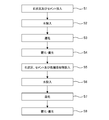
- FIG. 1 is a flowchart showing a manufacturing process of a coal ash granulated product.
- FIG. 2 is a drawing showing a bread-type granulator used for the production of coal ash granulated material.
- Coal ash granulation consists of a mixture containing coal ash, fine granulation, and cement hydrate combined with these coal ash and fine granulation, and the mixture is granulated. It is a formed porous material.
- the fine granule contained in the coal ash granule is composed of a mixture containing coal ash and cement hydrate combined with the coal ash, and the mixture is a porous material formed into granules. .
- Coal ash granules have a larger particle size than the fine granules contained in the coal ash granules, for example, the coal ash granules have a particle size of 40 mm and the fine granules have a particle size of 1 mm. mm. However, the coal ash granule may have a particle size larger than that of the fine granule and may be 40 mm or less.
- the fine granulated product is obtained by adding water to a mixture of powdered coal ash and powdered cement, granulating the added mixture, and curing and curing the granulated product. Since the blending ratio of coal ash contained in the fine granulated product is high, the fine granulated product becomes porous.
- Coal ash granulated product is obtained by adding water to a mixture of fine granulated product, powdered coal ash and powdered cement, granulating the hydrolyzed mixture, and curing and curing the granulated product. It is.
- the fine granulated material, coal ash, and cement the coal ash granulated material is porous because the blending ratio of coal ash is the highest. Since this coal ash granulated material contains a fine granulated material as an aggregate, crushing strength is high.
- a coal ash granulated material since a pore is produced
- the fact that the coal ash granule containing fine granule has high crushing strength, porosity and water absorption and low density will be described in Example 1 described later.
- Coal ash contained in the coal ash granule is fly ash generated by combustion of coal in a thermal power plant using coal as fuel.
- Fly ash is mainly composed of silica (SiO 2 ) and alumina (Al 2 O 3 ), which occupy 70 to 80% of the total, and other components include Fe 2 O 3 , CaO, MgO, SO 3 , Na 2 O, Contains oxides such as K 2 O.
- cement hydrate The cement hydrate contained in the coal ash granule is obtained by combining cement and water.
- the cement used for the cement hydrate is blast furnace cement, and more specifically, type B blast furnace cement standardized by JIS R 5211. A type or C type blast furnace cement may be used, or other types of cement may be used. Since coal ash granules contain fly ash, hydrates of fly ash by pozzolanic reaction are contained in cement hydrates.
- Fine granulated material Fine granulated material contained in the coal ash granulated material includes coal ash similar to those described in “1-1. Coal ash” and “1-2. Cement hydrate” described above. Cement hydrate is included.
- step S1 powdered coal ash and powdered cement are put into a granulator (step S1).
- the blending ratio is, for example, 10 to 15 parts by mass of cement with respect to 100 parts by mass of coal ash.
- step 2 water is further added to the granulator by adding water to the granulator (step 2), and the hydrolyzed mixture is granulated to a predetermined particle size (for example, 1 mm).
- a predetermined particle size for example, 1 mm.
- a bread granulator may be used among the granulators.
- a bread granulator 1 shown in FIG. 2 has an inclined bread (dish) 2 and a drive machine (motor) 3 that rotationally drives the bread 2.
- coal ash and cement are supplied to the rotating pan 2 and water is further supplied.
- nuclei are generated by the addition of water, and the nuclei grow by rolling of the nuclei, so that a fine granulated product (nuclear growth product) is generated.
- the generated fine granulated material is dried and cured in the air for a predetermined period (for example, two weeks) to cure the fine granulated material (step S4). Since the fine granulated material contains cement and water, the cement hydration reaction proceeds during the hardening of the fine granulated material, and fly ash is also added. As the process progresses, the fly ash pozzolanic reaction proceeds.
- the cured fine granulated material, powdered coal ash and powdered cement are charged into the granulator (step S5).
- the blending ratio is, for example, 10 to 15 parts by mass of cement and 5 to 30 parts by mass of fine granulated material with respect to 100 parts by mass of coal ash.
- water is added to the granulator by adding water to the granulator (step 6), and the hydrolyzed mixture has a larger particle size (for example, 40 mm) than the fine granulated product. Granulate until it becomes (step S7).
- the generated granulated product is dried and cured in the air for a predetermined period (for example, two weeks) to cure the granulated product (step S8). Since the granulated product contains cement and water, the cement hydration reaction proceeds during the hardening of the granulated product, and fly ash is also added. The fly ash pozzolanic reaction also proceeds. A coal ash granulated material is completed by the above.
- coal ash granulation is used as a water bottom improvement material (for example, sand-capping material). Specifically, coal ash granules are covered (sand covered) on the bottom of the water (for example, the bottom of closed waters such as lakes, swamps, and the Mediterranean Sea), or coal ash granules are mixed with sediment and mud on the bottom. Alternatively, coal ash granules are buried in the bottom of the water. This method reduces the sulfide ion concentration in the closed water area and improves the water quality environment in the closed water area. Since the coal ash granule installed in the bottom of the water has high strength due to the fine granule, it is difficult to be crushed.
- sand-capping material for example, sand-capping material.
- coal ash granule By installing the coal ash granule on the bottom of the water and using it, sulfide ions in the water and sludge are adsorbed on the coal ash granule, and hydrogen sulfide is oxidized by the coal ash granule, and sulfur alone Generated.
- the coal ash granule is a porous material and has a high porosity and water absorption, the amount of sulfide ions adsorbed on the coal ash granule becomes large. Therefore, hydrogen sulfide and sulfide ions in water and at the bottom of the water are reduced, and an increase in hydrogen sulfide concentration and sulfide ion concentration can be suppressed over a long period of time.
- coal ash granulated material as ground materials, such as a laying sand material.
- a coal ash granule may be laid on the dredged soil layer deposited on the ground (particularly in the vicinity of the embankment) by a dredged waterbed, and the dredged soil layer may be covered with the coal ash granulated layer.
- Samples A and B were prepared. Specifically, the mixture was added to a mixture having a weight ratio shown in Table 1 below, the added mixture was granulated by a granulator, and the coal ash granulated product was cured.
- the fine granulated material contained in Sample B is a mixture of coal ash and cement at a weight ratio of 15 ⁇ ⁇ ⁇ ⁇ g cement to 100 g coal ash, and then added to the mixed powder. Formed and cured for 1 week.
- Sample B (Example) containing the fine granulated product has a higher crushing strength, although the dry density is lower than Sample A (Comparative Example) not containing the fine granulated product. It can also be seen that Sample B has a higher porosity and water absorption than Sample A. Therefore, it is considered that Sample B has a larger amount of sulfide ion adsorption than Sample A.
Landscapes
- Engineering & Computer Science (AREA)
- Chemical & Material Sciences (AREA)
- Ceramic Engineering (AREA)
- Structural Engineering (AREA)
- Organic Chemistry (AREA)
- General Engineering & Computer Science (AREA)
- Environmental & Geological Engineering (AREA)
- Civil Engineering (AREA)
- Chemical Kinetics & Catalysis (AREA)
- Materials Engineering (AREA)
- Combustion & Propulsion (AREA)
- Mechanical Engineering (AREA)
- Inorganic Chemistry (AREA)
- Curing Cements, Concrete, And Artificial Stone (AREA)
- Processing Of Solid Wastes (AREA)
Abstract
強度及び吸水率の高い石炭灰造粒物を提供する。 石炭灰造粒物は、石炭灰及びその石炭灰を結合するセメント水和物を含有するとともに粒状に形成された造粒物と、第二石炭灰と、前記第二石炭灰及び前記造粒物を結合するセメント水和物とを含有する混合物からなる。この石炭灰造粒物は、それに含まれる前記造粒物よりも粒径が大きい。この石炭灰造粒物を水底に設置して、水底を改良する。
Description
本発明は、石炭灰造粒物及びその製造方法に関するとともに、その石炭灰造粒物を用いた水底改良方法に関する。
石炭灰造粒物は、石炭灰とセメントと水等の混合物を粒状に形成したものである。そのような石炭灰造粒物の製法又は用途に関する技術を開示する文献として、特許文献1~5等がある。
特許文献1には、循環型常圧流動床ボイラで発生する石炭灰と、石炭火力発電炉で発生するフライアッシュと、セメントと、生石灰と、水とを混合・造粒して、その造粒物を細骨材としてコンクリートに混合する技術が開示されている。これにより、コンクリートに混合することができるフライアッシュの量を増やすことができる。
特許文献2には、平均粒子径が10~30μmの石炭灰と、平均粒子径が5μm以下の微粒子石炭灰と、セメントとを含む粉体に加水し、それを混合・造粒する技術が開示されている。これにより、造粒時間を短縮することができる。
特許文献3には、石炭灰造粒砂、セメント、砂及び水を調合撹拌後、成形固結させたセメント系構造体が開示されている。このように製造されたセメント構造体は吸水性に優れている。
特許文献4には、フライアッシュを造粒して得たフライアッシュ造粒体にボトムアッシュを被覆した粒状物が開示されている。これにより、フライアッシュに含まれる元素の溶出を抑えることができる。
特許文献5には、石炭灰にベントナイトを混練して造粒し、その造粒物を焼成した後に篩に掛け、その篩下を前記石炭灰と前記ベントナイトの造粒の際に添加することが開示されている。このように製造された造粒物は吸水率が低く抑えられている。
ところで、石炭灰造粒物は様々な用途に利用されるが、用途によっては石炭灰造粒物の強度及び吸水率が高く要求される。
そこで、本発明は、強度及び吸水率の高い石炭灰造粒物を提供することを目的とする。
そこで、本発明は、強度及び吸水率の高い石炭灰造粒物を提供することを目的とする。
上記課題を解決するための主たる発明は、石炭灰及びその石炭灰を結合するセメント水和物を含有するとともに粒状に形成された造粒物と、第二石炭灰と、前記第二石炭灰及び前記造粒物を結合する第二セメント水和物とを含有する混合物からなり、前記混合物が前記造粒物よりも粒径の大きな粒状に形成された石炭灰造粒物である。
石炭灰造粒物の製造方法は、石炭灰とセメントとを配合し、それらの混合物に加水し、加水した混合物を造粒し、その造粒により得られた造粒物を養生する第一造粒物生成工程と、前記第一造粒物生成工程により生成した造粒物と石炭灰とセメントとを配合し、それらの混合物に加水し、その加水した混合物を前記造粒物よりも大きな粒径に造粒し、その造粒により得られた石炭灰造粒物を養生する第二造粒物生成工程と、を備える。
石炭灰造粒物の製造方法は、石炭灰及びその石炭灰を結合するセメント水和物を含有するとともに粒状に形成された造粒物と石炭灰とセメントとを配合し、それらの混合物に加水し、加水した混合物を前記造粒物よりも大きな粒径に造粒して、その造粒により得られた造粒物を養生する方法である。
水底改良方法は、石炭灰及びその石炭灰を結合するセメント水和物を含有するとともに粒状に形成された造粒物と石炭灰とセメントとを配合し、それらの混合物に加水し、加水した混合物を前記造粒物よりも大きな粒径に造粒し、その造粒により得られた石炭灰造粒物を養生する造粒物生成工程と、前記造粒物生成工程において養生した造粒物を水底に設置する工程と、を備える。
本発明によれば、石炭灰造粒物は微細な造粒物を含有するので、圧潰強度が高い。また、石炭灰造粒物に含まれる微細な造粒物同士の間に気孔が生成されるので、石炭灰造粒物は密度が低く、空隙率及び吸水率が高い。
以下、本発明の実施形態について説明する。但し、以下に述べる実施形態には、本発明を実施するために技術的に好ましい種々の限定が付されているが、本発明の範囲を以下の実施形態に限定するものではない。
1. 石炭灰造粒物
石炭灰造粒物は、石炭灰と、微細造粒物と、これら石炭灰及び微細造粒物を結合したセメント水和物とを含有した混合物からなり、その混合物は粒状に形成された多孔質材料である。その石炭灰造粒物に含まれる微細造粒物は、石炭灰と、この石炭灰を結合したセメント水和物とを含有した混合物からなり、その混合物は粒状に形成された多孔質材料である。
石炭灰造粒物はその石炭灰造粒物に含まれる微細造粒物よりも粒径が大きく、例えば石炭灰造粒物の粒径が40 mm であり、微細造粒物の粒径が1 mm である。但し、石炭灰造粒物は微細造粒物よりも大きな粒径であれば、40 mm 以下であってもよい。
石炭灰造粒物は、石炭灰と、微細造粒物と、これら石炭灰及び微細造粒物を結合したセメント水和物とを含有した混合物からなり、その混合物は粒状に形成された多孔質材料である。その石炭灰造粒物に含まれる微細造粒物は、石炭灰と、この石炭灰を結合したセメント水和物とを含有した混合物からなり、その混合物は粒状に形成された多孔質材料である。
石炭灰造粒物はその石炭灰造粒物に含まれる微細造粒物よりも粒径が大きく、例えば石炭灰造粒物の粒径が40 mm であり、微細造粒物の粒径が1 mm である。但し、石炭灰造粒物は微細造粒物よりも大きな粒径であれば、40 mm 以下であってもよい。
微細造粒物は、粉末状の石炭灰と粉末状のセメントとの混合物に加水して、その加水した混合物を造粒し、その造粒物を硬化・養生して得られるものである。微細造粒物に含まれる石炭灰の配合比が高いので、微細造粒物が多孔質となる。
石炭灰造粒物は、微細造粒物と粉末状石炭灰と粉末状セメントとの混合物に加水して、その加水した混合物を造粒し、その造粒物を硬化・養生して得られるものである。微細造粒物と石炭灰とセメントの中では、石炭灰の配合比が最も高いので、石炭灰造粒物は多孔質となる。この石炭灰造粒物は微細造粒物を骨材として含有するので、圧潰強度が高い。また、石炭灰造粒物の造粒の際に微細造粒物同士の間に気孔が生成されるので、石炭灰造粒物は密度が低く、空隙率(気孔率)及び吸水率が高い。微細造粒物を含有した石炭灰造粒物の圧潰強度、空隙率及び吸水率が高く、密度が低いことについては、後述の実施例1において説明する。
1-1. 石炭灰
石炭灰造粒物に含まれる石炭灰は、石炭を燃料として用いる火力発電所において石炭の燃焼により生成されたフライアッシュである。フライアッシュは、全体の70~80%を占めるシリカ(SiO2)及びアルミナ(Al2O3)を主成分とし、その他の成分としてFe2O3、CaO、MgO、SO3、Na2O、K2O等の酸化物を含有する。
石炭灰造粒物に含まれる石炭灰は、石炭を燃料として用いる火力発電所において石炭の燃焼により生成されたフライアッシュである。フライアッシュは、全体の70~80%を占めるシリカ(SiO2)及びアルミナ(Al2O3)を主成分とし、その他の成分としてFe2O3、CaO、MgO、SO3、Na2O、K2O等の酸化物を含有する。
1-2. セメント水和物
石炭灰造粒物に含まれるセメント水和物は、セメントと水が化合することによって得られたものである。そのセメント水和物に利用されるセメントは高炉セメントであり、より具体的には、JIS R 5211によって規格されたB種高炉セメントである。なお、A種又はC種の高炉セメントが利用されてもよいし、他の種類のセメントが利用されてもよい。
石炭灰造粒物にはフライアッシュが含まれていることから、フライアッシュのポゾラン反応による水和物がセメント水和物に含まれている。
石炭灰造粒物に含まれるセメント水和物は、セメントと水が化合することによって得られたものである。そのセメント水和物に利用されるセメントは高炉セメントであり、より具体的には、JIS R 5211によって規格されたB種高炉セメントである。なお、A種又はC種の高炉セメントが利用されてもよいし、他の種類のセメントが利用されてもよい。
石炭灰造粒物にはフライアッシュが含まれていることから、フライアッシュのポゾラン反応による水和物がセメント水和物に含まれている。
1-3. 微細造粒物
石炭灰造粒物に含まれる微細造粒物には、上述の「1-1. 石炭灰」及び「1-2. セメント水和物」に記載したものと同様の石炭灰及びセメント水和物が含まれる。
石炭灰造粒物に含まれる微細造粒物には、上述の「1-1. 石炭灰」及び「1-2. セメント水和物」に記載したものと同様の石炭灰及びセメント水和物が含まれる。
2. 石炭灰造粒物の製造方法
図1のフローチャートを参照して、石炭灰造粒物の製造方法について説明する。
まず、粉末状石炭灰及び粉末状セメントを造粒機に投入する(ステップS1)。配合比は、例えば100質量部の石炭灰に対して、セメントを10~15質量部とする。そして、造粒機を運転させながら、更に水を造粒機に投入することによってその混合物に加水し(ステップ2)、加水された混合物を所定の粒径(例えば1 mm)になるまで造粒する(ステップS3)。以下、このようにして生成した造粒物を微細造粒物という。
図1のフローチャートを参照して、石炭灰造粒物の製造方法について説明する。
まず、粉末状石炭灰及び粉末状セメントを造粒機に投入する(ステップS1)。配合比は、例えば100質量部の石炭灰に対して、セメントを10~15質量部とする。そして、造粒機を運転させながら、更に水を造粒機に投入することによってその混合物に加水し(ステップ2)、加水された混合物を所定の粒径(例えば1 mm)になるまで造粒する(ステップS3)。以下、このようにして生成した造粒物を微細造粒物という。
ステップS3の造粒工程では、造粒機の中でもパン型造粒機を用いるとよい。図2に示すパン型造粒機1は、傾斜したパン(皿)2と、そのパン2を回転駆動する駆動機(モータ)3とを有するものである。パン型造粒機1を用いて微細造粒物を製造するには、回転するパン2に石炭灰とセメントを供給し、更に水を供給する。そうすると、水の添加により核が生成され、それら核の転動によって核が成長するので、微細造粒物(核の成長物)が生成される。
生成した微細造粒物を気中で所定期間(例えば2週間)乾燥・養生して、微細造粒物を硬化させる(ステップS4)。微細造粒物にはセメントと水が含まれていることから、微細造粒物の硬化中にセメントの水和反応が進行し、更にフライアッシュも添加されることから、セメントの水和反応の進行とともにフライアッシュのポゾラン反応も進行する。
その後、養生した微細造粒物、粉末状石炭灰及び粉末状セメントを造粒機に投入する(ステップS5)。配合比は、例えば100質量部の石炭灰に対して、セメントを10~15質量部とし、微細造粒物を5~30質量部とする。そして、造粒機を運転させながら、更に水を造粒機に投入することによってその混合物に加水し(ステップ6)、加水された混合物を微細造粒物よりも大きな粒径(例えば40 mm)になるまで造粒する(ステップS7)。
生成した造粒物を気中で所定期間(例えば2週間)乾燥・養生して、造粒物を硬化させる(ステップS8)。造粒物にはセメントと水が含まれていることから、造粒物の硬化中にセメントの水和反応が進行し、更にフライアッシュも添加されることから、セメントの水和反応の進行とともにフライアッシュのポゾラン反応も進行する。
以上により石炭灰造粒物が完成する。
以上により石炭灰造粒物が完成する。
3. 石炭灰造粒物の用途
完成した石炭灰造粒物は、水底改良材(例えば、覆砂材)として利用される。
具体的には、石炭灰造粒物を水底(例えば、湖、沼、地中海等の閉鎖性水域の水底)に被覆(覆砂)し、或いは石炭灰造粒物を水底の土砂・泥に混合し、或いは石炭灰造粒物を水底に埋設する。この方法によって閉鎖性水域の硫化物イオン濃度を低減させて、閉鎖性水域の水質環境を改善する。水底に設置した石炭灰造粒物は、微細造粒物により高強度となっているので、破砕されにくい。
完成した石炭灰造粒物は、水底改良材(例えば、覆砂材)として利用される。
具体的には、石炭灰造粒物を水底(例えば、湖、沼、地中海等の閉鎖性水域の水底)に被覆(覆砂)し、或いは石炭灰造粒物を水底の土砂・泥に混合し、或いは石炭灰造粒物を水底に埋設する。この方法によって閉鎖性水域の硫化物イオン濃度を低減させて、閉鎖性水域の水質環境を改善する。水底に設置した石炭灰造粒物は、微細造粒物により高強度となっているので、破砕されにくい。
石炭灰造粒物を水底に設置して用いることで、水中及び汚泥中の硫化物イオンが石炭灰造粒物に吸着されるとともに、石炭灰造粒物によって硫化水素が酸化され、硫黄単体が生成される。特に、石炭灰造粒物が多孔質材料であってその気孔率や吸水率が高いので、石炭灰造粒物への硫化物イオンの吸着量が多量となる。よって、水中及び水底の硫化水素や硫化物イオンが低減し、長期間に渡って硫化水素濃度や硫化物イオン濃度の上昇を抑制することができる。
また、水底にある石炭灰造粒物の上に有機物等が堆積し、その堆積物が嫌気性の環境に晒されると、硫酸還元菌によって硫化水素が生じやすくなる。有機物等の堆積物中で生じる硫化水素も石炭灰造粒物の持つ硫化物イオン吸着性能と硫化水素の酸化性能によって除去される。よって、水中の硫化水素濃度及び硫化物イオン濃度の上昇を抑制することができる。
なお、石炭灰造粒物を敷砂材等の地盤材料として利用してもよい。例えば、水底の浚渫により地上(特に堤防近傍)に堆積された浚渫土層上に石炭灰造粒物を敷設し、浚渫土層を石炭灰造粒物層によって被覆してもよい。或いは、埋立地に石炭灰造粒物層を敷設してもよい。
試料A,Bを作製した。具体的には、以下の表1に示す重量比の混合物に加水して、加水した混合物を造粒機によって造粒し、その石炭灰造粒物を養生した。試料Bに含まれる微細造粒物は、石炭灰100 gに対してセメント15 gの重量比で石炭灰及びセメントを混合し、その混合粉に加水して、造粒機によって1 mmの粒状物に形成し、それを1週間養生したものである。

そして、作製した試料A,Bの圧潰強度(JIS Z 8841)、空隙率、吸水率(JIS A 1110,JIS A 1109)及び乾燥密度(JIS A 1125)を測定した。その測定結果を表2に示す。
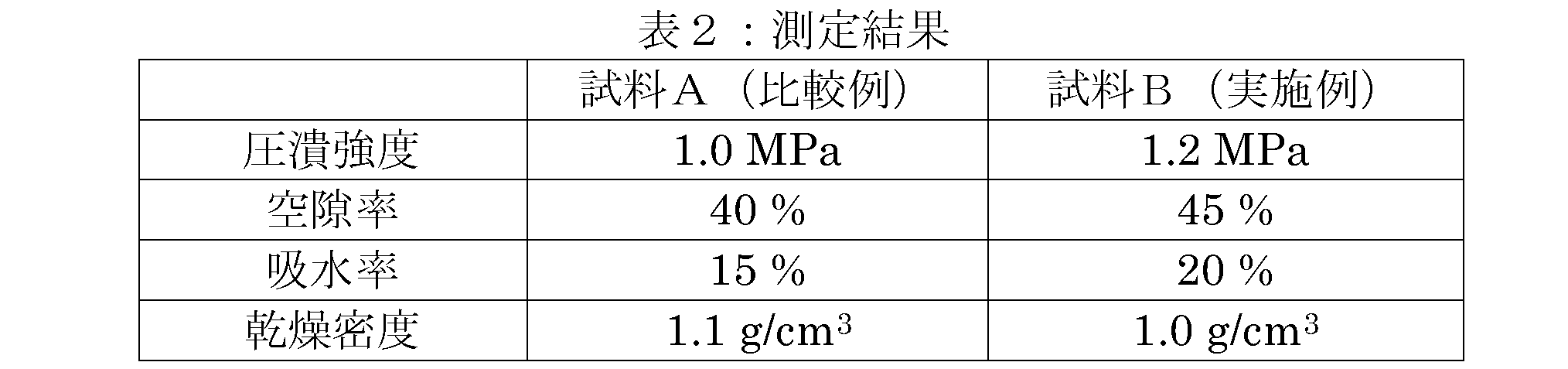
微細造粒物を含有する試料B(実施例)は、微細造粒物を含有しない試料A(比較例)よりも乾燥密度が低いにもかかわらず、圧潰強度が高いことが分かる。
また、試料Bは、試料Aよりも空隙率及び吸水率が高いことが分かる。そのため、試料Bは、試料Aよりも硫化物イオンの吸着量が多くなると考えられる。
また、試料Bは、試料Aよりも空隙率及び吸水率が高いことが分かる。そのため、試料Bは、試料Aよりも硫化物イオンの吸着量が多くなると考えられる。
1…パン型造粒機, 2…パン, 3…駆動機
Claims (7)
- 石炭灰及びその石炭灰を結合するセメント水和物を含有するとともに粒状に形成された造粒物と、第二石炭灰と、前記第二石炭灰及び前記造粒物を結合する第二セメント水和物とを含有する混合物からなり、
前記混合物が前記造粒物よりも粒径の大きな粒状に形成された石炭灰造粒物。 - 石炭灰とセメントとを配合し、それらの混合物に加水し、加水した混合物を造粒し、その造粒により得られた造粒物を養生する第一造粒物生成工程と、
前記第一造粒物生成工程により生成した造粒物と石炭灰とセメントとを配合し、それらの混合物に加水し、その加水した混合物を前記造粒物よりも大きな粒径に造粒し、その造粒により得られた石炭灰造粒物を養生する第二造粒物生成工程と、を備える石炭灰造粒物の製造方法。 - 前記第二造粒物生成工程では、100質量部の石炭灰に対して、セメントを10~15質量部とし、造粒物を5~30質量部とした配合比で石炭灰とセメントと造粒物を配合する請求項2に記載の石炭灰造粒物の製造方法。
- 前記第一造粒物生成工程では、前記造粒物を粒径1mmになるまで造粒する請求項2又は3に記載の石炭灰造粒物の製造方法。
- 前記第一造粒物生成工程では、100質量部の石炭灰に対して、セメントを10~15質量部とした配合比で石炭灰とセメントを配合する請求項2から4の何れか一項に記載の石炭灰造粒物の製造方法。
- 石炭灰及びその石炭灰を結合するセメント水和物を含有するとともに粒状に形成された造粒物と石炭灰とセメントとを配合し、それらの混合物に加水し、加水した混合物を前記造粒物よりも大きな粒径に造粒して、その造粒により得られた造粒物を養生する石炭灰造粒物の製造方法。
- 石炭灰及びその石炭灰を結合するセメント水和物を含有するとともに粒状に形成された造粒物と石炭灰とセメントとを配合し、それらの混合物に加水し、加水した混合物を前記造粒物よりも大きな粒径に造粒し、その造粒により得られた石炭灰造粒物を養生する造粒物生成工程と、
前記造粒物生成工程において養生した造粒物を水底に設置する工程と、を備える水底改良方法。
Priority Applications (4)
| Application Number | Priority Date | Filing Date | Title |
|---|---|---|---|
| JP2017503173A JP6210173B1 (ja) | 2016-03-07 | 2016-03-07 | 石炭灰造粒物、その製造方法及び水底改良方法 |
| MYPI2018703079A MY191180A (en) | 2016-03-07 | 2016-03-07 | Coal ash granulated material, manufacturing method for the same, and bottom improvement method |
| PCT/JP2016/056994 WO2017154078A1 (ja) | 2016-03-07 | 2016-03-07 | 石炭灰造粒物、その製造方法及び水底改良方法 |
| PH12018501875A PH12018501875A1 (en) | 2016-03-07 | 2018-09-03 | Coal ash granulated material, manufacturing method for the same, and bottom improvement method |
Applications Claiming Priority (1)
| Application Number | Priority Date | Filing Date | Title |
|---|---|---|---|
| PCT/JP2016/056994 WO2017154078A1 (ja) | 2016-03-07 | 2016-03-07 | 石炭灰造粒物、その製造方法及び水底改良方法 |
Publications (1)
| Publication Number | Publication Date |
|---|---|
| WO2017154078A1 true WO2017154078A1 (ja) | 2017-09-14 |
Family
ID=59789084
Family Applications (1)
| Application Number | Title | Priority Date | Filing Date |
|---|---|---|---|
| PCT/JP2016/056994 Ceased WO2017154078A1 (ja) | 2016-03-07 | 2016-03-07 | 石炭灰造粒物、その製造方法及び水底改良方法 |
Country Status (4)
| Country | Link |
|---|---|
| JP (1) | JP6210173B1 (ja) |
| MY (1) | MY191180A (ja) |
| PH (1) | PH12018501875A1 (ja) |
| WO (1) | WO2017154078A1 (ja) |
Cited By (1)
| Publication number | Priority date | Publication date | Assignee | Title |
|---|---|---|---|---|
| JP2020015850A (ja) * | 2018-07-26 | 2020-01-30 | 日本製鉄株式会社 | カルシア改質土の製造方法 |
Citations (4)
| Publication number | Priority date | Publication date | Assignee | Title |
|---|---|---|---|---|
| JPH08243578A (ja) * | 1995-03-08 | 1996-09-24 | Tohoku Ryokka Kankyo Hozen Kk | 水処理用のペレット及びその製造方法 |
| JP2002136858A (ja) * | 2000-11-02 | 2002-05-14 | Chubu Electric Power Co Inc | 無機粉体造粒物の緻密化方法 |
| WO2012090884A1 (ja) * | 2010-12-28 | 2012-07-05 | 太平洋セメント株式会社 | セメント混合材、セメント添加材、並びに混合セメントの製造方法 |
| JP2013151787A (ja) * | 2012-01-24 | 2013-08-08 | Chugoku Electric Power Co Inc:The | 水酸化カルシウム含有粒状物覆砂構造および方法 |
-
2016
- 2016-03-07 WO PCT/JP2016/056994 patent/WO2017154078A1/ja not_active Ceased
- 2016-03-07 MY MYPI2018703079A patent/MY191180A/en unknown
- 2016-03-07 JP JP2017503173A patent/JP6210173B1/ja active Active
-
2018
- 2018-09-03 PH PH12018501875A patent/PH12018501875A1/en unknown
Patent Citations (4)
| Publication number | Priority date | Publication date | Assignee | Title |
|---|---|---|---|---|
| JPH08243578A (ja) * | 1995-03-08 | 1996-09-24 | Tohoku Ryokka Kankyo Hozen Kk | 水処理用のペレット及びその製造方法 |
| JP2002136858A (ja) * | 2000-11-02 | 2002-05-14 | Chubu Electric Power Co Inc | 無機粉体造粒物の緻密化方法 |
| WO2012090884A1 (ja) * | 2010-12-28 | 2012-07-05 | 太平洋セメント株式会社 | セメント混合材、セメント添加材、並びに混合セメントの製造方法 |
| JP2013151787A (ja) * | 2012-01-24 | 2013-08-08 | Chugoku Electric Power Co Inc:The | 水酸化カルシウム含有粒状物覆砂構造および方法 |
Cited By (2)
| Publication number | Priority date | Publication date | Assignee | Title |
|---|---|---|---|---|
| JP2020015850A (ja) * | 2018-07-26 | 2020-01-30 | 日本製鉄株式会社 | カルシア改質土の製造方法 |
| JP7114385B2 (ja) | 2018-07-26 | 2022-08-08 | 日本製鉄株式会社 | カルシア改質土の製造方法 |
Also Published As
| Publication number | Publication date |
|---|---|
| JP6210173B1 (ja) | 2017-10-11 |
| PH12018501875A1 (en) | 2019-05-15 |
| MY191180A (en) | 2022-06-04 |
| JPWO2017154078A1 (ja) | 2018-03-22 |
Similar Documents
| Publication | Publication Date | Title |
|---|---|---|
| Ohenoja et al. | Utilization of fly ashes from fluidized bed combustion: A review | |
| Dwivedi et al. | Fly ash–waste management and overview: A Review | |
| Jayaranjan et al. | Reuse options for coal fired power plant bottom ash and fly ash | |
| Dong et al. | Core-Shell structured ceramsite made by excavated soil and expanded perlite through cold-bonded technology | |
| Sivakumar et al. | STRENGTH AND PERMEABILITY PROPERTIES OF CONCRETE USING FLY ASH (FA), RISE HUSK ASH (RHA) AND EGG SHELL POWDER (ESP). | |
| RU2594031C2 (ru) | Смесь строительных материалов, а также способ ее получения и применения | |
| KR101367790B1 (ko) | 친환경 저알칼리성 콘크리트 형성용 조성물 | |
| CN101623619A (zh) | 发泡型工业废渣基复合脱磷材料 | |
| JP2014047121A (ja) | 石炭灰造粒体および造粒体混合物 | |
| CN103979771B (zh) | 利用石油焦炭脱硫石膏的高含水污泥固化剂 | |
| Naskar et al. | Resource and recycling: A comprehensive review of India’s coal landscape, characterization, and the current to future potential of fly ash from thermal power plants | |
| KR101586818B1 (ko) | 지반보강 충전 및 고화용 비소성 무기질 결합재, 이의 제조방법 및 이를 이용하여 생성한 복토재 | |
| Kumar et al. | Converting waste fly ash into valuable products: an insight into processing techniques and applications | |
| JP2006167524A (ja) | 砒素含有土壌の処理方法 | |
| JP6210173B1 (ja) | 石炭灰造粒物、その製造方法及び水底改良方法 | |
| JP5879171B2 (ja) | リン回収材、リン回収方法及び肥料の製造方法 | |
| CN100410185C (zh) | 一种复合粉煤灰填料,其制备方法和用途 | |
| Kim et al. | Development of soil conditioner for reclaimed land desalinization based on high-iron fly ash | |
| JP4928401B2 (ja) | 水和固化体及びその製造方法、並びに海洋構造物 | |
| JP6204099B2 (ja) | 地盤改良方法 | |
| JP6812182B2 (ja) | 藻類増殖促進用資材 | |
| JP3559905B2 (ja) | 環境浄化型無機質材 | |
| JP6202589B1 (ja) | 水質改良材及びその製造方法並びに水質改良方法 | |
| JP2009155154A (ja) | ポーラスコンクリートとその骨材 | |
| KR101067962B1 (ko) | 인공어초 및 이의 제조방법 |
Legal Events
| Date | Code | Title | Description |
|---|---|---|---|
| ENP | Entry into the national phase |
Ref document number: 2017503173 Country of ref document: JP Kind code of ref document: A |
|
| NENP | Non-entry into the national phase |
Ref country code: DE |
|
| 121 | Ep: the epo has been informed by wipo that ep was designated in this application |
Ref document number: 16893410 Country of ref document: EP Kind code of ref document: A1 |
|
| 122 | Ep: pct application non-entry in european phase |
Ref document number: 16893410 Country of ref document: EP Kind code of ref document: A1 |