WO2017146104A1 - 口腔内貼付剤 - Google Patents
口腔内貼付剤 Download PDFInfo
- Publication number
- WO2017146104A1 WO2017146104A1 PCT/JP2017/006622 JP2017006622W WO2017146104A1 WO 2017146104 A1 WO2017146104 A1 WO 2017146104A1 JP 2017006622 W JP2017006622 W JP 2017006622W WO 2017146104 A1 WO2017146104 A1 WO 2017146104A1
- Authority
- WO
- WIPO (PCT)
- Prior art keywords
- drug
- drug layer
- layer
- patch
- oral
- Prior art date
- Legal status (The legal status is an assumption and is not a legal conclusion. Google has not performed a legal analysis and makes no representation as to the accuracy of the status listed.)
- Ceased
Links
Images


Classifications
-
- A—HUMAN NECESSITIES
- A61—MEDICAL OR VETERINARY SCIENCE; HYGIENE
- A61K—PREPARATIONS FOR MEDICAL, DENTAL OR TOILETRY PURPOSES
- A61K45/00—Medicinal preparations containing active ingredients not provided for in groups A61K31/00 - A61K41/00
-
- A—HUMAN NECESSITIES
- A61—MEDICAL OR VETERINARY SCIENCE; HYGIENE
- A61K—PREPARATIONS FOR MEDICAL, DENTAL OR TOILETRY PURPOSES
- A61K47/00—Medicinal preparations characterised by the non-active ingredients used, e.g. carriers or inert additives; Targeting or modifying agents chemically bound to the active ingredient
- A61K47/06—Organic compounds, e.g. natural or synthetic hydrocarbons, polyolefins, mineral oil, petrolatum or ozokerite
- A61K47/08—Organic compounds, e.g. natural or synthetic hydrocarbons, polyolefins, mineral oil, petrolatum or ozokerite containing oxygen, e.g. ethers, acetals, ketones, quinones, aldehydes, peroxides
- A61K47/10—Alcohols; Phenols; Salts thereof, e.g. glycerol; Polyethylene glycols [PEG]; Poloxamers; PEG/POE alkyl ethers
-
- A—HUMAN NECESSITIES
- A61—MEDICAL OR VETERINARY SCIENCE; HYGIENE
- A61K—PREPARATIONS FOR MEDICAL, DENTAL OR TOILETRY PURPOSES
- A61K47/00—Medicinal preparations characterised by the non-active ingredients used, e.g. carriers or inert additives; Targeting or modifying agents chemically bound to the active ingredient
- A61K47/30—Macromolecular organic or inorganic compounds, e.g. inorganic polyphosphates
- A61K47/32—Macromolecular compounds obtained by reactions only involving carbon-to-carbon unsaturated bonds, e.g. carbomers, poly(meth)acrylates, or polyvinyl pyrrolidone
Definitions
- the present invention relates to an intraoral patch.
- This application claims priority based on Japanese Patent Application No. 2016-34513 filed in Japan on February 25, 2016, the contents of which are incorporated herein by reference.
- the intraoral patch adheres to the oral cavity, it is difficult to be swallowed by mistake, and the drug is gradually released by infiltration of saliva, so it is suitable for an application in which the drug is released over a long period of time.
- the release of drugs from the oral patch is affected by the patient's salivary secretion. For example, since saliva secretion decreases during sleep, saliva is less likely to infiltrate the oral patch, and drug release may vary.
- the present invention has been made in view of the above-described circumstances, and an object of the present invention is to provide an intraoral patch capable of stably releasing a drug even when salivary secretion is reduced.
- the present invention is an intraoral patch having a drug layer containing a drug and an infiltration promoter and an adhesion layer containing a component for imparting adhesion to mucous membranes and fixed to the drug layer.
- the infiltration promoter may contain at least one of erythritol and D-sorbitol.
- the infiltration promoter may contain an osmotic pressure regulator having an osmotic pressure at 20 ° C. of 1000 mOsm / kg or more and 2000 mOsm / kg or less.
- the content of the infiltration promoter in the drug layer may be 20% by mass or more and 70% by mass or less.
- the drug may be an ultra-short acting sleep inducer.
- the drug layer may contain at least one of an excipient and a binder.
- the adhesive layer may contain at least one of an excipient and a binder.
- the adhesion imparting component may contain at least one of povidone and carboxyvinyl polymer.
- the infiltration promoter allows saliva to infiltrate into the drug layer, the saliva can be retained in the drug layer, so that the drug can be stably released even when saliva secretion decreases. .
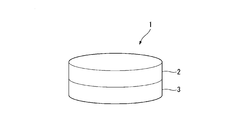
- FIG. 1 is a perspective view showing an example of the dosage form of the intraoral patch of the present embodiment.
- the intraoral patch of the present embodiment is a drug that is used by being stuck in the oral cavity.
- the dosage form of the intraoral patch 1 is a tablet, and in particular, a multilayer tablet having an adhesive layer 3 that can adhere to the oral cavity.
- the shape of the intraoral patch 1 is, for example, a disc shape.
- the oral patch 1 has a diameter of 6 mm to 12 mm and a total thickness of 1 mm to 6 mm.
- the intraoral patch 1 has a drug layer 2 and an adhesion layer 3.
- the drug layer 2 contains a drug and an infiltration promoter.
- the type of drug is not particularly limited.
- an ultrashort-acting sleep induction agent or a short-acting sleep induction agent may be contained in the drug layer 2 of the present embodiment as a drug.
- ultra-short-acting sleep-inducing agents are zolpidem (N, N, 6-Trimethyl-2- (4-methylphenyl) imidazo [1,2- ⁇ ] pyridine-3-acetamide), triazolam, zopiclone, and S Examples include zopiclone.
- Examples of the short-acting sleep induction agent include protizolam, lormetazopam, rilmagaphone and the like.
- Zolpidem may be a base educt or an acid addition salt.
- the acid added to zolpidem is selected from known medically acceptable acids.
- an inorganic acid such as hydrochloric acid or nitric acid may be used as the acid added to zolpidem.
- organic acids such as (hemi) tartaric acid, (hemi) succinic acid, (hemi) fumaric acid, (hemi) maleic acid, malic acid, lactic acid, citric acid, and (hemi) adipic acid May be used.
- the zolpidem acid addition salt is preferably a tartaric acid addition salt or a hemitartaric acid addition salt.
- the drug layer 2 contains zolpidem tartrate (N, N, 6-Trimethyl-2- (4-methylphenyl) imidazo [1,2- ⁇ ] -pyridine-3-acetamide hemi- (2R) as a drug. , 3R) -tartrate) in a predetermined amount of 2 mg to 8 mg.
- the content of the drug in the drug layer 2 may be appropriately set in consideration of a desired drug effect.
- the infiltration promoting agent is contained in the drug layer 2 in order to promote the infiltration of saliva into the drug layer 2.
- the infiltration promoter includes an osmotic pressure adjusting agent for adjusting the osmotic pressure of the drug layer 2 in a state where the intraoral patch 1 of the present embodiment is attached to the oral cavity.
- the osmotic pressure regulator that serves as an infiltration promoter include erythritol and D-sorbitol. That is, the drug layer 2 in the present embodiment may include at least one of erythritol and D-sorbitol.
- the osmotic pressure regulator that can be used as an infiltration promoter is not limited to the above, and may be a substance having an osmotic pressure at 20 ° C. of 1000 mOsm / kg to 2000 mOsm / kg.
- the content of the invasion promoter in the drug layer 2 defines the drug release rate.
- the content of the infiltration promoter in the drug layer 2 defines the time during which the medicinal effect of the oral patch 1 of the present embodiment is maintained.
- the content of the infiltration promoter in the drug layer 2 is a predetermined content in the range of 20% by mass to 70% by mass.
- the infiltration promoter is a drug layer that contains liquid (saliva) necessary for disintegration of the drug layer 2 by taking saliva into the drug layer 2 in a state where the oral patch 1 is attached to the oral cavity. Hold at 2. That is, in the present embodiment, the infiltration promoter contained in the drug layer 2 is an osmotic pressure regulator, so that in the state where saliva has infiltrated into the drug layer 2, the inside of the drug layer 2 is more than the outside of the drug layer 2. Is kept high, and saliva further infiltrates into the drug layer 2. Further, the drug layer 2 is gradually disintegrated from the outside by dissolving the drug and other components in the saliva retained in the drug layer 2.
- the drug layer 2 may contain at least one of an excipient and a binder in addition to the drug and the infiltration promoter. Furthermore, the drug layer 2 may contain other components as necessary.
- the drug layer 2 may contain crystalline cellulose, lactose, lactose hydrate, aminoalkyl methacrylate copolymer, waxes, purified shellac and the like as excipients.
- crystalline cellulose and lactose are included in the drug layer 2 as excipients, the disintegration is excellent.
- the compounding ratio of crystalline cellulose and lactose is preferably 1.5: 1 to 2: 1 by mass ratio.
- lactose is a hydrate.
- the content of the excipient in the drug layer 2 is a predetermined content in the range of 67% by mass to 87% by mass.
- the drug layer 2 includes povidone (polyvinylpyrrolidone), crospovidone, carmellose or a sodium salt thereof, croscarmellose or a sodium salt thereof, hydroxyethyl cellulose, hydroxypropyl cellulose, hydroxypropyl methyl cellulose, ethyl cellulose, carboxy as a binder.
- Vinyl polymers, starches, starch derivatives and the like may be included.
- povidone, croscarmellose, and sodium salt of croscarmellose are particularly preferred as the binder.
- povidone contained in the binder preferably has a K value of about 90 (grade K-90).
- the drug layer 2 is composed of other components that control the release of the drug, additional bioactive components, stabilizers, colorants, lubricants, in addition to the drug and the infiltration promoter.
- An agent or the like may be contained.
- the adhesion layer 3 contains a component (adhesion imparting component) that gives adhesion to the mucous membrane when moisture (saliva) infiltrates.
- the adhesion layer 3 may also contain povidone (polyvinylpyrrolidone), carboxyvinyl polymer, hydroxyethylcellulose, hydroxypropylcellulose, hydroxypropylmethylcellulose, carboxymethylcellulose or a sodium salt thereof, starch, starch derivatives and the like as adhesion imparting components.
- povidone polyvinylpyrrolidone
- carboxyvinyl polymer hydroxyethylcellulose, hydroxypropylcellulose, hydroxypropylmethylcellulose, carboxymethylcellulose or a sodium salt thereof, starch, starch derivatives and the like as adhesion imparting components.
- povidone polyvinylpyrrolidone
- carboxyvinyl polymer hydroxyethylcellulose, hydroxypropylcellulose, hydroxypropylmethylcellulose, carboxymethylcellulose or a sodium salt thereof, starch, starch derivatives and the like
- the povidone contained in the adhesion layer 3 as an adhesion imparting component preferably has a K
- the compounding ratio of povidone and carboxyvinyl polymer is preferably 2: 3 by mass ratio. Moreover, it is preferable that lactose is a hydrate.
- the content of the adhesion-imparting component in the adhesion layer 3 is set based on the time required for the adhesion layer 3 to adhere to the oral mucosa. The content of the adhesion-imparting component in the adhesion layer 3 is preferably, for example, 50% by mass of the entire adhesion layer 3.
- the adhesion layer 3 may contain at least one of an excipient and a binder in addition to the adhesion imparting component. Furthermore, the adhesion layer 3 may contain other components as necessary.
- the adhesion layer 3 may contain maltitol, crystalline cellulose, lactose, starch, dextrin, sucrose and the like as an excipient.
- a combination of maltitol and crystalline cellulose is preferable because maltitol is non-cariogenic and has an appropriate cooling sensation, and crystalline cellulose improves adhesion to the oral mucosa due to a water-conducting effect.
- the blending ratio of maltitol and crystalline cellulose is preferably 3: 2 by mass ratio.
- lactose is a hydrate.
- the content of the excipient in the adhesion layer 3 is preferably, for example, 50% by mass of the entire adhesion layer 3.
- the drug layer 2 may contain povidone (polyvinylpyrrolidone) as a binder.
- the outline of the manufacturing method of the intraoral patch 1 of this embodiment is demonstrated.
- the intraoral patch 1 of this embodiment can be manufactured using the well-known tableting apparatus which can manufacture a two-layer laminated tablet.
- the components of the drug layer 2 are tableted with the first tableting pressure, and then the components of the adhesive layer 3 are laminated on the drug layer 2. Tablet with the second tableting pressure.
- the second tableting pressure is greater than the first tableting pressure.
- the first tableting pressure is a predetermined pressure of 50N to 150N
- the second tableting pressure is a predetermined pressure of 300N to 1000N.
- the intraoral patch 1 of this embodiment is used by being affixed to the oral mucosa such as the tongue belly (back of the tongue), for example. At this time, by bringing the adhesion layer 3 into contact with the mucous membrane, saliva infiltrates into the adhesion layer 3, and the adhesion layer 3 is fixed to the mucosa. In a state where the oral patch 1 of the present embodiment is fixed to the oral mucosa, when saliva comes into contact with the oral patch 1, part of the saliva contacts the infiltration promoter and infiltrates into the drug layer 2. . Thereby, the drug layer 2 gradually collapses.
- the drug and other components contained in the drug layer 2 are dissolved or dispersed in saliva. Even when the supply of saliva to the vicinity of the intraoral patch 1 is reduced because the drug layer 2 contains an infiltration promoter, saliva necessary for the collapse of the drug layer 2 is contained in the drug layer 2. Retained. For this reason, even if the supply of saliva decreases due to going to bed after taking, etc., the amount of drug released from the drug layer 2 is unlikely to decrease.
- the release of the drug from the drug layer 2 is not easily affected by the increase or decrease of the saliva secretion amount, and is not easily interrupted even when the saliva secretion amount is reduced. That is, the intraoral patch 1 of the present embodiment can preferably maintain its medicinal effect even if salivary secretion decreases.
- Zolpidem tartrate exemplified in this embodiment is an ultra-short-acting sleep-inducing agent, and may become awakened when the medicinal properties are cut off during sleep.
- the release of zolpidem tartrate from the drug layer 2 continues even during sleep when the saliva secretion amount decreases.
- a medicinal effect can be suitably maintained during sleep, and after the drug layer 2 is completely disintegrated by infiltration of saliva, the medicinal effect can be quickly lost.
- the intraoral patch 1 of this embodiment containing zolpidem tartrate in the drug layer 2 as an example of an ultra-short-acting sleep-inducing agent it is surely effective during sleep time of a preset length. It is possible to control the release of the drug so as to maintain the sleepiness and leave no sleepiness after waking up.
- FIG. 2 is a schematic diagram illustrating a configuration of a chamber used in Experimental Example 1.
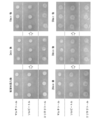
- FIG. 3 is a photograph showing the state of water infiltration into the drug layer in Experimental Example 1.
- Each photograph shown in FIG. 3 is a photograph of the intraoral patch taken 5 minutes, 10 minutes, 20 minutes, 30 minutes, and 50 minutes after supplying purified water to the chamber. In each photograph in FIG.
- the upper row is an oral patch containing maltitol in the drug layer
- the middle row is an oral patch containing D-sorbitol in the drug layer
- the lower row is erythritol in the drug layer. It is an intraoral patch containing.
- the chamber 10 in this experimental example has a filter paper 12 disposed on the bottom surface of a container 11.
- the intraoral patch of this embodiment is placed so that the adhesive layer is in contact with the filter paper 12, and purified water is soaked into the filter paper 12, thereby purifying the oral patch through the filter paper. Water was infiltrated. The amount of purified water is such that the filter paper 12 is immersed in the chamber 10. The purified water was supplied from the periphery of the filter paper 12 to the filter paper 12 so that the purified water was not directly applied to the intraoral patch.
- Examples of intraoral patches include three types of invasion promoters (Experimental Example 1-1: Maltitol, Experimental Example 1-2: D-sorbitol, Experimental Example 1-3: Erythritol). Three each were used. These experimental examples are intended to show the difference in the infiltration aspect of purified water due to the difference in the type of invasion promoter, and the oral patch used in this experimental example is the above-mentioned zolpidem tartrate in the drug layer. It is a placebo not included.
- Table 1 shows the composition of the drug layer in each experimental example. The numbers listed in Table 1 are mass%.
- composition of the adhesion layer in Experimental Examples 1-1 to 1-3 is as follows: excipient: 50 mass% (maltitol: 30 mass%, crystalline cellulose: 20 mass%), adhesion imparting component: 50 mass% (carboxyvinyl) Polymer: 30% by mass, povidone K-90F: 20% by mass).
- Experimental Example 2 is shown as an experimental example of the drug release amount from the drug layer.
- Experimental Example 2 using the oral patches of Experimental Examples 2-1 to 2-5 and Comparative Example 2-1 each having a drug layer having the composition shown in Table 2, the time course and the amount of drug released Show the relationship.
- composition of the adhesion layer was the same as in Experimental Example 1 above.
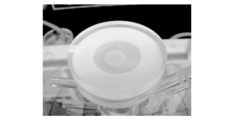
- FIG. 4 is a photograph showing the state of the intraoral patch on the membrane (filter paper) at 15 minutes from the start of the test.
- Comparison between Experimental Example 2-3 containing 40% by mass of erythritol (FIG. 4A) and Comparative Example 2-1 containing 40% by mass of maltitol as an infiltration promoter (FIG. 4B) shows that Experimental Example 2 containing erythritol -3 infiltrated the dissolution test solution more rapidly than Comparative Example 2-1 containing maltitol.
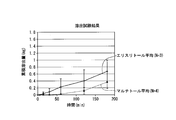
- FIG. 5 is a graph showing the results of measuring the cumulative dissolution amount of the drug in Experimental Example 2-3 and Comparative Example 2-1 up to 180 minutes from the start of the test.
- the horizontal axis represents the elapsed time (min) from the start of the dissolution test
- the vertical axis represents the cumulative dissolution amount (mg) of the drug.
- Example 2-3 which is contained as an agent
- the cumulative amount of drug dissolved is larger than that in Comparative Example 2-1, which contains maltitol. That is, by containing erythritol as an infiltration promoter in the drug layer, elution of the drug is promoted more than when maltitol is contained.
- the drug elution amount per unit time can be considered to be substantially constant in each case.
- FIG. 6 shows the results of measuring the cumulative dissolution amount of the drug from the start of the test to 420 minutes in Experimental Example 2-1 to Experimental Example 2-5 having different erythritol contents and Comparative Example 2-1 not containing erythritol. It is a graph to show.
- the horizontal axis represents the elapsed time (min) from the start of the dissolution test
- the vertical axis represents the cumulative dissolution amount (mg) of the drug.
- the higher the erythritol content in the drug layer the greater the cumulative elution amount of the drug.
- the amount of drug released per unit time is substantially constant in each case.
- Experimental example 3 is shown as an experimental example about the sensory test in the oral cavity of the intraoral patch of this embodiment.
- a placebo tablet having the composition shown in Table 3 below was prepared as an example of the oral patch of the present embodiment, and the oral patch was applied to the subject's tongue before going to bed (around 22:00). Then, the undissolved state of the oral patch at the time of getting up the next morning (around 7 o'clock) was evaluated.
- the subject himself / herself must select one closest to the undissolved state of his / her oral patch from the score of 0 to 5 (see Table 4 below) corresponding to the degree of undissolved. Went by.
- composition of the adhesion layer was the same as in Experimental Example 1 above.
- the oral patch containing triazolam, zopiclone, or eszopiclone instead of zolpidem tartrate (the above-described Experimental Examples 2-1, 2-2, 2-3, 2-4, respectively) And 2-5, and Comparative Example 2-1) were prepared, and the dissolution test was conducted in the same manner as in Experimental Example 2 described above. In the oral patch containing these drugs, zolpidem tartrate was also added. The behavior similar to that of the intraoral patch contained was shown.
- the present invention can be suitably applied to an intraoral patch.
Landscapes
- Health & Medical Sciences (AREA)
- Chemical & Material Sciences (AREA)
- General Health & Medical Sciences (AREA)
- Public Health (AREA)
- Pharmacology & Pharmacy (AREA)
- Epidemiology (AREA)
- Life Sciences & Earth Sciences (AREA)
- Animal Behavior & Ethology (AREA)
- Veterinary Medicine (AREA)
- Medicinal Chemistry (AREA)
- Inorganic Chemistry (AREA)
- Engineering & Computer Science (AREA)
- Chemical Kinetics & Catalysis (AREA)
- General Chemical & Material Sciences (AREA)
- Oil, Petroleum & Natural Gas (AREA)
- Medicinal Preparation (AREA)
- Medicines That Contain Protein Lipid Enzymes And Other Medicines (AREA)
Abstract
口腔内貼付剤は、薬物と浸潤促進剤とを含有する薬物層と、粘膜に対する付着性付与成分を含有し、前記薬物層に固定された付着層とを有する。
Description
本発明は、口腔内貼付剤に関する。
本願は、2016年2月25日に、日本に出願された特願2016-34513号に基づき優先権を主張し、その内容をここに援用する。
本願は、2016年2月25日に、日本に出願された特願2016-34513号に基づき優先権を主張し、その内容をここに援用する。
従来、さまざまな口腔内貼付剤が知られている(例えば特許文献1参照)。
口腔内貼付剤に唾液が浸潤して口腔内貼付剤が徐々に崩壊することによって、口腔内貼付剤に含まれる薬物が唾液中に放出される。唾液中に放出された薬物は、胃腸その他粘膜等を通じて患者の体内に吸収される。
口腔内貼付剤に唾液が浸潤して口腔内貼付剤が徐々に崩壊することによって、口腔内貼付剤に含まれる薬物が唾液中に放出される。唾液中に放出された薬物は、胃腸その他粘膜等を通じて患者の体内に吸収される。
口腔内貼付剤は、口腔内に付着するので誤飲されにくく、唾液の浸潤によって徐々に薬物が放出されるので、薬物を長時間にわたって放出させる用途に適している。口腔内貼付剤からの薬物の放出は、患者の唾液分泌量の影響を受ける。たとえば、睡眠時には唾液の分泌が低下するため、口腔内貼付剤へ唾液が浸潤しにくくなり、薬物の放出にばらつきが出ることがある。
本発明は、上述した事情に鑑みてなされたものであって、唾液分泌が低下しても安定して薬物を放出することができる口腔内貼付剤を提供することを目的とする。
本発明は、薬物と浸潤促進剤とを含有する薬物層と、粘膜に対する付着性付与成分を含有し、前記薬物層に固定された付着層とを有する口腔内貼付剤である。
前記浸潤促進剤は、エリスリトールとD-ソルビトールとの少なくともいずれかを含んでいてもよい。
前記浸潤促進剤は、20℃における浸透圧が1000mOsm/kg以上2000mOsm/kg以下の浸透圧調節剤を含んでいてもよい。
前記薬物層における前記浸潤促進剤の含有量は、20質量%以上70質量%以下であってもよい。
前記薬物は、超短時間作用型睡眠導入剤であってもよい。
前記薬物層は、賦形剤と結合剤との少なくともいずれかを含有してもよい。
前記付着層は、賦形剤と結合剤との少なくともいずれかを含有してもよい。
前記付着性付与成分は、ポビドンとカルボキシビニルポリマーとの少なくともいずれかを含有してもよい。
本発明によれば、浸潤促進剤が唾液を薬物層内に浸潤させることによって唾液を薬物層内に保持することができるので、唾液分泌が低下しても安定して薬物を放出することができる。
本発明の一実施形態について説明する。図1は、本実施形態の口腔内貼付剤の剤形の一例を示す斜視図である。
本実施形態の口腔内貼付剤は、口腔内に貼り付けて使用される薬剤である。
図1に示すように、口腔内貼付剤1の剤形は、錠剤であり、特に、口腔内に付着可能な付着層3を有する多層錠である。口腔内貼付剤1の形状は、例えば円板状である。一例として、口腔内貼付剤1の寸法は、直径が6mm以上12mm以下、総厚さが1mm以上6mm以下である。
本実施形態の口腔内貼付剤は、口腔内に貼り付けて使用される薬剤である。
図1に示すように、口腔内貼付剤1の剤形は、錠剤であり、特に、口腔内に付着可能な付着層3を有する多層錠である。口腔内貼付剤1の形状は、例えば円板状である。一例として、口腔内貼付剤1の寸法は、直径が6mm以上12mm以下、総厚さが1mm以上6mm以下である。
口腔内貼付剤1は、薬物層2と付着層3とを有している。
薬物層2は、薬物と、浸潤促進剤とを含有する。
薬物の種類は特に限定されない。たとえば、超短時間作用型睡眠導入剤や短時間作用型睡眠導入剤が薬物として本実施形態の薬物層2に含有されてよい。超短時間作用型睡眠導入剤の例として、ゾルピデム(N,N,6-Trimethyl-2-(4-methylphenyl)imidazo[1,2-α]pyridine-3-acetamide)、トリアゾラム、ゾピクロン、及びエスゾピクロン等が挙げられる。短時間作用型睡眠導入剤の例としては、プロチゾラム、ロルメタゾパム、リルマガホン等が挙げられる。
ゾルピデムは、塩基遊離体であってもよいし、酸付加塩であってもよい。
たとえば、ゾルピデムに付加する酸は、医学的に許容される公知の酸が選択される。たとえば、ゾルピデムに付加する酸として、塩酸や硝酸などの無機酸が用いられてもよい。
また、ゾルピデムに付加する酸として、(ヘミ)酒石酸、(ヘミ)コハク酸、(ヘミ)フマル酸、(ヘミ)マレイン酸、リンゴ酸、乳酸、クエン酸、(ヘミ)アジピン酸などの有機酸が用いられてもよい。
本実施形態において、ゾルピデム酸付加塩は、酒石酸付加塩またはヘミ酒石酸付加塩が好ましい。本実施形態では、薬物層2は、薬物として、ゾルピデム酒石酸塩(N,N,6-Trimethyl-2-(4-methylphenyl)imidazo[1,2-α]-pyridine-3-acetamide hemi-(2R,3R)-tartrate)を、2mg以上8mg以下の所定量含有する。薬物層2における薬物の含有量は、所望の薬効を考慮して適宜設定されてよい。
薬物の種類は特に限定されない。たとえば、超短時間作用型睡眠導入剤や短時間作用型睡眠導入剤が薬物として本実施形態の薬物層2に含有されてよい。超短時間作用型睡眠導入剤の例として、ゾルピデム(N,N,6-Trimethyl-2-(4-methylphenyl)imidazo[1,2-α]pyridine-3-acetamide)、トリアゾラム、ゾピクロン、及びエスゾピクロン等が挙げられる。短時間作用型睡眠導入剤の例としては、プロチゾラム、ロルメタゾパム、リルマガホン等が挙げられる。
ゾルピデムは、塩基遊離体であってもよいし、酸付加塩であってもよい。
たとえば、ゾルピデムに付加する酸は、医学的に許容される公知の酸が選択される。たとえば、ゾルピデムに付加する酸として、塩酸や硝酸などの無機酸が用いられてもよい。
また、ゾルピデムに付加する酸として、(ヘミ)酒石酸、(ヘミ)コハク酸、(ヘミ)フマル酸、(ヘミ)マレイン酸、リンゴ酸、乳酸、クエン酸、(ヘミ)アジピン酸などの有機酸が用いられてもよい。
本実施形態において、ゾルピデム酸付加塩は、酒石酸付加塩またはヘミ酒石酸付加塩が好ましい。本実施形態では、薬物層2は、薬物として、ゾルピデム酒石酸塩(N,N,6-Trimethyl-2-(4-methylphenyl)imidazo[1,2-α]-pyridine-3-acetamide hemi-(2R,3R)-tartrate)を、2mg以上8mg以下の所定量含有する。薬物層2における薬物の含有量は、所望の薬効を考慮して適宜設定されてよい。
浸潤促進剤は、薬物層2内への唾液の浸潤を促進するために薬物層2に含有される。浸潤促進剤は、本実施形態の口腔内貼付剤1が口腔内に貼り付けられた状態における薬物層2の浸透圧を調節するための浸透圧調節剤を含む。浸潤促進剤となる浸透圧調節剤として、エリスリトール及びD-ソルビトールを挙げることができる。すなわち、本実施形態における薬物層2は、エリスリトールとD-ソルビトールとの少なくともいずれかを含んでもよい。
また、浸潤促進剤として使用可能な浸透圧調節剤は、上記に限らず、その浸透圧について、20℃における浸透圧が1000mOsm/kg以上2000mOsm/kg以下となる物質であってもよい。
薬物層2における浸潤促進剤の含有量は、薬物の放出速度を規定する。薬物層2中における浸潤促進剤の含有量が高いほど薬物の放出が促進される。これは、浸潤促進剤の含有量が多いほど、薬物層2への唾液の浸潤量が多くなるからである。
薬物層2における浸潤促進剤の含有量は、本実施形態の口腔内貼付剤1の薬効が持続する時間を規定する。本実施形態では、薬物層2における浸潤促進剤の含有量は、20質量%以上70質量%以下の範囲の所定の含有量である。
薬物層2における浸潤促進剤の含有量は、本実施形態の口腔内貼付剤1の薬効が持続する時間を規定する。本実施形態では、薬物層2における浸潤促進剤の含有量は、20質量%以上70質量%以下の範囲の所定の含有量である。
浸潤促進剤は、口腔内貼付剤1が口腔内に付着させて使用されている状態において、唾液を薬物層2内に取り込むことで、薬物層2の崩壊に必要な液体(唾液)を薬物層2に保持する。すなわち、本実施形態では、薬物層2に含有される浸潤促進剤が浸透圧調節剤であることによって、唾液が薬物層2に浸潤した状態において、薬物層2の外部よりも薬物層2の内部の浸透圧が高く維持され、唾液がさらに薬物層2内へと浸潤する。また、薬物層2に保持された唾液に薬物その他の成分が溶解することによって、薬物層2は外側から徐々に崩壊する。
薬物層2は、薬物及び浸潤促進剤に加えて、賦形剤と結合剤との少なくともいずれかを含有してもよい。さらに、薬物層2は、必要に応じその他の成分を含有してもよい。
たとえば、薬物層2は、賦形剤として、結晶セルロース、乳糖、乳糖水和物、アミノアルキルメタクリレートコポリマー、ワックス類、精製セラックなどを含有してもよい。たとえば、結晶セルロース及び乳糖が賦形剤として薬物層2に含まれていると崩壊性に優れる。
結晶セルロースと乳糖との配合比は、質量比で1.5:1~2:1であることが好ましい。また、乳糖は水和物であることが好ましい。
薬物層2における賦形剤の含有量は、67質量%以上87質量%以下の範囲の所定の含有量である。
結晶セルロースと乳糖との配合比は、質量比で1.5:1~2:1であることが好ましい。また、乳糖は水和物であることが好ましい。
薬物層2における賦形剤の含有量は、67質量%以上87質量%以下の範囲の所定の含有量である。
また、たとえば、薬物層2は、結合剤として、ポビドン(ポリビニルピロリドン)、クロスポビドン、カルメロース又はそのナトリウム塩、クロスカルメロース又はそのナトリウム塩、ヒドロキシエチルセルロース、ヒドロキシプロピルセルロース、ヒドロキシプロピルメチルセルロース、エチルセルロース、カルボキシビニルポリマー、デンプン、デンプン誘導体類などを含有してもよい。これらのうち、ポビドン、クロスカルメロース、及びクロスカルメロースのナトリウム塩が、結合剤として特に好ましい。
また、結合剤に含まれるポビドンは、K値が90程度(グレードとしてK-90)であることが好ましい。
また、結合剤に含まれるポビドンは、K値が90程度(グレードとしてK-90)であることが好ましい。
上記の賦形剤及び結合剤の他、薬物層2は、薬物及び浸潤促進剤に加えて、薬物の放出を制御する他の成分、追加の生理活性成分、安定化剤、着色剤、滑沢剤などを含有してもよい。
付着層3は、水分(唾液)が浸潤したときに粘膜に対する付着性が付与されるような成分(付着性付与成分)を含有する。
付着層3は、付着性付与成分として、ポビドン(ポリビニルピロリドン)、カルボキシビニルポリマー、ヒドロキシエチルセルロース、ヒドロキシプロピルセルロース、ヒドロキシプロピルメチルセルロース、カルボキシメチルセルロース又はそのナトリウム塩、デンプン、デンプン誘導体類などを含有してもよい。これらのうち、ポビドンとカルボキシビニルポリマーとの組み合わせは、親水性のポビドンによる濡れ性と、口腔粘膜への動きに追従するカルボキシビニルポリマーによる膨潤性とによって、特に良好な付着性を得ることができる。
また、付着性付与成分として付着層3に含まれるポビドンは、K値が90程度(グレードとしてK-90)であることが好ましい。
ポビドンとカルボキシビニルポリマーとの配合比は、質量比で2:3であることが好ましい。また、乳糖は水和物であることが好ましい。
付着層3における付着性付与成分の含有量は、付着層3が口腔粘膜に付着することが求められる時間に基づいて設定される。付着層3における付着性付与成分の含有量は、例えば、付着層3の全体のうち50質量%であることが好ましい。
また、付着性付与成分として付着層3に含まれるポビドンは、K値が90程度(グレードとしてK-90)であることが好ましい。
ポビドンとカルボキシビニルポリマーとの配合比は、質量比で2:3であることが好ましい。また、乳糖は水和物であることが好ましい。
付着層3における付着性付与成分の含有量は、付着層3が口腔粘膜に付着することが求められる時間に基づいて設定される。付着層3における付着性付与成分の含有量は、例えば、付着層3の全体のうち50質量%であることが好ましい。
また、付着層3は、付着性付与成分に加えて、賦形剤と結合剤との少なくともいずれかを含有してもよい。さらに、付着層3は、必要に応じその他の成分を含有してもよい。
たとえば、付着層3は、賦形剤として、マルチトール、結晶セルロース、乳糖、デンプン、デキストリン、白糖などを含有してもよい。
マルチトールと結晶セルロースとの組み合わせは、マルチトールが非う蝕性であるとともに適度な冷涼感を持ち、結晶セルロースが導水効果により口腔粘膜への付着性を向上させるので、好適である。
マルチトールと結晶セルロースとの配合比は、質量比で3:2であることが好ましい。
また、乳糖は水和物であることが好ましい。
付着層3における賦形剤の含有量は、例えば、付着層3の全体のうち50質量%であることが好ましい。
マルチトールと結晶セルロースとの組み合わせは、マルチトールが非う蝕性であるとともに適度な冷涼感を持ち、結晶セルロースが導水効果により口腔粘膜への付着性を向上させるので、好適である。
マルチトールと結晶セルロースとの配合比は、質量比で3:2であることが好ましい。
また、乳糖は水和物であることが好ましい。
付着層3における賦形剤の含有量は、例えば、付着層3の全体のうち50質量%であることが好ましい。
また、たとえば、薬物層2は、結合剤として、ポビドン(ポリビニルピロリドン)を含有してもよい。
本実施形態の口腔内貼付剤1の製造方法の概略について説明する。
本実施形態の口腔内貼付剤1は、2層の積層錠剤を製造可能な公知の打錠装置を用いて製造することができる。本実施形態の口腔内貼付剤1の製造時には、まず、薬物層2の成分を第一の打錠圧で打錠し、続いて、薬物層2上に付着層3の成分を積層して第二の打錠圧で打錠する。このとき、第二の打錠圧は、第一の打錠圧よりも大きい。一例として、第一の打錠圧は50N以上150N以下の所定の圧力であり、第二の打錠圧は、300N以上1000N以下の所定の圧力である。このような二段階の打錠によって、硬度が20N~70N程度の錠剤として本実施形態の口腔内貼付剤1が製造される。
本実施形態の口腔内貼付剤1は、2層の積層錠剤を製造可能な公知の打錠装置を用いて製造することができる。本実施形態の口腔内貼付剤1の製造時には、まず、薬物層2の成分を第一の打錠圧で打錠し、続いて、薬物層2上に付着層3の成分を積層して第二の打錠圧で打錠する。このとき、第二の打錠圧は、第一の打錠圧よりも大きい。一例として、第一の打錠圧は50N以上150N以下の所定の圧力であり、第二の打錠圧は、300N以上1000N以下の所定の圧力である。このような二段階の打錠によって、硬度が20N~70N程度の錠剤として本実施形態の口腔内貼付剤1が製造される。
本実施形態の口腔内貼付剤1の作用について説明する。
本実施形態の口腔内貼付剤1は、例えば舌腹(舌の裏)等の口腔粘膜に貼り付けて使用される。このとき、付着層3を粘膜に接触させることによって、付着層3に唾液が浸潤し、付着層3が粘膜に固定される。口腔粘膜に本実施形態の口腔内貼付剤1が固定された状態では、唾液が口腔内貼付剤1に接触すると、唾液の一部が浸潤促進剤に接触して薬物層2内へと浸潤する。これにより、薬物層2が徐々に崩壊する。また、薬物層2に含まれる薬物その他の成分は唾液中に溶解または分散する。薬物層2が浸潤促進剤を含有していることによって、口腔内貼付剤1の近傍への唾液の供給が減少した場合でも、薬物層2の崩壊のために必要な唾液が薬物層2中に保持される。このため、服用後就寝する等により唾液の供給が減少しても、薬物層2からの薬物の放出量が減少しにくい。
本実施形態の口腔内貼付剤1は、例えば舌腹(舌の裏)等の口腔粘膜に貼り付けて使用される。このとき、付着層3を粘膜に接触させることによって、付着層3に唾液が浸潤し、付着層3が粘膜に固定される。口腔粘膜に本実施形態の口腔内貼付剤1が固定された状態では、唾液が口腔内貼付剤1に接触すると、唾液の一部が浸潤促進剤に接触して薬物層2内へと浸潤する。これにより、薬物層2が徐々に崩壊する。また、薬物層2に含まれる薬物その他の成分は唾液中に溶解または分散する。薬物層2が浸潤促進剤を含有していることによって、口腔内貼付剤1の近傍への唾液の供給が減少した場合でも、薬物層2の崩壊のために必要な唾液が薬物層2中に保持される。このため、服用後就寝する等により唾液の供給が減少しても、薬物層2からの薬物の放出量が減少しにくい。
本実施形態の口腔内貼付剤1において、薬物層2からの薬物の放出は、唾液分泌量の増減の影響を受けにくく、唾液分泌量が低下している場合であっても途切れにくい。すなわち、本実施形態の口腔内貼付剤1は、唾液分泌が低下しても薬効を好適に持続させることができる。
本実施形態において例示されたゾルピデム酒石酸塩は、超短時間作用型睡眠導入剤であり、睡眠中に薬効が切れると中途覚醒となる場合がある。本実施形態の口腔内貼付剤1では、薬物層2からのゾルピデム酒石酸塩の放出が、唾液分泌量が低下する睡眠時であっても持続する。このため、睡眠中に好適に薬効を持続させることができ、かつ薬物層2が唾液の浸潤によって完全に崩壊した後は速やかに薬効を消失させることができる。その結果、超短時間作用型睡眠導入剤の一例としてゾルピデム酒石酸塩を薬物層2に含有する本実施形態の口腔内貼付剤1によれば、予め設定した長さの睡眠時間中は確実に薬効を持続させ、かつ起床後には眠気を残さないような薬物放出制御ができる。
本実施形態において例示されたゾルピデム酒石酸塩は、超短時間作用型睡眠導入剤であり、睡眠中に薬効が切れると中途覚醒となる場合がある。本実施形態の口腔内貼付剤1では、薬物層2からのゾルピデム酒石酸塩の放出が、唾液分泌量が低下する睡眠時であっても持続する。このため、睡眠中に好適に薬効を持続させることができ、かつ薬物層2が唾液の浸潤によって完全に崩壊した後は速やかに薬効を消失させることができる。その結果、超短時間作用型睡眠導入剤の一例としてゾルピデム酒石酸塩を薬物層2に含有する本実施形態の口腔内貼付剤1によれば、予め設定した長さの睡眠時間中は確実に薬効を持続させ、かつ起床後には眠気を残さないような薬物放出制御ができる。
(実験例1)
口腔内における唾液の分泌量が減少した状態における本実施形態の口腔内貼付剤の作用を説明するための実験例を以下に示す。
図2は、実験例1において使用されるチャンバーの構成を示す模式図である。図3は、実験例1における薬物層への水分の浸潤状態を示す写真である。図3に示す各写真は、チャンバーへ精製水を供給した時点、5分後、10分後、20分後、30分後、及び50分後に口腔内貼付剤を撮影したものである。図3中の各写真において、上段はマルチトールを薬物層に含有する口腔内貼付剤であり、中段はD-ソルビトールを薬物層に含有する口腔内貼付剤であり、下段はエリスリトールを薬物層に含有する口腔内貼付剤である。
口腔内における唾液の分泌量が減少した状態における本実施形態の口腔内貼付剤の作用を説明するための実験例を以下に示す。
図2は、実験例1において使用されるチャンバーの構成を示す模式図である。図3は、実験例1における薬物層への水分の浸潤状態を示す写真である。図3に示す各写真は、チャンバーへ精製水を供給した時点、5分後、10分後、20分後、30分後、及び50分後に口腔内貼付剤を撮影したものである。図3中の各写真において、上段はマルチトールを薬物層に含有する口腔内貼付剤であり、中段はD-ソルビトールを薬物層に含有する口腔内貼付剤であり、下段はエリスリトールを薬物層に含有する口腔内貼付剤である。
実験例1では、口腔内貼付剤の薬物層の崩壊に必要な水分(唾液)が不足している状態をモデル化したチャンバーを使用した。図2に示すように、この実験例におけるチャンバー10は、容器11の底面にろ紙12を配置したものである。このチャンバー10を使用して、ろ紙12に付着層が接触するように本実施形態の口腔内貼付剤を置き、ろ紙12に精製水を染み込ませることによって、ろ紙を介して口腔内貼付剤に精製水を浸潤させた。精製水の量は、チャンバー10内でろ紙12が浸る程度である。精製水は、口腔内貼付剤に直接精製水がかかることが無いように、ろ紙12の周辺からろ紙12へと供給した。
口腔内貼付剤の例として、浸潤促進剤の種類が異なる3種(実験例1-1:マルチトール、実験例1-2:D-ソルビトール、実験例1-3:エリスリトール)の口腔内貼付剤をそれぞれ3個使用した。これらの実験例は、浸潤促進剤の種類の違いによる精製水の浸潤態様の違いを示すことを目的としており、この実験例で使用した口腔内貼付剤は、薬物層に上記のゾルピデム酒石酸塩を含まないプラセボである。表1に、各実験例における薬物層の組成を示す。表1に記載の数字は、質量%である。

実験例1-1から1-3における付着層の組成は、賦形剤:50質量%(マルチトール:30質量%、結晶セルロース:20質量%)、付着性付与成分:50質量%(カルボキシビニルポリマー:30質量%、ポビドンK-90F:20質量%)とした。
チャンバー10へ精製水を供給した時点から5分後、10分後、20分後、30分後、及び50分後に、ろ紙12上の口腔内貼付剤に対する水分の浸潤を観察した。水分の浸潤は、口腔内貼付剤に含まれる着色剤(青色1号)により可視化される。
図3に示すように、浸潤促進剤としてエリスリトールを薬物層に含有する実験例1-1では、精製水の投入から20分で3個すべての口腔内貼付剤に精製水が完全に浸潤し、3つの実験例のうち最も精製水の浸潤が速かった。D-ソルビトールを薬物層に含有する実験例1-2では、精製水の投入から30分で3個すべての口腔内貼付剤に精製水が完全に浸潤した。マルチトールを薬物層に含有する実験例1-3では、精製水の投入から50分で3個すべての口腔内貼付剤に精製水が完全に浸潤した。
(実験例2)
次に、薬物層からの薬物放出量についての実験例として、実験例2を示す。
実験例2では、下記表2に示す組成の薬物層を備える実験例2-1から2-5、および比較例2-1の口腔内貼付剤を用いて、時間の経過と薬物放出量との関係を示す。
次に、薬物層からの薬物放出量についての実験例として、実験例2を示す。
実験例2では、下記表2に示す組成の薬物層を備える実験例2-1から2-5、および比較例2-1の口腔内貼付剤を用いて、時間の経過と薬物放出量との関係を示す。
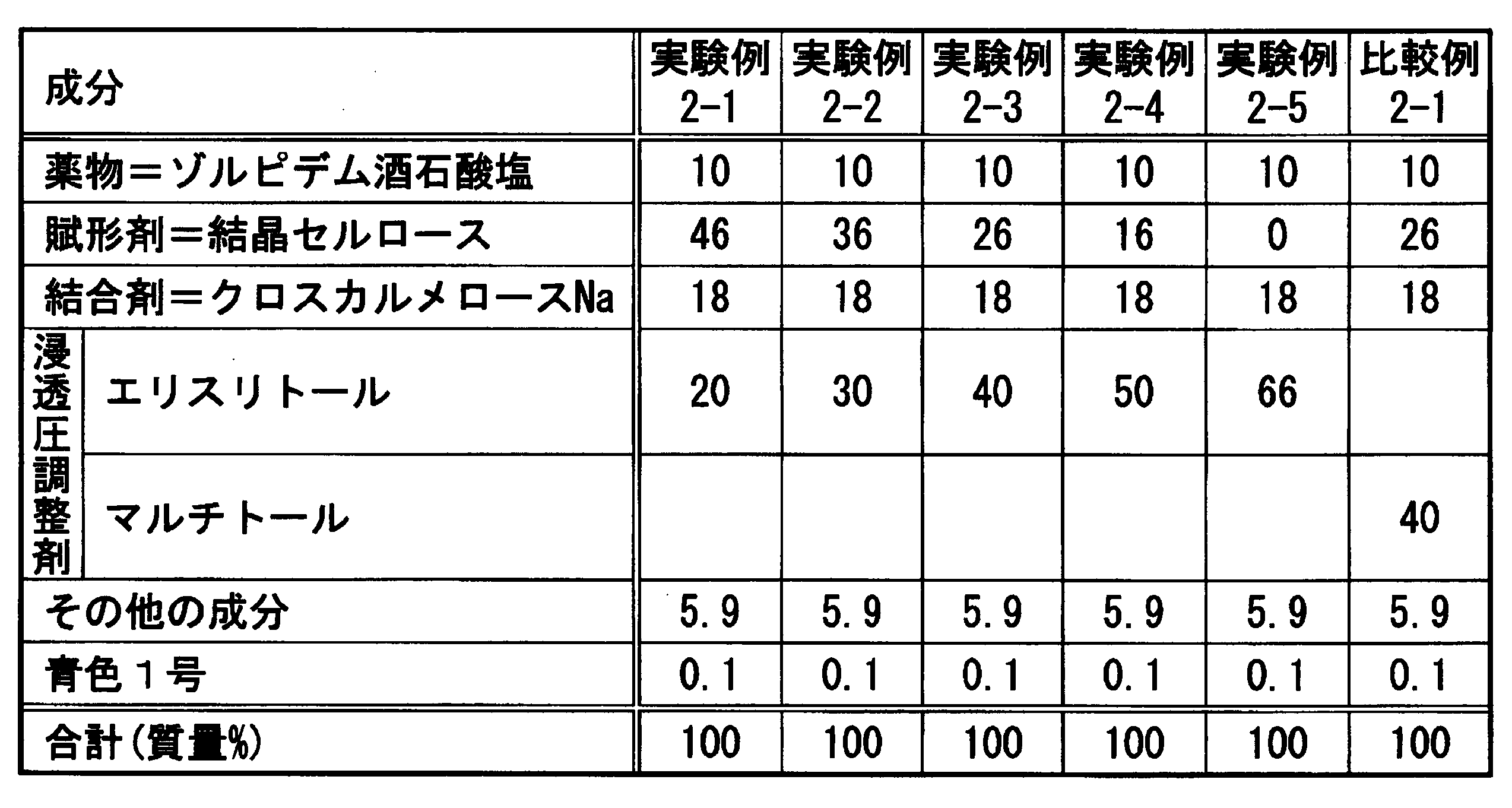
付着層の組成については上記の実験例1と同一とした。
実験例2では、フランツセルのメンブレン(ろ紙)上に各例の口腔内貼付剤の付着層を接触させ、溶出試験液として溶出試験第一液(pH1.2)を用いて口腔内貼付剤の薬物層から薬物を放出させた。試験開始から15分、30分、60分、120分、180分、300分、及び420分の各時点において溶出試験液の一部を採取して薬物濃度をHPLCによって測定した。
図4は、試験開始から15分時点におけるメンブレン(ろ紙)上の口腔内貼付剤の状態を示す写真である。エリスリトールを40質量%含有する実験例2-3(図4A)と浸潤促進剤としてマルチトールを40質量%含有する比較例2-1(図4B)とを比較すると、エリスリトールを含有する実験例2-3の方が、マルチトールを含有する比較例2-1よりも、溶出試験液が速やかに浸潤した。
図5は、上記の実験例2-3と比較例2-1とにおいて薬物の累積溶出量を試験開始から180分まで測定した結果を示すグラフである。図5において、横軸は溶出試験開始からの経過時間(min)であり、縦軸は薬物の累積溶出量(mg)である。
図5に示すように、浸潤促進剤としてエリスリトールを40質量%含有する実験例2-3と浸潤促進剤としてマルチトールを40質量%含有する比較例2-1とを比較すると、エリスリトールを浸潤促進剤として含有している実験例2-3の方がマルチトールを含有している比較例2-1よりも薬物の累積溶出量が多い。すなわち、エリスリトールを浸潤促進剤として薬物層に含有していることによって、マルチトールを含有している場合よりも薬物の溶出が促進される。また、浸潤促進剤がエリスリトールである場合であってもマルチトールである場合であっても、単位時間あたりの薬物溶出量はそれぞれにおいて略一定と見做すことができる程度であった。
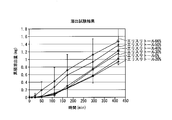
図6は、エリスリトールの含有量が互いに異なる実験例2-1から実験例2-5、及びエリスリトールを含まない比較例2-1において薬物の累積溶出量を試験開始から420分まで測定した結果を示すグラフである。図6において、横軸は溶出試験開始からの経過時間(min)であり、縦軸は薬物の累積溶出量(mg)である。
図6に示すように、薬物層に対するエリスリトールの含有量が高い方が、薬物の累積溶出量が多い。また、図6に示すように、薬物層に対するエリスリトールの含有量が20質量%以上66質量%以下の範囲では、単位時間あたりの薬物の放出量はそれぞれにおいて略一定である。
図6に示すように、薬物層に対するエリスリトールの含有量が高い方が、薬物の累積溶出量が多い。また、図6に示すように、薬物層に対するエリスリトールの含有量が20質量%以上66質量%以下の範囲では、単位時間あたりの薬物の放出量はそれぞれにおいて略一定である。
(実験例3)
次に、本実施形態の口腔内貼付剤の口腔内での官能試験についての実験例として、実験例3を示す。
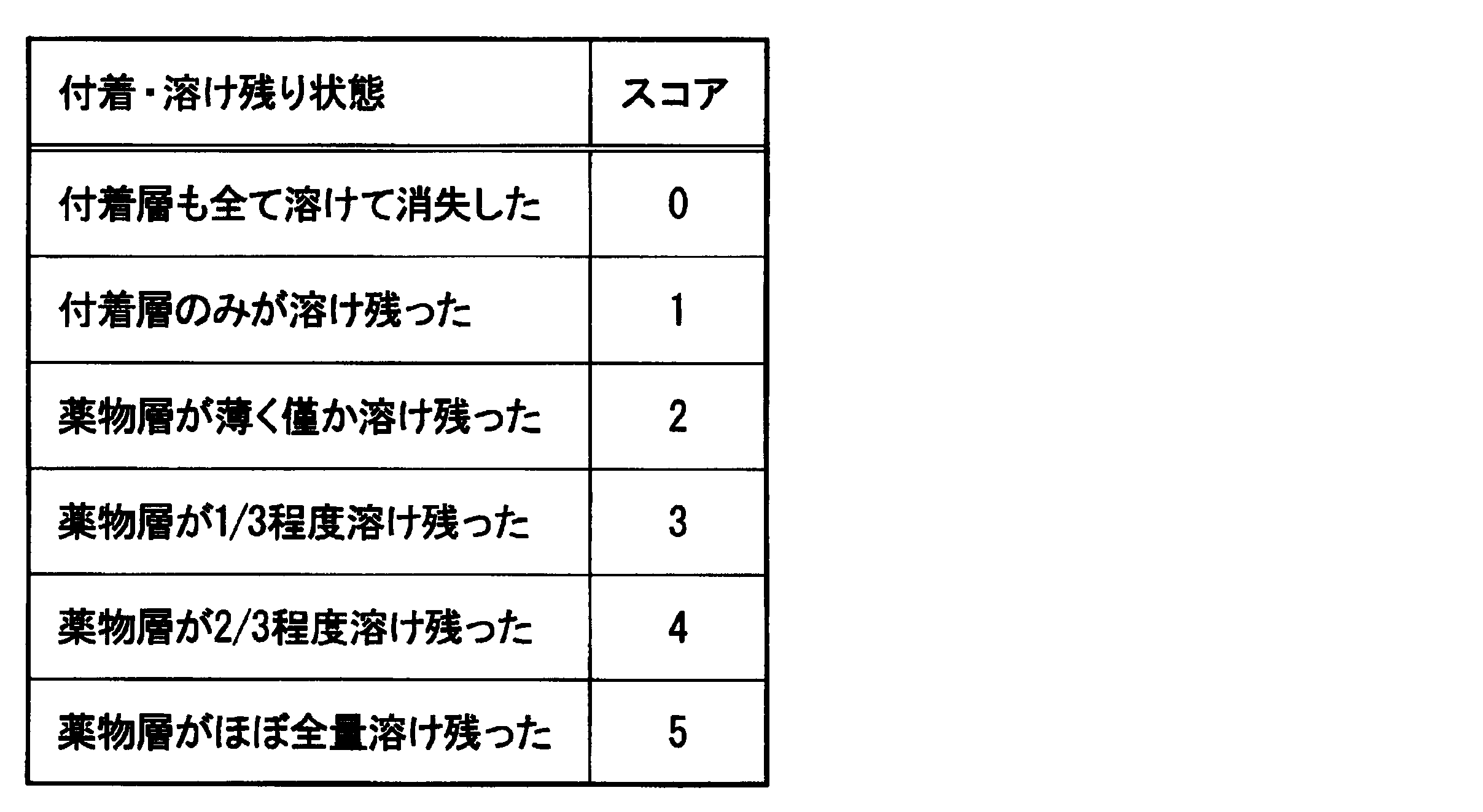
実験例3では、本実施形態の口腔内貼付剤の例として下記表3に示す組成のプラセボ錠を作成し、被験者の舌下に口腔内貼付剤を就寝前(22時頃)に貼り付けて、翌朝起床時(7時頃)における口腔内貼付剤の溶け残り状態を評価した。溶け残り状態の評価は、溶け残りの程度に対応した0から5までのスコア(下記表4参照)から、各自の口腔内貼付剤の溶け残り状態に最も近い1つを被験者自身が選択することによって行った。
次に、本実施形態の口腔内貼付剤の口腔内での官能試験についての実験例として、実験例3を示す。
実験例3では、本実施形態の口腔内貼付剤の例として下記表3に示す組成のプラセボ錠を作成し、被験者の舌下に口腔内貼付剤を就寝前(22時頃)に貼り付けて、翌朝起床時(7時頃)における口腔内貼付剤の溶け残り状態を評価した。溶け残り状態の評価は、溶け残りの程度に対応した0から5までのスコア(下記表4参照)から、各自の口腔内貼付剤の溶け残り状態に最も近い1つを被験者自身が選択することによって行った。
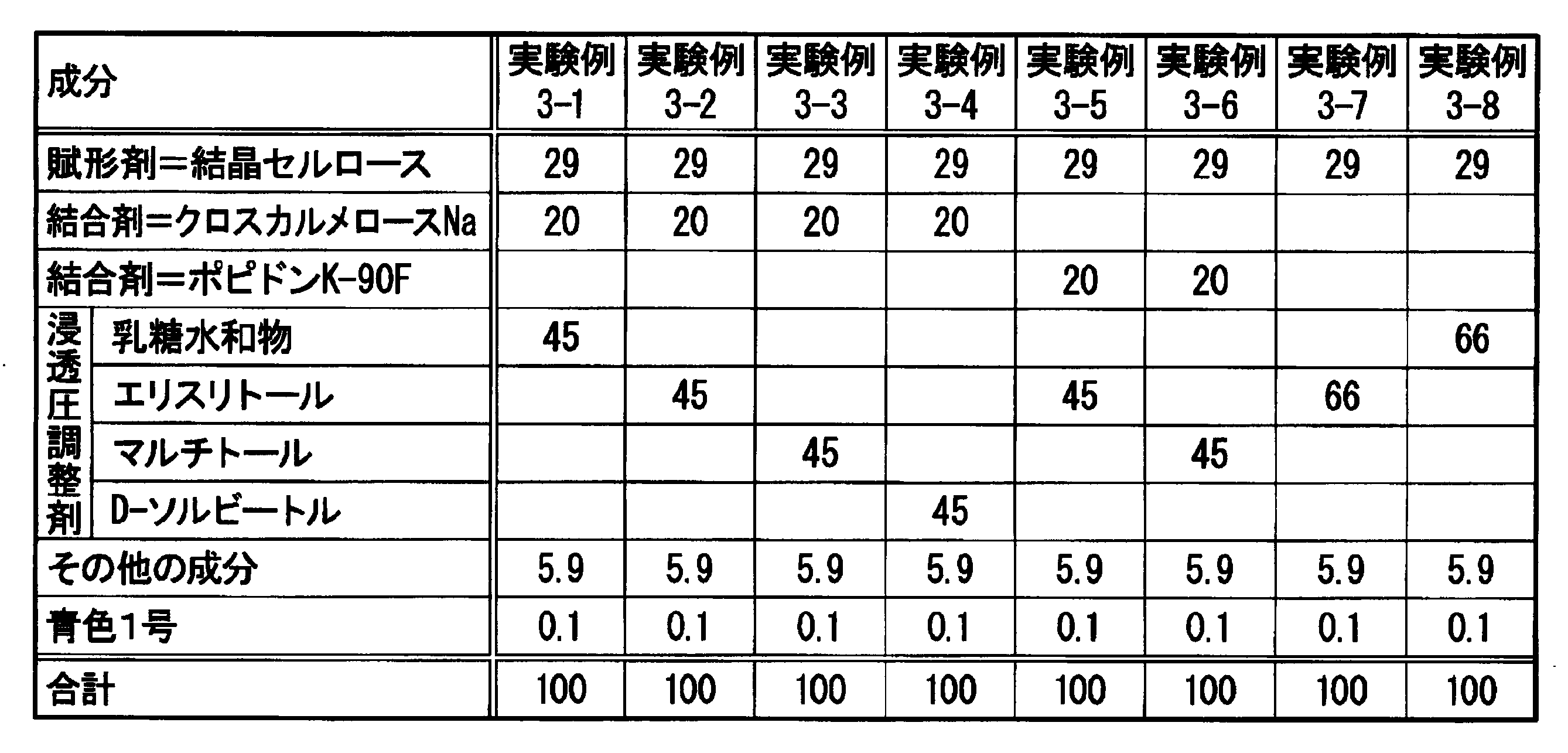
付着層の組成については上記の実験例1と同一とした。
官能試験の結果を下記表5に示す。
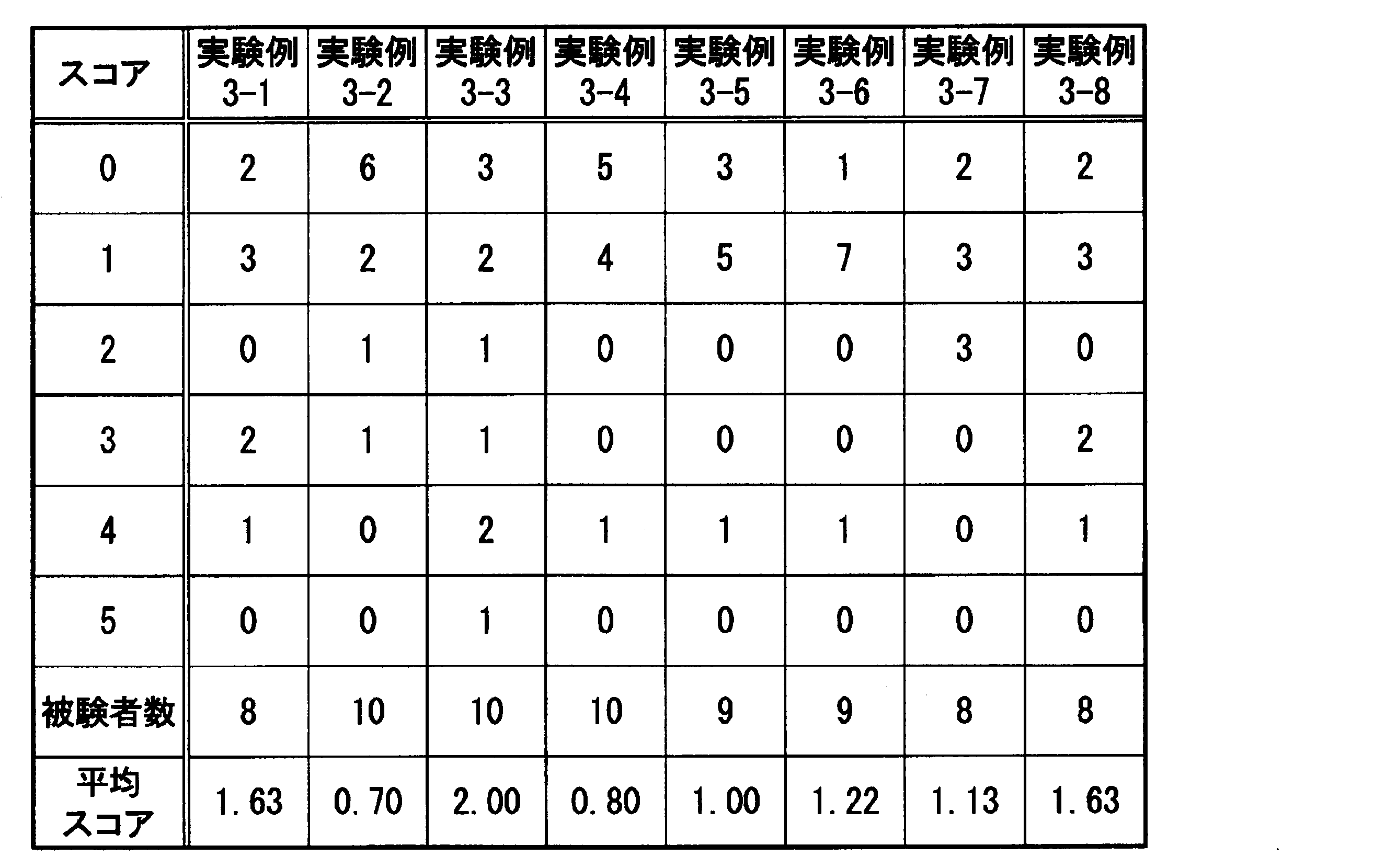
表5に示すように、エリスリトール又はD-ソルビトールを浸潤促進剤として薬物層に含んだ実験例3-2、3-4、3-5、および3-7は、他の実験例と比較して平均スコアが低く、すなわち起床時の溶け残りが少なかった。
なお、図示しないが、薬物をゾルピデム酒石酸塩に代えて、トリアゾラム、ゾピクロン、又はエスゾピクロンとした口腔内貼付剤(それぞれ、上記の実験例2-1、2-2、2-3、2-4、2-5、および比較例2-1に対応)を製造し、上記の実験例2と同様に溶出試験を行ったところ、これらの薬物を含有する口腔内貼付剤においても、ゾルピデム酒石酸塩を含有する口腔内貼付剤と同様の挙動を示した。
以上、本発明の一実施形態および各実験例について図面を参照して詳述したが、具体的な構成はこれら実施形態および実験例に限られるものではなく、本発明の要旨を逸脱しない範囲の設計変更等も含まれる。
本発明は、口腔内貼付剤に好適に適用することができる。
1 口腔内貼付剤
2 薬物層
3 付着層
2 薬物層
3 付着層
Claims (8)
- 薬物と浸潤促進剤とを含有する薬物層と、
粘膜に対する付着性付与成分を含有し、前記薬物層に固定された付着層と、
を有する口腔内貼付剤。 - 前記浸潤促進剤は、エリスリトールとD-ソルビトールとの少なくともいずれかを含む、請求項1に記載の口腔内貼付剤。
- 前記浸潤促進剤は、20℃における浸透圧が1000mOsm/kg以上2000mOsm/kg以下の浸透圧調節剤を含む、請求項1または請求項2に記載の口腔内貼付剤。
- 前記薬物層における前記浸潤促進剤の含有量は、20質量%以上70質量%以下である、請求項1から請求項3のいずれか一項に記載の口腔内貼付剤。
- 前記薬物が超短時間作用型睡眠導入剤である、請求項1から請求項4のいずれか一項に記載の口腔内貼付剤。
- 前記薬物層が賦形剤と結合剤との少なくともいずれかを含有する、請求項1から請求項5のいずれか一項に記載の口腔内貼付剤。
- 前記付着層が賦形剤と結合剤との少なくともいずれかを含有する、請求項1から請求項6のいずれか一項に記載の口腔内貼付剤。
- 前記付着性付与成分が、ポビドンとカルボキシビニルポリマーとの少なくともいずれかを含有する、請求項1から請求項7のいずれか一項に記載の口腔内貼付剤。
Priority Applications (1)
| Application Number | Priority Date | Filing Date | Title |
|---|---|---|---|
| JP2018501737A JP6615978B2 (ja) | 2016-02-25 | 2017-02-22 | 口腔内貼付剤 |
Applications Claiming Priority (2)
| Application Number | Priority Date | Filing Date | Title |
|---|---|---|---|
| JP2016-034513 | 2016-02-25 | ||
| JP2016034513 | 2016-02-25 |
Publications (1)
| Publication Number | Publication Date |
|---|---|
| WO2017146104A1 true WO2017146104A1 (ja) | 2017-08-31 |
Family
ID=59686226
Family Applications (1)
| Application Number | Title | Priority Date | Filing Date |
|---|---|---|---|
| PCT/JP2017/006622 Ceased WO2017146104A1 (ja) | 2016-02-25 | 2017-02-22 | 口腔内貼付剤 |
Country Status (3)
| Country | Link |
|---|---|
| JP (2) | JP6615978B2 (ja) |
| TW (1) | TW201735904A (ja) |
| WO (1) | WO2017146104A1 (ja) |
Cited By (1)
| Publication number | Priority date | Publication date | Assignee | Title |
|---|---|---|---|---|
| US20220117908A1 (en) * | 2018-12-11 | 2022-04-21 | Myospots Australia Pty Ltd | Adhesive pad |
Citations (6)
| Publication number | Priority date | Publication date | Assignee | Title |
|---|---|---|---|---|
| JP2000063268A (ja) * | 1998-06-12 | 2000-02-29 | Lion Corp | 口腔粘膜付着型徐放性錠剤及び歯周疾患治療剤 |
| JP2000178185A (ja) * | 1998-12-18 | 2000-06-27 | Lion Corp | 口腔粘膜付着型徐放性錠剤 |
| WO2008120562A1 (ja) * | 2007-04-02 | 2008-10-09 | Toyo Boseki Kabushiki Kaisha | 帯状疱疹後神経痛治療用錠剤および帯状疱疹後神経痛の治療方法 |
| JP2009538301A (ja) * | 2006-05-23 | 2009-11-05 | ハーレイ,ジェフリー,ティー. | キシリトールトローチ並びその使用方法 |
| JP2010535805A (ja) * | 2007-08-07 | 2010-11-25 | エーセルアールエックス ファーマシューティカルズ, インコーポレイテッド | 経口経粘膜剤形を使用する処置時の鎮静および無痛のための組成物および方法 |
| JP2013508286A (ja) * | 2009-10-16 | 2013-03-07 | エーセルリクス ファーマシューティカルズ,インク. | 処置状況における軽度の鎮静、不安緩解および鎮痛のための組成物および方法 |
Family Cites Families (3)
| Publication number | Priority date | Publication date | Assignee | Title |
|---|---|---|---|---|
| JPS60237018A (ja) * | 1984-05-09 | 1985-11-25 | Tanpei Seiyaku Kk | 口腔内付着性組成物 |
| JPH01101975A (ja) * | 1987-10-14 | 1989-04-19 | Sekisui Chem Co Ltd | 口腔粘膜用貼付剤 |
| EP3006048A4 (en) * | 2013-05-31 | 2017-01-18 | Hisamitsu Pharmaceutical Co., Inc. | Oral cavity patch |
-
2017
- 2017-02-22 WO PCT/JP2017/006622 patent/WO2017146104A1/ja not_active Ceased
- 2017-02-22 JP JP2018501737A patent/JP6615978B2/ja active Active
- 2017-02-23 TW TW106106122A patent/TW201735904A/zh unknown
-
2019
- 2019-11-05 JP JP2019200713A patent/JP6959313B2/ja active Active
Patent Citations (6)
| Publication number | Priority date | Publication date | Assignee | Title |
|---|---|---|---|---|
| JP2000063268A (ja) * | 1998-06-12 | 2000-02-29 | Lion Corp | 口腔粘膜付着型徐放性錠剤及び歯周疾患治療剤 |
| JP2000178185A (ja) * | 1998-12-18 | 2000-06-27 | Lion Corp | 口腔粘膜付着型徐放性錠剤 |
| JP2009538301A (ja) * | 2006-05-23 | 2009-11-05 | ハーレイ,ジェフリー,ティー. | キシリトールトローチ並びその使用方法 |
| WO2008120562A1 (ja) * | 2007-04-02 | 2008-10-09 | Toyo Boseki Kabushiki Kaisha | 帯状疱疹後神経痛治療用錠剤および帯状疱疹後神経痛の治療方法 |
| JP2010535805A (ja) * | 2007-08-07 | 2010-11-25 | エーセルアールエックス ファーマシューティカルズ, インコーポレイテッド | 経口経粘膜剤形を使用する処置時の鎮静および無痛のための組成物および方法 |
| JP2013508286A (ja) * | 2009-10-16 | 2013-03-07 | エーセルリクス ファーマシューティカルズ,インク. | 処置状況における軽度の鎮静、不安緩解および鎮痛のための組成物および方法 |
Cited By (2)
| Publication number | Priority date | Publication date | Assignee | Title |
|---|---|---|---|---|
| US20220117908A1 (en) * | 2018-12-11 | 2022-04-21 | Myospots Australia Pty Ltd | Adhesive pad |
| US12458607B2 (en) * | 2018-12-11 | 2025-11-04 | Myospots Australia Pty Ltd | Adhesive pad |
Also Published As
| Publication number | Publication date |
|---|---|
| JP2020015772A (ja) | 2020-01-30 |
| TW201735904A (zh) | 2017-10-16 |
| JPWO2017146104A1 (ja) | 2018-10-04 |
| JP6615978B2 (ja) | 2019-12-04 |
| JP6959313B2 (ja) | 2021-11-02 |
Similar Documents
| Publication | Publication Date | Title |
|---|---|---|
| JP6657454B2 (ja) | ブプレノルフィンの乱用抵抗性粘膜付着性送達デバイス | |
| ES2433930T3 (es) | Composición farmacéutica para administración sublingual | |
| ES2482771T3 (es) | Composiciones y métodos para inhibir la secreción de ácido gástrico | |
| AU2017200626A1 (en) | Sublingual and buccal film compositions | |
| JP2009536147A (ja) | 経口経粘膜送達用の生体接着性薬調合物 | |
| KR20080084857A (ko) | 소용량 경구 경점막 투여 형태 | |
| JP2009535397A (ja) | 経粘膜的組成物 | |
| EA014294B1 (ru) | Комбинация снотворного агента длительного действия и снотворного агента короткого действия | |
| RS58112B1 (sr) | Optimizovana farmaceutska formulacija za lečenje zapaljenskih promena ezofagusa | |
| ES3062720T3 (en) | Sublingual epinephrine tablets | |
| JP6959313B2 (ja) | 口腔内貼付剤 | |
| JP2014240435A (ja) | 胃酸分泌を阻害するための組成物および方法 | |
| MXPA04007169A (es) | Suministro transmucosal de inhibidores de bomba de protones. | |
| KR20150075962A (ko) | 약물의 용출을 필요에 따라 용이하게 조절할 수 있는 모사프리드 구연산염 서방정 제제 | |
| CN117561082A (zh) | 治疗重症抑郁和难治性抑郁的方法 | |
| CA2654477A1 (en) | Smoking withdrawal combination wafer | |
| JP5848432B2 (ja) | ミルタザピンを含有する口腔内崩壊錠 | |
| JP2009539897A (ja) | オピオイド組み合わせウェーハ | |
| JP2007254340A (ja) | 経口投与剤 | |
| CN101642443B (zh) | 单硝酸异山梨酯渗透泵型控释制剂及其制备方法 | |
| ES2340164T3 (es) | Formulas orales de galantamina y sus aplicaciones. | |
| US20240252447A1 (en) | Pharmaceutical formulations containing gaboxadol for therapeutic treatment | |
| TW202310840A (zh) | 阿哌沙班膜及其使用方法 | |
| JP2010138123A (ja) | フェンタニル含有口腔内粘膜貼付製剤 | |
| US11364228B2 (en) | Gaboxadol for therapeutic treatment of 1p36 deletion syndrome |
Legal Events
| Date | Code | Title | Description |
|---|---|---|---|
| ENP | Entry into the national phase |
Ref document number: 2018501737 Country of ref document: JP Kind code of ref document: A |
|
| NENP | Non-entry into the national phase |
Ref country code: DE |
|
| 121 | Ep: the epo has been informed by wipo that ep was designated in this application |
Ref document number: 17756542 Country of ref document: EP Kind code of ref document: A1 |
|
| 122 | Ep: pct application non-entry in european phase |
Ref document number: 17756542 Country of ref document: EP Kind code of ref document: A1 |