WO2017098642A1 - 情報処理装置、情報処理方法、プログラム、記憶媒体 - Google Patents
情報処理装置、情報処理方法、プログラム、記憶媒体 Download PDFInfo
- Publication number
- WO2017098642A1 WO2017098642A1 PCT/JP2015/084702 JP2015084702W WO2017098642A1 WO 2017098642 A1 WO2017098642 A1 WO 2017098642A1 JP 2015084702 W JP2015084702 W JP 2015084702W WO 2017098642 A1 WO2017098642 A1 WO 2017098642A1
- Authority
- WO
- WIPO (PCT)
- Prior art keywords
- condition
- accommodation
- reservation
- candidate
- group
- Prior art date
- Legal status (The legal status is an assumption and is not a legal conclusion. Google has not performed a legal analysis and makes no representation as to the accuracy of the status listed.)
- Ceased
Links
Images







Classifications
-
- G—PHYSICS
- G06—COMPUTING OR CALCULATING; COUNTING
- G06Q—INFORMATION AND COMMUNICATION TECHNOLOGY [ICT] SPECIALLY ADAPTED FOR ADMINISTRATIVE, COMMERCIAL, FINANCIAL, MANAGERIAL OR SUPERVISORY PURPOSES; SYSTEMS OR METHODS SPECIALLY ADAPTED FOR ADMINISTRATIVE, COMMERCIAL, FINANCIAL, MANAGERIAL OR SUPERVISORY PURPOSES, NOT OTHERWISE PROVIDED FOR
- G06Q10/00—Administration; Management
- G06Q10/02—Reservations, e.g. for tickets, services or events
- G06Q10/028—Reservations, e.g. for tickets, services or events for seating or spaces in a venue
- G06Q10/0285—Reservations, e.g. for tickets, services or events for seating or spaces in a venue for lodging
-
- G—PHYSICS
- G06—COMPUTING OR CALCULATING; COUNTING
- G06Q—INFORMATION AND COMMUNICATION TECHNOLOGY [ICT] SPECIALLY ADAPTED FOR ADMINISTRATIVE, COMMERCIAL, FINANCIAL, MANAGERIAL OR SUPERVISORY PURPOSES; SYSTEMS OR METHODS SPECIALLY ADAPTED FOR ADMINISTRATIVE, COMMERCIAL, FINANCIAL, MANAGERIAL OR SUPERVISORY PURPOSES, NOT OTHERWISE PROVIDED FOR
- G06Q10/00—Administration; Management
- G06Q10/06—Resources, workflows, human or project management; Enterprise or organisation planning; Enterprise or organisation modelling
-
- G—PHYSICS
- G06—COMPUTING OR CALCULATING; COUNTING
- G06Q—INFORMATION AND COMMUNICATION TECHNOLOGY [ICT] SPECIALLY ADAPTED FOR ADMINISTRATIVE, COMMERCIAL, FINANCIAL, MANAGERIAL OR SUPERVISORY PURPOSES; SYSTEMS OR METHODS SPECIALLY ADAPTED FOR ADMINISTRATIVE, COMMERCIAL, FINANCIAL, MANAGERIAL OR SUPERVISORY PURPOSES, NOT OTHERWISE PROVIDED FOR
- G06Q50/00—Information and communication technology [ICT] specially adapted for implementation of business processes of specific business sectors, e.g. utilities or tourism
- G06Q50/10—Services
- G06Q50/12—Hotels or restaurants
Definitions
- the present invention relates to an information processing apparatus, an information processing method, a program, and a storage medium, and more specifically to a technique for setting conditions for searching for accommodation facilities.
- Patent Document 1 when an accommodation facility is reserved for a business trip in an organization such as a company, the accommodation conditions are automatically checked against the organization rules, and a warning is given if the business trip rules are violated. Alternatively, guidance is displayed to prompt a change in itinerary or an exception handling application. Further, Patent Document 2 introduces a function that allows a user to refer to a type that can be reserved according to a user attribute when the user reserves a hotel from a reservation system of a company to which the user belongs.
- the present invention performs a search in accordance with the company regulations, and automatically reserves accommodation reservation candidates that satisfy conditions as close as possible to the company regulations even if the search conditions have to be changed. It aims to be obtained.
- An information processing apparatus includes a member information registration unit that performs a registration process of attribute information of each group member belonging to a group and a registration process of a first condition relating to the accommodation reservation of the group, A condition acquisition unit that acquires a search condition related to an accommodation reservation input by a group member as a second condition, and acquires the first condition for the group member, and both the first condition and the second condition And a candidate extraction unit that extracts the accommodation reservation candidate by changing the first condition, and the candidate extraction unit extracts the accommodation reservation candidate when the accommodation reservation candidate cannot be extracted.
- a presentation control unit that performs a process of causing the terminal device to present accommodation reservation candidates. That is, if the accommodation reservation candidate is not extracted depending on the first condition for the first time, the accommodation reservation candidate extraction process is performed again by changing the condition.
- the candidate extraction unit performs a search process for an accommodation plan that matches the second condition, and then matches the first condition among the accommodation plans searched by the search process.
- the candidate extraction unit performs a search process for a reservation reservation candidate under the AND condition of the first condition and the second condition, and sets the reservation plan searched in the search process as a reservation reservation candidate. If the accommodation plan is not obtained as a search result, the first condition is relaxed, and the accommodation reservation candidate search process is performed under the AND condition of the relaxed first condition and the second condition. It can be considered that the accommodation plan searched in is used as an accommodation reservation candidate. That is, the extraction process based on the first condition and the search process based on the second condition are collectively executed as a search for the AND condition.
- the said candidate extraction part changes said 1st condition according to the number of days from a reservation day to the day of accommodation. For example, the change range of the first condition is increased as the reservation date is closer to the date of stay.
- the change of the first condition may be a change to the first condition associated with another group member belonging to the same group. That is, the conditions relating to the accommodation reservation are changed by using the first condition associated with another group member belonging to the same group.
- the candidate extraction unit cannot extract accommodation reservation candidates even if the first condition of a group member of the group is changed, reservation of other group members of the group It is conceivable to extract already-accommodated accommodation facilities as accommodation reservation candidates of the certain group member. That is, the conditions relating to the accommodation reservation are changed by changing to an accommodation facility reserved by another group member belonging to the same group.
- the presentation control unit when the candidate extraction unit changes the first condition and extracts the accommodation reservation candidate, the presentation control unit clearly indicates that the result is the first condition change. Can be considered. For example, “specify that it is the result of the first condition change” is, for example, an indication that the organization violates regulations.
- the presentation control unit when the presentation control unit presents a non-candidate accommodation plan that satisfies the second condition but is not regarded as an accommodation reservation candidate, and a reservation operation is performed for the non-candidate accommodation plan It is conceivable to execute warning output.
- the accommodation reservation candidate satisfying at least the second condition is displayed by presenting the non-candidate accommodation plan.
- the information processing method includes a step in which an information processing device performs a registration process of attribute information of each group member belonging to a group and a registration process of a first condition relating to an accommodation reservation of the group; A search condition related to an accommodation reservation inputted by a certain group member is acquired as a second condition, and the first condition for the group member is acquired, and both the first condition and the second condition are obtained. Performing the process of extracting the satisfied room reservation candidate and, if the room reservation candidate cannot be extracted, changing the first condition and extracting the room reservation candidate; and the room reservation candidate extracted by the candidate extraction unit Is an information processing method for executing the step of causing the terminal device to present the information.
- a program according to the present invention is a program that causes an information processing apparatus to execute the processing of each step as the information processing method.
- a storage medium according to the present invention is a storage medium storing the above program. The above information processing apparatus is realized by these programs and storage media.
- the present invention it is possible to perform a search in accordance with the company regulations, and even if the search conditions are inevitably changed, there are accommodation reservation candidates that satisfy conditions as close to the company regulations as possible. Obtained automatically.
- a reservation server web server that provides accommodation facilities is given as an example of the information processing apparatus according to the claims of the present invention.
- the accommodation facility reservation server is realized by one or a plurality of information processing devices.
- the information processing device is realized by one information processing device or a plurality of information processing devices in cooperation with each other.
- company is an example of an organization
- employee and an organization member may be synonymous.
- FIG. 1 shows a configuration example of a network system that functions as an accommodation reservation system in which a plurality of employees (users) and accommodation facilities are involved.
- the accommodation facility reservation server 2 of the present embodiment is such that the accommodation facility terminals 3, 3, 3,... And the user terminals 4, 4, 4,. Connected as possible.
- the accommodation facility reservation server 2 is accessible to the database 5 (hereinafter, the database (Data base) is expressed as “DB”).
- DB database
- DB database
- DB database
- the configuration of the network 1 are assumed. For example, the Internet, intranet, extranet, LAN (Local Area Network), CATV (Community Antenna TeleVision) communication network, virtual private network, telephone line network, mobile communication network, satellite communication network, etc. are assumed.
- the Various examples of transmission media constituting all or part of the network 1 are also envisaged.
- IEEE Institute of Electrical and Electronics Engineers 1394
- USB Universal Serial Bus
- power line carrier telephone line, etc.
- IrDA Infrared Data Association
- Bluetooth registered trademark
- 802.11 wireless It can also be used by radio such as a mobile phone network, satellite line, and digital terrestrial network.
- the accommodation facility reservation server 2 performs various processes based on the HTTP request sent from the user terminal 4. For example, various types of web pages (for example, web pages for introducing accommodation facilities and accommodation plans) are generated and transmitted, and fee payment processing according to the user's accommodation reservation confirmation operation is executed.
- the accommodation facility reservation server 2 also performs the same operation for the accommodation facility terminal 3 to provide a web page, register an accommodation plan in response to a request from the user terminal 4, and the like.
- the accommodation facility terminal 3 is shown as an information processing apparatus used on the facility side that provides the accommodation facility.
- the accommodation facility terminal 3 is used for registering information on facilities and accommodation plans to be presented when providing an accommodation facility in the DB 5 via the accommodation facility reservation server 2. For example, when a dedicated screen provided from the accommodation facility reservation server 2 is displayed on the display unit of the accommodation facility terminal 3, the person in charge of the accommodation facility can store information on the facility and the accommodation plan in the DB 5 via this dedicated screen. You can register.
- the user terminal 4 is an example of an information processing apparatus used by a user when searching for accommodation facilities or making an accommodation reservation.
- the user terminal 4 is a computer device provided with a web browser. Examples of the user terminal 4 include a high-function mobile phone (smart phone), a mobile phone, a personal digital assistant (PDA), and a portable or stationary personal computer (PC). It is not limited.
- the user terminal 4 requests a web page or predetermined processing by transmitting an HTTP (Hypertext Transfer Protocol) request to the accommodation facility reservation server 2 or the like. Further, the user terminal 4 receives the web page (web page data) sent in response to the HTTP request and displays it by the web browser. Thereby, the user can browse and operate a desired web page.
- HTTP Hypertext Transfer Protocol
- the company side determines the upper limit amount of the accommodation facility (hereinafter sometimes referred to simply as the “upper limit amount”).
- the upper limit amount By setting each time in advance, suitable accommodation facility (or accommodation plan) candidates are automatically extracted from the accommodation facility reservation server 2.
- employees with higher positions are allowed to use relatively expensive accommodation facilities by setting the upper limit for accommodation facilities higher, while those with lower positions are set lower for employees with lower positions.
- hotel reservations are made in line with company regulations.
- searching for accommodation facilities it is also assumed that an appropriate accommodation facility does not correspond to a single search. As a result, even if the number of searches has reached multiple times, by changing (relaxing) the maximum amount in stages, it is possible to avoid the increase in expenses as much as possible and to make accommodation reservations that comply with company regulations Can be done.
- FIG. 1 shows an accommodation plan DB 5a, a group information DB 5b, and a reservation log DB 5c as examples of the DB 5.
- DB 5a an accommodation plan DB 5a
- group information DB 5b a group information DB 5b
- reservation log DB 5c a reservation log DB 5c
- accommodation plan DB 5a information on accommodation plans of each accommodation facility is registered.
- accommodation plan information provided by the accommodation facility is registered in addition to the accommodation facility information such as the accommodation facility ID, the location of the accommodation facility, a contact address, a homepage address, a feature, and an accommodation facility location area.
- the accommodation plan information is, for example, an attribute of the accommodation plan such as a plan ID, an accommodation plan name, a room type ID, a content of the accommodation plan, a description of the accommodation cost, and the like.
- the group information DB 5b registers information of a group (company) that uses the accommodation facility reservation server for each company. Specifically, company attribute information, administrator login information, employee information, information about the first condition (first condition information), change condition information, and weighting coefficient are registered in the group information DB 5b. Further, as employee information, an ID, a password, a job title, and a rank for each employee are associated and registered. Details of each information will be described later.
- the reservation log DB 5c registers information related to reservations of employees belonging to the company. That is, in the reservation log DB 5c, information such as an accommodation facility name, an accommodation location, an accommodation date and time, and the number of guests when the employee has used the accommodation facility in the past is registered for each employee. The information registered in the reservation log DB 5c is used when calculating the billing amount or for grasping the past tendency of staying of employees.
- FIG. 2 shows the hardware configuration of the information processing apparatus that constitutes the accommodation facility reservation server 2, the accommodation facility terminal 3, and the user terminal 4 shown in FIG.
- Each device shown as the accommodation facility reservation server 2, the accommodation facility terminal 3, and the user terminal 4 can be realized as a computer device as shown in FIG. 2 capable of information processing and information communication.
- a CPU (Central Processing Unit) 101 of a computer apparatus performs various processes according to a program stored in a ROM (Read Only Memory) 102 or a program loaded from a storage unit 108 to a RAM (Random Access Memory) 103. Execute the process.
- the RAM 103 also appropriately stores data necessary for the CPU 101 to execute various processes.
- the CPU 101, ROM 102, and RAM 103 are connected to each other via a bus 104.
- An input / output interface 105 is also connected to the bus 104.
- the input / output interface 105 includes an input unit 106 including a keyboard, a mouse, and a touch panel, a display including an LCD (Liquid Crystal Display), a CRT (Cathode Ray Tube) and an organic EL (Electroluminescence) panel, and an output including a speaker.
- a storage unit 108 configured by a unit 107, an HDD (Hard Disk Drive), a flash memory device, and the like, and a communication unit 109 that performs communication processing and inter-device communication via the network 1 are connected.
- a media drive 110 is also connected to the input / output interface 105 as necessary, and a removable medium 111 such as a magnetic disk, an optical disk, a magneto-optical disk, or a semiconductor memory is appropriately mounted, and information can be written to the removable medium 111. Reading is performed.
- a removable medium 111 such as a magnetic disk, an optical disk, a magneto-optical disk, or a semiconductor memory is appropriately mounted, and information can be written to the removable medium 111. Reading is performed.
- the communication unit 109 In such a computer device, data and programs are uploaded and downloaded by communication by the communication unit 109.
- the computer device can exchange data and programs via the removable medium 111.
- the CPU 101 performs processing operations based on various programs, whereby necessary information processing and communication as the accommodation facility reservation server 2, the accommodation facility terminal 3, and the user terminal 4 are executed.
- the information processing apparatus which comprises the accommodation establishment reservation server 2, the accommodation establishment terminal 3, and the user terminal 4 is not restricted to a single computer apparatus as shown in FIG. 2, and a plurality of computer apparatuses are systemized. May be configured.
- the plurality of computer devices may be systemized by a LAN or the like, or may be arranged at a remote place by a VPN using the Internet or the like.
- FIG. 3 shows a functional configuration as the accommodation facility reservation server 2.
- the function executed by the accommodation facility reservation server 2 is a function realized by processing executed by the CPU 101 in accordance with the program in the information processing apparatus. However, all or part of the processing described below may be realized by hardware. Further, when each function is realized by software, each function need not be realized by an independent program. Processing of a plurality of functions may be executed by one program, or one function may be realized by cooperation of a plurality of program modules.
- the accommodation facility reservation server 2 includes an employee information registration unit 2a, a condition acquisition unit 2b, a candidate extraction unit 2c, and a presentation control unit 2d.
- the employee information registration unit 2a performs registration processing of the first condition regarding the attribute information of each employee belonging to the company and the accommodation reservation of the company.
- the condition acquisition unit 2b acquires a search condition related to the accommodation reservation that is input in a state where the employee is logged in using the terminal device as a second condition and acquires the first condition for the logged-in employee.
- the candidate extraction unit 2c performs a process of extracting accommodation reservation candidates (accommodation plan candidates) that satisfy both the first condition and the second condition, and changes the first condition when the accommodation reservation candidate cannot be extracted. To extract accommodation reservation candidates.
- the presentation control unit 2d performs a process of causing the terminal device to present the accommodation reservation candidate extracted by the candidate extraction unit.
- FIG. 4 shows examples of company attribute information, administrator login information, employee information, information on the first condition, change condition information, and weighting factors registered in the group information DB 5b.
- the company attribute information means various information related to accommodation reservation, such as company ID, company name, company scale, company location, number of employees, and the like.
- the login information for the administrator is information for the administrator that is necessary for the administrator to log in, for example, information including a login ID and an authentication password.
- the administrator is a person in charge of the company that receives the service of the server and is a person who has the authority to register / update the group information DB 5b in the company.
- the administrator has the authority to register / change the company attribute information, employee information, first condition, change condition information, and weighting coefficient. Therefore, special administrator login information is provided so that a person other than the administrator cannot register or change the information without permission. Specific examples of administrator login information are omitted.
- the employee information is information including an ID, a password, a rank, and a job title for each employee, and a different ID, password, rank, and job title are registered in association with each employee.
- the employee ID (login ID) is an identifier that is assigned differently for each employee in order to identify each employee, and FIG. 4 shows an example of a 4-digit number. Of course, the employee ID may be a number other than 4 digits, or it may be a mixture of English and numbers.
- the password is a character string for authentication that is assigned differently for each employee input for login processing, and FIG. 4 shows an example of a four-character alphabet character string.
- the password may be an alphabetic character string having a number of characters other than four characters, or may be a mixture of alphabets and numbers.
- the employee ID and password function as login information, for example. Specifically, when an employee attempts to reserve an accommodation facility from the user terminal 4, an employee ID and a password are input to log in to the login page.
- the title is a name representing the title within the company.
- the rank is information regarding the rank within the company, and is changed according to the job title. This rank is supposed to be different for each position, and is set so that the higher the position is, the lower the position is. As shown in FIG.
- the general 1 employee and the general 2 employee are positioned as the same general, but if the general 1 employee has a longer service period than the general 2 employee, It is set so that the rank of the general 1 employee is higher.
- different ranks are assigned to respective positions, but the same ranks may be assigned to different positions. That is, the number of ranks may be the same as the number of positions, or the number of ranks may be less than the number of positions.
- the 1st condition is the information on the accommodation upper limit amount matched with each rank.
- an upper limit of 30000 yen is assigned to an employee of rank 1
- an upper limit of 25000 yen is assigned to an employee of rank 2
- an employee of rank 3 is assigned.
- An upper limit amount of 20000 yen is assigned
- an upper limit amount of 15000 yen is assigned to an employee of rank 4
- an upper limit amount of 10,000 yen is assigned to an employee of rank 5.
- the 1st condition which shows an accommodation upper limit amount for every rank according to an administrator's input beforehand is allocated. This first condition is used when an accommodation reservation is executed.
- an employee searches for an accommodation facility
- an employee ID and a password are input from the user terminal 4 and logged in.
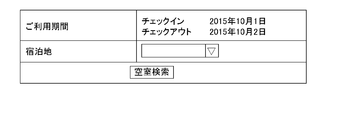
- the logged-in state for example, an accommodation reservation screen as shown in FIG. 6 is displayed. Since the rank of the employee is known when the accommodation reservation screen is displayed, the upper limit amount corresponding to this rank is used as the first condition. For this reason, at the time when the accommodation reservation screen is displayed, the usage period (scheduled date of accommodation) and the accommodation location may be input as the second condition information. If the upper limit is not set as the first condition and the accommodation fee can be freely entered at the discretion of the employee, for example, it will be ranked 5 rather than the president who is ranked 1 It is also possible for the two general employees to enter a higher accommodation fee per room.
- the change condition information in advance in the group information DB 5b as one element of the room reservation, the first condition is already fixed when the room reservation screen shown in FIG. 6 is displayed.
- the accommodation fee is not accepted. That is, when the accommodation reservation screen shown in FIG. 6 is displayed, the first condition is fixed, while the second condition information is variable.
- FIG. 7A shows an example of a screen on which the accommodation facility search result is displayed.
- a list of accommodation reservation candidates that satisfy both the first condition and the second condition is displayed on this screen.
- a list in a case where a general 1 employee executes a search for accommodation facilities and obtains an extraction result is shown.
- two accommodation plans are presented from the hotel A
- three accommodation plans are presented from the hotel B
- two accommodation plans are presented from the hotel C.
- the expense of each accommodation plan is in the range of 15000 yen which is the upper limit amount corresponding to rank 4 of general 1 employees.
- the accommodation reservation candidate cannot be obtained by the first search. That is, for example, an employee with a low position (rank) may have a situation in which an appropriate accommodation reservation candidate is not extracted with an amount within the set range because the preset upper limit of the first condition is low. . This may be because, for example, the accommodation facility is already full and only a high room is available, or the accommodation facility has raised the accommodation cost in advance because it falls on a special day. In such a situation, if the conditions are not relaxed, the accommodation facility cannot be reserved, which may hinder business trips. Therefore, when the accommodation facility reservation server 2 does not obtain an appropriate accommodation reservation candidate even after the first search, the accommodation reservation candidate is automatically increased by increasing the upper limit amount by relaxing the first condition. It will be easy to extract. As an example of the relaxation of the first condition, at least one of the change condition information and the weighting coefficient is used in the present embodiment.
- the change condition information is information provided to relax the first condition in order to expand the accommodation reservation candidates when an appropriate accommodation reservation candidate cannot be obtained as a result of the search.
- the first condition is relaxed by performing “up one rank”. This means a change to the first condition associated with another employee. For example, as described above, it is assumed that when a general 1 employee makes an accommodation reservation, no accommodation reservation candidate is found within the upper limit of 15000 yen corresponding to rank 4. In this case, the search is performed again by raising the rank by one level. Specifically, the search is executed within the upper limit amount of 20000 yen.
- FIG. 7B shows an example of a screen on which the accommodation facility search result is displayed in a state where the conditions are relaxed by the change condition information.
- This screen displays a list of accommodation reservation candidates that satisfy both the first condition and the second condition after the change.
- two accommodation plans are presented from the hotel A, one accommodation plan is presented from the hotel B, and one accommodation plan is presented from the hotel C.
- the cost of each accommodation plan is within the range of 20000 yen, which is the upper limit corresponding to rank 4 which is one rank higher than rank 4 of general one employee.
- the accommodation reservation candidates shown in FIG. 7B are candidate groups obtained as a result of changing the first condition.
- the employee is alerted by displaying the message “over budget” beside the accommodation fee so that the employee viewing the screen knows that the result is the first condition change.
- a highlight display, a bold display, or the like may be used so long as the violation of regulations is transmitted to the employee.
- it may be configured such that a warning sound sounds when a reservation button is pressed to reserve an accommodation facility.
- change condition information are conceivable.
- the amount may be directly increased, such as “500 yen up”, “1000 yen up”, “2000 yen up”,.
- the upper limit amount may be increased by multiplying the upper limit amount by a coefficient such as “ ⁇ 1.1”, “ ⁇ 1.2”, or “ ⁇ 1.5”. If the number of searches is significantly reduced, such as an increase of “2000 yen” or “ ⁇ 1.5”, the number of searches can be reduced, so that the processing load can be reduced.
- the conditions may be gradually relaxed such as “500 yen up” or “ ⁇ 1.1”, and when the conditions are gradually relaxed in this way, the upper limit amount increases step by step. It is extracted from the cheaper room reservation candidates and leads to the provision of more optimal room reservation candidates. Moreover, what change condition information is used may be changed every time the search fails. For example, if a certain employee fails to search for the first time, the search is executed for the second time under the relaxed conditions of “1 rank up” and the search fails, and then the third time is reduced by “1000 yen up”. It is good also as performing a search by conditions.
- the first condition may be relaxed by mixing different types of relaxation.
- the conditions may be relaxed not only by adjustment based on the amount of money but also by adding points. Specifically, for example, an employee whose position (rank) is positioned higher may consume more points to increase the range of relaxation of the upper limit amount.
- the weighting coefficient is a coefficient for changing the reference amount for setting the upper limit amount of the accommodation facility as the first condition in a more appropriate range.
- “weighting coefficient by date” are set. Changing the upper limit amount of the accommodation facility with a weighting factor of 1 or more means that the upper limit amount is relaxed, so that more accommodation reservation candidates can be obtained as compared with the case where no weighting factor is set. It becomes easy. On the other hand, changing the upper limit amount of accommodation facilities with a weighting factor of 1 or less means that the upper limit amount is changed to a lower amount. Candidates are difficult to obtain.
- FIG. 5A shows an example of the regional weighting coefficient. This is because the average price of accommodation facilities varies depending on the region.
- FIG. 5B shows an example of the weighting factor for each date. This is because even in the same accommodation place, the accommodation cost varies depending on the schedule. For example, taking Kyoto as an example of accommodation, there are many tourists on January 1st and August 14th, so the cost of accommodation is particularly high.
- the information such as company attribute information shown in FIG. 4 is an example, and may be different for each company, or a part of them may be common.
- only information about the first condition or change condition information may be common between different companies.
- the first condition may be relaxed by using only one of the change condition information and the weighting coefficient, and either the change condition information or the weighting coefficient may be given priority over the other.
- the accommodation day is approaching, it is good also as loosening the 1st conditions which are upper limit amounts according to the number of days from a reservation day to the day.
- Accommodation facility reservation processing by such an accommodation facility reservation server 2 will be described.
- This accommodation facility reservation process is executed by the cooperation of the functions of the employee information registration unit 2a, condition acquisition unit 2b, candidate extraction unit 2c, and presentation control unit 2d.
- the accommodation facility reservation process needs to be executed by both the manager and employees belonging to the company.
- the administrator first registers or updates the employee information shown in FIG. 4 in the group information DB 5b in advance, and then the employee executes a reservation process based on the registered or updated employee information.
- registration / update processing by the administrator will be described with reference to FIG. 8, and reservation processing by employees will be described with reference to FIG.
- step S101 the administrator makes a login request to the accommodation facility reservation server 2 from the user terminal 4, and then in step S201, the accommodation facility reservation server 2 performs an authentication process for the login request. Specifically, the administrator executes login processing to the accommodation facility reservation server 2 using the administrator login information registered in the group information DB 5b. When this authentication process is completed, the accommodation facility reservation server 2 transmits a registration screen to the user terminal 4 in step S202.
- step S102 a registration screen is displayed on the user terminal 4, and information on the logged-in employee is acquired from the group information DB 5b in step S103.
- step S104 employee information is input, and the registered employee information is transmitted from the user terminal 4 to the accommodation facility reservation server 2.
- step S103 and step S104 for example, employee information for each employee shown in FIG. 4, information on the first condition, change condition information, and weighting coefficient are registered in the group information DB 5b.
- step S203 the accommodation facility reservation server 2 acquires the transmitted employee information and the like, and registers it in the group information DB 5b in the next step S204.
- the registered employee information is updated to new employee information.
- step S301 the employee makes a login request to the accommodation facility reservation server 2 from the user terminal 4, and in step S401, the accommodation facility reservation server 2 performs an authentication process for the login request. Specifically, the employee inputs an employee ID and password given to each employee and executes login processing to the accommodation facility reservation server 2.
- step S402. the accommodation facility reservation server 2 transmits a search screen to the user terminal 4 in step S402. Specifically, for example, the accommodation facility reservation server 2 transmits an accommodation reservation screen as shown in FIG. 6 to the user terminal 4.
- a search screen (for example, an accommodation reservation screen) is displayed on the user terminal 4.
- the employee inputs information on the period of use and the accommodation location.
- the accommodation facility reservation server 2 acquires the input usage period and accommodation location information as the second condition in step S403.
- the accommodation facility reservation server 2 acquires the first condition from the employee information input before the administrator in step S404.
- the accommodation facility reservation server 2 extracts accommodation reservation candidates that satisfy the first condition and the second condition from the accommodation plans registered in the accommodation plan DB 5a. Furthermore, the accommodation facility reservation server 2 generates web page data that presents the extracted accommodation reservation candidates in the next step S406 and transmits the web page data to the user terminal 4.
- the user terminal 4 receives the web page data in step S304 and displays the web page presenting the accommodation reservation candidate.
- step S 305 an accommodation facility reservation operation is performed at the user terminal 4, and this reservation data is transmitted to the accommodation facility reservation server 2. Specifically, for example, when the reservation button for a certain plan is pressed while the accommodation reservation screen shown in FIGS. 7A and 7B is displayed, the reservation data of the accommodation facility is transferred to the accommodation facility reservation server 2. Sent. The accommodation facility reservation server 2 performs an accommodation facility reservation process in the next step S407.
- step S501 the accommodation facility reservation server 2 waits for a login process by the administrator.
- step S502 the accommodation facility reservation server 2 stands by for login processing by an employee.
- step S503 the accommodation facility reservation server 2 stands by for logout processing by an administrator or an employee.
- step S504 the accommodation facility reservation server 2 determines whether registration data has been received.
- step S505 the accommodation facility reservation server 2 determines whether search data has been received.
- step S506 the accommodation facility reservation server 2 determines whether reservation data has been received.
- the accommodation facility reservation server 2 determines in step S501 that the administrator has logged in, the accommodation facility reservation server 2 executes an authentication process in step S507.
- the accommodation facility reservation server 2 transmits a registration screen in step S510. Specifically, when the administrator authentication is completed with the login ID and the authentication password, for example, a registration screen for inputting / updating employee information and first condition information shown in FIG. 4 is displayed on the user terminal 4. The administrator newly registers information such as employee information or changes registered information via the registration screen. If a result that there is a problem in the authentication process is obtained in step S508, the accommodation facility reservation server 2 executes an error process in step S509 and returns the process to the original.
- step S511 the accommodation facility reservation server 2 determines in step S502 that the employee has logged in
- the accommodation facility reservation server 2 executes an authentication process in step S511.
- the accommodation facility reservation server 2 transmits a registration screen in step S513.
- the completion of the login by the employee means that the first condition that is the upper limit amount of the employee has been determined. Therefore, it is only necessary to present an accommodation reservation screen (see FIG. 6) without an accommodation expense input field to the employee.
- step S512 the accommodation facility reservation server 2 executes an error process in step S514 and returns the process to the original.
- step S503 if the accommodation facility reservation server 2 determines that the administrator or employee has logged out, the accommodation facility reservation server 2 executes logout processing in step S515.
- step S504 when the accommodation facility reservation server 2 determines that the registration data has been received, the registration data DB is updated in step S516. Specifically, when the employee information is received for a certain employee for the first time, the accommodation facility reservation server 2 registers the employee information in the group information DB 5b. If new employee information is received for an employee whose employee information has already been registered in the group information DB 5b, the accommodation facility reservation server 2 updates the old employee information with new employee information (step S203 ⁇ in FIG. 8). 204).
- step S505 if the accommodation facility reservation server 2 determines that the search data has been received (see step S403 in FIG. 9), the accommodation facility reservation server 2 executes candidate extraction processing in step S517. Details of this candidate extraction process will be described later.
- step S506 when the accommodation facility reservation server 2 determines that the reservation data has been received, the accommodation facility reservation server 2 executes a reservation process in step S518. Specifically, when one plan is selected from the list of accommodation reservation candidate plans shown in FIG. 7A or 7B, the accommodation facility reservation server 2 executes a reservation process. When the reservation process is completed, for example, a reservation completion screen is displayed on the user terminal 4.
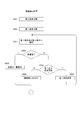
- step S601 the accommodation facility reservation server 2 acquires the second condition.
- the premise that the second condition is acquired is that search data has been received. This search data is obtained when a login process by an employee is executed, and the login period employee inputs information on a use period and an accommodation place on the accommodation reservation screen and makes a search request.
- the accommodation facility reservation server 2 acquires the second condition in step S601 and then acquires the first condition in step S602. That is, the accommodation facility reservation server 2 acquires the rank registered in relation to the logged-in employee and the amount of the rank from the group information DB 5b as the accommodation upper limit amount.
- the accommodation facility reservation server 2 searches the accommodation plan DB 5a under the second condition, and acquires information on the accommodation plan corresponding to the second condition among the registered accommodation plans.
- the accommodation facility reservation server 2 extracts, as accommodation reservation candidates, accommodation plans that satisfy the first condition from among the accommodation plans acquired by searching the accommodation plan DB 5a. That is, the accommodation facility reservation server 2 first narrows down the accommodation facility candidates based on the use period and the accommodation location, and further extracts accommodation plan candidates within the range of the accommodation upper limit from the narrowed accommodation facilities.
- step S605 the accommodation facility reservation server 2 branches the process depending on whether there is an accommodation reservation candidate. If there is an accommodation plan to be presented as a candidate, the accommodation facility reservation server 2 displays a list of accommodation reservation candidates in step S606 (see FIGS. 7A and 7B). On the other hand, if there is nothing to be presented as an accommodation reservation candidate, the accommodation facility reservation server 2 determines whether or not there is an accommodation plan that is not presented as an accommodation reservation candidate in step S607. That is, in the case where it is determined in step S605 that there is no accommodation reservation candidate, the first condition is the same as the case where it is determined that there is no accommodation reservation candidate because the second condition is not satisfied in the first place.
- the accommodation facility reservation server 2 advances the process from step S607 to step S609, and changes the first condition. And it returns to step S604 and an accommodation reservation candidate is extracted.
- the process of changing the first condition in step S609 follows the change condition information in the group information DB 5b of FIG. 4 as described above. For example, if the change condition information is “up one rank”, the change is made to the upper limit amount when the rank is raised by one from the rank of the employee. If the change condition information is “1000 yen up”, the upper limit amount is changed to an amount obtained by adding 1000 yen to the upper limit amount in the rank of the employee. If the change condition information is “1.5 times”, the upper limit amount is changed so as to be an amount obtained by multiplying the upper limit amount in the rank of the employee by 1.5.
- changing the first condition according to the change condition information means that when the first condition is automatically changed, the degree of the change is based on the intention of the manager of the company.
- the company can also manage the degree of the automatic change amount of the first condition. If the change condition information is not registered, for example, a fixed change condition set in advance in the accommodation facility server 2 may be used, for example, “up 1000 yen”. Alternatively, it is possible that registration of change condition information by an administrator on the company side is impossible, and a fixed change condition is always used.
- step S604 Even if the first condition is changed several times in step S609, the extraction process in step S604 is executed until a room reservation candidate cannot be obtained. If an accommodation reservation candidate is obtained in the process, the accommodation facility reservation server 2 proceeds from step S605 to S606, and executes a list display of accommodation reservation candidates. On the other hand, if the accommodation reservation candidate is not obtained even if the search process is performed up to the upper limit of the first condition, or if there is no accommodation reservation candidate because the second condition is not satisfied, the accommodation facility reservation server 2 determines in step S608. Display that there are no candidates. For example, it is assumed that an accommodation facility with an accommodation fee of 35,000 yen is obtained as a search result. In this case, there is an accommodation facility that satisfies the second condition.
- the upper limit is 30000 yen and does not reach the accommodation fee of 35000 yen.
- the relaxation of the upper limit amount by changing the first condition may result in that the accommodation reservation candidate may not be finally obtained.
- the accommodation facility reservation server 2 determines that there is no candidate.
- the upper limit of the first condition that is, the upper limit amount is unlimited is also conceivable.
- the weighting coefficient for each region and the weighting coefficient for each date have been described with reference to FIGS. 5A and 5B.
- These weighting factors are reflected in the first condition, that is, the upper limit amount in the step S602, for example.
- the first condition acquired with reference to the group information DB 5b is “upper limit amount of money 10,000 yen”
- the accommodation place acquired as the second condition in step S601 is Kyoto, the weighting coefficient “1” in FIG. .6 ”and“ upper limit amount of money 16000 yen ”.
- the weighting in FIG. 5B By reflecting the weighting coefficient in the first condition in this way, it becomes possible to extract accommodation reservation candidates in consideration of regional and date convenience. Even when the first condition is changed in step S609, it is appropriate to reflect these regional weighting coefficients and date weighting coefficients.
- the first condition that is the upper limit amount may be relaxed according to the number of days from the reservation date to the day.
- the usage period (accommodation date) as the second condition is compared with the current date and time, and if the number of days up to the current day is less than the predetermined number of days, for example, within one week, the first Increase the upper limit amount as a condition by 1.2 times or add 1000 yen.
- This is also applied when the first condition is changed in step S609.
- the relaxation range of the first condition may be increased if the day of accommodation is approaching.
- Good For example, if an appropriate accommodation reservation candidate cannot be obtained by the first extraction, the number of days from the reservation date to the day of the accommodation will be taken into account, and usually the first rank will be increased by 2 ranks or more. 1 Relax the condition.
- accommodation reservation candidates can be extracted efficiently in a situation where the number of accommodation plans on that day is reduced.
- the second embodiment is different from the first embodiment in that the search / result acquisition process under the second condition and the extraction process under the first condition are executed simultaneously.
- the accommodation facility reservation server 2 obtains the first condition and the second condition in the processing up to step S701 in FIG. 12, and then in step S701, the first condition for the accommodation plan DB 5a.
- the accommodation plan is extracted under the AND condition of the second condition.
- the extracted accommodation plan is set as an accommodation reservation candidate. If there are accommodation reservation candidates, the accommodation facility reservation server 2 displays a list of accommodation reservation candidates on the user terminal 4 in step S606.
- the accommodation facility reservation server 2 determines whether the first condition can be changed in step S702. That is, whether or not the first condition has already reached an upper limit that can be changed. If the first condition can be changed, the accommodation facility reservation server 2 proceeds from step S702 to S609 and changes the first condition.
- the changing method is the same as that in the first embodiment. Then, the process returns to step S701, and the accommodation plan DB 5a is searched with the second condition and the changed AND condition of the first condition.
- the accommodation facility reservation server 2 determines that the first condition cannot be changed in step S702, the accommodation facility reservation server 2 proceeds to step S608 and causes the user terminal 4 to display no candidate.
- the list of accommodation reservation candidates is displayed only when the second condition is satisfied and the first condition is further satisfied.
- the non-candidate accommodation plan that is not considered as an accommodation reservation candidate because the second condition is satisfied but the first condition is not satisfied is presented, and a reservation operation for the non-candidate accommodation plan is performed.
- warning output is executed.
- Accommodation plan P1 "12,000 yen” Accommodation plan P2 "11500 yen” Accommodation plan P3 "20,000 yen” Accommodation plan P4 "30000 yen” Is a situation where is searched. Since the upper limit amount corresponding to rank 5, that is, the first condition is 10,000 yen, in the first and second embodiments, accommodation reservation candidates whose accommodation charges exceed 10,000 yen are not initially regarded as accommodation reservation candidates.
- step S609 when the first condition (upper limit amount) is automatically changed to, for example, 12000 yen, the above-described accommodation plans P1 and P2 are applicable.
- the accommodation plans P1 and P2 are accommodation facility candidates. Is displayed.
- the accommodation facility reservation server 2 also displays the accommodation plans P3 and P4 as non-candidate accommodation plans.
- the web page as the list display shows a program that executes a warning output (for example, a program by Javascript (JavaScript)) when a reservation operation for a non-candidate accommodation plan is performed in the user terminal 4.
- a warning output for example, a program by Javascript (JavaScript)
- a web page is provided.
- the warning output is performed by, for example, voice or display.
- the accommodation facility reservation server 2 proceeds from step S607 to S608, and performs a process of executing display of no candidates. In this case, the accommodation facility reservation server 2 displays the accommodation plans P1, P2, P3, and P4 as non-candidate accommodation plans. However, when a reservation operation is performed for those non-candidate accommodation plans, a warning output is performed on the user terminal 4.
- the accommodation reservation candidate that does not satisfy the first condition is also included.
- the employee who is searching for an accommodation facility can confirm the accommodation plan that is not a candidate even if the upper limit amount according to internal regulations or the automatic change thereof.
- Condition B The rank of the employee who searches for accommodation is lower than the rank of other employees.
- Condition C A search was performed with the first condition changed, but no suitable accommodation reservation candidate was found. However, there are accommodation plans that can be provided to other employees if the first condition is not considered.
- Condition D The accommodation cost of an accommodation facility reserved by another employee is equal to or less than the amount (first condition) assigned to the rank of the employee who searches for the accommodation facility.
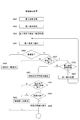
- the accommodation facility reservation server 2 determines whether there is an accommodation plan that is not presented as an accommodation reservation candidate in step S607. If it exists, it is determined in step S702 whether the first condition can be changed. That is, it is determined whether or not the limit for changing the first condition has been reached (that is, whether or not the maximum upper limit has already been relaxed for the employee). If the first condition can be changed, the first condition is changed in step S609, and the process returns to step S604.
- step S607 If it is determined in step S607 that there is no other accommodation plan, there is no accommodation plan that proposes exchange in the first place. Therefore, the accommodation terminal reservation server 2 indicates that there is no accommodation reservation candidate in step S805. 4 is performed.
- step S702 if the first condition cannot be changed in step S702, that is, if the relaxation of the first condition has already reached the upper limit for the employee, the reservation status in the company is confirmed in step S801. This is a case where condition C is satisfied.
- the accommodation facility reservation server 2 that has determined that there is no accommodation reservation candidate for the employee refers to the reservation log DB 5c and confirms whether there is another employee who has completed the reservation of the accommodation facility in the same company in the past. .
- step S ⁇ b> 802 the accommodation facility reservation server 2 has the same second condition of the accommodation facility that is the object of the search and the second condition (accommodation place and planned stay date) of the accommodation facility that has been reserved by another employee. It is determined whether or not there is.
- the accommodation facility reservation server 2 determines whether or not the accommodation facility reserved by another employee may be exchanged for the employee currently searching for the accommodation facility. If the example of FIG. 4 demonstrates, when the expense of the accommodation facility which the employee of rank 2 completed the reservation is 12000 yen, when the 1st condition of the employee of rank 4 who is searching for an accommodation facility is not changed Since the upper limit amount is 15000 yen, the conditions B and D are satisfied, and the accommodation facility reservation server 2 is determined to be exchangeable. If it is determined that the exchange is possible, the accommodation facility reservation server 2 displays a replacement proposal in step S804.
- step S802 if it is determined in step S802 that there is no room reservation with the same second condition, or if it is determined in step S803 that the reservation is not possible, in step S805, the accommodation facility reservation server 2 displays no candidate in step S805. I do.
- the accommodation facility be exchanged between employees. That is, if it is not possible to extract accommodation reservation candidates even if the first condition of the employee who searches for accommodation facilities in the company is changed, the reservation of the employee who has completed the reservation of the accommodation facility first in the same company has already been reserved Are extracted as accommodation reservation candidates. Therefore, as a result, the employee who is searching can make a reservation for the accommodation facility within the upper limit before changing the first condition. A reservation will be made.
- the information processing apparatus includes a member information registration unit 2a that performs a registration process of attribute information of each group member belonging to the group and a registration process of a first condition related to the accommodation reservation of the group, and a terminal device of the group.
- a condition acquisition unit 2b that acquires a search condition related to an accommodation reservation input in a state where a certain group member is logged in as a second condition, and acquires a first condition for the group member, a first condition, and a second condition
- the candidate extraction unit 2c that performs the process of extracting accommodation reservation candidates that satisfy both of the conditions and that cannot extract the accommodation reservation candidate, changes the first condition and extracts the accommodation reservation candidates, and the candidate extraction unit
- a presentation control unit 2d that performs processing for causing the terminal device to present the extracted accommodation reservation candidates. That is, when the accommodation reservation candidate is not extracted depending on the first condition, the accommodation reservation candidate extraction process is performed again by changing the first condition.
- a search according to the company regulations is performed. It can be carried out. Furthermore, if an appropriate room reservation candidate cannot be obtained by the first extraction process, it is easier to extract the room reservation candidate by changing the first condition, so the search condition must be changed temporarily. Even in this case, accommodation reservation candidates that meet conditions as close to the company rules as possible are automatically obtained. In this way, even if a suitable accommodation reservation candidate cannot be obtained by the first extraction process, it is extracted as a facility reservation candidate preferentially from a facility with low accommodation costs by repeating the subsequent extraction process. Accommodation reservation candidates that satisfy conditions close to are automatically obtained.
- the candidate extraction unit performs a search process for an accommodation plan that matches the second condition, and then, among the accommodation plans searched by the search process, the plan that matches the first condition.
- the first condition is relaxed and the relaxed first condition is met.
- Processing for setting the accommodation plan as an accommodation reservation candidate is performed. That is, after the search process according to the second condition relating to the date and the accommodation location, the accommodation plan that matches the first condition relating to the upper limit amount is set as the accommodation reservation candidate, and there is no accommodation plan that matches the first condition, Further extraction processing is performed by relaxing the conditions.
- the search access to the accommodation plan DB 5a may be performed only once.
- a candidate extraction part performs the search process of an accommodation reservation candidate on the AND conditions of the 1st condition and the 2nd condition, and uses the accommodation plan searched by this search process as an accommodation reservation candidate. If the accommodation plan is not obtained as a search result, the first condition is relaxed, and the accommodation reservation candidate search process is performed under the relaxed AND condition of the first condition and the second condition. The processing to make the accommodation plan as an accommodation reservation candidate is performed. That is, the extraction process based on the first condition and the search process based on the second condition are collectively executed as a search for the AND condition. As such processing, it is possible to easily extract accommodation reservation candidates that satisfy the first condition and the second condition. In addition, although the access frequency with respect to the accommodation plan DB 5a increases, in the case of a system with high access capability, the processing load as candidate extraction processing is reduced.
- the presentation control unit presents a non-candidate accommodation plan that satisfies the second condition but has not been considered as a reservation candidate, and a reservation operation is performed for the non-candidate accommodation plan.
- Has a warning output if there is an accommodation plan that satisfies the usage period (scheduled accommodation date) and the second condition regarding the accommodation location, those that do not become accommodation reservation candidates that satisfy the first condition are also presented as non-candidate accommodation plans. Is done. Therefore, for example, when it is absolutely necessary to go on a business trip or the like, a final candidate, for example, a special case candidate that requires the permission of the supervisor can be confirmed.
- a warning is output, so that the employee can clearly recognize that it is a candidate accommodation plan.
- the example in which the first condition is changed according to the number of days from the reservation date to the staying day has been described.
- the first condition is relaxed from the beginning compared to the case where the number of days from the reservation date to the day of accommodation is large, or the upper limit is set.
- the change of the first condition is a change to the first condition associated with another employee belonging to the same company. That is, the first condition is changed as a rank up. According to this, when the accommodation reservation candidate cannot be easily extracted depending on the first condition (upper limit amount) corresponding to a certain employee, the first condition (upper limit amount) of another employee can be used. Therefore, since the accommodation reservation candidates can be extracted using the first conditions of other employees who have already been registered, it is possible to omit the trouble of setting the first conditions separately.
- the accommodation reservation candidate cannot be extracted even if the first condition of a certain employee is changed, the reserved accommodation facilities of other employees belonging to the same company are extracted as the accommodation reservation candidate of the employee.
- the example to do was explained. According to this example, if a certain employee does not meet the first condition and a room reservation candidate cannot be obtained, and if another employee has already completed a room reservation, the condition permits and is possible. Propose a replacement of accommodation. Accordingly, it is possible to promote the exchange of accommodation facilities in the company, and thereby, it is possible to promote each employee to make a reservation for an accommodation plan corresponding to each rank.
- the presentation control part demonstrated the example which specifies that it was a result of a 1st condition change.
- the company regulations Employees can easily understand that it was presented beyond the scope of.
- the accommodation reservation candidate is not obtained even if the search process is performed up to the upper limit of the first condition Or the case where there is no accommodation reservation candidate in order not to satisfy the 2nd condition was illustrated.
- the number of extraction processes based on the first condition is limited in advance, and the number of extraction processes based on the first condition reaches a certain number, it may be displayed that there is no accommodation reservation candidate. For example, if the upper limit number of extraction processes under the first condition is 3, no accommodation reservation candidate exceeding 25,000 yen is extracted for a general 2 employee who is positioned at rank 5 in FIG.
- the first condition is acquired after the second condition, but the second condition may be acquired after the first condition.
- the ID, password, rank, and title of each employee are registered in the group information DB 5b as the employee information.
- the information registered as the employee information is not limited to these information. For example, information that is normally held by the company as information on age, gender, telephone number, family structure, and other employees may be registered as much as possible.
- conditions A to D are satisfied as exchangeable conditions.
- the accommodation cost of an accommodation facility reserved by another employee is the cost of the employee searching for the accommodation facility.
- the accommodation facility reservation server 2 may propose that the exchange is possible even if the condition D of “the amount allocated to the rank (first condition) or less” is not satisfied.
- the condition D of “the amount allocated to the rank (first condition) or less” is not satisfied.
- the first condition was changed to rank 1 (30000 yen) and the search was executed, but only 32,000 yen accommodation facilities remain. It is assumed that there is no candidate because there is no candidate.
- a rank 2 employee in the same company has already completed a reservation for an accommodation facility with an accommodation fee of 25,000 yen.
- This amount of 25,000 yen is higher than the upper limit (15000 yen) before changing the first condition for rank 4 employees, but the upper limit (30000 yen) when the first condition is changed to the maximum. Is within the range. Compared to the situation where a rank 2 employee stays in a 25,000 yen accommodation facility and a rank 1 employee cannot find an accommodation facility, a rank 2 employee stays in a 32,000 yen accommodation facility and a rank 1 employee stays at 25,000 yen. It goes without saying that staying at a facility is more desirable for a company that orders a business trip. Therefore, as an exceptional measure, even if it exceeds the initial upper limit of the first condition, it may be proposed to exchange with an accommodation facility of another employee.
- the information displayed as a result of the change may be changed according to the number of times of relaxation of the first condition. For example, when displaying the search result obtained by the first condition relaxation for the first time, it is red (highlighted), and when displaying the search result obtained by the first condition relaxation for the second time, it is blue ( For example, the display may be different on the display screen for each number of searches.
- the program according to the embodiment is a program that causes an information processing apparatus (CPU or the like) to execute processing of the accommodation facility reservation server 2.
- the program according to the embodiment includes a step of performing a registration process of attribute information of each group member belonging to a group and a first condition registration process related to the accommodation reservation of the group, and a group member with the group logged in using a terminal device
- the search condition regarding the accommodation reservation input in the state is acquired as the second condition, the step of acquiring the first condition for the member of the group, and the accommodation reservation candidate satisfying both the first condition and the second condition Performing the extraction process, and if the room reservation candidate cannot be extracted, changing the first condition and extracting the room reservation candidate; and causing the terminal device to present the room reservation candidate extracted by the candidate extraction unit; Is a program for causing the information processing apparatus to execute.
- the information processing apparatus as the accommodation facility reservation server 2 described above can be realized by such a program.
- a program can be stored in advance in an HDD as a storage medium built in a device such as a computer device, a ROM in a microcomputer having a CPU, or the like.
- a removable storage medium such as a semiconductor memory, memory card, optical disk, magneto-optical disk, or magnetic disk.
- Such a removable storage medium can be provided as so-called package software.
- such a program can be installed from a removable storage medium to a personal computer or the like, or can be downloaded from a download site via a network such as a LAN or the Internet.
Landscapes
- Business, Economics & Management (AREA)
- Tourism & Hospitality (AREA)
- Engineering & Computer Science (AREA)
- Strategic Management (AREA)
- Economics (AREA)
- Human Resources & Organizations (AREA)
- General Business, Economics & Management (AREA)
- Entrepreneurship & Innovation (AREA)
- Marketing (AREA)
- Physics & Mathematics (AREA)
- Theoretical Computer Science (AREA)
- General Physics & Mathematics (AREA)
- Development Economics (AREA)
- Operations Research (AREA)
- Quality & Reliability (AREA)
- Health & Medical Sciences (AREA)
- General Health & Medical Sciences (AREA)
- Educational Administration (AREA)
- Primary Health Care (AREA)
- Game Theory and Decision Science (AREA)
- Management, Administration, Business Operations System, And Electronic Commerce (AREA)
Abstract
団体に属する各団体構成員の属性情報の登録処理及び団体の宿泊予約に関する第1条件及び、団体構成員がログインした状態で入力された宿泊予約に関する検索条件である第2条件の両方を満たした宿泊予約候補を抽出し、抽出された宿泊予約候補を端末装置に提示させる。これにより、団体の規定に即した宿泊予約候補が見つかる可能性を高めることができる。
Description
本発明は、情報処理装置、情報処理方法、プログラム、記憶媒体に関し、具体的には、宿泊施設を検索する際の条件を設定するための技術に関する。
インターネットなどの通信ネットワークの発達に応じて、通信ネットワークを介した宿泊施設の予約が普及している。この流れにおいて、会社等の団体に所属する個人が団体の一社員として団体の規定に沿った条件の下でネットワークを介した宿泊施設の予約も行われている。
上記特許文献1では、企業等の組織における業務出張に関して宿泊施設の予約がなされる際、宿泊条件と組織の規定との照合が自動的に行われ、出張規定に違反している場合には警告又はガイダンスを表示して旅程の変更又は例外処理申請を促すことが行われている。
また、上記特許文献2には、例えば所属する企業の予約システムからユーザがホテルを予約する際、ユーザの属性に従って予約できる種別が参照できる機能が紹介されている。
また、上記特許文献2には、例えば所属する企業の予約システムからユーザがホテルを予約する際、ユーザの属性に従って予約できる種別が参照できる機能が紹介されている。
例えば上記特許文献1,2のように、会社の規定を反映して社員等の業務上での宿泊予約を支援するサービスによれば、会社にとっては規定に沿った社員による宿泊予約を行わせることができる。
しかしながら、会社の規定を重視しすぎるあまり宿泊施設の候補の幅を狭めると業務に支障をきたしてしまうことがあり得る。例えば出張に行く必要があるのに宿泊施設が見つけられないということも生ずることが考えられる。
そこで、本発明は、会社の規定に従った検索を行うとともに、仮に検索条件を変更せざるを得ない状況となった場合でも可能な限り会社規定に近い条件を満たす宿泊予約候補が自動的に得られるようにすることを目的とする。
しかしながら、会社の規定を重視しすぎるあまり宿泊施設の候補の幅を狭めると業務に支障をきたしてしまうことがあり得る。例えば出張に行く必要があるのに宿泊施設が見つけられないということも生ずることが考えられる。
そこで、本発明は、会社の規定に従った検索を行うとともに、仮に検索条件を変更せざるを得ない状況となった場合でも可能な限り会社規定に近い条件を満たす宿泊予約候補が自動的に得られるようにすることを目的とする。
本発明に係る情報処理装置は、団体に属する各団体構成員の属性情報の登録処理及び前記団体の宿泊予約に関する第1条件の登録処理を行う構成員情報登録部と、端末装置により前記団体のある団体構成員が入力した宿泊予約に関する検索条件を第2条件として取得するとともに、当該団体構成員についての前記第1条件を取得する条件取得部と、前記第1条件及び前記第2条件の両方を満たした宿泊予約候補を抽出する処理を行うとともに、宿泊予約候補が抽出できない場合は、前記第1条件を変更して宿泊予約候補の抽出を行う候補抽出部と、前記候補抽出部が抽出した宿泊予約候補を前記端末装置に提示させる処理を行う提示制御部とを備える。
即ち、一度目の第1条件によっては宿泊予約候補が抽出されない場合には、条件を変更することにより再度宿泊予約候補の抽出処理が行われる。
即ち、一度目の第1条件によっては宿泊予約候補が抽出されない場合には、条件を変更することにより再度宿泊予約候補の抽出処理が行われる。
上記の情報処理装置においては、前記候補抽出部は、前記第2条件に合致する宿泊プランの検索処理を行った後、該検索処理で検索された宿泊プランのうちで、前記第1条件に合致する宿泊プランを宿泊予約候補とするとともに、前記検索処理で検索された宿泊プランのうちで、前記第1条件に合致する宿泊プランが存在しない場合は、前記第1条件を緩和し、緩和した第1条件に合致する宿泊プランを宿泊予約候補とする処理を行うことが考えられる。
即ち、第1条件による抽出処理に先立ち、第2条件による検索処理が実行される。
即ち、第1条件による抽出処理に先立ち、第2条件による検索処理が実行される。
上記の情報処理装置においては、前記候補抽出部は、前記第1条件と前記第2条件のアンド条件で宿泊予約候補の検索処理を行い、該検索処理で検索された宿泊プランを宿泊予約候補とするとともに、検索結果として宿泊プランが得られなかった場合は、前記第1条件を緩和し、緩和した第1条件と前記第2条件のアンド条件で宿泊予約候補の検索処理を行い、前記検索処理で検索された宿泊プランを宿泊予約候補とする処理を行うことが考えられる。
即ち、第1条件による抽出処理と第2条件による検索処理がアンド条件の検索として一括して実行される。
即ち、第1条件による抽出処理と第2条件による検索処理がアンド条件の検索として一括して実行される。
上記の情報処理装置においては、前記候補抽出部は、予約日から宿泊当日までの日数に応じて前記第1条件を変更することが考えられる。
例えば、宿泊当日までの日数が近い予約日ほど、第1条件の変更幅を大きくする。
例えば、宿泊当日までの日数が近い予約日ほど、第1条件の変更幅を大きくする。
上記の情報処理装置においては、前記第1条件の変更は、同じ団体に属する他の団体構成員に対応付けられた第1条件への変更であることが考えられる。
即ち、同じ団体の属する他の団体構成員に対応付けられた第1条件を利用することにより宿泊予約に関する条件を変更する。
即ち、同じ団体の属する他の団体構成員に対応付けられた第1条件を利用することにより宿泊予約に関する条件を変更する。
上記の情報処理装置においては、前記候補抽出部は、前記団体のある団体構成員の第1条件を変更しても宿泊予約候補を抽出できない場合には、前記団体の他の団体構成員の予約済の宿泊施設を当該ある団体構成員の宿泊予約候補として抽出することが考えられる。
即ち、同じ団体に属する他の団体構成員が予約した宿泊施設へと変更することにより宿泊予約に関する条件を変更する。
即ち、同じ団体に属する他の団体構成員が予約した宿泊施設へと変更することにより宿泊予約に関する条件を変更する。
上記の情報処理装置においては、前記候補抽出部が第1条件を変更して宿泊予約候補の抽出を行った場合には、前記提示制御部は第1条件変更の結果であることを明示することが考えられる。
例えば、「第1条件変更の結果であることを明示する」とは、例えば団体の規定に違反していることの表示である。
例えば、「第1条件変更の結果であることを明示する」とは、例えば団体の規定に違反していることの表示である。
上記の情報処理装置においては、前記提示制御部は、第2条件を満たすが宿泊予約候補とされなかった候補外宿泊プランも提示するとともに、前記候補外宿泊プランについての予約操作が行われた場合には、警告出力を実行させることが考えられる。
このように、候補外宿泊プランも提示することで、少なくとも第2条件を満たす宿泊予約候補が表示される。
このように、候補外宿泊プランも提示することで、少なくとも第2条件を満たす宿泊予約候補が表示される。
本発明に係る情報処理方法は、情報処理装置が、団体に属する各団体構成員の属性情報の登録処理及び前記団体の宿泊予約に関する第1条件の登録処理を行うステップと、端末装置により前記団体のある団体構成員が入力した宿泊予約に関する検索条件を第2条件として取得するとともに、当該団体構成員についての前記第1条件を取得するステップと、前記第1条件及び前記第2条件の両方を満たした宿泊予約候補を抽出する処理を行うとともに、宿泊予約候補が抽出できない場合は、前記第1条件を変更して宿泊予約候補の抽出を行うステップと、前記候補抽出部が抽出した宿泊予約候補を前記端末装置に提示させるステップを実行する情報処理方法である。
この情報処理方法を実行することで、事前に登録された第1条件によっては宿泊予約候補が抽出されない場合には、条件を変更した上で宿泊予約候補の抽出処理が行われる。
本発明に係るプログラムは、上記の情報処理方法としての各ステップの処理を情報処理装置に実行させるプログラムである。
本発明に係る記憶媒体は、上記のプログラムを記憶した記憶媒体である。
これらのプログラムや記憶媒体により、上記の情報処理装置を実現する。
この情報処理方法を実行することで、事前に登録された第1条件によっては宿泊予約候補が抽出されない場合には、条件を変更した上で宿泊予約候補の抽出処理が行われる。
本発明に係るプログラムは、上記の情報処理方法としての各ステップの処理を情報処理装置に実行させるプログラムである。
本発明に係る記憶媒体は、上記のプログラムを記憶した記憶媒体である。
これらのプログラムや記憶媒体により、上記の情報処理装置を実現する。
本発明によれば、会社の規定に従った検索を行うことができるとともに、仮に検索条件を変更せざるを得ない状況となった場合でも可能な限り会社規定に近い条件を満たす宿泊予約候補が自動的に得られる。
以下、実施の形態を次の順序で説明する。
<1.全体構成>
<2.宿泊施設予約サーバの構成及びデータベース>
<3.第1の実施の形態の宿泊施設予約処理>
<4.第2の実施の形態の宿泊施設予約処理>
<5.第3の実施の形態の宿泊施設予約処理>
<6.第4の実施の形態の宿泊施設予約処理>
<7.まとめ>
<8.プログラム及び記憶媒体>
なお、実施の形態では、本発明の請求項にいう情報処理装置の例として、宿泊施設を提供する予約サーバ(ウェブサーバ)を挙げる。宿泊施設予約サーバは1又は複数の情報処理装置によって実現されるものであり、従って本発明の請求項にいう情報処理装置は、一つの情報処理装置或いは複数の情報処理装置が連携して実現される。
また、以下の各実施の形態では、「会社」とは団体の一例であり「社員」とは団体構成員の一例であることとして説明する。即ち、以下の説明では、会社と団体とは同義であり、社員と団体構成員とは同義である場合がある。
<1.全体構成>
<2.宿泊施設予約サーバの構成及びデータベース>
<3.第1の実施の形態の宿泊施設予約処理>
<4.第2の実施の形態の宿泊施設予約処理>
<5.第3の実施の形態の宿泊施設予約処理>
<6.第4の実施の形態の宿泊施設予約処理>
<7.まとめ>
<8.プログラム及び記憶媒体>
なお、実施の形態では、本発明の請求項にいう情報処理装置の例として、宿泊施設を提供する予約サーバ(ウェブサーバ)を挙げる。宿泊施設予約サーバは1又は複数の情報処理装置によって実現されるものであり、従って本発明の請求項にいう情報処理装置は、一つの情報処理装置或いは複数の情報処理装置が連携して実現される。
また、以下の各実施の形態では、「会社」とは団体の一例であり「社員」とは団体構成員の一例であることとして説明する。即ち、以下の説明では、会社と団体とは同義であり、社員と団体構成員とは同義である場合がある。
<1.全体構成>
図1に、複数の社員(ユーザ)及び宿泊施設が関与する宿泊予約システムとして機能するネットワークシステムの構成例を示す。図1示されるように、本実施の形態の宿泊施設予約サーバ2は、宿泊施設端末3,3,3,・・・とユーザ端末4,4,4,・・・がネットワーク1により相互に通信可能な状態で接続されている。また、宿泊施設予約サーバ2は、データベース5(以下データベース(Data base)を「DB」と表記する)にアクセス可能とされている。
ネットワーク1の構成は多様な例が想定される。例えば、インターネット、イントラネット、エキストラネット、LAN(Local Area Network)、CATV(Community Antenna TeleVision)通信網、仮想専用網(Virtual Private Network)、電話回線網、移動体通信網、衛星通信網等が想定される。またネットワーク1の全部又は一部を構成する伝送媒体についても多様な例が想定される。例えばIEEE(Institute of Electrical and Electronics Engineers)1394、USB(Universal Serial Bus)、電力線搬送、電話線等の有線でも、IrDA(Infrared Data Association)のような赤外線、ブルートゥース(登録商標)、802.11無線、携帯電話網、衛星回線、地上波デジタル網等の無線でも利用可能である。
図1に、複数の社員(ユーザ)及び宿泊施設が関与する宿泊予約システムとして機能するネットワークシステムの構成例を示す。図1示されるように、本実施の形態の宿泊施設予約サーバ2は、宿泊施設端末3,3,3,・・・とユーザ端末4,4,4,・・・がネットワーク1により相互に通信可能な状態で接続されている。また、宿泊施設予約サーバ2は、データベース5(以下データベース(Data base)を「DB」と表記する)にアクセス可能とされている。
ネットワーク1の構成は多様な例が想定される。例えば、インターネット、イントラネット、エキストラネット、LAN(Local Area Network)、CATV(Community Antenna TeleVision)通信網、仮想専用網(Virtual Private Network)、電話回線網、移動体通信網、衛星通信網等が想定される。またネットワーク1の全部又は一部を構成する伝送媒体についても多様な例が想定される。例えばIEEE(Institute of Electrical and Electronics Engineers)1394、USB(Universal Serial Bus)、電力線搬送、電話線等の有線でも、IrDA(Infrared Data Association)のような赤外線、ブルートゥース(登録商標)、802.11無線、携帯電話網、衛星回線、地上波デジタル網等の無線でも利用可能である。
宿泊施設予約サーバ2は、ユーザ端末4から送られてきたHTTPリクエストに基づいて様々な処理を行う。例えば、各種ウェブページ(例えば宿泊施設や宿泊プランの紹介のためのウェブページなど)の生成及び送信や、ユーザによる宿泊予約確定操作に応じた料金支払処理等を実行する。また宿泊施設予約サーバ2は、宿泊施設端末3に対しても同様の動作で、ウェブページの提供や、ユーザ端末4からの要求に応じた宿泊プランの登録などを行う。
宿泊施設端末3は、宿泊施設を提供する施設側で使用される情報処理装置として示している。宿泊施設端末3は、宿泊施設を提供する際に提示する施設や宿泊プランの情報等を、宿泊施設予約サーバ2を介してDB5に登録することなどに用いられる。例えば、宿泊施設予約サーバ2から提供される専用画面が宿泊施設端末3の表示部に表示されることにより、宿泊施設の担当者はこの専用画面を介して施設や宿泊プランの情報等をDB5に登録することができる。
ユーザ端末4は、宿泊施設の検索や宿泊予約を行う際にユーザによって使用される情報処理装置の例である。このユーザ端末4は、ウェブブラウザを備えたコンピュータ装置とされている。ユーザ端末4としては、例えば高機能携帯電話機(スマートフォン)や携帯電話機、携帯情報端末(PDA)、携帯型又は据置型のパーソナルコンピュータ(PC)などが挙げられるが、ユーザ端末4の種類はこれらに限定されない。
ユーザ端末4は、HTTP(Hypertext Transfer Protocol)リクエストを宿泊施設予約サーバ2等に送信することでウェブページや所定の処理を要求する。またユーザ端末4は、HTTPリクエストに応じて送られてきたウェブページ(ウェブページデータ)を受信してウェブブラウザにより表示する。これにより、ユーザは所望のウェブページを閲覧したり操作したりすることができる。
ユーザ端末4は、HTTP(Hypertext Transfer Protocol)リクエストを宿泊施設予約サーバ2等に送信することでウェブページや所定の処理を要求する。またユーザ端末4は、HTTPリクエストに応じて送られてきたウェブページ(ウェブページデータ)を受信してウェブブラウザにより表示する。これにより、ユーザは所望のウェブページを閲覧したり操作したりすることができる。
本実施の形態では、例えば、出張等の会社都合で宿泊予約を希望する社員が宿泊施設を検索する際、宿泊施設の上限金額(以下単に「上限金額」と称する場合もある)を会社側が社員毎に予め設定することで宿泊施設予約サーバ2から適切な宿泊施設(あるいは宿泊プラン)の候補が自動的に抽出されるようにされる。すなわち、高い役職の社員には宿泊施設の上限金額を高く設定することにより比較的高額な宿泊施設の利用も認める一方、低い役職の社員に対しては宿泊施設の上限金額を低く設定することによりあまりに高額な宿泊施設の利用を認めないようすることで、会社の規定に即した宿泊予約が行われるようにしている。
また、宿泊施設の検索を実行する際、一度の検索で適切な宿泊施設が該当しないことも想定される。その結果として検索回数が複数回に及んだ場合であっても、段階的に上限金額を変更(緩和)することにより、可能な限り出費が嵩むことを回避して会社規定に即した宿泊予約が行われるようにすることができる。
また、宿泊施設の検索を実行する際、一度の検索で適切な宿泊施設が該当しないことも想定される。その結果として検索回数が複数回に及んだ場合であっても、段階的に上限金額を変更(緩和)することにより、可能な限り出費が嵩むことを回避して会社規定に即した宿泊予約が行われるようにすることができる。
<2.宿泊施設予約サーバの構成及びデータベース>
宿泊施設予約サーバ2がこれらの処理を行うために、DB5に必要な情報が格納されている。図1ではDB5の例として、宿泊プランDB5a、団体情報DB5b、予約ログDB5cを示している。もちろんこれ以外の宿泊予約のために必要な各種DBが存在してもよい。
宿泊施設予約サーバ2がこれらの処理を行うために、DB5に必要な情報が格納されている。図1ではDB5の例として、宿泊プランDB5a、団体情報DB5b、予約ログDB5cを示している。もちろんこれ以外の宿泊予約のために必要な各種DBが存在してもよい。
宿泊プランDB5aは、各宿泊施設の宿泊プランの情報が登録されている。例えば、宿泊プランDB5aには、宿泊施設ID、宿泊施設の所在地、連絡先、ホームページアドレス、特徴、宿泊施設所在エリアなどの宿泊施設情報に加え、宿泊施設が提供する宿泊プラン情報が登録される。この宿泊プラン情報とは、例えば、プランID、宿泊プラン名、客室タイプID、宿泊プランの内容、宿泊費用の説明等の宿泊プランの属性である。
団体情報DB5bは、宿泊施設予約サーバを利用する団体(会社)の情報を会社毎に登録する。具体的には、団体情報DB5bには会社属性情報、管理者用ログイン情報、社員情報、第1条件についての情報(第1条件情報)、変更条件情報及び重みづけ係数が登録されている。また、社員情報としては、社員毎のID、パスワード、役職名及びランクがそれぞれ対応付けられて登録されている。なお、各情報の詳細は後述する。
予約ログDB5cは、会社に属する社員の予約に関する情報を登録する。すなわち、予約ログDB5cには、社員が過去に宿泊施設を利用した際の宿泊施設名、宿泊場所、宿泊日時、宿泊人数等の情報が社員毎に登録されている。なお、この予約ログDB5cに登録されている情報は、請求金額を算出する際、あるいは社員の過去の宿泊の傾向を把握するために利用される。
続いて図1に示した宿泊施設予約サーバ2、宿泊施設端末3、ユーザ端末4を構成する情報処理装置のハードウェア構成を図2に示す。宿泊施設予約サーバ2、宿泊施設端末3、ユーザ端末4として示した各装置は、情報処理および情報通信が可能な図2に示すようなコンピュータ装置として実現できる。
図2において、コンピュータ装置のCPU(Central Processing Unit)101は、ROM( Read Only Memory)102に記憶されているプログラム、または記憶部108からRAM( Random Access Memory )103にロードされたプログラムに従って各種の処理を実行する。RAM103にはまた、CPU101が各種の処理を実行する上において必要なデータなども適宜記憶される。
CPU101、ROM102、およびRAM103は、バス104を介して相互に接続されている。このバス104には、入出力インターフェース105も接続されている。
入出力インターフェース105には、キーボード、マウス、タッチパネルなどよりなる入力部106、LCD(Liquid Crystal Display)、CRT(Cathode Ray Tube)、有機EL(Electroluminescence)パネルなどよりなるディスプレイ、並びにスピーカなどよりなる出力部107、HDD(Hard Disk Drive)やフラッシュメモリ装置などより構成される記憶部108、ネットワーク1を介しての通信処理や機器間通信を行う通信部109が接続されている。
入出力インターフェース105にはまた、必要に応じてメディアドライブ110が接続され、磁気ディスク、光ディスク、光磁気ディスク、或いは半導体メモリなどのリムーバブルメディア111が適宜装着され、リムーバブルメディア111に対する情報の書込や読出が行われる。
CPU101、ROM102、およびRAM103は、バス104を介して相互に接続されている。このバス104には、入出力インターフェース105も接続されている。
入出力インターフェース105には、キーボード、マウス、タッチパネルなどよりなる入力部106、LCD(Liquid Crystal Display)、CRT(Cathode Ray Tube)、有機EL(Electroluminescence)パネルなどよりなるディスプレイ、並びにスピーカなどよりなる出力部107、HDD(Hard Disk Drive)やフラッシュメモリ装置などより構成される記憶部108、ネットワーク1を介しての通信処理や機器間通信を行う通信部109が接続されている。
入出力インターフェース105にはまた、必要に応じてメディアドライブ110が接続され、磁気ディスク、光ディスク、光磁気ディスク、或いは半導体メモリなどのリムーバブルメディア111が適宜装着され、リムーバブルメディア111に対する情報の書込や読出が行われる。
このようなコンピュータ装置では、通信部109による通信によりデータやプログラムのアップロード、ダウンロードが行われる。またコンピュータ装置はリムーバブルメディア111を介したデータやプログラムの受け渡しが可能である。
CPU101が各種のプログラムに基づいて処理動作を行うことで、宿泊施設予約サーバ2、宿泊施設端末3、ユーザ端末4としての必要な情報処理や通信が実行される。
なお、宿泊施設予約サーバ2、宿泊施設端末3、ユーザ端末4を構成する情報処理装置は、図2のようなコンピュータ装置が単一で構成されることに限らず、複数のコンピュータ装置がシステム化されて構成されてもよい。複数のコンピュータ装置は、LAN等によりシステム化されていてもよいし、インターネット等を利用したVPN等により遠隔地に配置されたものでもよい。
CPU101が各種のプログラムに基づいて処理動作を行うことで、宿泊施設予約サーバ2、宿泊施設端末3、ユーザ端末4としての必要な情報処理や通信が実行される。
なお、宿泊施設予約サーバ2、宿泊施設端末3、ユーザ端末4を構成する情報処理装置は、図2のようなコンピュータ装置が単一で構成されることに限らず、複数のコンピュータ装置がシステム化されて構成されてもよい。複数のコンピュータ装置は、LAN等によりシステム化されていてもよいし、インターネット等を利用したVPN等により遠隔地に配置されたものでもよい。
図3に、宿泊施設予約サーバ2としての機能構成を示す。ここでは、一例として、宿泊施設予約サーバ2が宿泊施設の検索及び提供を行う場合について説明する。
宿泊施設予約サーバ2が実行する機能は、情報処理装置においてCPU101がプログラムに応じて実行する処理により実現される機能である。但し、以下に説明する全部又は一部の構成の処理をハードウェアにより実現してもよい。
また、各機能をソフトウェアで実現する場合に、各機能がそれぞれ独立したプログラムで実現される必要はない。1つのプログラムにより複数の機能の処理が実行されてもよいし、1つの機能が複数のプログラムモジュールの連携で実現されてもよい。
宿泊施設予約サーバ2は、社員情報登録部2a、条件取得部2b、候補抽出部2c、提示制御部2dを有する。
宿泊施設予約サーバ2が実行する機能は、情報処理装置においてCPU101がプログラムに応じて実行する処理により実現される機能である。但し、以下に説明する全部又は一部の構成の処理をハードウェアにより実現してもよい。
また、各機能をソフトウェアで実現する場合に、各機能がそれぞれ独立したプログラムで実現される必要はない。1つのプログラムにより複数の機能の処理が実行されてもよいし、1つの機能が複数のプログラムモジュールの連携で実現されてもよい。
宿泊施設予約サーバ2は、社員情報登録部2a、条件取得部2b、候補抽出部2c、提示制御部2dを有する。
社員情報登録部2aは、会社に属する各社員の属性情報及び会社の宿泊予約に関する第1条件の登録処理を行う。
条件取得部2bは、端末装置により社員がログインした状態で入力された宿泊予約に関する検索条件を第2条件として取得するとともにログインした社員についての第1条件を取得する。
候補抽出部2cは、第1条件及び第2条件の両方を満たした宿泊予約候補(宿泊プランの候補)を抽出する処理を行うとともに、宿泊予約候補が抽出できない場合は、第1条件を変更して宿泊予約候補の抽出を行う。
提示制御部2dは、候補抽出部が抽出した宿泊予約候補を端末装置に提示させる処理を行う。
条件取得部2bは、端末装置により社員がログインした状態で入力された宿泊予約に関する検索条件を第2条件として取得するとともにログインした社員についての第1条件を取得する。
候補抽出部2cは、第1条件及び第2条件の両方を満たした宿泊予約候補(宿泊プランの候補)を抽出する処理を行うとともに、宿泊予約候補が抽出できない場合は、第1条件を変更して宿泊予約候補の抽出を行う。
提示制御部2dは、候補抽出部が抽出した宿泊予約候補を端末装置に提示させる処理を行う。
図4に、団体情報DB5bに登録されている会社属性情報、管理者用ログイン情報、社員情報、第1条件についての情報、変更条件情報及び重みづけ係数の例を示す。
会社属性情報とは、ここでは例えば会社ID、会社名、会社規模、会社の所在地、社員数等の、宿泊予約に関連する各種情報を意味することとする。
会社属性情報とは、ここでは例えば会社ID、会社名、会社規模、会社の所在地、社員数等の、宿泊予約に関連する各種情報を意味することとする。
管理者用ログイン情報とは、管理者がログインするために必要な管理者用の情報であり、例えばログインIDと認証パスワードを含む情報である。ここで、管理者とは、サーバのサービスを受ける会社の担当者であり、社内で団体情報DB5bの登録・更新の権限を有している者のことである。
本実施の形態では、管理者のみが上述の会社属性情報、社員情報、第1条件、変更条件情報及び重みづけ係数を登録・変更する権限を有していることとしている。そのため、管理者以外の人間がこれらの情報を勝手に登録・変更できないよう、特別に管理者用ログイン情報が与えられている。管理者用ログイン情報の具体例は省略する。
本実施の形態では、管理者のみが上述の会社属性情報、社員情報、第1条件、変更条件情報及び重みづけ係数を登録・変更する権限を有していることとしている。そのため、管理者以外の人間がこれらの情報を勝手に登録・変更できないよう、特別に管理者用ログイン情報が与えられている。管理者用ログイン情報の具体例は省略する。
社員情報とは、上述の通り、社員毎のID、パスワード、ランク、役職名を含む情報であり、社員毎に異なったID、パスワード、ランク、役職名が対応付けて登録されている。
社員ID(ログインID)は、各社員を識別するために社員毎に異なって割り当てられる識別子であり、図4には4桁の数字の例が示されている。勿論、社員IDは4桁以外の桁数の数字であってもよく、英語及び数字の混在であってもよい。
パスワードは、ログイン処理のために入力される社員毎に異なって割り当てられる認証のための文字列であり、図4には4文字のアルファベット文字列の例が示されている。勿論、パスワードは4文字以外の文字数のアルファベットの文字列であってもよく、アルファベット及び数字の混在であってもよい。ここで、社員ID及びパスワードが、例えばログイン情報として機能する。具体的には、社員がユーザ端末4から宿泊施設の予約を試みる際にログインページにログインするために、社員ID及びパスワードを入力する。
役職名とは、会社内での役職を表す名称である。
ランクとは、会社内での序列に関する情報であり、役職に応じて変更される。このランクは役職毎に異なることとされており、役職が上であるほど高く、逆に役職が下であるほど低くなるように設定されている。図4に示されるように、役職名が一般1の社員と一般2の社員とは同じ一般として位置づけられているが、一般1の社員が一般2の社員よりも勤務年数が長い場合には、一般1の社員のランクが上であるように設定される。なお、本実施の形態では、役職毎に異なるランクを割り当てたが、異なる役職であっても同じランクが割り当てられることとしてもよい。すなわち、ランクの個数は役職数と同数であってもよく、あるいはランクの個数は役職数未満であってもよい。社員が社員ID及びパスワードを入力してログインすると、社員毎に登録されているランク及び役職名等の情報も対応付けて報DB5bから読み出される。
社員ID(ログインID)は、各社員を識別するために社員毎に異なって割り当てられる識別子であり、図4には4桁の数字の例が示されている。勿論、社員IDは4桁以外の桁数の数字であってもよく、英語及び数字の混在であってもよい。
パスワードは、ログイン処理のために入力される社員毎に異なって割り当てられる認証のための文字列であり、図4には4文字のアルファベット文字列の例が示されている。勿論、パスワードは4文字以外の文字数のアルファベットの文字列であってもよく、アルファベット及び数字の混在であってもよい。ここで、社員ID及びパスワードが、例えばログイン情報として機能する。具体的には、社員がユーザ端末4から宿泊施設の予約を試みる際にログインページにログインするために、社員ID及びパスワードを入力する。
役職名とは、会社内での役職を表す名称である。
ランクとは、会社内での序列に関する情報であり、役職に応じて変更される。このランクは役職毎に異なることとされており、役職が上であるほど高く、逆に役職が下であるほど低くなるように設定されている。図4に示されるように、役職名が一般1の社員と一般2の社員とは同じ一般として位置づけられているが、一般1の社員が一般2の社員よりも勤務年数が長い場合には、一般1の社員のランクが上であるように設定される。なお、本実施の形態では、役職毎に異なるランクを割り当てたが、異なる役職であっても同じランクが割り当てられることとしてもよい。すなわち、ランクの個数は役職数と同数であってもよく、あるいはランクの個数は役職数未満であってもよい。社員が社員ID及びパスワードを入力してログインすると、社員毎に登録されているランク及び役職名等の情報も対応付けて報DB5bから読み出される。
第1条件とは、各ランクに対応付けられた宿泊上限金額の情報である。本実施の形態では、図4に示されるように、ランク1の社員には30000円の上限金額が割り当てられ、ランク2の社員には25000円の上限金額が割り当てられ、ランク3の社員には20000円の上限金額が割り当てられ、ランク4の社員には15000円の上限金額が割り当てられ、ランク5の社員には10000円の上限金額が割り当てられることとしている。このように、予め管理者の入力に応じてランク毎に宿泊上限金額を示す第1条件が割り当てられている。
この第1条件は、宿泊予約を実行する場合に使用される。具体的には、社員が宿泊施設の検索を行う際には、例えばユーザ端末4より社員ID及びパスワードを入力してログインする。このログインした状態では、例えば図6に示されるような宿泊予約画面が表示される。この宿泊予約画面が表示された時点で、社員のランクが判明していることから、このランクに対応する上限金額が第1条件として利用される。このため、宿泊予約画面が表示された時点では、第2条件情報として利用期間(宿泊予定日)及び宿泊地を入力すればよいこととなる。
第1条件としての上限金額が設定されておらず、宿泊費用を社員の裁量に任せて自由に入力できる状況下にあっては、例えば、ランク1に位置付けられている社長よりもランク5に位置付けられている一般2の社員がより高額な一部屋当たりの宿泊費用を入力することも可能である。しかしながら、このような状況は、より大幅な会社規定違反を誘発しかねない。
そこで、予め宿泊予約の一要素として変更条件情報を団体情報DB5bに登録することにより、図6に示される宿泊予約画面が表示された状態では既に第1条件が固定されていることにより一部屋当たりの宿泊費用の入力を受け付けないようにされている。すなわち、図6に示される宿泊予約画面が表示された時点では、第1条件は固定された状態である一方、第2条件情報が可変であるようにされている。かかる構成により、一部屋当たりの費用の入力の手間を省くことが通じて処理負担の軽減を図ることができるとともに、適切な宿泊施設の候補(宿泊予約候補)を提供することができる。
この第1条件は、宿泊予約を実行する場合に使用される。具体的には、社員が宿泊施設の検索を行う際には、例えばユーザ端末4より社員ID及びパスワードを入力してログインする。このログインした状態では、例えば図6に示されるような宿泊予約画面が表示される。この宿泊予約画面が表示された時点で、社員のランクが判明していることから、このランクに対応する上限金額が第1条件として利用される。このため、宿泊予約画面が表示された時点では、第2条件情報として利用期間(宿泊予定日)及び宿泊地を入力すればよいこととなる。
第1条件としての上限金額が設定されておらず、宿泊費用を社員の裁量に任せて自由に入力できる状況下にあっては、例えば、ランク1に位置付けられている社長よりもランク5に位置付けられている一般2の社員がより高額な一部屋当たりの宿泊費用を入力することも可能である。しかしながら、このような状況は、より大幅な会社規定違反を誘発しかねない。
そこで、予め宿泊予約の一要素として変更条件情報を団体情報DB5bに登録することにより、図6に示される宿泊予約画面が表示された状態では既に第1条件が固定されていることにより一部屋当たりの宿泊費用の入力を受け付けないようにされている。すなわち、図6に示される宿泊予約画面が表示された時点では、第1条件は固定された状態である一方、第2条件情報が可変であるようにされている。かかる構成により、一部屋当たりの費用の入力の手間を省くことが通じて処理負担の軽減を図ることができるとともに、適切な宿泊施設の候補(宿泊予約候補)を提供することができる。
宿泊施設の検索結果が表示された画面の一例を図7Aに示す。この画面には、宿泊施設を検索した結果、第1条件及び第2条件の両条件を満たした宿泊予約候補の一覧が表示されている。
ここでは、一例として、一般1の社員が宿泊施設の検索を実行して抽出結果が得られた場合の一覧を示す。検索結果としては、ホテルAからは2件の宿泊プランが提示され、ホテルBからは3件の宿泊プランが提示され、ホテルCからは2件の宿泊プランが提示されている。なお、各宿泊プランの費用は一般1の社員のランク4に対応した上限金額である15000円の範囲内である。
ここでは、一例として、一般1の社員が宿泊施設の検索を実行して抽出結果が得られた場合の一覧を示す。検索結果としては、ホテルAからは2件の宿泊プランが提示され、ホテルBからは3件の宿泊プランが提示され、ホテルCからは2件の宿泊プランが提示されている。なお、各宿泊プランの費用は一般1の社員のランク4に対応した上限金額である15000円の範囲内である。
ところで、最初の検索によっては、宿泊予約候補が得られない可能性がある。
すなわち、例えば低い役職(ランク)の社員にあっては、予め設定されている第1条件の上限金額が低いために、設定範囲内の金額では適切な宿泊予約候補が抽出されないという状況も考えられる。これは、例えば、宿泊施設が既に満室で高い部屋しか空いていない、あるいは特別な日に該当するために宿泊施設側が予め宿泊費用を引き上げているという理由が想定される。このような状況で、何ら条件を緩和しない場合には、宿泊施設の予約ができないため、出張等に支障をきたしてしまうことになる。
そこで、宿泊施設予約サーバ2が一度目の検索を実行しても適切な宿泊予約候補が得られない場合には、自動的に第1条件の緩和により上限金額を引き上げることにより、宿泊予約候補が抽出され易くすることとしている。この第1条件の緩和の例として、本実施の形態では変更条件情報と重みづけ係数の少なくともいずれかを使用することとしている。
すなわち、例えば低い役職(ランク)の社員にあっては、予め設定されている第1条件の上限金額が低いために、設定範囲内の金額では適切な宿泊予約候補が抽出されないという状況も考えられる。これは、例えば、宿泊施設が既に満室で高い部屋しか空いていない、あるいは特別な日に該当するために宿泊施設側が予め宿泊費用を引き上げているという理由が想定される。このような状況で、何ら条件を緩和しない場合には、宿泊施設の予約ができないため、出張等に支障をきたしてしまうことになる。
そこで、宿泊施設予約サーバ2が一度目の検索を実行しても適切な宿泊予約候補が得られない場合には、自動的に第1条件の緩和により上限金額を引き上げることにより、宿泊予約候補が抽出され易くすることとしている。この第1条件の緩和の例として、本実施の形態では変更条件情報と重みづけ係数の少なくともいずれかを使用することとしている。
先ず、変更条件情報の一例を図4に示す。
変更条件情報とは、検索の結果適切な宿泊予約候補が得られない場合に、宿泊予約候補を広げるために第1条件を緩和するものとして設けられている情報である。具体的には、第1の実施の形態では、一度目の検索により適切な宿泊予約候補が得られない場合には「1ランクアップ」することにより第1条件を緩和する。これは、他の社員に対応付けられた第1条件への変更であることを意味する。
例えば、上述の通り一般1の社員が宿泊予約を行う際にランク4に対応した上限金額15000円の範囲内で宿泊予約候補が1件も見つからなかった場合を想定する。この場合、ランクを1段階上げることにより再度検索を行う。具体的には、上限金額20000円の範囲内で検索を実行する。
変更条件情報とは、検索の結果適切な宿泊予約候補が得られない場合に、宿泊予約候補を広げるために第1条件を緩和するものとして設けられている情報である。具体的には、第1の実施の形態では、一度目の検索により適切な宿泊予約候補が得られない場合には「1ランクアップ」することにより第1条件を緩和する。これは、他の社員に対応付けられた第1条件への変更であることを意味する。
例えば、上述の通り一般1の社員が宿泊予約を行う際にランク4に対応した上限金額15000円の範囲内で宿泊予約候補が1件も見つからなかった場合を想定する。この場合、ランクを1段階上げることにより再度検索を行う。具体的には、上限金額20000円の範囲内で検索を実行する。
変更条件情報により条件が緩和された状態で宿泊施設の検索結果が表示された画面の一例を図7Bに示す。この画面には、変更後の第1条件及び第2条件の両条件を満たした宿泊予約候補の一覧が表示されている。
具体的には、検索結果として、ホテルAからは2件の宿泊プランが提示され、ホテルBからは1件の宿泊プランが提示され、ホテルCからは1件の宿泊プランが提示されている。なお、各宿泊プランの費用は一般1の社員のランク4の1つ上のランクであるランク4に対応した上限金額である20000円の範囲内である。
ここで、図7Bに示されている宿泊予約候補は、第1条件を変更した結果得られた候補群である。具体的には、第1条件の変更の一例として、1ランクアップすることによって初めて得られた謂わば「会社規定違反」の宿泊予約候補である。そのため、第1条件変更の結果である旨が画面を閲覧している社員に分かるように宿泊費用の脇に「予算超過」である旨を表示することで社員に注意を促すこととする。なお、第1条件変更の結果である旨の表示としては、ハイライト表示、太字表示等を社員に規定違反が伝わる表記であればよい。あるいは、宿泊施設を予約しようとして予約ボタンを押下した際に、警告音が鳴る構成であってもよい。
具体的には、検索結果として、ホテルAからは2件の宿泊プランが提示され、ホテルBからは1件の宿泊プランが提示され、ホテルCからは1件の宿泊プランが提示されている。なお、各宿泊プランの費用は一般1の社員のランク4の1つ上のランクであるランク4に対応した上限金額である20000円の範囲内である。
ここで、図7Bに示されている宿泊予約候補は、第1条件を変更した結果得られた候補群である。具体的には、第1条件の変更の一例として、1ランクアップすることによって初めて得られた謂わば「会社規定違反」の宿泊予約候補である。そのため、第1条件変更の結果である旨が画面を閲覧している社員に分かるように宿泊費用の脇に「予算超過」である旨を表示することで社員に注意を促すこととする。なお、第1条件変更の結果である旨の表示としては、ハイライト表示、太字表示等を社員に規定違反が伝わる表記であればよい。あるいは、宿泊施設を予約しようとして予約ボタンを押下した際に、警告音が鳴る構成であってもよい。
なお、変更条件情報の例は多数考えられる。例えば、上述の「1ランクアップ」に代えて、一度に「2ランクアップ」、「3ランクアップ」等としてもよい。また、ランクアップに代えて、「500円アップ」、「1000円アップ」、「2000円アップ」・・・のように直接金額を引き上げることとしてもよい。また、上限金額に「×1.1」、「×1.2」、「×1.5」のように係数を掛けることによって上限金額を引き上げることとしてもよい。「2000円」アップや「×1.5」のように大幅に緩和した場合には、検索回数を減らすことにもつながるため、処理負担の軽減を図ることができる。一方、「500円アップ」や「×1.1」のように徐々に条件を緩和することとしても良く、このように徐々に条件を緩和する場合には、段階的に上限金額が上がるため、安い料金の宿泊予約候補から抽出され、より最適な宿泊予約候補の提供につながる。
また、どの変更条件情報を使用するかについては、検索が失敗する毎に変更することが可能であることとすればよい。例えばある社員が一度目の検索に失敗した場合、二度目に「1ランクアップ」による緩和された条件で検索を実行して検索に失敗した後、三度目に「1000円アップ」による緩和された条件で検索を実行することとしてもよい。このように、異なる緩和の種類を混在させることにより第1条件を緩和してもよい。
更に、単に金額による調整のみならず、ポイント加算によって条件の緩和を図ることとしてもよい。具体的には、例えば役職(ランク)が上位に位置している社員はより多くのポイントを消費することにより、上限金額の緩和の幅が大きくなることとしてもよい。
また、どの変更条件情報を使用するかについては、検索が失敗する毎に変更することが可能であることとすればよい。例えばある社員が一度目の検索に失敗した場合、二度目に「1ランクアップ」による緩和された条件で検索を実行して検索に失敗した後、三度目に「1000円アップ」による緩和された条件で検索を実行することとしてもよい。このように、異なる緩和の種類を混在させることにより第1条件を緩和してもよい。
更に、単に金額による調整のみならず、ポイント加算によって条件の緩和を図ることとしてもよい。具体的には、例えば役職(ランク)が上位に位置している社員はより多くのポイントを消費することにより、上限金額の緩和の幅が大きくなることとしてもよい。
次いで、重みづけ係数の例を示す。
重みづけ係数とは、第1条件としての宿泊施設の上限金額をより適切な範囲に設定するために基準となる金額を変更するための係数であり、具体的には、「地域別重みづけ係数」と「日付別重みづけ係数」が設定されている。1以上の重みづけ係数により宿泊施設の上限金額を変更することは、上限金額が緩和されることを意味するため、重みづけ係数を設定しない場合と比較してより多くの宿泊予約候補が得られやすくなる。反対に、1以下の重みづけ係数により宿泊施設の上限金額を変更することは、上限金額が低い金額へと変更されることを意味するため、重みづけ係数を設定しない場合と比較して宿泊予約候補が得られにくくなる。
図5Aに地域別重みづけ係数の例を示す。これは、地域によって宿泊施設の平均金額にばらつきが生じていることによる。例えば、東京、大阪、京都では物価を考慮すると比較的宿泊費用が高くなる傾向にある。そのため、予め重みづけ係数を1以上にすることにより、多くの宿泊予約候補が得られやすくなる。一方、長野、静岡では比較的低い宿泊費用の施設が多く認められることから、低い金額でも宿泊予約候補が得られる可能性が高いため、重みづけ係数は1以下とされている。
図5Bに日付別重みづけ係数の例を示す。これは、同じ宿泊場所であっても、日程によって宿泊費用にばらつきがあることによる。例えば、宿泊場所として京都を例にとると、1月1日や8月14日は観光客が多いため特に宿泊費用が高く、その他の5月3日、7月16日、12月24日がイベント開催日であることでやはり観光客が多いことから宿泊金額が通常よりも高い傾向がある。このような日程を対象として予約を実行しようとした場合、重みづけ係数による上限金額の変更が無かったとすると、適切な宿泊施設が得られるまでに通常よりも多くの検索回数を要することにもなりかねない。そこで、宿泊費用が高くなることが予め予想される日は、検索を開始する時点で重みづけ係数による第1条件を緩和することにより、検索失敗による処理負担を解消することとしている。
重みづけ係数とは、第1条件としての宿泊施設の上限金額をより適切な範囲に設定するために基準となる金額を変更するための係数であり、具体的には、「地域別重みづけ係数」と「日付別重みづけ係数」が設定されている。1以上の重みづけ係数により宿泊施設の上限金額を変更することは、上限金額が緩和されることを意味するため、重みづけ係数を設定しない場合と比較してより多くの宿泊予約候補が得られやすくなる。反対に、1以下の重みづけ係数により宿泊施設の上限金額を変更することは、上限金額が低い金額へと変更されることを意味するため、重みづけ係数を設定しない場合と比較して宿泊予約候補が得られにくくなる。
図5Aに地域別重みづけ係数の例を示す。これは、地域によって宿泊施設の平均金額にばらつきが生じていることによる。例えば、東京、大阪、京都では物価を考慮すると比較的宿泊費用が高くなる傾向にある。そのため、予め重みづけ係数を1以上にすることにより、多くの宿泊予約候補が得られやすくなる。一方、長野、静岡では比較的低い宿泊費用の施設が多く認められることから、低い金額でも宿泊予約候補が得られる可能性が高いため、重みづけ係数は1以下とされている。
図5Bに日付別重みづけ係数の例を示す。これは、同じ宿泊場所であっても、日程によって宿泊費用にばらつきがあることによる。例えば、宿泊場所として京都を例にとると、1月1日や8月14日は観光客が多いため特に宿泊費用が高く、その他の5月3日、7月16日、12月24日がイベント開催日であることでやはり観光客が多いことから宿泊金額が通常よりも高い傾向がある。このような日程を対象として予約を実行しようとした場合、重みづけ係数による上限金額の変更が無かったとすると、適切な宿泊施設が得られるまでに通常よりも多くの検索回数を要することにもなりかねない。そこで、宿泊費用が高くなることが予め予想される日は、検索を開始する時点で重みづけ係数による第1条件を緩和することにより、検索失敗による処理負担を解消することとしている。
なお、図4に示した会社属性情報等の情報は一例であり、会社毎に異なっていてもよく、一部が共通していてもよい。例えば、異なる会社間で第1条件についての情報あるいは変更条件情報のみが共通していてもよい。また、先の説明では社員毎に異なったID、パスワード、ランク、役職名が対応付けて登録されていると定義したが、ランク及び役職名については、異なる社員に同じランクあるいは役職名が与えられることとしてもよい。
変更条件情報あるいは重みづけ係数のいずれか一方のみを使用することによって第1条件を緩和することとしてもよく、また変更条件情報あるいは重みづけ係数のいずれか一方を他方に優先してもよい。
また、宿泊当日が迫ってきている場合には、予約日から当日までの日数に応じて上限金額である第1条件を緩めることとしてもよい。
変更条件情報あるいは重みづけ係数のいずれか一方のみを使用することによって第1条件を緩和することとしてもよく、また変更条件情報あるいは重みづけ係数のいずれか一方を他方に優先してもよい。
また、宿泊当日が迫ってきている場合には、予約日から当日までの日数に応じて上限金額である第1条件を緩めることとしてもよい。
<3.第1の実施の形態の宿泊施設予約処理>
このような宿泊施設予約サーバ2による宿泊施設予約処理の例を説明する。この宿泊施設予約処理は、社員情報登録部2a、条件取得部2b、候補抽出部2c、提示制御部2dが有する各機能が連携することにより実行される。
宿泊施設予約処理は、会社に属する管理者及び社員の両者により実行される必要がある。具体的には、先ず管理者が図4に示される社員情報を予め団体情報DB5bに登録あるいは更新した上で、登録あるいは更新された社員情報を基に社員が予約処理を実行する。
先ず図8を用いて管理者による登録/更新処理について説明し、図9を用いて社員による予約処理について説明する。
このような宿泊施設予約サーバ2による宿泊施設予約処理の例を説明する。この宿泊施設予約処理は、社員情報登録部2a、条件取得部2b、候補抽出部2c、提示制御部2dが有する各機能が連携することにより実行される。
宿泊施設予約処理は、会社に属する管理者及び社員の両者により実行される必要がある。具体的には、先ず管理者が図4に示される社員情報を予め団体情報DB5bに登録あるいは更新した上で、登録あるいは更新された社員情報を基に社員が予約処理を実行する。
先ず図8を用いて管理者による登録/更新処理について説明し、図9を用いて社員による予約処理について説明する。
先ず、ステップS101において、管理者はユーザ端末4より宿泊施設予約サーバ2にログイン要求を行い、ステップS201において次いで宿泊施設予約サーバ2はこのログイン要求に対する認証処理を行う。具体的には、管理者は団体情報DB5bに登録されている管理者用ログイン情報により宿泊施設予約サーバ2へのログイン処理を実行する。
この認証処理が完了すると、ステップS202において宿泊施設予約サーバ2はユーザ端末4へと登録用画面を送信する。
次いで、ステップS102においてユーザ端末4では登録用画面が表示され、ステップS103においてログインしている社員の情報が団体情報DB5bから取得される。ステップS104では、社員情報が入力され、ユーザ端末4から宿泊施設予約サーバ2へ登録された社員情報が送信される。このステップS103、ステップS104において、例えば図4に示される社員毎の社員情報及び第1条件についての情報、変更条件情報及び重みづけ係数がそれぞれ団体情報DB5bに登録される。
ステップS203において、宿泊施設予約サーバ2は、送信されてきた社員情報等を取得し、次のステップS204において団体情報DB5bに登録する。あるいは、既に登録されている社員情報等を新たな社員情報等に更新する。
この認証処理が完了すると、ステップS202において宿泊施設予約サーバ2はユーザ端末4へと登録用画面を送信する。
次いで、ステップS102においてユーザ端末4では登録用画面が表示され、ステップS103においてログインしている社員の情報が団体情報DB5bから取得される。ステップS104では、社員情報が入力され、ユーザ端末4から宿泊施設予約サーバ2へ登録された社員情報が送信される。このステップS103、ステップS104において、例えば図4に示される社員毎の社員情報及び第1条件についての情報、変更条件情報及び重みづけ係数がそれぞれ団体情報DB5bに登録される。
ステップS203において、宿泊施設予約サーバ2は、送信されてきた社員情報等を取得し、次のステップS204において団体情報DB5bに登録する。あるいは、既に登録されている社員情報等を新たな社員情報等に更新する。
管理者による登録/更新処理を経た後に、社員により宿泊施設予約サーバ2とユーザ端末4との間でなされる処理を図9により説明する。
先ず、ステップS301において、社員はユーザ端末4より宿泊施設予約サーバ2にログイン要求を行い、ステップS401において次いで宿泊施設予約サーバ2はこのログイン要求に対する認証処理を行う。具体的には、社員は社員毎に与えられている社員ID及びパスワードを入力して宿泊施設予約サーバ2へのログイン処理を実行する。
この認証処理が完了すると、ステップS402において宿泊施設予約サーバ2はユーザ端末4へと検索用画面を送信する。具体的には、例えば図6に示されるような宿泊予約画面を宿泊施設予約サーバ2はユーザ端末4へと送信する。
ステップS302において、検索用画面(例えば宿泊予約画面)がユーザ端末4に表示され、この検索用画面に社員は利用期間、宿泊地の情報を入力してステップS303において、宿泊施設予約サーバ2へと送信する。
宿泊施設予約サーバ2は、入力された利用期間、宿泊地の情報をステップS403において第2条件として取得する。また、宿泊施設予約サーバ2は、ステップS404において、管理者より先に入力された社員情報から第1条件を取得する。
宿泊施設予約サーバ2は、次のステップS405において、宿泊プランDB5aに登録された宿泊プランの中から、第1条件及び第2条件を満たす宿泊予約候補を抽出する。
更に、宿泊施設予約サーバ2は、次のステップS406において、抽出された宿泊予約候補を提示するウェブページデータを生成し、ユーザ端末4へと送信する。
ユーザ端末4は、ステップS304においてウェブページデータを受信し、宿泊予約候補を提示したウェブページを表示させる。
ステップS305において、ユーザ端末4では宿泊施設の予約操作が行われ、この予約データが宿泊施設予約サーバ2へと送信される。具体的には、例えば図7A、図7Bに示される宿泊予約画面が表示されている状態で、或るプランについて予約ボタンが押下されると、宿泊施設の予約データが宿泊施設予約サーバ2へと送信される。
宿泊施設予約サーバ2は、次のステップS407において、宿泊施設予約処理を行う。
先ず、ステップS301において、社員はユーザ端末4より宿泊施設予約サーバ2にログイン要求を行い、ステップS401において次いで宿泊施設予約サーバ2はこのログイン要求に対する認証処理を行う。具体的には、社員は社員毎に与えられている社員ID及びパスワードを入力して宿泊施設予約サーバ2へのログイン処理を実行する。
この認証処理が完了すると、ステップS402において宿泊施設予約サーバ2はユーザ端末4へと検索用画面を送信する。具体的には、例えば図6に示されるような宿泊予約画面を宿泊施設予約サーバ2はユーザ端末4へと送信する。
ステップS302において、検索用画面(例えば宿泊予約画面)がユーザ端末4に表示され、この検索用画面に社員は利用期間、宿泊地の情報を入力してステップS303において、宿泊施設予約サーバ2へと送信する。
宿泊施設予約サーバ2は、入力された利用期間、宿泊地の情報をステップS403において第2条件として取得する。また、宿泊施設予約サーバ2は、ステップS404において、管理者より先に入力された社員情報から第1条件を取得する。
宿泊施設予約サーバ2は、次のステップS405において、宿泊プランDB5aに登録された宿泊プランの中から、第1条件及び第2条件を満たす宿泊予約候補を抽出する。
更に、宿泊施設予約サーバ2は、次のステップS406において、抽出された宿泊予約候補を提示するウェブページデータを生成し、ユーザ端末4へと送信する。
ユーザ端末4は、ステップS304においてウェブページデータを受信し、宿泊予約候補を提示したウェブページを表示させる。
ステップS305において、ユーザ端末4では宿泊施設の予約操作が行われ、この予約データが宿泊施設予約サーバ2へと送信される。具体的には、例えば図7A、図7Bに示される宿泊予約画面が表示されている状態で、或るプランについて予約ボタンが押下されると、宿泊施設の予約データが宿泊施設予約サーバ2へと送信される。
宿泊施設予約サーバ2は、次のステップS407において、宿泊施設予約処理を行う。
以上の図8及び図9に示した宿泊施設予約処理に関し、宿泊施設予約サーバ2が実行する宿泊施設予約処理の手順を、図10を参照して説明する。
宿泊施設予約サーバ2は、ステップS501において、管理者によるログイン処理を待機している。
宿泊施設予約サーバ2は、ステップS502において、社員によるログイン処理を待機している。
宿泊施設予約サーバ2は、ステップS503において、管理者あるいは社員によるログアウト処理を待機している。
宿泊施設予約サーバ2は、ステップS504において、登録データを受信したか否かを判別する。
宿泊施設予約サーバ2は、ステップS505において、検索データを受信したか否かを判別する。
宿泊施設予約サーバ2は、ステップS506において、予約データを受信したか否かを判別する。
宿泊施設予約サーバ2は、ステップS501において、管理者によるログイン処理を待機している。
宿泊施設予約サーバ2は、ステップS502において、社員によるログイン処理を待機している。
宿泊施設予約サーバ2は、ステップS503において、管理者あるいは社員によるログアウト処理を待機している。
宿泊施設予約サーバ2は、ステップS504において、登録データを受信したか否かを判別する。
宿泊施設予約サーバ2は、ステップS505において、検索データを受信したか否かを判別する。
宿泊施設予約サーバ2は、ステップS506において、予約データを受信したか否かを判別する。
ステップS501において、管理者によるログイン処理があったと宿泊施設予約サーバ2が判別した場合には、宿泊施設予約サーバ2はステップS507において認証処理を実行する。次のステップS508において認証処理に問題が無いとの結果が得られると、宿泊施設予約サーバ2はステップS510において登録画面を送信する。具体的には、ログインIDと認証パスワードにより管理者の認証が完了すると、例えば図4に示される社員情報、第1条件情報を入力・更新するための登録画面がユーザ端末4に表示される。管理者は、この登録画面を介して、社員情報等の情報を新たに登録し、或いは登録済の情報を変更する。
なお、ステップS508において認証処理に問題があるとの結果が得られた場合には、宿泊施設予約サーバ2はステップS509においてエラー処理を実行し、処理を元に戻す。
なお、ステップS508において認証処理に問題があるとの結果が得られた場合には、宿泊施設予約サーバ2はステップS509においてエラー処理を実行し、処理を元に戻す。
ステップS502において、社員によるログイン処理があったと宿泊施設予約サーバ2が判別した場合には、宿泊施設予約サーバ2はステップS511おいて認証処理を実行する。次のステップS512において認証処理に問題が無いとの結果が得られると、宿泊施設予約サーバ2はステップS513において登録画面を送信する。具体的には、社員によるログインが完了したことは、その社員の上限金額である第1条件が決定したことを意味する。そのため、その社員に対しては宿泊費用の入力欄が無い宿泊予約画面(図6参照)を提示すればよい。
なお、ステップS512において認証処理に問題があるとの結果が得られた場合には、宿泊施設予約サーバ2はステップS514においてエラー処理を実行し、処理を元に戻す。
なお、ステップS512において認証処理に問題があるとの結果が得られた場合には、宿泊施設予約サーバ2はステップS514においてエラー処理を実行し、処理を元に戻す。
ステップS503において、管理者あるいは社員によるログアウト処理があったと宿泊施設予約サーバ2が判別した場合には、宿泊施設予約サーバ2はステップS515においてログアウト処理を実行する。
ステップS504において、登録データを受信したと宿泊施設予約サーバ2が判別した場合には、ステップS516において登録データDBを更新する。具体的には、ある社員について初めて社員情報を受信した場合には、宿泊施設予約サーバ2はその社員情報を団体情報DB5bに登録する。また、既に社員情報が団体情報DB5bに登録されている社員について新たな社員情報を受信した場合には、宿泊施設予約サーバ2は古い社員情報を新たな社員情報に更新する(図8ステップS203-204参照)。
ステップS505において、検索データを受信(図9ステップS403参照)したと宿泊施設予約サーバ2が判別した場合には、ステップS517において宿泊施設予約サーバ2は候補抽出処理を実行する。なお、この候補抽出処理の詳細は後述する。
ステップS506において、予約データを受信したと宿泊施設予約サーバ2が判別した場合には、ステップS518において宿泊施設予約サーバ2は予約処理を実行する。具体的には、図7A又は図7Bに示される宿泊予約候補のプランの一覧からある一つのプランが選択されると、宿泊施設予約サーバ2は予約処理を実行する。予約処理が完了すると、例えば予約完了画面がユーザ端末4に表示される。
続いて、候補抽出処理(ステップS517)の詳細を図11により説明する。
先ずステップS601において、宿泊施設予約サーバ2は第2条件を取得する。第2条件が取得される前提は、検索データが受信されたことである。この検索データとは社員によるログイン処理が実行され、更にそのログインした社員により利用期間及び宿泊地の情報が宿泊予約画面に入力され、検索要求が行われることにより得られる。
宿泊施設予約サーバ2は、ステップS601において第2条件を取得した後、ステップS602において第1条件を取得する。すなわち、宿泊施設予約サーバ2は、ログインした社員に関連して登録されているランク及びそのランクの金額を宿泊上限金額として団体情報DB5bから取得する。
宿泊施設予約サーバ2は、ステップS603において第2条件で宿泊プランDB5aを検索し、登録されている宿泊プランのうちで、第2条件に該当する宿泊プランの情報を取得する。
そしてステップS604で宿泊施設予約サーバ2は、宿泊プランDB5aの検索により取得した宿泊プランのうちで、第1条件に該当するものを宿泊予約候補として抽出する。すなわち、宿泊施設予約サーバ2は、先ず利用期間及び宿泊地により宿泊施設の候補を絞り込み、さらに絞り込まれた宿泊施設の中から宿泊上限金額の範囲内の宿泊プランの候補を抽出する。
先ずステップS601において、宿泊施設予約サーバ2は第2条件を取得する。第2条件が取得される前提は、検索データが受信されたことである。この検索データとは社員によるログイン処理が実行され、更にそのログインした社員により利用期間及び宿泊地の情報が宿泊予約画面に入力され、検索要求が行われることにより得られる。
宿泊施設予約サーバ2は、ステップS601において第2条件を取得した後、ステップS602において第1条件を取得する。すなわち、宿泊施設予約サーバ2は、ログインした社員に関連して登録されているランク及びそのランクの金額を宿泊上限金額として団体情報DB5bから取得する。
宿泊施設予約サーバ2は、ステップS603において第2条件で宿泊プランDB5aを検索し、登録されている宿泊プランのうちで、第2条件に該当する宿泊プランの情報を取得する。
そしてステップS604で宿泊施設予約サーバ2は、宿泊プランDB5aの検索により取得した宿泊プランのうちで、第1条件に該当するものを宿泊予約候補として抽出する。すなわち、宿泊施設予約サーバ2は、先ず利用期間及び宿泊地により宿泊施設の候補を絞り込み、さらに絞り込まれた宿泊施設の中から宿泊上限金額の範囲内の宿泊プランの候補を抽出する。
ステップS605において宿泊施設予約サーバ2は宿泊予約候補の有無により処理を分岐する。候補として提示すべき宿泊プランがある場合には、宿泊施設予約サーバ2はステップS606において、宿泊予約候補の一覧を表示する(図7A、図7B参照)。
一方、宿泊予約候補として提示すべきものが存在しない場合には、ステップS607において宿泊施設予約サーバ2は、宿泊予約候補として提示されていない宿泊プランが存在するか否かを判別する。すなわち、ステップS605において宿泊予約候補が無いと判別された場合とは、そもそも第2条件を満たさないために宿泊予約候補が無いと判別された場合と第2条件を満たしているが第1条件を満たさないために宿泊予約候補が無いと判別された場合の2種類が混在している。
そこで、第1条件は満たさないものの、第2条件を満たしている宿泊プランが存在する場合には、宿泊施設予約サーバ2はステップS607からステップS609へと処理を進め、第1条件を変更する。そしてステップS604に戻って宿泊予約候補の抽出を行う。
一方、宿泊予約候補として提示すべきものが存在しない場合には、ステップS607において宿泊施設予約サーバ2は、宿泊予約候補として提示されていない宿泊プランが存在するか否かを判別する。すなわち、ステップS605において宿泊予約候補が無いと判別された場合とは、そもそも第2条件を満たさないために宿泊予約候補が無いと判別された場合と第2条件を満たしているが第1条件を満たさないために宿泊予約候補が無いと判別された場合の2種類が混在している。
そこで、第1条件は満たさないものの、第2条件を満たしている宿泊プランが存在する場合には、宿泊施設予約サーバ2はステップS607からステップS609へと処理を進め、第1条件を変更する。そしてステップS604に戻って宿泊予約候補の抽出を行う。
このステップS609における第1条件の変更の処理は、先に述べたように、図4の団体情報DB5bにおける変更条件情報に従う。
例えば変更条件情報が「1ランクアップ」であれば、当該社員のランクよりもランクを1つ上げた際の上限金額に変更する。
変更条件情報が「1000円アップ」であれば、当該社員のランクにおける上限金額に対して1000円加算した金額となるように上限金額に変更する。
変更条件情報が「1.5倍」であれば、当該社員のランクにおける上限金額に対して1.5を乗算した金額となるように上限金額に変更する。
このように変更条件情報に従って第1条件を変更するということは、第1条件が自動的に変更される場合は、その変更の度合いは、会社の管理者の意図に基づくものとなることを意味する。団体情報DB5bとしての登録内容に応じて行われるためである。その意味で第1条件の自動変更の金額の度合いも、会社が管理することができると言える。
なお、変更条件情報が登録されていない場合は、例えば宿泊施設サーバ2において予め設定した固定の変更条件、例えば「1000円アップ」等が用いられるようにすればよい。
或いは、会社側の管理者による変更条件情報の登録は不可能とし、常に固定の変更条件が用いられることも考えられる。
例えば変更条件情報が「1ランクアップ」であれば、当該社員のランクよりもランクを1つ上げた際の上限金額に変更する。
変更条件情報が「1000円アップ」であれば、当該社員のランクにおける上限金額に対して1000円加算した金額となるように上限金額に変更する。
変更条件情報が「1.5倍」であれば、当該社員のランクにおける上限金額に対して1.5を乗算した金額となるように上限金額に変更する。
このように変更条件情報に従って第1条件を変更するということは、第1条件が自動的に変更される場合は、その変更の度合いは、会社の管理者の意図に基づくものとなることを意味する。団体情報DB5bとしての登録内容に応じて行われるためである。その意味で第1条件の自動変更の金額の度合いも、会社が管理することができると言える。
なお、変更条件情報が登録されていない場合は、例えば宿泊施設サーバ2において予め設定した固定の変更条件、例えば「1000円アップ」等が用いられるようにすればよい。
或いは、会社側の管理者による変更条件情報の登録は不可能とし、常に固定の変更条件が用いられることも考えられる。
ステップS609で第1条件を何度か変更しても宿泊予約候補が得られない状況となるまでステップS604の抽出処理が実行される。
その過程で、宿泊予約候補が得られた場合、宿泊施設予約サーバ2はステップS605からS606に進み、宿泊予約候補の一覧表示を実行させる。
一方、第1条件の上限まで検索処理を行っても宿泊予約候補が得られない場合、あるいは第2条件を満たさないために宿泊予約候補が無い場合には、宿泊施設予約サーバ2はステップS608において候補が無い旨を表示する。
例えば、宿泊料金が35000円の宿泊施設が検索結果として得られた場合を想定する。この場合には、第2条件を満たしている宿泊施設が存在していることになる。しかしながら、一例として図4に示したように、ランク1まで第1条件を緩和し続けたとしても、上限金額が30000円であり宿泊料金の35000円には到達しない。このように第1条件を変更することによる上限金額の緩和では最終的に宿泊予約候補が得られないこともあるため、この場合には宿泊施設予約サーバ2は候補が無いと判別することとなる。
但し、第1条件の上限、即ち上限金額を無制限とする例も考えられる。
その過程で、宿泊予約候補が得られた場合、宿泊施設予約サーバ2はステップS605からS606に進み、宿泊予約候補の一覧表示を実行させる。
一方、第1条件の上限まで検索処理を行っても宿泊予約候補が得られない場合、あるいは第2条件を満たさないために宿泊予約候補が無い場合には、宿泊施設予約サーバ2はステップS608において候補が無い旨を表示する。
例えば、宿泊料金が35000円の宿泊施設が検索結果として得られた場合を想定する。この場合には、第2条件を満たしている宿泊施設が存在していることになる。しかしながら、一例として図4に示したように、ランク1まで第1条件を緩和し続けたとしても、上限金額が30000円であり宿泊料金の35000円には到達しない。このように第1条件を変更することによる上限金額の緩和では最終的に宿泊予約候補が得られないこともあるため、この場合には宿泊施設予約サーバ2は候補が無いと判別することとなる。
但し、第1条件の上限、即ち上限金額を無制限とする例も考えられる。
以上の処理によって社員等に対して、社内規定に沿った、もしくはやむを得ない場合は社内規定を越えた、宿泊予約候補の提示が可能となる。
ところで先に図5A、図5Bで地域別重み付け係数、日付別重み付け係数について説明した。これらの重み付け係数は、例えばステップS602の段階で、第1条件、つまり上限金額に反映させる。例えば団体情報DB5bを参照して取得した第1条件が「上限金額10000円」であっても、ステップS601で第2条件として取得した宿泊地が京都であった場合、図5Aの重み付け係数「1.6」を反映させ、「上限金額16000円」とする。
また例えば団体情報DB5bを参照して取得した第1条件が「上限金額10000円」であっても、ステップS601で第2条件として取得した利用期間に5月3日を含む場合、図5Bの重み付け係数「2」を反映させ、「上限金額20000円」とする。
このように第1条件に重み付け係数を反映させることで、地域的や日時的な都合を考慮した宿泊予約候補の抽出が可能になる。
なお、ステップS609で第1条件を変更する場合も、これらの地域別重み付け係数、日付別重み付け係数を反映させることが適切である。
また例えば団体情報DB5bを参照して取得した第1条件が「上限金額10000円」であっても、ステップS601で第2条件として取得した利用期間に5月3日を含む場合、図5Bの重み付け係数「2」を反映させ、「上限金額20000円」とする。
このように第1条件に重み付け係数を反映させることで、地域的や日時的な都合を考慮した宿泊予約候補の抽出が可能になる。
なお、ステップS609で第1条件を変更する場合も、これらの地域別重み付け係数、日付別重み付け係数を反映させることが適切である。
また先に、宿泊当日が迫ってきている場合には、予約日から当日までの日数に応じて上限金額である第1条件を緩めることとしてもよいと述べた。
例えばステップS602で第1条件取得の際に、第2条件としての利用期間(宿泊日)と現在日時を比較し、例えば1週間以内など、当日までの日数が所定日数に満たない場合、第1条件としての上限金額を1.2倍にしたり、1000円加算したりする。
ステップS609で第1条件を変更する場合もこれを適用する。
これにより、宿泊当日が迫っている場合に、なるべく宿泊予約候補を抽出しやすくできる。
例えばステップS602で第1条件取得の際に、第2条件としての利用期間(宿泊日)と現在日時を比較し、例えば1週間以内など、当日までの日数が所定日数に満たない場合、第1条件としての上限金額を1.2倍にしたり、1000円加算したりする。
ステップS609で第1条件を変更する場合もこれを適用する。
これにより、宿泊当日が迫っている場合に、なるべく宿泊予約候補を抽出しやすくできる。
またステップS602の元々の第1条件は変更せずに、ステップS609で第1条件を変更する場合において、宿泊当日が迫っている場合には、第1条件の緩和幅を大きくするようにしてもよい。
例えば、一度目の抽出により適切な宿泊予約候補が得られない場合には、予約日から宿泊当日までの日数を考慮した上で、通常は1ランクアップのところ、2ランク以上アップすることとして第1条件を緩和する。
これにより、宿泊当日が迫っている場合に、なるべく宿泊予約候補を抽出しやすくできるとともに、元々の第1条件に該当する宿泊プランが存在すれば、社内規定通りの宿泊予約候補を提示できる。
また当日の宿泊プランが少なくなる状況で、効率的に宿泊予約候補を抽出できる。
例えば、一度目の抽出により適切な宿泊予約候補が得られない場合には、予約日から宿泊当日までの日数を考慮した上で、通常は1ランクアップのところ、2ランク以上アップすることとして第1条件を緩和する。
これにより、宿泊当日が迫っている場合に、なるべく宿泊予約候補を抽出しやすくできるとともに、元々の第1条件に該当する宿泊プランが存在すれば、社内規定通りの宿泊予約候補を提示できる。
また当日の宿泊プランが少なくなる状況で、効率的に宿泊予約候補を抽出できる。
<4.第2の実施の形態の宿泊施設予約処理>
ところで、第1の実施の形態では、第2条件での検索/結果取得(ステップS603)と第1条件での抽出(ステップS604)とを異なるタイミングで処理することとした。しかしながら、これらの処理をまとめて行うことも考えられる。そこで、第2の実施の形態では、これらの処理をアンド検索により行うこととする。
以下、第2の実施の形態の宿泊施設予約処理について説明する。なお、第1の実施の形態と同様の処理については、同一符号を付して説明を省略する。
ところで、第1の実施の形態では、第2条件での検索/結果取得(ステップS603)と第1条件での抽出(ステップS604)とを異なるタイミングで処理することとした。しかしながら、これらの処理をまとめて行うことも考えられる。そこで、第2の実施の形態では、これらの処理をアンド検索により行うこととする。
以下、第2の実施の形態の宿泊施設予約処理について説明する。なお、第1の実施の形態と同様の処理については、同一符号を付して説明を省略する。
第2の実施の形態では、上述の通り、第2条件での検索/結果取得処理と第1条件での抽出処理とを同時に実行する点が第1の実施の形態と異なっている。具体的には、宿泊施設予約サーバ2は、図12のステップS701の前までの処理において第1条件及び第2条件を取得した上で、ステップS701において、宿泊プランDB5aに対して、第1条件と第2条件のアンド条件で宿泊プランの抽出を行う。そして検索の結果、抽出された宿泊プランを宿泊予約候補とする。
宿泊施設予約サーバ2は、宿泊予約候補があれば、ステップS606でユーザ端末4において宿泊予約候補を一覧表示させる。
宿泊施設予約サーバ2は、宿泊予約候補があれば、ステップS606でユーザ端末4において宿泊予約候補を一覧表示させる。
また宿泊施設予約サーバ2は、宿泊予約候補がない場合は、ステップS702で第1条件変更が可能か否かを判断する。つまり第1条件が既に変更可能な上限に達しているか否かである。
第1条件変更が可能であれば宿泊施設予約サーバ2はステップS702からS609に進み第1条件を変更する。変更の手法は第1の実施の形態と同様である。
そしてステップS701に戻り、第2条件と変更した第1条件のアンド条件で宿泊プランDB5aの検索を行う。
第1条件変更が可能であれば宿泊施設予約サーバ2はステップS702からS609に進み第1条件を変更する。変更の手法は第1の実施の形態と同様である。
そしてステップS701に戻り、第2条件と変更した第1条件のアンド条件で宿泊プランDB5aの検索を行う。
また宿泊施設予約サーバ2は、ステップS702で第1条件の変更ができないと判断した場合は、ステップS608に進んで、候補無しの表示をユーザ端末4において実行させる。
以上の処理によっても、第1の実施の形態と同様に、社員等に対して、社内規定に沿った、もしくはやむを得ない場合は社内規定を越えた、宿泊予約候補の提示が可能となる。
<5.第3の実施の形態の宿泊施設予約処理>
先の第1及び第2の実施の形態では、第2条件を満たした上で更に第1条件を満たした場合にのみ宿泊予約候補の一覧を表示することとした。しかしながら第1条件による抽出結果によっては宿泊予約候補の一覧が表示されない場合であっても、第2条件を満たした宿泊プランが存在していることがある。
そこで、第3の実施の形態では、第2条件を満たすが第1条件を満たさないために宿泊予約候補とされなかった候補外宿泊プランも提示するとともに、当該候補外宿泊プランについての予約操作が行われた場合には警告出力を実行させることとする。
先の第1及び第2の実施の形態では、第2条件を満たした上で更に第1条件を満たした場合にのみ宿泊予約候補の一覧を表示することとした。しかしながら第1条件による抽出結果によっては宿泊予約候補の一覧が表示されない場合であっても、第2条件を満たした宿泊プランが存在していることがある。
そこで、第3の実施の形態では、第2条件を満たすが第1条件を満たさないために宿泊予約候補とされなかった候補外宿泊プランも提示するとともに、当該候補外宿泊プランについての予約操作が行われた場合には警告出力を実行させることとする。
例えば、図4の例でランク5に位置付けられている一般2の社員が宿泊施設の検索を行う場合を想定し、図11の処理に準じて説明する。
そして第2条件に該当する宿泊プランとして、
宿泊プランP1「12000円」
宿泊プランP2「11500円」
宿泊プランP3「20000円」
宿泊プランP4「30000円」
が検索される状況であるとする。
ランク5に対応する上限金額、すなわち第1条件は10000円であるため、第1及び第2の実施の形態では、宿泊料金が10000円を超える宿泊予約候補は、最初は宿泊予約候補とされないが、ステップS609で第1条件(上限金額)が自動変更されて、例えば12000円とされた段階で、上記の宿泊プランP1,P2が該当するため、ステップS606で宿泊プランP1,P2が宿泊施設候補として表示される。
このとき、宿泊施設予約サーバ2は候補外宿泊プランとして宿泊プランP3,P4も表示させるものとする。
ただし、当該一覧表示としてのウェブページは、ユーザ端末4において候補外宿泊プランについての予約操作が行われた場合は、警告出力を実行するプログラム(例えばジャヴァスクリプト(JavaScript:登録商標)によるプログラム)を備えるウェブページとする。警告出力とは、例えば音声や表示等で行うようにする。
そして第2条件に該当する宿泊プランとして、
宿泊プランP1「12000円」
宿泊プランP2「11500円」
宿泊プランP3「20000円」
宿泊プランP4「30000円」
が検索される状況であるとする。
ランク5に対応する上限金額、すなわち第1条件は10000円であるため、第1及び第2の実施の形態では、宿泊料金が10000円を超える宿泊予約候補は、最初は宿泊予約候補とされないが、ステップS609で第1条件(上限金額)が自動変更されて、例えば12000円とされた段階で、上記の宿泊プランP1,P2が該当するため、ステップS606で宿泊プランP1,P2が宿泊施設候補として表示される。
このとき、宿泊施設予約サーバ2は候補外宿泊プランとして宿泊プランP3,P4も表示させるものとする。
ただし、当該一覧表示としてのウェブページは、ユーザ端末4において候補外宿泊プランについての予約操作が行われた場合は、警告出力を実行するプログラム(例えばジャヴァスクリプト(JavaScript:登録商標)によるプログラム)を備えるウェブページとする。警告出力とは、例えば音声や表示等で行うようにする。
また仮に、或る会社の規定で、一般2の社員について変更条件情報の上限が11000円までとされていたとすると、結局、上記宿泊プランP1~P4は、宿泊予約候補とはならないことになり、宿泊施設予約サーバ2はステップS607からS608に進んで、候補無しの表示を実行させる処理を行うことになる。
この場合に、宿泊施設予約サーバ2は、候補外宿泊プランとして宿泊プランP1,P2,P3,P4を表示させる。ただし、それらの候補外宿泊プランについての予約操作が行われた場合は、ユーザ端末4において警告出力が行われるようにする。
この場合に、宿泊施設予約サーバ2は、候補外宿泊プランとして宿泊プランP1,P2,P3,P4を表示させる。ただし、それらの候補外宿泊プランについての予約操作が行われた場合は、ユーザ端末4において警告出力が行われるようにする。
以上説明した通り、第3の実施の形態では、利用期間(宿泊予定日)及び宿泊地に関する第2条件を満たした宿泊プランがあれば、第1条件を満たした宿泊予約候補とならないものについても、候補外宿泊プランとして提示する。このため、宿泊施設の検索を行っている社員は、社内規定による上限金額、或いはその自動変更によっても候補とならない宿泊プランを確認できる。
<6.第4の実施の形態の宿泊施設予約処理>
続いて、第4の実施の形態について図13を用いて説明する。なお、図13において図11又は図12と同様の処理については、同一符号を付して説明を省略する。
第4の実施の形態では、宿泊施設の検索を行っている社員が第1条件を変更したとしても適切な宿泊予約候補が得られなかった状況で、同じ会社内で先に宿泊施設の予約を完了した社員がおり、その宿泊施設の料金が適切であれば、その宿泊施設を社員間で交換する機会を設ける例である。
第1の実施の形態と比較すれば、図12のステップS607において宿泊予約候補が無いと宿泊施設予約サーバ2が判別した後の処理が異なっている。但し、以下の条件が満たされていることが条件となる。
条件A:同じ会社内で同時期・同地域で宿泊予約を完了している他の社員がいる。
条件B:宿泊施設の検索を行っている社員のランクは他の社員のランクよりも低い。
条件C:第1条件を変更して検索を行ったが、適切な宿泊予約候補が見つからない。但し第1条件を考えなければ他の社員に提供できる宿泊プランが存在する。
条件D:他の社員が予約した宿泊施設の宿泊費用は、宿泊施設の検索を行っている社員のランクに割り当てられている金額(第1条件)以下である。
以下に、図13を参照して第4の実施の形態を説明する。
続いて、第4の実施の形態について図13を用いて説明する。なお、図13において図11又は図12と同様の処理については、同一符号を付して説明を省略する。
第4の実施の形態では、宿泊施設の検索を行っている社員が第1条件を変更したとしても適切な宿泊予約候補が得られなかった状況で、同じ会社内で先に宿泊施設の予約を完了した社員がおり、その宿泊施設の料金が適切であれば、その宿泊施設を社員間で交換する機会を設ける例である。
第1の実施の形態と比較すれば、図12のステップS607において宿泊予約候補が無いと宿泊施設予約サーバ2が判別した後の処理が異なっている。但し、以下の条件が満たされていることが条件となる。
条件A:同じ会社内で同時期・同地域で宿泊予約を完了している他の社員がいる。
条件B:宿泊施設の検索を行っている社員のランクは他の社員のランクよりも低い。
条件C:第1条件を変更して検索を行ったが、適切な宿泊予約候補が見つからない。但し第1条件を考えなければ他の社員に提供できる宿泊プランが存在する。
条件D:他の社員が予約した宿泊施設の宿泊費用は、宿泊施設の検索を行っている社員のランクに割り当てられている金額(第1条件)以下である。
以下に、図13を参照して第4の実施の形態を説明する。
宿泊施設予約サーバ2は、ステップS607で宿泊予約候補として提示されていない宿泊プランが存在するか否かを判別する。そして存在すればステップS702で、第1条件変更可能か否かを判断する。即ち第1条件の変更の限度に達しているか否か(つまりその社員にとって最大の上限金額までの緩和を既にしているか否か)を判断する。
第1条件の変更が可能であればステップS609で第1条件を変更し、ステップS604の処理に戻る。
第1条件の変更が可能であればステップS609で第1条件を変更し、ステップS604の処理に戻る。
ステップS607で他の宿泊プランが存在しないとされたときは、そもそも交換を提案する宿泊プランが存在しないことになるため、宿泊施設予約サーバ2はステップS805において宿泊予約候補がないことを、ユーザ端末4に提示させる処理を行う。
一方、ステップS702で、第1条件の変更が不能、つまり第1条件の緩和がその社員にとって既に上限まで達していた場合には、ステップS801において、同社内の予約状況を確認する。これは条件Cが満たされた場合である。
当該社員にとって、宿泊予約候補が無いと判別した宿泊施設予約サーバ2は、予約ログDB5cを参照して、過去に同じ会社内で宿泊施設の予約を完了している他の社員がいるかどうか確認する。
ステップS802において、宿泊施設予約サーバ2は、検索の対象とされている宿泊施設の第2条件と他の社員が予約を完了した宿泊施設の第2条件(宿泊地及び宿泊予定日)が同じであるか否かについて判別する。即ち、条件Aを満たすか否かについての判別処理が実行される。
ステップS803において、宿泊施設予約サーバ2は、他の社員が予約した宿泊施設を現在宿泊施設の検索を行っている社員に交換しても良いか否かについて判別する。図4の例で説明すれば、ランク2の社員が予約を完了した宿泊施設の費用が12000円であった場合、宿泊施設の検索を行っているランク4の社員の第1条件を変更しない場合の上限金額は15000円であるため、条件B及び条件Dを満たすこととなり宿泊施設予約サーバ2は交換可能であると判別する。
交換可能であるとの判別結果が得られた場合には、ステップS804において、宿泊施設予約サーバ2は交換の提案の表示を行う。
一方、ステップS802で第2条件が同じ宿泊予約がないと判断したり、ステップS803で交換不能であると判断した場合には、ステップS805において、宿泊施設予約サーバ2はステップS805で候補無しの表示を行う。
当該社員にとって、宿泊予約候補が無いと判別した宿泊施設予約サーバ2は、予約ログDB5cを参照して、過去に同じ会社内で宿泊施設の予約を完了している他の社員がいるかどうか確認する。
ステップS802において、宿泊施設予約サーバ2は、検索の対象とされている宿泊施設の第2条件と他の社員が予約を完了した宿泊施設の第2条件(宿泊地及び宿泊予定日)が同じであるか否かについて判別する。即ち、条件Aを満たすか否かについての判別処理が実行される。
ステップS803において、宿泊施設予約サーバ2は、他の社員が予約した宿泊施設を現在宿泊施設の検索を行っている社員に交換しても良いか否かについて判別する。図4の例で説明すれば、ランク2の社員が予約を完了した宿泊施設の費用が12000円であった場合、宿泊施設の検索を行っているランク4の社員の第1条件を変更しない場合の上限金額は15000円であるため、条件B及び条件Dを満たすこととなり宿泊施設予約サーバ2は交換可能であると判別する。
交換可能であるとの判別結果が得られた場合には、ステップS804において、宿泊施設予約サーバ2は交換の提案の表示を行う。
一方、ステップS802で第2条件が同じ宿泊予約がないと判断したり、ステップS803で交換不能であると判断した場合には、ステップS805において、宿泊施設予約サーバ2はステップS805で候補無しの表示を行う。
以上説明した通り、第4の実施の形態では、宿泊施設の検索を行っている社員が第1条件を変更したとしても適切な宿泊予約候補が得られなかった状況で、同じ会社内で先に宿泊施設の予約を完了した社員がおり、その宿泊施設の料金が適切であれば、その宿泊施設を社員間で交換することが提案される。即ち、会社内の宿泊施設の検索を行っている社員の第1条件を変更しても宿泊予約候補を抽出できない場合には、同じ会社内で先に宿泊施設の予約を完了した社員の予約済の宿泊施設が宿泊予約候補として抽出される。従って、結果的には、検索を行っている社員は第1条件を変更する前の上限金額内での宿泊料金で宿泊施設の予約をすることが可能となるため、会社の規定に即した宿泊予約が行われることになる。
<7.まとめ及び変形例>
以上の実施の形態によれば、次のような効果が得られる。
実施の形態の情報処理装置は、団体に属する各団体構成員の属性情報の登録処理及び団体の宿泊予約に関する第1条件の登録処理を行う構成員情報登録部2aと、端末装置により前記団体のある団体構成員がログインした状態で入力された宿泊予約に関する検索条件を第2条件として取得するとともに、当該団体構成員についての第1条件を取得する条件取得部2bと、第1条件及び第2条件の両方を満たした宿泊予約候補を抽出する処理を行うとともに、宿泊予約候補が抽出できない場合は、第1条件を変更して宿泊予約候補の抽出を行う候補抽出部2cと、候補抽出部が抽出した宿泊予約候補を端末装置に提示させる処理を行う提示制御部2dとを備える。
即ち、第1条件によっては宿泊予約候補が抽出されない場合には、第1条件を変更することにより再度宿泊予約候補の抽出処理が行われる。
即ち、先ずは利用期間(日付)及び宿泊地に関する情報である第2条件及び宿泊上限金額を示す第1条件の両方の条件を満たす宿泊予約候補の抽出を試みるため、会社規定に従った検索を行うことができる。更に、一度目の抽出処理で適切な宿泊予約候補が得られない場合には、第1条件を変更することにより宿泊予約候補が抽出され易くなるため、仮に検索条件を変更せざるを得ない状況となった場合でも可能な限り会社規定に近い条件を満たす宿泊予約候補が自動的に得られる。
このように、一度目の抽出処理で適切な宿泊予約候補が得られない場合でも、その後の抽出処理を重ねることにより宿泊費用の安い施設から優先的に宿泊予約候補として抽出されるため、会社規定に近い条件を満たす宿泊予約候補が自動的に得られることとなる。
以上の実施の形態によれば、次のような効果が得られる。
実施の形態の情報処理装置は、団体に属する各団体構成員の属性情報の登録処理及び団体の宿泊予約に関する第1条件の登録処理を行う構成員情報登録部2aと、端末装置により前記団体のある団体構成員がログインした状態で入力された宿泊予約に関する検索条件を第2条件として取得するとともに、当該団体構成員についての第1条件を取得する条件取得部2bと、第1条件及び第2条件の両方を満たした宿泊予約候補を抽出する処理を行うとともに、宿泊予約候補が抽出できない場合は、第1条件を変更して宿泊予約候補の抽出を行う候補抽出部2cと、候補抽出部が抽出した宿泊予約候補を端末装置に提示させる処理を行う提示制御部2dとを備える。
即ち、第1条件によっては宿泊予約候補が抽出されない場合には、第1条件を変更することにより再度宿泊予約候補の抽出処理が行われる。
即ち、先ずは利用期間(日付)及び宿泊地に関する情報である第2条件及び宿泊上限金額を示す第1条件の両方の条件を満たす宿泊予約候補の抽出を試みるため、会社規定に従った検索を行うことができる。更に、一度目の抽出処理で適切な宿泊予約候補が得られない場合には、第1条件を変更することにより宿泊予約候補が抽出され易くなるため、仮に検索条件を変更せざるを得ない状況となった場合でも可能な限り会社規定に近い条件を満たす宿泊予約候補が自動的に得られる。
このように、一度目の抽出処理で適切な宿泊予約候補が得られない場合でも、その後の抽出処理を重ねることにより宿泊費用の安い施設から優先的に宿泊予約候補として抽出されるため、会社規定に近い条件を満たす宿泊予約候補が自動的に得られることとなる。
特に、第1の実施の形態では、候補抽出部は、第2条件に合致する宿泊プランの検索処理を行った後、該検索処理で検索された宿泊プランのうちで、第1条件に合致プランを宿泊予約候補とするとともに、前記検索処理で検索された宿泊プランのうちで、第1条件に合致する宿泊プランが存在しない場合は、第1条件を緩和し、緩和した第1条件に合致する宿泊プランを宿泊予約候補とする処理を行う。
即ち、日付及び宿泊地に関する第2条件による検索処理の後に上限金額に関する第1条件に合致する宿泊プランを宿泊予約候補とするとともに、第1条件に合致する宿泊プランが存在しない場合は、第1条件を緩和することで更に抽出処理が行われる。
このような処理として、第1条件、第2条件を満たした宿泊予約候補の抽出が容易に可能となる。この場合、宿泊プランDB5aへの検索アクセスは1回で良いことにもなる。
即ち、日付及び宿泊地に関する第2条件による検索処理の後に上限金額に関する第1条件に合致する宿泊プランを宿泊予約候補とするとともに、第1条件に合致する宿泊プランが存在しない場合は、第1条件を緩和することで更に抽出処理が行われる。
このような処理として、第1条件、第2条件を満たした宿泊予約候補の抽出が容易に可能となる。この場合、宿泊プランDB5aへの検索アクセスは1回で良いことにもなる。
また、第2の実施の形態では、候補抽出部は、第1条件と第2条件のアンド条件で宿泊予約候補の検索処理を行い、該検索処理で検索された宿泊プランを宿泊予約候補とするとともに、検索結果として宿泊プランが得られなかった場合は、第1条件を緩和し、緩和した第1条件と第2条件のアンド条件で宿泊予約候補の検索処理を行い、前記検索処理で検索された宿泊プランを宿泊予約候補とする処理を行うようにしている。
即ち、第1条件による抽出処理と第2条件による検索処理がアンド条件の検索として一括して実行される。このような処理として、第1条件、第2条件を満たした宿泊予約候補の抽出が容易に可能となる。なお、宿泊プランDB5aに対するアクセス回数が増えるが、当該アクセス能力が高いシステムの場合、候補抽出処理としての処理負担は軽減されることになる。
即ち、第1条件による抽出処理と第2条件による検索処理がアンド条件の検索として一括して実行される。このような処理として、第1条件、第2条件を満たした宿泊予約候補の抽出が容易に可能となる。なお、宿泊プランDB5aに対するアクセス回数が増えるが、当該アクセス能力が高いシステムの場合、候補抽出処理としての処理負担は軽減されることになる。
また、第3の実施の形態では、提示制御部は、第2条件を満たすが宿泊予約候補とされなかった候補外宿泊プランも提示するとともに、候補外宿泊プランについての予約操作が行われた場合には、警告出力を実行させるようにしている。
この例によれば、利用期間(宿泊予定日)及び宿泊地に関する第2条件を満たした宿泊プランがあれば、第1条件を満たした宿泊予約候補とならないものについても、候補外宿泊プランとして提示される。従って、例えば出張等に行くためにどうしても必要な場合に、最終的な候補、例えば上司の許可を必要とするような特別の場合の候補を確認できる。また、そのような候補外宿泊プランに対して予約操作を行った場合は警告出力が行われることで、社員も候補該宿泊プランであることを明確に認識できる。
この例によれば、利用期間(宿泊予定日)及び宿泊地に関する第2条件を満たした宿泊プランがあれば、第1条件を満たした宿泊予約候補とならないものについても、候補外宿泊プランとして提示される。従って、例えば出張等に行くためにどうしても必要な場合に、最終的な候補、例えば上司の許可を必要とするような特別の場合の候補を確認できる。また、そのような候補外宿泊プランに対して予約操作を行った場合は警告出力が行われることで、社員も候補該宿泊プランであることを明確に認識できる。
また、実施の形態では、予約日から宿泊当日までの日数に応じて第1条件が変更される例を説明した。この例によれば、例えば予約日から宿泊当日までの日数が非常に短い場合には、予約日から宿泊当日までの日数が多い場合と比較して第1条件をはじめから緩和したり、或いは上限金額を変更する場合の緩和幅を大きくすることで、宿泊当日が迫っている場合に、なるべく宿泊予約候補を抽出しやすくできる。
また、実施の形態では、第1条件の変更は同じ会社に属する他の社員に対応付けられた第1条件への変更である例を説明した。つまりランクアップとして第1条件を変更する。
これによれば、ある社員に対応した第1条件(上限金額)によっては宿泊予約候補が容易に抽出できない場合に、他の社員の第1条件(上限金額)を援用することができる。従って、既に登録されている他の社員の第1条件を利用して宿泊予約候補を抽出することができることから、別途第1条件を設定する手間を省略することができる。
これによれば、ある社員に対応した第1条件(上限金額)によっては宿泊予約候補が容易に抽出できない場合に、他の社員の第1条件(上限金額)を援用することができる。従って、既に登録されている他の社員の第1条件を利用して宿泊予約候補を抽出することができることから、別途第1条件を設定する手間を省略することができる。
また、実施の形態では、ある社員の第1条件を変更しても宿泊予約候補を抽出できない場合には、同じ会社に属する他の社員の予約済の宿泊施設をある社員の宿泊予約候補として抽出する例を説明した。
この例によれば、ある社員が第1条件を満たさないために宿泊予約候補が得られない状況において、既に他の社員が宿泊予約を完了している場合に、条件が許して可能であれば、宿泊施設の交換を提案する。これにより、会社内での宿泊施設の交換を促し、それによって各社員がそれぞれランクに応じた宿泊プランの予約を行うことを促進できる。
この例によれば、ある社員が第1条件を満たさないために宿泊予約候補が得られない状況において、既に他の社員が宿泊予約を完了している場合に、条件が許して可能であれば、宿泊施設の交換を提案する。これにより、会社内での宿泊施設の交換を促し、それによって各社員がそれぞれランクに応じた宿泊プランの予約を行うことを促進できる。
また、実施の形態では、候補抽出部が第1条件を変更して宿泊予約候補の抽出を行った場合には、提示制御部は第1条件変更の結果であることを明示する例を説明した。
この例によれば、宿泊施設の検索結果が表示された画面上にて会社規定を越えた宿泊施設であることが一目瞭然であるため、他に宿泊施設が見つからないというやむを得ない事情によって、会社規定の範囲を超えて提示されたものであることを社員が容易に理解することができる。
この例によれば、宿泊施設の検索結果が表示された画面上にて会社規定を越えた宿泊施設であることが一目瞭然であるため、他に宿泊施設が見つからないというやむを得ない事情によって、会社規定の範囲を超えて提示されたものであることを社員が容易に理解することができる。
なお、上述の候補抽出処理では、検索結果を表示する画面上に宿泊予約候補が無い旨が表示される場合として、第1条件の上限まで検索処理を行っても宿泊予約候補が得られない場合、あるいは第2条件を満たさないために宿泊予約候補が無い場合を例示した。しかしながら、例えば第1条件による抽出処理の回数制限を予め設け、第1条件による抽出処理の回数が一定数に達した場合には、宿泊予約候補が無い旨が表示されることとしてもよい。例えば、第1条件による抽出処理の上限回数が3回であるとすれば、図4のランク5に位置付けられている一般2の社員には25000円を超える宿泊予約候補は抽出されないこととなる。あるいは、抽出処理の回数制限に代えて、社員毎に第1条件の変更に伴って許容される最大金額を設定することとしてもよい。
また、上述の各実施の形態の候補抽出処理では、第1条件を第2条件の後に取得することとしたが、第2条件を第1条件の後に取得することとしてもよい。
実施の形態では、社員情報として社員毎のID、パスワード、ランク及び役職名を団体情報DB5bに登録することとしたが、社員情報として登録される情報はこれらの情報に限られない。例えば、年齢、性別、電話番号、家族構成その他社員の情報として会社が通常保持している情報を可能な限り登録することとしてもよい。
また、上述の各実施の形態の候補抽出処理では、第1条件を第2条件の後に取得することとしたが、第2条件を第1条件の後に取得することとしてもよい。
実施の形態では、社員情報として社員毎のID、パスワード、ランク及び役職名を団体情報DB5bに登録することとしたが、社員情報として登録される情報はこれらの情報に限られない。例えば、年齢、性別、電話番号、家族構成その他社員の情報として会社が通常保持している情報を可能な限り登録することとしてもよい。
上述の第4の実施の形態では、交換可能の条件として条件A~Dを満たすこととしたが、例えば「他の社員が予約した宿泊施設の宿泊費用は宿泊施設の検索を行っている社員のランクに割り当てられている金額(第1条件)以下である。」というこの条件Dを満たさない場合であっても宿泊施設予約サーバ2は交換可能として提案することとしてもよい。
具体的なケースとしては、ランク4の社員が宿泊施設の検索を行っているとして、第1条件をランク1(30000円)まで変更して検索を実行したが、32000円の宿泊施設しか残っていないため候補無しと判断されたとする。一方、同じ会社内のランク2の社員が25000円の宿泊料金で既に宿泊施設の予約を完了していたとする。この25000円という金額は、ランク4の社員にとっては、第1条件を変更する前の上限金額(15000円)は超えているものの、第1条件を最大限変更した場合の上限金額(30000円)の範囲内である。ランク2の社員が25000円の宿泊施設に泊まりランク1の社員が宿泊施設を見つけられないという状況よりも、ランク2の社員が例えば32000円の宿泊施設に泊まりランク1の社員が25000円の宿泊施設に泊まるという状況の方が出張を命じている会社にとって望ましいことは言うまでもない。そこで、あくまでも例外的な措置として、当初の第1条件の上限金額を超える場合であっても、他の社員の宿泊施設と交換を提案とすることとしてもよい。
具体的なケースとしては、ランク4の社員が宿泊施設の検索を行っているとして、第1条件をランク1(30000円)まで変更して検索を実行したが、32000円の宿泊施設しか残っていないため候補無しと判断されたとする。一方、同じ会社内のランク2の社員が25000円の宿泊料金で既に宿泊施設の予約を完了していたとする。この25000円という金額は、ランク4の社員にとっては、第1条件を変更する前の上限金額(15000円)は超えているものの、第1条件を最大限変更した場合の上限金額(30000円)の範囲内である。ランク2の社員が25000円の宿泊施設に泊まりランク1の社員が宿泊施設を見つけられないという状況よりも、ランク2の社員が例えば32000円の宿泊施設に泊まりランク1の社員が25000円の宿泊施設に泊まるという状況の方が出張を命じている会社にとって望ましいことは言うまでもない。そこで、あくまでも例外的な措置として、当初の第1条件の上限金額を超える場合であっても、他の社員の宿泊施設と交換を提案とすることとしてもよい。
第1条件の緩和の回数に応じて、変更の結果表示される情報を変更することとしてもよい。例えば、一度目の第1条件緩和によって得られた検索結果を表示する場合には赤色(ハイライト表示)で、二度目の第1条件緩和によって得られた検索結果を表示する場合には青色(太字表示)でというように、検索回数毎に表示画面上で異なる表示とすることとしてもよい。
<8.プログラム及び記憶媒体>
実施の形態のプログラムは、宿泊施設予約サーバ2の処理を情報処理装置(CPU等)に実行させるプログラムである。
実施の形態のプログラムは、団体に属する各団体構成員の属性情報の登録処理及び団体の宿泊予約に関する第1条件の登録処理を行うステップと、端末装置により前記団体のある団体構成員がログインした状態で入力された宿泊予約に関する検索条件を第2条件として取得するとともに、当該団体構成員についての第1条件を取得するステップと、第1条件及び第2条件の両方を満たした宿泊予約候補を抽出する処理を行うとともに、宿泊予約候補が抽出できない場合は、第1条件を変更して宿泊予約候補の抽出を行うステップと、候補抽出部が抽出した宿泊予約候補を端末装置に提示させるステップと、を情報処理装置に実行させるプログラムである。
実施の形態のプログラムは、宿泊施設予約サーバ2の処理を情報処理装置(CPU等)に実行させるプログラムである。
実施の形態のプログラムは、団体に属する各団体構成員の属性情報の登録処理及び団体の宿泊予約に関する第1条件の登録処理を行うステップと、端末装置により前記団体のある団体構成員がログインした状態で入力された宿泊予約に関する検索条件を第2条件として取得するとともに、当該団体構成員についての第1条件を取得するステップと、第1条件及び第2条件の両方を満たした宿泊予約候補を抽出する処理を行うとともに、宿泊予約候補が抽出できない場合は、第1条件を変更して宿泊予約候補の抽出を行うステップと、候補抽出部が抽出した宿泊予約候補を端末装置に提示させるステップと、を情報処理装置に実行させるプログラムである。
このようなプログラムにより上述した宿泊施設予約サーバ2としての情報処理装置を実現できる。
そしてこのようなプログラムはコンピュータ装置等の機器に内蔵されている記憶媒体としてのHDDや、CPUを有するマイクロコンピュータ内のROM等に予め記憶しておくことができる。あるいはまた、半導体メモリ、メモリカード、光ディスク、光磁気ディスク、磁気ディスクなどのリムーバブル記憶媒体に、一時的あるいは永続的に格納(記憶)しておくことができる。またこのようなリムーバブル記憶媒体は、いわゆるパッケージソフトウェアとして提供することができる。
また、このようなプログラムは、リムーバブル記憶媒体からパーソナルコンピュータ等にインストールする他、ダウンロードサイトから、LAN、インターネットなどのネットワークを介してダウンロードすることもできる。
そしてこのようなプログラムはコンピュータ装置等の機器に内蔵されている記憶媒体としてのHDDや、CPUを有するマイクロコンピュータ内のROM等に予め記憶しておくことができる。あるいはまた、半導体メモリ、メモリカード、光ディスク、光磁気ディスク、磁気ディスクなどのリムーバブル記憶媒体に、一時的あるいは永続的に格納(記憶)しておくことができる。またこのようなリムーバブル記憶媒体は、いわゆるパッケージソフトウェアとして提供することができる。
また、このようなプログラムは、リムーバブル記憶媒体からパーソナルコンピュータ等にインストールする他、ダウンロードサイトから、LAN、インターネットなどのネットワークを介してダウンロードすることもできる。
1 ネットワーク、2 宿泊施設予約サーバ、2a 社員情報登録部、2b 条件取得部、2c 候補抽出部、2d 提示制御部、3 宿泊施設端末、4 ユーザ端末
Claims (11)
- 団体に属する各団体構成員の属性情報の登録処理及び前記団体の宿泊予約に関する第1条件の登録処理を行う構成員情報登録部と
端末装置により前記団体のある団体構成員が入力した宿泊予約に関する検索条件を第2条件として取得するとともに、当該団体構成員についての前記第1条件を取得する条件取得部と、
前記第1条件及び前記第2条件の両方を満たした宿泊予約候補を抽出する処理を行うとともに、宿泊予約候補が抽出できない場合は、前記第1条件を変更して宿泊予約候補の抽出を行う候補抽出部と、
前記候補抽出部が抽出した宿泊予約候補を前記端末装置に提示させる処理を行う提示制御部と、を備える
情報処理装置。 - 前記候補抽出部は、
前記第2条件に合致する宿泊プランの検索処理を行った後、該検索処理で検索された宿泊プランのうちで、前記第1条件に合致する宿泊プランを宿泊予約候補とするとともに、
前記検索処理で検索された宿泊プランのうちで、前記第1条件に合致する宿泊プランが存在しない場合は、前記第1条件を緩和し、緩和した第1条件に合致する宿泊プランを宿泊予約候補とする処理を行う
請求項1に記載の情報処理装置。 - 前記候補抽出部は、
前記第1条件と前記第2条件のアンド条件で宿泊予約候補の検索処理を行い、該検索処理で検索された宿泊プランを宿泊予約候補とするとともに、
検索結果として宿泊プランが得られなかった場合は、前記第1条件を緩和し、緩和した第1条件と前記第2条件のアンド条件で宿泊予約候補の検索処理を行い、前記検索処理で検索された宿泊プランを宿泊予約候補とする処理を行う
請求項1に記載の情報処理装置。 - 前記候補抽出部は、予約日から宿泊当日までの日数に応じて前記第1条件を変更する
請求項1に記載の情報処理装置。 - 前記第1条件の変更は、同じ団体に属する他の団体構成員に対応付けられた第1条件への変更である
請求項1に記載の情報処理装置。 - 前記候補抽出部は、
前記団体のある団体構成員の第1条件を変更しても宿泊予約候補を抽出できない場合には、前記団体の他の団体構成員の予約済の宿泊施設を当該ある団体構成員の宿泊予約候補として抽出する
請求項1に記載の情報処理装置。 - 前記候補抽出部が第1条件を変更して宿泊予約候補の抽出を行った場合には、前記提示制御部は第1条件変更の結果であることを明示する
請求項1に記載の情報処理装置。 - 前記提示制御部は、第2条件を満たすが宿泊予約候補とされなかった候補外宿泊プランも提示するとともに、
前記候補外宿泊プランについての予約操作が行われた場合には、警告出力を実行させる
請求項1に記載の情報処理装置。 - 情報処理装置が実行する情報処理方法として、
団体に属する各団体構成員の属性情報の登録処理及び前記団体の宿泊予約に関する第1条件の登録処理を行うステップと、
端末装置により前記団体のある団体構成員が入力した宿泊予約に関する検索条件を第2条件として取得するとともに、当該団体構成員についての前記第1条件を取得するステップと、
前記第1条件及び前記第2条件の両方を満たした宿泊予約候補を抽出する処理を行うとともに、宿泊予約候補が抽出できない場合は、前記第1条件を変更して宿泊予約候補の抽出を行うステップと、
前記候補抽出部が抽出した宿泊予約候補を前記端末装置に提示させるステップを実行する
情報処理方法。 - 団体に属する各団体構成員の属性情報の登録処理及び前記団体の宿泊予約に関する第1条件の登録処理を行う手順と、
端末装置により前記団体のある団体構成員が入力した宿泊予約に関する検索条件を第2条件として取得するとともに、当該団体構成員についての前記第1条件を取得する手順と、
前記第1条件及び前記第2条件の両方を満たした宿泊予約候補を抽出する処理を行うとともに、宿泊予約候補が抽出できない場合は、前記第1条件を変更して宿泊予約候補の抽出を行う手順と、
前記候補抽出部が抽出した宿泊予約候補を前記端末装置に提示させる手順と、
を情報処理装置に実行させるプログラム。 - 団体に属する各団体構成員の属性情報の登録処理及び前記団体の宿泊予約に関する第1条件の登録処理を行う手順と、
端末装置により前記団体のある団体構成員が入力した宿泊予約に関する検索条件を第2条件として取得するとともに、当該団体構成員についての前記第1条件を取得する手順と、
前記第1条件及び前記第2条件の両方を満たした宿泊予約候補を抽出する処理を行うとともに、宿泊予約候補が抽出できない場合は、前記第1条件を変更して宿泊予約候補の抽出を行う手順と、
前記候補抽出部が抽出した宿泊予約候補を前記端末装置に提示させる手順と、
を情報処理装置に実行させるプログラムを記憶した記憶媒体。
Priority Applications (2)
| Application Number | Priority Date | Filing Date | Title |
|---|---|---|---|
| JP2016563202A JP6074555B1 (ja) | 2015-12-10 | 2015-12-10 | 情報処理装置、情報処理方法、プログラム、記憶媒体 |
| PCT/JP2015/084702 WO2017098642A1 (ja) | 2015-12-10 | 2015-12-10 | 情報処理装置、情報処理方法、プログラム、記憶媒体 |
Applications Claiming Priority (1)
| Application Number | Priority Date | Filing Date | Title |
|---|---|---|---|
| PCT/JP2015/084702 WO2017098642A1 (ja) | 2015-12-10 | 2015-12-10 | 情報処理装置、情報処理方法、プログラム、記憶媒体 |
Publications (1)
| Publication Number | Publication Date |
|---|---|
| WO2017098642A1 true WO2017098642A1 (ja) | 2017-06-15 |
Family
ID=57937546
Family Applications (1)
| Application Number | Title | Priority Date | Filing Date |
|---|---|---|---|
| PCT/JP2015/084702 Ceased WO2017098642A1 (ja) | 2015-12-10 | 2015-12-10 | 情報処理装置、情報処理方法、プログラム、記憶媒体 |
Country Status (2)
| Country | Link |
|---|---|
| JP (1) | JP6074555B1 (ja) |
| WO (1) | WO2017098642A1 (ja) |
Cited By (2)
| Publication number | Priority date | Publication date | Assignee | Title |
|---|---|---|---|---|
| JP2021099576A (ja) * | 2019-12-20 | 2021-07-01 | 株式会社ぐるなび | 配席支援システム、配席支援方法、及び配席支援プログラム |
| WO2023157414A1 (ja) * | 2022-02-15 | 2023-08-24 | 株式会社Atta | 情報処理装置、情報処理方法、情報処理プログラム |
Citations (3)
| Publication number | Priority date | Publication date | Assignee | Title |
|---|---|---|---|---|
| JP2004192357A (ja) * | 2002-12-11 | 2004-07-08 | Jtb Corp | 結合サーバーを用いた旅行商品検索・予約システム |
| JP2014081857A (ja) * | 2012-10-18 | 2014-05-08 | Hitachi Ltd | 会議予約支援装置 |
| WO2014132405A1 (ja) * | 2013-02-28 | 2014-09-04 | 楽天株式会社 | 情報処理装置、情報処理方法、及び情報処理プログラム |
-
2015
- 2015-12-10 JP JP2016563202A patent/JP6074555B1/ja active Active
- 2015-12-10 WO PCT/JP2015/084702 patent/WO2017098642A1/ja not_active Ceased
Patent Citations (3)
| Publication number | Priority date | Publication date | Assignee | Title |
|---|---|---|---|---|
| JP2004192357A (ja) * | 2002-12-11 | 2004-07-08 | Jtb Corp | 結合サーバーを用いた旅行商品検索・予約システム |
| JP2014081857A (ja) * | 2012-10-18 | 2014-05-08 | Hitachi Ltd | 会議予約支援装置 |
| WO2014132405A1 (ja) * | 2013-02-28 | 2014-09-04 | 楽天株式会社 | 情報処理装置、情報処理方法、及び情報処理プログラム |
Cited By (3)
| Publication number | Priority date | Publication date | Assignee | Title |
|---|---|---|---|---|
| JP2021099576A (ja) * | 2019-12-20 | 2021-07-01 | 株式会社ぐるなび | 配席支援システム、配席支援方法、及び配席支援プログラム |
| JP7360035B2 (ja) | 2019-12-20 | 2023-10-12 | 株式会社ぐるなび | 配席支援システム、配席支援方法、及び配席支援プログラム |
| WO2023157414A1 (ja) * | 2022-02-15 | 2023-08-24 | 株式会社Atta | 情報処理装置、情報処理方法、情報処理プログラム |
Also Published As
| Publication number | Publication date |
|---|---|
| JPWO2017098642A1 (ja) | 2017-12-07 |
| JP6074555B1 (ja) | 2017-02-01 |
Similar Documents
| Publication | Publication Date | Title |
|---|---|---|
| JP5863999B1 (ja) | 注文管理装置および注文管理方法 | |
| JP2014071550A (ja) | 顧客管理サーバ装置 | |
| KR20180134421A (ko) | 지적 재산 지원 시스템, 지적 재산 지원 방법 및 지적 재산 지원 프로그램 | |
| JP6074555B1 (ja) | 情報処理装置、情報処理方法、プログラム、記憶媒体 | |
| JP6351381B2 (ja) | 交通手段付き宿泊プランの生成システム、方法、及びコンピュータプログラム | |
| JP7322326B2 (ja) | ウェブプラットフォームベースの宿泊施設共有サービス提供方法及びそのためのウェブサーバー | |
| US11200270B2 (en) | Information providing server and method of controlling information providing server | |
| JP2016131046A (ja) | 情報提供サーバ | |
| KR101339375B1 (ko) | 중계서버를 이용한 수강신청 방법 및 그 시스템 | |
| JP6644945B1 (ja) | 情報提供システム、情報提供方法及び情報提供プログラム | |
| JP6876096B2 (ja) | 情報処理装置、情報処理方法 | |
| WO2010093170A9 (ko) | 계약 로그인을 통한 유료 정보 제공 시스템 및 방법 | |
| US20140089019A1 (en) | System and Method for Vacation Club Management | |
| JP7393651B2 (ja) | 施設検索システム、施設検索方法、及び施設検索プログラム | |
| JP7503697B1 (ja) | 情報処理方法、情報処理装置、情報処理プログラム及び記録媒体 | |
| JP7144689B2 (ja) | 予約管理システム、予約管理方法、及び予約管理プログラム | |
| US20140279461A1 (en) | Systems and methods for a centralized payment management system | |
| KR102039527B1 (ko) | 정보 관리 장치 및 방법 | |
| KR20200001060A (ko) | 사건 진행정보 알람 서비스 시스템 및 방법 | |
| JP2019175338A (ja) | 情報提供装置及び情報提供方法 | |
| JP6391765B2 (ja) | 電話予約システム,電話予約方法及びプログラム | |
| JP5795136B1 (ja) | 情報処理装置、情報処理方法、プログラム、記憶媒体 | |
| KR101964660B1 (ko) | 정보 관리 장치 및 방법 | |
| JP5910205B2 (ja) | 情報処理装置及びプログラム | |
| JP5916778B2 (ja) | サーバ、端末、通信システム及びサーバの制御プログラム |
Legal Events
| Date | Code | Title | Description |
|---|---|---|---|
| ENP | Entry into the national phase |
Ref document number: 2016563202 Country of ref document: JP Kind code of ref document: A |
|
| 121 | Ep: the epo has been informed by wipo that ep was designated in this application |
Ref document number: 15910258 Country of ref document: EP Kind code of ref document: A1 |
|
| NENP | Non-entry into the national phase |
Ref country code: DE |
|
| 122 | Ep: pct application non-entry in european phase |
Ref document number: 15910258 Country of ref document: EP Kind code of ref document: A1 |