WO2016098326A1 - 音声再生装置、音声再生方法 - Google Patents
音声再生装置、音声再生方法 Download PDFInfo
- Publication number
- WO2016098326A1 WO2016098326A1 PCT/JP2015/006184 JP2015006184W WO2016098326A1 WO 2016098326 A1 WO2016098326 A1 WO 2016098326A1 JP 2015006184 W JP2015006184 W JP 2015006184W WO 2016098326 A1 WO2016098326 A1 WO 2016098326A1
- Authority
- WO
- WIPO (PCT)
- Prior art keywords
- playback
- audio
- rewind
- driver
- reproduction
- Prior art date
- Legal status (The legal status is an assumption and is not a legal conclusion. Google has not performed a legal analysis and makes no representation as to the accuracy of the status listed.)
- Ceased
Links
Images


Classifications
-
- B—PERFORMING OPERATIONS; TRANSPORTING
- B60—VEHICLES IN GENERAL
- B60R—VEHICLES, VEHICLE FITTINGS, OR VEHICLE PARTS, NOT OTHERWISE PROVIDED FOR
- B60R11/00—Arrangements for holding or mounting articles, not otherwise provided for
- B60R11/02—Arrangements for holding or mounting articles, not otherwise provided for for radio sets, television sets, telephones, or the like; Arrangement of controls thereof
-
- B—PERFORMING OPERATIONS; TRANSPORTING
- B60—VEHICLES IN GENERAL
- B60R—VEHICLES, VEHICLE FITTINGS, OR VEHICLE PARTS, NOT OTHERWISE PROVIDED FOR
- B60R16/00—Electric or fluid circuits specially adapted for vehicles and not otherwise provided for; Arrangement of elements of electric or fluid circuits specially adapted for vehicles and not otherwise provided for
- B60R16/02—Electric or fluid circuits specially adapted for vehicles and not otherwise provided for; Arrangement of elements of electric or fluid circuits specially adapted for vehicles and not otherwise provided for electric constitutive elements
- B60R16/037—Electric or fluid circuits specially adapted for vehicles and not otherwise provided for; Arrangement of elements of electric or fluid circuits specially adapted for vehicles and not otherwise provided for electric constitutive elements for occupant comfort, e.g. for automatic adjustment of appliances according to personal settings, e.g. seats, mirrors, steering wheel
-
- G—PHYSICS
- G11—INFORMATION STORAGE
- G11B—INFORMATION STORAGE BASED ON RELATIVE MOVEMENT BETWEEN RECORD CARRIER AND TRANSDUCER
- G11B20/00—Signal processing not specific to the method of recording or reproducing; Circuits therefor
- G11B20/02—Analogue recording or reproducing
-
- G—PHYSICS
- G11—INFORMATION STORAGE
- G11B—INFORMATION STORAGE BASED ON RELATIVE MOVEMENT BETWEEN RECORD CARRIER AND TRANSDUCER
- G11B20/00—Signal processing not specific to the method of recording or reproducing; Circuits therefor
- G11B20/10—Digital recording or reproducing
Definitions
- the present disclosure relates to an audio playback device and an audio playback method for playing back recorded audio.
- Patent Document 1 As a technique for rewinding the sound being played back, for example, it is proposed that the user can arbitrarily set the rewind amount (time) and play back by the set rewind amount (Patent Document 1). ).
- One of the objects of the present disclosure is to provide a technique that can efficiently rehearse a missed section by rewind playback in view of the above-described points.
- the audio reproduction device and audio reproduction method estimate a driving stress of a vehicle driver during audio reproduction, and store a reproduction section in which the driving stress is higher than a predetermined value. In response to a rewind request from the driver, the sound is rewound. In the rewind playback in which the range traced back by the rewind of the audio is played back again, the playback speed is changed depending on whether or not the playback section is stored.
- FIG. 1 is an explanatory diagram illustrating the configuration of the audio reproduction device 10 according to the present embodiment.
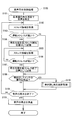
- FIG. 2 is a flowchart showing the sound reproduction control process executed by the sound reproducing device 10 of this embodiment.
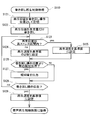
- FIG. 3 is a flowchart showing the rewind playback control process.
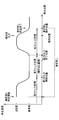
- FIG. 4 is an explanatory diagram schematically showing how the rewind reproduction is performed according to the rewind reproduction control process.
- FIG. 5 is an explanatory diagram schematically showing an example of filling silent portions included in a low stress section.
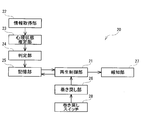
- FIG. 6 is an explanatory diagram showing a configuration of a sound reproducing device 20 according to a modification.
- FIG. 1 shows the configuration of an audio playback device 10 of this embodiment.
- the audio reproduction device 10 of this embodiment is mounted on a vehicle, and includes a reproduction control unit 11, an information acquisition unit 12, a driving stress estimation unit 13, a storage unit 14, a rewinding unit 15, and a notification unit 16. Etc.
- these six “parts” 11 to 16 are conceptually classified by focusing on the function of the audio playback device 10, and each does not necessarily have to be physically independent. These can be configured by various devices, electronic components, integrated circuits, computers, computer programs, or combinations thereof.
- the playback control unit 11 controls playback of audio stored in a compact disc (CD) or memory. Examples of the audio to be reproduced include reading a book, giving a lecture, and content for language learning.
- CD compact disc
- the information acquisition unit 12 acquires information (stress information) for estimating the driving stress of the driver of the vehicle.
- the information acquisition part 12 of a present Example acquires the surrounding condition of a vehicle from the navigation system not shown mounted in the vehicle as stress information.
- the driving stress estimation unit 13 estimates the driving stress of the driver based on the acquired stress information.
- the driving stress is estimated by dividing it into two levels, high and low.
- surrounding conditions that require attention for driving such as “joining points” and “steep curves” (precautionary situations) are set in advance. Presume that stress is high.
- the stress information is not limited to the situation around the vehicle. For example, it may be estimated that driving stress is high based on acquiring information accompanied by a warning such as the approach of an obstacle from a camera or a sensor that monitors the surroundings of the vehicle. Further, it may be estimated that the driving stress is high based on acquiring information indicating sudden braking or sudden steering from an operation unit such as an accelerator, a brake, or a steering wheel. Further, based on the movement amount of the driver's line of sight acquired from the camera that monitors the driver, it may be estimated that the driving stress is high as the driver has no room when the movement amount of the line of sight decreases.
- the storage unit 14 acquires a reproduction position from the reproduction control unit 11 when the driving stress estimation unit 13 estimates that the driving stress is high during audio reproduction, and stores a reproduction section in which the driving stress is high. .
- the number of playback sections to be stored is not limited to one, and a plurality of playback sections can be stored.
- the rewind unit 15 rewinds the sound reproduction position by a predetermined amount when the rewind switch 17 that can be operated by the driver is operated. Then, the playback control unit 11 executes rewind playback that plays back the range that is traced back by rewind.
- the playback speed in rewind playback is changed according to whether or not the playback section is stored in the storage unit 14, and details of changing the playback speed will be described later.
- the notification unit 16 notifies the driver of the end of the rewind playback before the end of the rewind playback.
- notification is made by outputting a predetermined notification sound (for example, a sound effect of “beep”).
- FIG. 2 shows a flowchart of the sound reproduction control process executed by the sound reproducing device 10 of the present embodiment.
- This voice reproduction control process (S100) is started when a reproduction switch (not shown) is operated by the driver.
- the reproduction speed is set to the reference value, and reproduction of the audio stored in the CD or the memory is started (S101).
- the reference value of the reproduction speed can be changed so that the driver can easily hear it.
- the situation around the vehicle is acquired as stress information (S102), and it is determined whether or not the driving stress estimated based on the acquired stress information is high (S103). For example, when the acquired surrounding situation is a cautionary situation such as “joining point” and it is estimated that driving stress is high (S103: yes), the playback position of the voice at that time is stored as the high stress start position. (S104).
- stress information (vehicle surroundings) is acquired again (S105), and it is determined whether the driving stress estimated based on the acquired stress information is low (S106).
- S106 stress information
- the process returns to the processing of S105 and waits until the driving stress becomes low while estimating the driving stress based on the acquired stress information.
- a regeneration section in which driving stress is high.
- Such a high-stress section is likely to be a "section where the voice is heard but the meaning is not understood (listening section)" when the driver focuses on driving.
- the driver can request rewinding of the sound by operating the rewind switch 17 when he / she wants to listen again because of a missing section.
- the manner in which the driver's rewind request is detected is not limited to detecting the operation of the rewind switch 17, and a voice command such as “return” may be detected.
- the reproduction of the sound is terminated when the stop switch (not shown) is operated by the driver or when the audio content is terminated. If the audio reproduction is not finished (S109: no), the process returns to the process of S102, and if the driving stress is estimated to be high based on the acquired stress information, the process of storing the high stress section is repeated (S102 to S107). ). In this embodiment, a plurality of high stress sections can be stored.
- FIG. 3 shows a flowchart of the rewind playback control process.
- the audio reproduction position at the time when the operation of the rewind switch 17 is detected is stored as the rewind operation position (S121).
- the rewind operation position may be stored at the time of the first detection, and the predetermined amount may be rewinded by the detected number of times.
- the playback position is within the high stress section (between the stored high stress start position and high stress end position). S123). If the playback position is not within the high stress section (S123: no), the playback speed is set to twice the reference value (double speed) (S124). On the other hand, when the playback position is within the high stress section (S123: yes), the playback speed is set to the reference value (S125).
- the playback position is a notification position before the rewind operation position (S126).
- the rewind operation position indicates a reproduction position where the rewind switch 17 is operated and also indicates an end position of the rewind reproduction. As described above, in this embodiment, a notification sound for notifying the driver of the end of the rewind playback is output before the rewind playback is completed.
- the playback position is not the notification position (S126: no)
- the rewind playback is continued, so that the process returns to S123 and playback is performed according to whether or not the playback position is within the high stress section.
- Set the speed That is, when the playback position enters the high stress section, the playback speed is changed to the reference value.
- the playback speed is changed to double speed.
- a change section for continuously changing the playback speed at a predetermined rate is provided to gradually change the playback speed.
- the audio reproduction control process After returning from the rewind reproduction control process (S110), it is determined whether or not the audio reproduction is terminated (S109). When the reproduction is continued (S109: no), the process returns to the process of S102 again, the driving stress is estimated based on the acquired stress information, the high stress section is stored, and the operation of the rewind switch 17 is detected. Accordingly, the rewind playback control process (S110) described above is executed.
- FIG. 4 schematically shows a state in which the rewind reproduction is performed according to the rewind reproduction control process (S110) described above.
- the horizontal axis of the figure indicates the audio playback position, and playback proceeds to the right. Also, the vertical axis in the figure indicates the audio playback speed.
- the playback position at that time is stored as the rewind operation position, and a predetermined amount is rewound from this playback position ( The playback position is returned to the left as indicated by the dashed arrow).
- the playback position traced back by rewinding is a low stress section (a playback section that is not stored as a high stress section) before the high stress section (between the high stress start position and the high stress end position). Therefore, the playback speed is set to double speed (twice the reference value) and rewind playback is started.
- the playback speed is gradually decreased when the playback position approaches the high stress start position, and the playback speed is set as a reference value in the high stress section. Subsequently, when the reproduction position passes the high stress end position, this time, the reproduction speed is gradually increased and set to double speed.
- a notification sound is output to notify the driver of the end of the rewind playback.
- the playback speed is gradually decreased.
- the rewind playback is terminated, and the playback speed is set to the reference value to return to normal playback.
- the reproduction speed in the rewind reproduction is changed depending on whether or not it is within the stored high stress section.
- High-stress areas that are estimated to have high driving stress are likely to have been focused on driving by the driver, and it is determined that the driver does not understand the meaning (listen section). Similar to the above, it is possible to ensure the driver's ease of listening by reproducing at the reproduction speed of the reference value.
- the driver before and after the high-stress section (listen section), the driver has already heard and understood the meaning. It is possible to listen to the section efficiently while checking the context before and after.
- a change section is provided in which the playback speed gradually decreases as the playback position approaches the high stress start position, and when the playback position passes the high stress end position, the playback speed is gradually increased.
- a change section is provided. In this way, it is possible to suppress the driver from feeling uncomfortable due to a sudden change in the reproduction speed, and to improve the ease of listening in the rewind reproduction.
- a notification sound for notifying the driver of the end of the rewind reproduction is output.
- the notification sound indicates that the driver has returned to the playback position where the rewind switch 17 has been operated and that the driver has not yet heard, so that it is possible to concentrate on a new hearing.
- the notification timing may be at the end of rewind playback (rewind operation position) or just before that.
- rewind operation position rewind operation position
- a voice break can be specified by extracting a silent part of a predetermined time or longer.
- the playback speed is set to double speed when playback is accelerated in the low stress section of rewind playback.
- the mode of speeding up playback is not limited to this. For example, it is good also as filling the silent part contained in a low stress area.
- FIG. 5 schematically shows an example in which silent portions included in a low stress section are packed.
- FIG. 5A illustrates a low-stress section including a non-speech portion, where a hatched portion detects a sound, while a white portion covers a predetermined time or more. Indicates that no sound is detected.
- the sound reproducing device 10 has been described as being mounted on a vehicle, but is not limited to being mounted on a vehicle, and may be carried by a user. Below, the audio
- FIG. 6 shows a configuration of a sound reproducing device 20 according to a modified example.
- the voice reproduction device 20 of the modification is configured to be portable by the user, and includes a reproduction control unit 21, an information acquisition unit 22, a psychological state estimation unit 23, a determination unit 24, a storage unit 25, and a winding unit.
- reporting part 27, etc. are provided.
- the playback control unit 21 controls playback of audio (such as reading a book, giving a lecture, or content for language learning) stored in a CD or memory.
- the information acquisition unit 22 acquires information (psychological state information) for estimating the user's psychological state.
- the information acquisition part 22 of a modification acquires a user's pulse from the wristwatch-type terminal with which the user is wearing as psychological state information.
- the psychological state estimating unit 23 estimates “sleepiness” as the user's psychological state based on the acquired user's pulse.
- the determination unit 24 determines the user's consciousness with respect to the voice based on the estimation result of the psychological state estimation unit 23, and if it is estimated that the user's drowsiness is increasing (sleeping), the use with respect to the voice It is determined that the person's consciousness has declined.
- the psychological information is not limited to the user's pulse.
- the user's line of sight from the glasses-type terminal worn by the user, when the line of sight moves greatly, it is estimated that the user is distracted in that direction, It may be determined that the person's consciousness has decreased.
- the storage unit 25 acquires the playback position from the playback control unit 21 when the determination unit 24 determines that the user's consciousness is reduced during the playback of the voice, and the user's consciousness decreases.
- the playback section (low consciousness section) of the current voice is stored.
- the rewind unit 26 rewinds the audio reproduction position by a predetermined amount when the rewind switch 28 that can be operated by the user is operated.
- the playback control unit 21 executes rewind playback that plays back the range that was traced back by rewind.
- the playback speed in the rewind playback is changed according to whether or not the low consciousness section is stored in the storage unit 25.
- the notification unit 27 notifies the user of the end of the rewind playback before the end of the rewind playback.
- Example and a modification are not restricted to each said Example and modification, It can be set as various aspects in the range which does not deviate from the summary of this indication. .
- the driving stress is estimated by dividing it into two levels of high and low, but the driving stress is estimated by dividing it into multiple levels (for example, four levels of stress 1 to 4). Also good.
- the estimated driving stress stress 1 to 4
- the regeneration speed is set to the reference value in the regeneration section of stress 4 having the highest driving stress, and the regeneration speed is set to 1.2 times the reference value in the regeneration section of stress 3 having the lower driving stress. It may be set.
- the regeneration speed is set to 1.5 times the reference value
- the regeneration speed is set to twice the reference value. Also good.
- the sound playback volume may be varied depending on whether or not it is within the stored high stress interval. For example, the volume set by the driver is set before and after the high stress section, whereas the volume is higher than the set volume in the high stress section. In this way, the high stress section (listening section) can be emphasized and the driver can easily hear, so the convenience of relistening can be improved.
Landscapes
- Engineering & Computer Science (AREA)
- Signal Processing (AREA)
- Mechanical Engineering (AREA)
- Signal Processing Not Specific To The Method Of Recording And Reproducing (AREA)
- Signal Processing For Digital Recording And Reproducing (AREA)
- Electric Propulsion And Braking For Vehicles (AREA)
Abstract
車両に適用されて、録音された音声を該車両の運転者に対して再生する音声再生装置(10)を提供する。音声再生装置(10)は、前記音声の再生中に前記運転者の運転ストレスを推定する運転ストレス推定部(13)と、前記運転ストレスが所定よりも高くなっている再生区間を記憶する記憶部(14)と、 前記運転者からの巻き戻し要求を受けて、前記音声を巻き戻す巻き戻し部(15)と、前記音声の巻き戻しによって遡った範囲をもう一度再生する巻き戻し再生で、前記記憶部に記憶されている再生区間であるか否かに応じて再生速度を変更する再生制御部(11)と、を備える。
Description
本出願は、2014年12月19日に出願された日本国特許出願2014-256824号に基づくものであり、その開示をここに参照により援用する。
本開示は、録音された音声を再生する音声再生装置および音声再生方法に関する。
車両の多くはオーディオプレーヤー(音声再生装置)を搭載しており、コンパクトディスク(CD)やメモリなどに記憶された音声を利用者(運転者)に対して再生することが可能である。そのため、運転者は、書籍の朗読などが録音されたコンテンツを、車両で移動中の時間を利用して聞くことができる。ただし、運転者が運転に注力すると、音声に対する意識が低下するので、「音声は聞こえているが意味を理解していない区間(聞き逃し区間)」が発生する。このような場合、聞き逃し区間をもう一度聞き直すために、巻き戻しを行う。このとき、聞き逃し区間だけを聞いても意味を理解し難いので、少し余分に遡ることになる。
再生中の音声を巻き戻す技術としては、例えば、巻き戻し量(時間)を利用者が任意に設定可能とし、設定された巻き戻し量だけ遡って再生することが提案されている(特許文献1)。
しかし、音声の巻き戻しによって遡った範囲をもう一度再生する巻き戻し再生では、聞き逃し区間の前後に「既に一度聞いて意味を理解している区間(理解済み区間)」があり、こうした理解済み区間を改めて聞くことに対して、利用者が非効率と感じることがある。かといって、聞き逃し区間をピンポイントで再生したので、前後の関係で聞き逃し区間の意味を正しく理解できないことがある。
本開示の目的の一つは、上述した点に鑑みて、巻き戻し再生で、聞き逃し区間を効率的に聞き直すことが可能な技術の提供することにある。
本開示の一側面の音声再生装置および音声再生方法は、音声の再生中に車両の運転者の運転ストレスを推定し、運転ストレスが所定よりも高くなっている再生区間を記憶する。また、運転者からの巻き戻し要求を受けて音声を巻き戻す。そして、音声の巻き戻しによって遡った範囲をもう一度再生する巻き戻し再生では、記憶されている再生区間であるか否かに応じて再生速度を変更する。
このような音声再生装置および音声再生方法によれば、運転ストレスが高いと推定され記憶しておいた再生区間は、運転者が運転に注力していた可能性が高く、運転者が意味を理解していない(聞き逃し区間)と判断されるので、巻き戻す前の通常の再生と同様の再生速度で再生することで運転者の聞き取り易さを確保することができる。これに対して、記憶しておいた再生区間(聞き逃し区間)の前後は、運転者が既に一度聞いて意味を理解済みであることから、再生速度を速めて聞き流すようにすることによって、聞き逃し区間を前後の文脈を確認しながら効率的に聞き直すことが可能となる。
本開示についての上記および他の目的、特徴や利点は、添付図面を参照した下記の詳細な説明から、より明確になる。添付図面において、
図1は、本実施例の音声再生装置10の構成を示す説明図である。
図2は、本実施例の音声再生装置10で実行される音声再生制御処理を示すフローチャートである。
図3は、巻き戻し再生制御処理を示すフローチャートである。
図4は、巻き戻し再生制御処理に従って巻き戻し再生が行われる様子を模式的に示した説明図である。
図5は、低ストレス区間に含まれる無音声の箇所を詰める例を模式的に示した説明図である。
図6は、変形例の音声再生装置20の構成を示す説明図である。
以下では、実施例について説明する。
A.装置構成:
図1には、本実施例の音声再生装置10の構成が示されている。本実施例の音声再生装置10は、車両に搭載されており、再生制御部11と、情報取得部12と、運転ストレス推定部13と、記憶部14と、巻き戻し部15と、報知部16などを備えている。
A.装置構成:
図1には、本実施例の音声再生装置10の構成が示されている。本実施例の音声再生装置10は、車両に搭載されており、再生制御部11と、情報取得部12と、運転ストレス推定部13と、記憶部14と、巻き戻し部15と、報知部16などを備えている。
尚、これら6つの「部」11~16は、音声再生装置10を機能に着目して概念的に分類したものであり、それぞれが必ずしも物理的に独立して存在している必要はない。これらは、各種の機器や、電子部品、集積回路、コンピューター、コンピュータープログラム、あるいはそれらの組合せなどによって構成することができる。
再生制御部11は、コンパクトディスク(CD)やメモリに記憶された音声の再生を制御する。再生する音声としては、書籍の朗読や、講演や、語学学習用のコンテンツなどを例示することができる。
情報取得部12は、車両の運転者の運転ストレスを推定するための情報(ストレス情報)を取得する。本実施例の情報取得部12は、ストレス情報として、車両に搭載された図示しないナビゲーションシステムから車両の周辺状況を取得するようになっている。
運転ストレス推定部13は、取得されたストレス情報に基づいて運転者の運転ストレスを推定する。本実施例では、運転ストレスを高低の2段階に分けて推定するようになっている。また、「合流地点」や「急カーブ」などの運転に注意を要する周辺状況(要注意状況)が予め設定されており、取得した車両の周辺状況がこれらの要注意状況に該当すれば、運転ストレスが高いと推定する。
尚、ストレス情報は車両の周辺状況に限られない。例えば、車両の周囲を監視するカメラやセンサーから障害物の接近などの警告を伴う情報を取得したことに基づいて運転ストレスが高いと推定してもよい。また、アクセルやブレーキやハンドルなどの操作部から急制動あるいは急ハンドルを示す情報を取得したことに基づいて運転ストレスが高いと推定してもよい。また、運転者を監視するカメラから取得した運転者の視線の移動量に基づいて、視線の移動量が減少すると運転者に余裕がないものとして運転ストレスが高いと推定してもよい。
記憶部14は、音声の再生中に運転ストレス推定部13によって運転ストレスが高いと推定された場合に、再生制御部11から再生位置を取得し、運転ストレスが高くなっている再生区間を記憶する。記憶しておく再生区間は1つに限られず、複数記憶することが可能である。
巻き戻し部15は、運転者が操作可能な巻き戻しスイッチ17が操作された場合に、音声の再生位置を所定量だけ巻き戻す。すると、再生制御部11は、巻き戻しで遡った範囲をもう一度再生する巻き戻し再生を実行する。本実施例では、巻き戻し再生における再生速度を、記憶部14に記憶された再生区間であるか否かに応じて変更するようになっており、再生速度を変更する詳細については後述する。
報知部16は、巻き戻し再生が終了する以前に、巻き戻し再生の終了を運転者に対して報知する。本実施例では、所定の報知音(例えば「ピッ」という効果音)を出力することで報知するようになっている。
B.音声再生制御処理:
図2には、本実施例の音声再生装置10で実行される音声再生制御処理のフローチャートが示されている。
B.音声再生制御処理:
図2には、本実施例の音声再生装置10で実行される音声再生制御処理のフローチャートが示されている。
この音声再生制御処理(S100)は、図示しない再生スイッチが運転者によって操作されることで開始される。音声再生制御処理(S100)では、まず、再生速度を基準値に設定して、CDやメモリに記憶された音声の再生を開始する(S101)。この再生速度の基準値は運転者が聞き取り易いように変更することが可能となっている。
続いて、ストレス情報として車両の周辺状況を取得し(S102)、取得したストレス情報に基づいて推定した運転ストレスが高いか否かを判断する(S103)。例えば、取得した周辺状況が「合流地点」などの要注意状況であり、運転ストレスが高いと推定した場合は(S103:yes)、その時点での音声の再生位置を高ストレス開始位置として記憶する(S104)。
その後、再びストレス情報(車両の周辺状況)を取得し(S105)、取得したストレス情報に基づいて推定した運転ストレスが低いか否かを判断する(S106)。依然として運転ストレスの高い状況が続いている場合は(S106:no)、S105の処理に戻って、取得したストレス情報に基づいて運転ストレスを推定しながら、運転ストレスが低くなるまで待機する。
そして、上記の例で、取得した周辺状況が「合流地点」などの要注意状況から脱して、運転ストレスが低いと推定した場合は(S106:yes)、その時点での音声の再生位置を高ストレス終了位置として記憶する(S107)。
こうして高ストレス開始位置および高ストレス終了位置を記憶することで、運転ストレスが高くなっている再生区間(高ストレス区間)を記憶することができる。このような高ストレス区間は、運転者が運転に注力することによって、「音声は聞こえているが意味を理解していない区間(聞き逃し区間)」となっている可能性が高い。
以上では、S103の処理で運転ストレスが高いと推定した場合(S103:yes)について説明した。これに対して、運転ストレスが低いと推定した場合は(S103:no)、高ストレス区間を記憶する必要がないので、S104~S107の処理を省略して、巻き戻しスイッチ17の操作を検出したか否かを判断する(S108)。
運転者は、聞き逃し区間が発生するなどしてもう一度聞き直したい場合には、巻き戻しスイッチ17を操作することで、音声の巻き戻しを要求することが可能である。尚、運転者の巻き戻し要求を検出する態様は、巻き戻しスイッチ17の操作検出に限られず、「戻って」などの音声コマンドを検出してもよい。
巻き戻しスイッチ17の操作を検出していない場合は(S108:no)、続いて、音声の再生を終了するか否かを判断する(S109)。本実施例では、図示しない停止スイッチが運転者に操作されるか、音声コンテンツの終了によって音声の再生を終了するようになっている。そして、音声の再生を終了しない場合は(S109:no)、S102の処理に戻り、取得したストレス情報に基づいて運転ストレスが高いと推定すると、高ストレス区間を記憶する処理を繰り返す(S102~S107)。本実施例では、高ストレス区間を複数記憶しておくことが可能となっている。
その後、S108の処理において、書き戻しスイッチ17の操作を検出した場合は(S108:yes)、巻き戻し再生制御処理を実行する(S110)。
図3には、巻き戻し再生制御処理のフローチャートが示されている。図示されるように巻き戻し再生制御処理(S110)では、まず、巻き戻しスイッチ17の操作が検出された時点での音声の再生位置を巻き戻し操作位置として記憶し(S121)、その再生位置から所定量だけ巻き戻す(S122)。このとき巻き戻す量は、運転者が予め設定しておくことが可能となっている。また、巻き戻しスイッチ17の操作が連続で複数回検出された場合は、最初の検出の時点で巻き戻し操作位置を記憶し、検出された回数分だけ所定量を巻き戻してもよい。
そして、巻き戻しによって遡った範囲をもう一度再生する巻き戻し再生では、再生位置が高ストレス区間内(記憶された高ストレス開始位置と高ストレス終了位置との間)であるか否かを判断する(S123)。再生位置が高ストレス区間内ではない場合は(S123:no)、再生速度を基準値の2倍(2倍速)に設定する(S124)。一方、再生位置が高ストレス区間内である場合は(S123:yes)、再生速度を基準値に設定する(S125)。
このように設定した再生速度で巻き戻し再生を実行しながら、再生位置が巻き戻し操作位置より前の報知位置であるか否かを判断する(S126)。巻き戻し操作位置は、巻き戻しスイッチ17が操作された再生位置を示すと共に、巻き戻し再生の終了位置を示している。前述したように本実施例では、巻き戻し再生が終了する以前に、巻き戻し再生の終了を運転者に対して報知するための報知音を出力するようになっている。再生位置が報知位置ではない場合は(S126:no)、報知音を出力することなく、続いて、再生位置が巻き戻し操作位置に達したか否かを判断する(S128)。
再生位置が巻き戻し操作位置に達していない場合は(S128:no)、巻き戻し再生が継続されるので、S123の処理に戻って再生位置が高ストレス区間内であるか否かに応じて再生速度を設定する。すなわち、再生位置が高ストレス区間に入る場合は再生速度を基準値に変更する。一方、再生位置が高ストレス区間から出た場合は再生速度を2倍速に変更する。尚、本実施例では、再生速度を変更する場合、所定の割合で連続的に再生速度を変化させる変更区間を設けて徐々に再生速度を変化させるようになっている。
こうして巻き戻し再生を継続するうちに、再生位置が報知位置になった場合は(S126:yes)、報知音を出力する(S127)。
さらに、再生位置が巻き戻し操作位置に達した場合は(S128:yes)、巻き戻し再生が終了し、通常の再生(運転者が未だ聞いていない部分の再生)に戻るので、再生速度を基準値に設定したら(S129)、図3の巻き戻し再生制御処理を終了して、図2の音声再生制御処理に復帰する。
音声再生制御処理では、巻き戻し再生制御処理(S110)から復帰すると、音声の再生を終了するか否かを判断する(S109)。再生を継続する場合は(S109:no)、再びS102の処理に戻って、取得したストレス情報に基づいて運転ストレスを推定し、高ストレス区間を記憶すると共に、巻き戻しスイッチ17の操作の検出に伴い、上述した巻き戻し再生制御処理(S110)を実行する。
そして、S102~S110の処理を繰り返すうちに、運転者によって停止スイッチが操作されるか、音声コンテンツの終了によって音声の再生を終了する場合は(S109:yes)、音声の再生を停止して(S111)、図2の音声再生制御処理を終了する。
図4には、上述した巻き戻し再生制御処理(S110)に従って巻き戻し再生が行われる様子が模式的に示されている。図の横軸は音声の再生位置を示しており、再生は右方向に進むものとする。また、図の縦軸は音声の再生速度を示している。
まず、運転者によって巻き戻しスイッチ17が操作されると、図中の右端に示したように、その時点での再生位置を巻き戻し操作位置として記憶し、この再生位置から所定量を巻き戻す(破線の矢印で示したように再生位置を左方向に戻す)。
図示した例では、巻き戻しによって遡った再生位置が高ストレス区間(高ストレス開始位置と高ストレス終了位置との間)よりも前の低ストレス区間(高ストレス区間として記憶されていない再生区間)であるので、再生速度を2倍速(基準値の2倍)に設定して巻き戻し再生を開始する。
こうして開始された巻き戻し再生では、再生位置が高ストレス開始位置に近付くと再生速度を徐々に遅くし、高ストレス区間では再生速度を基準値に設定する。続いて、再生位置が高ストレス終了位置を過ぎると、今度は再生速度を徐々に速くして2倍速に設定する。
そして、再生位置が巻き戻し操作位置より前の報知位置になると、報知音を出力することで巻き戻し再生の終了を運転者に対して報知する。
さらに、再生位置が巻き戻し操作位置に近付くと再生速度を徐々に遅くし、巻き戻し操作位置に達したら巻き戻し再生を終了すると共に、再生速度を基準値に設定して通常の再生に戻る。
以上に説明したように本実施例の音声再生装置10では、巻き戻し再生における再生速度を、記憶しておいた高ストレス区間内であるか否かに応じて変更するようになっている。運転ストレスが高いと推定された高ストレス区間は、運転者が運転に注力していた可能性が高く、運転者が意味を理解していない(聞き逃し区間)と判断されるので、通常の再生と同様に基準値の再生速度で再生することで運転者の聞き取り易さを確保することができる。これに対して、高ストレス区間(聞き逃し区間)の前後は、運転者が既に一度聞いて意味を理解済みであることから、再生速度を速めて2倍速で聞き流すようにすることによって、聞き逃し区間を前後の文脈を確認しながら効率的に聞き直すことが可能となる。
また、本実施例の巻き戻し再生では、再生位置が高ストレス開始位置に近付くにつれて再生速度を徐々に遅くする変更区間を設けると共に、再生位置が高ストレス終了位置を過ぎると再生速度を徐々に速くする変更区間を設けている。こうしておけば、再生速度の急な変化で運転者が違和感を覚えることを抑制し、巻き戻し再生における聞き取り易さを向上させることができる。
さらに、本実施例の音声再生装置10では、巻き戻し再生の終了を運転者に対して報知するための報知音を出力するようになっている。報知音によって、運転者は、巻き戻しスイッチ17を操作した再生位置に復帰したことや、この先は未だ聞いていないことが分かるので、新たな聞き取りに集中することが可能となる。
報知するタイミングとしては、巻き戻し再生の終了時(巻き戻し操作位置)、あるいはその少し前であればよい。特に、巻き戻し再生の終了直前にある文頭などの区切りの良い再生位置で報知すれば、新たな聞き取りで意味を理解し易くなるので、運転者の利便性を向上させることができる。尚、音声の区切り(文頭)は、所定時間以上の無音声の箇所を抽出することによって特定することができる。
また、本実施例の音声再生装置10では、巻き戻し再生の低ストレス区間において再生を速める際に2倍速に設定することとしたが、再生を速める態様はこれに限られない。例えば、低ストレス区間に含まれる無音声の箇所を詰めることとしてもよい。
図5には、低ストレス区間に含まれる無音声の箇所を詰める例が模式的に示されている。図5(a)には、無音声の箇所を含んだ低ストレス区間が例示されており、ハッチングを付した箇所は音声が検出されるのに対して、白抜きの箇所は所定時間以上に亘って音声が検出されないことを表している。
そして、巻き戻し再生では、図5(b)に示したように無音声の箇所を詰める(飛ばす)ことによって、その分だけ低ストレス区間の再生時間を短縮して再生を速めることができるので、聞き逃し区間を効率的に聞き直すことが可能となる。
C.変形例:
上述した実施例では、音声再生装置10が車両に搭載されているものとして説明したが、車両に搭載されるものに限られず、利用者が携帯するものであってもよい。以下では、利用者が携帯可能な変形例の音声再生装置20について説明する。
C.変形例:
上述した実施例では、音声再生装置10が車両に搭載されているものとして説明したが、車両に搭載されるものに限られず、利用者が携帯するものであってもよい。以下では、利用者が携帯可能な変形例の音声再生装置20について説明する。
図6には、変形例の音声再生装置20の構成が示されている。変形例の音声再生装置20は、利用者が携帯可能に構成されており、再生制御部21と、情報取得部22と、心理状態推定部23と、判定部24と、記憶部25と、巻き戻し部26と、報知部27などを備えている。
再生制御部21は、CDやメモリに記憶された音声(書籍の朗読や、講演や、語学学習用のコンテンツなど)の再生を制御する。
情報取得部22は、利用者の心理状態を推定するための情報(心理状態情報)を取得する。変形例の情報取得部22は、心理状態情報として、利用者が装着している腕時計型の端末から利用者の脈拍を取得するようになっている。
心理状態推定部23は、取得された利用者の脈拍に基づいて、利用者の心理状態として「眠気」を推定する。
判定部24は、心理状態推定部23の推定結果に基づいて、音声に対する利用者の意識を判定し、利用者の眠気が高まっている(居眠りしている)と推定されると、音声に対する利用者の意識が低下していると判定する。
尚、心理状態情報は利用者の脈拍に限られない。例えば、利用者が装着しているメガネ型の端末から利用者の視線を取得することとして、視線が大きく移動した場合に、その方向に利用者が気を取られたと推定して、音声に対する利用者の意識が低下していると判定してもよい。
記憶部25は、音声の再生中に判定部24によって音声に対する利用者の意識が低下していると判定された場合に、再生制御部21から再生位置を取得し、利用者の意識が低下している音声の再生区間(低意識区間)を記憶する。
巻き戻し部26は、利用者が操作可能な巻き戻しスイッチ28が操作された場合に、音声の再生位置を所定量だけ巻き戻す。
すると、再生制御部21は、巻き戻しで遡った範囲をもう一度再生する巻き戻し再生を実行する。変形例では、巻き戻し再生における再生速度を、記憶部25に記憶された低意識区間であるか否かに応じて変更する。
報知部27は、巻き戻し再生が終了する以前に、巻き戻し再生の終了を利用者に対して報知する。
このような変形例の音声再生装置20で実行される巻き戻し再生では、記憶された低意識区間であれば、利用者が意味を理解していない(聞き逃し区間)と判断されるので、通常の再生と同様の再生速度で再生することで利用者の聞き取り易さを確保することができる。これに対して、低意識区間の前後であれば、利用者が既に一度聞いて意味を理解済みであると判断されるので、再生速度を速めて聞き流すようにすることで、聞き逃し区間を前後の文脈を確認しながら効率的に聞き直すことが可能となる。
以上、実施例および変形例について例示したが、実施例および変形例は上記の各実施例および変形例に限られるものではなく、本開示の要旨を逸脱しない範囲において種々の態様とすることができる。
例えば、前述した実施例では、運転ストレスを高低の2段階に分けて推定するようになっていたが、運転ストレスを多段階(例えばストレス1~4の4段階)に分けて推定するようにしてもよい。この場合は、推定された運転ストレス(ストレス1~4)を音声の再生位置と対応付けて記憶しておき、巻き戻し再生では、記憶されている運転ストレスに応じて再生速度を変更してもよい。例えば、最も運転ストレスが高いストレス4の再生区間であれば、再生速度を基準値に設定し、これよりも運転ストレスが低いストレス3の再生区間では、再生速度を基準値の1.2倍に設定してもよい。さらに運転ストレスが低いストレス2の再生区間では、再生速度を基準値の1.5倍に設定し、最も運転ストレスが低いストレス1の再生区間では、再生速度を基準値の2倍に設定してもよい。推定された運転ストレスが低いほど、既に意味を理解済みである可能性が高いので、再生速度を速めて聞き流すようにすることで、文脈を確認しながら効率的に聞き直すことができる。
また、巻き戻し再生では、記憶しておいた高ストレス区間内であるか否かに応じて、音声の再生音量を異ならせてもよい。例えば、高ストレス区間の前後は、運転者による設定音量とするのに対して、高ストレス区間は、設定音量よりも大きな音量としてもよい。このようにすれば、高ストレス区間(聞き逃し区間)を際立たせることができ、運転者が聞き取り易くなるので、聞き直しの利便性を向上させることができる。
Claims (8)
- 車両に適用されて、録音された音声を該車両の運転者に対して再生する音声再生装置(10)であって、
前記運転者の運転ストレスを推定するための情報を取得可能な情報取得部(12)と、
前記音声の再生中に前記情報に基づいて前記運転者の運転ストレスを推定する運転ストレス推定部(13)と、
前記運転ストレスが所定よりも高くなっている再生区間を記憶する記憶部(14)と、
前記運転者からの巻き戻し要求を受けて、前記音声を巻き戻す巻き戻し部(15)と、
前記音声の巻き戻しによって遡った範囲をもう一度再生する巻き戻し再生で、前記記憶部に記憶されている再生区間であるか否かに応じて再生速度を変更する再生制御部(11)と
を備える音声再生装置。 - 請求項1に記載の音声再生装置であって、
前記巻き戻し再生が終了する以前に、該巻き戻し再生の終了を前記運転者に対して報知する報知部(16)を備える
音声再生装置。 - 請求項2に記載の音声再生装置であって、
前記報知部(16)は、前記巻き戻し再生が終了する以前であって、直前の音声の区切りにおいて該巻き戻し再生の終了を前記運転者に対して報知する
音声再生装置。 - 請求項1乃至3の何れか一項に記載の音声再生装置であって、
前記巻き戻し部(15)は、前記記憶部に記憶されている再生区間以前まで音声を巻き戻す
音声再生装置。 - 請求項1乃至請求項4のいずれか一項に記載の音声再生装置であって、
前記再生制御部(11)は、前記巻き戻し再生で再生速度を変更する場合に、所定の割合で連続的に再生速度を変化させる変更区間を設ける
音声再生装置。 - 請求項1乃至は請求項4のいずれか一項に記載の音声再生装置であって、
前記再生制御部(11)は、前記音声に含まれる所定時間以上の無音声箇所を詰めることで再生を速める
音声再生装置。 - 車両に適用されて、録音された音声を該車両の運転者に対して再生する音声再生方法であって、
前記運転者の運転ストレスを推定するための情報を取得する情報取得工程(S102,S105)と、
前記音声の再生中に前記情報に基づいて前記運転者の運転ストレスを推定する運転ストレス推定工程(S103,S106)と、
前記運転ストレスが所定よりも高くなっている再生区間を記憶する記憶工程(S104,S107)と、
前記運転者からの巻き戻し要求を受けて、前記音声を巻き戻す巻き戻し工程(S122)と、
前記音声の巻き戻しによって遡った範囲をもう一度再生する巻き戻し再生で、前記記憶工程で記憶された再生区間であるか否かに応じて再生速度を変更する再生制御工程(S124,S125)と
を備える音声再生方法。 - 録音された音声を利用者に対して再生する音声再生装置(20)であって、
前記利用者の心理状態を推定するための情報を取得可能な情報取得部(22)と、
前記音声の再生中に前記情報に基づいて前記利用者の心理状態を推定する心理状態推定部(23)と、
前記心理状態推定部の推定結果に基づいて前記音声に対する前記利用者の意識を判定する判定部(24)と、
前記音声に対する前記利用者の意識が所定よりも低下している再生区間を記憶する記憶部(25)と、
前記利用者からの巻き戻し要求を受けて、前記音声を巻き戻す巻き戻し部(26)と、
前記音声の巻き戻しによって遡った範囲をもう一度再生する巻き戻し再生で、前記記憶部に記憶されている再生区間であるか否かに応じて再生速度を変更する再生制御部(21)と
を備える音声再生装置。
Applications Claiming Priority (2)
| Application Number | Priority Date | Filing Date | Title |
|---|---|---|---|
| JP2014256824A JP2016119133A (ja) | 2014-12-19 | 2014-12-19 | 音声再生装置、音声再生方法 |
| JP2014-256824 | 2014-12-19 |
Publications (1)
| Publication Number | Publication Date |
|---|---|
| WO2016098326A1 true WO2016098326A1 (ja) | 2016-06-23 |
Family
ID=56126234
Family Applications (1)
| Application Number | Title | Priority Date | Filing Date |
|---|---|---|---|
| PCT/JP2015/006184 Ceased WO2016098326A1 (ja) | 2014-12-19 | 2015-12-11 | 音声再生装置、音声再生方法 |
Country Status (2)
| Country | Link |
|---|---|
| JP (1) | JP2016119133A (ja) |
| WO (1) | WO2016098326A1 (ja) |
Citations (6)
| Publication number | Priority date | Publication date | Assignee | Title |
|---|---|---|---|---|
| JPH1032776A (ja) * | 1996-07-18 | 1998-02-03 | Matsushita Electric Ind Co Ltd | 映像表示方法及び記録再生装置 |
| JP2001195809A (ja) * | 2000-01-07 | 2001-07-19 | Toshiba Corp | 記録再生装置 |
| JP2003114691A (ja) * | 2001-10-03 | 2003-04-18 | Nissan Motor Co Ltd | 車両用テキスト音声合成装置 |
| JP2005153659A (ja) * | 2003-11-25 | 2005-06-16 | Denso Corp | 車載用オーディオ装置 |
| JP2012099926A (ja) * | 2010-10-29 | 2012-05-24 | Yamaha Corp | コミュニケーション装置およびコミュニケーションシステム |
| JP2013251667A (ja) * | 2012-05-31 | 2013-12-12 | Sony Corp | 情報処理装置、および情報処理方法、並びにプログラム |
-
2014
- 2014-12-19 JP JP2014256824A patent/JP2016119133A/ja active Pending
-
2015
- 2015-12-11 WO PCT/JP2015/006184 patent/WO2016098326A1/ja not_active Ceased
Patent Citations (6)
| Publication number | Priority date | Publication date | Assignee | Title |
|---|---|---|---|---|
| JPH1032776A (ja) * | 1996-07-18 | 1998-02-03 | Matsushita Electric Ind Co Ltd | 映像表示方法及び記録再生装置 |
| JP2001195809A (ja) * | 2000-01-07 | 2001-07-19 | Toshiba Corp | 記録再生装置 |
| JP2003114691A (ja) * | 2001-10-03 | 2003-04-18 | Nissan Motor Co Ltd | 車両用テキスト音声合成装置 |
| JP2005153659A (ja) * | 2003-11-25 | 2005-06-16 | Denso Corp | 車載用オーディオ装置 |
| JP2012099926A (ja) * | 2010-10-29 | 2012-05-24 | Yamaha Corp | コミュニケーション装置およびコミュニケーションシステム |
| JP2013251667A (ja) * | 2012-05-31 | 2013-12-12 | Sony Corp | 情報処理装置、および情報処理方法、並びにプログラム |
Also Published As
| Publication number | Publication date |
|---|---|
| JP2016119133A (ja) | 2016-06-30 |
Similar Documents
| Publication | Publication Date | Title |
|---|---|---|
| JP2013200423A (ja) | 音声対話支援装置、方法、およびプログラム | |
| JP2023076468A (ja) | 音出力装置 | |
| JP6435658B2 (ja) | ドライブレコーダーおよびドライブレコーダー用のプログラム | |
| WO2016140058A1 (ja) | 音声信号再生装置、音声信号再生方法、プログラム、および記録媒体 | |
| JP2013025763A (ja) | 書き起こし支援システムおよび書き起こし支援方法 | |
| JP4764711B2 (ja) | 音声データ再生方法およびプログラム | |
| JP4829184B2 (ja) | 車載装置および音声認識方法 | |
| WO2016098326A1 (ja) | 音声再生装置、音声再生方法 | |
| JP2012098100A (ja) | 誘導経路音声案内出力オーディオ制御装置 | |
| JP2024037779A (ja) | 興奮度判定装置 | |
| JP4922462B1 (ja) | コンテンツ再生装置およびコンテンツ再生方法 | |
| JP6143824B2 (ja) | 音声対話支援装置、方法、およびプログラム | |
| JP2006295669A (ja) | 音声再生装置 | |
| CN107117175A (zh) | 一种疲劳驾驶的提醒方法及终端设备 | |
| JP3905018B2 (ja) | 車載用映像表示装置 | |
| JP2010225235A (ja) | 車載音響再生装置および音響再生方法 | |
| JP2021114081A (ja) | ドライブレコーダ、記録方法およびプログラム | |
| JP2005167880A (ja) | 車両用ビデオ再生装置 | |
| JP6151898B2 (ja) | 音声再生装置および音声再生方法 | |
| JP2018198093A (ja) | ドライブレコーダーおよびドライブレコーダー用のプログラム | |
| JP6963632B2 (ja) | 記憶装置及び興奮抑制装置 | |
| JP2019153933A (ja) | コンテンツ再生装置、コンテンツ再生方法 | |
| JP6810527B2 (ja) | 再生制御装置、再生制御システム、並びに再生制御方法、プログラム及び記録媒体 | |
| JP2017220093A (ja) | 運転者状態維持装置 | |
| JP2024109930A (ja) | 再生制御装置、再生制御システム、並びに再生制御方法、プログラム及び記録媒体 |
Legal Events
| Date | Code | Title | Description |
|---|---|---|---|
| 121 | Ep: the epo has been informed by wipo that ep was designated in this application |
Ref document number: 15869535 Country of ref document: EP Kind code of ref document: A1 |
|
| NENP | Non-entry into the national phase |
Ref country code: DE |
|
| 122 | Ep: pct application non-entry in european phase |
Ref document number: 15869535 Country of ref document: EP Kind code of ref document: A1 |