WO2016002919A1 - 乳飲料及びその製造方法 - Google Patents
乳飲料及びその製造方法 Download PDFInfo
- Publication number
- WO2016002919A1 WO2016002919A1 PCT/JP2015/069227 JP2015069227W WO2016002919A1 WO 2016002919 A1 WO2016002919 A1 WO 2016002919A1 JP 2015069227 W JP2015069227 W JP 2015069227W WO 2016002919 A1 WO2016002919 A1 WO 2016002919A1
- Authority
- WO
- WIPO (PCT)
- Prior art keywords
- milk
- present
- beverage
- milk beverage
- concentrated
- Prior art date
- Legal status (The legal status is an assumption and is not a legal conclusion. Google has not performed a legal analysis and makes no representation as to the accuracy of the status listed.)
- Ceased
Links
Images



Classifications
-
- A—HUMAN NECESSITIES
- A23—FOODS OR FOODSTUFFS; TREATMENT THEREOF, NOT COVERED BY OTHER CLASSES
- A23L—FOODS, FOODSTUFFS OR NON-ALCOHOLIC BEVERAGES, NOT OTHERWISE PROVIDED FOR; PREPARATION OR TREATMENT THEREOF
- A23L2/00—Non-alcoholic beverages; Dry compositions or concentrates therefor; Preparation or treatment thereof
- A23L2/38—Other non-alcoholic beverages
-
- A—HUMAN NECESSITIES
- A23—FOODS OR FOODSTUFFS; TREATMENT THEREOF, NOT COVERED BY OTHER CLASSES
- A23B—PRESERVATION OF FOODS, FOODSTUFFS OR NON-ALCOHOLIC BEVERAGES; CHEMICAL RIPENING OF FRUIT OR VEGETABLES
- A23B11/00—Preservation of milk or dairy products
- A23B11/10—Preservation of milk or milk preparations
- A23B11/12—Preservation of milk or milk preparations by heating
-
- A—HUMAN NECESSITIES
- A23—FOODS OR FOODSTUFFS; TREATMENT THEREOF, NOT COVERED BY OTHER CLASSES
- A23C—DAIRY PRODUCTS, e.g. MILK, BUTTER OR CHEESE; MILK OR CHEESE SUBSTITUTES; PREPARATION THEREOF
- A23C1/00—Concentration, evaporation or drying
- A23C1/12—Concentration by evaporation
-
- A—HUMAN NECESSITIES
- A23—FOODS OR FOODSTUFFS; TREATMENT THEREOF, NOT COVERED BY OTHER CLASSES
- A23C—DAIRY PRODUCTS, e.g. MILK, BUTTER OR CHEESE; MILK OR CHEESE SUBSTITUTES; PREPARATION THEREOF
- A23C9/00—Milk preparations; Milk powder or milk powder preparations
- A23C9/14—Milk preparations; Milk powder or milk powder preparations in which the chemical composition of the milk is modified by non-chemical treatment
-
- A—HUMAN NECESSITIES
- A23—FOODS OR FOODSTUFFS; TREATMENT THEREOF, NOT COVERED BY OTHER CLASSES
- A23C—DAIRY PRODUCTS, e.g. MILK, BUTTER OR CHEESE; MILK OR CHEESE SUBSTITUTES; PREPARATION THEREOF
- A23C9/00—Milk preparations; Milk powder or milk powder preparations
- A23C9/152—Milk preparations; Milk powder or milk powder preparations containing additives
Definitions
- the present invention relates to a milk beverage and a method for producing the same.
- milk beverages (low-fat milk, non-fat milk and other component-adjusted milk, processed milk, milk drinks, etc.) are heat-treated at high temperatures (for example, 130 to 140 ° C. for 2 to 4 seconds) so that they can be stored for a long period of time. Has been.
- Patent Documents 1 to 4 the ingredients of raw milk are adjusted before heat treatment
- the ingredients, ingredients and flavoring agents are heat treated and mixed to adjust the ingredients.
- Patent Documents 5 to 8 the ingredients, ingredients and flavoring agents are heat treated and mixed to adjust the ingredients.
- Patent Document 9 As a method for suppressing the generation of such a heated product, a method is known in which a heat treatment is performed after reducing the dissolved oxygen concentration of raw milk (raw milk or the like) (Patent Document 9).
- Patent Document 10 As a method for efficiently reducing the dissolved oxygen concentration of raw milk, after vigorously mixing nitrogen gas or other inert gas into raw milk, the raw milk is stored in a tank, and then the raw milk A technique has been proposed in which a part is sprayed from the top of a tank to defoam (Patent Document 10).
- the raw milk is defoamed before the heat treatment by the technique described above.
- skim milk and low-fat milk with low fat content are more foamy and harder to defoam than raw milk, etc., and are more difficult to handle. There was also.
- Patent Documents 11 to 13 As another method for reducing the dissolved oxygen concentration of raw material milk or the like, a technique of degassing by spraying raw material milk or the like under reduced pressure (vacuum) conditions has been proposed (Patent Documents 11 to 13).
- the present invention is an oxidation / denaturation / degradation of nutritional components caused by heat treatment, and particularly milk beverages that can suppress flavor deterioration and dissipation (low-fat milk, non-fat milk and other component-adjusted milk, processed milk, It is an object of the present invention to provide a method for producing milk beverages, concentrated milk and powdered milk, and milk beverages, concentrated milk and powdered milk produced by this production method.
- a milk beverage comprising a step of heat-treating a raw material of a milk beverage, followed by a centrifugal separation process to separate skim milk, and a component adjusting process for the separated skim milk. It is a manufacturing method.
- the invention according to claim 2 It is a manufacturing method of the milk beverage which consists of skim milk provided with the process of carrying out the heat processing with respect to the raw material of milk beverage, and carrying out the centrifugation process.
- the invention described in claim 3 It is a manufacturing method of the milk drink of Claim 1 or 2 characterized by the above-mentioned.
- the invention according to claim 5 It is a manufacturing method of concentrated milk characterized by carrying out the concentration process with respect to the milk drink of Claim 4.
- the invention described in claim 7 It is a manufacturing method of milk powder characterized by carrying out the drying process after concentrating with respect to the milk beverage of Claim 4.
- a method for producing a milk beverage, concentrated milk, powdered milk, and a milk beverage produced thereby, which can suppress oxidation, denaturation, degradation, etc. of nutritional components caused by heat treatment, and deterioration and dissipation of flavor, Concentrated milk and powdered milk can be provided.
- the top is a diagram comparing the results of sensory evaluation two days after production, and the bottom is a diagram comparing the results of sensory evaluation five days after production.
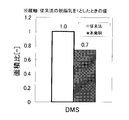
- the top is the figure which compared the measurement result of the fragrance component 2 days after immediately after manufacture, and the bottom is the figure which compared the measurement result of the fragrance component 5 days after immediately after manufacture.
- the raw material (raw material milk) of the milk beverage is subjected to a heat treatment, and then subjected to a centrifugal separation process to separate skim milk, and a component adjustment process is performed on the separated skim milk. It has a process. Moreover, after heat-processing with respect to the raw material of milk drink, the milk drink which consists of skim milk provided with the process of carrying out the centrifugation process is manufactured.
- the raw material of the milk beverage is subjected to a centrifugal separation process to separate the skim milk, and after the component adjustment process is performed on the separated skim milk, the heat treatment ( Sterilization, sterilization, etc.).
- the centrifugal treatment before the heat treatment for the raw material of the milk beverage, the centrifugal treatment is performed, and the skimmed milk after the centrifugal treatment is, if necessary, After the component adjustment treatment such as addition (formulation) of the cream after the centrifugal separation treatment, the heat treatment was performed.
- the heat treatment before centrifuging the raw material of the milk beverage, the heat treatment is performed, and then the centrifugal treatment is performed on the raw material of the dairy beverage after the heat treatment. If necessary, the cream after the centrifugal separation is added (blended) to the subsequent skim milk so that the component is adjusted. In addition, after this, you may make it heat-process as needed.
- milk beverages such as non-fat milk, low-fat milk, non-fat and low-fat milk beverages, etc.
- milk beverages with less milk fat content are produced that are more foamy and less defoamed than raw milk (milk). This is particularly effective when
- milk beverage corresponds to a standard defined as “milk and dairy products” in, for example, a ministerial ordinance of milk and the like (a ministerial ordinance relating to ingredient standards of milk and dairy products). Includes milk, ingredient-adjusted milk, low-fat milk, non-fat milk, processed milk, milk drinks, skim milk and the like listed in the Ministerial Ordinance.
- the “raw material for milk beverage” includes not only raw milk, milk and special milk, but also milk fat and non-fat milk solids such as skim milk powder, emulsifier, water and the like.
- the “component” includes components generally contained in milk beverages and dairy products. Specifically, moisture, milk fat, non-fat milk solids (proteins, sugars such as lactose, sodium, etc. , Potassium, magnesium, calcium, phosphorus and other minerals, vitamins, etc.).
- component adjustment treatment refers to managing the composition and quality of final products such as milk drinks, concentrated milk, and powdered milk within a predetermined range and conditions. It is not limited to the operation of adjusting the concentration of “component” by mixing (adding, blending) various raw materials / materials / intermediate products with a predetermined composition, etc., by a specific mixing process, etc. Operation that only evaluates (analyzes) and manages quality etc. continuously or intermittently (periodically, etc.) is included.
- component adjustment processing includes, for example, operations exemplified below.
- To produce milk beverages, concentrated milk, and powdered milk ⁇ Membrane separation of raw material milk, etc., and the separated proteins, carbohydrates, minerals, and vitamins are added to the intermediate product.
- the operation of “component adjustment treatment” in the present invention is not particularly limited, From the viewpoint of flavor, the skim milk is separated from the cream by centrifugal separation of the raw material (raw milk) of the milk beverage, and the cream is added (mixed) to the obtained skim milk to obtain milk fat and no An operation of adjusting the milk solid content to a predetermined concentration is preferred.
- non-fat milk solid content of the obtained milk drink is adjusted to a predetermined concentration so that it conforms to the ingredient standard defined as “milk and dairy product” in the Ministerial Ordinance on Milk and Dairy Product Ingredient Standards, etc.
- the operation to perform is more preferable.
- centrifugation treatment means, for example, for the purpose of appropriate separation of cream and skim milk, using a density difference between two or more components, and using centrifugal force as a driving force, the two or more components. Is defined as a method of separating and fractionating.
- centrifugation treatment includes, for example, a desktop centrifuge, a continuous separation plate centrifuge (eg, cream separator, clarifier, etc.), an ultracentrifuge, a decanter, and the like. It is done.
- a continuous separation plate type centrifuge eg, cream separator, clarifier, etc.
- an ultracentrifuge e.g., a decanter
- a cream separator or a clarifier it is more preferable to use a cream separator or a clarifier, and particularly preferable to use a cream separator from the viewpoint that it is easy to efficiently and hygienically separate heated products, and that a milk beverage having a good flavor and quality can be prepared.
- cream or skim milk is produced with a continuous separation plate type centrifuge (for example, cream separator, clarifier, etc.), ultracentrifuge, or the like.
- a continuous separation plate type centrifuge for example, cream separator, clarifier, etc.
- the normal operating conditions used in the case may be applied.
- centrifugation treatment in the operation conditions (temperature conditions) of “centrifugation treatment” in the present invention, from the viewpoint of improving the efficiency of the centrifugation treatment, it is not particularly limited as long as it includes a heating treatment of 45 ° C. or higher. -75 ° C is preferred, 50-70 ° C is more preferred, and 55-65 ° C is even more preferred.
- the viewpoint of preventing the deterioration of the product quality due to heating it is preferably carried out at a low temperature, specifically, 0 to 20 ° C. is preferable, 5 to 15 ° C. is more preferable, and 8 to 10 ° C. is more preferable.
- heat treatment refers to heating milk beverage ingredients and intermediate products for the purpose of sterilization, sterilization, long-term storage of intermediate products and final products, and the like.
- the operation condition of “heat treatment” is not particularly limited as long as it corresponds to a high temperature treatment of 90 ° C. or more, but it is 90 to 99 ° C., 10 to 120 seconds, or 100 to 150 ° C. 1 to 20 seconds is preferable, 92 to 99 ° C., 10 to 90 seconds, or 110 to 145 ° C., 1 to 15 seconds is more preferable, 94 to 99 ° C., 10 to 60 seconds, or 120 to 140 ° C., 1 to 10 Seconds are more preferred.
- the milk is centrifuged immediately after that to separate the skim milk, and the separated skim milk is Then, component adjustment processing is performed as necessary. Therefore, it is possible to suppress or prevent oxidation, denaturation, deterioration, etc. of the nutritional components that occur with the heat treatment. In particular, flavor deterioration and dissipation can be suppressed or prevented.
- next process means, for example, that the next process starts to be executed within 30 minutes from the end of the previous process, and preferably the next process is performed within 15 minutes from the end of the previous process. More preferably, the next process is performed within 10 minutes from the end of the previous process.
- milk beverages such as non-fat milk, low-fat milk, non-fat and low-fat milk beverages, etc.
- milk beverages with less milk fat content are produced that are more foamy and less defoamed than raw milk (milk). This is particularly effective when
- raw milk before passing through the centrifugal separation process undergoes a heat treatment process, and thereafter undergoes a centrifugal treatment process and a component adjustment treatment process performed as necessary.
- a smell that impairs the original milk flavor or the like of the milk beverage that is generated by the heat treatment (heated odor, reduced odor, etc.) or a unique odor derived from the milk material (feed odor, Dairy drinks with improved flavor and improved flavor can be provided.
- a milk raw material having a strong unique smell that impairs the flavor of a milk beverage when used, it can be used particularly effectively as a process for reducing the unique smell that impairs the flavor.
- the raw material of the milk beverage is subjected to a heat treatment, followed by centrifugal separation to separate the skim milk, and the component adjustment process is performed on the separated skim milk as necessary.
- the milk beverage of the present invention obtained by the above is concentrated.
- the method described above can be used for the heat treatment, the centrifugal separation treatment, and the component adjustment treatment.
- concentration treatment is not particularly limited, and examples thereof include membrane separation treatment, vacuum concentration (vacuum evaporation concentration) treatment, freeze concentration treatment, and the like.
- the “concentration treatment” is preferably a membrane separation treatment from the viewpoint that oxidation, denaturation, degradation and the like of the nutrient components are unlikely to occur and the composition and concentration of the nutrient components can be appropriately changed.
- the vacuum concentration (vacuum evaporation concentration) treatment is preferable, and oxidation, denaturation, degradation, etc. of the nutritional component hardly occur, and the composition of the nutritional component ( From the viewpoint of not changing the ratio), freeze concentration treatment is preferable.
- an ultrafiltration membrane is used in order to moderately reduce water, carbohydrates, minerals and the like while mainly retaining lipids and proteins.
- some minerals sodium, potassium, chlorine, etc.
- a nanofiltration membrane NF
- a reverse osmosis membrane RO
- any of these may be used alone or in combination as a membrane separation treatment.
- the “membrane separation process” is not only used during the concentration process, but may also be used before the heat treatment, before the centrifugation process, or during the component adjustment process.
- the raw material of the milk beverage is subjected to a heat treatment, and then centrifuged to separate skim milk, and the separated skim milk is subjected to component adjustment treatment as necessary.
- the obtained milk beverage of the present invention is concentrated and then dried.
- the above-described methods can be used for the heat treatment, the centrifugal separation treatment, the component adjustment treatment, and the concentration treatment.
- drying treatment is not particularly limited, and examples thereof include spray drying treatment, reduced pressure drying (vacuum evaporation drying) treatment, freeze drying treatment and the like.
- the “drying treatment” is preferably a spray drying treatment from the viewpoint of efficient treatment in a predetermined time. From the viewpoint that oxidation, denaturation, deterioration, etc. of nutrient components are unlikely to occur, reduced pressure drying ( It is preferable to use a vacuum evaporation drying process or a freeze drying process.
- the nutritional components produced by the heat treatment are compared with those of conventional concentrated milk and powdered milk. Oxidation, denaturation, deterioration, etc., especially flavor deterioration and dissipation are suppressed. Therefore, these concentrated milk and powdered milk can be used as a milk raw material with good flavor.
- ⁇ / RTI> By using the production method of the present invention, a milk beverage, concentrated milk, and powdered milk with good flavor can be obtained. At this time, these flavors can be evaluated by, for example, measuring the aroma component concentration of the target sample.
- the aroma component to be actually measured is not particularly limited as long as it is a component characteristic of milk drinks, concentrated milk, and powdered milk. From the viewpoint of being known as the cause of the heating odor of milk components, methanethiol (Metanetiol) and sulfide Sulfur compounds such as DMS, DMDS, DMTS, etc. are preferred.
- Methanethiol and sulfides (DMS) in milk beverages, concentrated milk, and powdered milk can be accurately measured by a known method such as the GC / MS method.
- flavors of milk beverages and the like are, for example, aromas of samples of milk beverages obtained according to the present invention (the product of the present invention) and samples of milk beverages obtained by a conventional production method (conventional product). Evaluation can be made by comparing the component concentrations. And it can evaluate in detail by measuring the sample which stored by refrigeration (for example, 0 degreeC or more and 10 degrees C or less) from actual manufacture, and the predetermined number of days passed.
- refrigeration for example, 0 degreeC or more and 10 degrees C or less
- the product of the present invention has a methanethiol concentration of 10% or more compared to the conventional product. It is preferably reduced, more preferably 15% or more, and further preferably 20% or more.
- the DMS concentration of the present invention product is 35% or more compared to the conventional product. Is preferably reduced by 40% or more, more preferably by 45% or more, and particularly preferably by 50% or more.
- the methanethiol concentration is reduced by 15% or more compared to the conventional product. Preferably, it is reduced by 20% or more, more preferably 25% or more.
- the DMS concentration is 45% or more compared to the conventional product. It is preferably reduced, more preferably 50% or more, further preferably 55% or more, and particularly preferably 60% or more.
- the methanethiol concentration is preferably reduced by 10% or more, more preferably 15 in comparison with conventional general milk drinks, concentrated milk, and powdered milk after 2 days of storing refrigerated immediately after production. It is possible to produce a milk beverage, concentrated milk, and powdered milk that is reduced by at least%, and more preferably by at least 20%.
- the DMS concentration is preferably reduced by 35% or more, more preferably compared to conventional general milk drinks, concentrated milk, and powdered milk after 2 days of storage in the refrigerator immediately after production. Milk beverages, concentrated milk, and powdered milk that are reduced by 40% or more, more preferably 45% or more, and particularly preferably 50% or more can be produced.
- the methanethiol concentration is preferably reduced by 15% or more, more preferably 20 compared with conventional general milk drinks, concentrated milk, and powdered milk after 5 days after being stored refrigerated immediately after production. It is possible to produce a milk beverage, concentrated milk, and powdered milk that is reduced by at least% and more preferably by at least 25%.
- the DMS concentration is preferably reduced by 45% or more, more preferably, compared with conventional general milk drinks, concentrated milk, and powdered milk after 5 days after being stored refrigerated immediately after production. Milk beverages, concentrated milk and powdered milk that are reduced by 50% or more, more preferably 55% or more, and particularly preferably 60% or more can be produced.
- Example 1 Manufacture of conventional products (milk drinks) (1)> The manufacturing process by the conventional method (conventional manufacturing method) is shown on the left side of FIG.
- a cream separator continuous separation plate centrifuge, manufactured by elecrem
- the raw milk was heated to 55 ° C. using a jacketed tank (manufactured by Izumi Food Machinery Co., Ltd.) in preparation for the centrifugation process before the centrifugation process.
- this separated cream was added to this separated skim milk, and milk fat content was adjusted to 1.5%.
- the low-fat milk that has been subjected to the component adjustment treatment is heated to 75 ° C. using a jacketed tank (manufactured by Izumi Food Machinery Co., Ltd.) and then homogenized using a high-pressure homogenizer (manufactured by Sanwa Kikai Co., Ltd.). (First stage pressure: 10 bar, second stage pressure: 5 bar), and cooled to 10 ° C. or lower.
- a plate-type heat exchanger made by Powerpoint International Co., Ltd.
- heat treatment 130 ° C., 2 seconds
- cooling to 10 ° C. or less low-fat milk (milk beverage Conventional product) was manufactured.
- raw milk whole milk
- a tank with jacket Izumi Food Machinery Co., Ltd.
- a cream separator continuous separation plate centrifuge, manufactured by elecrem
- this separated cream is added to this separated skim milk and the milk fat content is adjusted to 1.5%.
- a beverage according to the present invention was manufactured.
- each milk beverage was stored in the refrigerator (5 ° C. ⁇ 0.5 ° C.) for 2 days and 5 days immediately after production, and a sample of each milk beverage was prepared.
- this sensory evaluation was performed by a two-point comparison method. That is, compared with the milk beverage produced by the conventional method (conventional product), each of the evaluation items of the milk beverage produced by the present invention (the product of the present invention) was evaluated on a scale of 7 to -3 to +3. Judgment).
- FIG. 2 shows a comparison of flavors and changes over time of milk beverages (conventional products) manufactured by the conventional method and milk beverages manufactured by the present invention (product of the present invention).
- the product of the present invention is compared with the conventional product.
- the sulfur odor (heated odor) and the reduced odor were clearly reduced, and the overall evaluation and the refreshing feeling of the aftertaste were clearly increased.
- an unpleasant odor such as a sulfur odor (heated odor) or a reduced odor was suppressed, and the refreshing feeling of the aftertaste was improved. It was.
- the product of the present invention is compared with the conventional product.
- the sulfur odor heated odor
- the reduced odor decreased, the overall evaluation and the refreshing feeling of the aftertaste increased, and there was a statistically significant difference in the sulfur odor.
- Example 1 the aroma components of the milk beverage manufactured by the conventional method (conventional product) and the milk beverage manufactured by the present invention (product of the present invention) were analyzed. Below, the analysis method of the aroma component was shown.
- DB-WAX (30 m ⁇ inner diameter 0.25 mm, film thickness 0.25 ⁇ m, manufactured by Agilent Technologies) was used as the GC column for analysis.
- the TDU tube is subjected to heat treatment (230 ° C.), the fragrance component is desorbed, cooled to ⁇ 50 ° C. with the cooling unit, and the fragrance component is concentrated. Introduced.
- the TDU tube is heated (240 ° C.), the fragrance component is desorbed, cooled to ⁇ 20 ° C. by the cooling unit, and concentrated to GC / MS. Introduced.
- the temperature of the column was maintained at 40 ° C. for 2.5 minutes, then raised to 240 ° C. at 5 ° C./min, and maintained at 240 ° C. for 10 minutes.
- the detection of the component to be analyzed by the MS method the result of the total ion chromatogram and the mass spectrum was checked against the library.
- FIG. 3 shows a comparison of fragrance components and changes with time for milk beverages manufactured by the conventional method (conventional product) and milk beverages manufactured by the present invention (product of the present invention).
- concentration of a conventional fragrance component (methanethiol, DMS) stored in refrigeration (5 ° C. ⁇ 0.5 ° C.) for 2 days immediately after production of each milk beverage is set to 1, and the present invention It was compared with the concentration of the fragrance component of the product.
- a sulfur compound (methanethiol, DMS) is a parameter
- the product of the present invention is compared with the conventional product.
- the methanethiol concentration was reduced at 20%, and the DMS concentration was reduced at 50%.
- the product of the present invention is compared with the conventional product.
- the methanethiol concentration was reduced at 25% and the DMS concentration was reduced at 60%.
- skim milk (conventional product) produced by the conventional method was concentrated to produce skim concentrated milk (solid content concentration: about 12% by weight). Then, a cream was added (mixed) to the defatted concentrated milk to produce low-fat milk (fat content: about 1.5% by weight).
- skim milk (conventional product) produced by the conventional method was concentrated to produce skim concentrated milk (solid content concentration: about 40% by weight). And this skim condensed milk was dried using the spray dryer, and skim milk powder (water
- the skim milk produced according to the present invention was concentrated using a vacuum concentrator (vacuum evaporation concentrator) to produce skim concentrated milk (solid content concentration: about 40% by weight). And this skim concentrated milk was dried using the spray dryer, and skim milk powder (water
- a vacuum concentrator vacuum evaporation concentrator
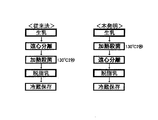
- Example 2 Manufacture of conventional products (milk drinks) (2)> The manufacturing process by the conventional method (conventional manufacturing method) is shown on the left side of FIG.
- a cream separator continuous separation type centrifuge, manufactured by elecrem
- raw milk is centrifuged to separate skim milk and cream, and 10 ° C or less in a jacketed tank (manufactured by Izumi Food Machinery). Cooled to.
- the raw milk was heated to 55 ° C. using a plate heat exchanger (manufactured by Iwai Kikai Kogyo Co., Ltd.) in preparation for the centrifugation process before the centrifugation process.
- the skim milk is heated (130 ° C., 2 seconds), and then cooled to 10 ° C. or less, so that the skim milk ( A conventional milk beverage was manufactured.
- FIG. 5 shows that each of the milk beverages produced by the conventional method (conventional product) and the milk beverage produced by the present invention (product of the present invention) is refrigerated (5 ° C. ⁇ 0.5 ° C.) immediately after production. The results of sensory evaluation of samples stored for a day are shown.
- the sulfur odor (heated odor) and the reduced odor are reduced as compared with the conventional product, and the overall evaluation and the refreshing feeling of the aftertaste are increased.
- the sulfur odor (heated odor) and the aftertaste are increased. There was a statistically significant difference in the refreshing feeling.
- Example 2 the milk beverage manufactured by the conventional method (conventional product) and the milk beverage manufactured by the present invention (product of the present invention) were analyzed in Example 1, “Aroma component analysis (2)”.
- the aroma component was analyzed in the same manner as (milk drink).
- FIG. 6 shows that the milk beverage (conventional product) manufactured by the conventional method and the milk beverage manufactured by the present invention (product of the present invention) are refrigerated (5 ° C. ⁇ 0.5 ° C.) immediately after each milk beverage is manufactured.
- the concentration of the conventional fragrance component (DMS) stored for 1 day was set to 1 and compared with the concentration of the fragrance component of the product of the present invention.
- the product of the present invention had a DMS concentration of 70% lower than that of the conventional product.
- FIG. 6 reveals that in the present invention, a milk beverage can be produced by reducing the sulfur compound (DMS) content, that is, by reducing the heating odor, as compared with the conventional method.
- DMS sulfur compound
- skim milk (conventional product) produced by the conventional method was concentrated to produce skim concentrated milk (solid content concentration: about 12% by weight). Then, a cream was added (mixed) to the defatted concentrated milk to produce low-fat milk (fat content: about 1.5% by weight).
- skim milk (conventional product) produced by the conventional method was concentrated to produce skim concentrated milk (solid content concentration: about 40% by weight). And this skim condensed milk was dried using the spray dryer, and skim milk powder (water
- the skim milk produced according to the present invention was concentrated using a vacuum concentrator (vacuum evaporation concentrator) to produce skim concentrated milk (solid content concentration: about 40% by weight). And this skim condensed milk was dried using the spray dryer, and skim milk powder (water
- a vacuum concentrator vacuum evaporation concentrator
- the present invention is a conventional method for producing a general milk beverage, (1) a step of centrifuging raw materials for milk beverage, and (2) raw materials for milk beverage.
- This is a process for centrifuging the beverage ingredients (after heat treatment)
- this invention is the manufacturing method of the conventional general milk drink, (1) The process of centrifuging the raw material of a milk drink, (2) The raw material (after centrifugation process) of a milk drink is heat-processed. The steps are changed to (1 ′) a step of heat-treating the raw material of the milk beverage, and (2 ′) a step of subjecting the raw material of the milk beverage (after the heat treatment) to a centrifugal separation process.
- the present invention it is not necessary to add or deploy new equipment (such as a centrifugal separation device, a heat treatment device, and a tank) when introducing the milk beverage production method.
- new equipment such as a centrifugal separation device, a heat treatment device, and a tank
- the present invention can be realized by rearranging the configuration of the piping while using the conventional manufacturing process, so that the introduction cost can be suppressed and economically introduced.
Landscapes
- Life Sciences & Earth Sciences (AREA)
- Engineering & Computer Science (AREA)
- Chemical & Material Sciences (AREA)
- Food Science & Technology (AREA)
- Polymers & Plastics (AREA)
- Health & Medical Sciences (AREA)
- Nutrition Science (AREA)
- Wood Science & Technology (AREA)
- Zoology (AREA)
- Dairy Products (AREA)
- Non-Alcoholic Beverages (AREA)
Abstract
加熱処理に伴って生じる栄養成分の酸化、変性、劣化などや、特に、風味の劣化や散逸を抑制できる乳飲料の製造方法と、この製造方法によって製造した乳飲料を提供する。 乳飲料の原料に対して加熱処理した後に、遠心分離して、脱脂乳を分離し、当該分離した脱脂乳に対して成分調整処理する工程を備えている乳飲料の製造方法。乳飲料の原料に対して加熱処理した後に、遠心分離処理する工程を備えている脱脂乳からなる乳飲料の製造方法。
Description
本発明は、乳飲料及びその製造方法に関する。
一般に、乳飲料(低脂肪牛乳、無脂肪牛乳などの成分調整牛乳、加工乳、乳飲料など)は、長期保存できるように、高温で加熱処理(例えば、130~140℃、2~4秒間)されている。
例えば、従来の乳飲料では、原料乳の成分を調整してから加熱処理したり(特許文献1~4)、原料・素材や風味付与剤を加熱処理してから混合し、成分調整するなどによって製造されている(特許文献5~8)。
この場合、加熱処理に伴って、加熱生成物(メタンチオール、ジメチルサルファイドなど)が生じるため、乳本来の風味が著しく損なわれることが問題になっている。
このような加熱生成物の生成を抑制する方法として、原料乳(生乳など)の溶存酸素濃度を低減してから加熱処理する方法が知られている(特許文献9)。
そして、原料乳の溶存酸素濃度を効率的に低減する方法として、原料乳に窒素ガス等の不活性ガスを激しく混合してから、その原料乳をタンクに貯液し、その後、その原料乳の一部をタンクの上部から噴霧(スプレー)して消泡する技術が提案されている(特許文献10)。
この時、原料乳に不活性ガスを混合する(吹き込む)と、多量の発泡を伴う。そして、これを、そのまま消泡せずに(気泡を低減や消滅させずに)、原料乳を加熱処理すると、プレート式殺菌機のプレートの表面や、スチームインジェクション式殺菌機のスチームノズルの周辺などで、焦げ付きや凝集が起こる。これは、乳飲料の製造上(殺菌機の流路の閉塞に伴う連続運転時間の短縮など)、品質上(焦げや凝集物の混入に伴う不良品の増加など)、経済上(製品の収率の低下や不良品の廃棄処理に伴う収益の低下など)の不具合の原因となる。
これを防止する目的で、前述した技術などによって、原料乳を加熱処理する前に消泡している。しかし、脂肪の含量が少ない脱脂乳や低脂肪乳などでは、生乳などよりも泡立ちやすく、消泡しにくいため、更に取り扱いが難しく、前述した技術のような設備では、運転条件の制約を受けることもあった。
また、前述した技術のような設備では、不活性ガスを混合することが必須となるため、そのための特別な設備などが必要となり、その設備の複雑化や不活性ガスの使用などに伴う費用が発生し、製造費が高騰する。
一方、原料乳などの溶存酸素濃度を低減する他の方法として、原料乳などを減圧(真空)条件下に噴霧して脱気する技術が提案されている(特許文献11~13)。
しかし、原料乳などを減圧条件下に噴霧して脱気(脱酸素)処理すると、原料乳などから風味の良好な香気成分が散逸することもあり、この場合、乳飲料などの香味が乏しくなりやすい。
また、この方法では、減圧条件を実現することが必須になり、そのための特別な設備などが必要となり、その設備の使用などに伴う費用が発生し、製造費が高騰することとなる。
本発明は、加熱処理に伴って生じる栄養成分の酸化・変性・劣化などや、特に、風味の劣化や散逸を抑制できる乳飲料(低脂肪牛乳、無脂肪牛乳などの成分調整牛乳、加工乳、乳飲料など)、濃縮乳、粉乳の製造方法と、この製造方法によって製造した乳飲料、濃縮乳、粉乳を提供することを目的とする。
請求項1記載の発明は、
乳飲料の原料に対して加熱処理した後に、遠心分離処理して、脱脂乳を分離し、当該分離した脱脂乳に対して成分調整処理する工程を備えていることを特徴とする、乳飲料の製造方法
である。
乳飲料の原料に対して加熱処理した後に、遠心分離処理して、脱脂乳を分離し、当該分離した脱脂乳に対して成分調整処理する工程を備えていることを特徴とする、乳飲料の製造方法
である。
請求項2記載の発明は、
乳飲料の原料に対して加熱処理した後に、遠心分離処理する工程を備えている脱脂乳からなる乳飲料の製造方法
である。
乳飲料の原料に対して加熱処理した後に、遠心分離処理する工程を備えている脱脂乳からなる乳飲料の製造方法
である。
請求項3記載の発明は、
前記加熱処理が90℃以上の加熱処理であることを特徴とする、請求項1又は2記載の乳飲料の製造方法
である。
前記加熱処理が90℃以上の加熱処理であることを特徴とする、請求項1又は2記載の乳飲料の製造方法
である。
請求項4記載の発明は、
請求項1乃至3のいずれか一項の製造方法によって製造した乳飲料
である。
請求項1乃至3のいずれか一項の製造方法によって製造した乳飲料
である。
請求項5記載の発明は、
請求項4の乳飲料に対して濃縮処理することを特徴とする、濃縮乳の製造方法
である。
請求項4の乳飲料に対して濃縮処理することを特徴とする、濃縮乳の製造方法
である。
請求項6記載の発明は、
請求項5の製造方法によって製造した濃縮乳
である。
請求項5の製造方法によって製造した濃縮乳
である。
請求項7記載の発明は、
請求項4の乳飲料に対して濃縮処理した後に、乾燥処理することを特徴とする、粉乳の製造方法
である。
請求項4の乳飲料に対して濃縮処理した後に、乾燥処理することを特徴とする、粉乳の製造方法
である。
請求項8記載の発明は、
請求項7の製造方法によって製造した粉乳
である。
請求項7の製造方法によって製造した粉乳
である。
本発明によれば、加熱処理に伴って生じる栄養成分の酸化、変性、劣化などや、風味の劣化や散逸を抑制できる乳飲料、濃縮乳、粉乳の製造方法と、これによって製造した乳飲料、濃縮乳、粉乳を提供することができる。
本発明の乳飲料の製造方法は、乳飲料の原料(原料乳)に対して加熱処理した後に、遠心分離処理して、脱脂乳を分離し、当該分離した脱脂乳に対して成分調整処理する工程を備えているものである。また、乳飲料の原料に対して加熱処理した後に、遠心分離処理する工程を備えている脱脂乳からなる乳飲料を製造するものである。
ここで、従来の一般的な乳飲料の製造方法では、乳飲料の原料に対して遠心分離処理して、脱脂乳を分離し、当該分離した脱脂乳に対して成分調整処理した後に加熱処理(殺菌、滅菌など)していた。
これに対して、本発明では、乳飲料の原料に対して加熱処理した後に、遠心分離処理して、脱脂乳を分離し、当該分離した脱脂乳に対して、必要に応じて、成分調整処理するように変更している。なお、この後、必要に応じて、さらに加熱処理(殺菌、滅菌など)するようにしてもよい。
すなわち、従来の一般的な乳飲料の製造方法では、乳飲料の原料に対して加熱処理する前に、遠心分離処理して、遠心分離処理した後の脱脂乳に対して、必要に応じて、遠心分離処理した後のクリームを添加(配合)するなどして成分調整処理した後に、加熱処理していた。
これに対して、本発明では、乳飲料の原料に対して遠心分離処理する前に、加熱処理して、加熱処理した後の乳飲料の原料に対して遠心分離処理した後に、遠心分離処理した後の脱脂乳に対して、必要に応じて、遠心分離処理した後のクリームを添加(配合)するなどして成分調整処理するように変更している。なお、この後、必要に応じて、さらに加熱処理するようにしてもよい。
従来の一般的な乳飲料の製造方法では、加熱生成物による問題を抑制する目的として、原料乳の溶存酸素濃度を低減する追加の製造工程や製造設備などが採用されていた。
これに対して、本発明では、加熱生成物による問題を抑制する目的としての、原料乳の溶存酸素濃度を低減する追加の製造工程や製造設備などが不要になる。
これにより、本発明では、従来の乳飲料の製造方法に比較して、特別な製造工程の省略・簡略化や、特別な製造設備の導入費・運転費の削減・低減が可能になる。そして、本発明では、生乳(牛乳)よりも泡立ちやすく消泡しにくい、乳脂肪の含有量が少ない乳飲料(無脂肪乳、低脂肪乳、無脂肪や低脂肪の乳飲料など)などを製造する場合に特に有効である。
本発明において「乳飲料」とは、例えば、乳等省令(乳及び乳製品の成分規格等に関する省令)において「乳及び乳製品」と定められている規格に該当するものであり、具体的には、乳等省令に挙げられている牛乳、成分調整牛乳、低脂肪牛乳、無脂肪牛乳、加工乳、乳飲料、脱脂乳などが含まれる。
本発明において「乳飲料の原料」には、生乳、牛乳、特別牛乳だけでなく、乳脂肪分に、脱脂粉乳などの無脂乳固形分、乳化剤、水などを添加したものなどが含まれる。
本発明において「成分」とは、一般的に乳飲料や乳製品に含まれる成分が含まれ、具体的には、水分、乳脂肪、無脂乳固形分(タンパク質、乳糖などの糖質、ナトリウム、カリウム、マグネシウム、カルシウム、リンなどのミネラル、ビタミンなど)などが挙げられる。
本発明において「成分調整処理」とは、乳飲料、濃縮乳、粉乳などの最終製品の組成や品質などを所定の範囲や条件で管理することをいう。各種の原料・素材・中間製品を所定の組成で混合(添加、配合)するなどして、特定の混合処理などによって、「成分」の濃度を調整する操作に限定されず、最終製品の組成や品質などを連続的や断続的(定期的など)に評価(分析)して管理するだけの操作が含まれる。
ここで、「成分調整処理」の操作には、例えば、以下に例示する操作などが含まれる。
・原料乳などを遠心分離処理や膜分離処理するなどして、ここで分離したクリームなどの乳脂肪を、ここで分離した脱脂乳に混合(添加、配合)するなどして、最終製品や中間製品の乳脂肪や無脂乳固形分を所定の濃度に調整する操作
・香料、甘味料、コーヒー、ココア、紅茶、緑茶、果汁、果肉、プレパレーション、乳化剤、安定剤、ゲル化剤、水などを中間製品に添加して、乳飲料、濃縮乳、粉乳を製造する操作
・原料乳などを膜分離処理するなどして、ここで分離したタンパク質、糖質、ミネラル、ビタミンを中間製品に添加して、最終製品や中間製品のタンパク質、糖質、ミネラル、ビタミンを所定の濃度に調整する操作
・減圧処理、加熱処理、凍結処理するなどして、最終製品や中間製品の水分を所定の濃度に調整する操作
・乳成分の原料の他の原料を中間製品に添加して、特定の成分を所定の濃度に調整する操作
前述した通り、本発明において「成分調整処理」の操作は、特に限定されないが、乳飲料の風味の観点から、乳飲料の原料(原料乳)の遠心分離処理によって、脱脂乳をクリームと分離し、この得られた脱脂乳にクリームを添加(配合)して、乳飲料の乳脂肪や無脂乳固形分を所定の濃度に調整する操作が好ましい。また、乳及び乳製品の成分規格等に関する省令において「乳及び乳製品」と定められている成分規格に適合するように、この得られた乳飲料の無脂乳固形分を所定の濃度に調整する操作がより好ましい。
・香料、甘味料、コーヒー、ココア、紅茶、緑茶、果汁、果肉、プレパレーション、乳化剤、安定剤、ゲル化剤、水などを中間製品に添加して、乳飲料、濃縮乳、粉乳を製造する操作
・原料乳などを膜分離処理するなどして、ここで分離したタンパク質、糖質、ミネラル、ビタミンを中間製品に添加して、最終製品や中間製品のタンパク質、糖質、ミネラル、ビタミンを所定の濃度に調整する操作
・減圧処理、加熱処理、凍結処理するなどして、最終製品や中間製品の水分を所定の濃度に調整する操作
・乳成分の原料の他の原料を中間製品に添加して、特定の成分を所定の濃度に調整する操作
前述した通り、本発明において「成分調整処理」の操作は、特に限定されないが、乳飲料の風味の観点から、乳飲料の原料(原料乳)の遠心分離処理によって、脱脂乳をクリームと分離し、この得られた脱脂乳にクリームを添加(配合)して、乳飲料の乳脂肪や無脂乳固形分を所定の濃度に調整する操作が好ましい。また、乳及び乳製品の成分規格等に関する省令において「乳及び乳製品」と定められている成分規格に適合するように、この得られた乳飲料の無脂乳固形分を所定の濃度に調整する操作がより好ましい。
本発明において「遠心分離処理」とは、例えば、クリームと脱脂乳の適切な分離を目的として、二つ以上の成分の密度差を利用し、遠心力を駆動力として、当該二つ以上の成分を分離や分画する方法と定義される。
本発明において「遠心分離処理」の装置とは、例えば、卓上型遠心分離機、連続式の分離版型遠心分離機(例えば、クリームセパレーター、クラリファイヤーなど)、超遠心分離機、デカンターなどが挙げられる。そして、本発明において、商業的な製造の利便性の観点から、連続式の分離版型の遠心分離機、超遠心分離機を用いることが好ましく、連続式の分離版型の遠心分離機を用いることがより好ましい。また、加熱生成物を効率的かつ衛生的に分離しやすく、風味や品質の良好な乳飲料を調製できる観点から、クリームセパレーターやクラリファイヤーを用いることがさらに好ましく、クリームセパレーターを用いることが特に好ましい。
なお、本発明において「遠心分離処理」の運転には、連続式の分離版型の遠心分離機(例えば、クリームセパレーター、クラリファイヤーなど)、超遠心分離機などで、クリームや脱脂乳を製造する場合に用いられる通常の操作条件(機器の寸法、回転数(遠心力)、温度、流量(滞留時間)など)を適用すれば良い。
このとき、本発明において「遠心分離処理」の操作条件(温度条件)では、遠心分離処理の効率を良くする観点からは、45℃以上の加温処理を含んでいれば特に制限されないが、45~75℃が好ましく、50~70℃がより好ましく、55~65℃がさらに好ましい。
一方、加熱による製品の品質の低下を防ぐ観点からは、低温での実施が好ましく、具体的には、0~20℃が好ましく、5~15℃がより好ましく、8~10℃がさらに好ましい。
本発明において「加熱処理」とは、例えば、殺菌、滅菌、中間製品や最終製品の長期保存などを目的として、乳飲料の原料や中間製品などを加熱することである。
このとき、本発明において「加熱処理」の操作条件では、具体的には90℃以上の高温処理に相当すれば特に制限されないが、90~99℃、10~120秒間または、100~150℃、1~20秒間が好ましく、92~99℃、10~90秒間または、110~145℃、1~15秒間がより好ましく、94~99℃、10~60秒間または、120~140℃、1~10秒間がさらに好ましい。
本発明では、前述したように、乳飲料の原料や中間製品などを加熱処理(高温処理)しても、その直後に遠心分離処理して、脱脂乳を分離し、当該分離した脱脂乳に対して、必要に応じて、成分調整処理する。そこで、加熱処理に伴って生じる栄養成分の酸化、変性、劣化などを抑制や防止できることとなる。特に、風味の劣化や散逸などを抑制や防止できることとなる。
なお、ここで、「直後」とは、例えば、前の処理の終了時から30分以内に次の処理を実施し始めることをいい、好ましくは、前の処理の終了時から15分以内に次の処理を実施し、より好ましくは、前の処理の終了時から10分以内に次の処理を実施するものである。
従来の乳飲料の製造方法では、乳脂肪の含有量が少ない乳飲料(無脂肪乳、低脂肪乳、無脂肪や低脂肪の乳飲料など)などの場合、加熱生成物による問題を抑制する目的として、乳飲料の原料(脱脂乳など)の溶存酸素濃度を低減させてから加熱処理している。このため、この原料に窒素ガスなどの不活性ガスを混合させる追加の製造工程や製造設備が必要となる。このとき、この原料(脱脂乳など)では、生乳(牛乳)に比較して、泡立ちやすいため、この原料を消泡などする追加の製造工程や製造設備が必要になる。
これに対して、本発明では、前述したように、乳飲料の原料の溶存酸素濃度を低減させる追加の製造工程や製造設備と、この原料を消泡などする追加の製造工程や製造設備が不要になる。
これにより、本発明では、従来の乳飲料の製造方法に比較して、特別な製造工程の省略・簡略化や、特別な製造設備の導入費・運転費の削減・低減が可能になる。そして、本発明では、生乳(牛乳)よりも泡立ちやすく消泡しにくい、乳脂肪の含有量が少ない乳飲料(無脂肪乳、低脂肪乳、無脂肪や低脂肪の乳飲料など)などを製造する場合に特に有効である。
本発明では、遠心分離処理工程を経る前の原料乳などが加熱処理工程を経ることとなり、その後に、遠心分離処理工程と、必要に応じて行う、成分調整処理工程を経ることになる。
そこで、本発明では、前述したように、加熱処理に伴って生じる乳飲料の本来の乳風味などを損なう臭い(加熱臭、還元臭など)や、乳原料に由来する独特な臭い(飼料臭、牧草臭など)を低減して、風味を改善や向上させた乳飲料を提供できるようになる。
本発明では、例えば、乳飲料の風味を損なう独特な臭いが強い乳原料を使用する場合、その風味を損なう独特な臭いを低減させるための工程として特に効果的に使用することができる。
本発明の濃縮乳の製造方法は、乳飲料の原料に対して加熱処理した後に、遠心分離処理して、脱脂乳を分離し、当該分離した脱脂乳に対して必要に応じて成分調整処理して得られる、本発明の乳飲料に対して濃縮処理するものである。
このとき、加熱処理、遠心分離処理、成分調整処理には、例えば、前述した方法を用いることができる。
本発明において「濃縮処理」の操作は、特に限定されないが、例えば、膜分離処理、減圧濃縮(真空蒸発濃縮)処理、凍結濃縮処理などが挙げられる。
このとき、本発明において「濃縮処理」は、栄養成分の酸化、変性、劣化などが起こりにくく、栄養成分の組成や濃度を適度に変えられる観点では、膜分離処理を用いることが好ましく、栄養成分の組成(割合)を変えずに、所定時間で効率的に処理する観点では、減圧濃縮(真空蒸発濃縮)処理が好ましく、栄養成分の酸化、変性、劣化などが起こりにくく、栄養成分の組成(割合)を変えない観点では、凍結濃縮処理が好ましい。
このとき、膜分離処理として、具体的には、脂質、タンパク質などを主に保持しながら、水、糖質、ミネラルなどを適度に低減するためには、限外濾過膜(UF)が用いられ、脂質、タンパク質、糖質、ミネラルの一部(マグネシウム、カルシウム、リンなど)などを主に保持しながら、水、ミネラルの一部(ナトリウム、カリウム、塩素など)などを適度に低減するためには、ナノ濾過膜(NF)が用いられ、脂質、タンパク質、糖質、ミネラルなどを主に保持しながら、水などを適度に低減するためには、逆浸透膜(RO)が用いられる。
そして、膜分離処理として、これらの何れかを単独で用いても良いし、これらを組み合わせて用いても良い。
なお、本発明において「膜分離処理」は、濃縮処理の時に用いられるだけでなく、加熱処理の前、遠心分離処理の前、成分調整処理の時などに用いられても良い。
本発明の粉乳の製造方法は、乳飲料の原料に対して加熱処理した後に、遠心分離処理して、脱脂乳を分離し、当該分離した脱脂乳に対して必要に応じて成分調整処理して得られる本発明の乳飲料に対して濃縮処理した後に、乾燥処理するものである。
このとき、加熱処理、遠心分離処理、成分調整処理、濃縮処理には、例えば、前述した方法を用いることができる。
本発明において「乾燥処理」の操作は、特に限定されないが、例えば、噴霧乾燥処理、減圧乾燥(真空蒸発乾燥)処理、凍結乾燥処理などが挙げられる。
このとき、本発明において「乾燥処理」は、所定時間で効率的に処理する観点では、噴霧乾燥処理を用いることが好ましく、栄養成分の酸化、変性、劣化などが起こりにくい観点では、減圧乾燥(真空蒸発乾燥)処理、凍結乾燥処理を用いることが好ましい。
本発明の濃縮乳の製造方法によって得られた濃縮乳や、本発明の粉乳の製造方法によって得られた粉乳では、従来の濃縮乳や粉乳と比較して、加熱処理に伴って生じる栄養成分の酸化、変性、劣化などや、特に、風味の劣化や散逸が抑制されている。したがって、これら濃縮乳や粉乳を、風味の良好な乳原料として用いることができる。
本発明の製造方法を用いることで、風味の良好な乳飲料、濃縮乳、粉乳を得ることができる。このとき、これらの風味は、例えば、対象となる試料の香気成分濃度を測定することで評価することができる。
実際に測定する香気成分は、乳飲料、濃縮乳、粉乳に特徴的な成分であれば、特に限定されないが、乳成分の加熱臭の原因として公知である観点から、メタンチオール(Metanetiol)やサルファイド類(DMS、DMDS、DMTSなど)などの硫黄化合物類であることが好ましい。
乳飲料、濃縮乳、粉乳のメタンチオールやサルファイド類(DMS)は、例えば、GC/MS法などの公知の方法で精度良く測定することができる。
本発明において、乳飲料などの風味は、例えば、本発明で得られた乳飲料など(本発明品)の試料と、従来の製造方法で得られた乳飲料など(従来品)の試料の香気成分濃度を比較することで評価することができる。そして、実際の製造から冷蔵(例えば、0℃以上10℃以下)で保存して所定日数が経過した試料を測定することで詳細に評価することができる。
乳飲料の製造直後から冷蔵(例えば、0℃以上10℃以下)で保存して2日後の香気成分濃度の場合、本発明品では、従来品と比較して、メタンチオール濃度が10%以上で低減されることが好ましく、15%以上で低減されることがより好ましく、20%以上で低減されることがさらに好ましい。
また、乳飲料の製造直後から冷蔵(例えば、0℃以上10℃以下)で保存して2日後の香気成分濃度の場合、本発明品では、従来品と比較して、DMS濃度が35%以上で低減されることが好ましく、40%以上で低減されることがより好ましく、45%以上で低減されることがさらに好ましく、50%以上で低減されることがとくに好ましい。
乳飲料の製造直後から冷蔵(例えば、0℃以上10℃以下)で保存して5日後の香気成分濃度の場合、本発明では、従来品と比較して、メタンチオール濃度が15%以上で低減されることが好ましく、20%以上で低減されることがより好ましく、25%以上で低減されることがさらに好ましい。
また、乳飲料の製造直後から冷蔵(例えば、0℃以上10℃以下)で保存して5日後の香気成分濃度の場合、本発明では、従来品と比較して、DMS濃度が45%以上で低減されることが好ましく、50%以上で低減されることがより好ましく、55%以上で低減されることがさらに好ましく、60%以上で低減されることがとくに好ましい。
本発明により、製造直後から冷蔵で保存して2日後において、従来の一般的な乳飲料、濃縮乳、粉乳と比較して、メタンチオール濃度が好ましくは10%以上で低減され、より好ましくは15%以上で低減され、さらに好ましくは20%以上で低減された乳飲料、濃縮乳、粉乳を製造することができる。
また、本発明により、製造直後から冷蔵で保存して2日後において、従来の一般的な乳飲料、濃縮乳、粉乳と比較して、DMS濃度が好ましくは35%以上で低減され、より好ましくは40%以上で低減され、さらに好ましくは45%以上で低減され、とくに好ましくは50%以上で低減された乳飲料、濃縮乳、粉乳を製造することができる。
本発明により、製造直後から冷蔵で保存して5日後において、従来の一般的な乳飲料、濃縮乳、粉乳と比較して、メタンチオール濃度が好ましくは15%以上で低減され、より好ましくは20%以上で低減され、さらに好ましくは25%以上で低減された乳飲料、濃縮乳、粉乳を製造することができる。
また、本発明により、製造直後から冷蔵で保存して5日後において、従来の一般的な乳飲料、濃縮乳、粉乳と比較して、DMS濃度が好ましくは45%以上で低減され、より好ましくは50%以上で低減され、さらに好ましくは55%以上で低減され、とくに好ましくは60%以上で低減された乳飲料、濃縮乳、粉乳を製造することができる。
以下、図1を参照して、生乳を乳飲料の原料として用い、低脂肪牛乳(脂肪分:1.5重量%)を製造する場合において、従来の一般的な乳飲料の製造方法(遠心分離処理、成分調整処理した後に、加熱処理する)と対比しながら、本発明について説明する。
(実施例1)
<従来品(乳飲料)の製造(1)>
図1の左側に、従来法(従来の製造方法)による製造工程を示した。まず、クリームセパレーター(連続式の分離版型遠心分離機、elecrem社製)を用いて、生乳を遠心分離処理して脱脂乳とクリームに分離した。このとき、この遠心分離処理の前に、遠心分離処理に備えて、ジャケット付きタンク(イズミフードマシナリ社製)を用いて、生乳を55℃に加温した。そして、低脂肪乳の成分調整処理として、この分離したクリームを、この分離した脱脂乳に添加して、乳脂肪分を1.5%に調整した。
<従来品(乳飲料)の製造(1)>
図1の左側に、従来法(従来の製造方法)による製造工程を示した。まず、クリームセパレーター(連続式の分離版型遠心分離機、elecrem社製)を用いて、生乳を遠心分離処理して脱脂乳とクリームに分離した。このとき、この遠心分離処理の前に、遠心分離処理に備えて、ジャケット付きタンク(イズミフードマシナリ社製)を用いて、生乳を55℃に加温した。そして、低脂肪乳の成分調整処理として、この分離したクリームを、この分離した脱脂乳に添加して、乳脂肪分を1.5%に調整した。
次に、ジャケット付きタンク(イズミフードマシナリ社製)を用いて、この成分調整処理した低脂肪乳を75℃に加温してから、高圧ホモゲナイザー(三和機械社製)を用いて均質化処理(1段目の圧力:10bar、2段目の圧力:5bar)し、10℃以下に冷却した。次に、プレート式熱交換器(Powerpoint International社製)を用いて、加熱処理(130℃、2秒間)した後に、10℃以下に冷却することで、従来法により、低脂肪牛乳(乳飲料の従来品)を製造した。
<本発明品(乳飲料)の製造(1)>
図1の右側に、従来法に対比する、本発明の製造工程を示した。まず、高圧ホモゲナイザー(三和機械社製)を用いて、生乳(全脂乳)を均質化処理(1段目の圧力:10bar、2段目の圧力:5bar)した後に、10℃以下に冷却した。このとき、この均質化処理の前に、均質化処理に備えて、ジャケット付きタンク(イズミフードマシナリ社製)を用いて、生乳(全脂乳)を75℃に加温した。
図1の右側に、従来法に対比する、本発明の製造工程を示した。まず、高圧ホモゲナイザー(三和機械社製)を用いて、生乳(全脂乳)を均質化処理(1段目の圧力:10bar、2段目の圧力:5bar)した後に、10℃以下に冷却した。このとき、この均質化処理の前に、均質化処理に備えて、ジャケット付きタンク(イズミフードマシナリ社製)を用いて、生乳(全脂乳)を75℃に加温した。
プレート式熱交換器(Powerpoint International社製)を用いて、生乳(全脂乳)を加熱処理(130℃、2秒間)してから10℃以下に冷却した後に、ジャケット付きタンク(イズミフードマシナリ社製)を用いて、55℃に加温し、クリームセパレーター(連続式の分離版型遠心分離機、elecrem社製)を用いて、この加熱処理した全脂乳を遠心分離処理して脱脂乳とクリームに分離した。
そして、低脂肪乳の成分調整処理として、この分離したクリームを、この分離した脱脂乳に添加して、乳脂肪分を1.5%に調整することで、本発明により、低脂肪牛乳(乳飲料の本発明品)を製造した。
<官能評価 (1)(乳飲料)>
上述したように、この実施例1で、従来法によって製造した乳飲料(従来品)と、本発明によって製造した乳飲料(本発明品)について、それぞれ官能評価を行った。
上述したように、この実施例1で、従来法によって製造した乳飲料(従来品)と、本発明によって製造した乳飲料(本発明品)について、それぞれ官能評価を行った。
まず、官能評価用の試料を調製した。すなわち、それぞれの乳飲料を製造直後から冷蔵(5℃±0.5℃)に2日間と5日間で保存し、それぞれの乳飲料の試料を調製した。次に、この官能評価を2点比較法で行った。すなわち、従来法で製造した乳飲料(従来品)と比較して、本発明で製造した乳飲料(本発明品)の各評価項目を-3~+3の7段階の尺度で、被験者が評価(判定)した。
図2に、従来法で製造した乳飲料(従来品)と本発明で製造した乳飲料(本発明品)について、それらの風味の比較と経時変化を示した。
それぞれの乳飲料を製造直後から冷蔵(5℃±0.5℃)に2日間で保存した試料の官能評価(図2の上)の結果によると、本発明品では、従来品に比較して、硫黄臭(加熱臭)と還元臭が明らかに小さくなると共に、総合評価と後味のスッキリ感が明らかに大きくなっており、これらの評価項目には、統計的に有意な差があった。なお、本発明品では、硫黄臭(加熱臭)や還元臭などの不快臭が抑制されたことに伴い、後味のスッキリ感が向上し、その結果として、総合評価が有意に高く評価されたと考えられた。
それぞれの乳飲料を製造直後から冷蔵(5℃±0.5℃)に5日間で保存した試料の官能評価(図2の下)の結果によると、本発明品では、従来品に比較して、硫黄臭(加熱臭)と還元臭が小さくなると共に、総合評価と後味のスッキリ感が大きくなっており、硫黄臭には、統計的に有意な差があった。
<香気成分の分析 (1)(乳飲料)>
上述したように、この実施例1で、従来法によって製造した乳飲料(従来品)と、本発明によって製造した乳飲料(本発明品)について、香気成分の分析を行った。以下に、香気成分の分析方法を示した。
上述したように、この実施例1で、従来法によって製造した乳飲料(従来品)と、本発明によって製造した乳飲料(本発明品)について、香気成分の分析を行った。以下に、香気成分の分析方法を示した。
これらの乳飲料の試料の10gを20mL容のバイアル瓶に分注し、「(1)25℃の条件下にて、乾燥窒素を40mL/分の条件で10分間連続的に吹き付け、ここで揮発した香気成分をTDUチューブ(GESTEL社製)に吸着させる」、あるいは「(2)40℃の条件下にて、40mL/分の窒素を30分間で吹き付け、そこで揮発した香気成分をTDUチューブに吸着させた後に、ここで同時に吸着した水滴を除去するために、40mL/分の乾燥窒素を17.5分間で吹き付ける」の2通りの方法で、それぞれの試料からTDUチューブに香気成分を抽出し、香気成分をGC/MS(HP5975C(GC)、HP7890A(MS)、何れも、Agilent technologies社製)に導入して分析を行った。
ここで、分析用のGCカラムには、DB-WAX(30m×内径0.25mm、膜厚0.25μm、Agilent technologies社製)を用いた。そして、上記(1)で処理した試料では、TDUチューブを加熱処理(230℃)し、香気成分を脱着させ、冷却ユニットで-50℃まで冷却して、香気成分を濃縮した後に、GC/MSに導入した。一方、上記(2)で処理した試料では、TDUチューブを加熱処理(240℃)し、香気成分を脱着させ、冷却ユニットで-20℃まで冷却して、香気成分を濃縮した後に、GC/MSに導入した。また、カラムの昇温では、40℃、2.5分間で保持した後に、5℃/分で240℃まで昇温し、240℃、10分間で保持する条件に設定した。MS法による分析対象の成分の検出では、トータルイオンクロマトグラムとマススペクトルの結果から、ライブラリに照合して確認した。
図3に、従来法で製造した乳飲料(従来品)と本発明で製造した乳飲料(本発明品)について、それらの香気成分の比較と経時変化を示した。具体的には、それぞれの乳飲料の製造直後から冷蔵(5℃±0.5℃)に2日間で保存した従来品の香気成分(メタンチオール、DMS)の濃度を1に設定し、本発明品の香気成分の濃度と相対的に比較した。なお、硫黄化合物(メタンチオール、DMS)は、硫黄臭(加熱臭)の指標であり、これらの成分が多いと、より硫黄臭(加熱臭)を感じることとなる。
それぞれの乳飲料を製造直後から冷蔵(5℃±0.5℃)に2日間で保存した試料の香気成分(図3の上)の分析結果によると、本発明品では、従来品に比較して、メタンチオール濃度が20%で小さくなると共に、DMS濃度が50%で小さくなっていた。
それぞれの乳飲料を製造直後から冷蔵(5℃±0.5℃)に5日間で保存した試料の香気成分(図3の下)の分析結果によると、本発明品では、従来品に比較して、メタンチオール濃度が25%で小さくなると共に、DMS濃度が60%で小さくなっていた。
図3から、本発明では、従来法に比較して、メタンチオール、DMSなどの硫黄化合物の含有量を低減させて、つまり、硫黄臭(加熱臭)を低減させて、乳飲料を製造できることが明らかとなった。また、本発明では、従来法に比較して、乳飲料の製造直後(製造日)から所定時間が経過しても、硫黄臭(加熱臭)を低減させた状態で、乳飲料を提供できることが明らかとなった。
<従来品(濃縮乳、低脂肪牛乳)(1)の製造>
膜濃縮機(ナノ濾過(NF)膜分離)を用いて、従来法で製造した脱脂乳(従来品)を濃縮して、脱脂濃縮乳(固形分濃度:約12重量%)を製造した。そして、この脱脂濃縮乳に、クリームを添加(配合)して、低脂肪牛乳(脂肪分:約1.5重量%)を製造した。
膜濃縮機(ナノ濾過(NF)膜分離)を用いて、従来法で製造した脱脂乳(従来品)を濃縮して、脱脂濃縮乳(固形分濃度:約12重量%)を製造した。そして、この脱脂濃縮乳に、クリームを添加(配合)して、低脂肪牛乳(脂肪分:約1.5重量%)を製造した。
<本発明品(濃縮乳、低脂肪牛乳)(1)の製造>
膜濃縮機(ナノ濾過(NF)膜分離)を用いて、本発明で製造した脱脂乳(本発明品)を濃縮して、脱脂濃縮乳(固形分濃度:約12重量%)を製造した。そして、この脱脂濃縮乳に、クリームを添加(配合)して、低脂肪牛乳(脂肪分:約1.5重量%)を製造した。
膜濃縮機(ナノ濾過(NF)膜分離)を用いて、本発明で製造した脱脂乳(本発明品)を濃縮して、脱脂濃縮乳(固形分濃度:約12重量%)を製造した。そして、この脱脂濃縮乳に、クリームを添加(配合)して、低脂肪牛乳(脂肪分:約1.5重量%)を製造した。
<従来品(濃縮乳、粉乳)(1)の製造>
減圧濃縮機(真空蒸発濃縮機)を用いて、従来法で製造した脱脂乳(従来品)を濃縮して、脱脂濃縮乳(固形分濃度:約40重量%)を製造した。そして、噴霧乾燥機を用いて、この脱脂濃縮乳を乾燥して、脱脂粉乳(水分:約3重量%)を製造した。
減圧濃縮機(真空蒸発濃縮機)を用いて、従来法で製造した脱脂乳(従来品)を濃縮して、脱脂濃縮乳(固形分濃度:約40重量%)を製造した。そして、噴霧乾燥機を用いて、この脱脂濃縮乳を乾燥して、脱脂粉乳(水分:約3重量%)を製造した。
<本発明品(濃縮乳、粉乳)(1)の製造>
減圧濃縮機(真空蒸発濃縮機)を用いて、本発明で製造した脱脂乳(本発明品)を濃縮して、脱脂濃縮乳(固形分濃度:約40重量%)を製造した。そして、噴霧乾燥機を用いて、この脱脂濃縮乳を乾燥して、脱脂粉乳(水分:約3重量%)を製造した。
減圧濃縮機(真空蒸発濃縮機)を用いて、本発明で製造した脱脂乳(本発明品)を濃縮して、脱脂濃縮乳(固形分濃度:約40重量%)を製造した。そして、噴霧乾燥機を用いて、この脱脂濃縮乳を乾燥して、脱脂粉乳(水分:約3重量%)を製造した。
(実施例2)
<従来品(乳飲料)の製造(2)>
図4の左側に、従来法(従来の製造方法)による製造工程を示した。クリームセパレーター(連続式の分離版型遠心分離機、elecrem社製)を用いて、生乳を遠心分離処理して脱脂乳とクリームに分離し、ジャケット付タンク(イズミフードマシナリ社製)で10℃以下に冷却した。このとき、この遠心分離処理の前に、遠心分離処理に備えて、プレート式熱交換器(岩井機械工業社製)を用いて、生乳を55℃に加温した。
<従来品(乳飲料)の製造(2)>
図4の左側に、従来法(従来の製造方法)による製造工程を示した。クリームセパレーター(連続式の分離版型遠心分離機、elecrem社製)を用いて、生乳を遠心分離処理して脱脂乳とクリームに分離し、ジャケット付タンク(イズミフードマシナリ社製)で10℃以下に冷却した。このとき、この遠心分離処理の前に、遠心分離処理に備えて、プレート式熱交換器(岩井機械工業社製)を用いて、生乳を55℃に加温した。
次に、プレート式熱交換器(岩井機械工業社製)を用いて、脱脂乳を加熱処理(130℃、2秒間)した後に、10℃以下に冷却することで、従来法により、脱脂乳(乳飲料の従来品)を製造した。
<本発明品(乳飲料)の製造(2)>
図4の右側に、従来法に対比する、本発明の製造工程を示した。まず、プレート式熱交換器(岩井機械工業社製)を用いて、生乳を加熱処理(130℃、2秒間)した後に、10℃以下に冷却した。次に、加熱処理した生乳をプレート式熱交換器(岩井機械工業社製)で55℃に加熱した後、クリームセパレーター(連続式の分離版型遠心分離機、elecrem社製)を用いて、生乳を遠心分離処理して脱脂乳とクリームに分離し、分離した脱脂乳をジャケット付タンク(イズミフードマシナリ社製)で10℃以下に冷却することで、本発明により、脱脂乳(乳飲料の本発明品)を製造した。
図4の右側に、従来法に対比する、本発明の製造工程を示した。まず、プレート式熱交換器(岩井機械工業社製)を用いて、生乳を加熱処理(130℃、2秒間)した後に、10℃以下に冷却した。次に、加熱処理した生乳をプレート式熱交換器(岩井機械工業社製)で55℃に加熱した後、クリームセパレーター(連続式の分離版型遠心分離機、elecrem社製)を用いて、生乳を遠心分離処理して脱脂乳とクリームに分離し、分離した脱脂乳をジャケット付タンク(イズミフードマシナリ社製)で10℃以下に冷却することで、本発明により、脱脂乳(乳飲料の本発明品)を製造した。
<官能評価 (2)(乳飲料)>
上述したように、この実施例2で、従来法によって製造した乳飲料(従来品)と、本発明によって製造した乳飲料(本発明品)について、実施例1の「官能評価 (1)(乳飲料)」と同様にしてそれぞれ官能評価を行った。
上述したように、この実施例2で、従来法によって製造した乳飲料(従来品)と、本発明によって製造した乳飲料(本発明品)について、実施例1の「官能評価 (1)(乳飲料)」と同様にしてそれぞれ官能評価を行った。
図5に、従来法で製造した乳飲料(従来品)と本発明で製造した乳飲料(本発明品)について、それぞれの乳飲料を製造直後から冷蔵(5℃±0.5℃)に2日間で保存した試料の官能評価の結果を示した。
本発明品では、従来品に比較して、硫黄臭(加熱臭)と還元臭が小さくなると共に、総合評価と後味のスッキリ感が大きくなっており、特に、硫黄臭(加熱臭)と、後味のスッキリ感については、統計的に有意な差があった。
<香気成分の分析 (2)(乳飲料)>
上述したように、この実施例2で、従来法によって製造した乳飲料(従来品)と、本発明によって製造した乳飲料(本発明品)について、実施例1の「香気成分の分析 (2)(乳飲料)」と同様にして香気成分の分析を行った。
上述したように、この実施例2で、従来法によって製造した乳飲料(従来品)と、本発明によって製造した乳飲料(本発明品)について、実施例1の「香気成分の分析 (2)(乳飲料)」と同様にして香気成分の分析を行った。
図6に、従来法で製造した乳飲料(従来品)と本発明で製造した乳飲料(本発明品)について、それぞれの乳飲料の製造直後から冷蔵(5℃±0.5℃)に2日間で保存した従来品の香気成分(DMS)の濃度を1に設定し、本発明品の香気成分の濃度と相対的に比較した。
分析結果によると、本発明品では、従来品に比較して、DMS濃度が70%で小さくなっていた。
図6から、本発明では、従来法に比較して、硫黄化合物(DMS)の含有量を低減させて、つまり、加熱臭を低減させて、乳飲料を製造できることが明らかとなった。
<従来品(濃縮乳、低脂肪牛乳)(2)の製造>
膜濃縮機(ナノ濾過(NF)膜分離)を用いて、従来法で製造した脱脂乳(従来品)を濃縮して、脱脂濃縮乳(固形分濃度:約12重量%)を製造した。そして、この脱脂濃縮乳に、クリームを添加(配合)して、低脂肪牛乳(脂肪分:約1.5重量%)を製造した。
膜濃縮機(ナノ濾過(NF)膜分離)を用いて、従来法で製造した脱脂乳(従来品)を濃縮して、脱脂濃縮乳(固形分濃度:約12重量%)を製造した。そして、この脱脂濃縮乳に、クリームを添加(配合)して、低脂肪牛乳(脂肪分:約1.5重量%)を製造した。
<本発明品(濃縮乳、低脂肪牛乳)(2)の製造>
膜濃縮機(ナノ濾過(NF)膜分離)を用いて、本発明で製造した脱脂乳(本発明品)を濃縮して、脱脂濃縮乳(固形分濃度:約12重量%)を製造した。そして、この脱脂濃縮乳に、クリームを添加(配合)して、低脂肪牛乳(脂肪分:約1.5重量%)を製造した。
膜濃縮機(ナノ濾過(NF)膜分離)を用いて、本発明で製造した脱脂乳(本発明品)を濃縮して、脱脂濃縮乳(固形分濃度:約12重量%)を製造した。そして、この脱脂濃縮乳に、クリームを添加(配合)して、低脂肪牛乳(脂肪分:約1.5重量%)を製造した。
<従来品(濃縮乳、粉乳)(2)の製造>
減圧濃縮機(真空蒸発濃縮機)を用いて、従来法で製造した脱脂乳(従来品)を濃縮して、脱脂濃縮乳(固形分濃度:約40重量%)を製造した。そして、噴霧乾燥機を用いて、この脱脂濃縮乳を乾燥して、脱脂粉乳(水分:約3重量%)を製造した。
減圧濃縮機(真空蒸発濃縮機)を用いて、従来法で製造した脱脂乳(従来品)を濃縮して、脱脂濃縮乳(固形分濃度:約40重量%)を製造した。そして、噴霧乾燥機を用いて、この脱脂濃縮乳を乾燥して、脱脂粉乳(水分:約3重量%)を製造した。
<本発明品(濃縮乳、粉乳)(2)の製造>
減圧濃縮機(真空蒸発濃縮機)を用いて、本発明で製造した脱脂乳(本発明品)を濃縮して、脱脂濃縮乳(固形分濃度:約40重量%)を製造した。そして、噴霧乾燥機を用いて、この脱脂濃縮乳を乾燥して、脱脂粉乳(水分:約3重量%)を製造した。
減圧濃縮機(真空蒸発濃縮機)を用いて、本発明で製造した脱脂乳(本発明品)を濃縮して、脱脂濃縮乳(固形分濃度:約40重量%)を製造した。そして、噴霧乾燥機を用いて、この脱脂濃縮乳を乾燥して、脱脂粉乳(水分:約3重量%)を製造した。
以上の実施例1、実施例2の通り、本発明は、従来の一般的な乳飲料の製造方法である、(1)乳飲料の原料を遠心分離処理する工程、(2)乳飲料の原料(遠心分離処理後)を成分調整処理する工程、(3)乳飲料(成分調整処理後)を加熱処理する工程を、(1’)乳飲料の原料を加熱処理する工程、(2’)乳飲料の原料(加熱処理後)を遠心分離処理する工程、(3’)乳飲料の原料(遠心分離処理後)を成分調整処理する工程に変更したものである。
あるいは、本発明は、従来の一般的な乳飲料の製造方法である、(1)乳飲料の原料を遠心分離処理する工程、(2)乳飲料の原料(遠心分離処理後)を加熱処理する工程を、(1’)乳飲料の原料を加熱処理する工程、(2’)乳飲料の原料(加熱処理後)を遠心分離処理する工程に変更したものである。
そこで、本発明では、その乳飲料の製造方法を導入するにあたり、新たな設備(遠心分離処理装置、加熱処理装置、タンクなど)を増設や配備しなくても良い。つまり、本発明は、従来の製造工程を利用しながら、配管の構成を組み替えるなどで実現できるため、その導入費などを抑制して、経済的に導入することができる。
以上、添付図面を参照して、本発明の好ましい実施例を説明したが、本発明は上述した実施の形態、実施例に限られるものではなく、特許請求の範囲の記載から把握される技術的範囲において種々に変更可能である。
Claims (8)
- 乳飲料の原料に対して加熱処理した後に、遠心分離処理して、脱脂乳を分離し、当該分離した脱脂乳に対して成分調整処理する工程を備えていることを特徴とする、乳飲料の製造方法。
- 乳飲料の原料に対して加熱処理した後に、遠心分離処理する工程を備えている脱脂乳からなる乳飲料の製造方法。
- 前記加熱処理が90℃以上の加熱処理であることを特徴とする、請求項1又は2記載の乳飲料の製造方法。
- 請求項1乃至3のいずれか一項の製造方法によって製造した乳飲料。
- 請求項4の乳飲料に対して濃縮処理することを特徴とする、濃縮乳の製造方法。
- 請求項5の製造方法によって製造した濃縮乳。
- 請求項4の乳飲料に対して濃縮処理した後に、乾燥処理することを特徴とする、粉乳の製造方法。
- 請求項7の製造方法によって製造した粉乳。
Priority Applications (1)
| Application Number | Priority Date | Filing Date | Title |
|---|---|---|---|
| JP2016531464A JPWO2016002919A1 (ja) | 2014-07-04 | 2015-07-03 | 乳飲料及びその製造方法 |
Applications Claiming Priority (2)
| Application Number | Priority Date | Filing Date | Title |
|---|---|---|---|
| JP2014-138278 | 2014-07-04 | ||
| JP2014138278 | 2014-07-04 |
Publications (1)
| Publication Number | Publication Date |
|---|---|
| WO2016002919A1 true WO2016002919A1 (ja) | 2016-01-07 |
Family
ID=55019445
Family Applications (1)
| Application Number | Title | Priority Date | Filing Date |
|---|---|---|---|
| PCT/JP2015/069227 Ceased WO2016002919A1 (ja) | 2014-07-04 | 2015-07-03 | 乳飲料及びその製造方法 |
Country Status (3)
| Country | Link |
|---|---|
| JP (1) | JPWO2016002919A1 (ja) |
| TW (1) | TW201613475A (ja) |
| WO (1) | WO2016002919A1 (ja) |
Cited By (4)
| Publication number | Priority date | Publication date | Assignee | Title |
|---|---|---|---|---|
| JP2021048820A (ja) * | 2019-09-26 | 2021-04-01 | 株式会社カネカ | パン食用低脂肪成分調整牛乳及びその製造方法 |
| JP2021048822A (ja) * | 2019-09-26 | 2021-04-01 | 株式会社カネカ | 茶系飲料用低脂肪成分調整牛乳及びその製造方法 |
| JP2021048823A (ja) * | 2019-09-26 | 2021-04-01 | 株式会社カネカ | シリアル食品用低脂肪成分調整牛乳及びその製造方法 |
| JP2021048821A (ja) * | 2019-09-26 | 2021-04-01 | 株式会社カネカ | コーヒー飲料用低脂肪成分調整牛乳及びその製造方法 |
Families Citing this family (1)
| Publication number | Priority date | Publication date | Assignee | Title |
|---|---|---|---|---|
| CN114246217A (zh) * | 2020-09-22 | 2022-03-29 | 内蒙古伊利实业集团股份有限公司 | 一种液体乳制品的制造方法 |
Citations (2)
| Publication number | Priority date | Publication date | Assignee | Title |
|---|---|---|---|---|
| JP2001149006A (ja) * | 1999-11-30 | 2001-06-05 | Snow Brand Milk Prod Co Ltd | 乳成分組成物およびその製造方法 |
| JP2002051699A (ja) * | 2000-06-02 | 2002-02-19 | Snow Brand Milk Prod Co Ltd | 加工乳の製造方法 |
-
2015
- 2015-07-03 TW TW104121687A patent/TW201613475A/zh unknown
- 2015-07-03 WO PCT/JP2015/069227 patent/WO2016002919A1/ja not_active Ceased
- 2015-07-03 JP JP2016531464A patent/JPWO2016002919A1/ja not_active Withdrawn
Patent Citations (2)
| Publication number | Priority date | Publication date | Assignee | Title |
|---|---|---|---|---|
| JP2001149006A (ja) * | 1999-11-30 | 2001-06-05 | Snow Brand Milk Prod Co Ltd | 乳成分組成物およびその製造方法 |
| JP2002051699A (ja) * | 2000-06-02 | 2002-02-19 | Snow Brand Milk Prod Co Ltd | 加工乳の製造方法 |
Non-Patent Citations (2)
| Title |
|---|
| NOBORU FURUKAWA: "Nyu Kako ni Okeru Sakkin Shori", JOURNAL FOR THE INTEGRATED STUDY OF DIETARY HABITS, vol. 12, no. 4, 30 March 2002 (2002-03-30), pages 7.289 - 13.295 * |
| SHUICHI KAMINOGAWA, SERIES <SHOKUHIN NO KAGAKU> NYU NO KAGAKU, 25 March 1998 (1998-03-25), pages 148 - 150 * |
Cited By (8)
| Publication number | Priority date | Publication date | Assignee | Title |
|---|---|---|---|---|
| JP2021048820A (ja) * | 2019-09-26 | 2021-04-01 | 株式会社カネカ | パン食用低脂肪成分調整牛乳及びその製造方法 |
| JP2021048822A (ja) * | 2019-09-26 | 2021-04-01 | 株式会社カネカ | 茶系飲料用低脂肪成分調整牛乳及びその製造方法 |
| JP2021048823A (ja) * | 2019-09-26 | 2021-04-01 | 株式会社カネカ | シリアル食品用低脂肪成分調整牛乳及びその製造方法 |
| JP2021048821A (ja) * | 2019-09-26 | 2021-04-01 | 株式会社カネカ | コーヒー飲料用低脂肪成分調整牛乳及びその製造方法 |
| JP7328854B2 (ja) | 2019-09-26 | 2023-08-17 | 株式会社カネカ | シリアル食品用低脂肪成分調整牛乳及びその製造方法 |
| JP7328853B2 (ja) | 2019-09-26 | 2023-08-17 | 株式会社カネカ | コーヒー飲料用低脂肪成分調整牛乳及びその製造方法 |
| JP7328852B2 (ja) | 2019-09-26 | 2023-08-17 | 株式会社カネカ | パン食用低脂肪成分調整牛乳及びその製造方法 |
| JP7373342B2 (ja) | 2019-09-26 | 2023-11-02 | 株式会社カネカ | 茶系飲料用低脂肪成分調整牛乳及びその製造方法 |
Also Published As
| Publication number | Publication date |
|---|---|
| JPWO2016002919A1 (ja) | 2017-05-25 |
| TW201613475A (en) | 2016-04-16 |
Similar Documents
| Publication | Publication Date | Title |
|---|---|---|
| CN110198635B (zh) | 不褐变无乳糖奶粉和制造其的方法 | |
| WO2016002919A1 (ja) | 乳飲料及びその製造方法 | |
| JP6490658B2 (ja) | 無脂乳固形分を多く含み風味に優れたバター及びその製造方法 | |
| US20040170731A1 (en) | Reduction of oil and off-flavors in citrus juice by direct steam heating and flash cooling | |
| JP2022166305A (ja) | 飲料中の酸度及びミネラルに対する耐性が高い天然クリーマー | |
| AU2003289310B2 (en) | Process for producing good-flavor butter milk associated dairy product and dairy processed product | |
| WO2016002920A1 (ja) | クリーム類及びその製造方法 | |
| HK1202030A1 (en) | Fresh cream having rich body taste and method for producing same | |
| JP6301628B2 (ja) | 牛乳類及びその製造方法 | |
| JP6106695B2 (ja) | 乳風味の濃厚なフレッシュクリームの製造方法 | |
| JP7590119B2 (ja) | 植物性ミルク含有飲料 | |
| JP2023163458A (ja) | 乳入り飲料及びその製造方法 | |
| JP6873606B2 (ja) | 光劣化臭の改善作用を有する組成物および該組成物を含む食品 | |
| JP7323294B2 (ja) | 低脂肪乳の製造方法 | |
| JP6608154B2 (ja) | 乳飲料 | |
| JP2023549602A5 (ja) | ||
| JP2019201668A (ja) | 乳飲料 | |
| HK1194624B (en) | Butter having excellent flavor and high content of nonfat milk solids, and method for producing same | |
| HK1106399A (en) | Method of producing milk drink | |
| HK1123163B (en) | Milk material excelling in flavor and property and process for producing the same | |
| HK1123163A1 (en) | Milk material excelling in flavor and property and process for producing the same |
Legal Events
| Date | Code | Title | Description |
|---|---|---|---|
| 121 | Ep: the epo has been informed by wipo that ep was designated in this application |
Ref document number: 15815386 Country of ref document: EP Kind code of ref document: A1 |
|
| ENP | Entry into the national phase |
Ref document number: 2016531464 Country of ref document: JP Kind code of ref document: A |
|
| NENP | Non-entry into the national phase |
Ref country code: DE |
|
| 122 | Ep: pct application non-entry in european phase |
Ref document number: 15815386 Country of ref document: EP Kind code of ref document: A1 |