WO2015182040A1 - 注意喚起装置 - Google Patents
注意喚起装置 Download PDFInfo
- Publication number
- WO2015182040A1 WO2015182040A1 PCT/JP2015/002263 JP2015002263W WO2015182040A1 WO 2015182040 A1 WO2015182040 A1 WO 2015182040A1 JP 2015002263 W JP2015002263 W JP 2015002263W WO 2015182040 A1 WO2015182040 A1 WO 2015182040A1
- Authority
- WO
- WIPO (PCT)
- Prior art keywords
- vehicle
- gaze
- driver
- situation
- display unit
- Prior art date
- Legal status (The legal status is an assumption and is not a legal conclusion. Google has not performed a legal analysis and makes no representation as to the accuracy of the status listed.)
- Ceased
Links
Images
Classifications
-
- B—PERFORMING OPERATIONS; TRANSPORTING
- B60—VEHICLES IN GENERAL
- B60C—VEHICLE TYRES; TYRE INFLATION; TYRE CHANGING; CONNECTING VALVES TO INFLATABLE ELASTIC BODIES IN GENERAL; DEVICES OR ARRANGEMENTS RELATED TO TYRES
- B60C9/00—Reinforcements or ply arrangement of pneumatic tyres
-
- G—PHYSICS
- G06—COMPUTING OR CALCULATING; COUNTING
- G06F—ELECTRIC DIGITAL DATA PROCESSING
- G06F3/00—Input arrangements for transferring data to be processed into a form capable of being handled by the computer; Output arrangements for transferring data from processing unit to output unit, e.g. interface arrangements
- G06F3/01—Input arrangements or combined input and output arrangements for interaction between user and computer
- G06F3/011—Arrangements for interaction with the human body, e.g. for user immersion in virtual reality
- G06F3/013—Eye tracking input arrangements
-
- B—PERFORMING OPERATIONS; TRANSPORTING
- B60—VEHICLES IN GENERAL
- B60Q—ARRANGEMENT OF SIGNALLING OR LIGHTING DEVICES, THE MOUNTING OR SUPPORTING THEREOF OR CIRCUITS THEREFOR, FOR VEHICLES IN GENERAL
- B60Q9/00—Arrangement or adaptation of signal devices not provided for in one of main groups B60Q1/00 - B60Q7/00, e.g. haptic signalling
-
- G—PHYSICS
- G06—COMPUTING OR CALCULATING; COUNTING
- G06V—IMAGE OR VIDEO RECOGNITION OR UNDERSTANDING
- G06V20/00—Scenes; Scene-specific elements
- G06V20/50—Context or environment of the image
- G06V20/59—Context or environment of the image inside of a vehicle, e.g. relating to seat occupancy, driver state or inner lighting conditions
- G06V20/597—Recognising the driver's state or behaviour, e.g. attention or drowsiness
-
- G—PHYSICS
- G06—COMPUTING OR CALCULATING; COUNTING
- G06V—IMAGE OR VIDEO RECOGNITION OR UNDERSTANDING
- G06V40/00—Recognition of biometric, human-related or animal-related patterns in image or video data
- G06V40/10—Human or animal bodies, e.g. vehicle occupants or pedestrians; Body parts, e.g. hands
- G06V40/18—Eye characteristics, e.g. of the iris
- G06V40/19—Sensors therefor
-
- G—PHYSICS
- G08—SIGNALLING
- G08G—TRAFFIC CONTROL SYSTEMS
- G08G1/00—Traffic control systems for road vehicles
- G08G1/16—Anti-collision systems
-
- G—PHYSICS
- G06—COMPUTING OR CALCULATING; COUNTING
- G06V—IMAGE OR VIDEO RECOGNITION OR UNDERSTANDING
- G06V20/00—Scenes; Scene-specific elements
- G06V20/50—Context or environment of the image
- G06V20/56—Context or environment of the image exterior to a vehicle by using sensors mounted on the vehicle
- G06V20/58—Recognition of moving objects or obstacles, e.g. vehicles or pedestrians; Recognition of traffic objects, e.g. traffic signs, traffic lights or roads
- G06V20/584—Recognition of moving objects or obstacles, e.g. vehicles or pedestrians; Recognition of traffic objects, e.g. traffic signs, traffic lights or roads of vehicle lights or traffic lights
-
- H—ELECTRICITY
- H04—ELECTRIC COMMUNICATION TECHNIQUE
- H04M—TELEPHONIC COMMUNICATION
- H04M1/00—Substation equipment, e.g. for use by subscribers
- H04M1/60—Substation equipment, e.g. for use by subscribers including speech amplifiers
- H04M1/6033—Substation equipment, e.g. for use by subscribers including speech amplifiers for providing handsfree use or a loudspeaker mode in telephone sets
- H04M1/6041—Portable telephones adapted for handsfree use
- H04M1/6075—Portable telephones adapted for handsfree use adapted for handsfree use in a vehicle
-
- H—ELECTRICITY
- H04—ELECTRIC COMMUNICATION TECHNIQUE
- H04M—TELEPHONIC COMMUNICATION
- H04M1/00—Substation equipment, e.g. for use by subscribers
- H04M1/72—Mobile telephones; Cordless telephones, i.e. devices for establishing wireless links to base stations without route selection
- H04M1/724—User interfaces specially adapted for cordless or mobile telephones
- H04M1/72448—User interfaces specially adapted for cordless or mobile telephones with means for adapting the functionality of the device according to specific conditions
- H04M1/72454—User interfaces specially adapted for cordless or mobile telephones with means for adapting the functionality of the device according to specific conditions according to context-related or environment-related conditions
-
- H—ELECTRICITY
- H04—ELECTRIC COMMUNICATION TECHNIQUE
- H04M—TELEPHONIC COMMUNICATION
- H04M2250/00—Details of telephonic subscriber devices
- H04M2250/52—Details of telephonic subscriber devices including functional features of a camera
Definitions
- the present disclosure relates to a warning device that alerts a vehicle driver who is watching a mobile terminal.
- Patent Document 1 describes a device that alerts a vehicle driver who is driving aside. Specifically, the driver's face is photographed by a camera, the head direction and the eyeball direction are image-analyzed, and it is determined whether the driver is looking aside based on the analysis result.
- the present inventor has examined the use of the alerting device described in Patent Document 1 for a side-view operation in which a display device attached to an instrument panel in the passenger compartment is watched. In this case, if the face orientation and the eyeball orientation are within a predetermined range set in advance, it can be determined that the display device is being watched.
- the predetermined range may be set by actually testing the direction of the driver's eyeball.
- the present disclosure has been made in view of the above points, and an object of the present disclosure is to provide an alerting device that can easily realize alerting a driver who watches a mobile terminal.
- An alerting device for alerting a display unit of a mobile terminal equipped with a camera when the driver of the vehicle is gazing is configured to display the display unit based on image data captured by the camera.
- a gaze determination unit that determines whether or not the driver is gazing, and a caution command unit that outputs a command to alert the driver when it is determined that the gaze determination unit is gazing; Is provided.
- the gaze determination is performed using the camera provided in the mobile terminal, it is possible to easily realize the gaze determination as compared with the case where the in-vehicle camera is used.
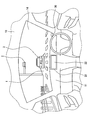
- FIG. 1 is a diagram illustrating a passenger compartment in which a driver to be alerted is provided, in which a warning device according to the first embodiment of the present disclosure is provided
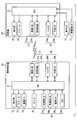
- FIG. 2 is an electrical block diagram of the alerting device shown in FIG.
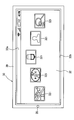
- FIG. 3 is a front view of the alerting device shown in FIG.
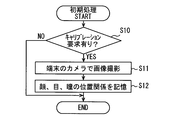
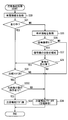
- FIG. 4 is a flowchart showing a procedure of initial processing performed by the alerting device shown in FIG.
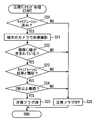
- FIG. 5 is a flowchart showing a gaze monitoring process performed by the alerting device shown in FIG.
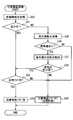
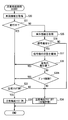
- FIG. 6 is a flowchart showing the procedure of the alerting process performed by the alerting device shown in FIG.
- FIG. 1 is a diagram illustrating a passenger compartment in which a driver to be alerted is provided, in which a warning device according to the first embodiment of the present disclosure is provided
- FIG. 2 is an electrical block diagram of the alerting device shown in FIG.
- FIG. 3 is a front view of the alerting device shown in FIG.
- FIG. 4 is
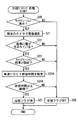
- FIG. 7 is a flowchart showing the procedure of the alerting process in the second embodiment of the present disclosure
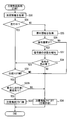
- FIG. 8 is a flowchart showing the procedure of the alerting process in the third embodiment of the present disclosure
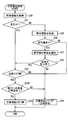
- FIG. 9 is a flowchart showing the procedure of the alerting process in the fourth embodiment of the present disclosure
- FIG. 10 is a flowchart showing the procedure of the alerting process in the fifth embodiment of the present disclosure
- FIG. 11 is a flowchart illustrating a procedure of gaze monitoring processing in the sixth embodiment of the present disclosure.
- FIG. 1 is a diagram illustrating an interior of a vehicle 10 on which a driver who is a target of alerting gets on.
- an in-vehicle device 20 is attached to an instrument panel (instrument panel 11) provided in a vehicle interior.
- the in-vehicle device 20 is disposed at a central portion in the left-right direction of the vehicle, and is disposed at a position where the driver can visually recognize the vehicle while sitting on the driver's seat.
- the in-vehicle device 20 functions as at least one of a navigation device, an audio device, and an air conditioner.
- the instrument panel 11 is provided with a portable terminal 30 brought into the room by the driver.
- the in-vehicle device 20 includes a central processing unit (CPU) 21 that executes various arithmetic processes for realizing the above functions, and includes a display unit 22 and a speaker 23 that are controlled by the CPU 21.
- the vehicle 10 is equipped with an outside camera 12 and an obstacle sensor 13 described below.
- the outside camera 12 captures a landscape outside the vehicle 10. For example, the intersection 1 located in front of the vehicle 10, the traffic light 2 installed at the intersection 1, the forward vehicle 3, and the like can be photographed by the outside camera 12.
- the obstacle sensor 13 detects a distance to an obstacle (for example, the preceding vehicle 3) existing around the vehicle 10 using radar or ultrasonic waves. Data of an image taken by the outside camera 12 and a detection value by the obstacle sensor 13 are input to the in-vehicle device 20.
- the in-vehicle device 20 includes a wireless circuit 27 including a wireless LAN circuit 27a and a telephone line circuit 27b.
- the wireless LAN circuit 27a is a circuit that is connected to the wireless LAN by Bluetooth (registered trademark), WiFi (registered trademark), or the like.
- the telephone line circuit 27b is a circuit connected to the telephone line.
- the in-vehicle device 20 includes a storage device 28 including a main memory 28a and an external memory 28b.
- the main memory 28a stores an arithmetic processing program executed by the CPU 21.
- the external memory 28b is a memory such as an SD card that can be attached to and removed from the in-vehicle device 20, and stores data of an image taken by the camera 12 outside the vehicle.
- the portable terminal 30 includes a central processing unit (CPU) 31, a display unit 32, a speaker 33, a vibration motor 34, a camera 35, a posture sensor 36, a wireless circuit 37, a storage device 38, and a case 39 (see FIG. 3). .
- CPU central processing unit
- the display unit 32 is held in a case 39.
- a detachable stand (not shown) is attached to the case 39, and the portable terminal 30 is placed on the instrument panel 11 with the stand so that the display unit 32 is perpendicular to the driver's line of sight. Is possible.
- a plurality of icons 32 i are displayed on the display unit 32.
- the display unit 32 includes a touch sensor (not shown). When a tap operation on a desired icon 32i is detected by the touch sensor, a command assigned to the icon 32i is executed by the CPU 31.
- an area of a status display unit 32a for displaying information such as a wireless communication state, a remaining battery level, and the current time is set.
- a region of the alert display unit 32b that performs display for alerting the driver is set.
- the speaker 33 and the vibration motor 34 not only notify the operator of various types of information, but also function as an alerting unit that alerts the operator.
- the camera 35 can shoot a human face that visually recognizes the display unit 32.
- the attitude sensor 36 detects the position and orientation of the mobile terminal 30 and includes an acceleration sensor 36a, an angular velocity sensor 36b, a magnetic sensor 36c, and a GPS antenna 36d.
- the wireless circuit 37 has a wireless LAN circuit 37a and a telephone line circuit 37b.
- the wireless LAN circuit 37a is a circuit that connects to the wireless LAN by Bluetooth, WiFi, or the like.
- the telephone line circuit 37b is a circuit connected to the telephone line. Therefore, wireless communication is possible between the wireless circuit 37 of the portable terminal 30 and the wireless circuit 27 of the in-vehicle device 20.
- the storage device 38 included in the portable terminal 30 includes a main memory 38a and an external memory 38b.
- the main memory 38a stores arithmetic processing programs executed by the CPU 31, and the processing programs shown in FIGS. 4, 5, and 6 are stored therein.
- the external memory 28 b is a memory such as an SD card that can be attached to and detached from the portable terminal 30, and stores data of images taken by the camera 35.
- the vehicle 10 shown in FIG. 1 has stopped traveling at the intersection 1.
- the driver can visually recognize the traffic light 2 installed at the intersection 1 and the front vehicle 3 through the front windshield 14. Specifically, it is a situation in which the front vehicle 3 starts to travel due to the fact that the traffic light 2 has stopped traveling at the intersection 1 in accordance with the red traffic light, and then changed to the green traffic light. However, since the driver was gazing at the mobile terminal 30 during the red light period, the driver continues to stop without noticing that the light has changed to the green light.
- the current situation shown in FIG. 1 is that the display unit 32 of the portable terminal 30 is not allowed to be watched, the traffic light 2 is checked to confirm that it is a green light, and the vehicle 10 is started so as to start immediately. It is a situation that requires driving. In other words, the line of sight to be seen by the driver is the direction of the traffic light 2, whereas the actual line of sight is the direction of the mobile terminal 30. As described above, the mobile terminal 30 functions as a warning device so as to alert the driver who is watching the mobile terminal 30 when the mobile terminal 30 is not allowed to watch.
- FIG. 5 is a process for determining whether or not the driver is gazing at the mobile terminal 30.
- FIG. 4 shows an initial process for performing calibration for obtaining the determination criteria used for the determination of FIG.
- FIG. 6 is a process of instructing to call attention on the condition that the gaze is not allowed when it is determined that the mobile terminal 30 is being watched by the process of FIG.
- step S10 it is determined whether or not a request for executing the calibration is made. Specifically, the presence / absence of a calibration request is determined based on whether or not an icon for instructing execution of calibration is selected from among a plurality of icons 32 i displayed on the display unit 32.
- step S10 If it is determined in step S10 that there is a request for calibration, an announcement voice to the driver is output from the speaker 33 so that the display unit 32 of the portable terminal 30 is watched in step S11.
- step S11 the camera 35 of the mobile terminal 30 is operated to capture an image. Accordingly, an image of the face of the driver who is gazing at the display unit 32 according to the announcement is taken by the camera 35.
- the driver's face, eyes, and pupils are image-analyzed based on the image data acquired in step S11. For example, image analysis is performed on the shape, orientation, positional relationship, and the like of the face, eyes, and pupils. Then, the result of image analysis is stored in the storage device 38 as reference information.
- the CPU 31 when executing the processes of steps S11 and S12 corresponds to a “calibration unit” that acquires image data when the driver is gazing at the display unit 32.
- step S20 it is determined whether or not the calibration by the initial processing of FIG. 4 has been completed.
- step S12 after the memory
- step S20 If it is determined in step S20 that calibration has been completed, the camera 35 of the portable terminal 30 is operated to capture an image in the subsequent step S21. This photographing is repeatedly performed every predetermined time until the remaining battery level of the portable terminal 30 becomes less than a predetermined value. Note that the predetermined time may be set to an extremely short time for moving image shooting.
- step S22 it is determined whether or not the driver's pupil is included in the image (monitoring image) taken in step S21.
- the driver's actual line-of-sight direction may be significantly different from the line-of-sight direction toward the mobile terminal 30, such as when the driver twists the upper body and looks at the rear of the vehicle. In that case, even if a face is included in the monitoring image, no pupil is included, and a negative determination is made in step S22.
- the reference information and the monitoring information are compared in the storage device 38 in the subsequent step S23.
- the monitoring information is a parameter that represents the shape, orientation, and positional relationship of the face, eyes, and pupil included in the monitoring image. If the difference between the various parameters related to the monitoring information and the various parameters related to the reference information is less than a predetermined amount, it is determined that the monitoring information is similar to the reference information. That is, it is determined that the calibration result and the monitoring result are similar.
- step S24 it is determined whether or not the affirmative determination state has continued for a predetermined time (for example, 2 seconds) or more.
- the predetermined time used for the determination is set to be longer than the predetermined time that is the image capturing interval in step S21.
- step S24 If an affirmative determination is made in step S24 that the operation has continued for 2 seconds or more, in the subsequent step S25, the driver is regarded as gazing at the display unit 32 of the portable terminal 30, and the gazing flag is set to ON. On the other hand, if a negative determination is made in any of the determinations in steps S24, S23, and S22, it is considered that the user is not gazing, and the gazing flag is set off in step S26. If a negative determination is made in step S20, the gaze flag cannot be determined, so the gaze flag is set off in step S26.
- the CPU 31 when executing the process of step S23 corresponds to a “gaze determination unit” that determines whether or not the driver is gazing at the display unit 32 based on the image data captured by the camera 35. .
- step S30 vehicle information stored in the storage device 28 of the in-vehicle device 20 is acquired by communicating with the in-vehicle device 20.
- This vehicle information includes whether or not the vehicle 10 is traveling, whether or not the traveling direction is forward, traveling speed, steering angle, operating state of the internal combustion engine, and the like.
- step S31 it is determined whether or not the vehicle 10 is traveling based on the vehicle information acquired in step S30. If it is determined that the vehicle is traveling, it is determined in subsequent step S32 whether or not the gaze flag described in FIG. 5 is set to ON. If it is determined that the gaze flag is on, in the subsequent step S33, the attention flag is set on. If the alert flag is on, a command to alert the driver is output. In short, if the vehicle is running (S31: YES), it is considered that it is not allowed to watch the display unit 32 of the mobile terminal 30, and if the caution flag is on (S32: YES) Outputs a warning command.
- the signal of this alerting command is output to the display unit 32, the speaker 33 and the vibration motor 34 of the portable terminal 30.
- the display unit 32 that has received the attention calling instruction displays the attention calling display unit 32b in a manner that calls attention. For example, the alert display unit 32b blinks in red.
- the speaker 33 that has received the alert command outputs a sound that prompts the driver to stop watching the mobile terminal 30. For example, an announcement sound for stopping gaze is output or a warning sound is output.
- the vibration motor 34 that has received the attention instructing command alerts the driver by vibration driving.
- step S34 it is considered that the gaze allowable state is allowed to gaze the mobile terminal 30, and the attention flag is set. Set to off.
- step S ⁇ b> 35 information outside the vehicle stored in the storage device 28 of the in-vehicle device 20 is acquired by communicating with the in-vehicle device 20.
- the vehicle outside information includes image data taken by the vehicle outside camera 12, detection results of the obstacle sensor 13, traffic congestion information acquired by the wireless circuit 27 through communication with the vehicle outside transmitter, signal information, and the like.
- step S36 it is determined whether or not the traffic light 2 exists in front of the vehicle 10 that has stopped traveling, based on the outside information acquired in step S35. For example, the image of the camera 12 outside the vehicle is analyzed to determine whether the signal 2 is included in the image. Alternatively, based on the signal information acquired by the radio circuit 27, it is determined whether or not the traffic light 2 exists.
- step S37 a command (signal notification command) for notifying the driver of the state of the traffic light 2 is output.
- the state include the current color of the traffic light 2, the time until the color changes next time, the distance from the vehicle 10 to the traffic light 2, and the like.
- Information representing the state of the traffic light 2 is included in the information outside the vehicle acquired in step S35.
- the signal notification command signal is output to the display unit 32, the speaker 33, and the vibration motor 34 of the portable terminal 30.
- the display unit 32 changes the display color of the alert display unit 32b at the timing when the signal color changes. For example, the same color as the signal color is displayed on the alert display unit 32b.
- the speaker 33 outputs a sound for notifying that the signal color has changed at the timing when the signal color changes. For example, a sound for announcing the color of the signal is output or a warning sound is output.
- the vibration motor 34 is driven to vibrate at the timing when the signal color changes, thereby notifying the driver that the signal color has changed.
- step S38 it is determined whether or not the current signal color is blue. If it is determined that the color is blue, even if it is determined in step S31 that the traveling is stopped, it is determined that the state is not a gaze allowable state, and the process proceeds to step S32. On the other hand, if it is determined in step S38 that the signal is not a green light, it is regarded as a gaze allowable state and the process proceeds to step S34. Also, if it is determined in step S36 that there is no traffic light 2, it is regarded as a gaze allowable state and the process proceeds to step S34.
- CPU31 at the time of performing the process of step S33 is corresponded to the "attention instruction part” which outputs the instruction
- the CPU 31 executing the processes of steps S31, S32, S36, and S38 is a “situation determination unit” that determines whether or not a gaze allowable state in which it is allowed to gaze at the display unit 32. Equivalent to.
- the CPU 31 executing the process of step S37 issues a command for notifying the driver of the state of the traffic light 2 when the vehicle 10 is stopped at the intersection 1 where the traffic light 2 is installed. This corresponds to the “notification command section” to be output.
- the gaze determination is performed when the command to alert the driver is output. This is performed using image data captured by the camera 35 provided in the terminal 30. For this reason, the positional relationship between the mobile terminal 30 and the camera 35, which is a gaze target, is specified.
- the gaze determination is performed using the in-vehicle camera fixedly installed in the passenger compartment contrary to the present embodiment, the positional relationship between the mobile terminal 30 and the in-vehicle camera becomes unspecified, and thus the gaze determination is difficult. It is. Therefore, according to the present embodiment in which gaze determination is performed using the camera 35 included in the mobile terminal device 30, the gaze determination can be easily realized.
- the mobile terminal 30 may be allowed to be watched. If attention is given to such a case, the driver will be bothered.
- a situation determination unit that determines whether or not it is a gaze allowable situation in which it is permitted to gaze at the display unit 32 of the mobile terminal 30 is provided.
- the alerting command unit outputs an alerting command on the condition that the situation determining unit determines that it is not a gaze allowable situation. For this reason, it is possible to suppress the alerting to the gaze of the mobile terminal 30 until the gaze-acceptable situation. Therefore, it is possible to avoid making the driver feel bothersome by calling attention more than necessary.
- the situation determination unit determines that it is not a gaze allowable situation when the vehicle 10 is traveling. Whether or not the vehicle is traveling can be easily determined based on the vehicle information, so that it is possible to easily determine whether or not the vehicle is in a gaze allowable state.
- the situation determination unit determines that the gazing permission situation occurs when the vehicle 10 stops due to the traffic light 2 at the intersection 1 being a red signal. Since it is not necessary to call attention even when the vehicle is stopped at a red light, unnecessary calling can be avoided.
- the situation determination unit determines that the gaze is not allowed even if the vehicle 10 is stopped traveling. Therefore, it is possible to alert a driver who does not notice the green light by watching the mobile terminal 30 even though the light is green.
- the notification command unit that outputs a command for notifying the driver of the state of the traffic signal 2 is provided.
- the notification command unit that outputs a command for notifying the driver of the state of the traffic signal 2 is provided.
- the display unit 32 of the mobile terminal 30 displays an image of a color corresponding to the color of the traffic light 2 based on the command output from the notification command unit. That is, the forecast is displayed on the display unit 32 of the mobile terminal 30. Therefore, the concern can be suppressed, and it becomes easy to grasp the color of the traffic light 2 while gazing at the mobile terminal 30.
- gaze determination it is determined (gaze determination) whether or not the mobile terminal 30 is being watched based on the image data captured by the camera included in the mobile terminal 30. Therefore, the positional relationship between the mobile terminal that is the object of gaze and the camera is specified.
- the gaze determination is performed using the in-vehicle camera fixedly installed in the vehicle interior, the positional relationship between the mobile terminal 30 and the in-vehicle camera becomes unspecified. For this reason, since it is necessary to detect the positional relationship and a gaze determination program that assumes any positional relationship, gaze determination is difficult.
- gaze determination can be easily realized as compared with the case where an in-vehicle camera is used.
- a calibration unit that acquires image data when the driver is gazing at the mobile terminal 30.
- the gaze determination unit determines whether or not the mobile terminal 30 is being watched based on the image data acquired by the calibration unit. According to this, since the gaze determination is performed with reference to the image data when the mobile terminal 30 is actually being watched, the accuracy of the gaze determination can be improved.
- step S32A situation determination unit
- the process of step S32A is executed when it is determined in step S32 that the gaze flag is on.
- step S ⁇ b> 32 ⁇ / b> A it is determined whether there is a pedestrian or another vehicle (front vehicle 3) in front of the vehicle 10. For example, when an obstacle is detected in a predetermined area in front by the obstacle sensor 13 or the outside camera 12 shown in FIG.
- step S32A If an affirmative determination is made in step S32A, the alert flag is set to ON in the subsequent step S33. On the other hand, if a negative determination is made in step S32A, it is considered that the gaze allowable state is set, and the attention flag is set to OFF in the subsequent step S34.
- the CPU 31 when executing the processes of steps S31, S32, S36, S38, and S32A determines whether or not it is a gaze allowable state in which the gaze of the display unit 32 is permitted. Is equivalent to.
- the situation determination unit has another vehicle or a pedestrian in front of the vehicle 10 when the traffic light 2 at the intersection 1 is a green signal and the vehicle 10 is stopped traveling. It is determined that it is a gaze allowable condition on the condition that it is not. For this reason, it is possible to suppress more than necessary alerting even when no other vehicle or pedestrian is present ahead, and it is possible to avoid making the driver feel bothered by excessive alerting. Nevertheless, when there are other vehicles or pedestrians ahead, it is possible to alert the driver who is gazing at the mobile terminal 30 despite the green light.
- step S32A In the present embodiment, the process of step S32A according to the second embodiment is changed to the process of step S32B (situation determination unit) shown in FIG.
- the process of step S32B is executed when it is determined in step S32 that the gaze flag is on.
- step S32B it is determined whether or not there is a front vehicle 3 that is stopped. For example, when the front vehicle 3 is detected by the obstacle sensor 13 or the outside camera 12 shown in FIG. 2 and the detection position of the front vehicle 3 is not changed, there is a front vehicle 3 that is stopped. Make an affirmative decision.
- step S32B If an affirmative determination is made in step S32B, the alert flag is set on in the subsequent step S33. On the other hand, if a negative determination is made in step S32B, it is regarded as a gaze allowable state, and the alert flag is set off in the subsequent step S34.
- the gaze flag is on, and there is no unstarted forward vehicle 3, the gaze is permitted and the warning flag is given. Set to off. Further, even if the gaze flag is on during traveling, if there is no forward vehicle 3 that is stopped, gaze is allowed and the attention flag is set off.
- FIG. 8 If the processing of FIG. 8 is executed, for example, when the vehicle is stopped at a red light and the display unit 32 is being watched, the vehicle 3 ahead is still present when the light is switched to the green light. Alert you. On the other hand, even in the case of the above gaze, if the forward vehicle 3 does not exist, it is assumed that the situation is an allowable caution situation and no alert is given.
- the CPU 31 when executing the processes of steps S31, S32, S36, S38, and S32B determines whether or not it is a gaze allowable state in which it is permitted to gaze at the display unit 32. Is equivalent to.
- the traffic light 2 at the intersection 1 is a green light and the vehicle 10 is stopped traveling, there is an unstarted other vehicle (the forward vehicle 3) in front of the vehicle 10. It is determined that it is a gaze allowable condition on the condition that it is not. For this reason, it is possible to suppress more than necessary alerting until there is no unstarted forward vehicle 3, and it is possible to avoid making the driver feel bothered by excessive alerting. Nevertheless, when there is an unstarted forward vehicle 3, it is possible to alert the driver who is gazing at the mobile terminal 30 despite the green traffic light.
- step S32A In this embodiment, the process of step S32A according to the second embodiment is changed to the process of step S32C (situation determination unit) shown in FIG.
- the process of step S32C is executed when it is determined in step S32 that the gaze flag is on. In this step S32C, it is determined whether or not the direction indicator provided in the vehicle 10 is operated by the driver.
- step S32C If an affirmative determination is made in step S32C that the operation has been made, in a subsequent step S33, the alert flag is set on. On the other hand, if a negative determination is made in step S32C, it is regarded as a gaze allowable state, and the alert flag is set off in the subsequent step S34.
- FIG. 9 If the processing of FIG. 9 is executed, for example, when the direction indicator is operated in a situation where the vehicle stops at the intersection 1 of the green light, it is considered that the vehicle is going to turn right or left, and the display unit 32 is watched. Call attention in case. Further, when the direction indicator is operated while traveling, it is considered that the lane is being changed, and when the display unit 32 is being watched, a warning is given. On the other hand, even if the display unit 32 is watched, if the direction indicator is not operated, it is assumed that the situation is an allowable caution state, and no alert is given.
- the CPU 31 when executing the processes of steps S31, S32, S36, S38, and S32C determines whether or not it is a gaze allowable state in which the gaze of the display unit 32 is permitted. Is equivalent to.
- the permissible gaze on the display unit 32 is also referred to as permissible gaze.
- the gaze is permitted on the condition that the direction indicator of the vehicle 10 is not operated. Determine the situation. For this reason, it is possible to prevent more than necessary alerting even when a left or right turn is not planned, and to avoid annoying the driver due to excessive alerting. Nevertheless, when a right or left turn is planned, it is possible to alert a driver who is gazing at the mobile terminal 30 despite the green light.
- step S38A situation determination unit
- the process of step S38A is executed when a negative determination is made in step S38 that the signal is not a green signal.
- step S38A it is determined whether or not the brake pedal of the vehicle 10 is not fully depressed and the brake is released.
- step S38A determines whether the brake is released. If an affirmative determination is made in step S38A that the brake is released, the process proceeds to step S32. If a negative determination is made that the brake is not released, the alert flag is set off in step S34. If it is determined in step S32 that the gaze flag is set to ON, in the subsequent step S33, the alert flag is set to ON. Therefore, even if the signal is a red signal or a yellow signal, if the gaze flag is on when the brake is released, the alert flag is set on.
- the CPU 31 when executing the processes of steps S31, S32, S36, S38, and S38A determines whether or not it is a gaze allowable state in which it is allowed to gaze at the display unit 32. Is equivalent to.
- the gaze allowable state is provided on the condition that the brake of the vehicle 10 is operated. It is determined that For this reason, even in a situation where the driver is gazing at a red light, the driver who is gazing at the portable terminal device 30 can be alerted if the stepping force on the brake pedal is insufficient.
- step S24 In the present embodiment, the process of step S24 according to the first embodiment is changed from the processes of steps S23A and S24A (gaze determination unit) shown in FIG.
- the processes in steps S23A and S24A are executed when an affirmative determination is made in step S23 that the calibration result and the monitoring result are similar.
- step S23A an allowable time value used in the determination in the next step S24A is set according to the traveling speed (vehicle speed) of the vehicle 10. The allowable time is set shorter as the vehicle speed increases.
- a succeeding step S24A it is determined whether or not the similar state has continued for the allowable time set in the step S23A.
- step S24A If an affirmative determination is made in step S24A that it has continued for an allowable time or longer, the gaze flag is set to ON in the subsequent step S25. On the other hand, if a negative determination is made in step S24A, the gaze flag is set to off.
- CPU31 at the time of performing the process of step S23A, S24A is corresponded to the "gaze determination part" which determines whether the driver
- the criterion (allowable time) for determining whether or not the user is gazing is changed according to the traveling speed of the vehicle 10. Specifically, the permissible time for high speed travel is set shorter than the permissible time for gaze determination during low speed travel. The higher the speed of travel, the longer the distance traveled during gaze, so it is desirable to set a shorter gaze time.
- each unit is expressed as S10, for example.
- each part can be divided into a plurality of sub-parts, while the plurality of parts can be combined into one part.
- each part configured in this manner can be referred to as a circuit, a device, a module, and a means.
- Each of the above-mentioned plurality of parts or a combination thereof is not only (i) a software part combined with a hardware unit (for example, a computer), but also (ii) hardware (for example, an integrated circuit, As a part of the (wiring logic circuit), it can be realized with or without including the functions of related devices.
- the hardware unit can be configured inside a microcomputer.
- the CPU 31 of the mobile terminal 30 or the CPU 21 of the in-vehicle device 20 calculates the line-of-sight direction that the driver should see based on information outside the vehicle, and calculates the amount of deviation between the line-of-sight direction to be viewed and the line-of-sight direction toward the mobile terminal 30.
- the degree of alerting may be increased by increasing the output of the speaker 33 as the calculated deviation amount increases.
- Specific examples of the line-of-sight direction to be seen include a traffic light 2, an intersection 1, a vehicle traveling ahead, and the like.
- the present disclosure is not limited to the processing of FIG. 5 and FIG. 6 being executed by the CPU 31 of the mobile terminal 30, and at least a part of the processing of FIG. 5 and FIG. May be.
- the alerting device is provided by the mobile terminal 30 and the in-vehicle device 20 or provided by the in-vehicle device 20.
- the display unit 32, the speaker 33, and the vibration motor 34 of the portable terminal 30 are operated to call attention.
- the speaker 23 and the display unit 22 mounted on the vehicle 10 may be activated to call attention.
- step S31 even if it is determined that the vehicle is traveling in step S31 and the gaze flag is determined to be on in step S32, a negative determination is made in steps S32A, S32B, and S32C. In the event of a failure, no gaze alert will be implemented. On the other hand, if the gaze flag is on during traveling, alerting may be performed regardless of the determination results of steps S32A, S32B, and S32C.
Landscapes
- Engineering & Computer Science (AREA)
- Theoretical Computer Science (AREA)
- Physics & Mathematics (AREA)
- General Physics & Mathematics (AREA)
- Human Computer Interaction (AREA)
- General Engineering & Computer Science (AREA)
- Multimedia (AREA)
- Mechanical Engineering (AREA)
- General Health & Medical Sciences (AREA)
- Ophthalmology & Optometry (AREA)
- Health & Medical Sciences (AREA)
- Traffic Control Systems (AREA)
- Fittings On The Vehicle Exterior For Carrying Loads, And Devices For Holding Or Mounting Articles (AREA)
Abstract
カメラ(35)を備えた携帯端末機(30)の表示部(32)を、車両の運転者が注視している場合に注意喚起する注意喚起装置は、カメラで撮影された画像データに基づき、表示部を運転者が注視しているか否かを判定する注視判定部(S23、S24、S23A、S24A)と、注視判定部により注視していると判定された場合に、運転者に対して注意喚起する指令を出力する注意喚起指令部(S33)と、を備える。この注意喚起装置によると、車載カメラを用いた場合に比べて、注視判定を容易に実現できる。
Description
本開示は、2014年5月27日に出願された日本出願番号2014-109384号と、2015年1月29日に出願された日本出願番号2015-015857号とに基づくもので、ここにその記載内容を援用する。
本開示は、携帯端末機を注視している車両運転者に対して注意喚起する、注意喚起装置に関する。
特許文献1には、脇見運転している車両運転者に対して注意喚起する装置が記載されている。具体的には、運転者の顔をカメラで撮影し、頭部の向きや眼球の向きを画像解析し、その解析結果に基づき脇見しているか否かを判別する。
本発明者は、車室内のインストルメントパネルに取り付けられた表示装置を注視する脇見運転について、特許文献1に記載の注意喚起装置を用いることを検討した。この場合、顔の向きや眼球の向きが、予め設定しておいた所定範囲内であれば、表示装置を注視していると判定できる。上記所定範囲は、運転者の眼球の向き等を実際に試験して設定しておけばよい。
しかしながら、近年では、車室内に持ち込まれた携帯端末機の表示内容が充実してきているので、インストルメントパネルに取り付けられた表示装置に代わって携帯端末機の表示部を注視する脇見運転が懸念される傾向にある。そして、携帯端末機は車室内のいずれに置かれるかが不特定であるため、先述した所定範囲を固定した値に設定しておくことができない。そのため、携帯端末機を注視していることの判定が困難である。
本開示は、上記点に鑑みてなされたもので、その目的は、携帯端末機を注視する運転者に対して注意喚起することを容易に実現できる注意喚起装置を提供することにある。
本開示の一態様によるカメラを備えた携帯端末機の表示部を、車両の運転者が注視している場合に注意喚起する注意喚起装置は、カメラで撮影された画像データに基づき、表示部を運転者が注視しているか否かを判定する注視判定部と、注視判定部により注視していると判定された場合に、運転者に対して注意喚起する指令を出力する注意喚起指令部と、を備える。
上記注意喚起装置によると、携帯端末機が備えるカメラを用いて注視判定するので、車載カメラを用いた場合に比べて、注視判定を容易に実現できる。
本開示についての上記目的およびその他の目的、特徴や利点は、添付の図面を参照しながら下記の詳細な記述により、より明確になる。その図面は、
図1は、本開示の第1実施形態による注意喚起装置が設けられ、注意喚起される運転者が乗車する車室内を示す図であり、
図2は、図1に示す注意喚起装置の電気ブロック図であり、
図3は、図1に示す注意喚起装置の正面図であり、
図4は、図1に示す注意喚起装置が実施する、初期処理の手順を示すフローチャートであり、
図5は、図1に示す注意喚起装置が実施する、注視モニタリング処理の手順を示すフローチャートであり、
図6は、図1に示す注意喚起装置が実施する、注意喚起処理の手順を示すフローチャートであり、
図7は、本開示の第2実施形態において、注意喚起処理の手順を示すフローチャートであり、
図8は、本開示の第3実施形態において、注意喚起処理の手順を示すフローチャートであり、
図9は、本開示の第4実施形態において、注意喚起処理の手順を示すフローチャートであり、
図10は、本開示の第5実施形態において、注意喚起処理の手順を示すフローチャートであり、
図11は、本開示の第6実施形態において、注視モニタリング処理の手順を示すフローチャートである。
以下、本開示にかかる注意喚起装置の各実施形態について、図面を参照しつつ説明する。各形態において、先行する形態で説明した事項に対応する部分には同一の参照符号を付して重複する説明を省略する場合がある。各形態において、構成の一部のみを説明している場合は、構成の他の部分については先行して説明した他の形態を参照し適用することができる。
(第1実施形態)
図1は、注意喚起の対象となる運転者が乗車する、車両10の室内を示す図である。図示されるように、車室内に設けられたインストルメントパネル(インパネ11)には車載機20が取り付けられている。車載機20は、車両左右方向の中央部分に配置されており、運転者が運転席に着座した状態で視認可能な位置に配置されている。車載機20は、ナビゲーション装置、オーディオ装置および空調装置の少なくとも1つとして機能する。インパネ11には、運転者が室内に持ち込んだ携帯端末機30が置かれている。
図1は、注意喚起の対象となる運転者が乗車する、車両10の室内を示す図である。図示されるように、車室内に設けられたインストルメントパネル(インパネ11)には車載機20が取り付けられている。車載機20は、車両左右方向の中央部分に配置されており、運転者が運転席に着座した状態で視認可能な位置に配置されている。車載機20は、ナビゲーション装置、オーディオ装置および空調装置の少なくとも1つとして機能する。インパネ11には、運転者が室内に持ち込んだ携帯端末機30が置かれている。
図2に示すように、車載機20は、上記機能を実現させるための各種演算処理を実行する中央演算処理装置(CPU)21を有するとともに、CPU21により制御される表示部22およびスピーカ23を有する。車両10には、以下に説明する車外カメラ12および障害物センサ13が搭載されている。車外カメラ12は、車両10外部の風景を撮影する。例えば、車両10の前方に位置する交差点1、交差点1に設置されている信号機2および前方車両3等が、車外カメラ12により撮影可能である。障害物センサ13は、レーダーや超音波を用いて、車両10の周囲に存在する障害物(例えば前方車両3)までの距離を検出する。車外カメラ12により撮影された画像のデータ、および障害物センサ13による検出値は、車載機20に入力される。
車載機20は、無線LAN回路27aおよび電話回線回路27bを含む無線回路27を備える。無線LAN回路27aは、Bluetooth(登録商標)やWiFi(登録商標)等により無線LANに接続する回路である。電話回線回路27bは電話回線に接続する回路である。
車載機20は、メインメモリ28aおよび外部メモリ28bを含む記憶装置28を備える。メインメモリ28aには、CPU21により実行される演算処理のプログラムが記憶されている。外部メモリ28bは、車載機20に対して脱着可能なSDカード等のメモリであり、車外カメラ12により撮影された画像のデータを記憶する。
携帯端末機30は、中央演算処理装置(CPU)31、表示部32、スピーカ33、振動モータ34、カメラ35、姿勢センサ36、無線回路37、記憶装置38およびケース39(図3参照)を備える。
図3に示すように、表示部32はケース39に保持されている。ケース39には、脱着可能なスタンド(図示せず)が取り付けられており、このスタンドにより、表示部32が運転者の視線に対して垂直になるよう、携帯端末機30をインパネ11に置くことが可能となる。
表示部32には複数のアイコン32iが表示されている。表示部32は図示しないタッチセンサを有しており、所望のアイコン32iに対するタップ操作がタッチセンサにより検知されると、該アイコン32iに割り付けられていたコマンドがCPU31により実施される。
表示部32には、無線通信状態やバッテリ残量、現在時刻等の情報を表示するステータス表示部32aの領域が設定されている。表示部32の最外周に位置する領域には、運転者に注意喚起するための表示を行う注意喚起表示部32bの領域が設定されている。スピーカ33および振動モータ34は、操作者に各種情報を報知するとともに、注意喚起する注意喚起部としても機能する。
カメラ35は、表示部32を視認する人間の顔を撮影可能である。姿勢センサ36は、携帯端末機30の位置および向きを検出するものであり、加速度センサ36a、角速度センサ36b、磁気センサ36cおよびGPSアンテナ36dを有する。
無線回路37は、無線LAN回路37aおよび電話回線回路37bを有する。無線LAN回路37aは、BluetoothやWiFi等により無線LANに接続する回路である。電話回線回路37bは電話回線に接続する回路である。したがって、携帯端末機30の無線回路37と車載機20の無線回路27との間で無線通信が可能である。
携帯端末機30が備える記憶装置38は、メインメモリ38aおよび外部メモリ38bを有する。メインメモリ38aには、CPU31により実行される演算処理のプログラムであって、図4、図5、図6に示す処理のプログラムが記憶されている。外部メモリ28bは、携帯端末機30に対して脱着可能なSDカード等のメモリであり、カメラ35により撮影された画像のデータを記憶する。
さて、図1に示す車両10は、交差点1で走行停止した状況である。運転者は、フロントウィンドシールド14越しに、交差点1に設置されている信号機2、および前方車両3を視認することが可能な状況である。詳細には、信号機2が赤信号であることにしたがって交差点1で走行停止し、その後、青信号に替わったことに起因して前方車両3が走行を開始した状況である。但し、赤信号の期間中に、運転者が携帯端末機30を注視していたため、青信号に替わったことに気づかずに停止を継続している状況である。
要するに、図1に示す現時点での状況は、携帯端末機30の表示部32を注視することが許されず、信号機2を見て青信号であることを確認し、速やかに発進するように車両10を運転することが要求される状況である。つまり、運転者が見るべき視線方向が信号機2の方向であるのに対し、実際の視線方向が携帯端末機30の方向である状況である。このように、携帯端末機30の注視が許容されない場合に携帯端末機30を注視している運転者に対して注意喚起するよう、携帯端末機30は注意喚起装置として機能する。
以下、注意喚起装置として機能するために携帯端末機30のCPU31が実行する処理の手順を、図4、図5、図6を用いて説明する。図5は、運転者が携帯端末機30を注視しているか否かの判定を行う処理である。図4は、図5の判定に用いる判定基準を取得するためのキャリブレーションを行う初期処理である。図6は、図5の処理により携帯端末機30を注視していると判定された場合に、その注視が許容されない状況であることを条件に注意喚起するように指令する処理である。
図4に示す初期処理の手順を説明すると、先ずステップS10において、上記キャリブレーションを実行する要求が為されているか否かを判定する。具体的には、表示部32に表示されている複数のアイコン32iのうち、キャリブレーションの実行を指令するアイコンが選択操作されたか否かに基づき、キャリブレーションの要求有無を判定する。
ステップS10にてキャリブレーションの要求が有ると判定された場合には、続くステップS11において、携帯端末機30の表示部32を注視するよう、運転者へのアナウンス音声をスピーカ33から出力する。さらにステップS11では、携帯端末機30のカメラ35を作動させて画像を撮影する。これにより、アナウンスにしたがって表示部32を注視している運転者の顔の画像が、カメラ35により撮影される。
続くステップS12では、ステップS11で取得した画像データに基づき、運転者の顔、目、瞳を画像解析する。例えば、これら顔、目、瞳の形状、向き、位置関係等を画像解析する。そして、画像解析の結果を、基準情報として記憶装置38に記憶する。
なお、ステップS11、S12の処理を実行している時のCPU31は、運転者が表示部32を注視している時の画像データを取得する「キャリブレーション部」に相当する。
次に、図5に示す注視モニタリング処理の手順を説明する。この注視モニタリング処理は、複数のアイコン32iのうち注視モニタリングの実行を指令するアイコンが選択操作された場合に、CPU31により所定周期で繰返し実行される。先ずステップS20において、図4の初期処理によるキャリブレーションが完了しているか否かを判定する。なお、ステップS12による記憶が為された後、携帯端末機30の車室内における位置や向きが変化した場合には、キャリブレーションが完了していないと判定する。上記変化は、姿勢センサ36の検出結果に基づき判定される。
ステップS20にてキャリブレーション済みと判定された場合、続くステップS21において、携帯端末機30のカメラ35を作動させて画像を撮影する。この撮影は、携帯端末機30のバッテリ残量が所定値未満になるまで、所定時間毎に繰返し継続して実施される。なお、上記所定時間を極めて短い時間に設定し、動画撮影としてもよい。
続くステップS22では、ステップS21で撮影した画像(モニタリング画像)に運転者の瞳が含まれているか否かを判定する。例えば、運転者が上半身を捻って車両後方を目視している場合等、運転者の実際の視線方向が携帯端末機30への視線方向に対して大きく異なる場合がある。その場合には、モニタリング画像に顔が含まれていても瞳が含まれなくなり、ステップS22にて否定判定される。
ステップS22にてモニタリング画像に瞳が含まれていると判定された場合には、続くステップS23において、記憶装置38に基準情報とモニタリング情報とを比較する。モニタリング情報とは、モニタリング画像に含まれる顔、目、瞳の形状、向きおよび位置関係を表したパラメータのことである。モニタリング情報に係る各種パラメータと基準情報に係る各種パラメータとの差分が所定量未満であれば、モニタリング情報は基準情報と類似していると判定する。つまり、キャリブレーション結果とモニタリング結果が類似していると判定する。
このように、ステップS23にて類似していると肯定判定された場合、続くステップS24において、上記肯定判定の状態が所定時間(例えば2秒)以上継続したか否かを判定する。該判定に用いる上記所定時間は、ステップS21での画像撮影間隔である所定時間よりも長い時間に設定されている。
ステップS24にて2秒以上継続したと肯定判定された場合には、続くステップS25において、運転者は携帯端末機30の表示部32を注視しているとみなし、注視フラグをオンに設定する。一方、ステップS24、S23、S22による各判定のいずれかで否定判定された場合には、注視していないとみなし、ステップS26にて注視フラグをオフに設定する。また、ステップS20にて否定判定された場合には、注視の判定ができないためステップS26にて注視フラグをオフに設定する。
なお、ステップS23の処理を実行している時のCPU31は、カメラ35で撮影された画像データに基づき表示部32を運転者が注視しているか否かを判定する「注視判定部」に相当する。
次に、図6に示す注意喚起処理の手順を説明する。この注意喚起処理は、先述した注視モニタリングの実行を指令するアイコンが選択操作された場合に、CPU31により所定周期で繰返し実行される。先ずステップS30において、車載機20と通信することにより、車載機20の記憶装置28に記憶されている車両情報を取得する。この車両情報には、車両10の走行有無、走行方向が前進であるか否か、走行速度、ステアリング操舵角度、内燃機関の運転状態等が含まれている。
続くステップS31では、ステップS30で取得した車両情報に基づき、車両10が走行中であるか否かを判定する。走行中であると判定されれば、続くステップS32において、図5で説明した注視フラグがオンに設定されているか否かを判定する。注視フラグがオンであると判定されれば、続くステップS33において、注意喚起フラグをオンに設定する。注意喚起フラグがオンであれば、運転者に対して注意喚起する指令を出力する。要するに、走行中であれば(S31:YES)、携帯端末機30の表示部32を注視することが許容されない状況であるとみなし、その上で注意フラグがオンであれば(S32:YES)、注意喚起する指令を出力する。
この注意喚起指令の信号は、携帯端末機30の表示部32、スピーカ33および振動モータ34へ出力される。注意喚起指令を受けた表示部32は、注意喚起表示部32bを注意喚起させる態様で表示させる。例えば、注意喚起表示部32bを赤色で点滅させる。注意喚起指令を受けたスピーカ33は、携帯端末機30の注視を止めるように運転者に促す音を出力する。例えば、注視を止めるアナウンスの音声を出力したり、警告音を出力したりする。注意喚起指令を受けた振動モータ34は、振動駆動することで運転者へ注意喚起する。
一方、ステップS32にて注視フラグがオフであると判定された場合には、続くステップS34にて、携帯端末機30を注視することが許容される注視許容状況であるとみなし、注意喚起フラグをオフに設定する。
次に、ステップS31にて走行中でないと否定判定された場合の処理について説明する。この場合には先ず、ステップS35において、車載機20と通信することにより、車載機20の記憶装置28に記憶されている車外情報を取得する。この車外情報には、車外カメラ12で撮影された画像のデータ、障害物センサ13の検出結果、および無線回路27が車外送信機との通信により取得した渋滞情報、信号情報等が挙げられる。
続くステップS36では、ステップS35で取得した車外情報に基づき、走行停止している車両10の前方に信号機2が存在するか否かを判定する。例えば、車外カメラ12の画像を解析して、該画像に信号機2が含まれているか否かを判定する。或いは、無線回路27が取得した信号情報に基づき、信号機2が存在するか否かを判定する。
ステップS36にて信号機2が存在すると肯定判定された場合には、ステップS37において、信号機2の状態を運転者に報知する指令(信号報知指令)を出力する。上記状態の具体例としては、現在の信号機2の色や、その色が次回変わるまでの時間、車両10から信号機2までの距離等が挙げられる。信号機2の状態を表した情報は、ステップS35で取得した車外情報に含まれている。
信号報知指令の信号は、携帯端末機30の表示部32、スピーカ33および振動モータ34へ出力される。信号報知指令を受けた表示部32は、注意喚起表示部32bの表示色を、信号の色が変わるタイミングで変化させる。例えば、信号の色と同じ色を注意喚起表示部32bに表示させる。信号報知指令を受けたスピーカ33は、信号の色が変わるタイミングで、信号の色が変化したことを報知する音を出力する。例えば、信号の色をアナウンスする音声を出力したり、警告音を出力したりする。信号報知指令を受けた振動モータ34は、信号の色が変化したタイミングで振動駆動することで、信号の色が変化したことを運転者へ報知する。
続くステップS38では、現時点での信号の色が青色か否かを判定する。青色と判定された場合には、ステップS31にて走行停止中と判定されていても注視許容状況でないとみなしてステップS32の処理に進む。一方、ステップS38にて青信号でないと判定された場合には、注視許容状況であるとみなしてステップS34の処理に進む。また、ステップS36にて信号機2が無いと判定された場合にも、注視許容状況であるとみなしてステップS34の処理に進む。
なお、ステップS33の処理を実行している時のCPU31は、注視判定部により注視していると判定された場合に運転者に対して注意喚起する指令を出力する「注意喚起指令部」に相当する。また、ステップS31、S32、S36、S38の処理を実行している時のCPU31は、表示部32を注視することが許容される注視許容状況であるか否かを判定する「状況判定部」に相当する。また、ステップS37の処理を実行している時のCPU31は、信号機2が設置された交差点1で車両10が走行停止している場合に、信号機2の状態を運転者に対して報知する指令を出力する「報知指令部」に相当する。
以上により、本実施形態によれば、携帯端末機30を運転者が注視していると注視判定された場合に、運転者に対して注意喚起する指令を出力するにあたり、その注視判定を、携帯端末機30が備えるカメラ35で撮影された画像データで行う。そのため、注視対象である携帯端末機30とカメラ35との位置関係が特定されることになる。一方、本実施形態に反して車室内に固定設置された車載カメラを用いて注視判定を行う場合には、携帯端末機30と車載カメラとの位置関係が不特定になるため、注視判定が困難である。したがって、携帯端末機30が備えるカメラ35を用いて注視判定する本実施形態によれば、その注視判定を容易に実現できる。
ここで、赤信号で走行停止している場合等、状況によっては携帯端末機30の注視を許容できる場合がある。そのような場合にまで注意喚起すると、運転者に煩わしさを感じさせることになる。この点を鑑みた本実施形態によれば、携帯端末機30の表示部32を注視することが許容される注視許容状況であるか否かを判定する状況判定部を備える。そして、注意喚起指令部は、状況判定部により注視許容状況でないと判定されていることを条件として、注意喚起の指令を出力する。そのため、携帯端末機30の注視に対する注意喚起を、注視許容状況の場合にまで実施することが抑制される。よって、必要以上に注意喚起することにより運転者に煩わしさを感じさせることを回避できる。
さらに本実施形態によれば、状況判定部は、車両10が走行中である場合に注視許容状況でないと判定する。走行中であるか否かは車両情報に基づき容易に判定できるので、注視許容状況であるか否かの判定を容易に実現できる。
さらに本実施形態によれば、状況判定部は、交差点1での信号機2が赤信号であることに起因して車両10が停止している場合に注視許容状況であると判定する。赤信号で停止している時にまで注意喚起する必要はないので、不必要に注意喚起することを回避できる。
さらに本実施形態によれば、状況判定部は、交差点1での信号機2が青信号である場合には、車両10が走行停止中であっても注視許容状況でないと判定する。そのため、青信号であるにも拘らず携帯端末機30を注視して青信号に気付かない運転者に対して、注意喚起をすることができる。
さらに本実施形態によれば、信号機2が設置された交差点1で車両10が走行停止している場合に、信号機2の状態を運転者に対して報知する指令を出力する報知指令部を備える。これによれば、青信号で携帯端末機30を注視している運転者に対し、まもなく黄色に変わる旨の情報や、赤色に変わるまでの時間を運転者に報知することができる。よって、信号機2が青色から黄色または赤色に変わることを運転者に予報できる。つまり、注視許容状況から注視許容状況でない状況に変化することを運転者に予報できる。よって、注視許容状況でない状況に変化した以降も注視を継続することの予防を促すことができる。
ここで、上記予報を車載機20の表示部22に表示させると、携帯端末機30の表示部32を注視している運転者が上記予報に気付かないことが懸念される。この懸念に対し、本実施形態によれば、携帯端末機30の表示部32は、報知指令部から出力された指令に基づき、信号機2の色に対応した色の画像を表示する。つまり、上記予報を携帯端末機30の表示部32に表示させる。よって、上記懸念を抑制でき、携帯端末機30を注視しながらも信号機2の色を把握しやすくなる。
本実施形態によれば、携帯端末機30が備えるカメラで撮影された画像データに基づき、携帯端末機30を注視しているか否かを判定(注視判定)する。そのため、注視対象である携帯端末機とカメラとの位置関係が特定されることになる。一方、車室内に固定設置された車載カメラを用いて注視判定を行う場合には、携帯端末機30と車載カメラとの位置関係が不特定になる。そのため、該位置関係の検出を要するとともに、あらゆる位置関係の場合を想定した注視判定プログラムを要するので、注視判定が困難である。携帯端末機30が備えるカメラを用いて注視判定する本開示によれば、車載カメラを用いた場合に比べて、注視判定を容易に実現できる。
さらに本実施形態によれば、運転者が携帯端末機30を注視している時の画像データを取得するキャリブレーション部を備える。そして、注視判定部は、キャリブレーション部により取得された画像データを基準にして、携帯端末機30を注視しているか否かを判定する。これによれば、実際に携帯端末機30を注視している時の画像データを基準にして注視判定が為されるので、注視判定の精度を向上できる。
(第2実施形態)
本実施形態では、上記第1実施形態に係る図6の処理に、図7に示すステップS32A(状況判定部)の処理を追加したものである。該ステップS32Aの処理は、注視フラグがオンであるとステップS32にて判定された場合に実行される。このステップS32Aでは、車両10の前方に歩行者または他車両(前方車両3)が存在するか否かを判定する。例えば、図2に示す障害物センサ13や車外カメラ12により、前方の所定領域に障害物が検出された場合に、前方車両3等が存在すると肯定判定する。
本実施形態では、上記第1実施形態に係る図6の処理に、図7に示すステップS32A(状況判定部)の処理を追加したものである。該ステップS32Aの処理は、注視フラグがオンであるとステップS32にて判定された場合に実行される。このステップS32Aでは、車両10の前方に歩行者または他車両(前方車両3)が存在するか否かを判定する。例えば、図2に示す障害物センサ13や車外カメラ12により、前方の所定領域に障害物が検出された場合に、前方車両3等が存在すると肯定判定する。
ステップS32Aにて肯定判定された場合には、続くステップS33において、注意喚起フラグをオンに設定する。一方、ステップS32Aにて否定判定された場合には、注視許容状況であるとみなし、続くステップS34にて注意喚起フラグをオフに設定する。
したがって、青信号であるにも拘らず走行停止している場合において、注視フラグがオンであっても、前方に他車両または歩行者が存在しない場合には、注視を許容して注意喚起フラグをオフに設定する。また、走行時に注視フラグがオンであっても、前方に他車両や歩行者が存在しない場合には、注視を許容して注意喚起フラグをオフに設定する。
図7の処理を実行すれば、例えば赤信号で停車している時に表示部32を注視している状況で、青信号に切り替わっても未だ注視している場合に、前方に他車両等が存在していれば注意喚起する。一方、上記注視の場合であっても、前方に他車両等が存在していなければ注意許容状況であるとみなし、注意喚起をしない。
なお、ステップS31、S32、S36、S38、S32Aの処理を実行している時のCPU31は、表示部32を注視することが許容される注視許容状況であるか否かを判定する「状況判定部」に相当する。
以上により、本実施形態によれば、状況判定部は、交差点1での信号機2が青信号であり、かつ、車両10が走行停止中の場合において、車両10の前方に他車両または歩行者が存在しないことを条件として注視許容状況であると判定する。そのため、前方に他車両または歩行者が存在しない場合にまで必要以上に注意喚起することが抑制され、過剰な注意喚起により運転者に煩わしさを感じさせることを回避できる。それでいて、前方に他車両または歩行者が存在する場合には、青信号であるにも拘らず携帯端末機30を注視している運転者に対して、注意喚起することができる。
(第3実施形態)
本実施形態では、上記第2実施形態に係るステップS32Aの処理を、図8に示すステップS32B(状況判定部)の処理に変更したものである。該ステップS32Bの処理は、注視フラグがオンであるとステップS32にて判定された場合に実行される。このステップS32Bでは、停車している前方車両3が存在しているか否かを判定する。例えば、図2に示す障害物センサ13や車外カメラ12により、前方車両3が検出され、かつ、その前方車両3の検出位置が変化していない場合に、停車している前方車両3が存在すると肯定判定する。
本実施形態では、上記第2実施形態に係るステップS32Aの処理を、図8に示すステップS32B(状況判定部)の処理に変更したものである。該ステップS32Bの処理は、注視フラグがオンであるとステップS32にて判定された場合に実行される。このステップS32Bでは、停車している前方車両3が存在しているか否かを判定する。例えば、図2に示す障害物センサ13や車外カメラ12により、前方車両3が検出され、かつ、その前方車両3の検出位置が変化していない場合に、停車している前方車両3が存在すると肯定判定する。
ステップS32Bにて肯定判定された場合には、続くステップS33において、注意喚起フラグをオンに設定する。一方、ステップS32Bにて否定判定された場合には、注視許容状況であるとみなし、続くステップS34にて注意喚起フラグをオフに設定する。
したがって、青信号であるにも拘らず車両10が走行停止している場合において、注視フラグがオンであっても、未発進の前方車両3が存在しない場合には、注視を許容して注意喚起フラグをオフに設定する。また、走行時に注視フラグがオンであっても、停車中の前方車両3が存在しない場合には、注視を許容して注意喚起フラグをオフに設定する。
図8の処理を実行すれば、例えば赤信号で停車している時に表示部32を注視している状況で、青信号に切り替わっても未だ注視している場合に、前方車両3が存在していれば注意喚起する。一方、上記注視の場合であっても、前方車両3が存在していなければ注意許容状況であるとみなし、注意喚起をしない。
なお、ステップS31、S32、S36、S38、S32Bの処理を実行している時のCPU31は、表示部32を注視することが許容される注視許容状況であるか否かを判定する「状況判定部」に相当する。
以上により、本実施形態によれば、交差点1での信号機2が青信号であり、かつ、車両10が走行停止中の場合において、車両10の前方に未発進の他車両(前方車両3)が存在しないことを条件として注視許容状況であると判定する。そのため、未発進の前方車両3が存在しない場合にまで必要以上に注意喚起することが抑制され、過剰な注意喚起により運転者に煩わしさを感じさせることを回避できる。それでいて、未発進の前方車両3が存在する場合には、青信号であるにも拘らず携帯端末機30を注視している運転者に対して、注意喚起することができる。
(第4実施形態)
本実施形態では、上記第2実施形態に係るステップS32Aの処理を、図9に示すステップS32C(状況判定部)の処理に変更したものである。該ステップS32Cの処理は、注視フラグがオンであるとステップS32にて判定された場合に実行される。このステップS32Cでは、車両10に備えられた方向指示器が運転者により操作されているか否かを判定する。
本実施形態では、上記第2実施形態に係るステップS32Aの処理を、図9に示すステップS32C(状況判定部)の処理に変更したものである。該ステップS32Cの処理は、注視フラグがオンであるとステップS32にて判定された場合に実行される。このステップS32Cでは、車両10に備えられた方向指示器が運転者により操作されているか否かを判定する。
ステップS32Cにて操作されていると肯定判定された場合には、続くステップS33において、注意喚起フラグをオンに設定する。一方、ステップS32Cにて否定判定された場合には、注視許容状況であるとみなし、続くステップS34にて注意喚起フラグをオフに設定する。
したがって、青信号であるにも拘らず車両10が走行停止している場合において、注視フラグがオンであっても、方向指示器が操作されていない場合には、注視を許容して注意喚起フラグをオフに設定する。また、走行時に注視フラグがオンであっても、方向指示器が操作されていない場合には、注視を許容して注意喚起フラグをオフに設定する。
図9の処理を実行すれば、例えば青信号の交差点1で停車している状況で方向指示器が操作されている場合には、右折または左折しようとしているとみなし、表示部32を注視している場合には注意喚起する。また、走行中に方向指示器が操作されている場合には、車線変更しようとしているとみなし、表示部32を注視している場合には注意喚起する。一方、表示部32を注視していても、方向指示器が操作されていなければ注意許容状況であるとみなし、注意喚起をしない。
なお、ステップS31、S32、S36、S38、S32Cの処理を実行している時のCPU31は、表示部32を注視することが許容される注視許容状況であるか否かを判定する「状況判定部」に相当する。ここで、許容される表示部32に対する注視は、許容注視とも称する。
以上により、本実施形態によれば、交差点1での信号機2が青信号であり、かつ、車両10が走行停止中の場合において、車両10の方向指示器が操作されていないことを条件として注視許容状況であると判定する。そのため、右左折を予定していない場合にまで必要以上に注意喚起することが抑制され、過剰な注意喚起により運転者に煩わしさを感じさせることを回避できる。それでいて、右左折を予定している場合には、青信号であるにも拘らず携帯端末機30を注視している運転者に対して、注意喚起することができる。
(第5実施形態)
本実施形態では、上記第1実施形態に係る図6の処理に、図10に示すステップS38A(状況判定部)の処理を追加したものである。該ステップS38Aの処理は、青信号でないとステップS38にて否定判定された場合に実行される。このステップS38Aでは、車両10のブレーキペダルが十分に踏み込まれておらずブレーキ解除された状態であるか否かを判定する。
本実施形態では、上記第1実施形態に係る図6の処理に、図10に示すステップS38A(状況判定部)の処理を追加したものである。該ステップS38Aの処理は、青信号でないとステップS38にて否定判定された場合に実行される。このステップS38Aでは、車両10のブレーキペダルが十分に踏み込まれておらずブレーキ解除された状態であるか否かを判定する。
ステップS38Aにてブレーキ解除されていると肯定判定された場合には、ステップS32に進み、ブレーキ解除されていないと否定判定された場合には、ステップS34にて注意喚起フラグをオフに設定する。そして、ステップS32において、注視フラグがオンに設定されていると判定されれば、続くステップS33において、注意喚起フラグをオンに設定する。したがって、赤信号または黄信号であっても、ブレーキ解除した場合には注視フラグがオンであれば注意喚起フラグをオンに設定する。
図10の処理を実行すれば、例えば赤信号または黄信号の交差点1で停車している状況で表示部32を注視している場合において、運転者の意図に反してブレーキペダルの踏み込み力が不足した場合には注意喚起する。
なお、ステップS31、S32、S36、S38、S38Aの処理を実行している時のCPU31は、表示部32を注視することが許容される注視許容状況であるか否かを判定する「状況判定部」に相当する。
以上により、本実施形態によれば、交差点1での信号機2が赤信号であり、かつ、車両10が走行停止中の場合において、車両10のブレーキが操作されていることを条件として注視許容状況であると判定する。そのため、赤信号で注視している状況であっても、ブレーキペダルの踏み込み力が不足した場合には、携帯端末機30を注視している運転者に対して、注意喚起することができる。
(第6実施形態)
本実施形態では、上記第1実施形態に係るステップS24の処理を、図11に示すステップS23A、S24A(注視判定部)の処理を変更したものである。該ステップS23A、S24Aの処理は、キャリブレーション結果とモニタリング結果が類似しているとステップS23にて肯定判定された場合に実行される。ステップS23Aでは、車両10の走行速度(車速)に応じて、次のステップS24Aの判定で用いる許容時間の値を設定する。車速が大きいほど許容時間を短く設定する。続くステップS24Aでは、上記類似の状態が、ステップS23Aで設定した許容時間以上継続したか否かを判定する。
本実施形態では、上記第1実施形態に係るステップS24の処理を、図11に示すステップS23A、S24A(注視判定部)の処理を変更したものである。該ステップS23A、S24Aの処理は、キャリブレーション結果とモニタリング結果が類似しているとステップS23にて肯定判定された場合に実行される。ステップS23Aでは、車両10の走行速度(車速)に応じて、次のステップS24Aの判定で用いる許容時間の値を設定する。車速が大きいほど許容時間を短く設定する。続くステップS24Aでは、上記類似の状態が、ステップS23Aで設定した許容時間以上継続したか否かを判定する。
ステップS24Aにて許容時間以上継続したと肯定判定された場合には、続くステップS25にて注視フラグをオンに設定する。一方、ステップS24Aにて否定判定された場合には注視フラグをオフに設定する。なお、ステップS23A、S24Aの処理を実行している時のCPU31は、表示部32を運転者が注視しているか否かを判定する「注視判定部」に相当する。
以上により、本実施形態によれば、車両10の走行速度に応じて、注視しているか否かの判定基準(許容時間)を変更する。具体的には、低速走行時に注視判定される許容時間よりも高速走行時の許容時間の方が短く設定される。高速走行であるほど、注視中に進む走行距離は長くなるので、注視が許容される時間も短く設定することが望ましい。
本開示に記載されるフローチャート、あるいは、フローチャートの処理は、複数の部(あるいはステップと言及される)から構成され、各部は、たとえば、S10と表現される。さらに、各部は、複数のサブ部に分割されることができる、一方、複数の部が合わさって一つの部にすることも可能である。さらに、このように構成される各部は、サーキット、デバイス、モジュール、ミーンズとして言及されることができる。
また、上記の複数の部の各々あるいは組合わさったものは、(i) ハードウエアユニット(例えば、コンピュータ)と組み合わさったソフトウエアの部のみならず、(ii) ハードウエア(例えば、集積回路、配線論理回路)の部として、関連する装置の機能を含みあるいは含まずに実現できる。さらに、ハードウエアの部は、マイクロコンピュータの内部に構成されることもできる。
(他の実施形態)
以上、開示の好ましい実施形態について説明したが、開示は上述した実施形態に何ら制限されることなく、以下に例示するように種々変形して実施することが可能である。各実施形態で具体的に組合せが可能であることを明示している部分同士の組合せばかりではなく、特に組合せに支障が生じなければ、明示してなくとも実施形態同士を部分的に組み合せることも可能である。
以上、開示の好ましい実施形態について説明したが、開示は上述した実施形態に何ら制限されることなく、以下に例示するように種々変形して実施することが可能である。各実施形態で具体的に組合せが可能であることを明示している部分同士の組合せばかりではなく、特に組合せに支障が生じなければ、明示してなくとも実施形態同士を部分的に組み合せることも可能である。
携帯端末機30のCPU31または車載機20のCPU21が、運転者が見るべき視線方向を車外情報に基づき演算し、見るべき視線方向と携帯端末機30への視線方向とのずれ量を演算する。そして、演算したずれ量が大きいほど、スピーカ33の出力を大きくする等、注意喚起の度合いを大きくしてもよい。見るべき視線方向の具体例としては、信号機2、交差点1、前方を走行する車両等が挙げられる。
本開示は、図5および図6の処理を、携帯端末機30のCPU31で実行することに限定されるものではなく、図5および図6の処理の少なくとも一部を車載機20のCPU21で実行してもよい。この場合、注意喚起装置は、携帯端末機30および車載機20により提供されるか、車載機20により提供されることとなる。
上記各実施形態では、注意喚起フラグがオンであることに伴い注意喚起指令の信号が出力された場合、携帯端末機30の表示部32、スピーカ33および振動モータ34を作動させて注意喚起する。これに対し、車両10に搭載されたスピーカ23や表示部22を作動させて注意喚起してもよい。
上記第2、第3および第4実施形態では、ステップS31で走行中と判定され、かつ、ステップS32で注視フラグオンと判定された場合であっても、ステップS32A、S32B、S32Cにて否定判定された場合には注視喚起を実施しない。これに対し、走行中で注視フラグがオンになっていれば、ステップS32A、S32B、S32Cの判定結果に拘らずに注意喚起を実施してもよい。
本開示は、実施例に準拠して記述されたが、本開示は当該実施例や構造に限定されるものではないと理解される。本開示は、様々な変形例や均等範囲内の変形をも包含する。加えて、様々な組み合わせや形態、さらには、それらに一要素のみ、それ以上、あるいはそれ以下、を含む他の組み合わせや形態をも、本開示の範畴や思想範囲に入るものである。
Claims (13)
- カメラ(35)を備えた携帯端末機(30)の表示部(32)を、車両の運転者が注視している場合に注意喚起する注意喚起装置において、
前記カメラで撮影された画像の画像データに基づき、前記表示部を前記運転者が注視しているか否かを判定する注視判定部(S23、S24、S23A、S24A)と、
前記注視判定部により前記運転者が前記表示部を注視していると判定された場合に、前記運転者に対して注意喚起する指令を出力する注意喚起指令部(S33)と、
を備える注意喚起装置。 - 前記表示部を注視することが許容される注視許容状況であるか否かを判定する状況判定部(S31、S32、S36、S38、S32A、S32B、S32C、S38A)をさらに備え、
前記注意喚起指令部は、前記状況判定部により前記注視許容状況でないと判定されていることを条件として、前記指令を出力する請求項1に記載の注意喚起装置。 - 前記状況判定部は、前記車両が走行中である場合に前記注視許容状況でないと判定する請求項2に記載の注意喚起装置。
- 前記状況判定部は、交差点での信号機が赤信号であることに起因して前記車両が停止している場合に前記注視許容状況であると判定する請求項2または3に記載の注意喚起装置。
- 前記状況判定部は、交差点での信号機が青信号である場合には、前記車両が走行停止中であっても前記注視許容状況でないと判定する請求項2~4のいずれか1つに記載の注意喚起装置。
- 前記状況判定部は、
交差点での信号機が青信号であり、かつ、前記車両が走行停止中の場合において、前記車両の前方に他車両または歩行者が存在しないことを条件として前記注視許容状況であると判定する請求項2~5のいずれか1つに記載の注意喚起装置。 - 前記状況判定部は、
交差点での信号機が青信号であり、かつ、前記車両が走行停止中の場合において、前記車両の前方に未発進の他車両が存在しないことを条件として前記注視許容状況であると判定する請求項2~6のいずれか1つに記載の注意喚起装置。 - 前記状況判定部は、
交差点での信号機が青信号であり、かつ、前記車両が走行停止中の場合において、前記車両の方向指示器が操作されていないことを条件として前記注視許容状況であると判定する請求項2~7のいずれか1つに記載の注意喚起装置。 - 前記状況判定部は、
交差点での信号機が赤信号であり、かつ、前記車両が走行停止中の場合において、前記車両のブレーキが操作されていることを条件として前記注視許容状況であると判定する請求項2~8のいずれか1つに記載の注意喚起装置。 - 前記注視判定部は、前記車両の走行速度に応じて、注視しているか否かの判定基準を変更する請求項2~9のいずれか1つに記載の注意喚起装置。
- 信号機が設置された交差点で前記車両が走行停止している場合に、前記信号機の状態を前記運転者に対して報知する指令を出力する報知指令部(S37)をさらに備える請求項1~10のいずれか1つに記載の注意喚起装置。
- 前記表示部は、前記報知指令部から出力された指令に基づき、前記信号機の色に対応した色の画像を表示する請求項11に記載の注意喚起装置。
- 前記運転者が前記表示部を注視している時に前記カメラで撮影された画像の画像データを取得するキャリブレーション部(S11、S12)をさらに備え、
前記注視判定部は、前記キャリブレーション部により取得された画像データを基準にして、前記表示部を注視しているか否かを判定する請求項1~12のいずれか1つに記載の注意喚起装置。
Priority Applications (1)
| Application Number | Priority Date | Filing Date | Title |
|---|---|---|---|
| US15/306,618 US9925832B2 (en) | 2014-05-27 | 2015-04-27 | Alerting device |
Applications Claiming Priority (4)
| Application Number | Priority Date | Filing Date | Title |
|---|---|---|---|
| JP2014-109384 | 2014-05-27 | ||
| JP2014109384 | 2014-05-27 | ||
| JP2015-015857 | 2015-01-29 | ||
| JP2015015857A JP6265146B2 (ja) | 2014-05-27 | 2015-01-29 | 注意喚起装置 |
Publications (1)
| Publication Number | Publication Date |
|---|---|
| WO2015182040A1 true WO2015182040A1 (ja) | 2015-12-03 |
Family
ID=54698402
Family Applications (1)
| Application Number | Title | Priority Date | Filing Date |
|---|---|---|---|
| PCT/JP2015/002263 Ceased WO2015182040A1 (ja) | 2014-05-27 | 2015-04-27 | 注意喚起装置 |
Country Status (3)
| Country | Link |
|---|---|
| US (1) | US9925832B2 (ja) |
| JP (1) | JP6265146B2 (ja) |
| WO (1) | WO2015182040A1 (ja) |
Cited By (1)
| Publication number | Priority date | Publication date | Assignee | Title |
|---|---|---|---|---|
| CN106965813A (zh) * | 2016-01-14 | 2017-07-21 | 马自达汽车株式会社 | 驾驶辅助装置 |
Families Citing this family (24)
| Publication number | Priority date | Publication date | Assignee | Title |
|---|---|---|---|---|
| EP3040809B1 (en) * | 2015-01-02 | 2018-12-12 | Harman Becker Automotive Systems GmbH | Method and system for controlling a human-machine interface having at least two displays |
| JP6917708B2 (ja) * | 2016-02-29 | 2021-08-11 | 株式会社デンソー | 運転者監視システム |
| KR101826408B1 (ko) * | 2016-03-03 | 2018-03-22 | 엘지전자 주식회사 | 디스플레이 장치 및 이를 포함하는 차량 |
| KR101922009B1 (ko) | 2016-09-28 | 2018-11-26 | 엘지전자 주식회사 | 차량에 구비된 차량 제어 장치 및 차량의 제어방법 |
| JP2018067114A (ja) * | 2016-10-18 | 2018-04-26 | 古河電気工業株式会社 | レーダ装置およびレーダ装置の制御方法 |
| JP6202550B1 (ja) * | 2016-11-04 | 2017-09-27 | 株式会社テクノワークス | 事故防止対策機能を備えた携帯型の電子機器 |
| US10380438B2 (en) * | 2017-03-06 | 2019-08-13 | Honda Motor Co., Ltd. | System and method for vehicle control based on red color and green color detection |
| US10614326B2 (en) * | 2017-03-06 | 2020-04-07 | Honda Motor Co., Ltd. | System and method for vehicle control based on object and color detection |
| JP7077570B2 (ja) * | 2017-10-05 | 2022-05-31 | いすゞ自動車株式会社 | 警報装置 |
| TWI782971B (zh) * | 2017-11-03 | 2022-11-11 | 英屬開曼群島商麥迪創科技股份有限公司 | 交通號誌燈號轉換提醒系統及方法 |
| US10023204B1 (en) * | 2017-12-01 | 2018-07-17 | StradVision, Inc. | Driving assisting method and driving assisting device using the same |
| US11661075B2 (en) * | 2018-09-11 | 2023-05-30 | NetraDyne, Inc. | Inward/outward vehicle monitoring for remote reporting and in-cab warning enhancements |
| EP4011739B1 (en) * | 2018-12-28 | 2025-03-05 | Novus Hi-Tech Robotic Systemz Private Ltd. | System and method for engaging a driver during autonomous driving mode |
| JP7192541B2 (ja) * | 2019-02-01 | 2022-12-20 | トヨタ自動車株式会社 | 情報処理装置、情報処理方法およびプログラム |
| SG11202111674PA (en) * | 2019-04-21 | 2021-11-29 | Sanavita Co Ltd | Medical fixing material with outstanding breathability and ease of application. |
| US10777078B1 (en) * | 2020-01-06 | 2020-09-15 | GM Global Technology Operations LLC | System and method to alert a vehicle occupant to recommence vehicle operations |
| JP7327279B2 (ja) * | 2020-05-29 | 2023-08-16 | トヨタ自動車株式会社 | 情報処理装置、プログラム、および情報処理方法 |
| FR3113881B1 (fr) * | 2020-09-09 | 2022-09-02 | Renault Sas | Procédé d’affichage sécurisé d’informations dans un véhicule. |
| CN115534987A (zh) * | 2021-06-30 | 2022-12-30 | 华为技术有限公司 | 一种车载系统中的设备控制方法、设备及系统 |
| CN114120693A (zh) * | 2021-12-10 | 2022-03-01 | 智己汽车科技有限公司 | 一种用于车辆的交通灯提醒系统、方法、存储介质 |
| JP7674236B2 (ja) | 2021-12-27 | 2025-05-09 | トヨタ自動車株式会社 | ドライバ挙動判定装置、ドライバ挙動判定方法及びドライバ挙動判定用コンピュータプログラム |
| JP7439147B2 (ja) * | 2022-02-01 | 2024-02-27 | 本田技研工業株式会社 | 運転支援装置、車両、運転支援方法、記憶媒体及びプログラム |
| JP2024103261A (ja) * | 2023-01-20 | 2024-08-01 | トヨタ自動車株式会社 | ドライバ状態検出装置 |
| US20240391382A1 (en) * | 2023-05-24 | 2024-11-28 | Cerence Operating Company | Multi-Level Warning Based on Driver Gaze |
Citations (4)
| Publication number | Priority date | Publication date | Assignee | Title |
|---|---|---|---|---|
| JP2006221459A (ja) * | 2005-02-10 | 2006-08-24 | Nissan Motor Co Ltd | 情報処理システム |
| JP2012053749A (ja) * | 2010-09-02 | 2012-03-15 | Takata Corp | 運転支援システム |
| JP2012164012A (ja) * | 2011-02-03 | 2012-08-30 | Denso Corp | 視線検出装置および視線検出方法 |
| US20120242819A1 (en) * | 2011-03-25 | 2012-09-27 | Tk Holdings Inc. | System and method for determining driver alertness |
Family Cites Families (3)
| Publication number | Priority date | Publication date | Assignee | Title |
|---|---|---|---|---|
| JP4058455B1 (ja) | 2006-09-26 | 2008-03-12 | Sky株式会社 | 携帯端末 |
| US20120215403A1 (en) * | 2011-02-20 | 2012-08-23 | General Motors Llc | Method of monitoring a vehicle driver |
| JP6047318B2 (ja) | 2012-07-06 | 2016-12-21 | 矢崎総業株式会社 | ドライバ状態検出装置及びドライバ状態報知装置 |
-
2015
- 2015-01-29 JP JP2015015857A patent/JP6265146B2/ja not_active Expired - Fee Related
- 2015-04-27 WO PCT/JP2015/002263 patent/WO2015182040A1/ja not_active Ceased
- 2015-04-27 US US15/306,618 patent/US9925832B2/en not_active Expired - Fee Related
Patent Citations (4)
| Publication number | Priority date | Publication date | Assignee | Title |
|---|---|---|---|---|
| JP2006221459A (ja) * | 2005-02-10 | 2006-08-24 | Nissan Motor Co Ltd | 情報処理システム |
| JP2012053749A (ja) * | 2010-09-02 | 2012-03-15 | Takata Corp | 運転支援システム |
| JP2012164012A (ja) * | 2011-02-03 | 2012-08-30 | Denso Corp | 視線検出装置および視線検出方法 |
| US20120242819A1 (en) * | 2011-03-25 | 2012-09-27 | Tk Holdings Inc. | System and method for determining driver alertness |
Cited By (1)
| Publication number | Priority date | Publication date | Assignee | Title |
|---|---|---|---|---|
| CN106965813A (zh) * | 2016-01-14 | 2017-07-21 | 马自达汽车株式会社 | 驾驶辅助装置 |
Also Published As
| Publication number | Publication date |
|---|---|
| US20170043715A1 (en) | 2017-02-16 |
| JP6265146B2 (ja) | 2018-01-24 |
| JP2016006628A (ja) | 2016-01-14 |
| US9925832B2 (en) | 2018-03-27 |
Similar Documents
| Publication | Publication Date | Title |
|---|---|---|
| JP6265146B2 (ja) | 注意喚起装置 | |
| US11077858B2 (en) | Vehicle driver state determination apparatus | |
| JP5469138B2 (ja) | 周辺監視装置 | |
| US9789904B2 (en) | Remote-controlled maneuvering of a motor vehicle with the aid of a portable communication device | |
| JP5278461B2 (ja) | 視線検出装置および視線検出方法 | |
| WO2016067544A1 (ja) | 車載注意喚起システム及び報知制御装置 | |
| JP2017107502A (ja) | 車載警告システム | |
| JP2015143970A (ja) | 運転支援装置 | |
| JP6631545B2 (ja) | 依存度推定装置 | |
| WO2017056570A1 (ja) | 運転支援装置 | |
| CN113044056B (zh) | 信息提供装置 | |
| WO2011058822A1 (ja) | 車両周囲表示装置、車両周囲表示方法 | |
| US20210300403A1 (en) | Vehicle controller and vehicle control method | |
| CN115136220A (zh) | 警告控制装置及警告控制系统 | |
| CN110114809B (zh) | 用于在具有变化的输出功能的光信号设备处提醒驾驶员起动的方法和装置 | |
| JP5011827B2 (ja) | 報知制御装置および報知情報送信装置 | |
| JP6485405B2 (ja) | 安全運転支援装置及び安全運転支援プログラム | |
| JP2019116244A (ja) | 車両 | |
| CN106463057A (zh) | 周边监视装置、周边监视系统以及周边监视方法 | |
| JP2015162068A (ja) | 運転支援装置 | |
| WO2018105114A1 (ja) | 報知制御装置および報知制御方法 | |
| JP2017068672A (ja) | 運転支援装置 | |
| WO2017150466A1 (ja) | 運転者監視システム | |
| JP4353016B2 (ja) | 車両用後退ガイド表示装置 | |
| JP2025059784A (ja) | 車両用制御装置、車両制御方法、およびプログラム |
Legal Events
| Date | Code | Title | Description |
|---|---|---|---|
| 121 | Ep: the epo has been informed by wipo that ep was designated in this application |
Ref document number: 15800546 Country of ref document: EP Kind code of ref document: A1 |
|
| WWE | Wipo information: entry into national phase |
Ref document number: 15306618 Country of ref document: US |
|
| NENP | Non-entry into the national phase |
Ref country code: DE |
|
| 122 | Ep: pct application non-entry in european phase |
Ref document number: 15800546 Country of ref document: EP Kind code of ref document: A1 |