WO2015129523A1 - 音声サーバ - Google Patents
音声サーバ Download PDFInfo
- Publication number
- WO2015129523A1 WO2015129523A1 PCT/JP2015/054446 JP2015054446W WO2015129523A1 WO 2015129523 A1 WO2015129523 A1 WO 2015129523A1 JP 2015054446 W JP2015054446 W JP 2015054446W WO 2015129523 A1 WO2015129523 A1 WO 2015129523A1
- Authority
- WO
- WIPO (PCT)
- Prior art keywords
- unit
- voice
- electronic device
- home appliance
- utterance
- Prior art date
- Legal status (The legal status is an assumption and is not a legal conclusion. Google has not performed a legal analysis and makes no representation as to the accuracy of the status listed.)
- Ceased
Links
Images




Classifications
-
- G—PHYSICS
- G10—MUSICAL INSTRUMENTS; ACOUSTICS
- G10L—SPEECH ANALYSIS TECHNIQUES OR SPEECH SYNTHESIS; SPEECH RECOGNITION; SPEECH OR VOICE PROCESSING TECHNIQUES; SPEECH OR AUDIO CODING OR DECODING
- G10L13/00—Speech synthesis; Text to speech systems
-
- G—PHYSICS
- G06—COMPUTING OR CALCULATING; COUNTING
- G06F—ELECTRIC DIGITAL DATA PROCESSING
- G06F3/00—Input arrangements for transferring data to be processed into a form capable of being handled by the computer; Output arrangements for transferring data from processing unit to output unit, e.g. interface arrangements
- G06F3/16—Sound input; Sound output
- G06F3/167—Audio in a user interface, e.g. using voice commands for navigating, audio feedback
-
- G—PHYSICS
- G10—MUSICAL INSTRUMENTS; ACOUSTICS
- G10L—SPEECH ANALYSIS TECHNIQUES OR SPEECH SYNTHESIS; SPEECH RECOGNITION; SPEECH OR VOICE PROCESSING TECHNIQUES; SPEECH OR AUDIO CODING OR DECODING
- G10L13/00—Speech synthesis; Text to speech systems
- G10L13/02—Methods for producing synthetic speech; Speech synthesisers
- G10L13/033—Voice editing, e.g. manipulating the voice of the synthesiser
-
- G—PHYSICS
- G10—MUSICAL INSTRUMENTS; ACOUSTICS
- G10L—SPEECH ANALYSIS TECHNIQUES OR SPEECH SYNTHESIS; SPEECH RECOGNITION; SPEECH OR VOICE PROCESSING TECHNIQUES; SPEECH OR AUDIO CODING OR DECODING
- G10L13/00—Speech synthesis; Text to speech systems
- G10L13/02—Methods for producing synthetic speech; Speech synthesisers
- G10L13/04—Details of speech synthesis systems, e.g. synthesiser structure or memory management
Definitions
- the present invention relates to a voice server that provides the voice data to a plurality of electronic devices having a function of speaking based on the voice data via a communication network.
- Patent Document 1 discloses a home appliance that can add or change audio data by acquiring audio data from an application server via a home gateway.
- Patent Document 1 discloses that a plurality of types of voices such as male voices, female voices, and image character voices are stored in the voice data, and user-preferred voice data can be selected.
- Patent Document 1 discloses that a plurality of home appliances speak in a coordinated manner. Specifically, when heating is completed in a microwave oven based on a recipe for a certain dish, the microwave oven speaks to that effect and then speaks “Please take rough heat in the refrigerator”. After that, when the cooked food is stored in the refrigerator, the refrigerator speaks “takes rough heat”. In this way, the microwave oven and the refrigerator speak in a coordinated manner based on the recipe for the dish.
- Japanese Patent Publication Japanese Patent Laid-Open No. 2008-046424 (published on Feb. 28, 2008)” Japanese Patent Publication “Japanese Patent Laid-Open No. 2011-179771 (released on September 15, 2011)”
- the present invention has been made in view of the above problems, and an object of the present invention is to provide a voice server that can save the user from setting characteristic information related to speech.
- a voice server is a voice server that provides the voice data to one or a plurality of electronic devices having a function of performing speech based on voice data via a communication network.
- the storage unit stores characteristic information related to the speech performed by the electronic device, which is set based on at least one of the attribute information of the user of the electronic device and the attribute information of the electronic device, and the storage And a voice creation unit that creates voice data for the electronic device to speak based on the characteristic information of the electronic device stored in the unit.
- FIG. 1 It is a figure which shows schematic structure of the audio
- Embodiment 1 First, an embodiment of the present invention will be described with reference to FIGS.
- FIG. 1 is a diagram showing a schematic configuration of an audio system 100 according to the present embodiment.
- the audio system 100 includes home appliances (electronic devices) 10-1, 10-2, 10-3, 10-4 installed in a user's home, a cloud server (audio server) 20,
- the communication terminal devices 30-1, 30-2, 30-3 are configured to be connected via a wide area communication network (communication network) 62.
- FIG. 1 four home appliances 10-1, 10-2, 10-3, 10-4, and three communication terminal devices 30-1, 30-2, 30-3 are illustrated.
- the number and kind are not limited, and when there is no need to explain individually, the household appliance 10 and the communication terminal device 30 are used as a general term. Further, the number of user homes included in the voice system 100 is not limited.
- the home appliance 10 is connected to the home appliance adapter 5 (5-1, 5-2, 5-3, 5-4).
- the home appliance adapter 5 is a device for connecting the home appliance 10 to the wide-area communication network 62 and making it a so-called network home appliance that can be controlled via the wide-area communication network 62.
- the cloud server 20 registers the communication terminal device 30 and the home appliance adapter 5 in association with each other, and the communication terminal device 30 connects to the home appliance adapter 5 via the cloud server 20.
- 10 can be operated remotely.
- the communication terminal device 30 is configured such that the home appliance 10 connected to the home appliance adapter 5 registered in association with itself in the cloud server 20 can be remotely operated via the cloud server 20.
- the communication terminal device 30 receives, from the cloud server 20, information related to the home appliance 10 connected to the home appliance adapter 5 registered in association with the cloud server 20.
- the communication terminal device 30 can mention a smart phone and a tablet terminal as an example.
- a plurality of home appliances 10 can be remotely operated from one communication terminal device 30.
- the home appliance 10 connected to one home appliance adapter 5 can be remotely operated from a plurality of communication terminal devices 30.
- the user's home 50 is provided with a wireless local area network (LAN) that is a narrow area communication network.
- the wireless LAN relay station 40 is connected to a wide area communication network 62 including the Internet.
- the relay station 40 is a communication device such as a WiFi (registered trademark) router or a WiFi (registered trademark) access point.
- a configuration including the Internet is illustrated as the wide area communication network 62, but a telephone line network, a mobile communication network, a CATV (CAble TeleVision) communication network, a satellite communication network, or the like can also be used.
- the cloud server 20 and the home appliance adapter 5 installed in the user's home 50 can communicate with each other through the wide area communication network 62 and the wireless LAN relay station 40. Further, the cloud server 20 and the communication terminal device 30 can communicate with each other via the wide area communication network 62.
- the communication terminal device 30 and the Internet in the wide area communication network 62 are connected using 3G (3rd generation), LTE (Long terminal evolution), a home or public WiFi (registered trademark) access point, and the like. Note that the home appliance adapter 5 and the communication terminal device 30 are both wireless communication devices, and can communicate with each other via the relay station 40 without using the wide area communication network 62.
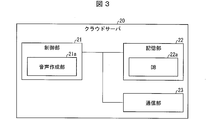
- FIG. 3 is a block diagram illustrating a schematic configuration of the cloud server 20 in the audio system 100.
- the cloud server 20 is a server that manages each home appliance 10, and includes a control unit 21, a storage unit 22, and a communication unit 23 as shown in FIG.
- the control unit 21 is a computer device that includes an arithmetic processing unit such as a CPU (Central Processing Unit) or a dedicated processor, and is a block that controls the operation of each unit of the cloud server 20.
- the control unit 21 has a function as a voice creation unit (sound creation unit) 21 a that creates voice data output by the voice output unit 14 of the home appliance 10.
- the voice data created by the voice creation unit 21a is hereinafter referred to as first voice data. Specific examples of audio data and output conditions will be described later.
- the storage unit 22 is a block that stores various information (data) used in the cloud server 20.
- the storage unit 22 stores a DB (DataBase) 22a.
- the DB 22a includes first sound data created by the cloud server 20, setting information associated with the sound data, state information indicating the state of the home appliance 10, and the like. Is included for each home appliance 10. With this DB 22a, individual control for each home appliance 10 from the cloud server 20 becomes possible.
- the communication unit 23 is a block that performs mutual communication with the home appliance adapter 5 via the wide area communication network 62.
- the communication unit 23 also performs mutual communication with the communication terminal device 30 via the wide area communication network 62.
- the home appliance adapter 5 is a device that enables the home appliance 10 to perform network communication.
- the home appliance adapter 5 receives various data including operation signals (commands) from the cloud server 20.
- Data received from the cloud server 20 includes data from the communication terminal device 30 via the cloud server 20 in addition to data from the cloud server 20 itself. Further, the data received from the cloud server 20 may be for controlling the home appliance adapter 5 itself, or may be transmitted to the home appliance 10 to control the home appliance 10. Further, the home appliance adapter 5 transmits information about the home appliance 10 transmitted from the home appliance 10 to the cloud server 20.
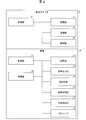
- FIG. 2 is a block diagram illustrating a schematic configuration of the home appliance 10 and the home appliance adapter 5 in the audio system 100.
- the home appliance adapter 5 includes a control unit 6, a storage unit 7, a communication unit 8, and a connection unit 9.
- the control unit 6 is a block that comprehensively controls the operation of each unit of the home appliance adapter 5.
- the storage unit 7 is a block that stores various types of information used in the home appliance adapter 5. In addition, the storage unit 7 stores the first audio data and setting information received (provided) from the cloud server 20.
- the communication unit 8 is a block that performs the same communication as the communication unit 23 of the cloud server 20.
- the connection unit 9 is a block that communicates with the connection unit 19 of the home appliance 10.
- the connection between the connection unit 9 and the connection unit 19 of the home appliance 10 may be, for example, a connection using a USB (Universal Serial Bus) connector.
- USB Universal Serial Bus
- the home appliance 10 includes, for example, an air conditioner, a refrigerator, a washing machine, a cooking appliance, a lighting device, a hot water supply device, a photographing device, various AV (Audio-Visual) devices, various home robots (for example, a cleaning robot, a housework support robot, Animal type robots, etc.).
- the home appliance 10 includes a control unit 11, a storage unit 13, an audio output unit 14, a sound setting unit 15, an audio switching unit 16, a state detection unit 17, an LED (Light Emitting Diode) lamp 18, and a connection unit. 19 is provided.
- the home appliance 10 When receiving the operation signal under the control of the control unit 11, the home appliance 10 performs an operation according to the received operation signal.
- the control unit 11 is a block that controls the operation of each unit of the home appliance 10.
- the control unit 11 includes a computer device including an arithmetic processing unit such as a CPU or a dedicated processor.
- the control unit 11 comprehensively controls the operation of each unit of the home appliance 10 by reading and executing a program for performing various controls in the home appliance 10 stored in the storage unit 13.
- the storage unit 13 includes a RAM (Random Access Memory), a ROM (Read Only Memory), an HDD (Hard Disk Drive), and the like, and is a block that stores various data used in the home appliance 10.
- the storage unit 13 stores sound data to be sound output from the home appliance 10 in advance (for example, at the time of shipment).
- the audio data stored in advance in the storage unit 13 is hereinafter referred to as second audio data.
- the audio output unit 14 is an audio output device such as a speaker.
- the control unit 6 and the control unit 11 output from the audio output unit 14 audio based on the first audio data stored in the storage unit 7 or the second audio data stored in the storage unit 13. Details regarding the first audio data and the second audio data will be described later.
- the sound setting unit 15 uses the first sound data stored in the storage unit 7 of the home appliance adapter 5 and the first sound data stored in the storage unit 13 for the sound volume or sound quality based on the sound data output from the sound output unit 14. It is a block that is individually set (adjusted) for two audio data. When the sound setting unit 15 accepts a user operation, the sound setting unit 15 sets the volume or sound quality under the control of the control unit 11.
- the voice switching unit 16 has a switch function for switching the voice output from the voice output unit 14 to one based on one of the first voice data and the second voice data, or based on both. It is a block.
- the voice switching by the voice switching unit 16 may be executed upon receiving a user operation, or may be executed according to an instruction from the cloud server 20.
- the state detection unit 17 is a block that detects state information indicating the state of the home appliance 10.
- the status information include information indicating a setting status and an operating status.
- the state information may be a state where the home appliance 10 is placed, that is, environmental information regarding the surrounding environment. Examples of the environmental condition include temperature and humidity inside the user home 50 or outside the user home 50. These are merely examples.
- the LED lamp 18 is turned on when the home appliance 10 has audio data to be output under the control of the control unit 11.
- the lighting color or lighting pattern may be changed according to the type of audio data or the expiration date of audio data to be described later.
- connection unit 19 is a block that communicates with the connection unit 9 of the home appliance adapter 5.
- the present embodiment has a configuration in which the home appliance adapter 5 that enables remote operation of the home appliance 10 is externally attached.
- the communication function part that enables remote operation optional as an external configuration, the cost of the home appliance 10 can be reduced.
- a configuration in which a communication function part is incorporated in the home appliance 10 in advance (a configuration in which the home appliance 10 and the home appliance adapter 5 are integrated) may be employed.
- the home appliance 10 is configured not only to be remotely operated from the communication terminal device 30, but also to be able to be operated by short-distance wireless communication using, for example, infrared rays from a remote controller (not shown) or an operation from a main body operation unit (not shown). Yes. Alternatively, voice operation may be possible.
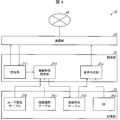
- FIG. 4 is a block diagram illustrating a schematic configuration of the control unit 21 and the storage unit 22 of the cloud server 20.
- the control unit 21 includes a query unit 21c and an utterance characteristic setting unit 21d in addition to the voice creation unit 21a described above.
- the storage unit 22 stores a user attribute table (user attribute information) 22b, a device attribute table (electronic device attribute information) 22c, and a speech characteristic table (characteristic information related to speech) 22d. ing.
- the user attribute table 22b includes user attributes in association with user IDs (identification information).
- the user attribute is information about the user, and examples thereof include the user's age, date of birth, sex, and address.
- the user attribute may be acquired by inquiring the user, or may be acquired from another server that manages the user attribute.
- the device attribute table 22c includes device attributes that are information about the home appliance 10 in association with the ID of the home appliance 10. Examples of the device attributes include the date of manufacture of the home appliance 10, a business site code, a manufacturer code, and the like.
- the said apparatus attribute may be acquired from the specific information incorporated in the household appliance 10, and may be acquired from another server which manages the said apparatus attribute.
- the utterance characteristic table 22d includes an utterance characteristic that is a characteristic related to an utterance in association with the ID of the home appliance 10. Examples of the utterance characteristics include utterance frequency, volume, voice quality, utterance speed, degree of care, dialect, tone, dialogue type, gender, and the like.
- the voice creation unit 21a creates first voice data for voice output by the home appliance 10 at an appropriate timing based on the DB 22a.
- the voice creation unit 21 a transmits the created first voice data to the home appliance adapter 5 via the communication unit 23 and the wide area communication network 62.
- voice is output from the household appliance 10 to which the said household appliance adapter 5 was connected.
- Examples of the timing include when the cloud server 20 receives predetermined information about the home appliance 10, when a predetermined instruction for the home appliance 10 is received from the communication terminal device 30, and when a predetermined time is reached. Can be mentioned.
- the voice creation unit 21a reads the utterance characteristics of the target home appliance 10 from the utterance characteristic table 22d of the storage unit 22, and creates first voice data based on the read utterance characteristics and the DB 22a. Thereby, the said household appliance 10 can utter based on the utterance characteristic of the said household appliance 10.
- FIG. 1 the voice creation unit 21a reads the utterance characteristics of the target home appliance 10 from the utterance characteristic table 22d of the storage unit 22, and creates first voice data based on the read utterance characteristics and the DB 22a.
- the inquiry unit 21 c transmits various inquiries to the home appliance 10 or the communication terminal device 30 via the communication unit 23 and the wide area communication network 62.
- the inquiry unit 21c receives the result of the inquiry via the wide area communication network 62 and the communication unit 23, notifies the received result of the inquiry to each unit in the control unit 21, and stores the result in the storage unit 22. To do.
- the inquiry unit 21c sets either the user attribute of the user associated with the home appliance 10 or the device attribute of the home appliance 10 in order to set the utterance characteristic of the home appliance 10.
- An inquiry as to whether to use or to use both is transmitted to the home appliance 10 or another home appliance 10 or the communication terminal device 30 associated with the user.
- the inquiry unit 21c receives the inquiry result from the inquiry transmission destination, the inquiry unit 21c notifies the utterance characteristic setting unit 21d of the received inquiry result.
- the utterance characteristic setting unit 21d sets the utterance characteristic of the home appliance 10 using at least one of the user attribute table 22b and the device attribute table 22c of the storage unit 22.
- the utterance characteristic setting unit 21 d stores the set utterance characteristic in the utterance characteristic table 22 d in the storage unit 22 in association with the ID (identification number) of the corresponding home appliance 10. Since the utterance characteristic of the home appliance 10 is automatically set by the utterance characteristic setting unit 21d, the user associated with the home appliance 10 can save time and effort to set the utterance characteristic.
- the utterance characteristic setting unit 21d determines which one or both of the user attribute table 22b and the device attribute table 22c in the storage unit 22 are to be used as a result of the inquiry from the inquiry unit 21c. Determine based on. Thereby, the said user can set the speech characteristic of the said household appliance 10 only by answering the said inquiry. As a result, the trouble of setting various items of the speech characteristics can be omitted.
- the home appliance 10 when the user sets various items of speech characteristics in the home appliance 10, the home appliance 10 can be seen only as a machine that operates according to various settings, and a personality like a person can be found in the home appliance 10. Have difficulty.
- the user is concealed from the settings of various items of the speech characteristics, so that it is easy to find a person-like personality in the home appliance 10 and the home appliance 10 feels a strong sense of affinity. Can do.
- FIG. 5 is a flowchart showing the flow of the processing.
- the inquiry unit 21c sets any of the user attribute and the device attribute to set the utterance characteristic of the home appliance 10.
- An inquiry as to whether to use or to use both is transmitted to the communication terminal device 30 associated with the user (S10).
- the said inquiry may be performed at another timing, may be transmitted to the said household appliance 10, and may be transmitted to the other household appliance 10 linked
- the speech characteristic setting unit 21d based on the result of the inquiry, the user attribute of the user and the device attribute included in the user attribute table 22b.
- the speech characteristic of the home appliance 10 is set using one or both of the device attributes of the home appliance 10 included in the table 22c (S11).
- the speech characteristic setting part 21d memorize
- examples of the user attribute include a user's age, date of birth, sex, and address.
- examples of the device attributes include the date of manufacture of the home appliance 10, a business site code, and a manufacturer code.
- the speech characteristics include speech frequency, volume, voice quality, speech speed, care-reading degree, dialect, tone, dialogue type, gender, and the like.
- the utterance characteristic setting unit 21d can set the “utterance type” of the utterance characteristic in accordance with the “age” of the user attribute. For example, if “age” is young, “line type” is set to the same generation. If the “age” is elderly, the “line type” is set to the same generation style or grandchild style (child style). Furthermore, the utterance characteristic setting unit 21d sets “sound volume”, “voice quality”, and “speech speed” of the utterance characteristic based on the “age” of the user attribute.
- the speech characteristic setting unit 21d can determine the user's zodiac and constellation from the user attribute “birth date”, and can set the utterance characteristic according to the zodiac and the constellation. Furthermore, the utterance characteristic setting unit 21d can set the “gender” of the utterance characteristic that is the same as or opposite to the “gender” of the user attribute. Then, the utterance characteristic setting unit 21d can determine an area including the “address” of the user attribute and set the “dialect” and “tone” of the utterance characteristic corresponding to the area.
- the utterance characteristic setting unit 21d can determine the zodiac and the constellation of the home appliance 10 from the “manufacturing date” of the device attribute, and set the utterance characteristic according to the zodiac and the constellation. . Further, the utterance characteristic setting unit 21d determines an area including a place where the home appliance 10 is manufactured from the “business place code” of the device attribute, and the “dialogue” and “tone” of the utterance characteristic corresponding to the area. Can be set. Then, the speech characteristic setting unit 21d determines a region including the home of the manufacturer of the home appliance 10 from the “maker code” of the device attribute, and the “dialogue” and “tone” of the speech characteristic corresponding to the region. Can be set.
- “speech frequency” is set in two ways: “speak frequently” and “normal”.
- the “volume” is set in two ways: “loud” and “normal”.
- the “voice quality” is set in a plurality of levels (for example, 5 levels) from “high” to “low” within a range where it is not difficult to hear.
- the “speech speed” is set in a plurality of levels (for example, 5 levels) from “fast” to “slow” as long as it is not difficult to hear.
- the “care-baking degree” is set in two ways: “Frequently talk about other home appliances” and “Normal”.
- “dialect” is set in a plurality of ways such as “standard language”, “Kansai dialect”, “Kyushu dialect”, “Tohoku dialect”.
- “line type” is set in a plurality of ways such as “child style”, “young style”, “adult style”, “annual style”, and the like.
- “Gender” is set in two ways, “male” and “female”.
- the speech characteristic setting unit 21d a specific example of the speech characteristic setting unit 21d will be described. It is assumed that the user is an adult male in his 30s. Further, it is assumed that the home appliance 10 is determined to be born in Aries from the date of manufacture and is manufactured in a factory in Kansai from the business site code. In this case, the utterance characteristic is set as follows by the utterance characteristic setting unit 21d.
- “Speech frequency” is set to “Frequently speak”
- “Volume” is set to “High”
- “Speech speed” is set to “Slightly fast”
- the “care degree” is set to “frequently talk about other home appliances”. From the user information, “voice quality” is set to “normal”, “line type” is set to “adult”, and “sex” is set to “female”.
- FIGS. 1 to 5 Another embodiment of the present invention will be described with reference to FIGS.
- the audio system 100 of the present embodiment is different from the audio system 100 shown in FIGS. 1 to 5 only in the configuration of the control unit 21 and the storage unit 22 in the cloud server 20, and the other configurations are the same.
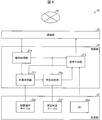
- FIG. 6 is a block diagram illustrating a schematic configuration of the control unit 21 and the storage unit 22 in the cloud server 20 of the present embodiment.
- the control unit 21 shown in FIG. 6 replaces the inquiry unit 21 c and the speech characteristic setting unit 21 d with an action acquisition unit (reception unit) 21 e, a difference determination unit 21 f, and The difference is that an availability determination unit (voice determination unit) 21g is provided, and the other configurations are the same.
- the storage unit 22 illustrated in FIG. 6 is different from the storage unit 22 illustrated in FIG. 4 in that an installation location table (corresponding information) 22e and a user attribute table 22b, a device attribute table 22c, and an utterance characteristic table 22d are used.
- the difference is that an availability determination table 22f is provided, and the other configurations are the same.
- the installation location table 22e includes information on the installation location of the home appliance 10 in association with the ID of the home appliance 10.
- the installation location can be classified in various ways, and this classification may be performed by the cloud server 20 or may be performed by the user via the home appliance 10 or the communication terminal device 30. Examples of installation locations include living room, dining room, kitchen (kitchen), bathroom (bathroom), toilet, washroom, corridor, room, stairs, entrance, storage room, garden, garage, veranda, etc. Can be mentioned.
- the availability determination table 22f correlates the operation of home appliances, the difference in installation location, and the availability of creation of the first audio data. For example, when a task of a certain home appliance 10 is completed, the first audio data is not created for another home appliance 10 having the same installation location, whereas for another home appliance 10 having a different installation location. Information indicating that the first audio data is created is included in the availability determination table 22f.
- the motion acquisition unit 21e is connected to the first home appliance 10 or the first home appliance 10 with the operation data including the operation information and ID of a certain home appliance 10 (hereinafter referred to as “first home appliance 10”).
- the information is acquired from the home appliance adapter 5 through the wide area communication network 62 and the communication unit 23.
- the motion acquisition unit 21e sends the acquired motion data to the voice creation unit 21a, the difference determination unit 21f, and the availability determination unit 21g.
- the voice creation unit 21 a is a home appliance 10 different from the first home appliance 10 based on the operation data from the operation acquisition unit 21 e, and the home appliance 10 (sound output according to the operation of the first home appliance 10 ( Hereinafter, it is referred to as “second home appliance 10”) with reference to the DB 22a.
- the voice creation unit 21a sends the ID of the selected second home appliance 10 to the difference determination unit 21f.
- the 2nd household appliance 10 may be 1 unit
- the difference determination unit 21f is based on the ID of the first home appliance 10 included in the operation data from the operation acquisition unit 21e, the ID of the second home appliance 10 from the voice creation unit 21a, and the installation location table 22e. It is determined whether or not the installation locations of the first home appliance 10 and the second home appliance 10 are the same. The difference determination unit 21f notifies the determination result to the availability determination unit 21g.
- the availability determination unit 21g refers to the availability determination table 22f on the basis of the operation data from the operation acquisition unit 21e and the determination result from the difference determination unit 21f, and determines whether the first audio data can be created. It is. The determination unit 21g notifies the sound creation unit 21a of the determination result.
- the voice creation unit 21a creates first voice data according to the determination result from the availability determination unit 21g, and sends the created first voice data to the second home appliance 10 via the communication unit 23 and the wide area communication network 62. It transmits to the connected household appliance adapter 5. Thereby, the first sound is output from the second home appliance 10. Thereby, regarding operation
- FIG. 7 is a flowchart showing the flow of the processing.
- the operation acquisition unit 21e receives the operation data of the first home appliance 10 (S20)
- the sound creation unit 21a performs sound according to the operation information of the first home appliance 10 included in the operation data. Is selected (S21).
- the difference determination unit 21f determines whether or not the installation locations of the first home appliance 10 and the second home appliance 10 are the same with reference to the installation location table 22e (S22). Based on the determination result and the availability determination table 22f, the availability determination unit 21g determines whether the second home appliance 10 should output the first sound according to the operation of the first home appliance 10 (S23). ). When it should output, the audio
- the voice creation unit 21a changes the utterance content according to the motion data acquired by the motion acquisition unit 21e based on the determination result of the difference determination unit 21f, and creates first voice data including the changed utterance content. May be. Specifically, when an air conditioner (air conditioner) in the living room starts cooling operation at a set temperature of 25 ° C, when the TV receiver in the living room is uttered, "cooling operation at 25 ° C has started.” On the other hand, in the case where the TV receiver in a room different from the living room is made to speak, “the air conditioner in the living room has started a cooling operation at 25 ° C.” can be mentioned. In this case, the 2nd household appliance 10 can perform the speech according to the installation place.
- air conditioner air conditioner
- Example 2-1 As an example of the present embodiment, when the task of a certain home appliance 10 installed in a certain location is completed, the cloud server 20 utters that fact to another home appliance 10 installed in another location. The case of letting it be mentioned. Specifically, when the washing of the washing machine in the washroom is finished, the cloud server 20 causes the air conditioner in the living room to say “washing is finished”. In addition, when cooking of the heated steam oven (water oven) in the kitchen is completed, the cloud server 20 causes the air conditioner in the living room to say “cooked”.
- Example 2-2 As another example of the present embodiment, after the task of a certain home appliance installed in a certain place is completed, the cloud server 20 informs the user that another home appliance installed in another place is notified by the user. There is a case where another home appliance is uttered when operated. Specifically, after the washing machine in the washroom has finished washing, when the refrigerator door in the dining room is opened by the user, the cloud server 20 asks the refrigerator that the laundry has been done. Say. Further, after the cooking of the heated steam oven in the kitchen is completed, when the refrigerator door in the dining room is opened by the user, the cloud server 20 causes the refrigerator to say “Oven cooking has already finished”. .
- the cloud server 20 performs an operation of a certain home appliance installed at a certain location when another user installed at the same location is operated by the user. Talking to other home appliances.
- the cloud server 20 when the air conditioner in the living room is in the heating operation, and the lighting device in the same living room is turned on by the user, the cloud server 20 notifies the lighting device “Now, the air conditioner is in the heating operation.” Say. In addition, from the air conditioner operation information and the room temperature sensor information, the cloud server 20 causes the lighting apparatus to utter “It is warm because the air conditioner is working hard”. In addition, from the detection information of the dust sensor in the air cleaner in the same living room, the cloud server 20 causes the lighting device to say “The air cleaner there is now dusty”.
- the cloud server 20 transmits an utterance regarding the change to another household appliance installed in the same place.
- the cloud server 20 causes the air conditioner in the same living room to speak “air purifier, Otsukama-sama”.
- the cloud server 20 refers to the current outside temperature information acquired from the outdoor unit of the air conditioner. Judging that it is cold today, let the above luminaire say “It's cold today.
- the cloud server 20 performs an utterance based on the operation of a plurality of home appliances installed in a certain location when another user installed in another location is operated by the user. The case where it makes it carry out to the said another household appliance is mentioned.
- an air conditioner and a lighting fixture are installed in a certain room R, each is operating for a long time (lights on), and from the human sensor information of the air conditioner, the room R
- the refrigerator will ask “Everyone in room R can rest because there is nobody. "I'm telling you.”
- FIGS. 1 to 5 Another embodiment of the present invention will be described with reference to FIGS.
- the audio system 100 of the present embodiment is different from the audio system 100 shown in FIGS. 1 to 5 only in the configuration of the control unit 21 and the storage unit 22 in the cloud server 20, and the other configurations are the same.
- FIG. 8 is a block diagram illustrating a schematic configuration of the control unit 21 and the storage unit 22 in the cloud server 20 of the present embodiment.
- the control unit 21 shown in FIG. 8 differs from the control unit 21 shown in FIG. 6 in that the operation acquisition unit 21e, the difference determination unit 21f, and the availability determination unit 21g are omitted, and the other configurations are the same. It is.
- the storage unit 22 shown in FIG. 8 differs from the storage unit 22 shown in FIG. 6 in that the availability determination table 22f is omitted, and the other configurations are the same.
- FIG. 9 is a flowchart showing the flow of the processing.
- the voice creation unit 21a first refers to the installation location table 22e and selects a plurality of home appliances 10 having the same installation location (S30).
- the voice creation unit 21a creates first voice data including a certain utterance content, and transmits the created first voice data to any of the selected plurality of home appliances 10 (S31).
- the voice creation unit 21a creates first voice data including utterance contents related to the previous utterance contents, and sends the created first voice data to the previous transmission among the selected plurality of home appliances 10. It transmits to the household appliance 10 different from the previous household appliance 10 (S32). Thereafter, step S32 is repeated.
- the cloud server 20 includes the current time information acquired from the built-in clock, the current outside air temperature information acquired from the outdoor unit of the air conditioner, the current weather information acquired from the external server, and the operation of the lighting device acquired from the lighting device. Based on the state (lighted), the air conditioner in the living room speaks “Today's good weather. Why don't you turn it on so much?" Next, the cloud server 20 causes the above-mentioned lighting apparatus in the same living room to speak “I have been told this, what should I do?” As a result, it is as if the air conditioner, the lighting device, and the user located in the living room are having a conversation.
- Example 3-2 The cloud server 20 causes the air purifier in the dining room to say “Isn't it quite open and closed today?”.
- the cloud server 20 acquires the number of times of opening and closing the doors of the refrigerator in the same dining, and determines that the acquired number of times of opening and closing is greater than normal, the cloud server 20 says “Today is 30 times. Let ’s say. As a result, the air cleaner and the refrigerator located in the dining room have a conversation.
- the control block (particularly the control unit 21) of the cloud server 20 may be realized by a logic circuit (hardware) formed in an integrated circuit (IC chip) or the like, or may be realized by software using a CPU. .
- the cloud server 20 includes a CPU that executes instructions of a program that is software that realizes each function, a ROM or a storage device in which the program and various data are recorded so as to be readable by a computer (or CPU) (Referred to as a “recording medium”), a RAM for developing the program, and the like.
- a computer or CPU
- the objective of this invention is achieved when a computer (or CPU) reads the said program from the said recording medium and runs it.
- a “non-temporary tangible medium” such as a tape, a disk, a card, a semiconductor memory, a programmable logic circuit, or the like can be used.
- the program may be supplied to the computer via an arbitrary transmission medium (such as a communication network or a broadcast wave) that can transmit the program.
- a transmission medium such as a communication network or a broadcast wave
- the present invention can also be realized in the form of a data signal embedded in a carrier wave in which the program is embodied by electronic transmission.
- the present invention can be applied to any electronic device such as an industrial electric device other than the home appliance 10.
- the voice server (cloud server 20) according to the first aspect of the present invention is configured to communicate with one or a plurality of electronic devices (home appliances 10) having a function of speaking based on voice data via a communication network (wide area communication network 62).
- a voice server that provides the voice data, and is set based on at least one of the attribute information (user attribute table 22b) of the user of the electronic device and the attribute information (device attribute table 22c) of the electronic device.
- the electronic device Based on the characteristic information of the electronic device stored in the storage unit (22) that stores characteristic information (speech characteristic table 22d) related to the utterance performed by the electronic device, the electronic device utters And a voice creation unit (21a) for creating voice data for the purpose.
- the electronic device can speak based on the characteristic information of the electronic device. Further, since the characteristic information is automatically set based on at least one of the attribute information of the user of the electronic device and the attribute information of the electronic device, the user has to set the characteristic information. Can be omitted.
- the voice server according to aspect 2 of the present invention provides the audio server according to aspect 1 to the user whether to select the attribute information of the user of the electronic device, the attribute information of the electronic device, or both.
- Inquiry part (21c) to be inquired, and utterance characteristic setting for setting characteristic information related to utterance performed by the electronic device based on the result of the inquiry in the inquiring part, and storing the set characteristic information in the storage part A part (21d) may be further provided.
- the user only needs to determine which of the attribute information of the user and the attribute information of the electronic device is selected, or both.
- the present invention has been made in view of the above-described problems, and an object of the present invention is to provide a voice server that can cause another electronic device installed in a place where it is highly worth speaking to speak about the operation of a certain electronic device. And so on.
- An audio server is an audio server that provides the audio data to a plurality of electronic devices having a function of speaking based on the audio data via a communication network, and the plurality of electronic devices
- a storage unit that stores correspondence information (installation location table 22e) that associates the devices with their installation locations, and a reception unit (operation acquisition unit 21e) that receives operation data indicating the operation of the first electronic device.
- the end of the cooking should be promptly communicated to the user, so that it is worth speaking with an air conditioner installed in a living room separate from the kitchen. high.
- the operating status of the air conditioner installed in the living room is highly interested for users who are present in the living room, but is less interested for users who are present in other rooms. Therefore, the value of the air cleaner installed in the other room speaking the operating status of the air conditioner installed in the living room is low.
- whether or not voice data can be created is determined based on the operation of the first electronic device and the difference between the installation locations of the first and second electronic devices. As a result, regarding the operation of a certain electronic device, another electronic device installed in a place that is highly worth speaking can be made to speak.
- the voice creation unit changes the utterance content according to the operation data received by the reception unit based on the determination result of the difference determination unit.
- the voice data including the changed utterance content may be created. In this case, the utterance according to the installation location can be performed.
- Patent Document 1 only a plurality of electronic devices speak based on a recipe for cooking, and an electronic device irrelevant to the recipe does not speak, and the electronic devices are talking to each other. can not see.
- the present invention has been made in view of the above problems, and an object of the present invention is to provide a voice server or the like that can utter as if electronic devices are talking.
- An audio server is an audio server that provides the audio data to a plurality of electronic devices having a function of performing speech based on the audio data via a communication network, and the plurality of electronic devices
- a storage unit that stores correspondence information in which devices and their installation locations are associated with each other; and voice data including a certain utterance content is created, and the voice data is provided to a certain electronic device.
- a voice creation unit that creates voice data including utterance content related to the content and provides the voice data to another electronic device having the same installation location as the certain electronic device with reference to the correspondence information; It has.
- a method for controlling a voice server provides a method for controlling a voice server that provides the voice data to one or a plurality of electronic devices having a function of performing speech based on voice data via a communication network.
- the electronic device stored in a storage unit that stores characteristic information related to an utterance performed by the electronic device, which is set based on at least one of the attribute information of the user of the electronic device and the attribute information of the electronic device Based on the characteristic information of the device, a sound creation step of creating sound data for the electronic device to speak is included. In this case, the same effects as those of the first aspect are obtained.
- a voice server control method is a voice server control method for providing voice data to a plurality of electronic devices having a function of speaking based on voice data via a communication network.
- a reception step for receiving operation data indicating the operation of the first electronic device, and voice data including utterance contents corresponding to the operation data received in the reception step are generated and stored in the second electronic device.
- the correspondence information of the storage unit that stores correspondence information in which the voice creation step to be provided and the plurality of electronic devices and their installation locations are associated with each other, and the installation location of the first and second electronic devices
- the difference determination step for determining the difference, the operation data received in the reception step, and the determination result of the difference determination step, whether or not voice data can be created is determined.
- a voice server control method is a voice server control method that provides the voice data to a plurality of electronic devices having a function of speaking based on voice data via a communication network. Creating voice data including a certain utterance content, providing the voice data to a certain electronic device, creating voice data including the utterance content related to the certain utterance content, Another electronic device having the same installation location as that of the certain electronic device with reference to correspondence information of a storage unit that stores correspondence information in which the plurality of electronic devices and their installation locations are associated with each other. And a second step of providing. In this case, the same effect as in the fifth aspect is obtained.
- the display processing device may be realized by a computer, and in this case, a display that realizes the display processing device by a computer by causing the computer to operate as each unit included in the display processing device.
- a control program for the processing apparatus and a computer-readable recording medium on which the control program is recorded also fall within the scope of the present invention.
- the electronic device can speak based on the characteristic information of the electronic device, and the characteristic information is automatically based on at least one of the attribute information of the user of the electronic device and the attribute information of the electronic device. Therefore, it is possible to save the user from setting the characteristic information, and as a result, it can be used for any electronic device other than home appliances.
- Connection Unit 10 Home Appliance (Electronic Equipment) 14 audio output unit 15 sound setting unit 16 audio switching unit 17 state detection unit 18 LED lamp 19 connection unit 20 cloud server (voice server) 21a Voice creation unit 21c Inquiry unit 21d Utterance characteristic setting unit 21e Action acquisition unit (reception unit) 21f Difference determination unit 21g Availability determination unit (voice determination unit) 22b User attribute table 22c Device attribute table 22d Utterance characteristic table 22e Installation location table 22f Availability determination table 30 Communication terminal device 40 Relay station 50 User home 62 Wide area communication network (communication network) 100 voice system
Landscapes
- Engineering & Computer Science (AREA)
- Multimedia (AREA)
- Theoretical Computer Science (AREA)
- Health & Medical Sciences (AREA)
- Audiology, Speech & Language Pathology (AREA)
- Human Computer Interaction (AREA)
- Physics & Mathematics (AREA)
- Acoustics & Sound (AREA)
- General Health & Medical Sciences (AREA)
- General Engineering & Computer Science (AREA)
- General Physics & Mathematics (AREA)
- Computational Linguistics (AREA)
- Telephonic Communication Services (AREA)
- Selective Calling Equipment (AREA)
Abstract
音声作成部(21a)は、記憶部(22)のDB(22a)および発話特性テーブル(22d)に基づいて、家電が発話するための音声データを作成する。発話特性テーブル(22d)は、家電のユーザのユーザ属性テーブル(22b)と、家電の機器属性テーブル(22c)との少なくとも一方に基づいて設定される。
Description
本発明は、音声データに基づいて発話を行う機能を有する複数の電子機器に対し、通信ネットワークを介して前記音声データを提供する音声サーバに関する。
家電などの電子機器は、年々、多機能化する傾向にあり、音声出力機能を有するものが増えている。また、特許文献1には、アプリケーションサーバからホームゲートウェイを介して音声データを取得することにより、音声データを追加または変更できる家電が開示されている。
また、特許文献1において、音声データには、男性の声、女性の声、イメージキャラクターの声など、音声の種類が複数記憶されており、ユーザ好みの音声データを選択できることが開示されている。
また、特許文献1において、複数の家電が協調して発話することが開示されている。具体的には、或る料理のレシピに基づき、電子レンジで加熱が完了すると、当該電子レンジは、その旨を発話した後、「冷蔵庫で粗熱を取って下さい」と発話する。その後、上記加熱が完了した料理を冷蔵庫に収納すると、当該冷蔵庫は、「粗熱を取ります」と発話する。このように、電子レンジと冷蔵庫とが上記料理のレシピに基づいて協調して発話している。
電子機器に対し、人間のような性格を付与し、該性格に基づいて発話させる場合には、発話に関する性格(特性情報)だけでも、性別、音量、声質、発話速度など、種々の種類が存在する。このため、該種類ごとにユーザが設定する場合、ユーザにとって手間のかかることになる。
本発明は、上記課題を鑑みてなされたものであり、その目的は、発話に関する特性情報をユーザが設定する手間を省くことができる音声サーバを提供することにある。
本発明の一態様に係る音声サーバは、音声データに基づいて発話を行う機能を有する1または複数の電子機器に対し、通信ネットワークを介して前記音声データを提供する音声サーバであって、上記課題を解決するために、前記電子機器のユーザの属性情報と当該電子機器の属性情報との少なくとも一方に基づいて設定された、当該電子機器が行う発話に関する特性情報を記憶する記憶部と、前記記憶部に記憶された前記電子機器の前記特性情報に基づいて、当該電子機器が発話するための音声データを作成する音声作成部とを備えることを特徴としている。
本発明の一態様によれば、発話に関する特性情報をユーザが設定する手間を省くことができるという効果を奏する。
以下、本発明の実施の形態について、詳細に説明する。なお、説明の便宜上、各実施形態に示した部材と同一の機能を有する部材については、同一の符号を付記し、適宜その説明を省略する。
〔実施形態1〕
まず、本発明の一実施形態について、図1~図5を参照して説明する。
まず、本発明の一実施形態について、図1~図5を参照して説明する。
(音声システムの構成)
図1は、本実施の形態に係る音声システム100の概略構成を示す図である。図1に示すように、音声システム100は、ユーザ宅に設置されている家電(電子機器)10-1,10-2,10-3,10-4と、クラウドサーバ(音声サーバ)20と、通信端末装置30-1,30-2,30-3とが広域通信ネットワーク(通信ネットワーク)62を介して接続するよう構成されている。図1では、4つの家電10-1,10-2,10-3,10-4、3つの通信端末装置30-1,30-2,30-3を図示している。しかし、これらにおいて、数や種類は限定されず、個別に説明する必要のない場合は、総称として家電10と通信端末装置30とを用いる。また、音声システム100に含まれるユーザ宅の数も限定されない。
図1は、本実施の形態に係る音声システム100の概略構成を示す図である。図1に示すように、音声システム100は、ユーザ宅に設置されている家電(電子機器)10-1,10-2,10-3,10-4と、クラウドサーバ(音声サーバ)20と、通信端末装置30-1,30-2,30-3とが広域通信ネットワーク(通信ネットワーク)62を介して接続するよう構成されている。図1では、4つの家電10-1,10-2,10-3,10-4、3つの通信端末装置30-1,30-2,30-3を図示している。しかし、これらにおいて、数や種類は限定されず、個別に説明する必要のない場合は、総称として家電10と通信端末装置30とを用いる。また、音声システム100に含まれるユーザ宅の数も限定されない。
本実施の形態では、家電10には、家電アダプタ5(5-1,5-2,5-3,5-4)が接続されている。家電アダプタ5は、家電10を広域通信ネットワーク62に接続させ、広域通信ネットワーク62を介して制御できる、いわゆるネットワーク家電にするための機器である。
本実施の形態では、クラウドサーバ20にて、通信端末装置30と家電アダプタ5とを対応づけて登録しており、通信端末装置30は、クラウドサーバ20を介して、家電アダプタ5に接続した家電10を遠隔操作できる。通信端末装置30は、クラウドサーバ20にて自身と対応づけて登録された家電アダプタ5に接続した家電10を、クラウドサーバ20を介して遠隔操作可能に構成されている。通信端末装置30は、クラウドサーバ20にて自身と対応づけて登録された家電アダプタ5に接続した家電10に関する情報をクラウドサーバ20から受信する。通信端末装置30は、例として、スマートフォンやタブレット端末を挙げることができる。1台の通信端末装置30から複数の家電10を遠隔操作することが可能である。また、複数の通信端末装置30から、1つの家電アダプタ5に接続された家電10を遠隔操作できる。
ユーザ宅50には、狭域通信ネットワークである無線LAN(Wireless Local Area Network)が整備されており、無線LANの中継局40は、インターネットを含む広域通信ネットワーク62と接続されている。中継局40は、例えばWiFi(登録商標)ルータやWiFi(登録商標)アクセスポイントなどの通信機器である。ここでは、広域通信ネットワーク62としてインターネットを含む構成を例示しているが、電話回線網、移動体通信網、CATV(CAble TeleVision)通信網、衛星通信網などを利用することもできる。
広域通信ネットワーク62および無線LANの中継局40を介して、クラウドサーバ20とユーザ宅50に設置された家電アダプタ5とが通信可能となっている。また、広域通信ネットワーク62を介して、クラウドサーバ20と通信端末装置30とが通信可能になっている。通信端末装置30と広域通信ネットワーク62におけるインターネットとの間は、3G(3rd Generation)、LTE(Long Term Evolution)や、宅内あるいは公衆のWiFi(登録商標)アクセスポイントなどを利用して接続される。なお、家電アダプタ5と通信端末装置30とはいずれも、無線通信機器であり、広域通信ネットワーク62を介することなく、中継局40を介して相互に通信することもできる。
(クラウドサーバ)
図3は、音声システム100におけるクラウドサーバ20の概略構成を示すブロック図である。クラウドサーバ20は、各家電10を管理するサーバであり、図3に示すように、制御部21、記憶部22、および通信部23を備えている。制御部21は、例えば、CPU(Central Processing Unit)や専用プロセッサなどの演算処理部などにより構成されるコンピュータ装置からなり、クラウドサーバ20の各部の動作を制御するブロックである。また、制御部21は、家電10の音声出力部14にて出力する音声データを作成する音声作成部(音声作成部)21aとしての機能を有する。この音声作成部21aにて作成された音声データを、以下では第1音声データと称する。音声データ及び出力条件の具体例は後述する。
図3は、音声システム100におけるクラウドサーバ20の概略構成を示すブロック図である。クラウドサーバ20は、各家電10を管理するサーバであり、図3に示すように、制御部21、記憶部22、および通信部23を備えている。制御部21は、例えば、CPU(Central Processing Unit)や専用プロセッサなどの演算処理部などにより構成されるコンピュータ装置からなり、クラウドサーバ20の各部の動作を制御するブロックである。また、制御部21は、家電10の音声出力部14にて出力する音声データを作成する音声作成部(音声作成部)21aとしての機能を有する。この音声作成部21aにて作成された音声データを、以下では第1音声データと称する。音声データ及び出力条件の具体例は後述する。
記憶部22は、クラウドサーバ20で用いられる各種情報(データ)を記憶するブロックである。記憶部22は、DB(DataBase)22aを記憶しており、該DB22aは、クラウドサーバ20で作成される第1音声データ、音声データに対応付けた設定情報、家電10の状態を示す状態情報などを、家電10毎に含んでいる。このDB22aにより、クラウドサーバ20からの家電10毎の個別の制御が可能となる。
通信部23は、広域通信ネットワーク62を介して家電アダプタ5と相互通信を行うブロックである。通信部23は、また、広域通信ネットワーク62を介して通信端末装置30とも相互通信を行う。
(家電アダプタおよび家電)
家電アダプタ5は、家電10をネットワーク通信可能にする機器である。家電アダプタ5は、クラウドサーバ20からの操作信号(命令)を含む各種データを受信する。クラウドサーバ20から受信するデータには、クラウドサーバ20自体からのものに加え、クラウドサーバ20を介した通信端末装置30からのものも含まれる。また、クラウドサーバ20から受信するデータは、家電アダプタ5自体を制御するものである場合もあれば、家電10に伝達して家電10を制御するものである場合もある。さらに、家電アダプタ5は、家電10から伝達された家電10に関する情報をクラウドサーバ20に送信する。
家電アダプタ5は、家電10をネットワーク通信可能にする機器である。家電アダプタ5は、クラウドサーバ20からの操作信号(命令)を含む各種データを受信する。クラウドサーバ20から受信するデータには、クラウドサーバ20自体からのものに加え、クラウドサーバ20を介した通信端末装置30からのものも含まれる。また、クラウドサーバ20から受信するデータは、家電アダプタ5自体を制御するものである場合もあれば、家電10に伝達して家電10を制御するものである場合もある。さらに、家電アダプタ5は、家電10から伝達された家電10に関する情報をクラウドサーバ20に送信する。
図2は、音声システム100における家電10および家電アダプタ5の概略構成を示すブロック図である。家電アダプタ5は、図2に示すように、制御部6、記憶部7、通信部8、および接続部9を備えている。
制御部6は家電アダプタ5の各部の動作を統括的に制御するブロックである。記憶部7は、家電アダプタ5で用いられる各種情報を記憶するブロックである。また、記憶部7は、クラウドサーバ20から受信した(提供された)第1音声データ及び設定情報を記憶する。通信部8は、クラウドサーバ20の通信部23と同様の通信を行うブロックである。接続部9は、家電10の接続部19と相互通信するブロックである。接続部9と家電10の接続部19との間の接続は、例えば、USB(Universal Serial Bus)コネクタによる接続などであってもよい。
家電10は、例えば、空気調和機、冷蔵庫、洗濯機、調理器具、照明装置、給湯機器、撮影機器、各種AV(Audio-Visual)機器、各種家庭用ロボット(例えば、掃除ロボット、家事支援ロボット、動物型ロボット等)等である。図2に示すように、家電10は、制御部11、記憶部13、音声出力部14、音設定部15、音声切替部16、状態検知部17、LED(Light Emitting Diode)ランプ18、接続部19を備える。家電10は、制御部11による制御の下、操作信号を受信すると、受信した操作信号に応じた動作を実行する。
制御部11は、家電10の各部の動作を制御するブロックである。制御部11は、例えば、CPUや専用プロセッサなどの演算処理部などにより構成されるコンピュータ装置から成る。制御部11は、記憶部13に記憶されている家電10における各種制御を実施するためのプログラムを読み出して実行することで、家電10の各部の動作を統括的に制御する。
記憶部13は、RAM(Random Access Memory)、ROM(Read Only Memory)、HDD(Hard Disk Drive)などを含み、家電10にて用いられる各種データを記憶するブロックである。記憶部13には、家電10から音声出力する音声データが予め(例えば、出荷時)記憶されている。この予め記憶部13に記憶されている音声データを、以下では第2音声データと称する。
音声出力部14は、スピーカなどの音声出力装置である。制御部6および制御部11は、記憶部7に記憶された第1音声データまたは記憶部13に記憶された第2音声データに基づく音声を音声出力部14から出力する。第1音声データ及び第2音声データに関する詳細は後述する。
音設定部15は、音声出力部14から音声出力される音声データに基づく音声の音量または音質を、家電アダプタ5の記憶部7に記憶された第1音声データと記憶部13に記憶された第2音声データとで個別に設定(調整)するブロックである。音設定部15は、ユーザ操作を受け付けると、制御部11による制御の下、音量または音質の設定を実行する。
音声切替部16は、音声出力部14から音声出力される音声を、上記第1音声データ及び上記第2音声データのいずれか一方に基づくものか、あるいは両方に基づくものかに切り替えるスイッチ機能を有するブロックである。音声切替部16による音声の切り替えは、ユーザ操作を受け付けて実行しても、あるいは、クラウドサーバ20からの指示によりに実行してもよい。
状態検知部17は、家電10の状態を示す状態情報を検知するブロックである。状態情報としては、例えば、設定状況、動作状況を示す情報等が挙げられる。また、状態情報は、家電10の置かれた状態、すなわち周囲環境に関する環境情報であってもよい。環境条件として、例えば、ユーザ宅50内あるいはユーザ宅50外の気温や湿度が挙げられる。なお、これらは例示である。
LEDランプ18は、制御部11の制御により、家電10が出力すべき音声データを有している場合点灯を行う。音声データの種類あるいは後述する音声データの有効期限等に応じて点灯する色あるいは点灯パターンが変化するように構成されていてもよい。なお、LEDランプ18が設けられていない家電10もある。
接続部19は、家電アダプタ5の接続部9と相互通信するブロックである。
以上のように、本実施の形態では、家電10の遠隔操作を可能にする家電アダプタ5が外付けされた構成である。遠隔操作を可能とする通信機能部分を外付け構成としてオプション化することで、家電10のコストを抑えることができる。もちろん、家電10内部に通信機能部分が予め組み込まれている構成(家電10と家電アダプタ5と一体化した構成)であってもよい。
さらに、家電10は、通信端末装置30からの遠隔操作だけでなく、図示しないリモコンからの例えば赤外線を用いた近距離無線通信による操作や、図示しない本体操作部からの操作が可能に構成されている。あるいは、音声による操作が可能あってもよい。
(クラウドサーバの詳細)
次に、クラウドサーバ20の詳細について、図4および図5を参照して説明する。図4は、クラウドサーバ20の制御部21および記憶部22の概略構成を示すブロック図である。図示のように、制御部21は、上述の音声作成部21aの他に、問合部21cおよび発話特性設定部21dを備える構成である。また、記憶部22は、上述のDB22aの他、ユーザ属性テーブル(ユーザの属性情報)22b、機器属性テーブル(電子機器の属性情報)22c、および発話特性テーブル(発話に関する特性情報)22dを記憶している。
次に、クラウドサーバ20の詳細について、図4および図5を参照して説明する。図4は、クラウドサーバ20の制御部21および記憶部22の概略構成を示すブロック図である。図示のように、制御部21は、上述の音声作成部21aの他に、問合部21cおよび発話特性設定部21dを備える構成である。また、記憶部22は、上述のDB22aの他、ユーザ属性テーブル(ユーザの属性情報)22b、機器属性テーブル(電子機器の属性情報)22c、および発話特性テーブル(発話に関する特性情報)22dを記憶している。
ユーザ属性テーブル22bは、ユーザ属性をユーザID(識別情報)に関連づけて含むものである。上記ユーザ属性は、ユーザに関する情報であり、例えば、ユーザの年齢、生年月日、性別、住所などが挙げられる。なお、上記ユーザ属性は、ユーザに問い合わせることにより取得してもよいし、当該ユーザ属性を管理する別のサーバから取得してもよい。
また、機器属性テーブル22cは、家電10に関する情報である機器属性を、家電10のIDに関連づけて含むものである。上記機器属性の例としては、家電10の製造年月日、事業場コード、メーカコードなどが挙げられる。なお、上記機器属性は、家電10に内蔵された固有情報から取得してもよいし、当該機器属性を管理する別のサーバから取得してもよい。
発話特性テーブル22dは、発話に関する特性である発話特性を、家電10のIDに関連づけて含むものである。上記発話特性の例としては、発話頻度、音量、声質、発話速度、世話焼き度、方言、語調、台詞タイプ、性別などが挙げられる。
音声作成部21aは、上述のように、家電10にて音声出力するための第1音声データを、DB22aに基づいて適当なタイミングで作成するものである。音声作成部21aは、作成した第1音声データを、通信部23および広域通信ネットワーク62を介して家電アダプタ5に送信する。これにより、当該家電アダプタ5が接続された家電10から当該第1音声が出力される。なお、上記タイミングの例としては、家電10に関する所定の情報をクラウドサーバ20か受信した時、通信端末装置30から家電10に対する所定の指示を受信した時、所定の時刻に到達した時、などが挙げられる。
本実施形態では、音声作成部21aは、対象となる家電10の発話特性を、記憶部22の発話特性テーブル22dから読み出し、読み出した発話特性とDB22aとに基づいて第1音声データを作成する。これにより、上記家電10は、当該家電10の発話特性に基づいて発話を行うことができる。
問合部21cは、家電10または通信端末装置30に対し各種の問合せを、通信部23および広域通信ネットワーク62を介して送信するものである。問合せ部21cは、上記問合せの結果を、広域通信ネットワーク62および通信部23を介して受信し、受信した問合せの結果を、制御部21内の各部に通知したり、記憶部22に記憶したりする。
本実施形態では、問合部21cは、或る家電10の上記発話特性を設定するために、当該家電10に関連づけられたユーザの上記ユーザ属性と、当該家電10の上記機器属性との何れを利用するか、或いは両方を利用するかという問合せを、当該家電10、または、当該ユーザに関連づけられた他の家電10若しくは通信端末装置30に送信する。問合部21cは、上記問合せの送信先から上記問合せの結果を受信すると、受信した上記問合せの結果を発話特性設定部21dに通知する。
発話特性設定部21dは、記憶部22のユーザ属性テーブル22bおよび機器属性テーブル22cの少なくとも一方を用いて、家電10の発話特性を設定するものである。発話特性設定部21dは、設定した発話特性を、該当する家電10のID(識別番号)に対応付けて、記憶部22に発話特性テーブル22dに記憶する。発話特性設定部21dにより、家電10の発話特性が自動的に設定されるので、当該家電10に関連づけられたユーザが上記発話特性を設定する手間を省略することができる。
また、発話特性設定部21dは、記憶部22のユーザ属性テーブル22bおよび機器属性テーブル22cのうち、何れを利用するか、または両方を利用するかを、問合部21cからの上記問合せの結果に基づいて決定する。これにより、上記ユーザは、上記問合せに回答するのみで、上記家電10の発話特性を設定することができる。その結果、上記発話特性の各種項目を設定する手間を省略することができる。
また、ユーザが上記家電10における発話特性の各種項目を設定する場合、上記ユーザにとって、上記家電10は各種設定によって動作する機械にしか見えず、上記家電10に人間のような人格を見出すことが困難である。これに対し、本実施形態では、上記ユーザは、上記発話特性の各種項目の設定から隠蔽されるので、上記家電10に人間のような人格を見出し易く、上記家電10により強い親近感を感じることができる。
(発話特性の設定処理)
次に、上記構成のクラウドサーバ20における発話特性の設定処理について説明する。図5は、該処理の流れを示すフローチャートである。図示のように、例えば、家電10とユーザとを関連づけてDB22aに登録する時に、問合部21cは、当該家電10の上記発話特性を設定するために、上記ユーザ属性および上記機器属性の何れを利用するか、或いは両方を利用するかという問合せを、当該ユーザに関連づけられた通信端末装置30に送信する(S10)。なお、上記問合せは、他のタイミングで行われてもよいし、当該家電10に送信されてもよいし、上記ユーザに関連づけられた他の家電10に送信されてもよい。
次に、上記構成のクラウドサーバ20における発話特性の設定処理について説明する。図5は、該処理の流れを示すフローチャートである。図示のように、例えば、家電10とユーザとを関連づけてDB22aに登録する時に、問合部21cは、当該家電10の上記発話特性を設定するために、上記ユーザ属性および上記機器属性の何れを利用するか、或いは両方を利用するかという問合せを、当該ユーザに関連づけられた通信端末装置30に送信する(S10)。なお、上記問合せは、他のタイミングで行われてもよいし、当該家電10に送信されてもよいし、上記ユーザに関連づけられた他の家電10に送信されてもよい。
次に、問合部21cが上記問合せの結果を当該家電10から受信すると、発話特性設定部21dは、上記問合せの結果に基づき、ユーザ属性テーブル22bに含まれる当該ユーザのユーザ属性と、機器属性テーブル22cに含まれる当該家電10の機器属性との一方または両方を用いて、当該家電10の発話特性を設定する(S11)。そして、発話特性設定部21dは、設定した当該家電10の発話特性を、記憶部22の発話特性テーブル22dに記憶する(S12)。その後、上記発話特性の設定処理を終了する。
(発話特性設定処理の詳細)
次に、発話特性設定部21dにおける発話特性設定処理の詳細について説明する。上述のように、上記ユーザ属性としては、ユーザの年齢、生年月日、性別、住所などが挙げられる。また、上記機器属性としては、家電10の製造年月日、事業場コード、メーカコードなどが挙げられる。そして、上記発話特性としては、発話頻度、音量、声質、発話速度、世話焼き度、方言、語調、台詞タイプ、性別などが挙げられる。
次に、発話特性設定部21dにおける発話特性設定処理の詳細について説明する。上述のように、上記ユーザ属性としては、ユーザの年齢、生年月日、性別、住所などが挙げられる。また、上記機器属性としては、家電10の製造年月日、事業場コード、メーカコードなどが挙げられる。そして、上記発話特性としては、発話頻度、音量、声質、発話速度、世話焼き度、方言、語調、台詞タイプ、性別などが挙げられる。
上記ユーザ属性に関して、発話特性設定部21dは、上記ユーザ属性の「年齢」に応じて、上記発話特性の「台詞タイプ」を設定することができる。例えば、「年齢」が若年であれば、「台詞タイプ」を同世代風に設定する。また、「年齢」が高齢であれば、「台詞タイプ」を同世代風または孫風(子供風)に設定する。さらに、発話特性設定部21dは、上記ユーザ属性の「年齢」に基づき、上記発話特性の「音量」・「声質」・「発話速度」を設定する。
また、発話特性設定部21dは、上記ユーザ属性の「生年月日」から、ユーザの干支および星座を判定し、該干支および星座に応じた上記発話特性を設定することができる。また、発話特性設定部21dは、上記ユーザ属性の「性別」と同一または反対である、上記発話特性の「性別」を設定することができる。そして、発話特性設定部21dは、上記ユーザ属性の「住所」を含む地域を判定し、該地域に該当する、上記発話特性の「方言」および「語調」を設定することができる。
上記機器属性に関して、発話特性設定部21dは、上記機器属性の「製造年月日」から、家電10の干支および星座を判定し、該干支および星座に応じた上記発話特性を設定することができる。また、発話特性設定部21dは、上記機器属性の「事業場コード」から、家電10が製造された場所を含む地域を判定し、該地域に該当する、上記発話特性の「方言」および「語調」を設定することができる。そして、発話特性設定部21dは、上記機器属性の「メーカコード」から、家電10の製造メーカの本拠地を含む地域を判定し、該地域に該当する、上記発話特性の「方言」および「語調」を設定することができる。
上記発話特性の設定に関して、「発話頻度」は、「頻繁に喋る」と「普通」との2通りに設定される。また、「音量」は、「声が大きい」と「普通」との2通りに設定される。また、「声質」は、聞き取り難くない範囲で、「高い」から「低い」までの複数段階(例えば5段階)に設定される。また、「発話速度」は、聞き取りにくくない範囲で、「早口」から「ゆっくり」までの複数段階(例えば5段階)に設定される。
また、「世話焼き度」は、「他の家電のことを頻繁に喋る」と「普通」との2通りに設定される。また、「方言」は、「標準語」、「関西弁」、「九州弁」、「東北弁」などの複数通りに設定される。また、「台詞タイプ」は、「子供風」、「若者風」、「大人風」、「年配風」などの複数通りに設定される。そして、「性別」は、「男性」と「女性」との2通りに設定される。
次に、発話特性設定部21dの具体例について説明する。ユーザは、30代の成人男性であるとする。また、家電10は、製造年月日から牡羊座生まれと判定され、事業場コードから関西の工場で製造されたとする。この場合、発話特性設定部21dによって上記発話特性は下記のように設定される。
すなわち、家電10の事業場コードから、「発話頻度」は「頻繁に喋る」に設定され、「音量」は「大きい」に設定され、「発話速度」は「やや早口」に設定され、「方言」は「関西弁」に設定される。また、家電10の製造年月日および事業場コードから、「世話焼き度」は「他の家電のことを頻繁に喋る」に設定される。そして、上記ユーザの情報から、「声質」は「普通」に設定され、「台詞タイプ」は「大人」に設定され、「性別」は「女」に設定される。
〔実施形態2〕
次に、本発明の別の実施形態について、図6および図7を参照して説明する。本実施形態の音声システム100は、図1~図5に示す音声システム100に比べて、クラウドサーバ20における制御部21および記憶部22の構成が異なるのみであり、その他の構成は同様である。
次に、本発明の別の実施形態について、図6および図7を参照して説明する。本実施形態の音声システム100は、図1~図5に示す音声システム100に比べて、クラウドサーバ20における制御部21および記憶部22の構成が異なるのみであり、その他の構成は同様である。
図6は、本実施形態のクラウドサーバ20における制御部21および記憶部22の概略構成を示すブロック図である。図6に示す制御部21は、図4に示す制御部21に比べて、問合部21cおよび発話特性設定部21dに代えて、動作取得部(受信部)21e、同異判定部21f、および可否判定部(音声判定部)21gが設けられている点が異なり、その他の構成は同様である。また、図6に示す記憶部22は、図4に示す記憶部22に比べて、ユーザ属性テーブル22b、機器属性テーブル22c、および発話特性テーブル22dに代えて、設置場所テーブル(対応情報)22eおよび可否判定テーブル22fが設けられている点が異なり、その他の構成は同様である。
設置場所テーブル22eは、家電10の設置場所の情報を、家電10のIDに関連づけて含むものである。上記設置場所は、種々に区分けすることができ、この区分けは、クラウドサーバ20が行ってもよいし、ユーザが家電10または通信端末装置30を介して行ってもよい。上記設置場所の例としては、リビング(居間)、ダイニング(食堂)、キッチン(台所)、バス(浴室)、トイレ、洗面所、廊下、部屋、階段、玄関、納戸、庭、車庫、ベランダなどが挙げられる。
可否判定テーブル22fは、家電の動作と、設置場所の同異と、第1音声データの作成の可否とを対応付けたものである。例えば、或る家電10のタスクが終了したとき、設置場所が同じ別の家電10に対しては、第1の音声データの作成を行わない一方、設置場所が異なる別の家電10に対しては、第1の音声データの作成を行う、というような情報が可否判定テーブル22fに含まれる。
動作取得部21eは、或る家電10(以下、「第1の家電10」と称する。)の動作情報およびIDを含む動作データを、第1の家電10または第1の家電10に接続された家電アダプタ5から、広域通信ネットワーク62および通信部23を介して取得するものである。動作取得部21eは、取得した動作データを音声作成部21a、同異判定部21f、および可否判定部21gに送出する。
音声作成部21aは、動作取得部21eからの動作データに基づき、第1の家電10とは別の家電10であって、第1の家電10の動作に応じて音声を出力すべき家電10(以下、「第2の家電10」と称する。)を、DB22aを参照して選択する。音声作成部21aは、選択した第2の家電10のIDを同異判定部21fに送出する。なお、第2の家電10は、1台でもよいし、複数台でもよい。
同異判定部21fは、動作取得部21eからの動作データに含まれる第1の家電10のIDと、音声作成部21aからの第2の家電10のIDと、設置場所テーブル22eとに基づき、第1の家電10および第2の家電10の設置場所が同じか否かを判定する。同異判定部21fは、判定結果を可否判定部21gに通知する。
可否判定部21gは、動作取得部21eからの動作データと、同異判定部21fからの判定結果とに基づき、可否判定テーブル22fを参照して、第1音声データの作成の可否を判定するものである。可否判定部21gは、判定結果を音声作成部21aに通知する。
音声作成部21aは、可否判定部21gからの判定結果に従って、第1音声データを作成し、作成した第1音声データを、通信部23および広域通信ネットワーク62を介して、第2の家電10に接続された家電アダプタ5に送信する。これにより、第2の家電10から当該第1音声が出力される。これにより、第1の家電10の動作に関して、発話する価値の高い場所に設置された第2の家電10に発話させることができる。
次に、上記構成のクラウドサーバ20における処理について説明する。図7は、該処理の流れを示すフローチャートである。図示のように、動作取得部21eが、第1の家電10の動作データを受信すると(S20)、音声作成部21aは、上記動作データに含まれる第1の家電10の動作情報に応じて音声を出力すべき第2の家電10を選択する(S21)。
次に、同異判定部21fは、第1の家電10および第2の家電10の設置場所が同じか否かを、設置場所テーブル22eを参照して判定する(S22)。この判定結果と、可否判定テーブル22fとに基づき、可否判定部21gは、第1の家電10の動作に応じて、第2の家電10が第1音声を出力すべきか否かを判定する(S23)。出力すべきである場合には、音声作成部21aは、第1音声データを作成して、第2の家電10に送信する(S24)。その後、上記処理を終了する。
なお、音声作成部21aは、動作取得部21eが取得した動作データに応じた発話内容を、同異判定部21fの判定結果に基づいて変更し、変更した発話内容を含む第1音声データを作成してもよい。具体的には、リビングにあるエアコン(エアーコンディショナー)が設定温度25℃で冷房運転を開始した時、当該リビングにあるTV受信機に発話させる場合には「冷房25℃運転を開始しました」と発話させる一方、上記リビングとは別の部屋にあるTV受信機に発話させる場合には「リビングのエアコンが冷房25℃運転を開始しました」と発話させることが挙げられる。この場合、第2の家電10は、設置場所に応じた発話を行うことができる。
(実施例2-1)
本実施形態の一実施例としては、クラウドサーバ20は、或る場所に設置された或る家電10のタスクが終了した時、その旨を、別の場所に設置された別の家電10に発話させる場合が挙げられる。具体的には、洗面所にある洗濯機の洗濯が終了した時に、クラウドサーバ20は、リビングにあるエアコンに「洗濯終わりました」と発話させる。また、キッチンにある加熱水蒸気オーブン(ウォータオーブン)の調理が終了した時に、クラウドサーバ20は、リビングにあるエアコンに「調理終わりました」と発話させる。
本実施形態の一実施例としては、クラウドサーバ20は、或る場所に設置された或る家電10のタスクが終了した時、その旨を、別の場所に設置された別の家電10に発話させる場合が挙げられる。具体的には、洗面所にある洗濯機の洗濯が終了した時に、クラウドサーバ20は、リビングにあるエアコンに「洗濯終わりました」と発話させる。また、キッチンにある加熱水蒸気オーブン(ウォータオーブン)の調理が終了した時に、クラウドサーバ20は、リビングにあるエアコンに「調理終わりました」と発話させる。
(実施例2-2)
本実施形態の別の実施例としては、クラウドサーバ20は、或る場所に設置された或る家電のタスクが終了した後、その旨を、別の場所に設置された別の家電がユーザによって操作された時に、当該別の家電に発話させる場合が挙げられる。具体的には、洗面所にある洗濯機の洗濯が終了した後、ダイニングにある冷蔵庫のドアがユーザによって開けられた時、クラウドサーバ20は当該冷蔵庫に「洗濯もう終わりましたよ。確認した?」と発話させる。また、キッチンにある加熱水蒸気オーブンの調理が終了した後、ダイニングにある冷蔵庫のドアがユーザによって開けられた時、クラウドサーバ20は当該冷蔵庫に「オーブンの調理、もう終わりましたよ。」と発話させる。
本実施形態の別の実施例としては、クラウドサーバ20は、或る場所に設置された或る家電のタスクが終了した後、その旨を、別の場所に設置された別の家電がユーザによって操作された時に、当該別の家電に発話させる場合が挙げられる。具体的には、洗面所にある洗濯機の洗濯が終了した後、ダイニングにある冷蔵庫のドアがユーザによって開けられた時、クラウドサーバ20は当該冷蔵庫に「洗濯もう終わりましたよ。確認した?」と発話させる。また、キッチンにある加熱水蒸気オーブンの調理が終了した後、ダイニングにある冷蔵庫のドアがユーザによって開けられた時、クラウドサーバ20は当該冷蔵庫に「オーブンの調理、もう終わりましたよ。」と発話させる。
(実施例2-3)
本実施形態のさらに別の実施例としては、クラウドサーバ20は、或る場所に設置された或る家電の動作を、同じ場所に設置された別の家電がユーザによって操作された時に、当該別の家電に発話させる場合が挙げられる。
本実施形態のさらに別の実施例としては、クラウドサーバ20は、或る場所に設置された或る家電の動作を、同じ場所に設置された別の家電がユーザによって操作された時に、当該別の家電に発話させる場合が挙げられる。
具体的には、リビングにあるエアコンが暖房運転中であり、同じリビングにある照明器具がユーザによって点灯された時、クラウドサーバ20は、当該照明器具に「いま、エアコンは暖房運転中ですよ」と発話させる。また、上記エアコンの運転情報と室温センサの情報とから、クラウドサーバ20は、当該照明器具に「エアコンが頑張っているので暖かいですね」と発話させる。また、同じリビングにある空気清浄機におけるほこりセンサの検知情報から、クラウドサーバ20は、当該照明器具に「そこの空気清浄機が、今ほこりが多いって言っていますよ。」と発話させる。
(実施例2-4)
本実施形態のさらに別の実施例としては、クラウドサーバ20は、或る場所に設置された或る家電の動作が変化した時、該変化に関する発話を、同じ場所に設置された別の家電に行わせる場合が挙げられる。具体的には、リビングにある空気清浄機の運転モードが強から弱に変化した時、クラウドサーバ20は、同じリビングにあるエアコンに「空気清浄機さん、おつかれさま」と発話させる。また、或る部屋Rにエアコンおよび照明器具が設置され、上記エアコンがオフ状態から暖房運転を開始した時、クラウドサーバ20は、上記エアコンの室外機から取得した現在の外気温情報を参照して、今日は寒いと判断し、上記照明器具に「今日は寒いですもんね。がんばれエアコンさん!」と発話させる。
本実施形態のさらに別の実施例としては、クラウドサーバ20は、或る場所に設置された或る家電の動作が変化した時、該変化に関する発話を、同じ場所に設置された別の家電に行わせる場合が挙げられる。具体的には、リビングにある空気清浄機の運転モードが強から弱に変化した時、クラウドサーバ20は、同じリビングにあるエアコンに「空気清浄機さん、おつかれさま」と発話させる。また、或る部屋Rにエアコンおよび照明器具が設置され、上記エアコンがオフ状態から暖房運転を開始した時、クラウドサーバ20は、上記エアコンの室外機から取得した現在の外気温情報を参照して、今日は寒いと判断し、上記照明器具に「今日は寒いですもんね。がんばれエアコンさん!」と発話させる。
(実施例2-5)
本実施形態の他の実施例としては、クラウドサーバ20は、或る場所に設置された複数の家電の動作に基づく発話を、別の場所に設置された別の家電がユーザによって操作された時に、当該別の家電に行わせる場合が挙げられる。具体的には、クラウドサーバ20は、或る部屋Rにエアコンおよび照明器具が設置され、それぞれが長時間運転中(点灯中)であり、かつ、上記エアコンの人感センサ情報から、当該部屋Rに長時間に人がいないことが分かっている状態である場合、ダイニングにある冷蔵庫のドアがユーザによって開けられた時、当該冷蔵庫に「部屋Rのみんなが『誰もいないから休んでいいですか』って言っていますよ」と発話させる。
本実施形態の他の実施例としては、クラウドサーバ20は、或る場所に設置された複数の家電の動作に基づく発話を、別の場所に設置された別の家電がユーザによって操作された時に、当該別の家電に行わせる場合が挙げられる。具体的には、クラウドサーバ20は、或る部屋Rにエアコンおよび照明器具が設置され、それぞれが長時間運転中(点灯中)であり、かつ、上記エアコンの人感センサ情報から、当該部屋Rに長時間に人がいないことが分かっている状態である場合、ダイニングにある冷蔵庫のドアがユーザによって開けられた時、当該冷蔵庫に「部屋Rのみんなが『誰もいないから休んでいいですか』って言っていますよ」と発話させる。
〔実施形態3〕
次に、本発明の他の実施形態について、図8および図9を参照して説明する。本実施形態の音声システム100は、図1~図5に示す音声システム100に比べて、クラウドサーバ20における制御部21および記憶部22の構成が異なるのみであり、その他の構成は同様である。
次に、本発明の他の実施形態について、図8および図9を参照して説明する。本実施形態の音声システム100は、図1~図5に示す音声システム100に比べて、クラウドサーバ20における制御部21および記憶部22の構成が異なるのみであり、その他の構成は同様である。
図8は、本実施形態のクラウドサーバ20における制御部21および記憶部22の概略構成を示すブロック図である。図8に示す制御部21は、図6に示す制御部21に比べて、動作取得部21e、同異判定部21f、および可否判定部21gが省略されている点が異なり、その他の構成は同様である。また、図8に示す記憶部22は、図6に示す記憶部22に比べて、可否判定テーブル22fが省略されている点が異なり、その他の構成は同様である。
次に、上記構成のクラウドサーバ20における音声作成処理について説明する。図9は、該処理の流れを示すフローチャートである。図示のように、音声作成部21aは、まず、設置場所テーブル22eを参照して、設置場所が同じである複数の家電10を選択する(S30)。
次に、音声作成部21aは、或る発話内容を含む第1音声データを作成し、作成した第1音声データを、選択された複数の家電10の何れかに送信する(S31)。次に、音声作成部21aは、前回の発話内容に関連する発話内容を含む第1音声データを作成し、作成した第1音声データを、上記選択された複数の家電10のうち、前回の送信先の家電10とは別の家電10に送信する(S32)。以下、ステップS32を繰り返す。
上記の構成によると、或る家電10が発話すると、該発話内容に関連する発話内容を、上記或る家電10と設置場所が同じである別の家電10が発話し、これを繰り返すことになる。従って、設置場所が同じである複数の家電10どうしが、あたかも会話しているような発話を行うことができる。
(実施例3-1)
クラウドサーバ20は、内蔵クロックから取得した現在の時刻情報と、エアコンの室外機から取得した現在の外気温情報と、外部サーバから取得した現在の天気情報と、照明器具から取得した照明器具の運転状態(点灯中)とに基づいて、リビングにある上記エアコンに「今日はいい天気。そんなに点灯しなくてもいいんじゃないの?」と発話させる。次に、クラウドサーバ20は、同じリビングにある上記照明器具に「こんなこと言われていますけど、どうしましょう?」と発話させる。これにより、リビングに位置する上記エアコン、上記照明器具、およびユーザ間であたかも会話しているようになる。
クラウドサーバ20は、内蔵クロックから取得した現在の時刻情報と、エアコンの室外機から取得した現在の外気温情報と、外部サーバから取得した現在の天気情報と、照明器具から取得した照明器具の運転状態(点灯中)とに基づいて、リビングにある上記エアコンに「今日はいい天気。そんなに点灯しなくてもいいんじゃないの?」と発話させる。次に、クラウドサーバ20は、同じリビングにある上記照明器具に「こんなこと言われていますけど、どうしましょう?」と発話させる。これにより、リビングに位置する上記エアコン、上記照明器具、およびユーザ間であたかも会話しているようになる。
(実施例3-2)
クラウドサーバ20は、ダイニングにある空気清浄機に「今日は結構開閉されたんじゃないの?」と発話させる。次に、クラウドサーバ20は、同じダイニングにある冷蔵庫のドアの開閉回数を取得し、取得した開閉回数が通常よりも多いと判断した場合、上記冷蔵庫に「今日はいまのところ30回です。忙しいなあ。」と発話させる。これにより、ダイニングに位置する上記空気清浄機および上記冷蔵庫があたかも会話しているようになる。
クラウドサーバ20は、ダイニングにある空気清浄機に「今日は結構開閉されたんじゃないの?」と発話させる。次に、クラウドサーバ20は、同じダイニングにある冷蔵庫のドアの開閉回数を取得し、取得した開閉回数が通常よりも多いと判断した場合、上記冷蔵庫に「今日はいまのところ30回です。忙しいなあ。」と発話させる。これにより、ダイニングに位置する上記空気清浄機および上記冷蔵庫があたかも会話しているようになる。
〔ソフトウェアによる実現例〕
クラウドサーバ20の制御ブロック(特に制御部21)は、集積回路(ICチップ)等に形成された論理回路(ハードウェア)によって実現してもよいし、CPUを用いてソフトウェアによって実現してもよい。
クラウドサーバ20の制御ブロック(特に制御部21)は、集積回路(ICチップ)等に形成された論理回路(ハードウェア)によって実現してもよいし、CPUを用いてソフトウェアによって実現してもよい。
後者の場合、クラウドサーバ20は、各機能を実現するソフトウェアであるプログラムの命令を実行するCPU、上記プログラムおよび各種データがコンピュータ(またはCPU)で読み取り可能に記録されたROMまたは記憶装置(これらを「記録媒体」と称する)、上記プログラムを展開するRAMなどを備えている。そして、コンピュータ(またはCPU)が上記プログラムを上記記録媒体から読み取って実行することにより、本発明の目的が達成される。上記記録媒体としては、「一時的でない有形の媒体」、例えば、テープ、ディスク、カード、半導体メモリ、プログラマブルな論理回路などを用いることができる。また、上記プログラムは、該プログラムを伝送可能な任意の伝送媒体(通信ネットワークや放送波等)を介して上記コンピュータに供給されてもよい。なお、本発明は、上記プログラムが電子的な伝送によって具現化された、搬送波に埋め込まれたデータ信号の形態でも実現され得る。
なお、本発明は、家電10以外にも、工業用電気機器など、任意の電子機器に適用することができる。
〔まとめ〕
本発明の態様1に係る音声サーバ(クラウドサーバ20)は、音声データに基づいて発話を行う機能を有する1または複数の電子機器(家電10)に対し、通信ネットワーク(広域通信ネットワーク62)を介して前記音声データを提供する音声サーバであって、前記電子機器のユーザの属性情報(ユーザ属性テーブル22b)と当該電子機器の属性情報(機器属性テーブル22c)との少なくとも一方に基づいて設定された、当該電子機器が行う発話に関する特性情報(発話特性テーブル22d)を記憶する記憶部(22)と、前記記憶部に記憶された前記電子機器の前記特性情報に基づいて、当該電子機器が発話するための音声データを作成する音声作成部(21a)とを備えている。
本発明の態様1に係る音声サーバ(クラウドサーバ20)は、音声データに基づいて発話を行う機能を有する1または複数の電子機器(家電10)に対し、通信ネットワーク(広域通信ネットワーク62)を介して前記音声データを提供する音声サーバであって、前記電子機器のユーザの属性情報(ユーザ属性テーブル22b)と当該電子機器の属性情報(機器属性テーブル22c)との少なくとも一方に基づいて設定された、当該電子機器が行う発話に関する特性情報(発話特性テーブル22d)を記憶する記憶部(22)と、前記記憶部に記憶された前記電子機器の前記特性情報に基づいて、当該電子機器が発話するための音声データを作成する音声作成部(21a)とを備えている。
上記の構成によると、電子機器は、当該電子機器の特性情報に基づいて発話を行うことができる。また、上記特性情報は、当該電子機器のユーザの属性情報と当該電子機器の属性情報との少なくとも一方に基づいて自動的に設定されたものであるので、上記ユーザが特性情報を設定する手間を省略することができる。
本発明の態様2に係る音声サーバは、上記態様1において、前記電子機器のユーザの属性情報と当該電子機器の属性情報との何れを選択するか、或いは両方を選択するかを、前記ユーザに問い合わせる問合部(21c)と、該問合部における問合せの結果に基づいて、当該電子機器が行う発話に関する特性情報を設定し、該設定された特性情報を前記記憶部に記憶させる発話特性設定部(21d)とをさらに備えてもよい。この場合、ユーザは、当該ユーザの属性情報と当該電子機器の属性情報との何れを選択するか、或いは両方を選択するかを決定するだけでよい。
ところで、或る電子機器の動作を、別の電子機器で報知する場合(例えば、リビングから離れた場所に設置された洗濯機の洗濯が終わった場合、その旨を、リビングに設置されたTV受信機が表示する場合)、報知する価値がある場合もあれば、報知する価値がない場合も考えられる。
本発明は、上記問題点を鑑みてなされたものであり、その目的は、或る電子機器の動作に関して、発話する価値の高い場所に設置された別の電子機器に発話させることができる音声サーバなどを提供することにある。
本発明の態様3に係る音声サーバは、音声データに基づいて発話を行う機能を有する複数の電子機器に対し、通信ネットワークを介して前記音声データを提供する音声サーバであって、前記複数の電子機器とそれらの設置場所とをそれぞれ対応付けた対応情報(設置場所テーブル22e)を記憶する記憶部と、第1の電子機器の動作を示す動作データを受信する受信部(動作取得部21e)と、該受信部が受信した動作データに応じた発話内容を含む音声データを作成する音声作成部と、第1および第2の電子機器の設置場所の同異を、前記記憶部の対応情報を参照して判定する同異判定部(21f)と、前記受信部が受信した動作データと、前記同異判定部の判定結果とに基づき、音声データの作成の可否を判定する音声判定部(可否判定部21g)とを備えており、前記音声作成部は、前記音声判定部による判定に基づき、前記音声データを作成している。
例えば、キッチンに設置された電子レンジが調理を終了した場合、該終了の旨は、速やかにユーザに伝えるべきものであるため、キッチンとは別のリビングに設置されたエアコンにて発話する価値が高い。一方、リビングに設置されたエアコンの運転状況は、リビングに存在するユーザにとっては関心が高いが、他の部屋に存在するユーザにとっては関心が低い。従って、該他の部屋に設置された空気清浄機がリビングに設置されたエアコンの運転状況を発話する価値は低い。
そこで、本発明では、第1の電子機器の動作と、第1および第2の電子機器の設置場所の同異とに基づいて、音声データの作成の可否を判定している。これにより、或る電子機器の動作に関して、発話する価値の高い場所に設置された別の電子機器に発話させることができる。
本発明の態様4に係る音声サーバは、上記態様3において、前記音声作成部は、前記受信部が受信した動作データに応じた発話内容を、前記同異判定部の判定結果に基づいて変更し、変更した発話内容を含む前記音声データを作成してもよい。この場合、設置場所に応じた発話を行うことができる。
ところで、特許文献1の場合、料理のレシピに基づいて複数の電子機器が発話するのみであり、当該レシピに無関係な電子機器は発話せず、また、電子機器どうしが会話しているようには見えない。
本発明は、上記問題点を鑑みてなされたものであり、その目的は、電子機器どうしが会話しているように発話させることができる音声サーバなどを提供することにある。
本発明の態様5に係る音声サーバは、音声データに基づいて発話を行う機能を有する複数の電子機器に対し、通信ネットワークを介して前記音声データを提供する音声サーバであって、前記複数の電子機器とそれらの設置場所とをそれぞれ対応付けた対応情報を記憶する記憶部と、或る発話内容を含む音声データを作成し、当該音声データを或る電子機器に提供すると共に、前記或る発話内容に関連する発話内容を含む音声データを作成し、当該音声データを、前記対応情報を参照して、前記或る電子機器と設置場所が同じである別の電子機器に提供する音声作成部とを備えている。
上記の構成によると、或る電子機器が発話すると、該発話内容に関連する発話内容を、前記或る電子機器と設置場所が同じである別の電子機器が発話する。従って、設置場所が同じである複数の電子機器どうしが、あたかも会話しているような発話を行うことができる。
本発明の態様6に係る音声サーバの制御方法は、音声データに基づいて発話を行う機能を有する1または複数の電子機器に対し、通信ネットワークを介して前記音声データを提供する音声サーバの制御方法であって、前記電子機器のユーザの属性情報と当該電子機器の属性情報との少なくとも一方に基づいて設定された、当該電子機器が行う発話に関する特性情報を記憶する記憶部に記憶された前記電子機器の前記特性情報に基づいて、当該電子機器が発話するための音声データを作成する音声作成ステップを含んでいる。この場合、上記態様1と同様の効果を奏する。
本発明の態様7に係る音声サーバの制御方法は、音声データに基づいて発話を行う機能を有する複数の電子機器に対し、通信ネットワークを介して前記音声データを提供する音声サーバの制御方法であって、第1の電子機器の動作を示す動作データを受信する受信ステップと、該受信ステップにて受信された動作データに応じた発話内容を含む音声データを作成して、第2の電子機器に提供する音声作成ステップと、前記複数の電子機器とそれらの設置場所とをそれぞれ対応付けた対応情報を記憶する記憶部の対応情報を参照して、第1および第2の電子機器の設置場所の同異を判定する同異判定ステップと、前記受信ステップにて受信された動作データと、前記同異判定ステップの判定結果とに基づき、音声データの作成の可否を判定する音声判定ステップとを含んでおり、前記音声作成ステップは、前記音声判定ステップによる判定に基づき、前記音声データを作成している。この場合、上記態様3と同様の効果を奏する。
本発明の態様8に係る音声サーバの制御方法は、音声データに基づいて発話を行う機能を有する複数の電子機器に対し、通信ネットワークを介して前記音声データを提供する音声サーバの制御方法であって、或る発話内容を含む音声データを作成し、当該音声データを或る電子機器に提供する第1ステップと、前記或る発話内容に関連する発話内容を含む音声データを作成し、当該音声データを、前記複数の電子機器とそれらの設置場所とをそれぞれ対応付けた対応情報を記憶する記憶部の対応情報を参照して、前記或る電子機器と設置場所が同じである別の電子機器に提供する第2ステップとを含んでいる。この場合、上記態様5と同様の効果を奏する。
本発明の各態様に係る表示処理装置は、コンピュータによって実現してもよく、この場合には、コンピュータを上記表示処理装置が備える各部として動作させることにより上記表示処理装置をコンピュータにて実現させる表示処理装置の制御プログラム、およびそれを記録したコンピュータ読み取り可能な記録媒体も、本発明の範疇に入る。
本発明は上述した各実施形態に限定されるものではなく、請求項に示した範囲で種々の変更が可能であり、異なる実施形態にそれぞれ開示された技術的手段を適宜組み合わせて得られる実施形態についても本発明の技術的範囲に含まれる。さらに、各実施形態にそれぞれ開示された技術的手段を組み合わせることにより、新しい技術的特徴を形成することができる。
本発明は、電子機器は当該電子機器の特性情報に基づいて発話でき、また、上記特性情報は、当該電子機器のユーザの属性情報と当該電子機器の属性情報との少なくとも一方に基づいて自動的に設定されたものであるので、上記ユーザが特性情報を設定する手間を省略でき、その結果、家電以外の任意の電子機器に利用することができる。
5 家電アダプタ
6・11・21 制御部
7・13・22 記憶部
8・23 通信部
9 接続部
10 家電(電子機器)
14 音声出力部
15 音設定部
16 音声切替部
17 状態検知部
18 LEDランプ
19 接続部
20 クラウドサーバ(音声サーバ)
21a 音声作成部
21c 問合部
21d 発話特性設定部
21e 動作取得部(受信部)
21f 同異判定部
21g 可否判定部(音声判定部)
22b ユーザ属性テーブル
22c 機器属性テーブル
22d 発話特性テーブル
22e 設置場所テーブル
22f 可否判定テーブル
30 通信端末装置
40 中継局
50 ユーザ宅
62 広域通信ネットワーク(通信ネットワーク)
100 音声システム
6・11・21 制御部
7・13・22 記憶部
8・23 通信部
9 接続部
10 家電(電子機器)
14 音声出力部
15 音設定部
16 音声切替部
17 状態検知部
18 LEDランプ
19 接続部
20 クラウドサーバ(音声サーバ)
21a 音声作成部
21c 問合部
21d 発話特性設定部
21e 動作取得部(受信部)
21f 同異判定部
21g 可否判定部(音声判定部)
22b ユーザ属性テーブル
22c 機器属性テーブル
22d 発話特性テーブル
22e 設置場所テーブル
22f 可否判定テーブル
30 通信端末装置
40 中継局
50 ユーザ宅
62 広域通信ネットワーク(通信ネットワーク)
100 音声システム
Claims (5)
- 音声データに基づいて発話を行う機能を有する1または複数の電子機器に対し、通信ネットワークを介して前記音声データを提供する音声サーバであって、
前記電子機器のユーザの属性情報と当該電子機器の属性情報との少なくとも一方に基づいて設定された、当該電子機器が行う発話に関する特性情報を記憶する記憶部と、
前記記憶部に記憶された前記電子機器の前記特性情報に基づいて、当該電子機器が発話するための音声データを作成する音声作成部とを備えることを特徴とする音声サーバ。 - 前記電子機器のユーザの属性情報と当該電子機器の属性情報との何れを選択するか、或いは両方を選択するかを、前記ユーザに問い合わせる問合部と、
該問合部における問合せの結果に基づいて、当該電子機器が行う発話に関する特性情報を設定し、該設定された特性情報を前記記憶部に記憶させる発話特性設定部とをさらに備えることを特徴とする請求項1に記載の音声サーバ。 - 音声データに基づいて発話を行う機能を有する複数の電子機器に対し、通信ネットワークを介して前記音声データを提供する音声サーバであって、
前記複数の電子機器とそれらの設置場所とをそれぞれ対応付けた対応情報を記憶する記憶部と、
第1の電子機器の動作を示す動作データを受信する受信部と、
該受信部が受信した動作データに応じた発話内容を含む音声データを作成する音声作成部と、
第1および第2の電子機器の設置場所の同異を、前記記憶部の対応情報を参照して判定する同異判定部と、
前記受信部が受信した動作データと、前記同異判定部の判定結果とに基づき、音声データの作成の可否を判定する音声判定部とを備えており、
前記音声作成部は、前記音声判定部による判定に基づき、前記音声データを作成することを特徴とする音声サーバ。 - 前記音声作成部は、前記受信部が受信した動作データに応じた発話内容を、前記同異判定部の判定結果に基づいて変更し、変更した発話内容を含む前記音声データを作成することを特徴とする請求項3に記載の音声サーバ。
- 音声データに基づいて発話を行う機能を有する複数の電子機器に対し、通信ネットワークを介して前記音声データを提供する音声サーバであって、
前記複数の電子機器とそれらの設置場所とをそれぞれ対応付けた対応情報を記憶する記憶部と、
或る発話内容を含む音声データを作成し、当該音声データを或る電子機器に提供すると共に、前記或る発話内容に関連する発話内容を含む音声データを作成し、当該音声データを、前記対応情報を参照して、前記或る電子機器と設置場所が同じである別の電子機器に提供する音声作成部とを備えることを特徴とする音声サーバ。
Priority Applications (1)
| Application Number | Priority Date | Filing Date | Title |
|---|---|---|---|
| CN201580001695.8A CN105493178B (zh) | 2014-02-28 | 2015-02-18 | 语音服务器 |
Applications Claiming Priority (2)
| Application Number | Priority Date | Filing Date | Title |
|---|---|---|---|
| JP2014039526A JP6355939B2 (ja) | 2014-02-28 | 2014-02-28 | 音声サーバおよびその制御方法、並びに音声システム |
| JP2014-039526 | 2014-02-28 |
Publications (1)
| Publication Number | Publication Date |
|---|---|
| WO2015129523A1 true WO2015129523A1 (ja) | 2015-09-03 |
Family
ID=54008844
Family Applications (1)
| Application Number | Title | Priority Date | Filing Date |
|---|---|---|---|
| PCT/JP2015/054446 Ceased WO2015129523A1 (ja) | 2014-02-28 | 2015-02-18 | 音声サーバ |
Country Status (3)
| Country | Link |
|---|---|
| JP (1) | JP6355939B2 (ja) |
| CN (1) | CN105493178B (ja) |
| WO (1) | WO2015129523A1 (ja) |
Cited By (4)
| Publication number | Priority date | Publication date | Assignee | Title |
|---|---|---|---|---|
| JP2020064151A (ja) * | 2018-10-16 | 2020-04-23 | 東京瓦斯株式会社 | 再生システムおよびプログラム |
| CN115244615A (zh) * | 2021-02-25 | 2022-10-25 | 松下知识产权经营株式会社 | 声音控制方法、服务器装置、以及发声体 |
| CN115244502A (zh) * | 2021-02-22 | 2022-10-25 | 松下知识产权经营株式会社 | 声音发声装置、声音发声系统以及声音发声方法 |
| JP2023100618A (ja) * | 2021-04-09 | 2023-07-19 | パナソニックIpマネジメント株式会社 | 発話機器を制御する方法、サーバ、発話機器、およびプログラム |
Families Citing this family (11)
| Publication number | Priority date | Publication date | Assignee | Title |
|---|---|---|---|---|
| JP6509701B2 (ja) * | 2015-09-30 | 2019-05-08 | シャープ株式会社 | 音声配信サーバ、その制御方法、および制御プログラム |
| JP6571144B2 (ja) * | 2017-09-08 | 2019-09-04 | シャープ株式会社 | 監視システム、監視機器、サーバ、および監視方法 |
| JP7037909B2 (ja) * | 2017-10-20 | 2022-03-17 | シャープ株式会社 | 端末装置、音声出力プログラム、サーバ、音声出力システム、及び音声出力方法 |
| CN108092925A (zh) * | 2017-12-05 | 2018-05-29 | 佛山市顺德区美的洗涤电器制造有限公司 | 语音更新方法及装置 |
| JP7057204B2 (ja) * | 2018-04-27 | 2022-04-19 | シャープ株式会社 | ネットワークシステム、サーバおよび情報処理方法 |
| JP7117179B2 (ja) * | 2018-07-04 | 2022-08-12 | シャープ株式会社 | ネットワークシステム、サーバおよび情報処理方法 |
| KR102739672B1 (ko) | 2019-01-07 | 2024-12-09 | 삼성전자주식회사 | 전자 장치 및 그 제어 방법. |
| JP7614800B2 (ja) * | 2020-11-17 | 2025-01-16 | シャープ株式会社 | 電気機器および電気機器システム |
| CN115989477A (zh) * | 2021-04-06 | 2023-04-18 | 松下知识产权经营株式会社 | 发话设备的发话测试方法、发话测试服务器、发话测试系统以及用于与发话测试服务器进行通信的终端的程序 |
| WO2022215279A1 (ja) | 2021-04-08 | 2022-10-13 | パナソニックIpマネジメント株式会社 | 制御方法、制御装置、及び、プログラム |
| WO2024257447A1 (ja) | 2023-06-15 | 2024-12-19 | パナソニックIpマネジメント株式会社 | 制御装置、制御方法、及び、プログラム |
Citations (3)
| Publication number | Priority date | Publication date | Assignee | Title |
|---|---|---|---|---|
| JP2002268666A (ja) * | 2001-03-14 | 2002-09-20 | Ricoh Co Ltd | 音声合成装置 |
| JP2006330442A (ja) * | 2005-05-27 | 2006-12-07 | Kenwood Corp | 音声案内システム、キャラクタ人形、携帯端末装置、音声案内装置及びプログラム |
| JP2014002383A (ja) * | 2012-06-15 | 2014-01-09 | Samsung Electronics Co Ltd | 端末装置及び端末装置の制御方法 |
Family Cites Families (6)
| Publication number | Priority date | Publication date | Assignee | Title |
|---|---|---|---|---|
| JP2001319045A (ja) * | 2000-05-11 | 2001-11-16 | Matsushita Electric Works Ltd | 音声マンマシンインタフェースを用いたホームエージェントシステム、及びプログラム記録媒体 |
| JP2002303482A (ja) * | 2001-03-30 | 2002-10-18 | Sanyo Electric Co Ltd | 音声表示機能付き冷蔵庫 |
| JP4581441B2 (ja) * | 2004-03-18 | 2010-11-17 | パナソニック株式会社 | 家電機器システム、家電機器および音声認識方法 |
| JP2008046424A (ja) * | 2006-08-17 | 2008-02-28 | Toshiba Corp | 家電機器及び家電機器ネットワークシステム |
| JP4600444B2 (ja) * | 2007-07-17 | 2010-12-15 | 株式会社デンソー | 音声ガイダンスシステム |
| JP2012213093A (ja) * | 2011-03-31 | 2012-11-01 | Sony Corp | 情報処理装置、情報処理方法及びプログラム |
-
2014
- 2014-02-28 JP JP2014039526A patent/JP6355939B2/ja active Active
-
2015
- 2015-02-18 WO PCT/JP2015/054446 patent/WO2015129523A1/ja not_active Ceased
- 2015-02-18 CN CN201580001695.8A patent/CN105493178B/zh not_active Expired - Fee Related
Patent Citations (3)
| Publication number | Priority date | Publication date | Assignee | Title |
|---|---|---|---|---|
| JP2002268666A (ja) * | 2001-03-14 | 2002-09-20 | Ricoh Co Ltd | 音声合成装置 |
| JP2006330442A (ja) * | 2005-05-27 | 2006-12-07 | Kenwood Corp | 音声案内システム、キャラクタ人形、携帯端末装置、音声案内装置及びプログラム |
| JP2014002383A (ja) * | 2012-06-15 | 2014-01-09 | Samsung Electronics Co Ltd | 端末装置及び端末装置の制御方法 |
Cited By (7)
| Publication number | Priority date | Publication date | Assignee | Title |
|---|---|---|---|---|
| JP2020064151A (ja) * | 2018-10-16 | 2020-04-23 | 東京瓦斯株式会社 | 再生システムおよびプログラム |
| JP7218143B2 (ja) | 2018-10-16 | 2023-02-06 | 東京瓦斯株式会社 | 再生システムおよびプログラム |
| CN115244502A (zh) * | 2021-02-22 | 2022-10-25 | 松下知识产权经营株式会社 | 声音发声装置、声音发声系统以及声音发声方法 |
| CN115244615A (zh) * | 2021-02-25 | 2022-10-25 | 松下知识产权经营株式会社 | 声音控制方法、服务器装置、以及发声体 |
| JP2023100618A (ja) * | 2021-04-09 | 2023-07-19 | パナソニックIpマネジメント株式会社 | 発話機器を制御する方法、サーバ、発話機器、およびプログラム |
| JP7580074B2 (ja) | 2021-04-09 | 2024-11-11 | パナソニックIpマネジメント株式会社 | 発話機器を制御する方法、サーバ、発話機器、およびプログラム |
| US12573369B2 (en) | 2021-04-09 | 2026-03-10 | Panasonic Intellectual Property Management Co., Ltd. | Method for controlling utterance device, server, utterance device, and program |
Also Published As
| Publication number | Publication date |
|---|---|
| CN105493178A (zh) | 2016-04-13 |
| JP2015164251A (ja) | 2015-09-10 |
| JP6355939B2 (ja) | 2018-07-11 |
| CN105493178B (zh) | 2019-11-15 |
Similar Documents
| Publication | Publication Date | Title |
|---|---|---|
| JP6355939B2 (ja) | 音声サーバおよびその制御方法、並びに音声システム | |
| US11929844B2 (en) | Customized interface based on vocal input | |
| US10992491B2 (en) | Smart home automation systems and methods | |
| CN105700389B (zh) | 一种智能家庭自然语言控制方法 | |
| US12081830B2 (en) | Video integration with home assistant | |
| US10321165B2 (en) | Set-top box with interactive portal and system and method for use of same | |
| JP2020112692A (ja) | 方法、制御装置、及びプログラム | |
| WO2019082630A1 (ja) | 情報処理装置、及び情報処理方法 | |
| CN110415694A (zh) | 一种多台智能音箱协同工作的方法 | |
| JP6400337B2 (ja) | 電子機器および伝言システム | |
| JP2021018543A (ja) | 家電機器および情報処理システム | |
| CN203930459U (zh) | 一种可声控和远程控制的智能家居系统 | |
| JP6976126B2 (ja) | 家電システム | |
| JP2017223918A (ja) | 操作者推定システム | |
| CN119882468B (zh) | 一种家居设备的控制方法、装置、电子设备及可读介质 | |
| US10827203B2 (en) | Set-top box with interactive portal and system and method for use of same | |
| CN118170038A (zh) | 一种智能家居控制方法、控制模型、存储介质及电子装置 | |
| Alkan et al. | Indoor Soundscapes of the Future: Listening to Smart Houses | |
| CN115542749A (zh) | 身份识别定位方法、智能面板及计算机可读存储介质 |
Legal Events
| Date | Code | Title | Description |
|---|---|---|---|
| WWE | Wipo information: entry into national phase |
Ref document number: 201580001695.8 Country of ref document: CN |
|
| 121 | Ep: the epo has been informed by wipo that ep was designated in this application |
Ref document number: 15754819 Country of ref document: EP Kind code of ref document: A1 |
|
| NENP | Non-entry into the national phase |
Ref country code: DE |
|
| 122 | Ep: pct application non-entry in european phase |
Ref document number: 15754819 Country of ref document: EP Kind code of ref document: A1 |