WO2015050130A1 - 携帯端末、および制御方法 - Google Patents
携帯端末、および制御方法 Download PDFInfo
- Publication number
- WO2015050130A1 WO2015050130A1 PCT/JP2014/076125 JP2014076125W WO2015050130A1 WO 2015050130 A1 WO2015050130 A1 WO 2015050130A1 JP 2014076125 W JP2014076125 W JP 2014076125W WO 2015050130 A1 WO2015050130 A1 WO 2015050130A1
- Authority
- WO
- WIPO (PCT)
- Prior art keywords
- value
- calibration
- contact
- threshold
- calibration mode
- Prior art date
- Legal status (The legal status is an assumption and is not a legal conclusion. Google has not performed a legal analysis and makes no representation as to the accuracy of the status listed.)
- Ceased
Links
Images





Classifications
-
- G—PHYSICS
- G06—COMPUTING OR CALCULATING; COUNTING
- G06F—ELECTRIC DIGITAL DATA PROCESSING
- G06F3/00—Input arrangements for transferring data to be processed into a form capable of being handled by the computer; Output arrangements for transferring data from processing unit to output unit, e.g. interface arrangements
- G06F3/01—Input arrangements or combined input and output arrangements for interaction between user and computer
- G06F3/03—Arrangements for converting the position or the displacement of a member into a coded form
- G06F3/041—Digitisers, e.g. for touch screens or touch pads, characterised by the transducing means
- G06F3/0416—Control or interface arrangements specially adapted for digitisers
- G06F3/0418—Control or interface arrangements specially adapted for digitisers for error correction or compensation, e.g. based on parallax, calibration or alignment
-
- G—PHYSICS
- G06—COMPUTING OR CALCULATING; COUNTING
- G06F—ELECTRIC DIGITAL DATA PROCESSING
- G06F3/00—Input arrangements for transferring data to be processed into a form capable of being handled by the computer; Output arrangements for transferring data from processing unit to output unit, e.g. interface arrangements
- G06F3/01—Input arrangements or combined input and output arrangements for interaction between user and computer
- G06F3/03—Arrangements for converting the position or the displacement of a member into a coded form
- G06F3/041—Digitisers, e.g. for touch screens or touch pads, characterised by the transducing means
- G06F3/044—Digitisers, e.g. for touch screens or touch pads, characterised by the transducing means by capacitive means
-
- H—ELECTRICITY
- H04—ELECTRIC COMMUNICATION TECHNIQUE
- H04M—TELEPHONIC COMMUNICATION
- H04M1/00—Substation equipment, e.g. for use by subscribers
- H04M1/02—Constructional features of telephone sets
- H04M1/23—Construction or mounting of dials or of equivalent devices; Means for facilitating the use thereof
- H04M1/236—Construction or mounting of dials or of equivalent devices; Means for facilitating the use thereof including keys on side or rear faces
-
- H—ELECTRICITY
- H04—ELECTRIC COMMUNICATION TECHNIQUE
- H04M—TELEPHONIC COMMUNICATION
- H04M2250/00—Details of telephonic subscriber devices
- H04M2250/22—Details of telephonic subscriber devices including a touch pad, a touch sensor or a touch detector
Definitions
- the present invention relates to a portable terminal capable of executing a predetermined process according to a detection result of a contact sensor.
- Japanese Patent Publication Japanese Unexamined Patent Publication No. 2011-119959 (published on June 16, 2011)” Japanese Patent Publication “Japanese Patent Laid-Open No. 2012-23554 (published on February 2, 2012)”
- a sensor that detects the value of a physical quantity that changes as a result of contact with an object as described in Patent Document 1 is used when the object is not in contact with a change in the surrounding environment.
- the value of the physical quantity may change.
- a value detected when an object is not in contact changes due to a temperature change around the sensor.
- the threshold value for determining whether or not an object has touched changes, so that the malfunction of the sensor (for example, the assumed process is not executed even though the user is touching the contact sensor). It becomes a factor.
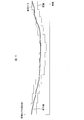
- FIG. 11 is a graph showing calibration of a conventional reference level.
- the reference level is calibrated according to the value of the physical quantity acquired at regular intervals, and the threshold value is changed according to the calibrated reference level.
- the conventional technology has a problem that malfunction of the contact sensor cannot be sufficiently prevented. That is, in the conventional technique, when the threshold value is not exceeded, it is determined that the contact sensor and the object are not in contact with each other. Therefore, the above-described calibration processing is executed unless the physical quantity value exceeds the threshold value.
- the mobile terminal regards the change in the physical quantity value in the contact as the change in the physical quantity value due to the environmental change. It misrecognizes and performs the above-mentioned calibration process. As a result, there is a problem that the reference level and the threshold value are not set appropriately, and the touch sensor malfunctions.
- the present invention has been made to solve the above problems, and an object of the present invention is to provide a portable terminal or the like that can prevent malfunction of a contact sensor when an object is in contact.
- a mobile terminal is provided at a position where a hand of a user holding a housing touches to detect a value of a physical quantity that changes with contact of an object.
- a contact sensor that performs predetermined processing when the detected physical quantity value exceeds a first threshold value that is set based on a reference value that is the physical quantity value when the object is not in contact with the contact sensor.
- a portable terminal comprising: a process execution unit; and a first calibration unit that executes a first calibration mode that sets a value of the physical quantity that does not exceed the detected first threshold value as the reference value.
- Calibration control means for determining that the first calibration mode is to be continued if it is not determined that the value is greater than the value of.
- a method for controlling a mobile terminal detects a value of a physical quantity that changes with contact of an object, and a user's hand holding a housing makes contact.
- the value of the physical quantity detected by the contact sensor provided at the position exceeds the first threshold set based on the reference value that is the value of the physical quantity when the object is not in contact
- Control of a portable terminal including: a contact process execution step for executing a process; and a first calibration step for executing a first calibration mode in which a value of the physical quantity that does not exceed the detected first threshold is set as the reference value.
- a first output value that is a value of the physical quantity that does not exceed the most recently detected first threshold, and the first threshold that is detected a predetermined time before the first output value.
- the value of the physical quantity A change amount determination step for determining whether or not a change amount, which is a difference from the output value, is greater than a predetermined value; and when it is determined that the change amount is greater than the predetermined value, the first calibration mode And a calibration control step for determining that the first calibration mode is to be continued if it is not determined to be temporarily executed, and if it is not determined to be greater than the predetermined value.
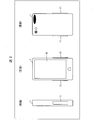
- FIG. 2 is a schematic diagram showing the appearance of the smartphone 1.
- the smartphone 1 according to this embodiment includes a display unit 10 on at least one surface of the housing.
- the surface provided with the display unit 10 is referred to as the “front” of the smartphone 1.
- the smartphone 1 according to the present embodiment includes a contact sensor 11 described later at a position where a user's hand holding the smartphone 1 contacts the smartphone 1.
- the smartphone 1 is in contact with two surfaces adjacent to the long side of the front (hereinafter, the two surfaces are referred to as “side surfaces” of the smartphone 1).
- a sensor 11 is provided.
- the number of contact sensors 11 and the range in which the contact sensors 11 are provided are not limited to the example shown in FIG. 2.
- a plurality of contact sensors 11 may be provided on each of the side surfaces.
- the contact sensor 11 may be provided on the entire side surface.
- FIG. 1 is a block diagram illustrating an example of a main configuration of the smartphone 1.
- the smartphone 1 includes at least a contact sensor 11, a contact sensor control unit 12, a timer 13, and a control unit 14.
- some arrows are omitted in consideration of the visibility of the drawing.
- the contact sensor 11 is a sensor that detects contact of an object such as a user's hand.
- the contact sensor 11 is specifically a capacitance sensor, but is not limited to this example.
- the contact sensor 11 detects a value of a physical quantity (variable capacity of the capacitance sensor) corresponding to the type of the contact sensor 11 based on an instruction from the contact sensor control unit 12, and uses the detected value as the contact sensor control unit 12. Output to.
- the contact sensor control unit 12 operates the contact sensor 11 to acquire a physical quantity value corresponding to the type of the contact sensor 11.
- the contact sensor control unit 12 causes the timer 13 to measure a predetermined time for contact determination (hereinafter referred to as a contact determination cycle). Then, when the time measured by the timer 13 reaches the contact determination cycle, the contact sensor 11 is instructed to detect the substance amount. And if the value which the contact sensor 11 output is acquired, the said value (henceforth a reaction level) is output to the threshold value determination part 21 mentioned later.
- the contact sensor control unit 12 acquires a physical quantity value from each of the contact sensors 11 provided on both side surfaces. Further, the contact sensor control unit 12 may output the result of processing the acquired value to the threshold determination unit 21. For example, when the contact sensor 11 is a capacitance sensor, the difference in capacitance when the object is not in contact may be output to the threshold determination unit 21. In this case, the specified difference is the reaction level.
- the acquired value is output as a reaction level to the threshold value determination unit 21 will be described.
- the contact sensor control unit 12 causes the timer 13 to measure a predetermined time (hereinafter referred to as a calibration execution cycle) for executing the calibration process, which is different from the contact determination cycle. Then, when the time measured by the timer 13 reaches the calibration execution period, the contact sensor 11 is instructed to detect the capacitance. When the physical quantity value output by the contact sensor 11 is acquired, the physical quantity value (reaction level) is output to the first calibration unit 25 or the second calibration unit 26 described later. The contact sensor control unit 12 specifies whether to output the reaction level to the first calibration unit 25 or the second calibration unit 26 based on information output from the calibration control unit 24 described later.
- Timer 13 is a device for measuring the passage of time.
- the timer 13 measures either the contact determination cycle or the calibration execution cycle based on an instruction from the contact sensor control unit 12. When any one of the above cycles is measured, a message to that effect is output to the contact sensor control unit 12.
- the control unit 14 performs overall control of each unit included in the smartphone 1.
- the control unit 14 includes at least a threshold determination unit 21, a process execution unit 22 (contact process execution unit), a change amount specifying unit 23 (change amount determination unit), a calibration control unit 24 (calibration control unit), and a first calibration unit 25. (First calibration means) and a second calibration unit 26 (second calibration means).
- the threshold determination unit 21 determines whether or not the value of the physical quantity detected by the contact sensor 11 exceeds a contact threshold (first threshold) that is a threshold indicating that an object has contacted the contact sensor 11. Specifically, when the reaction level is supplied from the contact sensor control unit 12, the threshold determination unit 21 determines whether or not the reaction level exceeds the contact threshold. And when it determines with the said reaction level having exceeded the said contact threshold value, the information which shows that is supplied to the process execution part 22. FIG. On the other hand, when it is determined that the reaction level does not exceed the contact threshold, the reaction level is supplied to the change amount specifying unit 23. The threshold determination unit 21 determines whether or not the reaction level has exceeded a stop threshold (second threshold) that is a threshold for stopping the second calibration mode.
- second threshold stop threshold
- the threshold determination unit 21 is supplied with the reaction level in each of the contact sensors 11 provided on both side surfaces, and determines that both of the above reaction levels have exceeded the contact threshold. , Information indicating that is supplied to the process execution unit 22.
- the contact threshold used by the threshold determination unit 21 is determined based on a reference level (reference value) that is a reaction level when an object is not in contact with the contact sensor 11. Specifically, the contact threshold is determined so that the difference between the reference level and the contact threshold is always constant. That is, when the reference level is changed, the contact threshold is also changed so that the difference from the changed reference level becomes constant.
- the contact sensor 11 is a capacitance sensor
- the capacitance of the capacitor changes due to the contact of an object, and the contact threshold value is smaller than the reference level.
- “the reaction level exceeds the contact threshold value” means that the reaction level is a value lower than the contact threshold value.
- the reference level and the contact threshold used in the threshold determination unit 21 are appropriately changed by the first calibration unit 25 or the second calibration unit 26.
- the process execution unit 22 executes a process associated with the contact of the user's hand with the contact sensor 11. Specifically, when the process execution unit 22 is supplied with information indicating that the reaction level exceeds the contact threshold from the threshold determination unit 21, the process execution unit 22 performs a process associated with the information (for example, a display screen lighting process). ). In addition, the process matched with the said information is not limited to the lighting process of a display screen.
- the change amount specifying unit 23 specifies a change amount of the reaction level in a predetermined time, and determines whether or not an object has contacted the contact sensor 11. Specifically, when the reaction level (first output value) is supplied from the threshold determination unit 21, the change amount specifying unit 23 determines whether the change level specifying unit 23 has the reaction level (second output value) supplied immediately before the reaction level. Identify the difference (change). Then, it is determined whether or not the amount of change is greater than a predetermined value. When it is determined that the change amount is larger than the predetermined value, the change amount specifying unit 23 supplies information (contact detection information) indicating the fact and the first output value to the calibration control unit 24. On the other hand, when it is determined that the change amount is smaller than the predetermined value, the change amount specifying unit 23 supplies the first output value to the calibration control unit 24.
- the change amount specifying unit 23 supplies the contact detection information to the calibration control unit 24 when it is determined that an object has contacted the contact sensor 11. This makes it possible to accurately determine whether the change in the reaction level is due to contact with an object or due to a change in the environment around the contact sensor.
- the predetermined value is a value that can sufficiently distinguish a change amount based on a change in the environment around the assumed contact sensor 11 (temperature change) and a change amount indicating that the object has contacted, There is no particular limitation.
- the calibration control unit 24 determines whether to execute the first calibration mode or the second calibration mode. Specifically, when the contact detection information is supplied from the change amount specifying unit 23, the calibration control unit 24 instructs the first calibration unit 25 to stop the first calibration mode, and the second calibration unit 26. To start the second calibration mode. When the calibration control unit 24 is supplied with information indicating that the reaction level exceeds the stop threshold value from the threshold determination unit 21, the calibration control unit 24 instructs the second calibration unit 26 to stop the second calibration mode, and The first calibration unit 25 is instructed to start the first calibration mode. In addition, the calibration control unit 24 specifies the calibration mode currently being executed, and outputs information indicating the specified calibration mode to the contact sensor control unit 12. Here, when the contact sensor 11 is a capacitance sensor, “the first output value exceeds the stop threshold” means “the first output value exceeds the stop threshold”.
- the first calibration unit 25 and the second calibration unit 26 execute the first calibration mode and the second calibration mode, respectively. Details of these calibration modes will be described later.
- the first calibration mode is a mode in which the reaction level is set as a reference level when the reaction level detected by the contact sensor 11 does not exceed the contact threshold. Specifically, when the time measured by the timer 13 reaches the calibration execution period, the contact sensor control unit 12 acquires the reaction level using the contact sensor 11. Then, the contact sensor control unit 12 supplies the acquired reaction level to the first calibration unit 25.
- the 1st calibration part 25 specifies whether the supplied reaction level exceeds a contact threshold value. This contact threshold is the same as the contact threshold used in the threshold determination unit 21. When the contact threshold value is exceeded, the process is terminated without performing calibration of the reference level. On the other hand, when the contact threshold is not exceeded, the supplied reaction level is set as a new reference level.
- the contact threshold value is changed so that the difference between the reference level before and after the change is equal to the difference between the contact threshold value before and after the change.
- the difference between the reference level and the contact threshold is equal before and after the change.
- the reference level and contact threshold of the threshold determination unit 21 are changed to the changed reference level and contact threshold.
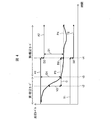
- FIG. 3 is a graph showing a change from the first calibration mode to the second calibration mode in the smartphone 1.
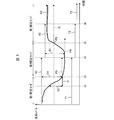
- FIG. 4 is a graph showing the calibration of the reference level in the second calibration mode in the smartphone 1.
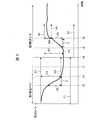
- FIG. 5 is a graph showing a change from the second calibration mode to the first calibration mode in the smartphone 1.
- FIG. 6 is a graph showing resetting of the reference numerical value difference in the smartphone 1.
- the change from the first calibration mode to the second calibration mode will be described with reference to FIG.
- the threshold value determination unit 21 determines that the value (reaction level) detected by the contact sensor 11 does not exceed the contact threshold value T1 set based on the reference level A1
- the reaction level is supplied to the change amount specifying unit 23. Is done.
- the change amount specifying unit 23 calculates a difference (change amount) between the supplied reaction level (first output value) and the reaction level (second output value) supplied immediately before the supplied reaction level. Identify. For example, when the reaction level P2 detected at time t2 is supplied, the amount of change V1 that is the difference from the reaction level supplied immediately before that, that is, the reaction level P1 detected at time t1 preceding the period C. Is identified.
- the change amount specifying unit 23 specifies a change amount V2 that is a difference from the reaction level P2 supplied at time t2. In this case, since the change amount V2 is larger than the predetermined value, the calibration control unit 24 determines to stop the first calibration mode.
- the first calibration mode that is executed to calibrate the reference level following the change is not erroneously executed when the object is in contact.
- the calibration control unit 24 determines the start of the second calibration mode. As a result, the second calibration mode is executed by the second calibration unit 26.
- the second calibration mode specifies a reference numerical value difference D1 which is a difference between the reaction level (first output value) P3 and the reference level A1 when the second calibration mode is started, and the reaction level detected by the contact sensor 11
- the reference level is set so that the difference between the reference value and the reference level after calibration becomes the reference numerical value difference D1.
- the second calibration unit 26 starts the second calibration mode and specifies the reference numerical value difference D1.
- the contact sensor control unit 12 acquires the reaction level P4 using the contact sensor 11.
- the contact sensor control unit 12 supplies the acquired reaction level P4 to the second calibration unit 26.
- the second calibration unit 26 specifies whether or not the supplied reaction level P4 exceeds the contact threshold value T1.
- This contact threshold is the same as the contact threshold used in the threshold determination unit 21. If it is determined that the contact threshold T1 is exceeded, the reference level is not calibrated and the process is terminated. On the other hand, when it is determined that the contact threshold value T1 is not exceeded, a new reference level A2 is set so that the difference from the supplied reaction level P4 becomes the reference numerical value difference D1. Then, the contact threshold T1 is changed to the contact threshold T2 so that the difference between the reference level before and after the change and the difference between the contact threshold before and after the change are equal.
- the difference between the reference level and the contact threshold is equal before and after the change.
- the reference level and the contact threshold of the threshold determination unit 21 are changed to the changed reference level A2 and the contact threshold T2. Accordingly, the reference level can be calibrated following the change in the environment around the sensor after the second calibration mode is executed. In the second calibration mode, since the reference level is set so as to maintain the reference numerical value difference, the reference level and the contact threshold are not significantly changed. As described above, it is possible to prevent malfunction of the contact sensor 11 at the time of contact with an object while responding to a change in environment.
- the calibration process in the second calibration mode may be performed as follows.
- the second calibration unit 26 sets the reaction level (first output value) when the second calibration mode is started as the pseudo reference level P3. If it is determined that the acquired reaction level P4 does not exceed the contact threshold value T1, the pseudo reference level is changed to P4. Then, the second calibration unit 26 specifies the pseudo reference level difference D2 before and after the change, and the difference between the reference level before and after the change and the contact threshold value before and after the change is equal to the pseudo reference level difference D2.
- the reference level A1 is changed to the reference level A2, and the contact threshold value T1 is changed to the contact threshold value T2.
- the calibration control unit 24 determines whether or not the reaction level exceeds the stop threshold R.
- the stop threshold value R is exceeded.
- the reaction level P5 detected at time t5 exceeds the stop threshold R.
- the calibration control unit 24 specifies that the reaction level P5 exceeds the stop threshold value R, the calibration control unit 24 instructs the second calibration unit 26 to stop the second calibration mode. Further, the calibration control unit 24 instructs the first calibration unit 25 to start the first calibration mode.
- the reaction level detected at time t6 becomes the reference level A3, and the difference between the reference level before and after the change and the contact threshold value before and after the change. Are set to be equal to each other.
- the first calibration mode can be resumed when there is a high possibility that the change in the reaction level with time is based on the environmental change around the sensor. Therefore, the calibration of the reference level suitable for the situation can be performed.
- the contact sensor control unit 12 acquires the reaction level from the contact sensor 11 every contact determination period C regardless of whether the calibration mode is the first calibration mode or the second calibration mode. Further, even in the reaction level that is determined by the threshold determination unit 21 not to exceed (below) the contact threshold and is supplied to the variation specifying unit 23, the calibration mode is the first calibration mode or the second calibration. The amount of change is specified regardless of the mode. That is, also at time t7 and the like, the change amount specifying unit 23 specifies the change amount and determines whether or not the change amount is larger than a predetermined value.
- the change amount specifying unit 23 when the second calibration mode is executed, the change amount specifying unit 23 only changes in the direction in which the reaction level decreases with time, such as the change amount V2 of the reaction level from time t2 to t3. Instead, the amount of change in the direction in which the reaction level increases with the passage of time, such as the change amount V3 of the reaction level from time t8 to t9, is also specified. In other words, when the second calibration mode is being executed, the change amount specifying unit 23 determines whether or not the absolute value of the change amount is greater than a predetermined value.
- the change amount specifying unit 23 determines that the change amount is larger than the predetermined value during execution of the second calibration mode, information indicating that (contact detection information) is sent via the calibration control unit 24. 2 is supplied to the calibration unit 26. And the 2nd calibration part 26 resets a reference
- the change amount specifying unit 23 specifies a change amount V3 that is greater than a predetermined value, and as a result, the second calibration unit 26 resets the reference numerical value difference D1, and the time The difference between the reference level A2 at time t9 and the reaction level P6 detected at time t9 is specified as a new reference numerical value difference D3.
- the second calibration unit 26 determines that the difference between the reaction level detected by the contact sensor 11 when the time measured by the timer 13 reaches the calibration execution period and the reference level after calibration is the reference numerical value difference D3.
- the reference level is set so that As a result, even if a relatively large reaction level change occurs within a range that does not exceed (below) the contact threshold, malfunction of the contact sensor 11 can be prevented.
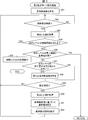
- FIG. 7 is a flowchart for explaining the flow of processing in the smartphone 1
- FIG. 8 is a flowchart showing the flow of the second calibration mode calibration processing.
- the flowchart shown in FIG. 7 is a flowchart after the first calibration mode is started.
- the contact sensor control unit 12 specifies the contact detection time (YES in S1), that is, when the time measured by the timer 13 reaches the contact determination cycle, the contact sensor control unit 12 The value detected by the sensor 11 is acquired (S2). Then, the contact sensor control unit 12 outputs the acquired value (reaction level) to the threshold value determination unit 21. Subsequently, the threshold determination unit 21 determines whether or not the reaction level exceeds the contact threshold (S3). When it is determined that the reaction level exceeds the contact threshold (YES in S3), the threshold determination unit 21 supplies information indicating that fact to the process execution unit 22. And the process execution part 22 performs the process (for example, lighting process of a display screen) matched with the information which shows that the reaction level exceeded the contact threshold value (S4, contact process execution step).
- the process execution part 22 performs the process (for example, lighting process of a display screen) matched with the information which shows that the reaction level exceeded the contact threshold value (S4, contact process execution step).
- the threshold determination unit 21 determines whether or not the reaction level is between the stop threshold and the reference level (S5). Specifically, the threshold determination unit 21 determines whether or not the reaction level is between the stop threshold and the reference level, in other words, whether or not the reaction level exceeds (exceeds) the stop threshold. When it is determined that the reaction level is between the stop threshold and the reference level (YES in S5), the threshold determination unit 21 supplies the fact to the calibration control unit 24, and the calibration control unit 24 performs the first calibration mode. (S6, first calibration step).
- the threshold determination unit 21 supplies the reaction level to the change amount specifying unit 23.
- specification part 23 determines whether the variation
- the change amount specifying unit 23 includes the supplied reaction level (first output value) and the reaction level (second output value) supplied immediately before the first output value, for example, before the contact determination period. The amount of change that is the difference between and is specified. Then, it is determined whether or not the amount of change is greater than a predetermined value.
- the change amount specifying unit 23 supplies the first output value to the calibration control unit 24, and the calibration control unit 24 sets the first calibration mode. Maintain (S6).
- the contact sensor control unit 12 acquires the reaction level detected by the contact sensor 11. Then, the contact sensor control unit 12 supplies the acquired reaction level to the first calibration unit 25. Subsequently, the first calibration unit 25 calibrates the reference level. Specifically, the first calibration unit 25 determines whether or not the supplied reaction level exceeds a contact threshold value.
- the reference level is not calibrated and the process ends.
- the supplied reaction level is set as a new reference level.
- the contact threshold is changed so that the difference between the reference level before and after the change is equal to the difference between the contact threshold before and after the change.
- the first calibration unit 25 changes the reference level and the contact threshold of the threshold determination unit 21 to the changed reference level and the contact threshold, respectively, and ends the process.
- the change amount specifying unit 23 supplies the contact detection information and the first output value indicating that to the calibration control unit 24.
- the first calibration unit 25 is instructed to stop the first calibration mode, and the first calibration unit 25 receives the instruction and stops the first calibration mode (S8, calibration control). Step).
- the calibration control unit 24 specifies a new reference numerical value difference (S9). That is, the difference between the first output value of the amount of change determined to be greater than the predetermined value and the reference level at the time when the amount of change is determined to be greater than the predetermined value is specified as a new reference numerical value difference.
- the calibration control unit 24 instructs the second calibration unit 26 to start the second calibration mode, and the second calibration unit 26 starts the second calibration mode in response to the instruction (S10).
- a second calibration mode calibration process is executed (S11).
- the second calibration unit 26 specifies a reference numerical value difference (S21). Specifically, a reference numerical value difference that is a difference between the response level (first output value) when the second calibration mode is started and the reference level is specified.
- the subsequent processing from step S22 to step S25 is the same as the processing from step S1 to step S4 described with reference to FIG. 7, and thus description thereof is omitted here.
- the threshold determination unit 21 determines whether or not the reaction level is between the stop threshold and the reference level (S26).
- the threshold determination unit 21 determines whether or not the reaction level is between the stop threshold and the reference level, in other words, whether or not the reaction level exceeds (exceeds) the stop threshold.
- the second calibration mode calibration process is terminated, and the process returns to the process shown in FIG.
- the threshold determination unit 21 supplies the reaction level to the change amount specifying unit 23.
- specification part 23 determines whether the variation
- the process in step S27 is the same as the process in step S7 described in FIG.
- a new reference numerical value difference is specified (S28).
- step S28 is omitted.
- the contact sensor control unit 12 specifies the calibration time (YES in S29), that is, when the time measured by the timer 13 has reached the calibration execution cycle, the contact sensor control unit 12 The reaction level detected by the sensor 11 is acquired (S30). Then, the contact sensor control unit 12 supplies the acquired reaction level to the second calibration unit 26.
- the second calibration unit 26 calibrates the reference level based on the reference numerical value difference (S31). Specifically, the second calibration unit 26 determines whether or not the supplied reaction level exceeds a contact threshold value. If it is determined that the contact threshold is exceeded, the reference level is not calibrated and the process ends. On the other hand, when it is determined that the contact threshold is not exceeded, a new reference level is set so that the difference from the supplied reaction level becomes a reference numerical value difference. Then, a new contact threshold value is set so that the difference between the reference levels before and after the change is equal to the difference between the contact threshold values before and after the change. Then, the second calibration unit 26 sets a reference level and a threshold value (S32).
- the second calibration unit 26 changes the reference level and contact threshold of the threshold determination unit 21 to the changed reference level and contact threshold, respectively. Thereafter, the process returns to step S22.
- the calibration time of S29 is monitored and the reference value is changed.
- S30, S31, and S32 are not necessarily performed.
- the calibration control unit 24 instructs the second calibration unit 26 to stop the second calibration mode, and the second calibration unit 26 stops the second calibration mode in response to the instruction (S12). Furthermore, the calibration control unit 24 instructs the first calibration unit 25 to start the first calibration mode, and the first calibration unit 25 resumes the first calibration mode in response to the instruction (S13). Above, the process shown in FIG. 7 is complete
- FIG. 9 is a graph showing a change from the second calibration mode to the first calibration mode in the smartphone 2.
- the calibration control unit 24 instructs the first calibration unit 25 to stop the first calibration mode. Let Thereby, the malfunctioning of the contact sensor 11 at the time of contact of an object can be prevented. And the calibration control part 24 continues the stop state (2nd calibration mode) of a 1st calibration mode until the 1st output value supplied from the variation
- the change amount specifying unit 23 may supply the reaction level supplied from the threshold determination unit 21 to the calibration control unit 24 as it is without specifying the change amount. Note that after the first calibration mode is resumed at time t5, the calibration in the first calibration mode described above is performed.
- FIG. 10 is a graph showing the change over time of the reaction level in the smartphone 3.
- the viewpoint is changed as compared with what has been described so far. That is, FIG. 10 shows the level that reacted when the reference level was zero.
- a period p0 shown in FIG. 10 indicates a period in which no object is in contact with the contact sensor 11.
- the period p1 indicates a period until the reaction level reaches the contact threshold value T1.
- the threshold determination unit 21 executes the first determination. That is, it is determined whether or not the reaction level continuously exceeds the contact threshold value T1 in the period p2.
- the threshold value determination unit 21 performs the second determination. That is, it is determined whether or not the reaction level continuously exceeds the contact threshold value T1 in the period p3.
- the threshold value determination unit 21 supplies information indicating that to the process execution unit 22 at time tb. Then, the process execution unit 22 executes a predetermined process at time tc.
- the subsequent period p4 indicates a period in which the reaction level continues and exceeds the contact threshold value T1.
- the threshold determination unit 21 performs the third determination. That is, it is determined whether or not the reaction level continuously falls below the non-contact threshold value T4 in the period p5.
- the threshold value determination unit 21 performs the fourth determination. That is, it is determined whether or not the reaction level continuously falls below the non-contact threshold value T4 in the period p6.
- the threshold value determination unit 21 supplies information indicating that to the process execution unit 22 at time te. Then, the process execution unit 22 executes a predetermined process at time tf.
- the length of the period from the first determination to the fourth determination is not particularly limited. That is, since the period of each of the plurality of determination processes can be appropriately set according to the usage, the usability of the smartphone 3 can be improved.
- control blocks of the smartphones 1 to 3 are integrated circuits (IC chips). ) Or the like, or may be realized by software using a CPU (Central Processing Unit).
- the smartphones 1 to 3 include a CPU that executes instructions of a program that is software that realizes each function, and a ROM (Read Only Memory) in which the program and various data are recorded so as to be readable by the computer (or CPU).
- a storage device (these are referred to as “recording media”), a RAM (Random Access Memory) for expanding the program, and the like are provided.
- the objective of this invention is achieved when a computer (or CPU) reads the said program from the said recording medium and runs it.
- a “non-temporary tangible medium” such as a tape, a disk, a card, a semiconductor memory, a programmable logic circuit, or the like can be used.
- the program may be supplied to the computer via an arbitrary transmission medium (such as a communication network or a broadcast wave) that can transmit the program.
- a transmission medium such as a communication network or a broadcast wave
- the present invention can also be realized in the form of a data signal embedded in a carrier wave in which the program is embodied by electronic transmission.
- the mobile terminal (smartphones 1 to 3) according to the first aspect of the present invention detects a physical quantity value that changes with contact of an object, and is a contact sensor provided at a position where a user's hand holding the casing comes into contact (11) and contact that executes a predetermined process when the detected value of the physical quantity exceeds a first threshold value that is set based on a reference value that is the value of the physical quantity when the object is not in contact.
- Process execution means processing section 22
- first calibration means for executing a first calibration mode in which the detected physical quantity value not exceeding the first threshold is set as the reference value.
- the value of the physical quantity that does not exceed one threshold Change amount determination means (change amount specifying unit 23) for determining whether or not a change amount that is a difference from the output value is larger than a predetermined value, and the change amount is determined to be larger than the predetermined value
- the calibration control means determines that the first calibration mode is continuously executed. And a control unit 24).
- the first output value that is the value of the physical quantity that does not exceed the detected first threshold value, and the physical quantity that does not exceed the first threshold value detected a predetermined time before the first output value. It is determined whether or not the amount of change, which is the difference from the second output value that is the value of, is greater than a predetermined value. Thereby, it can be accurately determined whether the change in the value of the physical quantity is due to the contact of the object or the change in the environment around the contact sensor.
- the first calibration mode is not temporarily executed when the amount of change is larger than a predetermined value. That is, when it is determined that an object is in contact with the contact sensor, the calibration for setting the physical quantity value detected by the sensor as the reference value is not performed.
- the first calibration mode executed to calibrate the reference value following the change is not erroneously executed when the object is in contact. That is, since the reference value and the first threshold value set based on the reference value are not greatly changed, it is possible to accurately detect the contact of the object exceeding the first threshold value. As described above, it is possible to prevent the malfunction of the contact sensor when the object is in contact.
- the first calibration mode is not temporarily executed, so that the predetermined calibration is possible regardless of how the user touches the contact sensor (contact strength, contact speed, etc.). Can be executed. In other words, the reactivity of the contact sensor for executing a predetermined process can be improved.
- the portable terminal according to aspect 2 of the present invention further includes second calibration means (second calibration unit 26) that executes a second calibration mode different from the first calibration mode in the aspect 1, and the calibration control means. Determines that the second calibration mode is executed instead of the first calibration mode when the change amount is larger than the predetermined value, and the second calibration mode is configured such that the change amount is the predetermined value.
- a reference numerical value difference that is a difference between the first output value determined to be larger than the reference value is specified, and the difference between the physical quantity value detected by the contact sensor becomes the reference numerical value difference. It may be a mode for setting a reference value.
- the second calibration mode is executed instead of the first calibration mode.
- the second calibration mode specifies a reference numerical value difference that is a difference between the first output value and the reference value when it is determined to execute the mode.
- the reference value is set so that the difference between the physical quantity value detected by the contact sensor and the reference value becomes the reference numerical value difference.
- the reference value and the first threshold value are set according to the change in the value of the physical quantity that does not exceed the first threshold value after the second calibration mode is executed. That is, the reference value can be calibrated following the change in the environment around the sensor after the second calibration mode is executed.
- the reference value is set so as to maintain the reference numerical value difference, so that the reference value and the first threshold value are not greatly changed. As described above, the malfunction of the contact sensor can be prevented while responding to changes in the environment.
- the second calibration means when the execution of the second calibration mode is determined, is a second between the reference value and the first output value. A new threshold value is set, and the calibration control means enters the second calibration mode when the physical quantity value acquired during the execution of the second calibration mode is between the reference value and the second threshold value. Instead, the resumption of the first calibration mode may be determined.
- the execution of the second calibration mode is stopped and the first calibration mode is resumed.
- the value of the physical quantity approaches the reference value
- the second calibration is performed.
- the means may set a difference between the first output value in the newly determined change amount and the reference value as a new reference numerical value difference.
- the first output value and the reference value at this time are Is the new reference numerical value difference.
- the reference value is set so that the difference from the detected physical quantity value becomes the reference numerical value difference. Therefore, when this is applied to a change in the physical quantity value indicating contact with the object, The value and the first threshold value are greatly changed, causing a malfunction of the contact sensor.
- the reference numerical value difference is reset once, and a new reference numerical value difference is specified again, so that the reference value corresponding to the change and the It is possible to prevent the threshold value from being changed. Thereby, the erroneous detection of a contact sensor can be prevented.
- the portable terminal according to Aspect 5 of the present invention is the portable terminal according to any one of Aspects 2 to 4, wherein the change amount determination means has an absolute value of the change amount larger than a predetermined value during execution of the second calibration mode. It may be determined whether or not.
- the second calibration mode Since the second calibration mode is executed in a state in which it is determined that the object is in contact, a change closer to the first threshold (such as causing the user's hand to touch the contact sensor more strongly) and a more standard It is necessary to determine whether or not the amount of change approaching the value (such as moving the user's hand away from the contact sensor) is greater than a predetermined value. Therefore, according to the calibration, during execution of the second calibration mode, it is specified whether or not the absolute value of the change amount in the change having a positive sign and the change having a negative sign is greater than a predetermined value. Therefore, the reference value and the threshold value can be calibrated in accordance with a change in the value of the substance amount assumed in the second calibration mode.
- the mobile terminal control method is detected by a contact sensor provided at a position where a user's hand holding the casing comes into contact, which detects a physical quantity value that changes with contact of an object.
- a contact process execution step S4 that executes a predetermined process
- a first calibration step S6 for executing a first calibration mode in which a value of the physical quantity that does not exceed the detected first threshold value is set as the reference value.
- a first output value that is a value of the physical quantity that does not exceed the first threshold value detected most recently, and a value of the physical quantity that does not exceed the first threshold value detected a predetermined time before the first output value. The difference from a certain second output value.
- a change amount determination step (S7) for determining whether or not the change amount is larger than a predetermined value, and when it is determined that the change amount is larger than the predetermined value, the first calibration mode is temporarily set.
- a calibration control step (S8) for deciding not to execute, and determining that the first calibration mode is to be continuously executed if it is not determined to be larger than the predetermined value.
- the mobile terminal according to each aspect of the present invention may be realized by a computer.
- the mobile terminal is realized by the computer by causing the computer to operate as each unit included in the mobile terminal.
- a control program and a computer-readable recording medium on which the control program is recorded also fall within the scope of the present invention.
- the present invention can be used for a mobile terminal (smart phone, mobile phone, tablet terminal, etc.) capable of executing a predetermined process according to the detection result of the contact sensor.
- a mobile terminal smart phone, mobile phone, tablet terminal, etc.
Landscapes
- Engineering & Computer Science (AREA)
- General Engineering & Computer Science (AREA)
- Theoretical Computer Science (AREA)
- Human Computer Interaction (AREA)
- Physics & Mathematics (AREA)
- General Physics & Mathematics (AREA)
- Telephone Function (AREA)
- Input From Keyboards Or The Like (AREA)
Abstract
物体の接触時における、接触センサの誤動作を防ぐ。直近に検出された上記第1閾値を超えない上記物理量の値である第1出力値と、上記第1出力値よりも所定時間前に検出された上記第1閾値を超えない上記物理量の値である第2出力値との差である変化量が、所定の値よりも大きいと判定されたとき、上記第1較正モードを一時的に実行させないことを決定する較正制御部(24)を備える。
Description
本発明は、接触センサの検出結果に応じて、所定の処理を実行することが可能な携帯端末に関する。
従来、携帯端末に備えられたセンサによる検出結果に応じて、携帯端末にて実行する処理を決定する技術がある。例えば、下記特許文献1には、静電容量センサを用いた携帯端末の両端に電極を配置し、両方の電極に触れたか否か、および触れた指の本数により、携帯端末にて実行する処理を決定する技術が開示されている。
ここで、上記特許文献1に記載されているような、物体の接触に伴って変化する物理量の値を検知するセンサ(接触センサ)は、周囲の環境の変化によって、物体が非接触のときの物理量の値が変化する場合がある。例えば、静電容量センサの場合、センサの周囲の温度変化によって、物体が非接触のときに検出される値が変化してしまう。これにより、物体が接触したか否かを判定するための閾値が変化してしまうため、センサの誤動作(例えば、ユーザが接触センサに触れているのに、想定される処理が実行されないなど)の要因となる。このような問題の解決策として、物体が非接触であると判断されるときの物理量の値を取得し、当該物理量の値に基準レベルを較正する技術がある。図11は、従来の基準レベルの較正を示すグラフである。図11に示すように、従来は一定時間ごとに取得される物理量の値に応じて基準レベルを較正し、較正された基準レベルに応じて上記閾値を変化させていた。しかしながら、従来の技術では接触センサの誤動作を十分に防ぐことができないという問題がある。すなわち、従来の技術では、上記閾値を超えない場合は接触センサと物体とが非接触であると判定するため、物理量の値が上記閾値を超えない限りは上述の較正処理が実行される。つまり、何らかの理由で物体が接触センサに接触したにもかかわらず、物理量の値が上記閾値を超えない場合、携帯端末は当該接触における物理量の値の変化を環境の変化による物理量の値の変化と誤認識し、上述の較正処理を実行してしまう。その結果、基準レベルおよび閾値が適切に設定されず、接触センサの誤動作が発生してしまうという問題がある。
本発明は上記の問題を解決するためになされたものであり、その目的は、物体の接触時における、接触センサの誤動作を防ぐことができる携帯端末などを提供することにある。
上記の課題を解決するために、本発明の一態様に係る携帯端末は、物体の接触に伴って変化する物理量の値を検出する、筐体を把持したユーザの手が接触する位置に設けられた接触センサと、検出した上記物理量の値が、上記物体が非接触のときの上記物理量の値である基準値に基づいて設定された第1閾値を超えたとき、所定の処理を実行する接触処理実行手段と、検出された上記第1閾値を超えない上記物理量の値を上記基準値として設定する第1較正モードを実行する第1較正手段と、を備える携帯端末であって、直近に検出された上記第1閾値を超えない上記物理量の値である第1出力値と、上記第1出力値よりも所定時間前に検出された上記第1閾値を超えない上記物理量の値である第2出力値との差である変化量が、所定の値より大きいか否かを判定する変化量判定手段と、上記変化量が上記所定の値よりも大きいと判定されたとき、上記第1較正モードを一時的に実行させないことを決定するとともに、上記所定の値よりも大きいと判定されなければ、上記第1較正モードを引き続き実行させることを決定する較正制御手段と、を備える。
また、上記の課題を解決するために、本発明の一態様に係る携帯端末の制御方法は、物体の接触に伴って変化する物理量の値を検出する、筐体を把持したユーザの手が接触する位置に設けられた接触センサによって検出された上記物理量の値が、上記物体が非接触のときの上記物理量の値である基準値に基づいて設定された第1閾値を超えたとき、所定の処理を実行する接触処理実行ステップと、検出された上記第1閾値を超えない上記物理量の値を上記基準値として設定する第1較正モードを実行する第1較正ステップと、を含む携帯端末の制御方法であって、直近に検出された上記第1閾値を超えない上記物理量の値である第1出力値と、上記第1出力値よりも所定時間前に検出された上記第1閾値を超えない上記物理量の値である第2出力値との差である変化量が、所定の値より大きいか否かを判定する変化量判定ステップと、上記変化量が上記所定の値よりも大きいと判定されたとき、上記第1較正モードを一時的に実行させないことを決定するとともに、上記所定の値よりも大きいと判定されなければ、上記第1較正モードを引き続き実行させることを決定する較正制御ステップと、を含む。
本発明の一態様によれば、物体の接触時における接触センサの誤動作を防ぐことができるという効果を奏する。
以下、本発明の実施の形態について、詳細に説明する。以下で説明する実施形態では、本発明をスマートフォンに適用した例を説明する。なお、適用例はスマートフォンに限定されず、接触センサの検出結果に応じて、所定の処理を実行することが可能な携帯端末であれば、本発明を適用可能である。また、説明の便宜上、各実施形態に示した部材と同一の機能を有する部材については、同一の符号を付し、適宜その説明を省略する。さらに、各図面に記載した構成の形状、並びに、長さ、大きさおよび幅などの寸法は、実際の形状や寸法を反映させたものではなく、図面の明瞭化と簡略化のために適宜変更している。
〔実施形態1〕
本発明の一実施形態において、図1~8に基づいて説明すれば以下のとおりである。まず、図2を参照して、スマートフォン1の外観構成について説明する。図2は、スマートフォン1の外観を示す概略図である。本実施形態に係るスマートフォン1は、筐体の少なくとも1つの面に表示部10を備えている。なお、以降、表示部10を備える面をスマートフォン1の「正面」と呼称する。また、本実施形態に係るスマートフォン1は、スマートフォン1を把持するユーザの手がスマートフォン1に接触する位置に、後述する接触センサ11を備えている。例えば、図2に示すように、スマートフォン1は、上記正面の長辺と隣接する2つの面(以降、当該2つの面をスマートフォン1の「側面」と呼称する)に、それぞれ1つずつの接触センサ11を備えている。なお、接触センサ11の数、および、接触センサ11が備えられている範囲は、図2に示すような例に限定されず、例えば、接触センサ11が上記各側面に複数備えられていてもよいし、接触センサ11が側面全体に備えられていてもよい。
本発明の一実施形態において、図1~8に基づいて説明すれば以下のとおりである。まず、図2を参照して、スマートフォン1の外観構成について説明する。図2は、スマートフォン1の外観を示す概略図である。本実施形態に係るスマートフォン1は、筐体の少なくとも1つの面に表示部10を備えている。なお、以降、表示部10を備える面をスマートフォン1の「正面」と呼称する。また、本実施形態に係るスマートフォン1は、スマートフォン1を把持するユーザの手がスマートフォン1に接触する位置に、後述する接触センサ11を備えている。例えば、図2に示すように、スマートフォン1は、上記正面の長辺と隣接する2つの面(以降、当該2つの面をスマートフォン1の「側面」と呼称する)に、それぞれ1つずつの接触センサ11を備えている。なお、接触センサ11の数、および、接触センサ11が備えられている範囲は、図2に示すような例に限定されず、例えば、接触センサ11が上記各側面に複数備えられていてもよいし、接触センサ11が側面全体に備えられていてもよい。
次に、図1を参照して、スマートフォン1の要部構成について説明する。図1は、スマートフォン1の要部構成の一例を示すブロック図である。図1に示すように、スマートフォン1は少なくとも、接触センサ11、接触センサ制御部12、タイマ13、および制御部14を備えている。なお、図1は図面の見やすさを考慮し、一部矢印を省略している。
接触センサ11は、ユーザの手などの物体の接触を検出するセンサである。接触センサ11は、具体的には静電容量センサであるが、この例に限定されるものではない。接触センサ11は、接触センサ制御部12からの指示に基づいて、接触センサ11の種類に応じた物理量(静電容量センサの変動容量)の値を検出し、検出した値を接触センサ制御部12に出力する。
接触センサ制御部12は、接触センサ11を動作させ、接触センサ11の種類に応じた物理量の値を取得するものである。接触センサ制御部12は、タイマ13に接触判定のための所定の時間(以降、接触判定周期と呼称する)を計測させる。そして、タイマ13の計測する時間が上記接触判定周期に到達した時点で、接触センサ11に物質量の検出を指示する。そして、接触センサ11が出力した値を取得すると、当該値(以降、反応レベルと呼称する)を後述する閾値判定部21に出力する。所定の時間ごとに検出された値を取得する構成とすることで、消費電流を低減することができる。なお、本実施形態に係るスマートフォン1においては、接触センサ制御部12は、両側面に備えられた接触センサ11それぞれから物理量の値を取得する。また、接触センサ制御部12は、取得した値を処理した結果を、閾値判定部21に出力してもよい。例えば、接触センサ11が静電容量センサの場合、物体が非接触のときの静電容量の差を閾値判定部21に出力してもよい。この場合、上記特定した差が反応レベルとなる。なお、以降は、説明の便宜上、取得した値を閾値判定部21に反応レベルとして出力する構成について説明する。
また、接触センサ制御部12は、上記接触判定周期とは別の、較正処理を実行するための所定の時間(以降、較正実行周期と呼称する)をタイマ13に計測させる。そして、タイマ13の計測する時間が上記較正実行周期に到達した時点で、接触センサ11に静電容量の検出を指示する。そして、接触センサ11が出力した物理量の値を取得すると、当該物理量の値(反応レベル)を後述する第1較正部25または第2較正部26に出力する。接触センサ制御部12は、第1較正部25または第2較正部26のいずれに反応レベルを出力するかについて、後述する較正制御部24から出力される情報に基づいて特定する。
タイマ13は、時間の経過を計測するためのデバイスである。タイマ13は、接触センサ制御部12の指示に基づいて、上記接触判定周期または較正実行周期のいずれかを計測する。そして、上記いずれかの周期を計測すると、その旨を接触センサ制御部12に出力する。
制御部14は、スマートフォン1が備える各部を統括制御するものである。制御部14は、少なくとも、閾値判定部21、処理実行部22(接触処理実行手段)、変化量特定部23(変化量判定手段)、較正制御部24(較正制御手段)、第1較正部25(第1較正手段)、および、第2較正部26(第2較正手段)を備えている。
閾値判定部21は、接触センサ11が検出した物理量の値が、物体が接触センサ11に接触したことを示す閾値である接触閾値(第1閾値)を超えたか否かを判定するものである。具体的には、閾値判定部21は、接触センサ制御部12から上記反応レベルを供給されると、当該反応レベルが上記接触閾値を超えたか否かを判定する。そして、当該反応レベルが上記接触閾値を超えたと判定した場合、その旨を示す情報を処理実行部22に供給する。一方、当該反応レベルが上記接触閾値を超えていないと判定した場合、当該反応レベルを変化量特定部23に供給する。また、閾値判定部21は、反応レベルが第2較正モードを停止するための閾値である停止閾値(第2閾値)を超えたか否かを判定する。そして、上記停止閾値を超えたと判定したとき、その旨を較正処理部24に供給する。なお、本実施形態に係るスマートフォン1においては、閾値判定部21は、両側面に備えられた接触センサ11それぞれにおける反応レベルを供給され、上記それぞれの反応レベルがともに接触閾値を超えたと判定した場合、その旨を示す情報を処理実行部22に供給する。
ここで、閾値判定部21が用いる上記接触閾値は、接触センサ11に物体が接触していないときの反応レベルである基準レベル(基準値)に基づいて決定される。具体的には、上記基準レベルと上記接触閾値との差が常に一定になるように、上記接触閾値は決定される。すなわち、上記基準レベルが変更されると、変更後の基準レベルとの差が一定となるように、上記接触閾値もまた変更される。なお、接触センサ11が静電容量センサの場合、物体の接触によってコンデンサの容量が変化し、接触閾値は基準レベルより小さい値となる。つまり、「反応レベルが接触閾値を超える」とは、反応レベルが接触閾値を下回る値であることを意味する。なお、閾値判定部21にて使用される上記基準レベルおよび接触閾値は、第1較正部25または第2較正部26によって適宜変更される。
処理実行部22は、接触センサ11へのユーザの手の接触に対応付けられた処理を実行するものである。具体的には、処理実行部22は、閾値判定部21から反応レベルが接触閾値を超えたことを示す情報を供給されると、当該情報に対応付けられた処理(例えば、表示画面の点灯処理)を実行する。なお、上記情報に対応付けられた処理は、表示画面の点灯処理に限定されるものではない。
変化量特定部23は、所定の時間における反応レベルの変化量を特定し、接触センサ11に物体が接触したか否かを判定するものである。具体的には、変化量特定部23は、閾値判定部21から反応レベル(第1出力値)を供給されると、当該反応レベルの直前に供給された反応レベル(第2出力値)との差(変化量)を特定する。そして、当該変化量が所定の値より大きいか否かを判定する。当該変化量が所定の値より大きいと判定した場合、変化量特定部23は、その旨を示す情報(接触検出情報)および第1出力値を較正制御部24に供給する。一方、当該変化量が所定の値より小さいと判定した場合、変化量特定部23は、第1出力値を較正制御部24に供給する。
ここで、「変化量が所定の値より大きいか否か」とは、「当該変化量を示す変化の原因が、接触センサ11への物体の接触であるか、または、接触センサ11の周囲の環境の変化であるか」ということである。すなわち、変化量特定部23は、接触センサ11に物体が接触したと判定したとき、上記接触検出情報を較正制御部24に供給する。これにより、反応レベルの変化が物体の接触によるものか、または、接触センサの周囲の環境の変化によるものかを正確に判定することができる。なお、変化量を特定するときの第1出力値と第2出力値との時間差が接触判定周期より長くなった場合、変化量を特定しないとしてもよい。また、所定の値は、想定される接触センサ11の周囲の環境の変化(温度変化)に基づく変化量と、物体が接触したことを示す変化量とを十分区別できるような値であれば、特に限定されない。
較正制御部24は、第1較正モードおよび第2較正モードのいずれを実行するか決定するものである。具体的には、較正制御部24は、変化量特定部23から接触検出情報を供給されると、第1較正部25に対して第1較正モードの停止を指示するとともに、第2較正部26に対して第2較正モードの開始を指示する。また、較正制御部24は、閾値判定部21から反応レベルが停止閾値を超えたことを示す情報を供給されると、第2較正部26に対して第2較正モードの停止を指示するとともに、第1較正部25に対して第1較正モードの開始を指示する。また、較正制御部24は、現在実行中の較正モードを特定し、特定した較正モードを示す情報を接触センサ制御部12に出力する。ここで、接触センサ11が静電容量センサである場合、「第1出力値が停止閾値を超えた」とは「第1出力値が停止閾値を上回る値となった」ことを意味する。
第1較正部25および第2較正部26はそれぞれ、第1較正モードおよび第2較正モードを実行するものである。なお、これらの較正モードの詳細については後述する。
次に、第1較正モードの詳細について説明する。第1較正モードは、接触センサ11が検出した反応レベルが接触閾値を超えない場合、当該反応レベルを基準レベルとして設定するモードである。具体的には、タイマ13が計測する時間が較正実行周期に到達した時点で、接触センサ制御部12が接触センサ11を用いて反応レベルを取得する。そして、接触センサ制御部12は、取得した反応レベルを第1較正部25に供給する。第1較正部25は供給された反応レベルが接触閾値を超えるか否かを特定する。なお、この接触閾値は、閾値判定部21で使用される接触閾値と同じものである。そして、接触閾値を超える場合、基準レベルの較正を行わず処理を終了する。一方、接触閾値を超えない場合、供給された反応レベルを新たな基準レベルとして設定する。そして、変更前後の基準レベルの差と変更前後の接触閾値との差とが等しくなるように、接触閾値を変更する。これにより、変更前後で基準レベルと接触閾値との差は等しくなる。最後に、閾値判定部21の基準レベルおよび接触閾値を、変更後の基準レベルおよび接触閾値に変更する。
次に、図3~図6を参照して、第2較正モードの詳細について説明する。図3は、スマートフォン1における第1較正モードから第2較正モードへの変更を示すグラフである。図4は、スマートフォン1における第2較正モードにおける基準レベルの較正を示すグラフである。図5は、スマートフォン1における第2較正モードから第1較正モードへの変更を示すグラフである。図6は、スマートフォン1における基準数値差のリセットを示すグラフである。
まず、図3を参照して、第1較正モードから第2較正モードへの変更について説明する。閾値判定部21が、接触センサ11が検出した値(反応レベル)について、基準レベルA1に基づいて設定された接触閾値T1を超えないと判定した場合、当該反応レベルは変化量特定部23に供給される。次に、変化量特定部23は、供給された反応レベル(第1出力値)と、供給された反応レベルの直前に供給された反応レベル(第2出力値)との差(変化量)を特定する。例えば、時間t2に検出された反応レベルP2が供給された場合、その直前に供給された反応レベル、すなわち周期C分だけ前の時間t1に検出された反応レベルP1との差である変化量V1を特定する。そして、特定した変化量が所定の値より大きいか否かを判定する。この場合、変化量V1は所定の値より小さいため、第1較正モードが継続される。一方、時間t3に検出された反応レベルP3が供給された場合、変化量特定部23は、時間t2に供給された反応レベルP2との差である変化量V2を特定する。この場合、変化量V2は所定の値より大きいため、較正制御部24は、第1較正モードの停止を決定する。これにより、周囲の環境が変化したときに、当該変化に追従して基準レベルを較正するために実行される第1較正モードが、物体の接触時に誤って実行されることがない。つまり、基準レベルおよび基準レベルに基づいて設定される接触閾値が大きく変更されることがないので、接触閾値を超えるような物体の接触を正確に検知することができる。以上より、物体の接触時における接触センサ11の誤動作を防ぐことができる。そして、較正制御部24は第2較正モードの開始を決定する。その結果、第2較正部26によって第2較正モードが実行される。
次に、図4を参照して、第2較正モードにおける基準レベルの較正について説明する。第2較正モードは、第2較正モードが開始されたときの反応レベル(第1出力値)P3と基準レベルA1との差である基準数値差D1を特定し、接触センサ11が検出した反応レベルと較正後の基準レベルとの差が上記基準数値差D1となるように、基準レベルを設定するモードである。具体的には、第2較正部26は、第2較正モードを開始するとともに、上記基準数値差D1を特定する。タイマ13が計測する時間が較正実行周期(時間t3から時間t4までの周期)に到達した時点で、接触センサ制御部12が、接触センサ11を用いて反応レベルP4を取得する。そして、接触センサ制御部12は、取得した反応レベルP4を第2較正部26に供給する。第2較正部26は供給された反応レベルP4が、接触閾値T1を超えるか否かを特定する。なお、この接触閾値は、閾値判定部21で使用される接触閾値と同じものである。そして、接触閾値T1を超えると判定した場合、基準レベルの較正を行わず、処理を終了する。一方、接触閾値T1を超えないと判定した場合、供給された反応レベルP4との差が基準数値差D1となるように、新たな基準レベルA2を設定する。そして、変更前後の基準レベルの差と、変更前後の接触閾値との差が等しくなるように、接触閾値T1を接触閾値T2に変更する。これにより、変更前後で基準レベルと接触閾値との差は等しくなる。最後に、閾値判定部21の基準レベルおよび接触閾値を、変更後の基準レベルA2および接触閾値T2に変更する。これにより、第2較正モードを実行してからのセンサの周囲の環境の変化に追従して、基準レベルを較正することができる。また、第2較正モードは基準数値差を維持するように基準レベルを設定するので、基準レベルおよび接触閾値が大きく変更されることがない。以上より、環境の変化に対応しながら、物体の接触時における接触センサ11の誤動作を防ぐことができる。
また、第2較正モードによる較正処理は、以下のように行われてもよい。第2較正部26は、第2較正モードが開始されたときの反応レベル(第1出力値)を、疑似基準レベルP3として設定する。そして、取得した反応レベルP4が接触閾値T1を超えないと判定した場合、疑似基準レベルをP4に変更する。そして、第2較正部26は、変更前後の疑似基準レベル差D2を特定し、変更前後の基準レベルの差と、変更前後の接触閾値との差が疑似基準レベル差D2と等しくなるように、基準レベルA1を基準レベルA2に変更し、接触閾値T1を接触閾値T2に変更する。
次に図5を参照して、第2較正モードから第1較正モードへの較正モードの変更を説明する。第2較正モード実行中に、接触センサ11によって検出された反応レベルが、較正制御部24に供給されると、較正制御部24は、当該反応レベルが停止閾値Rを超えるか否か、図5の例の場合は、停止閾値Rを上回るか否かを判定する。図5の例の場合、時間t5に検出された反応レベルP5が停止閾値Rを上回る。較正制御部24は、反応レベルP5が停止閾値Rを上回ったことを特定すると、第2較正部26に対して、第2較正モードの停止を指示する。さらに、較正制御部24は、第1較正部25に対して、第1較正モードの開始を指示する。そして、時間t6においては上述した第1較正モードが実行されているので、時間t6に検出された反応レベルが基準レベルA3となり、変更前後の基準レベルの差と、変更前後の接触閾値との差が等しくなるように、接触閾値T3が設定される。以上より、反応レベルの経時変化がセンサの周囲の環境変化に基づくものである可能性が高くなったときに、第1較正モードを再開できる。よって、状況に適した基準レベルの較正を行うことができる。
次に図6を参照して、第2較正モードにおける基準数値差のリセットについて説明する。接触センサ制御部12は、較正モードが第1較正モードであるか、または、第2較正モードであるかに関わらず、接触判定周期Cごとに接触センサ11から反応レベルを取得する。さらに、閾値判定部21で接触閾値を超えない(下回らない)と判定され、変化量特定部23に供給された反応レベルにおいても、較正モードが第1較正モードであるか、または、第2較正モードであるかに関わらず、変化量が特定される。すなわち、時間t7などにおいても、変化量特定部23による変化量の特定および当該変化量が所定の値より大きいか否かの判定が行われる。また、変化量特定部23は、第2較正モードが実行されている場合は、時間t2からt3における反応レベルの変化量V2のように、時間経過とともに反応レベルが減少する方向への変化量だけでなく、時間t8からt9における反応レベルの変化量V3のように、時間経過とともに反応レベルが増加する方向への変化量も特定する。換言すれば、変化量特定部23は、第2較正モードが実行されている場合は、変化量の絶対値が所定の値より大きいか否かを判定する。これにより、接触センサ11への物体の接触の有無、接触の強さ、および接触の速さなどにより、時間経過とともに反応レベルが増加する可能性と減少する可能性との両方の可能性が考えられる状況において、基準レベルおよび接触閾値の較正を行うことができる。
さらに、第2較正モード実行中において、変化量特定部23が、変化量が所定の値より大きいと判定した場合、その旨を示す情報(接触検出情報)を、較正制御部24を介して第2較正部26に供給する。そして、第2較正部26は、基準数値差をリセットし、新たな基準数値差を特定する。図6の例では、第2較正モード実行中に、変化量特定部23が所定の値より大きい変化量V3を特定し、その結果、第2較正部26が基準数値差D1をリセットし、時間t9の時点での基準レベルA2と時間t9に検出された反応レベルP6との差を新たな基準数値差D3として特定する。そして、第2較正部26は、タイマ13が計測する時間が較正実行周期に到達した時点にて接触センサ11が検出した反応レベルと、較正後の基準レベルとの差が上記基準数値差D3となるように、基準レベルを設定する。これにより、接触閾値を超えない(下回らない)範囲で比較的大きな反応レベルの変化が起こっても、接触センサ11の誤動作を防ぐことができる。
次に図7および8を参照して、スマートフォン1における処理の流れについて説明する。図7はスマートフォン1における処理の流れについて説明するフローチャートであり、図8は第2較正モード較正処理の流れを示すフローチャートである。なお、図7に示すフローチャートは、第1較正モードが開始された後のフローチャートである。
まず、接触センサ制御部12が、接触検出時間であることを特定したとき(S1でYES)、すなわち、タイマ13が計測する時間が接触判定周期に到達したとき、接触センサ制御部12は、接触センサ11が検出した値を取得する(S2)。そして、接触センサ制御部12は、取得した値(反応レベル)を閾値判定部21に出力する。続いて、閾値判定部21は、反応レベルが接触閾値を超えるか否かを判定する(S3)。反応レベルが接触閾値を超えると判定したとき(S3でYES)、閾値判定部21は、その旨を示す情報を処理実行部22に供給する。そして、処理実行部22は、反応レベルが接触閾値を超えたことを示す情報に対応付けられた処理(例えば、表示画面の点灯処理)を実行する(S4、接触処理実行ステップ)。
一方、反応レベルが接触閾値を超えないと判定したとき(S3でNO)、閾値判定部21は、反応レベルが停止閾値と基準レベルの間にあるか否かを判定する(S5)。具体的には、閾値判定部21は、反応レベルが停止閾値と基準レベルとの間にあるか否か、換言すれば、反応レベルが停止閾値を超える(上回る)か否かを判定する。反応レベルが停止閾値と基準レベルとの間にあると判定したとき(S5でYES)、閾値判定部21は、その旨を較正制御部24に供給し、較正制御部24は、第1較正モードを維持する(S6、第1較正ステップ)。
一方、反応レベルが停止閾値と基準レベルとの間にないと判定したとき(S5でNO)、閾値判定部21は、当該反応レベルを変化量特定部23に供給する。そして、変化量特定部23は、反応レベルの変化量が所定の値より大きいか否かを判定する(S7、変化量判定ステップ)。具体的には、変化量特定部23は、供給された反応レベル(第1出力値)と、第1出力値の直前、例えば接触判定周期分前に供給された反応レベル(第2出力値)との差である変化量を特定する。そして、当該変化量が所定の値より大きいか否かを判定する。当該変化量が所定の値より小さいと判定したとき(S7でNO)、変化量特定部23は、第1出力値を較正制御部24に供給し、較正制御部24は、第1較正モードを維持する(S6)。なお、図7には示していないが、第1較正モードの較正処理について説明する。まず、タイマ13が計測する時間が較正実行周期に到達したとき、接触センサ制御部12は、接触センサ11が検出した反応レベルを取得する。そして、接触センサ制御部12は、取得した反応レベルを第1較正部25に供給する。続いて、第1較正部25は基準レベルを較正する。具体的には、第1較正部25は、供給された反応レベルが接触閾値を超えるか否かを判定する。ここで、接触閾値を超えると判定した場合、基準レベルの較正を行わず、処理を終了する。一方、接触閾値を超えないと判定した場合、供給された反応レベルを新たな基準レベルとして設定する。そして、変更前後の基準レベルの差と、変更前後の接触閾値との差が等しくなるように、接触閾値を変更する。最後に、第1較正部25は、閾値判定部21の基準レベルおよび接触閾値を、変更後の基準レベルおよび接触閾値にそれぞれ変更し、処理を終了する。
一方、当該変化量が所定の値より大きいと判定したとき(S7でYES)、変化量特定部23は、その旨を示す接触検出情報および第1出力値を較正制御部24に供給する。上記接触検出情報を供給されると、第1較正部25に第1較正モードの停止を指示し、第1較正部25は、当該指示を受けて第1較正モードを停止する(S8、較正制御ステップ)。そして、較正制御部24は、新たな基準数値差を特定する(S9)。すなわち、所定の値より大きいと判定された変化量の第1出力値と、変化量が所定の値より大きいと判定された時点での基準レベルとの差を、新たな基準数値差として特定する。さらに、較正制御部24は、第2較正部26に第2較正モードの開始を指示し、第2較正部26は、当該指示を受けて第2較正モードを開始する(S10)。
続いて、第2較正モード較正処理が実行される(S11)。まず、第2較正部26は、基準数値差を特定する(S21)。具体的には、第2較正モードが開始されたときの反応レベル(第1出力値)と基準レベルとの差である基準数値差を特定する。続くステップS22からステップS25までの処理は、図7にて説明したステップS1からステップS4までの処理と同様であるため、ここでの説明を省略する。続いて、反応レベルが接触閾値を超えないと判定したとき(S24でNO)、閾値判定部21は、反応レベルが停止閾値と基準レベルの間にあるか否かを判定する(S26)。具体的には、閾値判定部21は、反応レベルが停止閾値と基準レベルとの間にあるか否か、換言すれば、反応レベルが停止閾値を超える(上回る)か否かを判定する。反応レベルが停止閾値と基準レベルとの間にあると判定したとき(S26でYES)、第2較正モード較正処理を終了し、図7に示す処理に戻る。
一方、反応レベルが停止閾値と基準レベルとの間にないと判定したとき(S26でNO)、閾値判定部21は、当該反応レベルを変化量特定部23に供給する。そして、変化量特定部23は、反応レベルの変化量が所定の値より大きいか否かを判定する(S27)。ステップS27での処理は、図7にて説明したステップS7の処理と同様であるため、説明を一部省略する。ここで、変化量特定部23が、特定した変化量が所定の値より大きいと判定したとき(S27でYES)、新たな基準数値差を特定する(S28)。すなわち、所定の値より大きいと判定された変化量の第1出力値と、変化量が所定の値より大きいと判定された時点での基準レベルとの差を、新たな基準数値差として特定する。なお、特定した変化量が所定の値より小さいと判定したとき(S27でNO)は、ステップS28は省略される。続いて、接触センサ制御部12が、較正時間であることを特定したとき(S29でYES)、すなわち、タイマ13が計測する時間が較正実行周期に到達したとき、接触センサ制御部12は、接触センサ11が検出した反応レベルを取得する(S30)。そして、接触センサ制御部12は、取得した反応レベルを第2較正部26に供給する。続いて、第2較正部26は、基準数値差に基づいて基準レベルを較正する(S31)。具体的には、第2較正部26は、供給された反応レベルが接触閾値を超えるか否かを判定する。ここで、接触閾値を超えると判定した場合、基準レベルの較正を行わず、処理を終了する。一方、接触閾値を超えないと判定した場合、供給された反応レベルとの差が基準数値差となるように、新たな基準レベルを設定する。そして、変更前後の基準レベルの差と変更前後の接触閾値の差とが等しくなるように、新たな接触閾値を設定する。そして、第2較正部26は、基準レベルと閾値を設定する(S32)。具体的には、第2較正部26は、閾値判定部21の基準レベルおよび接触閾値を変更後の基準レベルおよび接触閾値にそれぞれ変更する。その後、ステップS22に戻る。ここで、S29の較正時間をモニターして、基準値を変更するとしているが、この制御が不要な場合は、S30、S31、S32は、必ずしも行う必要はないものとする。
続いて、較正制御部24は、第2較正部26に第2較正モードの停止を指示し、第2較正部26は、当該指示を受けて第2較正モードを停止する(S12)。さらに、較正制御部24は、第1較正部25に第1較正モードの開始を指示し、第1較正部25は、当該指示を受けて第1較正モードを再開する(S13)。以上で、図7に示す処理を終了する。
〔実施形態2〕
本発明の他の実施形態について、図9に基づいて説明すれば、以下のとおりである。本実施形態では、第2較正部26を有しないスマートフォン2について説明する。すなわち、変化量特定部23が特定した変化量が所定の値より大きい場合、較正制御部24は第1較正モードの停止を決定するのみである。よって、第2較正モードでは、基準レベルおよび接触閾値の較正は行わない。
本発明の他の実施形態について、図9に基づいて説明すれば、以下のとおりである。本実施形態では、第2較正部26を有しないスマートフォン2について説明する。すなわち、変化量特定部23が特定した変化量が所定の値より大きい場合、較正制御部24は第1較正モードの停止を決定するのみである。よって、第2較正モードでは、基準レベルおよび接触閾値の較正は行わない。
図9は、スマートフォン2における第2較正モードから第1較正モードへの変更を示すグラフである。図9に示すように、変化量特定部23が、変化量V2が所定の値より大きいと判定したとき、較正制御部24は、第1較正部25に指示して、第1較正モードを停止させる。これにより、物体の接触時における、接触センサ11の誤動作を防ぐことができる。そして、較正制御部24は、変化量特定部23から供給される第1出力値が停止閾値Rを超えるまで、第1較正モードの停止状態(第2較正モード)を継続する。なお、第2較正モードの間は、変化量特定部23は変化量の特定を行わず、閾値判定部21から供給された反応レベルをそのまま較正制御部24に供給してもよい。なお、時間t5において第1較正モードが再開された後は、上述した第1較正モードにおける較正が行われる。
〔実施形態3〕
本発明のさらに別の実施形態について、図10に基づいて説明すれば、以下のとおりである。本実施形態では、閾値判定部21が閾値を超えたか否かの判定を複数回の判定によって行うスマートフォン3について説明する。この構成により、ユーザが実際に筐体を把持したのか、または、ユーザの手以外の物体が触れたことによる接触センサ11の誤検出なのかを正確に判定することができる。図10は、スマートフォン3における反応レベルの経時変化を示すグラフである。なお、本実施形態では、今まで説明したものと比較して、視点を変えている。すなわち、基準となるレベルをゼロとした時の反応したレベルを記したのが図10である。
本発明のさらに別の実施形態について、図10に基づいて説明すれば、以下のとおりである。本実施形態では、閾値判定部21が閾値を超えたか否かの判定を複数回の判定によって行うスマートフォン3について説明する。この構成により、ユーザが実際に筐体を把持したのか、または、ユーザの手以外の物体が触れたことによる接触センサ11の誤検出なのかを正確に判定することができる。図10は、スマートフォン3における反応レベルの経時変化を示すグラフである。なお、本実施形態では、今まで説明したものと比較して、視点を変えている。すなわち、基準となるレベルをゼロとした時の反応したレベルを記したのが図10である。
図10に示す期間p0は、接触センサ11に物体が接触していない期間を示す。また、期間p1は、反応レベルが接触閾値T1に達するまでの期間を示す。ここで、時間taにて反応レベルが接触閾値T1に達すると、閾値判定部21は、第1判定を実行する。すなわち、期間p2において反応レベルが接触閾値T1を継続して上回るか否かを判定する。接触閾値T1を継続して上回ると判定されると、閾値判定部21は第2判定を実行する。すなわち、期間p3において反応レベルが接触閾値T1を継続して上回るか否かを判定する。接触閾値T1を継続して上回ると判定されると、閾値判定部21は、時間tbにてその旨を示す情報を処理実行部22に供給する。そして、処理実行部22は、時間tcにて所定の処理を実行する。
その後の期間p4は、反応レベルが継続して接触閾値T1を上回る期間を示す。ここで、時間tdにて、物体が接触センサ11から離れたことを示す非接触閾値T4に反応レベルが達すると、閾値判定部21は、第3判定を実行する。すなわち、期間p5において反応レベルが非接触閾値T4を継続して下回るか否かを判定する。非接触閾値T4を継続して下回ると判定されると、閾値判定部21は第4判定を実行する。すなわち、期間p6において反応レベルが非接触閾値T4を継続して下回るか否かを判定する。非接触閾値T4を継続して下回ると判定されると、閾値判定部21は、時間teにてその旨を示す情報を処理実行部22に供給する。そして、処理実行部22は、時間tfにて所定の処理を実行する。なお、上記第1判定から第4判定の期間の長さは、特に限定されるものではない。すなわち、複数回の判定処理それぞれの期間を使用用途に合わせて適宜設定することができるので、スマートフォン3の使いやすさを向上させることができる。
〔ソフトウェアによる実現例〕
スマートフォン1~3の制御ブロック(特に閾値判定部21、処理実行部22、変化量特定部23、較正制御部24、第1較正部25、および第2較正部26)は、集積回路(ICチップ)等に形成された論理回路(ハードウェア)によって実現してもよいし、CPU(Central Processing Unit)を用いてソフトウェアによって実現してもよい。
スマートフォン1~3の制御ブロック(特に閾値判定部21、処理実行部22、変化量特定部23、較正制御部24、第1較正部25、および第2較正部26)は、集積回路(ICチップ)等に形成された論理回路(ハードウェア)によって実現してもよいし、CPU(Central Processing Unit)を用いてソフトウェアによって実現してもよい。
後者の場合、スマートフォン1~3は、各機能を実現するソフトウェアであるプログラムの命令を実行するCPU、上記プログラムおよび各種データがコンピュータ(またはCPU)で読み取り可能に記録されたROM(Read Only Memory)または記憶装置(これらを「記録媒体」と称する)、上記プログラムを展開するRAM(Random Access Memory)などを備えている。そして、コンピュータ(またはCPU)が上記プログラムを上記記録媒体から読み取って実行することにより、本発明の目的が達成される。上記記録媒体としては、「一時的でない有形の媒体」、例えば、テープ、ディスク、カード、半導体メモリ、プログラマブルな論理回路などを用いることができる。また、上記プログラムは、該プログラムを伝送可能な任意の伝送媒体(通信ネットワークや放送波等)を介して上記コンピュータに供給されてもよい。なお、本発明は、上記プログラムが電子的な伝送によって具現化された、搬送波に埋め込まれたデータ信号の形態でも実現され得る。
〔まとめ〕
本発明の態様1に係る携帯端末(スマートフォン1~3)は、物体の接触に伴って変化する物理量の値を検出する、筐体を把持したユーザの手が接触する位置に設けられた接触センサ(11)と、検出した上記物理量の値が、上記物体が非接触のときの上記物理量の値である基準値に基づいて設定された第1閾値を超えたとき、所定の処理を実行する接触処理実行手段(処理実行部22)と、検出された上記第1閾値を超えない上記物理量の値を上記基準値として設定する第1較正モードを実行する第1較正手段(第1較正部25)と、を備える携帯端末であって、直近に検出された上記第1閾値を超えない上記物理量の値である第1出力値と、上記第1出力値よりも所定時間前に検出された上記第1閾値を超えない上記物理量の値である第2出力値との差である変化量が、所定の値より大きいか否かを判定する変化量判定手段(変化量特定部23)と、上記変化量が上記所定の値よりも大きいと判定されたとき、上記第1較正モードを一時的に実行させないことを決定するとともに、上記所定の値よりも大きいと判定されなければ、上記第1較正モードを引き続き実行させることを決定する較正制御手段(較正制御部24)と、を備える。
本発明の態様1に係る携帯端末(スマートフォン1~3)は、物体の接触に伴って変化する物理量の値を検出する、筐体を把持したユーザの手が接触する位置に設けられた接触センサ(11)と、検出した上記物理量の値が、上記物体が非接触のときの上記物理量の値である基準値に基づいて設定された第1閾値を超えたとき、所定の処理を実行する接触処理実行手段(処理実行部22)と、検出された上記第1閾値を超えない上記物理量の値を上記基準値として設定する第1較正モードを実行する第1較正手段(第1較正部25)と、を備える携帯端末であって、直近に検出された上記第1閾値を超えない上記物理量の値である第1出力値と、上記第1出力値よりも所定時間前に検出された上記第1閾値を超えない上記物理量の値である第2出力値との差である変化量が、所定の値より大きいか否かを判定する変化量判定手段(変化量特定部23)と、上記変化量が上記所定の値よりも大きいと判定されたとき、上記第1較正モードを一時的に実行させないことを決定するとともに、上記所定の値よりも大きいと判定されなければ、上記第1較正モードを引き続き実行させることを決定する較正制御手段(較正制御部24)と、を備える。
上記の構成によれば、検出した第1閾値を超えない上記物理量の値である第1出力値と、上記第1出力値よりも所定時間前に検出された上記第1閾値を超えない上記物理量の値である第2出力値との差である変化量が所定の値より大きいか否かを判定する。これにより、物理量の値の変化が、物体の接触によるものか、または、接触センサの周囲の環境の変化に基づくものかを正確に判定することができる。ここでさらに、上記変化量が所定の値より大きいとき、第1較正モードを一時的に実行させないことを決定する。すなわち、接触センサに物体が接触したと判定したときは、センサが検出した物理量の値を、基準値として設定する較正を行わない。
これにより、周囲の環境が変化したときに、当該変化に追従して基準値を較正するために実行される第1較正モードが、物体の接触時に誤って実行されることがない。つまり、基準値および基準値に基づいて設定される第1閾値が大きく変更されることがないので、第1閾値を超えるような物体の接触を正確に検知することができる。以上より、物体の接触時における、接触センサの誤動作を防ぐことができる。また、物体が接触したと判定したあとは、第1較正モードが一時的に実行されないので、ユーザの接触センサへの接触の仕方(接触の強さ、接触の速さなど)によらず、所定の処理を実行することができる。換言すれば、所定の処理を実行するための接触センサの反応性を向上させることができる。
本発明の態様2に係る携帯端末は、上記態様1において、上記第1較正モードとは異なる第2較正モードを実行する第2較正手段(第2較正部26)をさらに備え、上記較正制御手段は、上記変化量が上記所定の値より大きいとき、上記第1較正モードに代えて上記第2較正モードを実行させることを決定し、上記第2較正モードは、上記変化量が上記所定の値より大きいと判定された上記第1出力値と上記基準値との差である基準数値差を特定し、上記接触センサが検出した上記物理量の値との差が上記基準数値差となるように上記基準値を設定するモードであってもよい。
上記の構成によれば、第1較正モードに代えて第2較正モードを実行する。ここで、第2較正モードは、当該モードを実行すると決定した際の第1出力値と基準値との差である基準数値差を特定する。そして、接触センサが検出した物理量の値と基準値との差が、上記基準数値差となるように、基準値を設定する。これにより、第2較正モードを実行してからの第1閾値を超えないような物理量の値の変化に応じて、基準値および第1閾値が設定される。すなわち、第2較正モードを実行してからのセンサの周囲の環境の変化に追従して、基準値を較正することができる。また、第2較正モードは基準数値差を維持するように基準値を設定するので、基準値および第1閾値が大きく変更されることがない。以上より、環境の変化に対応しながら、接触センサの誤動作を防ぐことができる。
本発明の態様3に係る携帯端末は、上記態様2において、上記第2較正手段は、上記第2較正モードの実行が決定したとき、上記基準値と上記第1出力値との間に第2閾値を新たに設定し、上記較正制御手段は、上記第2較正モードの実行中に取得した上記物理量の値が上記基準値と上記第2閾値との間にあるとき、上記第2較正モードに代えて、上記第1較正モードの再開を決定してもよい。
上記の構成によれば、物理量の値が、物体が非接触のときの物理量の値である基準値に近づいたときに、第2較正モードの実行をやめ、第1較正モードを再開する。ここで、物理量の値が基準値に近づくということは、ユーザの手などの物体とセンサとが非接触となっている可能性が高い。すなわち、この状態での物理量の値の経時変化は、センサの周囲の環境による変化である可能性が高いということである。よって、第1較正モードを再開することで、状況に適した基準値の較正を行うことができる。
本発明の態様4に係る携帯端末は、上記態様2または3において、上記第2較正モードの実行中に上記変化量が上記所定の値より大きいことが新たに判定されたとき、上記第2較正手段は、新たに判定された上記変化量における上記第1出力値と、上記基準値との差を新たな基準数値差としてもよい。
上記の構成によれば、変化量が、第2較正モードの実行中に新たに物体との接触を示すような変化量であると判定されると、このときの第1出力値と基準値との差を新たな基準数値差とする。第2較正モードでは、検出された物理量の値との差が基準数値差となるように基準値を設定するので、物体との接触を示すような物理量の値の変化にこれを適用すると、基準値および第1閾値が大きく変更され、接触センサの誤動作の原因となる。そこで、物体との接触を示すような物理量の値の変化があった場合は、一旦基準数値差をリセットし、新たな基準数値差を特定しなおすことで、当該変化に対応する基準値および第1閾値の変更を防ぐことができる。これにより、接触センサの誤検知を防ぐことができる。
本発明の態様5に係る携帯端末は、上記態様2から4のいずれかにおいて、上記変化量判定手段は、上記第2較正モードの実行中は、上記変化量の絶対値が所定の値より大きいか否かを判定してもよい。
第2較正モードは、物体が接触していると判断される状態にて実行されるので、より第1閾値に近づく変化(ユーザの手をより強く接触センサにタッチさせるなど)、および、より基準値に近づく変化(ユーザの手を接触センサから離すなど)の変化量が所定の値より大きいか否かを判定する必要がある。そこで、上記較正によれば、第2較正モードの実行中は、正の符号を有する変化および負の符号を有する変化における変化量の絶対値が所定の値より大きいか否かを特定する。よって、第2較正モードにおいて想定される物質量の値の変化に応じて基準値および閾値の較正を行うことができる。
本発明の態様6に係る携帯端末の制御方法は、物体の接触に伴って変化する物理量の値を検出する、筐体を把持したユーザの手が接触する位置に設けられた接触センサによって検出された上記物理量の値が、上記物体が非接触のときの上記物理量の値である基準値に基づいて設定された第1閾値を超えたとき、所定の処理を実行する接触処理実行ステップ(S4)と、検出された上記第1閾値を超えない上記物理量の値を上記基準値として設定する第1較正モードを実行する第1較正ステップ(S6)と、を含む携帯端末の制御方法であって、直近に検出された上記第1閾値を超えない上記物理量の値である第1出力値と、上記第1出力値よりも所定時間前に検出された上記第1閾値を超えない上記物理量の値である第2出力値との差である変化量が、所定の値より大きいか否かを判定する変化量判定ステップ(S7)と、上記変化量が上記所定の値よりも大きいと判定されたとき、上記第1較正モードを一時的に実行させないことを決定するとともに、上記所定の値よりも大きいと判定されなければ、上記第1較正モードを引き続き実行させることを決定する較正制御ステップ(S8)と、を含む。
上記の構成による作用効果は、上述した態様1と同じである。
本発明の各態様に係る携帯端末は、コンピュータによって実現してもよく、この場合には、コンピュータを上記携帯端末が備える各手段として動作させることにより上記携帯端末をコンピュータにて実現させる携帯端末の制御プログラム、およびそれを記録したコンピュータ読み取り可能な記録媒体も、本発明の範疇に入る。
本発明は上述した各実施形態に限定されるものではなく、請求項に示した範囲で種々の変更が可能であり、異なる実施形態にそれぞれ開示された技術的手段を適宜組み合わせて得られる実施形態についても本発明の技術的範囲に含まれる。さらに、各実施形態にそれぞれ開示された技術的手段を組み合わせることにより、新しい技術的特徴を形成することができる。
本発明は、接触センサの検出結果に応じて、所定の処理を実行することが可能な携帯端末(スマートフォン、携帯電話、タブレット端末など)に利用することができる。
1~3 スマートフォン(携帯端末)、11 接触センサ、22 処理実行部(接触処理実行手段)、23 変化量特定部(変化量判定手段)、24 較正制御部(較正制御手段)、25 第1較正部(第1較正手段)、26 第2較正部(第2較正手段)、S4 接触処理実行ステップ、S6 第1較正ステップ、S7 変化量判定ステップ、S8 較正制御ステップ
Claims (5)
- 物体の接触に伴って変化する物理量の値を検出する、筐体を把持したユーザの手が接触する位置に設けられた接触センサと、
検出した上記物理量の値が、上記物体が非接触のときの上記物理量の値である基準値に基づいて設定された第1閾値を超えたとき、所定の処理を実行する接触処理実行手段と、
検出された上記第1閾値を超えない上記物理量の値を上記基準値として設定する第1較正モードを実行する第1較正手段と、を備える携帯端末であって、
直近に検出された上記第1閾値を超えない上記物理量の値である第1出力値と、上記第1出力値よりも所定時間前に検出された上記第1閾値を超えない上記物理量の値である第2出力値との差である変化量が、所定の値より大きいか否かを判定する変化量判定手段と、
上記変化量が上記所定の値よりも大きいと判定されたとき、上記第1較正モードを一時的に実行させないことを決定するとともに、上記所定の値よりも大きいと判定されなければ、上記第1較正モードを引き続き実行させることを決定する較正制御手段と、を備えることを特徴とする携帯端末。 - 上記第1較正モードとは異なる第2較正モードを実行する第2較正手段をさらに備え、
上記較正制御手段は、上記変化量が上記所定の値より大きいとき、上記第1較正モードに代えて上記第2較正モードを実行させることを決定し、
上記第2較正モードは、上記変化量が上記所定の値より大きいと判定された上記第1出力値と上記基準値との差である基準数値差を特定し、上記接触センサが検出した上記物理量の値との差が上記基準数値差となるように上記基準値を設定するモードであることを特徴とする請求項1に記載の携帯端末。 - 上記第2較正手段は、上記第2較正モードの実行が決定したとき、上記基準値と上記第1出力値との間に第2閾値を新たに設定し、
上記較正制御手段は、上記第2較正モードの実行中に取得した上記物理量の値が上記基準値と上記第2閾値との間にあるとき、上記第2較正モードに代えて、上記第1較正モードの再開を決定することを特徴とする請求項2に記載の携帯端末。 - 上記第2較正モードの実行中に上記変化量が上記所定の値より大きいことが新たに判定されたとき、上記第2較正手段は、新たに判定された上記変化量における上記第1出力値と、上記基準値との差を新たな基準数値差とすることを特徴とする請求項2または3に記載の携帯端末。
- 物体の接触に伴って変化する物理量の値を検出する、筐体を把持したユーザの手が接触する位置に設けられた接触センサによって検出された上記物理量の値が、上記物体が非接触のときの上記物理量の値である基準値に基づいて設定された第1閾値を超えたとき、所定の処理を実行する接触処理実行ステップと、
検出された上記第1閾値を超えない上記物理量の値を上記基準値として設定する第1較正モードを実行する第1較正ステップと、を含む携帯端末の制御方法であって、
直近に検出された上記第1閾値を超えない上記物理量の値である第1出力値と、上記第1出力値よりも所定時間前に検出された上記第1閾値を超えない上記物理量の値である第2出力値との差である変化量が、所定の値より大きいか否かを判定する変化量判定ステップと、
上記変化量が上記所定の値よりも大きいと判定されたとき、上記第1較正モードを一時的に実行させないことを決定するとともに、上記所定の値よりも大きいと判定されなければ、上記第1較正モードを引き続き実行させることを決定する較正制御ステップと、を含むことを特徴とする携帯端末の制御方法。
Applications Claiming Priority (2)
| Application Number | Priority Date | Filing Date | Title |
|---|---|---|---|
| JP2013206853A JP6351946B2 (ja) | 2013-10-01 | 2013-10-01 | 携帯端末、および制御方法 |
| JP2013-206853 | 2013-10-01 |
Publications (1)
| Publication Number | Publication Date |
|---|---|
| WO2015050130A1 true WO2015050130A1 (ja) | 2015-04-09 |
Family
ID=52778718
Family Applications (1)
| Application Number | Title | Priority Date | Filing Date |
|---|---|---|---|
| PCT/JP2014/076125 Ceased WO2015050130A1 (ja) | 2013-10-01 | 2014-09-30 | 携帯端末、および制御方法 |
Country Status (2)
| Country | Link |
|---|---|
| JP (1) | JP6351946B2 (ja) |
| WO (1) | WO2015050130A1 (ja) |
Families Citing this family (2)
| Publication number | Priority date | Publication date | Assignee | Title |
|---|---|---|---|---|
| WO2015166965A1 (ja) * | 2014-04-30 | 2015-11-05 | シャープ株式会社 | 情報処理装置、及び情報処理装置の制御方法 |
| JP7436275B2 (ja) * | 2020-04-17 | 2024-02-21 | 株式会社東海理化電機製作所 | タッチ検出装置 |
Citations (3)
| Publication number | Priority date | Publication date | Assignee | Title |
|---|---|---|---|---|
| JP2010257046A (ja) * | 2009-04-22 | 2010-11-11 | Mitsubishi Electric Corp | 近接検知装置 |
| JP2011119959A (ja) * | 2009-12-03 | 2011-06-16 | Nec Corp | 携帯端末 |
| JP2011170617A (ja) * | 2010-02-18 | 2011-09-01 | On Semiconductor Trading Ltd | 静電容量型タッチセンサ |
Family Cites Families (2)
| Publication number | Priority date | Publication date | Assignee | Title |
|---|---|---|---|---|
| JP5784471B2 (ja) * | 2011-11-29 | 2015-09-24 | ミネベア株式会社 | 電子機器の入力装置及び入力制御方法 |
| JP6006591B2 (ja) * | 2012-09-13 | 2016-10-12 | キヤノン株式会社 | 電子機器 |
-
2013
- 2013-10-01 JP JP2013206853A patent/JP6351946B2/ja not_active Expired - Fee Related
-
2014
- 2014-09-30 WO PCT/JP2014/076125 patent/WO2015050130A1/ja not_active Ceased
Patent Citations (3)
| Publication number | Priority date | Publication date | Assignee | Title |
|---|---|---|---|---|
| JP2010257046A (ja) * | 2009-04-22 | 2010-11-11 | Mitsubishi Electric Corp | 近接検知装置 |
| JP2011119959A (ja) * | 2009-12-03 | 2011-06-16 | Nec Corp | 携帯端末 |
| JP2011170617A (ja) * | 2010-02-18 | 2011-09-01 | On Semiconductor Trading Ltd | 静電容量型タッチセンサ |
Also Published As
| Publication number | Publication date |
|---|---|
| JP6351946B2 (ja) | 2018-07-04 |
| JP2015073160A (ja) | 2015-04-16 |
Similar Documents
| Publication | Publication Date | Title |
|---|---|---|
| JP6380875B2 (ja) | 検出距離較正方法、装置、およびデバイス | |
| CN107504994B (zh) | 接近传感器的校准方法、装置、移动终端及可读存储介质 | |
| CN107003781B (zh) | 控制触摸屏的方法及支持该方法的电子设备 | |
| CN103699260B (zh) | 一种启动终端功能模块的方法及终端设备 | |
| CN103677452A (zh) | 一种电容式触摸屏的校准方法和电容式触摸装置 | |
| KR101826212B1 (ko) | 근접 센서 데이터에 응답한 정전식 센서 동작 | |
| CN104142728A (zh) | 电子装置 | |
| CN103513788B (zh) | 基于陀螺仪传感器的手势识别方法、系统及移动终端 | |
| CN108759892A (zh) | 传感器校准方法、电子装置及计算机可读存储介质 | |
| JP2014119931A (ja) | 電子機器およびタッチセンサの制御プログラム | |
| JP6351946B2 (ja) | 携帯端末、および制御方法 | |
| WO2012042501A1 (en) | Method and apparatus for providing low cost programmable pattern recognition | |
| CN105700666A (zh) | 终端设备及其节电方法和装置 | |
| CN105644369B (zh) | 电机控制器及其复位处理方法和装置 | |
| CN102495691B (zh) | 触控点感测方法 | |
| WO2015002300A1 (ja) | 携帯端末および制御方法 | |
| TWI518516B (zh) | 匯流排偵測與控制方法及其匯流排偵測與控制裝置與行動產業處理器 介面系統 Bus Detection and Control Method and Bus Detection and Control Device and Mobile Industry Processor Interface System Thereof | |
| CN105302655A (zh) | 一种系统死机的处理方法及装置 | |
| CN106547450B (zh) | 应用程序的显示控制方法及装置 | |
| CN109002216A (zh) | 一种触摸屏修复方法、装置和电子设备 | |
| JP2015211455A (ja) | 情報処理装置および情報処理装置の制御方法 | |
| US10126869B2 (en) | Electronic device and method for preventing touch input error | |
| JP2015210800A (ja) | 情報処理装置、及び情報処理装置の制御方法 | |
| JP2014067157A (ja) | 無線通信端末 | |
| CN105404383A (zh) | 屏幕状态控制方法、装置及终端设备 |
Legal Events
| Date | Code | Title | Description |
|---|---|---|---|
| 121 | Ep: the epo has been informed by wipo that ep was designated in this application |
Ref document number: 14850463 Country of ref document: EP Kind code of ref document: A1 |
|
| NENP | Non-entry into the national phase |
Ref country code: DE |
|
| 122 | Ep: pct application non-entry in european phase |
Ref document number: 14850463 Country of ref document: EP Kind code of ref document: A1 |