WO2014162487A1 - 医療情報管理装置、医療情報管理システム及び医療情報管理装置の制御方法 - Google Patents
医療情報管理装置、医療情報管理システム及び医療情報管理装置の制御方法 Download PDFInfo
- Publication number
- WO2014162487A1 WO2014162487A1 PCT/JP2013/059998 JP2013059998W WO2014162487A1 WO 2014162487 A1 WO2014162487 A1 WO 2014162487A1 JP 2013059998 W JP2013059998 W JP 2013059998W WO 2014162487 A1 WO2014162487 A1 WO 2014162487A1
- Authority
- WO
- WIPO (PCT)
- Prior art keywords
- information
- drug
- patient
- medical
- information management
- Prior art date
- Legal status (The legal status is an assumption and is not a legal conclusion. Google has not performed a legal analysis and makes no representation as to the accuracy of the status listed.)
- Ceased
Links
Images





Classifications
-
- G—PHYSICS
- G16—INFORMATION AND COMMUNICATION TECHNOLOGY [ICT] SPECIALLY ADAPTED FOR SPECIFIC APPLICATION FIELDS
- G16H—HEALTHCARE INFORMATICS, i.e. INFORMATION AND COMMUNICATION TECHNOLOGY [ICT] SPECIALLY ADAPTED FOR THE HANDLING OR PROCESSING OF MEDICAL OR HEALTHCARE DATA
- G16H20/00—ICT specially adapted for therapies or health-improving plans, e.g. for handling prescriptions, for steering therapy or for monitoring patient compliance
- G16H20/10—ICT specially adapted for therapies or health-improving plans, e.g. for handling prescriptions, for steering therapy or for monitoring patient compliance relating to drugs or medications, e.g. for ensuring correct administration to patients
-
- G—PHYSICS
- G16—INFORMATION AND COMMUNICATION TECHNOLOGY [ICT] SPECIALLY ADAPTED FOR SPECIFIC APPLICATION FIELDS
- G16H—HEALTHCARE INFORMATICS, i.e. INFORMATION AND COMMUNICATION TECHNOLOGY [ICT] SPECIALLY ADAPTED FOR THE HANDLING OR PROCESSING OF MEDICAL OR HEALTHCARE DATA
- G16H70/00—ICT specially adapted for the handling or processing of medical references
- G16H70/40—ICT specially adapted for the handling or processing of medical references relating to drugs, e.g. their side effects or intended usage
Definitions
- the present invention relates to a medical information management apparatus, a medical information management system, and a control method for the medical information management apparatus that manage medical information such as drug information used in hospitals, for example.
- drug information such as the administration rate of such drugs is variable information depending on the patient's disease, weight, age, sex, etc.
- drugs such as “hard limit” and “soft limit” that are not suitable for each patient The information could have an adverse effect on the patient.
- an object of the present invention is to provide a medical information management apparatus, a medical information management system, and a control method for the medical information management apparatus that can automatically provide drug information suitable for each subject patient or the like.
- the object is a medical information management device that provides drug information to a medical device, and includes attribute information of a target person who provides the drug, and attribute-specific drug information corresponding to the attribute information.
- a medical information management device characterized in that it generates drug information for a subject suitable for the subject and provides the medical information for the subject to the medical device.
- medical agent for example, it has attribute information, such as a patient, For example, information, such as a patient number, age, sex, a weight, and a disease name.
- attribute information such as a patient
- information such as a patient number, age, sex, a weight, and a disease name.
- drug information by attribute corresponding to the attribute information of the patient, for example, flow rate information such as “hard limit” and “soft limit” of the drug for each age, sex, weight, disease name, and the like.
- the subject drug information suitable for the subject can be specified.
- the specified subject drug information is provided to the medical device. Therefore, the medical device can automatically acquire the optimal drug information of the target person, and the medical worker who is the operator of the medical device visually recognizes the target part by visually checking the display unit of the medical device. The optimal drug information of the person can be acquired.
- the attribute of the attribute-specific drug information includes at least age information, sex information, weight information, and disease name information of the subject.
- the attribute of the attribute-specific drug information includes at least the subject's age information, sex information, weight information, and disease name information, drug information suitable for each subject can be provided.
- the medical device determines whether the set drug information is within an allowable range of the target drug information.
- re-input information for prompting re-input is displayed on the display unit of the medical device.
- the set medicine information is within the allowable range of the target person drug information. It is configured to display. For this reason, the set drug information set in the medical device such as an infusion pump (when the flow rate information of the drug is not appropriate for the patient, the operator is notified of that fact, It is possible to prevent the administration from being performed at the flow rate setting.
- the medical device such as an infusion pump
- the object is a method for controlling a medical information management apparatus that provides drug information to a medical device, and includes attribute information of a target person who provides the drug and attribute information corresponding to the attribute information.
- Control of a medical information management apparatus characterized in that based on the drug information, drug information for a target person suitable for the target person is generated and the drug information for the target person is provided to the medical device. Achieved by the method.
- medical information management apparatus As described above, according to the present invention, medical information management apparatus, medical information management system, and control method for medical information management apparatus that can automatically provide medicine information suitable for each subject patient or the like. Can be provided.
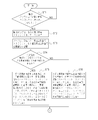
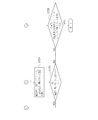
- FIG. 3 is a schematic flowchart showing a “drug A flow rate setting step”, which is a main operation example of the “drug library system” shown in FIG. 1;
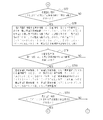
- FIG. 5 is another schematic flowchart showing, for example, a “drug A flow rate setting step” which is a main operation example of the “drug library system 1” shown in FIG.
- FIG. 5 is another schematic flowchart showing, for example, a “drug A flow rate setting step” which is a main operation example of the “drug library system” shown in FIG.
- FIG. 5 is another schematic flowchart showing, for example, a “drug A flow rate setting step” which is a main operation example of the “drug library system” shown in FIG.
- FIG. 5 is another schematic flowchart showing, for example, a “drug A flow rate setting step” which is a main operation example of the “drug library system” shown in FIG.
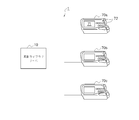
- FIG. 1 is a schematic diagram showing, for example, “drug library system 1” which is a “medical information management system” of the present invention.
- the drug library system 1 includes a “medical information management apparatus”, for example, “medicine library server 10”, and “medicine library server 10” is drug information related to a drug, for example, a drug Includes “soft limit” information, which is restriction information on the preferred range of flow rate mL / h at the time of administration of A, etc., and “hard limit” information, which is administration speed restriction information on the absolute administration prohibited range of drug A, etc. It is out.
- the drug library system 1 includes “medical devices” such as infusion pumps 70a, 70b, and 70c, and these “drug library server 10” and “infusion pump 70a” are connected to be communicable with each other. ing.
- These infusion pumps 70a and the like are for administering the drug A and the like to the patient. That is, the infusion pump 70a and the like have a configuration in which a tube (not shown) that feeds a drug solution such as the drug A can be disposed therein, and performs operations such as pressing by pressing the tube. Thus, the flow rate of the chemical solution fed in the tube is controlled.
- the infusion pump 70a and the like have a “display unit” that displays various information, for example, an “infusion pump side display 71”, and an “infusion pump side input device 72” that is an input unit for inputting various information.
- a “display unit” that displays various information
- an “infusion pump side display 71” displays various information
- an “infusion pump side input device 72” that is an input unit for inputting various information.
- the “infusion pump side input device 72” is a dial, an input button, or the like.
- the infusion pump transmits “drug library (drug flow rate at the time of administration of the drug A” which is drug information transmitted from the drug library server 10).
- Information such as “hard limit” and “soft limit” is displayed on the infusion pump-side display 71. Therefore, the medical staff such as a nurse who operates can easily and definitely administer the medicine.
- the infusion pump 70a and the like and the drug library server 10 shown in FIG. 1 have a computer, and the computer has a CPU (Central Processing Unit), a RAM (Random Access Memory), a ROM (Read Only Memory), and the like (not shown). These are connected via a bus.
- CPU Central Processing Unit
- RAM Random Access Memory
- ROM Read Only Memory
- FIG. 2 is a schematic block diagram showing the infusion pump 70a and the like shown in FIG.
- the infusion pump 70 a and the like have an “infusion pump control unit 73”.
- the infusion pump control unit 73 controls the “infusion pump side input device 72” and the “infusion pump side display 71” shown in FIG. 1, and communicates with the “medicine library server 10” in FIG.
- the pump side communication device 74 "is controlled.
- the “infusion pump control unit 73” also controls various storage units shown in FIG. 2, which will be described later.
- FIG. 3 is a schematic block diagram showing the drug library server 10 shown in FIG.
- the drug library server 10 includes a “server control unit 11”.
- the “server control unit 11” includes a “server-side input device 12” that inputs various information, a “server-side display 13” that displays various information, and the “server-side communication device 14” that communicates with the infusion pump 70a of FIG.
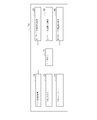
- the “first server various storage units 20”, “second server various storage units 30”, and “third server various storage units 40” shown in FIG. 4 to 6 are schematic blocks showing contents of “first server various information storage unit 20”, “second server various information storage unit 30”, and “third server various information storage unit 40” in FIG. 3, respectively. FIG. These contents will be described later.
- FIGS. 7 to 11 are schematic flowcharts showing, for example, “drug A flow rate setting step” which is a main operation example of the “drug library system 1” shown in FIG.
- drug A flow rate setting step which is a main operation example of the “drug library system 1” shown in FIG.
- the operation and the like will be described according to the flowcharts of FIGS. 7 to 11, and the configuration and the like of FIGS. 1 to 6 will be described.
- step ST for example, a nurse who is a user who is installed on the bedside of a patient in a hospital or the like and wants to administer the medicine A to the patient at a predetermined flow rate using the infusion pump 70a of FIG.
- the patient identification number for example, patient number “1001”
- the infusion pump 70 a via the infusion pump-side input device 72 or the like.
- the infusion pump 70a transmits the patient identification number (1001) acquired in ST1 to the drug library server 10 of FIG. Specifically, it is transmitted via the infusion pump side communication device 74 of FIG.
- the drug library server 10 stores the received “patient identification number (1001)” in the “individual patient identification number storage unit 21” in FIG.
- the drug library server 10 refers to the “patient information storage unit 22” in FIG. 4 and corresponds to “patient identification information (1001)” stored in the “individual patient identification number storage unit 21” in FIG. It is determined whether or not “age information” is present in “patient information 22a”.
- This “patient information 22a” is an example of “attribute information”.
- “age information” is included in “patient information 22a” in ST4, the process proceeds to ST5.
- “personal drug information generation reference information 23a” which is “attribute-specific drug information” in the “personal drug information generation reference information storage unit 23” in FIG. 4 is referred to.
- the “personal medicine information generation reference information 23a” is, for example, “hard limit” or “soft limit” flow rate information of the medicine A. These “hard limit” and “soft limit” information are more optimal numerical values based on parameters such as age information, sex information, weight information, and disease name information.
- “patient-specific drug information (hard limit, soft limit, etc.)” is generated based on the “age information” of the “personal drug information generation reference information 23a”, and “patient-specific drug information storage” of FIG. Part 32 ".
- ST7 it is determined whether or not there is “sex information” in “patient information 22a” corresponding to “patient identification information (1001)” in “individual patient identification number storage unit 21” in FIG. This determination is made by the “provisional patient-specific drug information generation unit (program) 33” in FIG.
- “provisional patient-specific drug information (hard limit, soft limit, etc.)” is generated based on “age information” and “sex information” of “personal drug information generation reference information 23a” in FIG.
- the information is stored in the provisional patient-specific drug information storage unit 34 ”.
- “patient information 22a” in FIG. 4 corresponding to “patient identification information“ 1001 ” has“ sex information “female”, and based on this, “personal drug information generation reference information 23a” in FIG.
- data “hard limit 10 to 150 mL / h” and “soft limit 20 to 80 mL / h” are applicable.
- this data is stored in the “provisional patient-specific drug information storage unit 34”. Specifically, it is stored as “(a) hard limit 10 to 150 mL / h, soft limit 20 to 80 mL / h” in FIG. Specifically, these operations are executed by the “provisional patient-specific drug information generation unit (program) 33” in FIG.
- the “drug information range determination unit (program) 35” in FIG. 5 operates, and refers to the “patient-specific drug information storage unit 32” and the “provisional patient-specific drug information storage unit 34” in FIG.
- the “hard limit” and “soft limit” data of the “patient-specific drug information” determines whether the range is stricter than the “hard limit” and “soft limit” data of the “patient-specific drug information”.
- “(a) hard limit 10 to 150 mL / h, soft limit 20 to 80 mL / h” of “provisional patient-specific drug information storage unit 34” in FIG. 5 is “patient-specific drug information storage unit 32”.
- “(1) Hard limit 10 to 200 mL / h, soft limit 20 to 100 mL / h) the range is stricter, so“ YES ”and the process proceeds to ST10.
- “provisional patient-specific drug information” is updated and registered as “patient-specific drug information”.
- “(a) hard limit 10 to 150 mL / h, soft limit 20 to 80 mL / h” in “provisional patient-specific drug information storage unit 34” in FIG. "(2) Hard limit 10 to 150 mL / h, Soft limit 20 to 80 mL / h” of the section 32 "is the update information (2) of (1).
- This operation is also executed by the “drug information range determination unit (program) 35” of FIG.
- the data of “(2)” in “patient-specific drug information” becomes drug information (information such as hard limit and soft limit) suitable for the “age” and “sex” information of the patient.
- ST11 it is determined whether or not there is “weight information” in “patient information 22a” corresponding to “patient identification information (1001)” in “individual patient identification number storage unit 21” in FIG. This determination is made by the “provisional patient-specific drug information generation unit (program) 33” in FIG.
- “patient information 22a” in FIG. 4 corresponding to “patient identification information“ 1001 ” has“ weight information “40 kg” ”, which is equal to or less than the reference weight.
- “medical drug information generation reference information 23a” the data “hard limit 10 to 100 mL / h,“ soft limit 20 to 60 mL / h ”are applicable. For this reason, this data is overwritten and stored in the “provisional patient-specific drug information storage unit 34”.
- “(b)“ hard limit 10 to 100 mL / h ”and“ soft limit 20 to 60 mL / h ” are overwritten and stored in place of the data“ (a) ”in FIG.
- these operations are executed by the “provisional patient-specific drug information generation unit (program) 33” in FIG.
- the “drug information range determination unit (program) 35” in FIG. 5 operates, and refers to the “patient-specific drug information storage unit 32” and the “provisional patient-specific drug information storage unit 34” in FIG.
- the "hard limit” and “soft limit” data of "Patient Information by Patient” determines whether the range is stricter than "Hard Limit” and “Soft Limit” data, which are parameters of "Patient Information by Patient” .
- “(b) hard limit 10 to 100 mL / h, soft limit 20 to 60 mL / h” of “provisional patient-specific drug information storage unit 34” in FIG. 5 is “patient-specific drug information storage unit 32”.
- “provisional patient-specific drug information” is updated and registered as “patient-specific drug information”.
- “(b) hard limit 10 to 100 mL / h, soft limit 20 to 60 mL / h” in “provisional patient-specific drug information storage unit 34” in FIG. "(3) Hard limit 10 to 100 mL / h, soft limit 20 to 60 mL / h” of section 32 "is the update information (3) of 2).
- This operation is also executed by the “drug information range determination unit (program) 35” of FIG.
- the “(3)” data of “Patient Information by Patient” is drug information suitable for the “age”, “gender” and “weight” information of the patient (information such as hard limit and soft limit). It becomes.
- ST15 it is determined whether or not “patient information 22a” corresponding to “patient identification information (1001)” in “individual patient identification number storage unit 21” in FIG. 4 includes “disease name information”. This determination is made by the “provisional patient-specific drug information generation unit (program) 33” in FIG.
- “patient information 22a” includes “disease name information”
- the process proceeds to ST16.
- ST16 based on “age information”, “sex information”, “weight information”, and “disease name information” of “personal drug information generation reference information 23a” in FIG. Limit etc.) ”is generated and overwritten and stored in the“ provisional patient-specific drug information storage unit 34 ”in FIG.
- “patient information 22a” in FIG. 4 corresponding to “patient identification information“ 1001 ” has“ disease name information “renal failure”, and based on this, “personal drug information generation criteria in FIG.
- the data “hard limit 10 to 50 mL / h,“ soft limit 20 to 50 mL / h ” are applicable. For this reason, this data is overwritten and stored in the “provisional patient-specific drug information storage unit”. Specifically, “(c)“ hard limit 10 to 50 mL / h ”and“ soft limit 20 to 50 mL / h ”are overwritten and stored in place of the data“ (b) ”in FIG. Specifically, these operations are executed by the “provisional patient-specific drug information generation unit (program) 33” in FIG.
- the process proceeds to ST17.
- the “final patient-specific drug information generation unit (program) 41” in FIG. 6 operates, and refers to the “patient-specific drug information storage unit 32” and the “provisional patient-specific drug information storage unit 34” in FIG.
- the “hard limit” and “soft limit” data of “provisional patient-specific drug information” determines whether the range is stricter than the “hard limit” and “soft limit” data of “patient-specific drug information”.
- “(c) hard limit 10 to 50 mL / h, soft limit 20 to 50 mL / h” of “provisional patient-specific drug information storage unit 34” in FIG. 5 is “patient-specific drug information storage unit 32”.
- “(3) Hard limit 10 to 100 mL / h, soft limit 20 to 60 mL / h) the range is stricter, so“ YES ”and the process proceeds to ST18.
- “provisional patient-specific drug information” in FIG. 5 is registered as “final patient-specific drug information” in “final patient-specific drug information storage unit 41” in FIG.
- This “final patient-specific drug information” is an example of “subject drug information”.
- This “final patient-specific drug information” is drug information such as “hard limit” and “soft limit” that are optimal when the drug A is administered to the patient. That is, this “final patient-specific drug information” is drug information such as the optimal “hard limit” and “soft limit” in consideration of the age, sex, weight, and disease name of the patient.
- “patient-specific drug information” in FIG. 5 is registered as “final patient-specific drug information” in “final patient-specific drug information storage unit 41” in FIG.
- ST20 it is determined whether or not the infusion pump 70a has been set for the flow rate of the medicine A by a nurse or the like. If it is determined in ST20 that the flow rate of medicine A has been set, the process proceeds to ST21.
- ST21 the flow rate setting information of “drug A” input by the nurse or the like from the “infusion pump side input device 72” is stored in the “drug flow rate setting information storage unit 75” of FIG. Remember as.
- the “drug flow rate setting information determination unit (program) 76” in FIG. 2 operates to acquire “final patient-specific drug information” in the “final patient-specific drug information storage unit 42” in FIG. Refer to “Hard limit information”. In the present embodiment, for example, “10 to 50 mL / h”.
- the “drug flow rate setting information determining unit (program) 76” in FIG. 2 operates, and the “drug flow rate setting information” in FIG. 2 is set to allow the “hard limit information (10 to 50 mL / h)”. Determine if it is within range.
- the process proceeds to ST24.
- the infusion pump 70a or the like displays a “setting confirmation (re-input)” screen on the “infusion pump-side display 71” and prompts the nurse or the like to re-input the flow rate setting. Therefore, in the present embodiment, not only the optimal drug flow rate information of the patient can be acquired, but also whether the actually input flow rate information is appropriate based on the optimal drug flow rate information. Judgment can be made and notified to nurses and the like.
- the “drug flow rate setting information” in FIG. 2 is within the allowable range of the “hard limit information (10 to 50 mL / h)” in ST23, the process proceeds to ST26.
- the “drug flow rate setting information determination unit (program) 76” in FIG. 2 operates to acquire “final patient-specific drug information” in the “final patient-specific drug information storage unit 42” in FIG. Refer to “Soft limit information”. In the present embodiment, for example, “20 to 50 mL / h”.
- it is determined whether or not “drug flow rate setting information” in FIG. 2 is within the allowable range of this “soft limit information (20 to 50 mL / h)”.
- the flow rate information is reissued to the nurse or the like in ST24 and ST25 described above. You will be prompted for input.
- the present invention is not limited to the above-described embodiment.
- the infusion pump 70a and the like have been described as an example of the medical device, but the present invention is not limited to this, and can be suitably applied to other medical devices such as a syringe pump.
- the infusion pump 70a and the like are configured to determine whether or not the “hard limit information” or the like input to the infusion pump 70a or the like by a nurse or the like in ST23 or the like.
- the medicine library server 10 may be configured to perform determination.
- Drug information range determination unit (program), 40 ... Third various information storage unit , 41 ... Drugs for each patient Information generating unit (program), 42... Last patient-specific drug information storage unit, 70 a, 70 b, 70 c, infusion pump, 71, infusion pump side display, 72, infusion pump side input device, 73 ... infusion pump control unit, 74 ... infusion pump side communication device, 75 ... drug flow rate setting information storage unit, 76 ... drug flow rate setting information judgment unit (program)
Landscapes
- Engineering & Computer Science (AREA)
- Health & Medical Sciences (AREA)
- General Health & Medical Sciences (AREA)
- Bioinformatics & Cheminformatics (AREA)
- Medicinal Chemistry (AREA)
- Epidemiology (AREA)
- Chemical & Material Sciences (AREA)
- Medical Informatics (AREA)
- Primary Health Care (AREA)
- Public Health (AREA)
- Pharmacology & Pharmacy (AREA)
- Toxicology (AREA)
- Infusion, Injection, And Reservoir Apparatuses (AREA)
Abstract
【課題】各対象者である患者等に適した薬剤情報を自動的に提供することができる医療情報管理装置等を提供すること。 【解決手段】薬剤情報を医療機器70aに提供する構成となっており、当該薬剤を提供する対象者の属性情報22aと、当該属性情報に対応する属性別薬剤情報23aに基づいて、当該対象者に適した対象者用薬剤情報42を生成し、対象者用薬剤情報を医療機器に提供する構成となっている医療情報管理装置10。
Description
本発明は、例えば、病院等で使用する薬剤情報等の医療情報を管理する医療情報管理装置、医療情報管理システム及び医療情報管理装置の制御方法に関するものである。
従来より、病院等では、薬剤を患者に適切に投与するために、輸液ポンプ等が用いられている(例えば、特許文献1)。
また、近年は、このような輸液ポンプ等は、薬剤情報を保持、利用するという高機能を有している。具体的には、特定の薬剤の投与速度等の好ましい投与速度範囲の制限情報である「ソフトリミット」や、薬剤の絶対的投与禁止範囲の投与速度制限情報である「ハードリミット」等の薬剤情報等を有している。
また、近年は、このような輸液ポンプ等は、薬剤情報を保持、利用するという高機能を有している。具体的には、特定の薬剤の投与速度等の好ましい投与速度範囲の制限情報である「ソフトリミット」や、薬剤の絶対的投与禁止範囲の投与速度制限情報である「ハードリミット」等の薬剤情報等を有している。
しかし、このような薬剤の投与速度等の薬剤情報は、患者の疾患、体重、年齢、性別等によって可変の情報であるため、各患者に適さない「ハードリミット」や「ソフトリミット」等の薬剤情報では、当該患者に悪影響を与えるおそれがあった。
そこで、本発明は、各対象者である患者等に適した薬剤情報を自動的に提供することができる医療情報管理装置、医療情報管理システム及び医療情報管理装置の制御方法を提供することを目的とする。
前記目的は、本発明にあっては、薬剤情報を医療機器に提供する医療情報管理装置であって、当該薬剤を提供する対象者の属性情報と、当該属性情報に対応する属性別薬剤情報に基づいて、当該対象者に適した対象者用薬剤情報を生成し、前記対象者用薬剤情報を前記医療機器に提供する構成となっていることを特徴とする医療情報管理装置により達成される。
前記構成によれば、当該薬剤を提供する対象者である例えば、患者等の属性情報、例えば、患者番号、年齢、性別、体重、疾患名等の情報を有する。また、当該患者の属性情報に対応する属性別薬剤情報、例えば、年齢、性別、体重、疾患名等毎の薬剤の「ハードリミット」や「ソフトリミット」等の流量速度情報を有している。
そして、これらの情報に基づいて、当該対象者に適した対象者薬剤情報を特定することができる。さらに、この特定した対象者薬剤情報を医療機器に提供する。
したがって、医療機器は、当該対象者の最適な薬剤情報を自動的に取得でき、また、医療機器の操作者等である医療従事者は、医療機器の表示部等を視認することで、当該対象者の最適な薬剤情報を取得することができる。
そして、これらの情報に基づいて、当該対象者に適した対象者薬剤情報を特定することができる。さらに、この特定した対象者薬剤情報を医療機器に提供する。
したがって、医療機器は、当該対象者の最適な薬剤情報を自動的に取得でき、また、医療機器の操作者等である医療従事者は、医療機器の表示部等を視認することで、当該対象者の最適な薬剤情報を取得することができる。
好ましくは、前記属性別薬剤情報の属性が、少なくとも、対象者の年齢情報、性別情報、体重情報及び疾患名情報を有することを特徴とする。
前記構成によれば、属性別薬剤情報の属性が、少なくとも、対象者の年齢情報、性別情報、体重情報及び疾患名情報を有するので、各対象者に適し薬剤情報を提供することができる。
好ましくは、前記医療機器と、前記医療情報管理装置を有する医療情報管理システムであって、前記医療機器に、前記設定薬剤情報が、前記対象者用薬剤情報の許容範囲内であるか否かを判断し、許容範囲内でないときは、前記医療機器の表示部に再入力を促す再入力情報を表示する構成となっていることを特徴する。
前記構成によれば、設定薬剤情報が、対象者用薬剤情報の許容範囲内であるか否かを判断し、許容範囲内でないときは、医療機器の表示部に再入力を促す再入力情報を表示させる構成となっている。このため、輸液ポンプ等の医療機器に設定した設定薬剤情報(薬剤の流量速度情報が、当該患者に適切でないときは、その旨を操作者である医療従事者に報知するので、誤った薬剤の流量速度設定で投与が実行されることを未然に防ぐことができる。
前記目的は、本発明にあっては、薬剤情報を医療機器に提供する医療情報管理装置の制御方法であって、当該薬剤を提供する対象者の属性情報と、当該属性情報に対応する属性別薬剤情報に基づいて、当該対象者に適した対象者用薬剤情報を生成し、前記対象者用薬剤情報を前記医療機器に提供する構成となっていることを特徴とする医療情報管理装置の制御方法により達成される。
以上説明したように、本発明によれば、各対象者である患者等に適した薬剤情報を自動的に提供することができる医療情報管理装置、医療情報管理システム及び医療情報管理装置の制御方法を提供することができる。
以下、この発明の好適な実施の形態を添付図面等を参照しながら、詳細に説明する。
尚、以下に述べる実施の形態は、本発明の好適な具体例であるから、技術的に好ましい種々の限定が付されているが、本発明の範囲は、以下の説明において特に本発明を限定する旨の記載がない限り、これらの態様に限られるものではない。
尚、以下に述べる実施の形態は、本発明の好適な具体例であるから、技術的に好ましい種々の限定が付されているが、本発明の範囲は、以下の説明において特に本発明を限定する旨の記載がない限り、これらの態様に限られるものではない。
図1は、本発明の「医療情報管理システム」である例えば、「薬剤ライブラリシステム1」を示す概略図である。
図1に示すように、薬剤ライブラリシステム1は、「医療情報管理装置」である例えば、「薬剤ライブラリサーバ10」を有し、「薬剤ライブラリサーバ10」は、薬剤に関する薬剤情報である例えば、薬剤A等の投与時における流量速度mL/hの好ましい範囲の制限情報である「ソフトリミット」情報や、薬剤A等の絶対的投与禁止範囲の投与速度制限情報である「ハードリミット」情報等を含んでいる。
また、薬剤ライブラリシステム1は、「医療機器」である例えば、輸液ポンプ70a、70b、70c等を有し、これら「薬剤ライブラリサーバ10」と「輸液ポンプ70a」等が相互に通信可能に接続されている。
図1に示すように、薬剤ライブラリシステム1は、「医療情報管理装置」である例えば、「薬剤ライブラリサーバ10」を有し、「薬剤ライブラリサーバ10」は、薬剤に関する薬剤情報である例えば、薬剤A等の投与時における流量速度mL/hの好ましい範囲の制限情報である「ソフトリミット」情報や、薬剤A等の絶対的投与禁止範囲の投与速度制限情報である「ハードリミット」情報等を含んでいる。
また、薬剤ライブラリシステム1は、「医療機器」である例えば、輸液ポンプ70a、70b、70c等を有し、これら「薬剤ライブラリサーバ10」と「輸液ポンプ70a」等が相互に通信可能に接続されている。
これら輸液ポンプ70a等は、薬剤A等を患者に投与するためのものである。すなわち、輸液ポンプ70a等は、その内部に薬剤A等の薬液を送液する図示しないチューブ等を配置することができる構成となっており、そのチューブを押圧等して、しごく等の動作をすることで、チューブ内の送液される薬液の流量等を制御する構成となっている。
また、輸液ポンプ70a等は、各種情報を表示する「表示部」である例えば、「輸液ポンプ側ディスプレイ71」を有すると共に、各種情報を入力する入力部である「輸液ポンプ側入力装置72」も有している。
この「輸液ポンプ側入力装置72」は、具体的には、ダイヤルや入力ボタン等となっている。
この「輸液ポンプ側入力装置72」は、具体的には、ダイヤルや入力ボタン等となっている。
なお、このような輸液ポンプ70a等を用いて患者に薬剤を投与するとき、輸液ポンプは、薬剤ライブラリサーバ10から送信されてくる薬剤情報である「薬剤ライブラリ(薬剤Aの投与時の流量速度の「ハードリミット」や「ソフトリミット」等の情報」が輸液ポンプ側ディスプレイ71に表示される。
したがって、操作する看護師等の医療従事者は容易且つ間違いなく薬剤の投与が可能となる構成となっている。
したがって、操作する看護師等の医療従事者は容易且つ間違いなく薬剤の投与が可能となる構成となっている。
ところで、図1に示す輸液ポンプ70a等及び薬剤ライブラリサーバ10は、コンピュータを有し、コンピュータは、図示しないCPU(Central Processing Unit)、RAM(Random Access Memory)、ROM(Read Only Memory)等を有し、これらは、バスを介して接続されている。
図2は、図1に示す輸液ポンプ70a等を示す概略ブロック図である。
図2に示すように、輸液ポンプ70a等は、「輸液ポンプ制御部73」を有している。この輸液ポンプ制御部73は、図1に示す「輸液ポンプ側入力装置72」や「輸液ポンプ側ディスプレイ71」を制御すると共に、図1の「薬剤ライブラリサーバ10」等との通信を行う「輸液ポンプ側通信装置74」を制御する。
また、「輸液ポンプ制御部73」は、図2に示す、各種記憶部等も制御するが、これらについては後述する。
図2に示すように、輸液ポンプ70a等は、「輸液ポンプ制御部73」を有している。この輸液ポンプ制御部73は、図1に示す「輸液ポンプ側入力装置72」や「輸液ポンプ側ディスプレイ71」を制御すると共に、図1の「薬剤ライブラリサーバ10」等との通信を行う「輸液ポンプ側通信装置74」を制御する。
また、「輸液ポンプ制御部73」は、図2に示す、各種記憶部等も制御するが、これらについては後述する。
図3は、図1に示す薬剤ライブラリサーバ10を示す概略ブロック図である。
図3に示すように、薬剤ライブラリサーバ10は、「サーバ制御部11」を有している。この「サーバ制御部11」は、各種情報を入力する「サーバ側入力装置12」、各種情報を表示する「サーバ側ディスプレイ13」及び図1の輸液ポンプ70a等と通信する「サーバ側通信装置14」を制御すると共に、図3に示す「第1サーバ各種記憶部20」及び「第2サーバ各種記憶部30」及び「第3サーバ各種記憶部40」も制御する。
図4乃至図6は、それぞれ、図3の「第1サーバ各種情報記憶部20」、「第2サーバ各種情報記憶部30」及び「第3サーバ各種情報記憶部40」の内容を示す概略ブロック図である。これらの内容については後述する。
図3に示すように、薬剤ライブラリサーバ10は、「サーバ制御部11」を有している。この「サーバ制御部11」は、各種情報を入力する「サーバ側入力装置12」、各種情報を表示する「サーバ側ディスプレイ13」及び図1の輸液ポンプ70a等と通信する「サーバ側通信装置14」を制御すると共に、図3に示す「第1サーバ各種記憶部20」及び「第2サーバ各種記憶部30」及び「第3サーバ各種記憶部40」も制御する。
図4乃至図6は、それぞれ、図3の「第1サーバ各種情報記憶部20」、「第2サーバ各種情報記憶部30」及び「第3サーバ各種情報記憶部40」の内容を示す概略ブロック図である。これらの内容については後述する。
図7乃至図11は、図1に示す「薬剤ライブラリシステム1」の主な動作例等である例えば、「薬剤Aの流量速度設定工程」を示す概略フローチャートである。
以下、図7乃至図11のフローチャートに従い、その動作等を説明すると共に、図1乃至図6の構成等についても説明する。
以下、図7乃至図11のフローチャートに従い、その動作等を説明すると共に、図1乃至図6の構成等についても説明する。
先ず、病院等の患者のベッド脇に設置され、図1の輸液ポンプ70aを用いて、薬剤Aを所定の流量速度で患者に投与しようとする利用者である例えば、医療従事者である看護師等は、ステップST(以下「ST」とする。)1で、輸液ポンプ70aに当該患者の識別番号(例えば、患者番号「1001」)を輸液ポンプ側入力装置72等を介して入力する。
次いで、ST2へ進む。ST2では、輸液ポンプ70aは、ST1で取得した患者の識別番号(1001)を、図1の薬剤ライブラリサーバ10に送信する。具体的には、図2の輸液ポンプ側通信装置74等を介して、送信する。
次いで、ST3へ進む。ST3では、薬剤ライブラリサーバ10は、受信した「患者識別番号(1001)」を図4の「個別患者識別番号記憶部21」に記憶する。
次いで、ST4へ進む。ST4では、薬剤ライブラリサーバ10が、図4の「患者情報記憶部22」を参照し、図4の「個別患者識別番号記憶部21」に記憶された「患者識別情報(1001)」に対応する「患者情報22a」に「年齢情報」があるか否かを判断する。
この「患者情報22a」が「属性情報」の一例となっている。
この「患者情報22a」が「属性情報」の一例となっている。
ST4で、「患者情報22a」に「年齢情報」があるときは、ST5へ進む。ST5では、図4の「個人用薬剤情報生成基準情報記憶部23」の「属性別薬剤情報」である例えば、「個人用薬剤情報生成基準情報23a」を参照する。
この「個人用薬剤情報生成基準情報23a」は、図4に示すように、例えば、薬剤Aの「ハードリミット」や「ソフトリミット」の流量速度情報となっている。そして、これら
「ハードリミット」や「ソフトリミット」の情報は、パラメータである、年齢情報、性別情報、体重情報、及び疾患名情報、等に基づき、より最適な数値等となっている。
この「個人用薬剤情報生成基準情報23a」は、図4に示すように、例えば、薬剤Aの「ハードリミット」や「ソフトリミット」の流量速度情報となっている。そして、これら
「ハードリミット」や「ソフトリミット」の情報は、パラメータである、年齢情報、性別情報、体重情報、及び疾患名情報、等に基づき、より最適な数値等となっている。
また、ST5では、この「個人用薬剤情報生成基準情報23a」の「年齢情報」に基づき「患者別薬剤情報(ハードリミット、ソフトリミット等)」を生成し、図5の「患者別薬剤情報記憶部32」に記憶される。
本実施の形態では、例えば、「患者識別情報「1001」に対応する図4の「患者情報記憶部22」の「患者情報22a」には「年齢情報「40才」があるので、これに基づき、図4の「「個人用薬剤情報生成基準情報23a」を参照する。すると、「ハードリミット10~200mL/h」、「ソフトリミット20~100mL/h」というデータが該当する。
このため、このデータを「患者別薬剤情報記憶部32」に記憶する。具体的には、図5の「(1)ハードリミット10~200mL/h、ソフトリミット20~100mL/h」として記憶する。
これらの動作は、具体的には、図5の「初期患者別薬剤情報生成部(プログラム)31」が実行する。
本実施の形態では、例えば、「患者識別情報「1001」に対応する図4の「患者情報記憶部22」の「患者情報22a」には「年齢情報「40才」があるので、これに基づき、図4の「「個人用薬剤情報生成基準情報23a」を参照する。すると、「ハードリミット10~200mL/h」、「ソフトリミット20~100mL/h」というデータが該当する。
このため、このデータを「患者別薬剤情報記憶部32」に記憶する。具体的には、図5の「(1)ハードリミット10~200mL/h、ソフトリミット20~100mL/h」として記憶する。
これらの動作は、具体的には、図5の「初期患者別薬剤情報生成部(プログラム)31」が実行する。
一方、ST4で、「患者情報22a」に「年齢情報」がないときは、ST6へ進む。ST6では、「患者情報22a」に当該患者の属性情報が存在しないと判断し、一般的な標準情報を、当該患者の情報として記憶する。
すなわち、図4の「個人用薬剤情報生成基準情報23a」の「標準情報」に基づき「患者別薬剤情報(ハードリミット、ソフトリミット等)」を生成し「患者別薬剤情報記憶部32」に記憶する。例えば、「標準情報」である「ハードリミット10~200mL/h」、「ソフトリミット20~100mL/h」を「患者別薬剤情報記憶部32」に記憶する(図示せず。)。
この動作も図5の「初期患者別薬剤情報生成部(プログラム)31」が実行する。
したがって、例え当該患者「患者情報22a」が存在しない場合でも、薬剤Aの適切な「ハードリミット」及び「ソフトリミット」情報を提供することができる。
すなわち、図4の「個人用薬剤情報生成基準情報23a」の「標準情報」に基づき「患者別薬剤情報(ハードリミット、ソフトリミット等)」を生成し「患者別薬剤情報記憶部32」に記憶する。例えば、「標準情報」である「ハードリミット10~200mL/h」、「ソフトリミット20~100mL/h」を「患者別薬剤情報記憶部32」に記憶する(図示せず。)。
この動作も図5の「初期患者別薬剤情報生成部(プログラム)31」が実行する。
したがって、例え当該患者「患者情報22a」が存在しない場合でも、薬剤Aの適切な「ハードリミット」及び「ソフトリミット」情報を提供することができる。
次いで、ST7へ進む。ST7では、図4の「個別患者識別番号記憶部21」の「患者識別情報(1001)」に対応する「患者情報22a」に「性別情報」があるか否かを判断する。
この判断は、図5の「暫定患者別薬剤情報生成部(プログラム)33」が動作して、判断する。
この判断は、図5の「暫定患者別薬剤情報生成部(プログラム)33」が動作して、判断する。
ST7で、「患者情報22a」に「性別情報」があると判断したときは、ST8へ進む。ST8では、図4の「個人用薬剤情報生成基準情報23a」の「年齢情報」及び「性別情報」に基づき「暫定患者別薬剤情報(ハードリミット、ソフトリミット等)」を生成し図5の「暫定患者別薬剤情報記憶部34」に記憶する。
例えば、「患者識別情報「1001」」に対応する図4の「患者情報22a」には「性別情報「女性」があるので、これに基づき、図4の「個人用薬剤情報生成基準情報23a」を参照する。すると、「ハードリミット10~150mL/h」、「ソフトリミット20~80mL/h」というデータが該当する。
このため、このデータを「暫定患者別薬剤情報記憶部34」に記憶する。具体的には、図5の「(a)ハードリミット10~150mL/h、ソフトリミット20~80mL/h」として記憶する。
これらの動作は、具体的には、図5の「暫定患者別薬剤情報生成部(プログラム)33」が実行する。
例えば、「患者識別情報「1001」」に対応する図4の「患者情報22a」には「性別情報「女性」があるので、これに基づき、図4の「個人用薬剤情報生成基準情報23a」を参照する。すると、「ハードリミット10~150mL/h」、「ソフトリミット20~80mL/h」というデータが該当する。
このため、このデータを「暫定患者別薬剤情報記憶部34」に記憶する。具体的には、図5の「(a)ハードリミット10~150mL/h、ソフトリミット20~80mL/h」として記憶する。
これらの動作は、具体的には、図5の「暫定患者別薬剤情報生成部(プログラム)33」が実行する。
次いで、ST9へ進む。ST9では、図5の「薬剤情報範囲判断部(プログラム)35」が動作し、図5の「患者別薬剤情報記憶部32」と「暫定患者別薬剤情報記憶部34」を参照し、「暫定患者別薬剤情報」の「ハードリミット」及び「ソフトリミット」データは、「患者別薬剤情報」の「ハードリミット」及び「ソフトリミット」データよりその範囲が厳しいか否かを判断する。
本実施の形態では、図5の「暫定患者別薬剤情報記憶部34」の「(a)ハードリミット10~150mL/h、ソフトリミット20~80mL/h」は「患者別薬剤情報記憶部32」の「(1)ハードリミット10~200mL/h、ソフトリミット20~100mL/h)より、その範囲が厳しいので、「YES」となり、ST10へ進む。
本実施の形態では、図5の「暫定患者別薬剤情報記憶部34」の「(a)ハードリミット10~150mL/h、ソフトリミット20~80mL/h」は「患者別薬剤情報記憶部32」の「(1)ハードリミット10~200mL/h、ソフトリミット20~100mL/h)より、その範囲が厳しいので、「YES」となり、ST10へ進む。
ST10では、「暫定患者別薬剤情報」を「患者別薬剤情報」として更新登録する。上述の例では、図5の「暫定患者別薬剤情報記憶部34」の「(a)ハードリミット10~150mL/h、ソフトリミット20~80mL/h」が、図5の「患者別薬剤情報記憶部32」の「(2)ハードリミット10~150mL/h、ソフトリミット20~80mL/h」として、(1)の更新情報(2)とされる。
この動作も図5の「薬剤情報範囲判断部(プログラム)35」が実行する。
なお、これにより「患者別薬剤情報」の「(2)」のデータは、当該患者の「年齢」及び「性別」情報に適した薬剤情報(ハードリミット、ソフトリミット等の情報)となる。
この動作も図5の「薬剤情報範囲判断部(プログラム)35」が実行する。
なお、これにより「患者別薬剤情報」の「(2)」のデータは、当該患者の「年齢」及び「性別」情報に適した薬剤情報(ハードリミット、ソフトリミット等の情報)となる。
次いで、ST11へ進む。ST11では、図4の「個別患者識別番号記憶部21」の「患者識別情報(1001)」に対応する「患者情報22a」に「体重情報」があるか否かを判断する。
この判断は、図5の「暫定患者別薬剤情報生成部(プログラム)33」が動作して、判断する。
この判断は、図5の「暫定患者別薬剤情報生成部(プログラム)33」が動作して、判断する。
ST11で、「患者情報22a」に「体重情報」があると判断したときは、ST12へ進む。ST12では、図4の「個人用薬剤情報生成基準情報23a」の「年齢情報」、「性別情報」及び「体重情報」に基づき「暫定患者別薬剤情報(ハードリミット、ソフトリミット等)」を生成し、図5の「暫定患者別薬剤情報記憶部34」に上書き記憶する。
例えば、「患者識別情報「1001」」に対応する図4の「患者情報22a」には、「体重情報「40kg」」があり、これは基準体重以下なので、これに基づき、図4の「個人用薬剤情報生成基準情報23a」を参照すると、「ハードリミット10~100mL/h、「ソフトリミット20~60mL/h」というデータが該当する。
このため、このデータを「暫定患者別薬剤情報記憶部34」に上書き記憶する。具体的には、図5の「(a)」のデータに置き換えて、「(b)「ハードリミット10~100mL/h」、「ソフトリミット20~60mL/h」が上書き記憶される。
これらの動作は、具体的には、図5の「暫定患者別薬剤情報生成部(プログラム)33」が実行する。
このため、このデータを「暫定患者別薬剤情報記憶部34」に上書き記憶する。具体的には、図5の「(a)」のデータに置き換えて、「(b)「ハードリミット10~100mL/h」、「ソフトリミット20~60mL/h」が上書き記憶される。
これらの動作は、具体的には、図5の「暫定患者別薬剤情報生成部(プログラム)33」が実行する。
次いで、ST13へ進む。ST13では、図5の「薬剤情報範囲判断部(プログラム)35」が動作し、図5の「患者別薬剤情報記憶部32」と「暫定患者別薬剤情報記憶部34」を参照し、「暫定患者別薬剤情報」の「ハードリミット」及び「ソフトリミット」データは、「患者別薬剤情報」のパラメータである、「ハードリミット」及び「ソフトリミット」データよりその範囲が厳しいか否かを判断する。
本実施の形態では、図5の「暫定患者別薬剤情報記憶部34」の「(b)ハードリミット10~100mL/h、ソフトリミット20~60mL/h」は「患者別薬剤情報記憶部32」の「2)ハードリミット10~150mL/h、ソフトリミット20~80mL/h)より、その範囲が厳しいので、「YES」となり、ST14へ進む。
ST14では、「暫定患者別薬剤情報」を「患者別薬剤情報」として更新登録する。上述の例では、図5の「暫定患者別薬剤情報記憶部34」の「(b)ハードリミット10~100mL/h、ソフトリミット20~60mL/h」が、図5の「患者別薬剤情報記憶部32」の「(3)ハードリミット10~100mL/h、ソフトリミット20~60mL/h」として、2)の更新情報(3)とされる。
この動作も図5の「薬剤情報範囲判断部(プログラム)35」が実行する。
なお、これにより「患者別薬剤情報」の「(3)」のデータは、当該患者の「年齢」、「性別」及び「体重」情報に適した薬剤情報(ハードリミット、ソフトリミット等の情報)となる。
この動作も図5の「薬剤情報範囲判断部(プログラム)35」が実行する。
なお、これにより「患者別薬剤情報」の「(3)」のデータは、当該患者の「年齢」、「性別」及び「体重」情報に適した薬剤情報(ハードリミット、ソフトリミット等の情報)となる。
次いで、ST15へ進む。ST15では、図4の「個別患者識別番号記憶部21」の「患者識別情報(1001)」に対応する「患者情報22a」に「疾患名情報」があるか否かを判断する。
この判断は、図5の「暫定患者別薬剤情報生成部(プログラム)33」が動作して、判断する。
この判断は、図5の「暫定患者別薬剤情報生成部(プログラム)33」が動作して、判断する。
ST15で、「患者情報22a」に「疾患名情報」があると判断したときは、ST16へ進む。ST16では、図4の「個人用薬剤情報生成基準情報23a」の「年齢情報」、「性別情報」、「体重情報」及び「疾患名情報」に基づき「暫定患者別薬剤情報(ハードリミット、ソフトリミット等)」を生成し、図5の「暫定患者別薬剤情報記憶部34」に上書き記憶する。
例えば、「患者識別情報「1001」」に対応する図4の「患者情報22a」には、「疾患名情報「腎不全」があるので、これに基づき、図4の「個人用薬剤情報生成基準情報23a」を参照すると、「ハードリミット10~50mL/h、「ソフトリミット20~50mL/h」というデータが該当する。
このため、このデータを「暫定患者別薬剤情報記憶部」に上書き記憶する。具体的には、図5の「(b)」のデータに置き換えて、「(c)「ハードリミット10~50mL/h」、「ソフトリミット20~50mL/h」が上書き記憶される。
これらの動作は、具体的には、図5の「暫定患者別薬剤情報生成部(プログラム)33」が実行する。
例えば、「患者識別情報「1001」」に対応する図4の「患者情報22a」には、「疾患名情報「腎不全」があるので、これに基づき、図4の「個人用薬剤情報生成基準情報23a」を参照すると、「ハードリミット10~50mL/h、「ソフトリミット20~50mL/h」というデータが該当する。
このため、このデータを「暫定患者別薬剤情報記憶部」に上書き記憶する。具体的には、図5の「(b)」のデータに置き換えて、「(c)「ハードリミット10~50mL/h」、「ソフトリミット20~50mL/h」が上書き記憶される。
これらの動作は、具体的には、図5の「暫定患者別薬剤情報生成部(プログラム)33」が実行する。
次いで、ST17へ進む。ST17では、図6の「最終患者別薬剤情報生成部(プログラム)41」が動作し、図5の「患者別薬剤情報記憶部32」と「暫定患者別薬剤情報記憶部34」を参照し、「暫定患者別薬剤情報」の「ハードリミット」及び「ソフトリミット」データは、「患者別薬剤情報」の「ハードリミット」及び「ソフトリミット」データよりその範囲が厳しいか否かを判断する。
本実施の形態では、図5の「暫定患者別薬剤情報記憶部34」の「(c)ハードリミット10~50mL/h、ソフトリミット20~50mL/h」は「患者別薬剤情報記憶部32」の「(3)ハードリミット10~100mL/h、ソフトリミット20~60mL/h)より、その範囲が厳しいので、「YES」となり、ST18へ進む。
本実施の形態では、図5の「暫定患者別薬剤情報記憶部34」の「(c)ハードリミット10~50mL/h、ソフトリミット20~50mL/h」は「患者別薬剤情報記憶部32」の「(3)ハードリミット10~100mL/h、ソフトリミット20~60mL/h)より、その範囲が厳しいので、「YES」となり、ST18へ進む。
ST18では、図5の「暫定患者別薬剤情報」を図6の「最終患者別薬剤情報記憶部41」の「最終患者別薬剤情報」として登録する。本実施の形態では、「暫定患者別薬剤情報」である「(c)「ハードリミット10~50mL/h」、「ソフトリミット20~50mL/h」を「最終患者別薬剤情報」として登録する。
この「最終患者別薬剤情報」が「対象者用薬剤情報」の一例となっている。
この「最終患者別薬剤情報」が、薬剤Aを当該患者に投与する際の最適の「ハードリミット」及び「ソフトリミット」等の薬剤情報となる。
すなわち、この「最終患者別薬剤情報」は、当該患者の年齢、性別、体重、疾患名を考慮した最適の「ハードリミット」及び「ソフトリミット」等の薬剤情報となる。
この「最終患者別薬剤情報」が「対象者用薬剤情報」の一例となっている。
この「最終患者別薬剤情報」が、薬剤Aを当該患者に投与する際の最適の「ハードリミット」及び「ソフトリミット」等の薬剤情報となる。
すなわち、この「最終患者別薬剤情報」は、当該患者の年齢、性別、体重、疾患名を考慮した最適の「ハードリミット」及び「ソフトリミット」等の薬剤情報となる。
一方、ST17で、図5の「暫定患者別薬剤情報」の「ハードリミット」及び「ソフトリミット」データが、図5の「患者別薬剤情報」の「ハードリミット」及び「ソフトリミット」データよりその範囲が厳しくないと判断されたときは、ST19へ進む。
ST19では、図5の「患者別薬剤情報」を図6の「最終患者別薬剤情報記憶部41」の「最終患者別薬剤情報」として登録する。本実施の形態の例で説明すると「患者別薬剤情報」である「(c)「ハードリミット10~100mL/h」、「ソフトリミット20~60mL/h」を「最終患者別薬剤情報」として登録することとなる。
次いで、ST20へ進む。ST20では、輸液ポンプ70aが、看護師等によって、薬剤Aの流量速度設定がなされたか否かが判断される。
ST20で、薬剤Aの流量速度設定がなされたと判断されたときは、ST21へ進む。ST21では、「輸液ポンプ側入力装置72」から看護師等によって入力された「薬剤A」の流量速度設定情報を図2の「薬剤流量速度設定情報記憶部75」に「薬剤流量速度設定情報」として記憶する。
ST20で、薬剤Aの流量速度設定がなされたと判断されたときは、ST21へ進む。ST21では、「輸液ポンプ側入力装置72」から看護師等によって入力された「薬剤A」の流量速度設定情報を図2の「薬剤流量速度設定情報記憶部75」に「薬剤流量速度設定情報」として記憶する。
次いで、ST22へ進む。ST22では、図2の「薬剤流量速度設定情報判断部(プログラム)76」が動作し、図6の「最終患者別薬剤情報記憶部42」の「最終患者別薬剤情報」を取得し、その「ハードリミット情報」を参照する。
本実施の形態では、例えば、「10~50mL/h」となる。
本実施の形態では、例えば、「10~50mL/h」となる。
次いで、ST23へ進む。ST23では、図2の「薬剤流量速度設定情報判断部(プログラム)76」が動作し、図2の「薬剤流量速度設定情報」が、この「ハードリミット情報(10~50mL/h)」の許容範囲内にあるか否かを判断する。
ST23で、図2の「薬剤流量速度設定情報」が、この「ハードリミット情報(10~50mL/h)」の許容範囲内にない場合は、ST24へ進む。ST24では、輸液ポンプ70a等が、「輸液ポンプ側ディスプレイ71」に、「設定確認(再入力)」画面を表示し、看護師等に流量速度設定の再入力を促す。
したがって、本実施の形態では、当該患者の最適な薬剤流量速度情報等の取得が可能であるだけでなく、この最適な薬剤流量速度情報に基づいて、実際に入力された流量速度情報の適否も判断し、看護師等に報知することができる。
このため、輸液ポンプ70a等に設定した設定薬剤情報(薬剤の流量速度情報)が、当該患者にとって適切でないときは、その旨を操作者である医療従事者等の看護師に報知するので、誤った薬剤の流量速度設定で投与が実行されることを未然に防ぐことができる。
したがって、本実施の形態では、当該患者の最適な薬剤流量速度情報等の取得が可能であるだけでなく、この最適な薬剤流量速度情報に基づいて、実際に入力された流量速度情報の適否も判断し、看護師等に報知することができる。
このため、輸液ポンプ70a等に設定した設定薬剤情報(薬剤の流量速度情報)が、当該患者にとって適切でないときは、その旨を操作者である医療従事者等の看護師に報知するので、誤った薬剤の流量速度設定で投与が実行されることを未然に防ぐことができる。
なお、ST25では、設定確認(再入力)が実行されたか否かが判断される。
一方、ST23で、図2の「薬剤流量速度設定情報」が、この「ハードリミット情報(10~50mL/h)」の許容範囲内にある場合は、ST26へ進む。ST26では、図2の「薬剤流量速度設定情報判断部(プログラム)76」が動作し、図6の「最終患者別薬剤情報記憶部42」の「最終患者別薬剤情報」を取得し、その「ソフトリミット情報」を参照する。
本実施の形態では、例えば、「20~50mL/h」となる。
次いで、図2の「薬剤流量速度設定情報」が、この「ソフトリミット情報(20~50mL/h)」の許容範囲内にあるか否かを判断する。
本実施の形態では、例えば、「20~50mL/h」となる。
次いで、図2の「薬剤流量速度設定情報」が、この「ソフトリミット情報(20~50mL/h)」の許容範囲内にあるか否かを判断する。
ST26で、「薬剤流量速度設定情報」が、この「ソフトリミット情報(20~50mL/h)」の許容範囲内にない場合は、上述のST24、ST25で、看護師等に流量速度情報の再入力を促すことになる。
一方、ST26で、図2の「薬剤流量速度設定情報」が、この「ソフトリミット情報(20~50mL/h)」の許容範囲内にあるときは、当該流量速度設定工程が終了し、投与工程等が実行される。
ところで、本発明は、上述の実施の形態に限定されない。本実施の形態では、医療機器として輸液ポンプ70a等を例に説明したが、本発明は、これに限らず、シリンジポンプ等の他の医療機器等でも好適に適用することができる。
また、本実施の形態では、ST23等で、看護師等により輸液ポンプ70a等に入力された「ハードリミット情報」等の適否の判断を輸液ポンプ70a等が実行する構成としているが、本発明はこれに限らず、薬剤ライブラリサーバ10が判断実行する構成としても良い。
また、本実施の形態では、ST23等で、看護師等により輸液ポンプ70a等に入力された「ハードリミット情報」等の適否の判断を輸液ポンプ70a等が実行する構成としているが、本発明はこれに限らず、薬剤ライブラリサーバ10が判断実行する構成としても良い。
1・・・薬剤ライブラリシステム、10・・・薬剤ライブラリサーバ、11・・・サーバ制御部、12・・・サーバ側入力装置、13・・・サーバ側ディスプレイ、14・・・サーバ側通信装置、20・・・第1各種情報記憶部、21・・・個別患者識別番号記憶部、22・・・患者情報記憶部、22a・・・患者情報、23・・・個人用薬剤情報生成基準情報記憶部、23a・・・個人用薬剤情報生成基準情報、30・・・第2各種記憶部、31・・・初期患者別薬剤情報生成部(プログラム)、32・・・患者別薬剤情報記憶部、33・・・暫定患者別薬剤情報生成部(プログラム)、34・・・暫定患者別薬剤情報記憶部、35・・・薬剤情報範囲判断部(プログラム)、40・・・第3各種情報記憶部、41・・・最終患者別薬剤情報生成部(プログラム)、42・・・最終患者別薬剤情報記憶部、70a、70b、70c・・・輸液ポンプ、71・・・輸液ポンプ側ディスプレイ、72・・・輸液ポンプ側入力装置、73・・・輸液ポンプ制御部、74・・・輸液ポンプ側通信装置、75・・・薬剤流量速度設定情報記憶部、76・・・薬剤流量速度設定情報判断部(プログラム)
Claims (4)
- 薬剤情報を医療機器に提供する医療情報管理装置であって、
当該薬剤を提供する対象者の属性情報と、当該属性情報に対応する属性別薬剤情報に基づいて、当該対象者に適した対象者用薬剤情報を生成し、
前記対象者用薬剤情報を前記医療機器に提供する構成となっていることを特徴とする医療情報管理装置。 - 前記属性別薬剤情報の属性が、少なくとも、対象者の年齢情報、性別情報、体重情報及び疾患名情報を有することを特徴とする請求項1に記載の医療情報管理装置。
- 前記医療機器と、前記医療情報管理装置を有する医療情報管理システムであって、
前記医療機器に、前記設定薬剤情報が、前記対象者用薬剤情報の許容範囲内であるか否かを判断し、許容範囲内でないときは、前記医療機器の表示部に再入力を促す再入力情報を表示する構成となっていることを特徴する請求項1又は請求項2に記載の医療情報管理装置を備える医療情報管理システム。 - 薬剤情報を医療機器に提供する医療情報管理装置の制御方法であって、
当該薬剤を提供する対象者の属性情報と、当該属性情報に対応する属性別薬剤情報に基づいて、当該対象者に適した対象者用薬剤情報を生成し、
前記対象者用薬剤情報を前記医療機器に提供する構成となっていることを特徴とする医療情報管理装置の制御方法。
Priority Applications (1)
| Application Number | Priority Date | Filing Date | Title |
|---|---|---|---|
| PCT/JP2013/059998 WO2014162487A1 (ja) | 2013-04-01 | 2013-04-01 | 医療情報管理装置、医療情報管理システム及び医療情報管理装置の制御方法 |
Applications Claiming Priority (1)
| Application Number | Priority Date | Filing Date | Title |
|---|---|---|---|
| PCT/JP2013/059998 WO2014162487A1 (ja) | 2013-04-01 | 2013-04-01 | 医療情報管理装置、医療情報管理システム及び医療情報管理装置の制御方法 |
Publications (1)
| Publication Number | Publication Date |
|---|---|
| WO2014162487A1 true WO2014162487A1 (ja) | 2014-10-09 |
Family
ID=51657820
Family Applications (1)
| Application Number | Title | Priority Date | Filing Date |
|---|---|---|---|
| PCT/JP2013/059998 Ceased WO2014162487A1 (ja) | 2013-04-01 | 2013-04-01 | 医療情報管理装置、医療情報管理システム及び医療情報管理装置の制御方法 |
Country Status (1)
| Country | Link |
|---|---|
| WO (1) | WO2014162487A1 (ja) |
Citations (3)
| Publication number | Priority date | Publication date | Assignee | Title |
|---|---|---|---|---|
| JP2004267514A (ja) * | 2003-03-10 | 2004-09-30 | Nippon Telegraph & Telephone East Corp | 用量決定支援装置、方法およびプログラム |
| JP2005100224A (ja) * | 2003-09-26 | 2005-04-14 | Tosho Inc | 抗ガン剤適正使用支援システム |
| JP2005196587A (ja) * | 2004-01-08 | 2005-07-21 | Matsushita Electric Ind Co Ltd | 医薬品投与量演算装置 |
-
2013
- 2013-04-01 WO PCT/JP2013/059998 patent/WO2014162487A1/ja not_active Ceased
Patent Citations (3)
| Publication number | Priority date | Publication date | Assignee | Title |
|---|---|---|---|---|
| JP2004267514A (ja) * | 2003-03-10 | 2004-09-30 | Nippon Telegraph & Telephone East Corp | 用量決定支援装置、方法およびプログラム |
| JP2005100224A (ja) * | 2003-09-26 | 2005-04-14 | Tosho Inc | 抗ガン剤適正使用支援システム |
| JP2005196587A (ja) * | 2004-01-08 | 2005-07-21 | Matsushita Electric Ind Co Ltd | 医薬品投与量演算装置 |
Similar Documents
| Publication | Publication Date | Title |
|---|---|---|
| TWI879840B (zh) | 具有安全序列鍵盤之輸液泵 | |
| US12333201B2 (en) | Synchronized display of screen content on networked devices | |
| US20240371508A1 (en) | Infusion pump error display | |
| US20250201108A1 (en) | Infusion pump with alarm manager | |
| JPWO2014049659A1 (ja) | 機器搭載装置及び機器搭載装置の制御方法 | |
| JP2019048232A (ja) | 患者治療装置固有構成出力 | |
| CN103827915A (zh) | 药物信息管理装置及药物信息管理方法 | |
| JP6068620B2 (ja) | 医療情報管理装置、医療情報管理システム及び医療情報管理装置の制御方法 | |
| JP6068619B2 (ja) | 医療情報管理装置、医療情報管理システム及び医療情報管理装置の制御方法 | |
| Bain | The Cellnovo insulin delivery system | |
| WO2013128886A1 (ja) | 送液ポンプ及びネットワークシステム | |
| AU2021329524A1 (en) | Active patient-specific monitoring system | |
| WO2014049658A1 (ja) | 送液装置、送液システム及び送液装置の制御方法 | |
| WO2014162485A1 (ja) | 医療情報管理システム及び医療情報管理方法 | |
| WO2014162486A1 (ja) | 医療情報管理装置及び医療情報管理方法 |
Legal Events
| Date | Code | Title | Description |
|---|---|---|---|
| 121 | Ep: the epo has been informed by wipo that ep was designated in this application |
Ref document number: 13881284 Country of ref document: EP Kind code of ref document: A1 |
|
| NENP | Non-entry into the national phase |
Ref country code: DE |
|
| 122 | Ep: pct application non-entry in european phase |
Ref document number: 13881284 Country of ref document: EP Kind code of ref document: A1 |
|
| NENP | Non-entry into the national phase |
Ref country code: JP |