WO2014136494A1 - 腸溶性細粒及び医薬組成物 - Google Patents
腸溶性細粒及び医薬組成物 Download PDFInfo
- Publication number
- WO2014136494A1 WO2014136494A1 PCT/JP2014/051547 JP2014051547W WO2014136494A1 WO 2014136494 A1 WO2014136494 A1 WO 2014136494A1 JP 2014051547 W JP2014051547 W JP 2014051547W WO 2014136494 A1 WO2014136494 A1 WO 2014136494A1
- Authority
- WO
- WIPO (PCT)
- Prior art keywords
- enteric
- active ingredient
- fine granules
- intermediate layer
- salt
- Prior art date
- Legal status (The legal status is an assumption and is not a legal conclusion. Google has not performed a legal analysis and makes no representation as to the accuracy of the status listed.)
- Ceased
Links
Classifications
-
- A—HUMAN NECESSITIES
- A61—MEDICAL OR VETERINARY SCIENCE; HYGIENE
- A61K—PREPARATIONS FOR MEDICAL, DENTAL OR TOILETRY PURPOSES
- A61K9/00—Medicinal preparations characterised by special physical form
- A61K9/48—Preparations in capsules, e.g. of gelatin, of chocolate
- A61K9/50—Microcapsules having a gas, liquid or semi-solid filling; Solid microparticles or pellets surrounded by a distinct coating layer, e.g. coated microspheres, coated drug crystals
- A61K9/5073—Microcapsules having a gas, liquid or semi-solid filling; Solid microparticles or pellets surrounded by a distinct coating layer, e.g. coated microspheres, coated drug crystals having two or more different coatings optionally including drug-containing subcoatings
- A61K9/5078—Microcapsules having a gas, liquid or semi-solid filling; Solid microparticles or pellets surrounded by a distinct coating layer, e.g. coated microspheres, coated drug crystals having two or more different coatings optionally including drug-containing subcoatings with drug-free core
-
- A—HUMAN NECESSITIES
- A61—MEDICAL OR VETERINARY SCIENCE; HYGIENE
- A61K—PREPARATIONS FOR MEDICAL, DENTAL OR TOILETRY PURPOSES
- A61K31/00—Medicinal preparations containing organic active ingredients
- A61K31/33—Heterocyclic compounds
- A61K31/395—Heterocyclic compounds having nitrogen as a ring hetero atom, e.g. guanethidine or rifamycins
- A61K31/435—Heterocyclic compounds having nitrogen as a ring hetero atom, e.g. guanethidine or rifamycins having six-membered rings with one nitrogen as the only ring hetero atom
- A61K31/44—Non condensed pyridines; Hydrogenated derivatives thereof
- A61K31/4427—Non condensed pyridines; Hydrogenated derivatives thereof containing further heterocyclic ring systems
- A61K31/4439—Non condensed pyridines; Hydrogenated derivatives thereof containing further heterocyclic ring systems containing a five-membered ring with nitrogen as a ring hetero atom, e.g. omeprazole
-
- A—HUMAN NECESSITIES
- A61—MEDICAL OR VETERINARY SCIENCE; HYGIENE
- A61K—PREPARATIONS FOR MEDICAL, DENTAL OR TOILETRY PURPOSES
- A61K9/00—Medicinal preparations characterised by special physical form
- A61K9/20—Pills, tablets, discs, rods
- A61K9/2072—Pills, tablets, discs, rods characterised by shape, structure or size; Tablets with holes, special break lines or identification marks; Partially coated tablets; Disintegrating flat shaped forms
- A61K9/2077—Tablets comprising drug-containing microparticles in a substantial amount of supporting matrix; Multiparticulate tablets
- A61K9/2081—Tablets comprising drug-containing microparticles in a substantial amount of supporting matrix; Multiparticulate tablets with microcapsules or coated microparticles according to A61K9/50
-
- A—HUMAN NECESSITIES
- A61—MEDICAL OR VETERINARY SCIENCE; HYGIENE
- A61K—PREPARATIONS FOR MEDICAL, DENTAL OR TOILETRY PURPOSES
- A61K9/00—Medicinal preparations characterised by special physical form
- A61K9/48—Preparations in capsules, e.g. of gelatin, of chocolate
- A61K9/50—Microcapsules having a gas, liquid or semi-solid filling; Solid microparticles or pellets surrounded by a distinct coating layer, e.g. coated microspheres, coated drug crystals
- A61K9/5005—Wall or coating material
- A61K9/5021—Organic macromolecular compounds
- A61K9/5026—Organic macromolecular compounds obtained by reactions only involving carbon-to-carbon unsaturated bonds, e.g. polyvinyl pyrrolidone, poly(meth)acrylates
-
- A—HUMAN NECESSITIES
- A61—MEDICAL OR VETERINARY SCIENCE; HYGIENE
- A61K—PREPARATIONS FOR MEDICAL, DENTAL OR TOILETRY PURPOSES
- A61K9/00—Medicinal preparations characterised by special physical form
- A61K9/48—Preparations in capsules, e.g. of gelatin, of chocolate
- A61K9/50—Microcapsules having a gas, liquid or semi-solid filling; Solid microparticles or pellets surrounded by a distinct coating layer, e.g. coated microspheres, coated drug crystals
- A61K9/5073—Microcapsules having a gas, liquid or semi-solid filling; Solid microparticles or pellets surrounded by a distinct coating layer, e.g. coated microspheres, coated drug crystals having two or more different coatings optionally including drug-containing subcoatings
Definitions
- the present invention relates to enteric fine granules and pharmaceutical compositions containing the same.
- Orally disintegrating tablets are oral preparations that dissolve or disintegrate in the oral cavity immediately after taking.
- the active ingredient is chemically unstable to acids, it is not dissolved in a low pH solution such as gastric juice, but is effective by an enteric film that dissolves in a neutral pH solution such as intestinal fluid. It is common practice to coat and formulate the ingredients.
- WO 2009/069280 in addition to coating the active ingredient with an enteric film, the aqueous solution of the alkaline component in which the chemically unstable active ingredient is dissolved in the alkaline component particles in a fluidized state.
- Japanese Patent Application Publication No. 2010-526110 describes a tablet that can release an active ingredient quickly even when the active ingredient is enteric coated.
- dissolution test solution simulating the pH of intestinal fluid (dissolution test second solution and near neutral)
- dissolution test second solution and near neutral the enteric layer dissolves rapidly and gels, and the enteric fine particles agglomerate to hinder the elution of the active ingredient, causing a delay in the elution of the active ingredient.
- fine particles are aggregated even in the intestinal fluid, and the elution of the active ingredient is expected to be prevented.
- An object of the present invention is to provide an enteric fine particle capable of suppressing the aggregation of enteric fine particles in intestinal fluid and capable of quickly eluting an active ingredient. Moreover, this invention makes it a subject to provide the pharmaceutical composition containing the enteric fine particle which suppresses aggregation of enteric fine particles in intestinal fluid, and can elute an active ingredient rapidly.
- An active ingredient-containing nucleus containing an active ingredient-containing nucleus containing an acid-labile active ingredient and an alkaline component, an intermediate layer covering the active ingredient-containing nucleus, and an enteric layer covering the intermediate layer And at least one selected from the group consisting of intermediate layers, enteric fine granules comprising at least one salt component selected from the group consisting of alkali metal salts, alkaline earth metal salts, ammonium salts and soluble metal salts.
- enteric fine granules comprising at least one salt component selected from the group consisting of alkali metal salts, alkaline earth metal salts, ammonium salts and soluble metal salts.
- ⁇ 3> The enteric fine granules according to ⁇ 1> or ⁇ 2>, wherein the salt component contains a chloride.
- the salt component contains at least one selected from the group consisting of calcium chloride, sodium chloride and potassium chloride.
- ⁇ 5> The enteric fine granules according to any one of ⁇ 1> to ⁇ 4>, wherein the salt component contains calcium chloride.
- ⁇ 6> The enteric fine granules according to any one of ⁇ 1> to ⁇ 5>, wherein the alkaline component contains an alkali having a saturated aqueous solution having a pH of 12 or more at 25 ° C.
- the alkaline component contains sodium hydroxide.
- the active ingredient unstable to an acid includes a proton pump inhibitor.
- ⁇ 9> The enteric fine granules according to any one of ⁇ 1> to ⁇ 8>, wherein the acid labile active ingredient comprises a benzimidazole compound or a salt thereof.
- the intermediate layer is composed of two or more layers.
- ⁇ 12> The enteric fine granules in which the intermediate layer is composed of two or more layers, wherein at least the innermost intermediate layer contains an alkaline component, according to any one of ⁇ 1> to ⁇ 11> Enteric fine granules.
- ⁇ 13> The enteric fine granules according to any one of ⁇ 1> to ⁇ 12>, wherein the enteric layer contains a (meth) acrylic acid copolymer.
- At least one selected from the group consisting of an active ingredient-containing nucleus and an intermediate layer is at least one salt component selected from the group consisting of an alkali metal salt, an alkaline earth metal salt, an ammonium salt, and a soluble metal salt; Enteric fine granules according to any one of ⁇ 1> to ⁇ 13>, comprising sugar or sugar alcohol.
- At least one selected from the group consisting of an active ingredient-containing nucleus and an intermediate layer is at least one salt component selected from the group consisting of an alkali metal salt, an alkaline earth metal salt, an ammonium salt, and a soluble metal salt;
- At least one selected from the group consisting of an active ingredient-containing nucleus and an intermediate layer is at least one salt component selected from the group consisting of alkali metal salts, alkaline earth metal salts, ammonium salts, and soluble metal salts; Enteric fine granules according to any one of ⁇ 1> to ⁇ 13>, comprising sugar or sugar alcohol and a water-absorbing inorganic substance.
- a pharmaceutical composition comprising a plurality of enteric fine granules according to any one of ⁇ 1> to ⁇ 16>.
- the pharmaceutical composition according to ⁇ 17> which is an orally disintegrating tablet.
- the enteric fine particle which can suppress the aggregation of enteric fine particles in intestinal fluid and can elute an active ingredient rapidly can be provided.
- the pharmaceutical composition containing the enteric fine particle which suppresses aggregation of enteric fine particles in an intestinal fluid and can elute an active ingredient rapidly can be provided.
- the enteric fine granules of the present invention and pharmaceutical compositions containing the same will be described in detail.
- a numerical range indicated by using “to” indicates a range including the numerical values described before and after “to” as the minimum value and the maximum value, respectively.
- the amount of each component in the composition is the sum of the plurality of substances present in the composition unless there is a specific indication when there are a plurality of substances corresponding to each component in the composition. Means quantity.
- the term “process” is not limited to an independent process, and is included in the term if the intended purpose of the process is achieved even when it cannot be clearly distinguished from other processes.
- the (meth) acrylic acid copolymer means a copolymer containing at least one of acrylic acid and methacrylic acid as a copolymerization component.
- the enteric fine granules of the present invention have an active ingredient-containing nucleus containing an acid-labile active ingredient and an alkaline ingredient, an intermediate layer coated with the active ingredient-containing nucleus, and an enteric layer coated with the intermediate layer. And at least one selected from the group consisting of an active ingredient-containing nucleus and an intermediate layer contains at least one salt component selected from the group consisting of alkali metal salts, alkaline earth metal salts, ammonium salts and soluble metal salts. .
- the enteric fine granules of the present invention suppress the aggregation of enteric fine granules because the enteric fine granules prepared by blending a chemically unstable active ingredient and an alkaline ingredient contain a salt component.
- the active ingredient can be eluted quickly. This is presumably because gelation of the enteric membrane is prevented even when the enteric membrane dissolves in the intestinal fluid where the pH value is near neutral.
- the enteric fine granules of the present invention may further contain other components or other layers as necessary.
- the enteric fine particles mean particles having an average particle diameter of 2 mm or less coated with an enteric layer.
- the average particle diameter means a volume average particle diameter.
- a measuring method of the average particle diameter there is a laser diffraction particle size distribution measuring method, and a specific example is a method using a laser diffraction scattering particle size distribution measuring device (product name: LS 13 320, manufactured by Beckman Coulter, Inc.). It is done.
- the active ingredient-containing core contains an acid-unstable active ingredient (hereinafter also simply referred to as “active ingredient”) and an alkaline component.
- the acid-labile active ingredient is not particularly limited, and is not limited to antacids, anti-ulcers, antiplatelets, antipsychotics, bronchial asthma, allergic rhinitis, antihypertensives, antidepressants, antihistamines Osteoporosis drugs, diabetes drugs, diuretics, antirheumatic drugs, and the like.
- the proton pump inhibitor is preferable as an active ingredient from the viewpoint that the effect of the present invention can be fully exhibited because it is easily decomposed into an acid, and a benzimidazole compound such as rabeprazole, lansoprazole, omeprazole, pantoprazole or the like.
- a salt is more preferable, and rabeprazole or rabeprazole sodium which is extremely easily decomposed by an acid is more preferable.
- An active ingredient may be used individually by 1 type and can also use 2 or more types together.
- 50% by mass or more of the active ingredient is preferably rabeprazole or rabeprazole sodium, more preferably 70% by mass or more is rabeprazole or rabeprazole sodium, and most preferably 90% by mass or more is rabeprazole or rabeprazole sodium.
- the content of the active ingredient relative to the total mass of the enteric fine granules can be appropriately determined by taking into consideration the lower limit and upper limit of the daily dose depending on the type of active ingredient.
- the content of the active ingredient is preferably 2% by mass to 16% by mass, and 2.5% by mass with respect to the total mass of the enteric fine granules. It is more preferably from ⁇ 12% by mass, and further preferably from 3% by mass to 9% by mass.
- the alkaline component is not particularly limited as long as the pH of the saturated aqueous solution at 25 ° C. is higher than 7.0.
- the pH of the saturated aqueous solution of the alkaline component at 25 ° C. is preferably 12 or more.
- the pH can be measured, for example, with a pH meter (model number: HM-30V, manufactured by Toa DKK Corporation).
- the alkali contained in the alkaline component is preferably a saturated aqueous solution having a pH at 25 ° C. of 12 or more.
- the alkali include alkali metals, alkaline earth metals, other metal hydroxides, oxides or carbonates, and organic compounds having an amino group.
- sodium hydroxide, potassium hydroxide, calcium hydroxide, magnesium hydroxide, aluminum hydroxide, sodium bicarbonate, magnesium carbonate, calcium carbonate, magnesium oxide, N-methyl-D-glucamine, trishydroxymethylamino Examples include methane, lysine, arginine, histidine and the like. From the viewpoint of storage stability of the active ingredient, sodium hydroxide, potassium hydroxide, and magnesium oxide are preferable, sodium hydroxide and potassium hydroxide are more preferable, and sodium hydroxide is more preferable.
- the solvent used for the preparation of the active ingredient-containing core is water, it is alkaline in order to prevent decomposition of the active ingredient that may occur during the preparation manufacturing process and to obtain storage stability of the active ingredient after preparation preparation preparation.
- the component those having a saturated aqueous solution having a high pH are preferable.
- an alkaline component having a pH of 12 or higher at 25 ° C. of the saturated aqueous solution it is more preferable that the alkaline component contains sodium hydroxide.
- An alkaline component may be used individually by 1 type, and can also use 2 or more types together. 50% by mass or more of the alkaline component is preferably sodium hydroxide, more preferably 70% by mass or more is sodium hydroxide, and most preferably 90% by mass or more is sodium hydroxide.
- the content of the alkaline component with respect to the total mass of the enteric fine granules can be appropriately determined depending on the type of the active ingredient.
- the content of the alkaline component is preferably 0.01% by mass to 10% by mass with respect to the total mass of the enteric fine granules. It is more preferably from 5% by mass to 5% by mass, and further preferably from 0.1% by mass to 3% by mass.
- the mass ratio of the active ingredient contained in the enteric fine granules and the alkaline ingredient is preferably 100: 1 to 1: 100, more preferably 50: 1 to 1:50, 15: 1 More preferably, it is ⁇ 1: 15.
- the active ingredient-containing nucleus may contain other components in addition to the active component and the alkaline component as long as the effects of the present invention are not impaired.
- the active ingredient-containing core contains other components
- the active ingredient and alkaline component may be mixed with other components, or the surface of the other component may be coated with the active component and alkaline component. It may be a configured.
- the form to be used can be appropriately determined in consideration of the content of the active ingredient, the daily dose, the particle size, and the like.
- components include components that can function as excipients that improve moldability and convenience, components that can function as binders that contribute to improved moldability, and function as a disintegrant that promotes disintegration of the preparation.
- Components that can be used, and components that can function as lubricants and fluidizing agents that contribute to the improvement of manufacturability include sugar, sugar alcohol, crystalline cellulose, and starch.
- the sugar include lactose, sucrose, maltose, trehalose, dextrin and the like.
- sugar alcohol examples include mannitol, erythritol, isomalt, lactitol, maltitol, sorbitol, xylitol and the like.
- starch examples include corn starch, potato starch, rice starch, wheat starch and the like.
- component that can function as a binder that contributes to improvement of moldability examples include hydroxypropylcellulose, hydroxypropylmethylcellulose, polyvinyl alcohol, and polyvinylpyrrolidone.
- a component that can function as a disintegrant that promotes disintegration a known disintegrant can be used.
- starch such as corn starch and potato starch, partially pregelatinized starch, sodium carboxymethyl starch, carmellose, carmellose calcium, croscarmellose sodium, crospovidone, low-substituted hydroxypropyl cellulose, crystalline cellulose, hydroxypropyl starch, starch
- examples include sodium glycolate.
- components that can function as a lubricant or a fluidizing agent that contribute to the improvement of manufacturability include talc and light anhydrous silicic acid.
- the content of other components contained in the active ingredient-containing nucleus can be appropriately determined depending on the type of active ingredient.
- the content of other components can be 99% by mass or less, preferably 10% by mass to 90% by mass, and preferably 50% by mass to 80% by mass with respect to the total mass of the active ingredient and the alkaline component. It is more preferable to make it into the mass%.
- the average particle diameter of the active ingredient-containing nuclei is preferably 10 ⁇ m to 500 ⁇ m, more preferably 50 ⁇ m to 400 ⁇ m, and even more preferably 100 ⁇ m to 300 ⁇ m.
- the intermediate layer is a layer that covers the active ingredient-containing core and prevents the enteric layer from contacting the active ingredient-containing core.
- the intermediate layer can include a polymer, for example, a water-soluble polymer, a water-insoluble polymer, an alkaline polymer, and the like. Further, as will be described later, the intermediate layer only needs to be composed of one or more layers, and the intermediate layer may be a multilayer such as two layers or three layers.
- the water-soluble polymer contained in the intermediate layer is not particularly limited as long as it is a component that can be dissolved in any of acidic, neutral and alkaline solutions without depending on the pH value of the solution to be contacted. Can be used.
- the water-soluble polymer is preferably a water-soluble polymer that does not prevent elution of the coated active ingredient after the enteric layer covering the intermediate layer is dissolved in the intestine.
- the water-soluble polymer means a polymer having a solubility in water at 20 ° C. of 10 g / L or more.
- the water-soluble polymer examples include water-soluble cellulose derivatives, water-soluble vinyl polymer derivatives, water-soluble acrylic acid copolymers, polyhydric alcohol polymers, and copolymers thereof.
- a water-soluble cellulose derivative and a water-soluble vinyl polymer derivative are mentioned, More preferably, a water-soluble cellulose derivative is mentioned. More specifically, examples of the water-soluble cellulose derivative include methyl cellulose, hydroxypropyl methyl cellulose, and hydroxypropyl cellulose.
- examples of the water-soluble vinyl polymer derivative include polyvinyl alcohol and polyvinyl pyrrolidone.
- water-soluble acrylic acid copolymer examples include polymers that contain acrylic acid, acrylic acid ester, methacrylic acid ester, and the like and that can be dissolved in any of acidic, neutral, and alkaline aqueous solutions.
- polyhydric alcohol polymer examples include macrogol or polyglycerin.
- copolymer of these polymers include polyvinyl alcohol / acrylic acid / methyl methacrylate copolymer, polyethylene glycol polyvinyl alcohol graft copolymer, vinyl pyrrolidone / vinyl alcohol copolymer, and the like.
- hydroxypropylmethylcellulose and hydroxypropylcellulose are preferable as the water-soluble polymer from the viewpoints of viscosity and binding properties suitable for fine particle coating.
- a commercially available product may be used as the water-soluble polymer. Examples of commercially available products include polyvinyl alcohol / acrylic acid / methyl methacrylate copolymer (trade name: POVACOAT, manufactured by Daido Kasei Kogyo Co., Ltd.), polyethylene glycol / polyvinyl alcohol graft copolymer (trade name: Kollicoat IR). And a vinyl pyrrolidone / vinyl alcohol copolymer (trade name: Kollicoat VA64, manufactured by BASF).
- any one water-soluble polymer may be used alone, or two or more water-soluble polymers may be used in combination.
- the content of the water-soluble polymer contained in the intermediate layer can be appropriately determined in consideration of the type, content, daily dose, particle size, etc. of the active ingredient.
- the content of the water-soluble polymer can be 100% by mass or less, preferably 15% by mass to 80% by mass, and preferably 30% by mass with respect to the total mass of the film components constituting the intermediate layer. More preferably, it is made to be 60 mass%.
- the water-insoluble polymer contained in the intermediate layer is not particularly limited as long as it is a component that does not depend on the pH value of the solution in contact and does not dissolve in any of acidic, neutral and alkaline solutions. Can be used.
- the water-insoluble polymer is preferably a polymer that controls the elution of the active ingredient, for example, by slowly releasing the coated active ingredient after the enteric layer covering the intermediate layer is dissolved in the intestine.
- the water-insoluble polymer means a polymer having a solubility in water at 20 ° C. of less than 10 g / L.
- water-insoluble polymer examples include water-insoluble cellulose ether and water-insoluble acrylic acid copolymer.
- water-insoluble cellulose ether examples include ethyl cellulose.
- water-insoluble acrylic acid copolymer examples include ethyl acrylate / methyl methacrylate / methacrylic acid trimethylammonium ethyl copolymer, ethyl acrylate / methyl methacrylate copolymer dispersion, and the like.
- a commercially available product can also be used as the water-insoluble polymer.
- examples of commercially available water-insoluble cellulose ethers examples include ethylcellulose aqueous dispersions (trade name: Aquacoat ECD, manufactured by FMC).
- water-insoluble acrylic copolymers include ethyl acrylate / methyl methacrylate / methacrylic acid trimethylammonium ethyl copolymer (trade name: Eudragit RS, manufactured by Evonik), ethyl acrylate / methyl methacrylate Examples thereof include a polymer dispersion (trade name: Eudragit NE30D, manufactured by Evonik).
- Eudragit NE30D manufactured by Evonik
- any one of the water-insoluble polymers may be used alone, or two or more kinds thereof may be used in combination.
- the content of the water-insoluble polymer contained in the intermediate layer can be appropriately determined in consideration of the type, content, daily dose, particle size, etc. of the active ingredient.
- the content of the water-insoluble polymer can be 100% by mass or less, preferably 15% by mass to 80% by mass, and preferably 30% by mass to 30% by mass with respect to the total mass of the components constituting the intermediate layer. More preferably, it is 60 mass%.
- the alkaline polymer contained in the intermediate layer is not particularly limited as long as an aqueous polymer solution or a water suspension of the polymer exhibits alkalinity, and known polymers can be used. Specifically, it is a polymer exhibiting a pH of an aqueous solution or suspension of polymer of about 7.5 or more, and preferably a polymer exhibiting 8.5 or more.
- alkaline polymer examples include polyvinyl acetal diethylaminoacetate, methyl methacrylate / butyl methacrylate / dimethylaminoethyl methacrylate copolymer, methyl methacrylate / diethylaminoethyl methacrylate copolymer, and the like.
- a commercial item can also be used as an alkaline polymer.
- polyvinyl acetal diethylaminoacetate (trade name: AEA, manufactured by Mitsubishi Chemical Food Co., Ltd.), methyl methacrylate / butyl methacrylate / dimethylaminoethyl methacrylate copolymer (trade name: Eudragit E100, manufactured by Evonik), methacryl Examples include methyl acid / diethylaminoethyl methacrylate copolymer (trade name: Kollicoat Smartseal 30D, manufactured by BASF).
- alkaline polymer any one of the alkaline polymers may be used alone, or two or more may be used in combination.
- the content of the alkaline polymer contained in the intermediate layer can be appropriately determined in consideration of the type, content, daily dose, particle size and the like of the active ingredient.
- the content of the alkaline polymer can be 100% by mass or less, preferably 15% by mass to 80% by mass, and preferably 30% by mass to 30% by mass with respect to the total mass of the film components constituting the intermediate layer. More preferably, it is 60 mass%.
- the intermediate layer may contain other components in addition to the polymer as long as the effects of the present invention are not impaired.
- components that can function as excipients that improve moldability and convenience components that can function as binders that contribute to improvement of moldability, and disintegrants that promote the disintegration of formulations
- a component that can function, a component that can function as a lubricant or a fluidizing agent that contributes to an improvement in manufacturability, and the like, and one component may perform two or more functions.
- Specific examples of the component that can function as an excipient for improving moldability and convenient administration include sugar, sugar alcohol, crystalline cellulose, and starch.
- sugar examples include lactose, sucrose, maltose, trehalose, dextrin and the like.
- sugar alcohol examples include mannitol, erythritol, isomalt, lactitol, maltitol, sorbitol, xylitol and the like.
- starch examples include corn starch, potato starch, rice starch, wheat starch and the like.
- component that can function as a binder that contributes to improvement of moldability examples include hydroxypropylcellulose, hydroxypropylmethylcellulose, polyvinyl alcohol, and polyvinylpyrrolidone. A well-known thing can be used as a disintegrating agent.
- starch such as corn starch and potato starch, partially pregelatinized starch, sodium carboxymethyl starch, carmellose, carmellose calcium, croscarmellose sodium, crospovidone, low-substituted hydroxypropyl cellulose, crystalline cellulose, hydroxypropyl starch, starch
- examples include sodium glycolate.
- components that can function as a lubricant or a fluidizing agent that contribute to the improvement of manufacturability include talc and light anhydrous silicic acid.
- the form in which the intermediate layer is coated with the active ingredient-containing nuclei may be in a state where the intermediate layer exists on at least a part of the surface of the active ingredient-containing nuclei.
- the intermediate layer preferably covers 1/4 or more of the surface of the active ingredient-containing core, and more preferably covers 1/2 or more. Most preferably, the intermediate layer covers the entire surface of the active ingredient-containing core.
- the coating amount of the intermediate layer when the active ingredient-containing nuclei are coated with the intermediate layer is not particularly limited as long as the active ingredient-containing nuclei are coated in the intermediate layer.
- the mass of the intermediate layer used for coating the active ingredient-containing core is 0.01 to 50 times, 0.1 to 5 times, or 0. The amount is 5 to 1 times.
- a component constituting the intermediate layer having a mass of ⁇ 1-fold amount may be dissolved or suspended in a pharmacologically acceptable solvent and sprayed onto the active ingredient-containing core.
- the intermediate layer may be composed of one or more layers, and the intermediate layer may be composed of two or more layers.
- the intermediate layer may be composed of two or more layers.
- a plurality of intermediate layer coating liquids having different compositions and the like are divided into a plurality of times for each intermediate layer coating liquid, and the active ingredient-containing core Just spray it.
- the composition of the intermediate layer coating solution sprayed directly onto the active ingredient-containing core is composed of an alkaline component, a component that can function as a binder, a component that can function as an excipient, a component that can function as a lubricant, and water.
- the composition comprises an alkaline component, a component that can function as a binder, a component that can function as an excipient, a component that can function as a lubricant, and water.
- an alkaline component is contained in at least the innermost intermediate layer among the intermediate layers.
- the enteric fine granules of the present invention are at least one selected from the group consisting of an active ingredient-containing nucleus and an intermediate layer, and at least selected from the group consisting of alkali metal salts, alkaline earth metal salts, ammonium salts and soluble metal salts. Contains one salt component. By containing the salt component in at least one selected from the group consisting of an active ingredient-containing nucleus and an intermediate layer, the aggregation of enteric fine particles is suppressed and enteric fine granules are compared with the case where no salt component is contained. From this, the active ingredient can be eluted quickly.
- alkali metal salts include lithium (Li), sodium (Na), potassium (K), rubidium (Rb), cesium (Cs) and other alkali metal chlorides, fluorides, bromides, iodides, phosphates, Examples thereof include nitrates, nitrites, sulfates, borates, carbonates, bicarbonates, carboxylates, sulfonates, and the like.
- Alkaline earth metal salts include chlorides, fluorides, bromides, iodides, phosphates, nitrates of alkaline earth metals such as magnesium (Mg), calcium (Ca), strontium (Sr), barium (Ba) Nitrites, sulfates, borates, carbonates, bicarbonates, carboxylates, sulfonates and the like.
- alkaline earth metals such as magnesium (Mg), calcium (Ca), strontium (Sr), barium (Ba) Nitrites, sulfates, borates, carbonates, bicarbonates, carboxylates, sulfonates and the like.
- ammonium salts include ammonium chloride, ammonium acetate, and ammonium sulfate.
- Soluble metal salts include aluminum (Al), titanium (Ti), vanadium (V), chromium (Cr), manganese (Mn), iron (Fe), cobalt (Co), nickel, (Ni), copper (Cu ), Zinc (Zn), silver (Ag) and other metal chlorides, fluorides, bromides, iodides, phosphates, nitrates, nitrites, sulfates, borates, carbonates, bicarbonates, carvone And acid salts and sulfonates.
- the salt component is at least selected from the group consisting of an alkali metal salt and an alkaline earth metal salt from the viewpoint of inhibiting aggregation between enteric fine granules and from the viewpoint that there are many salts that can be used as pharmaceutical additives.
- One type is preferable.
- the salt component preferably contains chloride, bromide or iodide, from the viewpoint of inhibiting aggregation between enteric fine granules and from the viewpoint that there are many salts that can be used as a pharmaceutical additive, including chloride. It is more preferable.
- the salt component preferably contains at least one selected from the group consisting of calcium chloride, sodium chloride and potassium chloride from the viewpoint of suppressing aggregation of enteric fine particles.
- calcium chloride has a high effect of inhibiting aggregation between enteric fine granules, so the amount added to enteric fine granules can be made small compared to other salt components, and the average particle diameter of enteric fine granules It is preferable compared to other salt components in that it is easy to control.
- the content of the salt component with respect to the total mass of the enteric fine granules can be appropriately determined in consideration of the type of active ingredient, the content, the daily dose, the particle diameter, the type of salt component, and the like.
- the content of calcium chloride with respect to the total mass of the enteric fine granules is preferably 0.05% by mass to 10% by mass, and preferably 0.1% by mass to 8% by mass. Is more preferably 0.5% by mass to 5% by mass.
- sodium chloride or potassium chloride is used, the content of sodium chloride or potassium chloride with respect to the total mass of the enteric fine granules is preferably 0.05% by mass to 10% by mass, and 0.1% by mass. % To 8% by mass is more preferable, and 1% to 6% by mass is even more preferable.
- the salt component may be contained in at least one selected from the group consisting of an active ingredient-containing nucleus and an intermediate layer. Especially, it is preferable that a salt component is contained in an intermediate
- the enteric fine granules of the present invention by combining the alkaline component and the salt component, the polymer is insolubilized by the salting out phenomenon by the salt component even after dissolution of the enteric layer, and the dissolution rate of the active ingredient is reduced. There is no reduction.
- One of the more preferable embodiments of the enteric fine granules of the present invention is that at least one selected from the group consisting of an active ingredient-containing nucleus and an intermediate layer contains a salt component and a sugar or a sugar alcohol.
- the type of sugar or sugar alcohol is not particularly limited, but is preferably sugar or sugar alcohol having a critical relative humidity of 70% or higher at 37 ° C., and sugar or sugar alcohol having a critical relative humidity of 80% or higher. Is more preferable, and sugar or sugar alcohol having a critical relative humidity of 90% or more is more preferable.
- the sugar include lactose, sucrose, maltose, trehalose, dextrin and the like, and lactose is more preferable.
- Specific examples of the sugar alcohol include mannitol, sorbitol, xylitol, erythritol, maltitol, lactitol, isomalt, and the like, and mannitol, erythritol, maltitol, or lactitol is more preferable.
- the combination of the salt component and the sugar or sugar alcohol include a combination of calcium chloride and mannitol, a combination of sodium chloride and mannitol, a combination of sodium chloride and lactose. Calcium chloride has higher hygroscopicity than other salt components, but by combining calcium chloride and mannitol, the storage stability of the active ingredient can be sufficiently maintained even in special environments with high humidity. Therefore, it is preferable.
- the content of sugar or sugar alcohol can be appropriately determined depending on the combination of the salt component and sugar or sugar alcohol.
- the content of mannitol is preferably 10% by mass to 300% by mass with respect to the total mass of calcium chloride.
- the content is more preferably 25% by mass to 200% by mass, and further preferably 50% by mass to 150% by mass.
- At least one selected from the group consisting of an active ingredient-containing nucleus and an intermediate layer contains a salt component and a water-absorbing inorganic substance.
- a salt component and a water-absorbing inorganic substance.
- Any inorganic substance having water absorption can be used without particular limitation as long as it can prevent deliquescence when coexisting with a salt exhibiting deliquescence.
- Specific examples of the water-absorbing inorganic substance include light anhydrous silicic acid, hydrous silicon dioxide, magnesium aluminate metasilicate, synthetic aluminum silicate, heavy anhydrous silicic acid, anhydrous calcium hydrogen phosphate, magnesium alumina hydroxide, etc. Is mentioned.
- light anhydrous silicic acid, hydrous silicon dioxide, magnesium aluminate metasilicate, and anhydrous calcium hydrogen phosphate are used.
- Examples of the combination of the salt component and the water-absorbing inorganic material include a combination of calcium chloride and light anhydrous silicic acid, a combination of sodium chloride and hydrous silicon dioxide, a combination of sodium chloride and alumino magnesium metasilicate, and the like.
- Calcium chloride is more deliquescent than other salt components, but by combining calcium chloride and light anhydrous silicic acid, the storage stability of the active ingredient is sufficiently maintained even in special environments with high humidity. This is preferable.
- the content of the water-absorbing inorganic substance can be appropriately determined depending on the combination of the salt component and the water-absorbing inorganic substance.
- the content of light anhydrous silicic acid is 10% by mass to 300% by mass with respect to the total mass of calcium chloride. %, More preferably 25% by mass to 200% by mass, and still more preferably 50% by mass to 150% by mass.
- At least one selected from the group consisting of an active ingredient-containing nucleus and an intermediate layer comprises a salt component, a sugar or a sugar alcohol, and a water absorption property. And a certain inorganic substance.
- the enteric layer is a layer covering the intermediate layer, and preferably contains an enteric coating agent. Moreover, the enteric layer should just be comprised from one or more layers, and multilayers, such as two layers, may be sufficient as an enteric layer.
- the enteric coating agent is not particularly limited as long as it is an enteric polymer that is substantially insoluble at an acidic pH but is at least partially soluble at an alkaline pH from a weaker acidic pH.
- Acidic pH refers to a pH of about 0.5 to about 4.5, preferably a pH of about 1.0 to about 2.0.
- a weaker acidic pH to alkaline pH represents about 5.0 to 9.0, preferably about 6.0 to about 7.5.
- the fact that the enteric coating agent is soluble means that the solubility in a contacting solution at 20 ° C. is 10 g / L or more.
- enteric coating agent examples include enteric cellulose derivatives and enteric (meth) acrylic acid copolymers.
- enteric cellulose derivative include hydroxypropylmethylcellulose acetate succinate, hydroxypropylmethylcellulose phthalate, carboxymethylethylcellulose, and the like.
- enteric (meth) acrylic acid copolymers include methacrylic acid copolymers and acrylic acid copolymers. Specifically, methacrylic acid / methyl methacrylate copolymers, methacrylic acid / ethyl acrylate copolymers Examples thereof include a polymer and a methyl acrylate / methyl methacrylate / methacrylic acid copolymer.
- a (meth) acrylic acid copolymer is preferable from the viewpoint of easy coating of fine particles with a low viscosity even at a high concentration.
- Commercially available products can be used as the enteric cellulose derivative and the enteric acrylic acid copolymer.
- Commercially available enteric cellulose derivatives include hydroxypropyl methylcellulose acetate succinate (trade name: AQOAT, manufactured by Shin-Etsu Chemical Co., Ltd.), hydroxypropyl methylcellulose phthalate (trade name: HPMCP, manufactured by Shin-Etsu Chemical Co., Ltd.), Examples thereof include carboxymethyl ethyl cellulose (trade name: CMEC, manufactured by Freund Corporation).
- enteric acrylic copolymers include methacrylic acid / methyl methacrylate copolymers (trade names: Eudragit L100, Eudragit S100, manufactured by Evonik), methacrylic acid / ethyl acrylate copolymers (trade name: Eudragit L100-55, Eudragit L30D55, manufactured by Evonik), methyl acrylate / methyl methacrylate / methacrylic acid copolymer (trade name: Eudragit FS30D, manufactured by Evonik), and the like.
- the enteric coating agent may be used alone or in combination of two or more components having different properties or two or more components having different properties depending on the purpose. Good.
- the enteric coating agent when using combining 2 or more types of components, it can also be used, for example so that it may become the form of a multilayered structure.
- the content of the enteric coating agent with respect to the total mass of the enteric fine granules can be appropriately determined in consideration of the type, content, daily dose, particle size, and the like of the active ingredient.
- the enteric layer contributes to the improvement of moldability and components that can function as an excipient that makes it easy to take and improve formability, as long as the effects of the present invention are not impaired, in addition to the enteric coating agent.
- Components that can function as binders, components that can function as lubricants and fluidizing agents that contribute to the improvement of manufacturability, components that can function as plasticizers that improve the plasticity of the film, and pH that adjust the pH of the coating liquid Examples include regulators.
- Specific examples of the component that can function as an excipient for improving moldability and convenient administration include sugar, sugar alcohol, crystalline cellulose, and starch.
- Examples of the component that can function as a binder that contributes to improvement of moldability include hydroxypropylcellulose, hydroxypropylmethylcellulose, polyvinyl alcohol, and polyvinylpyrrolidone.
- Ingredients that can function as lubricants and fluidizing agents that contribute to the improvement of manufacturability include talc, light anhydrous silicic acid, glyceryl monostearate, stearic acid, magnesium stearate, calcium stearate, sodium stearyl fumarate, etc. Can be mentioned.
- Examples of the component that can function as a plasticizer for improving the plasticity of the film include triethyl citrate, polyethylene glycol, polyoxyethylene sorbitan monooleate, acetyl triethyl citrate, tributyl citrate, and tributyl acetyl citrate.
- Examples of the pH adjuster include citric acid and sodium hydroxide.
- the form in which the enteric layer covers the intermediate layer may be a state where the enteric layer is present on at least a part of the surface of the intermediate layer.
- the enteric layer preferably covers 1/4 or more of the surface of the intermediate layer, and more preferably covers 1/2 or more. Most preferably, the enteric layer covers the entire surface of the intermediate layer.
- the coating amount of the enteric layer when the intermediate layer is coated with the enteric layer is not particularly limited as long as the intermediate layer is coated with the enteric layer.
- the mass of the enteric layer used for coating the intermediate layer is 0.1 to 15 times, preferably 1 to 5 times the total mass of the intermediate layer. More preferably, the amount is double to 5 times. Further, when forming the enteric layer, it is 0.1 to 15 times, preferably 1 to 5 times, and preferably 2 times the total mass of the intermediate layer.
- the components constituting the enteric layer having a mass more preferably 5 times the amount may be dissolved or suspended in a pharmacologically acceptable solvent and sprayed on the intermediate layer.
- the intermediate layer is composed of two or more layers, the layer farthest from the active ingredient-containing nucleus (the layer closest to the enteric layer) is covered with the enteric layer.
- the enteric layer may be composed of one or more layers as described above, and the enteric layer may be two layers or the like.
- the enteric layer may be two layers or the like.
- the enteric layer is preferably two or more layers.
- a plurality of enteric layer coating solutions having different compositions may be sprayed on the intermediate layer in a plurality of times for each enteric layer coating solution.
- the enteric fine granules may contain an active ingredient unstable to acid, an alkaline component, an intermediate layer and an enteric layer, and other pharmacologically acceptable additives for pharmaceutical preparation.
- Other pharmaceutical additives include binders such as hydroxypropylcellulose and hydroxypropylmethylcellulose, excipients such as mannitol and lactose, lubricants such as talc and glyceryl monostearate, low-substituted hydroxypropylcellulose, partial
- disintegrants such as alpha starch, etc.
- known ingredients are commonly used as pharmaceutical additives generally used in the manufacture of pharmaceuticals such as sweeteners, flavoring agents, fluidizing agents, flavoring agents, and coloring agents.
- Ingredients known as pharmaceutical additives include components that can function as binders, excipients, lubricants, disintegrants, etc. One component has two or more functions. May be.
- the volume average particle diameter of the enteric fine particles is preferably 1 mm or less, more preferably 750 ⁇ m or less, and further preferably 500 ⁇ m or less. Moreover, the volume average particle diameter of the enteric fine particles is preferably 50 ⁇ m or more, more preferably 150 ⁇ m or more, and further preferably 300 ⁇ m or more.
- Enteric fine granules should be prepared according to known methods such as granulating active ingredient-containing nuclei, coating the granulated active ingredient-containing nuclei with an intermediate layer, and covering the coated intermediate layer with an enteric layer.
- Can do The method of granulating the active ingredient-containing core, the method of coating the granulated active ingredient-containing core with an intermediate layer, the method of coating the coated intermediate layer with an enteric layer, etc. are not particularly limited, and a known method is used. Can be used. For example, fluid bed granulation method, stirring granulation method, spray drying and the like can be mentioned.
- Examples of the granulator that can be used in the fluidized bed granulation method include a fluidized bed granulator (product name: FD-MP-01, manufactured by POWREC), a flow coater (product name: FL-1, Freund). Sangyo Co., Ltd.).
- the pharmaceutical composition of the present invention comprises an active ingredient-containing core containing an acid-labile active ingredient and an alkaline ingredient, an intermediate layer coated with the active ingredient-containing core, and an enteric layer coated with the intermediate layer.
- the pharmaceutical composition of the present invention contains enteric fine granules containing an alkaline component and a salt component, so that even if the enteric membrane dissolves in the intestinal fluid, the enteric membrane is prevented from gelling. Aggregation of soluble fine particles can be suppressed, and active ingredients can be rapidly released from the pharmaceutical composition.
- the pharmaceutical composition of the present invention may further contain other components as necessary. For the acid labile active ingredient, alkaline component, intermediate layer, salt component and enteric layer, the above-mentioned matters for the enteric fine granules are applied as they are.
- compositions are known as pharmaceutical additives commonly used in the manufacture of pharmaceuticals such as disintegrants, lubricants, excipients, binders, sweeteners, flavoring agents, fluidizing agents, flavoring agents, and coloring agents. May be included.
- examples of the pharmaceutical composition include tablets, capsules, powders, granules, fine granules, dry syrups, etc. Among them, tablets are preferable, and orally disintegrating tablets are particularly preferable.
- disintegrant known components can be used as long as they can function as a disintegrant.
- starch such as corn starch and potato starch, partially pregelatinized starch, sodium carboxymethyl starch, carmellose, carmellose calcium, croscarmellose sodium, crospovidone, low-substituted hydroxypropyl cellulose, crystalline cellulose, hydroxypropyl starch, starch Examples include sodium glycolate.
- crospovidone, croscarmellose sodium, and low-substituted hydroxypropylcellulose are more preferable from the viewpoint of disintegration.
- any one disintegrant may be used alone, or two or more kinds may be used in combination.
- the content of the disintegrant can be set as appropriate, but it is preferably 0.01 to 5 times, more preferably 0.05 to 1 times the total mass of the enteric fine granules. It is more preferable that the amount is 0.1 times to 0.5 times.
- the lubricant known components can be used as long as they can function as a lubricant.
- sodium stearyl fumarate, magnesium stearate, calcium stearate, sucrose fatty acid ester and the like can be mentioned.
- any one of the lubricants may be used alone, or two or more may be used in combination.
- the content of the lubricant can be set as appropriate, but is preferably 0.001 to 0.5 times the total mass of the enteric fine granules, preferably 0.005 to 0. The amount is more preferably 1 times, and more preferably 0.01 times to 0.05 times.
- excipient known ingredients can be used as long as they can function as excipients.
- examples include sugar, sugar alcohol, crystalline cellulose, anhydrous calcium hydrogen phosphate, magnesium aluminate metasilicate, and the like.
- sugar alcohol include mannitol, erythritol, isomalt, lactylol, maltitol, sorbitol, xylitol and the like.
- mannitol and erythritol are preferable from the viewpoint of solubility of the orally disintegrating tablet.
- a commercial item can also be used for crystalline cellulose.
- Theolas manufactured by Asahi Kasei Chemicals Corporation
- Pharmacel manufactured by DFE Pharma
- binder examples include hydroxypropylcellulose, hydroxypropylmethylcellulose, carboxyvinyl polymer, carmellose sodium, pregelatinized starch, polyvinylpyrrolidone, gum arabic powder, gelatin, pullulan, polyvinyl alcohol and the like.
- the additive for a formulation may be used individually by 1 type, and may be used in combination of 2 or more type.
- the content of the formulation additive can be appropriately determined in consideration of the type, content, daily dose, particle size, and the like of the active ingredient.
- the content of the active ingredient in one orally disintegrating tablet takes into consideration the lower limit and upper limit of the daily dose depending on the type of active ingredient. Can be determined as appropriate.
- rabeprazole sodium is used as the active ingredient, it is preferable to contain 10 mg to 20 mg of rabeprazole sodium with respect to one orally disintegrating tablet.
- the size and shape of the orally disintegrating tablet are not particularly limited as long as they are pharmaceutically acceptable.
- the diameter is 7 mm to 12 mm
- the thickness is 3.0 mm to 7.0 mm, preferably 8 mm to 11 mm
- the thickness is 3.5 mm to 6.5 mm, etc. : 4 mm to 8 mm, major axis 8 mm to 18 mm, preferably minor axis: 4 mm to 6.5 mm, major axis: 8 mm to 15 mm, etc.
- the hardness of the orally disintegrating tablet is not particularly limited.
- a circular shape having a tablet diameter of about 8 mm to 11 mm from the viewpoint of disintegration, transport stability, availability of an automatic packaging machine, etc. It is preferably 20N or more and 100N or less, more preferably 30N or more and 80N or less as measured by a meter.
- the hardness of the orally disintegrating tablet is measured using a tablet hardness tester Model 8M manufactured by Schleuniger.
- the disintegration time is defined as the time during which it was confirmed that a part of the tablet disintegrated in the oral cavity.
- the disintegration time of the orally disintegrating tablet is preferably less than 30 seconds, and the disintegration time is more preferably less than 20 seconds.
- the method for producing the orally disintegrating tablet is not particularly limited, and a known method can be used.
- enteric fine granules are mixed with pharmaceutical additives such as disintegrants, lubricants, excipients, binders, etc. to obtain a mixture, and the resulting mixture is tableted with a tableting machine. By doing so, an orally disintegrating tablet can be obtained.
- the method for mixing the enteric fine granules and the pharmaceutical additive is not particularly limited.
- the method for tableting the obtained mixture is not particularly limited.
- tableting can be performed using a known tableting machine such as a rotary tableting machine (product name HT-P18A, manufactured by Hata Iron Works).
- Example 1 Manufacture of API coating fine granules (active ingredient-containing core) 600 g of spherical spheres of 150 to 250 ⁇ m mannitol (Freund Sangyo Co., Ltd .; Non-Parel 108) are produced by a fluid bed granulator (Powrec Co., Ltd.) MP-01 (SPC)), the supply temperature was adjusted to 60 ° C., the exhaust temperature was adjusted to about 30 ° C., and the liquid speed was 5 g / min. Spraying was stopped at the time when the prescribed amount of 1500 g of the drug substance was sprayed, and drying was performed for 15 minutes at a supply air temperature of 60 ° C. Sieve through No. 50 round sieve (300 ⁇ m) and No. 70 round sieve (212 ⁇ m) to obtain drug substance layer coated fine granules.
- API coating fine granules active ingredient-containing core 600 g of spherical spheres of 150 to 250 ⁇ m mann
- 700 g of the intermediate layer 1 coating fine particles are charged into a fluidized bed granulator, adjusted to an air supply temperature of 60 ° C., an exhaust temperature of about 30 ° C., and a liquid speed of 6 g / min, and prepared in advance as an intermediate layer 2 coating solution having the following composition.
- Sieves were passed through a No. 42 round sieve (355 ⁇ m) and a No. 60 round sieve (250 ⁇ m) to obtain fine particles coated with an intermediate layer 2.
- Methacrylic acid copolymer LD (30 w / w% aqueous dispersion) 300 parts ethyl acrylate / methyl methacrylate copolymer dispersion (30 w / w% aqueous dispersion) 33.3 parts Macrogol 6000 10 parts glyceryl monostearate 6 parts polysorbate 80 2.4 parts Citric anhydride 0.025 parts Purified water 428 parts
- Methacrylic acid copolymer LD (30 w / w% aqueous dispersion) 300 parts ethyl acrylate / methyl methacrylate copolymer dispersion (30 w / w% aqueous dispersion) 33.3 parts triethyl citrate 10 parts glyceryl monostearate 6 parts polysorbate 80 2.4 parts anhydrous citric acid 0.025 parts yellow iron sesquioxide 0.1 parts purified water 428 parts
- the content of enteric fine granules contained in one orally disintegrating tablet obtained in Example 1 is 168.8 mg.
- the content of rabeprazole sodium contained in one orally disintegrating tablet is 10 mg, and the content of rabeprazole sodium relative to the total mass of the enteric fine granules is 5.9% by mass.
- the content of sodium hydroxide in the active ingredient-containing core contained in one orally disintegrating tablet is 1 mg, and the content of sodium hydroxide in the active ingredient-containing core relative to the total mass of the enteric fine granules is 0. 6% by mass.
- the content of sodium chloride contained in one orally disintegrating tablet is 9.417 mg, and the content of sodium chloride with respect to the total mass of the enteric fine granules is 5.6% by mass.
- Example 2 Orally disintegrating tablets (tablets) were obtained in the same manner as in Example 1 except that potassium chloride was used as the sodium chloride in the production of the salt-containing layer coating fine granules.
- Example 3 Example 1 (3) Orally disintegrating tablets (tablets) were obtained in the same manner as in Example 1 except that calcium chloride was used as the sodium chloride in the production of the salt-containing layer coating fine granules.
- Example 4 Using the intermediate coating fine particles produced in the same manner as in Example 1 (1) and (2), enteric fine granules having an amount of salt of about 1/2 that of Example 1 were prepared as follows. Orally disintegrating tablets (tablets) were prepared by mixing and tableting with the excipient granules prepared in the same manner as in Example 1 (5).
- the content of enteric fine granules contained in one orally disintegrating tablet obtained in Example 4 is 149.6 mg.
- the content of rabeprazole sodium contained in one orally disintegrating tablet is 10 mg, and the content of rabeprazole sodium relative to the total mass of the enteric fine granules is 6.7% by mass.
- the content of sodium hydroxide in the active ingredient-containing core contained in one orally disintegrating tablet is 1 mg, and the content of sodium hydroxide in the active ingredient-containing core relative to the total mass of the enteric fine granules is 0. 7% by mass.
- the content of sodium chloride contained in one orally disintegrating tablet is 4.708 mg, and the content of sodium chloride with respect to the total mass of the enteric fine granules is 3.1% by mass.
- Example 5 Example 4 (3) Orally disintegrating tablets (tablets) were obtained in the same manner as in Example 1 except that potassium chloride was used as the sodium chloride in the production of the salt-containing layer coating fine granules.
- Example 6 Example 4 (3) Orally disintegrating tablets (tablets) were obtained in the same manner as in Example 1 except that calcium chloride was used as the sodium chloride in the production of the salt-containing layer coating fine granules.
- Example 7 Using the intermediate coating fine particles produced in the same manner as in Example 1 (1) and (2), fine particles having an amount of salt of about 1/4 of that in Example 1 were prepared as follows. Orally disintegrating tablets (tablets) were prepared by mixing and tableting with the excipient granules prepared in the same manner as in 1 (5).
- the content of enteric fine granules contained in one orally disintegrating tablet obtained in Example 7 is 139.8 mg.
- the content of rabeprazole sodium contained in one orally disintegrating tablet is 10 mg, and the content of rabeprazole sodium relative to the total mass of the enteric fine granules is 7.2% by mass.
- the content of sodium hydroxide in the active ingredient-containing core contained in one orally disintegrating tablet is 1 mg, and the content of sodium hydroxide in the active ingredient-containing core relative to the total mass of the enteric fine granules is 0. 7% by mass.
- the content of calcium chloride contained in one orally disintegrating tablet is 2.375 mg, and the content of calcium chloride with respect to the total mass of the enteric fine granules is 1.7% by mass.
- Example 1 (Comparative Example 1) Using the intermediate coating fine particles produced in the same manner as in Example 1 (1) and (2), fine particles to which no salt was added were produced as follows, and the fine particles produced in the same manner as in Example 1 (5) were produced. Orally disintegrating tablets (tablets) were prepared by mixing with tablet granules and tableting.
- the orally disintegrating tablets according to Examples 1 to 7 and Comparative Example 1 were subjected to a dissolution test using the second solution of the Japanese Pharmacopoeia dissolution test.
- the dissolution test of the orally disintegrating tablets according to Examples 1 to 7 and Comparative Example 1 was performed by the paddle method using a dissolution tester DT-810 manufactured by JASCO Corporation.
- the volume of the elution solvent was 900 mL, the temperature was maintained at 37 ⁇ 0.5 ° C., and the paddle speed was 50 rpm.
- the amount of rabeprazole sodium released from the tablet was measured with a UV spectrophotometer at a wavelength of 290 nm, and the dissolution rate (%) was calculated.
- the results (dissolution rate (%)) are shown in Table 1 below.
- Example 1 the active ingredient was dissolved in all the orally disintegrating tablets according to Examples 1 to 7 in the vessel.
- the elution rate reached approximately 95% or more in 30 minutes, and the active ingredient was rapidly released.
- each of the enteric fine particles maintained the state of the particles.
- Comparative Example 1 shows an elution rate of about 50% at 30 minutes, and the elution rate is less than 75% at 120 minutes. At this time, a lump in which fine particles in the orally disintegrating tablet (tablet) were aggregated was observed at the bottom of the vessel.
- Example 3 which has an exceptionally low elution rate of 60 minutes, is an example in which sodium chloride of Example 1 and calcium chloride of the same mass as potassium chloride of Example 2 were added as salt components.
- Example 3 aggregation of fine particles was observed, but the state of fine particle aggregation was different from that of Comparative Example 1 in which the salt component was not added, and the entire fine particles were agglomerated in white.
- Calcium chloride is ranked higher than sodium chloride and potassium chloride in Hofmeister series known as an order of salting-out ability.
- Example 3 since the polymer in the enteric fine granules was salted out and insolubilized due to the strong salting out effect of calcium chloride, the enteric fine granules were aggregated. Although the rate is considered to have decreased, the elution rate reached 99% after 120 minutes, which is practically sufficiently superior to the comparative example.
- Example 8 In the following manner, enteric fine granules obtained by adding mannitol to the salt-containing layer and orally disintegrating tablets were prepared.
- Methacrylic acid copolymer LD (30 w / w% aqueous dispersion) 266.7 parts
- Ethyl acrylate / methyl methacrylate copolymer dispersion (30 w / w% aqueous dispersion) 66.7 parts
- Macrogol 6000 10 parts glyceryl monostearate 6 parts polysorbate 80 1.5 parts anhydrous citric acid 0.025 parts purified water 422 parts
- Methacrylic acid copolymer LD (30 w / w% aqueous dispersion) 266.7 parts
- Ethyl acrylate / methyl methacrylate copolymer dispersion (30 w / w% aqueous dispersion) 66.7 parts
- glyceryl monostearate 6 parts polysorbate 80 1.5 parts anhydrous citric acid 0.025 parts yellow ferric oxide 0.1 parts purified water 237 parts
- magnesium stearate was added and further mixed for 30 minutes to obtain a tableting powder.
- a tableting machine manufactured by RIVA SA; PICCOLA NOVA B-10
- this tableting powder is compressed to 540 mg per tablet with 11.0 mm ⁇ , two-stage R-side punches, Disintegrating tablets (tablets) were obtained.
- the content of enteric fine granules contained in one orally disintegrating tablet obtained in Example 8 is 216.4 mg.
- the content of rabeprazole sodium contained in one orally disintegrating tablet is 10 mg, and the content of rabeprazole sodium relative to the total mass of the enteric fine granules is 4.6% by mass.
- the content of sodium hydroxide in the active ingredient-containing core contained in one orally disintegrating tablet is 1 mg, and the content of sodium hydroxide in the active ingredient-containing core relative to the total mass of the enteric fine granules is 0. 5% by mass.
- the content of calcium chloride contained in one orally disintegrating tablet is 2.382 mg, and the content of calcium chloride with respect to the total mass of the enteric fine granules is 1.1% by mass.
- Example 9 Using the drug substance layer coated fine granules produced in the same manner as in Example 8 (1), enteric fine granules obtained by adding light anhydrous silicic acid to the salt-containing layer and orally disintegrating tablets were produced as follows. .
- magnesium stearate was added and further mixed for 30 minutes to obtain a tableting powder.
- This tableting powder was tableted with a tableting machine (RIVA SA; PICCOLA NOVA B-10) to 575 mg per tablet with 11.0 m ⁇ , 2-stage rounded surface punch, Disintegrating tablets (tablets) were obtained.
- the content of enteric fine granules contained in one orally disintegrating tablet obtained in Example 9 is 230.8 mg.
- the content of rabeprazole sodium contained in one orally disintegrating tablet is 10 mg, and the content of rabeprazole sodium relative to the total mass of the enteric fine granules is 4.3% by mass.
- the content of sodium hydroxide in the active ingredient-containing core contained in one orally disintegrating tablet is 1 mg, and the content of sodium hydroxide in the active ingredient-containing core relative to the total mass of the enteric fine granules is 0. 4% by mass.
- the content of calcium chloride contained in one orally disintegrating tablet is 2.382 mg, and the content of calcium chloride with respect to the total mass of the enteric fine granules is 1.0% by mass.
- Example 7 When the orally disintegrating tablets according to Example 7, Example 8, and Example 9 were left for 3 days under the severe humidity condition of 25 ° C. and 75% RH, the orally disintegrating tablet according to Example 7 had yellow fine particles. Although it was observed that the color changed from brown to brown, no clear color change was observed in the orally disintegrating tablets according to Example 8 and Example 9, and it was confirmed that the humidity resistance was improved. . The browning of the orally disintegrating tablet according to Example 7 that occurred under severe humidity conditions is thought to be due to the degradation of the drug substance.
- calcium chloride is used as a salt component, but calcium chloride is highly hygroscopic and has deliquescence.
- Example 7 it is considered that due to the hygroscopicity of the salt, the decomposition of the drug substance was promoted and browned.
- Example 8 it was considered that the moisture absorption amount of the entire layer was reduced by the coexistence of mannitol having low hygroscopicity in the salt-containing layer.
- Example 9 it is thought that light anhydrous silicic acid worked to prevent salt deliquescence by absorbing moisture competitively with the salt.
Landscapes
- Health & Medical Sciences (AREA)
- Engineering & Computer Science (AREA)
- Bioinformatics & Cheminformatics (AREA)
- Epidemiology (AREA)
- Medicinal Chemistry (AREA)
- Pharmacology & Pharmacy (AREA)
- Chemical & Material Sciences (AREA)
- Life Sciences & Earth Sciences (AREA)
- Animal Behavior & Ethology (AREA)
- General Health & Medical Sciences (AREA)
- Public Health (AREA)
- Veterinary Medicine (AREA)
- Medicinal Preparation (AREA)
- Pharmaceuticals Containing Other Organic And Inorganic Compounds (AREA)
Abstract
酸に不安定な有効成分及びアルカリ性成分を含有する有効成分含有核と、有効成分含有核を被覆した中間層と、中間層を被覆した腸溶層とを有し、有効成分含有核及び中間層からなる群より選ばれる少なくとも1つに、アルカリ金属塩、アルカリ土類金属塩、アンモニウム塩及び可溶性金属塩からなる群より選ばれる少なくとも1種の塩成分を含む腸溶性細粒及びそれを含む医薬組成物。
Description
本発明は、腸溶性細粒及びそれを含む医薬組成物に関する。
口腔内崩壊錠は、服用後速やかに、口腔内で溶解又は崩壊する経口製剤である。
有効成分が酸に対して化学的に不安定な場合には、胃液のような低pH溶液中では溶解せずに、腸液のような中性付近のpH溶液中で溶解する腸溶膜によって有効成分を被覆して製剤化することが一般的に行われる。
国際公開第2009/069280号パンフレットには、有効成分を腸溶膜で被覆することに加えて、流動状態にあるアルカリ性成分の粒子に、化学的に不安定な有効成分を溶解したアルカリ性成分の水溶液を噴霧して造粒することにより、化学的に不安定な有効成分の保存安定性を向上させる方法が記載されている。
特表2010-526110号公報には、有効成分を腸溶コーティングした場合にも、速やかに有効成分を放出し得る錠剤が記載されている。
有効成分が酸に対して化学的に不安定な場合には、胃液のような低pH溶液中では溶解せずに、腸液のような中性付近のpH溶液中で溶解する腸溶膜によって有効成分を被覆して製剤化することが一般的に行われる。
国際公開第2009/069280号パンフレットには、有効成分を腸溶膜で被覆することに加えて、流動状態にあるアルカリ性成分の粒子に、化学的に不安定な有効成分を溶解したアルカリ性成分の水溶液を噴霧して造粒することにより、化学的に不安定な有効成分の保存安定性を向上させる方法が記載されている。
特表2010-526110号公報には、有効成分を腸溶コーティングした場合にも、速やかに有効成分を放出し得る錠剤が記載されている。
酸に不安定な有効成分の保存安定性を向上させるためにアルカリ性成分を配合して調製された腸溶性細粒について、腸液のpHを模した溶出試験液(溶出試験第2液及び中性付近の溶出試験液)に対する溶出試験を実施すると、腸溶層が急激に溶解してゲル化し、腸溶性細粒同士が凝集することにより有効成分の溶出が妨げられ、有効成分の溶出の遅延が引き起こされることが明らかになった。このような製剤では、経口投与した場合、腸液中でも細粒の凝集が生じ、有効成分の溶出が妨げられることが予想される。
酸に不安定な有効成分とアルカリ性成分とを配合して調製された腸溶性細粒の腸液のpHを模した溶出試験液中における凝集を抑制する方法は知られていない。
酸に不安定な有効成分とアルカリ性成分とを配合して調製された腸溶性細粒の腸液のpHを模した溶出試験液中における凝集を抑制する方法は知られていない。
本発明は、腸液中における腸溶性細粒同士の凝集を抑制し、有効成分を速やかに溶出し得る腸溶性細粒を提供することを課題とする。
また、本発明は、腸液中における腸溶性細粒同士の凝集を抑制し、有効成分を速やかに溶出し得る腸溶性細粒を含む医薬組成物を提供することを課題とする。
また、本発明は、腸液中における腸溶性細粒同士の凝集を抑制し、有効成分を速やかに溶出し得る腸溶性細粒を含む医薬組成物を提供することを課題とする。
前記課題を解決するための手段は以下の通りである。
<1> 酸に不安定な有効成分及びアルカリ性成分を含有する有効成分含有核と、有効成分含有核を被覆した中間層と、中間層を被覆した腸溶層とを有し、有効成分含有核及び中間層からなる群より選ばれる少なくとも1つに、アルカリ金属塩、アルカリ土類金属塩、アンモニウム塩及び可溶性金属塩からなる群より選ばれる少なくとも1種の塩成分を含む腸溶性細粒。
<2> 塩成分が、アルカリ金属塩及びアルカリ土類金属塩からなる群より選ばれる少なくとも1種を含む<1>に記載の腸溶性細粒。
<3> 塩成分が、塩化物を含む<1>又は<2>に記載の腸溶性細粒。
<4> 塩成分が、塩化カルシウム、塩化ナトリウム及び塩化カリウムからなる群より選ばれる少なくとも1種を含む<1>~<3>のいずれか1つに記載の腸溶性細粒。
<5> 塩成分が、塩化カルシウムを含む<1>~<4>のいずれか1つに記載の腸溶性細粒。
<6> アルカリ性成分が、飽和水溶液の25℃におけるpHが12以上であるアルカリを含む<1>~<5>のいずれか1つに記載の腸溶性細粒。
<7> アルカリ性成分が、水酸化ナトリウムを含む<1>~<6>のいずれか1つに記載の腸溶性細粒。
<8> 酸に不安定な有効成分が、プロトンポンプインヒビターを含む<1>~<7>のいずれか1つに記載の腸溶性細粒。
<9> 酸に不安定な有効成分が、ベンズイミダゾール化合物又はその塩を含む<1>~<8>のいずれか1つに記載の腸溶性細粒。
<10> 酸に不安定な有効成分が、ラベプラゾール又はラベプラゾールナトリウムを含む<1>~<9>のいずれか1つに記載の腸溶性細粒。
<11> 中間層が2層又はそれ以上の複数の層からなる<1>~<10>のいずれか1つに記載の腸溶性細粒。
<12> 中間層が2層又はそれ以上の複数の層からなる腸溶性細粒において、少なくとも最も内側の中間層にアルカリ性成分が含まれる<1>~<11>のいずれか1つに記載の腸溶性細粒。
<13> 腸溶層が、(メタ)アクリル酸共重合体を含む<1>~<12>のいずれか1つに記載の腸溶性細粒。
<14> 有効成分含有核及び中間層からなる群より選ばれる少なくとも1つが、アルカリ金属塩、アルカリ土類金属塩、アンモニウム塩及び可溶性金属塩からなる群より選ばれる少なくとも1種の塩成分と、糖又は糖アルコールとを含む<1>~<13>のいずれか1つに記載の腸溶性細粒。
<15> 有効成分含有核及び中間層からなる群より選ばれる少なくとも1つが、アルカリ金属塩、アルカリ土類金属塩、アンモニウム塩及び可溶性金属塩からなる群より選ばれる少なくとも1種の塩成分と、吸水性のある無機物とを含む<1>~<13>のいずれか1つに記載の腸溶性細粒。
<16> 有効成分含有核及び中間層からなる群より選ばれる少なくとも1つが、アルカリ金属塩、アルカリ土類金属塩、アンモニウム塩及び可溶性金属塩からなる群より選ばれる少なくとも1種の塩成分と、糖又は糖アルコールと、吸水性のある無機物とを含む<1>~<13>のいずれか1つに記載の腸溶性細粒。
<17> <1>~<16>のいずれか1つに記載の腸溶性細粒を複数含む医薬組成物。
<18> 口腔内崩壊錠である<17>に記載の医薬組成物。
<1> 酸に不安定な有効成分及びアルカリ性成分を含有する有効成分含有核と、有効成分含有核を被覆した中間層と、中間層を被覆した腸溶層とを有し、有効成分含有核及び中間層からなる群より選ばれる少なくとも1つに、アルカリ金属塩、アルカリ土類金属塩、アンモニウム塩及び可溶性金属塩からなる群より選ばれる少なくとも1種の塩成分を含む腸溶性細粒。
<2> 塩成分が、アルカリ金属塩及びアルカリ土類金属塩からなる群より選ばれる少なくとも1種を含む<1>に記載の腸溶性細粒。
<3> 塩成分が、塩化物を含む<1>又は<2>に記載の腸溶性細粒。
<4> 塩成分が、塩化カルシウム、塩化ナトリウム及び塩化カリウムからなる群より選ばれる少なくとも1種を含む<1>~<3>のいずれか1つに記載の腸溶性細粒。
<5> 塩成分が、塩化カルシウムを含む<1>~<4>のいずれか1つに記載の腸溶性細粒。
<6> アルカリ性成分が、飽和水溶液の25℃におけるpHが12以上であるアルカリを含む<1>~<5>のいずれか1つに記載の腸溶性細粒。
<7> アルカリ性成分が、水酸化ナトリウムを含む<1>~<6>のいずれか1つに記載の腸溶性細粒。
<8> 酸に不安定な有効成分が、プロトンポンプインヒビターを含む<1>~<7>のいずれか1つに記載の腸溶性細粒。
<9> 酸に不安定な有効成分が、ベンズイミダゾール化合物又はその塩を含む<1>~<8>のいずれか1つに記載の腸溶性細粒。
<10> 酸に不安定な有効成分が、ラベプラゾール又はラベプラゾールナトリウムを含む<1>~<9>のいずれか1つに記載の腸溶性細粒。
<11> 中間層が2層又はそれ以上の複数の層からなる<1>~<10>のいずれか1つに記載の腸溶性細粒。
<12> 中間層が2層又はそれ以上の複数の層からなる腸溶性細粒において、少なくとも最も内側の中間層にアルカリ性成分が含まれる<1>~<11>のいずれか1つに記載の腸溶性細粒。
<13> 腸溶層が、(メタ)アクリル酸共重合体を含む<1>~<12>のいずれか1つに記載の腸溶性細粒。
<14> 有効成分含有核及び中間層からなる群より選ばれる少なくとも1つが、アルカリ金属塩、アルカリ土類金属塩、アンモニウム塩及び可溶性金属塩からなる群より選ばれる少なくとも1種の塩成分と、糖又は糖アルコールとを含む<1>~<13>のいずれか1つに記載の腸溶性細粒。
<15> 有効成分含有核及び中間層からなる群より選ばれる少なくとも1つが、アルカリ金属塩、アルカリ土類金属塩、アンモニウム塩及び可溶性金属塩からなる群より選ばれる少なくとも1種の塩成分と、吸水性のある無機物とを含む<1>~<13>のいずれか1つに記載の腸溶性細粒。
<16> 有効成分含有核及び中間層からなる群より選ばれる少なくとも1つが、アルカリ金属塩、アルカリ土類金属塩、アンモニウム塩及び可溶性金属塩からなる群より選ばれる少なくとも1種の塩成分と、糖又は糖アルコールと、吸水性のある無機物とを含む<1>~<13>のいずれか1つに記載の腸溶性細粒。
<17> <1>~<16>のいずれか1つに記載の腸溶性細粒を複数含む医薬組成物。
<18> 口腔内崩壊錠である<17>に記載の医薬組成物。
本発明によれば、腸液中における腸溶性細粒同士の凝集を抑制し、有効成分を速やかに溶出し得る腸溶性細粒を提供することができる。
また、本発明によれば、腸液中における腸溶性細粒同士の凝集を抑制し、有効成分を速やかに溶出し得る腸溶性細粒を含む医薬組成物を提供することができる。
また、本発明によれば、腸液中における腸溶性細粒同士の凝集を抑制し、有効成分を速やかに溶出し得る腸溶性細粒を含む医薬組成物を提供することができる。
以下、本発明の腸溶性細粒及びそれを含む医薬組成物について詳細に説明する。
なお、本明細書において「~」を用いて示された数値範囲は、「~」の前後に記載される数値をそれぞれ最小値及び最大値として含む範囲を示す。
本明細書において、組成物中の各成分の量は、組成物中の各成分に該当する物質が複数存在する場合には、特に断らない限り、組成物中に存在する当該複数の物質の合計量を意味する。
本明細書において「工程」との語は、独立した工程だけではなく、他の工程と明確に区別できない場合であってもその工程の所期の目的が達成されれば、本用語に含まれる。
本明細書において(メタ)アクリル酸共重合体とは、アクリル酸及びメタクリル酸の少なくとも一方を共重合成分として含む共重合体を意味する。
なお、本明細書において「~」を用いて示された数値範囲は、「~」の前後に記載される数値をそれぞれ最小値及び最大値として含む範囲を示す。
本明細書において、組成物中の各成分の量は、組成物中の各成分に該当する物質が複数存在する場合には、特に断らない限り、組成物中に存在する当該複数の物質の合計量を意味する。
本明細書において「工程」との語は、独立した工程だけではなく、他の工程と明確に区別できない場合であってもその工程の所期の目的が達成されれば、本用語に含まれる。
本明細書において(メタ)アクリル酸共重合体とは、アクリル酸及びメタクリル酸の少なくとも一方を共重合成分として含む共重合体を意味する。
≪腸溶性細粒≫
本発明の腸溶性細粒は、酸に不安定な有効成分及びアルカリ性成分を含有する有効成分含有核と、有効成分含有核を被覆した中間層と、中間層を被覆した腸溶層とを有し、有効成分含有核及び中間層からなる群より選ばれる少なくとも1つに、アルカリ金属塩、アルカリ土類金属塩、アンモニウム塩及び可溶性金属塩からなる群より選ばれる少なくとも1種の塩成分を含む。
本発明の腸溶性細粒は、化学的に不安定な有効成分とアルカリ性成分とを配合して調製された腸溶性細粒が塩成分を含むことで、腸溶性細粒同士の凝集を抑制し、有効成分を速やかに溶出し得る。これは、pH値が中性付近を示す腸液中において腸溶膜が溶解しても、腸溶膜のゲル化が防止されるためと推測される。
本発明の腸溶性細粒は、必要に応じて更に他の成分、又は他の層を含んでいてもよい。
本発明の腸溶性細粒は、酸に不安定な有効成分及びアルカリ性成分を含有する有効成分含有核と、有効成分含有核を被覆した中間層と、中間層を被覆した腸溶層とを有し、有効成分含有核及び中間層からなる群より選ばれる少なくとも1つに、アルカリ金属塩、アルカリ土類金属塩、アンモニウム塩及び可溶性金属塩からなる群より選ばれる少なくとも1種の塩成分を含む。
本発明の腸溶性細粒は、化学的に不安定な有効成分とアルカリ性成分とを配合して調製された腸溶性細粒が塩成分を含むことで、腸溶性細粒同士の凝集を抑制し、有効成分を速やかに溶出し得る。これは、pH値が中性付近を示す腸液中において腸溶膜が溶解しても、腸溶膜のゲル化が防止されるためと推測される。
本発明の腸溶性細粒は、必要に応じて更に他の成分、又は他の層を含んでいてもよい。
本明細書において腸溶性細粒とは腸溶層で被覆された平均粒子径2mm以下の粒子を意味する。
本明細書において平均粒子径とは、体積平均粒子径を示す。
平均粒子径の測定方法としては、レーザー回折式粒度分布測定法が挙げられ、具体例としてはレーザー回折散乱式粒度分布測定装置(製品名:LS 13 320、ベックマンコールター社製)を用いる方法が挙げられる。
本明細書において平均粒子径とは、体積平均粒子径を示す。
平均粒子径の測定方法としては、レーザー回折式粒度分布測定法が挙げられ、具体例としてはレーザー回折散乱式粒度分布測定装置(製品名:LS 13 320、ベックマンコールター社製)を用いる方法が挙げられる。
<有効成分含有核>
有効成分含有核は、酸に不安定な有効成分(以下、単に「有効成分」とも称する。)及びアルカリ性成分を含有する。
酸に不安定な有効成分としては、特に制限されず、制酸剤、抗潰瘍剤、抗血小板薬、抗精神病薬、気管支喘息治療薬、アレルギー性鼻炎治療薬、降圧薬、抗うつ薬、抗ヒスタミン剤、骨粗しょう症薬、糖尿病薬、利尿薬、抗リウマチ薬等が挙げられる。
中でも、酸に分解しやすいために、本発明の効果をより十分に発揮できるという観点から、有効成分としては、プロトンポンプインヒビターが好ましく、ラベプラゾール、ランソプラゾール、オメプラゾール、パントプラゾール等のベンズイミダゾール化合物又はその塩がより好ましく、中でも酸で極めて分解しやすいラベプラゾール又はラベプラゾールナトリウムがさらに好ましい。
有効成分は、1種単独で用いてもよいし、2種以上を併用することもできる。
有効成分の50質量%以上がラベプラゾール又はラベプラゾールナトリウムであることが好ましく、70質量%以上がラベプラゾール又はラベプラゾールナトリウムであることがより好ましく、90質量%以上がラベプラゾール又はラベプラゾールナトリウムであることが最も好ましい
有効成分含有核は、酸に不安定な有効成分(以下、単に「有効成分」とも称する。)及びアルカリ性成分を含有する。
酸に不安定な有効成分としては、特に制限されず、制酸剤、抗潰瘍剤、抗血小板薬、抗精神病薬、気管支喘息治療薬、アレルギー性鼻炎治療薬、降圧薬、抗うつ薬、抗ヒスタミン剤、骨粗しょう症薬、糖尿病薬、利尿薬、抗リウマチ薬等が挙げられる。
中でも、酸に分解しやすいために、本発明の効果をより十分に発揮できるという観点から、有効成分としては、プロトンポンプインヒビターが好ましく、ラベプラゾール、ランソプラゾール、オメプラゾール、パントプラゾール等のベンズイミダゾール化合物又はその塩がより好ましく、中でも酸で極めて分解しやすいラベプラゾール又はラベプラゾールナトリウムがさらに好ましい。
有効成分は、1種単独で用いてもよいし、2種以上を併用することもできる。
有効成分の50質量%以上がラベプラゾール又はラベプラゾールナトリウムであることが好ましく、70質量%以上がラベプラゾール又はラベプラゾールナトリウムであることがより好ましく、90質量%以上がラベプラゾール又はラベプラゾールナトリウムであることが最も好ましい
腸溶性細粒の全質量に対する有効成分の含有量は、有効成分の種類により、1日投与量の下限値と上限値とを考慮して、適宜決定することができる。例えば、有効成分として、ラベプラゾールナトリウムを用いる場合には、腸溶性細粒の全質量に対して、有効成分の含有量は、2質量%~16質量%であることが好ましく、2.5質量%~12質量%であることがより好ましく、3質量%~9質量%であることがさらに好ましい。
アルカリ性成分としては、飽和水溶液の25℃におけるpHが7.0より大きいものであれば特に制限されるものではない。製剤中における酸に不安定な有効成分の保存安定性の観点から、アルカリ性成分の飽和水溶液の25℃におけるpHは12以上であることが好ましい。
pHの測定は、例えば、pHメータ(型番:HM-30V、東亜ディーケーケー(株)製)により行うことができる。
アルカリ性成分に含まれるアルカリとしては、その飽和水溶液の25℃におけるpHが12以上であるものが好ましい。
アルカリとしては、アルカリ金属、アルカリ土類金属、その他金属の水酸化物、酸化物又は炭酸塩や、アミノ基を有する有機化合物等が挙げられる。具体的には、水酸化ナトリウム、水酸化カリウム、水酸化カルシウム、水酸化マグネシウム、水酸化アルミニウム、炭酸水素ナトリウム、炭酸マグネシウム、炭酸カルシウム、酸化マグネシウム、N-メチル-D-グルカミン、トリスヒドロキシメチルアミノメタン、リシン、アルギニン、ヒスチジン等が挙げられる。有効成分の保存安定性の観点から、水酸化ナトリウム、水酸化カリウム、酸化マグネシウムが好ましく、水酸化ナトリウム、水酸化カリウムがより好ましく、水酸化ナトリウムがさらに好ましい。
有効成分含有核の作製に使用する溶媒が水である場合には、製剤製造プロセス中に生じ得る有効成分の分解を防ぐため、及び製剤製造後の有効成分の保存安定性を得るために、アルカリ性成分としては、飽和水溶液のpHが高いものが好ましい。例えば、有効成分として、ラベプラゾールナトリウムを用いる場合には、飽和水溶液の25℃におけるpHが12以上となるアルカリ性成分を用いることがより好ましく、中でも、アルカリ性成分が水酸化ナトリウムを含むことがさらに好ましい。
アルカリ性成分は、1種単独で用いてもよいし、2種以上を併用することもできる。
アルカリ性成分の50質量%以上が水酸化ナトリウムであることが好ましく、70質量%以上が水酸化ナトリウムであることがより好ましく、90質量%以上が水酸化ナトリウムであることが最も好ましい。
pHの測定は、例えば、pHメータ(型番:HM-30V、東亜ディーケーケー(株)製)により行うことができる。
アルカリ性成分に含まれるアルカリとしては、その飽和水溶液の25℃におけるpHが12以上であるものが好ましい。
アルカリとしては、アルカリ金属、アルカリ土類金属、その他金属の水酸化物、酸化物又は炭酸塩や、アミノ基を有する有機化合物等が挙げられる。具体的には、水酸化ナトリウム、水酸化カリウム、水酸化カルシウム、水酸化マグネシウム、水酸化アルミニウム、炭酸水素ナトリウム、炭酸マグネシウム、炭酸カルシウム、酸化マグネシウム、N-メチル-D-グルカミン、トリスヒドロキシメチルアミノメタン、リシン、アルギニン、ヒスチジン等が挙げられる。有効成分の保存安定性の観点から、水酸化ナトリウム、水酸化カリウム、酸化マグネシウムが好ましく、水酸化ナトリウム、水酸化カリウムがより好ましく、水酸化ナトリウムがさらに好ましい。
有効成分含有核の作製に使用する溶媒が水である場合には、製剤製造プロセス中に生じ得る有効成分の分解を防ぐため、及び製剤製造後の有効成分の保存安定性を得るために、アルカリ性成分としては、飽和水溶液のpHが高いものが好ましい。例えば、有効成分として、ラベプラゾールナトリウムを用いる場合には、飽和水溶液の25℃におけるpHが12以上となるアルカリ性成分を用いることがより好ましく、中でも、アルカリ性成分が水酸化ナトリウムを含むことがさらに好ましい。
アルカリ性成分は、1種単独で用いてもよいし、2種以上を併用することもできる。
アルカリ性成分の50質量%以上が水酸化ナトリウムであることが好ましく、70質量%以上が水酸化ナトリウムであることがより好ましく、90質量%以上が水酸化ナトリウムであることが最も好ましい。
腸溶性細粒の全質量に対するアルカリ性成分の含有量は、有効成分の種類により適宜決定することができる。例えば、有効成分として、ラベプラゾールナトリウムを用いる場合には、腸溶性細粒の全質量に対して、アルカリ性成分の含有量は、0.01質量%~10質量%であることが好ましく、0.05質量%~5質量%であることがより好ましく、0.1質量%~3質量%であることがさらに好ましい。
腸溶性細粒に含有される有効成分と、アルカリ性成分との質量比は、100:1~1:100であることが好ましく、50:1~1:50であることがより好ましく、15:1~1:15であることがさらに好ましい。
有効成分含有核は、有効成分及びアルカリ性成分以外にも、本発明の効果を阻害しない範囲で、他の成分を含んでいてもよい。有効成分含有核が他の成分を含んでいる場合、有効成分及びアルカリ性成分と、他の成分とは混合されたものであってもよいし、他の成分の表面が有効成分及びアルカリ性成分で被覆された構成であってもよい。どのような形態を採用するかについては、有効成分の含有量、一日投与量、粒子径等を考慮して、適宜決定することができる。
他の成分としては、成形性の向上や服用を便利にする賦形剤として機能し得る成分、成形性の向上に寄与する結合剤として機能し得る成分、製剤の崩壊を促進する崩壊剤として機能し得る成分、製造性の向上に寄与する滑沢剤や流動化剤として機能し得る成分等が挙げられる。
成形性の向上や服用を便利にする賦形剤として機能し得る成分としては、具体的には、糖、糖アルコール、結晶セルロース、デンプンが挙げられる。糖としては、乳糖、白糖、マルトース、トレハロース、デキストリン等が挙げられる。糖アルコールとしては、マンニトール、エリスリトール、イソマルト、ラクチトール、マルチトール、ソルビトール、キシリトール等が挙げられる。デンプンとしては、トウモロコシデンプン、バレイショデンプン、コメデンプン、コムギデンプン等が挙げられる。
成形性の向上に寄与する結合剤として機能し得る成分としては、ヒドロキシプロピルセルロース、ヒドロキシプロピルメチルセルロース、ポリビニルアルコール、ポリビニルピロリドン等が挙げられる。
崩壊を促進する崩壊剤として機能し得る成分としては、崩壊剤として公知のものを使用することができる。例えば、トウモロコシデンプンやバレイショデンプン等のデンプン、部分アルファー化デンプン、カルボキシメチルスターチナトリウム、カルメロース、カルメロースカルシウム、クロスカルメロースナトリウム、クロスポビドン、低置換度ヒドロキシプロピルセルロース、結晶セルロース、ヒドロキシプロピルスターチ、デンプングリコール酸ナトリウム等が挙げられる。
製造性の向上に寄与する滑沢剤や流動化剤として機能し得る成分としては、タルク、軽質無水ケイ酸等が挙げられる。
有効成分含有核に含まれる他の成分の含有量は、有効成分の種類等により適宜決定することができる。例えば、有効成分及びアルカリ性成分の全質量に対して、他の成分の含有量は、99質量%以下にすることができ、10質量%~90質量%にすることが好ましく、50質量%~80質量%にすることがより好ましい。
成形性の向上や服用を便利にする賦形剤として機能し得る成分としては、具体的には、糖、糖アルコール、結晶セルロース、デンプンが挙げられる。糖としては、乳糖、白糖、マルトース、トレハロース、デキストリン等が挙げられる。糖アルコールとしては、マンニトール、エリスリトール、イソマルト、ラクチトール、マルチトール、ソルビトール、キシリトール等が挙げられる。デンプンとしては、トウモロコシデンプン、バレイショデンプン、コメデンプン、コムギデンプン等が挙げられる。
成形性の向上に寄与する結合剤として機能し得る成分としては、ヒドロキシプロピルセルロース、ヒドロキシプロピルメチルセルロース、ポリビニルアルコール、ポリビニルピロリドン等が挙げられる。
崩壊を促進する崩壊剤として機能し得る成分としては、崩壊剤として公知のものを使用することができる。例えば、トウモロコシデンプンやバレイショデンプン等のデンプン、部分アルファー化デンプン、カルボキシメチルスターチナトリウム、カルメロース、カルメロースカルシウム、クロスカルメロースナトリウム、クロスポビドン、低置換度ヒドロキシプロピルセルロース、結晶セルロース、ヒドロキシプロピルスターチ、デンプングリコール酸ナトリウム等が挙げられる。
製造性の向上に寄与する滑沢剤や流動化剤として機能し得る成分としては、タルク、軽質無水ケイ酸等が挙げられる。
有効成分含有核に含まれる他の成分の含有量は、有効成分の種類等により適宜決定することができる。例えば、有効成分及びアルカリ性成分の全質量に対して、他の成分の含有量は、99質量%以下にすることができ、10質量%~90質量%にすることが好ましく、50質量%~80質量%にすることがより好ましい。
有効成分含有核の平均粒子径は、10μm~500μmであることが好ましく、50μm~400μmであることがより好ましく、100μm~300μmであることがさらに好ましい。
<中間層>
中間層は、有効成分含有核を被覆し、腸溶層と有効成分含有核の接触を防止する層である。中間層は、ポリマーを含むことができ、例えば、水溶性ポリマー、水不溶性ポリマー、アルカリ性ポリマー等を含むことができる。また、中間層は後述するように、1つ以上の層から構成されていればよく、中間層は2層、3層等の多層であってもよい。
中間層は、有効成分含有核を被覆し、腸溶層と有効成分含有核の接触を防止する層である。中間層は、ポリマーを含むことができ、例えば、水溶性ポリマー、水不溶性ポリマー、アルカリ性ポリマー等を含むことができる。また、中間層は後述するように、1つ以上の層から構成されていればよく、中間層は2層、3層等の多層であってもよい。
中間層に含まれる水溶性ポリマーとしては、接触する溶液のpH値に依存することなく、酸性、中性及びアルカリ性のいずれの溶液にも溶解しうる成分であれば特に制限されず、公知のものを用いることができる。
また、水溶性ポリマーとしては、中間層を被覆する腸溶層が腸で溶解した後に、被覆した有効成分の溶出を妨げない水溶性ポリマーであることが好ましい。
本明細書において水溶性ポリマーとは、20℃の水への溶解度が、10g/L以上であるポリマーを意味する。
また、水溶性ポリマーとしては、中間層を被覆する腸溶層が腸で溶解した後に、被覆した有効成分の溶出を妨げない水溶性ポリマーであることが好ましい。
本明細書において水溶性ポリマーとは、20℃の水への溶解度が、10g/L以上であるポリマーを意味する。
水溶性ポリマーとしては、具体的には、水溶性セルロース誘導体、水溶性ビニルポリマー誘導体、水溶性アクリル酸共重合体、多価アルコールポリマー又はこれらの共重合体が挙げられる。好ましくは、水溶性セルロース誘導体及び水溶性ビニルポリマー誘導体が挙げられ、より好ましくは水溶性セルロース誘導体が挙げられる。
より具体的には、水溶性セルロース誘導体としては、メチルセルロース、ヒドロキシプロピルメチルセルロース、ヒドロキシプロピルセルロースが挙げられる。水溶性ビニルポリマー誘導体としては、ポリビニルアルコール又はポリビニルピロリドン等が挙げられる。水溶性アクリル酸共重合体としては、アクリル酸、アクリル酸エステル、又はメタクリル酸エステル等を含むポリマーで、酸性、中性及びアルカリ性のいずれの水溶液にも溶解しうるポリマーが挙げられる。多価アルコールポリマーとしては、マクロゴール又はポリグリセリン等が挙げられる。これらのポリマーの共重合体としては、ポリビニルアルコール・アクリル酸・メタクリル酸メチル共重合体、ポリエチレングリコールポリビニルアルコールグラフト共重合体、ビニルピロリドン・ビニルアルコール共重合体等が挙げられる。
水溶性ポリマーとしては、中でも、微粒子コーティングに適した粘度や結着性の観点から、ヒドロキシプロピルメチルセルロース及びヒドロキシプロピルセルロースが好ましい。
水溶性ポリマーは、市販品を用いてもよい。市販品の例としては、ポリビニルアルコール・アクリル酸・メタクリル酸メチル共重合体(商品名:POVACOAT、大同化成製工業(株)製)、ポリエチレングリコール・ポリビニルアルコールグラフト共重合体(商品名:Kollicoat IR、BASF社製)、ビニルピロリドン・ビニルアルコール共重合体(商品名:Kollicoat VA64、BASF社製)等が挙げられる。
水溶性ポリマーは、いずれかの水溶性ポリマーを1種単独で使用してもよく、2種以上を併用してもよい。
中間層に含まれる水溶性ポリマーの含有量は、有効成分の種類、含有量、1日投与量、粒子径等を考慮して、適宜決定することができる。例えば、水溶性ポリマーの含有量は、中間層を構成する膜成分の全質量に対して、100質量%以下にすることができ、15質量%~80質量%にすることが好ましく、30質量%~60質量%にすることがより好ましい。
より具体的には、水溶性セルロース誘導体としては、メチルセルロース、ヒドロキシプロピルメチルセルロース、ヒドロキシプロピルセルロースが挙げられる。水溶性ビニルポリマー誘導体としては、ポリビニルアルコール又はポリビニルピロリドン等が挙げられる。水溶性アクリル酸共重合体としては、アクリル酸、アクリル酸エステル、又はメタクリル酸エステル等を含むポリマーで、酸性、中性及びアルカリ性のいずれの水溶液にも溶解しうるポリマーが挙げられる。多価アルコールポリマーとしては、マクロゴール又はポリグリセリン等が挙げられる。これらのポリマーの共重合体としては、ポリビニルアルコール・アクリル酸・メタクリル酸メチル共重合体、ポリエチレングリコールポリビニルアルコールグラフト共重合体、ビニルピロリドン・ビニルアルコール共重合体等が挙げられる。
水溶性ポリマーとしては、中でも、微粒子コーティングに適した粘度や結着性の観点から、ヒドロキシプロピルメチルセルロース及びヒドロキシプロピルセルロースが好ましい。
水溶性ポリマーは、市販品を用いてもよい。市販品の例としては、ポリビニルアルコール・アクリル酸・メタクリル酸メチル共重合体(商品名:POVACOAT、大同化成製工業(株)製)、ポリエチレングリコール・ポリビニルアルコールグラフト共重合体(商品名:Kollicoat IR、BASF社製)、ビニルピロリドン・ビニルアルコール共重合体(商品名:Kollicoat VA64、BASF社製)等が挙げられる。
水溶性ポリマーは、いずれかの水溶性ポリマーを1種単独で使用してもよく、2種以上を併用してもよい。
中間層に含まれる水溶性ポリマーの含有量は、有効成分の種類、含有量、1日投与量、粒子径等を考慮して、適宜決定することができる。例えば、水溶性ポリマーの含有量は、中間層を構成する膜成分の全質量に対して、100質量%以下にすることができ、15質量%~80質量%にすることが好ましく、30質量%~60質量%にすることがより好ましい。
中間層に含まれる水不溶性ポリマーとしては、接触する溶液のpH値に依存することなく、酸性、中性及びアルカリ性のいずれの溶液にも溶解しない成分であれば特に制限されず、公知のものを用いることができる。
また、水不溶性ポリマーとしては、中間層を被覆する腸溶層が腸で溶解した後に、被覆した有効成分を徐放するなど、有効成分の溶出を制御するポリマーであることが好ましい。
本明細書において水不溶性ポリマーとは、20℃の水への溶解度が、10g/L未満であるポリマーを意味する。
また、水不溶性ポリマーとしては、中間層を被覆する腸溶層が腸で溶解した後に、被覆した有効成分を徐放するなど、有効成分の溶出を制御するポリマーであることが好ましい。
本明細書において水不溶性ポリマーとは、20℃の水への溶解度が、10g/L未満であるポリマーを意味する。
水不溶性ポリマーとしては、水不溶性セルロースエーテル、水不溶性アクリル酸共重合体等が挙げられる。水不溶性セルロースエーテルとしては、エチルセルロース等が挙げられる。水不溶性アクリル酸共重合体としては、アクリル酸エチル・メタクリル酸メチル・メタクリル酸塩化トリメチルアンモニウムエチル共重合体、アクリル酸エチル・メタクリル酸メチル共重合体分散液等が挙げられる。
水不溶性ポリマーとしては、市販品を用いることもできる。水不溶性セルロースエーテルの市販品としては、エチルセルロース水分散液(商品名:Aquacoat ECD、FMC社製)等が挙げられる。水不溶性アクリル酸共重合体の市販品としては、アクリル酸エチル・メタクリル酸メチル・メタクリル酸塩化トリメチルアンモニウムエチル共重合体(商品名:オイドラギットRS、エボニック社製)、アクリル酸エチル・メタクリル酸メチル共重合体分散液(商品名:Eudragit NE30D、エボニック社製)等が挙げられる。
水不溶性ポリマーは、いずれかの水不溶性ポリマーを1種単独で使用してもよく、2種以上を併用してもよい。
中間層に含まれる水不溶性ポリマーの含有量は、有効成分の種類、含有量、1日投与量、粒子径等を考慮して、適宜決定することができる。例えば、水不溶性ポリマーの含有量は、中間層を構成する成分の全質量に対して、100質量%以下にすることができ、15質量%~80質量%にすることが好ましく、30質量%~60質量%にすることがより好ましい。
水不溶性ポリマーとしては、市販品を用いることもできる。水不溶性セルロースエーテルの市販品としては、エチルセルロース水分散液(商品名:Aquacoat ECD、FMC社製)等が挙げられる。水不溶性アクリル酸共重合体の市販品としては、アクリル酸エチル・メタクリル酸メチル・メタクリル酸塩化トリメチルアンモニウムエチル共重合体(商品名:オイドラギットRS、エボニック社製)、アクリル酸エチル・メタクリル酸メチル共重合体分散液(商品名:Eudragit NE30D、エボニック社製)等が挙げられる。
水不溶性ポリマーは、いずれかの水不溶性ポリマーを1種単独で使用してもよく、2種以上を併用してもよい。
中間層に含まれる水不溶性ポリマーの含有量は、有効成分の種類、含有量、1日投与量、粒子径等を考慮して、適宜決定することができる。例えば、水不溶性ポリマーの含有量は、中間層を構成する成分の全質量に対して、100質量%以下にすることができ、15質量%~80質量%にすることが好ましく、30質量%~60質量%にすることがより好ましい。
中間層に含まれるアルカリ性ポリマーとしては、ポリマーの水溶液又は水懸濁液がアルカリ性を示すポリマーであれば特に制限されず、公知のものを用いることができる。具体的には、ポリマーの水溶液又は水懸濁液のpHが約7.5以上を示すポリマーであり、好ましくは、8.5以上を示すポリマーである。
アルカリ性ポリマーとしては、例えば、ポリビニルアセタールジエチルアミノアセテート、メタクリル酸メチル・メタクリル酸ブチル・メタクリル酸ジメチルアミノエチル共重合体、メタクリル酸メチル・メタクリル酸ジエチルアミノエチル共重合体等が挙げられる。
アルカリ性ポリマーとしては、市販品を用いることもできる。例えば、ポリビニルアセタールジエチルアミノアセテート(商品名:AEA、三菱化学フード(株)製)、メタクリル酸メチル・メタクリル酸ブチル・メタクリル酸ジメチルアミノエチル共重合体(商品名:オイドラギットE100、エボニック社製)、メタクリル酸メチル・メタクリル酸ジエチルアミノエチル共重合体(商品名:Kollicoat Smartseal 30D、BASF社製)等が挙げられる。
アルカリ性ポリマーは、いずれかのアルカリ性ポリマーを1種単独で使用してもよく、2種以上を併用してもよい。
中間層に含まれるアルカリ性ポリマーの含有量は、有効成分の種類、含有量、1日投与量、粒子径等を考慮して、適宜決定することができる。例えば、アルカリ性ポリマーの含有量は、中間層を構成する膜成分の全質量に対して、100質量%以下にすることができ、15質量%~80質量%にすることが好ましく、30質量%~60質量%にすることがより好ましい。
アルカリ性ポリマーとしては、市販品を用いることもできる。例えば、ポリビニルアセタールジエチルアミノアセテート(商品名:AEA、三菱化学フード(株)製)、メタクリル酸メチル・メタクリル酸ブチル・メタクリル酸ジメチルアミノエチル共重合体(商品名:オイドラギットE100、エボニック社製)、メタクリル酸メチル・メタクリル酸ジエチルアミノエチル共重合体(商品名:Kollicoat Smartseal 30D、BASF社製)等が挙げられる。
アルカリ性ポリマーは、いずれかのアルカリ性ポリマーを1種単独で使用してもよく、2種以上を併用してもよい。
中間層に含まれるアルカリ性ポリマーの含有量は、有効成分の種類、含有量、1日投与量、粒子径等を考慮して、適宜決定することができる。例えば、アルカリ性ポリマーの含有量は、中間層を構成する膜成分の全質量に対して、100質量%以下にすることができ、15質量%~80質量%にすることが好ましく、30質量%~60質量%にすることがより好ましい。
中間層は、ポリマーの他に、本発明の効果を阻害しない範囲で、他の成分を含んでいてもよい。他の成分としては、成形性の向上や服用を便利にする賦形剤として機能し得る成分や、成形性の向上に寄与する結合剤として機能し得る成分、製剤の崩壊を促進する崩壊剤として機能し得る成分、製造性の向上に寄与する滑沢剤や流動化剤として機能し得る成分等を含んでいてもよく、1つの成分が2つ以上の機能を担うものであってもよい。
成形性の向上や服用を便利にする賦形剤として機能し得る成分としては、具体的には、糖、糖アルコール、結晶セルロース、デンプンが挙げられる。糖としては、乳糖、白糖、マルトース、トレハロース、デキストリン等が挙げられる。糖アルコールとしては、マンニトール、エリスリトール、イソマルト、ラクチトール、マルチトール、ソルビトール、キシリトール等が挙げられる。デンプンとしては、トウモロコシデンプン、バレイショデンプン、コメデンプン、コムギデンプン等が挙げられる。
成形性の向上に寄与する結合剤として機能し得る成分としては、ヒドロキシプロピルセルロース、ヒドロキシプロピルメチルセルロース、ポリビニルアルコール、ポリビニルピロリドン等が挙げられる。
崩壊剤としては、公知のものを使用することができる。例えば、トウモロコシデンプンやバレイショデンプン等のデンプン、部分アルファー化デンプン、カルボキシメチルスターチナトリウム、カルメロース、カルメロースカルシウム、クロスカルメロースナトリウム、クロスポビドン、低置換度ヒドロキシプロピルセルロース、結晶セルロース、ヒドロキシプロピルスターチ、デンプングリコール酸ナトリウム等が挙げられる。
製造性の向上に寄与する滑沢剤や流動化剤として機能し得る成分としては、タルク、軽質無水ケイ酸等が挙げられる。
成形性の向上や服用を便利にする賦形剤として機能し得る成分としては、具体的には、糖、糖アルコール、結晶セルロース、デンプンが挙げられる。糖としては、乳糖、白糖、マルトース、トレハロース、デキストリン等が挙げられる。糖アルコールとしては、マンニトール、エリスリトール、イソマルト、ラクチトール、マルチトール、ソルビトール、キシリトール等が挙げられる。デンプンとしては、トウモロコシデンプン、バレイショデンプン、コメデンプン、コムギデンプン等が挙げられる。
成形性の向上に寄与する結合剤として機能し得る成分としては、ヒドロキシプロピルセルロース、ヒドロキシプロピルメチルセルロース、ポリビニルアルコール、ポリビニルピロリドン等が挙げられる。
崩壊剤としては、公知のものを使用することができる。例えば、トウモロコシデンプンやバレイショデンプン等のデンプン、部分アルファー化デンプン、カルボキシメチルスターチナトリウム、カルメロース、カルメロースカルシウム、クロスカルメロースナトリウム、クロスポビドン、低置換度ヒドロキシプロピルセルロース、結晶セルロース、ヒドロキシプロピルスターチ、デンプングリコール酸ナトリウム等が挙げられる。
製造性の向上に寄与する滑沢剤や流動化剤として機能し得る成分としては、タルク、軽質無水ケイ酸等が挙げられる。
中間層が有効成分含有核を被覆した形態とは、有効成分含有核の表面の少なくとも一部に中間層が存在している状態であればよい。中間層が、有効成分含有核の表面の1/4以上を被覆していることが好ましく、1/2以上を被覆していることがより好ましい。また、中間層が有効成分含有核の表面の全体を被覆していることが最も好ましい。
有効成分含有核を中間層で被覆する際の中間層の被覆量は、有効成分含有核が中間層で被覆された形態になる量であれば特に制限されない。例えば、有効成分含有核の被覆に用いる中間層の質量は、有効成分含有核の全質量に対して、0.01倍量~50倍量、0.1倍量~5倍量、又は0.5倍量~1倍量であることが挙げられる。
また、中間層の形成に際しては、有効成分含有核の全質量に対して、質量基準で、0.01倍量~50倍量、0.1倍量~5倍量、又は0.5倍量~1倍量の質量の中間層を構成する成分を、薬理学的に許容される溶媒に溶解又は懸濁して、有効成分含有核に噴霧すればよい。
また、中間層の形成に際しては、有効成分含有核の全質量に対して、質量基準で、0.01倍量~50倍量、0.1倍量~5倍量、又は0.5倍量~1倍量の質量の中間層を構成する成分を、薬理学的に許容される溶媒に溶解又は懸濁して、有効成分含有核に噴霧すればよい。
中間層は、前述の通り、1つ以上の層から構成されていればよく、中間層は2層又はそれ以上の複数の層からなっていてもよい。
複数の中間層を設けることにより、有効成分含有核に含まれる有効成分の経時保存安定性を向上することができるため、中間層は2層以上又はそれ以上の複数の層からなっていることが好ましい。
2層以上又はそれ以上の複数の層の中間層を設ける場合には、組成等を変えた複数の中間層コーティング液を、それぞれの中間層コーティング液ごとに複数回に分けて、有効成分含有核に噴霧すればよい。例えば、有効成分含有核に直接噴霧する中間層コーティング液の組成を、アルカリ性成分、結合剤として機能し得る成分、賦形剤として機能し得る成分、滑沢剤として機能し得る成分、および水を含む組成にすることが好ましく、より好ましくは、アルカリ性成分、結合剤として機能し得る成分、賦形剤として機能し得る成分、滑沢剤として機能し得る成分、および水からなる組成にすることが好ましい。
また、2層又はそれ以上の複数の層の中間層を設ける場合には、中間層のうち、少なくとも最も内側の中間層にアルカリ性成分が含まれることが好ましい。
複数の中間層を設けることにより、有効成分含有核に含まれる有効成分の経時保存安定性を向上することができるため、中間層は2層以上又はそれ以上の複数の層からなっていることが好ましい。
2層以上又はそれ以上の複数の層の中間層を設ける場合には、組成等を変えた複数の中間層コーティング液を、それぞれの中間層コーティング液ごとに複数回に分けて、有効成分含有核に噴霧すればよい。例えば、有効成分含有核に直接噴霧する中間層コーティング液の組成を、アルカリ性成分、結合剤として機能し得る成分、賦形剤として機能し得る成分、滑沢剤として機能し得る成分、および水を含む組成にすることが好ましく、より好ましくは、アルカリ性成分、結合剤として機能し得る成分、賦形剤として機能し得る成分、滑沢剤として機能し得る成分、および水からなる組成にすることが好ましい。
また、2層又はそれ以上の複数の層の中間層を設ける場合には、中間層のうち、少なくとも最も内側の中間層にアルカリ性成分が含まれることが好ましい。
<塩成分>
本発明の腸溶性細粒は、有効成分含有核及び中間層からなる群より選ばれる少なくとも1つに、アルカリ金属塩、アルカリ土類金属塩、アンモニウム塩及び可溶性金属塩からなる群より選ばれる少なくとも1種の塩成分を含む。
塩成分を有効成分含有核及び中間層からなる群より選ばれる少なくとも1つに含むことにより、塩成分を含まない場合に比べて、腸溶性細粒同士の凝集を抑制し、且つ腸溶性細粒から有効成分が速やかに溶出しうるという効果を奏する。
本発明の腸溶性細粒は、有効成分含有核及び中間層からなる群より選ばれる少なくとも1つに、アルカリ金属塩、アルカリ土類金属塩、アンモニウム塩及び可溶性金属塩からなる群より選ばれる少なくとも1種の塩成分を含む。
塩成分を有効成分含有核及び中間層からなる群より選ばれる少なくとも1つに含むことにより、塩成分を含まない場合に比べて、腸溶性細粒同士の凝集を抑制し、且つ腸溶性細粒から有効成分が速やかに溶出しうるという効果を奏する。
アルカリ金属塩としては、リチウム(Li)、ナトリウム(Na)、カリウム(K)、ルビジウム(Rb)、セシウム(Cs)等のアルカリ金属の塩化物、フッ化物、臭化物、ヨウ化物、リン酸塩、硝酸塩、亜硝酸塩、硫酸塩、ホウ酸塩、炭酸塩、重炭酸塩、カルボン酸塩、スルホン酸塩等が挙げられる。
アルカリ土類金属塩としては、マグネシウム(Mg)、カルシウム(Ca)、ストロンチウム(Sr)、バリウム(Ba)等のアルカリ土類金属の塩化物、フッ化物、臭化物、ヨウ化物、リン酸塩、硝酸塩、亜硝酸塩、硫酸塩、ホウ酸塩、炭酸塩、重炭酸塩、カルボン酸塩、スルホン酸塩等が挙げられる。
アンモニウム塩としては、塩化アンモニウム、酢酸アンモニウム、硫酸アンモニウム等が挙げられる。
可溶性金属塩としては、アルミニウム(Al)、チタン(Ti)、バナジウム(V)、クロム(Cr)、マンガン(Mn)、鉄(Fe)、コバルト(Co)、ニッケル、(Ni)、銅(Cu)、亜鉛(Zn)、銀(Ag)等の金属の塩化物、フッ化物、臭化物、ヨウ化物、リン酸塩、硝酸塩、亜硝酸塩、硫酸塩、ホウ酸塩、炭酸塩、重炭酸塩、カルボン酸塩、スルホン酸塩等が挙げられる。
塩成分は、腸溶性細粒同士の凝集抑制の観点、および、医薬品添加物として使用可能である塩が多数存在するという観点から、アルカリ金属塩及びアルカリ土類金属塩からなる群より選ばれる少なくとも1種であることが好ましい。
アルカリ土類金属塩としては、マグネシウム(Mg)、カルシウム(Ca)、ストロンチウム(Sr)、バリウム(Ba)等のアルカリ土類金属の塩化物、フッ化物、臭化物、ヨウ化物、リン酸塩、硝酸塩、亜硝酸塩、硫酸塩、ホウ酸塩、炭酸塩、重炭酸塩、カルボン酸塩、スルホン酸塩等が挙げられる。
アンモニウム塩としては、塩化アンモニウム、酢酸アンモニウム、硫酸アンモニウム等が挙げられる。
可溶性金属塩としては、アルミニウム(Al)、チタン(Ti)、バナジウム(V)、クロム(Cr)、マンガン(Mn)、鉄(Fe)、コバルト(Co)、ニッケル、(Ni)、銅(Cu)、亜鉛(Zn)、銀(Ag)等の金属の塩化物、フッ化物、臭化物、ヨウ化物、リン酸塩、硝酸塩、亜硝酸塩、硫酸塩、ホウ酸塩、炭酸塩、重炭酸塩、カルボン酸塩、スルホン酸塩等が挙げられる。
塩成分は、腸溶性細粒同士の凝集抑制の観点、および、医薬品添加物として使用可能である塩が多数存在するという観点から、アルカリ金属塩及びアルカリ土類金属塩からなる群より選ばれる少なくとも1種であることが好ましい。
塩成分は、腸溶性細粒同士の凝集抑制の観点および、医薬品添加物として使用可能である塩が多数存在するという観点から、塩化物、臭化物又はヨウ化物を含むことが好ましく、塩化物を含むことがより好ましい。
塩成分は、腸溶性細粒同士の凝集抑制の観点から、塩化カルシウム、塩化ナトリウム及び塩化カリウムからなる群より選ばれる少なくとも1種を含むことが好ましい。中でも塩化カルシウムは、腸溶性細粒同士の凝集抑制効果が高いため、腸溶性細粒への添加量を、他の塩成分に比べて少量にすることができ、腸溶性細粒の平均粒子径の制御が容易になる点で、他の塩成分に比べて好ましい。
腸溶性細粒の全質量に対する塩成分の含有量は、有効成分の種類、含有量、1日投与量、粒子径、塩成分の種類等を考慮して、適宜決定することができる。
塩化カルシウムを用いる場合には、腸溶性細粒の全質量に対する塩化カルシウムの含有量は、0.05質量%~10質量%であることが好ましく、0.1質量%~8質量%であることがより好ましく、0.5質量%~5質量%であることがさらに好ましい。
また、塩化ナトリウム又は塩化カリウムを用いる場合には、腸溶性細粒の全質量に対する塩化ナトリウム又は塩化カリウムの含有量は、0.05質量%~10質量%であることが好ましく、0.1質量%~8質量%であることがより好ましく、1質量%~6質量%であることがさらに好ましい。
塩化カルシウムを用いる場合には、腸溶性細粒の全質量に対する塩化カルシウムの含有量は、0.05質量%~10質量%であることが好ましく、0.1質量%~8質量%であることがより好ましく、0.5質量%~5質量%であることがさらに好ましい。
また、塩化ナトリウム又は塩化カリウムを用いる場合には、腸溶性細粒の全質量に対する塩化ナトリウム又は塩化カリウムの含有量は、0.05質量%~10質量%であることが好ましく、0.1質量%~8質量%であることがより好ましく、1質量%~6質量%であることがさらに好ましい。
塩成分は、有効成分含有核及び中間層からなる群より選ばれる少なくとも1つに含まれていればよい。中でも、腸溶性細粒からの有効成分の溶出速度の観点から、塩成分は中間層に含まれることが好ましい。
なお、本発明の腸溶性細粒においては、アルカリ性成分と塩成分とを組み合わせたことにより、腸溶層の溶解後も、塩成分によってポリマーが塩析現象で不溶化され、有効成分の溶出速度の低下が生じることもない。
なお、本発明の腸溶性細粒においては、アルカリ性成分と塩成分とを組み合わせたことにより、腸溶層の溶解後も、塩成分によってポリマーが塩析現象で不溶化され、有効成分の溶出速度の低下が生じることもない。
本発明の腸溶性細粒のより好ましい態様の1つとしては、有効成分含有核及び中間層からなる群より選ばれる少なくとも1つが、塩成分と、糖又は糖アルコールとを含むことが挙げられる。これにより、有効成分の保存安定性がさらに向上しうる。
糖又は糖アルコールの種類は特に制限されるものではないが、37℃における臨界相対湿度70%以上の糖又は糖アルコールであることが好ましく、臨界相対湿度80%以上の糖又は糖アルコールであることがより好ましく、臨界相対湿度90%以上の糖又は糖アルコールであることがさらに好ましい。
糖としては、具体的には、乳糖、白糖、マルトース、トレハロース、デキストリン等が挙げられ、乳糖がより好ましい。
糖アルコールとしては、具体的には、マンニトール、ソルビトール、キシリトール、エリスリトール、マルチトール、ラクチトール、イソマルト等が挙げられ、マンニトール、エリスリトール、マルチトール又はラクチトールがより好ましい。
塩成分と、糖又は糖アルコールとの組合せとしては、塩化カルシウム及びマンニトールの組合せ、塩化ナトリウム及びマンニトールの組合せ、塩化ナトリウム及び乳糖の組合せ等が挙げられる。
塩化カルシウムは、他の塩成分に比べて吸湿性が高いが、塩化カルシウムとマンニトールとを組み合わせることにより、湿度の高い特殊な環境下においても有効成分の保存安定性を十分に維持することができるため好ましい。
糖又は糖アルコールの種類は特に制限されるものではないが、37℃における臨界相対湿度70%以上の糖又は糖アルコールであることが好ましく、臨界相対湿度80%以上の糖又は糖アルコールであることがより好ましく、臨界相対湿度90%以上の糖又は糖アルコールであることがさらに好ましい。
糖としては、具体的には、乳糖、白糖、マルトース、トレハロース、デキストリン等が挙げられ、乳糖がより好ましい。
糖アルコールとしては、具体的には、マンニトール、ソルビトール、キシリトール、エリスリトール、マルチトール、ラクチトール、イソマルト等が挙げられ、マンニトール、エリスリトール、マルチトール又はラクチトールがより好ましい。
塩成分と、糖又は糖アルコールとの組合せとしては、塩化カルシウム及びマンニトールの組合せ、塩化ナトリウム及びマンニトールの組合せ、塩化ナトリウム及び乳糖の組合せ等が挙げられる。
塩化カルシウムは、他の塩成分に比べて吸湿性が高いが、塩化カルシウムとマンニトールとを組み合わせることにより、湿度の高い特殊な環境下においても有効成分の保存安定性を十分に維持することができるため好ましい。
糖又は糖アルコールの含有量は、塩成分と糖又は糖アルコールとの組合せにより、適宜決定することができる。例えば、塩成分として塩化カルシウム、及び糖又は糖アルコールとしてマンニトールを用いた場合には、マンニトールの含有量は、塩化カルシウムの全質量に対して、10質量%~300質量%であることが好ましく、25質量%~200質量%であることがより好ましく、50質量%~150質量%であることがさらに好ましい。
本発明の腸溶性細粒の別のより好ましい態様の1つとしては、有効成分含有核及び中間層からなる群より選ばれる少なくとも1つが、塩成分と、吸水性のある無機物とを含むことが挙げられる。これにより、有効成分の保存安定性がさらに向上しうる。
吸水性のある無機物としては、潮解性を示す塩と共存させるとき、その潮解を防止することができるものであれば特に制限はなく用いることができる。
吸水性のある無機物としては、具体的には、軽質無水ケイ酸、含水二酸化ケイ素、メタケイ酸アルミン酸マグネシウム、合成ケイ酸アルミニウム、重質無水ケイ酸、無水リン酸水素カルシウム、水酸化アルミナマグネシウム等が挙げられる。好ましくは軽質無水ケイ酸、含水二酸化ケイ素、メタケイ酸アルミン酸マグネシウム、無水リン酸水素カルシウムが挙げられる。
吸水性のある無機物としては、潮解性を示す塩と共存させるとき、その潮解を防止することができるものであれば特に制限はなく用いることができる。
吸水性のある無機物としては、具体的には、軽質無水ケイ酸、含水二酸化ケイ素、メタケイ酸アルミン酸マグネシウム、合成ケイ酸アルミニウム、重質無水ケイ酸、無水リン酸水素カルシウム、水酸化アルミナマグネシウム等が挙げられる。好ましくは軽質無水ケイ酸、含水二酸化ケイ素、メタケイ酸アルミン酸マグネシウム、無水リン酸水素カルシウムが挙げられる。
塩成分と、吸水性のある無機物との組合せとしては、塩化カルシウム及び軽質無水ケイ酸の組合せ、塩化ナトリウム及び含水二酸化ケイ素の組み合わせ、塩化ナトリウム及びメタケイ酸アルミンマグネシウム酸の組合せ等が挙げられる。
塩化カルシウムは、他の塩成分に比べて潮解性が高いが、塩化カルシウムと軽質無水ケイ酸とを組み合わせることにより、湿度の高い特殊な環境下においても有効成分の保存安定性を十分に維持することができるため好ましい。
塩化カルシウムは、他の塩成分に比べて潮解性が高いが、塩化カルシウムと軽質無水ケイ酸とを組み合わせることにより、湿度の高い特殊な環境下においても有効成分の保存安定性を十分に維持することができるため好ましい。
吸水性のある無機物の含有量は、塩成分と吸水性のある無機物との組合せにより、適宜決定することができる。例えば、塩成分として塩化カルシウム、及び吸水性のある無機物として軽質無水ケイ酸を用いた場合には、軽質無水ケイ酸の含有量は、塩化カルシウムの全質量に対して、10質量%~300質量%であることが好ましく、25質量%~200質量%であることがより好ましく、50質量%~150質量%であることがさらに好ましい。
また、本発明の腸溶性細粒の別のより好ましい態様の1つとしては、有効成分含有核及び中間層からなる群より選ばれる少なくとも1つが、塩成分と、糖又は糖アルコールと、吸水性のある無機物とを含むことが挙げられる。
また、本発明の腸溶性細粒の別のより好ましい態様の1つとしては、有効成分含有核及び中間層からなる群より選ばれる少なくとも1つが、塩成分と、糖又は糖アルコールと、吸水性のある無機物とを含むことが挙げられる。
<腸溶層>
腸溶層は、中間層を被覆する層であり、腸溶性コーティング剤を含むことが好ましい。また、腸溶層は、1つ以上の層から構成されていればよく、腸溶層は2層等の多層であってもよい。
腸溶層は、中間層を被覆する層であり、腸溶性コーティング剤を含むことが好ましい。また、腸溶層は、1つ以上の層から構成されていればよく、腸溶層は2層等の多層であってもよい。
腸溶性コーティング剤とは、酸性pHでは実質的に不溶性であるが、より弱い酸性pHから、アルカリ性pHでは少なくとも部分的に可溶性である腸溶性ポリマーであれば特に制限されない。酸性pHとは、約0.5~約4.5のpHを示し、好ましくは、約1.0~約2.0のpHである。より弱い酸性pHからアルカリ性pHとは、約5.0~9.0を示し、好ましくは約6.0~約7.5である。
腸溶性コーティング剤が可溶性であるとは、20℃の接触する溶液への溶解度が、10g/L以上であることを意味する。
腸溶性コーティング剤が可溶性であるとは、20℃の接触する溶液への溶解度が、10g/L以上であることを意味する。
腸溶性コーティング剤としては、例えば、腸溶性セルロース誘導体、腸溶性(メタ)アクリル酸共重合体等が挙げられる。
腸溶性セルロース誘導体としては、例えば、ヒドロキシプロピルメチルセルロースアセテートサクシネート、ヒドロキシプロピルメチルセルロースフタレート、カルボキシメチルエチルセルロース等が挙げられる。
腸溶性(メタ)アクリル酸共重合体としては、メタクリル酸共重合体及びアクリル酸共重合体が挙げられ、具体的には、メタクリル酸・メタクリル酸メチル共重合体、メタクリル酸・アクリル酸エチル共重合体、アクリル酸メチル・メタクリル酸メチル・メタクリル酸共重合体等が挙げられる。
中でも、腸溶性膜としては、高濃度でも低粘度で微粒子コーティングが容易であるという観点で、(メタ)アクリル酸共重合体が好ましい。
腸溶性セルロース誘導体及び腸溶性アクリル酸共重合体としては、市販品を用いることができる。腸溶性セルロース誘導体の市販品としては、ヒドロキシプロピルメチルセルロースアセテートサクシネート(商品名:AQOAT、信越化学工業(株)製)、ヒドロキシプロピルメチルセルロースフタレート(商品名:HPMCP、信越化学工業(株)製)、カルボキシメチルエチルセルロース(商品名:CMEC、フロイント産業(株)製)等が挙げられる。腸溶性アクリル酸共重合体の市販品としては、メタクリル酸・メタクリル酸メチル共重合体(商品名:オイドラギットL100、オイドラギットS100、エボニック社製)、メタクリル酸・アクリル酸エチル共重合体(商品名:オイドラギットL100-55、オイドラギットL30D55、エボニック社製)、アクリル酸メチル・メタクリル酸メチル・メタクリル酸コポリマー(商品名:オイドラギットFS30D、エボニック社製)等が挙げられる。
腸溶性コーティング剤は、その目的に応じて、いずれかの成分を1種単独で使用してもよく、性質が同様の2種以上又は性質の異なる2種以上の成分を組み合わせて使用してもよい。また、2種以上の成分を組み合わせて用いる場合には、例えば多層構造の形になるように使用することもできる。
腸溶性細粒の全質量に対する腸溶性コーティング剤の含有量は、有効成分の種類、含有量、1日投与量、粒子径等を考慮して、適宜決定することができる。
腸溶性セルロース誘導体としては、例えば、ヒドロキシプロピルメチルセルロースアセテートサクシネート、ヒドロキシプロピルメチルセルロースフタレート、カルボキシメチルエチルセルロース等が挙げられる。
腸溶性(メタ)アクリル酸共重合体としては、メタクリル酸共重合体及びアクリル酸共重合体が挙げられ、具体的には、メタクリル酸・メタクリル酸メチル共重合体、メタクリル酸・アクリル酸エチル共重合体、アクリル酸メチル・メタクリル酸メチル・メタクリル酸共重合体等が挙げられる。
中でも、腸溶性膜としては、高濃度でも低粘度で微粒子コーティングが容易であるという観点で、(メタ)アクリル酸共重合体が好ましい。
腸溶性セルロース誘導体及び腸溶性アクリル酸共重合体としては、市販品を用いることができる。腸溶性セルロース誘導体の市販品としては、ヒドロキシプロピルメチルセルロースアセテートサクシネート(商品名:AQOAT、信越化学工業(株)製)、ヒドロキシプロピルメチルセルロースフタレート(商品名:HPMCP、信越化学工業(株)製)、カルボキシメチルエチルセルロース(商品名:CMEC、フロイント産業(株)製)等が挙げられる。腸溶性アクリル酸共重合体の市販品としては、メタクリル酸・メタクリル酸メチル共重合体(商品名:オイドラギットL100、オイドラギットS100、エボニック社製)、メタクリル酸・アクリル酸エチル共重合体(商品名:オイドラギットL100-55、オイドラギットL30D55、エボニック社製)、アクリル酸メチル・メタクリル酸メチル・メタクリル酸コポリマー(商品名:オイドラギットFS30D、エボニック社製)等が挙げられる。
腸溶性コーティング剤は、その目的に応じて、いずれかの成分を1種単独で使用してもよく、性質が同様の2種以上又は性質の異なる2種以上の成分を組み合わせて使用してもよい。また、2種以上の成分を組み合わせて用いる場合には、例えば多層構造の形になるように使用することもできる。
腸溶性細粒の全質量に対する腸溶性コーティング剤の含有量は、有効成分の種類、含有量、1日投与量、粒子径等を考慮して、適宜決定することができる。
腸溶層は、腸溶性コーティング剤の他に、本発明の効果を阻害しない範囲で、成形性の向上や服用を便利にする賦形剤として機能し得る成分や、成形性の向上に寄与する結合剤として機能し得る成分、製造性の向上に寄与する滑沢剤や流動化剤として機能し得る成分、膜の可塑性を向上させる可塑剤として機能し得る成分、コーティング液のpHを調整するpH調整剤等が挙げられる。
成形性の向上や服用を便利にする賦形剤として機能し得る成分としては、具体的には、糖、糖アルコール、結晶セルロース、デンプンが挙げられる。
成形性の向上に寄与する結合剤として機能し得る成分としては、ヒドロキシプロピルセルロース、ヒドロキシプロピルメチルセルロース、ポリビニルアルコール、ポリビニルピロリドン等が挙げられる。
製造性の向上に寄与する滑沢剤や流動化剤として機能し得る成分としては、タルク、軽質無水ケイ酸、モノステアリン酸グリセリン、ステアリン酸、ステアリン酸マグネシウム、ステアリン酸カルシウム、フマル酸ステアリルナトリウム等が挙げられる。
膜の可塑性を向上させる可塑剤として機能し得る成分としては、クエン酸トリエチル、ポリエチレングリコール、ポリオキシエチレンソルビタンモノオレエート、クエン酸アセチルトリエチル、クエン酸トリブチル、アセチルクエン酸トリブチル等が挙げられる。
pH調整剤としてはクエン酸、水酸化ナトリウム等が挙げられる。
成形性の向上や服用を便利にする賦形剤として機能し得る成分としては、具体的には、糖、糖アルコール、結晶セルロース、デンプンが挙げられる。
成形性の向上に寄与する結合剤として機能し得る成分としては、ヒドロキシプロピルセルロース、ヒドロキシプロピルメチルセルロース、ポリビニルアルコール、ポリビニルピロリドン等が挙げられる。
製造性の向上に寄与する滑沢剤や流動化剤として機能し得る成分としては、タルク、軽質無水ケイ酸、モノステアリン酸グリセリン、ステアリン酸、ステアリン酸マグネシウム、ステアリン酸カルシウム、フマル酸ステアリルナトリウム等が挙げられる。
膜の可塑性を向上させる可塑剤として機能し得る成分としては、クエン酸トリエチル、ポリエチレングリコール、ポリオキシエチレンソルビタンモノオレエート、クエン酸アセチルトリエチル、クエン酸トリブチル、アセチルクエン酸トリブチル等が挙げられる。
pH調整剤としてはクエン酸、水酸化ナトリウム等が挙げられる。
腸溶層が中間層を被覆した形態とは、中間層の表面の少なくとも一部に腸溶層が存在している状態であればよい。腸溶層が、中間層の表面の1/4以上を被覆していることが好ましく、1/2以上を被覆していることがより好ましい。また、腸溶層が中間層の表面の全体を被覆していることが最も好ましい。
中間層を腸溶層で被覆する際の腸溶層の被覆量は、中間層が腸溶層で被覆された形態になる量であれば特に制限されない。例えば、中間層の被覆に用いる腸溶層の質量は、中間層の全質量に対して、0.1倍量~15倍量であり、1倍量~5倍量であることが好ましく、2倍量~5倍量であることがより好ましい。
また、腸溶層の形成に際しては、中間層の全質量に対して、質量基準で、0.1倍量~15倍量であり、1倍量~5倍量であることが好ましく、2倍量~5倍量であることがより好ましい質量の腸溶層を構成する成分を、薬理学的に許容される溶媒に溶解又は懸濁して、中間層に噴霧すればよい。なお、中間層が2以上の層から構成されている場合には、有効成分含有核から最も遠い層(腸溶層に最も近い層)を腸溶層により被覆する。
また、腸溶層の形成に際しては、中間層の全質量に対して、質量基準で、0.1倍量~15倍量であり、1倍量~5倍量であることが好ましく、2倍量~5倍量であることがより好ましい質量の腸溶層を構成する成分を、薬理学的に許容される溶媒に溶解又は懸濁して、中間層に噴霧すればよい。なお、中間層が2以上の層から構成されている場合には、有効成分含有核から最も遠い層(腸溶層に最も近い層)を腸溶層により被覆する。
腸溶層は、前述の通り、1つ以上の層から構成されていればよく、腸溶層は2層等であってもよい。
複数の腸溶層を設けることにより、有効成分の保存安定性等に影響を及ぼす成分の使用量を減らすこと、柔軟性の異なる層を設けて細粒の破損を抑制すること、溶解性の異なる層を設けることで有効成分の溶出を調整すること、製造性を向上させること等ができるため、腸溶層は2層以上であることが好ましい。
2層以上の腸溶層を設ける場合には、組成等を変えた複数の腸溶層コーティング液を、それぞれの腸溶層コーティング液ごとに複数回に分けて、中間層に噴霧すればよい。
複数の腸溶層を設けることにより、有効成分の保存安定性等に影響を及ぼす成分の使用量を減らすこと、柔軟性の異なる層を設けて細粒の破損を抑制すること、溶解性の異なる層を設けることで有効成分の溶出を調整すること、製造性を向上させること等ができるため、腸溶層は2層以上であることが好ましい。
2層以上の腸溶層を設ける場合には、組成等を変えた複数の腸溶層コーティング液を、それぞれの腸溶層コーティング液ごとに複数回に分けて、中間層に噴霧すればよい。
腸溶性細粒は、酸に不安定な有効成分、アルカリ性成分、中間層及び腸溶層の他、薬理学的に許容し得るその他の製剤用添加物を含有することができる。その他の製剤用添加物としては、ヒドロキシプロピルセルロース、ヒドロキシプロピルメチルセルロース等の結合剤、マンニトール、乳糖等の賦形剤、タルク、モノステアリン酸グリセリン等の滑沢剤、低置換度ヒドロキシプロピルセルロース、部分アルファー化デンプン等の崩壊剤、等の他、甘味剤、矯味剤、流動化剤、香料、着色料等の医薬品の製造に一般的に用いられる製剤用添加物として公知の成分が挙げられる。なお、製剤用添加物として公知の成分としては、結合剤、賦形剤、滑沢剤、崩壊剤、等として機能しうる成分が挙げられ、1の成分が2以上の機能を担うものであってもよい。
腸溶性細粒の体積平均粒子径は、1mm以下であることが好ましく、750μm以下であることがより好ましく、500μm以下であることがさらに好ましい。
また、腸溶性細粒の体積平均粒子径は、50μm以上であることが好ましく、150μm以上であることがより好ましく、300μm以上であることが更に好ましい。
また、腸溶性細粒の体積平均粒子径は、50μm以上であることが好ましく、150μm以上であることがより好ましく、300μm以上であることが更に好ましい。
腸溶性細粒は、有効成分含有核を造粒し、造粒した有効成分含有核を中間層で被覆し、被覆された中間層を腸溶層で被覆すること等公知の方法に従い調製することができる。
有効成分含有核を造粒する方法、造粒した有効成分含有核を中間層で被覆する方法、及び被覆された中間層を腸溶層で被覆する方法等は特に制限されず、公知の方法を用いることができる。例えば、流動層造粒法、攪拌造粒法、スプレードライ等が挙げられる。
流動層造粒方法に使用しうる造粒機としては、例えば、流動層造粒機(製品名:FD-MP-01、パウレック(株)製)、フローコーター(製品名:FL-1、フロイント産業(株)製)等が上げられる。
有効成分含有核を造粒する方法、造粒した有効成分含有核を中間層で被覆する方法、及び被覆された中間層を腸溶層で被覆する方法等は特に制限されず、公知の方法を用いることができる。例えば、流動層造粒法、攪拌造粒法、スプレードライ等が挙げられる。
流動層造粒方法に使用しうる造粒機としては、例えば、流動層造粒機(製品名:FD-MP-01、パウレック(株)製)、フローコーター(製品名:FL-1、フロイント産業(株)製)等が上げられる。
≪医薬組成物≫
本発明の医薬組成物は、酸に不安定な有効成分及びアルカリ性成分を含有する有効成分含有核と、有効成分含有核を被覆した中間層と、中間層を被覆した腸溶層とを有し、有効成分含有核及び中間層からなる群より選ばれる少なくとも1つに、アルカリ金属塩、アルカリ土類金属塩、アンモニウム塩及び可溶性金属塩からなる群より選ばれる少なくとも1種の塩成分を含む腸溶性細粒を含む。
本発明の医薬組成物は、アルカリ性成分と、塩成分とを含有する腸溶性細粒を含むことで、腸液中において腸溶膜が溶解しても、腸溶膜のゲル化が防止され、腸溶性細粒同士の凝集を抑制し、医薬組成物から有効成分を速やかに放出し得る。
本発明の医薬組成物は、必要に応じて更に他の成分を含んでいてもよい。
酸に不安定な有効成分、アルカリ性成分、中間層、塩成分及び腸溶層については、腸溶性細粒について前述した事項をそのまま適用する。
医薬組成物は、崩壊剤、滑沢剤、賦形剤、結合剤、甘味剤、矯味剤、流動化剤、香料、着色料等の医薬品の製造に一般的に用いられる製剤用添加物として公知の成分を含んでいてもよい。
また、医薬組成物としては、錠剤、カプセル剤、散剤、顆粒剤、細粒剤、ドライシロップ剤などが挙げられるが、中でも錠剤が好ましく、特に口腔内崩壊錠が好ましい。
本発明の医薬組成物は、酸に不安定な有効成分及びアルカリ性成分を含有する有効成分含有核と、有効成分含有核を被覆した中間層と、中間層を被覆した腸溶層とを有し、有効成分含有核及び中間層からなる群より選ばれる少なくとも1つに、アルカリ金属塩、アルカリ土類金属塩、アンモニウム塩及び可溶性金属塩からなる群より選ばれる少なくとも1種の塩成分を含む腸溶性細粒を含む。
本発明の医薬組成物は、アルカリ性成分と、塩成分とを含有する腸溶性細粒を含むことで、腸液中において腸溶膜が溶解しても、腸溶膜のゲル化が防止され、腸溶性細粒同士の凝集を抑制し、医薬組成物から有効成分を速やかに放出し得る。
本発明の医薬組成物は、必要に応じて更に他の成分を含んでいてもよい。
酸に不安定な有効成分、アルカリ性成分、中間層、塩成分及び腸溶層については、腸溶性細粒について前述した事項をそのまま適用する。
医薬組成物は、崩壊剤、滑沢剤、賦形剤、結合剤、甘味剤、矯味剤、流動化剤、香料、着色料等の医薬品の製造に一般的に用いられる製剤用添加物として公知の成分を含んでいてもよい。
また、医薬組成物としては、錠剤、カプセル剤、散剤、顆粒剤、細粒剤、ドライシロップ剤などが挙げられるが、中でも錠剤が好ましく、特に口腔内崩壊錠が好ましい。
崩壊剤としては、崩壊剤として機能し得る成分であれば、公知のものを使用することができる。例えば、トウモロコシデンプンやバレイショデンプン等のデンプン、部分アルファー化デンプン、カルボキシメチルスターチナトリウム、カルメロース、カルメロースカルシウム、クロスカルメロースナトリウム、クロスポビドン、低置換度ヒドロキシプロピルセルロース、結晶セルロース、ヒドロキシプロピルスターチ、デンプングリコール酸ナトリウム等が挙げられる。
これら崩壊剤の中でも、崩壊性の点から、クロスポビドン、クロスカルメロースナトリウム、低置換度ヒドロキシプロピルセルロースがより好ましい。
崩壊剤は、いずれかの崩壊剤を一種単独で使用してもよく、二種以上を併用してもよい。
崩壊剤の含有量は、適宜設定することができるが、腸溶性細粒の全質量に対し、0.01倍量~5倍量であることが好ましく、0.05倍量~1倍量であることがより好ましく、0.1倍量~0.5倍量であることがさらに好ましい。
これら崩壊剤の中でも、崩壊性の点から、クロスポビドン、クロスカルメロースナトリウム、低置換度ヒドロキシプロピルセルロースがより好ましい。
崩壊剤は、いずれかの崩壊剤を一種単独で使用してもよく、二種以上を併用してもよい。
崩壊剤の含有量は、適宜設定することができるが、腸溶性細粒の全質量に対し、0.01倍量~5倍量であることが好ましく、0.05倍量~1倍量であることがより好ましく、0.1倍量~0.5倍量であることがさらに好ましい。
滑沢剤としては、滑沢剤として機能し得る成分であれば、公知のものを使用することができる。例えば、フマル酸ステアリルナトリウム、ステアリン酸マグネシウム、ステアリン酸カルシウム、ショ糖脂肪酸エステル等が挙げられる。
滑沢剤は、いずれかの滑沢剤を一種単独で使用してもよく、二種以上を併用してもよい。
滑沢剤の含有量は、適宜設定することができるが、腸溶性細粒の全質量に対し、0.001倍量~0.5倍量であることが好ましく、0.005倍量~0.1倍量であることがより好ましく、0.01倍量~0.05倍量であることがより好ましい。
滑沢剤は、いずれかの滑沢剤を一種単独で使用してもよく、二種以上を併用してもよい。
滑沢剤の含有量は、適宜設定することができるが、腸溶性細粒の全質量に対し、0.001倍量~0.5倍量であることが好ましく、0.005倍量~0.1倍量であることがより好ましく、0.01倍量~0.05倍量であることがより好ましい。
賦形剤としては、賦形剤として機能し得る成分であれば、公知のものを使用することができる。例えば、糖、糖アルコール、結晶セルロース、無水リン酸水素カルシウム、メタケイ酸アルミン酸マグネシウム等が挙げられる。
糖アルコールとしては、例えば、マンニトール、エリスリトール、イソマルト、ラクチロール、マルチトール、ソルビトール、キシリトール等が挙げられる。これらの糖アルコールの中でも、口腔内崩壊錠の溶解性の点から、マンニトール及びエリスリトールが好ましい。
結晶セルロースは、市販品を用いることもできる。市販品としては、セオラス(旭化成ケミカルズ(株)製)、Pharmacel(DFE Pharma社製)等を使用することができる。
糖アルコールとしては、例えば、マンニトール、エリスリトール、イソマルト、ラクチロール、マルチトール、ソルビトール、キシリトール等が挙げられる。これらの糖アルコールの中でも、口腔内崩壊錠の溶解性の点から、マンニトール及びエリスリトールが好ましい。
結晶セルロースは、市販品を用いることもできる。市販品としては、セオラス(旭化成ケミカルズ(株)製)、Pharmacel(DFE Pharma社製)等を使用することができる。
結合剤としては、ヒドロキシプロピルセルロース、ヒドロキシプロピルメチルセルロース、カルボキシビニルポリマー、カルメロースナトリウム、アルファー化デンプン、ポリビニルピロリドン、アラビアゴム末、ゼラチン、プルラン、ポリビニルアルコール等が挙げられる。
製剤用添加物は、1種を単独で用いてもよいし、2種以上を併用して用いてもよい。
製剤用添加物の含有量は、有効成分の種類、含有量、1日投与量、粒子径等を考慮して、適宜決定することができる。
製剤用添加物は、1種を単独で用いてもよいし、2種以上を併用して用いてもよい。
製剤用添加物の含有量は、有効成分の種類、含有量、1日投与量、粒子径等を考慮して、適宜決定することができる。
医薬組成物が口腔内崩壊錠である場合には、例えば、口腔内崩壊錠1錠に対する有効成分の含有量は、有効成分の種類により、一日投与量の下限値と上限値とを考慮して適宜決定することができる。例えば、有効成分として、ラベプラゾールナトリウムを用いる場合には、口腔内崩壊錠1錠に対して、10mg~20mgのラベプラゾールナトリウムを含有することが好ましい。
医薬組成物が口腔内崩壊錠である場合には、例えば、口腔内崩壊錠の大きさ及び形状は医薬上許容されるものであれば特に限定されない。円形錠の場合は、直径7mm~12mm、厚さ3.0mm~7.0mm、好ましくは直径8mm~11mm、厚さ3.5mm~6.5mm等が挙げられ、変形錠の場合は、短径:4mm~8mm、長径8mm~18mm、好ましくは短径:4mm~6.5mm、長径:8mm~15mm等が挙げられ、厚さ3.0mm~7.0mm、好ましくは3.5mm~6.5mm等が挙げられる。
また、口腔内崩壊錠の硬度は、特に制限はないが、例えば錠剤径が8mm~11mm程度の円形状においては、崩壊性、輸送安定性、自動分包機の利用性等の観点から、錠剤硬度計による測定で、20N以上100N以下であることが好ましく、30N以上80N以下であることがより好ましい。なお、口腔内崩壊錠剤の硬度はSchleuniger社製の錠剤硬度計Model 8Mを用いて測定する。
また、口腔内崩壊錠の硬度は、特に制限はないが、例えば錠剤径が8mm~11mm程度の円形状においては、崩壊性、輸送安定性、自動分包機の利用性等の観点から、錠剤硬度計による測定で、20N以上100N以下であることが好ましく、30N以上80N以下であることがより好ましい。なお、口腔内崩壊錠剤の硬度はSchleuniger社製の錠剤硬度計Model 8Mを用いて測定する。
本明細書においては、口腔内において錠剤の一部が崩壊したことを確認できた時間を崩壊時間とする。口腔内崩壊錠の崩壊時間は30秒未満であることが好ましく、崩壊時間は20秒未満であることがより好ましい。
口腔内崩壊錠を製造する方法は、特に制限されず、公知の方法を用いることができる。例えば、腸溶性細粒と、崩壊剤、滑沢剤、賦形剤、結合剤等の製剤用添加物とを、混合して、混合物を得て、得られた混合物を打錠機で打錠することにより口腔内崩壊錠を得ることができる。
腸溶性細粒と、製剤用添加物とを混合する方法は特に制限されない。例えば、V型混合器(筒井理化学器械(株)製)、流動層造粒機(パウレック(株)製)等の公知の混合器を用いて混合することができる。
また、得られた混合物を打錠する方法も特に制限されるものではない。例えば、ロータリー打錠機(製品名HT-P18A、(株)畑鉄工所製)等の公知の打錠機を用いて打錠することができる。
口腔内崩壊錠を製造する方法は、特に制限されず、公知の方法を用いることができる。例えば、腸溶性細粒と、崩壊剤、滑沢剤、賦形剤、結合剤等の製剤用添加物とを、混合して、混合物を得て、得られた混合物を打錠機で打錠することにより口腔内崩壊錠を得ることができる。
腸溶性細粒と、製剤用添加物とを混合する方法は特に制限されない。例えば、V型混合器(筒井理化学器械(株)製)、流動層造粒機(パウレック(株)製)等の公知の混合器を用いて混合することができる。
また、得られた混合物を打錠する方法も特に制限されるものではない。例えば、ロータリー打錠機(製品名HT-P18A、(株)畑鉄工所製)等の公知の打錠機を用いて打錠することができる。
以下、本発明を実施例により更に具体的に説明するが、本発明はその主旨を越えない限り、以下の実施例に限定されるものではない。なお、特に断らない限り、「部」は質量基準である。
(実施例1)
(1)原薬層コーティング細粒(有効成分含有核)の製造
マンニトールの150~250μmの球形球状顆粒(フロイント産業(株)製;ノンパレル108)600gを流動層造粒機(パウレック(株)製;MP-01(SPC))に仕込み、給気温度60℃、排気温度約30℃、液速5g/minに調整し、予め調製した下記組成の原薬液を噴霧コーティングした。
規定量1500gの原薬液を噴霧した時点で噴霧を止め、給気温度を60℃として15分間乾燥を行った。50号の丸篩(300μm)と70号の丸篩(212μm)で篩過して原薬層コーティング細粒を得た。
(1)原薬層コーティング細粒(有効成分含有核)の製造
マンニトールの150~250μmの球形球状顆粒(フロイント産業(株)製;ノンパレル108)600gを流動層造粒機(パウレック(株)製;MP-01(SPC))に仕込み、給気温度60℃、排気温度約30℃、液速5g/minに調整し、予め調製した下記組成の原薬液を噴霧コーティングした。
規定量1500gの原薬液を噴霧した時点で噴霧を止め、給気温度を60℃として15分間乾燥を行った。50号の丸篩(300μm)と70号の丸篩(212μm)で篩過して原薬層コーティング細粒を得た。
[原薬液]
ラベプラゾールナトリウム 320部
ヒドロキシプロピルセルロース(タイプSSL) 96部
水酸化ナトリウム 32部
精製水 1552部
ラベプラゾールナトリウム 320部
ヒドロキシプロピルセルロース(タイプSSL) 96部
水酸化ナトリウム 32部
精製水 1552部
(2)中間層コーティング細粒の製造
前記原薬層コーティング細粒700gを流動層造粒機に仕込み、給気温度60℃、排気温度約30℃、液速6g/minに調整し、予め調製した下記組成の中間層1コーティング液を噴霧コーティングした。
規定量1020gの中間層1コーティング液を噴霧した時点で噴霧を止め、給気温度を60℃として15分間乾燥を行い、中間層1コーティング細粒を得た。
さらに、中間層1コーティング細粒700gを流動層造粒機に仕込み、給気温度60℃、排気温度約30℃、液速6g/minに調整し、予め調製した下記組成の中間層2コーティング液を噴霧コーティングした。
規定量1694gの中間層2コーティング液を噴霧した時点で噴霧を止め、給気温度を60℃として15分間乾燥を行った。42号の丸篩(355μm)と60号の丸篩(250μm)で篩過して中間層2コーティング細粒を得た。
前記原薬層コーティング細粒700gを流動層造粒機に仕込み、給気温度60℃、排気温度約30℃、液速6g/minに調整し、予め調製した下記組成の中間層1コーティング液を噴霧コーティングした。
規定量1020gの中間層1コーティング液を噴霧した時点で噴霧を止め、給気温度を60℃として15分間乾燥を行い、中間層1コーティング細粒を得た。
さらに、中間層1コーティング細粒700gを流動層造粒機に仕込み、給気温度60℃、排気温度約30℃、液速6g/minに調整し、予め調製した下記組成の中間層2コーティング液を噴霧コーティングした。
規定量1694gの中間層2コーティング液を噴霧した時点で噴霧を止め、給気温度を60℃として15分間乾燥を行った。42号の丸篩(355μm)と60号の丸篩(250μm)で篩過して中間層2コーティング細粒を得た。
[中間層1コーティング液]
ヒドロキシプロピルメチルセルロース(タイプ2910、粘度4.5mPa・s)50部
タルク 20部
マンニトール 50部
水酸化ナトリウム 12部
精製水 868部
ヒドロキシプロピルメチルセルロース(タイプ2910、粘度4.5mPa・s)50部
タルク 20部
マンニトール 50部
水酸化ナトリウム 12部
精製水 868部
[中間層2コーティング液]
ヒドロキシプロピルメチルセルロース(タイプ2910、粘度4.5mPa・s)10部
タルク 4部
マンニトール 10部
精製水 176部
ヒドロキシプロピルメチルセルロース(タイプ2910、粘度4.5mPa・s)10部
タルク 4部
マンニトール 10部
精製水 176部
(3)塩含有層(中間層3)コーティング細粒の製造
前記中間層2コーティング細粒10gを微小量流動層造粒機(ダルトン(株)製;微少量流動層/造粒・コーティング装置(ドラフトチューブ付))に仕込み、給気温度60℃、液速0.3g/minに調製し、予め調製した下記組成の塩含有コーティング液を規定量31.4g噴霧コーティングした後、給気温度60℃で30分間乾燥を行った。36号の丸篩(425μm)と60号の丸篩(250μm)で篩過して塩含有層コーティング細粒を得た。
前記中間層2コーティング細粒10gを微小量流動層造粒機(ダルトン(株)製;微少量流動層/造粒・コーティング装置(ドラフトチューブ付))に仕込み、給気温度60℃、液速0.3g/minに調製し、予め調製した下記組成の塩含有コーティング液を規定量31.4g噴霧コーティングした後、給気温度60℃で30分間乾燥を行った。36号の丸篩(425μm)と60号の丸篩(250μm)で篩過して塩含有層コーティング細粒を得た。
[塩含有層コーティング液]
ヒドロキシプロピルメチルセルロース(タイプ2910、粘度4.5mPa・s)10部
タルク 4部
塩化ナトリウム 10部
精製水 176部
ヒドロキシプロピルメチルセルロース(タイプ2910、粘度4.5mPa・s)10部
タルク 4部
塩化ナトリウム 10部
精製水 176部
(4)腸溶性細粒の製造
前記塩含有コーティング細粒8gを微小量流動層造粒機に仕込み、室温給気、液速0.3g/minに調製し、予め調製した下記組成の腸溶層1コーティング液、腸溶層2コーティング液、マンニトール液それぞれを既定量8.6g、45.1g、1.5gずつ連続して噴霧コーティングした後、給気温度を80℃として30分間乾燥を行った。30号の丸篩(500μm)と42号の丸篩(355μm)で篩過して、中間層を被覆した腸溶層を含む腸溶性細粒を得た。
前記塩含有コーティング細粒8gを微小量流動層造粒機に仕込み、室温給気、液速0.3g/minに調製し、予め調製した下記組成の腸溶層1コーティング液、腸溶層2コーティング液、マンニトール液それぞれを既定量8.6g、45.1g、1.5gずつ連続して噴霧コーティングした後、給気温度を80℃として30分間乾燥を行った。30号の丸篩(500μm)と42号の丸篩(355μm)で篩過して、中間層を被覆した腸溶層を含む腸溶性細粒を得た。
[腸溶層1コーティング液]
メタクリル酸コポリマーLD(30w/w%水分散液) 300部
アクリル酸エチル・メタクリル酸メチルコポリマー分散液(30w/w%水分散液) 33.3部
マクロゴール6000 10部
モノステアリン酸グリセリン 6部
ポリソルベート80 2.4部
無水クエン酸 0.025部
精製水 428部
メタクリル酸コポリマーLD(30w/w%水分散液) 300部
アクリル酸エチル・メタクリル酸メチルコポリマー分散液(30w/w%水分散液) 33.3部
マクロゴール6000 10部
モノステアリン酸グリセリン 6部
ポリソルベート80 2.4部
無水クエン酸 0.025部
精製水 428部
[腸溶層2コーティング液]
メタクリル酸コポリマーLD(30w/w%水分散液) 300部
アクリル酸エチル・メタクリル酸メチルコポリマー分散液(30w/w%水分散液)
33.3部
クエン酸トリエチル 10部
モノステアリン酸グリセリン 6部
ポリソルベート80 2.4部
無水クエン酸 0.025部
黄色三二酸化鉄 0.1部
精製水 428部
メタクリル酸コポリマーLD(30w/w%水分散液) 300部
アクリル酸エチル・メタクリル酸メチルコポリマー分散液(30w/w%水分散液)
33.3部
クエン酸トリエチル 10部
モノステアリン酸グリセリン 6部
ポリソルベート80 2.4部
無水クエン酸 0.025部
黄色三二酸化鉄 0.1部
精製水 428部
[マンニトール液]
マンニトール 14部
精製水 86部
マンニトール 14部
精製水 86部
(5)賦形剤造粒物の製造
マンニトール、キシリトール、結晶セルロース、クロスポビドン及び無水リン酸水素カルシウム混合物(富士化学工業(株)製;エフメルトTypeC)320g、低置換度ヒドロキシプロピルセルロース(信越化学工業(株)製;L―HPC NBD-022)50g、結晶セルロース(旭化成ケミカルズ(株)製;セオラス KG-802)50gを流動層造粒機(パウレック(株)製;MP-01(FD))に仕込み、給気温度60℃、液速5g/minに調製し、マンニトール25g、無水クエン酸5gを精製水220gに溶解させた液を噴霧し造粒を行った。続けて15分間乾燥を行い、賦形剤造粒物を得た。
(6)口腔内崩壊錠の製造
前記賦形剤造粒物938mg、前記腸溶性細粒847mg、ステアリン酸マグネシウム18mgをバイアル瓶中で十分に混合して打錠末を得た。この打錠末361mgを量り取り、卓上簡易錠剤成型機(市橋精機(株)製;HANDTAB-Jr)を用いて、9mmφ、標準R面の杵で6kNで30秒間圧縮成型して口腔内崩壊錠(錠剤)を得た。
マンニトール、キシリトール、結晶セルロース、クロスポビドン及び無水リン酸水素カルシウム混合物(富士化学工業(株)製;エフメルトTypeC)320g、低置換度ヒドロキシプロピルセルロース(信越化学工業(株)製;L―HPC NBD-022)50g、結晶セルロース(旭化成ケミカルズ(株)製;セオラス KG-802)50gを流動層造粒機(パウレック(株)製;MP-01(FD))に仕込み、給気温度60℃、液速5g/minに調製し、マンニトール25g、無水クエン酸5gを精製水220gに溶解させた液を噴霧し造粒を行った。続けて15分間乾燥を行い、賦形剤造粒物を得た。
(6)口腔内崩壊錠の製造
前記賦形剤造粒物938mg、前記腸溶性細粒847mg、ステアリン酸マグネシウム18mgをバイアル瓶中で十分に混合して打錠末を得た。この打錠末361mgを量り取り、卓上簡易錠剤成型機(市橋精機(株)製;HANDTAB-Jr)を用いて、9mmφ、標準R面の杵で6kNで30秒間圧縮成型して口腔内崩壊錠(錠剤)を得た。
実施例1で得られた口腔内崩壊錠1錠中に含まれる腸溶性細粒の含有量は168.8mgである。また、口腔内崩壊錠1錠中に含まれるラベプラゾールナトリウムの含有量は10mgであり、腸溶性細粒の全質量に対するラベプラゾールナトリウムの含有率は5.9質量%である。口腔内崩壊錠1錠中に含まれる有効成分含有核中の水酸化ナトリウムの含有量は1mgであり、腸溶性細粒の全質量に対する有効成分含有核中の水酸化ナトリウムの含有率は0.6質量%である。口腔内崩壊錠1錠中に含まれる塩化ナトリウムの含有量は9.417mgであり、腸溶性細粒の全質量に対する塩化ナトリウムの含有率は5.6質量%である。
(実施例2)
実施例1(3)塩含有層コーティング細粒の製造における塩化ナトリウムを塩化カリウムとした以外は実施例1と同様にして口腔内崩壊錠(錠剤)を得た。
実施例1(3)塩含有層コーティング細粒の製造における塩化ナトリウムを塩化カリウムとした以外は実施例1と同様にして口腔内崩壊錠(錠剤)を得た。
(実施例3)
実施例1(3)塩含有層コーティング細粒の製造における塩化ナトリウムを塩化カルシウムとした以外は実施例1と同様にして口腔内崩壊錠(錠剤)を得た。
実施例1(3)塩含有層コーティング細粒の製造における塩化ナトリウムを塩化カルシウムとした以外は実施例1と同様にして口腔内崩壊錠(錠剤)を得た。
(実施例4)
実施例1(1)及び(2)と同様にして作製した中間層コーティング細粒を用いて以下のように塩の量を実施例1の約1/2とした腸溶性細粒を作製し、実施例1(5)と同様にして作製した賦形剤造粒物と混合、打錠して口腔内崩壊錠(錠剤)を作製した。
実施例1(1)及び(2)と同様にして作製した中間層コーティング細粒を用いて以下のように塩の量を実施例1の約1/2とした腸溶性細粒を作製し、実施例1(5)と同様にして作製した賦形剤造粒物と混合、打錠して口腔内崩壊錠(錠剤)を作製した。
(3)塩含有層コーティング細粒の製造
実施例1(2)記載の中間層2コーティング細粒10gを微小量流動層造粒機に仕込み、給気温度60℃、液速0.3g/minに調製し、予め調製した下記組成の塩含有コーティング液を規定量15.7g噴霧コーティングした後、給気温度60℃で30分間乾燥を行った。36号の丸篩(425μm)と60号の丸篩(250μm)で篩過して塩含有層コーティング細粒を得た。
実施例1(2)記載の中間層2コーティング細粒10gを微小量流動層造粒機に仕込み、給気温度60℃、液速0.3g/minに調製し、予め調製した下記組成の塩含有コーティング液を規定量15.7g噴霧コーティングした後、給気温度60℃で30分間乾燥を行った。36号の丸篩(425μm)と60号の丸篩(250μm)で篩過して塩含有層コーティング細粒を得た。
[塩含有層コーティング液]
ヒドロキシプロピルメチルセルロース(タイプ2910、粘度4.5mPa・s)10部
タルク 4部
塩化ナトリウム 10部
精製水 176部
ヒドロキシプロピルメチルセルロース(タイプ2910、粘度4.5mPa・s)10部
タルク 4部
塩化ナトリウム 10部
精製水 176部
(4)腸溶性細粒の製造
前記塩含有コーティング細粒8gを微小量流動層造粒機に仕込み、室温給気、液速0.3g/minに調製し、実施例1(4)と同様の組成で予め調製した腸溶層1コーティング液、腸溶層2コーティング液、マンニトール液それぞれを既定量8.9g、47.5g、1.6gずつ連続して噴霧コーティングした後、給気温度を80℃として30分間乾燥を行った。30号の丸篩(500μm)と42号の丸篩(355μm)で篩過して腸溶性細粒を得た。
前記塩含有コーティング細粒8gを微小量流動層造粒機に仕込み、室温給気、液速0.3g/minに調製し、実施例1(4)と同様の組成で予め調製した腸溶層1コーティング液、腸溶層2コーティング液、マンニトール液それぞれを既定量8.9g、47.5g、1.6gずつ連続して噴霧コーティングした後、給気温度を80℃として30分間乾燥を行った。30号の丸篩(500μm)と42号の丸篩(355μm)で篩過して腸溶性細粒を得た。
(6)口腔内崩壊錠の製造
実施例1(5)記載の賦形剤造粒物826mg、前記腸溶性細粒746mg、ステアリン酸マグネシウム16mgをバイアル瓶中で十分に混合して打錠末を得た。この打錠末318mgを量り取り、卓上簡易錠剤成型機を用いて、9mmφ、標準R面の杵で6kNで30秒間圧縮成型して口腔内崩壊錠(錠剤)とした。
実施例1(5)記載の賦形剤造粒物826mg、前記腸溶性細粒746mg、ステアリン酸マグネシウム16mgをバイアル瓶中で十分に混合して打錠末を得た。この打錠末318mgを量り取り、卓上簡易錠剤成型機を用いて、9mmφ、標準R面の杵で6kNで30秒間圧縮成型して口腔内崩壊錠(錠剤)とした。
実施例4で得られた口腔内崩壊錠1錠中に含まれる腸溶性細粒の含有量は149.6mgである。また、口腔内崩壊錠1錠中に含まれるラベプラゾールナトリウムの含有量は10mgであり、腸溶性細粒の全質量に対するラベプラゾールナトリウムの含有率は6.7質量%である。口腔内崩壊錠1錠中に含まれる有効成分含有核中の水酸化ナトリウムの含有量は1mgであり、腸溶性細粒の全質量に対する有効成分含有核中の水酸化ナトリウムの含有率は0.7質量%である。口腔内崩壊錠1錠中に含まれる塩化ナトリウムの含有量は4.708mgであり、腸溶性細粒の全質量に対する塩化ナトリウムの含有率は3.1質量%である。
(実施例5)
実施例4(3)塩含有層コーティング細粒の製造における塩化ナトリウムを塩化カリウムとした以外は実施例1と同様にして口腔内崩壊錠(錠剤)を得た。
実施例4(3)塩含有層コーティング細粒の製造における塩化ナトリウムを塩化カリウムとした以外は実施例1と同様にして口腔内崩壊錠(錠剤)を得た。
(実施例6)
実施例4(3)塩含有層コーティング細粒の製造における塩化ナトリウムを塩化カルシウムとした以外は実施例1と同様にして口腔内崩壊錠(錠剤)を得た。
実施例4(3)塩含有層コーティング細粒の製造における塩化ナトリウムを塩化カルシウムとした以外は実施例1と同様にして口腔内崩壊錠(錠剤)を得た。
(実施例7)
実施例1(1)及び(2)と同様にして作製した中間層コーティング細粒を用いて以下のように塩の量を実施例1の約1/4とした細粒を作製し、実施例1(5)と同様にして作製した賦形剤造粒物と混合、打錠して口腔内崩壊錠(錠剤)を作製した。
実施例1(1)及び(2)と同様にして作製した中間層コーティング細粒を用いて以下のように塩の量を実施例1の約1/4とした細粒を作製し、実施例1(5)と同様にして作製した賦形剤造粒物と混合、打錠して口腔内崩壊錠(錠剤)を作製した。
(3)塩含有層コーティング細粒の製造
実施例1(2)記載の中間層2コーティング細粒10gを微小量流動層造粒機に仕込み、給気温度60℃、液速0.3g/minに調製し、予め調製した下記組成の塩含有コーティング液を規定量7.9g噴霧コーティングした後、給気温度60℃で30分間乾燥を行った。36号の丸篩(425μm)と60号の丸篩(250μm)で篩過して塩含有層コーティング細粒を得た。
実施例1(2)記載の中間層2コーティング細粒10gを微小量流動層造粒機に仕込み、給気温度60℃、液速0.3g/minに調製し、予め調製した下記組成の塩含有コーティング液を規定量7.9g噴霧コーティングした後、給気温度60℃で30分間乾燥を行った。36号の丸篩(425μm)と60号の丸篩(250μm)で篩過して塩含有層コーティング細粒を得た。
[塩含有層コーティング液]
ヒドロキシプロピルメチルセルロース(タイプ2910、粘度4.5mPa・s)10部
タルク 4部
塩化カルシウム 10部
精製水 176部
ヒドロキシプロピルメチルセルロース(タイプ2910、粘度4.5mPa・s)10部
タルク 4部
塩化カルシウム 10部
精製水 176部
(4)腸溶性細粒の製造
前記塩含有コーティング細粒8gを微小量流動層造粒機に仕込み、室温給気、液速0.3g/minに調製し、実施例1(4)と同様の組成で予め調製した腸溶層1コーティング液、腸溶層2コーティング液、マンニトール液それぞれを既定量9.2g、48.9g、1.7gずつ連続して噴霧コーティングした後、給気温度を80℃として30分間乾燥を行った。30号の丸篩(500μm)と42号の丸篩(355μm)で篩過して腸溶性細粒を得た。
前記塩含有コーティング細粒8gを微小量流動層造粒機に仕込み、室温給気、液速0.3g/minに調製し、実施例1(4)と同様の組成で予め調製した腸溶層1コーティング液、腸溶層2コーティング液、マンニトール液それぞれを既定量9.2g、48.9g、1.7gずつ連続して噴霧コーティングした後、給気温度を80℃として30分間乾燥を行った。30号の丸篩(500μm)と42号の丸篩(355μm)で篩過して腸溶性細粒を得た。
(6)口腔内崩壊錠の製造
実施例1(5)記載の賦形剤造粒物768mg、前記腸溶性細粒694mg、ステアリン酸マグネシウム15mgをバイアル瓶中で十分に混合して打錠末を得た。この打錠末296mgを量り取り、卓上簡易錠剤成型機を用いて、9mmφ、標準R面の杵で6kNで30秒間圧縮成型して口腔内崩壊錠(錠剤)とした。
実施例1(5)記載の賦形剤造粒物768mg、前記腸溶性細粒694mg、ステアリン酸マグネシウム15mgをバイアル瓶中で十分に混合して打錠末を得た。この打錠末296mgを量り取り、卓上簡易錠剤成型機を用いて、9mmφ、標準R面の杵で6kNで30秒間圧縮成型して口腔内崩壊錠(錠剤)とした。
実施例7で得られた口腔内崩壊錠1錠中に含まれる腸溶性細粒の含有量は139.8mgである。また、口腔内崩壊錠1錠中に含まれるラベプラゾールナトリウムの含有量は10mgであり、腸溶性細粒の全質量に対するラベプラゾールナトリウムの含有率は7.2質量%である。口腔内崩壊錠1錠中に含まれる有効成分含有核中の水酸化ナトリウムの含有量は1mgであり、腸溶性細粒の全質量に対する有効成分含有核中の水酸化ナトリウムの含有率は0.7質量%である。口腔内崩壊錠1錠中に含まれる塩化カルシウムの含有量は2.375mgであり、腸溶性細粒の全質量に対する塩化カルシウムの含有率は1.7質量%である。
(比較例1)
実施例1(1)(2)と同様にして作製した中間層コーティング細粒を用いて以下のように塩を加えない細粒を作製し、実施例1(5)と同様にして作製した賦形剤造粒物と混合、打錠して口腔内崩壊錠(錠剤)を作製した。
実施例1(1)(2)と同様にして作製した中間層コーティング細粒を用いて以下のように塩を加えない細粒を作製し、実施例1(5)と同様にして作製した賦形剤造粒物と混合、打錠して口腔内崩壊錠(錠剤)を作製した。
(4)腸溶性細粒の製造
前記塩非含有コーティング細粒9gを微小量流動層造粒機に仕込み、室温給気、液速0.3g/minに調製し、実施例1(4)と同様の組成で予め調製した腸溶層1コーティング液、腸溶層2コーティング液それぞれを既定量10.5g、56.6gずつを連続して噴霧コーティングした後、給気温度を80℃として30分間乾燥を行った。30号の丸篩(500μm)と42号の丸篩(355μm)で篩過して腸溶性細粒を得た。
前記塩非含有コーティング細粒9gを微小量流動層造粒機に仕込み、室温給気、液速0.3g/minに調製し、実施例1(4)と同様の組成で予め調製した腸溶層1コーティング液、腸溶層2コーティング液それぞれを既定量10.5g、56.6gずつを連続して噴霧コーティングした後、給気温度を80℃として30分間乾燥を行った。30号の丸篩(500μm)と42号の丸篩(355μm)で篩過して腸溶性細粒を得た。
(6)口腔内崩壊錠の製造
マンニトール、キシリトール、結晶セルロース、クロスポビドン及び無水リン酸水素カルシウム混合物(富士化学工業製;エフメルトTypeC)10.5g、エリスリトール(物産フードサイエンス(株)製)15.8g、クロスポビドン(ISP社製;Polyplasdone XL)9.5g、フマル酸ステアリルナトリウム(JRS PHARMA社製;PRUV)1.9gをバイアル瓶中で十分に混合した。前記混合末696mg、前記腸溶性細粒984mgをバイアル瓶中でさらに混合し打錠末を得た。この打錠末280mgを量り取り、卓上簡易錠剤成型機を用いて、9mmφ、標準R面の杵で6kNで30秒間圧縮成型して口腔内崩壊錠(錠剤)とした。
マンニトール、キシリトール、結晶セルロース、クロスポビドン及び無水リン酸水素カルシウム混合物(富士化学工業製;エフメルトTypeC)10.5g、エリスリトール(物産フードサイエンス(株)製)15.8g、クロスポビドン(ISP社製;Polyplasdone XL)9.5g、フマル酸ステアリルナトリウム(JRS PHARMA社製;PRUV)1.9gをバイアル瓶中で十分に混合した。前記混合末696mg、前記腸溶性細粒984mgをバイアル瓶中でさらに混合し打錠末を得た。この打錠末280mgを量り取り、卓上簡易錠剤成型機を用いて、9mmφ、標準R面の杵で6kNで30秒間圧縮成型して口腔内崩壊錠(錠剤)とした。
実施例1~実施例7及び比較例1にかかる口腔内崩壊錠について、日本薬局方溶出試験第2液での溶出試験を行った。
実施例1~実施例7及び比較例1にかかる口腔内崩壊錠の溶出試験は日本分光(株)製の溶出試験機DT-810を用いてパドル法で実施した。溶出溶媒の容積は900mL、温度は37±0.5℃に維持し、パドル速度は50rpmとした。錠剤から放出されるラベプラゾールナトリウムの量をUV分光光度計により、290nmの波長で測定し溶出率(%)を算出した。
その結果(溶出率(%))を下記表1に示す。
実施例1~実施例7及び比較例1にかかる口腔内崩壊錠の溶出試験は日本分光(株)製の溶出試験機DT-810を用いてパドル法で実施した。溶出溶媒の容積は900mL、温度は37±0.5℃に維持し、パドル速度は50rpmとした。錠剤から放出されるラベプラゾールナトリウムの量をUV分光光度計により、290nmの波長で測定し溶出率(%)を算出した。
その結果(溶出率(%))を下記表1に示す。
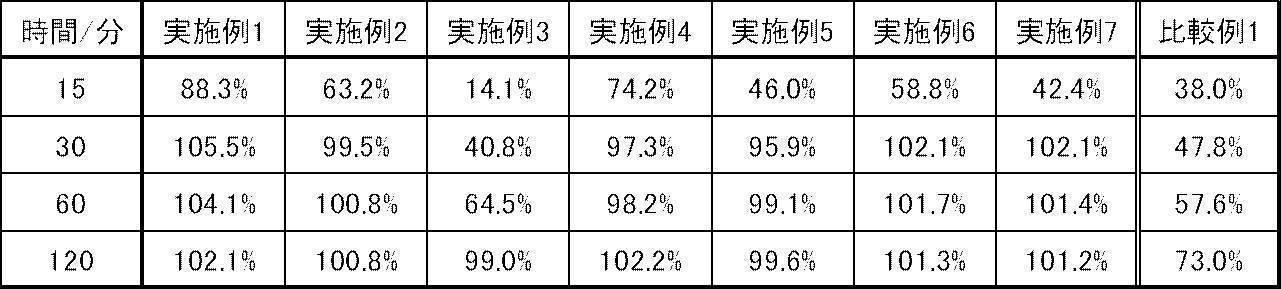
表1の結果より明らかである通り、実施例1~実施例7にかかる全ての口腔内崩壊錠はベッセル内にて有効成分が溶出した。
なお、実施例1~実施例7(実施例3を除く)では、30分でほぼ95%以上の溶出率に達しており、有効成分が速やかに放出されている。これらの実施例において、溶出試験中、腸溶性細粒はそれぞれが粒の状態を維持していた。
一方で、比較例1では30分において50%程度の溶出率を示しており、120分においても溶出率は75%に満たない。このとき、ベッセル底部にて口腔内崩壊錠(錠剤)内の細粒同士が凝集した塊が観察された。この凝集塊内部にある細粒からの溶出は周囲の腸溶性細粒のポリマーに阻害されるため、実施例1~実施例7(実施例3を除く)のような速やかな溶出がなされないものと考えられる。
例外的に60分溶出率の低い実施例3は、塩成分として、実施例1の塩化ナトリウム、実施例2の塩化カリウムと同質量の塩化カルシウムを添加した実施例である。この実施例3においても細粒同士の凝集が観察されたが、塩成分を添加しなかった比較例1とは細粒凝集の様子が異なり、細粒全体が白色の凝集を生じていた。塩化カルシウムは塩析能力の序列として知られるHofmeister seriesにおいて、塩化ナトリウム、塩化カリウムより上位に位置づけられる。実施例3では、塩化カルシウムの強力な塩析効果により腸溶性細粒中のポリマーが塩析、不溶化されたために、腸溶性細粒の凝集が生じたために他の実施例に比べて初期の溶出率が低下したものと考えられるが、120分後には99%の溶出率に達しており、実用的には比較例に対して十分な優位性を有する。
なお、実施例1~実施例7(実施例3を除く)では、30分でほぼ95%以上の溶出率に達しており、有効成分が速やかに放出されている。これらの実施例において、溶出試験中、腸溶性細粒はそれぞれが粒の状態を維持していた。
一方で、比較例1では30分において50%程度の溶出率を示しており、120分においても溶出率は75%に満たない。このとき、ベッセル底部にて口腔内崩壊錠(錠剤)内の細粒同士が凝集した塊が観察された。この凝集塊内部にある細粒からの溶出は周囲の腸溶性細粒のポリマーに阻害されるため、実施例1~実施例7(実施例3を除く)のような速やかな溶出がなされないものと考えられる。
例外的に60分溶出率の低い実施例3は、塩成分として、実施例1の塩化ナトリウム、実施例2の塩化カリウムと同質量の塩化カルシウムを添加した実施例である。この実施例3においても細粒同士の凝集が観察されたが、塩成分を添加しなかった比較例1とは細粒凝集の様子が異なり、細粒全体が白色の凝集を生じていた。塩化カルシウムは塩析能力の序列として知られるHofmeister seriesにおいて、塩化ナトリウム、塩化カリウムより上位に位置づけられる。実施例3では、塩化カルシウムの強力な塩析効果により腸溶性細粒中のポリマーが塩析、不溶化されたために、腸溶性細粒の凝集が生じたために他の実施例に比べて初期の溶出率が低下したものと考えられるが、120分後には99%の溶出率に達しており、実用的には比較例に対して十分な優位性を有する。
(実施例8)
以下のようにして、塩含有層にマンニトールを添加した腸溶性細粒、及び口腔内崩壊錠を作製した。
以下のようにして、塩含有層にマンニトールを添加した腸溶性細粒、及び口腔内崩壊錠を作製した。
(1)原薬層コーティング細粒の製造
マンニトールの150~250μmの球形球状顆粒(フロイント産業(株)製;ノンパレル108)600gを流動層造粒機(パウレック(株)製;MP-01(SPC))に仕込み、給気温度60℃、給気風量30~50m3/h、液速約5g/minで調整し、予め調製した下記組成の原薬液を規定量1600g噴霧コーティングした後、給気温度を80℃として30分間乾燥を行った。50号の丸篩(300μm)と70号の丸篩(212μm)で篩過して原薬層コーティング細粒(有効成分含有核)を得た。
マンニトールの150~250μmの球形球状顆粒(フロイント産業(株)製;ノンパレル108)600gを流動層造粒機(パウレック(株)製;MP-01(SPC))に仕込み、給気温度60℃、給気風量30~50m3/h、液速約5g/minで調整し、予め調製した下記組成の原薬液を規定量1600g噴霧コーティングした後、給気温度を80℃として30分間乾燥を行った。50号の丸篩(300μm)と70号の丸篩(212μm)で篩過して原薬層コーティング細粒(有効成分含有核)を得た。
[原薬液]
ラベプラゾールナトリウム 240部
ヒドロキシプロピルセルロース(タイプSSL) 72部
水酸化ナトリウム 24部
精製水 1264部
ラベプラゾールナトリウム 240部
ヒドロキシプロピルセルロース(タイプSSL) 72部
水酸化ナトリウム 24部
精製水 1264部
(2)中間層コーティング細粒の製造
前記原薬層コーティング細粒600gを流動層造粒機に仕込み、給気温度60℃、給気風量40~50m3/h、液速約5g/minで調整し、予め調製した下記組成の中間層1コーティング液を874g、中間層2コーティング液を1718g、塩含有層コーティング液を733g、順に噴霧コーティングした後、給気温度を80℃として30分間乾燥を行った。36号の丸篩(425μm)と60号の丸篩(250μm)で篩過して塩含有層コーティング細粒を得た。
前記原薬層コーティング細粒600gを流動層造粒機に仕込み、給気温度60℃、給気風量40~50m3/h、液速約5g/minで調整し、予め調製した下記組成の中間層1コーティング液を874g、中間層2コーティング液を1718g、塩含有層コーティング液を733g、順に噴霧コーティングした後、給気温度を80℃として30分間乾燥を行った。36号の丸篩(425μm)と60号の丸篩(250μm)で篩過して塩含有層コーティング細粒を得た。
[中間層1コーティング液]
ヒドロキシプロピルメチルセルロース(タイプ2910、粘度4.5mPa・s)50部
タルク 20部
マンニトール 50部
水酸化ナトリウム 12部
精製水 868部
ヒドロキシプロピルメチルセルロース(タイプ2910、粘度4.5mPa・s)50部
タルク 20部
マンニトール 50部
水酸化ナトリウム 12部
精製水 868部
[中間層2コーティング液]
ヒドロキシプロピルメチルセルロース(タイプ2910、粘度4.5mPa・s)10部
タルク 4部
マンニトール 10部
精製水 176部
ヒドロキシプロピルメチルセルロース(タイプ2910、粘度4.5mPa・s)10部
タルク 4部
マンニトール 10部
精製水 176部
[塩含有層コーティング液]
ヒドロキシプロピルメチルセルロース(タイプ2910、粘度4.5mPa・s)10部
タルク 4部
塩化カルシウム 10部
マンニトール 10部
精製水 166部
ヒドロキシプロピルメチルセルロース(タイプ2910、粘度4.5mPa・s)10部
タルク 4部
塩化カルシウム 10部
マンニトール 10部
精製水 166部
(3)腸溶性細粒の製造
前記塩含有コーティング細粒500gを流動層造粒機に仕込み、給気温度60℃、給気風量50~70m3/h、液速5~10g/minで調整し、予め調製した下記組成の腸溶層1コーティング液、腸溶層2コーティング液、マンニトール液それぞれを既定量677g、4599g、488gずつ連続して噴霧コーティングした後、給気温度60℃のまま60分間乾燥し、さらに給気温度を80℃として60分間乾燥を行った。30号の丸篩(500μm)と42号の丸篩(355μm)で篩過して腸溶性細粒を得た。
前記塩含有コーティング細粒500gを流動層造粒機に仕込み、給気温度60℃、給気風量50~70m3/h、液速5~10g/minで調整し、予め調製した下記組成の腸溶層1コーティング液、腸溶層2コーティング液、マンニトール液それぞれを既定量677g、4599g、488gずつ連続して噴霧コーティングした後、給気温度60℃のまま60分間乾燥し、さらに給気温度を80℃として60分間乾燥を行った。30号の丸篩(500μm)と42号の丸篩(355μm)で篩過して腸溶性細粒を得た。
[腸溶層1コーティング液]
メタクリル酸コポリマーLD(30w/w%水分散液)266.7部
アクリル酸エチル・メタクリル酸メチルコポリマー分散液(30w/w%水分散液)
66.7部
マクロゴール6000 10部
モノステアリン酸グリセリン 6部
ポリソルベート80 1.5部
無水クエン酸 0.025部
精製水 422部
メタクリル酸コポリマーLD(30w/w%水分散液)266.7部
アクリル酸エチル・メタクリル酸メチルコポリマー分散液(30w/w%水分散液)
66.7部
マクロゴール6000 10部
モノステアリン酸グリセリン 6部
ポリソルベート80 1.5部
無水クエン酸 0.025部
精製水 422部
[腸溶層2コーティング液]
メタクリル酸コポリマーLD(30w/w%水分散液)266.7部
アクリル酸エチル・メタクリル酸メチルコポリマー分散液(30w/w%水分散液)
66.7部
クエン酸トリエチル 10部
モノステアリン酸グリセリン 6部
ポリソルベート80 1.5部
無水クエン酸 0.025部
黄色三二酸化鉄 0.1部
精製水 237部
メタクリル酸コポリマーLD(30w/w%水分散液)266.7部
アクリル酸エチル・メタクリル酸メチルコポリマー分散液(30w/w%水分散液)
66.7部
クエン酸トリエチル 10部
モノステアリン酸グリセリン 6部
ポリソルベート80 1.5部
無水クエン酸 0.025部
黄色三二酸化鉄 0.1部
精製水 237部
[マンニトール液]
マンニトール 14部
精製水 86部
マンニトール 14部
精製水 86部
(4)賦形剤造粒物の製造
マンニトール、キシリトール、結晶セルロース、クロスポビドン及び無水リン酸水素カルシウム混合物(富士化学工業(株)製;エフメルトTypeC)426.7g、低置換度ヒドロキシプロピルセルロース66.7g、結晶セルロース66.7gを流動層造粒機(パウレック(株)製;MP-01(FD))に仕込み、給気温度50℃、給気風量20~30m3/h、液速5~8g/minに調製し、マンニトール35g、無水クエン酸7gを精製水308gに溶解させた液を噴霧し造粒を行った。給気温度を80℃として20分間乾燥を行い、賦形剤造粒物を得た。
マンニトール、キシリトール、結晶セルロース、クロスポビドン及び無水リン酸水素カルシウム混合物(富士化学工業(株)製;エフメルトTypeC)426.7g、低置換度ヒドロキシプロピルセルロース66.7g、結晶セルロース66.7gを流動層造粒機(パウレック(株)製;MP-01(FD))に仕込み、給気温度50℃、給気風量20~30m3/h、液速5~8g/minに調製し、マンニトール35g、無水クエン酸7gを精製水308gに溶解させた液を噴霧し造粒を行った。給気温度を80℃として20分間乾燥を行い、賦形剤造粒物を得た。
(5)口腔内崩壊錠の製造
前記腸溶性細粒39.91質量%、前記賦形剤造粒物57.03質量%、スクラロース(三栄減エフ・エフ・アイ(株)製)0.51質量%、香料(高砂香料工業(株)製;ストロベリーミクロン)0.10質量%、メタケイ酸アルミン酸マグネシウム(富士化学工業(株)製;ノイシリン UFL2)2.00質量%、ステアリン酸マグネシウム(太平化学産業(株)製)0.45質量%の比率で混合、打錠を行った。ステアリン酸マグネシウムを除く成分を30分間混合機にて混合後、ステアリン酸マグネシウムを加えてさらに30分間混合して打錠末を得た。この打錠末を打錠機(RIVA S.A.製;PICCOLA NOVA B-10)を用いて、一錠あたり540mgとし、11.0mmφ、2段R面の杵で打錠して、口腔内崩壊錠(錠剤)を得た。
前記腸溶性細粒39.91質量%、前記賦形剤造粒物57.03質量%、スクラロース(三栄減エフ・エフ・アイ(株)製)0.51質量%、香料(高砂香料工業(株)製;ストロベリーミクロン)0.10質量%、メタケイ酸アルミン酸マグネシウム(富士化学工業(株)製;ノイシリン UFL2)2.00質量%、ステアリン酸マグネシウム(太平化学産業(株)製)0.45質量%の比率で混合、打錠を行った。ステアリン酸マグネシウムを除く成分を30分間混合機にて混合後、ステアリン酸マグネシウムを加えてさらに30分間混合して打錠末を得た。この打錠末を打錠機(RIVA S.A.製;PICCOLA NOVA B-10)を用いて、一錠あたり540mgとし、11.0mmφ、2段R面の杵で打錠して、口腔内崩壊錠(錠剤)を得た。
実施例8で得られた口腔内崩壊錠1錠中に含まれる腸溶性細粒の含有量は216.4mgである。また、口腔内崩壊錠1錠中に含まれるラベプラゾールナトリウムの含有量は10mgであり、腸溶性細粒の全質量に対するラベプラゾールナトリウムの含有率は4.6質量%である。口腔内崩壊錠1錠中に含まれる有効成分含有核中の水酸化ナトリウムの含有量は1mgであり、腸溶性細粒の全質量に対する有効成分含有核中の水酸化ナトリウムの含有率は0.5質量%である。口腔内崩壊錠1錠中に含まれる塩化カルシウムの含有量は2.382mgであり、腸溶性細粒の全質量に対する塩化カルシウムの含有率は1.1質量%である。
(実施例9)
実施例8(1)と同様にして作製した原薬層コーティング細粒を用いて、以下のように塩含有層に軽質無水ケイ酸を添加した腸溶性細粒、及び口腔内崩壊錠を作製した。
実施例8(1)と同様にして作製した原薬層コーティング細粒を用いて、以下のように塩含有層に軽質無水ケイ酸を添加した腸溶性細粒、及び口腔内崩壊錠を作製した。
(2)中間層コーティング細粒の製造
前記原薬層コーティング細粒600gを流動層造粒機(パウレック(株)製;MP-01(SPC))に仕込み、給気温度60℃、給気風量40~50m3/h、液速約5g/minで調整し、予め調製した下記組成の中間層1コーティング液を874g、中間層2コーティング液を1718g、順に噴霧コーティングした後、給気温度を80℃として30分間乾燥を行った。42号の丸篩(355μm)と60号の丸篩(250μm)で篩過して中間層コーティング細粒を得た。
前記原薬層コーティング細粒600gを流動層造粒機(パウレック(株)製;MP-01(SPC))に仕込み、給気温度60℃、給気風量40~50m3/h、液速約5g/minで調整し、予め調製した下記組成の中間層1コーティング液を874g、中間層2コーティング液を1718g、順に噴霧コーティングした後、給気温度を80℃として30分間乾燥を行った。42号の丸篩(355μm)と60号の丸篩(250μm)で篩過して中間層コーティング細粒を得た。
[中間層1コーティング液]
ヒドロキシプロピルメチルセルロース(タイプ2910、粘度4.5mPa・s)50部
タルク 20部
マンニトール 50部
水酸化ナトリウム 12部
精製水 868部
ヒドロキシプロピルメチルセルロース(タイプ2910、粘度4.5mPa・s)50部
タルク 20部
マンニトール 50部
水酸化ナトリウム 12部
精製水 868部
[中間層2コーティング液]
ヒドロキシプロピルメチルセルロース(タイプ2910、粘度4.5mPa・s)10部
タルク 4部
マンニトール 10部
精製水 176部
ヒドロキシプロピルメチルセルロース(タイプ2910、粘度4.5mPa・s)10部
タルク 4部
マンニトール 10部
精製水 176部
(3)塩含有層コーティング細粒の製造
前記中間層コーティング細粒600gを流動層造粒機に仕込み、給気温度50℃、給気風量30~40m3/h、液速約6g/minで調整し、予め調製した下記組成の塩析層コーティング液を477g噴霧コーティングした後、給気温度を80℃として30分間乾燥を行った。36号の丸篩(425μm)と60号の丸篩(250μm)で篩過して塩含有層コーティング細粒を得た。
前記中間層コーティング細粒600gを流動層造粒機に仕込み、給気温度50℃、給気風量30~40m3/h、液速約6g/minで調整し、予め調製した下記組成の塩析層コーティング液を477g噴霧コーティングした後、給気温度を80℃として30分間乾燥を行った。36号の丸篩(425μm)と60号の丸篩(250μm)で篩過して塩含有層コーティング細粒を得た。
[塩含有層コーティング液]
ヒドロキシプロピルメチルセルロース(タイプ2910、粘度4.5mPa・s)10部
タルク 4部
塩化カルシウム 10部
軽質無水ケイ酸 10部
精製水 166部
ヒドロキシプロピルメチルセルロース(タイプ2910、粘度4.5mPa・s)10部
タルク 4部
塩化カルシウム 10部
軽質無水ケイ酸 10部
精製水 166部
(4)腸溶性細粒の製造
前記塩含有コーティング細粒500gを流動層造粒機に仕込み、給気温度60℃、給気風量50~70m3/h、液速5~10g/minで調整し、実施例1(4)と同様の組成で予め調製した腸溶層1コーティング液、腸溶層2コーティング液、マンニトール液それぞれを既定量677g、5113g、509gずつ連続して噴霧コーティングした後、給気温度60℃のまま60分間乾燥し、さらに給気温度を80℃として60分間乾燥を行った。30号の丸篩(500μm)と42号の丸篩(355μm)で篩過して腸溶性細粒を得た。
前記塩含有コーティング細粒500gを流動層造粒機に仕込み、給気温度60℃、給気風量50~70m3/h、液速5~10g/minで調整し、実施例1(4)と同様の組成で予め調製した腸溶層1コーティング液、腸溶層2コーティング液、マンニトール液それぞれを既定量677g、5113g、509gずつ連続して噴霧コーティングした後、給気温度60℃のまま60分間乾燥し、さらに給気温度を80℃として60分間乾燥を行った。30号の丸篩(500μm)と42号の丸篩(355μm)で篩過して腸溶性細粒を得た。
(5)賦形剤造粒物の製造
実施例8(4)と同様にして賦形剤造粒物を得た。
実施例8(4)と同様にして賦形剤造粒物を得た。
(6)口腔内崩壊錠の製造
前記腸溶性細粒39.91質量%、前記賦形剤造粒物57.03質量%、スクラロース(三栄減エフ・エフ・アイ(株)製)0.51質量%、香料(高砂香料工業(株)製;ストロベリーミクロン)0.10質量%、メタケイ酸アルミン酸マグネシウム(富士化学工業(株);ノイシリン UFL2)2.00質量%、ステアリン酸マグネシウム(太平化学産業(株)製)0.45質量%の比率で混合、打錠を行った。ステアリン酸マグネシウムを除く成分を30分間混合機にて混合後、ステアリン酸マグネシウムを加えてさらに30分間混合して打錠末を得た。この打錠末を打錠機(RIVA S.A.製;PICCOLA NOVA B-10)を用いて、一錠あたり575mgとし、11.0mφ、2段R面の杵で打錠して、口腔内崩壊錠(錠剤)を得た。
前記腸溶性細粒39.91質量%、前記賦形剤造粒物57.03質量%、スクラロース(三栄減エフ・エフ・アイ(株)製)0.51質量%、香料(高砂香料工業(株)製;ストロベリーミクロン)0.10質量%、メタケイ酸アルミン酸マグネシウム(富士化学工業(株);ノイシリン UFL2)2.00質量%、ステアリン酸マグネシウム(太平化学産業(株)製)0.45質量%の比率で混合、打錠を行った。ステアリン酸マグネシウムを除く成分を30分間混合機にて混合後、ステアリン酸マグネシウムを加えてさらに30分間混合して打錠末を得た。この打錠末を打錠機(RIVA S.A.製;PICCOLA NOVA B-10)を用いて、一錠あたり575mgとし、11.0mφ、2段R面の杵で打錠して、口腔内崩壊錠(錠剤)を得た。
実施例9で得られた口腔内崩壊錠1錠中に含まれる腸溶性細粒の含有量は230.8mgである。また、口腔内崩壊錠1錠中に含まれるラベプラゾールナトリウムの含有量は10mgであり、腸溶性細粒の全質量に対するラベプラゾールナトリウムの含有率は4.3質量%である。口腔内崩壊錠1錠中に含まれる有効成分含有核中の水酸化ナトリウムの含有量は1mgであり、腸溶性細粒の全質量に対する有効成分含有核中の水酸化ナトリウムの含有率は0.4質量%である。口腔内崩壊錠1錠中に含まれる塩化カルシウムの含有量は2.382mgであり、腸溶性細粒の全質量に対する塩化カルシウムの含有率は1.0質量%である。
実施例7、実施例8、実施例9にかかる口腔内崩壊錠を25℃75%RHの湿度過酷条件下にて3日放置したところ、実施例7にかかる口腔内崩壊錠では細粒が黄色から褐色へと変色しているのが観察されたが、実施例8及び実施例9にかかる口腔内崩壊錠では明確な変色は観察されず、対湿度性が向上していることが確認された。
湿度過酷条件下において生じた実施例7に係る口腔内崩壊錠の褐変は原薬の分解に起因すると考えられる。これらの実施例では塩成分として塩化カルシウムを使用しているが、塩化カルシウムは吸湿性が高く、また、潮解性を有する。実施例7では塩の吸湿性に起因し、原薬の分解が促進され褐変したと考えられる。一方の実施例8では吸湿性の低いマンニトールを塩含有層に共存させたことで、層全体の吸湿量が低下したと考えられる。また、実施例9では軽質無水ケイ酸が、塩と拮抗的に吸湿することで塩の潮解を防止するように働いたのではないかと考えられる。
湿度過酷条件下において生じた実施例7に係る口腔内崩壊錠の褐変は原薬の分解に起因すると考えられる。これらの実施例では塩成分として塩化カルシウムを使用しているが、塩化カルシウムは吸湿性が高く、また、潮解性を有する。実施例7では塩の吸湿性に起因し、原薬の分解が促進され褐変したと考えられる。一方の実施例8では吸湿性の低いマンニトールを塩含有層に共存させたことで、層全体の吸湿量が低下したと考えられる。また、実施例9では軽質無水ケイ酸が、塩と拮抗的に吸湿することで塩の潮解を防止するように働いたのではないかと考えられる。
日本出願2013-047358号の開示及び日本出願2013-225760号の開示はそれらの全体が参照により本明細書に取り込まれる。
本明細書に記載された全ての文献、特許出願、及び技術規格は、個々の文献、特許出願、及び技術規格が参照により取り込まれることが具体的かつ個々に記された場合と同程度に、本明細書に参照により取り込まれる。
本明細書に記載された全ての文献、特許出願、及び技術規格は、個々の文献、特許出願、及び技術規格が参照により取り込まれることが具体的かつ個々に記された場合と同程度に、本明細書に参照により取り込まれる。
Claims (18)
- 酸に不安定な有効成分及びアルカリ性成分を含有する有効成分含有核と、有効成分含有核を被覆した中間層と、中間層を被覆した腸溶層とを有し、有効成分含有核及び中間層からなる群より選ばれる少なくとも1つに、アルカリ金属塩、アルカリ土類金属塩、アンモニウム塩及び可溶性金属塩からなる群より選ばれる少なくとも1種の塩成分を含む腸溶性細粒。
- 塩成分が、アルカリ金属塩及びアルカリ土類金属塩からなる群より選ばれる少なくとも1種を含む請求項1に記載の腸溶性細粒。
- 塩成分が、塩化物を含む請求項1又は請求項2に記載の腸溶性細粒。
- 塩成分が、塩化カルシウム、塩化ナトリウム及び塩化カリウムからなる群より選ばれる少なくとも1種を含む請求項1~請求項3のいずれか1項に記載の腸溶性細粒。
- 塩成分が、塩化カルシウムを含む請求項1~請求項4のいずれか1項に記載の腸溶性細粒。
- アルカリ性成分が、飽和水溶液の25℃におけるpHが12以上であるアルカリを含む請求項1~請求項5のいずれか1項に記載の腸溶性細粒。
- アルカリ性成分が、水酸化ナトリウムを含む請求項1~請求項6のいずれか1項に記載の腸溶性細粒。
- 酸に不安定な有効成分が、プロトンポンプインヒビターを含む請求項1~請求項7のいずれか1項に記載の腸溶性細粒。
- 酸に不安定な有効成分が、ベンズイミダゾール系化合物又はその塩を含む請求項1~請求項8のいずれか1項に記載の腸溶性細粒。
- 酸に不安定な有効成分が、ラベプラゾール又はラベプラゾールナトリウムを含む請求項1~請求項9のいずれか1項に記載の腸溶性細粒。
- 中間層が2層又はそれ以上の複数の層からなる請求項1~請求項10のいずれか1項に記載の腸溶性細粒。
- 中間層が2層又はそれ以上の複数の層からなる腸溶性細粒において、少なくとも最も内側の中間層にアルカリ性成分が含まれる請求項1~請求項11のいずれか1項に記載の腸溶性細粒。
- 腸溶層が、(メタ)アクリル酸共重合体を含む請求項1~請求項12のいずれか1項に記載の腸溶性細粒。
- 有効成分含有核及び中間層からなる群より選ばれる少なくとも1つが、アルカリ金属塩、アルカリ土類金属塩、アンモニウム塩及び可溶性金属塩からなる群より選ばれる少なくとも1種の塩成分と、糖又は糖アルコールとを含む請求項1~請求項13のいずれか1項に記載の腸溶性細粒。
- 有効成分含有核及び中間層からなる群より選ばれる少なくとも1つが、アルカリ金属塩、アルカリ土類金属塩、アンモニウム塩及び可溶性金属塩からなる群より選ばれる少なくとも1種の塩成分と、吸水性のある無機物とを含む請求項1~請求項13のいずれか1項に記載の腸溶性細粒。
- 有効成分含有核及び中間層からなる群より選ばれる少なくとも1つが、アルカリ金属塩、アルカリ土類金属塩、アンモニウム塩及び可溶性金属塩からなる群より選ばれる少なくとも1種の塩成分と、糖又は糖アルコールと、吸水性のある無機物とを含む請求項1~請求項13のいずれか1項に記載の腸溶性細粒。
- 請求項1~請求項16のいずれか1項に記載の腸溶性細粒を複数含む医薬組成物。
- 口腔内崩壊錠である請求項17に記載の医薬組成物。
Priority Applications (1)
| Application Number | Priority Date | Filing Date | Title |
|---|---|---|---|
| JP2015504199A JP5934835B2 (ja) | 2013-03-08 | 2014-01-24 | 腸溶性細粒及び医薬組成物 |
Applications Claiming Priority (4)
| Application Number | Priority Date | Filing Date | Title |
|---|---|---|---|
| JP2013047358 | 2013-03-08 | ||
| JP2013-047358 | 2013-03-08 | ||
| JP2013-225760 | 2013-10-30 | ||
| JP2013225760 | 2013-10-30 |
Publications (1)
| Publication Number | Publication Date |
|---|---|
| WO2014136494A1 true WO2014136494A1 (ja) | 2014-09-12 |
Family
ID=51491020
Family Applications (1)
| Application Number | Title | Priority Date | Filing Date |
|---|---|---|---|
| PCT/JP2014/051547 Ceased WO2014136494A1 (ja) | 2013-03-08 | 2014-01-24 | 腸溶性細粒及び医薬組成物 |
Country Status (2)
| Country | Link |
|---|---|
| JP (1) | JP5934835B2 (ja) |
| WO (1) | WO2014136494A1 (ja) |
Cited By (3)
| Publication number | Priority date | Publication date | Assignee | Title |
|---|---|---|---|---|
| US10076494B2 (en) | 2016-06-16 | 2018-09-18 | Dexcel Pharma Technologies Ltd. | Stable orally disintegrating pharmaceutical compositions |
| JP2023114904A (ja) * | 2022-02-07 | 2023-08-18 | 沢井製薬株式会社 | エソメプラゾール含有顆粒及びそれを含む口腔内崩壊錠 |
| US11730708B2 (en) | 2019-12-11 | 2023-08-22 | Evonik Operations Gmbh | Dosage form for use in treating or preventing of a disease |
Citations (2)
| Publication number | Priority date | Publication date | Assignee | Title |
|---|---|---|---|---|
| JPH05294831A (ja) * | 1986-04-30 | 1993-11-09 | Yoshitomi Pharmaceut Ind Ltd | 内服用新規医薬製剤 |
| JPH11508577A (ja) * | 1995-07-05 | 1999-07-27 | ビイク グルデン ロンベルク ヒエーミツシエ フアブリーク ゲゼルシヤフト ミツト ベシユレンクテル ハフツング | 抗菌活性物質及び徐放性パントプラゾールを含有する経口医薬品 |
Family Cites Families (5)
| Publication number | Priority date | Publication date | Assignee | Title |
|---|---|---|---|---|
| DK0723436T3 (da) * | 1994-07-08 | 2001-11-26 | Astrazeneca Ab | Tabletteret flerenhedsdoseringsform |
| DE19626045C2 (de) * | 1996-06-28 | 1998-12-03 | Klinge Co Chem Pharm Fab | Stabile Arzneiform zur oralen Verabreichung, welche Omeprazol als aktiven Wirkstoff enthält, sowie Verfahren zur Herstellung derselben |
| DK2152250T3 (da) * | 2007-05-07 | 2019-12-09 | Evonik Degussa Gmbh | Faste doseringsformer, der omfatter et enterisk overtræk, med accelereret lægemiddelfrigivelse |
| CN101878041A (zh) * | 2007-11-27 | 2010-11-03 | 大原药品工业株式会社 | 颗粒制剂的制造方法 |
| EP2601936A4 (en) * | 2010-08-03 | 2014-03-19 | Eisai R&D Man Co Ltd | COMPRESSED COMPOSITION |
-
2014
- 2014-01-24 WO PCT/JP2014/051547 patent/WO2014136494A1/ja not_active Ceased
- 2014-01-24 JP JP2015504199A patent/JP5934835B2/ja not_active Expired - Fee Related
Patent Citations (2)
| Publication number | Priority date | Publication date | Assignee | Title |
|---|---|---|---|---|
| JPH05294831A (ja) * | 1986-04-30 | 1993-11-09 | Yoshitomi Pharmaceut Ind Ltd | 内服用新規医薬製剤 |
| JPH11508577A (ja) * | 1995-07-05 | 1999-07-27 | ビイク グルデン ロンベルク ヒエーミツシエ フアブリーク ゲゼルシヤフト ミツト ベシユレンクテル ハフツング | 抗菌活性物質及び徐放性パントプラゾールを含有する経口医薬品 |
Cited By (4)
| Publication number | Priority date | Publication date | Assignee | Title |
|---|---|---|---|---|
| US10076494B2 (en) | 2016-06-16 | 2018-09-18 | Dexcel Pharma Technologies Ltd. | Stable orally disintegrating pharmaceutical compositions |
| US10835488B2 (en) | 2016-06-16 | 2020-11-17 | Dexcel Pharma Technologies Ltd. | Stable orally disintegrating pharmaceutical compositions |
| US11730708B2 (en) | 2019-12-11 | 2023-08-22 | Evonik Operations Gmbh | Dosage form for use in treating or preventing of a disease |
| JP2023114904A (ja) * | 2022-02-07 | 2023-08-18 | 沢井製薬株式会社 | エソメプラゾール含有顆粒及びそれを含む口腔内崩壊錠 |
Also Published As
| Publication number | Publication date |
|---|---|
| JPWO2014136494A1 (ja) | 2017-02-09 |
| JP5934835B2 (ja) | 2016-06-15 |
Similar Documents
| Publication | Publication Date | Title |
|---|---|---|
| JP7228535B2 (ja) | ボノプラザン含有製剤 | |
| JP4638964B2 (ja) | プロトンポンプ阻害剤およびnsaidからなる経口用医薬剤形 | |
| JP6976946B2 (ja) | 生理活性の強い、urat1のインヒビターを含む医薬組成物 | |
| JP6154019B2 (ja) | 口腔内崩壊錠 | |
| KR20140007364A (ko) | 구강내 붕괴정 | |
| JP7064683B2 (ja) | 腸溶層破損防止用組成物 | |
| JP5405752B2 (ja) | 被覆された薬物含有粒子および該粒子を含む固形製剤 | |
| JP6183979B2 (ja) | アリピプラゾール無水物を含有する固形製剤の製造方法 | |
| JP6628840B2 (ja) | 口腔内崩壊錠及びその製造方法 | |
| JPWO2012018056A1 (ja) | 圧縮組成物 | |
| JP7336187B2 (ja) | 多層構造を有する粒子状医薬組成物 | |
| JP5934835B2 (ja) | 腸溶性細粒及び医薬組成物 | |
| JP5664225B2 (ja) | 不快味マスキング粒子及びこれを含有する経口製剤 | |
| JP2015027981A (ja) | 腸溶性細粒及び医薬組成物 | |
| JP2015086194A (ja) | ラベプラゾールナトリウム含有粒子の製造方法及びそれを含む医薬組成物 | |
| JP4716063B2 (ja) | 不快味マスキング粒子及びこれを含有する経口製剤 | |
| JP2012246252A (ja) | 経口投与用放出制御型粒子状医薬組成物、その製法、及び該組成物を含有する経口用崩壊錠 | |
| JP6096328B2 (ja) | 口腔内崩壊錠 | |
| JP2015151337A (ja) | 医薬用組成物の製造方法、医薬用組成物、及び口腔内崩壊錠 | |
| WO2015045604A1 (ja) | 口腔内崩壊錠 | |
| WO2010036975A2 (en) | Dipyridamole and acetylsalicylic acid formulations and process for preparing same | |
| WO2015046383A1 (ja) | 原薬含有核の製造方法、原薬含有核、医薬品組成物、及び口腔内崩壊錠 | |
| JP2015193560A (ja) | 医薬組成物 | |
| JP2008081448A (ja) | 酒石酸ゾルピデムの苦味マスキング速放性粒子 | |
| JP7786701B2 (ja) | 腸溶性の粒状物及びそれを含有する固形製剤 |
Legal Events
| Date | Code | Title | Description |
|---|---|---|---|
| 121 | Ep: the epo has been informed by wipo that ep was designated in this application |
Ref document number: 14761237 Country of ref document: EP Kind code of ref document: A1 |
|
| ENP | Entry into the national phase |
Ref document number: 2015504199 Country of ref document: JP Kind code of ref document: A |
|
| NENP | Non-entry into the national phase |
Ref country code: DE |
|
| 122 | Ep: pct application non-entry in european phase |
Ref document number: 14761237 Country of ref document: EP Kind code of ref document: A1 |