WO2013014907A1 - 免震構造体のプラグ用組成物、免震構造体用プラグおよび免震構造体、並びに、免震構造体のプラグ用組成物の製造方法および免震構造体用プラグの製造方法 - Google Patents
免震構造体のプラグ用組成物、免震構造体用プラグおよび免震構造体、並びに、免震構造体のプラグ用組成物の製造方法および免震構造体用プラグの製造方法 Download PDFInfo
- Publication number
- WO2013014907A1 WO2013014907A1 PCT/JP2012/004663 JP2012004663W WO2013014907A1 WO 2013014907 A1 WO2013014907 A1 WO 2013014907A1 JP 2012004663 W JP2012004663 W JP 2012004663W WO 2013014907 A1 WO2013014907 A1 WO 2013014907A1
- Authority
- WO
- WIPO (PCT)
- Prior art keywords
- plug
- composition
- isolation structure
- powder
- hard resin
- Prior art date
- Legal status (The legal status is an assumption and is not a legal conclusion. Google has not performed a legal analysis and makes no representation as to the accuracy of the status listed.)
- Ceased
Links
Images

Classifications
-
- B—PERFORMING OPERATIONS; TRANSPORTING
- B29—WORKING OF PLASTICS; WORKING OF SUBSTANCES IN A PLASTIC STATE IN GENERAL
- B29B—PREPARATION OR PRETREATMENT OF THE MATERIAL TO BE SHAPED; MAKING GRANULES OR PREFORMS; RECOVERY OF PLASTICS OR OTHER CONSTITUENTS OF WASTE MATERIAL CONTAINING PLASTICS
- B29B7/00—Mixing; Kneading
- B29B7/02—Mixing; Kneading non-continuous, with mechanical mixing or kneading devices, i.e. batch type
- B29B7/22—Component parts, details or accessories; Auxiliary operations
- B29B7/24—Component parts, details or accessories; Auxiliary operations for feeding
-
- B—PERFORMING OPERATIONS; TRANSPORTING
- B29—WORKING OF PLASTICS; WORKING OF SUBSTANCES IN A PLASTIC STATE IN GENERAL
- B29B—PREPARATION OR PRETREATMENT OF THE MATERIAL TO BE SHAPED; MAKING GRANULES OR PREFORMS; RECOVERY OF PLASTICS OR OTHER CONSTITUENTS OF WASTE MATERIAL CONTAINING PLASTICS
- B29B7/00—Mixing; Kneading
- B29B7/80—Component parts, details or accessories; Auxiliary operations
- B29B7/88—Adding charges, i.e. additives
-
- C—CHEMISTRY; METALLURGY
- C08—ORGANIC MACROMOLECULAR COMPOUNDS; THEIR PREPARATION OR CHEMICAL WORKING-UP; COMPOSITIONS BASED THEREON
- C08K—Use of inorganic or non-macromolecular organic substances as compounding ingredients
- C08K3/00—Use of inorganic substances as compounding ingredients
- C08K3/01—Use of inorganic substances as compounding ingredients characterized by their specific function
- C08K3/013—Fillers, pigments or reinforcing additives
-
- B—PERFORMING OPERATIONS; TRANSPORTING
- B29—WORKING OF PLASTICS; WORKING OF SUBSTANCES IN A PLASTIC STATE IN GENERAL
- B29B—PREPARATION OR PRETREATMENT OF THE MATERIAL TO BE SHAPED; MAKING GRANULES OR PREFORMS; RECOVERY OF PLASTICS OR OTHER CONSTITUENTS OF WASTE MATERIAL CONTAINING PLASTICS
- B29B7/00—Mixing; Kneading
- B29B7/80—Component parts, details or accessories; Auxiliary operations
- B29B7/82—Heating or cooling
- B29B7/823—Temperature control
-
- B—PERFORMING OPERATIONS; TRANSPORTING
- B29—WORKING OF PLASTICS; WORKING OF SUBSTANCES IN A PLASTIC STATE IN GENERAL
- B29C—SHAPING OR JOINING OF PLASTICS; SHAPING OF MATERIAL IN A PLASTIC STATE, NOT OTHERWISE PROVIDED FOR; AFTER-TREATMENT OF THE SHAPED PRODUCTS, e.g. REPAIRING
- B29C43/00—Compression moulding, i.e. applying external pressure to flow the moulding material; Apparatus therefor
- B29C43/02—Compression moulding, i.e. applying external pressure to flow the moulding material; Apparatus therefor of articles of definite length, i.e. discrete articles
- B29C43/021—Compression moulding, i.e. applying external pressure to flow the moulding material; Apparatus therefor of articles of definite length, i.e. discrete articles characterised by the shape of the surface
Definitions
- the present invention relates to a plug composition for a seismic isolation structure used as a support for a seismic isolation device, a plug for a seismic isolation structure using the plug composition, and the plug for a seismic isolation structure
- This is related to seismic isolation structures using Specifically, the present invention relates to a plug composition capable of providing a plug for a base isolation structure with improved damping performance in a low strain region, and a base isolation structure using the plug composition.
- the present invention relates to a seismic isolation structure using the plug and the plug for the seismic isolation structure.
- the present invention also relates to a method for manufacturing a plug composition for a base isolation structure, and a method for manufacturing a plug for a base isolation structure using the plug composition.
- the present invention uses a method for manufacturing a plug composition capable of providing a plug for a base isolation structure having improved damping performance in a low strain region, and the plug composition.
- the present invention relates to a method for manufacturing a plug for a base isolation structure.
- a seismic isolation structure in which a soft plate having viscoelastic properties such as a rubber plate and a hard plate such as a steel plate are alternately laminated has been used as a support for a seismic isolation device.
- a hollow portion is formed at the center of a laminate composed of a soft plate and a hard plate, and the hollow portion is molded so as to have a uniform composition. There are some which have been pressed into the plug (plug for seismic isolation structure).
- the plug press-fitted into the laminated body composed of the soft plate and the hard plate is plastically deformed and absorbs vibration energy when the laminated body undergoes shear deformation due to the occurrence of an earthquake.
- a plug made entirely of lead is often used.
- lead has a large environmental burden and a high cost for disposal. Therefore, in recent years, an attempt has been made to develop a plug having sufficient damping performance, displacement followability, etc., using a lead substitute material.
- a plug composition (powder-like material) containing a high-viscosity elastomer composition containing an elastomer component and a powder such as iron powder is added.
- a plug formed by pressure forming has been proposed (see, for example, Patent Document 1).
- the conventional plug formed by pressure-molding a powdery plug composition containing an elastomer composition and powder has excellent damping performance and displacement for large deformation, that is, large strain. Shows trackability.
- the conventional plug described above does not have sufficient damping performance in a low strain region (for example, a region where the shear strain is 50% to 100%) as compared with a lead plug, and has a low It became clear that there is room for improvement in the damping performance in the strain region.
- the present invention has an object to provide a plug composition for a seismic isolation structure capable of solving the above-described problems of the prior art and providing a plug with improved damping performance in a low distortion region.
- Another object of the present invention is to provide a seismic isolation structure plug using such a composition and improved damping performance in a low strain region, and a seismic isolation structure using the seismic isolation structure plug. To do.
- the present inventors have intensively studied to achieve the above object.
- the present inventors have isolated a composition containing a hard resin having a D hardness (type D durometer hardness) 30 or more higher than that of the elastomer composition.
- the inventors have found that a seismic isolation structure excellent in damping performance in a low strain region can be obtained by using the body plug, and the present invention has been completed.
- the plug composition containing the elastomer composition, the powder, and the hard resin is in a powder form suitable for pressure molding depending on the preparation conditions.
- the plug composition containing a hard resin becomes a block-shaped material depending on the preparation conditions, and the plug exhibits a desired performance. There was a concern that it would be difficult to mold.
- the present inventors can provide a plug for a seismic isolation structure with improved damping performance in a low strain region, and provide a method for producing a plug composition having excellent moldability. Further study was conducted as a purpose.
- the inventors of the present invention improve the damping performance in the low strain region by preparing the elastomer composition in advance and kneading it with the powder and the hard resin and keeping the temperature during the kneading within a predetermined temperature range.
- the present inventors have found that a plug composition having excellent moldability and capable of providing a seismic isolation structure plug can be prepared, and the present invention has been completed.
- the composition for plugs of the seismic isolation structure of the present invention comprises: (A) an elastomer composition containing at least an elastomer component; (B) powder, (C) a hard resin having a D hardness of 30 or more higher than that of the elastomer composition; It is characterized by containing.
- D hardness refers to type D durometer hardness measured in accordance with JIS K6253.
- the D hardness of the hard resin is preferably 60 to 90. If the D hardness of the hard resin is in the range of 60 or more and 90 or less, the damping performance in the low strain region of the plug for a base isolation structure manufactured using the plug composition can be greatly improved. is there.
- the content of the hard resin is 5 to 10% by volume of the total amount of the elastomer composition, the powder, and the hard resin. It is preferable. If the content of the hard resin is 5% by volume or more of the total amount of the elastomer composition, the powder, and the hard resin, the low strain region of the plug for the seismic isolation structure manufactured using the plug composition This is because the damping performance in the can be greatly improved. Further, if the content of the hard resin is 10% by volume or less of the total amount of the elastomer composition, the powder, and the hard resin, the height of the plug for the seismic isolation structure manufactured using the plug composition is high. This is because a decrease in attenuation performance in the strain region can be suppressed.
- the hard resin preferably has an average particle size of 200 ⁇ m or less. If the average particle size of the hard resin compounded in the plug composition is 200 ⁇ m or less, the damping performance is further improved in both the low strain region and the high strain region (for example, the region where the shear strain is 50% to 250%). This is because a plug composition capable of producing a seismic isolation structure plug is obtained.
- “average particle diameter” refers to the number-based median diameter (median diameter) measured by a laser diffraction method in accordance with JIS Z8825-1.
- the softening point of the said hard resin is 150 degreeC or more as for the composition for plugs of the seismic isolation structure of this invention. This is because, if the softening point of the hard resin is set to 150 ° C. or higher, the temperature dependence of the damping performance of the plug for a base isolation structure manufactured using the plug composition can be reduced.
- the “softening point” can be measured according to JIS K7206.
- the softening point of the hard resin refers to the softening point of the hard resin having the lowest softening point when the plug composition includes a plurality of hard resins having different softening points.
- the shape of the said hard resin is an indeterminate form in the composition for plugs of the seismic isolation structure of this invention. This is because, if the shape of the hard resin is indefinite, the damping performance of the plug for a base isolation structure manufactured using the plug composition can be further improved in both the low strain region and the high strain region.
- the “indefinite shape” refers to not only one type of shape but also a mixture of shapes having various forms such as those having irregularities and protrusions.
- the plug for seismic isolation structures of this invention uses any of the composition for plugs of the above-mentioned seismic isolation structure. It is manufactured. Thus, if the composition for plugs mentioned above is used, the plug for seismic isolation structure which is excellent in the damping performance in a low distortion area
- the present invention has an object to advantageously solve the above-mentioned problems, and the seismic isolation structure of the present invention is formed by alternately laminating a rigid plate having rigidity and an elastic plate having elasticity.
- a seismic isolation structure comprising a laminate having a hollow portion extending in the laminating direction and a plug press-fitted into the hollow portion of the laminate, wherein the plug is the above-described plug for a seismic isolation structure.
- this invention aims at solving the said subject advantageously, and the manufacturing method of the composition for plugs of the seismic isolation structure of this invention prepares the elastomer composition which contains an elastomer component at least.
- the kneading temperature after adding the hard resin is set to a temperature not higher than the softening point of the hard resin.
- a plug composition capable of producing a plug for a base-isolated structure having excellent damping performance in a low strain region can be obtained.
- the kneading temperature after addition of the hard resin in the kneading step is set to a temperature not higher than the softening point of the hard resin, the plug composition is suppressed from becoming a block shape and exhibits desired performance.
- a plug composition capable of easily forming the plug for use is obtained.
- the elastomer composition can be prepared at a relatively high temperature (temperature exceeding the softening point of the hard resin), so that the plug composition is in a block form.
- a plug composition in which the compounding component in the elastomer composition is uniformly dispersed can be obtained.
- D hardness refers to the type D durometer hardness measured according to JIS K6253 as described above.
- softening point refers to the Vicat softening temperature measured in accordance with JIS K7206.
- “kneading temperature” refers to the temperature of the material to be kneaded during kneading.
- the “softening point of the hard resin” means that when a plurality of hard resins having different softening points are blended, the softening point of the resin having the lowest softening point among the blended hard resins. Point to.
- the powder in the kneading step, is intermittently or continuously divided into a plurality of times with respect to the elastomer composition. In addition to kneading, it is preferable to knead. If the powder is intermittently or continuously added to the elastomer composition and kneaded, compared to the case where the powder is added to the elastomer composition and kneaded at once, the kneading temperature and torque during kneading are reduced. This is because a rapid increase can be suppressed and the dispersion state of the powder in the elastomer composition can be improved.
- the manufacturing method of the composition for plugs of the seismic isolation structure of this invention is the said kneading
- the said powder is intermittently added to the said elastomer composition in multiple times, knead
- the manufacturing method of the plug for seismic isolation structures of this invention is the manufacturing method of the composition for plugs of the seismic isolation structure mentioned above. It includes a pressure molding step of pressure molding a plug composition produced using any of the above in a mold. Thus, if the plug composition manufactured using the above-described method for manufacturing a plug composition is pressure-molded, a seismic isolation structure plug excellent in damping performance in a low strain region can be obtained.
- the manufacturing method of the plug for seismic isolation structure of this invention WHEREIN: It is preferable to pressure-mold the said composition for plugs at the temperature below the softening point of the said hard resin in the said pressure-forming process. This is because if the plug composition is pressure-molded at a temperature equal to or lower than the softening point, a plug for a seismic isolation structure having further excellent damping performance in a low strain region can be obtained.
- the plug composition for a seismic isolation structure capable of producing a plug for a seismic isolation structure having excellent damping performance in a low strain region. Furthermore, according to the present invention, the plug for a base isolation structure having excellent damping performance in the low strain region, and the damping performance in the low strain region are equal to or higher than those of the base isolation structure using the lead plug, and the environmental load is reduced. A seismic isolation structure that can be reduced can be provided.
- a plug for a seismic isolation structure of the present invention it is possible to provide a plug for a seismic isolation structure with improved damping performance in a low strain region, and to formability. An excellent plug composition can be produced. Furthermore, according to the method for manufacturing a plug for a base isolation structure of the present invention, a plug for a base isolation structure having excellent damping performance in a low strain region can be manufactured.
- the seismic isolation structure according to the present invention is used as a support for the seismic isolation device.
- the seismic isolation structure plug according to the present invention is used in the seismic isolation structure, and is not particularly limited, and can be manufactured using the method for manufacturing a seismic isolation structure plug according to the present invention.
- the composition for plug of a base isolation structure according to the present invention is used when manufacturing the above plug for a base isolation structure, and the composition for plug of a base isolation structure according to the present invention is not particularly limited. It can manufacture using this manufacturing method.
- FIG. 1 shows a cross section along the extending direction of the seismic isolation structure plug of an example of the seismic isolation structure of the present invention using the seismic isolation structure plug of the present invention.
- a seismic isolation structure 1 having a cross section shown in FIG. 1 is formed by alternately laminating rigid plates 2 having rigidity and elastic plates 3 having elasticity, and has a cylindrical hollow portion extending in the stacking direction (vertical direction).
- the laminated body 4 at the center, the cylindrical seismic isolation structure plug 5 press-fitted into the hollow part of the laminated body 4, and both ends (upper and lower ends) of the laminated body 4 and the seismic isolation structure plug 5 And a fixed flange plate 6.
- the outer peripheral surface of the laminated body 4 of the seismic isolation structure 1 is covered with a covering material 7.
- the rigid plate 2 and the elastic plate 3 constituting the laminated body 4 are firmly bonded by, for example, vulcanization adhesion or an adhesive.
- the laminated body of the rigid board 2 and an unvulcanized rubber composition is vulcanized, and the vulcanized material of an unvulcanized rubber composition is made into an elastic board.
- the elastic plate 3 may be molded and the rigid plate 2 and the elastic plate 3 may be vulcanized and bonded simultaneously.
- a metal plate such as a steel plate, a ceramic plate, a reinforced plastic plate such as FRP, or the like can be used.
- the elastic plate 3 a vulcanized rubber plate or the like can be used.
- the laminate 4 may not be covered with the covering material 7, but the outer peripheral surface of the laminate 4 is covered with the covering material 7 from the viewpoint of preventing the deterioration of the laminate 4 due to oxygen, ozone, ultraviolet rays, or the like. Preferably it is covered.
- the covering material 7 the same material as the elastic plate 3, for example, vulcanized rubber can be used.
- the seismic isolation structure 1 when a horizontal shearing force is applied due to vibration, the laminate 4 and the seismic isolation structure plug 5 are sheared to effectively absorb vibration energy. Damping vibrations quickly. Moreover, in the seismic isolation structure 1, since the laminated body 4 is configured by alternately laminating the rigid plates 2 and the elastic plates 3, even if a load acts in the laminating direction (vertical direction), the compression is not caused. It is suppressed. And since the seismic isolation structure 1 uses the seismic isolation structure plug 5 using the plug composition of the present invention described in detail below, it exhibits excellent damping performance in a low strain region.
- composition for plug (Composition for plug) Below, the composition for plugs of the seismic isolation structure of this invention is demonstrated in detail.
- the plug composition of the present invention is characterized by mixing an elastomer composition containing at least an elastomer component, a powder, and a hard resin having a D hardness of 30 or more higher than that of the elastomer composition.
- a conventional plug composition containing an elastomer composition and a powder and not containing a hard resin
- the damping performance of the plug (hereinafter sometimes simply referred to as “plug”) has been improved.
- the elastomer composition corresponds to the sea portion of the sea-island structure
- the powder corresponds to the island portion of the sea-island structure.
- the stress is increased by an amount corresponding to the hardness difference between the elastomer composition and the hard resin by replacing a part of the elastomer composition with the hard resin.
- the damping performance in the low-strained region of the molded plug (in particular, the load - and intercept load Q d in the distortion hysteresis curve, intercept stress .tau.d) which can improve the it is conceivable that.
- the damping performance of the plug can also be improved by increasing the amount of powder (for example, iron powder) to be blended in the plug composition.
- powder for example, iron powder
- workability may be deteriorated or an elastic plate (for example, a rubber plate) positioned around the plug may be damaged. Therefore, in the plug composition of the present invention, as described above, by adding a hard resin having a D hardness of 30 or more higher than that of the elastomer composition, the damping performance, particularly in the low strain region, is improved.
- the plug for a base isolation structure using the plug composition containing the elastomer composition, the powder, and the hard resin when the plug is deformed due to the occurrence of an earthquake or the like, the friction between the powders, Vibration is attenuated by friction between hard resins, friction between powder and hard resin, and friction between powder or hard resin and an elastomer component. Therefore, in this plug composition, the friction between hard resins and the friction between the hard resin and the elastomer component or powder are increased, and the damping performance of the plug for the seismic isolation structure using the plug composition is further increased. In order to improve, it is preferable that the average particle diameter of hard resin shall be 200 micrometers or less.
- this plug composition the area where the hard resins are in contact with each other and the area where the hard resin is in contact with the elastomer component or the powder are increased, the friction between the hard resins, and the hard resin and the elastomer component or In order to increase the friction with the powder, it is preferable to use a hard resin having the above-mentioned average particle diameter.
- the elastomer composition used for the plug composition includes at least an elastomer component and may further contain a compounding agent such as a reinforcing filler.
- the elastomer component those exhibiting rubber elasticity at room temperature, for example, rubbers such as natural rubber and synthetic rubber, and thermoplastic elastomers can be used.
- rubbers such as natural rubber and synthetic rubber
- thermoplastic elastomers it is preferable to use rubber such as natural rubber and synthetic rubber as the elastomer component.
- Rubbers such as natural rubber and synthetic rubber are viscoelastic bodies, exhibiting some elasticity, but have great plasticity, can follow large deformations, and can re-aggregate again in the same state when returning to the origin after vibration. Because. Further, when the elastomer component is rubber (that is, when the elastomer composition is a rubber composition), the damping performance of the plug is improved and the durability is also improved.
- elastomer component examples include natural rubber (NR), polyisoprene rubber (IR), polybutadiene rubber (BR), styrene-butadiene rubber (SBR), chloroprene rubber (CR), and ethylene-propylene.
- Rubber Nitrile rubber, Butyl rubber, Halogenated butyl rubber, Acrylic rubber, Polyurethane, Silicone rubber, Fluoro rubber, Polysulfide rubber, Hyperon, Ethylene vinyl acetate rubber, Epichlorohydrin rubber, Ethylene-methyl acrylate copolymer, Styrene elastomer, Urethane Examples thereof include elastomers and polyolefin elastomers. These elastomer components may be used alone or in a blend of two or more.
- the elastomer component is preferably at least partially, preferably all uncrosslinked. That is, when the elastomer component is rubber, the rubber is preferably unvulcanized.
- the plug formed using the plug composition containing the elastomer component deforms when subjected to a large deformation, but the position of the powder in the plug at the time of deformation. Cannot be changed. Therefore, when the elastomer component is completely cross-linked, the plug cannot follow the deformation at a certain limit point, and the cross-linked elastomer portion breaks or tries to return to its original shape by the repulsive force of the cross-linked elastomer portion. To do.
- the plug does not return to its original shape even if the plug position returns to the origin, so that the damping performance gradually decreases, and the repulsive force of the cross-linked elastomer part is reduced. If it works, the inherent damping performance of the plug cannot be exhibited.
- the elastomer component is uncrosslinked, it is possible to follow deformation, and when the plug returns to the origin again after receiving a history of large deformation, hydrostatic pressure is applied to the entire plug. Therefore, the plug can return to its original shape. As a result, it is possible to maintain the same performance as the initial stage over a long period of time.
- uncrosslinked refers to a state in which the crosslinking reaction has not been completely completed, and includes a partially crosslinked state.
- the elastomer composition preferably further contains a reinforcing filler.
- the “reinforcing filler” is a substance that reinforces the elastomer component and has a strong cohesive force between itself and the elastomer component.
- the reinforcing filler has the effect of increasing the viscosity of the entire elastomer composition due to the binding force when blended with the elastomer component, and as a result, improving the damping performance of the plug.
- the plug of the seismic isolation structure absorbs the energy generated by the earthquake (for example, converts it into heat, etc.) to exert a damping effect. Therefore, the damping effect increases as the plug flow resistance increases. growing.
- the flow resistance of the elastomer composition increases (that is, the flow resistance of the plug formed using the elastomer composition increases), sufficient damping performance, It is possible to obtain a plug having displacement followability and the like.
- the reinforcing filler carbon black and silica are preferable, and carbon black is particularly preferable in that the effect of improving the viscosity of the elastomer composition by interaction with the elastomer component is great.
- examples of the carbon black include SAF, ISAF, and HAF grades. Among these, fine particles having a large surface area such as those of SAF and ISAF grades are preferable.
- examples of silica include wet silica, dry silica, and colloidal silica.
- the compounding amount of the reinforcing filler is preferably in the range of 60 to 150 parts by mass with respect to 100 parts by mass of the elastomer component.
- the compounding amount of the reinforcing filler in the elastomer composition is less than 60 parts by mass, the viscosity and flow resistance of the elastomer composition are low, and the damping performance of the plug tends to be insufficient.
- the compounding amount of the reinforcing filler exceeds 150 parts by mass, kneading is difficult, it becomes difficult to prepare a uniform elastomer composition, and the repeated stability of the plug is lowered.
- the elastomer composition preferably contains a resin other than a resin (hard resin) having a D hardness of 30 or more higher than that of the elastomer composition, for example, a soft resin having a D hardness lower than that of the elastomer composition.
- a resin hard resin
- a soft resin having a D hardness lower than that of the elastomer composition.
- the soft resin preferably has a function as a tackifier.
- the soft resin include phenol resin, rosin resin, dicyclopentadiene (DCPD) resin, dicyclopentadiene-isoprene copolymer, C5 petroleum resin, C9. Petroleum resins, alicyclic petroleum resins, petroleum resins obtained by copolymerizing C5 fraction and C9 fraction, xylene resins, terpene resins and ketone resins, and modified resins of these resins. These resins may be used alone or in combination of two or more.
- the blending amount of the soft resin in the elastomer composition is preferably in the range of 20 to 100 parts by mass with respect to 100 parts by mass of the elastomer component.
- the blending amount of the soft resin is less than 20 parts by mass, the effect of improving the damping performance of the plug during large deformation is small. On the other hand, when it exceeds 100 parts by mass, the processability of the elastomer composition may be deteriorated.
- additives generally added to the elastomer composition such as an anti-aging agent, wax, plasticizer, and softener can be added to the elastomer composition.
- an anti-aging agent such as wax, plasticizer, and softener
- plasticizer phthalic acid, isophthalic acid, adipic acid, tetrahydrophthalic acid, sebacic acid, azelaic acid, maleic acid, fumaric acid, trimellitic acid, citric acid, itaconic acid, oleic acid, ricinoleic acid, stearin Derivatives (for example, esters) such as acid, phosphoric acid, and sulfonic acid; glycols, glycerin, epoxy derivatives, and polymerization plasticizers.
- esters such as acid, phosphoric acid, and sulfonic acid
- glycols, glycerin, epoxy derivatives, and polymerization plasticizers such as acid, phosphoric acid, and sulfonic acid
- glycols, glycerin, epoxy derivatives, and polymerization plasticizers such as acid, phosphoric acid, and sulfonic acid
- glycols, glycerin, epoxy derivatives, and polymerization plasticizers
- Softeners include aroma oils, naphthenic oils, paraffinic oils, etc .; castor oil, cottonseed oil, linseed oil, rapeseed oil, soybean oil, palm oil, peanut oil, rosin, pine Vegetable oil-based softeners such as oil; low molecular weight oils such as silicone oil. These softeners may be used alone or in a blend of two or more.
- the powder used for the plug composition is a material mainly responsible for the damping performance of the plug. Specifically, the friction between the powder, the friction between the powder and the elastomer component, and the powder and the hard resin Vibration energy is attenuated by friction.
- a powder refers to things other than a reinforcing filler and hard resin. Examples of the powder include metal powder and silicon carbide powder.
- the damping performance of a plug falls significantly and it cannot obtain sufficient damping performance.
- metal powder is preferable, and as the metal powder, one having a small environmental load is preferable.
- the metal powder for example, iron powder, stainless steel powder, zirconium powder, tungsten powder, bronze (CuSn) powder, aluminum powder, gold powder, silver powder, tin powder, tungsten carbide powder, tantalum powder, titanium powder, Examples thereof include copper powder, nickel powder, niobium powder, iron-nickel alloy powder, zinc powder, and molybdenum powder.
- These metal powders may be used individually by 1 type, and may be used in combination of 2 or more type.
- metal powders since these metal powders may be metal oxide powders, metal powders such as metal oxide powders can also be suitably used as the powder.
- iron powder is particularly preferable. This is because iron powder is inexpensive and has high breaking strength as compared with other metal powders. Moreover, since the plug for seismic isolation structure which has iron powder as a main component is neither too hard nor too brittle, it can exhibit the outstanding damping performance over a long period of time. Examples of the iron powder include reduced iron powder, electrolytic iron powder, sprayed iron powder, pure iron powder, and cast iron powder. Among these, reduced iron powder is preferable.
- the content of the powder in the plug composition is preferably in the range of 50 to 74% by volume, and more preferably in the range of 60 to 74% by volume. Further, (hard resin + elastomer composition) / powder (volume ratio) is preferably in the range of 50/50 to 26/74, and more preferably in the range of 40/60 to 26/74. If the content of the powder in the plug composition is less than 50% by volume, the distance between the powders is too wide, the friction between the powders during deformation, and the flow resistance between the powder and other components Since it becomes small, the damping performance of the plug tends to be insufficient.
- the content of the powder in the plug composition exceeds 74% by volume
- the contact between the powders increases, and the repeated durability of the plug decreases.
- the content of the powder exceeds 74% by volume
- it is difficult to sufficiently remove air from the plug composition when molding the plug and the volume of the plug is the ideal volume (when there is no air mixing). Volume) and the damping performance of the plug decreases.
- the content of the powder in the plug composition is 60 to 74% by volume, the plug damping performance can be maintained well, and the displacement followability, repeat stability, and workability are also good.
- the particle diameter of the powder is preferably in the range of 0.1 ⁇ m to 2 mm, more preferably in the range of 1 ⁇ m to 150 ⁇ m.
- the particle size of the powder is less than 0.1 ⁇ m, handling is difficult.
- the particle size of the powder exceeds 2 mm, friction between the powders tends to decrease and the damping effect of the plug tends to decrease.
- the particle diameter of the powder is 1 ⁇ m or more, handling is easy, and when the particle diameter of the powder is 150 ⁇ m or less, the plug damping performance is sufficiently high.
- the shape of the powder is preferably indefinite.
- the indefinite shape means that not only one type of shape such as a spherical shape but also shapes having various forms such as those having irregularities and protrusions are mixed.
- the shape of the powder obtained by pulverizing the bulk is naturally indeterminate, but when compared to the case of using a spherical powder, the use of the amorphous powder has a better damping effect. Obtained. This is because when an amorphous powder is used, a frictional effect occurs when the powder, friction between the powder and the elastomer component, or between the powder and the hard resin, and a spherical one is used. This is considered to be because the friction is increased compared to the case and the damping performance is improved.
- the plug composition contains a resin (hard resin) having a D hardness of 30 or more higher than that of the elastomer composition.
- a resin hard resin having a D hardness of 30 or more higher than that of the elastomer composition.
- the plug composition becomes hard, and the damping performance in the low strain region of the plug (especially, a load-strain hysteresis curve). and intercept load Q d in, it is possible to improve the intercept stress .tau.d).
- blended with the composition for plugs has an average particle diameter of 200 micrometers or less.
- the D hardness of the hard resin is preferably in the range of 60 to 90.
- the plug composition is sufficiently hard, and the damping performance in the low strain region of the plug can be greatly improved.
- the average particle diameter of the hard resin is preferably 150 ⁇ m or less.
- the average particle diameter of the hard resin is preferably 80 ⁇ m or more.
- the hard resin blended in the plug composition is preferably a resin having a softening point of 150 ° C. or higher. This is because if the softening point of the hard resin is 150 ° C. or higher, even if the plug generates heat due to deformation, the hard resin is difficult to soften, so that the plug can exhibit sufficient damping performance. That is, the temperature dependence of the damping performance of the plug can be reduced.
- the temperature dependency of the damping performance of the plug in a low temperature region is also improved.
- the hard resin blended in the plug composition has an irregular shape. If an amorphous hard resin is used, the hard resin acts like a lubricant during friction between hard resins, between hard resin and elastomer components, and between powder and hard resin, and has a low strain (low shear stress) range. However, sufficient friction occurs between the powders. Further, in the high strain (large deformation) region, the amorphous hard resin causes plastic deformation along with the deformation of the plug and contributes to the improvement of the damping performance. That is, if an amorphous hard resin is used, the damping performance is improved in both the low strain region and the high strain region.
- the indefinite shape means that not only one type of shape such as a spherical shape, but also shapes having various forms such as those having irregularities and protrusions are mixed.
- the shape of the resin obtained by pulverizing the pellets of the hard resin is naturally indefinite.
- the above-mentioned hard resins include hydrocarbon plastics polyethylene (PE), polypropylene (PP), polystyrene (PS); engineering plastics polyamide (PA), polyphenylene ether (PPE), polyphenylene ether / polystyrene (PPE). / PS), polysulfone (PSF), polyethersulfone (PES), polyimide (PI), polyphenylene sulfide (PPS), polyphenylene oxide (PPO), polyetherketone (PEEK), polyetherimide (PEI) and the like are preferable.
- the average particle diameter of these hard resins can be adjusted using known methods, such as crushing and classification.
- the content of the hard resin is preferably in the range of 5 to 10% by volume of the total amount of the elastomer composition, the powder, and the hard resin. If the content of the hard resin is 5% by volume or more of the total amount of the elastomer composition, powder, and hard resin, the plug composition becomes sufficiently hard, and the damping performance in the low strain region of the plug (In particular, the intercept stress ⁇ d) can be greatly improved. Moreover, if content of hard resin is 10 volume% or less of the total amount of an elastomer component, powder, and hard resin, the fall of the damping performance of the high distortion area
- the damping performance in the high strain region decreases, but this is because the ratio of the elastomer composition in the plug composition is reduced, and the damping in the high strain region of the plug is reduced. This is because the amount of the soft resin that greatly contributes to the performance is reduced. Therefore, the stress ( ⁇ d) under the low strain region can be effectively improved by hardening the hard resin with a content of about 5 to 10% by volume.
- the plug composition of the seismic isolation structure of the present invention is not particularly limited except that the elastomer composition, the powder, and the hard resin described above are used.
- the plug composition of the seismic isolation structure of the present invention It can manufacture as follows using this manufacturing method.
- the manufacturing method of the composition for a plug of the seismic isolation structure of the present invention includes an elastomer composition preparation step for preparing an elastomer composition, a powder and a hard resin are added to the elastomer composition and kneaded, And a kneading step for obtaining a composition for a plug, wherein the kneading temperature after adding the hard resin is set to a temperature not higher than the softening point of the hard resin.
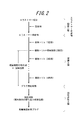
- the operation flow at the time of manufacturing the plug for seismic isolation structures using an example of the manufacturing method of the composition for plugs of this invention is shown in FIG.
- the above-described plug composition is produced as follows.
- ⁇ Elastomer composition preparation process> First, in the elastomer composition preparation step, as shown in FIG. 2, the elastomer composition described above is added to the above-described elastomer component and kneaded with various compounding agents appropriately selected as necessary to prepare an elastomer composition.
- kneading mixing of an elastomer component and a compounding agent can be performed using normal kneading apparatuses, such as a kneader and a Banbury mixer.
- the raw material (elastomer component and compounding agent) of an elastomer composition, hard resin, and powder are knead
- the elastomer composition is prepared in advance in the elastomer composition preparation step, and then the prepared elastomer composition, powder, and hard resin are kneaded to produce the plug composition.
- a composition is prepared.
- the elastomer component, compounding agent, powder and hard resin are not uniformly dispersed when the raw material of the elastomer composition and the hard resin and powder are simultaneously put into a kneading apparatus and kneaded.
- a plug composition cannot be obtained. That is, the elastomer component, the compounding agent, the powder and the hard resin are not uniformly dispersed in the plug composition, and a plug having a desired damping performance cannot be obtained.
- the kneading temperature after adding the hard resin needs to be a temperature below the softening point of the hard resin. Therefore, when the raw material of the elastomer composition and the hard resin are kneaded at the same time, the kneading temperature cannot be sufficiently increased and the compounding agent cannot be uniformly dispersed in the elastomer component.
- the kneading temperature in the elastomer composition preparation step is preferably above the softening point of the hard resin described above, and is preferably less than the temperature at which the elastomer component and the compounding agent are significantly deteriorated by heat. If the kneading temperature is higher than the softening point of the hard resin, the elastomer composition is kneaded at a high temperature before the elastomer composition and the hard resin are kneaded, and the compounding agent is uniformly dispersed in the elastomer component. This is because things can be obtained.
- kneading temperature is lower than the temperature at which the elastomer component and the compounding agent are remarkably deteriorated, a plug composition having desired performance can be prepared.
- mixing and kneading soft resin with respect to an elastomer component it is preferable that kneading
- the “softening point of the soft resin” refers to the softening point of the soft resin having the highest softening point when a plurality of soft resins having different softening points are blended.
- the kneading temperature is determined by using a thermometer installed in the kneader or by directly measuring the temperature inside the material to be kneaded (elastomer composition) immediately after being discharged from the kneading apparatus. Can be measured. Further, the kneading temperature can be controlled using a known method such as a change in operating conditions (for example, the number of revolutions) of the kneader.
- a powder for example, iron powder
- a hard resin are added to the elastomer composition prepared in the elastomer composition preparing step and kneaded to obtain a powdery A plug composition is prepared.
- kneading mixing of an elastomer composition, powder, and hard resin can be performed using normal kneading apparatuses, such as a kneader and a Banbury mixer.
- the hard resin can be blended after pulverizing the hard resin pellets to a particle size of, for example, 100 to 300 ⁇ m by a known method.
- components other than the elastomer composition, powder and hard resin may be added and kneaded as necessary.
- the kneading step it is necessary to set the kneading temperature after adding the hard resin to a temperature equal to or lower than the softening point of the hard resin.
- mixing temperature after adding hard resin is less than the softening point of hard resin, and it is still more preferable that it is 20 degreeC or more lower than the softening point of hard resin. If the kneading temperature after adding the hard resin is higher than the softening point of the hard resin, the resulting plug composition is due to the poor compatibility between the hard resin and the elastomer composition. This is because it becomes a block shape.
- the elastomer composition, the powder, and the hard resin may be simultaneously put into a kneading apparatus and kneaded.
- the powder is intermittently charged in a plurality of times, or is continuously charged over a certain time. It is more preferable to divide into batches intermittently.
- the amount of each time can be set to an arbitrary amount, but as shown in FIG. Is preferably added evenly (by 1 / n). This is because if the powder is introduced at an equal ratio, the kneading temperature and the like can be easily controlled, and the powder is easily dispersed uniformly.
- the hard resin when the powder is intermittently charged in a plurality of times, the hard resin may be charged into the mixture of the elastomer composition and the powder after the powder is charged once and kneaded. preferable. After adding the powder, the kneading temperature tends to rise. However, if the hard resin is added after the powder is added to the elastomer composition once or more times, the increase in the kneading temperature after the addition of the hard resin is suppressed. Because it can. Note that the hard resin is preferably charged before the n-1th charging of the powder, and more preferably simultaneously with the second charging of the powder.
- the resin is preferably added between 0.2T and 0.5T from the start of the kneading step.
- the measurement and control of the kneading temperature in the kneading step can be performed in the same manner as in the elastomer composition preparation step. Further, as kneading conditions in the kneading step, it is preferable that the rotation speed is in a range of 20 to 40 rpm and the temperature is about 100 ° C. In order to suppress a decrease in the viscosity of the elastomer component, it is preferable that the rotational speed is low. Furthermore, in the kneading step, before discharging the kneaded composition, it is preferable to release the pressure and knead without pressure. By kneading without pressure, the composition does not harden and the composition can be easily taken out from the kneading apparatus.
- the plug for a seismic isolation structure according to the present invention is manufactured using the plug composition described above. And this plug for seismic isolation structures is excellent not only in the low distortion region but also in the high strain region.
- the seismic isolation structure plug of the present invention is not particularly limited, and can be manufactured using the method for manufacturing the seismic isolation structure plug of the present invention.
- the manufacturing method of the plug for a seismic isolation structure of the present invention is characterized in that it includes a pressure molding step of pressure molding the plug composition manufactured according to the above-described manufacturing method in a mold.
- the powdered plug composition taken out from the kneading apparatus is transferred to a molding apparatus (cylindrical mold), and the plug composition in the mold is pressed with a pusher from both sides or one side (pressing)
- the plug is formed by processing.
- a press machine used when pressurizing the composition for plugs what is normally used in the said technical field is employable.
- the molding pressure is not particularly limited and can be 0.7 t / cm 2 or more.
- the temperature at the time of molding the plug in the pressure molding step is not particularly limited and is preferably in the range from room temperature to the softening point of the hard resin. It is particularly preferable to make it less than.
- the molding temperature can be, for example, in the range of room temperature to 150 ° C. This is because if the molding temperature is increased, voids (remaining air) in the molded plug can be reduced, and the damping performance of the plug can be further enhanced.
- the molding temperature is higher than the softening point of the hard resin, the hard resin is softened during pressure molding, and a plug having a desired damping performance may not be molded.
- the molding temperature is measured by, for example, placing a thermometer inside the cylindrical mold or pusher, or on the inner peripheral surface of the cylindrical mold or the tip of the pusher (that is, the portion that contacts the surface of the molded plug). It can be measured by installing.
- the molding temperature can be controlled using a known method such as heating of a cylindrical mold.
- the plug composition of the seismic isolation structure of this invention is limited to the said example.
- the composition for plug of the seismic isolation structure, the plug for the seismic isolation structure, and the seismic isolation structure of the present invention can be modified as appropriate.
- the method for producing the plug composition for the seismic isolation structure of the present invention and the method for producing the plug for the seismic isolation structure are not limited to the above example, and the plug composition for the seismic isolation structure of the present invention
- the manufacturing method and the manufacturing method of the plug for a seismic isolation structure can be modified as appropriate.
- Example 1 an elastomer composition having a formulation shown in Table 1 was prepared using a kneader.
- PP polypropylene
- PE polyethylene
- PPO polyphenylene oxide
- the obtained plug composition was pressure-molded at a temperature of 100 ° C. and a pressure of 1.3 ton / cm 2 to produce a cylindrical seismic isolation structure plug having a diameter of 45 mm.
- damping performance was evaluated with the following method about the obtained cylindrical plug for base isolation structures. The results are shown in Table 1.
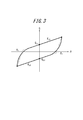
- FIG. 3 shows the relationship between the horizontal displacement ( ⁇ ) and the horizontal load (Q) of the seismic isolation structure.
- ⁇ horizontal displacement
- Q horizontal load
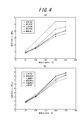
- damping performance was evaluated by the method similar to the above on the conditions of temperature 20 degreeC. Further, the D hardness of the elastomer composition and the hard resin was measured according to JIS K6253. The results are shown in Tables 3 to 4 and FIG.
- Polyphenylene oxide PPO
- PES Polyethersulfone
- the plugs for the seismic isolation structures of Examples 6 to 13 are the conventional example 2 and It can be seen that the damping performance in the low distortion region is improved as compared with the plug for the base isolation structure of Comparative Example 1. Further, it can be seen that the seismic isolation structure plugs of Examples 8 to 13 have improved damping performance in all strain regions as compared to the seismic isolation structure plugs of Examples 6 to 7.
- the hard resin was pulverized to a particle size of 100 to 300 ⁇ m and charged into the kneader simultaneously with the second charging of the iron powder.
- the obtained plug composition was subjected to pressure molding at a temperature of 100 ° C. and a pressure of 1.3 ton / cm 2 to produce a cylindrical seismic isolation structure plug having a diameter of 45 mm (pressure molding step). ).
- a columnar seismic isolation structure plug could not be formed.
- damping performance was evaluated by the method similar to the above on the conditions of temperature 20 degreeC.
- the shape and moldability of the composition for plugs were evaluated by the following methods.
- D hardness of the elastomer composition and the hard resin was measured according to JIS K6253. The results are shown in Table 7.
- Example 2 The elastomer composition, the plug composition, and the columnar seismic isolation were carried out in the same manner as in Example 17 except that the elastomer composition and the iron powder were kneaded with the volume ratio and conditions shown in Table 7 without using a hard resin. A structure plug was produced. And it carried out similarly to Example 17, and evaluated the damping performance of the plug for base isolation structures, and the shape and moldability of the composition for plugs. The results are shown in Table 7.
- ⁇ Shape of plug composition The shape of the obtained plug composition was evaluated by visual observation. And when it was a lump with a diameter of 30 mm or more, it was evaluated as “block shape”, and when a lump with a diameter of 30 mm or more was not seen, it was evaluated as “powder”.
- ⁇ Moldability of plug composition When attempting to mold a cylindrical plug for a base-isolated structure having a diameter of 160 mm and a height of 120 mm, if the porosity of the molded plug was 3.5% or less, “Good (good)” When the porosity was more than 3.5% or when it could not be formed into a cylindrical shape, it was judged as “x (defect)”.
- LDPE Low density polyethylene
- HDPE High-density polyethylene
- PPO Polyphenylene oxide
- SX-101 manufactured by Asahi Kasei Chemicals Corporation
- PES Polyethersulfone
- the composition for plugs of the seismic isolation structure which can provide the plug for seismic isolation structures which improved the damping performance in the low distortion area
Landscapes
- Chemical & Material Sciences (AREA)
- Engineering & Computer Science (AREA)
- Mechanical Engineering (AREA)
- Health & Medical Sciences (AREA)
- Chemical Kinetics & Catalysis (AREA)
- Medicinal Chemistry (AREA)
- Polymers & Plastics (AREA)
- Organic Chemistry (AREA)
- Compositions Of Macromolecular Compounds (AREA)
- Vibration Prevention Devices (AREA)
Abstract
本発明は、低歪み領域における減衰性能を向上させた免震構造体用プラグを提供することが可能な免震構造体のプラグ用組成物を提供することを目的とする。また、本発明は、成形性に優れるプラグ用組成物の製造方法を提供することを目的とする。 本発明の免震構造体のプラグ用組成物は、少なくともエラストマー成分を含むエラストマー組成物と、粉体と、エラストマー組成物よりもD硬さが30以上高い硬質樹脂とを含有することを特徴とする。また、本発明の免震構造体のプラグ用組成物の製造方法は、少なくともエラストマー成分を含むエラストマー組成物を調製するエラストマー組成物調製工程と、エラストマー組成物に対し、粉体と、エラストマー組成物よりもD硬さが30以上高い硬質樹脂とを加えて混練し、プラグ用組成物を得る混練工程とを含み、混練工程における混練温度を、硬質樹脂の軟化点以下の温度とすることを特徴とする。
Description
本発明は、免震装置の支承等として使用される免震構造体のプラグ用組成物、および、該プラグ用組成物を用いた免震構造体用プラグ、並びに、該免震構造体用プラグを用いた免震構造体に関するものである。具体的には、本発明は、低歪み領域における減衰性能を向上させた免震構造体用プラグを提供することが可能なプラグ用組成物、該プラグ用組成物を用いた免震構造体用プラグおよび該免震構造体用プラグを用いた免震構造体に関するものである。
また、本発明は、免震構造体のプラグ用組成物の製造方法、および、該プラグ用組成物を用いた免震構造体用プラグの製造方法に関する。具体的には、本発明は、低歪み領域における減衰性能を向上させた免震構造体用プラグを提供することが可能なプラグ用組成物の製造方法、および、該プラグ用組成物を用いた免震構造体用プラグの製造方法に関するものである。
また、本発明は、免震構造体のプラグ用組成物の製造方法、および、該プラグ用組成物を用いた免震構造体用プラグの製造方法に関する。具体的には、本発明は、低歪み領域における減衰性能を向上させた免震構造体用プラグを提供することが可能なプラグ用組成物の製造方法、および、該プラグ用組成物を用いた免震構造体用プラグの製造方法に関するものである。
従来、ゴム板等の粘弾性的性質を有する軟質板と、鋼板等の硬質板とを交互に積層した免震構造体が、免震装置の支承等として使用されている。そして、このような免震構造体の中には、例えば、軟質板と硬質板とからなる積層体の中心に中空部を形成し、そして該中空部の内部に、均一組成となるように成形したプラグ(免震構造体用プラグ)を圧入したものがある。
ここで、軟質板と硬質板とからなる積層体に圧入された上記プラグは、地震の発生に伴って積層体がせん断変形する際に塑性変形し、振動エネルギーを吸収する。そして、該プラグとしては、全体が鉛からなるプラグが用いられることが多かった。しかしながら、鉛は、環境負荷が大きく、また廃棄時等に要するコストも大きい。そのため、近年では、鉛の代替材料を用いて、十分な減衰性能、変位追従性等を有するプラグを開発することが試みられている。
具体的には、鉛の代替材料を用いたプラグとして、エラストマー成分を含む高粘性体としてのエラストマー組成物と、鉄粉等の粉体とを含有するプラグ用組成物(粉末状材料)を加圧成形してなるプラグが提案されている(例えば、特許文献1参照)。
ここで、エラストマー組成物と粉体とを含有する粉末状のプラグ用組成物を加圧成形してなる上記従来のプラグは、大変形、即ち、大きな歪みに対しては優れた減衰性能および変位追従性を示す。しかし、本発明者らが検討を進めた結果、上記従来のプラグは、鉛プラグに比べて低歪み領域(例えば、せん断歪みが50%~100%の領域)における減衰性能が十分ではなく、低歪み領域における減衰性能に改善の余地があることが明らかとなった。
そこで、本発明は、上記従来技術の問題を解決し、低歪み領域における減衰性能を向上させたプラグを提供することが可能な免震構造体のプラグ用組成物を提供することを目的とする。また、本発明は、かかる組成物を用い、低歪み領域における減衰性能を向上させた免震構造体用プラグおよび該免震構造体用プラグを用いた免震構造体を提供することを目的とする。
本発明者らは、上記目的を達成するために鋭意検討を行った。そして、本発明者らは、エラストマー成分を含むエラストマー組成物および粉体に加え、エラストマー組成物よりもD硬さ(タイプDデュロメータ硬さ)が30以上高い硬質樹脂を含む組成物を免震構造体のプラグに使用することで、低歪み領域における減衰性能に優れた免震構造体が得られることを見出し、本発明を完成させた。
また、本発明者らは、更に検討を進めた結果、エラストマー組成物と、粉体と、硬質樹脂とを含有するプラグ用組成物は、調製条件によっては、加圧成形に適した粉末状にならず、ブロック状(塊状)になってしまう場合があることを見出した。即ち、本発明者らの更なる検討によれば、硬質樹脂を含有するプラグ用組成物には、調製条件によってはプラグ用組成物がブロック状材料になってしまい、所望の性能を発揮するプラグの成形が困難になるという懸念があった。
そこで、本発明者らは、低歪み領域における減衰性能を向上させた免震構造体用プラグを提供することが可能で、且つ、成形性に優れるプラグ用組成物の製造方法を提供することを目的として更に鋭意検討を行った。そして、本発明者らは、エラストマー組成物を予め調製した後に粉体および硬質樹脂と混練し、且つ、混練時の温度を所定の温度範囲内とすることにより、低歪み領域における減衰性能を向上させた免震構造体用プラグを提供することが可能な、成形性に優れるプラグ用組成物を調製し得ることを見出し、本発明を完成させた。
即ち、この発明は、上記課題を有利に解決することを目的とするものであり、本発明の免震構造体のプラグ用組成物は、
(A)少なくともエラストマー成分を含むエラストマー組成物と、
(B)粉体と、
(C)前記エラストマー組成物よりもD硬さが30以上高い硬質樹脂と、
を含有することを特徴とする。
このように、エラストマー組成物および粉体に加え、エラストマー組成物よりもD硬さが30以上高い硬質樹脂を配合すれば、低歪み領域における減衰性能に優れた免震構造体用プラグを作製することが可能なプラグ用組成物が得られる。
なお、本発明において、「D硬さ」とは、JIS K6253に準拠して測定したタイプDデュロメータ硬さを指す。
(A)少なくともエラストマー成分を含むエラストマー組成物と、
(B)粉体と、
(C)前記エラストマー組成物よりもD硬さが30以上高い硬質樹脂と、
を含有することを特徴とする。
このように、エラストマー組成物および粉体に加え、エラストマー組成物よりもD硬さが30以上高い硬質樹脂を配合すれば、低歪み領域における減衰性能に優れた免震構造体用プラグを作製することが可能なプラグ用組成物が得られる。
なお、本発明において、「D硬さ」とは、JIS K6253に準拠して測定したタイプDデュロメータ硬さを指す。
ここで、本発明の免震構造体のプラグ用組成物は、前記硬質樹脂のD硬さが60~90であることが好ましい。硬質樹脂のD硬さが60以上90以下の範囲内であれば、プラグ用組成物を用いて作製した免震構造体用プラグの低歪み領域における減衰性能を大幅に向上させることができるからである。
また、本発明の免震構造体のプラグ用組成物は、前記硬質樹脂の含有量が、前記エラストマー組成物と、前記粉体と、前記硬質樹脂との合計量の5~10体積%であることが好ましい。硬質樹脂の含有量が、エラストマー組成物と、粉体と、硬質樹脂との合計量の5体積%以上であれば、プラグ用組成物を用いて作製した免震構造体用プラグの低歪み領域における減衰性能を大幅に向上させることができるからである。また、硬質樹脂の含有量が、エラストマー組成物と、粉体と、硬質樹脂との合計量の10体積%以下であれば、プラグ用組成物を用いて作製した免震構造体用プラグの高歪み領域における減衰性能の低下を抑制することができるからである。
更に、本発明の免震構造体のプラグ用組成物は、前記硬質樹脂の平均粒径が200μm以下であることが好ましい。プラグ用組成物に配合される硬質樹脂の平均粒径を200μm以下とすれば、低歪み領域および高歪み領域の双方(例えば、せん断歪みが50%~250%の領域)における減衰性能を更に向上させた免震構造体用プラグを作製することが可能なプラグ用組成物が得られるからである。
なお、本発明において、「平均粒径」とは、JIS Z8825-1に準拠してレーザー回折法で測定した個数基準のメディアン径(中位径)を指す。
なお、本発明において、「平均粒径」とは、JIS Z8825-1に準拠してレーザー回折法で測定した個数基準のメディアン径(中位径)を指す。
ここで、本発明の免震構造体のプラグ用組成物は、前記硬質樹脂の軟化点が150℃以上であることが好ましい。硬質樹脂の軟化点を150℃以上とすれば、プラグ用組成物を用いて作製した免震構造体用プラグの減衰性能の温度依存性を低減することができるからである。
なお、本発明において、「軟化点」は、JIS K7206に準拠して測定することができる。また、本発明において、「硬質樹脂の軟化点」とは、プラグ用組成物が軟化点の異なる複数の硬質樹脂を含む場合には、軟化点が最も低い硬質樹脂の軟化点を指す。
なお、本発明において、「軟化点」は、JIS K7206に準拠して測定することができる。また、本発明において、「硬質樹脂の軟化点」とは、プラグ用組成物が軟化点の異なる複数の硬質樹脂を含む場合には、軟化点が最も低い硬質樹脂の軟化点を指す。
また、本発明の免震構造体のプラグ用組成物は、前記硬質樹脂の形状が不定形であることが好ましい。硬質樹脂の形状を不定形とすれば、プラグ用組成物を用いて作製した免震構造体用プラグの減衰性能を低歪み領域および高歪み領域の双方において更に向上させることができるからである。
なお、本発明において、「不定形」とは、1種類の形状のみではなく、凹凸を有するものや突起を有するものなど、種々の形態を有する形状が混在していることを指す。
なお、本発明において、「不定形」とは、1種類の形状のみではなく、凹凸を有するものや突起を有するものなど、種々の形態を有する形状が混在していることを指す。
また、この発明は、上記課題を有利に解決することを目的とするものであり、本発明の免震構造体用プラグは、上述した免震構造体のプラグ用組成物の何れかを用いて製造したことを特徴とする。このように、上述したプラグ用組成物を用いれば、低歪み領域における減衰性能に優れる免震構造体用プラグが得られる。
更に、この発明は、上記課題を有利に解決することを目的とするものであり、本発明の免震構造体は、剛性を有する剛性板と弾性を有する弾性板とが交互に積層されてなり、積層方向に延びる中空部を有する積層体と、該積層体の中空部に圧入されたプラグとを具える免震構造体において、前記プラグが上述した免震構造体用プラグであることを特徴とする。このように、上述した免震構造体用プラグを用いれば、低歪み領域において優れた減衰性能を発揮し得る免震構造体が得られる。
また、この発明は、上記課題を有利に解決することを目的とするものであり、本発明の免震構造体のプラグ用組成物の製造方法は、少なくともエラストマー成分を含むエラストマー組成物を調製するエラストマー組成物調製工程と、前記エラストマー組成物に対し、粉体と、前記エラストマー組成物よりもD硬さが30以上高い硬質樹脂とを加えて混練し、プラグ用組成物を得る混練工程とを含み、前記混練工程において、前記硬質樹脂を加えた後の混練温度を、前記硬質樹脂の軟化点以下の温度とすることを特徴とする。このように、エラストマー組成物および粉体に加えて硬質樹脂を配合すれば、低歪み領域における減衰性能に優れた免震構造体用プラグを作製することが可能なプラグ用組成物が得られる。また、混練工程における硬質樹脂添加後の混練温度を硬質樹脂の軟化点以下の温度とすれば、プラグ用組成物がブロック状になるのを抑制して、所望の性能を発揮する免震構造体用プラグを容易に成形することが可能なプラグ用組成物が得られる。更に、エラストマー組成物調製工程の後に混練工程を実施すれば、エラストマー組成物の調製を比較的高い温度(硬質樹脂の軟化点超の温度)で行うことができるので、プラグ用組成物がブロック状になるのを抑制しつつ、エラストマー組成物への配合成分が均一に分散したプラグ用組成物が得られる。
なお、本発明において、「D硬さ」とは、前述した通り、JIS K6253に準拠して測定したタイプDデュロメータ硬さを指す。また、本発明において、「軟化点」は、JIS K7206に準拠して測定したビカット軟化温度を指す。更に、本発明において、「混練温度」とは、混練中の被混練物の温度を指す。また、本発明において、「硬質樹脂の軟化点」とは、軟化点の異なる複数の硬質樹脂が配合されている場合には、配合されている硬質樹脂のうち最も軟化点が低い樹脂の軟化点を指す。
なお、本発明において、「D硬さ」とは、前述した通り、JIS K6253に準拠して測定したタイプDデュロメータ硬さを指す。また、本発明において、「軟化点」は、JIS K7206に準拠して測定したビカット軟化温度を指す。更に、本発明において、「混練温度」とは、混練中の被混練物の温度を指す。また、本発明において、「硬質樹脂の軟化点」とは、軟化点の異なる複数の硬質樹脂が配合されている場合には、配合されている硬質樹脂のうち最も軟化点が低い樹脂の軟化点を指す。
ここで、本発明の免震構造体のプラグ用組成物の製造方法は、前記混練工程において、前記エラストマー組成物に対し、前記粉体を、複数回に分けて断続的に、或いは、連続的に加えて混練することが好ましい。粉体を断続的に、或いは、連続的にエラストマー組成物に添加して混練すれば、粉体をエラストマー組成物に一気に添加して混練する場合と比較して、混練温度および混練時のトルクの急激な増加を抑制することができ、エラストマー組成物中の紛体の分散状態を良好にすることができるからである。
そして、本発明の免震構造体のプラグ用組成物の製造方法は、前記混練工程において、前記エラストマー組成物に対し、前記粉体を複数回に分けて断続的に加えて混練し、前記エラストマー組成物に対して前記粉体を一回以上加えて混練した後に、前記エラストマー組成物と前記粉体との混合物に対して前記硬質樹脂を加えることが好ましい。粉体をエラストマー組成物に一回以上添加して混練した後に、エラストマー組成物と粉体との混合物に対して硬質樹脂を添加すれば、硬質樹脂添加後の混練温度の上昇を抑制することができるからである。
また、この発明は、上記課題を有利に解決することを目的とするものであり、本発明の免震構造体用プラグの製造方法は、上述した免震構造体のプラグ用組成物の製造方法の何れかを用いて製造したプラグ用組成物を金型内で加圧成形する加圧成形工程を含むことを特徴とする。このように、上述したプラグ用組成物の製造方法を用いて製造したプラグ用組成物を加圧成形すれば、低歪み領域における減衰性能に優れる免震構造体用プラグが得られる。
そして、本発明の免震構造体用プラグの製造方法は、前記加圧成形工程において、前記硬質樹脂の軟化点以下の温度で前記プラグ用組成物を加圧成形することが好ましい。プラグ用組成物を軟化点以下の温度で加圧成形すれば、低歪み領域における減衰性能が更に優れる免震構造体用プラグが得られるからである。
本発明によれば、低歪み領域における減衰性能に優れた免震構造体用プラグを作製することが可能な免震構造体のプラグ用組成物を提供することができる。また、本発明によれば、低歪み領域における減衰性能に優れた免震構造体用プラグ、並びに、低歪み領域における減衰性能が鉛プラグを使用した免震構造体と同等以上で、環境負荷を低減することが可能な免震構造体を提供することができる。
また、本発明の免震構造体のプラグ用組成物の製造方法によれば、低歪み領域における減衰性能を向上させた免震構造体用プラグを提供することが可能で、且つ、成形性に優れるプラグ用組成物を製造することができる。更に、本発明の免震構造体用プラグの製造方法によれば、低歪み領域における減衰性能に優れる免震構造体用プラグを製造することができる。
以下、図面を参照して本発明の実施の形態を説明する。ここで、本発明に従う免震構造体は、免震装置の支承等として使用される。また、本発明に従う免震構造体用プラグは、上記免震構造体に用いられ、特に限定されることなく、本発明に従う免震構造体用プラグの製造方法を用いて製造することができる。更に、本発明に従う免震構造体のプラグ用組成物は、上記免震構造体用プラグを製造する際に用いられ、特に限定されることなく、本発明に従う免震構造体のプラグ用組成物の製造方法を用いて製造することができる。
(免震構造体)
ここで、図1に、本発明の免震構造体用プラグを用いた本発明の免震構造体の一例について、免震構造体用プラグの延在方向に沿う断面を示す。
図1に断面を示す免震構造体1は、剛性を有する剛性板2と、弾性を有する弾性板3とが交互に積層されてなり、積層方向(鉛直方向)に延びる円筒状の中空部を中心部に有する積層体4と、積層体4の中空部に圧入された円筒状の免震構造体用プラグ5と、積層体4および免震構造体用プラグ5の両端(上端および下端)に固定されたフランジ板6とを備えている。また、免震構造体1の積層体4の外周面は、被覆材7により覆われている。
ここで、図1に、本発明の免震構造体用プラグを用いた本発明の免震構造体の一例について、免震構造体用プラグの延在方向に沿う断面を示す。
図1に断面を示す免震構造体1は、剛性を有する剛性板2と、弾性を有する弾性板3とが交互に積層されてなり、積層方向(鉛直方向)に延びる円筒状の中空部を中心部に有する積層体4と、積層体4の中空部に圧入された円筒状の免震構造体用プラグ5と、積層体4および免震構造体用プラグ5の両端(上端および下端)に固定されたフランジ板6とを備えている。また、免震構造体1の積層体4の外周面は、被覆材7により覆われている。
そして、免震構造体1では、積層体4を構成する剛性板2と弾性板3とは、例えば、加硫接着により、或いは、接着剤により強固に貼り合わされている。なお、加硫接着を用いて積層体4を形成する場合には、剛性板2と未加硫ゴム組成物との積層体を加硫して未加硫ゴム組成物の加硫物を弾性板3とすることにより、弾性板3の成形および剛性板2と弾性板3との加硫接着を同時に行っても良い。ここで、剛性板2としては、鋼板等の金属板、セラミックス板、FRP等の強化プラスチックス板等を用いることができる。一方、弾性板3としては、加硫ゴム製の板等を使用することができる。また、積層体4は、被覆材7で覆われていなくてもよいが、酸素、オゾン、紫外線等による積層体4の劣化を防止する観点からは、積層体4の外周面は被覆材7で覆われていることが好ましい。ここで、被覆材7としては、弾性板3と同一の材料、例えば、加硫ゴム等を使用できる。
なお、この免震構造体1では、振動により水平方向のせん断力を受けた際には、積層体4および免震構造体用プラグ5がせん断変形し、振動のエネルギーを効果的に吸収して、振動を速やかに減衰する。また、免震構造体1では、積層体4が、剛性板2と弾性板3とを交互に積層して構成されているため、積層方向(鉛直方向)に荷重が作用しても、圧縮が抑制されている。
そして、免震構造体1は、以下に詳細に説明する本発明のプラグ用組成物を使用した免震構造体用プラグ5を用いているため、低歪み領域において優れた減衰性能を発揮する。
そして、免震構造体1は、以下に詳細に説明する本発明のプラグ用組成物を使用した免震構造体用プラグ5を用いているため、低歪み領域において優れた減衰性能を発揮する。
(プラグ用組成物)
以下に、本発明の免震構造体のプラグ用組成物を詳細に説明する。本発明のプラグ用組成物は、少なくともエラストマー成分を含むエラストマー組成物と、粉体と、エラストマー組成物よりもD硬さが30以上高い硬質樹脂とを混合してなることを特徴とする。
以下に、本発明の免震構造体のプラグ用組成物を詳細に説明する。本発明のプラグ用組成物は、少なくともエラストマー成分を含むエラストマー組成物と、粉体と、エラストマー組成物よりもD硬さが30以上高い硬質樹脂とを混合してなることを特徴とする。
ここで、エラストマー組成物と粉体とを含有し、硬質樹脂を含有しない従来のプラグ用組成物においては、粉体を配合することにより、プラグ用組成物を用いて成形した免震構造体用プラグ(以下、単に「プラグ」と称することがある。)の減衰性能を高めていた。そして、従来のプラグ用組成物においては、エラストマー組成物が海島構造の海部分に相当し、粉体が海島構造の島部分に相当していた。しかし、本発明のプラグ用組成物では、エラストマー組成物の一部を硬質樹脂で置き換えることで、エラストマー組成物と硬質樹脂との硬度差に相当する分だけ応力を高めている。そのため、このプラグ用組成物によれば、特に、成形したプラグの低歪み領域における減衰性能(特には、荷重-歪ヒステリシス曲線における切片荷重Qdや、切片応力τd)を向上させることができるものと考えられる。なお、プラグ用組成物に配合する粉体(例えば、鉄粉)の量を増やすことによってもプラグの減衰性能を向上させることができる。しかし、粉体の量を増やすと、作業性が悪化したり、プラグの周りに位置する弾性板(例えば、ゴム板)を傷めたりする恐れがある。そのため、本発明のプラグ用組成物では、上記のとおり、エラストマー組成物よりもD硬さが30以上高い硬質樹脂を配合することで、減衰性能、特には、低歪み領域での減衰性能を向上させる。
なお、エラストマー組成物と、粉体と、硬質樹脂とを含有するプラグ用組成物を用いた免震構造体用プラグでは、地震等の発生によりプラグが変形した際に、粉体同士の摩擦、硬質樹脂同士の摩擦、粉体と硬質樹脂との摩擦、並びに、粉体または硬質樹脂とエラストマー成分との摩擦により振動を減衰させる。そのため、このプラグ用組成物では、硬質樹脂同士の摩擦、並びに、硬質樹脂とエラストマー成分または粉体との摩擦を増加させ、プラグ用組成物を用いた免震構造体用プラグの減衰性能を更に向上させるために、硬質樹脂の平均粒径を200μm以下とすることが好ましい。即ち、このプラグ用組成物では、硬質樹脂同士が接触する面積、並びに、硬質樹脂とエラストマー成分または粉体とが接触する面積を増加させ、硬質樹脂同士の摩擦、並びに、硬質樹脂とエラストマー成分または粉体との摩擦を増加させるために、上述した平均粒径を有する硬質樹脂を使用することが好ましい。
<エラストマー組成物>
上記プラグ用組成物に用いられるエラストマー組成物は、少なくともエラストマー成分を含み、更に、補強性充填剤等の配合剤を含むことができる。
上記プラグ用組成物に用いられるエラストマー組成物は、少なくともエラストマー成分を含み、更に、補強性充填剤等の配合剤を含むことができる。
ここで、エラストマー成分としては、室温でゴム弾性を呈するもの、例えば、天然ゴム、合成ゴム等のゴムや、熱可塑性エラストマーを使用することができる。これらの中でも、エラストマー成分としては、天然ゴムや合成ゴム等のゴムを使用することが好ましい。天然ゴムや合成ゴム等のゴムは、粘弾性体であり、若干の弾性は示すものの塑性が大きく、大変形にも追従でき、更に、振動後、原点に戻ったときには再び同じ状態に再凝集できるからである。また、エラストマー成分がゴムの場合(即ち、エラストマー組成物がゴム組成物の場合)、プラグの減衰性能が向上する上、耐久性も向上するからである。なお、上記エラストマー成分としては、より具体的には、天然ゴム(NR)、ポリイソプレンゴム(IR)、ポリブタジエンゴム(BR)、スチレン-ブタジエンゴム(SBR)、クロロプレンゴム(CR)、エチレン-プロピレンゴム、ニトリルゴム、ブチルゴム、ハロゲン化ブチルゴム、アクリルゴム、ポリウレタン、シリコーンゴム、フッ化ゴム、多硫化ゴム、ハイパロン、エチレン酢酸ビニルゴム、エピクロルヒドリンゴム、エチレン-メチルアクリレート共重合体、スチレン系エラストマー、ウレタン系エラストマー、ポリオレフィン系エラストマー等が挙げられる。これらエラストマー成分は、1種単独で用いてもよいし、2種以上をブレンドして用いてもよい。
上記エラストマー成分は、少なくとも一部、好ましくは全てが未架橋であることが好ましい。即ち、エラストマー成分がゴムの場合には、ゴムは未加硫であることが好ましい。エラストマー成分が完全に架橋されている場合、そのエラストマー成分を含むプラグ用組成物を用いて成形したプラグは、大変形を受けた際には変形するものの、変形時にプラグ中での粉体の位置を変えることができない。従って、エラストマー成分が完全に架橋されている場合、プラグは、ある限界点をもって変形への追従が不可能となり、架橋エラストマー部分が破断、或いは、架橋エラストマー部分の反発力で元の形状に戻ろうとする。そして、架橋エラストマー部分が破断してしまうと、プラグの位置が原点に戻ってもプラグが元の形状に戻らないため、減衰性能が徐々に低下してしまい、また、架橋エラストマー部分の反発力が働くと、プラグ本来の減衰性能が発揮できなくなる。一方、エラストマー成分が未架橋であれば、変形への追従が可能であり、また、プラグが大変形の履歴を受けた後、再び原点に戻った際に、プラグ全体には静水圧がかかっているため、プラグが元の形状に戻ることができる。そして、その結果、初期と同等の性能を長期に亘って維持することが可能となる。なお、架橋点が非常に少ない場合、または、プラグの表面のみが架橋されている場合は、プラグが、変形した後に元の形状に戻ることができる。従って、本発明において「未架橋」とは、架橋反応を未だ完全には経ていない状態を指し、部分的に架橋された状態も包含する。
上記エラストマー組成物は、更に、補強性充填剤を含むことが好ましい。なお、本発明において、「補強性充填剤」とは、エラストマー成分に対する補強を行っており、自身の凝集力とエラストマー成分との結合力を強く有する物質である。そして、補強性充填剤は、エラストマー成分に配合されることによって、該結合力によりエラストマー組成物全体の粘度を上昇させ、その結果としてプラグの減衰性能を向上させる作用を有する。
なお、一般に、免震構造体のプラグは、地震で発生したエネルギーを吸収する(例えば、熱等に変換する)ことで減衰効果を発揮するため、プラグの流動抵抗が大きくなるに従って、減衰効果が大きくなる。これに対し、エラストマー成分に補強性充填剤を配合した場合、エラストマー組成物の流動抵抗が大きくなり(即ち、エラストマー組成物を用いて成形したプラグの流動抵抗が大きくなり)、十分な減衰性能、変位追従性等を有するプラグを得ることが可能となる。
なお、一般に、免震構造体のプラグは、地震で発生したエネルギーを吸収する(例えば、熱等に変換する)ことで減衰効果を発揮するため、プラグの流動抵抗が大きくなるに従って、減衰効果が大きくなる。これに対し、エラストマー成分に補強性充填剤を配合した場合、エラストマー組成物の流動抵抗が大きくなり(即ち、エラストマー組成物を用いて成形したプラグの流動抵抗が大きくなり)、十分な減衰性能、変位追従性等を有するプラグを得ることが可能となる。
ここで、補強性充填剤としては、エラストマー成分との相互作用によってエラストマー組成物の粘度を向上させる効果が大きい点で、カーボンブラックおよびシリカが好ましく、カーボンブラックが特に好ましい。ここで、カーボンブラッックとしては、SAF、ISAF、HAFグレードのもの等が挙げられ、これらの中でも、SAF、ISAFグレードのもの等の、微粒子で表面積が大きいものが好ましい。また、シリカとしては、湿式シリカ、乾式シリカおよびコロイダルシリカ等が挙げられる。これら補強性充填剤は、1種単独で用いてもよいし、2種以上を組み合わせて用いてもよい。
補強性充填剤の配合量は、エラストマー成分100質量部に対して60~150質量部の範囲が好ましい。エラストマー組成物における補強性充填剤の配合量が60質量部未満では、エラストマー組成物の粘度および流動抵抗が低く、プラグの減衰性能が不十分となり易い。一方、補強性充填剤の配合量が150質量部を超えると、混練が難しく、均一なエラストマー組成物を調製し難くなる上、プラグの繰り返し安定性が低下する。
また、エラストマー組成物は、該エラストマー組成物よりもD硬さが30以上高い樹脂(硬質樹脂)以外の樹脂、例えば、該エラストマー組成物よりもD硬さが低い軟質樹脂を含有することが好ましい。エラストマー組成物が軟質樹脂を含む場合、プラグが大変形した際の減衰性能も向上させることができる。また、かかる軟質樹脂は、プラグ用組成物の調製時に加工助剤として作用し、プラグ用組成物の混練を容易にすることができる。
軟質樹脂は、粘着付与剤としての作用を有するものが好ましく、軟質樹脂としては、フェノール樹脂、ロジン樹脂、ジシクロペンタジエン(DCPD)樹脂、ジシクロペンタジエン-イソプレン共重合体、C5系石油樹脂、C9系石油樹脂、脂環式系石油樹脂、C5留分とC9留分を共重合して得られる石油樹脂、キシレン樹脂、テルペン樹脂およびケトン樹脂、並びに、これらの樹脂の変性樹脂等が挙げられる。これらの樹脂は、1種単独で用いてもよいし、2種以上を組み合わせて用いてもよい。
なお、エラストマー組成物における軟質樹脂の配合量は、エラストマー成分100質量部に対して20~100質量部の範囲が好ましい。軟質樹脂の配合量が20質量部未満では、大変形の際のプラグの減衰性能を向上させる効果が小さく、一方、100質量部を超えると、エラストマー組成物の加工性が低下することがある。
なお、エラストマー組成物における軟質樹脂の配合量は、エラストマー成分100質量部に対して20~100質量部の範囲が好ましい。軟質樹脂の配合量が20質量部未満では、大変形の際のプラグの減衰性能を向上させる効果が小さく、一方、100質量部を超えると、エラストマー組成物の加工性が低下することがある。
更に、エラストマー組成物には、エラストマー成分、補強性充填剤、軟質樹脂の他に、老化防止剤、ワックス、可塑剤、軟化剤等のエラストマー組成物に一般に添加される添加剤も配合できる。ここで、エラストマー組成物に老化防止剤を配合することにより、長期間経過した後でもプラグの物性変化を小さく抑えることが可能となる。なお、成形したプラグの物性変化を抑制するために、老化防止剤と共に、酸化防止剤、オゾン劣化防止剤、安定剤、難燃剤等を配合することはとりわけ有効である。
ここで、可塑剤としては、フタル酸、イソフタル酸、アジピン酸、テトラヒドロフタル酸、セバシン酸、アゼライン酸、マレイン酸、フマル酸、トリメリット酸、クエン酸、イタコン酸、オレイン酸、リシノール酸、ステアリン酸、リン酸、スルホン酸等の誘導体(例えば、エステル);グリコール、グリセリン、エポキシの誘導体、重合系可塑剤が挙げられる。これら可塑剤は、1種単独で用いてもよいし、2種以上をブレンドして用いてもよい。
軟化剤(オイル)としては、アロマ系オイル、ナフテン系オイル、パラフィン系オイル等の鉱物油系軟化剤;ヒマシ油、綿実油、アマニ油、ナタネ油、大豆油、パーム油、落花生油、ロジン、パインオイル等の植物油系軟化剤;シリコーン油等の低分子量オイルを挙げることができる。これら軟化剤は、1種単独で用いてもよいし、2種以上をブレンドして用いてもよい。
<粉体>
上記プラグ用組成物に用いる粉体は、プラグの減衰性能を主として担う材料であり、具体的には、粉体同士の摩擦、粉体とエラストマー成分との摩擦、および、粉体と硬質樹脂との摩擦により振動エネルギーを減衰させる。ここで、本発明において粉体とは、補強性充填剤および硬質樹脂以外のものを指す。そして、粉体には、例えば、金属粉、炭化ケイ素粉等が包含される。なお、プラグ用組成物が粉体を含まない場合、プラグの減衰性能が大幅に低下して、十分な減衰性能を得ることができない。
上記プラグ用組成物に用いる粉体は、プラグの減衰性能を主として担う材料であり、具体的には、粉体同士の摩擦、粉体とエラストマー成分との摩擦、および、粉体と硬質樹脂との摩擦により振動エネルギーを減衰させる。ここで、本発明において粉体とは、補強性充填剤および硬質樹脂以外のものを指す。そして、粉体には、例えば、金属粉、炭化ケイ素粉等が包含される。なお、プラグ用組成物が粉体を含まない場合、プラグの減衰性能が大幅に低下して、十分な減衰性能を得ることができない。
粉体としては、金属粉が好ましく、また、該金属粉としては、環境への負荷が小さいものが好ましい。具体的には、金属粉としては、例えば、鉄粉、ステンレス粉、ジルコニウム粉、タングステン粉、青銅(CuSn)粉、アルミニウム粉、金粉、銀粉、錫粉、炭化タングステン粉、タンタル粉、チタン粉、銅粉、ニッケル粉、ニオブ粉、鉄-ニッケル合金粉、亜鉛粉、モリブデン粉等が挙げられる。これらの金属粉は、1種単独で用いてもよいし、2種以上を組み合わせて用いてもよい。なお、これらの金属粉は、金属酸化物粉でもよいため、粉体としては、金属酸化物粉等の金属化合物粉も好適に使用できる。これらの粉体の中でも、鉄粉が特に好ましい。鉄粉は、安価である上、他の金属粉と対比して破壊強度が高いからである。また、鉄粉を主成分とする免震構造体用プラグは、固すぎることも脆すぎることもないため、優れた減衰性能を長期に渡って発揮することができるからである。なお、鉄粉としては、還元鉄粉、電解鉄粉、噴霧鉄粉、純鉄粉、鋳鉄粉等が挙げられるが、これらの中でも、還元鉄粉が好ましい。
プラグ用組成物における粉体の含有量は、50~74体積%の範囲が好ましく、60~74体積%の範囲が更に好ましい。また、(硬質樹脂+エラストマー組成物)/粉体(体積比)は、50/50~26/74の範囲が好ましく、40/60~26/74の範囲が更に好ましい。プラグ用組成物中の粉体の含有量が50体積%未満では、粉体間の距離が広すぎ、変形時の粉体同士の摩擦、および、粉体と他の成分の間の流動抵抗が小さくなるため、プラグの減衰性能が不十分になり易い。一方、プラグ用組成物中の粉体の含有量が74体積%を超えると、粉体同士の接触が増え、プラグの繰り返し耐久性が低下する。また、粉体の含有量が74体積%を超えると、プラグを成形する際に、プラグ用組成物から空気を十分に除くことが難しく、プラグの体積が理想体積(空気の混入が無い場合の体積)より大幅に大きくなり、プラグの減衰性能が低下する。なお、プラグ用組成物中の粉体の含有量が60~74体積%であれば、プラグの減衰性能を良好に維持できる上、変位追従性、繰り返し安定性、加工性も良好となる。
ここで、粉体の粒径は、0.1μm~2mmの範囲が好ましく、1μm~150μmの範囲が更に好ましい。粉体の粒径が0.1μm未満では、取り扱いが困難であり、一方、粉体の粒径が2mmを超えると、粉体同士の摩擦が減少してプラグの減衰効果が低下する傾向がある。なお、粉体の粒径が1μm以上であれば、取り扱いが容易であり、粉体の粒径が150μm以下であれば、プラグの減衰性能が十分に高くなる。
また、粉体の形状は、不定形であることが好ましい。ここで、不定形とは、球状などの1種類の形状のみではなく、凹凸を有するものや突起を有するものなど、種々の形態を有する形状が混在していることを意味する。バルクを粉砕することなどによって得られる粉体の形状は当然に不定形であるが、球状の粉体を用いた場合と比較したところ、不定形の粉体を用いた方が良好な減衰効果が得られた。これは、不定形の粉体を使用すると、粉体同士、粉体-エラストマー成分間、粉体-硬質樹脂間の摩擦の際に引っ掛かり効果のようなものが生じ、球状のもの等を使用した場合と比較して摩擦が大きくなって、減衰性能が良好になるためであると考えられる。
<硬質樹脂>
上記プラグ用組成物は、エラストマー組成物よりもD硬さが30以上高い樹脂(硬質樹脂)を含有する。
このように、エラストマー組成物よりもD硬さが30以上高い硬質樹脂を配合することで、プラグ用組成物が硬くなり、プラグの低歪み領域での減衰性能(特には、荷重-歪ヒステリシス曲線における切片荷重Qdや、切片応力τd)を向上させることができる。
なお、プラグ用組成物に配合する硬質樹脂は、平均粒径が200μm以下であることが好ましい。平均粒径が200μm以下の硬質樹脂を配合することで、硬質樹脂同士の摩擦、並びに、硬質樹脂とエラストマー成分または粉体との摩擦が増加し、低歪み領域のみならず、高歪み領域での減衰性能も向上させることができるからである。
ここで、プラグの低歪み領域での減衰性能を更に向上させる観点からは、硬質樹脂のD硬さは60~90の範囲が好ましい。硬質樹脂のD硬さが60~90の範囲内であれば、プラグ用組成物が十分に硬くなり、プラグの低歪み領域での減衰性能を大幅に向上させることができる。
また、低歪み領域および高歪み領域での減衰性能を更に向上させる観点からは、硬質樹脂の平均粒径は150μm以下であることが好ましい。なお、硬質樹脂のハンドリング性の観点からは、硬質樹脂の平均粒径は80μm以上であることが好ましい。
また、低歪み領域および高歪み領域での減衰性能を更に向上させる観点からは、硬質樹脂の平均粒径は150μm以下であることが好ましい。なお、硬質樹脂のハンドリング性の観点からは、硬質樹脂の平均粒径は80μm以上であることが好ましい。
また、プラグ用組成物に配合する硬質樹脂は、軟化点が150℃以上の樹脂であることが好ましい。硬質樹脂の軟化点が150℃以上であれば、プラグが変形により発熱した場合でも、硬質樹脂が軟化し難いので、プラグが十分な減衰性能を発揮することができるからである。即ち、プラグの減衰性能の温度依存性を低減することができるからである。因みに、プラグ用組成物では、硬質樹脂の配合によってエラストマー組成物の含有量が低減されているため、低温領域におけるプラグの減衰性能の温度依存性も改善される。
更に、プラグ用組成物に配合する硬質樹脂は、形状が不定形であることが好ましい。不定形の硬質樹脂を使用すれば、硬質樹脂同士、硬質樹脂-エラストマー成分間、粉体-硬質樹脂間の摩擦の際に硬質樹脂が潤滑剤のように働き、低歪み(低せん断応力)領域でも、粉体間で十分な摩擦が起こるからである。また、高歪み(大変形)領域においては、不定形な硬質樹脂がプラグの変形に伴って塑性変形を起こし、減衰性能の向上に寄与するからである。即ち、不定形の硬質樹脂を使用すれば、低歪み領域および高歪み領域の双方において減衰性能が良好になるからである。
なお、不定形とは、球状などの1種類の形状のみではなく、凹凸を有するものや突起を有するものなど、種々の形態を有する形状が混在していることを意味する。そして、硬質樹脂のペレットを粉砕することなどによって得られる樹脂の形状は、当然に不定形である。
なお、不定形とは、球状などの1種類の形状のみではなく、凹凸を有するものや突起を有するものなど、種々の形態を有する形状が混在していることを意味する。そして、硬質樹脂のペレットを粉砕することなどによって得られる樹脂の形状は、当然に不定形である。
ここで、上述した硬質樹脂としては、炭化水素系プラスチックのポリエチレン(PE)、ポリプロピレン(PP)、ポリスチレン(PS);エンジニアリングプラスチックのポリアミド(PA)、ポリフェニレンエーテル(PPE)、ポリフェニレンエーテル/ポリスチレン(PPE/PS)、ポリスルホン(PSF)、ポリエーテルスルホン(PES)、ポリイミド(PI)、ポリフェニレンスルフィド(PPS)、ポリフェニレンオキサイド(PPO)、ポリエーテルケトン(PEEK)、ポリエーテルイミド(PEI)等が好ましい。
なお、これらの硬質樹脂の平均粒径は、破砕や分級などの既知の手法を用いて調整することができる。
なお、これらの硬質樹脂の平均粒径は、破砕や分級などの既知の手法を用いて調整することができる。
そして、硬質樹脂の含有量は、エラストマー組成物と、粉体と、硬質樹脂との合計量の5~10体積%の範囲が好ましい。硬質樹脂の含有量が、エラストマー組成物と、粉体と、硬質樹脂との合計量の5体積%以上であれば、プラグ用組成物が十分に硬くなり、プラグの低歪み領域での減衰性能(特には、切片応力τd)を大幅に向上させることができる。また、硬質樹脂の含有量が、エラストマー成分と、粉体と、硬質樹脂との合計量の10体積%以下であれば、プラグの高歪み領域の減衰性能の低下を十分に抑制できる。なお、硬質樹脂の含有量が多くなりすぎると高歪み領域での減衰性能が低下するが、これは、プラグ用組成物中のエラストマー組成物の割合が減少し、プラグの高歪み領域での減衰性能の発現に大きく寄与する軟質樹脂の量が減少するためである。従って、硬質樹脂の含有量を5~10体積%程度として硬くすることにより、低歪み領域下での応力(τd)を効果的に向上させることができる。
(プラグ用組成物の製造方法)
本発明の免震構造体のプラグ用組成物は、エラストマー組成物と、粉体と、上述した硬質樹脂とを用いる以外特に制限はなく、例えば、本発明の免震構造体のプラグ用組成物の製造方法を用いて、以下のようにして製造することができる。
本発明の免震構造体のプラグ用組成物は、エラストマー組成物と、粉体と、上述した硬質樹脂とを用いる以外特に制限はなく、例えば、本発明の免震構造体のプラグ用組成物の製造方法を用いて、以下のようにして製造することができる。
ここで、本発明の免震構造体のプラグ用組成物の製造方法は、エラストマー組成物を調製するエラストマー組成物調製工程と、エラストマー組成物に対して粉体および硬質樹脂を加えて混練し、プラグ用組成物を得る混練工程とを含み、硬質樹脂を加えた後の混練温度を、硬質樹脂の軟化点以下の温度とすることを特徴とする。そして、本発明のプラグ用組成物の製造方法の一例では、本発明のプラグ用組成物の製造方法の一例を用いて免震構造体用プラグを製造する際の操作フローを図2に示すように、上述したプラグ用組成物を、以下のようにして製造する。
<エラストマー組成物調製工程>
まず、エラストマー組成物調製工程では、図2に示すように、上述したエラストマー成分に、必要に応じて適宜選択した各種配合剤を加えて混練して、エラストマー組成物を調製する。なお、エラストマー成分と配合剤との混練は、ニーダー、バンバリーミキサー等の通常の混練装置を用いて行うことができる。
まず、エラストマー組成物調製工程では、図2に示すように、上述したエラストマー成分に、必要に応じて適宜選択した各種配合剤を加えて混練して、エラストマー組成物を調製する。なお、エラストマー成分と配合剤との混練は、ニーダー、バンバリーミキサー等の通常の混練装置を用いて行うことができる。
ここで、エラストマー組成物と、粉体と、硬質樹脂とを含むプラグ用組成物を調製する場合、エラストマー組成物の原料(エラストマー成分および配合剤)と、硬質樹脂および粉体とを同時に混練装置内に投入して混練することも考えられる。しかし、本発明のプラグ用組成物の製造方法では、エラストマー組成物調製工程において予めエラストマー組成物を調製した後に、調製したエラストマー組成物と、粉体と、硬質樹脂とを混練して、プラグ用組成物を調製する。これは、エラストマー組成物の原料と、硬質樹脂および粉体とを同時に混練装置内に投入して混練した場合、エラストマー成分、配合剤、粉体および硬質樹脂が均一に分散せず、均一組成のプラグ用組成物が得られないからである。即ち、プラグ用組成物中でエラストマー成分、配合剤、粉体および硬質樹脂が均一に分散せず、所望の減衰性能を有するプラグを得ることができなくなるからである。また、後に詳細に説明するように、プラグ用組成物がブロック状の材料になるのを抑制するためには、硬質樹脂を加えた後の混練温度を硬質樹脂の軟化点以下の温度とする必要があるので、エラストマー組成物の原料と硬質樹脂とを同時に混練する場合、混練温度を十分に高めることができず、配合剤をエラストマー成分中に均一に分散させることができないからである。
なお、エラストマー組成物調製工程における混練温度は、上述した硬質樹脂の軟化点超とすることが好ましく、エラストマー成分や配合剤が熱により著しく劣化する温度未満とすることが好ましい。混練温度を硬質樹脂の軟化点よりも高くすれば、エラストマー組成物と硬質樹脂とを混練する前にエラストマー組成物の混練を高い温度で行い、エラストマー成分中に配合剤が均一に分散したエラストマー組成物を得ることができるからである。また、混練温度をエラストマー成分や配合剤が著しく劣化する温度未満とすれば、所望の性能を有するプラグ用組成物を調製することができるからである。
また、エラストマー成分に対して軟質樹脂を配合して混練する場合、混練温度は軟質樹脂の軟化点以上とすることが好ましい。混練温度を軟質樹脂の軟化点以上とすれば、エラストマー成分中に軟質樹脂を均一に分散させることができるからである。なお、「軟質樹脂の軟化点」とは、軟化点の異なる複数の軟質樹脂を配合する場合には、軟化点が最も高い軟質樹脂の軟化点を指す。
ここで、混練温度は、混練機内に設置した温度計を用いることにより、或いは、混練装置から排出された直後の被混練物(エラストマー組成物)の内部の温度を温度計で直接測定することにより測定することができる。また、混練温度は、混練機の運転条件(例えば、回転数)の変更等、既知の手法を用いて制御することができる。
<混練工程>
次に、混練工程では、図2に示すように、上記エラストマー組成物調製工程で調製したエラストマー組成物に対して粉体(例えば、鉄粉)と硬質樹脂とを加えて混練し、粉末状のプラグ用組成物を調製する。なお、エラストマー組成物と、粉体と、硬質樹脂との混練は、ニーダー、バンバリーミキサー等の通常の混練装置を用いて行うことができる。また、硬質樹脂は、硬質樹脂のペレットを既知の手法により例えば粒径100~300μmまで粉砕してから配合することができる。
なお、混練工程では、必要に応じて、エラストマー組成物、粉体および硬質樹脂以外の成分を投入および混練しても良い。
次に、混練工程では、図2に示すように、上記エラストマー組成物調製工程で調製したエラストマー組成物に対して粉体(例えば、鉄粉)と硬質樹脂とを加えて混練し、粉末状のプラグ用組成物を調製する。なお、エラストマー組成物と、粉体と、硬質樹脂との混練は、ニーダー、バンバリーミキサー等の通常の混練装置を用いて行うことができる。また、硬質樹脂は、硬質樹脂のペレットを既知の手法により例えば粒径100~300μmまで粉砕してから配合することができる。
なお、混練工程では、必要に応じて、エラストマー組成物、粉体および硬質樹脂以外の成分を投入および混練しても良い。
ここで、混練工程では、硬質樹脂を加えた後の混練温度を、硬質樹脂の軟化点以下の温度とする必要がある。なお、硬質樹脂を加えた後の混練温度は、硬質樹脂の軟化点未満であることが好ましく、硬質樹脂の軟化点よりも20℃以上低いことが更に好ましい。これは、硬質樹脂を加えた後の混練温度を硬質樹脂の軟化点よりも高い温度とすると、硬質樹脂とエラストマー組成物との相溶性の悪さ等に起因して、得られたプラグ用組成物がブロック状になってしまうからである。即ち、硬質樹脂の軟化点より高い温度で混練を行うと、得られたプラグ用組成物を冷却した際に、一度軟化した硬質樹脂が塊になって硬化するので、プラグ用組成物が加圧成形に不向きなブロック状の材料になってしまうからである。因みに、このようなブロック状のプラグ用組成物を加圧成形した場合、所望の形状のプラグにすることができないか、或いは、プラグ中に大量の空隙が含まれてしまうので、所望の性能を発揮するプラグを得ることができない。また、ブロック状のプラグ用組成物を加圧成形してなるプラグでは、硬質樹脂と粉体との間の摩擦が大きくならず、低歪み領域での減衰性能を十分に向上させることができない。
因みに、混練温度を低くすれば、エラストマー成分が劣化したり、冷却に時間がかかり過ぎて生産性が低下したりするのを抑制することもできる。
因みに、混練温度を低くすれば、エラストマー成分が劣化したり、冷却に時間がかかり過ぎて生産性が低下したりするのを抑制することもできる。
なお、混練工程では、エラストマー組成物と、粉体と、硬質樹脂とを同時に混練装置内に投入して混練しても良い。しかし、より均一な組成のプラグ用組成物を得る観点からは、粉体は、複数回に分けて断続的に投入、或いは、一定以上の時間に亘って連続的に投入することが好ましく、複数回に分けて断続的に投入することがより好ましい。混練装置内に大量の粉体を同時に投入した場合、混練時のトルクおよび混練温度が急激に増加して、混練温度の制御が困難になると共に、粉体がプラグ用組成物中で均一に分散し難くなるからである。
ここで、粉体を複数回(例えば、n回)に分けて断続的に投入する場合、各回の投入量は任意の量とすることができるが、図2に示すように、各回とも粉体を均等に(1/nずつ)投入することが好ましい。均等な割合で粉体を投入すれば、混練温度等の制御が容易になり、粉体が均一に分散し易いからである。
また、粉体を複数回に分けて断続的に投入する場合、硬質樹脂は、粉体を一回以上投入して混練した後に、エラストマー組成物と粉体との混合物に対して投入することが好ましい。粉体を添加した後は混練温度が上昇し易いが、粉体をエラストマー組成物に一回以上投入して混練した後に硬質樹脂を添加すれば、硬質樹脂添加後の混練温度の上昇を抑制することができるからである。なお、硬質樹脂の投入は、粉体のn-1回目の投入以前に行うことが好ましく、粉体の二回目の投入と同時に行うことがより好ましい。投入後の混練時間が長いほど、プラグ用組成物中で硬質樹脂がより均一に分散するからである。
ここで、硬質樹脂添加後の混練温度の上昇の抑制と、プラグ用組成物中での硬質樹脂の均一な分散とを両立する観点からは、混練工程における全混練時間をTとした時に、硬質樹脂は、混練工程の開始から0.2T~0.5Tの間に投入することが好ましい。
ここで、硬質樹脂添加後の混練温度の上昇の抑制と、プラグ用組成物中での硬質樹脂の均一な分散とを両立する観点からは、混練工程における全混練時間をTとした時に、硬質樹脂は、混練工程の開始から0.2T~0.5Tの間に投入することが好ましい。
なお、混練工程における混練温度の測定および制御は、エラストマー組成物調製工程と同様にして行うことができる。また、混練工程の混練条件としては、回転数が20~40rpmの範囲で、温度は100℃程度が好ましい。エラストマー成分の粘度低下を抑えるためには、回転数は低い方が好ましい。更に、混練工程では、混練された組成物を排出する前に、圧力を開放して無加圧で混練することが好ましい。無加圧で混練することによって、組成物が固まりにならず、混練装置からの組成物の取り出しが容易となる。
(免震構造体用プラグ)
本発明の免震構造体用プラグは、上述したプラグ用組成物を用いて製造されたことを特徴とする。そして、この免震構造体用プラグは、低歪み領域における減衰性能のみならず、高歪み領域における減衰性能も優れている。
本発明の免震構造体用プラグは、上述したプラグ用組成物を用いて製造されたことを特徴とする。そして、この免震構造体用プラグは、低歪み領域における減衰性能のみならず、高歪み領域における減衰性能も優れている。
(免震構造体用プラグの製造方法)
本発明の免震構造体用プラグは、特に限定されることなく、本発明の免震構造体用プラグの製造方法を用いて製造することができる。
本発明の免震構造体用プラグは、特に限定されることなく、本発明の免震構造体用プラグの製造方法を用いて製造することができる。
ここで、本発明の免震構造体用プラグの製造方法は、上述した製造方法に従い製造したプラグ用組成物を金型内で加圧成形する加圧成形工程を含むことを特徴とする。
<加圧成形工程>
加圧成形工程では、混練装置から取り出した粉末状のプラグ用組成物を成型装置(円筒状金型)に移し、金型内のプラグ用組成物を両側または片側からプッシャーで押して加圧(プレス加工)することにより、プラグを成形する。なお、プラグ用組成物を加圧する際に使用するプレス機としては、当該技術分野において通常使用されているものを採用することができる。また、成形圧力は、特に限定されることなく、0.7t/cm2以上とすることができる。
加圧成形工程では、混練装置から取り出した粉末状のプラグ用組成物を成型装置(円筒状金型)に移し、金型内のプラグ用組成物を両側または片側からプッシャーで押して加圧(プレス加工)することにより、プラグを成形する。なお、プラグ用組成物を加圧する際に使用するプレス機としては、当該技術分野において通常使用されているものを採用することができる。また、成形圧力は、特に限定されることなく、0.7t/cm2以上とすることができる。
ここで、加圧成形工程においてプラグを成形する際の温度(成形温度)は、特に限定されることなく、常温から硬質樹脂の軟化点までの範囲内とすることが好ましく、硬質樹脂の軟化点未満とすることが特に好ましい。具体的には、成形温度は、例えば、常温~150℃の範囲とすることができる。成形温度を高温にすれば、成形されたプラグ中の空隙(空気の残存)を減少させることができ、プラグの減衰性能を更に高めることができるからである。一方、成形温度を硬質樹脂の軟化点よりも高くすると、加圧成形時に硬質樹脂が軟化し、所望の減衰性能を有するプラグが成形できなくなる可能性があるからである。
なお、成形温度は、例えば、円筒状金型やプッシャーの内部、或いは、円筒状金型の内周面またはプッシャーの先端部(即ち、成形されたプラグの表面と接触する部分)に温度計を設置することにより測定することができる。また、成形温度は、円筒状金型の加熱等、既知の手法を用いて制御することができる。
なお、成形温度は、例えば、円筒状金型やプッシャーの内部、或いは、円筒状金型の内周面またはプッシャーの先端部(即ち、成形されたプラグの表面と接触する部分)に温度計を設置することにより測定することができる。また、成形温度は、円筒状金型の加熱等、既知の手法を用いて制御することができる。
以上、図面を参照して本発明の実施形態を説明したが、本発明の免震構造体のプラグ用組成物、免震構造体用プラグおよび免震構造体は上記一例に限定されることは無く、本発明の免震構造体のプラグ用組成物、免震構造体用プラグおよび免震構造体には、適宜変更を加えることができる。
また、本発明の免震構造体のプラグ用組成物の製造方法および免震構造体用プラグの製造方法は上記一例に限定されることは無く、本発明の免震構造体のプラグ用組成物の製造方法および免震構造体用プラグの製造方法には、適宜変更を加えることができる。
以下、[実施例1]により本発明を更に詳細に説明するが、本発明は下記の実施例に何ら限定されるものではない。
(実施例1~5、従来例1)
まず、ニーダーを用いて、表1に示す配合処方のエラストマー組成物を調製した。
次に、ニーダーを用いて、エラストマー組成物と、粉体としての鉄粉(粒径=40μm,不定形な還元鉄粉)と、ポリプロピレン(PP)、ポリエチレン(PE)またはポリフェニレンオキサイド(PPO)とを表1に示す体積比で混練して、プラグ用組成物を調製した。
最後に、得られたプラグ用組成物を温度100℃、圧力1.3ton/cm2で加圧成形して、直径が45mmの円柱状の免震構造体用プラグを作製した。
そして、得られた円柱状の免震構造体用プラグについて、下記の方法で減衰性能を評価した。結果を表1に示す。
まず、ニーダーを用いて、表1に示す配合処方のエラストマー組成物を調製した。
次に、ニーダーを用いて、エラストマー組成物と、粉体としての鉄粉(粒径=40μm,不定形な還元鉄粉)と、ポリプロピレン(PP)、ポリエチレン(PE)またはポリフェニレンオキサイド(PPO)とを表1に示す体積比で混練して、プラグ用組成物を調製した。
最後に、得られたプラグ用組成物を温度100℃、圧力1.3ton/cm2で加圧成形して、直径が45mmの円柱状の免震構造体用プラグを作製した。
そして、得られた円柱状の免震構造体用プラグについて、下記の方法で減衰性能を評価した。結果を表1に示す。
<減衰性能>
中央に円筒状の中空部を有し、外径が225mmで、剛性を有する剛性板[鉄板]と弾性を有する弾性板[加硫ゴム板(G'=0.4MPa)]とが交互に積層されてなる積層体の中空部に、免震構造体用プラグを圧入して、図1に示す構造の免震構造体を作製した。なお、圧入前の免震構造体用プラグの体積は、積層体の中空部の体積の1.01倍とした。
そして、作製した免震構造体に対し、動的試験機を用いて、鉛直方向に基準面圧をかけた状態で水平方向に加振して規定変位のせん断変形を生じさせた。なお、加振変位は、積層体の総厚さを100%として、歪み50~250%とし、加振周波数は0.33Hzとし、垂直面圧は10MPaとした。図3に、水平方向の変位(δ)と免震構造体の水平方向荷重(Q)との関係を示す。本試験においては、まず、歪み50%、100%、200%および250%における切片荷重Qd(変位0における水平方向荷重値)を求めた。なお、切片荷重Qdは、ヒステリシス曲線が縦軸と交差する点での荷重Qd1、Qd2を用いて、下記式:
Qd=(Qd1+Qd2)/2
から計算した。更に、切片荷重Qdとプラグの断面積Sを用いて、下記式:
τd=Qd/S
から、切片応力τd(変位0における水平応力値)を計算した。τdが大きくなる程、免震構造体用プラグの減衰性能が優れることを示す。

*1 天然ゴム:未加硫,RSS#4
*2 ポリブタジエンゴム:低シス,未加硫,旭化成製「ジエンNF35R」
*3 カーボンブラック:ISAF,東海カーボン製「シースト6P」
*4 軟質樹脂:日本ゼオン製「ゼオファイン100M」(柔らかすぎてD硬さの測定不可),新日本石油化学製「日石ネオポリマー140」(柔らかすぎてD硬さの測定不可),丸善石油化学製「マルカレッツM-890A」(柔らかすぎてD硬さの測定不可),「ゼオファイン」:「日石ネオポリマー140」:「マルカレッツM-890A」=40:40:20(質量比)
*5 可塑剤:ジオクチルアジペート(DOA)
*6 その他の配合剤:亜鉛華,ステアリン酸,老化防止剤[住友化学製「アンステージ6C],ワックス[新日本石油製「プロトワックス1」],亜鉛華:ステアリン酸:老化防止剤:ワックス=4:5:3:1(質量比)
*7 ポリプロピレン(PP):出光石油化学社製「出光ポリプロ」,D硬さ=70
*8 ポリエチレン(PE):三井石油化学社製「MIPELON」,D硬さ=65
*9 ポリフェニレンオキサイド(PPO):旭化成ケミカルズ社製「SX-101」,D硬さ=75
*10 鉄粉:粒径=40μm,不定形還元鉄粉
表1から明らかなように、エラストマー組成物よりもD硬さが30以上高い樹脂を配合したプラグ用組成物を使用することで、プラグの低歪領域での減衰性能が向上し、免震構造体の低歪領域でのτdが向上することが分かる。
以下、[実施例2]により本発明を更に詳細に説明するが、本発明は下記の実施例に何ら限定されるものではない。
(実施例6~13、比較例1)
まず、ニーダーを用いて、表2に示す配合処方のエラストマー組成物を調製した。
次に、ニーダーを用いて、エラストマー組成物と、粉体としての鉄粉(粒径=40μm,不定形な還元鉄粉)と、表3~4に示す硬質樹脂とを、表3~4に示す体積比で混練して、プラグ用組成物を調製した。
最後に、得られたプラグ用組成物を温度100℃、圧力1.3ton/cm2で加圧成形して、直径が45mmの円柱状の免震構造体用プラグを作製した。
そして、得られた円柱状の免震構造体用プラグについて、温度20℃の条件下、上記と同様の方法で減衰性能を評価した。また、エラストマー組成物および硬質樹脂のD硬さをJIS K6253に準拠して測定した。結果を表3~4および図4に示す。
(従来例2)
硬質樹脂を使用せず、エラストマー組成物と鉄粉とを表3に示す体積比で混練した以外は、実施例8と同様にしてエラストマー組成物、プラグ用組成物および円柱状の免震構造体用プラグを作製した。そして、実施例8と同様にして、免震構造体用プラグの減衰性能を評価した。結果を表3および図4に示す。
硬質樹脂を使用せず、エラストマー組成物と鉄粉とを表3に示す体積比で混練した以外は、実施例8と同様にしてエラストマー組成物、プラグ用組成物および円柱状の免震構造体用プラグを作製した。そして、実施例8と同様にして、免震構造体用プラグの減衰性能を評価した。結果を表3および図4に示す。
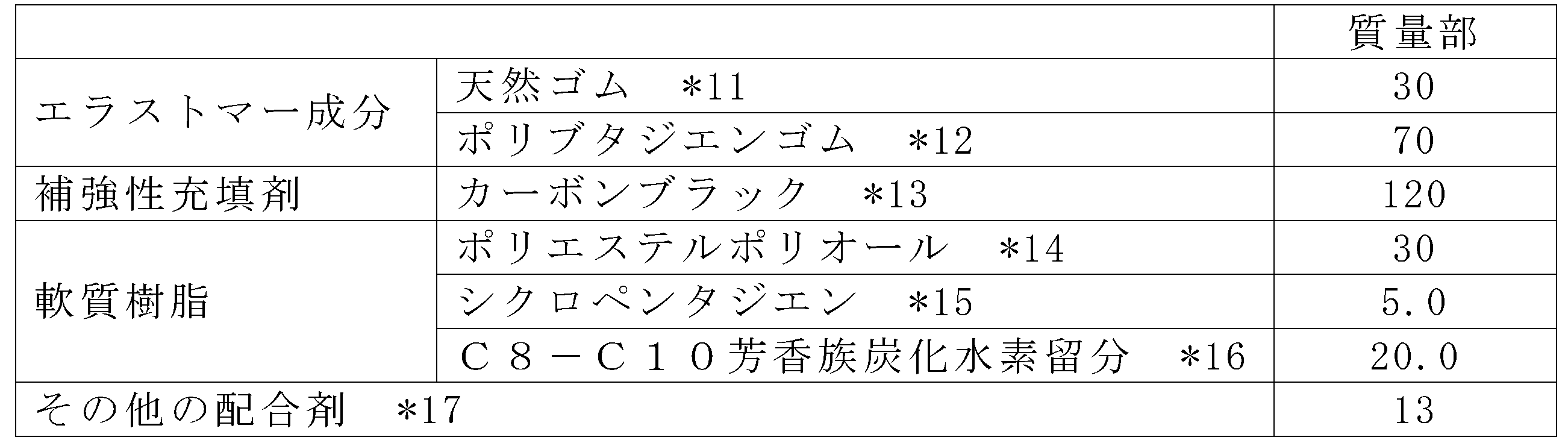
*11 天然ゴム:未加硫,RSS#4
*12 ポリブタジエンゴム:低シス,未加硫,旭化成製「ジエンNF35R」
*13 カーボンブラック:ISAF,東海カーボン製「シースト6P」
*14 ポリエステルポリオール:日本ゼオン製「ゼオファイン100M」(D硬さ:20(柔らかすぎて測定困難だが、強引に測定した値)、軟化点:80℃)
*15 シクロペンタジエン:丸善石油化学製「ESCOREZ8180」(D硬さ:12(柔らかすぎて測定困難だが、強引に測定した値)、軟化点:80~92℃)
*16 C8-C10芳香族炭化水素留分:新日本石油化学製「ネオポリマー140」(D硬さ:10(柔らかすぎて測定困難だが、強引に測定した値)、軟化点:145℃)
*17 亜鉛華、ステアリン酸、老化防止剤;住友化学製「アンステージ6C」、ワックス;新日本石油製「プロトワックス1」、亜鉛華:ステアリン酸:老化防止剤:ワックス=4:5:3:1(質量比)
なお、「D硬さ」はJIS K6253に準拠して測定し、「軟化点」はJISK7206に準拠して測定した。
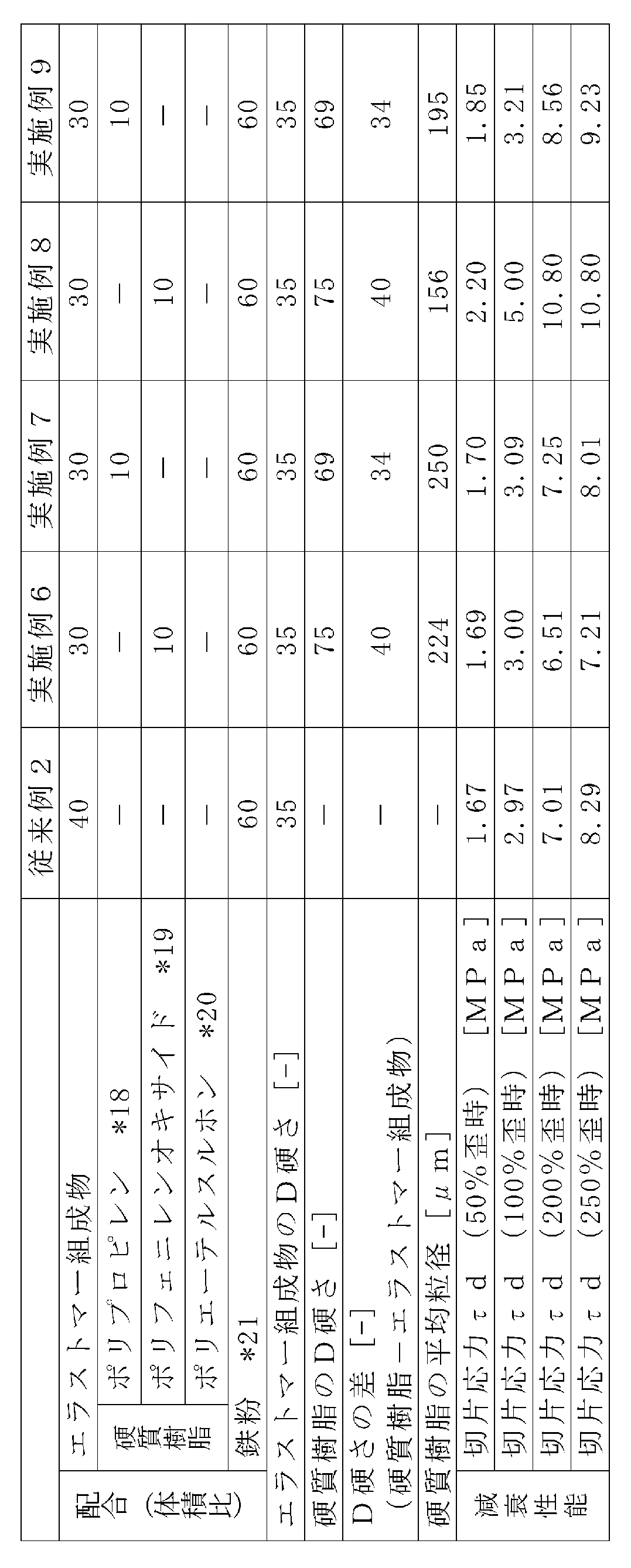
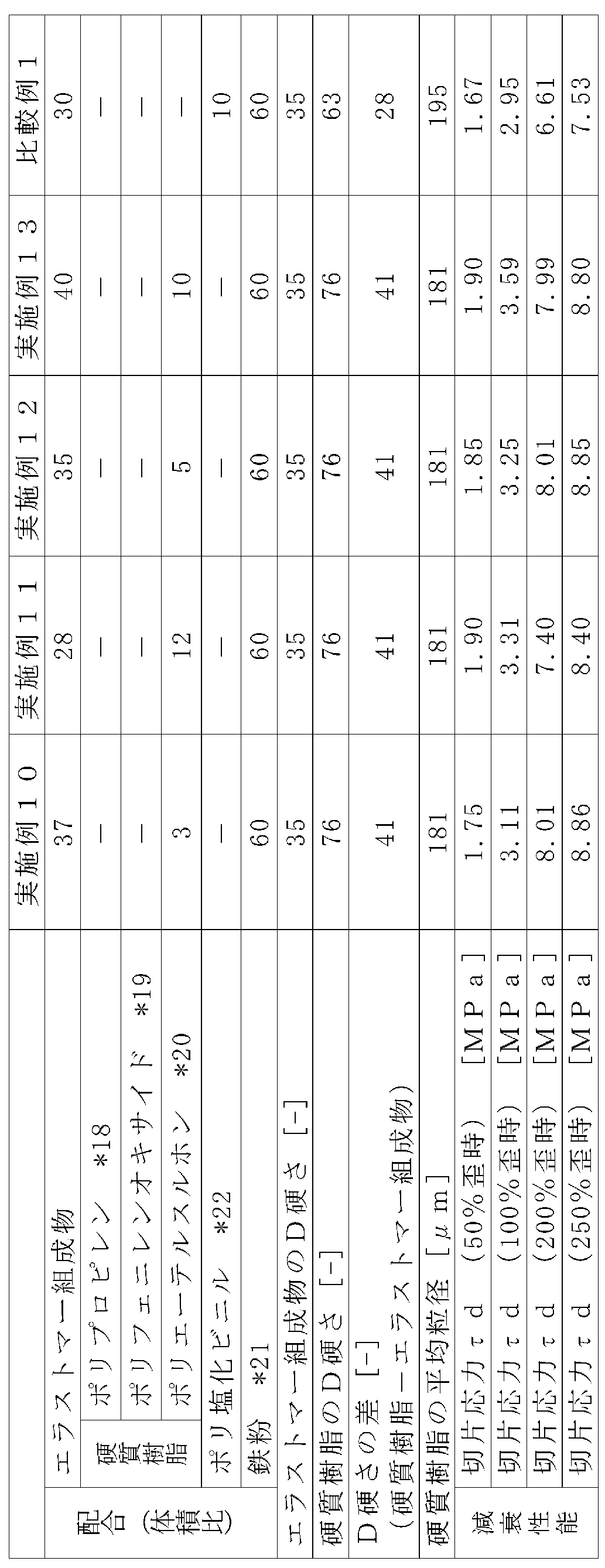
*18 ポリプロピレン(PP):プライムポリマー製「プライムポリプロ」,D硬さ=69,軟化点=165℃
*19 ポリフェニレンオキサイド(PPO):旭化成ケミカルズ社製「SX-101」,D硬さ=75,軟化点=160℃
*20 ポリエーテルスルホン(PES):BASF製「E2010GP」,D硬さ=76,軟化点=285℃
*21 鉄粉:パウダテック製,粒径=40μm,不定形還元鉄粉
*22 ポリ塩化ビニル(PVC):徳山積水工業製「セキスイPVC TS」,D硬さ=63,軟化点=70℃
なお、「D硬さ」はJIS K6253に準拠して測定し、「軟化点」はJIS K7206に準拠して測定した。また、「平均粒径」はJIS Z8825-1に準拠してレーザー回折法で測定した。
*19 ポリフェニレンオキサイド(PPO):旭化成ケミカルズ社製「SX-101」,D硬さ=75,軟化点=160℃
*20 ポリエーテルスルホン(PES):BASF製「E2010GP」,D硬さ=76,軟化点=285℃
*21 鉄粉:パウダテック製,粒径=40μm,不定形還元鉄粉
*22 ポリ塩化ビニル(PVC):徳山積水工業製「セキスイPVC TS」,D硬さ=63,軟化点=70℃
なお、「D硬さ」はJIS K6253に準拠して測定し、「軟化点」はJIS K7206に準拠して測定した。また、「平均粒径」はJIS Z8825-1に準拠してレーザー回折法で測定した。
各免震構造体について水平方向の変位δ(歪み)と切片応力τdとの関係を示す表3~4および図4より、実施例6~13の免震構造体用プラグは、従来例2および比較例1の免震構造体用プラグと比較し、低歪み領域における減衰性能が向上していることが分かる。また、実施例8~13の免震構造体用プラグは、実施例6~7の免震構造体用プラグと比較し、全ての歪み領域において減衰性能が向上していることが分かる。
<減衰性能の温度依存性評価>
実施例8の免震構造体用プラグと、従来例2の免震構造体用プラグとについて、試験温度を表5に示すように変更した以外は上記と同様にして、減衰性能の評価を行った。そして、100%歪み時における切片応力τdについて、試験温度20℃の切片応力τdを100として、指数評価した。結果を表5に示す。
実施例8の免震構造体用プラグと、従来例2の免震構造体用プラグとについて、試験温度を表5に示すように変更した以外は上記と同様にして、減衰性能の評価を行った。そして、100%歪み時における切片応力τdについて、試験温度20℃の切片応力τdを100として、指数評価した。結果を表5に示す。
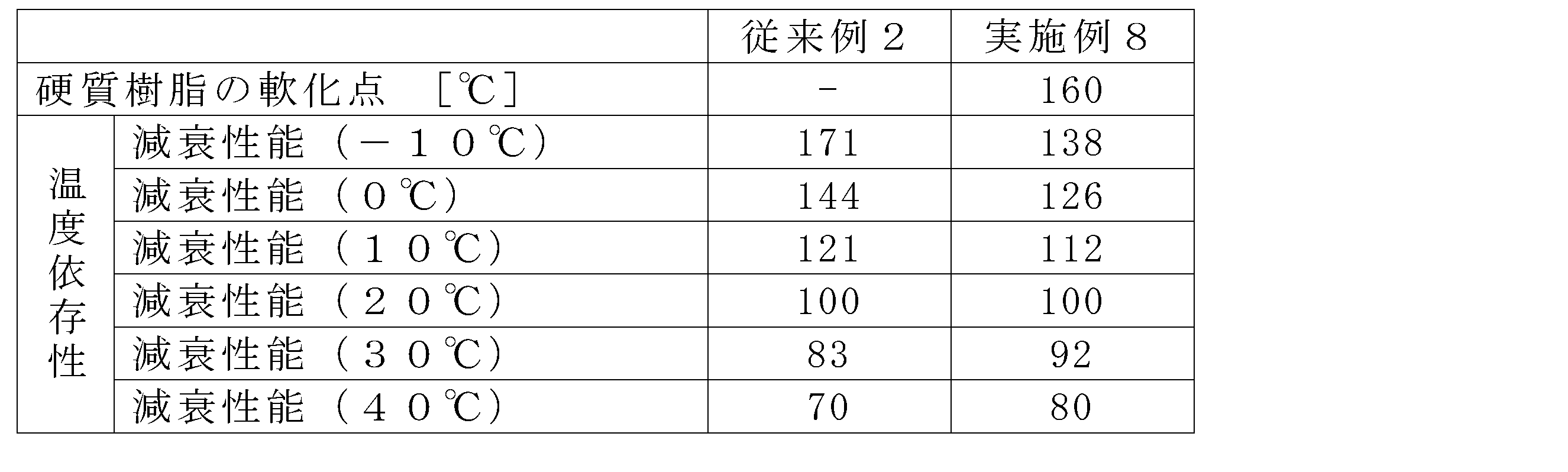
表5より、実施例8の免震構造体用プラグは、従来例2の免震構造体用プラグと比較し、温度依存性が低減されていることが分かる。
以下、[実施例3]により本発明を更に詳細に説明するが、本発明は下記の実施例に何ら限定されるものではない。
(実施例14~20)
まず、ニーダーを用いて、表6に示す配合処方のエラストマー組成物を表7に示す条件で調製した(エラストマー組成物調製工程)。
次に、ニーダーを用いて、エラストマー組成物と、粉体としての鉄粉(粒径=40μm,不定形な還元鉄粉)と、表7に示す硬質樹脂とを、表7に示す体積比および条件で混練して、プラグ用組成物を調製した(混練工程)。なお、鉄粉は、4回に分けて等量ずつニーダーに投入した。また、硬質樹脂は、粒径100~300μmに粉砕したものを、鉄粉の2回目の投入と同時にニーダーに投入した。
最後に、得られたプラグ用組成物を温度100℃、圧力1.3ton/cm2で加圧成形して、直径が45mmの円柱状の免震構造体用プラグを作製した(加圧成形工程)。なお、実施例14~16では、円柱状の免震構造体用プラグを成形することができなかった。
そして、得られた円柱状の免震構造体用プラグについて、温度20℃の条件下、上記と同様の方法で減衰性能を評価した。また、プラグ用組成物について、形状および成形性を下記の方法で評価した。更に、エラストマー組成物および硬質樹脂のD硬さをJIS K6253に準拠して測定した。結果を表7に示す。
(比較例2)
硬質樹脂を使用せず、エラストマー組成物と鉄粉とを表7に示す体積比および条件で混練した以外は、実施例17と同様にしてエラストマー組成物、プラグ用組成物および円柱状の免震構造体用プラグを作製した。そして、実施例17と同様にして、免震構造体用プラグの減衰性能、並びに、プラグ用組成物の形状および成形性を評価した。結果を表7に示す。
硬質樹脂を使用せず、エラストマー組成物と鉄粉とを表7に示す体積比および条件で混練した以外は、実施例17と同様にしてエラストマー組成物、プラグ用組成物および円柱状の免震構造体用プラグを作製した。そして、実施例17と同様にして、免震構造体用プラグの減衰性能、並びに、プラグ用組成物の形状および成形性を評価した。結果を表7に示す。
<プラグ用組成物の形状>
目視により、得られたプラグ用組成物の形状を評価した。そして、直径30mm以上の塊になっている場合には、「ブロック状」と評価し、直径30mm以上の塊が見られない場合には、「粉末状」と評価した。
<プラグ用組成物の成形性>
直径160mm、高さ120mmの円柱状の免震構造体用プラグの成形を試みた際に、成形できたプラグの空隙率が3.5%以下であった場合には「○(良好)」とし、空隙率が3.5%超であった場合または円柱状に成形できなかった場合には「×(不良)」とした。
なお、「空隙率」とは、免震構造体用プラグの製造に使用したプラグ用組成物の理論比重(ρA)と免震構造体用プラグの実比重(ρB)との差(ρA-ρB)を、免震構造体用プラグの製造に使用したプラグ用組成物の理論比重(ρA)で除し、百分率で表した値(={(ρA-ρB)/ρA}×100%)を指す。
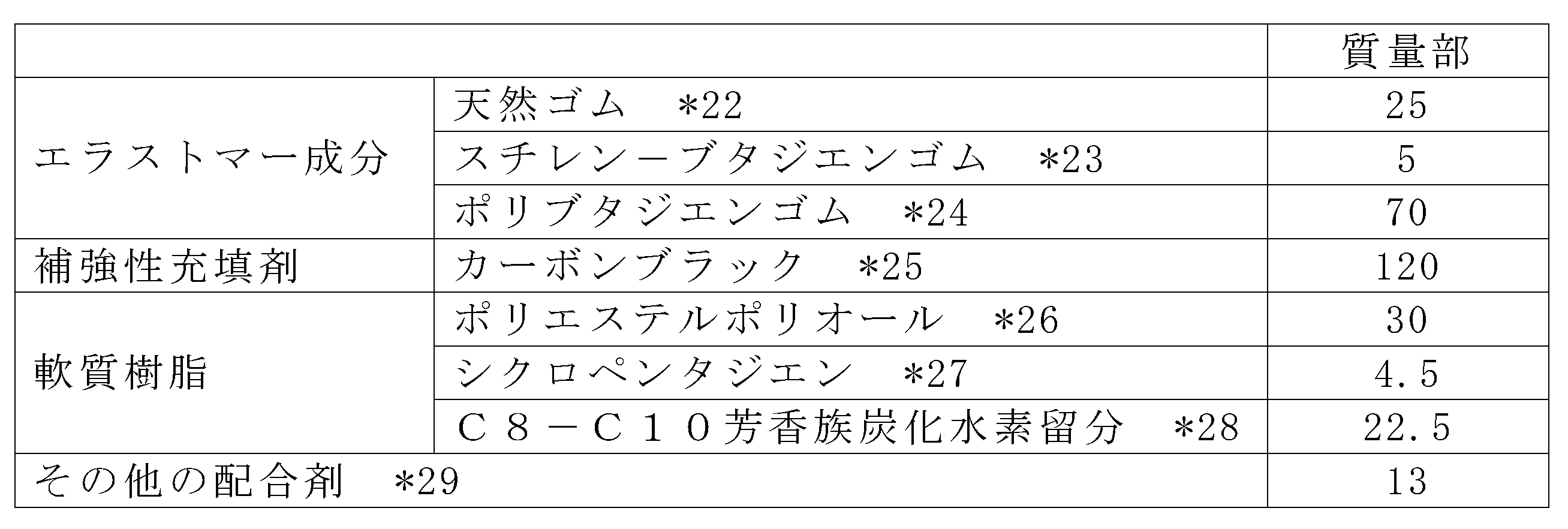
*22 天然ゴム:未加硫,RSS#4
*23 スチレン-ブタジエンゴム:旭化成製「アサプレン6500」
*24 ポリブタジエンゴム:低シス,未加硫,旭化成製「ジエンNF35R」
*25 カーボンブラック:ISAF,東海カーボン製「シースト6P」
*26 ポリエステルポリオール:日本ゼオン製「ゼオファイン100M」(D硬さ:20(柔らかすぎて測定困難だが、強引に測定した値)、軟化点:80℃)
*27 シクロペンタジエン:丸善石油化学製「ESCOREZ8180」(D硬さ:12(柔らかすぎて測定困難だが、強引に測定した値)、軟化点:80~92℃)
*28 C8-C10芳香族炭化水素留分:新日本石油化学製「ネオポリマー140」(D硬さ:10(柔らかすぎて測定困難だが、強引に測定した値)、軟化点:145℃)
*29 亜鉛華、ステアリン酸、老化防止剤;住友化学製「アンステージ6C」、ワックス;新日本石油製「プロトワックス1」、亜鉛華:ステアリン酸:老化防止剤:ワックス=4:5:3:1(質量比)
なお、「D硬さ」はJIS K6253に準拠して測定し、「軟化点」はJIS K7206に準拠して測定した。
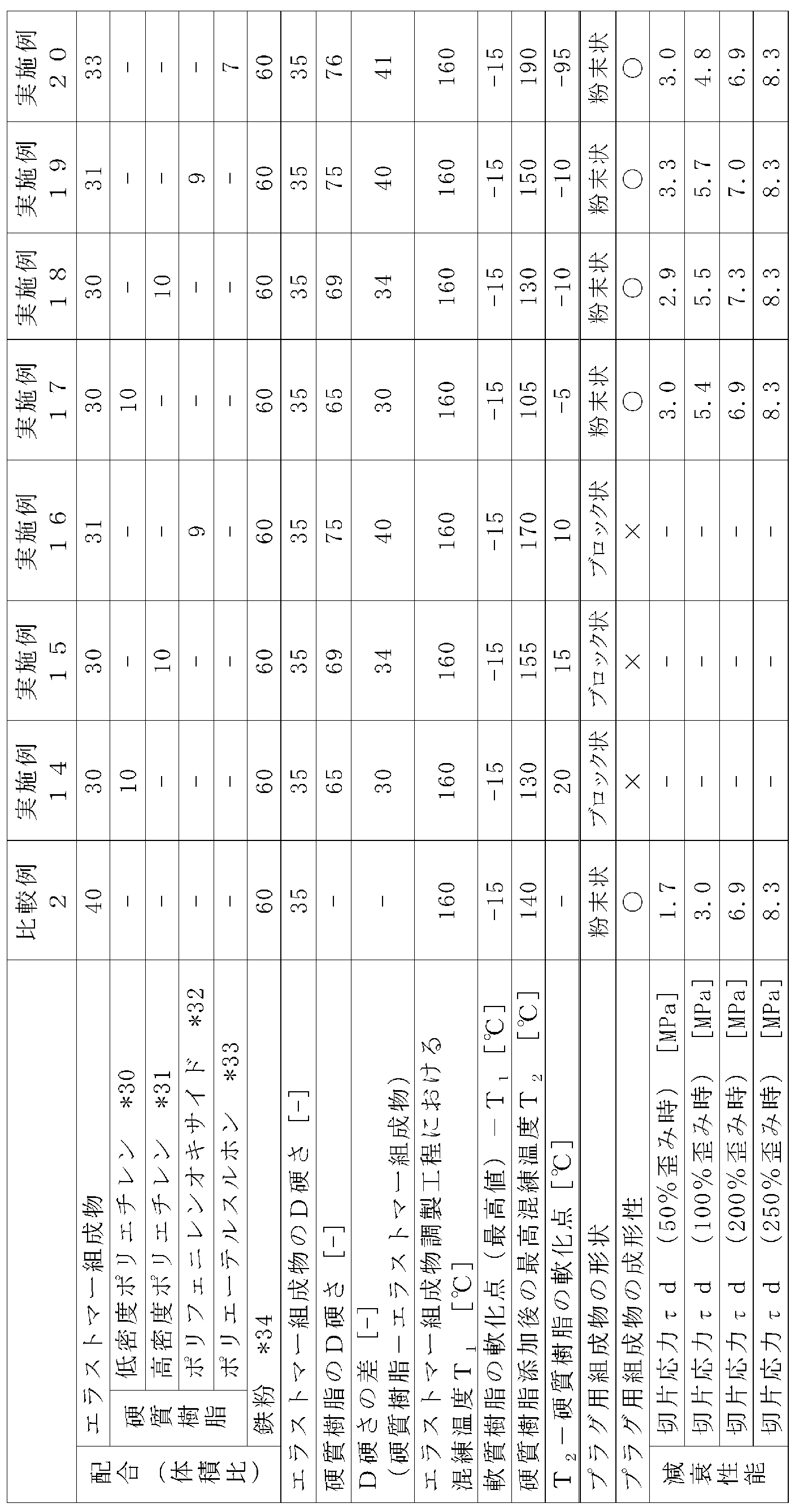
*30 低密度ポリエチレン(LDPE):東京インキ製「LDPD 1050」,D硬度=65,軟化点=110℃
*31 高密度ポリエチレン(HDPE):三井化学製「ミペロン」,D硬度=69,軟化点=140℃
*32 ポリフェニレンオキサイド(PPO):旭化成ケミカルズ社製「SX-101」,D硬度=75,軟化点=160℃
*33 ポリエーテルスルホン(PES):BASF製「E2010GP」,D硬度=76,軟化点=285℃
*34 鉄粉:パウダテック製,粒径=40μm,不定形還元鉄粉
*31 高密度ポリエチレン(HDPE):三井化学製「ミペロン」,D硬度=69,軟化点=140℃
*32 ポリフェニレンオキサイド(PPO):旭化成ケミカルズ社製「SX-101」,D硬度=75,軟化点=160℃
*33 ポリエーテルスルホン(PES):BASF製「E2010GP」,D硬度=76,軟化点=285℃
*34 鉄粉:パウダテック製,粒径=40μm,不定形還元鉄粉
表7より、実施例17~20の免震構造体用プラグは、比較例2の免震構造体用プラグよりも低歪み領域における減衰性能が優れていることが分かる。また、表7より、実施例14~16のプラグ用組成物は、ブロック状であり、成形性が悪いことが分かる。
本発明によれば、低歪み領域における減衰性能を向上させた免震構造体用プラグを提供することが可能な免震構造体のプラグ用組成物を提供することができる。更に、本発明によれば、低歪み領域における減衰性能に優れる免震構造体用プラグを提供することができる。
また、本発明によれば、低歪み領域における減衰性能を向上させた免震構造体用プラグを提供することが可能で、且つ、成形性に優れるプラグ用組成物を製造することができる。更に、本発明によれば、低歪み領域における減衰性能に優れる免震構造体用プラグを製造することができる。
また、本発明によれば、低歪み領域における減衰性能を向上させた免震構造体用プラグを提供することが可能で、且つ、成形性に優れるプラグ用組成物を製造することができる。更に、本発明によれば、低歪み領域における減衰性能に優れる免震構造体用プラグを製造することができる。
1 免震構造体
2 剛性板
3 弾性板
4 積層体
5 免震構造体用プラグ
6 フランジ板
7 被覆材
2 剛性板
3 弾性板
4 積層体
5 免震構造体用プラグ
6 フランジ板
7 被覆材
Claims (13)
- 少なくともエラストマー成分を含むエラストマー組成物と、
粉体と、
前記エラストマー組成物よりもD硬さが30以上高い硬質樹脂と
を含有することを特徴とする、免震構造体のプラグ用組成物。 - 前記硬質樹脂のD硬さが60~90であることを特徴とする、請求項1に記載の免震構造体のプラグ用組成物。
- 前記硬質樹脂の含有量が、前記エラストマー組成物と、前記粉体と、前記硬質樹脂との合計量の5~10体積%であることを特徴とする、請求項1に記載の免震構造体のプラグ用組成物。
- 前記硬質樹脂の平均粒径が200μm以下であることを特徴とする、請求項1に記載の免震構造体のプラグ用組成物。
- 前記硬質樹脂の軟化点が150℃以上であることを特徴とする、請求項1に記載の免震構造体のプラグ用組成物。
- 前記硬質樹脂の形状が不定形であることを特徴とする、請求項1に記載の免震構造体のプラグ用組成物。
- 請求項1~6の何れかに記載の免震構造体のプラグ用組成物を用いて製造したことを特徴とする、免震構造体用プラグ。
- 剛性を有する剛性板と弾性を有する弾性板とが交互に積層されてなり、積層方向に延びる中空部を有する積層体と、該積層体の中空部に圧入されたプラグとを具える免震構造体において、
前記プラグが請求項7に記載の免震構造体用プラグであることを特徴とする、免震構造体。 - 少なくともエラストマー成分を含むエラストマー組成物を調製するエラストマー組成物調製工程と、
前記エラストマー組成物に対し、粉体と、前記エラストマー組成物よりもD硬さが30以上高い硬質樹脂とを加えて混練し、プラグ用組成物を得る混練工程と、
を含み、
前記混練工程において、前記硬質樹脂を加えた後の混練温度を、前記硬質樹脂の軟化点以下の温度とすることを特徴とする、免震構造体のプラグ用組成物の製造方法。 - 前記混練工程において、前記エラストマー組成物に対し、前記粉体を、複数回に分けて断続的に、或いは、連続的に加えて混練することを特徴とする、請求項9に記載の免震構造体のプラグ用組成物の製造方法。
- 前記混練工程において、前記エラストマー組成物に対し、前記粉体を複数回に分けて断続的に加えて混練し、
前記エラストマー組成物に対して前記粉体を一回以上加えて混練した後に、前記エラストマー組成物と前記粉体との混合物に対して前記硬質樹脂を加えることを特徴とする、請求項10に記載の免震構造体のプラグ用組成物の製造方法。 - 請求項9~11の何れかに記載の免震構造体のプラグ用組成物の製造方法を用いて製造したプラグ用組成物を金型内で加圧成形する加圧成形工程を含むことを特徴とする、免震構造体用プラグの製造方法。
- 前記加圧成形工程において、前記硬質樹脂の軟化点以下の温度で前記プラグ用組成物を加圧成形することを特徴とする、請求項12に記載の免震構造体用プラグの製造方法。
Priority Applications (1)
| Application Number | Priority Date | Filing Date | Title |
|---|---|---|---|
| CN201280036783.8A CN103717939B (zh) | 2011-07-28 | 2012-07-23 | 基础隔震结构中的塞用组合物、基础隔震结构用塞、基础隔震结构、基础隔震结构中的塞用组合物的制造方法和基础隔震结构用塞的制造方法 |
Applications Claiming Priority (6)
| Application Number | Priority Date | Filing Date | Title |
|---|---|---|---|
| JP2011165880A JP5851751B2 (ja) | 2011-07-28 | 2011-07-28 | 免震構造体のプラグ用組成物、免震構造体用プラグ及び免震構造体 |
| JP2011-165880 | 2011-07-28 | ||
| JP2011-270563 | 2011-12-09 | ||
| JP2011270563A JP5869860B2 (ja) | 2011-12-09 | 2011-12-09 | 免震構造体のプラグ用組成物の製造方法および免震構造体用プラグの製造方法 |
| JP2011-273756 | 2011-12-14 | ||
| JP2011273756A JP5869863B2 (ja) | 2011-12-14 | 2011-12-14 | 免震構造体のプラグ用組成物、免震構造体用プラグおよび免震構造体 |
Publications (1)
| Publication Number | Publication Date |
|---|---|
| WO2013014907A1 true WO2013014907A1 (ja) | 2013-01-31 |
Family
ID=47600775
Family Applications (1)
| Application Number | Title | Priority Date | Filing Date |
|---|---|---|---|
| PCT/JP2012/004663 Ceased WO2013014907A1 (ja) | 2011-07-28 | 2012-07-23 | 免震構造体のプラグ用組成物、免震構造体用プラグおよび免震構造体、並びに、免震構造体のプラグ用組成物の製造方法および免震構造体用プラグの製造方法 |
Country Status (3)
| Country | Link |
|---|---|
| CN (1) | CN103717939B (ja) |
| TW (1) | TWI493122B (ja) |
| WO (1) | WO2013014907A1 (ja) |
Cited By (3)
| Publication number | Priority date | Publication date | Assignee | Title |
|---|---|---|---|---|
| JP2014206199A (ja) * | 2013-04-11 | 2014-10-30 | 株式会社ブリヂストン | 免震構造体のプラグ用組成物、免震構造体用プラグ、免震構造体及び免震構造体用プラグの製造方法 |
| CN108481592A (zh) * | 2018-03-27 | 2018-09-04 | 巢湖市荣达塑业有限公司 | 一种可减震的洗衣机塑料混合设备 |
| JP2020094113A (ja) * | 2018-12-11 | 2020-06-18 | 株式会社ブリヂストン | ゴム組成物及びタイヤ |
Families Citing this family (3)
| Publication number | Priority date | Publication date | Assignee | Title |
|---|---|---|---|---|
| JP6327749B2 (ja) * | 2014-07-18 | 2018-05-23 | 住友ゴム工業株式会社 | 粘弾性ダンパとその製造方法 |
| CN105860493B (zh) * | 2016-04-25 | 2018-03-30 | 北京化工大学 | 一种隔震支座用类铅高分子复合材料 |
| KR20240095226A (ko) * | 2021-11-03 | 2024-06-25 | 에이에스엠엘 네델란즈 비.브이. | 리소그래피 장치 스테이지 커플링 |
Citations (3)
| Publication number | Priority date | Publication date | Assignee | Title |
|---|---|---|---|---|
| JP2004268433A (ja) * | 2003-03-10 | 2004-09-30 | Bridgestone Corp | 混練ゴムの製造方法およびそれに用いるゴム押出装置 |
| JP2008116041A (ja) * | 2006-10-13 | 2008-05-22 | Bridgestone Corp | 積層支持体 |
| JP2010255782A (ja) * | 2009-04-27 | 2010-11-11 | Bridgestone Corp | 免震装置用プラグ及びその製造方法 |
Family Cites Families (8)
| Publication number | Priority date | Publication date | Assignee | Title |
|---|---|---|---|---|
| TWI221851B (en) * | 2000-04-05 | 2004-10-11 | Kaneka Corp | Vibration damper composition |
| WO2003027183A1 (en) * | 2001-09-25 | 2003-04-03 | Bridgestone Corporation | Resin composition and member comprising said resin composition |
| WO2003027416A1 (fr) * | 2001-09-25 | 2003-04-03 | Structural Quality Assurance, Inc. | Construction de renforcement de structure, materiau de renforcement, dispositif permettant de resister aux tremblements de terre et procede de renforcement |
| JP4240923B2 (ja) * | 2001-12-14 | 2009-03-18 | ポリマテック株式会社 | ダンパーおよびメカシャーシの防振構造 |
| CN101218296B (zh) * | 2005-07-15 | 2010-12-08 | 埃克森美孚化学专利公司 | 弹性体组合物 |
| JP2007051527A (ja) * | 2005-08-18 | 2007-03-01 | Raito Kenchiku Jimusho:Kk | 柱と梁の差込型継手 |
| US7758948B2 (en) * | 2006-10-13 | 2010-07-20 | Bridgestone Corporation | Laminate support |
| US8668968B2 (en) * | 2007-10-30 | 2014-03-11 | Bridgestone Corporation | Composition for plug in base-isolated structure, plug for base-isolated structure and base-isolated structure |
-
2012
- 2012-07-23 CN CN201280036783.8A patent/CN103717939B/zh not_active Expired - Fee Related
- 2012-07-23 WO PCT/JP2012/004663 patent/WO2013014907A1/ja not_active Ceased
- 2012-07-27 TW TW101127110A patent/TWI493122B/zh not_active IP Right Cessation
Patent Citations (3)
| Publication number | Priority date | Publication date | Assignee | Title |
|---|---|---|---|---|
| JP2004268433A (ja) * | 2003-03-10 | 2004-09-30 | Bridgestone Corp | 混練ゴムの製造方法およびそれに用いるゴム押出装置 |
| JP2008116041A (ja) * | 2006-10-13 | 2008-05-22 | Bridgestone Corp | 積層支持体 |
| JP2010255782A (ja) * | 2009-04-27 | 2010-11-11 | Bridgestone Corp | 免震装置用プラグ及びその製造方法 |
Cited By (4)
| Publication number | Priority date | Publication date | Assignee | Title |
|---|---|---|---|---|
| JP2014206199A (ja) * | 2013-04-11 | 2014-10-30 | 株式会社ブリヂストン | 免震構造体のプラグ用組成物、免震構造体用プラグ、免震構造体及び免震構造体用プラグの製造方法 |
| CN108481592A (zh) * | 2018-03-27 | 2018-09-04 | 巢湖市荣达塑业有限公司 | 一种可减震的洗衣机塑料混合设备 |
| JP2020094113A (ja) * | 2018-12-11 | 2020-06-18 | 株式会社ブリヂストン | ゴム組成物及びタイヤ |
| JP7227753B2 (ja) | 2018-12-11 | 2023-02-22 | 株式会社ブリヂストン | ゴム組成物及びタイヤ |
Also Published As
| Publication number | Publication date |
|---|---|
| TW201329363A (zh) | 2013-07-16 |
| CN103717939A (zh) | 2014-04-09 |
| CN103717939B (zh) | 2015-09-23 |
| TWI493122B (zh) | 2015-07-21 |
Similar Documents
| Publication | Publication Date | Title |
|---|---|---|
| JP5140546B2 (ja) | 免震構造体 | |
| JP5436026B2 (ja) | 免震装置用プラグ及びその製造方法 | |
| CN103717939B (zh) | 基础隔震结构中的塞用组合物、基础隔震结构用塞、基础隔震结构、基础隔震结构中的塞用组合物的制造方法和基础隔震结构用塞的制造方法 | |
| TWI575007B (zh) | 高衰減組成物 | |
| JP2010025233A (ja) | 免震構造体用プラグおよびそのプラグを用いた免震構造体 | |
| JP2011149476A (ja) | 制振ダンパ | |
| JP5415691B2 (ja) | 免震構造体のプラグ用組成物、免震構造体用プラグ及び免震構造体 | |
| JP5091083B2 (ja) | 免震構造体用プラグおよび免震構造体 | |
| JP5869860B2 (ja) | 免震構造体のプラグ用組成物の製造方法および免震構造体用プラグの製造方法 | |
| JP5869863B2 (ja) | 免震構造体のプラグ用組成物、免震構造体用プラグおよび免震構造体 | |
| JP5164783B2 (ja) | 免震構造体 | |
| JP5289029B2 (ja) | 免震構造体用プラグおよびそのプラグを用いた免震構造体 | |
| JP5539642B2 (ja) | 免震構造体のプラグ用組成物、免震構造体用プラグ及び免震構造体 | |
| JP5436027B2 (ja) | 免震構造体用プラグ及び免震構造体 | |
| JP5350773B2 (ja) | 免震構造体用プラグの製造方法 | |
| JP2010255776A (ja) | 免震構造体 | |
| JP5745564B2 (ja) | 免震構造体のプラグ用組成物、免震構造体用プラグ、免震構造体及び免震構造体用プラグの製造方法 | |
| JP5917953B2 (ja) | 免震構造体のプラグ用組成物、免震構造体用プラグおよび免震構造体 | |
| JP5851751B2 (ja) | 免震構造体のプラグ用組成物、免震構造体用プラグ及び免震構造体 | |
| JP2014095036A (ja) | 制振性材料 | |
| JP5174443B2 (ja) | 免震構造体 | |
| JP2009108200A (ja) | 免震構造体のプラグ用エラストマー組成物、免震構造体のプラグ用組成物、免震構造体用プラグ及び免震構造体 | |
| JP2005344087A (ja) | 高減衰ゴム組成物及びそれを用いた免震構造体 | |
| JP2019182915A (ja) | ゴム組成物及びタイヤ加硫用ブラダー | |
| JP6327749B2 (ja) | 粘弾性ダンパとその製造方法 |
Legal Events
| Date | Code | Title | Description |
|---|---|---|---|
| 121 | Ep: the epo has been informed by wipo that ep was designated in this application |
Ref document number: 12817335 Country of ref document: EP Kind code of ref document: A1 |
|
| NENP | Non-entry into the national phase |
Ref country code: DE |
|
| 122 | Ep: pct application non-entry in european phase |
Ref document number: 12817335 Country of ref document: EP Kind code of ref document: A1 |