WO2012147805A1 - 脳移行性機能性核酸及びその利用 - Google Patents
脳移行性機能性核酸及びその利用 Download PDFInfo
- Publication number
- WO2012147805A1 WO2012147805A1 PCT/JP2012/061115 JP2012061115W WO2012147805A1 WO 2012147805 A1 WO2012147805 A1 WO 2012147805A1 JP 2012061115 W JP2012061115 W JP 2012061115W WO 2012147805 A1 WO2012147805 A1 WO 2012147805A1
- Authority
- WO
- WIPO (PCT)
- Prior art keywords
- alzheimer
- disease
- therapeutic agent
- oligodeoxynucleotide
- cpg
- Prior art date
- Legal status (The legal status is an assumption and is not a legal conclusion. Google has not performed a legal analysis and makes no representation as to the accuracy of the status listed.)
- Ceased
Links
- 0 CCCCSS*CNC(C(CCC1)N1C=O)=O Chemical compound CCCCSS*CNC(C(CCC1)N1C=O)=O 0.000 description 3
Images





Classifications
-
- A—HUMAN NECESSITIES
- A61—MEDICAL OR VETERINARY SCIENCE; HYGIENE
- A61K—PREPARATIONS FOR MEDICAL, DENTAL OR TOILETRY PURPOSES
- A61K31/00—Medicinal preparations containing organic active ingredients
- A61K31/70—Carbohydrates; Sugars; Derivatives thereof
- A61K31/7088—Compounds having three or more nucleosides or nucleotides
- A61K31/7125—Nucleic acids or oligonucleotides having modified internucleoside linkage, i.e. other than 3'-5' phosphodiesters
-
- C—CHEMISTRY; METALLURGY
- C07—ORGANIC CHEMISTRY
- C07K—PEPTIDES
- C07K19/00—Hybrid peptides, i.e. peptides covalently bound to nucleic acids, or non-covalently bound protein-protein complexes
-
- A—HUMAN NECESSITIES
- A61—MEDICAL OR VETERINARY SCIENCE; HYGIENE
- A61K—PREPARATIONS FOR MEDICAL, DENTAL OR TOILETRY PURPOSES
- A61K47/00—Medicinal preparations characterised by the non-active ingredients used, e.g. carriers or inert additives; Targeting or modifying agents chemically bound to the active ingredient
- A61K47/50—Medicinal preparations characterised by the non-active ingredients used, e.g. carriers or inert additives; Targeting or modifying agents chemically bound to the active ingredient the non-active ingredient being chemically bound to the active ingredient, e.g. polymer-drug conjugates
- A61K47/51—Medicinal preparations characterised by the non-active ingredients used, e.g. carriers or inert additives; Targeting or modifying agents chemically bound to the active ingredient the non-active ingredient being chemically bound to the active ingredient, e.g. polymer-drug conjugates the non-active ingredient being a modifying agent
- A61K47/62—Medicinal preparations characterised by the non-active ingredients used, e.g. carriers or inert additives; Targeting or modifying agents chemically bound to the active ingredient the non-active ingredient being chemically bound to the active ingredient, e.g. polymer-drug conjugates the non-active ingredient being a modifying agent the modifying agent being a protein, peptide or polyamino acid
- A61K47/64—Drug-peptide, drug-protein or drug-polyamino acid conjugates, i.e. the modifying agent being a peptide, protein or polyamino acid which is covalently bonded or complexed to a therapeutically active agent
-
- A—HUMAN NECESSITIES
- A61—MEDICAL OR VETERINARY SCIENCE; HYGIENE
- A61P—SPECIFIC THERAPEUTIC ACTIVITY OF CHEMICAL COMPOUNDS OR MEDICINAL PREPARATIONS
- A61P25/00—Drugs for disorders of the nervous system
-
- A—HUMAN NECESSITIES
- A61—MEDICAL OR VETERINARY SCIENCE; HYGIENE
- A61P—SPECIFIC THERAPEUTIC ACTIVITY OF CHEMICAL COMPOUNDS OR MEDICINAL PREPARATIONS
- A61P25/00—Drugs for disorders of the nervous system
- A61P25/28—Drugs for disorders of the nervous system for treating neurodegenerative disorders of the central nervous system, e.g. nootropic agents, cognition enhancers, drugs for treating Alzheimer's disease or other forms of dementia
-
- C—CHEMISTRY; METALLURGY
- C07—ORGANIC CHEMISTRY
- C07H—SUGARS; DERIVATIVES THEREOF; NUCLEOSIDES; NUCLEOTIDES; NUCLEIC ACIDS
- C07H21/00—Compounds containing two or more mononucleotide units having separate phosphate or polyphosphate groups linked by saccharide radicals of nucleoside groups, e.g. nucleic acids
- C07H21/04—Compounds containing two or more mononucleotide units having separate phosphate or polyphosphate groups linked by saccharide radicals of nucleoside groups, e.g. nucleic acids with deoxyribosyl as saccharide radical
-
- C—CHEMISTRY; METALLURGY
- C07—ORGANIC CHEMISTRY
- C07K—PEPTIDES
- C07K14/00—Peptides having more than 20 amino acids; Gastrins; Somatostatins; Melanotropins; Derivatives thereof
- C07K14/005—Peptides having more than 20 amino acids; Gastrins; Somatostatins; Melanotropins; Derivatives thereof from viruses
-
- C—CHEMISTRY; METALLURGY
- C12—BIOCHEMISTRY; BEER; SPIRITS; WINE; VINEGAR; MICROBIOLOGY; ENZYMOLOGY; MUTATION OR GENETIC ENGINEERING
- C12N—MICROORGANISMS OR ENZYMES; COMPOSITIONS THEREOF; PROPAGATING, PRESERVING, OR MAINTAINING MICROORGANISMS; MUTATION OR GENETIC ENGINEERING; CULTURE MEDIA
- C12N15/00—Mutation or genetic engineering; DNA or RNA concerning genetic engineering, vectors, e.g. plasmids, or their isolation, preparation or purification; Use of hosts therefor
- C12N15/09—Recombinant DNA-technology
- C12N15/11—DNA or RNA fragments; Modified forms thereof; Non-coding nucleic acids having a biological activity
- C12N15/117—Nucleic acids having immunomodulatory properties, e.g. containing CpG-motifs
-
- C—CHEMISTRY; METALLURGY
- C12—BIOCHEMISTRY; BEER; SPIRITS; WINE; VINEGAR; MICROBIOLOGY; ENZYMOLOGY; MUTATION OR GENETIC ENGINEERING
- C12N—MICROORGANISMS OR ENZYMES; COMPOSITIONS THEREOF; PROPAGATING, PRESERVING, OR MAINTAINING MICROORGANISMS; MUTATION OR GENETIC ENGINEERING; CULTURE MEDIA
- C12N2310/00—Structure or type of the nucleic acid
- C12N2310/10—Type of nucleic acid
- C12N2310/17—Immunomodulatory nucleic acids
-
- C—CHEMISTRY; METALLURGY
- C12—BIOCHEMISTRY; BEER; SPIRITS; WINE; VINEGAR; MICROBIOLOGY; ENZYMOLOGY; MUTATION OR GENETIC ENGINEERING
- C12N—MICROORGANISMS OR ENZYMES; COMPOSITIONS THEREOF; PROPAGATING, PRESERVING, OR MAINTAINING MICROORGANISMS; MUTATION OR GENETIC ENGINEERING; CULTURE MEDIA
- C12N2310/00—Structure or type of the nucleic acid
- C12N2310/30—Chemical structure
- C12N2310/35—Nature of the modification
- C12N2310/351—Conjugate
- C12N2310/3513—Protein; Peptide
-
- C—CHEMISTRY; METALLURGY
- C12—BIOCHEMISTRY; BEER; SPIRITS; WINE; VINEGAR; MICROBIOLOGY; ENZYMOLOGY; MUTATION OR GENETIC ENGINEERING
- C12N—MICROORGANISMS OR ENZYMES; COMPOSITIONS THEREOF; PROPAGATING, PRESERVING, OR MAINTAINING MICROORGANISMS; MUTATION OR GENETIC ENGINEERING; CULTURE MEDIA
- C12N2320/00—Applications; Uses
- C12N2320/30—Special therapeutic applications
- C12N2320/32—Special delivery means, e.g. tissue-specific
Definitions
- the present invention relates to application of functional nucleic acid to the treatment of Alzheimer's disease. More specifically, the present invention relates to a therapeutic agent for Alzheimer's disease using a functional nucleic acid having a CpG motif and its use.
- This application claims priority based on Japanese Patent Application No. 2011-1000027 filed on April 28, 2011, the entire contents of which are incorporated by reference.
- a ⁇ neurotoxicity was thought to be in aggregated A ⁇ (fA ⁇ ) deposited in the brain as insoluble amyloid fibrils, but in recent years soluble A ⁇ oligomers (oA ⁇ ) have a stronger neurotoxic effect. It became clear. The neuropathy effect is thought to be due to impaired synaptic plasticity, oxidative stress due to active oxygen, and impaired insulin receptor function in the hippocampus. Thus, the importance of controlling A ⁇ oligomers in Alzheimer's disease treatment strategies is suggested.
- microglia which are immune cells in the brain, are involved in the pathology of Alzheimer's disease.
- Microglia gather in senile plaques and treat not only aggregated A ⁇ but also A ⁇ oligomers, while they have aspects of inflammatory cells, and their excessive activation is associated with neurotoxic factors such as inflammatory cytokines, active oxygen, and glutamate.
- TLR Toll-like receptor
- TLR9 Toll-like receptor 9
- CpG-ODN functional nucleic acid CpG oligodeoxynucleotide
- HO-1 antioxidant enzyme heme oxygenase 1
- TLR signal in Alzheimer's disease is also being studied by other research groups, and one of the results is the usefulness of administering CpG-ODN from the periphery for several months ( Non-patent document 2).
- peripheral administration has various problems such as activation of other immune cells to facilitate side reactions and CpG-ODN being easily degraded and difficult to enter the brain.
- CpG-ODN which is a TLR9 ligand
- CpG-ODN is expected to be applied and clinically applied as a therapeutic drug for Alzheimer's disease.
- CpG-ODN reported in the past has no brain migration and cannot be used for actual treatment. Considering the fact that it is attacked by a nucleolytic enzyme when administered to a living body, there is much room for improvement in terms of stability.
- a therapeutic agent for Alzheimer's disease comprising a structure in which an oligodeoxynucleotide containing a CpG motif and modified with phosphorothioate and an RVG peptide derived from rabies virus glycoprotein are linked, or a pharmacologically acceptable salt thereof.
- the CpG motif is composed of gacgtt.
- the therapeutic agent for Alzheimer's disease according to [6] wherein the oligodeoxynucleotide is 10 to 20 nucleotides in length.
- the therapeutic agent for Alzheimer's disease according to [6] wherein the oligodeoxynucleotide comprises the sequence of SEQ ID NO: 1.
- Alzheimer's disease drug [14] The therapeutic agent for Alzheimer's disease according to [13], wherein two molecules of the oligodeoxynucleotide and one molecule of the RVG peptide are linked.
- [16] Use of the structure defined in any one of [1] to [15] for the manufacture of a therapeutic agent for Alzheimer's disease.
- a method for treating Alzheimer's disease comprising the step of administering a therapeutically effective amount of the therapeutic agent for Alzheimer's disease according to any one of [1] to [15] to an Alzheimer's disease patient.
- a phosphorothioate-modified oligodeoxynucleotide comprising the sequence of SEQ ID NO: 1 and a rabies virus glycoprotein-derived RVG peptide comprising the sequence of SEQ ID NO: 3 via a disulfide bond at the cysteine residue position in the RVG peptide Structures that are connected together.
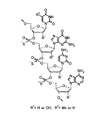
- FIG. 1 Schematic diagram illustrating phosphorothioate modification.
- the CpG-ODN and RVG peptide are linked via a linear carbon chain (C6) and a disulfide bond.
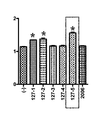
- oA ⁇ A ⁇ oligomer The graph which compared the neuroprotective effect of various produced CpG-ODN. The survival rate of neurons when each CpG-ODN was added was compared with the case where no CpG-ODN was added (second from the left). * Indicates that there is a significant difference from the control (no addition).
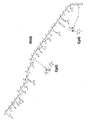
- oA ⁇ A ⁇ oligomer Structure of a structure in which CpG-ODN and RVG peptide are linked. CpG-ODN and RVG peptide (RVG-Cys peptide) with cysteine added at the C-terminus are linked.
- RVG-Cys-127-5 was administered intraperitoneally to Alzheimer's disease model mice (APP / PS1 transgenic mice), and the degree of improvement in cognitive dysfunction was examined.
- PBS was administered as a control. * Represents a significant difference from the control (PBS).
- WT A syngeneic wild-type mouse.
- APP / PS1 APP / PS1 transgenic mouse.
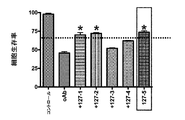
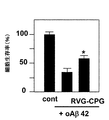
- oA ⁇ A ⁇ oligomer The graph which shows the neuroprotective effect of RVG-Cys-127-5. The survival rate (right) of neurons when RVG-Cys-127-5 was added was compared with the case without addition (middle). * Indicates that there is a significant difference from the control (cont: RVG-Cys-127-5 not added).
- the first aspect of the present invention relates to a therapeutic agent for Alzheimer's disease.
- the term “therapeutic agent” refers to a drug that exhibits a therapeutic or prophylactic effect on Alzheimer's disease, which is a target disease or condition.
- the therapeutic effects include alleviation of symptoms or associated symptoms characteristic of Alzheimer's disease (mildness), prevention or delay of deterioration of symptoms, and the like. The latter can be regarded as one of the preventive effects in terms of preventing the seriousness.
- the therapeutic effect and the preventive effect are partially overlapping concepts, so it is difficult to clearly distinguish them from each other, and there is little practical benefit.
- a typical preventive effect is to prevent or delay the recurrence of symptoms characteristic of Alzheimer's disease.
- it corresponds to a therapeutic drug for Alzheimer's disease.
- the active ingredient of the present invention is a structure in which an oligodeoxynucleotide containing a CpG motif and modified with phosphorothioate and an RVG peptide derived from a rabies virus glycoprotein are linked, or a pharmacologically acceptable salt thereof. That is, in the present invention, a molecule having a structure in which a predetermined oligodeoxynucleotide and an RVG peptide are linked is used as an active ingredient.
- the active ingredient of the present invention exhibits a characteristic action on microglia, that is, an action of enhancing the neuroprotective action of microglia.
- the active ingredient of the present invention can enhance the ability of microglia to treat A ⁇ oligomers without inducing the production of glutamate, nitric oxide and TNF- ⁇ , which are neurotoxic factors.
- This action is typically microglia specific.
- microglia-specific acts on microglia but does not or does not substantially act on other cells (particularly peripheral monocytes, macrophages, B cells, dendritic cells). Even so, it means that the degree is significantly low.
- the active ingredient of the present invention acts on microglia and can promote the production of the antioxidant enzyme heme oxygenase 1 (HO-1). This action is effective in suppressing the production of active oxygen (ROS) by A ⁇ oligomers.
- HO-1 heme oxygenase 1
- CpG oligodeoxynucleotide (CpG-ODN)
- the oligodeoxynucleotide in the present invention contains a CpG motif.
- the term “motif” here refers to a characteristic common sequence having a specific function.
- the “CpG motif” is an oligo DNA composed of 6 specific bases (5′-purine-purine-CG-pyrimidine-pyrimidine-3 ′). In one embodiment of the present invention, gacgtt is included as the sequence of the CpG motif portion.
- Oligodeoxynucleotides containing CpG motifs can be classified into three classes, namely A class, B class, and C class, according to their structural characteristics.
- a class CpG-ODN a phosphodiester bond is used for the CpG motif portion.
- Class A CpG-ODN strongly induces IFN- ⁇ secretion of plasmacytoid dendritic cells (pDC).
- pDC plasmacytoid dendritic cells
- the B class CpG-ODN is linear and has a phosphorothioate backbone. Typically it is fully phosphorothioate modified.
- B class CpG-ODN generally strongly induces B cell proliferation and plasmacytoid dendritic cell (pDC) maturation, whereas plasmacytoid dendritic cells induce little IFN- ⁇ secretion.
- the C class has a palindromic structure on the 3 ′ end side and forms a double strand.
- C class CpG-ODN activates B cells and NK cells and induces IFN- ⁇ .
- B class CpG-ODN is used in the present invention.
- the position and degree of phosphorothioate modification are not limited. Since the phosphorothioate-modified site is stabilized and the degradation resistance against nuclease is improved, the degree of phosphorothioate modification is better.
- B class CpG-ODN is used in which all the nucleotides constituting it are phosphorothioate-modified.
- the CpG-ODN in the present invention has a structure in which 1 to several nucleotides are linked on both sides of the CpG motif.
- the CpG motif is not located at the end.
- the number of nucleotides linked to the 5 ′ side or 3 ′ side of the CpG motif is not particularly limited, but it is better that the molecular weight is not large in consideration of brain migration.
- the number of nucleotides linked to the 5 ′ side of the CpG motif is preferably 1-8, more preferably 2-6, and even more preferably 2-4. The same applies to the number of oligonucleotides linked to the 3 ′ side of the CpG motif.
- the total length of CpG-ODN is preferably 10 to 25 nucleotides, more preferably 10 to 20 nucleotides, and even more preferably 10 to 14 nucleotides.
- Specific examples of CpG-ODN preferable in the present invention are shown below.
- S represents a phosphorothioate bond (see FIG. 1).
- CpG-ODN SEQ ID NO: 1
- the phosphorothioate-modified CpG-ODN may be synthesized by a conventional method such as a method using a solid phase cyanoethyl phosphoramidite method (see, for example, Journal of American Chemical Society 112: 1253, 1990).
- a conventional method such as a method using a solid phase cyanoethyl phosphoramidite method (see, for example, Journal of American Chemical Society 112: 1253, 1990).
- reverse phase high performance liquid chromatography may be used.
- RVG peptide derived from rabies virus glycoprotein The translocation into the brain is strictly controlled by the blood brain barrier.
- an RVG peptide derived from rabies virus glycoprotein is used to impart brain migration.
- the sequence of RVG peptide is shown below. In this specification, according to a conventional notation method, peptides are represented such that the left end is the amino terminus (N terminus) and the right end is the carboxy terminus (C terminus).
- a delivery system using a rabies virus glycoprotein-derived peptide has been reported (see, for example, Nature 448: 39-43, 2007; Nature Biotechnology 29: 341-345, 2011).
- YTIWMPENPRPGTPCDIFTNSRGKRASNG SEQ ID NO: 3
- the constituent amino acids of the RVG peptide can be altered or modified.
- “partially modified” means deletion or substitution of 1 to several amino acids (upper limit is 3, 5, or 7), or 1 to several amino acids (upper limit is 3, for example, 5 And 7) amino acid additions, insertions, or combinations thereof, the amino acid sequence is mutated (changed).
- “modification” refers to partial stabilization of the basic structure (typically, a peptide consisting of the sequence of SEQ ID NO: 3) or addition of other molecules to improve the stability or add a new function. It means adding.
- Examples of peptide modifications are those in which the functional group in the constituent amino acid residue is protected by an appropriate protecting group (acyl group, alkyl group, monosaccharide, oligosaccharide, polysaccharide, etc.), or a sugar chain is added.
- an appropriate protecting group acyl group, alkyl group, monosaccharide, oligosaccharide, polysaccharide, etc.
- the protecting group is linked by an amide bond, an ester bond, a urethane bond, a urea bond, or the like according to the peptide site to which the protecting group is bound, the kind of the protecting group to be used, or the like.
- the peptide (RVG peptide or a modified or modified product thereof) in the present invention can be produced using a known peptide synthesis method (for example, a solid phase synthesis method or a liquid phase synthesis method).
- the peptide in this invention can also be prepared by extracting and refine
- the peptide in the present invention may be prepared by a genetic engineering technique. That is, the peptide of the present invention can also be prepared by introducing a nucleic acid encoding the peptide of the present invention into an appropriate host cell and recovering the peptide expressed in the transformant. The recovered peptide is purified as necessary. The recovered peptide can be subjected to an appropriate substitution reaction and converted into a desired variant.
- CpG-ODN and RVG peptide are linked.
- Various methods suitable for linking nucleic acids and peptides can be used for linking.
- CpG-ODN is linked via a disulfide bond at the cysteine position in the RVG peptide.
- a method developed by John J. Turner et al. Can be used for such connection (see, for example, Nucleic Acids Research, 33: 27-42, 2005).
- a thiolation modifier is used, and as a result, the RVG peptide is linked to the 5 ′ terminal side of CpG-ODN by a disulfide bond via a carbon chain (see FIG. 2).
- the type of carbon chain (straight chain or branched chain, length) can vary depending on the modifier used.
- the carbon number of the carbon chain is, for example, C3 to C10. However, since it is preferable to reduce the molecular weight of the structure in consideration of brain migration, the length of the carbon chain should be about C3 to C7.
- cysteine is added to the N-terminus or C-terminus of the RVG peptide.
- the cysteine is used for linking CoG-ODN. That is, in this embodiment, CpG-ODN is linked at the terminal cysteine position in addition to the cysteine residue position in the RVG peptide. That is, a structure in which two molecules of CpG-ODN and one molecule of RVG peptide are linked is used as an active ingredient. In this case, the two molecules of CpG-ODN need not have the same structure. However, typically, the structure is formed using two molecules of CpG-ODN having the same structure.
- the sequence of RVG peptide with cysteine added to the C terminus is shown below. YTIWMPENPRPGTPCDIFTNSRGKRASNGC (SEQ ID NO: 4)
- cysteines may be added to the N-terminal side or C-terminal side.
- the number of cysteine added in this way is not particularly limited, but is, for example, 1 to 10. Part or all of the added cysteine is subjected to binding with CpG-ODN.
- a structure in which the ratio of the number of CPG-ODN molecules to the number of RVG peptide molecules is increased (for example, a structure in which one molecule of RVG peptide and 3 to 10 molecules of CPG-ODN are linked) can be formed.
- cysteine may be added with another amino acid interposed therebetween. When two or more cysteines are additionally added, another amino acid may be interposed between each cysteine residue.
- Pharmacologically acceptable salts of the above structures may be used as the active ingredient of the therapeutic agent of the present invention.
- the “pharmacologically acceptable salt” is, for example, an acid addition salt, a metal salt, an ammonium salt, an organic amine addition salt, or an amino acid addition salt.
- acid addition salts include inorganic acid salts such as trifluoroacetic acid hydrochloride, sulfate, nitrate, phosphate, hydrobromide, acetate, maleate, fumarate, citrate, benzene
- Organic acid salts such as sulfonate, benzoate, malate, oxalate, methanesulfonate, and tartrate are listed.
- Examples of the metal salt include alkali metal salts such as sodium salt, potassium salt and lithium salt, alkaline earth metal salts such as magnesium salt and calcium salt, aluminum salt and zinc salt.
- Examples of ammonium salts include salts such as ammonium and tetramethylammonium.
- Examples of organic amine addition salts include morpholine addition salts and piperidine addition salts.
- Examples of amino acid addition salts include glycine addition salts, phenylalanine addition salts, lysine addition salts, aspartic acid addition salts, and glutamic acid addition salts. These salts can be prepared by conventional means.
- the preparation of the therapeutic agent of the present invention can be performed according to a conventional method.
- other pharmaceutically acceptable ingredients for example, buffer, excipient, disintegrant, emulsifier, suspending agent, soothing agent, stabilizer, preservative, preservative, physiological saline , Carriers and the like.
- buffer a phosphate buffer, a citrate buffer, or the like can be used.
- excipient lactose, starch, sorbitol, D-mannitol, sucrose and the like can be used.
- disintegrant starch, carboxymethylcellulose, calcium carbonate and the like can be used. Phosphate, citrate, acetate, etc. can be used as the buffer.
- emulsifier gum arabic, sodium alginate, tragacanth and the like can be used.
- suspending agent glyceryl monostearate, aluminum monostearate, methyl cellulose, carboxymethyl cellulose, hydroxymethyl cellulose, sodium lauryl sulfate and the like can be used.
- soothing agent benzyl alcohol, chlorobutanol, sorbitol and the like can be used.
- stabilizer propylene glycol, ascorbic acid or the like can be used.
- preservatives phenol, benzalkonium chloride, benzyl alcohol, chlorobutanol, methylparaben, and the like can be used.
- preservatives benzalkonium chloride, paraoxybenzoic acid, chlorobutanol and the like can be used.
- the dosage form for formulation is not particularly limited. Examples of dosage forms are injections, tablets, powders, fine granules, granules, capsules and syrups.
- the therapeutic agent of the present invention contains an active ingredient in an amount necessary for obtaining an expected therapeutic effect (or preventive effect) (that is, a therapeutically effective amount).
- the amount of the active ingredient in the therapeutic agent of the present invention generally varies depending on the dosage form, but the amount of the active ingredient is set, for example, within the range of about 0.001% by weight to about 95% by weight so as to achieve a desired dose.
- the therapeutic agent of the present invention is administered to the subject by oral administration or parenteral administration (intravenous, intraarterial, subcutaneous, intradermal, intramuscular or intraperitoneal injection, transdermal, nasal, transmucosal, etc.) depending on the dosage form. Applied. These administration routes are not mutually exclusive, and two or more arbitrarily selected can be used in combination (for example, intravenous injection or the like is performed simultaneously with oral administration or after a predetermined time has elapsed).
- the “subject” here is not particularly limited, and includes humans and non-human mammals (including pet animals, domestic animals, laboratory animals. Specifically, for example, mice, rats, guinea pigs, hamsters, monkeys, cows, pigs, goats. , Sheep, dogs, cats, chickens, quails, etc.). In a preferred embodiment, the therapeutic agent of the present invention is applied to humans.
- the dosage of the therapeutic agent of the present invention is set so as to obtain the expected therapeutic effect.
- a therapeutically effective dose the patient's symptoms, age, sex, weight, etc. are generally considered.
- a person skilled in the art can set an appropriate dose in consideration of these matters.
- the dose can be set so that the amount of the active ingredient per day is about 10 ⁇ g to about 100 ⁇ g, preferably about 20 ⁇ g to about 50 ⁇ g for an adult (body weight: about 60 kg).
- the administration schedule for example, once to several times a day, once every two days, or once every three days can be adopted. In preparing the administration schedule, the patient's symptoms and the duration of effect of the active ingredient can be taken into consideration.
- the structure which is an active ingredient of the present invention enhances the neuroprotective action of microglia, it can be applied to neurodegenerative diseases other than Alzheimer's disease (eg Parkinson's disease, amyotrophic lateral sclerosis, Huntington's disease). It is also useful and has high value.
- the structure is also useful as a seed compound in the development of drugs and drugs for neurodegenerative diseases such as Alzheimer's disease.
- CpG-ODN which is a ligand for Toll-like receptor 9 (TLR9)
- TLR9 Toll-like receptor 9
- CpG-ODN Designing an ODN with a linear structure based on CpG-ODN (CpG subtype B: 5'-TCCATGACGTTCCTGATGCT-3 '(SEQ ID NO: 5)) that has shown efficacy against Alzheimer's disease It was to be. In addition, a modification was made to prevent degradation by nucleolytic enzymes.
- CpG-ODN that activates cultured microglia is selected by MTS assay.
- the prepared CpG-ODN (1, 10, 100 nM) is administered under the co-culture of neurons and microglia, and then 5 ⁇ M A ⁇ oligomer is added to detect and evaluate neuronal cell death after 24 hours. Select those showing 70% or higher survival rate by immunostaining.
- 5 ⁇ M A ⁇ oligomer is added, and the A ⁇ oligomer after 24 hours is selected to decrease by 40% or more as determined by ELISA.
- the results of MTS assay study are shown in FIG.
- the results of 6 types of CpG-ODN (127-1, 127-2, 127-3, 127-4, 127-5, 2006) were compared.
- 127-1, 127-2, 127-5 showed high activation ability.
- 127-5 judged to be particularly effective is entirely phosphorothioate-modified.
- 127-2 is also partially phosphorothioate-modified.
- S represents a phosphorothioate bond.
- Fig. 4 shows the A ⁇ oligomer reduction effect (result of ELISA method) of each CpG-ODN. Further, the effect on neuronal cell death (evaluation of survival rate by immunostaining) is shown in FIG. It can be seen that 127-1, 127-2 and 127-5 effectively reduce A ⁇ oligomers and show neuroprotective action.
- mice are placed in a test box and given with electrical stimulation alone or electrical stimulation and sound stimulation. The next day, evaluate and quantify the freezing behavior when it is just put in a box and when a sound stimulus is added.
- freezing behavior decreased, but in the RVG-Cys-127-5 administration group, it was confirmed that freezing behavior increased significantly and cognitive function improved.
- the examination using cultured cells was also conducted according to the evaluation method described in.
- the production promoting action of oxidase HO-1 in the presence of A ⁇ oligomer was also examined by the following method.
- RVG-Cys-127-5 was administered to cultured microglia in the presence of A ⁇ oligomer, and after 24 hours, cells were disrupted and HO-1 protein was quantified using a HO-1 ELISA kit.
- Fig. 7 shows the results of the fear conditioning learning test.
- RVG-Cys-127-5 administration significantly improved cognitive impairment.
- HO-1 production was promoted (FIG. 10).
- RVG peptide linkage for conferring brain migration.
- the application of RVG peptide is well known by Kumar et al. (Nature 448: 39-43,) 2007), in which 9 lysines are added to the RVG peptide and electrically coupled with siRNA.
- the newly synthesized molecule has a high stability and a low synthesis cost because the peptide and nucleic acid are linked using an S—S bond.
- the novel RVG-CpG structure which is an active ingredient of the present invention, is excellent in brain migration and stability, and exhibits medicinal effects by enhancing the neuroprotective action of microglia.
- application to other neurodegenerative diseases for example, Parkinson's disease, amyotrophic lateral sclerosis, Huntington's disease
- the structure is used as a seed compound for developing a drug or drug for neurodegenerative diseases such as Alzheimer's disease.
- SEQ ID NO: 1 description of artificial sequence: CpG oligodeoxynucleotide
- SEQ ID NO: 2 description of artificial sequence: CpG oligodeoxynucleotide
- SEQ ID NO: 5 description of artificial sequence: CpG oligodeoxynucleotide
Landscapes
- Health & Medical Sciences (AREA)
- Life Sciences & Earth Sciences (AREA)
- Chemical & Material Sciences (AREA)
- Engineering & Computer Science (AREA)
- Organic Chemistry (AREA)
- Molecular Biology (AREA)
- General Health & Medical Sciences (AREA)
- Genetics & Genomics (AREA)
- Biochemistry (AREA)
- Bioinformatics & Cheminformatics (AREA)
- Biomedical Technology (AREA)
- Medicinal Chemistry (AREA)
- Proteomics, Peptides & Aminoacids (AREA)
- Biotechnology (AREA)
- Pharmacology & Pharmacy (AREA)
- Veterinary Medicine (AREA)
- Animal Behavior & Ethology (AREA)
- Public Health (AREA)
- Biophysics (AREA)
- Zoology (AREA)
- Wood Science & Technology (AREA)
- General Engineering & Computer Science (AREA)
- Epidemiology (AREA)
- Neurosurgery (AREA)
- Neurology (AREA)
- General Chemical & Material Sciences (AREA)
- Physics & Mathematics (AREA)
- Plant Pathology (AREA)
- Microbiology (AREA)
- Immunology (AREA)
- Nuclear Medicine, Radiotherapy & Molecular Imaging (AREA)
- Chemical Kinetics & Catalysis (AREA)
- Virology (AREA)
- Gastroenterology & Hepatology (AREA)
- Psychiatry (AREA)
- Hospice & Palliative Care (AREA)
- Pharmaceuticals Containing Other Organic And Inorganic Compounds (AREA)
- Medicines That Contain Protein Lipid Enzymes And Other Medicines (AREA)
- Peptides Or Proteins (AREA)
- Medicinal Preparation (AREA)
Abstract
Description
以下に示す本発明は主として以上の成果に基づく。
[1]CpGモチーフを含み且つホスホロチオエート修飾されたオリゴデオキシヌクレオチドと、狂犬病ウイルス糖蛋白由来RVGペプチドと、が連結した構造体又はその薬理学的に許容可能な塩を含む、アルツハイマー病治療薬。
[2]前記構造体は、ミクログリアの神経保護作用を増強する作用を示す、[1]に記載のアルツハイマー病治療薬。
[3]前記作用はミクログリア特異的である、[1]に記載のアルツハイマー病治療薬。
[4]前記オリゴデオキシヌクレオチドがCpG Bクラスである、[1]~[3]のいずれか一項に記載のアルツハイマー病治療薬。
[5]前記CpGモチーフがgacgttからなる、[1]~[4]のいずれか一項に記載のアルツハイマー病治療薬。
[6]前記オリゴデオキシヌクレオチドは、CpGモチーフの両側にそれぞれ1ないし数個のヌクレオチドが連結した構造を備える、[1]~[5]のいずれか一項に記載のアルツハイマー病治療薬。
[7]前記オリゴデオキシヌクレオチドが10~20ヌクレオチド長である、[6]に記載のアルツハイマー病治療薬。
[8]前記オリゴデオキシヌクレオチドが10~14ヌクレオチド長である、[6]に記載のアルツハイマー病治療薬。
[9]前記オリゴデオキシヌクレオチドが配列番号1の配列からなる、[6]に記載のアルツハイマー病治療薬。
[10]前記オリゴヌクレオチドは、それを構成する全てのヌクレオチドがホスホロチオエート修飾されている、[1]~[9]のいずれか一項に記載のアルツハイマー病治療薬。
[11]前記オリゴデオキシヌクレオチドと前記RVGペプチドは、前記RVGペプチド中のシステイン残基位置においてジスルフィド結合を介して連結している、[1]~[10]のいずれか一項に記載のアルツハイマー病治療薬。
[12]前記オリゴデオキシヌクレオチドの5'末端に前記RVGペプチドが連結している、[1]~[11]のいずれか一項に記載のアルツハイマー病治療薬。
[13]前記RVGペプチドのN末端又はC末端にはシステインが付加されており、該システイン位置にも前記オリゴデオキシヌクレオチドが連結している、[1]~[12]のいずれか一項に記載のアルツハイマー病治療薬。
[14]2分子の前記オリゴデオキシヌクレオチドと1分子の前記RVGペプチドが連結している、[13]に記載のアルツハイマー病治療薬。
[15]前記RVGペプチドが配列番号3の配列からなる、[1]~[14]のいずれか一項に記載のアルツハイマー病治療薬。
[16]アルツハイマー病治療薬の製造のための、[1]~[15]のいずれか一項に定義される構造体の使用。
[17][1]~[15]のいずれか一項に記載のアルツハイマー病治療薬の治療上有効量をアルツハイマー病患者に投与するステップを含む、アルツハイマー病の治療法。
[18]配列番号1の配列からなりホスホロチオエート修飾されたオリゴデオキシヌクレオチドと、配列番号3の配列からなる狂犬病ウイルス糖蛋白由来RVGペプチドとが、該RVGペプチド中のシステイン残基位置でジスルフィド結合を介して連結してなる構造体。
[19]前記RVGペプチドのN末端又はC末端にはシステインが付加されており、該システイン位置にも前記オリゴデオキシヌクレオチドが連結している、[18]に記載の構造体。
[20]前記オリゴヌクレオチドは、それを構成する全てのヌクレオチドがホスホロチオエート修飾されている、[18]又は[19]に記載の構造体。
本発明におけるオリゴデオキシヌクレオチドはCpGモチーフを含む。ここでの用語「モチーフ」とは特定の機能を有する特徴的な共通配列のことをいう。「CpGモチーフ」は、特定の6塩基(5'-プリン-プリン-CG-ピリミジン-ピリミジン-3')で構成されるオリゴDNAである。本発明の一態様ではCpGモチーフ部分の配列としてgacgttが含まれることになる。
c S a S t S g S a S c S g S t S t S c S c S t(配列番号1)
tc S gtc S gttttgtc S gttttgtc S gtt(配列番号2)
脳内への移行は血液脳関門により厳密に制御されている。本発明では脳移行性の付与のために狂犬病ウイルス糖蛋白由来のRVGペプチドを用いる。RVGペプチドの配列を以下に示す。本明細書では慣例の標記法に従い左端がアミノ末端(N末端)、右端がカルボキシ末端(C末端)となるようにペプチドを表記する。尚、狂犬病ウイルス糖蛋白由来ペプチドを利用したデリバリーシステムが報告されている(例えば、Nature 448:39-43, 2007; Nature Biotechnology 29:341-345, 2011を参照)。
YTIWMPENPRPGTPCDIFTNSRGKRASNG(配列番号3)
YTIWMPENPRPGTPCDIFTNSRGKRASNGC(配列番号4)
アルツハイマー病に対して有効性を示したCpG-ODN(CpGサブタイプB:5’-TCCATGACGTTCCTGATGCT-3’(配列番号5))を基に、直線構造を有するODNをデザインすることにした。また、核酸分解酵素による分解を阻止するため修飾を施すことにした。
作製したCpG-ODNについて、次の方法で有効性を評価した。まず、MTSアッセイにより、培養ミクログリアを活性化するCpG-ODNを選択する。一方、ニューロン、ミクログリア共培養下、作製したCpG-ODN (1, 10 , 100 nM)を投与した後、5μMのAβオリゴマーを添加し、24時間後の神経細胞死を検出・評価する。免疫染色にて70%以上の生存率を示すものを選択する。次に、培養ミクログリアに対して、選択したCpG-ODNを添加後、5μMのAβオリゴマーを加え、24時間後のAβオリゴマーがELISA法による定量にて40%以上減少するものを選択する。
127-5:c S a S t S g S a S c S g S t S t S c S c S t(配列番号1)
127-2:tc S gtc S gttttgtc S gttttgtc S gtt(配列番号2)
有効性を認めたCpG-ODN(127-1、127-2、127-4、127-5)に狂犬病ウイルス糖蛋白由来のRVGペプチド(YTIWMPENPRPGTPCDIFTNSRGKRASNG(配列番号3))を付加することで脳移行性を付与することにした。まず、RVGペプチドのC末端にシステイン(Cys)を付加した脳移行性RVG-Cysペプチド(YTIWMPENPRPGTPCDIFTNSRGKRASNGC(配列番号4))を用意した。次にRVG-Cysペプチドのシステイン残基をピリジル化した後、適切な濃度条件下で5'チオール化CpG-ODNと混合し置換反応を行った。得られた反応物について逆相HPCL法にて精製を行った。
2.の検討によって有効性が最も高いと判断された127-5を用いて作製した脳移行性CpG-ODN(RVG-Cys-127-5)の治療効果を検討した。検討にはアルツハイマー病モデルマウス(APP/PS1トランスジェニックマウス(ジャクソンラボラトリー))を用いた恐怖条件付け学習試験(連合学習)を採用した。試験方法を簡単に説明すると、アルツハイマー病モデルマウスに対してRVG-Cys-127-5を1回あたり1μgの投与量で隔日、腹腔内投与した(合計3回)。全投与終了2日目にマウスを試験箱に入れ、電気刺激のみ又は電気刺激と音刺激を与え、条件付けを行う。翌日、箱に入れただけの場合と、さらに音刺激を加えた場合のすくみ行動を評価し定量化する。アルツハイマー病モデルマウスでは、すくみ行動が減少するが、RVG-Cys-127-5投与群では有意にすくみ行動が増加し認知機能が改善したことが確かめられた。一方、2.での評価法に準じ、培養細胞を用いた検討も行った。また、以下の方法によって、Aβオリゴマー存在下における酸化酵素HO-1の産生促進作用も調べた。Aβオリゴマー存在下で培養ミクログリアにRVG-Cys-127-5を投与し、24時間後、細胞を破砕し、HO-1 ELISAキットを用いてHO-1蛋白を定量した。
脳移行性及び安定性に優れた新規分子、即ち機能性核酸(RVG-CpG)の合成に成功した。当該分子は神経保護作用を示し、末梢投与でアルツハイマー病モデル動物の認知能を有意に改善させた。この事実は当該分子がアルツハイマー病に有効であることを示す。また、他の神経変性疾患への適用の可能性を強く示唆する。当該分子を基に、更なる薬効の向上を目指した新規薬剤の開発も期待される。
配列番号2:人工配列の説明:CpGオリゴデオキシヌクレオチド
配列番号5:人工配列の説明:CpGオリゴデオキシヌクレオチド
Claims (20)
- CpGモチーフを含み且つホスホロチオエート修飾されたオリゴデオキシヌクレオチドと、狂犬病ウイルス糖蛋白由来RVGペプチドと、が連結した構造体又はその薬理学的に許容可能な塩を含む、アルツハイマー病治療薬。
- 前記構造体は、ミクログリアの神経保護作用を増強する作用を示す、請求項1に記載のアルツハイマー病治療薬。
- 前記作用はミクログリア特異的である、請求項2に記載のアルツハイマー病治療薬。
- 前記オリゴデオキシヌクレオチドがCpG Bクラスである、請求項1~3のいずれか一項に記載のアルツハイマー病治療薬。
- 前記CpGモチーフがgacgttからなる、請求項1~4のいずれか一項に記載のアルツハイマー病治療薬。
- 前記オリゴデオキシヌクレオチドは、CpGモチーフの両側にそれぞれ1ないし数個のヌクレオチドが連結した構造を備える、請求項1~5のいずれか一項に記載のアルツハイマー病治療薬。
- 前記オリゴデオキシヌクレオチドが10~20ヌクレオチド長である、請求項6に記載のアルツハイマー病治療薬。
- 前記オリゴデオキシヌクレオチドが10~14ヌクレオチド長である、請求項6に記載のアルツハイマー病治療薬。
- 前記オリゴデオキシヌクレオチドが配列番号1の配列からなる、請求項6に記載のアルツハイマー病治療薬。
- 前記オリゴヌクレオチドは、それを構成する全てのヌクレオチドがホスホロチオエート修飾されている、請求項1~9のいずれか一項に記載のアルツハイマー病治療薬。
- 前記オリゴデオキシヌクレオチドと前記RVGペプチドは、前記RVGペプチド中のシステイン残基位置においてジスルフィド結合を介して連結している、請求項1~10のいずれか一項に記載のアルツハイマー病治療薬。
- 前記オリゴデオキシヌクレオチドの5'末端に前記RVGペプチドが連結している、請求項1~11のいずれか一項に記載のアルツハイマー病治療薬。
- 前記RVGペプチドのN末端又はC末端にはシステインが付加されており、該システイン位置にも前記オリゴデオキシヌクレオチドが連結している、請求項1~12のいずれか一項に記載のアルツハイマー病治療薬。
- 2分子の前記オリゴデオキシヌクレオチドと1分子の前記RVGペプチドが連結している、請求項13に記載のアルツハイマー病治療薬。
- 前記RVGペプチドが配列番号3の配列からなる、請求項1~14のいずれか一項に記載のアルツハイマー病治療薬。
- アルツハイマー病治療薬の製造のための、請求項1~15のいずれか一項に定義される構造体の使用。
- 請求項1~15のいずれか一項に記載のアルツハイマー病治療薬の治療上有効量をアルツハイマー病患者に投与するステップを含む、アルツハイマー病の治療法。
- 配列番号1の配列からなりホスホロチオエート修飾されたオリゴデオキシヌクレオチドと、配列番号3の配列からなる狂犬病ウイルス糖蛋白由来RVGペプチドとが、該RVGペプチド中のシステイン残基位置でジスルフィド結合を介して連結してなる構造体。
- 前記RVGペプチドのN末端又はC末端にはシステインが付加されており、該システイン位置にも前記オリゴデオキシヌクレオチドが連結している、請求項18に記載の構造体。
- 前記オリゴヌクレオチドは、それを構成する全てのヌクレオチドがホスホロチオエート修飾されている、請求項18又は19に記載の構造体。
Priority Applications (4)
| Application Number | Priority Date | Filing Date | Title |
|---|---|---|---|
| US14/113,952 US20140051637A1 (en) | 2011-04-28 | 2012-04-25 | Brain-targeting functional nucleic acid and use thereof |
| EP12777022.0A EP2702999A4 (en) | 2011-04-28 | 2012-04-25 | A FUNCTIONAL NUCLEIC ACID AND UTILIZATION THEREOF |
| CN201280019961.6A CN103501794A (zh) | 2011-04-28 | 2012-04-25 | 脑靶向性功能性核酸及其利用 |
| JP2012555978A JP5481762B2 (ja) | 2011-04-28 | 2012-04-25 | 脳移行性機能性核酸及びその利用 |
Applications Claiming Priority (2)
| Application Number | Priority Date | Filing Date | Title |
|---|---|---|---|
| JP2011100278 | 2011-04-28 | ||
| JP2011-100278 | 2011-04-28 |
Publications (1)
| Publication Number | Publication Date |
|---|---|
| WO2012147805A1 true WO2012147805A1 (ja) | 2012-11-01 |
Family
ID=47072322
Family Applications (1)
| Application Number | Title | Priority Date | Filing Date |
|---|---|---|---|
| PCT/JP2012/061115 Ceased WO2012147805A1 (ja) | 2011-04-28 | 2012-04-25 | 脳移行性機能性核酸及びその利用 |
Country Status (5)
| Country | Link |
|---|---|
| US (1) | US20140051637A1 (ja) |
| EP (1) | EP2702999A4 (ja) |
| JP (1) | JP5481762B2 (ja) |
| CN (1) | CN103501794A (ja) |
| WO (1) | WO2012147805A1 (ja) |
Cited By (4)
| Publication number | Priority date | Publication date | Assignee | Title |
|---|---|---|---|---|
| US10517926B2 (en) | 2015-05-20 | 2019-12-31 | Osaka University | Oligopeptide having proinflammatory cytokine secretion-inhibiting activity |
| JPWO2021193900A1 (ja) * | 2020-03-27 | 2021-09-30 | ||
| US12220460B2 (en) | 2017-03-30 | 2025-02-11 | The University Of Kitakyushu | Immunity-inducing agent and pharmaceutical composition containing same |
| US12589148B2 (en) | 2018-09-28 | 2026-03-31 | The University Of Kitakyushu | Immunity-inducing agent comprising antigen peptide-adjuvant nucleotide conjugate and pharmaceutical composition comprising same |
Families Citing this family (1)
| Publication number | Priority date | Publication date | Assignee | Title |
|---|---|---|---|---|
| WO2022077330A1 (zh) * | 2020-10-15 | 2022-04-21 | 中国科学院深圳先进技术研究院 | 一种新型g基因及其在高效逆向跨单突触中的应用 |
Citations (2)
| Publication number | Priority date | Publication date | Assignee | Title |
|---|---|---|---|---|
| JP2006502240A (ja) * | 2002-10-04 | 2006-01-19 | オックスフォード バイオメディカ (ユーケー) リミテッド | ベクター系 |
| WO2008054544A2 (en) * | 2006-05-22 | 2008-05-08 | Immune Disease Institute, Inc. | Method for delivery across the blood brain barrier |
Family Cites Families (10)
| Publication number | Priority date | Publication date | Assignee | Title |
|---|---|---|---|---|
| US7276489B2 (en) * | 2002-10-24 | 2007-10-02 | Idera Pharmaceuticals, Inc. | Modulation of immunostimulatory properties of oligonucleotide-based compounds by optimal presentation of 5′ ends |
| WO2007030581A2 (en) * | 2005-09-09 | 2007-03-15 | Oregon Health & Science University | Neuroprotectants |
| US20100130425A1 (en) * | 2005-09-09 | 2010-05-27 | Oregon Health & Science University | Use of toll-like receptor ligands in treating excitotoxic injury, ischemia and/or hypoxia |
| WO2008129023A2 (en) * | 2007-04-19 | 2008-10-30 | Vib Vzw | Oligonucleotide compositions for the treatment of alzheimer's disease |
| CN101765423B (zh) * | 2007-05-31 | 2014-08-06 | 安特里奥公司 | 核酸纳米粒子和其用途 |
| JP2010540595A (ja) * | 2007-10-04 | 2010-12-24 | フエー・イー・ベー・フエー・ゼツト・ウエー | アルツハイマー病に対する細胞外標的 |
| WO2009105641A2 (en) * | 2008-02-20 | 2009-08-27 | New York University | Preventing and treating amyloid-beta deposition by stimulation of innate immunity |
| DK3252068T3 (da) * | 2009-10-12 | 2025-08-25 | Larry J Smith | Metoder og sammensætninger til modulering af genekspression ved anvendelse af oligonukleotidbaserede lægemidler administreret in vivo eller in vitro |
| JP5943258B2 (ja) * | 2011-01-24 | 2016-07-05 | アンテリオス, インコーポレイテッド | ナノ粒子組成物、その製剤およびその使用 |
| TR201905477T4 (tr) * | 2011-01-24 | 2019-05-21 | Anterios Inc | Nano-parçacık bileşimler. |
-
2012
- 2012-04-25 US US14/113,952 patent/US20140051637A1/en not_active Abandoned
- 2012-04-25 JP JP2012555978A patent/JP5481762B2/ja not_active Expired - Fee Related
- 2012-04-25 WO PCT/JP2012/061115 patent/WO2012147805A1/ja not_active Ceased
- 2012-04-25 EP EP12777022.0A patent/EP2702999A4/en not_active Withdrawn
- 2012-04-25 CN CN201280019961.6A patent/CN103501794A/zh active Pending
Patent Citations (2)
| Publication number | Priority date | Publication date | Assignee | Title |
|---|---|---|---|---|
| JP2006502240A (ja) * | 2002-10-04 | 2006-01-19 | オックスフォード バイオメディカ (ユーケー) リミテッド | ベクター系 |
| WO2008054544A2 (en) * | 2006-05-22 | 2008-05-08 | Immune Disease Institute, Inc. | Method for delivery across the blood brain barrier |
Non-Patent Citations (10)
| Title |
|---|
| ALVAREZ-ERVITI L ET AL.: "Delivery of siRNA to the mouse brain by systemic injection of targeted exosomes", NAT BIOTECHNOL., vol. 29, no. 4, 20 March 2011 (2011-03-20), pages 341 - 345, XP055089953 * |
| DOI Y. ET AL.: "Microglia Activated with the Toll-Like Receptor 9 Ligand CpG Attenuate Oligomeric Amyloid Neurotoxicity in in Vitro and in Vivo Models of Alzheimer's Disease", AM J PATHOL., vol. 175, no. 5, November 2009 (2009-11-01), pages 2121 - 2132, XP055132225 * |
| JOURNAL OF THE AMERICAN CHEMICALSOCIETY, vol. 112, 1990, pages 1253 |
| NATURE BIOTECHNOLOGY, vol. 29, 2011, pages 341 - 345 |
| NATURE, vol. 448, 2007, pages 39 - 43 |
| NUCLEIC ACIDS RESEARCH, vol. 33, 2005, pages 27 - 42 |
| SCHOLTZOVA H. ET AL.: "Induction of Toll-Like Receptor 9 Signaling as a Method for Ameliorating Alzheimer's Disease-Related Pathology", J NEUROSCI., vol. 29, no. 6, June 2009 (2009-06-01), pages 1846 - 1854, XP055132226 * |
| See also references of EP2702999A4 |
| THE AMERICAN JOURNAL OF PATHOLOGY, vol. 175, 2009, pages 2121 - 2131 |
| THE JOURNAL OF NEUROSCIENCE, vol. 29, 2009, pages 1846 - 1854 |
Cited By (6)
| Publication number | Priority date | Publication date | Assignee | Title |
|---|---|---|---|---|
| US10517926B2 (en) | 2015-05-20 | 2019-12-31 | Osaka University | Oligopeptide having proinflammatory cytokine secretion-inhibiting activity |
| US12220460B2 (en) | 2017-03-30 | 2025-02-11 | The University Of Kitakyushu | Immunity-inducing agent and pharmaceutical composition containing same |
| US12589148B2 (en) | 2018-09-28 | 2026-03-31 | The University Of Kitakyushu | Immunity-inducing agent comprising antigen peptide-adjuvant nucleotide conjugate and pharmaceutical composition comprising same |
| JPWO2021193900A1 (ja) * | 2020-03-27 | 2021-09-30 | ||
| WO2021193900A1 (ja) * | 2020-03-27 | 2021-09-30 | 公立大学法人北九州市立大学 | ポリヌクレオチド-ペプチドコンジュゲートを含む免疫誘導剤およびそれを含む医薬組成物 |
| JP7705638B2 (ja) | 2020-03-27 | 2025-07-10 | 公立大学法人北九州市立大学 | ポリヌクレオチド-ペプチドコンジュゲートを含む免疫誘導剤およびそれを含む医薬組成物 |
Also Published As
| Publication number | Publication date |
|---|---|
| CN103501794A (zh) | 2014-01-08 |
| US20140051637A1 (en) | 2014-02-20 |
| EP2702999A4 (en) | 2014-09-17 |
| JP5481762B2 (ja) | 2014-04-23 |
| EP2702999A1 (en) | 2014-03-05 |
| JPWO2012147805A1 (ja) | 2014-07-28 |
Similar Documents
| Publication | Publication Date | Title |
|---|---|---|
| ES2928500T3 (es) | Patisirán para su uso en el tratamiento de amiloidosis mediada por transtiretina | |
| CN103747805B (zh) | 用于治疗、延缓和/或预防人类遗传性疾病如强直性肌营养不良症1型(dm1)的化合物 | |
| US20220387612A1 (en) | Compositions and methods for transport across the blood brain barrier | |
| JP5481762B2 (ja) | 脳移行性機能性核酸及びその利用 | |
| JP6403062B2 (ja) | 組織修復活性組成物及びその利用 | |
| US20220111010A1 (en) | Long-acting glp-1r agonist as a therapy of neurological and neurodegenerative conditions | |
| EA034924B1 (ru) | Олигомеры и олигомерные конъюгаты | |
| US9481887B2 (en) | DNA aptamers for promoting remyelination | |
| JP2021075550A (ja) | グルカゴン類似ペプチド−1受容体亢進剤を含む筋減少症治療用薬学組成物 | |
| US20110021435A1 (en) | Composition for preventing or treating brain diseases | |
| US9993522B2 (en) | Treatment of pain by inhibition of USP5 de-ubiquitinase | |
| KR20200108494A (ko) | 근위축성 측삭 경화증 치료제 | |
| CA3230300A1 (en) | Methods for the prevention and treatment of synucleinopathies | |
| US11898145B2 (en) | Enhanced oligonucleotides for inhibiting RTEL1 expression | |
| CA3009506C (en) | Long-acting glp-1r agonist as a therapy of neurological and neurodegenerative conditions | |
| TW202612708A (zh) | 組合治療 | |
| WO2024186688A2 (en) | Compositions and methods for delivery of low dose effector agents | |
| HK40055788A (en) | Compositions and methods for transport across the blood brain barrier | |
| JP2021158953A (ja) | 神経細胞の軸索の伸展剤 | |
| NZ615710A (en) | Antagonists of the interleukin- 1 receptor | |
| HK1261793A1 (en) | Long-acting glp-1r agonist as a therapy of neurological and neurodegenerative conditions |
Legal Events
| Date | Code | Title | Description |
|---|---|---|---|
| ENP | Entry into the national phase |
Ref document number: 2012555978 Country of ref document: JP Kind code of ref document: A |
|
| 121 | Ep: the epo has been informed by wipo that ep was designated in this application |
Ref document number: 12777022 Country of ref document: EP Kind code of ref document: A1 |
|
| WWE | Wipo information: entry into national phase |
Ref document number: 14113952 Country of ref document: US |
|
| NENP | Non-entry into the national phase |
Ref country code: DE |
|
| REEP | Request for entry into the european phase |
Ref document number: 2012777022 Country of ref document: EP |
|
| WWE | Wipo information: entry into national phase |
Ref document number: 2012777022 Country of ref document: EP |