WO2012070554A1 - ペプチド - Google Patents
ペプチド Download PDFInfo
- Publication number
- WO2012070554A1 WO2012070554A1 PCT/JP2011/076862 JP2011076862W WO2012070554A1 WO 2012070554 A1 WO2012070554 A1 WO 2012070554A1 JP 2011076862 W JP2011076862 W JP 2011076862W WO 2012070554 A1 WO2012070554 A1 WO 2012070554A1
- Authority
- WO
- WIPO (PCT)
- Prior art keywords
- peptide
- arg
- amino acid
- aromatic amino
- cck
- Prior art date
- Legal status (The legal status is an assumption and is not a legal conclusion. Google has not performed a legal analysis and makes no representation as to the accuracy of the status listed.)
- Ceased
Links
Images








Classifications
-
- C—CHEMISTRY; METALLURGY
- C07—ORGANIC CHEMISTRY
- C07K—PEPTIDES
- C07K5/00—Peptides containing up to four amino acids in a fully defined sequence; Derivatives thereof
- C07K5/04—Peptides containing up to four amino acids in a fully defined sequence; Derivatives thereof containing only normal peptide links
- C07K5/06—Dipeptides
- C07K5/06086—Dipeptides with the first amino acid being basic
-
- A—HUMAN NECESSITIES
- A23—FOODS OR FOODSTUFFS; TREATMENT THEREOF, NOT COVERED BY OTHER CLASSES
- A23L—FOODS, FOODSTUFFS OR NON-ALCOHOLIC BEVERAGES, NOT OTHERWISE PROVIDED FOR; PREPARATION OR TREATMENT THEREOF
- A23L33/00—Modifying nutritive qualities of foods; Dietetic products; Preparation or treatment thereof
- A23L33/10—Modifying nutritive qualities of foods; Dietetic products; Preparation or treatment thereof using additives
- A23L33/17—Amino acids, peptides or proteins
- A23L33/18—Peptides; Protein hydrolysates
-
- A—HUMAN NECESSITIES
- A61—MEDICAL OR VETERINARY SCIENCE; HYGIENE
- A61P—SPECIFIC THERAPEUTIC ACTIVITY OF CHEMICAL COMPOUNDS OR MEDICINAL PREPARATIONS
- A61P3/00—Drugs for disorders of the metabolism
-
- A—HUMAN NECESSITIES
- A61—MEDICAL OR VETERINARY SCIENCE; HYGIENE
- A61P—SPECIFIC THERAPEUTIC ACTIVITY OF CHEMICAL COMPOUNDS OR MEDICINAL PREPARATIONS
- A61P3/00—Drugs for disorders of the metabolism
- A61P3/04—Anorexiants; Antiobesity agents
-
- A—HUMAN NECESSITIES
- A61—MEDICAL OR VETERINARY SCIENCE; HYGIENE
- A61P—SPECIFIC THERAPEUTIC ACTIVITY OF CHEMICAL COMPOUNDS OR MEDICINAL PREPARATIONS
- A61P43/00—Drugs for specific purposes, not provided for in groups A61P1/00-A61P41/00
-
- A—HUMAN NECESSITIES
- A61—MEDICAL OR VETERINARY SCIENCE; HYGIENE
- A61P—SPECIFIC THERAPEUTIC ACTIVITY OF CHEMICAL COMPOUNDS OR MEDICINAL PREPARATIONS
- A61P9/00—Drugs for disorders of the cardiovascular system
- A61P9/08—Vasodilators for multiple indications
-
- A—HUMAN NECESSITIES
- A61—MEDICAL OR VETERINARY SCIENCE; HYGIENE
- A61P—SPECIFIC THERAPEUTIC ACTIVITY OF CHEMICAL COMPOUNDS OR MEDICINAL PREPARATIONS
- A61P9/00—Drugs for disorders of the cardiovascular system
- A61P9/12—Antihypertensives
-
- A—HUMAN NECESSITIES
- A23—FOODS OR FOODSTUFFS; TREATMENT THEREOF, NOT COVERED BY OTHER CLASSES
- A23V—INDEXING SCHEME RELATING TO FOODS, FOODSTUFFS OR NON-ALCOHOLIC BEVERAGES AND LACTIC OR PROPIONIC ACID BACTERIA USED IN FOODSTUFFS OR FOOD PREPARATION
- A23V2002/00—Food compositions, function of food ingredients or processes for food or foodstuffs
Definitions
- the present invention relates to an antifeedant peptide, an anti-obesity peptide, an arterial relaxing peptide, a blood pressure lowering peptide, a peptide for preventing metabolic syndrome, an antifeedant, an anti-obesity agent, an arterial relaxing agent, an antihypertensive agent, a metabolic syndrome preventing agent, a cholecyst quinine (CCK) 1 receptor activation peptide, to metabolic syndrome prophylactic foods and food additives.
- CCK cholecyst quinine
- Metabolic syndrome is a multiple risk syndrome that develops multiple obesity, hypertension, hyperglycemia, and hyperlipidemia, and increases the risk of developing arteriosclerotic diseases such as myocardial infarction and cerebral infarction. Prevention is strongly desired.
- bioactive peptides having various physiological actions have been found from enzyme digests of food proteins.
- the onset of arteriosclerotic diseases is known to be triggered by a decrease in the function of blood vessels, particularly vascular endothelium, and attention is paid to the function of physiologically active peptides on blood vessels.
- Non-patent document 1 does not show the strong arterial relaxation activity of Arg-Phe. In addition, it has not been clarified to show an antifeedant action.
- the present inventor aims to provide drugs and foods having actions such as suppression of eating, little or no side effects, anti-obesity, arterial relaxation, reduction of blood pressure, prevention of metabolic syndrome and the like.
- the present inventor has shown that a low molecular weight peptide containing an Arg- (aromatic amino acid) sequence exhibits an unprecedented strong arterial relaxing action, and the arterial relaxing action is inhibited by a cholecystokinin (CCK) 1 antagonist. Since it did not show affinity for the CCK 1 receptor, it was considered to promote endogenous CCK release. CCK is known as a satiety factor that shows an inhibitory effect on eating and is associated with satiety after eating. As a result, it was found that this peptide exhibits an anti-feeding action, and further clarified that it is effective even by oral administration.
- CCK cholecystokinin
- Metabolic syndrome is a complex risk syndrome with obesity, hypertension, hyperglycemia, and hyperlipidemia, but CCK, which has both antifeedant and hypotensive effects, is considered to be a new target molecule for preventing metabolic syndrome .
- CCK which has both antifeedant and hypotensive effects
- metabolic syndrome decreases the ability to secrete CCK after meals. Therefore, a low molecular weight peptide containing an Arg- (aromatic amino acid) sequence exhibiting a CCK secretion promoting action can be expected to have a useful action such as a metabolic syndrome preventing effect.
- the present invention includes the following antifeedant peptides, anti-obesity peptides, arterial relaxing peptides, antihypertensive peptides, peptides for preventing metabolic syndrome, antifeedants, anti-obesity agents, arterial relaxing agents, antihypertensive agents, preventive agents of metabolic syndrome , A cholecystokinin (CCK) 1 receptor activating peptide, a food for preventing metabolic syndrome, and a food additive.
- Item 1 An antifeedant peptide comprising an Arg- (aromatic amino acid) sequence.
- Anti-obesity peptide comprising Arg- (aromatic amino acid) sequence.
- Item 4. Antihypertensive peptide comprising Arg- (aromatic amino acid) sequence.
- Item 5. A peptide for preventing metabolic syndrome containing Arg- (aromatic amino acid) sequence.
- Item 6. Item 6. The peptide according to any one of Items 1 to 5, which is any peptide selected from the group consisting of RF, IHRF, VHRF, PGRF, VLQRF, VVRF, VPRF, HRF, IRF, VRF and ARF.
- Item 7. Item 7. The peptide according to Item 6, which is RF.
- An antifeedant, an anti-obesity agent, an arterial relaxant, an antihypertensive agent or a metabolic syndrome preventive agent comprising the peptide according to any one of Items 1 to 7.
- Item 9. A low molecular peptide containing Arg- (aromatic amino acid) that promotes the release of cholecystokinin (CCK) and activates the CCK 1 receptor.
- Item 10. The peptide according to Item 9, which is any peptide selected from the group consisting of RF, IHRF, VHRF, PGRF, VLQRF, VVRF, VPRF, HRF, IRF, VRF, and ARF.
- Item 11. Item 11. The peptide according to Item 10, which is RF.
- Item 12. A food for preventing metabolic syndrome, comprising the addition of the low molecular weight peptide according to any one of Items 9 to 11.
- Item 13. Item 12.
- the present inventors have found an arterial relaxing peptide stronger than conventional food-derived peptides. Furthermore, it was clarified that the arterial relaxing peptide has both a blood pressure lowering action and an eating suppression action, and found that it is effective for prevention of metabolic syndrome.
- Such low molecular peptides exhibiting anti-metabolic syndrome action can be obtained relatively easily by enzymatic digestion of food proteins, and can be expected to be used as highly practical functional materials.
- an innovative peptide synthesis method using an enzymatic method using L-amino acid ligase has been developed, and a technological base for mass-producing low-molecular peptides such as dipeptides and tripeptides at low cost is being developed.
- the peptide of the present invention has a preventive action of metabolic syndrome based on overeating, obesity, arterial contraction or blood pressure increase, and has a side effect because it is a large number of amino acid sequences present in the primary structure of food proteins rich in food experience Therefore, it is suitable for long-term use.
- the peptide of the present invention is effective by oral ingestion / oral administration.
- the 5-residue peptide enterostatin (Val-Pro-Asp-Pro-Arg, VPDPR), which exhibits CCK releasing action, has a learning-promoting action, so the peptide of the present invention, which also has a CCK-releasing action, promotes memory learning. Expected to work.
- Arterial relaxation experiment method Feeding experiment method Arg-Phe (RF) mesenteric artery relaxation response Arterial relaxation of dipeptides (RF, RY, RW) consisting of Arg- (aromatic amino acids) Arterial relaxation of dipeptides. Arterial relaxation of food-derived peptides containing Arg- (aromatic amino acid) sequence Effects of CCK 1 receptor antagonists on arterial relaxation of RF Effects of inhibitors for NO and prostaglandins on the arterial relaxing action of RF.
- RF Arg-Phe
- CCK is an endogenous antifeedant peptide
- the peptide of the present invention has an antifeedant action.
- the antifeedant drugs known so far are harmful to the living body or have not exhibited the expected effect due to the compensating action of the living body.
- the peptide of the present invention is an action through the endogenous feeding inhibitory peptide CCK that enhances satisfaction after eating, and can be expected to show a natural feeling of fullness.
- the peptide of the present invention is effective in inhibiting feeding and inhibiting obesity, arterial relaxing action, blood pressure lowering action, and prevention of arteriosclerosis, and is effective in preventing metabolic syndrome.
- the peptide of the present invention has been confirmed to be effective by oral administration.
- Active ingredients such as cholecystokinin (CCK) 1 receptor activating action, anti-obesity, feeding suppression or metabolic syndrome prevention of the present invention include Arg-Phe (RF) and Arg- (aromatic amino acid) sequences. It is a small molecule peptide.
- examples of the “aromatic amino acid” bonded to the C-terminal side of Arg include Phe, Tyr, Trp, His, phenylglycine and the like, Phe, Tyr and Trp are preferable, and Phe is most preferable.
- low molecular weight peptides containing Arg- (aromatic amino acid) sequences include low molecular weight peptides having the following structures:
- Xaa n-Arg- (aromatic amino acid)
- aromatic amino acids are as described above, Xaa is Leu, Ile, Val, Phe, Tyr, Trp, His, Met, Cys, Ser, Thr, Pro, Glu, Asp, Gln) , Asn, Arg, Lys, Gly, Ala, and n represents an integer of 0 to 6.
- n 0, the low molecular peptide is Arg- (aromatic amino acid) .
- n 2 or more, a plurality of Xaas may be the same or different.
- the low molecular weight peptide containing Arg- (aromatic amino acid) sequence is preferably RF, IHRF, VHRF, PGRF, VLQRF, VVRF, VPRF, HRF, IRF, VRF, ARF.
- n is preferably IH, VH, PG, VLQ, VV, VP, H, I, V, or A.
- n is preferably a hydrophobic, basic and / or neutral amino acid, and examples thereof include peptides comprising these amino acids or combinations of amino acids.
- FIG. 6 shows that a plurality of tripeptides or tetrapeptides further extended on the N-terminal side have an arterial relaxation action that is considered to be based on the activation of the CCK 1 receptor. Even if any amino acid is elongated, it is considered to have the same pharmacological action.
- the amino acids constituting the peptide are L-form amino acids, D-form amino acids, or DL-form amino acids (the racemate and any amino acid in which either enantiomer is excessive if the D-form and L-form amino acids are mixed). Any of these may be used.
- Preferable is a peptide consisting only of L-form amino acids or only D-form amino acids, particularly a peptide consisting only of L-form amino acids.
- the peptides of the present invention include forms such as salts and solvates.
- salts of low molecular weight peptides containing Arg- (aromatic amino acid) sequence include acid addition salts and base salts.
- Acid addition salts include inorganic salts such as hydrochloric acid, sulfuric acid, nitric acid, phosphoric acid, hydrobromic acid, perchloric acid, citric acid, succinic acid, maleic acid, fumaric acid, malic acid, tartaric acid, p-toluenesulfonic acid And salts of organic acids such as benzenesulfonic acid, methanesulfonic acid and trifluoroacetic acid.
- the base salt include alkali metal salts such as sodium, potassium and lithium, and alkaline earth metal salts such as calcium and magnesium.
- Solvates include solvates such as water (in the case of hydrates), methanol, ethanol, isopropanol, acetic acid, tetrahydrofuran, acetone, dimethylformamide, dimethyl sulfoxide, dimethylacetamide, acetamide, ethylene glycol, propylene glycol, and dimethoxyethane. Things.
- the low molecular weight peptide of the present invention can be obtained by hydrolysis of a natural protein or polypeptide, or can be obtained by chemical synthesis.
- proteins or polypeptides to be hydrolyzed are widely present in casein, lactoferrin, ovalbumin, serum albumin, soybean ⁇ -conglycinin, glycinin, rice glutelin, green leaf rubisco, rape napin, animals and plants derived from milk or human milk Actin (eg, human, bovine, pig, soybean, corn, etc.) known to do and the like, and the peptide sequence of the present invention is included in most food proteins.
- These food material-derived peptides can be used as they are, or as they are, as they are, by carrying out treatments such as concentration, desalting and purification as necessary.
- protein hydrolysis examples include the use of hydrolytic enzymes derived from animals, plants or microorganisms such as trypsin, chymotrypsin, papain, pepsin, carboxypeptidase, thermolysin, and subtilisin.
- hydrolytic enzymes derived from animals, plants or microorganisms such as trypsin, chymotrypsin, papain, pepsin, carboxypeptidase, thermolysin, and subtilisin.
- the peptide of the active ingredient of the present invention can be obtained by adjusting to an appropriate value and reacting at a temperature of about 30 to 40 ° C. for about 30 minutes to 48 hours.
- the peptide of the present invention may be used after purification from the obtained reaction solution.
- the food material When the food material is enzymatically decomposed, it can be used as it is or added to other food materials to form a food or a food composition.
- Hydrolysis can be performed using strong acids (for example, hydrochloric acid, nitric acid, sulfuric acid, etc.) or strong bases (alkali metal hydroxides such as sodium hydroxide, potassium hydroxide, lithium hydroxide, alkali metal carbonates such as sodium carbonate, potassium carbonate, carbonates).
- strong acids for example, hydrochloric acid, nitric acid, sulfuric acid, etc.
- strong bases alkali metal hydroxides such as sodium hydroxide, potassium hydroxide, lithium hydroxide, alkali metal carbonates such as sodium carbonate, potassium carbonate, carbonates.
- the peptide of the active ingredient of the present invention can be obtained by reacting in water at a temperature of 1 to 100 ° C. for 30 minutes to 48 hours in the presence of an alkali metal hydrogen carbonate such as sodium hydrogen or potassium hydrogen carbonate). It can.
- the reaction product of the hydrolysis may be used as it is after the pH is adjusted, or the peptide of the active ingredient may be separated and used by purification.
- the peptide of the present invention can also be obtained by peptide synthesis. That is, in a liquid phase method or a solid phase method, which is a commonly used method for peptide synthesis, a method using an active ester such as HBTU, a raw material having a reactive carboxyl group and a raw material having a reactive amino group, or carbodiimide In a peptide synthesis such as a method using a coupling agent such as When the resulting condensate has a protecting group, it can also be produced by removing the protecting group.
- the C-terminal carboxyl group is a chlorotrityl resin, chloromethyl resin, oxymethyl resin, p- It is bound to a carrier such as an alkoxybenzyl alcohol resin.
- the condensation reaction is carried out using an N-protected amino acid active ester or peptide active ester in the presence of a condensing agent such as carbodiimide.
- the protecting group is removed, but in the case of the solid phase method, the bond between the C-terminus of the peptide and the resin is further cleaved.
- the peptides of the present invention are purified according to conventional methods. Examples thereof include ion exchange chromatography, reverse phase liquid chromatography, affinity chromatography and the like. Synthesis of the synthesized peptide is analyzed by a protein sequencer that reads the amino acid sequence from the C-terminal by the Edman degradation method, GC-MS, or the like.
- the peptide of the present invention can also be synthesized by an enzymatic method including an enzymatic method using L-amino acid ligase (see WO2003 / 010307).
- the administration route of the peptide of the present invention is not particularly limited, and any of oral administration, parenteral administration, and rectal administration can be adopted, and it can be administered orally or parenterally.
- the dose of this peptide varies depending on the type of compound, the method of administration, the condition and age of the person being administered, etc., but is usually 0.01 mg / kg to 500 mg / kg, preferably 0.05 mg / kg 100 mg / kg, more preferably 0.1-30 mg / kg.
- the peptide (active ingredient) of the present invention is usually administered in the form of a pharmaceutical composition prepared by mixing with a pharmaceutical carrier.
- a pharmaceutical carrier a substance that is commonly used in the pharmaceutical field and does not react with the peptide of the present invention is used.
- the peptide of the present invention can be used as a food or a medicine per se, or alone or together with a suitable non-toxic carrier for ingestion, diluent or excipient (tablet, uncoated tablet, dragee, effervescent tablet, Film-coated tablets, chewable tablets, etc.), capsules, troches, powders, fine granules, granules, solutions, drinks, suspensions, emulsions, pastes, creams, injections (amino acid infusions, electrolyte infusions, etc.) Or a preparation for food or medicine such as sustained release preparations such as enteric tablets, capsules, granules and the like.
- the content of the peptide in the food can be appropriately selected, but is generally in the range of 0.01 to 100% by weight.
- Examples of the dosage form include tablets, capsules, granules, powders, syrups, suspensions, suppositories, ointments, creams, gels, patches, inhalants, injections, and the like. These preparations are prepared according to a conventional method.
- the liquid preparation may be dissolved or suspended in water or other appropriate solvent at the time of use. Tablets and granules may be coated by a known method.
- injection it is prepared by dissolving the peptide of the present invention in water, but it may be dissolved in physiological saline or glucose solution as necessary, and a buffer or preservative may be added. Good.
- These preparations may contain the peptide of the present invention in a proportion of 0.01% to 100% by weight, preferably 1 to 90% by weight. These formulations may also contain other therapeutically valuable ingredients.
- an active ingredient and excipient components such as lactose, starch, crystalline cellulose, calcium lactate, anhydrous silicic acid and the like are mixed to form a powder, or if necessary, sucrose, Add a binder such as hydroxypropylcellulose and polyvinylpyrrolidone, a disintegrant such as carboxymethylcellulose and carboxymethylcellulose calcium, and wet or dry granulate to form granules.
- these powders and granules may be tableted as they are or after adding a lubricant such as magnesium stearate or talc.
- granules or tablets should be coated with an enteric solvent base such as hydroxypropylmethylcellulose phthalate, methacrylic acid-methyl methacrylate polymer, etc., and coated with an enteric solvent preparation, or with ethylcellulose, carnauba wax, hardened oil, etc. You can also.
- an enteric solvent base such as hydroxypropylmethylcellulose phthalate, methacrylic acid-methyl methacrylate polymer, etc.
- enteric solvent preparation or with ethylcellulose, carnauba wax, hardened oil, etc.
- an active ingredient and a sweetener such as sucrose, sorbitol, and glycerin are dissolved in water to add a transparent syrup, further essential oil, ethanol, etc. to make an elixir, Gum arabic, tragacanth, polysorbate 80, sodium carboxymethyl cellulose and the like may be added to form an emulsion or suspension.
- a transparent syrup such as sucrose, sorbitol, and glycerin
- active ingredients such as hydrochloric acid, sodium hydroxide, lactose, lactic acid, sodium, sodium monohydrogen phosphate, sodium dihydrogen phosphate, pH adjusters, sodium chloride, glucose etc.
- active ingredients such as hydrochloric acid, sodium hydroxide, lactose, lactic acid, sodium, sodium monohydrogen phosphate, sodium dihydrogen phosphate, pH adjusters, sodium chloride, glucose etc.
- Dissolve in distilled water for injection with an isotonic agent filter aseptically and fill into ampoules, or add mannitol, dextrin, cyclodextrin, gelatin, etc. Good.
- lecithin, polysorbate 80, polyoxyethylene hydrogenated castor oil, etc. may be added to the active ingredient and emulsified in water to give an emulsion for injection.
- the active ingredient is moistened with a suppository base such as cacao butter, fatty acid tri, di and monoglycerides, polyethylene glycol, etc., poured into a mold and cooled,
- a suppository base such as cacao butter, fatty acid tri, di and monoglycerides, polyethylene glycol, etc.
- the active ingredient may be dissolved in polyethylene glycol, soybean oil, etc. and then covered with a gelatin film.
- the active ingredient is added to white petrolatum, beeswax, liquid paraffin, polyethylene glycol, etc., and if necessary, moistened and kneaded to make an ointment, or rosin, alkyl acrylate polymer After kneading with an adhesive such as polyalkyl, it is spread on a non-woven fabric such as polyalkyl to form a tape.
- beverages coffee, cocoa, juice, soft drinks, mineral drinks, tea drinks, green tea, tea, oolong tea, and milk drinks.
- Lactic acid bacteria drink yogurt drink, carbonated drink
- gum gummi
- jelly candy
- cookies crackers
- biscuits ice confectionery (ice cream, ice candy, sorbet, shaved ice, etc.)
- retort food jelly-like food (je
- Foods that can be prepared by adding and blending the peptides of the present invention include so-called health foods, functional foods, dietary supplements, supplements, foods for specified health use, combined foods for the sick and the sick (Ministry of Health, Labor and Welfare) , Special-purpose foods) or elderly foods (Ministry of Health, Labor and Welfare, special-purpose foods), uncoated tablets, film-coated tablets, dragees, granules, powders, tablets, capsules (both hard capsules and soft capsules) Including chewable type, syrup type, and drink type.
- the preparation of food containing the peptide according to the present invention can be carried out by a method known per se.
- Example 1 (1) Experimental method (i) Animals used Spontaneously hypertensive rats (SHRs / Izm) and ddY mice were purchased from SLC. The animals were reared in a room controlled at 23 ° C, 12 hours / 12 hours light / dark cycle. The food was solid SP feed (Funabashi) and CE-2 (Japan Clare), which were freely ingested with water.
- SHRs / Izm Spontaneously hypertensive rats
- ddY mice were purchased from SLC. The animals were reared in a room controlled at 23 ° C, 12 hours / 12 hours light / dark cycle. The food was solid SP feed (Funabashi) and CE-2 (Japan Clare), which were freely ingested with water.
- a mesenteric artery specimen was contracted in advance with phenylephrine sputum (a vasoconstrictor), then each peptide was added and the reaction after the addition was observed.
- L-NAME was added about 60 minutes before peptide administration, and other antagonists were added about 20 minutes before peptide administration.
- Non-invasive blood pressure measurement experiment (iii) Non-invasive blood pressure measurement experiment (Tail-cuff method) The systolic blood pressure of SHR without anesthesia was measured using the Tail-cuff method (MK-2000, Muromachi Kikai). Animals trained on the tail-cuff apparatus for about 3 weeks were used in this experiment. Each peptide was dissolved in physiological saline and forcibly administered orally using a metal sonde. Blood pressure was measured immediately before administration and after 2 to 4 hours. Each antagonist was administered intraperitoneally immediately before oral administration.
- RF showed a blood pressure lowering effect by oral administration (FIG. 11). Furthermore, since the blood pressure lowering action by RF is inhibited by lorglumide, it has been clarified that the blood pressure lowering action of RF involves an arterial relaxing action through CCK release-CCK 1 receptor activation (FIG. 11). ). In addition, when IHRF derived from rice glutelin and VHRF derived from soybean were orally administered, a decrease in blood pressure was observed (FIG. 12). In addition, the blood pressure lowering action was more durable and stronger than RF.
- Example 2 CCK is an endogenous antifeedant hormone and is known to cause a feeling of fullness when its secretion is stimulated. Since RF has an activating action of CCK 1 receptor, it is considered that RF may have an antifeedant action (FIG. 14). As a result of examination by a feeding experiment using mice, it was revealed that RF showed an inhibitory action upon intraperitoneal and oral administration to mice (FIG. 13). A significant effect was observed at 10 mg / kg for intraperitoneal administration and 3 mg / kg for oral administration. In addition, STC-1, which is known as an intestinal endocrine cell having CCK secretion ability, promotes CCK secretion after an increase in intracellular Ca 2+ concentration.
- CCK which is a mediator of RF
- Figs. 16 and 17 Examination of the effect on gastrointestinal motility revealed that oral administration of RF significantly suppressed the distance of pigment movement in the gastrointestinal tract. It turns out that it has. This experimental result is consistent with the RF mediator being CCK.
- the 5-residue peptide enterostatin (Val-Pro-Asp-Pro-Arg, VPDPR), which exhibits CCK release action, has a learning-promoting action, so it is expected that RF, which also has a CCK-release action, promotes memory learning. it can.
Landscapes
- Health & Medical Sciences (AREA)
- Life Sciences & Earth Sciences (AREA)
- Chemical & Material Sciences (AREA)
- Organic Chemistry (AREA)
- Medicinal Chemistry (AREA)
- Engineering & Computer Science (AREA)
- General Health & Medical Sciences (AREA)
- Veterinary Medicine (AREA)
- Public Health (AREA)
- Nuclear Medicine, Radiotherapy & Molecular Imaging (AREA)
- Chemical Kinetics & Catalysis (AREA)
- Pharmacology & Pharmacy (AREA)
- General Chemical & Material Sciences (AREA)
- Animal Behavior & Ethology (AREA)
- Bioinformatics & Cheminformatics (AREA)
- Cardiology (AREA)
- Diabetes (AREA)
- Molecular Biology (AREA)
- Proteomics, Peptides & Aminoacids (AREA)
- Obesity (AREA)
- Heart & Thoracic Surgery (AREA)
- Hematology (AREA)
- Nutrition Science (AREA)
- Biochemistry (AREA)
- Biophysics (AREA)
- Genetics & Genomics (AREA)
- Child & Adolescent Psychology (AREA)
- Polymers & Plastics (AREA)
- Food Science & Technology (AREA)
- Mycology (AREA)
- Medicines That Contain Protein Lipid Enzymes And Other Medicines (AREA)
- Peptides Or Proteins (AREA)
- Coloring Foods And Improving Nutritive Qualities (AREA)
Abstract
摂食抑制作用を有する医薬又は食品を提供する。 Arg-PheならびにArg-(芳香族アミノ酸)配列を含む低分子ペプチドからなる摂食抑制、抗肥満、動脈弛緩、血圧降下、メタボリックシンドローム予防ペプチド。
Description
本発明は摂食抑制ペプチド、抗肥満ペプチド、動脈弛緩ペプチド、血圧降下ペプチド、メタボリックシンドローム予防用ペプチド、摂食抑制剤、抗肥満剤、動脈弛緩剤、血圧降下剤、メタボリックシンドローム予防剤、コレシストキニン(CCK)1受容体活性化ペプチド、メタボリックシンドローム予防用食品および食品添加物に関する。
メタボリックシンドロームは、肥満、高血圧、高血糖、高脂血症の複数が発症しているマルチプルリスク症候群であり、心筋梗塞や脳梗塞などの動脈硬化性疾患の発症リスクを高めることから、メタボリックシンドロームを予防することが強く望まれている。
食品タンパク質の酵素消化物から多彩な生理作用を示す生理活性ペプチドが多数見出されている。動脈硬化性疾患の発症は、血管、特に、血管内皮の機能低下が引き金となることが知られており、生理活性ペプチドの血管に対する機能が着目されている。
非特許文献1はArg-Pheの強力な動脈弛緩活性については示していない。また、摂食抑制作用を示すことも明らかにされていなかった。
Biosci.Biotech.Biochem., 58(5), 812-816 (1994)
本発明者は、副作用がほとんど或いは全くない摂食抑制、抗肥満、動脈弛緩、血圧降下、メタボリックシンドローム予防などの作用を有する薬剤及び食品を提供することを目的とする。
本発明者は、Arg-(芳香族アミノ酸)配列を含む低分子ペプチドが従来にない強力な動脈弛緩作用を示すとともに、それらの動脈弛緩作用はコレシストキニン(CCK)1アンタゴニストで阻害されるがCCK1受容体には親和性を示さないことから、内因性CCK放出を促進すると考えた。CCKは摂食抑制作用を示し食後の満腹感に関与する飽食因子として知られ、その摂食調節について検討した。その結果、本ペプチドが摂食抑制作用を示すことを見出し、さらに経口投与でも有効であることを明らかにした。メタボリックシンドロームは、肥満、高血圧、高血糖、高脂血症を併発する複合型リスク症候群であるが、摂食抑制作用と血圧降下作用を併せ持つCCKは新しいメタボリックシンドローム予防の標的分子であると考えられる。実際、メタボリックシンドロームでは食後のCCK分泌能が低下するという臨床報告がある。したがって、CCK分泌促進作用を示すArg-(芳香族アミノ酸)配列を含む低分子ペプチドにはメタボリックシンドローム予防効果などの有用な作用が期待できる。
本発明は、以下の摂食抑制ペプチド、抗肥満ペプチド、動脈弛緩ペプチド、血圧降下ペプチド、メタボリックシンドローム予防用ペプチド、摂食抑制剤、抗肥満剤、動脈弛緩剤、血圧降下剤、メタボリックシンドローム予防剤、コレシストキニン(CCK)1受容体活性化ペプチド、メタボリックシンドローム予防用食品および食品添加物を提供するものである。
項1. Arg-(芳香族アミノ酸)配列を含む摂食抑制ペプチド。
項2. Arg-(芳香族アミノ酸)配列を含む抗肥満ペプチド。
項3. Arg-(芳香族アミノ酸)配列を含む動脈弛緩ペプチド。
項4. Arg-(芳香族アミノ酸)配列を含む血圧降下ペプチド。
項5. Arg-(芳香族アミノ酸)配列を含むメタボリックシンドローム予防用ペプチド。
項6. RF、IHRF、VHRF、PGRF、VLQRF、VVRF、VPRF、HRF、IRF、VRF及びARFからなる群から選ばれるいずれかのペプチドである項1~5のいずれかに記載のペプチド。
項7. RFである項6に記載のペプチド。
項8. 項1~7のいずれかのペプチドからなる摂食抑制剤、抗肥満剤、動脈弛緩剤、血圧降下剤もしくはメタボリックシンドローム予防剤。
項9. コレシストキニン(CCK)を遊離促進し、CCK1受容体を活性化するArg-(芳香族アミノ酸)を含む低分子ペプチド。
項10. RF、IHRF、VHRF、PGRF、VLQRF、VVRF、VPRF、HRF、IRF、VRF及びARFからなる群から選ばれるいずれかのペプチドである項9に記載のペプチド。
項11. RFである項10に記載のペプチド。
項12. 項9~11のいずれかに記載の低分子ペプチドを添加することを特徴とする、メタボリックシンドローム予防用食品。
項13. 項9~11のいずれかに記載の低分子ペプチドからなる食欲調節用の食品添加物。
項1. Arg-(芳香族アミノ酸)配列を含む摂食抑制ペプチド。
項2. Arg-(芳香族アミノ酸)配列を含む抗肥満ペプチド。
項3. Arg-(芳香族アミノ酸)配列を含む動脈弛緩ペプチド。
項4. Arg-(芳香族アミノ酸)配列を含む血圧降下ペプチド。
項5. Arg-(芳香族アミノ酸)配列を含むメタボリックシンドローム予防用ペプチド。
項6. RF、IHRF、VHRF、PGRF、VLQRF、VVRF、VPRF、HRF、IRF、VRF及びARFからなる群から選ばれるいずれかのペプチドである項1~5のいずれかに記載のペプチド。
項7. RFである項6に記載のペプチド。
項8. 項1~7のいずれかのペプチドからなる摂食抑制剤、抗肥満剤、動脈弛緩剤、血圧降下剤もしくはメタボリックシンドローム予防剤。
項9. コレシストキニン(CCK)を遊離促進し、CCK1受容体を活性化するArg-(芳香族アミノ酸)を含む低分子ペプチド。
項10. RF、IHRF、VHRF、PGRF、VLQRF、VVRF、VPRF、HRF、IRF、VRF及びARFからなる群から選ばれるいずれかのペプチドである項9に記載のペプチド。
項11. RFである項10に記載のペプチド。
項12. 項9~11のいずれかに記載の低分子ペプチドを添加することを特徴とする、メタボリックシンドローム予防用食品。
項13. 項9~11のいずれかに記載の低分子ペプチドからなる食欲調節用の食品添加物。
本発明者らは従来の食品由来ペプチドよりも強力な動脈弛緩ペプチドを見出した。さらに動脈弛緩ペプチドは血圧降下作用ならびに摂食抑制作用を併せ持つことを明らかにし、メタボリックシンドロームの予防に有効であることを見出した。
このような抗メタボリックシンドローム作用を示す低分子ペプチドは食品タンパク質の酵素消化によって比較的容易に得ることができ、実用性の高い機能素材としての活用が期待できる。また近年、L-アミノ酸リガーゼを用いた酵素法による革新的なペプチド合成法が開発され、ジペプチドやトリペプチドなどの低分子ペプチドを安価に大量生産する技術基盤が整備されつつある。
本発明のペプチドは、過食、肥満、動脈収縮或いは血圧上昇に基づくメタボリックシンドロームの予防作用を有し、食経験が豊富な食品タンパク質の一次構造中に多数存在するアミノ酸配列であることから副作用が問題にならないため長期の服用に適したものである。
また、本発明のペプチドは経口摂取/経口投与で有効である。
CCK放出作用を示す5残基ペプチドのエンテロスタチン(Val-Pro-Asp-Pro-Arg, VPDPR)が学習促進作用を示すことから、同様にCCK放出作用を示す本発明のペプチドにも記憶学習促進作用が期待できる。
本発明において、Arg-PheおよびArg-(芳香族アミノ酸)配列を含む低分子ペプチドが動脈弛緩作用を示すことを初めて見出した。これらのペプチドによる動脈弛緩作用は内皮を除去することにより消失することから内皮依存性であることが判明した。これらの動脈弛緩ペプチドはCCK1受容体の阻害剤であるlorglumideにより抑制されるが、CCK1受容体には親和性を示さないことから、これらの作用はCCK1受容体の活性化を介することが明らかにされた。なお、主に食欲や消化管運動の調節に重要な内因性ペプチドのCCKが動脈弛緩に関与することは最近本発明者らが新たに見出した知見である. (Peptides. 2010;31(5):909-14)。
CCKは内因性の摂食抑制ペプチドであり、本発明のペプチドは摂食抑制作用を有する。これまで知られている摂食抑制薬は、生体に対し有害であるか、あるいは生体の補償作用により期待される効果は発揮していなかった。本発明のペプチドは食後の満足感を増進する内因性摂食抑制ペプチドCCKを介する作用であり自然な満腹感を示すことが期待できる。
本発明のペプチドは、摂食抑制とそれを介した肥満の抑制、動脈弛緩作用、血圧降下作用、および動脈硬化の防止に効果があり、メタボリックシンドロームの予防に有効である。
本発明のペプチドは経口投与で有効であるのが確認されている。
本発明のコレシストキニン(CCK)1受容体の活性化作用、抗肥満、摂食抑制もしくはメタボリックシンドローム予防などの有効成分は、Arg-Phe(RF)およびArg-(芳香族アミノ酸)配列を含む低分子ペプチドである。
ここで、ArgのC末端側に結合する「芳香族アミノ酸」としては、Phe、Tyr、Trp、His、フェニルグリシンなどが挙げられ、Phe、Tyr、Trpが好ましく、Pheが最も好ましい。
Arg-(芳香族アミノ酸)配列を含む低分子ペプチドとしては、以下の構造を有する低分子ペプチドが例示される:
(Xaa)n-Arg-(芳香族アミノ酸)
(式中、芳香族アミノ酸は、前記に記載されるとおりであり、Xaaは、Leu、Ile、Val、Phe、Tyr、Trp、His、Met、Cys、Ser、Thr、Pro、Glu、Asp、Gln、Asn、Arg、Lys、Gly、Alaからなる群から選ばれるいずれかのアミノ酸であり、nは0~6のいずれかの整数を示す。ここで、n=0の場合、上記低分子ペプチドはArg-(芳香族アミノ酸)を表す。nが2以上の場合、複数のXaaは同一であっても異なっていてもよい。)
(式中、芳香族アミノ酸は、前記に記載されるとおりであり、Xaaは、Leu、Ile、Val、Phe、Tyr、Trp、His、Met、Cys、Ser、Thr、Pro、Glu、Asp、Gln、Asn、Arg、Lys、Gly、Alaからなる群から選ばれるいずれかのアミノ酸であり、nは0~6のいずれかの整数を示す。ここで、n=0の場合、上記低分子ペプチドはArg-(芳香族アミノ酸)を表す。nが2以上の場合、複数のXaaは同一であっても異なっていてもよい。)
Arg-(芳香族アミノ酸)配列を含む低分子ペプチドは、好ましくは、RF、IHRF、VHRF、PGRF、VLQRF、VVRF、VPRF、HRF、IRF、VRF、ARFが挙げられる。
(Xaa)nは、好ましくはIH、VH、PG、VLQ、VV、VP、H、I、V、Aが挙げられる。
(Xaa)nは、疎水性、塩基性及び/又は中性アミノ酸が好ましく、これらのアミノ酸もしくはアミノ酸の組み合わせからなるペプチドが挙げられる。
図6に、N末端側をさらに伸長した複数のトリペプチドまたはテトラペプチドについて、CCK1受容体の活性化に基づくと考えられる動脈弛緩作用を有することが示されているので、N末端側は、任意のアミノ酸を伸長しても同様な薬理作用を有すると考えられる。
ペプチドを構成するアミノ酸は、L体のアミノ酸、D体のアミノ酸或いはDL体のアミノ酸(D体とL体が混合されたアミノ酸であればラセミ体といずれか一方のエナンチオマーが過剰なアミノ酸のいずれも含まれる)のいずれを使用してもよい。好ましくはL体のアミノ酸のみ、或いはD体のアミノ酸のみからなるペプチド、特にL体のアミノ酸のみからなるペプチドがよい。
本発明のペプチドは、塩、溶媒和物などの形態を包含する。
Arg-(芳香族アミノ酸)配列を含む低分子ペプチドの塩としては、酸付加塩と塩基塩が挙げられる。酸付加塩としては、塩酸、硫酸、硝酸、リン酸、臭化水素酸、過塩素酸などの無機塩、クエン酸、コハク酸、マレイン酸、フマル酸、リンゴ酸、酒石酸、p-トルエンスルホン酸、ベンゼンスルホン酸、メタンスルホン酸、トリフルオロ酢酸などの有機酸の塩が挙げられる。塩基塩としては、ナトリウム、カリウム、リチウムなどのアルカリ金属塩、カルシウム、マグネシウムなどのアルカリ土類金属塩などが挙げられる。
溶媒和物としては、水(水和物の場合)、メタノール、エタノール、イソプロパノール、酢酸、テトラヒドロフラン、アセトン、ジメチルホルムアミド、ジメチルスルホキシド、ジメチルアセトアミド、アセトアミド、エチレングリコール、プロピレングリコール、ジメトキシエタンなどの溶媒和物が挙げられる。
本発明の低分子ペプチドは、天然のタンパク質ないしポリペプチドの加水分解により得ることもでき、化学合成により得ることもできる。加水分解されるタンパク質ないしポリペプチドとしては、例えば牛乳または人乳由来のカゼイン、ラクトフェリン、オボアルブミン、血清アルブミン、ダイズβ-コングリシニン、グリシニン、コメグルテリン、緑葉Rubisco,ナタネnapin、動物および植物に広く存在することが知られているアクチン(例えば、ヒト、ウシ、ブタ、ダイズ、トウモロコシなど)などが挙げられ、ほとんどの食品タンパク質中に本発明のペプチド配列が含まれる。これらの食品素材由来のペプチドは、そのまま或いは必要に応じて濃縮、脱塩、精製等の処理を行うことにより、そのまま食品とすることができる。
タンパク質の加水分解には、トリプシン、キモトリプシン、パパイン、ぺプシン、カルボキシペプチダーゼ、サーモリシン、サチライシンなどの動物、植物ないし微生物由来の加水分解酵素の使用が例示され、これらの酵素を用い、pHを酵素に応じて適切な値に調製し、30~40℃程度の温度下に30分から48時間程度反応させることにより、本発明の有効成分のペプチドを得ることができる。得られた反応液から本発明のペプチドを精製して用いてもよく、食品素材を酵素分解した場合には、そのまま或いは他の食品素材に添加して食品ないし食品組成物とすることもできる。加水分解は、強酸(例えば塩酸、硝酸、硫酸など)または強塩基(水酸化ナトリウム、水酸化カリウム、水酸化リチウムなどのアルカリ金属水酸化物、炭酸ナトリウム、炭酸カリウムなどのアルカリ金属炭酸塩、炭酸水素ナトリウム、炭酸水素カリウムなどのアルカリ金属炭酸水素塩)などの存在下に水中で、1~100℃の温度で、30分から48時間反応させることにより、本発明の有効成分のペプチドを得ることができる。加水分解の反応生成物は、pHを調製した後、そのまま使用してもよく、精製により有効成分のペプチドを分離して使用してもよい。
また本発明のペプチドは、ペプチド合成法で取得することもできる。即ち、ペプチド合成に通常用いられる方法である液相法または固相法で、反応性カルボキシル基を有する原料と、反応性アミノ基を有する原料とをHBTU等の活性エステルを用いた方法や、カルボジイミドなどのカップリング剤を用いた方法等のペプチド合成において通常の方法により縮合させることができる。生成する縮合物が保護基を有する場合、その保護基を除去することによっても製造し得る。
この反応工程において反応に関与すべきでない官能基は、保護基により保護される。アミノ基の保護基としては、例えばベンジルオキシカルボニル(CBZ)、t-ブチルオキシカルボニル(Boc),9-フルオレニルメチルオキシカルボニル(Fmoc)等が挙げられる。カルボキシル基の保護剤としては例えばアルキルエステル、ベンジルエステル等を形成し得る基が挙げられるが、固相法の場合は、C末端のカルボキシル基はクロロトリチル樹脂、クロルメチル樹脂、オキシメチル樹脂、p-アルコキシベンジルアルコール樹脂等の担体に結合している。縮合反応は、カルボジイミド等の縮合剤の存在下にN-保護アミノ酸活性エステルまたはペプチド活性エステルを用いて実施する。
縮合反応終了後、保護基は除去されるが、固相法の場合はさらにペプチドのC末端と樹脂との結合を切断する。更に、本発明のペプチドは通常の方法に従い精製される。例えばイオン交換クロマトグラフィー、逆相液体クロマトグラフィー、アフィニティークロマトグラフィー等が挙げられる。合成したペプチドの合成はエドマン分解法でC-末端からアミノ酸配列を読み取るプロテインシークエンサー、GC-MS等で分析される。
本発明のペプチドは、L-アミノ酸リガーゼを用いた酵素法を含む酵素法によっても合成することが可能である(WO2003/010307参照)。
本発明のペプチドの投与経路は特に限定されるものではなく、経口投与、非経口投与、直腸内投与のいずれを採用することも可能であり、経口的あるいは非経口的に投与することができる。本ペプチドの投与量は化合物の種類、投与方法、投与される者の状態や年齢等により異なるが、成人1日あたり通常は0.01mg/kg~500mg/kg、好ましくは0.05mg/kg~100mg/kg、より好ましくは0.1~30mg/kgである。本発明のペプチド(有効成分)は通常、製剤用担体と混合して調製した医薬組成物の形で投与される。製剤用担体としては、製剤分野において常用され、かつ本発明のペプチドと反応しない物質が用いられる。
本発明のペプチドはそれ自体食品または医薬として利用することができ、或いは単独で、もしくは適当な無毒性の経口摂取用担体、希釈剤または賦形剤とともに、タブレット(素錠、糖衣錠、発泡錠、フィルムコート錠、チュアブル錠など)、カプセル、トローチ、粉末、細粒剤、顆粒剤、液剤、ドリンク剤、懸濁液、乳濁液、ペースト、クリーム、注射剤(アミノ酸輸液、電解質輸液等の輸液に配合する場合を含む)、或いは腸溶性の錠剤、カプセル剤、顆粒剤などの徐放性製剤などの食品用もしくは医薬用の製剤にすることが可能である。食品中のペプチドの含有量は適宜選択が可能であるが一般に、0.01~100重量%の範囲である。
具体的には、医薬または食品に加えることができる製剤用担体ないし経口摂取用担体、希釈剤または賦形剤のような物質の例として乳糖、ブドウ糖、マンニット、デキストリン、シクロデキストリン、デンプン、蔗糖、メタケイ酸アルミン酸マグネシウム、合成ケイ酸アルミニウム、カルボキシメチルセルロースナトリウム、ヒドロキシプロピルデンプン、カルボキシメチルセルロースカルシウム、イオン交換樹脂、メチルセルロース、ゼラチン、アラビアゴム、ヒドロキシプロピルセルロース、ヒドロキシプロピルメチルセルロース、ポリビニルピロリドン、ポリビニルアルコール、軽質無水ケイ酸、ステアリン酸マグネシウム、タルク、トラガント、ベントナイト、ビーガム、酸化チタン、ソルビタン脂肪酸エステル、ラウリル硫酸ナトリウム、グリセリン、脂肪酸グリセリンエステル、精製ラノリン、グリセロゼラチン、ポリソルベート、マクロゴール、植物油、ロウ、流動パラフィン、白色ワセリン、フルオロカーボン、非イオン性界面活性剤、プロピレングリコール、水等が挙げられる。
剤型としては、錠剤、カプセル剤、顆粒剤、散剤、シロップ剤、懸濁剤、坐剤、軟膏、クリーム剤、ゲル剤、貼付剤、吸入剤、注射剤等が挙げられる。これらの製剤は常法に従って調製される。尚、液体製剤にあっては、用時、水又は他の適当な溶媒に溶解または懸濁する形であってもよい。また錠剤、顆粒剤は周知の方法でコーティングしてもよい。注射剤の場合には、本発明のペプチドを水に溶解させて調製されるが、必要に応じて生理食塩水あるいはブドウ糖溶液に溶解させてもよく、また緩衝剤や保存剤を添加してもよい。
これらの製剤は、本発明のペプチドを0.01%~100重量%、好ましくは1~90重量%の割合で含有することができる。これらの製剤はまた、治療上価値のある他の成分を含有していてもよい。
経口投与用の固形製剤を製造するには、有効成分と賦形剤成分例えば乳糖、澱粉、結晶セルロース、乳酸カルシウム、無水ケイ酸などと混合して散剤とするか、さらに必要に応じて白糖、ヒドロキシプロピルセルロース、ポリビニルピロリドンなどの結合剤、カルボキシメチルセルロース、カルボキシメチルセルロースカルシウムなどの崩壊剤などを加えて湿式又は乾式造粒して顆粒剤とする。錠剤を製造するには、これらの散剤及び顆粒剤をそのまま或いはステアリン酸マグネシウム、タルクなどの滑沢剤を加えて打錠すればよい。これらの顆粒又は錠剤はヒドロキシプロピルメチルセルロースフタレート、メタクリル酸-メタクリル酸メチルポリマーなどの腸溶剤基剤で被覆して腸溶剤製剤、あるいはエチルセルロース、カルナウバロウ、硬化油などで被覆して持続性製剤とすることもできる。また、カプセル剤を製造するには、散剤又は顆粒剤を硬カプセルに充填するか、有効成分をそのまま或いはグリセリン、ポリエチレングリコール、ゴマ油、オリーブ油などに溶解した後ゼラチン膜で被覆し軟カプセルとすることができる。
経口投与用の液状製剤を製造するには、有効成分と白糖、ソルビトール、グリセリンなどの甘味剤とを水に溶解して透明なシロップ剤、更に精油、エタノールなどを加えてエリキシル剤とするか、アラビアゴム、トラガント、ポリソルベート80、カルボキシメチルセルロースナトリウムなどを加えて乳剤又は懸濁剤としてもよい。これらの液状製剤には所望により矯味剤、着色剤、保存剤などを加えてもよい。
注射剤を製造するには、有効成分を必要に応じて塩酸、水酸化ナトリウム、乳糖、乳酸、ナトリウム、リン酸一水素ナトリウム、リン酸二水素ナトリウムなどのpH調整剤、塩化ナトリウム、ぶどう糖などの等張化剤と共に注射用蒸留水に溶解し、無菌濾過してアンプルに充填するか、更にマンニトール、デキストリン、シクロデキストリン、ゼラチンなどを加えて真空凍結乾燥し、用時溶解型の注射剤としてもよい。また、有効成分にレシチン、ポリソルベート80、ポリオキシエチレン硬化ヒマシ油などを加えて水中で乳化せしめ注射剤用乳剤とすることもできる。
直腸投与剤または膣投与剤を製造するには、有効成分をカカオ脂、脂肪酸のトリ、ジ及びモノグリセリド、ポリエチレングリコールなどの座剤用基材と共に加湿して溶解し型に流し込んで冷却するか、有効成分をポリエチレングリコール、大豆油などに溶解した後、ゼラチン膜で被覆すればよい。
皮膚用外用剤を製造するには、有効成分を白色ワセリン、ミツロウ、流動パラフィン、ポリエチレングリコールなどに加えて必要ならば加湿して練合し軟膏剤とするか、ロジン、アクリル酸アルキルエステル重合体などの粘着剤と練合した後ポリアルキルなどの不織布に展延してテープ剤とする。
本発明に係るペプチドを添加・配合して調製しうる食品の具体的形態としては、例えば、飲料類(コーヒー、ココア、ジュース、清涼飲料、ミネラル飲料、茶飲料、緑茶、紅茶、烏龍茶、乳飲料、乳酸菌飲料、ヨーグルト飲料、炭酸飲料)、ガム、グミ、ゼリー、キャンデー、クッキー、クラッカー、ビスケット、氷菓(アイスクリーム、アイスキャンディ、シャーベット、かき氷等)、レトルト食品、ゼリー状食品(ゼリー、寒天、ゼリー状飲料等)、等を挙げることができる。本発明のペプチドを添加・配合して調製しうる食品としては、いわゆる健康食品、機能性食品、栄養補助食品、サプリメント、特定保健用食品、病者用食品・病者用組合わせ食品(厚生労働省、特別用途食品の一種)又は高齢者用食品(厚生労働省、特別用途食品の一種)としてもよく、素錠、フィルムコート錠、糖衣錠、顆粒、粉末、タブレット、カプセル(ハードカプセルとソフトカプセルとのいずれも含む。)、チュアブルタイプ、シロップタイプ、ドリンクタイプ等とすることもできる。本発明に係るペプチドを添加・配合した食品の調製は、それ自体公知の方法で行うことができる。
次に実施例により本発明を更に具体的に説明する。しかし下記の実施例は本発明の範囲を限定するものではない。
実施例1
(1)実験方法
(i)使用動物
高血圧自然発症ラット (SHRs/Izm)♂およびddYマウス♂はSLCより購入した。23℃、12時間/12時間の明暗サイクルに制御された部屋で飼育した。餌は固形SP飼料 (船橋)およびCE-2(日本クレア)を与え、水と共に自由摂取させた。
実施例1
(1)実験方法
(i)使用動物
高血圧自然発症ラット (SHRs/Izm)♂およびddYマウス♂はSLCより購入した。23℃、12時間/12時間の明暗サイクルに制御された部屋で飼育した。餌は固形SP飼料 (船橋)およびCE-2(日本クレア)を与え、水と共に自由摂取させた。
(ii)動脈弛緩実験
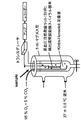
SHR (15~34週齢)の腸間膜動脈を摘出し、螺旋状に切開して標本を作成した。Krebs-Henseleit栄養液 {(120 mM NaCl, 4.7 mM KCl, 1.2 mM MgSO4, 1.2 mM KH2PO4, 2.5 mM CaCl2, 25 mM NaHCO3, 10 mM Glucose)、37 ℃、5 % CO2、95 % O2混合ガス飽和}を満たしたマグヌス管中にこの標本を懸垂し、その張力 (緊張)変化を歪みトランスデューサー (三栄)を介してポリグラフ上に記録した (図1)。
SHR (15~34週齢)の腸間膜動脈を摘出し、螺旋状に切開して標本を作成した。Krebs-Henseleit栄養液 {(120 mM NaCl, 4.7 mM KCl, 1.2 mM MgSO4, 1.2 mM KH2PO4, 2.5 mM CaCl2, 25 mM NaHCO3, 10 mM Glucose)、37 ℃、5 % CO2、95 % O2混合ガス飽和}を満たしたマグヌス管中にこの標本を懸垂し、その張力 (緊張)変化を歪みトランスデューサー (三栄)を介してポリグラフ上に記録した (図1)。
実験では、腸間膜動脈標本をあらかじめフェニレフリン (血管収縮剤)で収縮させ、その後各ペプチドを添加して添加後の反応を観察した。また、L-NAMEはペプチド投与約60分前、その他各アンタゴニストはペプチド投与約20分前に添加した。
(iii)非観血的血圧測定実験(Tail-cuff法)
無麻酔下のSHRの収縮期血圧をTail-cuff法(MK-2000、室町機械)を用いて測定した。約3週間Tail-cuff装置でトレーニングをした動物を本実験に用いた。各ペプチドを生理食塩水に溶解し、メタルゾンデを用いて強制的に経口投与した。血圧測定は、投与直前および2,4時間後に行った。また、各アンタゴニストは経口投与を行う直前に腹腔内投与した。
無麻酔下のSHRの収縮期血圧をTail-cuff法(MK-2000、室町機械)を用いて測定した。約3週間Tail-cuff装置でトレーニングをした動物を本実験に用いた。各ペプチドを生理食塩水に溶解し、メタルゾンデを用いて強制的に経口投与した。血圧測定は、投与直前および2,4時間後に行った。また、各アンタゴニストは経口投与を行う直前に腹腔内投与した。
(iv)摂食実験
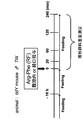
7週齢の雄性ddYマウスを18時間絶食させたあと、RFを生理的食塩水に溶解し腹腔内もしくは経口投与した。投与と同時に固形飼料を与え、経時的(20、60、120、240分)に重量を測定し摂食量を算出した。(図2)
(v)ペプチド
実施例で用いたペプチドはペプチド合成の常法に従い製造し、マススペクトルにより目的のペプチドが得られたことを確認した。
7週齢の雄性ddYマウスを18時間絶食させたあと、RFを生理的食塩水に溶解し腹腔内もしくは経口投与した。投与と同時に固形飼料を与え、経時的(20、60、120、240分)に重量を測定し摂食量を算出した。(図2)
(v)ペプチド
実施例で用いたペプチドはペプチド合成の常法に従い製造し、マススペクトルにより目的のペプチドが得られたことを確認した。
(2)結果
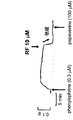
Arg-Phe (RF)は従来の食品由来の生理活性ペプチドと比較し、強力な動脈弛緩作用を示すことを見出した(図3)。RFのアンジオテンシンI変換酵素(ACE)阻害活性はIC50>100 μMであり、従来のACE阻害による作用機構とは全く異なることが明らかとなった。さらに、構造-活性相関を検討したところ、Arg-Trp (RW)およびArg-Tyr (RY)などアルギニンと芳香族アミノ酸からなるジペプチドが同様に強力な動脈弛緩作用を示すことを明らかにした(図4)。この実験条件では構成アミノ酸のアルギニンは動脈弛緩作用を示さず(図4)、また、フェニルアラニン、チロシン、トリプトファンなどの芳香族アミノ酸も動脈弛緩作用を示さなかった。また、Arg-Tyrのアルギニン残基をリジン残基に置換しても失活した(図5)。なお、アミノ酸配列を入れ替えたレトロ体には強力な動脈弛緩作用は認められなかった。したがって、強力な動脈弛緩作用にはArg-(芳香族アミノ酸)という構造が重要であることが判明した。Arg-Ile、Arg-Leuなどアルギニンと分岐鎖アミノ酸からなるジペプチドにも弱い動脈弛緩作用が認められた(図5)。
Arg-Phe (RF)は従来の食品由来の生理活性ペプチドと比較し、強力な動脈弛緩作用を示すことを見出した(図3)。RFのアンジオテンシンI変換酵素(ACE)阻害活性はIC50>100 μMであり、従来のACE阻害による作用機構とは全く異なることが明らかとなった。さらに、構造-活性相関を検討したところ、Arg-Trp (RW)およびArg-Tyr (RY)などアルギニンと芳香族アミノ酸からなるジペプチドが同様に強力な動脈弛緩作用を示すことを明らかにした(図4)。この実験条件では構成アミノ酸のアルギニンは動脈弛緩作用を示さず(図4)、また、フェニルアラニン、チロシン、トリプトファンなどの芳香族アミノ酸も動脈弛緩作用を示さなかった。また、Arg-Tyrのアルギニン残基をリジン残基に置換しても失活した(図5)。なお、アミノ酸配列を入れ替えたレトロ体には強力な動脈弛緩作用は認められなかった。したがって、強力な動脈弛緩作用にはArg-(芳香族アミノ酸)という構造が重要であることが判明した。Arg-Ile、Arg-Leuなどアルギニンと分岐鎖アミノ酸からなるジペプチドにも弱い動脈弛緩作用が認められた(図5)。
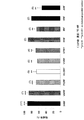
さらに、Arg-(芳香族アミノ酸)配列は食品タンパク質の一次構造中に多数存在することから、本アミノ酸配列を有する低分子ペプチドの動脈弛緩作用を検討した。コメグルテリン由来のIle-His-Arg-Phe(IHRF)、Val-Pro-Arg-Tyr (VPRY)、大豆β-コングリシニン由来のPro-Gly-Arg-Phe (PGRF)、大豆グリシニン由来のVal-His-Arg-Phe (VHRF)が動脈弛緩作用を示すことを新たに見出した(図6)。His-Arg-Phe (HRF)、Ile-Arg-Phe (IRF)、Val-Arg-Phe (VRF)、Ala-Arg-Phe (ARF)も動脈弛緩作用を示すことがわかった。すなわち、Arg-(芳香族アミノ酸)の動脈弛緩活性において、N-末端側への鎖長延長は許容されることが明らかとなった。
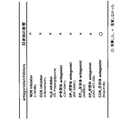
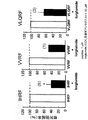
特に、Arg-(芳香族アミノ酸)の中で最も強力な動脈弛緩作用を示すRFに着目し作用機構を検討した。RFの動脈弛緩作用はCCKの受容体サブタイプのひとつであるCCK1受容体のアンタゴニストlorglumideにより阻害された(図7)。さらにRFはCCK1受容体には親和性を示さないことが明らかとなった。したがって、RFの動脈弛緩作用はCCKの放出、およびCCK1受容体の活性化を介していることが明らかになった。なお、従来の主な内因性血管弛緩因子として知られている一酸化窒素およびプロスタグランジン類は関与していないことが、一酸化窒素合成酵素阻害剤L-NAME、シクロオキシゲナーゼ阻害剤indomethacinおよび各種プロスタグランジン受容体のアンタゴニストを用いた実験により明らかになった(図8)。さらに、RYおよびRWも同様に、CCK1受容体に親和性を示さないが、これらの動脈弛緩作用はCCK1受容体アンタゴニストlorglumideで阻害されることを明らかにし、CCK遊離を介した動脈弛緩作用を示すことを見出した(図9)。また、コメグルテリン由来のIle-His-Arg-Phe(IHRF)、および卵白アルブミン由来のVal-Val-Arg-Phe(VVRF)、大豆β-コングリシニン由来のVal-Leu-Gln-Arg-Phe (VLQRF)による動脈弛緩作用もlorglumideで阻害されることから(図10)、Arg-(芳香族アミノ酸)からなるジペプチドと同じ作用機構を介しているものと考えられる。
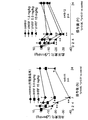
さらに、Arg-(芳香族アミノ酸)配列を含む低分子ペプチドの血圧降下作用について検討した。RFは経口投与で血圧降下作用を示した(図11)。さらに、RFによる血圧降下作用はlorglumideで阻害されることから、RFの血圧降下作用にはCCK遊離-CCK1受容体活性化を介した動脈弛緩作用が関与していることが判明した(図11)。なお、コメグルテリン由来のIHRFならびに大豆由来VHRFを経口投与したところ血圧低下が認められた(図12)。なお、RFよりも持続的、かつ強力な血圧降下作用を示した。
実施例2
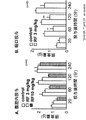
CCKは内因性摂食抑制ホルモンであり、その分泌が刺激されると満腹感を惹起することが知られている。RFはCCK1受容体の活性化作用があることから摂食抑制作用を有する可能性が考えられる(図14)。マウスを用いた摂食実験により検討した結果、RFは、マウスへの腹腔内および経口投与により摂食抑制作用を示すことが明らかになった(図13)。腹腔内投与では10 mg/kg、経口投与では3 mg/kgで有意な作用を示した。また、CCK分泌能を有する腸内分泌細胞として知られるSTC-1では、細胞内Ca2+濃度上昇後にCCK分泌を促進する。RFならびにIHRFをSTC-1細胞の培養液中に添加したところCa2+濃度が認められ、実際にCCK遊離が促進しているものと考えられる(図15)。また、RFのメディエーターであるCCKは、摂食抑制作用に加えて消化管運動抑制作用を有することが知られている。消化管運動に及ぼす影響を検討したところ(図16、17)、RFの経口投与により消化管内での色素の移動距離が有意に抑制されることがわかり、RFは摂食抑制作用と消化管運動を併せ持つことが判明した。この実験結果はRFのメディエーターがCCKであることと一致する。
CCKは内因性摂食抑制ホルモンであり、その分泌が刺激されると満腹感を惹起することが知られている。RFはCCK1受容体の活性化作用があることから摂食抑制作用を有する可能性が考えられる(図14)。マウスを用いた摂食実験により検討した結果、RFは、マウスへの腹腔内および経口投与により摂食抑制作用を示すことが明らかになった(図13)。腹腔内投与では10 mg/kg、経口投与では3 mg/kgで有意な作用を示した。また、CCK分泌能を有する腸内分泌細胞として知られるSTC-1では、細胞内Ca2+濃度上昇後にCCK分泌を促進する。RFならびにIHRFをSTC-1細胞の培養液中に添加したところCa2+濃度が認められ、実際にCCK遊離が促進しているものと考えられる(図15)。また、RFのメディエーターであるCCKは、摂食抑制作用に加えて消化管運動抑制作用を有することが知られている。消化管運動に及ぼす影響を検討したところ(図16、17)、RFの経口投与により消化管内での色素の移動距離が有意に抑制されることがわかり、RFは摂食抑制作用と消化管運動を併せ持つことが判明した。この実験結果はRFのメディエーターがCCKであることと一致する。
CCK放出作用を示す5残基ペプチドのエンテロスタチン(Val-Pro-Asp-Pro-Arg, VPDPR)が学習促進作用を示すことから、同様にCCK放出作用を示すRFにも記憶学習促進作用が期待できる。
Claims (13)
- Arg-(芳香族アミノ酸)配列を含む摂食抑制ペプチド。
- Arg-(芳香族アミノ酸)配列を含む抗肥満ペプチド。
- Arg-(芳香族アミノ酸)配列を含む動脈弛緩ペプチド。
- Arg-(芳香族アミノ酸)配列を含む血圧降下ペプチド。
- Arg-(芳香族アミノ酸)配列を含むメタボリックシンドローム予防用ペプチド。
- RF、IHRF、VHRF、PGRF、VLQRF、VVRF、VPRF、HRF、IRF、VRF及びARFからなる群から選ばれるいずれかのペプチドである請求項1~5のいずれかに記載のペプチド。
- RFである請求項6に記載のペプチド。
- 請求項1~7のいずれかのペプチドからなる摂食抑制剤、抗肥満剤、動脈弛緩剤、血圧降下剤もしくはメタボリックシンドローム予防剤。
- コレシストキニン(CCK)を遊離促進し、CCK1受容体を活性化するArg-(芳香族アミノ酸)を含む低分子ペプチド。
- RF、IHRF、VHRF、PGRF、VLQRF、VVRF、VPRF、HRF、IRF、VRF及びARFからなる群から選ばれるいずれかのペプチドである請求項9に記載のペプチド。
- RFである請求項10に記載のペプチド。
- 請求項9~11のいずれかに記載の低分子ペプチドを添加することを特徴とする、メタボリックシンドローム予防用食品。
- 請求項9~11のいずれかに記載の低分子ペプチドからなる食欲調節用の食品添加物。
Priority Applications (1)
| Application Number | Priority Date | Filing Date | Title |
|---|---|---|---|
| JP2012545754A JPWO2012070554A1 (ja) | 2010-11-22 | 2011-11-22 | ペプチド |
Applications Claiming Priority (2)
| Application Number | Priority Date | Filing Date | Title |
|---|---|---|---|
| JP2010260162 | 2010-11-22 | ||
| JP2010-260162 | 2010-11-22 |
Publications (1)
| Publication Number | Publication Date |
|---|---|
| WO2012070554A1 true WO2012070554A1 (ja) | 2012-05-31 |
Family
ID=46145896
Family Applications (1)
| Application Number | Title | Priority Date | Filing Date |
|---|---|---|---|
| PCT/JP2011/076862 Ceased WO2012070554A1 (ja) | 2010-11-22 | 2011-11-22 | ペプチド |
Country Status (2)
| Country | Link |
|---|---|
| JP (1) | JPWO2012070554A1 (ja) |
| WO (1) | WO2012070554A1 (ja) |
Cited By (3)
| Publication number | Priority date | Publication date | Assignee | Title |
|---|---|---|---|---|
| WO2021174048A1 (en) | 2020-02-28 | 2021-09-02 | Kallyope, Inc. | Gpr40 agonists |
| CN114456232A (zh) * | 2021-11-09 | 2022-05-10 | 中国科学院动物研究所 | 抑制饮食性肥胖的药物及其所用多肽 |
| US11512065B2 (en) | 2019-10-07 | 2022-11-29 | Kallyope, Inc. | GPR119 agonists |
Citations (6)
| Publication number | Priority date | Publication date | Assignee | Title |
|---|---|---|---|---|
| JPH04202199A (ja) * | 1990-11-29 | 1992-07-22 | Nippon Synthetic Chem Ind Co Ltd:The | 新規ペプチド、それを製造する方法及び用途 |
| JPH06166697A (ja) * | 1992-12-01 | 1994-06-14 | Senmi Ekisu Kk | 新規ペプチド、その製法及び用途 |
| JPH06277091A (ja) * | 1993-03-26 | 1994-10-04 | Nippon Synthetic Chem Ind Co Ltd:The | 新規ペプチド、それを製造する方法及び用途 |
| JP2003238387A (ja) * | 2002-02-15 | 2003-08-27 | Sederma Sa | 目の下のたるみおよびくまを緩和するための皮膚外用剤組成物 |
| JP2004010569A (ja) * | 2002-06-10 | 2004-01-15 | Kozo Asano | コレシシトキニン分泌促進活性を有するアルギニン含有ペプチドおよびこれを含有する食品。 |
| JP2009221193A (ja) * | 2008-02-22 | 2009-10-01 | Gekkeikan Sake Co Ltd | 抗酸化剤及び肝機能障害抑制剤 |
-
2011
- 2011-11-22 WO PCT/JP2011/076862 patent/WO2012070554A1/ja not_active Ceased
- 2011-11-22 JP JP2012545754A patent/JPWO2012070554A1/ja active Pending
Patent Citations (6)
| Publication number | Priority date | Publication date | Assignee | Title |
|---|---|---|---|---|
| JPH04202199A (ja) * | 1990-11-29 | 1992-07-22 | Nippon Synthetic Chem Ind Co Ltd:The | 新規ペプチド、それを製造する方法及び用途 |
| JPH06166697A (ja) * | 1992-12-01 | 1994-06-14 | Senmi Ekisu Kk | 新規ペプチド、その製法及び用途 |
| JPH06277091A (ja) * | 1993-03-26 | 1994-10-04 | Nippon Synthetic Chem Ind Co Ltd:The | 新規ペプチド、それを製造する方法及び用途 |
| JP2003238387A (ja) * | 2002-02-15 | 2003-08-27 | Sederma Sa | 目の下のたるみおよびくまを緩和するための皮膚外用剤組成物 |
| JP2004010569A (ja) * | 2002-06-10 | 2004-01-15 | Kozo Asano | コレシシトキニン分泌促進活性を有するアルギニン含有ペプチドおよびこれを含有する食品。 |
| JP2009221193A (ja) * | 2008-02-22 | 2009-10-01 | Gekkeikan Sake Co Ltd | 抗酸化剤及び肝機能障害抑制剤 |
Non-Patent Citations (2)
| Title |
|---|
| MASAAKI YOSHIKAWA ET AL.: "'Kinosei Shokuhin no Kenkyu' (Dai 7 Kai) Shokubutsu Tanpakushitsu kara Hasei suru Ko Fuan Peptide", FOODS RESEARCH, vol. 633, 2008, pages 33 - 37 * |
| ZHAO, H. ET AL.: "Rubisco Yurai no Takinosei Ketsuatsu Koka Peptide MRW no Sayo Kiko", JAPAN SOCIETY FOR BIOSCIENCE, BIOTECHNOLOGY, AND AGROCHEMISTRY 2007 NENDO TAIKAI KOEN YOSHISHU, 2007, pages 112 - 2B01P04 * |
Cited By (5)
| Publication number | Priority date | Publication date | Assignee | Title |
|---|---|---|---|---|
| US11512065B2 (en) | 2019-10-07 | 2022-11-29 | Kallyope, Inc. | GPR119 agonists |
| WO2021174048A1 (en) | 2020-02-28 | 2021-09-02 | Kallyope, Inc. | Gpr40 agonists |
| US12264171B2 (en) | 2020-02-28 | 2025-04-01 | Kallyope, Inc. | GPR40 agonists |
| CN114456232A (zh) * | 2021-11-09 | 2022-05-10 | 中国科学院动物研究所 | 抑制饮食性肥胖的药物及其所用多肽 |
| CN114456232B (zh) * | 2021-11-09 | 2023-09-29 | 中国科学院动物研究所 | 抑制饮食性肥胖的药物及其所用多肽 |
Also Published As
| Publication number | Publication date |
|---|---|
| JPWO2012070554A1 (ja) | 2014-05-19 |
Similar Documents
| Publication | Publication Date | Title |
|---|---|---|
| US12297240B2 (en) | Peptide | |
| EP2557088B1 (en) | Bioactive peptides | |
| FR2671086A1 (fr) | Peptides opiouides, leur procede de preparation, et composition pharmaceutique contenant ces peptides. | |
| JP5622593B2 (ja) | ペプチドを含む医薬または食品 | |
| JP2007523940A (ja) | 抗高血圧ペプチド | |
| WO2012070554A1 (ja) | ペプチド | |
| JP6958864B2 (ja) | ペプチド | |
| JP6957033B2 (ja) | ペプチド | |
| JP7315161B2 (ja) | ペプチド | |
| JP7339650B2 (ja) | ペプチド | |
| WO2011148972A1 (ja) | 生理活性ペプチドを含む医薬組成物 | |
| WO2021107080A1 (ja) | ペプチド | |
| JP2015209400A (ja) | 新規トリペプチド及びペプチド含有組成物、並びにそれらの使用、それらを有効成分として含有する摂食抑制剤、抗肥満剤、動脈弛緩剤、血圧降下剤、メタボリックシンドローム予防改善剤、又は食欲調節用の食品組成物 | |
| JP2018184367A (ja) | ペプチド | |
| WO2012144546A1 (ja) | 新規ペプチド | |
| JP2019099527A (ja) | ペプチド含有組成物 | |
| JPH03120225A (ja) | 新規ペプチドおよびこれを含有する降圧剤 | |
| HK40085598A (en) | Peptide | |
| JP4570402B2 (ja) | 中枢機能改善剤 |
Legal Events
| Date | Code | Title | Description |
|---|---|---|---|
| 121 | Ep: the epo has been informed by wipo that ep was designated in this application |
Ref document number: 11843681 Country of ref document: EP Kind code of ref document: A1 |
|
| DPE1 | Request for preliminary examination filed after expiration of 19th month from priority date (pct application filed from 20040101) | ||
| ENP | Entry into the national phase |
Ref document number: 2012545754 Country of ref document: JP Kind code of ref document: A |
|
| NENP | Non-entry into the national phase |
Ref country code: DE |
|
| 122 | Ep: pct application non-entry in european phase |
Ref document number: 11843681 Country of ref document: EP Kind code of ref document: A1 |