WO2012070147A1 - 油中のポリ塩化ビフェニルの分析方法 - Google Patents
油中のポリ塩化ビフェニルの分析方法 Download PDFInfo
- Publication number
- WO2012070147A1 WO2012070147A1 PCT/JP2010/071130 JP2010071130W WO2012070147A1 WO 2012070147 A1 WO2012070147 A1 WO 2012070147A1 JP 2010071130 W JP2010071130 W JP 2010071130W WO 2012070147 A1 WO2012070147 A1 WO 2012070147A1
- Authority
- WO
- WIPO (PCT)
- Prior art keywords
- oil
- pcb
- eluate
- phase extraction
- polychlorinated
- Prior art date
- Legal status (The legal status is an assumption and is not a legal conclusion. Google has not performed a legal analysis and makes no representation as to the accuracy of the status listed.)
- Ceased
Links
Images



Classifications
-
- G—PHYSICS
- G01—MEASURING; TESTING
- G01N—INVESTIGATING OR ANALYSING MATERIALS BY DETERMINING THEIR CHEMICAL OR PHYSICAL PROPERTIES
- G01N30/00—Investigating or analysing materials by separation into components using adsorption, absorption or similar phenomena or using ion-exchange, e.g. chromatography or field flow fractionation
- G01N30/02—Column chromatography
- G01N30/04—Preparation or injection of sample to be analysed
- G01N30/06—Preparation
- G01N30/14—Preparation by elimination of some components
-
- G—PHYSICS
- G01—MEASURING; TESTING
- G01N—INVESTIGATING OR ANALYSING MATERIALS BY DETERMINING THEIR CHEMICAL OR PHYSICAL PROPERTIES
- G01N33/00—Investigating or analysing materials by specific methods not covered by groups G01N1/00 - G01N31/00
- G01N33/26—Oils; Viscous liquids; Paints; Inks
- G01N33/28—Oils, i.e. hydrocarbon liquids
- G01N33/2835—Specific substances contained in the oils or fuels
Definitions
- the present invention relates to a method for analyzing polychlorinated biphenyl (PCB) in oil.
- PCB Polychlorinated biphenyl
- properties such as heat resistance, electrical insulation, chemical stability, etc., so insulating oil for electrical equipment (transformers, capacitors, etc.), heat medium / refrigerant for cooling equipment, etc.
- oil insulating oil for electrical equipment (transformers, capacitors, etc.), heat medium / refrigerant for cooling equipment, etc.
- oil it was used in a wide range of fields.
- it is highly toxic to the living body and causes problems such as carcinogenicity, skin disorders, visceral disorders, and hormonal abnormalities. Therefore, manufacturing, import and new use were prohibited from 1972, but some of the electrical equipment etc. that are not using PCB produced after that are contaminated with a small amount of PCB in Japan. It has become clear that there are millions of units in the world, which is a social problem.
- PCB waste specially controlled industrial waste
- storage companies must detoxify PCB waste and dispose of it properly according to the PCB Special Measures Law.
- PCB concentration in the oil is 0.5 mg / kg or less, it can be processed as normal waste, so it is important to check the PCB concentration in the oil in order to reduce the processing cost. .
- Non-Patent Document 1 As a method of analyzing the PCB concentration 0.5 mg / kg in oil as a reference value with high accuracy, “1992 Ministry of Health and Welfare Notification No. 192 Attached Table 2” (Non-Patent Document 1, hereinafter referred to as “Notification Method”) is is there.
- DMSO / hexane distribution, alkali treatment, sulfuric acid treatment, silica gel column treatment, etc. are combined to perform a complicated pretreatment operation for 13 hours or more. Therefore, human error due to skill level is large, it is difficult to ensure measurement accuracy, and the analysis cost is high, so it is not practical to analyze millions of samples.
- Non-Patent Document 2 “NEC Association, Analytical Rules for Polychlorinated Biphenyl (PCB) in Insulating Oil (JEAC 1201-1991)”
- Non-Patent Document 2 is silica gel column chromatography, sulfuric acid treatment, silica gel / florisil bilayer. The oil is separated and purified by column chromatography.
- Patent Document 1 there is a method in which a sample is separated and purified by silica gel / florisil bilayer column chromatography and then combined with sulfuric acid treatment or neutralization treatment.
- silica gel is highly likely to be contaminated with trace amounts of dioxins and PCBs depending on storage conditions and handling atmosphere.
- JIS K 0311, JIS K 0312, etc. describe that it is washed with toluene before use.
- this operation is complicated and time consuming, it is necessary to omit the cleaning operation.
- separation and purification using normal phase fillers with silica gel or florisil show similar elution behavior of oil and PCB. The oil and PCB could not be completely separated.
- Patent Literature 2 2 a method for continuously processing multiple samples by automation using a separation column for liquid chromatography packed with copolymer particles containing divinylbenzene and methacrylate organic monomers as monomer components (Patent Literature) 2) has been proposed, but since an automation device is used, a high cost is required for capital investment and maintenance of the automation device.
- An object of the present invention is to solve such a conventional problem, and to provide a method for analyzing PCBs in oil that is quicker and simpler, has higher analysis accuracy, and is less expensive.
- the present application includes a plurality of means for solving the above-mentioned problems.
- a polychlorinated biphenyl analysis method for measuring the concentration of polychlorinated biphenyl in oil which includes polychlorinated biphenyl as pretreatment.
- a sample of oil containing water is allowed to flow down to a solid-phase extraction column packed with copolymer particles containing divinylbenzene and methacrylate organic monomers as monomer components, and the sample is brought into contact with the particles to separate polychlorinated biphenyl and oil.
- a step of obtaining an eluate containing polychlorinated biphenyl is obtained from a solid-phase extraction column packed with copolymer particles containing divinylbenzene and methacrylate organic monomers as monomer components.
- an oil sample containing PCB is dropped onto a solid phase extraction column filled with copolymer particles containing divinylbenzene and methacrylate organic monomers as monomer components, and the copolymer particles are used as a filler for copolymer particles.
- the PCB and other oils are separated by impregnating and bringing the sample into contact with the filler particles. Thereafter, the eluate containing PCB is subjected to sulfuric acid treatment, neutralization, dehydration, concentration, etc. as necessary, and a low-concentration PCB contained in the oil, for example, a PCB having a standard value of 0.5 mg / kg is obtained. It becomes possible to perform analysis with higher accuracy, efficiency and speed.
- the pretreatment time for one specimen according to the present invention is about 60 minutes, which can be shortened by 12.5 hours compared to the conventional notification method, and simultaneously can treat multiple specimens. Furthermore, the amount of reagent used for the pretreatment is about 120 mL, and the amount of reagent can be reduced by 930 mL compared to the conventional notification method. Since the instrument used for the pretreatment is used for general chemical analysis, a large capital investment is not required and the analysis cost is low. Problems, configurations, and effects other than those described above will be clarified by the following description of the embodiments.
- FIG. 1 is a schematic configuration diagram of a solid phase extraction column packed with copolymer particles containing, as monomer components, divinylbenzene and a methacrylate organic monomer having a diol type hydroxyl group in Example 1. It is a gas chromatogram which shows the result of having investigated the elution presence or absence of the contaminating component originating in the filler of the particle
- the present invention relates to a polychlorinated biphenyl analysis method for measuring the concentration of polychlorinated biphenyl in oil.
- an oil sample containing polychlorinated biphenyl is used as a monomer component with divinylbenzene and a methacrylate organic monomer.
- the oil sample is dropped onto the copolymer particles (filler) filled in the solid phase extraction column and the sample is soaked in the filler. be able to.
- the obtained eluate is then subjected to sulfuric acid treatment, neutralization, dehydration, concentration, etc. as necessary, and the concentration of polychlorinated biphenyl is measured by a technique such as gas chromatography.
- the oil to be analyzed is an oily liquid such as an insulating oil, a vegetable oil, an animal oil, a synthetic oil, a cleaning oil, or an organic solvent suspected of containing polychlorinated biphenyl.
- insulating oil is used in electrical equipment (transformers, capacitors, etc.), and main components include mineral oil, alkylbenzene, polybutene, alkylnaphthalene, alkyldiphenylalkane, silicone oil, and the like.
- PCB Polychlorinated biphenyl refers to many types of chlorinated biphenyls produced by chlorinating biphenyl. There are 10 types of homologues from biphenyl monochloride to biphenyl dechloride. It includes 209 isomers that may exist due to the difference in position.
- methacrylate organic monomer in the copolymer methacrylate substituted with an amino group, a hydroxyl group, a group that can be converted into a diol type hydroxyl group, or the like can be used in addition to an alkyl methacrylate such as methyl methacrylate or ethyl methacrylate.
- the above-mentioned copolymer having a diol type hydroxyl group is preferably used because of its excellent ability to separate PCBs.
- the diol type hydroxyl group is preferably a 2,3-diol type with respect to the alcohol moiety.
- FIG. 1 shows an example of the molecular structure of such a copolymer.
- FIG. 1 is a copolymer of 2,3-dihydroxypropyl methacrylate (glycerin monomethacrylate) and divinylbenzene, and the thick line indicates a bond with another monomer unit or a cross-linking bond with another molecular chain.
- the copolymerization ratio of divinylbenzene and methacrylate-based organic monomer is not particularly limited, and generally the ratio of divinylbenzene is about 0.2 to 0.8 when the molar ratio is 1 as a whole. In some cases, monomers other than divinylbenzene and methacrylate organic monomers may be included as structural units.
- third monomer components examples include styrene, organic monomers having two or more double bonds, and the like. Can be mentioned.
- the ratio of the third monomer component in the copolymer is preferably less than 10% in terms of molar ratio.
- solid phase filler Novias RP-SG1 (trade name) manufactured by Hitachi High-Technologies Corporation.
- the particle diameter of the copolymer particles can be 3 to 100 ⁇ m, and is preferably about 5 to 50 ⁇ m, as in the case of general packing materials for solid phase extraction columns.
- the porosity of the particles is not limited, but preferably has a specific surface area of about 100 to about 500 m 2 / g and a diameter of about 10 to about 1000 mm as measured by a gas adsorption method. .
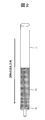
- FIG. 2 is a schematic configuration diagram of a solid phase extraction column packed with copolymer particles (filler) containing divinylbenzene and a methacrylate organic monomer having a diol type hydroxyl group as a monomer component.
- This solid phase extraction column was prepared by the following procedure.
- Nobles RP-SG1 (trade name, manufactured by Hitachi High-Technologies Corporation, divinyl, which is a packing material 2, is filled with a filter 3 made of glass wool at the bottom of a solid phase extraction column tube 1 (inner diameter: 14 mm, length: 200 mm).
- the solid phase extraction column tube 1 was filled with 3 g of a benzene / methacrylate copolymer, the functional groups were —Ph and —OH groups, and the particle size was 60 ⁇ m. Subsequently, the solid phase extraction column was conditioned. Conditioning means activating functional groups on the particle surface of the filler to prepare for efficiently separating the PCB from the oil sample, and at the same time, the filler can be washed.
- FIG. 3 shows gas chromatograms of these solutions with an electron capture detector and measurement conditions.
- the solid phase extraction column eluate blank and hexane blank solution showed similar gas chromatogram peak shapes.
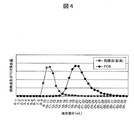
- FIG. 4 shows the results of examining the separation and purification effect of insulating oil and PCB. Insulating oil was eluted in 8-16 mL and PCB was eluted in 15-33 mL fractions. From this result, it became clear that insulating oil and PCB can be separated by using the solid phase extraction column of FIG.
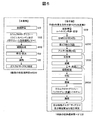
- FIG. 5 shows an operation flow according to the PCB analysis method of the present invention and the conventional notification method.
- a sample of insulating oil having a PCB concentration in the oil of 0.5 mg / kg as a reference value pretreatment was performed to recover an eluate containing only PCB, and the PCB recovery rate was confirmed.
- about 0.1 g of a sample of insulating oil is accurately weighed into a clean test tube.
- the measured insulating oil sample was diluted with 1 mL of hexane, dropped onto the top of the packing 2 of the conditioned solid-phase extraction column, and soaked in the packing 2 by natural flow.
- FIG. 6 shows a gas chromatogram with an electron capture detector for a PCB eluate obtained from insulating oil and a PCB standard solution.
- the chromatogram of the PCB eluate obtained by performing the pretreatment of the present invention showed a peak shape equivalent to that of the PCB standard solution because the insulating oil that interfered with the measurement was removed.
- the pretreatment time for one specimen was about 60 minutes, which was 12.5 hours shorter than the conventional notification method.
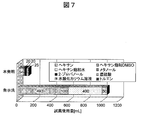
- the amount of reagent used in the operation of the present invention was about 120 mL, and the amount of reagent was reduced by 930 mL compared to the conventional notification method.
- this invention is not limited to each above-mentioned embodiment, Various modifications are included. That is, a part of the configuration of an embodiment can be replaced with the configuration of another embodiment, and the configuration of another embodiment can be added to the configuration of an embodiment. It is also possible to delete a part of the configuration of each embodiment.
- the glass solid-phase extraction column tube 1 is used, but is not limited to this, and may be made of polytetrafluoroethylene or polypropylene.
- the filter 3 to be packed at the bottom of the solid phase extraction column tube 1 may be a polytetrafluoroethylene filter or the like in addition to the above glass wool.
- each of the obtained PCB eluate is subjected to sulfuric acid treatment, neutralization, dehydration, and concentration treatment.
- the PCB concentration of the oil is a high concentration close to 100%. In some cases, some or all of each process can be omitted.
Landscapes
- Chemical & Material Sciences (AREA)
- Health & Medical Sciences (AREA)
- Life Sciences & Earth Sciences (AREA)
- Biochemistry (AREA)
- Engineering & Computer Science (AREA)
- Pathology (AREA)
- Immunology (AREA)
- General Physics & Mathematics (AREA)
- General Health & Medical Sciences (AREA)
- Physics & Mathematics (AREA)
- Analytical Chemistry (AREA)
- Oil, Petroleum & Natural Gas (AREA)
- Medicinal Chemistry (AREA)
- Food Science & Technology (AREA)
- General Chemical & Material Sciences (AREA)
- Chemical Kinetics & Catalysis (AREA)
- Other Investigation Or Analysis Of Materials By Electrical Means (AREA)
- Sampling And Sample Adjustment (AREA)
Abstract
より迅速かつ簡易で、分析精度が高く、より安価な、油中のPCBの分析方法を提供することを目的とする。 油中のポリ塩化ビフェニルの濃度を測定するポリ塩化ビフェニルの分析方法であって、前処理として、ポリ塩化ビフェニルを含む油の試料を、ジビニルベンゼン及びメタクリレート系有機モノマーをモノマー成分として含む共重合体の粒子を充填した固相抽出カラムに流下させ、粒子に試料を接触させてポリ塩化ビフェニルと油とを分離し、ポリ塩化ビフェニルを含む溶出液を得る工程を含むことを特徴とする。得られたポリ塩化ビフェニルを含む溶出液は、その後、硫酸処理、中和、脱水、濃縮等の処理を行う。
Description
本発明は、油中のポリ塩化ビフェニル(PCB)の分析方法に関する。
ポリ塩化ビフェニル(以下、PCBという)は、耐熱性、電気絶縁性、化学的安定性等の性質を有するため、電気機器(トランス、コンデンサ等)の絶縁油や冷却機器の熱媒・冷媒等(以下、総称して「油」という)、幅広い分野に使用されていた。しかし、生体に対する毒性が高く、発がん性、皮膚障害、内臓障害、ホルモン異常等を引き起こす問題がある。そのため、1972年から製造・輸入及び新たな使用が禁止されたが、それ以降に生産されたPCBを使用していないとする電気機器等の中にも、微量のPCBに汚染されたものが国内に数百万台存在することが明らかとなり社会問題となっている。
PCBに汚染された電気機器等は、PCB廃棄物(特別管理産業廃棄物)に該当し、PCB特別措置法に従って保管事業者はPCB廃棄物を無害化処理し適正に処分しなければならない。無害化処理施設へ処分を委託する場合、受け入れ条件として当該電気機器等がPCBにより汚染されているか否か確認する必要がある。また、油中のPCB濃度が0.5mg/kg以下であれば、通常の廃棄物として処理が可能であるため、処理コストを低減する上でも油中のPCB濃度を確認することが重要である。
基準値となる油中のPCB濃度0.5mg/kgを高精度に分析する方法として、「平成4年厚生省告示第192号別表第2」(非特許文献1、以下「告示法」という)がある。分析の妨害となるPCB以外の油分を除去するために、DMSO/ヘキサン分配、アルカリ処理、硫酸処理、シリカゲルカラム処理等を組み合わせ、13時間以上にも及ぶ複雑な前処理操作を行う方法である。それゆえ、熟練度合による人的誤差が大きく、測定精度を確保することが困難であり、分析費用も高額であるため数百万台の検体の分析を行うことは実現的ではなかった。
これに対し、油中のPCBをより簡便に分析する方法として、シリカゲルやフロリジル等の順相系充填剤を組み合わせて使用する方法が種々提案されている。例えば、「日本電気協会、絶縁油中のポリ塩素化ビフェニル(PCB)の分析方法規定(JEAC 1201-1991)」(非特許文献2)は、シリカゲルカラムクロマトグラフィー、硫酸処理、シリカゲル/フロリジル二層カラムクロマトグラフィーにより油の分離精製を行うものである。また、より簡易的な方法として、シリカゲル/フロリジル二層カラムクロマトグラフィーにより試料を分離精製後、硫酸処理や中和処理を併用する方法(特許文献1)等がある。しかし、シリカゲルは、保管条件や取扱い雰囲気によって微量のダイオキシンやPCBに汚染されてしまう可能性が高い。また、シリカゲル由来の夾雑成分を除去することも重要であり、JIS K 0311、JIS K 0312等では使用前にトルエンで洗浄することが記載されている。しかし、この操作は煩雑で時間も要するため、洗浄操作の省略が必要である。また、PCB廃棄物の主成分である油の物理化学的性状がPCBと類似しているため、シリカゲルやフロリジルによる順相系充填剤を使用した分離精製では油とPCBが類似した溶出挙動を示し、油とPCBとを完全に分離することができなかった。そのため、油の分離精製を行うことができる新たな充填剤の開発が望まれていた。これを解決する手段として、ジビニルベンゼン及びメタクリレート系有機モノマーをモノマー成分として含む共重合体の粒子を充填した液体クロマトグラフ用分離カラムを用い、自動化により多検体を連続的に処理する方法(特許文献2)が提案されているが、自動化装置を用いるため設備投資や自動化装置の維持に高額な費用が必要となる。
平成4年厚生省告示第192号別表第2
日本電気協会、絶縁油中のポリ塩素化ビフェニル(PCB)の分析方法規定(JEAC 1201-1991)
本発明は、このような従来の問題を解決し、より迅速かつ簡易で、分析精度が高く、より安価な、油中のPCBの分析方法を提供することを目的とする。
上記課題を解決するために、例えば特許請求の範囲に記載の構成を採用する。本願は上記課題を解決する手段を複数含んでいるが、その一例を挙げるならば、油中のポリ塩化ビフェニルの濃度を測定するポリ塩化ビフェニルの分析方法であって、前処理として、ポリ塩化ビフェニルを含む油の試料を、ジビニルベンゼン及びメタクリレート系有機モノマーをモノマー成分として含む共重合体の粒子を充填した固相抽出カラムに流下させ、粒子に試料を接触させてポリ塩化ビフェニルと油とを分離し、ポリ塩化ビフェニルを含む溶出液を得る工程を含むことを特徴とする。
本発明によれば、ジビニルベンゼン及びメタクリレート系有機モノマーをモノマー成分として含む共重合体の粒子を充填した固相抽出カラムに、PCBを含む油の試料を滴下して共重合体粒子の充填剤に染み込ませ、試料を充填剤の粒子に接触させることでPCBとそれ以外の油分とが分離される。その後、PCBを含む溶出液について、必要に応じ硫酸処理、中和、脱水、濃縮等を行い、油中に含まれる低濃度のPCB、例えば基準値である0.5mg/kgの濃度のPCBをより高精度に効率良く、かつ迅速に分析することが可能となる。
また、本発明による1検体の前処理時間は60分程度であり、従来の告示法に比べ12.5時間短縮することができ、同時に多検体処理も可能である。さらに、前処理に使用する試薬量は120mL程度であり、従来の告示法に比べ930mLもの試薬量を削減することができる。前処理に使用する器具等は、一般的な化学分析に用いられるものであるため、多額な設備投資を必要とせず分析費用も安価になる。なお、上記した以外の課題、構成及び効果は、以下の実施形態の説明により明らかにされる。
以下、実施形態に基づき、本発明をより詳細に説明する。
本発明は、油中のポリ塩化ビフェニルの濃度を測定するポリ塩化ビフェニルの分析方法であって、前処理として、ポリ塩化ビフェニルを含む油の試料を、ジビニルベンゼン及びメタクリレート系有機モノマーをモノマー成分として含む共重合体の粒子を充填した固相抽出カラムに流下させ、粒子に試料を接触させてポリ塩化ビフェニルと油とを分離し、ポリ塩化ビフェニルを含む溶出液を得る工程を含むことを特徴とする。固相抽出カラムに流下させる際には、油の試料を、固相抽出カラム内に充填された共重合体の粒子(充填剤)の上部に滴下して試料を充填剤に染み込ませることにより行うことができる。また、得られた溶出液は、その後、必要に応じて硫酸処理、中和、脱水、濃縮等を行い、ガスクロマトグラフィー等の手法によりポリ塩化ビフェニルの濃度を測定する。
分析対象とする油は、ポリ塩化ビフェニルが含まれることが疑われる絶縁油、植物油、動物油、合成油、洗浄油、有機溶剤等の油性液体である。例えば、絶縁油は、電気機器(トランス、コンデンサ等)に用いられ、主な構成成分としては、鉱油、アルキルベンゼン、ポリブデン、アルキルナフタレン、アルキルジフェニルアルカン、シリコーン油等が含まれている。
また、ポリ塩化ビフェニル(PCB)とは、ビフェニルを塩素化して生成する多種類の塩素化ビフェニルを指し、一塩化ビフェニルから十塩化ビフェニルまでの10種類の同族体があり、塩素の置換数や置換位置の違いにより存在し得る209種の異性体を含むものである。
共重合体におけるメタクリレート系有機モノマーとしては、メチルメタクリレート、エチルメタクリレート等のアルキルメタクリレートの他、アミノ基、水酸基、ジオール型水酸基に変換可能な基等で置換されたメタクリレートを用いることができる。特に、ジオール型水酸基を有する上記共重合体は、PCBの分離能に優れるため好ましく用いられる。ここでジオール型水酸基は、アルキルメタクリレートの場合には好ましくはアルコール部分について2,3-ジオール型である。図1に、このような共重合体の分子構造の例を示す。図1は、2,3-ジヒドロキシプロピルメタクリレート(グリセリンモノメタクリレート)と、ジビニルベンゼンとの共重合体であり、太線は他の単量体単位との結合、あるいは他の分子鎖との架橋結合を表している。ジビニルベンゼン及びメタクリレート系有機モノマーの共重合比は特に限定されるものではなく、一般にはジビニルベンゼンの割合が、モル比にして、全体を1として0.2~0.8程度である。また、場合により、ジビニルベンゼン及びメタクリレート系有機モノマー以外のモノマーを構成単位として含んでいても良く、このような第3のモノマー成分の例としてスチレン、二重結合を2個以上有する有機モノマー等が挙げられる。共重合体中の第3のモノマー成分割合は、モル比にして10%未満とすることが好ましい。図1の構造を持つ共重合体粒子の例として、日立ハイテクノロジーズ社製の固相充填剤ノビアスRP-SG1(商品名)を挙げることができる。
共重合体の粒子の粒径は、一般的な固相抽出カラム用の充填剤と同様に、3~100μmのものを用いることができ、5~50μm程度とすることが望ましい。また、粒子の多孔度は、限定されるものではないが、ガス吸着法で測定した値で約100~約500m2/gの比表面積、及び約10~約1000Åの直径孔を有することが好ましい。
次に、実施例に基づき、本発明をさらに詳細に説明する。
(実施例1)
固相抽出カラムの作製
図2は、ジビニルベンゼン及びジオール型水酸基を有するメタクリレート系有機モノマーをモノマー成分として含む共重合体の粒子(充填剤)を充填した固相抽出カラムの概略構成図である。この固相抽出カラムを、以下の手順にて作製した。
固相抽出カラムの作製
図2は、ジビニルベンゼン及びジオール型水酸基を有するメタクリレート系有機モノマーをモノマー成分として含む共重合体の粒子(充填剤)を充填した固相抽出カラムの概略構成図である。この固相抽出カラムを、以下の手順にて作製した。
ガラス製の固相抽出カラム管1(内径14mm、長さ200mm)の底部に、ガラスウールからなるフィルター3を詰め、充填剤2であるノビアスRP-SG1(商品名、日立ハイテクノロジーズ社製、ジビニルベンゼン/メタクリレート共重合体、官能基は-Ph及び-OH基、粒径は60μm)を固相抽出カラム管1内に3g充填した。続いて、固相抽出カラムのコンディショニングを行った。コンディショニングとは、充填剤の粒子表面の官能基を活性化させ、油の試料からPCBを効率良く分離するための準備を行うことであり、同時に充填剤の洗浄も行うことができる。具体的には、図2の固相抽出カラムの上部からメタノール20mLを静かに流下させ、自然流下にてカラムの下部よりメタノールを流出させた。次に、2-プロパノール20mL、及びヘキサン20mLを、この順に固相抽出カラムの上部から静かに流下させ、メタノールと同様の操作により固相抽出カラム下部より流出させることによって充填剤のコンディショニングを行い、前処理のための固相抽出カラムを作製した。
充填剤に由来する夾雑成分の溶出有無の確認
充填剤2に由来する夾雑成分の溶出の有無を、ガスクロマトグラフにて測定し確認した。コンディショニングを行った固相抽出カラムの上部よりヘキサンを静かに流下させ、固相抽出カラムの下部より流出したヘキサン溶出液15mLを回収した。この溶出液を、ロータリーエバポレーターや窒素パージ等を使用して1mLに濃縮し、固相抽出カラム溶出液ブランクとした。この液から2μLをマイクロシリンジで採取し、電子捕獲検出器付きガスクロマトグラフに注入した。比較として、ヘキサン15mLを1mLに濃縮したヘキサンブランク溶液、及びヘキサンにて希釈したPCB標準溶液(濃度0.1mg/L)も電子捕獲検出器付きガスクロマトグラフに2μL注入した。図3に、これらの溶液の電子捕獲検出器付きガスクロマトグラム及び測定条件を示す。固相抽出カラム溶出液ブランクとヘキサンブランク溶液は同様のガスクロマトグラムピーク形状を示した。また、固相抽出カラム溶出液ブランクについて、PCB標準溶液(濃度0.1mg/L)のPCB異性体ピークに重なる夾雑成分は検出されないことから、充填剤2に由来する夾雑成分は溶出しないことを確認した。
充填剤2に由来する夾雑成分の溶出の有無を、ガスクロマトグラフにて測定し確認した。コンディショニングを行った固相抽出カラムの上部よりヘキサンを静かに流下させ、固相抽出カラムの下部より流出したヘキサン溶出液15mLを回収した。この溶出液を、ロータリーエバポレーターや窒素パージ等を使用して1mLに濃縮し、固相抽出カラム溶出液ブランクとした。この液から2μLをマイクロシリンジで採取し、電子捕獲検出器付きガスクロマトグラフに注入した。比較として、ヘキサン15mLを1mLに濃縮したヘキサンブランク溶液、及びヘキサンにて希釈したPCB標準溶液(濃度0.1mg/L)も電子捕獲検出器付きガスクロマトグラフに2μL注入した。図3に、これらの溶液の電子捕獲検出器付きガスクロマトグラム及び測定条件を示す。固相抽出カラム溶出液ブランクとヘキサンブランク溶液は同様のガスクロマトグラムピーク形状を示した。また、固相抽出カラム溶出液ブランクについて、PCB標準溶液(濃度0.1mg/L)のPCB異性体ピークに重なる夾雑成分は検出されないことから、充填剤2に由来する夾雑成分は溶出しないことを確認した。
絶縁油とPCBの分離精製効果の確認
図2の固相抽出カラムを用い、絶縁油とPCBの分離精製効果を確認した。試料として、PCBが混入していない絶縁油(新油)125μL(0.1g相当)を用いた。また、PCBを含む試料として、ヘキサンにて希釈し調製したPCB標準溶液(濃度0.04mg/L)1mLを使用した。絶縁油の溶出画分は以下の方法により確認した。コンディショニングを行った固相抽出カラムの充填剤2の上部に、絶縁油(新油)125μLを滴下し、自然流下により充填剤2に染み込ませた。続いて、固相抽出カラムの上部よりヘキサンを静かに流下し、固相抽出カラムの下部より流出した溶出液を1mLずつ分取し、得られた0~35mLの各溶出液を測定用試料とした。また、PCBの溶出画分を以下の方法により確認した。固相抽出カラムの充填剤2の上部に、PCB標準溶液(濃度0.04mg/L)1mLを滴下し、自然流下により充填剤2に染み込ませた。続いて、固相抽出カラムの上部よりヘキサンを静かに流下し、固相抽出カラムの下部より流出した溶出液を1mLずつ分取し、得られた0~35mLの溶出液を測定用試料とした。これらの絶縁油及びPCBの各溶出液からマイクロシリンジで1μLを採取し、電子捕獲検出器付きガスクロマトグラフに注入した。なお、詳細なガスクロマトグラフの測定条件は図3に示す。図4に、絶縁油とPCBの分離精製効果を調べた結果を示す。絶縁油は8~16mL、PCBは15~33mLの画分に溶出していた。この結果より、図2の固相抽出カラムを用いることで絶縁油とPCBとが分離可能であることが明らかとなった。
図2の固相抽出カラムを用い、絶縁油とPCBの分離精製効果を確認した。試料として、PCBが混入していない絶縁油(新油)125μL(0.1g相当)を用いた。また、PCBを含む試料として、ヘキサンにて希釈し調製したPCB標準溶液(濃度0.04mg/L)1mLを使用した。絶縁油の溶出画分は以下の方法により確認した。コンディショニングを行った固相抽出カラムの充填剤2の上部に、絶縁油(新油)125μLを滴下し、自然流下により充填剤2に染み込ませた。続いて、固相抽出カラムの上部よりヘキサンを静かに流下し、固相抽出カラムの下部より流出した溶出液を1mLずつ分取し、得られた0~35mLの各溶出液を測定用試料とした。また、PCBの溶出画分を以下の方法により確認した。固相抽出カラムの充填剤2の上部に、PCB標準溶液(濃度0.04mg/L)1mLを滴下し、自然流下により充填剤2に染み込ませた。続いて、固相抽出カラムの上部よりヘキサンを静かに流下し、固相抽出カラムの下部より流出した溶出液を1mLずつ分取し、得られた0~35mLの溶出液を測定用試料とした。これらの絶縁油及びPCBの各溶出液からマイクロシリンジで1μLを採取し、電子捕獲検出器付きガスクロマトグラフに注入した。なお、詳細なガスクロマトグラフの測定条件は図3に示す。図4に、絶縁油とPCBの分離精製効果を調べた結果を示す。絶縁油は8~16mL、PCBは15~33mLの画分に溶出していた。この結果より、図2の固相抽出カラムを用いることで絶縁油とPCBとが分離可能であることが明らかとなった。
PCBの分析
図5に、本発明のPCBの分析方法及び従来の告示法による操作フローを示す。油中のPCB濃度が基準値の0.5mg/kgである絶縁油の試料を用い、前処理を行ってPCBのみが含まれる溶出液を回収し、PCBの回収率を確認した。まず、清浄な試験管に絶縁油の試料約0.1gを正確に秤量する。量り取った絶縁油試料をヘキサン1mLで希釈し、コンディショニングを行った固相抽出カラムの充填剤2の上部に滴下して、自然流下により充填剤2に染み込ませた。続いて、固相抽出カラムの上部よりヘキサンを静かに流下し、固相抽出カラムの下部より流出させた。固相抽出カラムの下部より流出した溶出液は試験管を用い0~16mL(計16mL)を正確に受けた。この0~16mLの画分の溶出液(計16mL)は絶縁油の画分範囲となるため廃棄した。次に、清浄な試験管に16~31mLの画分の溶出液(計15mL)を正確に受けPCB溶出液とした。このPCB溶出液に、濃硫酸を加えて10分間振とうさせ、20分間静置してPCB溶出液のヘキサン層(上層)と硫酸層(下層)とに分離させた。下層の硫酸層を除去し、残ったPCB溶出液に水酸化カリウム溶液(0.5mol/L)1mLを加え、軽く振り混ぜてPCB溶出液を中和した。その後、PCB溶出液に硫酸ナトリウムを加え脱水した。そして、PCB溶出液をロータリーエバポレーターや窒素パージ等を使用して1mLに濃縮した。この濃縮液から2μLをマイクロシリンジで採取し、電子捕獲検出器付きガスクロマトグラフに注入した。比較として、PCB標準溶液(0.05mg/L)を電子捕獲検出器付きガスクロマトグラフに2μL注入した。なお、詳細なガスクロマトグラフの測定条件は図3に示す。図6に、絶縁油から得られたPCB溶出液、及びPCB標準溶液についての電子捕獲検出器付きガスクロマトグラムを示す。本発明の前処理を行って得られたPCB溶出液のクロマトグラムは、測定の妨害となる絶縁油が除去されたため、PCB標準溶液のクロマトグラムと同等のピーク形状を示していた。また、PCBの回収率は90%であり、高精度な分析が可能であることが分かった。1検体の前処理時間は60分程度であり、従来の告示法に比べ12.5時間短縮することができた。また、図7に示すように、本発明の操作に使用する試薬量は120mL程度であり、従来の告示法に比べ930mLもの試薬量を削減することができた。
図5に、本発明のPCBの分析方法及び従来の告示法による操作フローを示す。油中のPCB濃度が基準値の0.5mg/kgである絶縁油の試料を用い、前処理を行ってPCBのみが含まれる溶出液を回収し、PCBの回収率を確認した。まず、清浄な試験管に絶縁油の試料約0.1gを正確に秤量する。量り取った絶縁油試料をヘキサン1mLで希釈し、コンディショニングを行った固相抽出カラムの充填剤2の上部に滴下して、自然流下により充填剤2に染み込ませた。続いて、固相抽出カラムの上部よりヘキサンを静かに流下し、固相抽出カラムの下部より流出させた。固相抽出カラムの下部より流出した溶出液は試験管を用い0~16mL(計16mL)を正確に受けた。この0~16mLの画分の溶出液(計16mL)は絶縁油の画分範囲となるため廃棄した。次に、清浄な試験管に16~31mLの画分の溶出液(計15mL)を正確に受けPCB溶出液とした。このPCB溶出液に、濃硫酸を加えて10分間振とうさせ、20分間静置してPCB溶出液のヘキサン層(上層)と硫酸層(下層)とに分離させた。下層の硫酸層を除去し、残ったPCB溶出液に水酸化カリウム溶液(0.5mol/L)1mLを加え、軽く振り混ぜてPCB溶出液を中和した。その後、PCB溶出液に硫酸ナトリウムを加え脱水した。そして、PCB溶出液をロータリーエバポレーターや窒素パージ等を使用して1mLに濃縮した。この濃縮液から2μLをマイクロシリンジで採取し、電子捕獲検出器付きガスクロマトグラフに注入した。比較として、PCB標準溶液(0.05mg/L)を電子捕獲検出器付きガスクロマトグラフに2μL注入した。なお、詳細なガスクロマトグラフの測定条件は図3に示す。図6に、絶縁油から得られたPCB溶出液、及びPCB標準溶液についての電子捕獲検出器付きガスクロマトグラムを示す。本発明の前処理を行って得られたPCB溶出液のクロマトグラムは、測定の妨害となる絶縁油が除去されたため、PCB標準溶液のクロマトグラムと同等のピーク形状を示していた。また、PCBの回収率は90%であり、高精度な分析が可能であることが分かった。1検体の前処理時間は60分程度であり、従来の告示法に比べ12.5時間短縮することができた。また、図7に示すように、本発明の操作に使用する試薬量は120mL程度であり、従来の告示法に比べ930mLもの試薬量を削減することができた。
なお、本発明は上記した各実施形態に限定されるものではなく、様々な変形例が含まれる。すなわち、ある実施形態の構成の一部を他の実施形態の構成に置き換えることが可能であり、また、ある実施形態の構成に他の実施形態の構成を加えることも可能である。また、各実施形態の構成の一部を削除することも可能である。
例えば、上記実施例1においては、ガラス製の固相抽出カラム管1を用いているが、これに限定されず、ポリテトラフルオロエチレン製やポリプロピレン製等であっても良い。また、固相抽出カラム管1の底部に詰めるフィルター3は、上記のガラスウールの他、ポリテトラフルオロエチレン製フィルター等を用いることができる。さらに、上記実施例1においては、得られたPCB溶出液について、硫酸処理、中和、脱水及び濃縮の各処理を行っているが、例えば、油分のPCB濃度が100%に近い高濃度である場合には、各処理の一部又は全部を省略することができる。
1 固相抽出カラム管
2 充填剤
3 フィルター
本明細書で引用した全ての刊行物、特許および特許出願をそのまま参考として本明細書にとり入れるものとする。
2 充填剤
3 フィルター
本明細書で引用した全ての刊行物、特許および特許出願をそのまま参考として本明細書にとり入れるものとする。
Claims (4)
- 油中のポリ塩化ビフェニルの濃度を測定するポリ塩化ビフェニルの分析方法であって、前処理として、ポリ塩化ビフェニルを含む油の試料を、ジビニルベンゼン及びメタクリレート系有機モノマーをモノマー成分として含む共重合体の粒子を充填した固相抽出カラムに流下させ、粒子に試料を接触させてポリ塩化ビフェニルと油とを分離し、ポリ塩化ビフェニルを含む溶出液を得る工程を含む前記分析方法。
- メタクリレート系有機モノマーが、複数の水酸基又は複数の水酸基に変換可能な基を有する請求項1に記載のポリ塩化ビフェニルの分析方法。
- メタクリレート系有機モノマーが、ジオール型水酸基又はジオール型水酸基に変換可能な基を有する請求項1に記載のポリ塩化ビフェニルの分析方法。
- さらに、溶出液の硫酸処理、中和、脱水及び濃縮から選ばれる一以上の工程を含む請求項1~3のいずれかに記載のポリ塩化ビフェニルの分析方法。
Priority Applications (2)
| Application Number | Priority Date | Filing Date | Title |
|---|---|---|---|
| JP2012545581A JP5546644B2 (ja) | 2010-11-26 | 2010-11-26 | 油中のポリ塩化ビフェニルの分析方法 |
| PCT/JP2010/071130 WO2012070147A1 (ja) | 2010-11-26 | 2010-11-26 | 油中のポリ塩化ビフェニルの分析方法 |
Applications Claiming Priority (1)
| Application Number | Priority Date | Filing Date | Title |
|---|---|---|---|
| PCT/JP2010/071130 WO2012070147A1 (ja) | 2010-11-26 | 2010-11-26 | 油中のポリ塩化ビフェニルの分析方法 |
Publications (1)
| Publication Number | Publication Date |
|---|---|
| WO2012070147A1 true WO2012070147A1 (ja) | 2012-05-31 |
Family
ID=46145522
Family Applications (1)
| Application Number | Title | Priority Date | Filing Date |
|---|---|---|---|
| PCT/JP2010/071130 Ceased WO2012070147A1 (ja) | 2010-11-26 | 2010-11-26 | 油中のポリ塩化ビフェニルの分析方法 |
Country Status (2)
| Country | Link |
|---|---|
| JP (1) | JP5546644B2 (ja) |
| WO (1) | WO2012070147A1 (ja) |
Citations (2)
| Publication number | Priority date | Publication date | Assignee | Title |
|---|---|---|---|---|
| JP2009281903A (ja) * | 2008-05-23 | 2009-12-03 | Hitachi High-Technologies Corp | 絶縁油中のポリ塩化ビフェニル類の分析方法及び分析装置 |
| JP2010525931A (ja) * | 2007-03-09 | 2010-07-29 | ジーイー・ヘルスケア・リミテッド | 分離法 |
-
2010
- 2010-11-26 JP JP2012545581A patent/JP5546644B2/ja active Active
- 2010-11-26 WO PCT/JP2010/071130 patent/WO2012070147A1/ja not_active Ceased
Patent Citations (2)
| Publication number | Priority date | Publication date | Assignee | Title |
|---|---|---|---|---|
| JP2010525931A (ja) * | 2007-03-09 | 2010-07-29 | ジーイー・ヘルスケア・リミテッド | 分離法 |
| JP2009281903A (ja) * | 2008-05-23 | 2009-12-03 | Hitachi High-Technologies Corp | 絶縁油中のポリ塩化ビフェニル類の分析方法及び分析装置 |
Also Published As
| Publication number | Publication date |
|---|---|
| JPWO2012070147A1 (ja) | 2014-05-19 |
| JP5546644B2 (ja) | 2014-07-09 |
Similar Documents
| Publication | Publication Date | Title |
|---|---|---|
| Webster et al. | Determination of polychlorinated biphenyls (PCBs) in sediment and biota. | |
| Spietelun et al. | Understanding solid-phase microextraction: key factors influencing the extraction process and trends in improving the technique | |
| JP4465430B2 (ja) | ポリ塩化ビフェニル類の抽出方法 | |
| US8562910B2 (en) | Method and apparatus for analysis of poly (biphenyl chloride) in electrical insulating oil | |
| CN103335878B (zh) | 一种食用油中邻苯二甲酸酯类增塑剂的预处理方法 | |
| EP1432489A1 (en) | Method and apparatus for analyzing endocrine-disrupting substances in vital sample | |
| CN115963213A (zh) | 环境介质中二噁英、多氯联苯和多溴联苯醚净化分离方法 | |
| Plaza-Bolaños et al. | Current Applications of GC-(Q) TOF and GC–HRMS for the Determination of Persistent Organic Pollutants in Water and Sediments Samples | |
| Liu et al. | Carboxylated Multiwalled Carbon Nanotubes as Dispersive Solid‐Phase Extraction Sorbent to Determine Eighteen Polychlorinated Biphenyls in Vegetable Samples by Gas Chromatography‐Mass Spectrometry | |
| JP5546644B2 (ja) | 油中のポリ塩化ビフェニルの分析方法 | |
| JP2009222707A (ja) | カラム充填剤、これを用いたカラムおよび分離方法 | |
| JP3692886B2 (ja) | PCDD、PCDFおよびco−PCBのガスクロマトグラフィ−質量分析方法 | |
| Reiner | Analysis of dioxin and dioxin-like compounds | |
| Yenisoy-Karakaş et al. | Validation of one-step cleanup and separation method of polychlorinated biphenyls, organochlorine pesticides, and polycyclic aromatic hydrocarbons from atmospheric gas-and particle-phase samples | |
| JP4956768B2 (ja) | ポリ塩化ビフェニル類の抽出方法 | |
| Oleszek‐Kudlak et al. | Review of the sampling and pretreatment methods for dioxins determination in solids, liquids and gases | |
| Marvin et al. | Analysis of chlorinated and phosphorus flame retardants | |
| KR101609026B1 (ko) | 다이옥신류 화합물 분석용 전처리 방법 및 이를 이용하는 분석 방법 | |
| JP4535925B2 (ja) | ポリ塩化ビフェニル類の分析方法 | |
| JP4699005B2 (ja) | ガスクロマトグラフ及びガスクロマトグラフ分析方法 | |
| JP7846449B2 (ja) | モノオルソポリ塩化ビフェニル類含有脂肪族炭化水素溶媒溶液の処理器具 | |
| JP5208371B2 (ja) | ポリ塩化ビフェニル類の定量方法 | |
| Leslie et al. | Decabromodiphenylether in human whole blood and serum | |
| JP2007248269A (ja) | ポリ塩化ビフェニル類の定量方法およびこれに用いるアンプル | |
| JP2005140522A (ja) | ポリ塩化ビフェニル類を含む油性試料の前処理方法 |
Legal Events
| Date | Code | Title | Description |
|---|---|---|---|
| 121 | Ep: the epo has been informed by wipo that ep was designated in this application |
Ref document number: 10860099 Country of ref document: EP Kind code of ref document: A1 |
|
| WWE | Wipo information: entry into national phase |
Ref document number: 2012545581 Country of ref document: JP |
|
| NENP | Non-entry into the national phase |
Ref country code: DE |
|
| 122 | Ep: pct application non-entry in european phase |
Ref document number: 10860099 Country of ref document: EP Kind code of ref document: A1 |