WO2011126016A1 - 移動局及び通信制御方法 - Google Patents
移動局及び通信制御方法 Download PDFInfo
- Publication number
- WO2011126016A1 WO2011126016A1 PCT/JP2011/058624 JP2011058624W WO2011126016A1 WO 2011126016 A1 WO2011126016 A1 WO 2011126016A1 JP 2011058624 W JP2011058624 W JP 2011058624W WO 2011126016 A1 WO2011126016 A1 WO 2011126016A1
- Authority
- WO
- WIPO (PCT)
- Prior art keywords
- cell
- measurement
- base station
- carrier
- radio base
- Prior art date
- Legal status (The legal status is an assumption and is not a legal conclusion. Google has not performed a legal analysis and makes no representation as to the accuracy of the status listed.)
- Ceased
Links
Images







Classifications
-
- H—ELECTRICITY
- H04—ELECTRIC COMMUNICATION TECHNIQUE
- H04W—WIRELESS COMMUNICATION NETWORKS
- H04W24/00—Supervisory, monitoring or testing arrangements
- H04W24/10—Scheduling measurement reports ; Arrangements for measurement reports
Definitions
- the present invention relates to a mobile station and a communication control method.
- WCDMA Wideband code division multiple access
- HSDPA High-Speed Downlink Packet Access
- HSUPA High-speed uplink packet access
- LTE Long Term Evolution
- Non-Patent Document 1 summarizes the requirements for the LTE-advanced scheme.
- the mobile station UE can receive a downlink signal using a plurality of carriers at the same time, or can transmit an uplink signal using a plurality of carriers at the same time.
- Each carrier in the case where carrier aggregation is performed is called a component carrier (CC: Component Carrier).
- a mobile station UE User Equipment: user equipment
- UE User Equipment
- a mobile station UE moves to an adjacent cell, and in the mobile station UE, the radio quality of the signal from the adjacent cell is better than the radio quality of the signal from the serving cell (Serving Cell).
- the mobile station UE is configured to perform handover to an adjacent cell.
- the received power of the signal is used as the radio quality of the signal.
- the received power of the signal is, for example, the received power (RSRP: Reference Signal Received Power) of the downlink reference signal (Reference Signal) transmitted from the neighboring cell or the serving cell.
- RSRP Reference Signal Received Power
- Reference Signal Reference Signal
- the reception quality of the downlink reference signal (RSRQ: Reference Signal Received Quality), the SIR (RS-SIR) of the downlink reference signal, and the CQI (Channel Quality) Indicator, CSI (Channel State Information), or the like may be used.
- RSRQ Reference Signal Received Quality
- SIR SIR
- CQI Channel Quality Indicator
- CSI Channel State Information
- the received power (RSRP) of the signal is used as the radio quality of the signal.
- step S1 the mobile station UE measures received power of signals from the serving cell (cell in communication) and neighboring cells. Further, the mobile station UE may perform a cell search in parallel with the measurement in order to detect a neighboring cell that has not been detected.
- the cell search and the measurement of the radio quality (reception power) of the serving cell and the neighboring cell in this process may be collectively referred to as measurement.
- step S2 the mobile station UE determines whether or not the received power of the signal from the adjacent cell satisfies the following (Equation 1).
- step S2 the mobile station UE notifies the network of an event A3 for reporting the above measurement result.
- the network is specifically a radio base station eNB, for example.
- the mobile station UE measures received power of signals from the serving cell (cell A) and the neighboring cell (cell B) to be monitored, and the “hysteresis” notified in advance.
- [DB] "and” TTT (Time To Trigger) [ms] are used to determine whether or not to notify the measurement result.
- the peripheral cell may be referred to as an adjacent cell.
- the received power (radio quality) of the signal from the cell B is higher than the received power (radio quality) of the signal from the cell A for the predetermined period “TTT” or more.
- the mobile station UE determines that the above measurement result (MR: Measurement Report) should be notified.
- hysteresis is a value provided in order that handover from a serving cell to an adjacent cell does not frequently occur at a cell boundary, and may be a positive value or a negative value. Value is set.
- step S3 when the notification of event A3 is received, the network determines that the mobile station UE should perform handover to the cell related to event A3 received.
- (Formula 1) may take the following form (Formula 2).
- (Formula 2) both hysteresis and offset operate in a hysteresis manner.
- event A1 event A2, event A4, and event A5 are defined.
- the mobile station UE reports the above measurement result. Event A1 to notify the network.
- the event A1 is notified from the mobile station UE to the radio base station eNB as a Measurement Report.
- the radio quality of the signal from the serving cell satisfies the following (Equation 4), that is, when the radio quality from the serving cell is smaller than the second threshold, the mobile station UE performs the above measurement result. Is notified to the network.
- the event A2 is notified from the mobile station UE to the radio base station eNB as a Measurement Report.
- the mobile station UE An event A4 for reporting the measurement result is notified to the network.
- the event A4 is notified from the mobile station UE to the radio base station eNB as a Measurement Report.
- the mobile station UE when the radio quality of the signal from the serving cell and the radio quality of the signal from the neighboring cell satisfy the following (Equation 6), that is, the radio quality of the signal from the serving cell becomes lower than the fourth threshold value. And when the radio quality of the signal from an adjacent cell is larger than a 5th threshold value, the mobile station UE notifies the event A5 for reporting the above-mentioned measurement result with respect to a network.
- the event A5 is notified from the mobile station UE to the radio base station eNB as a Measurement Report.
- the event A1 and the event A2 may be used by the radio base station eNB to determine the timing for starting and stopping the Measurement Gap for the mobile station UE.
- the mobile station UE When performing carrier aggregation, in general, the mobile station UE performs measurement of received power of signals from the above-described serving cell and neighboring cells, determination of an event, and transmission of Measurement Report for each CC.
- the number of Measurement Reports is CC. There is a problem of increasing by the number of.
- a measurement reference carrier which is a reference carrier for measurement, from among a plurality of CCs, and to perform the above-described event determination using the measurement reference carrier (non-patent document). Reference 4).
- the CC having the best wireless quality among a plurality of CCs is a Measurement Reference Component Carrier (CC).
- CC Measurement Reference Component Carrier
- a CC having the worst radio quality among a plurality of CCs may be defined as a Measurement Reference Component Carrier (CC).
- CC Measurement Reference Component Carrier
- the mobile station UE is carrier # 3 (from the state which is performing the carrier aggregation using CC # 1 (cell # 1-A) and CC # 2 (cell # 1-B).
- An inter-frequency handover is performed using event A3 so that a transition is made to a state where communication is performed using cell # 2-C).
- the Measurement Reference CC is not used, so the Measurement Report regarding the event A3 of CC # 1 (cell # 1-A) and carrier # 3 (cell # 2-C) and CC # 2 (cell # 1) -B) and Measurement Report relating to event A3 of carrier # 3 (cell # 2-C) are transmitted from the mobile station UE to the radio base station eNB. That is, in the case described above, two Measurement Reports are transmitted from the mobile station UE to the radio base station eNB.
- CC # 2 (cell # 1-B) with the best radio quality is set as Measurement Reference CC, and such CC # 2 (cell # 1-B) and carrier # 3 (cell # 2) are set.
- -C) Measurement Report related to event A3 is transmitted from the mobile station UE to the radio base station eNB.
- the number of Measurement Reports may be one, the number of Measurement Reports is reduced compared to the example of FIG.
- the mobile station UE when performing carrier aggregation, performs measurement of radio quality of signals from the serving cell and neighboring cells, determination of events, and transmission of measurement reports for each CC. .
- Measurement Reference CC in order to avoid an increase in the number of Measurement Reports when such an event is determined for each CC in the mobile station UE.
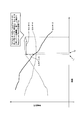
- FIGS. 13 and 14 are diagrams illustrating temporal variations in the radio quality of each cell in the handover illustrated in FIGS. 11 and 12.
- the measurement reference CC does not change. That is, in the example of FIG. 13, the cell # 1-B is always changed. Becomes the cell of the Measurement Reference CC.
- the timer A of the event A3 is activated for the cell # 1-B that is the cell of the Measurement Reference CC, and at time T2, the time-To-Trigger (TTT) is started TTT expires.
- the TTT of the event A3 related to the cell # 1-B and the cell # 2-C, which are measurement reference CCs, is activated.
- An object of the present invention is to provide a mobile station and a communication control method capable of realizing the above.
- a first feature of the present invention is a mobile station capable of communicating with a radio base station using two or more carriers, and for each carrier in the two or more carriers, a cell in communication or adjacent
- a measurement unit configured to measure the radio quality of the cell
- a reference carrier selection unit configured to select a carrier that satisfies a selection condition as a reference carrier for measurement from the two or more carriers.
- the measurement result in the measurement unit is notified to the radio base station when the radio quality of the cell in communication or the neighboring cell on the reference carrier for measurement satisfies a predetermined condition while a predetermined timer is activated.
- a determination unit configured to determine that the measurement should be performed, and the determination unit determines that the measurement result should be notified to the radio base station.
- a transmitter configured to transmit a result to the radio base station, and the determination unit is configured to change a carrier that satisfies the selection condition while the predetermined timer is activated.
- the gist is that the measurement reference carrier is not changed.
- a second feature of the present invention is a mobile station capable of communicating with a radio base station using two or more carriers, and for each carrier in the two or more carriers, a cell in communication or adjacent
- a measurement unit configured to measure the radio quality of the cell
- a reference carrier selection unit configured to select a carrier that satisfies a selection condition as a reference carrier for measurement from the two or more carriers.
- the measurement result in the measurement unit is notified to the radio base station when the radio quality of the cell in communication or the neighboring cell on the reference carrier for measurement satisfies a predetermined condition while a predetermined timer is activated.
- a determination unit configured to determine that the measurement should be performed, and the determination unit determines that the measurement result should be notified to the radio base station.
- a transmitter configured to transmit a result to the radio base station
- the determination unit is configured to change a carrier that satisfies the selection condition while the predetermined timer is activated. Furthermore, the gist of the present invention is that the measurement reference carrier is changed and the predetermined timer is continuously started.
- a third feature of the present invention is a mobile station capable of communicating with a radio base station using two or more carriers, and for each carrier in the two or more carriers, a cell in communication or adjacent
- a measurement unit configured to measure the radio quality of the cell
- a reference carrier selection unit configured to select a carrier that satisfies a selection condition as a reference carrier for measurement from the two or more carriers.
- the measurement result in the measurement unit is notified to the radio base station when the radio quality of the cell in communication or the neighboring cell on the reference carrier for measurement satisfies a predetermined condition while a predetermined timer is activated.
- a determination unit configured to determine that the measurement should be performed, and the determination unit determines that the measurement result should be notified to the radio base station.
- a transmitter configured to transmit a result to the radio base station
- the determination unit is configured to change a carrier that satisfies the selection condition while the predetermined timer is activated.
- the gist of the present invention is that the measurement reference carrier is changed and the predetermined timer is reset.
- a communication control method in a mobile station capable of communicating with a radio base station using two or more carriers, wherein communication is performed for each carrier in the two or more carriers.
- the wireless quality of the cell in communication or the neighboring cell satisfies a predetermined condition while the predetermined timer is activated
- it is determined that the measurement result in the first step should be notified to the wireless base station
- the measurement result is displayed on the radio base station.
- changing the reference carrier for measurement when the carrier satisfying the selection condition is changed while the predetermined timer is activated in the third step.
- the gist is to continue the activation of the predetermined timer.
- the efficiency of the system and the stability of the connectivity can be realized by reducing the number of measurement reports while appropriately determining events during carrier aggregation.
- a mobile station and a communication control method can be provided.
- FIG. 3 is a functional block diagram of a mobile station according to the first embodiment of the present invention. It is a figure for demonstrating operation
- 3 is a flowchart for explaining an operation of the mobile station according to the first embodiment of the present invention. It is a figure for demonstrating operation
- FIG. 7 is a flowchart for explaining an operation of a mobile station according to the third embodiment of the present invention.
- 6 is a flowchart for explaining the operation of a conventional mobile communication system. It is a figure for demonstrating operation
- the mobile communication system according to the present embodiment is an LTE-Advanced mobile communication system.
- the mobile station UE is configured to be able to communicate with the radio base station eNB using two or more CCs, that is, configured to be able to perform carrier aggregation. Yes.
- the mobile station UE includes a measurement unit 102, a measurement reference CC selection unit 104, a determination unit 106, a measurement report transmission unit 108, and a measurement control signal reception unit 110.
- the Measurement control signal receiving unit 110 is configured to receive a Measurement Control (Measurement control signal) transmitted by the radio base station eNB.
- Measurement control Measurement control signal
- the Measurement Control is used to notify the mobile station UE of information related to the measurement target cell of the radio quality (Measurement Object), information related to the measurement report transmission method including the measurement result (Reporting Configuration), and the like. It is a control signal.
- Measurement Control may be called Measurement Configuration or MeasConfig.
- the measurement unit 102 is configured to measure the radio quality of a cell in communication (serving cell) or an adjacent cell in accordance with the above-described Measurement Control.
- the measurement unit 102 is configured to measure the radio quality of a cell in communication or an adjacent cell for each CC in two or more CCs.
- the Measurement Reference CC selection unit 104 is configured to select a CC that satisfies the selection condition as a Measurement Reference CC from two or more CCs.
- the Measurement Reference CC selection unit 104 may be configured to select the CC with the highest radio quality as the CC that satisfies the selection condition.
- the Measurement Reference CC selection unit 104 may be configured to select the CC with the lowest radio quality as the CC that satisfies the selection condition.
- the CC with the highest radio quality is selected as the CC that satisfies the selection condition.
- the determination unit 106 should notify the radio base station eNB of the measurement result in the measurement unit 102 when the radio quality of the cell in communication or the neighboring cell satisfies the predetermined condition while the predetermined timer is activated. It is configured to determine that there is.
- the determination unit 106 may use the wireless quality of the communicating cell in the above-mentioned Measurement Reference CC as the wireless quality of the communicating cell.
- cells that are communicating with each component carrier are called cell # 1, cell # 2, and cell # 3, respectively.
- the measurement reference CC selection unit 104 selects the measurement reference CC from among the component carrier # 1, component carrier # 2, and component carrier # 3 as described above, and the determination unit 106 uses the measurement reference CC in the measurement reference CC.
- the wireless quality of the cell is used as the wireless quality of the above-described communicating cell.
- determination unit 106 determines that the radio quality of cell # 2 and the radio quality of the neighboring cell satisfy a predetermined condition while a predetermined timer is activated. When it is satisfied, it may be determined that the measurement result in the measurement unit 102 should be notified to the radio base station eNB.
- the determination unit 106 has shown the case where the wireless quality of the cell in the above-mentioned Measurement Reference CC is used as the wireless quality of the cell in communication.
- the wireless quality of the neighboring cell in the Measurement Reference CC may be used.
- a plurality of carriers to be selected as the Measurement Reference CC may be designated in advance, and the determination unit 106 may select the Measurement Reference CC from the plurality of carriers.
- the plurality of carriers that are candidates for selection as the Measurement Reference CC may be component carriers on which carrier aggregation is performed, or may not be component carriers on which carrier aggregation is performed.
- some of the plurality of carriers that are candidates for selection as the Measurement Reference CC may be component carriers on which carrier aggregation is performed.
- the wireless quality of the cell in communication in the above-mentioned Measurement Reference CC may be used as the wireless quality of the cell in communication.
- the wireless quality of the neighboring cell in the above-mentioned Measurement Reference CC may be used as the wireless quality of the neighboring cell.
- the determination unit 106 determines that the wireless quality of the neighboring cell is better than the wireless quality of the communicating cell by a predetermined offset, that is, the above (Expression 1) or (Expression 2) is satisfied. When it is, it may be configured to determine that the wireless quality of the cell in communication or the neighboring cell satisfies a predetermined condition (event A3).
- the determination unit 106 determines whether the cell in communication or the adjacent cell The wireless quality may be determined to satisfy a predetermined condition (event A1).
- the determination unit 106 determines whether the cell in communication or the adjacent cell The wireless quality may be determined to satisfy a predetermined condition (event A2).
- the determination unit 106 determines whether the wireless of the cell in communication or the adjacent cell It may be configured to determine that the quality satisfies a predetermined condition (event A4).
- the determination unit 106 satisfies the above (Formula 6). If it is determined that the wireless quality of the cell in communication or the neighboring cell satisfies the predetermined condition (event A5), it may be configured.
- the determination unit 106 is configured to determine that the wireless quality of a cell in communication or an adjacent cell satisfies a predetermined condition when the above measurement result is a transmission timing when the measurement result is periodically transmitted. Also good.
- the predetermined timer may be a Time-To-Trigger (TTT) or another type of timer.
- TTT is activated when the wireless quality of the cell in communication or the adjacent cell satisfies a predetermined condition, and is stopped when the wireless quality of the cell in communication or the adjacent cell no longer satisfies the predetermined condition. It is configured as follows.
- the Measurement Report transmission unit 108 performs measurement by the measurement unit 102 on the radio base station eNB according to the above-described Measurement Control when the determination unit 106 determines that the measurement result should be notified to the radio base station eNB. It is configured to transmit a Measurement Report including the result.
- the determination unit 106 does not change the Measurement Reference CC even when the CC satisfying the selection condition is changed while the predetermined timer (TTT) is activated. It is configured.
- cell # 1-A and cell # 1-B exist as cells in a component carrier performing carrier aggregation
- cell # 2-C exists as an adjacent cell.
- the determination unit 106 activates the TTT of the event A3 for the cell # 1-B and the neighbor cell # 2-C which are the measurement reference CCs, and then at the time T2 when the TTT is activated. Even if the radio quality of the cell # 1-A is higher than the radio quality of the cell # 1-B, the TTT is started without changing the Measurement Reference CC. .
- the determination unit 106 determines whether or not the determination condition of the event A3 while TTT is activated satisfies the measurement reference CC that is not changed, that is, the radio quality of the cell # 1-B and the cell This is based on the wireless quality of # 2-C.
- the Measurement Report transmission unit 108 is configured to transmit a Measurement Report to the radio base station eNB.
- step S101 the measurement unit 102 measures the radio quality of a cell in communication or an adjacent cell as described above, and in step S102, the Measurement Reference CC selection unit 104 performs measurement as described above. , Select Measurement Reference CC.
- step S103 the determination unit 106 determines whether or not the measurement reference CC should be changed based on the measurement result of the wireless quality of the cell in communication or the neighboring cell.
- step S104 If it is determined that the Measurement Reference CC should not be changed, this operation ends. If it is determined that the Measurement Reference CC should be changed, the operation proceeds to step S104.
- step S104 the determination unit 106 determines whether or not the TTT is being activated. If it is determined that the TTT is not activated, the operation proceeds to step S106. If it is determined that the TTT is activated, the operation proceeds to step S105.
- step S105 the determination unit 106 continues to start the TTT and does not change the Measurement Reference CC.
- step S106 the determination unit 106 changes the Measurement Reference CC.
- the mobile station UE does not change the Measurement Reference CC even when the CC satisfying the selection condition is changed while the TTT is activated.
- the mobile station UE does not change the Measurement Reference CC even when the CC satisfying the selection condition is changed while the TTT is activated.
- Mobile communication system according to the second embodiment of the present invention With reference to FIG. 4 thru
- the mobile communication system according to the present embodiment will be described by focusing on differences from the mobile communication system according to the first embodiment described above.
- the determination unit 106 changes the Measurement Reference CC when the CC satisfying the selection condition is changed while a predetermined timer (for example, TTT) is activated, and the predetermined timer Configured to continue booting.
- a predetermined timer for example, TTT
- cell # 1-A and cell # 1-B exist as cells in a component carrier performing carrier aggregation
- cell # 2-C exists as an adjacent cell.
- the determination unit 106 activates the TTT of the event A3 for the cell # 1-B and the neighbor cell # 2-C that are the measurement reference CCs, and then at the time T2 when the TTT is activated.
- the measurement reference CC is changed to the cell # 1-A and the TTT is started continuously. .
- the determination unit 106 determines whether or not the determination condition of the event A3 is satisfied while the TTT is activated, by determining the changed Measurement Reference CC, that is, the radio quality and the cell of the cell # 1-A This is based on the wireless quality of # 2-C.
- the measurement report transmission unit 108 is configured to transmit the measurement report to the radio base station eNB after the expiration of the TTT, that is, at time T4.
- the operation of the mobile station UE according to the present embodiment that is, the communication control method will be described with reference to FIG.
- the operations in steps S201 to S204 and S206 are the same as the operations in steps S101 to S104 and S106 shown in FIG.
- step S205 the determination unit 106 changes the Measurement Reference CC and continues to start the TTT.
- the mobile station UE when the CC satisfying the selection condition is changed while the TTT is activated, the mobile station UE activates the TTT while changing the Measurement Reference CC.
- the mobile station UE By being configured to continue, it is possible to avoid resetting event determinations due to changes in Measurement Reference CC, and reducing the number of Measurement Reports while appropriately determining events during carrier aggregation be able to.
- Mobile communication system according to the third embodiment of the present invention With reference to FIG.7 and FIG.8, the structure of the mobile communication system which concerns on the 3rd Embodiment of this invention is demonstrated.
- the mobile communication system according to the present embodiment will be described by focusing on differences from the mobile communication system according to the first embodiment described above.
- the determination unit 106 changes the Measurement Reference CC when the CC satisfying the selection condition is changed while a predetermined timer (for example, TTT) is activated, and sets the predetermined timer. Configured to reset.
- a predetermined timer for example, TTT
- cell # 1-A and cell # 1-B exist as cells in a component carrier performing carrier aggregation
- cell # 2-C exists as an adjacent cell.
- the determination unit 106 activates the TTT of the event A3 for the cell # 1-B and the neighbor cell # 2-C which are the measurement reference CCs, and then at the time T2 when the TTT is activated.
- the measurement reference CC is changed to the cell # 1-A, and the TTT is reset.
- the determination on whether or not the determination condition of the event A3 while the TTT is activated in the determination unit 106 is once reset, and then the changed Measurement Reference CC, that is, the cell # 1- Based on the wireless quality of A and the wireless quality of cell # 2-C, the determination of event A3 is performed again.
- the determination unit 106 activates the TTT of the event A3 for the cell # 1-A and the neighbor cell # 2-C, which are Measurement Reference CCs, at time T2.
- the Measurement Report transmission unit 108 is configured to transmit a Measurement Report to the radio base station eNB.
- the operation of the mobile station UE according to the present embodiment that is, the communication control method will be described with reference to FIG.
- the operations in steps S301 to S304 and S306 are the same as the operations in steps S101 to S104 and S106 shown in FIG.
- step S305 the determination unit 106 changes the Measurement Reference CC and resets the TTT.
- the mobile station UE when the CC satisfying the selection condition is changed while the TTT is activated, the mobile station UE resets the TTT while changing the Measurement Reference CC.
- the mobile station UE By configuring as described above, it is possible to determine an event regarding a specific Measurement Reference CC, and as a result, it is possible to prevent an error or an uncertainty in determining the event due to the change of the Measurement Reference CC. Become. As a result, it is possible to reduce the number of measurement reports while appropriately determining events during carrier aggregation.
- a first feature of the present embodiment is a mobile station UE that can communicate with a radio base station eNB using two or more CCs (carriers), and for each CC in the two or more CCs, The CC that satisfies the selection condition is selected as a measurement reference CC (measurement reference carrier) from the measurement unit 102 configured to measure the radio quality of the cell in communication or the neighboring cell and two or more CCs.
- CCs carriers
- the Radio quality of the cell in communication or the neighboring cell satisfies the predetermined condition while the predetermined timer is activated
- the measurement result in the measurement unit 102 is converted into the radio base station eN.
- the determination unit 106 configured to determine that the radio base station eNB should be notified, and when the determination unit 106 determines that the radio base station eNB should be notified of the measurement result, the radio base station a measurement report transmission unit (transmission unit) 108 configured to transmit to the eNB, and the determination unit 106 changes the CC satisfying the selection condition while the predetermined timer is activated
- the gist is that the configuration is such that the Measurement Reference CC is not changed.
- a second feature of the present embodiment is a mobile station UE that can communicate with a radio base station eNB using two or more CCs, and is in communication with each CC in the two or more CCs.
- a measurement reference CC configured to select, as a measurement reference CC, a CC satisfying a selection condition from the measurement unit 102 configured to measure the radio quality of an adjacent cell and two or more CCs.
- Unit 104 and Measurement Reference CC when the radio quality of a cell in communication or an adjacent cell satisfies a predetermined condition while a predetermined timer is activated, a measurement result in measurement unit 102 is transmitted to radio base station eNB A verdict that is configured to determine that it should be notified 106 and a Measurement Report transmission unit 108 configured to transmit the measurement result to the radio base station eNB when the determination unit 106 determines that the measurement result should be notified to the radio base station eNB.
- the determination unit 106 is configured to change the Measurement Reference CC and continue the activation of the predetermined timer when the CC satisfying the selection condition is changed while the predetermined timer is activated. It is a summary.
- a third feature of the present embodiment is a mobile station UE that can communicate with a radio base station eNB using two or more CCs, and is in communication with each CC in the two or more CCs.
- a measurement reference CC configured to select, as a measurement reference CC, a CC satisfying a selection condition from the measurement unit 102 configured to measure the radio quality of an adjacent cell and two or more CCs.
- Unit 104 and Measurement Reference CC when the radio quality of a cell in communication or an adjacent cell satisfies a predetermined condition while a predetermined timer is activated, a measurement result in measurement unit 102 is transmitted to radio base station eNB A verdict that is configured to determine that it should be notified 106 and a Measurement Report transmission unit 108 configured to transmit the measurement result to the radio base station eNB when the determination unit 106 determines that the measurement result should be notified to the radio base station eNB.
- the determination unit 106 is configured to change the Measurement Reference CC and reset the predetermined timer when the CC satisfying the selection condition is changed while the predetermined timer is activated. This is the gist.
- the Measurement Reference CC selection unit 104 may be configured to select the CC having the best radio quality as the CC that satisfies the selection condition.
- the measurement reference CC selection unit 104 may be configured to select the CC having the worst wireless quality as the CC that satisfies the selection condition.
- the determination unit 106 determines that the radio quality of the neighboring cell is higher than the radio quality of the neighboring cell by a predetermined offset (event A3).
- the quality is better than the first threshold (event A1)
- the radio quality of the communicating cell is worse than the second threshold (event A2)
- the radio quality of the neighboring cell is better than the third threshold.
- Event A4 when the wireless quality of the communicating cell is worse than the fourth threshold and the wireless quality of the neighboring cell is better than the fifth threshold (event A5), or the measurement result is a period
- the wireless quality of the cell in communication or the neighboring cell may be determined to satisfy a predetermined condition in at least one of the cases where the transmission timing is determined when the transmission is performed.
- the predetermined timer may be a Time-To-Trigger.
- a fourth feature of the present embodiment is a communication control method in a mobile station UE that can communicate with a radio base station eNB using two or more CCs, and relates to each CC in two or more CCs.
- the third step it is determined that the measurement result should be notified to the radio base station eNB.
- the gist is to change the Measurement Reference CC and continue to start the predetermined timer.
- the operations of the mobile station UE and the radio base station DeNB described above may be implemented by hardware, may be implemented by a software module executed by a processor, or may be implemented by a combination of both. .
- Software modules include RAM (Random Access Memory), flash memory, ROM (Read Only Memory), EPROM (Erasable Programmable ROM), EEPROM (Electronically Erasable and Programmable, Removable ROM, and Hard Disk). Alternatively, it may be provided in a storage medium of an arbitrary format such as a CD-ROM.
- Such a storage medium is connected to the processor so that the processor can read and write information from and to the storage medium. Further, such a storage medium may be integrated in the processor. Such a storage medium and processor may be provided in the ASIC. Such an ASIC may be provided in the mobile station UE or the radio base station DeNB. Further, the storage medium and the processor may be provided as a discrete component in the mobile station UE or the radio base station DeNB.
- the efficiency of the system and the stability of the connectivity can be realized by reducing the number of measurement reports while appropriately determining events during carrier aggregation.
- a mobile station and a communication control method can be provided.
Landscapes
- Engineering & Computer Science (AREA)
- Computer Networks & Wireless Communication (AREA)
- Signal Processing (AREA)
- Mobile Radio Communication Systems (AREA)
Abstract
本発明に係る移動局UEは、2つ以上のCCから、選択条件を満たすCCを、Measurement Reference CCとして選択するMeasurement Reference CC選択部104と、Measurement Reference CCにおける通信中セル又は隣接セルの無線品質が、所定タイマが起動されている間、所定条件を満たしている場合に、測定結果を無線基地局eNBに通知すべきであると判定する判定部106とを具備し、判定部106は、所定タイマが起動されている間に、選択条件を満たすCCが変更になった場合であっても、Measurement Reference CCを変更しない。
Description
本発明は、移動局及び通信制御方法に関する。
広帯域符号分割多重接続(WCDMA:Wideband Code Division Multiplexing Access)方式や、高速下りリンクパケットアクセス(HSDPA:High-Speed Downlink Pcket Access)方式や、高速上りリンクパケットアクセス(HSUPA:High-Speed Uplink Pcket Access)方式等の後継となる通信方式、すなわち、ロングタームエボリューション(LTE:Long Term Evolution)方式が、WCDMAの標準化団体3GPPで検討され、仕様化作業が行われた。
また、LTE方式の後継の通信方式として、LTE-advanced方式が、3GPPで検討されている。LTE-advanced方式の要求条件は、非特許文献1にまとめられている。
LTE-advanced方式では、要求条件として、「キャリアアグリゲーション(Carrier aggaregation)」を行うことが合意されている。
「キャリアアグリゲーション」が行われる場合、移動局UEは、同時に複数のキャリアを用いて下りリンクの信号を受信したり、同時に複数のキャリアを用いて上りリンクの信号を送信したりすることができる。キャリアアグリゲーションが行われる場合の各キャリアは、コンポーネントキャリア(CC:Component Carrier)と呼ばれる。
ところで、複数のセルを具備する移動通信システムでは、移動局UE(User Equipment:ユーザ装置)は、1つのセルから他のセルに移動するときに、セルを切り替えて通信を継続するように構成されている。かかるセルの切り替えを「ハンドオーバ」という。
一般的に、移動通信システムでは、移動局UEが、隣接セルに移動し、かかる移動局UEにおいて、隣接セルからの信号の無線品質が、サービングセル(Serving Cell)からの信号の無線品質よりも良くなった場合に、移動局UEは、隣接セルにハンドオーバを行うように構成されている。
なお、かかる信号の無線品質として、例えば、信号の受信電力が用いられる。ここで、かかる信号の受信電力は、より具体的には、例えば、隣接セル又はサービングセルから送信される下りリンクの参照信号(Reference Signal)の受信電力(RSRP:Reference Signal Received Power)であってもよい(RSRPの定義については、非特許文献2及び3を参照)。
なお、かかる信号の無線品質として、RSRPの代わりに、下りリンクの参照信号の受信品質(RSRQ:Reference Signal Received Quality)や、下りリンクの参照信号のSIR(RS-SIR)や、CQI(Channel Quality Indicator)や、CSI(Channel State Information)等が用いられてもよい。
図9及び図10を参照して、かかるハンドオーバ手順の一例について、具体的に説明する。以下の説明では、信号の受信電力(RSRP)が、上述の信号の無線品質として用いられる。
図9に示すように、ステップS1において、移動局UEは、サービングセル(通信中セル)及び隣接セルからの信号の受信電力を測定する。また、移動局UEは、検知していない隣接セルを検知するために、前記測定と並行して、セルサーチを行ってもよい。本処理における、セルサーチ、及び、サービングセル及び隣接セルの無線品質(受信電力)の測定は、総称して、メジャメント(Measurement)と呼ばれてもよい。
ステップS2において、移動局UEは、隣接セルからの信号の受信電力が、以下の(式1)を満たすか否かについて判定する。
隣接セルからの信号の受信電力 > サービングセルからの信号の受信電力 + ヒステリシス … (式1)
かかる(式1)が満たされていると判定された場合、ステップS2において、移動局UEは、上述の測定結果を報告するためのイベントA3を、ネットワークに対して通知する。ここで、かかるネットワークとは、具体的には、例えば、無線基地局eNBである。
具体的には、移動局UEは、図10に示すように、サービングセル(セルA)及び監視対象である周辺セル(セルB)からの信号の受信電力を測定し、予め通知されている「ヒステリシス[dB]」及び「TTT(Time To Trigger)[ms]」を用いて、上述の測定結果を通知するか否かについて判定する。なお、周辺セルは、隣接セルと呼ばれてもよい。
つまり、図10において、所定期間「TTT」以上の間、セルBからの信号の受信電力(無線品質)が、「ヒステリシス」以上、セルAからの信号の受信電力(無線品質)よりも上回っている状態が継続している場合、移動局UEは、上述の測定結果(MR:Measurement Report)を通知するべきであると判定する。
ここで、「ヒステリシス」は、セル境界でサービングセルから隣接セルへのハンドオーバが頻繁に生じないために設けられる値であり、正の値でもよく、負の値でもよいが、一般的には正の値が設定される。
そして、ステップS3において、ネットワークは、イベントA3の通知を受信すると、かかる移動局UEが受信したイベントA3に係るセルに対してハンドオーバすべきであることを決定する。
なお、(式1)は、以下の(式2)のような形が採られる場合もある。(式2)の場合、ヒステリシス及びオフセットの両方が、ヒステリシス的に動作する。
隣接セルからの信号の受信電力 ― ヒステリシス > サービングセルからの信号の受信電力 + オフセット … (式2)
また、LTE方式においては、上述したイベントA3に加えて、以下に示すイベントA1、イベントA2、イベントA4、イベントA5が定義されている。
例えば、サービングセルからの信号の無線品質が、以下の(式3)を満たす場合に、すなわち、サービングセルからの無線品質が第1閾値よりも大きい場合に、移動局UEは、上述の測定結果を報告するためのイベントA1を、ネットワークに対して通知する。
サービングセルからの信号の受信電力 > 第1閾値 … (式3)
ここで、イベントA1は、Measurement Reportとして、移動局UEから無線基地局eNBに通知される。或いは、例えば、サービングセルからの信号の無線品質が、以下の(式4)を満たす場合に、すなわち、サービングセルからの無線品質が第2閾値よりも小さい場合に、移動局UEは、上述の測定結果を報告するためのイベントA2を、ネットワークに対して通知する。
サービングセルからの信号の受信電力 < 第2閾値 … (式4)
ここで、イベントA2は、Measurement Reportとして、移動局UEから無線基地局eNBに通知される。
或いは、例えば、隣接セルからの信号の無線品質が、以下の(式5)を満たす場合に、すなわち、隣接セルからの無線品質が第3閾値よりも大きい場合に、移動局UEは、上述の測定結果を報告するためのイベントA4を、ネットワークに対して通知する。
隣接セルからの信号の受信電力 > 第3閾値 … (式5)
ここで、イベントA4は、Measurement Reportとして、移動局UEから無線基地局eNBに通知される。
或いは、例えば、サービングセルからの信号の無線品質及び隣接セルからの信号の無線品質が、以下の(式6)を満たす場合に、すなわち、サービングセルからの信号の無線品質が第4閾値よりも小さくなり、かつ、隣接セルからの信号の無線品質が第5閾値よりも大きい場合に、移動局UEは、上述の測定結果を報告するためのイベントA5を、ネットワークに対して通知する。
サービングセルからの信号の受信電力 < 第4閾値 、かつ、
隣接セルからの信号の受信電力 > 第5閾値
… (式6)
隣接セルからの信号の受信電力 > 第5閾値
… (式6)
ここで、イベントA5は、Measurement Reportとして、移動局UEから無線基地局eNBに通知される。
例えば、イベントA1やイベントA2は、かかる移動局UEに関して、無線基地局eNBが、Measurement Gapの起動や停止のタイミングを決定するために用いられてもよい。
キャリアアグリゲーションを行う場合、一般に、移動局UEは、各CCに関して、上述したサービングセル及び隣接セルからの信号の受信電力の測定や、イベントの判定や、Measurement Reportの送信を行う。
ここで、キャリアアグリゲーションを行う場合に、各CCに関して、上述したサービングセル及び隣接セルからの信号の受信電力の測定や、イベントの判定や、Measurement Reportの送信を行う場合、Measurement Reportの数が、CCの数の分だけ増大するという問題が存在する。
かかる問題を解決するため、複数のCCの内、測定用参照キャリアであるMeasurement Reference Carrierを定義し、かかるMeasurement Reference Carrierを用いて、上述したイベントの判定を行うことが提案されている(非特許文献4参照)。
例えば、かかる提案においては、複数のCCの内、最も無線品質が良いCCを、Measurement Reference Component Carrier(CC)とすることが提案されている。
或いは、逆に、複数のCCの内、最も無線品質が悪いCCを、Measurement Reference Component Carrier(CC)と定義されてもよい。
Measurement Reference CCを用いたイベントA3の判定に関して、図11及び図12を用いて説明する。
図11及び図12においては、移動局UEは、CC#1(セル#1-A)及びCC#2(セル#1-B)を用いてキャリアアグリゲーションを行っている状態から、キャリア#3(セル#2-C)を用いて通信を行う状態に遷移するように、イベントA3を使って異周波ハンドオーバを行う。
図11の場合、Measurement Reference CCが用いられないため、CC#1(セル#1-A)及びキャリア#3(セル#2-C)のイベントA3に関するMeasurement Reportと、CC#2(セル#1-B)及びキャリア#3(セル#2-C)のイベントA3に関するMeasurement Reportとが、移動局UEから無線基地局eNBに送信される。すなわち、上述したケースにおいては、2つのMeasurement Reportが、移動局UEから無線基地局eNBに送信される。
一方、図12の場合、最も無線品質が良いCC#2(セル#1-B)が、Measurement Reference CCに設定され、かかるCC#2(セル#1-B)及びキャリア#3(セル#2-C)のイベントA3に関するMeasurement Reportが、移動局UEから無線基地局eNBに送信される。この場合、Measurement Reportの数は1つでよいため、図11の例に比べて、Measurement Reportの数が低減される。
3GPP TS36.913 V8.0.1
3GPP TS36.300 V8.5.0
3GPP TS36.214 V8.3.0
3GPP寄書R2-100122
上述したように、キャリアアグリゲーションを行う場合には、移動局UEにおいて、各CCに関して、上述したサービングセル及び隣接セルからの信号の無線品質の測定や、イベントの判定や、Measurement Reportの送信が行われる。
そして、移動局UEにおいて、各CCに関して、かかるイベントの判定を行った場合に、Measurement Reportの数が増えることを避けるために、Measurement Reference CCを用いることが提案されている。
しかしながら、かかるMeasurement Reference CCを用いたイベントの判定においては、各CCに関する無線品質が変動したことにより、Measurement Reference CCが変更される場合に、どのようにイベントを判定するべきかについて規定されていないという問題点があった。
かかる問題に関して、図13及び図14を用いて、さらに説明する。図13及び図14は、図11及び図12で示したハンドオーバにおいて、各セルの無線品質の時間的な変動を示した図である。
図13の例では、セル#1-B及びセル#1-Aの無線品質の大小関係が変わらないため、Measurement Reference CCは変動しない、すなわち、図13の例では、常に、セル#1-BがMeasurement Reference CCのセルとなる。
よって、図13の例では、時刻T1において、Measurement Reference CCのセルであるセル#1-Bに対して、イベントA3のタイマであるTime-To-Trigger(TTT)が起動され、時刻T2において、TTTが満了する。
一方、図14の例では、セル#1-Bとセル#1-Aの無線品質の大小関係が時刻T2で変わる。すなわち、最も無線品質の良いセルであるMeasurement Reference CCは、時刻T2において、CC#2からCC#1に変更される。
一方、図13の例と同様に、時刻T1では、Measurement Reference CCであるセル#1-B及びセル#2-Cに関するイベントA3のTTTが起動されている。
しかしながら、既存のLTE-Advanced方式では、時刻T2以降の動作が規定されていない。
そこで、本発明は、上述の課題に鑑みてなされたものであり、キャリアアグリゲーション時に、適切にイベントを判定しつつ、Measurement Reportの数を低減することにより、システムの効率化及び接続性の安定性を実現することができる移動局及び通信制御方法を提供することを目的とする。
本発明の第1の特徴は、2つ以上のキャリアを用いて無線基地局と通信を行うことができる移動局であって、前記2つ以上のキャリア内の各キャリアに関して、通信中セル又は隣接セルの無線品質を測定するように構成されている測定部と、前記2つ以上のキャリアから、選択条件を満たすキャリアを、測定用参照キャリアとして選択するように構成されている参照キャリア選択部と、前記測定用参照キャリアにおける前記通信中セル又は隣接セルの無線品質が、所定タイマが起動されている間、所定条件を満たしている場合に、前記測定部における測定結果を前記無線基地局に通知するべきであると判定するように構成されている判定部と、前記判定部が、前記測定結果を前記無線基地局に通知するべきであると判定した場合に、該測定結果を前記無線基地局に送信するように構成されている送信部とを具備し、前記判定部は、前記所定タイマが起動されている間に、前記選択条件を満たすキャリアが変更になった場合であっても、前記測定用参照キャリアを変更しないように構成されていることを要旨とする。
本発明の第2の特徴は、2つ以上のキャリアを用いて無線基地局と通信を行うことができる移動局であって、前記2つ以上のキャリア内の各キャリアに関して、通信中セル又は隣接セルの無線品質を測定するように構成されている測定部と、前記2つ以上のキャリアから、選択条件を満たすキャリアを、測定用参照キャリアとして選択するように構成されている参照キャリア選択部と、前記測定用参照キャリアにおける前記通信中セル又は隣接セルの無線品質が、所定タイマが起動されている間、所定条件を満たしている場合に、前記測定部における測定結果を前記無線基地局に通知するべきであると判定するように構成されている判定部と、前記判定部が、前記測定結果を前記無線基地局に通知するべきであると判定した場合に、該測定結果を前記無線基地局に送信するように構成されている送信部とを具備し、前記判定部は、前記所定タイマが起動されている間に、前記選択条件を満たすキャリアが変更になった場合に、前記測定用参照キャリアを変更し、かつ、該所定タイマの起動を継続するように構成されていることを要旨とする。
本発明の第3の特徴は、2つ以上のキャリアを用いて無線基地局と通信を行うことができる移動局であって、前記2つ以上のキャリア内の各キャリアに関して、通信中セル又は隣接セルの無線品質を測定するように構成されている測定部と、前記2つ以上のキャリアから、選択条件を満たすキャリアを、測定用参照キャリアとして選択するように構成されている参照キャリア選択部と、前記測定用参照キャリアにおける前記通信中セル又は隣接セルの無線品質が、所定タイマが起動されている間、所定条件を満たしている場合に、前記測定部における測定結果を前記無線基地局に通知するべきであると判定するように構成されている判定部と、前記判定部が、前記測定結果を前記無線基地局に通知するべきであると判定した場合に、該測定結果を前記無線基地局に送信するように構成されている送信部とを具備し、前記判定部は、前記所定タイマが起動されている間に、前記選択条件を満たすキャリアが変更になった場合に、前記測定用参照キャリアを変更し、かつ、該所定タイマリセットするように構成されていることを要旨とする。
本発明の第4の特徴は、2つ以上のキャリアを用いて無線基地局と通信を行うことができる移動局における通信制御方法であって、前記2つ以上のキャリア内の各キャリアに関して、通信中セル又は隣接セルの無線品質を測定する第1ステップと、前記2つ以上のキャリアから、選択条件を満たすキャリアを、測定用参照キャリアとして選択する第2ステップと、前記測定用参照キャリアにおける前記通信中セル又は隣接セルの無線品質が、所定タイマが起動されている間、所定条件を満たしている場合に、前記第1ステップにおける測定結果を前記無線基地局に通知するべきであると判定する第3ステップと、前記第3ステップにおいて、前記測定結果を前記無線基地局に通知するべきであると判定した場合に、該測定結果を前記無線基地局に送信する第4ステップとを有し、前記第3ステップにおいて、前記所定タイマが起動されている間に、前記選択条件を満たすキャリアが変更になった場合に、前記測定用参照キャリアを変更し、かつ、該所定タイマの起動を継続することを要旨とする。
以上説明したように、本発明によれば、キャリアアグリゲーション時に、適切にイベントを判定しつつ、Measurement Reportの数を低減することにより、システムの効率化及び接続性の安定性を実現することができる移動局及び通信制御方法を提供することができる。
(本発明の第1の実施形態に係る移動通信システム)
図1乃至図3を参照して、本発明の第1の実施形態に係る移動通信システムの構成について説明する。本実施形態に係る移動通信システムは、LTE-Advenced方式の移動通信システムである。
図1乃至図3を参照して、本発明の第1の実施形態に係る移動通信システムの構成について説明する。本実施形態に係る移動通信システムは、LTE-Advenced方式の移動通信システムである。
本実施形態に係る移動局UEは、2つ以上のCCを用いて無線基地局eNBと通信を行うことができるように構成されている、すなわち、キャリアアグリゲーションを行うことができるように構成されている。
図1に示すように、移動局UEは、測定部102と、Measurement Reference CC選択部104と、判定部106と、Measurement Report送信部108と、Measurement制御信号受信部110とを具備している。
Measurement制御信号受信部110は、無線基地局eNBによって送信されたMeasurement Control(Measurement制御信号)を受信するように構成されている。
ここで、Measurement Controlは、移動局UEに対して、無線品質の測定対象のセルに関する情報(Measurement Object)や、測定結果を含むMeasurement Reportの送信方法(Reporting Configuration)に関する情報等を通知するための制御信号である。
なお、Measurement Controlは、Measurement Configuration、或いは、MeasConfigと呼ばれてもよい。
測定部102は、上述のMeasurement Controlに従って、通信中セル(サービングセル)又は隣接セルの無線品質を測定するように構成されている。
ここで、キャリアアグリゲーションが行われている場合には、測定部102は、2つ以上のCC内の各CCに関して、通信中セル又は隣接セルの無線品質を測定するように構成されている。
Measurement Reference CC選択部104は、2つ以上のCCから、選択条件を満たすCCを、Measurement Reference CCとして選択するように構成されている。
例えば、Measurement Reference CC選択部104は、選択条件を満たすCCとして、最も無線品質の良いCCを選択するように構成されていてもよい。
或いは、Measurement Reference CC選択部104は、選択条件を満たすCCとして、最も無線品質の悪いCCを選択するように構成されていてもよい。なお、以下の説明においては、例として、選択条件を満たすCCとして最も無線品質の良いCCが選択される場合に関して説明を行う。
判定部106は、通信中セル又は隣接セルの無線品質が、所定タイマが起動されている間、所定条件を満たしている場合に、測定部102における測定結果を無線基地局eNBに通知するべきであると判定するように構成されている。
ここで、判定部106は、通信中セルの無線品質として、上述のMeasurement Reference CCにおける通信中セルの無線品質を用いてもよい。
以下では、より具体的な例として、キャリアアグリゲーションを行っているコンポーネントキャリアが3つ存在する場合を考える。
ここで、かかる3つのコンポーネントキャリアは、それぞれ、コンポーネントキャリア#1、コンポーネントキャリア#2、コンポーネントキャリア#3と呼ばれると仮定する。また、それぞれのコンポーネントキャリアにおいて通信中であるセルは、それぞれ、セル#1、セル#2、セル#3と呼ばれると仮定する。
この場合、Measurement Reference CC選択部104は、上述したように、コンポーネントキャリア#1、コンポーネントキャリア#2、コンポーネントキャリア#3の中からMeasurement Reference CCを選択し、判定部106は、かかるMeasurement Reference CCにおけるセルの無線品質を、上述の通信中セルの無線品質として用いる。
すなわち、Measurement Reference CCとして、コンポーネントキャリア#2が選択されている場合、判定部106は、セル#2の無線品質と隣接セルの無線品質とが、所定タイマが起動されている間、所定条件を満たしている場合に、測定部102における測定結果を無線基地局eNBに通知するべきであると判定してもよい。
なお、上述した例においては、判定部106は、通信中セルの無線品質として、上述のMeasurement Reference CCにおけるセルの無線品質を用いる場合を示したが、代わりに、隣接セルの無線品質として、上述のMeasurement Reference CCにおける隣接セルの無線品質を用いてもよい。
すなわち、Measurement Reference CCとして選択される候補となる複数のキャリアが予め指定され、判定部106は、かかる複数のキャリアの中からMeasuremente Reference CCを選択してもよい。
ここで、かかるMeasurement Reference CCとして選択される候補となる複数のキャリアは、キャリアアグリゲーションが行われるコンポーネントキャリアであってもよいし、或いは、キャリアアグリゲーションが行われるコンポーネントキャリアでなくてもよい。或いは、かかるMeasurement Reference CCとして選択される候補となる複数のキャリアの一部が、キャリアアグリゲーションが行われるコンポーネントキャリアであってもよい。
以下に、上述した判定部106が測定部102における測定結果を無線基地局eNBに通知するべきであると判定する動作の例を示す。以下の動作において、通信中セルの無線品質として、上述のMeasurement Reference CCにおける通信中セルの無線品質が用いられてもよい。また、以下の動作において、隣接セルの無線品質として、上述のMeasurement Reference CCにおける隣接セルの無線品質が用いられてもよい。
例えば、判定部106は、隣接セルの無線品質が通信中セルの無線品質よりも所定オフセット分だけ良くなった場合、すなわち、上述の(式1)又は(式2)が満たされていると判定された場合、通信中セル又は隣接セルの無線品質が所定条件(イベントA3)を満たすと判定するように構成されていてもよい。
また、判定部106は、通信中セルの無線品質が第1閾値よりも良くなった場合、すなわち、上述の(式3)が満たされていると判定された場合、通信中セル又は隣接セルの無線品質が所定条件(イベントA1)を満たすと判定するように構成されていてもよい。
また、判定部106は、通信中セルの無線品質が第2閾値よりも悪くなった場合、すなわち、上述の(式4)が満たされていると判定された場合、通信中セル又は隣接セルの無線品質が所定条件(イベントA2)を満たすと判定するように構成されていてもよい。
また、判定部106は、隣接セルの無線品質が第3閾値よりも良くなった場合、すなわち、上述の(式5)が満たされていると判定された場合、通信中セル又は隣接セルの無線品質が所定条件(イベントA4)を満たすと判定するように構成されていてもよい。
また、判定部106は、通信中セルの無線品質が第4閾値よりも悪くなり、かつ、隣接セルの無線品質が第5閾値よりも良くなった場合、上述の(式6)が満たされていると判定された場合、通信中セル又は隣接セルの無線品質が所定条件(イベントA5)を満たすと判定するように構成されていてもよい。
或いは、判定部106は、上述の測定結果が周期的に送信される際の送信タイミングである場合に、通信中セル又は隣接セルの無線品質が所定条件を満たすと判定するように構成されていてもよい。
なお、所定タイマは、Time-To-Trigger(TTT)であってもよいし、他のタイプのタイマであってもよい。ここで、TTTは、通信中セル又は隣接セルの無線品質が、所定条件を満たした場合に起動され、通信中セル又は隣接セルの無線品質が、所定条件を満たされなくなった場合に停止されるように構成されている。
Measurement Report送信部108は、判定部106が、測定結果を無線基地局eNBに通知するべきであると判定した場合に、上述のMeasurement Controlに従って、無線基地局eNBに対して、測定部102による測定結果を含むMeasurement Reportを送信するように構成されている。
ここで、本実施形態では、判定部106は、所定タイマ(TTT)が起動されている間に、選択条件を満たすCCが変更になった場合であっても、Measurement Reference CCを変更しないように構成されている。
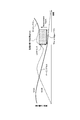
図2を用いて、かかる判定部106における動作を説明する。図2において、キャリアアグリゲーションを行っているコンポーネントキャリアにおけるセルとして、セル#1-A及びセル#1-Bが存在し、隣接セルとして、セル#2-Cが存在する。
ここで、判定部106は、時刻T1において、Measurement Reference CCであるセル#1-Bと隣接セル#2-Cに関して、イベントA3のTTTを起動した後、かかるTTTが起動中である時刻T2において、セル#1-Aの無線品質がセル#1-Bの無線品質よりも高くなった場合であっても、Measurement Reference CCを変更することなく、TTTの起動を継続するように構成されている。
この場合、判定部106における、TTTが起動されている間のイベントA3の判定条件を満たしているか否かの判定は、かかる変更されないMeasurement Reference CC、すなわち、セル#1-Bの無線品質とセル#2-Cの無線品質とに基づいて行われる。
そして、かかるTTTの満了後に、Measurement Report送信部108は、無線基地局eNBに対して、Measurement Reportを送信するように構成されている。
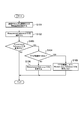
以下、図3を参照して、本実施形態に係る移動局UEの動作、すなわち、通信制御方法について説明する。
図3に示すように、ステップS101において、測定部102は、上述のように、通信中セル又は隣接セルの無線品質を測定し、ステップS102において、Measurement Reference CC選択部104は、上述のように、Measurement Reference CCを選択する。
ステップS103において、判定部106は、通信中セル又は隣接セルの無線品質の測定結果に基づいて、Measurement Reference CCを変更すべきであるか否かについて判定する。
Measurement Reference CCを変更すべきではないと判定された場合、本動作は、終了し、Measurement Reference CCを変更すべきであると判定された場合、本動作は、ステップS104に進む。
ステップS104において、判定部106は、TTTが起動中であるか否かについて判定する。TTTが起動中でないと判定された場合、本動作は、ステップS106に進み、TTTが起動中であると判定された場合、本動作は、ステップS105に進む。
ステップS105において、判定部106は、TTTの起動を継続し、Measurement Reference CCを変更しない。
ステップS106において、判定部106は、Measurement Reference CCを変更する。
本実施形態に係る移動通信システムによれば、移動局UEが、TTTが起動されている間に、選択条件を満たすCCが変更になった場合であっても、Measurement Reference CCを変更しないように構成されることによって、Measurement Reference CCの変更に伴うイベントの判定のリセットを回避することが可能となり、キャリアアグリゲーション時に、適切にイベントを判定しつつ、Measurement Reportの数を低減することができる。
(本発明の第2の実施形態に係る移動通信システム)
図4乃至図6を参照して、本発明の第2の実施形態に係る移動通信システムの構成について説明する。以下、本実施形態に係る移動通信システムについて、上述の第1の実施形態に係る移動通信システムとの相違点に着目して説明する。
図4乃至図6を参照して、本発明の第2の実施形態に係る移動通信システムの構成について説明する。以下、本実施形態に係る移動通信システムについて、上述の第1の実施形態に係る移動通信システムとの相違点に着目して説明する。
本実施形態では、判定部106は、所定タイマ(例えば、TTT)が起動されている間に、選択条件を満たすCCが変更になった場合に、Measurement Reference CCを変更し、かつ、所定タイマの起動を継続するように構成されている。
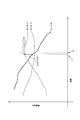
図4及び図5を用いて、かかる判定部106における動作を説明する。図4及び図5において、キャリアアグリゲーションを行っているコンポーネントキャリアにおけるセルとして、セル#1-A及びセル#1-Bが存在し、隣接セルとして、セル#2-Cが存在する。
ここで、判定部106は、時刻T1において、Measurement Reference CCであるセル#1-Bと隣接セル#2-Cに関して、イベントA3のTTTを起動した後、かかるTTTが起動中である時刻T2において、セル#1-Aの無線品質がセル#1-Bの無線品質よりも高くなった場合、Measurement Reference CCをセル#1-Aに変更し、TTTの起動を継続するように構成されている。
この場合、判定部106におけるTTTが起動されている間のイベントA3の判定条件を満たしているか否かの判定は、かかる変更されたMeasurement Reference CC、すなわち、セル#1-Aの無線品質とセル#2-Cの無線品質とに基づいて行われる。
その後、図4の例では、時刻T3において、通信中セル(セル#1-A)又は隣接セルの無線品質が所定条件(イベントA3)を満たさなくなるため、判定部106は、TTTを停止している。
一方、図5の例では、かかるTTTの満了後、すなわち、時刻T4において、Measurement Report送信部108は、無線基地局eNBに対して、Measurement Reportを送信するように構成されている。
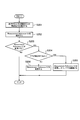
以下、図6を参照して、本実施形態に係る移動局UEの動作、すなわち、通信制御方法について説明する。なお、図6に示すように、ステップS201乃至S204、及びS206の動作は、図3に示すステップS101乃至S104、及びS106の動作と同一である。
ステップS205において、判定部106は、Measurement Reference CCを変更し、TTTの起動を継続する。
本実施形態に係る移動通信システムによれば、移動局UEが、TTTが起動されている間に、選択条件を満たすCCが変更になった場合、Measurement Reference CCを変更しつつ、TTTの起動を継続するように構成されることによって、Measurement Reference CCの変更に伴う、イベントの判定のリセットを回避することが可能となり、キャリアアグリゲーション時に、適切にイベントを判定しつつ、Measurement Reportの数を低減することができる。
(本発明の第3の実施形態に係る移動通信システム)
図7及び図8を参照して、本発明の第3の実施形態に係る移動通信システムの構成について説明する。以下、本実施形態に係る移動通信システムについて、上述の第1の実施形態に係る移動通信システムとの相違点に着目して説明する。
図7及び図8を参照して、本発明の第3の実施形態に係る移動通信システムの構成について説明する。以下、本実施形態に係る移動通信システムについて、上述の第1の実施形態に係る移動通信システムとの相違点に着目して説明する。
本実施形態では、判定部106は、所定タイマ(例えば、TTT)が起動されている間に、選択条件を満たすCCが変更になった場合に、Measurement Reference CCを変更し、かつ、所定タイマをリセットするように構成されている。
図7を用いて、かかる判定部106における動作を説明する。図7において、キャリアアグリゲーションを行っているコンポーネントキャリアにおけるセルとして、セル#1-A及びセル#1-Bが存在し、隣接セルとして、セル#2-Cが存在する。
ここで、判定部106は、時刻T1において、Measurement Reference CCであるセル#1-Bと隣接セル#2-Cに関して、イベントA3のTTTを起動した後、かかるTTTが起動中である時刻T2において、セル#1-Aの無線品質がセル#1-Bの無線品質よりも高くなった場合、Measurement Reference CCをセル#1-Aに変更し、TTTをリセットするように構成されている。
この場合、判定部106におけるTTTが起動されている間のイベントA3の判定条件を満たしているか否かの判定は、一旦リセットされ、その後、かかる変更されたMeasurement Reference CC、すなわち、セル#1-Aの無線品質とセル#2-Cの無線品質とに基づいて、イベントA3の判定が改めて行われる。
すなわち、判定部106は、時刻T2において、Measurement Reference CCであるセル#1-Aと隣接セル#2-Cに関して、イベントA3のTTTを起動する。
その後、時刻T2でリセットされたTTTの満了後に、すなわち、時刻T5において、Measurement Report送信部108は、無線基地局eNBに対して、Measurement Reportを送信するように構成されている。
以下、図8を参照して、本実施形態に係る移動局UEの動作、すなわち、通信制御方法について説明する。なお、図8に示すように、ステップS301乃至S304、及びS306の動作は、図3に示すステップS101乃至S104、及びS106の動作と同一である。
ステップS305において、判定部106は、Measurement Reference CCを変更し、TTTをリセットする。
本実施形態に係る移動通信システムによれば、移動局UEが、TTTが起動されている間に、選択条件を満たすCCが変更になった場合、Measurement Reference CCを変更しつつ、TTTをリセットするように構成されることによって、ある特定のMeasurement Reference CCに関してイベントの判定を行うことが可能となり、結果として、Measurement Reference CCの変更によるイベントの判定の誤り、あるいは、不確かさを防ぐことが可能となる。その結果として、キャリアアグリゲーション時に、適切にイベントを判定しつつ、Measurement Reportの数を低減することができる。
以上に述べた実施形態の特徴は、以下のように表現されていてもよい。
本実施形態の第1の特徴は、2つ以上のCC(キャリア)を用いて無線基地局eNBと通信を行うことができる移動局UEであって、2つ以上のCC内の各CCに関して、通信中セル又は隣接セルの無線品質を測定するように構成されている測定部102と、2つ以上のCCから、選択条件を満たすCCを、Measurement Reference CC(測定用参照キャリア)として選択するように構成されているMeasurement Reference CC選択部(参照キャリア選択部)104と、Measurement Reference CCに関して、通信中セル又は隣接セルの無線品質が、所定タイマが起動されている間、所定条件を満たしている場合に、測定部102における測定結果を無線基地局eNBに通知するべきであると判定するように構成されている判定部106と、判定部106が、測定結果を無線基地局eNBに通知するべきであると判定した場合に、測定結果を無線基地局eNBに送信するように構成されているMeasurement Report送信部(送信部)108とを具備し、判定部106は、所定タイマが起動されている間に、選択条件を満たすCCが変更になった場合であっても、Measurement Reference CCを変更しないように構成されていることを要旨とする。
本実施形態の第2の特徴は、2つ以上のCCを用いて無線基地局eNBと通信を行うことができる移動局UEであって、2つ以上のCC内の各CCに関して、通信中セル又は隣接セルの無線品質を測定するように構成されている測定部102と、2つ以上のCCから、選択条件を満たすCCを、Measurement Reference CCとして選択するように構成されているMeasurement Reference CC選択部104と、Measurement Reference CCに関して、通信中セル又は隣接セルの無線品質が、所定タイマが起動されている間、所定条件を満たしている場合に、測定部102における測定結果を無線基地局eNBに通知するべきであると判定するように構成されている判定部106と、判定部106が、測定結果を無線基地局eNBに通知するべきであると判定した場合に、測定結果を無線基地局eNBに送信するように構成されているMeasurement Report送信部108とを具備し、判定部106は、所定タイマが起動されている間に、選択条件を満たすCCが変更になった場合に、Measurement Reference CCを変更し、かつ、所定タイマの起動を継続するように構成されていることを要旨とする。
本実施形態の第3の特徴は、2つ以上のCCを用いて無線基地局eNBと通信を行うことができる移動局UEであって、2つ以上のCC内の各CCに関して、通信中セル又は隣接セルの無線品質を測定するように構成されている測定部102と、2つ以上のCCから、選択条件を満たすCCを、Measurement Reference CCとして選択するように構成されているMeasurement Reference CC選択部104と、Measurement Reference CCに関して、通信中セル又は隣接セルの無線品質が、所定タイマが起動されている間、所定条件を満たしている場合に、測定部102における測定結果を無線基地局eNBに通知するべきであると判定するように構成されている判定部106と、判定部106が、測定結果を無線基地局eNBに通知するべきであると判定した場合に、測定結果を無線基地局eNBに送信するように構成されているMeasurement Report送信部108とを具備し、判定部106は、所定タイマが起動されている間に、選択条件を満たすCCが変更になった場合に、Measurement Reference CCを変更し、かつ、所定タイマリセットするように構成されていることを要旨とする。
本実施形態の第1乃至第3の特徴において、Measurement Reference CC選択部104は、選択条件を満たすCCとして、最も無線品質のよいCCを選択するように構成されていてもよい。
或いは、本実施形態の第1乃至第3の特徴において、Measurement Reference CC選択部104は、選択条件を満たすCCとして、最も無線品質の悪いCCを選択するように構成されていてもよい。
本実施形態の第1乃至第3の特徴において、判定部106は、隣接セルの無線品質が通信中セルの無線品質よりも所定オフセット分だけ良くなった場合(イベントA3)、通信中セルの無線品質が第1閾値よりも良くなった場合(イベントA1)、通信中セルの無線品質が第2閾値よりも悪くなった場合(イベントA2)、隣接セルの無線品質が第3閾値よりも良くなった場合(イベントA4)、通信中セルの無線品質が第4閾値よりも悪くなり、かつ、隣接セルの無線品質が第5閾値よりも良くなった場合(イベントA5)、或いは、測定結果が周期的に送信される際の送信タイミングである場合の少なくとも1つの場合に、通信中セル又は隣接セルの無線品質が所定条件を満たすと判定するように構成されていてもよい。
本実施形態の第1乃至第3の特徴において、所定タイマは、Time-To-Triggerであってもよい。
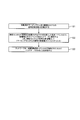
本実施形態の第4の特徴は、2つ以上のCCを用いて無線基地局eNBと通信を行うことができる移動局UEにおける通信制御方法であって、2つ以上のCC内の各CCに関して、通信中セル又は隣接セルの無線品質を測定する第1ステップと、2つ以上のCCから、選択条件を満たすCCを、Measurement Reference CCとして選択する第2ステップと、Measurement Reference CCにおける通信中セル又は隣接セルの無線品質が、所定タイマが起動されている間、所定条件を満たしている場合に、第1ステップにおける測定結果を無線基地局eNBに通知するべきであると判定する第3ステップと、第3ステップにおいて、かかる測定結果を無線基地局eNBに通知するべきであると判定した場合に、かかる測定結果を無線基地局eNBに送信する第4ステップとを有し、第3ステップにおいて、所定タイマが起動されている間に、選択条件を満たすCCが変更になった場合に、Measurement Reference CCを変更し、かつ、所定タイマの起動を継続することを要旨とする。
なお、上述の移動局UEや無線基地局DeNBの動作は、ハードウェアによって実施されてもよいし、プロセッサによって実行されるソフトウェアモジュールによって実施されてもよいし、両者の組み合わせによって実施されてもよい。
ソフトウェアモジュールは、RAM(Random Access Memory)や、フラッシュメモリや、ROM(Read Only Memory)や、EPROM(Erasable Programmable ROM)や、EEPROM(Electronically Erasable and Programmable ROM)や、レジスタや、ハードディスクや、リムーバブルディスクや、CD-ROMといった任意形式の記憶媒体内に設けられていてもよい。
かかる記憶媒体は、プロセッサが当該記憶媒体に情報を読み書きできるように、当該プロセッサに接続されている。また、かかる記憶媒体は、プロセッサに集積されていてもよい。また、かかる記憶媒体及びプロセッサは、ASIC内に設けられていてもよい。かかるASICは、移動局UEや無線基地局DeNB内に設けられていてもよい。また、かかる記憶媒体及びプロセッサは、ディスクリートコンポーネントとして移動局UEや無線基地局DeNB内に設けられていてもよい。
以上、上述の実施形態を用いて本発明について詳細に説明したが、当業者にとっては、本発明が本明細書中に説明した実施形態に限定されるものではないということは明らかである。本発明は、請求の範囲の記載により定まる本発明の趣旨及び範囲を逸脱することなく修正及び変更態様として実施することができる。従って、本明細書の記載は、例示説明を目的とするものであり、本発明に対して何ら制限的な意味を有するものではない。
以上説明したように、本発明によれば、キャリアアグリゲーション時に、適切にイベントを判定しつつ、Measurement Reportの数を低減することにより、システムの効率化及び接続性の安定性を実現することができる移動局及び通信制御方法を提供することができる。
UE…移動局
102…測定部
104…Measurement Reference CC選択部
106…判定部
108…Measurement Report送信部
110…Measurement制御信号受信部
102…測定部
104…Measurement Reference CC選択部
106…判定部
108…Measurement Report送信部
110…Measurement制御信号受信部
Claims (7)
- 2つ以上のキャリアを用いて無線基地局と通信を行うことができる移動局であって、
前記2つ以上のキャリア内の各キャリアに関して、通信中セル又は隣接セルの無線品質を測定するように構成されている測定部と、
前記2つ以上のキャリアから、選択条件を満たすキャリアを、測定用参照キャリアとして選択するように構成されている参照キャリア選択部と、
前記測定用参照キャリアにおける前記通信中セル又は隣接セルの無線品質が、所定タイマが起動されている間、所定条件を満たしている場合に、前記測定部における測定結果を前記無線基地局に通知するべきであると判定するように構成されている判定部と、
前記判定部が、前記測定結果を前記無線基地局に通知するべきであると判定した場合に、該測定結果を前記無線基地局に送信するように構成されている送信部とを具備し、
前記判定部は、前記所定タイマが起動されている間に、前記選択条件を満たすキャリアが変更になった場合であっても、前記測定用参照キャリアを変更しないように構成されていることを特徴とする移動局。 - 2つ以上のキャリアを用いて無線基地局と通信を行うことができる移動局であって、
前記2つ以上のキャリア内の各キャリアに関して、通信中セル又は隣接セルの無線品質を測定するように構成されている測定部と、
前記2つ以上のキャリアから、選択条件を満たすキャリアを、測定用参照キャリアとして選択するように構成されている参照キャリア選択部と、
前記測定用参照キャリアにおける前記通信中セル又は隣接セルの無線品質が、所定タイマが起動されている間、所定条件を満たしている場合に、前記測定部における測定結果を前記無線基地局に通知するべきであると判定するように構成されている判定部と、
前記判定部が、前記測定結果を前記無線基地局に通知するべきであると判定した場合に、該測定結果を前記無線基地局に送信するように構成されている送信部とを具備し、
前記判定部は、前記所定タイマが起動されている間に、前記選択条件を満たすキャリアが変更になった場合に、前記測定用参照キャリアを変更し、かつ、該所定タイマの起動を継続するように構成されていることを特徴とする移動局。 - 2つ以上のキャリアを用いて無線基地局と通信を行うことができる移動局であって、
前記2つ以上のキャリア内の各キャリアに関して、通信中セル又は隣接セルの無線品質を測定するように構成されている測定部と、
前記2つ以上のキャリアから、選択条件を満たすキャリアを、測定用参照キャリアとして選択するように構成されている参照キャリア選択部と、
前記測定用参照キャリアにおける前記通信中セル又は隣接セルの無線品質が、所定タイマが起動されている間、所定条件を満たしている場合に、前記測定部における測定結果を前記無線基地局に通知するべきであると判定するように構成されている判定部と、
前記判定部が、前記測定結果を前記無線基地局に通知するべきであると判定した場合に、該測定結果を前記無線基地局に送信するように構成されている送信部とを具備し、
前記判定部は、前記所定タイマが起動されている間に、前記選択条件を満たすキャリアが変更になった場合に、前記測定用参照キャリアを変更し、かつ、該所定タイマリセットするように構成されていることを特徴とする移動局。 - 前記参照キャリア選択部は、前記選択条件を満たすキャリアとして、最も無線品質のよいキャリアを選択するように構成されていることを特徴とする請求項1乃至3のいずれか一項に記載の移動局。
- 前記判定部は、
前記隣接セルの無線品質が前記通信中セルの無線品質よりも所定オフセット分だけ良くなった場合、
前記通信中セルの無線品質が第1閾値よりも良くなった場合、
前記通信中セルの無線品質が第2閾値よりも悪くなった場合、
前記隣接セルの無線品質が第3閾値よりも良くなった場合、
前記通信中セルの無線品質が第4閾値よりも悪くなり、かつ、前記隣接セルの無線品質が第5閾値よりも良くなった場合、或いは、
前記測定結果が周期的に送信される際の送信タイミングである場合の少なくとも1つの場合に、
前記通信中セル又は隣接セルの無線品質が前記所定条件を満たすと判定するように構成されていることを特徴とする請求項1乃至4のいずれか一項に記載の移動局。 - 前記所定タイマは、Time-To-Triggerであることを特徴とする請求項1乃至5のいずれか一項に記載の移動局。
- 2つ以上のキャリアを用いて無線基地局と通信を行うことができる移動局における通信制御方法であって、
前記2つ以上のキャリア内の各キャリアに関して、通信中セル又は隣接セルの無線品質を測定する第1ステップと、
前記2つ以上のキャリアから、選択条件を満たすキャリアを、測定用参照キャリアとして選択する第2ステップと、
前記測定用参照キャリアにおける前記通信中セル又は隣接セルの無線品質が、所定タイマが起動されている間、所定条件を満たしている場合に、前記第1ステップにおける測定結果を前記無線基地局に通知するべきであると判定する第3ステップと、
前記第3ステップにおいて、前記測定結果を前記無線基地局に通知するべきであると判定した場合に、該測定結果を前記無線基地局に送信する第4ステップとを有し、
前記第3ステップにおいて、前記所定タイマが起動されている間に、前記選択条件を満たすキャリアが変更になった場合に、前記測定用参照キャリアを変更し、かつ、該所定タイマの起動を継続することを特徴とする通信制御方法。
Applications Claiming Priority (2)
| Application Number | Priority Date | Filing Date | Title |
|---|---|---|---|
| JP2010087399A JP2011223116A (ja) | 2010-04-05 | 2010-04-05 | 移動局及び通信制御方法 |
| JP2010-087399 | 2010-04-05 |
Publications (1)
| Publication Number | Publication Date |
|---|---|
| WO2011126016A1 true WO2011126016A1 (ja) | 2011-10-13 |
Family
ID=44762952
Family Applications (1)
| Application Number | Title | Priority Date | Filing Date |
|---|---|---|---|
| PCT/JP2011/058624 Ceased WO2011126016A1 (ja) | 2010-04-05 | 2011-04-05 | 移動局及び通信制御方法 |
Country Status (2)
| Country | Link |
|---|---|
| JP (1) | JP2011223116A (ja) |
| WO (1) | WO2011126016A1 (ja) |
Cited By (1)
| Publication number | Priority date | Publication date | Assignee | Title |
|---|---|---|---|---|
| CN111770525A (zh) * | 2020-06-19 | 2020-10-13 | Oppo广东移动通信有限公司 | 一种邻区测量装置、终端以及邻区测量方法 |
Families Citing this family (1)
| Publication number | Priority date | Publication date | Assignee | Title |
|---|---|---|---|---|
| US8855095B2 (en) * | 2010-04-29 | 2014-10-07 | Innovative Sonic Corporation | Method and apparatus for a component carrier deactivation timer in a wireless communication system |
-
2010
- 2010-04-05 JP JP2010087399A patent/JP2011223116A/ja not_active Ceased
-
2011
- 2011-04-05 WO PCT/JP2011/058624 patent/WO2011126016A1/ja not_active Ceased
Non-Patent Citations (2)
| Title |
|---|
| "Measurement events for carrier aggregation", 3GPP TSG-RAN WG2 #69, TDOC R2-101197, 22 February 2010 (2010-02-22), pages 1 - 7 * |
| "Measurement Events Generalization for Carrier Aggregation", 3GPP TSG-RAN WG2 #69, R2-101146, 22 February 2010 (2010-02-22), pages 1 - 3 * |
Cited By (2)
| Publication number | Priority date | Publication date | Assignee | Title |
|---|---|---|---|---|
| CN111770525A (zh) * | 2020-06-19 | 2020-10-13 | Oppo广东移动通信有限公司 | 一种邻区测量装置、终端以及邻区测量方法 |
| CN111770525B (zh) * | 2020-06-19 | 2023-06-23 | Oppo广东移动通信有限公司 | 一种邻区测量装置、终端以及邻区测量方法 |
Also Published As
| Publication number | Publication date |
|---|---|
| JP2011223116A (ja) | 2011-11-04 |
Similar Documents
| Publication | Publication Date | Title |
|---|---|---|
| JP5123985B2 (ja) | 無線基地局及び移動通信方法 | |
| JP5756129B2 (ja) | ユーザ装置及び測定方法 | |
| JP4698695B2 (ja) | ハンドオーバ制御方法、セル再選択方法及び移動局 | |
| JP4744544B2 (ja) | ハンドオーバ制御方法、セル再選択方法及び移動局 | |
| EP3435723B1 (en) | Ue, network node and methods of assisting measurements in mixed signal configuration | |
| KR102226464B1 (ko) | 무선 통신 시스템에서 셀 간 부하 분산 및 간섭 완화를 위한 방법 및 장치 | |
| JP5174580B2 (ja) | 移動局及び移動通信方法 | |
| JP5150676B2 (ja) | 無線基地局、移動局及び通信制御方法 | |
| JP5135117B2 (ja) | 移動局、無線基地局及び移動通信方法 | |
| JP4861487B2 (ja) | 移動局、無線基地局及び通信制御方法 | |
| CN106797610B (zh) | 调整具有接通/关断小区的网络中要测量的小区的数量 | |
| JP2017501632A (ja) | 非ライセンス帯域におけるシグナリング送信のための方法及びデバイス | |
| WO2019029570A1 (zh) | 转换测量模式的方法和装置 | |
| JP6214957B2 (ja) | 移動局及び無線基地局 | |
| WO2011126016A1 (ja) | 移動局及び通信制御方法 | |
| JP6334868B2 (ja) | 無線基地局 | |
| JP2011155592A (ja) | 移動局及び移動通信方法 | |
| JP5480859B2 (ja) | 移動局、無線基地局及び通信制御方法 | |
| WO2018166231A1 (en) | Method and apparatus for mobility management | |
| JP2013085304A (ja) | 移動局、無線基地局、移動通信システム及び移動通信方法 |
Legal Events
| Date | Code | Title | Description |
|---|---|---|---|
| 121 | Ep: the epo has been informed by wipo that ep was designated in this application |
Ref document number: 11765916 Country of ref document: EP Kind code of ref document: A1 |
|
| NENP | Non-entry into the national phase |
Ref country code: DE |
|
| 122 | Ep: pct application non-entry in european phase |
Ref document number: 11765916 Country of ref document: EP Kind code of ref document: A1 |