US8852873B2 - Maternal biomarkers for gestational diabetes - Google Patents
Maternal biomarkers for gestational diabetes Download PDFInfo
- Publication number
- US8852873B2 US8852873B2 US13/792,844 US201313792844A US8852873B2 US 8852873 B2 US8852873 B2 US 8852873B2 US 201313792844 A US201313792844 A US 201313792844A US 8852873 B2 US8852873 B2 US 8852873B2
- Authority
- US
- United States
- Prior art keywords
- antibody
- fibronectin
- psg
- gdm
- sna
- Prior art date
- Legal status (The legal status is an assumption and is not a legal conclusion. Google has not performed a legal analysis and makes no representation as to the accuracy of the status listed.)
- Active
Links
Images




Classifications
-
- G—PHYSICS
- G01—MEASURING; TESTING
- G01N—INVESTIGATING OR ANALYSING MATERIALS BY DETERMINING THEIR CHEMICAL OR PHYSICAL PROPERTIES
- G01N33/00—Investigating or analysing materials by specific methods not covered by groups G01N1/00 - G01N31/00
- G01N33/48—Biological material, e.g. blood, urine; Haemocytometers
- G01N33/50—Chemical analysis of biological material, e.g. blood, urine; Testing involving biospecific ligand binding methods; Immunological testing
- G01N33/68—Chemical analysis of biological material, e.g. blood, urine; Testing involving biospecific ligand binding methods; Immunological testing involving proteins, peptides or amino acids
- G01N33/689—Chemical analysis of biological material, e.g. blood, urine; Testing involving biospecific ligand binding methods; Immunological testing involving proteins, peptides or amino acids related to pregnancy or the gonads
-
- G—PHYSICS
- G01—MEASURING; TESTING
- G01N—INVESTIGATING OR ANALYSING MATERIALS BY DETERMINING THEIR CHEMICAL OR PHYSICAL PROPERTIES
- G01N33/00—Investigating or analysing materials by specific methods not covered by groups G01N1/00 - G01N31/00
- G01N33/48—Biological material, e.g. blood, urine; Haemocytometers
- G01N33/50—Chemical analysis of biological material, e.g. blood, urine; Testing involving biospecific ligand binding methods; Immunological testing
- G01N33/74—Chemical analysis of biological material, e.g. blood, urine; Testing involving biospecific ligand binding methods; Immunological testing involving hormones or other non-cytokine intercellular protein regulatory factors such as growth factors, including receptors to hormones and growth factors
-
- G—PHYSICS
- G01—MEASURING; TESTING
- G01N—INVESTIGATING OR ANALYSING MATERIALS BY DETERMINING THEIR CHEMICAL OR PHYSICAL PROPERTIES
- G01N33/00—Investigating or analysing materials by specific methods not covered by groups G01N1/00 - G01N31/00
- G01N33/48—Biological material, e.g. blood, urine; Haemocytometers
- G01N33/50—Chemical analysis of biological material, e.g. blood, urine; Testing involving biospecific ligand binding methods; Immunological testing
- G01N33/74—Chemical analysis of biological material, e.g. blood, urine; Testing involving biospecific ligand binding methods; Immunological testing involving hormones or other non-cytokine intercellular protein regulatory factors such as growth factors, including receptors to hormones and growth factors
- G01N33/76—Human chorionic gonadotropin including luteinising hormone, follicle stimulating hormone, thyroid stimulating hormone or their receptors
-
- G—PHYSICS
- G01—MEASURING; TESTING
- G01N—INVESTIGATING OR ANALYSING MATERIALS BY DETERMINING THEIR CHEMICAL OR PHYSICAL PROPERTIES
- G01N2333/00—Assays involving biological materials from specific organisms or of a specific nature
- G01N2333/435—Assays involving biological materials from specific organisms or of a specific nature from animals; from humans
- G01N2333/46—Assays involving biological materials from specific organisms or of a specific nature from animals; from humans from vertebrates
- G01N2333/47—Assays involving proteins of known structure or function as defined in the subgroups
- G01N2333/4701—Details
- G01N2333/471—Pregnancy proteins, e.g. placenta proteins, alpha-feto-protein, pregnancy specific beta glycoprotein
-
- G—PHYSICS
- G01—MEASURING; TESTING
- G01N—INVESTIGATING OR ANALYSING MATERIALS BY DETERMINING THEIR CHEMICAL OR PHYSICAL PROPERTIES
- G01N2333/00—Assays involving biological materials from specific organisms or of a specific nature
- G01N2333/435—Assays involving biological materials from specific organisms or of a specific nature from animals; from humans
- G01N2333/78—Connective tissue peptides, e.g. collagen, elastin, laminin, fibronectin, vitronectin, cold insoluble globulin [CIG]
-
- G—PHYSICS
- G01—MEASURING; TESTING
- G01N—INVESTIGATING OR ANALYSING MATERIALS BY DETERMINING THEIR CHEMICAL OR PHYSICAL PROPERTIES
- G01N2800/00—Detection or diagnosis of diseases
- G01N2800/04—Endocrine or metabolic disorders
- G01N2800/042—Disorders of carbohydrate metabolism, e.g. diabetes, glucose metabolism
-
- G—PHYSICS
- G01—MEASURING; TESTING
- G01N—INVESTIGATING OR ANALYSING MATERIALS BY DETERMINING THEIR CHEMICAL OR PHYSICAL PROPERTIES
- G01N2800/00—Detection or diagnosis of diseases
- G01N2800/36—Gynecology or obstetrics
- G01N2800/368—Pregnancy complicated by disease or abnormalities of pregnancy, e.g. preeclampsia, preterm labour
-
- G—PHYSICS
- G01—MEASURING; TESTING
- G01N—INVESTIGATING OR ANALYSING MATERIALS BY DETERMINING THEIR CHEMICAL OR PHYSICAL PROPERTIES
- G01N2800/00—Detection or diagnosis of diseases
- G01N2800/60—Complex ways of combining multiple protein biomarkers for diagnosis
Definitions
- Embodiments herein relate to the field of screening tools for fetal/maternal wellness, and, more specifically, to biomarkers for gestational diabetes.
- GDM gestational diabetes mellitus
- GDM is a serious complication of pregnancy that can increase the risk of a number of maternal-fetal disorders, including macrosomia, shoulder dystocia or birth injury, premature delivery, and preeclampsia.
- GDM is also serious post-natal complications associated with GDM. For instance, 5 to 10% of women with GDM are found to have diabetes immediately after pregnancy, and women who have had GDM have a 10-fold higher chance of developing diabetes within the next 10-20 years. Children of mothers with GDM have an eight-fold greater risk of developing type-2 diabetes in later life.
- untreated GDM contributes to the overall diabetic population in both the short and long term.
- GDM screening is hampered by the fact that the standard assessments of diabetes and pre-diabetes, such as fasting insulin/glucose and HbA1c, are not recommended for screening of GDM. Instead, the recommended parameter is an oral glucose tolerance test (OGTT), which is costly and invasive, requiring a hospital visit and multiple blood draws.
- OGTT oral glucose tolerance test
- FIG. 1 illustrates a two-dimensional differential in-gel electrophoresis (2D-DIGE) analysis of control and GDM maternal serum samples, in which differentially abundant proteins (arrows) appear as red or green spots depending on the extent of under- or over-abundance, in accordance with various embodiments;
- 2D-DIGE differential in-gel electrophoresis
- FIG. 2 illustrates receiver operating characteristic (ROC) curves that demonstrate the ability of fibronectin and pregnancy-specific glycoprotein (PSG) glycosylation to distinguish samples from pregnant women with and without gestational diabetes, in accordance with various embodiments;
- ROC receiver operating characteristic
- FIG. 3 illustrates ROC curves that demonstrate the classification performance of each protein and protein glycosylation pattern as individual analytes and as a multi-analyte model, in accordance with various embodiments
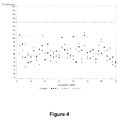
- FIG. 4 illustrates serial measures of fibronectin-SNA across trimesters in 35 non-diabetic controls, in which the lines represent the 25th and 75th percentile of the GDM study group, in accordance with various embodiments;
- FIG. 5 is a Receiver Operating Characteristic (ROC) curve illustrating the ability of first trimester fibronectin-SNA to predict subsequent development of gestational diabetes, in accordance with various embodiments;
- ROC Receiver Operating Characteristic
- FIG. 6 is a Receiver Operating Characteristic (ROC) Curve, illustrating the ability of fibronectin and PSG glycosylation to distinguish between non-diabetics and gestational diabetics within the second and third trimesters of pregnancy, in accordance with various embodiments;
- ROC Receiver Operating Characteristic
- FIG. 7 is a Receiver Operating Characteristic (ROC) Curve, illustrating the classification performance of each protein and protein glycosylation pattern as individual analytes and as a multi-analyte model, in accordance with various embodiments;
- ROC Receiver Operating Characteristic
- FIGS. 8A and 8B illustrate a schematic diagram showing an example of a lateral flow immunoassay ( FIG. 8A ) and a lateral flow device ( FIG. 8B ) that may be used in accordance with various embodiments disclosed herein;
- FIG. 9 is a graph illustrating a comparison of the results of a fibronectin ELISA with the results of a FN-LFIA test, in accordance with various embodiments.
- Coupled may mean that two or more elements are in direct physical or electrical contact. However, “coupled” may also mean that two or more elements are not in direct contact with each other, but yet still cooperate or interact with each other.
- a phrase in the form “NB” or in the form “A and/or B” means (A), (B), or (A and B).
- a phrase in the form “at least one of A, B, and C” means (A), (B), (C), (A and B), (A and C), (B and C), or (A, B and C).
- a phrase in the form “(A) B” means (B) or (AB) that is, A is an optional element.
- the methods may include determining whether a proteomic profile of a test sample from a subject includes at least one expression signature characteristic of gestational diabetes, wherein the proteomic profile includes information on the expression of glycosylated fibronectin, for example by detection and/or quantification of glycosylated fibronectin, such by detecting/quantifying fibronectin-Sambucus nigra lectin (SNA) or a fibronectin-antibody complex, and/or by detecting and/or quantifying glycosylated pregnancy-specific glycoprotein (PSG), for example by detection/quantification of pregnancy specific glycoprotein-Aleuria aurantia lectin (PSG-AAL) or a PSG-antibody complex.
- SNA fibronectin-Sambucus nigra lectin
- PSG-antibody complex glycosylated pregnancy-specific glycoprotein
- the proteomic profile may also include information on the expression of adiponectin, sex hormone binding globulin (SHBG), C-reactive protein (CRP), the ratio of human chorionic gonadotropin (hCG) to placental lactogen, or a combination thereof, such as two, three, or all four of adiponectin, SHBG, CRP, and the ratio of hCG to placental lactogen.
- SHBG sex hormone binding globulin
- CRP C-reactive protein
- hCG human chorionic gonadotropin
- proteome refers to a significant portion of the proteins in a biological sample at a given time. Generally speaking, the proteome is fundamentally different from a genome, in that while the genome is virtually static, the proteome continually changes in response to internal and external events.
- proteomic profile refers to a representation of the expression pattern of a plurality of proteins in a biological sample, such as whole blood, plasma, serum, or saliva, at a given time. In various embodiments, a proteomic profile may, for example, be represented as a mass spectrum, but other representations based on any physicochemical or biochemical properties of the proteins are also included.
- a proteomic profile may, for example, be based on differences in the electrophoretic properties of proteins, as determined by two-dimensional polyacrylamide gel electrophoresis (2D-PAGE) or 2-dimensional differential in-gel electrophoresis (2D-DIGE), and may be represented, for example, as a plurality of spots in a two-dimensional electrophoresis gel.
- differential expression profiles may have important diagnostic value, and protein spots may be detected and/or quantified, for example, by mass spectrometry, immunoblotting, ELISA assays, or protein microarrays.
- proteins may be detected and/or quantified using lateral flow devices, such as for point-of-care use, as well as spot check colorimetric tests.
- a proteomic profile in accordance with the present disclosure may represent or contain information about at least 2, 3, 4, 5, 6, 7, 8, 9, 10, or even more proteins.
- expression signature refers to a unique protein expression feature or motif within a proteomic profile of a biological sample (such as a test sample) that may differ from a proteomic profile of a corresponding reference sample (e.g., obtained from the same type of biological fluid) in a statistically significant manner.
- an “expression signature characteristic of gestational diabetes” may include a characteristic motif that differs from a proteomic profile of a normal reference sample, or it may share a characteristic motif with a proteomic profile from a gestational diabetes reference sample.
- the expression signature may include an increase or decrease in the expression of two or more specific proteins, for example glycosylated fibronectin (for example, which may be detected as fibronectin-SNA or a fibronectin-antibody complex), glycosylated PSG (for example, which may be detected as PSG-AAL or a PSG-antibody complex), adiponectin, SHBG, and/or CRP, and/or it may include an increase or decrease in the ratio of expression of two or more specific proteins, such as the ratio of human chorionic gonadotropin (hCG) to placental lactogen.
- hCG human chorionic gonadotropin
- Genbank Accession No. gi:6093845 human pregnancy-specific beta-1-glycoprotein 9, Genbank Accession No. gi:6093845; human sex hormone binding globulin, Genbank Accession No. gi:134907; human adiponectin, Genbank Accession No. gi:167077467; human choriogonadotropin subunit beta, Genbank Accession No. gi:116184; human glycoproteins hormone alpha chain, Genbank Accession No. gi:121312; human placental lactogen, Genbank Accession No. gi:190034; and human C-reactive protein, Genbank Accession No. gi:30224.
- the method includes detecting an increase, such as a statistically significant increase relative to a reference sample, such as at least a 10%, 15%, 25%, 50%, 75%, 100%, 150%, 200%, 250%, or even greater increase, in the expression of glycosylated fibronectin (which may be detected as, for example, fibronectin-SNA or a fibronectin-antibody complex) and glycosylated PSG (which may be detected as, for example, PSG-AAL or a PSG-antibody complex), or a statistically significant increase in the expression of glycosylated fibronectin (which may be detected as, for example, fibronectin-SNA or a fibronectin-antibody complex) and glycosylated PSG (which may be detected as, for example, PSG-AAL or a PSG-antibody complex), in addition to CRP and/or the ratio of hCG to placental lactogen.
- an increase such as a statistically significant increase relative to a reference sample,
- the statistically significant increase in the expression of glycosylated fibronectin and PSG also may be accompanied by a statistically significant decrease, such as at least a 10%, 15%, 25%, 50%, 75%, 100%, 150%, 200%, 250%, or even greater decrease, relative to the reference sample, in expression of adiponectin and/or SHBG.
- an expression signature characteristic of gestational diabetes may include a statistically significant increase in the expression of glycosylated fibronectin (e.g., detected as fibronectin-SNA or a fibronectin-antibody complex), glycosylated PSG (e.g., detected as PSG-AAL or a PSG-antibody complex), CRP, and the ratio of hCG to placental lactogen, in addition to a statistically significant decrease in expression of adiponectin and SHBG.
- glycosylated fibronectin e.g., detected as fibronectin-SNA or a fibronectin-antibody complex
- glycosylated PSG e.g., detected as PSG-AAL or a PSG-antibody complex
- CRP e.g., the ratio of hCG to placental lactogen
- the reference sample is a normal or control reference sample, such as a sample from a subject who does not have gestational diabetes
- the proteomic profile of the test sample differs from the reference sample with regard to at least one expression signature characteristic of gestational diabetes
- the subject may be determined to have gestational diabetes.
- the test sample does not differ from the normal reference sample with regard to at least one expression signature characteristic of gestational diabetes, then the subject may be determined to not have gestational diabetes.
- the reference sample is a gestational diabetes reference sample, such as a sample from a subject who has gestational diabetes
- the proteomic profile of the test sample differs from the reference sample with regard to at least one expression signature characteristic of gestational diabetes
- the subject may be determined not to have gestational diabetes.
- the test sample does not differ from the gestational diabetes reference sample with regard to at least one expression signature characteristic of gestational diabetes
- the subject may be determined to have gestational diabetes.
- Some embodiments may use more than one reference sample, such as a normal reference sample and a gestational diabetes reference sample.
- the proteomic profile provides a diagnostic criterion for gestational diabetes.
- Statistical methods for determining if the abundance of a protein of interest is increased or decreased relative to a reference sample are well known in the art, and are described below.
- proteomic analysis of biological fluids may be performed using a variety of methods known to those of skill in the art.
- the reference sample and test sample may be treated exactly the same way, in order to correctly represent the relative abundance of proteins and obtain accurate results.
- the proteins present in the biological samples may be separated by 2D-gel electrophoresis according to their charge and molecular weight.
- the proteins may first be separated by their charge using isoelectric focusing (one-dimensional gel electrophoresis), for example using immobilized pH-gradient (IPG) strips, which are commercially available.
- IPG immobilized pH-gradient
- the second dimension may be an SDS-PAGE analysis, where the focused IPG strip may be used as the sample.
- proteins may then be visualized with conventional dyes, such as Coomassie Blue or silver staining, and imaged using known techniques and equipment, such as, for example Bio-Rad GS800 densitometer and PDQUESTTM software.
- individual spots may then be cut from the gel, de-stained, and subjected to tryptic digestion, allowing the peptide mixtures to be analyzed by mass spectrometry (MS).
- MS mass spectrometry
- the peptides may be separated, for example by capillary high pressure liquid chromatography (HPLC) and may be analyzed by MS either individually, or in pools.
- HPLC capillary high pressure liquid chromatography
- the amino acid sequences of the peptide fragments and the proteins from which they derived may be determined. Although it is possible to identify and sequence all or some of the proteins present in a proteomic profile, this typically is not necessary for the diagnostic use of the proteomic profiles.
- a diagnosis of gestational diabetes may be based on characteristic similarities or differences (e.g., expression signatures) between a reference sample and a test sample.
- expression signatures e.g., expression signatures
- the expression signature may be a peak or a combination of peaks that differ, qualitatively or quantitatively, from the mass spectrum of a corresponding normal sample.
- the appearance of a new peak or a combination of new peaks in the mass spectrum, or any statistically significant change in the amplitude or shape of an existing peak or combination of existing peaks, or the disappearance of an existing peak in the mass spectrum may be considered an expression signature.
- a proteomic profile may be defined by the peak amplitude values at key mass/charge (M/Z) positions along the horizontal axis of the spectrum.
- a characteristic proteomic profile may, for example, be characterized by the pattern formed by the combination of spectral amplitudes at given M/Z vales.
- the presence or absence of a characteristic expression signature, or the substantial identity of two profiles may be determined by matching the proteomic profile of a test sample with the proteomic profile of a reference sample with an appropriate algorithm.
- Protein arrays may utilize protein arrays to monitor protein expression levels, enabling high-throughput analysis.
- Protein arrays are known to those of skill in the art, and generally are formed by immobilizing proteins, such as antibodies specific for proteins of interest, on a solid surface, such as glass, silicon, nitrocellulose, or PVDF using any of a variety of covalent and non-covalent attachment chemistries well known in the art.
- the arrays may be probed with fluorescently labeled proteins from two different sources, such as normal and test samples, and fluorescence intensity may reflect the expression level of a target protein.
- immunoassays may be homogeneous or heterogeneous.
- an enzyme-linked immunosorbant assay ELISA
- a solid surface may be coated with a solid phase antibody, and the test sample may be allowed to react with the bound antibody. Any unbound antigen (e.g., protein of interest) may then be washed away, and a known amount of enzyme-labeled antibody may then be reacted. The label may then be quantified as a direct measurement of the amount of protein of interest present in the sample.
- ELISA may also be used as a competitive assay.
- the test sample containing the protein of interest may be mixed with a precise amount of enzyme-labeled protein of interest, and both may compete for binding to an antibody attached to a solid surface.
- excess free enzyme-labeled protein may be washed off before the substrate for the enzyme is added, and the color intensity resulting from the enzyme-substrate interaction may be used as a measure of the amount of protein of interest in the test sample.
- Various other embodiments may quantify the proteins of interest using an Enzyme Multiplied Immunoassay Technique (EMIT), which may include a test sample, enzyme-labeled molecules of the proteins of interest, antibodies specific to the proteins of interest, and a specific enzyme chromogenic substrate.
- EMIT Enzyme Multiplied Immunoassay Technique
- an excess of the specific antibodies may be added to the test sample, and the proteins of interest may then bind to the antibodies.
- a measured amount of the corresponding enzyme-labeled proteins may then be added to the mixture, and antibody binding sites not occupied by proteins of interest from the test sample may be occupied with molecules of the enzyme-labeled protein.
- enzyme activity may be reduced because only free enzyme-labeled protein can act on the substrate, and the amount of converted substrate may reflect the amount of free enzyme left in the mixture.
- a high concentration of the protein of interest in the sample may result in higher absorbance readings.
- kits for the quantification of the proteins of interest in a test sample.
- these kits may include, in separate containers, monoclonal antibodies having binding specificity for each of the proteins of interest, and, optionally, anti-antibody immunoglobulins, particularly labeled anti-antibody immunoglobulins.
- a sample capture device such as a lateral flow device (for example a lateral flow test strip) that may allow quantification of two or more proteins of interest.
- Lateral flow devices are available in numerous different configurations, but in one example, a test strip may include a flow path from an upstream sample application area to a test site, such as from a sample application area through a mobilization zone to a capture zone.
- the mobilization zone may contain a mobilizable marker that may interact with the protein of interest
- the capture zone may contain a reagent that binds the protein of interest for detection and/or quantification.
- exemplary sample collection kits may include an absorbent medium, such as filter paper, that may include indicia for the placement of the test sample on the medium.
- Such kits also may include a lancing device for obtaining a blood sample from a subject, and optionally, a mailer for sending the test sample to a physician or laboratory for analysis.
- sample collection kits may be used, for example, during standard prenatal exams, such as the twelve, sixteen, twenty, or twenty-four-week visit, and/or sample collection may be performed when blood is obtained for other standard prenatal tests.
- Serum samples were analyzed to obtain measures of sex-hormone binding globulin (SHBG), adiponectin, human chorionic gonadotropin (hCG), placental lactogen, C-reactive protein (CRP), pregnancy specific glycoprotein-1 (PSG-1), and fibronectin, as well as specific glycosylated forms of fibronectin and PSG-1 (Table 2).
- SHBG sex-hormone binding globulin
- hCG human chorionic gonadotropin
- CRP C-reactive protein
- PSG-1 pregnancy specific glycoprotein-1
- fibronectin as well as specific glycosylated forms of fibronectin and PSG-1 (Table 2).
- 2D-DIGE Two-dimensional differential in-gel electrophoresis
- ELISA immunoassays
- Differential glycosylation of fibronectin and PSG-1 was determined by direct lectin binding immunoassays. T-tests were used for analysis of normally distributed continuous variables and the Wilcoxon nonparametric equivalent for variables with skewed distribution. Chisquare and Fisher's Exact tests were used for categorical variables. Parametric and Wilcoxon nonparametric t-tests were used to test differences across groups for variables with normal and skewed distributions, respectively. Ratios of proteins were computed and tested across study groups using Wilcoxon nonparametric t-tests.
- Receiver Operating Characteristic (ROC) curves generated from predicted probabilities from logistic regression modeling were used to evaluate the classification ability of individual and multiple analyte combinations.
- the area under the ROC curve (AUROC) was computed from simple logistic regression to describe the classification ability of each protein, ratio, and glycosylated protein individually. Based on the AUROC results, individual proteins, ratios, and glycosylated protein were added sequentially to build a multi-analyte model for improved classification performance. All statistical analyses were performed using SAS software version 9.22 (SAS Institute Inc., Cary, N.C.).
- FIG. 1 illustrates a 2D-DIGE comparison of the total glycoprotein fraction of pooled control and GDM maternal serum, in which protein spots that were differentially abundant in control vs. GDM samples appear as green or red spots, while proteins present at similar levels appear as yellow, in accordance with various embodiments.
- the arrows point to individual protein spots that correspond to differentially abundant putative biomarkers.
- fibronectin and pregnancy specific glycoprotein were selected, fibronectin and pregnancy specific glycoprotein (PSG-1), for assessment of potential changes in glycosylation status.
- Lectin reactivity profiling revealed that fibronectin glycosylation associated with Sambucus nigra lectin (SNA) binding and PSG-1 glycosylation associated with Aleuria aurantia lectin (AAL) binding were significantly elevated in GDM maternal serum vs. control serum.
- SNA Sambucus nigra lectin
- AAL Aleuria aurantia lectin
- fibronectin-SNA and PSG-AAL were selected for inclusion in a multi-analyte panel with additional biomarkers previously demonstrated to exhibit differential abundance in GDM, including adiponectin, sex hormone binding globulin (SHBG), and C-reactive protein (CRP), as well as the ratio of human chorionic gonadotropin (hCG) to placental lactogen.
- GDM GDM-derived neurotrophic factor
- SHBG sex hormone binding globulin
- CRP C-reactive protein
- hCG human chorionic gonadotropin
- combining these proteins in a ratio improves discrimination ability.
- FIG. 2 illustrates receiver operating characteristic (ROC) curves that demonstrate the ability of fibronectin and pregnancy-specific glycoprotein (PSG) glycosylation to distinguish samples from pregnant women with and without gestational diabetes, in accordance with various embodiments.
- FIG. 3 illustrates ROC curves that demonstrate the classification performance of each protein and protein glycosylation pattern as individual analytes and as a multi-analyte model; in accordance with various embodiments. While the ability to detect GDM using expression of the two glycosylated proteins PSG-AAL and fibronectin-SNA alone is good (AUROC: 0.85; FIG. 2 ), their use in conjunction with the other analytes described in Table 2 within a multi-analyte model ( FIG.
- a multi-analyte test profile comprised of individual proteins, their ratios, and specific protein glycosylation patterns in maternal serum can identify GDM patients independently classified by OGTT.
- These analytes are all amenable to analysis in dried blood spots, which enables the use of a minimally invasive, convenient, and cost-efficient screening test for GDM that may be particularly useful for evaluation of underserved populations that suffer significant disparities in diabetes care.
- Plasma glucose was determined by the hexokinase method using a Konelab 60i Clinical Chemistry Analyzer (Thermo Electron Co, Finland).
- Sources (catalog number) and working dilutions of primary antibodies used in ELISAs were as follows: SHBG MAb (31401) from Abcam at 1:250; placental lactogen MAb (L1022-03G) from US Biologicals at 1:250; hCG MAb (MAB605) from Millipore at 1:250; fibronectin MAb (MAB1918) at 1:1000, CRP polyclonal Ab (842676) at 1:180, adiponectin MAb (840965) at 1:180, and PAPPA-2 MAb (MAB1668) at 1:500 from R&D systems; and AFP polyclonal Ab (A0008) at 1:1000 and PAPPA-1 polyclonal Ab (A0230) at 1:1000 from Dako.
- SHBG MAb (31401) from Abcam at 1:250
- placental lactogen MAb L1022-03G
- hCG MAb MAB605
- fibronectin MAb MAB1918
- CRP polyclonal Ab
- TMB substrate (Neogen) was added and, following the development of the signal, quenched by the addition of 2N H 2 SO 4 .
- the plate was read using an EPOCH plate reader (Biotek) at 490 nm, and data was processed using GenS software version 1.10.8. Data was then analyzed as described below in Example 6. A reference sample was run on each plate. For the serial measures assay run, samples from all three trimesters for each participant were included on the same plate. The inter-assay coefficient of variation (CV) for all assays was ⁇ 10%.
- the Finnish Maternity Cohort is a prospective study derived from the serum bank at the National Institute for Health and Welfare (Finland). Participants were recruited from maternity clinics in the area of Oulu University Hospital (Oulu, Finland) and Kuopio University Hospital (Kuopio, Finland) between 2004 and 2010. Serum samples were drawn during regular pre-natal exams, and clinical data was obtained from the birth Register, a computerized database containing information on maternal characteristics and pregnancy outcome.
- the present analysis employed a case-control design, in which a total of 90 cases and 92 controls were randomly selected from the described population. Participants needed a sufficient quantity of 1st-trimester serum collected between 5 and 13 weeks gestation for inclusion. Eligible GDM cases included any woman who developed GDM during pregnancy, identified by a standard 75-g OGTT followed by 2-hour plasma glucose determination. GDM was diagnosed as a 2-hour plasma glucose>140 mg/dl (7.8 mmol/L), consistent with World Health Organization criteria. Non-diabetic controls were selected from the same population as cases, but did not develop GDM during pregnancy. Maternal characteristics and pregnancy outcome information were extracted from the same database for both groups. Clinical data was unable to be extracted from the birth register for 13 non-diabetic Controls. There was no material difference in serum analyte concentration between non-diabetic controls with and without clinical data.
- RR Risk ratios
- CI 95% confidence intervals
- Serum analytes were categorized into tertiles and evaluated in univariate and multivariate models.
- the first model was adjusted for baseline maternal factors including maternal age, nulliparity, and gestational age at sample collection.
- the second model included all baseline maternal factors in addition to each serum analyte significantly associated with GDM status (p ⁇ 0.05).
- Fibronectin-SNA, adiponectin, hs-CRP, and placental lactogen were included in multivariate log-binomial regression analyses ( FIG. 4 ).
- ROC Receiver Operating Characteristic
- AUROC area under the ROC curve
- CI 95% confidence interval
- a multi-analyte GDM screening panel comprised of fibronectin-SNA, adiponectin, hs-CRP, and placental lactogen was assessed to determine the discrimination of the multi-analyte model compared to single analytes.
- a backward-selection process was utilized to evaluate the contribution of each analyte to the multi-analyte panel and determine if serum analytes were additive. Additional ROC curves were generated to determine if the classification performance of the multi-analyte panel varied by maternal parity or time to GDM diagnosis.
- GDM was associated with changes in the GDM maternal serum glycoproteome as assessed by 2D-DIGE. This is illustrated in FIG. 1 , which shows a 2D-DIGE comparison of the total glycoprotein fraction of pooled control and GDM maternal serum, in which protein spots that were differentially abundant in control vs. GDM samples appear as green or red spots, while proteins present at similar levels appear as yellow. The arrows point to individual protein spots that correspond to differentially abundant candidate biomarkers.
- fibronectin was selected for assessment of potential changes in glycosylation status.
- Lectin reactivity profiling revealed that fibronectin glycosylation associated with Sambucus nigra lectin (SNA) binding (FN-SNA) was significantly elevated in 1st-trimester GDM maternal serum vs. control serum. Therefore, FN-SNA was included in a multi-analyte panel with additional biomarkers previously demonstrated to exhibit differential abundance in GDM, including adiponectin, sex hormone binding globulin (SHBG), and C-reactive protein (CRP), as well as the ratio of human chorionic gonadotropin (hCG) to placental lactogen. These analytes were evaluated singly and in combination in a set of control and GDM maternal serum samples from the cohort described in Table 3, below.
- the mean gestational age at sample collection was 9.9+1.2 weeks (range: 5.7-13.1) and was not markedly different between GDM and non-diabetic control participants (10.2+0.8 weeks and 9.7+1.4 weeks, respectively).
- GDM participants were older (31.4+5.9 years vs. 26.2+4.0 years; p ⁇ 0.0001) and less likely to be nulliparous (34% vs. 82%; p ⁇ 0.0001) than non-diabetic controls (Table 3).
- the mean gestational age at diagnosis was 22.2+6.2 weeks with an average of 12.6+6.0 weeks between the 1st-trimester serum draw and GDM diagnosis.
- FN-SNA First-trimester concentrations of FN-SNA, adiponectin, hs-CRP, and placental lactogen were significantly associated with GDM status (p ⁇ 0.001; Table 3).
- FN-SNA demonstrated markedly higher concentrations in GDM compared to non-diabetic controls, with minimal overlap in group distributions [mean (95% CI): 132 (124, 139) mg/L vs. 80 (72, 87) mg/L, respectively; p ⁇ 0.0001].
- the ROC curve is a plot of the sensitivity of a diagnostic test across all possible false-positive fractions (1-specificity; FIG. 5 ).
- the AUROC is a statistic that can be used to compare the classification performance of diagnostic tests. An AUROC of 1.00 reflects perfect discrimination between the groups under study while an AUROC of 0.50 indicates no discrimination. As illustrated in Table 5, below, FN-SNA alone had an AUROC of 0.91 (95% CI: 0.87, 0.96). This translates to detection rate of 82% of GDM cases from 1st-trimester serum screening at a false-positive rate of 10%.
- hs-CRP Despite strong univariate associations with GDM status, hs-CRP, adiponectin, and placental lactogen demonstrated only marginal classification performance.
- the AUROC was computed for FN-SNA, adiponectin, hs-CRP, and placental lactogen.
- trimesters Despite change across trimesters, only 4 non-diabetic control participants had FN-SNA concentrations above the 25th percentile of the 1st-trimester GDM population.
- OGTT oral glucose tolerance test
- PG 2-hour plasma glucose
- GDM Gestational diabetes
- a case-control design was used in which 14 non-diabetic and 15 GDM participants were randomly selected from the described population. Blood samples from the OGTT were used to obtain measures of sex-hormone binding globulin (SHBG), adiponectin, human chorionic gonadotropin (hCG), placental lactogen, C-reactive protein (CRP), PSG-1, and fibronectin as well the glycosylated form of fibronectin and PSG-1.
- SHBG sex-hormone binding globulin
- hCG human chorionic gonadotropin
- CRP C-reactive protein
- PSG-1 fibronectin
- Receiver Operating Characteristic (ROC) Curves generated from predicted probabilities from logistic regression modeling can be used to evaluate the classification ability of individual and multiple analyte combinations.
- the area under the ROC curve (AUROC) was computed from simple logistic regression to describe the classification ability of each protein, ratio, and glycosylated protein individually. Based on AUROC results, individual proteins, ratios, and glycosylated protein were added sequentially to build a multi-analyte model for improved classification performance.
- FN LFIA Fibronectin Lateral Flow Immunoassay
- a “sandwich” assay method uses an antibody immobilized on a solid support, which forms part of a complex with a labeled antibody, to determine the presence of a target analyte by observing the presence and amount of bound analyte-labeled antibody complex.
- the label may be an enzyme, colored microspheres, fluorescently-labeled microspheres, or may use other similar detection methods that provide for detection and/or quantification of analyte bound to the test line.
Landscapes
- Health & Medical Sciences (AREA)
- Life Sciences & Earth Sciences (AREA)
- Engineering & Computer Science (AREA)
- Molecular Biology (AREA)
- Urology & Nephrology (AREA)
- Hematology (AREA)
- Biomedical Technology (AREA)
- Chemical & Material Sciences (AREA)
- Immunology (AREA)
- Medicinal Chemistry (AREA)
- Biochemistry (AREA)
- Microbiology (AREA)
- Pathology (AREA)
- Biotechnology (AREA)
- Food Science & Technology (AREA)
- General Physics & Mathematics (AREA)
- Physics & Mathematics (AREA)
- Analytical Chemistry (AREA)
- Cell Biology (AREA)
- General Health & Medical Sciences (AREA)
- Endocrinology (AREA)
- Reproductive Health (AREA)
- Gynecology & Obstetrics (AREA)
- Pregnancy & Childbirth (AREA)
- Proteomics, Peptides & Aminoacids (AREA)
- Investigating Or Analysing Biological Materials (AREA)
Priority Applications (3)
| Application Number | Priority Date | Filing Date | Title |
|---|---|---|---|
| US13/792,844 US8852873B2 (en) | 2012-04-13 | 2013-03-11 | Maternal biomarkers for gestational diabetes |
| US14/085,974 US8975034B2 (en) | 2012-04-13 | 2013-11-21 | Maternal biomarkers for gestational diabetes |
| US14/516,383 US9383370B2 (en) | 2012-04-13 | 2014-10-16 | Maternal biomarkers for gestational diabetes |
Applications Claiming Priority (2)
| Application Number | Priority Date | Filing Date | Title |
|---|---|---|---|
| US201261623690P | 2012-04-13 | 2012-04-13 | |
| US13/792,844 US8852873B2 (en) | 2012-04-13 | 2013-03-11 | Maternal biomarkers for gestational diabetes |
Related Child Applications (1)
| Application Number | Title | Priority Date | Filing Date |
|---|---|---|---|
| US14/085,974 Division US8975034B2 (en) | 2012-04-13 | 2013-11-21 | Maternal biomarkers for gestational diabetes |
Publications (2)
| Publication Number | Publication Date |
|---|---|
| US20130274123A1 US20130274123A1 (en) | 2013-10-17 |
| US8852873B2 true US8852873B2 (en) | 2014-10-07 |
Family
ID=49325612
Family Applications (3)
| Application Number | Title | Priority Date | Filing Date |
|---|---|---|---|
| US13/792,844 Active US8852873B2 (en) | 2012-04-13 | 2013-03-11 | Maternal biomarkers for gestational diabetes |
| US14/085,974 Active US8975034B2 (en) | 2012-04-13 | 2013-11-21 | Maternal biomarkers for gestational diabetes |
| US14/516,383 Active US9383370B2 (en) | 2012-04-13 | 2014-10-16 | Maternal biomarkers for gestational diabetes |
Family Applications After (2)
| Application Number | Title | Priority Date | Filing Date |
|---|---|---|---|
| US14/085,974 Active US8975034B2 (en) | 2012-04-13 | 2013-11-21 | Maternal biomarkers for gestational diabetes |
| US14/516,383 Active US9383370B2 (en) | 2012-04-13 | 2014-10-16 | Maternal biomarkers for gestational diabetes |
Country Status (6)
| Country | Link |
|---|---|
| US (3) | US8852873B2 (enExample) |
| EP (1) | EP2836845B1 (enExample) |
| CN (1) | CN104380112B (enExample) |
| ES (1) | ES2684976T3 (enExample) |
| IN (1) | IN2014DN09410A (enExample) |
| WO (1) | WO2013154709A1 (enExample) |
Families Citing this family (8)
| Publication number | Priority date | Publication date | Assignee | Title |
|---|---|---|---|---|
| US20160025737A1 (en) * | 2014-07-25 | 2016-01-28 | Diabetomics, Llc | Biomarkers for assessment of preeclampsia |
| ES2758084T3 (es) * | 2015-03-20 | 2020-05-04 | Iq Products B V | Marcador novedoso para diabetes gestacional |
| CN106706928A (zh) * | 2017-01-19 | 2017-05-24 | 深圳大学 | 一种妊娠期糖尿病的早期预测标志物及其检测方法 |
| CN107024590A (zh) * | 2017-03-13 | 2017-08-08 | 新疆医科大学 | 一种诊断1型和2型糖尿病的血清蛋白标志物组 |
| CN113495150A (zh) * | 2020-03-19 | 2021-10-12 | 首都医科大学附属北京世纪坛医院 | 尿液白蛋白及其多肽片段在妊娠糖尿病中的应用 |
| CN113514634A (zh) * | 2020-04-09 | 2021-10-19 | 武汉市朗典精医生物科技有限公司 | 制备检测Adipo/SHBG双指标免疫层析试剂盒 |
| CN113804879A (zh) * | 2020-06-15 | 2021-12-17 | 北京康美天鸿生物科技有限公司 | 幽门螺旋杆菌IgM和IgG抗体联合检测试剂盒 |
| EP4428535A1 (en) * | 2023-03-09 | 2024-09-11 | Servizo Galego de Saude | Diagnosis, monitoring or prognosis of diabetes or prediabetes |
Citations (46)
| Publication number | Priority date | Publication date | Assignee | Title |
|---|---|---|---|---|
| US4855242A (en) | 1986-04-14 | 1989-08-08 | Joslin Diabetes Center, Inc. | Method of detecting antibodies |
| US4929543A (en) | 1987-05-14 | 1990-05-29 | Boehringer Mannheim Gmbh | Process for the determination of an antibody in human body fluids |
| US5200318A (en) | 1992-05-13 | 1993-04-06 | Miles Inc. | Diagnosis of IDDM with a panel of immunoreagents |
| US5512447A (en) | 1990-09-07 | 1996-04-30 | The Regents Of The University Of California | Methods for the diagnosis and treatment of diabetes |
| US5547847A (en) | 1993-09-07 | 1996-08-20 | University Of Washington | Diagnosis of insulin-dependent diabetes |
| US5561049A (en) | 1994-09-21 | 1996-10-01 | Behringwerke Ag | Method for detecting antibodies |
| US5645998A (en) | 1988-12-13 | 1997-07-08 | University Of Florida Research Foundation | Methods and compositions for the early detection and treatment of insulin dependent diabetes mellitus |
| US5674692A (en) | 1991-09-06 | 1997-10-07 | Baekkeskov; Steinunn | Methods for diabetes susceptibility assessment in asymptomatic patients |
| US5770381A (en) | 1993-02-09 | 1998-06-23 | Monash University | Methods for the diagnosis of diabetes and prediabetic conditions |
| US5792620A (en) | 1991-05-15 | 1998-08-11 | The Board Of Regents Of The University Of Washington | Cloning and expression of human islet glutamic acid decarboxylase autoantigen |
| US5846740A (en) | 1990-09-21 | 1998-12-08 | The Regents Of The University Of California | Methods and kits useful for detecting autoantibody to glutamic acid decarboxylase |
| US5849506A (en) | 1992-12-03 | 1998-12-15 | The Regents Of The University Of California | Reagents and methods for the diagnosis and treatment of diabetes and stiff man syndrome |
| US5968757A (en) | 1996-01-26 | 1999-10-19 | Vanderbilt University | Insulin-dependent diabetes mellitus-specific chimeric polypeptides |
| US5989551A (en) | 1995-10-25 | 1999-11-23 | The United States Of America As Represented By The Department Of Health And Human Services | Materials and methods for detection and treatment of insulin-dependent diabetes |
| US6004759A (en) | 1990-02-20 | 1999-12-21 | Board Of Regents, The University Of Texas System | Methods and compositions for diagnosing autoimmune insulin dependant diabetes mellitus |
| US6165738A (en) | 1997-01-21 | 2000-12-26 | Montech Medical Developments Pty. Ltd. | Expression in yeast of antigenically active, recombinant hybrid glutamic acid decarboxylase |
| US6214568B1 (en) | 1991-02-14 | 2001-04-10 | Roche Diagnostics Gmbh | Monoclonal antibodies of isotype IgG which bind specifically to glutamate decarboxylase, and uses thereof |
| US6303325B1 (en) | 1998-05-29 | 2001-10-16 | Dade Behring Inc. | Method for detecting analytes |
| US6316209B1 (en) | 1993-04-16 | 2001-11-13 | The Regents Of The University Of California | Methods for diabetes susceptibility assessment in asymptomatic patients |
| US6391651B1 (en) | 1995-08-11 | 2002-05-21 | The United States Of America As Represented By The Secretary Of The Department Of Health & Human Services | Materials and methods for detection of insulin dependent diabetes |
| US20020131963A1 (en) | 1990-09-07 | 2002-09-19 | Steinunn Baekkeskov | Methods and compositions for treating type i diabetes using glutamic acid decarboxylase |
| US20030166067A1 (en) | 1996-03-06 | 2003-09-04 | Zymogenetics, Inc. | Islet cell antigen 1851 |
| US20040048274A1 (en) | 2000-10-17 | 2004-03-11 | Morten Breindahl | Assay for directly detecting an inflammatory indicator in a body fluid sample |
| US20040142387A1 (en) | 2002-05-29 | 2004-07-22 | University Of Washington | Mutants of GAD65 and Ian5 relating to diabetes |
| WO2005017192A2 (en) | 2003-08-14 | 2005-02-24 | The General Hospital Corporation | Screening for gestational disorders |
| US20050130245A1 (en) | 2001-09-17 | 2005-06-16 | Syn X Pharma, Inc. | Diagnosis and treatment of early pre-type-1 diabetes utilizing neuronal proteins |
| US6967108B1 (en) | 1998-09-01 | 2005-11-22 | Roche Diagnostics Operations Inc. | Human monoclonal antibodies to the islet cell antigen IA-2 |
| US20050260681A1 (en) | 2003-06-09 | 2005-11-24 | Mcintyre John A | Method of altering the binding specificity of proteins by oxidation-reduction reactions |
| US20070026465A1 (en) | 2005-07-26 | 2007-02-01 | Alessandra Fierabracci | Method for detecting GAD65 autoreactive T cells newly diagnosed type1 diabetic patients and in the prediabetic period |
| WO2007062789A1 (en) | 2005-11-29 | 2007-06-07 | F. Hoffmann-La Roche Ag | Fibronectin as target/marker for insulin resistance |
| US20070224638A1 (en) | 2006-03-27 | 2007-09-27 | Institut Pasteur | Secreted proteins as early markers and drug targets for autoimmunity, tumorigenesis and infections |
| US7332349B2 (en) | 2003-07-15 | 2008-02-19 | Jiacheng Yang | Detection of cell membrane-associated proteins using membrane fragments displayed on encoded microparticle arrays |
| US7368542B2 (en) | 2003-06-09 | 2008-05-06 | Redox-Reactive Reagents Llc | Method of altering the binding specificity of plasma proteins by oxidation-reduction reactions |
| WO2009045403A2 (en) | 2007-10-01 | 2009-04-09 | The Board Of Trustees Of The Leland Stanford Junior University | MENIN REGULATION OF β-ISLET CELL PROLIFERATION |
| CN101416063A (zh) | 2006-02-06 | 2009-04-22 | 拉帕波特家族医学科学研究所 | 用于诊断t1dm的方法和试剂盒 |
| CN101646781A (zh) | 2006-12-29 | 2010-02-10 | 科罗拉多大学董事会 | 自身免疫病的诊断和治疗靶标及其用途 |
| US20100120629A1 (en) | 2003-06-20 | 2010-05-13 | Ellis Tamir M | Biomarkers for Differentiating Between Type 1 and Type 2 Diabetes |
| US7851164B2 (en) | 2002-11-18 | 2010-12-14 | Commissariat A L'energie Atomique | Protein specific to pancreatic beta cells in islets of langerhans and applications thereof |
| US20100330110A1 (en) | 2001-04-10 | 2010-12-30 | The Board Of Trustees Of The Leland Stanford Junior University | Therapeutic and diagnostic uses of antibody specificity profiles |
| US20110052569A1 (en) | 2007-09-06 | 2011-03-03 | University Of Washington | Molecules and methods for treatment of diabetes |
| US20110059904A1 (en) | 2008-02-04 | 2011-03-10 | Brown University | Serum-based, diagnostic, biological assay to predict pregnancy disorders |
| US20110244486A1 (en) | 2008-11-21 | 2011-10-06 | Carla Perego | Methods and compositions for the diagnosis and treatment of diabetes |
| US20110318389A1 (en) | 2007-02-21 | 2011-12-29 | Institut National De La Sante Et De La Recherche M | Human pancreatic beta cell lines for diagnostic of diabetes |
| CN102308002A (zh) | 2009-02-05 | 2012-01-04 | 首尔大学医院 | 第一型糖尿病的新型诊断标志物 |
| US20130011860A1 (en) | 2010-01-06 | 2013-01-10 | The Regents Of The University Of Colorado | Methods for detecting insulin autoantibody |
| US20130045887A1 (en) | 2011-08-16 | 2013-02-21 | Battelle Memorial Institute | Peptide and protein biomarkers for type 1 diabetes mellitus |
Family Cites Families (6)
| Publication number | Priority date | Publication date | Assignee | Title |
|---|---|---|---|---|
| US5670377A (en) * | 1996-03-14 | 1997-09-23 | Sansum Medical Research Foundation | Method of diagnosing gestational diabetes |
| SE0400683D0 (sv) * | 2004-03-19 | 2004-03-19 | Forskarpatent I Syd Ab | Use of modified extracellular matrix proteins in diagnosis and treatment of a atherosclerosis |
| US20060024722A1 (en) * | 2004-07-30 | 2006-02-02 | Mark Fischer-Colbrie | Samples for detection of oncofetal fibronectin and uses thereof |
| US8691944B2 (en) * | 2005-10-04 | 2014-04-08 | The Research Foundation For The State University Of New York | Fibronectin polypeptides and methods of use |
| WO2009097579A1 (en) * | 2008-01-30 | 2009-08-06 | Proteogenix, Inc. | Gestational age dependent proteomic changes of human maternal serum for monitoring maternal and fetal health |
| WO2009097584A1 (en) * | 2008-01-30 | 2009-08-06 | Proteogenix, Inc. | Maternal serum biomarkers for detection of pre-eclampsia |
-
2013
- 2013-03-11 IN IN9410DEN2014 patent/IN2014DN09410A/en unknown
- 2013-03-11 EP EP13775210.1A patent/EP2836845B1/en active Active
- 2013-03-11 WO PCT/US2013/030152 patent/WO2013154709A1/en not_active Ceased
- 2013-03-11 US US13/792,844 patent/US8852873B2/en active Active
- 2013-03-11 ES ES13775210.1T patent/ES2684976T3/es active Active
- 2013-03-11 CN CN201380031224.2A patent/CN104380112B/zh active Active
- 2013-11-21 US US14/085,974 patent/US8975034B2/en active Active
-
2014
- 2014-10-16 US US14/516,383 patent/US9383370B2/en active Active
Patent Citations (53)
| Publication number | Priority date | Publication date | Assignee | Title |
|---|---|---|---|---|
| US4855242A (en) | 1986-04-14 | 1989-08-08 | Joslin Diabetes Center, Inc. | Method of detecting antibodies |
| US4929543A (en) | 1987-05-14 | 1990-05-29 | Boehringer Mannheim Gmbh | Process for the determination of an antibody in human body fluids |
| US6300089B1 (en) | 1988-12-13 | 2001-10-09 | University Of Florida Research Foundation, Inc. | Methods and compositions for early detection and treatment of insulin dependent diabetes mellitus |
| US5645998A (en) | 1988-12-13 | 1997-07-08 | University Of Florida Research Foundation | Methods and compositions for the early detection and treatment of insulin dependent diabetes mellitus |
| US6004759A (en) | 1990-02-20 | 1999-12-21 | Board Of Regents, The University Of Texas System | Methods and compositions for diagnosing autoimmune insulin dependant diabetes mellitus |
| US20020131963A1 (en) | 1990-09-07 | 2002-09-19 | Steinunn Baekkeskov | Methods and compositions for treating type i diabetes using glutamic acid decarboxylase |
| US5512447A (en) | 1990-09-07 | 1996-04-30 | The Regents Of The University Of California | Methods for the diagnosis and treatment of diabetes |
| US7718386B1 (en) | 1990-09-07 | 2010-05-18 | The Regents Of The University Of California | Methods for the diagnosis of diabetes |
| US5846740A (en) | 1990-09-21 | 1998-12-08 | The Regents Of The University Of California | Methods and kits useful for detecting autoantibody to glutamic acid decarboxylase |
| US6214568B1 (en) | 1991-02-14 | 2001-04-10 | Roche Diagnostics Gmbh | Monoclonal antibodies of isotype IgG which bind specifically to glutamate decarboxylase, and uses thereof |
| US5792620A (en) | 1991-05-15 | 1998-08-11 | The Board Of Regents Of The University Of Washington | Cloning and expression of human islet glutamic acid decarboxylase autoantigen |
| US5674692A (en) | 1991-09-06 | 1997-10-07 | Baekkeskov; Steinunn | Methods for diabetes susceptibility assessment in asymptomatic patients |
| US5200318A (en) | 1992-05-13 | 1993-04-06 | Miles Inc. | Diagnosis of IDDM with a panel of immunoreagents |
| US5849506A (en) | 1992-12-03 | 1998-12-15 | The Regents Of The University Of California | Reagents and methods for the diagnosis and treatment of diabetes and stiff man syndrome |
| US5770381A (en) | 1993-02-09 | 1998-06-23 | Monash University | Methods for the diagnosis of diabetes and prediabetic conditions |
| US6316209B1 (en) | 1993-04-16 | 2001-11-13 | The Regents Of The University Of California | Methods for diabetes susceptibility assessment in asymptomatic patients |
| US5547847A (en) | 1993-09-07 | 1996-08-20 | University Of Washington | Diagnosis of insulin-dependent diabetes |
| US5561049A (en) | 1994-09-21 | 1996-10-01 | Behringwerke Ag | Method for detecting antibodies |
| US6391651B1 (en) | 1995-08-11 | 2002-05-21 | The United States Of America As Represented By The Secretary Of The Department Of Health & Human Services | Materials and methods for detection of insulin dependent diabetes |
| US5989551A (en) | 1995-10-25 | 1999-11-23 | The United States Of America As Represented By The Department Of Health And Human Services | Materials and methods for detection and treatment of insulin-dependent diabetes |
| US5968757A (en) | 1996-01-26 | 1999-10-19 | Vanderbilt University | Insulin-dependent diabetes mellitus-specific chimeric polypeptides |
| US20030166067A1 (en) | 1996-03-06 | 2003-09-04 | Zymogenetics, Inc. | Islet cell antigen 1851 |
| US6165738A (en) | 1997-01-21 | 2000-12-26 | Montech Medical Developments Pty. Ltd. | Expression in yeast of antigenically active, recombinant hybrid glutamic acid decarboxylase |
| US6303325B1 (en) | 1998-05-29 | 2001-10-16 | Dade Behring Inc. | Method for detecting analytes |
| US6967108B1 (en) | 1998-09-01 | 2005-11-22 | Roche Diagnostics Operations Inc. | Human monoclonal antibodies to the islet cell antigen IA-2 |
| US20040048274A1 (en) | 2000-10-17 | 2004-03-11 | Morten Breindahl | Assay for directly detecting an inflammatory indicator in a body fluid sample |
| US20100330110A1 (en) | 2001-04-10 | 2010-12-30 | The Board Of Trustees Of The Leland Stanford Junior University | Therapeutic and diagnostic uses of antibody specificity profiles |
| US20050130245A1 (en) | 2001-09-17 | 2005-06-16 | Syn X Pharma, Inc. | Diagnosis and treatment of early pre-type-1 diabetes utilizing neuronal proteins |
| US20040142387A1 (en) | 2002-05-29 | 2004-07-22 | University Of Washington | Mutants of GAD65 and Ian5 relating to diabetes |
| US7851164B2 (en) | 2002-11-18 | 2010-12-14 | Commissariat A L'energie Atomique | Protein specific to pancreatic beta cells in islets of langerhans and applications thereof |
| US7368542B2 (en) | 2003-06-09 | 2008-05-06 | Redox-Reactive Reagents Llc | Method of altering the binding specificity of plasma proteins by oxidation-reduction reactions |
| US8334146B2 (en) | 2003-06-09 | 2012-12-18 | Redox-Reactive Reagents Llc | Method of altering the binding specificity of plasma proteins by oxidation-reduction reactions |
| US20050260681A1 (en) | 2003-06-09 | 2005-11-24 | Mcintyre John A | Method of altering the binding specificity of proteins by oxidation-reduction reactions |
| US20120077709A1 (en) | 2003-06-20 | 2012-03-29 | Ellis Tamir M | Biomarkers for Differentiating Between Type 1 and Type 2 Diabetes |
| US20100120629A1 (en) | 2003-06-20 | 2010-05-13 | Ellis Tamir M | Biomarkers for Differentiating Between Type 1 and Type 2 Diabetes |
| US7332349B2 (en) | 2003-07-15 | 2008-02-19 | Jiacheng Yang | Detection of cell membrane-associated proteins using membrane fragments displayed on encoded microparticle arrays |
| WO2005017192A2 (en) | 2003-08-14 | 2005-02-24 | The General Hospital Corporation | Screening for gestational disorders |
| US20070026465A1 (en) | 2005-07-26 | 2007-02-01 | Alessandra Fierabracci | Method for detecting GAD65 autoreactive T cells newly diagnosed type1 diabetic patients and in the prediabetic period |
| WO2007062789A1 (en) | 2005-11-29 | 2007-06-07 | F. Hoffmann-La Roche Ag | Fibronectin as target/marker for insulin resistance |
| US20090197286A1 (en) | 2006-02-06 | 2009-08-06 | Rappaport Family Institute For Research In The Med | Methods and Kit for Diagnosing T1DM |
| CN101416063A (zh) | 2006-02-06 | 2009-04-22 | 拉帕波特家族医学科学研究所 | 用于诊断t1dm的方法和试剂盒 |
| US20070224638A1 (en) | 2006-03-27 | 2007-09-27 | Institut Pasteur | Secreted proteins as early markers and drug targets for autoimmunity, tumorigenesis and infections |
| US20100143374A1 (en) | 2006-12-29 | 2010-06-10 | Hutton John C | Diagnostic and therapeutic target for autoimmune diseases and uses thereof |
| CN101646781A (zh) | 2006-12-29 | 2010-02-10 | 科罗拉多大学董事会 | 自身免疫病的诊断和治疗靶标及其用途 |
| US20110318389A1 (en) | 2007-02-21 | 2011-12-29 | Institut National De La Sante Et De La Recherche M | Human pancreatic beta cell lines for diagnostic of diabetes |
| US20110052569A1 (en) | 2007-09-06 | 2011-03-03 | University Of Washington | Molecules and methods for treatment of diabetes |
| WO2009045403A2 (en) | 2007-10-01 | 2009-04-09 | The Board Of Trustees Of The Leland Stanford Junior University | MENIN REGULATION OF β-ISLET CELL PROLIFERATION |
| US20110059904A1 (en) | 2008-02-04 | 2011-03-10 | Brown University | Serum-based, diagnostic, biological assay to predict pregnancy disorders |
| US20110244486A1 (en) | 2008-11-21 | 2011-10-06 | Carla Perego | Methods and compositions for the diagnosis and treatment of diabetes |
| CN102308002A (zh) | 2009-02-05 | 2012-01-04 | 首尔大学医院 | 第一型糖尿病的新型诊断标志物 |
| US20120015383A1 (en) | 2009-02-05 | 2012-01-19 | Snu R&Db Foundation | Novel diagnostic marker for type 1 diabetes mellitus |
| US20130011860A1 (en) | 2010-01-06 | 2013-01-10 | The Regents Of The University Of Colorado | Methods for detecting insulin autoantibody |
| US20130045887A1 (en) | 2011-08-16 | 2013-02-21 | Battelle Memorial Institute | Peptide and protein biomarkers for type 1 diabetes mellitus |
Non-Patent Citations (2)
| Title |
|---|
| Pledger et al. (British J. Obs Gyn. 1982 vol. 89, 827-830). * |
| Tsao et al. (J. Med. Microbiology 2006 vol. 55, p. 379-385). * |
Also Published As
| Publication number | Publication date |
|---|---|
| IN2014DN09410A (enExample) | 2015-07-17 |
| US20140080157A1 (en) | 2014-03-20 |
| ES2684976T3 (es) | 2018-10-05 |
| US20130274123A1 (en) | 2013-10-17 |
| US8975034B2 (en) | 2015-03-10 |
| CN104380112B (zh) | 2017-05-24 |
| EP2836845B1 (en) | 2018-05-09 |
| US9383370B2 (en) | 2016-07-05 |
| US20150037822A1 (en) | 2015-02-05 |
| CN104380112A (zh) | 2015-02-25 |
| EP2836845A1 (en) | 2015-02-18 |
| WO2013154709A1 (en) | 2013-10-17 |
| EP2836845A4 (en) | 2015-11-18 |
Similar Documents
| Publication | Publication Date | Title |
|---|---|---|
| US9383370B2 (en) | Maternal biomarkers for gestational diabetes | |
| WO2022083673A1 (zh) | 食管癌的生物标志物及其应用 | |
| US20160047822A1 (en) | Biomarker for diagnosis, prediction and/or prognosis of acute heart failure and uses thereof | |
| US20200200735A9 (en) | System and method for detecting therapeutic agents to monitor adherence to a treatment regimen | |
| US10114021B2 (en) | Biomarker for diagnosis, prediction and/or prognosis of acute heart failure and uses thereof | |
| WO2008100791A1 (en) | Methods and kits for the diagnosis of sickle cell | |
| US10996228B2 (en) | Biomarkers for assessment of preeclampsia | |
| WO2010028656A1 (en) | Methods for classifying the severity of diseases or disorders | |
| US8697384B2 (en) | YKL-40 as a general marker for non-specific disease | |
| CN109313193B (zh) | 消化道癌的判定方法 | |
| EP3004891B1 (en) | Biomarker of rehospitalization after heart failure | |
| JP7146286B2 (ja) | 多発性硬化症の進行を検出する、サブタイプ分類する、および/または評価するための、診断用バイオマーカー | |
| EP3311164B1 (en) | Methods and compositions for diagnosis and prognosis of appendicitis and differentiation of causes of abdominal pain | |
| US8697368B2 (en) | Diagnostic marker for lung cancer comprising HPαR as active ingredient | |
| CN116381237B (zh) | 一种甲状腺癌早期预测系统及其应用 | |
| Gonzalez et al. | Development of a fibrinogen-specific sandwich enzyme-linked immunosorbent assay microarray assay for distinguishing between blood plasma and serum samples | |
| HK1240319A1 (en) | Biomarkers for assessment of preeclampsia |
Legal Events
| Date | Code | Title | Description |
|---|---|---|---|
| AS | Assignment |
Owner name: DIABETOMICS, LLC, OREGON Free format text: ASSIGNMENT OF ASSIGNORS INTEREST;ASSIGNOR:NAGALLA, SRINIVASA R.;REEL/FRAME:030254/0501 Effective date: 20130308 |
|
| STCF | Information on status: patent grant |
Free format text: PATENTED CASE |
|
| AS | Assignment |
Owner name: DIABETOMICS, INC., OREGON Free format text: CHANGE OF NAME;ASSIGNOR:DIABETOMICS, LLC;REEL/FRAME:035212/0861 Effective date: 20100728 |
|
| MAFP | Maintenance fee payment |
Free format text: PAYMENT OF MAINTENANCE FEE, 4TH YR, SMALL ENTITY (ORIGINAL EVENT CODE: M2551) Year of fee payment: 4 |
|
| MAFP | Maintenance fee payment |
Free format text: PAYMENT OF MAINTENANCE FEE, 8TH YR, SMALL ENTITY (ORIGINAL EVENT CODE: M2552); ENTITY STATUS OF PATENT OWNER: SMALL ENTITY Year of fee payment: 8 |
|
| MAFP | Maintenance fee payment |
Free format text: PAYMENT OF MAINTENANCE FEE, 12TH YR, SMALL ENTITY (ORIGINAL EVENT CODE: M2553); ENTITY STATUS OF PATENT OWNER: SMALL ENTITY Year of fee payment: 12 |