US6821950B1 - Cyclic agonists and antagonists of C5a receptors and G protein-coupled receptors - Google Patents
Cyclic agonists and antagonists of C5a receptors and G protein-coupled receptors Download PDFInfo
- Publication number
- US6821950B1 US6821950B1 US09/446,109 US44610900A US6821950B1 US 6821950 B1 US6821950 B1 US 6821950B1 US 44610900 A US44610900 A US 44610900A US 6821950 B1 US6821950 B1 US 6821950B1
- Authority
- US
- United States
- Prior art keywords
- compound
- mammal
- receptor
- formula
- group
- Prior art date
- Legal status (The legal status is an assumption and is not a legal conclusion. Google has not performed a legal analysis and makes no representation as to the accuracy of the status listed.)
- Expired - Lifetime
Links
- 0 *C1C([2H])C(C)C1B Chemical compound *C1C([2H])C(C)C1B 0.000 description 10
- RUIPTXCZYXXRDF-UHFFFAOYSA-N C=C(C)NCC.CCC.CCNC(C)=S.CCN[C+](C)=N.CCN[C+](C)=N.CCN[C+](C)=S.CCS[C+](C)=N Chemical compound C=C(C)NCC.CCC.CCNC(C)=S.CCN[C+](C)=N.CCN[C+](C)=N.CCN[C+](C)=S.CCS[C+](C)=N RUIPTXCZYXXRDF-UHFFFAOYSA-N 0.000 description 5
- IXHFNEAFAWRVCF-UHFFFAOYSA-N CNC(=O)C(C)C Chemical compound CNC(=O)C(C)C IXHFNEAFAWRVCF-UHFFFAOYSA-N 0.000 description 2
Images




Classifications
-
- C—CHEMISTRY; METALLURGY
- C07—ORGANIC CHEMISTRY
- C07K—PEPTIDES
- C07K7/00—Peptides having 5 to 20 amino acids in a fully defined sequence; Derivatives thereof
- C07K7/50—Cyclic peptides containing at least one abnormal peptide link
- C07K7/54—Cyclic peptides containing at least one abnormal peptide link with at least one abnormal peptide link in the ring
- C07K7/56—Cyclic peptides containing at least one abnormal peptide link with at least one abnormal peptide link in the ring the cyclisation not occurring through 2,4-diamino-butanoic acid
-
- A—HUMAN NECESSITIES
- A61—MEDICAL OR VETERINARY SCIENCE; HYGIENE
- A61P—SPECIFIC THERAPEUTIC ACTIVITY OF CHEMICAL COMPOUNDS OR MEDICINAL PREPARATIONS
- A61P1/00—Drugs for disorders of the alimentary tract or the digestive system
- A61P1/02—Stomatological preparations, e.g. drugs for caries, aphtae, periodontitis
-
- A—HUMAN NECESSITIES
- A61—MEDICAL OR VETERINARY SCIENCE; HYGIENE
- A61P—SPECIFIC THERAPEUTIC ACTIVITY OF CHEMICAL COMPOUNDS OR MEDICINAL PREPARATIONS
- A61P11/00—Drugs for disorders of the respiratory system
-
- A—HUMAN NECESSITIES
- A61—MEDICAL OR VETERINARY SCIENCE; HYGIENE
- A61P—SPECIFIC THERAPEUTIC ACTIVITY OF CHEMICAL COMPOUNDS OR MEDICINAL PREPARATIONS
- A61P17/00—Drugs for dermatological disorders
- A61P17/06—Antipsoriatics
-
- A—HUMAN NECESSITIES
- A61—MEDICAL OR VETERINARY SCIENCE; HYGIENE
- A61P—SPECIFIC THERAPEUTIC ACTIVITY OF CHEMICAL COMPOUNDS OR MEDICINAL PREPARATIONS
- A61P19/00—Drugs for skeletal disorders
- A61P19/02—Drugs for skeletal disorders for joint disorders, e.g. arthritis, arthrosis
-
- A—HUMAN NECESSITIES
- A61—MEDICAL OR VETERINARY SCIENCE; HYGIENE
- A61P—SPECIFIC THERAPEUTIC ACTIVITY OF CHEMICAL COMPOUNDS OR MEDICINAL PREPARATIONS
- A61P25/00—Drugs for disorders of the nervous system
-
- A—HUMAN NECESSITIES
- A61—MEDICAL OR VETERINARY SCIENCE; HYGIENE
- A61P—SPECIFIC THERAPEUTIC ACTIVITY OF CHEMICAL COMPOUNDS OR MEDICINAL PREPARATIONS
- A61P25/00—Drugs for disorders of the nervous system
- A61P25/28—Drugs for disorders of the nervous system for treating neurodegenerative disorders of the central nervous system, e.g. nootropic agents, cognition enhancers, drugs for treating Alzheimer's disease or other forms of dementia
-
- A—HUMAN NECESSITIES
- A61—MEDICAL OR VETERINARY SCIENCE; HYGIENE
- A61P—SPECIFIC THERAPEUTIC ACTIVITY OF CHEMICAL COMPOUNDS OR MEDICINAL PREPARATIONS
- A61P29/00—Non-central analgesic, antipyretic or antiinflammatory agents, e.g. antirheumatic agents; Non-steroidal antiinflammatory drugs [NSAID]
-
- A—HUMAN NECESSITIES
- A61—MEDICAL OR VETERINARY SCIENCE; HYGIENE
- A61P—SPECIFIC THERAPEUTIC ACTIVITY OF CHEMICAL COMPOUNDS OR MEDICINAL PREPARATIONS
- A61P37/00—Drugs for immunological or allergic disorders
- A61P37/02—Immunomodulators
- A61P37/06—Immunosuppressants, e.g. drugs for graft rejection
-
- A—HUMAN NECESSITIES
- A61—MEDICAL OR VETERINARY SCIENCE; HYGIENE
- A61P—SPECIFIC THERAPEUTIC ACTIVITY OF CHEMICAL COMPOUNDS OR MEDICINAL PREPARATIONS
- A61P9/00—Drugs for disorders of the cardiovascular system
- A61P9/10—Drugs for disorders of the cardiovascular system for treating ischaemic or atherosclerotic diseases, e.g. antianginal drugs, coronary vasodilators, drugs for myocardial infarction, retinopathy, cerebrovascula insufficiency, renal arteriosclerosis
-
- C—CHEMISTRY; METALLURGY
- C07—ORGANIC CHEMISTRY
- C07K—PEPTIDES
- C07K14/00—Peptides having more than 20 amino acids; Gastrins; Somatostatins; Melanotropins; Derivatives thereof
- C07K14/435—Peptides having more than 20 amino acids; Gastrins; Somatostatins; Melanotropins; Derivatives thereof from animals; from humans
- C07K14/46—Peptides having more than 20 amino acids; Gastrins; Somatostatins; Melanotropins; Derivatives thereof from animals; from humans from vertebrates
- C07K14/47—Peptides having more than 20 amino acids; Gastrins; Somatostatins; Melanotropins; Derivatives thereof from animals; from humans from vertebrates from mammals
- C07K14/4701—Peptides having more than 20 amino acids; Gastrins; Somatostatins; Melanotropins; Derivatives thereof from animals; from humans from vertebrates from mammals not used
- C07K14/472—Complement proteins, e.g. anaphylatoxin, C3a, C5a
-
- A—HUMAN NECESSITIES
- A61—MEDICAL OR VETERINARY SCIENCE; HYGIENE
- A61K—PREPARATIONS FOR MEDICAL, DENTAL OR TOILETRY PURPOSES
- A61K38/00—Medicinal preparations containing peptides
-
- C—CHEMISTRY; METALLURGY
- C07—ORGANIC CHEMISTRY
- C07K—PEPTIDES
- C07K2299/00—Coordinates from 3D structures of peptides, e.g. proteins or enzymes
Definitions
- This invention relates to novel cyclic compounds which have the ability to modulate the activity of G protein-coupled receptors.
- the invention provides both agonists and antagonists.
- the invention provides cyclic peptidic and cyclic or non-cyclic non-peptidic antagonists or agonists of C5a.
- the compounds of the invention are both potent and selective, and are useful in the treatment of a variety of inflammatory conditions.
- Complement During host defence, the complement system of plasma proteins initiates inflammatory and cellular immune responses to stimuli such as infectious organisms (bacteria, viruses, parasites), chemical or physical injury, radiation or neoplasia.
- Complement is activated through a complex cascade of interrelated proteolytic events that produce multiple bioactive peptides, some of which (eg. anaphylatoxins C3a and C5a) interact with cellular components to propagate inflammatory processes.
- Complement activation either by the classical pathway, after antigen-antibody (Ag/Ab) binding, or by the antibody-independent alternate pathway, ends with a terminal sequence in which protein C5 is proteolytically cleaved by C5 convertase to C5a and C5b.
- C5aR specific surface receptors
- C5aR specific surface receptors
- C5aR is a G protein-coupled receptor with seven transmembrane helices (Gerard and Gerard, 1991). This receptor is one of the rhodopsin superfamily of GTP-linked binding proteins, but differs from rhodopsin receptors in that the receptor and G protein are linked prior to activation.
- G protein-coupled receptors are prevalent throughout the human body, comprising approximately 80% of known cellular receptor types, and mediate signal transduction across the cell membrane for a very wide range of endogenous ligands. They participate in a diverse array of physiological and pathophysiological processes, including, but not limited to those associated with cardiovascular, central and peripheral nervous system, reproductive, metabolic, digestive, immunoinflammatory, and growth disorders, as well as other cell-regulatory and proliferative disorders. Agents, both agonists and antagonists, which selectively modulate functions of G protein-coupled receptors have important therapeutic applications.
- C5a is one of the most potent chemotactic agents known, and recruits neutrophils and macrophages to sites of injury, alters their morphology; induces degranulation; increases calcium mobilisation, vascular permeability (oedema) and neutrophil adhesiveness; contracts smooth muscle; stimulates release of inflammatory mediators (including histamine, TNF- ⁇ , IL-1, IL-6, IL-8, prostaglandins, leukotrienes) and lysosomal enzymes; promotes formation of oxygen radicals; and enhances antibody production (Gerard and Gerard, 1994).
- Overexpresion or underregulation of C5a is implicated in the pathogenesis of immunoinflammatory conditions such as rheumatoid arthritis, adult respiratory distress syndrome (ARDS), systemic lupus erythematosus, tissue graft rejection, ischaemic heart disease, reperfusion injury, septic shock, psoriasis, gingivitis, atherosclerosis, Alzheimer's disease, lung injury and extracorporeal post-dialysis syndrome, and in a variety of other conditions, as summarised in Table 1.
- ARDS adult respiratory distress syndrome
- systemic lupus erythematosus tissue graft rejection
- ischaemic heart disease reperfusion injury
- septic shock psoriasis
- gingivitis atherosclerosis
- Alzheimer's disease lung injury and extracorporeal post-dialysis syndrome
- agonists of C5a receptors or other G protein-coupled receptors may also be found to have therapeutic properties in conditions either where the G protein-coupled receptor can be used as a recognition site for drug delivery, or where triggering of such receptors can be used to stimulate some aspect of the human immune system, for example in the treatment of cancers, viral or parasitic infections.
- C5a has a highly ordered N-terminal core domain (residues 1-64; C5a 1-64 ), consisting of a compact antiparallel 4-helix bundle (residues 4-12, 18-26, 32-39, 46-63) connected by loops (13-17, 27-31, 40-45), and further stabilised by 3 disulphide bonds (C21-Cys47, Cys22-Cys54, Cys34-Cys55).
- C5a receptor C5aR
- C5a-binding subunit of human monocyte-derived C5aR has been cloned and identified as a G protein-coupled receptor with transmembrane helices (Gerard and Gerard, 1991).
- Interactions between C5a and C5aR have been the subject of many investigations which, in summary, suggest that C5a binds via a two-site mechanism in which the N-terminal core domain of C5a is involved in receptor-recognition and binding, while the C-terminus is responsible for receptor activation. This mechanism is illustrated schematically in FIG. 1 .
- the C-terminal “effector” region alone possesses all the information necessary for signal transduction, and is thought to bind in the receptor's interhelical region (Siciliano et al, 1994; deMartino et al, 1995).
- An N-terminal interhelical positively-charged region of C5a is responsible for receptor recognition and binding, and binds to a negatively-charged extracellular domain of C5aR (site 1), while the C-terminal “effector” region of C5a is thought to bind with the interhelical region of the receptor (site 2), and is responsible for receptor activation leading to signal transduction (Siciliano et al, 1994).
- N-methylphenylalanine-lysine-proline-D-cyclohexylalanine-tryptophan-D-arginine (7, MeF-K—P-dCha-W—R), is a full antagonist of the C5a receptor, with no agonist activity when tested on isolated cellular membranes (Konteatis et al, 1994) or intact whole cells.
- This hexapeptide was developed by modifications of the agonist NMe-F—K—P-dCha-L-r, in which the molecule was progressively substituted at leucine residues with substituents of increasing size (Cha, F, Nph and W). This had the effect of reducing agonist activity.
- the C-terminal carboxylate is an essential requirement for antagonist activity and receptor binding.
- the invention provides cyclic and non-cyclic modulators of the activity of G-protein-coupled receptors.
- the invention provides a compound which is an antagonist, of a G protein-coupled receptor, which has no agonist activity, and which has a cyclic or constrained acyclic structure adapted to provide a framework of approximate dimensions as follows:
- critical amino acid side chains are designated by A, B, C and D, or are as defined below;
- A is any common or uncommon, basic, charged amino acid side chain which serves to position a positively charged group in this position, including, but not limited to the following side chains and other mimetics of arginine side chains:
- X is NCN, NNO 2 , CHNO 2 or NSO 2 NH 2 ;
- n is an integer from 1 to 4, and
- R is H or an alkyl, aryl, CN, NH 2 or OH group
- B is any common or uncommon aromatic amino acid side chain which serves to position an aromatic side-chain group in this position, including but not limited to the indole, indole methyl, benzyl, phenyl, naphthyl, naphthyl methyl, cinnamyl group, or any other derivatives of these aromatic groups;
- C is any common or uncommon hydrophobic amino acid side chain which serves to position any alkyl, aromatic or other group in this position, including, but not limited to D- or L-cyclohexyl alanine (Cha), leucine, valine, isoleucine, phenylalanine, tryptophan, or methionin
- D is any common or uncommon aromatic amino acid which serves to position an aromatic side-chain in this position, and has the structure:
- Z includes but is not limited to indole, indole methyl, benzyl, benzene, naphthyl, naphthyl methyl, or any other derivatives of these aromatic groups, and
- R 1 is H or any alkyl, aromatic, acyl or aromatic-acyl group including, but not limited to methyl, ethyl, propyl, butyl, —CO—CH 2 CH 3 , —CO—CH 3 , —CO—CH 2 CH 2 CH 3 , —CO—CH 2 Ph, or —CO-Ph.
- the G protein-coupled receptor is a C5a receptor.
- cyclic or constrained acyclic molecules which may be peptidic or non-peptide in nature, can similarly be envisaged to support groups such as A, B, C and D for interaction with a C5a receptor or other G protein-coupled receptor.
- the compound has antagonist activity against C5aR, has no C5a agonist activity, and has the general formula:
- A is H, alkyl, aryl, NH 2 , NHalkyl, N(alkyl) 2 , NHaryl or NHacyl; OH, Oalkyl, Oaryl.
- B is an alkyl, aryl, phenyl, benzyl, naphthyl or indole group, or the side chain of a D- or L-amino acid selected from phenylalanine, homophenylalanine, tryptophan, homotryptophan, tyrosine, and homotyrosine;
- C is the side chain of a D-, L- or homo-amino acid selected from the group consisting of proline, alanine, leucine, valine, isoleucine, arginine, histidine, aspartate, glutamate, glutamine, asparagine, lysine, tyrosine, phenylalanine, cyclohexylalanine, norleucine, tryptophan, cysteine and methionine;
- D is the side chain of a D- or L-amino acid selected from the group consisting of cyclohexylalanine, homocyclohexylalanine, leucine, norleucine, homoleucine, homonorleucine and tryptophan;
- E is the side chain of a D- or L-amino acid selected from the group consisting of tryptophan and homotryptophan;
- F is the side chain of a D- or L-amino acid selected from the group consisting of arginine, homoarginine, lysine and homolysine;
- X 1 is —(CH 2 ) n NH— or (CH 2 ) n —S—, where n is an integer of from 1 to 4, preferably 2 or 3, —(CH 2 ) 2 O—, —(CH 2 ) 3 O—, —(CH 2 ) 3 —, —(CH 2 ) 4 —, or —CH 2 COCHRNH—, where R is the side chain of any common or uncommon amino acid.
- alkyl is to be taken to mean a straight, branched, or cyclic, substituted or unsubstituted alkyl chain of 1 to 6, preferably 1 to 4 carbons. Most preferably the alkyl group is a methyl group.
- acyl is to be taken to mean a substituted or unsubstituted acyl of 1 to 6, preferably 1 to 4 carbon atoms. Most preferably the acyl group is acetyl.
- aryl is to be understood to mean a substituted or unsubstituted homocyclic or heterocyclic aryl group, in which the ring preferably has 5 or 6 members.
- a “common” amino acid is a L-amino acid selected from the group consisting of glycine, leucine, isoleucine, valine, alanine, phenylalanine, tyrosine, tryptophan, aspartate, asparagine, glutamate, glutamine, cysteine, methionine, arginine, lysine, proline, serine, threonine and histidine.
- An “uncommon” amino acid includes, but is not restricted to, D-amino acids, homo-amino acids, N-alkyl amino acids, dehydroamino acids, aromatic amino acids (other than phenylalanine, tyrosine and tryptophan), ortho-, meta- or para-aminobenzoic acid, ornithine, citrulline, norleucine, ⁇ -glutamic acid, aminobutyric acid and ⁇ , ⁇ -disubstituted amino acids.
- the invention provides a compound which is an agonist of G protein-coupled receptors, and which has structure III
- B is a non-aromatic amino acid, and is preferably the D- or L-form of alanine, leucine, valine, norleucine, glutamic acid, aspartic acid, methionine, cysteine, isoleucine, serine or threonine,
- the compound is of structure IV,
- E is any amino acid other than tryptophan and homotryptophan, for example D- or L-forms of alanine, leucine, valine, norleucine, phenylalanine, glutamic acid, aspartic acid, methionine, cysteine, isoleucine, serine, threonine, and F and X 1 are as defined in Structure II.
- the compound is an agonist of C5a.
- the invention provides a composition, comprising a compound according to the invention together with a pharmaceutically-acceptable carrier or excipient.
- compositions of the invention may be formulated for oral or parenteral use, but oral formulations are preferred. It is expected that most if not all compounds of the invention will be stable in the presence of digestive enzymes. Such stability can readily be tested by routine methods known to those skilled in the art.
- Suitable formulations for administration by any desired route may be prepared by standard methods, for example by reference to well-known textbooks such as Remington; The Science and Practice of Pharmacy, Vol. II, 1995 (19 th edition), A. R. Gennaro (ed), Mack Publishing Company, Easton, Pa., or Australian Prescription Products Guide, Vol. 1, 1995 (24 th edition) J. Thomas (ed), Australian Pharmaceutical Publishing Company Ltd, Victoria, Australia.
- the invention provides a method of treatment of a pathological condition mediated by a G protein-coupled receptor, comprising the step of administering an effective amount of a compound of the invention to a mammal in need of such treatment.
- condition mediated by a G protein-coupled receptor is a condition mediated by a C5a receptor, and more preferably involves overexpression or underregulation of C5a.
- conditions include but are not limited to rheumatoid arthritis, adult respiratory distress syndrome (ARDS), systemic lupus erythematosus, tissue graft rejection, ischaemic heart disease, reperfusion injury, septic shock, psoriasis, gingivitis, atherosclerosis, Alzheimer's disease, lung injury and extracorporeal post-dialysis syndrome.
- the invention is not in any way restricted to the treatment of any particular animal or species, it is particularly contemplated that the compounds of the invention will be useful in medical treatment of humans, and will also be useful in veterinary treatment, particularly of companion animals such as cats and dogs, livestock such as cattle, horses and sheep, and zoo animals, including large bovids, felids, ungulates and canids.
- the compounds may be administered at any suitable dose and by any suitable route. Oral administration is preferred because of its greater convenience and acceptability.
- the effective dose will depend on the nature of the condition to be treated, and the age, weight, and underlying state of health of the individual treatment. This will be at the discretion of the attending physician or veterinarian. Suitable dosage levels may readily be determined by trial and error experimentation, using methods which are well-known in the art.
- FIG. 1 shows a diagrammatic representation of the two-site model for binding of C5a to its G protein-coupled receptor, C5aR.
- the black rods represent a-helical regions, and the open cylinders represent the transmembrane helices.
- Sites 1 and 2 are indicated on the figure.
- FIG. 2 shows stacked plots of 1 H-NMR spectra, showing time-dependent decay of amide NH resonances for Trp (8.10 ppm) and D-Cha (7.90 ppm) residues of 7 in d 6 -DMSO containing D 2 O after 10 minutes (bottom plot) and then 25, 40, 55, 70, 130, 190, 250, 385 and 520 minutes.
- FIG. 3 shows backbone C, N, O atoms of twenty lowest energy minimized NMR structures of 7 in d 6 -DMSO at 24° C.
- FIG. 4 shows a schematic representation of H-bonding in the structure of 7 from proton NMR spectra in d 6 -DMSO.
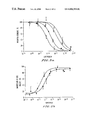
- FIG. 5 a shows (a) receptor binding, as indicated by inhibition of binding of 125 I-C5a to human PMNs by 7 ( ⁇ ); 8 ( ⁇ ); 9 ( ⁇ ); 12 ( ⁇ )
- FIG. 5 c shows C5aR binding and antagonist potencies of 7, 15 and 17.
- FIG. 7 shows superimposed structures of 7 (light, NMR structure) and 12 (dark, computer modelled structure). Phe and Trp side chains are omitted from 12 for clarity.
- FIG. 9 shows inhibition of LPS-induced neutropenia and changes in haematocrit induced by the cyclic antagonist F-[OPdChaWR] (0.03-10 mg/kg, i.v., 10 min prior to lipopolysaccharide [LPS]) in Wistar rats.
- Abscissa time after LPS (1 mg/kg i.v. injection).
- FIG. 10 shows inhibition of carrageenan-induced (Wistar) rat paw oedema by cyclic antagonist (3D35) AcF-[OPdChaWr] (1 mg/kg single dose i.p. given 30 min prior to carrageenan). Results shown from 4 rats/group, mean ⁇ SEM. Ordinate: percent change in paw volume. Abscissa: time (mins) after carrageenan injection
- BOP benzotriazole-1-yl-oxy-tris-(dimethylamino)- phosphonium hexafluorophosphate D-Cha D-cyclohexylamine DIPEA diisopropylethylamine DMF dimethylformamide DMSO dimethylsulphoxide HBTU O-benzotriazole N′,N′,N′,N′-tetramethyluronium hexa- fluorophosphate; LPS lipopolysaccharide PMN polymorphonuclear granulocyte RMSD root mean square deviation RP-HPLC reverse phase-high performance liquid chromatography TFA trifluoroacetic acid;
- the molecular weight of the peptides was determined by electrospray mass spectrometry recorded on a triple quadrupole mass spectrometer (PE SCIEX API III), as described elsewhere (Haviland et al, 1995). 1 H-NMR spectra were recorded on either a Bruker ARX 500 MHz or a Varian Unity 400 spectrometer. Proton assignments were determined by 2D NMR experiments (DFCOSY, TOCSY, NOESY).
- Non-peptidic compounds were synthesized using conventional organic chemical methods. Compounds were analysed by 1 H-NMR spectroscopy and by mass spectrometry.
- NMR data was processed using TRIAD software (Tripos Assoc.) on a Silicon Graphics Indy work station. 2D NOE cross peaks were integrated and characterised into strong (1.8-2.5 ⁇ ), medium (2.3-3.5 ⁇ ) and weak (3.3-5.0 ⁇ ).
- Preliminary three-dimensional structures were calculated from upper and lower distance limit files using Diana 2.8 (69 distance constraints, including 27 for adjacent residues and 6 further away) with the redundant dihedral angle constraints (REDAC) strategy. Upper and lower distance constraints were accurately calculated using MARDIGRAS. At this stage the peptide was examined for possible hydrogen bonds, and these were added as distance constraints. The 50 lowest energy Diana structures were subjected to restrained molecular dynamics (RMD) and energy minimisation (REM).
- RMD restrained molecular dynamics
- REM energy minimisation
- REM consisted of a 50 step steepest descent followed by 100 step conjugate gradient minimisation.
- RMD was performed by simulated heating of the structures to 300K for 1 ps, followed by 500K for 1 ps. The temperature was gradually lowered to 300K over 2 ps and finally for 2 ps at 200K.
- REM was performed again with a 50 step steepest descent, 200 step conjugate gradient followed by a 300 step Powell minimisation.
- the final structures were examined to obtain a mean pairwise rms difference over the backbone heavy atoms (N, C ⁇ and C). Twenty of the 50 structures had a mean rmsd ⁇ 0.5 ⁇ for all backbone atoms (O, N, C).
- a model of cycle 12, shown in FIG. 7, was created from the NMR structure of 7 by deleting all NMR constraints, fusing the ornithine side chain amine to the C-terminal carboxylate of d-Arg to form an amide, and minimising using Powell forcefield (1000 iterations).
- the modelled structure was then superimposed on the NMR structure with an rmsd 0.224 ⁇ .
- Assays were performed with fresh human PMNs, isolated as previously described (Sanderson et al, 1995), using a buffer of 50 mM HEPES, 1 mM CaCl 2 , 5 mM MgCl 2 , 0.5% bovine serum albumin, 0.1% bacitracin and 100 ⁇ M phenylmethylsulfonyl fluoride (PMSF).
- PMSF phenylmethylsulfonyl fluoride
- Anaesthetised i.p. ketamine & xylazine
- Wistar rats 150-200 g
- mice were injected with sterilised air (20 ml day 1, 10 ml day 4) into the subcutaneous tissue of the back.
- the cavity can be used after 6 days, whereupon carrageenan (2 ml, 1% w/w in 0.9% saline) was injected into the air pouch and exudate was collected after 10 hr.
- Test compounds are administered daily after Day 6 and their anti-inflammatory effects assayed by differential counting of cells in the air-pouch exudate.
- Adjuvant arthritis was induced in rats (3 strains) either microbially (injection of heat-killed Mycobacterium tuberculosis ) or chemically (with pyridine) by inoculation with the arthritogenic adjuvant co-administered with oily vehicles (Freund's adjuvants) in the tail base.
- rats 3 strains
- chemically with pyridine
- oily vehicles Reund's adjuvants
- Compounds 4, 5 and 6 in Table 2 are the highest affinity small C5a agonists so far known, with up to 25% C5a potency in human fetal artery, 5% C5a potency in human PMN enzyme release assays and 1% C5a affinity for PMN C5aR (Finch et al., 1997). For the PMN receptor, these compounds have up to 100-fold higher apparent affinity than any small molecule previously described in the literature.
- the NMR constraint data, 3 NH-C ⁇ H values, deuterium exchange and temperature dependence data establish an unusual turn structure for hexapeptide 7 which is constrained by up to three hydrogen bonds, as shown in FIG. 4 .
- the evidence is very strong for one intramolecular hydrogen bond from dCha-NH . . . OC-Lys (2.72 ⁇ , N—H . . . O angle 157°, C ⁇ O . . . H angle 84°), forming a 7-membered ring that defines an inverse ⁇ -turn.
- the dChaNH—O-TrpNH angle is 56.4°.
- the deuterium exchange data and NMR constraint data together point to a second intramolecular hydrogen bond Trp-NH . . . OC-Lys (3.31 ⁇ , N—H . . . O angle 159°, CO . . . H angle 137.3°) forming a 10-membered ring characteristic of a ⁇ -turn.
- NMR solution structures have also been determined for several of the cyclic antagonists described in the following examples, and show that in each case the type II ⁇ -turn is preserved and stabilized by the cyclic structure.
- a type II ⁇ -turn and an inverse ⁇ -turn have been identified in cyclic antagonists c-(D-Glu-Ala-D-allo-Ile-Leu-D-Trp] (Ihara et al, 1991; Coles et al, 1993; Ihara et al, 1992; Bean et al, 1994) and c-(D-Asp-Pro-D-Val-Leu-D-Trp) (Bean et al, 1994) for endothelin receptors, and in members of the rhodopsin family of G protein-coupled receptors with seven transmembrane domains (X. -M. Cheng et al, 1994). In the latter case, as in 7, an inverse ⁇ -turn forms between residues (Asp-CO . . . Val-NH, Lys-CO . . . dCha-NH) that flank the proline.
- nd not determined a 50% reduction in binding of 125 I-C5a to intact human PMNs b 50% reduction in myeloperoxidase secretion from human PMNs mediated by 100 nM C5a c Agonist activity in dose range 0.1 nM-1 nM d Finch et al, 1997; Kawai et al, 1991
- cyclic molecules have higher apparent receptor affinity and may be more potent antagonists than acyclic (linear) peptides
- Tables 5 and 6 list the C5a receptor affinities of some examples of cyclic antagonists of C5a, and their ability to bind to, and inhibit, binding of C5a to human PMNs is illustrated in FIG. 6 .
- these data show that the L-arginine is preferred over the D-arginine, in contrast to the linear compound 7 in which the D-arginine confers higher affinity for the receptor than does L-arginine.
- FIG. 7 compares the computer-modelled structure of the cyclic antagonist 12 with the NMR solution structure for the acyclic antagonist 7. These backbone structures are strikingly similar, and strongly suggest that the receptor-binding conformations of these molecules involve the same turn structure.
- Compound 12, a more potent antagonist than 11, also has a shorter linker, which tightens the turn and slightly alters the conformational space accessible to the key side chains of Phe, dCha, Trp and Arg.
- the conformational limitations placed on the hexapeptide derivative 12 by the cycle are responsible for a ⁇ 10 4 increase in receptor-binding affinity over the conformationally flexible decapeptide C-terminus of C5a (1, Table 2).
- LPS causes rapid neutropenia in rats. If this effect of LPS is blocked by C5a antagonists, then C5a may be of major importance in the acute effects of LPS, and the results shown in FIG. 9 were in agreement with this hypothesis.
- C5a antagonists were injected (bolus i.v.) 10 min prior to challenge with LPS. Rats were anaesthetised, and blood samples (0.3 ml) were taken for measurements of PMNs. PMNs are isolated and quantified. Preliminary results show that F-[OPdChaWR], (1 mg/kg), given prior to i.v. LPS, inhibits neutropenia.
- the results indicate that the C5a antagonist inhibits the increase in haematocrit caused by LPS, showing that vascular leakage of serum caused by LPS is also inhibited.
- C5a receptor antagonists such as those described in this invention, may have therapeutic utility in septicaemic individuals.
- This invention describes a series of conformationally-constrained turn-containing molecules that are preorganized for binding to the same G protein-coupled receptor(s) of human cells that are targeted by human C5a.
- the invention is applicable to other C protein-coupled receptors.
- the principal feature of the compounds of the invention is the preorganized arrangement, which brings at least three hydrophobic groups and a charged group into neighbouring space, creating a hydrophobic surface ‘patch’.
- Cyclic and non-peptidic antagonists have several important advantages over peptides as drugs.
- the cycles described in this invention are stable to proteolytic degradation for at least several hours at 37° C. in human blood or plasma, or in human or rat gastric juices or in the presence of digestive enzymes such as pepsin, trypsin and chymotrypsin.
- short peptides composed of L-amino acids are rapidly degraded to their component amino acids within a few minutes under these conditions.
- a second advantage lies in the constrained single conformations adopted by the cyclic and non-peptidic molecules, whereas acyclic or linear peptides are flexible enough to adopt several structures in solution other than the required receptor-binding structure.
- cyclic and non-peptidic compounds such as those described in this invention are usually more lipid-soluble and more pharmacologically bioavailable as drugs than peptides, which can rarely be administered orally.
- the plasma half-lives of cyclic and non-peptidic molecules are usually longer than those of peptides.
Landscapes
- Health & Medical Sciences (AREA)
- Chemical & Material Sciences (AREA)
- Organic Chemistry (AREA)
- Life Sciences & Earth Sciences (AREA)
- General Health & Medical Sciences (AREA)
- Medicinal Chemistry (AREA)
- Bioinformatics & Cheminformatics (AREA)
- Engineering & Computer Science (AREA)
- Public Health (AREA)
- Animal Behavior & Ethology (AREA)
- Veterinary Medicine (AREA)
- Chemical Kinetics & Catalysis (AREA)
- General Chemical & Material Sciences (AREA)
- Nuclear Medicine, Radiotherapy & Molecular Imaging (AREA)
- Pharmacology & Pharmacy (AREA)
- Biophysics (AREA)
- Proteomics, Peptides & Aminoacids (AREA)
- Molecular Biology (AREA)
- Immunology (AREA)
- Genetics & Genomics (AREA)
- Biochemistry (AREA)
- Neurology (AREA)
- Neurosurgery (AREA)
- Biomedical Technology (AREA)
- Toxicology (AREA)
- Zoology (AREA)
- Rheumatology (AREA)
- Gastroenterology & Hepatology (AREA)
- Vascular Medicine (AREA)
- Heart & Thoracic Surgery (AREA)
- Physical Education & Sports Medicine (AREA)
- Pulmonology (AREA)
- Pain & Pain Management (AREA)
- Urology & Nephrology (AREA)
- Transplantation (AREA)
- Hospice & Palliative Care (AREA)
- Cardiology (AREA)
- Orthopedic Medicine & Surgery (AREA)
- Dermatology (AREA)
- Psychiatry (AREA)
Priority Applications (3)
| Application Number | Priority Date | Filing Date | Title |
|---|---|---|---|
| US10/937,852 US20060160726A1 (en) | 1997-06-25 | 2004-09-10 | Cyclic agonists and antagonists of C5a receptors and G protein-coupled receptors |
| US12/193,943 US20090203760A1 (en) | 1997-06-25 | 2008-08-19 | CYCLIC AGONISTS AND ANTAGONISTS OF C5a RECEPTORS AND G PROTEIN-COUPLED RECEPTORS |
| US13/348,869 US20130005644A1 (en) | 1997-06-25 | 2012-01-12 | Cyclic agonists and antagonists of c5a receptors and g protein-coupled receptors |
Applications Claiming Priority (3)
| Application Number | Priority Date | Filing Date | Title |
|---|---|---|---|
| AUPO7550A AUPO755097A0 (en) | 1997-06-25 | 1997-06-25 | Receptor agonist and antagonist |
| AUPO7550 | 1997-06-25 | ||
| PCT/AU1998/000490 WO1999000406A1 (en) | 1997-06-25 | 1998-06-25 | CYCLIC AGONISTS AND ANTAGONISTS OF C5a RECEPTORS AND G PROTEIN-COUPLED RECEPTORS |
Related Child Applications (2)
| Application Number | Title | Priority Date | Filing Date |
|---|---|---|---|
| US09/045,088 Reissue US6355264B1 (en) | 1998-03-20 | 1998-03-20 | Insect repellent composition |
| US10/937,852 Continuation US20060160726A1 (en) | 1997-06-25 | 2004-09-10 | Cyclic agonists and antagonists of C5a receptors and G protein-coupled receptors |
Publications (1)
| Publication Number | Publication Date |
|---|---|
| US6821950B1 true US6821950B1 (en) | 2004-11-23 |
Family
ID=3801840
Family Applications (5)
| Application Number | Title | Priority Date | Filing Date |
|---|---|---|---|
| US09/446,109 Expired - Lifetime US6821950B1 (en) | 1997-06-25 | 1998-06-25 | Cyclic agonists and antagonists of C5a receptors and G protein-coupled receptors |
| US12/045,088 Expired - Fee Related USRE41287E1 (en) | 1997-06-25 | 1998-06-25 | Cyclic agonists and antagonists of C5A receptors and G Protein-coupled receptors |
| US10/937,852 Abandoned US20060160726A1 (en) | 1997-06-25 | 2004-09-10 | Cyclic agonists and antagonists of C5a receptors and G protein-coupled receptors |
| US12/193,943 Abandoned US20090203760A1 (en) | 1997-06-25 | 2008-08-19 | CYCLIC AGONISTS AND ANTAGONISTS OF C5a RECEPTORS AND G PROTEIN-COUPLED RECEPTORS |
| US13/348,869 Abandoned US20130005644A1 (en) | 1997-06-25 | 2012-01-12 | Cyclic agonists and antagonists of c5a receptors and g protein-coupled receptors |
Family Applications After (4)
| Application Number | Title | Priority Date | Filing Date |
|---|---|---|---|
| US12/045,088 Expired - Fee Related USRE41287E1 (en) | 1997-06-25 | 1998-06-25 | Cyclic agonists and antagonists of C5A receptors and G Protein-coupled receptors |
| US10/937,852 Abandoned US20060160726A1 (en) | 1997-06-25 | 2004-09-10 | Cyclic agonists and antagonists of C5a receptors and G protein-coupled receptors |
| US12/193,943 Abandoned US20090203760A1 (en) | 1997-06-25 | 2008-08-19 | CYCLIC AGONISTS AND ANTAGONISTS OF C5a RECEPTORS AND G PROTEIN-COUPLED RECEPTORS |
| US13/348,869 Abandoned US20130005644A1 (en) | 1997-06-25 | 2012-01-12 | Cyclic agonists and antagonists of c5a receptors and g protein-coupled receptors |
Country Status (11)
| Country | Link |
|---|---|
| US (5) | US6821950B1 (enExample) |
| EP (1) | EP1017713B1 (enExample) |
| JP (1) | JP4686696B2 (enExample) |
| AT (1) | ATE377606T1 (enExample) |
| AU (2) | AUPO755097A0 (enExample) |
| CY (1) | CY1107133T1 (enExample) |
| DE (1) | DE69838678T2 (enExample) |
| DK (1) | DK1017713T3 (enExample) |
| ES (1) | ES2294816T3 (enExample) |
| PT (1) | PT1017713E (enExample) |
| WO (1) | WO1999000406A1 (enExample) |
Cited By (23)
| Publication number | Priority date | Publication date | Assignee | Title |
|---|---|---|---|---|
| US20050222027A1 (en) * | 2003-07-03 | 2005-10-06 | Euro-Celtique S.A. | Modulation of complement to treat pain |
| US20060160726A1 (en) * | 1997-06-25 | 2006-07-20 | The University Of Queensland | Cyclic agonists and antagonists of C5a receptors and G protein-coupled receptors |
| US20060234921A1 (en) * | 2002-10-16 | 2006-10-19 | The University Of Queensland | Treatment of osteoarthritis |
| WO2006099330A3 (en) * | 2005-03-11 | 2007-07-12 | Potentia Pharmaceuticals Inc | Compositions comprising modulators of g-protein-coupled receptor for treatment of macular degeneration |
| US20070292421A1 (en) * | 2005-07-28 | 2007-12-20 | Feinberg Bruce B | Method for treating preeclampsia |
| US20080058252A1 (en) * | 2002-04-08 | 2008-03-06 | Taylor Stephen M | Use of C5A receptor antagonist in the treatment of fibrosis |
| US20090004264A1 (en) * | 2002-10-16 | 2009-01-01 | The University Of Queensland | Methods for treating and ameliorating the symptons of inflammatory bowel diseases |
| WO2009015087A3 (en) * | 2007-07-20 | 2009-05-22 | Potentia Pharmaceuticals Inc | Compositions and methods for treatment of trauma |
| US20110190221A1 (en) * | 2008-03-28 | 2011-08-04 | Apellis Ag | Modulation and repletion/enhancement of the complement system for treatment of trauma |
| EP2468295A1 (en) | 2010-12-21 | 2012-06-27 | Affiris AG | Vaccines based on peptides of the complement protein C5a |
| WO2012178083A1 (en) | 2011-06-22 | 2012-12-27 | Apellis Pharmaceuticals, Inc. | Methods of treating chronic disorders with complement inhibitors |
| US9056076B2 (en) | 2005-10-08 | 2015-06-16 | Potentia Pharmaceuticals, Inc. | Method of treating age-related macular degeneration comprising administering a compstatin analog |
| EP2979729A2 (en) | 2007-02-05 | 2016-02-03 | Apellis Pharmaceuticals, Inc. | Compstatin analogues for use in the treatment of inflammatory conditions of the respiratory system |
| US9289467B2 (en) | 2011-08-10 | 2016-03-22 | Case Western Reserve University | Compositions and methods for treating bone conditions |
| US10308687B2 (en) | 2013-03-15 | 2019-06-04 | Apellis Pharmaceuticals, Inc. | Cell-penetrating compstatin analogs and uses thereof |
| US10875893B2 (en) | 2012-11-15 | 2020-12-29 | Apellis Pharmaceuticals, Inc. | Cell-reactive, long-acting, or targeted compstatin analogs and related compositions and methods |
| WO2021067526A1 (en) | 2019-10-02 | 2021-04-08 | Alexion Pharmaceuticals, Inc. | Complement inhibitors for treating drug-induced complement-mediated response |
| US11040107B2 (en) | 2017-04-07 | 2021-06-22 | Apellis Pharmaceuticals, Inc. | Dosing regimens and related compositions and methods |
| WO2021231720A1 (en) | 2020-05-15 | 2021-11-18 | Alexion Pharmaceuticals, Inc. | Method of using extracellular vesicles to detect complement activation, and uses thereof to assess and/or monitor treatment of a complement-mediated disease |
| US11903994B2 (en) | 2015-10-07 | 2024-02-20 | Apellis Pharmaceuticals, Inc. | Dosing regimens |
| WO2024238421A1 (en) | 2023-05-12 | 2024-11-21 | Alexion Pharmaceuticals, Inc. | Use of biomarkers for the identification and treatment of complement-mediated disorders |
| WO2024238422A1 (en) | 2023-05-12 | 2024-11-21 | Alexion Pharmaceuticals, Inc. | Use of a panel of lectins for detection of complement biomarkers in urine extracellular vesicles |
| US12290566B2 (en) | 2017-12-15 | 2025-05-06 | Apellis Pharmaceuticals, Inc. | Dosing regimens and related compositions and methods |
Families Citing this family (31)
| Publication number | Priority date | Publication date | Assignee | Title |
|---|---|---|---|---|
| AUPQ339899A0 (en) | 1999-10-13 | 1999-11-04 | University Of Queensland, The | Novel molecules |
| ES2353077T3 (es) | 2000-08-10 | 2011-02-25 | Mitsubishi Tanabe Pharma Corporation | Derivados de urea con sustitución en posición 3 y uso medicinal de los mismos. |
| CN102050758A (zh) | 2000-09-14 | 2011-05-11 | 田边三菱制药株式会社 | 酰胺衍生物及其制备药物的用途 |
| AUPR833401A0 (en) * | 2001-10-17 | 2001-11-08 | University Of Queensland, The | G protein-coupled receptor antagonists |
| EP1492811B1 (en) | 2002-03-19 | 2011-09-21 | Cincinnati Childrens's Hospital Medical Center | Muteins of the c5a anaphylatoxin, nucleic acid molecules encoding such muteins, and pharmaceutical uses of muteins of the c5a anaphylatoxin |
| US20040014782A1 (en) * | 2002-03-29 | 2004-01-22 | Krause James E. | Combination therapy for the treatment of diseases involving inflammatory components |
| AU2002950657A0 (en) | 2002-08-08 | 2002-09-12 | Alchemia Limited | Derivatives of monosaccharides for drug discovery |
| AU2002951995A0 (en) * | 2002-10-11 | 2002-10-31 | Alchemia Limited | Classes of compounds that interact with gpcrs |
| AU2003266858B2 (en) * | 2002-10-11 | 2006-09-14 | Vast Bioscience Pty Limited | Classes of compounds that interact with GPCRs |
| AU2002952129A0 (en) * | 2002-10-17 | 2002-10-31 | The University Of Queensland | Treatment of hypersensitivity conditions |
| AU2003902354A0 (en) * | 2003-05-15 | 2003-05-29 | Harkin, Denis W. | Treatment of haemorrhagic shock |
| AU2003902586A0 (en) * | 2003-05-26 | 2003-06-12 | The University Of Queensland | Treatment of burns |
| EP1498422A1 (de) * | 2003-07-17 | 2005-01-19 | Jerini AG | C5a-Rezeptor-Antagonisten |
| WO2006037159A1 (en) * | 2004-10-04 | 2006-04-13 | Alchemia Limited | Selective inhibitors |
| AU2006205830A1 (en) * | 2005-01-17 | 2006-07-20 | Jerini Ag | C5a receptor antagonists |
| EP1739078A1 (de) | 2005-05-30 | 2007-01-03 | Jerini AG | C5a-Rezeptor-Antagonisten |
| EP2304809A2 (en) * | 2008-07-02 | 2011-04-06 | Saint-Gobain Performance Plastics Chaineux | Framed device, seal, and method for manufacturing same |
| RS64039B1 (sr) | 2008-11-10 | 2023-04-28 | Alexion Pharma Inc | Metode i kompozicije za lečenje poremećaja povezanih sa komplementom |
| EP2525814A4 (en) * | 2010-01-22 | 2013-09-11 | Univ Louisville Res Found | METHODS OF TREATING OR PREVENTING PERIODONTITIS AND PARODONTIST-RELATED DISEASES |
| KR101800913B1 (ko) | 2010-04-30 | 2017-12-20 | 알렉시온 파마슈티칼스, 인코포레이티드 | 항-c5a 항체들과 이 항체들을 이용하는 방법 |
| US9895411B2 (en) | 2010-06-29 | 2018-02-20 | San Diego State University Research Foundation | Analogs of C5a and methods of using same |
| WO2014043223A1 (en) * | 2012-09-11 | 2014-03-20 | Hospital For Special Surgery | Irhom2 inhibition for the treatment of complement mediated disorders |
| JP2016516752A (ja) * | 2013-04-02 | 2016-06-09 | ザ スクリプス リサーチ インスティテュート | アテローム性動脈硬化症の治療および予防のための環状ペプチドの使用 |
| AU2014306002B2 (en) | 2013-08-07 | 2017-05-25 | Alexion Pharmaceuticals, Inc. | Atypical hemolytic uremic syndrome (aHUS) biomarker proteins |
| EP3491005A1 (en) | 2016-07-29 | 2019-06-05 | Pfizer Inc | Cyclic peptides as c5 a receptor antagonists |
| US20200057046A1 (en) | 2016-10-27 | 2020-02-20 | Alexion Pharmaceuticals, Inc. | Assay for c5b-9 deposition in complement-associated disorders |
| US10376595B2 (en) | 2017-04-03 | 2019-08-13 | Inflarx Gmbh | Treatment of inflammatory diseases with inhibitors of C5a activity |
| PL3411400T3 (pl) | 2017-04-03 | 2021-12-20 | Inflarx Gmbh | Leczenie chorób zapalnych za pomocą inhibitorów aktywności c5a |
| JP7502865B2 (ja) | 2017-06-23 | 2024-06-19 | インフラルクス・ゲゼルシャフト・ミット・ベシュレンクテル・ハフツング | C5a活性のインヒビターでの炎症性疾患の処置 |
| AU2020438234A1 (en) | 2020-03-27 | 2022-09-29 | Inflarx Gmbh | Inhibitors of C5a for the treatment of corona virus infection |
| US12180274B2 (en) | 2023-05-26 | 2024-12-31 | Inflarx Gmbh | Treatment of pneumonia and ARDS with inhibitors of C5a and IL-6 activity |
Citations (3)
| Publication number | Priority date | Publication date | Assignee | Title |
|---|---|---|---|---|
| WO1995016033A1 (en) * | 1993-12-06 | 1995-06-15 | Ciba-Geigy Ag | C5a RECEPTOR ANTAGONISTS HAVING SUBSTANTIALLY NO AGONIST ACTIVITY |
| US5696230A (en) * | 1994-08-31 | 1997-12-09 | The Board Of Regents Of The University Of Nebraska | High-affinity response-selective C-terminal analogs of C5a anaphylatoxin |
| US5807824A (en) * | 1993-12-06 | 1998-09-15 | Ciba-Geigy Corporation | C5A receptor antagonists having substantially no agonist activity |
Family Cites Families (6)
| Publication number | Priority date | Publication date | Assignee | Title |
|---|---|---|---|---|
| US5386011A (en) * | 1990-12-27 | 1995-01-31 | Abbott Laboratories | Hexapeptide anaphylatoxin-receptor ligands |
| US5614370A (en) * | 1994-03-18 | 1997-03-25 | Merck & Co., Inc. | Assay to identify human C5a antagonists and agonists |
| AUPO755097A0 (en) | 1997-06-25 | 1997-07-17 | University Of Queensland, The | Receptor agonist and antagonist |
| AUPR833401A0 (en) | 2001-10-17 | 2001-11-08 | University Of Queensland, The | G protein-coupled receptor antagonists |
| AUPS160602A0 (en) * | 2002-04-08 | 2002-05-16 | University Of Queensland, The | Therapeutic method |
| AU2002952086A0 (en) * | 2002-10-16 | 2002-11-07 | The University Of Queensland | Treatment of osteoarthritis |
-
1997
- 1997-06-25 AU AUPO7550A patent/AUPO755097A0/en not_active Abandoned
-
1998
- 1998-06-25 ES ES98930536T patent/ES2294816T3/es not_active Expired - Lifetime
- 1998-06-25 AU AU80926/98A patent/AU744991B2/en not_active Ceased
- 1998-06-25 DE DE69838678T patent/DE69838678T2/de not_active Expired - Lifetime
- 1998-06-25 JP JP50515499A patent/JP4686696B2/ja not_active Expired - Fee Related
- 1998-06-25 WO PCT/AU1998/000490 patent/WO1999000406A1/en not_active Ceased
- 1998-06-25 DK DK98930536T patent/DK1017713T3/da active
- 1998-06-25 US US09/446,109 patent/US6821950B1/en not_active Expired - Lifetime
- 1998-06-25 AT AT98930536T patent/ATE377606T1/de active
- 1998-06-25 EP EP98930536A patent/EP1017713B1/en not_active Expired - Lifetime
- 1998-06-25 US US12/045,088 patent/USRE41287E1/en not_active Expired - Fee Related
- 1998-06-25 PT PT98930536T patent/PT1017713E/pt unknown
-
2004
- 2004-09-10 US US10/937,852 patent/US20060160726A1/en not_active Abandoned
-
2008
- 2008-01-10 CY CY20081100033T patent/CY1107133T1/el unknown
- 2008-08-19 US US12/193,943 patent/US20090203760A1/en not_active Abandoned
-
2012
- 2012-01-12 US US13/348,869 patent/US20130005644A1/en not_active Abandoned
Patent Citations (3)
| Publication number | Priority date | Publication date | Assignee | Title |
|---|---|---|---|---|
| WO1995016033A1 (en) * | 1993-12-06 | 1995-06-15 | Ciba-Geigy Ag | C5a RECEPTOR ANTAGONISTS HAVING SUBSTANTIALLY NO AGONIST ACTIVITY |
| US5807824A (en) * | 1993-12-06 | 1998-09-15 | Ciba-Geigy Corporation | C5A receptor antagonists having substantially no agonist activity |
| US5696230A (en) * | 1994-08-31 | 1997-12-09 | The Board Of Regents Of The University Of Nebraska | High-affinity response-selective C-terminal analogs of C5a anaphylatoxin |
Non-Patent Citations (15)
| Title |
|---|
| A.M. Finch, et al., Journal of Medicinal Chemistry, vol. 40, No. 6, pps. 877-884, "Biologically Active Conformer of the Effector Region of Human C5a And Modulatory Effects of N-Terminal Receptor Binding Determinants on Activity," Mar. 1997. |
| G. Drapeau, et al., Biochemical Pharmacology, vol. 45, No. 6, pps. 1289-1299, "Synthetic C5a Receptor Agonists," Mar. 1993. |
| J.A. DeMartino, et al., Journal of Biological Chemistry, vol. 270, No. 27, pps. 15966-15969, "Arginine 206 of the C5a Receptor is Critical for Ligand Recognition and Receptor Activation By C-Terminal Hexapeptide Analogs," Jul. 1995. |
| L. Baranyi, et al., Journal of Immunology, vol. 157, pps. 4591-4601, "Antisense Homology Boxes in C5a Receptor and C5a Anaphylatoxin," Nov. 1996. |
| M. Kawai, et al., Journal of Medicinal Chemistry, vol. 34, No. 7, pps. 2068-2071, "Identification and Synthesis of a Receptor Binding Site of Human Anaphylatoxin C5a," Jul. 1991. |
| M. Kawai, et al., Journal of Medicinal Chemistry, vol. 35, No. 2, pps. 220-223, "Structure-Function Studies in a Series of Carboxyl-Terminal Octapeptide Analogues of Anaphylatoxin C5a," Jan. 1992. |
| Paczkowski et al., British Journal of Pharmacology, vol. 128, No. 7, pp. 1461-1466, 1999.* * |
| R. Kawatsu, et al., Journal of Pharmacology and Experimental Therapeutics, vol. 278, No. 1, pps. 432-440, "Conformationally Biased Analogs of Human C5a Mediate Changes in Vascular Permeability," Jul. 1996. |
| R.M. Tempero, et al., Journal of Immunology, vol. 158, pps. 1377-1382, "Molecular Adjuvant Effects of a Conformationally Biased Agonist of Human C5a Anaphylatoxin," Feb. 1997. |
| S.D. Sanderdon, et al., Journal of Medicinal Chemistry, vol. 83, No. 18, pps. 3669-3675, "Decapeptide Agonists of Human C5a: The Relationship Between Conformation and Neutrophil Response," Sep. 1995. |
| S.M. Vogen, et al., Journal of Peptide Research, vol. 51, pps. 226-234, "NMR Analysis of a Potent Decapeptide Agonist of Human C5a Anaphylatoxin," Mar. 1998. |
| T.C. Pellas, et al., Journal of Immunology, vol. 160, pps. 5616-5621, "Novel C5a Receptor Antagonists Regulate Neutrophil Functions in Vitro and in Vivo," Jun. 1998. |
| X. Zhang, et al., Protein Science, vol. 6, pps. 65-72, "Solution Structure of a Uniue C5a Semi-Synthetic Antagonist: Implications in Receptor Binding," Jan. 1997. |
| Y. Kaneko, et al., Immunology, vol. 86, pps. 149-154, "Antagonistic Peptides Against Human Anaphylatoxin C5a," Sep. 1995. |
| Z.D. Koneatis, et al., Journal of Immunology, vol. 153, pps. 4201-4205, "Development of C5a Receptor Antagonists," Nov. 1994. |
Cited By (39)
| Publication number | Priority date | Publication date | Assignee | Title |
|---|---|---|---|---|
| US20060160726A1 (en) * | 1997-06-25 | 2006-07-20 | The University Of Queensland | Cyclic agonists and antagonists of C5a receptors and G protein-coupled receptors |
| US20130005644A1 (en) * | 1997-06-25 | 2013-01-03 | Promics Pty Limited | Cyclic agonists and antagonists of c5a receptors and g protein-coupled receptors |
| US20090203760A1 (en) * | 1997-06-25 | 2009-08-13 | The University Of Queensland | CYCLIC AGONISTS AND ANTAGONISTS OF C5a RECEPTORS AND G PROTEIN-COUPLED RECEPTORS |
| USRE41287E1 (en) | 1997-06-25 | 2010-04-27 | Promics Pty Limited | Cyclic agonists and antagonists of C5A receptors and G Protein-coupled receptors |
| US7919459B2 (en) * | 2002-04-08 | 2011-04-05 | Promics Pty Limited | Use of C5a receptor antagonist in the treatment of fibrosis |
| US20080058252A1 (en) * | 2002-04-08 | 2008-03-06 | Taylor Stephen M | Use of C5A receptor antagonist in the treatment of fibrosis |
| US20060234921A1 (en) * | 2002-10-16 | 2006-10-19 | The University Of Queensland | Treatment of osteoarthritis |
| US20090004264A1 (en) * | 2002-10-16 | 2009-01-01 | The University Of Queensland | Methods for treating and ameliorating the symptons of inflammatory bowel diseases |
| US20100267639A1 (en) * | 2002-10-16 | 2010-10-21 | Promics Pty Limited | Treatment of osteoarthritis |
| US20050222027A1 (en) * | 2003-07-03 | 2005-10-06 | Euro-Celtique S.A. | Modulation of complement to treat pain |
| WO2006099330A3 (en) * | 2005-03-11 | 2007-07-12 | Potentia Pharmaceuticals Inc | Compositions comprising modulators of g-protein-coupled receptor for treatment of macular degeneration |
| US20070292421A1 (en) * | 2005-07-28 | 2007-12-20 | Feinberg Bruce B | Method for treating preeclampsia |
| US10407466B2 (en) | 2005-10-08 | 2019-09-10 | Apellis Pharmaceuticals, Inc. | Methods of selecting compstatin mimetics |
| US9056076B2 (en) | 2005-10-08 | 2015-06-16 | Potentia Pharmaceuticals, Inc. | Method of treating age-related macular degeneration comprising administering a compstatin analog |
| EP2979729A2 (en) | 2007-02-05 | 2016-02-03 | Apellis Pharmaceuticals, Inc. | Compstatin analogues for use in the treatment of inflammatory conditions of the respiratory system |
| US20110092446A1 (en) * | 2007-07-20 | 2011-04-21 | Cedric Francois | Compositions and methods for treatment of trauma |
| WO2009015087A3 (en) * | 2007-07-20 | 2009-05-22 | Potentia Pharmaceuticals Inc | Compositions and methods for treatment of trauma |
| US20110190221A1 (en) * | 2008-03-28 | 2011-08-04 | Apellis Ag | Modulation and repletion/enhancement of the complement system for treatment of trauma |
| US20130216565A1 (en) * | 2010-12-21 | 2013-08-22 | Affiris Ag | Vaccines based on peptides of the complement protein c5a |
| WO2012085090A1 (en) | 2010-12-21 | 2012-06-28 | Affiris Ag | Vaccines based on peptides of the complement protein c5a |
| US9457078B2 (en) * | 2010-12-21 | 2016-10-04 | Affiris Ag | Methods for inhibiting C5a with C5a peptides coupled or fused to a carrier protein |
| EP2468295A1 (en) | 2010-12-21 | 2012-06-27 | Affiris AG | Vaccines based on peptides of the complement protein C5a |
| EP3524258A1 (en) | 2011-06-22 | 2019-08-14 | Apellis Pharmaceuticals, Inc. | Methods of treating chronic disorders with complement inhibitors |
| WO2012178083A1 (en) | 2011-06-22 | 2012-12-27 | Apellis Pharmaceuticals, Inc. | Methods of treating chronic disorders with complement inhibitors |
| US9289467B2 (en) | 2011-08-10 | 2016-03-22 | Case Western Reserve University | Compositions and methods for treating bone conditions |
| US11292815B2 (en) | 2012-11-15 | 2022-04-05 | Apellis Pharmaceuticals, Inc. | Cell-reactive, long-acting, or targeted compstatin analogs and related compositions and methods |
| US10875893B2 (en) | 2012-11-15 | 2020-12-29 | Apellis Pharmaceuticals, Inc. | Cell-reactive, long-acting, or targeted compstatin analogs and related compositions and methods |
| US10308687B2 (en) | 2013-03-15 | 2019-06-04 | Apellis Pharmaceuticals, Inc. | Cell-penetrating compstatin analogs and uses thereof |
| US10941184B2 (en) | 2013-03-15 | 2021-03-09 | Apellis Pharmaceuticals, Inc. | Cell-penetrating compstatin analogs and uses thereof |
| US11407789B2 (en) | 2013-03-15 | 2022-08-09 | Apellis Pharmaceuticals, Inc. | Cell-penetrating compstatin analogs and uses thereof |
| US11903994B2 (en) | 2015-10-07 | 2024-02-20 | Apellis Pharmaceuticals, Inc. | Dosing regimens |
| US11040107B2 (en) | 2017-04-07 | 2021-06-22 | Apellis Pharmaceuticals, Inc. | Dosing regimens and related compositions and methods |
| US11844841B2 (en) | 2017-04-07 | 2023-12-19 | Apellis Pharmaceuticals, Inc. | Dosing regimens and related compositions and methods |
| US12290566B2 (en) | 2017-12-15 | 2025-05-06 | Apellis Pharmaceuticals, Inc. | Dosing regimens and related compositions and methods |
| US12458695B2 (en) | 2017-12-15 | 2025-11-04 | Apellis Pharmaceuticals, Inc. | Dosing regimens and related compositions and methods |
| WO2021067526A1 (en) | 2019-10-02 | 2021-04-08 | Alexion Pharmaceuticals, Inc. | Complement inhibitors for treating drug-induced complement-mediated response |
| WO2021231720A1 (en) | 2020-05-15 | 2021-11-18 | Alexion Pharmaceuticals, Inc. | Method of using extracellular vesicles to detect complement activation, and uses thereof to assess and/or monitor treatment of a complement-mediated disease |
| WO2024238421A1 (en) | 2023-05-12 | 2024-11-21 | Alexion Pharmaceuticals, Inc. | Use of biomarkers for the identification and treatment of complement-mediated disorders |
| WO2024238422A1 (en) | 2023-05-12 | 2024-11-21 | Alexion Pharmaceuticals, Inc. | Use of a panel of lectins for detection of complement biomarkers in urine extracellular vesicles |
Also Published As
| Publication number | Publication date |
|---|---|
| CY1107133T1 (el) | 2012-10-24 |
| USRE41287E1 (en) | 2010-04-27 |
| EP1017713B1 (en) | 2007-11-07 |
| AUPO755097A0 (en) | 1997-07-17 |
| DE69838678T2 (de) | 2008-10-30 |
| US20060160726A1 (en) | 2006-07-20 |
| EP1017713A4 (en) | 2002-07-24 |
| ES2294816T3 (es) | 2008-04-01 |
| JP4686696B2 (ja) | 2011-05-25 |
| PT1017713E (pt) | 2007-12-18 |
| HK1029595A1 (en) | 2001-04-06 |
| AU744991B2 (en) | 2002-03-07 |
| US20130005644A1 (en) | 2013-01-03 |
| AU8092698A (en) | 1999-01-19 |
| JP2002508767A (ja) | 2002-03-19 |
| DE69838678D1 (de) | 2007-12-20 |
| DK1017713T3 (da) | 2008-02-11 |
| EP1017713A1 (en) | 2000-07-12 |
| WO1999000406A1 (en) | 1999-01-07 |
| ATE377606T1 (de) | 2007-11-15 |
| US20090203760A1 (en) | 2009-08-13 |
Similar Documents
| Publication | Publication Date | Title |
|---|---|---|
| US6821950B1 (en) | Cyclic agonists and antagonists of C5a receptors and G protein-coupled receptors | |
| US7579432B2 (en) | Cyclic peptides as G-protein-coupled receptor antagonists | |
| Wong et al. | Small molecular probes for G-protein-coupled C5a receptors: conformationally constrained antagonists derived from the C terminus of the human plasma protein C5a | |
| US6541453B2 (en) | Peptide derivatives | |
| US6087336A (en) | Peptide derivatives useful in treating autoimmune diseases | |
| US20210179666A1 (en) | Cyclic peptides and methods of use thereof | |
| US5942599A (en) | High-affinity response-selective C-terminal analogs of C5a anaphylatoxin | |
| US6355617B1 (en) | Peptide derivatives | |
| US6207644B1 (en) | Peptide analogues containing a 7-membered lactam ring | |
| US6184207B1 (en) | Inhibitors of peptide binding to MHC class II proteins | |
| HK1029595B (en) | Cyclic antagonists of c5a receptors and g protein-coupled receptors | |
| AU2005222732B2 (en) | Alpha helical mimics, their uses and methods for their production | |
| WO2025161155A1 (zh) | 一种长效glp-1多肽化合物、组合物及其应用 | |
| Matsoukas et al. | Design, Synthesis and Conformational | |
| Arttamangkul | Synthesis and opioid activity of conformationally constrained dynorphin A analogues | |
| HK1015383B (en) | Peptide derivatives |
Legal Events
| Date | Code | Title | Description |
|---|---|---|---|
| AS | Assignment |
Owner name: UNIVERSITY OF QUEENSLAND, THE, AUSTRALIA Free format text: ASSIGNMENT OF ASSIGNORS INTEREST;ASSIGNORS:FAIRLIE, DAVID;TAYLOR, STEPHEN MAXWELL;FINCH, ANGELA MONIQUE;AND OTHERS;REEL/FRAME:010815/0042;SIGNING DATES FROM 20000216 TO 20000320 |
|
| AS | Assignment |
Owner name: UNIVERSITY OF QUEENSLAND, THE, AUSTRALIA Free format text: CORRECTED RECORDATION FORM COVER SHEET REEL/FRAME 010815/0042, BAR CODE NUMBER 101420258A TO CORRECT THE ASSIGNEE'S ADDRESS AND THE 3RD & 4TH ASSIGNORS' DOC. DATES.;ASSIGNORS:FAIRLIE, DAVID;TAYLOR, STEPHEN MAXWELL;FINCH, ANGELA MONIQUE;AND OTHERS;REEL/FRAME:011053/0770;SIGNING DATES FROM 20000216 TO 20000320 |
|
| STCF | Information on status: patent grant |
Free format text: PATENTED CASE |
|
| FPAY | Fee payment |
Year of fee payment: 4 |
|
| RF | Reissue application filed |
Effective date: 20080310 |
|
| AS | Assignment |
Owner name: UNIQUEST PTY LIMITED, AUSTRALIA Free format text: ASSIGNMENT OF ASSIGNORS INTEREST;ASSIGNOR:UNIVERSITY OF QUEENSLAND, THE;REEL/FRAME:021849/0740 Effective date: 20060517 |
|
| AS | Assignment |
Owner name: PROMICS PTY LIMITED, AUSTRALIA Free format text: ASSIGNMENT OF ASSIGNORS INTEREST;ASSIGNOR:UNIQUEST PTY LIMITED;REEL/FRAME:021924/0242 Effective date: 20060518 |
|
| FP | Lapsed due to failure to pay maintenance fee |
Effective date: 20161123 |