US6562622B1 - Continuous in vitro evolution - Google Patents
Continuous in vitro evolution Download PDFInfo
- Publication number
- US6562622B1 US6562622B1 US09/674,677 US67467700A US6562622B1 US 6562622 B1 US6562622 B1 US 6562622B1 US 67467700 A US67467700 A US 67467700A US 6562622 B1 US6562622 B1 US 6562622B1
- Authority
- US
- United States
- Prior art keywords
- mrna
- rna
- mutant
- protein
- population
- Prior art date
- Legal status (The legal status is an assumption and is not a legal conclusion. Google has not performed a legal analysis and makes no representation as to the accuracy of the status listed.)
- Expired - Lifetime
Links
- 0 [U]C(C1)[C@@]1*1**[U]*C1 Chemical compound [U]C(C1)[C@@]1*1**[U]*C1 0.000 description 1
Images





Classifications
-
- C—CHEMISTRY; METALLURGY
- C12—BIOCHEMISTRY; BEER; SPIRITS; WINE; VINEGAR; MICROBIOLOGY; ENZYMOLOGY; MUTATION OR GENETIC ENGINEERING
- C12N—MICROORGANISMS OR ENZYMES; COMPOSITIONS THEREOF; PROPAGATING, PRESERVING, OR MAINTAINING MICROORGANISMS; MUTATION OR GENETIC ENGINEERING; CULTURE MEDIA
- C12N9/00—Enzymes; Proenzymes; Compositions thereof; Processes for preparing, activating, inhibiting, separating or purifying enzymes
- C12N9/10—Transferases (2.)
- C12N9/12—Transferases (2.) transferring phosphorus containing groups, e.g. kinases (2.7)
- C12N9/1241—Nucleotidyltransferases (2.7.7)
- C12N9/127—RNA-directed RNA polymerase (2.7.7.48), i.e. RNA replicase
-
- C—CHEMISTRY; METALLURGY
- C07—ORGANIC CHEMISTRY
- C07K—PEPTIDES
- C07K16/00—Immunoglobulins [IG], e.g. monoclonal or polyclonal antibodies
- C07K16/08—Immunoglobulins [IG], e.g. monoclonal or polyclonal antibodies against material from viruses
- C07K16/081—DNA viruses
- C07K16/082—Hepadnaviridae (F), e.g. hepatitis B virus
-
- C—CHEMISTRY; METALLURGY
- C07—ORGANIC CHEMISTRY
- C07K—PEPTIDES
- C07K16/00—Immunoglobulins [IG], e.g. monoclonal or polyclonal antibodies
- C07K16/18—Immunoglobulins [IG], e.g. monoclonal or polyclonal antibodies against material from animals or humans
-
- C—CHEMISTRY; METALLURGY
- C12—BIOCHEMISTRY; BEER; SPIRITS; WINE; VINEGAR; MICROBIOLOGY; ENZYMOLOGY; MUTATION OR GENETIC ENGINEERING
- C12N—MICROORGANISMS OR ENZYMES; COMPOSITIONS THEREOF; PROPAGATING, PRESERVING, OR MAINTAINING MICROORGANISMS; MUTATION OR GENETIC ENGINEERING; CULTURE MEDIA
- C12N15/00—Mutation or genetic engineering; DNA or RNA concerning genetic engineering, vectors, e.g. plasmids, or their isolation, preparation or purification; Use of hosts therefor
- C12N15/09—Recombinant DNA-technology
- C12N15/10—Processes for the isolation, preparation or purification of DNA or RNA
- C12N15/102—Mutagenizing nucleic acids
-
- C—CHEMISTRY; METALLURGY
- C12—BIOCHEMISTRY; BEER; SPIRITS; WINE; VINEGAR; MICROBIOLOGY; ENZYMOLOGY; MUTATION OR GENETIC ENGINEERING
- C12N—MICROORGANISMS OR ENZYMES; COMPOSITIONS THEREOF; PROPAGATING, PRESERVING, OR MAINTAINING MICROORGANISMS; MUTATION OR GENETIC ENGINEERING; CULTURE MEDIA
- C12N15/00—Mutation or genetic engineering; DNA or RNA concerning genetic engineering, vectors, e.g. plasmids, or their isolation, preparation or purification; Use of hosts therefor
- C12N15/09—Recombinant DNA-technology
- C12N15/10—Processes for the isolation, preparation or purification of DNA or RNA
- C12N15/1034—Isolating an individual clone by screening libraries
- C12N15/1041—Ribosome/Polysome display, e.g. SPERT, ARM
-
- C—CHEMISTRY; METALLURGY
- C07—ORGANIC CHEMISTRY
- C07K—PEPTIDES
- C07K2317/00—Immunoglobulins specific features
- C07K2317/60—Immunoglobulins specific features characterized by non-natural combinations of immunoglobulin fragments
- C07K2317/62—Immunoglobulins specific features characterized by non-natural combinations of immunoglobulin fragments comprising only variable region components
- C07K2317/622—Single chain antibody (scFv)
Definitions
- the present invention relates to a method for mutating and selecting target binding proteins in a translation system; and to a polynucleotide construct for use in this method.
- the method of the present invention may be applied to the generation of molecules of diagnostic and therapeutic utility.
- Table 1 Examples of procedures which have been used to date for affinity maturation of selected proteins, and particularly for the affinity maturation of antibodies, are set out in Table 1. All these methods rely on mutation of genes followed by display and selection of encoded proteins. The particular mutation that is chosen determines the diversity in the resulting gene library. In vitro strategies (Table 1) are severely limited by the efficiency in transformation of mutated genes in forming a phage display library. In one in vivo cyclical procedure (Table 1 No.1), E. coli mutator cells there the vehicle for mutation of recombinant antibody genes. The E.
- coli mutator cells MUTD5-FIT (Irving et al., 1996) which bear a mutated DNAQ gene could be used as the source of the S-30 extracts and therefore allow mutations introduced into DNA during replication as a result of proofreading errors.
- mutation rates are low compared to the required rate. For example, to mutate 20 residues with the complete permutation of 20 amino acid requires a library size of 1 ⁇ 10 26 , an extremely difficult task with currently available phage display methodology.
- a selection method which enables the in vitro production of complex libraries of mutants which are continuously evolving (mutating) and from which a desired gene may be selected would therefore provide an improved means of affinity maturation (enhancement) of proteins.
- a DNA plasmid containing a gene of interest can act as template for transcription when controlled by a control element such as the T7 promoter.
- a control element such as the T7 promoter.
- coupled cell-free systems may be used to simultaneously transcribe mRNA and translate the mRNA into peptides (Baranov et al 1993; Kudilicki et al. 1992; Kolosov et al 1992; Morozov et al 1993; Ryabova et al 1989, 1994; Spirin 1990; U.S. Pat. Nos. 5,556,769; 5,643,768; He and Taussig 1997).
- the source of cell free systems have generally been E.
- protein disulphide isomerase (PDI) and chaperones may be required.
- PDI protein disulphide isomerase
- An anchor is a polypeptide spacer that links the newly translated protein domain (s) to the ribosome.
- the anchor may be a complete protein domain such as an immunoglobulin constant region.
- the protein is folded as it is synthesised and has no requirement for the addition of prokaryote PDI and chaperones.
- An anchor may however be beneficial in eukaryotic systems for spacing from, and correct folding of, the newly translated protein attached (tethered) to the ribosome.
- Polypeptides synthesised de novo in cell-free coupled systems have been displayed on the surface of ribosomes, since for example in the absence of a stop codon the polypeptide is not released from the ribosome.
- the mRNA ribosome protein complex can be used for selection purposes. This system mimics the process of phage display and selection and is shown in FIG. 1 .
- Features required for optimal display on ribosomes have been described by Hanes and Pluckthun (1997). These features include removal of stop codons. However, removal of stop codons results in the addition of protease sensitive sites to the C terminus of the newly translated protein encoded by a ssrA tRNA-like structure. This can be prevented by the inclusion of antisense ssrA oligonucleotides (Keiler et al 1996).
- Q ⁇ bacteriophage is an RNA phage with an efficient replicase (RNA-dependent RNA polymerases are termed replicases or synthetases) for replicating the single-strand genome of coliphage Q ⁇ .
- Q ⁇ replicase is error-prone and introduces mutations into the RNA calculated in vivo at 10 3 -10 4 bases.
- the fidelity of Q ⁇ replicase is low and strongly biased to replicating its template (Rohde et al 1995).
- Both + and ⁇ strands serve as templates for replicase; however, for the viral genome the + strand is bound by Q ⁇ replicase and used as the template for the complementary strand ( ⁇ ).
- the replicase requires specific RNA sequence/structural elements which have been well defined (Brown and Gold 1995; Brown and Gold 1996).
- a reaction containing 0.14 femtograms of recombinant RNA produces 129 nanograms in 30 mins (Lizardi et al 1988).
- RNA-directed RNA polymerases are known to replicate RNA exponentially on compatible templates.
- Compatible templates are RNA molecules with secondary structure such as that seen in MDV-1 RNA (Nishihara, T., et al 1983).
- MDV-1 RNA RNA molecules with secondary structure
- a vector has been described for constructing amplifiable mRNAs as it possesses the sequences and secondary structure (MDV-1 RNA) required for replication and is replicated in vitro in the same manner as Q ⁇ genomic RNA.
- the MDV-1RNA sequence (a naturally occurring template for Q ⁇ replicase) is one of a number of natural templates compatible with amplification of RNA by Q ⁇ replicase (U.S. Pat. No.
- RNA directed RNA polymerases introduce mutations into synthesised mRNA molecules during replication in such a manner as to create a library of evolving (mutated) mRNA molecules.
- mutated mRNA molecules vary in size due to insertions and deletions as well as point mutations and may be translated in vitro such that the corresponding proteins are displayed, for example, on a ternary complex comprising ribosome, mRNA, and mRNA encoded de novo synthesised protein.
- the present inventors have also identified conditions in which a large proportion of proteins generated by the ribosome display process are in a correctly folded, functional form.
- phage Q ⁇ replicase can function in eukaryotic coupled transcription/translation systems to amplify RNA templates, incorporating mutations into mRNA.
- the mRNA molecules in the preferred transcription/translation system of the present invention are in a continuous cyclic process of replication/mutation/translation leading to a continuous in vitro evolution (CIVE) process.
- CIVE continuous in vitro evolution
- This CIVE process provides a novel method for in vitro evolution of proteins which avoids the limitation of numbers, library size and the time consuming steps inherent in previous affinity maturation processes.
- the present invention provides a method for the mutation, synthesis and selection of a protein which binds to a target molecule, the method comprising:
- step (b) incubating the mutant mRNA molecules from step (a) with a translation system under conditions which result in the synthesis of a population of mutant proteins such that after translation, mutant proteins are linked to their encoding mRNA molecules thereby forming a population of mutant protein/mRNA complexes;
- step (c) selecting one or more mutant protein/mRNA complex(es) by exposing the population of mutant protein/mRNA complexes from step (b) to the target molecule and recovering the mutant protein/mRNA complex(es) bound thereto;
- the present invention provides a method for the mutation, synthesis and selection of a protein which binds to a target molecule which includes:
- step (b) incubating the mutant mRNA molecules from step (a) with a translation system under conditions which result in the synthesis of a population of mutant proteins such that after translation, mutant proteins are linked to their encoding mRNA molecules thereby forming a population of mutant protein/mRNA complexes;
- step (c) selecting one or more mutant protein/mRNA complex(es) by exposing the population of mutant protein/mRNA complexes from step (b) to the target molecule;
- step (d) repeating steps (a) to (c) one or more times, wherein the replicable mRNA molecule used in step (a) is the mRNA obtained from complex(es) selected in step (c);
- the mRNA from step (d) may be recycled through steps (a) to (c) without purification or isolation from the translation system.
- the mRNA from step (d) is recycled via step (a) while the mRNA is attached to the complex(es) obtained in step (c).
- the mRNA is released from the complex(es) obtained in step (c) prior to recycling.
- the mRNA may be released from the complexes by any suitable mechanism. The mechanism may include raising the temperature of the incubation, or changing the concentration of the compounds used to maintain the complexes intact.
- the mRNA may be recycled through steps (a) to (c) by sequential, manual steps.
- steps (a), (b), (c) and (d) are carried out simultaneously in a single or multiple chambered reaction vessel and the recycling occurs automatically within the vessel.
- the mRNA may be recycled through steps (a) to (c) by sequential, manual steps.
- steps (a), (b), (c) and (d) are carried out simultaneously in a single reaction vessel and the recycling occurs automatically within the vessel.
- the mRNA from step (d) is isolated.
- the isolated mRNA may be transcribed into cDNA.
- the resulting cDNA may be cloned into a vector suitable for expression of the encoded protein.
- the complex may be a mitochondria or other cell organelle suitable for protein display.
- the complex is an intact ternary ribosome complex.
- the ribosome complex preferably comprises at least one ribosome, at least one mRNA molecule and at least one translated polypeptide. This complex allows “ribosome display” of the translated protein.
- Conditions which are suitable for maintaining ternary ribosome complexes intact following translation are known. For example, deletion or omission of the translation stop codon from the 3′ end of the coding sequence results in the maintenance of an intact ternary ribosome complex.
- Sparsomycin or similar compounds may be added to prevent dissociation of the ribosome complex. Maintaining specific concentrations of magnesium salts and lowering GTP levels may also contribute to maintenance of the intact ribosome complex.
- preferred embodiments of the present invention involve coupled replication-translation-selection in a recycling batch process, and preferably, in a continuous-flow process (see, for example, FIG. 4 ).
- Continuous-flow equipment and procedures for translation or transcription-translation are known in the art and can be adapted to the methods of this invention by changing the composition of materials or conditions such as temperature in the reactor.
- Additional pertinent publications include Spirin et al. (1988); Rattat et al. (1990); Baranov et al. (1989); Ryabova et al. (1989); and Kigawa et al. (1991), all of which are incorporated by reference herein.
- translation system we mean a mixture comprising ribosomes, soluble enzymes, transfer RNAs, and an energy regenerating system capable of synthesizing proteins encoded by exogenous mRNA molecules.
- the translation system is a cell-free translation system.
- Translation according to this embodiment is not limited to any particular cell-free translation system.
- the system may be derived from a eukaryote, prokaryote or a combination thereof.
- a crude extract, a partially purified extract or a highly purified extract may be used.
- Synthetic components may be substituted for natural components. Numerous alternatives are available and are described in the literature. See, for example, Spirin (1990b), which is incorporated by reference herein.
- Cell free translation systems are also available commercially.
- the cell-free translation system utilises an S-30 extract from Escherichia coli.
- the cell-free translation system utilises a reticulocyte lysate, preferably a rabbit reticulocyte lysate.
- the translation system may also comprise compounds which enhance protein folding.
- the present inventors have identified conditions in which an increased proportion of proteins produced by the ribosome display process are generated in a folded, functional form. These conditions include the addition of reduced and/or oxidised glutathione to the translation system at a concentration of between 0.1 mM and 10 mM.
- the translation system comprises oxidised glutathione at a concentration of between 2 mM to 5 mM.
- the translation system comprises oxidised glutathione at a concentration of about 2 mM and reduced gluthatione at a concentration of between 0.5 mM and 5 mM.
- the translation system consists of or comprises a cell or compartment within a cell.
- the cell may be derived from a eukaryote or prokaryote.
- RNA-directed RNA polymerases alsowise known as replicases or RNA synthetases
- examples of these include bacteriophage RNA polymerases, plant virus RNA polymerases and animal virus RNA polymerases.
- the RNA-directed RNA polymerase introduces mutations into the replicated RNA molecule at a relatively high frequency, preferably at a frequency of at least one mutation in 10 bases, more preferably one mutation in 10 3 bases.
- the RNA-directed RNA polymerase is selected from the group consisting of Q ⁇ replicase, Hepatitis C RdRp.
- RNA-directed RNA polymerase is Q ⁇ replicase.
- RNA-directed RNA polymerase may be included in the transcription/translation system as a purified protein.
- the RNA-directed RNA polymerase may be included in the form of a gene template which is expressed simultaneously with step (a), or simultaneously with steps (a), (b) and (c) of the methods of the first or second aspects of the present invention.
- the RNA-directed RNA polymerase may be fused with or associated with the target molecule.
- the binding affinity of the translated protein may be greater than the affinity of the replicase for the mRNA molecule.
- the binding of the mutant protein/mRNA complex to a target molecule/RNA-directed RNA polymerase fusion construct would bring the mRNA into the proximity of the RNA-directed RNA polymerase. This may result in preferential further replication and mutation of mRNA molecules of interest.
- RNA templates that are replicated by various RNA-dependent RNA polymerases are known in the art and may serve as vectors for producing replicable mRNAs suitable for use in the present invention.
- Known templates for Q ⁇ replicase include RQ135 RNA, MDV-1 RNA, microvariant RNA, nanovariant RNAs, CT-RNA and RQ120 RNA.
- Q ⁇ RNA, which is also replicated by Q ⁇ replicase is not preferred, because it has cistrons, and further because the products of those cistrons regulate protein synthesis.
- Preferred vectors include MDV-1 RNA and RQ135 RNA. The sequences of both are published. See Kramer et al. (1978) (MDV-1 RNA) and Munishkin et al. (1991) J (RQ135), both of which are incorporated by reference herein. They may be made in DNA form by well-known DNA synthesis techniques.
- the method further includes the step of transcribing a DNA construct to produce replicable mRNA.
- DNA encoding the recombinant mRNA can be, but need not be, in the form of a plasmid. It is preferable to use a plasmid and an endonuclease that cleaves the plasmid at or near the end of the sequence that encodes the replicable RNA in which the gene sequence is embedded. Linearization can be performed separately or can be coupled with transcription-replication-translation. Preferably, however, linear DNA is generated by any one of the many available DNA replication reactions and most preferably by the technique of Polymerase Chain Reaction (PCR).
- PCR Polymerase Chain Reaction
- Suitable plasmids may be prepared, for example, by following the teachings of Melton et al (1984a,b) regarding processes for generating RNA by transcription in vitro of recombinant plasmids by bacteriophage RNA polymerases, such as T7 RNA polymerase or SP6 RNA polymerase. See, for example, Melton et al. (1984a) and Melton (1984b), which are incorporated by reference herein. It is preferred that transcription begin with the first nucleotide of the sequence encoding the replicable RNA.
- the transcription is carried out simultaneously in a single or multiple chambered reaction vessel, or reactor, with steps (a), (b), (c) of the method according to the first or second aspects of the present invention.
- the target molecule may be any compound of interest (or a portion thereof) such as a DNA molecule, a protein, a receptor, a cell surface molecule, a metabolite. an antibody, a hormone a bacterium or a virus.
- the target molecule is bound to a matrix and added to the reaction mixture comprising the complex (displaying translated proteins).
- the target molecule may be coated, for example, on a matrix such as magnetic beads.
- the magnetic beads may be Dynabeads. It will be appreciated that the translated proteins will competitively bind to the target molecule. Proteins with higher affinity will preferably displace lower affinity molecules.
- the method of the present invention allows selection of mutant proteins which exhibit improved binding affinities for a target molecule of interest.
- the present inventors have also made the surprising findings that minimal sequences derived from naturally occurring replicase templates, such as the MDV-1 template, are sufficient for the binding of Q ⁇ replicase. On the basis of this finding a novel construct suitable for transcription of replicable mRNA has been developed.
- the method further includes transcribing a DNA construct to produce a replicable mRNA molecule, wherein the DNA construct comprises:
- the present invention provides a DNA construct comprising:
- the phrase “replicase binding sequence” refers to a polynucleotide sequence which as a “loop-like” secondary structure which is recognised by a replicase (in particular, a replicase holoenzyme).
- the replicase binding sequence does not include a full length RNA template for a replicase molecule.
- the phrase “replicase binding sequence” does not include full length MDV-1 RNA or RQ135 RNA templates.
- the replicase binding sequence is between 15 to 50 nucleotides in length, more preferably between 20 and 40 nucleotides in length.
- the replicase binding sequence is recognised by Q ⁇ replicase.
- sequence of the replicase binding sequence comprises or consists of the sequence:
- a second replicase binding sequence is included downstream of the cloning site.
- Any suitable ribosome binding site may be used in the construct of the present invention.
- Prokaryotic and eukaryotic ribosome binding sequences may be incorporated depending on whether prokaryotic or eukaryotic systems are being used.
- a preferred prokaryotic ribosome binding site is that of the MS2 virus.
- the DNA construct includes a translation initiation sequence.
- the translation initiation sequence is ATG.
- the gene(s) of interest is a nucleotide sequence coding for (i) a library of target binding proteins or (ii) a single target binding protein, where the target could include any of protein, DNA, cell surface molecules, receptors, antibodies, hormones, viruses or other molecules or complexes or derivatives thereof.
- a nucleotide sequence coding for an anchor domain may be fused 3′ in frame with the gene of interest.
- the anchor domain may be any polypeptide sequence which is long enough to space the protein translated from the gene of interest a sufficient distance from the ribosome to allow correct folding of the molecule and accessibility to its cognate binding partner.
- the polypeptide has a corresponding RNA secondary structure which mimics that of a replicase template.
- the polypeptide is an immunoglobulin constant domain.
- the polypeptide is a constant light domain.
- the constant light domain may be the first constant light region of the mouse antibody 1C3.
- the constant domain is encoded by the sequence shown in FIG. 5 a.
- the polypeptide may be the human IgM constant domain.
- the anchor may be selected from the group consisting of: the octapeptide “FLAG” epitope. DYKDDDDK (SEQ ID NO: 29) or a polyhistidine 6 tag followed optionally by a translation termination (stop) nucleotide sequence.
- the translation termination (stop) nucleotide sequence may be TAA or TAG.
- no stop codons are present so as to prevent recognition by release factors and subsequent protein release.
- the anti-sense ssrA oligonucleotide sequence may be added to prevent addition of a C terminal protease site in the 3′ untranslated region that follows.
- the present invention provides a kit for generating a replicable mRNA transcript which includes a DNA construct according to the second aspect of the present invention.
- RNA-directed RNA polymerase preferably Q ⁇ replicase, or a DNA or RNA template for an RNA-directed RNA polymerase
- RNA directed RNA polymerase preferably a bacteriophage polymerase
- FIG. 1 Affinity maturation cycle for a) phage display and b) ribosome display in the continuos in-vitro evolution (CIVE) process.
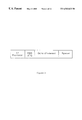
- FIG. 2 Schematic representation of an expression unit containing a gene of interest (nucleotide sequence) for CIVE.
- the expression unit comprises a gene of interest with upstream ribosome binding site (RBS) and translational initiation site (ATG) along with a transcriptional initiation sequence (T7 promoter).
- RBS upstream ribosome binding site
- ATG translational initiation site
- T7 promoter transcriptional initiation sequence
- the construct also comprises a downstream spacer sequence.
- FIG. 3 Schematic representation of the CIVE method showing the continuous cycling nature of in vitro affinity maturation.
- the method enables the in vitro production of complex libraries of mutants which are continuously evolving (mutating) and from which a desired gene may be selected; the mRNA molecules in the preferred transcription/translation system of the present invention are in a continuous cyclic process of replication/mutation/translation leading to continuous in vitro evolution (CIVE).
- FIG. 4 Representation of a reaction vessel suitable for the CIVE process.
- FIGS. 6 ( a ), ( b ), ( c ) and ( d ) DNA sequence of the plasmid pBRT7Qbeta containing a cDNA copy of the Q ⁇ bacteriophage genome (SEQ ID NO: 5).
- FIGS. 7 ( a ) and ( b ) Schematic representation of the plasmids (a) pGC038CL (containing the anti-glycophorin scFv (1C3) and the mouse constant light region) and (b) pGC_CH (containing the human constant heavy region), which were used for the PCR synthesis of template used for in vitro transcription and translation. These plasmids were used to supply downstream spacer sequences. In most cases, genes of interest were cloned into SfiI and NotI sites of pGC_CH.
- FIG. 8 Sequences of RNA fragments that form stem loop structures (SEQ ID NOS: 37 and 38).
- FIG. 9 Eukaryotic expression vector pcDNA3.1 for expression of Q ⁇ replicase or Hepatitis C virus RNA dependent RNA polymerase in the rabbit reticulocyte coupled transcription/translation system.
- FIG. 10 DNA sequence of the Hepatitis C virus RNA dependent RNA polymerase (SEQ ID NO: 6).
- FIG. 11 DNA sequences of oligonucleotides used as primers in PCR reactions to generate template DNA for in vitro coupled transcription/translation reactions. Nucleotide sequences of oligonucleotides used for both the generation of templates and the recovery of products after panning. Sequences are numbered and are written 5′ to 3′ (SEQ ID NO: 7-24).
- FIG. 12 Expression of the Q ⁇ replicase in the rabbit reticulocyte coupled transcription/translation system
- FIG. 13 Effect of Q ⁇ replicase on coupled transcription/translation of anti GlyA 1C3 protein synthesis.
- FIG. 14 Effect of including Q ⁇ replicase in coupled transcription and translation; Table of mutations in the sequences of selected mutants. This figure shows the positions and type of mutations found in 280 nucleotides of sequence from 6 random clones. These had been recovered from pannings of the anti-GlyA scFv against GlyA coated Dynabeads after transcription and translation either in the absence of Q ⁇ replicase, in the presence of purified Q ⁇ or in the presence of plasmid pCDNAQ ⁇ . In the “Mutation Found” column; “None” means that no mutations were found; Mutations are shown in the form AxB where A is the wild type nucleotide, x is the position number within the sequence (as presented in FIG. 5 c ) and B is the mutated nucleotide observed.
- FIG. 15 Replication of anti glycophorin scFv transcripts by Q ⁇ replicase in the coupled transcription/translation rabbit reticulocyte system: densitometer scanning.
- FIG. 16 DNA sequence analysis of replication and mutation of anti glycophorin scFv and anti Hepatitis B scFv by Q ⁇ replicase from T7 polymerase transcripts.
- FIG. 17 Vector containing the Hepatitis C RNA dependent RNA polymerase.
- FIG. 18 Effect of Hepatitis C RNA dependent RNA polymerase expressed in the coupled transcription/translation system on replication of anti GlyA 1C3 scFv RNA. Agarose gel electrophoresis of the RT-PCR products stained with ethidium bromide and scanned.
- the system for continuous one-step evolution of proteins comprises the following components:
- FIG. 2 A preferred expression unit for use in the present invention is depicted in FIG. 2 .
- This expression unit comprises 3′ and 5′ untranslated regions with in the 5′ untranslated region a control element such as the T7 or SP6 promoter to promote transcription of the DNA into mRNA.
- the consensus DNA sequences are specific for their polymerases; the T7 promoter sequence for T7 RNA polymerase is: TAATACGACTCACTATAGGGAGA (SEQ ID NO: 28).
- the T7 promoter sequence may act as an RNA dependent RNA polymerase binding sequence (ie. it may act as a binding sequence for Q ⁇ replicase).
- the construct includes a stemloop structure for the binding of Q ⁇ replicase, located in the 5′ untranslated region 3′ to the promoter site.
- a second stemloop structure is included downstream of the coding sequence, preferably about 1 kb 3′ of translation termination site of the expression unit.
- the preferred sequence of the stemloop structure is: GGGACACGAAAGCCCCAGGAACCUUUCG (SEQ ID NO: 27).
- the ribosome binding site is the next region downstream of the promoter. Any of several ribosome binding be used in this position. Prokaryotic and eukaryotic ribosome binding sequences may be incorporated depending on whether a eukaryotic or prokaryotic coupled system is being used. One preferred prokaryotic binding site is that of the MS2 virus.
- the translation initiation sequence ATG is preferably used and codes for the amino acid methionine; this is the start of in vitro translation.
- the gene of interest can be attached to the untranslated regions by any of the standard genetic techniques.
- the gene of interest may include any nucleotide sequence with an open reading frame (no stop codons) up to the 3′ end of the gene and for the purposes of this invention the end of the anchor (spacing) sequence.
- the gene(s) of interest is a nucleotide sequence coding for i) a library of target binding proteins or ii) a single target binding protein, where the target may include any of protein, DNA, cell surface molecules. receptors, antibodies, hormones, viruses or other molecules or complexes or derivatives thereof.
- a nucleotide sequence coding for an anchor domain may be fused 3′ and in frame with the gene of interest.
- the anchor domain may be any of a series of polypeptide sequences sufficiently long to space the protein translated from the gene of interest a sufficient distance from the ribosome to allow correct folding of the molecule and accessibility to its cognate binding partner.
- the anchor is the sequence coding for the octapeptide “FLAG” epitope: DYKDDDDK (SEQ ID NO: 29) or any of the human or murine antibody constant domains.
- the anchor is the constant domain from a mouse monoclonal antibody, such as constant domain 1C3 (see FIG. 5 a ).
- a further preferred anchor is the constant region from a human IgM antibody (see FIG. 5 b ).
- the anchor sequence may be followed by a translation termination (stop) nucleotide sequence e.g. TAA or TAG.
- stop a translation termination nucleotide sequence
- the anti-sense ssrA oligonucleotide sequence is added to prevent addition of a C terminal protease site in the 3′ untranslated region that follows.
- sparsomycin, other similar compounds or a reduction in temperature also prevents release of the ribosome from the mRNA and de novo synthesised protein.
- Transcription/replication/mutation for the expression unit may be achieved by use of a rabbit reticulocyte lysate system (He and Taussig, 1997) or an E. coli S-30 transcription translation mix (Mattheakis et al., 1994; Zubay, 1973).
- a DNA expression unit (detailed above) with a T7 promoter is treated with T7 RNA polymerase according to the manufacturers instructions.
- the resulting RNA library reflects the diversity of the encoded genes.
- RNA dependent-RNA polymerases added for replication and mutation can be supplied either as purified enzyme or alternatively encoded as a distinct expression unit in a plasmid under control of a promoter such as T7 or SP6.
- the preferred enzyme is Q ⁇ replicase although any enzyme with similar characteristics may be used. This step provides the increase in complexity of the library through mutation by the Q ⁇ replicase.
- the mRNA is preferably capped which is achieved by adding an excess of diguanosine triphosphate; however, the rabbit reticulocyte system from the commercial suppliers Promega and Novagen have components in the system to make the addition of capping compounds unnecessary.
- the transcription/translation mix or coupled system may be extracted from any cell, those most commonly used are wheat germ, mammalian cells such as HeLa cells E. coli and rabbit reticulocytes.
- the coupled transcription translation system may be extracted from the E.
- coli mutator cells MUTD5-FIT (Irving et al., 1996) which bear a mutated DNAQ gene and therefore allow further random mutations introduced into DNA during replication as a result of proofreading errors.
- One preferred transcription/translation mix is the rabbit reticulocyte lysate. Addition of GSSG to the coupled system enhances correct folding of displayed proteins and therefore enhances subsequent binding and selection to counter-receptors or antigens.
- the Q ⁇ replicase is included in the system for the replication and production of high levels of mRNA incorporating random mutations (see FIG. 3 ). Multiple copies of a single-stranded RNA template is replicated with mutations by the Q ⁇ replicase into its single stranded complement; however, both strands are equally efficient as template under isothermal conditions.
- RNA sequences are suitable for binding of replicases and therefore may be used instead of full length templates.
- Preferred sequences are small synthetic RNA sequences known as pseudoknots (Brown and Gold 1995;1996) which are compatible with amplification by Q ⁇ replicase.
- pseudoknots can overcome the problems of ribosome access to the protein initiation sites whilst maintaining the binding sites necessary and sufficient for the Q ⁇ replicase amplification of the RNA and sequences fused thereto.
- in vitro translation methods which may be either eukaryotic such as rabbit reticulocyte lysate and wheatgerm, or prokaryotic such as E. coli. These are available commercially or can be generated by well known published methods.
- Translation of the mutated mRNAs produces a library of protein molecules, preferably attached to the ribosome in a ternary ribosome complex which includes the encoding specific mRNA for the de novo synthesised protein (Mattheakis et al., 1994).
- Several methods are known to prevent dissociation of the mRNA from the protein and ribosome.
- sparsomycin or similar compounds may be added; sparsomycin inhibits peptidyl transferase in all organisms studied and may act by formation of an inert complex with the ribosome (Ghee et al., 1996). Maintaining high concentrations of magnesium salts and lowering GTP levels may also contribute to maintaining the ribosome/mRNA/protein complex; in conjunction with the structure of the expression unit detailed above.
- a preferred means to maintain the ternary ribosome complex is the omission of the translation stop codon at end of the coding sequence.
- prokaryotes protein disulphide isomerase (PDI) and chaperones may be used as well as a C terminal anchor domain to ensure the correct folding.
- PDI prokaryotes protein disulphide isomerase
- chaperones may be used as well as a C terminal anchor domain to ensure the correct folding.
- the latter is required as prokaryotic proteins are released from the ribosome prior to folding (Ryabova et al., 1997) and therefore in situations in which the peptide is anchored to the ribosome the entire protein needs to be spaced from the ribosome.
- the protein is folded as it is synthesised and has no requirement for the prokaryote PDI and chaperones to be added; however, we have found that addition of a specific range of GSSG concentrations is beneficial to the library selection by the enhanced display of correctly folded proteins on the ternary ribosome complexes.
- RNA replication produces libraries of RNA molecules which on translation produce libraries of proteins.
- a target molecule-bound matrix for example antigen-coated Dynabeads
- the individual members in the library compete for the antigen immobilised on the matrix (Dynabeads). Molecules with a higher affinity will displace lower affinity molecules.
- the complexes [mRNA/ribosomes/protein] attached to matrix may be recovered, cDNA may be synthesised from the mRNA in the complex and cloned into a vector suitable for high-level expression from the encoded gene sequence.
- a recycling flow system (Spirin et al., 1988) may be applied to this Continuous in vitro Evolution (CIVE) system using a thermostated chamber to ensure supply of substrates (including ribosomes) and reagents and removal of non-essential products. All processes of CIVE may take place within this chamber including: coupled transcription and translation, mutating replication, display of the de novo synthesised protein on the surface of the ternary ribosome complex and competitive binding of the displayed proteins on the ternary ribosome complex to antigen to select those with the highest affinity binding (FIG. 4 ).
- the unbound reagents, products and displayed proteins are removed by flushing with washing buffer and the bound ternary ribosome complexes are dissociated by increasing the temperature and omitting the magnesium from the buffer. This is followed with the addition of all the reagents necessary to carry out all the above steps except the washing buffer steps.
- Methods are available to prevent dissociation of the mRNA from the protein and ribosome such as the addition of sparsomycin or similar compounds, maintaining specific concentrations of magnesium salts and lowering GTP levels may also contribute to maintaining the ribosome/mRNA/protein complex as well as reducing the reaction temperature or omitting translational stop codons.
- FIG. 4 depicts the design of a such a device.
- the Q ⁇ replicase coding sequence was amplified by PCR from the plasmid pBRT7Q ⁇ , a pBR322 based construction (briefly described in Barrera et al., 1993) that was designed to allow the preparation of infectious RNA by transcription using T7 RNA polymerase in vitro; being a cDNA copy of the RNA genome of phage Q ⁇ .
- the sequence of pBRT7Q ⁇ is shown in FIG. 6 .
- Nucleotide no. 1 is the first nucleotide of the Q ⁇ replicase sense strand.
- the oligonucleotides used as primers to amplify the Q ⁇ replicase encoded sites for restriction enzyme digestion by the enzymes FcoRI and Not I and the sequences are shown in FIG. 11 .
- the PCR products were purified using any one of the commercial products available for this purpose (for example Bresatec).
- the purified DNA was cloned into the EcoRI and NotI sites of the vector pGC (FIG. 7 a ) using standard molecular biology techniques.
- the vector pGC and expression of recombinant protein therefrom has been described in the literature and is incorporated herein by reference (Coia et al., 1996).
- the process of the PCR amplification and cloning of the Q ⁇ replicase gene into vectors and transformation into E. coli for expression of the enzyme will be known to those skilled in the art as will be the expression of the Q ⁇ replicase gene in pGC which was induced by adding 1 mM ispropylthiogalatoside (IPTG) to the culture medium.
- IPTG ispropylthiogalatoside
- the rep14 Billeter strain was supplied by Christof Biebricher, Max Planck, Gottingen.
- the E. coli strain was grown in a 20 l fermentor in 2% nutrient broth, 1.5% yeast extract. 0.5% NaCl, 0.4% glycerol, 100mg/l ampicillin with good aeration at 30° C. to an optical density of 2 (660 nM). After raising the temperature to 37° C., aeration was continued for 5 h. The cells were chilled on ice and harvested by centrifugation (yielding about 180 g wet cell mass).
- Buffer A 0.05M Tris.HCl-buffer (pH 7.8), 1 mM mercaptoethanol, 20% v/v glycerol, 100 mg/l ampicillin.
- Buffer B 0.05M HEPES.Na-buffer (pH 7.0), 1 mM mercaptoethanol, 20% v/v glycerol.
- Enzyme Location Assay Binding of Biotinylated RNA to Q ⁇ Replicase
- the reaction mix was incubated at 37° C. for 1 min.
- the reaction mixtures were dot blotted onto nylon membrane, e.g. hybond N, (only RNA or DNA bound to the enzyme Qb replicase will be retained on the membrane), washed with the 50 mM Tris HCl pH 7.4 containing 12 mM MgCl 2 , UV cross linked onto the nylon membrane in the Stratalinker on the automatic setting.
- the BrightStar Biodetect kit was used for the detection of the biotinylated nucleic acid attached to the nylon membrane.
- FIG. 12 shows the assay of the eluted fractions from the DE52 column.
- the active fractions were pooled, diluted with one volume buffer A and applied to a 35 ml column of DEAE-Sepharose FF, equilibrated to buffer A+0.1 M NaCl.
- the enzyme was eluted with a linear gradient of 0.1-0.4M NaCl in buffer A.
- the active fractions were pooled, the enzyme precipitated by addition of solid (NH 4 ) 2 SO 4 (39 g/100 ml solution), collected by centrifugation and dissolved in 4 ml buffer B.
- the enzyme was diluted until the conductivity was less than that of buffer B+0.2M NaCl and applied to a 100 ml column of Fractogel EMD SO3 equilibrated with buffer B, and eluted with a linear gradient (2 times 500 ml) of 0.2-0.8 ⁇ M NaCl in buffer B.
- the active peaks, eluting at about 0.65M NaCl, were pooled, precipitated with solid (NH 4 ) 2 SO 4 (39 g/100 ml solution), collected by centrifigation, and dissolved in 10 ml buffer A+50% glycerol.
- the solution was stored at ⁇ 80° C.
- the two clearly separated peaks of core and holoenzyme were pooled, diluted 1:1 with buffer A and applied to QAE-Sephadex columns, 2 ml for core, 6 ml for holo replicase, respectively, washed with buffer A+50% glycerol, and the replicase was eluted in concentrated form with buffer A+50% glycerol+0.2 M (NH 4 ) 2 SO 4 .
- the active fractions were stored at ⁇ 80° C. Care was taken to avoid contamination of the equipment with RNA.
- Q ⁇ replicase coding sequence was cloned into the eukaryotic expression vector pCDNA 3.1 (FIG. 9) to produce the vector named pCDNAQ ⁇ .
- This vector was used for the expression of Q ⁇ replicase in situ in the coupled transcription/translation system and concomitant replication/mutation of target RNA.
- Sequence of oligonucleotides used as primers in PCR amplification of Q ⁇ replicase for cloning into the EcoRI and NotI restriction sites in the eukaryotic expression vector pCDNA3.1 were:
- the coding sequence for the Q ⁇ replicase b subunit was cloned into the pCDNA3.1 by standard molecular biology techniques (Sambrook et al., 1989). The cloned sequence was confirmed by DNA sequence analysis. Expression of the Q ⁇ replicase in the rabbit reticulocyte coupled transcription/translation system was followed by the detection of biotinylated lysine (TRANSCEND, Promega) incorporated into the de novo synthesised Q ⁇ replicase in the standard transcription/translation reaction as suggested by the commercial suppliers of the coupled transcription translation kits (Promega and Novagen) and the supplier of Transcend (Promega). At the completion of the incubation step of the coupled reaction, 20 ⁇ l of the reaction was heated to 90° C.
- TRANSCEND biotinylated lysine
- DNA sequences were amplified by standard and well-described techniques (Polymerase Chain Reaction [PCR] with specifically designed oligonucleotide primers, splice overlap extension, restriction enzyme digests etc) using either Taq, Tth, Tfl, Pwo or Pfu polymerase according to the supplier's instructions using either an FTS-1 thermal sequencer (Corbett Research), a PE2400 (PerkinElmer) or a Robocylcer gradient 96 (Stratagene).
- FTS-1 thermal sequencer Corbett Research
- PE2400 PerkinElmer
- Robocylcer gradient 96 Robocylcer gradient 96
- DNA sequences were amplified from starting templates which had been cloned into either vector pGC038CL (FIG. 7 a ) or pGC_CH (FIG. 7 b ) which provided an extension to the 3′ terminus of the construct.
- This extension was either a constant region from a mouse monoclonal (1C3; Sequence FIG. 5 a ) or a constant region from a human IgM antibody (Sequence FIG. 5 b ).
- Forward (sense) primers (N5266 for the anti-GlyA scFv; N5517 or N5384, N5344 and N5343 for the anti-HepB scFv) used for amplification provided a transcriptional initiation site as well as a translational initiation site and ribosome binding site.
- Reverse (anitsense) primers (N5267 for the mouse constant region; N5385 for the human constant region) did not contain stop codons which allows the mRNA-ribosome-protein complex to remain associated. Both forward and reverse primers provided restriction enzyme sites (specifically SfiI and NotI, respectively) which enabled cloning of generated fragments.
- any of several promoter sequences for DNA dependent RNA polymerase can be used to direct transcription; however, the following sequences were the two preferred (these include translational initiation sequences; see below):
- RNA transcripts have directed transcription of T7 DNA dependent RNA polymerase to produce RNA transcripts in two alternative formats of coupled transcription/translation systems.
- Sequences encoding ribosome binding sites are known and have been included in the template upstream of the any one of the sequences of molecules of interest for ribosome display encoding either the scFv binding to glycophorin (1C3: FIG. 5 c ) or the scFv binding hepatitis B surface antigen (4C2; FIG. 5 d ).
- the same sequences have been included in the template upstream of any other sequences of interest for ribosome display (eg CTLA-4-based library sequences).
- Transcription and translation was carried out in Siliconized Rnase-free 0.5 ml tubes (Ambion) using the TNT T7 coupled transcription/translation system (Promega) containing 0.5 mM magnesium acetate, 0.02 mM methionine and 3 mM oxidized glutathione (GSSG) (see Example 6, below) and the mixture was incubated at 60° C. for 90 min. In some reactions up to 10 mM reduced glutathione was also added. In reactions containing Q ⁇ polymerase, the mixture also contained manganese chloride to a final concentration of 0.5 mM. After transcription and translation, the mixture was diluted with PBS and treated with DNaseI to remove any remaining starting DNA template. This was achieved by the addition of 40 mM Tris (pH 7.5), 6 mM MgCl 2 10 mM NaCl and DNase I (Promega), followed by incubation at 30° C. for a further 20 min.
- TNT T7 coupled transcription/translation system
- Tosylactivated Magnetic beads were coupled to GlycophorinA (GlyA; Sigma). HepatitisB Surface Antigen (HepB SA; BiosPacific, Emeryville, Calif. USA) or bovine serum albumin (BSA; Sigma) according to manufacturer's instructions. Where Streptavidin magnetic beads were used, these were coupled (according to manufacturer's instructions) to antigens (as shown above) which had been biotinylated using EZ-Link Sulfo-NHS-LC-Biotin (Pierce) according to manufacturer's instructions.
- RNA templates 2 ⁇ l of the final bead suspension was used in an RT-PCR reaction using either the Access RT-PCR system (Promega) or the Titan One-tube RT-PCR system (Boehringer Mannheim) according to manufacturer's instructions.
- the primers used for this reaction included the original forward (sense) primer (used to generate the starting template DNA primers; N5266 for the anti-GlyA scFv; N5517 or N5384, N5344 and N5343 for the anti-HepB scFv) and a negative (antisense) primer which was upstream of the original primer (N5268 and N5269 for mouse constant region constructs; N5386 and N5387 for human constant region constructs).
- shorter primers N5941 and N5942 for the anti-GlyA scFv-constant light region construct
- this DNA was gel purified (in some cases, simply diluted) and incorporated into in a further PCR using the forward and reverse primers which had been present in the original PCR to generate the starting DNA template.
- This new template could then be used in further selections as described above since it contained the appropriate initiation sites and is of the same length as the template in the first selection.
- scFv single chain Fv fused to a mouse constant light chain region which specifically binds to GlyA was amplified using primers which would allow the addition of a T7 transcriptional initiation site and a ribosome binding site.
- This template (T7-scFv) was used in a coupled transcription/translation reaction as described above and then split into three and mixed with either HepB SA, GlyA or BSA coupled magnetic beads. The beads were washed (as described above) and recovered mRNA-ribosome-protein complexes were used to synthesize cDNA. The results of this experiment showed the presence of a product of the correct size in each lane.
- the GlyA specific product from this experiment was gel purified and re-amplified by PCR in order to synthesize more template for a further round of selection.
- a second round of panning showed predominantly a specific product in the sample probed with GlyA coupled magnetic beads. This showed that by the second round of selection, the products recovered were specific for GlyA.
- a library of CTLA4 mutants was ligated into plasmid pGC_CH (FIG. 7 b ) which allowed the addition of a constant heavy domain and this library was then amplified by PCR using primers N5659 and N5385 (FIG. 11 ). Primer N5659 was used to add the necessary upstream transcriptional and translational initiation sequences. This PCR DNA was then used as template for transcription and translation in a coupled cell free translation system using the methods described in Example 4.
- RNA attached to bound complexes was then recovered by RT-PCR. The methods used for panning, selection and recovery was as described previously (Example 5).
- CTLA4 based mutants Products corresponding approximately to the size of CTLA4 based mutants were recovered and showed that the CTLA4 library contained DNA encoding proteins which specifically bind HBSA, GlyA and BSA. These products were cloned into the vector pGC_CH (FIG. 7 b ) for DNA sequencing and expression of soluble products. Sequencing using standard methods (BigDye Terminator Cycle Sequencing; PE Applied Biosystems CA) showed that CTLA4-based specific inserts were present. Furthermore, expression analyses using ELISA showed that specifically reactive proteins were being expressed by the recombinant cultures.
- Q ⁇ replicase in either of two forms were added to the reaction mixture.
- the replicase was included as either a purified Q ⁇ replicase protein or as a gene template under the control of a T7 transcriptional promoter (pCDNAQ ⁇ ) which could be simultaneously synthesized during the coupled transcription/translation reaction.
- the template used for this reaction was again the anti-GlyA T7-scFv (as described above) and selections were performed using GlyA coupled magnetic beads
- T7-1C3 and T7-4C2 scFv templates for ribosome display were constructed as described in example 3 and subjected to coupled transcription/translation, under the following conditions.
- Standard coupled transcription/translation reactions were modified by the addition of Q ⁇ replicase (purified as detailed in example 1).
- Q ⁇ replicase purified as detailed in example 1.
- 1 ml of 20 ⁇ g/ml enzyme was added.
- Q ⁇ replicase concentration on replication of anti GlyA 1C3 scFv and anti Hepb 4C2 scFv in the coupled system and observed that 1 ml of this sample provided the optimum replication.
- Manganese chloride was added to a final concentration of 0.5 mM as this has been shown in published reports to decrease the requirement for transcription/translation factors. Reactions were allowed to continue for 2 hrs at 37° C. The replicated transcripts were analysed by RT-PCR after removing DNA template by DNAase I digestion in 40 mM Tris-HCl pH7.5, 6 mM MgCl 2 , 10 mM NaCl at 30° C. for 20 mins. Standard phenol extraction was used to remove DNAaseI and other proteins. Samples were ethanol precipitated and the RNA precipitate dissolved in RNAase-free water.
- RNA was assayed by RT-PCR using primers specific for each template, see example 3, and the PCR products (DNA) compared by agarose gel electrophoresis.
- the DNA bands were visualised by staining with ethidium bromide.
- the agarose gel was subjected to densitometry by scanning the digitised image with the gel-pro analyzer commercial software.
- FIG. 13 shows the densitometer traces of the agarose gel from which it can be seen that in the sample containing the purified Q ⁇ replicase there is an increase in the amount of template produced.
- Coupled transcription/translation reactions as detailed in previous examples were supplemented with Q ⁇ replicase purified enzyme to replicate and mutate the T7 DNA dependent RNA polymerase transcribed anti GlyA 1C3 scFv RNA.
- the sample was treated wth DNAaseI and this enzyme removed as detailed in example 10.
- the purified RNA was then used as the template for RT-PCR reactions with anti GlyA 1C3 scFv-specific primers in the reaction as detailed in example 3.
- the thermostable polymerases used in these reactions were one of the high fidelity vent, pfu polymerase enzymes used in accordance with the manufacturers instructions.
- the PCR reaction products were purified with one of the commercially available kits as noted before and the purified DNA ligated into the commercially available plasmid pCRscript and transformed into competent E. coli XL1Blue cells using standard molecular biology techniques.
- the transformation reactions were plated onto YT-agar plates containing X-gal. After overnight incubation white colonies ( E. coli with plasmids containing DNA inserts in the multi-cloning site) were picked and grown overnight at 37° C. in 5 ml of YT broth containing 100 ⁇ g/ml ampicillin. DNA was extracted from each of the cultures with the commercial kit (Quiagen) according to the manufacturer's instructions.
- the purified DNA was analysed by DNA sequencing; the sequencing results are displayed in FIG. 16 .
- This table shows mutations in a random sample of sequences representing a minute sampling of mutations and sequence variation in the whole Q ⁇ replicase replication/mutation reactions.
- RNA sequences and putative secondary structures preferred by Q ⁇ replicase for its RNA templates have been reported (Zamora et al., 1995).
- T7 promoter sequences the sequences encoding the 1C3 gene, the constant light anchor region gene, the anti hepb 4C2 scFv gene and the IgM human constant heavy anchor region gene were analysed with the Mfold program (Zucker et al 1991) and compared to the Q ⁇ replicase preferred structures (as shown in FIG. 8 ).
- the 1C3 scFv has been identified to have internal RNA secondary structure mimicing the M site structure of Q ⁇ replicase, as does the CL anchor region and shows similarity to the preferred synthetic sequence reported by Zamora et al., 1995.
- This may explain the preferred replication of the anti GlyA 1C3 scFv CL template to that of the anti Hepb 4C2 scFVCH3 by Q ⁇ replicase (see example 3). Therefore the CL region gene is proposed as an anchor region for displayed molecules for coupled transcription/translation display and any mutagenesis as the RNA encoding this region promotes and enhances Q ⁇ replicase replication and associated mutation of this region and its genetic fusions.
- pLysN-NS5B is a bacterial (cytoplasmic) expression vector with a T7 promotor.
- NS5B is the non-structural HepC RNA-dependent RNA-polymerase.
- NS5B is fused to a LysN moiety at its N terminus which are separated by a Gly-Ser-Gly-Ser-Gly linker. 10 His residues and followed by a Asp-Asp-Asp-Asp-Lys linker GSGSGHHHHHHHHDDDDK (SEQ ID NO: 34)
- the culture was harvested and centrifuged 5000 g in a prechilled rotor at 4° C. The wet weight of the harvested culture was measured and the cell pellet frozen at ⁇ 80° C. Approximately 3-4 grams was produced (wet weight) per liter of cell culture.
- a 30% saturation of AmSO 4 was added to the lysate and then centrifuged at 10000 g for 15 minutes. This acted to eliminate some bacterial proteins. The pellet was discarded and to the supernatant a 50% saturation of AmSO 4 was added and centrifuged and again at 10000 g for 15 minutes. This acted to precipitate the NS5B from a large proportion of E. coli proteins. The supernatant was discard and the pellet resuspended in half the original volume with Buffer C. This was dialysed in Buffer C at 4° C. overnight.
- the dialysed extract was loaded onto a cation exchange column with Hyper D “S” resin pre-equilibrated with Buffer C. The column was then washed with Buffer C until a stable baseline was achieved. Elution was performed with a step gradient of Buffer C with 1M NaCl. It was found that NS5B eluted at a 50% NaCl ratio corresponding to a 600 mM NaCl concentration.
- NS5B was purified by this process to over 90% homogeneity with minor smaller molecular weight contaminating proteins
- the purified NS5B was concentrated by 50% saturation with AmSO4 and resuspension in a volume of Buffer C (with Tris pH 7.4) sufficient to redissolve the pellet. This was then dialysed in the same buffer to eliminate the AmSO4.
- Buffers (Sonication Lysis, Elution, Dialysis) Buffer C 50 mM *** Na—PO4 pH6.8 Na2HPO4 2.32 ml ⁇ or substitute for Tris pH 6.8 NaH2PO4 2.69 ml ⁇ 100 mM NaCl 0.5844 g 10% Glycerol 10 ml 10 mM b-Mercaptoethanol 70 ⁇ l 0.02% NaN3 80 ⁇ l 0.25M Sucrose 8.56 g 0.1% Detergent ( ⁇ -Octyl Glucopyranoside) 0.1 g 1 mM Pefa-Eloc 0.1 g Complete TM tablets(No EDTA) 2 Tablets H2O to 100 ml
- the HepC RdRp (NS5B) was assayed by numerous protocols. The simplest method relies on the Novagen Large Scale Transcription Kit (TB069). Modified forms of this protocol have been used successfully. This method is briefly described as follows.
- a double stranded DNA template digested upstream of a T7/T3/SP6 promotor is used in the presence of a T7 DNA dependent RNA polymerase to make the RNA template.
- HepC RdRp (NS5B) in the same cocktail then amplifies the RNA produced by the T7 polymerase.
- DNA template (0.5 ⁇ g/ml) 1 ⁇ l (0.5 ng) ATP (20 mM) 10 ⁇ l CTP (20 mM) 10 ⁇ l GTP (20 mM) 10 ⁇ l UTP (20 mM) 10 ⁇ l 5X Transcription buffer 20 ⁇ l (400 mM HEPES pH7.5, 60 mM MgCl2, 50 mM NaCl) 1M DTT (1M) 1 ⁇ l T7 polymerase (100 U/ml) 1 ⁇ l HepC RdRp (NS5B) x ⁇ l Nuclease free water y ⁇ l
- This method has utilised the control DNA template in the kit as well as plasmid DNA cut upstream of the T7 promotor successfully.
- the quantity of DNA used has been as low as 0.1 ng successfully.
- the quantity of T7 polymerase used has been as low as 0.1 ⁇ l.
- FIG. 10 was cloned into the vector pCDNA3.1 (FIG. 9 ) for expression in situ in the coupled transcription/translation system and concomitant replication/mutation of target RNA. Sequence of oligonucleotides used as primers in PCR amplification of Hepatitis C RNA dependent RNA polymerase for cloning into the EcoRI and NotI restriction sites in the eukaryotic expression vector pCDNA3.1:
- Hepatitis C RNA dependent RNA polymerase was cloned into the pcDNA3.1 vector (named pCDNAHEPC) with a strategy similar to that described in example 2 but using the above oligonucleotides in the PCR amplification of the Hepatitis C RNA dependent RNA polymerase from the vector shown in FIG. 17 .
- the methods used to demonstrate that the Hepatitis C RNA dependent RNA polymerase were being synthesised in situ were exactly as described in example 2.
- the results from the coupled reaction with the Hepatitis C RNA dependent RNA polymerase template in pCDNAHEPC are shown in FIG. 18 .
Landscapes
- Chemical & Material Sciences (AREA)
- Health & Medical Sciences (AREA)
- Life Sciences & Earth Sciences (AREA)
- Genetics & Genomics (AREA)
- Organic Chemistry (AREA)
- Engineering & Computer Science (AREA)
- Bioinformatics & Cheminformatics (AREA)
- Molecular Biology (AREA)
- Wood Science & Technology (AREA)
- Zoology (AREA)
- General Health & Medical Sciences (AREA)
- Biochemistry (AREA)
- Biotechnology (AREA)
- General Engineering & Computer Science (AREA)
- Biomedical Technology (AREA)
- Biophysics (AREA)
- Medicinal Chemistry (AREA)
- Microbiology (AREA)
- Physics & Mathematics (AREA)
- Plant Pathology (AREA)
- Crystallography & Structural Chemistry (AREA)
- Proteomics, Peptides & Aminoacids (AREA)
- Immunology (AREA)
- Bioinformatics & Computational Biology (AREA)
- Virology (AREA)
- Communicable Diseases (AREA)
- Preparation Of Compounds By Using Micro-Organisms (AREA)
- Peptides Or Proteins (AREA)
- Enzymes And Modification Thereof (AREA)
- Coloring Foods And Improving Nutritive Qualities (AREA)
- Superconductors And Manufacturing Methods Therefor (AREA)
- Polysaccharides And Polysaccharide Derivatives (AREA)
- Transition And Organic Metals Composition Catalysts For Addition Polymerization (AREA)
Priority Applications (2)
| Application Number | Priority Date | Filing Date | Title |
|---|---|---|---|
| US10/408,930 US20030170820A1 (en) | 1998-05-08 | 2003-04-07 | Continuous in- vitro evolution |
| US11/498,974 US20070048774A1 (en) | 1998-05-08 | 2006-08-03 | Continuous in-vitro evolution |
Applications Claiming Priority (3)
| Application Number | Priority Date | Filing Date | Title |
|---|---|---|---|
| AUPP3445A AUPP344598A0 (en) | 1998-05-08 | 1998-05-08 | Continuous one step in-vitro evolution |
| AUPP3445 | 1998-05-08 | ||
| PCT/AU1999/000341 WO1999058661A1 (en) | 1998-05-08 | 1999-05-07 | Continuous in vitro evolution |
Related Parent Applications (1)
| Application Number | Title | Priority Date | Filing Date |
|---|---|---|---|
| PCT/AU1999/000341 A-371-Of-International WO1999058661A1 (en) | 1998-05-08 | 1999-05-07 | Continuous in vitro evolution |
Related Child Applications (1)
| Application Number | Title | Priority Date | Filing Date |
|---|---|---|---|
| US10/408,930 Continuation-In-Part US20030170820A1 (en) | 1998-05-08 | 2003-04-07 | Continuous in- vitro evolution |
Publications (1)
| Publication Number | Publication Date |
|---|---|
| US6562622B1 true US6562622B1 (en) | 2003-05-13 |
Family
ID=3807699
Family Applications (1)
| Application Number | Title | Priority Date | Filing Date |
|---|---|---|---|
| US09/674,677 Expired - Lifetime US6562622B1 (en) | 1998-05-08 | 1997-05-07 | Continuous in vitro evolution |
Country Status (9)
| Country | Link |
|---|---|
| US (1) | US6562622B1 (de) |
| EP (1) | EP1075513B8 (de) |
| JP (2) | JP4519318B2 (de) |
| AT (1) | ATE478947T1 (de) |
| AU (1) | AUPP344598A0 (de) |
| CA (1) | CA2328515C (de) |
| DE (1) | DE69942701D1 (de) |
| ES (1) | ES2351275T3 (de) |
| WO (1) | WO1999058661A1 (de) |
Cited By (9)
| Publication number | Priority date | Publication date | Assignee | Title |
|---|---|---|---|---|
| US20030087233A1 (en) * | 1998-07-02 | 2003-05-08 | Q-Rna, Inc. | Methods, compositions and apparatus for making nucleic acid molecules having a selected affinity to a target molecule |
| US20030170686A1 (en) * | 2001-12-07 | 2003-09-11 | Rene Hoet | Method and apparatus for washing magnetically responsive particles |
| US20030170820A1 (en) * | 1998-05-08 | 2003-09-11 | Gregory Coia | Continuous in- vitro evolution |
| US20040180327A1 (en) * | 2002-09-05 | 2004-09-16 | Dyax Corporation | Display library process |
| US20080004813A1 (en) * | 2006-06-29 | 2008-01-03 | Searete Llc, A Limited Liability Corporation Of The State Of Delaware | Systems for arbitrary peptide synthesis |
| US20080004427A1 (en) * | 2006-06-29 | 2008-01-03 | Searete Llc, A Limited Liability Corporation Of The State Of Delaware | Methods for arbitrary peptide synthesis |
| US20080194796A1 (en) * | 2006-06-29 | 2008-08-14 | Searete Llc, A Limited Liability Corporation Of The State Of Delaware | Methods for arbitrary peptide synthesis |
| US20090036649A1 (en) * | 2006-06-29 | 2009-02-05 | Searete Llc, A Limited Liability Corporation Of The State Of Delaware | Methods for arbitrary peptide synthesis |
| US20090035756A1 (en) * | 2006-06-29 | 2009-02-05 | Searete Llc, A Limited Liability Corporation Of The State Of Delaware | Methods for arbitrary peptide synthesis |
Families Citing this family (21)
| Publication number | Priority date | Publication date | Assignee | Title |
|---|---|---|---|---|
| US7153655B2 (en) | 1998-06-16 | 2006-12-26 | Alligator Bioscience Ab | Method for in vitro molecular evolution of protein function involving the use of exonuclease enzyme and two populations of parent polynucleotide sequence |
| US20010039014A1 (en) | 2000-01-11 | 2001-11-08 | Maxygen, Inc. | Integrated systems and methods for diversity generation and screening |
| DK1268766T3 (da) | 2000-03-31 | 2006-04-10 | Cambridge Antibody Tech | Forbedringer af ribosom-display |
| EP1652919A1 (de) * | 2000-03-31 | 2006-05-03 | Cambridge Antibody Technology LTD | Verbesserungen in Bezug auf Ribosom-Komplexe als Selektionspartikel |
| US6958213B2 (en) | 2000-12-12 | 2005-10-25 | Alligator Bioscience Ab | Method for in vitro molecular evolution of protein function |
| CA2485506C (en) | 2002-05-17 | 2012-02-28 | Alligator Bioscience Ab | A method for in vitro molecular evolution of protein function |
| CA2503890A1 (en) * | 2002-11-01 | 2004-05-13 | Evogenix Pty Ltd | Mutagenesis methods using ribavirin and/or rna replicases |
| KR101250364B1 (ko) | 2004-12-13 | 2013-04-05 | 세파론 오스트레일리아 (브이아이씨) 피티와이 엘티디 | 오스테오프로테게린 변이체 단백질 |
| DE102005037349A1 (de) * | 2005-08-08 | 2007-02-15 | Geneart Ag | Verfahren für die kontinuierliche zielgerichtete Evolution von Proteinen in vivo |
| WO2008114011A2 (en) * | 2007-03-19 | 2008-09-25 | Medimmune Limited | Fc polypeptide variants obtained by ribosome display methodology |
| CN101458255B (zh) * | 2007-12-14 | 2013-03-06 | 武汉大学 | 丙型肝炎病毒包膜抗原夹心法试剂盒及检测方法 |
| CA2805653A1 (en) | 2010-07-20 | 2012-01-26 | Cephalon Australia Pty Ltd | Anti-il-23 heterodimer specific antibodies |
| MX2014003689A (es) | 2011-09-30 | 2014-12-05 | Teva Pharmaceuticals Australia Pty Ltd | Anticuerpos contra tl1a y sus usos. |
| PT2951208T (pt) | 2013-02-01 | 2019-12-30 | Univ California | Anticorpos anti-cd83 e sua utilização |
| KR102489953B1 (ko) | 2013-02-07 | 2023-01-20 | 씨에스엘 리미티드 | Il-11r 결합 단백질 및 이의 용도 |
| US10870704B2 (en) | 2014-10-23 | 2020-12-22 | Kira Biotech Pty Limited | CD83 binding proteins and uses thereof |
| EP3233120A4 (de) | 2014-12-19 | 2018-05-30 | Monash University | Il-21-antikörper |
| CN108368167B (zh) | 2015-11-27 | 2023-09-05 | 杰特有限公司 | Cd131结合蛋白及其应用 |
| CA3158174A1 (en) | 2019-10-28 | 2021-05-06 | Monash University | Antibodies for binding plasmin |
| JP7807372B2 (ja) | 2019-12-20 | 2026-01-27 | ハドソン インスティチュート オブ メディカル リサーチ | Cxcl10結合タンパク質及びその使用 |
| WO2022260718A1 (en) * | 2021-06-12 | 2022-12-15 | Lin Shi Lung | Novel replicase cycling reaction (rcr) |
Citations (3)
| Publication number | Priority date | Publication date | Assignee | Title |
|---|---|---|---|---|
| WO1991005058A1 (en) * | 1989-10-05 | 1991-04-18 | Glenn Kawasaki | Cell-free synthesis and isolation of novel genes and polypeptides |
| WO1994006928A1 (en) | 1992-09-24 | 1994-03-31 | The Public Health Research Institute Of The City Of New York, Inc. | Coupled replication-translation methods and kits for protein synthesis |
| US5602001A (en) | 1984-05-25 | 1997-02-11 | The Trustees Of Columbia University In The City Of New York | Cell-free method for synthesizing a protein |
-
1997
- 1997-05-07 US US09/674,677 patent/US6562622B1/en not_active Expired - Lifetime
-
1998
- 1998-05-08 AU AUPP3445A patent/AUPP344598A0/en not_active Abandoned
-
1999
- 1999-05-07 DE DE69942701T patent/DE69942701D1/de not_active Expired - Lifetime
- 1999-05-07 ES ES99918964T patent/ES2351275T3/es not_active Expired - Lifetime
- 1999-05-07 CA CA2328515A patent/CA2328515C/en not_active Expired - Lifetime
- 1999-05-07 JP JP2000548452A patent/JP4519318B2/ja not_active Expired - Fee Related
- 1999-05-07 AT AT99918964T patent/ATE478947T1/de not_active IP Right Cessation
- 1999-05-07 WO PCT/AU1999/000341 patent/WO1999058661A1/en not_active Ceased
- 1999-05-07 EP EP99918964A patent/EP1075513B8/de not_active Expired - Lifetime
-
2010
- 2010-03-10 JP JP2010053453A patent/JP2010119396A/ja active Pending
Patent Citations (5)
| Publication number | Priority date | Publication date | Assignee | Title |
|---|---|---|---|---|
| US5602001A (en) | 1984-05-25 | 1997-02-11 | The Trustees Of Columbia University In The City Of New York | Cell-free method for synthesizing a protein |
| WO1991005058A1 (en) * | 1989-10-05 | 1991-04-18 | Glenn Kawasaki | Cell-free synthesis and isolation of novel genes and polypeptides |
| US5643768A (en) | 1989-10-05 | 1997-07-01 | Optein, Inc. | Cell-free synthesis and isolation of novel genes and polypeptides |
| WO1994006928A1 (en) | 1992-09-24 | 1994-03-31 | The Public Health Research Institute Of The City Of New York, Inc. | Coupled replication-translation methods and kits for protein synthesis |
| US5556769A (en) | 1992-09-24 | 1996-09-17 | Wu; Ying | Coupled replication-translation methods and kits for protein synthesis |
Non-Patent Citations (55)
| Title |
|---|
| Baranov et al. (1989). Gene 84:463-466. |
| Barrera et al. (1993). J. Mol. Biol. 232, 512-521. |
| Biophys. Chem. 66, pp. 179-192 (1997) Biebricher, C.K. and Gardiner, W.C. "Molecular evolution of RNA in vitro". |
| Brian K. Davis, Kinetics of Rapid RNA Evolution in Vitro, Journal If Molecular Evolution, (1991) 33, pp. 343-356.* * |
| Brown and Gold (1995a). Biochemistry 34, 14775-14782. |
| Brown and Gold (1995b). Biochemistry 34, 14765-14774. |
| Burton and Barbas (1994) Adv. in Immunology, 57:191-280. |
| Christof K. Biebricher et al., Sequence Analysis of RNA Species Synthesized by QB Replicase without Template, Biochemistry, 1993, 32, pp. 4848-4854.* * |
| Coia et al. (1996). J. Immunol. Meth. 192, 13-23. |
| David Brown et al., Template Recognition by an RNA-Dependent RNA Polymerase: Identification and Characterization of Two RNA Binding Sites on QB Replicase, Biochemistry, 1995, 34, pp. 14765-14774.* * |
| Deiman et al (1997), J. Virol. 71, 5990-5996. |
| Duenas and Borrebaeck (1994). Bio/Technology 12, 999-1002. |
| Gram et al. (1992). PNAS 89, 3576-3580. |
| Hanes and Pluckthun (1997). Proc. Natl. Acad. Sci. (USA) 94, 4937-4942. |
| He and Taussig (1997). Nucleic Acids Research 25, 5132-5134. |
| Irving et al (1996). Immunotechnology 2, 127-143. |
| J. Biol. Chem 269(2), pp. 1501-1505 (1994) Ryabova L. et al "Coupled replication-translation of amplifiable mRNA". |
| J. Mol. Biol. 249, pp. 756-762 (1995) Rohde, N et al. "The Mutant distribution of an RNA species replicated by Qbeta replicase.". |
| J. Mol. Biol. 249, pp. 756-762 (1995) Rohde, N et al. "The Mutant distribution of an RNA species replicated by Qβ replicase.". |
| Keiler et al. (1996). Science 271, 990-993. |
| Kenneth W. Walker et al., Effect of Redox Enviroment on the in Vitro and in Vivo Folding of RTEM-1 B-Lactamase and Escherichia coli Alkaline Phosphatase, The Journal of Biological Chemistry, vol. 269, No. 45, pp. 28487-28493.* * |
| Kigawa et al. (1991). J. Biochem. 110, 166-168. |
| Kolosov et al. (1992) Biotech. and Appl. Biochem., 16:125-133. |
| Kramer et al. (1978). Proc. Natl. Acad. Sci. (USA) 75, 5334-5338. |
| Krebber et al. (1995). FEBS Lett. 377, 227-231. |
| Krieg et al. (1984). Nucleic Acid Res. 12: 7057-7070. |
| Kudlicki et al. (1992). Analytical Biochemistry 206, 389-393. |
| Lecture Outlines 2000, Biology 403, Molecular Biology, pp. 1-6.* * |
| Lubov Ryabova et al., Coupled Replication-Translation of Amplifiable Messenger RNA, The Journal of Biological Chemistry, vol. 269, No. 2, pp. 1501-1505.* * |
| Mark D. Moody et al., Evolution of Host Cell RNA into Efficient Template RNA by QB Replicase: The Origin of RNA in Untemplated Reactions, Biochemistry 1994, 33, pp. 13836-13847.* * |
| Mattheakis et al. (1994). Proc. Natl. Acad. Sci. (USA) 91, 9022-9026. |
| Melton et al. (1984). Necleic Acid Res. 12: 7035-56. |
| Munishkin et al. (1991). J. Mol. Biol. 221, 463-472. |
| Nishihara et al. (1983). J.Biochem. (Tokyo) 93, 669-674. |
| Ojala PM and Bamford DH (1995) Virology, 207, 400-408. |
| Paul m. Lizardi et al., Exponential Amplification of Recombinant-RNA Hybridization Probes, Bio/Technology, vol. 6, pp. 1197-1202.* * |
| Proc. Natl. Acad Sci. 93, pp. 11558-11562 (1996) Brown et al. "RNA replication by Qbeta replicase : A working model". |
| Proc. Natl. Acad Sci. 93, pp. 11558-11562 (1996) Brown et al. "RNA replication by Qβ replicase : A working model". |
| Proc. Natl. Acad. Sci. 90, pp. 9325-2329 (1993) Morozov, I. Y. et al. "Synergism in replication and translation of mRNA in a cell free system.". |
| PROMEGA, In Vitro Resource, pp. 63-67.* * |
| Ratten et al. (1990) Tibtech, 8:275-276. |
| Ryabova et al. (1989). Nucleic Acids Research 17, 4412. |
| Ryabova et al. (1997) Nature Biotech. 15, 79-84. |
| Spirin (1991) pp. 31-43 in "Frontiers in Bioprocessing II" (Ed. Todd et al.) Amer. Chem. Soc., Washington, D.C. |
| Spirin et al. (1988). Science 242, 1162-1164. |
| Spririn (1990b) pp. 56-70 in "The Ribosome: Structure, Furnction and Evolution" (Ed. Hill et al.) Amer. Soc. Microbiol., Washington, D.C. |
| Stemmer (1994). Nature 370, 389-391. |
| Stemmer et al. (1995). Science 270, 1510. |
| Sumper and Luce (1975). Proc.Natl. Acad. Sci. (USA) 72, 162-166. |
| Tan et al. (1996). J. Mol. Biol. 261, 222-230. |
| Winter et al. (1994). Ann. Rev. Biochem. 12, 433. |
| Yang et al (1995). J Mol Biol 254, 392-403. |
| Zamora et al. (1995) Biochemistry 34, 12611-1266. |
| Zubay (1973) Ann. Rev. Genetics, 7:267-287. |
| Zuker et al (1991) Nucleic Acids Res 19; 2707-14. |
Cited By (40)
| Publication number | Priority date | Publication date | Assignee | Title |
|---|---|---|---|---|
| US20030170820A1 (en) * | 1998-05-08 | 2003-09-11 | Gregory Coia | Continuous in- vitro evolution |
| US20070048774A1 (en) * | 1998-05-08 | 2007-03-01 | Diatech Pty Ltd. | Continuous in-vitro evolution |
| US20030087233A1 (en) * | 1998-07-02 | 2003-05-08 | Q-Rna, Inc. | Methods, compositions and apparatus for making nucleic acid molecules having a selected affinity to a target molecule |
| US20050272081A1 (en) * | 1998-07-02 | 2005-12-08 | Q-Rna, Inc. | Methods, compositions and apparatus for making nucleic acid molecules having a selected affinity to a target molecule |
| US20030170686A1 (en) * | 2001-12-07 | 2003-09-11 | Rene Hoet | Method and apparatus for washing magnetically responsive particles |
| US20040180327A1 (en) * | 2002-09-05 | 2004-09-16 | Dyax Corporation | Display library process |
| US11479877B2 (en) | 2002-09-05 | 2022-10-25 | Takeda Pharmaceutical Company Limited | Display library process |
| US10577598B2 (en) | 2002-09-05 | 2020-03-03 | Dyax Corp. | Display library process |
| US9670481B2 (en) | 2002-09-05 | 2017-06-06 | Dyax Corp. | Display library process |
| US8557743B2 (en) | 2002-09-05 | 2013-10-15 | Dyax Corp. | Display library process |
| US7777002B2 (en) | 2006-06-29 | 2010-08-17 | The Invention Science Fund I, Llc | Methods for arbitrary peptide synthesis |
| US7879975B2 (en) | 2006-06-29 | 2011-02-01 | The Invention Science Fund I, Llc | Methods for arbitrary peptide synthesis |
| US20080003584A1 (en) * | 2006-06-29 | 2008-01-03 | Searete Llc, A Limited Liability Corporation Of The State Of Delaware | Systems for arbitrary peptide synthesis |
| US20080003577A1 (en) * | 2006-06-29 | 2008-01-03 | Searete Llc, A Limited Liability Corporation Of The State Of Delaware | Methods for arbitrary peptide synthesis |
| US20080003578A1 (en) * | 2006-06-29 | 2008-01-03 | Searete Llc, A Limited Liability Corporation Of The State Of Delaware | Apparatus for arbitrary peptide synthesis |
| US20080020945A1 (en) * | 2006-06-29 | 2008-01-24 | Searete Llc, A Limited Liability Corporation Of The State Of Delaware | Apparatus for arbitrary peptide synthesis |
| US20080194796A1 (en) * | 2006-06-29 | 2008-08-14 | Searete Llc, A Limited Liability Corporation Of The State Of Delaware | Methods for arbitrary peptide synthesis |
| US20090036649A1 (en) * | 2006-06-29 | 2009-02-05 | Searete Llc, A Limited Liability Corporation Of The State Of Delaware | Methods for arbitrary peptide synthesis |
| US20090035756A1 (en) * | 2006-06-29 | 2009-02-05 | Searete Llc, A Limited Liability Corporation Of The State Of Delaware | Methods for arbitrary peptide synthesis |
| US7754854B2 (en) | 2006-06-29 | 2010-07-13 | The Invention Science Fund I, Llc | Methods for arbitrary peptide synthesis |
| US20080003581A1 (en) * | 2006-06-29 | 2008-01-03 | Searete Llc, A Limited Liability Corporation Of The State Of Delaware | Methods for arbitrary peptide synthesis |
| US7799542B2 (en) | 2006-06-29 | 2010-09-21 | The Invention Science Fund I, Llc | Apparatus for arbitrary peptide synthesis |
| US7816101B2 (en) | 2006-06-29 | 2010-10-19 | The Invention Science Fund I, Llc | Apparatus for arbitrary peptide synthesis |
| US7858342B2 (en) | 2006-06-29 | 2010-12-28 | The Invention Science Fund I, Llc | Apparatus for arbitrary peptide synthesis |
| US20100331215A1 (en) * | 2006-06-29 | 2010-12-30 | The Invention Science Fund I, Llc. | Peptide Synthesis Apparatuses |
| US20080003579A1 (en) * | 2006-06-29 | 2008-01-03 | Searete Llc | Apparatus for arbitrary peptide synthesis |
| US7879974B2 (en) * | 2006-06-29 | 2011-02-01 | The Invention Science Fund I, Llc | Methods for arbitrary peptide synthesis |
| US7879973B2 (en) | 2006-06-29 | 2011-02-01 | The Invention Science Fund I, Llc | Methods for arbitrary peptide synthesis |
| US7888465B2 (en) * | 2006-06-29 | 2011-02-15 | The Invention Science Fund, I, LLC | Methods for arbitrary peptide synthesis |
| US20110064619A1 (en) * | 2006-06-29 | 2011-03-17 | The Invention Science Fund I, Llc | Apparatus for arbitrary peptide synthesis |
| US7910695B2 (en) * | 2006-06-29 | 2011-03-22 | The Invention Science Fund I, Llc | Methods for arbitrary peptide synthesis |
| US7923533B2 (en) * | 2006-06-29 | 2011-04-12 | The Invention Science Fund I, Llc | Methods for arbitrary peptide synthesis |
| US7977070B2 (en) | 2006-06-29 | 2011-07-12 | The Invention Science Fund I, Llc | Apparatus for arbitrary peptide synthesis |
| US7993873B2 (en) | 2006-06-29 | 2011-08-09 | The Invention Science Fund I, Llc | Apparatus for arbitrary peptide synthesis |
| US20080004427A1 (en) * | 2006-06-29 | 2008-01-03 | Searete Llc, A Limited Liability Corporation Of The State Of Delaware | Methods for arbitrary peptide synthesis |
| US8637636B2 (en) | 2006-06-29 | 2014-01-28 | The Invention Science Fund I, Llc | Peptide synthesis apparatuses |
| US9631217B2 (en) | 2006-06-29 | 2017-04-25 | Deep Science, Llc | Systems for arbitrary peptide synthesis |
| US20080003582A1 (en) * | 2006-06-29 | 2008-01-03 | Searete Llc, A Limited Liability Corporation Of The State Of Delaware | Methods for arbitrary peptide synthesis |
| US20080003583A1 (en) * | 2006-06-29 | 2008-01-03 | Searete Llc, A Limited Liability Corporation Of The State Of Delaware | Apparatus for arbitrary peptide synthesis |
| US20080004813A1 (en) * | 2006-06-29 | 2008-01-03 | Searete Llc, A Limited Liability Corporation Of The State Of Delaware | Systems for arbitrary peptide synthesis |
Also Published As
| Publication number | Publication date |
|---|---|
| ATE478947T1 (de) | 2010-09-15 |
| EP1075513A4 (de) | 2003-07-16 |
| DE69942701D1 (de) | 2010-10-07 |
| JP2002515224A (ja) | 2002-05-28 |
| EP1075513A1 (de) | 2001-02-14 |
| CA2328515C (en) | 2011-10-18 |
| AUPP344598A0 (en) | 1998-06-04 |
| CA2328515A1 (en) | 1999-11-18 |
| JP2010119396A (ja) | 2010-06-03 |
| WO1999058661A1 (en) | 1999-11-18 |
| ES2351275T3 (es) | 2011-02-02 |
| EP1075513B1 (de) | 2010-08-25 |
| JP4519318B2 (ja) | 2010-08-04 |
| EP1075513B8 (de) | 2010-09-29 |
Similar Documents
| Publication | Publication Date | Title |
|---|---|---|
| CA2328515C (en) | Continuous in-vitro evolution | |
| EP2342562B1 (de) | Verbessertes verfahren zur rna-anzeige | |
| RU2157851C2 (ru) | Мутагенез днк за счет неупорядоченной фрагментации и вторичной сборки | |
| CN103534392A (zh) | 表面锚定的fc-诱饵抗体展示系统 | |
| CN110129354B (zh) | 一种n-乙酰神经氨酸的特异性生物传感器及其应用 | |
| CN108395996B (zh) | 一种猪瘟病毒亚单位疫苗及其制备方法和用途 | |
| EP2340256A2 (de) | Verbesserte antikörperbibliotheken | |
| CA2506744A1 (en) | Plant production of immunoglobulins with reduced fucosylation | |
| CN114015587B (zh) | 一种生产角鲨烯的重组菌株及其构建方法以及应用 | |
| CN115838429B (zh) | 一种Taq DNA聚合酶抗体组合及其应用 | |
| CN114292864B (zh) | 高产表面活性素的贝莱斯芽孢杆菌突变株及其构建方法和应用 | |
| CN104271816A (zh) | 表面锚定的轻链诱饵抗体展示系统 | |
| CN113604505A (zh) | pSFV-p32病毒样颗粒及其制备方法和应用 | |
| US20030170820A1 (en) | Continuous in- vitro evolution | |
| CN107661496A (zh) | 一种猪细小病毒免疫组合物及其制备方法与应用 | |
| AU771293B2 (en) | Continuous in-vitro evolution | |
| CN111979134B (zh) | 一种合成胭脂红酸的重组酿酒酵母的构建及其应用 | |
| CN108096573A (zh) | 一种猪细小病毒口服疫苗组合物及其制备方法与应用 | |
| CN111394320B (zh) | 表达人组织因子融合蛋白的重组痘苗病毒及其应用 | |
| CN114207125B (zh) | 通过抑制条件性必需基因进行反向选择 | |
| KR102468650B1 (ko) | T7 RNA 중합효소 및 mRNA 캡핑 효소를 유도 발현하는 재조합 벡터 및 이의 용도 | |
| CN100564531C (zh) | 猪n-乙酰谷氨酸合成酶多克隆抗体的制备方法及其应用 | |
| KR101123640B1 (ko) | 전기 전도성을 지니게 하는 박테리오파아지의 제조 방법 및상기 제조 방법으로 제조된 박테리오파아지 및 상기 박테리오파아지를 분자 인지 센서로 이용하는 방법 및 상기박테리오파아지를 이용한 분자 인지 센서 | |
| KR20200078200A (ko) | 크리스퍼 연관 단백질 및 엑소뉴클레아제를 포함하는 변형된 크리스퍼 연관 단백질 | |
| WO2023091704A1 (en) | Compositions and methods for production of circular nucleic acid molecules |
Legal Events
| Date | Code | Title | Description |
|---|---|---|---|
| AS | Assignment |
Owner name: DIATECH PTY, LTD., AUSTRALIA Free format text: ASSIGNMENT OF ASSIGNORS INTEREST;ASSIGNORS:COIA, GREGORY;HUDSON, PETER JOHN;ILIADES, PETER;AND OTHERS;REEL/FRAME:011358/0449 Effective date: 20001009 |
|
| STCF | Information on status: patent grant |
Free format text: PATENTED CASE |
|
| CC | Certificate of correction | ||
| FPAY | Fee payment |
Year of fee payment: 4 |
|
| AS | Assignment |
Owner name: ARANA THERAPEUTICS (VIC) PTY LTD., AUSTRALIA Free format text: CHANGE OF NAME;ASSIGNOR:EVOGENIX PTY LTD.;REEL/FRAME:024964/0952 Effective date: 20071203 Owner name: CEPHALON AUSTRALIA (VIC) PTY LTD., AUSTRALIA Free format text: CHANGE OF NAME;ASSIGNOR:ARANA THERAPEUTICS (VIC) PTY LTD.;REEL/FRAME:024964/0954 Effective date: 20100224 Owner name: EVOGENIX LIMITED, AUSTRALIA Free format text: ASSIGNMENT OF ASSIGNORS INTEREST;ASSIGNOR:DIATECH PTY LTD.;REEL/FRAME:024964/0940 Effective date: 20070501 Owner name: EVOGENIX PTY LTD., AUSTRALIA Free format text: CHANGE OF NAME;ASSIGNOR:EVOGENIX LIMITED;REEL/FRAME:024964/0950 Effective date: 20071011 |
|
| FPAY | Fee payment |
Year of fee payment: 8 |
|
| FEPP | Fee payment procedure |
Free format text: PAYOR NUMBER ASSIGNED (ORIGINAL EVENT CODE: ASPN); ENTITY STATUS OF PATENT OWNER: LARGE ENTITY |
|
| AS | Assignment |
Owner name: CEPHALON AUSTRALIA (VIC) PTY LTD., AUSTRALIA Free format text: ASSIGNEE CHANGE OF ADDRESS;ASSIGNOR:CEPHALON AUSTRALIA (VIC) PTY LTD.;REEL/FRAME:027306/0722 Effective date: 20100224 |
|
| FEPP | Fee payment procedure |
Free format text: PAT HOLDER NO LONGER CLAIMS SMALL ENTITY STATUS, ENTITY STATUS SET TO UNDISCOUNTED (ORIGINAL EVENT CODE: STOL); ENTITY STATUS OF PATENT OWNER: LARGE ENTITY |
|
| FPAY | Fee payment |
Year of fee payment: 12 |