US6149915A - Treatment of diabetic nephropathy and microalbuminuria - Google Patents
Treatment of diabetic nephropathy and microalbuminuria Download PDFInfo
- Publication number
- US6149915A US6149915A US09/408,436 US40843699A US6149915A US 6149915 A US6149915 A US 6149915A US 40843699 A US40843699 A US 40843699A US 6149915 A US6149915 A US 6149915A
- Authority
- US
- United States
- Prior art keywords
- individual
- salviae miltiorrhizae
- diabetic
- salt
- miltiorrhizae radix
- Prior art date
- Legal status (The legal status is an assumption and is not a legal conclusion. Google has not performed a legal analysis and makes no representation as to the accuracy of the status listed.)
- Expired - Fee Related
Links
- 208000007342 Diabetic Nephropathies Diseases 0.000 title claims abstract description 83
- 208000033679 diabetic kidney disease Diseases 0.000 title claims abstract description 83
- 206010027525 Microalbuminuria Diseases 0.000 title claims abstract description 47
- 238000011282 treatment Methods 0.000 title description 51
- 206010012601 diabetes mellitus Diseases 0.000 claims abstract description 132
- 150000003839 salts Chemical class 0.000 claims abstract description 132
- UJZQBMQZMKFSRV-RGKBJLTCSA-N (2s,3s)-4-[(e)-3-[(1r)-1-carboxy-2-(3,4-dihydroxyphenyl)ethoxy]-3-oxoprop-1-enyl]-2-(3,4-dihydroxyphenyl)-7-hydroxy-2,3-dihydro-1-benzofuran-3-carboxylic acid Chemical compound C([C@H](C(=O)O)OC(=O)\C=C\C=1C=2[C@H](C(O)=O)[C@H](OC=2C(O)=CC=1)C=1C=C(O)C(O)=CC=1)C1=CC=C(O)C(O)=C1 UJZQBMQZMKFSRV-RGKBJLTCSA-N 0.000 claims abstract description 129
- UJZQBMQZMKFSRV-PHQFMFTGSA-N Lithospermic acid Natural products O([C@@H](C(=O)O)Cc1cc(O)c(O)cc1)C(=O)/C=C/c1c2[C@@H](C(=O)O)[C@H](c3cc(O)c(O)cc3)Oc2c(O)cc1 UJZQBMQZMKFSRV-PHQFMFTGSA-N 0.000 claims abstract description 129
- NFOCYHUCMXEHDG-UHFFFAOYSA-N Monomethyl lithospermate Natural products COC(=O)C1C(C=2C=C(O)C(O)=CC=2)OC(C(=CC=2)O)=C1C=2C=CC(=O)OC(C(O)=O)CC1=CC=C(O)C(O)=C1 NFOCYHUCMXEHDG-UHFFFAOYSA-N 0.000 claims abstract description 129
- STCJJTBMWHMRCD-UHFFFAOYSA-N salvianolic acid B Natural products OC(=O)C(Cc1ccc(O)c(O)c1)OC(=O)C=Cc2cc(O)c(O)c3OC(C(C(=O)OC(Cc4ccc(O)c(O)c4)C(=O)O)c23)c5ccc(O)c(O)c5 STCJJTBMWHMRCD-UHFFFAOYSA-N 0.000 claims abstract description 129
- 238000000034 method Methods 0.000 claims abstract description 91
- 108090000623 proteins and genes Proteins 0.000 claims abstract description 79
- 102000004169 proteins and genes Human genes 0.000 claims abstract description 79
- 210000002700 urine Anatomy 0.000 claims abstract description 71
- 238000009835 boiling Methods 0.000 claims abstract description 10
- 230000003278 mimic effect Effects 0.000 claims description 53
- 239000000284 extract Substances 0.000 claims description 46
- 108010088751 Albumins Proteins 0.000 claims description 27
- 102000009027 Albumins Human genes 0.000 claims description 27
- 230000001419 dependent effect Effects 0.000 claims description 25
- 206010067584 Type 1 diabetes mellitus Diseases 0.000 claims description 17
- 230000001747 exhibiting effect Effects 0.000 abstract description 39
- 239000006286 aqueous extract Substances 0.000 abstract description 18
- 239000008103 glucose Substances 0.000 description 50
- ANUBYMNVOPVATP-LKYMKJHQSA-L magnesium;(2r)-2-[(e)-3-[(2s,3s)-3-[(1r)-1-carboxylato-2-(3,4-dihydroxyphenyl)ethoxy]carbonyl-2-(3,4-dihydroxyphenyl)-7-hydroxy-2,3-dihydro-1-benzofuran-4-yl]prop-2-enoyl]oxy-3-(3,4-dihydroxyphenyl)propanoate Chemical compound [Mg+2].C([C@@H](OC(=O)/C=C/C1=CC=C(C=2O[C@@H]([C@H](C=21)C(=O)O[C@H](CC=1C=C(O)C(O)=CC=1)C([O-])=O)C=1C=C(O)C(O)=CC=1)O)C([O-])=O)C1=CC=C(O)C(O)=C1 ANUBYMNVOPVATP-LKYMKJHQSA-L 0.000 description 48
- WQZGKKKJIJFFOK-GASJEMHNSA-N Glucose Natural products OC[C@H]1OC(O)[C@H](O)[C@@H](O)[C@@H]1O WQZGKKKJIJFFOK-GASJEMHNSA-N 0.000 description 47
- WQZGKKKJIJFFOK-VFUOTHLCSA-N beta-D-glucose Chemical compound OC[C@H]1O[C@@H](O)[C@H](O)[C@@H](O)[C@@H]1O WQZGKKKJIJFFOK-VFUOTHLCSA-N 0.000 description 47
- 230000000694 effects Effects 0.000 description 34
- 210000003584 mesangial cell Anatomy 0.000 description 28
- 230000002485 urinary effect Effects 0.000 description 25
- 239000012676 herbal extract Substances 0.000 description 24
- 102000003923 Protein Kinase C Human genes 0.000 description 20
- 108090000315 Protein Kinase C Proteins 0.000 description 20
- 102000046299 Transforming Growth Factor beta1 Human genes 0.000 description 19
- 101800002279 Transforming growth factor beta-1 Proteins 0.000 description 19
- OKKJLVBELUTLKV-UHFFFAOYSA-N Methanol Chemical compound OC OKKJLVBELUTLKV-UHFFFAOYSA-N 0.000 description 18
- 230000028327 secretion Effects 0.000 description 18
- 241000700159 Rattus Species 0.000 description 17
- 230000007423 decrease Effects 0.000 description 17
- DDRJAANPRJIHGJ-UHFFFAOYSA-N creatinine Chemical compound CN1CC(=O)NC1=N DDRJAANPRJIHGJ-UHFFFAOYSA-N 0.000 description 16
- 210000004027 cell Anatomy 0.000 description 15
- 230000003247 decreasing effect Effects 0.000 description 15
- 102000016359 Fibronectins Human genes 0.000 description 14
- 108010067306 Fibronectins Proteins 0.000 description 14
- 230000015572 biosynthetic process Effects 0.000 description 14
- NOESYZHRGYRDHS-UHFFFAOYSA-N insulin Chemical compound N1C(=O)C(NC(=O)C(CCC(N)=O)NC(=O)C(CCC(O)=O)NC(=O)C(C(C)C)NC(=O)C(NC(=O)CN)C(C)CC)CSSCC(C(NC(CO)C(=O)NC(CC(C)C)C(=O)NC(CC=2C=CC(O)=CC=2)C(=O)NC(CCC(N)=O)C(=O)NC(CC(C)C)C(=O)NC(CCC(O)=O)C(=O)NC(CC(N)=O)C(=O)NC(CC=2C=CC(O)=CC=2)C(=O)NC(CSSCC(NC(=O)C(C(C)C)NC(=O)C(CC(C)C)NC(=O)C(CC=2C=CC(O)=CC=2)NC(=O)C(CC(C)C)NC(=O)C(C)NC(=O)C(CCC(O)=O)NC(=O)C(C(C)C)NC(=O)C(CC(C)C)NC(=O)C(CC=2NC=NC=2)NC(=O)C(CO)NC(=O)CNC2=O)C(=O)NCC(=O)NC(CCC(O)=O)C(=O)NC(CCCNC(N)=N)C(=O)NCC(=O)NC(CC=3C=CC=CC=3)C(=O)NC(CC=3C=CC=CC=3)C(=O)NC(CC=3C=CC(O)=CC=3)C(=O)NC(C(C)O)C(=O)N3C(CCC3)C(=O)NC(CCCCN)C(=O)NC(C)C(O)=O)C(=O)NC(CC(N)=O)C(O)=O)=O)NC(=O)C(C(C)CC)NC(=O)C(CO)NC(=O)C(C(C)O)NC(=O)C1CSSCC2NC(=O)C(CC(C)C)NC(=O)C(NC(=O)C(CCC(N)=O)NC(=O)C(CC(N)=O)NC(=O)C(NC(=O)C(N)CC=1C=CC=CC=1)C(C)C)CC1=CN=CN1 NOESYZHRGYRDHS-UHFFFAOYSA-N 0.000 description 14
- 238000003786 synthesis reaction Methods 0.000 description 14
- 210000004369 blood Anatomy 0.000 description 13
- XEKOWRVHYACXOJ-UHFFFAOYSA-N Ethyl acetate Chemical compound CCOC(C)=O XEKOWRVHYACXOJ-UHFFFAOYSA-N 0.000 description 12
- 239000008280 blood Substances 0.000 description 12
- XLYOFNOQVPJJNP-UHFFFAOYSA-N water Substances O XLYOFNOQVPJJNP-UHFFFAOYSA-N 0.000 description 12
- 229940124647 MEK inhibitor Drugs 0.000 description 11
- 238000003556 assay Methods 0.000 description 11
- 210000003734 kidney Anatomy 0.000 description 11
- 102100023266 Dual specificity mitogen-activated protein kinase kinase 2 Human genes 0.000 description 10
- 101710146529 Dual specificity mitogen-activated protein kinase kinase 2 Proteins 0.000 description 10
- 102100024193 Mitogen-activated protein kinase 1 Human genes 0.000 description 10
- 208000001072 type 2 diabetes mellitus Diseases 0.000 description 10
- 101000876610 Dictyostelium discoideum Extracellular signal-regulated kinase 2 Proteins 0.000 description 9
- 102000010834 Extracellular Matrix Proteins Human genes 0.000 description 9
- 108010037362 Extracellular Matrix Proteins Proteins 0.000 description 9
- 108010007457 Extracellular Signal-Regulated MAP Kinases Proteins 0.000 description 9
- 102000007665 Extracellular Signal-Regulated MAP Kinases Human genes 0.000 description 9
- 101001052493 Homo sapiens Mitogen-activated protein kinase 1 Proteins 0.000 description 9
- 241001465754 Metazoa Species 0.000 description 8
- 230000004071 biological effect Effects 0.000 description 8
- 229940109239 creatinine Drugs 0.000 description 8
- 102000004877 Insulin Human genes 0.000 description 7
- 108090001061 Insulin Proteins 0.000 description 7
- 102000043136 MAP kinase family Human genes 0.000 description 7
- 108091054455 MAP kinase family Proteins 0.000 description 7
- 208000037265 diseases, disorders, signs and symptoms Diseases 0.000 description 7
- 230000036541 health Effects 0.000 description 7
- 229940125396 insulin Drugs 0.000 description 7
- ZSJLQEPLLKMAKR-GKHCUFPYSA-N streptozocin Chemical compound O=NN(C)C(=O)N[C@H]1[C@@H](O)O[C@H](CO)[C@@H](O)[C@@H]1O ZSJLQEPLLKMAKR-GKHCUFPYSA-N 0.000 description 7
- 208000024891 symptom Diseases 0.000 description 7
- RTZKZFJDLAIYFH-UHFFFAOYSA-N Diethyl ether Chemical compound CCOCC RTZKZFJDLAIYFH-UHFFFAOYSA-N 0.000 description 6
- 239000006144 Dulbecco’s modified Eagle's medium Substances 0.000 description 6
- LFQSCWFLJHTTHZ-UHFFFAOYSA-N Ethanol Chemical compound CCO LFQSCWFLJHTTHZ-UHFFFAOYSA-N 0.000 description 6
- KFZMGEQAYNKOFK-UHFFFAOYSA-N Isopropanol Chemical compound CC(C)O KFZMGEQAYNKOFK-UHFFFAOYSA-N 0.000 description 6
- ZSJLQEPLLKMAKR-UHFFFAOYSA-N Streptozotocin Natural products O=NN(C)C(=O)NC1C(O)OC(CO)C(O)C1O ZSJLQEPLLKMAKR-UHFFFAOYSA-N 0.000 description 6
- 239000000872 buffer Substances 0.000 description 6
- HVYWMOMLDIMFJA-DPAQBDIFSA-N cholesterol Chemical compound C1C=C2C[C@@H](O)CC[C@]2(C)[C@@H]2[C@@H]1[C@@H]1CC[C@H]([C@H](C)CCCC(C)C)[C@@]1(C)CC2 HVYWMOMLDIMFJA-DPAQBDIFSA-N 0.000 description 6
- VLKZOEOYAKHREP-UHFFFAOYSA-N n-Hexane Chemical compound CCCCCC VLKZOEOYAKHREP-UHFFFAOYSA-N 0.000 description 6
- 238000002360 preparation method Methods 0.000 description 6
- 229960001052 streptozocin Drugs 0.000 description 6
- 108010054147 Hemoglobins Proteins 0.000 description 5
- 102000001554 Hemoglobins Human genes 0.000 description 5
- PNNCWTXUWKENPE-UHFFFAOYSA-N [N].NC(N)=O Chemical compound [N].NC(N)=O PNNCWTXUWKENPE-UHFFFAOYSA-N 0.000 description 5
- 230000004913 activation Effects 0.000 description 5
- 239000013592 cell lysate Substances 0.000 description 5
- 235000019439 ethyl acetate Nutrition 0.000 description 5
- 210000002744 extracellular matrix Anatomy 0.000 description 5
- 239000007788 liquid Substances 0.000 description 5
- 239000012528 membrane Substances 0.000 description 5
- 239000000203 mixture Substances 0.000 description 5
- 230000026731 phosphorylation Effects 0.000 description 5
- 238000006366 phosphorylation reaction Methods 0.000 description 5
- 230000002829 reductive effect Effects 0.000 description 5
- 239000011343 solid material Substances 0.000 description 5
- 208000035408 type 1 diabetes mellitus 1 Diseases 0.000 description 5
- -1 Ponceau) assays Chemical compound 0.000 description 4
- VYPSYNLAJGMNEJ-UHFFFAOYSA-N Silicium dioxide Chemical compound O=[Si]=O VYPSYNLAJGMNEJ-UHFFFAOYSA-N 0.000 description 4
- 230000037396 body weight Effects 0.000 description 4
- 238000004113 cell culture Methods 0.000 description 4
- 201000010099 disease Diseases 0.000 description 4
- 239000012153 distilled water Substances 0.000 description 4
- 229940079593 drug Drugs 0.000 description 4
- 239000003814 drug Substances 0.000 description 4
- 230000014509 gene expression Effects 0.000 description 4
- 230000005484 gravity Effects 0.000 description 4
- 208000017169 kidney disease Diseases 0.000 description 4
- 210000000265 leukocyte Anatomy 0.000 description 4
- 239000002904 solvent Substances 0.000 description 4
- JKMHFZQWWAIEOD-UHFFFAOYSA-N 2-[4-(2-hydroxyethyl)piperazin-1-yl]ethanesulfonic acid Chemical compound OCC[NH+]1CCN(CCS([O-])(=O)=O)CC1 JKMHFZQWWAIEOD-UHFFFAOYSA-N 0.000 description 3
- CSCPPACGZOOCGX-UHFFFAOYSA-N Acetone Chemical compound CC(C)=O CSCPPACGZOOCGX-UHFFFAOYSA-N 0.000 description 3
- 108091003079 Bovine Serum Albumin Proteins 0.000 description 3
- PEDCQBHIVMGVHV-UHFFFAOYSA-N Glycerine Chemical compound OCC(O)CO PEDCQBHIVMGVHV-UHFFFAOYSA-N 0.000 description 3
- 239000007995 HEPES buffer Substances 0.000 description 3
- 229920002302 Nylon 6,6 Polymers 0.000 description 3
- DNIAPMSPPWPWGF-UHFFFAOYSA-N Propylene glycol Chemical compound CC(O)CO DNIAPMSPPWPWGF-UHFFFAOYSA-N 0.000 description 3
- 238000009825 accumulation Methods 0.000 description 3
- 239000002253 acid Substances 0.000 description 3
- 230000002411 adverse Effects 0.000 description 3
- 230000033228 biological regulation Effects 0.000 description 3
- 230000036772 blood pressure Effects 0.000 description 3
- 235000021152 breakfast Nutrition 0.000 description 3
- 239000006143 cell culture medium Substances 0.000 description 3
- 230000005754 cellular signaling Effects 0.000 description 3
- 235000012000 cholesterol Nutrition 0.000 description 3
- 238000004587 chromatography analysis Methods 0.000 description 3
- 235000005911 diet Nutrition 0.000 description 3
- 208000035475 disorder Diseases 0.000 description 3
- 239000003480 eluent Substances 0.000 description 3
- 235000019441 ethanol Nutrition 0.000 description 3
- 230000029142 excretion Effects 0.000 description 3
- 239000012091 fetal bovine serum Substances 0.000 description 3
- 238000004108 freeze drying Methods 0.000 description 3
- 238000005534 hematocrit Methods 0.000 description 3
- 238000002347 injection Methods 0.000 description 3
- 239000007924 injection Substances 0.000 description 3
- 238000004519 manufacturing process Methods 0.000 description 3
- 230000037361 pathway Effects 0.000 description 3
- 239000000243 solution Substances 0.000 description 3
- 239000000126 substance Substances 0.000 description 3
- 238000001262 western blot Methods 0.000 description 3
- WTPPRJKFRFIQKT-UHFFFAOYSA-N 1,6-dimethyl-8,9-dihydronaphtho[1,2-g][1]benzofuran-10,11-dione;1-methyl-6-methylidene-8,9-dihydro-7h-naphtho[1,2-g][1]benzofuran-10,11-dione Chemical compound O=C1C(=O)C2=C3CCCC(=C)C3=CC=C2C2=C1C(C)=CO2.O=C1C(=O)C2=C3CCC=C(C)C3=CC=C2C2=C1C(C)=CO2 WTPPRJKFRFIQKT-UHFFFAOYSA-N 0.000 description 2
- ZKHQWZAMYRWXGA-KQYNXXCUSA-N Adenosine triphosphate Chemical compound C1=NC=2C(N)=NC=NC=2N1[C@@H]1O[C@H](COP(O)(=O)OP(O)(=O)OP(O)(O)=O)[C@@H](O)[C@H]1O ZKHQWZAMYRWXGA-KQYNXXCUSA-N 0.000 description 2
- BPYKTIZUTYGOLE-IFADSCNNSA-N Bilirubin Chemical compound N1C(=O)C(C)=C(C=C)\C1=C\C1=C(C)C(CCC(O)=O)=C(CC2=C(C(C)=C(\C=C/3C(=C(C=C)C(=O)N\3)C)N2)CCC(O)=O)N1 BPYKTIZUTYGOLE-IFADSCNNSA-N 0.000 description 2
- 206010012689 Diabetic retinopathy Diseases 0.000 description 2
- 102100031480 Dual specificity mitogen-activated protein kinase kinase 1 Human genes 0.000 description 2
- 101710146526 Dual specificity mitogen-activated protein kinase kinase 1 Proteins 0.000 description 2
- 102000004190 Enzymes Human genes 0.000 description 2
- 108090000790 Enzymes Proteins 0.000 description 2
- 102000017011 Glycated Hemoglobin A Human genes 0.000 description 2
- 206010023379 Ketoacidosis Diseases 0.000 description 2
- 208000007976 Ketosis Diseases 0.000 description 2
- 108040008097 MAP kinase activity proteins Proteins 0.000 description 2
- 102000019149 MAP kinase activity proteins Human genes 0.000 description 2
- 241000124008 Mammalia Species 0.000 description 2
- 108700027649 Mitogen-Activated Protein Kinase 3 Proteins 0.000 description 2
- 108700015928 Mitogen-activated protein kinase 13 Proteins 0.000 description 2
- 238000005481 NMR spectroscopy Methods 0.000 description 2
- 229920002274 Nalgene Polymers 0.000 description 2
- NBIIXXVUZAFLBC-UHFFFAOYSA-N Phosphoric acid Chemical compound OP(O)(O)=O NBIIXXVUZAFLBC-UHFFFAOYSA-N 0.000 description 2
- 206010038468 Renal hypertrophy Diseases 0.000 description 2
- 241000612118 Samolus valerandi Species 0.000 description 2
- UIIMBOGNXHQVGW-UHFFFAOYSA-M Sodium bicarbonate Chemical compound [Na+].OC([O-])=O UIIMBOGNXHQVGW-UHFFFAOYSA-M 0.000 description 2
- FAPWRFPIFSIZLT-UHFFFAOYSA-M Sodium chloride Chemical compound [Na+].[Cl-] FAPWRFPIFSIZLT-UHFFFAOYSA-M 0.000 description 2
- 238000000692 Student's t-test Methods 0.000 description 2
- 102000004887 Transforming Growth Factor beta Human genes 0.000 description 2
- 108090001012 Transforming Growth Factor beta Proteins 0.000 description 2
- LEHOTFFKMJEONL-UHFFFAOYSA-N Uric Acid Chemical compound N1C(=O)NC(=O)C2=C1NC(=O)N2 LEHOTFFKMJEONL-UHFFFAOYSA-N 0.000 description 2
- TVWHNULVHGKJHS-UHFFFAOYSA-N Uric acid Natural products N1C(=O)NC(=O)C2NC(=O)NC21 TVWHNULVHGKJHS-UHFFFAOYSA-N 0.000 description 2
- 239000007864 aqueous solution Substances 0.000 description 2
- 125000003118 aryl group Chemical group 0.000 description 2
- 230000008901 benefit Effects 0.000 description 2
- 210000000601 blood cell Anatomy 0.000 description 2
- 244000309464 bull Species 0.000 description 2
- 239000003795 chemical substances by application Substances 0.000 description 2
- 229910052681 coesite Inorganic materials 0.000 description 2
- 229910052906 cristobalite Inorganic materials 0.000 description 2
- 238000011161 development Methods 0.000 description 2
- 238000003745 diagnosis Methods 0.000 description 2
- 238000000502 dialysis Methods 0.000 description 2
- 230000000378 dietary effect Effects 0.000 description 2
- 239000013024 dilution buffer Substances 0.000 description 2
- 210000003743 erythrocyte Anatomy 0.000 description 2
- 238000002474 experimental method Methods 0.000 description 2
- 238000000605 extraction Methods 0.000 description 2
- 238000001914 filtration Methods 0.000 description 2
- 238000005194 fractionation Methods 0.000 description 2
- 210000000585 glomerular basement membrane Anatomy 0.000 description 2
- 238000003018 immunoassay Methods 0.000 description 2
- 238000000338 in vitro Methods 0.000 description 2
- 238000001727 in vivo Methods 0.000 description 2
- 230000005764 inhibitory process Effects 0.000 description 2
- 238000010255 intramuscular injection Methods 0.000 description 2
- 239000007927 intramuscular injection Substances 0.000 description 2
- 201000008627 kidney hypertrophy Diseases 0.000 description 2
- 235000020905 low-protein-diet Nutrition 0.000 description 2
- 239000011159 matrix material Substances 0.000 description 2
- 239000002207 metabolite Substances 0.000 description 2
- 125000000325 methylidene group Chemical group [H]C([H])=* 0.000 description 2
- 230000004048 modification Effects 0.000 description 2
- 238000012986 modification Methods 0.000 description 2
- 210000000885 nephron Anatomy 0.000 description 2
- 230000008520 organization Effects 0.000 description 2
- 230000007170 pathology Effects 0.000 description 2
- 230000036470 plasma concentration Effects 0.000 description 2
- 244000132619 red sage Species 0.000 description 2
- 230000019491 signal transduction Effects 0.000 description 2
- 239000000377 silicon dioxide Substances 0.000 description 2
- 239000011734 sodium Substances 0.000 description 2
- 239000011780 sodium chloride Substances 0.000 description 2
- 239000007787 solid Substances 0.000 description 2
- 229910052682 stishovite Inorganic materials 0.000 description 2
- 239000000829 suppository Substances 0.000 description 2
- ZRKFYGHZFMAOKI-QMGMOQQFSA-N tgfbeta Chemical compound C([C@H](NC(=O)[C@H](C(C)C)NC(=O)CNC(=O)[C@H](CCC(O)=O)NC(=O)[C@H](CCCNC(N)=N)NC(=O)[C@H](CC(N)=O)NC(=O)[C@H](CC(C)C)NC(=O)[C@H]([C@@H](C)O)NC(=O)[C@H](CCC(O)=O)NC(=O)[C@H]([C@@H](C)O)NC(=O)[C@H](CC(C)C)NC(=O)CNC(=O)[C@H](C)NC(=O)[C@H](CO)NC(=O)[C@H](CCC(N)=O)NC(=O)[C@@H](NC(=O)[C@H](C)NC(=O)[C@H](C)NC(=O)[C@@H](NC(=O)[C@H](CC(C)C)NC(=O)[C@@H](N)CCSC)C(C)C)[C@@H](C)CC)C(=O)N[C@@H]([C@@H](C)O)C(=O)N[C@@H](C(C)C)C(=O)N[C@@H](CC=1C=CC=CC=1)C(=O)N[C@@H](C)C(=O)N1[C@@H](CCC1)C(=O)N[C@@H]([C@@H](C)O)C(=O)N[C@@H](CC(N)=O)C(=O)N[C@@H](CCC(O)=O)C(=O)N[C@@H](C)C(=O)N[C@@H](CC=1C=CC=CC=1)C(=O)N[C@@H](CCCNC(N)=N)C(=O)N[C@@H](C)C(=O)N[C@@H](CC(C)C)C(=O)N1[C@@H](CCC1)C(=O)N1[C@@H](CCC1)C(=O)N[C@@H](CCCNC(N)=N)C(=O)N[C@@H](CCC(O)=O)C(=O)N[C@@H](CCCNC(N)=N)C(=O)N[C@@H](CO)C(=O)N[C@@H](CCCNC(N)=N)C(=O)N[C@@H](CC(C)C)C(=O)N[C@@H](CC(C)C)C(O)=O)C1=CC=C(O)C=C1 ZRKFYGHZFMAOKI-QMGMOQQFSA-N 0.000 description 2
- 230000001225 therapeutic effect Effects 0.000 description 2
- 238000002560 therapeutic procedure Methods 0.000 description 2
- 229910052905 tridymite Inorganic materials 0.000 description 2
- 229940116269 uric acid Drugs 0.000 description 2
- 238000003828 vacuum filtration Methods 0.000 description 2
- 230000003442 weekly effect Effects 0.000 description 2
- LLJFMFZYVVLQKT-UHFFFAOYSA-N 1-cyclohexyl-3-[4-[2-(7-methoxy-4,4-dimethyl-1,3-dioxo-2-isoquinolinyl)ethyl]phenyl]sulfonylurea Chemical compound C=1C(OC)=CC=C(C(C2=O)(C)C)C=1C(=O)N2CCC(C=C1)=CC=C1S(=O)(=O)NC(=O)NC1CCCCC1 LLJFMFZYVVLQKT-UHFFFAOYSA-N 0.000 description 1
- QFVHZQCOUORWEI-UHFFFAOYSA-N 4-[(4-anilino-5-sulfonaphthalen-1-yl)diazenyl]-5-hydroxynaphthalene-2,7-disulfonic acid Chemical compound C=12C(O)=CC(S(O)(=O)=O)=CC2=CC(S(O)(=O)=O)=CC=1N=NC(C1=CC=CC(=C11)S(O)(=O)=O)=CC=C1NC1=CC=CC=C1 QFVHZQCOUORWEI-UHFFFAOYSA-N 0.000 description 1
- QGZKDVFQNNGYKY-UHFFFAOYSA-O Ammonium Chemical compound [NH4+] QGZKDVFQNNGYKY-UHFFFAOYSA-O 0.000 description 1
- 229920000856 Amylose Polymers 0.000 description 1
- 206010002329 Aneurysm Diseases 0.000 description 1
- 206010002383 Angina Pectoris Diseases 0.000 description 1
- 102000004506 Blood Proteins Human genes 0.000 description 1
- 108010017384 Blood Proteins Proteins 0.000 description 1
- 241000283690 Bos taurus Species 0.000 description 1
- OYPRJOBELJOOCE-UHFFFAOYSA-N Calcium Chemical compound [Ca] OYPRJOBELJOOCE-UHFFFAOYSA-N 0.000 description 1
- 241000282472 Canis lupus familiaris Species 0.000 description 1
- 241000700198 Cavia Species 0.000 description 1
- 241000282693 Cercopithecidae Species 0.000 description 1
- 102000004266 Collagen Type IV Human genes 0.000 description 1
- 108010042086 Collagen Type IV Proteins 0.000 description 1
- 206010010071 Coma Diseases 0.000 description 1
- 229920000742 Cotton Polymers 0.000 description 1
- 208000002249 Diabetes Complications Diseases 0.000 description 1
- 206010012655 Diabetic complications Diseases 0.000 description 1
- KCXVZYZYPLLWCC-UHFFFAOYSA-N EDTA Chemical compound OC(=O)CN(CC(O)=O)CCN(CC(O)=O)CC(O)=O KCXVZYZYPLLWCC-UHFFFAOYSA-N 0.000 description 1
- 241000282326 Felis catus Species 0.000 description 1
- 108010010803 Gelatin Proteins 0.000 description 1
- 206010018364 Glomerulonephritis Diseases 0.000 description 1
- 108010014663 Glycated Hemoglobin A Proteins 0.000 description 1
- 239000012981 Hank's balanced salt solution Substances 0.000 description 1
- 241000282412 Homo Species 0.000 description 1
- 101001050288 Homo sapiens Transcription factor Jun Proteins 0.000 description 1
- 206010020880 Hypertrophy Diseases 0.000 description 1
- 238000004566 IR spectroscopy Methods 0.000 description 1
- DGAQECJNVWCQMB-PUAWFVPOSA-M Ilexoside XXIX Chemical compound C[C@@H]1CC[C@@]2(CC[C@@]3(C(=CC[C@H]4[C@]3(CC[C@@H]5[C@@]4(CC[C@@H](C5(C)C)OS(=O)(=O)[O-])C)C)[C@@H]2[C@]1(C)O)C)C(=O)O[C@H]6[C@@H]([C@H]([C@@H]([C@H](O6)CO)O)O)O.[Na+] DGAQECJNVWCQMB-PUAWFVPOSA-M 0.000 description 1
- 206010061218 Inflammation Diseases 0.000 description 1
- OUYCCCASQSFEME-QMMMGPOBSA-N L-tyrosine Chemical compound OC(=O)[C@@H](N)CC1=CC=C(O)C=C1 OUYCCCASQSFEME-QMMMGPOBSA-N 0.000 description 1
- GUBGYTABKSRVRQ-QKKXKWKRSA-N Lactose Natural products OC[C@H]1O[C@@H](O[C@H]2[C@H](O)[C@@H](O)C(O)O[C@@H]2CO)[C@H](O)[C@@H](O)[C@H]1O GUBGYTABKSRVRQ-QKKXKWKRSA-N 0.000 description 1
- 102000007547 Laminin Human genes 0.000 description 1
- 108010085895 Laminin Proteins 0.000 description 1
- 238000003231 Lowry assay Methods 0.000 description 1
- 238000009013 Lowry's assay Methods 0.000 description 1
- FYYHWMGAXLPEAU-UHFFFAOYSA-N Magnesium Chemical compound [Mg] FYYHWMGAXLPEAU-UHFFFAOYSA-N 0.000 description 1
- 208000019255 Menstrual disease Diseases 0.000 description 1
- 208000009857 Microaneurysm Diseases 0.000 description 1
- 102000044589 Mitogen-Activated Protein Kinase 1 Human genes 0.000 description 1
- 102000046795 Mitogen-Activated Protein Kinase 3 Human genes 0.000 description 1
- 102100024192 Mitogen-activated protein kinase 3 Human genes 0.000 description 1
- 241001529936 Murinae Species 0.000 description 1
- 241000699660 Mus musculus Species 0.000 description 1
- 241000699670 Mus sp. Species 0.000 description 1
- 239000000020 Nitrocellulose Substances 0.000 description 1
- 235000019483 Peanut oil Nutrition 0.000 description 1
- 108091000080 Phosphotransferase Proteins 0.000 description 1
- 229920001213 Polysorbate 20 Polymers 0.000 description 1
- 208000004880 Polyuria Diseases 0.000 description 1
- ZLMJMSJWJFRBEC-UHFFFAOYSA-N Potassium Chemical compound [K] ZLMJMSJWJFRBEC-UHFFFAOYSA-N 0.000 description 1
- 241000288906 Primates Species 0.000 description 1
- 102000001253 Protein Kinase Human genes 0.000 description 1
- 102100027584 Protein c-Fos Human genes 0.000 description 1
- 108010071563 Proto-Oncogene Proteins c-fos Proteins 0.000 description 1
- RWRDLPDLKQPQOW-UHFFFAOYSA-N Pyrrolidine Chemical compound C1CCNC1 RWRDLPDLKQPQOW-UHFFFAOYSA-N 0.000 description 1
- 208000001647 Renal Insufficiency Diseases 0.000 description 1
- 108091027981 Response element Proteins 0.000 description 1
- 241000283984 Rodentia Species 0.000 description 1
- 241000282849 Ruminantia Species 0.000 description 1
- 208000013738 Sleep Initiation and Maintenance disease Diseases 0.000 description 1
- 229920002472 Starch Polymers 0.000 description 1
- 102000011180 Ternary Complex Factors Human genes 0.000 description 1
- 108010023190 Ternary Complex Factors Proteins 0.000 description 1
- 241000906446 Theraps Species 0.000 description 1
- 102100023132 Transcription factor Jun Human genes 0.000 description 1
- 102000004142 Trypsin Human genes 0.000 description 1
- 108090000631 Trypsin Proteins 0.000 description 1
- 239000012190 activator Substances 0.000 description 1
- 239000013543 active substance Substances 0.000 description 1
- 229960001456 adenosine triphosphate Drugs 0.000 description 1
- 230000004520 agglutination Effects 0.000 description 1
- 150000001298 alcohols Chemical class 0.000 description 1
- 229910000147 aluminium phosphate Inorganic materials 0.000 description 1
- APKFDSVGJQXUKY-INPOYWNPSA-N amphotericin B Chemical compound O[C@H]1[C@@H](N)[C@H](O)[C@@H](C)O[C@H]1O[C@H]1/C=C/C=C/C=C/C=C/C=C/C=C/C=C/[C@H](C)[C@@H](O)[C@@H](C)[C@H](C)OC(=O)C[C@H](O)C[C@H](O)CC[C@@H](O)[C@H](O)C[C@H](O)C[C@](O)(C[C@H](O)[C@H]2C(O)=O)O[C@H]2C1 APKFDSVGJQXUKY-INPOYWNPSA-N 0.000 description 1
- 239000003708 ampul Substances 0.000 description 1
- 230000003276 anti-hypertensive effect Effects 0.000 description 1
- 239000003472 antidiabetic agent Substances 0.000 description 1
- 238000013459 approach Methods 0.000 description 1
- 239000008346 aqueous phase Substances 0.000 description 1
- 238000003149 assay kit Methods 0.000 description 1
- 239000012298 atmosphere Substances 0.000 description 1
- 229960001950 benzethonium chloride Drugs 0.000 description 1
- UREZNYTWGJKWBI-UHFFFAOYSA-M benzethonium chloride Chemical compound [Cl-].C1=CC(C(C)(C)CC(C)(C)C)=CC=C1OCCOCC[N+](C)(C)CC1=CC=CC=C1 UREZNYTWGJKWBI-UHFFFAOYSA-M 0.000 description 1
- 238000004166 bioassay Methods 0.000 description 1
- 230000008827 biological function Effects 0.000 description 1
- OHJMTUPIZMNBFR-UHFFFAOYSA-N biuret Chemical compound NC(=O)NC(N)=O OHJMTUPIZMNBFR-UHFFFAOYSA-N 0.000 description 1
- 230000017531 blood circulation Effects 0.000 description 1
- 239000011575 calcium Substances 0.000 description 1
- 229910052791 calcium Inorganic materials 0.000 description 1
- 239000002775 capsule Substances 0.000 description 1
- 150000001720 carbohydrates Chemical class 0.000 description 1
- 235000014633 carbohydrates Nutrition 0.000 description 1
- 125000002915 carbonyl group Chemical group [*:2]C([*:1])=O 0.000 description 1
- 239000000969 carrier Substances 0.000 description 1
- 230000015556 catabolic process Effects 0.000 description 1
- 230000010261 cell growth Effects 0.000 description 1
- 230000001413 cellular effect Effects 0.000 description 1
- 239000003153 chemical reaction reagent Substances 0.000 description 1
- 208000020832 chronic kidney disease Diseases 0.000 description 1
- 239000007979 citrate buffer Substances 0.000 description 1
- 238000004040 coloring Methods 0.000 description 1
- 239000003636 conditioned culture medium Substances 0.000 description 1
- 210000004748 cultured cell Anatomy 0.000 description 1
- 238000012258 culturing Methods 0.000 description 1
- 230000006378 damage Effects 0.000 description 1
- 230000005786 degenerative changes Effects 0.000 description 1
- 238000006731 degradation reaction Methods 0.000 description 1
- 238000000326 densiometry Methods 0.000 description 1
- 230000008021 deposition Effects 0.000 description 1
- 239000008121 dextrose Substances 0.000 description 1
- 230000035487 diastolic blood pressure Effects 0.000 description 1
- 230000003205 diastolic effect Effects 0.000 description 1
- 230000037213 diet Effects 0.000 description 1
- 235000014113 dietary fatty acids Nutrition 0.000 description 1
- 238000010790 dilution Methods 0.000 description 1
- 239000012895 dilution Substances 0.000 description 1
- 239000006185 dispersion Substances 0.000 description 1
- 231100000673 dose–response relationship Toxicity 0.000 description 1
- 239000003937 drug carrier Substances 0.000 description 1
- 239000003995 emulsifying agent Substances 0.000 description 1
- 239000000839 emulsion Substances 0.000 description 1
- 208000028208 end stage renal disease Diseases 0.000 description 1
- 201000000523 end stage renal failure Diseases 0.000 description 1
- 230000003511 endothelial effect Effects 0.000 description 1
- 230000001667 episodic effect Effects 0.000 description 1
- 238000001704 evaporation Methods 0.000 description 1
- 230000008020 evaporation Effects 0.000 description 1
- 239000000194 fatty acid Substances 0.000 description 1
- 229930195729 fatty acid Natural products 0.000 description 1
- 239000000706 filtrate Substances 0.000 description 1
- 230000037406 food intake Effects 0.000 description 1
- 239000012634 fragment Substances 0.000 description 1
- 238000013467 fragmentation Methods 0.000 description 1
- 238000006062 fragmentation reaction Methods 0.000 description 1
- 230000006870 function Effects 0.000 description 1
- 238000001502 gel electrophoresis Methods 0.000 description 1
- 229920000159 gelatin Polymers 0.000 description 1
- 235000019322 gelatine Nutrition 0.000 description 1
- 235000011852 gelatine desserts Nutrition 0.000 description 1
- 229960003468 gliquidone Drugs 0.000 description 1
- 230000001434 glomerular Effects 0.000 description 1
- 108091005995 glycated hemoglobin Proteins 0.000 description 1
- 235000011187 glycerol Nutrition 0.000 description 1
- 235000008216 herbs Nutrition 0.000 description 1
- 230000007062 hydrolysis Effects 0.000 description 1
- 238000006460 hydrolysis reaction Methods 0.000 description 1
- 201000001421 hyperglycemia Diseases 0.000 description 1
- 230000002727 hyperosmolar Effects 0.000 description 1
- 229940126904 hypoglycaemic agent Drugs 0.000 description 1
- 230000000951 immunodiffusion Effects 0.000 description 1
- 238000001114 immunoprecipitation Methods 0.000 description 1
- 239000007943 implant Substances 0.000 description 1
- 206010021654 increased appetite Diseases 0.000 description 1
- 230000006698 induction Effects 0.000 description 1
- 230000004054 inflammatory process Effects 0.000 description 1
- 238000002329 infrared spectrum Methods 0.000 description 1
- 239000003112 inhibitor Substances 0.000 description 1
- 206010022437 insomnia Diseases 0.000 description 1
- 238000001361 intraarterial administration Methods 0.000 description 1
- 238000007918 intramuscular administration Methods 0.000 description 1
- 238000007912 intraperitoneal administration Methods 0.000 description 1
- 238000001990 intravenous administration Methods 0.000 description 1
- 238000010253 intravenous injection Methods 0.000 description 1
- 150000002500 ions Chemical class 0.000 description 1
- 201000006370 kidney failure Diseases 0.000 description 1
- 239000008101 lactose Substances 0.000 description 1
- 239000004816 latex Substances 0.000 description 1
- 229920000126 latex Polymers 0.000 description 1
- 230000000670 limiting effect Effects 0.000 description 1
- 150000002632 lipids Chemical class 0.000 description 1
- 239000002502 liposome Substances 0.000 description 1
- 238000002514 liquid chromatography mass spectrum Methods 0.000 description 1
- 230000007774 longterm Effects 0.000 description 1
- 239000000314 lubricant Substances 0.000 description 1
- 239000006166 lysate Substances 0.000 description 1
- 239000011777 magnesium Substances 0.000 description 1
- 229910052749 magnesium Inorganic materials 0.000 description 1
- 159000000003 magnesium salts Chemical class 0.000 description 1
- 238000004949 mass spectrometry Methods 0.000 description 1
- 239000002398 materia medica Substances 0.000 description 1
- 239000000463 material Substances 0.000 description 1
- 230000001404 mediated effect Effects 0.000 description 1
- 239000002609 medium Substances 0.000 description 1
- 210000004379 membrane Anatomy 0.000 description 1
- 208000007106 menorrhagia Diseases 0.000 description 1
- 108020004999 messenger RNA Proteins 0.000 description 1
- 230000002503 metabolic effect Effects 0.000 description 1
- 238000002156 mixing Methods 0.000 description 1
- 238000012544 monitoring process Methods 0.000 description 1
- 230000021082 negative regulation of MAPK cascade Effects 0.000 description 1
- 229920001220 nitrocellulos Polymers 0.000 description 1
- 235000020925 non fasting Nutrition 0.000 description 1
- 238000010606 normalization Methods 0.000 description 1
- 239000003921 oil Substances 0.000 description 1
- 235000019198 oils Nutrition 0.000 description 1
- 239000003538 oral antidiabetic agent Substances 0.000 description 1
- 229940127209 oral hypoglycaemic agent Drugs 0.000 description 1
- 210000000056 organ Anatomy 0.000 description 1
- 230000003204 osmotic effect Effects 0.000 description 1
- 238000007911 parenteral administration Methods 0.000 description 1
- 239000002245 particle Substances 0.000 description 1
- 244000052769 pathogen Species 0.000 description 1
- 230000008506 pathogenesis Effects 0.000 description 1
- 230000001717 pathogenic effect Effects 0.000 description 1
- 239000000312 peanut oil Substances 0.000 description 1
- 229940049954 penicillin Drugs 0.000 description 1
- 102000013415 peroxidase activity proteins Human genes 0.000 description 1
- 108040007629 peroxidase activity proteins Proteins 0.000 description 1
- 239000000546 pharmaceutical excipient Substances 0.000 description 1
- ISWSIDIOOBJBQZ-UHFFFAOYSA-N phenol group Chemical group C1(=CC=CC=C1)O ISWSIDIOOBJBQZ-UHFFFAOYSA-N 0.000 description 1
- 239000008363 phosphate buffer Substances 0.000 description 1
- 102000020233 phosphotransferase Human genes 0.000 description 1
- 238000009160 phytotherapy Methods 0.000 description 1
- 229920002401 polyacrylamide Polymers 0.000 description 1
- 229920000642 polymer Polymers 0.000 description 1
- 239000000256 polyoxyethylene sorbitan monolaurate Substances 0.000 description 1
- 239000011591 potassium Substances 0.000 description 1
- 229910052700 potassium Inorganic materials 0.000 description 1
- 238000001556 precipitation Methods 0.000 description 1
- 239000003755 preservative agent Substances 0.000 description 1
- 235000013772 propylene glycol Nutrition 0.000 description 1
- 235000021075 protein intake Nutrition 0.000 description 1
- 108060006633 protein kinase Proteins 0.000 description 1
- 238000001243 protein synthesis Methods 0.000 description 1
- 201000001474 proteinuria Diseases 0.000 description 1
- 230000017854 proteolysis Effects 0.000 description 1
- 210000000512 proximal kidney tubule Anatomy 0.000 description 1
- 238000003127 radioimmunoassay Methods 0.000 description 1
- 239000011541 reaction mixture Substances 0.000 description 1
- 238000011160 research Methods 0.000 description 1
- 210000001995 reticulocyte Anatomy 0.000 description 1
- 230000002441 reversible effect Effects 0.000 description 1
- 239000012266 salt solution Substances 0.000 description 1
- 239000012723 sample buffer Substances 0.000 description 1
- 238000003345 scintillation counting Methods 0.000 description 1
- 239000008159 sesame oil Substances 0.000 description 1
- 235000011803 sesame oil Nutrition 0.000 description 1
- 229910052709 silver Inorganic materials 0.000 description 1
- 239000004332 silver Substances 0.000 description 1
- 229910052708 sodium Inorganic materials 0.000 description 1
- 229910000030 sodium bicarbonate Inorganic materials 0.000 description 1
- 238000012453 sprague-dawley rat model Methods 0.000 description 1
- 239000003381 stabilizer Substances 0.000 description 1
- 238000010561 standard procedure Methods 0.000 description 1
- 239000008107 starch Substances 0.000 description 1
- 235000019698 starch Nutrition 0.000 description 1
- 239000008174 sterile solution Substances 0.000 description 1
- 238000007920 subcutaneous administration Methods 0.000 description 1
- 239000000758 substrate Substances 0.000 description 1
- 239000006228 supernatant Substances 0.000 description 1
- 239000000725 suspension Substances 0.000 description 1
- 230000035488 systolic blood pressure Effects 0.000 description 1
- 239000003826 tablet Substances 0.000 description 1
- 238000011285 therapeutic regimen Methods 0.000 description 1
- 125000000341 threoninyl group Chemical group [H]OC([H])(C([H])([H])[H])C([H])(N([H])[H])C(*)=O 0.000 description 1
- 231100000331 toxic Toxicity 0.000 description 1
- 230000002588 toxic effect Effects 0.000 description 1
- 238000011830 transgenic mouse model Methods 0.000 description 1
- 230000014616 translation Effects 0.000 description 1
- 230000005945 translocation Effects 0.000 description 1
- 239000012588 trypsin Substances 0.000 description 1
- OUYCCCASQSFEME-UHFFFAOYSA-N tyrosine Natural products OC(=O)C(N)CC1=CC=C(O)C=C1 OUYCCCASQSFEME-UHFFFAOYSA-N 0.000 description 1
- 229920002554 vinyl polymer Polymers 0.000 description 1
- 238000005406 washing Methods 0.000 description 1
- 230000004580 weight loss Effects 0.000 description 1
- 208000016261 weight loss Diseases 0.000 description 1
- 239000000080 wetting agent Substances 0.000 description 1
Images
Classifications
-
- A—HUMAN NECESSITIES
- A61—MEDICAL OR VETERINARY SCIENCE; HYGIENE
- A61K—PREPARATIONS FOR MEDICAL, DENTAL OR TOILETRY PURPOSES
- A61K31/00—Medicinal preparations containing organic active ingredients
- A61K31/33—Heterocyclic compounds
- A61K31/335—Heterocyclic compounds having oxygen as the only ring hetero atom, e.g. fungichromin
- A61K31/34—Heterocyclic compounds having oxygen as the only ring hetero atom, e.g. fungichromin having five-membered rings with one oxygen as the only ring hetero atom, e.g. isosorbide
- A61K31/343—Heterocyclic compounds having oxygen as the only ring hetero atom, e.g. fungichromin having five-membered rings with one oxygen as the only ring hetero atom, e.g. isosorbide condensed with a carbocyclic ring, e.g. coumaran, bufuralol, befunolol, clobenfurol, amiodarone
-
- A—HUMAN NECESSITIES
- A61—MEDICAL OR VETERINARY SCIENCE; HYGIENE
- A61K—PREPARATIONS FOR MEDICAL, DENTAL OR TOILETRY PURPOSES
- A61K36/00—Medicinal preparations of undetermined constitution containing material from algae, lichens, fungi or plants, or derivatives thereof, e.g. traditional herbal medicines
- A61K36/18—Magnoliophyta (angiosperms)
- A61K36/185—Magnoliopsida (dicotyledons)
- A61K36/53—Lamiaceae or Labiatae (Mint family), e.g. thyme, rosemary or lavender
- A61K36/537—Salvia (sage)
-
- A—HUMAN NECESSITIES
- A61—MEDICAL OR VETERINARY SCIENCE; HYGIENE
- A61P—SPECIFIC THERAPEUTIC ACTIVITY OF CHEMICAL COMPOUNDS OR MEDICINAL PREPARATIONS
- A61P13/00—Drugs for disorders of the urinary system
- A61P13/02—Drugs for disorders of the urinary system of urine or of the urinary tract, e.g. urine acidifiers
-
- A—HUMAN NECESSITIES
- A61—MEDICAL OR VETERINARY SCIENCE; HYGIENE
- A61P—SPECIFIC THERAPEUTIC ACTIVITY OF CHEMICAL COMPOUNDS OR MEDICINAL PREPARATIONS
- A61P13/00—Drugs for disorders of the urinary system
- A61P13/12—Drugs for disorders of the urinary system of the kidneys
-
- A—HUMAN NECESSITIES
- A61—MEDICAL OR VETERINARY SCIENCE; HYGIENE
- A61P—SPECIFIC THERAPEUTIC ACTIVITY OF CHEMICAL COMPOUNDS OR MEDICINAL PREPARATIONS
- A61P3/00—Drugs for disorders of the metabolism
- A61P3/08—Drugs for disorders of the metabolism for glucose homeostasis
- A61P3/10—Drugs for disorders of the metabolism for glucose homeostasis for hyperglycaemia, e.g. antidiabetics
Definitions
- Diabetic nephropathy accounts for approximately half of the patients receiving long-term renal dialysis and end-stage renal disease (Robbins, S. L., et al., "Basic Pathology", 2nd ed., Ch. 13, W. B. Saunders, Philadelphia, Pa. (1976)).
- Microalbuminuria is a predictor of diabetic nephropathy (Abbott, K. C. et al., Arch. Intern. Med. 154:146-153 (1994); Neil, A. et al., Diabetes Care 16:996-1003 (1993); Mattock, M. B. et al., Diabetes 41:736-741 (1992)).
- the present invention relates to a method of treating diabetic nephropathy or microalbuminuria in an individual.
- the method includes administering a Salviae Miltiorrhizae Radix herb, a Salviae Miltiorrhizae Radix mimic, or component thereof, to a diabetic individual exhibiting diabetic nephropathy.
- the method further includes the step of forming an extract of the Salviae Miltiorrhizae Radix herb or the Salviae Miltiorrhizae Radix mimic.
- the extract is administered to the diabetic individual exhibiting diabetic nephropathy.
- the extract is formed by boiling the Salviae Miltiorrhizae Radix or Salviae Miltiorrhizae Radix mimic.
- the method includes determining the level of protein in urine of a diabetic individual, comparing the level of protein in urine of the diabetic individual with a control level, and administering a Salviae Miltiorrhizae Radix herb, a Salviae Miltiorrhizae Radix mimic or component thereof to lower the level of protein in urine of the diabetic individual to about that of the control level.
- a Salviae Miltiorrhizae Radix herb or Salviae Miltiorrhizae Radix mimic is administered to the diabetic individual.
- Another embodiment includes administering a salt of lithospermic acid to the diabetic individual exhibiting diabetic nephropathy.
- the invention includes determining the level of protein in urine of a diabetic individual, comparing the level of protein in urine with a control level, and administering a salt of lithospermic acid to lower the level of protein in urine of the diabetic individual to about that of the control level.
- the salt of lithospermic acid used in the method of the invention is magnesium lithospermate B or magnesium lithospermate B mimic.
- the methods of the invention can be used to treat diabetic nephropathy in a noninsulin-dependent diabetic individual and an insulin-dependent diabetic individual.
- the invention also relates to treating microalbuminuria in an individual by administering a Salviae Miltiorrhizae Radix herb, a Salviae Miltiorrhizae Radix mimic, or component thereof, to the individual.
- the method includes forming an extract of a Salviae Miltiorrhizae Radix herb or a Salviae Miltiorrhizae Radix mimic and administering the extract to an individual exhibiting microalbuminuria.
- the extract is formed by boiling the Silviae Miltiorrhizae Radix herb or Salviae Miltiorrhizae Radix mimic.
- the level of albumin in urine of the individual exhibiting microalbuminuria is determined and compared to the level of albumin in urine with a control level.
- a Salviae Miltiorrhizae Radix herb or a Salviae Miltiorrhizae Radix mimic or component thereof is administered to the individual to restore the level of albumin in urine in the individual exhibiting microalbuminuria to about that of the control level.
- the method further includes the step of forming an extract of the Salviae Miltiorrhizae Radix herb or Salviae Miltiorrhizae Radix mimic.
- the extract is formed by boiling the Salviae Miltiorrhizae Radix herb or the Salviae Miltiorrhizae Radix mimic.
- Another embodiment includes treating microalbuminuria by administering a salt of lithospermic acid to an individual exhibiting microalbuminuria.
- the method of treating microalbuminuria in an individual includes determining the level of albumin in urine of the individual, comparing the level of albumin in urine with a control level, and administering a salt of lithospermic acid to the individual to restore the level of albumin in urine in the individual exhibiting microalbuminuria to about that of a control level.
- the invention described herein provides a method for treating diabetic nephropathy and microalbuminuria.
- Advantages of the claimed invention include, for example, the treatment of diabetic nephropathy or microalbuminuria in an individual in a cost effective manner and without significant adverse side-effects, especially in individuals who have had the condition for an extended time and where clinical management strategies are difficult to implement.
- the claimed methods provide an efficient way to treat and reduce the severity of kidney disease and, ultimately, renal failure in diabetic patients.
- treatment with the Salviae Miltiorrhizae Radix herb can potentially halt, reverse or diminish the progression of diabetic nephropathy or microalbuminuria, thereby increasing quality of life and life expectancy, without invasive medical interventions such as renal dialysis and kidney transplants.
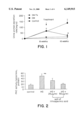
- FIG. 1 depicts the daily (d) urinary protein excretion rate (mg/d) in nondiabetic control (- ⁇ -), untreated diabetic (- ⁇ -DM) and diabetic rats treated with a salt of lithospermic acid (- ⁇ -DM-Tx). Treatment with a salt of lithospermic acid was initiated 8 weeks after induction of diabetes and is indicated by the arrow.
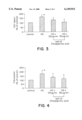
- FIG. 2 depicts the effect of treatment with a salt of lithospermic acid (25 or 50 ⁇ g/mL) on high glucose (HG)-induced increases in protein kinase C (PKC) activity (pmol/min/protein) in mesangial cells.
- lithospermic acid 25 or 50 ⁇ g/mL
- HG high glucose
- PLC protein kinase C
- FIG. 3 depicts the effect of treatment with a salt of lithospermic acid (25 or 50 ⁇ g/mL) on high glucose (HG)-induced increases in TGF-betal secretion from mesangial cells.
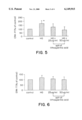
- FIG. 4 depicts the effect of treatment with a salt of lithospermic acid (25 or 50 ⁇ g/mL) on high glucose (HG)-induced fibronectin secretion from mesangial cells.
- FIG. 5 depicts the effect of treatment with a salt of lithospermic acid (25 or 50 ⁇ g/mL) on high glucose (HG)-induced increases in phosphorylated extracellular-signal regulation kinase (ERK-P) in mesangial cells.
- a salt of lithospermic acid 25 or 50 ⁇ g/mL
- HG high glucose
- ERK-P extracellular-signal regulation kinase
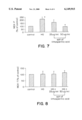
- FIG. 6 depicts the effects of treatment with a salt of lithospermic acid (25 or 50 ⁇ g/mL) on the total ERK (ERK-T) synthesis in mesangial cells cultured in the presence of high-glucose.
- FIG. 7 depicts the effect of treatment with a salt of lithospermic acid on phosphorylated mitogen-activation protein kinase (MEK-P) synthesis in mesangial cells cultured in the presence of high-glucose.
- MEK-P mitogen-activation protein kinase
- FIG. 8 depicts the effect of treatment with a salt of lithospermic acid (25 or 50 ⁇ g/mL) on high glucose (HG)-induced phosphorylated and nonphosphorylated MEK (MEK-T) in mesangial cells.
- the present invention relates to the discovery that treatment with the herb Salviae Miltiorrhizae Radix ("the herb”) decreases protein levels in urine of diabetic individuals exhibiting diabetic nephropathy.
- the herb Salviae Miltiorrhizae Radix
- a boiled extract of the herb has been found to decrease the total protein present in urine of diabetic patients exhibiting diabetic nephropathy.
- Diabetic nephropathy refers to a disease or disorder of the kidney that compromises the function of the kidney (e.g., to prevent leakage of protein) consequent to, or as part of, a diabetic condition. Diabetic nephropathy can result from a primary pathology of the kidney or another organ which adversely affects the ability of the kidney to perform biological functions. Thus, diabetic nephropathy can be the direct and/or indirect effect of disease on kidneys.
- Diabetic nephropathy can be indicated by urinary protein levels in a diabetic individual greater than about 0.1 5 g/24 h. Using standard medical criteria, one of skill in the art would be capable of diagnosing a diabetic individual exhibiting diabetic nephropathy.
- a “diabetic individual” can be an individual with noninsulin-dependent diabetes mellitus (NIDDM), or an individual with insulin-dependent diabetes mellitus (IDDM).
- NIDDM noninsulin-dependent diabetes mellitus
- IDDM insulin-dependent diabetes mellitus
- an “individual” is any mammal.
- a mammal can be a rodent (such as rats, mice or guinea pigs), domesticated animal (such as dogs or cats), ruminant animal (such as horses, cows) or a primate (such as monkeys or humans).
- Human individuals are also referred to herein as "patients.”
- IDDM can be used interchangeably with Type I Diabetes and NIDDM can be considered equivalent to Type II Diabetes.
- Primary Med Fauci, A. S., et al., eds., 14th ed., McGraw-Hill, New York, N.Y. (1998)).
- IDDM can occur during the first two decades of life or can develop at any age in the individual.
- IDDM is characterized by polyuria, increased appetite, weight loss, low plasma insulin levels and episodic ketoacidosis, destruction of beta pancreatic cells, insulin therapy and dietary regulation.
- NIDDM is often a milder form of diabetes with a gradual onset, usually in obese individuals, over the age of 35.
- NIDDM Plasma insulin levels in NIDDM are normal to high but relatively low in relation to plasma glucose levels, and ketoacidosis is rare. However, hyperosmolar coma can occur. NIDDM can respond to dietary regulation or oral hypoglycemic agents, but diabetic complications and degenerative changes can develop. Established clinical criteria to classify diabetic patients as insulin-dependent and noninsulin-dependent are well-known. (See, for example, World Health Organization, WHO Expert Committee on Diabetes Mellitus. Second Report. Geneva. Tech. Rep. No. 646 (1980)).
- the Salviae Miltiorrhizae Radix herb is widely available.
- the herb has been used to treat human conditions such as menstrual disorders, menostatis, menorrhagia, insomnia, blood circulation diseases, angina pectoris, inflammation and certain kidney diseases (Pharmacopoeia Committee of the Health Ministry of the People's Republic of China (ed.), "Pharmacopoeia of People's Republic of China” Vol.
- a “Salviae Miltiorrhizae Radix mimic” is an herb which exhibits similar biological activity to the Salviae Miltiorrhizae Radix herb as described herein.
- "Biological activity” here refers to the ability of the Salviae Miltiorrhizae Radix herb to alleviate a symptom or characteristic associated with diabetic nephropathy in a diabetic individual (e.g., decrease urinary protein).
- a “Salviae Miltiorrhizae Radix mimic” reduces the severity of at least one symptom associated with diabetic nephropathy, similar to that observed following the administration of the Salviae Miltiorrhizae Radix herb (e.g., decreased protein in the urine).
- an “amount effective,” when referring to the amount of the herb or Salviae Miltiorrhizae Radix mimic, is defined as that amount, or dose, of the herb that, when administered to a diabetic individual exhibiting diabetic nephropathy, is sufficient for therapeutic efficacy (e.g., an amount sufficient to reduce the level of protein in urine in a diabetic individual exhibiting diabetic nephropathy).
- the herb or Salviae Miltiorrhizae Radix mimic is administered in a single dose. In another embodiment, the herb or Salviae Miltiorrhizae Radix mimic is administered in multiple doses.
- the method of the invention can include administering an aqueous extract (e.g., methanol, ethanol, water) of the herb or Salviae Miltiorrhizae Radix mimic in an amount effective to alleviate diabetic nephropathy in a diabetic individual.
- an aqueous extract e.g., methanol, ethanol, water
- the methods of the invention include administering a boiled aqueous extract.
- a solvent e.g., distilled water, methanol, physiological buffer.
- the extract is filtered through an appropriate device for separating solid particles from the liquid solvent (e.g., gauze, Whatman filter paper, Nylon 66 membrane filter).
- the volume of the extract can be reduced by a suitable method (e.g., boiling, reduced pressure, rotatory evaporation, lyophilization).
- the extract optionally can be further processed (e.g., organic extraction, fractionation on chromatographic matrixes) to yield components (e.g., salts of lithospermic acid, such as magnesium lithospermate B) for use in the methods of the invention.
- components e.g., salts of lithospermic acid, such as magnesium lithospermate B
- an extract is prepared by adding the herb to distilled water at a ratio of about 1:6-2:10 (w/v) and boiling ( ⁇ 1-3 hours) the herb and water mixture at atmospheric pressure until the volume of water is reduced by about 40-80% to produce a "boiled aqueous extract.”
- the boiled aqueous extract is cooled to about room temperature (18-25° C.) and then gravity filtered through a suitable filter.
- suitable filters include gauze, a Whatman No. 1 filter, or a Nylon 66 membrane filter.
- the aqueous extract can be filter-sterilized by vacuum filtration by the use of, for example, a Nalgene 0.2 ⁇ m filter unit.
- the boiled aqueous extract is divided into about three equivalent aliquots and administered to patients three times a day, for example, before breakfast, lunch and dinner.
- the boiled aqueous extract can be prepared fresh daily.
- the boiled aqueous extract can be prepared in batches for weekly consumption and stored at 4° C. until use.
- Another aspect of the invention relates to determining the level of protein in urine of a diabetic individual exhibiting diabetic nephropathy and comparing the level of protein in the diabetic individual with the level of protein in urine of a control.
- An extract of the herb is formed and administered to the diabetic individual in an amount effective to lower the level of protein in urine of the diabetic individual to about that of the control level.
- the levels of protein in the urine can be determined at one or more time points before, during and/or after treatment with the herb or herbal extract.
- control level means a target level of urinary protein in an individual not exhibiting diabetic nephropathy, matched for age, sex, ethnicity and health history with the diabetic individual to be treated.
- the control level can be the expected level of urinary protein in an individual.
- the "expected level" of urinary protein in an individual treated by the methods of the invention can be a level normally expected in an individual not exhibiting the diabetic nephropathy, or can be higher than an individual not exhibiting diabetic nephropathy yet below the level in an individual with diabetic nephropathy.
- An expected level can also be any level of protein in the urine that is below pretreatment levels.
- a "target level" of urinary protein can be selected for an individual exhibiting diabetic nephropathy based on the level of protein in the urine of a diabetic individual before that diabetic individual developed diabetic nephropathy, or in comparison to levels observed in individuals not exhibiting diabetic nephropathy.
- the herbal extract is administered to the diabetic individual, and then urinary protein levels are determined and compared to the control level. Additional doses of the herbal extract can be administered to the diabetic individual, as needed, to lower urinary levels based on comparison to a control level. Protein levels in urine of the individual being treated with the herb or herbal extract can be compared to a control level to determine the progress of treatment and need for further doses.
- the levels of protein in urine after treatment are about the levels of a control when the levels observed after treatment approach target levels, or are higher or lower than levels observed in individuals not exhibiting diabetic nephropathy.
- the levels of protein in urine of an individual after treatment with the herb, herbal extract or mimic are below pretreatment levels.
- the levels of protein in urine are determined using routine assays well known to one of skill in the art. Suitable methods include dipstick, immunoprecipitation, turbidimetric (e.g., sulphosaliclic acid, tricholoracetic, benzethonium chloride) assays, dye-binding (e.g., Coomassie Blue, Ponceau) assays, Biuret (e.g., precipitation with Tsuchiya reagent) assays and Folin-Lowry assays.
- turbidimetric e.g., sulphosalicliclicliclic acid, tricholoracetic, benzethonium chloride
- dye-binding e.g., Coomassie Blue, Ponceau
- Biuret e.g., precipitation with Tsuchiya reagent
- Folin-Lowry assays e.g., Folin-Lowry assays.
- diabetic nephropathy is treated by administering a salt of lithospermic acid to a diabetic individual in an amount effective to alleviate diabetic nephropathy.
- salt of lithospermic acid is defined herein as a component of a composition obtained by forming an aqueous extract of the Salviae Miltiorrhizae Radix herb or Salviae Miltiorrhizae Radix mimic that is fractionated by chromatography according to modifications of previously described methods.
- lithospermic acid is defined herein as a component of a composition obtained by forming an aqueous extract of the Salviae Miltiorrhizae Radix herb or Salviae Miltiorrhizae Radix mimic that is fractionated by chromatography according to modifications of previously described methods.
- the salt of lithospermic acid can be, for example, a sodium, potassium, calcium, ammonium, magnesium salt or any combination thereof. As shown in the exemplification, a salt of lithospermic acid decreases the protein in urine of individuals suffering from insulin-dependent diabetes and noninsulin dependent diabetes.
- An aqueous extract of the Radix Salivae miltiorhizae herb is admixed with an ethanolic solvent followed by organic extraction and chromatography to yield a salt of lithospermic acid.
- the herb is mixed with methanol (50-95%) at a ratio of about 1:3 to 1:10 (w/v) and allowed to remain at room temperature (18-25° C.) for about 2-5 days.
- the resulting mixture is filtered, for example, by gravity using a Whatman No. 1 filter or by vacuum filtration using a Nylon 66 membrane filter (0.45 ⁇ m) to form a particulate fraction and a liquid extract fraction.
- the liquid extract fraction containing the herbal extract, is subjected to reduced pressure (5-10 mmHg, 18-25° C., 15 min-2 hours) to reduce the volume and remove the methanol, thereby forming an aqueous extract.
- the aqueous extract is sequentially extracted with hexane, diethyl ether, CH 2 Cl 2 and ethyl acetate (4 times each solvent, 200-400 mL each) to remove soluble organics.
- the aqueous phase can be concentrated by lyophilization to yield a visible solid material. About 10-30 g of solid material is extracted from about 100 g of Salviae Miltiorrhizae Radix.
- a suitable solution such as a buffer (e.g., PBS, HEPES) or chromatographic eluent (e.g., isopropanol/H 2 O/EtOAc (3:1:3, v/v/v).
- a salt of lithospermic acid is obtained from the solid material by chromatographic fractionation (e.g., 7 cm diameter ⁇ 20 cm length, 70-230 mesh SiO 2 gel, flow rate of about 10 mL/10 min) employing isopropanol/H 2 O/EtOAc (3:1:3) as an eluent.
- a salt of lithospermic acid is contained in chromatographic fractions (R f at about 0.50-0.75).
- the fractions containing the salt of lithospermic acid can be pooled, dialyzed (Mr cutoff 3,500) against distilled water or an appropriate buffer, such as phosphate buffer saline (PBS) or Ringer's solution, for about 24 hours at 4° C. and lyophilized.
- PBS phosphate buffer saline
- the yield of a salt of lithospermic acid typically is about 1-2 g per 100 g Salviae Miltiorrhizae Radix herb.
- the salt of lithospermic acid is resuspended in a suitable buffer (e.g., PBS, HEPES) or medium (e.g., DMEM) in a suitable volume and, when required, concentrated (e.g., filtration, lyophilization) prior to use.
- a suitable buffer e.g., PBS, HEPES
- medium e.g., DMEM
- the salt of lithospermic acid can be filter-sterilized by use, for example, of a Nalgene filter (0.22 ⁇ m, 0.45 ⁇ m) prior to administration to the individual.
- the salt of lithospermic acid generally has a molecular weight of about 700-800 atomic mass units and is a tetramer of caeffic acid.
- An example of the salt of lithospermic acid employed in the methods of the invention generates fragment ions in APCI-LC-mass spectra of about 500-525 (preferably about 518) m/z, 480-495 (preferably about 492) m/z, 345-360 (preferably about 353) m/z, 315-325 (preferably about 321) m/z, 290-300 (preferably about 295) m/z, 260-275 (preferably about 269) m/z, 190-210 (preferably about 196) m/z, 170-185 (preferably about 178) m/z and 130-145 (preferably about 134) m/z.
- the lithospermic acid can also be characterized by infrared spectrum in solid as KBr dispersion containing, for example, H-bonded phenolic OH/aromatic OH at 3400 (bR)/2900 ⁇ (cm -1 ); ester carbonyl at 1721 ⁇ (cm -1 ); conjugated carbonyl at 1600 ⁇ (cm 31 1); carboxylate carbonyl at 1520(s) ⁇ (cm -1 ); symmetrical stretching of carboxylate carbonyl at 1400(w) ⁇ (cm -1 ) and -0-0- stretching at 1290 ⁇ (cm -1 ).
- an “amount effective,” when referring to the amount of a salt of lithospermic acid, is defined as that amount, or dose, of the salt of lithospermic acid that, when administered to the diabetic individual, is an amount sufficient for therapeutic efficacy (e.g., an amount sufficient to reduce the level of protein in urine in a diabetic individual exhibiting diabetic nephropathy).
- the salt of lithospermic acid or magnesium lithospermate B can be administered in a single dose or in multiple doses.
- treatment of diabetic individuals with a salt of lithospermic acid decreases total protein levels in urine below those levels observed prior to treatment with the salt of lithospermic acid.
- the levels of protein in urine following administration of the salt of lithospermic acid can be lowered to about that of a control level.
- the methods of the invention include treating diabetic individuals (e.g., noninsulin-dependent and insulin-dependent) exhibiting diabetic nephropathy with magnesium lithospermate B or a magnesium lithospermate B mimic, extracted from the herb or synthesized by a suitable chemical method.
- suitable methods to obtain magnesium lithospermate B from the herb are well-known. (See, for example, Tanaka, T., et al., Chem. Pharm. Bull. 37:340-344 (1989); Yokozawa, T., et al., Jap. J. Nephrol.
- a "magnesium lithospermate B mimic” is defined herein as any molecule (e.g., small organic molecule) exhibiting a biological activity similar to magnesium lithospermate B.
- a magnesium lithospermate B mimic is capable of reducing the severity of at least one symptom associated with diabetic nephropathy, similar to that observed following the administration of magnesium lithospermate B (e.g., decreased proteinuria in a diabetic individual exhibiting diabetic nephropathy).
- the administration of a magnesium lithospermate B mimic to an individual exhibiting diabetic nephropathy can decrease protein levels in urine.
- the invention further relates to the use of the Salviae Miltiorrhizae Radix herb or salts of lithospermatic acid (e.g., magnesium lithospermate B), or their mimics, to treat individuals exhibiting microalbuminuria.
- lithospermatic acid e.g., magnesium lithospermate B
- the salt of lithospermic acid is magnesium lithospermate B.
- microalbuminuria refers to any disease, disorder, ailment or state of health where urinary albumin is excreted at a rate of about 20-200 ⁇ g/minute or about 30-300 mg/24 hours. (see, for example, Abbott, K. C., et al., Arch. Internal Med. 154:146-153 (1994), the teachings of which are incorporated herein by reference in their entirety).
- Methods to detect and diagnosis microalbuminuria are well known to one of skill in the art and include radioimmunoassays, immunoassays with latex bodies, fluoroimmunoassays, enzyme immunoassays, agglutination inhibition, immunoturbidimetry, immunonephelometry and radial immunodiffusion assays.
- radioimmunoassays include radioimmunoassays, immunoassays with latex bodies, fluoroimmunoassays, enzyme immunoassays, agglutination inhibition, immunoturbidimetry, immunonephelometry and radial immunodiffusion assays.
- the levels of albumin or total protein in urine before and after treatment with the herb, Salviae Miltiorrhizae Radix mimic, salt of lithospermic acid, magnesium lithospermate B or magnesium lithospermate B mimic can be determined and the frequency or amount of doses required to alleviate microalbuminuria can be adjusted as needed for each individual undergoing treatment. Since microalbuminuria is associated with diabetic nephropathy in diabetic individuals (Mattock, M. B., et al., Diabetes 41:736-741 (1992); Neil, A., et al., Diabetes Care 16:996-1003 (1993); Abbott, K. C., et al., Arch. Intern. Med. 154:146-153 (1994), the teachings of all of which are incorporated herein in their entirety) it is expected that the methods of the invention can be employed to halt the progression of microalbuminuria and, thus, prevent development of diabetic nephropathy.
- An aqueous extract of the herb or magnesium lithospermate B can be administered to an individual exhibiting microalbuminuria in an amount effective to alleviate microalbuminuria.
- the amount effective to alleviate microalbuminuria can be an amount of the herb, herbal extract, Salviae Miltiorrhizae Radix mimic, magnesium lithospermate B, or magnesium lithospermate B mimic that restores the levels of albumin in urine.
- the levels of albumin in urine are restored to levels of about that in a control individual.
- the term "restore" refers to returning the albumin levels in urine to the levels observed before the individual developed microalbuminuria or to levels of about that observed in a control individual.
- the herbs or salt of lithospermic acid can be used to prevent progression of the microalbuminuria.
- control level when referring to the treatment of individuals exhibiting microalbuminuria, is defined as described above for diabetic nephropathy except the control level refers to a level of urinary albumin, rather than a level of total protein as described in individuals exhibiting diabetic nephropathy.
- chromatographic fractions containing a salt of lithospermic acid or magnesium lithospermate B can be used in the methods of the invention to alleviate diabetic nephropathy in a diabetic individual or to alleviate microalbuminuria in an individual.
- the biological activity of other components of chromatographic fractions containing magnesium lithospermate B or a salt of lithospermic acid can be, for example, assessed using in vivo and in vitro bioassays.
- the biological activity can be evaluated in vitro, using cultured mesangial cells, by the ability to decrease glucose-induced increases in protein kinase C activity; TGF- ⁇ 1 synthesis and secretion; fibronectin synthesis; the phosphorylation of ERK, or any combination thereof as described below.
- the biological activity can be evaluated in vivo by its ability to decrease urinary protein excretion rates in a diabetic individual exhibiting diabetic nephropathy or to restore urinary albumin levels in individuals exhibiting microalbuminuria to control levels.
- portions of the salt of lithospermic acid or magnesium lithospermate B can be used in the methods of the invention.
- a "portion" of the salt of lithospermic acid or magnesium lithospermate B refers to any part of magnesium lithospermate B capable of alleviating any of the symptoms of diabetic nephropathy, such as decreasing protein in urine in a diabetic individual exhibiting diabetic nephropathy, restoring urinary albumin levels to control levels in an individual exhibiting microalbuminuria or preventing the onset of diabetic nephropathy in an individual exhibiting microalbuminuria.
- a portion of magnesium lithospermate B can be a metabolite of magnesium lithospermate B.
- biologically active salts of lithospermic acid, magnesium lithospermate B or portions thereof can be designed and produced by synthetic techniques known to those of skill in the art.
- the synthetic molecules can be based, for example, on the known structure of magnesium lithospermate B and its metabolites.
- the synthetic magnesium lithospermate B, portions of magnesium lithospermate B or metabolites of magnesium lithospermate B would possess biological activity (e.g., decrease elevated levels of protein in urine of individuals exhibiting diabetic nephropathy or restoring urinary albumin levels in individuals exhibiting microalbuminuria to about control levels) similar to the biological activity of salts of lithospermic acid or magnesium lithospermate B obtained from the Salviae Miltiorrhizae Radix herb.
- the synthetic salts of lithospermic acid, magnesium lithospermate B, their metabolites or portions can possess a "biological advantage" over the salts of lithospermic acid or magnesium lithospermate B extracted from the herb with respect to one, or more, of the following properties: solubility, stability, and susceptibility to hydrolysis and proteolysis.
- the methods of the invention can also decrease the production and secretion of extracellular matrix proteins and cell signal molecules implicated in glomerular basement membrane accumulation in individuals exhibiting diabetic nephropathy. For example, a decrease in fibronectin synthesis and secretion is accompanied by a decrease in the activity of protein kinase C; and levels of TGF- ⁇ , phosphorylated ERK and MEK in mesangial cells.
- physiological parameters can be monitored during the course of treatment to determine the effect of the herb, Salviae Miltiorrhizae Radix mimic, salt of lithospermic acid or magnesium lithospermate B.
- the physiological parameters can be, for example, creatinine, blood urea nitrogen levels, or any combination thereof.
- the physiological parameters can be assessed at one or more time points before, during, and/or after administration of the herb, a Salviae Miltiorrhizae Radix mimic, a salt of lithospermic acid or magnesium lithospermate B.
- suitable assays to assess physiological parameters are known to those of skill in the art.
- the methods of the present invention can be accomplished by the administration of the herbal extract, salt of lithospermic acid, magnesium lithospermate B or mimics of the invention by enteral or parenteral means.
- the route of administration is by oral ingestion (e.g., drink, tablet, capsule form) or intramuscular injection of the herbal extract, salt of lithospermic acid or magnesium lithospermate B.
- Other routes of administration as also encompassed by the present invention including intravenous, intraarterial, intraperitoneal, or subcutaneous routes, and nasal administration. Suppositories or transdermal patches can also be employed.
- the herbal extract, salt of lithospermic acid, magnesium lithospermate B or mimics of the invention can be administered alone or can be coadministered to the patient. Coadminstration is meant to include simultaneous or sequential administration of the extract, salt of lithospermic acid, magnesium lithospermate B, or mimics individually or in combination. Where the extract, salt of lithospermic acid or magnesium lithospermate B are administered individually it is preferred that the mode of administration is conducted sufficiently close in time to each other (for example, administration of the extract close in time to administration of the salt of lithospermic acid) so that the effects on diabetic nephropathy or microalbuminuria are maximal. It is also envisioned that multiple routes of administration (e.g., intramuscular, oral, transdermal) can be used to administer the herb, extract, salt of lithospermic acid, magnesium lithospermate B, or any combination thereof.
- routes of administration e.g., intramuscular, oral, transdermal
- the herbal extracts, salt of lithospermic acid, or magnesium lithospermate B can be administered alone or as admixtures with conventional excipients, for example, pharmaceutically, or physiologically, acceptable organic, or inorganic carrier substances suitable for enteral or parenteral application which do not deleteriously react with the extract.
- suitable pharmaceutically acceptable carriers include water, salt solutions (such as Ringer's solution), alcohols, oils, gelatins and carbohydrates such as lactose, amylose or starch, fatty acid esters, hydroxymethycellulose, and polyvinyl pyrolidine.
- Such preparations can be sterilized and, if desired, mixed with auxillary agents such as lubricants, preservatives, stabilizers, wetting agents, emulsifiers, salts for influencing osmotic pressure, buffers, coloring, and/or aromatic substances and the like which do not deleteriously react with the herb, herbal extract, salt of lithospermic acid or magnesium lithospermate B.
- auxillary agents such as lubricants, preservatives, stabilizers, wetting agents, emulsifiers, salts for influencing osmotic pressure, buffers, coloring, and/or aromatic substances and the like which do not deleteriously react with the herb, herbal extract, salt of lithospermic acid or magnesium lithospermate B.
- auxillary agents such as lubricants, preservatives, stabilizers, wetting agents, emulsifiers, salts for influencing osmotic pressure, buffers, coloring, and/or aromatic substances and the like which do
- the herbal extract, salt of magnesium lithospermate or magnesium lithospermate B alone, or when combined with an admixture, can be administered in a single or in more than one dose over a period of time to confer the desired effect (e.g., alleviate diabetic nephropathy or microalbuminuria).
- admixtures for the herbal extract, salt of lithospermic acid or magnesium lithospermate B are injectable, sterile solutions, preferably oily or aqueous solutions, as well as suspensions, emulsions, or implants, including suppositories.
- carriers for parenteral administration include aqueous solutions of dextrose, saline, pure water, ethanol, glycerol, propylene glycol, peanut oil, sesame oil, polyoxyethylene-block polymers, and the like.
- Ampules are convenient unit dosages.
- the herbal extract, salt of lithospermic acid or magnesium lithospermate B can also be incorporated into liposomes or administered via transdermal pumps or patches.
- Pharmaceutical admixtures suitable for use in the present invention are well-known to those of skill in the art and are described, for example, in Pharmaceutical Sciences (17th Ed., Mack Pub. Co., Easton, Pa.) and WO 96/05309 the teachings of which are hereby incorporated by reference.
- the dosage and frequency (single or multiple doses) administered to an individual can vary depending upon a variety of factors, including the duration of diabetic nephropathy or microalbuminuria, whether the individual suffers from insulin-dependent or noninsulin-dependent diabetes, and its route of administration; size, age, sex, health, body weight, body mass index, and diet of the recipient; nature and extent of symptoms of the disorder being treated (e.g., diabetic retinopathy), kind of concurrent treatment (e.g., insulin), complications from diabetic nephropathy, microalbuminuria, or other health-related problems.
- Other therapeutic regimens or agents can be used in conjunction with the methods and herbal extracts of the present invention.
- the administration of the herbal extract can be accompanied by a low-protein diet. Adjustment and manipulation of established dosages (e.g., frequency and duration) are well within the ability of those skilled in the art.
- the Chinese herb 150 g
- Danshen (Salviae Miltiorrhizae Radix) was boiled in 900 mL of distilled water for approximately two hours to reduce the total volume of liquid to approximately 450 mL.
- the boiled extract was allowed to cool at room temperature, gravity filtered through several layers of gauze, divided into three equal aliquots and stored at 4° C. until use.
- Approximately 150 mL of the extract was administered three times daily, for a four week treatment period, to each patient as a drink before breakfast, lunch and dinner.
- Diabetic nephropathy was indicated by urinary protein levels >0.15 g/24 h. None of the patients had a history or diagnosis of any other kidney disease that would contribute to urinary protein levels >0.15 g/24 h. Two patients had diabetic retinopathy, one had microaneurysms and one had cotton-wool spot.
- Blood and urine samples were obtained from each patient prior to treatment with the boiled extract and following 4 weeks of treatment with the herb. Blood and urine samples were collected for, for example, blood glucose levels, blood urea nitrogen levels and total urinary protein employing standard, art-recognized protocols (such as Chemstrip and Accu-Check III blood monitor system of Boehringer Mannheim Biochemicals., Indianapolis, Ind., to measure blood glucose levels).
- a salt of lithospermic acid was obtained from an aqueous extract of the herb using the following modification of previously described protocols.
- Salviae Miltiorrhizae Radix 100 g was mixed with 80% methanol (800 mL) at room temperature for 3 days. After removal of the insolubles by gravity filtration through gauze, the MeOH was removed from the liquid under reduced pressure. The water layer of the filtrate was sequentially extracted with hexane, diethyl ether, CH 2 Cl 2 and ethyl acetate (300 mL ⁇ 4 each). The resulting aqueous layer was lyophilized to yield a solid material (30 g).
- the salt of lithospermic acid was obtained from the lyophilized material by chromatography with a SiO 2 matrix employing isopropanol/H 2 O/EtOAc (3:1:3, v/v/v) as an eluent.
- the yield of the salt of lithospermic acid was about 1.01 g from about 100 g of Salviae Miltiorrhizae Radix.
- Sprague-Dawley rats (3-4 months of age, 250-300 g) were housed individually in sterile microisolator cages in a Specific Pathogen Free animal care facility. Rats were fed standard Rat chow and water was available ad libitum. Animals were maintained in temperature (25° C.) and humidity (40%) controlled rooms with a 12-h light/12 h dark cycle.
- Insulin dependent diabetes was induced by a single intravenous injection of freshly prepared streptozotocin (STZ) (50 mg/kg in 0.1 M citrate buffer, pH 4.5) (Schmidt, R. E., et al., Diabetes 45(3):284-290 (1996)).
- STZ streptozotocin
- a rat was considered diabetic when the nonfasting plasma glucose level was greater than about 17 mmol/L, 3 days following injection of STZ.
- Eight weeks following the administration of STZ animals were treated with a salt of lithospermic acid by intramuscularly injections once daily (20 mg salt of lithospermic acid/kg body weight) for 8 weeks.
- Body weights were recorded weekly before and throughout the treatment period. Twenty-four hour urine and glycosylated hemoglobin levels were determined at 8, 12 and 16 weeks after injection of STZ. Urine samples were centrifuged (3000 rpm for 10 min) and the supernatant analyzed for creatinine and protein levels using standard techniques (Matsuo, Y., et al., Pharmacology 50:1-8 (1995)).
- a salt of lithospermic acid derived from an extract of the Salviae Miltiorrhizae Radix herb, alleviates symptoms associated with diabetic nephropathy (e.g., elevated protein in urine) without altering other physiological parameters.
- Hyperglycemia induced diabetic nephropathy has been studied experimentally by culturing renal cells (e.g., mesangial cells) in high glucose.
- Extracellular matrix molecules such as type IV collagen, laminin, and fibronectin protein synthesis are stimulated in rat and human mesangial cells cultured in high glucose (Ziyadeh F N, et al., J. Clin. Invest., 93:2431-2437 (1994); Kagami S, et al., Journal Clin. Invest., 93:2431-2437 (1994); Ayo S H, et al., Am. Journal Pathol., 136:1339-13348 (1930); Ayo S H, et al,. Amer.
- MES-13 mesangial cells
- DMEM Dulbecco's Modified Eagle's Medium
- FBS fetal bovine serum
- streptomycin-penicillin mixture fungizone 0.2 ⁇ g/mL
- 44 mM NaHCO 3 44 mM HEPES at 37° C. in a humid atmosphere containing 5% CO 2 and 95% air.
- Subcultures were seeded from confluent stock cultures by trypsinization in Hanks balanced salt solution containing 0.5 mM EDTA and 0.025% trypsin and grown in DMEM containing 15% FBS for 24 hr to near confluence (80%). Near confluent cells were incubated with serum-free DMEM to arrest cell growth and synchronize cell cultures. After 24 hr, the media was changed to serum-free DMEM containing 5.5 mM (normal) or 30 mM (high) glucose and cells cultured for 5 days. Cells were then incubated with a salt of lithospermic acid at 25 ⁇ g/mL or 50 ⁇ g/mL for 24 hours.
- PKC protein kinase C
- MAPK protein kinase C
- MEK protein kinase C
- MAPK is phosphorylate and activates Elk-1, one of the ternary complex factors (Janknecht R, et al., EMBO J.; 12:5097-5104 (1993)).
- Elk-1 activation subsequently increases the expression of c-fos and c-jun and excessive synthesis of extracellular matrix proteins in diabetic individuals (Studer R K, et al., Diabetes 42:118-126 (1993); Ayo S H, et al., Am. Journal Pathol. 136:1339-1348 (1930);. Ayo S H, et al., Amer. Journal Physiol. 260:f185-191 (1991); Haneda M, et al., Diabetologia 34:198-200 (1991); Fumo P. et al., Am. Journal Physiolo. 267:F632-F638 (1994)). Therefore, the ability of a salt of lithospermic acid to alter glucose-induced increases in PKC was evaluated using mesangial cell cultures.
- the amount of PKC in lysates of cells cultured in presence of high glucose (30 mM) and normal glucose (control, 5.5 mM) was determined using a commercially available kit (Upstate Biotechnology, Lake Placid N.Y.). Briefly, 10 ⁇ l of the substrate cocktail, 10 ⁇ l of the inhibitor cocktail or assay dilution buffer II, 10 ⁇ l of the lipid activator (sonicated on ice for at least a minute before use), 10 ⁇ l of PKC (25-100 mg purified enzyme/assay), 10 ⁇ l of the cold adenosine 5-triphosphate and [ 32 P] ATP mixture were added to a sterile microcentrifuge tube and the final volume adjusted to 60 ⁇ l by the addition of assay dilution buffer II.
- Assay dilution buffers I and II were supplied by the manufacturer in the assay kit. The reaction mixture was incubated for 10 minutes at 30° C., spotted (25 ⁇ l) on to P81 paper squares, briefly washed with 0.75% phosphoric acid, followed by a wash with acetone. Assay squares were placed into vials and radioactivity determined by scintillation counting. PKC activity was expressed as pmol/min/protein. Significant differences between group means were determined using the unpaired or paired Student's t-test.
- PKC activity was significantly (p ⁇ 0.01) higher in cells cultured in the presence of high glucose (30 mM HG) for 5 days compared to cells cultured in normal glucose (control, 5.5 mM).
- the addition of a salt of lithospermic acid to cell cultures resulted in a significant (p ⁇ 0.01) increase in PKC activity (FIG. 2).
- the effects of a salt of lithospermic acid on glucose-induced PKC activity were dose-dependent.
- the salt of lithospermic acid 50 ⁇ g/mL or 25 ⁇ g/mL
- decreased PKC activity FIG. 2
- TGF- ⁇ 1 is expressed by cultured proximal tubules; and glomerular endothelial, pithelial and mesangial cells (Kaname S, et al., Kidney Int., 1319-1327 (1992); Haberstroh U, et al., Am. Journal Physiol., 264:F1966-F205 (1993); MacKay K, et al., Journal Clin. Invest., 83:1160-1167 (1989); Ziyadeh F N, et al,. Journal Am. Soc. Nephrol., 2:30 (1991)).
- TGF- ⁇ 1 has been implicated in the pathogenesis of mesangial expansion in experimental glomerulonephritis (Border W A, et al., Nature, 360:361 (1990); Border W A, et al., Kidney Int., 41:566-570 (1992). Exposure to high glucose doubled the levels of mRNA encoding TGF- ⁇ 1 in cultured mesangial cells (Wolf G, et al., Kidney Int., 42:647-656 (1992)). Increased expression of TGF- ⁇ 1 is associated with the development of renal hypertrophy, an early feature of experimentally-induced and human diabetic nephropathy.
- TGF- ⁇ 1 Normalization of blood glucose levels with insulin treatment attenuates the increase in TGF- ⁇ 1 expression (Border W A, et al., Diabetes Meab. Rev., 12:309-339 (1996); Shankland S J, et al., Kindey Int., 46:430-442 (1994)) and TGF- ⁇ 1 induces hypertrophy in cultured cells (Border W A, et al., Diabetes Meab. Rev., 12:309-339 (1996)). Because these data indicate that TGF- ⁇ 1 participates in renal hypertrophy and matrix expansion in the diabetic kidney, the effect of a salt of lithospermic acid on glucose induced increases in TGF- ⁇ synthesis and secretion was evaluated.
- TGF- ⁇ 1 secretion was significantly increased in mesangial cultured in the presence of high glucose (30 mM) (FIG. 3).
- the addition of a salt of lithospermic acid (25 or 50 ⁇ g/mL) decreased TGF- ⁇ 1 secretion from mesangial cells cultured in the presence of high-glucose (30 mM) (FIG. 3).
- TGF- ⁇ 1 mesangial cells was significantly increased in the presence of high glucose compared to cells cultured under normal glucose concentration.
- the salt of lithospermic acid decreased high glucose-induced TGF- ⁇ 1 secretion. Since TGF- ⁇ 1 stimulates fibronectin gene expression through a cAMP response element (Kreisberg J J, et al., Kidney Int. 46(4):1019-24 (1994)) and results in an accumulation of the extracellular matrix components in diabetic nephropathy (Border W A, et al., Diabetes Meab. Rev., 12:309-339 (1996)), the effects of salt of lithospermic acid on glucose-induced increases in fibronectin synthesis and secretion were evaluated.
- Fibronectin secretion was increased when mesangial cells were cultured in the presence of high (30 mM) compared to normal or control (5.5 mM) glucose (FIG. 4).
- the high glucose-induced increase in fibronectin synthesis and secretion was decreased by the addition of a salt of lithospermic acid.
- the addition of a salt of lithospermic acid (50 ⁇ g/mL) decreased fibronectin levels to about that of control levels (FIG. 4).
- a Salt of Lithospermic Acid Decreased Glucose-Induced Phosphorylation of MEK and ERK
- the MAPK cascade including MEK and ERK, is an important signal transduction system. Activation of PKC in diabetes activates MAPK (Haneda M., et al., Diabetes 46:847-853 (1997)). Phosphorylation of the tyrosine and threonine residues of ERK is required for full activation and translocation of ERK to the nucleus. ERK-1 and ERK-2 are activated by phosphorylated MEK. The effects of a salt of lithospermic acid on the phosphorylation state of ERK2 and MEK2 were evaluated following exposure of mesangial cells to high glucose.
- Treatment of cells cultured in the presence of high glucose, with a salt of lithospermic acid (50 ⁇ g/mL) resulted in a decrease in phosphorylated ERK2 to about control levels.
- MEK P phosphorylated MEK2
- MEK P phosphorylated MEK2
- FIG. 7 phosphorylated MEK2 approached control levels when cells cultured in the presence of high glucose were incubated with 50 ⁇ g/mL of salt of lithospermic acid.
- the total amount of MEK2 (MEK2-T, phosphorylated and nonphosphorylated) remained constant regardless of glucose concentration or treatment with a salt of lithospermic acid (FIG. 8).
- a salt of lithospermic acid can decrease the activity of PKC, MAPK cascades and TGF- ⁇ 1 signaling pathways as well as decrease the synthesis and secretion of the extracellular matrix protein fibronectin. Inhibition of PKC activity by a salt of lithospermic acid can result in the inhibition of MAPK cascade and TGF- ⁇ 1.
- a salt of lithospermic acid can reduce urinary protein in diabetic individuals potentially by altering PKC and MAPK mediated pathways.
Landscapes
- Health & Medical Sciences (AREA)
- Natural Medicines & Medicinal Plants (AREA)
- Life Sciences & Earth Sciences (AREA)
- Animal Behavior & Ethology (AREA)
- Veterinary Medicine (AREA)
- Public Health (AREA)
- General Health & Medical Sciences (AREA)
- Pharmacology & Pharmacy (AREA)
- Chemical & Material Sciences (AREA)
- Medicinal Chemistry (AREA)
- Engineering & Computer Science (AREA)
- Epidemiology (AREA)
- Diabetes (AREA)
- Organic Chemistry (AREA)
- Nuclear Medicine, Radiotherapy & Molecular Imaging (AREA)
- Chemical Kinetics & Catalysis (AREA)
- General Chemical & Material Sciences (AREA)
- Bioinformatics & Cheminformatics (AREA)
- Alternative & Traditional Medicine (AREA)
- Urology & Nephrology (AREA)
- Biotechnology (AREA)
- Mycology (AREA)
- Medical Informatics (AREA)
- Microbiology (AREA)
- Botany (AREA)
- Emergency Medicine (AREA)
- Hematology (AREA)
- Endocrinology (AREA)
- Obesity (AREA)
- Medicines Containing Plant Substances (AREA)
- Investigating Or Analysing Biological Materials (AREA)
- Acyclic And Carbocyclic Compounds In Medicinal Compositions (AREA)
- Medicines That Contain Protein Lipid Enzymes And Other Medicines (AREA)
- Pharmaceuticals Containing Other Organic And Inorganic Compounds (AREA)
Priority Applications (9)
| Application Number | Priority Date | Filing Date | Title |
|---|---|---|---|
| US09/408,436 US6149915A (en) | 1999-09-29 | 1999-09-29 | Treatment of diabetic nephropathy and microalbuminuria |
| JP2001526191A JP2003510286A (ja) | 1999-09-29 | 2000-09-21 | 糖尿病性腎症および微量アルブミン尿症の治療 |
| US09/666,623 US6267992B1 (en) | 1999-09-29 | 2000-09-21 | Treatment of diabetic nephropathy and microalbuminuria |
| AU40235/01A AU771275B2 (en) | 1999-09-29 | 2000-09-21 | Treatment of diabetic nephropathy and microalbuminuria |
| CN00815232A CN1387439A (zh) | 1999-09-29 | 2000-09-21 | 糖尿肾病和微蛋白尿的治疗方法 |
| EP0096366100963661A EP1218020A1 (en) | 1999-09-29 | 2000-09-21 | Treatment of diabetic nephropathy and microalbuminuria |
| PCT/US2000/025783 WO2001022981A1 (en) | 1999-09-29 | 2000-09-21 | Treatment of diabetic nephropathy and microalbuminuria |
| CA002386000A CA2386000A1 (en) | 1999-09-29 | 2000-09-21 | Treatment of diabetic nephropathy and microalbuminuria |
| US09/885,523 US20020025347A1 (en) | 1999-09-29 | 2001-06-20 | Treatment of diabetic nephropathy and microalbuminuria |
Applications Claiming Priority (1)
| Application Number | Priority Date | Filing Date | Title |
|---|---|---|---|
| US09/408,436 US6149915A (en) | 1999-09-29 | 1999-09-29 | Treatment of diabetic nephropathy and microalbuminuria |
Related Child Applications (1)
| Application Number | Title | Priority Date | Filing Date |
|---|---|---|---|
| US09/666,623 Continuation US6267992B1 (en) | 1999-09-29 | 2000-09-21 | Treatment of diabetic nephropathy and microalbuminuria |
Publications (1)
| Publication Number | Publication Date |
|---|---|
| US6149915A true US6149915A (en) | 2000-11-21 |
Family
ID=23616291
Family Applications (3)
| Application Number | Title | Priority Date | Filing Date |
|---|---|---|---|
| US09/408,436 Expired - Fee Related US6149915A (en) | 1999-09-29 | 1999-09-29 | Treatment of diabetic nephropathy and microalbuminuria |
| US09/666,623 Expired - Fee Related US6267992B1 (en) | 1999-09-29 | 2000-09-21 | Treatment of diabetic nephropathy and microalbuminuria |
| US09/885,523 Abandoned US20020025347A1 (en) | 1999-09-29 | 2001-06-20 | Treatment of diabetic nephropathy and microalbuminuria |
Family Applications After (2)
| Application Number | Title | Priority Date | Filing Date |
|---|---|---|---|
| US09/666,623 Expired - Fee Related US6267992B1 (en) | 1999-09-29 | 2000-09-21 | Treatment of diabetic nephropathy and microalbuminuria |
| US09/885,523 Abandoned US20020025347A1 (en) | 1999-09-29 | 2001-06-20 | Treatment of diabetic nephropathy and microalbuminuria |
Country Status (7)
| Country | Link |
|---|---|
| US (3) | US6149915A (enExample) |
| EP (1) | EP1218020A1 (enExample) |
| JP (1) | JP2003510286A (enExample) |
| CN (1) | CN1387439A (enExample) |
| AU (1) | AU771275B2 (enExample) |
| CA (1) | CA2386000A1 (enExample) |
| WO (1) | WO2001022981A1 (enExample) |
Cited By (8)
| Publication number | Priority date | Publication date | Assignee | Title |
|---|---|---|---|---|
| US6267992B1 (en) * | 1999-09-29 | 2001-07-31 | Shiva Biomedical Llc | Treatment of diabetic nephropathy and microalbuminuria |
| US20070027209A1 (en) * | 2005-08-01 | 2007-02-01 | Lee Hyun C | Prevention and treatment of atherosclerosis with lithospermate B |
| CN100341581C (zh) * | 2005-07-29 | 2007-10-10 | 上海第二医科大学附属第九人民医院 | 一种丹酚酸b有效干预口腔癌动物模型的方法 |
| US20100174097A1 (en) * | 2007-03-28 | 2010-07-08 | Man Kil Jung | Method for isolation of high concentration of magnesium lithospermate b from salviae miltiorrhizae |
| US9345732B2 (en) | 2009-11-19 | 2016-05-24 | Laila Nutraceuticals | Agents derived from Holoptelea integrifolia and their compositions for the control of metabolic syndrome and associated diseases |
| US20160361288A1 (en) * | 2015-06-10 | 2016-12-15 | Postech Academy-Industry Foundation | Pharmaceutical compositions for preventing or treating diabetic nephropathy comprising the activity inhibitor of tenc1 |
| CN112190646A (zh) * | 2020-11-19 | 2021-01-08 | 首都医科大学附属北京中医医院 | 一种治疗糖尿病肾病的中药组合物及其制备方法 |
| CN112569313A (zh) * | 2020-12-28 | 2021-03-30 | 贵州三力制药股份有限公司 | 治疗肾病的中药组合物 |
Families Citing this family (12)
| Publication number | Priority date | Publication date | Assignee | Title |
|---|---|---|---|---|
| DE10229180A1 (de) | 2002-06-28 | 2004-01-29 | Aventis Pharma Deutschland Gmbh | Verwendung von Vasopeptidase-Inhibitoren bei der Behandlung von metabolischen Erkrankungen, Nephropathie und mit AGE assoziierten Erkrankungen |
| CN102579460B (zh) * | 2003-12-30 | 2015-04-29 | 麦仁斯有限公司 | 用增强代谢活性的丹参衍生物治疗肥胖和代谢综合症 |
| US8029829B2 (en) | 2005-02-03 | 2011-10-04 | Taiyo Kagaku Co., Ltd. | Preventive, relieving or therapeutic composition for diabetes mellitus and/or diabetic nephropathy |
| WO2007102451A1 (ja) * | 2006-03-07 | 2007-09-13 | Nippon Shinyaku Co., Ltd. | 育毛剤 |
| CN102550916A (zh) * | 2012-02-04 | 2012-07-11 | 王姗思 | 一种用于糖尿病肾病的食品 |
| CN102614267A (zh) * | 2012-04-24 | 2012-08-01 | 许风国 | 一种治疗糖尿病肾病的中药组合物及其制备方法 |
| CN103830496A (zh) * | 2014-02-28 | 2014-06-04 | 廊坊市思科农业技术有限公司 | 一种辅助降糖的组合物 |
| CN104974119B (zh) * | 2014-04-01 | 2018-10-19 | 中国科学院上海药物研究所 | 一种高纯度丹酚酸b镁及其制备方法 |
| CN104547498A (zh) * | 2014-12-31 | 2015-04-29 | 黎细乐 | 一种中药组合物的新用途 |
| CN105311413A (zh) * | 2015-11-18 | 2016-02-10 | 暨南大学 | 治疗糖尿病肾病的含有艾叶的中药组合物及其制备方法 |
| CN107551172A (zh) * | 2017-10-26 | 2018-01-09 | 马雪英 | 一种治疗肾病综合症的药物及其制备方法 |
| CN110215449A (zh) * | 2019-05-13 | 2019-09-10 | 中国科学院长春应用化学研究所 | 紫草酸在抑制胰岛素淀粉样多肽聚集中的应用 |
Citations (4)
| Publication number | Priority date | Publication date | Assignee | Title |
|---|---|---|---|---|
| JPH01268682A (ja) * | 1988-04-21 | 1989-10-26 | Minofuaagen Seiyaku Honpo:Goushi | 腎機能改善剤及びリソスペルミン酸塩の製造方法 |
| US5358962A (en) * | 1993-04-22 | 1994-10-25 | Minophagen Pharmaceutical Company | Antihypertensive method |
| JPH0748265A (ja) * | 1993-06-03 | 1995-02-21 | Nippon Chem Res Kk | ネフローゼ症候群及び肝障害症状の寛解剤 |
| US5547945A (en) * | 1993-07-15 | 1996-08-20 | Jcr Pharmaceuticals Co., Ltd. | Remitting agent for nephrotic syndrome and hepatopathy symptoms |
Family Cites Families (2)
| Publication number | Priority date | Publication date | Assignee | Title |
|---|---|---|---|---|
| JP3161882B2 (ja) * | 1993-06-03 | 2001-04-25 | 日本ケミカルリサーチ株式会社 | 丹参由来多糖類、その製造法および用途 |
| US6149915A (en) * | 1999-09-29 | 2000-11-21 | Shiva Biomedical, Llc | Treatment of diabetic nephropathy and microalbuminuria |
-
1999
- 1999-09-29 US US09/408,436 patent/US6149915A/en not_active Expired - Fee Related
-
2000
- 2000-09-21 CN CN00815232A patent/CN1387439A/zh active Pending
- 2000-09-21 JP JP2001526191A patent/JP2003510286A/ja active Pending
- 2000-09-21 US US09/666,623 patent/US6267992B1/en not_active Expired - Fee Related
- 2000-09-21 CA CA002386000A patent/CA2386000A1/en not_active Abandoned
- 2000-09-21 EP EP0096366100963661A patent/EP1218020A1/en not_active Withdrawn
- 2000-09-21 AU AU40235/01A patent/AU771275B2/en not_active Ceased
- 2000-09-21 WO PCT/US2000/025783 patent/WO2001022981A1/en not_active Ceased
-
2001
- 2001-06-20 US US09/885,523 patent/US20020025347A1/en not_active Abandoned
Patent Citations (4)
| Publication number | Priority date | Publication date | Assignee | Title |
|---|---|---|---|---|
| JPH01268682A (ja) * | 1988-04-21 | 1989-10-26 | Minofuaagen Seiyaku Honpo:Goushi | 腎機能改善剤及びリソスペルミン酸塩の製造方法 |
| US5358962A (en) * | 1993-04-22 | 1994-10-25 | Minophagen Pharmaceutical Company | Antihypertensive method |
| JPH0748265A (ja) * | 1993-06-03 | 1995-02-21 | Nippon Chem Res Kk | ネフローゼ症候群及び肝障害症状の寛解剤 |
| US5547945A (en) * | 1993-07-15 | 1996-08-20 | Jcr Pharmaceuticals Co., Ltd. | Remitting agent for nephrotic syndrome and hepatopathy symptoms |
Non-Patent Citations (65)
| Title |
|---|
| Abbott, K.C. et al., "Microalbuminuria in Non-Insulin-Dependent Diabetes Mellitus", Arch Intern Med,154:146-153 (1994). |
| Abbott, K.C. et al., Microalbuminuria in Non Insulin Dependent Diabetes Mellitus , Arch Intern Med, 154:146 153 (1994). * |
| Baohua, S., et al., "Effects of Hypoxic Endothelial Cell Conditioned Medium on Proliferation and Collagen Synthesis of Smooth Muscle Cells and Inhibitory Effects of Radix Salviae Miltiorrhizae", Chinese Medical Journal,108(11):855-858 (1995). |
| Baohua, S., et al., Effects of Hypoxic Endothelial Cell Conditioned Medium on Proliferation and Collagen Synthesis of Smooth Muscle Cells and Inhibitory Effects of Radix Salviae Miltiorrhizae , Chinese Medical Journal, 108(11):855 858 (1995). * |
| Chung, H.Y., et al., "Acute Effect of Extract from Salviae Miltiorrhizae Radix on Renal Function in Renal Failure Rats", Chem Pharm Bull, 36(1):274-278 (1988). |
| Chung, H.Y., et al., "Effect of Extract from Salviae Miltiorrhizae Radix on Uremic Rats", Chem Pharm Bull, 34(9):3818-3822 (1986). |
| Chung, H.Y., et al., "Renal Effect of Aqueous Extract from Salviae miltiorrhizae Radix in Normal Rats", Chem Pharm Bull, 35(6):2465-2469 (1987). |
| Chung, H.Y., et al., "The Promoting Action of Magnesium Lithospermate B on the Kinin-Prostaglandin E2 System in the Kidney", Pharmacology & Toxicology, 76:240-244 (1995). |
| Chung, H.Y., et al., Acute Effect of Extract from Salviae Miltiorrhizae Radix on Renal Function in Renal Failure Rats , Chem Pharm Bull, 36(1):274 278 (1988). * |
| Chung, H.Y., et al., Effect of Extract from Salviae Miltiorrhizae Radix on Uremic Rats , Chem Pharm Bull, 34(9):3818 3822 (1986). * |
| Chung, H.Y., et al., Renal Effect of Aqueous Extract from Salviae miltiorrhizae Radix in Normal Rats , Chem Pharm Bull, 35(6):2465 2469 (1987). * |
| Chung, H.Y., et al., The Promoting Action of Magnesium Lithospermate B on the Kinin Prostaglandin E 2 System in the Kidney , Pharmacology & Toxicology, 76:240 244 (1995). * |
| Guoji, Y., et al., "Effects of Polysaccharides Purified from Salviae miltiorrhizaeradixon Experimental Nephrosis Rats", Phytotheraphy Research, 8:337-341 (1994). |
| Guoji, Y., et al., Effects of Polysaccharides Purified from Salviae miltiorrhizaeradix on Experimental Nephrosis Rats , Phytotheraphy Research, 8:337 341 (1994). * |
| http://rich.chonnam.ac.kr/HRIC/research/resear13.htm, Aug. 9, 1999. * |
| Mattock, M.B., et al., "Prospective Study of Microalbuminuria as Predictor of Mortality in NIDDM", Diabetes, 41:736-741 (1992). |
| Mattock, M.B., et al., Prospective Study of Microalbuminuria as Predictor of Mortality in NIDDM , Diabetes, 41:736 741 (1992). * |
| Neil, A., et al., "A Prospective Population-Based Study of Microalbuminuria as a Predictor of Mortality in NIDDM", Diabetes Care, 16(17):996-1003 (1993). |
| Neil, A., et al., A Prospective Population Based Study of Microalbuminuria as a Predictor of Mortality in NIDDM , Diabetes Care, 16(17):996 1003 (1993). * |
| Pegoraro, A.A., "Microalbuminburia: A Clinical Update", Kidney:A Current Survey of World Literature,8:1-5 (1999). |
| Pegoraro, A.A., Microalbuminburia: A Clinical Update , Kidney:A Current Survey of World Literature, 8:1 5 (1999). * |
| Shigematsu, T., et al., "Inhibition of collagen hydroxylation by lithospermic acid magnesium of collagen hydroxylation by lithospermic acid magnesium salt, a novel compound isolated from Salviae miltiorrhizae"Biochem Acta, 1200(1):79-83 (1994). |
| Shigematsu, T., et al., Inhibition of collagen hydroxylation by lithospermic acid magnesium of collagen hydroxylation by lithospermic acid magnesium salt, a novel compound isolated from Salviae miltiorrhizae Biochem Acta, 1200(1):79 83 (1994). * |
| Yokowaza, T., et al., "Isolation of the Active Component Having the Uremia-Preventive Effect from Salviae Miltiorrhizae Radix Extract", Chem Pharm Bull,36(1):316-320 (1988). |
| Yokowaza, T., et al., Isolation of the Active Component Having the Uremia Preventive Effect from Salviae Miltiorrhizae Radix Extract , Chem Pharm Bull, 36(1):316 320 (1988). * |
| Yokozawa, T. et al., "A Protective Action of Magnesium Lithospermate B on Renal Function after Ischemia-Reperfusion of Rats and Cultured Proximal Tubular Cells", Natural Medicines, 51(4):287-292 (1997). |
| Yokozawa, T. et al., "Confirmation that Magnesiun Lithospermate B Ameliorates Paraquat-Induced Injury in Cultured Renal Epithelial Cells", Nephron, 79:373-374 (1998). |
| Yokozawa, T. et al., "Contribution of Prostaglandins to the Renal Responses to Magnesium Lithospermate B Isolated from Salviae Miltiorrhizae Radix", Chem Pharm Bull, 37(6):1568-1571 (1989). |
| Yokozawa, T. et al., "Effect of Magnesium Lithospermate B in Rats with Sodium-Induced Hypertension and Renal Failure", Nephron,60:460-465 (1992). |
| Yokozawa, T. et al., "Effects of a Dan Shen component, magnesium lithospermate B, in nephrectomized rats", Japanese Journal of Nephrology,37:105-111 (1995). |
| Yokozawa, T. et al., "Effects of Dan Shen Preparations on Blood and Urine Components in Rats with Renal Failure", Phytotherapy Research, 7:231-234 (1993). |
| Yokozawa, T. et al., "Effects of magnesium lithospermate B on the renal and urinary kallikrein activities in rats with adenine-induced renal failure", Japanese Journal of Nephrology,35 (4):337-341 (27-31) (1993). |
| Yokozawa, T. et al., "Renal Responses to Magnesium Lithospermate B in Rats with Adenine-induced Renal Failure", Phytotherapy Research, 7:235-239 (1993). |
| Yokozawa, T. et al., A Protective Action of Magnesium Lithospermate B on Renal Function after Ischemia Reperfusion of Rats and Cultured Proximal Tubular Cells , Natural Medicines, 51(4):287 292 (1997). * |
| Yokozawa, T. et al., Confirmation that Magnesiun Lithospermate B Ameliorates Paraquat Induced Injury in Cultured Renal Epithelial Cells , Nephron, 79:373 374 (1998). * |
| Yokozawa, T. et al., Contribution of Prostaglandins to the Renal Responses to Magnesium Lithospermate B Isolated from Salviae Miltiorrhizae Radix , Chem Pharm Bull, 37(6):1568 1571 (1989). * |
| Yokozawa, T. et al., Effect of Magnesium Lithospermate B in Rats with Sodium Induced Hypertension and Renal Failure , Nephron, 60:460 465 (1992). * |
| Yokozawa, T. et al., Effects of a Dan Shen component, magnesium lithospermate B, in nephrectomized rats , Japanese Journal of Nephrology, 37:105 111 (1995). * |
| Yokozawa, T. et al., Effects of Dan Shen Preparations on Blood and Urine Components in Rats with Renal Failure , Phytotherapy Research, 7:231 234 (1993). * |
| Yokozawa, T. et al., Effects of magnesium lithospermate B on the renal and urinary kallikrein activities in rats with adenine induced renal failure , Japanese Journal of Nephrology, 35 (4):337 341 (27 31) (1993). * |
| Yokozawa, T. et al., Renal Responses to Magnesium Lithospermate B in Rats with Adenine induced Renal Failure , Phytotherapy Research, 7:235 239 (1993). * |
| Yokozawa, T., et al. "Augmentation of Renal Response by Magnesium Lithospermate B", Nephron, 57:78-83 (1991). |
| Yokozawa, T., et al. Augmentation of Renal Response by Magnesium Lithospermate B , Nephron, 57:78 83 (1991). * |
| Yokozawa, T., et al., "Chronic Effect of Salviae Miltiorrhizae Radix on Renal Tissue Blood Flow and Blood Pressure in Uremic Rats", Chemical & Pharmaceutical Bullentin, 35(3):1157-1161 (1987). |
| Yokozawa, T., et al., "Effects of (dihydro) caffeic acid tetramer isolated from Salviae Miltiorrhizae Radix on renal function", Journal of Medical and Pharmaceutical Society for WAKAN-YAKU, 5:163-166 (1988). |
| Yokozawa, T., et al., "Effects of Magnesium Lithospermate B on Urinary Excretion of Arachidonate Metabolites in Rats with Renal Failure", Chem. Pharm. Bull (Tokyo), 37(10):2766-2769 (1989). |
| Yokozawa, T., et al., "Effects on Blood Pressure of Caffeic Acid Analogues Isolated from Salviae Miltiorrhizae Radix in Rats with Adenine-induced Renal Hypertension", Phytotherapy Research, 9:105-109 (1995). |
| Yokozawa, T., et al., "Haemodynamic Effects of Magnesium Lithospermate B in Rats with Renal Failure", Phytotherapy Research, 6:194-199 (1992). |
| Yokozawa, T., et al., "Isolation of a renal fumction-facilitating constituent from the Oriental drug, Salviae Miltiorrhizae Radix", Japanese Journal of Nephrology,31(10):91-98 (1989). |
| Yokozawa, T., et al., "Magnesium lithospermat B ameliorates cephaloridine-induced renal injury", Exp Toxic Pathol 49:337-341 (1997). |
| Yokozawa, T., et al., "Magnesium Lithospermat B ameliorates cisplatin-induced injury in cultured renal epithelial cells", Exp Toxic Pathol, 49:343-346 (1997). |
| Yokozawa, T., et al., "Magnesium Lithosprmate B Suppresses the Increase of Active Oxygen in Rats after Subtotal Nephrectomy", Nephron, 75:88-93 (1997). |
| Yokozawa, T., et al., "Potentiating Effect of Converting Enzyme Inhibitor Captopril to the Renal Responses of Magnesium Lithospermate B in Rats with Adenine-Induced Renal Failure", Chem Pharm Bull, 39(3):732-736 (1991). |
| Yokozawa, T., et al., "Renal Responses to Magnesium Lithospermate B", J. Pharm. Pharmacol., 42:712-715 (1990). |
| Yokozawa, T., et al., Chronic Effect of Salviae Miltiorrhizae Radix on Renal Tissue Blood Flow and Blood Pressure in Uremic Rats , Chemical & Pharmaceutical Bullentin, 35(3):1157 1161 (1987). * |
| Yokozawa, T., et al., Effects of (dihydro) caffeic acid tetramer isolated from Salviae Miltiorrhizae Radix on renal function , Journal of Medical and Pharmaceutical Society for WAKAN YAKU, 5:163 166 (1988). * |
| Yokozawa, T., et al., Effects of Magnesium Lithospermate B on Urinary Excretion of Arachidonate Metabolites in Rats with Renal Failure , Chem. Pharm. Bull (Tokyo), 37(10):2766 2769 (1989). * |
| Yokozawa, T., et al., Effects on Blood Pressure of Caffeic Acid Analogues Isolated from Salviae Miltiorrhizae Radix in Rats with Adenine induced Renal Hypertension , Phytotherapy Research, 9:105 109 (1995). * |
| Yokozawa, T., et al., Haemodynamic Effects of Magnesium Lithospermate B in Rats with Renal Failure , Phytotherapy Research, 6:194 199 (1992). * |
| Yokozawa, T., et al., Isolation of a renal fumction facilitating constituent from the Oriental drug, Salviae Miltiorrhizae Radix , Japanese Journal of Nephrology, 31(10):91 98 (1989). * |
| Yokozawa, T., et al., Magnesium lithospermat B ameliorates cephaloridine induced renal injury , Exp Toxic Pathol 49:337 341 (1997). * |
| Yokozawa, T., et al., Magnesium Lithospermat B ameliorates cisplatin induced injury in cultured renal epithelial cells , Exp Toxic Pathol, 49:343 346 (1997). * |
| Yokozawa, T., et al., Magnesium Lithosprmate B Suppresses the Increase of Active Oxygen in Rats after Subtotal Nephrectomy , Nephron, 75:88 93 (1997). * |
| Yokozawa, T., et al., Potentiating Effect of Converting Enzyme Inhibitor Captopril to the Renal Responses of Magnesium Lithospermate B in Rats with Adenine Induced Renal Failure , Chem Pharm Bull, 39(3):732 736 (1991). * |
| Yokozawa, T., et al., Renal Responses to Magnesium Lithospermate B , J. Pharm. Pharmacol., 42:712 715 (1990). * |
Cited By (12)
| Publication number | Priority date | Publication date | Assignee | Title |
|---|---|---|---|---|
| US6267992B1 (en) * | 1999-09-29 | 2001-07-31 | Shiva Biomedical Llc | Treatment of diabetic nephropathy and microalbuminuria |
| CN100341581C (zh) * | 2005-07-29 | 2007-10-10 | 上海第二医科大学附属第九人民医院 | 一种丹酚酸b有效干预口腔癌动物模型的方法 |
| US20070027209A1 (en) * | 2005-08-01 | 2007-02-01 | Lee Hyun C | Prevention and treatment of atherosclerosis with lithospermate B |
| US20090227671A1 (en) * | 2005-08-01 | 2009-09-10 | Industry-Academic Cooperation Foundation | Prevention and treatment of atherosclerosis with lithospermate B |
| US20100174097A1 (en) * | 2007-03-28 | 2010-07-08 | Man Kil Jung | Method for isolation of high concentration of magnesium lithospermate b from salviae miltiorrhizae |
| US9345732B2 (en) | 2009-11-19 | 2016-05-24 | Laila Nutraceuticals | Agents derived from Holoptelea integrifolia and their compositions for the control of metabolic syndrome and associated diseases |
| WO2011061749A3 (en) * | 2009-11-19 | 2016-05-26 | Laila Nutraceuticals | Agents derived from holoptelea integrifolia and their compositions for the control of metabolic syndrome and associated diseases |
| US20160361288A1 (en) * | 2015-06-10 | 2016-12-15 | Postech Academy-Industry Foundation | Pharmaceutical compositions for preventing or treating diabetic nephropathy comprising the activity inhibitor of tenc1 |
| CN112190646A (zh) * | 2020-11-19 | 2021-01-08 | 首都医科大学附属北京中医医院 | 一种治疗糖尿病肾病的中药组合物及其制备方法 |
| CN112190646B (zh) * | 2020-11-19 | 2021-12-28 | 首都医科大学附属北京中医医院 | 一种治疗糖尿病肾病的中药组合物及其制备方法 |
| CN112569313A (zh) * | 2020-12-28 | 2021-03-30 | 贵州三力制药股份有限公司 | 治疗肾病的中药组合物 |
| CN112569313B (zh) * | 2020-12-28 | 2022-02-22 | 贵州三力制药股份有限公司 | 治疗肾病的中药组合物 |
Also Published As
| Publication number | Publication date |
|---|---|
| AU771275B2 (en) | 2004-03-18 |
| EP1218020A1 (en) | 2002-07-03 |
| WO2001022981A1 (en) | 2001-04-05 |
| US6267992B1 (en) | 2001-07-31 |
| US20020025347A1 (en) | 2002-02-28 |
| CA2386000A1 (en) | 2001-04-05 |
| JP2003510286A (ja) | 2003-03-18 |
| AU4023501A (en) | 2001-04-30 |
| CN1387439A (zh) | 2002-12-25 |
Similar Documents
| Publication | Publication Date | Title |
|---|---|---|
| US6149915A (en) | Treatment of diabetic nephropathy and microalbuminuria | |
| Gupta et al. | Genistein ameliorates cardiac inflammation and oxidative stress in streptozotocin-induced diabetic cardiomyopathy in rats | |
| Mohammadi et al. | Evaluation of hypoglycemic effect of Morus alba in an animal model | |
| Lu et al. | Akebia Saponin D ameliorated kidney injury and exerted anti-inflammatory and anti-apoptotic effects in diabetic nephropathy by activation of NRF2/HO-1 and inhibition of NF-KB pathway | |
| Wang et al. | Wheat germ-derived peptide ADWGGPLPH abolishes high glucose-induced oxidative stress via modulation of the PKCζ/AMPK/NOX4 pathway | |
| Adeyemi et al. | Hibiscus sabdariffa renews pancreatic β-cells in experimental type 1 diabetic model rats | |
| Duru et al. | Anti-diabetic effect of isoflavone rich kudzu root extract in experimentally induced diabetic rats | |
| Dong et al. | Isobavachalcone ameliorates diabetic nephropathy in rats by inhibiting the NF‐κB pathway | |
| Zhou et al. | Chrysin improves diabetic nephropathy by regulating the AMPK‐mediated lipid metabolism in HFD/STZ‐induced DN mice | |
| Baek et al. | Antihyperglycemic and Antilipidemic Effects of the Ethanol Extract Mixture of Ligularia fischeri and Momordica charantia in Type II Diabetes‐Mimicking Mice | |
| Niu et al. | Protective effects of Iridoid glycoside from Corni Fructus on type 2 diabetes with nonalcoholic fatty liver in mice | |
| Huang et al. | Treatment of peritoneal fibrosis: Therapeutic prospects of bioactive Agents from Astragalus membranaceus | |
| Wei et al. | Integrating network pharmacology approach and experimental validation to reveal the alleviation of Shenkangning capsule on chronic nephritis | |
| CN102631358A (zh) | 虎杖苷在制备糖尿病肾病治疗药物中的应用 | |
| CN119424436A (zh) | 化合物rociletinib通过抑制铁死亡在制备急性肝损伤的药物中的应用 | |
| Jiang et al. | Effects of 95% ethanol extract of Aquilaria sinensis leaves on hyperglycemia in diabetic db/db mice | |
| Oka et al. | Effect of Hachimijiogan against Renal Dysfunction and Involvement of Hypoxia‐Inducible Factor‐1α in the Remnant Kidney Model | |
| Wu et al. | Clerodendranthus spicatus-Cordyceps cicadae regulates mitophagy and protects renal tubular epithelial cells from hyperuricemic nephropathy | |
| Lv et al. | Network Pharmacology‐Based Approach to Explore the Total Flavonoids of Phellinus igniarius against Hyperuricemia via Regulating the Nrf2/HO‐1‐ROS‐ER Signaling Pathway | |
| Wang et al. | Sodium aescinate promotes apoptosis of pancreatic stellate cells and alleviates pancreatic fibrosis by inhibiting the PI3K/Akt/FOXO1 signaling pathways | |
| Fukuo et al. | A lipid lowering drug (Bezafibrate) has a favorable effect on liver enzymes (Al-P and γ-GTP) | |
| Atchou et al. | Pharmacological Study of Amaranthus spinosus L. Root Extract on High-Fat Diet and Low-Dose Streptozocin-Induced Type 2 Diabetes Complications in Rats | |
| Awad et al. | Empagliflozin alleviates diabetic nephropathy in albino rats through its antioxidative and anti-inflammatory action | |
| Alfarisi et al. | Antidiabetic Effect of Acalypha hispida Extract and Nanoextract: Mechanism of Action on Pancreatic β‐Cell Function via Histone Acetylation | |
| Li et al. | Paeoniflorin Ameliorates Skeletal Muscle Atrophy in Chronic Kidney Disease via AMPK/SIRT1 |
Legal Events
| Date | Code | Title | Description |
|---|---|---|---|
| AS | Assignment |
Owner name: SHIVA BIOMEDICAL, LLC, NEW JERSEY Free format text: ASSIGNMENT OF ASSIGNORS INTEREST;ASSIGNORS:LI, HAI-RI;LEE, HYUN CHUL;JUNG, MANKIL;AND OTHERS;REEL/FRAME:010454/0837;SIGNING DATES FROM 19991101 TO 19991119 |
|
| FPAY | Fee payment |
Year of fee payment: 4 |
|
| FPAY | Fee payment |
Year of fee payment: 8 |
|
| REMI | Maintenance fee reminder mailed | ||
| LAPS | Lapse for failure to pay maintenance fees | ||
| STCH | Information on status: patent discontinuation |
Free format text: PATENT EXPIRED DUE TO NONPAYMENT OF MAINTENANCE FEES UNDER 37 CFR 1.362 |
|
| FP | Lapsed due to failure to pay maintenance fee |
Effective date: 20121121 |