EP4435008A2 - Bindemittel - Google Patents
Bindemittel Download PDFInfo
- Publication number
- EP4435008A2 EP4435008A2 EP24179206.8A EP24179206A EP4435008A2 EP 4435008 A2 EP4435008 A2 EP 4435008A2 EP 24179206 A EP24179206 A EP 24179206A EP 4435008 A2 EP4435008 A2 EP 4435008A2
- Authority
- EP
- European Patent Office
- Prior art keywords
- seq
- sequence
- amino acid
- antigen
- antibody
- Prior art date
- Legal status (The legal status is an assumption and is not a legal conclusion. Google has not performed a legal analysis and makes no representation as to the accuracy of the status listed.)
- Withdrawn
Links
Images






Classifications
-
- C—CHEMISTRY; METALLURGY
- C07—ORGANIC CHEMISTRY
- C07K—PEPTIDES
- C07K16/00—Immunoglobulins [IG], e.g. monoclonal or polyclonal antibodies
- C07K16/18—Immunoglobulins [IG], e.g. monoclonal or polyclonal antibodies against material from animals or humans
- C07K16/28—Immunoglobulins [IG], e.g. monoclonal or polyclonal antibodies against material from animals or humans against receptors, cell surface antigens or cell surface determinants
-
- C—CHEMISTRY; METALLURGY
- C07—ORGANIC CHEMISTRY
- C07K—PEPTIDES
- C07K16/00—Immunoglobulins [IG], e.g. monoclonal or polyclonal antibodies
- C07K16/18—Immunoglobulins [IG], e.g. monoclonal or polyclonal antibodies against material from animals or humans
- C07K16/28—Immunoglobulins [IG], e.g. monoclonal or polyclonal antibodies against material from animals or humans against receptors, cell surface antigens or cell surface determinants
- C07K16/2803—Immunoglobulins [IG], e.g. monoclonal or polyclonal antibodies against material from animals or humans against receptors, cell surface antigens or cell surface determinants against the immunoglobulin superfamily
-
- A—HUMAN NECESSITIES
- A61—MEDICAL OR VETERINARY SCIENCE; HYGIENE
- A61K—PREPARATIONS FOR MEDICAL, DENTAL OR TOILETRY PURPOSES
- A61K39/00—Medicinal preparations containing antigens or antibodies
- A61K39/0005—Vertebrate antigens
- A61K39/0011—Cancer antigens
- A61K39/001102—Receptors, cell surface antigens or cell surface determinants
- A61K39/001129—Molecules with a "CD" designation not provided for elsewhere
-
- A—HUMAN NECESSITIES
- A61—MEDICAL OR VETERINARY SCIENCE; HYGIENE
- A61P—SPECIFIC THERAPEUTIC ACTIVITY OF CHEMICAL COMPOUNDS OR MEDICINAL PREPARATIONS
- A61P35/00—Antineoplastic agents
-
- A—HUMAN NECESSITIES
- A61—MEDICAL OR VETERINARY SCIENCE; HYGIENE
- A61K—PREPARATIONS FOR MEDICAL, DENTAL OR TOILETRY PURPOSES
- A61K39/00—Medicinal preparations containing antigens or antibodies
- A61K39/395—Antibodies; Immunoglobulins; Immune serum, e.g. antilymphocytic serum
- A61K39/39533—Antibodies; Immunoglobulins; Immune serum, e.g. antilymphocytic serum against materials from animals
- A61K39/39558—Antibodies; Immunoglobulins; Immune serum, e.g. antilymphocytic serum against materials from animals against tumor tissues, cells, antigens
-
- C—CHEMISTRY; METALLURGY
- C07—ORGANIC CHEMISTRY
- C07K—PEPTIDES
- C07K2317/00—Immunoglobulins specific features
- C07K2317/20—Immunoglobulins specific features characterized by taxonomic origin
- C07K2317/21—Immunoglobulins specific features characterized by taxonomic origin from primates, e.g. man
-
- C—CHEMISTRY; METALLURGY
- C07—ORGANIC CHEMISTRY
- C07K—PEPTIDES
- C07K2317/00—Immunoglobulins specific features
- C07K2317/20—Immunoglobulins specific features characterized by taxonomic origin
- C07K2317/24—Immunoglobulins specific features characterized by taxonomic origin containing regions, domains or residues from different species, e.g. chimeric, humanized or veneered
-
- C—CHEMISTRY; METALLURGY
- C07—ORGANIC CHEMISTRY
- C07K—PEPTIDES
- C07K2317/00—Immunoglobulins specific features
- C07K2317/30—Immunoglobulins specific features characterized by aspects of specificity or valency
- C07K2317/33—Crossreactivity, e.g. for species or epitope, or lack of said crossreactivity
-
- C—CHEMISTRY; METALLURGY
- C07—ORGANIC CHEMISTRY
- C07K—PEPTIDES
- C07K2317/00—Immunoglobulins specific features
- C07K2317/50—Immunoglobulins specific features characterized by immunoglobulin fragments
- C07K2317/56—Immunoglobulins specific features characterized by immunoglobulin fragments variable (Fv) region, i.e. VH and/or VL
- C07K2317/565—Complementarity determining region [CDR]
-
- C—CHEMISTRY; METALLURGY
- C07—ORGANIC CHEMISTRY
- C07K—PEPTIDES
- C07K2317/00—Immunoglobulins specific features
- C07K2317/70—Immunoglobulins specific features characterized by effect upon binding to a cell or to an antigen
- C07K2317/76—Antagonist effect on antigen, e.g. neutralization or inhibition of binding
-
- C—CHEMISTRY; METALLURGY
- C07—ORGANIC CHEMISTRY
- C07K—PEPTIDES
- C07K2317/00—Immunoglobulins specific features
- C07K2317/90—Immunoglobulins specific features characterized by (pharmaco)kinetic aspects or by stability of the immunoglobulin
- C07K2317/92—Affinity (KD), association rate (Ka), dissociation rate (Kd) or EC50 value
Definitions
- the invention relates to antibody molecules binding specifically to CD47 (Cluster of Differentiation 47, also known as integrin associated protein [IAP]) and medical uses thereof.
- CD47 Cluster of Differentiation 47, also known as integrin associated protein [IAP]
- CD47 (also known as integrin associated protein [IAP]) is a transmembrane protein that belongs to the immunoglobulin superfamily and binds to several known partners, including: membrane integrins, thrombospondin-1 (TSP-1) and signal-regulatory protein alpha (SIRP ⁇ ). CD47 is associated with a range of cellular processes, including apoptosis, proliferation, adhesion, and migration of cells and, importantly, it plays a key role in immune and angiogenic responses. CD47-SIRP ⁇ signalling is a critical molecular interaction that inhibits the activation of phagocytosis by macrophages and other myeloid cells. This promotes the survival of tumour cells and therefore acts as a myeloid lineage-specific immune checkpoint.
- IAP integrin associated protein
- CD47-SIRP ⁇ signalling can enhance the phagocytic activity of macrophages and inhibit the growth of xenografts in numerous experimental models of both haematological and solid malignancies.
- macrophage activity is also a recognised factor in the biology of inflammation-associated tissue remodelling such as tissue fibrosis and the formation of atherosclerotic plaques
- the CD47-SIRP ⁇ signalling axis is also of considerable therapeutic potential in non-cancerous diseases.
- anti-CD47 mAbs have the potential to act as immunotherapeutic agents in cancer and other settings, and to amplify the effectiveness of currently established therapies.
- the ideal humanized antagonistic anti-CD47 antibody would therefore have as many identical residues as possible in the v-domains to those found in both the frameworks and CDRs of well-characterized human germline sequences.
- Townsend et al. (2015; PNAS 112: 15354-15359 ) describe a method for generating antibodies in which CDRs derived from rat, rabbit and mouse antibodies were grafted into preferred human frameworks and then subject to a human germ-lining approach termed "Augmented Binary Substitution".
- CDR germ-lining is thus a complex, multifactorial problem, as multiple functional properties of the molecule should preferably be maintained, including in this instance: target binding specificity, affinity to CD47 from both human and animal test species (e.g. cynomolgus monkey, also known as the crab-eating macaque, i.e. Macaca fascicularis ) , v-domain biophysical stability and/or IgG expression yield.
- target binding specificity e.g. cynomolgus monkey, also known as the crab-eating macaque, i.e. Macaca fascicularis
- v-domain biophysical stability and/or IgG expression yield v-domain biophysical stability and/or IgG expression yield.
- Antibody engineering studies have shown that mutation of even single residue positions in key CDRs can have dramatic effects on all of these desired molecular properties.
- WO2014/093678A2 describes an antagonistic murine anti-CD47 IgG molecule termed "VxP037", and also the preparation of humanized forms of VxP037.
- VxP037 an antagonistic murine anti-CD47 IgG molecule termed "VxP037"
- Those humanized forms of VxP037 were produced using classical humanization techniques, i.e. by grafting of Kabat-defined murine CDRs into human heavy and light chain framework sequences, with some of the human framework residues being potentially back-mutated to the correspondingly positioned VxP037 murine residues.
- humanized forms of VxP037 described in WO2014/093678A2 are not ideal.
- the present invention provides a number of optimized anti-CD47 antibodies and medical uses thereof.
- an antibody molecule which specifically binds to human CD47, and optionally also to cynomolgus monkey CD47 and/or to mouse CD47, or an antigen-binding portion thereof, wherein the antibody molecule or antigen-binding portion comprises a heavy chain variable region with:
- the HCDR1 of the antibody molecule or antigen-binding portion may exclude the sequence GYTFTNYYVF (SEQ ID NO: 4) (VxP037 murine/humanized antibody HCDR1 disclosed in WO2014/093678A2 ) and/or the HCDR3 of the antibody molecule or antigen-binding portion may exclude the sequence GGYTMDY (SEQ ID NO: 5) (VxP037 murine/humanized antibody HCDR3 disclosed in WO2014/093678A2 ).
- the antibody molecule or antigen-binding portion may further comprise a light chain variable region with:
- the LCDR1 of the antibody molecule or antigen-binding portion may exclude the sequence RSSQSLVHSNGNTYLH (SEQ ID NO: 9) (VxP037 murine/humanized antibody LCDR1 disclosed in WQ2014/093678A2), and/or the LCDR2 of the antibody molecule or antigen-binding portion may exclude the sequence KVSYRFS (SEQ ID NO: 10) (VxP037 murine/humanized antibody LCDR2 disclosed in WO2014/093678A2 ) and/or the LCDR3 of the antibody molecule or antigen-binding portion may exclude the sequence SQNTHVPRT (SEQ ID NO: 11) (VxP037 murine/humanized antibody LCDR3 disclosed in WO2014/093678A2 ).
- the CDR sequences above are defined using the "Unified” definition, as set out in Table 1 and described below.
- the CDR sequences in the present invention may be defined using the shorter "AHo" definition (see Table 1), which is based on structural biology and aims to unify nomenclature for all immunoglobulin v-domains.
- the invention in one aspect provides an antibody molecule which specifically binds to human CD47, and optionally also to cynomolgus monkey CD47 and/or to mouse CD47, or an antigen-binding portion thereof, wherein the antibody molecule or antigen-binding portion comprises a heavy chain variable region with: an HCDR1 having amino acids in sequence in the following order: G-S-G-Y-T or any amino acid (for example, S, N or R)-F-T or a conservative substitution of T-N or a conservative substitution of N-Y-Y (SEQ ID NO: 12);
- the HCDR1 of the antibody molecule or antigen-binding portion may exclude the sequence GSGYTFTNYY (SEQ ID NO: 15) (VxP037 murine/humanized antibody HCDR1 disclosed in WO2014/093678A2 ) and/or the HCDR3 of the antibody molecule or antigen-binding portion may exclude the sequence GGYTMD (SEQ ID NO: 16) (VxP037 murine/humanized antibody HCDR3 disclosed in WO2014/093678A2 ).
- the antibody molecule or antigen-binding portion may further comprise a light chain variable region with CDRs defined using the AHo definition as follows:
- the LCDR1 of the antibody molecule or antigen-binding portion may exclude the sequence SSQSLVHSNGNTY (SEQ ID NO: 19) (VxP037 murine/humanized antibody LCDR1 disclosed in WQ2014/093678A2), and/or the LCDR2 of the antibody molecule or antigen-binding portion may exclude the sequence KVSYRFS (SEQ ID NO: 10) (VxP037 murine/humanized antibody LCDR2 disclosed in WO2014/093678A2 ) and/or the LCDR3 of the antibody molecule or antigen-binding portion may exclude the sequence NTHVPR (SEQ ID NO: 20) (VxP037 murine/humanized antibody LCDR3 disclosed in WO2014/093678A2 ).
- an immunoconjugate comprising the antibody molecule or antigen-binding portion thereof as defined herein linked a therapeutic agent.
- the invention provides nucleic acid molecule encoding the antibody molecule or antigen-binding portion thereof as defined herein.
- nucleic acid molecule of the invention Further provided is a vector comprising the nucleic acid molecule of the invention.
- Also provided is a host cell comprising the nucleic acid molecule or the vector of the invention as defined herein.
- a method of producing an anti-CD47 antibody and/or an antigen-binding portion thereof comprising culturing the host cell of the invention under conditions that result in expression and/or production of the antibody and/or the antigen-binding portion thereof, and isolating the antibody and/or the antigen-binding portion thereof from the host cell or culture.
- composition comprising the antibody molecule or antigen-binding portion thereof of the invention as defined herein, or the immunoconjugate of the invention as defined herein, or the nucleic acid molecule of the invention as defined herein, or the vector of the invention as defined herein.
- a method for enhancing an immune response in a subject comprising administering an effective amount of the antibody molecule or antigen-binding portion thereof of the invention as defined herein, or the immunoconjugate of the invention as defined herein, or the nucleic acid molecule of the invention as defined herein, or the vector of the invention as defined herein, or the pharmaceutical composition of the invention as defined herein.
- a method for treating or preventing cancer in a subject comprising administering an effective amount of the antibody molecule or antigen-binding portion thereof of the invention as defined herein, or the immunoconjugate of the invention as defined herein, or the nucleic acid molecule of the invention as defined herein, or the vector of the invention as defined herein, or the pharmaceutical composition of the invention as defined herein.
- the invention also provides an antibody molecule or antigen-binding portion thereof of the invention as defined herein, or the immunoconjugate of the invention as defined herein, or the nucleic acid molecule of the invention as defined herein, or the vector of the invention as defined herein, or the pharmaceutical composition of the invention as defined herein, for use in the treatment of cancer.
- the invention provides the antibody molecule, or antigen-binding portion thereof, or the immunoconjugate, or the nucleic acid molecule, or the vector for use, or the method of treatment of the invention as defined herein, for separate, sequential or simultaneous use in a combination combined with a second therapeutic agent, for example an anti-cancer agent.
- a second therapeutic agent for example an anti-cancer agent.
- the invention also provides a method for treating or preventing an ischemia-reperfusion injury, an autoimmune disease or an inflammatory disease in a subject, comprising administering an effective amount of the antibody molecule or antigen-binding portion thereof as defined herein, or the immunoconjugate as defined here, or the nucleic acid molecule as defined herein, or the vector as defined herein, or the pharmaceutical composition as defined herein.
- the autoimmune disease or inflammatory disease may be selected in all aspects from the group consisting of: arthritis, multiple sclerosis, psoriasis, Crohn's disease, inflammatory bowel disease, lupus, Grave's disease and Hashimoto's thyroiditis, and ankylosing spondylitis.
- the ischemia-reperfusion injury in all aspect may occur in organ transplantation, acute kidney injury, cardiopulmonary bypass surgery, pulmonary hypertension, sickle cell disease, myocardial infarction, stroke, surgical resections and reconstructive surgery, reattachment of an appendage or other body part, skin grafting or trauma.
- the invention also provides a method for treating or preventing a cardiovascular disease or a fibrotic disease in a subject, comprising administering an effective amount of the antibody molecule or antigen-binding portion thereof as defined herein, or the immunoconjugate as defined here, or the nucleic acid molecule as defined herein, or the vector as defined herein, or the pharmaceutical composition as defined herein.
- the cardiovascular disease in any aspect of the invention may for example be coronary heart disease or atherosclerosis.
- the fibrotic disease in any aspect of the invention may be selected from the group consisting of myocardial infarction, angina, osteoarthritis, pulmonary fibrosis, cystic fibrosis, bronchitis and asthma.
- the invention also provides a method of producing an antibody molecule which specifically binds to human CD47 and optionally also to cynomolgus monkey CD47 and/or to mouse CD47, or an antigen-binding portion thereof, comprising the steps of:
- the method may comprise a further step of producing additional clones based on the clones selected in step (4), for example based on further exploratory mutagenesis at specific positions in the CDRs of the clones selected in step (4), to enhance humanization and/or minimise human T cell epitope content and/or improve manufacturing properties in the antibody molecule or antigen-binding portion thereof produced in step (5).
- the method may comprise a further step of assessing immunogenicity of one or more v-domains in the clones selected in step (4) or the antibody molecule produced in step (5), and optionally generating one or more further mutations, for example in a CDR and framework region, to reduce immunogenicity.
- Immunogenicity may be assessed by identifying the location of T cell epitopes, for example using in silica technologies as described herein.
- an antibody molecule which specifically binds to human CD47 and optionally also to cynomolgus monkey CD47 and/or to mouse CD47, or an antigen-binding portion thereof, wherein the antibody molecule or antigen-binding portion comprises a heavy chain variable region with:
- the HCDR1 of the antibody molecule or antigen-binding portion may exclude the sequence GYTFTNYYVF (SEQ ID NO: 4) (VxP037 murine/humanized antibody HCDR1 disclosed in WO2014/093678A2 ) and/or the HCDR3 of the antibody molecule or antigen-binding portion may exclude the sequence GGYTMDY (SEQ ID NO: 5) (VxP037 murine/humanized antibody HCDR3 disclosed in WO2014/093678A2 ).
- the antibody molecule or antigen-binding portion thereof according to the invention may further comprise a light chain variable region with:
- the LCDR1 of the antibody molecule or antigen-binding portion may exclude the sequence RSSQSLVHSNGNTYLH (SEQ ID NO: 9) (VxP037 murine/humanized antibody LCDR1 disclosed in WQ2014/093678A2), and/or the LCDR2 of the antibody molecule or antigen-binding portion may exclude the sequence KVSYRFS (SEQ ID NO: 10) (VxP037 murine/humanized antibody LCDR2 disclosed in WO2014/093678A2 ) and/or the LCDR3 of the antibody molecule or antigen-binding portion may exclude the sequence SQNTHVPRT (SEQ ID NO: 11) (VxP037 murine/humanized antibody LCDR3 disclosed in WO2014/093678A2 ).
- the CDR sequences above are defined using the "Unified” definition, as set out in Table 1.
- the CDR sequences in the present invention may be defined using the shorter "AHo” definition (see Table 1), which is based on structural biology and aims to unify nomenclature for all immunoglobulin v-domains.
- the invention in one aspect provides an antibody molecule which specifically binds to human CD47, and optionally also to cynomolgus monkey CD47 and/or to mouse CD47, or an antigen-binding portion thereof, wherein the antibody molecule or antigen-binding portion comprises a heavy chain variable region with:
- the HCDR1 of the antibody molecule or antigen-binding portion may exclude the sequence GSGYTFTNYY (SEQ ID NO: 15) (VxP037 murine/humanized antibody HCDR1 disclosed in WO2014/093678A2 ) and/or the HCDR3 of the antibody molecule or antigen-binding portion may exclude the sequence GGYTMD (SEQ ID NO: 16) (VxP037 murine/humanized antibody HCDR3 disclosed in WO2014/093678A2 ).
- the antibody molecule or antigen-binding portion may further comprise a light chain variable region with:
- the LCDR1 of the antibody molecule or antigen-binding portion may exclude the sequence SSQSLVHSNGNTY (SEQ ID NO: 19) (VxP037 murine/humanized antibody LCDR1 disclosed in WQ2014/093678A2), and/or the LCDR2 of the antibody molecule or antigen-binding portion may exclude the sequence KVSYRFS (SEQ ID NO: 10) (VxP037 murine/humanized antibody LCDR2 disclosed in WO2014/093678A2 ) and/or the LCDR3 of the antibody molecule or antigen-binding portion may exclude the sequence NTHVPR (SEQ ID NO: 20) (VxP037 murine/humanized antibody LCDR3 disclosed in WO2014/093678A2 ).
- the present inventors have succeeded for the first time in generating a number of optimized anti-CD47 antibody molecules using CDR sequences derived from the murine anti-CD47 antibody VxP037 disclosed in WO2014/093678A2 .
- these antibody molecules have been selected to have binding specificity to both human CD47 as well as cynomolgus monkey CD47 and, for some clones, also to mouse CD47 (to facilitate studies in an animal test species).
- Further refining of the optimized antibody molecules as described herein has provided improved binding to the mouse orthologue of CD47, improved potency in neutralisation of mouse CD47-SIRP ⁇ signalling, improved variable domain stability, high expression yields, and/or reduced immunogenicity.
- the progenitor molecule for the murine anti-CD47 antibody VxP037 carries two major immunogenicity risks in the LCDR1 and LCDR2 that will be carried through with classical humanization techniques (as used in WO2014/093678A2 ) but are ameliorated in optimized antibody molecules as described herein.
- the antibody molecule or antigen-binding portion of the present invention may have improved in silica immunogenicity compared with an antibody molecule comprising the CDR sequences of SEQ ID NOs: 4 (HCDR1), 123 (HCDR2), 5 (HCDR3), 9 (LCDR1), 10 (LCDR2) and 11 (LCDR3).
- the antibody molecule or antigen-binding portion of the present invention may exhibit no binding to hamster CD47, or exhibit reduced binding to hamster CD47 compared with an antibody molecule comprising the CDR sequences of SEQ ID NOs: 4 (HCDR1), 123 (HCDR2), 5 (HCDR3), 9 (LCDR1), 10 (LCDR2) and 11 (LCDR3).
- the antibody molecule or antigen-binding portion of the present invention may exhibit no binding to CHO cells as measured by flow cytometry, or reduced binding to CHO cells as measured by flow cytometry, compared with an antibody comprising the CDR sequences of SEQ ID NOs: 4 (HCDR1), 123 (HCDR2), 5 (HCDR3), 9 (LCDR1), 10 (LCDR2) and 11 (LCDR3).
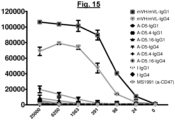
- representative antibody molecules of the present invention have little or no cross-reactivity with CHO cells, whereas the original murine v-domains of clone mVH/mVL in either IgG1null or IgG4 format drive strong, concentration-dependent binding to CHO cells.
- Preferred optimized anti-CD47 antibody molecules of the present invention do not necessarily have the maximum number of human germline substitutions at corresponding murine CDR or other (such as framework) amino acid positions.
- “maximally humanized” antibody molecules are not necessary “maximally optimized” in terms of anti-CD47 binding characteristics and/or other desirable features.
- the present invention encompasses modifications to the amino acid sequence of the antibody molecule or antigen-binding portion thereof as defined herein.
- the invention includes antibody molecules and corresponding antigen-binding portions thereof comprising functionally equivalent variable regions and CDRs which do not significantly affect their properties as well as variants which have enhanced or decreased activity and/or affinity.
- the amino acid sequence may be mutated to obtain an antibody with the desired binding affinity to CD47. Insertions which include amino- and/or carboxyl-terminal fusions ranging in length from one residue to polypeptides containing a hundred or more residues, as well as intrasequence insertions of single or multiple amino acid residues, are envisaged.
- terminal insertions include an antibody molecule with an N-terminal methionyl residue or the antibody molecule fused to an epitope tag.
- Other insertional variants of the antibody molecule include the fusion to the N- or C-terminus of the antibody of an enzyme or a polypeptide which increases the half-life of the antibody in the blood circulation.
- the antibody molecule or antigen-binding portion of the invention may include glycosylated and nonglycosylated polypeptides, as well as polypeptides with other post-translational modifications, such as, for example, glycosylation with different sugars, acetylation, and phosphorylation.
- the antibody molecule or antigen-binding portion of the invention may be mutated to alter such post-translational modifications, for example by adding, removing or replacing one or more amino acid residues to form or remove a glycosylation site.
- the antibody molecule or antigen-binding portion of the invention may be modified for example by amino acid substitution to remove potential proteolytic sites in the antibody.
- the HCDR1 may have the amino acid sequence: G-Y-T/S/N/R-F-T/N-N/S-Y-Y-I/V-F/V/G (SEQ ID NO: 21); the HCDR2 may have the amino acid sequence: M/I-G-V/N/I/D-I-N/Y-P-V/G/F-N/D-G/S-D-T-N/R/K-F/Y-N/S-P-S-F-Q-G (SEQ ID NO: 22); and the HCDR3 may have the amino acid sequence: G-G-F/H/I/Q/Y-T/V/I-M/T/R/P/A/L-D/G-Y/Q/N/R/S/W/K/A/E/F/H/I/L/M/T/V (SEQ ID NO: 23).
- the HCDR1 may have the amino acid sequence: G-S-G-Y-T/S/N/R-F-T/N-N/S-Y-Y (SEQ ID NO: 24); the HCDR2 may have the amino acid sequence: I-N/Y-P-V/G/F-N/D-G/S-D-T-N/R/K-F/Y-N/S-P-S-F-Q-G (SEQ ID NO: 25); and the HCDR3 may have the amino acid sequence: G-G-F/H/I/Q/Y-T/V/I-M/T/R/P/A/L-D/G (SEQ ID NO: 26).
- the HCDR1 may have the amino acid sequence: G-Y-T/S-F-T-N-Y-Y-I-F (SEQ ID NO: 27); the HCDR2 may have the amino acid sequence: M/I-G-I/D-I-N-P-V-N/D-G-D-T-N/R-F/Y-N/S-P-S-F-Q-G (SEQ ID NO: 28); and the HCDR3 may have the amino acid sequence: G-G-F/Y-T-M/P-D-Y/R/K/I (SEQ ID NO: 29).
- the HCDR1 may have the amino acid sequence: G-S-G-Y-T/S-F-T-N-Y-Y (SEQ ID NO: 30); the HCDR2 may have the amino acid sequence: I-N-P-V-N/D-G-D-T-N/R-F/Y-N/S-P-S-F-Q-G (SEQ ID NO: 31); and the HCDR3 may have the amino acid sequence: G-G-F/Y-T-M/P-D (SEQ ID NO: 32).
- the LCDR1 may have the amino acid sequence: R-S-S-Q/H-S-F/L-L/V-H-S-N/Q/A-G/A-Y/N/S-N/T-Y-L-H/D (SEQ ID NO: 33);
- the LCDR2 may have the amino acid sequence: L/K/M-V/G-S-N/Y-R-A/F/L/S-S (SEQ ID NO: 34);
- the LCDR3 may have the amino acid sequence: F/L/M/S/T/V-Q-Q/N/A/T/S-T/L/M/I-Q/H-T/V/I/A/F-P/L-R/W-T (SEQ ID NO: 35).
- the LCDR1 may have the amino acid sequence: S-S-Q/H-S-F/L-L/V-H-S-N/Q/A-G/A-Y/N/S-N/T-Y (SEQ ID NO: 36); the LCDR2 may have the amino acid sequence: L/K/M-V/G-S-N/Y-R-A/F/L/S-S (SEQ ID NO: 34); and the LCDR3 may have the amino acid sequence: Q/N/A/T/S-T/L/M/I-Q/H-T/V/I/A/F-P/L-R/W (SEQ ID NO: 37).
- the LCDR1 may have the amino acid sequence: R-S-S-Q-S-L-L/V-H-S-N/Q/A-G-Y/N-N/T-Y-L-H/D (SEQ ID NO: 38); the LCDR2 may have the amino acid sequence: L/K-V/G-S-N/Y-R-A/F/L-S (SEQ ID NO: 39); and the LCDR3 may have the amino acid sequence: F/S-Q-Q/N/A-T/L-Q/H-T/V-P-R-T (SEQ ID NO: 40).
- the LCDR1 may have the amino acid sequence: S-S-Q-S-L-L/V-H-S-N/Q/A-G-Y/N-N/T-Y (SEQ ID NO: 41); the LCDR2 may have the amino acid sequence: L/K-V/G-S-N/Y-R-A/F/L-S (SEQ ID NO: 39); and the LCDR3 may have the amino acid sequence: Q/N/A-T/L-Q/H-T/V-P-R (SEQ ID NO: 42).
- the antibody molecule or antigen-binding portion may comprise:
- the CDRs may alternatively be defined using the AHo CDR definition such that the antibody molecule or antigen-binding portion comprises:
- the antibody molecule or antigen-binding portion of the invention may comprise: an HCDR1 having the amino acid sequence GSGYTFTNYY (SEQ ID NO: 15) or GSGYSFTNYY (SEQ ID NO: 86);
- the above antibody molecule or antigen-binding portion may alternatively be defined using the equivalent Unified CDR definitions as disclosed herein.
- the antibody molecule or antigen-binding portion may comprise the six CDR sequences of Clone A-D5, Clone A-D5.4 or Clone A-D5.16 or Clone A-D5.16-DI or Clone A-D5-DI as defined above, or a suitable combination of the CDR sequences from each of these clones.
- the HCDR1 may have the amino acid sequence: G-Y-T/S-F-T-N-Y-Y-I-F (SEQ ID NO: 27); the HCDR2 may have the amino acid sequence: M-G-I-I-N-P-V-D-G-D-T-N/R-Y-N/S-P-S-F-Q-G (SEQ ID NO: 111); the HCDR3 may have the amino acid sequence: G-G-Y-T-M-D-R (SEQ ID NO: 51); the LCDR1 may have the amino acid sequence: R-S-S-Q-S-L-L-H-S-N/A-G-Y-N/T-Y-L-H (SEQ ID NO: 112); the LCDR2 may have the amino acid sequence: K-V-S-N-R-L/F-S (SEQ ID NO: 113); and the LCDR
- the HCDR1 may have the amino acid sequence: G-S-G-Y-T/S-F-T-N-Y-Y (SEQ ID NO: 30); the HCDR2 may have the amino acid sequence: I-N-P-V-D-G-D-T-N/R-Y-N/S-P-S-F-Q-G (SEQ ID NO: 114); the HCDR3 may have the amino acid sequence: G-G-Y-T-M-D (SEQ ID NO: 16); the LCDR1 may have the amino acid sequence: S-S-Q-S-L-L-H-S-N/A-G-Y-N/T-Y (SEQ ID NO: 115); the LCDR2 may have the amino acid sequence: K-V-S-N-R-L/F-S (SEQ ID NO: 113); and the LCDR3 may have the amino acid sequence: N-T-H-T-
- the antibody molecule or antigen-binding portion as defined herein may comprise one or more substitutions, deletions and/or insertions which remove a post-translational modification (PTM) site, for example a glycosylation site (N-linked or O-linked), a deamination site, a phosphorylation site or an isomerisation/fragmentation site.
- PTM post-translational modification
- PTM More than 350 types of PTM are known. Key forms of PTM include phosphorylation, glycosylation (N- and O -linked), sumoylation, palmitoylation, acetylation, sulfation, myristoylation, prenylation and methylation (of K and R residues).
- Statistical methods to identify putative amino acid sites responsible for specific PTMs are well known in the art (see Zhou et al., 2016, Nature Protocols 1: 1318-1321 ). Removal of such a site for example by substitution, deletion and/or insertion and then optionally testing (experimentally and/or theoretically) for (a) binding activity and/or (b) loss of the PTM is contemplated.
- the VxP037 murine LCDR1 (as defined herein, i.e. the amino acid sequence RSSQSLVHSNGNTYLH (SEQ ID NO: 9)) has been identified to have a putative deamidation site at residue 10 (N) and/or 12 (N). Removal of either of both of these sites at equivalent positions in an LCDR1 of the invention, for example by conservative substitution (such as to S, A, Q or D), is envisaged (as for example in clone A-D5.8, clone A-D5 and other clones in Tables 3 and 4, or clones A-D5.11 to A-D5.18 in Table 5).
- VxP037 murine LCDR3 (as defined herein, i.e. the amino acid sequence SQNTHVPRT (SEQ ID NO: 11)) has been identified to have a putative deamidation site at residue 3 (N). Removal of this site at an equivalent position in an LCDR3 of the invention, for example by conservative or non-conservative substitution (such as to A, S, H, D, T, K, G, E, Q or R), is envisaged (as for example in clone F-E7 and other clones in Tables 3 and 4).
- conservative or non-conservative substitution such as to A, S, H, D, T, K, G, E, Q or R
- VxP037 murine HCDR3 (as defined herein, i.e. the amino acid sequence GGYTMDY (SEQ ID NO: 5)) has been identified to have a putative oxidation site at residue 5 (M). Removal of this site at an equivalent position in an HCDR3 of the invention, for example by conservative or non-conservative substitution (such as to P, A, T, S, L, F, W, V, I, Y or R), is envisaged (as for example in clone D-H3 and other clones in Tables 3 and 4).
- the antibody molecule or antigen-binding portion thereof may be human, humanized or chimeric.
- the antibody molecule or antigen-binding portion thereof may comprise one or more human variable domain framework scaffolds into which the CDRs have been inserted.
- the antibody molecule or antigen-binding portion thereof may comprise an IGHV5-51 human germline scaffold into which the corresponding HCDR sequences have been inserted.
- the antibody molecule or antigen-binding portion thereof may comprise an IGKV2-28 human germline scaffold into which the corresponding LCDR sequences have been inserted.
- the antibody molecule or antigen-binding portion thereof may comprise an immunologically inert constant region.
- the antibody molecule or antigen-binding portion thereof may be a Fab fragment, a F(ab) 2 fragment, an Fv fragment, a tetrameric antibody, a tetravalent antibody, a multispecific antibody (for example, a bivalent antibody), a single domain antibody (for example, a shark antibody [V NAR antibody], or a fragment thereof, or a camelid antibody [V H H antibody], or a fragment thereof), a monoclonal antibody or a fusion protein.
- Antibody molecules and methods for their construction and use are described, in for example Holliger & Hudson (2005, Nature Biotechnol. 23(9): 1126-1136 ).
- an immunoconjugate comprising the antibody molecule or antigen-binding portion thereof of the invention as defined herein linked a therapeutic agent.
- Suitable therapeutic agents include cytotoxins, radioisotopes, chemotherapeutic agents, immunomodulatory agents, anti-angiogenic agents, antiproliferative agents, pro-apoptotic agents, and cytostatic and cytolytic enzymes (for example RNAses).
- Further therapeutic agents include a therapeutic nucleic acid, such as a gene encoding an immunomodulatory agent, an anti-angiogenic agent, an anti-proliferative agent, or a pro-apoptotic agent.
- Suitable therapeutic agents for use in immunoconjugates include the taxanes, maytansines, CC-1065 and the duocarmycins, the calicheamicins and other enediynes, and the auristatins. Other examples include the anti-folates, vinca alkaloids, and the anthracyclines. Plant toxins, other bioactive proteins, enzymes (i.e., ADEPT), radioisotopes, photosensitizers may also be used in immunoconjugates. In addition, conjugates can be made using secondary carriers as the cytotoxic agent, such as liposomes or polymers, Suitable cytotoxins include an agent that inhibits or prevents the function of cells and/or results in destruction of cells.
- Representative cytotoxins include antibiotics, inhibitors of tubulin polymerization, alkylating agents that bind to and disrupt DNA, and agents that disrupt protein synthesis or the function of essential cellular proteins such as protein kinases, phosphatases, topoisomerases, enzymes, and cyclins.
- cytotoxins include, but are not limited to, doxorubicin, daunorubicin, idarubicin, aclarubicin, zorubicin, mitoxantrone, epirubicin, carubicin, nogalamycin, menogaril, pitarubicin, valrubicin, cytarabine, gemcitabine, trifluridine, ancitabine, enocitabine, azacitidine, doxifluhdine, pentostatin, broxuhdine, capecitabine, cladhbine, decitabine, floxuhdine, fludarabine, gougerotin, puromycin, tegafur, tiazofuhn, adhamycin, cisplatin, carboplatin, cyclophosphamide, dacarbazine, vinblastine, vincristine, mitoxantrone, bleomycin, mechlorethamine, prednisone, proc
- Suitable immunomodulatory agents include anti-hormones that block hormone action on tumors and immunosuppressive agents that suppress cytokine production, down-regulate self-antigen expression, or mask MHC antigens.
- nucleic acid molecule encoding the antibody molecule or antigen-binding portion thereof of the invention as defined herein.
- nucleic acid molecule of the invention as defined herein.
- Also provided is a host cell comprising the nucleic acid molecule or the vector of the invention as defined herein.
- a method of producing an anti-CD47 antibody and/or an antigen-binding portion thereof comprising culturing the host cell of the invention under conditions that result in expression and/or production of the antibody and/or the antigen-binding portion thereof, and isolating the antibody and/or the antigen-binding portion thereof from the host cell or culture.
- composition comprising the antibody molecule or antigen-binding portion thereof of the invention as defined herein, or the nucleic acid molecule of the invention as defined herein, or the vector of the invention as defined herein.
- a method for enhancing an immune response in a subject comprising administering an effective amount of the antibody molecule or antigen-binding portion thereof of the invention as defined herein, or the immunoconjugate of the invention as defined herein, or the nucleic acid molecule of the invention as defined herein, or the vector of the invention as defined herein, or the pharmaceutical composition of the invention as defined herein.
- a method for treating or preventing cancer in a subject comprising administering an effective amount of the antibody molecule or antigen-binding portion thereof of the invention as defined herein, or the immunoconjugate of the invention as defined herein, or the nucleic acid molecule of the invention as defined herein, or the vector of the invention as defined herein, or the pharmaceutical composition of the invention as defined herein.
- the cancer may for example be selected from the group consisting of: pancreatic cancer, melanoma, breast cancer, lung cancer, bronchial cancer, colorectal cancer, prostate cancer, stomach cancer, ovarian cancer, urinary bladder cancer, brain or central nervous system cancer, peripheral nervous system cancer, esophageal cancer, cervical cancer, uterine or endometrial cancer, cancer of the oral cavity or pharynx, liver cancer, kidney cancer, testicular cancer, biliary tract cancer, small bowel or appendix cancer, salivary gland cancer, thyroid gland cancer, adrenal gland cancer, osteosarcoma, chondrosarcoma, and cancer of hematological tissues.
- the invention also provides an antibody molecule or antigen-binding portion thereof of the invention as defined herein, or the immunoconjugate of the invention as defined herein, or the nucleic acid molecule of the invention as defined herein, or the vector of the invention as defined herein, or the pharmaceutical composition of the invention as defined herein, for use in the treatment of cancer.
- the invention provides the antibody molecule, or antigen-binding portion thereof, or the immunoconjugate, or the nucleic acid molecule, or the vector for use, or the method of treatment of the invention as defined herein, for separate, sequential or simultaneous use in a combination combined with a second therapeutic agent, for example an anti-cancer agent.
- a second therapeutic agent for example an anti-cancer agent.
- the invention also provides a method for treating or preventing an ischemia-reperfusion injury, an autoimmune disease or an inflammatory disease in a subject, comprising administering an effective amount of the antibody molecule or antigen-binding portion thereof as defined herein, or the immunoconjugate as defined here, or the nucleic acid molecule as defined herein, or the vector as defined herein, or the pharmaceutical composition as defined herein.
- the ischemia-reperfusion injury in all aspect may occur in organ transplantation, acute kidney injury, cardiopulmonary bypass surgery, pulmonary hypertension, sickle cell disease, myocardial infarction, stroke, surgical resections and reconstructive surgery, reattachment of an appendage or other body part, skin grafting or trauma.
- the autoimmune disease or inflammatory disease may be selected from the group consisting of: arthritis, multiple sclerosis, psoriasis, Crohn's disease, inflammatory bowel 'disease, lupus, Grave's disease and Hashimoto's thyroiditis, and ankylosing spondylitis.
- the invention also provides a method for treating or preventing a cardiovascular disease or a fibrotic disease in a subject, comprising administering an effective amount of the antibody molecule or antigen-binding portion thereof as defined herein, or the immunoconjugate as defined here, or the nucleic acid molecule as defined herein, or the vector as defined herein, or the pharmaceutical composition as defined herein.
- the cardiovascular disease in any aspect of the invention may for example be coronary heart disease or atherosclerosis.
- the fibrotic disease in any aspect of the invention may be selected from the group consisting of myocardial infarction, angina, osteoarthritis, pulmonary fibrosis, asthma, cystic fibrosis and bronchitis.
- the pharmaceutical composition of the invention may comprise a pharmaceutically acceptable excipient.
- a pharmaceutically acceptable excipient may be a compound or a combination of compounds entering into a pharmaceutical composition which does not provoke secondary reactions and which allows, for example, facilitation of the administration of the anti-CD47 antibody molecule, an increase in its lifespan and/or in its efficacy in the body or an increase in its solubility in solution.
- These pharmaceutically acceptable vehicles are well known and will be adapted by the person skilled in the art as a function of the mode of administration of the anti-CD47 antibody molecule.
- the anti-CD47 antibody molecule may be provided in a lyophilised form for reconstitution prior to administration.
- lyophilised antibody molecules may be re-constituted in sterile water and mixed with saline prior to administration to an individual.
- the anti-CD47 antibody molecules will usually be administered in the form of a pharmaceutical composition, which may comprise at least one component in addition to the antibody molecule.
- pharmaceutical compositions may comprise, in addition to the anti-CD47 antibody molecule, a pharmaceutically acceptable excipient, carrier, buffer, stabilizer or other materials well known to those skilled in the art. Such materials should be non-toxic and should not interfere with the efficacy of the anti-CD47 antibody molecule.
- a pharmaceutically acceptable excipient such materials should be non-toxic and should not interfere with the efficacy of the anti-CD47 antibody molecule.
- the precise nature of the carrier or other material will depend on the route of administration, which may be by bolus, infusion, injection or any other suitable route, as discussed below.
- the pharmaceutical composition comprising the anti-CD47 antibody molecule may be in the form of a parenterally acceptable aqueous solution which is pyrogen-free and has suitable pH, isotonicity and stability.
- a parenterally acceptable aqueous solution which is pyrogen-free and has suitable pH, isotonicity and stability.
- isotonic vehicles such as Sodium Chloride Injection, Ringe's Injection, Lactated Ringer's Injection.
- buffers such as phosphate, citrate and other organic acids
- antioxidants such as ascorbic acid and methionine
- preservatives such as octadecyldimethylbenzyl ammonium chloride; hexamethonium chloride; benzalkonium chloride; benzethonium chloride; phenol, butyl or benzyl alcohol; alkyl parabens, such as methyl or propyl paraben; catechol; resorcinol; cyclohexanol; 3'-pentanol; and m-cresol); low molecular weight polypeptides; proteins, such as serum albumin, gelatin or immunoglobulins; hydrophilic polymers, such as polyvinylpyrrolidone; amino acids, such as glycine, glutamine, asparagines, histidine, arginine, or ly
- a pharmaceutical composition comprising an anti-CD47 antibody molecule may be administered alone or in combination with other treatments, either simultaneously or sequentially dependent upon the condition to be treated.
- An anti-CD47 antibody molecule as described herein may be used in a method of treatment of the human or animal body, including prophylactic or preventative treatment (e.g. treatment before the onset of a condition in an individual to reduce the risk of the condition occurring in the individual; delay its onset; or reduce its severity after onset).
- the method of treatment may comprise administering the anti-CD47 antibody molecule to an individual in need thereof.
- Administration is normally in a "therapeutically effective amount", this being sufficient to show benefit to a patient. Such benefit may be at least amelioration of at least one symptom.
- the actual amount administered, and rate and time-course of administration will depend on the nature and severity of what is being treated, the particular mammal being treated, the clinical condition of the individual patient, the cause of the disorder, the site of delivery of the composition, the method of administration, the scheduling of administration and other factors known to medical practitioners. Prescription of treatment, e.g. decisions on dosage etc., is within the responsibility of general practitioners and other medical doctors and may depend on the severity of the symptoms and/or progression of a disease being treated. Appropriate doses of antibody molecules are well known in the art ( Ledermann J.A. et al., 1991, Int.
- a therapeutically effective amount or suitable dose of an antibody molecule may be determined by comparing its in vitro activity and in vivo activity in an animal model. Methods for extrapolation of effective dosages in mice and other test animals to humans are known. The precise dose will depend upon a number of factors, including whether the antibody is for prevention or for treatment, the size and location of the area to be treated, the precise nature of the antibody (e.g. whole antibody, fragment) and the nature of any detectable label or other molecule attached to the antibody.
- a typical antibody dose will be in the range 100 ⁇ g to 1 g for systemic applications, and 1 ⁇ g to 1 mg for topical applications.
- An initial higher loading dose, followed by one or more lower doses, may be administered.
- the antibody will be a whole antibody, e.g. the IgG1 or IgG4 isotype.
- This is a dose for a single treatment of an adult patient, which may be proportionally adjusted for children and infants, and also adjusted for other antibody formats in proportion to molecular weight. Treatments may be repeated at daily, twice-weekly, weekly or monthly intervals, at the discretion of the physician.
- the treatment schedule for an individual may be dependent on the pharmacokinetic and pharmacodynamic properties of the antibody composition, the route of administration and the nature of the condition being treated.
- Treatment may be periodic, and the period between administrations may be about two weeks or more, e.g. about three weeks or more, about four weeks or more, about once a month or more, about five weeks or more, or about six weeks or more. For example, treatment may be every two to four weeks or every four to eight weeks. Treatment may be given before, and/or after surgery, and/or may be administered or applied directly at the anatomical site of surgical treatment or invasive procedure. Suitable formulations and routes of administration are described above.
- anti-CD47 antibody molecules as described herein may be administered as sub-cutaneous injections.
- Sub-cutaneous injections may be administered using an auto-injector, for example for long term prophylaxis/treatment.
- the therapeutic effect of the anti-CD47 antibody molecule may persist for several half-lives, depending on the dose.
- the therapeutic effect of a single dose of the anti-CD47 antibody molecule may persist in an individual for 1 month or more, 2 months or more, 3 months or more, 4 months or more, 5 months or more, or 6 months or more.
- the invention also provides a method of producing an antibody molecule which specifically binds to human CD47 and optionally also to cynomolgus monkey CD47 and/or to mouse CD47, or an antigen-binding portion thereof, comprising the steps of:
- the method may comprise a further step of producing additional clones based on the clones selected in step (4), for example based on further exploratory mutagenesis at specific positions in the CDRs of the clones selected in step (4), to enhance humanization, minimise human T cell epitope content and/or improve manufacturing properties in the antibody molecule or antigen-binding portion thereof produced in step (5).
- the method may comprise a further step of assessing immunogenicity of one or more v-domains in the clones selected in step (4) or the antibody molecule produced in step (5), and optionally generating one or more further mutations, for example in a CDR and framework region, to reduce immunogenicity.
- Immunogenicity may be assessed by identifying the location of T cell epitopes, for example using in silica technologies as described herein.
- CD47 refers to Integrin Associated Protein (IAP) and variants thereof that retain at least part of the biological activity of CD47.
- CD47 includes all mammalian species of native sequence CD47, including human, rat, mouse and chicken.
- the term “CD47” is used to include variants, isoforms and species homologs of human CD47.
- Antibodies of the invention may cross-react with CD47 from species other than human, in particular CD47 from cynomolgus monkey ( Macaca fascicularis ) . In certain embodiments, the antibodies may be completely specific for human CD47 and may not exhibit non-human cross-reactivity.
- an "antagonist” as used in the context of the antibody of the invention or an “anti-CD47 antagonist antibody” refers to an antibody which is able to bind to CD47 and inhibit CD47 biological activity and/or downstream pathway(s) mediated by CD47 signalling.
- An anti-CD47 antagonist antibody encompasses antibodies that can block, antagonize, suppress or reduce (including significantly) CD47 biological activity, including downstream pathways mediated by CD47 signalling, such as receptor binding and/or elicitation of a cellular response to CD47.
- anti-CD47 antagonist antibody encompass all the terms, titles, and functional states and characteristics whereby CD47 itself, and CD47 biological activity (including but not limited to its ability to enhance the activation of phagocytosis by cells of the myeloid lineage), or the consequences of the activity or biological activity, are substantially nullified, decreased, or neutralized in any meaningful degree.
- CD47 “specifically binds” "specifically interacts”, “preferentially binds”, “binds” or “interacts” with CD47 if it binds with greater affinity, avidity, more readily and/or with greater duration than it binds to other receptors.
- an “antibody molecule” is an immunoglobulin molecule capable of specific binding to a target, such as a carbohydrate, polynucleotide, lipid, polypeptide, etc., through at least one antigen recognition site, located in the variable region of the immunoglobulin molecule.
- antibody molecule encompasses not only intact polyclonal or monoclonal antibodies, but also any antigen binding fragment (for example, an "antigen-binding portion") or single chain thereof, fusion proteins comprising an antibody, and any other modified configuration of the immunoglobulin molecule that comprises an antigen recognition site including, for example without limitation, scFv, single domain antibodies (for example, shark antibodies [V NAR antibodies], or a fragment thereof, and camelid antibodies [V H H antibodies], or a fragments thereof), maxibodies, minibodies, intrabodies, diabodies, triabodies, tetrabodies, and bis-scFv.
- an “antibody molecule” encompasses an antibody of any class, such as IgG, IgA, or IgM (or sub-class thereof), and the antibody need not be of any particular class.
- immunoglobulins can be assigned to different classes. There are five major classes of immunoglobulins: IgA, IgD, IgE, IgG, and IgM, and several of these may be further divided into subclasses (isotypes), for example lgG1 , IgG2, IgG3, IgG4, lgA1 and lgA2.
- the heavy-chain constant regions that correspond to the different classes of immunoglobulins are called alpha, delta, epsilon, gamma, and mu, respectively.
- the subunit structures and three-dimensional configurations of different classes of immunoglobulins are well known.
- antigen binding portion of an antibody molecule refers to one or more fragments of an intact antibody that retain the ability to specifically bind to CD47. Antigen binding functions of an antibody molecule can be performed by fragments of an intact antibody. Examples of binding fragments encompassed within the term "antigen binding portion" of an antibody molecule include Fab; Fab'; F(ab')2; an Fd fragment consisting of the VH and CH1 domains; an Fv fragment consisting of the VL and VH domains of a single arm of an antibody; a single domain antibody (dAb) fragment, and an isolated complementarity determining region (CDR).
- Fc region is used to define a C-terminal region of an immunoglobulin heavy chain.
- the "Fc region” may be a native sequence Fc region or a variant Fc region.
- the human IgG heavy chain Fc region is usually defined to stretch from an amino acid residue at position Cys226, or from Pro230, to the carboxyl-terminus thereof.
- the numbering of the residues in the Fc region is that of the EU index as in Kabat.
- the Fc region of an immunoglobulin generally comprises two constant domains, CH2 and CH3. As is known in the art, an Fc region can be present in dimer or monomeric form.
- variable region of an antibody refers to the variable region of the antibody light chain or the variable region of the antibody heavy chain, either alone or in combination.
- variable regions of the heavy and light chain each consist of four framework regions (FRs) connected by three complementarity determining regions (CDRs) also known as hypervariable regions, contribute to the formation of the antigen binding site of antibodies.
- FRs framework regions
- CDRs complementarity determining regions
- FRs from antibodies which contain CDR sequences in the same canonical class are preferred.
- the CDR definitions used in the present application combine the domains used in the many disparate, often conflicting schemes that have been created in the field, which are based on the combination of immunoglobulin repertoire analyses and structural analyses of antibodies in isolation and in their co-crystals with antigens (see review by Swindells et al., 2016, abYsis: Integrated Antibody Sequence and Structure-Management, Analysis, and Prediction. J Mol Biol. [PMID: 27561707; Epub 22 August 2016 ]).
- the CDR definition used herein incorporates the lessons of all such prior insights and includes all appropriate loop positions required to sample the full residue landscape that potentially mediates target-binding complementarity.
- Table 1 shows the amino acid sequences of the VxP037 murine anti-CD47 antibody CDRs as defined herein (a "Unified” scheme), in comparison to well-known alternative systems for defining the same CDRs.
- a “conservative substitution” refers to replacement of an amino acid with another amino acid which does not significantly deleteriously change the functional activity.
- a preferred example of a “conservative substitution” is the replacement of one amino acid with another amino acid which has a value ⁇ 0 in the following BLOSUM 62 substitution matrix (see Henikoff & Henikoff, 1992, PNAS 89: 10915-10919 ):
- the term “monoclonal antibody” refers to an antibody, or antigen-binding portion thereof, that is derived from a single copy or clone, including for example any eukaryotic, prokaryotic, or phage clone, and not the method by which it is produced.
- a monoclonal antibody of the invention exists in a homogeneous or substantially homogeneous population.
- a “humanized” antibody molecule refers to a form of non-human (for example, murine) antibody molecules, or antigen-binding portion thereof, that are chimeric immunoglobulins, immunoglobulin chains, or fragments thereof (such as Fv, Fab, Fab', F(ab')2 or other antigen-binding subsequences of antibodies) that contain minimal sequence derived from non-human immunoglobulin.
- Humanized antibodies may be human immunoglobulins (recipient antibody) in which residues from a CDR of the recipient are replaced by residues from a CDR of a non-human species (donor antibody) such as mouse, rat, or rabbit having the desired specificity, affinity, and capacity.
- Human antibody or fully human antibody refers to an antibody molecule, or antigen-binding portion thereof, derived from transgenic mice carrying human antibody genes or from human cells.
- chimeric antibody is intended to refer to an antibody molecule, or antigen-binding portion thereof, in which the variable region sequences are derived from one species and the constant region sequences are derived from another species, such as an antibody molecule in which the variable region sequences are derived from a mouse antibody and the constant region sequences are derived from a human antibody.
- Antibody-drug conjugate and “immunoconjugate” refer to an antibody molecule, or antigen-binding portion thereof, including antibody derivatives that binds to CD47 and is conjugated to cytotoxic, cytostatic and/or therapeutic agents.
- Antibody molecules of the invention can be produced using techniques well known in the art, for example recombinant technologies, phage display technologies, synthetic technologies or combinations of such technologies or other technologies readily known in the art.
- epitope refers to that portion of a molecule capable of being recognized by and bound by an antibody molecule, or antigen-binding portion thereof, at one or more of the antibody molecule's antigen-binding regions.
- Epitopes can consist of defined regions of primary secondary or tertiary protein structure and includes combinations of secondary structural units or structural domains of the target recognised by the antigen binding regions of the antibody, or antigen-binding portion thereof.
- Epitopes can likewise consist of a defined chemically active surface grouping of molecules such as amino acids or sugar side chains and have specific three-dimensional structural characteristics as well as specific charge characteristics.
- antigenic epitope is defined as a portion of a polypeptide to which an antibody molecule can specifically bind as determined by any method well known in the art, for example, by conventional immunoassays, antibody competitive binding assays or by x-ray crystallography or related structural determination methods (for example NMR).
- binding affinity refers to the dissociation rate of a particular antigen-antibody interaction.
- the KD is the ratio of the rate of dissociation, also called the “off-rate (k off )", to the association rate, or "on-rate (k on )”.
- K D equals k off / k on and is expressed as a molar concentration (M). It follows that the smaller the K D , the stronger the affinity of binding. Therefore, a K D of 1 ⁇ M indicates weak binding affinity compared to a K D of 1 nM.
- KD values for antibodies can be determined using methods well established in the art. One method for determining the KD of an antibody is by using surface plasmon resonance (SPR), typically using a biosensor system such as a Biacore ® system.
- SPR surface plasmon resonance
- potency is a measurement of biological activity and may be designated as IC 50 , or effective concentration of an antibody or antibody drug conjugate to the antigen CD47 to inhibit 50% of activity measured in a CD47 activity assay as described herein.
- an effective amount refers to an amount necessary (at dosages and for periods of time and for the means of administration) to achieve the desired therapeutic result.
- An effective amount is at least the minimal amount, but less than a toxic amount, of an active agent which is necessary to impart therapeutic benefit to a subject.
- inhibitor or “neutralize” as used herein with respect to bioactivity of an antibody molecule of the invention means the ability of the antibody to substantially antagonize, prohibit, prevent, restrain, slow, disrupt, eliminate, stop, reduce or reverse for example progression or severity of that which is being inhibited including, but not limited to, a biological activity or binding interaction of the antibody molecule to CD47.
- a "host cell” includes an individual cell or cell culture that can be or has been a recipient for vector(s) for incorporation of polynucleotide inserts.
- Host cells include progeny of a single host cell, and the progeny may not necessarily be completely identical (in morphology or in genomic DNA complement) to the original parent cell due to natural, accidental, or deliberate mutation.
- a host cell includes cells transfected in vivo with a polynucleotide(s) of this invention.
- vector means a construct, which is capable of delivering, and, preferably, expressing, one or more gene(s) or sequence(s) of interest in a host cell.
- vectors include, but are not limited to, viral vectors, naked DNA or RNA expression vectors, plasmid, cosmid or phage vectors, DNA or RNA expression vectors associated with cationic condensing agents, DNA or RNA expression vectors encapsulated in liposomes, and certain eukaryotic cells, such as producer cells.
- treating means reversing, alleviating, inhibiting the progress of, delaying the progression of, delaying the onset of, or preventing the disorder or condition to which such term applies, or one or more symptoms of such disorder or condition.
- treatment refers to the act of treating as defined above.
- treating also includes adjuvant and neoadjuvant treatment of a subject.
- reference herein to “treatment” includes reference to curative, palliative and prophylactic treatment.
- references herein to “treatment” also include references to curative, palliative and prophylactic treatment.
- the present invention encompasses not only the entire group listed as a whole, but each member of the group individually and all possible subgroups of the main group, but also the main group absent one or more of the group members.
- the present invention also envisages the explicit exclusion of one or more of any of the group members in the claimed invention.
- Antibody v-domain encoding DNA sequences were cloned via restriction-ligation cloning into separate IgG heavy and light-chain expression cassettes in separate plasmid vectors.
- Antibodies were expressed in two forms of engineered human IgG: IgG4 with the S228P mutation to stabilise the IgG4 hinge, and IgG1null - IgG1 with the lower hinge mutations L234A/L235A/G237A, which minimise Fc ⁇ receptor-driven effector functions.
- IgGs were expressed in HEK-293expi cells after transient transfection with endotoxin-free IgG expression plasmid preparations, per manufacturer's protocols.
- IgGs were purified using a single-step protocol: Conditioned media were loaded (neat) onto a 1 ml ProA sepharose column, pre-equilibrated in PBS pH7.4. The column was washed with 5 column volumes of PBS pH7.4, before the protein was eluted with 100mM glycine, pH 2.7 and subjected to dialysis in PBS pH 7.4 using 30 kDa cutoff dialysis membrane.
- target proteins were diluted to 1 ⁇ g/ml in carbonate buffer and added at 100 ⁇ l per well, at 4°C, o/n.
- Coated plates were washed 3x with PBS pH7.4, blocked with 1% BSA in PBS (380 ⁇ l/ well) for 1 hr at RT, then washed 3x with PBS-Tween 20 (PBST).
- CD47 antibodies (100 ⁇ l/well; diluted in PBST) were then added and then incubated 1 hr at RT. Plates were then washed 3x with PBST and goat anti-human kappa chain-HRP added (100 ⁇ l/well) at RT, for 1 hr.
- Anti-CD47 antibodies were tested for polyreactivity by ELISA. Purified, recombinant, target and non-target antigens were coated in 96-well Nunc maxisorp plates at 100 ng per well in carbonate buffer, at 4°C overnight. Plates were then washed 3x with PBS, blocked with 1% BSA in PBS, then washed 3x with PBS-Tween20. A dilution series of primary antibodies was then applied, plates were washed 3x with PBS-Tween20 followed by application of goat anti-human kappa chain-HRP 1 :4,000 secondary antibody.
- the CD47 scFv repertoire was assembled by mass oligo synthesis and PCR.
- the amplified scFv repertoire was then cloned via restriction-ligation into a phagemid vector, transformed into E.coli TG-1 cells, and the phage repertoire rescued essentially as previously described in detail ( Finlay et al., 2011, Methods Mol Biol 681: 383-401 ).
- Phage selections were performed by coating streptavidin magnetic microbeads with CD47-Fc protein (either human or cyno), washing the beads thrice with PBS and resuspending in PBS pH7.4 plus 5% skim milk protein (MPBS). These beads were coated at 200 nM target protein in round 1 of selection, followed by 100, 50 and 10 nM in subsequent rounds.
- CD47-Fc protein either human or cyno
- MPBS skim milk protein
- a competition ELISA assay was established to examine the capacity of optimized leads to block the binding interaction of CD47 with SIRP ⁇ .
- 10 ⁇ g/ml human SIRP ⁇ -Fc in carbonate coating buffer was added at 100 ⁇ l per well, at 4oC, o/n.
- Coated plates were washed 3x with PBS pH7.4, blocked with 1% BSA in PBS (380 ⁇ l/well) for 1 hr at RT, then washed 3x with PBS-Tween 20 (PBST).
- Biotinylated human, mouse or cyno CD47-Fc was then added at 0.2 ⁇ g/ml in PBS, 100 ⁇ l per well, at room temperature for 60 minutes with or without the addition of competing IgGs. Plates were then washed 3x with PBST and Streptavidin-HRP added (100 ⁇ l/well) at room temperature, for 1 hr. Plates were then washed 3x with PBST and twice with PBS before the addition of 100 ⁇ l TMB per well. Reactions were stopped by adding 100 ⁇ l 2M H 2 SO 4 /well and OD was read on a plate reader at 450nm.
- Antibody v-domain T cell epitope content in silico analyses
- silico technologies (Abzena, Ltd.), which are based on identifying the location of T cell epitopes in therapeutic antibodies and proteins, were used for assessing potential immunogenicity in antibody v-domains.
- iTope TM was used to analyse the VL and VH sequences of key leads for peptides with promiscuous high affinity binding to human MHC class II. Promiscuous high affinity MHC class II binding peptides are thought to correlate with the presence of T cell epitopes that are high risk indicators for clinical immunogenicity of drug proteins.
- the iTope TM software predicts favourable interactions between amino acid side chains of a peptide and specific binding pockets (in particular pocket positions; p1, p4, p6, p7 and p9) within the open-ended binding grooves of 34 human MHC class II alleles. These alleles represent the most common HLA-DR alleles found world-wide with no weighting attributed to those found most prevalently in any particular ethnic population. Twenty of the alleles contain the 'open' p1 configuration and 14 contain the 'closed' configuration where glycine at position 83 is replaced by a valine. The location of key binding residues is achieved by the in silico generation of 9mer peptides that overlap by eight amino acids spanning the test protein sequence. This process successfully discriminates with high accuracy between peptides that either bind or do not bind MHC class II molecules.
- TCED TM T Cell Epitope Database TM
- the TCED TM is used to search any test sequence against a large (>10,000 peptides) database of peptides derived from unrelated protein and antibody sequences.
- PBMCs Human peripheral blood mononuclear cells
- CD14+ PBMCs were subsequently isolated via magnetic cell isolation using CD14 microbeads.
- HL-60 cells were labelled using a green CFSE (carboxy-fluorescein diacetate, succinimidyl ester) cell tracer dye.
- a total of 1.25 x 10 6 labelled HL-60 cells were pre-incubated in the presence of anti-CD47 antibodies in 24 well plates for 1 hour at 37°C in a humidified atmosphere containing 5% CO 2 . Following incubation, 5 x 10 5 CD14 positive cells were added to each well and incubated for a further hour under the same culture conditions.
- Cells were harvested by vigorous pipetting, fixed using ice-cold 4% paraformaldehyde for 10 minutes and then blocked with an Fc receptor binding inhibitor monoclonal antibody for 10 minutes. Following the blocking step cells were incubated with an Alexa Fluor 647 (AF647) conjugated anti-human CD14 antibody at room temperature for 30 minutes and fixed a further time in 4% paraformaldehyde for 5 minutes.
- AF647 Alexa Fluor 647 conjugated anti-human CD14 antibody
- the CDRs of an antagonistic murine anti-CD47 IgG VP037 were initially introduced to human germline immunoglobulin v-domain framework sequence scaffolds using CDR grafting.
- the CDR-grafted IGHV5-51/IGKV2-28 v-domain sequences were combined into a VL-VH scFv format and a mutagenesis library cassette was generated by mass oligo synthesis and assembly.
- the final scFv library was ligated into a phage display vector and transformed into E. coli via electroporation to generate 1.3 x 10 9 independent clones.
- Library build quality was verified by sequencing 96 clones. This sequencing data showed that the positions encoding either the murine or human germline residue at each position of variance had been effectively sampled at a frequency of approximately 50%.
- Libraries were rescued using helper phage M13 and selections performed on biotinylated human, mouse and cynomolgus monkey CD47-Fc proteins in three separate branches A, B and C.
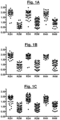
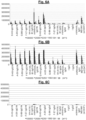
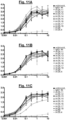
- Post-selection screening (Fig. 1 ) and DNA sequencing revealed the presence of 854 unique, human and mouse CD47-binding scFv clones with significantly increased human content within the CDRs, while the framework sequences remained fully germline. Amongst these 854 clones, germ-lining mutations were observed in all CDRs (Table 3). Lead clones were ranked based on level of CDR germ-lining versus ELISA signal for binding to both human and mouse CD47-Fc ( Fig. 1 ).
- MH Maximally Humanized
- the MH and TTP clones were generated by gene synthesis and (along with the 4 library-derived clones outlined above and positive control mVH/mVL and negative control isotype-matched non-CD47-reactive v-domains), cloned into human expression vectors for production as IgG1null and IgG4(S228P). All IgGs were readily expressed and purified from transient transfections of HEK-293 cells.
- Antibodies to CD47 were analysed for concentration-dependent binding at the cell surface via flow cytometry.
- CHO-K1 cells were stably transfected with either human, mouse or cyno CD47 full-length cDNAs.
- Anti-CD47 IgGs mVH/mVL, VH-A1/VL-B1, A-D5, G-B6, F-E7 and D-H3, and an isotype control IgG1 were then all tested in IgG1null and IgG4(S228P) formats, alongside a commercial mouse anti-human CD47 monoclonal MS1991, over a concentration range of 100,000-24 ng/ml for binding to human, cyno or wild type control ('wt', i.e.
- This background binding may be indicative of the original mouse antibody VxP037 having not just cross-reactivity to mouse CD47, but also hamster.
- the minimisation of this cross-reactivity to hamster CD47 is preferable for a therapeutic protein, as antibodies will typically be produced in CHO cell culture for clinical use.
- High IgG binding affinity for hamster CD47 protein may potentially lead to a significant increase in the content of unwanted co-purified CD47 host cell protein in production runs, which must be removed from the drug product to avoid immunogenicity in patients.
- HL60 cells derived from human acute myeloid leukaemia
- All antibodies other than the Isotype control IgGs showed strong, concentration-dependent binding to the HL60 cells ( Fig. 7 ).
- an IgG1 Ustekinumab analogue was used as it reacts with the same therapeutic target as Briakinumab, but has longer pK and was successfully approved as a therapeutic product.
- the positive control antibodies exhibited the expected strong reactivity to all 3 substrates, while the negative control showed low reactivity.
- all of the IgG1null lead proteins tested showed binding ⁇ the negative control against all 3 substrates. This finding underlined the maintenance of highly specific, target-driven binding in the optimised clones A-D5, G-B6, D-H3 and VH-A1/VL-B1.
- clone A-D5 had proven to have highly specific binding to human, cyno and mouse CD47, low off-target binding potential, improved neutralisation of mouse CD47, reduced background binding to CHO cells and multiple human germlining mutations in the CDRs.
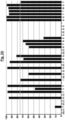
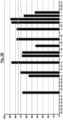
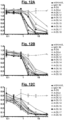
- the A-D5 sequence still retained a number of non-germline (mouse-derived) residues that were suggested to be potentially superfluous by the data found in Fig. 2A and 2B .
- the A-D5 sequence and all other library-derived clones also retained an 'NG' motif in the CDR-L1 that posed high risk for deamidation, as it was found to exhibit high solvent exposure at the apex of the long, flexible, IGKV2-28 germline-template CDR-L1 loop.
- a series of designer clones were created. This effort was carried out in two phases, with the A-D5.1 to A-D5.10 clones from the first phase containing the CDR sequences outlined in Table 4.
- the CDR-L1 sequence of A-D.16 'RSSQSLLHS A GYNYL H ' (and clones A-D5.14, A-D5.15, A-D5.17 and A-D5.28) contained non-germline residues at only two positions (underlined) and achieved an optimized balance between maximum human germline content and maximum stability characteristics.
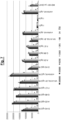
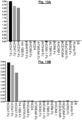
- the A-D5 derivatives A-D5.4 and A-D5.16 were subsequently also tested in IgG1null format for maintenance of binding specificity to ensure that there had been no loss of target specificity during the mutation and reselection process; both clones were tested for binding to a panel of 14 purified human proteins from the immunoglobulin superfamily ( Fig. 13 ). Both IgGs exhibited binding signals at 10 ⁇ g/ml to CD47-Fc (human, cyno and mouse all > 2.0 OD450 nm), and no detectable binding (OD450 nm ⁇ 0.1) against any other protein. In the 'Developability' ELISA analyses shown in Fig.
- the positive control antibodies exhibited the expected strong reactivity to all 3 substrates, while the negative control showed low reactivity.
- both A-D5.4 and A-D5.16 IgG1 null lead proteins showed binding ⁇ the negative control against all 3 substrates. This finding underlined the maintenance of highly specific, target-driven binding in the optimised clones A-D5, A-D5.4 and A-D5.16.
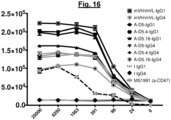
- A-D5 derivative mutant A-D5.4 and A-D5.16 were examined for their binding to wild type CHO ( Fig. 15 ) and HL60 ( Fig. 16 ) cells by flow cytometry. These analyses confirmed that the original murine v-domains of clone mVH/mVL in either IgG1null or IgG4 format drive strong, concentration-dependent binding to CHO cells, whereas clones A-D5, A-D5.4 and A-D5.16 mediate little or no binding signal in either IgG format ( Fig. 15 ).
- sequences were used to interrogate the TCED TM by BLAST search in order to identify any high sequence homology between peptides (T cell epitopes) from unrelated proteins/antibodies that stimulated T cell responses in previous in vitro T cell epitope mapping studies performed at Abzena Ltd.
- Peptides were grouped into four classes: High Affinity Foreign ('HAF' - high immunogenicity risk), Low Affinity Foreign ('LAF' - lower immunogenicity risk), TCED+ (previously identified epitope in TCED TM database), and Germline Epitope ('GE' - human germline peptide sequence with high MHC Class II binding affinity). Germline Epitope 9mer peptides are unlikely to have immunogenic potential due to T cell tolerance (i.e. these peptides are recognised as ⁇ self' in the host), as validated by previous studies with a wide range of germline peptides.
- germline v-domain epitopes (aided further by similar sequences in the human antibody constant regions) also compete for MHC Class II occupancy at the membrane of antigen presenting cells, reducing the risk of foreign peptide presentation being sufficient to achieve the 'activation threshold' required for T cell stimulation.
- High GE content is therefore a beneficial quality in clinical development of an antibody therapeutic.
- GE epitope content was also found to be significantly increased (from 3 to ⁇ 14 in all leads), particularly in the VH regions of lead clones where GE content increased from 0 to 9 in all leads, and TCED+ epitopes were reduced from in all leads from 3 to 2 (Table 8). Importantly, however, multiple foreign epitopes were also eliminated by germlining mutations found in the CDRs of lead clones.
- TCED+ peptide 'LVHSNGNTY' (SEQ ID NO: 116) found in the LCDR-1 of mVH/mVL (and, therefore, in any forms of VxP037 previously humanized by CDR grafting) was eliminated in the majority of lead clones by the mutation V>L at position 2 and N>Y at position 7 (Tables 4 and 5).
- A-D5.16-DI contained the LCDR sequence 'RSSQSLLHSAGYNYLH' (SEQ ID NO: 82), the LCDR2 sequence 'KVSNRFS' (SEQ ID NO: 85) and the Framework 2-LCDR3 sequence ' AGVYYC FONTHTPRT' (SEQ ID NO: 122) (Framework 2 residues underlined).
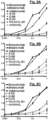
- This clone was readily expressed in IgG1null format and was found to retain target binding affinity against human, cyno and mouse CD47 ( Fig 18 . A-C) comparable to the mVH/mVL IgG (reduced on mouse Fig. 18C ).
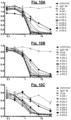
- A-D5.16-DI was also found to exhibit improved CD47-SIRP ⁇ blockade in comparison to A-D5.16 and comparable blockade to mVH/mVL against human and cyno CD47, slightly reduced on mouse ( Fig. 19 ).
- IgG4 A-D5, A-D5.4 and A-D5.16 all drove significantly more potent phagocytosis at both 1 and 10 ⁇ g/ml, when compared to mVH/mVL.
- This phenomenon was then examined for IgG4 A-D5 and mVH/mVL across 4 separate donors of human macrophage ( Fig. 20B ). This analysis showed that the higher potency shown in Fig. 20A was correct, with A-D5 being significantly more potent in all donors ( Fig. 20B ).
- VXP037 murine anti-CD47 v-domains (mVH/mVL) and human germline CDR grafts (VH1/VL1). SEQ ID NOs are shown in brackets.
- V-DOMAIN Human germline 1 Amino acid sequence 2 CD47-mVH n/a EVQLQQFGAELVKPGASMKLSCKAS GYTFTNYYVF WVKQRPGQGLEW IGDINPVNGDTNFNEKFKN KATLTVDKSSTTTYLQLSSLTSEDSAVYYCTR GGYTMDY WGQGTLVTVSS (140) CD47-VH1 IGHV5-51 EVQLVQSGAEVKKPGESLKISCKGS GYTFTNYYVF WVRQMPGKGLEW IGDINPVNGDTNFNESFQG QVTISADKSISTAYLQWSSLKASDTAMYYCAR GGYTMDY WGQGTLVTVSS (141) CD47
Landscapes
- Health & Medical Sciences (AREA)
- Chemical & Material Sciences (AREA)
- Life Sciences & Earth Sciences (AREA)
- Immunology (AREA)
- Medicinal Chemistry (AREA)
- General Health & Medical Sciences (AREA)
- Organic Chemistry (AREA)
- Animal Behavior & Ethology (AREA)
- Veterinary Medicine (AREA)
- Public Health (AREA)
- Pharmacology & Pharmacy (AREA)
- Epidemiology (AREA)
- Mycology (AREA)
- Microbiology (AREA)
- Oncology (AREA)
- Biochemistry (AREA)
- Biophysics (AREA)
- Genetics & Genomics (AREA)
- Molecular Biology (AREA)
- Proteomics, Peptides & Aminoacids (AREA)
- Cell Biology (AREA)
- Chemical Kinetics & Catalysis (AREA)
- General Chemical & Material Sciences (AREA)
- Nuclear Medicine, Radiotherapy & Molecular Imaging (AREA)
- Engineering & Computer Science (AREA)
- Bioinformatics & Cheminformatics (AREA)
- Biomedical Technology (AREA)
- Peptides Or Proteins (AREA)
- Medicines Containing Antibodies Or Antigens For Use As Internal Diagnostic Agents (AREA)
- Medicines That Contain Protein Lipid Enzymes And Other Medicines (AREA)
- Preparation Of Compounds By Using Micro-Organisms (AREA)
- Micro-Organisms Or Cultivation Processes Thereof (AREA)
- Medicinal Preparation (AREA)
- Epoxy Compounds (AREA)
- Acyclic And Carbocyclic Compounds In Medicinal Compositions (AREA)
- Pharmaceuticals Containing Other Organic And Inorganic Compounds (AREA)
- Medicines Containing Material From Animals Or Micro-Organisms (AREA)
- Steroid Compounds (AREA)
- Plural Heterocyclic Compounds (AREA)
- Nitrogen And Oxygen Or Sulfur-Condensed Heterocyclic Ring Systems (AREA)
Applications Claiming Priority (5)
| Application Number | Priority Date | Filing Date | Title |
|---|---|---|---|
| GBGB1713298.6A GB201713298D0 (en) | 2017-08-18 | 2017-08-18 | Binding agents |
| GBGB1802595.7A GB201802595D0 (en) | 2018-02-16 | 2018-02-16 | Binding agents |
| GBGB1808570.4A GB201808570D0 (en) | 2018-05-24 | 2018-05-24 | Binding agents |
| EP18759711.7A EP3668897B1 (de) | 2017-08-18 | 2018-08-17 | Bindemittel |
| PCT/GB2018/052347 WO2019034895A1 (en) | 2017-08-18 | 2018-08-17 | LIAISON AGENTS |
Related Parent Applications (1)
| Application Number | Title | Priority Date | Filing Date |
|---|---|---|---|
| EP18759711.7A Division EP3668897B1 (de) | 2017-08-18 | 2018-08-17 | Bindemittel |
Publications (1)
| Publication Number | Publication Date |
|---|---|
| EP4435008A2 true EP4435008A2 (de) | 2024-09-25 |
Family
ID=63371721
Family Applications (2)
| Application Number | Title | Priority Date | Filing Date |
|---|---|---|---|
| EP24179206.8A Withdrawn EP4435008A2 (de) | 2017-08-18 | 2018-08-17 | Bindemittel |
| EP18759711.7A Active EP3668897B1 (de) | 2017-08-18 | 2018-08-17 | Bindemittel |
Family Applications After (1)
| Application Number | Title | Priority Date | Filing Date |
|---|---|---|---|
| EP18759711.7A Active EP3668897B1 (de) | 2017-08-18 | 2018-08-17 | Bindemittel |
Country Status (14)
| Country | Link |
|---|---|
| US (4) | US10683350B2 (de) |
| EP (2) | EP4435008A2 (de) |
| JP (3) | JP7256580B2 (de) |
| KR (1) | KR102781208B1 (de) |
| CN (1) | CN111212852A (de) |
| AU (2) | AU2018316742B2 (de) |
| BR (1) | BR112020003306A2 (de) |
| CA (1) | CA3072998A1 (de) |
| ES (1) | ES2983651T3 (de) |
| IL (1) | IL272643A (de) |
| MX (1) | MX2020001873A (de) |
| RU (1) | RU2020109544A (de) |
| SG (1) | SG11202001425TA (de) |
| WO (1) | WO2019034895A1 (de) |
Families Citing this family (54)
| Publication number | Priority date | Publication date | Assignee | Title |
|---|---|---|---|---|
| EP4435008A2 (de) | 2017-08-18 | 2024-09-25 | Centessa Pharmaceuticals (UK) Limited | Bindemittel |
| GB201804860D0 (en) | 2018-03-27 | 2018-05-09 | Ultrahuman Two Ltd | CD47 Binding agents |
| GB201906685D0 (en) | 2019-05-13 | 2019-06-26 | Ultrahuman Six Ltd | Activatable protein constructs and uses thereof |
| AU2020296785A1 (en) * | 2019-06-19 | 2022-01-20 | Lepu Biopharma Co., Ltd. | Anti-CD47 antibodies and uses thereof |
| AU2020315598B2 (en) | 2019-07-16 | 2024-12-12 | Gilead Sciences, Inc. | HIV vaccines and methods of making and using |
| CN114650844A (zh) * | 2019-09-23 | 2022-06-21 | 西托姆克斯治疗公司 | 抗cd47抗体、可活化抗cd47抗体及其使用方法 |
| KR102902719B1 (ko) | 2019-10-18 | 2025-12-24 | 포티 세븐, 엘엘씨 | 골수이형성 증후군 및 급성 골수성 백혈병을 치료하기 위한 조합 치료 |
| CA3153636A1 (en) | 2019-10-31 | 2021-05-06 | Forty Seven, Inc. | Anti-cd47 and anti-cd20 based treatment of blood cancer |
| EP4445902A3 (de) | 2019-12-24 | 2024-12-18 | Carna Biosciences, Inc. | Diacylglycerolkinase modulierende verbindungen |
| WO2021142331A1 (en) * | 2020-01-10 | 2021-07-15 | Dyne Therapeutics, Inc. | Muscle targeting complexes and uses thereof for modulation of genes associated with cardiac muscle disease |
| WO2021142269A1 (en) * | 2020-01-10 | 2021-07-15 | Dyne Therapeutics, Inc. | Muscle targeting complexes and uses thereof for modulation of genes associated with muscle atrophy |
| CN117964757A (zh) | 2020-02-14 | 2024-05-03 | 吉利德科学公司 | 与ccr8结合的抗体和融合蛋白及其用途 |
| WO2021191870A1 (en) | 2020-03-27 | 2021-09-30 | Dcprime B.V. | Ex vivo use of modified cells of leukemic origin for enhancing the efficacy of adoptive cell therapy |
| KR20230033647A (ko) | 2020-06-30 | 2023-03-08 | 멘두스 비.브이. | 난소암 백신에서 백혈병 유래 세포의 용도 |
| CN111733162A (zh) * | 2020-07-01 | 2020-10-02 | 江苏莱森生物科技研究院有限公司 | 一种经基因修饰的cd47蛋白及其单克隆抗体和应用 |
| WO2022007947A1 (zh) * | 2020-07-10 | 2022-01-13 | 信达生物制药(苏州)有限公司 | 抗cd47抗体或其抗原结合片段和dna甲基化转移酶抑制剂的组合及其用途 |
| KR102757518B1 (ko) * | 2020-12-07 | 2025-01-21 | (주)이노베이션바이오 | Cd47에 특이적인 항체 및 이의 용도 |
| US12071481B2 (en) | 2020-12-23 | 2024-08-27 | D-10 Therapeutics, Inc. | Anti-CD47 antibodies and uses thereof |
| WO2022190058A1 (en) | 2021-03-12 | 2022-09-15 | Dcprime B.V. | Methods of vaccination and use of cd47 blockade |
| TW202302145A (zh) | 2021-04-14 | 2023-01-16 | 美商基利科學股份有限公司 | CD47/SIRPα結合及NEDD8活化酶E1調節次單元之共抑制以用於治療癌症 |
| CN112794903B (zh) * | 2021-04-14 | 2021-06-25 | 广州市雷德生物科技有限公司 | 一种特异性结合IFN-γ的抗体及其应用 |
| WO2022271659A1 (en) | 2021-06-23 | 2022-12-29 | Gilead Sciences, Inc. | Diacylglyercol kinase modulating compounds |
| EP4359415A1 (de) | 2021-06-23 | 2024-05-01 | Gilead Sciences, Inc. | Diacylglyercolkinase modulierende verbindungen |
| WO2022271650A1 (en) | 2021-06-23 | 2022-12-29 | Gilead Sciences, Inc. | Diacylglyercol kinase modulating compounds |
| US11932634B2 (en) | 2021-06-23 | 2024-03-19 | Gilead Sciences, Inc. | Diacylglycerol kinase modulating compounds |
| US20250129155A1 (en) * | 2021-06-30 | 2025-04-24 | Innobation Bio Co., Ltd. | Humanized antibody specific for cd47 and pharmaceutical composition for preventing or treating cd47-related diseases comprising the same |
| WO2023070353A1 (en) * | 2021-10-27 | 2023-05-04 | Adagene Pte. Ltd. | Anti-cd47 antibodies and methods of use thereof |
| AU2022375782B2 (en) | 2021-10-28 | 2026-02-26 | Gilead Sciences, Inc. | Pyridizin-3(2h)-one derivatives |
| AU2022376954B2 (en) | 2021-10-29 | 2026-04-23 | Gilead Sciences, Inc. | Cd73 compounds |
| CA3237577A1 (en) | 2021-12-22 | 2023-06-29 | Gilead Sciences, Inc. | Ikaros zinc finger family degraders and uses thereof |
| AU2022419982B2 (en) | 2021-12-22 | 2026-04-16 | Gilead Sciences, Inc. | Ikaros zinc finger family degraders and uses thereof |
| TW202340168A (zh) | 2022-01-28 | 2023-10-16 | 美商基利科學股份有限公司 | Parp7抑制劑 |
| IL314395A (en) | 2022-01-31 | 2024-09-01 | Centessa Pharmaceuticals Uk Ltd | Bispecific anti-CD47 and anti-PD-L1 activatable proteins and their uses |
| EP4493554A1 (de) | 2022-03-17 | 2025-01-22 | Gilead Sciences, Inc. | Degrader der ikaros-zinkfingerfamilie und verwendungen davon |
| WO2023183817A1 (en) | 2022-03-24 | 2023-09-28 | Gilead Sciences, Inc. | Combination therapy for treating trop-2 expressing cancers |
| WO2023191117A1 (ko) * | 2022-03-28 | 2023-10-05 | (주)이노베이션바이오 | 친화도가 성숙된 cd47에 특이적인 인간화 항체 |
| TWI876305B (zh) | 2022-04-05 | 2025-03-11 | 美商基利科學股份有限公司 | 用於治療結腸直腸癌之組合療法 |
| CR20240451A (es) | 2022-04-21 | 2024-12-04 | Gilead Sciences Inc | Compuestos de modulación de kras g12d |
| PE20250758A1 (es) | 2022-07-01 | 2025-03-13 | Gilead Sciences Inc | Compuestos de cd73 |
| KR20250036855A (ko) | 2022-07-12 | 2025-03-14 | 길리애드 사이언시즈, 인코포레이티드 | Hiv 면역원성 폴리펩타이드 및 백신, 및 이들의 용도 |
| WO2024064668A1 (en) | 2022-09-21 | 2024-03-28 | Gilead Sciences, Inc. | FOCAL IONIZING RADIATION AND CD47/SIRPα DISRUPTION ANTICANCER COMBINATION THERAPY |
| CN120225509A (zh) | 2022-12-22 | 2025-06-27 | 吉利德科学公司 | Prmt5抑制剂及其用途 |
| AU2024252725A1 (en) | 2023-04-11 | 2025-11-06 | Gilead Sciences, Inc. | Kras modulating compounds |
| PE20260121A1 (es) | 2023-04-21 | 2026-01-16 | Gilead Sciences Inc | Inhibidores de prmt5 y usos de los mismos |
| AU2024306338A1 (en) | 2023-06-30 | 2026-01-08 | Gilead Sciences, Inc. | Kras modulating compounds |
| KR20260046403A (ko) | 2023-07-26 | 2026-04-07 | 길리애드 사이언시즈, 인코포레이티드 | Parp7 저해제 |
| WO2025024811A1 (en) | 2023-07-26 | 2025-01-30 | Gilead Sciences, Inc. | Parp7 inhibitors |
| US20250101042A1 (en) | 2023-09-08 | 2025-03-27 | Gilead Sciences, Inc. | Kras g12d modulating compounds |
| AU2024337913A1 (en) | 2023-09-08 | 2026-03-26 | Gilead Sciences, Inc. | Pyrimidine-containing polycyclic derivatives as kras g12d modulating compounds |
| US20250154172A1 (en) | 2023-11-03 | 2025-05-15 | Gilead Sciences, Inc. | Prmt5 inhibitors and uses thereof |
| WO2025137640A1 (en) | 2023-12-22 | 2025-06-26 | Gilead Sciences, Inc. | Azaspiro wrn inhibitors |
| WO2025245003A1 (en) | 2024-05-21 | 2025-11-27 | Gilead Sciences, Inc. | Prmt5 inhibitors and uses thereof |
| WO2026039365A1 (en) | 2024-08-12 | 2026-02-19 | Gilead Sciences, Inc. | Kras modulating compounds |
| WO2026089992A1 (en) | 2024-10-21 | 2026-04-30 | Gilead Sciences, Inc. | Prmt5 inhibitors and uses thereof |
Citations (1)
| Publication number | Priority date | Publication date | Assignee | Title |
|---|---|---|---|---|
| WO2014093678A2 (en) | 2012-12-12 | 2014-06-19 | Frazier William A | Therapeutic cd47 antibodies |
Family Cites Families (14)
| Publication number | Priority date | Publication date | Assignee | Title |
|---|---|---|---|---|
| CA2545166A1 (en) * | 2003-11-11 | 2005-05-19 | Chugai Seiyaku Kabushiki Kaisha | Humanized anti-cd47 antibody |
| DE102007001370A1 (de) * | 2007-01-09 | 2008-07-10 | Curevac Gmbh | RNA-kodierte Antikörper |
| CN101231382B (zh) | 2008-02-26 | 2010-09-01 | 上海激光等离子体研究所 | 用于啁啾脉冲放大的光谱调制整形装置 |
| EP4349868A3 (de) | 2010-05-14 | 2024-08-28 | The Board of Trustees of the Leland Stanford Junior University | Humanisierte und chimäre monoklonale antikörper gegen cd47 |
| US20140140989A1 (en) | 2012-02-06 | 2014-05-22 | Inhibrx Llc | Non-Platelet Depleting and Non-Red Blood Cell Depleting CD47 Antibodies and Methods of Use Thereof |
| EA034778B1 (ru) * | 2012-02-06 | 2020-03-19 | Инхибркс, Инк. | Антитела к cd47 и способы их применения |
| US9221908B2 (en) * | 2012-12-12 | 2015-12-29 | Vasculox, Inc. | Therapeutic CD47 antibodies |
| MX2017006485A (es) * | 2014-11-18 | 2018-03-23 | Janssen Pharmaceutica Nv | Anticuerpos anti-cd47, metodos y usos. |
| WO2016109415A1 (en) * | 2014-12-30 | 2016-07-07 | Celgene Corporation | Anti-cd47 antibodies and uses thereof |
| US10647756B2 (en) * | 2015-05-18 | 2020-05-12 | Pfizer Inc. | Humanized antibodies |
| WO2017049251A2 (en) * | 2015-09-18 | 2017-03-23 | Tioma Therapeutics, Inc. | Therapeutic cd47 antibodies |
| ES2796378T3 (es) * | 2016-01-11 | 2020-11-26 | Forty Seven Inc | Anticuerpos monoclonales anti-cd47 humanizados, de ratón o químicos |
| EP4435008A2 (de) | 2017-08-18 | 2024-09-25 | Centessa Pharmaceuticals (UK) Limited | Bindemittel |
| GB201804860D0 (en) | 2018-03-27 | 2018-05-09 | Ultrahuman Two Ltd | CD47 Binding agents |
-
2018
- 2018-08-17 EP EP24179206.8A patent/EP4435008A2/de not_active Withdrawn
- 2018-08-17 MX MX2020001873A patent/MX2020001873A/es unknown
- 2018-08-17 JP JP2020530735A patent/JP7256580B2/ja active Active
- 2018-08-17 WO PCT/GB2018/052347 patent/WO2019034895A1/en not_active Ceased
- 2018-08-17 AU AU2018316742A patent/AU2018316742B2/en active Active
- 2018-08-17 EP EP18759711.7A patent/EP3668897B1/de active Active
- 2018-08-17 BR BR112020003306-5A patent/BR112020003306A2/pt unknown
- 2018-08-17 CN CN201880066662.5A patent/CN111212852A/zh active Pending
- 2018-08-17 KR KR1020207007972A patent/KR102781208B1/ko active Active
- 2018-08-17 SG SG11202001425TA patent/SG11202001425TA/en unknown
- 2018-08-17 RU RU2020109544A patent/RU2020109544A/ru unknown
- 2018-08-17 CA CA3072998A patent/CA3072998A1/en active Pending
- 2018-08-17 ES ES18759711T patent/ES2983651T3/es active Active
-
2019
- 2019-08-19 US US16/543,884 patent/US10683350B2/en active Active
-
2020
- 2020-02-12 IL IL272643A patent/IL272643A/en unknown
- 2020-05-19 US US16/877,938 patent/US11370840B2/en active Active
-
2022
- 2022-06-24 US US17/849,101 patent/US20220332819A1/en not_active Abandoned
-
2023
- 2023-03-27 JP JP2023049983A patent/JP7564274B2/ja active Active
-
2024
- 2024-09-23 US US18/893,023 patent/US20250109202A1/en active Pending
- 2024-09-26 JP JP2024167571A patent/JP7825015B2/ja active Active
-
2025
- 2025-06-26 AU AU2025204808A patent/AU2025204808A1/en active Pending
Patent Citations (1)
| Publication number | Priority date | Publication date | Assignee | Title |
|---|---|---|---|---|
| WO2014093678A2 (en) | 2012-12-12 | 2014-06-19 | Frazier William A | Therapeutic cd47 antibodies |
Non-Patent Citations (10)
| Title |
|---|
| BAGSHAWE K.D. ET AL., ANTIBODY, IMMUNOCONJUGATES AND RADIOPHARMACEUTICALS, vol. 4, 1991, pages 915 - 922 |
| FINLAY ET AL., METHODS MOL BIOL, vol. 681, 2011, pages 383 - 401 |
| HENIKOFFHENIKOFF, PNAS, vol. 89, 1992, pages 10915 - 10919 |
| HOLLIGERHUDSON, NATURE BIOTECHNOL., vol. 23, no. 9, 2005, pages 1126 - 1136 |
| LEDERMANN J.A. ET AL., INT. J. CANCER, vol. 47, 1991, pages 659 - 664 |
| MOUQUET ET AL., NATURE, vol. 67, 2010, pages 591 - 595 |
| NELSON ET AL., NAT REV DRUG DISCOV, vol. 9, 2010, pages 767 - 774 |
| SWINDELLS ET AL.: "abYsis: Integrated Antibody Sequence and Structure-Management, Analysis, and Prediction", J MOL BIOL., 22 August 2016 (2016-08-22) |
| TOWNSEND ET AL., PNAS, vol. 112, 2015, pages 15354 - 15359 |
| ZHOU ET AL., NATURE PROTOCOLS, vol. 1, 2016, pages 1318 - 1321 |
Also Published As
| Publication number | Publication date |
|---|---|
| MX2020001873A (es) | 2020-10-22 |
| US20220332819A1 (en) | 2022-10-20 |
| KR20200038533A (ko) | 2020-04-13 |
| WO2019034895A1 (en) | 2019-02-21 |
| IL272643A (en) | 2020-03-31 |
| JP7256580B2 (ja) | 2023-04-12 |
| CN111212852A (zh) | 2020-05-29 |
| JP2025000787A (ja) | 2025-01-07 |
| US10683350B2 (en) | 2020-06-16 |
| JP2020531048A (ja) | 2020-11-05 |
| US11370840B2 (en) | 2022-06-28 |
| US20250109202A1 (en) | 2025-04-03 |
| EP3668897B1 (de) | 2024-06-05 |
| AU2018316742A1 (en) | 2020-03-19 |
| KR102781208B1 (ko) | 2025-03-17 |
| JP7564274B2 (ja) | 2024-10-08 |
| CA3072998A1 (en) | 2019-02-21 |
| BR112020003306A2 (pt) | 2020-08-25 |
| US20200277375A1 (en) | 2020-09-03 |
| JP2023073339A (ja) | 2023-05-25 |
| US20190375840A1 (en) | 2019-12-12 |
| AU2018316742B2 (en) | 2025-04-10 |
| ES2983651T3 (es) | 2024-10-24 |
| SG11202001425TA (en) | 2020-03-30 |
| JP7825015B2 (ja) | 2026-03-05 |
| RU2020109544A (ru) | 2021-09-20 |
| EP3668897A1 (de) | 2020-06-24 |
| AU2025204808A1 (en) | 2025-07-17 |
Similar Documents
| Publication | Publication Date | Title |
|---|---|---|
| US20250109202A1 (en) | Anti-CD47 BINDING AGENTS | |
| US20260015420A1 (en) | Cd47 binding agents | |
| US12173067B2 (en) | C-KIT antibodies and method for treating cancer with such | |
| US12415861B2 (en) | Anti C-MET antibodies | |
| US20210101981A1 (en) | Pd1 binding agents | |
| US11851460B2 (en) | PD1 binding agents | |
| HK40116834A (en) | Binding agents | |
| HK40028664A (en) | Binding agents | |
| HK40028664B (en) | Binding agents |
Legal Events
| Date | Code | Title | Description |
|---|---|---|---|
| PUAI | Public reference made under article 153(3) epc to a published international application that has entered the european phase |
Free format text: ORIGINAL CODE: 0009012 |
|
| STAA | Information on the status of an ep patent application or granted ep patent |
Free format text: STATUS: THE APPLICATION HAS BEEN PUBLISHED |
|
| AC | Divisional application: reference to earlier application |
Ref document number: 3668897 Country of ref document: EP Kind code of ref document: P |
|
| AK | Designated contracting states |
Kind code of ref document: A2 Designated state(s): AL AT BE BG CH CY CZ DE DK EE ES FI FR GB GR HR HU IE IS IT LI LT LU LV MC MK MT NL NO PL PT RO RS SE SI SK SM TR |
|
| REG | Reference to a national code |
Ref country code: HK Ref legal event code: DE Ref document number: 40116834 Country of ref document: HK |
|
| STAA | Information on the status of an ep patent application or granted ep patent |
Free format text: STATUS: THE APPLICATION IS DEEMED TO BE WITHDRAWN |
|
| 18D | Application deemed to be withdrawn |
Effective date: 20250301 |