EP4428126A1 - Neues salz von 2-amino-2-(2(1-decyl-1h-1,2,3-triazol-4-yl)ethyl)propan-1,3-diol und pharmazeutische zusammensetzung damit - Google Patents
Neues salz von 2-amino-2-(2(1-decyl-1h-1,2,3-triazol-4-yl)ethyl)propan-1,3-diol und pharmazeutische zusammensetzung damit Download PDFInfo
- Publication number
- EP4428126A1 EP4428126A1 EP22890439.7A EP22890439A EP4428126A1 EP 4428126 A1 EP4428126 A1 EP 4428126A1 EP 22890439 A EP22890439 A EP 22890439A EP 4428126 A1 EP4428126 A1 EP 4428126A1
- Authority
- EP
- European Patent Office
- Prior art keywords
- compound
- salt
- triazol
- decyl
- propane
- Prior art date
- Legal status (The legal status is an assumption and is not a legal conclusion. Google has not performed a legal analysis and makes no representation as to the accuracy of the status listed.)
- Pending
Links
Images




Classifications
-
- C—CHEMISTRY; METALLURGY
- C07—ORGANIC CHEMISTRY
- C07D—HETEROCYCLIC COMPOUNDS
- C07D249/00—Heterocyclic compounds containing five-membered rings having three nitrogen atoms as the only ring hetero atoms
- C07D249/02—Heterocyclic compounds containing five-membered rings having three nitrogen atoms as the only ring hetero atoms not condensed with other rings
- C07D249/04—1,2,3-Triazoles; Hydrogenated 1,2,3-triazoles
-
- A—HUMAN NECESSITIES
- A61—MEDICAL OR VETERINARY SCIENCE; HYGIENE
- A61K—PREPARATIONS FOR MEDICAL, DENTAL OR TOILETRY PURPOSES
- A61K31/00—Medicinal preparations containing organic active ingredients
- A61K31/33—Heterocyclic compounds
- A61K31/395—Heterocyclic compounds having nitrogen as a ring hetero atom, e.g. guanethidine or rifamycins
- A61K31/41—Heterocyclic compounds having nitrogen as a ring hetero atom, e.g. guanethidine or rifamycins having five-membered rings with two or more ring hetero atoms, at least one of which being nitrogen, e.g. tetrazole
- A61K31/4192—1,2,3-Triazoles
-
- A—HUMAN NECESSITIES
- A61—MEDICAL OR VETERINARY SCIENCE; HYGIENE
- A61P—SPECIFIC THERAPEUTIC ACTIVITY OF CHEMICAL COMPOUNDS OR MEDICINAL PREPARATIONS
- A61P1/00—Drugs for disorders of the alimentary tract or the digestive system
-
- A—HUMAN NECESSITIES
- A61—MEDICAL OR VETERINARY SCIENCE; HYGIENE
- A61P—SPECIFIC THERAPEUTIC ACTIVITY OF CHEMICAL COMPOUNDS OR MEDICINAL PREPARATIONS
- A61P1/00—Drugs for disorders of the alimentary tract or the digestive system
- A61P1/04—Drugs for disorders of the alimentary tract or the digestive system for ulcers, gastritis or reflux esophagitis, e.g. antacids, inhibitors of acid secretion, mucosal protectants
-
- A—HUMAN NECESSITIES
- A61—MEDICAL OR VETERINARY SCIENCE; HYGIENE
- A61P—SPECIFIC THERAPEUTIC ACTIVITY OF CHEMICAL COMPOUNDS OR MEDICINAL PREPARATIONS
- A61P17/00—Drugs for dermatological disorders
- A61P17/14—Drugs for dermatological disorders for baldness or alopecia
-
- A—HUMAN NECESSITIES
- A61—MEDICAL OR VETERINARY SCIENCE; HYGIENE
- A61P—SPECIFIC THERAPEUTIC ACTIVITY OF CHEMICAL COMPOUNDS OR MEDICINAL PREPARATIONS
- A61P25/00—Drugs for disorders of the nervous system
-
- A—HUMAN NECESSITIES
- A61—MEDICAL OR VETERINARY SCIENCE; HYGIENE
- A61P—SPECIFIC THERAPEUTIC ACTIVITY OF CHEMICAL COMPOUNDS OR MEDICINAL PREPARATIONS
- A61P25/00—Drugs for disorders of the nervous system
- A61P25/28—Drugs for disorders of the nervous system for treating neurodegenerative disorders of the central nervous system, e.g. nootropic agents, cognition enhancers, drugs for treating Alzheimer's disease or other forms of dementia
-
- A—HUMAN NECESSITIES
- A61—MEDICAL OR VETERINARY SCIENCE; HYGIENE
- A61P—SPECIFIC THERAPEUTIC ACTIVITY OF CHEMICAL COMPOUNDS OR MEDICINAL PREPARATIONS
- A61P29/00—Non-central analgesic, antipyretic or antiinflammatory agents, e.g. antirheumatic agents; Non-steroidal antiinflammatory drugs [NSAID]
-
- A—HUMAN NECESSITIES
- A61—MEDICAL OR VETERINARY SCIENCE; HYGIENE
- A61P—SPECIFIC THERAPEUTIC ACTIVITY OF CHEMICAL COMPOUNDS OR MEDICINAL PREPARATIONS
- A61P37/00—Drugs for immunological or allergic disorders
-
- A—HUMAN NECESSITIES
- A61—MEDICAL OR VETERINARY SCIENCE; HYGIENE
- A61P—SPECIFIC THERAPEUTIC ACTIVITY OF CHEMICAL COMPOUNDS OR MEDICINAL PREPARATIONS
- A61P9/00—Drugs for disorders of the cardiovascular system
- A61P9/10—Drugs for disorders of the cardiovascular system for treating ischaemic or atherosclerotic diseases, e.g. antianginal drugs, coronary vasodilators, drugs for myocardial infarction, retinopathy, cerebrovascula insufficiency, renal arteriosclerosis
-
- C—CHEMISTRY; METALLURGY
- C07—ORGANIC CHEMISTRY
- C07D—HETEROCYCLIC COMPOUNDS
- C07D249/00—Heterocyclic compounds containing five-membered rings having three nitrogen atoms as the only ring hetero atoms
- C07D249/02—Heterocyclic compounds containing five-membered rings having three nitrogen atoms as the only ring hetero atoms not condensed with other rings
- C07D249/08—1,2,4-Triazoles; Hydrogenated 1,2,4-triazoles
-
- C—CHEMISTRY; METALLURGY
- C07—ORGANIC CHEMISTRY
- C07B—GENERAL METHODS OF ORGANIC CHEMISTRY; APPARATUS THEREFOR
- C07B2200/00—Indexing scheme relating to specific properties of organic compounds
- C07B2200/13—Crystalline forms, e.g. polymorphs
Definitions
- the present invention relates to a novel salt of 2-amino-2-(2-(1-decyl-1H-1,2,3-triazol-4-yl)ethyl)propane-1,3-diol and a pharmaceutical composition for novel uses containing the same. More specifically, the present invention relates to a fumarate salt or hemifumarate salt of 2-amino-2-(2-(1-decyl-1H-1,2,3-triazol-4-yl)ethyl)propane-1,3-diol and a pharmaceutical composition for novel uses containing the same.
- Compound 1 2-Amino-2-(2-(1-decyl-1H-1,2,3-triazol-4-yl)ethyl)propane-1,3-diol compound (hereinafter referred to as Compound 1) selectively binds to each S1P receptor subtype and may be useful for the prevention or treatment of multiple sclerosis or ischemic stroke.
- Compound 1 has very high hygroscopicity and is physically unstable after exposure to high-humidity conditions, and a new salt with greater stability than a free base of Compound 1 or a hydrochloride salt thereof has not yet been discovered. Therefore, there is a need to develop a novel salt of the compound, which is easy to formulate and overcomes the disadvantages of the above-described free base and a hydrochloride thereof and, at the same time, has excellent solid-state properties and a suppressed hygroscopicity in natural conditions, and thus has improved stability by being maintained at a constant purity even during long-term storage.
- An object of the present invention is to provide a novel salt of 2-amino-2-(2-(1-decyl-1H-1,2,3-triazol-4-yl)ethyl)propane-1,3-diol (Compound 1), which has a suppressed hygroscopicity in natural conditions so as to be maintained at a constant purity even during long-term storage, and is applicable to mass production while being easy to develop as a drug, and may be obtained with high purity and uniform quality, a method for preparing the same, and a pharmaceutical composition for novel uses containing the same as an active ingredient.
- Compound 1 2-amino-2-(2-(1-decyl-1H-1,2,3-triazol-4-yl)ethyl)propane-1,3-diol
- the present invention provides a hemifumarate salt (Compound 1a, NXC736) of 2-amino-2-(2-(1-decyl-1H-1,2,3-triazol-4-yl)ethyl)propane-1,3-diol (Compound 1), which is a compound represented by Formula 1a below, and a pharmaceutical composition containing the same as an active ingredient:
- the hemifumarate salt is in crystalline form.
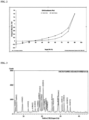
- Compound 1a shows an X-ray powder diffraction (XRPD) pattern having major diffraction peaks at 2 ⁇ values of 6.3 ⁇ 0.2°, 9.4 ⁇ 0.2°, 18.5 ⁇ 0.2°, 19.0 ⁇ 0.2°, 19.9 ⁇ 0.2°, 20.7 ⁇ 0.2°, 25.5 ⁇ 0.2°, 28.7 ⁇ 0.2°, and 29.0 ⁇ 0.2°.
- XRPD X-ray powder diffraction
- Compound 1a exhibits a melting endothermic onset temperature of about 82°C (82.42°C) in differential scanning calorimetry (DSC).
- Compound 1a shows a water adsorption rate of less than 2% under 90% RH conditions in DVS.
- Compound 1a is maintained at a purity of 99% or higher while maintaining its crystalline form even after 2 weeks under high humidity (40°C/75 ⁇ 5% RH or 60°C/75 ⁇ 5% RH) conditions.
- Compound 1a shows a purity of 98% or higher after 2 weeks under pH 6.8 phosphate buffer/40 ⁇ 2°C conditions.
- Compound 1a may exist as a crystalline composition.
- a pharmaceutical composition containing Compound 1a as an active ingredient, and the pharmaceutical composition may further contain one or more pharmaceutically acceptable carriers, diluents and/or excipients.
- the present invention also provides a fumarate salt (Compound 1b) of 2-amino-2-(2-(1-decyl-1H-1,2,3-triazol-4-yl)ethyl)propane-1,3-diol (Compound 1), which is a compound represented by Formula 1b below, and a pharmaceutical composition containing the same as an active ingredient:
- the fumarate salt is in crystalline form.
- Compound 1b shows an X-ray powder diffraction (XRPD) pattern having major diffraction peaks at 2 ⁇ values of 13.9 ⁇ 0.2°, 18.9 ⁇ 0.2°, 19.4 ⁇ 0.2°, 22.1 ⁇ 0.2°, and 22.5 ⁇ 0.2°.
- XRPD X-ray powder diffraction
- Compound 1b exhibits a water adsorption rate of more than 3% to less than 5% under 90% RH conditions in DVS.
- the pharmaceutical composition of the present invention which contains, as an active ingredient, the novel salt of Compound 1 according to the present invention, for example, the hemifumarate or fumarate salt of Compound 1, may be useful for the prevention or treatment of multiple sclerosis, ischemic stroke, focal segmental glomerulosclerosis (FSGS), inflammatory bowel disease, interstitial fibrosis and tubular atrophy (IFTA), or alopecia areata (AA).
- FSGS focal segmental glomerulosclerosis
- IFTA interstitial fibrosis and tubular atrophy
- AA alopecia areata
- the inflammatory bowel disease may be ulcerative colitis (UC) or Crohn's disease (CD).
- UC ulcerative colitis
- CD Crohn's disease
- novel salt of Compound 1 according to the present invention exhibits excellent effects in terms of low hygroscopicity, standard stock solution stability, photostability, oxidation stability, pH-dependent stability, solubility, and the like, compared with the hydrochloride salt and other salts of Compound 1, and thus may be maintained stably without change in content or increase in impurities over a long period of time.
- the novel salt of Compound 1 according to the present invention has advantages in that it is obtainable as a high-purity raw material, may be maintained at high purity for a long period of time because the increase in related substances therein is significantly low, and shows low hygroscopicity in the relative humidity range. Therefore, the novel salt is very advantageous in the processing and storage of pharmaceuticals, making it easy to formulate, and the novel salt may be maintained in the same state even after preparation of a formulation containing the same, and thus the uniformity of its content in the formulation may be maintained stably over a long period of time, indicating that the novel salt is easily applicable to mass production.
- the novel salt As a result of administering the novel salt of Compound 1 of the present invention orally to mice and rats, it was found that the novel salt exhibited an immunosuppressive effect. In addition, the novel salt exhibited excellent anti-fibrotic effects in a unilateral urinary obstruction (UUO) renal fibrosis model and an adenine-induced renal fibrosis model.
- UUO urinary obstruction
- the novel salt may be useful as an active ingredient of a pharmaceutical composition capable of preventing or treating multiple sclerosis, ischemic stroke, focal segmental glomerulosclerosis, inflammatory bowel disease, interstitial fibrosis and tubular atrophy, or alopecia areata (AA).
- the novel salt of Compound 1 contained in the above-described pharmaceutical composition may be in crystalline form, and more specifically, may be in a crystalline form showing an X-ray powder diffraction (XRPD) pattern having major diffraction peaks at 2 ⁇ values of 6.3 ⁇ 0.2°, 9.4 ⁇ 0.2°, 18.5 ⁇ 0.2°, 19.0 ⁇ 0.2°, 19.9 ⁇ 0.2°, 20.7 ⁇ 0.2°, 25.5 ⁇ 0.2°, 28.7 ⁇ 0.2°, and 29.0 ⁇ 0.2°.
- XRPD X-ray powder diffraction
- the pharmaceutical composition of the present invention may further contain one or more pharmaceutically acceptable carriers in addition to the novel salt of Compound 1, which is an active ingredient, for administration.
- pharmaceutically acceptable carriers saline solution, sterile water, Ringer's solution, buffered saline, dextrose solution, maltodextrin solution, glycerol, ethanol, or a mixture of one or more of these ingredients may be used, and other common additives such as antioxidants, buffers, and bacteriostatic agents may be added as needed.
- compositions of the present invention may be in the form of patches, solutions, pills, capsules, granules, tablets, suppositories, etc.
- formulations may be prepared by conventional methods used for formulation in the art or by methods disclosed in Remington's Pharmaceutical Science (latest edition), Mack Publishing Company, Easton PA , and various formulations may be prepared depending on each disease or ingredient.
- the pharmaceutical composition of the present invention may be administered orally or parenterally, for example, intravenously, subcutaneously, intraperitoneally, or topically, depending on the desired method, and the dosage range thereof varies depending on the patient's weight, age, gender, health status, diet, the time of administration, the mode of administration, the rate of excretion, and the severity of the disease.
- a method of treating multiple sclerosis, ischemic stroke, focal segmental glomerulosclerosis, inflammatory bowel disease, interstitial fibrosis and tubular atrophy, or alopecia areata comprising administering to a subject a pharmaceutically effective amount of the novel salt of Compound 1 according to the present invention.
- the novel salt of compound 1 according to the present invention may be in crystalline form, and more specifically, may be in a crystalline form showing an X-ray powder diffraction (XRPD) pattern having major diffraction peaks at 2 ⁇ values of 6.3 ⁇ 0.2°, 9.4 ⁇ 0.2°, 18.5 ⁇ 0.2°, 19.0 ⁇ 0.2°, 19.9 ⁇ 0.2°, 20.7 ⁇ 0.2°, 25.5 ⁇ 0.2°, 28.7 ⁇ 0.2°, and 29.0 ⁇ 0.2°.
- XRPD X-ray powder diffraction
- the novel salt of Compound 1 according to the present invention in the manufacture of a medicament for treatment of multiple sclerosis, ischemic stroke, focal segmental glomerulosclerosis, inflammatory bowel disease, interstitial fibrosis and tubular atrophy, or alopecia areata.
- the novel salt of compound 1 according to the present invention may be in crystalline form, and more specifically, may be in a crystalline form showing an X-ray powder diffraction (XRPD) pattern having major diffraction peaks at 2 ⁇ values of 6.3 ⁇ 0.2°, 9.4 ⁇ 0.2°, 18.5 ⁇ 0.2°, 19.0 ⁇ 0.2°, 19.9 ⁇ 0.2°, 20.7 ⁇ 0.2°, 25.5 ⁇ 0.2°, 28.7 ⁇ 0.2°, and 29.0 ⁇ 0.2°.
- XRPD X-ray powder diffraction
- the novel salt of 2-amino-2-(2-(1-decyl-1H-1,2,3-triazol-4-yl)ethyl)propane-1,3-diol (Compound 1) according to the present invention exhibits excellent effects in terms of hygroscopicity, standard stock solution stability, photostability, oxidation stability, pH-dependent stability, solubility, and the like, compared to the hydrochloride salt and other salts of Compound 1, and the pharmaceutical composition of the present invention, which contains the novel salt as an active ingredient, may be useful for the prevention or treatment of multiple sclerosis, ischemic stroke, focal segmental glomerulosclerosis, inflammatory bowel disease, interstitial fibrosis and tubular atrophy, or alopecia areata.
- proportion is calculated based on weight herein.
- pharmaceutical composition refers to an active ingredient, which is optionally combined with one or more pharmaceutically acceptable components (for example, but not limited to, carrier and/or excipient).
- the active ingredient is exemplified as the compound of Formula I or the hemifumarate thereof, one or more crystal forms according to the present invention, or one or more crystalline composition according to the present invention.
- administration refers to a method that enables a compound or composition to be delivered to a desired site of biological action. Such methods include, but not limited to, oral, parenteral (including intravenous, subcutaneous, intraperitoneal, intramuscular, intravascular injection or infusion), local, rectal administration, or the like.
- the term "effective amount” refers to the amount of the medicament or agent which is not toxic but sufficient to achieve the desired effect.
- the "effective amount” for an active substance in the composition refers to the amount required to achieve the desired effect in combination with another active substance in the composition.
- the effective amount may be determined individually and may depend on the age and general condition of the receptor as well as specific active substance. The effective amount in a specific case may be determined by a person skilled in the art through conventional test.
- active ingredient refers to a chemical entity useful for treating or preventing target disorder, disease or condition effectively.
- the term herein may refer to, for example, the compound of Formula I or the hemifumarate thereof, one or more crystal forms according to the present invention or one or more crystalline compositions according to the present invention.
- low hygroscopicity refers to the property of a substance that neither absorbs nor adsorbs water from the air, which is in contrast to hygroscopicity referring to the ability of a substance to attract and hold water molecules from the surrounding environment.
- stability is a term that indicates the degree to which the salt of the compound represented by Formula 1 according to the present invention or a composition containing the same is chemically or physically stable under specific conditions for a specific time.
- the purpose of stability testing is to provide evidence of how the quality of the salt of the present invention changes with time under the influence of various environmental factors such as temperature, humidity, and light, and to establish and to establish the period of use (or expiration date) and recommended storage conditions of the finished drug product manufactured using the salt.
- the standards for stability testing of pharmaceuticals, etc. provided by the Korean Ministry of Food and Drug Safety, prescribe "stress testing” for identifying the decomposition process and decomposition products of pharmaceuticals, etc. under stress conditions, and describe that, as conditions for the stress testing, light, temperature and humidity conditions should be set in consideration of the characteristics of the sample, and if the sample is a raw material, test conditions in an aqueous solution state should be included, and the effects of oxidation and photodecomposition on the active pharmaceutical ingredient and the pH-dependent susceptibility to hydrolysis should be evaluated.
- standard stock solution stability is assessed by dissolving the salt of the present invention in a standard stock solution, storing the resulting solution for a specific period of time under specific temperature and humidity conditions, and then checking the purity of the salt to determine whether related substances (impurities) occurred.
- photostability “oxidation stability”
- pH-dependent stability of the salt of the present invention were evaluated under the specific conditions specified in the Examples below.
- the diffraction pattern obtained from a crystalline compound is generally characteristic for a particular crystal form in which the relative intensities of the bands (especially at low angles) may vary with the dominant orientation effect due to the difference of crystallization conditions, particle diameters, and other measuring conditions. Therefore, the relative intensities of diffraction peaks are not characteristic for the given crystal form. It is more important to note the relative positions of peaks rather than their relative intensities when determining whether the crystal form is the same as that known in the art. In addition, there may be slight errors in the positions of the peaks for any given crystal form, which is also well known in the art of crystallography.
- the position of the peak may shift due to the change in temperature, sample movement or instrument calibration during analysis of the sample; and the measuring error of 2 ⁇ value may sometimes be about ⁇ 0.2°, typically about ⁇ 0.1°. Therefore, this error should be taken into account when determining the crystal structure. If the crystal forms according to the invention are described as substantially as shown in the figure, the term "substantially” is also intended to encompass such differences in the diffraction peak.
- the peak positions of the XRPD pattern are similar as a whole, and the relative intensity error may be large. It should also be noted that, in identification of a mixture, some diffraction lines may be lost due to the factors like decrease in content, etc., and thus it is not necessary to rely on the entire bands observed in the high purity sample, and even one band may be characteristic for a given crystal.
- Differential scanning calorimetry is used to measure the transition temperature when a crystal absorbs or releases heat due to changes in its crystal structure or crystal melting.
- the thermal transition temperature and the melting point error are typically within about 5°C, usually about 3°C for the same crystal form of the same compound in a continuous analysis.
- a compound is described as having a given DSC peak or melting point, it means the DSC peak or melting point ⁇ 5°C.
- an auxiliary method by DSC to identify different crystal forms. Different crystal forms may be identified according to their different transition temperature characteristics.
- the DSC peak or melting point of the mixture may vary over a wide range.
- the melting temperature is associated with the rate of temperature rise due to the decomposition during the melting of the substance.
- Dynamic vapor sorption is a method that has been used for a long time to investigate the interactions between active pharmaceutical ingredients (APIs), and pharmaceutical preparations and water.
- APIs active pharmaceutical ingredients
- measurements are made by exposing the sample to the desired relative humidity using a DVS water sorption analyzer (hygroscopicity analyzer) until the change in weight of the sample stabilizes.
- the method for preparing the salt of the present invention and the process of selecting the salt thereby are as follows.
- acids that were appropriate for matching the pKa of the free base of Compound 1 described above were calculated by computer, and these acids were mainly identified as acids having a pKa of about 2 to 5.
- Sphingosine-1-phosphate (S1P) receptors 1-5 constitute a family of G protein-coupled receptors with seven transmembrane domains. These receptors, referred to as S1P1 to S1P5, are activated via binding by sphingosine-1-phosphate, which is produced by the sphingosine kinase-catalyzed phosphorylation of sphingosine. S1P1, S1P4, and S1P5 receptors activate Gi but not Gq, whereas SIP2 and S1P3 receptors activate both Gi and Gq. The S IP3 receptor, but not the S1P1, responds to an agonist with an increase in intracellular calcium.
- Compound 1 2-Amino-2-(2-(1-decyl-1H-1,2,3-triazol-4-yl)ethyl)propane-1,3-diol compound (hereinafter referred to as Compound 1) binds selectively to each S1P receptor subtype and acts as a functional antagonist to reduce lymphocytes in peripheral blood.
- Compound 1 is useful for the treatment of multiple sclerosis and ischemic stroke. See Korea Patent Application Publication No. 10-2017-0087813 , which is incorporated herein by reference.
- inflammatory bowel disease is a chronic disease in which abnormal inflammation occurs repeatedly within the intestine. It is caused by an immune response to intestinal flora, and representative examples thereof include “ulcerative colitis” and "Crohn's disease”. It mainly occurs in Westerners, and as Asian eating habits gradually become westernized, the number of domestic patients is also increasing. Ulcerative colitis was a disease with a high incidence in Europe and North America, where people mainly eat meat, but recently, the incidence thereof has also been increasing in East Asia, including South Korea, due to westernized eating habits. Crohn's disease is a chronic inflammatory bowel disease that can occur anywhere throughout the digestive tract from the mouth to the anus, and there is still no drug therapy that can completely cure ulcerative colitis.
- Interstitial fibrosis and tubular atrophy occurs in approximately 25% of patients one year after renal transplantation.
- IFTA Interstitial fibrosis and tubular atrophy
- tubular atrophy and interstitial fibrosis occur, causing a decrease in glomerular filtration rate and an increase in proteinuria. It occurs in 66% of cases at 5 years after transplantation and up to 90% at 10 years after transplantation.
- these symptoms are mainly caused by immunological factors, but in the later stages, they are mainly attributed to the toxicity of calcineurin inhibitors, which are immunosuppressants.
- FSGS Focal segmental glomerular sclerosis
- podocytes e.g., sclerosis
- sclerosis the renal filtration system
- end-stage renal failure The number of patients worldwide is more than 300,000, and the number of patients in the United States is about 80,000, accounting for one-third of adult nephrotic syndrome cases.
- steroids, immunosuppressants, and angiotensin receptor blockers are used, but they cause serious complications such as renal failure and anemia.
- Alopecia areata is a disease in which the hair falls out in a circular shape.
- Alopecia areata may show circular hair loss in one or two areas, or in severe cases, may occur in several areas at the same time.
- Alopecia areata shows a phenomenon in which hair loss areas are fused and eyebrows or beard hairs also lost in addition to the hair on the scalp. Loss of hair on the entire scalp is called alopecia totalis, and loss of hair not only on the scalp but also on the entire body is called alopecia universails. Hair loss that occurs in a band shape along the outer circumference of the temporal and occipital regions is called ophiasis.
- Alopecia areata is an autoimmune disease in which the immune system changes, causing immune cells to attack hair follicles and cause inflammation. Alopecia areata is believed to be caused by stress and genetic factors. In less than 10% of patients with alopecia areata, alopecia areata may be accompanied by other autoimmune diseases such as atopic dermatitis, thyroid disease, and pernicious anemia. Although alopecia areata occurs in men and women and all age groups, it is the most common disease among children and young adults and has a prevalence of about 1-2% of the total population.
- Representative treatments for alopecia areata are steroids.
- Steroid injections, steroid medications, immunosuppressants, etc. have been approved and used as therapeutic agents, but they are initially effective to some extent, but they worsen symptoms or cause major side effects such as scalp inflammation, scalp depression, hypertension, weight gain, heartburn, and gastritis, and symptoms tend to relapse.
- Olumiant (ingredient name: Baricitinib), an oral JAK inhibitor currently known globally as a therapeutic agent for rheumatoid arthritis, was approved as the first systemic treatment for alopecia areata by the U.S. Food and Drug Administration in June 2022. Following this, Pfizer, the world's No.
- the present inventors have made extensive efforts to develop an independent compound that selectively acts on the S1P subtype receptors among sphingolipid compounds.
- the compound according to the present invention binds specifically to the S1PR1 and S1PR4 receptors and acts as a functional antagonist for the receptors, and thus has effects of preventing and treating focal segmental glomerulosclerosis, interstitial fibrosis and tubular atrophy, inflammatory bowel disease, and alopecia areata without causing cardiovascular disease side effects due to non-selectivity for the S1PR subtype, thereby completing the present invention.
- the prepared hemifumarate salt showed an X-ray powder diffraction (XRPD) pattern having manor diffraction peals at 2 ⁇ values of 6.3 ⁇ 0.2°, 9.4 ⁇ 0.2°, 18.5 ⁇ 0.2°, 19.0 ⁇ 0.2°, 19.9 ⁇ 0.2°, 20.7 ⁇ 0.2°, 25.5 ⁇ 0.2°, 28.7 ⁇ 0.2°, and 29.0 ⁇ 0.2°.
- XRPD X-ray powder diffraction
- the final product fumurate showed an X-ray powder diffraction (XRPD) pattern having major diffraction peaks at 2 ⁇ of 13.9 ⁇ 0.2°, 18.9 ⁇ 0.2°, 19.4 ⁇ 0.2°, 22.1 ⁇ 0.2°, and 22.5 ⁇ 0.2°.
- XRPD X-ray powder diffraction
- Salts of Compound 1 were prepared by mixing various acids and the free base of Compound 1, and the acids and solvents used are shown in Table 1 below.
- Example 1 showed a water adsorption rate of less than 2% at 90% RH as a result of DVS evaluation, indicating that it had very low hygroscopicity.
- Example 2 showed a water vapor adsorption rate of more than 3% to than 5% at 90% RH, indicating that it had low hygroscopicity.
- the solubility of Compound 1a prepared in Example 1 was evaluated in several different media, including pH 1.2 hydrochloric acid buffer, pH 3.0 citrate buffer, pH 4.7 acetate buffer, pH 6.8 phosphate buffer, simulated gastric fluid, fasted-state simulated intestinal fluid, fed-state simulated intestinal fluid, and water.
- the mixture was stirred using a magnetic stirrer at 250 RPM for 24 hours at 25°C.
- Example 3-1 Study of Standard Stock Solution Stability - 40°C/75 ⁇ 5 % RH Conditions
- the stability of the crystalline compound was examined at 40°C/75 ⁇ 5% RH. Physical stability was examined through comparative XRPD analysis before and after the test, and chemical stability was examined by HPLC method.
- the experimental conditions used in the stability test for Compound 1a and the test results are as follows.
- the hydrochloride salt of Compound 1 turned into a liquid phase, considered physically unstable, after a week under high humidity (40°C/75 ⁇ 5% RH) conditions, and some samples showed deliquescence.
- Table 4 it was found that, in the case of Compound 1a, the crystalline form was maintained even after 2 weeks under high humidity (40°C/75 ⁇ 5% RH) conditions, and the purity was maintained at more than 99%, indicating that the stability of the standard stock solution was excellent.
- the stability of the crystalline compound was under 60°C/75 ⁇ 5% RH conditions, and the purity thereof was examined by HPLC method.
- the experimental conditions used in the stability test for Compound 1a and the test results are as follows.
- FIG. 11 depicts photographs showing the results of observing changes in the appearances of the free base of Compound 1, Compound 1a, and the hydrochloride salt of Compound 1 initially and 2 weeks after storing each of them under 60°C/75 ⁇ 5% RH conditions, and it can be seen that the hydrochloride salt turned into a liquid phase by absorbing water.
- FIG. 12 as a result of checking the degree of corrosion of the sample after storing the free base of Compound 1, Compound 1a, and the hydrochloride salt of Compound 1 together with the sample for 2 weeks at 60°C, it was found that corrosion occurred in the case of the hydrochloride salt, suggesting that water absorption by the hydrochloride occurred.
- pH and salinity stability tests for the hemifumirate salt of Compound 1 were performed at an initial target concentration of 2 mg/mL.
- the pH and salinity stability conditions used to evaluate the hemifumirate salt of Compound 1 and the evaluation results are as follows.
- the hemifumarate salt of 2-amino-2-(2-(1-decyl-1H-1,2,3-triazol-4-yl)ethyl)propane-1,3-diol (Compound 1) showed excellent effects in terms of low hygroscopicity, standard stock solution stability, photostability, oxidation stability, pH-dependent stability, solubility, and the like compared to the hydrochloride salt and other salts of Compound 1, and had the best physical properties even when evaluated based on solid-state properties (crystallinity, melting point, and low hygroscopicity).
- Compound 1a according to the present invention is a salt satisfying all of the following requirements: 1) low-hygroscopicity requirement of less than 2% water absorption rate at 90% RH in DVS, which is a minimum condition for mass production and storage for clinical use; and standard stock solution stability requirement of more than 2 weeks under high-humidity (40°C/75% RH, etc.) conditions, and solubility requirement of more than 2 mg/mL in all aqueous media, which is a minimum condition for smooth progress of clinical trials.
- Compound 1b according to the present invention is a salt showing physical and chemical properties generally similar to those of Compound 1a, with only a slight difference in water absorption rate.
- Fingolimod is a therapeutic drug for multiple sclerosis with a mechanism of action that reversibly captures some of the lymphocytes in the lymph nodes or bone marrow, sequestering the lymphocytes in secondary lymphoid organs and inhibiting their entry into the central nervous system, or reduces the number of lymphocytes circulating in blood, reducing the number of activated lymphocytes that reach the brain.
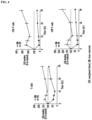
- T cells, CD4 T cells, and CD8 T cells in peripheral blood were all decreased starting from 4 hours to 40.6%/41.6%, 16.4%/17.6%, and 5.9%/9.3%, respectively, relative to those at time 0.
- the decrease was maintained until 12 hours, and then the cell number was restored to 88.9% at 36 hours.
- BM bone marrow
- Compound 1a was administered orally to SD rats at 10 mg/kg/day, and then lymphocytes in peripheral blood (PB) and bone marrow (BM) were classified into T cells, CD4 T cells, and CD8 T cells. FACS analysis was performed 0, 4, 8, 12, 24, 36, and 48 hours after administration of the test substance. Cell number was measured and expressed as a percentage relative to that at time 0 (% of control). The numbers of T cells, CD4 T cells, and CD8 T cells were measured and expressed as percentages relative to those at time 0 (% of control).
- PB peripheral blood
- BM bone marrow
- Compound 1a exhibited an immunosuppressive effect by reducing the number of lymphocytes in peripheral blood (PB) after oral administration.
- PB peripheral blood
- BM bone marrow
- This effect is believed to be related to the mechanism by which Compound 1 acts as a functional antagonist on the S1P receptor present in lymph nodes, bone marrow (BM), etc., thereby inhibiting lymphocyte.
- the effectiveness of Compound 1a against inflammatory bowel disease was evaluated using the dextran sulfate sodium (DSS)-induced colitis model.
- DSS dextran sulfate sodium
- inflammatory bowel disease was induced by administering DSS to mice at a concentration of 2.5% via drinking water.
- Compound 1 a compound of the present invention, was orally administered at doses of 5 and 10 mg/kg once a day for 7 days to the inflammatory bowel disease-induced model, and ozanimod as a positive control was administered orally at a dose of 5 mg/kg once a day, and MTX (methotrexate) as a positive control was administered intraperitoneally at a dose of 3 mg/kg three times a week.
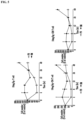
- FIG. 6 shows the disease activity index (DAI) of DSS-induced colitis mice and the area under curve (AUC) of the disease activity index of the DSS-induced colitis mice.
- DAI represents the total score of weight loss relative to initial weight, stool consistency, and degree of intestinal bleeding of the mouse.
- the criteria for calculation of DAI are shown in Table 10 below, and DAI was evaluated on days 0, 1, 2, 3, 4, 5, 6, 7, and 8.
- the disease activity index statistically significantly decreased in all of the group administered 3 mg/kg of the positive control MTX, the group administered 5 mg/kg of ozanimod, the group administered 5 mg/kg of Compound 1, and the group administered 10 mg/kg of Compound 1, compared to the negative control group (vehicle).
- Compound 1a is a substance having an inhibitory effect on inflammatory bowel disease.
- Compound 1a The effect of Compound 1a on hERG channel currents was evaluated by applying Compound 1a to HEK-293 cells that stably expressed the hERG potassium ion channel as a result of introducing hERG (human Ether-a-go-go Related Gene) thereinto.
- Compound 1a was set at concentrations of 1, 3, 10, and 30 ⁇ M.
- a random cell for which hERG channel currents for a negative control substance or each concentration of a test substance had been recorded was treated.
- the cells were treated with E-4031 at a concentration of 0.1 ⁇ M used as a positive control (group F) under the same conditions as above.
- Compound 1a was orally administered to four non-anesthetized and unrestrained male beagle dogs implanted with remote transmitters. Next, the heart rates of the four beagle dogs were measured to evaluate the effect of Compound 1a on the cardiovascular system, and whether abnormal symptoms occurred was visually checked.
- the test substance was administered to each of the four beagle dogs in four steps.
- the first administration step (0 mg/kg of Compound 1a)
- 0.5% MC aqueous solution as control vehicle was administered
- 12.5 mg/kg of Compound 1a was administered
- 25 mg/kg of Compound 1a was administered
- 50 mg/kg of Compound 1a was administered.
- the first to fourth administrations were performed at one-week intervals. Additionally, 0 hour before administration of the test substance, and 0.5 hours, 1 hour, 2 hours, 3 hours, 4 hours, 6 hours, 8 hours, 12 hours, and 24 hours after administration of the test substance, the heart rates of the beagle dogs were measured.
- a pharmaceutical composition as an active ingredient, containing the compound represented by Formula 1, an optical isomer thereof, or a pharmaceutically acceptable salt thereof according to the present invention, is effective in preventing or treating inflammatory bowel disease by acting as a functional antagonist for S1PR1 and S1PR4.
- the pharmaceutical composition according to the present invention acts as a functional antagonist for S1PR1 and S1PR4 among S1P receptor subtypes (S1P1, S1P2, S1P3, S1P4 and S1P5), thereby exhibiting an effect of preventing or treating inflammatory bowel disease without causing cardiovascular disease side effects.
- the antifibrotic effect of Compound 1a in renal disease was evaluated using the unilateral ureteral obstruction (UUO) model, which is a renal fibrotic disease model. Kidney fibrosis was induced by unilateral ureteral obstruction of mice, and then Compound 1a at 10, 30, and 90 mg/kg/day and the positive control substance telmisartan at 30 mg/kg/day were orally administered to the mice once a day for 2 weeks.
- UUO unilateral ureteral obstruction
- kidney hydroxyproline in the vehicle were significantly increased compared to those in the negative control group (sham), causing renal fibrosis.
- Telmisartan used as a positive control substance, statistically significantly reduced kidney hydroxyproline (p ⁇ 0.0001).
- Kidney hydroxyproline statistically significantly decreased (p ⁇ 0.05, p ⁇ 0.01, P ⁇ 0.001) in all of the groups administered 10, 30, and 90 mg/kg/day of Compound 1a, and in particular, Kidney hydroxyproline statistically significantly decreased (p ⁇ 0.05) in the group administered 90 mg/kg/day of Compound 1a.
- Compound 1a is a substance with an antifibrotic effect, and that Compound 1a exhibited an inhibitory effect on kidney fibrosis in the UUO-induced mouse renal fibrosis model in a dose-dependent manner.
- the antifibrotic effect of Compound 1a was evaluated using an adenine-induced chronic kidney disease model. 0.5% adenine (in 0.5% CMC) was orally administered to mice for 4 weeks to induce chronic kidney disease, and Compound 1a at 10, 30, and 90 mg/kg/day and the positive control substance telmisartan 10 mg/kg/day were administered orally to the mice for 3 weeks, followed by measurement of serum creatinine, serum BUN, and kidney hydroxyproline, and histopathology. In addition, the tubular-interstitial index value was determined based on the above measurement results.
- the vehicle group had a serum creatinine level of 1.15 ⁇ 0.25 (mg/dl) and a serum BUN level of 202.3 ⁇ 32.1 (mg/dl), which significantly increased compared to those of the control group.
- the serum creatinine level was 0.90 ⁇ 0.12 mg/dl, which decreased compared to that of the vehicle group, and the serum BUN level was 157.4 ⁇ 32.3 (mg/dl), which decreased compared to that of the vehicle group.
- kidney hydroxyproline level in the group administered 30 mg/kg/day of Compound 1a statistically significantly decreased compared to that in the control group.
- FIG. 10 showing the tubular-interstitial index, it could be seen that kidney fibrosis statistically significantly decreased in the group administered orally administered Compound 1a at 90 mg/kg/day and the group administered telmisartan.
- the antifibrotic effect of Compound 1a in the adenine-induced chronic renal fibrosis model could be confirmed.
- the efficacy of Compound 1a against alopecia areata was evaluated using a model (C3H/HeJ) with spontaneous alopecia areata.
- the C3H/HeJ mice used in the test are animals that spontaneously develop alopecia areata with increasing age.
- Lymph node cells obtained from over 20-week-old C3H/HeJ mice that had spontaneously developed alopecia areata were proliferated and injected into 10-16-week-old C3H/HeJ mice that did not develop alopecia areata to induce alopecia areata.
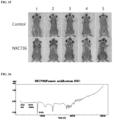
- 30 mg/kg of Compound 1a was administered orally to the mice for 12 weeks, and then disease-free ratio and AA lesion area were measured.
Landscapes
- Health & Medical Sciences (AREA)
- Chemical & Material Sciences (AREA)
- Organic Chemistry (AREA)
- Medicinal Chemistry (AREA)
- Pharmacology & Pharmacy (AREA)
- Life Sciences & Earth Sciences (AREA)
- Animal Behavior & Ethology (AREA)
- General Health & Medical Sciences (AREA)
- Public Health (AREA)
- Veterinary Medicine (AREA)
- Engineering & Computer Science (AREA)
- Bioinformatics & Cheminformatics (AREA)
- Nuclear Medicine, Radiotherapy & Molecular Imaging (AREA)
- Chemical Kinetics & Catalysis (AREA)
- General Chemical & Material Sciences (AREA)
- Biomedical Technology (AREA)
- Neurosurgery (AREA)
- Neurology (AREA)
- Dermatology (AREA)
- Epidemiology (AREA)
- Hospice & Palliative Care (AREA)
- Rheumatology (AREA)
- Pain & Pain Management (AREA)
- Immunology (AREA)
- Psychiatry (AREA)
- Urology & Nephrology (AREA)
- Vascular Medicine (AREA)
- Cardiology (AREA)
- Heart & Thoracic Surgery (AREA)
- Pharmaceuticals Containing Other Organic And Inorganic Compounds (AREA)
- Cosmetics (AREA)
Applications Claiming Priority (2)
| Application Number | Priority Date | Filing Date | Title |
|---|---|---|---|
| KR20210150651 | 2021-11-04 | ||
| PCT/KR2022/017235 WO2023080708A1 (ko) | 2021-11-04 | 2022-11-04 | 2-아미노-2-(2-(1-데실-1h-1,2,3-트라이아졸-4-일)에틸)프로판-1,3-다이올의 신규염 및 이를 포함하는 약학적 조성물 |
Publications (2)
| Publication Number | Publication Date |
|---|---|
| EP4428126A1 true EP4428126A1 (de) | 2024-09-11 |
| EP4428126A4 EP4428126A4 (de) | 2026-01-07 |
Family
ID=86241875
Family Applications (1)
| Application Number | Title | Priority Date | Filing Date |
|---|---|---|---|
| EP22890439.7A Pending EP4428126A4 (de) | 2021-11-04 | 2022-11-04 | Neues salz von 2-amino-2-(2(1-decyl-1h-1,2,3-triazol-4-yl)ethyl)propan-1,3-diol und pharmazeutische zusammensetzung damit |
Country Status (9)
| Country | Link |
|---|---|
| US (1) | US12404252B2 (de) |
| EP (1) | EP4428126A4 (de) |
| JP (1) | JP7604719B2 (de) |
| KR (1) | KR102533409B1 (de) |
| CN (1) | CN117858869A (de) |
| AU (1) | AU2022382622B2 (de) |
| CA (1) | CA3230615C (de) |
| MX (1) | MX2024001173A (de) |
| WO (1) | WO2023080708A1 (de) |
Families Citing this family (5)
| Publication number | Priority date | Publication date | Assignee | Title |
|---|---|---|---|---|
| AU2022448086B2 (en) * | 2022-03-23 | 2024-02-01 | Nextgen Bioscience Co., Ltd. | Pharmaceutical composition for preventing or treating inflammatory bowel disease acting as a functional antagonist for s1pr1 and s1pr4 |
| CN118234492A (zh) * | 2022-10-21 | 2024-06-21 | 次代生物科学株式会社 | 具有针对s1pr1和s1pr4的功能性抑制剂作用的用于预防或治疗圆形脱发症的药物组合物 |
| KR20240160428A (ko) * | 2023-05-02 | 2024-11-11 | 주식회사 넥스트젠바이오사이언스 | 2-아미노-2-(2-(1-데실-1h-1,2,3-트라이아졸-4-일)에틸)프로판-1,3-다이올 헤미푸마르산염의 신규한 결정형 및 이를 포함하는 약학적 조성물 |
| EP4714468A1 (de) * | 2023-05-15 | 2026-03-25 | Nextgen Bioscience Co., Ltd. | Verfahren zur verabreichung eines modulators mit abzielung auf s1pr1 und s1pr4 |
| WO2026095688A1 (ko) * | 2024-10-31 | 2026-05-07 | 주식회사 넥스트젠바이오사이언스 | S1pr1과 s1pr4에 대한 기능적 저해제로서의 신규 화합물 |
Family Cites Families (10)
| Publication number | Priority date | Publication date | Assignee | Title |
|---|---|---|---|---|
| EP2643331A1 (de) | 2010-11-22 | 2013-10-02 | Allergan, Inc. | Neue verbindungen als rezeptormodulatoren mit therapeutischem nutzen |
| SI2958913T1 (sl) | 2013-02-20 | 2018-12-31 | Lg Chem, Ltd. | Sfingozin-1-fosfat receptor agonisti, postopki za njegovo pripravo in farmacevtski sestavki, ki ga vsebujejo kot aktivno sredstvo |
| WO2014149543A1 (en) * | 2013-03-15 | 2014-09-25 | Amo Development, Llc. | Varying a numerical aperture of a laser during lens fragmentation in cataract surgery |
| US9738613B2 (en) | 2015-05-18 | 2017-08-22 | National Central University | Substituted 1,2,3-triazoles as antitumor agents |
| KR101830244B1 (ko) | 2016-01-20 | 2018-02-21 | 서울대학교 산학협력단 | 신규한 헤테로방향족 고리 화합물, 이의 제조방법 및 이를 유효성분으로 함유하는 s1p 수용체 관련 질환의 예방 또는 치료용 약학적 조성물 |
| KR20180036318A (ko) | 2016-09-30 | 2018-04-09 | 경북대학교 산학협력단 | 2-아미노-2-(1-도데실-1h-1,2,3-트리아졸-4-일)프로판-1,3-디올 유도체를 유효성분으로 포함하는 퇴행성 신경질환 및 우울증 예방 또는 치료용 약학적 조성물 |
| KR102292989B1 (ko) | 2017-03-29 | 2021-08-26 | 재단법인 아산사회복지재단 | S1pr4를 타겟으로 하는 비알코올성 지방간염 예방 또는 치료용 조성물 |
| CN113195508B (zh) | 2019-01-11 | 2024-06-28 | 株式会社Lg化学 | 化合物和包含其的有机发光器件 |
| US12364696B2 (en) | 2019-02-27 | 2025-07-22 | Jak Slave Pty Ltd | Treatment of autoimmune disease |
| KR102540720B1 (ko) | 2020-02-18 | 2023-06-08 | 재단법인 아산사회복지재단 | 천식 또는 기관지염 예방 또는 치료용 약학적 조성물 |
-
2022
- 2022-11-03 KR KR1020220145483A patent/KR102533409B1/ko active Active
- 2022-11-04 US US18/688,333 patent/US12404252B2/en active Active
- 2022-11-04 WO PCT/KR2022/017235 patent/WO2023080708A1/ko not_active Ceased
- 2022-11-04 AU AU2022382622A patent/AU2022382622B2/en active Active
- 2022-11-04 EP EP22890439.7A patent/EP4428126A4/de active Pending
- 2022-11-04 CA CA3230615A patent/CA3230615C/en active Active
- 2022-11-04 CN CN202280057985.4A patent/CN117858869A/zh active Pending
- 2022-11-04 JP JP2024514119A patent/JP7604719B2/ja active Active
- 2022-11-04 MX MX2024001173A patent/MX2024001173A/es unknown
Also Published As
| Publication number | Publication date |
|---|---|
| KR102533409B1 (ko) | 2023-05-26 |
| CN117858869A (zh) | 2024-04-09 |
| AU2022382622A1 (en) | 2024-02-29 |
| US20240336578A1 (en) | 2024-10-10 |
| JP2024533204A (ja) | 2024-09-12 |
| WO2023080708A1 (ko) | 2023-05-11 |
| US12404252B2 (en) | 2025-09-02 |
| AU2022382622B2 (en) | 2024-03-21 |
| JP7604719B2 (ja) | 2024-12-23 |
| EP4428126A4 (de) | 2026-01-07 |
| CA3230615A1 (en) | 2023-05-11 |
| MX2024001173A (es) | 2024-02-27 |
| CA3230615C (en) | 2025-02-11 |
| KR20230065185A (ko) | 2023-05-11 |
Similar Documents
| Publication | Publication Date | Title |
|---|---|---|
| AU2022382622B2 (en) | Novel salt of 2-amino-2-(2-(1-decyl-1h-1,2,3-triazol-4-yl)ethyl)propane-1,3-diol, and pharmaceutical composition containing same | |
| KR101679400B1 (ko) | 트라마돌 및 NSAIDs의 공결정 | |
| AU2026203199A1 (en) | Method for treating cancer | |
| US10537555B2 (en) | Complex of angiotensin receptor antagonist and neutral endopeptidase inhibitor | |
| CN112638904A (zh) | 2-(3,5-二氯-4-((5-异丙基-6-氧代-1,6-二氢哒嗪-3-基)氧基)苯基)-3,5-二氧代-2,3,4,5-四氢-1,2,4-三嗪-6-腈的固体形式 | |
| BR112019021800A2 (pt) | sais de inibidor de ferroportina | |
| RU2600734C2 (ru) | СОЛЬ 1-(2-ДЕЗОКСИ-2-ФТОР-4-ТИО-β-D-АРАБИНОФУРАНОЗИЛ)ЦИТОЗИНА | |
| EA016904B1 (ru) | Новый холиновый сокристалл эпалрестата | |
| CN105579439B (zh) | 辐射减轻性药物制剂 | |
| US20170173034A1 (en) | Combination of a jak inhibitor and a syk inhibitor for treating cancers and inflammatory disorders | |
| AU2024331967A1 (en) | Combinations comprising bcr:abl-1 inhibitor and a second tyrosine kinase inhibitor for use in the treatment of cancer | |
| US11685713B2 (en) | Small molecule SHC blockers used for treating liver disease and metabolic disease | |
| US20220370391A1 (en) | Compounds Comprising Curcumin and Basic Amino Acids | |
| JP5339840B2 (ja) | 抗xdr−tb薬、抗mdr−tb薬、及び併用抗結核薬 | |
| JP6908936B2 (ja) | セレノプロテインp活性阻害作用を有する成分を含有する、肺高血圧症の予防又は治療剤 | |
| CN103841828B (zh) | 德尼布林二盐酸盐 | |
| KR20240160428A (ko) | 2-아미노-2-(2-(1-데실-1h-1,2,3-트라이아졸-4-일)에틸)프로판-1,3-다이올 헤미푸마르산염의 신규한 결정형 및 이를 포함하는 약학적 조성물 | |
| EP3414225B1 (de) | Kristalline modifikationen von n-(4,5-bismethanesulfonyl-2-methylbenzoyl)-guanidin-hydrochlorid und n-(4,5-bismethanesulfonyl-2-methylbenzoyl)-guanidin-salzen | |
| TWI814468B (zh) | 藥用組合物、其製備方法及用途 | |
| US20260008772A1 (en) | 2-Indolone Derivatives and Use Thereof | |
| US20250179049A1 (en) | Salts of heterocyclic inhibitors of monocarboxylate transporter 4 for the treatment of disease | |
| TWI922809B (zh) | N-(4-(4-(環丙基甲基)哌嗪-1-羰基)苯基)喹啉-8-磺醯胺之結晶型 | |
| JP2025530158A (ja) | サイロシン結晶形 | |
| EP2266948A1 (de) | Tramadolsalze und Diflunisal sowie ihre Kristallform in der Schmerzbehandlung | |
| WO2026002229A1 (zh) | 一种nlrp3抑制剂化合物及其制备方法和应用 |
Legal Events
| Date | Code | Title | Description |
|---|---|---|---|
| STAA | Information on the status of an ep patent application or granted ep patent |
Free format text: STATUS: THE INTERNATIONAL PUBLICATION HAS BEEN MADE |
|
| PUAI | Public reference made under article 153(3) epc to a published international application that has entered the european phase |
Free format text: ORIGINAL CODE: 0009012 |
|
| STAA | Information on the status of an ep patent application or granted ep patent |
Free format text: STATUS: REQUEST FOR EXAMINATION WAS MADE |
|
| 17P | Request for examination filed |
Effective date: 20240227 |
|
| AK | Designated contracting states |
Kind code of ref document: A1 Designated state(s): AL AT BE BG CH CY CZ DE DK EE ES FI FR GB GR HR HU IE IS IT LI LT LU LV MC ME MK MT NL NO PL PT RO RS SE SI SK SM TR |
|
| DAV | Request for validation of the european patent (deleted) | ||
| DAX | Request for extension of the european patent (deleted) | ||
| A4 | Supplementary search report drawn up and despatched |
Effective date: 20251208 |
|
| RIC1 | Information provided on ipc code assigned before grant |
Ipc: C07D 249/04 20060101AFI20251202BHEP Ipc: C07D 249/08 20060101ALI20251202BHEP Ipc: A61K 31/4192 20060101ALI20251202BHEP Ipc: A61P 25/00 20060101ALI20251202BHEP Ipc: A61P 9/10 20060101ALI20251202BHEP Ipc: A61P 1/04 20060101ALI20251202BHEP Ipc: A61P 17/14 20060101ALI20251202BHEP Ipc: A61P 25/28 20060101ALI20251202BHEP Ipc: A61P 29/00 20060101ALI20251202BHEP Ipc: A61P 37/00 20060101ALI20251202BHEP |