EP4358097A1 - Methods of determining tissues and/or cell types giving rise to cell-free dna, and methods of identifying a disease or disorder using same - Google Patents
Methods of determining tissues and/or cell types giving rise to cell-free dna, and methods of identifying a disease or disorder using same Download PDFInfo
- Publication number
- EP4358097A1 EP4358097A1 EP23197187.0A EP23197187A EP4358097A1 EP 4358097 A1 EP4358097 A1 EP 4358097A1 EP 23197187 A EP23197187 A EP 23197187A EP 4358097 A1 EP4358097 A1 EP 4358097A1
- Authority
- EP
- European Patent Office
- Prior art keywords
- cfdna
- nucleosome
- cell
- biological sample
- fragment
- Prior art date
- Legal status (The legal status is an assumption and is not a legal conclusion. Google has not performed a legal analysis and makes no representation as to the accuracy of the status listed.)
- Pending
Links
Images























Classifications
-
- C—CHEMISTRY; METALLURGY
- C12—BIOCHEMISTRY; BEER; SPIRITS; WINE; VINEGAR; MICROBIOLOGY; ENZYMOLOGY; MUTATION OR GENETIC ENGINEERING
- C12Q—MEASURING OR TESTING PROCESSES INVOLVING ENZYMES, NUCLEIC ACIDS OR MICROORGANISMS; COMPOSITIONS OR TEST PAPERS THEREFOR; PROCESSES OF PREPARING SUCH COMPOSITIONS; CONDITION-RESPONSIVE CONTROL IN MICROBIOLOGICAL OR ENZYMOLOGICAL PROCESSES
- C12Q1/00—Measuring or testing processes involving enzymes, nucleic acids or microorganisms; Compositions therefor; Processes of preparing such compositions
- C12Q1/68—Measuring or testing processes involving enzymes, nucleic acids or microorganisms; Compositions therefor; Processes of preparing such compositions involving nucleic acids
- C12Q1/6876—Nucleic acid products used in the analysis of nucleic acids, e.g. primers or probes
- C12Q1/6881—Nucleic acid products used in the analysis of nucleic acids, e.g. primers or probes for tissue or cell typing, e.g. human leukocyte antigen [HLA] probes
-
- C—CHEMISTRY; METALLURGY
- C12—BIOCHEMISTRY; BEER; SPIRITS; WINE; VINEGAR; MICROBIOLOGY; ENZYMOLOGY; MUTATION OR GENETIC ENGINEERING
- C12Q—MEASURING OR TESTING PROCESSES INVOLVING ENZYMES, NUCLEIC ACIDS OR MICROORGANISMS; COMPOSITIONS OR TEST PAPERS THEREFOR; PROCESSES OF PREPARING SUCH COMPOSITIONS; CONDITION-RESPONSIVE CONTROL IN MICROBIOLOGICAL OR ENZYMOLOGICAL PROCESSES
- C12Q1/00—Measuring or testing processes involving enzymes, nucleic acids or microorganisms; Compositions therefor; Processes of preparing such compositions
- C12Q1/68—Measuring or testing processes involving enzymes, nucleic acids or microorganisms; Compositions therefor; Processes of preparing such compositions involving nucleic acids
- C12Q1/6869—Methods for sequencing
-
- C—CHEMISTRY; METALLURGY
- C12—BIOCHEMISTRY; BEER; SPIRITS; WINE; VINEGAR; MICROBIOLOGY; ENZYMOLOGY; MUTATION OR GENETIC ENGINEERING
- C12Q—MEASURING OR TESTING PROCESSES INVOLVING ENZYMES, NUCLEIC ACIDS OR MICROORGANISMS; COMPOSITIONS OR TEST PAPERS THEREFOR; PROCESSES OF PREPARING SUCH COMPOSITIONS; CONDITION-RESPONSIVE CONTROL IN MICROBIOLOGICAL OR ENZYMOLOGICAL PROCESSES
- C12Q1/00—Measuring or testing processes involving enzymes, nucleic acids or microorganisms; Compositions therefor; Processes of preparing such compositions
- C12Q1/68—Measuring or testing processes involving enzymes, nucleic acids or microorganisms; Compositions therefor; Processes of preparing such compositions involving nucleic acids
- C12Q1/6876—Nucleic acid products used in the analysis of nucleic acids, e.g. primers or probes
- C12Q1/6883—Nucleic acid products used in the analysis of nucleic acids, e.g. primers or probes for diseases caused by alterations of genetic material
-
- C—CHEMISTRY; METALLURGY
- C12—BIOCHEMISTRY; BEER; SPIRITS; WINE; VINEGAR; MICROBIOLOGY; ENZYMOLOGY; MUTATION OR GENETIC ENGINEERING
- C12Q—MEASURING OR TESTING PROCESSES INVOLVING ENZYMES, NUCLEIC ACIDS OR MICROORGANISMS; COMPOSITIONS OR TEST PAPERS THEREFOR; PROCESSES OF PREPARING SUCH COMPOSITIONS; CONDITION-RESPONSIVE CONTROL IN MICROBIOLOGICAL OR ENZYMOLOGICAL PROCESSES
- C12Q1/00—Measuring or testing processes involving enzymes, nucleic acids or microorganisms; Compositions therefor; Processes of preparing such compositions
- C12Q1/68—Measuring or testing processes involving enzymes, nucleic acids or microorganisms; Compositions therefor; Processes of preparing such compositions involving nucleic acids
- C12Q1/6876—Nucleic acid products used in the analysis of nucleic acids, e.g. primers or probes
- C12Q1/6883—Nucleic acid products used in the analysis of nucleic acids, e.g. primers or probes for diseases caused by alterations of genetic material
- C12Q1/6886—Nucleic acid products used in the analysis of nucleic acids, e.g. primers or probes for diseases caused by alterations of genetic material for cancer
-
- G—PHYSICS
- G16—INFORMATION AND COMMUNICATION TECHNOLOGY [ICT] SPECIALLY ADAPTED FOR SPECIFIC APPLICATION FIELDS
- G16B—BIOINFORMATICS, i.e. INFORMATION AND COMMUNICATION TECHNOLOGY [ICT] SPECIALLY ADAPTED FOR GENETIC OR PROTEIN-RELATED DATA PROCESSING IN COMPUTATIONAL MOLECULAR BIOLOGY
- G16B20/00—ICT specially adapted for functional genomics or proteomics, e.g. genotype-phenotype associations
-
- G—PHYSICS
- G16—INFORMATION AND COMMUNICATION TECHNOLOGY [ICT] SPECIALLY ADAPTED FOR SPECIFIC APPLICATION FIELDS
- G16B—BIOINFORMATICS, i.e. INFORMATION AND COMMUNICATION TECHNOLOGY [ICT] SPECIALLY ADAPTED FOR GENETIC OR PROTEIN-RELATED DATA PROCESSING IN COMPUTATIONAL MOLECULAR BIOLOGY
- G16B20/00—ICT specially adapted for functional genomics or proteomics, e.g. genotype-phenotype associations
- G16B20/10—Ploidy or copy number detection
-
- G—PHYSICS
- G16—INFORMATION AND COMMUNICATION TECHNOLOGY [ICT] SPECIALLY ADAPTED FOR SPECIFIC APPLICATION FIELDS
- G16B—BIOINFORMATICS, i.e. INFORMATION AND COMMUNICATION TECHNOLOGY [ICT] SPECIALLY ADAPTED FOR GENETIC OR PROTEIN-RELATED DATA PROCESSING IN COMPUTATIONAL MOLECULAR BIOLOGY
- G16B20/00—ICT specially adapted for functional genomics or proteomics, e.g. genotype-phenotype associations
- G16B20/20—Allele or variant detection, e.g. single nucleotide polymorphism [SNP] detection
-
- G—PHYSICS
- G16—INFORMATION AND COMMUNICATION TECHNOLOGY [ICT] SPECIALLY ADAPTED FOR SPECIFIC APPLICATION FIELDS
- G16B—BIOINFORMATICS, i.e. INFORMATION AND COMMUNICATION TECHNOLOGY [ICT] SPECIALLY ADAPTED FOR GENETIC OR PROTEIN-RELATED DATA PROCESSING IN COMPUTATIONAL MOLECULAR BIOLOGY
- G16B20/00—ICT specially adapted for functional genomics or proteomics, e.g. genotype-phenotype associations
- G16B20/30—Detection of binding sites or motifs
-
- G—PHYSICS
- G16—INFORMATION AND COMMUNICATION TECHNOLOGY [ICT] SPECIALLY ADAPTED FOR SPECIFIC APPLICATION FIELDS
- G16B—BIOINFORMATICS, i.e. INFORMATION AND COMMUNICATION TECHNOLOGY [ICT] SPECIALLY ADAPTED FOR GENETIC OR PROTEIN-RELATED DATA PROCESSING IN COMPUTATIONAL MOLECULAR BIOLOGY
- G16B30/00—ICT specially adapted for sequence analysis involving nucleotides or amino acids
-
- G—PHYSICS
- G16—INFORMATION AND COMMUNICATION TECHNOLOGY [ICT] SPECIALLY ADAPTED FOR SPECIFIC APPLICATION FIELDS
- G16B—BIOINFORMATICS, i.e. INFORMATION AND COMMUNICATION TECHNOLOGY [ICT] SPECIALLY ADAPTED FOR GENETIC OR PROTEIN-RELATED DATA PROCESSING IN COMPUTATIONAL MOLECULAR BIOLOGY
- G16B30/00—ICT specially adapted for sequence analysis involving nucleotides or amino acids
- G16B30/10—Sequence alignment; Homology search
-
- G—PHYSICS
- G16—INFORMATION AND COMMUNICATION TECHNOLOGY [ICT] SPECIALLY ADAPTED FOR SPECIFIC APPLICATION FIELDS
- G16B—BIOINFORMATICS, i.e. INFORMATION AND COMMUNICATION TECHNOLOGY [ICT] SPECIALLY ADAPTED FOR GENETIC OR PROTEIN-RELATED DATA PROCESSING IN COMPUTATIONAL MOLECULAR BIOLOGY
- G16B40/00—ICT specially adapted for biostatistics; ICT specially adapted for bioinformatics-related machine learning or data mining, e.g. knowledge discovery or pattern finding
-
- G—PHYSICS
- G16—INFORMATION AND COMMUNICATION TECHNOLOGY [ICT] SPECIALLY ADAPTED FOR SPECIFIC APPLICATION FIELDS
- G16B—BIOINFORMATICS, i.e. INFORMATION AND COMMUNICATION TECHNOLOGY [ICT] SPECIALLY ADAPTED FOR GENETIC OR PROTEIN-RELATED DATA PROCESSING IN COMPUTATIONAL MOLECULAR BIOLOGY
- G16B40/00—ICT specially adapted for biostatistics; ICT specially adapted for bioinformatics-related machine learning or data mining, e.g. knowledge discovery or pattern finding
- G16B40/10—Signal processing, e.g. from mass spectrometry [MS] or from PCR
-
- G—PHYSICS
- G16—INFORMATION AND COMMUNICATION TECHNOLOGY [ICT] SPECIALLY ADAPTED FOR SPECIFIC APPLICATION FIELDS
- G16B—BIOINFORMATICS, i.e. INFORMATION AND COMMUNICATION TECHNOLOGY [ICT] SPECIALLY ADAPTED FOR GENETIC OR PROTEIN-RELATED DATA PROCESSING IN COMPUTATIONAL MOLECULAR BIOLOGY
- G16B45/00—ICT specially adapted for bioinformatics-related data visualisation, e.g. displaying of maps or networks
-
- G—PHYSICS
- G16—INFORMATION AND COMMUNICATION TECHNOLOGY [ICT] SPECIALLY ADAPTED FOR SPECIFIC APPLICATION FIELDS
- G16H—HEALTHCARE INFORMATICS, i.e. INFORMATION AND COMMUNICATION TECHNOLOGY [ICT] SPECIALLY ADAPTED FOR THE HANDLING OR PROCESSING OF MEDICAL OR HEALTHCARE DATA
- G16H50/00—ICT specially adapted for medical diagnosis, medical simulation or medical data mining; ICT specially adapted for detecting, monitoring or modelling epidemics or pandemics
- G16H50/20—ICT specially adapted for medical diagnosis, medical simulation or medical data mining; ICT specially adapted for detecting, monitoring or modelling epidemics or pandemics for computer-aided diagnosis, e.g. based on medical expert systems
-
- C—CHEMISTRY; METALLURGY
- C12—BIOCHEMISTRY; BEER; SPIRITS; WINE; VINEGAR; MICROBIOLOGY; ENZYMOLOGY; MUTATION OR GENETIC ENGINEERING
- C12Q—MEASURING OR TESTING PROCESSES INVOLVING ENZYMES, NUCLEIC ACIDS OR MICROORGANISMS; COMPOSITIONS OR TEST PAPERS THEREFOR; PROCESSES OF PREPARING SUCH COMPOSITIONS; CONDITION-RESPONSIVE CONTROL IN MICROBIOLOGICAL OR ENZYMOLOGICAL PROCESSES
- C12Q2535/00—Reactions characterised by the assay type for determining the identity of a nucleotide base or a sequence of oligonucleotides
- C12Q2535/122—Massive parallel sequencing
-
- C—CHEMISTRY; METALLURGY
- C12—BIOCHEMISTRY; BEER; SPIRITS; WINE; VINEGAR; MICROBIOLOGY; ENZYMOLOGY; MUTATION OR GENETIC ENGINEERING
- C12Q—MEASURING OR TESTING PROCESSES INVOLVING ENZYMES, NUCLEIC ACIDS OR MICROORGANISMS; COMPOSITIONS OR TEST PAPERS THEREFOR; PROCESSES OF PREPARING SUCH COMPOSITIONS; CONDITION-RESPONSIVE CONTROL IN MICROBIOLOGICAL OR ENZYMOLOGICAL PROCESSES
- C12Q2537/00—Reactions characterised by the reaction format or use of a specific feature
- C12Q2537/10—Reactions characterised by the reaction format or use of a specific feature the purpose or use of
- C12Q2537/165—Mathematical modelling, e.g. logarithm, ratio
Definitions
- the present disclosure relates to methods of determining one or more tissues and/or cell-types giving rise to cell-free DNA.
- the present disclosure provides a method of identifying a disease or disorder in a subject as a function of one or more determined tissues and/or cell-types associated with cell-free DNA in a biological sample from the subject.
- cfDNA Cell-free DNA
- the cfDNA comprises double-stranded DNA fragments that are relatively short (primarily less than 200 base-pairs) and are normally at a low concentration (e.g. 1-100 ng/mL in plasma).
- cfDNA is believed to primarily derive from apoptosis of blood cells (i.e., normal cells of the hematopoietic lineage).
- other tissues can contribute substantially to the composition of cfDNA in bodily fluids such as circulating plasma.
- cfDNA has been used in certain specialties (e.g., reproductive medicine, cancer diagnostics, and transplant medicine)
- existing tests based on cfDNA rely on differences in genotypes (e.g., primary sequence or copy number representation of a particular sequence) between two or more cell populations (e.g., maternal genome vs. fetal genome; normal genome vs. cancer genome; transplant recipient genome vs. donor genome, etc.).
- genotypes e.g., primary sequence or copy number representation of a particular sequence
- cell populations e.g., maternal genome vs. fetal genome; normal genome vs. cancer genome; transplant recipient genome vs. donor genome, etc.
- the present disclosure provides methods of determining one or more tissues and/or cell-types giving rise to cell-free DNA ("cfDNA") in a biological sample of a subject.
- the present disclosure provides a method of identifying a disease or disorder in a subject as a function of one or more determined tissues and/or cell-types associated with cfDNA in a biological sample from the subject.
- the present disclosure provides a method of determining tissues and/or cell types giving rise to cell-free DNA (cfDNA) in a subject, the method comprising isolating cfDNA from a biological sample from the subject, the isolated cfDNA comprising a plurality of cfDNA fragments; determining a sequence associated with at least a portion of the plurality of cfDNA fragments; determining a genomic location within a reference genome for at least some cfDNA fragment endpoints of the plurality of cfDNA fragments as a function of the cfDNA fragment sequences; and determining at least some of the tissues and/or cell types giving rise to the cfDNA fragments as a function of the genomic locations of at least some of the cfDNA fragment endpoints.
- cfDNA cell-free DNA
- the present disclosure provides a method of identifying a disease or disorder in a subject, the method comprising isolating cell-free DNA (cfDNA) from a biological sample from the subject, the isolated cfDNA comprising a plurality of cfDNA fragments; determining a sequence associated with at least a portion of the plurality of cfDNA fragments; determining a genomic location within a reference genome for at least some cfDNA fragment endpoints of the plurality of cfDNA fragments as a function of the cfDNA fragment sequences; determining at least some of the tissues and/or cell types giving rise to the cfDNA as a function of the genomic locations of at least some of the cfDNA fragment endpoints; and identifying the disease or disorder as a function of the determined tissues and/or cell types giving rise to the cfDNA.
- cfDNA cell-free DNA
- the present disclosure provides a method for determining tissues and/or cell types giving rise to cell-free DNA (cfDNA) in a subject, the method comprising: (i) generating a nucleosome map by obtaining a biological sample from the subject, isolating the cfDNA from the biological sample, and measuring distributions (a), (b) and/or (c) by library construction and massively parallel sequencing of cfDNA; (ii) generating a reference set of nucleosome maps by obtaining a biological sample from control subjects or subjects with known disease, isolating the cfDNA from the biological sample, measuring distributions (a), (b) and/or (c) by library construction and massively parallel sequencing of cfDNA; and (iii) determining tissues and/or cell types giving rise to the cfDNA from the biological sample by comparing the nucleosome map derived from the cfDNA from the biological sample to the reference set of nucleosome maps; wherein (a), (b) and (c)
- the present disclosure provides a method for determining tissues and/or cell types giving rise to cfDNA in a subject, the method comprising: (i) generating a nucleosome map by obtaining a biological sample from the subject, isolating the cfDNA from the biological sample, and measuring distributions (a), (b) and/or (c) by library construction and massively parallel sequencing of cfDNA; (ii) generating a reference set of nucleosome maps by obtaining a biological sample from control subjects or subjects with known disease, isolating the cfDNA from the biological sample, measuring distributions (a), (b) and/or (c) by library construction and massively parallel sequencing of DNA derived from fragmentation of chromatin with an enzyme such as micrococcal nuclease, DNase, or transposase; and (iii) determining tissues and/or cell types giving rise to the cfDNA from the biological sample by comparing the nucleosome map derived from the cfDNA from
- the present disclosure provides a method for diagnosing a clinical condition in a subject, the method comprising: (i) generating a nucleosome map by obtaining a biological sample from the subject, isolating cfDNA from the biological sample, and measuring distributions (a), (b) and/or (c) by library construction and massively parallel sequencing of cfDNA; (ii) generating a reference set of nucleosome maps by obtaining a biological sample from control subjects or subjects with known disease, isolating the cfDNA from the biological sample, measuring distributions (a), (b) and/or (c) by library construction and massively parallel sequencing of cfDNA; and (iii) determining the clinical condition by comparing the nucleosome map derived from the cfDNA from the biological sample to the reference set of nucleosome maps; wherein (a), (b) and (c) are: (a) the distribution of likelihoods any specific base-pair in a human genome will appear at a terminus of
- the present disclosure provides a method for diagnosing a clinical condition in a subject, the method comprising (i) generating a nucleosome map by obtaining a biological sample from the subject, isolating cfDNA from the biological sample, and measuring distributions (a), (b) and/or (c) by library construction and massively parallel sequencing of cfDNA; (ii) generating a reference set of nucleosome maps by obtaining a biological sample from control subjects or subjects with known disease, isolating the cfDNA from the biological sample, measuring distributions (a), (b) and/or (c) by library construction and massively parallel sequencing of DNA derived from fragmentation of chromatin with an enzyme such as micrococcal nuclease (MNase), DNase, or transposase; and (iii) determining the tissue-of-origin composition of the cfDNA from the biological sample by comparing the nucleosome map derived from the cfDNA from the biological sample to the reference set of
- MNase
- the present disclosure provides methods of determining one or more tissues and/or cell-types giving rise to cell-free DNA in a subject's biological sample. In some embodiments, the present disclosure provides a method of identifying a disease or disorder in a subject as a function of one or more determined tissues and/or cell-types associated with cfDNA in a biological sample from the subject.
- the present disclosure is based on a prediction that cfDNA molecules originating from different cell types or tissues differ with respect to: (a) the distribution of likelihoods any specific base-pair in a human genome will appear at a terminus of a cfDNA fragment (i.e. points of fragmentation); (b) the distribution of likelihoods that any pair of base-pairs of a human genome will appear as a pair of termini of a cfDNA fragment (i.e. consecutive pairs of fragmentation points that give rise to an individual cfDNA molecule); and (c) the distribution of likelihoods that any specific base-pair in a human genome will appear in a cfDNA fragment (i.e. relative coverage) as a consequence of differential nucleosome occupancy.
- nucleosome maps might also be measured through the sequencing of fragments derived from the fragmentation of chromatin with an enzyme such as micrococcal nuclease (MNase), DNase, or transposase, or equivalent procedures that preferentially fragment genomic DNA between or at the boundaries of nucleosomes or chromatosomes.
- MNase micrococcal nuclease
- DNase DNase
- transposase or equivalent procedures that preferentially fragment genomic DNA between or at the boundaries of nucleosomes or chromatosomes.
- cfDNA In healthy individuals, cfDNA overwhelmingly derives from apoptosis of blood cells, i.e. cells of the hematopoietic lineage. As these cells undergo programmed cell death, their genomic DNA is cleaved and released into circulation, where it continues to be degraded by nucleases.
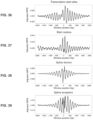
- the length distribution of cfDNA oscillates with a period of approximately 10.5 base-pairs (bp), corresponding to the helical pitch of DNA coiled around the nucleosome, and has a marked peak around 167 bp, corresponding to the length of DNA associated with a linker-associated mononucleosome ( FIG. 2 ).
- the present disclosure defines a nucleosome map as the measurement of distributions (a), (b) and/or (c) by library construction and massively parallel sequencing of either cfDNA from a bodily fluid or DNA derived from the fragmentation of chromatin with an enzyme such as micrococcal nuclease (MNase), DNase, or transposase, or equivalent procedures that preferentially fragment genomic DNA between or at the boundaries of nucleosomes or chromatosomes.
- MNase micrococcal nuclease
- DNase DNase
- transposase transposase
- tissue-specific data For example, one could aggregate or summarize signal in the vicinity of tissue-specific DNase I hypersensitive sites.
- the present disclosure provides a dense, genome-wide map of in vivo nucleosome protection inferred from plasma-borne cfDNA fragments.
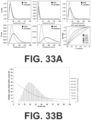
- the CH01 map derived from cfDNA of healthy individuals, comprises nearly 13M uniformly spaced local maxima of nucleosome protection that span the vast majority of the mappable human reference genome. Although the number of peaks is essentially saturated in CH01, other metrics of quality continued to be a function of sequencing depth ( FIGs. 33A-B ).
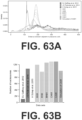
- the dense, genome-wide map of nucleosome protection disclosed herein approaches saturation of the mappable portion of the human reference genome, with peak-to-peak spacing that is considerably more uniform and consistent with the expected nucleosome repeat length than previous efforts to generate human genome-wide maps of nucleosome positioning or protection ( FIGs. 63A-H ).
- the fragments that observed herein are generated by endogenous physiological processes, and are therefore less likely to be subject to the technical variation associated with in vitro micrococcal nuclease digestion.
- the cell types that give rise to cfDNA considered in this reference map are inevitably heterogeneous (e.g. a mixture of lymphoid and myeloid cell types in healthy individuals). Nonetheless, the map's relative completeness may facilitate a deeper understanding of the processes that dictate nucleosome positioning and spacing in human cells, as well as the interplay of nucleosomes with epigenetic regulation, transcriptional output, and nuclear architecture.
- the present technology may be used to determine (e.g., predict) the tissue(s) and/or cell type(s) which contribute to the cfDNA in a subject's biological sample.
- the present disclosure provides a method of determining tissues and/or cell-types giving rise to cell-free DNA (cfDNA) in a subject, the method comprising isolating cfDNA from a biological sample from the subject, the isolated cfDNA comprising a plurality of cfDNA fragments; determining a sequence associated with at least a portion of the plurality of cfDNA fragments; determining a genomic location within a reference genome for at least some cfDNA fragment endpoints of the plurality of cfDNA fragments as a function of the cfDNA fragment sequences; and determining at least some of the tissues and/or cell types giving rise to the cfDNA fragments as a function of the genomic locations of at least some of the cfDNA fragment endpoints.
- cfDNA cell-free DNA
- the biological sample comprises, consists essentially of, or consists of whole blood, peripheral blood plasma, urine, or cerebral spinal fluid.
- the step of determining at least some of the tissues and/or cell-types giving rise to the cfDNA fragments comprises comparing the genomic locations of at least some of the cfDNA fragment endpoints, or mathematical transformations of their distribution, to one or more reference maps.
- reference map refers to any type or form of data which can be correlated or compared to an attribute of the cfDNA in the subject's biological sample as a function of the coordinate within the genome to which cfDNA sequences are aligned (e.g., the reference genome).
- the reference map may be correlated or compared to an attribute of the cfDNA in the subject's biological sample by any suitable means.
- the correlation or comparison may be accomplished by analyzing frequencies of cfDNA endpoints, either directly or after performing a mathematical transformation on their distribution across windows within the reference genome, in the subject's biological sample in view of numerical values or any other states defined for equivalent coordinates of the reference genome by the reference map.
- the correlation or comparison may be accomplished by analyzing the determined nucleosome spacing(s) based on the cfDNA of the subject's biological sample in view of the determined nucleosome spacing(s), or another property that correlates with nucleosome spacing(s), in the reference map.
- the reference map(s) may be sourced or derived from any suitable data source including, for example, public databases of genomic information, published data, or data generated for a specific population of reference subjects which may each have a common attribute (e.g., disease status).
- the reference map comprises a DNase I hypersensitivity dataset.
- the reference map comprises an RNA expression dataset.
- the reference map comprises a chromosome conformation map.
- the reference map comprises a chromatin accessibility map.
- the reference map comprises data that is generated from at least one tissue or cell-type that is associated with a disease or a disorder.
- the reference map comprises positions of nucleosomes and/or chromatosomes in a tissue or cell type.
- the reference map is generated by a procedure that includes digesting chromatin with an exogenous nuclease (e.g., micrococcal nuclease).
- the reference map comprises chromatin accessibility data determined by a transposition-based method (e.g., ATAC-seq).
- the reference map comprises data associated with positions of a DNA binding and/or DNA occupying protein for a tissue or cell type.
- the DNA binding and/or DNA occupying protein is a transcription factor.
- the positions are determined by a procedure that includes chromatin immunoprecipitation of a crosslinked DNA-protein complex. In some embodiments, the positions are determined by a procedure that includes treating DNA associated with the tissue or cell type with a nuclease (e.g., DNase-I).
- the reference map is generated by sequencing of cfDNA fragments from a biological sample from one or more individuals with a known disease. In some embodiments, this biological sample from which the reference map is generated is collected from an animal to which human cells or tissues have been xenografted.
- the reference map comprises a biological feature corresponding to positions of a DNA binding or DNA occupying protein for a tissue or cell type. In some embodiments, the reference map comprises a biological feature corresponding to quantitative RNA expression of one or more genes. In some embodiments, the reference map comprises a biological feature corresponding to the presence or absence of one or more histone marks. In some embodiments, the reference map comprises a biological feature corresponding to hypersensitivity to nuclease cleavage.
- the step of comparing the genomic locations of at least some of the cfDNA fragment endpoints to one or more reference maps may be accomplished in a variety of ways.
- the cfDNA data generated from the biological sample e.g., the genomic locations of the cfDNA fragments, their endpoints, the frequencies of their endpoints, and/or nucleosome spacing(s) inferred from their distribution
- the tissues or cell-types associated with the reference maps which correlate most highly with the cfDNA data in the biological sample are deemed to be contributing.
- the reference map(s) having the most similar list of cfDNA endpoints and their locations within the reference genome may be deemed to be contributing.
- the reference map(s) having the most correlation (or increased correlation, relative to cfDNA from a healthy subject) with a mathematical transformation of the distribution of cfDNA fragment endpoints from the biological sample may be deemed to be contributing.
- the tissue types and/or cell types which correspond to those reference maps deemed to be contributing are then considered as potential sources of the cfDNA isolated from the biological sample.
- the step of determining at least some of the tissues and/or cell types giving rise to the cfDNA fragments comprises performing a mathematical transformation on a distribution of the genomic locations of at least some of the cfDNA fragment endpoints.
- a mathematical transformation suitable for use in connection with the present technology is a Fourier transformation, such as a fast Fourier transformation ("FFT").
- the method further comprises determining a score for each of at least some coordinates of the reference genome, wherein the score is determined as a function of at least the plurality of cfDNA fragment endpoints and their genomic locations, and wherein the step of determining at least some of the tissues and/or cell types giving rise to the observed cfDNA fragments comprises comparing the scores to one or more reference map.
- the score may be any metric (e.g., a numerical ranking or probability) which may be used to assign relative or absolute values to a coordinate of the reference genome.
- the score may consist of, or be related to a probability, such as a probability that the coordinate represents a location of a cfDNA fragment endpoint, or a probability that the coordinate represents a location of the genome that is preferentially protected from nuclease cleavage by nucleosome or protein binding.
- the score may relate to nucleosome spacing in particular regions of the genome, as determined by a mathematical transformation of the distribution of cfDNA fragment endpoints within that region.
- scores may be assigned to the coordinate by any suitable means including, for example, by counting absolute or relative events (e.g., the number of cfDNA fragment endpoints) associated with that particular coordinate, or performing a mathematical transformation on the values of such counts in the region or a genomic coordinate.
- the score for a coordinate is related to the probability that the coordinate is a location of a cfDNA fragment endpoint. In other embodiments, the score for a coordinate is related to the probability that the coordinate represents a location of the genome that is preferentially protected from nuclease cleavage by nucleosome or protein binding. In some embodiments, the score is related to nucleosome spacing in the genomic region of the coordinate.
- tissue(s) and/or cell-type(s) referred to in the methods described herein may be any tissue or cell-type which gives rise to cfDNA.
- the tissue or cell-type is a primary tissue from a subject having a disease or disorder.
- the disease or disorder is selected from the group consisting of: cancer, normal pregnancy, a complication of pregnancy (e.g., aneuploid pregnancy), myocardial infarction, inflammatory bowel disease, systemic autoimmune disease, localized autoimmune disease, allotransplantation with rejection, allotransplantation without rejection, stroke, and localized tissue damage.
- the tissue or cell type is a primary tissue from a healthy subject.
- the tissue or cell type is an immortalized cell line.
- the tissue or cell type is a biopsy from a tumor.
- the reference map is based on sequence data obtained from samples obtained from at least one reference subject.
- this sequence data defines positions of cfDNA fragment endpoints within a reference genome - for example, if the reference map is generated by sequencing of cfDNA from subject(s) with known disease.
- this sequence data on which the reference map is based may comprise any one or more of: a DNase I hypersensitive site dataset, an RNA expression dataset, a chromosome conformation map, or a chromatin accessibility map, or nucleosome positioning map generated by digestion of chromatin with micrococcal nuclease.
- the reference subject is healthy.
- the reference subject has a disease or disorder, optionally selected from the group consisting of: cancer, normal pregnancy, a complication of pregnancy (e.g., aneuploid pregnancy), myocardial infarction, inflammatory bowel disease, systemic autoimmune disease, localized autoimmune disease, allotransplantation with rejection, allotransplantation without rejection, stroke, and localized tissue damage.
- a disease or disorder optionally selected from the group consisting of: cancer, normal pregnancy, a complication of pregnancy (e.g., aneuploid pregnancy), myocardial infarction, inflammatory bowel disease, systemic autoimmune disease, localized autoimmune disease, allotransplantation with rejection, allotransplantation without rejection, stroke, and localized tissue damage.
- the reference map comprises scores for at least a portion of coordinates of the reference genome associated with the tissue or cell type. In some embodiments, the reference map comprises a mathematical transformation of the scores, such as a Fourier transformation of the scores. In some embodiments, the scores are based on annotations of reference genomic coordinates for the tissue or cell type. In some embodiments, the scores are based on positions of nucleosomes and/or chromatosomes. In some embodiments, the scores are based on transcription start sites and/or transcription end sites. In some embodiments, the scores are based on predicted binding sites of at least one transcription factor. In some embodiments, the scores are based on predicted nuclease hypersensitive sites. In some embodiments, the scores are based on predicted nucleosome spacing.
- the scores are associated with at least one orthogonal biological feature.
- the orthogonal biological feature is associated with highly expressed genes. In some embodiments, the orthogonal biological feature is associated with lowly expression genes.
- the threshold value is determined before determining the tissue(s) and/or the cell type(s) giving rise to the cfDNA. In other embodiments, the threshold value is determined after determining the tissue(s) and/or the cell type(s) giving rise to the cfDNA.
- the step of determining the tissues and/or cell types giving rise to the cfDNA as a function of a plurality of the genomic locations of at least some of the cfDNA fragment endpoints comprises comparing a mathematical transformation of the distribution of the genomic locations of at least some of the cfDNA fragment endpoints of the sample with one or more features of one or more reference maps.
- a mathematical transformation suitable for this purpose is a Fourier transformation, such as a fast Fourier transformation ("FFT").
- the method may further comprise generating a report comprising a list of the determined tissues and/or cell-types giving rise to the isolated cfDNA.
- the report may optionally further include any other information about the sample and/or the subject, the type of biological sample, the date the biological sample was obtained from the subject, the date the cfDNA isolation step was performed and/or tissue(s) and/or cell-type(s) which likely did not give rise to any cfDNA isolated from the biological sample.
- the report further includes a recommended treatment protocol including, for example and without limitation, a suggestion to obtain an additional diagnostic test from the subject, a suggestion to begin a therapeutic regimen, a suggestion to modify an existing therapeutic regimen with the subject, and/or a suggestion to suspend or stop an existing therapeutic regiment.
- a recommended treatment protocol including, for example and without limitation, a suggestion to obtain an additional diagnostic test from the subject, a suggestion to begin a therapeutic regimen, a suggestion to modify an existing therapeutic regimen with the subject, and/or a suggestion to suspend or stop an existing therapeutic regiment.
- the present technology may be used to determine (e.g., predict) a disease or disorder, or the absence of a disease or a disorder, based at least in part on the tissue(s) and/or cell type(s) which contribute to cfDNA in a subject's biological sample.
- the present disclosure provides a method of identifying a disease or disorder in a subject, the method comprising isolating cell free DNA (cfDNA) from a biological sample from the subject, the isolated cfDNA comprising a plurality of cfDNA fragments; determining a sequence associated with at least a portion of the plurality of cfDNA fragments; determining a genomic location within a reference genome for at least some cfDNA fragment endpoints of the plurality of cfDNA fragments as a function of the cfDNA fragment sequences; determining at least some of the tissues and/or cell types giving rise to the cfDNA as a function of the genomic locations of at least some of the cfDNA fragment endpoints; and identifying the disease or disorder as a function of the determined tissues and/or cell types giving rise to the cfDNA.
- cfDNA cell free DNA
- the biological sample comprises, consists essentially of, or consists of whole blood, peripheral blood plasma, urine, or cerebral spinal fluid.
- the step of determining the tissues and/or cell-types giving rise to the cfDNA comprises comparing the genomic locations of at least some of the cfDNA fragment endpoints, or mathematical transformations of their distribution, to one or more reference maps.
- reference map as used in connection with these embodiments may have the same meaning described above with respect to methods of determining tissue(s) and/or cell type(s) giving rise to cfDNA in a subject's biological sample.
- the reference map may comprise any one or more of: a DNase I hypersensitive site dataset, an RNA expression dataset, a chromosome conformation map, a chromatin accessibility map, sequence data that is generated from samples obtained from at least one reference subject, enzyme-mediated fragmentation data corresponding to at least one tissue that is associated with a disease or a disorder, and/or positions of nucleosomes and/or chromatosomes in a tissue or cell type.
- the reference map is generated by sequencing of cfDNA fragments from a biological sample from one or more individuals with a known disease. In some embodiments, this biological sample from which the reference map is generated is collected from an animal to which human cells or tissues have been xenografted.
- the reference map is generated by digesting chromatin with an exogenous nuclease (e.g., micrococcal nuclease).
- the reference maps comprise chromatin accessibility data determined by a transposition-based method (e.g., ATAC-seq).
- the reference maps comprise data associated with positions of a DNA binding and/or DNA occupying protein for a tissue or cell type.
- the DNA binding and/or DNA occupying protein is a transcription factor.
- the positions are determined chromatin immunoprecipitation of a crosslinked DNA-protein complex.
- the positions are determined by treating DNA associated with the tissue or cell type with a nuclease (e.g., DNase-I).
- the reference map comprises a biological feature corresponding to positions of a DNA binding or DNA occupying protein for a tissue or cell type. In some embodiments, the reference map comprises a biological feature corresponding to quantitative expression of one or more genes. In some embodiments, the reference map comprises a biological feature corresponding to the presence or absence of one or more histone marks. In some embodiments, the reference map comprises a biological feature corresponding to hypersensitivity to nuclease cleavage.
- the step of determining the tissues and/or cell types giving rise to the cfDNA comprises performing a mathematical transformation on a distribution of the genomic locations of at least some of the plurality of the cfDNA fragment endpoints.
- the mathematical transformation includes a Fourier transformation.
- the method further comprises determining a score for each of at least some coordinates of the reference genome, wherein the score is determined as a function of at least the plurality of cfDNA fragment endpoints and their genomic locations, and wherein the step of determining at least some of the tissues and/or cell types giving rise to the observed cfDNA fragments comprises comparing the scores to one or more reference maps.
- the score may be any metric (e.g., a numerical ranking or probability) which may be used to assign relative or absolute values to a coordinate of the reference genome.
- the score may consist of, or be related to a probability, such as a probability that the coordinate represents a location of a cfDNA fragment endpoint, or a probability that the coordinate represents a location of the genome that is preferentially protected from nuclease cleavage by nucleosome or protein binding.
- the score may relate to nucleosome spacing in particular regions of the genome, as determined by a mathematical transformation of the distribution of cfDNA fragment endpoints within that region.
- scores may be assigned to the coordinate by any suitable means including, for example, by counting absolute or relative events (e.g., the number of cfDNA fragment endpoints) associated with that particular coordinate, or performing a mathematical transformation on the values of such counts in the region or a genomic coordinate.
- the score for a coordinate is related to the probability that the coordinate is a location of a cfDNA fragment endpoint. In other embodiments, the score for a coordinate is related to the probability that the coordinate represents a location of the genome that is preferentially protected from nuclease cleavage by nucleosome or protein binding. In some embodiments, the score is related to nucleosome spacing in the genomic region of the coordinate.
- the score for a coordinate is related to the probability that the coordinate is a location of a cfDNA fragment endpoint. In other embodiments, the score for a coordinate is related to the probability that the coordinate represents a location of the genome that is preferentially protected from nuclease cleavage by nucleosome or protein binding. In some embodiments, the score is related to nucleosome spacing in the genomic region of the coordinate.
- the tissue or cell-type used for generating a reference map is a primary tissue from a subject having a disease or disorder.
- the disease or disorder is selected from the group consisting of: cancer, normal pregnancy, a complication of pregnancy (e.g., aneuploid pregnancy), myocardial infarction, systemic autoimmune disease, localized autoimmune disease, inflammatory bowel disease, allotransplantation with rejection, allotransplantation without rejection, stroke, and localized tissue damage.
- the tissue or cell type is a primary tissue from a healthy subject.
- the tissue or cell type is an immortalized cell line.
- the tissue or cell type is a biopsy from a tumor.
- the reference map is based on sequence data obtained from samples obtained from at least one reference subject.
- this sequence data defines positions of cfDNA fragment endpoints within a reference genome - for example, if the reference map is generated by sequencing of cfDNA from subject(s) with known disease.
- this sequence data on which the reference map is based may comprise any one or more of: a DNase I hypersensitive site dataset, an RNA expression dataset, a chromosome conformation map, or a chromatin accessibility map, or nucleosome positioning map generated by digestion with micrococcal nuclease.
- the reference subject is healthy.
- the reference subject has a disease or disorder.
- the disease or disorder is selected from the group consisting of: cancer, normal pregnancy, a complication of pregnancy (e.g., aneuploid pregnancy), myocardial infarction, systemic autoimmune disease, inflammatory bowel disease, localized autoimmune disease, allotransplantation with rejection, allotransplantation without rejection, stroke, and localized tissue damage.
- the reference map comprises cfDNA fragment endpoint probabilities, or a quantity that correlates with such probabilities, for at least a portion of the reference genome associated with the tissue or cell type. In some embodiments, the reference map comprises a mathematical transformation of the cfDNA fragment endpoint probabilities, or a quantity that correlates with such probabilities.
- the reference map comprises scores for at least a portion of coordinates of the reference genome associated with the tissue or cell type. In some embodiments, the reference map comprises a mathematical transformation of the scores, such as a Fourier transformation of the scores. In some embodiments, the scores are based on annotations of reference genomic coordinates for the tissue or cell type. In some embodiments, the scores are based on positions of nucleosomes and/or chromatosomes. In some embodiments, the scores are based on transcription start sites and/or transcription end sites. In some embodiments, the scores are based on predicted binding sites of at least one transcription factor. In some embodiments, the scores are based on predicted nuclease hypersensitive sites.
- the scores are associated with at least one orthogonal biological feature.
- the orthogonal biological feature is associated with highly expressed genes. In some embodiments, the orthogonal biological feature is associated with lowly expression genes.
- the threshold value is determined before determining the tissue(s) and/or the cell type(s) giving rise to the cfDNA. In other embodiments, the threshold value is determined after determining the tissue(s) and/or the cell type(s) giving rise to the cfDNA.
- the step of determining the tissues and/or cell types giving rise to the cfDNA as a function of a plurality of the genomic locations of at least some of the cfDNA fragment endpoints comprises a mathematical transformation of the distribution of the genomic locations of at least some of the cfDNA fragment endpoints of the sample with one or more features of one or more reference maps.
- this mathematical transformation includes a Fourier transformation.
- the reference map comprises enzyme-mediated fragmentation data corresponding to at least one tissue that is associated with the disease or disorder.
- the reference genome is associated with a human.
- the methods described herein are used for detection, monitoring and tissue(s) and/or cell-type(s)-of-origin assessment of malignancies from analysis of cfDNA in bodily fluids. It is now well documented that in patients with malignancies, a portion of cfDNA in bodily fluids such as circulating plasma can be derived from the tumor. The methods described here can potentially be used to detect and quantify this tumor derived portion. Furthermore, as nucleosome occupancy maps are cell-type specific, the methods described here can potentially be used to determine the tissue(s) and/or cell-type(s)-of-origin of a malignancy.
- the methods described above may enable cancer detection, monitoring, and/or tissue(s) and/or cell-type(s)-of-origin assignment based on signal from these other tissues rather than the cancer cells per se.
- the methods described herein are used for detection, monitoring and tissue(s) and/or cell-type(s)-of-origin assessment of tissue damage from analysis of cfDNA in bodily fluids. It is to be expected that many pathological processes will result in a portion of cfDNA in bodily fluids such as circulating plasma deriving from damaged tissues.
- the methods described here can potentially be used to detect and quantify cfDNA derived from tissue damage, including identifying the relevant tissues and/or cell-types of origin. This may enable diagnosis and/or monitoring of pathological processes including myocardial infarction (acute damage of heart tissue), autoimmune disease (chronic damage of diverse tissues), and many others involving either acute or chronic tissue damage.
- the methods described herein are used for estimating the fetal fraction of cfDNA in pregnancy and/or enhancing detection of chromosomal or other genetic abnormalities.
- Relatively shallow sequencing of the maternal plasma-borne DNA fragments, coupled with nucleosome maps described above, may allow a cost-effective and rapid estimation of fetal fraction in both male and female fetus pregnancies.
- these methods may also enhance the performance of tests directed at detecting chromosomal aberrations (e.g. trisomies) through analysis of cfDNA in maternal bodily fluids.
- the methods described herein are used for quantifying the contribution of a transplant (autologous or allograft) to cfDNA -
- Current methods for early and noninvasive detection of acute allograft rejection involve sequencing plasma-borne DNA and identifying increased concentrations of fragments derived from the donor genome. This approach relies on relatively deep sequencing of this pool of fragments to detect, for example, 5-10% donor fractions.
- An approach based instead on nucleosome maps of the donated organ may enable similar estimates with shallower sequencing, or more sensitive estimates with an equivalent amount of sequencing.
- Analogous to cancer it is also possible that cell types other than the transplant itself contribute to cfDNA composition during transplant rejection. To the extent that contributions from such other tissues to cfDNA are consistent between patients during transplant rejection, the methods described above may enable monitoring of transplant rejection based on signal from these other tissues rather than the transplant donor cells per se.
- the present disclosure also provides methods of diagnosing a disease or disorder using nucleosome reference map(s) generated from subjects having a known disease or disorder.
- the method comprises: (1) generating a reference set of nucleosome maps, wherein each nucleosome map is derived from either cfDNA from bodily fluids of individual(s) with defined clinical conditions (e.g.
- STEP 1 Generating a reference set of nucleosome maps, and aggregating or summarizing signal from nucleosome positioning.
- a preferred method for generating a nucleosome map includes DNA purification, library construction (by adaptor ligation and possibly PCR amplification) and massively parallel sequencing of cfDNA from a bodily fluid.
- An alternative source for nucleosome maps which are useful in the context of this invention as reference points or for identifying principal components of variation, is DNA derived from digestion of chromatin with micrococcal nuclease (MNase), DNase treatment, ATAC-Seq or other related methods wherein information about nucleosome positioning is captured in distributions (a), (b) or (c). Descriptions of these distributions (a), (b) and (c) are provided above in [0078] and are shown graphically in FIG. 1 .
- nucleosome occupancy patterns can be summarized or aggregated across continuous or discontinuous regions of the genome.
- distribution i.e. distribution (a)
- kbp kilobase-pair
- Example 3 we quantify the distribution of sites in the reference human genome to which sequencing read start sites map, i.e. distribution (a), in the immediate vicinity of transcription factor binding sites (TFBS) of specific transcription factor (TF), which are often immediately flanked by nucleosomes when the TFBS is bound by the TF.
- distribution a
- TFBS transcription factor binding sites
- TF specific transcription factor
- nucleosome occupancy includes those generated from cfDNA samples associated with a known disease, as reference maps, i.e. without aggregating signal, for the purposes of comparison to an unknown cfDNA sample.
- this biological sample from which the reference map of nucleosome occupancy is generated is collected from an animal to which human cells or tissues have been xenografted.
- sequenced cfDNA fragments mapping to the human genome will exclusively derive from the xenografted cells or tissues, as opposed to representing a mixture of cfDNA derived from the cells/tissues of interest along with hematopoietic lineages.
- STEP 2 Predicting pathology(s), clinical condition(s) and/or tissue/cell-types-of-origin composition on the basis of comparing the cfDNA-derived nucleosome map of one or more new individuals/samples to the reference set of nucleosome maps either directly or after mathematical transformation of each map.
- Examples 1 & 2 we first summarize long-range nucleosome ordering within 10 kbp windows along the genome in a diverse set of samples, and then perform principal components analysis (PCA) to cluster samples (Example 1) or to estimate mixture proportions (Example 2).
- PCA principal components analysis
- any one of the samples could in principle have been the "unknown", and its behavior in the PCA analysis used to predict the presence/absence of a clinical condition or its tissue/cell-type-of-origin based on its behavior in the PCA analysis relative to all other nucleosome maps.
- the unknown sample does not necessarily need to be precisely matched to 1 + members of the reference set in a 1:1 manner. Rather, its similarities to each can be quantified (Example 1), or its nucleosome map can be modeled as a non-uniform mixture of 2+ samples from the reference set (Example 2).
- tissue/cell-type-of-origin composition of cfDNA in each sample need not be predicted or ultimately known for the method of the present invention to be successful. Rather, the method described herein relies on the consistency of tissue/cell-type-of-origin composition of cfDNA in the context of a particular pathology or clinical condition.
- tissue/cell-type-of-origin composition of cfDNA in the context of a particular pathology or clinical condition.
- by surveying the nucleosome maps of a large number of tissues and/or cell types directly by analysis of DNA derived from digestion of chromatin and adding these to the nucleosome map it would be possible to estimate the tissue(s) and/or cell-type(s) contributing to an unknown cfDNA-derived sample.
- the method may further comprise generating a report comprising a statement identifying the disease or disorder.
- the report may further comprise a list of the determined tissues and/or cell types giving rise to the isolated cfDNA.
- the report further comprises a list of diseases and/or disorders which are unlikely to be associated with the subject.
- the report may optionally further include any other information about the sample and/or the subject, the type of biological sample, the date the biological sample was obtained from the subject, the date the cfDNA isolation step was performed and/or tissue(s) and/or cell type(s) which likely did not give rise to any cfDNA isolated from the biological sample.
- the report further includes a recommended treatment protocol including, for example and without limitation, a suggestion to obtain an additional diagnostic test from the subject, a suggestion to begin a therapeutic regimen, a suggestion to modify an existing therapeutic regimen with the subject, and/or a suggestion to suspend or stop an existing therapeutic regiment.
- a recommended treatment protocol including, for example and without limitation, a suggestion to obtain an additional diagnostic test from the subject, a suggestion to begin a therapeutic regimen, a suggestion to modify an existing therapeutic regimen with the subject, and/or a suggestion to suspend or stop an existing therapeutic regiment.
- cfDNA samples human plasma containing contributions from an unknown number of healthy individuals; bulk.cfDNA
- MC2.cfDNA a cfDNA sample from single healthy male control individual
- four cfDNA samples from patients with intracranial tumors tumor.2349, tumor.2350, tumor.2351, tumor.2353
- six MNase digestion experiments from five different human cell lines (Hap1.MNase, HeLa.MNase, HEK.MNase, NA12878.MNase, HeLaS3, MCF.7) and seven cfDNA samples from different pregnant female individuals (gm1matplas, gm2matplas, im1matplas, fgs002, fgs003, fgs004, fgs005) were analyzed and contrasted with regular shotgun sequencing data set of DNA extracted from a
- Read start coordinates were extracted and periodograms were created using Fast Fourier Transformation (FFT) as described in the Methods section.
- FFT Fast Fourier Transformation
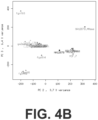
- FIGs. 4 and 5 explore visualizations of the periodogram intensities at 196 bp across contiguous, non-overlapping 10 kbp blocks tiling the full length of human autosomes (see Methods for details).
- FIG. 4 presents a Principal Component Analysis (PCA) of the data and the projections across the first three components.
- PCA Principal Component Analysis
- PC1 Principal component 1
- PC2 (9.7% of variance) captures the differences between MNase and cfDNA samples.
- PC3 (6.4% variance) captures differences between individual samples.
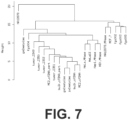
- FIG. 5 shows the hierarchical clustering dendogram of this data based on Euclidean distances of the intensity vectors. We note that the two HeLa S3 experiments tightly cluster in the PCA and dendogram, even though data was generated in different labs and following different experimental protocols. "Normal" cfDNA samples, tumor cfDNA samples and groups of cell line MNase samples also clustered.
- the three tumor samples originating from the same tumor type appear to cluster, separately from tumor.2351 sample which originates from a different tumor type (see Table 1).
- the GM1 and IM1 samples cluster separately from the other cfDNA samples obtained from pregnant women. This coincides with higher intensities observed for frequencies below the peak in these samples (i.e., a more pronounced left shoulder in FIG. 3 ). This might indicate subtle differences in the preparation of the cfDNA between the two sets of samples, or biological differences which were not controlled for (e.g., gestational age).
- FIGS. 6 and 7 show the results of equivalent analyses but based on the frequency range of 181 bp to 202 bp. Comparing these plots, the results are largely stable to a wider frequency range; however additional frequencies may improve sensitivity in more fine-scaled analyses.
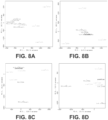
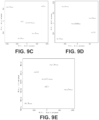
- the cfDNA and MNase data sets were analyzed separately using PCA of intensities for this frequency range. In the following set of analyses, the five cfDNA samples from pregnant women, which show the pronounced left shoulder in FIG. 3 , were excluded.
- FIG. 8 shows the first 7 principal components of the cfDNA data and FIG. 9 all six principal components for the six MNase data sets.
- Example 1 basic clustering of samples that were generated or downloaded from public databases was studied. The analyses showed that read start coordinates in these data sets capture a strong signal of nucleosome positioning (across a range of sequencing depths obtained from 20 million sequences to more than a 1,000 million sequences) and that sample origin correlates with this signal. For the goals of this method, it would also be useful to be able to identify mixtures of known cell types and to some extent quantify the contributions of each cell type from this signal. For this purpose, this example explored synthetic mixtures (i.e., based on sequence reads) of two samples.
- FIG. 10 shows the average intensities for chromosome 11, equivalent to FIG. 3 but for these synthetic mixtures. It can be seen from FIG. 10 how the different sample contributions cause shifts in the global frequency intensity patterns. This signal can be exploited to infer the synthetic mixture proportions.
- FIG. 11 shows the first two principal components for the MNase data set mixtures and
- FIG. 12 shows the first two principal components for the cfDNA data set mixtures. In both cases, the first PC directly captures the composition of the mixed data set. It is therefore directly conceivable how mixture proportions for two and possibly more cell types could be estimated from transformation of the frequency intensity data given the appropriate reference sets and using for example regression models.
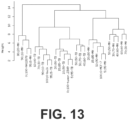
- FIG. 13 shows the dendogram of both data sets, confirming the overall similarities of mixture samples deriving from similar sample proportions as well as the separation of the cfDNA and MNase samples.
- EXAMPLE 3 Measuring Nucleosome Occupancy Relative to Transcription Factor Binding Sites with cfDNA Sequencing Data
- nucleosome positioning is influenced by nearby TF occupancy.
- the effect on local remodeling of chromatin, and thus on the stable positioning of nearby nucleosomes, is not uniform across the set of TFs; occupancy of a given TF may have local effects on nucleosome positioning that are preferentially 5' or 3' of the binding site and stretch for greater or lesser genomic distance in specific cell types.
- the set of TF binding sites occupied in vivo in a particular cell varies between tissues and cell types, such that if one were able to identify TF binding site occupancy maps for tissues or cell types of interest, and repeated this process for one or more TFs, one could identify components of the mixture of cell types and tissues contributing to a population of cfDNA by identifying enrichment or depletion of one or more cell type- or tissue-specific TF binding site occupancy profiles.
- TF ChlP-seq transcription factor
- the number of read-starts at each position within 500 bp of each candidate TF binding site was calculated in samples with at least 100 million sequences. Within each sample, all read-starts were summed at each position, yielding a total of 1,014 to 1,019 positions per sample per TF, depending on the length of the TF recognition sequence.
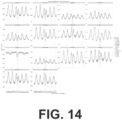
- FIG. 14 shows the distribution of read-starts around 24,666 CTCF binding sites in the human genome in a variety of different samples, centered around the binding site itself.
- CTCF is an insulator binding protein and plays a major role in transcriptional repression.
- Previous studies suggest that CTCF binding sites anchor local nucleosome positioning such that at least 20 nucleosomes are symmetrically and regularly spaced around a given binding site, with an approximate period of 185 bp.
- One striking feature common to nearly all of the samples in FIG. 14 is the clear periodicity of nucleosome positioning both upstream and downstream of the binding site, suggesting that the local and largely symmetrical effects of CTCF binding in vivo are recapitulated in a variety of cfDNA and MNase-digested samples.
- the periodicity of the upstream and downstream peaks is not uniform across the set of samples; the MNase-digested samples display slightly wider spacing of the peaks relative to the binding site, suggesting the utility of not only the intensity of the peaks, but also their period.
- FIG. 15 shows the distribution of read-starts around 5,644 c-Jun binding sites. While the familiar periodicity is again visually identifiable for several samples in this figure, the effect is not uniform. Of note, three of the MNase-digested samples (Hap1.MNase, HEK.MNase, and NA12878.MNase) have much flatter distributions, which may indicate that c-Jun binding sites are not heavily occupied in these cells, or that the effect of c-Jun binding on local chromatin remodeling is less pronounced in these cell types.
- FIG. 16 shows the distribution of read-starts around 4,417 NF-YB binding sites.
- the start site distributions in the neighborhood of these TF binding sites demonstrate a departure from symmetry: here, the downstream effects (to the right within each plot) appear to be stronger than the upstream effects, as evidenced by the slight upward trajectory in the cfDNA samples.
- the difference between the MNase-digested samples and the cfDNA samples show, on average, a flatter profile in which peaks are difficult to discern, whereas the latter have both more clearly discernable periodicity and more identifiable peaks.
- Whole blood was drawn from pregnant women fgs002, fgs003, fgs004, and fgs005 during routine third-trimester prenatal care and stored briefly in Vacutainer tubes containing EDTA (BD).
- Whole blood from pregnant women IM1, GM1, and GM2 was obtained at 18, 13, and 10 weeks gestation, respectively, and stored briefly in Vacutainer tubes containing EDTA (BD).
- Whole blood from glioma patients 2349, 2350, 2351, and 2353 was collected as part of brain surgical procedures and stored for less than three hours in Vacutainer tubes containing EDTA (BD).
- MC2 Male Control 2
- Plasma was separated from whole blood by centrifugation at 1,000 ⁇ g for 10 minutes at 4°C, after which the supernatant was collected and centrifuged again at 2,000 ⁇ g for 15 minutes at 4°C. Purified plasma was stored in 1 ml aliquots at -80°C until use.
- Circulating cfDNA was purified from 2 ml of each plasma sample with the QiaAMP Circulating Nucleic Acids kit (Qiagen, Venlo, Netherlands) as per the manufacturer's protocol. DNA was quantified with a Qubit fluorometer (Invitrogen, Carlsbad, California) and a custom qPCR assay targeting a human Alu sequence.
- GM12878, HeLa S3, HEK, Hap1 Approximately 50 million cells of each line (GM12878, HeLa S3, HEK, Hap1) were grown using standard methods. Growth media was aspirated and cells were washed with PBS. Cells were trypsinized and neutralized with 2x volume of CSS media, then pelleted in conical tubes by centrifugation for at 1,300 rpm for 5 minutes at 4°C. Cell pellets were resuspended in 12 ml ice-cold PBS with 1x protease inhibitor cocktail added, counted, and then pelleted by centrifugation for at 1,300 rpm for 5 minutes at 4°C.
- RSB buffer (10mM Tris-HCl, 10mM NaCl, 3mM MgCl 2 , 0.5mM spermidine, 0.02% NP-40, 1X protease inhibitor cocktail) to a concentration of 3 million cells per ml and incubated on ice for 10 minutes with gentle inversion. Nuclei were pelleted by centrifugation at 1,300 rpm for five minutes at 4°C.
- Pelleted nuclei were resuspended in NSB buffer (25% glycerol, 5mM MgAc 2 , 5mM HEPES, 0.08mM EDTA, 0.5mM spermidine, 1mM DTT, 1x protease inhibitor cocktail) to a final concentration of 15M per ml.
- Nuclei were again pelleted by centrifugation at 1,300 rpm for 5 minutes at 4°C, and resuspended in MN buffer (500mM Tris-HCl, 10mM NaCl, 3mM MgCl 2 , 1mM CaCl, 1x protease inhibitor cocktail) to a final concentration of 30M per ml.
- Nuclei were split into 200 ⁇ l aliquots and digested with 4U of micrococcal nuclease (Worthington Biochemical Corp., Lakewood, NJ, USA) for five minutes at 37°C. The reaction was quenched on ice with the addition of 85 ⁇ l of MNSTOP buffer (500mM NaCl, 50mM EDTA, 0.07% NP-40, 1x protease inhibitor), followed by a 90 minute incubation at 4°C with gentle inversion. DNA was purified using phenol:chloroform:isoamyl alcohol extraction. Mononucleosomal fragments were size selected with 2% agarose gel electrophoresis using standard methods and quantified with a Nanodrop spectrophotometer (Thermo Fisher Scientific Inc., Waltham, MA, USA).
- MNSTOP buffer 500mM NaCl, 50mM EDTA, 0.07% NP-40, 1x protease inhibitor
- Barcoded sequencing libraries for all samples were prepared with the ThruPLEX-FD or ThruPLEX DNA-seq 48D kits (Rubicon Genomics, Ann Arbor, Michigan), comprising a proprietary series of end-repair, ligation, and amplification reactions. Between 3.0 and 10.0 ng of DNA were used as input for all clinical sample libraries. Two bulk plasma cfDNA libraries were constructed with 30 ng of input to each library; each library was separately barcoded. Two libraries from MC2 were constructed with 2 ng of input to each library; each library was separately barcoded. Libraries for each of the MNase-digested cell lines were constructed with 20 ng of size-selected input DNA. Library amplification for all samples was monitored by real-time PCR to avoid over-amplification.
- One lane of sequencing was performed for each of samples 2349, 2350, 2351, and 2353, yielding approximately 2.0 ⁇ 10 8 read-pairs per sample.
- One lane of sequencing was performed for each of the four cell line MNase-digested libraries, yielding approximately 2.0 ⁇ 10 8 read-pairs per library.
- Four lanes of sequencing were performed for one of the two replicate MC2 libraries and three lanes for one of the two replicate bulk plasma libraries, yielding a total of 10.6x10 9 and 7.8 ⁇ 10 8 read-pairs per library, respectively.
- DNA insert sizes for both cfDNA and MNase libraries tend be short (majority of data between 80 bp and 240 bp); adapter sequence at the read ends of some molecules were therefore expected.
- Adapter sequences starting at read ends were trimmed, and forward and reverse read of paired end (“PE") data for short original molecules were collapsed into single reads ("SRs"); PE reads that overlap with at least 11 bp reads were collapsed to SRs.
- the SRs shorter than 30 bp or showing more than 5 bases with a quality score below 10 were discarded.
- the remaining PE and SR data were aligned to the human reference genome (GRCh37, 1000G release v2) using fast alignment tools (BWA-ALN or BWA-MEM).
- the resulting SAM (Sequence Alignment/Map) format was converted to sorted BAM (Binary Sequence Alignment/Map format) using SAMtools.
- PE data provides information about the two physical ends of DNA molecules used in sequencing library preparation. This information was extracted using the SAMtools application programming interface (API) from BAM files. Both outer alignment coordinates of PE data for which both reads aligned to the same chromosome and where reads have opposite orientations were used. For non-trimmed SR data, only one read end provides information about the physical end of the original DNA molecule. If a read was aligned to the plus strand of the reference genome, the left-most coordinate was used. If a read was aligned to the reverse strand, its right-most coordinate was used instead. In cases where PE data was converted to single read data by adapter trimming, both end coordinates were considered. Both end coordinates were also considered if at least five adapter bases were trimmed from a SR sequencing experiment.
- API application programming interface
- the ratio of read-starts and coverage was calculated for each non-empty block of each sample. If the coverage was 0, the ratio was set to 0. These ratios were used to calculate a periodogram of each block using Fast Fourier Transform (FFT, spec.pgram in the R statistical programming environment) with frequencies between 1/500 bases and 1/100 bases.
- FFT Fast Fourier Transform
- parameters to smooth 3bp Daniell smoother; moving average giving half weight to the end values
- detrend the data e.g., subtract the mean of the series and remove a linear trend
- PCA Principal component analysis
- Putative transcription factor binding sites obtained through analysis of ChlP-seq data generated across a number of cell types, was obtained from the ENCODE project.
- Chromosomal coordinates from both sets of predicted sites were intersected with bedtools v2.17.0. To preserve any asymmetry in the plots, only predicted binding sites on the "+" strand were used. Read-starts were tallied for each sample if they fell within 500 bp of either end of the predicted binding site, and summed within samples by position across all such sites. Only samples with at least 100 million total reads were used for this analysis.
- EXAMPLE 4 Determining normal/healthy tissue(s)-of-origin from cfDNA
- cfDNA was deeply sequenced to better understand the processes that give rise to it.
- the resulting data was used to build a genome-wide map of nucleosome occupancy that built on previous work by others, but is substantially more comprehensive.
- TFs transcription factors
- cfDNA fragments correspond to chromatosomes and contain substantial DNA damage
- sequencing-related statistics including the total number of fragments sequenced, read lengths, the percentage of such fragments aligning to the reference with and without a mapping quality threshold, mean coverage, duplication rate, and the proportion of sequenced fragments in two length bins, were tabulated.
- Fragment length was inferred from alignment of paired-end reads. Due to the short read lengths, coverage was calculated by assuming the entire fragment had been read. The estimated number of duplicate fragments was based on fragment endpoints, which may overestimate the true duplication rate in the presence of highly stereotyped cleavage.
- SSP single-stranded library preparation protocol.
- DSP double-stranded library preparation protocol.
- dsDNA short double stranded DNA
- a single-stranded sequencing library from plasma-borne cfDNA derived from an additional healthy individual was prepared using a protocol adapted from studies of ancient DNA by Gansauge, et al., where widespread DNA damage and nuclease cleavage around nucleosomes have been reported.
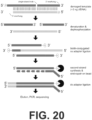
- cfDNA was denatured and a biotin-conjugated, single-stranded adaptor was ligated to the resulting fragments. The ligated fragments were then subjected to second-strand synthesis, end-repair and ligation of a second adaptor while the fragments were immobilized to streptavidin beads. Finally, minimal PCR amplification was performed to enrich for adaptor-bearing molecules while also appending a sample index ( FIG. 20 ; Table 2).
- the resulting library was sequenced to 30-fold coverage (779M fragments).
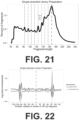
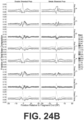
- the fragment length distribution again exhibited a dominant peak at -167 bp corresponding to the chromatosome, but was considerably enriched for shorter fragments relative to conventional library preparation ( FIGs. 21, 22 , 23A-B , 24A-B ).
- all libraries exhibit -10.4 bp periodicity, the fragment sizes are offset by 3 bp for the two methods, consistent with damaged or non-flush input molecules whose true endpoints are more faithfully represented in single-stranded libraries.
- WPS Windowed Protection Score
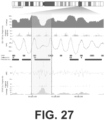
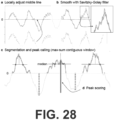
- the value of the WPS correlates with the locations of nucleosomes within strongly positioned arrays, as mapped by other groups with in vitro methods or ancient DNA ( FIG. 26 ). At other sites, the WPS correlates with genomic features such as DNase I hypersensitive (DHS) sites (e.g., consistent with the repositioning of nucleosomes flanking a distal regulatory element) ( FIG. 27 ).
- DHS DNase I hypersensitive
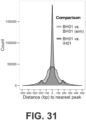
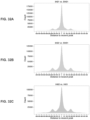
- fragment endpoints were also simulated, matching for the depth, size distribution and terminal dinucleotide frequencies of each sample. Genome-wide WPS were then calculated, and 10.3M, 10.2M, and 8.0M were called local maxima by the same heuristic, for simulated datasets matched to BH01, IH01 and IH02, respectively. Peaks from simulated datasets were associated with lower scores than peaks from real datasets ( FIGs. 33A-B ). Furthermore, the relatively reproducible locations of peaks called from real datasets ( FIG. 31 ; FIGs. 32A-C ) did not align well with the locations of peaks called from simulated datasets ( FIG. 31 ; FIGs. 34A-C ).
- the cfDNA sequencing data from BH01, IH01, and IH02 were pooled and reanalyzed for a combined 231 fold-coverage ('CH01'; 3.8B fragments; Table 1).
- the WPS was calculated and 12.9M peaks were called for this combined sample.
- This set of peak calls was associated with higher scores and approached saturation in terms of the number of peaks ( FIGs. 33A-B ).
- the CH01 peak set spans 2.53 gigabases (Gb) of the human reference genome.
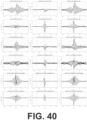
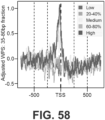
- Nucleosomes are known to be well-positioned in relation to landmarks of gene regulation, for example transcriptional start sites and exon-intron boundaries. Consistent with that understanding, similar positioning was observed in this data as well, in relation to landmarks of transcription, translation and splicing ( FIGs. 36-40 ).
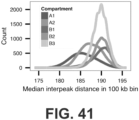
- the median peak-to-peak spacing within 100 kilobase (kb) windows that had been assigned to compartment A (enriched for open chromatin) or compartment B (enriched for closed chromatin) on the basis of long-range interactions ( in situ Hi-C) in a lymphoblastoid cell line was examined.
- Nucleosomes in compartment A exhibited tighter spacing than nucleosomes in compartment B (median 187 bp (A) vs. 190 bp (B)), with further differences between certain subcompartments ( FIG. 41 ).
- median nucleosome spacing dropped sharply in pericentromeric regions, driven by strong positioning across arrays of alpha satellites (171 bp monomer length; FIG. 42 ; FIG. 26 ).
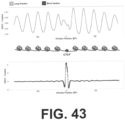
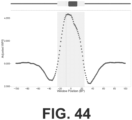
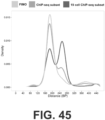
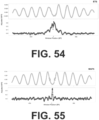
- the long fraction WPS supports strong organization of nucleosomes in the vicinity of CTCF binding sites ( FIG. 43 ). However, a strong signal in the short fraction WPS is also observed that is coincident with the CTCF binding site itself ( FIGs. 44-45 ).
- CTCF binding sites were stratified based on a presumption that they are bound in vivo (all FIMO predictions vs. the subset intersecting with ENCODE ChlP-seq vs. the further subset intersecting with those that appear to be utilized across 19 cell lines).
- Nucleosome spacing varies between cell types, and as a function of chromatin state and gene expression. In general, open chromatin and transcription are associated with a shorter nucleosome repeat length, consistent with this Example's analyses of compartment A vs. B ( FIG. 41 ).
- FFT fast Fourier transformation
- EXAMPLE 5 Determining non-healthy tissue(s)-of-origin from cfDNA
- cfDNA samples obtained from five late-stage cancer patients were sequenced.
- the patterns of nucleosome spacing in these samples revealed additional contributions to cfDNA that correlated most strongly with non-hematopoietic tissues or cell lines, often matching the anatomical origin of the patient's cancer.
- Table 4 shows clinical and histological diagnoses for 48 patients from whom plasma-borne cfDNA was screened for evidence of high tumor burden, along with total cfDNA yield from 1.0 ml of plasma from each individual and relevant clinical covariates. Of these 48, 44 passed QC and had sufficient material. Of these 44, five were selected for deeper sequencing. cfDNA yield was determined by Qubit Fluorometer 2.0 (Life Technologies).
- Human peripheral blood plasma for 52 individuals with clinical diagnosis of Stage IV cancer was obtained from Conversant Bio or PlasmaLab International (Everett, Washington, USA) and stored in 0.5 ml or 1 ml aliquots at -80°C until use.
- Human peripheral blood plasma for four individuals with clinical diagnosis of systemic lupus erythematosus was obtained from Conversant Bio and stored in 0.5 ml aliquots at -80°C until use. Frozen plasma aliquots were thawed on the bench-top immediately before use.
- Circulating cell-free DNA was purified from 2 ml of each plasma sample with the QiaAMP Circulating Nucleic Acids kit (Qiagen) as per the manufacturer's protocol. DNA was quantified with a Qubit fluorometer (Invitrogen). To verify cfDNA yield in a subset of samples, purified DNA was further quantified with a custom qPCR assay targeting a multicopy human Alu sequence; the two estimates were found to be concordant.
- each sample was scored on two metrics of aneuploidy to identify a subset likely to contain a high proportion of tumor-derived cfDNA: first, the deviation from the expected proportion of reads derived from each chromosome ( FIG. 62A ); and second, the per-chromosome allele balance profile for a panel of common single nucleotide polymorphisms ( FIG. 62B ).
- single-stranded libraries derived from five individuals were sequenced to a depth similar to that of IH02 in Example 4 (Table 5; mean 30-fold coverage): SSP, single-stranded library preparation protocol. DSP, double-stranded library preparation protocol. ⁇ Sample has been previously published ( J.O. Kitzman et al., Science Translational Medicine (2012 )).
- Table 5 tabulates sequencing-related statistics, including the total number of fragments sequenced, read lengths, the percentage of such fragments aligning to the reference with and without a mapping quality threshold, mean coverage, duplication rate, and the proportion of sequenced fragments in two length bins, for each sample.
- Fragment length was inferred from alignment of paired-end reads. Due to the short read lengths, coverage was calculated by assuming the entire fragment had been read. The estimated number of duplicate fragments is based on fragment endpoints, which may overestimate the true duplication rate in the presence of highly stereotyped cleavage.
- FFT FFT was performed on the long fragment WPS values across gene bodies and correlated the average intensity in the 193-199 bp frequency range against the same 76 expression datasets for human cell lines and primary tissues.
- many of the most highly ranked cell lines or tissues represent non-hematopoietic lineages, in some cases aligning with the cancer type ( FIG. 61 ; Table 3).
- the top-ranked correlation was with HepG2, a hepatocellular carcinoma cell line.
- IC35 where the patient had a ductal carcinoma in situ breast cancer, the top-ranked correlation was with MCF7, a metastatic breast adenocarcinoma cell line.
- MCF7 a metastatic breast adenocarcinoma cell line.
- the largest change in correlation rank (-31) was for a small cell lung cancer cell line (SCLC-21H).
- IC20 a lung squamous cell carcinoma
- IC35 a colorectal adenocarcinoma
- a greedy, iterative approach was used to estimate the proportions of various cell-types and/or tissues contributing to cfDNA derived from the biological sample.
- the cell-type or tissue whose reference map (here, defined by the 76 RNA expression datasets) had the highest correlation with the average FFT intensity in the 193-199 bp frequency of the WPS long fragment values across gene bodies for a given cfDNA sample was identified.
- a series of "two tissue" linear mixture models were fitted, including the cell-type or tissue with the highest correlation as well as each of the other remaining cell-types or tissues from the full set of reference maps.
- the cell-type or tissue with the highest coefficient was retained as contributory, unless the coefficient was below 1% in which case the procedure was terminated and this last tissue or cell-type not included. This procedure was repeated, i.e. "three-tissue”, “four-tissue”, and so on, until termination based on the newly added tissue being estimated by the mixture model to contribute less than 1%.
- the mixture model takes the form: argmax_ a , b , c , ... cor Mean _ FFTintensity _ 193 ⁇ 199 , a * log 2 ExpTissue 1 + b * log 2 Tissue 2 + c * log 2 Tissue 3 + ... + 1 ⁇ a ⁇ b ⁇ c ⁇ ... * log 2 ExpTissueN .
- a cfDNA sample derived from a patient with advanced hepatocellular carcinoma predicted 9 contributory cell types, including Hep_G2 (28.6%), HMC.1 (14.3%), REH (14.0%), MCF7 (12.6%), AN3.CA (10.7%), THP.1 (7.4%), NB.4 (5.5%), U.266.84 (4.5%), and U.937 (2.4%).
- a cfDNA sample corresponding to a mixture of healthy individuals predicted 7 contributory cell types or tissues, including bone marrow (30.0%), NB.4 (19.6%), HMC.1 (13.9%), U.937 (13.4%), U.266.84 (12.5%), Karpas.707 (6.5%), and REH (4.2%).
- IC17 the sample derived from a cancer patient, the highest proportion of predicted contribution corresponds to a cell line that is closely associated with the cancer type that is present in the patient from whom this cfDNA was derived (Hep_G2 and hepatocellular carcinoma).
- this approach predicts contributions corresponding only to tissues or cell types that are primarily associated with hematopoiesis, the predominant source of plasma cfDNA in healthy individuals.
- Human peripheral blood plasma for 52 individuals with clinical diagnosis of Stage IV cancer was obtained from Conversant Bio or PlasmaLab International (Everett, Washington, USA) and stored in 0.5 ml or 1 ml aliquots at -80°C until use.
- Human peripheral blood plasma for four individuals with clinical diagnosis of systemic lupus erythematosus was obtained from Conversant Bio and stored in 0.5 ml aliquots at -80°C until use.
- Circulating cell-free DNA was purified from 2 ml of each plasma sample with the QiaAMP Circulating Nucleic Acids kit (Qiagen) as per the manufacturer's protocol. DNA was quantified with a Qubit fluorometer (Invitrogen). To verify cfDNA yield in a subset of samples, purified DNA was further quantified with a custom qPCR assay targeting a multicopy human Alu sequence; the two estimates were found to be concordant.
- Barcoded sequencing libraries were prepared with the ThruPLEX-FD or ThruPLEX DNA-seq 48D kits (Rubicon Genomics), comprising a proprietary series of end-repair, ligation, and amplification reactions. Between 0.5 ng and 30.0 ng of cfDNA were used as input for all clinical sample libraries. Library amplification for all samples was monitored by real-time PCR to avoid over-amplification, and was typically terminated after 4-6 cycles.
- Adapter 2 was prepared by combining 4.5 ⁇ l TE (pH 8), 0.5 ⁇ l 1M NaCl, 10 ⁇ l 500 uM oligo Adapter2.1, and 10 ⁇ l 500 ⁇ M oligo Adapter2.2, incubating at 95°C for 10 seconds, and decreasing the temperature to 14°C at a rate of 0.1°C/s.
- Purified cfDNA fragments were dephosphorylated by combining 2x CircLigase II buffer (Epicentre), 5 mM MnCl 2 , and 1U FastAP alkaline phosphatase (Thermo Fisher) with 0.5-10 ng fragments in a 20 ⁇ l reaction volume and incubating at 37°C for 30 minutes.
- Fragments were then denatured by heating to 95°C for 3 minutes, and were immediately transferred to an ice bath.
- the reaction was supplemented with biotin-conjugated adapter oligo CL78 (5 pmol), 20% PEG-6000 (w/v), and 200U CircLigase II (Epicentre) for a total volume of 40 ⁇ l, and was incubated overnight with rotation at 60°C, heated to 95°C for 3 minutes, and placed in an ice bath.
- BBB bead binding buffer
- Beads were washed once with 500 ul wash buffer A (WBA) (10 mM Tris-HCl [pH 8], 1 mM EDTA [pH 8], 0.05% Tween-20, 100 mM NaCl, 0.5% SDS) and once with 500 ⁇ l wash buffer B (WBB) (10 mM Tris-HCl [pH 8], 1 mM EDTA [pH 8], 0.05% Tween-20, 100 mM NaCl).
- WBA wash buffer A
- WBB wash buffer B
- Beads were combined with 1X Isothermal Amplification Buffer (NEB), 2.5 ⁇ M oligo CL9, 250 ⁇ M (each) dNTPs, and 24U Bst 2.0 DNA Polymerase (NEB) in a reaction volume of 50 ⁇ l, incubated with gentle shaking by ramping temperature from 15°C to 37°C at 1°C/minute, and held at 37°C for 10 minutes. After collection on a magnetic rack, beads were washed once with 200 ⁇ l WBA, resuspended in 200 ⁇ l of stringency wash buffer (SWB) (0.1X SSC, 0.1% SDS), and incubated at 45°C for 3 minutes. Beads were again collected and washed once with 200 ⁇ l WBB.
- SWB stringency wash buffer
- Beads were then combined with 1X CutSmart Buffer (NEB), 0.025% Tween-20, 100 ⁇ M (each) dNTPs, and 5U T4 DNA Polymerase (NEB) and incubated with gentle shaking for 30 minutes at room temperature. Beads were washed once with each of WBA, SWB, and WBB as described above. Beads were then mixed with 1X CutSmart Buffer (NEB), 5% PEG-6000, 0.025% Tween-20, 2 ⁇ M double-stranded adapter 2, and 10U T4 DNA Ligase (NEB), and incubated with gentle shaking for 2 hours at room temperature.
- Beads were washed once with each of WBA, SWB, and WBB as described above, and resuspended in 25 ⁇ l TET buffer (10 mM Tris-HCl [pH 8], 1 mM EDTA [pH 8], 0.05% Tween-20). Second strands were eluted from beads by heating to 95°C, collecting beads on a magnetic rack, and transferring the supernatant to a new tube. Library amplification for all samples was monitored by real-time PCR to avoid over-amplification, and required an average of 4 to 6 cycles per library.
- Barcoded paired end (PE) Illumina sequencing data was split allowing up to one substitution in the barcode sequence. Reads shorter or equal to read length were consensus called and adapter trimmed. Remaining consensus single end reads (SR) and the individual PE reads were aligned to the human reference genome sequence (GRCh37, 1000 Genomes phase 2 technical reference downloaded from ftp://ftp.1 000genomes.ebi.ac.uk/vol1 /ftp/technical/reference/phase2_ reference_assembly_sequence/) using the ALN algorithm implemented in BWA v0.7.10.
- PE reads were further processed with BWA SAMPE to resolve ambiguous placement of read pairs or to rescue missing alignments by a more sensitive alignment step around the location of one placed read end.
- Aligned SR and PE data was directly converted to sorted BAM format using the SAMtools API. BAM files of the sample were merged across lanes and sequencing runs.
- Quality control was performed using FastQC (v0.11.2), obtaining a library complexity estimate (Picard tools v1.113), determining the proportion of adapter dimers, the analysis of the inferred library insert size, the nucleotide and dinucleotide frequencies at the outer reads ends as well as checking the mapping quality distributions of each library.
- Aligned sequencing data was simulated (SR if shorter than 45 bp, PE 45 bp otherwise) for all major chromosomes of the human reference (GRC37h). For this purpose, dinucleotide frequencies were determined from real data on both read ends and both strand orientations. Dinucleotide frequencies were also recorded for the reference genome on both strands. Further, the insert size distribution of the real data was extracted for the 1-500 bp range. Reads were simulated by iterating through the sequence of the major reference chromosomes.
- the strand is randomly chosen, (2) the ratio of the dinucleotide frequency in the real data over the frequency in the reference sequence is used to randomly decide whether the initiating dinucleotide is considered, (3) an insert size is sampled from the provided insert-size distribution and (4) the frequency ratio of the terminal dinucleotide is used to randomly decide whether the generated alignment is reported.
- the simulated coverage was matched to that of the original data after PCR duplicate removal.
- the data of the present disclosure provides information about the two physical ends of DNA molecules used in sequencing library preparation. We extract this information using the SAMtools application programming interface (API) from BAM files.
- SAMtools application programming interface API
- both end coordinates of the SR alignment we consider both end coordinates of the SR alignment as read starts.
- For coverage we consider all positions between the two (inferred) molecule ends, including these end positions.
- WPS windowed protection scores
- the identified region is 150-450 bp long, we apply the same above median contiguous window approach, but only report those windows that are between 50-150 bp in size. For score calculation of multiple windows derived from the 150-450 bp regions, we assume the neighboring minima within the region to be zero. We discard regions shorter than 50 bp and longer than 450 bp.
- Genomic features such as transcription start sites, transcription end sites, start codons, splice donor, and splice acceptor sites were obtained from Ensembl Build version 75. Adjusted WPS surrounding these features was calculated and plotted as described above for transcription factor binding sites.
- CTCF sites used for this analysis first included clustered FIMO predictions of CTCF binding sites (computationally predicted via motifs). We then created two additional subsets of this set: 1) intersection with the set of CTCF ChlP-seq peaks available through the ENCODE TfbsClusteredV3 (see above), and 2) intersection with a set of CTCF sites that are experimentally observed to be active across 19 tissues.
- the positions of 10 nucleosomes on either side of the binding site were extracted for each site.
- the distribution of -1 to +1 nucleosome spacing changed substantially, shifting to larger spacing, particularly in the 230-270 bp range. This suggested that truly active CTCF sites largely shift towards wider spacing between the -1 and +1 nucleosomes, and that a difference in WPS for both long and short read fractions might therefore be apparent. Therefore, the mean short and long fragment WPS at each position relative to the center of CTCF sites were additionally calculated.
- nucleosome spacing was taken within bins of -1 to +1 nucleosome spacing of less than 160, 160-200, 200-230, 230-270, 270-420, 420-460, and greater than 420 bp. These intervals approximately captured spacings of interest, such as the dominant peak and the emerging peak at 230-270 bp for more confidently active sites.
- DHS peaks for 349 primary tissue and cell line samples in BED format by Maurano et al. (Science, vol. 337(6099), pp. 1190-95 (2012 ); "all_fdr0.05_hot” file, last modified Feb. 13, 2012) were downloaded from the University of Washington Encode database.
- Samples derived from fetal tissues, comprising 233 of these peak sets, were removed from the analysis as they behaved inconsistently within tissue type, possibly because of unequal representation of multiple cell types within each tissue sample. 116 samples representing a variety of cell lineages were retained for analysis.
- the nearest upstream and downstream calls in the CH01 callset were identified, and the genomic distance between the centers of those two calls was calculated. The distribution of all such distances was visualized for each DHS peak callset using a smoothed density estimate calculated for distances between 0 and 500 bp.
- FPKM expression values measured for 20,344 Ensembl gene identifiers in 44 human cell lines and 32 primary tissues by the Human Protein Atlas ("ma.csv" file) were used in this study. For analyses across tissues, genes with less than 3 non-zero expression values were excluded (19,378 genes passing this filter). The expression data set was provided with one decimal precession for the FPKM values. Thus, a zero expression value (0.0) indicates expression between 0 and a value less than 0.05. Unless otherwise noted, the minimum expression value was set to 0.04 FPKM before log 2 -transformation of the expression values.
- the long fragment WPS was used to calculate periodograms of genomic regions using Fast Fourier Transform (FFT, spec.pgram in the R statistical programming environment) with frequencies between 1/500 bases and 1/100 bases.
- FFT Fast Fourier Transform
- Parameters to smooth (3 bp Daniell smoother; moving average giving half weight to the end values) and de-trend the data (i.e. subtract the mean of the series and remove a linear trend) are optionally additionally used.
- the recursive time series filter as implemented in the R statistical programming environment was used to remove high frequency variation from trajectories.
- 24 filter frequencies (1/seq(5,100,4)) were used, and the first 24 values of the trajectory as initial values were used. Adjustments for the 24-value shift in the resulting trajectories were made by repeating the last 24 values of the trajectory.
- the intensity values as determined from smooth periodograms (FFT) in the context of gene expression for the 120-280 bp range were analyzed.
- An S-shaped Pearson correlation between gene expression values and FFT intensities around the major inter-nucleosome distance peak was observed.
- a pronounced negative correlation was observed in the 193-199 bp range.
- the intensities in this frequency range were averaged correlated with log 2 -transformed expression values.
- Example 7 A method of determining tissues and/or cell types giving rise to cell free DNA (cfDNA) in a subject, the method comprising:
- Example 8 The method of Example 7 wherein the step of determining at least some of the tissues and/or cell types giving rise to the cfDNA fragments comprises comparing the genomic locations of at least some of the cfDNA fragment endpoints to one or more reference maps.
- Example 9 The method of Example 7 or Example 8 wherein the step of determining at least some of the tissues and/or cell types giving rise to the cfDNA fragments comprises performing a mathematical transformation on a distribution of the genomic locations of at least some of the cfDNA fragment endpoints.
- Example 10 The method of Example 9 wherein the mathematical transformation includes a Fourier transformation.
- Example 11 The method of any preceding Example further comprising determining a score for each of at least some coordinates of the reference genome, wherein the score is determined as a function of at least the plurality of cfDNA fragment endpoints and their genomic locations, and wherein the step of determining at least some of the tissues and/or cell types giving rise to the observed cfDNA fragments comprises comparing the scores to one or more reference map.
- Example 12 The method of Example 11, wherein the score for a coordinate represents or is related to the probability that the coordinate is a location of a cfDNA fragment endpoint.
- Example 13 The method of any one of Examples 8 to 12 wherein the reference map comprises a DNase I hypersensitive site map generated from at least one cell-type or tissue.
- Example 14 The method of any one of Examples 8 to 13 wherein the reference map comprises an RNA expression map generated from at least one cell-type or tissue.
- Example 15 The method of any one of Examples 8 to 14 wherein the reference map is generated from cfDNA from an animal to which human tissues or cells that have been xenografted.
- Example 16 The method of any one of Examples 8 to 15 wherein the reference map comprises a chromosome conformation map generated from at least one cell-type or tissue.
- Example 17 The method of any one of Examples 8 to 16 wherein the reference map comprises a chromatin accessibility map generated from at least one cell-type or tissue.
- Example 18 The method of any one of Examples 8 to 17 wherein the reference map comprises sequence data obtained from samples obtained from at least one reference subject.
- Example 19 The method of any one of Examples 8 to 18 wherein the reference map corresponds to at least one cell-type or tissue that is associated with a disease or a disorder.
- Example 20 The method of any one of Examples 8 to 19 wherein the reference map comprises positions or spacing of nucleosomes and/or chromatosomes in a tissue or cell type.
- Example 21 The method of any one of Examples 8 to 20 wherein the reference map is generated by digesting chromatin obtained from at least one cell-type or tissue with an exogenous nuclease (e.g., micrococcal nuclease).
- an exogenous nuclease e.g., micrococcal nuclease
- Example 22 The method of any one of Examples 8 to 21, wherein the reference maps comprise chromatin accessibility data determined by a transposition-based method (e.g., ATAC-seq) from at least one cell-type or tissue.
- a transposition-based method e.g., ATAC-seq
- Example 23 The method of any one of Examples 8 to 22 wherein the reference maps comprise data associated with positions of a DNA binding and/or DNA occupying protein for a tissue or cell type.
- Example 24 The method of Example 23 wherein the DNA binding and/or DNA occupying protein is a transcription factor.
- Example 25 The method of Example 23 or Example 24 wherein the positions are determined by chromatin immunoprecipitation of a crosslinked DNA-protein complex.
- Example 26 The method of Example 23 or Example 24 wherein the positions are determined by treating DNA associated with the tissue or cell type with a nuclease (e.g., DNase-I).
- a nuclease e.g., DNase-I
- Example 27 The method of any one of Examples 8 to 26 wherein the reference map comprises a biological feature related to the positions or spacing of nucleosomes, chromatosomes, or other DNA binding or DNA occupying proteins within a tissue or cell type.
- Example 28 The method of Example 27 wherein the biological feature is quantitative expression of one or more genes.
- Example 29 The method of Example 27 or Example 28 wherein the biological feature is presence or absence of one or more histone marks.
- Example 30 The method of any one of Examples 27 to 29 wherein the biological feature is hypersensitivity to nuclease cleavage.
- Example 31 The method of any one of Examples 8 to 30 wherein the tissue or cell type used to generate a reference map is a primary tissue from a subject having a disease or disorder.
- Example 32 The method of Example 31 wherein the disease or disorder is selected from the group consisting of: cancer, normal pregnancy, a complication of pregnancy (e.g., aneuploid pregnancy), myocardial infarction, inflammatory bowel disease, systemic autoimmune disease, localized autoimmune disease, allotransplantation with rejection, allotransplantation without rejection, stroke, and localized tissue damage.
- the disease or disorder is selected from the group consisting of: cancer, normal pregnancy, a complication of pregnancy (e.g., aneuploid pregnancy), myocardial infarction, inflammatory bowel disease, systemic autoimmune disease, localized autoimmune disease, allotransplantation with rejection, allotransplantation without rejection, stroke, and localized tissue damage.
- Example 33 The method of any one of Examples 8 to 30 wherein the tissue or cell type used to generate a reference map is a primary tissue from a healthy subject.
- Example 34 The method of any one of Examples 8 to 30 wherein the tissue or cell type used to generate a reference map is an immortalized cell line.
- Example 35 The method of any one of Examples 8 to 30 wherein the tissue or cell type used to generate a reference map is a biopsy from a tumor.
- Example 36 The method of Example 18 wherein the sequence data comprises positions of cfDNA fragment endpoints.
- Example 37 The method of Example 36 wherein the reference subject is healthy.
- Example 38 The method of Example 36 wherein the reference subject has a disease or disorder.
- Example 39 The method of Example 38 wherein the disease or disorder is selected from the group consisting of: cancer, normal pregnancy, a complication of pregnancy (e.g., aneuploid pregnancy), myocardial infarction, inflammatory bowel disease, systemic autoimmune disease, localized autoimmune disease, allotransplantation with rejection, allotransplantation without rejection, stroke, and localized tissue damage.
- the disease or disorder is selected from the group consisting of: cancer, normal pregnancy, a complication of pregnancy (e.g., aneuploid pregnancy), myocardial infarction, inflammatory bowel disease, systemic autoimmune disease, localized autoimmune disease, allotransplantation with rejection, allotransplantation without rejection, stroke, and localized tissue damage.
- Example 40 The method of any one of Examples 19 to 39 wherein the reference map comprises reference scores for at least a portion of coordinates of the reference genome associated with the tissue or cell type.
- Example 41 The method of Example 40 wherein the reference map comprises a mathematical transformation of the scores.
- Example 42 The method of Example 40 wherein the scores represent a subset of all reference genomic coordinates for the tissue or cell type.
- Example 43 The method of Example 42 wherein the subset is associated with positions or spacing of nucleosomes and/or chromatosomes.
- Example 44 The method of Example 42 or Example 43 wherein the subset is associated with transcription start sites and/or transcription end sites.
- Example 45 The method of any one of Examples 42 to 44 wherein the subset is associated with binding sites of at least one transcription factor.
- Example 46 The method of any one of Examples 42 to 45 wherein the subset is associated with nuclease hypersensitive sites.
- Example 47 The method of any one of Examples 40 to 46 wherein the subset is additionally associated with at least one orthogonal biological feature.
- Example 48 The method of Example 47 wherein the orthogonal biological feature is associated with high expression genes.
- Example 49 The method of Example 47 wherein the orthogonal biological feature is associated with low expression genes.
- Example 50 The method of any one of Examples 41 to 49 wherein the mathematical transformation includes a Fourier transformation.
- Example 51 The method of any one of Examples 11 to 50 wherein at least a subset of the plurality of the scores has a score above a threshold value.
- Example 52 The method of any one of Examples 7 to 51 wherein the step of determining the tissues and/or cell types giving rise to the cfDNA as a function of a plurality of the genomic locations of at least some of the cfDNA fragment endpoints comprises comparing a Fourier transform of the plurality of the genomic locations of at least some of the cfDNA fragment endpoints, or a mathematical transformation thereof, with a reference map.
- Example 53 The method of any preceding Example further comprising generating a report comprising a list of the determined tissues and/or cell types giving rise to the isolated cfDNA.
- Example 54 A method of identifying a disease or disorder in a subject, the method comprising:
- Example 55 The method of Example 54 wherein the step of determining the tissues and/or cell types giving rise to the cfDNA comprises comparing the genomic locations of at least some of the cfDNA fragment endpoints to one or more reference maps.
- Example 56 The method of Example 54 or Example 55 wherein the step of determining the tissues and/or cell types giving rise to the cfDNA comprises performing a mathematical transformation on a distribution of the genomic locations of at least some of the plurality of the cfDNA fragment endpoints.
- Example 57 The method of Example 56 wherein the mathematical transformation includes a Fourier transformation.
- Example 58 The method of any one of Examples 54 to 57 further comprising determining a score for each of at least some coordinates of the reference genome, wherein the score is determined as a function of at least the plurality of cfDNA fragment endpoints and their genomic locations, and wherein the step of determining at least some of the tissues and/or cell types giving rise to the observed cfDNA fragments comprises comparing the scores to one or more reference map.
- Example 59 The method of Example 58, wherein the score for a coordinate represents or is related to the probability that the coordinate is a location of a cfDNA fragment endpoint.
- Example 60 The method of any one of Examples 55 to 59 wherein the reference map comprises a DNase I hypersensitive site map, an RNA expression map, expression data, a chromosome conformation map, a chromatin accessibility map, chromatin fragmentation map, or sequence data obtained from samples obtained from at least one reference subject, and corresponding to at least one cell type or tissue that is associated with a disease or a disorder, and/or positions or spacing of nucleosomes and/or chromatosomes in a tissue or cell type.
- the reference map comprises a DNase I hypersensitive site map, an RNA expression map, expression data, a chromosome conformation map, a chromatin accessibility map, chromatin fragmentation map, or sequence data obtained from samples obtained from at least one reference subject, and corresponding to at least one cell type or tissue that is associated with a disease or a disorder, and/or positions or spacing of nucleosomes and/or chromatosomes in a tissue or cell type.
- Example 61 The method of any one of Examples 55 to 60 wherein the reference map is generated by digesting chromatin from at least one cell-type or tissue with an exogenous nuclease (e.g., micrococcal nuclease).
- an exogenous nuclease e.g., micrococcal nuclease
- Example 62 The method of Example 60 or Example 61, wherein the reference maps comprise chromatin accessibility data determined by applying a transposition-based method (e.g., ATAC-seq) to nuclei or chromatin from at least one cell-type or tissue.
- a transposition-based method e.g., ATAC-seq
- Example 63 The method of any one of Examples 55 to 62 wherein the reference maps comprise data associated with positions of a DNA binding and/or DNA occupying protein for a tissue or cell type.
- Example 64 The method of Example 63 wherein the DNA binding and/or DNA occupying protein is a transcription factor.
- Example 65 The method of Example 63 or Example 64 wherein the positions are determined by applying chromatin immunoprecipitation of a crosslinked DNA-protein complex to at least one cell-type or tissue.
- Example 66 The method of Example 63 or Example 64 wherein the positions are determined by treating DNA associated with the tissue or cell type with a nuclease (e.g., DNase-I).
- a nuclease e.g., DNase-I
- Example 67 The method of any one of Examples 54 to 66 wherein the reference map comprises a biological feature related to the positions or spacing of nucleosomes, chromatosomes, or other DNA binding or DNA occupying proteins within a tissue or cell type.
- Example 68 The method of Example 67 wherein the biological feature is quantitative expression of one or more genes.
- Example 69 The method of Example 67 or Example 68 wherein the biological feature is presence or absence of one or more histone marks.
- Example 70 The method of Example any one of Examples 67 to 69 wherein the biological feature is hypersensitivity to nuclease cleavage.
- Example 71 The method of any one of Examples 55 to 70 wherein the tissue or cell type used to generate a reference map is a primary tissue from a subject having a disease or disorder.
- Example 72 The method of Example 71 wherein the disease or disorder is selected from the group consisting of: cancer, normal pregnancy, a complication of pregnancy (e.g., aneuploid pregnancy), myocardial infarction, inflammatory bowel disease, systemic autoimmune disease, localized autoimmune disease, allotransplantation with rejection, allotransplantation without rejection, stroke, and localized tissue damage.
- the disease or disorder is selected from the group consisting of: cancer, normal pregnancy, a complication of pregnancy (e.g., aneuploid pregnancy), myocardial infarction, inflammatory bowel disease, systemic autoimmune disease, localized autoimmune disease, allotransplantation with rejection, allotransplantation without rejection, stroke, and localized tissue damage.
- Example 73 The method of any one of Examples 55 to 70 wherein the tissue or cell type used to generate a reference map is a primary tissue from a healthy subject.
- Example 74 The method of any one of Examples 55 to 70 wherein the tissue or cell type used to generate a reference map is an immortalized cell line.
- Example 75 The method of any one of Examples 55 to 70 wherein the tissue or cell type used to generate a reference map is a biopsy from a tumor.
- Example 76 The method of Example 60 wherein the sequence data obtained from samples obtained from at least one reference subject comprises positions of cfDNA fragment endpoint probabilities.
- Example 77 The method of Example 76 wherein the reference subject is healthy.
- Example 78 The method of Example 76 wherein the reference subject has a disease or disorder.
- Example 79 The method of Example 78 wherein the disease or disorder is selected from the group consisting of: cancer, normal pregnancy, a complication of pregnancy (e.g., aneuploid pregnancy), myocardial infarction, inflammatory bowel disease, systemic autoimmune disease, localized autoimmune disease, allotransplantation with rejection, allotransplantation without rejection, stroke, and localized tissue damage.
- the disease or disorder is selected from the group consisting of: cancer, normal pregnancy, a complication of pregnancy (e.g., aneuploid pregnancy), myocardial infarction, inflammatory bowel disease, systemic autoimmune disease, localized autoimmune disease, allotransplantation with rejection, allotransplantation without rejection, stroke, and localized tissue damage.
- Example 80 The method of any one of Examples 60 to 79 wherein the reference map comprises cfDNA fragment endpoint probabilities for at least a portion of the reference genome associated with the tissue or cell type.
- Example 81 The method of Example 80 wherein the reference map comprises a mathematical transformation of the cfDNA fragment endpoint probabilities.
- Example 82 The method of Example 80 wherein the cfDNA fragment endpoint probabilities represent a subset of all reference genomic coordinates for the tissue or cell type.
- Example 83 The method of Example 82 wherein the subset is associated with positions or spacing of nucleosomes and/or chromatosomes.
- Example 84 The method of Example 82 or Example 83 wherein the subset is associated with transcription start sites and/or transcription end sites.
- Example 85 The method of any one of Examples 82 to 84 wherein the subset is associated with binding sites of at least one transcription factor.
- Example 86 The method of any one of Examples 82 to 85 wherein the subset is associated with nuclease hypersensitive sites.
- Example 87 The method of any one of Examples 82 to 86 wherein the subset is additionally associated with at least one orthogonal biological feature.
- Example 88 The method of Example 87 wherein the orthogonal biological feature is associated with high expression genes.
- Example 89 The method of Example 87 wherein the orthogonal biological feature is associated with low expression genes.
- Example 90 The method of any one of Examples 81 to 89 wherein the mathematical transformation includes a Fourier transformation.
- Example 91 The method of any one of Examples 58 to 90 wherein at least a subset of the plurality of the cfDNA fragment endpoint scores each has a score above a threshold value.
- Example 92 The method of any one of Examples 54 to 91 wherein the step of determining the tissue(s) and/or cell type(s) of the cfDNA as a function of a plurality of the genomic locations of at least some of the cfDNA fragment endpoints comprises comparing a Fourier transform of the plurality of the genomic locations of at least some of the cfDNA fragment endpoints, or a mathematical transformation thereof, with a reference map.
- Example 93 The method of any one of Examples 54 to 92 wherein the reference map comprises DNA or chromatin fragmentation data corresponding to at least one tissue that is associated with the disease or disorder.
- Example 94 The method of any one of Examples 54 to 93 wherein the reference genome is associated with a human.
- Example 95 The method of any one of Examples 54 to 94 further comprising generating a report comprising a statement identifying the disease or disorder.
- Example 96 The method of Example 95 wherein the report further comprises a list of the determined tissue(s) and/or cell type(s) of the isolated cfDNA.
- Example 97 The method of any preceding Example wherein the biological sample comprises, consists essentially of, or consists of whole blood, peripheral blood plasma, urine, or cerebral spinal fluid.
- Example 98 A method for determining tissues and/or cell types giving rise to cell-free DNA (cfDNA) in a subject, comprising:
- Example 99 A method for determining tissues and/or cell types giving rise to cell-free DNA in a subject, comprising:
- Example 100 A method for diagnosing a clinical condition in a subject, comprising:
- Example 101 A method for diagnosing a clinical condition in a subject, comprising
- Example 102 The method of any one of Examples 98-101, wherein the nucleosome map is generated by:
- Example 103 The method of any one of Examples 98-101, wherein the reference set of nucleosome maps are generated by:
- Example 104 The method of any one of Examples 98-101, wherein distribution (a), (b) or (c), or a mathematical transformation of one of these distributions, is subjected to Fourier transformation in contiguous windows, followed by quantitation of intensities for frequency ranges that are associated with nucleosome occupancy, in order to summarize the extent to which nucleosomes exhibit structured positioning within each contiguous window.
- Example 105 The method of any one of Examples 98-101, wherein in distribution (a), (b) or (c), or a mathematical transformation of one of these distributions, we quantify the distribution of sites in the reference human genome to which sequencing read start sites map in the immediate vicinity of transcription factor binding sites (TFBS) of specific transcription factor (TF), which are often immediately flanked by nucleosomes when the TFBS is bound by the TF, in order to summarize nucleosome positioning as a consequence of TF activity in the cell type(s) contributing to cfDNA.
- TFBS transcription factor binding sites
- TF specific transcription factor
- Example 106 The method of any one of Examples 98-101, wherein the nucleosome occupancy signals are summarized in accordance with any one of aggregating signal from distributions (a), (b), and/or (c), or a mathematical transformation of one of these distributions, around other genomic landmarks such as DNasel hypersensitive sites, transcription start sites, topological domains, other epigenetic marks or subsets of all such sites defined by correlated behavior in other datasets (e.g. gene expression, etc.).
- genomic landmarks such as DNasel hypersensitive sites, transcription start sites, topological domains, other epigenetic marks or subsets of all such sites defined by correlated behavior in other datasets (e.g. gene expression, etc.).
- Example 107 The method of any one of Examples 98-101, wherein the distributions are transformed in order to aggregate or summarize the periodic signal of nucleosome positioning within various subsets of the genome, e.g. quantifying periodicity in contiguous windows or, alternatively, in discontiguous subsets of the genome defined by transcription factor binding sites, gene model features (e.g. transcription start sites), tissue expression data or other correlates of nucleosome positioning.
- Example 108 The method of any one of Examples 98-101, wherein the distributions are defined by tissue-specific data, i.e. aggregate signal in the vicinity of tissue-specific DNase I hypersensitive sites.
- Example 109 The method of any one of Examples 98-101, further comprising step of statistical signal processing for comparing additional nucleosome map(s) to the reference set.
- Example 110 The method of Example 109, wherein we first summarize long-range nucleosome ordering within contiguous windows along the genome in a diverse set of samples, and then perform principal components analysis (PCA) to cluster samples or to estimate mixture proportions.
- PCA principal components analysis
- Example 111 The method of Example 100 or Example 101, wherein the clinical condition is cancer, i.e. malignancies.
- Example 112 The method of Example 111, wherein the biological sample is circulating plasma containing cfDNA, some portion of which is derived from a tumor.
- Example 113 The method of Example 100 or Example 101, wherein the clinical condition is selected from tissue damage, myocardial infarction (acute damage of heart tissue), autoimmune disease (chronic damage of diverse tissues), pregnancy, chromosomal aberrations (e.g. trisomies), and transplant rejection.
- tissue damage myocardial infarction (acute damage of heart tissue), autoimmune disease (chronic damage of diverse tissues), pregnancy, chromosomal aberrations (e.g. trisomies), and transplant rejection.
- Example 114 The method of any preceding Example further comprising assigning a proportion to each of the one or more tissues or cell types determined to be contributing to cfDNA.
- Example 115 The method of Example 114 wherein the proportion assigned to each of the one or more determined tissues or cell types is based at least in part on a degree of correlation or of increased correlation, relative to cfDNA from a healthy subject or subjects.
- Example 116 The method of Example 114 or Example 115, wherein the degree of correlation is based at least in part on a comparison of a mathematical transformation of the distribution of cfDNA fragment endpoints from the biological sample with the reference map associated with the determined tissue or cell type.
- Example 117 The method of Example 114 to 116, wherein the proportion assigned to each of the one or more determined tissues or cell types is based on a mixture model.
Landscapes
- Life Sciences & Earth Sciences (AREA)
- Health & Medical Sciences (AREA)
- Engineering & Computer Science (AREA)
- Chemical & Material Sciences (AREA)
- Physics & Mathematics (AREA)
- Bioinformatics & Cheminformatics (AREA)
- Proteomics, Peptides & Aminoacids (AREA)
- Medical Informatics (AREA)
- General Health & Medical Sciences (AREA)
- Biotechnology (AREA)
- Biophysics (AREA)
- Analytical Chemistry (AREA)
- Organic Chemistry (AREA)
- Spectroscopy & Molecular Physics (AREA)
- Theoretical Computer Science (AREA)
- Evolutionary Biology (AREA)
- Bioinformatics & Computational Biology (AREA)
- Genetics & Genomics (AREA)
- Molecular Biology (AREA)
- Zoology (AREA)
- Wood Science & Technology (AREA)
- Public Health (AREA)
- Immunology (AREA)
- Data Mining & Analysis (AREA)
- Epidemiology (AREA)
- Databases & Information Systems (AREA)
- General Engineering & Computer Science (AREA)
- Microbiology (AREA)
- Biochemistry (AREA)
- Pathology (AREA)
- Biomedical Technology (AREA)
- Bioethics (AREA)
- Software Systems (AREA)
- Evolutionary Computation (AREA)
- Computer Vision & Pattern Recognition (AREA)
- Artificial Intelligence (AREA)
- Cell Biology (AREA)
- Primary Health Care (AREA)
- Signal Processing (AREA)
- Hospice & Palliative Care (AREA)
Applications Claiming Priority (4)
| Application Number | Priority Date | Filing Date | Title |
|---|---|---|---|
| US201462029178P | 2014-07-25 | 2014-07-25 | |
| US201462087619P | 2014-12-04 | 2014-12-04 | |
| EP15824425.1A EP3172341A4 (en) | 2014-07-25 | 2015-07-27 | Methods of determining tissues and/or cell types giving rise to cell-free dna, and methods of identifying a disease or disorder using same |
| PCT/US2015/042310 WO2016015058A2 (en) | 2014-07-25 | 2015-07-27 | Methods of determining tissues and/or cell types giving rise to cell-free dna, and methods of identifying a disease or disorder using same |
Related Parent Applications (1)
| Application Number | Title | Priority Date | Filing Date |
|---|---|---|---|
| EP15824425.1A Division EP3172341A4 (en) | 2014-07-25 | 2015-07-27 | Methods of determining tissues and/or cell types giving rise to cell-free dna, and methods of identifying a disease or disorder using same |
Publications (1)
| Publication Number | Publication Date |
|---|---|
| EP4358097A1 true EP4358097A1 (en) | 2024-04-24 |
Family
ID=55163988
Family Applications (2)
| Application Number | Title | Priority Date | Filing Date |
|---|---|---|---|
| EP23197187.0A Pending EP4358097A1 (en) | 2014-07-25 | 2015-07-27 | Methods of determining tissues and/or cell types giving rise to cell-free dna, and methods of identifying a disease or disorder using same |
| EP15824425.1A Withdrawn EP3172341A4 (en) | 2014-07-25 | 2015-07-27 | Methods of determining tissues and/or cell types giving rise to cell-free dna, and methods of identifying a disease or disorder using same |
Family Applications After (1)
| Application Number | Title | Priority Date | Filing Date |
|---|---|---|---|
| EP15824425.1A Withdrawn EP3172341A4 (en) | 2014-07-25 | 2015-07-27 | Methods of determining tissues and/or cell types giving rise to cell-free dna, and methods of identifying a disease or disorder using same |
Country Status (8)
| Country | Link |
|---|---|
| US (4) | US20170211143A1 (enExample) |
| EP (2) | EP4358097A1 (enExample) |
| JP (3) | JP2017522908A (enExample) |
| KR (2) | KR102696857B1 (enExample) |
| CN (2) | CN107002122B (enExample) |
| AU (2) | AU2015292311B2 (enExample) |
| CA (1) | CA2956208C (enExample) |
| WO (1) | WO2016015058A2 (enExample) |
Families Citing this family (127)
| Publication number | Priority date | Publication date | Assignee | Title |
|---|---|---|---|---|
| WO2012129363A2 (en) | 2011-03-24 | 2012-09-27 | President And Fellows Of Harvard College | Single cell nucleic acid detection and analysis |
| US9892230B2 (en) | 2012-03-08 | 2018-02-13 | The Chinese University Of Hong Kong | Size-based analysis of fetal or tumor DNA fraction in plasma |
| US11261494B2 (en) | 2012-06-21 | 2022-03-01 | The Chinese University Of Hong Kong | Method of measuring a fractional concentration of tumor DNA |
| US11913065B2 (en) | 2012-09-04 | 2024-02-27 | Guardent Health, Inc. | Systems and methods to detect rare mutations and copy number variation |
| DE202013012824U1 (de) | 2012-09-04 | 2020-03-10 | Guardant Health, Inc. | Systeme zum Erfassen von seltenen Mutationen und einer Kopienzahlvariation |
| US20160040229A1 (en) | 2013-08-16 | 2016-02-11 | Guardant Health, Inc. | Systems and methods to detect rare mutations and copy number variation |
| US10876152B2 (en) | 2012-09-04 | 2020-12-29 | Guardant Health, Inc. | Systems and methods to detect rare mutations and copy number variation |
| ES2660989T3 (es) | 2013-12-28 | 2018-03-27 | Guardant Health, Inc. | Métodos y sistemas para detectar variantes genéticas |
| TWI895765B (zh) | 2014-07-18 | 2025-09-01 | 香港中文大學 | Dna混合物中之組織甲基化模式分析 |
| CA2956208C (en) * | 2014-07-25 | 2025-07-08 | University Of Washington | METHODS FOR DETERMINING TISSUES AND/OR CELL TYPES RENDERING CELL-FREE DNA AND RELATED METHODS FOR DETERMINING A DISEASE OR DISORDER |
| US10364467B2 (en) | 2015-01-13 | 2019-07-30 | The Chinese University Of Hong Kong | Using size and number aberrations in plasma DNA for detecting cancer |
| WO2016123698A1 (en) * | 2015-02-06 | 2016-08-11 | Uti Limited Partnership | Diagnostic assay for post-transplant assessment of potential rejection of donor organs |
| SG11201706529TA (en) | 2015-02-10 | 2017-09-28 | Univ Hong Kong Chinese | Detecting mutations for cancer screening and fetal analysis |
| US10453556B2 (en) | 2015-07-23 | 2019-10-22 | The Chinese University Of Hong Kong | Analysis of fragmentation patterns of cell-free DNA |
| US20180327825A1 (en) * | 2015-11-09 | 2018-11-15 | Progenity, Inc. | Methods for determining the origin of dna molecules |
| CN117174167A (zh) | 2015-12-17 | 2023-12-05 | 夸登特健康公司 | 通过分析无细胞dna确定肿瘤基因拷贝数的方法 |
| US11514289B1 (en) | 2016-03-09 | 2022-11-29 | Freenome Holdings, Inc. | Generating machine learning models using genetic data |
| CA3030038A1 (en) | 2016-07-06 | 2018-01-11 | Guardant Health, Inc. | Methods for fragmentome profiling of cell-free nucleic acids |
| CA3030430A1 (en) | 2016-07-15 | 2018-01-18 | The Regents Of The University Of California | Methods of producing nucleic acid libraries |
| EP3494234B1 (en) * | 2016-08-05 | 2025-02-12 | The Broad Institute, Inc. | Methods for genome characterization |
| US9850523B1 (en) | 2016-09-30 | 2017-12-26 | Guardant Health, Inc. | Methods for multi-resolution analysis of cell-free nucleic acids |
| KR20240155386A (ko) | 2016-09-30 | 2024-10-28 | 가던트 헬쓰, 인크. | 무세포 핵산의 다중-해상도 분석 방법 |
| EP4656736A3 (en) | 2016-10-12 | 2026-02-18 | Bellwether Bio, Inc. | Determining cell type origin of circulating cell-free dna with molecular counting |
| EP4209598A1 (en) | 2016-10-19 | 2023-07-12 | The Chinese University of Hong Kong | Gestational age assessment by methylation and size profiling of maternal plasma dna |
| CA3041647A1 (en) | 2016-10-24 | 2018-05-03 | The Chinese University Of Hong Kong | Methods and systems for tumor detection |
| CA3039685A1 (en) | 2016-11-30 | 2018-06-07 | The Chinese University Of Hong Kong | Analysis of cell-free dna in urine and other samples |
| ES2983411T3 (es) * | 2016-12-13 | 2024-10-23 | Bellwether Bio Inc | Determinación de un estado fisiológico en un individuo analizando los puntos finales de fragmentos de ADN libre de células en una muestra biológica |
| WO2018119452A2 (en) | 2016-12-22 | 2018-06-28 | Guardant Health, Inc. | Methods and systems for analyzing nucleic acid molecules |
| JP7429338B2 (ja) | 2017-01-10 | 2024-02-08 | ジュノー セラピューティクス インコーポレイテッド | 細胞療法および関連方法のエピジェネティック解析 |
| ES2990117T3 (es) | 2017-01-25 | 2024-11-28 | Univ Hong Kong Chinese | Aplicaciones de diagnóstico que utilizan fragmentos de ácido nucleico |
| EP3635138B1 (en) | 2017-05-15 | 2024-07-03 | Katholieke Universiteit Leuven | Method for analysing cell-free nucleic acids |
| WO2018227202A1 (en) | 2017-06-09 | 2018-12-13 | Bellwether Bio, Inc. | Determination of cancer type in a subject by probabilistic modeling of circulating nucleic acid fragment endpoints |
| WO2018227211A1 (en) * | 2017-06-09 | 2018-12-13 | Bellwether Bio, Inc. | Diagnosis of cancer or other physiological condition using circulating nucleic acid fragment sentinel endpoints |
| US10636512B2 (en) | 2017-07-14 | 2020-04-28 | Cofactor Genomics, Inc. | Immuno-oncology applications using next generation sequencing |
| ES2959360T3 (es) | 2017-07-26 | 2024-02-23 | Univ Hong Kong Chinese | Mejora del cribado del cáncer mediante ácidos nucleicos víricos acelulares |
| CN111213209A (zh) * | 2017-10-12 | 2020-05-29 | 南托米克斯有限责任公司 | 根据生物体液的评估用癌症评分和反应预测 |
| CN107545153B (zh) * | 2017-10-25 | 2021-06-11 | 桂林电子科技大学 | 一种基于卷积神经网络的核小体分类预测方法 |
| WO2019024341A1 (zh) * | 2017-11-27 | 2019-02-07 | 深圳华大生命科学研究院 | 一种体液游离dna的文库构建方法及其应用 |
| CN108061794B (zh) * | 2017-12-25 | 2020-03-27 | 苏州大学 | 一种无染色、无探针、无损检测细胞或类细胞结构微生物的类型及其周期的方法 |
| US12590326B2 (en) | 2018-01-10 | 2026-03-31 | Guardant Health, Inc. | Methods for fragmentome profiling of cell-free nucleic acids |
| EP3737774B1 (en) | 2018-01-12 | 2024-12-25 | Claret Bioscience, LLC | Method for analyzing nucleic acid |
| EP3765638A2 (en) * | 2018-03-13 | 2021-01-20 | Yissum Research Development Company of the Hebrew University of Jerusalem Ltd. | Diagnostic use of cell free dna chromatin immunoprecipitation |
| AU2019249422B2 (en) | 2018-04-02 | 2025-09-25 | Grail, Inc. | Methylation markers and targeted methylation probe panels |
| WO2019209884A1 (en) * | 2018-04-23 | 2019-10-31 | Grail, Inc. | Methods and systems for screening for conditions |
| WO2019222657A1 (en) * | 2018-05-18 | 2019-11-21 | The Johns Hopkins University | Cell-free dna for assessing and/or treating cancer |
| JP2021526791A (ja) * | 2018-06-04 | 2021-10-11 | ガーダント ヘルス, インコーポレイテッド | セルフリー核酸の細胞起源を決定するための方法およびシステム |
| AU2019280712B2 (en) | 2018-06-06 | 2025-11-20 | The Regents Of The University Of California | Methods of producing nucleic acid libraries and compositions and kits for practicing same |
| CN108796056A (zh) * | 2018-06-28 | 2018-11-13 | 元码基因科技(北京)股份有限公司 | 基于游离dna的目标基因捕获技术进行组织溯源的方法 |
| WO2020006369A1 (en) * | 2018-06-29 | 2020-01-02 | Guardant Health, Inc. | Methods and systems for analysis of ctcf binding regions in cell-free dna |
| CN108913682A (zh) * | 2018-07-05 | 2018-11-30 | 上海奥测医疗科技有限公司 | 一种制备cfDNA参考品的方法 |
| CN112703254A (zh) * | 2018-07-23 | 2021-04-23 | 香港中文大学 | 游离dna损伤分析及其临床应用 |
| CN109448783B (zh) * | 2018-08-07 | 2022-05-13 | 清华大学 | 一种染色质拓扑结构域边界的分析方法 |
| IL281741B2 (en) | 2018-09-27 | 2026-04-01 | Grail Inc | Methylation markers and a targeted methylation detection panel |
| EP3815005A4 (en) * | 2018-10-08 | 2022-03-30 | Freenome Holdings, Inc. | Transcription factor profiling |
| CN111172263A (zh) * | 2018-11-12 | 2020-05-19 | 北京医院 | 一种应用于无创产前检测的参考物质及其制备方法 |
| WO2020106987A1 (en) * | 2018-11-21 | 2020-05-28 | Karius, Inc. | Detection and prediction of infectious disease |
| WO2020131872A1 (en) | 2018-12-17 | 2020-06-25 | Guardant Health, Inc. | Determination of a physiological condition with nucleic acid fragment endpoints |
| TW202536188A (zh) * | 2018-12-19 | 2025-09-16 | 香港中文大學 | 游離dna末端特徵 |
| US11657897B2 (en) * | 2018-12-31 | 2023-05-23 | Nvidia Corporation | Denoising ATAC-seq data with deep learning |
| KR102916051B1 (ko) * | 2019-01-24 | 2026-01-21 | 일루미나, 인코포레이티드 | 장기 건강 및 질환을 모니터링하기 위한 방법 및 시스템 |
| CA3126428A1 (en) | 2019-01-31 | 2020-08-06 | Guardant Health, Inc. | Compositions and methods for isolating cell-free dna |
| CN109841265B (zh) * | 2019-02-22 | 2021-09-21 | 清华大学 | 使用片段化模式确定血浆游离核酸分子组织来源的方法和系统及应用 |
| WO2020198942A1 (zh) * | 2019-03-29 | 2020-10-08 | 中国科学技术大学 | 基于峰聚类的单细胞染色质可及性测序数据分析方法和系统 |
| US11939636B2 (en) | 2019-05-31 | 2024-03-26 | Guardant Health, Inc. | Methods and systems for improving patient monitoring after surgery |
| CN110272985B (zh) * | 2019-06-26 | 2021-08-17 | 广州市雄基生物信息技术有限公司 | 基于外周血血浆游离dna高通量测序技术的肿瘤筛查试剂盒及其系统与方法 |
| CA3151538A1 (en) | 2019-09-30 | 2021-04-08 | Stefanie Ann Ward Mortimer | Compositions and methods for analyzing cell-free dna in methylation partitioning assays |
| EP4715839A2 (en) | 2019-10-11 | 2026-03-25 | Guardant Health, Inc. | Use of cell free bacterial nucleic acids for detection of cancer |
| CN110739027B (zh) * | 2019-10-23 | 2023-04-18 | 深圳吉因加医学检验实验室 | 一种基于染色质区域覆盖深度的癌症组织定位方法及系统 |
| CN114746560A (zh) | 2019-11-26 | 2022-07-12 | 夸登特健康公司 | 改进甲基化多核苷酸结合的方法、组合物和系统 |
| EP4077721B1 (en) * | 2019-12-18 | 2025-03-05 | The Chinese University Of Hong Kong | Cell-free dna fragmentation and nucleases |
| EP4077715A4 (en) * | 2019-12-19 | 2024-09-25 | Agency for Science, Technology and Research | METHOD FOR ESTIMATING CIRCULATING TUMOR DNA BURDEN AND RELATED KITS AND METHODS |
| CN115151657A (zh) * | 2019-12-20 | 2022-10-04 | 安可济控股有限公司 | 用于疾病检测的方法和系统 |
| WO2021130356A1 (en) | 2019-12-24 | 2021-07-01 | Vib Vzw | Disease detection in liquid biopsies |
| WO2021139716A1 (en) * | 2020-01-08 | 2021-07-15 | The Chinese University Of Hong Kong | Biterminal dna fragment types in cell-free samples and uses thereof |
| US20230053409A1 (en) * | 2020-01-09 | 2023-02-23 | Seoul National University R&Db Foundation | Atac-seq data normalization and method for utilizing same |
| CN111254194B (zh) * | 2020-01-13 | 2021-09-07 | 东南大学 | 基于cfDNA的测序及数据分析的癌症相关生物标记及其在cfDNA样品分类中的应用 |
| US12421558B2 (en) * | 2020-02-13 | 2025-09-23 | 10X Genomics, Inc. | Systems and methods for joint interactive visualization of gene expression and DNA chromatin accessibility |
| US11475981B2 (en) | 2020-02-18 | 2022-10-18 | Tempus Labs, Inc. | Methods and systems for dynamic variant thresholding in a liquid biopsy assay |
| US11211144B2 (en) | 2020-02-18 | 2021-12-28 | Tempus Labs, Inc. | Methods and systems for refining copy number variation in a liquid biopsy assay |
| US11211147B2 (en) | 2020-02-18 | 2021-12-28 | Tempus Labs, Inc. | Estimation of circulating tumor fraction using off-target reads of targeted-panel sequencing |
| CN113362897A (zh) * | 2020-03-06 | 2021-09-07 | 福建和瑞基因科技有限公司 | 基于核小体分布特征的肿瘤标志物筛选方法及应用 |
| CA3177127A1 (en) | 2020-04-30 | 2021-11-04 | Guardant Health, Inc. | Methods for sequence determination using partitioned nucleic acids |
| IL298458A (en) * | 2020-05-22 | 2023-01-01 | Aqtual Inc | Methods for characterizing cell-free nucleic acid fragments |
| CN111724860B (zh) * | 2020-06-18 | 2021-03-16 | 深圳吉因加医学检验实验室 | 一种基于测序数据识别染色质开放区域的方法及装置 |
| EP4179111B1 (en) | 2020-07-10 | 2024-04-03 | Guardant Health, Inc. | Methods of detecting genomic rearrangements using cell free nucleic acids |
| WO2023282916A1 (en) | 2021-07-09 | 2023-01-12 | Guardant Health, Inc. | Methods of detecting genomic rearrangements using cell free nucleic acids |
| CN111881418B (zh) * | 2020-07-27 | 2023-05-16 | 中国农业科学院农业信息研究所 | 一种基于二分法的大豆气象产量预测方法及系统 |
| WO2022026761A1 (en) | 2020-07-30 | 2022-02-03 | Guardant Health, Inc. | Methods for isolating cell-free dna |
| CN112085067B (zh) * | 2020-08-17 | 2022-07-12 | 浙江大学 | 一种高通量筛选dna损伤反应抑制剂的方法 |
| WO2022046947A1 (en) | 2020-08-25 | 2022-03-03 | Guardant Health, Inc. | Methods and systems for predicting an origin of a variant |
| EP4214329A4 (en) * | 2020-09-17 | 2024-12-04 | The Regents of the University of Colorado, a body corporate | Signatures in cell-free dna to detect disease, track treatment response, and inform treatment decisions |
| WO2022073012A1 (en) | 2020-09-30 | 2022-04-07 | Guardant Health, Inc. | Compositions and methods for analyzing dna using partitioning and a methylation-dependent nuclease |
| WO2022087309A1 (en) | 2020-10-23 | 2022-04-28 | Guardant Health, Inc. | Compositions and methods for analyzing dna using partitioning and base conversion |
| CA3199829A1 (en) | 2020-11-30 | 2022-06-02 | Guardant Health, Inc. | Compositions and methods for enriching methylated polynucleotides |
| WO2022140629A1 (en) | 2020-12-23 | 2022-06-30 | Guardant Health, Inc. | Methods and systems for analyzing methylated polynucleotides |
| TW202242145A (zh) * | 2020-12-29 | 2022-11-01 | 比利時商比利時意志有限公司 | 核小體耗盡循環無細胞染色質片段之轉錄因子結合位點分析 |
| WO2022173698A1 (en) * | 2021-02-09 | 2022-08-18 | Illumina, Inc. | Methods and systems for monitoring organ health and disease |
| EP4729633A2 (en) | 2021-02-12 | 2026-04-22 | Guardant Health, Inc. | Methods for detecting nucleic acid variants |
| EP4314329A1 (en) | 2021-03-25 | 2024-02-07 | Guardant Health, Inc. | Methods and compositions for quantifying immune cell dna |
| EP4320277A4 (en) * | 2021-04-08 | 2025-03-05 | Delfi Diagnostics, Inc. | CANCER DETECTION METHOD USING GENOME-WIDE CELL-FREE DNA FRAGMENTATION PROFILES |
| EP4320618A4 (en) * | 2021-04-08 | 2025-08-27 | Fred Hutchinson Cancer Center | METHOD FOR ANALYZING CELL-FREE DNA SEQUENCE DATA TO EXAMINE NUCLEOSOME PROTECTION AND CHROMATIN ACCESSIBILITY |
| EP4359562A1 (en) | 2021-06-21 | 2024-05-01 | Guardant Health, Inc. | Methods and compositions for copy-number informed tissue-of-origin analysis |
| WO2023056065A1 (en) | 2021-09-30 | 2023-04-06 | Guardant Health, Inc. | Compositions and methods for synthesis and use of probes targeting nucleic acid rearrangements |
| EP4504971A1 (en) | 2022-04-07 | 2025-02-12 | Guardant Health, Inc. | Detecting the presence of a tumor based on methylation status of cell-free nucleic acid molecules |
| GB202205710D0 (en) | 2022-04-19 | 2022-06-01 | Univ Of Essex Enterprises Limited | Cell-free DNA-based methods |
| EP4547857A1 (en) | 2022-06-30 | 2025-05-07 | Guardant Health, Inc. | Enrichment of aberrantly methylated dna |
| WO2024056720A1 (en) | 2022-09-13 | 2024-03-21 | Medizinische Universität Graz | Determining of health status and treatment monitoring with cell-free dna |
| WO2024073508A2 (en) | 2022-09-27 | 2024-04-04 | Guardant Health, Inc. | Methods and compositions for quantifying immune cell dna |
| WO2024138180A2 (en) | 2022-12-22 | 2024-06-27 | Guardant Health, Inc. | Integrated targeted and whole genome somatic and dna methylation sequencing workflows |
| EP4638781A2 (en) | 2022-12-22 | 2025-10-29 | Guardant Health, Inc. | Methods involving methylation preserving amplification with error correction |
| EP4705522A1 (en) | 2023-05-05 | 2026-03-11 | Guardant Health, Inc. | Cell-free dna blood-based test for cancer screening |
| WO2025029475A1 (en) | 2023-07-28 | 2025-02-06 | Guardant Health, Inc. | Methods to enrich nucleotide variants by negative selection |
| WO2025038399A1 (en) | 2023-08-11 | 2025-02-20 | Guardant Health, Inc. | Methylated enrichment methods for single-molecule genetic and epigenetic sequencing |
| CN117230165A (zh) * | 2023-09-01 | 2023-12-15 | 深圳湾实验室 | 一种无创产前检测胎儿染色体拷贝数异常的优化方法 |
| WO2025064706A1 (en) | 2023-09-19 | 2025-03-27 | Guardant Health, Inc. | Detecting the presence of a tumor based on methylation status of cell-free nucleic acid molecules |
| WO2025076452A1 (en) | 2023-10-06 | 2025-04-10 | Guardant Health, Inc. | Detecting tumor-related information based on methylation status of cell-free nucleic acid molecules |
| WO2025137389A2 (en) | 2023-12-22 | 2025-06-26 | Guardant Health, Inc. | Methods for targeted single-molecule genetic and epigenetic sequencing |
| WO2025207817A1 (en) | 2024-03-26 | 2025-10-02 | Guardant Health, Inc. | Method of determining the likelihood of a disease by combining biomarkers and imaging |
| WO2025208044A1 (en) | 2024-03-28 | 2025-10-02 | Guardant Health, Inc. | Methods for cancer detection using molecular patterns |
| WO2025235889A1 (en) | 2024-05-10 | 2025-11-13 | Guardant Health, Inc. | Methods involving multiplexed pooled pcr |
| WO2025250544A1 (en) | 2024-05-31 | 2025-12-04 | Guardant Health, Inc. | Methods for analyzing chromatin architecture in tissue to boost detection of cancer associated signals in cell-free dna |
| WO2026015607A1 (en) | 2024-07-09 | 2026-01-15 | Guardant Health, Inc. | Methods for partitioning hyper-, hypo-, and non-methylated dna |
| WO2026043718A1 (en) | 2024-08-21 | 2026-02-26 | Guardant Health, Inc. | Methods to monitor patients treated with a cancer vaccine |
| WO2026060266A1 (en) | 2024-09-13 | 2026-03-19 | Guardant Health, Inc. | Use of copy number variants for the identification of false positive tumor calls |
| WO2026073140A1 (en) | 2024-09-27 | 2026-04-02 | Guardant Health, Inc. | Framework to identify genomic regions indicative of one or more biological conditions |
| WO2026076332A1 (en) | 2024-10-03 | 2026-04-09 | Guardant Health, Inc. | Methods involving multi-modal tumor variant identification and tracking of tumor molecules |
| WO2026090570A1 (en) | 2024-10-24 | 2026-04-30 | Guardant Health, Inc. | Detecting the presence of a biological condition based on a nucleic acid sample data analysis |
Citations (2)
| Publication number | Priority date | Publication date | Assignee | Title |
|---|---|---|---|---|
| WO2013177086A1 (en) * | 2012-05-21 | 2013-11-28 | Sequenom, Inc. | Methods and processes for non-invasive assessment of genetic variations |
| WO2014039729A1 (en) * | 2012-09-05 | 2014-03-13 | Stamatoyannopoulos John A | Methods and compositions related to regulation of nucleic acids |
Family Cites Families (60)
| Publication number | Priority date | Publication date | Assignee | Title |
|---|---|---|---|---|
| GB0016742D0 (en) * | 2000-07-10 | 2000-08-30 | Simeg Limited | Diagnostic method |
| JP2002272497A (ja) | 2001-03-15 | 2002-09-24 | Venture Link Co Ltd | 癌の診断方法、およびその診断用ベクター |
| US6927028B2 (en) | 2001-08-31 | 2005-08-09 | Chinese University Of Hong Kong | Non-invasive methods for detecting non-host DNA in a host using epigenetic differences between the host and non-host DNA |
| WO2004078999A1 (en) | 2003-03-05 | 2004-09-16 | Genetic Technologies Limited | Identification of fetal dna and fetal cell markers in maternal plasma or serum |
| DE60328193D1 (de) | 2003-10-16 | 2009-08-13 | Sequenom Inc | Nicht invasiver Nachweis fötaler genetischer Merkmale |
| US20070122823A1 (en) | 2005-09-01 | 2007-05-31 | Bianchi Diana W | Amniotic fluid cell-free fetal DNA fragment size pattern for prenatal diagnosis |
| HUE030215T2 (en) | 2006-02-02 | 2017-04-28 | Univ Leland Stanford Junior | Non-invasive fetal genetic screening by digital analysis |
| US7799531B2 (en) | 2006-02-28 | 2010-09-21 | University Of Louisville Research Foundation | Detecting fetal chromosomal abnormalities using tandem single nucleotide polymorphisms |
| TWI335354B (en) | 2006-09-27 | 2011-01-01 | Univ Hong Kong Chinese | Methods for the detection of the degree of the methylation of a target dna and kits |
| US7842482B2 (en) | 2007-02-26 | 2010-11-30 | The Chinese University Of Hong Kong | Methods and kits for diagnosis, prognosis or monitoring of Epstein-Barr virus (EBV)-associated cancer |
| HUE061020T2 (hu) | 2007-07-23 | 2023-05-28 | Univ Hong Kong Chinese | Nukleinsav-szekvencia kiegyensúlyozatlanságának meghatározására |
| US12180549B2 (en) | 2007-07-23 | 2024-12-31 | The Chinese University Of Hong Kong | Diagnosing fetal chromosomal aneuploidy using genomic sequencing |
| US20090053719A1 (en) | 2007-08-03 | 2009-02-26 | The Chinese University Of Hong Kong | Analysis of nucleic acids by digital pcr |
| US8748100B2 (en) | 2007-08-30 | 2014-06-10 | The Chinese University Of Hong Kong | Methods and kits for selectively amplifying, detecting or quantifying target DNA with specific end sequences |
| WO2009051842A2 (en) | 2007-10-18 | 2009-04-23 | The Johns Hopkins University | Detection of cancer by measuring genomic copy number and strand length in cell-free dna |
| US20100041048A1 (en) | 2008-07-31 | 2010-02-18 | The Johns Hopkins University | Circulating Mutant DNA to Assess Tumor Dynamics |
| US8476013B2 (en) * | 2008-09-16 | 2013-07-02 | Sequenom, Inc. | Processes and compositions for methylation-based acid enrichment of fetal nucleic acid from a maternal sample useful for non-invasive prenatal diagnoses |
| ES2620012T3 (es) | 2008-09-20 | 2017-06-27 | The Board Of Trustees Of The Leland Stanford Junior University | Diagnóstico no invasivo de la aneuploidia fetal por secuenciación |
| US8835110B2 (en) | 2008-11-04 | 2014-09-16 | The Johns Hopkins University | DNA integrity assay (DIA) for cancer diagnostics, using confocal fluorescence spectroscopy |
| AU2010230417B2 (en) | 2009-03-31 | 2013-10-10 | Oridis Biomarkers Gmbh | Method for diagnosis of cancer and monitoring of cancer treatments |
| AU2010311535B2 (en) * | 2009-10-26 | 2015-05-21 | Lifecodexx Ag | Means and methods for non-invasive diagnosis of chromosomal aneuploidy |
| WO2011053790A2 (en) | 2009-10-30 | 2011-05-05 | Fluidigm Corporation | Assay of closely linked targets in fetal diagnosis and coincidence detection assay for genetic analysis |
| SMT202300034T1 (it) | 2009-11-05 | 2023-03-17 | Sequenom Inc | Analisi genomica fetale da un campione biologico materno |
| EA034241B1 (ru) | 2009-11-06 | 2020-01-21 | Те Чайниз Юниверсити Ов Гонконг | Способ пренатальной диагностики дисбаланса последовательности |
| HUE052213T2 (hu) * | 2009-11-06 | 2021-04-28 | Univ Leland Stanford Junior | Grafitkilökõdés nem invazív diagnosztizálása szervátültetett betegekben |
| US20120010085A1 (en) | 2010-01-19 | 2012-01-12 | Rava Richard P | Methods for determining fraction of fetal nucleic acids in maternal samples |
| US9260745B2 (en) | 2010-01-19 | 2016-02-16 | Verinata Health, Inc. | Detecting and classifying copy number variation |
| US20130210645A1 (en) * | 2010-02-18 | 2013-08-15 | The Johns Hopkins University | Personalized tumor biomarkers |
| PL2558854T3 (pl) * | 2010-04-16 | 2019-04-30 | Chronix Biomedical | Biomarkery będące krążącymi kwasami nukleinowymi związanymi z rakiem piersi |
| US8825412B2 (en) * | 2010-05-18 | 2014-09-02 | Natera, Inc. | Methods for non-invasive prenatal ploidy calling |
| CN103069006A (zh) * | 2010-07-23 | 2013-04-24 | 艾索特里克斯遗传实验室有限责任公司 | 区别表达的胚胎或母源基因组区的鉴定及其用途 |
| US10167508B2 (en) * | 2010-08-06 | 2019-01-01 | Ariosa Diagnostics, Inc. | Detection of genetic abnormalities |
| US20120053062A1 (en) * | 2010-08-24 | 2012-03-01 | Bio Dx, Inc. | Defining diagnostic and therapeutic targets of conserved free floating fetal dna in maternal circulating blood |
| EP2426217A1 (en) | 2010-09-03 | 2012-03-07 | Centre National de la Recherche Scientifique (CNRS) | Analytical methods for cell free nucleic acids and applications |
| SG10202008532PA (en) | 2010-11-30 | 2020-10-29 | Univ Hong Kong Chinese | Detection of genetic or molecular aberrations associated with cancer |
| WO2013043922A1 (en) | 2011-09-22 | 2013-03-28 | ImmuMetrix, LLC | Compositions and methods for analyzing heterogeneous samples |
| US10196681B2 (en) | 2011-10-06 | 2019-02-05 | Sequenom, Inc. | Methods and processes for non-invasive assessment of genetic variations |
| WO2013060762A1 (en) | 2011-10-25 | 2013-05-02 | Roche Diagnostics Gmbh | Method for diagnosing a disease based on plasma-dna distribution |
| US9757458B2 (en) | 2011-12-05 | 2017-09-12 | Immunomedics, Inc. | Crosslinking of CD22 by epratuzumab triggers BCR signaling and caspase-dependent apoptosis in hematopoietic cancer cells |
| CN104334742A (zh) | 2012-01-27 | 2015-02-04 | 利兰斯坦福青年大学董事会 | 解析和定量无细胞rna的方法 |
| US9605313B2 (en) * | 2012-03-02 | 2017-03-28 | Sequenom, Inc. | Methods and processes for non-invasive assessment of genetic variations |
| US9892230B2 (en) | 2012-03-08 | 2018-02-13 | The Chinese University Of Hong Kong | Size-based analysis of fetal or tumor DNA fraction in plasma |
| AU2013232123B2 (en) | 2012-03-13 | 2014-10-30 | The Chinese University Of Hong Kong | Methods for analyzing massively parallel sequencing data for noninvasive prenatal diagnosis |
| US20150105267A1 (en) * | 2012-05-24 | 2015-04-16 | University Of Washington Through Its Center For Commercialization | Whole genome sequencing of a human fetus |
| US11261494B2 (en) * | 2012-06-21 | 2022-03-01 | The Chinese University Of Hong Kong | Method of measuring a fractional concentration of tumor DNA |
| DE202013012824U1 (de) | 2012-09-04 | 2020-03-10 | Guardant Health, Inc. | Systeme zum Erfassen von seltenen Mutationen und einer Kopienzahlvariation |
| PL3354747T3 (pl) | 2012-09-20 | 2021-07-26 | The Chinese University Of Hong Kong | Nieinwazyjne określanie metylomu guza z wykorzystaniem osocza |
| US9732390B2 (en) | 2012-09-20 | 2017-08-15 | The Chinese University Of Hong Kong | Non-invasive determination of methylome of fetus or tumor from plasma |
| US10699800B2 (en) * | 2013-05-24 | 2020-06-30 | Sequenom, Inc. | Methods and processes for non-invasive assessment of genetic variations |
| US20160115541A1 (en) * | 2013-05-29 | 2016-04-28 | Chronix Biomedical | Detection and quantification of donor cell-free dna in the circulation of organ transplant recipients |
| US10262755B2 (en) | 2014-04-21 | 2019-04-16 | Natera, Inc. | Detecting cancer mutations and aneuploidy in chromosomal segments |
| CN113774132A (zh) * | 2014-04-21 | 2021-12-10 | 纳特拉公司 | 检测染色体片段中的突变和倍性 |
| JP6659672B2 (ja) * | 2014-05-30 | 2020-03-04 | ベリナタ ヘルス インコーポレイテッド | 胎児染色体部分異数性およびコピー数変動の検出 |
| TWI895765B (zh) | 2014-07-18 | 2025-09-01 | 香港中文大學 | Dna混合物中之組織甲基化模式分析 |
| CA2956208C (en) * | 2014-07-25 | 2025-07-08 | University Of Washington | METHODS FOR DETERMINING TISSUES AND/OR CELL TYPES RENDERING CELL-FREE DNA AND RELATED METHODS FOR DETERMINING A DISEASE OR DISORDER |
| US11242559B2 (en) | 2015-01-13 | 2022-02-08 | The Chinese University Of Hong Kong | Method of nuclear DNA and mitochondrial DNA analysis |
| US10364467B2 (en) | 2015-01-13 | 2019-07-30 | The Chinese University Of Hong Kong | Using size and number aberrations in plasma DNA for detecting cancer |
| US10319463B2 (en) | 2015-01-23 | 2019-06-11 | The Chinese University Of Hong Kong | Combined size- and count-based analysis of maternal plasma for detection of fetal subchromosomal aberrations |
| SG11201706529TA (en) | 2015-02-10 | 2017-09-28 | Univ Hong Kong Chinese | Detecting mutations for cancer screening and fetal analysis |
| US10453556B2 (en) | 2015-07-23 | 2019-10-22 | The Chinese University Of Hong Kong | Analysis of fragmentation patterns of cell-free DNA |
-
2015
- 2015-07-27 CA CA2956208A patent/CA2956208C/en active Active
- 2015-07-27 CN CN201580052170.7A patent/CN107002122B/zh active Active
- 2015-07-27 KR KR1020227030533A patent/KR102696857B1/ko active Active
- 2015-07-27 CN CN202311109971.5A patent/CN117402950A/zh active Pending
- 2015-07-27 KR KR1020177004904A patent/KR102441391B1/ko active Active
- 2015-07-27 AU AU2015292311A patent/AU2015292311B2/en active Active
- 2015-07-27 WO PCT/US2015/042310 patent/WO2016015058A2/en not_active Ceased
- 2015-07-27 EP EP23197187.0A patent/EP4358097A1/en active Pending
- 2015-07-27 US US15/329,228 patent/US20170211143A1/en not_active Abandoned
- 2015-07-27 EP EP15824425.1A patent/EP3172341A4/en not_active Withdrawn
- 2015-07-27 JP JP2017525327A patent/JP2017522908A/ja active Pending
-
2018
- 2018-10-15 US US16/160,990 patent/US20190127794A1/en not_active Abandoned
-
2020
- 2020-05-21 US US16/880,884 patent/US11352670B2/en active Active
- 2020-12-08 JP JP2020203304A patent/JP2021045161A/ja active Pending
-
2022
- 2022-04-20 AU AU2022202587A patent/AU2022202587B2/en active Active
- 2022-06-06 US US17/805,656 patent/US20230212672A1/en active Pending
-
2023
- 2023-05-19 JP JP2023082794A patent/JP7681641B2/ja active Active
Patent Citations (2)
| Publication number | Priority date | Publication date | Assignee | Title |
|---|---|---|---|---|
| WO2013177086A1 (en) * | 2012-05-21 | 2013-11-28 | Sequenom, Inc. | Methods and processes for non-invasive assessment of genetic variations |
| WO2014039729A1 (en) * | 2012-09-05 | 2014-03-13 | Stamatoyannopoulos John A | Methods and compositions related to regulation of nucleic acids |
Non-Patent Citations (4)
| Title |
|---|
| GAFFNEY ET AL., PLOS GENET., vol. 8, 2012, pages e1003036 |
| J.O. KITZMAN ET AL., SCIENCE TRANSLATIONAL MEDICINE, 2012 |
| JS PEDERSEN ET AL., GENOME RESEARCH, vol. 24, 2014, pages 454 - 466 |
| MAURANO ET AL., SCIENCE, vol. 337, no. 6099, 13 February 2012 (2012-02-13), pages 1190 - 95 |
Also Published As
| Publication number | Publication date |
|---|---|
| US20170211143A1 (en) | 2017-07-27 |
| AU2015292311A1 (en) | 2017-03-09 |
| CA2956208C (en) | 2025-07-08 |
| AU2022202587A1 (en) | 2022-05-26 |
| US11352670B2 (en) | 2022-06-07 |
| CN117402950A (zh) | 2024-01-16 |
| CA2956208A1 (en) | 2016-01-28 |
| WO2016015058A3 (en) | 2016-03-17 |
| US20230212672A1 (en) | 2023-07-06 |
| AU2022202587B2 (en) | 2024-07-04 |
| KR20170044660A (ko) | 2017-04-25 |
| KR102696857B1 (ko) | 2024-08-19 |
| CN107002122A (zh) | 2017-08-01 |
| CN107002122B (zh) | 2023-09-19 |
| KR102441391B1 (ko) | 2022-09-07 |
| EP3172341A2 (en) | 2017-05-31 |
| AU2015292311B2 (en) | 2022-01-20 |
| US20190127794A1 (en) | 2019-05-02 |
| US20210010081A1 (en) | 2021-01-14 |
| JP7681641B2 (ja) | 2025-05-22 |
| KR20220127359A (ko) | 2022-09-19 |
| JP2017522908A (ja) | 2017-08-17 |
| JP2021045161A (ja) | 2021-03-25 |
| JP2023123420A (ja) | 2023-09-05 |
| EP3172341A4 (en) | 2018-03-28 |
| WO2016015058A2 (en) | 2016-01-28 |
Similar Documents
| Publication | Publication Date | Title |
|---|---|---|
| JP7681641B2 (ja) | セルフリーdnaを生じる組織及び/又は細胞タイプを決定する方法、並びにそれを用いて疾患又は異常を識別する方法 | |
| Liu | At the dawn: cell-free DNA fragmentomics and gene regulation | |
| Snyder et al. | Cell-free DNA comprises an in vivo nucleosome footprint that informs its tissues-of-origin | |
| JP6829211B2 (ja) | 癌スクリーニング及び胎児分析のための変異検出 | |
| EP3526350B1 (en) | Determining cell type origin of circulating cell-free dna with molecular counting | |
| EP3555311B1 (en) | Determining a physiological condition in an individual by analyzing cell-free dna fragment endpoints in a biological sample | |
| US20250364139A1 (en) | Tumor marker selection and detection | |
| CN114752672A (zh) | 基于循环游离DNA突变进行滤泡性淋巴瘤预后评估的检测panel、试剂盒及应用 | |
| TW202237856A (zh) | 使用尿液及其他dna特徵之方法 | |
| HK40110787A (en) | Methods of determining tissues and/or cell types giving rise to cell-free dna, and methods of identifying a disease or disorder using same | |
| CN109841265B (zh) | 使用片段化模式确定血浆游离核酸分子组织来源的方法和系统及应用 | |
| Zhou | Fragmentomic and Epigenetic Analyses for Cell-Free DNA Molecules | |
| JP2026506956A (ja) | 混合モデルによる分類のためのテストサンプルからの細胞フリーdnaの除去 | |
| HK1251264B (en) | Analysis of fragmentation patterns of cell-free dna | |
| HK1251264A1 (zh) | 游离dna的片段化模式的分析 |
Legal Events
| Date | Code | Title | Description |
|---|---|---|---|
| PUAI | Public reference made under article 153(3) epc to a published international application that has entered the european phase |
Free format text: ORIGINAL CODE: 0009012 |
|
| STAA | Information on the status of an ep patent application or granted ep patent |
Free format text: STATUS: THE APPLICATION HAS BEEN PUBLISHED |
|
| AC | Divisional application: reference to earlier application |
Ref document number: 3172341 Country of ref document: EP Kind code of ref document: P |
|
| AK | Designated contracting states |
Kind code of ref document: A1 Designated state(s): AL AT BE BG CH CY CZ DE DK EE ES FI FR GB GR HR HU IE IS IT LI LT LU LV MC MK MT NL NO PL PT RO RS SE SI SK SM TR |
|
| STAA | Information on the status of an ep patent application or granted ep patent |
Free format text: STATUS: REQUEST FOR EXAMINATION WAS MADE |
|
| 17P | Request for examination filed |
Effective date: 20241024 |
|
| RBV | Designated contracting states (corrected) |
Designated state(s): AL AT BE BG CH CY CZ DE DK EE ES FI FR GB GR HR HU IE IS IT LI LT LU LV MC MK MT NL NO PL PT RO RS SE SI SK SM TR |
|
| REG | Reference to a national code |
Ref country code: HK Ref legal event code: DE Ref document number: 40110787 Country of ref document: HK |
|
| STAA | Information on the status of an ep patent application or granted ep patent |
Free format text: STATUS: EXAMINATION IS IN PROGRESS |
|
| 17Q | First examination report despatched |
Effective date: 20250729 |