EP4243000A2 - Automatisiertes taxi, das ein alternatives ziel zur optimierung der route vorschlägt - Google Patents
Automatisiertes taxi, das ein alternatives ziel zur optimierung der route vorschlägt Download PDFInfo
- Publication number
- EP4243000A2 EP4243000A2 EP23167391.4A EP23167391A EP4243000A2 EP 4243000 A2 EP4243000 A2 EP 4243000A2 EP 23167391 A EP23167391 A EP 23167391A EP 4243000 A2 EP4243000 A2 EP 4243000A2
- Authority
- EP
- European Patent Office
- Prior art keywords
- client
- destination
- automated
- taxi
- route
- Prior art date
- Legal status (The legal status is an assumption and is not a legal conclusion. Google has not performed a legal analysis and makes no representation as to the accuracy of the status listed.)
- Pending
Links
Images

Classifications
-
- G—PHYSICS
- G05—CONTROLLING; REGULATING
- G05D—SYSTEMS FOR CONTROLLING OR REGULATING NON-ELECTRIC VARIABLES
- G05D1/00—Control of position, course, altitude or attitude of land, water, air or space vehicles, e.g. using automatic pilots
- G05D1/02—Control of position or course in two dimensions
- G05D1/0202—Control of position or course in two dimensions specially adapted to aircraft
-
- G—PHYSICS
- G01—MEASURING; TESTING
- G01C—MEASURING DISTANCES, LEVELS OR BEARINGS; SURVEYING; NAVIGATION; GYROSCOPIC INSTRUMENTS; PHOTOGRAMMETRY OR VIDEOGRAMMETRY
- G01C21/00—Navigation; Navigational instruments not provided for in groups G01C1/00 - G01C19/00
- G01C21/26—Navigation; Navigational instruments not provided for in groups G01C1/00 - G01C19/00 specially adapted for navigation in a road network
- G01C21/34—Route searching; Route guidance
- G01C21/3407—Route searching; Route guidance specially adapted for specific applications
- G01C21/343—Calculating itineraries
-
- G—PHYSICS
- G05—CONTROLLING; REGULATING
- G05D—SYSTEMS FOR CONTROLLING OR REGULATING NON-ELECTRIC VARIABLES
- G05D1/00—Control of position, course, altitude or attitude of land, water, air or space vehicles, e.g. using automatic pilots
- G05D1/02—Control of position or course in two dimensions
- G05D1/021—Control of position or course in two dimensions specially adapted to land vehicles
- G05D1/0212—Control of position or course in two dimensions specially adapted to land vehicles with means for defining a desired trajectory
-
- G—PHYSICS
- G01—MEASURING; TESTING
- G01C—MEASURING DISTANCES, LEVELS OR BEARINGS; SURVEYING; NAVIGATION; GYROSCOPIC INSTRUMENTS; PHOTOGRAMMETRY OR VIDEOGRAMMETRY
- G01C21/00—Navigation; Navigational instruments not provided for in groups G01C1/00 - G01C19/00
- G01C21/26—Navigation; Navigational instruments not provided for in groups G01C1/00 - G01C19/00 specially adapted for navigation in a road network
- G01C21/34—Route searching; Route guidance
- G01C21/3407—Route searching; Route guidance specially adapted for specific applications
- G01C21/3438—Rendezvous; Ride sharing
-
- G—PHYSICS
- G01—MEASURING; TESTING
- G01C—MEASURING DISTANCES, LEVELS OR BEARINGS; SURVEYING; NAVIGATION; GYROSCOPIC INSTRUMENTS; PHOTOGRAMMETRY OR VIDEOGRAMMETRY
- G01C21/00—Navigation; Navigational instruments not provided for in groups G01C1/00 - G01C19/00
- G01C21/26—Navigation; Navigational instruments not provided for in groups G01C1/00 - G01C19/00 specially adapted for navigation in a road network
- G01C21/34—Route searching; Route guidance
- G01C21/3453—Special cost functions, i.e. other than distance or default speed limit of road segments
- G01C21/3461—Preferred or disfavoured areas, e.g. dangerous zones, toll or emission zones, intersections, manoeuvre types or segments such as motorways, toll roads or ferries
-
- G—PHYSICS
- G01—MEASURING; TESTING
- G01C—MEASURING DISTANCES, LEVELS OR BEARINGS; SURVEYING; NAVIGATION; GYROSCOPIC INSTRUMENTS; PHOTOGRAMMETRY OR VIDEOGRAMMETRY
- G01C21/00—Navigation; Navigational instruments not provided for in groups G01C1/00 - G01C19/00
- G01C21/26—Navigation; Navigational instruments not provided for in groups G01C1/00 - G01C19/00 specially adapted for navigation in a road network
- G01C21/34—Route searching; Route guidance
- G01C21/36—Input/output arrangements for on-board computers
- G01C21/3605—Destination input or retrieval
- G01C21/362—Destination input or retrieval received from an external device or application, e.g. PDA, mobile phone or calendar application
-
- G—PHYSICS
- G01—MEASURING; TESTING
- G01C—MEASURING DISTANCES, LEVELS OR BEARINGS; SURVEYING; NAVIGATION; GYROSCOPIC INSTRUMENTS; PHOTOGRAMMETRY OR VIDEOGRAMMETRY
- G01C21/00—Navigation; Navigational instruments not provided for in groups G01C1/00 - G01C19/00
- G01C21/26—Navigation; Navigational instruments not provided for in groups G01C1/00 - G01C19/00 specially adapted for navigation in a road network
- G01C21/34—Route searching; Route guidance
- G01C21/36—Input/output arrangements for on-board computers
- G01C21/3667—Display of a road map
-
- G—PHYSICS
- G06—COMPUTING OR CALCULATING; COUNTING
- G06Q—INFORMATION AND COMMUNICATION TECHNOLOGY [ICT] SPECIALLY ADAPTED FOR ADMINISTRATIVE, COMMERCIAL, FINANCIAL, MANAGERIAL OR SUPERVISORY PURPOSES; SYSTEMS OR METHODS SPECIALLY ADAPTED FOR ADMINISTRATIVE, COMMERCIAL, FINANCIAL, MANAGERIAL OR SUPERVISORY PURPOSES, NOT OTHERWISE PROVIDED FOR
- G06Q10/00—Administration; Management
- G06Q10/04—Forecasting or optimisation specially adapted for administrative or management purposes, e.g. linear programming or "cutting stock problem"
- G06Q10/047—Optimisation of routes or paths, e.g. travelling salesman problem
-
- G—PHYSICS
- G06—COMPUTING OR CALCULATING; COUNTING
- G06Q—INFORMATION AND COMMUNICATION TECHNOLOGY [ICT] SPECIALLY ADAPTED FOR ADMINISTRATIVE, COMMERCIAL, FINANCIAL, MANAGERIAL OR SUPERVISORY PURPOSES; SYSTEMS OR METHODS SPECIALLY ADAPTED FOR ADMINISTRATIVE, COMMERCIAL, FINANCIAL, MANAGERIAL OR SUPERVISORY PURPOSES, NOT OTHERWISE PROVIDED FOR
- G06Q50/00—Information and communication technology [ICT] specially adapted for implementation of business processes of specific business sectors, e.g. utilities or tourism
- G06Q50/40—Business processes related to the transportation industry
-
- G—PHYSICS
- G08—SIGNALLING
- G08G—TRAFFIC CONTROL SYSTEMS
- G08G1/00—Traffic control systems for road vehicles
- G08G1/09—Arrangements for giving variable traffic instructions
- G08G1/0962—Arrangements for giving variable traffic instructions having an indicator mounted inside the vehicle, e.g. giving voice messages
- G08G1/0968—Systems involving transmission of navigation instructions to the vehicle
- G08G1/096833—Systems involving transmission of navigation instructions to the vehicle where different aspects are considered when computing the route
- G08G1/096838—Systems involving transmission of navigation instructions to the vehicle where different aspects are considered when computing the route where the user preferences are taken into account or the user selects one route out of a plurality
-
- G—PHYSICS
- G08—SIGNALLING
- G08G—TRAFFIC CONTROL SYSTEMS
- G08G1/00—Traffic control systems for road vehicles
- G08G1/09—Arrangements for giving variable traffic instructions
- G08G1/0962—Arrangements for giving variable traffic instructions having an indicator mounted inside the vehicle, e.g. giving voice messages
- G08G1/0968—Systems involving transmission of navigation instructions to the vehicle
- G08G1/096877—Systems involving transmission of navigation instructions to the vehicle where the input to the navigation device is provided by a suitable I/O arrangement
- G08G1/096894—Systems involving transmission of navigation instructions to the vehicle where the input to the navigation device is provided by a suitable I/O arrangement where input is assisted by the navigation device, i.e. the user does not type the complete name of the destination, e.g. using zip codes, telephone numbers, progressively selecting from initial letters
-
- G—PHYSICS
- G08—SIGNALLING
- G08G—TRAFFIC CONTROL SYSTEMS
- G08G1/00—Traffic control systems for road vehicles
- G08G1/20—Monitoring the location of vehicles belonging to a group, e.g. fleet of vehicles, countable or determined number of vehicles
- G08G1/202—Dispatching vehicles on the basis of a location, e.g. taxi dispatching
-
- H—ELECTRICITY
- H04—ELECTRIC COMMUNICATION TECHNIQUE
- H04L—TRANSMISSION OF DIGITAL INFORMATION, e.g. TELEGRAPHIC COMMUNICATION
- H04L67/00—Network arrangements or protocols for supporting network services or applications
- H04L67/01—Protocols
- H04L67/10—Protocols in which an application is distributed across nodes in the network
Definitions
- This disclosure generally relates to a system for operating an automated-taxi, and more particularly relates to a system that proposes a preferred-route that includes an alternate-destination for the client, where the alternate-destination is within a distance-threshold of a desired-destination of the client.
- 'One or more' includes a function being performed by one element, a function being performed by more than one element, e.g., in a distributed fashion, several functions being performed by one element, several functions being performed by several elements, or any combination of the above.
- first, second, etc. are, in some instances, used herein to describe various elements, these elements should not be limited by these terms. These terms are only used to distinguish one element from another.
- a first contact could be termed a second contact, and, similarly, a second contact could be termed a first contact, without departing from the scope of the various described embodiments.
- the first contact and the second contact are both contacts, but they are not the same contact.
- the term “if' is, optionally, construed to mean “when” or “upon” or “in response to determining” or “in response to detecting,” depending on the context.
- the phrase “if it is determined” or “if [a stated condition or event] is detected” is, optionally, construed to mean “upon determining” or “in response to determining” or “upon detecting [the stated condition or event]” or “in response to detecting [the stated condition or event],” depending on the context.
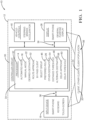
- Fig. 1 illustrates a non-limiting example of a system 10 for operating an automated-taxi 12, which some may refer to as an automated-mobility-on-demand (AMOD) type of vehicle.
- AMOD automated-mobility-on-demand
- one aspect of the system 10 is to minimize the travel-time and/or travel-distance of an AMOD transporting multiple clients to multiple destinations by optimizing the route taken.
- the optimization may take into consideration many factors such as, but not limited to, reported traffic-congestion, alternate entrances to locations, areas of pedestrian-congestion, airport congestion-zones or construction-zones.
- the optimization of the route may include transporting a client to an alternate-destination that is close enough the client's desired-destination.
- the automated-taxi 12 may be characterized as an automated vehicle.
- the term automated vehicle may apply to instances when the automated-taxi 12 is being operated in an automated-mode 14, i.e. a fully autonomous mode, where a human-operator (not shown) of the automated-taxi 12 may do little more than designate a destination to operate the automated-taxi 12, if there is any sort of operator in the automated-taxi 12. That is, it is contemplated that the automated-mode 14 includes driverless operation. However, full automation is not a requirement.
- the system 10 includes an input-device 18 operable by a client 20 to indicate or specify a desired-destination 22 of the client 20 and/or operable by other-clients 24 to indicate or specify other-destinations 26 of the other-clients 24.
- the input-device 18 may consist of or include one or more of, or any combination of, a smart-phone, a keyboard, a touch-screen, a microphone, or any other suitable means for a person or persons such as the client 20 or the other-clients 24 to provide information to the system 10.
- the input-device 18 may be carried by the client (e.g. a smart-phone or tablet), or located at kiosk or pickup-site, or located in or on the automated-taxi 12. As suggested in Fig.
- the client 20 or the other-clients 24 may already be aboard the automated-taxi, or waiting to board the automated-taxi 12, or requesting transportation by the automated-taxi 12 when the desired-destination 22 or the other-destinations 26 are indicated.
- the information provided to the system 10 by the client 20 or the other-clients 24 is not limited to the desired-destination 22 or the other-destinations 26.
- the system 10 includes a display 28 viewable by the client 20 and/or the other-clients 24.
- the display 28 may be or may include any one or combination of a smart-phone or tablet carried by the client 20 or the other-clients, or a general-purpose-display located at pick-up/drop-off kiosk, or located in or on the automated-taxi 12.
- the display 28 and the input-device 18 may be integrated in to a single touch-screen type device such as a smart-phone, but are referred to separately herein to facilitate explaining the system 10. That is, those in the art will recognize that the distinct functions of detecting the touching of a touch-screen and displaying information on a touch-screen are separate parts even though to the casual observer they appear to be the same thing.
- the system 10 includes a controller-circuit 30 in communication with the input-device 18 via an input 36 and the display 28 via an output 38.
- the controller-circuit 30, hereafter sometimes referred to as the controller 30, may include one or more instances of a processor 32 such as one or more instances of a microprocessor or other control circuitry such as analog and/or digital control circuitry including an application specific integrated circuit (ASIC) for processing data as should be evident to those in the art.
- ASIC application specific integrated circuit
- the controller 30 may include memory 34, i.e. non-transitory computer-readable storage-medium, including non-volatile memory, such as electrically erasable programmable read-only memory (EEPROM) for storing one or more routines, thresholds, and captured data.
- EEPROM electrically erasable programmable read-only memory
- the memory 34 may be part of the processor 32, or part of the controller 30, or separate from the controller 30 such as remote memory stored in the cloud.
- the one or more routines may be executed by the controller 30 or the processor 32 to perform steps for operating the automated-taxi 12 via vehicle-controls 40 (e.g. steering, brakes, accelerator) based on signals received by the controller 30 from, but not limited to the input-device 18.
- vehicle-controls 40 e.g. steering, brakes, accelerator
- Those in the automated vehicle arts will recognize that the means and techniques for automated control of the automated-taxi 12 via the vehicle-controls 40 are well-known.
- Fig. 2 illustrates a non-limiting example of a scenario 42 where a the automated-taxi 12 is preparing to pick-up the client 20 and the other-clients 24 at a pick-up location 44. It is contemplated that there may already be one or more other-clients (not shown) already in the automated-taxi 12. Also, the presence of the other-clients at the pick-up location 44 is not a requirement. That is, it is contemplated that the client 20 may be the only person to board the automated-taxi 12 at the pick-up location 44, and there may or may not be others present in the automated-taxi when the client 20 boards.
- instances of the other-clients 24 may board the automated-taxi 12 at a different location after picking up the client 20 after the desired-destination 22 of the client 20 has been entered or conveyed by the client 20 and/or received by the system 100.
- the controller-circuit 30 is configured determine and propose a preferred-route 46 in accordance with (i.e. based on) the desired-destination 22 and a plurality of other-destinations 26 (not specifically shown in Fig. 2 ) indicated by the plurality (e.g. one or more) of the other-clients 24 of the automated-taxi 12.
- the preferred-route 46 in this non-limiting example includes an alternate-destination 48 for the client 20, where the alternate-destination is relatively close to, but not as close as possible to the desired-destination 22. That is, the alternate-destination is characterized as within a distance-threshold 54, e.g. eighty-five meters (85m), of the desired-destination 22 of the client 20.
- a distance-threshold 54 e.g. eighty-five meters (85m)
- the automated-taxi 12 would need to follow a longer-route 50 that delays the arrival of the other-clients 24 to the various instances of the other-destinations 26 of the other-clients 24. While the non-limiting example of the preferred-route 46 shown in Fig. 2 appear to merely try to reduce the total travel distance of the automated-taxi 12, other factors such as, but not limited to, traffic congestion, alternate entrances to locations, pedestrian congestion, airport congestion zones and the like may be considered when determining the preferred-route 46.
- the controller 30 is advantageously and courteously configured to operate the display 28 to request a route-approval 52 from the client 20 for the alternate-destination 48. That is, the system 10 is configured to get permission from the client 20 to drop-off the client 20 at the alternate-destination 48 rather than the desired-destination 22.
- the system or more specifically the controller 30 or the processor 32 operates the automated-taxi 12 in accordance with the preferred-route 46 to transport the client to the alternate-destination 48.
- the system 10 may display a walking-route and a walking-time or arrival-time to get to desired-destination 22 by walking from the alternate-destination 48. While not likely for the example shown in Fig. 2 , scenarios are imagined where/when the client 20 may arrive sooner at the desired-destination 22 by walking from the alternate-destination 48 instead of waiting for the automated-taxi 12 to drive to the desired-destination 22 22. It is also contemplated that the request for the route-approval 52 could show a calorie count for exercise minded people, or show energy savings ecological minded people, and/or offer cost reduction of the fare charged if the alternate-destination is accepted.
- the controller-circuit 30 or the processor 32 operates the vehicle-controls 40, e.g. the steering, brakes, and accelerator of the automated-taxi 12 to transport the client 20 to the desired-destination 22.
- the system 10 may cause one instance of the automated-taxi 12 to not pick-up (i.e. bypass) the client 20 if alternate-destination 48 not approved, and may arrange for another instance of an automated-taxi to pick-up the client 20. That is, in response to the client 20 denying the route-approval 52, the controller-circuit 30 (or the processor 32) may operate the automated-taxi 12 to by-pass the client 20.
- the system 10 may ask the client 20 exit the automated-taxi 12 and board another automated-taxi nearby or approaching the location where the client is asked to exit.
- the system 10 may select the other-clients to travel with the client 20 from the client-population 56 either at the pick-up location 44 and/or other pick-up locations (not show) along the preferred-route 46, where those selected are characterized as those headed in the same general direction. That is, the controller-circuit 30 may be configured to select the client 20 and the other-clients 24 from a client-population 56 based on the desired-destination 22 of the client 20 and the other-destinations 26 of the other-clients.
- the system 10 may ask or request that the other-clients approve picking-up the client 20 before doing so. That is, the controller-circuit 30 may be configured to request a delay-approval 58 from the other-clients 24 when picking-up and taking the client 20 to the desired-destination increases one or more arrival-times of the other-clients 24 by greater than a delay-threshold 60, e.g. two minutes (2 min.). In response to one or more of the other-clients denying the delay-approval 58, the controller-circuit 30 may operate the automated-taxi 12 to by-pass the client 20.
- a delay-approval 58 from the other-clients 24 when picking-up and taking the client 20 to the desired-destination increases one or more arrival-times of the other-clients 24 by greater than a delay-threshold 60, e.g. two minutes (2 min.).
- the controller-circuit 30 may operate the automated-taxi 12 to by-pass the client 20.
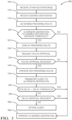
- Fig. 3 illustrates a non-limiting example of a method 100 of operating the automated-taxi 12.
- Step 105 RECEIVE OTHER-DESTINATION(S), may include communicating with the client-population 56, which includes the other-clients 24, via any number of communications means including, but not limit to smart-phones carried by the client-population 56, or a touch-screen or keyboard/mouse form to the input-device 18 to receive the other-destinations 26.
- communications means including, but not limit to smart-phones carried by the client-population 56, or a touch-screen or keyboard/mouse form to the input-device 18 to receive the other-destinations 26.
- Step 110 RECEIVE DESIRED-DESTINATION, may include receiving the desired-destination 22 of the client 20 from the input-device 18 which is operable by the client.
- the order of steps 105 and 110 may be reversed.
- the other-clients 24 may have been previously selected from the client-population 56 because the other-clients 24 have destinations that are nearby each other or are in the same general direction from where the other-clients 24 boarded the automated-taxi 12.
- the client 20 may be picked up at the pickup-location 44 ( Fig. 2 ) because the route of the automated-taxi 12 passes near the pick-up-location 44.
- the method 100 includes selecting the client 20 and the other-clients 24 from a client-population 56 based on the desired-destination 22 and the other-destinations 26.
- the client 20 may be the first person selected for transport ion by the automated-taxi 12 because, for example, the client 20 is a preferred customer (e.g. frequent rider), or the client 20 is already on board the automated-taxi when the other-clients 24 are picked-up.
- Step 115 DETERMINE PREFERRED-ROUTE, may include determining a preferred-route 46 in accordance with the desired-destination 22 and a plurality of other-destinations 26 indicated by a plurality of other-clients 24 of an automated-taxi 12.
- the preferred-route 46 may include, suggest, or propose an alternate-destination 48 for the client 20, where the alternate-destination 48 is characterized as located within (i.e. closer than) a distance-threshold 54 from the desired-destination 22 of the client 20.
- Step 120 ALTERNATE-DESTINATION TO DESIRED-DESTINATION ⁇ DISTANCE-THRESHOLD?, may include consulting a digital-map or other navigation database to determine the distance between the alternate-destination 48 and the desired-destination 22, and comparing that difference to the distance-threshold 54 to determine if the alternate-destination 48 is acceptable to at least predetermined rules for selecting an instance of the alternate-destination 48.
- Step 125 DISPLAY PREFERRED-ROUTE, may include operating the display 28 to show a map or representation of the preferred-route 46 to the client 20.
- the desired-destination 22 and the alternate-destination 48 may also be displayed along with other information such as, but not limited to, an estimate of the distance between the desired-destination 22 and the alternate-destination 48, an estimate of how long it will take the client to walk from the alternate-destination 48 to the desired-destination 22, and/or how much less the client 20 will be charged by agreeing to be dropped-off at the alternate-destination 48 instead of the desired-destination 22.
- Step 130 REQUEST ROUTE-APPROVAL, may include requesting a route-approval 52 from the client 20 for transporting the client 20 to the alternate-destination 48 instead of the desired-destination 22.
- the requesting of the route-approval 52 may be, for example, done via a smart-phone carried by the client 20, or may require a password or identification verification if the route-approval 52 is conveyed from the client 20 using a public input terminal at the pick-up location 44.
- Step 135, ROUTE-APPROVAL RECEIVED? may include updating the planned route displayed to the other-clients 24, and optionally proposing alternative drop-off locations for one or more of the other-clients 24 so the overall efficiency of transporting all passengers on the automated-taxi 12.
- Step 140 OPERATE PER PREFERRED-ROUTE, may include the controller-circuit 30 outputting signals effective for operating the vehicle-controls 40 of the automated-taxi 12 so the preferred-route 46 is followed.
- Step 145 TRANSPORT CLIENT TO ALTERNATE-DESTINATION, may include, in response to receiving the route-approval 52, operating the automated-taxi 12 in accordance with the preferred-route 46 to transport the client 20 to the alternate-destination 48.
- Step 150 ETA DELAY ⁇ DELAY-THRESHOLD?, is an optional step that may be executed when the client 20 denies the route-approval 52, thereby requiring the automated-taxi 12 to travel to the desired-destination 22, and delaying the estimated time of arrival (ETA) of the other-clients 24 to their respective destination.
- ETA estimated time of arrival
- Step 155, DELAY-APPROVAL RECEIVED? may include logging the various responses from the other-clients 24 to a request for a delay-approval 58. If all or a substantial majority (e.g. >75%) grant the delay-approval 58, then the client 20 is transported to the desired-destination. In one scenario, the client 20 is already in the automated-taxi when the delay-approval 58 is requested. If the delay-approval 58 is denied, the client 20 may be dropped off a transfer-station where another automated-taxi may pick-up the client 20 and complete the transportation to the desired-destination. If the client 20 is not on-board but is waiting at the pick-up location 44, the automated-taxi 12 may bypass (i.e. not pick-up) the client 20, and the system 10 may arrange for another automated-taxi to pick-up the client 20.
- the automated-taxi 12 may bypass (i.e. not pick-up) the client 20, and the system 10 may arrange for another automated-taxi to pick-up the
- Step 160, BYPASS CLIENT may include in response to the client denying the route-approval, operating the automated-taxi to by-pass the client 20, e.g. drive past the pick-up location 44 without stopping.
- Step 165 OPERATE TO DESIRED-DESTINATION, may include in response to the client denying the route-approval or for other reasons suggested above, operating the automated-taxi 12 to transport the client 20 to the desired-destination 22
- a first device 30 that includes one or more processors 32; memory 34; and one or more programs 105-165 stored in memory 34.
- the one or more programs 105-165 include instructions for performing all or part of the method 100.
- a non-transitory computer-readable storage-medium 34 comprising one or more programs 105-165 for execution by one or more processors 32 of a first device 30.
- the one or more programs 105-165 include instructions which, when executed by the one or more processors 32, cause the first device 30 to perform all or part of the method 100.
- the automated-taxi 12 has adaptable routing that takes into consideration multiple destinations of multiple clients, determines an optimum route for the automated-taxi that may include delivering one or more clients to locations that are 'close enough' to their desired destinations.
Landscapes
- Engineering & Computer Science (AREA)
- Radar, Positioning & Navigation (AREA)
- Remote Sensing (AREA)
- Physics & Mathematics (AREA)
- General Physics & Mathematics (AREA)
- Automation & Control Theory (AREA)
- Business, Economics & Management (AREA)
- Human Resources & Organizations (AREA)
- Strategic Management (AREA)
- Economics (AREA)
- Aviation & Aerospace Engineering (AREA)
- Theoretical Computer Science (AREA)
- Tourism & Hospitality (AREA)
- Marketing (AREA)
- General Business, Economics & Management (AREA)
- Game Theory and Decision Science (AREA)
- Quality & Reliability (AREA)
- Operations Research (AREA)
- Entrepreneurship & Innovation (AREA)
- Mathematical Physics (AREA)
- Development Economics (AREA)
- Health & Medical Sciences (AREA)
- General Health & Medical Sciences (AREA)
- Primary Health Care (AREA)
- Traffic Control Systems (AREA)
- Navigation (AREA)
- Management, Administration, Business Operations System, And Electronic Commerce (AREA)
Applications Claiming Priority (3)
| Application Number | Priority Date | Filing Date | Title |
|---|---|---|---|
| US201862690494P | 2018-06-27 | 2018-06-27 | |
| US16/021,522 US11157005B2 (en) | 2018-06-27 | 2018-06-28 | Automated-taxi that proposes alternate-destination to optimize route |
| EP19181182.7A EP3588008B1 (de) | 2018-06-27 | 2019-06-19 | Automatisiertes taxi, das ein alternatives ziel zur optimierung der route vorschlägt |
Related Parent Applications (1)
| Application Number | Title | Priority Date | Filing Date |
|---|---|---|---|
| EP19181182.7A Division EP3588008B1 (de) | 2018-06-27 | 2019-06-19 | Automatisiertes taxi, das ein alternatives ziel zur optimierung der route vorschlägt |
Publications (2)
| Publication Number | Publication Date |
|---|---|
| EP4243000A2 true EP4243000A2 (de) | 2023-09-13 |
| EP4243000A3 EP4243000A3 (de) | 2023-11-01 |
Family
ID=66998310
Family Applications (2)
| Application Number | Title | Priority Date | Filing Date |
|---|---|---|---|
| EP19181182.7A Active EP3588008B1 (de) | 2018-06-27 | 2019-06-19 | Automatisiertes taxi, das ein alternatives ziel zur optimierung der route vorschlägt |
| EP23167391.4A Pending EP4243000A3 (de) | 2018-06-27 | 2019-06-19 | Automatisiertes taxi, das ein alternatives ziel zur optimierung der route vorschlägt |
Family Applications Before (1)
| Application Number | Title | Priority Date | Filing Date |
|---|---|---|---|
| EP19181182.7A Active EP3588008B1 (de) | 2018-06-27 | 2019-06-19 | Automatisiertes taxi, das ein alternatives ziel zur optimierung der route vorschlägt |
Country Status (3)
| Country | Link |
|---|---|
| US (2) | US11157005B2 (de) |
| EP (2) | EP3588008B1 (de) |
| CN (1) | CN110647143A (de) |
Families Citing this family (6)
| Publication number | Priority date | Publication date | Assignee | Title |
|---|---|---|---|---|
| US10495471B2 (en) | 2017-05-09 | 2019-12-03 | Uber Technologies, Inc. | Destination changes in autonomous vehicles |
| JP7413902B2 (ja) * | 2020-04-03 | 2024-01-16 | トヨタ自動車株式会社 | 運行管理装置、運行管理システム、及び運行管理方法 |
| JP7354913B2 (ja) * | 2020-04-16 | 2023-10-03 | トヨタ自動車株式会社 | 運行管理装置、運行管理システム、及び運行管理方法 |
| US12077188B2 (en) * | 2020-09-22 | 2024-09-03 | Waymo Llc | Leveraging weather information to improve passenger pickup and drop offs for autonomous vehicles |
| CN112766544A (zh) * | 2021-01-04 | 2021-05-07 | 北京嘀嘀无限科技发展有限公司 | 用于优化用户的行程的方法、装置、电子设备、存储介质和计算机程序产品 |
| CN113762583A (zh) * | 2021-04-20 | 2021-12-07 | 腾讯科技(深圳)有限公司 | 一种路线规划方法、装置、设备及计算机可读存储介质 |
Family Cites Families (19)
| Publication number | Priority date | Publication date | Assignee | Title |
|---|---|---|---|---|
| US20090150067A1 (en) * | 2007-12-06 | 2009-06-11 | Dorothy Veronica Lindman | Navigation and Itinerary Management System |
| ES2525738B2 (es) | 2014-01-27 | 2015-04-13 | Martín HERRÁIZ HERRÁIZ | Procedimiento de supervisión y control de recorridos de vehículos para optimizar la utilización de sus capacidades de carga |
| US20160349067A1 (en) * | 2015-05-29 | 2016-12-01 | Here Global B.V. | Ride Sharing Navigation |
| CN105407127A (zh) * | 2015-06-26 | 2016-03-16 | 乌海涛 | 一种用于乘用工具资源免费共享的方法、装置以及系统 |
| CN106610295A (zh) * | 2015-10-27 | 2017-05-03 | 腾讯科技(深圳)有限公司 | 一种路线导航方法、终端、服务器及系统 |
| US9989369B2 (en) * | 2015-12-29 | 2018-06-05 | Ebay Inc. | Proactive re-routing of vehicles to control traffic flow |
| WO2017223031A1 (en) | 2016-06-21 | 2017-12-28 | Via Transportation, Inc. | Systems and methods for vehicle ridesharing management |
| US20180173219A1 (en) * | 2016-09-30 | 2018-06-21 | Faraday&Future Inc. | Systems and methods for optimizing energy consumption in autonomous vehicles |
| US10677602B2 (en) * | 2017-01-25 | 2020-06-09 | Via Transportation, Inc. | Detecting the number of vehicle passengers |
| JP6575543B2 (ja) * | 2017-02-07 | 2019-09-18 | トヨタ自動車株式会社 | 自動運転装置、及び自動運転方法 |
| US9953539B1 (en) * | 2017-03-28 | 2018-04-24 | Nec Corporation | Method and system for providing demand-responsive dispatching of a fleet of transportation vehicles, and a mobility-activity processing module for providing a mobility trace database |
| US10126138B1 (en) * | 2017-05-10 | 2018-11-13 | Lyft, Inc. | Dynamic geolocation optimization of pickup paths using curb segment data |
| CN107172210A (zh) * | 2017-07-06 | 2017-09-15 | 安徽超清科技股份有限公司 | 一种拼车服务系统 |
| BR112020002611A2 (pt) * | 2017-08-08 | 2020-07-28 | Nissan Motor Co., Ltd. | método de gerenciamento de veículo compartilhado e dispositivo de gerenciamento de veículo compartilhado |
| US10725473B2 (en) * | 2017-09-01 | 2020-07-28 | Uatc, Llc | Systems and methods for changing a destination of an autonomous vehicle in real-time |
| US10775806B2 (en) * | 2017-12-22 | 2020-09-15 | Lyft, Inc. | Autonomous-vehicle dispatch based on fleet-level target objectives |
| WO2019136341A1 (en) * | 2018-01-08 | 2019-07-11 | Via Transportation, Inc. | Systems and methods for managing and scheduling ridesharing vehicles |
| CN110309241B (zh) * | 2018-03-15 | 2021-11-23 | 北京嘀嘀无限科技发展有限公司 | 挖掘方法、装置、服务器、计算机设备和可读存储介质 |
| US20190392357A1 (en) * | 2018-06-22 | 2019-12-26 | Uber Technologies, Inc. | Request optimization for a network-based service |
-
2018
- 2018-06-28 US US16/021,522 patent/US11157005B2/en active Active
-
2019
- 2019-06-19 EP EP19181182.7A patent/EP3588008B1/de active Active
- 2019-06-19 EP EP23167391.4A patent/EP4243000A3/de active Pending
- 2019-06-26 CN CN201910562570.2A patent/CN110647143A/zh active Pending
-
2021
- 2021-10-25 US US17/509,879 patent/US20220043451A1/en not_active Abandoned
Also Published As
| Publication number | Publication date |
|---|---|
| US20200004250A1 (en) | 2020-01-02 |
| EP4243000A3 (de) | 2023-11-01 |
| US11157005B2 (en) | 2021-10-26 |
| EP3588008A1 (de) | 2020-01-01 |
| US20220043451A1 (en) | 2022-02-10 |
| EP3588008B1 (de) | 2023-04-12 |
| CN110647143A (zh) | 2020-01-03 |
Similar Documents
| Publication | Publication Date | Title |
|---|---|---|
| EP3588008B1 (de) | Automatisiertes taxi, das ein alternatives ziel zur optimierung der route vorschlägt | |
| US12033194B2 (en) | Ridesharing management device, ridesharing management method, and program | |
| EP3607525B1 (de) | Koordinierung der fahrt in einem öffentlichen nahverkehrssystem und fahrtkoordinierungssystem | |
| CN112189224B (zh) | 上下车位置决定方法、上下车位置决定装置以及上下车位置决定系统 | |
| EP3355028B1 (de) | Verfahren und system zur verwaltung einer flotte von mitfahr-fahrzeugen mit virtuellen bushaltestellen | |
| US20190103028A1 (en) | Demand responsive operation system | |
| US20190012625A1 (en) | Autonomous vehicle/drive-through synchronization system and synchronization method | |
| US7849974B2 (en) | Method of dispatching an elevator car | |
| US9778057B2 (en) | Selecting a route to a destination based on zones | |
| KR101555450B1 (ko) | 도착 정보 제공 방법 및 서버 및 디스플레이 장치 | |
| EP3352115A1 (de) | Transportsystem mit automatischen fahrzeugen für bodentransport über mehrere segmente | |
| JP7291522B2 (ja) | 乗車予約利用者支援装置及び乗車予約利用者支援方法 | |
| US20170249836A1 (en) | Conflict-Resolution System For Operating An Automated Vehicle | |
| CN111033595A (zh) | 共用车辆管理方法以及共用车辆管理装置 | |
| US20160102490A1 (en) | Method and system for increasing the safety in the boarding area and for optimizing usage of the capacity in transport means which comprise at least one locally fixed boarding area | |
| US20210107509A1 (en) | Vehicle control system, vehicle control device, and vehicle control method | |
| US20200124435A1 (en) | Distributed route determination system | |
| EP3644269A1 (de) | Transportsystem und verfahren mit client-unterstützung zur persönlichen überreichung eines pakets | |
| CN111383045A (zh) | 信息处理装置和移动车辆系统 | |
| CN113807672A (zh) | 无人车配送方法、装置及存储介质 | |
| CN108573314B (zh) | 拼车时间确定方法、系统、计算机设备和计算机存储介质 | |
| JP6650421B2 (ja) | 配車管理装置、配車管理方法、モビリティシステム、およびプログラム | |
| JP2021170254A (ja) | 配車制御装置、配車制御システム、及び配車制御方法 | |
| US12305993B2 (en) | Method for checking a transport journey of a user by means of an autonomously driving vehicle, and electronic management system | |
| US12435983B2 (en) | Vehicle allocation control device, vehicle allocation control system, and vehicle allocation control method |
Legal Events
| Date | Code | Title | Description |
|---|---|---|---|
| PUAI | Public reference made under article 153(3) epc to a published international application that has entered the european phase |
Free format text: ORIGINAL CODE: 0009012 |
|
| STAA | Information on the status of an ep patent application or granted ep patent |
Free format text: STATUS: REQUEST FOR EXAMINATION WAS MADE |
|
| 17P | Request for examination filed |
Effective date: 20230511 |
|
| AC | Divisional application: reference to earlier application |
Ref document number: 3588008 Country of ref document: EP Kind code of ref document: P |
|
| AK | Designated contracting states |
Kind code of ref document: A2 Designated state(s): AL AT BE BG CH CY CZ DE DK EE ES FI FR GB GR HR HU IE IS IT LI LT LU LV MC MK MT NL NO PL PT RO RS SE SI SK SM TR |
|
| REG | Reference to a national code |
Ref country code: DE Ref legal event code: R079 Free format text: PREVIOUS MAIN CLASS: G08G0001096800 Ipc: G01C0021340000 |
|
| PUAL | Search report despatched |
Free format text: ORIGINAL CODE: 0009013 |
|
| AK | Designated contracting states |
Kind code of ref document: A3 Designated state(s): AL AT BE BG CH CY CZ DE DK EE ES FI FR GB GR HR HU IE IS IT LI LT LU LV MC MK MT NL NO PL PT RO RS SE SI SK SM TR |
|
| RIC1 | Information provided on ipc code assigned before grant |
Ipc: G08G 1/0968 20060101ALI20230925BHEP Ipc: G08G 1/00 20060101ALI20230925BHEP Ipc: G06Q 50/30 20120101ALI20230925BHEP Ipc: G06Q 10/047 20230101ALI20230925BHEP Ipc: G01C 21/36 20060101ALI20230925BHEP Ipc: G01C 21/34 20060101AFI20230925BHEP |