EP4232154B1 - Modulateurs de la voie de réponse à la contrainte intégrée - Google Patents
Modulateurs de la voie de réponse à la contrainte intégrée Download PDFInfo
- Publication number
- EP4232154B1 EP4232154B1 EP21798644.7A EP21798644A EP4232154B1 EP 4232154 B1 EP4232154 B1 EP 4232154B1 EP 21798644 A EP21798644 A EP 21798644A EP 4232154 B1 EP4232154 B1 EP 4232154B1
- Authority
- EP
- European Patent Office
- Prior art keywords
- chloro
- alkyl
- fluorophenoxy
- pharmaceutically acceptable
- compound
- Prior art date
- Legal status (The legal status is an assumption and is not a legal conclusion. Google has not performed a legal analysis and makes no representation as to the accuracy of the status listed.)
- Active
Links
Classifications
-
- A—HUMAN NECESSITIES
- A61—MEDICAL OR VETERINARY SCIENCE; HYGIENE
- A61K—PREPARATIONS FOR MEDICAL, DENTAL OR TOILETRY PURPOSES
- A61K31/00—Medicinal preparations containing organic active ingredients
- A61K31/33—Heterocyclic compounds
- A61K31/395—Heterocyclic compounds having nitrogen as a ring hetero atom, e.g. guanethidine or rifamycins
- A61K31/435—Heterocyclic compounds having nitrogen as a ring hetero atom, e.g. guanethidine or rifamycins having six-membered rings with one nitrogen as the only ring hetero atom
- A61K31/44—Non condensed pyridines; Hydrogenated derivatives thereof
- A61K31/445—Non condensed piperidines, e.g. piperocaine
- A61K31/4523—Non condensed piperidines, e.g. piperocaine containing further heterocyclic ring systems
- A61K31/454—Non condensed piperidines, e.g. piperocaine containing further heterocyclic ring systems containing a five-membered ring with nitrogen as a ring hetero atom, e.g. pimozide, domperidone
-
- A—HUMAN NECESSITIES
- A61—MEDICAL OR VETERINARY SCIENCE; HYGIENE
- A61K—PREPARATIONS FOR MEDICAL, DENTAL OR TOILETRY PURPOSES
- A61K31/00—Medicinal preparations containing organic active ingredients
- A61K31/33—Heterocyclic compounds
- A61K31/395—Heterocyclic compounds having nitrogen as a ring hetero atom, e.g. guanethidine or rifamycins
- A61K31/435—Heterocyclic compounds having nitrogen as a ring hetero atom, e.g. guanethidine or rifamycins having six-membered rings with one nitrogen as the only ring hetero atom
- A61K31/44—Non condensed pyridines; Hydrogenated derivatives thereof
- A61K31/445—Non condensed piperidines, e.g. piperocaine
- A61K31/4523—Non condensed piperidines, e.g. piperocaine containing further heterocyclic ring systems
- A61K31/4545—Non condensed piperidines, e.g. piperocaine containing further heterocyclic ring systems containing a six-membered ring with nitrogen as a ring hetero atom, e.g. pipamperone, anabasine
-
- A—HUMAN NECESSITIES
- A61—MEDICAL OR VETERINARY SCIENCE; HYGIENE
- A61P—SPECIFIC THERAPEUTIC ACTIVITY OF CHEMICAL COMPOUNDS OR MEDICINAL PREPARATIONS
- A61P25/00—Drugs for disorders of the nervous system
- A61P25/28—Drugs for disorders of the nervous system for treating neurodegenerative disorders of the central nervous system, e.g. nootropic agents, cognition enhancers, drugs for treating Alzheimer's disease or other forms of dementia
-
- A—HUMAN NECESSITIES
- A61—MEDICAL OR VETERINARY SCIENCE; HYGIENE
- A61P—SPECIFIC THERAPEUTIC ACTIVITY OF CHEMICAL COMPOUNDS OR MEDICINAL PREPARATIONS
- A61P35/00—Antineoplastic agents
-
- C—CHEMISTRY; METALLURGY
- C07—ORGANIC CHEMISTRY
- C07D—HETEROCYCLIC COMPOUNDS
- C07D413/00—Heterocyclic compounds containing two or more hetero rings, at least one ring having nitrogen and oxygen atoms as the only ring hetero atoms
- C07D413/02—Heterocyclic compounds containing two or more hetero rings, at least one ring having nitrogen and oxygen atoms as the only ring hetero atoms containing two hetero rings
- C07D413/04—Heterocyclic compounds containing two or more hetero rings, at least one ring having nitrogen and oxygen atoms as the only ring hetero atoms containing two hetero rings directly linked by a ring-member-to-ring-member bond
-
- C—CHEMISTRY; METALLURGY
- C07—ORGANIC CHEMISTRY
- C07D—HETEROCYCLIC COMPOUNDS
- C07D471/00—Heterocyclic compounds containing nitrogen atoms as the only ring hetero atoms in the condensed system, at least one ring being a six-membered ring with one nitrogen atom, not provided for by groups C07D451/00 - C07D463/00
- C07D471/02—Heterocyclic compounds containing nitrogen atoms as the only ring hetero atoms in the condensed system, at least one ring being a six-membered ring with one nitrogen atom, not provided for by groups C07D451/00 - C07D463/00 in which the condensed system contains two hetero rings
- C07D471/04—Ortho-condensed systems
Definitions
- the present invention relates to compounds of formula (I) or pharmaceutically acceptable salts, solvates, hydrates, tautomers or stereoisomers thereof, wherein R 1 , R 2 , R 2a , R 3 , R 4 , R 4a , R 4b , R 4c , R 4d , R 4e , R 5 , R 6 have the meaning as indicated in the description and claims.
- the invention further relates to pharmaceutical compositions comprising said compounds, the compounds for use as medicament and in a method for treating or preventing of one or more diseases or disorders associated with integrated stress response.
- ISR Integrated Stress Response
- ISR is a common denominator of different types of cellular stresses resulting in phosphorylation of the alpha subunit of eukaryotic translation initiation factor 2 (eIF2alpha) on serine 51 leading to the suppression of normal protein synthesis and expression of stress response genes (2).
- eIF2alpha eukaryotic translation initiation factor 2
- the phosphorylation is carried out by a family of four eIF2alpha kinases, namely: PKR-like ER kinase (PERK), double-stranded RNA-dependent protein kinase (PKR), heme-regulated eIF2alpha kinase (HRI), and general control non-derepressible 2 (GCN2), each responding to distinct environmental and physiological stresses (3).
- PERK PKR-like ER kinase
- PSR double-stranded RNA-dependent protein kinase
- HRI heme-regulated eIF2alpha kinase
- eIF2alpha together with eIF2beta and eIF2gamma form the eIF2 complex, a key player of the initiation of normal mRNA translation (4).
- the eIF2 complex binds GTP and Met-tRNA i forming a ternary complex (eIF2-GTP-Met-tRNA i ), which is recruited by ribosomes for translation initiation (5, 6).
- eIF2B is a heterodecameric complex consisting of 5 subunits (alpha, beta, gamma, delta, epsilon) which in duplicate form a GEF-active decamer (7).
- phosphorylated eIF2alpha inhibits the eIF2B-mediated exchange of GDP for GTP, resulting in reduced ternary complex formation and hence in the inhibition of translation of normal mRNAs characterized by ribosomes binding to the 5' AUG start codon (8).
- the translation of several specific mRNAs including the mRNA coding for the transcription factor ATF4 is activated via a mechanism involving altered translation of upstream ORFs (uORFs) (7, 9, 10).
- uORFs upstream ORFs
- These mRNAs typically contain one or more uORFs that normally function in unstressed cells to limit the flow of ribosomes to the main coding ORF.
- uORFs in the 5' UTR of ATF occupy the ribosomes and prevent translation of the coding sequence of ATF4.
- stress conditions i.e. under conditions of reduced ternary complex formation
- the probability for ribosomes to scan past these upstream ORFs and initiate translation at the ATF4 coding ORF is increased.
- ATF4 and other stress response factors expressed in this way subsequently govern the expression of an array of further stress response genes.
- the acute phase consists in expression of proteins that aim to restore homeostasis, while the chronic phase leads to expression of pro-apoptotic factors (1, 11, 12, 13).
- ISR signaling Upregulation of markers of ISR signaling has been demonstrated in a variety of conditions, among these cancer and neurodegenerative diseases.
- ER stress-regulated translation increases tolerance to hypoxic conditions and promotes tumor growth (14, 15, 16)
- deletion of PERK by gene targeting has been shown to slow growth of tumours derived from transformed PERK -/ - mouse embryonic fibroblasts (14, 17).
- a recent report has provided proof of concept using patient derived xenograft modeling in mice for activators of eIF2B to be effective in treating a form of aggressive metastatic prostate cancer (28).
- prevention of cytoprotective ISR signaling may represent an effective anti-proliferation strategy for the treatment of at least some forms of cancer.
- ISR signaling could prove effective in preserving synaptic function and reducing neuronal decline, also in neurodegenerative diseases that are characterized by misfolded proteins and activation of the unfolded protein response (UPR), such as amyotrophic lateral sclerosis (ALS), frontotemporal dementia (FTD), Alzheimer's disease (AD), Parkinson's disease (PD) and Jakob Creutzfeld (prion) diseases (18, 19, 20).
- ALS amyotrophic lateral sclerosis
- FTD frontotemporal dementia
- AD Alzheimer's disease
- PD Parkinson's disease
- Jakob Creutzfeld prion
- Modulators of the eIF2 alpha pathway are described in WO 2014/144952 A2 .
- WO 2017/193030 A1 , WO 2017/193034 A1 , WO 2017/193041 A1 and WO 2017/193063 A1 describe modulators of the integrated stress pathway.
- WO 2017/212423 A1 , WO 2017/212425 A1 , WO 2018/225093 A1 , WO 2019/008506 A1 and WO 2019/008507 A1 describe inhibitors of the ATF4 pathway.
- WO 2019/032743 A1 WO 2019/046779 A1 , WO 2020/167994 A1 , WO 2020/168011 A1 and WO 2020/181247 A1 relate to eukaryotic initiation factor 2B modulators.
- WO 2020/77217 A1 compounds, compositions, and methods useful for modulating the integrated stress response (ISR) and for treating related diseases, disorders and conditions are described.
- ISR integrated stress response
- modulators of the integrated stress pathway are WO 2019/090069 A1 , WO 2019/090074 A1 , WO 2019/090076 A1 , WO 2019/090078 A1 , WO 2019/090081 A1 , WO 2019/090082 A1 , WO 2019/090085 A1 , WO 2019/090088 A1 , WO 2019/090090 A1 , WO 2020/223536 A1 , WO 2020/223538 A1 , WO 2020/252207 A1 , WO 2020/252205 A1 , European patent applications 20203312.2 , 20203311.4 and 21192154.9 , WO 2021/180774 A1 , WO 2021/151865 A1 , WO 2020/216764 A1 and WO 2020/216766 A1 .
- Modulators of eukaryotic initiation factors are described in WO 2019/183589 A1 .
- WO 2019/118785 A2 WO 2019/236710 A1 and WO 2020/176428 A1 describe inhibitors of the integrated stress response pathway.
- Heteroaryl derivatives as ATF4 inhibitors are described in WO 2019/193540 A1 .
- Bicyclic aromatic ring derivatives as ATF4 inhibitors are described in WO 2019/193541 A1 .
- WO 2020/031107 A1 and WO 2020/012339 A1 describe inhibitors of the ATF4 pathway.
- an object of the present invention is to provide a new class of compounds as modulators of the integrated stress response pathway, which may be effective in the treatment of integrated stress response pathway related diseases and which may show improved pharmaceutically relevant properties including activity, solubility, selectivity, ADMET properties and/or reduced side effects.
- the disclosed example compounds according to the present invention have favourable physico-chemical properties and/or selectivity, which combine to help to achieve beneficial therapeutic efficacy whilst limiting unintended liabilities.
- variable or substituent can be selected from a group of different variants and such variable or substituent occurs more than once the respective variants can be the same or different.
- substituents means one, two or three, preferably one or two substituents and more preferably one substituent. Generally these substituents can be the same or different.
- substituents also means by way of example one, two, three, four or five, preferably by way of example one, two, three or four.
- Alkyl means a straight-chain or branched hydrocarbon chain. Each hydrogen of an alkyl carbon may be replaced by a substituent as further specified.
- Alkenyl means a straight-chain or branched hydrocarbon chain that contains at least one carbon-carbon double bond. Each hydrogen of an alkenyl carbon may be replaced by a substituent as further specified.
- Alkynyl means a straight-chain or branched hydrocarbon chain that contains at least one carbon-carbon triple bond. Each hydrogen of an alkynyl carbon may be replaced by a substituent as further specified.
- C 1-4 alkyl means an alkyl chain having 1 - 4 carbon atoms, e.g. if present at the end of a molecule: methyl, ethyl, n-propyl, isopropyl, n-butyl, isobutyl, sec-butyl, tert-butyl, or e.g. - CH 2 -, -CH 2 -CH 2 -, -CH(CH 3 )-, -CH 2 -CH 2 -CH 2 -, -CH(C 2 H 5 )-, -C(CH 3 ) 2 -, when two moieties of a molecule are linked by the alkyl group.
- Each hydrogen of a C 1-4 alkyl carbon may be replaced by a substituent as further specified.
- the term "C 1-3 alkyl" is defined accordingly.
- C 1-6 alkyl means an alkyl chain having 1 - 6 carbon atoms, e.g. if present at the end of a molecule: C 1-4 alkyl, methyl, ethyl, n-propyl, isopropyl, n-butyl, isobutyl, sec-butyl, tert-butyl, n-pentyl, n-hexyl, or e.g.
- Each hydrogen of a C 2-6 alkenyl carbon may be replaced by a substituent as further specified.
- C 2-6 alkynyl means an alkynyl chain having 2 to 6 carbon atoms, e.g. if present at the end of a molecule: -C ⁇ CH, -CH 2 -C ⁇ CH, CH 2 -CH 2 -C ⁇ CH, CH 2 -C ⁇ C-CH 3 , or e.g. -C---C- when two moieties of a molecule are linked by the alkynyl group.
- Each hydrogen of a C 2-6 alkynyl carbon may be replaced by a substituent as further specified.
- C 3-7 cycloalkyl or “C 3-7 cycloalkyl ring” means a cyclic alkyl chain having 3 - 7 carbon atoms, e.g. cyclopropyl, cyclobutyl, cyclopentyl, cyclohexyl, cyclohexenyl, cycloheptyl.
- cycloalkyl refers to cyclopropyl, cyclobutyl, cyclopentyl, cyclohexyl, or cycloheptyl.
- Each hydrogen of a cycloalkyl carbon may be replaced by a substituent as further specified herein.
- the term “C 3-5 cycloalkyl” or "C 3-5 cycloalkyl ring” is defined accordingly.
- C 5 cycloalkylene refers to a bivalent cycloalkyl with five carbon atoms, i.e. a bivalent cyclopentyl ring.
- C 5 cycloalkenylene refers to a bivalent cycloalkenylene, i.e. a bivalent cyclopentene or cyclopentadiene.
- C 4-12 bicycloalkyl or “C 4-12 bicycloalkyl ring” means a bicyclic fused, bridged or spiro alkyl chain having 4 to 12 carbon atoms, e.g. hexahydroindane, Octahydropentalen, bicycle[2.2.1]heptane or spiro(3.2)hexane.
- Each hydrogen of a bicycloalkyl carbon may be replaced by a substituent as further specified herein.
- Halogen means fluoro, chloro, bromo or iodo. It is generally preferred that halogen is fluoro or chloro.
- Examples for a 3 to 7 membered heterocycle are aziridine, azetidine, oxetane, thietane, furan, thiophene, pyrrole, pyrroline, imidazole, imidazoline, pyrazole, pyrazoline, oxazole, oxazoline, isoxazole, isoxazoline, thiazole, thiazoline, isothiazole, isothiazoline, thiadiazole, thiadiazoline, tetrahydrofuran, tetrahydrothiophene, pyrrolidine, imidazolidine, pyrazolidine, oxazolidine, isoxazolidine, thiazolidine, isothiazolidine, thiadiazolidine, sulfolane, pyran, dihydropyran, tetrahydropyran, imidazolidine, pyridine, pyridazine, pyrazine
- 5 to 6 membered heterocyclyl or “5 to 6 membered heterocycle” is defined accordingly and and includes 5 to 6 membered aromatic heterocyclyl or heterocycle.
- 5 membered heterocyclyl or “5 membered heterocycle” is defined accordingly and includes 5 membered aromatic heterocyclyl or heterocycle.
- nitrogen ring atom containing 5-membered heterocyclene refers to a bivalent 5-membered heterocycle, wherein at least one of the five ring atoms is a nitrogen atom and wherein the ring is linked to the rest of the molecule via a carbon or nitrogen atom.
- “Saturated 4 to 7 membered heterocyclyl” or “saturated 4 to 7 membered heterocycle” means fully saturated “4 to 7 membered heterocyclyl” or "4 to 7 membered heterocycle”.
- heterocycles examples include furan, thiophene, pyrrole, imidazole, pyrazole, oxazole, isoxazole, thiazole, isothiazole, thiadiazole, triazole, tetrazole, pyridine, pyrimidine, pyridazine, pyrazine, triazine.
- heterocycles are furan, thiophene, pyrrole, imidazole, pyrazole, oxazole, isoxazole, thiazole, isothiazole, thiadiazole, triazole, tetrazole.
- heterocycles are pyridine, pyrimidine, pyridazine, pyrazine, triazine.
- Examples for a 7 to 12 membered heterobicycle are indole, indoline, benzofuran, benzothiophene, benzoxazole, benzisoxazole, benzothiazole, benzisothiazole, benzimidazole, benzimidazoline, quinoline, quinazoline, dihydroquinazoline, quinoline, dihydroquinoline, tetrahydroquinoline, decahydroquinoline, isoquinoline, decahydroisoquinoline, tetrahydroisoquinoline, dihydroisoquinoline, benzazepine, purine or pteridine.
- 7 to 12 membered heterobicycle also includes spiro structures of two rings like 6-oxa-2-azaspiro[3,4]octane, 2-oxa-6-azaspiro[3.3]heptan-6-yl or 2,6-diazaspiro[3.3]heptan-6-yl or bridged heterocycles like 8-aza-bicyclo[3.2.1]octane or 2,5-diazabicyclo[2.2.2]octan-2-yl or 3,8-diazabicyclo[3.2.1] octane.
- “Saturated 7 to 12 membered heterobicyclyl” or “saturated 7 to 12 membered heterobicycle” means fully saturated “7 to 12 membered heterobicyclyl" or "7 to 12 membered heterobicycle”.
- Examples for an 9 to 11 membered aromatic heterobicycle are indole, indoline, benzofuran, benzothiophene, benzoxazole, benzisoxazole, benzothiazole, benzisothiazole, benzimidazole, benzimidazoline, quinoline, quinazoline, dihydroquinazoline, dihydroquinoline, tetrahydroquinoline, isoquinoline, tetrahydroisoquinoline, dihydro-isoquinoline, benzazepine, purine or pteridine.
- the terms "9 to 10 membered aromatic heterobicyclyl" or "9 to 10 membered aromatic heterobicycle” are defined accordingly.
- Preferred compounds of formula (I) are those compounds in which one or more of the residues contained therein have the meanings given above or below, with all combinations of preferred substituent definitions being a subject of the present invention.
- the present invention also includes all tautomeric and stereoisomeric forms and mixtures thereof in all ratios, and their pharmaceutically acceptable salts.
- substituents mentioned below independently have the following meaning. Hence, one or more of these substituents can have the preferred or more preferred meanings given below.
- R 4 is H, CH 3 , CH 2 CH 3 , or CH 2 CH 2 OCH 3 ; more preferably, H or CH 3 ; even more preferably H.
- R 4a , R 4b , R 4c , R 5 are independently selected from the group consisting of H, halogen and C 1-4 alkyl and R 4d , R 4e are independently selected from the group consisting of H, OH, OC 1-4 alkyl, halogen and C 1-4 alkyl; more preferably R 4a , R 4b , R 4c , R 5 , R 4d , R 4e are independently selected from the group consisting of H, F and CH 3 ; even more preferably R 4a , R 4b , R 4c , R 5 , R 4d , R 4e are H.
- R 1 is H or CH 3 ; more preferably H.
- R 2 is H, F or CH 3 , more preferably H.
- R 1 , R 2 , R 2a , R 4 , R 4a , R 4b , R 4c , R 5 , R 4d , R 4e in formula (I) are H to give formula (Ia)
- R 3 is phenyl or pyridyl, preferably phenyl, wherein R 3 is optionally substituted with one or more R 7 , which are the same or different.
- R 3 is substituted with one, two or three, preferably one or two, more preferably two, R 7 , which are the same or different.
- R 9 is halogen
- R 1 , R 2 , R 2a , R 3 , R 4 , R 4a , R 4b , R 4c , R 4d , R 4e , R 5 in formula (I) are selected to give formula (Ib) wherein each R 7 is independently selected from the group consisting of halogen and CF 3 .
- R 7 groups are selected in formula (Ib) to give formula (Ib1)
- R 6 is quinazolinyl, pyrrolo[1,2-a]pyrazinyl, 1,3-benzoxazolyl, pyrido[2,3-d]pyrimidinyl, pyrido[3,4-d]pyrimidinyl, pyrimido[5,4-d]pyrimidinyl, 1,2,3,4-tetrahydroquinolinyl, chromanyl, oxazolo[4,5-c]pyridinyl, imidazo[1,2-a]pyridinyl, [1,2,4]triazolo[1,5-a]pyridinyl, imidazo[1,2-b]pyridazinyl or 6,7-dihydro-4H-pyrano[4,3-d]oxazolyl, wherein R 6 is optionally substituted with one or more R 11 , which are the same or different.
- R 6 is 1,3-benzoxazolyl or imidazo[1,2-a]pyridinyl, wherein R 6 is optionally substituted with one or more R 11 , which are the same or different. Even more preferably, R 6 is 1,3-benzoxazolyl, wherein R 6 is optionally substituted with one or more R 11 , which are the same or different.
- R 6 is unsubstituted or substituted with one or two R 11 , which are the same or different.
- R 11 is Cl, CH 3 , CF 3 , CH 2 CF 3 , OCF 3 , OCHF 2 or OCH 2 CF 3 .
- R 11 is Cl, CH 3 , CF 3 , CH 2 CF 3 , OCF 3 or OCH 2 CF 3 .
- R 1 , R 2 , R 2a , R 3 , R 4 , R 4a , R 4b , R 4c , R 4d , R 4e , R 5 , R 6 in formula (I) are selected to give
- tautomerism like e.g. keto-enol tautomerism
- the individual forms like e.g. the keto and enol form, are comprised separately and together as mixtures in any ratio.
- stereoisomers like e.g. enantiomers, cis/trans isomers, conformers and the like.
- each pure form separately and any mixture of at least two of the pure forms in any ratio is comprised by formula (I) and is a subject of the present invention.
- a preferred compound is a compound or a pharmaceutically acceptable salt, solvate, hydrate, tautomer or stereoisomer thereof of formula (I) with a relative configuration as shown in formula (Ic)
- Isotopic labeled compounds of formula (I) are also within the scope of the present invention.
- Methods for isotope labeling are known in the art.
- Preferred isotopes are those of the elements H, C, N, O and S.
- Solvates and hydrates of compounds of formula (I) are also within the scope of the present invention.
- isomers can be separated by methods well known in the art, e.g. by liquid chromatography. Same applies for enantiomers by using e.g. chiral stationary phases. Additionally, enantiomers may be isolated by converting them into diastereomers, i.e. coupling with an enantiomerically pure auxiliary compound, subsequent separation of the resulting diastereomers and cleavage of the auxiliary residue. Alternatively, any enantiomer of a compound of formula (I) may be obtained from stereoselective synthesis using optically pure starting materials, reagents and/or catalysts.
- the invention also comprises their corresponding pharmaceutically or toxicologically acceptable salts, in particular their pharmaceutically utilizable salts.
- the compounds of the formula (I) which contain acidic groups can be used according to the invention, for example, as alkali metal salts, alkaline earth metal salts or as ammonium salts. More precise examples of such salts include sodium salts, potassium salts, calcium salts, magnesium salts or salts with ammonia or organic amines such as, for example, ethylamine, ethanolamine, triethanolamine or amino acids.
- Compounds of the formula (I) which contain one or more basic groups i.e.
- acids which can be protonated, can be present and can be used according to the invention in the form of their addition salts with inorganic or organic acids.
- suitable acids include hydrogen chloride, hydrogen bromide, phosphoric acid, sulfuric acid, nitric acid, methanesulfonic acid, p-toluenesulfonic acid, naphthalenedisulfonic acids, oxalic acid, acetic acid, tartaric acid, lactic acid, salicylic acid, benzoic acid, formic acid, propionic acid, pivalic acid, diethylacetic acid, malonic acid, succinic acid, pimelic acid, fumaric acid, maleic acid, malic acid, sulfaminic acid, phenylpropionic acid, gluconic acid, ascorbic acid, isonicotinic acid, citric acid, adipic acid, and other acids known to the person skilled in the art.
- the invention also includes, in addition to the salt forms mentioned, inner salts or betaines (zwitterions).
- the respective salts according to the formula (I) can be obtained by customary methods which are known to the person skilled in the art like, for example by contacting these with an organic or inorganic acid or base in a solvent or dispersant, or by anion exchange or cation exchange with other salts.
- the present invention also includes all salts of the compounds of the formula (I) which, owing to low physiological compatibility, are not directly suitable for use in pharmaceuticals but which can be used, for example, as intermediates for chemical reactions or for the preparation of pharmaceutically acceptable salts.
- ISR Integrated Stress Response
- ISR is a common denominator of different types of cellular stresses resulting in phosphorylation of the alpha subunit of eukaryotic translation initiation factor 2 (eIF2alpha) on serine 51 leading to the suppression of normal protein synthesis and expression of stress response genes (2).
- eIF2alpha eukaryotic translation initiation factor 2
- the phosphorylation is carried out by a family of four eIF2alpha kinases, namely: PKR-like ER kinase (PERK), double-stranded RNA-dependent protein kinase (PKR), heme-regulated eIF2alpha kinase (HRI), and general control non-derepressible 2 (GCN2), each responding to distinct environmental and physiological stresses (3).
- PERK PKR-like ER kinase
- PSR double-stranded RNA-dependent protein kinase
- HRI heme-regulated eIF2alpha kinase
- eIF2alpha together with eIF2beta and eIF2gamma form the eIF2 complex, a key player of the initiation of normal mRNA translation (4).
- the eIF2 complex binds GTP and Met-tRNA i forming a ternary complex (eIF2-GTP-Met-tRNA i ), which is recruited by ribosomes for translation initiation (5, 6).
- eIF2B is a heterodecameric complex consisting of 5 subunits (alpha, beta, gamma, delta, epsilon) which in duplicate form a GEF-active decamer (7).
- phosphorylated eIF2alpha inhibits the eIF2B-mediated exchange of GDP for GTP, resulting in reduced ternary complex formation and hence in the inhibition of translation of normal mRNAs characterized by ribosomes binding to the 5' AUG start codon (8).
- the translation of several specific mRNAs including the mRNA coding for the transcription factor ATF4 is activated via a mechanism involving altered translation of upstream ORFs (uORFs) (7, 9, 10).
- uORFs upstream ORFs
- These mRNAs typically contain one or more uORFs that normally function in unstressed cells to limit the flow of ribosomes to the main coding ORF.
- uORFs in the 5' UTR of ATF occupy the ribosomes and prevent translation of the coding sequence of ATF4.
- stress conditions i.e. under conditions of reduced ternary complex formation
- the probability for ribosomes to scan past these upstream ORFs and initiate translation at the ATF4 coding ORF is increased.
- ATF4 and other stress response factors expressed in this way subsequently govern the expression of an array of further stress response genes.
- the acute phase consists in expression of proteins that aim to restore homeostasis, while the chronic phase leads to expression of pro-apoptotic factors (1, 11, 12, 13).
- ISR signaling Upregulation of markers of ISR signaling has been demonstrated in a variety of conditions, among these cancer and neurodegenerative diseases.
- ER stress-regulated translation increases tolerance to hypoxic conditions and promotes tumor growth (14, 15, 16)
- deletion of PERK by gene targeting has been shown to slow growth of tumours derived from transformed PERK -/ - mouse embryonic fibroblasts (14, 17).
- a recent report has provided proof of concept using patient derived xenograft modeling in mice for activators of eIF2B to be effective in treating a form of aggressive metastatic prostate cancer (28).
- prevention of cytoprotective ISR signaling may represent an effective anti-proliferation strategy for the treatment of at least some forms of cancer.
- ISR signaling could prove effective in preserving synaptic function and reducing neuronal decline, also in neurodegenerative diseases that are characterized by misfolded proteins and activation of the unfolded protein response (UPR), such as amyotrophic lateral sclerosis (ALS), frontotemporal dementia (FTD), Alzheimer's disease (AD), Parkinson's disease (PD) and Jakob Creutzfeld (prion) diseases (18, 19, 20).
- ALS amyotrophic lateral sclerosis
- FTD frontotemporal dementia
- AD Alzheimer's disease
- PD Parkinson's disease
- Jakob Creutzfeld prion
- the present invention provides compounds of the present invention in free or pharmaceutically acceptable salt form or in the form of solvates, hydrates, tautomers or stereoisomers to be used in the treatment of diseases or disorders mentioned herein.
- an aspect of the present invention is a compound or a pharmaceutically acceptable salt, solvate, hydrate, tautomer or stereoisomer thereof of the present invention for use as a medicament.
- a pharmaceutical composition of the present invention is a compound or a pharmaceutically acceptable salt, solvate, hydrate, tautomer or stereoisomer thereof of the present invention for use as a medicament.
- the therapeutic method described may be applied to mammals such as dogs, cats, cows, horses, rabbits, monkeys and humans.
- the mammalian patient is a human patient.
- the present invention provides a compound or a pharmaceutically acceptable salt, solvate, hydrate, tautomer or stereoisomer thereof or a pharmaceutical composition of the present invention to be used in the treatment or prevention of one or more diseases or disorders associated with integrated stress response.
- a further aspect of the present invention is a compound or a pharmaceutically acceptable salt, solvate, hydrate, tautomer or stereoisomer thereof or a pharmaceutical composition of the present invention for use in a method of treating or preventing one or more disorders or diseases associated with integrated stress response.
- a further aspect of the present invention is the use of a compound or a pharmaceutically acceptable salt, solvate, hydrate, tautomer or stereoisomer thereof or a pharmaceutical composition of the present invention for the manufacture of a medicament for the treatment or prophylaxis of one or more disorders or diseases associated with integrated stress response.
- the present invention provides a compound or a pharmaceutically acceptable salt, solvate, hydrate, tautomer or stereoisomer thereof or a pharmaceutical composition of the present invention to be used in the treatment or prevention of one or more diseases or disorders mentioned below.
- a further aspect of the present invention is a compound or a pharmaceutically acceptable salt, solvate, hydrate, tautomer or stereoisomer thereof or a pharmaceutical composition of the present invention for use in a method of treating or preventing one or more disorders or diseases mentioned below.
- a further aspect of the present invention is the use of a compound or a pharmaceutically acceptable salt, solvate, hydrate, tautomer or stereoisomer thereof or a pharmaceutical composition of the present invention for the manufacture of a medicament for the treatment or prophylaxis of one or more disorders or diseases mentioned below.
- Diseases or disorders include but are not limited to leukodystrophies, intellectual disability syndrome, neurodegenerative diseases and disorders, neoplastic diseases, infectious diseases, inflammatory diseases, musculoskeletal diseases, metabolic diseases, ocular diseases as well as diseases selected from the group consisting of organ fibrosis, chronic and acute diseases of the liver, chronic and acute diseases of the lung, chronic and acute diseases of the kidney, myocardial infarction, cardiovascular disease, arrhythmias, atherosclerosis, spinal cord injury, ischemic stroke, and neuropathic pain.
- leukodystrophies include, but are not limited to, Vanishing White Matter Disease (VWMD) and childhood ataxia with CNS hypo-myelination (e.g. associated with impaired function of eIF2 or components in a signal transduction or signaling pathway including eIF2).
- VWMD Vanishing White Matter Disease
- eIF2 e.g. associated with impaired function of eIF2 or components in a signal transduction or signaling pathway including eIF2
- Intellectual disability in particular refers to a condition in which a person has certain limitations in intellectual functions like communicating, taking care of him- or herself, and/or has impaired social skills.
- Intellectual disability syndromes include, but are not limited to, intellectual disability conditions associated with impaired function of eIF2 or components in a signal transduction or signaling pathway including eIF2.
- neurodegenerative diseases and disorders include, but are not limited to, Alexander's disease, Alper's disease, Alzheimer's disease, Amyotrophic lateral sclerosis, Ataxia telangiectasia, Batten disease (also known as Spielmeyer-Vogt-Sjogren-Batten disease), Bovine spongiform encephalopathy (BSE), Canavan disease, Cockayne syndrome, Corticobasal degeneration, Creutzfeldt-Jakob disease, frontotemporal dementia, Gerstmann-Straussler-Scheinker syndrome, Huntington's disease, HIV-associated dementia, Kennedy's disease, Krabbe's disease, Kuru, Lewy body dementia, Machado-Joseph disease (Spinocerebellar ataxia type 3), Multiple sclerosis, Multiple System Atrophy, Narcolepsy, Neuroborreliosis, Parkinson's disease, Pelizaeus-Merzbacher Disease, Pick's disease, Primary lateral sclerosis, Prion diseases
- the neurodegenerative disease or and disorder is selected from the group consisting of Alzheimer's disease, Parkinson's disease and amyotrophic lateral sclerosis.
- a neoplastic disease may be understood in the broadest sense as any tissue resulting from miss-controlled cell growth. In many cases a neoplasm leads to at least bulky tissue mass optionally innervated by blood vessels. It may or may not comprise the formation of one or more metastasis/metastases.
- a neoplastic disease of the present invention may be any neoplasm as classified by the International Statistical Classification of Diseases and Related Health Problems 10th Revision (ICD-10) classes C00-D48.
- a neoplastic disease according to the present invention may be the presence of one or more malignant neoplasm(s) (tumors) (ICD-10 classes C00-C97), may be the presence of one or more in situ neoplasm(s) (ICD-10 classes D00-D09), may be the presence of one or more benign neoplasm(s) (ICD-10 classes D10-D36), or may be the presence of one or more neoplasm(s) of uncertain or unknown behavior (ICD-10 classes D37-D48).
- a neoplastic disease according to the present invention refers to the presence of one or more malignant neoplasm(s), i.e., is malignant neoplasia (ICD-10 classes C00-C97).
- the neoplastic disease is cancer.
- Cancer may be understood in the broadest sense as any malignant neoplastic disease, i.e., the presence of one or more malignant neoplasm(s) in the patient. Cancer may be solid or hematologic malignancy. Contemplated herein are without limitation leukemia, lymphoma, carcinomas and sarcomas.
- neoplastic diseases such as cancers, characterized by upregulated ISR markers are included herein.
- Exemplary cancers include, but are not limited to, thyroid cancer, cancers of the endocrine system, pancreatic cancer, brain cancer (e.g. glioblastoma multiforme, glioma), breast cancer (e.g. ER positive, ER negative, chemotherapy resistant, herceptin resistant, HER2 positive, doxorubicin resistant, tamoxifen resistant, ductal carcinoma, lobular carcinoma, primary, metastatic), cervix cancer, ovarian cancer, uterus cancer, colon cancer, head & neck cancer, liver cancer (e.g. hepatocellular carcinoma), kidney cancer, lung cancer (e.g.
- non-small cell lung carcinoma squamous cell lung carcinoma, adenocarcinoma, large cell lung carcinoma, small cell lung carcinoma, carcinoid, sarcoma), colon cancer, esophageal cancer, stomach cancer, bladder cancer, bone cancer, gastric cancer, prostate cancer and skin cancer (e.g. melanoma).
- Further examples include, but are not limited to, myeloma, leukemia, mesothelioma, and sarcoma.
- Additional examples include, but are not limited to, Medulloblastoma, Hodgkin's Disease, Non-Hodgkin's Lymphoma, multiple myeloma, neuroblastoma, glioma, glioblastoma multiforme, rhabdomyosarcoma, primary thrombocytosis, primary macroglobulinemia, primary brain tumors, malignant pancreatic insulanoma, malignant carcinoid, urinary bladder cancer, premalignant skin lesions, testicular cancer, lymphomas, genitourinary tract cancer, malignant hypercalcemia, endometrial cancer, adrenal cortical cancer, neoplasms of the endocrine or exocrine pancreas, medullary thyroid cancer, medullary thyroid carcinoma, melanoma, colorectal cancer, papillary thyroid cancer, hepatocellular carcinoma, Paget's Disease of the Nipple, Phyllodes Tumors, Lobular Carcinoma
- Exemplary leukemias include, but are not limited to, acute nonlymphocytic leukemia, chronic lymphocytic leukemia, acute granulocytic leukemia, chronic granulocytic leukemia, acute promyelocytic leukemia, adult T-cell leukemia, aleukemic leukemia, a leukocythemic leukemia, basophylic leukemia, blast cell leukemia, bovine leukemia, chronic myelocytic leukemia, leukemia cutis, embryonal leukemia, eosinophilic leukemia, Gross' leukemia, hairy-cell leukemia, hemoblastic leukemia, hemocytoblastic leukemia, histiocytic leukemia, stem cell leukemia, acute monocytic leukemia, leukopenic leukemia, lymphatic leukemia, lymphoblastic leukemia, lymphocytic leukemia, lymphogenous leukemia, lymphoid leukemia, lympho
- Exemplary sarcomas include, but are not limited to, chondrosarcoma, fibrosarcoma, lymphosarcoma, melanosarcoma, myxosarcoma, osteosarcoma, Abemethy's sarcoma, adipose sarcoma, liposarcoma, alveolar soft part sarcoma, ameloblastic sarcoma, botryoid sarcoma, chloroma sarcoma, chorio carcinoma, embryonal sarcoma, Wilms' tumor sarcoma, endometrial sarcoma, stromal sarcoma, Ewing's sarcoma, fascial sarcoma, fibroblastic sarcoma, giant cell sarcoma, granulocytic sarcoma, Hodgkin's sarcoma, idiopathic multiple pigmented hemorrhagi
- Exemplary melanomas include, but are not limited to, acral-lentiginous melanoma, amelanotic melanoma, benign juvenile melanoma, Cloudman's melanoma, S91 melanoma, Harding-Passey melanoma, juvenile melanoma, lentigo maligna melanoma, malignant melanoma, nodular melanoma, subungal melanoma, and superficial spreading melanoma.
- carcinomas include, but are not limited to, medullary thyroid carcinoma, familial medullary thyroid carcinoma, acinar carcinoma, acinous carcinoma, adenocystic carcinoma, adenoid cystic carcinoma, carcinoma adenomatosum, carcinoma of adrenal cortex, alveolar carcinoma, alveolar cell carcinoma, basal cell carcinoma, carcinoma basocellulare, basaloid carcinoma, basosquamous cell carcinoma, bronchioalveolar carcinoma, bronchiolar carcinoma, bronchogenic carcinoma, cerebriform carcinoma, cholangiocellular carcinoma, chorionic carcinoma, colloid carcinoma, comedo carcinoma, corpus carcinoma, cribriform carcinoma, carcinoma en cuirasse, carcinoma cutaneum, cylindrical carcinoma, cylindrical cell carcinoma, duct carcinoma, ductal carcinoma, carcinoma durum, embryonal carcinoma, encephaloid carcinoma, epiermoid carcinoma, carcinoma epitheliale adenoides, exophytic carcinoma, carcinoma ex ulcere, carcinoma fibrosum, gelatiniforni carcinoma, gelatinous carcinoma, giant cell carcinoma,
- viruses such as infections by HIV-1: human immunodeficiency virus type 1; IAV: influenza A virus; HCV: hepatitis C virus; DENV: dengue virus; ASFV: African swine fever virus; EBV: Epstein-Barr virus; HSV1: herpes simplex virus 1; CHIKV: chikungunya virus; HCMV: human cytomegalovirus; SARS-CoV: severe acute respiratory syndrome coronavirus; SARS-CoV-2: severe acute respiratory syndrome coronavirus 2) and infections caused by bacteria (such as infections by Legionella, Brucella, Simkania, Chlamydia, Helicobacter and Campylobacter ) .
- viruses such as infections by HIV-1: human immunodeficiency virus type 1; IAV: influenza A virus; HCV: hepatitis C virus; DENV: dengue virus; ASFV: African swine fever virus; EBV: Epstein-Barr virus; HSV1: herpes simplex virus 1;
- inflammatory diseases include, but are not limited to, postoperative cognitive dysfunction (decline in cognitive function after surgery), traumatic brain injury, arthritis, rheumatoid arthritis, psoriatic arthritis, juvenile idiopathic arthritis, multiple sclerosis, systemic lupus erythematosus (SLE), myasthenia gravis, juvenile onset diabetes, diabetes mellitus type 1, Guillain-Barre syndrome, Hashimoto's encephalitis, Hashimoto's thyroiditis, ankylosing spondylitis, psoriasis, Sjogren's syndrome, vasculitis, glomerulonephritis, auto-immune thyroiditis, Behcet's disease, Crohn's disease, ulcerative colitis, bullous pemphigoid, sarcoidosis, ichthyosis, Graves ophthalmopathy, inflammatory bowel disease, Addison's disease, Vitiligo, asthma, allergic asthma, acne vulgaris,
- musculoskeletal diseases include, but are not limited to, muscular dystrophy, multiple sclerosis, Freidrich's ataxia, a muscle wasting disorder (e.g., muscle atrophy, sarcopenia, cachexia), inclusion body myopathy, progressive muscular atrophy, motor neuron disease, carpal tunnel syndrome, epicondylitis, tendinitis, back pain, muscle pain, muscle soreness, repetitive strain disorders, and paralysis.
- a muscle wasting disorder e.g., muscle atrophy, sarcopenia, cachexia
- inclusion body myopathy e.g., progressive muscular atrophy, motor neuron disease, carpal tunnel syndrome, epicondylitis, tendinitis, back pain, muscle pain, muscle soreness, repetitive strain disorders, and paralysis.
- metabolic diseases include, but are not limited to, diabetes (in particular diabetes Type II), non-alcoholic steatohepatitis (NASH), non-alcoholic fatty liver disease (NAFLD), Niemann-Pick disease, liver fibrosis, obesity, heart disease, atherosclerosis, arthritis, cystinosis, phenylketonuria, proliferative retinopathy, and Kearns-Sayre disease.
- diabetes in particular diabetes Type II
- NASH non-alcoholic steatohepatitis
- NAFLD non-alcoholic fatty liver disease
- Niemann-Pick disease Niemann-Pick disease
- liver fibrosis obesity
- heart disease atherosclerosis
- arthritis cystinosis
- phenylketonuria proliferative retinopathy
- Kearns-Sayre disease examples include, but are not limited to, diabetes (in particular diabetes Type II), non-alcoholic steatohepatitis (NASH), non-alcoholic fatty liver disease (NAFLD), Niemann-
- ocular diseases include, but are not limited to, edema or neovascularization for any occlusive or inflammatory retinal vascular disease, such as rubeosis irides, neovascular glaucoma, pterygium, vascularized glaucoma filtering blebs, conjunctival papilloma; choroidal neovascularization, such as neovascular age-related macular degeneration (AMD), myopia, prior uveitis, trauma, or idiopathic; macular edema, such as post surgical macular edema, macular edema secondary to uveitis including retinal and/or choroidal inflammation, macular edema secondary to diabetes, and macular edema secondary to retinovascular occlusive disease (i.e.
- retinal neovascularization due to diabetes such as retinal vein occlusion, uveitis, ocular ischemic syndrome from carotid artery disease, ophthalmic or retinal artery occlusion, sickle cell retinopathy, other ischemic or occlusive neovascular retinopathies, retinopathy of prematurity, or Eale's Disease; and genetic disorders, such as VonHippel-Lindau syndrome.
- Further diseases include, but are not limited to, organ fibrosis (such as liver fibrosis, lung fibrosis, or kidney fibrosis), chronic and acute diseases of the liver (such as fatty liver disease, or liver steatosis), chronic and acute diseases of the lung, chronic and acute diseases of the kidney, myocardial infarction, cardiovascular disease, arrhythmias, atherosclerosis, spinal cord injury, ischemic stroke, and neuropathic pain.
- organ fibrosis such as liver fibrosis, lung fibrosis, or kidney fibrosis
- chronic and acute diseases of the liver such as fatty liver disease, or liver steatosis
- chronic and acute diseases of the lung chronic and acute diseases of the kidney
- myocardial infarction such as fatty liver disease, or liver steatosis
- cardiovascular disease such as fatty liver disease, or liver steatosis
- arrhythmias such as fatty liver disease, or liver steatosis
- atherosclerosis such
- Yet another aspect of the present invention is a pharmaceutical composition
- a pharmaceutical composition comprising at least one compound or a pharmaceutically acceptable salt, solvate, hydrate, tautomer or stereoisomer thereof of the present invention together with a pharmaceutically acceptable carrier, optionally in combination with one or more other bioactive compounds or pharmaceutical compositions.
- the one or more bioactive compounds are modulators of the integrated stress reponse pathway other than compounds of formula (I).
- “Pharmaceutical composition” means one or more active ingredients, and one or more inert ingredients that make up the carrier, as well as any product which results, directly or indirectly, from combination, complexation or aggregation of any two or more of the ingredients, or from dissociation of one or more of the ingredients, or from other types of reactions or interactions of one or more of the ingredients. Accordingly, the pharmaceutical compositions of the present invention encompass any composition made by admixing a compound of the present invention and a pharmaceutically acceptable carrier.
- a pharmaceutical composition of the present invention may comprise one or more additional compounds as active ingredients like a mixture of compounds of formula (I) in the composition or other modulators of the integrated stress response pathway.
- the active ingredients may be comprised in one or more different pharmaceutical compositions (combination of pharmaceutical compositions).
- pharmaceutically acceptable salts refers to salts prepared from pharmaceutically acceptable non-toxic bases or acids, including inorganic bases or acids and organic bases or acids.
- the compounds of formula (I) can be combined as the active ingredient in intimate admixture with a pharmaceutical carrier according to conventional pharmaceutical compounding techniques.
- the carrier may take a wide variety of forms depending on the form of preparation desired for administration, e.g., oral or parenteral (including intravenous).
- any of the usual pharmaceutical media may be employed, such as water, glycols, oils, alcohols, flavoring agents, preservatives, coloring agents and the like in the case of oral liquid preparations, such as, for example, suspensions, elixirs and solutions; or carriers such as starches, sugars, microcrystalline cellulose, diluents, granulating agents, lubricants, binders, disintegrating agents and the like in the case of oral solid preparations such as powders, hard and soft capsules and tablets, with the solid oral preparations being preferred over the liquid preparations.
- oral liquid preparations such as, for example, suspensions, elixirs and solutions
- carriers such as starches, sugars, microcrystalline cellulose, diluents, granulating agents, lubricants, binders, disintegrating agents and the like in the case of oral solid preparations such as powders, hard and soft capsules and tablets, with the solid oral preparations being preferred over the liquid preparations.
- tablets and capsules represent the most advantageous oral dosage unit form in which case solid pharmaceutical carriers are obviously employed. If desired, tablets may be coated by standard aqueous or nonaqueous techniques. Such compositions and preparations should contain at least 0.1 percent of active compound. The percentage of active compound in these compositions may, of course, be varied and may conveniently be between about 2 percent to about 60 percent of the weight of the unit. The amount of active compound in such therapeutically useful compositions is such that an effective dosage will be obtained.
- the active compounds can also be administered intranasally, for example, as liquid drops or spray.
- the tablets, pills, capsules, and the like may also contain a binder such as gum tragacanth, acacia, corn starch or gelatin; excipients such as dicalcium phosphate; a disintegrating agent such as corn starch, potato starch, alginic acid; a lubricant such as magnesium stearate; and a sweetening agent such as sucrose, lactose or saccharin.
- a dosage unit form is a capsule, it may contain, in addition to materials of the above type, a liquid carrier such as a fatty oil.
- tablets may be coated with shellac, sugar or both.
- a syrup or elixir may contain, in addition to the active ingredient, sucrose as a sweetening agent, methyl and propylparabens as preservatives, a dye and a flavoring such as cherry or orange flavor.
- Compounds of formula (I) may also be administered parenterally. Solutions or suspensions of these active compounds can be prepared in water suitably mixed with a surfactant such as hydroxypropyl-cellulose. Dispersions can also be prepared in glycerol, liquid polyethylene glycols and mixtures thereof in oils. Under ordinary conditions of storage and use, these preparations contain a preservative to prevent the growth of microorganisms.
- the pharmaceutical forms suitable for injectable use include sterile aqueous solutions or dispersions and sterile powders for the extemporaneous preparation of sterile injectable solutions or dispersions.
- the form should be sterile and should be fluid to the extent that easy syringability exists. It should be stable under the conditions of manufacture and storage and should be preserved against the contaminating action of microorganisms such as bacteria and fungi.
- the carrier can be a solvent or dispersion medium containing, for example, water, ethanol, polyol (e.g., glycerol, propylene glycol and liquid polyethylene glycol), suitable mixtures thereof, and vegetable oils.
- Any suitable route of administration may be employed for providing a mammal, especially a human, with an effective dose of a compound of the present invention.
- oral, rectal, topical, parenteral, ocular, pulmonary, nasal, and the like may be employed.
- Dosage forms include tablets, troches, dispersions, suspensions, solutions, capsules, creams, ointments, aerosols, and the like.
- compounds of formula (I) are administered orally.
- the effective dosage of active ingredient employed may vary depending on the particular compound employed, the mode of administration, the condition being treated and the severity of the condition being treated. Such dosage may be ascertained readily by a person skilled in the art.
- S2 ACIDIC IPC METHOD (MSQ1, MSQ2, MSQ4 and MSQ6)
- UV spectra were recorded at 215 nm on a Waters Acquity PDA with a spectrum range of 200-400 nm. Mass spectra were obtained using a Waters QDa. Data were integrated and reported using Waters MassLynx and OpenLynx software.
- UV spectra were recorded at 215 nm on a Waters Acquity PDA with a spectrum range of 200-400 nm. Mass spectra were obtained using a Waters Quattro Premier XE. Data were integrated and reported using Waters MassLynx and OpenLynx software.
- UV spectra were recorded at 215 nm using a Waters Acquity PDA detector spectrum range: 200-400 nm. Mass spectra were obtained using a Waters SQD (MSQ1) or Waters Acquity QDA (MSQ2). Data were integrated and reported using Waters MassLynx and OpenLynx software.
- UV spectra were recorded at 215 nm using a Waters Acquity photo diode array detector Spectrum range: 200-400 nm. Mass spectra were obtained using a Waters Quattro Premier XE mass detector. Data were integrated and reported using Waters MassLynx and OpenLynx software.
- Step 1.a ethyl (2 R )-5-[(benzyloxy)imino]-2- ⁇ [(tert-butoxy)carbonyl]amino ⁇ -6-chlorohexanoate
- reaction mixture was diluted with satd aq NH 4 Cl solution (80 mL), H 2 O (15 mL) and EtOAc (200 mL), and the organic layer was isolated, washed with brine, and concentrated in vacuo to approximately 100 mL.
- Step 1.b ethyl (2 R )-5-[(benzyloxy)imino]piperidine-2-carboxylate
- Step 1.c ethyl ( 2R , 5S )-5-[(benzyloxy)amino]piperidine-2-carboxylate oxalic acid
- Propanoic acid (23 mL, 0.240 mol) was added to a suspension of NaBH 4 (3.03 g, 80.0 mmol) in EtOAc (95 mL) and the mixture was stirred at r.t. for 1 h.
- the resultant mixture was added to a solution of ethyl (2R)-5-[(benzyloxy)imino]piperidine-2-carboxylate (85% purity, 13.0 g, 40.0 mmol) in EtOAc (95 mL) and H 2 SO 4 (11 mL, 0.20 mol) at -20 °C and stirred at r.t. for 60 h.
- the reaction mixture was diluted with H 2 O (75 mL) and neutralised with aq NH 4 OH solution.
- the organic layer was isolated, washed with brine, dried over Na 2 SO 4 , and concentrated in vacuo to ⁇ 75 mL volume.
- the solution was warmed to 45 °C, and MeOH (30 mL), followed by a solution of oxalic acid (3.60 g, 40.0 mmol) in MeOH (15 mL) was added.
- Step 3.a 1- tert -butyl 2-ethyl ( 2R , 5S )-5-aminopiperidine-1,2-dicarboxylate
- Step 3.b 1- tert -butyl 2-ethyl ( 2R , 5S )-5-[2-(4-chloro-3-fluorophenoxy)acetamido] piperidine-1,2-dicarboxylate
- Step 5.a tert -butyl (2 R ,5 S )-2-[(4-chloro-2-hydroxyphenyl)carbamoyl]-5-[2-(4-chloro-3-fluorophenoxy)acetamido]piperidine-1-carboxylate
- Example 1 (step 5.b): tert-butyl (2 R ,5 S )-2-(6-chloro-1,3-benzoxazol-2-yl)-5-[2-(4-chloro-3-fluorophenoxy)acetamido]piperidine-1-carboxylate
- Example 2 (step 5.c): N -[(3 S ,6 R )-6-(6-chloro-1,3-benzoxazol-2-yl)piperidin-3-yl]-2-(4-chloro-3-fluorophenoxy)acetamide
- Step 6.a tert -butyl (2 R ,5 S )-5-[2-(4-chloro-3-fluorophenoxy)acetamido]-2- ⁇ [2-hydroxy-4-(trifluoromethyl)phenyl]carbamoyl ⁇ piperidine-1-carboxylate
- Example 15 (step 6.b): tert -butyl (2 R ,5 S )-5-[2-(4-chloro-3-fluorophenoxy)acetamido]-2-[6-(trifluoromethyl)-1,3-benzoxazol-2-yl]piperidine-1-carboxylate
- Example 16 2-(4-chloro-3-fluorophenoxy)- N -[(3 S ,6 R )-6-[6-(trifluoromethyl)-1,3-benzoxazol-2-yl] piperidin-3-yl] acetamide
- Step 7.a tert -butyl (2 R ,5 S )-5-[[2-(4-chloro-3-fluoro-phenoxy)acetyl]amino]-2-[methoxy(methyl)carbamoyl]piperidine-1-carboxylate
- Step 7.b tert -butyl (2 R ,5 S )-2-acetyl-5-[[2-(4-chloro-3-fluoro-phenoxy) acetyl]amino]piperidine-1-carboxylate
- Step 7.c tert -butyl (2 R ,5 S )-2-(2-bromoacetyl)-5-[[2-(4-chloro-3-fluorophenoxy)acetyl] amino] piperidine-1-carboxylate
- Example 5 (step 7.d): tert -butyl (2 R ,5 S )-5-[[2-(4-chloro-3-fluoro-phenoxy)acetyl]aminol-2-[6-(trifluoromethyl)imidazo[1,2-alpyridin-2-yl]piperidine-1-carboxylate
- Example compounds were tested in the HEK-ATF4 High Content Imaging assay to assess their pharmacological potency to prevent Tunicamycin induced ISR.
- Wild-type HEK293 cells were plated in 384-well imaging assay plates at a density of 12,000 cells per well in growth medium (containing DMEM/F12, 10% FBS, 2 mM L-Glutamine, 100 U/mL Penicillin - 100 ⁇ g/mL Streptomycin) and incubated at 37°C, 5% CO 2 . 24 h later, the medium was changed to 50 ⁇ L assay medium per well (DMEM/F12, 0.3% FBS, 2mM L-Glutamine, 100 U/mL Penicillin - 100 ⁇ g/mL Streptomycin).
- Example compounds were serially diluted in DMSO, spotted into intermediate plates and prediluted with assay medium containing 3.3 ⁇ M Tunicamycin to give an 11-fold excess of final assay concentration.
- the plates also contained multiples of control wells for assay normalization purposes, wells containing Tunicamycin but no example compounds (High control), as well as wells containing neither example compound nor Tunicamycin (Low control).
- the assay was started by transferring 5 ⁇ L from the intermediate plate into the assay plates, followed by incubation for 6 h at 37 °C, 5% CO 2 .
- HEK-CellCount readout was derived from counting the number of stained nuclei corresponding to healthy cells. This readout served as an internal toxicity control. The example compounds herein did not produce significant reduction in CellCount.
Landscapes
- Chemical & Material Sciences (AREA)
- Organic Chemistry (AREA)
- Health & Medical Sciences (AREA)
- Public Health (AREA)
- Veterinary Medicine (AREA)
- General Health & Medical Sciences (AREA)
- Animal Behavior & Ethology (AREA)
- Life Sciences & Earth Sciences (AREA)
- Pharmacology & Pharmacy (AREA)
- Medicinal Chemistry (AREA)
- Bioinformatics & Cheminformatics (AREA)
- Nuclear Medicine, Radiotherapy & Molecular Imaging (AREA)
- Neurosurgery (AREA)
- Neurology (AREA)
- Engineering & Computer Science (AREA)
- Biomedical Technology (AREA)
- General Chemical & Material Sciences (AREA)
- Chemical Kinetics & Catalysis (AREA)
- Hospice & Palliative Care (AREA)
- Psychiatry (AREA)
- Epidemiology (AREA)
- Pharmaceuticals Containing Other Organic And Inorganic Compounds (AREA)
- Amplifiers (AREA)
- Electrochromic Elements, Electrophoresis, Or Variable Reflection Or Absorption Elements (AREA)
Claims (19)
- Composé de formule (I)
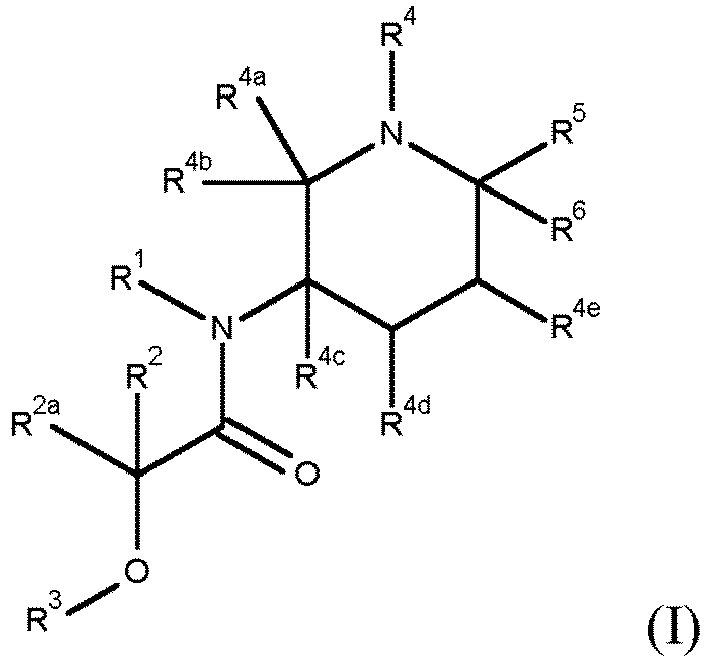 ou sel, solvate, hydrate, forme tautomère ou stéréoisomère pharmaceutiquement acceptable correspondant(e),R1 étant H ou C1-4 alkyle, préférablement H, C1-4 alkyle étant éventuellement substitué par un ou plusieurs halogènes, qui sont les mêmes ou différents ;R2 étant H, F ou C1-4 alkyle, C1-4 alkyle étant éventuellement substitué par un ou plusieurs halogènes, qui sont les mêmes ou différents ;R2a étant H ou F, préférablement H ;R3 étant phényle ou hétérocyclyle aromatique à 6 chaînons, R3 étant éventuellement substitué par un ou plusieurs R7, qui sont les mêmes ou différents ;R7 étant halogène, CN, C(O)OR8, OR8, C(O)R8, C(O)N(R8R8a), S(O)2N(R8R8a), S(O)N(R8R8a), S(O)2R8, S(O)R8, N(R8)S(O)2N(R8aR8b), SR8, N(R8R8a), NO2, OC(O)R8, N(R8)C(O)R8a, N(R8)S(O)2R8a, N(R8)S(O)R8a, N(R8)C(O)OR8a, N(R8)C(O)N(R8aR8b), OC(O)N(R8R8a), C2-6 alkyle, C2-6 alcényle ou C2-6 alcynyle, C1-6 alkyle, C2-6 alcényle et C2-6 alcynyle étant éventuellement substitués par un ou plusieurs R9, qui sont les mêmes ou différents ;R8, R8a, R8b étant indépendamment choisis dans le groupe constitué par H, C1-6 alkyle, C2-6 alcényle et C2-6 alcynyle, C1-6 alkyle, C2-6 alcényle et C2-6 alcynyle étant éventuellement substitués par un ou plusieurs halogènes, qui sont les mêmes ou différents ;R9 étant halogène, CN, C(O)OR10, OR10, C(O)R10, C(O)N(R10R10a), S(O)2N(R10R10a), S(O)N(R10R10a), S(O)2R10, S(O)R10, N(R10)S(O)2N(R10aR10b), SR10, N(R10R10a), NO2, OC(O)R10, N(R10)C(O)R10a, N(R10)SO2R10a, N(R10)S(O)R10a, N(R10)C(O)N(R10aR10b), N(R10)C(O)OR10a ou OC(O)N(R10R10a);R10, R10a, R10b étant indépendamment choisis dans le groupe constitué par H, C1-6 alkyle, C2-6 alcényle et C2-6 alcynyle, C1-6 alkyle, C2-6 alcényle et C2-6 alcynyle étant éventuellement substitués par un ou plusieurs halogènes, qui sont les mêmes ou différents.R4 étant H, C(O)OC1-4 alkyle ou C1-4 alkyle, C(O)OC1-4 alkyle et C1-4 alkyle étant éventuellement substitués par un ou plusieurs substituants choisis dans le groupe constitué par halogène, OH et O-C1-3 alkyle, les substituants étant les mêmes ou différents ;R4a, R4b, R4c, R5 étant indépendamment choisis dans le groupe constitué par H, halogène et C1-4 alkyle ; etR4d, R4e étant indépendamment choisis dans le groupe constitué par H, OH, OC1-4 alkyle, halogène et C1-4 alkyle ;ou R4 et l'un parmi R4d et R4e formant un groupe méthylène ou éthylène ;ou R4 et R4c formant un groupe éthylène ;ou R4b et R4d formant une simple liaison covalente ;R6 étant hétérobicyclyle à 7 à 12 chaînons, R6 étant éventuellement substitué par un ou plusieurs R11, qui sont les mêmes ou différents ;R11 étant R12, OH, OR12, halogène ou CN, etR12 étant cyclopropyle, C1-6 alkyle, C2-6 alcényle ou C2-6 alcynyle, R12 étant éventuellement substitué par un ou plusieurs R13, qui sont les mêmes ou différents ;R13 étant halogène, CN ou OR14 ;R14 étant H ou C1-4 alkyle, C1-4 alkyle étant éventuellement substitué par un ou plusieurs halogènes, qui sont les mêmes ou différents.
 - Composé selon la revendication 1 ou sel, solvate, hydrate, forme tautomère ou stéréoisomère pharmaceutiquement acceptable correspondant(e), R4 étant H, CH3, CH2CH3, ou CH2CH2OCH3 ; préférablement, H ou CH3 ; plus préférablement H.
- Composé selon la revendication 1 ou 2 ou sel, solvate, hydrate, forme tautomère ou stéréoisomère pharmaceutiquement acceptable correspondant(e), R4a, R4b, R4c, R5 étant indépendamment choisis dans le groupe constitué par H, halogène et C1-4 alkyle et R4d, R4e étant indépendamment choisis dans le groupe constitué par H, OH, OC1-4 alkyle, halogène et C1-4 alkyle ; préférablement R4a, R4b, R4c, R5, R4d, R4e étant indépendamment choisis dans le groupe constitué par H, F et CH3 ; plus préférablement R4a, R4b, R4c, R5, R4d, R4e étant H.
- Composé selon l'une quelconque des revendications 1 à 3 ou sel, solvate, hydrate, forme tautomère ou stéréoisomère pharmaceutiquement acceptable correspondant(e), R1 étant H ou CH3 ; préférablement H.
- Composé selon l'une quelconque des revendications 1 à 4 ou sel, solvate, hydrate, forme tautomère ou stéréoisomère pharmaceutiquement acceptable correspondant (e), R2 étant H, F ou CH3, préférablement H.
- Composé selon l'une quelconque des revendications 1 à 5 ou sel, solvate, hydrate, forme tautomère ou stéréoisomère pharmaceutiquement acceptable correspondant (e), R1, R2, R2a, R4, R4a, R4b, R4c, R5, R4d, R4e dans la formule (I) étant H pour donner la formule (Ia)

- Composé selon l'une quelconque des revendications 1 à 6 ou sel, solvate, hydrate, forme tautomère ou stéréoisomère pharmaceutiquement acceptable correspondant(e), R3 étant phényle ou pyridinyle, préférablement phényle, R3 étant éventuellement substitué par un ou plusieurs R7, qui sont les mêmes ou différents.
- Composé selon l'une quelconque des revendications 1 à 7 ou sel, solvate, hydrate, forme tautomère ou stéréoisomère pharmaceutiquement acceptable correspondant (e), R3 étant substitué par un, deux ou trois, préférablement un ou deux, plus préférablement deux, R7, qui sont les mêmes ou différents.
- Composé selon l'une quelconque des revendications 1 à 8 ou sel, solvate, hydrate, forme tautomère ou stéréoisomère pharmaceutiquement acceptable correspondant (e), R7 étant F, Cl, Br, CN, CHF2, CF3, OCH3, OCF3, CH=O, CH2OH ou CH3 ; préférablement R7 étant CF3, F ou Cl ; plus préférablement F ou Cl.
- Composé selon l'une quelconque des revendications 1 à 9 ou sel, solvate, hydrate, forme tautomère ou stéréoisomère pharmaceutiquement acceptable correspondant (e), R1, R2, R2a, R3, R4, R4a, R4b, R4c, R4d, R4e, R5 dans la formule (I) étant choisis pour donner la formule (Ib)

- Composé selon l'une quelconque des revendications 1 à 10 ou sel, solvate, hydrate, forme tautomère ou stéréoisomère pharmaceutiquement acceptable correspondant(e), R6 étant quinazolinyle, pyrrolo[1,2-a]pyrazinyle, 1,3-benzoxazolyle, pyridino[2,3-d]pyrimidinyle, pyridino[3,4-d]pyrimidinyle, pyrimidino[5,4-d]pyrimidinyle, 1,2,3,4-tétrahydroquinoléinyle, chromanyle, oxazolo[4,5-c]pyridinyle, imidazo[1,2-a]pyridinyle, [1,2,4]triazolo[1,5-a]pyridinyle, imidazo[1,2-b]pyridazinyle ou 6,7-dihydro-4H-pyrano[4,3-d]oxazolyle, R6 étant éventuellement substitué par un ou plusieurs R11, qui sont les mêmes ou différents ; préférablement, R6 étant 1,3-benzoxazolyle ou imidazo[1,2-a]pyridinyle, R6 étant éventuellement substitué par un ou plusieurs R11, qui sont les mêmes ou différents ; plus préférablement, R6 étant 1,3-benzoxazolyle, R6 étant éventuellement substitué par un ou plusieurs R11, qui sont les mêmes ou différents.
- Composé selon l'une quelconque des revendications 1 à 11 ou sel, solvate, hydrate, forme tautomère ou stéréoisomère pharmaceutiquement acceptable correspondant(e), R6 étant non substitué ou substitué par un ou deux R11, qui sont les mêmes ou différents.
- Composé selon l'une quelconque des revendications 1 à 12 ou sel, solvate, hydrate, forme tautomère ou stéréoisomère pharmaceutiquement acceptable correspondant (e), R11 étant Cl, CH3, CF3, CH2CF3, OCF3, OCHF2 ou OCH2CF3.
- Composé selon l'une quelconque des revendications 1 à 13 ou sel, solvate, hydrate, forme tautomère ou stéréoisomère pharmaceutiquement acceptable correspondant (e), R1, R2, R2a, R4, R4a, R4b, R4c, R4d, R4e, R3, R5, R6 dans la formule (I) étant choisis pour donner (2R,5S)-2-(6-chloro-1,3-benzoxazol-2-yl)-5-[2-(4-chloro-3-fluorophénoxy)acétamido]pipéridine-1-carboxylate de tert-butyle ;N-[(3S,6R)-6-(6-chloro-1,3-benzoxazol-2-yl)pipéridin-3-yl]-2-(4-chloro-3-fluorophénoxy)acétamide ;(2-R,5S)-2-(5-chloro-1,3-benzoxazol-2-yl)-5-[2-(4-chloro-3-fluorophénoxy)acétamido]pipéridine-1-carboxylate de tert-butyle ;N-[(3S,6R)-6-(5-chloro-1,3-benzoxazol-2-yl)pipéridin-3-yl]-2-(4-chloro-3-fluorophénoxy)acétamide ;(2R,5S)-5-[[2-(4-chloro-3-fluoro-phénoxy)acétyl]amino]-2-[6-(trifluorométhyl)imidazo[1,2-a]pyridin-2-yl]pipéridine-1-carboxylate de tert-butyle ;2-(4-chloro-3-fluoro-phénoxy)-N-[(3S,6R)-6-[6-(trifluorométhyl)imidazo[1,2-a]pyridin-2-yl]-3-pipéridinyl]acétamide ;(2R,5S)-5-[2-(4-chloro-3-fluorophénoxy)acétamido]-2-[7-(trifluorométhyl)imidazo[1,2-a]pyridin-2-yl]pipéridine-1-carboxylate de tert-butyle ou 2-(4-chloro-3-fluoro-phénoxy)-N-[(3S,6R)-6-[7-(trifluorométhyl)imidazo[1,2-a]pyridin-2-yl]-3-pipéridinyl]acétamide ;(2R,5S)-2-(7-chloro-1,3-benzoxazol-2-yl)-5-[2-(4-chloro-3-fluorophénoxy)acétamido]pipéridine-1-carboxylate de tert-butyle ;N-[(3S,6R)-6-(7-chloro-1,3-benzoxazol-2-yl)pipéridin-3-yl]-2-(4-chloro-3-fluorophénoxy)acétamide ;(2R,5S)-5-[2-(4-chloro-3-fluorophénoxy)acétamido]-2-[6-(trifluorométhoxy)-1,3-benzoxazol-2-yl]pipéridine-1-carboxylate de tert-butyle ;2-(4-chloro-3-fluorophénoxy)-N-[(3S,6R)-6-[6-(trifluorométhoxy)-1,3-benzoxazol-2-yl]pipéridin-3-yl]acétamide ;(2R,5S)-5-[2-(4-chloro-3-fluorophénoxy)acétamido]-2-[6-(difluorométhoxy)-1,3-benzoxazol-2-yl]pipéridine-1-carboxylate de tert-butyle ;2-(4-chloro-3-fluorophénoxy)-N-[(3S,6R)-6-[6-(difluorométhoxy)-1,3-benzoxazol-2-yl]pipéridin-3-yl]acétamide ;(2R,5S)-5-[2-(4-chloro-3-fluorophénoxy)acétamido]-2-[6-(trifluorométhyl)-1,3-benzoxazol-2-yl]pipéridine-1-carboxylate de tert-butyle ;2-(4-chloro-3-fluorophénoxy)-N-[(3S,6R)-6-[6-(trifluorométhyl)-1,3-benzoxazol-2-yl]pipéridin-3-yl]acétamide ;(2R,5S)-2-(4-chloro-1,3-benzoxazol-2-yl)-5-[2-(4-chloro-3-fluorophénoxy)acétamido]pipéridine-1-carboxylate de tert-butyle ; ouN-[(3S,6R)-6-(4-chloro-1,3-benzoxazol-2-yl)pipéridin-3-yl]-2-(4-chloro-3-fluorophénoxy)acétamide.
- Composé selon l'une quelconque des revendications 1 à 14 ou sel, solvate, hydrate, forme tautomère ou stéréoisomère pharmaceutiquement acceptable correspondant(e), la formule (I) ayant une stéréochimie comme représentée dans la formule (Ic)

- Composition pharmaceutique comprenant au moins un composé ou un sel, solvate, un hydrate, une forme tautomère ou un stéréoisomère pharmaceutique acceptable correspondant(e) selon l'une quelconque des revendications 1 à 15 conjointement avec un support pharmaceutiquement acceptable, éventuellement en combinaison avec un(e) ou plusieurs autres composés bioactifs ou compositions pharmaceutiques bioactives.
- Composé selon l'une quelconque des revendications 1 à 15 ou sel, solvate, hydrate, forme tautomère ou stéréoisomère pharmaceutiquement acceptable correspondant(e) pour une utilisation en tant que médicament.
- Composé ou sel, solvate, hydrate, forme tautomère ou stéréoisomère pharmaceutiquement acceptable correspondant(e) selon l'une quelconque des revendications 1 à 15 ou composition pharmaceutique selon la revendication 16 pour une utilisation dans un procédé de traitement ou de prévention d'un(e) ou plusieurs maladies ou troubles associé(e)s à une réponse au stress intégrée.
- Composé ou sel, solvate, hydrate, forme tautomère ou stéréoisomère pharmaceutiquement acceptable correspondant(e) tel(le) que défini(e) dans l'une quelconque des revendications 1 à 15 ou composition pharmaceutique selon la revendication 16 pour une utilisation dans un procédé de traitement ou de prévention d'un(e) ou plusieurs maladies ou troubles choisi(e)s dans le groupe constitué par les leucodystrophies, le syndrome de déficience intellectuelle, les maladies et troubles neurodégénératifs, les maladies néoplasiques, les maladies infectieuses, les maladies inflammatoires, les maladies musculo-squelettiques, les maladies métaboliques, les maladies oculaires ainsi que les maladies choisies dans le groupe constitué par la fibrose organique, les maladies chroniques et aiguës du foie, les maladies chroniques et aiguës du poumon, les maladies chroniques et aiguës du rein, l'infarctus du myocarde, les maladies cardiovasculaires, les arythmies, l'athérosclérose, les lésions de la moelle épinière, l'accident vasculaire cérébral ischémique et une douleur neuropathique.
Priority Applications (5)
| Application Number | Priority Date | Filing Date | Title |
|---|---|---|---|
| SI202130246T SI4232154T1 (sl) | 2020-10-22 | 2021-10-21 | Modulatorji integrirane poti odziva na stres |
| EP24212319.8A EP4487849A3 (fr) | 2020-10-22 | 2021-10-21 | Modulateurs de la voie de réponse à la contrainte intégrée |
| HRP20241782TT HRP20241782T1 (hr) | 2020-10-22 | 2021-10-21 | Modulatori puta integriranog odgovora na stres |
| RS20241452A RS66455B1 (sr) | 2020-10-22 | 2021-10-21 | Modulatori puta integrisanog odgovora na stres |
| SM20250029T SMT202500029T1 (it) | 2020-10-22 | 2021-10-21 | Modulatori della via metabolica della risposta integrata allo stress |
Applications Claiming Priority (2)
| Application Number | Priority Date | Filing Date | Title |
|---|---|---|---|
| EP20203309 | 2020-10-22 | ||
| PCT/EP2021/079210 WO2022084448A1 (fr) | 2020-10-22 | 2021-10-21 | Modulateurs de la voie de réponse intégrée au stress |
Related Child Applications (1)
| Application Number | Title | Priority Date | Filing Date |
|---|---|---|---|
| EP24212319.8A Division EP4487849A3 (fr) | 2020-10-22 | 2021-10-21 | Modulateurs de la voie de réponse à la contrainte intégrée |
Publications (2)
| Publication Number | Publication Date |
|---|---|
| EP4232154A1 EP4232154A1 (fr) | 2023-08-30 |
| EP4232154B1 true EP4232154B1 (fr) | 2024-11-13 |
Family
ID=73013227
Family Applications (2)
| Application Number | Title | Priority Date | Filing Date |
|---|---|---|---|
| EP21798644.7A Active EP4232154B1 (fr) | 2020-10-22 | 2021-10-21 | Modulateurs de la voie de réponse à la contrainte intégrée |
| EP24212319.8A Pending EP4487849A3 (fr) | 2020-10-22 | 2021-10-21 | Modulateurs de la voie de réponse à la contrainte intégrée |
Family Applications After (1)
| Application Number | Title | Priority Date | Filing Date |
|---|---|---|---|
| EP24212319.8A Pending EP4487849A3 (fr) | 2020-10-22 | 2021-10-21 | Modulateurs de la voie de réponse à la contrainte intégrée |
Country Status (22)
| Country | Link |
|---|---|
| US (1) | US20230382905A1 (fr) |
| EP (2) | EP4232154B1 (fr) |
| JP (1) | JP2023546225A (fr) |
| KR (1) | KR20230110509A (fr) |
| CN (1) | CN116964047A (fr) |
| AU (1) | AU2021366303A1 (fr) |
| CA (1) | CA3195293A1 (fr) |
| DK (1) | DK4232154T3 (fr) |
| ES (1) | ES2997335T3 (fr) |
| FI (1) | FI4232154T3 (fr) |
| HR (1) | HRP20241782T1 (fr) |
| HU (1) | HUE070542T2 (fr) |
| IL (1) | IL302210A (fr) |
| LT (1) | LT4232154T (fr) |
| MX (1) | MX2023004623A (fr) |
| PL (1) | PL4232154T3 (fr) |
| PT (1) | PT4232154T (fr) |
| RS (1) | RS66455B1 (fr) |
| SI (1) | SI4232154T1 (fr) |
| SM (1) | SMT202500029T1 (fr) |
| WO (1) | WO2022084448A1 (fr) |
| ZA (1) | ZA202305373B (fr) |
Families Citing this family (1)
| Publication number | Priority date | Publication date | Assignee | Title |
|---|---|---|---|---|
| US12441720B2 (en) | 2020-03-11 | 2025-10-14 | Evotec International Gmbh | Modulators of the integrated stress response pathway |
Family Cites Families (45)
| Publication number | Priority date | Publication date | Assignee | Title |
|---|---|---|---|---|
| ATE533485T1 (de) * | 2005-10-31 | 2011-12-15 | Merck Sharp & Dohme | Cetp-inhibitoren |
| WO2014144952A2 (fr) | 2013-03-15 | 2014-09-18 | Peter Walter | Modulateurs de la voie eif2 alpha |
| TW202506629A (zh) | 2016-05-05 | 2025-02-16 | 美商嘉來克生命科學有限責任公司 | 整合應激途徑之調節劑 |
| TW201808914A (zh) | 2016-05-05 | 2018-03-16 | 嘉來克生命科學有限責任公司 | 整合應激途徑之調節劑 |
| TW201808888A (zh) | 2016-05-05 | 2018-03-16 | 嘉來克生命科學有限責任公司 | 整合應激途徑之調節劑 |
| TW201808903A (zh) | 2016-05-05 | 2018-03-16 | 嘉來克生命科學有限責任公司 | 整合應激途徑之調節劑 |
| US20190298705A1 (en) | 2016-06-08 | 2019-10-03 | Glaxosmithkline Intellectual Property Development Limited | Chemical Compounds |
| CA3026983A1 (fr) | 2016-06-08 | 2017-12-14 | Glaxosmithkline Intellectual Property Development Limited | Composes chimiques |
| EP3558980B1 (fr) * | 2016-12-23 | 2021-01-27 | C.N.C.C.S. S.c.a.r.l. Collezione Nazionale Dei Composti Chimici e Centro Screening | Composés destiné à être utilisé dans le traitement des infections par cinétoplastides |
| CA3066328A1 (fr) * | 2017-06-07 | 2018-12-13 | Glaxosmithkline Intellectual Property Development Limited | Composes chimiques utilises comme inhibiteurs de la voie atf4 |
| WO2018225093A1 (fr) | 2017-06-07 | 2018-12-13 | Glaxosmithkline Intellectual Property Development Limited | Composés chimiques utilisés comme inhibiteurs de la voie atf4 |
| JP2020525513A (ja) | 2017-07-03 | 2020-08-27 | グラクソスミスクライン、インテレクチュアル、プロパティー、ディベロップメント、リミテッドGlaxosmithkline Intellectual Property Development Limited | 癌および他の疾患を治療するためのatf4阻害剤としてのn−(3−(2−(4−クロロフェノキシ)アセトアミドビシクロ[1.1.1]ペンタン−1−イル)−2−シクロブタン−1−カルボキサミド誘導体および関連化合物 |
| US20200140383A1 (en) | 2017-07-03 | 2020-05-07 | Glaxosmithkline Intellectual Property Development Limited | 2-(4-chlorophenoxy)-n-((1 -(2-(4-chlorophenoxy)ethynazetidin-3-yl)methyl)acetamide derivatives and related compounds as atf4 inhibitors for treating cancer and other diseases |
| MA49858A (fr) | 2017-08-09 | 2021-04-28 | Denali Therapeutics Inc | Composés, compositions et procédés |
| JP7382308B2 (ja) | 2017-09-01 | 2023-11-16 | デナリ セラピューティクス インコーポレイテッド | 化合物、組成物、及び、方法 |
| CA3080948A1 (fr) | 2017-11-02 | 2019-05-09 | Calico Life Sciences Llc | Modulateurs de la voie de reponse integree au stress |
| WO2019090088A1 (fr) | 2017-11-02 | 2019-05-09 | Calico Life Sciences Llc | Modulateurs de la voie de réponse intégrée au stress |
| UY37958A (es) | 2017-11-02 | 2019-05-31 | Abbvie Inc | Moduladores de la vía de estrés integrada |
| CA3080964A1 (fr) | 2017-11-02 | 2019-05-09 | Calico Life Sciences Llc | Modulateurs de la voie de reponse integree au stress |
| CN112218851A (zh) | 2017-11-02 | 2021-01-12 | 卡里科生命科学有限责任公司 | 整合应激通路的调节剂 |
| JP7184889B2 (ja) | 2017-11-02 | 2022-12-06 | カリコ ライフ サイエンシーズ エルエルシー | 統合的ストレス経路の調節剤 |
| WO2019090074A1 (fr) | 2017-11-02 | 2019-05-09 | Calico Life Sciences Llc | Modulateurs de la voie de réponse intégrée au stress |
| UY37957A (es) | 2017-11-02 | 2019-05-31 | Abbvie Inc | Moduladores de la vía de estrés integrada |
| UY37956A (es) | 2017-11-02 | 2019-05-31 | Abbvie Inc | Moduladores de la vía de estrés integrada |
| EP3723762A4 (fr) | 2017-12-13 | 2021-12-08 | Praxis Biotech LLC | Inhibiteurs de la voie de réponse intégrée au stress |
| WO2019183589A1 (fr) | 2018-03-23 | 2019-09-26 | Denali Therapeutics Inc. | Modulateurs du facteur 2 d'initiation eucaryote |
| WO2019193540A1 (fr) | 2018-04-06 | 2019-10-10 | Glaxosmithkline Intellectual Property Development Limited | Dérivés hétéroaryles de formule (i) utilisés en tant qu'inhibiteurs d'atf4 |
| WO2019193541A1 (fr) | 2018-04-06 | 2019-10-10 | Glaxosmithkline Intellectual Property Development Limited | Dérivés de cycle aromatiques bicycliques de formule (i) utilisés en tant qu'inhibiteurs d'atf4 |
| WO2019236710A1 (fr) | 2018-06-05 | 2019-12-12 | Praxis Biotech LLC | Inhibiteurs de la voie de réponse intégrée au stress |
| BR112021000332A2 (pt) | 2018-07-09 | 2021-04-06 | Glaxosmithkline Intellectual Property Development Limited | Compostos químicos |
| WO2020031107A1 (fr) | 2018-08-08 | 2020-02-13 | Glaxosmithkline Intellectual Property Development Limited | Composés chimiques |
| TWI771621B (zh) | 2018-10-11 | 2022-07-21 | 美商嘉來克生命科學有限責任公司 | 整合應激路徑之前藥調節劑 |
| EP3924341A4 (fr) | 2019-02-13 | 2022-11-02 | Denali Therapeutics Inc. | Composés, compositions et procédés |
| CA3129609A1 (fr) | 2019-02-13 | 2020-08-20 | Denali Therapeutics Inc. | Modulateurs de facteur 2b de demarrage eucaryote |
| CN113840597A (zh) | 2019-02-25 | 2021-12-24 | 普拉西斯生物技术有限责任公司 | 整合应激反应通路抑制剂 |
| US20220177456A1 (en) | 2019-03-06 | 2022-06-09 | Denali Therapeutics Inc. | Compounds, compositions and methods |
| KR20220004105A (ko) * | 2019-04-23 | 2022-01-11 | 에보텍 인터내셔널 게엠베하 | 통합 스트레스 반응 경로의 조절제 |
| EA202192900A1 (ru) | 2019-04-23 | 2022-03-18 | Эвотек Интернешнл Гмбх | Модуляторы пути интегрированной реакции на стресс |
| AU2020264485A1 (en) | 2019-04-30 | 2021-12-02 | Abbvie Inc. | Substituted cycloalkyls as modulators of the integrated stress pathway |
| SG11202111970WA (en) | 2019-04-30 | 2021-11-29 | Calico Life Sciences Llc | Substituted cyclolakyls as modulators of the integrated stress pathway |
| US20210317102A1 (en) | 2019-06-12 | 2021-10-14 | Praxis Biotech LLC | Inhibitors of integrated stress response pathway |
| CN114466654A (zh) | 2019-06-12 | 2022-05-10 | 普拉西斯生物技术有限责任公司 | 整合应激反应通路调节剂 |
| KR20220133252A (ko) | 2020-01-28 | 2022-10-04 | 에보텍 인터내셔널 게엠베하 | 통합 스트레스 반응 경로의 조절자 |
| US12441720B2 (en) | 2020-03-11 | 2025-10-14 | Evotec International Gmbh | Modulators of the integrated stress response pathway |
| KR20230110511A (ko) * | 2020-10-22 | 2023-07-24 | 에보텍 인터내셔널 게엠베하 | 통합 스트레스 반응 경로의 조절제 |
-
2021
- 2021-10-21 LT LTEPPCT/EP2021/079210T patent/LT4232154T/lt unknown
- 2021-10-21 SI SI202130246T patent/SI4232154T1/sl unknown
- 2021-10-21 PL PL21798644.7T patent/PL4232154T3/pl unknown
- 2021-10-21 IL IL302210A patent/IL302210A/en unknown
- 2021-10-21 DK DK21798644.7T patent/DK4232154T3/da active
- 2021-10-21 PT PT217986447T patent/PT4232154T/pt unknown
- 2021-10-21 CN CN202180086791.2A patent/CN116964047A/zh active Pending
- 2021-10-21 MX MX2023004623A patent/MX2023004623A/es unknown
- 2021-10-21 JP JP2023524307A patent/JP2023546225A/ja active Pending
- 2021-10-21 RS RS20241452A patent/RS66455B1/sr unknown
- 2021-10-21 KR KR1020237016360A patent/KR20230110509A/ko active Pending
- 2021-10-21 EP EP21798644.7A patent/EP4232154B1/fr active Active
- 2021-10-21 WO PCT/EP2021/079210 patent/WO2022084448A1/fr not_active Ceased
- 2021-10-21 FI FIEP21798644.7T patent/FI4232154T3/fi active
- 2021-10-21 HU HUE21798644A patent/HUE070542T2/hu unknown
- 2021-10-21 CA CA3195293A patent/CA3195293A1/fr active Pending
- 2021-10-21 SM SM20250029T patent/SMT202500029T1/it unknown
- 2021-10-21 AU AU2021366303A patent/AU2021366303A1/en active Pending
- 2021-10-21 ES ES21798644T patent/ES2997335T3/es active Active
- 2021-10-21 EP EP24212319.8A patent/EP4487849A3/fr active Pending
- 2021-10-21 US US18/033,317 patent/US20230382905A1/en active Pending
- 2021-10-21 HR HRP20241782TT patent/HRP20241782T1/hr unknown
-
2023
- 2023-05-17 ZA ZA2023/05373A patent/ZA202305373B/en unknown
Also Published As
| Publication number | Publication date |
|---|---|
| MX2023004623A (es) | 2023-05-12 |
| FI4232154T3 (fi) | 2025-01-31 |
| IL302210A (en) | 2023-06-01 |
| DK4232154T3 (da) | 2025-02-03 |
| PL4232154T3 (pl) | 2025-02-24 |
| HRP20241782T1 (hr) | 2025-02-28 |
| HUE070542T2 (hu) | 2025-06-28 |
| JP2023546225A (ja) | 2023-11-01 |
| KR20230110509A (ko) | 2023-07-24 |
| CA3195293A1 (fr) | 2022-04-28 |
| CN116964047A (zh) | 2023-10-27 |
| PT4232154T (pt) | 2024-12-19 |
| SI4232154T1 (sl) | 2025-03-31 |
| AU2021366303A1 (en) | 2023-06-22 |
| ZA202305373B (en) | 2025-08-27 |
| EP4487849A3 (fr) | 2025-04-02 |
| EP4487849A2 (fr) | 2025-01-08 |
| WO2022084448A1 (fr) | 2022-04-28 |
| SMT202500029T1 (it) | 2025-03-12 |
| LT4232154T (lt) | 2025-02-10 |
| US20230382905A1 (en) | 2023-11-30 |
| RS66455B1 (sr) | 2025-02-28 |
| ES2997335T3 (en) | 2025-02-17 |
| EP4232154A1 (fr) | 2023-08-30 |
Similar Documents
| Publication | Publication Date | Title |
|---|---|---|
| CA3137213A1 (fr) | Modulateurs de la voie de reponse au stress integree | |
| JP7588089B2 (ja) | 統合ストレス応答経路のモジュレーター | |
| AU2021213289A1 (en) | Modulators of the integrated stress response pathway | |
| US12441720B2 (en) | Modulators of the integrated stress response pathway | |
| EP4232154B1 (fr) | Modulateurs de la voie de réponse à la contrainte intégrée | |
| WO2022084446A1 (fr) | Modulateurs de la voie de réponse intégrée au stress | |
| EP4232447A1 (fr) | Modulateurs de la voie de réponse de stress intégrée | |
| HK40116770A (en) | Modulators of the integrated stress response pathway |
Legal Events
| Date | Code | Title | Description |
|---|---|---|---|
| REG | Reference to a national code |
Ref country code: HR Ref legal event code: TUEP Ref document number: P20241782T Country of ref document: HR |
|
| STAA | Information on the status of an ep patent application or granted ep patent |
Free format text: STATUS: UNKNOWN |
|
| STAA | Information on the status of an ep patent application or granted ep patent |
Free format text: STATUS: THE INTERNATIONAL PUBLICATION HAS BEEN MADE |
|
| PUAI | Public reference made under article 153(3) epc to a published international application that has entered the european phase |
Free format text: ORIGINAL CODE: 0009012 |
|
| STAA | Information on the status of an ep patent application or granted ep patent |
Free format text: STATUS: REQUEST FOR EXAMINATION WAS MADE |
|
| 17P | Request for examination filed |
Effective date: 20230516 |
|
| AK | Designated contracting states |
Kind code of ref document: A1 Designated state(s): AL AT BE BG CH CY CZ DE DK EE ES FI FR GB GR HR HU IE IS IT LI LT LU LV MC MK MT NL NO PL PT RO RS SE SI SK SM TR |
|
| P01 | Opt-out of the competence of the unified patent court (upc) registered |
Effective date: 20231128 |
|
| DAV | Request for validation of the european patent (deleted) | ||
| GRAP | Despatch of communication of intention to grant a patent |
Free format text: ORIGINAL CODE: EPIDOSNIGR1 |
|
| STAA | Information on the status of an ep patent application or granted ep patent |
Free format text: STATUS: GRANT OF PATENT IS INTENDED |
|
| INTG | Intention to grant announced |
Effective date: 20240611 |
|
| GRAS | Grant fee paid |
Free format text: ORIGINAL CODE: EPIDOSNIGR3 |
|
| GRAA | (expected) grant |
Free format text: ORIGINAL CODE: 0009210 |
|
| STAA | Information on the status of an ep patent application or granted ep patent |
Free format text: STATUS: THE PATENT HAS BEEN GRANTED |
|
| AK | Designated contracting states |
Kind code of ref document: B1 Designated state(s): AL AT BE BG CH CY CZ DE DK EE ES FI FR GB GR HR HU IE IS IT LI LT LU LV MC MK MT NL NO PL PT RO RS SE SI SK SM TR |
|
| REG | Reference to a national code |
Ref country code: GB Ref legal event code: FG4D |
|
| REG | Reference to a national code |
Ref country code: CH Ref legal event code: EP |
|
| REG | Reference to a national code |
Ref country code: IE Ref legal event code: FG4D |
|
| REG | Reference to a national code |
Ref country code: DE Ref legal event code: R096 Ref document number: 602021021867 Country of ref document: DE |
|
| REG | Reference to a national code |
Ref country code: PT Ref legal event code: SC4A Ref document number: 4232154 Country of ref document: PT Date of ref document: 20241219 Kind code of ref document: T Free format text: AVAILABILITY OF NATIONAL TRANSLATION Effective date: 20241212 |
|
| REG | Reference to a national code |
Ref country code: FI Ref legal event code: FGE |
|
| REG | Reference to a national code |
Ref country code: DK Ref legal event code: T3 Effective date: 20250130 |
|
| REG | Reference to a national code |
Ref country code: ES Ref legal event code: FG2A Ref document number: 2997335 Country of ref document: ES Kind code of ref document: T3 Effective date: 20250217 |
|
| REG | Reference to a national code |
Ref country code: SE Ref legal event code: TRGR |
|
| REG | Reference to a national code |
Ref country code: NL Ref legal event code: FP |
|
| REG | Reference to a national code |
Ref country code: HR Ref legal event code: T1PR Ref document number: P20241782 Country of ref document: HR |
|
| REG | Reference to a national code |
Ref country code: GR Ref legal event code: EP Ref document number: 20250400182 Country of ref document: GR Effective date: 20250314 |
|
| REG | Reference to a national code |
Ref country code: SK Ref legal event code: T3 Ref document number: E 45864 Country of ref document: SK |
|
| REG | Reference to a national code |
Ref country code: EE Ref legal event code: FG4A Ref document number: E024911 Country of ref document: EE Effective date: 20250121 |
|
| REG | Reference to a national code |
Ref country code: HU Ref legal event code: AG4A Ref document number: E070542 Country of ref document: HU |
|
| REG | Reference to a national code |
Ref country code: DE Ref legal event code: R097 Ref document number: 602021021867 Country of ref document: DE |
|
| PLBE | No opposition filed within time limit |
Free format text: ORIGINAL CODE: 0009261 |
|
| STAA | Information on the status of an ep patent application or granted ep patent |
Free format text: STATUS: NO OPPOSITION FILED WITHIN TIME LIMIT |
|
| PGFP | Annual fee paid to national office [announced via postgrant information from national office to epo] |
Ref country code: LT Payment date: 20250919 Year of fee payment: 5 |
|
| PGFP | Annual fee paid to national office [announced via postgrant information from national office to epo] |
Ref country code: GR Payment date: 20250911 Year of fee payment: 5 |
|
| PGFP | Annual fee paid to national office [announced via postgrant information from national office to epo] |
Ref country code: IT Payment date: 20250922 Year of fee payment: 5 Ref country code: PL Payment date: 20250912 Year of fee payment: 5 Ref country code: NL Payment date: 20250912 Year of fee payment: 5 |
|
| PGFP | Annual fee paid to national office [announced via postgrant information from national office to epo] |
Ref country code: BG Payment date: 20250916 Year of fee payment: 5 Ref country code: BE Payment date: 20250917 Year of fee payment: 5 Ref country code: GB Payment date: 20250828 Year of fee payment: 5 |
|
| PGFP | Annual fee paid to national office [announced via postgrant information from national office to epo] |
Ref country code: HR Payment date: 20250909 Year of fee payment: 5 |
|
| PGFP | Annual fee paid to national office [announced via postgrant information from national office to epo] |
Ref country code: FR Payment date: 20250908 Year of fee payment: 5 |
|
| PGFP | Annual fee paid to national office [announced via postgrant information from national office to epo] |
Ref country code: SE Payment date: 20250910 Year of fee payment: 5 |
|
| 26N | No opposition filed |
Effective date: 20250814 |
|
| PGFP | Annual fee paid to national office [announced via postgrant information from national office to epo] |
Ref country code: RS Payment date: 20250924 Year of fee payment: 5 Ref country code: EE Payment date: 20250909 Year of fee payment: 5 Ref country code: IE Payment date: 20250909 Year of fee payment: 5 |
|
| PGFP | Annual fee paid to national office [announced via postgrant information from national office to epo] |
Ref country code: RO Payment date: 20250929 Year of fee payment: 5 |
|
| REG | Reference to a national code |
Ref country code: HR Ref legal event code: ODRP Ref document number: P20241782 Country of ref document: HR Payment date: 20250909 Year of fee payment: 5 |
|
| PGFP | Annual fee paid to national office [announced via postgrant information from national office to epo] |
Ref country code: SK Payment date: 20250912 Year of fee payment: 5 |
|
| PGFP | Annual fee paid to national office [announced via postgrant information from national office to epo] |
Ref country code: LV Payment date: 20250903 Year of fee payment: 5 |
|
| PGFP | Annual fee paid to national office [announced via postgrant information from national office to epo] |
Ref country code: SI Payment date: 20250915 Year of fee payment: 5 |
|
| REG | Reference to a national code |
Ref country code: CH Ref legal event code: U11 Free format text: ST27 STATUS EVENT CODE: U-0-0-U10-U11 (AS PROVIDED BY THE NATIONAL OFFICE) Effective date: 20251101 |
|
| PGFP | Annual fee paid to national office [announced via postgrant information from national office to epo] |
Ref country code: MK Payment date: 20250912 Year of fee payment: 5 |
|
| PGFP | Annual fee paid to national office [announced via postgrant information from national office to epo] |
Ref country code: HU Payment date: 20250929 Year of fee payment: 5 |
|
| PGFP | Annual fee paid to national office [announced via postgrant information from national office to epo] |
Ref country code: LU Payment date: 20251016 Year of fee payment: 5 |
|
| PGFP | Annual fee paid to national office [announced via postgrant information from national office to epo] |
Ref country code: PT Payment date: 20251021 Year of fee payment: 5 |