EP4194469A1 - Anti-met fab-fc for the treatment of a tumor and/or metastasis - Google Patents
Anti-met fab-fc for the treatment of a tumor and/or metastasis Download PDFInfo
- Publication number
- EP4194469A1 EP4194469A1 EP22206743.1A EP22206743A EP4194469A1 EP 4194469 A1 EP4194469 A1 EP 4194469A1 EP 22206743 A EP22206743 A EP 22206743A EP 4194469 A1 EP4194469 A1 EP 4194469A1
- Authority
- EP
- European Patent Office
- Prior art keywords
- met
- human
- domain
- antibody fragment
- polypeptide
- Prior art date
- Legal status (The legal status is an assumption and is not a legal conclusion. Google has not performed a legal analysis and makes no representation as to the accuracy of the status listed.)
- Pending
Links
Images











Classifications
-
- A—HUMAN NECESSITIES
- A61—MEDICAL OR VETERINARY SCIENCE; HYGIENE
- A61K—PREPARATIONS FOR MEDICAL, DENTAL OR TOILETRY PURPOSES
- A61K39/00—Medicinal preparations containing antigens or antibodies
- A61K39/395—Antibodies; Immunoglobulins; Immune serum, e.g. antilymphocytic serum
- A61K39/39533—Antibodies; Immunoglobulins; Immune serum, e.g. antilymphocytic serum against materials from animals
- A61K39/3955—Antibodies; Immunoglobulins; Immune serum, e.g. antilymphocytic serum against materials from animals against proteinaceous materials, e.g. enzymes, hormones, lymphokines
-
- C—CHEMISTRY; METALLURGY
- C07—ORGANIC CHEMISTRY
- C07K—PEPTIDES
- C07K16/00—Immunoglobulins [IG], e.g. monoclonal or polyclonal antibodies
- C07K16/18—Immunoglobulins [IG], e.g. monoclonal or polyclonal antibodies against material from animals or humans
- C07K16/28—Immunoglobulins [IG], e.g. monoclonal or polyclonal antibodies against material from animals or humans against receptors, cell surface antigens or cell surface determinants
- C07K16/2863—Immunoglobulins [IG], e.g. monoclonal or polyclonal antibodies against material from animals or humans against receptors, cell surface antigens or cell surface determinants against receptors for growth factors, growth regulators
-
- A—HUMAN NECESSITIES
- A61—MEDICAL OR VETERINARY SCIENCE; HYGIENE
- A61K—PREPARATIONS FOR MEDICAL, DENTAL OR TOILETRY PURPOSES
- A61K45/00—Medicinal preparations containing active ingredients not provided for in groups A61K31/00 - A61K41/00
- A61K45/06—Mixtures of active ingredients without chemical characterisation, e.g. antiphlogistics and cardiaca
-
- A—HUMAN NECESSITIES
- A61—MEDICAL OR VETERINARY SCIENCE; HYGIENE
- A61P—SPECIFIC THERAPEUTIC ACTIVITY OF CHEMICAL COMPOUNDS OR MEDICINAL PREPARATIONS
- A61P35/00—Antineoplastic agents
-
- A—HUMAN NECESSITIES
- A61—MEDICAL OR VETERINARY SCIENCE; HYGIENE
- A61P—SPECIFIC THERAPEUTIC ACTIVITY OF CHEMICAL COMPOUNDS OR MEDICINAL PREPARATIONS
- A61P35/00—Antineoplastic agents
- A61P35/02—Antineoplastic agents specific for leukemia
-
- A—HUMAN NECESSITIES
- A61—MEDICAL OR VETERINARY SCIENCE; HYGIENE
- A61P—SPECIFIC THERAPEUTIC ACTIVITY OF CHEMICAL COMPOUNDS OR MEDICINAL PREPARATIONS
- A61P35/00—Antineoplastic agents
- A61P35/04—Antineoplastic agents specific for metastasis
-
- C—CHEMISTRY; METALLURGY
- C07—ORGANIC CHEMISTRY
- C07K—PEPTIDES
- C07K16/00—Immunoglobulins [IG], e.g. monoclonal or polyclonal antibodies
- C07K16/46—Hybrid immunoglobulins
- C07K16/461—Igs containing Ig-regions, -domains or -residues form different species
- C07K16/462—Igs containing a variable region (Fv) from one specie and a constant region (Fc) from another
-
- A—HUMAN NECESSITIES
- A61—MEDICAL OR VETERINARY SCIENCE; HYGIENE
- A61K—PREPARATIONS FOR MEDICAL, DENTAL OR TOILETRY PURPOSES
- A61K39/00—Medicinal preparations containing antigens or antibodies
- A61K2039/505—Medicinal preparations containing antigens or antibodies comprising antibodies
-
- C—CHEMISTRY; METALLURGY
- C07—ORGANIC CHEMISTRY
- C07K—PEPTIDES
- C07K2317/00—Immunoglobulins specific features
- C07K2317/10—Immunoglobulins specific features characterized by their source of isolation or production
- C07K2317/14—Specific host cells or culture conditions, e.g. components, pH or temperature
-
- C—CHEMISTRY; METALLURGY
- C07—ORGANIC CHEMISTRY
- C07K—PEPTIDES
- C07K2317/00—Immunoglobulins specific features
- C07K2317/20—Immunoglobulins specific features characterized by taxonomic origin
- C07K2317/21—Immunoglobulins specific features characterized by taxonomic origin from primates, e.g. man
-
- C—CHEMISTRY; METALLURGY
- C07—ORGANIC CHEMISTRY
- C07K—PEPTIDES
- C07K2317/00—Immunoglobulins specific features
- C07K2317/20—Immunoglobulins specific features characterized by taxonomic origin
- C07K2317/24—Immunoglobulins specific features characterized by taxonomic origin containing regions, domains or residues from different species, e.g. chimeric, humanized or veneered
-
- C—CHEMISTRY; METALLURGY
- C07—ORGANIC CHEMISTRY
- C07K—PEPTIDES
- C07K2317/00—Immunoglobulins specific features
- C07K2317/30—Immunoglobulins specific features characterized by aspects of specificity or valency
- C07K2317/33—Crossreactivity, e.g. for species or epitope, or lack of said crossreactivity
-
- C—CHEMISTRY; METALLURGY
- C07—ORGANIC CHEMISTRY
- C07K—PEPTIDES
- C07K2317/00—Immunoglobulins specific features
- C07K2317/30—Immunoglobulins specific features characterized by aspects of specificity or valency
- C07K2317/35—Valency
-
- C—CHEMISTRY; METALLURGY
- C07—ORGANIC CHEMISTRY
- C07K—PEPTIDES
- C07K2317/00—Immunoglobulins specific features
- C07K2317/50—Immunoglobulins specific features characterized by immunoglobulin fragments
- C07K2317/52—Constant or Fc region; Isotype
-
- C—CHEMISTRY; METALLURGY
- C07—ORGANIC CHEMISTRY
- C07K—PEPTIDES
- C07K2317/00—Immunoglobulins specific features
- C07K2317/50—Immunoglobulins specific features characterized by immunoglobulin fragments
- C07K2317/52—Constant or Fc region; Isotype
- C07K2317/522—CH1 domain
-
- C—CHEMISTRY; METALLURGY
- C07—ORGANIC CHEMISTRY
- C07K—PEPTIDES
- C07K2317/00—Immunoglobulins specific features
- C07K2317/50—Immunoglobulins specific features characterized by immunoglobulin fragments
- C07K2317/52—Constant or Fc region; Isotype
- C07K2317/524—CH2 domain
-
- C—CHEMISTRY; METALLURGY
- C07—ORGANIC CHEMISTRY
- C07K—PEPTIDES
- C07K2317/00—Immunoglobulins specific features
- C07K2317/50—Immunoglobulins specific features characterized by immunoglobulin fragments
- C07K2317/52—Constant or Fc region; Isotype
- C07K2317/526—CH3 domain
-
- C—CHEMISTRY; METALLURGY
- C07—ORGANIC CHEMISTRY
- C07K—PEPTIDES
- C07K2317/00—Immunoglobulins specific features
- C07K2317/50—Immunoglobulins specific features characterized by immunoglobulin fragments
- C07K2317/52—Constant or Fc region; Isotype
- C07K2317/53—Hinge
-
- C—CHEMISTRY; METALLURGY
- C07—ORGANIC CHEMISTRY
- C07K—PEPTIDES
- C07K2317/00—Immunoglobulins specific features
- C07K2317/50—Immunoglobulins specific features characterized by immunoglobulin fragments
- C07K2317/55—Fab or Fab'
-
- C—CHEMISTRY; METALLURGY
- C07—ORGANIC CHEMISTRY
- C07K—PEPTIDES
- C07K2317/00—Immunoglobulins specific features
- C07K2317/50—Immunoglobulins specific features characterized by immunoglobulin fragments
- C07K2317/56—Immunoglobulins specific features characterized by immunoglobulin fragments variable (Fv) region, i.e. VH and/or VL
- C07K2317/565—Complementarity determining region [CDR]
-
- C—CHEMISTRY; METALLURGY
- C07—ORGANIC CHEMISTRY
- C07K—PEPTIDES
- C07K2317/00—Immunoglobulins specific features
- C07K2317/60—Immunoglobulins specific features characterized by non-natural combinations of immunoglobulin fragments
- C07K2317/64—Immunoglobulins specific features characterized by non-natural combinations of immunoglobulin fragments comprising a combination of variable region and constant region components
-
- C—CHEMISTRY; METALLURGY
- C07—ORGANIC CHEMISTRY
- C07K—PEPTIDES
- C07K2317/00—Immunoglobulins specific features
- C07K2317/70—Immunoglobulins specific features characterized by effect upon binding to a cell or to an antigen
- C07K2317/73—Inducing cell death, e.g. apoptosis, necrosis or inhibition of cell proliferation
-
- C—CHEMISTRY; METALLURGY
- C07—ORGANIC CHEMISTRY
- C07K—PEPTIDES
- C07K2317/00—Immunoglobulins specific features
- C07K2317/70—Immunoglobulins specific features characterized by effect upon binding to a cell or to an antigen
- C07K2317/73—Inducing cell death, e.g. apoptosis, necrosis or inhibition of cell proliferation
- C07K2317/732—Antibody-dependent cellular cytotoxicity [ADCC]
-
- C—CHEMISTRY; METALLURGY
- C07—ORGANIC CHEMISTRY
- C07K—PEPTIDES
- C07K2317/00—Immunoglobulins specific features
- C07K2317/70—Immunoglobulins specific features characterized by effect upon binding to a cell or to an antigen
- C07K2317/73—Inducing cell death, e.g. apoptosis, necrosis or inhibition of cell proliferation
- C07K2317/734—Complement-dependent cytotoxicity [CDC]
-
- C—CHEMISTRY; METALLURGY
- C07—ORGANIC CHEMISTRY
- C07K—PEPTIDES
- C07K2317/00—Immunoglobulins specific features
- C07K2317/70—Immunoglobulins specific features characterized by effect upon binding to a cell or to an antigen
- C07K2317/76—Antagonist effect on antigen, e.g. neutralization or inhibition of binding
-
- C—CHEMISTRY; METALLURGY
- C07—ORGANIC CHEMISTRY
- C07K—PEPTIDES
- C07K2317/00—Immunoglobulins specific features
- C07K2317/90—Immunoglobulins specific features characterized by (pharmaco)kinetic aspects or by stability of the immunoglobulin
- C07K2317/92—Affinity (KD), association rate (Ka), dissociation rate (Kd) or EC50 value
-
- C—CHEMISTRY; METALLURGY
- C07—ORGANIC CHEMISTRY
- C07K—PEPTIDES
- C07K2317/00—Immunoglobulins specific features
- C07K2317/90—Immunoglobulins specific features characterized by (pharmaco)kinetic aspects or by stability of the immunoglobulin
- C07K2317/94—Stability, e.g. half-life, pH, temperature or enzyme-resistance
Definitions
- the MET oncogene encodes for a unique receptor tyrosine kinase endowed with pleiotropic functions.
- MET initiates transformation of the cells by virtue of its ability to activate the invasive growth program.
- MET genetic lesions leading to constitutive Met kinase hyperactivation initiate and maintain the transformed phenotype (“MET addiction") 1 .
- MetMab Onartuzumab, Roche
- LY2875358 Emibetuzumab, Eli Lilly & Company
- ARGX-111 Argonal Argenx
- SAIT301 Sesung
- Sym015 Symphogen A/S
- the present invention concerns an anti-Met antibody fragment comprising a single antigen binding arm and an Fc region, wherein the Fc region comprises a complex of a first and a second Fc polypeptide.
- the antibody fragment comprises:
- the present invention also concerns a product comprising, in a single bottle or in two bottles, (a) the anti-Met antibody fragment as defined above, and a pharmaceutically acceptable vehicle, and (b) an extracellular portion of human Met and a pharmaceutically acceptable vehicle, wherein the extracellular portion of human Met is capable of binding to Hepatocyte Growth Factor (HGF) in a stable manner and contains at least one amino acid mutation within the epitope recognized by the anti-Met antibody fragment to prevent binding of the anti-Met antibody fragment thereto.
- HGF Hepatocyte Growth Factor
- the instant disclosure concerns a novel therapeutic agent for the treatment of a tumor and/or metastasis.
- Met The role of Met in metastasis is also associated with the ability of Met in helping cells to adapt to a harsh environment.
- the metastatic capabilities driven by Met not only depend on genetic and epigenetic alterations, but also on paracrine secretion of HGF by tumor stromal tissue which is composed by a large variety of cell types, including fibroblasts, resident epithelial cells, pericytes, myofibroblasts, vascular and lympho-vascular endothelial cells, and infiltrating cells of the immune system.
- Met is nowadays recognized as a cancer-specific target for: (i) personalized treatment of tumors with MET mutations/amplifications ( ⁇ addicted to MET'); (ii) for prevention/reversion of Met-driven primary and secondary resistance to other targeted cancer therapies; and (iii) for prevention/reversion of Met-driven invasive/metastatic phenotype 1 .
- the DN30 inhibitory activity lies on its ability to promote the physiological activity of the metalloprotease ADAM-10 acting at the cell surface 10 , which releases from the plasma membrane the intact extracellular portion of the receptor (Met-shedding), followed by the rapid degradation of the Met intracellular kinase domain 11 .
- Met is physically removed from the cell surface and the extracellular domain acts as soluble 'decoy' , preventing ligand binding by sequestering HGF.
- the advantage of DN30 is to inhibit both HGF-dependent and HGF-independent activation of Met 12 .
- DN30 blocks the receptor functions by a unique mechanism that rise to different and synergic activities: (i) removal of Met from the cell surface by ⁇ shedding' of the ectodomain; (ii) sequestration of the HGF ligand; (iii) inhibition of the homo- or hetero-dimerization of Met receptor at the membrane; (iv) stimulation of receptor degradation.
- DN30 offers the opportunity to kill two birds with one stone, allowing optimal blockade of the Met pathway, as it can potentially act not only on cancer cells but also on the tumor microenvironment (HGF-driven biological responses of endothelial cells, fibroblasts, and macrophages).
- the present invention relies on the idea that, to reach the highest therapeutic potential against a tumor by means of an anti-Met antibody, it is mandatory to apply a molecule that: i) is not eliciting , even also in part, intracellular responses evoked upon Met activation, i.e. is not an agonist or a partial agonist; ii) impairs Met activation through a mechanism of action different from ligand (HGF) displacement; iii) has a favorable pharmacokinetic profile, suitable for deployment in the clinic; iv) reasonably does not exert immune-response in humans.
- HGF ligand
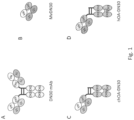
- the inventors converted the murine DN30 antibody - that blocks Met activation by a shedding mechanism - into a fully humanized, monovalent and highly stable molecule, by formatting it in the "One-Arm” form, named in the following as "hOA-DN30".
- the present invention concerns an anti-Met antibody fragment comprising a single antigen binding arm and an Fc region, wherein the Fc region comprises a complex of a first and a second Fc polypeptide.
- the antibody fragment comprises, preferably consists of:
- the human light chain constant (CL) domain is a human light kappa type domain.
- the human hinge region and the human constant domains CH1, CH2 and CH3 are from a human IgG1.
- the two Fc polypeptides are linked through intermolecular disulfide bonds at the hinge region.
- first Fc polypeptide and the second Fc polypeptide meet at an interface, and one between the first and the second Fc polypeptide comprises a knob at the interface, and the other between the first and the second Fc polypeptide comprises a hole at the interface, wherein the knob is positionable into the hole.
- the human light chain constant (CL) domain has an amino acid sequence as set forth in SEQ ID No.: 9 and the human heavy chain constant CH1 domain has an amino acid sequence as set forth in SEQ ID No.: 10.
- the present invention concerns an isolated nucleic acid encoding the anti-Met antibody fragment as disclosed above.
- Humanized forms of non-human (e.g., murine) antibodies are non-natural recombinant antibodies that contain minimal amino acid residues derived from non-human immunoglobulin.
- humanized antibodies are human immunoglobulins (recipient antibody) in which residues from a hypervariable region of the recipient (i.e. the Complementarity Determining Regions - CDRs) are replaced by residues from a hypervariable region of a non-human species (donor antibody) having the desired specificity, affinity, and properties.
- donor antibody i.e. the Complementarity Determining Regions - CDRs
- framework region (FR) residues of the human immunoglobulin can be replaced by corresponding non-human residues.
- a “knob” refers to at least one amino acid side chain which projects from the interface of a first Fc polypeptide and is therefore positionable in a compensatory hole in the adjacent interface (i.e. the interface of a second Fc polypeptide) so as to stabilize the heteromultimer, and thereby favor heteromultimer formation over homomultimer formation, for example.
- the knob may exist in the original interface or may be introduced synthetically (e.g. by altering nucleic acid encoding the interface). Normally, a nucleic acid encoding the interface of the first polypeptide is altered to encode the knob.
- the knob is "positionable" into the hole which means that the spatial location of the knob and hole on the interface of a first Fc polypeptide and second Fc polypeptide respectively and the sizes of the knob and hole are such that the knob can be located into the hole without significantly perturbing the normal association of the first and second polypeptides at the interface. Since knobs do not typically extend perpendicularly from the axis of the interface and have preferred conformations, the alignment of a knob with a corresponding hole relies on modeling the knob/hole pair based upon a three-dimensional structure such as that obtained by X-ray crystallography or nuclear magnetic resonance (NMR). This can be achieved using widely accepted techniques in the art.
- non-agonist activity of the anti-Met antibody fragment refers to the anti-Met antibody fragment that does not exert any activity that elicits, even also in part, cellular responses evoked upon Met activation.
- the non-agonistic activity of the anti-Met antibody fragment can be measured by the evaluation of the Met level of phosphorylation by conventional techniques such as western blot, immunofluorescence, immunohistochemistry, ELISA, cytofluorimeter analysis or any other method that includes the use of an antibody that recognizes specifically Met, or the Met residues Tyr 1234-1235 if phosphorylated (i.e. the major phosphorylation site of Met 21 ), or the Met residues Tyr 1349/1356 if phosphorylated (i.e. the docking site of Met 22 ) upon incubation of the cells with the said non-agonist antibody.
- the evaluation of cellular biological responses upon antibody treatment compared to the responses induced by HGF treatment can be applied.
- the extracellular portion of human Met has the amino acid sequence set forth in SEQ ID No.: 14.
- the present description also concerns a nucleic acid molecule encoding the extracellular portion of human Met capable of binding to Hepatocyte Growth Factor (HGF) in a stable manner and containing at least one amino acid mutation within the epitope recognized by the anti-Met antibody fragment to prevent binding of the anti-Met antibody fragment thereto, preferably the extracellular portion of human Met having the amino acid sequence set forth in SEQ ID No.: 14.
- HGF Hepatocyte Growth Factor
- the expression "the extracellular portion of human Met is capable of binding to human HGF in a stable manner" means that the extracellular portion of human Met binds to HGF with a calculated Kd not higher than 100 nM.
- the extracellular portion of human Met contains at least one amino acid mutation at the epitope recognized by the anti-Met antibody fragment means the presence of one or more mutations (i.e. amino acid substitutions and/or deletions and/or insertions) within the extra-cellular portion of Met, able to induce a modification within the extra-cellular portion of Met that prevents the engagement of the above region by the anti-Met antibody variable domains.
- mutations i.e. amino acid substitutions and/or deletions and/or insertions
- the present invention further concerns the therapeutic use of the anti-Met antibody fragment as disclosed herein in combination with an extracellular portion of human Met as disclosed herein for use in the treatment of a patient suffering from a tumor and/or metastasis, wherein the patient carries a wild-type MET gene.
- the invention provides a method of inhibiting the growth of a cell that expresses Met, said method comprising contacting said cell with the anti-Met antibody fragment disclosed herein, optionally in combination with an extracellular portion of human Met of the invention, thereby causing an inhibition of growth of said cell.
- the invention provides a method of therapeutically treating a tumor and/or metastasis in a mammal, wherein the growth of said tumor is at least in part dependent upon a growth potentiating effect of the Met/HGF system, as the consequence of either an increase in cell proliferation, a protection from apoptosis, or both.
- Said method comprises contacting a tumor cell with an effective amount of the anti-Met antibody fragment, optionally in combination with an effective amount of an extracellular portion of human Met of the invention, thereby effectively treating said tumor and/or metastasis.
- one of the humanized One-Arm format of the DN30 i.e. hOA-DN30-cl03E08
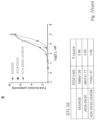
- the inventors evaluated cell proliferation and cell cytotoxicity, comparing MvDN30, chOA-DN30, and hOA-DN30-cl03E08.
- GTL-16 cells were incubated with a single dose (1 ⁇ M) of the DN30 derivatives and cell proliferation was assessed by measuring the incorporation of EdU - a thymidine analogous - by the cells during the S phase of the cell cycle, with the ClickIT Edu flow cytometry assay.
- MvDN30 was included in the assay as a positive control. This analysis revealed that DN30 derivatives affected proliferation, as the percentage of treated cells in S-phase was dramatically reduced as compared with control.
- the effective dose completely reverting the scattered phenotype was 4 times lower than the dose of hOA-DN30-cl03E08 alone able to eliciting a similar cell phenotype ( Fig. 8 ).
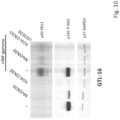
- the present inventors analyzed if inhibition of Met by hOA-DN30-cl03E08 could modulate the IFNgamma pathway and consequently PD-L1 regulation ( Fig. 10 ).
- MET-addicted GTL-16 cells were treated with INFgamma for 48 hrs and analyzed for IFNgamma-inducible PD-L1 expression.
- PD-L1 was not detectable, while upon exposure to IFNgamma, it was consistently up-regulated.
- Treatment with hOA-DN30-Cl03E08 for 48 hrs significantly impaired the upregulation of PD-L1 induced by IFNgamma.
- GTL-16 cell line is available by Advanced Biotechnology Center (ABC), Interlab Cell Line Collection (ICLC) Italy, with accession number ICLC PD 08003.
- EBC-1 human lung cancer, were from Japanese Collection of Research Bioresources).
- DN30 hybridoma is available by Advanced Biotechnology Center (ABC), Interlab Cell Line Collection (ICLC) Italy, with accession number ICLC PD 05006.
- chOA-DN30 The chimeric anti-Met antibody fragment (chOA-DN30) disclosed herein is made of:
- the humanized anti-Met antibody fragment (hOA-DN30-cl03F04) is made of:
- the humanized anti-Met antibody fragment (hOA-DN30-cl03H08) object of the present disclosure is made of:
- pcDNA3.1 plasmids cat.# V79020 Invitrogen Corporation, Camarillo, CA) and used to transfect ExpiCHO-S cells (cat.#: A29127, ThermoFisher Scientific).
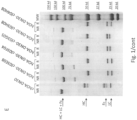
- the vector ratio was optimized to maximize the output of the desired 97.5 kDa heterodimer (the OA-Ab) and to minimize the presence of any 150 kDa bivalent homodimer (bona fide Mab).
- the optimal ratio was: 1: 1: 2 respectively for Light chain, Heavy chain full size ("knob" vector) and Fc ("hole” vector). This condition resulted in the least amount of homodimer present, with the heterodimer being approximately 85% of the total protein.
- Transient expression was powered by ExpiFectamine TM CHO transfection reagent (cat.# A29130, ThermoFisher Scientific). Supernatants were harvested after 9 days of production.
- the OA-DN30 antibodies were purified using a Hitrap MabSelect Sure column (cat.# GE29-0491-04, Sigma Aldrich) on an ⁇ KTA Pure 25 chromatography system. The OA-DN30 antibodies were subsequently eluted using 0.1 M citrate buffer at pH 3.0. Eluted fractions were collected and neutralized with 1M Tris-HCl pH 9.0 (at a ratio of 0.15 ml per ml of eluted protein).
- cDNA sequence of human MET ectodomain (DecoyMet) carrying a single amino acid substitution was synthetically generated starting from the human Met ectodomain sequence as disclosed in GenBank at deposit number X54559, and using the QuickChange II Site-Directed Mutagenesis Kit (cat.# 200524 Agilent Technologies, Santa Clara, CA), following the instruction of the manufacturer.
- the procedure requires the design of sense and antisense oligonucleotides, that include the desired point mutation. The following oligos has been employed:
- Engineered soluble receptor was produced by transient transfection of HEK-293T cells with pcDNA3.1 plasmids (cat.# V79020 Invitrogen Corporation, Camarillo, CA) expressing cDNA encoding for DecoyMet mutant. Transfected cells were starved for three days and cell culture supernatants containing the soluble receptor were collected. Purification of the recombinant proteins was done by affinity chromatography using HisTrap HP columns (cat.# 17524701 GE Healthcare, Freiburg, Germany) according to manufacturer's instructions. Large-scale protein production and purification was performed by U-Protein Express BV (Utrecht, The Netherlands).
- OA-DN30 antibodies (1 ⁇ g) were separated into a 4-12 % acrylamide gradient gel by SDS-PAGE in the presence of in the absence of ⁇ -mercapto ethanol following standard methods. Molecular weight markers(cat.# 1610374, Bio-Rad) were included in the analysis. Polypeptides separated into the gel were revealed by Gel Code Blue Stain reagent (cat.# 24590, Thermo Fisher Scientific).
- hOA-DN30-cl03E08 binding to Met expressed at the surface of cells 2 ⁇ 10 5 EBC-1, C2C12, H9C2, MDCK, or Cos-7 cells were treated with StemPro TM Accutase TM Cell Dissociation Reagent (cat.# A1110501, ThermoFisher Scientific) collected and incubated for 1 hour at 4°C in PBS-2% FCS. Antibody staining was performed by incubating the cells for 30 min at 4°C with 10 ⁇ g/ml of hOA-DN30-cl03E08 in PBS-2% BSA.
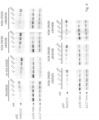
- Sub-confluent A549 monolayers were washed twice with PBS and then incubated in serum-free medium with increasing concentrations (37, 111, 333, 1000 nM) of DN-30 derivatives. After 48 hours, conditioned medium was collected and cells were lysed with Laemmli Buffer. Met protein levels were determined in 15 ⁇ g of total cellular proteins by Western blot using anti-Met antibodies (3D4, cat.# 08-1366 Invitrogen Corporation); as a loading control, filters were probed also with anti-vinculin antibodies (clone hVIN-1, cat.# V9131 Sigma Life Science).
- Serum-starved GTL-16 cells were incubated for 24 h with DN30 derivatives (1000 or 250 nM).
- Total cellular lysates were analyzed by Western blot using the following primary antibodies: anti-Met phospho-Tyr 1234/1235 (D26, cat.# 3077 Cell Signaling Technology); anti-Met (3D4, cat.# 08-1366 Invitrogen Corporation); and anti-vinculin (clone hVIN-1, cat.# V9131 Sigma Life Science).
- Anti-mouse IgG1 and anti-rabbit IgG catalog.# JI111035003 HRP-conjugated secondary antibodies and the ECL System were used for protein detection.
- Western Blot bands were quantified using ImageJ software.
- HPAF-II cells (8000/well) were seeded in 96-well plates in complete culture medium.
- HGF 8 ng/ml, positive control, cat.# 294-HG-025, R&D Systems
- the antibodies (DN30 mAb, MvDN30, chOA-DN30, hOA-DN30 antibodies, all at the concentration of 200nM)
- increasing concentrations (0 - 4 ⁇ M) of hOA-DN30-cl03E08, alone or in 1:1 combination with DecoyMet K8142E were added.
- HPAF-II cells (1.5 X 10 5 /well) were suspended in serum-free culture medium in the presence of 0.5 ⁇ M hOA-DN30-cl03E08 alone or in combination with 1 ⁇ M DecoyMet K842E , and seeded on the upper compartment of transwell chambers pre-coated with 30 ⁇ g/well of Matrigel Matrix (cat.# 354234, Corning Inc.). Culture medium supplemented with 2% FBS and 6.25 ng/ml HGF was added to the lower compartment of the chambers. After 24 hrs, cells on the upper side of the transwell filters were mechanically removed, while cells migrated through the membrane were fixed with 11% glutaraldehyde and stained with 0.1% Crystal Violet. Cell invasion was quantified with Image-J software.
- GTL-16 cells were seeded 2000 cells/well in a 96 well plate in 10% FBS culture medium. After 24 hrs, medium was replaced with a fresh one with 10% FBS plus the molecules to be tested (increasing concentrations - from 0 to 10 ⁇ M). Cell viability was evaluated after 72 hrs using the CellTiter-Glo (cat.# G7573 Promega Corp), according to the manufacturer's instructions. Chemo-luminescence was detected with VICTOR X4.
- Sub-confluent GTl-16 cells were treated with 50 ng/ml of IFN ⁇ -1b (Miltenyi Biotec, cat.# 130-096-484) for 48 hours (replaced every 24 hours) in combination with 250nM hOA-DN30-cl03E08. Monolayers were then lysed in Laemmli buffer and 45 ⁇ g of total proteins were subjected to 8% SDS-PAGE gel. Proteins were transferred from the gel onto iBlot Transfer nitrocellulose membranes (Life technologies, cat.# IB23001) following standard methods. PD-L1 expression was detected by anti-PD-L1 antibody (E1L3N, cat.# 13684, Cell Signaling Technology).
- P-Met levels were checked by anti-MET phospho-Tyr 1234/1235 (D26) antibodies.
- filters were probed with anti-GAPDH (D4C6R, cat.# 97166 Cell Signaling Technology).
- Secondary HRP-conjugated goat anti-mouse IgG cat.# JI115035003 or anti-rabbit IgG (cat.# JI111035144) (both from Jackson ImmunoResearch) and the ECL System were used for protein detection.
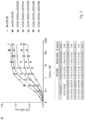
- mice were injected intravenously with a single dose (100 ⁇ g) of hOA-DN30-cl03E08.
- Peripheral blood was collected at different time points: 10', 30', 1hr, 4hrs, 8hrs, 24hrs, 48hrs, 72hrs, 120hrs.
- Serum concentrations of the therapeutic molecules were measured by ELISA as described above in the binding assay section, interpolating the absorbance values of the samples on the linear part of a standard curve obtained by serial dilutions of the different purified molecules. Each time point was the average value of 4 mice.
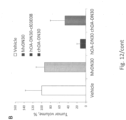
- mice were generated (PBS-vehicle, MvDN30, chOA-DN30, hOA-DN30-cl03E08; all the antibodies 30 mg/kg, 2 times per week); in the other case, 5 groups were generated (PBS-vehicle, hOA-DN30-cl03E08 60 mg/kg, 30 mg/kg, 10 mg/kg, 3.3 mg/kg; all the doses 3 times per week).
- Molecules were administered by intravenous injection. At the end of the experiments (15 or 17 days of treatment) mice were sacrificed, tumors were excised and weighted.
- Average and standard deviation (SD) were calculated using Microsoft Office Excel 2010 software (Microsoft Corporation).
- K d values data from ELISA assays were analyzed and fitted according to nonlinear regression, one site binding hyperbola curve, using GraphPad Prism software (GraphPad Software).
- IC 50 and EC 50 values data were analyzed and fitted according to nonlinear regression, sigmoidal dose-response curve, using GraphPad Prism software. All experiments were repeated at least two times. Figures show one representative experiment.
Landscapes
- Health & Medical Sciences (AREA)
- Chemical & Material Sciences (AREA)
- Organic Chemistry (AREA)
- Medicinal Chemistry (AREA)
- Life Sciences & Earth Sciences (AREA)
- General Health & Medical Sciences (AREA)
- Immunology (AREA)
- Pharmacology & Pharmacy (AREA)
- Animal Behavior & Ethology (AREA)
- Veterinary Medicine (AREA)
- Public Health (AREA)
- General Chemical & Material Sciences (AREA)
- Chemical Kinetics & Catalysis (AREA)
- Nuclear Medicine, Radiotherapy & Molecular Imaging (AREA)
- Biochemistry (AREA)
- Biophysics (AREA)
- Proteomics, Peptides & Aminoacids (AREA)
- Molecular Biology (AREA)
- Genetics & Genomics (AREA)
- Oncology (AREA)
- Epidemiology (AREA)
- Hematology (AREA)
- Endocrinology (AREA)
- Engineering & Computer Science (AREA)
- Bioinformatics & Cheminformatics (AREA)
- Microbiology (AREA)
- Mycology (AREA)
- Peptides Or Proteins (AREA)
- Medicines Containing Antibodies Or Antigens For Use As Internal Diagnostic Agents (AREA)
- Medicines Containing Material From Animals Or Micro-Organisms (AREA)
- Acyclic And Carbocyclic Compounds In Medicinal Compositions (AREA)
- Pharmaceuticals Containing Other Organic And Inorganic Compounds (AREA)
Applications Claiming Priority (3)
| Application Number | Priority Date | Filing Date | Title |
|---|---|---|---|
| IT102018000009282A IT201800009282A1 (it) | 2018-10-09 | 2018-10-09 | Nuovo agente terapeutico per il trattamento di un tumore e/o metastasi |
| PCT/EP2019/077116 WO2020074459A1 (en) | 2018-10-09 | 2019-10-07 | Anti-met fab-fc for the treatment of a tumor and/or metastasis |
| EP19808675.3A EP3864050B1 (en) | 2018-10-09 | 2019-10-07 | Anti-met fab-fc for the treatment of a tumor and/or metastasis |
Related Parent Applications (1)
| Application Number | Title | Priority Date | Filing Date |
|---|---|---|---|
| EP19808675.3A Division EP3864050B1 (en) | 2018-10-09 | 2019-10-07 | Anti-met fab-fc for the treatment of a tumor and/or metastasis |
Publications (1)
| Publication Number | Publication Date |
|---|---|
| EP4194469A1 true EP4194469A1 (en) | 2023-06-14 |
Family
ID=65010823
Family Applications (2)
| Application Number | Title | Priority Date | Filing Date |
|---|---|---|---|
| EP22206743.1A Pending EP4194469A1 (en) | 2018-10-09 | 2019-10-07 | Anti-met fab-fc for the treatment of a tumor and/or metastasis |
| EP19808675.3A Active EP3864050B1 (en) | 2018-10-09 | 2019-10-07 | Anti-met fab-fc for the treatment of a tumor and/or metastasis |
Family Applications After (1)
| Application Number | Title | Priority Date | Filing Date |
|---|---|---|---|
| EP19808675.3A Active EP3864050B1 (en) | 2018-10-09 | 2019-10-07 | Anti-met fab-fc for the treatment of a tumor and/or metastasis |
Country Status (23)
| Country | Link |
|---|---|
| US (2) | US12209129B2 (OSRAM) |
| EP (2) | EP4194469A1 (OSRAM) |
| JP (1) | JP7371093B2 (OSRAM) |
| KR (2) | KR102814490B1 (OSRAM) |
| CN (2) | CN113330032B (OSRAM) |
| AU (2) | AU2019358417B2 (OSRAM) |
| CA (1) | CA3115582A1 (OSRAM) |
| CY (1) | CY1125831T1 (OSRAM) |
| DK (1) | DK3864050T5 (OSRAM) |
| ES (1) | ES2938714T3 (OSRAM) |
| FI (1) | FI3864050T3 (OSRAM) |
| HR (1) | HRP20230154T1 (OSRAM) |
| HU (1) | HUE060843T2 (OSRAM) |
| IL (1) | IL282033B2 (OSRAM) |
| IT (1) | IT201800009282A1 (OSRAM) |
| LT (1) | LT3864050T (OSRAM) |
| PL (1) | PL3864050T3 (OSRAM) |
| PT (1) | PT3864050T (OSRAM) |
| RS (1) | RS63960B1 (OSRAM) |
| SG (1) | SG11202103575RA (OSRAM) |
| SI (1) | SI3864050T1 (OSRAM) |
| SM (1) | SMT202300053T1 (OSRAM) |
| WO (1) | WO2020074459A1 (OSRAM) |
Families Citing this family (2)
| Publication number | Priority date | Publication date | Assignee | Title |
|---|---|---|---|---|
| TW202448953A (zh) | 2023-06-01 | 2024-12-16 | 法商皮爾法伯製藥公司 | 用於腫瘤及轉移之治療的基於沉默抗體的抗met建構物 |
| WO2026087699A1 (en) | 2024-10-24 | 2026-04-30 | Pierre Fabre Medicament | New treatment of non-small cell lung cancer |
Citations (4)
| Publication number | Priority date | Publication date | Assignee | Title |
|---|---|---|---|---|
| WO2005063816A2 (en) | 2003-12-19 | 2005-07-14 | Genentech, Inc. | Monovalent antibody fragments useful as therapeutics |
| WO2007090807A1 (en) | 2006-02-06 | 2007-08-16 | Metheresis Translational Research S.A. | Anti-met monoclonal antibody, fragments and vectors thereof, for the treatment of tumors and corresponding products |
| WO2013033008A2 (en) * | 2011-08-26 | 2013-03-07 | Merrimack Pharmaceuticals, Inc. | Tandem fc bispecific antibodies |
| WO2014108829A1 (en) | 2013-01-09 | 2014-07-17 | Metheresis Translational Research S.A. | New antibody fragments, compositions and uses thereof |
Family Cites Families (9)
| Publication number | Priority date | Publication date | Assignee | Title |
|---|---|---|---|---|
| EP2013236B1 (en) * | 2006-04-28 | 2015-06-17 | Delenex Therapeutics AG | Antibodies binding to the extracellular domain of the receptor tyrosine kinase alk |
| SG194399A1 (en) * | 2008-10-01 | 2013-11-29 | Amgen Res Munich Gmbh | Cross-species-specific pscaxcd3, cd19xcd3, c-metxcd3, endosialinxcd3, epcamxcd3, igf-1rxcd3 or fapalpha xcd3 bispecific single chain antibody |
| ES2733067T3 (es) * | 2008-12-19 | 2019-11-27 | Macrogenics Inc | Diacuerpos covalentes y usos de los mismos |
| BRPI1012560A2 (pt) * | 2009-04-01 | 2016-07-26 | Genentech Inc | anticorpos anti-fcrh5 e imunoconjugados e métodos de uso |
| SI2500036T1 (sl) * | 2011-03-18 | 2014-09-30 | Metheresis Translational Research Sa | Met inhibitorji za izboljĺ anje uäśinkovitosti obsevanja |
| AU2012236068A1 (en) * | 2011-04-01 | 2013-10-17 | Eureka Therapeutics, Inc. | T cell receptor-like antibodies specific for a WT1 peptide presented by HLA-A2 |
| MX2014005885A (es) | 2011-11-21 | 2014-09-04 | Genentech Inc | Purificacion de anticuerpos anti-c-met. |
| GB201403875D0 (en) * | 2014-03-05 | 2014-04-16 | Cantargia Ab | Novel antibodies and uses thereof |
| CA3050085A1 (en) * | 2017-01-20 | 2018-07-26 | Juno Therapeutics Gmbh | Cell surface conjugates and related cell compositions and methods |
-
2018
- 2018-10-09 IT IT102018000009282A patent/IT201800009282A1/it unknown
-
2019
- 2019-10-07 CA CA3115582A patent/CA3115582A1/en active Pending
- 2019-10-07 KR KR1020217013513A patent/KR102814490B1/ko active Active
- 2019-10-07 RS RS20230107A patent/RS63960B1/sr unknown
- 2019-10-07 EP EP22206743.1A patent/EP4194469A1/en active Pending
- 2019-10-07 HU HUE19808675A patent/HUE060843T2/hu unknown
- 2019-10-07 EP EP19808675.3A patent/EP3864050B1/en active Active
- 2019-10-07 AU AU2019358417A patent/AU2019358417B2/en active Active
- 2019-10-07 HR HRP20230154TT patent/HRP20230154T1/hr unknown
- 2019-10-07 FI FIEP19808675.3T patent/FI3864050T3/fi active
- 2019-10-07 PL PL19808675.3T patent/PL3864050T3/pl unknown
- 2019-10-07 CN CN201980080611.2A patent/CN113330032B/zh active Active
- 2019-10-07 PT PT198086753T patent/PT3864050T/pt unknown
- 2019-10-07 KR KR1020257016475A patent/KR20250078600A/ko active Pending
- 2019-10-07 DK DK19808675.3T patent/DK3864050T5/da active
- 2019-10-07 LT LTEPPCT/EP2019/077116T patent/LT3864050T/lt unknown
- 2019-10-07 SI SI201930456T patent/SI3864050T1/sl unknown
- 2019-10-07 ES ES19808675T patent/ES2938714T3/es active Active
- 2019-10-07 US US17/283,482 patent/US12209129B2/en active Active
- 2019-10-07 SG SG11202103575RA patent/SG11202103575RA/en unknown
- 2019-10-07 SM SM20230053T patent/SMT202300053T1/it unknown
- 2019-10-07 JP JP2021518891A patent/JP7371093B2/ja active Active
- 2019-10-07 CN CN202411779087.7A patent/CN119587692A/zh active Pending
- 2019-10-07 IL IL282033A patent/IL282033B2/en unknown
- 2019-10-07 WO PCT/EP2019/077116 patent/WO2020074459A1/en not_active Ceased
-
2023
- 2023-02-09 CY CY20231100073T patent/CY1125831T1/el unknown
-
2024
- 2024-12-09 US US18/973,463 patent/US20250101115A1/en active Pending
-
2026
- 2026-02-26 AU AU2026201438A patent/AU2026201438A1/en active Pending
Patent Citations (4)
| Publication number | Priority date | Publication date | Assignee | Title |
|---|---|---|---|---|
| WO2005063816A2 (en) | 2003-12-19 | 2005-07-14 | Genentech, Inc. | Monovalent antibody fragments useful as therapeutics |
| WO2007090807A1 (en) | 2006-02-06 | 2007-08-16 | Metheresis Translational Research S.A. | Anti-met monoclonal antibody, fragments and vectors thereof, for the treatment of tumors and corresponding products |
| WO2013033008A2 (en) * | 2011-08-26 | 2013-03-07 | Merrimack Pharmaceuticals, Inc. | Tandem fc bispecific antibodies |
| WO2014108829A1 (en) | 2013-01-09 | 2014-07-17 | Metheresis Translational Research S.A. | New antibody fragments, compositions and uses thereof |
Non-Patent Citations (38)
| Title |
|---|
| "Remington's Pharmaceutical Sciences", 1980 |
| ATWELL SRIDGWAY JBWELLS JACARTER P: "Stable heterodimers from remodeling the domain interface of a homodimer using a phage display library", J MOL BIOL, vol. 270, no. 1, 1997, pages 26 - 35, XP002610109, DOI: 10.1006/jmbi.1997.1116 |
| BASILICO CMODICA CMAIONE FVIGNA ECOMOGLIO PM: "Targeting the MET oncogene by concomitant inhibition of receptor and ligand via an antibody-''decoy'' strategy", INT J CANCER, 25 April 2018 (2018-04-25) |
| BLOOM JWMADANAT MSMARRIOTT DWONG TCHAN SY: "Intrachain disulfide bond in the core hinge region of human IgG4", PROTEIN SCI, vol. 6, no. 2, 1997, pages 407 - 415, XP002329379 |
| BORK PDOERKS TSPRINGER TASNEL B: "Domains in plexins: links to integrins and transcription factors", TRENDS BIOCHEM SCI, vol. 24, no. 7, 1999, pages 261 - 263, XP004171834, DOI: 10.1016/S0968-0004(99)01416-4 |
| CIGNETTO SMODICA CCHIRIACO CFONTANI LMILLA PMICHIELI P ET AL.: "Dual Constant Domain-Fab: A novel strategy to improve half-life and potency of a Met therapeutic antibody", MOL ONCOL, vol. 10, no. 6, 2016, pages 938 - 948, XP029618653, DOI: 10.1016/j.molonc.2016.03.004 |
| COMOGLIO PMTRUSOLINO LBOCCACCIO C: "Known and novel roles of the MET oncogene in cancer: a coherent approach to targeted therapy", NAT REV CANCER, vol. 18, no. 6, 2018, pages 341 - 358 |
| FERRACINI RLONGATI PNALDINI LVIGNA ECOMOGLIO PM: "Identification of the major autophosphorylation site of the Met/hepatocyte growth factor receptor tyrosine kinase", J BIOL CHEM, vol. 266, no. 29, 1991, pages 19558 - 19564, XP000941367 |
| FOVEAU BANCOT FLEROY CPETRELLI AREISS KVINGTDEUX V ET AL.: "Down-regulation of the met receptor tyrosine kinase by presenilin-dependent regulated intramembrane proteolysis", MOL BIOL CELL, vol. 20, no. 9, 2009, pages 2495 - 2507, XP002609758, DOI: 10.1091/MBC.E08-09-0969 |
| G. PACCHIANA ET AL: "Monovalency Unleashes the Full Therapeutic Potential of the DN-30 Anti-Met Antibody", JOURNAL OF BIOLOGICAL CHEMISTRY, vol. 285, no. 46, 12 November 2010 (2010-11-12), pages 36149 - 36157, XP055086806, ISSN: 0021-9258, DOI: 10.1074/jbc.M110.134031 * |
| GANDINO LLONGATI PMEDICO EPRAT MCOMOGLIO PM: "Phosphorylation of serine 985 negatively regulates the hepatocyte growth factor receptor kinase", J BIOL CHEM, vol. 269, no. 3, 1994, pages 1815 - 1820, XP002906269 |
| GARCIA-DIAZ ASHIN DSMORENO BHSACO JESCUIN-ORDINAS HRODRIGUEZ GA ET AL.: "Interferon Receptor Signaling Pathways Regulating PD-L1 and PD-L2 Expression", CELL REP, vol. 19, no. 6, 2017, pages 1189 - 1201, XP055848328, DOI: 10.1016/j.celrep.2017.04.031 |
| GHERARDI ELOVE CAESNOUF RMJONES EY: "The sema domain", CURR OPIN STRUCT BIOL, vol. 14, no. 6, 2004, pages 669 - 678, XP005764679, DOI: 10.1016/j.sbi.2004.10.010 |
| HARRIS WJ: "Production of humanized monoclonal antibodies for in vivo imaging and therapy", BIOCHEM SOC TRANS, vol. 23, no. 4, 1995, pages 1035 - 1038 |
| HUMPHREYS DP, CHAPMAN AP, REEKS DG, LANG V, STEPHENS PE: "Formation of dimeric Fabs in Escherichia coli: effect of hinge size and isotype, presence of interchain disulphide bond, Fab' expression levels, tail piece sequences and growth conditions", J IMMUNOL METHODS, vol. 209, no. 2, 1997, pages 193 - 202, XP004103797, DOI: 10.1016/S0022-1759(97)00172-5 |
| HURLE MRGROSS M: "Protein engineering techniques for antibody humanization", CURR OPIN BIOTECHNOL, vol. 5, no. 4, 1994, pages 428 - 433, XP023601527, DOI: 10.1016/0958-1669(94)90053-1 |
| JANEWAY ET AL.: "Immuno Biology", 1999, ELSEVIER SCIENCE LTD., article "the immune system in health and disease" |
| JONES PTDEAR PHFOOTE JNEUBERGER MSWINTER G: "Replacing the complementarity-determining regions in a human antibody with those from a mouse", NATURE, vol. 321, no. 6069, 1986, pages 522 - 525, XP002949266, DOI: 10.1038/321522a0 |
| KONG-BELTRAN MSESHAGIRI SZHA JZHU WBHAWE KMENDOZA N ET AL.: "Somatic mutations lead to an oncogenic deletion of met in lung cancer", CANCER RES, vol. 66, no. 1, 2006, pages 283 - 289, XP002474266, DOI: 10.1158/0008-5472.CAN-05-2749 |
| MAKABE KNAKANISHI TTSUMOTO KTANAKA YKONDO HUMETSU M ET AL.: "Thermodynamic consequences of mutations in vernier zone residues of a humanized anti-human epidermal growth factor receptor murine antibody, 528", J BIOL CHEM, vol. 283, no. 2, 2008, pages 1156 - 1166, XP055110460, DOI: 10.1074/jbc.M706190200 |
| MANIATIS T.: "Molecular cloning: A laboratory manual", 1982, COLD SPRING HARBOR LABORATORY |
| MERCHANT MMA XMAUN HRZHENG ZPENG JROMERO M ET AL.: "Monovalent antibody design and mechanism of action of onartuzumab, a MET antagonist with anti-tumor activity as a therapeutic agent", PROC NATL ACAD SCI U S A, vol. 110, no. 32, 2013, pages E2987 - 2996, XP055352711, DOI: 10.1073/pnas.1302725110 |
| PACCHIANA GCHIRIACO CSTELLA MCPETRONZELLI FDE SANTIS RGALLUZZO M ET AL.: "Monovalency unleashes the full therapeutic potential of the DN-30 anti-Met antibody", J BIOL CHEM, vol. 285, no. 46, 2010, pages 36149 - 36157 |
| PETRELLI AGILESTRO GFLANZARDO SCOMOGLIO PMMIGONE NGIORDANO S: "The endophilin-CIN85-Cbl complex mediates ligand-dependent downregulation of c-Met", NATURE, vol. 416, no. 6877, 2002, pages 187 - 190 |
| PONZETTO CBARDELLI AZHEN ZMAINA FDALLA ZONCA PGIORDANO S ET AL.: "A multifunctional docking site mediates signaling and transformation by the hepatocyte growth factor/scatter factor receptor family", CELL, vol. 77, no. 2, 1994, pages 261 - 271, XP024245267, DOI: 10.1016/0092-8674(94)90318-2 |
| PRAT MCREPALDI TPENNACCHIETTI SBUSSOLINO FCOMOGLIO PM: "Agonistic monoclonal antibodies against the Met receptor dissect the biological responses to HGF", J CELL SCI, vol. 111, 1998, pages 237 - 247 |
| PRESTA LG: "Antibody engineering", CURR OPIN BIOTECHNOL, vol. 3, no. 4, 1992, pages 394 - 398, XP023601588, DOI: 10.1016/0958-1669(92)90168-I |
| REGE-CAMBRIN GSCARAVAGLIO PCAROZZI FGIORDANO SPONZETTO CCOMOGLIO PM ET AL.: "Karyotypic analysis of gastric carcinoma cell lines carrying an amplified c-met oncogene", CANCER GENET CYTOGENET, vol. 64, no. 2, 1992, pages 170 - 173, XP025212176, DOI: 10.1016/0165-4608(92)90350-H |
| RIDGWAY JBPRESTA LGCARTER P: "Knobs-into-holes' engineering of antibody CH3 domains for heavy chain heterodimerization", PROTEIN ENG, vol. 9, no. 7, 1996, pages 617 - 621, XP002610995, DOI: 10.1093/protein/9.7.617 |
| RIECHMANN LCLARK MWALDMANN HWINTER G: "Reshaping human antibodies for therapy", NATURE, vol. 332, no. 6162, 1988, pages 323 - 327, XP002007067, DOI: 10.1038/332323a0 |
| SCHELTER FKOBUCH JMOSS MLBECHERER JDCOMOGLIO PMBOCCACCIO C ET AL.: "A disintegrin and metalloproteinase-10 (ADAM-10) mediates DN30 antibody-induced shedding of the met surface receptor", J BIOL CHEM, vol. 285, no. 34, 2010, pages 26335 - 26340, XP055389374, DOI: 10.1074/jbc.M110.106435 |
| TRUSOLINO L, BERTOTTI A, COMOGLIO PM: "MET signalling: principles and functions in development, organ regeneration and cancer", NAT REV MOL CELL BIOL, vol. 11, no. 12, 2010, pages 834 - 848, XP055087504, DOI: 10.1038/nrm3012 |
| VASWANI SKHAMILTON RG: "Humanized antibodies as potential therapeutic drugs", ANN ALLERGY ASTHMA IMMUNOL, vol. 81, no. 2, 1998, pages 105 - 115, XP026957802 |
| VIGNA ECHIRIACO CCIGNETTO SFONTANI LBASILICO CPETRONZELLI F ET AL.: "Inhibition of ligand-independent constitutive activation of the Met oncogenic receptor by the engineered chemically-modified antibody DN30", MOL ONCOL, vol. 9, no. 9, 2015, pages 1760 - 1772, XP055425203, DOI: 10.1016/j.molonc.2015.05.007 |
| WANG QYANG SWANG KSUN SY: "MET inhibitors for targeted therapy of EGFR TKI-resistant lung cancer", J HEMATOL ONCOL, vol. 12, no. 1, 21 June 2019 (2019-06-21), pages 63 |
| WATTS H F ET AL: "Activation of complement pathways by univalent antibody derivatives with intact Fc zones", MOLECULAR IMMUNOLOGY, PERGAMON, GB, vol. 22, no. 7, 1 July 1985 (1985-07-01), pages 803 - 810, XP023852735, ISSN: 0161-5890, [retrieved on 19850701], DOI: 10.1016/0161-5890(85)90146-4 * |
| ZHU ZPRESTA LGZAPATA GCARTER P: "Remodeling domain interfaces to enhance heterodimer formation", PROTEIN SCI, vol. 6, no. 4, 1997, pages 781 - 788, XP000929847 |
| ZOU WCHEN L: "Inhibitory B7-family molecules in the tumour microenvironment", NAT REV IMMUNOL, vol. 8, no. 6, 2008, pages 467 - 477, XP009142446, DOI: 10.1038/nri2326 |
Also Published As
Similar Documents
| Publication | Publication Date | Title |
|---|---|---|
| US20250368743A1 (en) | Fusion immunomodulatory proteins and methods for making same | |
| JP6033783B2 (ja) | Pan−her抗体組成物 | |
| US20250101115A1 (en) | Anti-met fab-fc for the treatment of a tumor and/or metastasis | |
| CN102046803B (zh) | 碱性成纤维细胞生长因子的单克隆抗体 | |
| TW200948380A (en) | Combination of HGF inhibitor and PTEN agonist to treat cancer | |
| RS57286B1 (sr) | Novi fragmenti antitela, njihove mešavine i primene | |
| IL277476B1 (en) | Combination of anti-hepatocyte growth hormone receptor antibody and human epidermal growth hormone receptor hepatocyte for the treatment of cancer and/or metastasis | |
| HK40119612A (zh) | 用於治疗肿瘤和/或转移的抗met fab-fc | |
| BR112013010718A2 (pt) | composição de anticorpo pan-her, composição farmacêutica, método para produção e uso da referida composição |
Legal Events
| Date | Code | Title | Description |
|---|---|---|---|
| PUAI | Public reference made under article 153(3) epc to a published international application that has entered the european phase |
Free format text: ORIGINAL CODE: 0009012 |
|
| STAA | Information on the status of an ep patent application or granted ep patent |
Free format text: STATUS: THE APPLICATION HAS BEEN PUBLISHED |
|
| AC | Divisional application: reference to earlier application |
Ref document number: 3864050 Country of ref document: EP Kind code of ref document: P |
|
| AK | Designated contracting states |
Kind code of ref document: A1 Designated state(s): AL AT BE BG CH CY CZ DE DK EE ES FI FR GB GR HR HU IE IS IT LI LT LU LV MC MK MT NL NO PL PT RO RS SE SI SK SM TR |
|
| STAA | Information on the status of an ep patent application or granted ep patent |
Free format text: STATUS: REQUEST FOR EXAMINATION WAS MADE |
|
| 17P | Request for examination filed |
Effective date: 20231212 |
|
| RBV | Designated contracting states (corrected) |
Designated state(s): AL AT BE BG CH CY CZ DE DK EE ES FI FR GB GR HR HU IE IS IT LI LT LU LV MC MK MT NL NO PL PT RO RS SE SI SK SM TR |
|
| RAP1 | Party data changed (applicant data changed or rights of an application transferred) |
Owner name: PIERRE FABRE MEDICAMENT |