EP4166552B1 - Crystalline forms and processes for the preparation of condensed azacycles (cannabinoid receptor modulators) - Google Patents
Crystalline forms and processes for the preparation of condensed azacycles (cannabinoid receptor modulators) Download PDFInfo
- Publication number
- EP4166552B1 EP4166552B1 EP22197435.5A EP22197435A EP4166552B1 EP 4166552 B1 EP4166552 B1 EP 4166552B1 EP 22197435 A EP22197435 A EP 22197435A EP 4166552 B1 EP4166552 B1 EP 4166552B1
- Authority
- EP
- European Patent Office
- Prior art keywords
- crystalline form
- pain
- compound
- anhydrous crystalline
- treatment
- Prior art date
- Legal status (The legal status is an assumption and is not a legal conclusion. Google has not performed a legal analysis and makes no representation as to the accuracy of the status listed.)
- Active
Links
Images









Classifications
-
- A—HUMAN NECESSITIES
- A61—MEDICAL OR VETERINARY SCIENCE; HYGIENE
- A61K—PREPARATIONS FOR MEDICAL, DENTAL OR TOILETRY PURPOSES
- A61K31/00—Medicinal preparations containing organic active ingredients
- A61K31/33—Heterocyclic compounds
- A61K31/395—Heterocyclic compounds having nitrogen as a ring hetero atom, e.g. guanethidine or rifamycins
- A61K31/495—Heterocyclic compounds having nitrogen as a ring hetero atom, e.g. guanethidine or rifamycins having six-membered rings with two or more nitrogen atoms as the only ring heteroatoms, e.g. piperazine or tetrazines
- A61K31/4965—Non-condensed pyrazines
- A61K31/497—Non-condensed pyrazines containing further heterocyclic rings
-
- A—HUMAN NECESSITIES
- A61—MEDICAL OR VETERINARY SCIENCE; HYGIENE
- A61P—SPECIFIC THERAPEUTIC ACTIVITY OF CHEMICAL COMPOUNDS OR MEDICINAL PREPARATIONS
- A61P29/00—Non-central analgesic, antipyretic or antiinflammatory agents, e.g. antirheumatic agents; Non-steroidal antiinflammatory drugs [NSAID]
-
- C—CHEMISTRY; METALLURGY
- C07—ORGANIC CHEMISTRY
- C07D—HETEROCYCLIC COMPOUNDS
- C07D403/00—Heterocyclic compounds containing two or more hetero rings, having nitrogen atoms as the only ring hetero atoms, not provided for by group C07D401/00
- C07D403/02—Heterocyclic compounds containing two or more hetero rings, having nitrogen atoms as the only ring hetero atoms, not provided for by group C07D401/00 containing two hetero rings
- C07D403/04—Heterocyclic compounds containing two or more hetero rings, having nitrogen atoms as the only ring hetero atoms, not provided for by group C07D401/00 containing two hetero rings directly linked by a ring-member-to-ring-member bond
-
- C—CHEMISTRY; METALLURGY
- C07—ORGANIC CHEMISTRY
- C07B—GENERAL METHODS OF ORGANIC CHEMISTRY; APPARATUS THEREFOR
- C07B2200/00—Indexing scheme relating to specific properties of organic compounds
- C07B2200/13—Crystalline forms, e.g. polymorphs
Definitions
- the present invention relates to anhydrous non-solvated crystalline forms of (1a S ,5a S )-2-(4-oxy-pyrazin-2-yl)-1a,2,5,5a-tetrahydro-1 H -2,3-diaza-cyclopropa[a]pentalene-4-carboxylic acid (( S )-1-hydroxymethyl-2,2-dimethyl-propyl)-amide (Compound 1), or a pharmaceutically acceptable salt thereof, that modulate the activity of the cannabinoid CB 2 receptor and are therefore useful in the treatment of CB 2 receptor-mediated disorders, for example, osteoarthritis; pain, for example bone and joint pain, muscle pain, dental pain, migraine and other headache pain, inflammatory pain, neuropathic pain, pain that occurs as an adverse effect of therapeutics, and pain associated with a disorder selected from: osteoarthritis, cancer, multiple sclerosis, allergic reactions, nephritic syndrome, scleroderma, thyroiditis, diabetic neuropathy, fibro
- Cannabinoids are a group of extracellular signaling molecules that are found in both plants and animals. Signals from these molecules are mediated in animals by two G-protein coupled receptors, Cannabinoid Receptor 1 (CB 1 ) and Cannabinoid Receptor 2 (CB 2 ).
- CB 1 is expressed most abundantly in the neurons of the CNS but is also present at lower concentrations in a variety of peripheral tissues and cells ( Matsuda, L. A. et al. (1990) Nature 346:561-564 ).
- CB 2 is expressed predominantly, although not exclusively, in non-neural tissues, e.g .
- CB 1 is believed to be primarily responsible for mediating the psychotropic effects of cannabinoids on the body, whereas CB 2 is believed to be primarily responsible for most of their non-neural effects.
- the present invention is an anhydrous non-solvated crystalline form of (1aS,5aS)-2-(4-oxy-pyrazin-2-yl)-1a,2,5,5a-tetrahydro-1 H -2,3-diaza-cyclopropa[a]pentalene-4-carboxylic acid ((S)-1-hydroxymethyl-2,2-dimethyl-propyl)-amide, or a pharmaceutically acceptable salt thereof,
- the method comprises orally administering the anhydrous non-solvated crystalline form.
- the therapeutically effective amount is from about 0.001 mg to about 100 mg.
- the therapeutically effective amount is from about 0.001 mg to about 25 mg.
- the therapeutically effective amount is administered as a single dose of the anhydrous crystalline form per day.
- the therapeutically effective amount is administered as two doses of the anhydrous crystalline form per day.
- the therapeutically effective amount is administered as three doses of the anhydrous crystalline form per day.
- the CB 2 receptor-mediated disorder is selected from the group consisting of:
- the autoimmune disorder is selected from the group consisting of: multiple sclerosis, Guillan-Barré syndrome, polyradiculoneuropathy, chronic inflammatory demyelination, rheumatoid arthritis, psoriatic arthritis, ankylosing spondylarthritis, and reactive arthritis.
- the allergic reaction is associated with a disorder selected from the group consisting of: atopic dermatitis, pruritis, urticaria, asthma, conjunctivitis, allergic rhinitis, and anaphylaxis.
- the CNS inflammation disorder is associated with a disorder selected from the group consisting of: Alzheimer's disease, stroke, dementia, amyotrophic lateral sclerosis, and human immunodeficiency virus.
- the CB 2 receptor-mediated disorder is pain associated with one or more disorders selected from the group consisting of: bone pain, joint pain, muscle pain, dental pain, migraine pain, headache pain, inflammatory pain, neuropathic pain, pain that occurs as an adverse effect of a therapeutic, osteoarthritis pain, cancer pain, multiple sclerosis pain, allergic reactions, nephritic syndrome, scleroderma, thyroiditis, diabetic neuropathy, fibromyalgia, HIV related-neuropathy, sciatica, and an autoimmune condition.
- disorders selected from the group consisting of: bone pain, joint pain, muscle pain, dental pain, migraine pain, headache pain, inflammatory pain, neuropathic pain, pain that occurs as an adverse effect of a therapeutic, osteoarthritis pain, cancer pain, multiple sclerosis pain, allergic reactions, nephritic syndrome, scleroderma, thyroiditis, diabetic neuropathy, fibromyalgia, HIV related-neuropathy, sciatica, and an autoimmune condition.
- the CB 2 receptor-mediated disorder is: inflammatory pain, optionally wherein the inflammatory pain is associated with inflammatory bowel disease.
- references to the methods of treatment herein are to be interpreted as references to compounds, pharmaceutical compositions, and medicaments of the present invention for use in those methods.
- Also described herein is an anhydrous crystalline form of (1a S ,5a S )-2-(4-oxy-pyrazin-2-yl)-1a,2,5,5a-tetrahydro-1 H -2,3-diaza-cyclopropa[a]pentalene-4-carboxylic acid (( S )-1-hydroxymethyl-2,2-dimethyl-propyl)-amide prepared by a process as described herein.
- compositions comprising an anhydrous crystalline form of (1a S ,5a S )-2-(4-oxy-pyrazin-2-yl)-1a,2,5,5a-tetrahydro-1 H -2,3-diaza-cyclopropa[a]pentalene-4-carboxylic acid (( S )-1-hydroxymethyl-2,2-dimethyl-propyl)-amide as described herein.
- compositions comprising an anhydrous crystalline form of (1a S ,5a S )-2-(4-oxy-pyrazin-2-yl)-1a,2,5,5a-tetrahydro-1 H -2,3-diaza-cyclopropa[a]pentalene-4-carboxylic acid (( S )-1-hydroxymethyl-2,2-dimethyl-propyl)-amide as described herein, and a pharmaceutically acceptable carrier.
- compositions comprising mixing an anhydrous crystalline form of (1a S ,5a S )-2-(4-oxy-pyrazin-2-yl)-la,2,5,5a-tetrahydro-1 H -2,3-diaza-cyclopropa[a]pentalene-4-carboxylic acid (( S )-1-hydroxymethyl-2,2-dimethyl-propyl)-amide as described herein, with a phamaceutically acceptable carrier.
- Also described herein is an anhydrous crystalline form of (1aS,5aS)-2-(4-oxy-pyrazin-2-yl)-1a,2,5,5a-tetrahydro-1 H -2,3-diaza-cyclopropa[a]pentalene-4-carboxylic acid ((S)-1-hydroxymethyl-2,2-dimethyl-propyl)-amide as described herein, for use in a method of treatment of the human or animal body by therapy.
- Also described herein is an anhydrous crystalline form of (1aS,5aS)-2-(4-oxy-pyrazin-2-yl)-1a,2,5,5a-tetrahydro-1 H -2,3-diaza-cyclopropa[a]pentalene-4-carboxylic acid ((S)-1-hydroxymethyl-2,2-dimethyl-propyl)-amide as described herein, for use in a method of treatment of a cannabinoid receptor-mediated disorder.
- Also described herein is an anhydrous crystalline form of (1aS,5aS)-2-(4-oxy-pyrazin-2-yl)-1a,2,5,5a-tetrahydro-1 H -2,3-diaza-cyclopropa[a]pentalene-4-carboxylic acid ((S)-1-hydroxymethyl-2,2-dimethyl-propyl)-amide as described herein, for use in a method of treatment of a CB 2 receptor-mediated disorder.
- acetone solvates of (1a S ,5a S )-2-(4-oxy-pyrazin-2-yl)-1a,2,5,5a-tetrahydro-1 H -2,3-diaza-cyclopropa[a]pentalene-4-carboxylic acid (( S )-1-hydroxymethyl-2,2-dimethyl-propyl)-amide.
- references to the methods of treatment herein are to be interpreted as references to compounds, pharmaceutical compositions, and medicaments of the present invention for use in those methods.
- agonist refers to a moiety that interacts with and activates a G-protein-coupled receptor, for instance a cannabinoid receptor, and can thereby initiate a physiological or pharmacological response characteristic of that receptor.
- a G-protein-coupled receptor for instance a cannabinoid receptor
- an agonist may activate an intracellular response upon binding to a receptor, or enhance GTP binding to a membrane.
- in need of treatment and the term “in need thereof” when referring to treatment are used interchangeably to mean a judgment made by a caregiver (e.g. physician, nurse, nurse practitioner, etc. in the case of humans; veterinarian in the case of animals, including non-human mammals) that an individual or animal requires or will benefit from treatment. This judgment is made based on a variety of factors that are in the realm of a caregiver's expertise, but that includes the knowledge that the individual or animal is ill, or will become ill, as the result of a disease, condition or disorder that is treatable by the compounds of the disclosure. Accordingly, the compounds of the disclosure can be used in a protective or preventive manner; or compounds of the disclosure can be used to alleviate, inhibit or ameliorate the disease, condition or disorder.
- a caregiver e.g. physician, nurse, nurse practitioner, etc. in the case of humans; veterinarian in the case of animals, including non-human mammals
- mice refers to any animal, including mammals, preferably mice, rats, other rodents, rabbits, dogs, cats, swine, cattle, sheep, horses, or primates, and most preferably humans.
- modulate or modulating refers to an increase or decrease in the amount, quality, response or effect of a particular activity, function or molecule.
- composition refers to a compound or crystalline form thereof, including but not limited to, salts, solvates, and hydrates of a compound of the present disclosure, in combination with at least one additional component, such as, a composition obtained/prepared during synthesis, preformulation, in-process testing (i.e., TLC, HPLC, NMR samples), and the like
- composition refers to a specific composition comprising at least one active ingredient; including but not limited to, salts, solvates, and hydrates of compounds of the present disclosure, whereby the composition is amenable to investigation for a specified, efficacious outcome in a mammal (for example, without limitation, a human).
- a mammal for example, without limitation, a human
- Those of ordinary skill in the art will understand and appreciate the techniques appropriate for determining whether an active ingredient has a desired efficacious outcome based upon the needs of the artisan.
- terapéuticaally effective amount refers to the amount of active compound or pharmaceutical agent that elicits the biological or medicinal response in a tissue, system, animal, individual or human that is being sought by a researcher, veterinarian, medical doctor or other clinician or caregiver or by an individual, which includes one or more of the following:
- Described herein are, inter alia, processes useful in the preparation of an anhydrous crystalline form of (1a S ,5a S )-2-(4-oxy-pyrazin-2-yl)-1a,2,5,5a-tetrahydro-1 H -2,3-diaza-cyclopropa[a]pentalene-4-carboxylic acid (( S )-1-hydroxymethyl-2,2-dimethyl-propyl)-amide, a modulator of the cannabinoid CB 2 receptor.
- crystallizing is conducted at a temperature of about -10 °C to about 35 °C. In some embodiments, crystallizing is conducted at a temperature of about -10 °C to about 25 °C. In some embodiments, crystallizing is conducted at a temperature of about -10 °C to about 10 °C. In some embodiments, crystallizing is conducted at a temperature of about -5 °C to about 5 °C.
- the crystallizing mixture is prepared by the steps of:
- the molar ratio present in the crystallizing mixture between (1a S ,5a S )-2-(4-oxy-pyrazin-2-yl)-1a,2,5,5a-tetrahydro-1 H -2,3-diaza-cyclopropa[a]pentalene-4-carboxylic acid (( S )-1-hydroxymethyl-2,2-dimethyl-propyl)-amide, acetonitrile, and water is about 1.0:7.3:327.4 to about 1.0:12.1:545.6.
- the molar ratio present in the crystallizing mixture between (1a S ,5a S )-2-(4-oxy-pyrazin-2-yl)-1a,2,5,5a-tetrahydro-1 H -2,3-diaza-cyclopropa[a]pentalene-4-carboxylic acid (( S )-1-hydroxymethyl-2,2-dimethyl-propyl)-amide, acetonitrile, and water in the crystallizing mixture is about 1.0:7.8:349.2 to about 1.0:11.6:523.8.
- the molar ratio present in the crystallizing mixture between (1a S ,5a S )-2-(4-oxy-pyrazin-2-yl)-1a,2,5,5a-tetrahydro-1 H -2,3-diaza-cyclopropa[a]pentalene-4-carboxylic acid (( S )-1-hydroxymethyl-2,2-dimethyl-propyl)-amide, acetonitrile, and water in the crystallizing mixture is about 1.0:8.2:371.0 to about 1.0:11.2:502.0.
- the molar ratio present in the crystallizing mixture between (1a S ,5a S )-2-(4-oxy-pyrazin-2-yl)-1a,2,5,5a-tetrahydro-1 H -2,3-diaza-cyclopropa[a]pentalene-4-carboxylic acid (( S )-1-hydroxymethyl-2,2-dimethyl-propyl)-amide, acetonitrile, and water in the crystallizing mixture is about 1.0:8.7:392.8 to about 1.0:10.7:480.1.
- the molar ratio present in the crystallizing mixture between (1a S ,5a S )-2-(4-oxy-pyrazin-2-yl)-1a,2,5,5a-tetrahydro-1 H -2,3-diaza-cyclopropa[a]pentalene-4-carboxylic acid (( S )-1-hydroxymethyl-2,2-dimethyl-propyl)-amide, acetonitrile, and water in the crystallizing mixture is about 1.0:9.2:414.7 to about 1.0:10.2:458.3.
- the molar ratio present in the crystallizing mixture between (1a S ,5a S )-2-(4-oxy-pyrazin-2-yl)-1a,2,5,5a-tetrahydro-1 H -2,3-diaza-cyclopropa[a]pentalene-4-carboxylic acid (( S )-1-hydroxymethyl-2,2-dimethyl-propyl)-amide, acetonitrile, and water in the crystallizing mixture is about 1.0:9.7:436.5.
- (1a S ,5a S )-2-(4-oxy-pyrazin-2-yl)-1a,2,5,5a-tetrahydro-1 H -2,3-diaza-cyclopropa[a]pentalene-4-carboxylic acid (( S )-1-hydroxymethyl-2,2-dimethyl-propyl)-amide in the crystallizing and dissolving steps is selected from the group consisting of:
- (1a S ,5a S )-2-(4-oxy-pyrazin-2-yl)-1a,2,5,5a-tetrahydro-1 H -2,3-diaza-cyclopropa[a]pentalene-4-carboxylic acid (( S )-1-hydroxymethyl-2,2-dimethyl-propyl)-amide prior to the dissolving step is selected from the group consisting of:
- isolating comprises filtering the crystalline form of (1a S ,5a S )-2-(4-oxy-pyrazin-2-yl)-1a,2,5,5a-tetrahydro-1 H -2,3-diaza-cyclopropa[a]pentalene-4-carboxylic acid (( S )-1-hydroxymethyl-2,2-dimethyl-propyl)-amide from the crystallizing mixture.
- isolating comprises removing the crystalline form of (1a S ,5a S )-2-(4-oxy-pyrazin-2-yl)-1a,2,5,5a-tetrahydro-1 H -2,3-diaza-cyclopropa[a]pentalene-4-carboxylic acid (( S )-1-hydroxymethyl-2,2-dimethyl-propyl)-amide from the crystallizing mixture.
- processes for preparing an anhydrous crystalline form further comprise the step of drying the crystalline form of (1a S ,5a S )-2-(4-oxy-pyrazin-2-yl)-1a,2,5,5a-tetrahydro-1 H -2,3-diaza-cyclopropa[a]pentalene-4-carboxylic acid (( S )-1-hydroxymethyl-2,2-dimethyl-propyl)-amide to obtain the anhydrous crystalline form of (1a S ,5a S )-2-(4-oxy-pyrazin-2-yl)-1a,2,5,5a-tetrahydro-1 H -2,3-diaza-cyclopropa[a]pentalene-4-carboxylic acid (( S )-1-hydroxymethyl-2,2-dimethyl-propyl)-amide.
- drying is conducted at a temperature of about 15 °C to about 80 °C. In some embodiments, drying is conducted at a temperature of about 25 °C to about 65 °C. In some embodiments, drying is conducted at a temperature of about 35 °C to about 55 °C. In some embodiments, drying is conducted at a temperature of about 50 °C. In some embodiments, drying is conducted at a pressure of less than 760 mm Hg and a temperature of about 35 °C to about 55 °C. In some embodiments, drying is conducted at a pressure of less than 760 mm Hg and a temperature of about 55 °C to about 65 °C.
- the anhydrous crystalline form of (1a S ,5a S )-2-(4-oxy-pyrazin-2-yl)-1a,2,5,5a-tetrahydro-1 H -2,3-diaza-cyclopropa[a]pentalene-4-carboxylic acid (( S )-1-hydroxymethyl-2,2-dimethyl-propyl)-amide has a chemical purity of about 95% or greater.
- the anhydrous crystalline form of (1a S ,5a S )-2-(4-oxy-pyrazin-2-yl)-1a,2,5,5a-tetrahydro-1 H -2,3-diaza-cyclopropa[a]pentalene-4-carboxylic acid (( S )-1-hydroxymethyl-2,2-dimethyl-propyl)-amide has a chemical purity of about 98% or greater.
- the anhydrous crystalline form of (1a S ,5a S )-2-(4-oxy-pyrazin-2-yl)-1a,2,5,5a-tetrahydro-1 H -2,3-diaza-cyclopropa[a]pentalene-4-carboxylic acid (( S )-1-hydroxymethyl-2,2-dimethyl-propyl)-amide has a chemical purity of about 99% or greater.
- the anhydrous crystalline form of (1a S ,5a S )-2-(4-oxy-pyrazin-2-yl)-1a,2,5,5a-tetrahydro-1 H -2,3-diaza-cyclopropa[a]pentalene-4-carboxylic acid (( S )-1-hydroxymethyl-2,2-dimethyl-propyl)-amide has an enantiomeric excess of about 95% or greater.
- the anhydrous crystalline form of (1a S ,5a S )-2-(4-oxy-pyrazin-2-yl)-1a,2,5,5a-tetrahydro-1 H -2,3-diaza-cyclopropa[a]pentalene-4-carboxylic acid (( S )-1-hydroxymethyl-2,2-dimethyl-propyl)-amide has an enantiomeric excess of about 98% or greater.
- the anhydrous crystalline form of (1a S ,5a S )-2-(4-oxy-pyrazin-2-yl)-1a,2,5,5a-tetrahydro-1 H -2,3-diaza-cyclopropa[a]pentalene-4-carboxylic acid (( S )-1-hydroxymethyl-2,2-dimethyl-propyl)-amide has an enantiomeric excess of about 99% or greater.
- the anhydrous crystalline form of (1a S ,5a S )-2-(4-oxy-pyrazin-2-yl)-1a,2,5,5a-tetrahydro-1 H -2,3-diaza-cyclopropa[a]pentalene-4-carboxylic acid (( S )-1-hydroxymethyl-2,2-dimethyl-propyl)-amide has a chemical purity of about 99% or greater and an enantiomeric excess of about 99% or greater.
- Also described herein is an anhydrous crystalline form of (1a S ,5a S )-2-(4-oxy-pyrazin-2-yl)-1a,2,5,5a-tetrahydro-1 H -2,3-diaza-cyclopropa[a]pentalene-4-carboxylic acid (( S )-1-hydroxymethyl-2,2-dimethyl-propyl)-amide prepared by a process described herein.
- compositions comprising mixing an anhydrous crystalline form of (1a S ,5a S )-2-(4-oxy-pyrazin-2-yl)-1a,2,5,5a-tetrahydro-1 H -2,3-diaza-cyclopropa[a]pentalene-4-carboxylic acid (( S )-1-hydroxymethyl-2,2-dimethyl-propyl)-amide as described herein with a phamaceutically acceptable carrier.
- compositions further comprising forming the composition into drug product, such as, a tablet, a pill, a powder, a lozenge, a sachet, a cachet, an elixir, a suspension, an emulsion, a solution, a syrup, a soft gelatin capsule, a hard gelatin capsule, a suppository, a sterile injectable solution, or a sterile packaged powder.
- drug product such as, a tablet, a pill, a powder, a lozenge, a sachet, a cachet, an elixir, a suspension, an emulsion, a solution, a syrup, a soft gelatin capsule, a hard gelatin capsule, a suppository, a sterile injectable solution, or a sterile packaged powder.
- the present invention relates to an anhydrous non-solvated crystalline form of (1aS,5aS)-2-(4-oxy-pyrazin-2-yl)-1a,2,5,5a-tetrahydro-1 H -2,3-diaza-cyclopropa[a]pentalene-4-carboxylic acid ((S)-1-hydroxymethyl-2,2-dimethyl-propyl)-amide, and pharmaceutically acceptable salt thereof.
- Other crystalline forms described herein do not form part of the invention.
- the amount of DCM present in these solvates can vary, and be up to about 10.6% by weight.
- the amount of DCM can readily be determined by TGA.
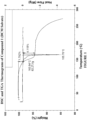
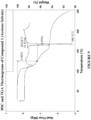
- Table 2 Compound 1 (DCM solvates, Example 1, Method 1, Step F) TGA Figure 1 : Decrease in weight of about 5.9% out to about 150 °C DSC Figure 1 : Endotherm extrapolated onset temperature: about 163 °C
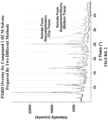
- the anhydrous crystalline form has a powder X-ray diffraction pattern comprising peaks, in terms of 2 ⁇ , at 8.5° ⁇ 0.2°, and 10.7° ⁇ 0.2°. In some embodiments, the anhydrous crystalline form has a powder X-ray diffraction pattern comprising peaks, in terms of 2 ⁇ , at 8.5° ⁇ 0.2°, 10.7° ⁇ 0.2°, and 16.9° ⁇ 0.2°.
- the anhydrous crystalline form has a powder X-ray diffraction pattern comprising peaks, in terms of 2 ⁇ , at 8.5° ⁇ 0.2°, 10.7° ⁇ 0.2°, 16.9° ⁇ 0.2°, 25.4° ⁇ 0.2°, and 11.1° ⁇ 0.2°.
- the anhydrous crystalline form has a powder X-ray diffraction pattern comprising peaks, in terms of 2 ⁇ , at 8.5° ⁇ 0.2°, 10.7° ⁇ 0.2°, 16.9° ⁇ 0.2°, 25.4° ⁇ 0.2°, 11.1° ⁇ 0.2°, 9.8° ⁇ 0.2°, and 17.4° ⁇ 0.2°.
- the anhydrous crystalline form has a powder X-ray diffraction pattern comprising peaks, in terms of 2 ⁇ , at 8.5° ⁇ 0.2°, 10.7° ⁇ 0.2°, 16.9° ⁇ 0.2°, 25.4° ⁇ 0.2°, 11.1° ⁇ 0.2°, 9.8° ⁇ 0.2°, 17.4° ⁇ 0.2°, 22.1° ⁇ 0.2°, and 16.5° ⁇ 0.2°.
- the anhydrous crystalline form has a powder X-ray diffraction pattern comprising peaks, in terms of 2 ⁇ , at 8.5° ⁇ 0.2°, 10.7° ⁇ 0.2°, 16.9° ⁇ 0.2°, 25.4° ⁇ 0.2°, 11.1° ⁇ 0.2°, 9.8° ⁇ 0.2°, 17.4° ⁇ 0.2°, 22.1° ⁇ 0.2°, 16.5° ⁇ 0.2°, 14.5° ⁇ 0.2°, 11.8° ⁇ 0.2°, and 18.9° ⁇ 0.2°.
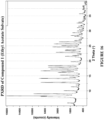
- the anhydrous crystalline form has a powder X-ray diffraction pattern substantially as shown in Figure 6 , wherein by "substantially” is meant that the reported peaks can vary by about ⁇ 0.2 °2 ⁇ .
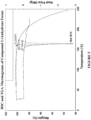
- the anhydrous crystalline form has a differential scanning calorimetry thermogram comprising an endotherm with an extrapolated onset temperature between about 159.6 °C and about 169.6 °C. In some embodiments, the anhydrous crystalline form has a differential scanning calorimetry thermogram comprising an endotherm with an extrapolated onset temperature between about 160.6 °C and about 168.6 °C. In some embodiments, the anhydrous crystalline form has a differential scanning calorimetry thermogram comprising an endotherm with an extrapolated onset temperature between about 162.6 °C and about 166.6 °C.
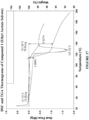
- the anhydrous crystalline form has having a differential scanning calorimetry thermogram comprising an endotherm with an extrapolated onset temperature between about 163.6 °C and about 165.6 °C. In some embodiments, the anhydrous crystalline form has a differential scanning calorimetry thermogram comprising an endotherm with an extrapolated onset temperature at about 164.6 °C. In some embodiments, the anhydrous crystalline form has a differential scanning calorimetry thermogram substantially as shown in Figure 7 , wherein by “substantially” is meant that the reported DSC features can vary by about ⁇ 4 °C and that the reported DSC features can vary by about ⁇ 20 joules per gram.
- the anhydrous crystalline form has a thermogravimetric analysis profile showing about 0.5% weight loss below about 135 °C. In some embodiments, the anhydrous crystalline form has a thermogravimetric analysis profile showing about 0.25% weight loss below about 135 °C. In some embodiments, the anhydrous crystalline form has a thermogravimetric analysis profile showing about 0.05% weight loss below about 135 °C. In some embodiments, the anhydrous crystalline form has a thermogravimetric analysis profile substantially as shown in Figure 7 , wherein by “substantially” is meant that the reported TGA features can vary by about ⁇ 5 °C, and that that the reported TGA features can vary by about ⁇ 2% weight change.
- acetone solvates of (1a S ,5a S )-2-(4-oxy-pyrazin-2-yl)-1a,2,5,5a-tetrahydro-1 H -2,3-diaza-cyclopropa[a]pentalene-4-carboxylic acid (( S )-1-hydroxymethyl-2,2-dimethyl-propyl)-amide (Compound 1).
- the acetone solvates of Compound 1 are characterized by PXRD.
- the physical properties for the acetone solvates as determined by PXRD are summarized in Table 6 below.
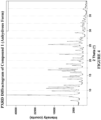
- an acetone solvate having a powder X-ray diffraction pattern comprising a peak, in terms of 2 ⁇ , at 8.3° ⁇ 0.2°.
- the acetone solvate has a powder X-ray diffraction pattern comprising peaks, in terms of 2 ⁇ , at 8.3° ⁇ 0.2° and 25.0° ⁇ 0.2°.
- the acetone solvate has a powder X-ray diffraction pattern comprising peaks, in terms of 2 ⁇ , at 8.3° ⁇ 0.2°, 25.0° ⁇ 0.2°, and 16.6° ⁇ 0.2°.
- the acetone solvate has a powder X-ray diffraction pattern comprising peaks, in terms of 2 ⁇ , at 8.3° ⁇ 0.2°, 25.0° ⁇ 0.2°, 16.6° ⁇ 0.2°, 17.3° ⁇ 0.2°, and 11.0° ⁇ 0.2°.
- the acetone solvate has a powder X-ray diffraction pattern comprising peaks, in terms of 2 ⁇ , at 8.3° ⁇ 0.2°, 25.0° ⁇ 0.2°, 16.6° ⁇ 0.2°, 17.3° ⁇ 0.2°, 11.0° ⁇ 0.2°, 10.1° ⁇ 0.2°, and 26.0° ⁇ 0.2°.
- the acetone solvate has a powder X-ray diffraction pattern comprising peaks, in terms of 2 ⁇ , at 8.3° ⁇ 0.2°, 25.0° ⁇ 0.2°, 16.6° ⁇ 0.2°, 17.3° ⁇ 0.2°, 11.0° ⁇ 0.2°, 10.1° ⁇ 0.2°, 26.0° ⁇ 0.2°, 7.1° ⁇ 0.2°, and 22.7° ⁇ 0.2°.
- the acetone solvate has a powder X-ray diffraction pattern comprising peaks, in terms of 2 ⁇ , at 8.3° ⁇ 0.2°, 25.0° ⁇ 0.2°, 16.6° ⁇ 0.2°, 17.3° ⁇ 0.2°, 11.0° ⁇ 0.2°, 10.1° ⁇ 0.2°, 26.0° ⁇ 0.2°, 7.1° ⁇ 0.2°, 22.7° ⁇ 0.2°, 13.7° ⁇ 0.2°, 16.1° ⁇ 0.2°, and 25.6° ⁇ 0.2°.
- the acetone solvate has a powder X-ray diffraction pattern substantially as shown in Figure 8 , wherein by “substantially” is meant that the reported peaks can vary by about ⁇ 0.2 °2 ⁇ .
- the acetone solvate has a differential scanning calorimetry thermogram comprising an endotherm with an extrapolated onset temperature between about 158.0 °C and about 168.0 °C. In some embodiments, the acetone solvate has a differential scanning calorimetry thermogram comprising an endotherm with an extrapolated onset temperature between about 159.0 °C and about 167.0 °C. In some embodiments, the acetone solvate has a differential scanning calorimetry thermogram comprising an endotherm with an extrapolated onset temperature between about 161.0 °C and about 165.0 °C.
- the acetone solvate has a differential scanning calorimetry thermogram comprising an endotherm with an extrapolated onset temperature between about 162.0 °C and about 163.0 °C. In some embodiments, the acetone solvate has a differential scanning calorimetry thermogram comprising an endotherm with an extrapolated onset temperature at about 163.0 °C. In some embodiments, the acetone solvate has a differential scanning calorimetry thermogram substantially as shown in Figure 9 , wherein by “substantially” is meant that the reported DSC features can vary by about ⁇ 4 °C and that the reported DSC features can vary by about ⁇ 20 joules per gram.
- the acetone solvate has a thermogravimetric analysis profile showing about 6.0% weight loss below about 150 °C. In some embodiments, the acetone solvate has a thermogravimetric analysis profile showing about 5.75% weight loss below about 150 °C. In some embodiments, the acetone solvate has a thermogravimetric analysis profile showing about 5.5% weight loss or less below about 150 °C. In some embodiments, the acetone solvate has a thermogravimetric analysis profile substantially as shown in Figure 9 , wherein by “substantially” is meant that the reported TGA features can vary by about ⁇ 5 °C, and that that the reported TGA features can vary by about ⁇ 2% weight change.
- Non-selective solvates of (1a S ,5a S )-2-(4-oxy-pyrazin-2-yl)-1a,2,5,5a-tetrahydro-1 H -2,3-diaza-cyclopropa[a]pentalene-4-carboxylic acid (( S )-1-hydroxymethyl-2,2-dimethyl-propyl)-amide (Compound 1).
- Non-selective solvates refer to solvates that have substantially the same crystalline form as determined by PXRD, and depending on the purity, after de-solvation will have similar extrapolated onset temperature (+/- 4.0 °C) as determined by DSC regardless what solvent or solvents were used to prepare the solvate. It is understood that the TGA trace will vary from one non-selective solvate to another and is primarily determined by the solvent used in the preparation, the solvate formed, and the amount of the solvnet present in the solvate.
- the non-selective solvates of Compound 1 are characterized by PXRD.
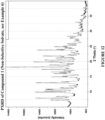
- the physical properties for the non-selective solvates as determined by PXRD are summarized in Table 9 below.
- Table 9 Compound 1 (Non-Selective Solvate) PXRD Figure 10 : Peaks of about ⁇ 24 % relative intensity at 7.9, 9.9, 10.3, 10.7, 10.9, 13.0, 14.9, 16.5, 17.4, 18.2, 18.3, 18.9, 19.9, 20.4, 20.5, 21.8, and 23.8 °2 ⁇
- the amount of the respective solvent present in these solvates can vary and can readily be determined by TGA.
- One such non-selective solvate of Compound 1 is the ethyl acetate solvate as described in Example 6 .
- the physical properties (i.e., TGA and DSC) for this ethyl acetate non-selective solvate are summarized in Table 10 below.
- Table 10 Compound 1 (Non-Selective Solvate/Ethyl Acetate, Example 6)
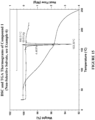
- TGA Figure 13 Decrease in weight of about 4.8% out to about 150 °C
- DSC Figure 13 Endotherm extrapolated onset temperature: about 161 °C
- non-selective solvate having a powder X-ray diffraction pattern comprising a peak, in terms of 2 ⁇ , at 18.2° ⁇ 0.2°.
- the non-selective solvate has a powder X-ray diffraction pattern comprising peaks, in terms of 2 ⁇ , at 18.2° ⁇ 0.2° and 18.3° ⁇ 0.2°.
- the non-selective solvate has a powder X-ray diffraction pattern comprising peaks, in terms of 2 ⁇ , at 18.2° ⁇ 0.2°, 18.3° ⁇ 0.2°, and 19.9° ⁇ 0.2°.
- the non-selective solvate has a powder X-ray diffraction pattern comprising peaks, in terms of 2 ⁇ , at 18.2° ⁇ 0.2°, 18.3° ⁇ 0.2°, 19.9° ⁇ 0.2°, 23.8° ⁇ 0.2°, and 13.0° ⁇ 0.2°.
- the non-selective solvate has a powder X-ray diffraction pattern comprising peaks, in terms of 2 ⁇ , at 18.2° ⁇ 0.2°, 18.3° ⁇ 0.2°, 19.9° ⁇ 0.2°, 23.8° ⁇ 0.2°, 13.0° ⁇ 0.2°, 7.9° ⁇ 0.2°, and 9.9° ⁇ 0.2°.
- the non-selective solvate has a powder X-ray diffraction pattern comprising peaks, in terms of 2 ⁇ , at 18.2° ⁇ 0.2°, 18.3° ⁇ 0.2°, 19.9° ⁇ 0.2°, 23.8° ⁇ 0.2°, 13.0° ⁇ 0.2°, 7.9° ⁇ 0.2°, 9.9° ⁇ 0.2°, 21.8° ⁇ 0.2°, and 17.4° ⁇ 0.2°.
- the non-selective solvate has a powder X-ray diffraction pattern comprising peaks, in terms of 2 ⁇ , at 18.2° ⁇ 0.2°, 18.3° ⁇ 0.2°, 19.9° ⁇ 0.2°, 23.8° ⁇ 0.2°, 13.0° ⁇ 0.2°, 7.9° ⁇ 0.2°, 9.9° ⁇ 0.2°, 21.8° ⁇ 0.2°, 17.4° ⁇ 0.2°, 20.5° ⁇ 0.2°, 20.4° ⁇ 0.2°, 10.7° ⁇ 0.2°, 10.3° ⁇ 0.2°, 16.5° ⁇ 0.2°, 18.9° ⁇ 0.2°, 14.9° ⁇ 0.2°, and 10.9° ⁇ 0.2°.
- the non-selective solvate has a powder X-ray diffraction pattern substantially as shown in Figure 10 , wherein by “substantially” is meant that the reported peaks can vary by about ⁇ 0.2 °2 ⁇ .
- the non-selective solvate has a differential scanning calorimetry thermogram comprising an endotherm with an extrapolated onset temperature between about 159.8 °C and about 165.8 °C. In some embodiments, the non-selective solvate has a differential scanning calorimetry thermogram comprising an endotherm with an extrapolated onset temperature between about 160.8 °C and about 164.8 °C. In some embodiments, the non-selective solvate has a differential scanning calorimetry thermogram comprising an endotherm with an extrapolated onset temperature between about 158.8 °C and about 162.8 °C.
- the non-selective solvate has a differential scanning calorimetry thermogram comprising an endotherm with an extrapolated onset temperature between about 159.8 °C and about 161.8 °C. In some embodiments, the non-selective solvate has a differential scanning calorimetry thermogram comprising an endotherm with an extrapolated onset temperature at about 160.8 °C. In some embodiments, the non-selective solvate has a differential scanning calorimetry thermogram substantially as shown in Figure 13 , wherein by “substantially” is meant that the reported DSC features can vary by about ⁇ 4 °C and that the reported DSC features can vary by about ⁇ 20 joules per gram.
- the non-selective solvate has a thermogravimetric analysis profile showing about 5.0% weight loss below about 150 °C. In some embodiments, the non-selective solvate has a thermogravimetric analysis profile showing about 4.9% weight loss below about 150 °C. In some embodiments, the non-selective solvate has a thermogravimetric analysis profile showing about 4.8% weight loss below about 150 °C. In some embodiments, the non-selective solvate has a thermogravimetric analysis profile substantially as shown in Figure 13 , wherein by “substantially” is meant that the reported TGA features can vary by about ⁇ 5 °C, and that that the reported TGA features can vary by about ⁇ 2% weight change.
- the amount of ethyl acetate present in this solvate can vary but can readily be determined by TGA.
- the physical properties for a the non-selective solvate as the ethyl acetate solvate from Example 7 are summarized in Table 13 below.
- Table 13 Compound 1 (Non-Selective Solvate/Ethyl Acetate, Example 7) TGA Figure 17 : Decrease in weight of about 4.7% by weight out to about 120 °C
- DSC Figure 17 Endotherm extrapolated onset temperature: about 121 °C
- an ethyl acetate solvate having a powder X-ray diffraction pattern comprising a peak, in terms of 2 ⁇ , at 8.3° ⁇ 0.2°.
- the ethyl acetate solvate has a powder X-ray diffraction pattern comprising peaks, in terms of 2 ⁇ , at 8.3° ⁇ 0.2° and 9.0° ⁇ 0.2°.
- the ethyl acetate solvate has a powder X-ray diffraction pattern comprising peaks, in terms of 2 ⁇ , at 8.3° ⁇ 0.2°, 9.0° ⁇ 0.2°, and 14.2° ⁇ 0.2°.
- the ethyl acetate solvate has a powder X-ray diffraction pattern comprising peaks, in terms of 2 ⁇ , at 8.3° ⁇ 0.2°, 9.0° ⁇ 0.2°, 14.2° ⁇ 0.2°, 16.7° ⁇ 0.2°, and 12.8° ⁇ 0.2°.
- the ethyl acetate solvate has a powder X-ray diffraction pattern comprising peaks, in terms of 2 ⁇ , at 8.3° ⁇ 0.2°, 9.0° ⁇ 0.2°, 14.2° ⁇ 0.2°, 16.7° ⁇ 0.2°, 12.8° ⁇ 0.2°, 8.1° ⁇ 0.2°, and 18.4° ⁇ 0.2°.
- the ethyl acetate solvate has a powder X-ray diffraction pattern comprising peaks, in terms of 2 ⁇ , at 8.3° ⁇ 0.2°, 9.0° ⁇ 0.2°, 14.2° ⁇ 0.2°, 16.7° ⁇ 0.2°, 12.8° ⁇ 0.2°, 8.1° ⁇ 0.2°, 18.4° ⁇ 0.2°, 17.9° ⁇ 0.2°, and 17.3° ⁇ 0.2°.
- the ethyl acetate solvate has a powder X-ray diffraction pattern comprising peaks, in terms of 2 ⁇ , at 8.3° ⁇ 0.2°, 9.0° ⁇ 0.2°, 14.2° ⁇ 0.2°, 16.7° ⁇ 0.2°, 12.8° ⁇ 0.2°, 8.1° ⁇ 0.2°, 18.4° ⁇ 0.2°, 17.9° ⁇ 0.2°, 17.3° ⁇ 0.2°, 24.7° ⁇ 0.2°, 25.7° ⁇ 0.2°, 22.9° ⁇ 0.2°, and 16.1° ⁇ 0.2°.
- the ethyl acetate solvate has a powder X-ray diffraction pattern substantially as shown in Figure 16 , wherein by “substantially” is meant that the reported peaks can vary by about ⁇ 0.2 °2 ⁇ .
- the ethyl acetate solvate has a differential scanning calorimetry thermogram comprising an endotherm with an extrapolated onset temperature between about 116.4 °C and about 126.4 °C. In some embodiments, the ethyl acetate solvate has a differential scanning calorimetry thermogram comprising an endotherm with an extrapolated onset temperature between about 117.4 °C and about 125.4 °C. In some embodiments, the ethyl acetate solvate has a differential scanning calorimetry thermogram comprising an endotherm with an extrapolated onset temperature between about 119.4 °C and about 123.4 °C.
- the ethyl acetate solvate has a differential scanning calorimetry thermogram comprising an endotherm with an extrapolated onset temperature between about 120.4 °C and about 122.4 °C. In some embodiments, the ethyl acetate solvate has a differential scanning calorimetry thermogram comprising an endotherm with an extrapolated onset temperature at about 121.4 °C. In some embodiments, the ethyl acetate solvate has a differential scanning calorimetry thermogram substantially as shown in Figure 17 , wherein by “substantially” is meant that the reported DSC features can vary by about ⁇ 4 °C and that the reported DSC features can vary by about ⁇ 20 joules per gram.
- the ethyl acetate solvate has a thermogravimetric analysis profile showing about 5.5% weight loss below about 135 °C. In some embodiments, the ethyl acetate solvate has a thermogravimetric analysis profile showing about 5.4% weight loss below about 135 °C. In some embodiments, the ethyl acetate solvate has a thermogravimetric analysis profile showing about 5.3% weight loss below about 135 °C.
- the ethyl acetate solvate has a thermogravimetric analysis profile substantially as shown in Figure 17 , wherein by “substantially” is meant that the reported TGA features can vary by about ⁇ 5 °C, and that that the reported TGA features can vary by about ⁇ 2% weight change.
- the crystalline forms described herein can be prepared by any of the suitable procedures known in the art for preparing crystalline polymorphs. In some embodiments the crystalline forms described herein are prepared according to the Examples. In some embodiments, the crystalline forms described herein can be prepared by heating crystalline forms other than the crystalline forms described herein. In some embodiments, the crystalline forms described herein can be prepared by recrystallizing crystalline forms other than the crystalline forms described herein.
- Compound 1 of the present disclosure may be prepared according to relevant published literature procedures that are used by one skilled in the art. Exemplary reagents and procedures for these reactions appear hereinafter in the working Examples. Protection and deprotection may be carried out by procedures generally known in the art (see, for example, Greene, T. W. and Wuts, P. G. M., Protecting Groups in Organic Synthesis, 3rd Edition, 1999 [Wiley ]).
- the present disclosure embraces each enantiomer and mixtures thereof. Separation of the individual isomers (such as, by chiral HPLC, recrystallization of diastereoisomeric mixtures and the like) or selective synthesis (such as, by enantiomeric selective syntheses and the like) of the individual isomers is accomplished by application of various methods which are well known to practitioners in the art.
- references to the methods of treatment herein are to be interpreted as references to compounds, pharmaceutical compositions, and medicaments of the present invention for use in those methods.
- the compounds disclosed herein are useful in the treatment of several additional diseases and disorders, and in the amelioration of symptoms thereof. Without limitation, these include the following:
- the analgesic properties of cannabinoids have been recognized for many years.
- animal studies have demonstrated that the CB 1 /CB 2 agonists anandamide, THC, CP55,940 and WIN 55212-2 are effective against acute and chronic pain from chemical, mechanical, and thermal pain stimuli (reviewed in Walker and Huang (2002) Pharmacol. Ther. 95:127-135 ; reviewed in Pacher, P et al. (2006) Pharmacol. Rev. 58(3): 389-462 ).
- topical administration of the CB 1 /CB 2 agonist HU-210 attenuates capsaicin-induced hyperalgesia and allodynia ( Rukwied, R. et al.
- CB 1 The role of CB 1 in mediating these analgesic effects is well-documented (reviewed in Manzanares, J. et al. (2006) Current Neuropharmacology 4:239-57 ; reviewed in Pacher, P. et al. (2006) Pharmacol. Rev. 58(3): 389-462 ).
- blockade of peripheral or central CB 1 leads to hyperalgesia ( Richardson, J. D. et al. (1997) Eur. J. Pharmacol. 345:145-153 ; Calignano, A. et al.
- CB 2 also plays a role in mediating analgesic effects of cannabinoids (reviewed in Guindon and Hohmann (2008) Br. J. Pharmacol. 153:319-334 ).
- systemic delivery of the CB 2 -selective agonist AM1241 suppresses hyperalgesia induced in the carrageenan, capsaicin, and formalin models of inflammatory pain in rodents (reviewed in Guindon and Hohmann (2008) Br. J. Pharmacol. 153:319-334 ).
- AM1241 also reverses tactile and thermal hypersensitivity in rats following ligation of spinal nerves in the chronic constriction injury model of neuropathic pain ( Malan, T. P. et al. (2001) Pain 93:239-245 ; (2004), M. M. et al. (2003) Proc. Natl. Acad. Sci. 100(18):10529-10533 ), an effect which is inhibited by treatment with the CB 2 -selective antagonist AM630 ( Wheat, M. M. et al. (2005) Proc. Natl. Acad. Sci. 102(8):3093-8 ).
- CB 2 -selective agonist GW405833 administered systemically significantly reverses hypersensitivity to mechanical stimuli in rats following ligation of spinal nerves ( Hu, B. et al. (2009) Pain 143:206-212 ).
- CB 2 -selective agonists have also been demonstrated to attenuate pain in experimental models of acute, inflammatory, and neuropathic pain, and hyperalgesia.
- CB 2 -specific agonists and/or CB 1 /CB 2 agonists find use in the treatment and/or prophylaxis of acute nociception and inflammatory hyperalgesia, as well as the allodynia and hyperalgesia produced by neuropathic pain.
- these agonists are useful as an analgesic to treat pain arising from autoimmune conditions; allergic reactions; bone and joint pain; muscle pain; dental pain; nephritic syndrome; scleroderma; thyroiditis; migraine and other headache pain; pain associated with diabetic neuropathy; fibromyalgia, HIV-related neuropathy, sciatica, and neuralgias; pain arising from cancer; and pain that occurs as an adverse affect of therapeutics for the treatment of disease.
- Cannabinoid receptor agonists have been demonstrated to attenuate aberrant immune responses in autoimmune disorders, and in some cases, to provide protection to the tissue that is being inappropriately targeted by the immune system.
- CB 2 -selective agonist HU-308 markedly reduces the recruitment of immature myeloid cells and T cells, microglial and infiltrating myeloid cell proliferation, and axonal loss in the EAE model ( Palazuelos, J. et al. (2008). J. Biol. Chem. 283(19):13320-9 ).
- CB 1 /CB 2 agonist WIN 55212-2 significantly inhibits leukocyte rolling and adhesion in the brain in the EAE mouse model, an effect that is blocked by the CB 2 -selective antagonist SR144528 but not the CB 1 -selective antagonist SR141716A ( Ni, X. et al. Mult. Sclerosis 10(2):158-64 ). Accordingly, CB 2 -selective agonists and/or CB 1 /CB 2 agonists find use in the treatment and/or prophylaxis of Multiple Sclerosis and related autoimmune demyelinating diseases, e.g. Guillan-Barré syndrome, polyradiculoneuropathy and chronic inflammatory demyelination.
- autoimmune demyelinating diseases e.g. Guillan-Barré syndrome, polyradiculoneuropathy and chronic inflammatory demyelination.
- CB 2 -selective agonists and/or CB 1 /CB 2 agonists find use in the treatment and/or prophylaxis of autoimmune arthritic diseases, for example, rheumatoid arthritis, psoriatic arthritis, ankylosing spondylarthritis, and reactive arthritis.
- Topical administration of the CB 1 /CB 2 agonist HU-210 reduces these histamine-induced responses in human skin ( Dvorak, M. et al. (2003) Inflamm. Res. 52:238-245 ). Similarly, subcutaneous injection of CB 1 /CB 2 agonist THC or increased levels of endogenous cannabinoids reduces cutaneous inflammation and the pruritis (itch) associated with it in a mouse model for allergic contact dermatitis. ( Karsak et al. (2007) Science, 316(5830), 1494-1497 ). In contrast, injection of the CB 1 receptor antagonist S141716A or the CB 2 receptor antagonist SR144528 exacerbates this inflammation and pruritis. ( Karsak et al.
- CB 2 -selective agonists and/or CB 1 /CB 2 agonists find use in the treatment of allergic reactions including atopic dermatitis (pruritis/itch), urticaria (hives), asthma, conjunctivitis, allergic rhinitis (hay fever), and anaphylaxis.
- CB 2 agonists have been demonstrated to attenuate inflammation in the CNS.
- administration of CB 2 agonists prevents the activation of microglia in rodent models of Alzheimer's Disease ( Ashton J. C., et al. (2007) Curr. Neuropharmacol. 5(2):73-80 ).
- administration of CB 2 agonists reduces the volume of infarcts by 30% in a rodent occlusion model of stroke ( Zhang, M. et al. (2007) J. Cereb. Blood Flow Metab. 27:1387-96 ).
- CB 2 agonists find use in the treatment and/or prophylaxis of neuropathologies associated with CNS inflammation, e.g. Alzheimer's, stroke-induced damage, dementia, ALS, and HIV.
- CB 2 agonists are useful for the treatment and/or prophylaxis of other disorders wherein undesired immune cell activity and/or inflammation is observed.
- Such exemplary disorders include osteoarthritis, anaphylaxis, Behcet's disease, graft rejection, vasculitis, gout, spondylitis, viral and bacterial diseases, e.g. AIDS, and meningitis; and other autoimmune disorders such as lupus, e.g. systemic lupus erythematosus; inflammatory bowel disease, e.g . Crohn's disease, ulcerative colitis; psoriasis; autoimmune hepatitis; and type 1 diabetes mellitus.
- CB 2 -selective agonists and CB 1 /CB 2 agonists are useful for the treatment and/or prophylaxis of autoimmune arthritic diseases, for example, rheumatoid arthritis, psoriatic arthritis, ankylosing spondylarthritis, and reactive arthritis, and for the treatment and/or prophylaxis of inflammation associated with osteoarthritis.
- CB 1 -selective agonists and CB 1 /CB 2 agonists are useful for the treatment of pain associated with these arthritic disorders.
- Retinal pigment epithelial (RPE) cells provide trophic support to photoreceptor cells in the eye, and RPE cell death has been demonstrated to be a major contributor to Age-related Macular Degeneration (AMD).
- the CB 1 /CB 2 agonist CP55940 significantly protects RPE cells from oxidative damage; the CB 2 receptor agonist, JWH015 provides comparable protection ( Wei, Y. et al. (2009) Mol. Vis. 15:1243-51 ). Accordingly, CB 2 -selective agonists find use in preventing the onset or progression of vision loss associated with AMD.
- the CB 1 /CB 2 agonists WIN 55212-2 produced a dose-dependent inhibition of the number of capsaicin-induced coughs in mice ( Morita, K. et al. (2003) Eur. J. Pharmacol. 474:269-272 ).
- the CB 1 /CB 2 agonist anandamide produced a dose-dependent inhibition of the number of capsaicin-induced coughs in guinea pigs ( Calignano, A. et al. (2000) Nature 408:96-101 ).
- CB 1 -specific antagonist SR141716A attenuates the antitussive effects of WN 55212-2 and anandamide ( Morita, K. et al. (2003) Eur. J. Pharmacol.
- the CB 2 -selective agonist JWH133 reduces capsaicin-, PGE 2 - and hypertonic saline-induced depolarization of guinea pig and human vagus nerve preparations in vitro, and administration of CB 2 -selective agonist JWH133 prior to exposure to the tussive agent citric acid significantly reduces cough in conscious guinea-pigs ( Patel, H. J. et al. (2003) British J. Pharma. 140:261-8 ).
- CB 1 and CB 2 play an important role in mediating the antitussive effect of cannabinoids, and CB 1 -selective agonists and CB 1 /CB 2 agonists are useful in the treatment and/or prophylaxis of cough.
- a number of human leukemia and lymphoma cell lines including Jurkat, Molt-4 and Sup-T1, express CB 2 and not CB 1 , and agonists of CB 2 induce apoptosis in these and primary acute lymphoblastic leukemia (ALL) cells ( Nagarkatti, L. C. et al. US2004/0259936 ).
- ALL acute lymphoblastic leukemia
- CB 2 is expressed on glioblastoma cell lines and treatment with agonists of CB 2 induces apoptosis of these cells in vitro ( Widmer, M. (2008) J. Neurosci. Res. 86(14):3212-20 ).
- CB 2 -selective agonists are useful in attenuating the growth of a malignancy of the immune system, for example, leukemias, lymphomas, and solid tumors of the glial lineage.
- CB 1 -selective agonists and CB 1 /CB 2 agonists are useful in providing relief from pain associated with cancer (GW Pharmaceuticals press release Jan 19, 2005, Jun 19, 2007).
- CB 2 -mediated signaling is involved in the in vivo and in vitro growth inhibition of prostate cancer cells, which suggests that CB 2 agonists have potential therapeutic interest in the management of prostate cancer.
- CB 2 agonists have potential therapeutic interest in the management of prostate cancer.
- CB 2 Agonists of CB 2 modulate the expansion of the progenitor pool of neurons in the CNS.
- CB 2 antagonists inhibit the proliferation of cultured neural stem cells and the proliferation of progenitor cells in the SVZ of young animals, whereas CB 2 -selective agonists stimulate progenitor cell proliferation in vivo, with this effect being more pronounced in older animals ( Goncalves, M. B. et al. (2008) Mol. Cell Neurosci. 38(4):526-36 ).
- agonists of CB 2 are useful in regenerative medicine, for example to promote the expansion of progenitor cells for the replacement of neurons lost during injury or disease, such as Alzheimer's Disease, stroke-induced damage, dementia, amyotrophic lateral sclerosis (ALS) and Parkinson's Disease.
- ALS amyotrophic lateral sclerosis
- a disorder selected from: cancer, multiple sclerosis, allergic reactions, nephritic syndrome, scleroderma, thyroiditis, diabetic neuropathy, fibromyalgia, HIV related-neuropathy, sciatica, and autoimmune conditions
- an autoimmune disorder selected from the group consisting of: multiple sclerosis, Guillan-Barré syndrome, polyradiculoneuropathy, chronic inflammatory demyelination, rheumatoid arthritis, psoriatic arthritis, ankylosing spondylarthritis, and reactive arthritis
- a disorder selected from: osteoarthritis, anaphylaxis, Behcet's disease, graft rejection, vasculitis, gout, spondylitis, viral disease, bacterial disease, lupus, inflammatory bowel disease, autoimmune hepatitis, and type 1 diabetes mellitus
- anhydrous crystalline form as described herein, in the manufacture of a medicament for the treatment of a cannabinoid receptor-mediated disorder.
- anhydrous crystalline form as described herein, in the manufacture of a medicament for the treatment of a CB 2 receptor-mediated disorder.
- anhydrous crystalline form as described herein, in the manufacture of a medicament for the treatment of pain.
- anhydrous crystalline form as described herein, in the manufacture of a medicament for the treatment of bone pain.
- anhydrous crystalline form as described herein, in the manufacture of a medicament for the treatment of joint pain.
- anhydrous crystalline form as described herein, in the manufacture of a medicament for the treatment of pain associated with osteoarthritis.
- anhydrous crystalline form as described herein, in the manufacture of a medicament for the treatment of osteoarthritis.
- anhydrous crystalline form as described herein, in the manufacture of a medicament for the treatment of osteoporosis.
- anhydrous crystalline form as described herein, in the manufacture of a medicament for the treatment of hyperalgesia.
- anhydrous crystalline form as described herein, in the manufacture of a medicament for the treatment of allodynia.
- anhydrous crystalline form as described herein, in the manufacture of a medicament for the treatment of inflammatory pain.
- anhydrous crystalline form as described herein, in the manufacture of a medicament for the treatment of inflammatory hyperalgesia.
- anhydrous crystalline form as described herein, in the manufacture of a medicament for the treatment of neuropathic pain.
- anhydrous crystalline form as described herein, in the manufacture of a medicament for the treatment of neuropathic hyperalgesia.
- anhydrous crystalline form as described herein, in the manufacture of a medicament for the treatment of acute nociception.
- anhydrous crystalline form as described herein, in the manufacture of a medicament for the treatment of muscle pain.
- anhydrous crystalline form as described herein, in the manufacture of a medicament for the treatment of dental pain.
- anhydrous crystalline form as described herein, in the manufacture of a medicament for the treatment of migraine and other headache pain.
- anhydrous crystalline form as described herein, in the manufacture of a medicament for the treatment of pain that occurs as an adverse effect of therapeutics.
- anhydrous crystalline form as described herein, in the manufacture of a medicament for the treatment of pain associated with a disorder selected from: cancer, multiple sclerosis, allergic reactions, nephritic syndrome, scleroderma, thyroiditis, diabetic neuropathy, fibromyalgia, HIV related-neuropathy, sciatica, and autoimmune conditions.
- anhydrous crystalline form as described herein, in the manufacture of a medicament for the treatment of multiple sclerosis-associated spasticity.
- anhydrous crystalline form as described herein, in the manufacture of a medicament for the treatment of autoimmune disorders.
- anhydrous crystalline form as described herein, in the manufacture of a medicament for the treatment of an autoimmune disorder selected from the group consisting of: multiple sclerosis, Guillan-Barré syndrome, polyradiculoneuropathy, chronic inflammatory demyelination, rheumatoid arthritis, psoriatic arthritis, ankylosing spondylarthritis, and reactive arthritis.
- an autoimmune disorder selected from the group consisting of: multiple sclerosis, Guillan-Barré syndrome, polyradiculoneuropathy, chronic inflammatory demyelination, rheumatoid arthritis, psoriatic arthritis, ankylosing spondylarthritis, and reactive arthritis.
- anhydrous crystalline form as described herein, in the manufacture of a medicament for the treatment of allergic reactions.
- anhydrous crystalline form as described herein, in the manufacture of a medicament for the treatment of an allergic reaction associated with a disorder selected from: atopic dermatitis, pruritis, urticaria, asthma, conjunctivitis, allergic rhinitis, and anaphylaxis.
- anhydrous crystalline form as described herein, in the manufacture of a medicament for the treatment of CNS inflammation.
- anhydrous crystalline form as described herein, in the manufacture of a medicament for the treatment of CNS inflammation associated with a disorder selected from: Alzheimer's disease, stroke, dementia, amyotrophic lateral sclerosis, and human immunodeficiency virus.
- anhydrous crystalline form as described herein, in the manufacture of a medicament for the treatment of atherosclerosis.
- anhydrous crystalline form as described herein, in the manufacture of a medicament for the treatment of undesired immune cell activity and inflammation associated with a disorder selected from: osteoarthritis, anaphylaxis, Behcet's disease, graft rejection, vasculitis, gout, spondylitis, viral disease, bacterial disease, lupus, inflammatory bowel disease, autoimmune hepatitis, and type 1 diabetes mellitus.
- anhydrous crystalline form as described herein, in the manufacture of a medicament for the treatment of age-related macular degeneration.
- anhydrous crystalline form as described herein, in the manufacture of a medicament for the treatment of cough.
- anhydrous crystalline form as described herein, in the manufacture of a medicament for the treatment of leukemia.
- anhydrous crystalline form as described herein, in the manufacture of a medicament for the treatment of lymphoma.
- anhydrous crystalline form as described herein, in the manufacture of a medicament for the treatment of CNS tumors.
- anhydrous crystalline form as described herein, in the manufacture of a medicament for the treatment of prostate cancer.
- anhydrous crystalline form as described herein, in the manufacture of a medicament for the treatment of Alzheimer's disease.
- anhydrous crystalline form as described herein, in the manufacture of a medicament for the treatment of stroke-induced damage.
- anhydrous crystalline form as described herein, in the manufacture of a medicament for the treatment of dementia.
- anhydrous crystalline form as described herein, in the manufacture of a medicament for the treatment of amyotrophic lateral sclerosis.
- anhydrous crystalline form as described herein, in the manufacture of a medicament for the treatment of Parkinson's disease.
- anhydrous crystalline form as described herein, for use in a method of treatment of the human or animal body by therapy.
- anhydrous crystalline form as described herein, for use in a method of treatment of a cannabinoid receptor-mediated disorder.
- anhydrous crystalline form as described herein, for use in a method of treatment of a CB 2 receptor-mediated disorder.
- anhydrous crystalline form as described herein, for use in a method of treatment of pain.
- anhydrous crystalline form as described herein, for use in a method of treatment of bone pain.
- anhydrous crystalline form as described herein, for use in a method of treatment of joint pain.
- anhydrous crystalline form as described herein, for use in a method of treatment of pain associated with osteoarthritis.
- anhydrous crystalline form as described herein, for use in a method of treatment of osteoarthritis.
- anhydrous crystalline form as described herein, for use in a method of treatment of osteoporosis.
- anhydrous crystalline form as described herein, for use in a method of treatment of hyperalgesia.
- anhydrous crystalline form as described herein, for use in a method of treatment of allodynia.
- anhydrous crystalline form as described herein, for use in a method of treatment of inflammatory pain.
- anhydrous crystalline form as described herein, for use in a method of treatment of inflammatory hyperalgesia.
- anhydrous crystalline form as described herein, for use in a method of treatment of neuropathic pain.
- anhydrous crystalline form as described herein, for use in a method of treatment of neuropathic hyperalgesia.
- anhydrous crystalline form as described herein, for use in a method of treatment of acute nociception.
- anhydrous crystalline form as described herein, for use in a method of treatment of muscle pain.
- anhydrous crystalline form as described herein, for use in a method of treatment of dental pain.
- anhydrous crystalline form as described herein, for use in a method of treatment of migraine and other headache pain.
- anhydrous crystalline form as described herein, for use in a method of treatment of pain that occurs as an adverse effect of therapeutics.
- anhydrous crystalline form as described herein, for use in a method of treatment of pain associated with a disorder selected from: cancer, multiple sclerosis, allergic reactions, nephritic syndrome, scleroderma, thyroiditis, diabetic neuropathy, fibromyalgia, HIV related-neuropathy, sciatica, and autoimmune conditions.
- a disorder selected from: cancer, multiple sclerosis, allergic reactions, nephritic syndrome, scleroderma, thyroiditis, diabetic neuropathy, fibromyalgia, HIV related-neuropathy, sciatica, and autoimmune conditions.
- anhydrous crystalline form as described herein, for use in a method of treatment of multiple sclerosis-associated spasticity.
- anhydrous crystalline form as described herein, for use in a method of treatment of autoimmune disorders.
- anhydrous crystalline form as described herein, for use in a method of treatment of an autoimmune disorder selected from the group consisting of: multiple sclerosis, Guillan-Barré syndrome, polyradiculoneuropathy, chronic inflammatory demyelination, rheumatoid arthritis, psoriatic arthritis, ankylosing spondylarthritis, and reactive arthritis.
- an autoimmune disorder selected from the group consisting of: multiple sclerosis, Guillan-Barré syndrome, polyradiculoneuropathy, chronic inflammatory demyelination, rheumatoid arthritis, psoriatic arthritis, ankylosing spondylarthritis, and reactive arthritis.
- anhydrous crystalline form as described herein, for use in a method of treatment of allergic reactions.
- anhydrous crystalline form as described herein, for use in a method of treatment of an allergic reaction associated with a disorder selected from: atopic dermatitis, pruritis, urticaria, asthma, conjunctivitis, allergic rhinitis, and anaphylaxis.
- anhydrous crystalline form as described herein, for use in a method of treatment of CNS inflammation.
- anhydrous crystalline form as described herein, for use in a method of treatment of CNS inflammation associated with a disorder selected from: Alzheimer's disease, stroke, dementia, amyotrophic lateral sclerosis, and human immunodeficiency virus.
- anhydrous crystalline form as described herein, for use in a method of treatment of atherosclerosis.
- anhydrous crystalline form as described herein, for use in a method of treatment of undesired immune cell activity and inflammation associated with a disorder selected from: osteoarthritis, anaphylaxis, Behcet's disease, graft rejection, vasculitis, gout, spondylitis, viral disease, bacterial disease, lupus, inflammatory bowel disease, autoimmune hepatitis, and type 1 diabetes mellitus.
- a disorder selected from: osteoarthritis, anaphylaxis, Behcet's disease, graft rejection, vasculitis, gout, spondylitis, viral disease, bacterial disease, lupus, inflammatory bowel disease, autoimmune hepatitis, and type 1 diabetes mellitus.
- anhydrous crystalline form as described herein, for use in a method of treatment of age-related macular degeneration.
- anhydrous crystalline form as described herein, for use in a method of treatment of cough.
- anhydrous crystalline form as described herein, for use in a method of treatment of leukemia.
- anhydrous crystalline form as described herein, for use in a method of treatment of lymphoma.
- anhydrous crystalline form as described herein, for use in a method of treatment of CNS tumors.
- anhydrous crystalline form as described herein, for use in a method of treatment of prostate cancer.
- anhydrous crystalline form as described herein, for use in a method of treatment of Alzheimer's disease.
- anhydrous crystalline form as described herein, for use in a method of treatment of stroke-induced damage.
- anhydrous crystalline form as described herein, for use in a method of treatment of dementia.
- anhydrous crystalline form as described herein, for use in a method of treatment of amyotrophic lateral sclerosis.
- anhydrous crystalline form as described herein, for use in a method of treatment of Parkinson's disease.
- compositions comprising an anhydrous crystalline form of (1a S ,5a S )-2-(4-oxy-pyrazin-2-yl)-1a,2,5,5a-tetrahydro-1 H -2,3-diaza-cyclopropa[a]pentalene-4-carboxylic acid (( S )-1-hydroxymethyl-2,2-dimethyl-propyl)-amide as described herein.
- compositions comprising an anhydrous crystalline form of (1a S ,5a S )-2-(4-oxy-pyrazin-2-yl)-1a,2,5,5a-tetrahydro-1 H -2,3-diaza-cyclopropa[a]pentalene-4-carboxylic acid (( S )-1-hydroxymethyl-2,2-dimethyl-propyl)-amide as described herein, and a pharmaceutically acceptable carrier.
- compositions comprising an anhydrous crystalline form of (1a S ,5a S )-2-(4-oxy-pyrazin-2-yl)-la,2,5,5a-tetrahydro-1 H -2,3-diaza-cyclopropa[a]pentalene-4-carboxylic acid (( S )-1-hydroxymethyl-2,2-dimethyl-propyl)-amide as described herein, and a pharmaceutically acceptable carrier.
- dosage forms comprising an anhydrous crystalline form of (1a S ,5a S )-2-(4-oxy-pyrazin-2-yl)-1a,2,5,5a-tetrahydro-1 H -2,3-diaza-cyclopropa[a]pentalene-4-carboxylic acid (( S )-1-hydroxymethyl-2,2-dimethyl-propyl)-amide as described herein, and a pharmaceutically acceptable carrier.
- compositions comprising a solvate as described herein.
- Some embodiments of the present disclosure include a method of producing a pharmaceutical composition comprising admixing at least one compound according to any of the compound embodiments disclosed herein and a pharmaceutically acceptable carrier.
- Formulations may be prepared by any suitable method, typically by uniformly mixing the active compound(s) with liquids or finely divided solid carriers, or both, in the required proportions and then, if necessary, forming the resulting mixture into a desired shape or dispensing into a desired vial or ampule.
- Liquid preparations for oral administration may be in the form of solutions, emulsions, aqueous or oily suspensions and syrups.
- the oral preparations may be in the form of dry powder that can be reconstituted with water or another suitable liquid vehicle before use. Additional additives such as suspending or emulsifying agents, non-aqueous vehicles (including edible oils), preservatives and flavorings and colorants may be added to the liquid preparations.
- Parenteral dosage forms may be prepared by dissolving the compound of the disclosure in a suitable liquid vehicle and filter sterilizing the solution before filling and sealing an appropriate vial or ampule. These are just a few examples of the many appropriate methods well known in the art for preparing dosage forms.
- a compound of the present disclosure can be formulated into pharmaceutical compositions using techniques well known to those in the art. Suitable pharmaceutically-acceptable carriers, outside those mentioned herein, are known in the art; for example, see Remington, The Science and Practice of Pharmacy, 20th Edition, 2000, Lippincott Williams & Wilkins, (Editors: Gennaro et al. )
- a compound of the disclosure may, in an alternative use, be administered as a raw or pure chemical, it is preferable however to present the compound or active ingredient as a pharmaceutical formulation or composition further comprising a pharmaceutically acceptable carrier.
- Transdermal patches dispense a drug at a controlled rate by presenting the drug for absorption in an efficient manner with minimal degradation of the drug.
- transdermal patches comprise an impermeable backing layer, a single pressure sensitive adhesive and a removable protective layer with a release liner.
- the compounds of the disclosure may thus be placed into the form of pharmaceutical formulations and unit dosage forms thereof and in such form may be employed as solids, such as tablets or filled capsules, or liquids such as solutions, suspensions, emulsions, elixirs, gels or capsules filled with the same, all for oral use, in the form of suppositories for rectal administration; or in the form of sterile injectable solutions for parenteral (including subcutaneous) use.
- Such pharmaceutical compositions and unit dosage forms thereof may comprise conventional ingredients in conventional proportions, with or without additional active compounds or principles and such unit dosage forms may contain any suitable effective amount of the active ingredient commensurate with the intended daily dosage range to be employed.
- the pharmaceutical composition may be in the form of, for example, a tablet, capsule, suspension or liquid.
- the pharmaceutical composition is preferably made in the form of a dosage unit containing a particular amount of the active ingredient.
- dosage units are capsules, tablets, powders, granules or a suspension, with conventional additives such as lactose, mannitol, corn starch or potato starch; with binders such as crystalline cellulose, cellulose derivatives, acacia, corn starch or gelatins; with disintegrators such as corn starch, potato starch or sodium carboxymethyl-cellulose; and with lubricants such as talc or magnesium stearate.
- the active ingredient may also be administered by injection as a composition wherein, for example, saline, dextrose or water may be used as a suitable pharmaceutically acceptable carrier.
- active ingredient is defined in the context of a "pharmaceutical composition” and refers to a component of a pharmaceutical composition that provides the primary pharmacological effect, as opposed to an "inactive ingredient” which would generally be recognized as providing no pharmaceutical benefit.
- the dose when using the compounds of the present disclosure can vary within wide limits and as is customary and is known to the physician, it is to be tailored to the individual conditions in each individual case. It depends, for example, on the nature and severity of the illness to be treated, on the condition of the patient, on the compound employed or on whether an acute or chronic disease state is treated or prophylaxis conducted or on whether further active compounds are administered in addition to the compounds of the present disclosure.
- Representative doses of the present disclosure include, but not limited to, about 0.001 mg to about 5000 mg, about 0.001 mg to about 2500 mg, about 0.001 mg to about 1000 mg, 0.001 mg to about 500 mg, 0.001 mg to about 250 mg, about 0.001 mg to 100 mg, about 0.001 mg to about 50 mg and about 0.001 mg to about 25 mg.
- Multiple doses may be administered during the day, especially when relatively large amounts are deemed to be needed, for example 2, 3 or 4 doses. Depending on the individual and as deemed appropriate from the patient's physician or caregiver it may be necessary to deviate upward or downward from the doses described herein.
- the amount of active ingredient, or an active salt or derivative thereof, required for use in treatment will vary not only with the particular salt selected but also with the route of administration, the nature of the condition being treated and the age and condition of the patient and will ultimately be at the discretion of the attendant physician or clinician.
- a model system typically an animal model
- these extrapolations may merely be based on the weight of the animal model in comparison to another, such as a mammal, preferably a human, however, more often, these extrapolations are not simply based on weights, but rather incorporate a variety of factors.
- Representative factors include the type, age, weight, sex, diet and medical condition of the patient, the severity of the disease, the route of administration, pharmacological considerations such as the activity, efficacy, pharmacokinetic and toxicology profiles of the particular compound employed, whether a drug delivery system is utilized, on whether an acute or chronic disease state is being treated or prophylaxis conducted or on whether further active compounds are administered in addition to the compounds of the present disclosure and as part of a drug combination.
- the dosage regimen for treating a disease condition with the compounds and/or compositions of this disclosure is selected in accordance with a variety factors as cited above. Thus, the actual dosage regimen employed may vary widely and therefore may deviate from a preferred dosage regimen and one skilled in the art will recognize that dosage and dosage regimen outside these typical ranges can be tested and, where appropriate, may be used in the methods of this disclosure.
- the desired dose may conveniently be presented in a single dose or as divided doses administered at appropriate intervals, for example, as two, three, four or more sub-doses per day.
- the sub-dose itself may be further divided, e.g., into a number of discrete loosely spaced administrations.
- the daily dose can be divided, especially when relatively large amounts are administered as deemed appropriate, into several, for example 2, 3 or 4 part administrations. If appropriate, depending on individual behavior, it may be necessary to deviate upward or downward from the daily dose indicated.
- the compounds of the present disclosure can be administrated in a wide variety of oral and parenteral dosage forms. It will be obvious to those skilled in the art that the following dosage forms may comprise, as the active component, either a compound of the disclosure or a pharmaceutically acceptable salt, solvate or hydrate of a compound of the disclosure.
- a suitable pharmaceutically acceptable carrier can be either solid, liquid or a mixture of both.
- Solid form preparations include powders, tablets, pills, capsules, cachets, suppositories and dispersible granules.
- a solid carrier can be one or more substances which may also act as diluents, flavoring agents, solubilizers, lubricants, suspending agents, binders, preservatives, tablet disintegrating agents, or an encapsulating material.
- the carrier is a finely divided solid which is in a mixture with the finely divided active component.
- the active component is mixed with the carrier having the necessary binding capacity in suitable proportions and compacted to the desire shape and size.
- the powders and tablets may contain varying percentage amounts of the active compound.
- a representative amount in a powder or tablet may contain from 0.5 to about 90 percent of the active compound; however, an artisan would know when amounts outside of this range are necessary.
- Suitable carriers for powders and tablets are magnesium carbonate, magnesium stearate, talc, sugar, lactose, pectin, dextrin, starch, gelatin, tragacanth, methylcellulose, sodium carboxymethylcellulose, a low melting wax, cocoa butter and the like.
- the term "preparation” includes the formulation of the active compound with encapsulating material as carrier providing a capsule in which the active component, with or without carriers, is surrounded by a carrier, which is thus in association with it.
- cachets and lozenges are included. Tablets, powders, capsules, pills, cachets and lozenges can be used as solid forms suitable for oral administration.
- a low melting wax such as an admixture of fatty acid glycerides or cocoa butter
- the active component is dispersed homogeneously therein, as by stirring.
- the molten homogenous mixture is then poured into convenient sized molds, allowed to cool and thereby to solidify.
- Formulations suitable for vaginal administration may be presented as pessaries, tampons, creams, gels, pastes, foams or sprays containing in addition to the active ingredient such carriers as are known in the art to be appropriate.
- Liquid form preparations include solutions, suspensions and emulsions, for example, water or water-propylene glycol solutions.
- parenteral injection liquid preparations can be formulated as solutions in aqueous polyethylene glycol solution.
- injectable preparations for example, sterile injectable aqueous or oleaginous suspensions may be formulated according to the known art using suitable dispersing or wetting agents and suspending agents.
- the sterile injectable preparation may also be a sterile injectable solution or suspension in a nontoxic parenterally acceptable diluent or solvent, for example, as a solution in 1,3-butanediol.
- Suitable vehicles and solvents that may be employed are water, Ringer's solution and isotonic sodium chloride solution.
- sterile, fixed oils are conventionally employed as a solvent or suspending medium.
- any bland fixed oil may be employed including synthetic mono- or diglycerides.
- fatty acids such as oleic acid find use in the preparation of injectables.
- the compounds according to the present disclosure may thus be formulated for parenteral administration (e.g. by injection, for example bolus injection or continuous infusion) and may be presented in unit dosage form in ampoules, pre-filled syringes, small volume infusion or in multidose containers with an added preservative.
- the pharmaceutical compositions may take such forms as suspensions, solutions, or emulsions in oily or aqueous vehicles and may contain formulatory agents such as suspending, stabilizing and/or dispersing agents.
- the active ingredient may be in powder form, obtained by aseptic isolation of sterile solid or by lyophilization from solution, for constitution with a suitable vehicle, e.g. sterile, pyrogen-free water, before use.
- Aqueous formulations suitable for oral use can be prepared by dissolving or suspending the active component in water and adding suitable colorants, flavors, stabilizing and thickening agents, as desired.
- Aqueous suspensions suitable for oral use can be made by dispersing the finely divided active component in water with viscous material, such as natural or synthetic gums, resins, methylcellulose, sodium carboxymethylcellulose, or other well-known suspending agents.
- viscous material such as natural or synthetic gums, resins, methylcellulose, sodium carboxymethylcellulose, or other well-known suspending agents.
- solid form preparations which can be converted, shortly before use, to liquid form preparations for oral administration.
- liquid forms include solutions, suspensions and emulsions.
- These preparations may contain, in addition to the active component, colorants, flavors, stabilizers, buffers, artificial and natural sweeteners, dispersants, thickeners, solubilizing agents and the like.
- the compounds according to the disclosure may be formulated as ointments, creams or lotions, or as a transdermal patch.
- Ointments and creams may, for example, be formulated with an aqueous or oily base with the addition of suitable thickening and/or gelling agents.
- Lotions may be formulated with an aqueous or oily base and will in general also contain one or more emulsifying agents, stabilizing agents, dispersing agents, suspending agents, thickening agents, or coloring agents.
- Formulations suitable for topical administration in the mouth include lozenges comprising active agent in a flavored base, usually sucrose and acacia or tragacanth; pastilles comprising the active ingredient in an inert base such as gelatin and glycerin or sucrose and acacia; and mouthwashes comprising the active ingredient in a suitable liquid carrier.
- Solutions or suspensions are applied directly to the nasal cavity by conventional means, for example with a dropper, pipette or spray.
- the formulations may be provided in single or multidose form. In the latter case of a dropper or pipette, this may be achieved by the patient administering an appropriate, predetermined volume of the solution or suspension. In the case of a spray, this may be achieved for example by means of a metering atomizing spray pump.
- Administration to the respiratory tract may also be achieved by means of an aerosol formulation in which the active ingredient is provided in a pressurized pack with a suitable propellant.
- aerosol formulation in which the active ingredient is provided in a pressurized pack with a suitable propellant.
- the compounds of the present disclosure or pharmaceutical compositions comprising them are administered as aerosols, for example as nasal aerosols or by inhalation, this can be carried out, for example, using a spray, a nebulizer, a pump nebulizer, an inhalation apparatus, a metered inhaler or a dry powder inhaler.
- Pharmaceutical forms for administration of the compounds of the present disclosure as an aerosol can be prepared by processes well known to the person skilled in the art.
- solutions or dispersions of the compounds of the present disclosure in water, water/alcohol mixtures or suitable saline solutions can be employed using customary additives, for example benzyl alcohol or other suitable preservatives, absorption enhancers for increasing the bioavailability, solubilizers, dispersants and others and, if appropriate, customary propellants, for example include carbon dioxide, CFCs, such as, dichlorodifluoromethane, trichlorofluoromethane, or dichlorotetrafluoroethane; and the like.
- the aerosol may conveniently also contain a surfactant such as lecithin.
- the dose of drug may be controlled by provision of a metered valve.
- the compound In formulations for administration to the respiratory tract, including intranasal formulations, the compound will generally have a small particle size for example of the order of 10 microns or less. Such a particle size may be obtained by means known in the art, for example by micronization. When desired, formulations adapted to give sustained release of the active ingredient may be employed.
- the active ingredients may be provided in the form of a dry powder, for example, a powder mix of the compound in a suitable powder base such as lactose, starch, starch derivatives such as hydroxypropylmethyl cellulose and polyvinylpyrrolidone (PVP).
- a powder base such as lactose, starch, starch derivatives such as hydroxypropylmethyl cellulose and polyvinylpyrrolidone (PVP).
- PVP polyvinylpyrrolidone
- the powder carrier will form a gel in the nasal cavity.
- the powder composition may be presented in unit dosage form for example in capsules or cartridges of, e.g., gelatin, or blister packs from which the powder may be administered by means of an inhaler.
- the pharmaceutical preparations are preferably in unit dosage forms.
- the preparation is subdivided into unit doses containing appropriate quantities of the active component.
- the unit dosage form can be a packaged preparation, the package containing discrete quantities of preparation, such as packeted tablets, capsules and powders in vials or ampoules.
- the unit dosage form can be a capsule, tablet, cachet, or lozenge itself, or it can be the appropriate number of any of these in packaged form.
- Tablets or capsules for oral administration and liquids for intravenous administration are preferred compositions.
- the compounds according to the disclosure may optionally exist as pharmaceutically acceptable salts including pharmaceutically acceptable acid addition salts prepared from pharmaceutically acceptable non-toxic acids including inorganic and organic acids.
- Representative acids include, but are not limited to, acetic, benzenesulfonic, benzoic, camphorsulfonic, citric, ethenesulfonic, dichloroacetic, formic, fumaric, gluconic, glutamic, hippuric, hydrobromic, hydrochloric, isethionic, lactic, maleic, malic, mandelic, methanesulfonic, mucic, nitric, oxalic, pamoic, pantothenic, phosphoric, succinic, sulfiric, tartaric, oxalic, p-toluenesulfonic and the like.
- Certain compounds of the present disclosure which contain a carboxylic acid functional group may optionally exist as pharmaceutically acceptable salts containing non-toxic, pharmaceutically acceptable metal cations and cations derived from organic bases.
- Representative metals include, but are not limited to, aluminium, calcium, lithium, magnesium, potassium, sodium, zinc and the like. In some embodiments the pharmaceutically acceptable metal is sodium.
- Organic bases include, but are not limited to, benzathine ( N 1 , N 2 -dibenzylethane-1,2-diamine), chloroprocaine (2-(diethylamino)ethyl 4-(chloroamino)benzoate), choline, diethanolamine, ethylenediamine, meglumine ((2 R ,3 R ,4 R ,5 S )-6-(methylamino)hexane-1,2,3,4,5-pentaol), procaine (2-(diethylamino)ethyl 4-aminobenzoate), and the like.
- Certain pharmaceutically acceptable salts are listed in Berge, et al., Journal of Pharmaceutical Sciences, 66:1-19 (1977 ).
- the acid addition salts may be obtained as the direct products of compound synthesis.
- the free base may be dissolved in a suitable solvent containing the appropriate acid and the salt isolated by evaporating the solvent or otherwise separating the salt and solvent.
- the compounds of this disclosure may form solvates with standard low molecular weight solvents using methods known to the skilled artisan.
- Pro-drugs refers to compounds that have been modified with specific chemical groups known in the art and when administered into an individual these groups undergo biotransformation to give the parent compound. Pro-drugs can thus be viewed as compounds of the disclosure containing one or more specialized non-toxic protective groups used in a transient manner to alter or to eliminate a property of the compound. In one general approach, the "pro-drug” approach is utilized to facilitate oral absorption. A thorough discussion is provided in T. Higuchi and V. Stella, Pro-drugs as Novel Delivery Systems Vol. 14 of the A.C.S. Symposium Series ; and in Bioreversible Carriers in Drug Design, ed. Edward B. Roche, American Pharmaceutical Association and Pergamon Press, 1987 .
- Also described herein is a method of producing a pharmaceutical composition for "combination-therapy" comprising admixing at least one compound according to any of the compound embodiments disclosed herein, together with at least one known pharmaceutical agent as described herein and a pharmaceutically acceptable carrier.
- cannabinoid receptor modulators are utilized as active ingredients in a pharmaceutical composition, these are not intended for use only in humans, but in other non-human mammals as well. Indeed, recent advances in the area of animal health-care mandate that consideration be given for the use of active agents, such as cannabinoid receptor modulators, for the treatment of a cannabinoid receptor-associated disease or disorder in companionship animals (e.g., cats, dogs, etc.) and in livestock animals (e.g., cows, chickens, etc.) Those of ordinary skill in the art are readily credited with understanding the utility of such compounds in such settings.
- the dosage forms described herein may comprise, as the active component, either a compound described herein or a pharmaceutically acceptable salt or as a pharmaceutically acceptable solvate or hydrate thereof.
- various hydrates and solvates of the compounds described herein and their salts will find use as intermediates in the manufacture of pharmaceutical compositions. Typical procedures for making and identifying suitable hydrates and solvates, outside those mentioned herein, are well known to those in the art; see for example, pages 202-209 of K.J. Guillory, "Generation of Polymorphs, Hydrates, Solvates, and Amorphous Solids," in: Polymorphism in Pharmaceutical Solids, ed. Harry G. England, Vol.
- thermogravimetric analysis TGA
- TGA-mass spectroscopy TGA-Infrared spectroscopy
- XRPD powder X-ray diffraction
- Karl Fisher titration high resolution X-ray diffraction
- Polymorphism is the ability of a substance to exist as two or more crystalline phases that have different arrangements and/or conformations of the molecules in the crystal lattice. Polymorphs show the same properties in the liquid or gaseous state but they behave differently in the solid state.
- drugs can also exist as salts and other multicomponent crystalline phases.
- solvates and hydrates may contain an API host and either solvent or water molecules, respectively, as guests.
- the guest compound is a solid at room temperature, the resulting form is often called a cocrystal.
- Salts, solvates, hydrates, and cocrystals may show polymorphism as well. Crystalline phases that share the same API host, but differ with respect to their guests, may be referred to as pseudopolymorphs of one another.
- Solvates contain molecules of the solvent of crystallization in a definite crystal lattice. Solvates, in which the solvent of crystallization is water, are termed hydrates. Because water is a constituent of the atmosphere, hydrates of drugs may be formed rather easily.
- radio-labeled compounds of the present disclosure that would be useful not only in radio-imaging but also in assays, both in vitro and in vivo, for localizing and quantitating cannabinoid receptors in tissue samples, including human and for identifying cannabinoid receptor ligands by inhibition binding of a radio-labeled compound. It is a further object of this disclosure to develop novel cannabinoid receptor assays of which comprise such radio-labeled compounds.
- isotopically-labeled crystalline forms of the present disclosure are also described herein.
- isotopically or radio-labeled compounds are those which are identical to compounds disclosed herein, but for the fact that one or more atoms are replaced or substituted by an atom having an atomic mass or mass number different from the atomic mass or mass number most commonly found in nature.
- Suitable radionuclides that may be incorporated in compounds of the present disclosure include but are not limited to 2 H (also written as D for deuterium), 3 H (also written as T for tritium), 11 C, 13 C, 14 C, 13 N, 15 N, 15 O, 17 O, 18 O, 18 F, 35 S, 36 Cl, 75 Br, 76 Br, 77 Br, 82 Br, 123 I, 124 I, 125 I and 131 I.
- the radionuclide that is incorporated in the instant radio-labeled compounds will depend on the specific application of that radio-labeled compound.
- a “radio-labeled” or “labeled compound” is a crystalline form of Compound 1 that has incorporated at least one radionuclide; in some embodiments the radionuclide is selected from the group consisting of H, and 14 C.
- isotopically-labeled crystalline forms of the present disclosure are useful in compound and/or substrate tissue distribution assays.
- the radionuclide 3 H and/or 14 C isotopes are useful in these studies.
- substitution with heavier isotopes such as deuterium (i.e., 2 H) may afford certain therapeutic advantages resulting from greater metabolic stability (e.g., increased in vivo half-life or reduced dosage requirements) and hence may be preferred in some circumstances.
- Isotopically labeled crystalline forms of the present disclosure can generally be prepared by following procedures analogous to those disclosed in the and Examples infra, by substituting an isotopically labeled reagent for a non-isotopically labeled reagent.
- Synthetic methods for incorporating radio-isotopes into organic compounds are applicable to compounds of the disclosure and are well known in the art. These synthetic methods, for example, incorporating activity levels of tritium into target molecules, are as follows:
- Synthetic methods for incorporating activity levels of 125 I into target molecules include:
- a radiolabeled cannabinoid receptor compound can be used in a screening assay to identify/evaluate compounds.
- a newly synthesized or identified compound i.e., test compound
- test compound can be evaluated for its ability to reduce binding of the "radio-labeled Compound 1" to a cannabinoid receptor. Accordingly, the ability of a test compound to compete with the "radio-labeled Compound 1" for the binding to a cannabinoid receptor directly correlates to its binding affinity.
- Certain labeled compounds of the present disclosure bind to certain cannabinoid receptors.
- the labeled compound has an IC 50 less than about 500 ⁇ M, in another embodiment the labeled compound has an IC 50 less than about 100 ⁇ M, in yet another embodiment the labeled compound has an IC 50 less than about 10 ⁇ M, in yet another embodiment the labeled compound has an IC 50 less than about 1 ⁇ M and in still yet another embodiment the labeled inhibitor has an IC 50 less than about 0.1 ⁇ M.
- Example 1 Preparation of (1a S ,5a S )-2-(4-Oxy-pyrazin-2-yl)-1a,2,5,5a-tetrahydro-1 H -2,3-diaza-cyclopropa[a]pentalene-4-carboxylic Acid (( S )-1-Hydroxymethyl-2,2-dimethyl-propyl)-amide (Compound 1).
- Step A Preparation of (1 S ,5 R )-bicyclo[3.1.0]hexan-2-one.
- dibasic potassium phosphate 216 g, 1240 mmol
- monobasic potassium phosphate 12.8 g, 94 mmol
- potassium bromide 18.19 g, 153 mmol
- pH paper indicated a pH of ⁇ 9.
- This aqueous solution was added to the MTBE solution of (1S,2S,5R)-bicyclo[3.1.0]hexan-2-ol in a 5 L 3-neck round bottom flask equipped with an overhead stirrer. The mixture was cooled to -20°C in a dry-ice/isopropanol bath.
- TEMPO 4.30 g, 27.5 mmol
- Step B Preparation of 2-Hydrazinylpyrazine.
- Step C Preparation of (1a S ,5a S )-2-(Pyrazin-2-yl)-la,2,5,5a-tetrahydro-1 H -2,3-diaza-cyclopropa[a]pentalene-4-carboxylic Acid Ethyl Ester.
- Step D Preparation of (1a S ,5a S )-2-(Pyrazin-2-yl)-1a,2,5,5a-tetrahydro-1 H -2,3-diaza-cyclopropa[a]pentalene-4-carboxylic Acid.
- Step E Preparation of (1a S ,5a S )-2-Pyrazin-2-yl-1a,2,5,5a-tetrahydro-1 H -2,3-diaza-cyclopropa[a]pentalene-4-carboxylic acid (( S )-1-hydroxymethyl-2,2-dimethyl-propyl)-amide.
- Step F Preparation of (1a S ,5a S )-2-(4-Oxy-pyrazin-2-yl)-1a,2,5,5a-tetrahydro-1 H -2,3-diaza-cyclopropa[a]pentalene-4-carboxylic acid (( S )-1-hydroxymethyl-2,2-dimethyl-propyl)-amide (Compound 1).
- thermogravimetric analysis (TGA) thermogram for this solvate showed a loss of ⁇ 5% weight occurring with a melting endotherm at 164°C.
- the differential scanning calorimetry (DSC) thermogram and thermogravimetric analysis (TGA) thermogram for the crystalline CH 2 Cl 2 solvate obtained from recrystallization using CH 2 Cl 2 /hexane is shown in Figure 1 ; and the PXRD pattern for each of the crystalline CH 2 Cl 2 solvates obtained from the two different methods (i.e., recrystallization using CH 2 Cl 2 /hexane; and non-solvated Compound 1 slurried in CH 2 Cl 2 ) is shown as an overlay in Figure 2 .
- Step E Preparation of (1a S ,5a S )-2-(Pyrazin-2-yl)-1a,2,5,5a-tetrahydro-1 H -2,3-diaza-cyclopropa[a]pentalene-4-carboxylic Acid N -oxide.
- Step F Preparation of (1a S ,5a S )-2-(4-Oxy-pyrazin-2-yl)-1a,2,5,5a-tetrahydro-1 H -2,3-diaza-cyclopropa[a]pentalene-4-carboxylic acid (( S )-1-hydroxymethyl-2,2-dimethyl-propyl)-amide(Compound 1).
- Example 2 Preparation of (1a S ,5a S )-2-(4-Oxy-pyrazin-2-yl)-la,2,5,5a-tetrahydro-1 H -2,3-diaza-cyclopropa[a]pentalene-4-carboxylic Acid (( S )-1-Hydroxymethyl-2,2-dimethyl-propyl)-amide (Compound 1, DCM Solvate).
- the DCM hemi-solvate (10.6% by weight) was obtained by slow crystallization from CH 2 Cl 2 and hexanes and the crystal structure of this material was solved, see Figure 3 . Further attempts to isolate the hemi-DCM solvate by forming a slurry of Compound 1 with DCM resulted in substantially the same DCM Solvates as disclosed in International Publication Number WO2011/025541 , an overlay of the PXRDs of the previous disclosed DCM solvate is shown in Figure 2 .
- Example 3 Preparation of (1a S ,5a S )-2-(4-Oxy-pyrazin-2-yl)-1a,2,5,5a-tetrahydro-1 H -2,3-diaza-cyclopropa[a]pentalene-4-carboxylic Acid (( S )-1-Hydroxymethyl-2,2-dimethyl-propyl)-amide (Compound 1, Anhydrous Form).
- the anhydrous form of Compound 1 was prepared by recrystallization in DCM and hexanes.
- the PXRD pattern was characterized, see Figure 4 . This material melts at ⁇ 162°C and is a non-solvated form based on TGA Figure 5 .
- Example 4 Preparation of (1a S ,5a S )-2-(4-Oxy-pyrazin-2-yl)-la,2,5,5a-tetrahydro-1 H -2,3-diaza-cyclopropa[a]pentalene-4-carboxylic Acid (( S )-1-Hydroxymethyl-2,2-dimethyl-propyl)-amide (Compound 1, Anhydrous Form).
- Example 5 Preparation of (1a S ,5a S )-2-(4-Oxy-pyrazin-2-yl)-1a,2,5,5a-tetrahydro-1 H -2,3-diaza-cyclopropa[a]pentalene-4-carboxylic Acid (( S )-1-Hydroxymethyl-2,2-dimethyl-propyl)-amide (Compound 1, Acetone Solvate).
- the Acetone Solvate of Compound 1 was prepared from a slurry of Compound 1 in acetone.
- the PXRD pattern was characterized, see Figure 8 .
- This material showed a loss of weight by TGA of about 5.5%, a desolvation endotherm began at about 100°C and subsequent melting onset endotherm temperate at about 163°C, see Figure 9 .
- the acetone solvate was reproduced from a different lot of anhydrous Compound 1, the PXRD is substantially identical to that seen in Figure 8 but with a different loss of acetone as shown by TGA, and thus the stoichiometry of this solvate can be characterized as a variable or non-stoichiometric acetone solvate of Compound 1.
- Example 6 Preparation of (1a S ,5a S )-2-(4-Oxy-pyrazin-2-yl)-1a,2,5,5a-tetrahydro-1 H -2,3-diaza-cyclopropa[a]pentalene-4-carboxylic Acid (( S )-1-Hydroxymethyl-2,2-dimethyl-propyl)-amide (Compound 1, Non-Selective Solvates).
- the solvate of Compound 1 was prepared from a slurry of Compound 1 in ethyl acetate.
- the PXRD pattern was characterized, see Figure 10 .
- the substantially identical PXRD pattern was twice generated from material prepared by slurring Compound 1 in THF, see Figure 11 .
- the substantially identical PXRD pattern was twice generated from material prepared by slurring Compound 1 in methyl ethyl ketone (MEK), see Figure 12 .
- the non-selective solvate of Compound 1 prepared using ethyl acetate showed a weight loss of weight of about 4.8% up to about 150 °C with an extrapolated onset temperature of 160.8 °C; see TGA and DSC ( Figure 13 ).
- the non-selective solvate of Compound 1 prepared using THF showed a weight loss of about 6.8% up to about 150 °C with an extrapolated onset temperature of 161.0 °C; see TGA and DSC ( Figure 14 ).
- the non-selective solvate of Compound 1 prepared using MEK showed a weight loss of about 4.5% up to about 150 °C with an extrapolated onset temperature of 160.5 °C; see TGA and DSC ( Figure 15 ).
- These solvates appear to be a non-stoichiometric, non-selective solvate crystalline forms of Compound 1 based on TGA.
- Example 7 Preparation of (1a S ,5a S )-2-(4-Oxy-pyrazin-2-yl)-1a,2,5,5a-tetrahydro-1 H -2,3-diaza-cyclopropa[a]pentalene-4-carboxylic Acid (( S )-1-Hydroxymethyl-2,2-dimethyl-propyl)-amide (Compound 1, Ethyl Acetate Solvate).
- a ethyl acetate solvate of Compound 1 was prepared by recrystallization from ethyl acetate and heptane.
- (1a S ,5a S )-2-(4-Oxy-pyrazin-2-yl)-1a,2,5,5a-tetrahydro-1 H -2,3-diaza-cyclopropa[a]pentalene-4-carboxylic acid (( S )-1-hydroxymethyl-2,2-dimethyl-propyl)-amide (Compound 1, 430-580 mmol) was dissolved in ethyl acetate (450 mL) at 45°C. The mixture was then cooled to 25°C and 100 mL of heptane was added to the reactor.
- the mixture was allowed to stir for 20 min at 22°C.
- Heptane (2250 mL) was then charged and heated to 55°C.
- the mixture was allowed to stir overnight at 25°C.
- the reaction was then cooled to 20°C and then filtered and washed with 500 mL heptane.
- the filter cake was dried under vacuum at 45°C.
- the PXRD pattern was characterized, see Figure 16 .
- the ethyl acetate solvate showed a broad desolvation endotherm from about 30-110°C, corresponding to a 1% weight loss on the TGA, see Figure 17 .
- the combined weight loss is consistent with the NMR, which showed approximately 17 mole percent of ethyl acetate, which is equivalent to about 4.7% by weight.
- This solvate can contain a trace amount of
- Compound 1 was screened for agonist activity against the human CB 2 receptor using the DiscoveRx PathHunter ⁇ -arrestin assay which measures the ⁇ -arrestin binding to the CB 2 receptor upon its activation.
- CB 2 was cloned into the pCMV-PK vector (DiscoveRx, Fremont, CA; catalog # 93-0167) and transfected into the CHO-K1 EA-Arrestin parental cell line (DiscoveRx, Fremont, CA; catalog # 93-0164).
- CHO-K1 positive clones stably expressing the CB 2 -ProLink fusion protein were identified by their responses to the CB 2 agonist agonist CP55,940.
- Clone # 61 was chosen for its big agonist window and homogenous expression as detected by anti-HA flow cytometry
- the PathHunter ⁇ -arrestin assay measures the interaction of ⁇ -arrestin with activated GPCRs using Enzyme Fragment Complementation ( Yan et al., J. Biomol. Screen. 7: 451-459, 2002 ).
- a small, 42 amino acid ⁇ -galactosidase fragment, Prolink is fused to the c-terminus of a GPCR, and ⁇ -arrestin is fused to the larger ⁇ -galactosidase fragment, EA (Enzyme Acceptor).
- Binding of ⁇ -arrestin to the activated GPCR causes the complementation of the two enzyme fragments, forming an active ⁇ -galactosidase enzyme which can be measured using the chemiluminescent PathHunter Flash Detection Kit (DiscoveRx, Fremont, CA: catalog # 93-0001).
- the assay The stable CHO-K1 cells expressing CB 2 -Prolink fusion protein were plated over night in 384-well plates (Optiplate 384-Plus, PerkinElmer, Fremont CA; catalog # 6007299) at 5000 cells/5 ⁇ L/well in the Opti-MEM medium (Invitrogen, Carlsbad, CA; catalog # 31985088) with 1% FBS. 5uL of test compound diluted in Opti-MEM supplemented with 1% BSA was transferred to each well of the Optiplate. The plates were then incubated at 37 °C/5% CO 2 for two hours.
- ⁇ -Arrestin assay readout was accomplished using a PHERAstar (BMG Labtech Inc., Durham, NC) or an EnVision TM (PerkinElmer, Fremont CA) microplate reader.
- Compound 1 was screened for agonist activity against the human CB 1 receptor using the DiscoveRx PathHunter ⁇ -arrestin assay which measures the ⁇ -arrestin binding to the CB 1 receptor upon its activation.
- CB 1 was cloned into the pCMV-PK vector (DiscoveRx, Fremont, CA; catalog # 93-0167) and transfected into the CHO-K1 EA-Arrestin parental cell line (DiscoveRx, Fremont, CA; catalog # 93-0164).
- CHO-K1 positive clones stably expressing the CB 1 -ProLink fusion protein were identified by their responses to the CB 1 agonist CP55,940.
- Clone # 3 was chosen for its big agonist window and homogenous expression as detected by anti-HA flow cytometry
- the PathHunter ⁇ -arrestin assay measures the interaction of ⁇ -arrestin with activated GPCRs using Enzyme Fragment Complementation ( Yan et al., J. Biomol. Screen. 7: 451-459, 2002 ).
- a small, 42 amino acid ⁇ -galactosidase fragment, Prolink is fused to the c-terminus of a GPCR, and ⁇ -arrestin is fused to the larger ⁇ -galactosidase fragment, EA (Enzyme Acceptor).
- Binding of ⁇ -arrestin to the activated GPCR causes the complementation of the two enzyme fragments, forming an active ⁇ -galactosidase enzyme which can be measured using the chemiluminescent PathHunter Flash Detection Kit (DiscoveRx, Fremont, CA: catalog # 93-0001).
- the assay The stable CHO-K1 cells expressing CB 1 -Prolink fusion protein were plated over night in 384-well plates (Optiplate 384-Plus, PerkinElmer, Fremont CA; catalog # 6007299) at 5000 cells/5 ⁇ L/well in the Opti-MEM medium (Invitrogen, Carlsbad, CA; catalog # 31985088) with 1% FBS. 5uL of test compound diluted in Opti-MEM supplemented with 1% BSA was transferred to each well of the Optiplate. The plates were then incubated at 37 °C/5% CO 2 for two h.
- Assay readout ⁇ -Arrestin assay readout was accomplished using a PHERAstar (BMG LABTECH Inc., Durham, NC) or EnVision TM (PerkinElmer, Fremont CA) microplate reader.
- the EC 50 value for hCB 1 was observed to be substantially inactive and the EC 50 value observed for hCB 2 for Compound 1 is shown in the following Table.
- Compound 1 is a selective agonist for CB 2 .
- EC 50 hCB 2 (nM) Compound 1 5.4
- MIA monosodium iodoacetate
- the osteoarthritis was induced in 200 g male Sprague Dawley rats. After brief anaesthesia by isoflurane rats received a single intra-articular injection of MIA (2 mg) (Sigma Aldrich, Saint Louis, MO, USA; Cat # I9148) dissolved in 0.9% sterile saline in a 50 ⁇ L volume administered through the patella ligament into the joint space of the left knee with a 30G needle. Following the injection, animals were allowed to recover from anaesthesia before being returned to the main housing vivarium.
- MIA Sigma Aldrich, Saint Louis, MO, USA; Cat # I9148
- Hind paw weight distribution was determined by placing rats in a chamber so that each hind paw rests on a separate force plate of the incapacitence tester. The force exerted by each hind limb (measured in grams) is averaged over a 3 second period. Three measurements were taken for each rat, and the change in hind paw weight distribution calculated. Peak hind limb grip force was conducted by recoding the maximum compressive force exerted on the hind limb mesh gauge set on the grip strength meter. During the testing, each rat was restrained and the paw of the injected knee was allowed to grip the mesh. The animal was then pulled in an upward motion until their grip was broken. Each rat is tested 3 times, with the contralateral paw used as a control.
- Example 10 Powder X-ray Diffraction.
- Powder X-ray Diffraction (PXRD) data were collected on an X'Pert PRO MPD powder diffractometer (PANalytical, Inc.) with a Cu source set at 45 kV and 40 mA, Cu(K ⁇ ) radiation and an X'Celerator detector. Samples were added to the sample holder and smoothed flat with a spatula and weigh paper. With the samples spinning, X-ray diffractograms were obtained by a 12-min scan over the 2-theta range 5-40 °2 ⁇ . Diffraction data were viewed and analyzed with the X'Pert Data Viewer Software, version 1.0a and X'Pert HighScore Software, version 1.0b.
- DSC Differential scanning calorimetry
- Thermogravimetric analyses were conducted using a TA Instruments TGA Q500 or Q5000 at a heating rate 10 °C/min. The instruments were calibrated using a standard weight for the balance, and Alumel and Nickel standards for the furnace (Curie point measurements). Thermal events such as weight-loss are calculated using the Universal Analysis 2000 software, version 4.1D, Build 4.1.0.16.
- Example 13 Dynamic Moisture-Sorption Analysis.
- DMS dynamic moisture-sorption
- VTI dynamic moisture-sorption analyzer
- SGA-100 static moisture-sorption analyzer
- the instrument was calibrated using polyvinyl pyrrolidone (PVP) and NaCl.
- Samples were prepared for DMS analysis by placing 5 mg to 20 mg of a sample in a tared sample holder. The sample was placed on the hang-down wire of the VTI balance.
- a drying step was run, typically at 40 °C and 0.5-1% RH for 1 h.
- the isotherm temperature is 25 °C.
- % RH holds typically ranged from 10% RH to 90% RH, with intervals of 10 to 20% RH.
- the water content of the sample equilibrated as described above was determined at each % RH hold.
- the DMS profile (adsorption/desorption isotherm) for the anhydrous crystalline form of Compound 1 is shown in Figure 7A .
- the corresponding data in tabular form is provided below: Elapsed Time (min) Weight (mg) Weight (% Change) Sample Temperature Sample RH (%) 46.6 9.6782 0 25.46 1.1 71.4 9.6928 0.151 25.32 29.94 91.1 9.7055 0.282 25.31 49.86 111.2 9.7248 0.482 25.3 69.77 129.1 9.7344 0.581 25.29 .
Landscapes
- Chemical & Material Sciences (AREA)
- Health & Medical Sciences (AREA)
- Organic Chemistry (AREA)
- General Health & Medical Sciences (AREA)
- Veterinary Medicine (AREA)
- Pharmacology & Pharmacy (AREA)
- Life Sciences & Earth Sciences (AREA)
- Animal Behavior & Ethology (AREA)
- Medicinal Chemistry (AREA)
- Public Health (AREA)
- Epidemiology (AREA)
- Pain & Pain Management (AREA)
- Rheumatology (AREA)
- Chemical Kinetics & Catalysis (AREA)
- General Chemical & Material Sciences (AREA)
- Nuclear Medicine, Radiotherapy & Molecular Imaging (AREA)
- Pharmaceuticals Containing Other Organic And Inorganic Compounds (AREA)
- Nitrogen Condensed Heterocyclic Rings (AREA)
- Plural Heterocyclic Compounds (AREA)
Applications Claiming Priority (5)
| Application Number | Priority Date | Filing Date | Title |
|---|---|---|---|
| US201161446732P | 2011-02-25 | 2011-02-25 | |
| US201161448542P | 2011-03-02 | 2011-03-02 | |
| EP18164225.7A EP3395812B8 (en) | 2011-02-25 | 2012-02-24 | Crystalline forms and processes for the preparation of condensed azacycles (cannabinoid receptor modulators) |
| EP12709201.3A EP2678330A1 (en) | 2011-02-25 | 2012-02-24 | Crystalline forms and processes for the preparation of condensed azacycles ( cannabinoid receptor modulators) |
| PCT/US2012/026506 WO2012116276A1 (en) | 2011-02-25 | 2012-02-24 | Crystalline forms and processes for the preparation of condensed azacycles ( cannabinoid receptor modulators) |
Related Parent Applications (3)
| Application Number | Title | Priority Date | Filing Date |
|---|---|---|---|
| EP12709201.3A Division EP2678330A1 (en) | 2011-02-25 | 2012-02-24 | Crystalline forms and processes for the preparation of condensed azacycles ( cannabinoid receptor modulators) |
| EP18164225.7A Division EP3395812B8 (en) | 2011-02-25 | 2012-02-24 | Crystalline forms and processes for the preparation of condensed azacycles (cannabinoid receptor modulators) |
| EP18164225.7A Division-Into EP3395812B8 (en) | 2011-02-25 | 2012-02-24 | Crystalline forms and processes for the preparation of condensed azacycles (cannabinoid receptor modulators) |
Publications (2)
| Publication Number | Publication Date |
|---|---|
| EP4166552A1 EP4166552A1 (en) | 2023-04-19 |
| EP4166552B1 true EP4166552B1 (en) | 2025-03-19 |
Family
ID=45841624
Family Applications (3)
| Application Number | Title | Priority Date | Filing Date |
|---|---|---|---|
| EP22197435.5A Active EP4166552B1 (en) | 2011-02-25 | 2012-02-24 | Crystalline forms and processes for the preparation of condensed azacycles (cannabinoid receptor modulators) |
| EP18164225.7A Active EP3395812B8 (en) | 2011-02-25 | 2012-02-24 | Crystalline forms and processes for the preparation of condensed azacycles (cannabinoid receptor modulators) |
| EP12709201.3A Withdrawn EP2678330A1 (en) | 2011-02-25 | 2012-02-24 | Crystalline forms and processes for the preparation of condensed azacycles ( cannabinoid receptor modulators) |
Family Applications After (2)
| Application Number | Title | Priority Date | Filing Date |
|---|---|---|---|
| EP18164225.7A Active EP3395812B8 (en) | 2011-02-25 | 2012-02-24 | Crystalline forms and processes for the preparation of condensed azacycles (cannabinoid receptor modulators) |
| EP12709201.3A Withdrawn EP2678330A1 (en) | 2011-02-25 | 2012-02-24 | Crystalline forms and processes for the preparation of condensed azacycles ( cannabinoid receptor modulators) |
Country Status (20)
| Country | Link |
|---|---|
| US (4) | US9458136B2 (enExample) |
| EP (3) | EP4166552B1 (enExample) |
| JP (1) | JP5945554B2 (enExample) |
| KR (1) | KR102036932B1 (enExample) |
| CN (1) | CN103608343B (enExample) |
| AU (1) | AU2012222146B2 (enExample) |
| BR (1) | BR112013021549B1 (enExample) |
| CA (1) | CA2827057C (enExample) |
| CL (1) | CL2013002436A1 (enExample) |
| CO (1) | CO6852066A2 (enExample) |
| DK (1) | DK3395812T3 (enExample) |
| EA (1) | EA035989B1 (enExample) |
| ES (1) | ES2932441T3 (enExample) |
| IL (1) | IL227782A (enExample) |
| MX (1) | MX346533B (enExample) |
| MY (1) | MY165767A (enExample) |
| PH (1) | PH12013501726A1 (enExample) |
| SG (1) | SG192817A1 (enExample) |
| WO (1) | WO2012116276A1 (enExample) |
| ZA (1) | ZA201306402B (enExample) |
Families Citing this family (10)
| Publication number | Priority date | Publication date | Assignee | Title |
|---|---|---|---|---|
| NZ598288A (en) | 2009-08-28 | 2014-02-28 | Arena Pharm Inc | Cannabinoid receptor modulators |
| US9597340B2 (en) | 2011-02-25 | 2017-03-21 | Arena Pharmaceuticals, Inc. | Cannabinoid receptor modulators |
| ES2929977T3 (es) | 2011-02-25 | 2022-12-05 | Arena Pharm Inc | Moduladores del receptor cannabinoide |
| CA2827057C (en) | 2011-02-25 | 2022-06-07 | Arena Pharmaceuticals, Inc. | Crystalline forms and processes for the preparation of condensed azacycles (cannabinoid receptor modulators) |
| WO2016085941A1 (en) * | 2014-11-25 | 2016-06-02 | Arena Pharmaceuticals, Inc. | Processes for the preparation of cannabinoid receptor modulators |
| UA124626C2 (uk) * | 2016-04-10 | 2021-10-20 | Арена Фармасьютікалз, Інк. | СПОСОБИ ЛІКУВАННЯ СЕЛЕКТИВНИМИ АГОНІСТАМИ РЕЦЕПТОРА СВ<sub>2</sub> |
| KR20200005614A (ko) | 2017-05-08 | 2020-01-15 | 아레나 파마슈티칼스, 인크. | 내장 통증의 치료를 위한 화합물 및 방법 |
| WO2018208847A1 (en) | 2017-05-08 | 2018-11-15 | Arena Pharmaceuticals, Inc. | Compounds and methods for treatment of pain from inflammatory bowel disease |
| CN114391011A (zh) * | 2019-09-12 | 2022-04-22 | 四川海思科制药有限公司 | 一种六氢化苯并吡唑衍生物及其制备 |
| WO2023059610A1 (en) | 2021-10-05 | 2023-04-13 | Arena Pharmaceuticals, Inc. | Crystalline forms and processes for the preparation of cannabinoid receptor modulators |
Family Cites Families (35)
| Publication number | Priority date | Publication date | Assignee | Title |
|---|---|---|---|---|
| JP3964478B2 (ja) | 1995-06-30 | 2007-08-22 | エーザイ・アール・アンド・ディー・マネジメント株式会社 | ヘテロ環含有カルボン酸誘導体及びそれを含有する医薬 |
| IL145922A0 (en) | 1999-04-28 | 2002-07-25 | Aventis Pharma Gmbh | Di-aryl acid derivatives as ppar receptor ligands |
| US20040259936A1 (en) | 2001-12-07 | 2004-12-23 | Nagarkatti Leonard C | Treatment of neoplasia |
| SE0300010D0 (sv) | 2003-01-07 | 2003-01-07 | Astrazeneca Ab | Novel Compounds |
| WO2005123677A1 (en) | 2004-06-16 | 2005-12-29 | Actelion Pharmaceuticals Ltd | 4-carbonyl substituted 1,1,2-trimethyl-1a,4,5,5a-tetrahydro-1h-4-aza-cyclopropa'a!pentalene derivatives as agonists for the g-protein-coupled receptor s1p1/edg1 and immunosuppressive agents |
| WO2006025069A2 (en) | 2004-07-12 | 2006-03-09 | Cadila Healthcare Limited | Tricyclic pyrazole derivatives as cannabinoid receptor modulators |
| FR2875230A1 (fr) * | 2004-09-13 | 2006-03-17 | Sanofi Aventis Sa | Derives de pyrazole condense, leur preparation et leur application en therapeutique |
| DE102004054666A1 (de) | 2004-11-12 | 2006-05-18 | Bayer Cropscience Gmbh | Substituierte Pyrazol-3-carboxamide, Verfahren zur Herstellung und Verwendung als Herbizide und Pflanzenwachstumsregulatoren |
| PE20060949A1 (es) | 2004-12-23 | 2006-10-11 | Arena Pharm Inc | Derivados fusionados de pirazol como agonistas del receptor de niacina |
| CN101238107A (zh) * | 2005-06-02 | 2008-08-06 | 格兰马克药品股份有限公司 | 新的大麻素受体配体,含有该配体的药物组合物及其制备方法 |
| EP1902034B1 (en) * | 2005-06-02 | 2011-03-30 | Glenmark Pharmaceuticals S.A. | Novel cannabinoid receptor ligands, pharmaceutical compositions containing them, and process for their preparation |
| EA200970080A1 (ru) | 2006-07-04 | 2009-06-30 | Янссен Фармацевтика Нв | Бензимидазольные агонисты каннабиноидов, содержащие замещенную гетероциклическую группу |
| JP5030114B2 (ja) | 2006-09-25 | 2012-09-19 | ベーリンガー インゲルハイム インターナショナル ゲゼルシャフト ミット ベシュレンクテル ハフツング | Cb2受容体をモジュレートする化合物 |
| US8481574B2 (en) | 2006-10-12 | 2013-07-09 | Abbott Laboratories | Compounds as cannabinoid receptor ligands |
| US7928103B2 (en) | 2006-10-17 | 2011-04-19 | Boehringer Ingelheim International Gmbh | Compounds which modulate the CB2 receptor |
| CA2668491A1 (en) | 2006-11-03 | 2008-05-08 | Glenmark Pharmaceuticals S.A. | Novel cannabinoid receptor ligands, pharmaceutical compositions containing them, and processes for their preparation |
| WO2008064054A2 (en) | 2006-11-21 | 2008-05-29 | Boehringer Ingelheim International Gmbh | Compounds which modulate the cb2 receptor |
| WO2008079316A1 (en) | 2006-12-20 | 2008-07-03 | Cara Therapeutics, Inc. | Tetrahydroquinolinones, tetrahydronaphthyridones and derivatives thereof |
| WO2008085302A1 (en) | 2006-12-20 | 2008-07-17 | Merck & Co., Inc. | Imidazopyridine analogs as cb2 receptor modulators, useful in the treatment of pain, respiratory and non-respiratory diseases |
| US20080214537A1 (en) | 2007-03-02 | 2008-09-04 | Cara Therapeutics, Inc. | Bridged phenanthridines |
| JP5185924B2 (ja) | 2007-03-16 | 2013-04-17 | 京セラ株式会社 | 誘電体磁器およびコンデンサ |
| ES2548764T3 (es) | 2007-03-30 | 2015-10-20 | Janssen Pharmaceutica N.V. | Agonistas de cannabinoides de bencimidazol |
| US20090209536A1 (en) | 2007-06-17 | 2009-08-20 | Kalypsys, Inc. | Aminoquinazoline cannabinoid receptor modulators for treatment of disease |
| BRPI0812504B8 (pt) | 2007-06-21 | 2021-05-25 | Cara Therapeutics Inc | composto para profilaxia ou tratamento de doença ou condição associada a receptor de canabinoides em sujeito mamífero |
| US8338623B2 (en) | 2007-07-09 | 2012-12-25 | Abbvie Inc. | Compounds as cannabinoid receptor ligands |
| US7943658B2 (en) | 2007-07-23 | 2011-05-17 | Bristol-Myers Squibb Company | Indole indane amide compounds useful as CB2 agonists and method |
| WO2009025785A2 (en) | 2007-08-21 | 2009-02-26 | Merck & Co., Inc. | Cb2 receptor ligands for the treatment of pain |
| UA104010C2 (en) | 2008-12-18 | 2013-12-25 | Эли Лилли Энд Компани | Purine compounds |
| WO2010088050A2 (en) | 2009-01-28 | 2010-08-05 | Cara Therapeutics, Inc. | Bicyclic pyrazolo-heterocycles |
| US7741350B1 (en) * | 2009-01-28 | 2010-06-22 | Cara Therapeutics, Inc. | Bicyclic pyrazolo-heterocycles |
| NZ598288A (en) * | 2009-08-28 | 2014-02-28 | Arena Pharm Inc | Cannabinoid receptor modulators |
| CA2827057C (en) | 2011-02-25 | 2022-06-07 | Arena Pharmaceuticals, Inc. | Crystalline forms and processes for the preparation of condensed azacycles (cannabinoid receptor modulators) |
| ES2929977T3 (es) * | 2011-02-25 | 2022-12-05 | Arena Pharm Inc | Moduladores del receptor cannabinoide |
| US9597340B2 (en) | 2011-02-25 | 2017-03-21 | Arena Pharmaceuticals, Inc. | Cannabinoid receptor modulators |
| WO2012116278A1 (en) | 2011-02-25 | 2012-08-30 | Arena Pharmaceuticals, Inc. | Cannabinoid receptor modulators |
-
2012
- 2012-02-24 CA CA2827057A patent/CA2827057C/en active Active
- 2012-02-24 BR BR112013021549-6A patent/BR112013021549B1/pt not_active IP Right Cessation
- 2012-02-24 MX MX2013009760A patent/MX346533B/es active IP Right Grant
- 2012-02-24 JP JP2013555597A patent/JP5945554B2/ja not_active Expired - Fee Related
- 2012-02-24 AU AU2012222146A patent/AU2012222146B2/en not_active Ceased
- 2012-02-24 DK DK18164225.7T patent/DK3395812T3/da active
- 2012-02-24 CN CN201280020512.3A patent/CN103608343B/zh not_active Expired - Fee Related
- 2012-02-24 EP EP22197435.5A patent/EP4166552B1/en active Active
- 2012-02-24 MY MYPI2013003122A patent/MY165767A/en unknown
- 2012-02-24 PH PH1/2013/501726A patent/PH12013501726A1/en unknown
- 2012-02-24 KR KR1020137025057A patent/KR102036932B1/ko not_active Expired - Fee Related
- 2012-02-24 US US14/001,133 patent/US9458136B2/en active Active
- 2012-02-24 WO PCT/US2012/026506 patent/WO2012116276A1/en not_active Ceased
- 2012-02-24 ES ES18164225T patent/ES2932441T3/es active Active
- 2012-02-24 SG SG2013062427A patent/SG192817A1/en unknown
- 2012-02-24 EA EA201391233A patent/EA035989B1/ru not_active IP Right Cessation
- 2012-02-24 EP EP18164225.7A patent/EP3395812B8/en active Active
- 2012-02-24 EP EP12709201.3A patent/EP2678330A1/en not_active Withdrawn
-
2013
- 2013-08-04 IL IL227782A patent/IL227782A/en active IP Right Grant
- 2013-08-23 CL CL2013002436A patent/CL2013002436A1/es unknown
- 2013-08-23 ZA ZA2013/06402A patent/ZA201306402B/en unknown
- 2013-09-10 CO CO13214674A patent/CO6852066A2/es active IP Right Grant
-
2016
- 2016-08-26 US US15/248,300 patent/US10183930B2/en active Active
-
2018
- 2018-12-10 US US16/214,388 patent/US10981895B2/en active Active
-
2021
- 2021-03-16 US US17/202,946 patent/US11560369B2/en active Active
Also Published As
Similar Documents
| Publication | Publication Date | Title |
|---|---|---|
| US11560369B2 (en) | Crystalline forms and processes for the preparation of cannabinoid receptor modulators | |
| US11746091B2 (en) | Cannabinoid receptor modulators | |
| HK1263040A1 (en) | Crystalline forms and processes for the preparation of condensed azacycles (cannabinoid receptor modulators) | |
| NZ614787B2 (en) | Crystalline forms and processes for the preparation of condensed azacycles ( cannabinoid receptor modulators) | |
| WO2016085941A1 (en) | Processes for the preparation of cannabinoid receptor modulators | |
| HK40078299A (en) | Cannabinoid receptor modulators |
Legal Events
| Date | Code | Title | Description |
|---|---|---|---|
| PUAI | Public reference made under article 153(3) epc to a published international application that has entered the european phase |
Free format text: ORIGINAL CODE: 0009012 |
|
| STAA | Information on the status of an ep patent application or granted ep patent |
Free format text: STATUS: THE APPLICATION HAS BEEN PUBLISHED |
|
| AC | Divisional application: reference to earlier application |
Ref document number: 2678330 Country of ref document: EP Kind code of ref document: P Ref document number: 3395812 Country of ref document: EP Kind code of ref document: P |
|
| AK | Designated contracting states |
Kind code of ref document: A1 Designated state(s): AL AT BE BG CH CY CZ DE DK EE ES FI FR GB GR HR HU IE IS IT LI LT LU LV MC MK MT NL NO PL PT RO RS SE SI SK SM TR |
|
| P01 | Opt-out of the competence of the unified patent court (upc) registered |
Effective date: 20230503 |
|
| STAA | Information on the status of an ep patent application or granted ep patent |
Free format text: STATUS: REQUEST FOR EXAMINATION WAS MADE |
|
| RAP3 | Party data changed (applicant data changed or rights of an application transferred) |
Owner name: ARENA PHARMACEUTICALS, INC. |
|
| 17P | Request for examination filed |
Effective date: 20231019 |
|
| RAX | Requested extension states of the european patent have changed |
Extension state: ME Payment date: 20231019 Extension state: BA Payment date: 20231019 |
|
| RBV | Designated contracting states (corrected) |
Designated state(s): AL AT BE BG CH CY CZ DE DK EE ES FI FR GB GR HR HU IE IS IT LI LT LU LV MC MK MT NL NO PL PT RO RS SE SI SK SM TR |
|
| GRAP | Despatch of communication of intention to grant a patent |
Free format text: ORIGINAL CODE: EPIDOSNIGR1 |
|
| STAA | Information on the status of an ep patent application or granted ep patent |
Free format text: STATUS: GRANT OF PATENT IS INTENDED |
|
| RIC1 | Information provided on ipc code assigned before grant |
Ipc: A61P 29/00 20060101ALI20240829BHEP Ipc: A61K 31/416 20060101ALI20240829BHEP Ipc: C07D 403/04 20060101AFI20240829BHEP |
|
| INTG | Intention to grant announced |
Effective date: 20240913 |
|
| GRAS | Grant fee paid |
Free format text: ORIGINAL CODE: EPIDOSNIGR3 |
|
| GRAA | (expected) grant |
Free format text: ORIGINAL CODE: 0009210 |
|
| STAA | Information on the status of an ep patent application or granted ep patent |
Free format text: STATUS: THE PATENT HAS BEEN GRANTED |
|
| AC | Divisional application: reference to earlier application |
Ref document number: 2678330 Country of ref document: EP Kind code of ref document: P Ref document number: 3395812 Country of ref document: EP Kind code of ref document: P |
|
| AK | Designated contracting states |
Kind code of ref document: B1 Designated state(s): AL AT BE BG CH CY CZ DE DK EE ES FI FR GB GR HR HU IE IS IT LI LT LU LV MC MK MT NL NO PL PT RO RS SE SI SK SM TR |
|
| REG | Reference to a national code |
Ref country code: GB Ref legal event code: FG4D |
|
| REG | Reference to a national code |
Ref country code: CH Ref legal event code: EP |
|
| REG | Reference to a national code |
Ref country code: DE Ref legal event code: R096 Ref document number: 602012081436 Country of ref document: DE |
|
| REG | Reference to a national code |
Ref country code: IE Ref legal event code: FG4D |
|
| PG25 | Lapsed in a contracting state [announced via postgrant information from national office to epo] |
Ref country code: RS Free format text: LAPSE BECAUSE OF FAILURE TO SUBMIT A TRANSLATION OF THE DESCRIPTION OR TO PAY THE FEE WITHIN THE PRESCRIBED TIME-LIMIT Effective date: 20250619 |
|
| PG25 | Lapsed in a contracting state [announced via postgrant information from national office to epo] |
Ref country code: FI Free format text: LAPSE BECAUSE OF FAILURE TO SUBMIT A TRANSLATION OF THE DESCRIPTION OR TO PAY THE FEE WITHIN THE PRESCRIBED TIME-LIMIT Effective date: 20250319 |
|
| REG | Reference to a national code |
Ref country code: LT Ref legal event code: MG9D |
|
| PG25 | Lapsed in a contracting state [announced via postgrant information from national office to epo] |
Ref country code: NO Free format text: LAPSE BECAUSE OF FAILURE TO SUBMIT A TRANSLATION OF THE DESCRIPTION OR TO PAY THE FEE WITHIN THE PRESCRIBED TIME-LIMIT Effective date: 20250619 |
|
| PG25 | Lapsed in a contracting state [announced via postgrant information from national office to epo] |
Ref country code: HR Free format text: LAPSE BECAUSE OF FAILURE TO SUBMIT A TRANSLATION OF THE DESCRIPTION OR TO PAY THE FEE WITHIN THE PRESCRIBED TIME-LIMIT Effective date: 20250319 |
|
| PG25 | Lapsed in a contracting state [announced via postgrant information from national office to epo] |
Ref country code: LV Free format text: LAPSE BECAUSE OF FAILURE TO SUBMIT A TRANSLATION OF THE DESCRIPTION OR TO PAY THE FEE WITHIN THE PRESCRIBED TIME-LIMIT Effective date: 20250319 |
|
| PG25 | Lapsed in a contracting state [announced via postgrant information from national office to epo] |
Ref country code: GR Free format text: LAPSE BECAUSE OF FAILURE TO SUBMIT A TRANSLATION OF THE DESCRIPTION OR TO PAY THE FEE WITHIN THE PRESCRIBED TIME-LIMIT Effective date: 20250620 Ref country code: BG Free format text: LAPSE BECAUSE OF FAILURE TO SUBMIT A TRANSLATION OF THE DESCRIPTION OR TO PAY THE FEE WITHIN THE PRESCRIBED TIME-LIMIT Effective date: 20250319 |
|
| REG | Reference to a national code |
Ref country code: NL Ref legal event code: MP Effective date: 20250319 |
|
| REG | Reference to a national code |
Ref country code: AT Ref legal event code: MK05 Ref document number: 1776889 Country of ref document: AT Kind code of ref document: T Effective date: 20250319 |
|
| PG25 | Lapsed in a contracting state [announced via postgrant information from national office to epo] |
Ref country code: NL Free format text: LAPSE BECAUSE OF FAILURE TO SUBMIT A TRANSLATION OF THE DESCRIPTION OR TO PAY THE FEE WITHIN THE PRESCRIBED TIME-LIMIT Effective date: 20250319 |
|
| PG25 | Lapsed in a contracting state [announced via postgrant information from national office to epo] |
Ref country code: SE Free format text: LAPSE BECAUSE OF FAILURE TO SUBMIT A TRANSLATION OF THE DESCRIPTION OR TO PAY THE FEE WITHIN THE PRESCRIBED TIME-LIMIT Effective date: 20250319 |
|
| PG25 | Lapsed in a contracting state [announced via postgrant information from national office to epo] |
Ref country code: SM Free format text: LAPSE BECAUSE OF FAILURE TO SUBMIT A TRANSLATION OF THE DESCRIPTION OR TO PAY THE FEE WITHIN THE PRESCRIBED TIME-LIMIT Effective date: 20250319 |
|
| PG25 | Lapsed in a contracting state [announced via postgrant information from national office to epo] |
Ref country code: ES Free format text: LAPSE BECAUSE OF FAILURE TO SUBMIT A TRANSLATION OF THE DESCRIPTION OR TO PAY THE FEE WITHIN THE PRESCRIBED TIME-LIMIT Effective date: 20250319 Ref country code: PT Free format text: LAPSE BECAUSE OF FAILURE TO SUBMIT A TRANSLATION OF THE DESCRIPTION OR TO PAY THE FEE WITHIN THE PRESCRIBED TIME-LIMIT Effective date: 20250721 |
|
| PG25 | Lapsed in a contracting state [announced via postgrant information from national office to epo] |
Ref country code: IT Free format text: LAPSE BECAUSE OF FAILURE TO SUBMIT A TRANSLATION OF THE DESCRIPTION OR TO PAY THE FEE WITHIN THE PRESCRIBED TIME-LIMIT Effective date: 20250319 Ref country code: PL Free format text: LAPSE BECAUSE OF FAILURE TO SUBMIT A TRANSLATION OF THE DESCRIPTION OR TO PAY THE FEE WITHIN THE PRESCRIBED TIME-LIMIT Effective date: 20250319 |
|
| PG25 | Lapsed in a contracting state [announced via postgrant information from national office to epo] |
Ref country code: AT Free format text: LAPSE BECAUSE OF FAILURE TO SUBMIT A TRANSLATION OF THE DESCRIPTION OR TO PAY THE FEE WITHIN THE PRESCRIBED TIME-LIMIT Effective date: 20250319 |
|
| PG25 | Lapsed in a contracting state [announced via postgrant information from national office to epo] |
Ref country code: CZ Free format text: LAPSE BECAUSE OF FAILURE TO SUBMIT A TRANSLATION OF THE DESCRIPTION OR TO PAY THE FEE WITHIN THE PRESCRIBED TIME-LIMIT Effective date: 20250319 Ref country code: EE Free format text: LAPSE BECAUSE OF FAILURE TO SUBMIT A TRANSLATION OF THE DESCRIPTION OR TO PAY THE FEE WITHIN THE PRESCRIBED TIME-LIMIT Effective date: 20250319 |
|
| PG25 | Lapsed in a contracting state [announced via postgrant information from national office to epo] |
Ref country code: RO Free format text: LAPSE BECAUSE OF FAILURE TO SUBMIT A TRANSLATION OF THE DESCRIPTION OR TO PAY THE FEE WITHIN THE PRESCRIBED TIME-LIMIT Effective date: 20250319 |
|
| PG25 | Lapsed in a contracting state [announced via postgrant information from national office to epo] |
Ref country code: SK Free format text: LAPSE BECAUSE OF FAILURE TO SUBMIT A TRANSLATION OF THE DESCRIPTION OR TO PAY THE FEE WITHIN THE PRESCRIBED TIME-LIMIT Effective date: 20250319 |
|
| PG25 | Lapsed in a contracting state [announced via postgrant information from national office to epo] |
Ref country code: IS Free format text: LAPSE BECAUSE OF FAILURE TO SUBMIT A TRANSLATION OF THE DESCRIPTION OR TO PAY THE FEE WITHIN THE PRESCRIBED TIME-LIMIT Effective date: 20250719 |
|
| REG | Reference to a national code |
Ref country code: DE Ref legal event code: R097 Ref document number: 602012081436 Country of ref document: DE |
|
| PG25 | Lapsed in a contracting state [announced via postgrant information from national office to epo] |
Ref country code: DK Free format text: LAPSE BECAUSE OF FAILURE TO SUBMIT A TRANSLATION OF THE DESCRIPTION OR TO PAY THE FEE WITHIN THE PRESCRIBED TIME-LIMIT Effective date: 20250319 |
|
| PLBE | No opposition filed within time limit |
Free format text: ORIGINAL CODE: 0009261 |
|
| STAA | Information on the status of an ep patent application or granted ep patent |
Free format text: STATUS: NO OPPOSITION FILED WITHIN TIME LIMIT |
|
| REG | Reference to a national code |
Ref country code: CH Ref legal event code: L10 Free format text: ST27 STATUS EVENT CODE: U-0-0-L10-L00 (AS PROVIDED BY THE NATIONAL OFFICE) Effective date: 20260128 |
|
| 26N | No opposition filed |
Effective date: 20251222 |