EP4140489A1 - Contraceptive composition with reduced cardiovascular effects - Google Patents
Contraceptive composition with reduced cardiovascular effects Download PDFInfo
- Publication number
- EP4140489A1 EP4140489A1 EP22199066.6A EP22199066A EP4140489A1 EP 4140489 A1 EP4140489 A1 EP 4140489A1 EP 22199066 A EP22199066 A EP 22199066A EP 4140489 A1 EP4140489 A1 EP 4140489A1
- Authority
- EP
- European Patent Office
- Prior art keywords
- composition
- estetrol
- risk
- change
- cycle
- Prior art date
- Legal status (The legal status is an assumption and is not a legal conclusion. Google has not performed a legal analysis and makes no representation as to the accuracy of the status listed.)
- Pending
Links
Images



Classifications
-
- A—HUMAN NECESSITIES
- A61—MEDICAL OR VETERINARY SCIENCE; HYGIENE
- A61K—PREPARATIONS FOR MEDICAL, DENTAL OR TOILETRY PURPOSES
- A61K31/00—Medicinal preparations containing organic active ingredients
- A61K31/56—Compounds containing cyclopenta[a]hydrophenanthrene ring systems; Derivatives thereof, e.g. steroids
- A61K31/58—Compounds containing cyclopenta[a]hydrophenanthrene ring systems; Derivatives thereof, e.g. steroids containing heterocyclic rings, e.g. danazol, stanozolol, pancuronium or digitogenin
- A61K31/585—Compounds containing cyclopenta[a]hydrophenanthrene ring systems; Derivatives thereof, e.g. steroids containing heterocyclic rings, e.g. danazol, stanozolol, pancuronium or digitogenin containing lactone rings, e.g. oxandrolone, bufalin
-
- A—HUMAN NECESSITIES
- A61—MEDICAL OR VETERINARY SCIENCE; HYGIENE
- A61K—PREPARATIONS FOR MEDICAL, DENTAL OR TOILETRY PURPOSES
- A61K31/00—Medicinal preparations containing organic active ingredients
- A61K31/56—Compounds containing cyclopenta[a]hydrophenanthrene ring systems; Derivatives thereof, e.g. steroids
- A61K31/565—Compounds containing cyclopenta[a]hydrophenanthrene ring systems; Derivatives thereof, e.g. steroids not substituted in position 17 beta by a carbon atom, e.g. estrane, estradiol
-
- A—HUMAN NECESSITIES
- A61—MEDICAL OR VETERINARY SCIENCE; HYGIENE
- A61K—PREPARATIONS FOR MEDICAL, DENTAL OR TOILETRY PURPOSES
- A61K9/00—Medicinal preparations characterised by special physical form
- A61K9/0012—Galenical forms characterised by the site of application
- A61K9/0053—Mouth and digestive tract, i.e. intraoral and peroral administration
-
- A—HUMAN NECESSITIES
- A61—MEDICAL OR VETERINARY SCIENCE; HYGIENE
- A61P—SPECIFIC THERAPEUTIC ACTIVITY OF CHEMICAL COMPOUNDS OR MEDICINAL PREPARATIONS
- A61P15/00—Drugs for genital or sexual disorders; Contraceptives
- A61P15/18—Feminine contraceptives
Definitions
- the present invention relates to a contraceptive method with reduced cardiovascular effects, such as reduced thromboembolism risk, such as reduced venous thromboembolism (VTE) risk and reduced aortic thromboembolism (ATE) risk.
- reduced thromboembolism risk such as reduced venous thromboembolism (VTE) risk
- ATE reduced aortic thromboembolism
- the method of the invention comprises administering to a female mammal an effective amount of an estetrol component in combination with a progestogenic component.
- the method enjoys a favourable profile for thromboembolism compared to currently available methods which employs contraceptives from the so-called second, third or fourth generation.
- the first Combined Hormonal Contraceptives (CHCs) contained a dose of estrogen of over 50 ⁇ g.
- CHCs Combined Hormonal Contraceptives
- the lower doses of estrogen came the realisation that the characteristics of the progestogen may also have an influence on the risk of thromboembolism.
- COCs have been developed to offer better Quality of Life.
- the COCs using for example DRSP indeed display an attenuation of a number of side effects compared to earlier generations COCs.
- the estimated risk of blood clot occurrence in users of a CHC based on LNG, norethisterone or norgestimate is from 5 to 7 per 10,000 women during one year.
- the approximate risk of blood clot occurrence is from 9 to 12 per 10,000 women during one year.
- the estimated risk of blood clot occurrence in non-CHC users who are not pregnant is around 2 per 10,000 women during one year.
- VTEs venous thromboembolic events
- second generation COCs multiply by 2 the risk of VTE
- 3 rd and 4 th generation COCs multiply the risk by 4.
- the absolute risk of VTE associated with the use of a specific combined contraceptive can only be assessed during very large epidemiological trials.
- several surrogate markers of the VTE risk can be measured in smaller clinical settings to estimate the risk.
- estrogens participate in the regulation of the synthesis of a variety of proteins in the liver, such as angiotensinogen, Sex Hormone Binding Globulin (SHBG), ceruloplasmin, Corticosteroid Binding Globulin (CBG), some coagulation factors, coagulation inhibitors or fibrinolysis markers. Changes in these haemostasis markers under the influence of strong estrogens such as EE may collectively contribute to create an imbalance between pro-coagulation and anti-coagulation factors which can enhance the risks of Venous ThromboEmbolism (VTE) events.
- VTE Venous ThromboEmbolism
- SHBG plasma levels are a reliable marker of the influence of an estrogen on the synthesis of these proteins by liver cells. This means that a correlation could exist between the level of SHBG induced by a specific COC and the risk of VTE associated with that COC ( Odlind V, et al.; Acta Obstet Gynecol Scand 2002; 81:482 ).
- the risk estimates most commonly range between about 1.5 and 2 times versus levonorgestrel. While limitations can always be identified for observational studies, bias and residual confounding are unlikely to account for the entire risk increase that is observed.
- the Sidney study (Sidney S, Cheetham TC, Connell FA, Ouellet-Hellstrom R, Graham DJ, Davis D, Sorel M, Quesenberry CP Jr, Cooper WO. Recent combined hormonal contraceptives (CHCs) and the risk of thromboembolism and other cardiovascular events in new users. Contraception 2013, 87(1): 93-100 ) in particular is considered to provide strong evidence as this analysis was restricted to new users (of which there were almost 140,000 in this cohort study).
- WO2018/024912 and WO2018/065076 disclose the use of estetrol to alleviate the symptoms of dysmenorrhea. These patent applications are silent about the reduction of blood clot risk.
- Table 7 in these patent applications present the same clinical data as Table 1 of the K Kunststoff at al. publication, although in a slightly different manner: while the K Kunststoff at al. publication presents median values (expressed as percentage of the baseline value, taken as 100%), the patent applications present mean values (percentage changes).
- the present invention relates to a contraceptive method with reduced cardiovascular effects, comprising administering to a female mammal an effective amount of an estetrol component in combination with a progestogenic component.
- the number, frequency and/or severity of VTE events is reduced, compared to other contraceptive methods.
- the risk of VTE during the contraceptive method of the invention is similar to the VTE risk during use of a CHC based on levonorgestrel, norgestimate or norethisterone.
- the risk of VTE during the contraceptive method of the invention is lower than the VTE risk during use of a CHC based on levonorgestrel, norgestimate or norethisterone.
- the number, frequency and/or severity of pulmonary embolism events is reduced, compared to other contraceptive methods.
- the number, frequency and/or severity of deep venous thrombosis (DVT) events is reduced, compared to other contraceptive methods.
- the method of the invention displays smaller "haemostatic changes" (as further defined herein) than a contraceptive method employing a 2 nd , 3 rd or 4 th generation CHC.
- the invention displays smaller "haemostatic changes” than a contraceptive method employing a 2 nd generation CHC.
- markers of coagulation and/or fibrinolysis markers display changes (by comparison with their levels before administration of any contraceptive composition) during the contraceptive method of the invention which are smaller than the changes observed with another contraceptive method.
- markers of coagulation and/or fibrinolysis markers display smaller changes during the contraceptive method of the invention than during a contraceptive method using a 2 nd , 3 rd or 4 th generation CHC. In a preferred embodiment, markers of coagulation and/or fibrinolysis markers display smaller changes during the contraceptive method of the invention than during a contraceptive method using a 2 nd generation CHC.
- an effective amount of an estetrol component is used in a combined oral contraceptive composition which uses drospirenone as the progestogenic component, in order to reduce the risk of blood clots associated with the use of drospirenone.
- an effective amount of an estetrol component is used in a combined oral contraceptive composition which uses drospirenone as the progestogenic component, in order to reduce the risk of blood clots associated with the use of a combined oral contraceptive composition which includes drospirenone.
- the risk of blood clots is advantageously reduced to less than 8, preferably less than 7, more preferably less than 6, even more preferably less than 5, yet even more preferably less than 4 per 10,000 women using said contraceptive during one year.
- the method involves the administration of an effective amount of an estetrol component and of a progestogenic component.
- the estetrol and the progestogenic components are included in a single dosage unit.
- the dosage unit is a daily dosage unit.
- the progestogenic component is drospirenone and that component is used at a daily dose of from 0.5 mg to 10 mg, preferably at a daily dose of from 1 mg to 4 mg.
- the estetrol component is used at a daily dose of from 1 mg to 40 mg, preferably at a daily dose of from 5 mg to 25 mg, even more preferably at a daily dose of from 10 mg to 20 mg.
- the estetrol component is estetrol monohydrate.
- the estetrol component is estetrol monohydrate at a daily dose of about 15 mg and the progestogenic component is drospirenone at a daily dose of about 3 mg.
- the present method employs an estetrol component which is a natural estrogen (i.e. found in nature) and a biogenic estrogen (i.e. occurring naturally in the human body).
- biogenic estrogens are naturally present in the fetal and female body, a good tolerability and safety profile are observed, particularly if the serum levels resulting from the exogenous administration of such estrogens do not substantially exceed naturally occurring concentrations.
- estetrol component encompasses substances selected from the group consisting of estetrol, esters of estetrol wherein the hydrogen atom of at least one of the hydroxyl groups has been substituted by an acyl radical of a hydrocarbon carboxylic, sulfonic acid or sulfamic acid of 1-25 carbon atoms; and combinations thereof. Even more preferably, the estetrol component is estetrol (including estetrol hydrates). Most preferably, the estetrol component contained in the dosage unit is estetrol monohydrate.
- progestogenic component is defined as a substance that is capable of triggering a progestogenic response in vivo or a precursor which is capable of liberating such a substance in vivo.
- progestogenic components are capable of binding to a progestogen receptor.
- an effective amount refers to an amount necessary to obtain a physiological effect.
- the physiological effect may be achieved by one dose or by repeated doses.
- blood clot risk As used herein, the terms 'blood clot risk”, are taken as equivalent to “thromboembolism risk” and to “venous thromboembolism risk”.
- 2 nd generation COC refers to a COC combining ethinylestradiol as the estrogen with levonorgestrel (LNG) or norgestrel as the progestogenic component.
- 3 rd generation COC refers to a COC using gestodene, desogestrel or norgestimate as the progestogenic component.
- 4 th generation COC refers to a COC using cyproterone acetate, drospirenone, dienogest, nomegestrol or chlormadinone as the progestogenic component.
- positive family history when used in the context of risk factors, refers to family history of venous or arterial thromboembolism or pulmonary embolism, known thrombogenic mutations (by way of example, but not limitation, Factor V Leiden; prothrombin mutation; protein S, protein C and antithrombin deficiencies) which are considered as risk factors for venous thromboembolism in combined oral contraceptive users.
- known thrombogenic mutations by way of example, but not limitation, Factor V Leiden; prothrombin mutation; protein S, protein C and antithrombin deficiencies
- positive personal history when used in the context of risk factors, refers to personal history of venous or arterial thromboembolism or pulmonary embolism, which are considered as a risk factor for venous thromboembolism in combined oral contraceptive users.
- age when used in the context of risk factors, refers to an age over 35 years.
- a woman is a "first-ever user", when she is in her first year of ever using CHC. This is generally understood to be a period of increased VTE risk.
- this switch comprises a break in use of 4 weeks or more.
- BMI Body Mass Index
- body mass divided by the square of the body height, and is expressed in units of kg/m 2 , resulting from mass in kilograms and height in metres.
- COC Combined Oral Contraceptive
- CHC Combined Hormonal Contraceptive
- the present contraceptive method has proved to have a surprisingly safe profile, especially by direct comparison to contraceptive methods employing either 4 th generation or 2 nd generation COCs.
- estetrol component Another important benefit of the present estetrol component is derived from its relative insensitivity to interactions with other drugs (drug-drug interactions). It is well known that certain drugs may decrease the effectiveness of estrogens, such as ethinyl estradiol, and other drugs may enhance their activity, resulting in possible increased side-effects. Similarly estrogens may interfere with the metabolism of other drugs. In general, the effect of other drugs on estrogens is due to interference with the absorption, metabolism or excretion of these estrogens, whereas the effect of estrogens on other drugs is due to competition for metabolic pathways.
- estrogen-drug interactions occurs with drugs that may induce hepatic microsomal enzymes which may decrease estrogen plasma levels below therapeutic level (for example, anticonvulsant agents; phenytoin, primidone, barbiturates, carbamazepine, ethosuximide, and methosuximide; antituberculous drugs such as rifampin; antifungal drugs such as griseofulvin).
- drugs that may induce hepatic microsomal enzymes which may decrease estrogen plasma levels below therapeutic level
- anticonvulsant agents for example, anticonvulsant agents; phenytoin, primidone, barbiturates, carbamazepine, ethosuximide, and methosuximide; antituberculous drugs such as rifampin; antifungal drugs such as griseofulvin.
- the present estrogenic substances are not dependent on up- and downregulation of microsomal liver enzymes (e.g. P450's) and also are not sensitive to competition with other P450 substrates.
- estetrol at a high concentration of 10 ⁇ mol/l does not inhibit (less than 10%) the major cytochrome P450 enzymes (CYP1A2, CYP2C9, CYP2C19, CYP2D6 and CYP3A4) unlike estradiol.
- estradiol exerts a substantial inhibitory effect on CYP2C19 and CYP1A2 of 63 % and 19%, respectively.
- ethinyl estradiol which is the estrogen used in a large number of COCs, exerts a substantial inhibitory effect on CYP2C19 and CYP3A4 of 82 % and 45%, respectively.
- the terminal half-life of the naturally occurring estrogens ranges from 2 to 14 hours while estetrol is characterized by a terminal half-life of 31.7 hours. Consequently, the use of estetrol in the method of the invention allows for a more than 24-hour coverage of the receptors by the treatment. This pharmacokinetic property enhances the efficacy of the product even in case of low treatment compliance by the user.
- estetrol (E4) is associated with 3 mg drospirenone (DRSP)
- DRSP drospirenone
- E2V estradiol-valerate
- E2V estradiol
- estrogens ethinylestradiol (EE), E2, E2V, conjugated equine estrogens
- E4 minimally increases triglycerides levels even at higher dosages.
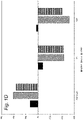
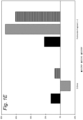
- the changes in the surrogate markers of VTE were minimal in comparison to the changes observed with Yaz ® (a combination of 20 ⁇ g EE and 3 mg DRSP).
- DRSP is a fourth generation progestin associated with the highest risk of VTE when it is combined with the synthetic estrogen EE. Accordingly, the changes in the surrogate markers of VTE seen with a combination of EE and DRSP are substantial. In comparison, the changes observed with the estetrol component combination are minimal even though DRSP is associated to the estetrol component.
- estetrol and DRSP combination of the invention compares favourably to the 2 nd generation COC comparator, consisting of 30 mcg of EE with 150 mcg of LNG (Melleva ® ).
- the 2 nd generation COC comparator consisting of 30 mcg of EE with 150 mcg of LNG (Melleva ® ).
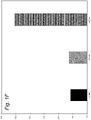
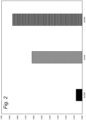
- parameters such as APC resistance is mostly one order of magnitude lower (mean percentage change in Tables 2 and 3 below and in Table 5) with the estetrol-based regimen by comparison with ethinyl estradiol-based regimens.
- Acquired activated protein C resistance (by opposition with mutation-related) has been shown to be an independent risk factor of venous thrombosis which increases in the population of COC users ( Rosing et al., 1997, Br. J. Haematol. 97, 233-8 ).
- APC resistance determined with an ETP-based assay (like in the present application) is an excellent marker for the thrombogenicity of COC.
- the present methods usually employ uninterrupted oral administration of the estetrol component and the progestogenic component during a period of at least 10 days, preferably of at least 20 days.
- the term "uninterrupted" as used in here means that the components are administered at relatively regular intervals, with no (therapeutically) significant interruptions. Naturally, minor interruptions may occur that do not affect the overall effectiveness of the present method, and indeed such aberrations are encompassed by the present invention.
- the administration regimen is deemed to be continuous if the longest interval between 2 subsequent administrations is not more than 3.5 times as long as the average interval. Even more preferably said longest interval is not more than 2.5 times, most preferably not more than 1.5 times as long as the average interval.
- estetrol and progestogenic components may be administered in separate dosage units. However, it is also possible and indeed very convenient to combine these two components into a single dosage unit.
- the combination of the progestogenic and estetrol component is suitably administered uninterruptedly during a period of at least 10 days.
- the invention may suitably be reduced to practice in the form of a variety of administration methods that are known to the person skilled in the art. Amongst these methods are the so called “combined” methods.
- the combined methods make use of monophasic preparations, which contain dosage units with a constant amount of an estrogen and a progestogen, or bi- or triphasic preparations which have varying levels of estrogen and progestogen; in most cases consisting of relatively constant levels of estrogen with a step-wise increase in progestogen throughout the cycle.
- the combined methods have in common that they are based on a regimen which involves an administration-free interval of about 7 days whereby withdrawal bleeding, simulating the natural menses, occurs. Thus 21 day intervals of hormone administration alternate with 7 days during which no hormones are administered.
- an administration-free interval of about 4 days is used.
- a 24 day interval of hormone administration alternates with 4 days during which no hormones are administered.
- a 24 day interval of hormone administration during which an estetrol component and a progestogenic component are administered alternates with 4 days during which only an estetrol component is administered (from day 25 to day 28).
- the so called “sequential" method has been proposed.
- Typical of the sequential method is that it comprises two consecutive phases, i.e. one phase during which estrogen and no progestogen is administered and another phase during which a combination of estrogen and progestogen is administered.
- the first sequential methods like the aforementioned combined methods, made use of an administration free interval of about 7 days. More recently, sequential methods have been proposed which do not include an administration-free (or placebo) period, meaning that estrogen is administered throughout the full cycle and that progestogen is co-administered during only part of that cycle.
- WO 95/17895 (Ehrlich et al. ) describes such an uninterrupted sequential method.
- Yet another example of a method which is encompassed by the present invention is the so called "continuous combined" method, which is a particular version of the combined method that uses uninterrupted combined administration of a progestogenic and an estrogenic component during a prolonged period of time, e.g. more than 50 days.
- continuous combined a method which is encompassed by the present invention
- no regular menses occur in the continuous combined method as the continuous administration of progestogen in the indicated amounts induces amenorrhoea.
- the present method comprises the uninterrupted oral administration of the combination of the estetrol component and the progestogenic component during a period of at least 28, preferably at least 60 days.
- one tablet comprising the combination of the estetrol component and of the progestogenic component is initially taken daily for at least 24 consecutive days. Subsequently, during days 25 to 120, the patient may decide to take a 4-day tablet-free break. Said tablet-free break may not be longer than 4 days. In any case, a 4-day tablet-free break has to be taken after 120 days of continuous tablet administration. After each 4-day tablet-free break, a new cycle starts with a minimum of 24 days and a maximum of 120 days of continuous administration.
- the method of the invention comprises an interval of at least 2 days, preferably from 3-9 days, most preferably from 5-8 days, during which no progestogenic component and no estetrol component is administered and wherein the resulting decrease in serum concentration of the progestogenic component and the estetrol component induces menses.
- Yet another embodiment of the invention which concerns a sequential method without a significant pause, is characterised in that it comprises the uninterrupted oral administration of the estetrol component during a period of at least 28 days, preferably at least 60 days, and in that, following the combined administration of the estetrol component and the progestogenic component, the estetrol component and no progestogenic component are administered during 3-18 consecutive days, preferably during 5-16 consecutive days and the resulting decrease in serum concentration of the progestogenic component should normally be sufficient to induce menses.
- the contraceptive composition is capable of reducing the number, frequency and/or severity of adverse side effects including VTE, ATE.
- haemostatic change is defined as the variation, upon administration of the compositions according to the invention, of the plasma level of one or more markers selected from: Sex Hormone Binding Globulin (SHBG), free tissue factor pathway inhibitor (free TFPI), free and total protein-S, protein-S activity, Corticosteroid Binding Globulin (CBG), Ceruloplasmin, antithrombin III, activated protein C (APC) resistance (e.g.
- SHBG Sex Hormone Binding Globulin
- free TFPI free tissue factor pathway inhibitor
- CBG Corticosteroid Binding Globulin
- Ceruloplasmin e.g.
- APTT-based APCr or ETP-based APCr Protein-C activity, D-dimer, Prothrombin, Prothrombin activity, Prothrombin fragment 1+2, Factor VII, Factor VIII, von Willebrand factor, Factor II, PAI-1, tissue-type plasminogen (t-PA), plasminogen, E-selectin, and fibrinogen.
- the "normal range” when referring to levels of haemostatic markers, refers to the prediction interval that 95% of the population fall into.
- the method does not cause haemostatic change exceeding the boundaries of the normal range after one cycle of treatment, preferably the method does not cause haemostatic change exceeding the boundaries of the normal range after two cycles of treatment, even more preferably the method does not cause haemostatic change exceeding the boundaries of the normal range after three cycles of treatment.
- the method does not cause a change in the level of protein-S which exceeds the boundaries of the normal range.
- the method does not cause a change in the level of free TFPI which exceeds the boundaries of the normal range.
- the contraceptive method of the invention which provides a better safety profile than currently available COCs, and in particular which displays a lower risk of thromboembolic events, is employed in at-risk populations, such as first-ever users; switchers/re-starters with a break of >4 weeks; and women with increased baseline risk for VTE due to one or more major risk factors (such as, but not limited to, BMI>30, older age, positive personal and/or family history, and risk factors such as those identified in Anderson and Spencer, 2003, Circulation, 107:1-9 -I-16, "Risk factors for venous thromboembolism" which include, by way of example and not limitation, major surgery, prolonged immobility, childbirth, postpartum).
- major risk factors such as, but not limited to, BMI>30, older age, positive personal and/or family history, and risk factors such as those identified in Anderson and Spencer, 2003, Circulation, 107:1-9 -I-16, "Risk factors for venous thromboembolism"
- the advantageous use of a COC according to the invention is beneficial across all age groups, but significantly more so for the older age groups (e.g., age over 35) which have the highest incidence in absence of COC use, and whose incidence is additionally the most affected by use of a COC of the prior art.
- the estetrol component of the present invention encompasses substances selected from the group consisting of estetrol, esters of estetrol wherein the hydrogen atom of at least one of the hydroxyl groups has been substituted by an acyl radical of a hydrocarbon carboxylic, sulfonic acid or sulfamic acid of 1-25 carbon atoms; and combinations thereof. More preferably, the estetrol component is estetrol (including estetrol hydrates). Most preferably, the estetrol component contained in the dosage unit is estetrol monohydrate.
- the estetrol component of the invention may be used at a daily dose of from 0.1 mg to 100 mg.
- the estetrol component of the invention is used at a daily dose of from 1 mg to 40 mg.
- the estetrol component of the invention is used at a daily dose of from 5 mg to 25 mg.
- the estetrol component of the invention is used at a daily dose of from 10 mg to 20 mg.
- estetrol component of the invention is used at a daily dose of about 15 mg.
- dosages may be variable throughout the cycle (bi-phasic, triphasic or quadriphasic administration).
- the pharmaceutical composition according to invention is designed for daily administration, i.e. it represents a daily dosage unit.
- the oral dosage unit according to the invention is preferably a solid or semi-solid dosage form such as tablets, capsules, cachets, pellets, pills, powders and granules.
- solid or semi-solid dosage form also encompasses capsules that contain a liquid, e.g. an oil, in which the present estetrol component is dissolved or dispersed.
- Tablets and equivalent solid and semi-solid dosage forms can suitably contain materials such as binders (e.g. hydroxypropylmethyl cellulose, polyvinyl pyrrolidone, other cellulosic materials and starch), diluents (e.g.
- lactose and other sugars starch, dicalcium phosphate and cellulosic materials
- disintegrating agents e.g. starch polymers and cellulosic materials
- lubricating agents e.g., stearates and talc.
- These tablets and equivalent solid and semi-solid dosage forms may be prepared by wet granulation, e.g. using an aqueous solution or an organic solution, as well as by direct compression.
- progestogenic components which may suitably be used in accordance with the present invention include: levonorgestrel, norgestimate, norethisterone, dydrogesterone, drospirenone, 3-beta-hydroxydesogestrel, 3-ketodesogestrel, 17-deacetylnorgestimate, 19-norprogesterone, acetoxypregnenolone, allylestrenol, amgestone, chlormadinone, cyproterone, demegestone, desogestrel, dienogest, dihydrogesterone, dimethisterone, ethisterone, ethynodiol diacetate, fluorogestone acetate, gastrinone, gestodene, gestrinone, hydroxymethylprogesterone, hydroxyprogesterone, lynestrenol, mecirogestone, medroxyprogesterone, megestrol, mele,gestrol
- the progestogenic component used in the present method is selected from the group consisting of progesterone, desogestrel, gestodene, dienogest, levonorgestrel, norgestimate, norethisterone, drospirenone, trimegestone, dydrogesterone, precursors of these progestogens and mixtures thereof.
- the progestogenic component of the invention is drospirenone
- it is preferably used at a daily dose of from 0.5 mg to 10 mg, even more preferably of from 1 mg to 4 mg.
- the progestogenic component of the invention is drospirenone and it is used at a daily dose of about 3 mg.
- the daily dose is adjusted such as to give the same pharmacological effect as a dose of 0.5 mg to 10 mg of drospirenone, preferably to give the same pharmacological effect as a dose of 1 mg to 4 mg of drospirenone.
- the composition combines estetrol at a daily dose of from 5 mg to 25 mg with drospirenone at a daily dose of 0.5 mg to 10 mg. In a more preferred embodiment of the invention, the composition combines estetrol at a daily dose of from 10 mg to 20 mg with drospirenone at a daily dose of 1 mg to 4 mg. In a yet more preferred embodiment of the invention, the composition combines estetrol at a daily dose of about 15 mg with drospirenone at a daily dose of about 3 mg. In another embodiment, the composition combines estetrol at a daily dose of about 5 mg with drospirenone at a daily dose of about 3 mg. In yet another embodiment, the composition combines estetrol at a daily dose of about 10 mg with drospirenone at a daily dose of about 3 mg.
- Study Type Interventional (Clinical Trial) Actual Enrollment: 101 participants Allocation: Randomized Intervention Model: Parallel Assignment Masking: None (Open Label) Primary Purpose: Prevention Arm Intervention/treatment Experimental: 15 mg E4/3 mg DRSP combined oral contraceptive 15 mg E4 combined with 3 mg DRSP administered in a 24/4-day regimen (i.e. 24 days of pink active tablets followed by 4 days of white placebo tablets). One tablet per day orally for 6 treatment cycles.
- Active Comparator 30 mcg EE/150 mcg LNG combined oral contraceptive 30 mcg EE combined with 150 mcg LNG administered in a 21/7-day regimen (i.e. 21 days of yellow active tablets followed by 7 days of white placebo tablets). One tablet per day orally for 6 treatment cycles.
- Active Comparator 20 mcg EE/3 mg DRSP combined oral contraceptive 20 mcg EE combined with 3 mg DRSP administered in a 24/4-day regimen (i.e. 24 days of pink active tablets followed by 4 days of white placebo tablets). One tablet per day orally for 6 treatment cycles.
- the haemostasis parameters that are associated with an increased risk of venous thrombosis or that are so-called (surrogate) risk markers of venous thrombosis are:
- prothrombin In the context of prothrombin, of particular interest is the publication by Poort et al. (A common genetic variation in the 3'-untranslated region of the prothrombin gene is associated with elevated plasma prothrombin levels and an increase in venous thrombosis, Blood, Vol. 88, N°10, 1996, pages 3698-3703 ).
- Table 2 on page 3701 of this publication establishes a relationship between the levels of prothrombin activity and the Odds Ratio for thrombosis risk. From this table, it can for example be seen that in case the prothrombin activity is increased by a level of between 5% to 15% above the normal (which is taken as 100%), the odds ratio of thrombosis risk is at 1.4. When the prothrombin activity level rises above 115%, the odds ratio changes to 2.1.
- the "tail" of the Gaussian curve corresponding to subjects at high risk represents 14% of the whole population
- the high risk patient population (with an Odds Ratio of 2.1) will very significantly increase to 38% of the whole population.
- Activated protein C - TFPI Free tissue factor pathway inhibitor - t-PA. Tissue type plasminogen inhibitor - PAI-1. Plasminogen activator inhibitor type 1 - SD. standard deviation - SHBG. Sex hormone binding globulin - vWF. von willebrand factor. *Additional exploratory non-parametric analysis was performed on the absolute change from baseline of the haemostatic, endocrine, liver protein and lipid profile parameters. To explore possible difference between the tratments with the regard to the change from baseline at cycle 6, the Kruskal-Wallis test was used. Where a possible difference was detected, pairwise comparisons of the treatments EE/LNG vs. E4/DRSP vs.
- E4/DRSP were done using the Dwass-Steel-Critchlow-Fligner procedure (without adjustments for multiplicity.) This test was applied on absolute change from baseline to Cycle 6. In such a case where a possible difference was detected, the corresponding p-value is indicated in the "p-value" line of the corresponding parameter, in the EE/LNG column for a comparison of EE/LNG vs. E4-DRSP and in the EE/DRSP column for a comparison of EE/DRSP vs. E4/DRSP. A p-value ⁇ 0.05 indicates that the difference was statistically significant. Table 2.
- Activated protein C Activated protein C
- TFPI Free tissue factor pathway inhibitor
- t-PA Tissue type plasminogen inhibitor
- PAI-1 Plasminogen activator inhibitor type 1
- SHBG Sex hormone binding globulin
- vWF von willebrand factor.
- the estimated risk of blood clot occurrence in users of a CHC based on LNG, norethisterone or norgestimate is from 5 to 7 per 10,000 women during one year.
- the approximate risk of blood clot occurrence is from 9 to 12 per 10,000 women during one year.
- the COC of the present invention compares favourably to earlier products of 2 nd , 3 rd and 4 th generation.
- the estimated risk of blood clot occurrence in non-CHC users who are not pregnant is around 2 per 10,000 women during one year (in more details, the article by de Bastos et al., "Combined oral contraceptives: venous thrombosis.”; Cochrane Database Syst Rev. 2014 Mar 3;(3 ), reports incidences in cohorts of non-CHC users of 1.9 and 3.7 per 10,000 person years, together with earlier findings of 1.6 per 10,000 person years).
- the COC of the present invention is at the upper limit of non-CHC users (3.7 per 10,000 women year reported in Lidegaard et al. (2011) BMJ 343:d6423 - see Table 2 on page 10 therein), and far apart from the lower limit of the safest generation of COCs of the prior art (risk of at least 5 per 10,000 women year reported for second generation COCs).
- the present inventors have decided to run a second analysis of the plasma samples collected during the clinical trial described above, and in particular the measurement of the APC resistance based on ETP.
- Table 4 Change from baseline (hereinafter, "BL") to Cycles 3 and 6 in levels of Activated Protein C Resistance - ETP based (per-protocol population)
- a p-value ⁇ 0.05 indicates that the difference was statistically significant.
- Table 5 Intraindividual relative change from baseline (hereinafter, "BL") to Cycles 3 and 6 (%, Mean and Median) (per-protocol population)
- Table 5 APC-r (ETP-based) E4/DRSP EE/LNG EE/DRSP Change BL to Cycle 3 Change BL to Cycle 6 Change BL to Cycle 3 Change BL to Cycle 6 Change BL to Cycle 3 Change BL to Cycle 6
- the COC of the invention is significantly different from prior art 2 nd and 4 th generation COCs.
- the measured parameters demonstrate that the haemostatic profile of the COC of the invention is at least comparable to a safest 2 nd generation LNG-containing COC, and shows a more favourable effect on haemostasis parameters than a 4 th generation DRSP-containing COC.
Landscapes
- Health & Medical Sciences (AREA)
- Pharmacology & Pharmacy (AREA)
- Veterinary Medicine (AREA)
- Public Health (AREA)
- General Health & Medical Sciences (AREA)
- Animal Behavior & Ethology (AREA)
- Chemical & Material Sciences (AREA)
- Medicinal Chemistry (AREA)
- Life Sciences & Earth Sciences (AREA)
- Epidemiology (AREA)
- Organic Chemistry (AREA)
- Endocrinology (AREA)
- Chemical Kinetics & Catalysis (AREA)
- General Chemical & Material Sciences (AREA)
- Gynecology & Obstetrics (AREA)
- Reproductive Health (AREA)
- Bioinformatics & Cheminformatics (AREA)
- Engineering & Computer Science (AREA)
- Nuclear Medicine, Radiotherapy & Molecular Imaging (AREA)
- Physiology (AREA)
- Nutrition Science (AREA)
- Pharmaceuticals Containing Other Organic And Inorganic Compounds (AREA)
- Medicines That Contain Protein Lipid Enzymes And Other Medicines (AREA)
- Medicines Containing Plant Substances (AREA)
Applications Claiming Priority (4)
| Application Number | Priority Date | Filing Date | Title |
|---|---|---|---|
| EP18155571 | 2018-02-07 | ||
| EP18160586 | 2018-03-07 | ||
| EP19703103.2A EP3749327A1 (en) | 2018-02-07 | 2019-02-07 | Contraceptive composition with reduced cardiovascular effects |
| PCT/EP2019/052980 WO2019154899A1 (en) | 2018-02-07 | 2019-02-07 | Contraceptive composition with reduced cardiovascular effects |
Related Parent Applications (2)
| Application Number | Title | Priority Date | Filing Date |
|---|---|---|---|
| EP19703103.2A Division EP3749327A1 (en) | 2018-02-07 | 2019-02-07 | Contraceptive composition with reduced cardiovascular effects |
| PCT/EP2019/052980 Previously-Filed-Application WO2019154899A1 (en) | 2016-08-05 | 2019-02-07 | Contraceptive composition with reduced cardiovascular effects |
Publications (1)
| Publication Number | Publication Date |
|---|---|
| EP4140489A1 true EP4140489A1 (en) | 2023-03-01 |
Family
ID=65278388
Family Applications (2)
| Application Number | Title | Priority Date | Filing Date |
|---|---|---|---|
| EP22199066.6A Pending EP4140489A1 (en) | 2018-02-07 | 2019-02-07 | Contraceptive composition with reduced cardiovascular effects |
| EP19703103.2A Pending EP3749327A1 (en) | 2018-02-07 | 2019-02-07 | Contraceptive composition with reduced cardiovascular effects |
Family Applications After (1)
| Application Number | Title | Priority Date | Filing Date |
|---|---|---|---|
| EP19703103.2A Pending EP3749327A1 (en) | 2018-02-07 | 2019-02-07 | Contraceptive composition with reduced cardiovascular effects |
Country Status (20)
| Country | Link |
|---|---|
| EP (2) | EP4140489A1 (https=) |
| JP (2) | JP2021513507A (https=) |
| KR (1) | KR102717921B1 (https=) |
| CN (2) | CN115429806A (https=) |
| AU (1) | AU2019219070B2 (https=) |
| CA (2) | CA3178181A1 (https=) |
| CL (1) | CL2020002017A1 (https=) |
| EC (1) | ECSP20054822A (https=) |
| GE (2) | GEAP202215414A (https=) |
| IL (1) | IL276584B2 (https=) |
| JO (1) | JOP20200169A1 (https=) |
| MA (1) | MA51733A (https=) |
| NZ (1) | NZ766027A (https=) |
| PH (1) | PH12020500601A1 (https=) |
| PY (1) | PY1908892A (https=) |
| SG (1) | SG11202007163WA (https=) |
| TW (1) | TWI845496B (https=) |
| UA (1) | UA126746C2 (https=) |
| UY (1) | UY38075A (https=) |
| WO (1) | WO2019154899A1 (https=) |
Families Citing this family (10)
| Publication number | Priority date | Publication date | Assignee | Title |
|---|---|---|---|---|
| DK3701944T3 (da) | 2015-06-18 | 2022-03-14 | Estetra Srl | Oro-dispergerbar doseringsenhed indeholdende en estetrolkomponent |
| LT3310346T (lt) | 2015-06-18 | 2021-06-10 | Estetra Sprl | Burnoje disperguojama tabletė, turinti estetrolio |
| LT3310345T (lt) | 2015-06-18 | 2021-06-25 | Estetra Sprl | Burnoje disperguojama tabletė, turinti estetrolio |
| CR20180042A (es) | 2015-06-18 | 2018-05-03 | Mithra Pharmaceuticals S A | Unidad de dosificación orodispersable que contiene un componente estetrol. |
| KR102712911B1 (ko) | 2016-08-05 | 2024-10-04 | 에스테트라, 소시에떼 아 레스폰서빌리떼 리미떼 | 월경통 및 생리통의 관리방법 |
| CN111989105B (zh) | 2018-04-19 | 2024-07-19 | 埃斯特拉私人有限责任公司 | 化合物以及它们在缓解绝经相关症状中的用途 |
| TWI801561B (zh) | 2018-04-19 | 2023-05-11 | 比利時商依思特拉私人有限責任公司 | 化合物及其用於緩解絕經相關症狀的用途 |
| HU231240B1 (hu) | 2019-09-03 | 2022-04-28 | Richter Gedeon Nyrt. | Ipari eljárás nagytisztaságú ösztetrol hatóanyag előállítására |
| TWI893101B (zh) * | 2020-04-16 | 2025-08-11 | 比利時商埃斯特拉有限責任公司 | 具有降低之副作用之避孕組成物 |
| WO2022248733A1 (en) | 2021-05-28 | 2022-12-01 | Neuralis Sa | Use of estetrol in treatment of respiratory infection diseases |
Citations (1)
| Publication number | Priority date | Publication date | Assignee | Title |
|---|---|---|---|---|
| WO2018024912A1 (en) * | 2016-08-05 | 2018-02-08 | Estetra Sprl | Method for the management of dysmenorrhea and menstrual pain |
Family Cites Families (7)
| Publication number | Priority date | Publication date | Assignee | Title |
|---|---|---|---|---|
| DE4344405C2 (de) | 1993-12-24 | 1995-12-07 | Marika Dr Med Ehrlich | Ovulationshemmendes Mittel und Verfahren zur hormonalen Kontrazeption |
| EP1390042B1 (en) * | 2001-05-23 | 2007-11-28 | Pantarhei Bioscience B.V. | Drug delivery system comprising a tetrahydroxylated estrogen for use in hormonal contraception |
| EP1535618A1 (en) * | 2003-11-26 | 2005-06-01 | Schering Aktiengesellschaft | Pharmaceutical preparation for continuous hormonal treatment over a period of longer than 21-28 days comprising two estrogen and/or progestin compositions |
| CA2762640A1 (en) * | 2009-05-22 | 2010-11-25 | Stefanie Lindemann | Medication for oral administration, comprising at least one estrogen and/or at least one gestagen and at least one probiotic bacterial strain |
| WO2012055840A1 (en) * | 2010-10-28 | 2012-05-03 | Bayer Pharma Aktiengesellschaft | Composition and preparation for treatment of dysmenorrhea and menstrual pain and use of a hormonal agent and a zinc salt for treatment of menstrual disorders |
| JP6447931B2 (ja) * | 2013-12-12 | 2019-01-09 | ドネスタ バイオサイエンス ビー.ブイ.Donesta Bioscience B.V. | エステトロール成分を含有する口腔内崩壊固体単位剤形 |
| CA3041016C (en) | 2016-10-28 | 2023-09-05 | Estetra Sprl | Method for the management of dysmenorrhea and menstrual pain |
-
2019
- 2019-02-07 SG SG11202007163WA patent/SG11202007163WA/en unknown
- 2019-02-07 IL IL276584A patent/IL276584B2/en unknown
- 2019-02-07 CN CN202211257175.1A patent/CN115429806A/zh active Pending
- 2019-02-07 PY PY201901908892A patent/PY1908892A/es unknown
- 2019-02-07 AU AU2019219070A patent/AU2019219070B2/en active Active
- 2019-02-07 GE GEAP202215414A patent/GEAP202215414A/en unknown
- 2019-02-07 WO PCT/EP2019/052980 patent/WO2019154899A1/en not_active Ceased
- 2019-02-07 GE GEAP201915414A patent/GEP20227407B/en unknown
- 2019-02-07 CA CA3178181A patent/CA3178181A1/en active Pending
- 2019-02-07 EP EP22199066.6A patent/EP4140489A1/en active Pending
- 2019-02-07 JP JP2020538823A patent/JP2021513507A/ja active Pending
- 2019-02-07 UA UAA202005421A patent/UA126746C2/uk unknown
- 2019-02-07 NZ NZ766027A patent/NZ766027A/en unknown
- 2019-02-07 JO JOP/2020/0169A patent/JOP20200169A1/ar unknown
- 2019-02-07 UY UY38075A patent/UY38075A/es not_active Application Discontinuation
- 2019-02-07 KR KR1020207025456A patent/KR102717921B1/ko active Active
- 2019-02-07 CA CA3089804A patent/CA3089804A1/en active Pending
- 2019-02-07 EP EP19703103.2A patent/EP3749327A1/en active Pending
- 2019-02-07 MA MA051733A patent/MA51733A/fr unknown
- 2019-02-07 CN CN201980012248.0A patent/CN111683664A/zh active Pending
- 2019-02-11 TW TW108104465A patent/TWI845496B/zh active
-
2020
- 2020-07-13 PH PH12020500601A patent/PH12020500601A1/en unknown
- 2020-07-31 CL CL2020002017A patent/CL2020002017A1/es unknown
- 2020-09-04 EC ECSENADI202054822A patent/ECSP20054822A/es unknown
-
2023
- 2023-09-28 JP JP2023168039A patent/JP7651645B2/ja active Active
Patent Citations (1)
| Publication number | Priority date | Publication date | Assignee | Title |
|---|---|---|---|---|
| WO2018024912A1 (en) * | 2016-08-05 | 2018-02-08 | Estetra Sprl | Method for the management of dysmenorrhea and menstrual pain |
Non-Patent Citations (1)
| Title |
|---|
| KLUFT CORNELIS ET AL: "Reduced hemostatic effects with drospirenone-based oral contraceptives containing estetrol vs. ethinyl estradiol", CONTRACEPTION, GERON-X, INC., LOS ALTOS, CA, US, vol. 95, no. 2, 1 September 2016 (2016-09-01), pages 140 - 147, XP029882667, ISSN: 0010-7824, DOI: 10.1016/J.CONTRACEPTION.2016.08.018 * |
Also Published As
| Publication number | Publication date |
|---|---|
| JP2024009834A (ja) | 2024-01-23 |
| CN111683664A (zh) | 2020-09-18 |
| JOP20200169A1 (ar) | 2020-07-07 |
| IL276584B2 (en) | 2024-10-01 |
| CA3178181A1 (en) | 2019-08-15 |
| IL276584B1 (en) | 2024-06-01 |
| EP3749327A1 (en) | 2020-12-16 |
| AU2019219070B2 (en) | 2024-12-19 |
| TW202011967A (zh) | 2020-04-01 |
| SG11202007163WA (en) | 2020-08-28 |
| GEAP202215414A (en) | 2022-04-25 |
| ECSP20054822A (es) | 2020-12-31 |
| AU2019219070A1 (en) | 2020-09-24 |
| IL276584A (en) | 2020-09-30 |
| JP7651645B2 (ja) | 2025-03-26 |
| NZ766027A (en) | 2026-03-27 |
| GEP20227407B (en) | 2022-08-25 |
| PH12020500601A1 (en) | 2021-05-17 |
| CN115429806A (zh) | 2022-12-06 |
| WO2019154899A1 (en) | 2019-08-15 |
| KR20200118464A (ko) | 2020-10-15 |
| CA3089804A1 (en) | 2019-08-15 |
| UY38075A (es) | 2019-10-01 |
| MA51733A (fr) | 2020-12-16 |
| CL2020002017A1 (es) | 2020-12-04 |
| PY1908892A (es) | 2019-10-15 |
| TWI845496B (zh) | 2024-06-21 |
| JP2021513507A (ja) | 2021-05-27 |
| UA126746C2 (uk) | 2023-01-18 |
| KR102717921B1 (ko) | 2024-10-16 |
Similar Documents
| Publication | Publication Date | Title |
|---|---|---|
| EP4140489A1 (en) | Contraceptive composition with reduced cardiovascular effects | |
| US20250360147A1 (en) | Methods using combined oral contraceptive compositions with reduced cardiovascular effects | |
| US11896602B2 (en) | Method for preventing pregnancy | |
| Klipping et al. | Effects of two combined oral contraceptives containing ethinyl estradiol 20 μg combined with either drospirenone or desogestrel on lipids, hemostatic parameters and carbohydrate metabolism | |
| De Leo et al. | Hormonal contraceptives: pharmacology tailored to women's health | |
| Stanczyk et al. | Gestodene: a review of its pharmacology, potency and tolerability in combined contraceptive preparations | |
| Zahradnik et al. | Efficacy, safety and sustainability of treatment continuation and results of an oral contraceptive containing 30 mcg ethinyl estradiol and 2 mg chlormadinone acetate, in long-term usage (up to 45 cycles)—an open-label, prospective, noncontrolled, office-based Phase III study | |
| JP2018533542A (ja) | 月経困難症および月経痛の管理のための方法 | |
| US20030191096A1 (en) | Method of hormonal therapy | |
| TWI472332B (zh) | 口服避孕療法 | |
| Keam et al. | Ethinylestradiol/drospirenone: a review of its use as an oral contraceptive | |
| EP1558265A1 (en) | Cardiovascular protection using anti-aldosteronic progestins | |
| HK40081220A (en) | Contraceptive composition with reduced cardiovascular effects | |
| US7786101B2 (en) | Cardiovascular protection using anti-aldosteronic progestins | |
| EA048171B1 (ru) | Композиция контрацептива со сниженными эффектами в отношении сердечно-сосудистой системы | |
| EA048537B1 (ru) | Композиция контрацептива со сниженными эффектами в отношении сердечно-сосудистой системы | |
| Somani et al. | Antiandrogens and androgen inhibitors | |
| Gaspard et al. | ORIGINAL STUDY | |
| Palshetkar et al. | Tackling PCOS with Hormonal Contraceptives |
Legal Events
| Date | Code | Title | Description |
|---|---|---|---|
| PUAI | Public reference made under article 153(3) epc to a published international application that has entered the european phase |
Free format text: ORIGINAL CODE: 0009012 |
|
| STAA | Information on the status of an ep patent application or granted ep patent |
Free format text: STATUS: THE APPLICATION HAS BEEN PUBLISHED |
|
| AC | Divisional application: reference to earlier application |
Ref document number: 3749327 Country of ref document: EP Kind code of ref document: P |
|
| AK | Designated contracting states |
Kind code of ref document: A1 Designated state(s): AL AT BE BG CH CY CZ DE DK EE ES FI FR GB GR HR HU IE IS IT LI LT LU LV MC MK MT NL NO PL PT RO RS SE SI SK SM TR |
|
| RAP3 | Party data changed (applicant data changed or rights of an application transferred) |
Owner name: ESTETRA SRL |
|
| REG | Reference to a national code |
Ref country code: HK Ref legal event code: DE Ref document number: 40081220 Country of ref document: HK |
|
| STAA | Information on the status of an ep patent application or granted ep patent |
Free format text: STATUS: REQUEST FOR EXAMINATION WAS MADE |
|
| 17P | Request for examination filed |
Effective date: 20230901 |
|
| RAV | Requested validation state of the european patent: fee paid |
Extension state: TN Effective date: 20230901 Extension state: MD Effective date: 20230901 Extension state: MA Effective date: 20230901 Extension state: KH Effective date: 20230901 |
|
| RAX | Requested extension states of the european patent have changed |
Extension state: ME Payment date: 20230901 Extension state: BA Payment date: 20230901 |
|
| RBV | Designated contracting states (corrected) |
Designated state(s): AL AT BE BG CH CY CZ DE DK EE ES FI FR GB GR HR HU IE IS IT LI LT LU LV MC MK MT NL NO PL PT RO RS SE SI SK SM TR |
|
| STAA | Information on the status of an ep patent application or granted ep patent |
Free format text: STATUS: EXAMINATION IS IN PROGRESS |
|
| 17Q | First examination report despatched |
Effective date: 20250429 |