EP4131104B1 - Verfahren und vorrichtung zum wiederauffinden von artikeln, vorrichtung und speichermedium - Google Patents
Verfahren und vorrichtung zum wiederauffinden von artikeln, vorrichtung und speichermedium Download PDFInfo
- Publication number
- EP4131104B1 EP4131104B1 EP21828776.1A EP21828776A EP4131104B1 EP 4131104 B1 EP4131104 B1 EP 4131104B1 EP 21828776 A EP21828776 A EP 21828776A EP 4131104 B1 EP4131104 B1 EP 4131104B1
- Authority
- EP
- European Patent Office
- Prior art keywords
- item
- warehouse
- acquisition task
- item acquisition
- location
- Prior art date
- Legal status (The legal status is an assumption and is not a legal conclusion. Google has not performed a legal analysis and makes no representation as to the accuracy of the status listed.)
- Active
Links
Images

Classifications
-
- G—PHYSICS
- G06—COMPUTING OR CALCULATING; COUNTING
- G06Q—INFORMATION AND COMMUNICATION TECHNOLOGY [ICT] SPECIALLY ADAPTED FOR ADMINISTRATIVE, COMMERCIAL, FINANCIAL, MANAGERIAL OR SUPERVISORY PURPOSES; SYSTEMS OR METHODS SPECIALLY ADAPTED FOR ADMINISTRATIVE, COMMERCIAL, FINANCIAL, MANAGERIAL OR SUPERVISORY PURPOSES, NOT OTHERWISE PROVIDED FOR
- G06Q10/00—Administration; Management
- G06Q10/08—Logistics, e.g. warehousing, loading or distribution; Inventory or stock management
- G06Q10/087—Inventory or stock management, e.g. order filling, procurement or balancing against orders
-
- G—PHYSICS
- G06—COMPUTING OR CALCULATING; COUNTING
- G06Q—INFORMATION AND COMMUNICATION TECHNOLOGY [ICT] SPECIALLY ADAPTED FOR ADMINISTRATIVE, COMMERCIAL, FINANCIAL, MANAGERIAL OR SUPERVISORY PURPOSES; SYSTEMS OR METHODS SPECIALLY ADAPTED FOR ADMINISTRATIVE, COMMERCIAL, FINANCIAL, MANAGERIAL OR SUPERVISORY PURPOSES, NOT OTHERWISE PROVIDED FOR
- G06Q10/00—Administration; Management
- G06Q10/06—Resources, workflows, human or project management; Enterprise or organisation planning; Enterprise or organisation modelling
- G06Q10/063—Operations research, analysis or management
- G06Q10/0631—Resource planning, allocation, distributing or scheduling for enterprises or organisations
- G06Q10/06315—Needs-based resource requirements planning or analysis
-
- G—PHYSICS
- G06—COMPUTING OR CALCULATING; COUNTING
- G06Q—INFORMATION AND COMMUNICATION TECHNOLOGY [ICT] SPECIALLY ADAPTED FOR ADMINISTRATIVE, COMMERCIAL, FINANCIAL, MANAGERIAL OR SUPERVISORY PURPOSES; SYSTEMS OR METHODS SPECIALLY ADAPTED FOR ADMINISTRATIVE, COMMERCIAL, FINANCIAL, MANAGERIAL OR SUPERVISORY PURPOSES, NOT OTHERWISE PROVIDED FOR
- G06Q10/00—Administration; Management
- G06Q10/08—Logistics, e.g. warehousing, loading or distribution; Inventory or stock management
-
- G—PHYSICS
- G06—COMPUTING OR CALCULATING; COUNTING
- G06Q—INFORMATION AND COMMUNICATION TECHNOLOGY [ICT] SPECIALLY ADAPTED FOR ADMINISTRATIVE, COMMERCIAL, FINANCIAL, MANAGERIAL OR SUPERVISORY PURPOSES; SYSTEMS OR METHODS SPECIALLY ADAPTED FOR ADMINISTRATIVE, COMMERCIAL, FINANCIAL, MANAGERIAL OR SUPERVISORY PURPOSES, NOT OTHERWISE PROVIDED FOR
- G06Q10/00—Administration; Management
- G06Q10/08—Logistics, e.g. warehousing, loading or distribution; Inventory or stock management
- G06Q10/083—Shipping
-
- G—PHYSICS
- G06—COMPUTING OR CALCULATING; COUNTING
- G06Q—INFORMATION AND COMMUNICATION TECHNOLOGY [ICT] SPECIALLY ADAPTED FOR ADMINISTRATIVE, COMMERCIAL, FINANCIAL, MANAGERIAL OR SUPERVISORY PURPOSES; SYSTEMS OR METHODS SPECIALLY ADAPTED FOR ADMINISTRATIVE, COMMERCIAL, FINANCIAL, MANAGERIAL OR SUPERVISORY PURPOSES, NOT OTHERWISE PROVIDED FOR
- G06Q10/00—Administration; Management
- G06Q10/08—Logistics, e.g. warehousing, loading or distribution; Inventory or stock management
- G06Q10/083—Shipping
- G06Q10/08355—Routing methods
-
- G—PHYSICS
- G06—COMPUTING OR CALCULATING; COUNTING
- G06Q—INFORMATION AND COMMUNICATION TECHNOLOGY [ICT] SPECIALLY ADAPTED FOR ADMINISTRATIVE, COMMERCIAL, FINANCIAL, MANAGERIAL OR SUPERVISORY PURPOSES; SYSTEMS OR METHODS SPECIALLY ADAPTED FOR ADMINISTRATIVE, COMMERCIAL, FINANCIAL, MANAGERIAL OR SUPERVISORY PURPOSES, NOT OTHERWISE PROVIDED FOR
- G06Q10/00—Administration; Management
- G06Q10/10—Office automation; Time management
Definitions
- Embodiments of the present application relate to logistics technologies, for example, an item ex-warehouse method and apparatus, a device and a storage medium.
- a user acquires items through an e-commerce platform, and a background e-commerce system generates an item acquisition task (such as a shopping order generated when the user places an order) according to an item acquisition operation of the user and sends the item acquisition task to a warehouse management system (WMS).
- the WMS generates an ex-warehouse task (such as an ex-warehouse order) according to the item acquisition task and performs an ex-warehouse operation in a warehouse according to the ex-warehouse task. Then, ex-warehouse packages are delivered to the user through the transfer of an express delivery station.
- the user may trigger a cancel operation (such as trigger an item return operation) of the item acquisition task at any time before items are delivered, and therefore an item acquisition task (such as reordering) containing the same item information is regenerated.
- a cancel operation such as trigger an item return operation
- the WMS needs to perform ex-warehouse and delivery processes again according to a newly generated item acquisition task, and ex-warehoused items need to be returned to the warehouse through the express delivery station for an in-warehouse processing.
- the inventor finds that at least the following problems exist in the related art: for the same items, due to the cancel operation and regeneration operation of the item acquisition task of the user, the WMS needs to repeatedly perform the ex-warehouse operation, and the ex-warehoused items need to be returned to the warehouse for the in-warehouse processing, whereby the ex-warehouse efficiency of the items is reduced, and the operation cost of the warehouse is increased.
- Document US2017/270470 A1 relates to an item ex-warehouse method.
- Document CA 2 441 053 A1 discloses a method and system for efficient bulk package delivery.
- Embodiments of the present disclosure provide an item ex-warehouse method and apparatus, a device and a storage medium, so as to improve the efficiency of item ex-warehouse and reduce the operation cost of the warehouse.
- an embodiment of the present application provides an item ex-warehouse method.
- the item ex-warehouse method includes the following: receiving and recording virtual warehouse location in-warehouse information of an item in a package stored at an express delivery station based on a cancel instruction of a first item acquisition task that is triggered by a user and is monitored and based on a determination result that the package corresponding to the first item acquisition task is in an undelivered state, where the express delivery station is used as a virtual warehouse location in a main warehouse where an item is initially ex-warehoused; determining to ex-warehouse the item from the virtual warehouse location based on a generation instruction of a second item acquisition task that is triggered by the user and is monitored and based on a determination result that it is determined that the second item acquisition task includes the item and a package transportation route corresponding to the second item acquisition task includes the express delivery station; and associating the item in the virtual warehouse location with the second item acquisition task, and associating virtual warehouse location ex-warehouse information of the item with the second item acquisition task
- an embodiment of the present application further provides an item ex-warehouse apparatus.
- the apparatus includes an item storage module, an item ex-warehouse module and an information association module.
- the item storage module is configured to receive and record virtual warehouse location in-warehouse information of an item in a package stored at an express delivery station based on a cancel instruction of a first item acquisition task that is triggered by a user and is monitored and based on a determination result that the package corresponding to the first item acquisition task is in an undelivered state, where the express delivery station is used as a virtual warehouse location in a main warehouse where an item is initially ex-warehoused.
- the item ex-warehouse module is configured to determine to ex-warehouse the item from the virtual warehouse location based on a generation instruction of a second item acquisition task that is triggered by the user and is monitored and based on a determination result that it is determined that the second item acquisition task includes the item and a package transportation route corresponding to the second item acquisition task includes the express delivery station.
- the information association module is configured to associate the item in the virtual warehouse location with the second item acquisition task, and associate virtual warehouse location ex-warehouse information of the item with the second item acquisition task.
- an embodiment of the present application further provides an item ex-warehouse method.
- the item ex-warehouse method includes the following: triggering a cancel instruction of a first item acquisition task to enable a warehouse management system to receive and record virtual warehouse location in-warehouse information of an item in a package stored at an express delivery station based on a cancel instruction of a first item acquisition task that is triggered by a user and is monitored and based on a determination result that the package corresponding to the first item acquisition task is in an undelivered state, where the express delivery station is used as a virtual warehouse location in a main warehouse where an item is initially ex-warehoused; triggering a generation instruction of a second item acquisition task to enable the warehouse management system to determine to ex-warehouse the item from the virtual warehouse location based on a generation instruction of a second item acquisition task that is triggered by the user and is monitored and based on a determination result that it is determined that the second item acquisition task includes the item and a package transportation route corresponding to the second item acquisition task includes the express delivery
- an embodiment of the present application further provides a user terminal apparatus.
- the user terminal apparatus includes a first user operation module and a second user operation module.
- the first user operation module is configured to trigger a cancel instruction of a first item acquisition task to enable a warehouse management system to receive and record virtual warehouse location in-warehouse information of an item in a package stored at an express delivery station based on a cancel instruction of a first item acquisition task that is triggered by a user and is monitored and based on a determination result that the package corresponding to the first item acquisition task is in an undelivered state, where the express delivery station is used as a virtual warehouse location in a main warehouse where an item is initially ex-warehoused.
- the second user operation module is configured to trigger a generation instruction of a second item acquisition task to enable the warehouse management system to determine to ex-warehouse the item from the virtual warehouse location based on a generation instruction of a second item acquisition task that is triggered by the user and is monitored and based on a determination result that it is determined that the second item acquisition task includes the item and a package transportation route corresponding to the second item acquisition task includes the express delivery station, associate the item in the virtual warehouse location with the second item acquisition task, and associate virtual warehouse location ex-warehouse information of the item with the second item acquisition task.
- an embodiment of the present application further provides an electronic device.
- the electronic device includes one or more processors and a storage apparatus configured to store one or more programs.
- the one or more programs when executed by the one or more processors, cause the one or more processors to perform the item ex-warehouse method provided in the first aspect or the third aspect of the embodiments of the present application.
- an embodiment of the present application further provides a computer-readable storage medium.
- the computer-readable storage medium stores a computer program.
- the computer program when executed by a processor, performs the item ex-warehouse method provided in the first aspect or the third aspect of the embodiments of the present application.
- An item ex-warehouse method provided in this embodiment is applicable to a case for the item ex-warehouse where after a user cancels the previous item acquisition task and the acquired items are intercepted by an express delivery station before being delivered to the user, this user regenerates an item acquisition task for the same items with the same number, and an item transportation range covers the express delivery station.
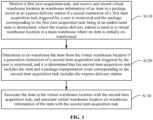
- the method may be performed by an item ex-warehouse apparatus, the apparatus may be implemented by way of software and/or hardware, the apparatus may be integrated into an electronic device capable of running a warehouse management system, such as a laptop computer, a desktop computer, or a server. Referring to FIG. 1 , the method of this embodiment includes the following.
- a first item acquisition task is monitored, and if a cancel instruction of the first item acquisition task triggered by a user is monitored and a package corresponding to the first item acquisition task being in an undelivered state is determined, virtual warehouse location in-warehouse information of an item in the package stored at an express delivery station is received and recorded, where the express delivery station is used as a virtual warehouse location in a main warehouse where an item is initially ex-warehoused.
- the first item acquisition task refers to an item acquisition task (such as, a shopping order).
- the undelivered state refers to a state in which the express delivery package is ex-warehoused but not delivered to the user.
- the virtual warehouse location refers to a warehouse location that does not belong to a main warehouse but is uniformly managed by a warehouse management system.
- one express delivery station is a virtual warehouse location.
- the virtual warehouse location in-warehouse information refers to in-warehouse information generated when the item is stored at the virtual warehouse location, and the virtual warehouse location in-warehouse information includes in-warehouse time, virtual warehouse location information, an item category identifier (such as a stock keeping unit (SKU)), a number of items and the like.
- SKU stock keeping unit
- the package Before the express delivery package is not delivered to the user, the package is in an express non-delivered state, and the user may trigger a cancel operation of the first item acquisition task corresponding to the package at any time.
- the WMS continuously monitors the first item acquisition task. If a cancel instruction is generated when a cancel operation of the first item acquisition task of the user is monitored, the WMS further determines whether an express delivery state of an express delivery package corresponding to the first item acquisition task is in a non-delivered state. If not, it is indicated that the express delivery package has been delivered to the user and cannot be intercepted, and the process is ended. If yes, the WMS notifies each express delivery station to intercept the package. If the package is successfully intercepted by a certain express delivery station, the successfully intercepted express delivery package is stored at the express delivery station for a period of time (such as 2-3 days), that is, the item in the first item acquisition task is in-warehoused into the express delivery station.
- a period of time such as 2-3 days
- the WMS receives the virtual warehouse location in-warehouse information which is sent by the express delivery station and indicates that the item is in-warehoused to the virtual warehouse location corresponding to the express delivery station, and records the virtual warehouse location in-warehouse information in warehouse storage record information corresponding to the virtual warehouse location.
- the WMS needs to independently manage an entity warehouse location and a virtual warehouse location in order to distinguish the entity warehouse location in the main warehouse from the virtual warehouse location corresponding to the express delivery station so as to accurately position the item warehouse location and accurately record the item in-warehouse and ex-warehouse information in an ex-warehouse process, and the in-warehouse and ex-warehouse information of the related warehouse location are independently recorded.
- the WMS may record relevant in-warehouse and ex-warehouse information in the warehouse storage record information corresponding to the virtual warehouse location, but may not change the warehouse storage record information corresponding to the main warehouse.
- the WMS may record relevant in-warehouse and ex-warehouse information in the warehouse storage record information corresponding to the main warehouse, but the WMS may not change the warehouse storage record information corresponding to the virtual warehouse location.
- the second item acquisition task is another item acquisition task distinct from the first item acquisition task.
- the package transportation route refers to a transportation route of the express delivery package from being ex-warehoused to being delivered to the user and may be composed of different express delivery stations passing between two addresses.
- the WMS obtains the generation instruction corresponding to the generation operation by monitoring the order system and the user.
- the WMS needs to determine whether the second item acquisition task includes the item in the previous first item acquisition task (including the determination of whether the number of items is consistent). If yes, whether the package transportation route corresponding to the second item acquisition task passes through the above express delivery station is further determined, and if yes, the item is delivered from the express delivery station.
- a process that the items are repeatedly delivered from the main warehouse may be omitted, the items do not need to reversely return to the main warehouse for an in-warehouse operation, whereby the operation cost of the warehouse is saved, and the transportation process and transportation time for transporting the items from the main warehouse to the express delivery station may be omitted, the express delivery transportation cost is saved, and the transportation efficiency is improved. Therefore, the WMS determines that the above item in the second item acquisition task may be ex-warehoused from the virtual warehouse location.
- the step in which it is determined that the package transportation route corresponding to the second item acquisition task includes the express delivery station that: if a delivery address in the second item acquisition task is the same as a delivery address in the first item acquisition task, it is determined that the package transportation route corresponding to the second item acquisition task includes the express delivery station.
- the step in which it is determined that the package transportation route corresponding to the second item acquisition task includes the express delivery station includes: the package transportation route corresponding to the second item acquisition task is determined according to a delivery address in the second item acquisition task and a main warehouse address; and if the express delivery station is in a coverage range of the package transportation route, it is determined that the package transportation route corresponding to the second item acquisition task includes the express delivery station.
- Whether the package transportation route includes the express delivery station may be determined according to the delivery address (receiving address) in the first item acquisition task and the delivery address in the second item acquisition task. If the two delivery addresses are consistent, then the package transportation routes of the two item acquisition tasks are also consistent, and it may be determined that the package transportation route includes the express delivery station. If the two delivery addresses are inconsistent, then a package transportation route, such as each express delivery station, through which the item is delivered from the main warehouse and transported to the second delivery address is determined according to the main warehouse address and the delivery address in the second item acquisition task.
- the determined express delivery stations include the express delivery station corresponding to the virtual warehouse location, then it is determined that the express delivery station is in the coverage range of the package transportation route and thus it is determined that the package transportation route includes the express delivery station.
- whether the express delivery station where the item is stored is consistent with a transportation route of the second item acquisition task may be rapidly determined according to two delivery addresses, whether the item is ex-warehoused from the virtual warehouse location may be determined more rapidly, whereby the ex-warehouse efficiency of the items is improved.
- the item in the virtual warehouse location is associated with the second item acquisition task, and virtual warehouse location ex-warehouse information of the item is associated with the second item acquisition task.
- the virtual warehouse location ex-warehouse information refers to ex-warehouse information generated when the item is ex-warehouse from the virtual warehouse location, and the virtual warehouse location ex-warehouse information includes ex-warehouse time, virtual warehouse location information, an item category identifier, a number of items and the like.
- the second item acquisition task is associated with the corresponding items in the virtual warehouse location.
- the items may be locked and prevented from being subjected to operations, such as returning to the main warehouse or delivering to other orders, and on the other hand, the subsequent ex-warehouse and packaging operations of the items may be indicated, so that the ex-warehouse operation of the items is completed.
- the WMS further needs to associate the virtual warehouse location ex-warehouse information of the above items to the second item acquisition task for acquiring and displaying the logistics state information of the second item acquisition task, so that the user can know the package state in time.
- the ex-warehouse efficiency of the items can be improved, the operation cost of the warehouse is reduced, the transportation time of ex-warehousing the items from the entity warehouse again and transporting the items to the express delivery station may be saved, the delivery speed of the items is increased, the time from ordering to delivering the items is shortened to a great extent for the user, and thus the user experience is improved.
- the first item acquisition task is monitored, and if the cancel instruction of the first item acquisition task triggered by the user is monitored and it is determined that the package corresponding to the first item acquisition task is in the undelivered state, the virtual warehouse location in-warehouse information of the item in the package stored at the express delivery station is received and recorded, where the express delivery station is used as the virtual warehouse location in the main warehouse where the item is initially ex-warehoused; if the generation instruction of the second item acquisition task triggered by the user is monitored, and it is determined that the second item acquisition task includes the item and the package transportation route corresponding to the second item acquisition task includes the express delivery station, the item being ex-warehoused from the virtual warehouse location is determined; and the item in the virtual warehouse location is associated with the second item acquisition task, and the virtual warehouse location ex-warehouse information of the item is associated with the second item acquisition task.
- the method further includes that: in-warehouse information and ex-warehouse information of the item is recorded in warehouse storage record information corresponding to the main warehouse.
- the WMS not only needs to record the ex-warehouse information of the items in the warehouse storage record information corresponding to the virtual warehouse position but also needs to perform the virtual-return and virtual-output operation of the items in the main warehouse, that is, the in-warehouse information and ex-warehouse information of the items are recorded in the warehouse storage record information corresponding to the main warehouse.
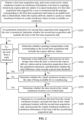
- an item ex-warehouse method provided in this embodiment includes the following.
- the second item acquisition task includes the item in the first item acquisition task, then S240 is performed; if the second item acquisition task does not include all of the items, S230 is performed.
- a time difference value between an item storage time when the item is stored at the express delivery station and an instruction acquisition time of the generation instruction is determined, and whether the time difference value exceeds a preset time threshold is determined.
- the preset time threshold is a preset period that is determined by the storage time limit of the item in the virtual warehouse location, such as 2 to 3 days.
- the items in the express delivery station are temporarily stored, the items have a set storage time limit. After the storage time limit is reached, the temporarily stored items need to be returned to the main warehouse. Therefore, before whether the item is ex-warehoused from the virtual warehouse location is determined, it needs to be determined whether the item is still stored at the virtual warehouse location.
- the time (namely, item storage time) when the item in the first item acquisition task is stored at the express delivery station is acquired, and the time (namely, the instruction obtaining time) when the generation instruction of the second item acquisition task is generated is monitored; then a time difference value between the item storage time and the instruction acquisition time is calculated. If the time difference value exceeds the preset time threshold, it is indicated that the item has been ex-warehoused from the virtual warehouse location and returned to the main warehouse, the item cannot be ex-warehoused from the virtual warehouse location, and S230 is performed. If the time difference value does not exceed the preset time threshold, it is indicated that the item is still stored at the virtual warehouse location, and whether the virtual warehouse location is in a state of being available for ex-warehousing is further determined, that is, S260 is performed.
- the state of being available for ex-warehousing refers to a state that the virtual warehouse location starts the ex-warehouse function of the express delivery station.
- a warehouse location state namely the state of being available for ex-warehousing or a state of being not available for ex-warehousing, of the virtual warehouse location corresponding to the express delivery station is determined according to whether the express delivery station has the ex-warehouse capability and whether other services affect the ex-warehouse operation.
- the warehouse location state of the virtual warehouse location corresponding to the express delivery station is the state of being available for ex-warehousing; otherwise, if the express delivery station does not have the ex-warehouse capacity or other services affect the ex-warehouse operation, then the warehouse location state of the virtual warehouse location corresponding to the express delivery station is the state of being not available for ex-warehousing.
- the state of being available for ex-warehousing and the state of being not available for ex-warehousing may be characterized by corresponding warehouse location state identifiers.
- the WMS may query the warehouse location state identifier corresponding to the virtual warehouse location. If the warehouse location state identifier is an available ex-warehousing identifier, then it is determined that the virtual warehouse location is in the state of being available for ex-warehousing, and then S270 is performed. If the warehouse location state identifier is an unavailable ex-warehousing identifier, then it is determined that the virtual warehouse location is in the state of being not available for ex-warehousing, and S230 is performed.
- the locked state refers to a state in which the item cannot be ex-warehoused or in-warehoused.
- the locked state may be characterized by a locked identifier in the item state identifier.
- the WMS queries the item state identifier of the item stored at the virtual warehouse location. If the item state identifier of a certain item is the locked identifier, it is indicated that the item is in the locked state and cannot be ex-warehoused from the virtual warehouse location, and if all the items stored at the virtual warehouse location cannot be ex-warehoused from the virtual warehouse location, S230 is performed. If the item state identifiers of the items are unlocked identifiers, it is indicated that the items are not in the locked state (or referred to as an unlocked state), then the items may be ex-warehoused from the virtual warehouse location, and then S280 is performed.
- the method further includes that: whether an item state of the item is set to be in the locked state is determined according to at least one of the following: an item quality identifier corresponding to the item, a user exclusive identifier, or whether the item is associated with an item acquisition task.
- the item acquisition task referred to herein may be an item acquisition task other than the first item acquisition task and the second item acquisition task.
- the item quality identifier refers to an identifier of whether there is a problem in the quality of the item, such as a no quality problem identifier and a quality problem identifier.
- the user exclusive identifier refers to an identifier that the item is exclusive to a certain user, and may be obtained through related information carried in the item acquisition task. An item with the user exclusive identifier cannot be delivered to other users.
- an item quality identifier of the item and whether the item carries the user exclusive identifier need to be determined. If the item quality identifier is an identifier with a quality problem or carries the user exclusive identifier, then the item cannot be directly ex-warehoused from the virtual warehouse location and must be returned to the main warehouse, and thus the item state of the item is set to be the locked state. If the item is associated with an item acquisition task, it is indicated that the item is determined to be an item to be ex-warehoused from the virtual warehouse location and cannot be ex-warehoused anymore, then the item state of the item is set to the locked state.
- the item quality identifier is an identifier with no quality problem
- the item does not carry the user exclusive identifier and the item is not associated with an item acquisition task
- the item state of the item is set to be the unlocked state. In this way, it can be avoided that items that have quality problems and are exclusive to a specific user or items which are about to be ex-warehoused from the warehouse are delivered to other users, the serious problem that the items are mistakenly ex-warehoused from the warehouse is avoided, and the delivery efficiency is further improved.
- the item being ex-warehoused from the virtual warehouse location is determined, the item in the virtual warehouse location is associated with the second item acquisition task, and the virtual warehouse location ex-warehouse information of the item is associated with the second item acquisition task.
- the time difference value between the item storage time when the item is stored at the express delivery station and the instruction acquisition time of the generation instruction is determined, if the time difference value does not exceed the preset time threshold, then the step of determining to ex-warehouse the item from the virtual warehouse location is triggered to be performed so that when the item is stored at the virtual warehouse location, the item is ex-warehoused from the virtual warehouse location, the mistaken ex-warehouse operation is avoided, and the ex-warehouse efficiency of the item is improved. If the virtual warehouse location is in the state of being available for ex-warehousing, then the step of determining to ex-warehouse the item from the virtual warehouse location is triggered to be performed.
- the step of determining to ex-warehouse the item from the virtual warehouse location is triggered to be performed; therefore, items that cannot be ex-warehoused in the virtual warehouse location are prevented from being ex-warehoused, the probability of mistaken ex-warehouse is reduced, and thus the ex-warehouse efficiency of the items is improved.
- the apparatus includes an item storage module 310, an item ex-warehouse module 320 and an information association module 330.
- the item storage module 310 is configured to monitor a first item acquisition task, and receive and record virtual warehouse location in-warehouse information of an item in a package stored at an express delivery station if a cancel instruction of the first item acquisition task triggered by a user is monitored and the package corresponding to the first item acquisition task being in an undelivered state is determined, where the express delivery station is used as a virtual warehouse location in a main warehouse where an item is initially ex-warehoused.
- the item ex-warehouse module 320 is configured to determine to ex-warehouse the item from the virtual warehouse location if a generation instruction of a second item acquisition task triggered by the user is monitored and it is determined that the second item acquisition task includes the item and a package transportation route corresponding to the second item acquisition task includes the express delivery station.
- the information association module 330 is configured to associate the item in the virtual warehouse location with the second item acquisition task, and associate virtual warehouse location ex-warehouse information of the item with the second item acquisition task.
- the apparatus further includes a time determination module.
- the time determination module is configured to determine a time difference value between an item storage time when the item is stored at the express delivery station and an instruction acquisition time of the generation instruction before the item being ex-warehoused from the virtual warehouse location is determined, and trigger performing the step of determining to ex-warehouse the item from the virtual warehouse location if the time difference value does not exceed a preset time threshold.
- the apparatus further includes a warehouse location state determination module.
- the warehouse location state determination module is configured to trigger performing the step of determining to ex-warehouse the item from the virtual warehouse location if the virtual warehouse location is in a state of being available for ex-warehousing before the item being ex-warehoused from the virtual warehouse location is determined.
- the apparatus further includes an item state determination module.
- the item state determination module is configured to trigger performing the step of determining to ex-warehouse the item from the virtual warehouse location if the item stored at the virtual warehouse location being not in the locked state is determined before the item being ex-warehoused from the virtual warehouse location is determined.
- the apparatus further includes an item state setting module.
- the item state setting module is configured to before whether the item stored at the virtual warehouse location is in the locked state is determined, determine whether an item state of the item is set to be in a locked state according to at least one of the following: an item quality identifier corresponding to the item, a user exclusive identifier, or whether the item is associated with an item acquisition task.
- the item ex-warehouse module 320 is configured to determine that the package transportation route corresponding to the second item acquisition task includes the express delivery station if a delivery address in the second item acquisition task is the same as a delivery address in the first item acquisition task, or determine the package transportation route corresponding to the second item acquisition task according to a delivery address in the second item acquisition task and a main warehouse address; and determine that the package transportation route corresponding to the second item acquisition task includes the express delivery station if the express delivery station is in a coverage range of the package transportation route.
- the apparatus further includes an information record module.
- the information record module is configured to record in-warehouse information and ex-warehouse information of the item in warehouse storage record information corresponding to the main warehouse after the item being ex-warehoused from the virtual warehouse location is determined.
- the express delivery station is used as the virtual warehouse location to be added to the warehouse management system, and stores items intercepted due to the fact that the order is cancelled by the user, and when the same user places an order again for the same items and a transportation range of a new order includes the previous express delivery station, the items are ex-warehoused from the virtual warehouse location, whereby the operations that the same ex-warehoused item is repeatedly ex-warehoused from the main warehouse and returned to the main warehouse are avoided, the ex-warehouse efficiency of the items is improved, the operation cost of the warehouse is saved, the transportation time for ex-warehousing the items from the main warehouse again and transporting the items to the express delivery station is saved, the delivery speed of the items is increased, and the time from ordering to delivering the items is shortened for the user, and the user experience is improved.
- the item ex-warehouse apparatus provided in the embodiment of the present application may execute the item ex-warehouse method provided in any of the embodiments of the present application and has function modules and beneficial effects corresponding to the execution method.
- the user terminal apparatus includes a first user operation module 401 and a second user operation module 402.
- the first user operation module 401 is configured to trigger a cancel instruction of a first item acquisition task to enable a warehouse management system to receive and record virtual warehouse location in-warehouse information of an item in a package stored at an express delivery station based on a cancel instruction of a first item acquisition task that is triggered by a user and is monitored and based on a determination result that the package corresponding to the first item acquisition task is in an undelivered state, where the express delivery station is used as a virtual warehouse location in a main warehouse where an item is initially ex-warehoused.
- this embodiment provides an electronic device 500, and the electronic device 500 includes one or more processors 520 and a storage apparatus 510 configured to store one or more programs.
- the one or more programs when executed by the one or more processors 520, cause the one or more processors 520 to perform the item ex-warehouse method provided in the embodiments of the present application.
- the electronic device 500 is represented in the form of a general-purpose computing device.
- the components of the electronic device 500 may include one or more processors 520, a storage apparatus 510, and a bus 550 that connects different system components (including the storage apparatus 510 and the processor 520).
- the electronic device 500 typically includes a variety of computer system readable media. Such media may be any available media that can be accessed by the electronic device 500, and it includes both volatile and nonvolatile media, removable and non-removable media.
- the storage apparatus 510 may include a computer system readable medium in the form of a volatile memory, such as a random access memory (RAM) 511 and/or a cache memory 512.
- the electronic device 500 may include other removable/non-removable, volatile/nonvolatile computer system storage media.
- the storage system 513 may be provided as a read-write non-removable, nonvolatile magnetic media (commonly referred to as a "hard drive").
- a program/utility 514 having a group (at least one) of program modules 515 may be stored at the storage apparatus 510 by way of example, such program modules 515 include an operating system, one or more application programs, other program modules, and program data, and each or some combinations of these examples may include an implementation of a network environment.
- the program module 515 generally performs the functions and/or methods in any of the embodiments described in the present application.
- the network adapter 540 communicates with the other modules of the electronic device 500 over the bus 550. It should be understood that although not shown in FIG. 5 , other hardware and/or software modules may be used in conjunction with the electronic device 500, including microcode, device drivers, redundant processing units, external disk drive arrays, redundant array of independent disks (RAID) systems, tape drives, and data backup storage systems.
- RAID redundant array of independent disks
- This embodiment provides a storage medium including a computer-executable instruction, and the computer-executable instruction, when executed by a processor of a computer, performs an item ex-warehouse method, and the method includes that: a first item acquisition task is monitored, and if a cancel instruction of a first item acquisition task triggered by a user is monitored and a package corresponding to the first item acquisition task being in an undelivered state is determined, virtual warehouse location in-warehouse information of an item in the package stored at an express delivery station is received and recorded, where the express delivery station is used as a virtual warehouse location in a main warehouse where an item is initially ex-warehoused; if a generation instruction of a second item acquisition task triggered by the user is monitored, and it is determined that the second item acquisition task includes the item, and a package transportation route corresponding to the second item acquisition task includes the express delivery station, the item being ex-warehoused from the virtual warehouse location is determined; and the item in the virtual warehouse location is associated with the second item acquisition task, and virtual warehouse location ex-
- the computer storage medium of the embodiment of the present application may adopt any combination of one or more computer-readable media.
- the computer-readable medium may be a computer-readable signal medium or a computer-readable storage medium.
- the computer-readable storage medium may be, for example, an electronic, magnetic, optical, electromagnetic, infrared, or semiconductor system, apparatus, or device, or any combination of the foregoing.
- the computer-readable storage medium includes an electrical connection having one or more wires, a portable computer diskette, a hard disk, a random access memory (RAM), a read-only memory (ROM), an erasable programmable read-only memory (EPROM or flash memory), an optical fiber, a portable compact disc read-only memory (CD-ROM), an optical storage device, a magnetic storage device, or any suitable combination of the foregoing.
- the computer-readable storage medium may be any tangible medium that contains or stores a program for use by or in connection with an instruction execution system, apparatus, or device.
- the computer-readable signal medium may include a propagated data signal with a computer-readable program code carried therein, for example, in a baseband or as part of a carrier wave. Such a propagated data signal may adopt a variety of forms, including, but not limited to: an electromagnetic signal, an optical signal, or any suitable combination of the foregoing.
- the computer-readable signal medium may be any computer-readable medium that is not a computer-readable storage medium and that may transmit, propagate, or transport a program for use by or in connection with an instruction execution system, apparatus, or device.
- Program codes contained in the computer-readable medium may be transmitted using any appropriate medium, including but not limited to: wireless, wire, optic cable, radio frequency (RF), etc., or any suitable combination of the foregoing.
- RF radio frequency
- a computer program code for performing the operations of the present application may be written in one or more programming languages or combinations thereof, the described programming languages include an object-oriented programming language-such as Java, Smalltalk, C++, and further include a conventional procedural programming language-such as a "C" language or similar programming language.
- the program code may be executed in the following manners: executed entirely on a user's computer, executed partly on the user's computer, executed as an independent software package, executed partly on the user's computer and partly on a remote computer, or executed entirely on the remote computer or a server.
- the remote computer may be connected to the user's computer through any kind of network, including a local area network (LAN) or a wide area network (WAN), or may be connected to an external computer (for example, connected to the external computer through an internet provided by an internet service provider).
- LAN local area network
- WAN wide area network
- an external computer for example, connected to the external computer through an internet provided by an internet service provider.
Landscapes
- Business, Economics & Management (AREA)
- Engineering & Computer Science (AREA)
- Economics (AREA)
- Human Resources & Organizations (AREA)
- Entrepreneurship & Innovation (AREA)
- Strategic Management (AREA)
- Quality & Reliability (AREA)
- Theoretical Computer Science (AREA)
- Marketing (AREA)
- Operations Research (AREA)
- General Physics & Mathematics (AREA)
- General Business, Economics & Management (AREA)
- Tourism & Hospitality (AREA)
- Physics & Mathematics (AREA)
- Development Economics (AREA)
- Accounting & Taxation (AREA)
- Finance (AREA)
- Data Mining & Analysis (AREA)
- Educational Administration (AREA)
- Game Theory and Decision Science (AREA)
- Management, Administration, Business Operations System, And Electronic Commerce (AREA)
Claims (13)
- Verfahren zur Auslagerung eines Artikels, das Folgendes umfasst:Empfangen und Erfassen von Informationen über die Einlagerung an einem virtuellen Lagerort eines Artikels in einem Paket, das an einer Expresszustellstation gelagert ist, beruhend auf einer Stornierungsanweisung einer ersten Artikelerwerbsaufgabe, die von einem Benutzer ausgelöst wird und überwacht wird, und beruhend auf einem Feststellungsergebnis, dass das Paket, das der ersten Artikelerwerbsaufgabe entspricht, sich in einem nicht zugestellten Zustand befindet, wobei die Expresszustellstation als virtueller Lagerort in einem Hauptlager verwendet wird, wo ein Artikel anfangs ausgelagert wird,Bestimmen, den Artikel aus dem virtuellen Lagerort auszulagern, beruhend auf einer Erzeugungsanweisung einer zweiten Artikelerwerbsaufgabe, die vom Benutzer ausgelöst wird und überwacht wird, und beruhend auf einem Feststellungsergebnis, dass festgestellt wird, dass die zweite Artikelerwerbsaufgabe den Artikel enthält und ein Pakettransportweg, der der zweiten Artikelerwerbsaufgabe entspricht, die Expresszustellstation enthält, undZuordnen des Artikels an dem virtuellen Lagerort zu der zweiten Artikelerwerbsaufgabe und Zuordnen von Informationen über die Auslagerung des Artikels aus dem virtuellen Lagerort zu der zweiten Artikelerwerbsaufgabe.
- Verfahren nach Anspruch 1, wobei das Verfahren vor dem Bestimmen, den Artikel aus dem virtuellen Lagerort auszulagern, ferner Folgendes umfasst:Bestimmen eines Zeitdifferenzwertes zwischen einem Artikellagerzeitpunkt, zu dem der Artikel an der Expresszustellstation gelagert wird, und einem Anweisungserfassungszeitpunkt der Erzeugungsanweisung, undAuslösen der Durchführung des Schrittes des Bestimmens, den Artikel aus dem virtuellen Lagerort auszulagern, beruhend auf einem Feststellungsergebnis, dass der Zeitdifferenzwert einen voreingestellten Zeitschwellenwert nicht überschreitet.
- Verfahren nach Anspruch 1, wobei das Verfahren vor dem Bestimmen, den Artikel aus dem virtuellen Lagerort auszulagern, ferner Folgendes umfasst:
Auslösen der Durchführung des Schrittes des Bestimmens, den Artikel aus dem virtuellen Lagerort auszulagern, beruhend auf einem Feststellungsergebnis, dass sich der virtuelle Lagerort in einem Zustand befindet, in dem er für die Auslagerung verfügbar ist. - Verfahren nach Anspruch 1, wobei das Verfahren vor dem Bestimmen, den Artikel aus dem virtuellen Lagerort auszulagern, ferner Folgendes umfasst:Feststellen, ob sich der am virtuellen Lagerort gelagerte Artikel in einem gesperrten Zustand befindet, undAuslösen der Durchführung des Schrittes des Bestimmens, den Artikel aus dem virtuellen Lagerort auszulagern, beruhend auf einem Feststellungsergebnis, dass sich der am virtuellen Lagerort gelagerte Artikel nicht im gesperrten Zustand befindet.
- Verfahren nach Anspruch 4, wobei das Verfahren vor dem Feststellen, ob sich der am virtuellen Lagerort gelagerte Artikel im gesperrten Zustand befindet, ferner Folgendes umfasst:
Feststellen, ob ein Artikelzustand des Artikels gemäß wenigstens einem der folgenden auf den gesperrten Zustand gesetzt ist: einer dem Artikel entsprechenden Artikelqualitätskennung, einer Benutzerexklusivkennung, oder ob der Artikel einer Artikelerwerbsaufgabe zugeordnet ist. - Verfahren nach Anspruch 1, bei dem das Feststellen, dass der Pakettransportweg, der der zweiten Artikelerwerbsaufgabe entspricht, die Expresszustellstation enthält, Folgendes umfasst:
Feststellen, dass der Pakettransportweg, der der zweiten Artikelerwerbsaufgabe entspricht, die Expresszustellstation enthält, beruhend auf einem Feststellungsergebnis, dass eine Zustellanschrift in der zweiten Artikelerwerbsaufgabe die gleiche ist wie eine Zustellanschrift in der ersten Artikelerwerbsaufgabe. - Verfahren nach Anspruch 1, bei dem das Feststellen, dass der Pakettransportweg, der der zweiten Artikelerwerbsaufgabe entspricht, die Expresszustellstation enthält, Folgendes umfasst:Bestimmen des Pakettransportwegs, der der zweiten Artikelerwerbsaufgabe entspricht, gemäß einer Zustellanschrift in der zweiten Artikelerwerbsaufgabe und einer Hauptlageranschrift, undFeststellen, dass der Pakettransportweg, der der zweiten Artikelerwerbsaufgabe entspricht, die Expresszustellstation enthält, beruhend auf einem Feststellungsergebnis, dass die Expresszustellstation in einem Abdeckungsbereich des Pakettransportwegs liegt.
- Verfahren nach Anspruch 1, wobei das Verfahren nach dem Bestimmen, den Artikel aus dem virtuellen Lagerort auszulagern, ferner Folgendes umfasst:
Erfassen von Einlagerungsinformationen und Auslagerungsinformationen des Artikels in Lagerspeicheraufzeichnungsinformationen, die dem Hauptlager entsprechen. - Vorrichtung zur Auslagerung eines Artikels, die Folgendes umfasst:ein Artikelspeichermodul, das dazu eingerichtet ist, Informationen über die Einlagerung an einem virtuellen Lagerort eines Artikels in einem Paket, das an einer Expresszustellstation gelagert ist, beruhend auf einer Stornierungsanweisung einer ersten Artikelerwerbsaufgabe, die von einem Benutzer ausgelöst wird und überwacht wird, und beruhend auf einem Feststellungsergebnis, dass das Paket, das der ersten Artikelerwerbsaufgabe entspricht, sich in einem nicht zugestellten Zustand befindet, zu empfangen und zu erfassen, wobei die Expresszustellstation als virtueller Lagerort in einem Hauptlager verwendet wird, wo ein Artikel anfangs ausgelagert wird,ein Artikelauslagerungsmodul, das dazu eingerichtet ist zu bestimmen, den Artikel aus dem virtuellen Lagerort auszulagern, beruhend auf einer Erzeugungsanweisung einer zweiten Artikelerwerbsaufgabe, die vom Benutzer ausgelöst wird und überwacht wird, und beruhend auf einem Feststellungsergebnis, dass festgestellt wird, dass die zweite Artikelerwerbsaufgabe den Artikel enthält und ein Pakettransportweg, der der zweiten Artikelerwerbsaufgabe entspricht, die Expresszustellstation enthält, undein Informationszuordnungsmodul, das dazu eingerichtet ist, den Artikel an dem virtuellen Lagerort der zweiten Artikelerwerbsaufgabe zuzuordnen und Informationen über die Auslagerung des Artikels aus dem virtuellen Lagerort der zweiten Artikelerwerbsaufgabe zuzuordnen.
- Verfahren zur Auslagerung eines Artikels, das Folgendes umfasst:Auslösen einer Stornierungsanweisung einer ersten Artikelerwerbsaufgabe, um es einem Lagerverwaltungssystem zu ermöglichen, beruhend auf einer Stornierungsanweisung einer ersten Artikelerwerbsaufgabe, die von einem Benutzer ausgelöst wird und überwacht wird, und beruhend auf einem Feststellungsergebnis, dass das Paket, das der ersten Artikelerwerbsaufgabe entspricht, sich in einem nicht zugestellten Zustand befindet, Informationen über eine Einlagerung an einem virtuellen Lagerort eines Artikels in einem Paket, das an einer Expresszustellstation gelagert ist, zu empfangen und zu erfassen, wobei die Expresszustellstation als virtueller Lagerort in einem Hauptlager verwendet wird, wo ein Artikel anfangs ausgelagert wird,Auslösen einer Erzeugungsanweisung einer zweiten Artikelerwerbsaufgabe, um es dem Lagerverwaltungssystem zu ermöglichen zu bestimmen, den Artikel aus dem virtuellen Lagerort auszulagern, beruhend auf einer Erzeugungsanweisung einer zweiten Artikelerwerbsaufgabe, die vom Benutzer ausgelöst wird und überwacht wird, und beruhend auf einem Feststellungsergebnis, dass festgestellt wird, dass die zweite Artikelerwerbsaufgabe den Artikel enthält und ein Pakettransportweg, der der zweiten Artikelerwerbsaufgabe entspricht, die Expresszustellstation enthält, den Artikel am virtuellen Lagerort der zweiten Artikelerwerbsaufgabe zuzuordnen und Informationen über die Auslagerung des Artikels aus dem virtuellen Lagerort der zweiten Artikelerwerbsaufgabe zuzuordnen.
- Benutzerendgerät, das Folgendes umfasst:ein erstes Benutzerbedienmodul, das dazu eingerichtet ist, eine Stornierungsanweisung einer ersten Artikelerwerbsaufgabe auszulösen, um es einem Lagerverwaltungssystem zu ermöglichen, beruhend auf einer Stornierungsanweisung einer ersten Artikelerwerbsaufgabe, die von einem Benutzer ausgelöst wird und überwacht wird, und beruhend auf einem Feststellungsergebnis, dass das Paket, das der ersten Artikelerwerbsaufgabe entspricht, sich in einem nicht zugestellten Zustand befindet, Informationen über eine Einlagerung an einem virtuellen Lagerort eines Artikels in einem Paket, das an einer Expresszustellstation gelagert ist, zu empfangen und zu erfassen, wobei die Expresszustellstation als virtueller Lagerort in einem Hauptlager verwendet wird, wo ein Artikel anfangs ausgelagert wird, undein zweites Benutzerbedienmodul, das dazu eingerichtet ist, eine Erzeugungsanweisung einer zweiten Artikelerwerbsaufgabe auszulösen, um es dem Lagerverwaltungssystem zu ermöglichen zu bestimmen, den Artikel aus dem virtuellen Lagerort auszulagern, beruhend auf einer Erzeugungsanweisung einer zweiten Artikelerwerbsaufgabe, die vom Benutzer ausgelöst wird und überwacht wird, und beruhend auf einem Feststellungsergebnis, dass festgestellt wird, dass die zweite Artikelerwerbsaufgabe den Artikel enthält und ein Pakettransportweg, der der zweiten Artikelerwerbsaufgabe entspricht, die Expresszustellstation enthält, den Artikel am virtuellen Lagerort der zweiten Artikelerwerbsaufgabe zuzuordnen und Informationen über die Auslagerung aus dem virtuellen Lagerort des Artikels der zweiten Artikelerwerbsaufgabe zuzuordnen.
- Elektronische Vorrichtung, die Folgendes umfasst:wenigstens einen Prozessor undein Speichergerät, das dazu eingerichtet ist, wenigstens ein Programm zu speichern,wobei das wenigstens eine Programm bei Ausführung durch den wenigstens einen Prozessor den wenigstens einen Prozessor dazu veranlasst, das Verfahren zur Auslagerung eines Artikels nach einem der Ansprüche 1 bis 8 und Anspruch 10 durchzuführen.
- Computerlesbares Speichermedium, auf dem Computerprogramme gespeichert sind, wobei die Computerprogramme bei Ausführung durch einen Prozessor das Verfahren zur Auslagerung eines Artikels nach einem der Ansprüche 1 bis 8 und Anspruch 10 durchführen.
Applications Claiming Priority (2)
| Application Number | Priority Date | Filing Date | Title |
|---|---|---|---|
| CN202010583124.2A CN111784240B (zh) | 2020-06-23 | 2020-06-23 | 物品出库方法、装置、设备和存储介质 |
| PCT/CN2021/093856 WO2021258909A1 (zh) | 2020-06-23 | 2021-05-14 | 物品出库方法、装置、设备和存储介质 |
Publications (4)
| Publication Number | Publication Date |
|---|---|
| EP4131104A1 EP4131104A1 (de) | 2023-02-08 |
| EP4131104A4 EP4131104A4 (de) | 2024-04-03 |
| EP4131104C0 EP4131104C0 (de) | 2025-03-26 |
| EP4131104B1 true EP4131104B1 (de) | 2025-03-26 |
Family
ID=72757217
Family Applications (1)
| Application Number | Title | Priority Date | Filing Date |
|---|---|---|---|
| EP21828776.1A Active EP4131104B1 (de) | 2020-06-23 | 2021-05-14 | Verfahren und vorrichtung zum wiederauffinden von artikeln, vorrichtung und speichermedium |
Country Status (6)
| Country | Link |
|---|---|
| US (1) | US20230267409A1 (de) |
| EP (1) | EP4131104B1 (de) |
| JP (1) | JP7492607B2 (de) |
| KR (1) | KR20230006902A (de) |
| CN (1) | CN111784240B (de) |
| WO (1) | WO2021258909A1 (de) |
Families Citing this family (8)
| Publication number | Priority date | Publication date | Assignee | Title |
|---|---|---|---|---|
| CN111784240B (zh) * | 2020-06-23 | 2021-07-16 | 北京京东振世信息技术有限公司 | 物品出库方法、装置、设备和存储介质 |
| CN112541801B (zh) * | 2020-12-08 | 2024-11-01 | 丰巢网络技术有限公司 | 一种快件的揽件控制方法、装置、电子设备及存储介质 |
| CN114683268A (zh) * | 2020-12-31 | 2022-07-01 | 美的集团(上海)有限公司 | 机器人任务决策方法、装置、设备及存储介质 |
| CN113052529A (zh) * | 2021-03-19 | 2021-06-29 | 杭州晨龙智能科技有限公司 | 平面库管理方法、装置、存储介质及电子设备 |
| US20230419244A1 (en) * | 2022-06-28 | 2023-12-28 | International Business Machines Corporation | Using data analytics to optimize logistics within product distribution network |
| KR20240143462A (ko) * | 2023-03-24 | 2024-10-02 | 쿠팡 주식회사 | 배송 주문을 분배하는 방법 및 전자 장치 |
| CN119784284A (zh) * | 2023-10-07 | 2025-04-08 | 北京京东乾石科技有限公司 | 一种物品仓配系统 |
| CN117893124B (zh) * | 2024-03-18 | 2024-05-17 | 天津锐特供应链科技有限公司 | 一种多式联运物流报价系统及方法 |
Family Cites Families (18)
| Publication number | Priority date | Publication date | Assignee | Title |
|---|---|---|---|---|
| JP2001306895A (ja) | 2000-04-21 | 2001-11-02 | Nec Corp | 宅配サービスシステム |
| EP1573422A4 (de) * | 2001-03-16 | 2008-11-26 | Gregg Bloom | Verfahren und vorrichtung zur effizienten paketablieferung und -lagerung |
| JP4832141B2 (ja) | 2006-03-31 | 2011-12-07 | 富士通株式会社 | 商品販売方法、商品販売プログラム、および商品販売装置 |
| CA2830425C (en) * | 2011-03-17 | 2018-11-27 | Dei Gratia Pty Ltd | Last mile logistics |
| CN105701664A (zh) * | 2014-11-27 | 2016-06-22 | 苏宁云商集团股份有限公司 | 电子商务网站中订单分配方法和系统 |
| CN107194628B (zh) * | 2016-03-15 | 2021-03-09 | 菜鸟智能物流控股有限公司 | 处理调拨请求的方法及装置 |
| CN107230120B (zh) * | 2016-03-24 | 2020-12-29 | 菜鸟智能物流控股有限公司 | 订单信息处理方法、装置及系统 |
| CN108022064A (zh) * | 2016-11-03 | 2018-05-11 | 北京西南物流中心有限公司 | 一种物流出库复核包装方法及系统 |
| US10867278B2 (en) * | 2017-03-01 | 2020-12-15 | Cvs Pharmacy, Inc. | Intelligent pre-processing and fulfillment of mixed orders |
| CN107368987A (zh) * | 2017-06-29 | 2017-11-21 | 仓智(上海)智能科技有限公司 | 一种基于b2b或b2c混合的仓库订单管理方法 |
| US20190228352A1 (en) * | 2018-01-19 | 2019-07-25 | Walmart Apollo, Llc | Systems and methods for combinatorial resource optimization |
| GB2587989A (en) * | 2018-04-23 | 2021-04-14 | Walmart Apollo Llc | Check-in system and methods for an automated tower that stores and dispenses customer orders |
| US11615368B2 (en) * | 2018-11-01 | 2023-03-28 | Walmart Apollo, Llc | Systems and methods for determining delivery time and route assignments |
| US20200160428A1 (en) * | 2018-11-16 | 2020-05-21 | Target Brands, Inc. | Integration of third party delivery service interface into online retail platform |
| US10754626B2 (en) * | 2018-11-30 | 2020-08-25 | Shopify Inc. | Visual and code views in a process workflow user interface |
| US10664793B1 (en) * | 2019-03-18 | 2020-05-26 | Coupang Corp. | Systems and methods for automatic package tracking and prioritized reordering |
| US11151507B2 (en) * | 2019-03-18 | 2021-10-19 | Coupang Corp. | Systems and methods for automatic package reordering using delivery wave systems |
| CN111784240B (zh) * | 2020-06-23 | 2021-07-16 | 北京京东振世信息技术有限公司 | 物品出库方法、装置、设备和存储介质 |
-
2020
- 2020-06-23 CN CN202010583124.2A patent/CN111784240B/zh active Active
-
2021
- 2021-05-14 US US18/012,392 patent/US20230267409A1/en active Pending
- 2021-05-14 EP EP21828776.1A patent/EP4131104B1/de active Active
- 2021-05-14 WO PCT/CN2021/093856 patent/WO2021258909A1/zh not_active Ceased
- 2021-05-14 KR KR1020227042641A patent/KR20230006902A/ko active Pending
- 2021-05-14 JP JP2022566274A patent/JP7492607B2/ja active Active
Also Published As
| Publication number | Publication date |
|---|---|
| US20230267409A1 (en) | 2023-08-24 |
| KR20230006902A (ko) | 2023-01-11 |
| WO2021258909A1 (zh) | 2021-12-30 |
| CN111784240A (zh) | 2020-10-16 |
| JP2023523808A (ja) | 2023-06-07 |
| EP4131104A4 (de) | 2024-04-03 |
| EP4131104C0 (de) | 2025-03-26 |
| CN111784240B (zh) | 2021-07-16 |
| EP4131104A1 (de) | 2023-02-08 |
| JP7492607B2 (ja) | 2024-05-29 |
Similar Documents
| Publication | Publication Date | Title |
|---|---|---|
| EP4131104B1 (de) | Verfahren und vorrichtung zum wiederauffinden von artikeln, vorrichtung und speichermedium | |
| CN111738656A (zh) | 内配出库中的分货方法、装置、设备和存储介质 | |
| CN110865888A (zh) | 一种资源加载方法、装置、服务器及存储介质 | |
| CN112948396A (zh) | 数据存储方法、装置、电子设备及存储介质 | |
| US20220215416A1 (en) | System and method for minimizing latency in data consumption system | |
| WO2020224342A1 (zh) | 退货任务的生成方法、装置、设备和存储介质 | |
| CN113506068A (zh) | 一种出入库方法、装置、存储介质及电子设备 | |
| CN111738655A (zh) | 内配出库中的拣货方法、装置、设备和存储介质 | |
| CN116342004A (zh) | 一种运单数据的处理方法和装置 | |
| CN105243001A (zh) | 业务对象的异常告警方法和装置 | |
| CN113688160B (zh) | 数据处理方法、处理装置、电子设备及存储介质 | |
| CN114819855A (zh) | 配送任务处理方法、装置、电子设备及存储介质 | |
| CN119204595A (zh) | 订单处理方法、装置、设备及存储介质 | |
| CN112884387A (zh) | 用于控制车辆的方法和装置 | |
| CN113762841B (zh) | 一种运单处理方法、装置、电子设备和存储介质 | |
| CN113177173B (zh) | 一种数据访问方法、装置、设备及存储介质 | |
| US20230112290A1 (en) | System and method for facilitating a transporting process | |
| CN112441364B (zh) | 一种自动化仓库的容器入库或回库方法和装置 | |
| CN113673872A (zh) | 一种补货处理方法、装置、存储介质及电子设备 | |
| CN116046000A (zh) | 路径规划方法及系统、装置、电子设备和存储介质 | |
| CN116362650A (zh) | 一种物资处理方法、装置、电子设备及计算机可读介质 | |
| CN113762877A (zh) | 一种仓库发货站台口的分配方法、装置、设备和介质 | |
| CN113408985B (zh) | 一种物品转运方法、装置、设备、介质及物品运输系统 | |
| CN113177661A (zh) | 一种货运订单推荐方法、装置、设备和存储介质 | |
| CN112862387A (zh) | 物流配送车停靠点设置方法、装置、系统、设备和介质 |
Legal Events
| Date | Code | Title | Description |
|---|---|---|---|
| STAA | Information on the status of an ep patent application or granted ep patent |
Free format text: STATUS: THE INTERNATIONAL PUBLICATION HAS BEEN MADE |
|
| PUAI | Public reference made under article 153(3) epc to a published international application that has entered the european phase |
Free format text: ORIGINAL CODE: 0009012 |
|
| STAA | Information on the status of an ep patent application or granted ep patent |
Free format text: STATUS: REQUEST FOR EXAMINATION WAS MADE |
|
| 17P | Request for examination filed |
Effective date: 20221027 |
|
| AK | Designated contracting states |
Kind code of ref document: A1 Designated state(s): AL AT BE BG CH CY CZ DE DK EE ES FI FR GB GR HR HU IE IS IT LI LT LU LV MC MK MT NL NO PL PT RO RS SE SI SK SM TR |
|
| DAV | Request for validation of the european patent (deleted) | ||
| DAX | Request for extension of the european patent (deleted) | ||
| A4 | Supplementary search report drawn up and despatched |
Effective date: 20240301 |
|
| RIC1 | Information provided on ipc code assigned before grant |
Ipc: G06Q 10/08 20120101AFI20240226BHEP |
|
| GRAP | Despatch of communication of intention to grant a patent |
Free format text: ORIGINAL CODE: EPIDOSNIGR1 |
|
| STAA | Information on the status of an ep patent application or granted ep patent |
Free format text: STATUS: GRANT OF PATENT IS INTENDED |
|
| INTG | Intention to grant announced |
Effective date: 20241015 |
|
| GRAS | Grant fee paid |
Free format text: ORIGINAL CODE: EPIDOSNIGR3 |
|
| GRAA | (expected) grant |
Free format text: ORIGINAL CODE: 0009210 |
|
| STAA | Information on the status of an ep patent application or granted ep patent |
Free format text: STATUS: THE PATENT HAS BEEN GRANTED |
|
| AK | Designated contracting states |
Kind code of ref document: B1 Designated state(s): AL AT BE BG CH CY CZ DE DK EE ES FI FR GB GR HR HU IE IS IT LI LT LU LV MC MK MT NL NO PL PT RO RS SE SI SK SM TR |
|
| REG | Reference to a national code |
Ref country code: GB Ref legal event code: FG4D |
|
| REG | Reference to a national code |
Ref country code: CH Ref legal event code: EP |
|
| REG | Reference to a national code |
Ref country code: DE Ref legal event code: R096 Ref document number: 602021028244 Country of ref document: DE |
|
| REG | Reference to a national code |
Ref country code: IE Ref legal event code: FG4D |
|
| U01 | Request for unitary effect filed |
Effective date: 20250425 |
|
| U07 | Unitary effect registered |
Designated state(s): AT BE BG DE DK EE FI FR IT LT LU LV MT NL PT RO SE SI Effective date: 20250502 |
|
| U20 | Renewal fee for the european patent with unitary effect paid |
Year of fee payment: 5 Effective date: 20250528 |
|
| PG25 | Lapsed in a contracting state [announced via postgrant information from national office to epo] |
Ref country code: RS Free format text: LAPSE BECAUSE OF FAILURE TO SUBMIT A TRANSLATION OF THE DESCRIPTION OR TO PAY THE FEE WITHIN THE PRESCRIBED TIME-LIMIT Effective date: 20250626 |
|
| PG25 | Lapsed in a contracting state [announced via postgrant information from national office to epo] |
Ref country code: NO Free format text: LAPSE BECAUSE OF FAILURE TO SUBMIT A TRANSLATION OF THE DESCRIPTION OR TO PAY THE FEE WITHIN THE PRESCRIBED TIME-LIMIT Effective date: 20250626 |
|
| PG25 | Lapsed in a contracting state [announced via postgrant information from national office to epo] |
Ref country code: HR Free format text: LAPSE BECAUSE OF FAILURE TO SUBMIT A TRANSLATION OF THE DESCRIPTION OR TO PAY THE FEE WITHIN THE PRESCRIBED TIME-LIMIT Effective date: 20250326 |
|
| PG25 | Lapsed in a contracting state [announced via postgrant information from national office to epo] |
Ref country code: GR Free format text: LAPSE BECAUSE OF FAILURE TO SUBMIT A TRANSLATION OF THE DESCRIPTION OR TO PAY THE FEE WITHIN THE PRESCRIBED TIME-LIMIT Effective date: 20250627 |
|
| PG25 | Lapsed in a contracting state [announced via postgrant information from national office to epo] |
Ref country code: SM Free format text: LAPSE BECAUSE OF FAILURE TO SUBMIT A TRANSLATION OF THE DESCRIPTION OR TO PAY THE FEE WITHIN THE PRESCRIBED TIME-LIMIT Effective date: 20250326 |
|
| PG25 | Lapsed in a contracting state [announced via postgrant information from national office to epo] |
Ref country code: ES Free format text: LAPSE BECAUSE OF FAILURE TO SUBMIT A TRANSLATION OF THE DESCRIPTION OR TO PAY THE FEE WITHIN THE PRESCRIBED TIME-LIMIT Effective date: 20250326 |
|
| PG25 | Lapsed in a contracting state [announced via postgrant information from national office to epo] |
Ref country code: PL Free format text: LAPSE BECAUSE OF FAILURE TO SUBMIT A TRANSLATION OF THE DESCRIPTION OR TO PAY THE FEE WITHIN THE PRESCRIBED TIME-LIMIT Effective date: 20250326 |
|
| PG25 | Lapsed in a contracting state [announced via postgrant information from national office to epo] |
Ref country code: SK Free format text: LAPSE BECAUSE OF FAILURE TO SUBMIT A TRANSLATION OF THE DESCRIPTION OR TO PAY THE FEE WITHIN THE PRESCRIBED TIME-LIMIT Effective date: 20250326 |
|
| PG25 | Lapsed in a contracting state [announced via postgrant information from national office to epo] |
Ref country code: IS Free format text: LAPSE BECAUSE OF FAILURE TO SUBMIT A TRANSLATION OF THE DESCRIPTION OR TO PAY THE FEE WITHIN THE PRESCRIBED TIME-LIMIT Effective date: 20250726 |