EP4091634A1 - Methods of treating depression using orexin-2 receptor antagonists - Google Patents
Methods of treating depression using orexin-2 receptor antagonists Download PDFInfo
- Publication number
- EP4091634A1 EP4091634A1 EP22168101.8A EP22168101A EP4091634A1 EP 4091634 A1 EP4091634 A1 EP 4091634A1 EP 22168101 A EP22168101 A EP 22168101A EP 4091634 A1 EP4091634 A1 EP 4091634A1
- Authority
- EP
- European Patent Office
- Prior art keywords
- compound
- formula
- depression
- use according
- acid
- Prior art date
- Legal status (The legal status is an assumption and is not a legal conclusion. Google has not performed a legal analysis and makes no representation as to the accuracy of the status listed.)
- Pending
Links
Images



Classifications
-
- A—HUMAN NECESSITIES
- A61—MEDICAL OR VETERINARY SCIENCE; HYGIENE
- A61K—PREPARATIONS FOR MEDICAL, DENTAL OR TOILETRY PURPOSES
- A61K31/00—Medicinal preparations containing organic active ingredients
- A61K31/33—Heterocyclic compounds
- A61K31/395—Heterocyclic compounds having nitrogen as a ring hetero atom, e.g. guanethidine or rifamycins
- A61K31/495—Heterocyclic compounds having nitrogen as a ring hetero atom, e.g. guanethidine or rifamycins having six-membered rings with two or more nitrogen atoms as the only ring heteroatoms, e.g. piperazine or tetrazines
- A61K31/505—Pyrimidines; Hydrogenated pyrimidines, e.g. trimethoprim
- A61K31/506—Pyrimidines; Hydrogenated pyrimidines, e.g. trimethoprim not condensed and containing further heterocyclic rings
-
- A—HUMAN NECESSITIES
- A61—MEDICAL OR VETERINARY SCIENCE; HYGIENE
- A61K—PREPARATIONS FOR MEDICAL, DENTAL OR TOILETRY PURPOSES
- A61K31/00—Medicinal preparations containing organic active ingredients
- A61K31/33—Heterocyclic compounds
- A61K31/395—Heterocyclic compounds having nitrogen as a ring hetero atom, e.g. guanethidine or rifamycins
- A61K31/53—Heterocyclic compounds having nitrogen as a ring hetero atom, e.g. guanethidine or rifamycins having six-membered rings with three nitrogens as the only ring hetero atoms, e.g. chlorazanil, melamine
-
- A—HUMAN NECESSITIES
- A61—MEDICAL OR VETERINARY SCIENCE; HYGIENE
- A61K—PREPARATIONS FOR MEDICAL, DENTAL OR TOILETRY PURPOSES
- A61K45/00—Medicinal preparations containing active ingredients not provided for in groups A61K31/00 - A61K41/00
- A61K45/06—Mixtures of active ingredients without chemical characterisation, e.g. antiphlogistics and cardiaca
-
- A—HUMAN NECESSITIES
- A61—MEDICAL OR VETERINARY SCIENCE; HYGIENE
- A61K—PREPARATIONS FOR MEDICAL, DENTAL OR TOILETRY PURPOSES
- A61K47/00—Medicinal preparations characterised by the non-active ingredients used, e.g. carriers or inert additives; Targeting or modifying agents chemically bound to the active ingredient
- A61K47/30—Macromolecular organic or inorganic compounds, e.g. inorganic polyphosphates
- A61K47/36—Polysaccharides; Derivatives thereof, e.g. gums, starch, alginate, dextrin, hyaluronic acid, chitosan, inulin, agar or pectin
- A61K47/38—Cellulose; Derivatives thereof
-
- A—HUMAN NECESSITIES
- A61—MEDICAL OR VETERINARY SCIENCE; HYGIENE
- A61K—PREPARATIONS FOR MEDICAL, DENTAL OR TOILETRY PURPOSES
- A61K9/00—Medicinal preparations characterised by special physical form
- A61K9/0012—Galenical forms characterised by the site of application
- A61K9/0053—Mouth and digestive tract, i.e. intraoral and peroral administration
-
- A—HUMAN NECESSITIES
- A61—MEDICAL OR VETERINARY SCIENCE; HYGIENE
- A61K—PREPARATIONS FOR MEDICAL, DENTAL OR TOILETRY PURPOSES
- A61K9/00—Medicinal preparations characterised by special physical form
- A61K9/0087—Galenical forms not covered by A61K9/02 - A61K9/7023
- A61K9/0095—Drinks; Beverages; Syrups; Compositions for reconstitution thereof, e.g. powders or tablets to be dispersed in a glass of water; Veterinary drenches
-
- A—HUMAN NECESSITIES
- A61—MEDICAL OR VETERINARY SCIENCE; HYGIENE
- A61K—PREPARATIONS FOR MEDICAL, DENTAL OR TOILETRY PURPOSES
- A61K9/00—Medicinal preparations characterised by special physical form
- A61K9/10—Dispersions; Emulsions
-
- A—HUMAN NECESSITIES
- A61—MEDICAL OR VETERINARY SCIENCE; HYGIENE
- A61K—PREPARATIONS FOR MEDICAL, DENTAL OR TOILETRY PURPOSES
- A61K9/00—Medicinal preparations characterised by special physical form
- A61K9/20—Pills, tablets, discs, rods
- A61K9/2004—Excipients; Inactive ingredients
- A61K9/2013—Organic compounds, e.g. phospholipids, fats
- A61K9/2018—Sugars, or sugar alcohols, e.g. lactose, mannitol; Derivatives thereof, e.g. polysorbates
-
- A—HUMAN NECESSITIES
- A61—MEDICAL OR VETERINARY SCIENCE; HYGIENE
- A61K—PREPARATIONS FOR MEDICAL, DENTAL OR TOILETRY PURPOSES
- A61K9/00—Medicinal preparations characterised by special physical form
- A61K9/20—Pills, tablets, discs, rods
- A61K9/2004—Excipients; Inactive ingredients
- A61K9/2022—Organic macromolecular compounds
- A61K9/2027—Organic macromolecular compounds obtained by reactions only involving carbon-to-carbon unsaturated bonds, e.g. polyvinyl pyrrolidone, poly(meth)acrylates
-
- A—HUMAN NECESSITIES
- A61—MEDICAL OR VETERINARY SCIENCE; HYGIENE
- A61P—SPECIFIC THERAPEUTIC ACTIVITY OF CHEMICAL COMPOUNDS OR MEDICINAL PREPARATIONS
- A61P25/00—Drugs for disorders of the nervous system
- A61P25/24—Antidepressants
-
- A—HUMAN NECESSITIES
- A61—MEDICAL OR VETERINARY SCIENCE; HYGIENE
- A61P—SPECIFIC THERAPEUTIC ACTIVITY OF CHEMICAL COMPOUNDS OR MEDICINAL PREPARATIONS
- A61P43/00—Drugs for specific purposes, not provided for in groups A61P1/00-A61P41/00
-
- A—HUMAN NECESSITIES
- A61—MEDICAL OR VETERINARY SCIENCE; HYGIENE
- A61K—PREPARATIONS FOR MEDICAL, DENTAL OR TOILETRY PURPOSES
- A61K2300/00—Mixtures or combinations of active ingredients, wherein at least one active ingredient is fully defined in groups A61K31/00 - A61K41/00
-
- A—HUMAN NECESSITIES
- A61—MEDICAL OR VETERINARY SCIENCE; HYGIENE
- A61K—PREPARATIONS FOR MEDICAL, DENTAL OR TOILETRY PURPOSES
- A61K31/00—Medicinal preparations containing organic active ingredients
- A61K31/33—Heterocyclic compounds
- A61K31/395—Heterocyclic compounds having nitrogen as a ring hetero atom, e.g. guanethidine or rifamycins
- A61K31/495—Heterocyclic compounds having nitrogen as a ring hetero atom, e.g. guanethidine or rifamycins having six-membered rings with two or more nitrogen atoms as the only ring heteroatoms, e.g. piperazine or tetrazines
- A61K31/50—Pyridazines; Hydrogenated pyridazines
Definitions
- the present disclosure is directed to, among other things, methods for the treatment of depression.
- Orexins are neuropeptides expressed by neurons in the perifornical area, the dorsomedial hypothalamus and the lateral hypothalamus ( de Lecea et al., 1998; Proc. Natl. Acad. Sci. U.S.A. 95, 322-327 ; Sakaurai et al, 1998, Cell 92, 573-585 ). Orexinergic neurons project to many areas of the brain including other hypothalamic nuclei, the midline paraventricular thalamus, brain stem nuclei, the ventral tegmental area and nucleus accumbens shell. ( Peyron et al., 1998, J. Neurosci.
- Orexin neuropeptides classified as either orexin-A or orexin-B, bind to the seven transmembrane G-protein coupled receptors orexin-1 (OX1R) and orexin-2 (OX2R) ( de Lecea et al., 1998; Proc. Natl. Acad. Sci. U.S.A. 95, 322-327 ; Sakaurai et al, 1998, Cell 92, 573-585 ). While orexin-A is non-selective for OX1R and OX2R, orexin-B shows higher affinity for OX2R ( Sakaurai et al, 1998, Cell 92, 573-585 ). Orexin receptor antagonists are classified as single orexin receptor (SORAs) or dual receptor antagonists (DORAs).
- SORAs single orexin receptor
- DORAs dual receptor antagonists
- Hypothalamic orexinergic neurons expressing discharge during active wake are virtually silent during non-rapid eye movement sleep and show transient discharges during rapid eye movement sleep ( Lee, 2005, J. Neuroscience 25(8): 6716 - 6720 ; Takahashi, 2008, Neuroscience, 153: 860 - 870 ).
- This activity pattern supports the notion that the orexins are endogenous, potent, arousal (wakefulness)-promoting peptides.
- Studies using single unit recordings also show that OX-containing neurons are preferentially activated during rewarding appetitive behaviors ( Hassani et al., 2016. J Neuroscience 36(5): 1747-1757 ).
- orexins are also hypothesized to play a role in excessive arousal (e.g. hypervigilance, anxiety, somatic tension, agitation and/or excessive rumination) which occurs in subsets of patients with mood disorders.
- excessive arousal e.g. hypervigilance, anxiety, somatic tension, agitation and/or excessive rumination
- MDD Major Depressive Disorder
- methods of treating a subject suffering from or diagnosed with depression comprise administering to a subject in need of such treatment an effective amount of a compound of formula (I), or a pharmaceutically acceptable salt thereof, wherein R 1 -R 4 are defined herein, and wherein the compound of formula (I) is administered prior to sleep.
- the subject treated according to the methods described herein is not suffering from or diagnosed with an insomnia disorder.
- the compound of formula (I) is administered at night according to the methods described herein.
- depression includes major depressive disorder, persistent depressive disorder, depression associated with bipolar disorder (aka bipolar depression), seasonal affective disorder, psychotic depression, postpartum depression, premenstrual dysphoric disorder, situational depression, anhedonia, melancholy, mid-life depression, late-life depression, depression due to identifiable stressors, treatment resistant depression, or combinations thereof.
- the depression is major depressive disorder.
- the major depressive disorder is with melancholic features or anxious distress.
- the methods described herein are useful in the treatment of the core (or psychic) symptoms of depression. These symptoms include depressed mood and loss of interest or pleasure in nearly all activities.
- sleep onset refers to the transition from wakefulness into non-rapid eye movement (NREM) sleep; and “sleep” generally refers to non-rapid eye movement (NREM) or rapid eye movement (REM) sleep.
- awake describes a reasonably alert state of consciousness characterized by alpha and beta waves as detected by electroencephalogram, voluntary rapid eye movements and/or eye blinks.
- an awake state may be characterized as the absence of NREM or REM sleep.
- night includes the period of time from sunset to sunrise, occurring once each twenty-four hours. In some embodiments, night refers to a timeframe in a twenty-four period in a day that precedes sleep by a subject.
- an “insomnia disorder” refers to a diagnosis using criteria found in the American Psychiatric Association's fifth edition of the Diagnostic and Statistical Manual of Mental Disorders (DSM-V) and the Third Edition of the World Health Organization's International Classification of Sleep Disorders (ICSD-3) .
- an “insomnia disorder” includes the difficulty initiating or maintaining sleep and waking too early and/or obtaining non-restorative sleep, where the sleep difficulty results in some form of daytime impairment.
- treating shall include the management and care of a subject or patient (preferably mammal, more preferably human) for the purpose of combating a disease, condition, or disorder and include the administration of a compound described herein to prevent the onset of the symptoms or complications, alleviate the symptoms or complications, or eliminate the disease, condition, or disorder.
- treatment is used to encompass (a) reduction in the frequency of one or more symptoms; (b) reduction in the severity of one or more symptoms; (c) the delay or avoidance of the development of additional symptoms; and/or (d) delay or avoidance of the development of the disorder or condition, or any combination thereof.
- the terms “subject” and “patient” may be used interchangeably and refer to an animal, preferably a mammal, most preferably a human, who has been the object of treatment, observation or experiment.
- the subject or patient has experienced and/or exhibited at least one symptom of the disease or disorder to be treated and/or prevented.
- the methods of treatment are directed to subjects or patients in need of such treatment, prevention or dosing regimen, more particularly to subjects or patients diagnosed with or exhibiting at least one symptom of depression (preferably, meeting the criteria for major depressive disorder or episode) regardless of type or underlying cause.
- the subject is not suffering from or diagnosed with an insomnia disorder.
- a subject in need thereof shall include any subject who has experienced or exhibited at least one symptom of the disorder, disease or condition to be prevented.
- a subject in need thereof may additionally be a subject (preferably a mammal, more preferably a human) who has not exhibited any symptoms of the disorder, disease or condition to be prevented, but who has been deemed by a physician, clinician or other medical profession to be at risk of developing said disorder, disease or condition.
- the subject may be deemed at risk of having new episodes of depression (and therefore in need of secondary prevention or preventive treatment) as a consequence of the subject's medical history, including, but not limited to, family history, pre-disposition, co-existing (comorbid) disorders or conditions, genetic testing, and the like.
- the compounds described herein are orexin-2 antagonists and may be used in the treatment of depression.
- the compounds are administered such that they have a time to maximal plasma concentration of less than about 3 hours, less than about 2 hours, and preferably less than about 1 hour, i.e., less than about 45 minutes, less than about 30 minutes, less than about 15 minutes, among others.
- the compound has an elimination half-life of about 4 hours and typically less than about 4 hours. For example, certain compounds of the present disclosure have a half-life of about 2 to about 3 hours, e .
- the amount of the compound remaining in the subject upon waking is typically below the threshold required for pharmacodynamic effect.
- the compounds of the present disclosure typically have a pharmacodynamic effect from a dose level greater than about 5 mg.
- the compound has the structure of formula (I):
- R 1 is C 1-4 alkyl. In some embodiments, R 1 is CH 3 .
- R 2 is C 1-4 alkyl. In some embodiments, R 2 is CH 3 .
- R 3 is H or halogen. In some embodiments, R 3 is halogen. In other embodiments, R 3 is fluorine. In further embodiments, R 3 is H.
- R 4 is H or C 1-4 alkoxy. In some embodiments, R 4 is H. In further embodiments, R 4 is C 1-4 alkoxy. In other embodiments, R 4 is methoxy.
- Alkyl refers to a straight- or branched-chain alkyl group having from 1 to 12 carbon atoms in the chain.
- alkyl groups include methyl, ethyl, n-propyl, isopropyl, butyl, isobutyl, sec-butyl, tert-butyl and groups that in light of the ordinary skill in the art and the teachings provided herein would be considered equivalent to any one of the foregoing examples.
- cycloalkyl refers to a saturated or partially saturated, monocyclic, fused polycyclic, or spiro polycyclic carbocycle having from 5 to 7 ring atoms per carbocycle.
- Illustrative examples of cycloalkyl groups include the following entities, in the form of properly bonded moieties:
- heterocycloalkyl refers to a monocyclic ring structure that is saturated or partially saturated and has from 4 to 7 ring atoms per ring structure selected from carbon atoms and up to two heteroatoms selected from nitrogen, oxygen, and sulfur.
- the ring structure may optionally contain up to two oxo groups on sulfur ring members.
- Illustrative entities, in the form of properly bonded moieties include:
- heteroaryl refers to a monocyclic, fused bicyclic, or fused polycyclic aromatic heterocycle (ring structure having ring atoms selected from carbon atoms and up to four heteroatoms selected from nitrogen, oxygen, and sulfur) having from 3 to 12 ring atoms per heterocycle.
- heteroaryl groups include the following entities, in the form of properly bonded moieties:
- heteroaryl, cycloalkyl, and heterocycloalkyl groups listed or illustrated above are not exhaustive, and that additional species within the scope of these defined terms may also be selected.
- Alkoxy includes a straight chain or branched alkyl group with a terminal oxygen linking the alkyl group to the rest of the molecule. Alkoxy includes methoxy, ethoxy, propoxy, isopropoxy, butoxy, t-butoxy, and so on.
- Halogen represents chlorine, fluorine, bromine or iodine.
- C i-j with j > i, when applied herein to a class of substituents, is meant to refer to embodiments for which each and every one of the number of carbon members, from i to j including i and j, is independently realized.
- C 1-3 refers independently to embodiments that have one carbon member (C 1 ), embodiments that have two carbon members (C 2 ), and embodiments that have three carbon members (C 3 ).
- C n-m alkyl refers to an aliphatic chain, whether straight or branched, with a total number N of carbon members in the chain that satisfies n ⁇ N ⁇ m, with m > n.
- any formula given herein is intended to represent a compound having a structure depicted by the structural formula as well as certain variations or forms.
- a compound of any formula given herein may have asymmetric centers and therefore exist in different enantiomeric forms. All optical isomers and stereoisomers of the compounds of the general formula, and mixtures thereof, are considered within the scope of the formula.
- any formula given herein is intended to represent a racemate, one or more enantiomeric forms, one or more diastereomeric forms, one or more atropisomeric forms, and mixtures thereof.
- certain structures may exist as geometric isomers (i.e., cis and trans isomers), as tautomers, or as atropisomers.
- the compounds may include those described in US Patent No. 8,653,263 and US Patent Publication No. 2014/0171430 , both of which are incorporated herein by reference.
- the compound is 5-(4,6-dimethyl-pyrimidin-2-yl)-hexahydro-pyrrolo[3,4-c]pyrrol-2-yl]-(2-fluoro-6-[1,2,3]triazol-2-yl-phenyl)-methanone or a pharmaceutically acceptable salt thereof.
- the compound is 5-(4,6-dimethyl-pyrimidin-2-yl)-hexahydro-pyrrolo[3,4-c]pyrrol-2-yl]-(2-fluoro-6-[1,2,3]triazol-2-yl-phenyl)-methanone.
- the compound is 5-(4,6-dimethyl-pyrimidin-2-yl)-hexahydro-pyrrolo[3,4-c]pyrrol-2-yl]-(2-fluoro-6-[1,2,3]triazol-2-yl-phenyl)-methanone hydrochloride.
- the compound is (5-(4,6-dimethylpyrimidin-2-yl)hexahydropyrrolo[3,4-c]pyrrol-2(1H)-yl)(4-methoxy-2-(2H-1,2,3-triazol-2-yl)phenyl)methanone or a pharmaceutically acceptable salt thereof.
- the compound is (5-(4,6-dimethylpyrimidin-2-yl)hexahydropyrrolo[3,4-c]pyrrol-2(1H)-yl)(4-methoxy-2-(2H-1,2,3-triazol-2-yl)phenyl)methanone.
- the compound is (5-(4,6-dimethylpyrimidin-2-yl)hexahydropyrrolo[3,4-c]pyrrol-2(1H)-yl)(4-methoxy-2-(2H-1,2,3-triazol-2-yl)phenyl)methanone hydrate.
- the compound is (5-(4,6-dimethylpyrimidin-2-yl)hexahydropyrrolo[3,4-c]pyrrol-2(1H)-yl)(4-methoxy-2-(2H-1,2,3-triazol-2-yl)phenyl)methanone hydrochloride hydrate.
- the compound is (5-(4,6-dimethylpyrimidin-2-yl)hexahydropyrrolo[3,4-c]pyrrol-2(1H)-yl)(4-methoxy-2-(2H-1,2,3-triazol-2-yl)phenyl)methanone hydrobromide hydrate.
- any formula given herein is intended to refer also to hydrates, solvates, and polymorphs of such compound, and mixtures thereof, even if such forms are not listed explicitly.
- a compound of Formula (I) or pharmaceutically acceptable salts of a compound of Formula (I) may be obtained as solvates.
- Solvates include those formed from the interaction or complexation of a compound with one or more solvents, either in solution or as a solid or crystalline form. In some embodiments, the solvent is water and then the solvates are hydrates.
- crystalline forms of a compound of Formula (I) or pharmaceutically acceptable salts of a compound of Formula (I) may be obtained as co-crystals.
- a compound of Formula (I) is obtained in a crystalline form.
- a crystalline form of a compound of Formula (I) is cubic in nature.
- pharmaceutically acceptable salts of compounds of Formula (I) are obtained in a crystalline form.
- compounds of Formula (I) are obtained in one of several polymorphic forms, as a mixture of crystalline forms, as a polymorphic form, or as an amorphous form.
- a compound of Formula (I) converts in solution between one or more crystalline forms and/or polymorphic forms.
- any formula given herein is also intended to represent unlabeled forms as well as isotopically labeled forms of the compounds.
- Isotopically labeled compounds have structures depicted by the formulas given herein except that one or more atoms are replaced by an atom having a selected atomic mass or mass number.
- isotopes that can be incorporated into compounds described herein include isotopes of hydrogen, carbon, nitrogen, oxygen, phosphorus, fluorine, and chlorine, such as 2 H, 3 H, 11 C, 13 C, 14 C, 15 N, 18 O, 17 O, 31 P, 32 P, 35 S, 18 F, 36 Cl, 125 I, respectively.
- Such isotopically labeled compounds are useful in metabolic studies (preferably with 14 C), reaction kinetic studies (with, for example 2 H or 3 H), detection or imaging techniques [such as positron emission tomography (PET) or single-photon emission computed tomography (SPECT)] including drug or substrate tissue distribution assays, or in radioactive treatment of patients.
- PET positron emission tomography
- SPECT single-photon emission computed tomography
- an 18 F or 11 C labeled compound may be particularly preferred for PET or an I 123 for SPECT studies.
- substitution with heavier isotopes such as deuterium (i.e., 2 H) may afford certain therapeutic advantages resulting from greater metabolic stability, for example increased in vivo half-life or reduced dosage requirements.
- Isotopically labeled compounds described herein and prodrugs thereof can generally be prepared by carrying out the procedures disclosed in the schemes or in the examples and preparations described below by substituting a readily available isotopically labeled reagent for a non-isotopically labeled reagent.
- a “pharmaceutically acceptable salt” is intended to mean a salt of a free acid or base of a compound represented by Formula (I) that is non-toxic, biologically tolerable, or otherwise biologically suitable for administration to the subject. See, generally, G.S. Paulekuhn, "Trends in Active Pharmaceutical Ingredient Salt Selection based on Analysis of the Orange Book Database", J. Med. Chem., 2007, 50:6665-72 , S.M. Berge, "Pharmaceutical Salts", J Pharm Sci., 1977, 66:1-19 , and Handbook of Pharmaceutical Salts, Properties, Selection, and Use, Stahl and Wermuth, Eds., Wiley-VCH and VHCA, Zurich, 2002 .
- Examples of pharmaceutically acceptable salts are those that are pharmacologically effective and suitable for contact with the tissues of patients without undue toxicity, irritation, or allergic response.
- Examples of pharmaceutically acceptable salts include sulfates, pyrosulfates, bisulfates, sulfites, bisulfites, phosphates, monohydrogen-phosphates, dihydrogenphosphates, metaphosphates, pyrophosphates, chlorides, bromides, iodides, acetates, propionates, decanoates, caprylates, acrylates, formates, isobutyrates, caproates, heptanoates, propiolates, oxalates, malonates, succinates, suberates, sebacates, fumarates, maleates, butyne-1,4-dioates, hexyne-1,6-dioates, benzoates, chlorobenzoates, methylbenzoates, dinitrobenzoates, hydroxybenzoates, methoxybenzoates, phthalates, sulfonates, xylenesulfonates, phenylacetates, phen
- the desired pharmaceutically acceptable salt may be prepared by any suitable method available in the art, for example, treatment of the free base with an inorganic acid, such as hydrochloric acid, hydrobromic acid, sulfuric acid, sulfamic acid, nitric acid, boric acid, phosphoric acid, and the like, or with an organic acid, such as acetic acid, phenylacetic acid, propionic acid, stearic acid, lactic acid, ascorbic acid, maleic acid, hydroxymaleic acid, isethionic acid, succinic acid, valeric acid, fumaric acid, malonic acid, pyruvic acid, oxalic acid, glycolic acid, salicylic acid, oleic acid, palmitic acid, lauric acid, a pyranosidyl acid, such as glucuronic acid or galacturonic acid, an alpha-hydroxy acid, such as mandelic acid, citric acid, or tartaric acid, an amino acid, such as aspartic acid, glutaric
- the desired pharmaceutically acceptable salt may be prepared by any suitable method, for example, treatment of the free acid with an inorganic or organic base, such as an amine (primary, secondary, or tertiary), an alkali metal hydroxide, alkaline earth metal hydroxide, any compatible mixture of bases such as those given as examples herein, and any other base and mixture thereof that are regarded as equivalents or acceptable substitutes in light of the ordinary level of skill in this technology.
- an inorganic or organic base such as an amine (primary, secondary, or tertiary), an alkali metal hydroxide, alkaline earth metal hydroxide, any compatible mixture of bases such as those given as examples herein, and any other base and mixture thereof that are regarded as equivalents or acceptable substitutes in light of the ordinary level of skill in this technology.
- suitable salts include organic salts derived from amino acids, such as N-methyl-D-glucamine, lysine, choline, glycine and arginine, ammonia, carbonates, bicarbonates, primary, secondary, and tertiary amines, and cyclic amines, such as tromethamine, benzylamines, pyrrolidines, piperidine, morpholine, and piperazine, and inorganic salts derived from sodium, calcium, potassium, magnesium, manganese, iron, copper, zinc, aluminum, and lithium.
- amino acids such as N-methyl-D-glucamine, lysine, choline, glycine and arginine
- ammonia carbonates, bicarbonates, primary, secondary, and tertiary amines
- cyclic amines such as tromethamine, benzylamines, pyrrolidines, piperidine, morpholine, and piperazine
- inorganic salts derived
- prodrugs of a compound of Formula (I) and treatment methods employing such pharmaceutically acceptable prodrugs are also contemplated.
- the term "prodrug” means a precursor of a designated compound that, following administration to a subject, yields the compound in vivo via a chemical or physiological process such as solvolysis or enzymatic cleavage, or under physiological conditions (e.g., a prodrug on being brought to physiological pH is converted to the compound of Formula (I).
- a “pharmaceutically acceptable prodrug” is a prodrug that is non-toxic, biologically tolerable, and otherwise biologically suitable for administration to the subject. Illustrative procedures for the selection and preparation of suitable prodrug derivatives are described, for example, in " Design of Prodrugs", ed. H. Bundgaard, Elsevier, 1985 .
- Exemplary prodrugs include compounds having an amino acid residue, or a polypeptide chain of two or more (e.g., two, three, or four) amino acid residues, covalently joined through an amide or ester bond to a free amino, hydroxy, or carboxylic acid group of a compound of Formula (I).
- amino acid residues include the twenty naturally occurring amino acids, commonly designated by three letter symbols, as well as 4-hydroxyproline, hydroxylysine, demosine, isodemosine, 3-methylhistidine, norvalin, beta-alanine, gamma-aminobutyric acid, citrulline homocysteine, homoserine, ornithine and methionine sulfone.
- amides include those derived from ammonia, primary C 1-6 alkyl amines and secondary di(C 1-6 alkyl) amines. Secondary amines include 5- or 6-membered heterocycloalkyl or heteroaryl ring moieties. Examples of amides include those that are derived from ammonia, C 1-3 alkyl primary amines, and di(C 1-2 alkyl)amines. Examples of esters include C 1-7 alkyl, C 5-7 cycloalkyl, phenyl, and phenyl(C 1-6 alkyl) esters.
- esters include methyl esters.
- Prodrugs may also be prepared by derivatizing free hydroxy groups using groups including hemisuccinates, phosphate esters, dimethylaminoacetates, and phosphoryloxymethyloxycarbonyls, following procedures such as those outlined in Fleisher, Adv. Drug Delivery Rev. 1996, 19, 115-130 .
- Carbamate derivatives of hydroxy and amino groups may also yield prodrugs.
- Carbonate derivatives, sulfonate esters, and sulfate esters of hydroxy groups may also provide prodrugs.
- acyloxy groups as (acyloxy)methyl and (acyloxy)ethyl ethers, wherein the acyl group may be an alkyl ester, optionally substituted with one or more ether, amine, or carboxylic acid functionalities, or where the acyl group is an amino acid ester as described above, is also useful to yield prodrugs.
- Prodrugs of this type may be prepared as described in Robinson, J. Med. Chem. 1996, 39(I),10-18 .
- Free amines can also be derivatized as amides, sulfonamides, or phosphonamides. All of these prodrug moieties may incorporate groups including ether (-O-), amine (-N-), and carboxylic acid (COO-) functionalities.
- a pharmaceutical composition may comprise (a) an effective amount of at least one compound described herein and (b) a pharmaceutically acceptable excipient.
- a "pharmaceutically acceptable excipient” refers to a substance that is non-toxic, biologically tolerable, and otherwise biologically suitable for administration to a subject, such as an inert substance, added to a pharmacological composition or otherwise used as a vehicle, carrier, or diluent to facilitate administration of an agent and that is compatible therewith.
- excipients include calcium carbonate, calcium phosphate, various sugars and types of starch, cellulose derivatives, gelatin, vegetable oils, and polyethylene glycols.
- compositions containing one or more dosage units of the compounds described herein may be prepared using suitable pharmaceutical excipients and compounding techniques known or that become available to those skilled in the art.
- the compositions may be administered in the inventive methods by a suitable route of delivery, e.g., oral, parenteral, rectal, topical, ocular routes, or by inhalation.
- the preparation may be in the form of tablets, capsules, sachets, dragees, powders, granules, lozenges, powders for reconstitution, or liquid preparations.
- the compositions are formulated for intravenous infusion, topical administration, or oral administration. In certain embodiments, the compositions are formulated for immediate release.
- the compounds can be provided in the form of tablets or capsules, or as a solution, emulsion, or suspension. In certain embodiments, the compounds may be taken with food.
- Oral tablets may include a compound mixed with pharmaceutically acceptable excipients such as inert fillers, diluents, disintegrating agents, binding agents, lubricating agents, sweetening agents, flavoring agents, coloring agents, glidants and preservative agents.
- suitable inert fillers include sodium and calcium carbonate, sodium and calcium phosphate, lactose, lactose monohydrate, starch, sugar, glucose, methyl cellulose, magnesium stearate, mannitol, sorbitol, hypromellose, and the like.
- Exemplary liquid oral excipients include ethanol, glycerol, water, and the like.
- Binding agents may include hypromellose (hydroxypropyl methylcellulose or HPMC), starch and gelatin.
- the lubricating agent if present, may be magnesium stearate, stearic acid, or talc.
- the glidant if present, may be silica (SiO 2 ) such as colloidal silica.
- the tablets may be coated with a material such as glyceryl monostearate or glyceryl distearate to delay absorption in the gastrointestinal tract, or may be coated with an enteric coating.
- Capsules for oral administration include hard and soft gelatin capsules.
- the compound may be mixed with a solid, semi-solid, or liquid diluent.
- Soft gelatin capsules may be prepared by mixing the compound with water, an oil such as peanut oil or olive oil, liquid paraffin, a mixture of mono and di-glycerides of short chain fatty acids, polyethylene glycol 400, or propylene glycol.
- Liquids for oral administration may be in the form of suspensions, solutions, emulsions, or syrups or may be lyophilized or presented as a dry product for reconstitution with water or other suitable vehicle before use.
- Such liquid compositions may optionally contain pharmaceutically-acceptable excipients such as suspending agents (for example, sorbitol, methyl cellulose, sodium alginate, gelatin, hydroxyethylcellulose, carboxymethylcellulose, aluminum stearate gel and the like); non-aqueous vehicles, e.g., oil (for example, almond oil or fractionated coconut oil), propylene glycol, ethyl alcohol, or water; preservatives (for example, methyl or propyl p-hydroxybenzoate or sorbic acid); wetting agents such as lecithin; and, if desired, flavoring or coloring agents.
- suspending agents for example, sorbitol, methyl cellulose, sodium alginate, gelatin, hydroxyethylcellulose, carboxymethylcellulose,
- the compounds described herein may also be administered by non-oral routes.
- the compounds may be formulated for rectal administration.
- parenteral use including intravenous, intramuscular, or intraperitoneal routes, the compound may be provided in sterile aqueous solutions or suspensions, buffered to an appropriate pH and isotonicity or in parenterally acceptable oil.
- Suitable aqueous vehicles include Ringer's solution and isotonic sodium chloride.
- Such forms will be presented in unit-dose form such as ampules or disposable injection devices, in multi-dose forms such as vials from which the appropriate dose may be withdrawn, or in a solid form or pre-concentrate that can be used to prepare an injectable formulation.
- Illustrative infusion doses may range from about 1 to 1000 ⁇ g/kg/minute of the compound, admixed with a pharmaceutical carrier over a period ranging from several minutes to several days.
- the compounds may be mixed with a pharmaceutical carrier at a concentration of about 0.1 % to about 10% of drug to vehicle.
- a pharmaceutical carrier for topical administration, may be mixed with a pharmaceutical carrier at a concentration of about 0.1 % to about 10% of drug to vehicle.
- Another mode of administering the compound may utilize a patch formulation to affect transdermal delivery.
- Compounds may alternatively be administered by inhalation, via the nasal or oral routes, e.g., in a spray formulation also containing a suitable carrier.
- the inventors found a surprising, robust antidepressant effect when using the compounds described on subjects diagnosed with depression. Although not intending to be limited by theory, it is believed that because the activity of orexin containing neurons is negligible during sleep (typically at night), the antidepressant efficacy of the compounds discussed herein is surprising. As disclosed herein, administration prior to sleep (typically at night) of the compounds of the disclosure is associated with statistically significant antidepressant efficacy, with the efficacy not related to the effect on sleep items.
- methods of treating a subject suffering from or diagnosed with depression comprise administering to a subject in need of such treatment an effective amount of a compound described herein.
- the compound is of formula (I).
- the compound is preferably administered once daily and is administered to the subject prior to sleep.
- the compound is administered within about 2 hours of sleep, within about 1 hour, or within about 30 minutes before sleep.
- the compound is administered at least about 4 hours before the subject wakes or intends to wake from sleep, including about 5 hours, about 5.5 hours, about 6 hours, about 6.5 hours, about 7 hours, about 7.5 hours, about 8 hours, about 8.5 hours, about 9 hours, about 9.5 hours, about 10 hours, about 10.5 hours, about 11 hours, about 11.5 hours, or about 12 hours before the subject wakes or intends to wake from sleep.
- the compound is administered at least 6 hours to about 12 hours before the subject wakes or intends to wake from sleep.
- the compound is administered at night.
- the compound After administration of the compound, the compound undergoes at least one half-life before the subject wakes from sleep. In other embodiments, the compound undergoes at least two half-lives, and preferably at least three half-lives before the subject wakes from sleep.
- the compound is below the threshold required for pharmacodynamic effect after about 6 to about 8 hours after administration of the compound.
- This differs from antidepressants in the art which are designed to achieve a steady state concentration of the antidepressant in the patient.
- the methods described herein differ in that after one to eight hours of administration of the drug, the concentration of the drug will fall below pharmacodynamic levels and remain at those levels for the remainder of the 24-hour treatment period until the next dose of drug is administered.
- Therapeutically effective amounts for the compounds described herein include amounts that elicit the biological or medicinal response in a tissue system, animal or human that is being sought by a researcher, veterinarian, medical doctor, or other clinician, which includes alleviation of the symptoms of the disease or disorder being treated.
- Optimal dosages to be administered may be readily determined by those skilled in the art, and may vary with the mode of administration, the strength of the preparation and the advancement of the disease condition. Such factors including the particular patient being treated, including patient's sex, age, weight, diet, time of administration and concomitant diseases, among others.
- the effective amount of each dose of the compounds described herein is about 0.001 to about 200 mg of compound per kg of subject's body weight per day, about 0.05 to 100 mg/kg/day, or about 1 to 35 mg/kg/day, in single or divided dosage units (examples of such dosage units include 2.5 mg, 5 mg, 10 mg, and 20 mg tablets).
- an illustrative range for a suitable dosage amount is from about 0.05 to about 7 g/day, or about 0.2 to about 2.5 g/day.
- the effective amount of the compound described herein may also be described without reference to the weight of the subject. Accordingly, the effective amount of the compound is about 10 to about 60 mg. In some embodiments, the effective amount of the compound is about 10 mg, about 15 mg, about 20 mg, about 25 mg, about 30 mg, about 35 mg, or about 40 mg, or within a range defined by any two of these values.
- the effective amount of the compound may be administered in a single daily dose.
- the compound is administered daily and one or more symptoms of the depression is reduced or ameliorated within about 11 days of a first administration, i.e., day 1.
- Frequency adjustment can be accomplished by a one-time switch in frequency or may be determined over two or more administrations. By doing so, the attending physician or the like may determine an optimal frequency for administration and thereby tailor the administration to the patient.
- rescue doses refers to one or more additional doses of a compound described herein in addition to the regularly prescribed dose.
- the amount of a compound described herein in the rescue dose may be determined by the prescribing physician or clinician and will depend on any of the factors discussed herein.
- the rescue dose of a compounds described herein is the same as the effective dose used during the normal administration schedule. In other embodiments, the rescue dose differs from the effective dose used during the normal administration schedule.
- the maintenance of the response in a patient may be determined by for example, a clinician, physician, psychiatrist, psychologist, or other suitable medical professional. Additionally, maintenance of the antidepressant response may be established by for example, an absence of relapse of the depression (or one or more symptoms of the depression), an absence of the need for additional or alternate treatment(s) for the depression, or an absence of the worsening of the depression.
- the physician or attending clinician may utilize any technique known in the art including, without limitation, general patient evaluation, diagnostic questionnaires, and evaluations such as the Clinical Global Impression - Severity (CGI-S) scale, EuroQol; 5 dimension; 5 level (EQ-5D-5L), Patient Health Questionnaire- 9 Item (PHQ-9), Sheehan Disability Scale (SDS), Inventory of Depressive Symptomatology-Clinician rated, 30-item scale (IDS-C 30 ), Montgomery-Asberg Depression Rating Scale (MADRS) questionnaire, Hamilton rating scale for depression (HAM-D or HDRS) Beck Scale for Depression, or Quick Inventory of Depressive Symptomology (QIDS).
- the frequency may be evaluated and/or changed if the score from one or more of the above-noted scales or questionnaire changes.
- the compounds may be used in combination with additional active ingredients in the treatment of the above conditions.
- the additional active ingredients may be administered simultaneously, separately or sequentially.
- the additional active ingredients are effective in the treatment of conditions, disorders, or diseases mediated by orexin activity, such as another orexin modulator or a compound active against another target associated with the particular condition, disorder, or disease.
- the combination may serve to increase efficacy (e.g., by including in the combination a compound potentiating the potency or effectiveness of a compound herein), decrease one or more side effects, or decrease the required dose of the compound described herein or additional active agent.
- the additional active ingredient is an antidepressant.
- the additional active ingredient is a monoaminergic antidepressant.
- the compound of formula (I) may be used in combination with a second antidepressant.
- the second antidepressant may be a conventional drug used to combat depression such as N-methyl-D-aspartate receptor antagonists, norepinephrine reuptake inhibitors, selective serotonin reuptake inhibitors (SSRIs), monoamine oxidase inhibitors (MAOIs), reversible inhibitors of monoamine oxidase (RIMAs), serotonin and noradrenaline reuptake inhibitors (SNRIs), noradrenergic and specific serotonergic antidepressants (NaSSAs), corticotropin releasing factor (CRF) antagonists, alpha-adrenoreceptor antagonists and atypical antidepressants.
- SSRIs selective serotonin reuptake inhibitors
- MAOIs monoamine oxidase inhibitors
- RIMAs reversible inhibitors of monoamine oxidase
- SNRIs no
- the N-methyl-D-aspartate (NMDA) receptor antagonist is ketamine including its racemates esketamine, arketamine, or combinations thereof.
- the norepinephrine reuptake inhibitor includes amitriptyline, clomipramine, doxepin, imipramine, trimipramine, amoxapine, desipramine, maprotiline, nortriptyline, protriptyline, reboxetine, or pharmaceutically acceptable salts thereof.
- the selective serotonin reuptake inhibitor includes fluoxetine, fluvoxamine, paroxetine, sertraline, or pharmaceutically acceptable salts thereof.
- the monoamine oxidase inhibitor includes isocarboxazid, phenelzine, tranylcypromine, selegiline and pharmaceutically acceptable salts thereof.
- the reversible inhibitor of monoamine oxidase includes moclobemide or pharmaceutically acceptable salts thereof.
- the serotonin and noradrenaline reuptake inhibitor includes venlafaxine or pharmaceutically acceptable salts thereof.
- the atypical antidepressant includes bupropion, lithium, nefazodone, trazodone, viloxazine, sibutramine, or pharmaceutically acceptable salts thereof.
- the second antidepressant includes adinazolam, alaproclate, amineptine, amitriptyline/chlordiazepoxide combination, atipamezole, azamianserin, apelinaprine, befuraline, bifemelane, binodaline, bipenamol, brofaromine, bupropion, caroxazone, cericlamine, cianopramine, cimoxatone, citalopram, clemeprol, clovoxamine, dazepinil, deanol, demexiptiline, dibenzepin, dothiepin, droxidopa, enefexine, estazolam, etoperidone, femoxetine, fengabine, fezolamine, fluotracen, idazoxan, indalpine, indeloxazine, iprindole, levoproti
- the compound of formula (I) is co-administered with esketamine. In further embodiments, the compound of formula (I) is administered separately from esketamine such as, e.g., sequentially. The compound of formula (I) may be administered prior or subsequent to esketamine.
- kits for administering one or more compounds described herein to a patient for the treatment of depression include one or more dosage units comprising an effective amount of one or more compounds described herein for administration to a patient and at a given frequency.
- the dosage unit may be formulated for delivery by any means.
- the dosage unit is formulated for oral, intravenous, intranasal, intramuscular, sublingual, transdermal, otic, or rectal delivery.
- the dosage unit is formulated for oral delivery.
- the dosage unit may be formulated to contain any amount of a compound described herein, depending on the route of administration. Accordingly, each dosage unit may comprise the required dosage for the patient or may comprise a portion of a compound described herein which is required for a single dosage.
- kits are also optionally included in the kits.
- the questionnaire may be for use by the patient alone or in combination with a physician.
- the questionnaire may be useful for determining the level of depression of the patient at any stage of compound administration.
- the questionnaire is one or more of the questionnaires noted herein.
- kits described herein Instructions for performing the claimed methods and administering the compound may also be included in the kits described herein.
- kits may be organized to indicate a single formulation containing a compound described herein or combination of formulations, each containing a compound described herein.
- the composition may be sub-divided to contain appropriate quantities of a compound described herein.
- the unit dosage can be packaged compositions such as packeted powders, vials, ampoules, prefilled syringes, tablets, caplets, capsules, or sachets containing liquids.
- kits may include a compound described herein in each dosage unit.
- a kit may contain a sequence of dosage units.
- the kit may contain packaging or a container with a compound described herein formulated for the desired delivery route.
- the kit may also contain dosing instructions, an insert regarding the compound described herein, instructions for monitoring circulating levels of the compound, or combinations thereof.
- Materials for using the compound may further be included and include, without limitation, reagents, well plates, containers, markers, or labels, and the like. Such kits may be packaged in a manner suitable for treatment of a desired indication
- kits also may include, or be packaged with, instruments for assisting with the injection/administration of the compound to the patient.
- instruments include, without limitation, an inhalant, syringe, pipette, forceps, measuring spoon, eye dropper, or any such medically approved delivery means.
- Other instrumentation may include a device that permits reading or monitoring reactions in vitro.
- the compound may be provided in dried, lyophilized, or liquid forms.
- reagents or components are provided as a dried form, reconstitution generally is by the addition of a solvent.
- the solvent may be provided in another packaging means and may be selected by one skilled in the art.
- the package is a labeled blister package, dial dispenser package, or bottle.
- Methods for optimizing a dosage of the compound for a patient having or being predisposed to depression also are provided. These methods can include (a) administering an effective amount of the compound to the patient, (b) analyzing the effects of the compound, and (c) administering an effective amount of the compound to the patient less frequently of a defined duration.
- the present disclosure comprises at least the following aspects.
- a method of treating a subject suffering from or diagnosed with depression comprising administering to a subject in need of such treatment an effective amount of a compound of formula (I): wherein, R 1 is C 1-4 alkyl; R 2 is C 1-4 alkyl; R 3 is H or halogen; and R 4 is H or C 1-4 alkoxy; or a pharmaceutically acceptable salt or hydrate thereof, wherein the compound is administered prior to sleep.
- a compound of formula (I) wherein, R 1 is C 1-4 alkyl; R 2 is C 1-4 alkyl; R 3 is H or halogen; and R 4 is H or C 1-4 alkoxy; or a pharmaceutically acceptable salt or hydrate thereof, wherein the compound is administered prior to sleep.
- Aspect 2 The method of aspect 1 wherein the subject is not suffering from or diagnosed with an insomnia disorder.
- Aspect 3 The method of any one of the preceding aspects, wherein R 3 is halogen.
- Aspect 4 The method of any one of the preceding aspects, wherein R 3 is fluorine.
- Aspect 5 The method of any one of the preceding aspects, wherein R 4 is H.
- Aspect 6 The method of aspect 1 or 2, wherein R 4 is C 1-4 alkoxy.
- Aspect 7 The method of any one of aspects 1, 2, or 6, wherein R 4 is methoxy.
- Aspect 8 The method of any one of aspects 1, 2, 6, or 7, wherein R 3 is H.
- Aspect 9 The method of any one of the preceding aspects, wherein R 1 is CH 3 .
- Aspect 10 The method of any one of the preceding aspects, wherein R 2 is CH 3 .
- Aspect 11 The method of aspect 1 or 2, wherein the compound is 5-(4,6-dimethyl-pyrimidin-2-yl)-hexahydro-pyrrolo[3,4-c]pyrrol-2-yl]-(2-fluoro-6-[1,2,3]triazol-2-yl-phenyl)-methanone or a pharmaceutically acceptable salt thereof.
- Aspect 12 The method of aspect 1, 2, or 11, wherein the compound is 5-(4,6-dimethyl-pyrimidin-2-yl)-hexahydro-pyrrolo[3,4-c]pyrrol-2-yl]-(2-fluoro-6-[1,2,3]triazol-2-yl-phenyl)-methanone.
- Aspect 13 The method of aspect 1, 2, or 11, wherein the compound is 5-(4,6-dimethyl-pyrimidin-2-yl)-hexahydro-pyrrolo[3,4-c]pyrrol-2-yl]-(2-fluoro-6-[1,2,3]triazol-2-yl-phenyl)-methanone hydrochloride.
- Aspect 14 The method of aspect 1 or 2, wherein the compound is (5-(4,6-dimethylpyrimidin-2-yl)hexahydropyrrolo[3,4-c]pyrrol-2(1H)-yl)(4-methoxy-2-(2H-1,2,3-triazol-2-yl)phenyl)methanone or a pharmaceutically acceptable salt thereof.
- Aspect 15 The method of any one of aspects 1, 2, or 12, wherein the compound is (5-(4,6-dimethylpyrimidin-2-yl)hexahydropyrrolo[3,4-c]pyrrol-2(1H)-yl)(4-methoxy-2-(2H-1,2,3-triazol-2-yl)phenyl)methanone
- Aspect 16 The method of any one of aspects 1 to 3, wherein the compound is (5-(4,6-dimethylpyrimidin-2-yl)hexahydropyrrolo[3,4-c]pyrrol-2(1H)-yl)(4-methoxy-2-(2H-1,2,3-triazol-2-yl)phenyl)methanone hydrate.
- Aspect 17 The method of any one of aspects 1 to 3, wherein the compound is (5-(4,6-dimethylpyrimidin-2-yl)hexahydropyrrolo[3,4-c]pyrrol-2(1H)-yl)(4-methoxy-2-(2H-1,2,3-triazol-2-yl)phenyl)methanone hydrochloride hydrate.
- Aspect 18 The method of any one of aspects 1 to 3, wherein the compound is (5-(4,6-dimethylpyrimidin-2-yl)hexahydropyrrolo[3,4-c]pyrrol-2(1H)-yl)(4-methoxy-2-(2H-1,2,3-triazol-2-yl)phenyl)methanone hydrobromide hydrate.
- Aspect 19 The method of any one of the preceding aspects, wherein the compound is administered at night.
- Aspect 20 The method of any one of the preceding aspects, wherein the compound is administered such that it has a time to maximal plasma concentration of less than about 1 hour.
- Aspect 21 The method of any one of the preceding aspects, wherein the compound has an elimination half-life of about 2 to about 3 hours.
- Aspect 22 The method of any of the preceding aspects, wherein the compound is administered to the subject about at least 4 hours before the subject intends to wake from sleep.
- Aspect 23 The method of any one of the preceding aspects, wherein the compound is below the threshold required for pharmacodynamic effect after about 6 to about 8 hours after administration of the compound.
- Aspect 24 The method of any one of the preceding aspects, wherein the compound undergoes at least two half-lives before the subject wakes from sleep.
- Aspect 25 The method of any one of the preceding aspects, wherein steady state of the compound is not achieved.
- Aspect 26 The method of any one of the preceding aspects, wherein the compound is administered daily.
- Aspect 27 The method of any one of the preceding aspects, wherein the compound is administered orally.
- Aspect 28 The method of any one of the preceding aspects, wherein the effective amount is about 0.05 to about 100 mg/kg/day.
- Aspect 29 The method of any one of the preceding aspects, wherein the effective amount is about 10 to about 40 mg.
- Aspect 30 The method of any one of the preceding aspects, wherein the compound is administered daily and one or more symptoms of the depression is reduced or ameliorated within about 11 days of a first administration.
- Aspect 31 The method of any one of the preceding aspects, wherein the depression comprises major depressive disorder, persistent depressive disorder, depression associated with bipolar disease, seasonal affective disorder, psychotic depression, postpartum depression, premenstrual dysphoric disorder, situational depression, anhedonia, melancholy, mid-life depression, late-life depression, depression due to identifiable stressors, treatment resistant depression, or combinations thereof.
- Aspect 32 The method of aspect 31, wherein the depression is major depressive disorder.
- Aspect 33 The method of aspect 32, wherein the major depressive disorder is with melancholic features or anxious distress.
- Aspect 34 The method of any one of the preceding aspects, further comprising administering a second antidepressant.
- Aspect 35 The method of aspect 34, wherein said second antidepressant is a norepinephrine reuptake inhibitor, selective serotonin reuptake inhibitor, monoamine oxidase inhibitor, reversible inhibitor of monoamine oxidase, serotonin and noradrenaline reuptake inhibitor, noradrenergic and specific serotonergic antidepressant, corticotropin releasing factor antagonist, alpha-adrenoreceptor antagonists, atypical antidepressant, NMDA antagonist, or combinations thereof.
- said second antidepressant is a norepinephrine reuptake inhibitor, selective serotonin reuptake inhibitor, monoamine oxidase inhibitor, reversible inhibitor of monoamine oxidase, serotonin and noradrenaline reuptake inhibitor, noradrenergic and specific serotonergic antidepressant, corticotropin releasing factor antagonist, alpha-adrenoreceptor antagonists, atypical anti
- Aspect 36 The method of aspect 35, wherein said NMDA antagonist is esketamine.
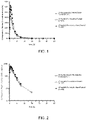
- This example was performed to determine the plasma pharmacokinetic (PK) and bioavailability of a solid dose formulation of [5(4,6-dimethyl-pyrimidin-2-yl)-hexahydro-pyrrolo[3,4-c]pyrrol-2-yl]-(2-fluoro-2-[1,2,3]triazol-2-yl-phenyl)-methanone (Compound A) after single dose tablet administration relative to a suspension formulation. Also addressed are the effect of a semi-fasted condition on the rate and extent of bioavailability of the solid dose formulation and tolerability of the solid and oral suspension formulations.
- the internal standard was isotope labeled [5(4,6-dimethyl-pyrimidin-2-yl)-hexahydro-pyrrolo[3,4-c]pyrrol-2-yl]-(2-fluoro-2-[1,2,3]triazol-2-yl-phenyl)-methanone which has the following structure.
- step b was performed using isotope labeled Intermediate 92, i.e ., 2-(4,6-dimethylpyrimidin-2-yl)octahydropyrrolo[3,4-c]pyrrole, bis-HCl salt, which was prepared using isotope labelled 2-chloro-4,6-dimethyl pyrimidine of the following structure:
- the suspension containing Compound A was prepared by reconstituting a powder (100 mg Compound A) with hypromellose (5 mg/mL) solution to provide an oral 5 mg/mL oral suspension of Compound A.
- the hypromellose used for reconstitution is a 0.5% hypromellose solution in sterile water for injection.
- Tablets containing Compound A contained the components set forth in Table 5.
- Table 5 Component Quantity/Unit Dose (in mg/tablet) (in % w/w) Compound A 20 13.3 Lactose monohydrate 80 53.3 Microcrystalline cellulose 40.5 27 Crospovidone 7.5 5 Silica colloidal 1 0.7 Magnesium stearate 1 0.7 Total 150 100
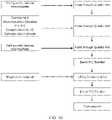
- the tablets were prepared as described in FIG. 16 and according to the following direct compression process:
- This study consisted of 3 phases: an eligibility screening examination (between 21 days and 2 days prior to first dose administration), a 3-way crossover single dose open-label treatment phase which consisted of 3 treatment periods separated by a washout period of at least 6 days between dosing, and a follow-up visit (within 7 to 14 days after last dose administration).
- a mixed-effect model was applied to the natural log transformed C max and AUC.
- the model included sequence, period, treatment as fixed effects, and subject as a random effect. For each of the parameters, the comparisons included:
- This example was performed as a multi-center, double-blind, diphenhydramine and placebo-controlled study. Men and women with a diagnosis of MDD between the ages of 18 and 64, inclusive, were enrolled. At screening, the subjects had a total score of ⁇ 30 on the IDS-C 30 , corresponding to moderate to severe depression.
- Plasma samples were collected for the assessment of biomarkers, among others.
- Venous blood samples (3 mL each) were collected in fasting condition between 8:00 and 10:00 am for the determination of [5(4,6-dimethyl-pyrimidin-2-yl)-hexahydro-pyrrolo[3,4-c]pyrrol-2-yl]-(2-fluoro-2-[1,2,3]triazol-2-yl-phenyl)-methanone plasma concentrations and biomarkers related to immune system activity, Hypothalamus pituitary adrenal (HPA) axis activation, neurotropic factors and metabolic factors were measured.
- Pharmacokinetic (PK) blood samples also were collected. Plasma samples were analyzed to determine concentrations of Compound A using LC-MS/MS.
- Saliva was collected for the measurement of concentrations of cortisol. Saliva concentrations of cortisol were added as a biomarker.
- MINI Mini International Neuropsychiatric Interview
- HDRS17 Hamilton rating scale for Depression-17
- PSG polysomnography
- LSP latency to persistent sleep
- TST total sleep time
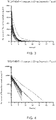
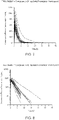
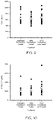
- Compound A was found to be an orally active, selective antagonist of the orexin-2 receptor. After oral administration of 20 mg, Compound A had a short time to maximal plasma concentrations (T max ⁇ 1 hour) and was characterized by a short half-life (2 - 3 hours). Daytime administration of Compound A induced somnolence in healthy subjects while nighttime administration reduced the latency to persistent sleep (LPS) and prolongs the total sleep time (TST) in subjects with insomnia disorder (ID). The magnitude of the effect of Compound A on LPS and TST is directly related to level of insomnia at baseline. See, FIGs. 12-15 .
- a HDRS 17 total score was calculated by summing the 17 item scores taken during the study.
- a HDRS 17 total score ranges from 0 to 52, with higher scores indicating greater severity of depression.
- sleep-related items were removed from the HDRS 17 to calculate a (sleep item)-adjusted HDRS.
- an adjusted HDRS 17 total score was calculated by summing the item scores excluding the 3 insomnia questions (4-Insomnia Early, 5-Insomnia Middle and 6-Insomnia Late).
- a HDRS 17 adjusted total score ranges from 0 to 46.
- a 6-item subscale from the HDRS 17 (HAM-D 6 ) was analyzed and provided information to core depressive symptoms and is sensitive to treatment response.
- Table 7 illustrate that the improvement in the total HDRS 17 observed after administration of 20 mg of Compound A is mostly unrelated to changes in sleep (-5.5 versus -4.5 points) whereas sleep-related changes appear to more important for diphenhydramine (-4.1 versus -2.3).
- the HAM-D 6 score was calculated by summing the 6 items scores, and ranges from 0 to 22. Higher scores indicate greater severity of core symptoms.
- Table 8 illustrate that the change from baseline in the HDRS anxiety / somatization factor did not account for the observed improvement in depression ratings in the Compound A group. However, the core symptoms of depression (per HAM-D 6 ) did account for the observed improvement in depression ratings in the Compound A group.
- PSG polysomnography
- TST is defined as total minutes spent in rapid eye movement (REM) and non-REM sleep. Compared to placebo, both Compound A and diphenhydramine increased TST overnight on Day 1/2. Because of an increase in TST in placebo-treated subjects on Day 10/11, the relative effect of Compound A and diphenhydramine were less pronounced. See, Table 9. Although the overall study population did not meet criteria for insomnia disorder (TST ⁇ 360 minutes), individual subjects had baseline TST values as low as 263 minutes. Thus, the population was mixed with respect to the presence of insomnia disorder.
- LPS is defined as the elapsed time (in minutes) from lights out to 10 minutes of continuous sleep. Compared to placebo, both Compound A and diphenhydramine modestly reduced LPS overnight on Day 1/2. Because of a decrease in LPS in placebo-treated subjects overnight on Day 10/11, the relative effect of Compound A and diphenhydramine were less pronounced. See, Table 10. Overall, the study population was characterized by a prolonged (> 20 minutes) LPS. Similar as for TST, the population was mixed with respect to the presence of insomnia disorders at baseline with LPS values as low as 4.5 minutes.
- Compound A may be used in an adjunctive therapy. Specifically, Compound A was administered to subjects diagnosed with MDD (i) as a monotherapy and (ii) in combination with a known anti-depressant and the symptoms of depression of the subjects evaluated using the HDRS17 and HAM-D6 scale
- Group 1 thirty seven subjects were randomly assigned (in a 2:1:1 ratio) to 20 mg of Compound A, 25 mg diphenhydramine or placebo q.d. in the evening over 10 days.
- Group 2 ten subjects were randomly assigned (in a 2:1:1 ratio) to 20 mg of Compound A, 25 mg diphenhydramine or placebo q.d. in the evening over 10 days.
- Each subject in Group 2 also took an amount of antidepressant selected from duloxetine, citalopram, paroxetine, or sertraline and as prescribed by their attending physician.
- assessments were independently performed at screening and on Day 11, i.e., one day after the study, using HDRS 17 and HAM-D 6 as described in Example 2.
- Tables 11 and 12 The results of the evaluations are summarized in Tables 11 and 12.
- # denotes the Cohen effect size
- ⁇ denotes P ⁇ 0.05 (statistically significant)
- ⁇ denotes P ⁇ 0.01.
- Compound A has antidepressant efficacy in untreated and antidepressant drug-treated subjects with MDD supporting its efficacy as monotherapy and adjunctive therapy.
- the invention also provides the following numbered embodiments.
Landscapes
- Health & Medical Sciences (AREA)
- Chemical & Material Sciences (AREA)
- Life Sciences & Earth Sciences (AREA)
- Medicinal Chemistry (AREA)
- Pharmacology & Pharmacy (AREA)
- Animal Behavior & Ethology (AREA)
- General Health & Medical Sciences (AREA)
- Public Health (AREA)
- Veterinary Medicine (AREA)
- Epidemiology (AREA)
- Engineering & Computer Science (AREA)
- Chemical Kinetics & Catalysis (AREA)
- Organic Chemistry (AREA)
- Nuclear Medicine, Radiotherapy & Molecular Imaging (AREA)
- General Chemical & Material Sciences (AREA)
- Bioinformatics & Cheminformatics (AREA)
- Pain & Pain Management (AREA)
- Psychiatry (AREA)
- Biomedical Technology (AREA)
- Neurology (AREA)
- Neurosurgery (AREA)
- Dispersion Chemistry (AREA)
- Inorganic Chemistry (AREA)
- Molecular Biology (AREA)
- Biophysics (AREA)
- Nutrition Science (AREA)
- Physiology (AREA)
- Pharmaceuticals Containing Other Organic And Inorganic Compounds (AREA)
- Medicines That Contain Protein Lipid Enzymes And Other Medicines (AREA)
- Nitrogen Condensed Heterocyclic Rings (AREA)
- Medicinal Preparation (AREA)
- Acyclic And Carbocyclic Compounds In Medicinal Compositions (AREA)
Applications Claiming Priority (3)
| Application Number | Priority Date | Filing Date | Title |
|---|---|---|---|
| US201662306487P | 2016-03-10 | 2016-03-10 | |
| PCT/US2017/021565 WO2017156266A1 (en) | 2016-03-10 | 2017-03-09 | Methods of treating depression using orexin-2 receptor antagonists |
| EP17764092.7A EP3426251B1 (en) | 2016-03-10 | 2017-03-09 | Methods of treating depression using orexin-2 receptor antagonists |
Related Parent Applications (1)
| Application Number | Title | Priority Date | Filing Date |
|---|---|---|---|
| EP17764092.7A Division EP3426251B1 (en) | 2016-03-10 | 2017-03-09 | Methods of treating depression using orexin-2 receptor antagonists |
Publications (1)
| Publication Number | Publication Date |
|---|---|
| EP4091634A1 true EP4091634A1 (en) | 2022-11-23 |
Family
ID=59776691
Family Applications (2)
| Application Number | Title | Priority Date | Filing Date |
|---|---|---|---|
| EP22168101.8A Pending EP4091634A1 (en) | 2016-03-10 | 2017-03-09 | Methods of treating depression using orexin-2 receptor antagonists |
| EP17764092.7A Active EP3426251B1 (en) | 2016-03-10 | 2017-03-09 | Methods of treating depression using orexin-2 receptor antagonists |
Family Applications After (1)
| Application Number | Title | Priority Date | Filing Date |
|---|---|---|---|
| EP17764092.7A Active EP3426251B1 (en) | 2016-03-10 | 2017-03-09 | Methods of treating depression using orexin-2 receptor antagonists |
Country Status (35)
Families Citing this family (17)
| Publication number | Priority date | Publication date | Assignee | Title |
|---|---|---|---|---|
| ME03452B (me) | 2009-10-23 | 2020-01-20 | Janssen Pharmaceutica Nv | Disupstituisani oktahi-dropirolo[3,4-c]piroli kao modulatori oreksin receptora |
| MD3426251T2 (ro) * | 2016-03-10 | 2022-09-30 | Janssen Pharmaceutica Nv | Metode de tratament al depresiei utilizând antagoniști ai receptorului orexină-2 |
| WO2020023723A1 (en) * | 2018-07-27 | 2020-01-30 | Icahn School Of Medicine At Mount Sinai | Method of treating aggression with orexin receptor antagonists |
| WO2020100011A1 (en) | 2018-11-14 | 2020-05-22 | Janssen Pharmaceutica Nv | Improved synthetic methods of making fused heterocyclic compounds as orexin receptor modulators |
| AU2020223284A1 (en) * | 2019-02-17 | 2021-09-16 | Neurawell Therapeutics | Compositions and methods for treatment of depression and other disorders |
| PH12022550295A1 (en) | 2019-08-07 | 2022-11-21 | Janssen Pharmaceutica Nv | Improved synthetic methods of making (2h-1,2,3-triazol-2-yl)phenyl compounds as orexin receptor modulators |
| KR102119231B1 (ko) | 2019-09-05 | 2020-06-04 | 정소진 | 코르크칩을 이용한 신발용 밑창의 제조방법 및 그 제조방법에 의해 제조되는 신발용 밑창, 이를 포함하는 신발 |
| WO2022122009A1 (zh) * | 2020-12-11 | 2022-06-16 | 苏州晶云药物科技股份有限公司 | 吡咯类衍生化合物的晶型及其制备方法 |
| WO2022194122A1 (zh) * | 2021-03-16 | 2022-09-22 | 上海翰森生物医药科技有限公司 | 含氮杂环的多环化合物及其制备方法和应用 |
| CN113393944A (zh) * | 2021-06-17 | 2021-09-14 | 中国科学院长春应用化学研究所 | 基于代谢组学的芪参颗粒治疗慢性心力衰竭的药代动力学-药效动力学分析方法 |
| KR20230074653A (ko) | 2021-11-19 | 2023-05-31 | 고려대학교 세종산학협력단 | 신규 우레아계 또는 카바메이트계 p2x7 수용체 길항제 및 이를 유효성분으로 포함하는 주요 우울 장애의 예방 또는 치료용 약학 조성물 |
| WO2023180556A1 (en) * | 2022-03-24 | 2023-09-28 | Janssen Pharmaceutica Nv | Methods for treating agitation in subjects with mild cognitive impairment or major neurocognition disorder |
| AU2023340064A1 (en) * | 2022-09-14 | 2025-03-20 | Jiangsu Hansoh Pharmaceutical Group Co., Ltd. | Free base crystal form of polycyclic compound of nitrogen-containing heterocycle, and preparation method therefor |
| TW202440545A (zh) * | 2022-12-12 | 2024-10-16 | 大陸商江蘇恩華藥業股份有限公司 | 取代四氫環戊基〔c〕吡咯衍生物、製備方法、中間體及其用途 |
| JP7626487B2 (ja) * | 2022-12-16 | 2025-02-04 | 株式会社エフアンドエフ | 認知症及び/又はうつ病推定aiシステム並びに教師データ作成方法 |
| AU2024305901A1 (en) * | 2023-06-29 | 2026-02-12 | Janssen Pharmaceutica Nv | Method of treating depression using seltorexant |
| CN117338772B (zh) * | 2023-11-22 | 2024-04-09 | 徐州医科大学 | 一种药物组合物及其在制备用于预防和/或治疗重性抑郁障碍的药物中的应用 |
Citations (4)
| Publication number | Priority date | Publication date | Assignee | Title |
|---|---|---|---|---|
| US20060241102A1 (en) * | 2003-07-25 | 2006-10-26 | Kyowa Hakko Kogyo Co., Ltd. | Medicinal compositions |
| US8653263B2 (en) | 2009-10-23 | 2014-02-18 | Janssen Pharmaceutica | Disubstituted octahydropyrrolo[3,4-c]pyrroles as orexin receptor modulators |
| US20140171430A1 (en) | 2011-04-20 | 2014-06-19 | Janssen Pharmaceutica Nv | Disubstituted octahydropyrrolo [3,4-c] pyrroles as orexin receptor modulators |
| WO2015095108A1 (en) * | 2013-12-18 | 2015-06-25 | Merck Sharp & Dohme Corp. | Thioether-piperidinyl orexin receptor antagonists |
Family Cites Families (146)
| Publication number | Priority date | Publication date | Assignee | Title |
|---|---|---|---|---|
| NL7503310A (nl) * | 1975-03-20 | 1976-09-22 | Philips Nv | Verbindingen met antidepressieve werking. |
| GB1526331A (en) * | 1976-01-14 | 1978-09-27 | Kefalas As | Phthalanes |
| KR19990022524A (ko) | 1995-06-06 | 1999-03-25 | 웨인스톡 스티븐 에프. | 퀴놀리지논형화합물 |
| GB9519563D0 (en) | 1995-09-26 | 1995-11-29 | Merck Sharp & Dohme | Therapeutic agents |
| AU3555200A (en) | 1999-03-17 | 2000-10-04 | F. Hoffmann-La Roche Ag | Oxazolone derivatives and their use as alpha-1 adrenoreceptor modulators |
| US6375897B1 (en) | 2000-02-14 | 2002-04-23 | Ansys Technologies, Inc. | Urine collection cup |
| MY145722A (en) | 2000-04-27 | 2012-03-30 | Abbott Lab | Diazabicyclic central nervous system active agents |
| US6809105B2 (en) | 2000-04-27 | 2004-10-26 | Abbott Laboratories | Diazabicyclic central nervous system active agents |
| EP1288202A4 (en) | 2000-05-11 | 2003-07-02 | Banyu Pharma Co Ltd | N-acyltetrahydroisoquinoline derivatives |
| SE0100326D0 (sv) | 2001-02-02 | 2001-02-02 | Astrazeneca Ab | New compounds |
| WO2002070527A1 (en) | 2001-03-02 | 2002-09-12 | Akzo Nobel N.V. | Mass-selective purification of organometallics |
| EP1368354A1 (en) | 2001-03-07 | 2003-12-10 | Pfizer Products Inc. | Modulators of chemokine receptor activity |
| CZ20033437A3 (cs) | 2001-06-28 | 2004-09-15 | Smithkline Beecham P.L.C. | N-Aroylové cyklické aminové deriváty jako antagonisté orexinového receptoru |
| US6455722B1 (en) | 2001-06-29 | 2002-09-24 | Pabu Services, Inc. | Process for the production of pentaerythritol phosphate alcohol |
| GB2383315B (en) | 2001-12-18 | 2005-04-06 | Christopher Donald Clarke | Vehicle imaging system |
| GB0130341D0 (en) | 2001-12-19 | 2002-02-06 | Smithkline Beecham Plc | Compounds |
| DE10226943A1 (de) | 2002-06-17 | 2004-01-08 | Bayer Ag | Phenylaminopyrimidine und ihre Verwendung |
| CA2460051A1 (en) | 2002-07-09 | 2004-01-15 | Actelion Pharmaceuticals Ltd. | 7,8,9,10-tetrahydro-6h-azepino, 6,7,8,9-tetrahydro-pyrido and 2,3-dihydro-2h-pyrrolo[2,1-b]-quinazolinone derivatives |
| RU2334735C2 (ru) | 2002-10-11 | 2008-09-27 | Актелион Фармасьютиклз Лтд. | Производные сульфониламиноуксусной кислоты и их применение в качестве антагонистов рецепторов орексина |
| GB0225944D0 (en) | 2002-11-06 | 2002-12-11 | Glaxo Group Ltd | Novel compounds |
| ES2327737T3 (es) | 2003-03-26 | 2009-11-03 | Actelion Pharmaceuticals Ltd. | Derivados de tetrahidroisoquinolil acetamida para uso como antagonistas de receptores de orexina. |
| ES2297413T3 (es) | 2003-04-28 | 2008-05-01 | Actelion Pharmaceuticals Ltd. | Derivados de quinoxalinona-3-ona utilizados como antagonistas del receptor de orexina. |
| US20040242641A1 (en) | 2003-05-27 | 2004-12-02 | Buckley Michael J. | (1S,5S)-3-(5,6-dichloro-3-pyridinyl)-3,6-diazabicyclo[3.2.0]heptane is an effective analgesic agent |
| WO2005005439A1 (en) | 2003-07-09 | 2005-01-20 | Suven Life Sciences Limited | Benzothiazino indoles |
| WO2005023231A1 (en) | 2003-09-10 | 2005-03-17 | MAX-PLANCK-Gesellschaft zur Förderung der Wissenschaften e.V. | Polypyrimidine tract binding protein promotes insulin secretory granule biogenesis |
| US7399765B2 (en) | 2003-09-19 | 2008-07-15 | Abbott Laboratories | Substituted diazabicycloalkane derivatives |
| US20050065178A1 (en) | 2003-09-19 | 2005-03-24 | Anwer Basha | Substituted diazabicycloakane derivatives |
| PL1691811T3 (pl) | 2003-12-11 | 2014-12-31 | Sunovion Pharmaceuticals Inc | Skojarzenie leku uspokajającego i modulatora neuroprzekaźnikowego oraz sposoby poprawy jakości snu i leczenia depresji |
| HUP0400405A3 (en) | 2004-02-10 | 2009-03-30 | Sanofi Synthelabo | Pyrimidine derivatives, process for producing them, their use, pharmaceutical compositions containing them and their intermediates |
| CA2557163C (en) | 2004-03-01 | 2011-08-16 | Idorsia Pharmaceuticals Ltd | Substituted 1,2,3,4-tetrahydroisoquinoline derivatives |
| US7435831B2 (en) | 2004-03-03 | 2008-10-14 | Chemocentryx, Inc. | Bicyclic and bridged nitrogen heterocycles |
| US7435830B2 (en) | 2004-03-03 | 2008-10-14 | Chemocentryx, Inc. | Bicyclic and bridged nitrogen heterocycles |
| WO2006012470A1 (en) | 2004-07-22 | 2006-02-02 | Cumbre Pharmaceuticals Inc. | Rifamycin derivatives for treating microbial infections |
| US20070270417A1 (en) | 2004-07-22 | 2007-11-22 | Glaxo Group Limited | Antibacterial Agents |
| FR2874011B1 (fr) | 2004-08-03 | 2007-06-15 | Sanofi Synthelabo | Derives de sulfonamides, leur preparation et leur application en therapeutique |
| JP2008519078A (ja) | 2004-11-04 | 2008-06-05 | ニューロゲン コーポレイション | Cb1拮抗薬としてのアリールアルキル尿素類 |
| JP2008520644A (ja) | 2004-11-24 | 2008-06-19 | ファイザー・インク | オクタヒドロピロロ[3,4−c]ピロール誘導体 |
| DE102004061344A1 (de) | 2004-12-20 | 2006-07-06 | Siemens Ag | Verfahren zur sicheren Auslegung eines Systems, zugehörige Systemkomponente und Software |
| US20060258691A1 (en) | 2005-05-13 | 2006-11-16 | Joseph Barbosa | Methods and compositions for improving cognition |
| ES2434467T3 (es) * | 2005-05-13 | 2013-12-16 | Lexicon Pharmaceuticals, Inc. | Compuestos multicíclicos y métodos para su uso |
| GB0510204D0 (en) | 2005-05-19 | 2005-06-22 | Chroma Therapeutics Ltd | Enzyme inhibitors |
| US20080175795A1 (en) | 2005-06-30 | 2008-07-24 | Bexel Pharmaceuticals, Inc. | Novel derivatives of amino acids for treatment of obesity and related disorders |
| GB0514018D0 (en) | 2005-07-07 | 2005-08-17 | Ionix Pharmaceuticals Ltd | Chemical compounds |
| JP2009506061A (ja) | 2005-08-26 | 2009-02-12 | メルク エンド カムパニー インコーポレーテッド | ジアザスピロデカンオレキシン受容体拮抗薬 |
| FR2896798A1 (fr) | 2006-01-27 | 2007-08-03 | Sanofi Aventis Sa | Derives de sulfonamides, leur preparation et leur application en therapeutique |
| FR2896799B1 (fr) | 2006-02-02 | 2008-03-28 | Sanofi Aventis Sa | Derives de sulfonamides, leur preparation et leur application en therapeutique |
| US7553836B2 (en) | 2006-02-06 | 2009-06-30 | Bristol-Myers Squibb Company | Melanin concentrating hormone receptor-1 antagonists |
| EP2001485B1 (en) | 2006-03-29 | 2015-09-09 | Merck Sharp & Dohme Corp. | Diazepan orexin receptor antagonists |
| WO2007126934A2 (en) | 2006-03-29 | 2007-11-08 | Merck & Co., Inc. | Amidoethylthioether orexin receptor antagonists |
| DE602007012072D1 (de) | 2006-04-26 | 2011-03-03 | Actelion Pharmaceuticals Ltd | Orantagonisten |
| WO2007146761A2 (en) | 2006-06-12 | 2007-12-21 | Neurogen Corporation | Diaryl pyrimidinones and related compounds |
| EP2049110B1 (en) | 2006-07-14 | 2014-08-20 | Merck Sharp & Dohme Corp. | Bridged diazepan orexin receptor antagonists |
| US20090192143A1 (en) | 2006-07-14 | 2009-07-30 | Cox Christopher D | Substituted diazepan orexin receptor antagonists |
| AU2007272795A1 (en) | 2006-07-14 | 2008-01-17 | Merck & Co., Inc. | 2-substituted proline bis-amide orexin receptor antagonists |
| JP2010500401A (ja) | 2006-08-15 | 2010-01-07 | アクテリオン ファーマシューティカルズ リミテッド | アゼチジン化合物 |
| ATE458740T1 (de) | 2006-08-28 | 2010-03-15 | Actelion Pharmaceuticals Ltd | 1,4,5,6,7,8-hexahydro-1,2,5-triaza-azulen- derivate als orexinrezeptor-antagonisten |
| DE602007007497D1 (de) | 2006-09-18 | 2010-08-12 | Hoffmann La Roche | Octahydropyrroloä3,4-cüpyrrolderivate und ihre verwendung als antivirale mittel |
| JP2010504957A (ja) | 2006-09-29 | 2010-02-18 | アクテリオン ファーマシューティカルズ リミテッド | 3−アザ−ビシクロ[3.1.0]ヘキサン誘導体 |
| WO2008052139A2 (en) | 2006-10-25 | 2008-05-02 | Somaxon Pharmaceuticals, Inc. | Ultra low dose doxepin and methods of using the same to treat sleep disorders |
| CA2668811A1 (en) | 2006-11-07 | 2008-06-05 | Lexicon Pharmaceuticals, Inc. | Methods of treating cognitive impairment and dementia |
| PE20081229A1 (es) | 2006-12-01 | 2008-08-28 | Merck & Co Inc | Antagonistas de receptor de orexina de diazepam sustituido |
| WO2008070795A2 (en) | 2006-12-06 | 2008-06-12 | Somaxon Pharmaceuticals, Inc. | Combination therapy using low-dose doxepin for the improvement of sleep |
| WO2008078291A1 (en) | 2006-12-22 | 2008-07-03 | Actelion Pharmaceuticals Ltd | 5,6,7,8-tetrahydro-imidazo[1,5-a]pyrazine derivatives |
| CL2008000836A1 (es) | 2007-03-26 | 2008-11-07 | Actelion Pharmaceuticals Ltd | Compuestos derivados de tiazolidina, antagonistas del receptor de orexina; composicion farmaceutica que los comprende; y su uso en el tratamiento de neurosis emocional, depresion grave, trastornos psicoticos, alzheimer, parkinson, dolor, entre otras. |
| US7851622B2 (en) | 2007-04-25 | 2010-12-14 | Bristol-Myers Squibb Company | Non-basic melanin concentrating hormone receptor-1 antagonists |
| JP2010527924A (ja) | 2007-05-18 | 2010-08-19 | メルク・シャープ・エンド・ドーム・コーポレイション | オキソ架橋ジアゼパンオレキシン受容体アンタゴニスト |
| FR2918061B1 (fr) | 2007-06-28 | 2010-10-22 | Sanofi Aventis | Derives de 6-cycloamino-3-(pyridin-4-yl)imidazo°1,2-b!- pyridazine,leur preparation et leur application en therapeutique. |
| BRPI0812981A2 (pt) | 2007-07-03 | 2014-12-16 | Glaxo Group Ltd | Derivados de piperidina úteis como antagonistas dos receptores de orexina |
| ES2371514T3 (es) | 2007-07-03 | 2012-01-04 | Actelion Pharmaceuticals Ltd. | Compuestos de 3-aza-biciclo[3.3.0]octano. |
| GB0712888D0 (en) | 2007-07-03 | 2007-08-15 | Glaxo Group Ltd | Novel compounds |
| US20090011994A1 (en) | 2007-07-06 | 2009-01-08 | Bristol-Myers Squibb Company | Non-basic melanin concentrating hormone receptor-1 antagonists and methods |
| WO2009011775A1 (en) | 2007-07-13 | 2009-01-22 | Merck & Co., Inc. | Amidoethyl alkylamino orexin receptor antagonists |
| FR2918986B1 (fr) | 2007-07-19 | 2009-09-04 | Sanofi Aventis Sa | Derives de 6-cycloamino-3-(pyridazin-4-yl)imidazo[1,2-b]- pyridazine, leur preparation et leur application en therapeutique |
| EP2183246A2 (en) | 2007-07-27 | 2010-05-12 | Actelion Pharmaceuticals Ltd. | 2-aza-bicyclo-[3.3.0]-octane derivatives |
| EP2185503A1 (en) | 2007-08-02 | 2010-05-19 | F. Hoffmann-Roche AG | Monoamide derivatives as orexin receptor antagonists |
| KR20100055464A (ko) | 2007-08-15 | 2010-05-26 | 액테리온 파마슈티칼 리미티드 | 오렉신 길항제로서의 1,2-디아미도-에틸렌 유도체 |
| JP2010540429A (ja) | 2007-09-24 | 2010-12-24 | アクテリオン ファーマシューティカルズ リミテッド | オレキシン受容体拮抗薬としてのピロリジン類及びピペリジン類 |
| AU2008319419A1 (en) | 2007-10-29 | 2009-05-07 | Merck Sharp & Dohme Corp. | Substituted diazepan orexin receptor antagonists |
| EP2058001A1 (en) | 2007-11-08 | 2009-05-13 | Crossbeta Biosciences B.V. | Enhancement of immunogenicity of antigens |
| CA2709514A1 (en) | 2007-12-21 | 2009-07-02 | Astrazeneca Ab | Bicyclic derivatives for use in the treatment of androgen receptor associated conditions |
| AU2008340421B2 (en) | 2007-12-21 | 2013-12-19 | F. Hoffmann-La Roche Ag | Heteroaryl derivatives as orexin receptor antagonists |
| GB0806536D0 (en) | 2008-04-10 | 2008-05-14 | Glaxo Group Ltd | Novel compounds |
| EP3085231A1 (en) | 2008-05-27 | 2016-10-26 | Intra-Cellular Therapies, Inc. | Method and compositions for sleep disorders and other disorders |
| WO2010012620A1 (en) | 2008-07-29 | 2010-02-04 | F. Hoffmann-La Roche Ag | Pyrrolidin-3-ylmethyl-amine as orexin antagonists |
| AR072899A1 (es) | 2008-08-07 | 2010-09-29 | Merck Sharp & Dohme | Derivados de terpiridina-carboxamida antagonistas de receptores de orexina, composiciones farmaceuticas que los contienen y uso de los mismos en el tratamiento del insomnio y la obesidad. |
| US8129384B2 (en) | 2008-10-09 | 2012-03-06 | Glaxo Group Limited | Imidazo[1,2-a]pyrazines as orexin receptor antagonists |
| US8093255B2 (en) | 2008-10-09 | 2012-01-10 | Glaxo Group Limited | Imidazo[1,2-A]pyrimidines as orexin receptor antagonists |
| US20100267730A1 (en) | 2008-10-09 | 2010-10-21 | Giuseppe Alvaro | Novel compounds |
| WO2010048016A1 (en) | 2008-10-21 | 2010-04-29 | Merck Sharp & Dohme Corp. | 2,3-disubstituted piperidine orexin receptor antagonists |
| JP2012506374A (ja) | 2008-10-21 | 2012-03-15 | メルク・シャープ・エンド・ドーム・コーポレイション | 2,5−二置換ピペリジンオレキシン受容体アンタゴニスト |
| EP2348846B1 (en) | 2008-10-21 | 2013-08-28 | Merck Sharp & Dohme Corp. | Disubstituted azepan orexin receptor antagonists |
| WO2010048014A1 (en) | 2008-10-21 | 2010-04-29 | Merck Sharp & Dohme Corp. | 2,4-disubstituted pyrrolidine orexin receptor antagonists |
| EP2349270B1 (en) | 2008-10-21 | 2015-09-09 | Merck Sharp & Dohme Corp. | 2,5-disubstituted morpholine orexin receptor antagonists |
| US8710076B2 (en) | 2008-10-21 | 2014-04-29 | Merck Sharp & Dohme Corp. | 2,5-disubstituted piperidine orexin receptor antagonists |
| US8399494B2 (en) | 2008-10-30 | 2013-03-19 | Merck Sharp & Dohme Corp. | 2,5-disubstituted phenyl carboxamide orexin receptor antagonists |
| MX2011004551A (es) | 2008-10-30 | 2011-05-25 | Merck Sharp & Dohme | Antagonistas del receptor de orexina de isonicotinamida. |
| AU2009308982A1 (en) | 2008-10-30 | 2010-05-06 | Merck Sharp & Dohme Corp. | Pyridazine carboxamide orexin receptor antagonists |
| WO2010060470A1 (en) | 2008-11-26 | 2010-06-03 | Glaxo Group Limited | Piperidine derivatives useful as orexin receptor antagonists |
| WO2010060471A1 (en) | 2008-11-26 | 2010-06-03 | Glaxo Group Limited | Piperidine derivatives useful as orexin receptor antagonists |
| EP2358713A1 (en) | 2008-11-26 | 2011-08-24 | Glaxo Group Limited | Imidazopyridazine derivatives acting as orexin antagonists |
| AU2009324238A1 (en) | 2008-12-02 | 2010-06-10 | Glaxo Group Limited | N-{[(IR,4S,6R-3-(2-pyridinylcarbonyl)-3-azabicyclo [4.1.0] hept-4-yl] methyl}-2-heteroarylamine derivatives and uses thereof |
| US20100144760A1 (en) | 2008-12-02 | 2010-06-10 | Giuseppe Alvaro | Novel compounds |
| GB0823467D0 (en) | 2008-12-23 | 2009-01-28 | Glaxo Group Ltd | Novel Compounds |
| US20100214135A1 (en) | 2009-02-26 | 2010-08-26 | Microsoft Corporation | Dynamic rear-projected user interface |
| EP2421850A1 (en) | 2009-04-24 | 2012-02-29 | Glaxo Group Limited | 3 -azabicyclo [4.1.0]heptanes used as orexin antagonists |
| WO2011023585A1 (en) | 2009-08-24 | 2011-03-03 | Glaxo Group Limited | Piperidine derivatives used as orexin antagonists |
| JP2013502447A (ja) | 2009-08-24 | 2013-01-24 | グラクソ グループ リミテッド | 睡眠障害の治療のためのオレキシン受容体アンタゴニストとしての5−メチル−ピペリジン誘導体 |
| JP5847087B2 (ja) | 2009-10-23 | 2016-01-20 | ヤンセン ファーマシューティカ エヌ.ベー. | オレキシン受容体調節因子としての縮合複素環式化合物 |
| WO2011050202A1 (en) | 2009-10-23 | 2011-04-28 | Janssen Pharmaceutica Nv | Fused heterocyclic compounds as orexin receptor modulators |
| WO2011050199A1 (en) | 2009-10-24 | 2011-04-28 | Anantha Shekhar | Methods and compositions for panic disorders |
| TWI410630B (zh) | 2009-11-10 | 2013-10-01 | Ct Lab Inc | 一種用以治療與食慾素受體1、食慾素受體2、體抑素受體2或多巴胺d2l受體相關之疾病的方法和組合物 |
| PL2516425T3 (pl) | 2009-12-23 | 2016-03-31 | Jasco Pharmaceuticals Llc | Inhibitory kinaz aminopirydynowych |
| MX2013006715A (es) | 2010-12-17 | 2013-08-26 | Taisho Pharmaceutical Co Ltd | Derivado de pirazol. |
| WO2012089606A1 (en) | 2010-12-28 | 2012-07-05 | Glaxo Group Limited | Azabicyclo [4.1.0] hept - 4 - yl derivatives as human orexin receptor antagonists |
| WO2012089607A1 (en) | 2010-12-28 | 2012-07-05 | Glaxo Group Limited | Novel compounds with a 3a-azabicyclo [4.1.0] heptane core acting on orexin receptors |
| WO2012153729A1 (ja) | 2011-05-10 | 2012-11-15 | 大正製薬株式会社 | ヘテロ芳香環誘導体 |
| US20140228377A1 (en) | 2011-07-05 | 2014-08-14 | Taisho Pharmaceutical Co., Ltd. | Methylpiperidine derivative |
| US9029364B2 (en) | 2011-10-21 | 2015-05-12 | Merck Sharp & Dohme Corp. | 2,5-disubstituted thiomorpholine orexin receptor antagonists |
| CA2863413A1 (en) | 2012-02-07 | 2013-08-15 | Eolas Therapeutics, Inc. | Substituted prolines / piperidines as orexin receptor antagonists |
| US9440982B2 (en) | 2012-02-07 | 2016-09-13 | Eolas Therapeutics, Inc. | Substituted prolines/piperidines as orexin receptor antagonists |
| US9493481B2 (en) | 2012-02-23 | 2016-11-15 | Vanderbilt University | Substituted 5-aminothieno[2,3—C]pyridazine-6-carboxamide analogs as positive allosteric modulators of the muscarinic acetylcholine receptor M4 |
| JP2014015452A (ja) | 2012-06-15 | 2014-01-30 | Taisho Pharmaceutical Co Ltd | ピラゾール誘導体を含有する医薬 |
| HK1203197A1 (en) | 2012-06-15 | 2015-10-23 | Taisho Pharmaceutical Co., Ltd. | Branched chain alkyl heteroaromatic ring derivative |
| MX355660B (es) | 2012-06-15 | 2018-04-25 | Taisho Pharmaceutical Co Ltd | Compuestos 1,3 - oxazolidina o 1,3 - oxazinano como antagonistas de receptor orexina. |
| JP2014111586A (ja) | 2012-11-09 | 2014-06-19 | Taisho Pharmaceutical Co Ltd | ヘテロ芳香環誘導体を含有する医薬 |
| WO2014085208A1 (en) | 2012-11-27 | 2014-06-05 | Merck Sharp & Dohme Corp. | 2-pyridylamino-4-nitrile-piperidinyl orexin receptor antagonists |
| JP2016028017A (ja) | 2012-12-13 | 2016-02-25 | 大正製薬株式会社 | フッ素置換ピペリジン化合物 |
| JP2014141480A (ja) | 2012-12-28 | 2014-08-07 | Taisho Pharmaceutical Co Ltd | メチルピペリジン誘導体を含有する医薬 |
| TWI621618B (zh) | 2013-03-13 | 2018-04-21 | 比利時商健生藥品公司 | 經取代2-氮雜雙環類及其作為食慾素受體調控劑之用途 |
| WO2015018027A1 (en) | 2013-08-08 | 2015-02-12 | Merck Sharp & Dohme Corp. | Thiazole orexin receptor antagonists |
| KR102373288B1 (ko) | 2013-12-03 | 2022-03-10 | 인트라-셀룰라 써래피스, 인코퍼레이티드. | 신규한 방법 |
| WO2015088865A1 (en) | 2013-12-09 | 2015-06-18 | Merck Sharp & Dohme Corp. | 2-pyridyloxy-4-methyl orexin receptor antagonists |
| JP2015131802A (ja) | 2013-12-13 | 2015-07-23 | 大正製薬株式会社 | 分岐鎖アルキルヘテロ芳香環誘導体を含有する医薬 |
| JP5930010B2 (ja) | 2013-12-13 | 2016-06-08 | 大正製薬株式会社 | ヘテロ芳香環メチル環状アミン誘導体を含有する医薬 |
| TW201613891A (en) | 2014-02-12 | 2016-04-16 | Eolas Therapeutics Inc | Substituted prolines / piperidines as orexin receptor antagonists |
| TW201613864A (en) | 2014-02-20 | 2016-04-16 | Takeda Pharmaceutical | Novel compounds |
| JP2017100951A (ja) | 2014-04-04 | 2017-06-08 | 大正製薬株式会社 | オキサゾリジノン及びオキサジナノン誘導体 |
| JP2017100950A (ja) | 2014-04-04 | 2017-06-08 | 大正製薬株式会社 | オキソ複素環誘導体 |
| CN105377840B (zh) | 2014-05-28 | 2017-12-22 | 杭州普晒医药科技有限公司 | 一种二氮杂环庚烷化合物的盐及其晶型与无定型物 |
| UY36272A (es) | 2014-08-13 | 2016-02-29 | Eolas Therapeutics Inc | Difluoropirrolidinas como moduladores de los receptores de orexinas |
| US20160051533A1 (en) | 2014-08-20 | 2016-02-25 | Ladd Research LLC | Diagnosis and pharmacological treatment of seasonal affective disorder and symptoms of seasonality |
| GB201415569D0 (en) | 2014-09-03 | 2014-10-15 | C4X Discovery Ltd | Therapeutic Compounds |
| US10196383B2 (en) | 2015-07-17 | 2019-02-05 | Sunshine Lake Pharma Co., Ltd. | Substituted quinazoline compounds and preparation and uses thereof |
| GB201601703D0 (en) | 2016-01-29 | 2016-03-16 | C4X Discovery Ltd | Therapeutic compounds |
| MD3426251T2 (ro) * | 2016-03-10 | 2022-09-30 | Janssen Pharmaceutica Nv | Metode de tratament al depresiei utilizând antagoniști ai receptorului orexină-2 |
| GB201820458D0 (en) | 2018-12-14 | 2019-01-30 | Heptares Therapeutics Ltd | Ox1 antagonists |
-
2017
- 2017-03-09 MD MDE20190089T patent/MD3426251T2/ro unknown
- 2017-03-09 EP EP22168101.8A patent/EP4091634A1/en active Pending
- 2017-03-09 MX MX2018010852A patent/MX2018010852A/es unknown
- 2017-03-09 KR KR1020237025023A patent/KR20230116948A/ko not_active Ceased
- 2017-03-09 WO PCT/US2017/021565 patent/WO2017156266A1/en not_active Ceased
- 2017-03-09 SI SI201731154T patent/SI3426251T1/sl unknown
- 2017-03-09 BR BR112018067906A patent/BR112018067906A2/pt not_active Application Discontinuation
- 2017-03-09 US US15/454,628 patent/US10828302B2/en active Active
- 2017-03-09 UA UAA201810094A patent/UA125873C2/uk unknown
- 2017-03-09 LT LTEPPCT/US2017/021565T patent/LT3426251T/lt unknown
- 2017-03-09 PL PL17764092.7T patent/PL3426251T3/pl unknown
- 2017-03-09 DK DK17764092.7T patent/DK3426251T3/da active
- 2017-03-09 EP EP17764092.7A patent/EP3426251B1/en active Active
- 2017-03-09 CA CA3016706A patent/CA3016706A1/en active Pending
- 2017-03-09 EA EA201891930A patent/EA201891930A1/ru unknown
- 2017-03-09 CN CN202210483090.9A patent/CN115154470B/zh active Active
- 2017-03-09 CN CN201780016369.3A patent/CN108883110B/zh active Active
- 2017-03-09 SM SM20220239T patent/SMT202200239T1/it unknown
- 2017-03-09 HU HUE17764092A patent/HUE058759T2/hu unknown
- 2017-03-09 IL IL288321A patent/IL288321B2/en unknown
- 2017-03-09 IL IL319248A patent/IL319248A/en unknown
- 2017-03-09 HR HRP20220642TT patent/HRP20220642T1/hr unknown
- 2017-03-09 KR KR1020187026455A patent/KR102448342B1/ko active Active
- 2017-03-09 MY MYPI2018703204A patent/MY197558A/en unknown
- 2017-03-09 KR KR1020227033141A patent/KR102559922B1/ko active Active
- 2017-03-09 RS RS20220487A patent/RS63296B1/sr unknown
- 2017-03-09 JP JP2018547296A patent/JP7066622B2/ja active Active
- 2017-03-09 PH PH1/2018/501903A patent/PH12018501903B1/en unknown
- 2017-03-09 PT PT177640927T patent/PT3426251T/pt unknown
- 2017-03-09 MA MA43817A patent/MA43817B1/fr unknown
- 2017-03-09 KR KR1020257016875A patent/KR20250083571A/ko active Pending
- 2017-03-09 MA MA43468A patent/MA43468B1/fr unknown
- 2017-03-09 ES ES17764092T patent/ES2913469T3/es active Active
- 2017-03-09 SG SG11201807597UA patent/SG11201807597UA/en unknown
- 2017-03-09 CR CR20180433A patent/CR20180433A/es unknown
- 2017-03-09 AU AU2017231828A patent/AU2017231828B2/en active Active
- 2017-03-09 CA CA2960253A patent/CA2960253A1/en active Pending
-
2018
- 2018-08-29 IL IL261461A patent/IL261461B/en unknown
- 2018-09-05 CL CL2018002533A patent/CL2018002533A1/es unknown
- 2018-09-06 NI NI201800086A patent/NI201800086A/es unknown
- 2018-09-10 SV SV2018005740A patent/SV2018005740A/es unknown
- 2018-09-12 CO CONC2018/0009561A patent/CO2018009561A2/es unknown
- 2018-09-18 DO DO2018000196A patent/DOP2018000196A/es unknown
-
2020
- 2020-11-09 US US17/092,725 patent/US11241432B2/en active Active
-
2021
- 2021-08-10 JP JP2021130744A patent/JP2021181474A/ja not_active Withdrawn
- 2021-12-15 US US17/551,955 patent/US12201634B2/en active Active
-
2022
- 2022-06-15 CY CY20221100412T patent/CY1125247T1/el unknown
- 2022-11-09 JP JP2022179528A patent/JP7534373B2/ja active Active
- 2022-11-29 AU AU2022279416A patent/AU2022279416C1/en active Active
-
2024
- 2024-02-13 JP JP2024019351A patent/JP2024056847A/ja not_active Withdrawn
-
2025
- 2025-01-10 US US19/016,620 patent/US20250221992A1/en active Pending
- 2025-05-20 AU AU2025203695A patent/AU2025203695A1/en active Pending
Patent Citations (4)
| Publication number | Priority date | Publication date | Assignee | Title |
|---|---|---|---|---|
| US20060241102A1 (en) * | 2003-07-25 | 2006-10-26 | Kyowa Hakko Kogyo Co., Ltd. | Medicinal compositions |
| US8653263B2 (en) | 2009-10-23 | 2014-02-18 | Janssen Pharmaceutica | Disubstituted octahydropyrrolo[3,4-c]pyrroles as orexin receptor modulators |
| US20140171430A1 (en) | 2011-04-20 | 2014-06-19 | Janssen Pharmaceutica Nv | Disubstituted octahydropyrrolo [3,4-c] pyrroles as orexin receptor modulators |
| WO2015095108A1 (en) * | 2013-12-18 | 2015-06-25 | Merck Sharp & Dohme Corp. | Thioether-piperidinyl orexin receptor antagonists |
Non-Patent Citations (14)
| Title |
|---|
| "Design of Prodrugs", 1985, ELSEVIER |
| "Selection", 2002, WILEY-VCH AND VHCA, article "Handbook of Pharmaceutical Salts, Properties" |
| FLEISHER, ADV. DRUG DELIVERY REV, vol. 19, 1996, pages 115 - 130 |
| G.S. PAULEKUHN: "Trends in Active Pharmaceutical Ingredient Salt Selection based on Analysis of the Orange Book Database", J. MED. CHEM., vol. 50, 2007, pages 6665 - 72, XP055536811, DOI: 10.1021/jm701032y |
| HASSANI ET AL., J NEUROSCIENCE, vol. 36, no. 5, 2016, pages 1747 - 1757 |
| LECEA ET AL., PROC. NATL. ACAD. SCI. U.S.A., vol. 95, 1998, pages 322 - 327 |
| LEE, J. NEUROSCIENCE, vol. 25, no. 8, 2005, pages 6716 - 6720 |
| MANKA JASON T ET AL: "Octahydropyrrolo[3,4-c]pyrrole negative allosteric modulators of mGlu1", BIOORGANIC & MEDICINAL CHEMISTRY LETTERS, PERGAMON, AMSTERDAM, NL, vol. 23, no. 18, 23 July 2013 (2013-07-23), pages 5091 - 5096, XP028694527, ISSN: 0960-894X, DOI: 10.1016/J.BMCL.2013.07.029 * |
| MICHAEL A. LETAVIC ET AL: "Novel Octahydropyrrolo[3,4- c ]pyrroles Are Selective Orexin-2 Antagonists: SAR Leading to a Clinical Candidate", JOURNAL OF MEDICINAL CHEMISTRY, vol. 58, no. 14, 8 July 2015 (2015-07-08), US, pages 5620 - 5636, XP055493378, ISSN: 0022-2623, DOI: 10.1021/acs.jmedchem.5b00742 * |
| PEYRON ET AL., J. NEUROSCI., vol. 18, 1998, pages 9996 - 10016 |
| ROBINSON, J. MED. CHEM., vol. 39, no. I, 1996, pages 10 - 18 |
| S.M. BERGE: "Pharmaceutical Salts", J PHARM SCI., vol. 66, 1977, pages 1 - 19, XP002675560, DOI: 10.1002/jps.2600660104 |
| SAKAURAI ET AL., CELL, vol. 92, 1998, pages 573 - 585 |
| TAKAHASHI, NEUROSCIENCE, vol. 153, 2008, pages 860 - 870 |
Also Published As
Similar Documents
| Publication | Publication Date | Title |
|---|---|---|
| US12201634B2 (en) | Methods of treating depression using orexin-2 receptor antagonists | |
| EP4063357B1 (en) | Compositions containing 2-((1-(2(4-FLUOROPHENYL)-2-OXOEETHYL)PIPERIDIN-4-YL)METHYL)ISOINDOLIN-1-ONE for the treatment of schizophrenia | |
| HK40084237A (en) | Methods of treating depression using orexin-2 receptor antagonists | |
| HK40003419A (en) | Methods of treating depression using orexin-2 receptor antagonists | |
| HK40003419B (en) | Methods of treating depression using orexin-2 receptor antagonists | |
| EA044084B1 (ru) | Способы лечения депрессии с использованием антагонистов орексиновых рецепторов-2 | |
| WO2025242852A1 (en) | Seltorexant for use in treating major depressive disorder with insomnia symptoms |
Legal Events
| Date | Code | Title | Description |
|---|---|---|---|
| PUAI | Public reference made under article 153(3) epc to a published international application that has entered the european phase |
Free format text: ORIGINAL CODE: 0009012 |
|
| STAA | Information on the status of an ep patent application or granted ep patent |
Free format text: STATUS: THE APPLICATION HAS BEEN PUBLISHED |
|
| AC | Divisional application: reference to earlier application |
Ref document number: 3426251 Country of ref document: EP Kind code of ref document: P |
|
| AK | Designated contracting states |
Kind code of ref document: A1 Designated state(s): AL AT BE BG CH CY CZ DE DK EE ES FI FR GB GR HR HU IE IS IT LI LT LU LV MC MK MT NL NO PL PT RO RS SE SI SK SM TR |
|
| STAA | Information on the status of an ep patent application or granted ep patent |
Free format text: STATUS: REQUEST FOR EXAMINATION WAS MADE |
|
| 17P | Request for examination filed |
Effective date: 20230523 |
|
| RAV | Requested validation state of the european patent: fee paid |
Extension state: MD Effective date: 20230523 Extension state: MA Effective date: 20230523 |
|
| RAX | Requested extension states of the european patent have changed |
Extension state: ME Payment date: 20230523 Extension state: BA Payment date: 20230523 |
|
| RBV | Designated contracting states (corrected) |
Designated state(s): AL AT BE BG CH CY CZ DE DK EE ES FI FR GB GR HR HU IE IS IT LI LT LU LV MC MK MT NL NO PL PT RO RS SE SI SK SM TR |
|
| P01 | Opt-out of the competence of the unified patent court (upc) registered |
Effective date: 20230526 |
|
| REG | Reference to a national code |
Ref country code: HK Ref legal event code: DE Ref document number: 40084237 Country of ref document: HK |
|
| STAA | Information on the status of an ep patent application or granted ep patent |
Free format text: STATUS: EXAMINATION IS IN PROGRESS |
|
| 17Q | First examination report despatched |
Effective date: 20250716 |