EP4088729A1 - Neuartiger lactobacillus-plantarum-stamm, davon abgeleitete polysaccharide und deren verwendung - Google Patents
Neuartiger lactobacillus-plantarum-stamm, davon abgeleitete polysaccharide und deren verwendung Download PDFInfo
- Publication number
- EP4088729A1 EP4088729A1 EP21738655.6A EP21738655A EP4088729A1 EP 4088729 A1 EP4088729 A1 EP 4088729A1 EP 21738655 A EP21738655 A EP 21738655A EP 4088729 A1 EP4088729 A1 EP 4088729A1
- Authority
- EP
- European Patent Office
- Prior art keywords
- strain
- cells
- present
- polysaccharide
- immune
- Prior art date
- Legal status (The legal status is an assumption and is not a legal conclusion. Google has not performed a legal analysis and makes no representation as to the accuracy of the status listed.)
- Granted
Links
Images








Classifications
-
- A—HUMAN NECESSITIES
- A61—MEDICAL OR VETERINARY SCIENCE; HYGIENE
- A61K—PREPARATIONS FOR MEDICAL, DENTAL OR TOILETRY PURPOSES
- A61K35/00—Medicinal preparations containing materials or reaction products thereof with undetermined constitution
- A61K35/66—Microorganisms or materials therefrom
- A61K35/74—Bacteria
- A61K35/741—Probiotics
- A61K35/744—Lactic acid bacteria, e.g. enterococci, pediococci, lactococci, streptococci or leuconostocs
- A61K35/747—Lactobacilli, e.g. L. acidophilus or L. brevis
-
- A—HUMAN NECESSITIES
- A23—FOODS OR FOODSTUFFS; TREATMENT THEREOF, NOT COVERED BY OTHER CLASSES
- A23L—FOODS, FOODSTUFFS OR NON-ALCOHOLIC BEVERAGES, NOT OTHERWISE PROVIDED FOR; PREPARATION OR TREATMENT THEREOF
- A23L33/00—Modifying nutritive qualities of foods; Dietetic products; Preparation or treatment thereof
- A23L33/10—Modifying nutritive qualities of foods; Dietetic products; Preparation or treatment thereof using additives
- A23L33/135—Bacteria or derivatives thereof, e.g. probiotics
-
- A—HUMAN NECESSITIES
- A61—MEDICAL OR VETERINARY SCIENCE; HYGIENE
- A61K—PREPARATIONS FOR MEDICAL, DENTAL OR TOILETRY PURPOSES
- A61K35/00—Medicinal preparations containing materials or reaction products thereof with undetermined constitution
- A61K35/12—Materials from mammals; Compositions comprising non-specified tissues or cells; Compositions comprising non-embryonic stem cells; Genetically modified cells
- A61K35/14—Blood; Artificial blood
- A61K35/15—Cells of the myeloid line, e.g. granulocytes, basophils, eosinophils, neutrophils, leucocytes, monocytes, macrophages or mast cells; Myeloid precursor cells; Antigen-presenting cells, e.g. dendritic cells
-
- A—HUMAN NECESSITIES
- A61—MEDICAL OR VETERINARY SCIENCE; HYGIENE
- A61K—PREPARATIONS FOR MEDICAL, DENTAL OR TOILETRY PURPOSES
- A61K35/00—Medicinal preparations containing materials or reaction products thereof with undetermined constitution
- A61K35/12—Materials from mammals; Compositions comprising non-specified tissues or cells; Compositions comprising non-embryonic stem cells; Genetically modified cells
- A61K35/14—Blood; Artificial blood
- A61K35/17—Lymphocytes; B-cells; T-cells; Natural killer cells; Interferon-activated or cytokine-activated lymphocytes
-
- A—HUMAN NECESSITIES
- A61—MEDICAL OR VETERINARY SCIENCE; HYGIENE
- A61P—SPECIFIC THERAPEUTIC ACTIVITY OF CHEMICAL COMPOUNDS OR MEDICINAL PREPARATIONS
- A61P35/00—Antineoplastic agents
-
- C—CHEMISTRY; METALLURGY
- C12—BIOCHEMISTRY; BEER; SPIRITS; WINE; VINEGAR; MICROBIOLOGY; ENZYMOLOGY; MUTATION OR GENETIC ENGINEERING
- C12N—MICROORGANISMS OR ENZYMES; COMPOSITIONS THEREOF; PROPAGATING, PRESERVING, OR MAINTAINING MICROORGANISMS; MUTATION OR GENETIC ENGINEERING; CULTURE MEDIA
- C12N1/00—Microorganisms; Compositions thereof; Processes of propagating, maintaining or preserving microorganisms or compositions thereof; Processes of preparing or isolating a composition containing a microorganism; Culture media therefor
- C12N1/20—Bacteria; Culture media therefor
- C12N1/205—Bacterial isolates
-
- C—CHEMISTRY; METALLURGY
- C12—BIOCHEMISTRY; BEER; SPIRITS; WINE; VINEGAR; MICROBIOLOGY; ENZYMOLOGY; MUTATION OR GENETIC ENGINEERING
- C12R—INDEXING SCHEME ASSOCIATED WITH SUBCLASSES C12C - C12Q, RELATING TO MICROORGANISMS
- C12R2001/00—Microorganisms ; Processes using microorganisms
- C12R2001/01—Bacteria or Actinomycetales ; using bacteria or Actinomycetales
- C12R2001/225—Lactobacillus
- C12R2001/25—Lactobacillus plantarum
-
- Y—GENERAL TAGGING OF NEW TECHNOLOGICAL DEVELOPMENTS; GENERAL TAGGING OF CROSS-SECTIONAL TECHNOLOGIES SPANNING OVER SEVERAL SECTIONS OF THE IPC; TECHNICAL SUBJECTS COVERED BY FORMER USPC CROSS-REFERENCE ART COLLECTIONS [XRACs] AND DIGESTS
- Y02—TECHNOLOGIES OR APPLICATIONS FOR MITIGATION OR ADAPTATION AGAINST CLIMATE CHANGE
- Y02A—TECHNOLOGIES FOR ADAPTATION TO CLIMATE CHANGE
- Y02A50/00—TECHNOLOGIES FOR ADAPTATION TO CLIMATE CHANGE in human health protection, e.g. against extreme weather
- Y02A50/30—Against vector-borne diseases, e.g. mosquito-borne, fly-borne, tick-borne or waterborne diseases whose impact is exacerbated by climate change
Definitions
- the present invention relates to a novel Lactobacillus plantarum IMB19 strain, a polysaccharide derived from the strain, and the use thereof, and more particularly to a Lactobacillus plantarum IMB19 strain having accession number KCTC 14337BP and having immunostimulatory activity and anti-tumor activity, a polysaccharide derived from the strain, and the use thereof for immune modulation, tumor inhibition, and treatment of an infectious disease.
- Mammals host a community of microbes that constantly interact with the immune system.
- Symbiotic microorganisms enter into a symbiotic relationship with the host and interact with the host in a variety of processes, such as digestion, behavior, and maturation of the immune system ( Cerf-Bensussan N., Gaboriau-Routhiau V. The immune system and the gut microbiota: friends or foes? Nat. Rev. Immunol. 2010;10(10):735-44 .).
- fungi exist in the human body and affect the immune system of the host ( Wheeler M.L., Limon J.J., Underhill D.M. Immunity to Commensal Fungi: Detente and Disease. Annu. Rev. Pathol.
- Innate immune cells detect various pathogen-associated molecular patterns (PAMPs) on the surface of fungal cells, including polysaccharides, through pattern recognition receptors (PRRs) such as toll-like receptors (TLRs).
- PAMPs pathogen-associated molecular patterns
- PRRs pattern recognition receptors
- TLRs toll-like receptors
- innate immune cells Upon detection of a signal, innate immune cells produce immune signaling molecules such as cytokines in order to alter gene expression profiles and control acquired immunity ( Iliev I.D., Leonardi I. Nat. Rev. Immunol. 2017;17(10):635-46 ., Underhill D.M., Iliev I.D., Nat. Rev. Immunol. 2014;14(6):405-16 ., and Brubaker S.W., Bonham K.S., Zanoni I. et al. Annu. Rev. Immunol. 2015;33:257-90 .).
- the WHO defines probiotics as live microorganisms that, when administered in appropriate amounts, are beneficial to the health of the host ( Nat. Rev. Gastroenterol Hepatol 11, 506-514 (2014 )).
- Probiotics serve as a supplement to the host's gut microflora, and have been reported to be effective in improving intestinal barrier function and modulating the host's immune system ( Microb. Ecol. Health Dis. 26, 25877 (2015 )).
- Most probiotics belong to the phylum Firmicutes, which is the largest single bacterial phylum, and most thereof are gram-positive bacteria having low "G+C" content, and are mainly classified into the Bacilli and Clostridia groups.
- Lactobacillus species is lactic acid bacteria (LAB) belonging to the family Lactobacillaceae. Lactobacillus is a well-known microbial organism having a distinct ecological status. Several types of LAB are known to be traditionally associated with foods such as milk, dairy products, fermented foods, and sausages. Lactobacilli are a group of microorganisms recognized as GRAS (Generally Regarded As Safe) by the FDA, and are widely used in food and other industries. Lactobacilli are classified as conditioned anaerobic, nonsporulation, non-motile, rod-shaped, and gram-positive bacteria, and are generally considered catalase-negative. Lactobacillus may exhibit homofermentative or heterofermentative characteristics, and produces lactic acid as a final product of primary fermentation ( Front Cell Infect Microbiol. 2, 86 (2012 )). Lactobacillus forms smooth and convex colonies.
- LAB lactic acid bacteria
- lactic acid bacteria Several types have been isolated and characterized from foods, particularly fermented foods. Fermentation generally refers to biochemical changes caused by microorganisms. Kimchi, a traditional Korean food, is mostly fermented cabbage, and has beneficial effects on nutrition and health ( Crit. Rev. Food Sci. Nutr. 34, 175-203 (1994 )). Kimchi is known to contain a unique microbial community.
- Lactobacillus plantarum is known as the most dominant strain ( Food Sci. Biotechnol. 19, 641-646 (2010 )). Lactobacillus plantarum is one of the most studied strains due to strain-specific probiotic profiles and technical application in the food industry. Most kimchi microbes may be cultured ( Int. J. Food Microbiol. 102, 143-150 (2005 )), and isolation of individual microorganisms is essential to study the benefits thereof on health.
- Tumor immunotherapy is said to be a therapeutic method for restoring or enhancing the ability of the immune system to recognize or destroy tumors in order to overcome the mechanism of immune suppression or evasion acquired by the tumor.
- an ipilimumab immunotherapeutic drug was used to successfully treat patients with malignant melanoma. Since then, various immunotherapeutic agents such as nivolumab and pembrolizumab have been continuously developed.
- Gut microbiota play an essential role in forming the host's local and systemic immune responses ( Science 330, 1768-1773 (2010 ), Cell 148, 1258-1270 (2012 )). The diversity and composition of gut microbiota have also been shown to affect responsiveness to chemotherapy ( Cancer Immunol. Immunother. 55, 1470-1479 (2006 ); Science 342, 971-976 (2013 )).
- the present inventors made great efforts to elucidate a clear correlation and mechanism between components, structures, molecular weights, etc. of microorganism-derived polysaccharides and immunomodulatory activity thereof, identified a novel Lactobacillus plantarum strain having remarkably high immune-enhancing activity from kimchi, a traditional Korean food, and deposited the same with accession number KCTC 14337BP at the Korea Biological Resource Center. Moreover, it has been confirmed that, when a host was fed with the novel strain, Lactobacillus plantarum KCTC 14337BP, the number of effector T cells was significantly increased and Treg production was inhibited, thereby stimulating the immune system in the host and inhibiting tumor growth and proliferation.
- the present inventors not only identified and characterized the novel strain, but also ascertained that the capsular polysaccharide of the novel strain and a fraction having a specific structure (CPS-100) thereof are effective molecules exhibiting immune stimulation and enhancement effects, and also that, by stimulating anti-tumor immune responses through various mechanisms, such as activation of CD8+ T-cell function, increased macrophage infiltration in tumors by CPS, and differentiation/reprogramming of macrophages to an inflammatory phenotype, it is possible to greatly inhibit tumor growth, thus culminating in the present invention.
- CPS-100 specific structure having a specific structure
- the present invention provides a Lactobacillus plantarum IMB19 strain having accession number KCTC 14337BP.
- the present invention provides a capsular polysaccharide derived from the strain having immune-enhancing activity.
- the present invention provides a method of producing a capsular polysaccharide having immune-enhancing activity including culturing the strain and obtaining a capsular polysaccharide from the cultured strain.
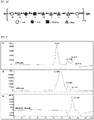
- the present invention provides a polysaccharide represented by Formula I below: [Formula I] -[-D-B-I-F-G-C-E-H-A-] n - in Formula I,
- the present invention provides a composition for immune modulation containing the strain and/or the polysaccharide as an active ingredient.
- the present invention provides a pharmaceutical composition for preventing or treating a tumor or an infectious disease containing the strain and/or the polysaccharide as an active ingredient.
- the present invention provides a food composition for immune enhancement containing the strain and/or the polysaccharide as an active ingredient.
- the present invention provides a method of preventing, ameliorating, or treating a tumor or an infectious disease including administering the strain and/or the polysaccharide to a subject.
- the present invention provides the use of the strain and/or the polysaccharide for immune modulation and/or prevention, amelioration, or treatment of a tumor or an infectious disease.
- the present invention provides the use of the strain and/or the polysaccharide for the manufacture of a composition for immune modulation.
- the present invention provides the use of the strain and/or the polysaccharide for the manufacture of a pharmaceutical composition for the prevention or treatment of a tumor or an infectious disease.
- the present invention provides the use of the strain and/or the polysaccharide for the manufacture of a food composition for immune enhancement.
- the present invention provides a method of producing inflammatory T cells including priming antigen-presenting cells with the L. plantarum IMB19 strain and/or the polysaccharide of Formula I and co-culturing the primed antigen-presenting cells with T cells.
- the present invention provides a method of producing Ml-phenotype macrophages including differentiating macrophages into Ml-phenotype macrophages by treating macrophages with the L. plantarum IMB19 strain and/or the polysaccharide of Formula I and obtaining the differentiated Ml-phenotype macrophages.
- the present invention provides a cell therapeutic agent for preventing or treating a tumor or an infectious disease containing, as an active ingredient, the inflammatory T cells produced through the above method and/or the Ml-phenotype macrophages produced through the above method.
- mannose, beta-glucan, and polysaccharides derived from microorganisms are known to have various effects on the immune system of the host.
- microorganism-derived polysaccharides also have various activities depending on the types and structures thereof, and that polysaccharides such as zymosan simultaneously exhibit aspects of both immune enhancement and immune suppression. Therefore, it is very important to elucidate the immunomodulatory mechanism of each polysaccharide in order to use probiotic-derived polysaccharides for immune modulation of subjects, particularly for clinical treatment of humans.
- probiotic-derived polysaccharides for immune modulation of subjects, particularly for clinical treatment of humans.
- the present inventors have earnestly endeavored to elucidate the relationship between polysaccharide structure and immunomodulatory activity from the point of view of postbiotics, and have revealed the relationship and mechanism of the immunomodulatory activity and the structure of polysaccharides derived from various strains such as Bifidobacterium and yeast showing immunomodulatory activity and filed a patent application thereof ( Korean Patent Application No. 2018-0067535 (to be registered), No. 2019-0091908 , etc.).
- the present inventors identified a novel Lactobacillus plantarum IMB19 strain exhibiting high immunostimulatory activity from kimchi, a traditional fermented food of Korea, and deposited the same with the Korea Biological Resource Center (Accession number: KCTC 14337BP).
- the strain increased immunostimulatory cytokines (e.g. IFN- ⁇ ), inhibited anti-inflammatory cytokines (e.g. IL-10), significantly increased effector T cells, and inhibited Treg production, thereby stimulating the immune system in the host and inhibiting tumor growth and proliferation.
- immunostimulatory cytokines e.g. IFN- ⁇
- anti-inflammatory cytokines e.g. IL-10
- an aspect of the present invention pertains to a Lactobacillus plantarum IMB19 strain having accession number KCTC 14337BP (Lactobacillus plantarum IMB19).
- the Lactobacillus plantarum IMB19 strain of the present invention may exhibit excellent immune-enhancing activity and anti-tumor activity. More specifically, the strain of the present invention may exhibit various immune-enhancing and/or anti-tumor activities, such as i) induction of T-cell differentiation to an inflammatory phenotype such as induction of helper T cells and inhibition of Treg cell differentiation, ii) stimulation of CD8+ T cells, enhancement of activity, and improvement of intratumoral infiltration, iii) inhibition of Treg cell activity, iv) increased macrophage infiltration in tumors, and v) activation of macrophages to inflammatory cells and reprogramming from M2 to M1 macrophages.
- immune-enhancing and/or anti-tumor activities such as i) induction of T-cell differentiation to an inflammatory phenotype such as induction of helper T cells and inhibition of Treg cell differentiation, ii) stimulation of CD8+ T cells, enhancement of activity, and improvement of intratumoral infiltration, i
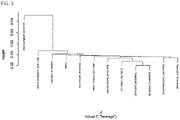
- L. plantarum IMB19 The Lactobacillus plantarum IMB19 strain of the present invention (hereinafter abbreviated as L. plantarum IMB19) was isolated from kimchi, identified as a novel strain through 16S rRNA analysis, recA amplification/band comparison, whole-gene sequencing, and phylogenetic, morphological, and physiological analysis, and deposited.
- the L. plantarum IMB19 strain may be derived from a fermented food, for example, kimchi.
- the L. plantarum IMB19 strain may form small, smooth, and circular translucent colonies.
- the L. plantarum IMB19 strain may be non-flagellated.
- the L. plantarum IMB19 strain may form rod-shaped colonies.
- the L. plantarum IMB19 strain may have a capsular layer.
- the L. plantarum IMB19 strain may be non-hemolytic or ⁇ -hemolytic.
- the L. plantarum IMB19 strain may be negative for gelatinase activity.
- the L. plantarum IMB19 strain may not produce biogenic amines such as histamine, cadaverine, tyramine, and/or putrescine.
- the L. plantarum IMB19 strain may have resistance to kanamycin.
- the L. plantarum IMB19 strain may have immune-enhancing activity and/or anti-tumor activity. More specifically, the L. plantarum IMB19 strain may exhibit various immune-enhancing and/or anti-tumor activities, such as i) induction of T-cell differentiation to an inflammatory phenotype such as induction of helper T cells and inhibition of Treg cell differentiation, ii) stimulation of CD8+ T cells, enhancement of activity, and improvement of intratumoral infiltration, iii) inhibition of Treg cell activity, iv) increased macrophage infiltration in tumors, and v) activation of macrophages to inflammatory cells and reprogramming from M2 to M1 macrophages, but the present invention is not limited thereto.
- the L. plantarum IMB19 strain is capable of inhibiting tumor growth.
- another aspect of the present invention pertains to a composition for immune modulation containing the strain and/or a culture solution thereof as an active ingredient.
- another aspect of the present invention pertains to an immunomodulation method including administering the strain and/or the culture solution thereof to a subject.
- Another aspect of the present invention pertains to the use of the strain and/or the culture solution thereof for immune modulation.
- Another aspect of the present invention pertains to the use of the strain and/or the culture solution thereof for the manufacture of a composition for immune modulation.
- immune modulation refers to overcoming an immune imbalance in the blood and maintaining immune homeostasis.
- Maintenance of immune homeostasis refers to a state in which immune tolerance, which suppresses immunity, and immune response, which enhances immunity, are balanced. Maintaining such a state is essential for the treatment of most diseases, including tumors and cancer.
- the composition is preferably used for immune stimulation.
- composition for immune modulation may be used for immune stimulation.
- the composition for immune modulation may be a composition for immune stimulation or immune enhancement.
- the composition for immune modulation may be a probiotic composition.
- probiotic means a live microorganism that is beneficial to the health of a host when administered in an appropriate amount ( Nat. Rev. Gastroenterol Hepatol 11, 506-514 (2014 )). Probiotics serve as a supplement to the host's gut microflora, and may be characterized by improving intestinal barrier function and modulating the host's immune system.
- the probiotic composition may further include prebiotics.
- the composition for immune modulation may be used as a pharmaceutical composition or a food composition for the purpose of preventing, ameliorating, or treating tumors, infectious diseases, and immune diseases caused by or symptomatic of immune reduction/suppression.
- the amount and form of use may be appropriately adjusted depending on the purpose.
- the composition for immune modulation may be used in combination with other pharmaceutical compositions or food compositions, or may be used as an adjuvant.
- the other pharmaceutical compositions include, but are not limited to, immunotherapy-related immunotherapeutic agents, immune-cell therapeutic agents, and the like.
- the other food compositions may include, but are not limited to, fermented foods, fermentation starters for producing fermented food, functional health foods such as nutritional supplements, and the like.
- composition for immune modulation may further include other probiotic strains, compounds, adjuvants, additives, carriers, excipients, etc., in addition to the L. plantarum IMB19 strain of the present invention and/or the culture solution thereof.
- the term "culture solution thereof" may be a culture stock solution containing the L. plantarum IMB19 strain of the present invention, and may be used in a comprehensive sense including all of its lysate, centrifugation supernatant or pellet, concentrate, dried product, and the like.
- the L. plantarum IMB19 strain of the present invention may be cultured through a typical method of culturing a Lactobacillus strain. The method of culturing the strain of the present invention has been exemplarily described in Examples.
- the medium may include a natural medium or a synthetic medium.
- Examples of the carbon source of the medium may include glucose, sucrose, dextrin, glycerol, etc.
- examples of the nitrogen source may include peptone, meat extract, yeast, soybean, ammonium salt, nitrate, and other organic or inorganic nitrogen-containing compounds, but the present invention is not limited thereto.
- the inorganic salt included in the medium may include, but is not limited to, magnesium, manganese, calcium, iron, potassium, etc.
- amino acids, vitamins, nucleic acids, and the like may be added.
- the culture solution may contain an L. plantarum IMB19 strain and/or an active ingredient (e.g. polysaccharide) having immunomodulatory activity derived from the L. plantarum IMB19 strain.
- the strain may be in a liquid state or a dry state, and the drying method may include, for example, natural drying, spray drying, and freeze drying, but is not limited thereto.
- Still another aspect of the present invention pertains to a pharmaceutical composition for preventing or treating a tumor or an infectious disease containing the L. plantarum IMB19 strain of the present invention or a culture solution thereof as an active ingredient.
- Still another aspect of the present invention pertains to a method of preventing or treating a tumor or an infectious disease including administering the strain and/or the culture solution thereof to a subject.
- Still another aspect of the present invention pertains to the use of the strain and/or the culture solution thereof for the prevention, amelioration, or treatment of a tumor or an infectious disease.
- the present invention also pertains to the use of the strain and/or the culture solution thereof for the manufacture of a pharmaceutical composition for the prevention or treatment of a tumor or an infectious disease.
- tumor refers to a phenomenon by which cells become autonomous and excessively proliferate by deviating from the body's regulatory mechanisms, or neoplasms or hyperplasia generated thereby.
- the tumor includes, for example, all of benign, premalignant, and malignant tumors, and more specific examples thereof include histiocytoma, glioma, astrocytoma, osteoma, various types of cancer, for example, lung cancer, small-cell lung cancer, gastric cancer, gastrointestinal cancer, bowel cancer, colon cancer, rectal cancer, pancreatic cancer, breast cancer, skin cancer, ovarian cancer, prostate cancer, testicular cancer, liver cancer, kidney cancer, bladder cancer, pancreatic cancer, brain cancer, sarcoma, osteosarcoma, melanoma, lymphoma (Hodgkin's lymphoma, FL, MCL, MZBL, CLL, T-ALL, AML, ALL, etc.), blood cancer, leukemia, psori
- infectious disease refers to a pathogen-associated disease induced or exacerbated by infection with various pathogens.
- infectious disease may be a disease induced or aggravated by infection with a virus, bacterium, fungus, protozoan, parasite, prion, or protein aggregate, but the present invention is not limited thereto.
- prevention refers to any action of inhibiting a disease or delaying the onset of a disease by administration of the pharmaceutical composition according to the present invention.
- treatment refers to any action by which symptoms of a disease are ameliorated or beneficially changed by administration of the pharmaceutical composition according to the present invention.
- the pharmaceutical composition of the present invention exhibits preventive or therapeutic and anti-inflammatory effects on various diseases through the aforementioned immune-enhancing effect and/or anti-tumor effect of the active ingredient thereof.
- the pharmaceutical composition may further include suitable carriers, excipients, and diluents commonly used in pharmaceutical compositions, in addition to containing the L. plantarum IMB19 strain of the present invention or the culture solution thereof.
- the carriers, excipients and diluents that may be included in the composition include lactose, dextrose, sucrose, sorbitol, mannitol, xylitol, erythritol, maltitol, starch, acacia gum, alginate, gelatin, calcium phosphate, calcium silicate, cellulose, methyl cellulose, microcrystalline cellulose, polyvinylpyrrolidone, water, methyl hydroxybenzoate, propyl hydroxybenzoate, talc, magnesium stearate, and mineral oil.
- a diluent or excipient such as a filler, an extender, a binder, a wetting agent, a disintegrant, a surfactant, etc.
- the pharmaceutical composition according to the present invention may be formulated and used in various forms according to a typical method. Suitable formulations include tablets, pills, powders, granules, sugar-coated tablets, hard or soft capsules, solutions, suspensions, emulsions, injections, oral formulations such as aerosols, external preparations, suppositories, and sterile injection solutions, but the present invention is not limited thereto.
- the pharmaceutical composition according to the present invention may be formulated in a suitable dosage form using a pharmaceutically inert organic or inorganic carrier.
- a pharmaceutically inert organic or inorganic carrier when the formulation is a tablet, coated tablet, sugar-coated tablet, or hard capsule, it may include lactose, sucrose, starch or derivatives thereof, talc, calcium carbonate, gelatin, stearic acid, or salts thereof.
- the formulation when the formulation is a soft capsule, it may include vegetable oils, waxes, fats, and semi-solid and liquid polyols.
- the formulation when the formulation is in the form of a solution or syrup, it may include water, polyol, glycerol, and vegetable oil.
- the pharmaceutical composition according to the present invention may further include a preservative, a stabilizer, a wetting agent, an emulsifier, a solubilizing agent, a sweetener, a colorant, an osmotic pressure adjuster, an antioxidant, and the like, in addition to the carrier described above.
- the pharmaceutical composition according to the present invention is administered in a pharmaceutically effective amount.
- pharmaceutically effective amount means an amount sufficient to treat a disease at a reasonable benefit/risk ratio applicable to medical treatment, and the effective dose level is determined depending on various factors including the type of patient's disease, severity of disease, drug activity, sensitivity to drugs, administration time, administration route, excretion rate, treatment period, and drugs used simultaneously therewith, and other factors well-known in the medical field.
- the pharmaceutical composition according to the present invention may be administered as an individual therapeutic agent or in combination with other therapeutic agents, may be administered sequentially or simultaneously with conventional therapeutic agents, and may be administered one or multiple times. In consideration of all of the above factors, it is important to administer the composition in the minimum amount capable of obtaining the maximum effect without side effects, which may be easily determined by those skilled in the art.
- the pharmaceutical composition of the present invention may be administered to a subject through any of various routes.
- the mode of administration may be, for example, subcutaneous, intravenous, intramuscular, intrauterine dural, or intracerebrovascular injection.
- the pharmaceutical composition of the present invention is determined depending on the type of drug as an active ingredient, in consideration of various factors such as the disease to be treated, the route of administration, the patient's age, gender, and body weight, and the severity of disease.
- the mode of administration of the pharmaceutical composition according to the present invention may be easily selected depending on the dosage form, and oral or parenteral administration is possible.
- the dosage thereof may vary depending on the patient's age, gender, and body weight, the severity of disease, and the route of administration.
- composition of the present invention may be administered in combination with other therapeutic regimens or therapeutic agents.
- the other therapy or therapeutic agent is preferably an immunotherapy or immune-cell therapeutic agent, but is not limited thereto, and may be used in various combinations according to the judgment of a clinician.
- Yet another aspect of the present invention pertains to a food composition for immune enhancement containing the L. plantarum IMB19 strain of the present invention or a culture solution thereof as an active ingredient.
- yet another aspect of the present invention pertains to the use of the strain and/or the culture solution thereof for the manufacture of a food composition for immune enhancement.
- the food composition of the present invention is capable of maintaining immune function homeostasis by enhancing or improving immune activity.
- the food composition of the present invention may be a functional health food exhibiting an effect of preventing or ameliorating a tumor or an infectious disease.
- the term "food” refers to meat, sausages, bread, chocolate, candy, snacks, confectioneries, pizza, ramen, other noodles, gum, dairy products including ice cream, various soups, beverages, tea, drinks, alcoholic beverages, vitamin complexes, prebiotics, probiotics, postbiotics, functional health foods, and health foods, and includes all foods in a typical sense.
- the term "functional health food” has the same meaning as the term "food for special health use (FoSHU)", and refers to a food having high pharmaceutical and medical effects processed in order to efficiently show bioregulatory functions, in addition to nutritional supply.
- “functional” means obtaining useful effects for health purposes, such as nutrient regulation or physiological activity with regard to the structure and function of the human body.
- the food of the present invention may be manufactured using a method commonly used in the art, and at the time of manufacture, raw materials and components commonly used in the art may be added.
- any food form may be provided without limitation, so long as it is a formulation recognized as a food, and the functional health food according to the present invention may take the form of a powder, granule, tablet, capsule, or beverage.
- Health food is a food having an active effect on health maintenance or promotion beyond that of a general food
- health supplement food is a food for health supplement purposes.
- functional health food “health food”, and “health supplement food” are used interchangeably.
- the food composition may further include a physiologically acceptable carrier, the type of which is not particularly limited, and any carrier commonly used in the art may be used.
- the composition may include additional ingredients that are commonly used in food compositions to improve smell, taste, visual appearance, and the like.
- additional ingredients may include vitamins A, C, D, E, B1, B2, B6, B12, niacin, biotin, folate, pantothenic acid, and the like.
- minerals such as zinc (Zn), iron (Fe), calcium (Ca), chromium (Cr), magnesium (Mg), manganese (Mn), copper (Cu), chromium (Cr), and the like.
- it may include amino acids such as lysine, tryptophan, cysteine, valine, and the like.
- the composition may include food additives, such as preservatives (potassium sorbate, sodium benzoate, salicylic acid, sodium dehydroacetate, etc.), disinfectants (bleaching powder, high bleaching powder, sodium hypochlorite, etc.), antioxidants (butylhydroxyanisole (BHA), butylhydroxy toluene (BHT), etc.), colorants (tar pigment, etc.), color development agents (sodium nitrite, sodium nitrite, etc.), bleaches (sodium sulfite), seasonings (MSG, etc.), sweeteners (dulcin, cyclamate, saccharin, sodium, etc.), flavorings (vanillin, lactones, etc.), expansion agents (alum, D-potassium hydrogen tartrate, etc.), strengthening agents, emulsifiers, thickening agents (thickeners), film-forming agents, gum base agents, foam inhibitors, solvents, improving agents, and the like.
- preservatives potassium sorbate
- the food composition may further include a food supplement additive that is acceptable for human consumption, in addition to the L. plantarum IMB19 strain of the present invention or the culture solution thereof, and may be used along with other foods or food ingredients, and may be used appropriately according to a typical method.
- the amount of the active ingredient that is included therein may be appropriately determined according to the purpose of use thereof (prevention, health, or therapeutic treatment).
- the capsular polysaccharide is an active ingredient showing the immune-enhancing activity of L. plantarum IMB19 of the present invention.
- the isolated capsular polysaccharide exhibits excellent immune-enhancing activity and anti-tumor activity through various mechanisms such as i) induction of T-cell differentiation to an inflammatory phenotype such as induction of helper T cells and inhibition of Treg cell differentiation, ii) stimulation of CD8+ T cells, enhancement of activity, and improvement of intratumoral infiltration, iii) inhibition of Treg cell activity, iv) increased macrophage infiltration in tumors, and v) activation of macrophages to inflammatory cells and reprogramming from M2 to M1 macrophages, as in the L. plantarum IMB19 strain.
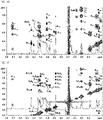
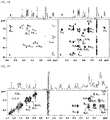
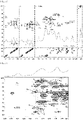
- the capsular polysaccharide was structurally analyzed through NMR.
- still yet another aspect of the present invention pertains to a capsular polysaccharide (CPS) derived from the L. plantarum IMB19 strain having immune-enhancing activity.
- CPS capsular polysaccharide
- the capsular polysaccharide may include a polysaccharide of Formula I below. [Formula I] -[-D-B-I-F-G-C-E-H-A-] n -
- a and D are galactose
- the polysaccharide of Formula I is a polymer structure of a repeating unit represented by [-D-B-I-F-G-C-E-H-A-] in Formula I.
- the repeating units may be connected without limitation in various ways, in addition to direct covalent bonding.
- the repeating units may be connected through chemical bonding, such as a glycosidic linkage or a phosphodiester linkage, or may be connected via a linker.
- the repeating units when n in Formula I is 2 or more, the repeating units ([-D-B-I-F-G-C-E-H-A-]) may be connected through a glycosidic linkage (-O-) between A and D.
- the repeating units when n in Formula I is 2 or more, the repeating units ([-D-B-I-F-G-C-E-H-A-]) may be connected through a phosphodiester linkage between A and D.
- carbon at position 1 in A of a repeating unit and carbon at position 6 in D of another repeating unit may be connected through a phosphodiester linkage.
- At least one of A and D of Formula I may be phosphorylated, and preferably, in the case of A, the hydroxyl group of carbon at position 1 is phosphorylated, and in the case of D, the hydroxyl group of carbon at position 6 is phosphorylated.
- the galactose that is used includes galactose or derivatives thereof, which are generally present in nature.
- the galactose may be provided in the form of an isomer in an ⁇ configuration or ⁇ configuration, or a D configuration or L configuration, preferably ⁇ -galactose, and more preferably ⁇ -D-galactose, but is not limited thereto.
- the rhamnose that is used includes all of rhamnose or derivatives thereof, which are generally present in nature.
- the rhamnose may be provided in the form of an isomer in an ⁇ configuration or ⁇ configuration, or a D configuration or L configuration, preferably ⁇ -rhamnose, and more preferably ⁇ -L-rhamnose, but is not limited thereto.
- the N-acetylglucosamine that is used includes all of N-acetylglucosamine and derivatives thereof.
- the glucose that is used includes all of typical glucose or derivatives thereof.
- the glucose may be provided in the form of an isomer in an ⁇ configuration or ⁇ configuration, or a D configuration or L configuration, preferably glucose having a ⁇ configuration, and more preferably D-glucose, but is not limited thereto.
- D and B (D-B) and B and I (B-I) may be connected through an ⁇ -1,3-glycosidic linkage.
- I and F may be connected through a ⁇ -1,6-glycosidic linkage.
- F and G F-G
- G and C G-C
- C and E C and E
- E-H E-H
- H and A may be connected through an ⁇ -1,6-glycosidic linkage.
- the glycosidic linkage is represented as ⁇ or ⁇ depending on the linkage orientation, and the numbers adjacent thereto refer to respective carbon numbers connected through a glycosidic linkage (-O-) in two monosaccharides.
- "I and F (I-F) are connected through a ⁇ -1,6-glycosidic linkage” means that carbon at position 1 of I and carbon at position 6 of F are connected through a glycosidic linkage in ⁇ configuration with respect to I.
- the capsular polysaccharide may include a polysaccharide of Formula I in which n is an integer of 1 or more, and may include a plurality of polysaccharides of Formula I polymerized with various n values.
- the polysaccharide of Formula I is characterized in that n is a value ranging from 1 to 10.
- the average degree of polymerization of the polysaccharide of Formula I included in the capsular polysaccharide was about 4, and also that the average molecular weight thereof was about 6.0 kDa.
- Each repeating unit ([-D-B-I-F-G-C-E-H-A-]) was confirmed to have a molecular weight (MW) of about 1.5 kDa.
- the 'average degree of polymerization (average of n)' of the polysaccharide of Formula I included in the capsular polysaccharide is preferably 1 to 10, and most preferably about 4.
- the average molecular weight of the polysaccharide of Formula I included in the capsular polysaccharide may be 1.5 to 15 kDa, and preferably about 6.0 kDa.
- the capsular polysaccharide (CPS) derived from the L. plantarum IMB19 strain was separated through ion exchange chromatography using about 100 mM of NaCl as an eluent. The separation method is described in detail in Examples, but the present invention is not limited thereto.
- the polysaccharide may be obtained through a variety of conventionally known purification methods based on the structure and characteristics of the polysaccharide of Formula I described in the present invention.
- the capsular polysaccharide may further include teichoic acid.
- the capsular polysaccharide may further include two or more teichoic acids.
- the teichoic acid may be of a Gro-type or Rbo-type, and when the capsular polysaccharide additionally includes two or more teichoic acids, the teichoic acids may be included in the form of a single type or a mixture of two types.
- the capsular polysaccharide may further include other polysaccharides or biomolecules such as lipids, in addition to the polysaccharide of Formula I and/or teichoic acid.
- Yet another aspect of the present invention pertains to a method of producing a polysaccharide having immune-enhancing activity, including:
- the method may further include (c) obtaining an effective polysaccharide fraction having immune-enhancing activity by subjecting the obtained capsular polysaccharide to ion exchange chromatography.
- the method of producing the capsular polysaccharide of the present invention and the step of obtaining the effective polysaccharide fraction having immune-enhancing activity are exemplarily described in detail in Examples of the present invention, but are not limited thereto.
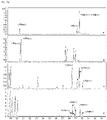
- the capsular polysaccharide (CPS) derived from the L. plantarum IMB19 strain was fractionated through ion exchange chromatography using a NaCl eluent at various concentrations, and the structure of the polysaccharide contained in each fraction was analyzed through NMR.
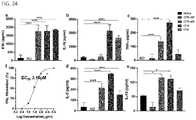
- significant levels of IFN- ⁇ , TNF- ⁇ , IL-6, and IL-12, and negligible levels of IL-10, IL-17, and IL1- ⁇ were produced only in CPS-100 purified using 100 mM NaCl among various fractions of the capsular polysaccharide (CPS) derived from the L. plantarum IMB19 strain, whereas no significant cytokine production was detected in other fractions (CPS-400 (including teichoic acid), etc.), indicating that the effective molecule exhibiting the immune-enhancing activity of the L. plantarum IMB19 strain was a polysaccharide (Formula I) having a polymer structure of a specific repeating unit included in CPS-100.
- CPS capsular polysaccharide
- the polysaccharide of Formula I is a polymer structure of a repeating unit represented by [-D-B-I-F-G-C-E-H-A-] in Formula I.
- the repeating units may be connected without limitation in various ways, in addition to direct covalent bonding.
- the repeating units may be connected through chemical bonding, such as a glycosidic linkage or a phosphodiester linkage, or may be connected via a linker.
- the repeating units when n in Formula I is 2 or more, the repeating units ([-D-B-I-F-G-C-E-H-A-]) may be connected through a glycosidic linkage (-O-) between A and D.
- the repeating units when n in Formula I is 2 or more, the repeating units ([-D-B-I-F-G-C-E-H-A-]) may be connected through a phosphodiester linkage between A and D.
- carbon at position 1 in A of a repeating unit and carbon at position 6 in D of another repeating unit may be connected through a phosphodiester linkage.
- At least one of A and D of Formula I may be phosphorylated, and preferably, in the case of A, the hydroxyl group of carbon at position 1 is phosphorylated, and in the case of D, the hydroxyl group of carbon at position 6 is phosphorylated.
- the galactose that is used includes galactose or derivatives thereof, which are generally present in nature.
- the galactose may be provided in the form of an isomer in an ⁇ configuration or ⁇ configuration, or a D configuration or L configuration, preferably ⁇ -galactose, and more preferably ⁇ -D-galactose, but is not limited thereto.
- the rhamnose that is used includes all of rhamnose or derivatives thereof, which are generally present in nature.
- the rhamnose may be provided in the form of an isomer in an ⁇ configuration or ⁇ configuration, or a D configuration or L configuration, preferably ⁇ -rhamnose, and more preferably ⁇ -L-rhamnose, but is not limited thereto.
- the N-acetylglucosamine that is used includes all of N-acetylglucosamine or derivatives thereof, which are generally present in nature.
- the glucose that is used includes all of typical glucose or derivatives thereof.
- the glucose may be provided in the form of an isomer in an ⁇ configuration or ⁇ configuration, or a D configuration or L configuration, preferably glucose having a ⁇ configuration, and more preferably D-glucose, but is not limited thereto.
- the term "derivative" refers to a compound, the structure of which is sufficiently similar to the structure of the compound disclosed herein and which, based on the similarity therebetween, exhibits an activity and end use identical or similar to the claimed compound, or, as a precursor, a compound having a structure derived from the structure of the parent compound (e.g. the compound described herein, the polysaccharide of Formula I), which is expected to elicit an activity and end use identical or similar to the claimed compound.
- the derivative may include, but are not limited to, salts, isomers, esters, amides, salts of esters or amides, N-oxides, and the like of the parent compound.
- D and B (D-B) and B and I (B-I) of Formula I may be connected through an ⁇ -1,3-glycosidic linkage.
- I and F (I-F) of Formula I may be connected through a ⁇ -1,6-glycosidic linkage.
- F and G (F-G), G and C (G-C), C and E (C-E), and E and H (E-H) of Formula I may be connected through an ⁇ -1,2-glycosidic linkage.
- H and A (H-A) of Formula I may be connected through an ⁇ -1,6-glycosidic linkage.
- connection is represented as ⁇ or ⁇ depending on the linkage orientation, and the numbers adjacent thereto refer to respective carbon numbers linked (-O-) in two monosaccharides.
- n in Formula I is an integer of 1 or more, preferably an integer of 1 to 10, and more preferably 4.
- the polysaccharide may have the structure of Formula II below. n being an integer of 1 or more.
- n in Formula II is preferably an integer of 1 to 10, and more preferably, n is 4.
- the polysaccharide of Formula I may have a molecular weight of at least about 1.5 kDa, preferably about 1.5 kDa to about 15 kDa, and more preferably about 4 kDa, depending on the degree of polymerization, the extent of phosphorylation, etc.
- the polysaccharide may be derived from a Lactobacillus plantarum IMB19 strain having accession number KCTC 14337BP.
- the polysaccharide of Formula I may have immune-enhancing activity and/or anti-tumor activity.
- the L. plantarum IMB19 strain may have various immune-enhancing and anti-tumor activities such as i) induction of T-cell differentiation to an inflammatory phenotype such as induction of helper T cells and inhibition of Treg cell differentiation, ii) stimulation of CD8+ T cells, enhancement of activity, and improvement of intratumoral infiltration, iii) inhibition of Treg cell activity, iv) increased macrophage infiltration in tumors, and v) activation of macrophages to inflammatory cells and reprogramming from M2 to M1 macrophages, but is not limited to such mechanisms.
- the polysaccharide of Formula I is capable of inhibiting tumor growth.
- the polysaccharide may be produced/separated using the strain of the present invention by those skilled in the art, and the polysaccharide of the present invention may be induced or synthesized through other chemical or biological methods.
- modification of the structure of CPS for improvement of pharmacokinetic and/or pharmacodynamic properties of the polysaccharide of the present invention or for clinical formulation thereof may be performed.
- i) addition of at least one functional group ii) modification of a carbon chain, iii) addition of at least one hydrogen or hydroxyl group, iv) modification of an end group (e.g. addition of a signal molecule such as a dye, etc.), and v) binding to other known sugar molecules (e.g. formulation for oral or systemic delivery, etc.) may be performed, but the present invention is not limited thereto.
- the polysaccharide of the present invention is not limited to the polysaccharide of Formula I or Formula II, and is to be conceptually understood as including all variants, derivatives, analogues, and the like of Formula I or Formula II, so long as it exhibits the immunostimulatory and immune-enhancing effects of the present invention.
- a further aspect of the present invention pertains to a composition for immune modulation containing the polysaccharide of Formula I as an active ingredient.
- a further aspect of the present invention pertains to an immunomodulation method including administering the polysaccharide to a subject.
- a further aspect of the present invention pertains to the use of the polysaccharide for immune modulation.
- a further aspect of the present invention pertains to the use of the polysaccharide for the manufacture of a composition for immune modulation.
- composition for immune modulation may be used for immune stimulation or immune enhancement.
- the composition for immune modulation may be a composition for immune stimulation or immune enhancement.
- the composition for immune modulation may be prepared and used in the form of a pharmaceutical composition or a food composition for the purpose of preventing, ameliorating, or treating not only tumors and infectious diseases, but also immune diseases caused by or symptomatic of immune reduction/suppression.
- the amount and form of use may be appropriately adjusted depending on the purpose.
- the half-maximal effective concentration (EC50) of the polysaccharide was confirmed to be 3.16 ⁇ M. Therefore, it is preferred that the composition for immune modulation of the present invention contain the polysaccharide in an amount of 3.16 ⁇ M or more.
- the composition for immune modulation may be used in combination with other pharmaceutical compositions or food compositions, or may be used as an adjuvant.
- the other pharmaceutical compositions include, but are not limited to, immunotherapy-related immunotherapeutic agents, immune-cell therapeutic agents, and the like.
- the other food compositions may include, but are not limited to, fermented foods, functional health foods such as nutritional supplements, and the like.
- composition for immune modulation may further include other probiotic strains, compounds, adjuvants, additives, carriers, excipients, etc., in addition to the polysaccharide of the present invention.
- Still a further aspect of the present invention pertains to a pharmaceutical composition for preventing or treating a tumor or an infectious disease containing the polysaccharide of Formula I of the present invention as an active ingredient.
- a further aspect of the present invention pertains to a method of preventing or treating a tumor or an infectious disease including administering the polysaccharide to a subject.
- a further aspect of the present invention pertains to the use of the polysaccharide for the prevention, amelioration, or treatment of a tumor or an infectious disease.
- the present invention pertains to the use of the polysaccharide for the manufacture of a pharmaceutical composition for the prevention or treatment of a tumor or an infectious disease.
- tumor refers to a phenomenon by which cells become autonomous and excessively proliferate by deviating from the body's regulatory mechanisms, or neoplasms or hyperplasia generated thereby.
- the tumor includes, for example, all of benign, premalignant, and malignant tumors, and more specific examples thereof include histiocytoma, glioma, astrocytoma, osteoma, various types of cancer, for example, lung cancer, small-cell lung cancer, gastric cancer, gastrointestinal cancer, bowel cancer, colon cancer, rectal cancer, pancreatic cancer, breast cancer, skin cancer, ovarian cancer, prostate cancer, testicular cancer, liver cancer, kidney cancer, bladder cancer, pancreatic cancer, brain cancer, sarcoma, osteosarcoma, melanoma, lymphoma (Hodgkin's lymphoma, FL, MCL, MZBL, CLL, T-ALL, AML, ALL, etc.), blood cancer, leukemia, psori
- infectious disease refers to a pathogen-associated disease induced or exacerbated by infection with various pathogens.
- infectious disease may be a disease induced or aggravated by infection with a virus, bacterium, fungus, protozoan, parasite, prion, or protein aggregate, but the present invention is not limited thereto.
- the pharmaceutical composition of the present invention exhibits preventive or therapeutic effects and anti-inflammatory effects on various diseases through the aforementioned immune-enhancing effect and/or anti-tumor effect of the polysaccharide of Formula I, which is an active ingredient thereof.
- the pharmaceutical composition may further include suitable carriers, excipients, and diluents commonly used in pharmaceutical compositions, in addition to containing the polysaccharide of Formula I as an active ingredient thereof.
- the carriers, excipients and diluents that may be included in the composition include lactose, dextrose, sucrose, sorbitol, mannitol, xylitol, erythritol, maltitol, starch, acacia gum, alginate, gelatin, calcium phosphate, calcium silicate, cellulose, methyl cellulose, microcrystalline cellulose, polyvinylpyrrolidone, water, methyl hydroxybenzoate, propyl hydroxybenzoate, talc, magnesium stearate, and mineral oil.
- a diluent or excipient such as a filler, an extender, a binder, a wetting agent, a disintegrant, a surfactant, etc.
- the pharmaceutical composition according to the present invention may be formulated and used in various forms according to a typical method. Suitable formulations include tablets, pills, powders, granules, sugar-coated tablets, hard or soft capsules, solutions, suspensions, emulsions, injections, oral formulations such as aerosols, external preparations, suppositories, and sterile injection solutions, but the present invention is not limited thereto.
- the pharmaceutical composition according to the present invention may be formulated in a suitable dosage form using a pharmaceutically inert organic or inorganic carrier.
- a pharmaceutically inert organic or inorganic carrier when the formulation is a tablet, coated tablet, sugar-coated tablet, or hard capsule, it may include lactose, sucrose, starch or derivatives thereof, talc, calcium carbonate, gelatin, stearic acid, or salts thereof.
- the formulation when the formulation is a soft capsule, it may include vegetable oils, waxes, fats, and semi-solid and liquid polyols.
- the formulation when the formulation is in the form of a solution or syrup, it may include water, polyol, glycerol, and vegetable oil.
- the pharmaceutical composition according to the present invention may further include a preservative, a stabilizer, a wetting agent, an emulsifier, a solubilizing agent, a sweetener, a colorant, an osmotic pressure adjuster, an antioxidant, and the like, in addition to the carrier described above.
- the pharmaceutical composition according to the present invention is administered in a pharmaceutically effective amount.
- pharmaceutically effective amount means an amount sufficient to treat a disease at a reasonable benefit/risk ratio applicable to medical treatment, and the effective dose level is determined depending on various factors including the type of patient's disease, severity of disease, drug activity, sensitivity to drugs, administration time, administration route, excretion rate, treatment period, and drugs used simultaneously therewith, and other factors well-known in the medical field.
- the pharmaceutical composition according to the present invention may be administered as an individual therapeutic agent or in combination with other therapeutic agents, may be administered sequentially or simultaneously with conventional therapeutic agents, and may be administered one or multiple times. In consideration of all of the above factors, it is important to administer the composition in the minimum amount capable of obtaining the maximum effect without side effects, which may be easily determined by those skilled in the art.
- the pharmaceutical composition of the present invention may be administered to a subject through any of various routes.
- the mode of administration may be, for example, subcutaneous, intravenous, intramuscular, intrauterine dural, or intracerebrovascular injection.
- the pharmaceutical composition of the present invention is determined depending on the type of drug as an active ingredient, in consideration of various factors such as the disease to be treated, the route of administration, the patient's age, gender, and body weight, and the severity of disease.
- the mode of administration of the pharmaceutical composition according to the present invention may be easily selected depending on the dosage form, and oral or parenteral administration or topical or systemic administration is possible.
- the dosage thereof may vary depending on the patient's age, gender, and body weight, the severity of disease, and the route of administration.
- composition of the present invention may be administered in combination with other therapeutic regimens or therapeutic agents.
- the other therapy or therapeutic agent is preferably an immunotherapy or immune-cell therapeutic agent, but is not limited thereto, and may be used in various combinations according to the judgment of a clinician.
- a further aspect of the present invention pertains to a food composition for immune enhancement containing the polysaccharide of Formula I as an active ingredient.
- a further aspect of the present invention pertains to the use of the polysaccharide for the manufacture of a food composition for immune enhancement.
- the food composition of the present invention is capable of maintaining immune function homeostasis by enhancing or improving immune activity.
- the food composition of the present invention may be a functional health food exhibiting an effect of preventing or ameliorating a tumor or an infectious disease.
- the food composition may further include a physiologically acceptable carrier, the type of which is not particularly limited, and any carrier commonly used in the art may be used.
- the composition may include additional ingredients that are commonly used in food compositions to improve smell, taste, visual appearance, and the like.
- additional ingredients may include vitamins A, C, D, E, B1, B2, B6, B12, niacin, biotin, folate, pantothenic acid, and the like.
- minerals such as zinc (Zn), iron (Fe), calcium (Ca), chromium (Cr), magnesium (Mg), manganese (Mn), copper (Cu), chromium (Cr), and the like.
- it may include amino acids such as lysine, tryptophan, cysteine, valine, and the like.
- the composition may include food additives, such as preservatives (potassium sorbate, sodium benzoate, salicylic acid, sodium dehydroacetate, etc.), disinfectants (bleaching powder, high bleaching powder, sodium hypochlorite, etc.), antioxidants (butylhydroxyanisole (BHA), butylhydroxy toluene (BHT), etc.), colorants (tar pigment, etc.), color development agents (sodium nitrite, sodium nitrite, etc.), bleaches (sodium sulfite), seasonings (MSG, etc.), sweeteners (dulcin, cyclamate, saccharin, sodium, etc.), flavorings (vanillin, lactones, etc.), expansion agents (alum, D-potassium hydrogen tartrate, etc.), strengthening agents, emulsifiers, thickening agents (thickeners), film-forming agents, gum base agents, foam inhibitors, solvents, improving agents, and the like.
- preservatives potassium sorbate
- the food composition may further include a food supplement additive that is acceptable for human consumption, in addition to the polysaccharide of Formula I as an active ingredient thereof, and may be used along with other foods or food ingredients, and may be used appropriately according to a typical method.
- the amount of the active ingredient that is included therein may be appropriately determined according to the purpose of use thereof (prevention, health, or therapeutic treatment).
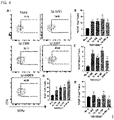
- the strain and the strain-derived polysaccharide according to the present invention induced expression of IFN- ⁇ in cells and suppressed expression of IL-10, both in vivo and in vitro, thereby stimulating and enhancing an immune response.
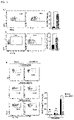
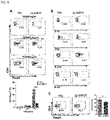
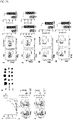
- the strain and the strain-derived polysaccharide were capable of activating CD8+ T cells via DCs and also that activation of CD+8 T cells was significantly reduced in the absence of the MyD88 signaling system.
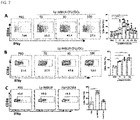
- Th17 cells were capable of being induced through co-culture of DCs primed with the strain and the strain-derived polysaccharide and naive CD4+ T cells.
- yet a further aspect of the present invention pertains to a method of producing inflammatory T cells, including:
- the term "antigen-presenting cell” refers to a cell inducing differentiation by receiving an antigen, processing the same, and presenting the antigen-derived fragment along with an antigen-presenting molecule such as an MHC class ⁇ molecule to T cells.
- antigen-presenting cells include, but are not limited to, macrophages, B cells, dendritic cells (DCs), Langerhans cells, and the like.
- the T cells in step (b) are preferably naive T cells, more preferably naive CD8+ T cells or naive CD4+ T cells, but are not limited thereto.
- the term "inflammatory T cell” refers to a T cell that induces or boosts an immune response, either directly or in the pre-inflammatory stage.
- the inflammatory T cells are cytotoxic T cells or helper T cells (Th cells), more preferably IFN- ⁇ + CD8+ T cells or CD4+ ROR ⁇ + Th17 cells.
- Still yet a further aspect of the present invention pertains to a cell therapeutic agent for preventing or treating a tumor or an infectious disease containing the inflammatory T cells produced through the above method as an active ingredient.
- MHC I, MHC II, CD68, iNOS2, and CD40 were significantly upregulated when splenic macrophages or M2-phenotype macrophages were exposed to CPS, enabling reprogramming from immune-suppressing M2-phenotype macrophages to Ml-phenotype macrophages in the tumor microenvironment.
- a further aspect of the present invention pertains to a method of producing M1-phenotype macrophages including differentiating macrophages into Ml-phenotype macrophages by treating macrophages with the L. plantarum IMB19 strain and/or the polysaccharide of Formula I and obtaining the activated Ml-phenotype macrophages.
- macrophage refers to a type of white blood cell that is capable of phagocytosis by swallowing and digesting pathogens, foreign substances, microorganisms, cancer cells, abnormal proteins, etc., and also functions as an antigen-presenting cell for adaptive immunity, in addition to innate immune responses.
- Macrophages are classified as either M1-phenotype macrophages, which are inflammatory macrophages, or M2-phenotype macrophages, which are anti-inflammatory macrophages, and are involved in the balance of immune stimulation and suppression.
- M2-phenotype macrophages contribute to tumor growth ( Ann. Oncol. 28, xii18-xii32 (2017 ); Front Oncol. 9, 421 (2019 )).
- the Ml-phenotype macrophages collectively refer to macrophages that are activated through IFN- ⁇ secreted by NK cells or Th1, MyD88 pathways through PAMP recognition of TLR, etc.
- the M2-phenotype macrophages are macrophages differentiated by IL-4, IL-13, etc., exhibit immunosuppressive activity, and are involved in tissue reconstruction and wound healing.
- the macrophages in step (a) may be naive macrophages or M2-phenotype macrophages.
- the Ml-phenotype macrophages include, without limitation, macrophages activated to an inflammatory phenotype to stimulate or induce an immune response.
- the Ml-phenotype macrophages may be classified depending on a change in the gene expression profile; for example, the Ml-phenotype macrophages may be characterized in that expression of at least one selected from the group consisting of MHC I, MHC II, CD68, iNOS2, and CD40 is upregulated, but the present invention is not limited thereto.
- the expression “differentiation of macrophages” refers to activation or conversion of macrophages from an existing gene expression profile to a phenotype exhibiting another gene expression profile.
- the term “differentiation” is used with a meaning including not only activation or polarization of naive macrophages, but also reprogramming of macrophages that have already been activated and exhibit a specific phenotype (e.g. M1 phenotype or M2 phenotype).
- the term "upregulated” means that the expression of a specific gene or protein is improved compared to the phenotype before conversion of macrophages.
- a further aspect of the present invention pertains to a cell therapeutic agent for preventing or treating a tumor or an infectious disease containing the inflammatory macrophages produced through the above method as an active ingredient.
- Kimchi was homogenized, and a suspension thereof was obtained. Thereafter, serial dilution, streaking on MRS broth and agar, and culture at 37°C for 48 hours were performed, so colonies were isolated, followed by further culture for various analyses.
- L. plantarum IMB19 was cultured in MRS broth at 37°C for 24-36 hours.
- TEM transmission electron microscopy
- the bacteria were cultured, streaked on MRS-1.5% agar (Neogen Corp., USA), and cultured for 24-30 hours. Bacterial colonies were dropped onto 2000 mesh graphene-coated copper grids.
- TEM imaging was performed at 80 kV using a JEOL1220 and a Hitachi HT7700.
- the cell morphology of the selected isolated strain was observed using a microscope, genetic characteristics thereof were analyzed using genomic DNA, and 16s rRNA sequencing was performed by Macrogen (Korea).
- the 16S rRNA gene was amplified through direct PCR using universal primers of forward (27F primer) 5'-AGAGTTTGATCMTGGCTCAG-3' and reverse (1492R primer) 5'-TACGGYTACCTTGTTACGACTT-3' .
- mice were housed and bred in a pathogen-free animal barrier facility and used at 6-8 weeks of age.
- the spleens were harvested therefrom and gently ground to release splenocytes.
- the cells were suspended, subjected to RBC lysis with ammonium chloride buffer, and resuspended in a complete RPMI medium (Welgene, S. Korea) containing 10% FBS (Hy-Clone, Australia).
- the cells were plated at a density of 200 k/well in 200 ⁇ L of medium/well containing 10 ng/mL of anti-CD3 (Bio-xCell, USA) and 2.5 ng/mL of GM-CSF (Peprotech, USA) in a 96-well plate.
- Fractionated CPS-100, unfractionated total CPS (tCPS), LPS (liposaccharide derived from E. coli 0111:B4, Invivogen, USA), and medium were added as needed, followed by culture at 37°C and 5% CO 2 for 48 hours.
- the supernatant was collected after centrifugation and frozen for cytokine estimation through enzyme-linked immunosorbent assay (ELISA, e-Bioscience, Ready-SET-Go! ELISA kits).
- CD11c+ APC Miltenyi Biotec
- naive CD4+ T cells Stem Cell Technologies
- L. plantarum IMB19 was grown under optimal growth conditions, streaked on 5% sheep blood agar (Hanil, Komed), and then cultured for 48 hours.
- Alpha ( ⁇ ) 2 hemolysis was regarded as partial degradation of hemoglobin in red blood cells (did not represent actual hemolysis)
- beta( ⁇ ) hemolysis observed as a clear area on the agar plate
- gamma ( ⁇ ) hemolysis was regarded as lack of hemolysis.
- Bacillus cereus ATCC 27348 was used as a positive control.
- L. plantarum IMB19 grown under optimal growth conditions was inoculated in a gelatin medium with an inoculation loop and cultured at 30°C for up to 5 days, and gelatin liquefaction and bacterial growth were checked daily.
- Gelatin is generally liquefied at a temperature equal to or higher than 28°C.
- the tube was stored in a refrigerator for 30 minutes to determine whether the liquefaction was due to gelatinase activity. Thereafter, the tube was tilted to observe whether the gelatin was degraded. When the gelatin is degraded, it remains in a liquid state even after exposure to low temperatures.
- Bacillus cereus ATCC 11778 was used as a positive control.
- L. plantarum IMB19 was grown under optimal conditions and streaked on a special medium containing precursors of histamine, cadaverine, tyramine, and putrescine according to Bover-Cid and Holzapfel (Bover-Cid et al., 1999), followed by culture at 37°C, 30°C, and 23°C for 4 days. Thereafter, whether the analysis results were positive or negative was determined by observing changes in the color of the medium.
- E. coli ATCC 25922 was used as a positive control. Culture was performed on agar using a basic culture medium containing any one of ornithine, lysine, tyrosine, and histidine together with a bromocresol purple indicator.
- the basic protocol was performed according to ISO recommendations (ISO-10932, 2010).
- the broth dilution method was used to evaluate the minimum inhibitory concentration (MIC) of the strain against antibiotics.
- test organisms were cultured alone in a culture medium, and all organisms were washed with 1X PBS.
- Bacterial solutions washed with PBS were adjusted at optical density (OD) of 0.01 - 0.02 at 600 nm.
- 10 ⁇ L (1-2 ⁇ 10 5 CFU) of the strain was inoculated into a 96-well plate containing 200 ⁇ L of an LSM broth medium along with antibiotics.
- the strain was considered susceptible when inhibited at a specific antibiotic concentration equal to or lower than a cut-off value according to a parameter set by the European Food Safety Authority (EFSA, 2018), and was considered resistant when not inhibited at a specific antibiotic concentration higher than a cut-off value established by regulations.
- EFSA European Food Safety Authority
- the precipitate was resuspended in a Tris buffer (100 mM, Sigma Aldrich, USA) containing magnesium chloride (20 mM, Sigma Aldrich) and calcium chloride (20 mM, Sigma Aldrich) in distilled water without endotoxins, and was then treated with DNAse (0.1 mg/mL, Roche, Germany) and RNAse (0.4 mg/mL, Sigma Aldrich, USA) at 37°C for 4-6 hours. Pronase (0.3 mg/mL, Sigma-Aldrich, USA) was added thereto to degrade protein contaminants, followed by culture overnight at 4°C.
- the sample was treated with trichloroacetic acid (1-2% w/v) at 37°C for 30 minutes, thus removing total protein including the added enzyme. All of the polysaccharides in the sample from which the protein was removed were reprecipitated through ethanol precipitation. The pellets were resuspended in endotoxin-free water and dialyzed at 4°C for 48 hours while water was exchanged twice a day (MW cut-off 12,000 Da). The total CPS fraction was obtained through freeze-drying at a final yield of 20 mg per liter of culture.
- NMR spectra were recorded in D 2 O using a Bruker 600 MHz spectrometer equipped with a reverse cryo-probe inclined along the Z-axis. Spectra were measured at 298K or 310K, corrected with acetone ( 1 H 2.225 ppm; 13 C 31.45 ppm) as an internal standard, acquired using Topspin 2.0 software (Bruker), and processed and studied with Topspin 3.6.
- 1 H- 1 H DQ-COSY dual quantum COZY spectrum, hereafter referred to as COSY
- TOCSY dual quantum COZY spectrum
- NOESY NOESY spectra
- Heteronuclear 1 H- 13 C HSQC, HMBC, and HSQC-TOCSY spectra were performed in 1 H-detection mode using a data set of 2048 x 512 points.
- HSQC and HSQC-TOCSY were performed with multiple edits in the selection step in order to distinguish the density of CH 2 from other densities.
- HMBC was optimized for long-distance coupling constants using a low-pass J filter to suppress one-bond correlations, and a 60 ms delay was used for the evolution of long-range correlations.
- the mixing time was set to 100 ms.
- the data matrix was expanded to 4092 x 2048 points and transformed by applying a qsine or sine window function.
- C57BL/6 & Balb/c mice were purchased and maintained at a POSTECH animal facility.
- Pmel-1 TCR transgenic, MyD88-/- and IL-6-/- mice were purchased from Jackson Lab and maintained at the POSTECH animal facility.
- the C57BL/6-derived melanoma cell line B16.F10 and the Balb/c-derived breast cancer cell line EMT-6 were obtained from ATCC and maintained according to the provided protocol.
- Syngeneic tumor models were obtained through subcutaneous injection of 200,000 B16.F10 tumor cells or 500,000 EMT-6 cells. The tumor size was measured every other day until the endpoint, and the tumor volume was calculated using length x width2 x 0.5.
- tumor cells were injected subcutaneously at 5 ml/mouse, and tumor cells were analyzed 40 hours later. All experimental animal procedures were performed with the approval of the Institutional Animal Care and Use Committee (IACUC) of POSTECH.
- IACUC Institutional Animal Care and Use Committee
- Total cells harvested from spleens and/or lymph nodes were used for whole spleen cell culture or subjected to magnetic bead isolation (Miltenyi Biotec) so that CD11c+ dendritic cells, naive CD8+ T cells, or naive CD4+ T cells were enriched.
- Total splenocytes (200,000 cells/well) were cultured with bacteria at a 1:1 ratio in 96 plates, and the supernatant was harvested at 48 hours and used for ELISA (eBioscience Ready-SET-Go! kits).
- CD11c+ dendritic cells (200,000 cells/well) were primed with bacteria at an appropriate ratio for 18 to 20 hours, washed, added with T cells (200,000 cells/well), and cultured for 72 hours.
- anti-CD3 at 0.01 ⁇ g/ml (BioXCell) and GM-CSF at 2.5 ng/ml (Peprotech) were added for stimulation of CD8+ T cells
- anti-CD3 at 0.1 ⁇ g/ml, GM-CSF at 10 ng/ml, IL2 at 100 U/ml, and TGF ⁇ (Peprotech) were added for stimulation of CD4+ T cells.
- peritoneal macrophages cells were harvested 5 days after intraperitoneal injection of 2% Biogel (Bio-Rad) and then cultured in vitro with 10 ng/ml of recombinant murine MCSF (Peprotech).
- IL-4 Peprotech
- CPS C-Propanese
- LPS lipopolysaccharide derived from E. coli 0111:B4, Invivogen
- Pam3CSk4 Sigma
- mice 500 ⁇ g of CPS was injected into mice twice at 24-hour intervals, after which 5 ⁇ 10 6 B16.F10 tumor cells were subcutaneously inoculated thereto. 40 hours after tumor inoculation, whole tumors, including infiltrating immune cells, were digested into single-cell suspensions in Liberase.
- the samples were analyzed for a gene expression profile in Macrogen, the average fold change of gene transcript levels between treatment groups was calculated, and genes with a fold change of 1.5 or more in the two comparisons were input to DAVID v6.7 (The Database for Annotation, Visualization and Integrated Discovery v6.7) for pathway analysis. Genes determined to have significantly enhanced immune function were displayed on a heatmap (p ⁇ 0.05) .
- L-OVA Listeria monocytogenes expressing OVA peptide
- LM-OVA Listeria monocytogenes expressing OVA peptide
- Mice were fed with an L. plantarum IMB19 strain every other day.
- splenocytes of naive C57/bl6 mice were pulsed with OVA peptide, and cells pulsed or not pulsed with peptide were stained with CFSE or CTV, mixed at a 1:1 ratio, and administered intravenously to the infected mice.
- Mice infected with LM-OVA were sacrificed 2 hours later, splenocytes/lymph nodes were harvested, and the cell death rate of peptide-pulsed splenocytes was detected using flow cytometry.
- the eluate eluted using NaCl at each concentration was collected, desalted through dialysis (cut-off 1 kDa), and freezedried.
- Six fractions eluted at respective NaCl concentrations were labeled as CPS-X (X being the NaCl concentration used for elution, mM).
- Tumor growth curves were analyzed through twoway ANOVA using Sidak's multiple comparison post-test for comparison of two groups, Dunnett's multiple comparison post-test for comparison between multiple groups and controls, or Tukey's multiple comparison post-test for comparison of two or more groups. For other comparisons, an unpaired Student's t-test was used when comparing two groups, and Bonferroni correction for multiple tests and one-way ANOVA were used when comparing two or more groups. P ⁇ 0.05 was considered statistically significant (* P ⁇ 0.05, ** P ⁇ 0.01, *** P ⁇ 0.001, **** P ⁇ 0.0001). Statistical analysis was performed using GraphPad PRISM v8.0. Flow cytometry data were analyzed using Flow-jo software v10.1.
- L. plantarum IMB19 was isolated from homemade kimchi fermented using microorganisms derived from raw materials. In order to form colonies of Lactobacillus sp., serially diluted kimchi suspensions were streaked on MRS broth plates (De Man, Rogosa and Sharpe broth, Becton-Dickinson, USA). Cultured single colonies were isolated and further cultured in MRS broth. Because strains could not be distinguished from each other based on colony morphology, 14 isolated bacteria were subjected to PCR and 16s rRNA sequencing, and sequence similarity was confirmed using BLAST from NCBI. All of the isolated bacteria were found to be lactic acid bacteria (LAB). Among the isolated bacteria, a strain having at least 99% similarity to L.
- LAB lactic acid bacteria
- the analyzed 16S rRNA sequence information of L. plantarum IMB19 is as follows.
- the colony morphology of L. plantarum is small, smooth, circular, and translucent. Cryosection TEM confirmed non-flagellated and rod-shaped microbial colonies of L. plantarum ( FIG. 2A ). A thick capsular layer of individual bacteria was clearly observed. When cultured on sheep blood agar, neither transparent nor green areas formed, and thus the corresponding strain was confirmed to be non-hemolytic or ⁇ -hemolytic, like other Lactobacilli ( FIG. 2B ). The gelatinase activity was negative for up to 5 days against Bacillus cereus ATCC 11778 used as a positive control ( FIG. 2C ).
- Antibiotic susceptibility test results were confirmed to exhibit susceptibility to most clinically relevant antibiotics, except for kanamycin, like most Lactobacillus species ( Appl. Environ. Microbiol. 85, (2019 )).
- Table 2 Antibiotic resistance test of L. plantarum IMB19 Strain Minimum inhibitory concentration (mg/L) of antibiotics Amp Ery Gen Tet Str Chl Cli Kan Van L. plantarum IMB19 0.5 0.5 8 2 n.r 8 2 128 n.r EFSA breakpoint 2 1 16 32 n.r 8 4 64 n.r L.
- L. plantarum IMB19 was distinguished from other genetically closely related species by amplifying the recA gene and comparing the bands thereof using recA gene-derived primers. Since several L. plantarum strains are known to have similarities in the whole genome, phylogenetic analysis was performed based on the average nucleotide index (OrthoANI), and L. plantarum IMB19 was identified as a unique strain ( FIG. 3 ). The presence of the putative virulent gene was confirmed using Virulence Finder 2.0 based on the homology of the virulent gene sequence to four known strains. No significant hits were found for virulent genes using a 90% nucleotide cut-off. As can be seen from ResFinder ( J. Clin. Microbiol. 52, 1501-1510 (2014 )), it was confirmed that there was no antibiotic resistance gene in the whole genome of L. plantarum IMB19.
- L. plantarum IMB19 was found to be a novel strain having characteristics different from those of the conventionally reported L. plantarum strain, and was deposited with accession number KCTC 14337BP at the Biological Resource Center of Korea Research Institute of Bioscience and Biotechnology on October 21, 2020.
- the beneficial effects on host immunity and health of several strains belonging to L. plantarum are well known ( Biomed. Res. Int. 2018, 9361614 (2018 )), and the direct effect of L. plantarum IMB19 of the present invention on murine immune cells was confirmed.
- APCs were co-cultured with naive CD4+ T cells under suboptimal external stimulation without skewing the immune phenotype.
- Th1, Th2, Th17, or regulatory T cells Treg
- other transcription factors for example Tbet, GATA3, ROR ⁇ , and Foxp3, were analyzed.
- L. plantarum IMB19 significantly induced the production of CD4+ ROR ⁇ + Th17 cells compared to the other three strains ( FIG. 4A ).
- Significant production of other Th cell subtypes was uncertain, and appeared similar to other L. plantarum strains ( FIG. 4B ).
- L. plantarum IMB19 did not induce a significant amount of Foxp3 under neutral conditions ( FIG. 5B ), and thus, based on results confirming whether L. plantarum IMB19 was able to produce Tregs from naive CD4+ T cells at a sufficient concentration of TGF- ⁇ , production of Tregs was significantly inhibited at an increased concentration of TGF- ⁇ .
- L. plantarum IMB19 strain and various Lactobacillus strains (14 types) as controls were cultured with splenocytes to compare whether cytokine production was altered by immune cells.
- L. plantarum IMB19 showed significantly high IFN- ⁇ levels and significantly low IL-10 levels ( FIG. 6A ).
- Lactobacillus murinus exhibited the highest ability to induce IL-10 and low ability to produce IFN- ⁇ ( FIG. 6A ).
- CD8+ T cells are major anti-tumor effector cells.
- IFN- ⁇ levels were increased upon treatment with L. plantarum IMB19, and in particular, were remarkably increased compared to the case of treatment with Lactobacillus murinus (FIG. 1B).
- splenic and mesenteric lymph node antigen-presenting cells activation of CD8+ T cells was changed in a bacterial-concentration-dependent manner ( FIGS. 7A and 7B ) .
- L. plantarum IMB19 did not directly stimulate CD8+ T cells in the absence of dendritic cells. TCRcarrying CD8+ T cells against mouse melanoma-specific antigen Pmel-1 was similarly activated in the presence of antigen gp-100 ( FIG. 7C ).
- macrophages are APCs known to play an important role in tumor growth and inhibition, so the effect of L. plantarum IMB19 on CD8+ T-cell stimulation through CD11b+ F4/80+ peritoneal macrophages was checked. Similar to dendritic cells, L. plantarum IMB19 greatly increased the proportion of IFN- ⁇ + CD8+ T cells during co-culture of macrophages and CD8+ T cells ( FIG. 6C ).
- CD4+ Foxp3+ regulatory T cells accumulate in tumors and increase tumor progression by inhibiting effector functions of CD8+ T cells and other immune cells.
- several bacteria that promote Treg production have been reported ( Nature 453, 620-625 (2008 ); Sci. Immunol. 3, (2018 )). Therefore, the present inventors confirmed whether L. plantarum IMB19 affects induction of Treg during co-culture of CD11c+ DC and CD4+ T cells.
- L. plantarum IMB19 remarkably inhibited the production of Treg in the presence of TGF- ⁇ under strong Treg skewing culture conditions ( FIG. 6D ). This effect persisted even at lower levels of TGF- ⁇ , and no Treg production was observed in any of the conditions tested ( FIG.
- FIG. 8A the level of interleukin-17A (IL-17A) was increased ( FIG. 8B ), indicating the production of T-helper-17 cells (Th17).
- Interleukin-6 (IL-6) is essential for Th17 production, and inhibits Treg production in the presence of TGF- ⁇ ( Eur. J. Immunol. 40, 1830-1835 (2010 )). Accordingly, IL-6-deficient DCs produced Tregs during co-culture with CD4+ T cells. Therefore, IL-6 production by DCs primed with L. plantarum IMB19 suppressed Treg production under Treg skewing culture conditions.
- L. plantarum IMB19 In order to test whether CD8+ T cells activated by L. plantarum IMB19 are functionally cytotoxic, cytotoxicity was tested using an acute Listeria monocytogenes infection model expressing the OVA antigen (LM-OVA) ( FIG. 6E ). LM-OVA-infected mice fed with L. plantarum IMB19 showed a significant increase in lysis of target cells loaded with OVA-pulsed CFSE in vivo ( FIG. 6F ). In addition, the effect of L. plantarum IMB19 on B16.F10 melanoma subcutaneously inoculated to both SPF (specific pathogen-free) and GF (germ-free) mice was evaluated ( FIG. 6G ). L.
- L. plantarum IMB19 is a positive regulator of cytotoxic T cell-mediated anti-tumor immune responses in vivo.
- Example 8 Analysis of chemical properties of crude polysaccharide fraction derived from L. plantarum IMB19
- GC-MS analysis was repeated by dephosphorylating the sample with aqueous HF before methanolysis and acetylation, and the presence of teichoic acid was confirmed based on the increase in the amounts of both polyols.
- rhamnose has an absolute L configuration
- glucose and galactose have a D configuration ( FIG. 12 ).
- the D configuration was assumed based on the exclusive presence of a stereoisomer.
- CPS-X six fractions obtained by purifying CPS using ion exchange chromatography were denoted as CPS-X, "X" indicating the concentration of the eluent that was used.
- the yields obtained through purification were as follows: CPS-10 11%, CPS-100 13%, CPS-200 9.0%, CPS-400 51%, CPS-700 7.0%, and CPS-1000 7.9%.
- Each fraction was compared with the spectral profile of the original mixture (CPS) using 1 H NMR analysis ( FIG. 13 ).
- CPS-100 (FIG. 13b): CPS-10 showed a rather heterogeneous spectrum.
- the anomeric region of CPS-10 includes two main intense signals of 4.2 and 1.3 ppm, associated with materials different from carbohydrates.
- CPS-200 appeared as a mixture with CPS-100 and CPS-400, showing four rather broad signals in the anomeric region, and an intense methyl signal at 1.6 ppm (a value inconsistent with methyl in rhamnose) and in a congested carbinolic region (4.4-3.2 ppm).
- CPS-400 is teichoic acid (TA).
- CPS-700 and CPS-1000 (FIGS. 13f and 13g): The anomeric region included only some signals found in CPS-400, and the ratio of anomeric protons to carbinolic protons in both fractions was atypical. Signals of noncarbohydrate materials were also further observed.
- CPS-10, CPS-700, and CPS-1000 were not abundant in CPS, so only small amounts thereof were obtained.
- the structure of the capsular polysaccharide was determined by analyzing the complete set of 1 H- 1 H homonuclear (COSY, TOCSY, NOESY) and 1 H- 13 C heteronuclear (HSQC, HMBC, HSQC-TOCSY) 2D NMR spectra recorded at 310K (Table 3).
- the HSQC spectrum ( FIG. 14 ) showed 9 major anomeric densities at 1 H 5.6-4.5 indicated by the uppercase letters A-I in FIG. 14a and in Table 3, and the corresponding protons were all present in similar proportions.
- the NMR analysis started at H-1 (5.51 ppm) of A, which shows three correlations in the TOCSY spectrum, in common with 3.85 ppm of the COSY spectrum ( FIG. 16 ). Thus, this density was assigned to H-2, and H-3 (3.91 ppm) and H-4 (4.04 ppm) were also assigned in a similar approach. Since there was no additional correlation with H-1, A was identified as a galactose unit.
- H-5 was identified in the NOESY spectrum due to the strong H-4/H-5 correlation ( FIG. 17 ), and two H-6 were identified through the corresponding COZY correlation ( FIGS. 16 and 17 ).
- the HSQC and HSQC-TOCSY spectra (FIG. 18a) defined all carbon chemical shifts of A (Table 3), which is the ⁇ -galactose unit linked to O-6, based on the high chemical shift of C-6 (67.1 ppm). Since the correlation of the TOCSY spectrum originating from H-1 (5.12 ppm) of D had the same pattern as A, D was galactose, ⁇ configured based on the 3 J H1,H2 (3.9Hz) value, and chemical shift of H-6s/C-6 (4.04-4.02/65.6 ppm) implies phosphorylation at this position, consistent with data from the literature (Sechenkova et al., 2004). Therefore, D was 6P- ⁇ -Gal, and was determined not to be branched anymore based on the high field values of all other carbon chemical shifts.
- H-1 (5.24 ppm) showed the two strongest TOCSY correlations to H-2 (4.25 ppm), which was consistent with the COZY density ( FIG. 16 ).
- TOCSY As a result of reading TOCSY from this second proton ( FIG. 16 ), all other protons of the unit containing methyl were confirmed at 1.28 ppm, which is the overall diagnosis of the pattern of a rhamnose residue.
- B was rhamnose ⁇ -configured at the anomeric center based on the similarity of the C-5 value thereof (about 70.5 ppm) and the reference glycoside (69.4 or 73.6 ppm for ⁇ or ⁇ methylglycoside, Bock & Pedersen, 1983), and 3-substituted as defined from the glycosylation shift experienced at the corresponding carbon.
- H-1 (5.01 ppm) had four TOCSY correlations ( FIG. 16 ), which were attributed to H-2 to H-5 in the COSY spectrum, and is a pattern of a gluco configured residue.
- HSQC-TOCSY analysis of H-5 confirmed the correlation with density at 69.5 ppm, which was attributed to C-6 and was in turn related to H-6s (4.14 and 3.96 ppm).
- F was determined to be N-acetylglucosamine based on the C-2 (54.9 ppm) and H-2 (3.93 ppm) values and substituted at C-6 (69.4 ppm).
- the sample has an average degree of polymerization of 4 and an average MW of about 6 kDa (the MW of the repeating unit is 1500 Da), in which 11 kDa, calculated based on HPSEC, appears to be a somewhat high estimate ( FIG. 21 ).
- the anomeric region of the HSQC spectrum (FIGS. 22a and 22b) showed several residues, in which the signals at 1 H 5.3-5.1 ppm occurred at monosaccharide residues, whereas the signals at 1 H/ 13 C 5.39/75.5 ppm were not anomeric but were C-2 of the glycerol unit (Gro), denoted as A, and were shifted to the lower field due to acylation.
- the substituent at O-2 was alanine (Ala), identified by methyl at 1 H/ 13 C 1.64/16.5 ppm and H ⁇ /C ⁇ at 4.30/50.2 ppm.
- H-1/C-1 and H-3/C-3 of A were equivalent, and identified at 4.11/65.0 ppm based on the corresponding HSQC-TOCSY (FIG. 22A) and TOCSY (FIG. 22G) correlations.
- the C-1 (or C-3) value indicates that a second 1,3-diphosphorylated Gro unit (B) and a 1,5-diphosphorylated ribitol unit (Rbo, C) were identified in HSQC analysis, for which reference may be made to Gerlach et al., 2018, which showed that A was phosphorylated at both ends, as in the case of Gro-type teichoic acid, and this last residue implies the presence of another teichoic acid based on the ribitolphosphate backbone.
- H-1 had a long-range correlation with carbon at 78.3 ppm (FIG. 18b) in which the proton (4.30 ppm) was linked to "CH 2 " at 69.9 ppm in the HSQC-TOCSY spectrum ( FIG. 23 ).
- G This new unit was denoted as G, and densities at 1 H/ 13 C 4.30/78.3 and 4.14/66.9 ppm were assigned to G4 and G5 (FIGS. 18c and 23 ).
- G was identified as ribitol, and other signals were found through HSQC-TOCSY spectral analysis.
- the "CH 2" density at 1 H/ 13 C 4.16/67.7 ppm had three correlations with the signal indicating G4, and this density was denoted as G1.
- C-1 of G (67.7 ppm) represents carbon that is not glycosylated but is phosphorylated at the adjacent position, as reported for I.
- the NMR data of the present invention indicate that CPS-400 is a mixture of two teichoic acids of Gro- and Rbo-type, each showing the presence of several substituents in a non-stoichiometric manner.
- the non-stoichiometric substituents were alanine and ⁇ -glucose.
- Example 12 Immunostimulatory activity of CPS-100 and CPS-400
- CPS interferon-gamma
- IL-10 interleukin-10
- CPS-100 is immunostimulatory, as shown by high IFN- ⁇ and negligible IL-10 production (FIGS. 24a and 24b).
- IFN- ⁇ was not detected at any level in CPS-400, which is the TA fraction (FIG. 24a).
- other cytokines including TNF- ⁇ (tumor necrosis factor- ⁇ ), IL-6 (interleukin 6), IL-12 (interleukin 12), IL-17 (interleukin 17), and IL1- ⁇ (interleukin 1 ⁇ ) were assessed.
- CPS-100 stimulated cells to produce very high levels of TNF- ⁇ , IL-6, and IL-12 (FIGS. 24C to 24E), whereas IL-17 and IL1- ⁇ were not detected.
- CPS-400 did not show a significant increase in any of the measured cytokines (FIGS. 24c and 24e).
- IFN- ⁇ is a primary immunostimulatory marker produced by various types of immune cells, in order to confirm the specificity of the immunostimulatory response of CPS, whether production of IFN- ⁇ was dependent on the concentration of CPS-100 was evaluated. During induction of IFN- ⁇ for 48 hours, the half-maximal effective concentration (EC50) of CPS-100 was 3.16 ⁇ M (FIG. 24f), indicating that CPS-100 can be used as an effective immune stimulant.
- CPS-100 exhibits immunostimulatory properties similar to those of the L. plantarum IMB19 strain, which means that the effective molecule exhibiting the immune-enhancing activity of the L. plantarum IMB19 strain is CPS-100.
- Intratumoral CD4+ T cells also showed upregulation of IFN- ⁇ production in both treatment groups ( FIGS. 25G and 25H ). In contrast, there was no difference in the intratumoral Treg population compared to the PBS-administered group ( FIGS. 26A and 26B ). Oral administration of L. plantarum IMB19 modulated tumor growth in EMT-6 breast cancer ( FIG. 27 ). Consequently, these data suggest that CPS and L. plantarum IMB19 enhance anti-tumor immune activity of inhibiting cancer growth.
- CPS increases macrophage infiltration in tumors.
- intraperitoneal administration of CPS was performed, B16.F10 melanoma cells were inoculated, and infiltration of APCs in early tumors was assessed.
- CPS mainly increased the frequency of CD11c+ CD11b+ macrophages in tumors compared to CD11c+ DCs ( FIG. 28A ).
- the number of macrophages was confirmed to be very high in CPS-administered mice through flow cytometry ( FIG. 28A ).
- activation markers of CD11c+ CD11b+ macrophages and CD11c+ dendritic cells were identified.
- Example 15 Differentiation of macrophages into inflammatory macrophages and macrophage reprogramming from M2 to M1 phenotype by CPS
- a novel Lactobacillus plantarum IMB19 strain and a polysaccharide derived from the strain exhibit strong ability to stimulate CD8+ T-cell activity and excellent Treg cell inhibitory activity, and stimulate and enhance anti-tumor immune responses through various mechanisms such as increased intratumoral macrophage infiltration of CPS and differentiation/reprogramming of macrophages to an inflammatory (M1) phenotype. Therefore, the strain and the strain-derived polysaccharide according to the present invention can be useful for immune modulation in a subject, particularly for immune enhancement, and are capable of inducing and improving anti-tumor immune responses, thereby inhibiting tumor growth.
- the novel strain and the strain-derived polysaccharide according to the present invention are useful for the prevention, amelioration, or treatment of, for example, tumors, infectious diseases, and various immune diseases caused by or symptomatic of immune dysfunction.
Landscapes
- Health & Medical Sciences (AREA)
- Life Sciences & Earth Sciences (AREA)
- Chemical & Material Sciences (AREA)
- General Health & Medical Sciences (AREA)
- Medicinal Chemistry (AREA)
- Engineering & Computer Science (AREA)
- Veterinary Medicine (AREA)
- Pharmacology & Pharmacy (AREA)
- Public Health (AREA)
- Animal Behavior & Ethology (AREA)
- Immunology (AREA)
- Biotechnology (AREA)
- Zoology (AREA)
- Epidemiology (AREA)
- Cell Biology (AREA)
- Hematology (AREA)
- Microbiology (AREA)
- Virology (AREA)
- Biomedical Technology (AREA)
- Mycology (AREA)
- Organic Chemistry (AREA)
- Developmental Biology & Embryology (AREA)
- Bioinformatics & Cheminformatics (AREA)
- Genetics & Genomics (AREA)
- Wood Science & Technology (AREA)
- General Chemical & Material Sciences (AREA)
- Molecular Biology (AREA)
- Nuclear Medicine, Radiotherapy & Molecular Imaging (AREA)
- Chemical Kinetics & Catalysis (AREA)
- Tropical Medicine & Parasitology (AREA)
- Biochemistry (AREA)
- General Engineering & Computer Science (AREA)
- Nutrition Science (AREA)
- Food Science & Technology (AREA)
- Polymers & Plastics (AREA)
- Medicines Containing Material From Animals Or Micro-Organisms (AREA)
- Micro-Organisms Or Cultivation Processes Thereof (AREA)
- Pharmaceuticals Containing Other Organic And Inorganic Compounds (AREA)
- Polysaccharides And Polysaccharide Derivatives (AREA)
- Coloring Foods And Improving Nutritive Qualities (AREA)
Applications Claiming Priority (2)
| Application Number | Priority Date | Filing Date | Title |
|---|---|---|---|
| KR20200003493 | 2020-01-10 | ||
| PCT/KR2021/000351 WO2021141473A1 (ko) | 2020-01-10 | 2021-01-11 | 신규한 락토바실러스 플란타룸 균주, 균주 유래 다당체 및 이의 용도 |
Publications (3)
| Publication Number | Publication Date |
|---|---|
| EP4088729A1 true EP4088729A1 (de) | 2022-11-16 |
| EP4088729A4 EP4088729A4 (de) | 2023-08-30 |
| EP4088729B1 EP4088729B1 (de) | 2025-11-12 |
Family
ID=76788216
Family Applications (1)
| Application Number | Title | Priority Date | Filing Date |
|---|---|---|---|
| EP21738655.6A Active EP4088729B1 (de) | 2020-01-10 | 2021-01-11 | Neuartiger lactobacillus-plantarum-stamm, davon abgeleitete polysaccharide und deren verwendung |
Country Status (6)
| Country | Link |
|---|---|
| US (1) | US11690884B2 (de) |
| EP (1) | EP4088729B1 (de) |
| JP (1) | JP7339450B2 (de) |
| KR (2) | KR102507852B1 (de) |
| CN (1) | CN115996737B (de) |
| WO (1) | WO2021141473A1 (de) |
Families Citing this family (11)
| Publication number | Priority date | Publication date | Assignee | Title |
|---|---|---|---|---|
| CN112553115B (zh) * | 2020-12-23 | 2022-09-16 | 南昌大学 | 植物乳杆菌zdy2013在制备缓解肾损伤产品中应用 |
| EP4382113A4 (de) * | 2021-07-09 | 2025-08-27 | Immunobiome Inc | Kombinationsverwendung eines neuen lactobacillus plantarum stamms und eines stammabgeleiteten polysaccharids zur vorbeugung oder behandlung von tumoren |
| EP4477227A4 (de) * | 2022-02-10 | 2025-06-11 | Gi Biome Inc. | Zusammensetzung zur prävention oder behandlung von krebs mit kombinierter therapie mit lactobacillus plantarum-stamm und antikrebsmittel |
| CN114891687B (zh) * | 2022-06-02 | 2023-09-01 | 华南农业大学 | 一株鼠乳杆菌f5菌株及其应用 |
| JP2025529567A (ja) * | 2022-09-20 | 2025-09-04 | ジーアイ バイオーム インク. | ラクトバチルス・プランタルム菌株を含む腸内代謝産物組成を改善するための組成物 |
| JP2025534272A (ja) * | 2022-09-20 | 2025-10-15 | ジーアイ バイオム インコーポレイテッド | ラクトバチルス・プランタルム菌株の併用療法及びそれを用いた癌の治療方法 |
| EP4591872A4 (de) | 2022-09-20 | 2026-02-25 | Gi Biome Inc | Zusammensetzung mit lactobacillus plantarum-stamm zur verbesserung der zusammensetzung von intestinalen metaboliten |
| WO2024063543A1 (ko) * | 2022-09-20 | 2024-03-28 | 주식회사 지아이바이옴 | 락토바실러스 플란타룸 균주 및 한약재를 포함하는 병용 요법을 이용한 암 예방 또는 치료용 조성물 |
| WO2024172497A1 (ko) * | 2023-02-15 | 2024-08-22 | 주식회사 고바이오랩 | 락티카제이바실러스 람노서스 균주 및 이의 면역 증진 용도 |
| CN117286058B (zh) * | 2023-09-08 | 2025-11-11 | 浙江大学 | 一种植物乳植杆菌zjuids19及制备和应用 |
| CN119899777B (zh) * | 2025-03-26 | 2025-06-27 | 四川大学 | 一株植物乳杆菌wcsf1-0012及其应用 |
Family Cites Families (14)
| Publication number | Priority date | Publication date | Assignee | Title |
|---|---|---|---|---|
| US20110142887A1 (en) | 2009-12-15 | 2011-06-16 | Immunovative Therapies Ltd. | Methods and compositions for liquidation of tumors |
| KR101486999B1 (ko) | 2009-07-22 | 2015-01-28 | 씨제이제일제당 주식회사 | 신규한 락토바실러스 플란타룸 및 이를 포함하는 조성물 |
| PH12012502233A1 (en) | 2010-04-13 | 2022-10-05 | Immunovative Therapies Ltd | Methods and compositions for inhibition of treg cells |
| US9839684B2 (en) | 2011-04-06 | 2017-12-12 | Biovaxim Limited | Pharmaceutical compositions comprising inactivated HIV viral particles and non-pathogenic lactobacilli for the induction of antigen-specific immunotolerance |
| JP6302239B2 (ja) * | 2013-12-20 | 2018-03-28 | 株式会社エイ・エル・エイ | 抗腫瘍剤及びその製造方法 |
| CN104498402B (zh) * | 2014-12-19 | 2017-05-24 | 北京工商大学 | 一株具有生理活性产胞外多糖植物乳杆菌及其应用 |
| KR101882475B1 (ko) * | 2015-03-20 | 2018-08-24 | 주식회사 밥스누 | 베타-글루코시다제 활성을 갖는 신규 유산균 및 이의 용도 |
| ES2887149T3 (es) | 2015-09-17 | 2021-12-21 | Melodea Ltd | Películas de NCC y productos a base de la misma |
| KR101761186B1 (ko) | 2016-08-31 | 2017-07-25 | 주식회사 다인소재 | 김치로부터 분리한 신규 유산균 및 이를 이용한 항균용 조성물 |
| KR102205829B1 (ko) | 2017-06-14 | 2021-01-21 | 기초과학연구원 | 신규한 비피도박테리움 비피덤 균주 및 균주 유래 다당체 |
| KR101919938B1 (ko) * | 2017-06-16 | 2019-02-08 | 주식회사 락토메이슨 | 신규한 락토바실러스 플란타룸 lm1004의 사균체를 유효성분으로 포함하는, 면역 증강용 조성물 |
| KR102335710B1 (ko) * | 2017-10-31 | 2021-12-07 | (주)아모레퍼시픽 | 유산균 유래의 세포밖 베지클을 포함하는 면역조절용 조성물 |
| WO2019198995A1 (ko) | 2018-04-10 | 2019-10-17 | 한국과학기술연구원 | 엑소좀 기반의 면역세포의 교차분화 방법 |
| WO2020080653A1 (ko) | 2018-10-17 | 2020-04-23 | 기초과학연구원 | Treg 세포를 유도하는 효모 유래 다당체의 구조 및 기능 특성 |
-
2021
- 2021-01-11 EP EP21738655.6A patent/EP4088729B1/de active Active
- 2021-01-11 KR KR1020210003433A patent/KR102507852B1/ko active Active
- 2021-01-11 JP JP2022542386A patent/JP7339450B2/ja active Active
- 2021-01-11 KR KR1020210003432A patent/KR102568343B1/ko active Active
- 2021-01-11 WO PCT/KR2021/000351 patent/WO2021141473A1/ko not_active Ceased
- 2021-01-11 CN CN202180014140.2A patent/CN115996737B/zh active Active
-
2022
- 2022-07-08 US US17/811,542 patent/US11690884B2/en active Active
Also Published As
| Publication number | Publication date |
|---|---|
| KR20210090570A (ko) | 2021-07-20 |
| KR20210090571A (ko) | 2021-07-20 |
| JP2023500169A (ja) | 2023-01-04 |
| CN115996737B (zh) | 2026-03-24 |
| CN115996737A (zh) | 2023-04-21 |
| KR102568343B1 (ko) | 2023-08-22 |
| EP4088729B1 (de) | 2025-11-12 |
| US11690884B2 (en) | 2023-07-04 |
| KR102507852B1 (ko) | 2023-03-09 |
| EP4088729A4 (de) | 2023-08-30 |
| US20220370525A1 (en) | 2022-11-24 |
| WO2021141473A1 (ko) | 2021-07-15 |
| JP7339450B2 (ja) | 2023-09-05 |
Similar Documents
| Publication | Publication Date | Title |
|---|---|---|
| EP4088729B1 (de) | Neuartiger lactobacillus-plantarum-stamm, davon abgeleitete polysaccharide und deren verwendung | |
| Jin et al. | Isolation and characterization of high exopolysaccharide-producing Weissella confusa VP30 from young children’s feces | |
| KR102915227B1 (ko) | 신규한 락토바실러스 플란타룸 균주, 균주 유래 다당체의 종양의 예방 또는 치료를 위한 병용투여 용도 | |
| EP1920781B1 (de) | Zusammensetzungen die ein Core-1 positives Mikroorganismus enthalten und deren Verwendung zur Behandlung von Tumoren | |
| Garcia-Vello et al. | Structural features and immunological perception of the cell surface glycans of Lactobacillus plantarum: a novel rhamnose-rich polysaccharide and teichoic acids | |
| EP2498789B1 (de) | Probiotischer bifidobakterienstamm | |
| Lee et al. | β-glucooligosaccharides derived from barley β-glucan promote growth of lactic acid bacteria and enhance nisin Z secretion by Lactococcus lactis | |
| EP3255140B1 (de) | Milchsäurebakterien, aus diesen milchsäurebakterien abgeleiteter natürlicher immunoaktivator und infektionsprävention/-therapie sowie nahrungsmittel/getränk | |
| EP3650533A2 (de) | Neuartiges bifidobacterium bifidum | |
| JP2020092704A (ja) | 新規な乳酸菌株およびそれを含む免疫賦活剤 | |
| JP2010202557A (ja) | Nk活性増強剤 | |
| JP4499979B2 (ja) | 病原菌感染抑制用組成物 | |
| EP4332214B1 (de) | Neuer lactobacillus-fermentum-atg-v5-stamm oder zusammensetzung zur erhöhung der immunität damit | |
| Angelov et al. | On the Molecular Selection of Exopolysaccharide-Producing Lactic Acid Bacteria from Indigenous Fermented Plant-Based Foods and Further Fine Chemical Characterization. Foods. 2023; 12 (18) | |
| Novik et al. | Probiotics | |
| WO2025197945A1 (ja) | 腸管バリア保護剤および腸管バリア破綻関連疾患予防剤 | |
| RS53996B1 (sr) | Kompozicije koje sadrže core-1 pozitivni mikroorganizam i njihova primena za lečenje ili profilaksu tumora | |
| 길범주 | Studies on alleviating intestinal inflammation using probiotic potential of Saccharomyces cerevisiae GILA 118 and its cell wall component | |
| KR20020089149A (ko) | 감염 억제 조성물 및 그것을 함유하는 음식품 | |
| JP2026060322A (ja) | 腸管バリア保護剤 | |
| Caggianiello | Polyphasic characterization of exopolysaccharides produced by Lactobacillus plantarum Lp90 strain | |
| L Harvey et al. | Development of the LAFTI range of probiotic cultures |
Legal Events
| Date | Code | Title | Description |
|---|---|---|---|
| STAA | Information on the status of an ep patent application or granted ep patent |
Free format text: STATUS: THE INTERNATIONAL PUBLICATION HAS BEEN MADE |
|
| PUAI | Public reference made under article 153(3) epc to a published international application that has entered the european phase |
Free format text: ORIGINAL CODE: 0009012 |
|
| STAA | Information on the status of an ep patent application or granted ep patent |
Free format text: STATUS: REQUEST FOR EXAMINATION WAS MADE |
|
| 17P | Request for examination filed |
Effective date: 20220715 |
|
| AK | Designated contracting states |
Kind code of ref document: A1 Designated state(s): AL AT BE BG CH CY CZ DE DK EE ES FI FR GB GR HR HU IE IS IT LI LT LU LV MC MK MT NL NO PL PT RO RS SE SI SK SM TR |
|
| DAV | Request for validation of the european patent (deleted) | ||
| DAX | Request for extension of the european patent (deleted) | ||
| A4 | Supplementary search report drawn up and despatched |
Effective date: 20230726 |
|
| RIC1 | Information provided on ipc code assigned before grant |
Ipc: A61P 35/00 20060101ALI20230721BHEP Ipc: A61K 35/747 20150101AFI20230721BHEP |
|
| GRAP | Despatch of communication of intention to grant a patent |
Free format text: ORIGINAL CODE: EPIDOSNIGR1 |
|
| STAA | Information on the status of an ep patent application or granted ep patent |
Free format text: STATUS: GRANT OF PATENT IS INTENDED |
|
| INTG | Intention to grant announced |
Effective date: 20250807 |
|
| GRAS | Grant fee paid |
Free format text: ORIGINAL CODE: EPIDOSNIGR3 |
|
| GRAA | (expected) grant |
Free format text: ORIGINAL CODE: 0009210 |
|
| STAA | Information on the status of an ep patent application or granted ep patent |
Free format text: STATUS: THE PATENT HAS BEEN GRANTED |
|
| AK | Designated contracting states |
Kind code of ref document: B1 Designated state(s): AL AT BE BG CH CY CZ DE DK EE ES FI FR GB GR HR HU IE IS IT LI LT LU LV MC MK MT NL NO PL PT RO RS SE SI SK SM TR |
|
| REG | Reference to a national code |
Ref country code: CH Ref legal event code: F10 Free format text: ST27 STATUS EVENT CODE: U-0-0-F10-F00 (AS PROVIDED BY THE NATIONAL OFFICE) Effective date: 20251112 Ref country code: GB Ref legal event code: FG4D |
|
| REG | Reference to a national code |
Ref country code: IE Ref legal event code: FG4D |
|
| REG | Reference to a national code |
Ref country code: DE Ref legal event code: R096 Ref document number: 602021042232 Country of ref document: DE |
|
| P01 | Opt-out of the competence of the unified patent court (upc) registered |
Free format text: CASE NUMBER: UPC_APP_0013881_4088729/2025 Effective date: 20251119 |
|
| PGFP | Annual fee paid to national office [announced via postgrant information from national office to epo] |
Ref country code: GB Payment date: 20251218 Year of fee payment: 6 |
|
| PGFP | Annual fee paid to national office [announced via postgrant information from national office to epo] |
Ref country code: FR Payment date: 20251217 Year of fee payment: 6 |
|
| REG | Reference to a national code |
Ref country code: NL Ref legal event code: MP Effective date: 20251112 |
|
| PG25 | Lapsed in a contracting state [announced via postgrant information from national office to epo] |
Ref country code: ES Free format text: LAPSE BECAUSE OF FAILURE TO SUBMIT A TRANSLATION OF THE DESCRIPTION OR TO PAY THE FEE WITHIN THE PRESCRIBED TIME-LIMIT Effective date: 20251112 |
|
| REG | Reference to a national code |
Ref country code: LT Ref legal event code: MG9D |
|
| PG25 | Lapsed in a contracting state [announced via postgrant information from national office to epo] |
Ref country code: NO Free format text: LAPSE BECAUSE OF FAILURE TO SUBMIT A TRANSLATION OF THE DESCRIPTION OR TO PAY THE FEE WITHIN THE PRESCRIBED TIME-LIMIT Effective date: 20260212 |
|
| PGFP | Annual fee paid to national office [announced via postgrant information from national office to epo] |
Ref country code: DE Payment date: 20251219 Year of fee payment: 6 |
|
| PG25 | Lapsed in a contracting state [announced via postgrant information from national office to epo] |
Ref country code: AT Free format text: LAPSE BECAUSE OF FAILURE TO SUBMIT A TRANSLATION OF THE DESCRIPTION OR TO PAY THE FEE WITHIN THE PRESCRIBED TIME-LIMIT Effective date: 20251112 Ref country code: HR Free format text: LAPSE BECAUSE OF FAILURE TO SUBMIT A TRANSLATION OF THE DESCRIPTION OR TO PAY THE FEE WITHIN THE PRESCRIBED TIME-LIMIT Effective date: 20251112 Ref country code: FI Free format text: LAPSE BECAUSE OF FAILURE TO SUBMIT A TRANSLATION OF THE DESCRIPTION OR TO PAY THE FEE WITHIN THE PRESCRIBED TIME-LIMIT Effective date: 20251112 |
|
| REG | Reference to a national code |
Ref country code: AT Ref legal event code: MK05 Ref document number: 1856203 Country of ref document: AT Kind code of ref document: T Effective date: 20251112 |
|
| PG25 | Lapsed in a contracting state [announced via postgrant information from national office to epo] |
Ref country code: NL Free format text: LAPSE BECAUSE OF FAILURE TO SUBMIT A TRANSLATION OF THE DESCRIPTION OR TO PAY THE FEE WITHIN THE PRESCRIBED TIME-LIMIT Effective date: 20251112 |
|
| PG25 | Lapsed in a contracting state [announced via postgrant information from national office to epo] |
Ref country code: RS Free format text: LAPSE BECAUSE OF FAILURE TO SUBMIT A TRANSLATION OF THE DESCRIPTION OR TO PAY THE FEE WITHIN THE PRESCRIBED TIME-LIMIT Effective date: 20260212 |
|
| PG25 | Lapsed in a contracting state [announced via postgrant information from national office to epo] |
Ref country code: IS Free format text: LAPSE BECAUSE OF FAILURE TO SUBMIT A TRANSLATION OF THE DESCRIPTION OR TO PAY THE FEE WITHIN THE PRESCRIBED TIME-LIMIT Effective date: 20260312 |
|
| PG25 | Lapsed in a contracting state [announced via postgrant information from national office to epo] |
Ref country code: PT Free format text: LAPSE BECAUSE OF FAILURE TO SUBMIT A TRANSLATION OF THE DESCRIPTION OR TO PAY THE FEE WITHIN THE PRESCRIBED TIME-LIMIT Effective date: 20260312 |
|
| PG25 | Lapsed in a contracting state [announced via postgrant information from national office to epo] |
Ref country code: PL Free format text: LAPSE BECAUSE OF FAILURE TO SUBMIT A TRANSLATION OF THE DESCRIPTION OR TO PAY THE FEE WITHIN THE PRESCRIBED TIME-LIMIT Effective date: 20251112 |
|
| PG25 | Lapsed in a contracting state [announced via postgrant information from national office to epo] |
Ref country code: LV Free format text: LAPSE BECAUSE OF FAILURE TO SUBMIT A TRANSLATION OF THE DESCRIPTION OR TO PAY THE FEE WITHIN THE PRESCRIBED TIME-LIMIT Effective date: 20251112 |