EP4085912A1 - Treatment for parkinson s disease - Google Patents
Treatment for parkinson s disease Download PDFInfo
- Publication number
- EP4085912A1 EP4085912A1 EP22169420.1A EP22169420A EP4085912A1 EP 4085912 A1 EP4085912 A1 EP 4085912A1 EP 22169420 A EP22169420 A EP 22169420A EP 4085912 A1 EP4085912 A1 EP 4085912A1
- Authority
- EP
- European Patent Office
- Prior art keywords
- sub
- compound
- formula
- alkyl
- hydrogen
- Prior art date
- Legal status (The legal status is an assumption and is not a legal conclusion. Google has not performed a legal analysis and makes no representation as to the accuracy of the status listed.)
- Pending
Links
Images



Classifications
-
- A—HUMAN NECESSITIES
- A61—MEDICAL OR VETERINARY SCIENCE; HYGIENE
- A61K—PREPARATIONS FOR MEDICAL, DENTAL OR TOILETRY PURPOSES
- A61K31/00—Medicinal preparations containing organic active ingredients
- A61K31/33—Heterocyclic compounds
- A61K31/395—Heterocyclic compounds having nitrogen as a ring hetero atom, e.g. guanethidine or rifamycins
- A61K31/435—Heterocyclic compounds having nitrogen as a ring hetero atom, e.g. guanethidine or rifamycins having six-membered rings with one nitrogen as the only ring hetero atom
- A61K31/44—Non condensed pyridines; Hydrogenated derivatives thereof
-
- A—HUMAN NECESSITIES
- A61—MEDICAL OR VETERINARY SCIENCE; HYGIENE
- A61K—PREPARATIONS FOR MEDICAL, DENTAL OR TOILETRY PURPOSES
- A61K31/00—Medicinal preparations containing organic active ingredients
- A61K31/33—Heterocyclic compounds
- A61K31/395—Heterocyclic compounds having nitrogen as a ring hetero atom, e.g. guanethidine or rifamycins
- A61K31/435—Heterocyclic compounds having nitrogen as a ring hetero atom, e.g. guanethidine or rifamycins having six-membered rings with one nitrogen as the only ring hetero atom
- A61K31/47—Quinolines; Isoquinolines
-
- A—HUMAN NECESSITIES
- A61—MEDICAL OR VETERINARY SCIENCE; HYGIENE
- A61P—SPECIFIC THERAPEUTIC ACTIVITY OF CHEMICAL COMPOUNDS OR MEDICINAL PREPARATIONS
- A61P25/00—Drugs for disorders of the nervous system
- A61P25/14—Drugs for disorders of the nervous system for treating abnormal movements, e.g. chorea, dyskinesia
- A61P25/16—Anti-Parkinson drugs
-
- A—HUMAN NECESSITIES
- A61—MEDICAL OR VETERINARY SCIENCE; HYGIENE
- A61P—SPECIFIC THERAPEUTIC ACTIVITY OF CHEMICAL COMPOUNDS OR MEDICINAL PREPARATIONS
- A61P43/00—Drugs for specific purposes, not provided for in groups A61P1/00-A61P41/00
Definitions
- the invention relates to a method of treating or preventing Parkinson's disease in a subject comprising administering a compound of Formula I
- c-Abl is a non-receptor protein tyrosine kinase that is implicated in various cellular processes which include regulation of cell survival, growth and motility.
- c-Abl kinase inhibitors such as imatinib (Gleevec ® ), nilotinib (Tasigna ® ), dasatinib (Spryeel ® ) and ponatinib (Iclusig ® ) have been developed and marketed for clinical use in the treatment of chronic myeloid leukemia.
- c-Abl plays an important role in oxidative stress-induced neuronal cell death ( Wu et a/., Cell Death Differ., 2016; 23:542-552 ). It has been reported that c-Abl is involved in Parkinson's disease ( Gonfloni et al., Int. J. Cell Biol., 2012; 2012:1-7 ). Also, c-Abl is known to be activated by dopaminergic stress and by dopaminergic neurotoxins viz.
- Parkinson disease is a common neurodegenerative disease characterized by protein accumulation in intracellular inclusions designated as Lewy bodies and Lewy neuritis and subsequent loss of dopaminergic neurons.
- Rare familial mutations have provided insight into this chronic, progressive neurodegenerative disease like mutation in ⁇ -synuclein and LRRK2 cause autosomal-dominant PD, whereas mutations in DJ-1, PINK1 and parkin results in autosomal-recessive PD.
- Parkin is an E3 ubiquitin ligase, and familial mutations are thought to impair E3 ligase activity of parkin ( Ko et al., PNAS, 2010; 107:16691-16696 ).
- c-Abl has been shown to regulate the degradation of two proteins implicated in the pathogenesis of PD viz. parkin and ⁇ -synuclein ( Mahul-Mellier et al., Hum. Mol. Genet., 2014; 23:2858-2879 ).
- c-Abl phosphorylates parkin on tyrosine 143. This phosphorylation inhibits parkin's E3 ubiquitin ligase activity, leading to accumulation of AIMP2 and FBP1 (parkin substrates) and loss of parkin's cytoprotective function resulting in cell death ( Ko et al., PNAS, 2010; 107:16691-16696 ; Imam et al., J.
- c-Abl regulates clearance of ⁇ -synuclein, a synaptic protein that has been strongly implicated in the pathogenesis of PD.
- ⁇ -synuclein a synaptic protein that has been strongly implicated in the pathogenesis of PD.
- a bi-directional relationship in vivo between ⁇ -synuclein and c-Abl has been described wherein an increase in ⁇ -synuclein expression facilitates its phosphorylation and subsequent activation of c-Abl.
- c-Abl inhibitors like nilotinib are known to cross the blood-brain barrier and protect dopaminergic neurons in a mouse model of PD induced with 1-methyl-4-phenyl-1,2,3,6-tetrahydropyridine (herein referred to as MPTP) ( Karuppagounder et al., Sci. Rep. 2014; 4:4874 ).
- MPTP 1-methyl-4-phenyl-1,2,3,6-tetrahydropyridine
- Nilotinib has been shown to increase ⁇ -synuclein clearance via the autophagy pathway and protects against ⁇ -synuclein accumulation-induced loss of dopaminergic neurons in this mouse model of PD ( Hebron et al., Hum. Mol. Genet., 2013; 22:3315-3328 ; Imam et al., J.
- US20150087653 discloses method of treating neurodegenerative diseases comprising of administering tyrosine kinase inhibitors such as nilotinib.
- nilotinib has several major drug associated adverse effects.
- USFDA has issued a boxed warning for Tasigna ® capsules since its treatment is associated with potentially severe cardiac side effects (QT prolongation) and sudden deaths in patients.
- Dasatinib is known to cause pleural effusion and hemorrhage.
- Ponatinib is also associated with severe adverse effects which include thromboembolism and vascular occlusion.
- Imatinib is not a potent inhibitor of Abl kinase.
- imatinib and dasatinib being P-glycoprotein (p-gp) substrate, show poor brain concentration.
- p-gp P-glycoprotein
- the invention provides method of treating or preventing Parkinson's disease in a subject comprising administering a therapeutically effective amount of a compound of Formula I,
- the present invention provides a method of treating or preventing Parkinson's disease in a subject comprising administering a therapeutically effective amount of the compound of Formula I,
- the present invention provides a method of treating or preventing Parkinson's disease in a subject, comprising selecting a subject suffering from Parkinson's disease or at risk of developing Parkinson's disease and administering a therapeutically effective amount of a compound of Formula I.
- therapeutically effective amount of compound of Formula I refers to amount of the compound of Formula I that elicit the therapeutic effect for which it is administered.
- alkyl refers to a saturated hydrocarbon chain radical that includes solely carbon and hydrogen atoms in the backbone, either linear or branched and which is attached to the rest of the molecule by a single bond, e.g., methyl, ethyl, n -propyl, 1-methylethyl (isopropyl), n -butyl and n- pentyl.
- C 1-6 alkyl refers that there are 1 to 6 carbon atoms in the alky chain.
- C 3-6 cycloalkyl refers to a non-aromatic mono-cyclic ring system of 3 to 6 carbon atoms.
- Monocyclic rings include cylcopropyl, cyclobutyl, cyclopentyl and cyclohexyl.
- haloalkyl refers to alkyl chain substituted with one or more halogen radical selected from chloride, bromide, iodide and fluoride.
- the present invention provides method of treating or preventing Parkinson's disease comprising administering a therapeutically effective amount of a compound of Formula I wherein R 1 in the compound of Formula I is -NHC(O) cyclopropyl and R 2 is hydrogen.
- the present invention provides a method of treating or preventing Parkinson's disease comprising administering a therapeutically effective amount of a compound of Formula I wherein, R 1 and R 2 in the compound of Formula I, along with the carbon atoms to which they are attached form a six membered aromatic ring, wherein the ring is substituted with one or more groups selected from hydrogen, halogen and C 1-6 alkyl.
- the aromatic ring is substituted with hydrogen i.e. unsubstituted.
- the present invention provides a method of treating or preventing Parkinson's disease comprising administering a therapeutically effective amount of a compound of Formula I wherein, R 1 and R 2 in the compound of Formula I, along with the carbon atoms to which they are attached form a six membered aromatic ring, wherein the ring is substituted with hydrogen i.e. unsubstituted; and R 3 is chloro and R 4 is methyl and are present as a substituent at 2 and 6 position in the ring.
- the present invention provides a method of treating or preventing Parkinson's disease comprising administering a therapeutically effective amount of a compound of Formula I wherein, R 3 and R 4 in the compound of Formula I are selected from halogen and C 1-6 alkyl.
- R 3 and R 4 are halogen and methyl and are present as a substituent at 2 and 6 position in the ring.
- Suitable pharmaceutically acceptable salts of the compound of the invention may be salts of inorganic acids such as hydrochloric acid, hydrobromic acid, phosphoric acid, and the like or of organic acids such as, for example, acetic acid, benzenesulfonic acid, methanesulfonic acid, benzoic acid, citric acid, glycolic acid, lactic acid, fumaric acid, succinic acid, adipic acid, pimelic acid, suberic acid, azelaic acid, malic acid, tartartic acid, or amino acids, such as glutamic acid or aspartic acid, and the like.
- One or more hydrogen atoms of the compound of Formula I may be deuteriated i.e. substituted with a deuterium atom.
- WO2012098416 discloses a markush group of compounds active as c-Abl kinase inhibitors and their usefulness for the treatment of cancers like chronic myelogenous leukemia (CML).
- CML chronic myelogenous leukemia
- Compounds of Formula I of the present invention may be prepared by the processes described in WO2012098416 and WO2016185490 which are incorporated herein by reference.
- the compound of Formula I of present invention are potent Abl kinase inhibitors and advantageously cross the blood-brain barrier effectively resulting in a high ratio of brain to plasma concentration for the compound of Formula I and a high therapeutic index.
- the inventors have found that the compound of Formula I, at therapeutically effective dose, is devoid of cardiovascular side effects when tested for its in vitro effect on hERG channel and its in vivo effect on ECG parameters like QT interval, QT C interval, QT cf interval and heart rate in conscious beagle dogs and guinea pig.
- the compound of Formula I was found to be safe as they did not show any undue effect on ECG parameters and heart rate as described herein in examples.
- the compound of Formula I can be administered orally in the form of a suitable dosage form.
- a suitable dosage form may include tablet, pellets, capsule, sachet, pellets in sachet, pellets in capsule, powder, granules and the like.
- the compound of Formula I may be formulated in oral dosage form which may include pharmaceutically acceptable excipients which are in common knowledge of a person skilled in the art. Remington's Pharmaceutical Sciences, Sixteenth Edition, E. W. Martin (Mack Publishing Co., Easton, Pa., 1980 ) discloses pharmaceutically acceptable carriers which can be used for preparation of a suitable dosage form.
- Table 2 Comparative potencies of tyrosine kinase inhibitors in c-Abl IC 50 (nM) I.a I.b Nilotinib Ponatinib Dasatinib Imatinib 0.9 0.6 18 0.4 0.27 190
- mice were administered orally at 30 mg/kg of the compound of Formula I.a, 100 mg/kg of nilotinib or 30 mg/kg of dasatinib.
- mice were anesthetized with isoflurane and a 0.4 mL of blood was withdrawn from retro-orbital plexus into eppendorf tubes containing 8 ⁇ L sodium heparin as an anticoagulant (100 IU/ml) and transferred to ice containers. Blood samples were centrifuged immediately for 7 min at 8500 rpm, 4 °C.
- PBS phosphate buffered saline
- Brain to plasma ratio was found to be significantly higher for the compound of Formula I.a as compared to that for nilotinib or dasatinib (see Table 3).
- Table 3 Concentration of compounds in Brain and Plasma. Compounds Treatment* (mg/kg) Time points (hr) Plasma conc. (ng of compound/mL of plasma) Brain conc. (ng of compound/g of brain tissue) Ratio of brain conc./plasma conc.
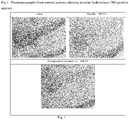
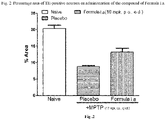
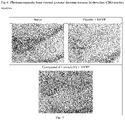
- C57BL/6 mice (6-8 weeks old, 25-30 g body weight) were administered orally with vehicle, the compounds of Formula I.a (10 or 30 mg/kg, once a day) for 7 days.
- these animals received four intraperitoneal injections of a neurotoxin, 1-methyl-4-phenyl-1,2,3,6-tetrahydropyridine (MPTP-HCl; 17 mg/kg free base; Sigma) in saline at 2 hour intervals.
- MPTP-HCl 1-methyl-4-phenyl-1,2,3,6-tetrahydropyridine
- the standard avidin-biotin method ( Benno et al., Brain Res., 1982; 246:225-236 ) was used for the immunohistochemical detection of tyrosine hydroxylase (TH). Initially, the brains were sectioned at the substantia nigra pars compacta (SNPc) level using a cryostat and mounted on glass slides. The slides with brain sections were rinsed 3x5 minutes in 0.1 M PBS.
- the sections were first incubated for 30 minutes at room temperature with normal blocking serum in 0.1 M PBS with 0.3 % Triton X-100 and for additional 2 hours with a rabbit polyclonal antibody to mouse tyrosine hydroxylase (Invitrogen) diluted 1:1000 in 0.1 M PBS with normal blocking serum.
- the slides with sections were further rinsed 3x5 minutes in 0.1 M PBS and incubated for 1 hour at room temperature with a biotinylated anti-rabbit antibody (Vectastain ® ABC kit).
- the sections were rinsed 3x5 minutes in 0.1 M PBS and incubated for 1 hour at room temperature with A and B solutions (Vectastain ® ABC kit) diluted 1:50 in 0.1 M PBS.
- the sections were rinsed 3x5 minutes in 0.1 M PBS and incubated in the 3,3'-diaminobenzidine (DAB)/H 2 O 2 solution (Sigma) for approximately 5-8 minutes (the development process was checked under microscope for an optimal signal-to-noise ratio).
- DAB 3,3'-diaminobenzidine
- H 2 O 2 solution Sigma
- the sections were first rinsed 2x5 minutes in 0.1 M PBS and then with 3x5 minutes in Milli-Q water.
- the slides were cover slipped in glycerol-gelatin solution and kept at room temperature overnight for drying after which images of the stained brain sections were captured using a camera attached to a microscope and anaslyzed using NIH ImageJ ® software (NIH, Bethesda, MD).
- the compound of Formula I.a and I.b were tested for cardiovascular safety in an in vitro test to determine inhibition of hERG K + channel.
- the compounds of Formula I.a and I.b did not show any significant inhibition of hERG current at the concentration tested.
- Micropipette solution for whole cell patch clamp recordings was composed of : potassium aspartate, 130 mM; MgCl 2 , 5 mM; EGTA, 5 mM; ATP, 4 mM; HEPES, 10 mM; pH adjusted to 7.2 with 10N KOH. Micropipette solution was prepared in batches, aliquoted, stored frozen and a fresh aliquot thawed each day.
- the recording was performed at a temperature of 33 to 35 °C using a combination of in-line solution pre-heater, chamber heater and feedback temperature controller. Temperature was measured using a thermistor probe in the recording chamber.
- Micropipettes for patch clamp recording were made from glass capillary tubing using a P-97 micropipette puller (Sutter Instruments, Novato, CA). A commercial patch clamp amplifier was used for whole cell recordings. Before digitization, current records were low-pass filtered at one-fifth of the sampling frequency.
- the compound of Formula I.a was subjected to in vivo test to determine its effect on the QT, QT cb & QT cf intervals, and heart rate in conscious beagle dogs.
- Compound of Formula I.a was administered via peroral (p.o.) route at three dose levels: 5, 15, and 30 mg/kg in conscious telemetered male and female beagle dogs. Emesis occurred in two animals (1 male and 1 female) treated with the 30 mg/kg dose group of the compound of Formula I.a at 14 min following dosing. Hence, the group treated with 30 mg/kg dose was not considered for the data analysis. No emesis was observed with 5 and 15 mg/kg doses.
- Data of ECG parameters (QT interval, QT cb interval, QT cf interval,) and heart rate were statistically compared as follows: Data of the placebo group at 0.5, 1, 1.5, 2, 3, 4, 5, 6, 8, 12, and 24 hour time points were compared with baseline data of the same group. Data of different groups treated with the compound of Formula I.a were compared with the corresponding data of the placebo group.
- the PK analysis showed a dose-dependent systemic exposure of the compound of Formula I.a to animals administered with different doses of the compound of Formula I.a.
- AUC 0-inf was in the range of 1925 to 4824, 6776 to 12756, and 25927 to 46749 hr ⁇ ng/mL with 5, 15, and 30 mg/kg doses of the compound of Formula I.a, respectively.
- C max was in the range of 1218 to 2033, 2723 to 5323, and 9825 to 9967 ng/mL with 5, 15, and 30 mg/kg doses of the compound of Formula I.a, respectively.
Landscapes
- Health & Medical Sciences (AREA)
- General Health & Medical Sciences (AREA)
- Chemical & Material Sciences (AREA)
- Animal Behavior & Ethology (AREA)
- Veterinary Medicine (AREA)
- Medicinal Chemistry (AREA)
- Pharmacology & Pharmacy (AREA)
- Public Health (AREA)
- Life Sciences & Earth Sciences (AREA)
- Bioinformatics & Cheminformatics (AREA)
- Engineering & Computer Science (AREA)
- Neurosurgery (AREA)
- Biomedical Technology (AREA)
- Neurology (AREA)
- Epidemiology (AREA)
- Nuclear Medicine, Radiotherapy & Molecular Imaging (AREA)
- Organic Chemistry (AREA)
- General Chemical & Material Sciences (AREA)
- Chemical Kinetics & Catalysis (AREA)
- Psychology (AREA)
- Pharmaceuticals Containing Other Organic And Inorganic Compounds (AREA)
- Nitrogen Condensed Heterocyclic Rings (AREA)
- Medicines Containing Plant Substances (AREA)
- Acyclic And Carbocyclic Compounds In Medicinal Compositions (AREA)
Applications Claiming Priority (4)
| Application Number | Priority Date | Filing Date | Title |
|---|---|---|---|
| IN201621019185 | 2016-06-02 | ||
| IN201621019087 | 2016-06-02 | ||
| PCT/IN2017/050224 WO2017208267A1 (en) | 2016-06-02 | 2017-06-02 | Treatment for parkinson's disease |
| EP17743097.2A EP3463351B1 (en) | 2016-06-02 | 2017-06-02 | Treatment for parkinson's disease |
Related Parent Applications (1)
| Application Number | Title | Priority Date | Filing Date |
|---|---|---|---|
| EP17743097.2A Division EP3463351B1 (en) | 2016-06-02 | 2017-06-02 | Treatment for parkinson's disease |
Publications (1)
| Publication Number | Publication Date |
|---|---|
| EP4085912A1 true EP4085912A1 (en) | 2022-11-09 |
Family
ID=59388123
Family Applications (2)
| Application Number | Title | Priority Date | Filing Date |
|---|---|---|---|
| EP22169420.1A Pending EP4085912A1 (en) | 2016-06-02 | 2017-06-02 | Treatment for parkinson s disease |
| EP17743097.2A Active EP3463351B1 (en) | 2016-06-02 | 2017-06-02 | Treatment for parkinson's disease |
Family Applications After (1)
| Application Number | Title | Priority Date | Filing Date |
|---|---|---|---|
| EP17743097.2A Active EP3463351B1 (en) | 2016-06-02 | 2017-06-02 | Treatment for parkinson's disease |
Country Status (26)
| Country | Link |
|---|---|
| US (4) | US10849887B2 (enExample) |
| EP (2) | EP4085912A1 (enExample) |
| JP (1) | JP6974357B2 (enExample) |
| KR (1) | KR102508288B1 (enExample) |
| CN (1) | CN109475539B (enExample) |
| AU (1) | AU2017273415B2 (enExample) |
| CL (1) | CL2018003431A1 (enExample) |
| CY (1) | CY1125285T1 (enExample) |
| DK (1) | DK3463351T3 (enExample) |
| ES (1) | ES2914782T3 (enExample) |
| HR (1) | HRP20220683T1 (enExample) |
| HU (1) | HUE059387T2 (enExample) |
| IL (1) | IL263188B (enExample) |
| LT (1) | LT3463351T (enExample) |
| MX (1) | MX385276B (enExample) |
| MY (1) | MY193754A (enExample) |
| NZ (1) | NZ748592A (enExample) |
| PH (1) | PH12018502457B1 (enExample) |
| PL (1) | PL3463351T3 (enExample) |
| PT (1) | PT3463351T (enExample) |
| RS (1) | RS63243B1 (enExample) |
| SG (1) | SG11201810294QA (enExample) |
| SI (1) | SI3463351T1 (enExample) |
| SM (1) | SMT202200228T1 (enExample) |
| UA (1) | UA123018C2 (enExample) |
| WO (1) | WO2017208267A1 (enExample) |
Families Citing this family (9)
| Publication number | Priority date | Publication date | Assignee | Title |
|---|---|---|---|---|
| CA2911040C (en) | 2012-05-02 | 2021-11-16 | Georgetown University | Treating an .alpha.-synucleinopathy with tyrosine kinase inhibitors |
| RS63243B1 (sr) | 2016-06-02 | 2022-06-30 | Sun Pharma Advanced Res Co Ltd | Lečenje parkinsonove bolesti |
| CN110606840A (zh) | 2018-06-15 | 2019-12-24 | 日产化学株式会社 | 5-炔基吡啶化合物的制造方法 |
| CN120040470A (zh) | 2018-11-20 | 2025-05-27 | 乔治敦大学 | 用于治疗神经退行性、肌退行性和溶酶体贮积病症的组合物和方法 |
| JP2022536331A (ja) * | 2019-06-11 | 2022-08-15 | サン・ファーマ・アドバンスド・リサーチ・カンパニー・リミテッド | シヌクレイノパチーの治療 |
| WO2021030783A1 (en) * | 2019-08-15 | 2021-02-18 | Duke University | Compositions and methods for the treatment cancer and cns disorders |
| US20230301982A1 (en) | 2020-07-31 | 2023-09-28 | Sun Pharma Advanced Research Company Limited | N'-(2-chloro-6-methylbenzoyl)-4-methyl-3-[2-(3-quinolyl)ethynyl]-benzohydrazide for treatment of alzheimer's disease |
| CA3251516A1 (en) | 2022-05-02 | 2023-11-09 | Sun Pharma Advanced Research Company Limited | Methods of reducing progression of neurodegenerative disease |
| WO2025058473A1 (ko) | 2023-09-14 | 2025-03-20 | 주식회사 엑소스템텍 | 퇴행성 뇌질환 치료 단백질을 포함하는 엑소좀을 이용한 뇌 특이적 퇴행성 뇌질환 치료 단백질 전달 기술 |
Citations (3)
| Publication number | Priority date | Publication date | Assignee | Title |
|---|---|---|---|---|
| WO2012098416A1 (en) | 2011-01-21 | 2012-07-26 | Sun Pharma Advanced Research Company Ltd | Diarylacetylene hydrazide containing tyrosine kinase inhibitors |
| US20150087653A1 (en) | 2012-05-02 | 2015-03-26 | Georgetown University | Treating neural disease with tyrosine kinase inhibitors |
| WO2016185490A1 (en) | 2015-05-18 | 2016-11-24 | Sun Pharma Advanced Research Company Limited | Novel amidoheteroaryl aroyl hydrazide ethynes |
Family Cites Families (1)
| Publication number | Priority date | Publication date | Assignee | Title |
|---|---|---|---|---|
| RS63243B1 (sr) * | 2016-06-02 | 2022-06-30 | Sun Pharma Advanced Res Co Ltd | Lečenje parkinsonove bolesti |
-
2017
- 2017-06-02 RS RS20220497A patent/RS63243B1/sr unknown
- 2017-06-02 PL PL17743097T patent/PL3463351T3/pl unknown
- 2017-06-02 LT LTEPPCT/IN2017/050224T patent/LT3463351T/lt unknown
- 2017-06-02 MX MX2018014944A patent/MX385276B/es unknown
- 2017-06-02 AU AU2017273415A patent/AU2017273415B2/en not_active Ceased
- 2017-06-02 SM SM20220228T patent/SMT202200228T1/it unknown
- 2017-06-02 SG SG11201810294QA patent/SG11201810294QA/en unknown
- 2017-06-02 NZ NZ748592A patent/NZ748592A/en unknown
- 2017-06-02 KR KR1020187034626A patent/KR102508288B1/ko active Active
- 2017-06-02 EP EP22169420.1A patent/EP4085912A1/en active Pending
- 2017-06-02 SI SI201731157T patent/SI3463351T1/sl unknown
- 2017-06-02 HR HRP20220683TT patent/HRP20220683T1/hr unknown
- 2017-06-02 US US16/304,914 patent/US10849887B2/en active Active
- 2017-06-02 CN CN201780044265.3A patent/CN109475539B/zh active Active
- 2017-06-02 EP EP17743097.2A patent/EP3463351B1/en active Active
- 2017-06-02 DK DK17743097.2T patent/DK3463351T3/da active
- 2017-06-02 JP JP2018563062A patent/JP6974357B2/ja active Active
- 2017-06-02 MY MYPI2018002187A patent/MY193754A/en unknown
- 2017-06-02 UA UAA201812407A patent/UA123018C2/uk unknown
- 2017-06-02 WO PCT/IN2017/050224 patent/WO2017208267A1/en not_active Ceased
- 2017-06-02 PT PT177430972T patent/PT3463351T/pt unknown
- 2017-06-02 HU HUE17743097A patent/HUE059387T2/hu unknown
- 2017-06-02 ES ES17743097T patent/ES2914782T3/es active Active
-
2018
- 2018-11-21 IL IL263188A patent/IL263188B/en unknown
- 2018-11-22 PH PH12018502457A patent/PH12018502457B1/en unknown
- 2018-11-30 CL CL2018003431A patent/CL2018003431A1/es unknown
-
2020
- 2020-10-01 US US17/061,139 patent/US11583522B2/en active Active
-
2022
- 2022-05-18 US US17/747,472 patent/US11813252B2/en active Active
- 2022-05-27 CY CY20221100369T patent/CY1125285T1/el unknown
-
2023
- 2023-10-11 US US18/378,901 patent/US20240066014A1/en not_active Abandoned
Patent Citations (3)
| Publication number | Priority date | Publication date | Assignee | Title |
|---|---|---|---|---|
| WO2012098416A1 (en) | 2011-01-21 | 2012-07-26 | Sun Pharma Advanced Research Company Ltd | Diarylacetylene hydrazide containing tyrosine kinase inhibitors |
| US20150087653A1 (en) | 2012-05-02 | 2015-03-26 | Georgetown University | Treating neural disease with tyrosine kinase inhibitors |
| WO2016185490A1 (en) | 2015-05-18 | 2016-11-24 | Sun Pharma Advanced Research Company Limited | Novel amidoheteroaryl aroyl hydrazide ethynes |
Non-Patent Citations (9)
| Title |
|---|
| BENNO ET AL., BRAIN RES., vol. 246, 1982, pages 225 - 236 |
| E. W. MARTIN: "Remington's Pharmaceutical Sciences", 1980, MACK PUBLISHING CO. |
| GONFLONI ET AL., INT. J. CELL BIOL., vol. 2012, 2012, pages 1 - 7 |
| HEBRON ET AL., AUTOPHAGY, vol. 9, 2013, pages 1249 - 1250 |
| HEBRON ET AL., HUM. MOL. GENET., vol. 22, 2013, pages 3315 - 3328 |
| IMAM ET AL., J. NEUROSCI., vol. 31, 2011, pages 157 - 163 |
| KO ET AL., PNAS, vol. 107, 2010, pages 16691 - 16696 |
| MAHUL-MELLIER ET AL., HUM. MOL. GENET., vol. 23, 2014, pages 2858 - 2879 |
| WU ET AL., CELL DEATH DIFFER., vol. 23, 2016, pages 542 - 552 |
Also Published As
Similar Documents
| Publication | Publication Date | Title |
|---|---|---|
| US11813252B2 (en) | Treatment for Parkinson's disease | |
| US12582653B2 (en) | Method for treating idiopathic pulmonary fibrosis | |
| US8329719B2 (en) | Neuroprotective agents for the prevention and treatment of neurodegenerative diseases | |
| TW201400118A (zh) | 用於預防及/或治療多囊性腎臟病之藥物 | |
| AU2019338236B2 (en) | A GABAA receptor ligand | |
| JP2009521470A (ja) | シヌクレイン障害の治療 | |
| JP2010531854A (ja) | 抗アミロイド剤としてのピレンゼピンおよびその誘導体 | |
| HK40082665A (en) | Treatment for parkinson s disease | |
| CA3024976C (en) | Treatment for parkinson's disease | |
| US20230104617A1 (en) | Compound for treating alzheimers disease | |
| JP2020525446A (ja) | 常染色体優性多発性嚢胞腎疾患を治療するための嚢胞性線維症膜貫通コンダクタンス制御因子の調節因子 | |
| OA19279A (en) | Treatment for Parkinson's disease. | |
| US6743803B2 (en) | Medicines for the prevention and treatment of neurodegenerative diseases | |
| EA037697B1 (ru) | Лечение болезни паркинсона | |
| BR122024006410A2 (pt) | Uso do composto de fórmula i para o tratamento ou prevenção da doença de parkinson | |
| BR112018074439B1 (pt) | Uso do composto de fórmula i para o tratamento ou prevenção da doença de parkinson | |
| JP2022530890A (ja) | ジアミノピリミジン化合物を使用することによって咳を治療する方法 | |
| ITMI20110208A1 (it) | Eterocicli ad attivita' antiipertensiva | |
| HK40063173A (en) | Method for treating idiopathic pulmonary fibrosis | |
| HK1051194A (en) | Medicines for the prevention and treatment of neurodegenerative diseases |
Legal Events
| Date | Code | Title | Description |
|---|---|---|---|
| PUAI | Public reference made under article 153(3) epc to a published international application that has entered the european phase |
Free format text: ORIGINAL CODE: 0009012 |
|
| STAA | Information on the status of an ep patent application or granted ep patent |
Free format text: STATUS: THE APPLICATION HAS BEEN PUBLISHED |
|
| AC | Divisional application: reference to earlier application |
Ref document number: 3463351 Country of ref document: EP Kind code of ref document: P |
|
| AK | Designated contracting states |
Kind code of ref document: A1 Designated state(s): AL AT BE BG CH CY CZ DE DK EE ES FI FR GB GR HR HU IE IS IT LI LT LU LV MC MK MT NL NO PL PT RO RS SE SI SK SM TR |
|
| STAA | Information on the status of an ep patent application or granted ep patent |
Free format text: STATUS: REQUEST FOR EXAMINATION WAS MADE |
|
| 17P | Request for examination filed |
Effective date: 20230502 |
|
| RBV | Designated contracting states (corrected) |
Designated state(s): AL AT BE BG CH CY CZ DE DK EE ES FI FR GB GR HR HU IE IS IT LI LT LU LV MC MK MT NL NO PL PT RO RS SE SI SK SM TR |
|
| REG | Reference to a national code |
Ref country code: HK Ref legal event code: DE Ref document number: 40082665 Country of ref document: HK |
|
| P01 | Opt-out of the competence of the unified patent court (upc) registered |
Effective date: 20230517 |
|
| STAA | Information on the status of an ep patent application or granted ep patent |
Free format text: STATUS: THE APPLICATION IS DEEMED TO BE WITHDRAWN |