EP4074731A1 - Chimeric antigen receptors targeting her2 - Google Patents
Chimeric antigen receptors targeting her2 Download PDFInfo
- Publication number
- EP4074731A1 EP4074731A1 EP22157943.6A EP22157943A EP4074731A1 EP 4074731 A1 EP4074731 A1 EP 4074731A1 EP 22157943 A EP22157943 A EP 22157943A EP 4074731 A1 EP4074731 A1 EP 4074731A1
- Authority
- EP
- European Patent Office
- Prior art keywords
- cells
- amino acid
- her2
- domain
- car
- Prior art date
- Legal status (The legal status is an assumption and is not a legal conclusion. Google has not performed a legal analysis and makes no representation as to the accuracy of the status listed.)
- Withdrawn
Links
Images






Classifications
-
- A—HUMAN NECESSITIES
- A61—MEDICAL OR VETERINARY SCIENCE; HYGIENE
- A61P—SPECIFIC THERAPEUTIC ACTIVITY OF CHEMICAL COMPOUNDS OR MEDICINAL PREPARATIONS
- A61P35/00—Antineoplastic agents
-
- A—HUMAN NECESSITIES
- A61—MEDICAL OR VETERINARY SCIENCE; HYGIENE
- A61K—PREPARATIONS FOR MEDICAL, DENTAL OR TOILETRY PURPOSES
- A61K35/00—Medicinal preparations containing materials or reaction products thereof with undetermined constitution
- A61K35/12—Materials from mammals; Compositions comprising non-specified tissues or cells; Compositions comprising non-embryonic stem cells; Genetically modified cells
-
- A—HUMAN NECESSITIES
- A61—MEDICAL OR VETERINARY SCIENCE; HYGIENE
- A61K—PREPARATIONS FOR MEDICAL, DENTAL OR TOILETRY PURPOSES
- A61K35/00—Medicinal preparations containing materials or reaction products thereof with undetermined constitution
- A61K35/12—Materials from mammals; Compositions comprising non-specified tissues or cells; Compositions comprising non-embryonic stem cells; Genetically modified cells
- A61K35/14—Blood; Artificial blood
- A61K35/17—Lymphocytes; B-cells; T-cells; Natural killer cells; Interferon-activated or cytokine-activated lymphocytes
-
- A—HUMAN NECESSITIES
- A61—MEDICAL OR VETERINARY SCIENCE; HYGIENE
- A61K—PREPARATIONS FOR MEDICAL, DENTAL OR TOILETRY PURPOSES
- A61K40/00—Cellular immunotherapy
- A61K40/10—Cellular immunotherapy characterised by the cell type used
- A61K40/11—T-cells, e.g. tumour infiltrating lymphocytes [TIL] or regulatory T [Treg] cells; Lymphokine-activated killer [LAK] cells
-
- A—HUMAN NECESSITIES
- A61—MEDICAL OR VETERINARY SCIENCE; HYGIENE
- A61K—PREPARATIONS FOR MEDICAL, DENTAL OR TOILETRY PURPOSES
- A61K40/00—Cellular immunotherapy
- A61K40/30—Cellular immunotherapy characterised by the recombinant expression of specific molecules in the cells of the immune system
- A61K40/31—Chimeric antigen receptors [CAR]
-
- A—HUMAN NECESSITIES
- A61—MEDICAL OR VETERINARY SCIENCE; HYGIENE
- A61K—PREPARATIONS FOR MEDICAL, DENTAL OR TOILETRY PURPOSES
- A61K40/00—Cellular immunotherapy
- A61K40/40—Cellular immunotherapy characterised by antigens that are targeted or presented by cells of the immune system
- A61K40/41—Vertebrate antigens
- A61K40/42—Cancer antigens
- A61K40/4202—Receptors, cell surface antigens or cell surface determinants
- A61K40/4203—Receptors for growth factors
- A61K40/4205—Her-2/neu/ErbB2, Her-3/ErbB3 or Her 4/ ErbB4
-
- A—HUMAN NECESSITIES
- A61—MEDICAL OR VETERINARY SCIENCE; HYGIENE
- A61P—SPECIFIC THERAPEUTIC ACTIVITY OF CHEMICAL COMPOUNDS OR MEDICINAL PREPARATIONS
- A61P35/00—Antineoplastic agents
- A61P35/04—Antineoplastic agents specific for metastasis
-
- C—CHEMISTRY; METALLURGY
- C07—ORGANIC CHEMISTRY
- C07K—PEPTIDES
- C07K14/00—Peptides having more than 20 amino acids; Gastrins; Somatostatins; Melanotropins; Derivatives thereof
- C07K14/435—Peptides having more than 20 amino acids; Gastrins; Somatostatins; Melanotropins; Derivatives thereof from animals; from humans
- C07K14/705—Receptors; Cell surface antigens; Cell surface determinants
- C07K14/70503—Immunoglobulin superfamily
-
- C—CHEMISTRY; METALLURGY
- C07—ORGANIC CHEMISTRY
- C07K—PEPTIDES
- C07K14/00—Peptides having more than 20 amino acids; Gastrins; Somatostatins; Melanotropins; Derivatives thereof
- C07K14/435—Peptides having more than 20 amino acids; Gastrins; Somatostatins; Melanotropins; Derivatives thereof from animals; from humans
- C07K14/705—Receptors; Cell surface antigens; Cell surface determinants
- C07K14/70503—Immunoglobulin superfamily
- C07K14/7051—T-cell receptor (TcR)-CD3 complex
-
- C—CHEMISTRY; METALLURGY
- C07—ORGANIC CHEMISTRY
- C07K—PEPTIDES
- C07K14/00—Peptides having more than 20 amino acids; Gastrins; Somatostatins; Melanotropins; Derivatives thereof
- C07K14/435—Peptides having more than 20 amino acids; Gastrins; Somatostatins; Melanotropins; Derivatives thereof from animals; from humans
- C07K14/705—Receptors; Cell surface antigens; Cell surface determinants
- C07K14/70503—Immunoglobulin superfamily
- C07K14/70514—CD4
-
- C—CHEMISTRY; METALLURGY
- C07—ORGANIC CHEMISTRY
- C07K—PEPTIDES
- C07K14/00—Peptides having more than 20 amino acids; Gastrins; Somatostatins; Melanotropins; Derivatives thereof
- C07K14/435—Peptides having more than 20 amino acids; Gastrins; Somatostatins; Melanotropins; Derivatives thereof from animals; from humans
- C07K14/705—Receptors; Cell surface antigens; Cell surface determinants
- C07K14/70503—Immunoglobulin superfamily
- C07K14/70517—CD8
-
- C—CHEMISTRY; METALLURGY
- C07—ORGANIC CHEMISTRY
- C07K—PEPTIDES
- C07K14/00—Peptides having more than 20 amino acids; Gastrins; Somatostatins; Melanotropins; Derivatives thereof
- C07K14/435—Peptides having more than 20 amino acids; Gastrins; Somatostatins; Melanotropins; Derivatives thereof from animals; from humans
- C07K14/705—Receptors; Cell surface antigens; Cell surface determinants
- C07K14/70503—Immunoglobulin superfamily
- C07K14/70521—CD28, CD152
-
- C—CHEMISTRY; METALLURGY
- C07—ORGANIC CHEMISTRY
- C07K—PEPTIDES
- C07K14/00—Peptides having more than 20 amino acids; Gastrins; Somatostatins; Melanotropins; Derivatives thereof
- C07K14/435—Peptides having more than 20 amino acids; Gastrins; Somatostatins; Melanotropins; Derivatives thereof from animals; from humans
- C07K14/705—Receptors; Cell surface antigens; Cell surface determinants
- C07K14/70578—NGF-receptor/TNF-receptor superfamily, e.g. CD27, CD30, CD40, CD95
-
- C—CHEMISTRY; METALLURGY
- C07—ORGANIC CHEMISTRY
- C07K—PEPTIDES
- C07K14/00—Peptides having more than 20 amino acids; Gastrins; Somatostatins; Melanotropins; Derivatives thereof
- C07K14/435—Peptides having more than 20 amino acids; Gastrins; Somatostatins; Melanotropins; Derivatives thereof from animals; from humans
- C07K14/705—Receptors; Cell surface antigens; Cell surface determinants
- C07K14/71—Receptors; Cell surface antigens; Cell surface determinants for growth factors; for growth regulators
-
- C—CHEMISTRY; METALLURGY
- C07—ORGANIC CHEMISTRY
- C07K—PEPTIDES
- C07K16/00—Immunoglobulins [IG], e.g. monoclonal or polyclonal antibodies
- C07K16/18—Immunoglobulins [IG], e.g. monoclonal or polyclonal antibodies against material from animals or humans
- C07K16/28—Immunoglobulins [IG], e.g. monoclonal or polyclonal antibodies against material from animals or humans against receptors, cell surface antigens or cell surface determinants
- C07K16/2863—Immunoglobulins [IG], e.g. monoclonal or polyclonal antibodies against material from animals or humans against receptors, cell surface antigens or cell surface determinants against receptors for growth factors, growth regulators
-
- C—CHEMISTRY; METALLURGY
- C07—ORGANIC CHEMISTRY
- C07K—PEPTIDES
- C07K16/00—Immunoglobulins [IG], e.g. monoclonal or polyclonal antibodies
- C07K16/18—Immunoglobulins [IG], e.g. monoclonal or polyclonal antibodies against material from animals or humans
- C07K16/32—Immunoglobulins [IG], e.g. monoclonal or polyclonal antibodies against material from animals or humans against translation products of oncogenes
-
- C—CHEMISTRY; METALLURGY
- C12—BIOCHEMISTRY; BEER; SPIRITS; WINE; VINEGAR; MICROBIOLOGY; ENZYMOLOGY; MUTATION OR GENETIC ENGINEERING
- C12N—MICROORGANISMS OR ENZYMES; COMPOSITIONS THEREOF; PROPAGATING, PRESERVING, OR MAINTAINING MICROORGANISMS; MUTATION OR GENETIC ENGINEERING; CULTURE MEDIA
- C12N15/00—Mutation or genetic engineering; DNA or RNA concerning genetic engineering, vectors, e.g. plasmids, or their isolation, preparation or purification; Use of hosts therefor
- C12N15/09—Recombinant DNA-technology
- C12N15/63—Introduction of foreign genetic material using vectors; Vectors; Use of hosts therefor; Regulation of expression
- C12N15/79—Vectors or expression systems specially adapted for eukaryotic hosts
- C12N15/85—Vectors or expression systems specially adapted for eukaryotic hosts for animal cells
-
- C—CHEMISTRY; METALLURGY
- C12—BIOCHEMISTRY; BEER; SPIRITS; WINE; VINEGAR; MICROBIOLOGY; ENZYMOLOGY; MUTATION OR GENETIC ENGINEERING
- C12N—MICROORGANISMS OR ENZYMES; COMPOSITIONS THEREOF; PROPAGATING, PRESERVING, OR MAINTAINING MICROORGANISMS; MUTATION OR GENETIC ENGINEERING; CULTURE MEDIA
- C12N15/00—Mutation or genetic engineering; DNA or RNA concerning genetic engineering, vectors, e.g. plasmids, or their isolation, preparation or purification; Use of hosts therefor
- C12N15/09—Recombinant DNA-technology
- C12N15/63—Introduction of foreign genetic material using vectors; Vectors; Use of hosts therefor; Regulation of expression
- C12N15/79—Vectors or expression systems specially adapted for eukaryotic hosts
- C12N15/85—Vectors or expression systems specially adapted for eukaryotic hosts for animal cells
- C12N15/86—Viral vectors
-
- C—CHEMISTRY; METALLURGY
- C12—BIOCHEMISTRY; BEER; SPIRITS; WINE; VINEGAR; MICROBIOLOGY; ENZYMOLOGY; MUTATION OR GENETIC ENGINEERING
- C12N—MICROORGANISMS OR ENZYMES; COMPOSITIONS THEREOF; PROPAGATING, PRESERVING, OR MAINTAINING MICROORGANISMS; MUTATION OR GENETIC ENGINEERING; CULTURE MEDIA
- C12N5/00—Undifferentiated human, animal or plant cells, e.g. cell lines; Tissues; Cultivation or maintenance thereof; Culture media therefor
- C12N5/06—Animal cells or tissues; Human cells or tissues
- C12N5/0602—Vertebrate cells
- C12N5/0634—Cells from the blood or the immune system
- C12N5/0636—T lymphocytes
-
- A—HUMAN NECESSITIES
- A61—MEDICAL OR VETERINARY SCIENCE; HYGIENE
- A61K—PREPARATIONS FOR MEDICAL, DENTAL OR TOILETRY PURPOSES
- A61K39/00—Medicinal preparations containing antigens or antibodies
- A61K2039/505—Medicinal preparations containing antigens or antibodies comprising antibodies
-
- A—HUMAN NECESSITIES
- A61—MEDICAL OR VETERINARY SCIENCE; HYGIENE
- A61K—PREPARATIONS FOR MEDICAL, DENTAL OR TOILETRY PURPOSES
- A61K39/00—Medicinal preparations containing antigens or antibodies
- A61K2039/80—Vaccine for a specifically defined cancer
-
- A—HUMAN NECESSITIES
- A61—MEDICAL OR VETERINARY SCIENCE; HYGIENE
- A61K—PREPARATIONS FOR MEDICAL, DENTAL OR TOILETRY PURPOSES
- A61K39/00—Medicinal preparations containing antigens or antibodies
- A61K2039/80—Vaccine for a specifically defined cancer
- A61K2039/812—Breast
-
- A—HUMAN NECESSITIES
- A61—MEDICAL OR VETERINARY SCIENCE; HYGIENE
- A61K—PREPARATIONS FOR MEDICAL, DENTAL OR TOILETRY PURPOSES
- A61K2239/00—Indexing codes associated with cellular immunotherapy of group A61K40/00
- A61K2239/10—Indexing codes associated with cellular immunotherapy of group A61K40/00 characterized by the structure of the chimeric antigen receptor [CAR]
- A61K2239/17—Hinge-spacer domain
-
- A—HUMAN NECESSITIES
- A61—MEDICAL OR VETERINARY SCIENCE; HYGIENE
- A61K—PREPARATIONS FOR MEDICAL, DENTAL OR TOILETRY PURPOSES
- A61K2239/00—Indexing codes associated with cellular immunotherapy of group A61K40/00
- A61K2239/10—Indexing codes associated with cellular immunotherapy of group A61K40/00 characterized by the structure of the chimeric antigen receptor [CAR]
- A61K2239/21—Transmembrane domain
-
- A—HUMAN NECESSITIES
- A61—MEDICAL OR VETERINARY SCIENCE; HYGIENE
- A61K—PREPARATIONS FOR MEDICAL, DENTAL OR TOILETRY PURPOSES
- A61K2239/00—Indexing codes associated with cellular immunotherapy of group A61K40/00
- A61K2239/10—Indexing codes associated with cellular immunotherapy of group A61K40/00 characterized by the structure of the chimeric antigen receptor [CAR]
- A61K2239/22—Intracellular domain
-
- A—HUMAN NECESSITIES
- A61—MEDICAL OR VETERINARY SCIENCE; HYGIENE
- A61K—PREPARATIONS FOR MEDICAL, DENTAL OR TOILETRY PURPOSES
- A61K2239/00—Indexing codes associated with cellular immunotherapy of group A61K40/00
- A61K2239/31—Indexing codes associated with cellular immunotherapy of group A61K40/00 characterized by the route of administration
-
- A—HUMAN NECESSITIES
- A61—MEDICAL OR VETERINARY SCIENCE; HYGIENE
- A61K—PREPARATIONS FOR MEDICAL, DENTAL OR TOILETRY PURPOSES
- A61K2239/00—Indexing codes associated with cellular immunotherapy of group A61K40/00
- A61K2239/46—Indexing codes associated with cellular immunotherapy of group A61K40/00 characterised by the cancer treated
- A61K2239/47—Brain; Nervous system
-
- A—HUMAN NECESSITIES
- A61—MEDICAL OR VETERINARY SCIENCE; HYGIENE
- A61K—PREPARATIONS FOR MEDICAL, DENTAL OR TOILETRY PURPOSES
- A61K40/00—Cellular immunotherapy
- A61K40/50—Cellular immunotherapy characterised by the use of allogeneic cells
-
- C—CHEMISTRY; METALLURGY
- C07—ORGANIC CHEMISTRY
- C07K—PEPTIDES
- C07K2317/00—Immunoglobulins specific features
- C07K2317/50—Immunoglobulins specific features characterized by immunoglobulin fragments
- C07K2317/52—Constant or Fc region; Isotype
- C07K2317/524—CH2 domain
-
- C—CHEMISTRY; METALLURGY
- C07—ORGANIC CHEMISTRY
- C07K—PEPTIDES
- C07K2317/00—Immunoglobulins specific features
- C07K2317/60—Immunoglobulins specific features characterized by non-natural combinations of immunoglobulin fragments
- C07K2317/62—Immunoglobulins specific features characterized by non-natural combinations of immunoglobulin fragments comprising only variable region components
- C07K2317/622—Single chain antibody (scFv)
-
- C—CHEMISTRY; METALLURGY
- C07—ORGANIC CHEMISTRY
- C07K—PEPTIDES
- C07K2317/00—Immunoglobulins specific features
- C07K2317/70—Immunoglobulins specific features characterized by effect upon binding to a cell or to an antigen
- C07K2317/71—Decreased effector function due to an Fc-modification
-
- C—CHEMISTRY; METALLURGY
- C07—ORGANIC CHEMISTRY
- C07K—PEPTIDES
- C07K2319/00—Fusion polypeptide
- C07K2319/01—Fusion polypeptide containing a localisation/targetting motif
- C07K2319/02—Fusion polypeptide containing a localisation/targetting motif containing a signal sequence
-
- C—CHEMISTRY; METALLURGY
- C07—ORGANIC CHEMISTRY
- C07K—PEPTIDES
- C07K2319/00—Fusion polypeptide
- C07K2319/01—Fusion polypeptide containing a localisation/targetting motif
- C07K2319/03—Fusion polypeptide containing a localisation/targetting motif containing a transmembrane segment
-
- C—CHEMISTRY; METALLURGY
- C07—ORGANIC CHEMISTRY
- C07K—PEPTIDES
- C07K2319/00—Fusion polypeptide
- C07K2319/33—Fusion polypeptide fusions for targeting to specific cell types, e.g. tissue specific targeting, targeting of a bacterial subspecies
-
- C—CHEMISTRY; METALLURGY
- C07—ORGANIC CHEMISTRY
- C07K—PEPTIDES
- C07K2319/00—Fusion polypeptide
- C07K2319/70—Fusion polypeptide containing domain for protein-protein interaction
- C07K2319/74—Fusion polypeptide containing domain for protein-protein interaction containing a fusion for binding to a cell surface receptor
-
- C—CHEMISTRY; METALLURGY
- C12—BIOCHEMISTRY; BEER; SPIRITS; WINE; VINEGAR; MICROBIOLOGY; ENZYMOLOGY; MUTATION OR GENETIC ENGINEERING
- C12N—MICROORGANISMS OR ENZYMES; COMPOSITIONS THEREOF; PROPAGATING, PRESERVING, OR MAINTAINING MICROORGANISMS; MUTATION OR GENETIC ENGINEERING; CULTURE MEDIA
- C12N2510/00—Genetically modified cells
-
- C—CHEMISTRY; METALLURGY
- C12—BIOCHEMISTRY; BEER; SPIRITS; WINE; VINEGAR; MICROBIOLOGY; ENZYMOLOGY; MUTATION OR GENETIC ENGINEERING
- C12N—MICROORGANISMS OR ENZYMES; COMPOSITIONS THEREOF; PROPAGATING, PRESERVING, OR MAINTAINING MICROORGANISMS; MUTATION OR GENETIC ENGINEERING; CULTURE MEDIA
- C12N2740/00—Reverse transcribing RNA viruses
- C12N2740/00011—Details
- C12N2740/10011—Retroviridae
- C12N2740/16011—Human Immunodeficiency Virus, HIV
- C12N2740/16041—Use of virus, viral particle or viral elements as a vector
- C12N2740/16043—Use of virus, viral particle or viral elements as a vector viral genome or elements thereof as genetic vector
-
- C—CHEMISTRY; METALLURGY
- C12—BIOCHEMISTRY; BEER; SPIRITS; WINE; VINEGAR; MICROBIOLOGY; ENZYMOLOGY; MUTATION OR GENETIC ENGINEERING
- C12N—MICROORGANISMS OR ENZYMES; COMPOSITIONS THEREOF; PROPAGATING, PRESERVING, OR MAINTAINING MICROORGANISMS; MUTATION OR GENETIC ENGINEERING; CULTURE MEDIA
- C12N2830/00—Vector systems having a special element relevant for transcription
- C12N2830/15—Vector systems having a special element relevant for transcription chimeric enhancer/promoter combination
Definitions
- Tumor-specific T cell based immunotherapies including therapies employing engineered T cells, have been investigated for anti-tumor treatment.
- the T cells used in such therapies do not remain active in vivo for long enough periods.
- the tumor-specificity of the T cells is relatively low, in part because of the heterogeneous nature of solid tumors and the potential for off-target effects on non-cancerous cells when targeting self antigens. Therefore, there is a need in the art for tumor-specific cancer therapies with improved anti-tumor specificity and function.
- Chimeric antigen receptors are composed of an extracellular tumor recognition/targeting domain, an extracellular linker/spacer, a transmembrane domain, and intracellular T cell-activating and co-stimulatory signaling domains.
- the design of the recognition/targeting domain is critical to avoiding deleterious off-target effects.
- the majority of CAR tumor targeting domains are single chain variable fragments (scFvs) derived from antibody sequences that exploit the specificity of antibody binding to particular antigens.
- scFvs single chain variable fragments
- CAR tumor targeting domains derived from normal receptor ligands such as the IL-13 cytokine CAR that targets cells expressing the IL-13 receptor, IL13R ⁇ 2.
- Adoptive T cell therapy utilizing engineered T cells expressing a CAR has demonstrated robust and durable clinical efficacy in patients with CD 19+ B-cell malignancies ( Priceman et al. 2015 Curr Opin Oncol ; Maus et al. 2014 Blood 123: 2625-2635 . With early successes in hematologic diseases, broader application of this approach to solid tumors is now under intense investigation.
- trastuzumab and pertuzumab the most promising treatment combination of two HER2-targeted antibodies, trastuzumab and pertuzumab, plus docetaxel yields a median overall survival of 56.5 months and an extension of progression-free survival of only 6.3 months over trastuzumab and docetaxel alone.
- chimeric transmembrane immunoreceptors (chimeric antigen receptors or "CARs") which comprise an extracellular domain, a transmembrane region and an intracellular signaling domain.
- the extracellular domain includes a scFv targeted to HER2 and, optionally, a spacer, comprising, for example, a portion of human Fe domain.
- the transmembrane portion includes, for example, a CD4 transmembrane domain, a CD8 transmembrane domain, a CD28 transmembrane domain, or a CD3 transmembrane domain.
- the intracellular signaling domain includes the signaling domain from the zeta chain of the human CD3 complex (CD3 ⁇ ) and one or more costimulatory domains, for example, a 4-IBB or a CD28 costimulatory domain.
- the extracellular domain enables the CAR, when expressed on the surface of a T cell, to direct T cell activity to those cells expressing HER2.
- Such cells include certain breast cancer cells and certain brain cancer cells.
- the inclusion of a costimulatory domain, such as the 4-IBB (CD137) costimulatory domain in series with CD3 ⁇ in the intracellular region enables the T cell to receive co- stimulatory signals.
- T cells for example, patient-specific, autologous T cells can be engineered to express the CARs described herein, and the engineered cells can be expanded and used in ACT.
- Various T cell subsets including both alpha beta T cells and gamma delta T cells, can be used.
- the CAR can be expressed in other immune cells such as NK cells.
- a patient is treated with an immune cell expressing a CAR described herein the cell can be an autologous T cell or an allogenic T cell.
- the cells used are a cell population that includes both CD4+ and CD8+ central memory T cells (T CM ), which are CD62L+, CCR7+, CD45RO+, and CD45RA-, or the cells used are a cell population that includes CD4+ and CD8+ T CM cells, stem central memory T cells and naive T cells (i.e., a population of T CM/SCM/N cells).
- T CM CD4+ and CD8+ central memory T cells
- stem central memory T cells i.e., a population of T CM/SCM/N cells.
- a population of T CM/SCM/N cells are CD62L+, CCR7+ and include both CD45RA+ and CD45RO+ cells as well as both CD4+ cells and CD8+ cells.
- the use of such cells can improve long-term persistence of the cells after adoptive transfer compared to the use of other types of patient-specific T cells.
- a nucleic acid molecule encoding a CAR comprising: an scFv targeted to HER2 (e.g., DIQMTQSPSSLSASVGDRVTITCRASQDVNTAVAWYQQKPGKAPKLLIYSASFLY SGVPSRFSGSRSGTDFTLTISSLQPEDFATYYCQQHYTTPPTFGQGTKVEIKGSTSG GGSGGGSGGGGSSEVQLVESGGGLVQPGGSLRLSCAASGFNIKDTYIHWVRQAP GKGLEWVARIYPTNGYTRYADSVKGRFTISADTSKNTAYLQMNSLRAEDTAVY YCSRWGGDGFY AMDYWGQGTL VTVSS; SEQ ID NO: 1) or a variant thereof having 1-5 (e.g., 1 or 2) amino acid modifications (e.g., substitutions); a transmembrane domain selected from: a CD4 transmembrane domain or variant thereof having 1-5 (e.g.
- the costimulatory domain is selected from the group consisting of: a CD28 costimulatory domain or a variant thereof having 1-5 (e.g., 1 or 2) amino acid modifications, a4-lBB costimulatory domain or a variant thereof having 1-5 (e.g., 1 or 2) amino acid modifications and an OX40 costimulatory domain or a variant thereof having 1-5 (e.g., 1 or 2) amino acid modifications.
- a 4-1BB costimulatory domain or a variant thereof having 1-5 (e.g., 1 or 2) amino acid modifications in present.
- costimulatory domains for example a CD28 co-stimulatory domain or a variant thereof having 1-5 (e.g., 1 or 2) amino acid modifications (e.g., substitutions) and a 4-lBB co-stimulatory domain or a variant thereof having 1-5 (e.g., 1 or 2) amino acid modifications (e.g., substitutions).
- 1-5 e.g., 1 or 2 amino acid modification
- 4-lBB co-stimulatory domain or a variant thereof having 1-5 (e.g., 1 or 2) amino acid modifications e.g., substitutions
- the 1-5 (e.g., 1 or 2) amino acid modification are substitutions.
- the CAR comprises: an scFv targeted to HER2; two different costimulatory domains selected from the group consisting of: a CD28 costimulatory domain or a variant thereof having 1-5 (e.g., 1 or 2) amino acid modifications, a4-lBB costimulatory domain or a variant thereof having 1-5 (e.g., 1 or 2) amino acid modifications and an OX40 costimulatory domain or a variant thereof having 1-5 (e.g., 1 or 2) amino acid modifications; two different costimulatory domains selected from the group consisting of: a CD28 costimulatory domain or a variant thereof having 1-2 amino acid modifications, a 4-lBB costimulatory domain or a variant thereof having 1-2 amino acid modifications and an OX40 costimulatory domain or a variant thereof having 1-2 amino acid modifications; a HER2 scFv or a variant thereof having 1-2 amino acid modifications; a transmembrane domain selected from: a CD4 transmembrane domain or variant thereof having 1-2
- one is a 4-lBB costimulatory domain and the other a costimulatory domain selected from: CD28 and CD28gg.
- the 1-5 e.g., 1 or 2 amino acid modification are substitutions, e.g., conservative substitutions.
- nucleic acid molecule expresses a polypeptide comprising an amino acid sequence selected from SEQ ID NOs: 26-41; the chimeric antigen receptor comprises an amino acid sequence selected from SEQ ID NOs: 26-41.
- the population of human T cells comprise a vector expressing a chimeric antigen receptor comprising an amino acid sequence selected from any of SEQ ID NOs: 26-41 or a variant thereof having 1-5 amino acid modifications (e.g., 1 or 2) amino acid modifications (e.g., substitutions);
- the population of human T cells comprises central memory T cells (T CM cells) e.g., at least 20%, 30%, 40%, 50% 60%, 70%, 80% of the cells are T CM cells, or the population of T cells comprises a combination of central memory T cells, naive T cells and stem central memory cells (T CM/SCM/N cells) e.g., at least 20%, 30%, 40%, 50% 60%, 70%, 80% of the cells are T CM/SCM/N cells.
- the population of T cells includes both CD4+ cells and CD8+ cells (e.g., at least 20% of the CD3+ T cells are CD4+ and at least 3% of the CD3+ T cells are CD8+ and at least 70, 80 or 90% are either CD4+ or CD8+; at least 15%, 20%, 25%, 30%, 35%, 40%, 50%, 60% of the cells CD3+ cells are CD4+ and at least 4%, 5%, 8%, 10%, 20 of the CD3+ cells are CD8+ cells).
- CD4+ cells e.g., at least 20% of the CD3+ T cells are CD4+ and at least 3% of the CD3+ T cells are CD8+ and at least 70, 80 or 90% are either CD4+ or CD8+; at least 15%, 20%, 25%, 30%, 35%, 40%, 50%, 60% of the cells CD3+ cells are CD4+ and at least 4%, 5%, 8%, 10%, 20 of the CD3+ cells are CD8+ cells).
- a method of treating cancer in a patient comprising administering a population of autologous or allogeneic human T cells (e.g., autologous or allogenic T cells comprising central memory T cells (T CM cells) or a combination of central memory T cells, naive T cells and stem central memory cells (i.e., the T cells are T CM/SCM/N cells) at least 20%, 30%, 40%, 50% 60%, 70%, 80% of the cells are TCM/SCM/N cells.
- a population of autologous or allogeneic human T cells e.g., autologous or allogenic T cells comprising central memory T cells (T CM cells) or a combination of central memory T cells, naive T cells and stem central memory cells (i.e., the T cells are T CM/SCM/N cells) at least 20%, 30%, 40%, 50% 60%, 70%, 80% of the cells are TCM/SCM/N cells.
- the population of T cells includes both CD4+ cells and CD8+ cells (e.g., at least 20% of the CD3+ T cells are CD4+ and at least 3% of the CD3+ T cells are CD8+ and at least 70, 80 or 90% are either CD4+ or CD8+; at least 15%, 20%, 25%, 30%, 35%, 40%, 50%, 60% of the cells CD3+ cells are CD4+ and at least 4%, 5%, 8%, 10%, 20 of the CD3+ cells are CD8+ cells) transduced by a vector comprising an expression cassette encoding a chimeric antigen receptor, wherein chimeric antigen receptor comprises an amino acid sequence selected from SEQ ID NOs: 26-41 or a variant thereof having 1-5 (e.g., 1 or 2) amino acid modifications (e.g., substitutions).
- chimeric antigen receptor comprises an amino acid sequence selected from SEQ ID NOs: 26-41 or a variant thereof having 1-5 (e.g., 1 or 2) amino acid modifications (e.g., substitution
- the cancer is brain cancer, e.g., an HER2-expressing brain cancer that is a metastasis from breast cancer; and the transduced human T cells where prepared by a method comprising obtaining T cells from the patient, treating the T cells to isolate central memory T cells, and transducing at least a portion of the central memory cells to with a viral vector comprising an expression cassette encoding a chimeric antigen receptor, wherein chimeric antigen receptor comprises an amino acid sequence selected from SEQ ID NOs: 26 or 27 or a variant thereof having 1-5 (e.g., 1 or 2) amino acid modifications (e.g., substitutions).
- the CAR T cells are administered not directly the brain tumor, but are instead administered to the intraventricular space within the brain of the patient.
- nucleic acid molecule encoding a polypeptide comprising an amino acid sequence that is at least 95% identical to an amino acid sequence selected from SEQ ID NOs 26-41; a nucleic acid molecule encoding an polypeptide comprising an amino acid sequence that is identical to an amino acid sequence selected from SEQ ID NOs: 26-41 except for the presence of no more than 5 amino acid substitutions, deletions or insertions; a nucleic acid molecule encoding an polypeptide comprising an amino acid sequence that is identical to an amino acid sequence selected from SEQ ID NOs:26- 4 1 except for the presence of no more than 5 amino acid substitutions; and a nucleic acid molecule encoding an polypeptide comprising an amino acid sequence that is identical to an amino acid sequence selected from SEQ ID NOs:26-41 except for the presence of no more than 2 amino acid substitutions.
- This disclosure also includes nucleic acid molecules that encode any of the CARs described herein (e.g., vectors that include a nucleic acid sequence encoding one of the CARs) and isolated T lymphocytes that express any of the CARs described herein.
- the CAR described herein can include a spacer region located between the HER2 binding domain (e.g., a HER2 scFv) and the transmembrane domain.
- a spacer region located between the HER2 binding domain (e.g., a HER2 scFv) and the transmembrane domain.
- spacers can be used. Some of them include at least portion of a human Fc region, for example a hinge portion of a human Fc region or a CH3 domain or variants thereof. Table 1 below provides various spacers that can be used in the CARs described herein.
- Table 1 Examples of Spacers Name Length Sequence a3 3 aa AAA linker 10 aa GGGSSGGGSG (SEQ ID NO:2) IgG4 hinge (S ⁇ P) (S228P) 12 aa ESKYGPPCPPCP (SEQ ID NO:3) IgG4 hinge 12 aa ESKYGPPCPSCP (SEQ ID NO:4) IgG4 hinge (S228P) + linker 22 aa CD28 hinge 39 aa CD8 hinge-48aa 48 aa CD8 hinge-45aa 45 aa IgG4(HL-CH3) (includes S228P in hinge) 129 aa IgG4(L235E,N297Q) 229 aa IgG4(S228P, L235E,N297Q) 229 aa IgG4(CH3) 107 aa HL 22 aa
- Some spacer regions include all or part of an immunoglobulin (e.g., IgG1, IgG2, IgG3, IgG4) hinge region, i.e., the sequence that falls between the CHI and CH2 domains of an immunoglobulin, e.g., an IgG4 Fe hinge or a CD8 hinge.
- Some spacer regions include an immunoglobulin CH3 domain or both a CH3 domain and a CH2 domain.
- the immunoglobulin derived sequences can include one or more amino acid modifications, for example, 1, 2, 3, 4 or 5 substitutions, e.g., substitutions that reduce off-target binding.
- amino acid modification refers to an amino acid substitution, insertion, and/or deletion in a protein or peptide sequence.
- An “amino acid substitution” or “substitution” refers to replacement of an amino acid at a particular position in a parent peptide or protein sequence with another amino acid.
- a substitution can be made to change an amino acid in the resulting protein in a non-conservative manner (i.e., by changing the codon from an amino acid belonging to a grouping of amino acids having a particular size or characteristic to an amino acid belonging to another grouping) or in a conservative manner (i.e., by changing the codon from an amino acid belonging to a grouping of amino acids having a particular size or characteristic to an amino acid belonging to the same grouping).
- Amino acids with nonpolar R groups Alanine, Valine, Leucine, Isoleucine, Proline, Phenylalanine, Tryptophan, Methionine
- Amino acids with uncharged polar R groups Glycine, Serine, Threonine, Cysteine, Tyrosine, Asparagine, Glutamine
- Amino acids with charged polar R groups negatively charged at pH 6.0: Aspartic acid, Glutamic acid
- Basic amino acids positively charged at pH 6.0
- Lysine, Arginine, Histidine at pH 6.0
- Another grouping may be those amino acids with phenyl groups: Phenylalanine, Tryptophan, and Tyrosine.
- the spacer is derived from an IgG 1, IgG2, IgG3, or IgG4 that includes one or more amino acid residues substituted with an amino acid residue different from that present in an unmodified spacer.
- the one or more substituted amino acid residues are selected from, but not limited to one or more amino acid residues at positions 220, 226, 228, 229, 230, 233, 234, 235, 234, 237, 238, 239, 243, 247, 267, 268, 280, 290, 292, 297, 298, 299, 300, 305, 309, 218, 326, 330, 331, 332, 333, 334, 336, 339, or a combination thereof.
- the first amino acid in the IgG4(L235E,N297Q) spacer in Table 1 is 219 and the first amino acid in the IgG4(HL-CH3) spacer in Table 1 is 219 as is the first amino acid in the IgG hinge sequence and the IgG4 hinge linker (HL) sequence in Table 1
- the modified spacer is derived from an IgGl, IgG2, IgG3, or IgG4 that includes, but is not limited to, one or more of the following amino acid residue substitutions: C220S, C226S, S228P, C229S, P230S, E233P, V234A, L234V, L234F, L234A, L235A, L235E, G236A, G237A, P238S, S239D, F243L, P247I, S267E, H268Q, S280H, K290S, K290E, K290N, R292P, N297A, N297Q, S298A, S298G, S298D, S298V, T299A, Y300L, V305I, V309L, E318A, K326A, K326W, K326E, L328F, A330L, A330S, A331S,
- the modified spacer is derived from IgG4 region that includes one or more amino acid residues substituted with an amino acid residue different from that present in an unmodified region.
- the one or more substituted amino acid residues are selected from, but not limited to, one or more amino acid residues at positions 220, 226, 228, 229, 230, 233, 234, 235, 234, 237, 238, 239, 243, 247, 267, 268, 280, 290, 292, 297, 298, 299, 300, 305, 309, 218, 326, 330, 331, 332, 333, 334, 336, 339, or a combination thereof.
- the modified spacer is derived from an IgG4 region that includes, but is not limited to, one or more of the following amino acid residue substitutions: 220S, 226S, 228P, 229S, 230S, 233P, 234A, 234V, 234F, 234A, 235A, 235E, 236A, 237A, 238S, 239D, 243L, 2471, 267E, 268Q, 280H, 290S, 290E, 290N, 292P, 297A, 297Q, 298A, 298G, 298D, 298V, 299A, 300L, 3051, 309L, 318A, 326A, 326W, 326E, 328F, 330L, 330S, 331S, 331S, 332E, 333A, 333S, 333S, 334A, 339D, 339Q, 396L, or a combination thereof, wherein the amino acid residue substitutions
- EU index or EU numbering scheme Kabat et al. 1991 Sequences of Proteins of Immunological Interest, 5th Ed., United States Public Health Service, National Institutes of Health, Bethesda , hereby entirely incorporated by reference.
- the EU index or EU index as in Kabat or EU numbering scheme refers to the numbering of the EU antibody ( Edelman et al. 1969Proc Natl Acad Sci USA 63:78-85 ).
- transmembrane domains can be used in the.
- Table 2 includes examples of suitable transmembrane domains. Where a spacer domain is present, the transmembrane domain is located carboxy terminal to the spacer domain.
- Table 2 Examples of Transmembrane Domains Name Accession Lenght Sequence CD3z J04132.1 21 aa CD28 NM_006139 27aa CD28(M) NM_0061439 28aa CD4 M35160 22aa CD8tm NM_001768 21aa CD8tm2 NM_001768 23aa CD8tm3 NM_001768 24aa 41BB NM_001561 27aa
- CAR include one or more (e.g., two) costimulatory domains.
- the costimulatory domain(s) are located between the transmembrane domain and the CD3 ⁇ signaling domain.
- Table 3 includes examples of suitable costimulatory domains together with the sequence of the CD3 ⁇ signaling domain.
- Table 3 CD3 Domain and Examples of Costimulatory Domains Name Accession Length Sequence CD3 ⁇ 104132.1 113 aa CD28 NM 006139 42aa CD28gg ⁇ NM 006139 42aa 41BB NM 001561 42 aa OX40 42 aa
- Described below is the structure, construction and characterization of various chimeric antigen receptors targeting HER2 and useful in treating HER2-expressing breast cancer as well as breast to brain metastasis.
- the CAR described herein can be used in ACT to treat HER2 expressing tumors in the brain by intraventricular or intratumoral delivery.
- a chimeric antigen is a recombinant biomolecule that contains, at a minimum, an extracellular recognition domain, a transmembrane region, and an intracellular signaling domain.
- a CAR can include a ligand that specifically binds a cell surface receptor.
- the extracellular recognition domain (also referred to as the extracellular domain or simply by the recognition element which it contains) comprises a recognition element that specifically binds to a molecule present on the cell surface of a target cell.
- the transmembrane region anchors the CAR in the membrane.
- the intracellular signaling domain comprises the signaling domain from the zeta chain of the human CD3 complex and optionally comprises one or more costimulatory signaling domains.
- CARs can both to bind antigen and transduce T cell activation, independent of MHC restriction.
- CARs are "universal" immunoreceptors which can treat a population of patients with antigen-positive tumors irrespective of their HLA genotype.
- Adoptive immunotherapy using T lymphocytes that express a tumor-specific CAR can be a powerful therapeutic strategy for the treatment of cancer.
- the CAR described herein can be produced using a vector in which the CAR open reading frame is followed by a T2A ribosome skip sequence and a truncated CD19 (CD19t), which lacks the cytoplasmic signaling tail (truncated at amino acid 323).
- CD19t truncated CD19
- co-expression of CD19t provides an inert, non-immunogenic surface marker that allows for accurate measurement of gene modified cells, and enables positive selection of gene-modified cells, as well as efficient cell tracking and/or imaging of the therapeutic T cells in vivo following adoptive transfer.
- Co-expression of CD 19t provides a marker for immunological targeting of the transduced cells in vivo using clinically available antibodies and/or immunotoxin reagents to selectively delete the therapeutic cells, and thereby functioning as a suicide switch.
- the CAR described herein can be produced by any means known in the art, though preferably it is produced using recombinant DNA techniques.
- Nucleic acids encoding the several regions of the chimeric receptor can be prepared and assembled into a complete coding sequence by standard techniques of molecular cloning known in the art (genomic library screening, PCR, primer-assisted ligation, site-directed mutagenesis, etc.) as is convenient.
- the resulting coding region is preferably inserted into an expression vector and used to transform a suitable expression host cell line, preferably a T lymphocyte cell line, and most preferably an autologous T lymphocyte cell line.
- Various T cell subsets isolated from the patient including unselected PBMC or enriched CD3 T cells or enriched CD3 or memory T cell subsets or T CM or T CM/SCM/N can be transduced with a vector for CAR expression.
- Central memory T cells are one useful T cell subset.
- Central memory T cell can be isolated from peripheral blood mononuclear cells (PBMC) by enriching for CD45RO+/CD62L+ cells, using, for example, the CliniMACS ® device to immunomagnetically select cells expressing the desired receptors.
- PBMC peripheral blood mononuclear cells
- the cells enriched for central memory T cells can be activated with anti- CD3/CD28, transduced with, for example, a SIN lentiviral vector that directs the expression of the CAR as well as a truncated human CD19 (CD19t), a non-immunogenic surface marker for both in vivo detection and potential ex vivo selection.
- the activated/genetically modified central memory T cells can be expanded in vitro with IL- 2/IL-15 and then cryopreserved.
- Her2scFv-IgG4(L235E, N297Q)-CD28tm-CD28gg-Zeta-T2A-CD19t is referred to as Her2scFv-IgG4(L235E, N297Q)-CD28tm-CD28gg-Zeta-T2A-CD19t.
- This CAR includes a variety of important features including: a scFv targeted to HER2; an IgG4 Fe region that is mutated at two sites within the CH2 region (L235E; N297Q) in a manner that reduces binding by Fe receptors (FcRs); a CD28 transmembrane domain, a CD28 co-stimulatory domain, and CD3 ⁇ activation domain.
- Figure 1 presents the amino acid sequence of this CAR, including the sequence of the truncated CD 19 sequence used for monitoring CAR expression and the T2A ribosomal skip sequence that allows the CAR to be produced without fusion of the truncated CD 19 sequence.
- the immature CAR includes: GMCSFR signal peptide, HER2 scFv, IgG4 that acts as a spacer, a CD8 transmembrane domain, a 4-IBB co-stimulatory domain that includes a LL to GG sequence alteration, a three Gly sequence, CD3 Zeta stimulatory domain.
- the transcript also encodes a T2A ribosomal sequence and a truncated CD 19 sequence that are not part of the CAR protein sequence.
- the mature CAR is identical to the immature CAR, but lacks the GMCSF signal peptide.
- the epHIV7 vector is a vector that can used for expression of the HER2-specific CAR. Is was produced from pHIV7 vector. Importantly, this vector uses the human EF I promoter to drive expression of the CAR. Both the 5' and 3' sequences of the vector were derived from pv653RSN as previously derived from the HXBc2 provirus.
- the polypurine tract DNA flap sequences (cPPT) were derived from HIV-I strain pNL4-3 from the NIH AIDS Reagent Repository.
- the woodchuck post-transcriptional regulatory element (WPRE) sequence was previously described.
- pHIV7 was carried out as follows. Briefly, pv653RSN, containing 653 bp from gag-pol plus 5' and 3' long-terminal repeats (LTRs) with an intervening SL3-neomycin phosphotransferase gene (Neo), was subcloned into pBluescript, as follows: In Step I, the sequences from 5' LTR to rev-responsive element (RRE) made p5 'HIV-I 5I, and then the 5' LTR was modified by removing sequences upstream of the TATA box, and ligated first to a CMV enhancer and then to the SV40 origin of replication (p5'HIV-2).
- RRE rev-responsive element
- Step 2 after cloning the 3' LTR into pBluescript to make p3'HIV-1, a 400-bp deletion in the 3' LTR enhancer/promoter was made to remove cis-regulatory elements in HIV U3 and form p3'HIV-2.
- Step 3 fragments isolated from the p5'HIV-3 and p3'HIV-2 were ligated to make pHIV-3.
- Step 4 the p3'HIV-2 was further modified by removing extra upstream HIV sequences to generate p3'THV-3 and a 600-bp BamHI-SalI fragment containing WPRE was added to p3'HIV-3 to make the p3'HIV-4.
- Step 5 the pHIV-3 RRE was reduced in size by PCR and ligated to a 5' fragment from pHIV-3 (not shown) and to the p3'HIV-4, to make pHIV-6.
- Step 6 a 190-bp BglII-BamHI fragment containing the cPPT DNA flap sequence from HIV- I pNL4-3 (55) was amplified from pNL4-3 and placed between the RRE and the WPRE sequences in pHIV 6 to make pHIV-7.
- This parent plasmid pHIV7-GFP (GFP, green fluorescent protein) was used to package the parent vector using a four-plasmid system.
- a packaging signal, psi ( ⁇ ), is required for efficient packaging of viral genome into the vector.
- the RRE and WPRE enhance the RNA transcript transport and expression of the transgene.
- the flap sequence, in combination with WPRE, has been demonstrated to enhance the transduction efficiency of lentiviral vector in mammalian cells.
- helper functions required for production of the viral vector
- the helper functions are divided into three separate plasmids to reduce the probability of generation of replication competent lentivirus via recombination: 1) pCgp encodes the gag/pol protein required for viral vector assembly; 2) pCMV-Rev2 encodes the Rev protein, which acts on the RRE sequence to assist in the transportation of the viral genome for efficient packaging; and 3) pCMV-G encodes the glycoprotein of the vesiculo-stomatitis virus (VSV), which is required for infectivity of the viral vector.
- VSV vesiculo-stomatitis virus
- the regions of homology include a packaging signal region of approximately 600 nucleotides, located in the gag/pol sequence of the pCgp helper plasmid; a CMV promoter sequence in all three helper plasmids; and a RRE sequence in the helper plasmid pCgp. It is highly improbable that replication competent recombinant virus could be generated due to the homology in these regions, as it would require multiple recombination events. Additionally, any resulting recombinants would be missing the functional LTR and tat sequences required for lentiviral replication.
- the CMV promoter was replaced by the EFl ⁇ -HTLV promoter (EFIp), and the new plasmid was named epHIV7.
- the EFlp has 563 bp and was introduced into epHIV7 using NruI and Nhel, after the CMV promoter was excised.
- the lentiviral genome excluding gag/pol and rev that are necessary for the pathogenicity of the wild-type virus and are required for productive infection of target cells, has been removed from this system.
- the vector construct does not contain an intact 3'LTR promoter, so the resulting expressed and reverse transcribed DNA proviral genome in targeted cells will have inactive LTRs.
- no HIV-I derived sequences will be transcribed from the provirus and only the therapeutic sequences will be expressed from their respective promoters.
- the removal of the LTR promoter activity in the SIN vector is expected to significantly reduce the possibility of unintentional activation of host genes.
- Vectors for transduction of patient T cells can be prepared as follows. For each plasmid the plasmid expressing the CAR and, optionally, a marker such as truncated CD19; 2) pCgp; 3) pCMV-G; and 4) pCMV-Rev2), a seed bank is generated, which is used to inoculate the fermenter to produce sufficient quantities of plasmid DNA. The plasmid DNA is tested for identity, sterility and endotoxin prior to its use in producing lentiviral vector.
- a marker such as truncated CD19; 2) pCgp; 3) pCMV-G; and 4) pCMV-Rev2
- cells are expanded from the 293T working cell (WCB), which has been tested to confirm sterility and the absence of viral contamination.
- a vial of 293T cells from the 293T WCB is thawed.
- Cells are grown and expanded until sufficient numbers of cells exists to plate an appropriate number of 10 layer cell factories (CFs) for vector production and cell train maintenance.
- CFs layer cell factories
- the lentiviral vector is produced in sub-batches of up to 10 CFs. Two sub-batches can be produced in the same week leading to the production of approximately 20 L of lentiviral supernatant/week. The material produced from all sub-batches is pooled during the downstream processing phase, in order to produce one lot of product.
- 293T cells are plated in CFs in 293T medium (DMEM with 10% FBS). Factories are placed in a 37°C incubator and horizontally leveled in order to get an even distribution of the cells on all the layers of the CF.
- supernatant is clarified by membrane filtration to remove the cell debris.
- the host cell DNA and residual plasmid DNA are degraded by endonuclease digestion (Benzonase ® ).
- the viral supernatant is clarified of cellular debris using a 0.45 ⁇ m filter.
- the clarified supernatant is collected into a preweighed container into which the Benzonase ® is added (final concentration 50 U/mL).
- the endonuclease digestion for residual plasmid DNA and host genomic DNA is performed at 37°C for 6 h.
- the initial tangential flow ultrafiltration (TFF) concentration of the endonuclease-treated supernatant is used to remove residual low molecular weight components from the crude supernatant, while concentrating the virus ⁇ 20 fold.
- the clarified endonuclease-treated viral supernatant is circulated through a hollow fiber cartridge with a NMWCO of 500 kD at a flow rate designed to maintain the shear rate at ⁇ 4,000 sec -1 or less, while maximizing the flux rate.
- Diafiltration of the nuclease-treated supernatant is initiated during the concentration process to sustain the cartridge performance.
- An 80% permeate replacement rate is established, using 4% lactose in PBS as the diafiltration buffer.
- the viral supernatant is brought to the target volume, representing a 20-fold concentration of the crude supernatant, and the diafiltration is continued for 4 additional exchange volumes, with the permeate replacement rate at 100%.
- Further concentration of the viral product is accomplished by using a high speed centrifugation technique.
- Each sub-batch of the lentivirus is pelleted using a Sorvall RC-26 plus centrifuge at 6000 RPM (6,088 RCF) at 6°C for 16-20 h.
- the viral pellet from each sub-batch is then reconstituted in a 50 mL volume with 4% lactose in PBS.
- the reconstituted pellet in this buffer represents the final formulation for the virus preparation.
- the entire vector concentration process results in a 200-fold volume reduction, approximately. Following the completion of all of the sub-batches, the material is then placed at -80°C, while samples from each sub-batch are tested for sterility.
- the sub-batches are rapidly thawed at 37°C with frequent agitation.
- the material is then pooled and manually aliquoted in the Class II Type A/B3 biosafety cabinet.
- a fill configuration of 1 mL of the concentrated lentivirus in sterile USP class 6, externally threaded 0-ring cryovials is used.
- lentiviral vector preparation To ensure the purity of the lentiviral vector preparation, it is tested for residual host DNA contaminants, and the transfer of residual host and plasmid DNA. Among other tests, vector identity is evaluated by RT-PCR to ensure that the correct vector is present.
- T CM are to be used to express the CAR
- suitable patient cells can be prepared as follows. First, T lymphocytes are obtained from a patient by leukopheresis, and the appropriate allogenic or autologous T cell subset, for example, Central Memory T cells (T CM ), are genetically altered to express the CAR, then administered back to the patient by any clinically acceptable means, to achieve anti-cancer therapy.
- T CM Central Memory T cells
- Suitable TcM can be generated as follow. Apheresis products obtained from consented research participants are ficolled, washed and incubated overnight. Cells are then depleted of monocyte, regulatory T cell and naive T cell populations using GMP grade anti-CD14, anti-CD25 and anti-CD45RA reagents (Miltenyi Biotec) and the CliniMACS TM separation device. Following depletion, negative fraction cells are enriched for CD62L+ T CM cells using DREG56-biotin (COH clinical grade) and anti-biotin microbeads (Miltenyi Biotec) on the CliniMACSTM separation device.
- T CM cells are formulated in complete X-Vivo15 plus 50 IU/mL IL-2 and 0.5 ng/mL IL-15 and transferred to a Teflon cell culture bag, where they are stimulated with Dynal ClinEx TM Vivo CD3/CD28 beads. Up to five days after stimulation, cells are transduced with lentiviral vector expressing the desired CAR at a multiplicity of infection (MOI) of 1.0 to 0.3. Cultures are maintained for up to 42 days with addition of complete X-Vivo15 and IL-2 and IL-15 cytokine as required for cell expansion (keeping cell density between 3x10 5 and 2x10 6 viable cells/mL, and cytokine supplementation every Monday, Wednesday and Friday of culture). Cells typically expand to approximately 10 9 cells under these conditions within 21 days. At the end of the culture period cells are harvested, washed twice and formulated in clinical grade cryopreservation medium (Cryostore CS5, BioLife Solutions).
- cryopreserved and released product On the day(s) of T cell infusion, the cryopreserved and released product is thawed, washed and formulated for re-infusion.
- the cryopreserved vials containing the released cell product are removed from liquid nitrogen storage, thawed, cooled and washed with a PBS/2% human serum albumin (HSA) Wash Buffer. After centrifugation, the supernatant is removed and the cells resuspended in a Preservative-Free Normal Saline (PFNS)/2% HSA infusion diluent. Samples are removed for quality control testing.
- PFNS Preservative-Free Normal Saline
- HSA Preservative-Free Normal Saline
- FIG 3A is a schematic diagram of two the HER2-specifc CAR constructs depicted in Figure 1 and Figure 2 .
- HER2(EQ)28 ⁇ the scFv is tethered to the membrane by a modified IgG4 Fc linker (double mutant, L235E; N297Q), containing a CD28 transmembrane domain, an intracellular CD28 co-stimulatory domain and a cytolytic CD3 ⁇ domain.
- the T2A skip sequence separates the CAR from a truncated CD19 (CD19t) protein employed for cell tracking.
- HER2(EQ)BB ⁇ is similar except that the costimulatory domain is 4-1BB rather than CD28 and the transmembrane domain is a CD8 transmembrane domain rather than a CD28 transmembrane domain.
- Human central memory (TCM) cells were transfected with a lentiviral vector expressing either HER2(EQ)28 ⁇ or HER2(EQ)BB ⁇ .
- Figure 3B depicts representative FACS data of human TCM surface phenotype.
- Figure 3C depicts the results of assays for CD 19 and Protein L expression in TCM transfected with a lentiviral vector expressing either HER2(EQ)28 ⁇ or HER2(EQ)BB ⁇ .
- HER2-negative lines LCL lymphoma, MDA-MB-468, U87 glioma
- low-HER2 expressing lines MDA-MB-361, 231BR
- high-HER2 expressing lines SKBR3, BT474, BBM1
- Figure 4A depicts the HER2 expression level of each of these lines.
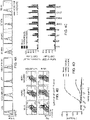
- Flow cytometry was used to assess tumor cell killing following a 72h co-culture of Mock (untransduced), HER2(EQ)28 ⁇ or HER2(EQ)BB ⁇ CAR T cells with tumor targets.
- the results of this analysis are presented in Figure 5A .
- PD-1 and LAG-3 induction in total CAR T cells after a 72h co-culture with HER2-negative MDA-MB-468 or HER2-positive BBM1 cells was measured, and the results of this analysis are presented in Figure 5B .
- HER2(EQ)BB ⁇ causes lower PD-1 induction that does HEP2(EQ)28 ⁇ Tumor cell killing with Effector:Tumor (E:T) ratio ranging from 0.25:1 to 2:1 was measured for both HER2(EQ)28 ⁇ or HER2(EQ)BB ⁇ CAR T cells.
- FIGS. 6A-6C are H&E staining of tumors. Mice were treating by injection directly into the tumor with Mock (untransduced) or HER2(EQ)BB ⁇ CAR T cells.
- Figures 6D-6F depict the results of optical imaging of the tumors and Figures 6G -61 are Kaplan-Meier survival curves for mice treated locally with either at day 3, 8 or 14 post tumor injection. These studies show that HER2(EQ)BB ⁇ CAR T cells have potent anti-tumor efficacy in vivo when injected directly into the tumor.
- BBM1 cells 0.2M or BT474 (0.15M) were intracranially injected in NSG mice.
- HER2(EQ)28 ⁇ or HER2(EQ)BB ⁇ , or Mock (untransduced) T cells (IM) were injected intratumorally.
- BBMI Figure 7A
- BT474 Figure 7B
- Kaplan Meier curves are presented in Figure 7C and Figure 7D .
- FIG. 8A illustrates the region of tumor implantation by stereotactic injection of BBMl cells (0.2M), and intraventricular T cell delivery. Staining of tumors is depicted in Figure 8B . At day 14 post tumor injection, HER2(EQ)28 ⁇ , HER2(EQ)BB ⁇ , or Mock (untransduced) T cells (0.5M) were injected intratumorally. Tumor growth was monitored by luciferase-based optical imaging.
- Figures 8C presents the flux averages for each treatment group, and Figure 8D presents the Kaplan Meier survival curve for each treatment group.
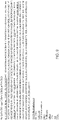
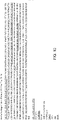
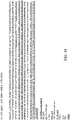
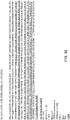
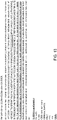
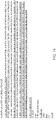
- Figures 9-14 depict the amino acid sequences of a various CAR having different linkers. Specifically, the CAR differ in the sequence and length of the portion between the HER2 targeted scFv and the transmembrane domain.
- the transmembrane domain is CD8, CD28 or CD28gg.
- the co-stimulatory domain is 4-1BB or CD28. All have a CD3 ⁇ stimulatory domain.
- a T2A skip sequence separates the CAR from a truncated CD19 (CD19t) protein employed for cell tracking.
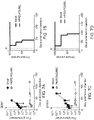
- Figure 15A schematically depicts various HER2 CAR that are identical except for the sequence and length of the portion between the HER2 scFv and the CD8 transmembrane domain. All include a 4-1BB co-stimulatory domain followed by a CD3 ⁇ stimulatory domain.
- Figure 15B depicts the results of assays for CD19 and Protein L expression in T CM transfected with a lentiviral vector expressing the indicated CAR. As can be seen from these results, transfection efficiency as assessed by CD19 expression was similar for both CAR. However, Protein L expression was lower for HER2(EQ)BB ⁇ than for HER2(EQ)28 ⁇ suggesting that the HER2(EQ)BB ⁇ CAR is less stable that the HER2(EQ)BB ⁇ .
- FIG 15C shows that none of the CAR interfere with T cell expansion.
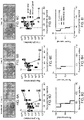
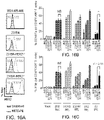
- Figures 16-18 show the results of additional studies showing that a CAR with a very short spacer ( Figure 14 ) is relatively selective for CAR expressing high levels of HER2. Such CAR may be useful in treating HER2 expressing cancers where it is desirable to spare cells expressing a lower level of HER2 than the cancerous cells.
Landscapes
- Health & Medical Sciences (AREA)
- Life Sciences & Earth Sciences (AREA)
- Chemical & Material Sciences (AREA)
- Organic Chemistry (AREA)
- Immunology (AREA)
- General Health & Medical Sciences (AREA)
- Genetics & Genomics (AREA)
- Zoology (AREA)
- Medicinal Chemistry (AREA)
- Biochemistry (AREA)
- Engineering & Computer Science (AREA)
- Molecular Biology (AREA)
- Biophysics (AREA)
- Cell Biology (AREA)
- Proteomics, Peptides & Aminoacids (AREA)
- Biomedical Technology (AREA)
- Veterinary Medicine (AREA)
- Public Health (AREA)
- Animal Behavior & Ethology (AREA)
- Biotechnology (AREA)
- Gastroenterology & Hepatology (AREA)
- Toxicology (AREA)
- Wood Science & Technology (AREA)
- Bioinformatics & Cheminformatics (AREA)
- Epidemiology (AREA)
- General Engineering & Computer Science (AREA)
- Microbiology (AREA)
- Pharmacology & Pharmacy (AREA)
- General Chemical & Material Sciences (AREA)
- Chemical Kinetics & Catalysis (AREA)
- Nuclear Medicine, Radiotherapy & Molecular Imaging (AREA)
- Oncology (AREA)
- Hematology (AREA)
- Virology (AREA)
- Physics & Mathematics (AREA)
- Plant Pathology (AREA)
- Developmental Biology & Embryology (AREA)
- Peptides Or Proteins (AREA)
- Micro-Organisms Or Cultivation Processes Thereof (AREA)
- Medicines Containing Material From Animals Or Micro-Organisms (AREA)
Applications Claiming Priority (3)
| Application Number | Priority Date | Filing Date | Title |
|---|---|---|---|
| US201562251052P | 2015-11-04 | 2015-11-04 | |
| PCT/US2016/060724 WO2017079694A2 (en) | 2015-11-04 | 2016-11-04 | Chimeric antigen receptors targeting her2 |
| EP16863128.1A EP3371227B8 (en) | 2015-11-04 | 2016-11-04 | Chimeric antigen receptors targeting her2 |
Related Parent Applications (2)
| Application Number | Title | Priority Date | Filing Date |
|---|---|---|---|
| EP16863128.1A Division EP3371227B8 (en) | 2015-11-04 | 2016-11-04 | Chimeric antigen receptors targeting her2 |
| EP16863128.1A Division-Into EP3371227B8 (en) | 2015-11-04 | 2016-11-04 | Chimeric antigen receptors targeting her2 |
Publications (1)
| Publication Number | Publication Date |
|---|---|
| EP4074731A1 true EP4074731A1 (en) | 2022-10-19 |
Family
ID=58662864
Family Applications (2)
| Application Number | Title | Priority Date | Filing Date |
|---|---|---|---|
| EP22157943.6A Withdrawn EP4074731A1 (en) | 2015-11-04 | 2016-11-04 | Chimeric antigen receptors targeting her2 |
| EP16863128.1A Active EP3371227B8 (en) | 2015-11-04 | 2016-11-04 | Chimeric antigen receptors targeting her2 |
Family Applications After (1)
| Application Number | Title | Priority Date | Filing Date |
|---|---|---|---|
| EP16863128.1A Active EP3371227B8 (en) | 2015-11-04 | 2016-11-04 | Chimeric antigen receptors targeting her2 |
Country Status (13)
| Country | Link |
|---|---|
| US (3) | US11197919B2 (enExample) |
| EP (2) | EP4074731A1 (enExample) |
| JP (3) | JP6932709B2 (enExample) |
| KR (1) | KR20180083874A (enExample) |
| CN (2) | CN116063574A (enExample) |
| AU (2) | AU2016349722A1 (enExample) |
| BR (1) | BR112018009129A2 (enExample) |
| CA (1) | CA3004306A1 (enExample) |
| ES (1) | ES2909973T3 (enExample) |
| IL (2) | IL259120B (enExample) |
| MX (2) | MX2018005674A (enExample) |
| RU (1) | RU2753695C2 (enExample) |
| WO (1) | WO2017079694A2 (enExample) |
Families Citing this family (52)
| Publication number | Priority date | Publication date | Assignee | Title |
|---|---|---|---|---|
| EP3805371A1 (en) | 2014-05-15 | 2021-04-14 | National University of Singapore | Modified natural killer cells and uses thereof |
| ES2909973T3 (es) * | 2015-11-04 | 2022-05-10 | Hope City | Receptores quiméricos para el antígeno que se dirigen a HER2 |
| JP7189019B2 (ja) | 2016-02-05 | 2022-12-13 | シティ・オブ・ホープ | 中枢神経系の癌の治療のための操作されたt細胞の投与 |
| WO2018102761A1 (en) * | 2016-12-02 | 2018-06-07 | City Of Hope | Methods for manufacturing and expanding t cells expressing chimeric antigen receptors and other receptors |
| WO2018124766A2 (ko) | 2016-12-28 | 2018-07-05 | 주식회사 녹십자랩셀 | 키메라 항원 수용체 및 이를 발현하는 자연 살해 세포 |
| CN110944651A (zh) | 2017-02-08 | 2020-03-31 | 蜻蜓疗法股份有限公司 | 用于自然杀伤细胞激活的多特异性结合蛋白及其治疗癌症的治疗性用途 |
| EP4273258A3 (en) | 2017-02-20 | 2024-01-17 | Dragonfly Therapeutics, Inc. | Proteins binding her2, nkg2d and cd16 |
| CN117363636A (zh) | 2017-03-27 | 2024-01-09 | 新加坡国立大学 | 一种编码嵌合受体的多核苷酸 |
| MX2019011570A (es) | 2017-03-27 | 2019-11-18 | Nat Univ Singapore | Lineas celulares estimuladoras para expansion y activacion ex vivo de celulas asesinas naturales. |
| US11649294B2 (en) | 2017-11-14 | 2023-05-16 | GC Cell Corporation | Anti-HER2 antibody or antigen-binding fragment thereof, and chimeric antigen receptor comprising same |
| KR102774451B1 (ko) * | 2017-11-14 | 2025-02-28 | 앱클론(주) | 항-her2 항체 또는 그의 항원 결합 단편, 및 이를 포함하는 키메라 항원 수용체 |
| CN109608547B (zh) * | 2017-12-29 | 2022-03-15 | 郑州大学第一附属医院 | 表达Her2的嵌合抗原受体、慢病毒表达载体及其应用 |
| MX2020008333A (es) | 2018-02-08 | 2020-09-21 | Dragonfly Therapeutics Inc | Terapia de combinacion del cancer que incluye proteinas de union multiespecificas que activan a las celulas asesinas naturales. |
| CA3090244A1 (en) | 2018-02-08 | 2019-08-15 | Dragonfly Therapeutics, Inc. | Antibody variable domains targeting the nkg2d receptor |
| JP7360174B2 (ja) | 2018-02-09 | 2023-10-12 | ナショナル ユニヴァーシティー オブ シンガポール | ナチュラルキラー細胞免疫療法における活性化キメラ受容体及びその使用 |
| SG11202007183PA (en) * | 2018-02-09 | 2020-08-28 | Nat Univ Singapore | Adhesion receptor constructs and uses thereof in natural killer cell immunotherapy |
| KR102795055B1 (ko) * | 2018-02-11 | 2025-04-11 | 더 리젠츠 오브 더 유니버시티 오브 캘리포니아 | Car-t 세포 및 자가면역 질환 |
| SG10201801219VA (en) | 2018-02-13 | 2019-09-27 | Agency Science Tech & Res | Anti-HER2 Antibodies |
| CN112119093A (zh) | 2018-02-20 | 2020-12-22 | 蜻蜓治疗公司 | 结合cd33、nkg2d和cd16的多特异性结合蛋白和使用方法 |
| US12441787B2 (en) | 2018-04-02 | 2025-10-14 | National University Of Singapore | Neutralization of human cytokines with membrane-bound anti-cytokine non-signaling binders expressed in immune cells |
| US12448426B2 (en) * | 2018-05-17 | 2025-10-21 | St. Jude Children's Research Hospital, Inc. | Chimeric antigen receptors with MYD88 and CD40 costimulatory domains |
| CA3108427A1 (en) | 2018-08-08 | 2020-02-13 | Dragonfly Therapeutics, Inc. | Multi-specific binding proteins that bind bcma, nkg2d and cd16, and methods of use |
| CN113164570B (zh) | 2018-08-08 | 2024-05-14 | 蜻蜓疗法股份有限公司 | 结合nkg2d、cd16和肿瘤相关抗原的蛋白质 |
| EA202091888A1 (ru) * | 2018-08-08 | 2020-10-23 | Драгонфлай Терапьютикс, Инк. | Вариабельные домены антител, нацеленные на рецептор nkg2d |
| WO2020044239A1 (en) | 2018-08-29 | 2020-03-05 | National University Of Singapore | A method to specifically stimulate survival and expansion of genetically-modified immune cells |
| CN113226340A (zh) | 2018-11-26 | 2021-08-06 | 恩卡尔塔公司 | 同时扩增多种免疫细胞类型的方法、相关组合物及其在癌症免疫疗法中的用途 |
| KR20210137085A (ko) | 2019-03-05 | 2021-11-17 | 엔카르타, 인크. | Cd19 유도된 키메라 항원 수용체 및 면역 요법에서 이의 용도 |
| WO2020191336A1 (en) | 2019-03-21 | 2020-09-24 | Yamaguchi, Yukiko | Composition and method for reducing expression of checkpoint inhibitors in t cells expressing a car or ctl |
| WO2020227446A1 (en) * | 2019-05-07 | 2020-11-12 | The Board Of Trustees Of The Leland Stanford Junior University | Enhancement of polypeptides and chimeric antigen receptors via hinge domains |
| CN115485293A (zh) * | 2020-01-23 | 2022-12-16 | 埃克苏马生物技术公司 | 用于her2的嵌合抗原受体和其使用方法 |
| AU2021268340A1 (en) | 2020-05-06 | 2022-12-08 | Dragonfly Therapeutics, Inc. | Proteins binding NKG2D, CD16 and CLEC12A |
| WO2021235894A1 (en) * | 2020-05-22 | 2021-11-25 | Green Cross Lab Cell Corporation | Anti-HER2 Antibody or Antigen-binding Fragment thereof, and Chimeric Antigen Receptor Comprising Same |
| CN112481284B (zh) * | 2020-12-07 | 2023-07-25 | 深圳瑞吉生物科技有限公司 | 一种编码CAR基因的mRNA、组合mRNA、构建方法、CAR-T细胞和应用 |
| US20240226297A9 (en) * | 2021-03-02 | 2024-07-11 | The Trustees Of The University Of Pennsylvania | Targeting t regulatory cells to islet cells to stall or reverse type 1 diabetes |
| EP4301774A4 (en) | 2021-03-03 | 2025-08-13 | Dragonfly Therapeutics Inc | METHODS OF TREATING CANCER USING MULTI-SPECIFIC BINDING PROTEINS THAT BIND TO NKG2D, CD16, AND A TUMOR-ASSOCIATED ANTIGEN |
| JP2024514308A (ja) | 2021-03-30 | 2024-04-01 | シティ・オブ・ホープ | CAR T細胞療法及びIFNγ |
| WO2023274385A1 (zh) * | 2021-07-01 | 2023-01-05 | 宁波茂行生物医药科技有限公司 | 靶向her2的通用型car-t细胞及其制备方法 |
| WO2023010122A2 (en) | 2021-07-29 | 2023-02-02 | Sonoma Biotherapeutics, Inc. | Synovial extracellular matrix-specific chimeric antigen receptor for targeting regulatory t cells to treat autoimmune diseases |
| CN117858943A (zh) * | 2021-08-24 | 2024-04-09 | 赛斯尔擎生物技术(上海)有限公司 | T细胞产品及其用途 |
| CN116023491A (zh) | 2021-10-25 | 2023-04-28 | 江苏众红生物工程创药研究院有限公司 | 抗cd26抗体及其应用 |
| WO2023172514A1 (en) * | 2022-03-07 | 2023-09-14 | Catamaran Bio, Inc. | Engineered immune cell therapeutics targeted to her2 and methods of use thereof |
| KR20240157693A (ko) | 2022-03-10 | 2024-11-01 | 시티 오브 호프 | 세포 면역요법을 위한 막-결합 il-12 |
| KR20250005097A (ko) | 2022-04-08 | 2025-01-09 | 페이트 세러퓨틱스, 인코포레이티드 | 고형 종양 표적화 골격을 갖는 세포 및 이의 용도 |
| KR20250004622A (ko) | 2022-04-08 | 2025-01-08 | 페이트 세러퓨틱스, 인코포레이티드 | 종양 표적화를 위한 키메라 항원 수용체 |
| CN114805584B (zh) * | 2022-06-30 | 2022-09-09 | 上海优替济生生物医药有限公司 | 抗原结合蛋白及其用途 |
| AU2024264153A1 (en) | 2023-04-27 | 2025-11-13 | Vanudis GmbH | Coreceptor chimeric antigen receptor |
| US12698512B2 (en) | 2023-11-06 | 2026-08-04 | City Of Hope | Methods comprising oncolytic viruses expressing CD19T and bispecific T cell engagers |
| CN117924518B (zh) * | 2024-01-05 | 2025-08-22 | 苏州艾凯利元生物科技有限公司 | 用于nk细胞的嵌合抗原受体及工程化的nk细胞 |
| WO2025184170A1 (en) | 2024-02-27 | 2025-09-04 | Overt Bio, Inc. | Methods and compositions for improving t cell function in an immunosuppressive environment |
| WO2025217175A1 (en) * | 2024-04-08 | 2025-10-16 | The Board Of Trustees Of The Leland Stanford Junior University | Engineering immune cells to migrate to, infiltrate, persist, and expand in solid tumors |
| WO2025235801A1 (en) | 2024-05-08 | 2025-11-13 | City Of Hope | Antibodies targeted to osteopontin and uses thereof for reducing resistance of solid tumors immune cell therapy |
| WO2026072671A1 (en) | 2024-09-24 | 2026-04-02 | City Of Hope | Methods comprising oncolytic viruses expressing bcmat and bcma-targeted therapies |
Citations (6)
| Publication number | Priority date | Publication date | Assignee | Title |
|---|---|---|---|---|
| WO2011137245A2 (en) * | 2010-04-30 | 2011-11-03 | Esperance Pharmaceuticals, Inc. | Lytic-peptide-her2/neu (human epidermal growth factor receptor 2) ligand conjugates and methods of use |
| US20140099309A1 (en) * | 2012-10-05 | 2014-04-10 | The Trustees Of The University Of Pennsylvania | Use of a Trans-Signaling Approach in Chimeric Antigen Receptors |
| US20140140976A1 (en) * | 2012-10-04 | 2014-05-22 | Research Development Foundation | Serine protease molecules and therapies |
| WO2014100385A1 (en) * | 2012-12-20 | 2014-06-26 | Anthrogenesis Corporation | Chimeric antigen receptors |
| WO2015105522A1 (en) * | 2014-01-13 | 2015-07-16 | Forman Stephen J | Chimeric antigen receptors (cars) having mutations in the fc spacer region and methods for their use |
| EP3371227B1 (en) * | 2015-11-04 | 2022-02-23 | City of Hope | Chimeric antigen receptors targeting her2 |
Family Cites Families (16)
| Publication number | Priority date | Publication date | Assignee | Title |
|---|---|---|---|---|
| ES2308981T3 (es) * | 1999-04-09 | 2008-12-16 | Universitat Zurich | Metodo para la estabilizacion de las inmunoglobulinas hibridas o fragmentos de inmunoglobulina y fragmentos anti-egp-2-scfv estabilizado. |
| UA90480C2 (uk) * | 2004-07-22 | 2010-05-11 | Джэнэнтэк, Инк. | Фармацевтична композиція, що має протипухлинну активність, яка включає антитіло до her2 |
| MX2009012343A (es) | 2007-05-14 | 2010-02-10 | Biogen Idec Inc | Regiones fc (sc fc) de cadena sencilla, polipeptidos de enlace que comprenden las mismas, y metodos relacionados con ello. |
| CA2695374A1 (en) * | 2007-08-15 | 2009-02-19 | Amunix, Inc. | Compositions and methods for modifying properties of biologically active polypeptides |
| JP5956342B2 (ja) | 2009-11-03 | 2016-07-27 | シティ・オブ・ホープCity of Hope | 形質導入T細胞選択のためのトランケート上皮増殖因子レセプタ(EGFRt) |
| US8491908B2 (en) | 2010-06-01 | 2013-07-23 | Canon Kabushiki Kaisha | Composite particle, contrast agent for photoacoustic imaging, and method for producing the composite particle |
| WO2012050374A2 (en) * | 2010-10-13 | 2012-04-19 | Innocell, Inc. | Immunotherapy for solid tumors |
| PH12013501201A1 (en) * | 2010-12-09 | 2013-07-29 | Univ Pennsylvania | Use of chimeric antigen receptor-modified t cells to treat cancer |
| WO2012129514A1 (en) | 2011-03-23 | 2012-09-27 | Fred Hutchinson Cancer Research Center | Method and compositions for cellular immunotherapy |
| ES2929575T3 (es) * | 2011-06-06 | 2022-11-30 | Novo Nordisk As | Anticuerpos terapéuticos |
| LT2884999T (lt) * | 2012-08-20 | 2021-04-12 | Fred Hutchinson Cancer Research Center | Ląstelinės imunoterapijos būdas ir kompozicijos |
| KR20210090298A (ko) * | 2012-10-30 | 2021-07-19 | 에스퍼란스 파마슈티컬스, 인코포레이티드 | 항체/약물 컨쥬게이트 및 이의 사용 방법 |
| US9657105B2 (en) * | 2013-03-15 | 2017-05-23 | City Of Hope | CD123-specific chimeric antigen receptor redirected T cells and methods of their use |
| US10239951B2 (en) * | 2013-05-08 | 2019-03-26 | Zymeworks Inc. | Bispecific HER2 and HER3 antigen binding constructs |
| JP6285553B2 (ja) | 2013-08-26 | 2018-02-28 | インノバイオファーム リミテッド | 抗cd30キメラ抗原受容体およびその使用 |
| US20170158749A1 (en) * | 2014-04-23 | 2017-06-08 | Board Of Regents, The University Of Texas System | Chimeric antigen receptors (car) and methods for making and using the same |
-
2016
- 2016-11-04 ES ES16863128T patent/ES2909973T3/es active Active
- 2016-11-04 EP EP22157943.6A patent/EP4074731A1/en not_active Withdrawn
- 2016-11-04 AU AU2016349722A patent/AU2016349722A1/en not_active Abandoned
- 2016-11-04 EP EP16863128.1A patent/EP3371227B8/en active Active
- 2016-11-04 US US15/773,754 patent/US11197919B2/en active Active
- 2016-11-04 MX MX2018005674A patent/MX2018005674A/es unknown
- 2016-11-04 CA CA3004306A patent/CA3004306A1/en active Pending
- 2016-11-04 CN CN202211409883.2A patent/CN116063574A/zh active Pending
- 2016-11-04 KR KR1020187015769A patent/KR20180083874A/ko not_active Ceased
- 2016-11-04 WO PCT/US2016/060724 patent/WO2017079694A2/en not_active Ceased
- 2016-11-04 BR BR112018009129-4A patent/BR112018009129A2/pt not_active IP Right Cessation
- 2016-11-04 JP JP2018543279A patent/JP6932709B2/ja not_active Expired - Fee Related
- 2016-11-04 RU RU2018118817A patent/RU2753695C2/ru active
- 2016-11-04 CN CN201680076412.0A patent/CN108779174B/zh not_active Expired - Fee Related
-
2018
- 2018-05-03 IL IL259120A patent/IL259120B/en unknown
- 2018-05-04 MX MX2022013498A patent/MX2022013498A/es unknown
-
2021
- 2021-08-18 JP JP2021133074A patent/JP7264954B2/ja active Active
- 2021-12-06 US US17/543,148 patent/US20220265796A1/en not_active Abandoned
-
2022
- 2022-01-10 AU AU2022200116A patent/AU2022200116A1/en not_active Abandoned
- 2022-04-13 IL IL292222A patent/IL292222A/en unknown
-
2023
- 2023-04-13 JP JP2023065384A patent/JP2023100653A/ja not_active Withdrawn
-
2024
- 2024-10-18 US US18/919,692 patent/US20250333471A1/en active Pending
Patent Citations (6)
| Publication number | Priority date | Publication date | Assignee | Title |
|---|---|---|---|---|
| WO2011137245A2 (en) * | 2010-04-30 | 2011-11-03 | Esperance Pharmaceuticals, Inc. | Lytic-peptide-her2/neu (human epidermal growth factor receptor 2) ligand conjugates and methods of use |
| US20140140976A1 (en) * | 2012-10-04 | 2014-05-22 | Research Development Foundation | Serine protease molecules and therapies |
| US20140099309A1 (en) * | 2012-10-05 | 2014-04-10 | The Trustees Of The University Of Pennsylvania | Use of a Trans-Signaling Approach in Chimeric Antigen Receptors |
| WO2014100385A1 (en) * | 2012-12-20 | 2014-06-26 | Anthrogenesis Corporation | Chimeric antigen receptors |
| WO2015105522A1 (en) * | 2014-01-13 | 2015-07-16 | Forman Stephen J | Chimeric antigen receptors (cars) having mutations in the fc spacer region and methods for their use |
| EP3371227B1 (en) * | 2015-11-04 | 2022-02-23 | City of Hope | Chimeric antigen receptors targeting her2 |
Non-Patent Citations (12)
| Title |
|---|
| EDELMAN ET AL., PROC NATL ACAD SCI USA, vol. 63, 1969, pages 78 - 85 |
| KABAT ET AL.: "Sequences of Proteins of Immunological Interest", 1991, NATIONAL INSTITUTES OF HEALTH |
| MAHESH JONNALAGADDA ET AL: "Chimeric Antigen Receptors With Mutated IgG4 Fc Spacer Avoid Fc Receptor Binding and Improve T Cell Persistence and Antitumor Efficacy", MOLECULAR THERAPY, vol. 23, no. 4, 1 September 2015 (2015-09-01), US, pages 757 - 768, XP055242983, ISSN: 1525-0016, DOI: 10.1038/mt.2014.208 * |
| MAUS ET AL., BLOOD, vol. 123, 2014, pages 2625 - 2635 |
| MEILI SUN ET AL: "Construction and evaluation of a novel humanized HER2-specific chimeric receptor", BREAST CANCER RESEARCH (ONLINE EDITION), vol. 16, no. R61, 11 June 2014 (2014-06-11), United Kingdom, Netherlands, United States, pages 1 - 10, XP055574706, ISSN: 1465-542X, DOI: 10.1186/bcr3674 * |
| N. AHMED ET AL: "HER2-Specific T Cells Target Primary Glioblastoma Stem Cells and Induce Regression of Autologous Experimental Tumors", CLINICAL CANCER RESEARCH, vol. 16, no. 2, 15 January 2010 (2010-01-15), pages 474 - 485, XP055127702, ISSN: 1078-0432, DOI: 10.1158/1078-0432.CCR-09-1322 * |
| N. AHMED ET AL: "Regression of Experimental Medulloblastoma following Transfer of HER2-Specific T Cells", CANCER RESEARCH, vol. 67, no. 12, 15 June 2007 (2007-06-15), pages 5957 - 5964, XP055170679, ISSN: 0008-5472, DOI: 10.1158/0008-5472.CAN-06-4309 * |
| N. AHMED ET AL: "Supplementary Data: HER2-Specific T Cells Target Primary Glioblastoma Stem Cells and Induce Regression of Autologous Experimental Tumors", CLINICAL CANCER RESEARCH, vol. 16, no. 2, 12 January 2010 (2010-01-12), US, pages 474 - 485, XP055489972, ISSN: 1078-0432, DOI: 10.1158/1078-0432.CCR-09-1322 * |
| PRICEMAN ET AL., CURR OPIN ONCOL, 2015 |
| SAUL J. PRICEMAN ET AL: "Regional Delivery of Chimeric Antigen Receptor-Engineered T Cells Effectively Targets HER2+ Breast Cancer Metastasis to the Brain", CLINICAL CANCER RESEARCH, vol. 24, no. 1, 23 October 2017 (2017-10-23), US, pages 95 - 105, XP055564978, ISSN: 1078-0432, DOI: 10.1158/1078-0432.CCR-17-2041 * |
| TOBIAS RIËT: "Erhöhung der Antigen-Selektivität von T-Zellen durch Koexpression chimärer Antigen-Rezeptoren unterschiedlicher Spezifität- Inaugural-Dissertation zur Erlangung des Doktorgrades der Mathematisch-Naturwissenschaftlichen Fakultät der Universität zu Köln", 24 November 2010 (2010-11-24), XP055252275, Retrieved from the Internet <URL:https://kups.ub.uni-koeln.de/3261/1/Dissertation-TobiasRiet.pdf> [retrieved on 20160222] * |
| Y. ZHAO ET AL: "A Herceptin-Based Chimeric Antigen Receptor with Modified Signaling Domains Leads to Enhanced Survival of Transduced T Lymphocytes and Antitumor Activity", THE JOURNAL OF IMMUNOLOGY, vol. 183, no. 9, 20 October 2009 (2009-10-20), pages 5563 - 5574, XP055081967, ISSN: 0022-1767, DOI: 10.4049/jimmunol.0900447 * |
Also Published As
| Publication number | Publication date |
|---|---|
| KR20180083874A (ko) | 2018-07-23 |
| ES2909973T3 (es) | 2022-05-10 |
| CN108779174A (zh) | 2018-11-09 |
| RU2018118817A3 (enExample) | 2020-03-11 |
| US20180326032A1 (en) | 2018-11-15 |
| MX2022013498A (es) | 2022-11-16 |
| IL259120B (en) | 2022-05-01 |
| CN116063574A (zh) | 2023-05-05 |
| MX2018005674A (es) | 2019-01-10 |
| US20250333471A1 (en) | 2025-10-30 |
| AU2016349722A1 (en) | 2018-05-24 |
| JP6932709B2 (ja) | 2021-09-08 |
| CA3004306A1 (en) | 2017-05-11 |
| AU2022200116A1 (en) | 2022-02-10 |
| IL259120A (en) | 2018-06-28 |
| EP3371227B8 (en) | 2022-04-06 |
| WO2017079694A3 (en) | 2017-07-20 |
| BR112018009129A2 (pt) | 2019-02-26 |
| EP3371227B1 (en) | 2022-02-23 |
| IL292222A (en) | 2022-06-01 |
| JP2023100653A (ja) | 2023-07-19 |
| WO2017079694A2 (en) | 2017-05-11 |
| JP7264954B2 (ja) | 2023-04-25 |
| CN108779174B (zh) | 2022-11-29 |
| RU2018118817A (ru) | 2019-12-05 |
| US20220265796A1 (en) | 2022-08-25 |
| JP2019500894A (ja) | 2019-01-17 |
| RU2753695C2 (ru) | 2021-08-19 |
| EP3371227A4 (en) | 2018-09-12 |
| US11197919B2 (en) | 2021-12-14 |
| EP3371227A2 (en) | 2018-09-12 |
| JP2021192617A (ja) | 2021-12-23 |
Similar Documents
| Publication | Publication Date | Title |
|---|---|---|
| US20250333471A1 (en) | Chimeric Antigen Receptors Targeting HER2 | |
| AU2021200122B2 (en) | CS1 Targeted Chimeric Antigen Receptor-Modified T Cells | |
| JP7297854B2 (ja) | Pscaを標的とするキメラ抗原受容体 | |
| EP3362470B1 (en) | Chimeric antigen receptors containing a chlorotoxin domain | |
| HK40074512A (en) | Chimeric antigen receptors targeting her2 | |
| HK40063401A (en) | Chimeric antigen receptors containing a chlorotoxin domain | |
| HK40000323B (en) | Chimeric antigen receptors targeting her2 |
Legal Events
| Date | Code | Title | Description |
|---|---|---|---|
| PUAI | Public reference made under article 153(3) epc to a published international application that has entered the european phase |
Free format text: ORIGINAL CODE: 0009012 |
|
| STAA | Information on the status of an ep patent application or granted ep patent |
Free format text: STATUS: REQUEST FOR EXAMINATION WAS MADE |
|
| 17P | Request for examination filed |
Effective date: 20220222 |
|
| AC | Divisional application: reference to earlier application |
Ref document number: 3371227 Country of ref document: EP Kind code of ref document: P |
|
| AK | Designated contracting states |
Kind code of ref document: A1 Designated state(s): AL AT BE BG CH CY CZ DE DK EE ES FI FR GB GR HR HU IE IS IT LI LT LU LV MC MK MT NL NO PL PT RO RS SE SI SK SM TR |
|
| REG | Reference to a national code |
Ref country code: HK Ref legal event code: DE Ref document number: 40074512 Country of ref document: HK |
|
| STAA | Information on the status of an ep patent application or granted ep patent |
Free format text: STATUS: EXAMINATION IS IN PROGRESS |
|
| 17Q | First examination report despatched |
Effective date: 20240626 |
|
| STAA | Information on the status of an ep patent application or granted ep patent |
Free format text: STATUS: THE APPLICATION IS DEEMED TO BE WITHDRAWN |
|
| 18D | Application deemed to be withdrawn |
Effective date: 20241029 |