EP4056677A1 - Compositions and methods for epithelial stem cell expansion and culture - Google Patents
Compositions and methods for epithelial stem cell expansion and culture Download PDFInfo
- Publication number
- EP4056677A1 EP4056677A1 EP22152093.5A EP22152093A EP4056677A1 EP 4056677 A1 EP4056677 A1 EP 4056677A1 EP 22152093 A EP22152093 A EP 22152093A EP 4056677 A1 EP4056677 A1 EP 4056677A1
- Authority
- EP
- European Patent Office
- Prior art keywords
- wnt
- inhibitor
- cells
- cell
- epithelial
- Prior art date
- Legal status (The legal status is an assumption and is not a legal conclusion. Google has not performed a legal analysis and makes no representation as to the accuracy of the status listed.)
- Withdrawn
Links
Images















Classifications
-
- A—HUMAN NECESSITIES
- A61—MEDICAL OR VETERINARY SCIENCE; HYGIENE
- A61K—PREPARATIONS FOR MEDICAL, DENTAL OR TOILETRY PURPOSES
- A61K31/00—Medicinal preparations containing organic active ingredients
- A61K31/185—Acids; Anhydrides, halides or salts thereof, e.g. sulfur acids, imidic, hydrazonic or hydroximic acids
- A61K31/19—Carboxylic acids, e.g. valproic acid
-
- A—HUMAN NECESSITIES
- A61—MEDICAL OR VETERINARY SCIENCE; HYGIENE
- A61K—PREPARATIONS FOR MEDICAL, DENTAL OR TOILETRY PURPOSES
- A61K31/00—Medicinal preparations containing organic active ingredients
- A61K31/33—Heterocyclic compounds
- A61K31/395—Heterocyclic compounds having nitrogen as a ring hetero atom, e.g. guanethidine or rifamycins
- A61K31/495—Heterocyclic compounds having nitrogen as a ring hetero atom, e.g. guanethidine or rifamycins having six-membered rings with two or more nitrogen atoms as the only ring heteroatoms, e.g. piperazine or tetrazines
- A61K31/505—Pyrimidines; Hydrogenated pyrimidines, e.g. trimethoprim
- A61K31/506—Pyrimidines; Hydrogenated pyrimidines, e.g. trimethoprim not condensed and containing further heterocyclic rings
-
- A—HUMAN NECESSITIES
- A61—MEDICAL OR VETERINARY SCIENCE; HYGIENE
- A61P—SPECIFIC THERAPEUTIC ACTIVITY OF CHEMICAL COMPOUNDS OR MEDICINAL PREPARATIONS
- A61P1/00—Drugs for disorders of the alimentary tract or the digestive system
-
- A—HUMAN NECESSITIES
- A61—MEDICAL OR VETERINARY SCIENCE; HYGIENE
- A61P—SPECIFIC THERAPEUTIC ACTIVITY OF CHEMICAL COMPOUNDS OR MEDICINAL PREPARATIONS
- A61P43/00—Drugs for specific purposes, not provided for in groups A61P1/00-A61P41/00
-
- C—CHEMISTRY; METALLURGY
- C12—BIOCHEMISTRY; BEER; SPIRITS; WINE; VINEGAR; MICROBIOLOGY; ENZYMOLOGY; MUTATION OR GENETIC ENGINEERING
- C12N—MICROORGANISMS OR ENZYMES; COMPOSITIONS THEREOF; PROPAGATING, PRESERVING, OR MAINTAINING MICROORGANISMS; MUTATION OR GENETIC ENGINEERING; CULTURE MEDIA
- C12N5/00—Undifferentiated human, animal or plant cells, e.g. cell lines; Tissues; Cultivation or maintenance thereof; Culture media therefor
- C12N5/06—Animal cells or tissues; Human cells or tissues
- C12N5/0602—Vertebrate cells
- C12N5/0679—Cells of the gastro-intestinal tract
-
- C—CHEMISTRY; METALLURGY
- C12—BIOCHEMISTRY; BEER; SPIRITS; WINE; VINEGAR; MICROBIOLOGY; ENZYMOLOGY; MUTATION OR GENETIC ENGINEERING
- C12N—MICROORGANISMS OR ENZYMES; COMPOSITIONS THEREOF; PROPAGATING, PRESERVING, OR MAINTAINING MICROORGANISMS; MUTATION OR GENETIC ENGINEERING; CULTURE MEDIA
- C12N5/00—Undifferentiated human, animal or plant cells, e.g. cell lines; Tissues; Cultivation or maintenance thereof; Culture media therefor
- C12N5/06—Animal cells or tissues; Human cells or tissues
- C12N5/0602—Vertebrate cells
- C12N5/0679—Cells of the gastro-intestinal tract
- C12N5/068—Stem cells; Progenitors
-
- C—CHEMISTRY; METALLURGY
- C12—BIOCHEMISTRY; BEER; SPIRITS; WINE; VINEGAR; MICROBIOLOGY; ENZYMOLOGY; MUTATION OR GENETIC ENGINEERING
- C12N—MICROORGANISMS OR ENZYMES; COMPOSITIONS THEREOF; PROPAGATING, PRESERVING, OR MAINTAINING MICROORGANISMS; MUTATION OR GENETIC ENGINEERING; CULTURE MEDIA
- C12N2501/00—Active agents used in cell culture processes, e.g. differentation
- C12N2501/065—Modulators of histone acetylation
-
- C—CHEMISTRY; METALLURGY
- C12—BIOCHEMISTRY; BEER; SPIRITS; WINE; VINEGAR; MICROBIOLOGY; ENZYMOLOGY; MUTATION OR GENETIC ENGINEERING
- C12N—MICROORGANISMS OR ENZYMES; COMPOSITIONS THEREOF; PROPAGATING, PRESERVING, OR MAINTAINING MICROORGANISMS; MUTATION OR GENETIC ENGINEERING; CULTURE MEDIA
- C12N2501/00—Active agents used in cell culture processes, e.g. differentation
- C12N2501/10—Growth factors
- C12N2501/11—Epidermal growth factor [EGF]
-
- C—CHEMISTRY; METALLURGY
- C12—BIOCHEMISTRY; BEER; SPIRITS; WINE; VINEGAR; MICROBIOLOGY; ENZYMOLOGY; MUTATION OR GENETIC ENGINEERING
- C12N—MICROORGANISMS OR ENZYMES; COMPOSITIONS THEREOF; PROPAGATING, PRESERVING, OR MAINTAINING MICROORGANISMS; MUTATION OR GENETIC ENGINEERING; CULTURE MEDIA
- C12N2501/00—Active agents used in cell culture processes, e.g. differentation
- C12N2501/10—Growth factors
- C12N2501/155—Bone morphogenic proteins [BMP]; Osteogenins; Osteogenic factor; Bone inducing factor
-
- C—CHEMISTRY; METALLURGY
- C12—BIOCHEMISTRY; BEER; SPIRITS; WINE; VINEGAR; MICROBIOLOGY; ENZYMOLOGY; MUTATION OR GENETIC ENGINEERING
- C12N—MICROORGANISMS OR ENZYMES; COMPOSITIONS THEREOF; PROPAGATING, PRESERVING, OR MAINTAINING MICROORGANISMS; MUTATION OR GENETIC ENGINEERING; CULTURE MEDIA
- C12N2501/00—Active agents used in cell culture processes, e.g. differentation
- C12N2501/40—Regulators of development
- C12N2501/415—Wnt; Frizzeled
-
- C—CHEMISTRY; METALLURGY
- C12—BIOCHEMISTRY; BEER; SPIRITS; WINE; VINEGAR; MICROBIOLOGY; ENZYMOLOGY; MUTATION OR GENETIC ENGINEERING
- C12N—MICROORGANISMS OR ENZYMES; COMPOSITIONS THEREOF; PROPAGATING, PRESERVING, OR MAINTAINING MICROORGANISMS; MUTATION OR GENETIC ENGINEERING; CULTURE MEDIA
- C12N2501/00—Active agents used in cell culture processes, e.g. differentation
- C12N2501/40—Regulators of development
- C12N2501/42—Notch; Delta; Jagged; Serrate
-
- C—CHEMISTRY; METALLURGY
- C12—BIOCHEMISTRY; BEER; SPIRITS; WINE; VINEGAR; MICROBIOLOGY; ENZYMOLOGY; MUTATION OR GENETIC ENGINEERING
- C12N—MICROORGANISMS OR ENZYMES; COMPOSITIONS THEREOF; PROPAGATING, PRESERVING, OR MAINTAINING MICROORGANISMS; MUTATION OR GENETIC ENGINEERING; CULTURE MEDIA
- C12N2501/00—Active agents used in cell culture processes, e.g. differentation
- C12N2501/70—Enzymes
- C12N2501/72—Transferases [EC 2.]
- C12N2501/727—Kinases (EC 2.7.)
-
- C—CHEMISTRY; METALLURGY
- C12—BIOCHEMISTRY; BEER; SPIRITS; WINE; VINEGAR; MICROBIOLOGY; ENZYMOLOGY; MUTATION OR GENETIC ENGINEERING
- C12N—MICROORGANISMS OR ENZYMES; COMPOSITIONS THEREOF; PROPAGATING, PRESERVING, OR MAINTAINING MICROORGANISMS; MUTATION OR GENETIC ENGINEERING; CULTURE MEDIA
- C12N2501/00—Active agents used in cell culture processes, e.g. differentation
- C12N2501/70—Enzymes
- C12N2501/73—Hydrolases (EC 3.)
-
- C—CHEMISTRY; METALLURGY
- C12—BIOCHEMISTRY; BEER; SPIRITS; WINE; VINEGAR; MICROBIOLOGY; ENZYMOLOGY; MUTATION OR GENETIC ENGINEERING
- C12N—MICROORGANISMS OR ENZYMES; COMPOSITIONS THEREOF; PROPAGATING, PRESERVING, OR MAINTAINING MICROORGANISMS; MUTATION OR GENETIC ENGINEERING; CULTURE MEDIA
- C12N2513/00—3D culture
Definitions
- Lgr5 + intestinal stem cells ISC
- ISC intestinal stem cells
- Typical cultures consist of heterogeneous cell populations, including stem cells and differentiated cells (Sato et al., 2009).
- stem cells and differentiated cells
- paneth cells Another crypt cell type known as paneth cells (Snippert et al., 2010), which significantly complicates and limits the ability to control the fate of Lgr5 + stem cells in culture.
- paneth cells Snippert et al., 2010
- the inability to efficiently expand Lgr5 + stem cells considerably limits the translation of this biology to therapies, where homogeneous stem cell cultures and efficient scale-up processes are essential prior to transplantation.
- the invention provides cell culture solutions.
- the invention provides a cell culture solution comprising an inhibitor of a Bone Morphogenic Protein, an inhibitor of Glycogen synthase kinase-3 beta, an agent that binds to the Leucine-rich repeat-containing G-protein coupled receptor 5 and a histone deacetylase inhibitor.
- the inhibitor of Glycogen synthase kinase-3 beta can be CHIR99021
- the agent that binds to the Leucine-rich repeat-containing G-protein coupled receptor 5 can be R-spondin 1
- the HDAC inhibitor can be Valproic acid.
- the invention provides a cell culture solution comprising an inhibitor of a Bone Morphogenic Protein, at least about 3 uM CHIR99021 and a histone deacetylase inhibitor.
- the invention provides a cell culture solution comprising an inhibitor of a Bone Morphogenic Protein, an agent that binds to the Leucine-rich repeat-containing G-protein coupled receptor 5, a Wnt agonist and a HDAC6 inhibitor.
- the invention provides a cell culture solution comprising an inhibitor of a Bone Morphogenic Protein, R-spondin 1, lithium chloride and a histone deacetylase inhibitor.
- the invention provides a histone deacetylase inhibitor that is a Pan-HDAC inhibitor.
- the Pan-HDAC inhibitor can be selected from the group consisting of Valproic acid, Trichostatin A, suberoylanilide hydroxamic acid and Suberohydroxamic acid (SBHA).
- the invention provides a histone deacetylase inhibitor that is an HDAC6 inhibitor.
- the HDAC6 inhibitor can be selected from the group consisting of Tubacin, Tubastatin A and Compound 7.
- the invention provides an inhibitor of a Bone Morphogenic Protein that can be selected from the group consisting of Noggin, Chordin, Follistatin, DAN, proteins comprising a DAN cysteine-knot domain, Sclerostin, Twisted Gastrulation, Uterine Sensitivity-Associated Gene-1, Connective-Tissue Growth Factor, Inhibin, BMP-3 and Dorsomorphin.
- a Bone Morphogenic Protein that can be selected from the group consisting of Noggin, Chordin, Follistatin, DAN, proteins comprising a DAN cysteine-knot domain, Sclerostin, Twisted Gastrulation, Uterine Sensitivity-Associated Gene-1, Connective-Tissue Growth Factor, Inhibin, BMP-3 and Dorsomorphin.
- the invention provides an inhibitor of Glycogen synthase kinase-3 beta that can be selected from the group consisting of CHIR99021, LiCl, BIO-acetoxime, CHIR98014, SB 216763, SB 415286, 3F8, Kenpaullone, 1-Azakenpaullone, TC-G 24, TCS 2002, AR-A 014418, TCS 21311, TWS 119, BIO-acetoxime, 10Z-Hymenialdisine, GSK-3 ⁇ Inhibitor II, GSK-3 ⁇ Inhibitor I, GSK-3 ⁇ Inhibitor XXVII, GSK-3 ⁇ Inhibitor XXVI, FRATtide peptide, Cdk1/5 Inhibitor and Bikinin.
- an inhibitor of Glycogen synthase kinase-3 beta that can be selected from the group consisting of CHIR99021, LiCl, BIO-acetoxime, CHIR98014, SB 216763, SB 415286,
- the invention provides an agent that binds to the Leucine-rich repeat-containing G-protein coupled receptor 5 that can be selected from the group consisting of R-spondin 1, R-spondin 2, R-spondin 3 and R-spondin 4.
- the invention provides a Wnt agonist that can be selected from the group consisting of: Wnt-1/Int-1, Wnt-2/Irp (Int-I-related Protein), Wnt-2b/13, Wnt-3/Int-4, Wnt-3a, Wnt-4, Wnt-5a, Wnt-5b, Wnt-6, Wnt-7a, Wnt-7b, Wnt-8a/8d, Wnt-8b, Wnt-9a/14, Wnt-9b/14b/15, Wnt-10a, Wnt-10b/12, Wnt-11, Wnt-16, R-spondin 1, R-spondin 2, R-spondin 3, R-spondin 4, Norrin, CHIR99021, LiCl, BIO ((2'Z,3'E)-6-Bromoindirubin-3'-oxime), CHIR98014, SB 216763, SB 415286, 3F8, Kenpaullone, 1-Azakenp
- the invention provides a cell culture solution comprising Noggin, R-spondin 1, CHIR99021 and an Atohl inhibitor.
- the Atohl inhibitor can be an inhibitory nucleic acid.
- the invention provides a cell culture solution further comprising an Epidermal Growth Factor and/or a Notch agonist.
- the Notch agonist can be selected from the group consisting of a Notch1 antibody (N1 Ab), Delta 1, Delta-like 3, Delta-like 4, Jagged 1, Jagged 2, DSL peptide and Delta D.
- the invention provides between about 5 to about 500 ng/ml EGF, about 5 to about 500 ng/ml Noggin, about 50 to about 1000 ng/ml R-spondin, about 0.1 to about 10 ⁇ M CHIR99021 and about 0.1 to about 5 mM Valproic acid.
- the invention provides cell culture systems comprising cell culture solutions of the invention.
- the invention provides a cell culture system comprising:
- the invention provides a cell culture system comprising:
- the invention provides a cell culture system comprising:
- the invention provides a cell culture system comprising:
- cell culture systems of the invention comprise epithelial stem cells and populations of epithelial stem cells that can comprise LGR5 positive stem cells.
- the population of epithelial stem cells or epithelial progenitor cells in the cell culture system the invention comprises at least 30%, 85%, 90%, 95% or 99% of the cells in the system.
- the invention provides a cell culture system comprising:
- the invention provides a cell culture system comprising a submucosa base, a coating layer comprising collagen and a cell layer comprising any member of the group consisting of epithelial stem cells, an isolated tissue comprising epithelial stem cells, and/or epithelial organoids.
- the coating comprising collagen can be on top of, or surrounding, the epithelial stem cells, isolated tissue comprising epithelial stem cells, or epithelial organoids.
- the coating comprising collagen can also be between the SIS base and the epithelial stem cells, isolated tissue comprising epithelial stem cells, or epithelial organoids.
- the submucosa base can comprise SIS and can further comprise an Epidermal Growth Factor, a Bone Morphogenic Protein, an agent that binds to the Leucine-rich repeat-containing G-protein coupled receptor 5, a Wnt Agonist, Y-27632 and a histone deacetylase inhibitor.
- This cell culture system can further comprise cell culture solutions of the invention, including a solution comprising an inhibitor of a Bone Morphogenic Protein, an agent that binds to the Leucine-rich repeat-containing G-protein coupled receptor 5, a Wnt Agonist, Y-2763 and a histone deacetylase inhibitor.
- the invention provides a cell culture system comprising a submucosa base and epithelial stem cells, isolated tissue comprising epithelial stem cells, or epithelial organoids, wherein the submucosa base comprises an Epidermal Growth Factor, a Bone Morphogenic Protein, R-spondin 1, CHIR99021, Y-27632 and a histone deacetylase inhibitor.
- This cell culture system can further comprise a solution comprising an Epidermal Growth Factor, an inhibitor of a Bone Morphogenic Protein, R-spondin 1, CHIR99021, Y-27632 and a histone deacetylase inhibitor.
- the invention provides methods of forming epithelial organoids from isolated epithelial stem cells.
- the invention provides a method of forming epithelial organoids from isolated epithelial stem cells with high efficiency, said method comprising the steps of:
- the invention provides a method of forming epithelial organoids from a single isolated epithelial stem cell with high efficiency, said method comprising the steps of:
- the invention provides a method of determining the efficacy of a chemotherapeutic agent relative to a tumor organoid, said method comprising the steps of:
- the invention provides a method of forming a paneth cell in a cell culture system comprising incubating an epithelial stem cell in the presence of at least one Wnt agonist and at least one inhibitor of Notch, each in an amount sufficient to produce a paneth cell.
- the epithelial stem cell can be further be incubated in the presence of at least one inhibitor of a Bone Morphogenic Protein.
- the inhibitor of Notch is DAPT.
- the epithelial stem cell is an LGR5 positive stem cell.
- the invention provides a method of forming an enterocyte in a cell culture system comprising incubating an epithelial stem cell in the presence of at least one Wnt inhibitor and at least one histone deacetylase inhibitor, each in an amount sufficient to produce an enterocyte in a cell culture system.
- the epithelial stem cell can be further incubated in the presence of an Epidermal Growth Factor and/or an inhibitor of a Bone Morphogenic Protein.
- the Wnt inhibitor can be selected from the group consisting of IWP-2, XAV-939, ICG-001, LGK-974, IWR-1-endo, KY02111, Wnt-C59, DKK-1, FH-535, Box5, Peptide Pen-N3, Anti-SFRP antibody, and Anti-LRP6 antibody.
- the invention provides a method of forming a goblet cell in a cell culture system comprising incubating an epithelial stem cell in the presence of at least one Wnt inhibitor and at least one Notch inhibitor, each in an amount sufficient to produce a goblet cell in a cell culture system.
- the epithelial stem cell can be further incubated in the presence of an Epidermal Growth Factor.
- the Notch inhibitor can be selected from the group consisting of DAPT, RO4929097, LY450139, LY900009, LY3039478, LY411575, YO-01027, BMS-708163, BMS-906024, Compound E, BMS-299897, SAHM1, Abeta42-Selective and SB 225002.
- the invention provides a method of forming an enteroendocrine cell in a culture system comprising incubating an epithelial stem cell in the presence of at least one inhibitor of Notch and an agent that inhibits at least one of a Receptor Tyrosine Kinase, a Mitogen-activated protein (MAP) kinase or an Extracellular signal-regulated kinase (ERK), each in an amount sufficient to produce an enteroendocrine cell in a cell culture system.
- the epithelial stem cell can be further incubated in the presence of an Epidermal Growth Factor, an agent that binds to the Leucine-rich repeat-containing G-protein coupled receptor 5 and/or an inhibitor of a Bone Morphogenic Protein.
- the MAP kinase can be Mitogen-activated protein kinase kinase (MEK).
- the agent that inhibits the MAP kinase can be selected from the group consisting of AS-703026, PD0325901, PD98059, Selumetinib, SL-327, U0126, TAK-733 and Trametinib.
- the agent that inhibits an RTK can be selected from the group consisting of Gefitinib, AG 99, Erlotinib, Afatinib, Lapatinib, WZ4002 and AG-18.
- the agent that inhibits an ERK can be AS-703026 or PD0325901.
- the invention provides a method of forming intestinal epithelial cells in a subject in need thereof, comprising administering to the subject a Wnt agonist and a histone deacetylase inhibitor in an amount sufficient to form intestinal epithelial cells in the subject.
- the Wnt agonist can be CHIR99021 and the histone deacetylase inhibitor can be Valproic acid.
- the CHIR99021 can be administered in an amount of about 0.1mg/kg/day to about 100mg/kg/day and the Valproic acid can be administered in an amount of about 1mg/kg/day to about 1000mg/kg/day.
- the invention provides a method of forming intestinal epithelial cells in a subject in need thereof, comprising administering to the subject a Wnt agonist and a Notch agonist in an amount sufficient to form intestinal epithelial cells in the subject.
- the invention provides a method of treating an intestinal disorder, the method comprising administering to the subject a Wnt agonist and a histone deacetylase inhibitor or a Wnt agonist and a Notch agonist.
- the intestinal disorder is selected from the group consisting of: enterocolitis; viral infections, such as non-specific enteritis or specific viral enteritis; diverticulitis; bacterial enterocolitis, such as salmonellosis, shigellosis, campylobacter enterocolitis, or yersinia enterocolitis; protozoan infections such as amebiasis; helminthic infection; and pseudomembraneous colitis and pulmonary complications in cystic fibrosis and chronic obstructive pulmonary disease; appendicitis; atrophic gastritis; Barrett's esophagus; pneumonitis; cervicitis; chronic interstitial nephritis; colitis; colonic diverticulitis
- an “antibody” is any immunoglobulin polypeptide, or fragment thereof, having immunogen binding ability.
- an "agonist” is an agent that causes an increase in the expression or activity of a target gene or protein, respectively.
- An agonist can bind to and activate its cognate receptor in some fashion, which directly or indirectly brings about this physiological effect on the target gene or protein.
- an “inhibitor” is an agent that causes a decrease in the expression or activity of a target gene or protein, respectively.
- An “antagonist” can be an inhibitor, but is more specifically an agent that binds to a receptor, and which in turn decreases or eliminates binding by other molecules.
- an "inhibitory nucleic acid” is a double-stranded RNA, siRNA, shRNA, or antisense RNA, or a portion thereof, or a mimetic thereof, that when administered to a mammalian cell results in a decrease in the expression of a target gene.
- a nucleic acid inhibitor comprises at least a portion of a target nucleic acid molecule, or an ortholog thereof, or comprises at least a portion of the complementary strand of a target nucleic acid molecule.
- expression of a target gene is reduced by 10%, 25%, 50%, 75%, or even 90-100%.
- anti-sense is meant a nucleic acid sequence, regardless of length, that is complementary to the coding strand or mRNA of a nucleic acid sequence.
- a "complementary nucleic acid sequence” is a nucleic acid sequence capable of hybridizing with another nucleic acid sequence comprised of complementary nucleotide base pairs.
- hybridize is meant pair to form a double-stranded molecule between complementary nucleotide bases (e.g., adenine (A) forms a base pair with thymine (T), as does guanine (G) with cytosine (C) in DNA) under suitable conditions of stringency. (See, e.g., Wahl, G. M.
- an antisense RNA is introduced to an individual cell, tissue or organanoid.
- the anti-sense nucleic acid may contain a modified backbone, for example, phosphorothioate, phosphorodithioate, or other modified backbones known in the art, or may contain non-natural internucleoside linkages.
- siRNA is meant a double stranded RNA.
- an siRNA is 18, 19, 20, 21, 22, 23 or 24 nucleotides in length and has a 2 base overhang at its 3' end.
- These dsRNAs can be introduced to an individual cell or culture system. Such siRNAs are used to downregulate mRNA levels or promoter activity.
- a "fragment” is a portion of a polypeptide or nucleic acid molecule. This portion contains, preferably, at least 10%, 20%, 30%, 40%, 50%, 60%, 70%, 80%, or 90% of the entire length of the reference nucleic acid molecule or polypeptide.
- a fragment may contain 10, 20, 30, 40, 50, 60, 70, 80, 90, or 100, 200, 300, 400, 500, 600, 700, 800, 900, or 1000 nucleotides or amino acids
- stem cell refers to a multipotent cell having the capacity to self-renew and to differentiate into multiple cell lineages.
- epithelial stem cell refers to a multipotent cell which has the potential to become committed to multiple cell lineages, including cell lineages resulting in epithelial cells.
- progenitor cell refers to a lineage-restricted cell derived from a stem cell.
- epithelial progenitor cell refers to a multipotent cell which has the potential to become restricted to cell lineages resulting in epithelial cells.
- self-renewal refers to the process by which a stem cell divides to generate one (asymmetric division) or two (symmetric division) daughter cells with development potentials that are indistinguishable from those of the mother cell. Self-renewal involves both proliferation and the maintenance of an undifferentiated state.
- engraft or “engraftment” refers to the process of stem or progenitor cell incorporation into a tissue of interest in vivo through contact with existing cells of the tissue.
- isolated refers to a material that is free to varying degrees from components which normally accompany it as found in its native state. "Isolate” denotes a degree of separation from original source or surroundings.
- a "population" of cells is any number of cells greater than 1, but is preferably at least 1 ⁇ 10 3 cells, at least 1 ⁇ 10 4 cells, at least at least 1 ⁇ 10 5 cells, at least 1 ⁇ 10 6 cells, at least 1 ⁇ 10 7 cells, at least 1 ⁇ 10 8 cells, at least 1 ⁇ 10 9 cells, or at least 1 ⁇ 10 10 cells.
- organoid or “epithelial organoid” refers to a cell cluster or aggregate that resembles an organ, or part of an organ, and possesses cell types relevant to that particular organ.
- a "subject” is a vertebrate, including any member of the class mammalia.
- a "mammal” refers to any mammal including but not limited to human, mouse, rat, sheep, monkey, goat, rabbit, hamster, horse, cow or pig.
- non-human mammal refers to any mammal that is not a human.
- incrementing refers to increasing by at least 5%, for example, 5, 6, 7, 8, 9, 10, 15, 20, 25, 30, 35, 40, 45, 50, 55, 60, 65, 70, 75, 80, 85, 90, 95, 99, 100% or more, for example, as compared to the level of a reference.
- creases also means increases by at least 1-fold, for example, 1, 2, 3, 4, 5, 6, 7, 8, 9, 10, 15, 20, 30, 40, 50, 60, 70, 80, 90, 100, 200, 500, 1000-fold or more, for example, as compared to the level of a as compared to the level of a reference standard.
- decreasing refers to decreasing by at least 5%, for example, 5, 6, 7, 8, 9, 10, 15, 20, 25, 30, 35, 40, 45, 50, 55, 60, 65, 70, 75, 80, 85, 90, 95, 99 or 100%, for example, as compared to the level of reference.
- decreases also means decreases by at least 1-fold, for example, 1, 2, 3, 4, 5, 6, 7, 8, 9, 10, 15, 20, 30, 40, 50, 60, 70, 80, 90, 100, 200, 500, 1000-fold or more, for example, as compared to the level of a reference.
- the term "reference" means a standard or control condition (e.g., untreated with a test agent or combination of test agents).
- the term “eliminate” means to decrease to a level that is undetectable.
- the term "synergy” or “synergistic effect” is an effect which is greater than the sum of each of the effects taken separately; a greater than additive effect.
- treat refers to reducing or ameliorating a disorder and/or symptoms associated therewith. It will be appreciated that, although not precluded, treating a disorder or condition does not require that the disorder, condition or symptoms associated therewith be completely eliminated.
- Cell culture solutions comprising an inhibitor of a Bone Morphogenic Protein, an inhibitor of Glycogen synthase kinase-3 beta (GSK3 ⁇ ), an agent that binds to the Leucine-rich repeat-containing G-protein coupled receptor 5 (LGR5) and a histone deacetylase inhibitor can be utilized to form epithelial cell colonies from isolated epithelial stem cells.
- GSK3 ⁇ Glycogen synthase kinase-3 beta
- LGR5 Leucine-rich repeat-containing G-protein coupled receptor 5
- histone deacetylase inhibitor can be utilized to form epithelial cell colonies from isolated epithelial stem cells.
- at least about 25%, about 40%, about 50%, about 75%, about 90% to about 100% of isolated epithelial stem cells form epithelial cell colonies in the presence of this cell culture solution.
- at least about 6% of single isolated epithelial stem cells form epithelial cell colonies in the presence of this cell culture solution.
- BMPs Bone Morphogenic Proteins
- Inhibitors of BMPs include, for example, agents that bind to a BMP molecule to form a complex wherein the BMP activity is decreased or eliminated, for example by preventing or inhibiting the binding of the BMP molecule to a BMP receptor.
- the inhibitor is an agent that acts as an antagonist or reverse agonist. This type of inhibitor binds to a BMP receptor and prevents binding of a BMP to the receptor.
- BMPs are well known in the art (Rider et al., 2010) and can include, but are not limited to, Noggin, Chordin, Follistatin (Schneyer et al., 1994), DAN, proteins comprising a DAN cysteine-knot domain (including Cerberus and Gremlin), Sclerostin, Twisted Gastrulation, Uterine Sensitivity-Associated Gene-1, Connective-Tissue Growth Factor (Abreu et al., 2002), Inhibin (Wiater and Vale, 2003), BMP-3 (Gamer et al., 2005), Dorsomorphin (Yu et al., 2008) and derivatives, including DMH1 (Hao et al., 2010) and LDN-193189 (Cuny et al., 2008).
- Glycogen synthase kinase-3 is a proline-directed serine-threonine kinase that was initially identified as a phosphorylating and inactivating glycogen synthase having two known isoforms, alpha (GSK3A) and beta (GSK-3 ⁇ ).
- Wnt agonists comprising GSK-3 ⁇ inhibitors are well known in the art and include, but are not limited to, 1, 6-[[2-[[4-(2,4-Dichlorophenyl)-5-(5-methyl-1H-imidazol-2-yl)-2-pyrimidinyl]amino]ethyl]amino]-3-pyridinecarbonitrile "CHIR99021" (Ring et al., 2003), LiCl (Klein et al., 1996), BIO-acetoxime ((2'Z,3'E)-6-Bromoindirubin-3'-oxime) (Meijer et al., 2003), N6-[2-[[4-(2,4-Dichlorophenyl)-5-(1H-imidazol-2-yl)-2-pyrimidinyl]amino]ethyl]-3-nitro-2,6-pyridinediamine "CHIR98014" (Ring et al., 2003),
- GSK-3 ⁇ Inhibitor XXVI Choen et al, 2011
- FRATtide peptide SQPETRTGDDDPHRLLQQLVLSGNLIKEAVRRLHSRRLQ SEQ ID NO: 1
- 3-Amino-1H-pyrazolo[3,4-b]quinoxaline Cdk1/5 Inhibitor
- 4-((5-Bromo-2-pyridinyl)amino)-4-oxobutanoic acid “Bikinin”
- the inhibitor of GSK-3 ⁇ is CHIR99021.
- LGR5 receptor Leucine-rich repeat-containing G-protein coupled receptor 5
- Agents that bind to the LGR5 receptor include but are not limited to R-spondins (Kim et al., 2006; Nam et al., 2006), such as R-spondin 1, R-spondin 2, R-spondin 3 and R-spondin 4.
- R-spondins such as R-spondin 1, R-spondin 2, R-spondin 3 and R-spondin 4.
- the agent that binds to the LGR5 receptor is R-spondin 1.
- lithium chloride can be substituted for CHIR99021 or at least about 3 uM CHIR99021 can be substituted for R-spondin 1.
- Histones are nuclear proteins that bind DNA and form nucleosomes. They are directly involved with both the packaging of DNA into chromosomes and the regulation of transcription. Histone acetylation/deacetylation is a major factor in regulating chromatin structural dynamics during transcription. Histone deacetylase inhibitors, which decrease or eliminate histone deacetylation, are well known in the art and can include, but are not limited to, Pan-HDAC inhibitors, such as Valproic acid, Trichostatin A, suberoylanilide hydroxamic acid and Suberohydroxamic acid (SBHA), and HDAC6 inhibitors, such as Tubacin, Tubastatin A and Compound 7.
- Pan-HDAC inhibitors such as Valproic acid, Trichostatin A, suberoylanilide hydroxamic acid and Suberohydroxamic acid (SBHA)
- HDAC6 inhibitors such as Tubacin, Tubastatin A and Compound 7.
- an Atohl inhibitor can augment, or be substituted for, a Histone deacetylase inhibitor.
- Atohl inhibitors include, for example, inhibitory nucleic acids that cause a decrease or elimination in the expression of Atohl.
- Inhibitory nucleic acids that target Atohl are known in the art (Shi et al., 2010).
- Cell culture solutions can optionally include an Epidermal Growth Factor and/or a Notch agonist.
- Epidermal Growth Factor is a cell signaling molecule involved in diverse cellular functions, including cell proliferation, differentiation, motility, and survival, and in tissue development.
- Notch proteins are single-pass transmembrane receptors that regulate cell fate decisions during development.
- a Notch agonist includes, for example, an agent that increases Notch activity in a cell.
- Notch agonists are well known in the art and can include, but are not limited to, a Notch1 antibody (N1 Ab), Delta 1, Delta-like 3, Delta-like 4, Jagged 1, Jagged 2, DSL peptide and Delta D.
- the cell culture solution comprises between about 5 to about 500 ng/ml EGF, about 5 to about 500 ng/ml Noggin, about 50 to about 1000 ng/ml R-spondin, about 0.1 to about 10 ⁇ M CHIR99021 and about 0.1 to about 5 mM Valproic acid.
- a cell culture solution can comprise an inhibitor of a Bone Morphogenic Protein, R-spondin 1, a Wnt agonist and a HDAC6 inhibitor.
- Wnt proteins are extracellular signaling molecules involved in the control of embryonic development.
- Wnt agonists are well known in the art and include, but are not limited to, Wnt-1/Int-1(Nusse et al., 1982), Wnt-2/Irp (Int-I-related Protein) (Wainwright et al., 1988), Wnt-2b/13 (Katoh et al., 1996), Wnt-3/Int-4 (Katoh et al., 2001), Wnt-3a (Saitoh et al., 2001), Wnt-4 (Smolich et al., 1993), Wnt-5a (Burrus et al., 1995), Wnt-5b (Burrus et al., 1995), Wnt-6 (Burrus et al., 1995), Wnt-7a (Smolich et al., 1993), Wnt-7b (Burrus et al., 1995
- Cell culture systems comprise a cell culture solution of the invention and an epithelial organoid, epithelial stem cell or epithelial progenitor cell, or a population of epithelial stem cells or epithelial progenitor cells.
- Epithelial organoids are known in the art (Yao et al., 2010; Lukacs et al., 2010).
- Epithelial stem cells include, but are not limited to, stem cells of the intestine, stomach, lung, pancreas, and colon.
- Epithelial stem cells also include LGR5 positive stem cells, derived from sources including but not limited to intestine, inner ear, brain, kidney, liver, retina, stomach, pancreas, breast, hair follicle, ovary, adrenal medulla, skin, thymus, taste buds, mammory glands, carcinomas and tumors. Epithelial stem cells also include quiescent precursors of LGR5 positive stem cells that express LGR5 (Buczacki et al., 2013).
- a population of epithelial stem cells or epithelial progenitor cells in a cell culture system can comprise, for example, at least 10%, 20%, 30%, 40%, 50%, 60%, 70%, 80%, 90%, 95%, 99%, or 100% of the cells in the system.
- the population of epithelial stem cells or epithelial progenitor cells is maintained during repeated passages.
- human epithelial stem cells can be cultured in the presence of additional components including Nicotinamide or a Sirt1 specific HDAC inhibitor such as EX527.
- epithelial stem cells derived from the inner ear can be cultured in the presence of a Wnt agonist, a histone deacetylase inhibitor, an Epidermal Growth Factor, a basic Fibroblast Growth Factor and optionally, a Bone Morphogenic Protein.
- Cell culture systems can comprise additional components, including, but not limited to, a submucosa base and a coating comprising collagen to form 3-dimensional tissue constructs suitable for transplantation.
- the collagen coating can be overlaid upon and/or surround the selected epithelial tissue or cell type as well as being placed between the selected epithelial tissue or cell type and the submucosa base.
- Selected epithelial tissue or cell types include, but are not limited to, epithelial stem cells, isolated tissue comprising epithelial stem cells, or epithelial organoids.
- Small intestinal submucosa is a common, biocompatible and clinically utilized scaffold (de la Fuente et al., 2003; Ueno et al., 2007; Schultz et al., 2002; Kehoe et al., 2012).
- Submucosal-based scaffolds undergo rapid neovascularization, granulation, biodegradation and are generally well-conserved in terms of protein composition across species.
- An improved submucosal-based culture system for 3-dimensional tissue constructs is prepared by seeding the submucosa with a preselected epithelial cell type and facilitating growth with a collagen-based overlay.
- Varying the composition of SIS with this overlay facilitates cell adhesion and growth on SIS, resulting in 3-dimensional expansion of submucosal-adhered cells into large, epithelial organoids.
- Animal-derived tissue matrix scaffolds e.g. stomach, bladder, alimentary, respiratory, genital submucosa, and liver basement membrane
- SIS vascular endothelial organoids
- Tissue constructs can be cultured in the presence of cell culture solutions known in the art or cell culture solutions of the invention described herein above.
- tissue constructs can be cultured in the presence of a cell culture solution comprising an inhibitor of a Bone Morphogenic Protein, R-spondin 1, CHIR99021 and a histone deacetylase inhibitor.
- the submucosa base can contain similar combinations of small molecules and/or growth factors, including, but not limited to, Epidermal Growth Factor, a Bone Morphogenic Protein, R-spondin 1, CHIR99021, Y-27632 and a histone deacetylase inhibitor.
- collagen-free epithelial cell culture systems where the submucosa base contains combinations of small molecules and/or growth factors such as Epidermal Growth Factor, a Bone Morphogenic Protein, R-spondin 1, CHIR99021, Y-27632 and a histone deacetylase inhibitor.
- Collagen-free tissue constructs can be cultured in the presence of cell culture solutions known in the art or as described herein above.
- Cell culture solutions and systems of the invention can be used to form epithelial organoids from isolated epithelial stem cells with high efficiency.
- incubating isolated epithelial stem cells in the presence of Noggin, R-spondin 1, CHIR99021 and a histone deacetylase inhibitor forms epithelial cell colonies with an efficiency of at least about 25%, 35%, 40%, 50%, 60%, 70%, 80%, 90% or 100%.
- single isolated epithelial stem cells incubated in the presence of Noggin, R-spondin 1, CHIR99021 and a histone deacetylase inhibitor form epithelial cell colonies with an efficiency of least about 6% to about 100%.
- Epithelial stem cells maintained within cell culture solutions and systems of the invention can be subsequently directed into specific differentiation pathways, including those that result in the formation of paneth cells, enterocytes, goblet cells and enteroendocrine cells.
- Paneth cells have been shown to be an important constituent of the Lgr5 + stem cell niche within intestinal crypts that provide essential signals for stem cell maintenance (Sato et al., 2011b; Yilmaz et al., 2012).
- a cell culture solution comprising an inhibitor of a BMP, R-spondin 1, CHIR99021and a histone deacetylase inhibitor (e.g., valproic acid) and subsequently further incubating the epithelial stem cells in the presence of at least one Wnt agonist and at least one inhibitor of Notch (e.g., DAPT) produces paneth cells.
- the Wnt inhibitor can be, but is not limited to, N-(6-Methyl-2-benzothiazolyl)-2-[(3,4,6,7-tetrahydro-4-oxo-3-phenylthieno[3,2-d]pyrimidin-2-yl)thio]-acetamide ("IWP-2”) (Chen, Dodge et al. 2009).
- the Notch inhibitor can be, but is not limited to N-[N-(3,5-Difluorophenacetyl)-L-alanyl]-S-phenylglycine t-butyl ester ("DAPT” or "LY-374973”) (Dovey, John et al. 2001), N1-[(7S)-6,7-dihydro-6-oxo-5H-dibenz[b,d]azepin-7-yl]-2,2-dimethyl-N3-(2,2,3,3,3-pentafluoropropyl)-("RO4929097", Propanediamide) (He, Luistro et al.
- DAPT N-[N-(3,5-Difluorophenacetyl)-L-alanyl]-S-phenylglycine t-butyl ester
- DAPT N1-[(7S)-6,7-dihydro-6-oxo-5H-dibenz
- the MAP kinase can be, but is not limited to, Mitogen-activated protein kinase kinase and the agent that inhibits a MAP kinase, can be, but is not limited to, N-[(2S)-2,3-dihydroxypropyl]-3-[(2-fluoro-4-iodophenyl)amino]-4-pyridinecarboxamide ("AS-703026”) (Kim, Kong et al.
- the agent that inhibits an RTK can be, but is not limited to, N-(3-chloro-4-fluorophenyl)-7-methoxy-6-[3-(4-morpholinyl)propoxy]-4-quinazolinamine ("Gefitinib") (Ciardiello 2000), ( E )-2-Cyano-3-(3,4-dihydroxyphenyl)-2-propenamide (“AG 99”) (Gazit, Yaish et al.
- tissue constructs comprising transplantable epithelium for regenerative purposes.
- tissue constructs can be transplanted into hosts according to methods known in the art (Lloyd et al. 2006; Gupta et al. 2006; Yui et al. 2012).
- Tissues that are susceptible to treatment include all damaged tissues, including those which may have been damaged by disease, injury, trauma, an autoimmune reaction, or by a viral or bacterial infection.
- Minimally-invasive transplant techniques can be employed, including image-guided technology.
- Tissue constructs can be injected or implanted directly into the damaged tissue, where they may multiply and eventually differentiate into the required cell type, in accordance with their location in the body.
- Tissue constructs may be directly implanted or injected via colonic enema. Micronization can be employed prior to oral delivery for upper intestinal applications. Accordingly, damaged tissues particularly well suited for repair include tissues of the colon, small intestine, pancreas, esophagus and gastric system. The skilled person will be aware what the appropriate dosage of tissue constructs will be for a particular condition to be treated.
- Cell culture solutions and systems of the invention can additionally be used to predict the efficacy of a chemotherapeutic agent, or combinations of chemotherapeutic agents, in vivo. Such methods are particularly relevant to use in clinical settings since many patients are treated with multiple drugs.
- Tumor organoids can be formed according to methods known in the art by culturing isolated tumor cell aggregates or single cells in culture solutions of the invention (Sato et al., 2011a). Such cultures can be used as clinical models for various cancers, including but not limited to, prostate cancer, breast cancer, gastric cancer, pancreatic cancer, lung cancer, brain cancer, colon cancer, intestinal cancer and bladder cancer.
- Tumor organoids can be incubated in the presence of a cell culture solution of the invention (e.g., comprising an inhibitor of a BMP, R-spondin 1, a Wnt agonist, a histone deacetylase inhibitor) and a chemotherapeutic agent(s).
- a relevant parameter is measured and evaluated. Relevant parameters include inhibition of cell viability, inhibition cell proliferation, inhibition of tumor associated gene expression, activation of apoptosis and inhibition of cell survival. Detecting an increase in the parameter compared to a reference (e.g., control) indicates efficacy of the chemotherapeutic agent relative to the tumor organoid, which is predictive of efficacy of the chemotherapeutic agent(s) in vivo.
- chemotherapeutic agents are incubated with the cell culture system comprising tumor organoids in a dosage range estimated to be therapeutic and for a duration sufficient to produce a physiological effect.
- the incubation time can range between about 1 hour to 24 hours, or can be extended as necessary for several days or even weeks.
- the incubation conditions typically involve using culture solutions of the invention and maintaining temperatures of about 37 °C.
- a chemotherapeutic agent is any substance that is evaluated for its ability to cure, mitigate, treat, or prevent cancer in a subject and includes, but is not limited to, a chemical compound, biologic agent, protein, peptide, nucleic acid, lipid, polysaccharide, supplement, and an antibody.
- Inhibition of tumor associated gene expression can be determined according to methods known in the art. For example, inhibition of tumor associated gene expression relative to a control can be detected by microchip analysis, RT-PCR, in situ hybridization, fluorescence in situ hybridization or Northern analysis. Inhibition of tumor associated protein expression relative to a control can be detected by quantitative Western blot, immunohistochemistry, immunofluorescence, enzyme-linked immunosorbent assay, amino acid sequence analysis, fluorescence activated cell sorting or protein concentration assays.
- a gastric cancer gene screening assay can be utilized to identify changes in gene expression for angiotensin, apolipoprotein E, apolipoprotein A-I, ceruloplasmin, prothrombin, fibronectin, vitamin D-binding protein, gelsolin, inter-alpha-trypsin inhibitor heavy chain H3, kininogen-1, serum paraoxonase/arylesterase 1, alpha-1-antichymotrypsin and transthyretin.
- Activation of apoptosis can be determined according to methods known in the art. For example, increases in cell death relative to a control can be detected by lactate dehydrogenase release, caspase activity, annexin V staining, phosphatidylserine staining or TUNEL assay. Certain assays detect comparatively late events in the process of cell death, such as lactate dehydrogenase release. Caspase activation is a common feature of chronic toxicity and cell death. Caspase activity can be measured relatively quickly after a toxic insult (30 minutes to 4 hours) by fluorescence spectroscopy, thus lending itself to high-throughput screening techniques.
- markers and assays commonly used to monitor apoptosis or necrosis of cells can include, but are not limited to, the presence of phosphatidylserine on the outer leaflet of the plasma membrane of affected cells, annexin V staining, and terminal deoxynucleotidyltransferase nick-end labeling assay (TUNEL).
- TUNEL terminal deoxynucleotidyltransferase nick-end labeling assay
- Inhibition of cell viability can be determined according to methods known in the art, including, but not limited to, differential counting of viable and dead cells using vital dyes, such as trypan blue, 4,6-diaminophenylindole (DAPI), and propidium iodide.
- vital dyes such as trypan blue, 4,6-diaminophenylindole (DAPI), and propidium iodide.
- Inhibition of cell proliferation can be determined according to methods known in the art, including, but not limited to quantification of DNA via bromodeoxyuridine incorporation, measuring tritiated thymidine (3H-thymidine), propidium iodide staining, intracellular metabolic analysis via tetrazolium salt or AlamarBlue reduction and quantitation of intracellular ATP concentration.
- Further methods include direct measuring total nuclei acid content of lysed cells via spectrophotometric analysis; fluorescent tagging with anti-cdc6-Peptide Antibody, anti-Human mRNA-Binding Protein HuR Antibody (Anti-HuR Antibody), antibodies against D Cyclins and Cyclin-Dependent Kinase Inhibitors; Ki-67 antigen detection; measuring protein content via quantitative Western blot, immunohistochemistry, immunofluorescence, enzyme-linked immunosorbent assay, amino acid sequence analysis, fluorescence activated cell sorting or protein concentration assays.
- kits employing the above methods include ChromaTide TM nucleotide labelling, Succinimidyl ester of carboxyfluorescein diacetate, ABSOLUTE-S TM SBIP Cell Proliferation Assay Kit, Vybrant DiI Cell-Labeling Solution, CyQUANT Cell Proliferation Assay Kit, Vybrant TM MTT Cell Proliferation Assay Kit, and FluoReporter TM Blue Fluorometric nucleic acid assay kit.
- Suppression of cell survival can be determined according to methods known in the art, including clonogenic assays.
- Epithelial stem cells including stem cells of the intestine, stomach, lung, pancreas and colon and in particular, LGR5 positive stem cells present within intestine, inner ear, brain, kidney, liver, retina, stomach, pancreas, breast, hair follicle, ovary, adrenal medulla, skin, thymus, taste buds, and mammory glands, can be expanded in vivo through administration of a Wnt agonist and a histone deacetylase inhibitor or a Wnt agonist and a Notch agonist to a subject. These combinations promote expansion of epithelial cells resulting in growth of epithelial tissues in vivo.
- intestinal epithelial cells can be formed in vivo following administrarion of a Wnt agonist, e.g., CHIR99021 and a histone deacetylase inhibitor, e.g., Valproic acid, or a Wnt agonist, e.g., CHIR99021 and a Notch agonist to a subject.
- a Wnt agonist e.g., CHIR99021 and a histone deacetylase inhibitor, e.g., Valproic acid
- a Wnt agonist e.g., CHIR99021 and a Notch agonist
- these combinations can treat intestinal disorders in a subject, including, but not limited, to enterocolitis; viral infections, such as non-specific enteritis or specific viral enteritis; diverticulitis; bacterial enterocolitis, such as salmonellosis, shigellosis, campylobacter enterocolitis, or yersinia enterocolitis; protozoan infections such as amebiasis; helminthic infection; and pseudomembraneous colitis and pulmonary complications in cystic fibrosis and chronic obstructive pulmonary disease; appendicitis; atrophic gastritis; Barrett's esophagus; pneumonitis; cervicitis; chronic interstitial nephritis; colitis; colonic diverticulitis; conjunctivitis; contact dermatitis; Curling's ulcers; Cushing's ulcers; cystitis; gangrene;
- the dosage administered will be dependent upon the age, sex, health, and weight of the recipient, kind of concurrent treatment, if any, frequency of treatment and the nature of the effect desired.
- the dose ranges for the administration of the compositions of the present invention are those large enough to produce the desired effect.
- the doses should not be so large as to cause adverse side effects, such as unwanted cross-reactions, anaphylactic reactions, and the like.
- the dosage will vary with the condition and extent of the disease in the patient. Counter indications, if any, immune tolerance, and other variables will also affect the proper dosage.
- dosages can be on the order of micrograms to milligrams such as on the order of 0.5 to 500 mg/kg, or another suitable amount, or can be computed from Examples herein, e.g., considering the average weight of a typical test animal (such as mice) and the dosages administered thereto (e.g., 100 micrograms), and thus the skilled artisan can determine dosages without undue experimentation.
- CHIR99021 is administered in an amount of about 0.1mg/kg/day to about 100mg/kg/day and the amount of Valproic acid is administered in an amount of about 1mg/kg/day to about 1000mg/kg/day. In specific embodiments, the amount of Valproic acid is 15-40 mg/kg/day.
- compositions of CHIR99021 and Valproic acid can be concomitantly or sequentially administered by any means that achieve their intended purpose.
- administration can be by topical, parenteral, subcutaneous, intravenous, intramuscular, intraperitoneal, transdermal, rectal or buccal routes.
- administration can be by the oral route.
- Example 1 Self-renewal of Lgr5 + Intestinal Stem Cells Is Maintained Using a Combination of Small Molecules
- the self-renewal and differentiation of ISC is controlled by the coordinated regulation of several signaling pathways (Crosnier, Stamataki, & Lewis, 2006; Scoville, Sato, He, & Li, 2008; van der Flier & Clevers, 2009).
- small molecules were identified that target relevant signaling pathways to maintain the self-renewal status of Lgr5 + stem cells and to control their differentiation independently of cues provided by other cell types.
- Crypts and single Lgr5-GFP cells were isolated as previously described (Sato et al., 2009). Briefly, the proximal half of the small intestine was harvested, opened longitudinally, and washed with cold PBS to remove luminal content. The tissue was then cut into 2-4 mm pieces with scissors and further washed 5-10 times with cold PBS by pipetting up and down using a 10-ml pipette. Tissue fragments were incubated with 2 mM EDTA in PBS for 30 min on ice. After removal of EDTA, tissue fragments were washed with PBS to release crypts.
- Small intestinal crypts isolated from Lgr5-EGFP-ires-CreERT2 mice were embedded in Matrigel and cultured under conventional culture conditions in the presence of EGF, Noggin and R-spondin 1 (collectively referred to as ENR) leading to organoids with crypts and villus-like domains and GFP + cells at the crypt tips, consistent with previous reports (Sato et al., 2009).
- Isolated crypts or single cells were cultured as previously described (Sato et al., 2009) with minimal modification. Briefly, crypts or single cells were entrapped in Matrigel and plated at the center of wells in a 24-well plate.
- the growth factors used in the ENR condition provide essential, but not adequate cues to sustain the self-renewal of Lgr5 + stem cells.
- selected small molecules that modulate signaling pathways of ISCs such as Wnt, Notch, and BMP, were tested under the ENR condition, using the Lgr5-GFP reporter.
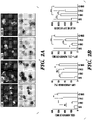
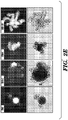
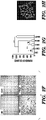
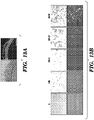
- CHIR99021 (referred to herein as CHIR or C), a GSK3 ⁇ inhibitor which activates the Wnt signaling pathway, promoted the proliferation of crypt cells, as indicated by quantifying the average size of organoids and cell numbers in the culture ( Figs. 2A , 2B and 3A, 3B ).
- CHIR increased the percentage and relative GFP intensity of GFP + cells in the culture, indicating increased self-renewal of stem cells ( Figs. 2A and 2B ).
- a large number of GFP negative cells still existed in the organoids ( Fig. 2A ), which was likely the result of insufficient maintenance of stem cell self-renewal or the result of promoting the proliferation of more mature GFP negative cells in the crypts.
- Valproic Acid (VPA or V), a histone deacetylase inhibitor, also significantly increased the GFP expression of GFP + organoids, with minimal presence of GFP negative cells ( Fig. 2A ).
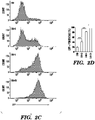
- the GFP + cells in the CV condition showed a single GFP-high population that corresponded to that of freshly isolated single cells ( Fig. 3C ), representing the Lgr5 + stem cell population as previously reported (Sato et al., 2009).
- R-spondin 1 and Noggin were still required to maintain the self-renewal of Lgr5 + stem cells, while EGF promoted the proliferation of crypts, it could be removed from the culture without impacting maintenance of the Lgr5 + cells ( Fig. 3D ).
- Increasing the concentration of CHIR further eliminated the need of R-Spondin1 to promote GFP expression ( Fig.
- two small molecules can support Lgr5+ stem cell self-renewal without direct contact with, or in the absence of, Paneth cells.
- these small molecules can greatly improve colony formation from single stem cells, indicating that they provide essential niche signals that are typically provided by Paneth cells.
- Intestinal stem cells have the ability to self-renew as well as differentiate into all cell types in the intestine epithelium, including the four major cell types: enterocytes, goblet cells, enteroendocrine cells and Paneth cells.
- enterocytes the major cell types in the intestine epithelium
- goblet cells the major cell types in the intestine epithelium
- enteroendocrine cells the major cell types in the intestine epithelium
- Paneth cells To test the differentiation capability of Lgr5 + stem cells cultured in the CV condition, the cell colonies were transferred to the ENR condition that permits Lgr5 + stem cells to spontaneously differentiate into the mature cell types of the intestine.
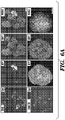
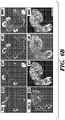
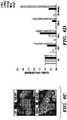
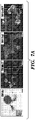
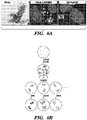
- the morphology of organoids changed to the typical morphology of organoids cultured in ENR condition, with crypt-villus structure and Lgr5 + stem cells at crypt tips ( Figs. 7A and 8A ).
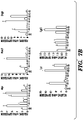
- the mRNA expression of differentiation markers Alpi, Muc2, and ChgA elevated and cells expressed a similar level of Lysozyme (comparing ENR and CV in Fig. 7B ). Immunocytochemistry staining for these markers confirmed the existence of differentiated cell types in the culture ( Fig. 7A ).
- the Notch inhibitor DAPT greatly elevated markers of secretory cell types including Muc2, ChgA and Lysozyme, which is consistent with previous reports that Notch inhibition induces secretory cell differentiation (Milano et al., 2004; VanDussen et al., 2012; Wong et al., 2004). Furthermore, the combination of IWP-2 and VPA specifically induced enterocyte differentiation, presumably by combining the effects of both inhibitors, in which IWP-2 induced Lgr5 + stem cell differentiation while VPA suppressed the differentiation of Lgr5 + stem cells towards secretory cell types.
- DAPT and CHIR mainly induced Paneth cell differentiation
- IWP-2 and DAPT primarily induced goblet cell differentiation.
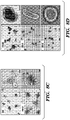
- These conditions also induced clear morphological changes which resembled the morphology of each differentiated cell type ( Figs. 7C and 8D ).
- Staining of enterocyte, goblet cell and Paneth cell markers confirmed the above observations ( Figs. 7C , 7D and 8E, 8F ).
- the presence of IWP-2 or CHIR did not significantly influence ChgA expression, indicating that compared to goblet cells and Paneth cells, the differentiation of enteroendocrine cells does not strictly require Wnt inhibition or activation.
- CHIR is a highly-specific GSK3 inhibitor that activates the Wnt/ ⁇ -catenin signaling pathway (Bain et al., 2007), and has been used to maintain the self-renewal state of embryonic stem cells (Ying et al., 2008).
- Wnt pathway activators were tested, including Lithium and Wnt3a.
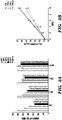
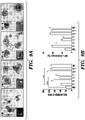
- Replacing CHIR with LiCl or Wnt3a increased crypt proliferation, indicated by the increased colony size and cell numbers compared to the ENR condition ( Figs. 9A and 9B ). Colonies in these conditions showed cyst-like structures ( Fig.
- pan-HDAC inhibitor TSA pan-HDAC inhibitors and type-specific inhibitors
- pan-HDAC inhibitor TSA pan-HDAC inhibitors
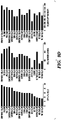
- HDAC6 specific inhibitor Tubastatin A and Compound 7 showed a similar effect of promoting GFP expression with VPA ( Figs. 9C and 9D ).
- pan-HDAC inhibitors including SBHA and Butyrate, as well as class I (CI-994, MS275, Fig. 9C and 9D ), class IIa (MC1568, Fig. 9C and 9D ) and class III (Nicotinamide, Fig. 9F ) HDAC inhibitors showed no or only moderate effects to promote GFP expression ( Fig.
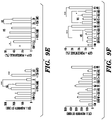
- TSA and VPA showed marked proliferation inhibition effect at higher concentration, but maintained GFP expression at both concentrations ( Fig. 9E ).
- Nicotinamide a Sirtuin Family HDAC inhibitor (class III) that was used in the cultivation of human colon crypts (Jung et al., 2011; Sato et al., 2011a), did not promote GFP expression or cell proliferation when combined with CHIR or Wnt3a ( Fig. 9F ), indicating it acts through different mechanisms than VPA.
- VPA was previously shown to activate the Notch pathway in cancer cells lines (Greenblatt et al., 2007; Stockhausen et al., 2005).
- VPA was previously shown to activate the Notch pathway in cancer cells lines (Greenblatt et al., 2007; Stockhausen et al., 2005).
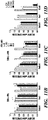
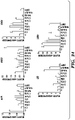
- ENR or ENRC conditions were treated with VPA and analyzed for the expression of Notch pathway genes. It was determined, however, that addition of VPA to ENR or ENR-C for 24 hours moderately decreased the expression of Notch1 or Hes1, which is a downstream target gene of Notch ( Figs. 11B and 11C ). Additionally, a pronounced decrease of the negative Notch target Atohl (Math1) in cells treated with VPA and CHIR for 24 hours or 6 days was observed ( Fig. 11B-11D ).
- Atohl has been shown to be essential for the differentiation of ISC towards secretory cell lineage (van Es et al., 2010; Yang et al., 2001). Intestinal stem cells remain functional both in vivo and in vitro after Paneth cell ablation induced by Atohl deficiency (Durand et al., 2012; Kim et al., 2012). Atohl inhibition after CHIR or CHIR+VPA treatment would help maintain the self-renewal program of intestinal stem cells.
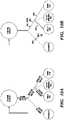
- Notch Off The deactivation of the Notch pathway leads to the specification of secretory cell types and further deactivation of the Wnt pathway (Wnt Off) leads to goblet cell differentiation. Continuous activation of the Wnt pathway in the absence of Notch leads to Paneth cell differentiation. There is no strong dependence of the Wnt pathway for enteroendocrine cell differentiation. Alternatively, continuous Notch activation and Wnt deactivation leads to enterocyte cell differentiation. When Lgr5+ stem cells are cultured in vitro ( Fig. 12B ), CHIR99021 activates the Wnt pathway and inhibits enterocyte differentiation while VPA alone or together with CHIR suppresses secretory cell specification.
- CHIR and VPA maintains ISCs in an undifferentiated, self-renewing status.
- the inhibition of the Notch pathway with DAPT leads to the specification of secretory cell types and further addition of CHIR leads to Paneth cell differentiation, while addition of the Wnt pathway inhibitor IWP-2 leads to goblet cell differentiation.
- the combination of IWP-2 and VPA, which induces differentiation and suppresses secretory cell specification leads to enterocyte differentiation.
- Example 5 Proliferation of Lgr5-Positive Stem Cells Derived from Inner Ear is Increased in the Presence of CHIR and VPA
- Purified cochlear supporting cells can be cultured in vitro in the presence of EGF, bFGF on embryonic periotic mesenchymal feeder cells. (Patricia et al., 2006). Shi et al found that a subset of supporting cells in the newborn and adult murine cochlea express Lgr5, a marker for adult stem cells (Shi et al., 2012). Importantly, Lgr5-positive cells can be isolated and cultured in a single-cell suspension, in the presence of EGF, bFGF and IGF-1, and display enhanced self-renewal capacity compared with Lgr5-negative cells.
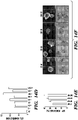
- Isolated mouse cochlea from P1 to P2 Lgr5-GFP mice contained Lgr5-positive cells as shown in Fig. 13A .
- the same culture condition (EGF, Noggin, R-spondin1, or "ENR") as used in Lgr5+ small intestinal stem cell cultures was first established.
- EGF EGF
- Noggin R-spondin1
- small intestinal stem cell cultures was first established.
- the combination of EGF, Noggin and R-spondin1 increased the colony-forming efficiency from single cochlear epithelial stem cells compared to EGF alone.
- CHIR and VPA but not CHIR alone, greatly increased the colony-forming efficiency, cell proliferation and GFP expression of the cells.
- Mitogenic growth factors including EGF, bFGF and IGF-1 were previously used in the suspension culture system and shown to promote sphere formation of isolated inner ear stem cells (Li et al., 2003; Shi et al., 2011). Next the effects of CHIR and VPA were tested in the presence of these growth factors as described in Table 1.
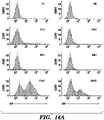
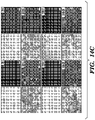
- Isolated organ of Corti from Lgr5-GFP mice were dissociated into single cells using accutase and cultured in multiple combinations of soluble factors and small molecules in Matrigel for 8 days. The resulting cultures were further dissociated into single cells and analyzed using FACS. Consistent with previous results, the addition of CHIR and VPA, but not CHIR or VPA alone, greatly increased cell proliferation (9-20 fold) and GFP expression as shown by the percentage of GFP+ cells (60 fold) and relative GFP intensity of GFP+ cells (2 fold) ( Fig. 14A and 14B ). In addition, the combination of EGF, bFGF and IGF-1 (designated as EFI) improved cell proliferation and GFP expression compared with the ENR condition ( Fig. 14A-14C ).
- colon tissue was harvested from wild type mice and opened longitudinally. A 1 cm fragment was removed and washed with PBS. The epithelial layer was removed by scraping using a surgical blade and the tissue was placed into a 24 well plate.
- Small intestinal crypts isolated from Lgr5-GFP mice were stained with a DiD membrane dye and placed onto the colon tissue within 5-10 ⁇ l of crypt culture media containing advanced DMEM/F12 (Invitrogen), 2 mM GlutaMax (Invitrogen), 10 mM Hepes (Invitrogen),100 U/ml Penicillin/100 ug/ml Streptomycin (Invitrogen), 1xN2 supplement (Invitrogen), 1x B27 supplement (Invitrogen), 50 ng/ml EGF (Peprotech), 500 ng/ml R-spondin 1 (R&D Systems), 10 ⁇ M Y-27632 (Rho Kinase inhibitor, Sigma-Aldrich; and 100 ng/ml Noggin (Peprotech).
- advanced DMEM/F12 Invitrogen
- 2 mM GlutaMax Invitrogen
- 10 mM Hepes Invitrogen
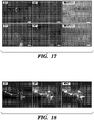
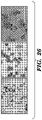
- the tissue was further incubated at 37°C for 30-60 minutes in a humidified environment to permit the adherence of crypts. Crypt culture media were then added into the wells and the crypts were further cultured for 7 days. Seeded crypts attached to the colon and spread in 24 hours ( Fig. 15 ). Fluorescent image showed crypts engrafted on the colon in 48 hours ( Fig. 16 ) and maintained Lgr5-GFP expression for at least one week ( Fig. 17 ).
- Example 7 Patch Culture Systems for Small Intestine Organoids Mimic the 3-Dimensional Physiological Environment
- SIS small intestinal submucosa
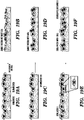
- This overlay initially a viscous fluid prepolymerization, is used to coat seeded, early stage cells or organoids (subcultured from cells), as well as to coat the SIS base to encase the cells in a collagen residue ( Fig. 19E and 19F ).
- This system is composed of vertebrate SIS and preselected cells, seeded on the SIS patch. Preselected bioactive agents are infused in the patch prior to cell seeding to support this gel-free culture system ( Fig. 19C and 19D ).
- SIS base and collagen overlay with infused growth factors were explored.
- SIS stiff
- collagen soft
- seeded cells and organoids coated with a collagen residue are provided with a 3-dimensional environment similar to that provided by Matrigel.
- this system is a suitable replacement for Matrigel in culturing 3-dimensional organoid constructs.
- the majority of seeded cells or organoids are both adhered to the SIS on the lower half of the cell membranes but also enveloped by polymerized collagen on non-adhered regions of the membrane ( Fig. 19E , inset).
- each cell membrane is functionally encased in a form of matrix, whether it is SIS or collagen.
- a variety bioactive agents was employed to support cell and organoid seeding, growth, and differentiation beyond SIS alone ( Fig. 19F ). While the applicants describe an infusion of biomolecules specific to intestinal stem cell culture, it is declared that biomolecules can be tailored to aid in the growth of other seeded cells from different tissues including pancreas, breast, liver, and stomach tissues.
- tissues-specific biomolecules may selected from the following: antiviral agent, antimicrobial agent, antibiotic agent, amino acid, peptide, protein, glycoprotein, lipoprotein, antibody, steroidal compound, antibiotic, antimycotic, cytokine, vitamin, carbohydrate, lipid, extracellular matrix, extracellular matrix component, chemotherapeutic agent, cytotoxic agent, growth factor, anti-rejection agent, analgesic, anti-inflammatory agent, viral vector, protein synthesis co-factor, hormone, endocrine tissue, synthesizer, enzyme, polymer-cell scaffolding agent with parenchymal cells, angiogenic drug, small molecule, nanoparticle, collagen lattice, antigenic agent, cytoskeletal agent, nucleic acid, cellular attractant.
- crypts were isolated in accordance with previous methods (Sato et al., 2009, Yui et al., 2012).
- Murine small intestine was isolated, incised longitudinally and washed in ice-cold PBS to clear luminal contents. Fragments were cut into 2 mm pieces, transferred to a 50 ml falcon tube and gently washed in 50 ml of ice-cold PBS using a 10 ml pipette. The supernatant was removed and the process was continued until the supernatant cleared. Fragments were incubated for 45 minutes at 4°C in PBS containing 2 mM EDTA to release crypts.
- the supernatant was removed and fragments pipetted up and down with 50 ml of PBS. Once the supernatant was confirmed to contain the crypt fraction, the suspension was filtered through a 70 ⁇ m cell strainer and spun in a centrifuge at 300g for 5 minutes. Crypts were re-suspended in 10 ml of ice-cold basal culture media (containing advanced DMEM/F12 (Invitrogen) 2 mM GlutaMax (Invitrogen), 10mM Hepes (Invitrogen) and 100 U/ml Penicillin/100 ug/ml Streptomycin (Invitrogen)) and transferred to a 15 ml falcon tube.
- ice-cold basal culture media containing advanced DMEM/F12 (Invitrogen) 2 mM GlutaMax (Invitrogen), 10mM Hepes (Invitrogen) and 100 U/ml Penicillin/100 ug/ml Streptomycin (Invitrogen
- SIS was cut into the desired length to cover the bottom of each well ( ⁇ 1cm for 48 well plate). Isolation of SIS has been previously described (Badylak et al., 1989). Using blunted forceps, each SIS segment was transferred to the bottom of a well and carefully spread to its full diameter, luminal side facing up. Orientation was confirmed by analysis under inverted microscopy to visualize the acellular remnants of crypts on the superficial surface. Depending on the compliance and strength required, multiple layers of SIS can be layered and bonded together.
- each segment can be spread on top of one another for the desired number of segments and the patch gently compressed with forceps and allowed to air dry at 5% CO 2 , 37°C for 5 minutes.
- each patch segment Prior to seeding, each patch segment was dehydrated by passive evaporation for 24 hours and infused with concentrated crypt culture media and optionally, small molecules as described below. Specifically, each segment of the patch was placed and spread, luminal side up, in the well of a 48 well plate, and 100 ⁇ l of concentrated factors (EGF, Noggin, R-spondin 1, Y-27632, Valproic Acid and CHIR) was deposited for 24 hour incubation at 5% CO 2 , 37°C.
- concentrated factors EGF, Noggin, R-spondin 1, Y-27632, Valproic Acid and CHIR
- a thin collagen gel residue (termed as the gel-patch) was coated onto the top of the patch/organoid complex to provide a minimal but functional 3-dimensional environment for each organoid.
- Physical and chemical cues obtained from the cell surface enhance 3-dimensional cell structure proliferation in order to replicate physiological morphology (Seidi, A., et al., 2011).
- Collagen I matrix (20-40 ⁇ l) was layered on seeded patches, taking care to leverage surface tension to prevent spreading of the gel beyond the patch ( Fig. 20C ) and the well plate incubated at 5% CO 2 , 37°C for 30 minutes.
- Crypt culture media 500 ⁇ l was deposited into each well and changed every other day.
- the patch was incubated in growth factors prior to seeding to examine whether it would facilitate adherence of organoids in the first 24 hours. Accordingly GF-infused (including EGF, Noggin, R-spondin 1, Y-27632, Valproic Acid and CHIR) versus non-infused patches (SIS in PBS) were seeded. In this assay, non-infused patches used basal media in lieu of culture media to deprive organoids of media growth factors as well.
- GFs Growth Factors
- EGF EGF, Noggin, R-spondin 1, Y-27632, Valproic Acid and CHIR
- GFs Growth Factors
- EGF EGF, Noggin, R-spondin 1, Y-27632, Valproic Acid and CHIR
- bare patch with infused GFs but without collagen overlay Collagen I gel only, Collagen I gel with GFs added to directly to the culture media (including EGF, Noggin, R-spondin 1, Y-27632, Valproic Acid and CHIR), Collagen I gel with GFs embedded in the gel itself (including EGF, Noggin, R-spondin 1, Y-27632, Valproic Acid and CHIR), and the bare patch without collagen overlay or infused GFs.
- the gel-patch system with GFs was able to support organoid growth at levels comparable to Matrigel controls ( Fig. 19 ).
- the bare SIS patch appeared to grow Lgr5+ cells in sheets as opposed to 3-dimensional organoids.
- the bare patch with infused GFs (EGF, Noggin, R-spondin 1, Y-27632, Valproic Acid and CHIR) supported organoid growth on par with both the gel-patch system and Matrigel.
- a gel-free culture system is capable of sustaining short-term, 3-dimensional organoid growth on par with Matrigel.
- Collagen I alone facilitates moderate organoid growth
- SIS infused with GFs is a viable replacement for collagen's 3-dimensional growth promoting effect.
- organoid growth rates remained low.
- Collagen I gel was prepared with the aforementioned GFs embedded directly in gel prior to seeding, organoid growth rates remained low.
- GFP signal was maintained throughout the gel-patch system (representative example in Fig. 21B and 21C ).
- SIS or collagen alone has been used in the literature as a base scaffold for cell seeding, resulting in the formation of cellular monolayers (Baumert et al. 2007; Campodonico et al. 2004; Feil, G., et al. 2006; Zhang, Y., et al. 2000).
- growing cells at the interface of these two matrices favors 3-dimensional organoid growth over monolayer growth. This mimics the physiological environment more closely, allowing for accelerated and structured growth.
- these results describe a patch culture system for small intestine organoids that is a superior alternative to Matrigel.
- Matrigel-based transplantation in animal models has encountered significant barriers in moving towards a human model, the most critical including biocompatibility issues.
- SIS patches maintained the majority of organoids at 24 hours, in both structure and GFP expression.
- An improvement in adherence was observed when cells were seeded on growth factor infused patches (including EGF, Noggin, R-spondin 1, Y-27632, Valproic Acid and CHIR). Therefore, growth factor infusion may also be useful to provide adequate nutrition and factors during culture and following transplantation while bridging the gap to cellular engraftment.
- Example 8 Implanted Patch Exhibits Growth-Promoting Properties In Vivo
- Acellular, gel-free variations of the patch system were tested to evaluate mucosal healing properties in vivo.
- a rat surgical model of mucosal defects was designed in order to test the growth-promoting properties of the implantation patch in vivo.
- the implantation patch was assembled by carefully spreading a portion of SIS, luminal side facing up, over 6 mm, circular poly(glycerol sebacate) urethane (PGSU) backings.
- the patch was incubated at 5% CO 2 , 37°C for 30 minutes to allow bonding of the PGSU and SIS.
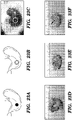
- a 4 mm defect was created in the gastric wall via punch biopsy, as shown in Fig. 23 .
- Acellular patches (6 mm in diameter) were placed over the external gastric wall, carefully covering the defect with the chosen material.
- the patch was secured by an adapted Graham patch method (S ⁇ , et al., 1996) using sutures and nearby connective tissue.
- Three variants of acellular patches were applied, including a) PGSU-backed SIS patch (without GFs), b) PGSU-backed SIS patch with GFs infused (EGF, Noggin, R-spondin 1, Y-27632, Valproic Acid and CHIR) and c) PGSU backing only (no SIS). At no point was peritonitis observed in any rat.
- Human small intestinal crypts were isolated from a resected normal small intestinal specimen and cultured as described in Example 1.
- the same cell culture solutions used in the culture of mouse small intestinal stem cells/crypts which comprise a combination of CHIR99021 and VPA or Tubastatin A added to the ENR (EGF, Noggin, R-Spondin 1) condition, were compared to published cell culture solutions for human intestinal stem cells/crypts (Jung et al., 2011; Sato et al., 2011).
- RT-PCR was used to assess the maintenance of epithelial stem cells in the culture, specifically by determining the self-renewal or differentiation status.
- LGR5 was used as a stem cell marker and ALPI, MUC2, CHGA and LYZ were used as differentiation markers. Cell growth was assessed by counting the cell number in the cultures and by observing the morphology and size of colonies.
- CHIR99021 (30 mg/Kg in 100 ⁇ l DMSO) and VPA (200 mg/Kg in 100 ⁇ l water) were administered to 4-6 week old female Lgr5-GFP mice via gavage.
- Control mice were given a mixture of 100 ⁇ l DMSO and 100 ⁇ l water.
- Drugs were administered every 48 hours for 7 days (at Day 0, Day 2, Day 4 and Day 6).
- mice were sacrificed and intestine tissue were collected. The small intestine were further washed with PBS, fixed with 4% PFA for 12 hours, embedded in Paraffin and stained using standard Hematoxylin and eosin (H&E) staining protocol. Images were acquired using an inverted microscope (EVOS, Advanced Microscopy Group).
- H&E Hematoxylin and eosin
Landscapes
- Health & Medical Sciences (AREA)
- Life Sciences & Earth Sciences (AREA)
- Engineering & Computer Science (AREA)
- Chemical & Material Sciences (AREA)
- Biomedical Technology (AREA)
- General Health & Medical Sciences (AREA)
- Organic Chemistry (AREA)
- Bioinformatics & Cheminformatics (AREA)
- Genetics & Genomics (AREA)
- Biotechnology (AREA)
- Wood Science & Technology (AREA)
- Zoology (AREA)
- Public Health (AREA)
- Medicinal Chemistry (AREA)
- Pharmacology & Pharmacy (AREA)
- Animal Behavior & Ethology (AREA)
- Veterinary Medicine (AREA)
- Epidemiology (AREA)
- Biochemistry (AREA)
- General Engineering & Computer Science (AREA)
- Cell Biology (AREA)
- Gastroenterology & Hepatology (AREA)
- Microbiology (AREA)
- Developmental Biology & Embryology (AREA)
- Chemical Kinetics & Catalysis (AREA)
- General Chemical & Material Sciences (AREA)
- Nuclear Medicine, Radiotherapy & Molecular Imaging (AREA)
- Micro-Organisms Or Cultivation Processes Thereof (AREA)
- Medicines That Contain Protein Lipid Enzymes And Other Medicines (AREA)
- Pharmaceuticals Containing Other Organic And Inorganic Compounds (AREA)
- Acyclic And Carbocyclic Compounds In Medicinal Compositions (AREA)
- Measuring Or Testing Involving Enzymes Or Micro-Organisms (AREA)
- Peptides Or Proteins (AREA)
Applications Claiming Priority (4)
| Application Number | Priority Date | Filing Date | Title |
|---|---|---|---|
| US201361783245P | 2013-03-14 | 2013-03-14 | |
| PCT/US2014/023197 WO2014159356A1 (en) | 2013-03-14 | 2014-03-11 | Compositions and methods for epithelial stem cell expansion and culture |
| EP20156482.0A EP3702443B1 (en) | 2013-03-14 | 2014-03-11 | Compositions and methods for epithelial stem cell expansion and culture |
| EP14774723.2A EP2970890B1 (en) | 2013-03-14 | 2014-03-11 | Compositions and methods for epithelial stem cell expansion and culture |
Related Parent Applications (2)
| Application Number | Title | Priority Date | Filing Date |
|---|---|---|---|
| EP14774723.2A Division EP2970890B1 (en) | 2013-03-14 | 2014-03-11 | Compositions and methods for epithelial stem cell expansion and culture |
| EP20156482.0A Division EP3702443B1 (en) | 2013-03-14 | 2014-03-11 | Compositions and methods for epithelial stem cell expansion and culture |
Publications (1)
| Publication Number | Publication Date |
|---|---|
| EP4056677A1 true EP4056677A1 (en) | 2022-09-14 |
Family
ID=51625153
Family Applications (3)
| Application Number | Title | Priority Date | Filing Date |
|---|---|---|---|
| EP22152093.5A Withdrawn EP4056677A1 (en) | 2013-03-14 | 2014-03-11 | Compositions and methods for epithelial stem cell expansion and culture |
| EP20156482.0A Active EP3702443B1 (en) | 2013-03-14 | 2014-03-11 | Compositions and methods for epithelial stem cell expansion and culture |
| EP14774723.2A Active EP2970890B1 (en) | 2013-03-14 | 2014-03-11 | Compositions and methods for epithelial stem cell expansion and culture |
Family Applications After (2)
| Application Number | Title | Priority Date | Filing Date |
|---|---|---|---|
| EP20156482.0A Active EP3702443B1 (en) | 2013-03-14 | 2014-03-11 | Compositions and methods for epithelial stem cell expansion and culture |
| EP14774723.2A Active EP2970890B1 (en) | 2013-03-14 | 2014-03-11 | Compositions and methods for epithelial stem cell expansion and culture |
Country Status (23)
| Country | Link |
|---|---|
| US (4) | US10041046B2 (enExample) |
| EP (3) | EP4056677A1 (enExample) |
| JP (3) | JP6469643B2 (enExample) |
| KR (1) | KR102168088B1 (enExample) |
| CN (2) | CN108865972B (enExample) |
| AU (1) | AU2014240603B2 (enExample) |
| BR (1) | BR112015023261A2 (enExample) |
| CA (2) | CA3184040A1 (enExample) |
| CY (1) | CY1122934T1 (enExample) |
| DK (2) | DK2970890T3 (enExample) |
| ES (2) | ES2908026T3 (enExample) |
| HR (1) | HRP20200692T1 (enExample) |
| HU (2) | HUE057521T2 (enExample) |
| IL (1) | IL241572B (enExample) |
| LT (1) | LT2970890T (enExample) |
| NZ (1) | NZ713219A (enExample) |
| PL (2) | PL3702443T3 (enExample) |
| PT (2) | PT2970890T (enExample) |
| RS (1) | RS60371B1 (enExample) |
| SI (1) | SI2970890T1 (enExample) |
| SM (1) | SMT202000223T1 (enExample) |
| WO (1) | WO2014159356A1 (enExample) |
| ZA (1) | ZA201904258B (enExample) |
Families Citing this family (98)
| Publication number | Priority date | Publication date | Assignee | Title |
|---|---|---|---|---|
| JP2010509919A (ja) | 2006-11-15 | 2010-04-02 | マサチューセッツ・アイ・アンド・イア・インファーマリー | 内耳細胞の生成 |
| EP2412800A1 (en) | 2010-07-29 | 2012-02-01 | Koninklijke Nederlandse Akademie van Wetenschappen | Liver organoid, uses thereof and culture method for obtaining them |
| EP3061808B1 (en) | 2009-02-03 | 2020-08-12 | Koninklijke Nederlandse Akademie van Wetenschappen | Culture medium for epithelial stem cells and organoids comprising said stem cells |
| US9719068B2 (en) | 2010-05-06 | 2017-08-01 | Children's Hospital Medical Center | Methods and systems for converting precursor cells into intestinal tissues through directed differentiation |
| EP3970725B1 (en) | 2012-09-07 | 2025-08-20 | Massachusetts Eye & Ear Infirmary | A gamma secretase inhibitor for treating hearing loss |
| CN104822827B (zh) | 2012-12-06 | 2020-01-21 | 干细胞生物科技公司 | Lgr5+体干细胞 |
| CA3184040A1 (en) | 2013-03-14 | 2014-10-02 | The Brigham And Women's Hospital, Inc. | Compositions and methods for epithelial stem cell expansion comprising a wnt agonist and a histone deacetylase inhibitor |
| US10597633B2 (en) | 2014-05-16 | 2020-03-24 | Koninklijke Nederlandse Akademie Van Wetenschappen | Culture method for organoids |
| EP3149156B1 (en) | 2014-05-28 | 2021-02-17 | Children's Hospital Medical Center | Methods and systems for converting precursor cells into gastric tissues through directed differentiation |
| WO2016022776A2 (en) | 2014-08-06 | 2016-02-11 | Massachusetts Eye And Ear Infirmary | Increasing atoh1 life to drive sensorineural hair cell differentiantion |
| WO2016037016A1 (en) * | 2014-09-03 | 2016-03-10 | The Brigham And Women's Hospital, Inc. | Compositions, systems, and methods for generating inner ear hair cells for treatment of hearing loss |
| JP6804438B2 (ja) | 2014-10-17 | 2020-12-23 | チルドレンズ ホスピタル メディカル センター | 多能性幹細胞を使用するヒト小腸のin vivoモデル、並びにそれを作製、及び使用する方法 |
| GB201421094D0 (en) | 2014-11-27 | 2015-01-14 | Koninklijke Nederlandse Akademie Van Wetenschappen | Culture medium |
| GB201421092D0 (en) | 2014-11-27 | 2015-01-14 | Koninklijke Nederlandse Akademie Van Wetenschappen | Culture medium |
| US10926001B2 (en) * | 2014-12-02 | 2021-02-23 | Polarityte, Inc. | Methods related to minimally polarized functional units |
| WO2017019850A1 (en) * | 2015-07-28 | 2017-02-02 | StemBios Technologies, Inc. | Composition and method for inhibiting histone deacetylase |
| KR101756337B1 (ko) | 2015-08-12 | 2017-07-10 | 고려대학교 산학협력단 | Cxcr2 억제를 통한 인간 전분화능 줄기세포의 내배엽 및 중배엽 분화 방법 |
| WO2017096233A1 (en) | 2015-12-04 | 2017-06-08 | Massachusetts Eye And Ear Infirmary | Treatment of hearing loss by inhibition of casein kinase 1 |
| AU2017205194A1 (en) * | 2016-01-08 | 2018-07-19 | Massachusetts Institute Of Technology | Production of differentiated enteroendocrine cells and insulin producing cells |
| WO2017123806A1 (en) | 2016-01-12 | 2017-07-20 | Cedars-Sinai Medical Center | A method of non destructive monitoring of biological processes in microfluidic tissue culture systems |
| AU2017212655B2 (en) | 2016-01-29 | 2024-01-18 | Decibel Therapeutics, Inc. | Expansion and differentiation of inner ear supporting cells and methods of use thereof |
| WO2017136462A2 (en) | 2016-02-01 | 2017-08-10 | EMULATE, Inc. | Systems and methods for growth of intestinal cells in microfluidic devices |
| GB201603569D0 (en) | 2016-03-01 | 2016-04-13 | Koninklijke Nederlandse Akademie Van Wetenschappen | Improved differentiation method |
| US10213511B2 (en) | 2016-03-02 | 2019-02-26 | Frequency Therapeutics, Inc. | Thermoreversible compositions for administration of therapeutic agents |
| US10201540B2 (en) | 2016-03-02 | 2019-02-12 | Frequency Therapeutics, Inc. | Solubilized compositions for controlled proliferation of stem cells / generating inner ear hair cells using GSK3 inhibitors: I |
| CN109689052A (zh) * | 2016-03-02 | 2019-04-26 | 频率治疗公司 | 使用GSK-3-α抑制剂的受控增殖干细胞/产生内耳毛细胞的方法 |
| US9968615B2 (en) | 2016-03-02 | 2018-05-15 | Frequency Therapeutics, Inc. | Methods for controlled proliferation of stem cells / generating inner ear hair cells using 3-(pyridin-2-yl)-1H-indol-2-ol based compounds |
| US11260130B2 (en) | 2016-03-02 | 2022-03-01 | Frequency Therapeutics, Inc. | Solubilized compositions for controlled proliferation of stem cells / generating inner ear hair cells using a GSK3 inhibitor: IV |
| US9913848B2 (en) | 2016-03-02 | 2018-03-13 | Frequency Therapeutics, Inc. | Methods for controlled proliferation of stem cells / generating inner ear hair cells using 1,2,3,4-tetrahydro-[1,4]diazepino[6,7, 1-hi]indolyl based compounds |
| US9913835B2 (en) | 2016-03-02 | 2018-03-13 | Frequency Therapeutics, Inc. | Methods for controlled proliferation of stem cells / generating inner ear hair cells using N-(alkylcarbamoyl)-1H-pyrazol-4-yl)-nicotinamide based compounds |
| US20190060371A1 (en) * | 2016-03-02 | 2019-02-28 | Frequency Therapeutics, Inc. | Methods for controlled proliferation of vestibular stem cells / generating inner ear hair cells using wnt and tgfbeta-inhibition |
| US10016507B2 (en) | 2016-03-02 | 2018-07-10 | Frequency Therapeutics, Inc. | Solubilized compositions for controlled proliferation of stem cells / generating inner ear hair cells using GSK3 inhibitors: III |
| EP3447126A4 (en) * | 2016-04-20 | 2019-11-13 | Kyoto Prefectural Public University Corporation | METHOD FOR PRODUCING A LAYER OF CULTURED EPITHELIAL CELLS |
| EP4177335A1 (en) * | 2016-05-05 | 2023-05-10 | Children's Hospital Medical Center | Methods for the in vitro manufacture of gastric fundus tissue and compositions related to same |
| EP3690022A1 (en) * | 2016-05-18 | 2020-08-05 | Keio University | Cell culture medium for culturing organoid, culture method, and organoid |
| CA3066107A1 (en) | 2016-06-03 | 2017-12-07 | Hough Ear Institute | Combination therapies for inner ear sensory hair cell regeneration/replacement |
| GB201610748D0 (en) * | 2016-06-20 | 2016-08-03 | Koninklijke Nederlandse Akademie Van Wetenschappen | Improved diffrentation method |
| EP3534976A4 (en) | 2016-11-04 | 2020-09-16 | Children's Hospital Medical Center | PATHOLOGICAL MODELS OF HEPATIC ORGANOIDS AND ASSOCIATED METHODS OF MANUFACTURE AND USE |
| WO2018088856A2 (ko) * | 2016-11-10 | 2018-05-17 | 재단법인 아산사회복지재단 | 마이크로유체칩, 삼차원 채널 구조물, 이를 이용한 세포 배양 방법 및 이를 이용한 생리활성 물질의 활성평가 방법 |
| EP3323882A1 (en) * | 2016-11-18 | 2018-05-23 | Ecole Polytechnique Fédérale de Lausanne | Organoid tissue engineering |
| EP3548507A4 (en) | 2016-12-05 | 2020-07-15 | Children's Hospital Medical Center | COLON ORGANOIDS AND PROCESSES FOR THE PREPARATION AND USE THEREOF |
| CN110392686A (zh) | 2016-12-30 | 2019-10-29 | 频率治疗公司 | 1h-吡咯-2,5-二酮化合物以及使用它们来诱导干/祖支持细胞自我更新的方法 |
| US10383881B2 (en) | 2016-12-30 | 2019-08-20 | Frequency Therapeutics, Inc. | 1,5-dihydro-2H-pyrrol-2-one compounds and methods of using same |
| US11913022B2 (en) | 2017-01-25 | 2024-02-27 | Cedars-Sinai Medical Center | In vitro induction of mammary-like differentiation from human pluripotent stem cells |
| WO2018151307A1 (ja) * | 2017-02-20 | 2018-08-23 | 公立大学法人名古屋市立大学 | 人工多能性幹細胞由来腸管幹細胞の維持培養 |
| US11767513B2 (en) | 2017-03-14 | 2023-09-26 | Cedars-Sinai Medical Center | Neuromuscular junction |
| US11414648B2 (en) | 2017-03-24 | 2022-08-16 | Cedars-Sinai Medical Center | Methods and compositions for production of fallopian tube epithelium |
| EP3609997A4 (en) | 2017-04-14 | 2021-03-03 | Children's Hospital Medical Center | COMPOSITIONS OF STEM CELLS FROM MULTIPLE DONOR CELLS AND THEIR PREPARATION PROCEDURES |
| EP3622068B1 (en) | 2017-05-10 | 2024-02-28 | The Broad Institute, Inc. | Methods for determination of mutations in single replication events |
| KR101966523B1 (ko) * | 2017-05-29 | 2019-04-05 | 차의과학대학교 산학협력단 | 오가노이드 배양을 위한 조성물 및 방법 |
| EP3630949A4 (en) * | 2017-05-29 | 2021-03-10 | Stemcell Technologies Canada Inc. | COMPOSITIONS AND PROCESSES FOR OBTAINING ORGANOIDS |
| CN107189981B (zh) * | 2017-06-07 | 2020-01-21 | 广东医科大学 | Hdac6抑制剂在骨髓间充质干细胞移植中的应用 |
| WO2019018440A1 (en) * | 2017-07-17 | 2019-01-24 | The Broad Institute, Inc. | HUMAN COLON CELL ATLAS IN GOOD HEALTH AND WITH HEMORRHAGIC RECTO-COLITIS |
| EP3694603A4 (en) | 2017-10-10 | 2021-07-14 | Children's Hospital Medical Center | ESOPHAGUS TISSUE AND / OR ORGANOID COMPOSITIONS AND METHOD FOR MANUFACTURING THEREOF |
| US12379372B2 (en) | 2017-12-21 | 2025-08-05 | Children's Hospital Medical Center | Digitalized human organoids and methods of using same |
| EP3732285A1 (en) * | 2017-12-28 | 2020-11-04 | Tract Pharmaceuticals, Inc. | Stem cell culture systems for columnar epithelial stem cells, and uses related thereto |
| US11994512B2 (en) | 2018-01-04 | 2024-05-28 | Massachusetts Institute Of Technology | Single-cell genomic methods to generate ex vivo cell systems that recapitulate in vivo biology with improved fidelity |
| CN108085296B (zh) * | 2018-01-29 | 2021-04-13 | 清华大学 | 肠上皮类器官无生长因子培养方法 |
| US12161676B2 (en) | 2018-03-23 | 2024-12-10 | Cedars-Sinai Medical Center | Methods of use of islet cells |
| EP3775161A4 (en) | 2018-04-06 | 2022-04-06 | Cedars-Sinai Medical Center | NEURODEGENERATIVE DISEASE MODELS DERIVED FROM HUMAN PLURIPOTENTIC STEM CELLS ON A MICROFLUIDIC CHIP |
| US11981918B2 (en) | 2018-04-06 | 2024-05-14 | Cedars-Sinai Medical Center | Differentiation technique to generate dopaminergic neurons from induced pluripotent stem cells |
| CN110205283B (zh) * | 2018-04-18 | 2021-04-23 | 浙江大学 | 一种诱导人羊膜上皮细胞向视网膜色素上皮细胞分化的方法及其应用 |
| KR102099402B1 (ko) * | 2018-06-28 | 2020-04-09 | 오가노이드사이언스 주식회사 | 타액선 줄기세포의 기능 강화용 배양 조성물 및 이를 이용한 타액선 줄기세포 기능 강화 방법 |
| KR102887406B1 (ko) | 2018-07-26 | 2025-11-19 | 칠드런즈 호스피탈 메디칼 센터 | 간-담도-췌장 조직 및 이를 제조하는 방법 |
| WO2020037326A1 (en) | 2018-08-17 | 2020-02-20 | Frequency Therapeutics, Inc. | Compositions and methods for generating hair cells by downregulating foxo |
| US11162071B2 (en) | 2018-08-17 | 2021-11-02 | Frequency Therapeutics, Inc. | Compositions and methods for generating hair cells by upregulating JAG-1 |
| WO2020056158A1 (en) | 2018-09-12 | 2020-03-19 | Children's Hospital Medical Center | Organoid compositions for the production of hematopoietic stem cells and derivatives thereof |
| WO2020097555A1 (en) * | 2018-11-09 | 2020-05-14 | Children's Hospital Medical Center | In vitro cell culture system for producing hepatocyte-like cells and uses thereof |
| US20220008433A1 (en) * | 2018-11-30 | 2022-01-13 | Massachusetts Eye And Ear Infirmary | Inhibition of Lysine Demethylase 1 (Lsd1) Induces Differentiation of Hair Cells |
| CN109576225A (zh) * | 2018-12-23 | 2019-04-05 | 山西医科大学 | 利用Rspo1抑制骨髓间充质干细胞凋亡的方法 |
| CN109679893A (zh) * | 2019-01-17 | 2019-04-26 | 浙江工商大学 | 基于小鼠肠道干细胞的肠上皮单层培养及表征方法 |
| WO2020159609A1 (en) * | 2019-01-30 | 2020-08-06 | MEAD, Benjamin Elliott | Small molecule enhancers of paneth cell function and differentiation |
| KR102050223B1 (ko) * | 2019-04-04 | 2019-11-29 | 포항공과대학교 산학협력단 | 배아줄기세포로부터 소장 오가노이드의 제조방법 |
| KR102334245B1 (ko) * | 2019-05-29 | 2021-12-03 | 연세대학교 산학협력단 | 인간 미뢰 오가노이드의 배양용 조성물 |
| WO2020247836A1 (en) * | 2019-06-07 | 2020-12-10 | Massachusetts Institute Of Technology | Methods and compositions for differentiating stem cells |
| EP3789049A1 (en) * | 2019-09-06 | 2021-03-10 | QGel SA | Method for obtaining healthy intestinal organoids |
| US12451250B2 (en) | 2019-10-22 | 2025-10-21 | Tempus Ai, Inc. | Systems and methods for predicting therapeutic sensitivity |
| US11629385B2 (en) | 2019-11-22 | 2023-04-18 | Tempus Labs, Inc. | Tumor organoid culture compositions, systems, and methods |
| JP7744340B2 (ja) | 2019-12-05 | 2025-09-25 | テンパス・エーアイ・インコーポレイテッド | ハイスループット薬物スクリーニングのためのシステムおよび方法 |
| CR20220325A (es) | 2019-12-20 | 2022-08-19 | Tenaya Therapeutics Inc | Fluoroalquil-oxadiazoles y sus usos |
| KR102315866B1 (ko) * | 2020-03-24 | 2021-10-21 | 한국원자력의학원 | 섬유화 질환 복합 치료제 개발 |
| CN111471643B (zh) * | 2020-04-09 | 2020-12-29 | 创芯国际生物科技(广州)有限公司 | 一种通用型上呼吸道粘膜类器官的培养基及培养方法 |
| US11561178B2 (en) | 2020-04-20 | 2023-01-24 | Tempus Labs, Inc. | Artificial fluorescent image systems and methods |
| CN111411083B (zh) * | 2020-04-22 | 2020-11-03 | 创芯国际生物科技(广州)有限公司 | 一种胃癌类器官的培养基及培养方法 |
| CN111849860B (zh) * | 2020-06-01 | 2021-12-21 | 浙江大学 | 一种利用铁元素调控肠道干细胞分化的方法及应用 |
| CN112592896B (zh) * | 2020-11-22 | 2024-06-25 | 深圳市第二人民医院(深圳市转化医学研究院) | 一种肺腺癌类器官的培养液及其培养方法 |
| JP7602932B2 (ja) * | 2021-02-26 | 2024-12-19 | 株式会社マンダム | 汗腺筋上皮細胞の幹細胞性維持剤、汗腺筋上皮細胞の幹細胞性を維持する方法および皮膚外用剤 |
| IL307883A (en) | 2021-04-23 | 2023-12-01 | Tenaya Therapeutics Inc | HDAC6 inhibitors for use in the treatment of dilated myocardial disease |
| CA3216768A1 (en) | 2021-05-04 | 2022-11-10 | Jin Yang | 2-fluoroalkyl-1,3,4-oxadiazol-5-yl-thiazol, hdac6 inhibitors for use in the treatment of metabolic disease and hfpef |
| WO2022261293A1 (en) * | 2021-06-09 | 2022-12-15 | The Regents Of The University Of California | Lung organoid model and method of use |
| KR20230073997A (ko) | 2021-11-19 | 2023-05-26 | 연세대학교 산학협력단 | 인간 타액선 상피성 줄기세포 또는 전구세포 유래 단일클론세포 분리, 유지, 증식 및 분화 방법 및 타액선 질환 치료용 세포외소포체 생산 방법 |
| US20250034523A1 (en) * | 2021-12-09 | 2025-01-30 | The Trustees Of Indiana University | Methods of generating human cochlear hair cells |
| CN114480274A (zh) * | 2021-12-30 | 2022-05-13 | 中国人民解放军海军军医大学第一附属医院 | 肠道类器官定向分化潘氏细胞的方法 |
| CN115637251A (zh) * | 2022-11-04 | 2023-01-24 | 中国人民解放军海军军医大学第一附属医院 | 一种诱导肠道类器官定向分化为肠吸收细胞的方法及其应用 |
| KR102693565B1 (ko) * | 2022-11-30 | 2024-08-08 | 오가노이드사이언스 주식회사 | 암 오가노이드 제조용 배지 조성물 |
| CN116478912A (zh) | 2023-06-07 | 2023-07-25 | 合肥工业大学 | 一种诱导小鼠肠道类器官定向分化为肠内分泌细胞的培养基及其应用 |
| WO2025152110A1 (zh) * | 2024-01-18 | 2025-07-24 | 五邑大学 | 用于阿尔兹海默症治疗的联合用药及其药物组合物 |
| WO2025215092A1 (en) | 2024-04-10 | 2025-10-16 | Institut National de la Santé et de la Recherche Médicale | Selective hdac6 inhibitors for use in the treatment of myotonic dystrophy type 1 |
Family Cites Families (117)
| Publication number | Priority date | Publication date | Assignee | Title |
|---|---|---|---|---|
| US5059591B1 (en) | 1983-05-26 | 2000-04-25 | Liposome Co Inc | Drug preparations of reduced toxicity |
| US5571714A (en) | 1988-12-22 | 1996-11-05 | Celtrix Pharmaceuticals, Inc. | Monoclonal antibodies which bind both transforming growth factors β1 and β2 and methods of use |
| US5731424A (en) | 1990-06-11 | 1998-03-24 | Nexstar Pharmaceuticals, Inc. | High affinity TGFβ nucleic acid ligands and inhibitors |
| US5731144A (en) | 1990-06-11 | 1998-03-24 | Nexstar Pharmaceuticals, Inc. | High affinity TGFβ nucleic acid ligands |
| US6124449A (en) | 1990-06-11 | 2000-09-26 | Nexstar Pharmaceuticals, Inc. | High affinity TGFβ nucleic acid ligands and inhibitors |
| US5561163A (en) | 1990-08-31 | 1996-10-01 | Deprenyl Animal Health, Inc. | Treating hearing loss with deprenyl |
| US5421818A (en) | 1993-10-18 | 1995-06-06 | Inner Ear Medical Delivery Systems, Inc. | Multi-functional inner ear treatment and diagnostic system |
| GB9601081D0 (en) | 1995-10-06 | 1996-03-20 | Cambridge Antibody Tech | Specific binding members for human transforming growth factor beta;materials and methods |
| US5837681A (en) | 1996-02-23 | 1998-11-17 | Amgen Inc. | Method for treating sensorineural hearing loss using glial cell line-derived neurotrophic factor (GDNF) protein product |
| US6593290B1 (en) | 1996-11-01 | 2003-07-15 | Genentech, Inc. | Treatment of inner ear hair cells |
| US6045528A (en) | 1997-06-13 | 2000-04-04 | Intraear, Inc. | Inner ear fluid transfer and diagnostic system |
| US6806358B1 (en) | 1997-12-16 | 2004-10-19 | University Of California San Diego | Peptide inhibitor of TGF-β growth factors |
| US6177434B1 (en) | 1997-12-16 | 2001-01-23 | The United States Of America As Represented By The Secretary Of The Navy | Prevention or reversal of sensorineural hearing loss (SNHL) through biologic mechanisms |
| CA2321307A1 (en) | 1998-02-27 | 1999-09-02 | Venkatachala L. Narayanan | Disubstituted lavendustin a analogs and pharmaceutical compositions comprising the analogs |
| GB9809869D0 (en) | 1998-05-09 | 1998-07-08 | Medical Res Council | Inhibition of protein kinases |
| US6184226B1 (en) | 1998-08-28 | 2001-02-06 | Scios Inc. | Quinazoline derivatives as inhibitors of P-38 α |
| ES2146552B1 (es) | 1998-11-24 | 2001-04-16 | Inst Cientifico Tecnol Navarra | Peptidos inhibidores de tgf/31 |
| WO2000059939A1 (en) | 1999-04-05 | 2000-10-12 | Adherex Technologies Inc. | COMPOUNDS AND METHODS FOR STIMULATING β-CATENIN MEDIATED GENE EXPRESSION AND DIFFERENTIATION |
| US6492497B1 (en) | 1999-04-30 | 2002-12-10 | Cambridge Antibody Technology Limited | Specific binding members for TGFbeta1 |
| AU783615B2 (en) | 2000-05-11 | 2005-11-17 | Consejo Superior De Investigaciones Cientificas | Heterocyclic inhibitors of glycogen synthase kinase GSK-3 |
| US6509318B1 (en) | 2000-09-29 | 2003-01-21 | The Regents Of The University Of California | TGF-B inhibitors and methods |
| US20050287128A1 (en) | 2001-05-18 | 2005-12-29 | Sirna Therapeutics, Inc. | RNA interference mediated inhibition of TGF-beta and TGF-beta receptor gene expression using short interfering nucleic acid (siNA) |
| US20050227936A1 (en) | 2001-05-18 | 2005-10-13 | Sirna Therapeutics, Inc. | RNA interference mediated inhibition of TGF-beta and TGF-beta receptor gene expression using short interfering nucleic acid (siNA) |
| ES2289116T3 (es) | 2001-05-24 | 2008-02-01 | Eli Lilly And Company | Nuevos derivados de pirrol como agentes farmaceuticos. |
| US20030028905A1 (en) | 2001-07-31 | 2003-02-06 | Petra Knaus | Mutant forms of the TGF-beta type II receptor which bind all TGF-beta isoforms |
| CA2463822A1 (en) | 2001-11-01 | 2003-05-08 | Janssen Pharmaceutica N.V. | Heteroaryl amines as glycogen synthase kinase 3beta inhibitors (gsk3 inhibitors) |
| SE0200979D0 (sv) | 2002-03-28 | 2002-03-28 | Astrazeneca Ab | New compounds |
| US20040006030A1 (en) | 2002-07-02 | 2004-01-08 | Isis Pharmaceuticals Inc. | Antisense modulation of TGF-beta 2 expression |
| JP2005530800A (ja) | 2002-05-15 | 2005-10-13 | スミスクライン・ビーチャム・コーポレイション | ベンゾオキサジンおよびベンゾオキサジノン置換トリアゾール |
| US20040038856A1 (en) | 2002-05-17 | 2004-02-26 | Sarvajit Chakravarty | Treatment of fibroproliferative disorders using TGF-beta inhibitors |
| US7190468B2 (en) | 2002-07-17 | 2007-03-13 | Hewlett-Packard Development Company, L.P. | Background document rendering system and method |
| TW200417547A (en) | 2002-07-31 | 2004-09-16 | Smithkline Beecham Corp | Compounds |
| PL374967A1 (en) | 2002-08-02 | 2005-11-14 | Vertex Pharmaceuticals Incorporated | Pyrazole compositions useful as inhibitors of gsk-3 |
| SI1532145T1 (sl) | 2002-08-02 | 2007-02-28 | Vertex Pharma | Pirazolni sestavki, koristni kot inhibitorji GSK-3 |
| UA80296C2 (en) | 2002-09-06 | 2007-09-10 | Biogen Inc | Imidazolopyridines and methods of making and using the same |
| EP1543001B1 (en) | 2002-09-17 | 2007-08-15 | Eli Lilly And Company | Pyrazolopyridine derivatives as tgf beta signal transduction inhibitors for the treatment of cancer |
| KR20050057393A (ko) | 2002-09-18 | 2005-06-16 | 화이자 프로덕츠 인크. | 전환 성장 인자 (tgf) 억제제로서 트리아졸 유도체 |
| EA200500286A1 (ru) | 2002-09-18 | 2005-08-25 | Пфайзер Продактс Инк. | Новые изотиазольные и изоксазольные соединения в качестве ингибиторов трансформирующего фактора роста (тфр) |
| AU2003291149A1 (en) | 2002-11-22 | 2004-06-18 | Scios, Inc. | USE OF TFG-Beta INHIBITORSTO COUNTERACT PATHOLOGIC CHANGES IN THE LEVEL OR FUNCTION OF STEROID/THYROID RECEPTORS |
| SE0203752D0 (sv) | 2002-12-17 | 2002-12-17 | Astrazeneca Ab | New compounds |
| JP2006516603A (ja) | 2003-01-27 | 2006-07-06 | ファイザー・プロダクツ・インク | イソチアゾール誘導体 |
| WO2004081009A1 (en) | 2003-03-12 | 2004-09-23 | Millennium Pharmaceuticals, Inc. | Quinazoline derivatives as tgf-beta inhibitors |
| EP1608631A4 (en) | 2003-03-28 | 2008-08-20 | Scios Inc | BICYCLIC PYRIMIDININHIBITORS OF TGF BETA |
| US7314939B2 (en) | 2003-06-17 | 2008-01-01 | Millennium Pharmaceuticals, Inc. | Compositions and methods for inhibiting TGF-β |
| GB0316756D0 (en) | 2003-07-17 | 2003-08-20 | Bp Chem Int Ltd | Process |
| WO2005019422A2 (en) | 2003-08-13 | 2005-03-03 | The Board Of Trustees Of The University Of Illinois | Silencing of tgf-beta receptor type ii expression by sirna |
| US7387614B2 (en) | 2003-08-26 | 2008-06-17 | University Of Maryland, Baltimore | Drug delivery to the inner ear and methods of using same |
| JP4688680B2 (ja) | 2003-10-28 | 2011-05-25 | 独立行政法人理化学研究所 | TGF−β情報伝達経路阻害剤 |
| US8673634B2 (en) | 2003-11-13 | 2014-03-18 | Massachusetts Eye & Ear Infirmary | Method for the treatment of hearing loss |
| GB0327908D0 (en) | 2003-12-02 | 2004-01-07 | Neuropharma Sa | GSK-3 inhibitors isolated from marine organisms |
| KR20070007055A (ko) | 2003-12-24 | 2007-01-12 | 사이오스 인코퍼레이티드 | Tgf-베타 억제제를 이용한 악성 신경교종의 치료법 |
| EP1723146A1 (en) | 2004-03-01 | 2006-11-22 | Eli Lilly And Company | Fused pyrazole derivatives as tgf-beta signal transduction inhibitors for the treatment of fibrosis and neoplasms |
| AR048335A1 (es) | 2004-03-24 | 2006-04-19 | Chugai Pharmaceutical Co Ltd | Agentes terapeuticos para trastornos del oido interno que contienen un antagonista de il- 6 como un ingrediente activo |
| CA2568028A1 (en) | 2004-05-24 | 2005-12-08 | Auris Medical, Llc. | Combined otic aspirator and medication dispenser |
| GB0418328D0 (en) | 2004-08-17 | 2004-09-22 | Imp College Innovations Ltd | Cancer methods and medicaments |
| JP2007176795A (ja) | 2004-08-18 | 2007-07-12 | Univ Nihon | TGF−β遺伝子発現抑制剤 |
| US8771754B2 (en) | 2004-09-17 | 2014-07-08 | Vanderbilt University | Use of GSK3 inhibitors in combination with radiation therapies |
| PT3520815T (pt) | 2005-02-08 | 2022-02-02 | Genzyme Corp | Anticorpos contra tgfbeta |
| GB0505970D0 (en) | 2005-03-23 | 2005-04-27 | Univ Edinburgh | Culture medium containing kinase inhibitor, and uses thereof |
| ES2369282T3 (es) | 2005-03-25 | 2011-11-29 | Tibotec Pharmaceuticals | Inhibidores heterobicíclicos de vhc. |
| WO2006105152A2 (en) | 2005-03-31 | 2006-10-05 | Stemnion, Inc. | Amnion-derived cell compositions, methods of making and uses thereof |
| NZ564179A (en) | 2005-06-30 | 2010-09-30 | Janssen Pharmaceutica Nv | Cyclic anilino - pyridinotriazines as GSK-3 inhibitors |
| SI1910370T1 (sl) | 2005-07-22 | 2015-06-30 | Eli Lilly And Company | Piridin kinolin substituirani pirolo(1,2-b)pirazol monohidrat kot tgf-beta inhibitor |
| EP1749523A1 (en) | 2005-07-29 | 2007-02-07 | Neuropharma, S.A. | GSK-3 inhibitors |
| CN101340927A (zh) | 2005-10-24 | 2009-01-07 | 西玛生物医学信息公司 | TGF-β1抑制性多肽在制备免疫反应调节剂上的用途 |
| US7951845B2 (en) | 2006-01-19 | 2011-05-31 | The Regents Of The University Of Michigan | Composition and method of treating hearing loss |
| ITMI20060181A1 (it) | 2006-02-03 | 2007-08-04 | Univ Padova | Modulatori del tgf-b e loro uso |
| TW200800203A (en) | 2006-03-08 | 2008-01-01 | Astrazeneca Ab | New use |
| US7846908B2 (en) | 2006-03-16 | 2010-12-07 | Alnylam Pharmaceuticals, Inc. | RNAi modulation of TGF-beta and therapeutic uses thereof |
| KR20090052884A (ko) | 2006-08-23 | 2009-05-26 | 화이자 프로덕츠 인크. | Gsk-3 억제제로서의 피리미돈 화합물 |
| JP2010509919A (ja) | 2006-11-15 | 2010-04-02 | マサチューセッツ・アイ・アンド・イア・インファーマリー | 内耳細胞の生成 |
| EP2125683B1 (en) | 2006-12-19 | 2013-10-23 | The Board of Trustees of the University of Illinois | 3-benzofuranyl-4-indolyl-maleimides as potent gsk-3 inhibitors for neurodegenerative disorders |
| WO2009017453A1 (en) | 2007-07-30 | 2009-02-05 | Astrazeneca Ab | New therapeutic combination of an antipsychotic and a gsk3 inhibitor 958 |
| WO2009017455A1 (en) | 2007-07-30 | 2009-02-05 | Astrazeneca Ab | A new combination of (a) an alpha-4-beta-2 -neuronal nicotinic agonist and (b) a gsk3 inhibitor |
| EP2197876A1 (en) | 2007-08-29 | 2010-06-23 | Glaxosmithkline LLC | Thiazole and oxazole kinase inhibitors |
| WO2009035522A1 (en) | 2007-09-14 | 2009-03-19 | Albert Einstein College Of Medicine Of Yeshiva University | Use of gamma secretase inhibitors and notch pathway inhibitors for treatment and prevention of renal disease |
| ES2690554T3 (es) | 2008-03-17 | 2018-11-21 | The Scripps Research Institute | Enfoques químicos y genéticos combinados para la generación de células madre pluripotentes inducidas |
| EP2278999B1 (en) | 2008-04-21 | 2025-01-29 | Dompé farmaceutici S.p.A. | Auris formulations for treating otic diseases and conditions |
| US20090270497A1 (en) | 2008-04-24 | 2009-10-29 | Pharmacyclics, Inc. | Treatment of Non-Localized Inflammation with pan-HDAC Inhibitors |
| WO2009142719A2 (en) | 2008-05-19 | 2009-11-26 | Massachusetts Institute Of Technology | Tympanic membrane permeating ear drops and uses thereof |
| US8496957B2 (en) | 2008-07-21 | 2013-07-30 | Otonomy, Inc | Controlled release auris sensory cell modulator compositions and methods for the treatment of otic disorders |
| US8298825B1 (en) | 2008-08-25 | 2012-10-30 | The General Hospital Corporation | TGF-beta receptor inhibitors to enhance direct reprogramming |
| US20120059021A1 (en) | 2008-11-11 | 2012-03-08 | University Of Washington | Compositions and methods for treating cancer and methods for predicting a response to such treatments |
| CA2743436C (en) | 2008-11-24 | 2017-10-31 | Massachusetts Eye & Ear Infirmary | Pathways to generate hair cells |
| EP2376626A4 (en) * | 2008-12-13 | 2012-10-17 | Dna Microarray | MICRO-ENVIRONMENTAL NICHE ASSAY FOR SCREENING OF INDUCED PLURIPOTENT STEM CELLS (CIPS) |
| WO2010075551A1 (en) | 2008-12-24 | 2010-07-01 | Massachusetts Institute Of Technology | Compositions of modulators of the wnt/beta-catenin pathway and benzamide and/or hydroxamic acid derivatives to treat bipolar disorder |
| EP3061808B1 (en) * | 2009-02-03 | 2020-08-12 | Koninklijke Nederlandse Akademie van Wetenschappen | Culture medium for epithelial stem cells and organoids comprising said stem cells |
| GB201111244D0 (en) * | 2011-06-30 | 2011-08-17 | Konink Nl Akademie Van Wetenschappen Knaw | Culture media for stem cells |
| EP2412800A1 (en) | 2010-07-29 | 2012-02-01 | Koninklijke Nederlandse Akademie van Wetenschappen | Liver organoid, uses thereof and culture method for obtaining them |
| US9752124B2 (en) | 2009-02-03 | 2017-09-05 | Koninklijke Nederlandse Akademie Van Wetenschappen | Culture medium for epithelial stem cells and organoids comprising the stem cells |
| KR101748891B1 (ko) | 2009-03-11 | 2017-06-19 | 교린 세이야꾸 가부시키 가이샤 | Gsk-3 억제제로서의 7-시클로알킬아미노퀴놀론 |
| WO2011019957A1 (en) * | 2009-08-12 | 2011-02-17 | University Of Southern California | Method for formation of induced pluripotent stem cells |
| AU2010312240B2 (en) * | 2009-10-31 | 2016-12-15 | Genesis Technologies Limited | Methods for reprogramming cells and uses thereof |
| US20110135756A1 (en) | 2009-12-08 | 2011-06-09 | University Of Washington | Compositions and methods for protecting sensory hair cells |
| CA2785233C (en) | 2009-12-28 | 2018-10-09 | Audiocure Pharma Gmbh | .beta.-carbolines for treatment of hearing damages and vertigo |
| WO2011089416A1 (en) | 2010-01-19 | 2011-07-28 | Astrazeneca Ab | Pyrazine derivatives |
| JP5897543B2 (ja) * | 2010-03-22 | 2016-03-30 | セルアーティス アーベー | Wntシグナル経路の調節による多能性細胞から肝細胞様細胞への分化誘導と成熟 |
| CN103429739B (zh) | 2010-05-12 | 2018-11-13 | 哥伦比亚大学纽约管理委员会 | 制备产生和分泌胰岛素的肠内分泌细胞的方法 |
| KR20130101557A (ko) | 2010-11-02 | 2013-09-13 | 고꾸리쯔다이가꾸호오진 구마모또 다이가꾸 | 장세포의 제조 방법 |
| CA2823719A1 (en) | 2011-01-24 | 2012-08-02 | The Board Of Trustees Of The Leland Stanford Junior University | Methods for generating inner ear cells in vitro |
| KR101807704B1 (ko) * | 2011-04-12 | 2017-12-13 | 차의과학대학교 산학협력단 | 역분화-증진제를 이용한 역분화 만능 줄기세포의 제조방법 |
| EP3473099A1 (en) | 2011-09-14 | 2019-04-24 | Samumed, LLC | Indazole-3-carboxamides and their use as wnt/b-catenin signaling pathway inhibitors |
| US9347042B2 (en) | 2011-10-06 | 2016-05-24 | Keio University | Method for producing corneal endothelial cell |
| NZ630615A (en) | 2012-02-24 | 2015-09-25 | Asd Therapeutics Partners Llc | Thiadiazolidinediones as gsk-3 inhibitors |
| US9457009B2 (en) | 2012-05-31 | 2016-10-04 | The United States Of America As Represented By The Department Of Veterans Affairs | Methods and compositions for preventing and treating auditory dysfunctions |
| TW201406758A (zh) | 2012-06-28 | 2014-02-16 | Daiichi Sankyo Co Ltd | 三環性化合物 |
| GB201212960D0 (en) | 2012-07-20 | 2012-09-05 | Common Services Agency | Erythroid production |
| JP6486272B2 (ja) | 2012-09-07 | 2019-03-20 | マサチューセッツ・アイ・アンド・イア・インファーマリー | 有毛細胞および/または支持細胞再生のための方法および組成物 |
| WO2014050779A1 (ja) | 2012-09-25 | 2014-04-03 | 第一三共株式会社 | Gsk3阻害剤と抗dr5抗体の組み合わせ |
| PL2909204T3 (pl) | 2012-10-12 | 2019-07-31 | The Broad Institute, Inc. | Inhibitory GSK3 i sposoby ich stosowania |
| EP2925859B1 (en) | 2012-11-29 | 2018-05-02 | Takara Bio Europe AB | Maturation of hepatocyte-like cells derived from human pluripotent stem cells |
| US20140248696A1 (en) * | 2013-03-01 | 2014-09-04 | Wisconsin Alumni Research Foundation | Methods of maintaining, expanding, and diffrentiating neuronal subtype specific progenitors |
| CA3184040A1 (en) | 2013-03-14 | 2014-10-02 | The Brigham And Women's Hospital, Inc. | Compositions and methods for epithelial stem cell expansion comprising a wnt agonist and a histone deacetylase inhibitor |
| WO2015168149A2 (en) | 2014-04-28 | 2015-11-05 | Massachusetts Eye & Ear Infirmary | Sensorineural hair cell differentiation |
| US10457915B2 (en) | 2014-05-15 | 2019-10-29 | International Stem Cell Corporation | Chemical differentiation of pluripotentstem cells into retinal epithelial cells |
| WO2016037016A1 (en) | 2014-09-03 | 2016-03-10 | The Brigham And Women's Hospital, Inc. | Compositions, systems, and methods for generating inner ear hair cells for treatment of hearing loss |
| AU2017205194A1 (en) | 2016-01-08 | 2018-07-19 | Massachusetts Institute Of Technology | Production of differentiated enteroendocrine cells and insulin producing cells |
-
2014
- 2014-03-11 CA CA3184040A patent/CA3184040A1/en active Pending
- 2014-03-11 AU AU2014240603A patent/AU2014240603B2/en not_active Ceased
- 2014-03-11 EP EP22152093.5A patent/EP4056677A1/en not_active Withdrawn
- 2014-03-11 RS RS20200500A patent/RS60371B1/sr unknown
- 2014-03-11 LT LTEP14774723.2T patent/LT2970890T/lt unknown
- 2014-03-11 NZ NZ713219A patent/NZ713219A/en not_active IP Right Cessation
- 2014-03-11 SM SM20200223T patent/SMT202000223T1/it unknown
- 2014-03-11 EP EP20156482.0A patent/EP3702443B1/en active Active
- 2014-03-11 PL PL20156482T patent/PL3702443T3/pl unknown
- 2014-03-11 ES ES20156482T patent/ES2908026T3/es active Active
- 2014-03-11 DK DK14774723.2T patent/DK2970890T3/da active
- 2014-03-11 CN CN201810493427.8A patent/CN108865972B/zh not_active Expired - Fee Related
- 2014-03-11 PL PL14774723T patent/PL2970890T3/pl unknown
- 2014-03-11 US US14/775,560 patent/US10041046B2/en active Active
- 2014-03-11 WO PCT/US2014/023197 patent/WO2014159356A1/en not_active Ceased
- 2014-03-11 CA CA2905842A patent/CA2905842C/en active Active
- 2014-03-11 PT PT147747232T patent/PT2970890T/pt unknown
- 2014-03-11 DK DK20156482.0T patent/DK3702443T3/da active
- 2014-03-11 JP JP2016501170A patent/JP6469643B2/ja not_active Expired - Fee Related
- 2014-03-11 KR KR1020157029319A patent/KR102168088B1/ko not_active Expired - Fee Related
- 2014-03-11 HR HRP20200692TT patent/HRP20200692T1/hr unknown
- 2014-03-11 CN CN201480027151.4A patent/CN105358677B/zh not_active Expired - Fee Related
- 2014-03-11 EP EP14774723.2A patent/EP2970890B1/en active Active
- 2014-03-11 ES ES14774723T patent/ES2786925T3/es active Active
- 2014-03-11 HU HUE20156482A patent/HUE057521T2/hu unknown
- 2014-03-11 HU HUE14774723A patent/HUE049377T2/hu unknown
- 2014-03-11 SI SI201431561T patent/SI2970890T1/sl unknown
- 2014-03-11 PT PT201564820T patent/PT3702443T/pt unknown
- 2014-03-11 BR BR112015023261A patent/BR112015023261A2/pt active Search and Examination
-
2015
- 2015-09-10 IL IL241572A patent/IL241572B/en active IP Right Grant
-
2017
- 2017-04-21 US US15/494,291 patent/US10041047B2/en active Active
-
2018
- 2018-07-06 US US16/028,872 patent/US10954490B2/en active Active
- 2018-08-27 JP JP2018158354A patent/JP6764909B2/ja not_active Expired - Fee Related
-
2019
- 2019-06-28 ZA ZA2019/04258A patent/ZA201904258B/en unknown
-
2020
- 2020-04-29 CY CY20201100390T patent/CY1122934T1/el unknown
- 2020-07-01 JP JP2020114302A patent/JP6919032B2/ja not_active Expired - Fee Related
-
2021
- 2021-03-22 US US17/208,917 patent/US20210301254A1/en not_active Abandoned
Non-Patent Citations (148)
| Title |
|---|
| ABREU, J.G.KETPURA, N.I.REVERSADE, B.DE ROBERTIS, E.M: "Connective-tissue growth factor (CTGF) modulates cell signalling by BMP and TGF-beta", NAT CELL BIOL, vol. 4, 2002, pages 599 - 604 |
| ALESSI, D. R.A. CUENDAP. COHEND. T. DUDLEYA. R. SALTIEL: "PD 098059 is a specific inhibitor of the activation of mitogen-activated protein kinase kinase in vitro and in vivo", J BIOL CHEM, vol. 270, no. 46, 1995, pages 27489 - 27494, XP002924948, DOI: 10.1074/jbc.270.46.27489 |
| ANASTASSIADIS, T.K. C. DUONG-LYS. W. DEACONA. LAFONTANTH. MAK. DEVARAJANR. L. DUNBRACK, JR.J. WUJ. R. PETERSON: "A highly selective dual insulin receptor (IR)/insulin-like growth factor 1 receptor (IGF-1R) inhibitor derived from an extracellular signal-regulated kinase (ERK) inhibitor", J BIOL CHEM, vol. 288, no. 39, 2013, pages 28068 - 28077, XP055226086, DOI: 10.1074/jbc.M113.505032 |
| ANDERSON, J. J.G. HOLTZP. P. BASKINM. TURNERB. ROWEB. WANGM. Z. KOUNNASB. T. LAMBD. BARTENK. FELSENSTEIN: "Reductions in beta-amyloid concentrations in vivo by the gamma-secretase inhibitors BMS-289948 and BMS-299897", BIOCHEM PHARMACOL, vol. 69, no. 4, 2005, pages 689 - 698, XP002465804, DOI: 10.1016/j.bcp.2004.11.015 |
| ANDREANI, A.CAVALLI, A.GRANAIOLA, M.LEONI, A.LOCATELLI, A.MORIGI, R.MEIJER, L.: "Imidazo[2,1 -b]thiazolylmethylene- and indolylmethylene-2-indolinones: a new class of cyclin-dependent kinase inhibitors", DESIGN, SYNTHESIS, AND CDKL/CYCLIN B INHIBITION. ANTI-CANCER DRUG DESIGN, vol. 15, no. 6, 2000, pages 447 - 452 |
| ANDREANI, A.LOCATELLI, A.RAMBALDI, M.LEONI, A.BOSSA, R.FRACCARI, A.GALATULAS, I: "Potential antitumor agents. 25 [1]. Synthesis and cytotoxic activity of 3-(2-chloro-3-indolylmethylene)1,3-dihydroindol-2-ones", ANTICANCER RESEARCH, vol. 16, no. 6B, 1996, pages 3585 - 3588, XP002049948 |
| BADYLAK, S.F. ET AL.: "Small intestinal submucosa as a large diameter vascular graft in the dog", THE JOURNAL OF SURGICAL RESEARCH, vol. 47, no. 1, 1989, pages 74 - 80, XP023024052, DOI: 10.1016/0022-4804(89)90050-4 |
| BAIN, J.PLATER, L.ELLIOTT, M.SHPIRO, N.HASTIE, C.J.MCLAUCHLAN, H.KLEVERNIC, I.ARTHUR, J.S.ALESSI, D.R.COHEN, P: "The selectivity of protein kinase inhibitors: a further update", THE BIOCHEMICAL JOURNAL, vol. 408, 2007, pages 297 - 315, XP008100041, DOI: 10.1042/BJ20070797 |
| BAKSHI, P.C. JINP. BROUTINB. BERHANEJ. REEDM. MULLAN: "Structural optimization of a CXCR2-directed antagonist that indirectly inhibits gamma-secretase and reduces Abeta", BIOORG MED CHEM, vol. 17, no. 23, 2009, pages 8102 - 8112 |
| BARKER, N.VAN ES, J.H.KUIPERS, J.KUJALA, P.VAN DEN BORN, M.COZIJNSEN, M.HAEGEBARTH, A.KORVING, J.BEGTHEL, H.PETERS, P.J. ET AL.: "Identification of stem cells in small intestine and colon by marker gene Lgr5", NATURE, vol. 449, 2007, pages 1003 - 1007 |
| BAUMERT, H. ET AL.: "Development of a seeded scaffold in the great omentum: feasibility of an in vivo", EUR UROL, vol. 52, no. 3, 2007, pages 884 - 90, XP022414728, DOI: 10.1016/j.eururo.2006.11.044 |
| BAUMERT, H. ET AL.: "Terminal urothelium differentiation of engineered neoureter after in vivo", EUR UROL, vol. 52, no. 5, 2007, pages 1492 - 8, XP022268280, DOI: 10.1016/j.eururo.2007.04.098 |
| BAX, B.CARTER, P. S.LEWIS, C.GUY, A. R.BRIDGES, A.TANNER, R.REITH, A. D: "The Structure of Phosphorylated GSK-3(3 Complexed with a Peptide, FRATtide, that Inhibits (3-Catenin Phosphorylation", STRUCTURE, vol. 9, no. 12, 2001, pages 1143 - 1152, XP002461788, DOI: 10.1016/S0969-2126(01)00679-7 |
| BERGSTEIN, I.EISENBERG, L. M.BHALERAO, J.JENKINS, N. A.COPELAND, N. G.OSBORNE, M. PBROWN, A. M: "Isolation of two novel WNT genes, WNT14 and WNT15, one of which (WNT15) is closely linked to WNT3 on human chromosome 17q21", GENOMICS, vol. 46, no. 3, 1997, pages 450 - 458, XP004459039, DOI: 10.1006/geno.1997.5041 |
| BHAT, R.XUE, Y.BERG, S.HELLBERG, S.ORMO, M.NILSSON, Y.RADESATER, A.C.JERNING, E.MARKGREN, P.O.BORGEGARD, T. ET AL.: "Structural insights and biological effects of glycogen synthase kinase 3-specific inhibitor AR-A014418", J BIOL CHEM, vol. 278, 2003, pages 45937 - 45945, XP002999443, DOI: 10.1074/jbc.M306268200 |
| BODINE, P.V.STAUFFER, B.PONCE-DE-LEON, H.BHAT, R.A.MANGINE, A.SEESTALLER-WEHR, L.M.MORAN, R.A.BILLIARD, J.FUKAYAMA, S.KOMM, B.S. E: "A small molecule inhibitor of the Wnt antagonist secreted frizzled-related protein-1 stimulates bone formation", BONE, vol. 44, 2009, pages 1063 - 1068, XP026093850, DOI: 10.1016/j.bone.2009.02.013 |
| BRETON, J. J.CHABOT-FLETCHER, M. C: "The natural product hymenialdisine inhibits interleukin-8 production in U937 cells by inhibition of nuclear factor-kappaB", THE JOURNAL OF PHARMACOLOGY AND EXPERIMENTAL THERAPEUTICS, vol. 282, no. 1, 1997, pages 459 - 466, XP002910635 |
| BUCZACKI SJZECCHINI HINICHOLSON AMRUSSELL RVERMEULEN LKEMP RWINTON DJ: "Intestinal label-retaining cells are secretory precursors expressing Lgr5", NATURE, 27 February 2013 (2013-02-27) |
| BURRUS, L. W.MCMAHON, A. P.: "Biochemical analysis of murine Wnt proteins reveals both shared and distinct properties", EXPERIMENTAL CELL RESEARCH, vol. 220, no. 2, 1995, pages 363 - 373, XP002401562, DOI: 10.1006/excr.1995.1327 |
| CAMPODONICO, F. ET AL.: "Bladder cell culture on small intestinal submucosa as bioscaffold: experimental", EUR UROL, vol. 46, no. 4, 2004, pages 531 - 7, XP004560147, DOI: 10.1016/j.eururo.2004.04.019 |
| CHAI R ET AL: "Wnt signaling induces proliferation of sensory precursors in the postnatal mouse cochlea", PROCEEDINGS OF THE NATIONAL ACADEMY OF SCIENCES, NATIONAL ACADEMY OF SCIENCES, US, vol. 109, no. 21, 22 May 2012 (2012-05-22), pages 8167 - 8172, XP002751724, ISSN: 0027-8424, [retrieved on 20120504], DOI: 10.1073/PNAS.1202774109 * |
| CHEN WGAISINA INGUNOSEWOYO HMALEKIANI SAHANANIA TKOZIKOWSKI AP: "Structure-guided design of a highly selective glycogen synthase kinase-3beta inhibitor: a superior neuroprotective pyrazolone showing antimania effects", CHEMMEDCHEM, vol. 6, 2011, pages 1587 - 1592, XP055558282, DOI: 10.1002/cmdc.201100231 |
| CHEN, B.M. E. DODGEW. TANGJ. LUZ. MAC. W. FANS. WEIW. HAOJ. KILGOREN. S. WILLIAMS: "Small molecule-mediated disruption of Wnt-dependent signaling in tissue regeneration and cancer", NAT CHEM BIOL, vol. 5, no. 2, 2009, pages 100 - 107, XP055563246, DOI: 10.1038/nchembio.137 |
| CHEN, S.T. OPERANAJ. BONZON. NGUYENR. H. TUKEY: "ERK kinase inhibition stabilizes the aryl hydrocarbon receptor: implications for transcriptional activation and protein degradation", J BIOL CHEM, vol. 280, no. 6, 2005, pages 4350 - 4359 |
| CIARDIELLO, F.: "Epidermal growth factor receptor tyrosine kinase inhibitors as anticancer agents", DRUGS 60 SUPPL, vol. 1, 2000, pages 25 - 32 |
| COGHLAN, M.P.CULBERT, A.A.CROSS, D.A.CORCORAN, S.L.YATES, J.W.PEARCE, N.J.RAUSCH, O.L.MURPHY, G.J.CARTER, P.S.ROXBEE COX, L. ET AL: "Selective small molecule inhibitors of glycogen synthase kinase-3 modulate glycogen metabolism and gene transcription", CHEMISTRY & BIOLOGY, vol. 7, 2000, pages 793 - 803, XP001062809, DOI: 10.1016/S1074-5521(00)00025-9 |
| CROSNIER, C.STAMATAKI, D.LEWIS, J.: "Organizing cell renewal in the intestine: stem cells, signals and combinatorial control", NATURE REVIEWS GENETICS, vol. 7, 2006, pages 349 - 359 |
| CUNY, G.D.YU, P.B.LAHA, J.K.XING, X.LIU, J.F.LAI, C.S.DENG, D.Y.SACHIDANANDAN, C.BLOCH, K.D.PETERSON, R.T: "Structure-activity relationship study of bone morphogenetic protein (BMP) signaling inhibitors", BIOORGANIC & MEDICINAL CHEMISTRY LETTERS, vol. 18, 2008, pages 4388 - 4392, XP055283660, DOI: 10.1016/j.bmcl.2008.06.052 |
| DE LA FUENTE, S.G. ET AL.: "Evaluation of porcine-derived small intestine submucosa as a biodegradable graft for gastrointestinal healing", JOURNAL OF GASTROINTESTINAL SURGERY: OFFICIAL JOURNAL OF THE SOCIETY FOR SURGERY OF THE ALIMENTARY TRACT., vol. 7, no. 1, 2003, pages 96 - 101, XP036408675, DOI: 10.1016/S1091-255X(02)00050-1 |
| DE RYBEL, B.AUDENAERT, D.VERT, G.ROZHON, W.MAYERHOFER, J.PEELMAN, F.BEECKMAN, T: "Chemical inhibition of a subset of Arabidopsis thaliana GSK3-like kinases activates brassinosteroid signaling", CHEMISTRY & BIOLOGY, vol. 16, no. 6, 2009, pages 594 - 604, XP026211464, DOI: 10.1016/j.chembiol.2009.04.008 |
| DING, S.WU, T.Y.BRINKER, A.PETERS, E.C.HUR, W.GRAY, N.S.SCHULTZ, P.G: "Synthetic small molecules that control stem cell fate", PROC NATL ACAD SCI U S A, vol. 100, 2003, pages 7632 - 7637, XP002383478, DOI: 10.1073/pnas.0732087100 |
| DONG, Q.D. R. DOUGANX. GONGP. HALKOWYCZB. JINT. KANOUNIS. M. O'CONNELLN. SCORAHL. SHIM. B. WALLACE: "Discovery of TAK-733, a potent and selective MEK allosteric site inhibitor for the treatment of cancer", BIOORG MED CHEM LETT, vol. 21, no. 5, 2011, pages 1315 - 1319, XP028144471, DOI: 10.1016/j.bmcl.2011.01.071 |
| DOVEY, H. F., V. JOHN, J. P. ANDERSON, L. Z. CHEN, P. DE SAINT ANDRIEU, L. Y. FANG, S. B. FREEDMAN, B. FOLMER, E. GOLDBACH, E. J. : "Functional gamma-secretase inhibitors reduce beta-amyloid peptide levels in brain", J NEUROCHEM, vol. 76, no. 1, 2001, pages 173 - 181, XP001147446, DOI: 10.1046/j.1471-4159.2001.00012.x |
| DURAND, A.DONAHUE, B.PEIGNON, GLETOURNEUR, F.CAGNARD, N.SLOMIANNY, C.PERRET, C.SHROYER, N.F.ROMAGNOLO, B.: "Functional intestinal stem cells after Paneth cell ablation induced by the loss of transcription factor Mathl (Atohl", PROCEEDINGS OF THE NATIONAL ACADEMY OF SCIENCES OF THE UNITED STATES OF AMERICA, 2012 |
| FARIN, H.F.VAN ES, J.H.CLEVERS, H: "Redundant sources of Wnt regulate intestinal stem cells and promote formation of Paneth cells", GASTROENTEROLOGY, vol. 143, 2012, pages 1518 - 1529 |
| FAVATA, M. F.K. Y. HORIUCHIE. J. MANOSA. J. DAULERIOD. A. STRADLEYW. S. FEESERD. E. VAN DYKW. J. PITTSR. A. EARLF. HOBBS: "Identification of a novel inhibitor of mitogen-activated protein kinase kinase", J BIOL CHEM, vol. 273, no. 29, 1998, pages 18623 - 18632, XP002141538, DOI: 10.1074/jbc.273.29.18623 |
| FEAR, M. W.KELSELL, D. P.SPURR, N. K.BARNES, M. R: "Wnt-16a, a novel Wnt-16 isoform, which shows differential expression in adult human tissues", BIOCHEMICAL AND BIOPHYSICAL RESEARCH COMMUNICATIONS, vol. 278, no. 3, 2000, pages 814 - 820 |
| FEIL, G. ET AL.: "Investigations of urothelial cells seeded on commercially available small", EUR UROL, vol. 50, no. 6, 2006, pages 1330 - 7, XP025020147, DOI: 10.1016/j.eururo.2006.05.041 |
| FU-QUAN CHEN ET AL: "Aminoglycoside-induced histone deacetylation and hair cell death in the mouse cochlea", JOURNAL OF NEUROCHEMISTRY, vol. 108, no. 5, 1 March 2009 (2009-03-01), NEW YORK, NY, US, pages 1226 - 1236, XP055296085, ISSN: 0022-3042, DOI: 10.1111/j.1471-4159.2009.05871.x * |
| GAMER, L.W.NOVE, J.LEVIN, M.ROSEN, V: "BMP-3 is a novel inhibitor of both activin and BMP-4 signaling in Xenopus embryos", DEV BIOL, vol. 285, 2005, pages 156 - 168, XP005015206, DOI: 10.1016/j.ydbio.2005.06.012 |
| GAZIT, A.P. YAISHC. GILONA. LEVITZKI: "Tyrphostins I: synthesis and biological activity of protein tyrosine kinase inhibitors", J MED CHEM, vol. 32, no. 10, 1989, pages 2344 - 2352, XP002050463, DOI: 10.1021/jm00130a020 |
| GILBERT, A.M.BURSAVICH, M.G.ALON, N.BHAT, B.M.BEX, F.J.CAIN, M.COLEBURN, V.GIRONDA, V.GREEN, P.HAUZE, D.B. ET AL.: "Hit to lead studies on (hetero)arylpyrimidines--agonists of the canonical Wnt-beta-catenin cellular messaging system", BIOORGANIC & MEDICINAL CHEMISTRY LETTERS, vol. 20, 2010, pages 366 - 370 |
| GILMARTIN, A. G.M. R. BLEAMA. GROYK. G. MOSSE. A. MINTHORNS. G. KULKARNIC. M. ROMINGERS. ERSKINEK. E. FISHERJ. YANG: "GSK1120212 (JTP-74057) is an inhibitor of MEK activity and activation with favorable pharmacokinetic properties for sustained in vivo pathway inhibition", CLIN CANCER RES, vol. 17, no. 5, 2011, pages 989 - 1000, XP055275253, DOI: 10.1158/1078-0432.CCR-10-2200 |
| GREENBLATT, D.Y.VACCARO, A.M.JASKULA-SZTUL, R.NING, L.HAYMART, M.KUNNIMALAIYAAN, M.CHEN, H: "Valproic acid activates notch-1 signaling and regulates the neuroendocrine phenotype in carcinoid cancer cells", THE ONCOLOGIST, vol. 12, 2007, pages 942 - 951, XP002620461, DOI: 10.1634/theoncologist.12-8-942 |
| GUPTA, A. ET AL.: "Tissue engineering of small intestine--current status", BIOMACROMOLECULES, vol. 7, no. 10, 2006, pages 2701 - 2709 |
| HANDELI, S.J. A. SIMON: "A small-molecule inhibitor of Tcf/beta-catenin signaling down-regulates PPARgamma and PPARdelta activities", MOL CANCER THER, vol. 7, no. 3, 2008, pages 521 - 529, XP055383063, DOI: 10.1158/1535-7163.MCT-07-2063 |
| HAO, J.HO, J.N.LEWIS, J.A.KARIM, K.A.DANIELS, R.N.GENTRY, P.R.HOPKINS, C.R.LINDSLEY, C.W.HONG, C.C: "In vivo structure-activity relationship study of dorsomorphin analogues identifies selective VEGF and BMP inhibitors", ACS CHEMICAL BIOLOGY, vol. 5, 2010, pages 245 - 253, XP008165647, DOI: 10.1021/cb9002865 |
| HE, W.L. LUISTROD. CARVAJALM. SMITHT. NEVINSX. YINJ. CAIB. HIGGINSK. KOLINSKYC. RIZZO: "High tumor levels of IL6 and IL8 abrogate preclinical efficacy of the gamma-secretase inhibitor, R04929097", MOL ONCOL, vol. 5, no. 3, 2011, pages 292 - 301 |
| HUANG, F.A. GREERW. HURLBURTX. HANR. HAFEZIG. M. WITTENBERGK. REEVESJ. CHEND. ROBINSONA. LI: "The mechanisms of differential sensitivity to an insulin-like growth factor-1 receptor inhibitor (BMS-536924) and rationale for combining with EGFR/HER2 inhibitors", CANCER RES, vol. 69, no. 1, 2009, pages 161 - 170, XP002600927, DOI: 10.1158/0008-5472.CAN-08-0835 |
| HUYNH, H.K. C. SOOP. K. CHOWE. TRAN: "Targeted inhibition of the extracellular signal-regulated kinase kinase pathway with AZD6244 (ARRY-142886) in the treatment of hepatocellular carcinoma", MOL CANCER THER, vol. 6, no. 1, 2007, pages 138 - 146, XP055093137, DOI: 10.1158/1535-7163.MCT-06-0436 |
| JOHN V BRIGANDE ET AL: "Quo vadis, hair cell regeneration?", NATURE NEUROSCIENCE, vol. 12, no. 6, 1 June 2009 (2009-06-01), pages 679 - 685, XP055070159, ISSN: 1097-6256, DOI: 10.1038/nn.2311 * |
| JUNG, P.SATO, T.MERLOS-SUAREZ, A.BARRIGA, F.M.IGLESIAS, M.ROSSELL, D.AUER, H.GALLARDO, M.BLASCO, M.A.SANCHO, E. ET AL.: "Isolation and in vitro expansion of human colonic stem cells", NAT MED, vol. 17, 2011, pages 1225 - 1227, XP055831471, DOI: 10.1038/nm.2470 |
| KATOH, MASARU: "Molecular cloning and characterization of human WNT3", INTERNATIONAL JOURNAL OF ONCOLOGY, vol. 19, no. 5, 2001, pages 977 |
| KATOH, MASARU: "Network of WNT and other regulatory signaling cascades in pluripotent stem cells and cancer stem cells", CURRENT PHARMACEUTICAL BIOTECHNOLOGY, vol. 12, no. 2, 2011, pages 160 - 170, XP009157200, DOI: 10.2174/138920111794295710 |
| KATOH, MHIRAI, M.SUGIMURA, T.TERADA, M: "Cloning, expression and chromosomal localization of Wnt-13, a novel member of the Wnt gene family", ONCOGENE, vol. 13, no. 4, 1996, pages 873 - 876, XP002110183 |
| KAZANJIAN, A.NOAH, T.BROWN, D.BURKART, J.SHROYER, N.F: "Atonal homolog 1 is required for growth and differentiation effects of notch/gamma-secretase inhibitors on normal and cancerous intestinal epithelial cells", GASTROENTEROLOGY, vol. 139, 2010, pages 918 - 928 |
| KEHOE, S.X.F. ZHANGD. BOYD: "FDA approved guidance conduits and wraps for peripheral nerve injury: A review of materials and efficacy", INJURY, vol. 43, no. 5, 2012, pages 553 - 572 |
| KHANFAR, M.A.HILL, R.A.KADDOUMI, A.EL SAYED, K.A: "Discovery of novel GSK-3beta inhibitors with potent in vitro and in vivo activities and excellent brain permeability using combined ligand- and structure-based virtual screening", JOURNAL OF MEDICINAL CHEMISTRY, vol. 53, 2010, pages 8534 - 8545, XP002700021, DOI: 10.1021/JM100941J |
| KIM, K.A.ZHAO, J.ANDARMANI, S.KAKITANI, M.OSHIMA, T.BINNERTS, M.E.ABO, A.TOMIZUKA, K.FUNK, W.D: "R-Spondin proteins: a novel link to beta-catenin activation", CELL CYCLE, vol. 5, 2006, pages 23 - 26 |
| KIM, K.S. Y. KONGM. FULCINITIX. LIW. SONGS. NAHARP. BURGERM. J. RUMIZENK. PODARD. CHAUHAN: "Blockade of the MEK/ERK signalling cascade by AS703026, a novel selective MEK1/2 inhibitor, induces pleiotropic anti-myeloma activity in vitro and in vivo", BR J HAEMATOL, vol. 149, no. 4, 2010, pages 537 - 549, XP055058055, DOI: 10.1111/j.1365-2141.2010.08127.x |
| KIM, T.H.ESCUDERO, S.SHIVDASANI, R.A: "Intact function of Lgr5 receptor-expressing intestinal stem cells in the absence of Paneth cells", PROCEEDINGS OF THE NATIONAL ACADEMY OF SCIENCES OF THE UNITED STATES OF AMERICA, vol. 109, 2012, pages 3932 - 3937 |
| KIM, T.H.SHIVDASANI, R.A: "Genetic evidence that intestinal Notch functions vary regionally and operate through a common mechanism of Mathl repression", J BIOL CHEM, vol. 286, 2011, pages 11427 - 11433 |
| KLEIN, P. S.MELTON, D. A: "A molecular mechanism for the effect of lithium on development", PROCEEDINGS OF THE NATIONAL ACADEMY OF SCIENCES, vol. 93, no. 16, 1996, pages 8455 - 8459, XP008158413, DOI: 10.1073/pnas.93.16.8455 |
| KOIZUMI, Y.N. KAWASHIMAM. YAMAMOTOK. TAKIMOTOM. ZHOUN. SUZUKIM. SAITOH. HARADAH. SUDA: "Wntl 1 expression in rat dental pulp and promotional effects of Wnt signaling on odontoblast differentiation", CONGENIT ANOM (KYOTO, vol. 53, no. 3, 2013, pages 101 - 108 |
| KUIPER, J. L.D. A. HEIDEMANE. THUNNISSENA. W. VAN WIJKP. E. POSTMUSE. F. SMIT: "High-dose, weekly erlotinib is not an effective treatment in EGFR-mutated non-small cell lung cancer-patients with acquired extracranial progressive disease on standard dose erlotinib", EUR J CANCER, 2014 |
| LAKO, M.LINDSAY, S.BULLEN, P.WILSON, D. I.ROBSON, S. C.STRACHAN, T: "A novel mammalian wnt gene, WNT8B, shows brain-restricted expression in early development, with sharply delimited expression boundaries in the developing forebrain", HUMAN MOLECULAR GENETICS, vol. 7, no. 5, 1998, pages 813 - 822 |
| LAKO, M.STRACHAN, T.BULLEN, P.WILSON, D. I.ROBSON, S. C.LINDSAY, S: "Isolation, characterisation and embryonic expression of WNT11, a gene which maps to 1 lql3.5 and has possible roles in the development of skeleton, kidney and lung", GENE, vol. 219, no. 1-2, 1998, pages 101 - 110, XP004149361, DOI: 10.1016/S0378-1119(98)00393-X |
| LANZ, T. AJ. D. HOSLEYW. J. ADAMSK. M. MERCHANT: "Studies of Abeta pharmacodynamics in the brain, cerebrospinal fluid, and plasma in young (plaque-free) Tg2576 mice using the gamma-secretase inhibitor N2-[(2S)-2-(3,5-difluorophenyl)-2-hydroxyethanoyl]-Nl-[(7S)-5-methyl-6-oxo-6,7-di hydro-5H-dibenzo[b,d]azepin-7-yl]-L-alaninamide (LY-411575", J PHARMACOL EXP THER, vol. 309, no. 1, 2004, pages 49 - 55 |
| LAZAROVA, D. L.C. CHIAROT. WONGE. DRAGOA. RAINEYS. O'MALLEYM. BORDONARO: "CBP Activity Mediates Effects of the Histone Deacetylase Inhibitor Butyrate on WNT Activity and Apoptosis in Colon Cancer Cells", J CANCER, vol. 4, no. 6, 2013, pages 481 - 490 |
| LI HLIU HHELLER S: "Pluripotent stem cells from the adult mouse inner ear", NAT MED., vol. 9, no. 10, 2003, pages 1293 - 9, XP002396896, DOI: 10.1038/nm925 |
| LIEN, W. H.L. POLAKM. LINK. LAYD. ZHENGE. FUCHS: "In vivo transcriptional governance of hair follicle stem cells by canonical Wnt regulators", NAT CELL BIOL, vol. 16, no. 2, 2014, pages 179 - 190 |
| LIU, J.S. PANM. H. HSIEHN. NGF. SUNT. WANGS. KASIBHATLAA. G. SCHULLERA. G. LID. CHENG: "Targeting Wnt-driven cancer through the inhibition of Porcupine by LGK974", PROC NATL ACAD SCI U S A, vol. 110, no. 50, 2013, pages 20224 - 20229, XP055121007, DOI: 10.1073/pnas.1314239110 |
| LIU, J.WU, X.MITCHELL, B.KINTNER, C.DING, S.SCHULTZ, P.G: "A small-molecule agonist of the Wnt signaling pathway", ANGEW CHEM INT ED ENGL, vol. 44, 2005, pages 1987 - 1990, XP002495891, DOI: 10.1002/anie.200462552 |
| LLOYD, D.A.J. ET AL.: "A pilot study investigating a novel subcutaneously implanted pre-cellularised scaffold for tissue engineering of intestinal mucosa", EUROPEAN CELLS & MATERIALS, vol. 11, 2006, pages 27 - 33 |
| LUKACS RUGOLDSTEIN ASLAWSON DACHENG DWITTE ON: "Isolation, cultivation and characterization of adult murine prostate stem cells", NAT PROTOC., vol. 5, no. 4, 2010, pages 702 - 13 |
| MARIADASON, J.M: "HDACs and HDAC inhibitors in colon cancer", EPIGENETICS : OFFICIAL JOURNAL OF THE DNA METHYLATION SOCIETY, vol. 3, 2008, pages 28 - 37 |
| MARIE DROTTAR ET AL: "The Histone Deacetylase Inhibitor Sodium Butyrate Protects Against Cisplatin-Induced Hearing Loss in Guinea Pigs", THE LARYNGOSCOPE, vol. 116, no. 2, 1 February 2006 (2006-02-01), United States, pages 292 - 296, XP055296089, ISSN: 0023-852X, DOI: 10.1097/01.mlg.0000197630.85208.36 * |
| MEIJER, L.SKALTSOUNIS, A.L.MAGIATIS, P.POLYCHRONOPOULOS, P.KNOCKAERT, M.LEOST, M.RYAN, X.P.VONICA, C.A.BRIVANLOU, A.DAJANI, R. ET : "GSK-3-selective inhibitors derived from Tyrian purple indirubins", CHEMISTRY & BIOLOGY, vol. 10, 2003, pages 1255 - 1266 |
| MILANO, J.MCKAY, J.DAGENAIS, C.FOSTER-BROWN, L.POGNAN, F.GADIENT, R.JACOBS, R.T.ZACCO, A.GREENBERG, B.CIACCIO, P.J: "Modulation of notch processing by gamma-secretase inhibitors causes intestinal goblet cell metaplasia and induction of genes known to specify gut secretory lineage differentiation", TOXICOLOGICAL SCIENCES : AN OFFICIAL JOURNAL OF THE SOCIETY OF TOXICOLOGY, vol. 82, 2004, pages 341 - 358, XP008043394, DOI: 10.1093/toxsci/kfh254 |
| MINAMI, I.K. YAMADAT. G. OTSUJIT. YAMAMOTOY. SHENS. OTSUKAS. KADOTAN. MORONEM. BARVEY. ASAI: "A small molecule that promotes cardiac differentiation of human pluripotent stem cells under defined, cytokine- and xeno-free conditions", CELL REP, vol. 2, no. 5, 2012, pages 1448 - 1460, XP055097336, DOI: 10.1016/j.celrep.2012.09.015 |
| MINKOVSKY, N.A. BEREZOV: "BIBW-2992, a dual receptor tyrosine kinase inhibitor for the treatment of solid tumors", CURR OPIN INVESTIG DRUGS, vol. 9, no. 12, 2008, pages 1336 - 1346, XP009129910 |
| MIYABAYASHI, T.TEO, J.L.YAMAMOTO, M.MCMILLAN, M.NGUYEN, C.KAHN, M.: "Wnt/beta-catenin/CBP signaling maintains long-term murine embryonic stem cell pluripotency", PROC NATL ACAD SCI USA, vol. 104, 2007, pages 5668 - 5673, XP009165607, DOI: 10.1073/pnas.0701331104 |
| MONTGOMERY, R.K.CARLONE, D.L.RICHMOND, C.A.FARILLA, L.KRANENDONK, M.E.HENDERSON, D.E.BAFFOUR-AWUAH, N.Y.AMBRUZS, D.M.FOGLI, L.K.AL: "Mouse telomerase reverse transcriptase (mTert) expression marks slowly cycling intestinal stem cells", PROCEEDINGS OF THE NATIONAL ACADEMY OF SCIENCES OF THE UNITED STATES OF AMERICA, vol. 108, 2011, pages 179 - 184 |
| NAM, J.S.TURCOTTE, T.J.SMITH, P.F.CHOI, S.YOON, J.K.: "Mouse cristin/R-spondin family proteins are novel ligands for the Frizzled 8 and LRP6 receptors and activate beta-catenin-dependent gene expression", J BIOL CHEM, vol. 281, 2006, pages 13247 - 13257, XP002679925, DOI: 10.1074/JBC.M508324200 |
| NUSSE, R.VARMUS, H. E.: "Many tumors induced by the mouse mammary tumor virus contain a provirus integrated in the same region of the host genome", CELL, vol. 31, no. 1, 1982, pages 99 - 109, XP023912005, DOI: 10.1016/0092-8674(82)90409-3 |
| OHORI, M.T. KINOSHITAM. OKUBOK. SATOA. YAMAZAKIH. ARAKAWAS. NISHIMURAN. INAMURAH. NAKAJIMAM. NEYA: "Identification of a selective ERK inhibitor and structural determination of the inhibitor-ERK2 complex", BIOCHEM BIOPHYS RES COMMUN, vol. 336, no. 1, 2005, pages 357 - 363, XP027229817, DOI: 10.1016/j.bbrc.2005.08.082 |
| OOTANI, A.LI, XSANGIORGI, E.HO, Q.T.UENO, H.TODA, S.SUGIHARA, H.FUJIMOTO, K.WEISSMAN, I.L.CAPECCHI, M.R. ET AL.: "Sustained in vitro intestinal epithelial culture within a Wnt-dependent stem cell niche", NAT MED, vol. 15, 2009, pages 701 - 706, XP055180684, DOI: 10.1038/nm.1951 |
| PAI, R.TARNAWSKI, A.S.TRAN, T.: "Deoxycholic acid activates beta-catenin signaling pathway and increases colon cell cancer growth and invasiveness", MOLECULAR BIOLOGY OF THE CELL, vol. 15, 2004, pages 2156 - 2163, XP008131959, DOI: 10.1091/mbc.E03-12-0894 |
| PELLEGRINET, L.RODILLA, V.LIU, Z.CHEN, S.KOCH, U.ESPINOSA, L.KAESTNER, K.H.KOPAN, R.LEWIS, J.RADTKE, F.: "Dill- and dll4-mediated notch signaling are required for homeostasis of intestinal stem cells", GASTROENTEROLOGY, vol. 140, 2011, pages 1230 - 1240 |
| PLANUTIS, K.PLANUTIENE, M.MOYER, M.P.NGUYEN, A.V.PEREZ, C.A.HOLCOMBE, R.F.: "Regulation of norrin receptor frizzled-4 by Wnt2 in colon-derived cells", BMC CELL BIOLOGY, vol. 8, 2007, pages 12, XP021021963, DOI: 10.1186/1471-2121-8-12 |
| POWELL, D.W.PINCHUK, I.V.SAADA, J.I.CHEN, X.MIFFLIN, R.C.: "Mesenchymal cells of the intestinal lamina propria", ANNUAL REVIEW OF PHYSIOLOGY, vol. 73, 2011, pages 213 - 237 |
| PROFFITT, K. D.B. MADANZ. KEV. PENDHARKARL. DINGM. A. LEER. N. HANNOUSHD. M. VIRSHUP: "Pharmacological inhibition of the Wnt acyltransferase PORCN prevents growth of WNT-driven mammary cancer", CANCER RES, vol. 73, no. 2, 2013, pages 502 - 507, XP055121070, DOI: 10.1158/0008-5472.CAN-12-2258 |
| PROVENZANO ET AL: "A role for epigenetics in hearing: Establishment and maintenance of auditory specific gene expression patterns", HEARING RESEARCH, ELSEVIER SCIENCE PUBLISHERS, AMSTERDAM, NL, vol. 233, no. 1-2, 6 October 2007 (2007-10-06), pages 1 - 13, XP022288081, ISSN: 0378-5955, DOI: 10.1016/J.HEARES.2007.07.002 * |
| RICCIO, O.VAN GIJN, M.E.BEZDEK, A.C.PELLEGRINET, L.VAN ES, J.H.ZIMBER-STROBL, USTROBL, L.J.HONJO, T.CLEVERS, H.RADTKE, F.: "Loss of intestinal crypt progenitor cells owing to inactivation of both Notchl and Notch2 is accompanied by derepression of CDK inhibitors p27Kipl and p57Kip2", EMBO REP, vol. 9, 2008, pages 377 - 383 |
| RIDER, C.C.MULLOY, B: "Bone morphogenetic protein and growth differentiation factor cytokine families and their protein antagonists", BIOCHEM J, vol. 429, 2010, pages 1 - 12, XP002683438, DOI: 10.1042/BJ20100305 |
| RING, D.B.JOHNSON, K.W.HENRIKSEN, E.J.NUSS, J.M.GOFF, D.KINNICK, T.R.MA, S.T.REEDER, J.W.SAMUELS, ISLABIAK, T. ET AL.: "Selective glycogen synthase kinase 3 inhibitors potentiate insulin activation of glucose transport and utilization in vitro and in vivo", DIABETES, vol. 52, 2003, pages 588 - 595, XP002305100, DOI: 10.2337/diabetes.52.3.588 |
| SAITO, N.J. FUS. ZHENGJ. YAOS. WANGD. D. LIUY. YUANE. P. SULMANF. F. LANGH. COLMAN: "A high Notch pathway activation predicts response to gamma secretase inhibitors in proneural subtype of glioma tumor-initiating cells", STEM CELLS, vol. 32, no. 1, 2014, pages 301 - 312, XP055626932, DOI: 10.1002/stem.1528 |
| SAITOH, M.KUNITOMO, J.KIMURA, E.IWASHITA, H.UNO, Y.ONISHI, T.UCHIYAMA, N.KAWAMOTO, T.TANAKA, T.MOL, C.D. ET AL.: "2-{3-[4-(Alkylsulfinyl)phenyl]-I-benzofuran-5-yl}-5-methyl-1,3,4-oxadiazole derivatives as novel inhibitors of glycogen synthase kinase-3beta with good brain permeability", JOURNAL OF MEDICINAL CHEMISTRY, vol. 52, 2009, pages 6270 - 6286, XP055121482, DOI: 10.1021/jm900647e |
| SAITOH, T.HIRAI, M.KATOH, M: "Molecular cloning and characterization of WNT3A and WNT14 clustered in human chromosome lq42 region", BIOCHEMICAL AND BIOPHYSICAL RESEARCH COMMUNICATIONS, vol. 284, no. 5, 2001, pages 1168 - 1175, XP002221427, DOI: 10.1006/bbrc.2001.5105 |
| SAITOH, T.KATOH, M: "Molecular cloning and characterization of human WNT8A", INTERNATIONAL JOURNAL OF ONCOLOGY, vol. 19, no. 1, 2001, pages 123 - 127, XP001014284 |
| SAKUMA, Y.Y. YAMAZAKIY. NAKAMURAM. YOSHIHARAS. MATSUKUMAH. NAKAYAMAT. YOKOSEY. KAMEDAS. KOIZUMEY. MIYAGI: "WZ4002, a third-generation EGFR inhibitor, can overcome anoikis resistance in EGFR-mutant lung adenocarcinomas more efficiently than Src inhibitors", LAB INVEST, vol. 92, no. 3, 2012, pages 371 - 383 |
| SANGIORGI, E.CAPECCHI, M.R: "Bmil is expressed in vivo in intestinal stem cells", NATURE GENETICS, vol. 40, 2008, pages 915 - 920 |
| SATO, T.STANGE, D.E.FERRANTE, M.VRIES, R.G.VAN ES, J.H.VAN DEN BRINK, S.VAN HOUDT, W.J.PRONK, A.VAN GORP, J.SIERSEMA, P.D. ET AL.: "Long-term expansion of epithelial organoids from human colon, adenoma, adenocarcinoma, and Barrett's epithelium", GASTROENTEROLOGY, vol. 141, 2011, pages 1762 - 1772, XP055809818, DOI: 10.1053/j.gastro.2011.07.050 |
| SATO, T.VAN ES, J.H.SNIPPERT, H.J.STANGE, D.E.VRIES, R.G.VAN DEN BORN, M.BARKER, N.SHROYER, N.F.VAN DE WETERING, M.CLEVERS, H: "Paneth cells constitute the niche for Lgr5 stem cells in intestinal crypts", NATURE, vol. 469, 2011, pages 415 - 418 |
| SATO, T.VRIES, R.G.SNIPPERT, H.J.VAN DE WETERING, M.BARKER, N.STANGE, D.E.VAN ES, J.H.ABO, A.KUJALA, P.PETERS, P.J. ET AL.: "Single Lgr5 stem cells build crypt-villus structures in vitro without a mesenchymal niche", NATURE, vol. 459, 2009, pages 262 - 265, XP055183787, DOI: 10.1038/nature07935 |
| SCHNEYER, A.L.RZUCIDLO, D.A.SLUSS, P.M.CROWLEY, W.F., JR: "Characterization of unique binding kinetics of follistatin and activin or inhibin in serum", ENDOCRINOLOGY, vol. 135, 1994, pages 667 - 674 |
| SCHULTZ, C.LINK, A.LEOST, M.ZAHAREVITZ, D.W.GUSSIO, R.SAUSVILLE, E.A.MEIJER, L.KUNICK, C: "Paullones, a series of cyclin-dependent kinase inhibitors: synthesis, evaluation of CDKl/cyclin B inhibition, and in vitro antitumor activity", JOURNAL OF MEDICINAL CHEMISTRY, vol. 42, 1999, pages 2909 - 2919 |
| SCHULTZ, D.J. ET AL.: "Porcine small intestine submucosa as a treatment for enterocutaneous fistulas", JOURNAL OF THE AMERICAN COLLEGE OF SURGEONS, vol. 194, no. 4, 2002, pages 541 - 543, XP003004342, DOI: 10.1016/S1072-7515(02)01119-5 |
| SCOVILLE, D.H.SATO, T.HE, X.C.LI, L: "Current view: intestinal stem cells and signaling", GASTROENTEROLOGY, vol. 134, 2008, pages 849 - 864, XP022516878, DOI: 10.1053/j.gastro.2008.01.079 |
| SEIDI, A. ET AL.: "Gradient biomaterials for soft-to-hard interface tissue engineering", ACTA BIOMATERIALIA, vol. 7, no. 4, 2011, pages 1441 - 1451, XP028366340, DOI: 10.1016/j.actbio.2011.01.011 |
| SHI FCHENG YFWANG XLEDGE AS: "Beta-catenin up-regulates Atohl expression in neural progenitor cells by interaction with an Atohl 3' enhancer", J BIOL CHEM., vol. 285, no. 1, 2010, pages 392 - 400 |
| SHI, F.KEMPFLE, J.S.EDGE, A.S: "Wnt-responsive Lgr5-expressing stem cells are hair cell progenitors in the cochlea", J NEUROSCI., vol. 32, 2012, pages 9639 - 9648, XP002751723, DOI: 10.1523/JNEUROSCI.1064-12.2012 |
| SMOLICH, B. D.MCMAHON, J. A.MCMAHON, A. P.PAPKOFF, J: "Wnt family proteins are secreted and associated with the cell surface", MOLECULAR BIOLOGY OF THE CELL, vol. 4, no. 12, 1993, pages 1267 - 1275 |
| SNIPPERT, H.J.VAN DER FLIER, L.G.SATO, T.VAN ES, J.H.VAN DEN BORN, M.KROON-VEENBOER, C.BARKER, N.KLEIN, A.M.VAN RHEENEN, J.SIMONS,: "Intestinal crypt homeostasis results from neutral competition between symmetrically dividing Lgr5 stem cells", CELL, vol. 143, no. 1, 2010, pages 134 - 144, XP028931150, DOI: 10.1016/j.cell.2010.09.016 |
| SO, J. B. Y.KUM, C. K.FERNANDES, M. L.GOH, P: "Comparison between laparoscopic and conventional omental patch repair for perforated duodenal ulcer", SURGICAL ENDOSCOPY, vol. 10, 1996, pages 1060 - 1063 |
| STOCKHAUSEN, M.T.SJOLUND, J.MANETOPOULOS, C.AXELSON, H: "Effects of the histone deacetylase inhibitor valproic acid on Notch signalling in human neuroblastoma cells", BR J CANCER, vol. 92, 2005, pages 751 - 759 |
| TAKEDA, N.JAIN, R.LEBOEUF, M.R.WANG, Q.LU, M.M.EPSTEIN, J.A.: "Interconversion between intestinal stem cell populations in distinct niches", SCIENCE, vol. 334, 2011, pages 1420 - 1424 |
| THOMA, G.NUNINGER, F.FALCHETTO, R.HERMES, E.TAVARES, G.A.VANGREVELINGHE, E.ZERWES, H.G.: "Identification of a potent Janus kinase 3 inhibitor with high selectivity within the Janus kinase family", JOURNAL OF MEDICINAL CHEMISTRY, vol. 54, 2011, pages 284 - 288, XP055659156, DOI: 10.1021/jm101157q |
| THOMPSON, N.J. LYONS: "Recent progress in targeting the Raf/MEK/ERK pathway with inhibitors in cancer drug discovery", CURR OPIN PHARMACOL, vol. 5, no. 4, 2005, pages 350 - 356, XP004969000, DOI: 10.1016/j.coph.2005.04.007 |
| UENO, T. ET AL.: "Functional evaluation of the grafted wall with porcine-derived small intestinal submucosa (SIS) to a stomach defect in rats", SURGERY, vol. 142, no. 3, 2007, pages 376 - 383, XP022204360, DOI: 10.1016/j.surg.2007.04.019 |
| VAN DER FLIER, L.G.CLEVERS, H.: "Stem cells, self-renewal, and differentiation in the intestinal epithelium", ANNUAL REVIEW OF PHYSIOLOGY, vol. 71, 2009, pages 241 - 260 |
| VAN ES, J.H.DE GEEST, N.VAN DE BORN, M.CLEVERS, H.HASSAN, B.A.: "Intestinal stem cells lacking the Mathl tumour suppressor are refractory to Notch inhibitors", NAT COMMUN, vol. 1, 2010, pages 1 - 5, XP055287346, DOI: 10.1038/ncomms1017 |
| VAN ES, J.H.VAN GIJN, M.E.RICCIO, O.VAN DEN BORN, M.VOOIJS, M.BEGTHEL, H.COZIJNSEN, M.ROBINE, S.WINTON, D.J.RADTKE, F. ET AL.: "Notch/gamma-secretase inhibition turns proliferative cells in intestinal crypts and adenomas into goblet cells", NATURE, vol. 435, 2005, pages 959 - 963, XP002721674, DOI: 10.1038/nature03659 |
| VANDUSSEN, K.L.CARULLI, A.J.KEELEY, T.M.PATEL, S.R.PUTHOFF, B.J.MAGNESS, S.T.TRAN, I.T.MAILLARD, I.SIEBEL, C.KOLTERUD, A. ET AL.: "Notch signaling modulates proliferation and differentiation of intestinal crypt base columnar stem cells", DEVELOPMENT, vol. 139, 2012, pages 488 - 497 |
| WADA, A.: "GSK-3 inhibitors and insulin receptor signaling in health, disease, and therapeutics", FRONTIERS IN BIOSCIENCE: A JOURNAL AND VIRTUAL LIBRARY, vol. 14, 2009, pages 1558 - 1570 |
| WAHL, G. M.S. L. BERGER, METHODS ENZYMOL., vol. 152, 1987, pages 507 |
| WAINWRIGHT, B. J.SCAMBLER, P. J.STANIER, P.WATSON, E. K.BELL, G.WICKING, C.PEDERSEN, P. S.: "Isolation of a human gene with protein sequence similarity to human and murine int-1 and the Drosophila segment polarity mutant wingless", THE EMBO JOURNAL, vol. 7, no. 6, 1988, pages 1743 - 1748 |
| WANG, J.SHACKLEFORD, G. M.: "Murine WntlOa and WntlOb: cloning and expression in developing limbs, face and skin of embryos and in adults", ONCOGENE, vol. 13, no. 7, 1996, pages 1537 - 1544 |
| WATANABE, K.UENO, M.KAMIYA, D.NISHIYAMA, A.MATSUMURA, MWATAYA, T.TAKAHASHI, J.B.NISHIKAWA, S.MUGURUMA, K.SASAI, Y.: "A ROCK inhibitor permits survival of dissociated human embryonic stem cells", NATURE BIOTECHNOLOGY, vol. 25, 2007, pages 681 - 686 |
| WEHNER, D.W. CIZELSKYM. D. VASUDEVAROG. OZHANC. HAASEB. KAGERMEIER-SCHENKA. RODERR. I. DORSKYE. MOROF. ARGENTON: "Wnt/beta-Catenin Signaling Defines Organizing Centers that Orchestrate Growth and Differentiation of the Regenerating Zebrafish Caudal Fin", CELL REP, vol. 6, no. 3, 2014, pages 467 - 481 |
| WHITE, P.M.DOETZLHOFER, A.LEE, Y.S.GROVES, A.K.SEIGIL, N.: "Mammalian cochlear supporting cells can divide and trans-differentiate into hair cells", NATURE, vol. 441, 2006, pages 984 - 987, XP002607827, DOI: 10.1038/NATURE04849 |
| WIATER, E.VALE, W: "Inhibin is an antagonist of bone morphogenetic protein signaling", J BIOL CHEM, vol. 278, 2003, pages 7934 - 7941, XP003004930, DOI: 10.1074/jbc.M209710200 |
| WONG, G.T.MANFRA, D.POULET, F.M.ZHANG, Q.JOSIEN, H.BARA, T.ENGSTROM, L.PINZON-ORTIZ, M.FINE, J.S.LEE, H.J. ET AL.: "Chronic treatment with the gamma-secretase inhibitor LY-411,575 inhibits beta-amyloid peptide production and alters lymphopoiesis and intestinal cell differentiation", J BIOL CHEM, vol. 279, 2004, pages 12876 - 12882, XP002422797, DOI: 10.1074/jbc.M311652200 |
| XIA, W.R. J. MULLINB. R. KEITHL. H. LIUH. MAD. W. RUSNAKG. OWENSK. J. ALLIGOODN. L. SPECTOR: "Anti-tumor activity of GW572016: a dual tyrosine kinase inhibitor blocks EGF activation of EGFR/erbB2 and downstream Erkl/2 and AKT pathways", ONCOGENE, vol. 21, no. 41, 2002, pages 6255 - 6263 |
| XIAOLEI YIN ET AL: "Niche-independent high-purity cultures of Lgr5+ intestinal stem cells and their progeny", HHS PUBLIC ACCESS AUTHOR MANUSCRIPT, vol. 11, no. 1, 1 December 2013 (2013-12-01), GB, pages 106 - 112, XP055292181, ISSN: 1548-7091, DOI: 10.1038/nmeth.2737 * |
| XIAOLEI YIN ET AL: "Niche-independent high-purity cultures of Lgr5+ intestinal stem cells and their progeny. Supplementary information", NATURE METHODS, vol. 11, no. 1, 1 December 2013 (2013-12-01), New York, pages 106 - 112, XP055407463, ISSN: 1548-7091, DOI: 10.1038/nmeth.2737 * |
| YANG, QBERMINGHAM, N.A.FINEGOLD, M.J.ZOGHBI, H.Y.: "Requirement of Mathl for secretory cell lineage commitment in the mouse intestine", SCIENCE, vol. 294, 2001, pages 2155 - 2158, XP002989003, DOI: 10.1126/science.1065718 |
| YAO MTAYLOR RARICHARDS MGSVED PWONG JEISINGER DXIE CSALOMON RRISBRIDGER GPDONG Q.: "Prostate-regenerating capacity of cultured human adult prostate epithelial cells", CELLS TISSUES ORGANS., vol. 191, no. 3, 2010, pages 203 - 12 |
| YILMAZ, O.H.KATAJISTO, P.LAMMING, D.W.GULTEKIN, Y.BAUER-ROWE, K.E.SENGUPTA, S.BIRSOY, K.DURSUN, A.YILMAZ, V.O.SELIG, M. ET AL.: "mTORCl in the Paneth cell niche couples intestinal stem-cell function to calorie intake", NATURE, vol. 486, 2012, pages 490 - 495 |
| YING, Q.L.WRAY, J.NICHOLS, J.BATLLE-MORERA, L.DOBLE, B.WOODGETT, J.COHEN, P.SMITH, A.: "The ground state of embryonic stem cell self-renewal", NATURE, vol. 453, 2008, pages 519 - 523, XP055033153, DOI: 10.1038/nature06968 |
| YINGZI HE ET AL: "The cyclin-dependent kinase inhibitor p21 is a crucial target for histone deacetylase 1 as a regulator of cellular proliferation", FRONTIERS IN CELLULAR NEUROSCIENCE, vol. 30, 13 November 2014 (2014-11-13), pages 1171, XP055292179, DOI: 10.1128/MCB.01500-09 * |
| YU, P.B.HONG, C.C.SACHIDANANDAN, C.BABITT, J.L.DENG, D.Y.HOYNG, S.ALIN, H.Y.BLOCH, K.D.PETERSON, R.T.: "Dorsomorphin inhibits BMP signals required for embryogenesis and iron metabolism", NATURE CHEMICAL BIOLOGY, vol. 4, 2008, pages 33 - 41, XP002642991, DOI: 10.1038/nchembio.2007.54 |
| YUI, S. ET AL.: "Functional engraftment of colon epithelium expanded in vitro from a single adult Lgr5+ stem cell", NATURE MEDICINE, vol. 18, no. 4, 2012, pages 618 - 623 |
| ZAHAREVITZ, D.W.GUSSIO, R.LEOST, M.SENDEROWICZ, A.M.LAHUSEN, T.KUNICK, C.MEIJER, L.SAUSVILLE, E.A.: "Discovery and initial characterization of the paullones, a novel class of small-molecule inhibitors of cyclin-dependent kinases", CANCER RES, vol. 59, 1999, pages 2566 - 2569, XP000953038 |
| ZHANG, Q.MAJOR, M.B.TAKANASHI, S.CAMP, N.D.NISHIYA, N.PETERS, E.C.GINSBERG, M.H.JIAN, X.RANDAZZO, P.A.SCHULTZ, P.G. ET AL.: "Small-molecule synergist of the Wnt/beta-catenin signaling pathway", PROC NATL ACAD SCI U S A, vol. 104, 2007, pages 7444 - 7448, XP055013322, DOI: 10.1073/pnas.0702136104 |
| ZHANG, Y. ET AL.: "Coculture of bladder urothelial and smooth muscle cells on small intestinal", J UROL, vol. 164, no. 3, 2000, pages 928 - 34, XP005554262, DOI: 10.1016/S0022-5347(05)67220-5 |
| ZHENJIE LU ET AL: "The influence of glycogen synthase kinase 3 in limiting cell addition in the mammalian ear", DEVELOPMENTAL NEUROBIOLOGY, vol. 68, no. 8, 1 January 2008 (2008-01-01), pages 1059 - 1075, XP055449769, ISSN: 1932-8451, DOI: 10.1002/dneu.20635 * |
| ZHONG, H.ZOU, H.SEMENOV, M.V.MOSHINSKY, D.HE, X.HUANG, H.LI, S.QUAN, J.YANG, Z.LIN, S: "Characterization and development of novel small-molecules inhibiting GSK3 and activating Wnt signaling", MOLECULAR BIOSYSTEMS, vol. 5, 2009, pages 1356 - 1360 |
Also Published As
Similar Documents
| Publication | Publication Date | Title |
|---|---|---|
| US10954490B2 (en) | Compositions and methods for epithelial stem cell expansion and culture | |
| US11021687B2 (en) | Production of differentiated enteroendocrine cells and insulin producing cells | |
| EP2989198A1 (en) | Cortical interneurons and other neuronal cells produced by the directed differentiation of pluripotent and multipotent cells | |
| WO2010048273A2 (en) | Methods and compounds for treatment of neurodegenerative disorders | |
| US20190060371A1 (en) | Methods for controlled proliferation of vestibular stem cells / generating inner ear hair cells using wnt and tgfbeta-inhibition | |
| JP2013536689A (ja) | Emtを調節するための組成物および方法ならびにその使用 | |
| HK40034599A (en) | Compositions and methods for epithelial stem cell expansion and culture | |
| HK40034599B (en) | Compositions and methods for epithelial stem cell expansion and culture | |
| HK1219754B (en) | Compositions and methods for epithelial stem cell expansion and culture | |
| HK1260137B (en) | A cell culture solution | |
| HK1260137A1 (en) | A cell culture solution | |
| WO2024171957A1 (ja) | 下垂体ホルモン産生細胞の移植 |
Legal Events
| Date | Code | Title | Description |
|---|---|---|---|
| PUAI | Public reference made under article 153(3) epc to a published international application that has entered the european phase |
Free format text: ORIGINAL CODE: 0009012 |
|
| STAA | Information on the status of an ep patent application or granted ep patent |
Free format text: STATUS: THE APPLICATION HAS BEEN PUBLISHED |
|
| AC | Divisional application: reference to earlier application |
Ref document number: 2970890 Country of ref document: EP Kind code of ref document: P Ref document number: 3702443 Country of ref document: EP Kind code of ref document: P |
|
| AK | Designated contracting states |
Kind code of ref document: A1 Designated state(s): AL AT BE BG CH CY CZ DE DK EE ES FI FR GB GR HR HU IE IS IT LI LT LU LV MC MK MT NL NO PL PT RO RS SE SI SK SM TR |
|
| STAA | Information on the status of an ep patent application or granted ep patent |
Free format text: STATUS: REQUEST FOR EXAMINATION WAS MADE |
|
| 17P | Request for examination filed |
Effective date: 20230314 |
|
| RBV | Designated contracting states (corrected) |
Designated state(s): AL AT BE BG CH CY CZ DE DK EE ES FI FR GB GR HR HU IE IS IT LI LT LU LV MC MK MT NL NO PL PT RO RS SE SI SK SM TR |
|
| STAA | Information on the status of an ep patent application or granted ep patent |
Free format text: STATUS: THE APPLICATION IS DEEMED TO BE WITHDRAWN |
|
| 18D | Application deemed to be withdrawn |
Effective date: 20230315 |